During the 1980s and ’90s, I made a series of photographs of gardens. Mostly the gardens of friends, and a few public gardens. And not photographs, but rather, photographs in series — groups of 10 or 20 meant to be seen as a single unit, much like a music suite: various movements making a single titled presentation.
There was a moment back then when “sequences” were fashionable. Duane Michaels made a living off them. But those were meant to be read like panels of a comic strip, telling a single story. Frames from a film.
But what I was thinking of was a series not a sequence. They were meant to be shifting moods or patterns, understood the way multi-movement music was heard. A suite of images: Allemande, Courante, Sarabande, Minuet, and Gigue, for instance. And intended to be understood as a single thing rather than merely a collection.
Whether I was successful or not, it was what I was thinking.
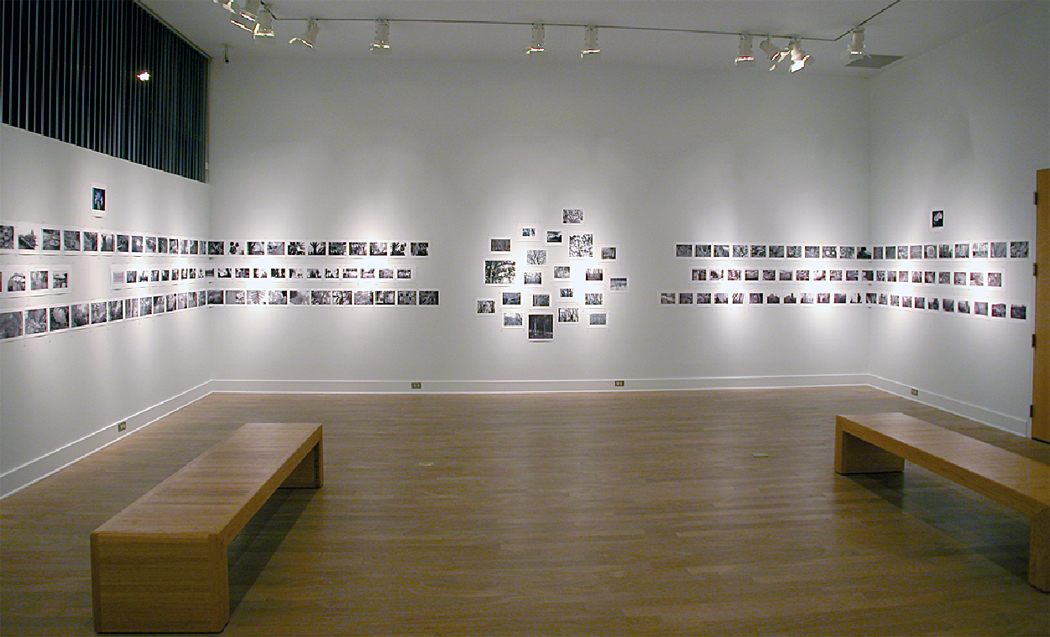
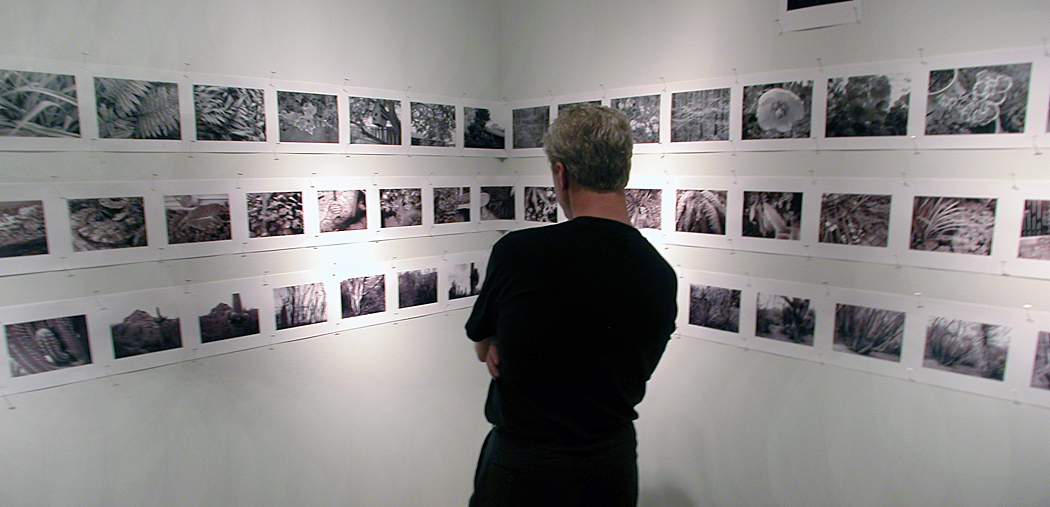
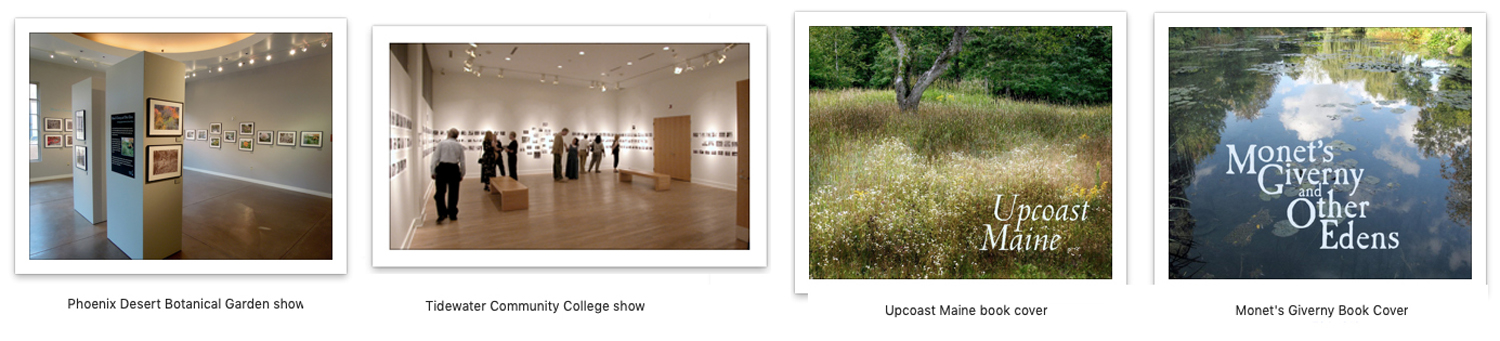
I created perhaps a dozen or so of these series, each boxed up and ordered, with a title card and with individual photographs shown in an order, and all taken during a single day as a single experience. I still work that way, although less formally. I had a show at Tidewater Community College in Virginia Beach, Va., where I had taught in the mid-1980s, and included 12 of these series on the walls. There were more than a hundred prints, lined up and organized by book.
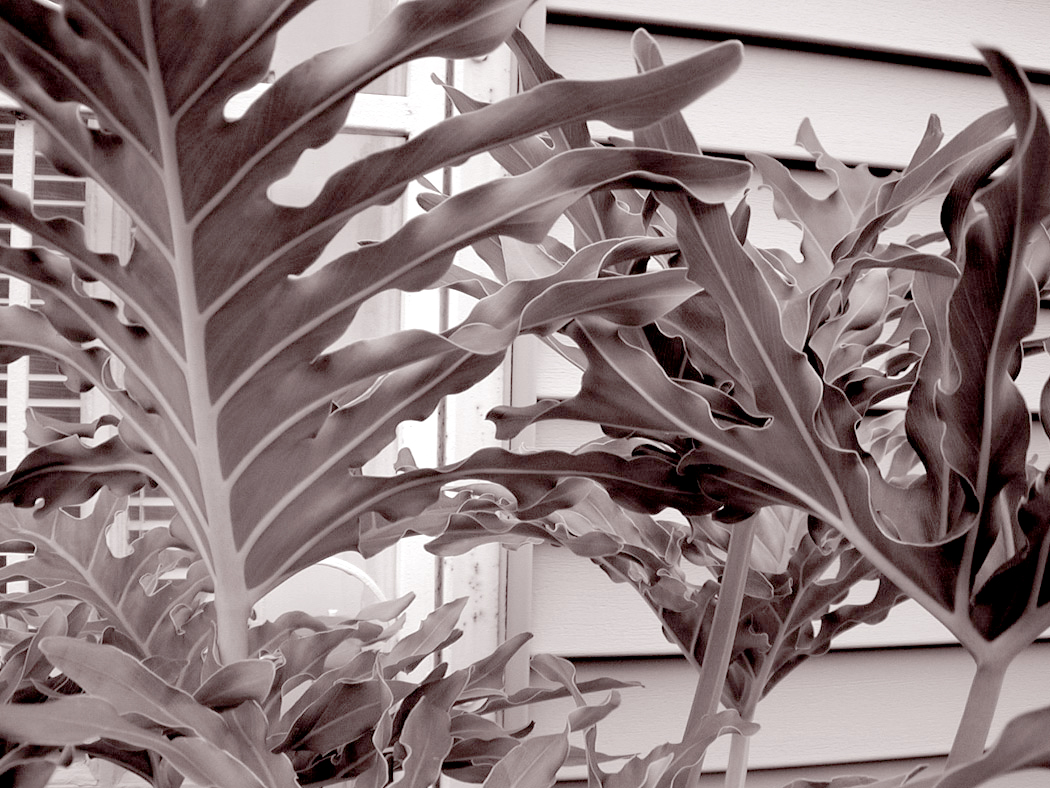
I’ve continued to work in series, but it was gardens I focused on back then. The photos seemed personal without being intrusive. They were metaphors of their creators. I thought I might share a couple of them.
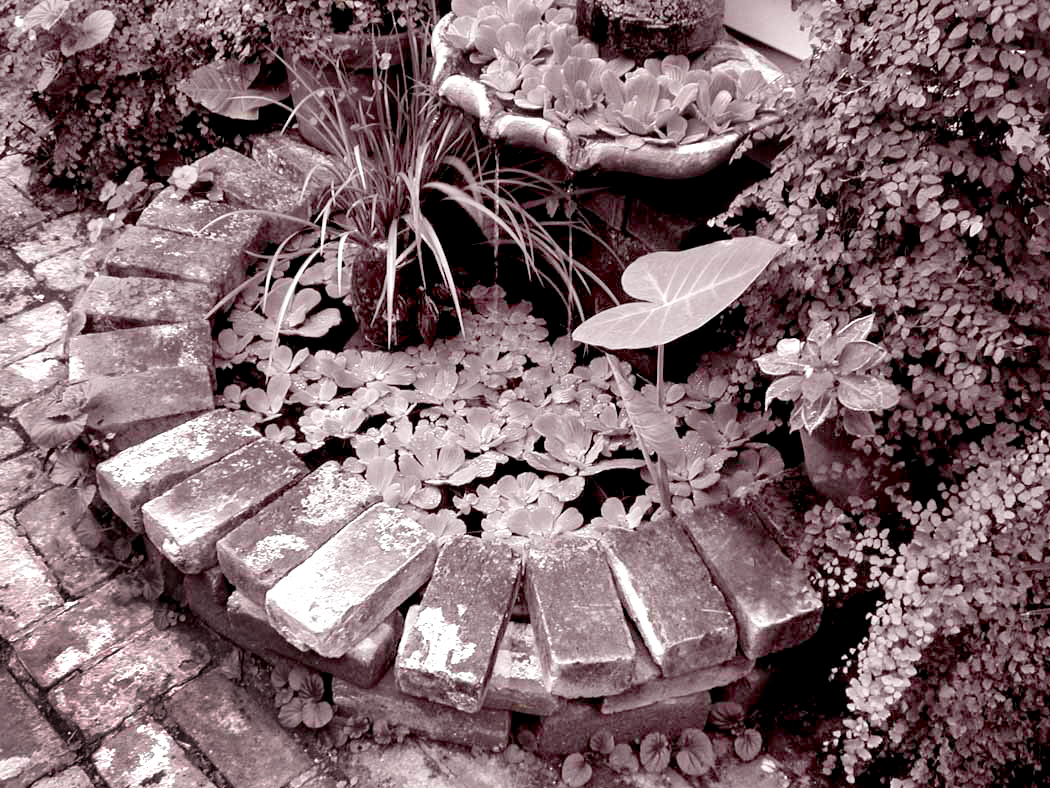
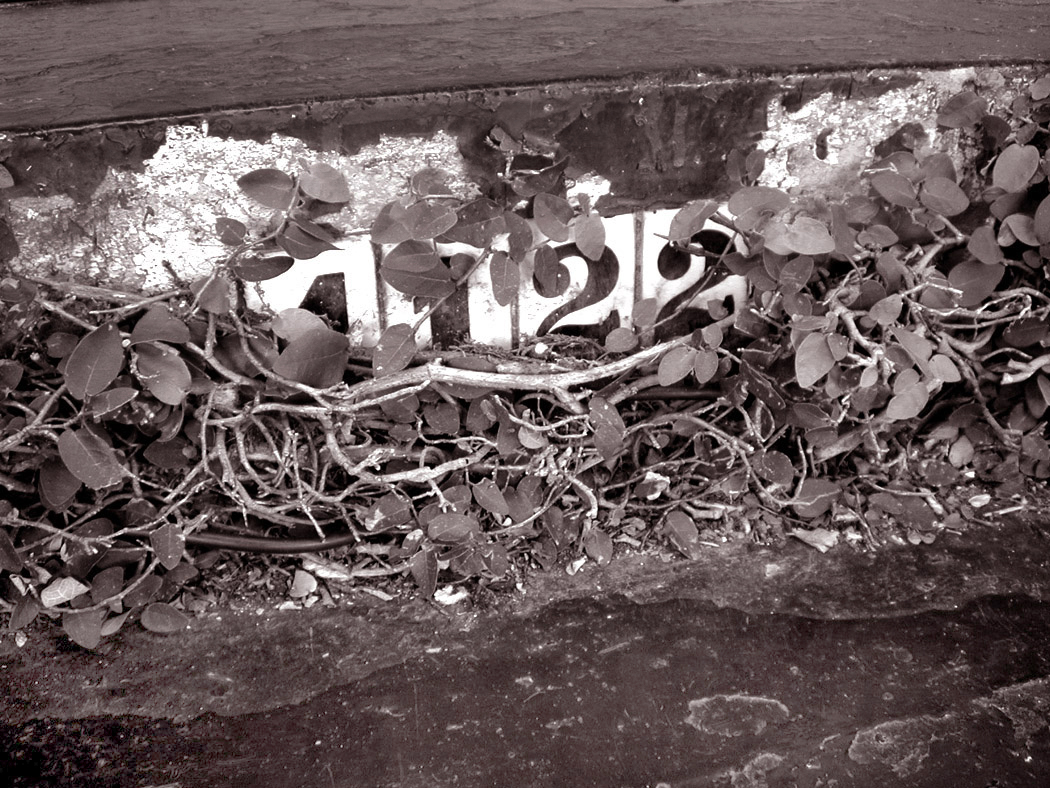
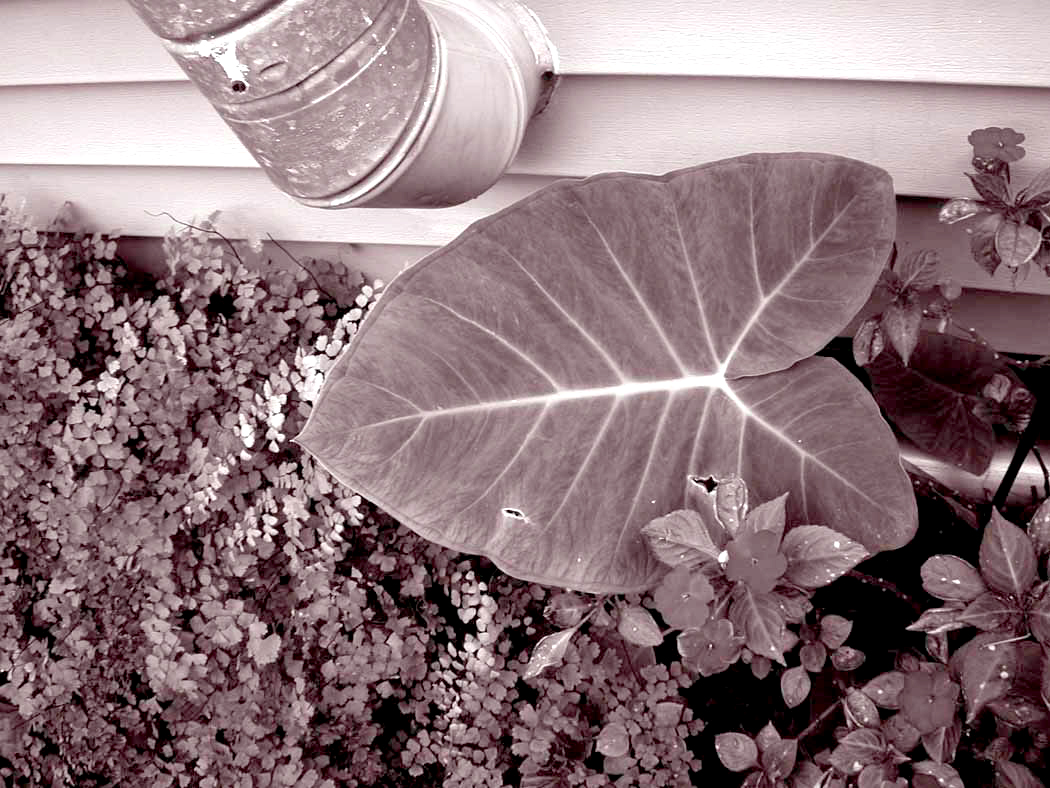
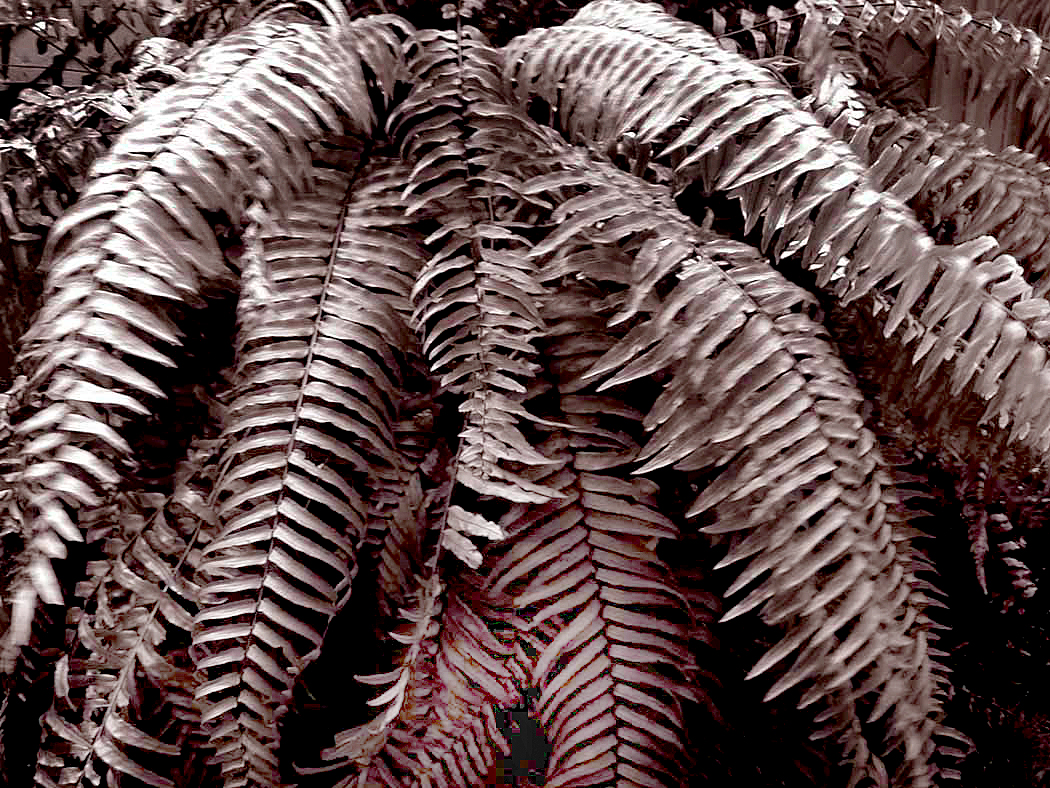
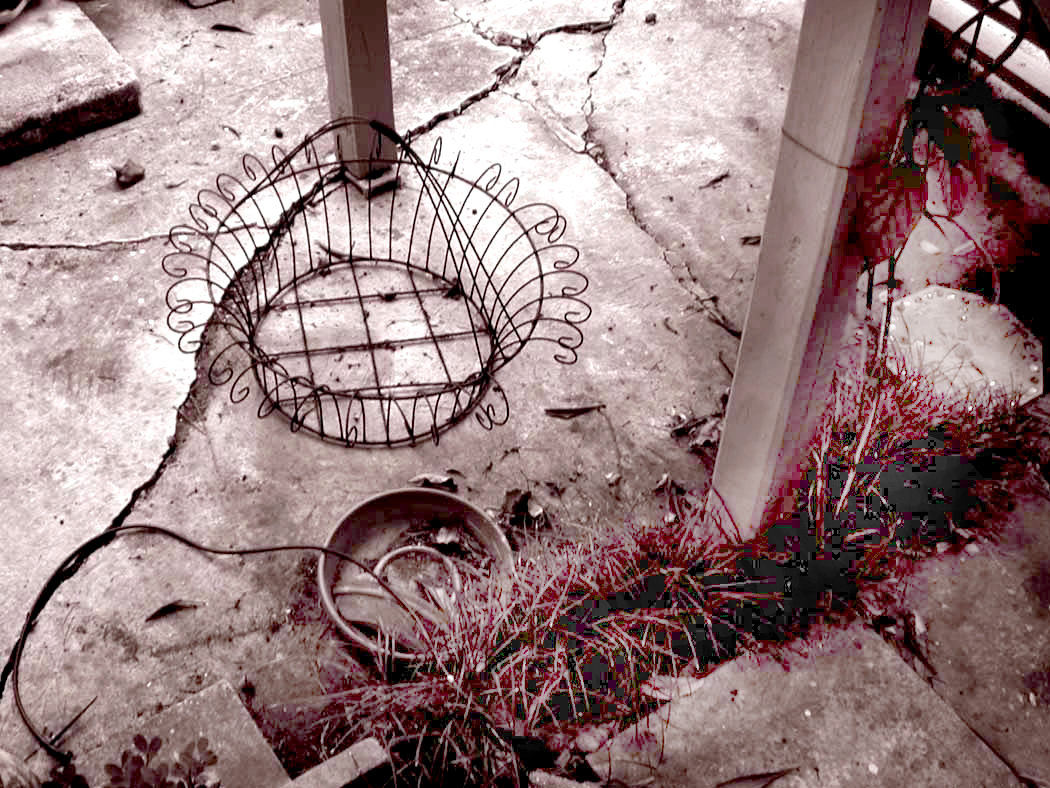
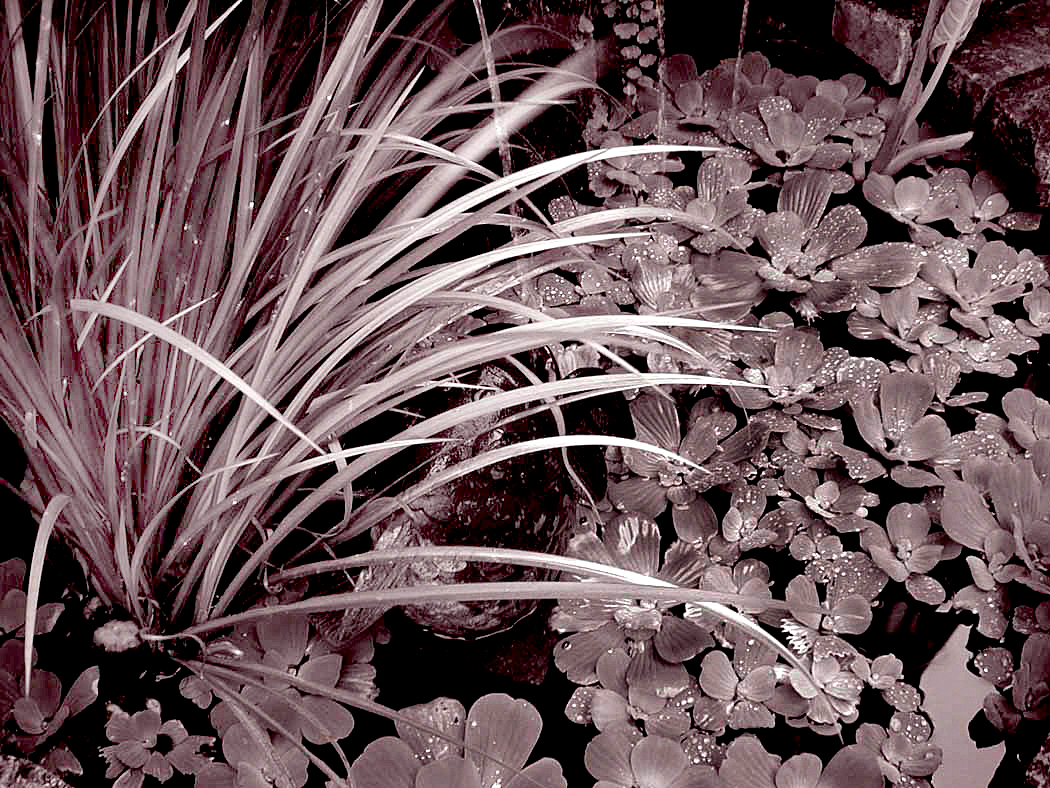
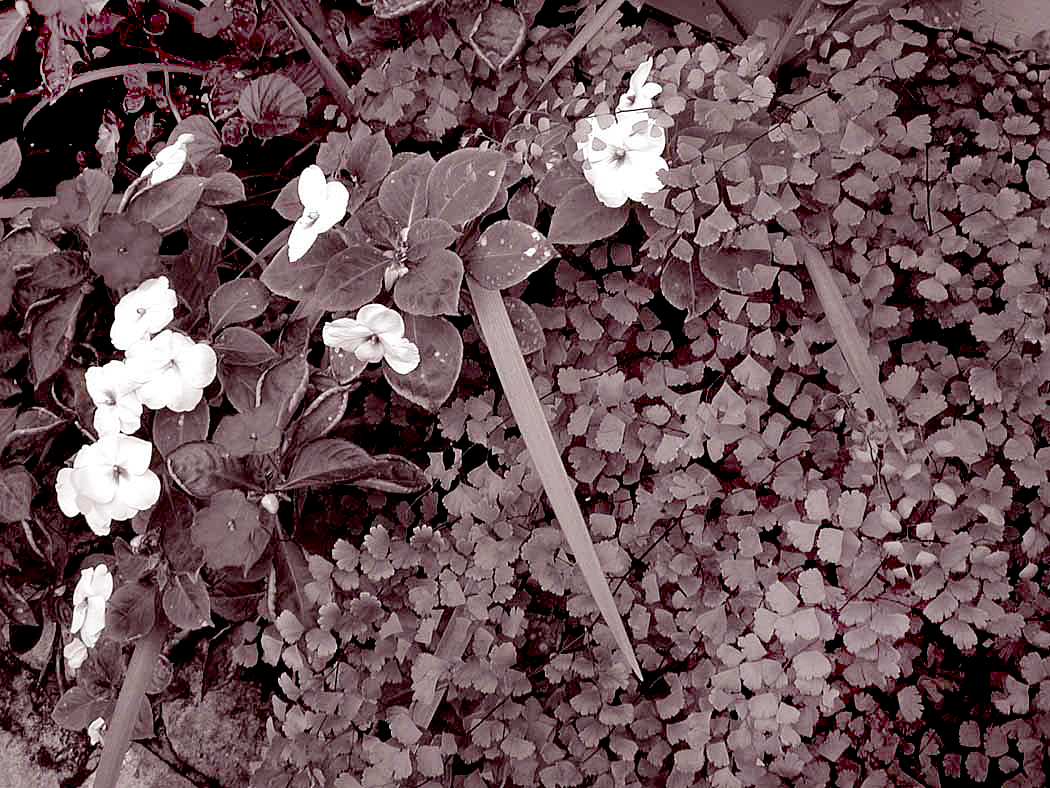
One of the first was made on a visit to New Orleans while staying with friends and former colleagues Judy and Dave Walker. Judy had been the food editor of The Arizona Republic and Dave, aka “Cap’n Dave,” had been our TV writer. They both left Arizona to work for the Times Picayune.
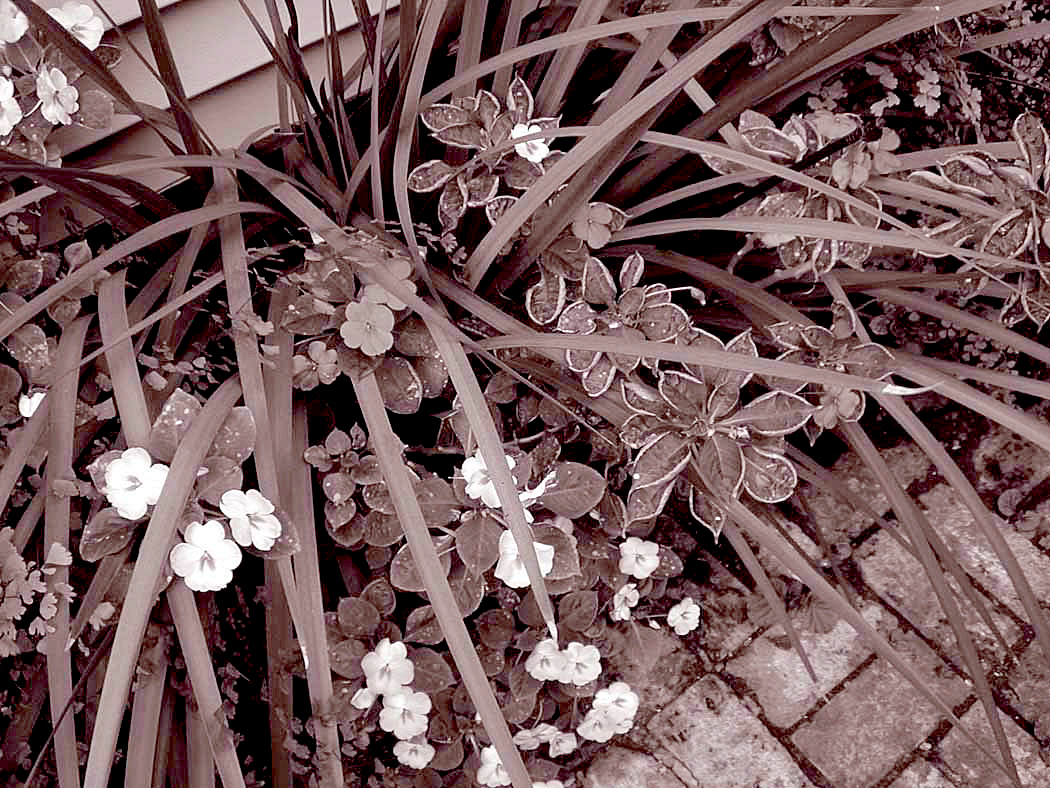
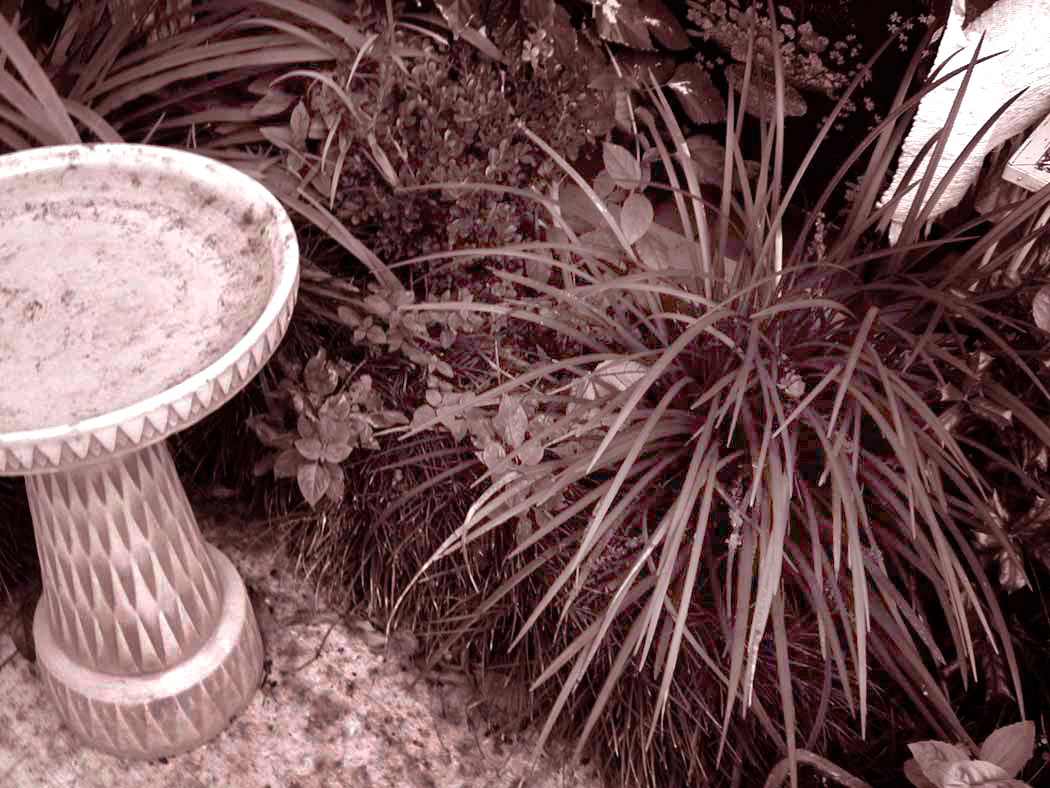
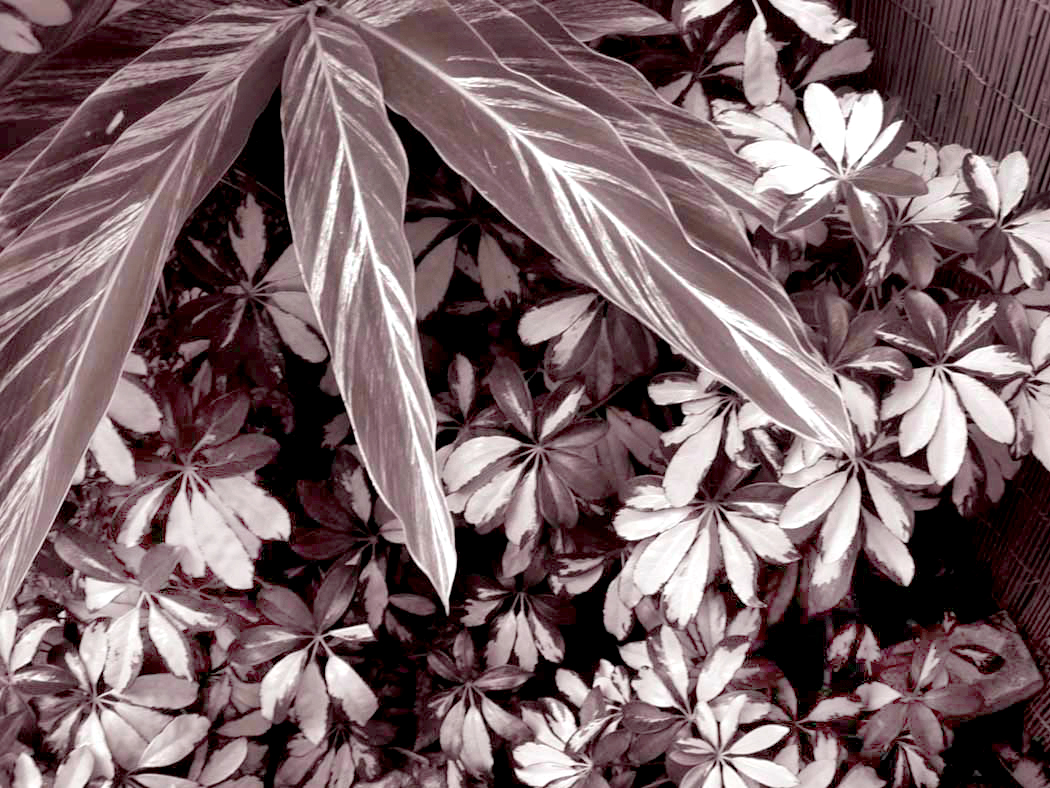
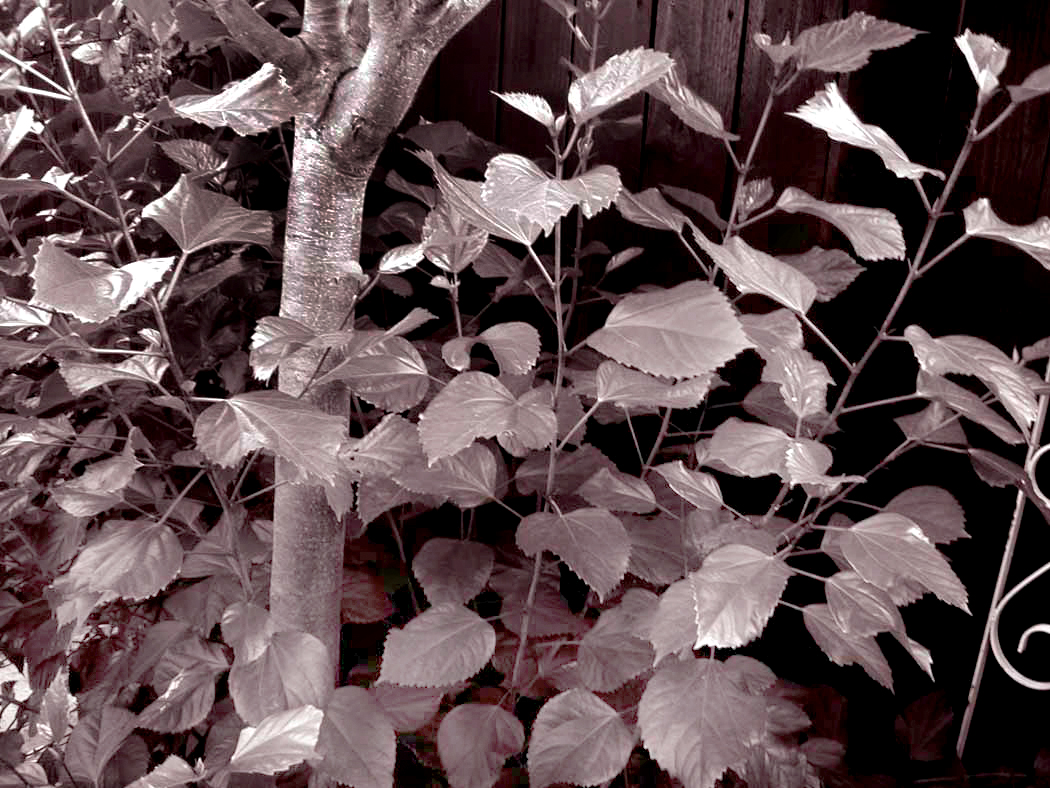
Judy was one of the most gracious and kind people I have ever known. She was one of those people everyone felt comfortable with and at home in any social situation. It was her garden that I thought mirrored her personality.
Here is that set, in order:
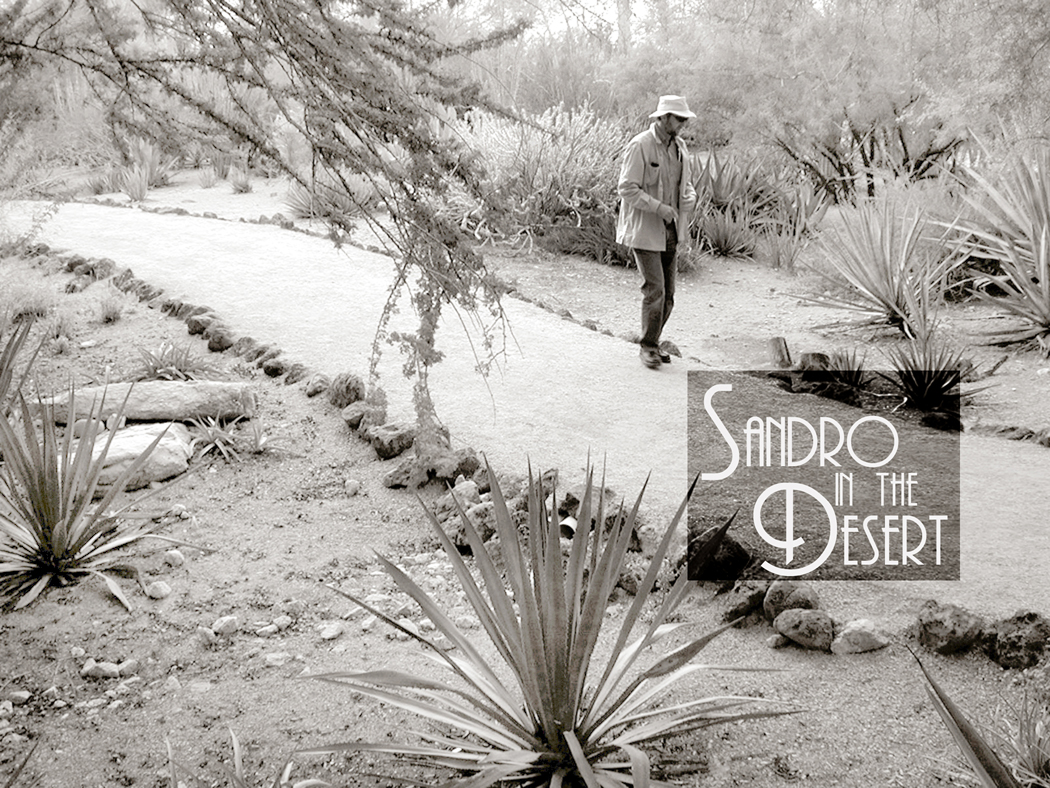
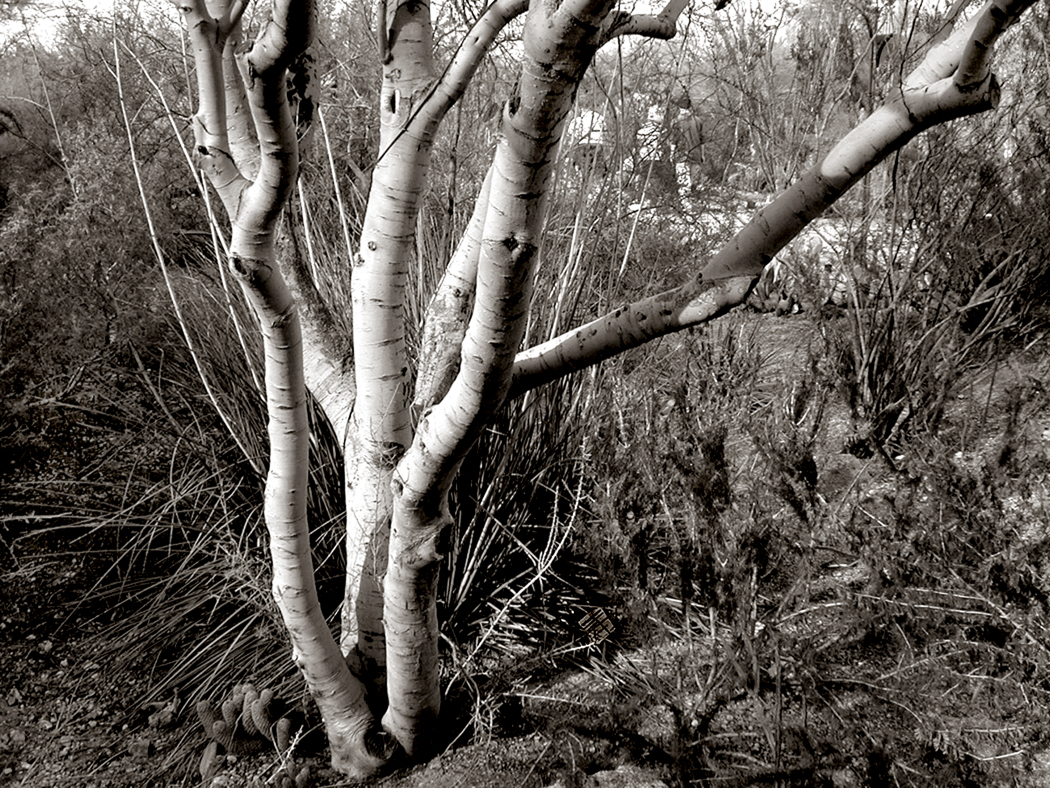
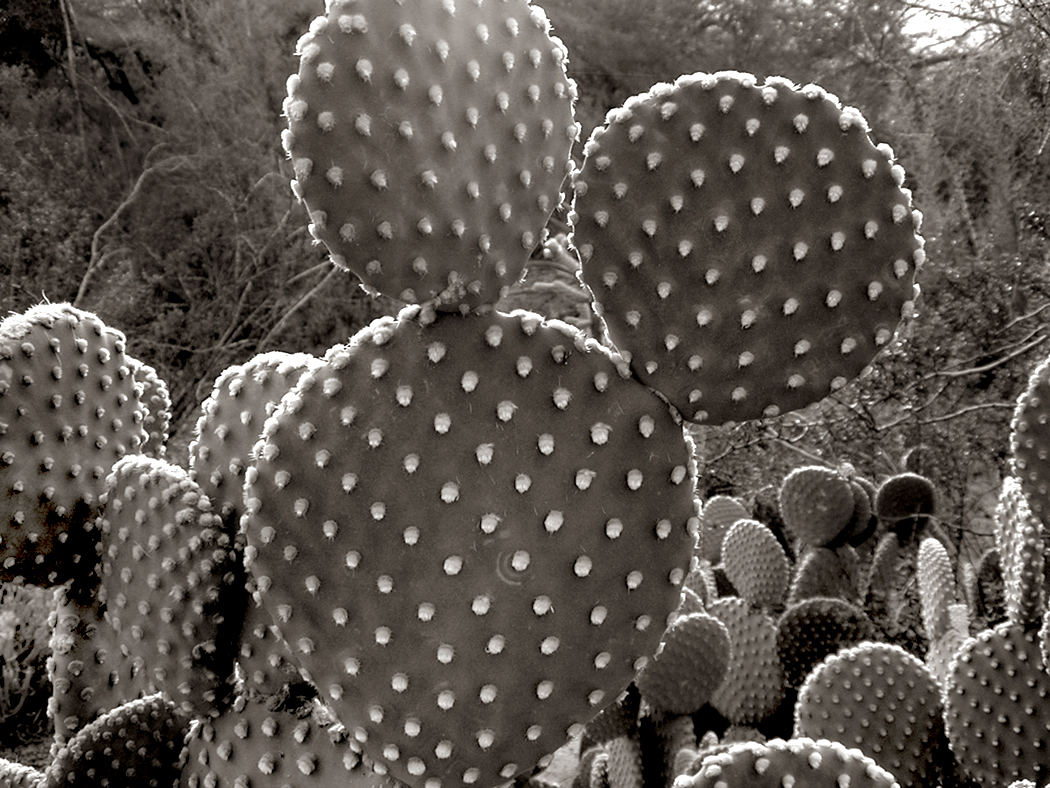
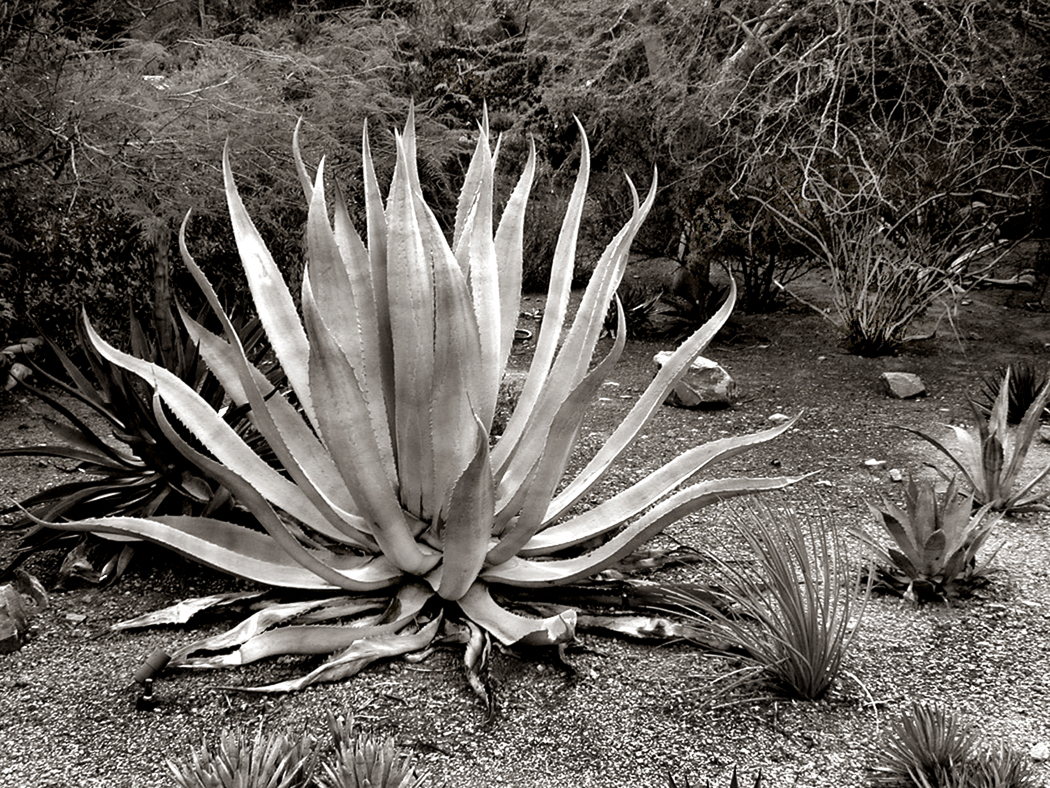
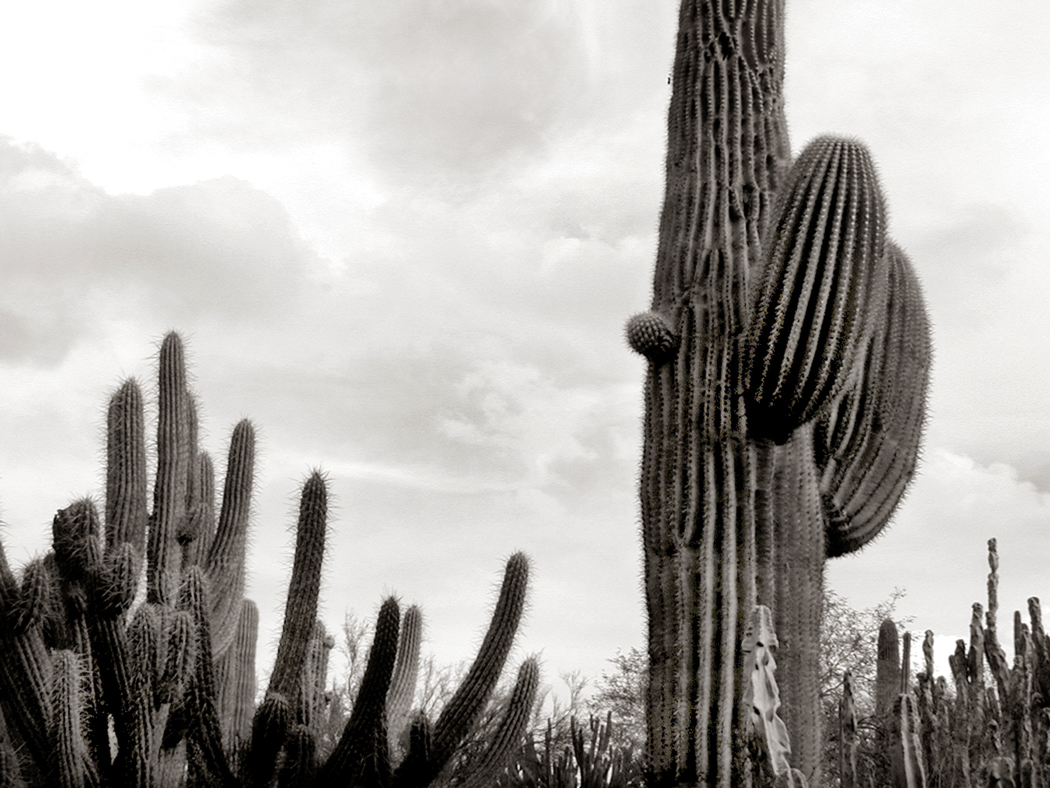
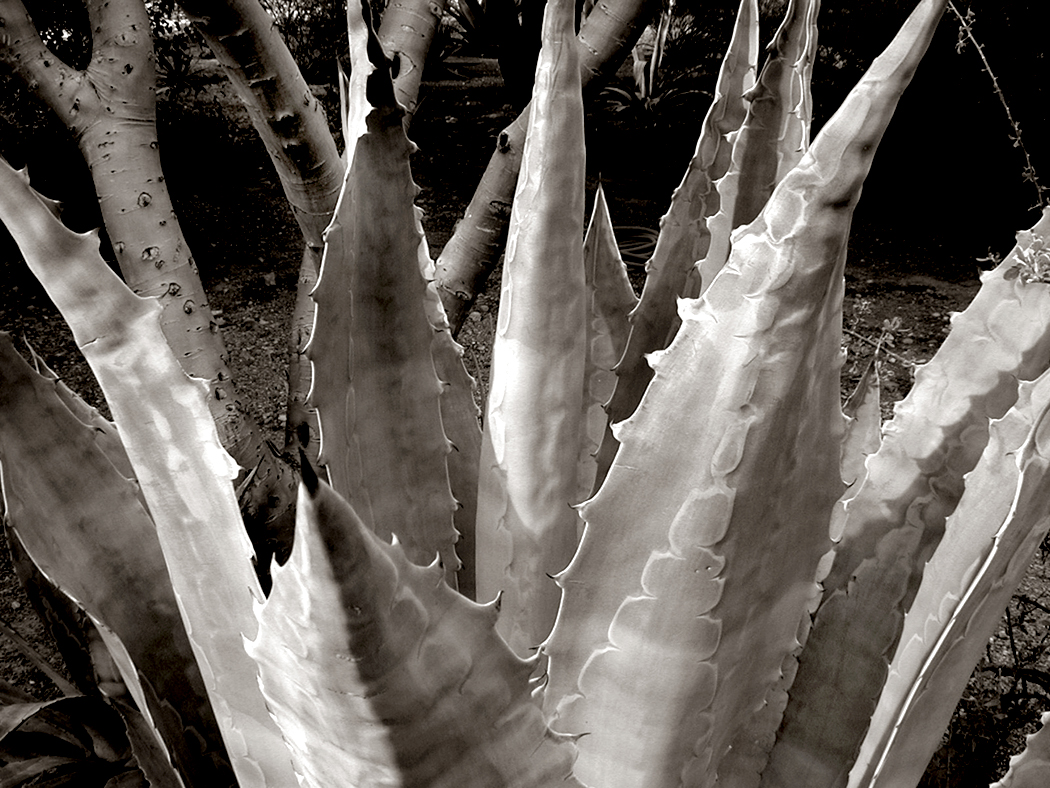
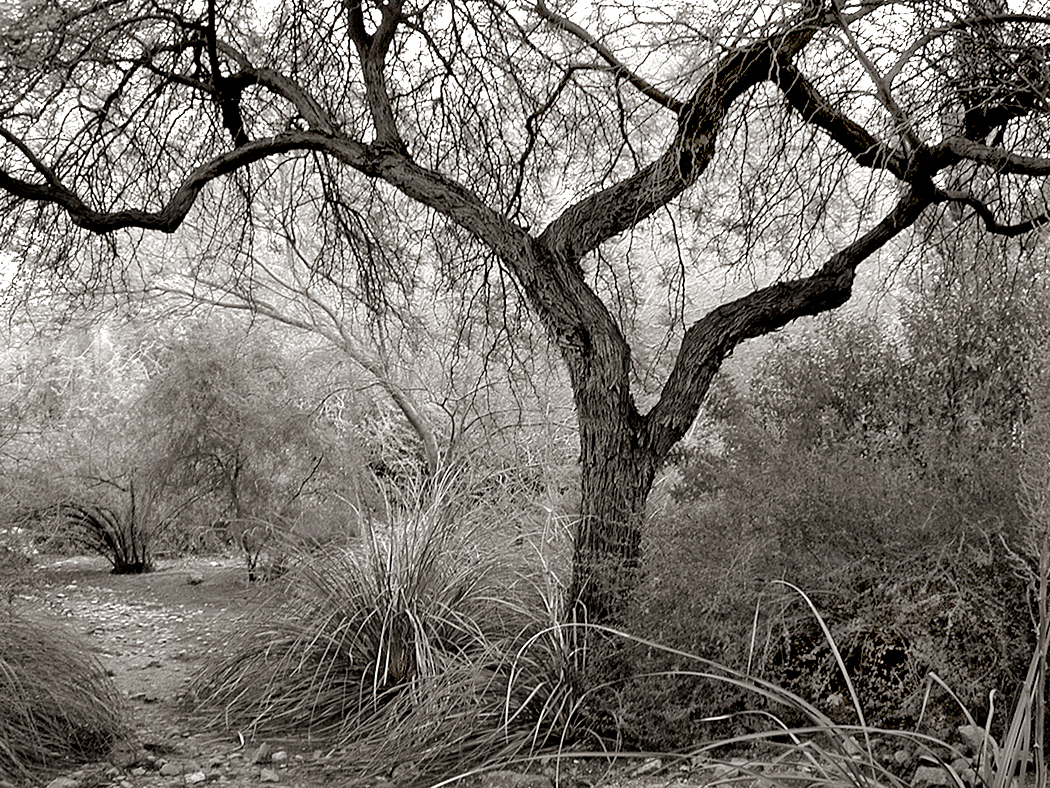
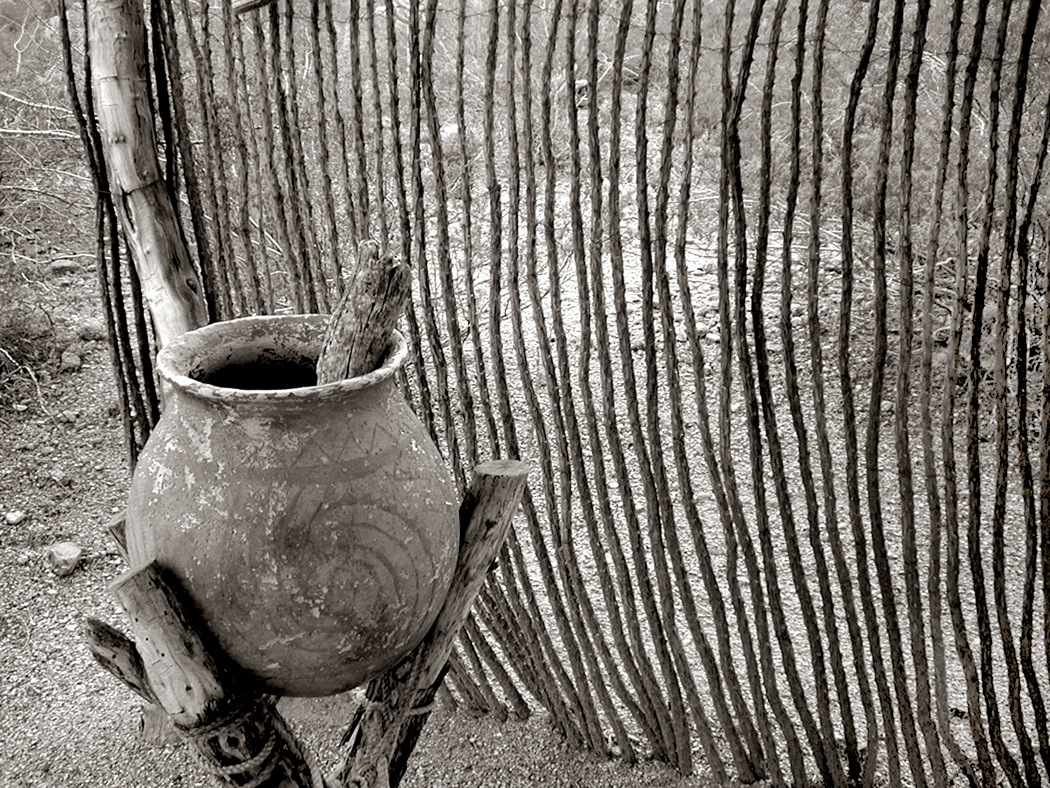
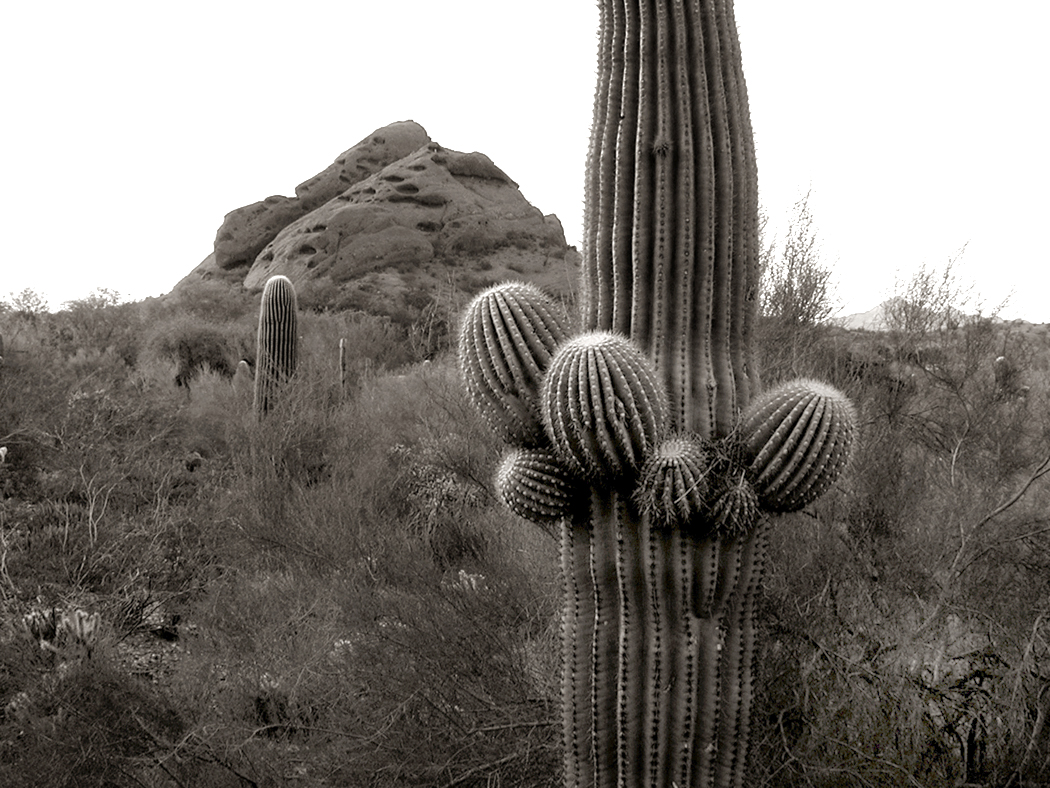
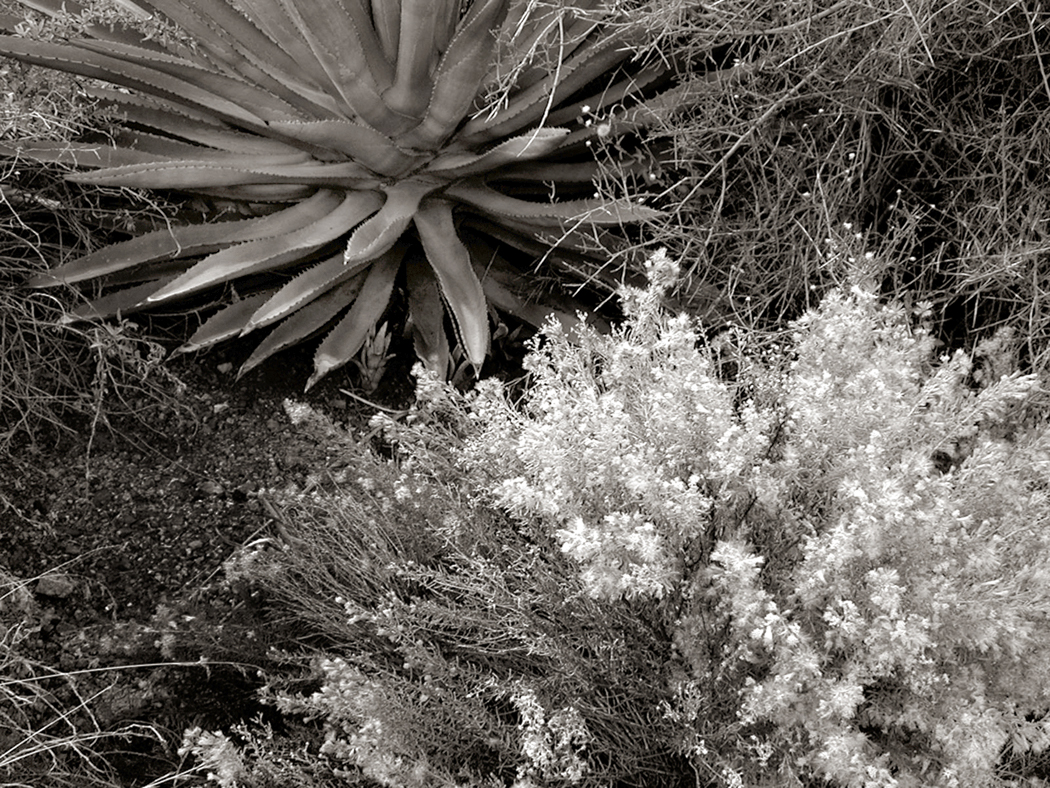
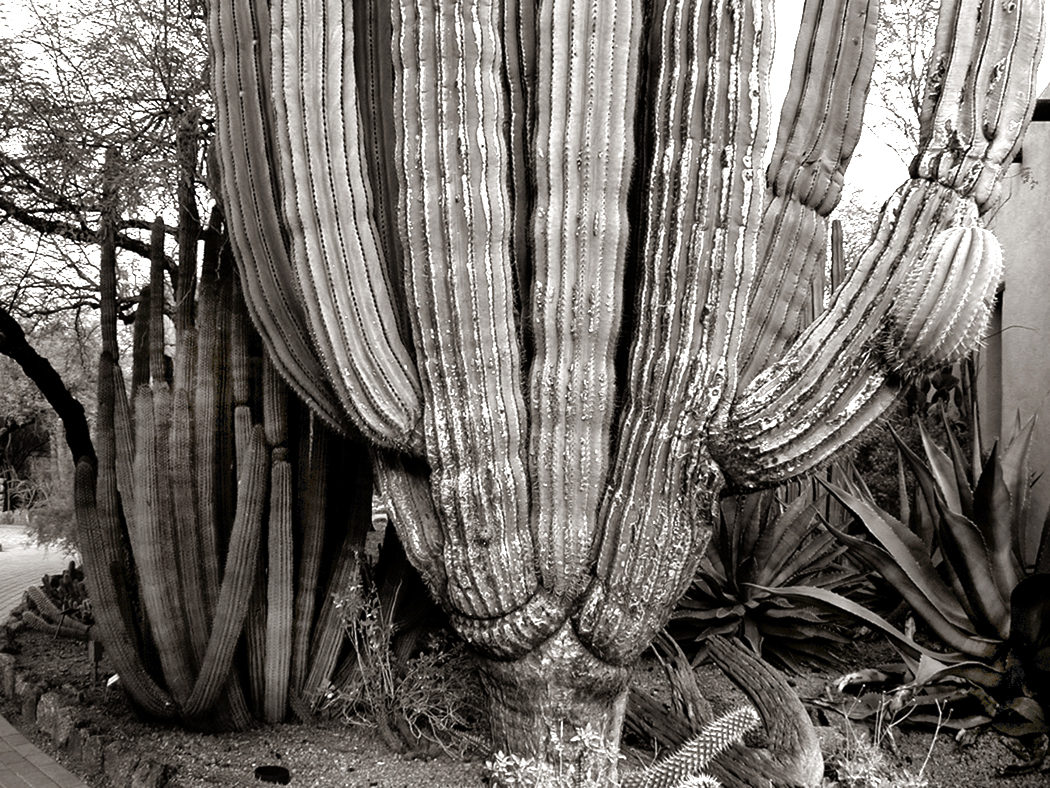
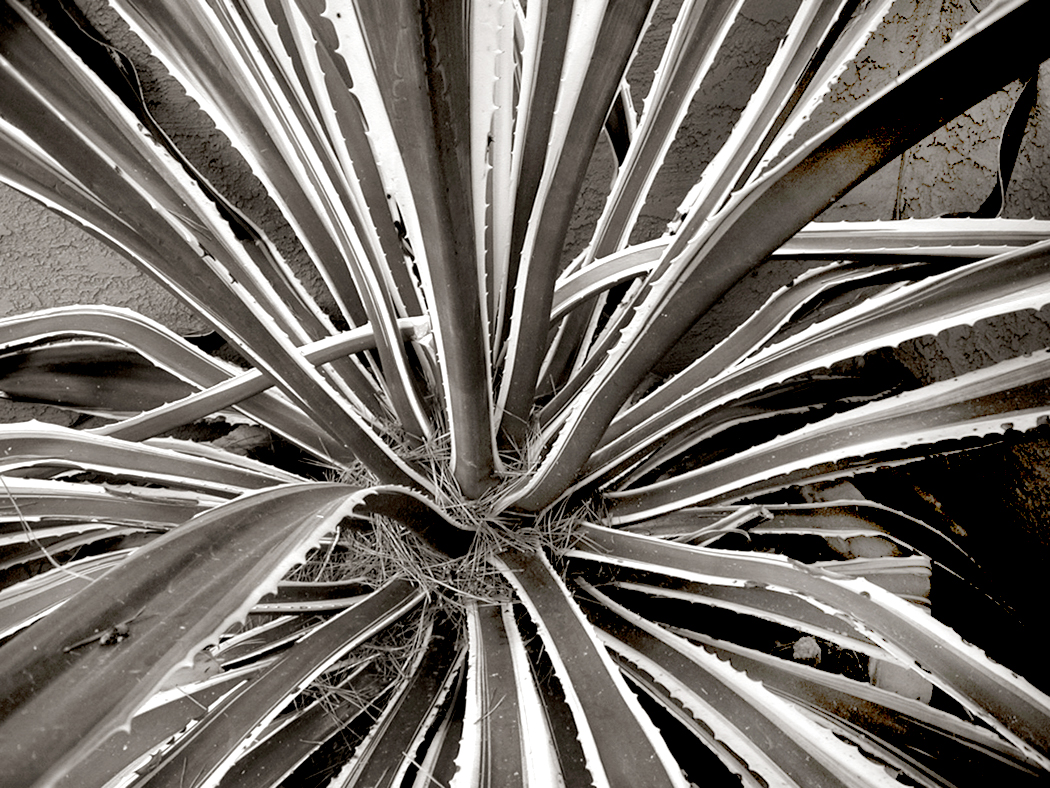
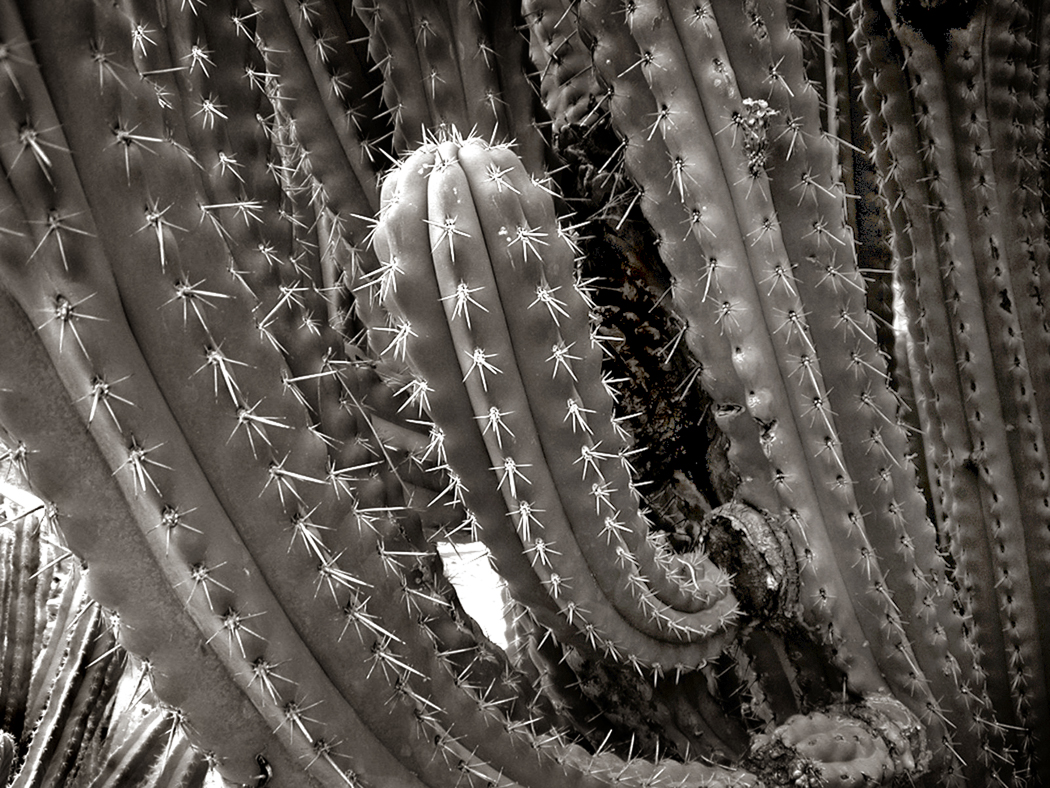
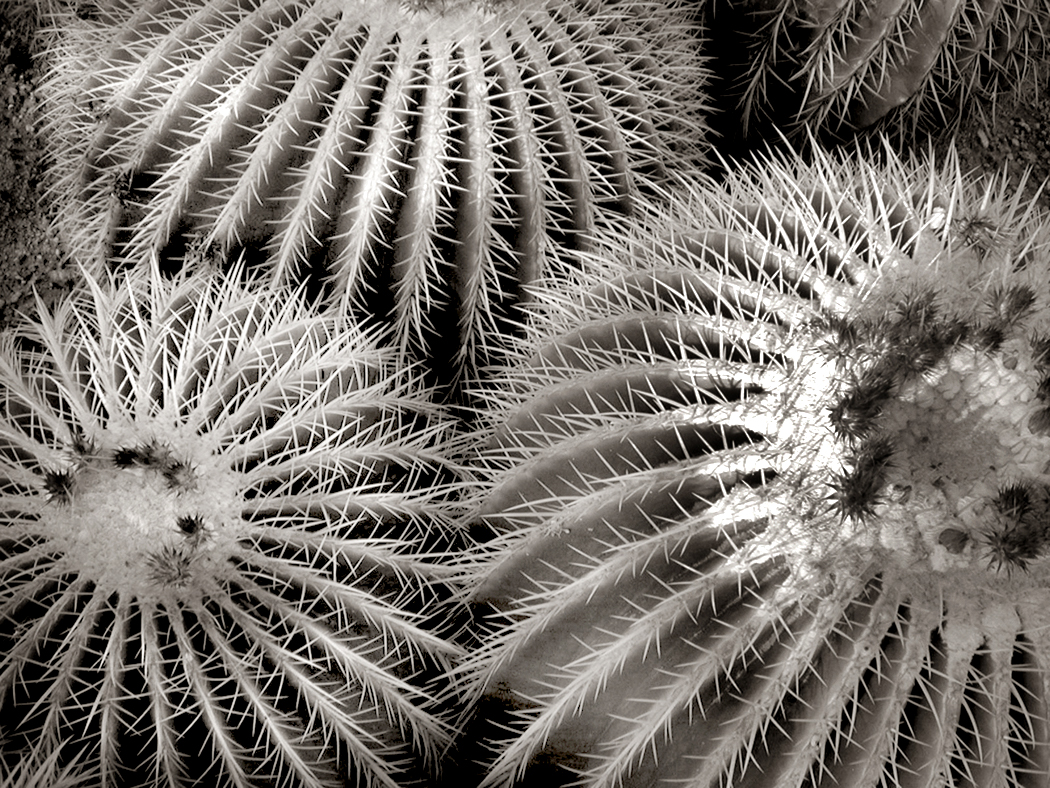
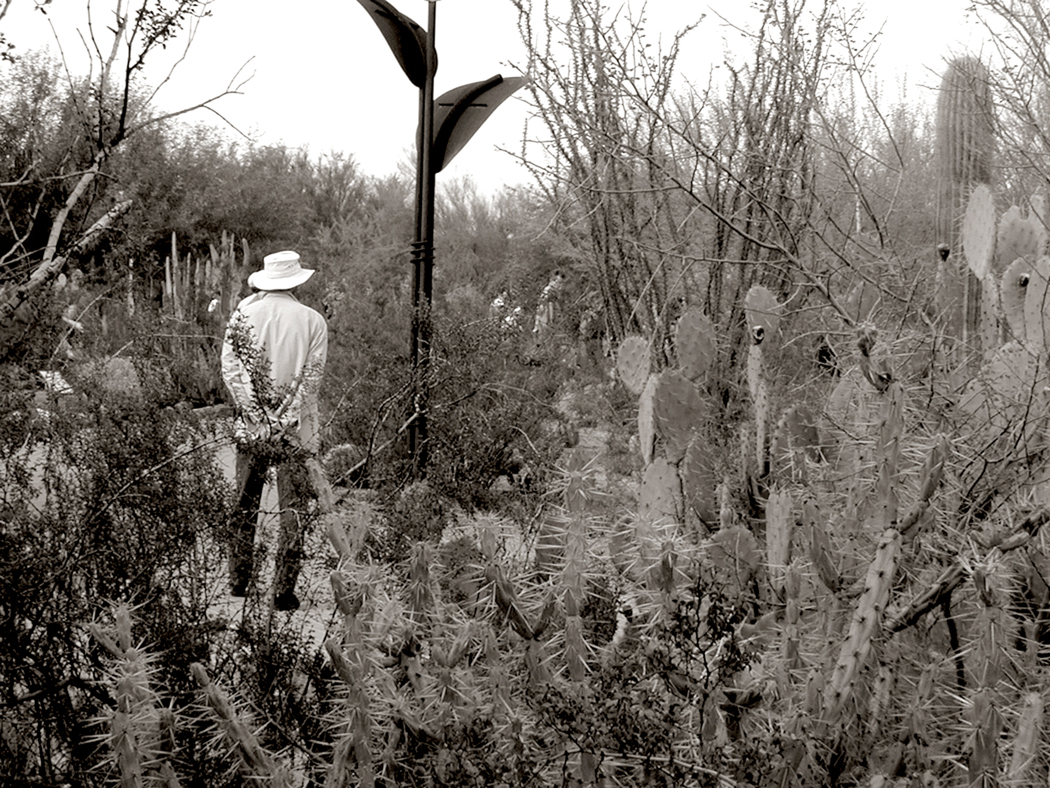
Another kind of series was of the public garden, in this case the Desert Botanical Garden in Phoenix. I had visited many times, walking the sunny paths through cactus, cholla, agave and boojum trees.
One winter, my friend Alexander came to visit us in the desert and I took him to the Botanical Gardens and we walked around all day. It was his first time visiting the West and I got to see it all again for the first time through his eyes.
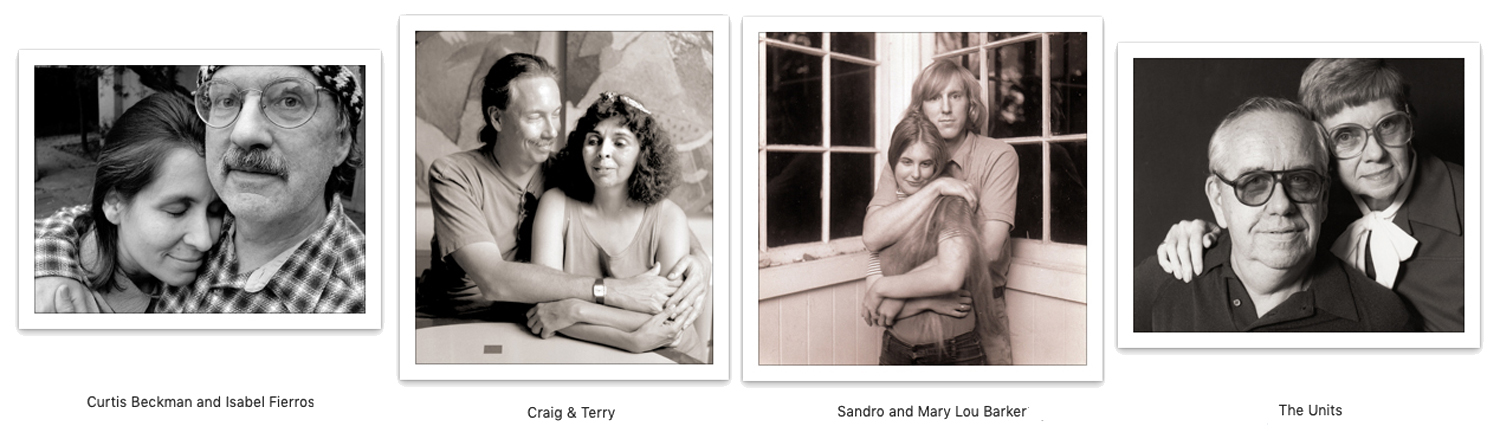
I first met Sandro — for that is what we call him — my sophomore year at college. He was nuts about classical music and we spent many hours in each others’ dorm rooms spinning vinyl on our portable stereos. We became lifelong friends and spent many camping trips to the Outer Banks. And later, when I was going through a rough patch in life, Sandro and his wife, Mary Lou, took me in and gave me a place to live, fed me and took care of me. I am forever grateful to the two of them.
They later moved to Maine and live in an old farmhouse in Sullivan and I have visited them many times, although it has gotten more difficult now that I am old, and both driving and flying have become a problem.
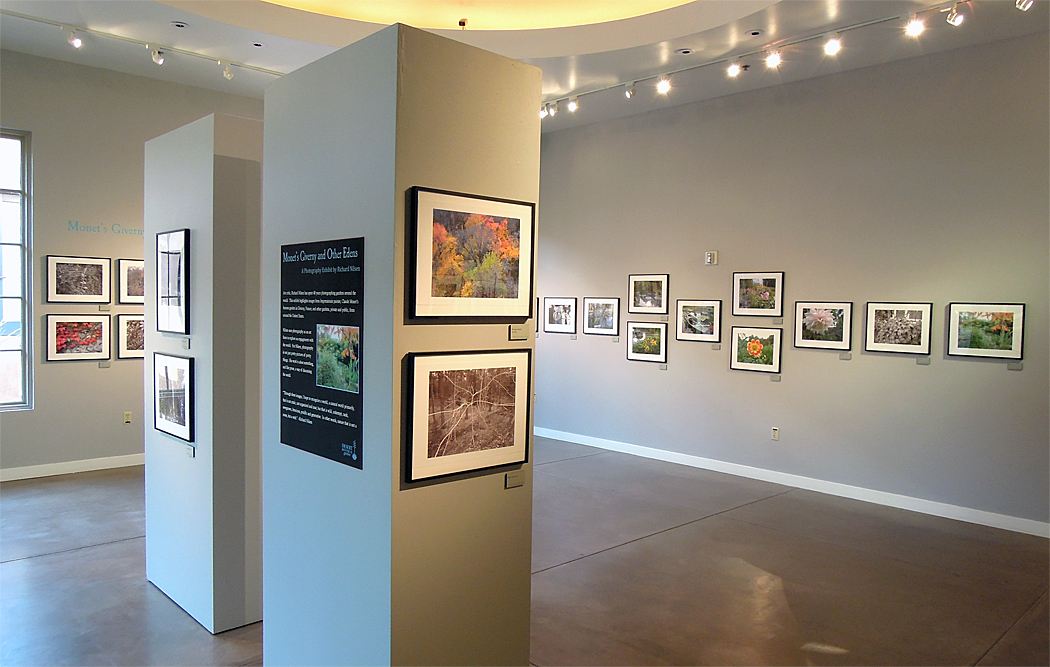
Later, just before I retired, I had a show of my garden photographs at the same Desert Botanical Garden, although this time, it was individual images from the series. The bulk of the images were of Monet’s garden in Giverny, but images from the earlier books were mixed in, in a show titled “Giverny and Other Edens.”
I now photograph my back yard and watch it through its seasons, and my own as well.
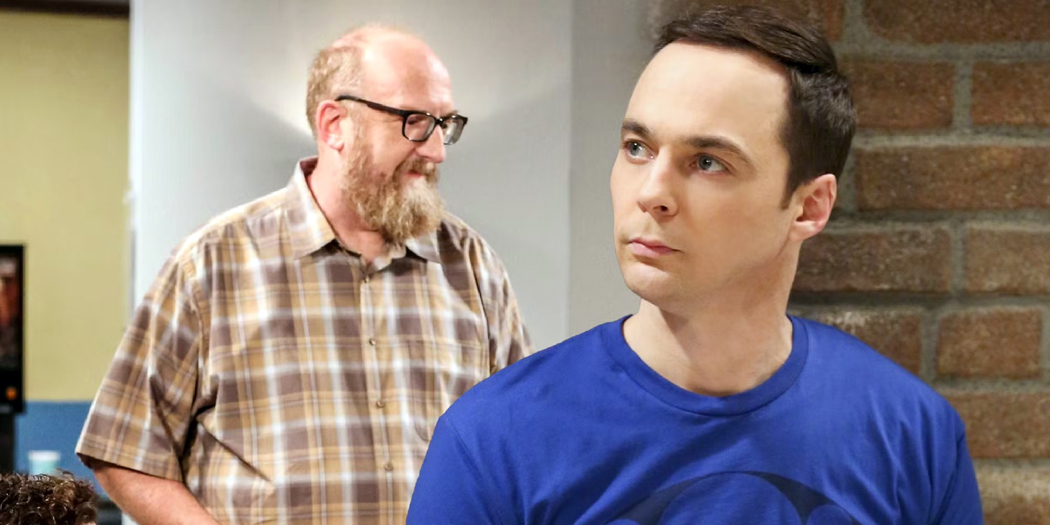
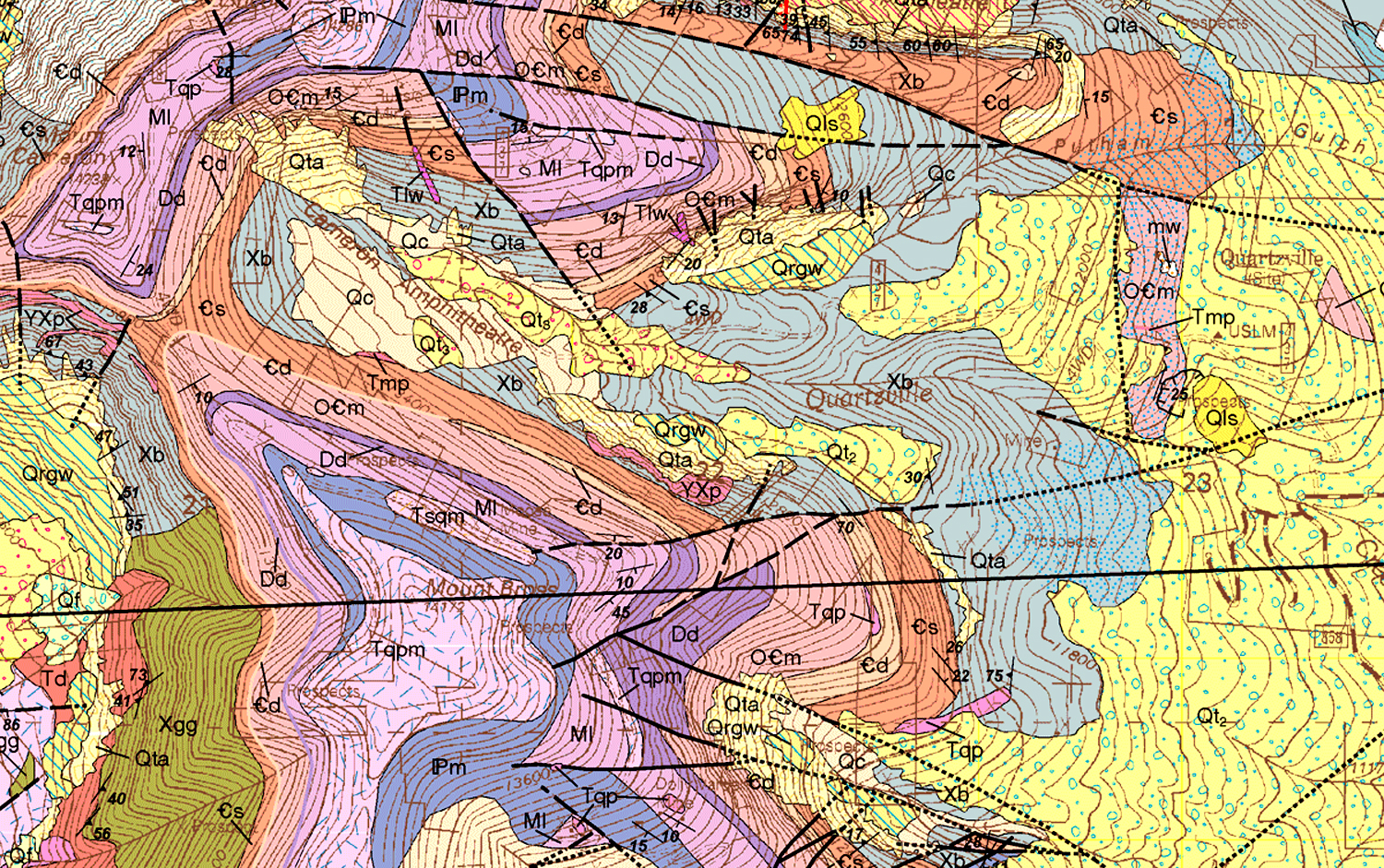
In the TV show, Big Bang Theory, physicist Sheldon Cooper claims that geology “isn’t a real science.” He’s quite a snob about it. But if you unfold any standard geological map — one that outlines the underlying bedrock of any state or county — you will see something so mindbogglingly complex and incomprehensible, that it couldn’t be anything but science.
A geologist is someone who can tell the difference between diorite and andesite, and can measure the schistosity of mica, and explain how seashell fossils came to be found on the top of Mt. Everest. Geologists find petroleum and metals under the earth, and tell us the Earth is 4.6 billion years old. And a good deal of what is written in the field is — much as with quantum physics — well beyond the ken and vocabulary of mere mortals.
They write things such as: “Mass transport deposits (MTDs) occur as intercalations within turbiditic sequences above the ophiolites. They represent syncontractional submarine slides that occurred on frontal accretionary prism slopes during the Late Cretaceous–Paleocene closure of the LPOB.” That, by the way is “Ligurian-Piedmont Ocean Basin,” in case you were confused.
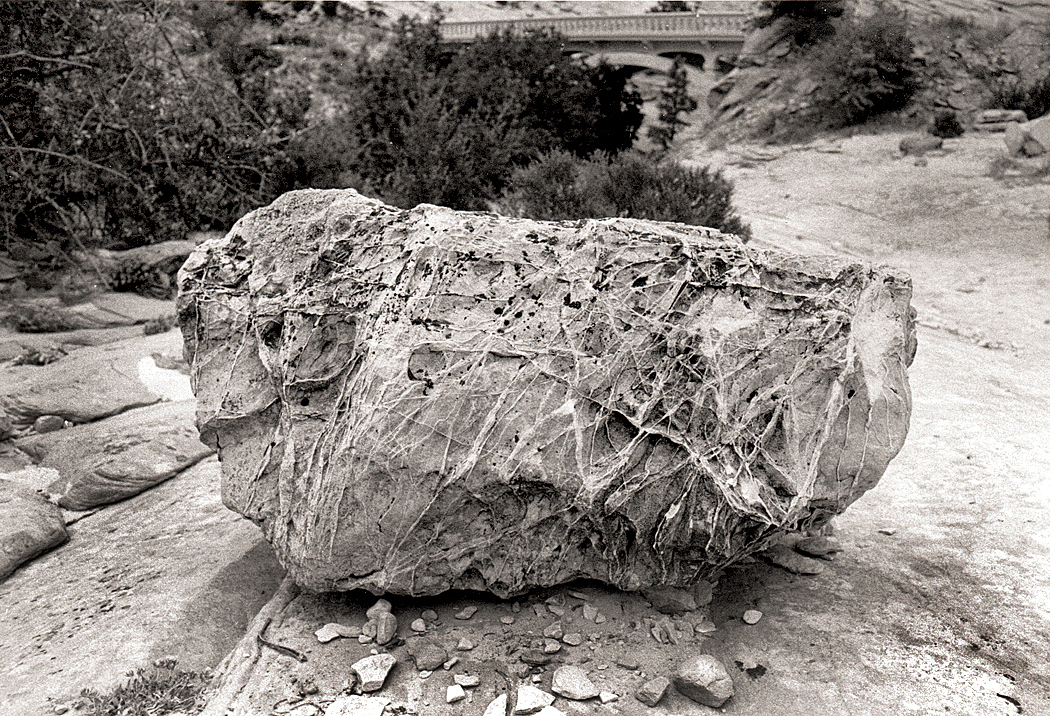
Southern Utah
So, yes, they are scientists. And it’s fun to learn as much as you can, and collect interesting rocks and minerals. But geology is also for poets, artists and cooks. And it is the humanistic aspects of geology that have fascinated me since first studying geology in college.
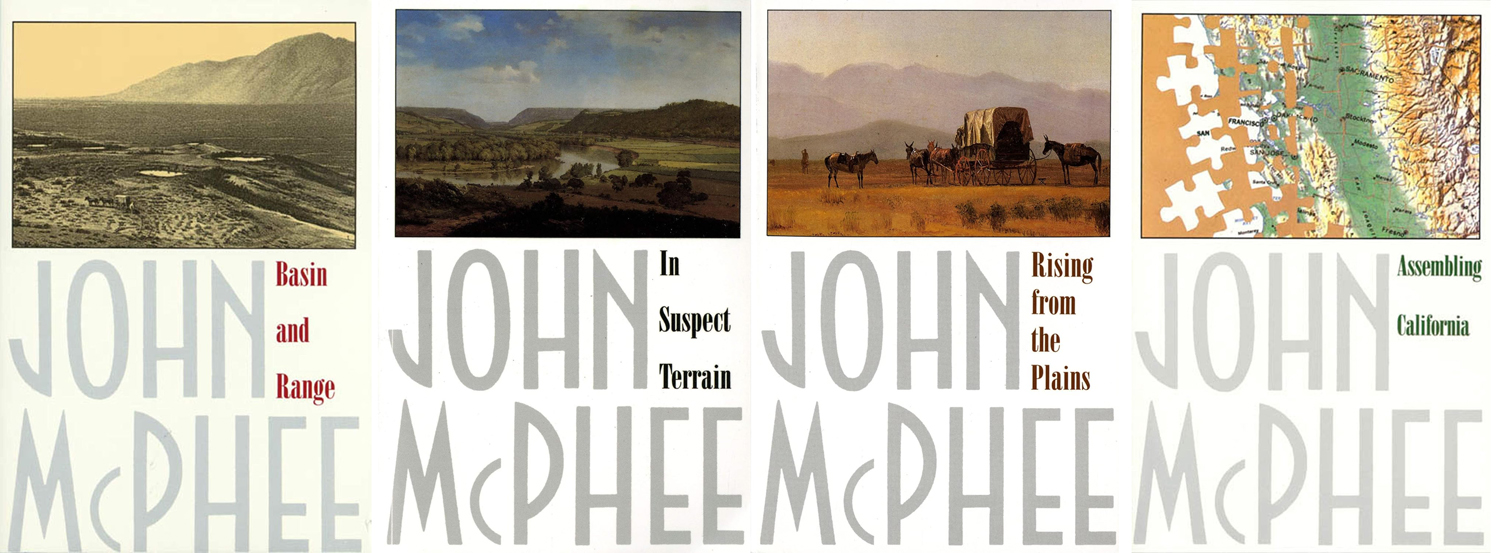
I read a good deal about geology, including the four books written by John McPhee in the 1980s — although they are about geologists as much as about the rocks they study. They are at the comprehensible boundary between general and specialist knowledge. And you’ll never drive through an interstate highway roadcut the same way again.
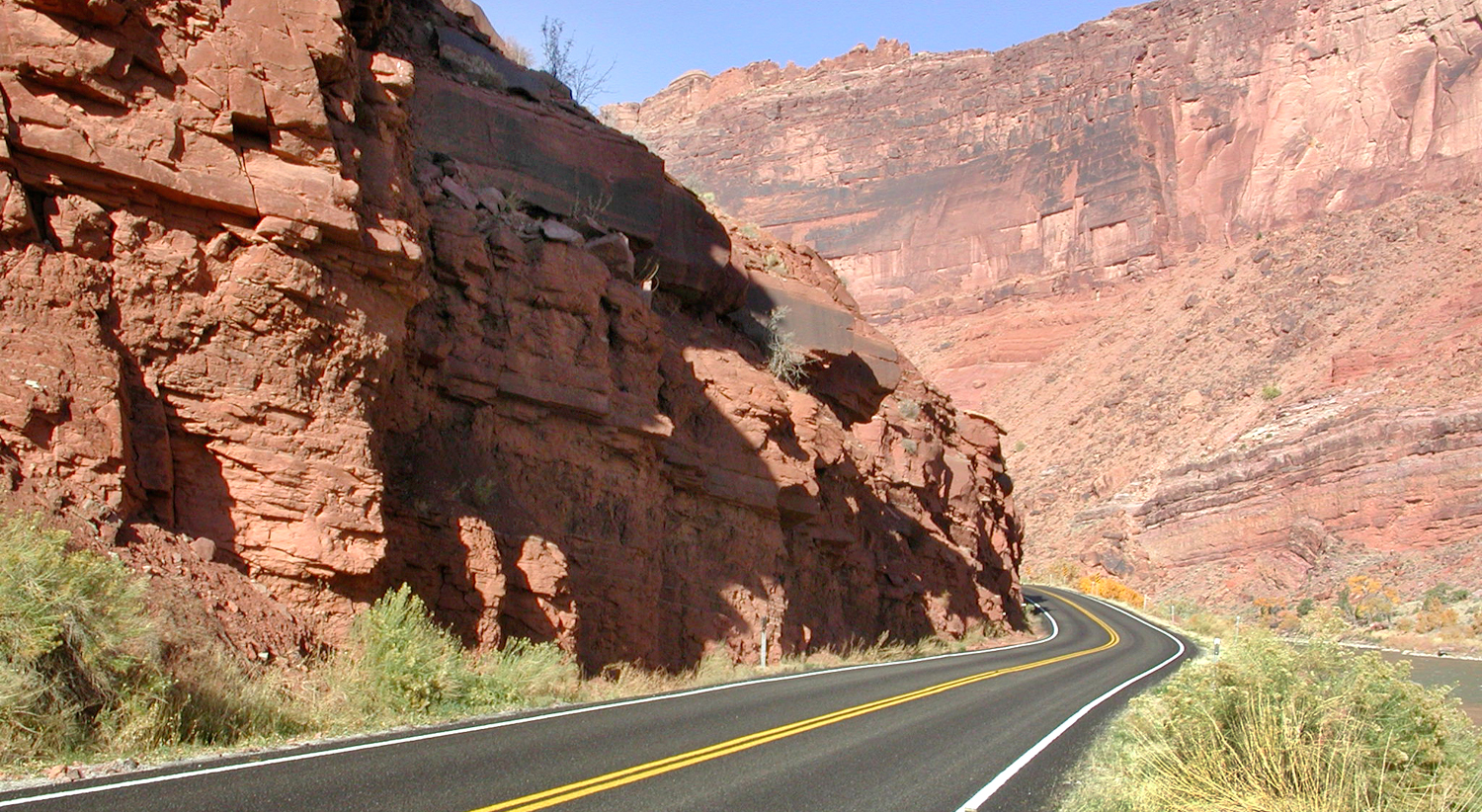
Along the Colorado River, Utah
Geology is just everywhere and affects all of our lives not only daily, but even hourly. Think of your car. Every bit of it, save only the rubber in its tires and the fabric or leather of its upholstery, came originally out of the ground. Whether it is the steel of its engine, the platinum in its catalytic converter, the glass in its windshield or the plastic of its dashboard — all dug out of the ground before being polished up and installed on your Hyundai.
And even your tires, these days, are only partially rubber. The rest of it was dug up, too.
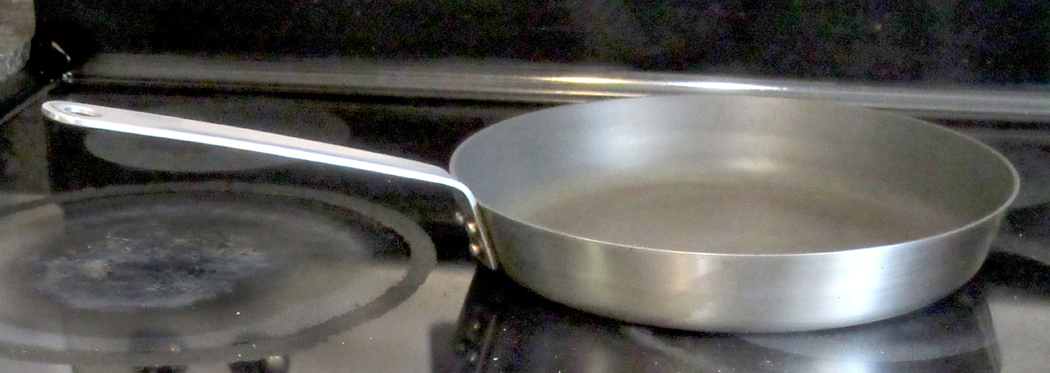
The skillet in your kitchen is just a rock that has been processed. The knives, too, and the potato peeler. All just carefully refined stones. In many ways, we still live in the Stone Age; we’re just more sophisticated about it than those guys banging rocks together in the Paleolithic caves.
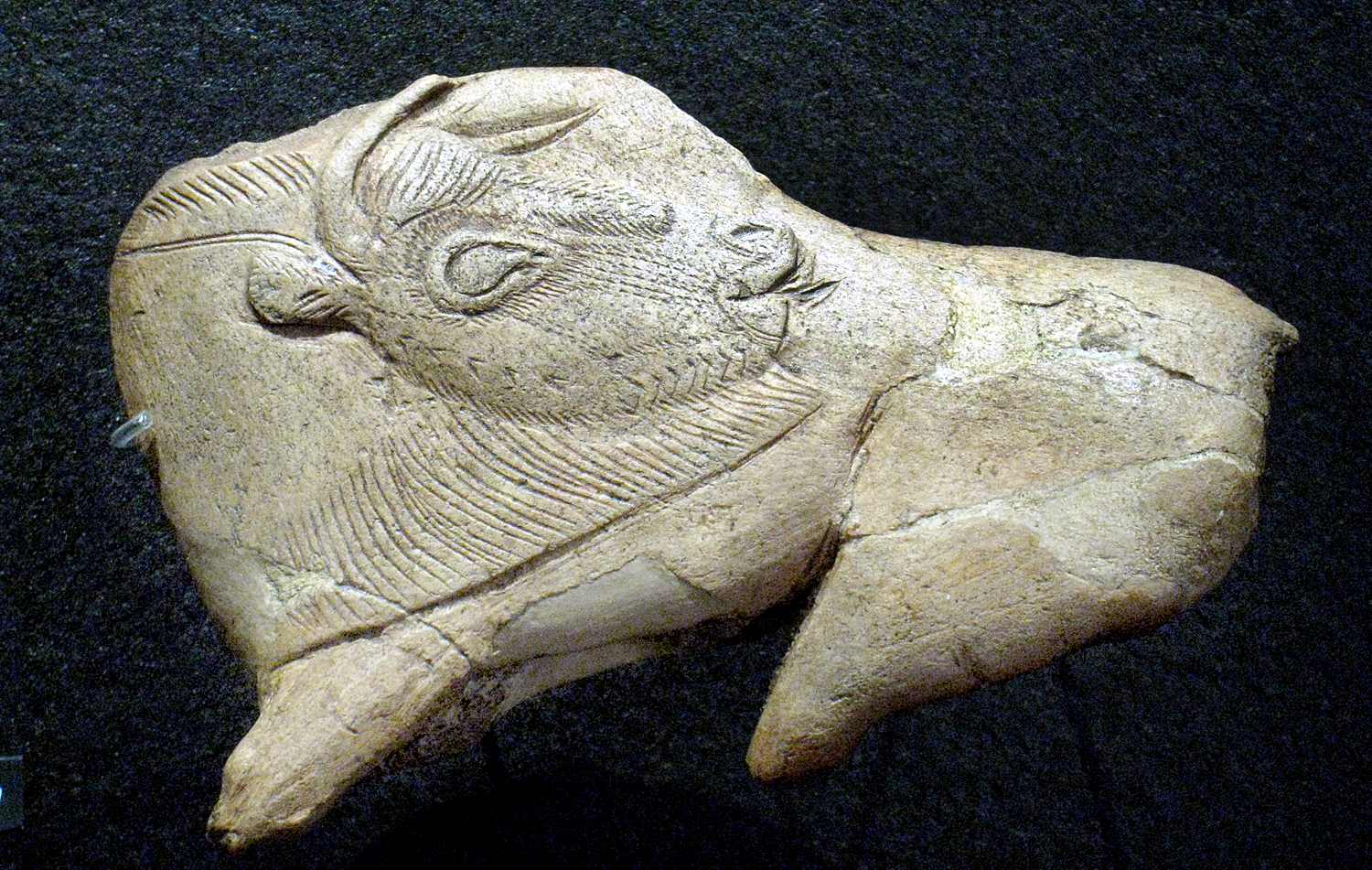
Paleolithic bison carving
Our human prehistory has been divided into the Paleolithic, Mesolithic and Neolithic. I suggest we now live in the Metalithic Age. (Everything now seems to be “meta.”) We do amazing things with the ore we dredge out of the ground and the petroleum we pump, but the foundation of our civilization is still geology.
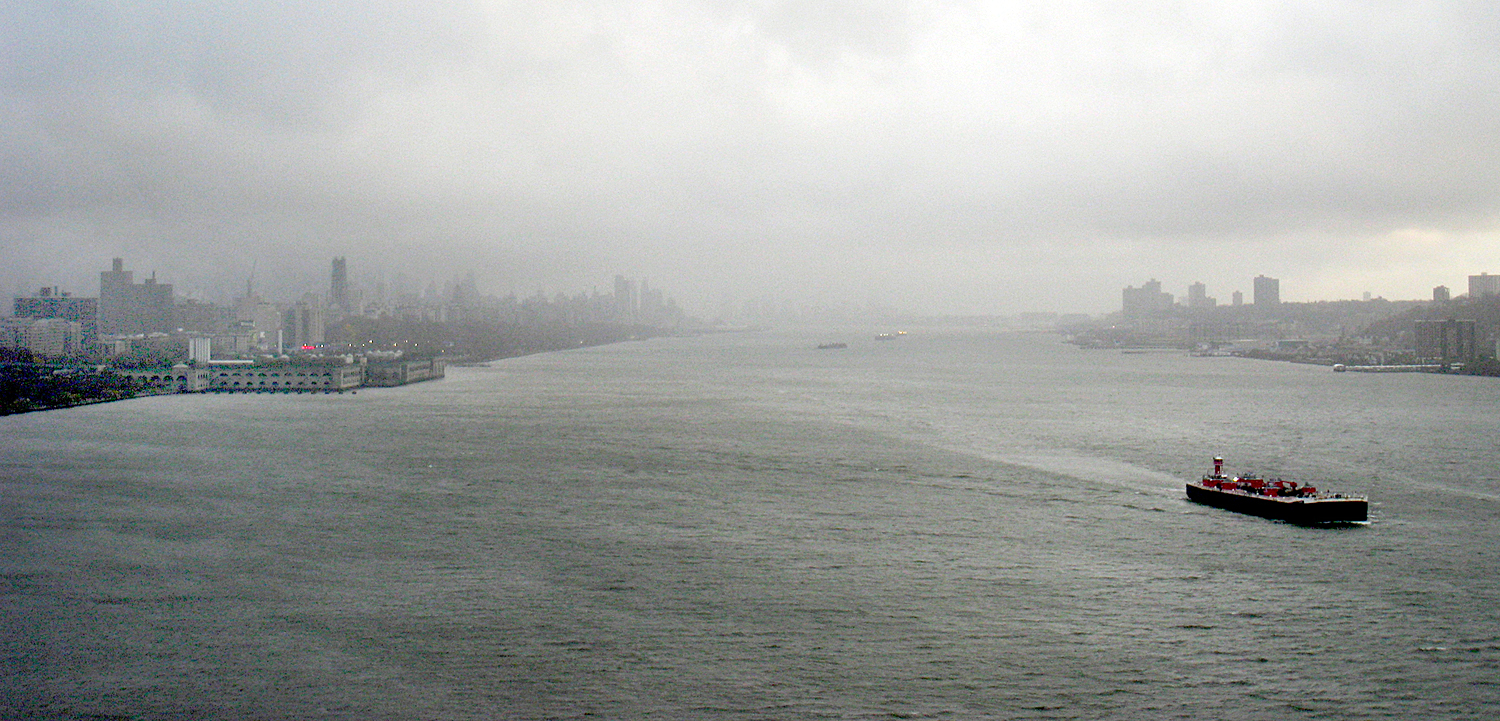
New York on the Hudson River
Cities are the index of civilization and most of the world’s great cities are built on harbors or rivers. The Indus, the Euphrates, the Nile, the Huang Ho. That’s geology. The cities are built with steel and concrete. Geology. Their streets are paved with either concrete or tar and gravel. More geology.
Our food grows in dirt, or grazes on the grasses that sprout from the soil — a soil derived from the bedrock underneath. What are vitamins and minerals but the residue of those same rocks?
Blue Hill, Maine
Geology drives history, too. For instance, because Norway and Greece are so rocky and ungenerous for agriculture, their peoples took to the sea and the Greeks colonized everywhere from Spain to the Black Sea, and the Vikings from Constantinople and Sicily to England and Iceland. Geology kept the Old World and the New from interacting significantly until 1492. It blocked the westward expansion of the British colonies in North America for a century. It is the reason that Afghanistan is the “graveyard of empires.” Plate tectonics — “continental drift” — and the formation of Eurasia as a single east-west landmass has been hypothesized as the cause for European and Asian historical dominance.
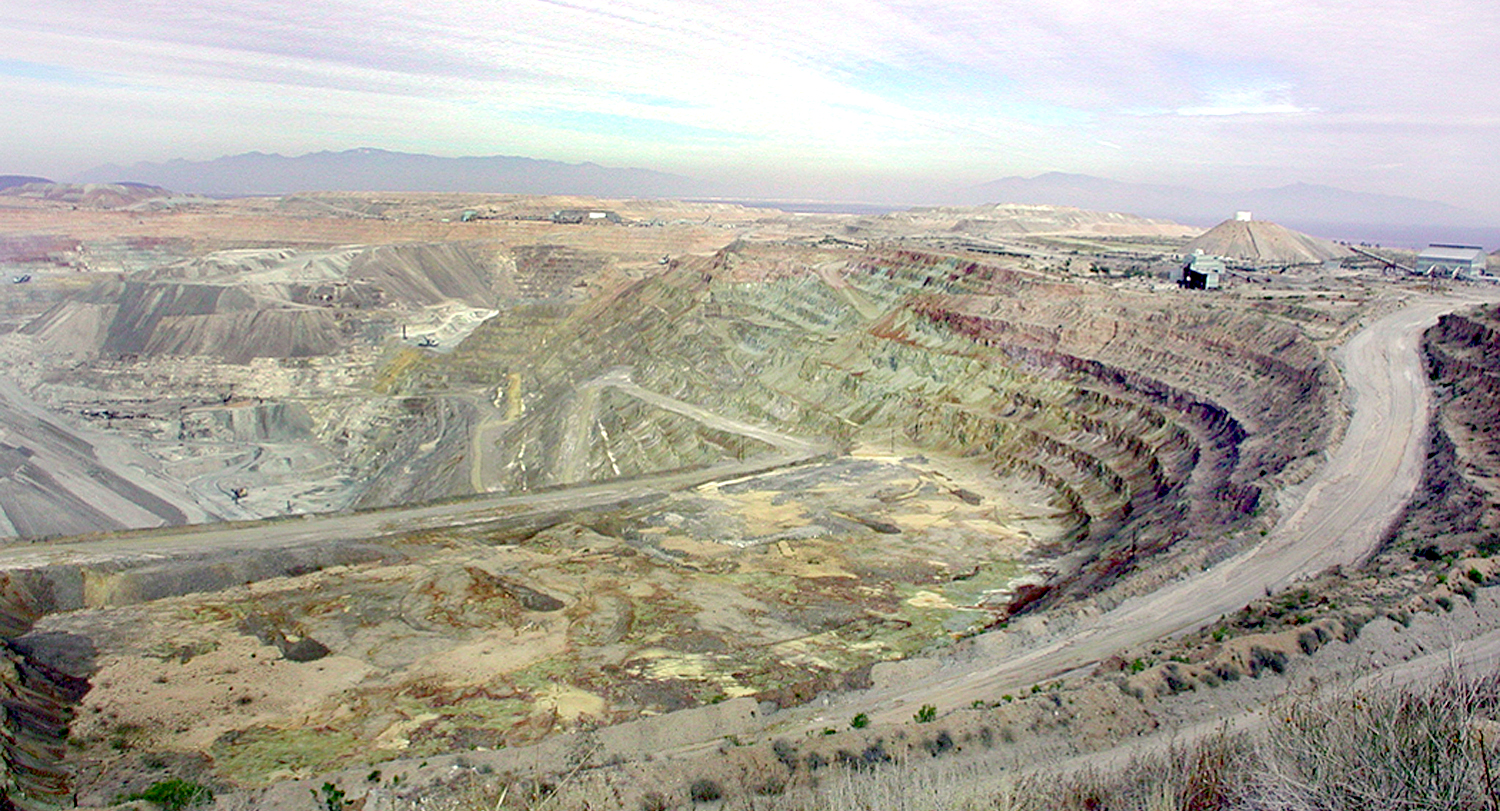
Asarco pit mine, Arizona
And geology, in the form of coal mining and petroleum extraction, is the cause of catastrophic climate change and global warming.
Geologist Donald Beaumont wrote, “Geology will, unfortunately, remain an under-recognized, ‘phantom,’ science in that its role in explaining the foundations for human society may never be fully appreciated.”
I’m not making the case that geology explains everything, nor that it is the only thing that made us what we are, but I am saying that it helps explain it, and that you can see the same forces acting out elsewhere in the world.
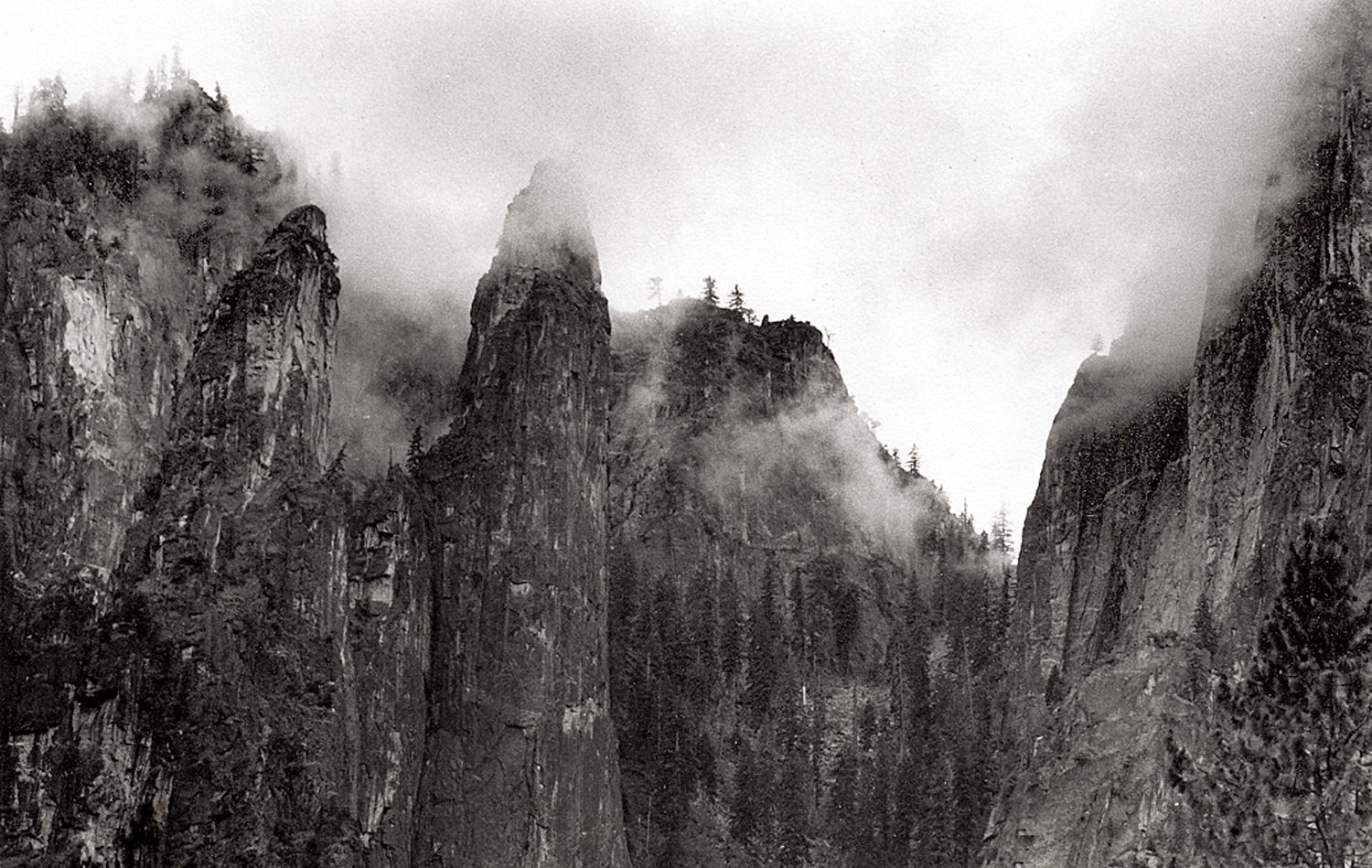
Olympic Mountains, Washington
It isn’t only physical, it is psychological also. Geology creates emotions. And so artists and poets have used geology to elicit in their audiences certain emotional states — rocky metaphors.
Pleasant Cove, Chuckanut, Wash.
It is to seek this power that great landscape artists — whether painters or photographers — make their pictures. It is not to make a postcard of a pretty piece of scenery, but to find in the land a metaphor for thought, emotion or state of mind — or even a political philosophy.
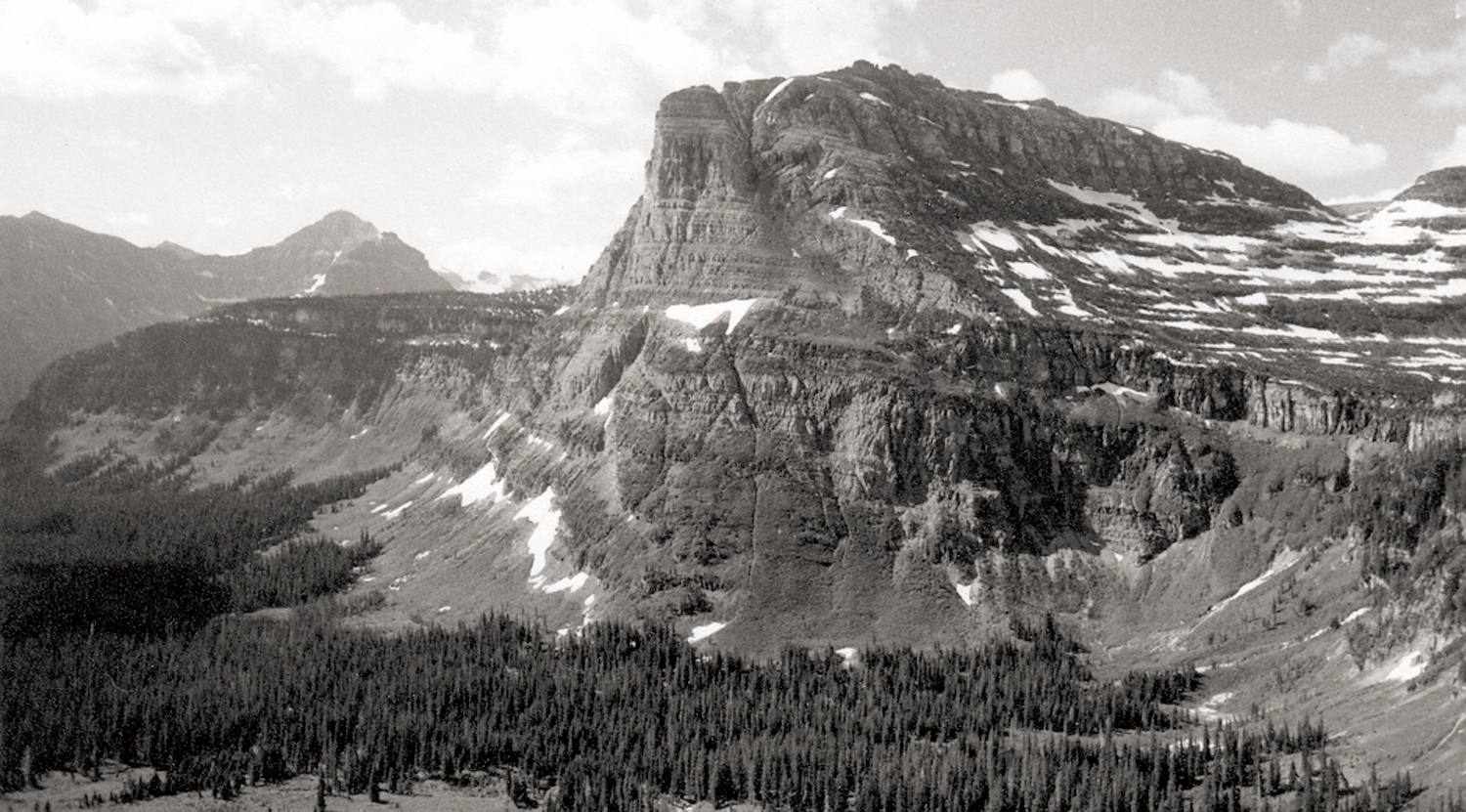
Canadian Rockies, Alberta
That mythic force is why we feel the rise in our throats when we sing of “amber waves of grain,” and “purple mountains majesty above the fruited plain.” Rocks and terrain serve as metaphors for internal states.
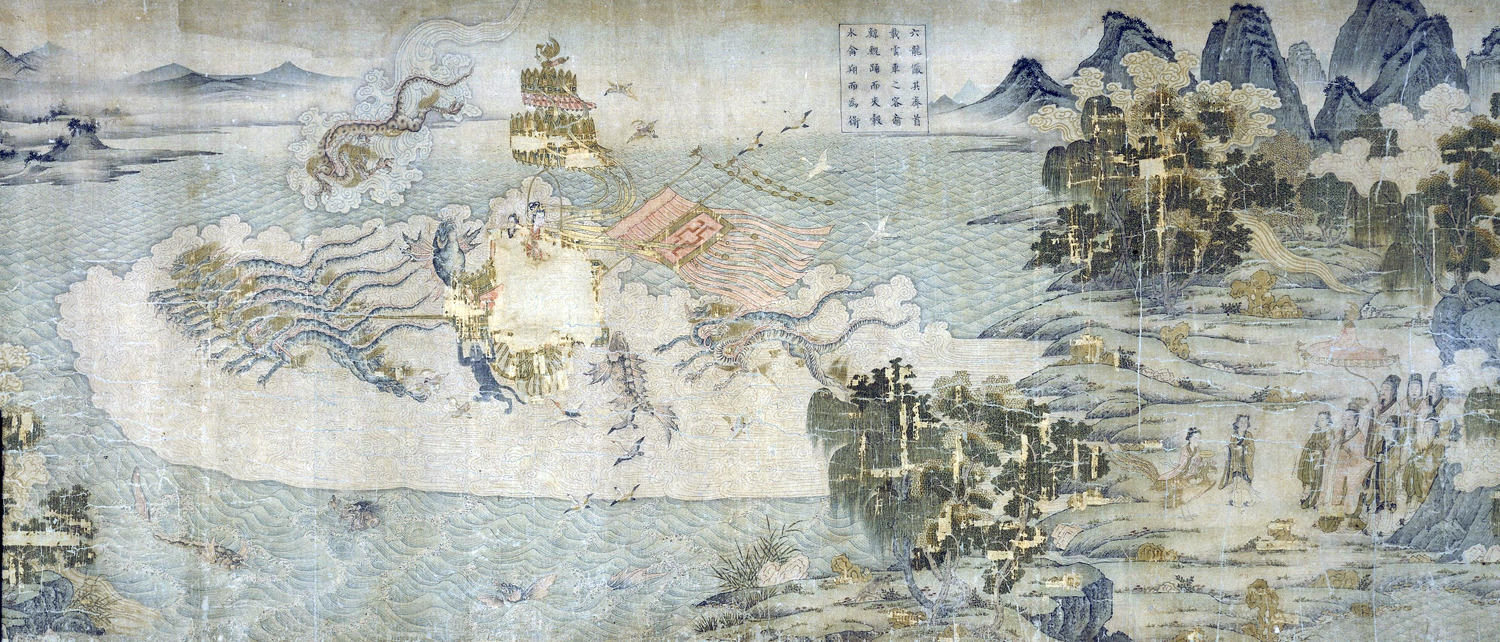
“The Nymphs of the Luo River,” by Gu Kaizhi
European artists have used that metaphor since the Middle Ages, Asian artists since the Jin Dynasty.
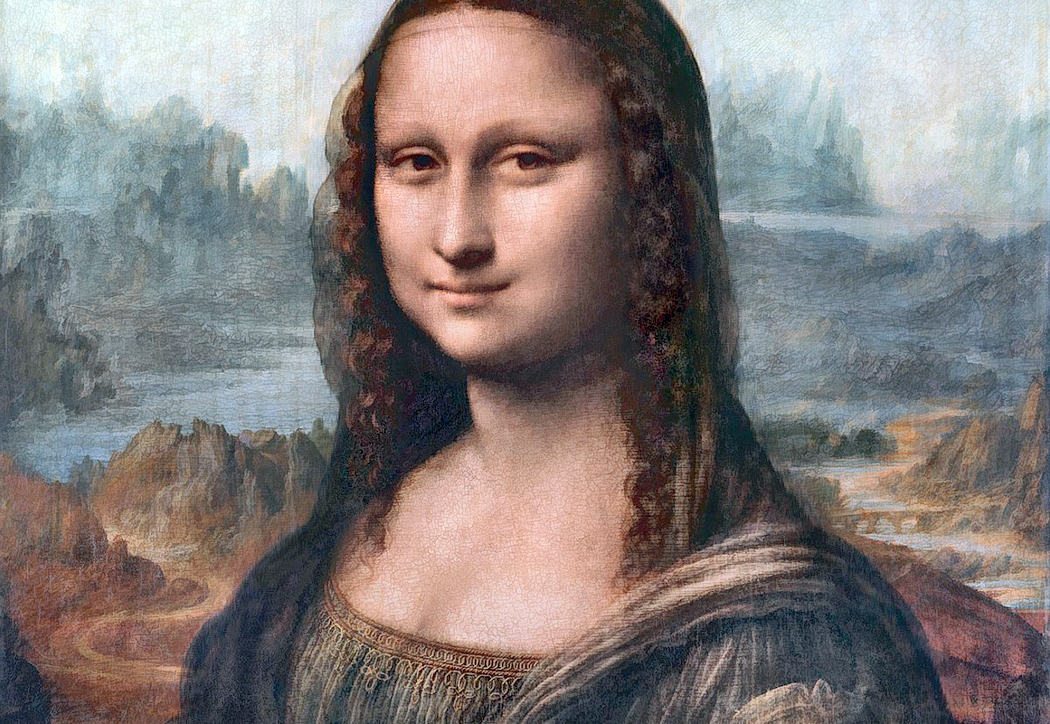
“La Gioconda” detail
Consider the Mona Lisa. Yes, it is a portrait, but behind the smiling lady is a rocky landscape. It is not like anything actually found in Italy, but rather it is a metaphorical landscape — a mountainous desert. Renaissance artists often used such stony views as a reminder that life on earth is a kind of spiritual desert (and the afterlife is where true fulfillment is to be found). As Geoffrey Chaucer wrote: “Here nis noon hoom, here is but wildernesse.”
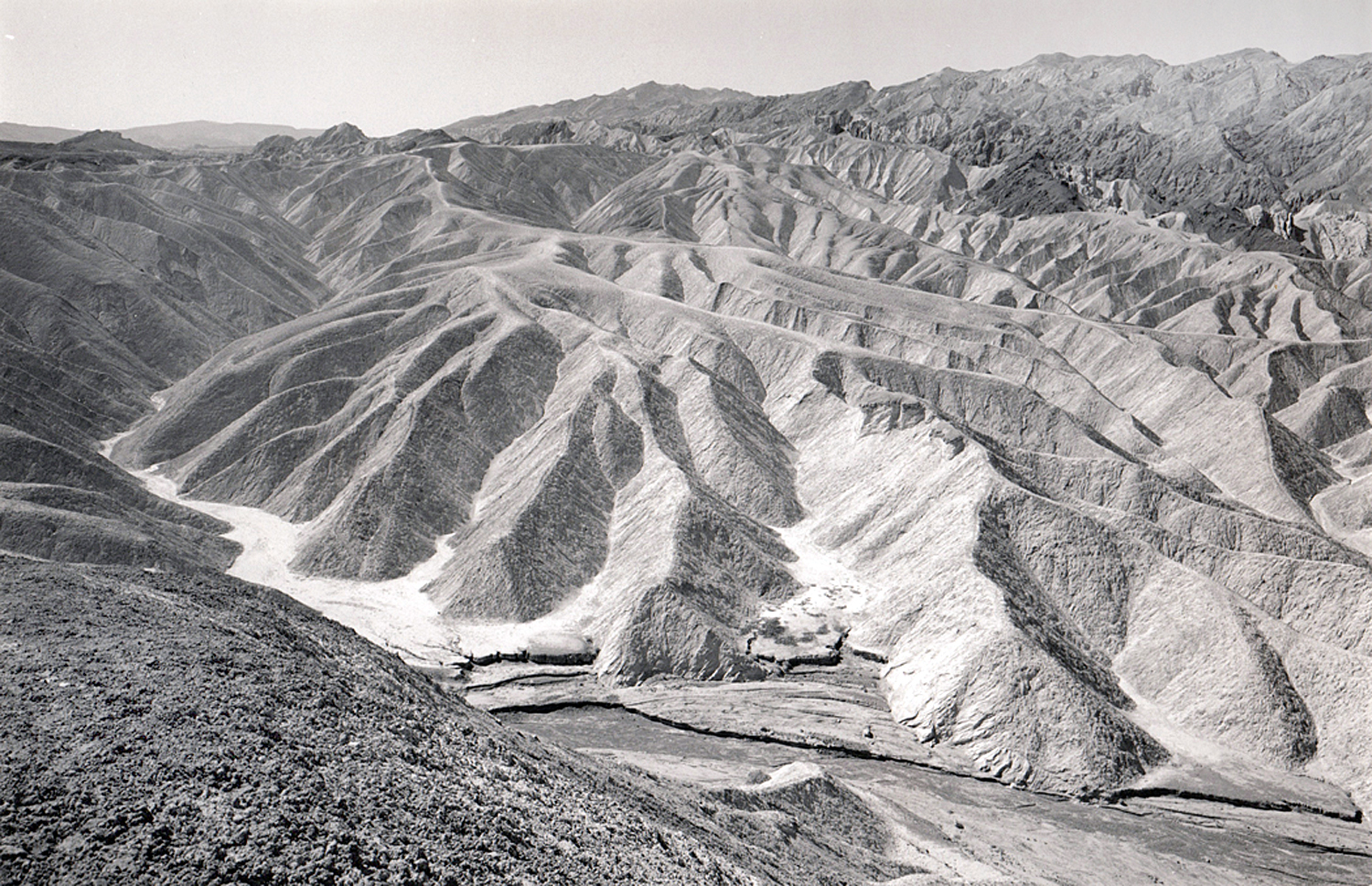
Zabriskie Point, Death Valley, Calif.
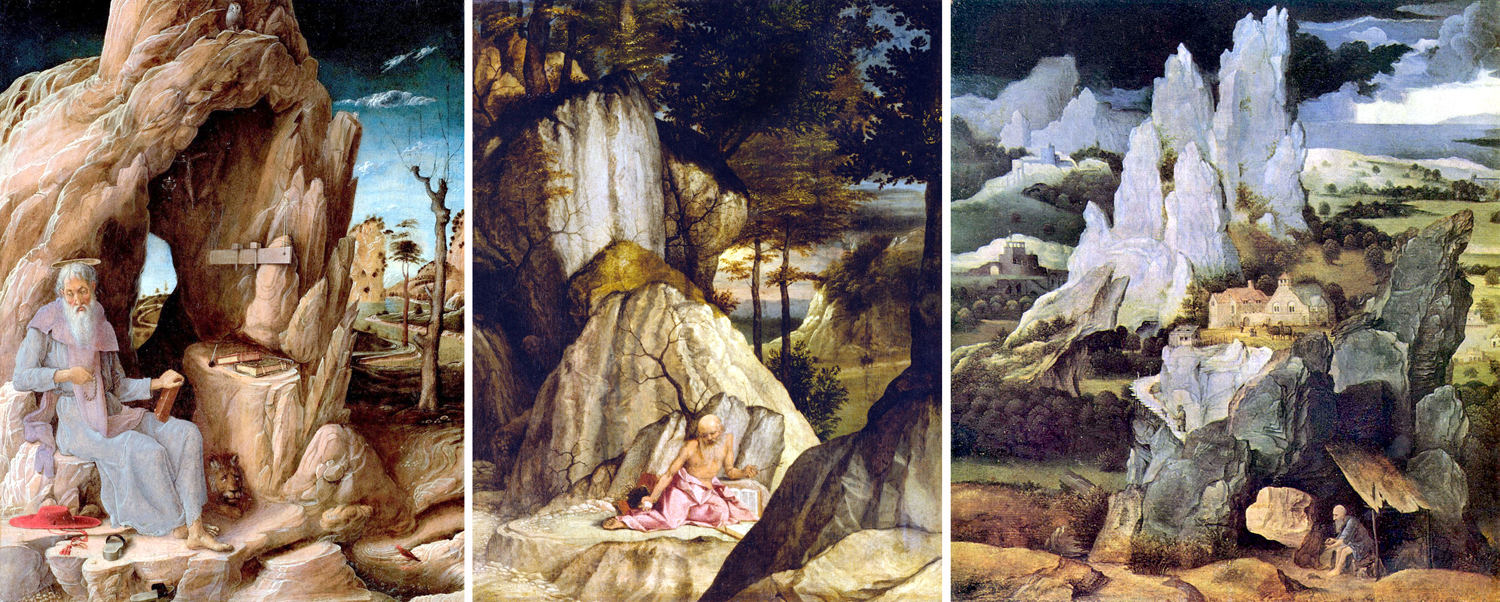
St. Jerome lived in a cave, and painters used the story to show the geology of spiritual isolation. Here are only three of many Renaissance paintings of the saint, by Andrea Mantegna, Lorenzo Lotto, and Joachim Patenier, all from the early 1500s.
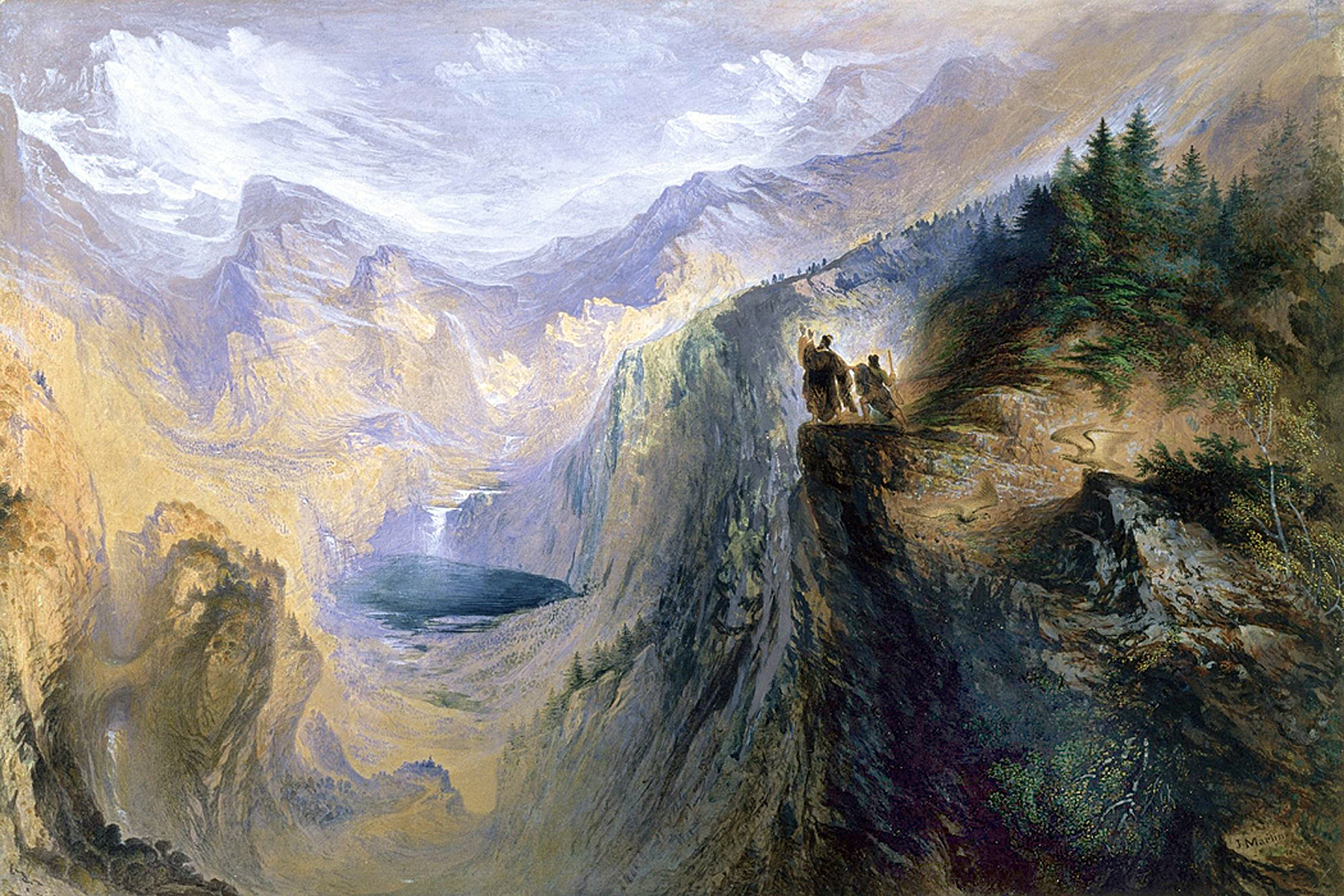
Romantic painters in the 19th century used the vast Alps as a reminder that the cosmos is infinitely larger and more impersonal than we like to believe. Geology becomes an image of The Sublime.
“Manfred on the Jungfrau” by John Martin
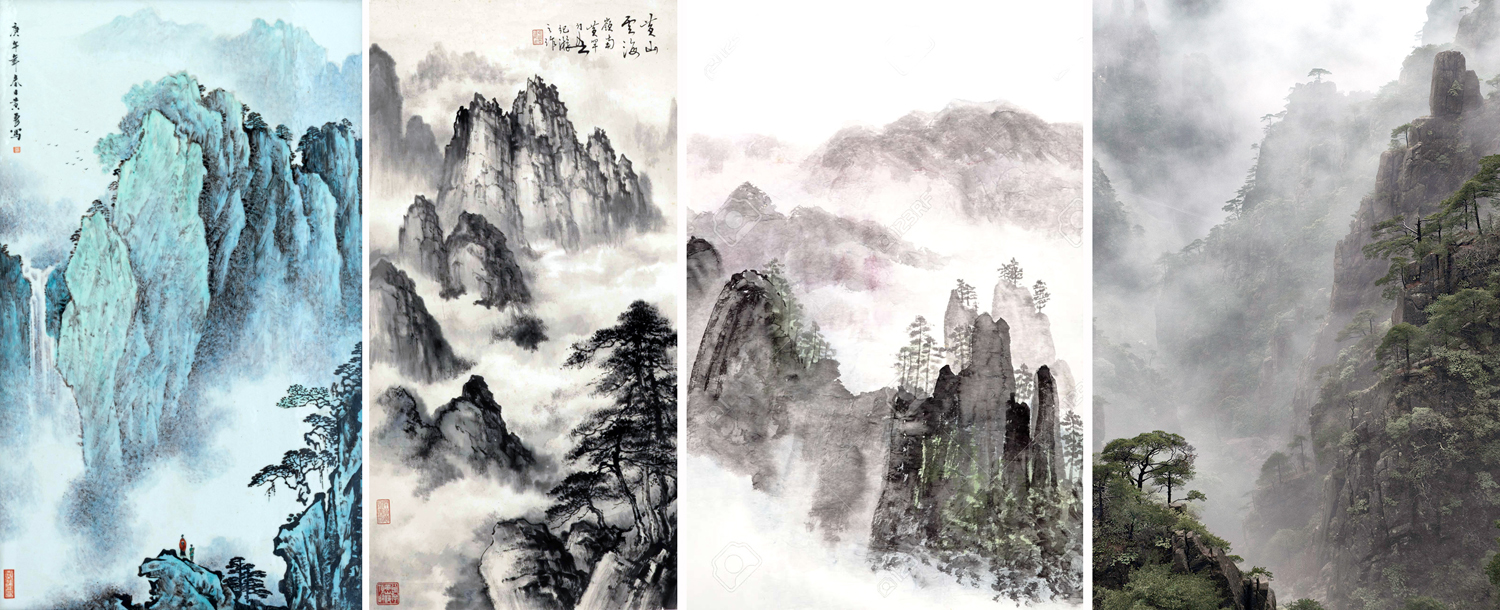
Chinese landscape painting features some amazing mountains. I used to believe these scenes were pure fantasy, but no, these mountains actually exist. On porcelain, by Huang Huanwu, a traditional painting — and a photograph, to prove they’re real.
Three paintings and a photo
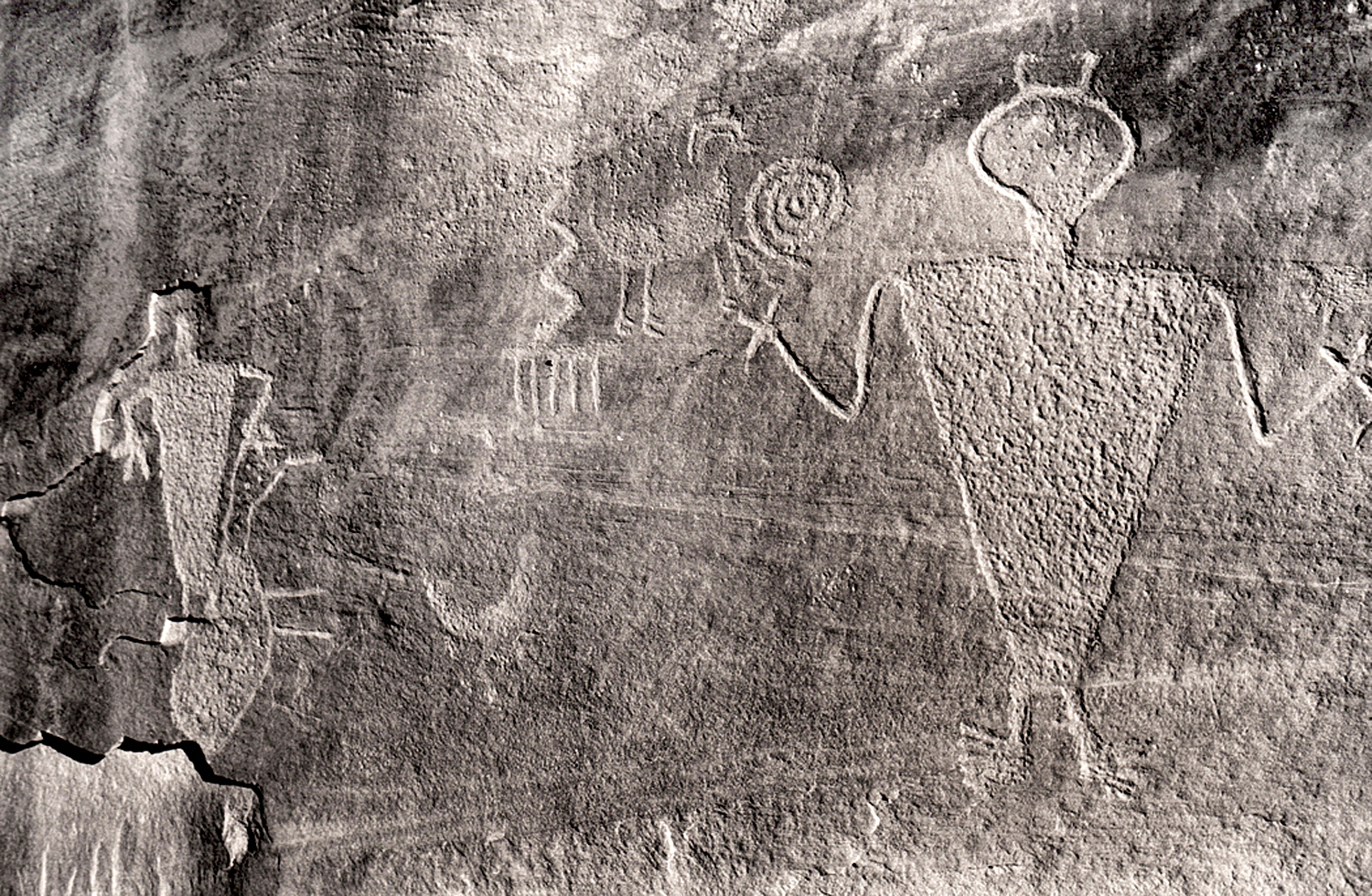
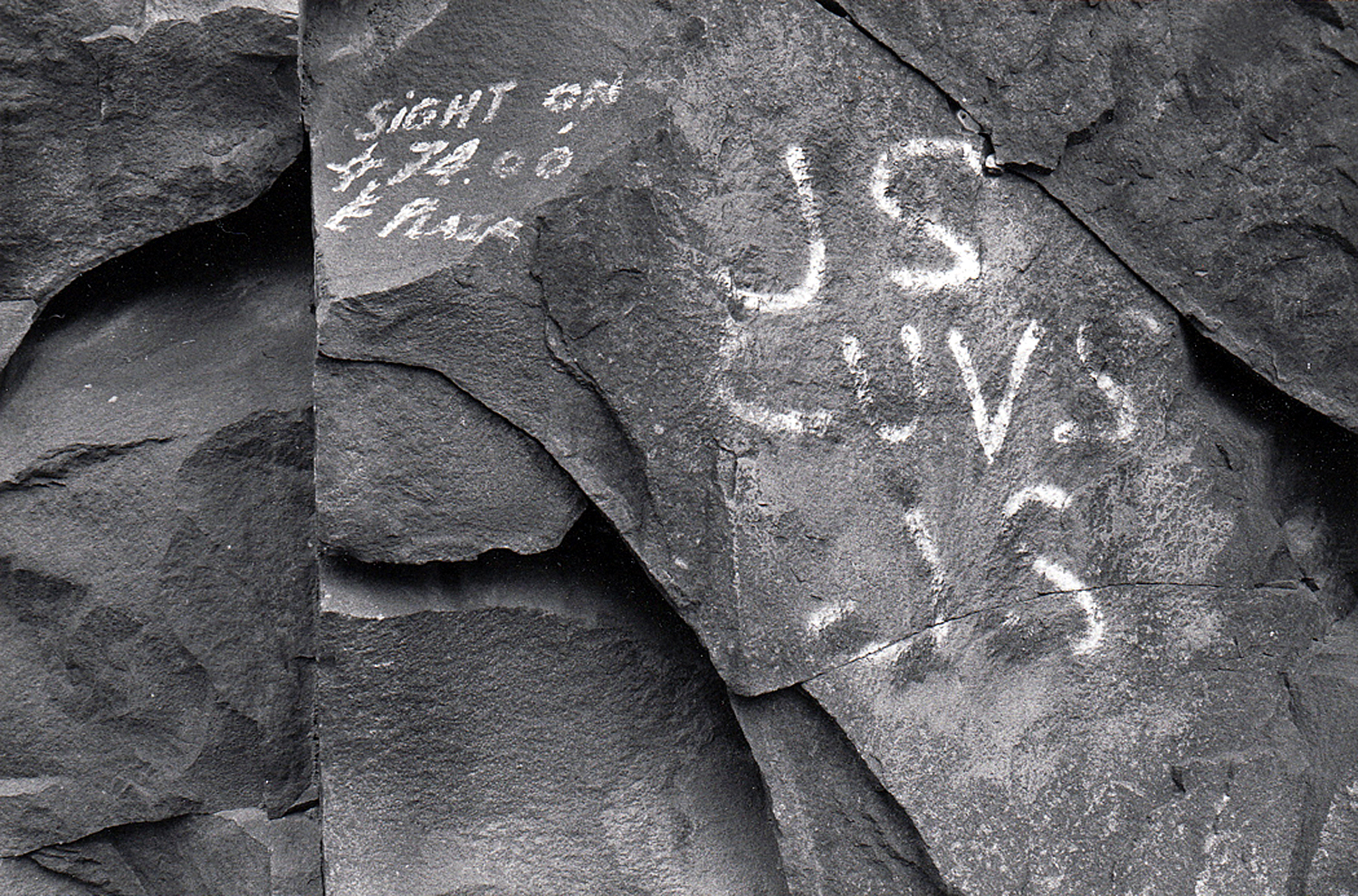
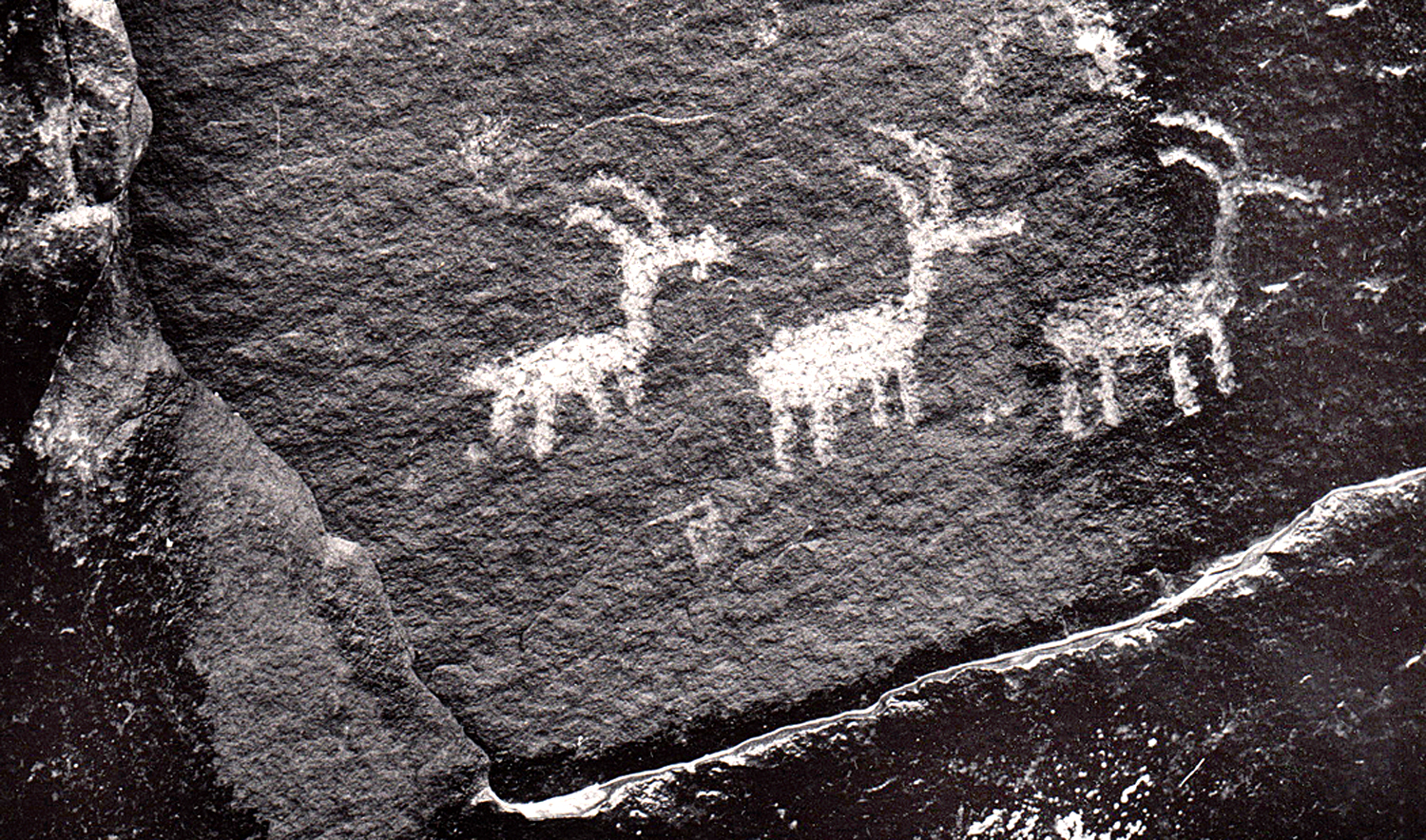
Prehistoric peoples used the rocks for their art, too.
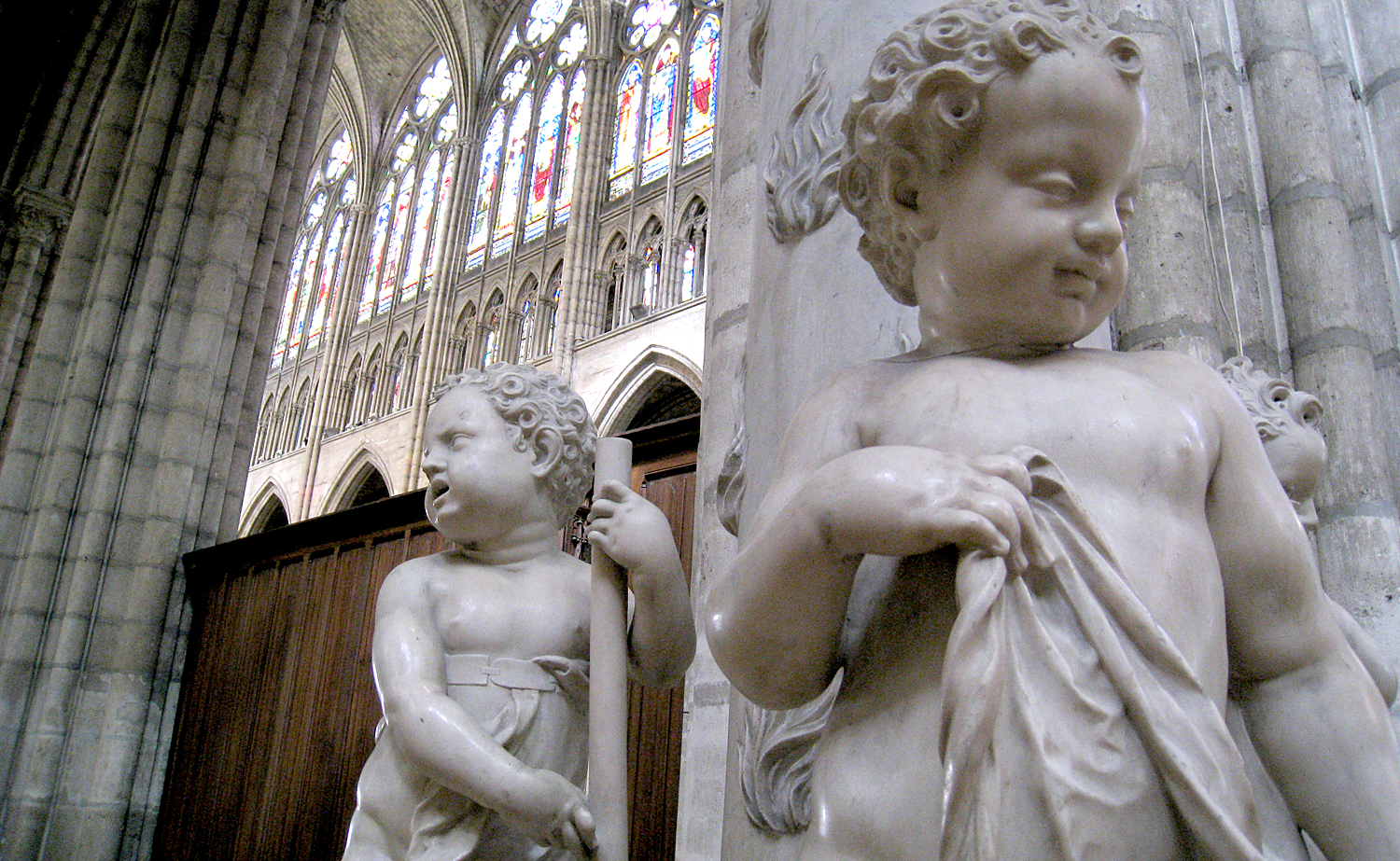
We use stone for permanence. Consider all the marble statuary and granite architecture.
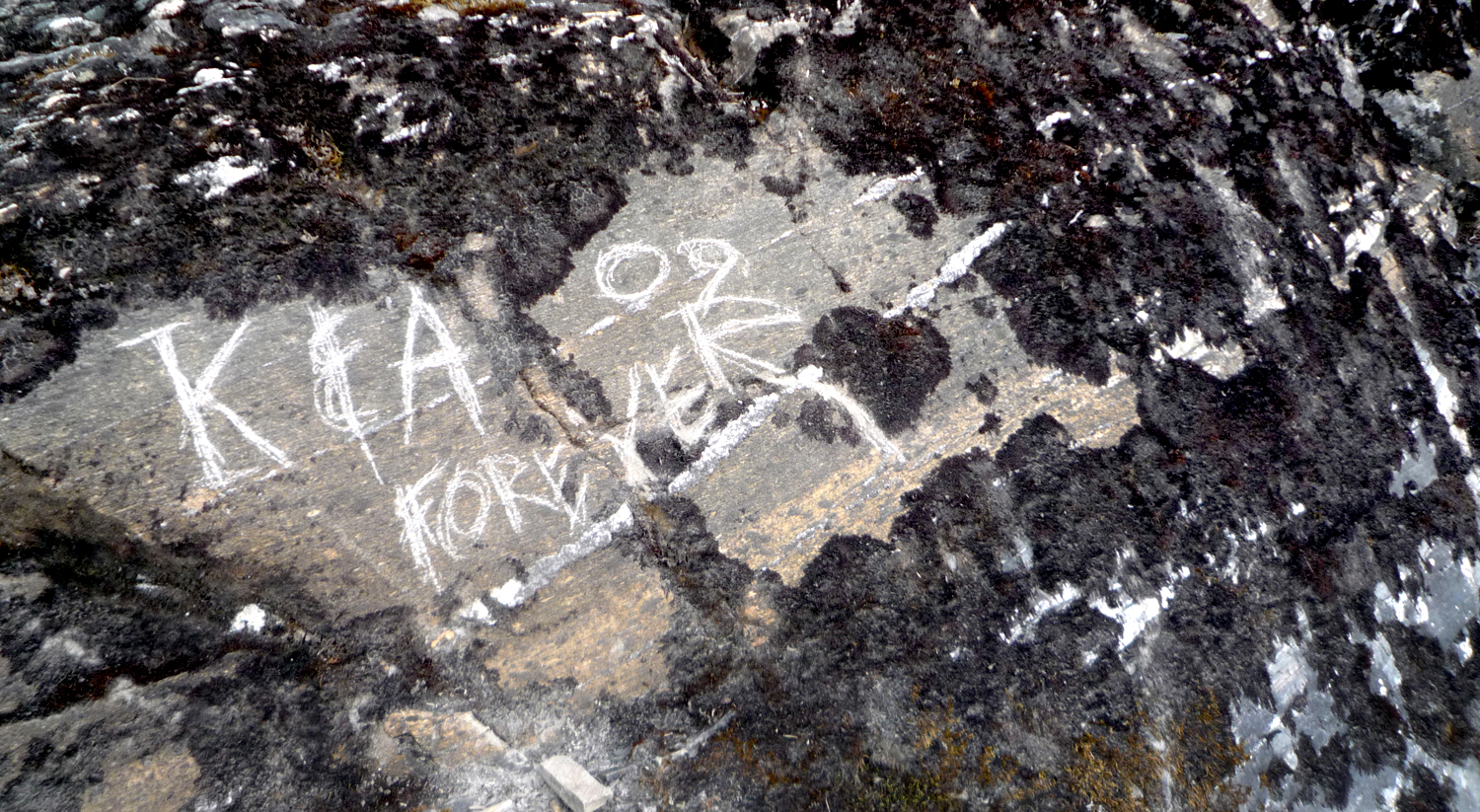
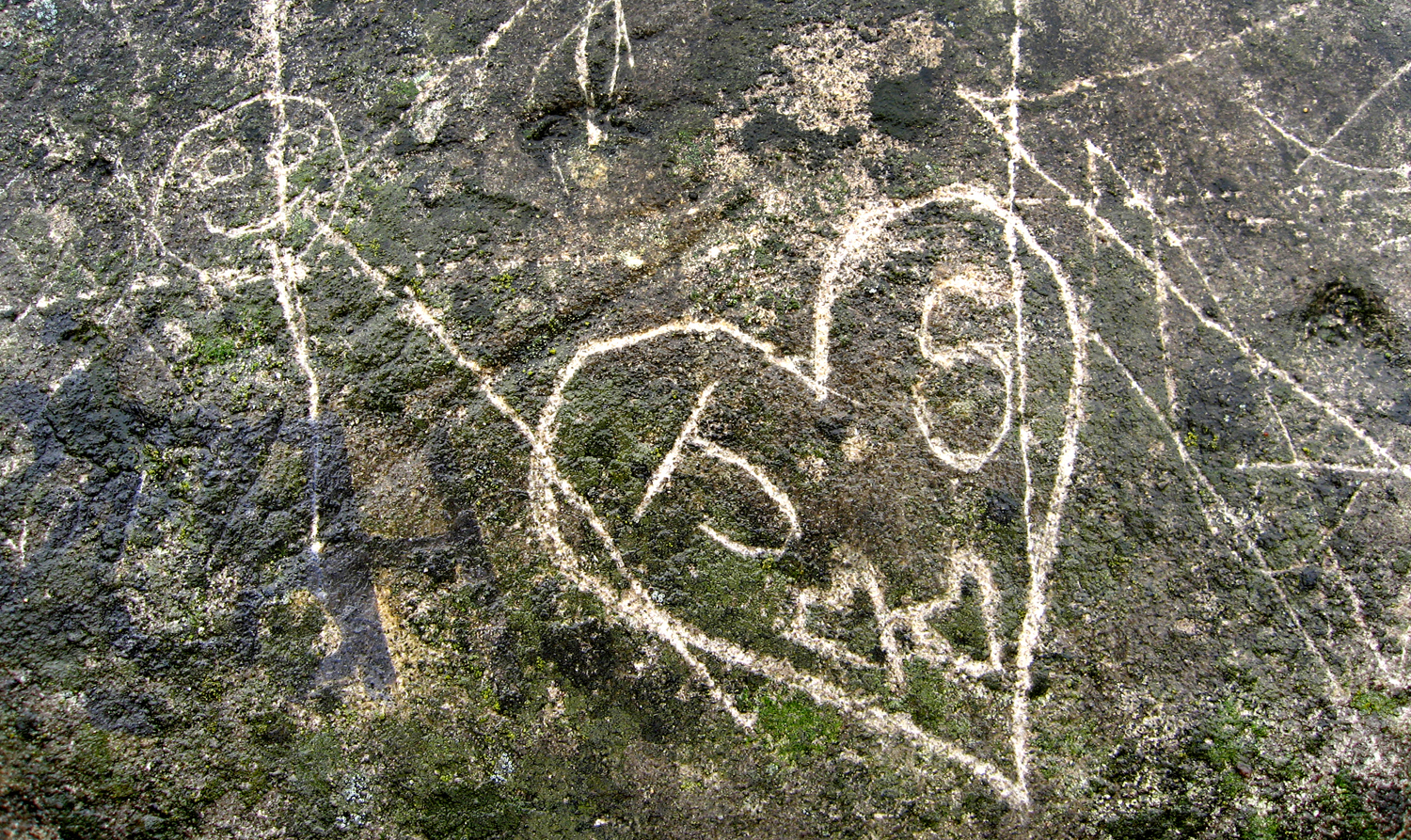
And the way we scrawl our names on rock faces. “K and A Forever.”
The stone is certainly more permanent than the relationship.
Hudson River Palisades, N.J.
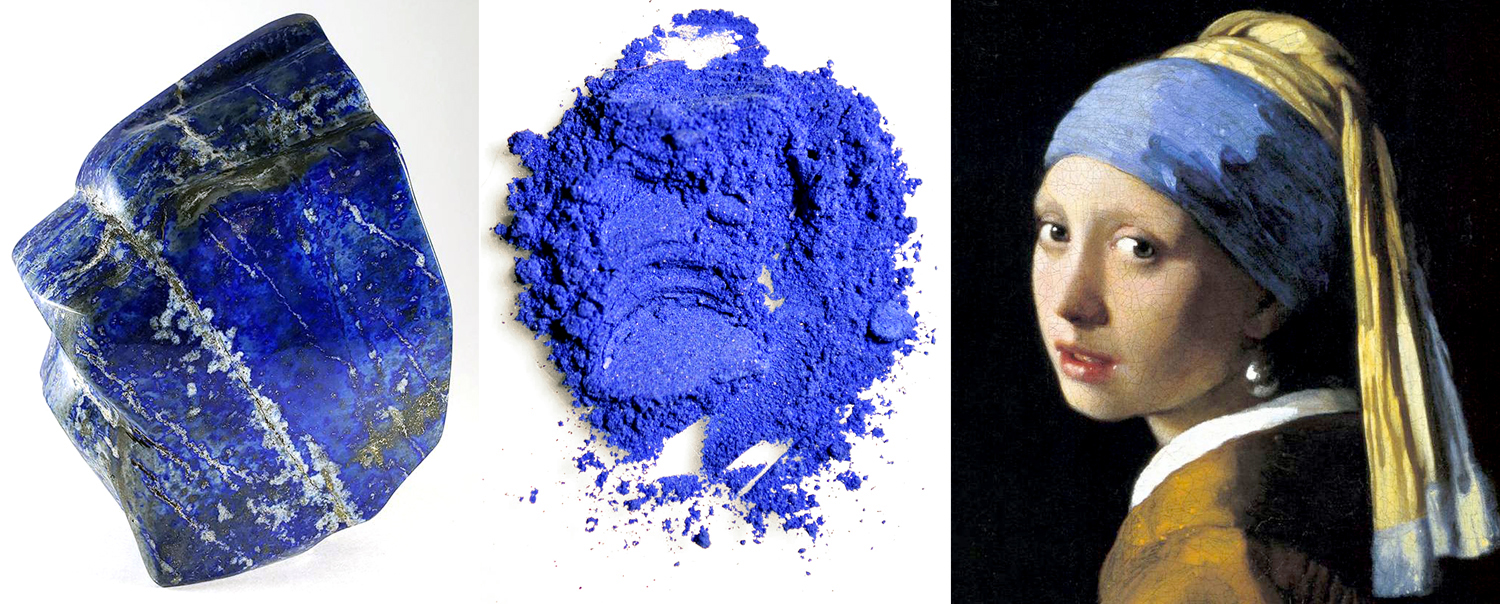
Even the pigments that artists use comes from the ground. In the past, it was actually rocks that were ground up and processed. Now, there are pigments also made from petroleum.
Lapis Lazuli
Different rocks, with their colors and textures, evoke different emotions. Think of a brilliant diamond or ruby; think of a cinder. Different emotions.
Mendenhall Glacier, Alaska
We use geology in our language, although often the words mutually exclusive import.
“You must have been stoned when you thought that up.” “No, I was stone cold sober.” “Well, the theory is either a bit rocky or it is rock-solid.” He answered with a stony silence.
Schoodic Point, Maine
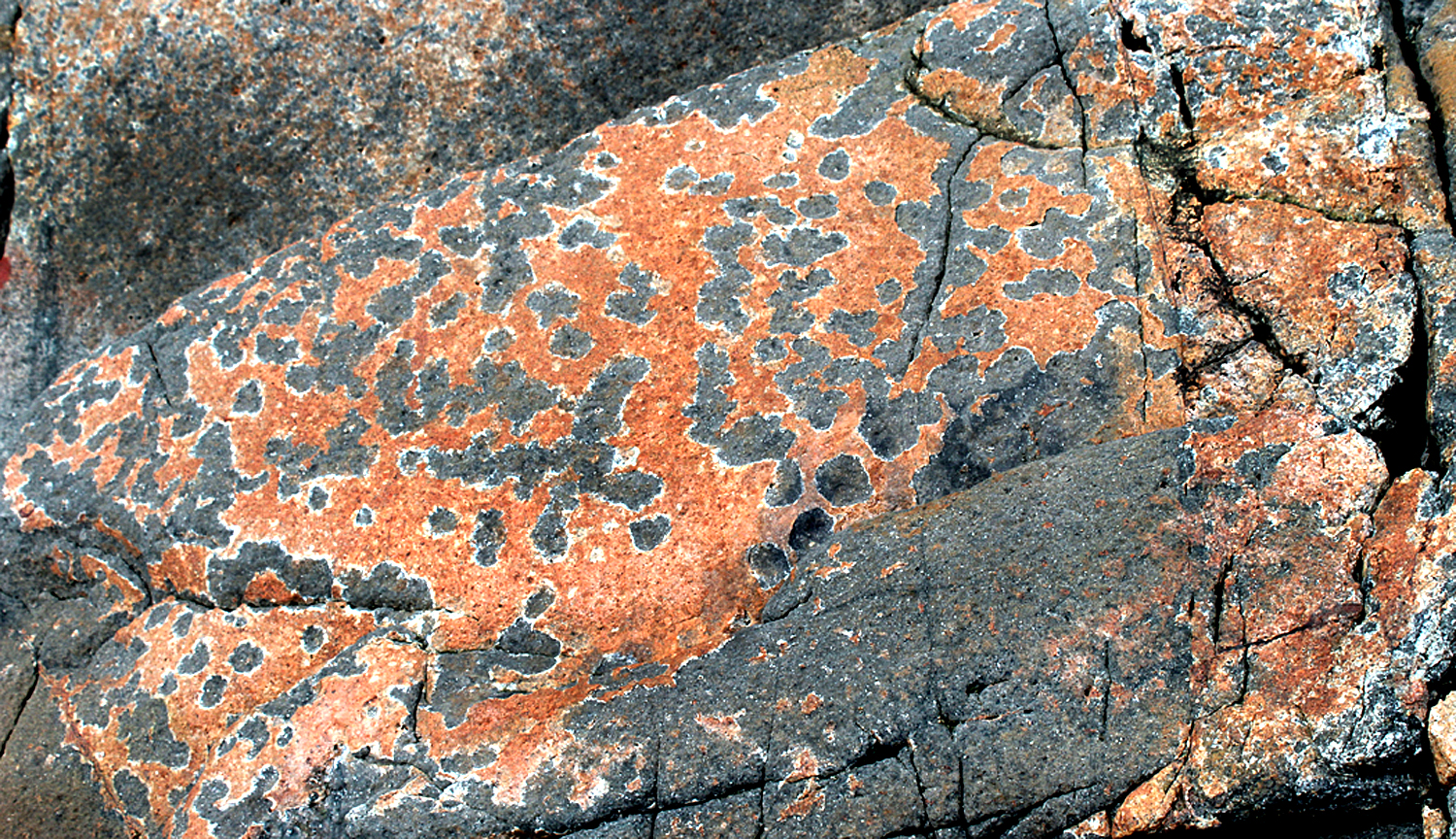
The colors, textures and the grain all impart meaning.
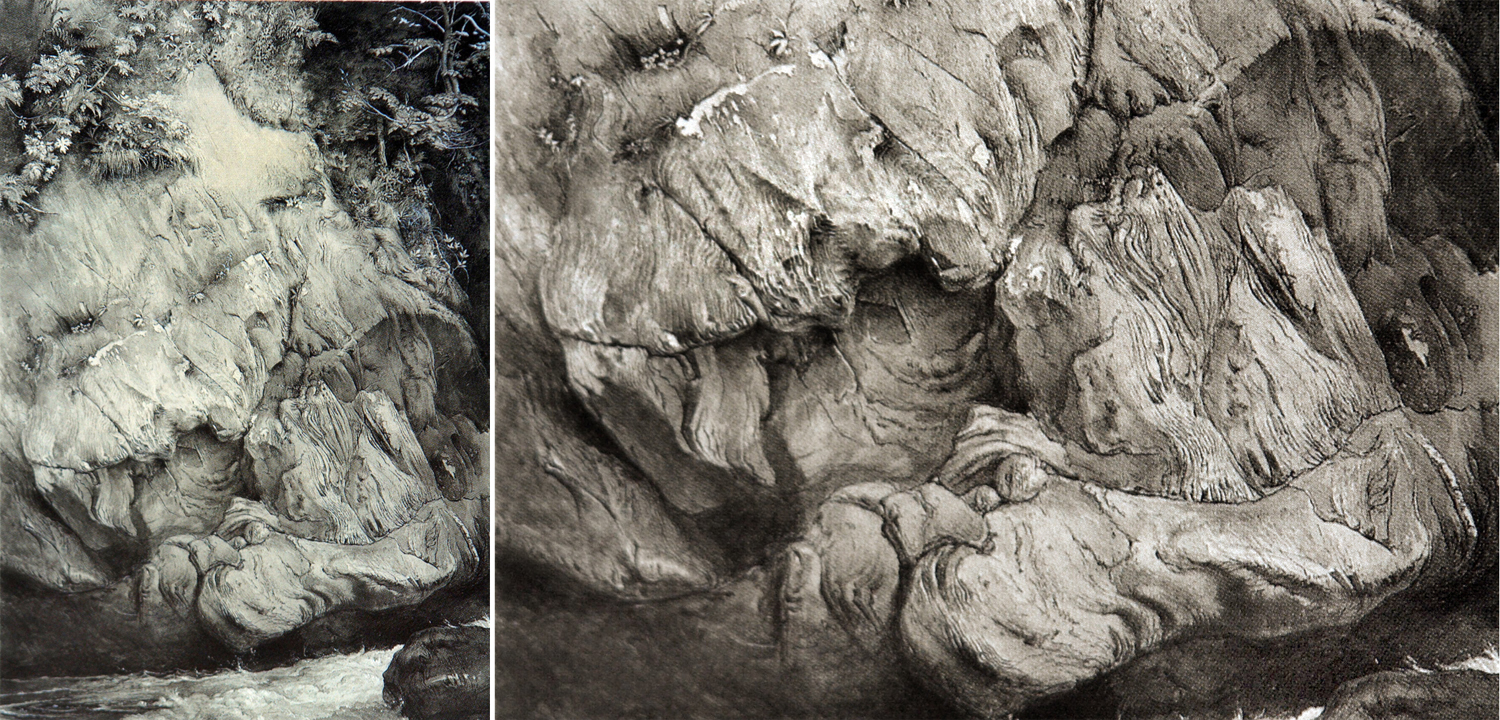
By John Ruskin
I began seriously considering the art elements of geology after seeing a splendid drawing of gneiss by English artist and critic John Ruskin. He made it over several days while visiting Scotland in 1853. The drawing had everything I respond to: texture, detail, close observation and an attention to the world as it is, that is as close to love as is possible to hold for the inanimate world. Ruskin was an astonishing draftsman.
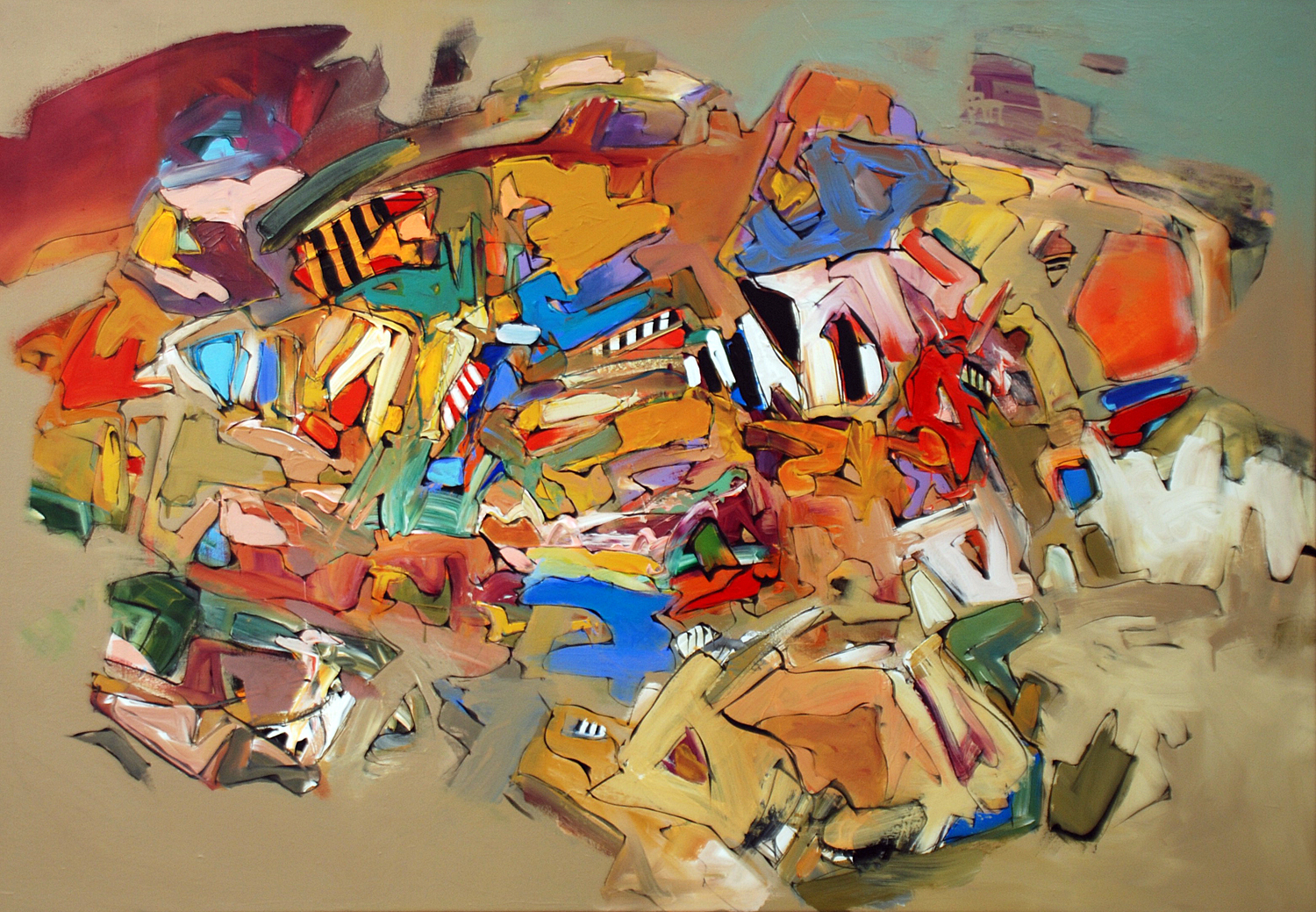
By Mel Steele
It has been one of the lessons of the 20th century and Modernism that meaning in art can transcend anecdote and be more than a story told in a still scene and can impart meaning purely through shape, color, texture, line and scale. Emotions can be evoked by all of them. We have had well more than a hundred years of abstract art.
Even realistic painting depends on the medium it is made from. It isn’t just the face or the scene, but the color and texture of that face and scene.
Craggy Gardens, N.C.
And a camera pointed at the shapes of geology can create meaning in the same manner as the abstract painting we lionize.
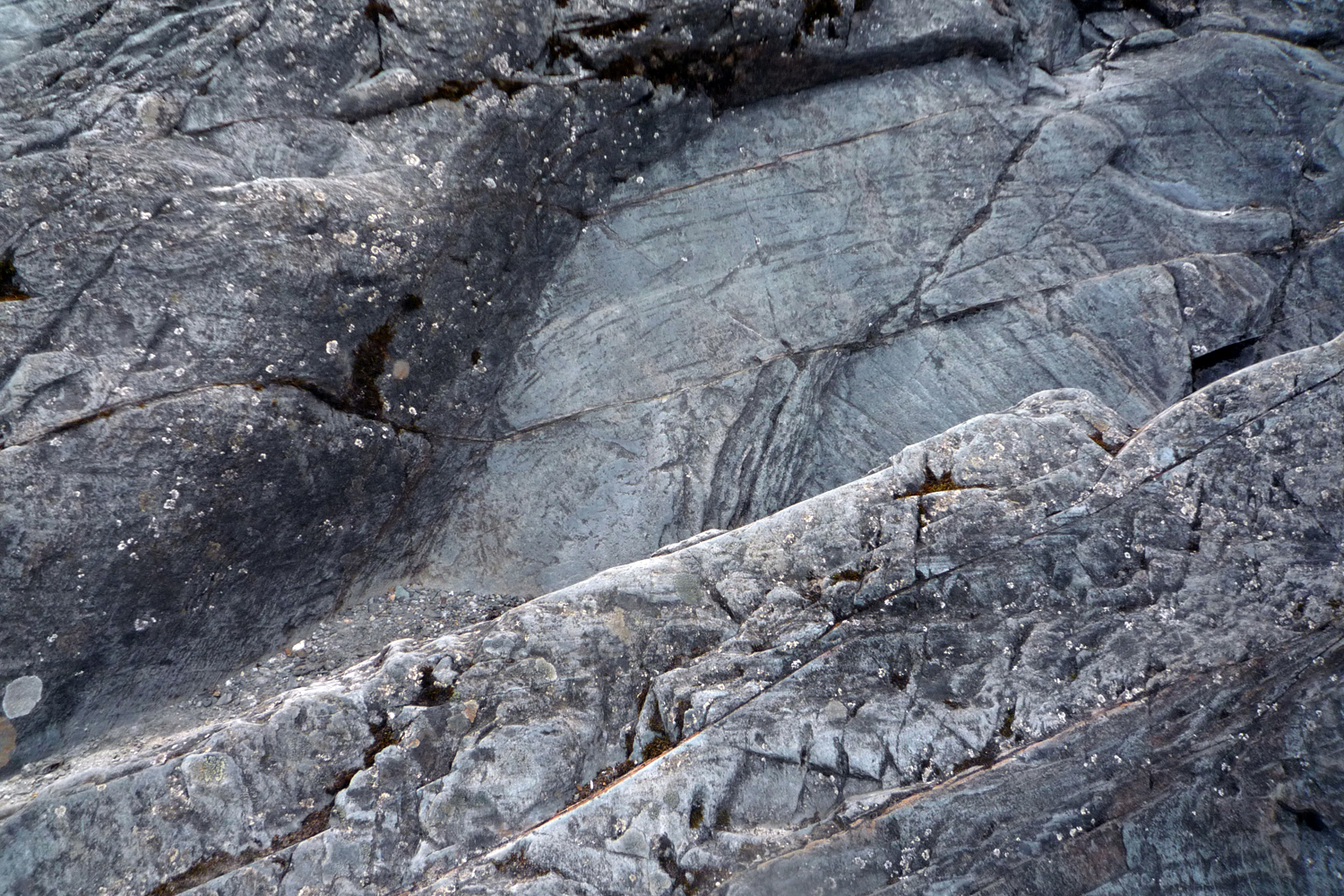
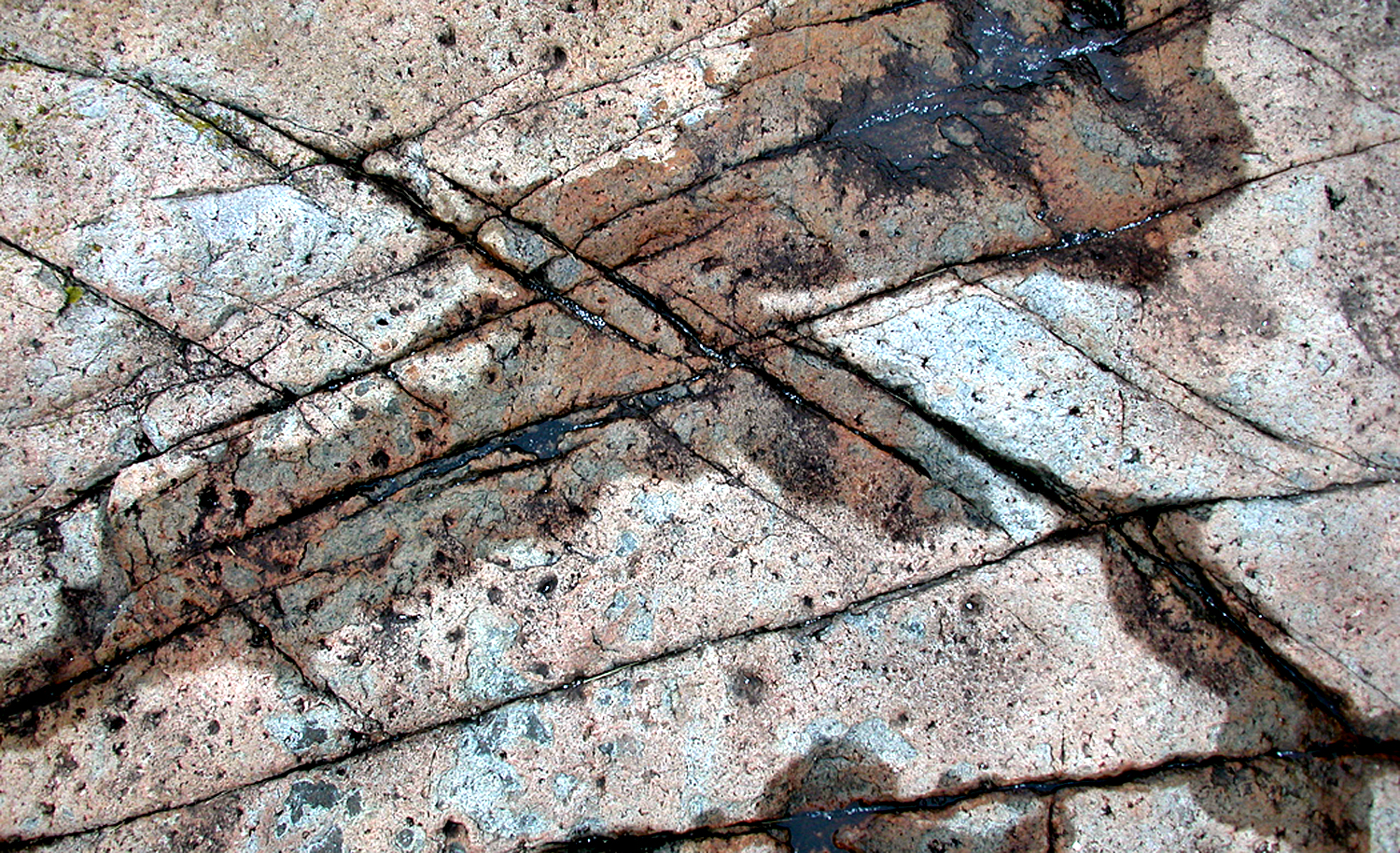
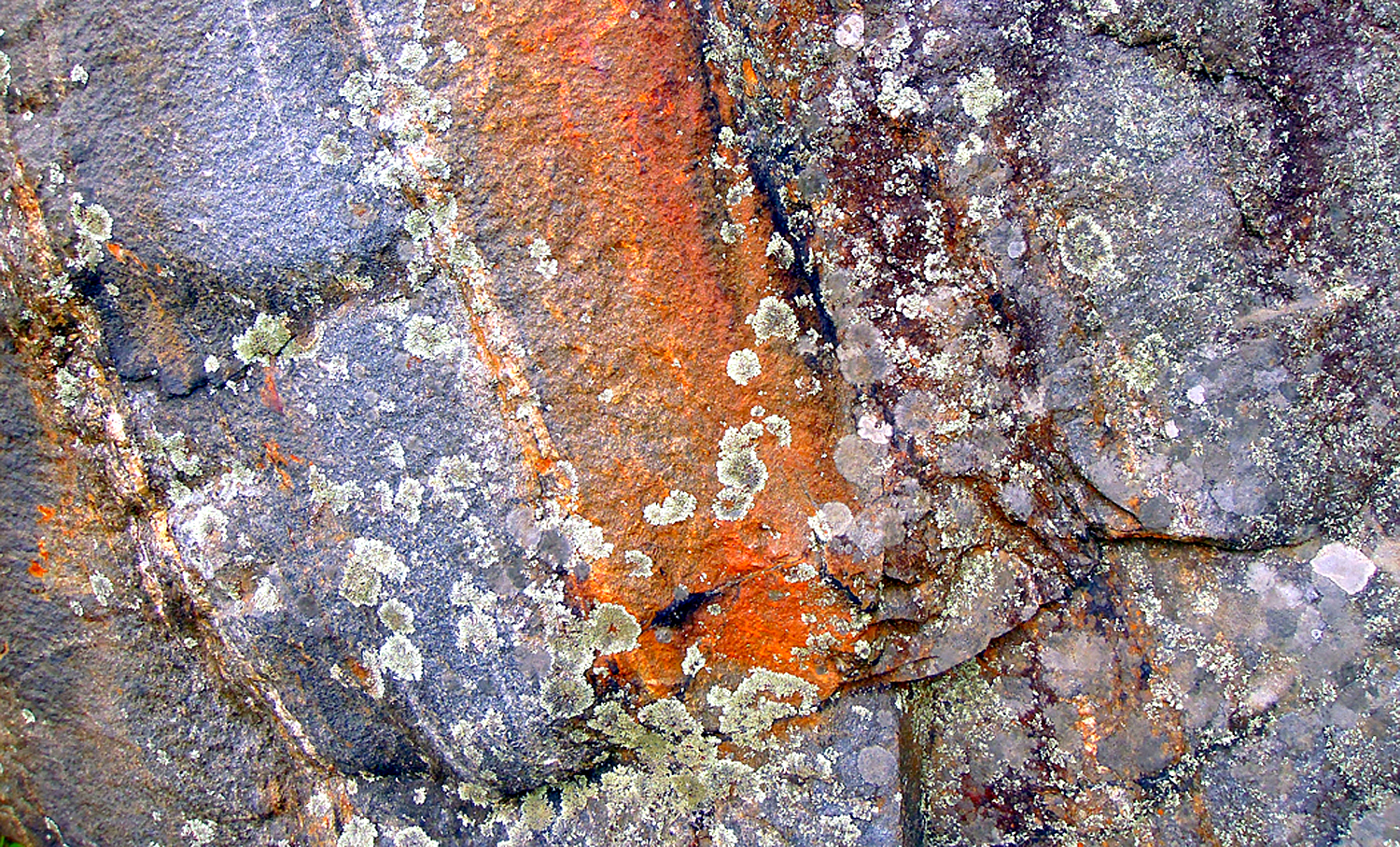
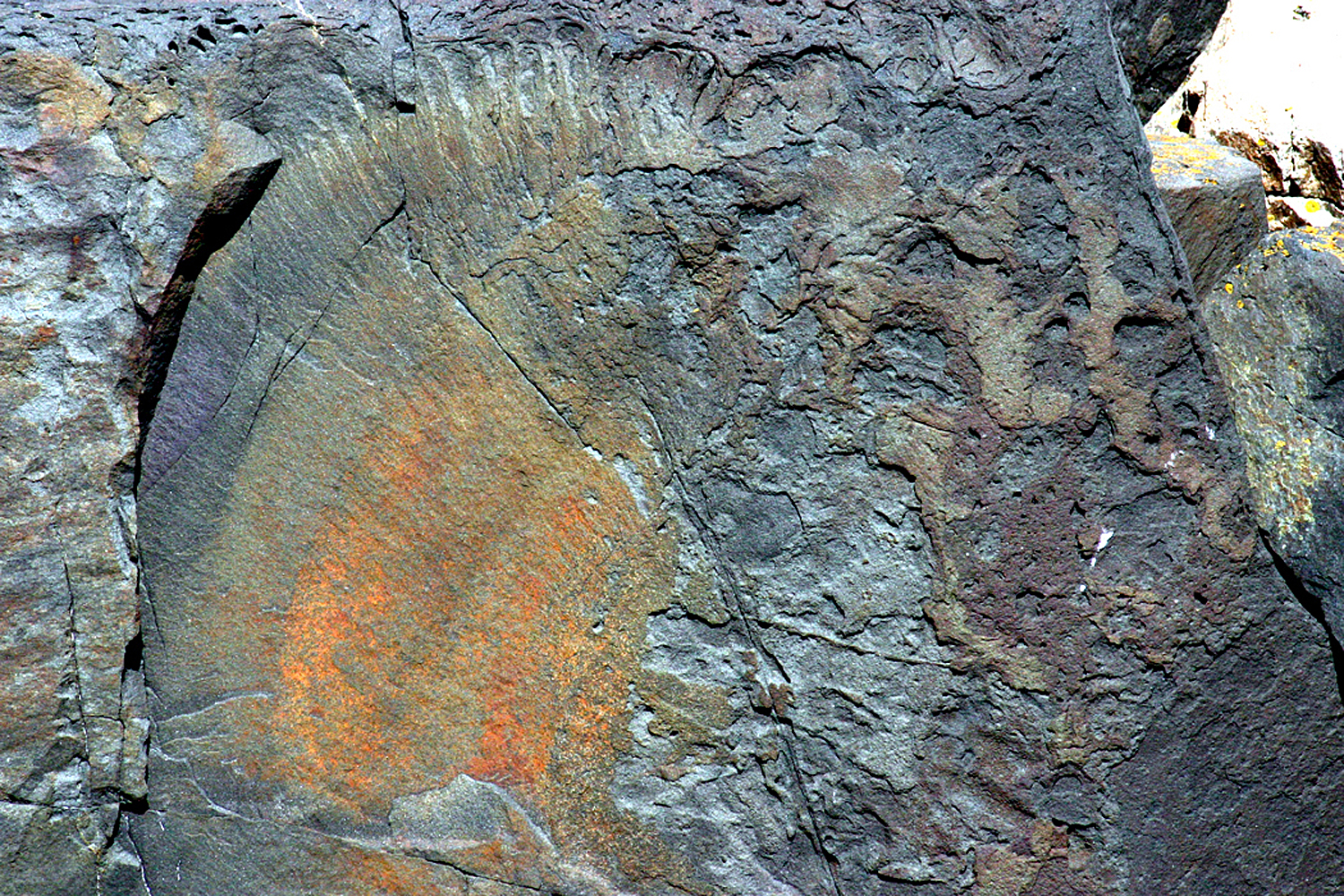
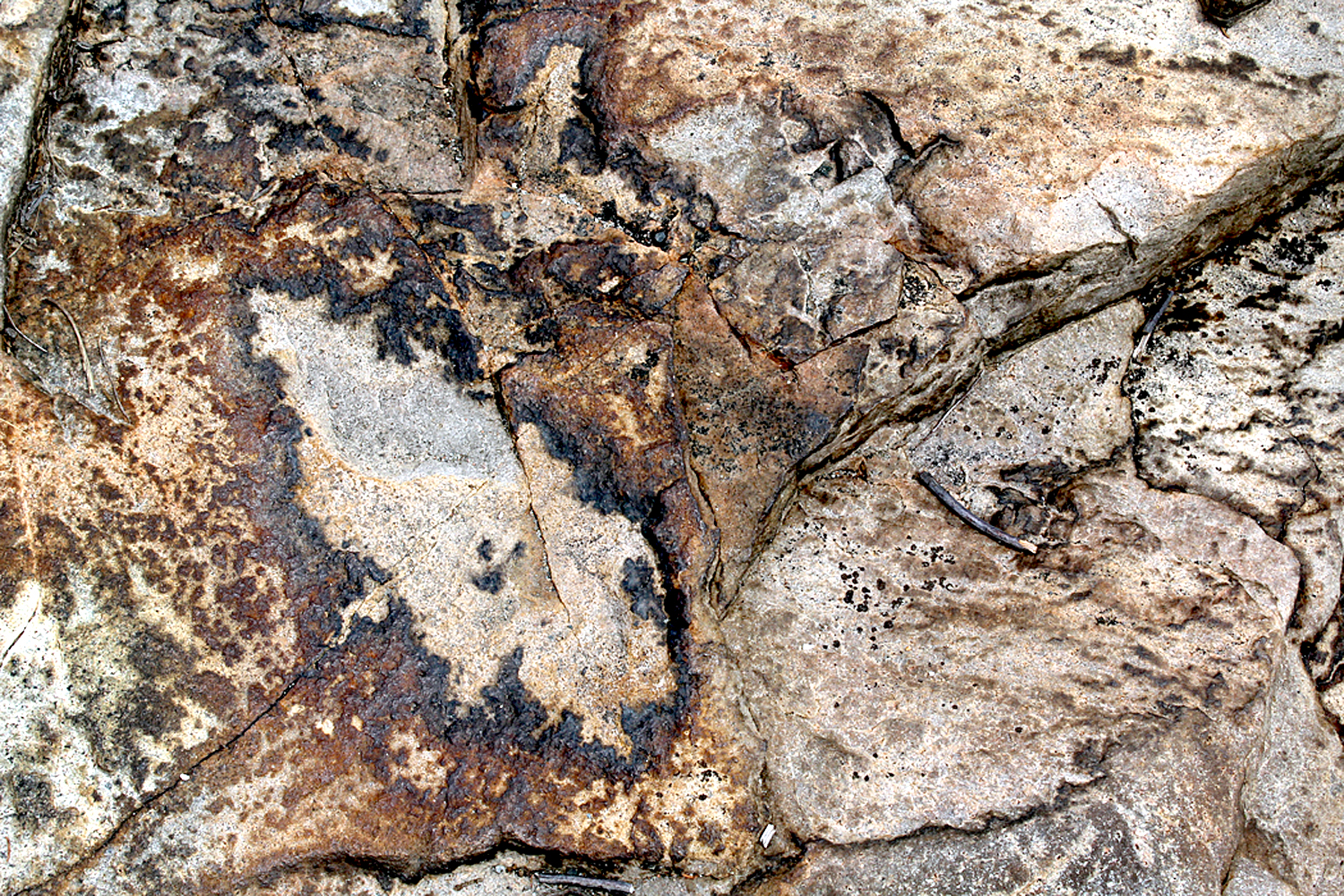
I have since found many rocks, with their esthetic pleasures. There is bright color
Blue Ridge Parkway, N.C.
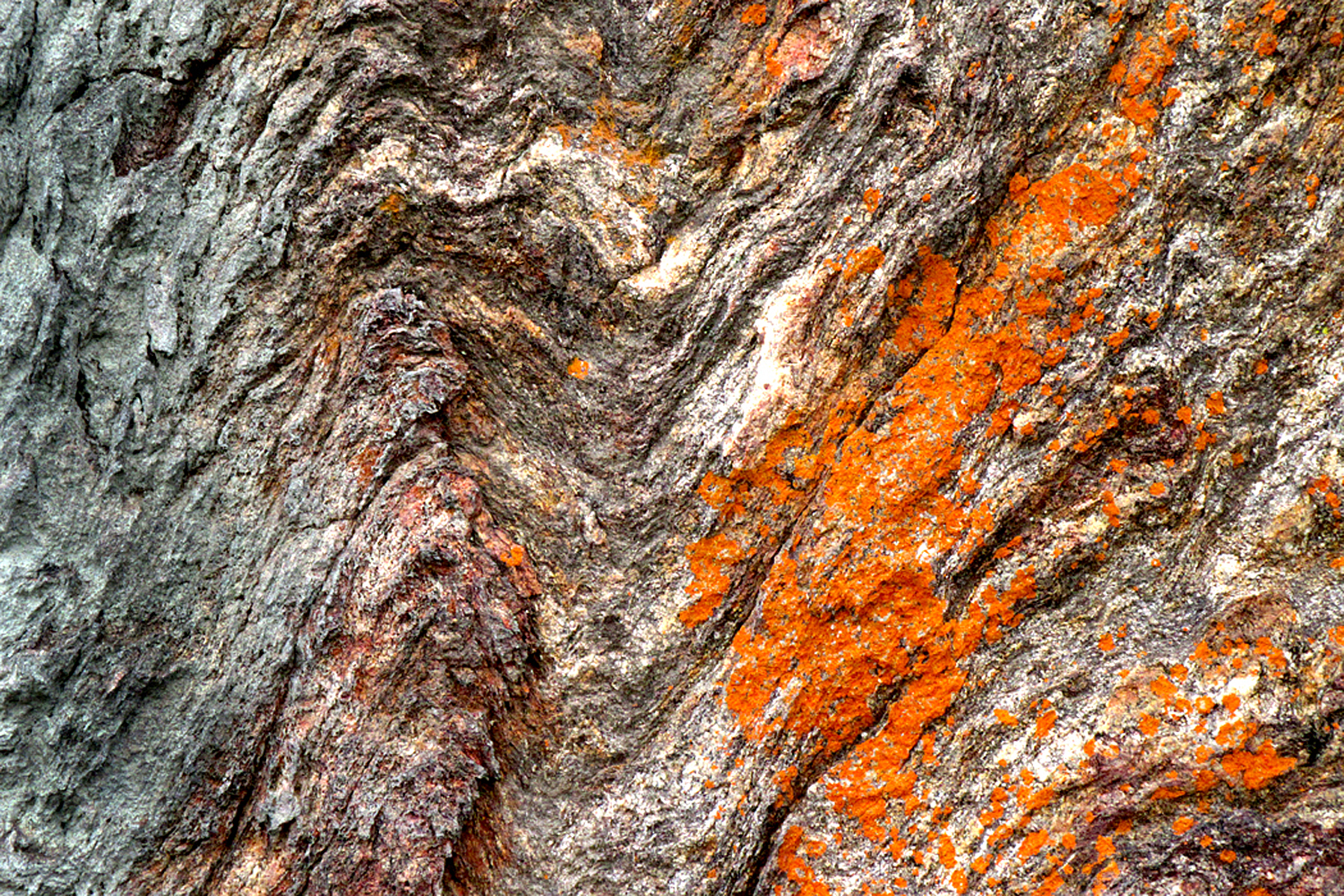
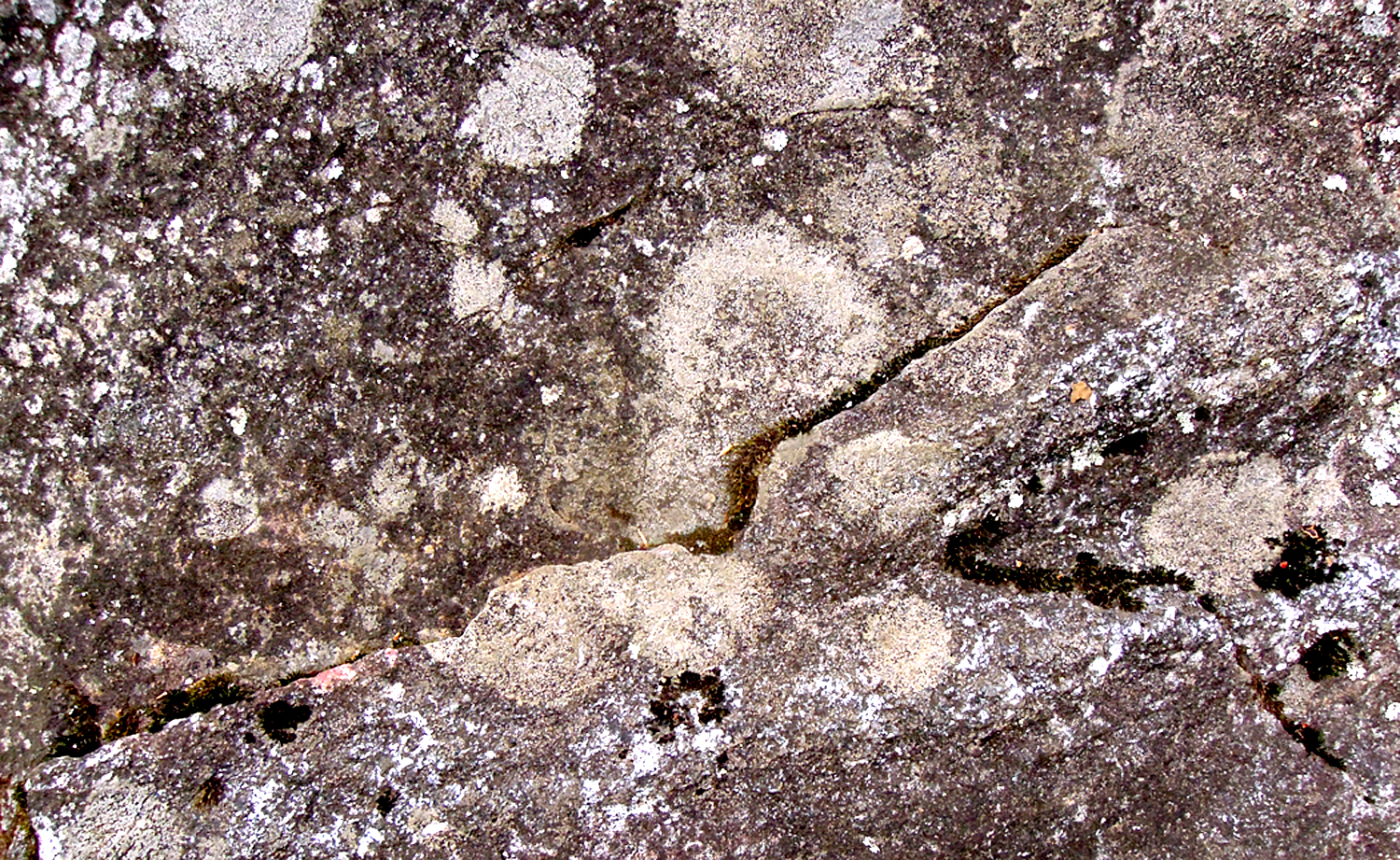
There is gnarly texture
Blue Ridge Parkway, N.C.
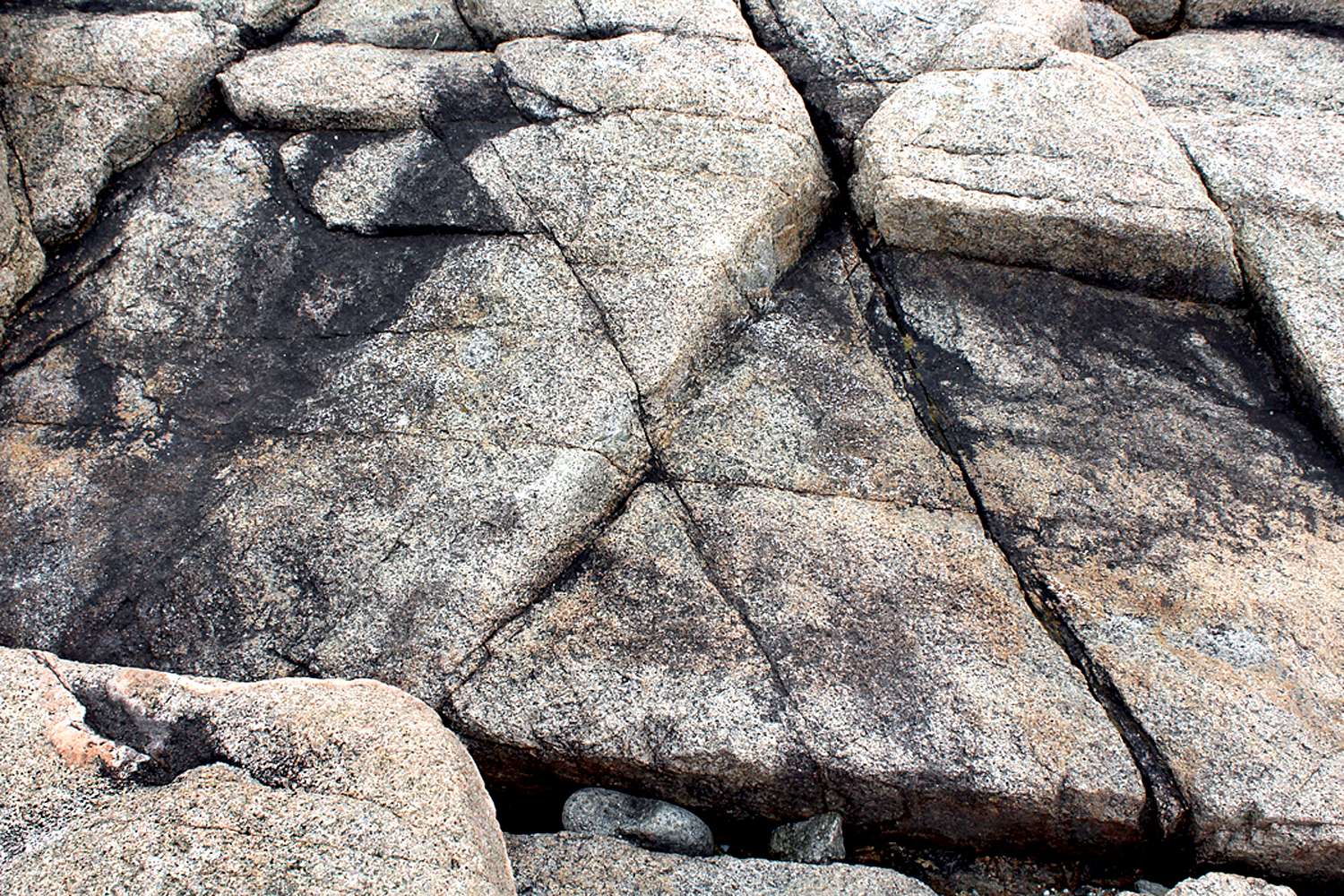
There are planes of surface
Schoodic Point, Maine
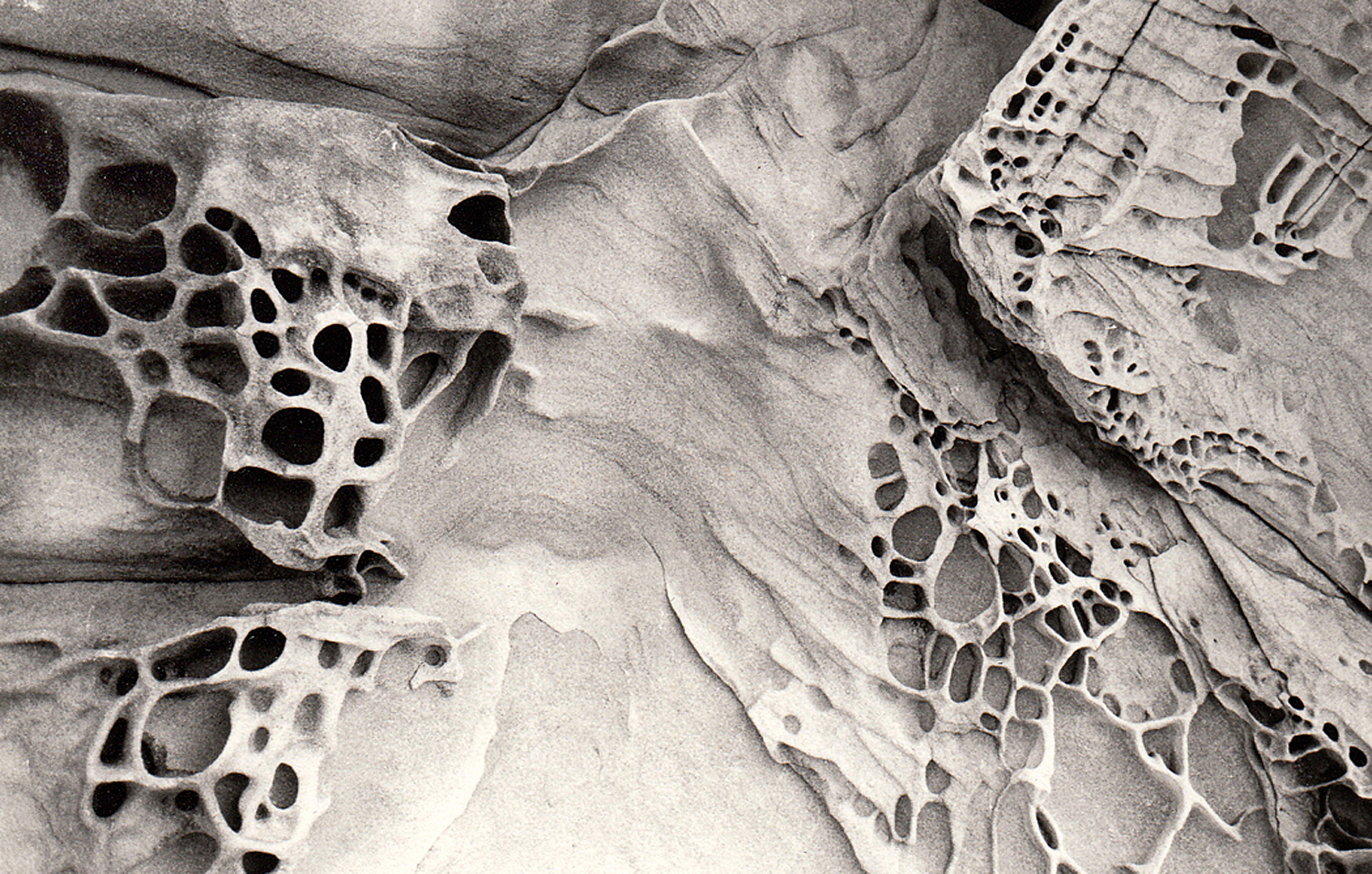
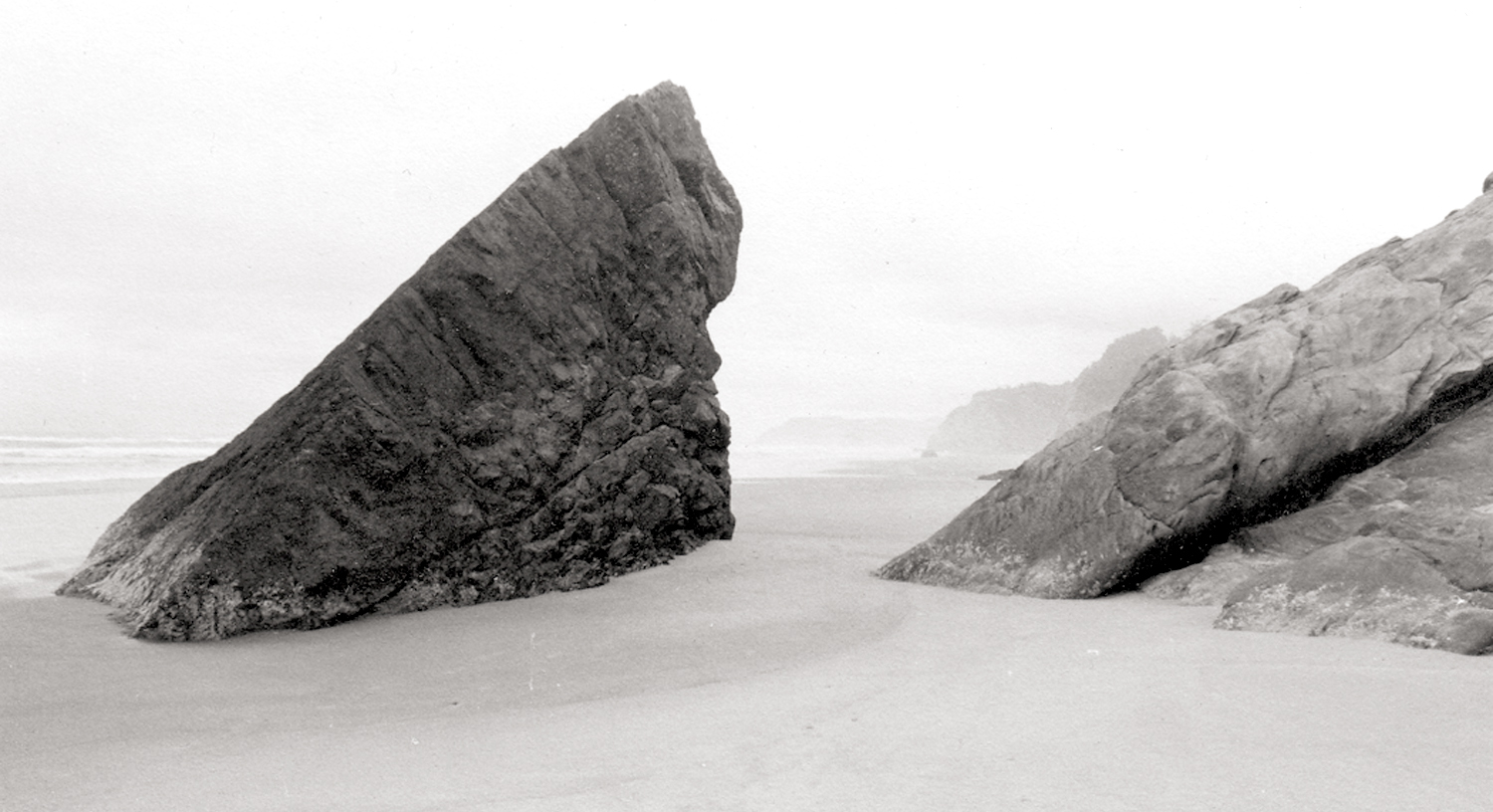
Repetition of shapes
Hug Point, Arch Cape, Ore.
Complexity of image
Schoodic Point, Maine
And a starry night
Pisgah National Forest, NC
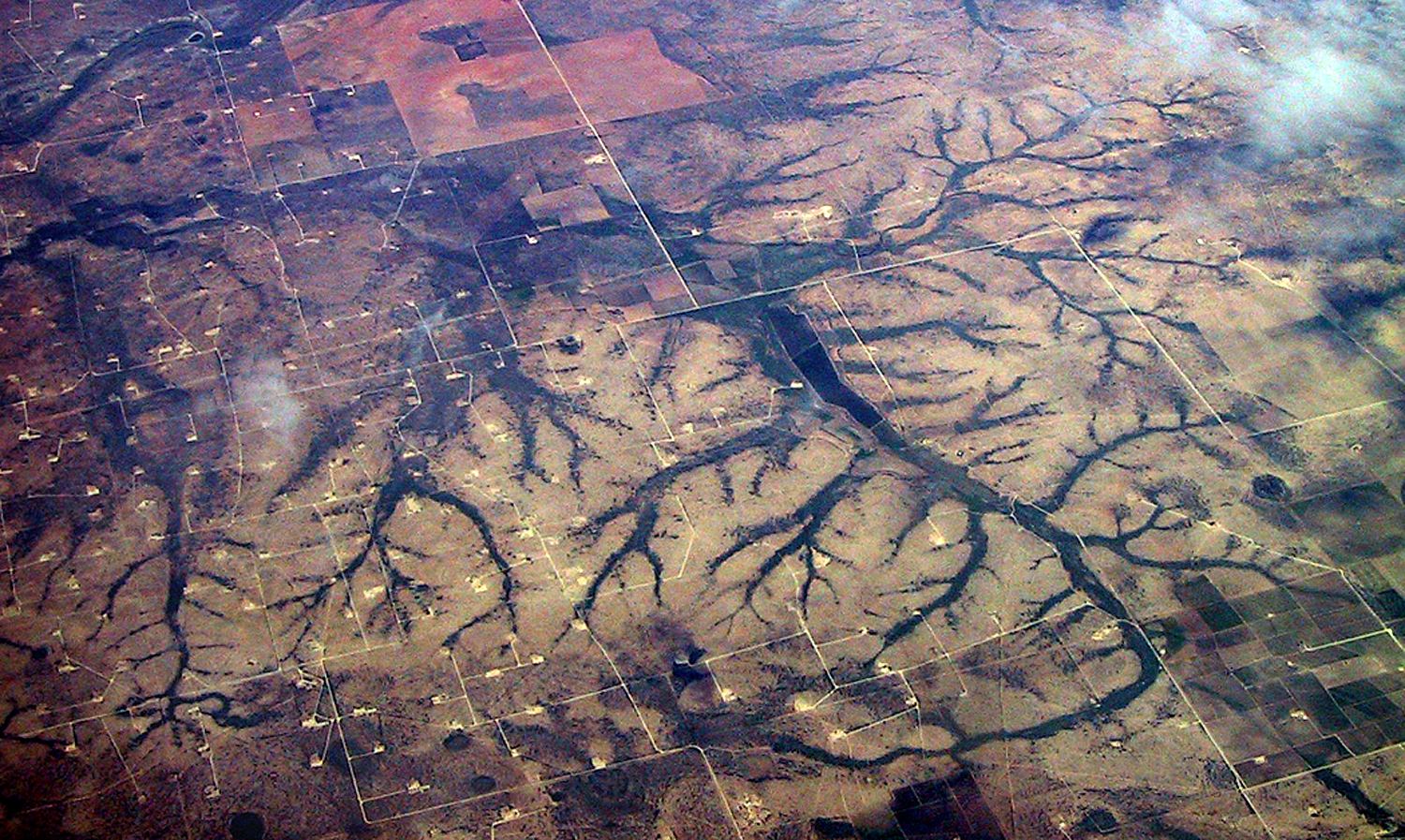
Or flying over the continent and looking down at erosion
Over Colorado
One of the primary functions of art is to make us pay attention. It is an interaction with the world and a response to it.
Rio Puerco Ruins, N.M.
The most important lesson I was ever taught was by a college professor who would not accept glib work. Like many bright students, I was adept at giving a teacher what he or she wanted — basically repeating back what was said in class. But when I did that in my English Romantic Poetry class, he gave me a D for a paper that was otherwise correct in every aspect except one. “Don’t give me back what I’ve said,” he told me. “Engage with the material.” Real engagement cannot be faked.
What was real were the words written, not the words written about the words. Dive directly into the poetry. Don’t waste time learning “about” the poetry.
Try to take the material under study seriously and be real about it. If what you find contradicts what the teacher said, all the better. You’ve learned something.
Engage with the material — something you should do with friends, family, society, even the air and the rocks. Engage. Don’t gloss.
I am within days of turning 78 and I feel my age, slowing down and dealing with new aches daily. I seem to be in reasonably good health, considering. But I don’t know how long I have left, and the length of string in front is clearly shorter than the length trailing behind. I am increasingly aware of mortality.
And I have been considering all the things I have made and written over those piled decades and sometimes wonder why. Nothing will happen to any of it after I’m gone: It will eventually find some landfill somewhere. And part of me is perfectly alright with my life’s effort in words or images being utterly forgotten. Most of what anyone has produced over the millennia is long forgotten, and it’s fine. But I did a few things moderately well, and I can look at it all and note it.
Over the past weeks, I have been spending time trying to consolidate a definitive version of some of the work from over the years. One has a tendency to take the long look and attempt some sort of codification of the evidence of a life lived. And so, I’ve been editing and winnowing.
It is related to the unavoidable sadness one feels, having spent that life learning a huge trove, not merely of facts, but of useful experience — things we never understood as arrogant youths, full of ourselves and dead certain we were smarter than all those benighted generations that gave us birth — and knowing there is no way to impart that accrued experience to the children and grandchildren we love, that they will have to go through all of it again, on their own, and in turn come to rue that they will not be able to keep their own children and grandchildren from the same pains, mistakes and ignorances.
And it will be the same for the physical evidence of that experience — the art and writing. So, I look over a lifetime of production and question to what end?
Even I am astonished at the amount of work put in, a constant chugging away at the production machine, pictures and paragraphs. In 25 years at the newspaper, I wrote more than two-and-a-half million words, and since retiring, I have written another million-and-a-half on this blog — with another 100 essays written for the Spirit of the Senses website in Phoenix, having also given at least a score of well-researched lectures for that salon group. There are also an uncounted number of letters penned, and also both fiction and poetry.
To say nothing of the tens — maybe hundreds — of thousands of photographs I have made.
I have always been this way. I didn’t think about it when I was a boy, but even before first grade, my idea of fun was a pile of paper and a pencil or crayon and I would spend hours drawing. Most kids do that, but most slowly lose the need as they grow up. In high school, I was given access to the darkroom and began making photographs, while also writing for the school newspaper. Always scribble, scribble, scribble. Eh, Mr. Nilsen?
After college, I found work writing, editing and making photos for a Black weekly newspaper, where I pumped out a weekly cooking column and the “Dear Carol” advice to the lovelorn column, in addition to writing the editorials and coming up with the headlines. (My favorite: When the iconic Greensboro, N.C., nightclub closed, I wrote in giant 128 point type, “Cosmos Folds!” Thought it a grand joke.)
In the single month of March of 1980, I wrote 500 pages of letters to friends, on a tiny plastic aqua-colored portable typewriter on a tree-stump “desk” in the back yard. When I finally began work at the daily paper in Phoenix, I averaged about three stories a week. I thought I was being lazy, but apparently I was producing more than most. (At least, that’s what my editors told me).
I would use the word “creating,” but that seems too important for what I was doing. I was producing.
Los, with his forging hammer, by William Blake
There is a character in poet William Blake’s obsessive mythology called Los, and he is one of the four main “gods” of human psychology, and Los spends eternity forging an endless chain. Why he does so is irrelevant: It is what he does. He is defined by it. He produces. It is what I have done: produce.
Many jobs in life call more for other talents. Nurses and doctors, for instance, or office workers who keep the paperwork flowing, or in selling or organizing. The actual creation of something new is not for them the goal. But in my life, like that of Los, all that matters is production. Make. Make. Make. I cannot imagine spending my life without making stuff.
And so, I am going over the thousands of files stored on computer and CD-ROMs and winnowing down what I think has been the better examples, and working on them to create the best or final versions “for posterity,” by which I mean, so I can look at them and contemplate what I have spent my life doing.
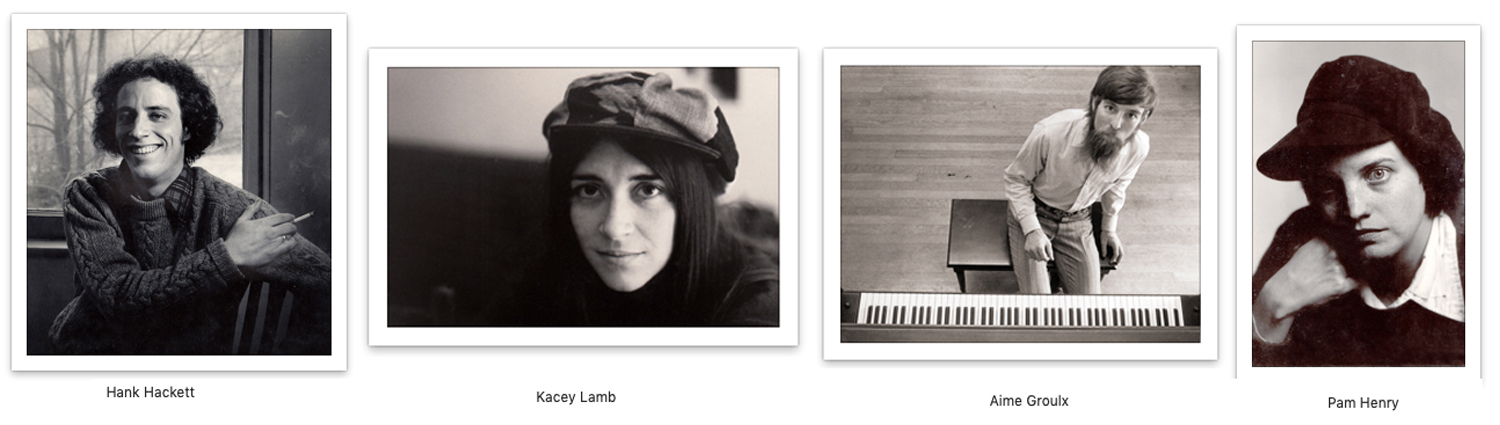
I just finished editing the bulk of the portraits I have made, cleaned them up, re-framed some, improved contrast and tone, and come up with a final version. If I were to present a portfolio, these images are what I would offer. I have about 200 such images in the file.
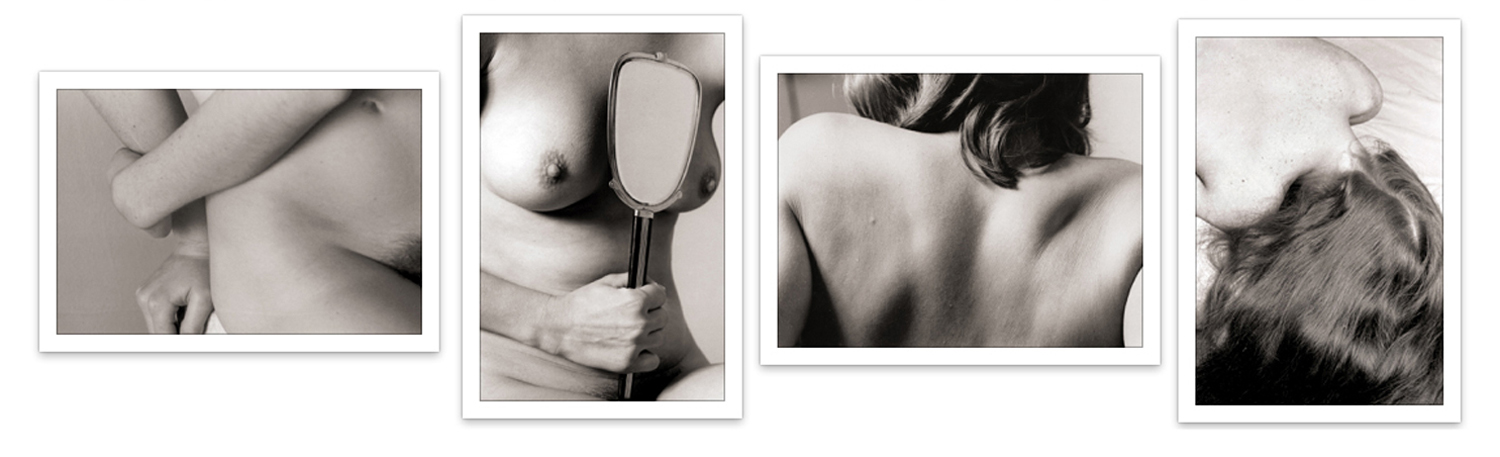
I previously did the same thing for the nudes I took over the years; there were fewer of them and even fewer of those were worth saving.
There have been uncounted thousands, probably tens of thousands, of landscapes I have pointed my camera at. Most are just snapshots — memories of travel — but there are hundreds saved intended as works of art, and shown in gallery exhibits and printed in books
The earlier ones are more clearly derivative, but gave me lots of practice printing in the darkroom, so that I became an excellent printer of silver images. The longer I kept working, the more individual my landscapes became.
Most of my photographic work has been in clear genres, such as portrait, nude, landscape and still life.
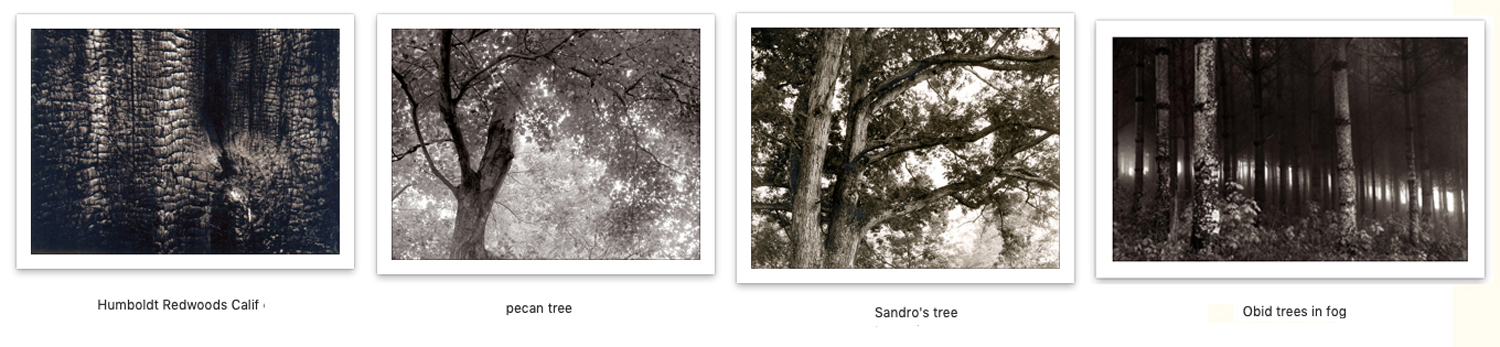
One subject that has remained as a visual source of amazement over 50 years of making images are trees. I have thousands of prints of various trees in various seasons and weathers.
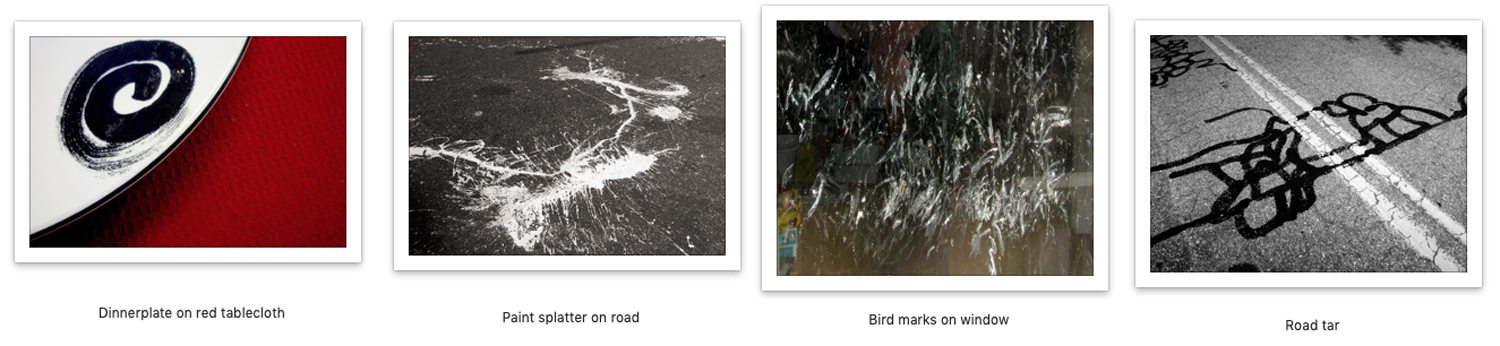
And, because of when I grew up — in an era when Abstract Expressionism was king of the hill — I add to those genres a search for abstractions.
And even, non-camera work, where I played with the chemicals and papers to make my abstractions directly in the darkroom.
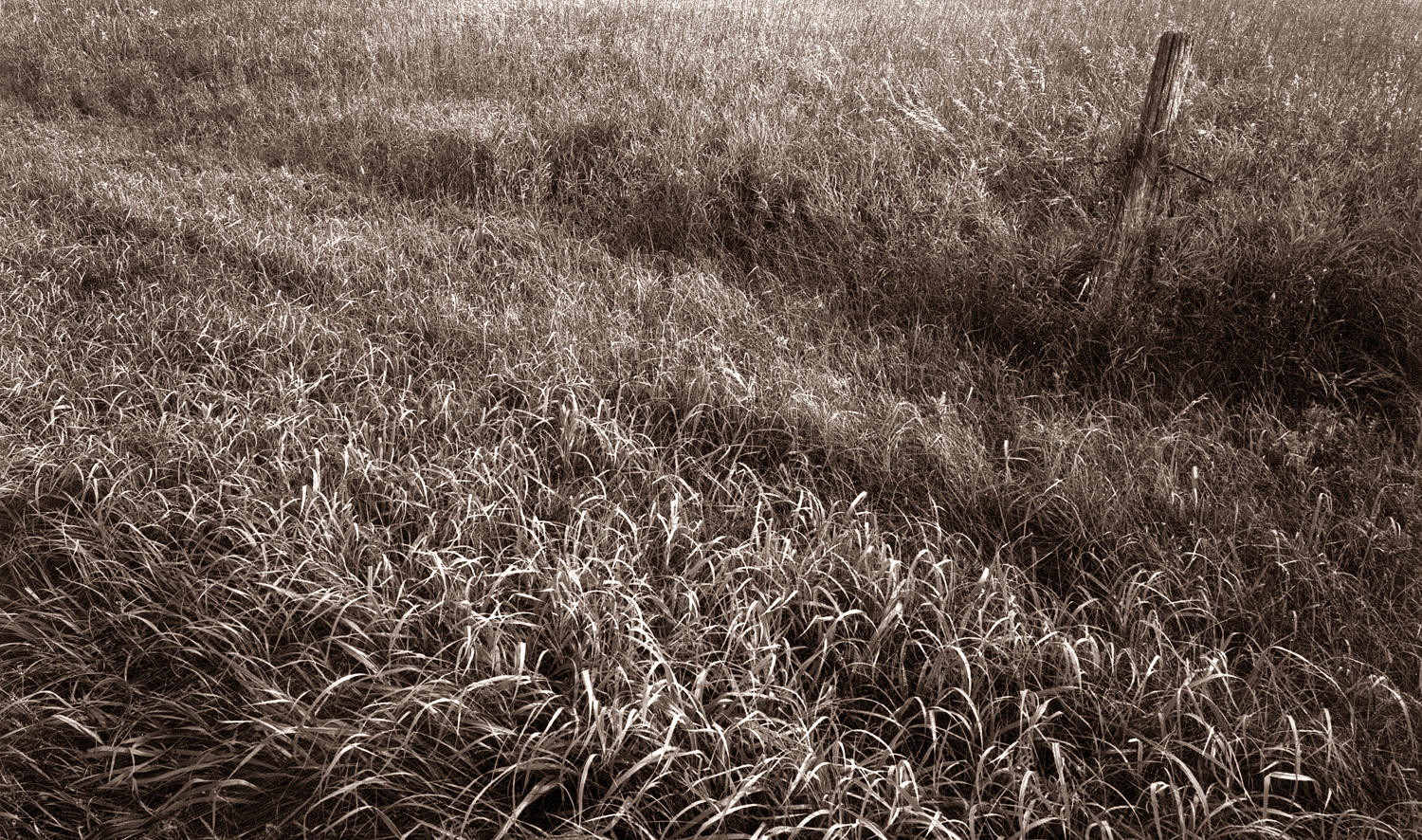
About 25 years ago, I began making photographs in series — collected in portfolios of between 10 and 20 prints each — made in various gardens, including public gardens and the back yards of friends and family. I must have made scores of these boxes, each with its title, and meant to be understood not as individual images, but as a kind of suite to be taken whole.
And with images made over the course of a few hours, tapping the shutter at whatever caught my eye as deserving its attention.
I expanded the series idea into images I found outside my airliner when flying around the country, a series I titled Window Seat.
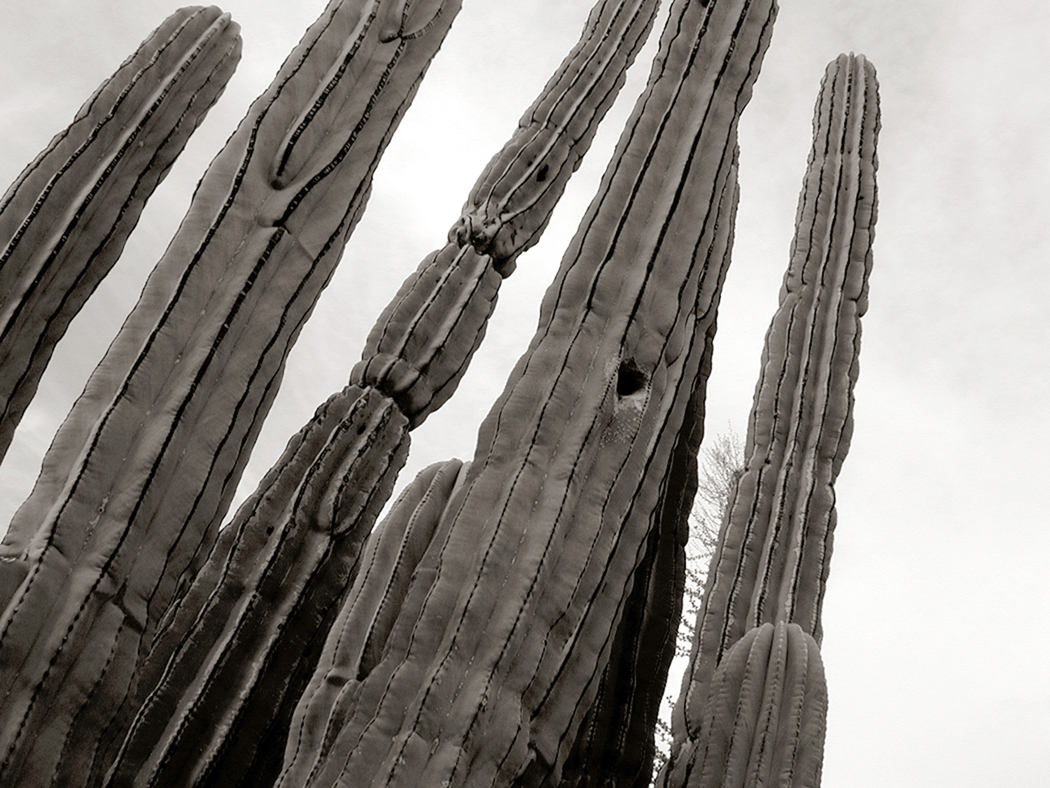
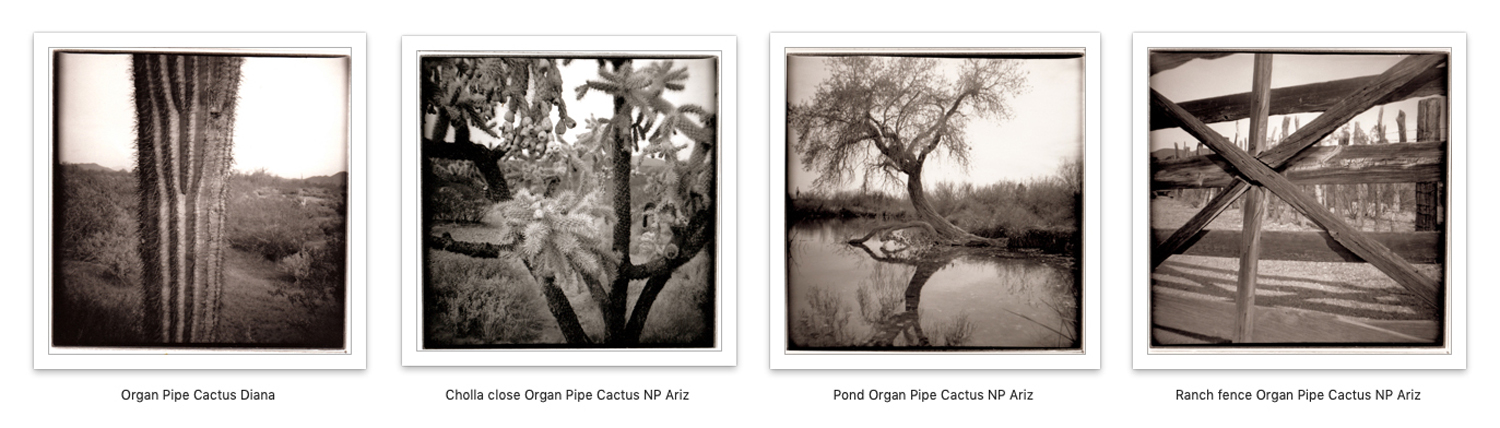
And another using a cheap toy camera (a $2.98 Diana) at Organ Pipe Cactus National Monument in southern Arizona.
And another made from clouds on one particularly stormy afternoon from my back yard in Phoenix, collected in a book titled Monsoon.
Where does all this need to keep creating, keep producing come from? It is just my nature. I can’t help it: It keeps mind and hands busy, engaged, interested, alive.
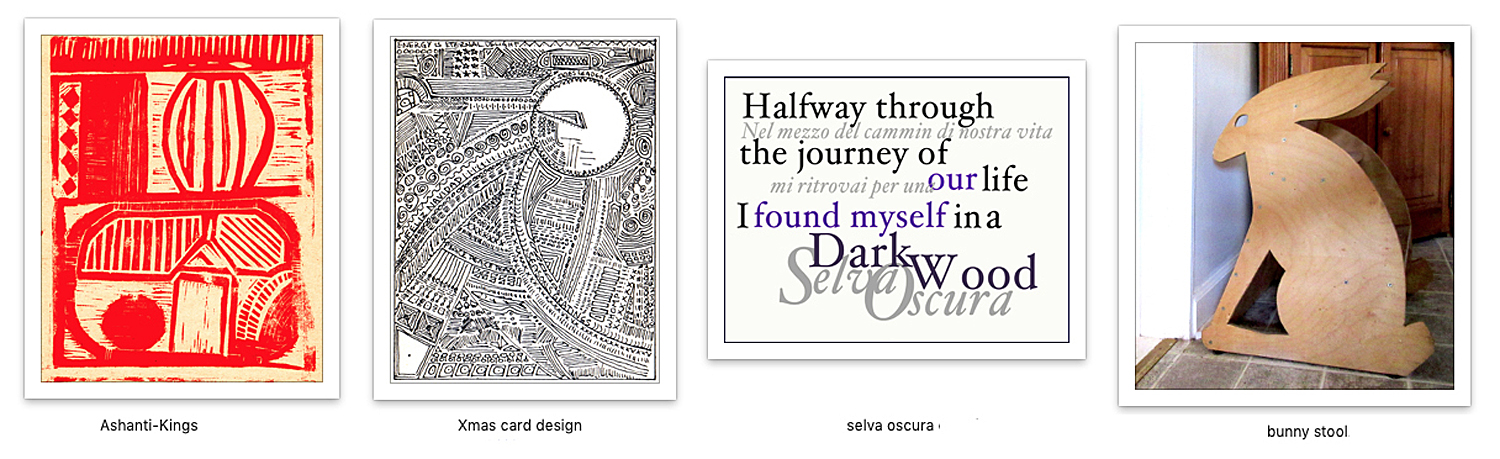
I’ve made linocuts, drawn with pen and ink, played with graphic design, and even, when my wife needed a step-stool for the kitchen, I built one from birch wood in the shape of a jack rabbit.
None of this means I feel especially talented or important, but just that putting things into this world that hadn’t existed before I made them seems as if it is whatever purpose my life has been made for.
When I was newly minted and 20 years old, I thought I would be an artist or poet. It was a goal. But it didn’t take long to give up such an idea. Instead, I began writing and making images. The focus was no longer on my identity, who I thought I was, and more on engaging with the world. Looking outward rather than being stuck with self.
I’ve known plenty of genuine artists; I don’t count myself among them. But I am doing something analogous.
I didn’t care if I was an artist. I was more interested in understanding the world, either visually or conceptually. And not so much understanding as simply experiencing it. I can’t say that self evaporated — I have always had a strong sense of self, as anyone who knows me will admit under muffled giggles. But that it didn’t matter.
And so, a lifetime of making things was not spent in any ambitious attempt at public recognition. I certainly could have written books or sought more gallery shows, but, as comic Steven Wright once put it, “I have ambition, but without the drive.” But I have been driven to use my words and my camera to see better, to connect better, to make objective documents recording what I have seen or learned. Making pictures forces my attention.
So, when I question having spent my life making and producing, and what it was worth, the obvious answer is not in the rewards of having made, but in the immediate doing. The meaning is in the act.









 Richard Nilsen