No matter where one lives in this country, there is little that instills a deep, thriving fear in a person than a visit to the Division of Motor Vehicles. There is a reason that Selma and Patty represent the general tenor of things.
But it has been 12 years since I had to come face to face with the horror of dealing with the DMV here in North Carolina. And I learned just why it has the miserable reputation it has earned. My license was set to expire on my birthday, and I needed to renew it.
Nightmare: The Prelude
The DMV sent me an e-mail more than three months ago, reminding me that my license would expire, and they offered to make it easy for me to renew online and gave me a link. “Great,” I thought. That sounds easy. Hold on there, pardner — when I went to the clunky website and rattled around in its web-maze, it said that you had to be under the age of 70 to renew it online, so I would have to show up in person to the DMV office. Frustration No. 1.
Then, Hurricane Helene hit and Asheville closed down completely for a good two months (it is still not up and running completely). Roads were closed, offices shut down. No water, no electricity and fallen trees blocking streets. The pictures and videos online give only a hint of the devastation. It was actually worse.
After a few weeks stuck in the house, we managed to evacuate and drive down to the flatlands to stay with my brother- and sister-in-law, who were tremendously generous to us.
Yet, even when we got back to Asheville, so many streets were closed and the town so discombobulated, that I put off going to the DMV office.
There was a sub-office a couple of miles from the house, but when I went there, a few days before my birthday, there was yellow police tape across the entrance and a sign that said “Closed indefinitely” and said that it would reopen soon. I checked online and it said repairs were being made for a leaky roof. Frustration No. 2.
I knew I would have to deal with the main office, on the far side of town in the section of the city full of mattress stores and bail-bond offices. So, a couple of days after my birthday, I went to the main DMV office in West Asheville, a drive of about 12 miles, negotiating various detours along the way. When I got there, the joint was crowded and a sign posted just inside the main entrance, “No more walk-ins today.” They said I should go online and make an appointment. Frustration No. 3
I drove all the way home, around several more detours and traffic jams, and went online to create an appointment, via a website that was horribly designed and confusing, only to find, when I finally found the right webpage, that the site said “No new appointments available.” No explanation of when appointments might be had or how to find out. Frustration No. 4.
(The website is a mess, poorly designed and engineered, making any useful information obscure, difficult to find and even more difficult to understand. If anyone needs to find out how not to design a website, they could not do better than to check out NCDMV.)
And so, a few days ago, I decided to get up early and get to the DMV office before they filled up. I went past the East Asheville DMV office to check if it was still closed (it was), so I got on the Interstate and drove all the way to the West Asheville office and when I got through the entrance, there was a sign saying “No walk-ins till noon.” Frustration No. 5.
It was then 9:30 a.m. I got on a line for the info desk and when I made it up to the front, they told me that they only take walk-ins in the afternoon. I told them my sad story, and they were very nice but unyielding. I could wait in the parking lot for two and a half hours till they allowed walk-ins, or I could come back the next day after noon.
When I asked them about making an appointment and how the internet told me there were no appointments available, they explained that appointments were booked up 90 days in advance. And so, piled on, a Catch-22: Have to make an appointment; no appointments to be had. Frustration No. 6.
I thanked providence for my cool Norwegian blood and I didn’t explode at the poor clerks. They were only doing their job. The policy wasn’t their fault, and at least they weren’t going full Selma and Patty and blowing cigarette smoke in my face. They sympathized, yet, there was nothing they could do. “Come back tomorrow,” they said. “The line for walk-ins usually begins about 11:30 a.m., so I should make sure I get there early enough not to get so far back in the line I get closed out once again. I smiled the kind of smile you do when the only other option is thrusting a knife into their throats, and turned and walked back to the car and drove home.
Nightmare: Part 2
OK, so the next day I planned to go the the DMV a half-hour before they were supposed to allow walk-ins to enter the building, hoping I could finally renew my license. I drove around the detours over the 12 miles to the office and got there at 11:30 a.m., to find a line already formed, with about 25 people in it, standing in the cold outside the building. I got on the end of the line. The temperature was in the low 40s, but the sun was shining. The line got longer behind me as we waited. At exactly noon, exactly nothing happened. The doors didn’t open. We all stood in the numbing cold for the next hour and a half.
Then, a guy from inside told the first 8 people to go inside, and we all moved up in the line and at the head of the line there were chairs with their backs up against the front window of the building, and I got the last seat. After standing in the cold for hours, my knees were stiff and the seat was quite welcome. Unfortunately, the chairs were under the canopy and so we sat in the shade. The breeze picked up and it got colder. Much colder. Nothing moved for the next 90 minutes or so and I sat shivering — literally — and getting colder and colder. It was torture Guantanamo level, and I was ready to confess. “I am willing to name names,” I thought. “I’ll tell you anything. I thought the Geneva Conventions outlawed this kind of torture.” I half-expected them to come out and spray us with cold water, just to amplify the misery.
Several times I thought to give up and leave. But, it is the torturer’s trick to let to expect relief will arrive soon, so you keep waiting. I kept putting off the leaving and sat in the progressing hypothermia like a frozen lump. Face turning blue, fingers now numb. At least it wasn’t raining and they didn’t bring out hoses.
Eventually the same guy came out with a clipboard and began taking our names. We signed in and explained what service we were there for, and then he went back inside and we heard no more from him. Several of the people ahead of me, sitting in the cold shade got up and walked back out to the parking lot to stand in the sunlight for the illusion of heat. I was afraid of losing my place, but also afraid that my knees, already throbbing from all that standing, would give way if I tried to stand up again.
The guy eventually let three more people in and we shifted chairs to move closer to the door. A rebellion was brewing: The woman seated next to me got up a few minutes later and said, “I don’t care what they say, I’m going in where it’s warm and stand,” and she went in. Another followed, then I did too. Inside the door was another queue, in front of the admission desk. The man there chased us all back outside, but we had seen the promised land, and had seen a half-dozen empty waiting-area chairs and decided they were doing it on purpose. We went back outside and sat down again. Then the guy with the clipboard came out and started calling off names from the clipboard and my name was the last one he called. We all trundled finally in to the warmth, where we formed another line to get registered and be given a number. I was E473.
The DMV is has all the architectural grace of an old supermarket, with the back area walled off and a set of 11 numbered desks ringing the waiting area. Four — only four — of them had examiners working them. I sat in the waiting area, still shivering involuntarily, with my core temperature dropped somewhere into the orange sherbet range. There were probably 60 people in the waiting area waiting for their number to be called.
It was now after 3 p.m. and I watched the call board ring out numbers. A1, then A2. Where does E473 fit in, I wondered. I dreaded. Turns out the letter in front of the number signified what the person who held it needed from the DMV — a new license, a chauffeur’s license, etc. “C123 now being served at Window 3” came the announcement. Number after number came up. Finally some E numbers “E465 is now being served at Window 7.”
Waited and waited. At 4:30 p.m., the guy with the clipboard stood up and told the waiting masses that anyone who needed a driving test would have to go home and try again another day. They stopped giving driving tests for the day. A handful of people got up and left the building, looking grumpy but as played out and exhausted as a late-round boxer. I had no watch, and there were no public clocks, but I could feel we were getting close to 5 p.m. closing time and maybe I would have to go home empty-handed and try again another day — I had already resolved to give up and drive without a license and hope just not to get caught. A fine would be preferable to suffering another day at the DMV.
Then “E471 is being served…” then “E472…” My hopes went up. The “C346 is being served…” and I lost all hope. It was DMV hell. Finally they called my number and I went to the desk, answered a few questions, had my picture taken and paid $38 and was given a printout temporary license and told the real one would come in the mail next week. The ordeal was over. The sun was setting and I drove home in the twilight. A day I will never get back.
When I got home and ate dinner with numb hands, it was then almost 7 p.m. and I was still cold to the core. It would take some time to warm up again. This was a trial by ordeal. But at least the new license will carry me through 2030.
Afterword
It took till nearly 10 p.m. sitting beside the gas-log fire wearing a sweater, with four lap blankets over me and drinking hot tea before I felt that my inner core was finally warmed back to normal, or nears enough. Getting cold on the outside is one thing, feeling the temperature on your skin, but it’s a whole other thing when the cold penetrates into the bones of your fingers, arms and into the core of your torso so you feel like you’re a refrigerated ham.
For all the misery, I don’t hold it against the DMV staffers. They were each as calm and helpful as they could be. Even at the end of the day, after dealing with an exasperated public for eight hours, my examiner could still make pleasant conversation and help me get through the paperwork quickly. (Five minutes it took, after an icy, information-starved wait of more than five hours — a ratio that feels imbalanced, to put it diplomatically).
I’ve known several public employees and they all wanted to do their jobs as well as possible. It is the system to blame — if you can call it a system at all. I hardly seems planned. The website is a mess. The process is incompetent. The office understaffed by at least half. Little information shared with the victims, and what there is is often incomprehensible.
No doubt, in the Pleistocene, when the protocols of license renewal were first established, an era, no doubt, of dial-up internet, and before the designated-hitter rule, the procedures may have been state of the art, but it seems as if nothing has been updated or rethought. What they are stuck with is not up to the task.
We often make fun of government bureaucracy and its inefficiencies, and in the case of DMV, any shaming we give is truly deserved. I don’t know why we don’t all march on Raleigh with pitchforks and torches and demand action on the part of state government to make the DMV more humane.
The 1984 movie, Amadeus, won eight Oscars and has been seen by millions of people. It was an excellent film, but it lied through its teeth. Mozart was not an arrested-development adolescent potty mouth. And Antonio Salieri never tried to kill him.
Poor Mozart, he has had his life twisted over the centuries to illustrate cultural trends, and those trends have changed over those years.
The 19th century first saw him as old fashioned, then he became a proto-Romantic, with his life deeply mythologized. The 20th century first saw him as a kind of porcelain doll, and after WWII, saw him as a polite precursor to Beethoven. In the 21st century, he has been the victim of countless historical-performance strictures that leave his music in a kind of inexpressive jog-trot strait-jacket.
The man sometimes considered the greatest composer of all time has been so mauled over by his biographers, fans and later writers and filmmakers that the legend has taken over from the fact.
So, the plot of Amadeus is only one of a myriad of distortions, legends, myths and factifications. The truth, as usual, is more interesting.
What are some of the worst Mozart myths?
— Mozart began writing masterpieces before he turned 10.
* Yes, he wrote music beginning before he turned six. But some of that music was arrangements of other composers’ work, some may have been outlined by his father for the boy to complete, and none of them are masterpieces, or noteworthy, other than for them to have been jotted down by one so young. The early works are generic. They get played, when they are played at all, simply because they have Mozart’s name attached.
— Mozart was buried in a pauper’s grave.
* Although it’s often said he died so poor he was buried in a pauper’s grave, the fact is Viennese law required anyone other than an aristocrat to be buried in a common grave, after a funeral service at the church. It was a reaction to recent outbreaks of plague in the country. And Mozart wasn’t poor. He lived quite well, although, working in what we would now call a “gig economy,” he had his income ups and down.
But, over his last year, he earned 10,000 florins when an average laborer averaged 25 florins a year. It put him in the top 5 percent of the population of Vienna, according to H.C. Robbins Landon, author of 1791: Mozart’s Last Year. The man was no pauper, and his music was hugely popular, not only in Vienna, but across Europe. And when he died, he had a hit on his hands: The Magic Flute. He left his widow reasonably comfortable.
— Mozart wrote his music spontaneously, without effort.
* Mozart’s facility with music was remarkable, but there are plenty of sketches and studies for his music. The pieces without such preliminary work most likely had them at one time, but they don’t survive. His widow, Constanze, burned most of the sketches, not thinking that fragments had any value. Mozart even writes to his father about doing such preliminary work.
In 1787, he told the conductor of his opera, Don Giovanni, “It is a mistake to think that the practice of my art has become easy to me. I assure you, dear friend, no one has given so much care to the study of composition as I.”
— His middle name was Amadeus.
* He was baptized as Joannes Chrysostomus Wolfgangus Theophilus Mozart but his parents called him Wolfgang Gottlieb (Gottlieb being German for Theophilus). He usually signed his name Wolfgang Amadé. It was only after his death that people began regularly calling him Wolfgang Amadeus, which is a Latinized form of Gottlieb.
— His music is simple, direct, easy to listen to, easy to perform.
* And at the time of his death in 1791, at a mere 35 years old, his music was considered difficult to play and demanded careful listening. Mozart asked a lot. When the progressive Emperor Joseph II famously told Mozart his music had “too many notes, my dear Mozart. Too many notes.” he wasn’t being an ignoramus; he was reflecting the general taste of his times. To understand this, we need to place him in context.
Some Context: The Classical Era
Something else we get wrong: It is usually said that Mozart and his contemporary Joseph Haydn wrote in the classical style, as if such a thing existed, and all they did was follow the rules. That’s got it completely backasswards. They didn’t write in the classical style; they invented the classical style. They were making it up as they went along.
Music history is taught as consisting of succeeding eras. The Renaissance gave way to the Baroque, which led to the Classical era and on to the Romantic, to Modernism and currently, Postmodernism. As if they were clearly defined and separate. And it is true that after about 1740 or so the heavily contrapuntal Baroque lost its hold on the ears of its listeners. They wanted something simpler, clearer, more charming and that wouldn’t be so serious. All those fugues and counterpoint of what was called “the learned style” gave way to homophony — that is, tuneful melodies and supporting harmonies. Something you could hum along with: Simpler and more direct.
This is sometimes called the Style Galant; it followed the Baroque the way Rococo followed in the visual arts. Composers such as J.C. Bach, Johann Joachim Quantz, Johann Stamitz, or Domenico Alberti published torrents of light, catchy three-movement sinfonias and bright concertos, to say nothing of keyboard music to be played after dinner by the daughters of aspiring middle-class burghers. I’m grossly simplifying this, but the outlines are true.
This is the kind of music both Mozart and his older contemporary Haydn produced in their younger days. Mozart wrote more than 20 symphonies in this popular style before the age of 17 and if they still get played it is because, again, they have Mozart’s name on them, and also, because they are full of great tunes. Mozart always wrote great tunes.
Haydn had his own orchestra, paid for by his boss, Prince Nikolaus Esterhaza, a ridiculously wealthy Hungarian nobleman, who loved music. Hidden away at the prince’s countryside palace in Esterhazy for some 30 years, Haydn developed on his own, inventing new ways to delight and surprise an educated audience who learned and grew along with the composer. The palace was far from Vienna. Haydn said, “I was cut off from the world. There was no one to confuse or torment me, and I was forced to become original.”
He basically invented the modern form of the symphony and the string quartet.
Prince-Archbishop Colloredo
Mozart, however, was truly cosmopolitan and after freeing himself from the employment of Salzburg’s prince-archbishop Colloredo, earned his crust as a freelancer in what was becoming a “gig” economy, living from commission to commission, and from concert to concert and opera to opera.
He learned a lot from Haydn, and joined him in making his music increasingly more complex than the usual run of gallantries. They added back counterpoint to their works, increased chromatic and harmonic subtleties. Mozart’s music, for instance, is always more complex than it sounds.
Mozart asked his musicians to do more than did other composers: to play higher, lower, more quickly; to play notes unfamiliar to their instruments or voices; to attempt unusual phrasings and colorations.
At the end of Act I in Don Giovanni, three bands play onstage at the same time, performing different music in three different rhythms, but entwining their harmonies so they mesh perfectly in a tour de force of compositional cleverness.
His music sounds simple and perfect and symmetrical, but you look at the phrase structure and it’s highly irregular. Normally, you expect 4- and 8-bar phrases, but you take a look at one of Mozart’s late scores and you see phrases of 4, 5, 3, 7, 8, 6 — but you would never guess it was so irregular just from hearing it. It always sounds smooth.
And although the surface of the music is always velvety and seductive, it’s frequently chromatic, introducing notes that shouldn’t belong. Even so graceful and simple a tune as the trio from the minuet in the popular Eine kleine nachtmusik manages to use 11 of the 12 notes in the chromatic scale. It verges on Schoenberg, though it sounds as simple as a nursery rhyme.
While Haydn’s metier was primarily instrumental music, Mozart shone in vocal music, and especially opera, where he brought psychological complexity to what is sung.
Mozart as Shakespeare
Mozart was the Shakespeare of music. No composer ever displayed a wider sympathy for the human condition or a greater breadth of musical style. At the bottom of his music is a profound humanism, which is all the more obvious in his best operas — The Marriage of Figaro, Così fan tutte, The Magic Flute and Don Giovanni.
Of all the great composers, Mozart also is the easiest to love. Bach may be more sublime, Haydn wittier, Beethoven more in-your-face and Schubert one of the few who could write melody to equal Mozart, but Mozart remains the most accessible. He speaks directly to us, because he is the most humane.
That quality underlies all his major operas: His plots are filled with three-dimensional people, not the stock characters of most other operas. No hero is flawless, no villain unredeemable.
The miracle is that it isn’t just the libretti that convey this complexity, but the music itself. It gives us the subtle psychological undertow.
Mozart understood all of his characters well. None of them is tossed off as inconsequential. He imbues each character with definitive musical qualities.
So that Don Giovanni’s ebullient life force is expressed in his headlong “Champagne Aria,” with barely a moment to inhale. Or the Queen of Night’s rage in Magic Flute, when she launches into Baroque arabesques and arpeggios in her showpiece “The vengeance of hell boils in my heart.”
Even in Figaro: Has adolescent horniness ever been better expressed than the “amorous butterfly” take the hero sings about the love-struck Cherubino?
All these characterizations are built on the composer’s willingness to accept without judgment everything that is human. Perhaps that’s why nobody ever wrote forgiveness better than Mozart.
Each of his major operas has a scene of forgiveness in it, and it’s usually the turning point of the action, when a character recognizes the frailty of human nature. Such forgiveness is not bestowed from a feeling of superiority but from shared compassion.
It’s not that we believe the Count in Figaro will now be faithful to the wife who forgave him, but that we know she will always forgive him, because this is what it means to accept the human condition.
But the particular mood Mozart raises in such moments also is carried into his purely instrumental music: The slow movement of his Piano Concerto No. 18 is the echo of such a moment in Figaro. It sighs, and we sigh with it.
Such genius, whether Shakespeare or Mozart, can’t be explained. You just accept that it is.
Don Giovanni
Mozart’s Don Giovanni has been called the perfect opera. It ingeniously balances comedy and drama, music and theater, the aristocracy and the peasantry, the past and the future.
It was first performed in 1787 in Prague, where the composer was a musical superstar, and told the story of the seducer Don Juan (Don Giovanni in Italian).
The story is simple in outline: After he kills the outraged father of one of his amorous conquests, Don Giovanni is tracked down by his victims. When he hides in a cemetery, the statue of the dead father miraculously asks him to dinner and, later, when the don shows up, the statue drags him to his judgment in hell.
But Mozart and his librettist, Lorenzo da Ponte, took what was a traditional story of sin and punishment and made it into a paean to the life force. Technically, Don Giovanni is still the villain, but Mozart and da Ponte made him such an engaging and vital presence that in the end, when he refuses to repent, despite the demons that surround him and the brimstone that burns, he actually rises to the heroic. Is he hero or villain? Or both.
This is where the Classic past meets the Romantic future: The cautionary moral tale of the past turns into the Byronic hero of the upcoming 19th century, and Mozart is in the avant-garde.
Digression I: Rake with a Quill Pen
Opera is a collaborative art. Mozart’s music is great, but so was the libretto written by Lorenzo da Ponte. Da Ponte was born a Jew in Venice in 1749, was ordained a priest and opened a brothel with his mistress, where he entertained the clients by playing violin in his priest’s vestments. He was the perfect choice to write the libretto for Mozart’s dramma giocosa, Il dissoluto punito o sia Il Don Giovanni (“The Rake Punished, or Don Giovanni”).
Da Ponte was a friend of the infamous seducer Casanova and was forced to flee Venice after a trial for sedition, settling in Vienna, where he wangled a position from Joseph II, the Holy Roman Emperor. When he was asked how many plays he had written, he answered, “None, sire,” to which the emperor replied, “Good, then we’ll have a virgin muse.”
He wrote libretti for dozens of lesser operas by lesser composers, such as Antonio Salieri, before landing a job writing — or rather rewriting — Beaumarchais’ popular play The Marriage of Figaro as a libretto for Mozart. He also wrote Don Giovanni and Così fan tutte before being shown out of the city by the police.
Da Ponte’s post-Mozart life is hardly less interesting. After marrying (quite a trick for a priest), he moved to the United States, where he failed as a grocer, became friends with Clement Moore (reputed author of ’Twas the Night Before Christmas), who helped him gain a faculty post at Columbia College (now Columbia University), where he was the first faculty member to have been born a Jew.
In 1828, he became an American citizen, died 10 years later, had a grand funeral at St. Patrick’s Cathedral and is buried in Green-Wood Cemetery in Brooklyn.
The Pop Star
Mozart’s time was the late 18th century. He was born in Salzburg, Austria, in 1756 and was one of the great child prodigies of all time, picking up the violin when he was four and composing by the time he was five. His first opera was written when he was 12.
He was trooped across Europe by his father, playing for the amazed aristocracy and gathering gifts of money and jewels.
He outgrew his boyhood cuteness but grew to be one of the most prodigious composers of all time: He wrote 22 operas, 50 or so symphonies, 27 piano concertos, 23 string quartets, 17 settings of the Roman Catholic Mass. His complete works take up 170 CDs in one current set.
And he became enormously popular.
Mozart was the pop artist of the time. People wanted to play and hear that music so much, they transcribed the music for all kinds of ensembles. Every town had a wind band and they played arrangements. Every little village in Belgium or Bavaria could play arias from the latest Mozart opera, the way halftime marching bands now play show tunes.
Mozart makes fun of this phenomenon in the finale of Don Giovanni, when the don has a dinner in his castle, with a band playing the latest hits from operas, including “amorous butterfly” from Figaro.
He dismisses it: “I’ve heard this piece too much, he says. We laugh because it shows Mozart could take a joke. And that only makes him more human.
Digression II: Mozart and Haydn
The era from about 1770 to 1810 is called “Classical.” It’s the age of music defined by two names: Joseph Haydn and Wolfgang Mozart.
They were the twin colossuses of the time: one witty and bright, the other deeper and more melodious.
But the two men were very different. Haydn brighter and more brittle sounding, with an emphasis on what the 18th century valued as wit, making in-jokes in his symphonies and working simple themes into complex textural patterns that his audience recognized with pleasure — they got the joke.
Mozart’s music is darker, more chromatic, with a more blended sound, and he focused his attention on grace and style.
If Haydn is the brain of 18th-century music, Mozart is the heart.
They valued each other above anyone else and recognized each other’s genius. Mozart learned more from Haydn than from any other source. Haydn said Mozart was the greatest composer alive.
To many, Haydn and Mozart sound alike. They are very different but shared a musical language. So, how do you tell them apart?
One wise old professor explained his simple test: “If you can remember the tune after it is over, it was Mozart.”
Reason and order
The 18th Century is called “The Age of Reason,” although sometimes I think it may be said ironically, since, after all, it was also the age of Rousseau, the French Revolution and the Reign of Terror. But the overall tenor of the era was one of rationality and balance, of a just God in his heaven keeping proportionality in everything human and cosmic.
In German-speaking lands, it was the Aufklärung, the “clearing up,” and prompted enlightened rulers, such as Joseph II in Vienna, to downplay religious fervor, mindful of the chaos of the Thirty-Years War, and promote scientific enquiry and philosophy. Coffeehouses rose filled with debate and Freemasonry became fashionable. Mozart became a Freemason, and his final opera, The Magic Flute, was a Masonic allegory, of sorts.
There were certainly many points of view, but the general sense was one of moderation in all things. Don’t go overboard. Keep an even keel. Music followed suit: nothing too extreme, but nothing too simple-minded, either. It was a perfect walk between opposites.
And the major musical innovation of the era was the rise of the Sonata-Allegro form. It was the primary organizing principle for Haydn and Mozart and held sway in various permutations for the next century and a half. It is usually taught in a technical way: first theme in the home key, second theme in the dominant, followed by a development section and rounded off with a recapitulation of the two primary themes, but now both in the home key. But that is not why the form became so dominant. That is like describing an angel as having wings and white robes, without ever noting it is a messenger from God.
The point of the sonata form was to establish an order, in terms of recognizable melodies, to then disrupt the order by breaking up the tunes into bits, rearranging them, and playing those pieces in a hodge-podge of shifting key-centers, leaving the listener with no firm ground to stand upon, and then reasserting clear order once again, so the universe is set right. Order – disorder – order reaffirmed.
Once you understand the metaphor of the sonata form, you will never again be hoodwinked by the academic palaver. The music is about the primacy of providential order.
This is a metaphor that has provided the foundation of much of art. Shakespeare’s histories and tragedies are all about disturbed natural order that has to be set right. Opera plots are almost all about illegitimate threats to the way things are supposed to be. It is the mega “A-B-A” of countless poems and novels.
The form made such satisfying intellectual and emotional sense that it ruled western instrumental music almost until now. Those composers who didn’t write sonata form wrote in protest to it. Take a side. It was that influential.
L’Envoi
It is nearly impossible to write words about music. One tends to write impressionistically and metaphorically about what one hears, but such language become like trying to describe color to a blind person.
The result is that when most people talk about their favorite popular music, they talk about the lyrics. The music is barely mentioned. In fact, most popular music contains scant little actual music at all: just a few familiar chord changes under a meandering set of melodic intervals. You may mention the beat, but that, too, tends to drone on monotonously through the song.
You could, if you wanted to, talk about the music, but it would take specialist vocabulary that would convey almost nothing to the lay reader: “The composer used the Neapolitan relationship to modulate from B-minor to A-flat major while dividing the treble from the bass line in hemiola.” There, does that mean anything to you? Two against three?
One reads scores rather than text to understand what is going on, but even that does not really tell you what you are hearing, only how it was done.
And so, when writing about Mozart, almost everyone falls immediately into biography. We can tell you fascinating things about his family, his sister, he relationship with his patrons or the order in which his symphonies were composed.
But the ear can hear how, in sonata form, we hit the comfort of the home key as the recapitulation calms down the churn of the development. It is something instantly felt through the ear — if you are paying attention. But how to write about that in the Jupiter Symphony or the K. 545 piano sonata comes a cropper. Just listen. It’s obvious.
One can say that Mozart blends his wind instruments while Haydn tends to keep his winds distinct. It is true, but you have to hear it to understand. Mozart’s recapitulations are usually a return to order, while Beethoven uses his recaps (in his mature work) to take the music to a new place, a “new normal” that means we have moved through the development from Point A to Point B. Mozart’s melodies tend to be step-wise, as a human voice might sing, while Haydn often jumps around because fingers on a keyboard can do so.
These are swooping generalities, and there are plenty of exceptions, but they are attempts to write about the music rather than the historiography.
The only recommendation is to listen to more music, lots of it, and absorb what you can, so you can distinguish the difference between a sonata form and a rondo, between an English horn and a bassoon in its upper register. Hear it and pile it into your trove of experience. It is the sounds that are made that is the music. Words get in the way.
And pay attention. Music isn’t a warm bath you slide comfortably into, but a conversation the composer is having with you.
When I see photographs of myself in my 20s, I am deeply embarrassed. I seemed to be play-acting in some fictional version of the life I believed I was living, or wanted desperately to be living. I clearly thought I was ripe for la vie de Bohème.
I am probably not alone in this. From the onset of adolescence, most of us, I believe, are trying to figure out who we are, and believe — quite wrongly as it turns out — that we have some choice in this.
For me, as for quite a few in my generation, coming of age in the Eisenhower years, the banal middle-class life was something we wanted to escape. The world of art and artists — or poetry and poets — seemed so much more vital, so much more real.
It was in the air. Breathless, with Jean-Paul Belmondo, came out in 1960, when I was 12 years old. Jack Kerouac’s On the Road was released in 1957. In the same year, Alan Watts produced his Way of Zen. All of these things presented a way of life that seemed to this unformed New Jersey boy so much more real — so much more important — than buying annual new school clothes at the Paramus mall.
“What are you rebelling against?” “Whatya got?” Maynard G. Krebs.
My parents were reasonably intelligent, but they were not college educated and they were not readers. I thought at the time they were intolerably boring. I read everything I could get my fingers on, including books that were way above my puny ability at that age to comprehend. I thought bourgeois respectability was the enemy, and in a fit of juvenile delinquency, I would stuff paperbacks from the book rack in the local drug store into my pocket and make off with them. I thought I was so daring, so rebellious. By real-life standards, it was pathetic; the real thugs in my town were Mafia kids and all the books I took were literary:
John Updike’s The Centaur; Malcolm by James Purdy; John Knowles’ A Separate Peace; The Sot-Weed Factor by John Barth; A Death in the Family by James Agee — you get the picture. As I look back on it now, I’m pretty sure that Everett, the pharmacist, knew what I was doing, but recognized that they were likely books that would never sell anyway in suburban New Jersey and that I would benefit from reading those books more than he would from keeping them dusty on his book rack.
I bought a subscription to Evergreen Review and another to Paul Krassner’s The Realist. And just to go the extra length of high-school pretentiousness, I also got a subscription to Les Temps Moderne, although I knew no French. But, it was Jean-Paul Sartre’s magazine and I knew he was important. I was desperate to join the grown-up world of truly important things — not like the pep rallies and gym classes of high school.
The attraction of the bohemian life were all too apparent to me then, and all through my college years and into my 20s. It was a fantasy enriched by exposure to literature; actual bohemians were sparse on the ground in Bergen County. The tradition of poor scholars, thumbing their noses at conformity is long, and goes back at least to the Roman poet Catullus. I found a used copy of Francois Villon’s Testament and then, there was Goethe’s Faust and Puccini’s opera, La Bohème.
As I headed off to college, I imagined myself as one of those louche students, full of sex and alcohol, but also drunk on great books and music and art. Of course, there were others there who shared that vision and we became friends, like Rodolfo, Marcello, Shaunard, Colline, Mimi and Musetta.
Or so we imagined ourselves. I was filled with an exaggerated sense of art and literature, but lagged in classwork. I’m sure I read more than my curriculum required, but rather less of those texts assigned in class. After all, textbooks were dull and Dostoevsky was not.
We knew we were “special,” and that we would become, if not famous, at least important. My best friend and I self-published a slim volume of our poetry and titled the thing 1798, after the year Wordsworth and Coleridge published their Lyrical Ballads. Their poetry changed the climate for literature for the next hundred years; we expected ours would do the same. Being important was important to our yet unformed selves.
Rae, Aime and Alex
After graduation, with a first wife, I lived that sort of poverty, in a cheap rental apartment on the second floor of an old house, entered from stairs rising up the outside, and heated with a single kerosene stove in the living room and we ate from a book titled Dinner for Two on a Dollar a Day. I had a job paying minimum wage as a clerk in a camera store, and I found living on no money intoxicating. My first wife found it less so. A punctuation mark in the bio. Full stop.
Sandro and Mu; me and S; Cap’n Billy and Tiggy
Later, and with the succeeding unofficial wife, we lived in a duplex. I still worked in the camera store, and she was a cashier in a supermarket. We managed to save enough money to buy gear to hike the Appalachian Trail. We quit our jobs and took off for the woods. When we discovered that goal-oriented hiking (making the required miles per day to reach the next lean-to) was less glamorous than we thought, we gave up in northern Virginia and returned to Greensboro.
After that came some time on unemployment benefits and meeting up with fellow bohos in local bars, betting quarters on air hockey. Being poor was never a problem: It was exotic. We were still sleeping on a mattress on the floor, and having friends over for feasts, and at least once a year, with friends, renting a venue and holding a masked ball where we waltzed into the wee hours of the next day.
Ursus, Colin, and Spider in Seattle
But then, she left to get married and I was pole-axed. I hadn’t known. I gave up everything (well, except my books), and moved from North Carolina to Seattle, where I lived with my old chum, Ursus, who was then a bicycle messenger in the city. I was offered a spot in the coal bin in the basement, and lived more vie bohème on a mattress on the concrete floor. Being jobless gave me time for a lot of reading.
I eventually got a job at the zoo, and became crazy about a zookeeper I fell for, but depression wore me down.
And so, I moved back to the South and lived with my 1798 co-author and his wife. They gave me a room in their old farmhouse, with its only heat being a wood stove in the kitchen. I did the cooking and maintenance work while they went to work. A few daylong pick-up jobs and I earned a total of $900 for the entire year. It seemed sufficient. This was truly la vie de bohème.
My second official wife invited me to visit in the Blue Ridge and eventually, I moved in with her and her teenage daughter. Still no job, still poor as a midge and happy as a clam. But I was now over 30 years old and never had a real job. It was beginning to wear thin.
I mention all of this because I recently watched a 1992 film by Finnish moviemaker Aki Kaurismäki called La Vie de Bohème and based on the 1851 novel Scènes de la vie de bohème by French author Henri Murger, which, in turn, was the source for Puccini’s opera.
Henri Murger by Nadar, 1857
It is in many ways a brutal and heartbreaking film, mainly because, unlike the opera with its young heroes, flush with romantic enthusiasms, the movie shows us a more realistic vision of bohemians, now in their 40s, and looking pretty sad. It’s fine for 20-somethings to live their fantasies; but given greying hair, paunches and ratty clothes, at 40 living such a life seems like utter failure. Not only in career, but more important, as persons. They have not found who they really are, but have worn holes in the soles of who they try to be.
These are people who had grand ambitions when young. They were going to be writers, thinkers, painters. And they each now do piecework on commission for a few dollars and do their best to avoid creditors and landlords. When our writer falls in love with a worn-looking 43-year-old Mimi, he finds himself deported to his native Albania. When he sneaks back much later, he finds Mimi is dying. It’s all much as in the opera, only everyone is at least 20 years older.
But the love between Mimi and her man is so much more real and touching, because it is adults who need each other rather than youths living out some romantic fantasy, and Mimi’s death, in the hospital, is an actual death rather than a dramatic set-piece. Life has stomped on the youthful delusion.
For me, it was my second marriage, which lasted 35 years, until my wife’s death, that turned me into who I was rather than who I played at being. It can be a long process to something approaching reality.
I don’t know if any of us can ever know who we really are, but we all know who we think we are. Most of us, as we get older, grow closer and closer to who we truly are; when we are young and full of ourselves, we live a mythologized sense of ourselves. A much more important sense of ourselves. We are going to change the world. In truth we are ordinary.
As one grows older, the graph plotting the importance of one’s internal sense of self, the mythology of autobiography begins to tail off, dropping down the chart, while the realization of who we truly are begins to climb, and there comes a point — for me, it was in my mid-30s — when the two lines cross. For some it marks the “mid-like crisis” and one can choose to attempt to grasp after the myth and buy a sportscar, or one recognizes that the actuality is more solid, more real, and more meaningful than the fantasy.
The young sense of self is a choice — a mask you wear or a role you play — and maybe you try to live up to it, but it is always a pose. The longer you hold on to it, the more you feel like an imposter. Who you are is not a choice: It is a given, and it can slowly reveal itself over time as you give up the pose. Maybe you give up the pose out of exhaustion, maybe out of a seeking of self-knowledge. Either way, it is why older people often feel so much more comfortable with themselves, so much less worried over what “others think.”
And for me, I have given up rebelling against the bourgeoisie. I have never joined in. I have too many books. But let them be who they are and let me be me.
Artist Mel Steele turned 85 recently. I have known Mel for nearly five decades, through the motorcycle years, the goat-herding years, the gun collecting years, the opera years. He is my brother-in-law and a friend. And I love his recent paintings as much as I’ve loved any art I’ve seen in person. So, I thought I might write a little something about his work.
I made my living as an art critic, and during my time as a journalist, I made it a practice never to write about the art of any of my friends, both because I feared insulting them through misunderstanding, but mostly because I wanted to avoid the charge of favoritism. (There were artists I wrote about who later became friends, but that was different.)
But I have been retired now for a dozen years, and I would not write anything about Mel’s paintings that I have not said to him face-to-face.
Mel Steele was born two years before America joined World War II, and was raised in Madison, N.C., about 30 miles north of Greensboro, and I doubt there was any question about what he would be when he grew up. From childhood, he had a brilliant talent for draftsmanship. I remember seeing a small painting of a rooster head he made when a schoolboy and it was as fully finished as any professional illustrator could have managed — almost photographic in its detail.
He has always drawn and painted animals.
But what do you become when you are an enormously talented child? There is not a lot of expectation for a rural North Carolina boy to become a famous painter. He could have grown up to become a plumber, like his father, and perhaps doodled on his customer’s bills.
He wound up going to the Richmond Professional Institute (now Virginia Commonwealth University) at age 20 and became a commercial artist, graduating from talented amateur to knowing professional. Commercial art seemed like the only meaningful way to use his gifts. Selling paintings in art galleries is an iffy prospect; a paid job is more dependable. As fashion-photographer great Richard Avedon once said about his own choice, “You can’t really make a living photographing trees.”
Yet, at school, Mel was introduced to the larger world of contemporary art. It was 1959, and New York had become the world center for art, with the buzz of abstract painting at the center.
Mel entered school wanting to paint like Norman Rockwell, but, as he says, “Most of the leading guys weren’t teaching just the standard way; they were teaching what was going on right now.” And that meant Willem de Kooning, Jasper Johns, Robert Rauschenberg. Mel loved the new work.
“Asheville” Willem de Kooning, 1948
But there was still that need to make a living, and when he graduated, he worked in advertising, employed initially for Belk department stores. Later, he opened up his own agency in Charlotte, N.C. He was good at what he was doing, enough so that he could pick and choose his clients. And move out of the city to a farmhouse in Rockingham County, N.C., where he and his wife, Deborah Ballington, took up raising goats and chickens.
This is when I first came to know Mel and Deborah, when my wife — Mel’s sister, Carole —and I would visit and get fed goat meat (absolutely fabulous) and perhaps do a bit of target shooting in the yard. (I was introduced to the .45 caliber Browning semi-automatic pistol, which had the kick of an angry horse and could knock a tree stump off its feet.)
And by then, Mel had begun selling what are euphemistically called “limited edition prints” of rural scenes. These were essentially “posters” made from painted originals, printed up in volume and given evocative titles, like Down East or Wentworth Winter.
Most regions of the U.S. have some populist art tradition that sells well commercially. In Maryland, it is pictures of skipjacks on Chesapeake Bay; in Maine, it is lobstering; in Arizona, it is cactus or Indians; in Texas, cowboys. In North Carolina, it was barns. Mel painted barns and farming scenes and became known statewide for his paintings and the prints made from them.
He did well with these, enough he could buy some land in the woods outside of Reidsville, N.C., and design and build a new house and studio. And his prints were popular enough, he could begin selling not just the prints, but the original paintings.
Mel would sometimes cynically denigrate the art he was making, thinking of it as hack work. But it put food on his table and motorcycles in his garage. In retrospect, these images were better than they needed to be. They often had some edge to them, such as the print of a fox skulking near a barn, titled Thief, and presumably looking for chickens to grab.
Thief
Or, more graphically, a dead rabbit, run over in the road.
Highway 704
I say these prints were made better than they needed to be, and compared with many of the regional prints from around the country, they were. The most famous in North Carolina is Bob Timberlake, who has turned his talent into a marketing juggernaut, selling prints and furniture from his gallery in Lexington, N.C. But compared with Mel’s paintings, Timberlake’s are simplified and verge on the cartoonish. And they traffic in a greeting-card sort of nostalgia.
“Boyd’s Creek” Bob Timberlake
There is a long tradition of such sentimental fluff. People have always longed for a past they remember as better than it was. Victorian genre painting is full of such stuff. And artists, such as Paul Detlefsen, made a career out of sentimental Americana, painted for calendars and nowadays reproduced on jigsaw puzzles. Happy ragamuffin farmboys with fishin’ poles, covered bridges, horse-drawn wagons.
By Paul Detlefsen
The point is, the artists who make these images never actually lived such lives — Detlefsen was born in Denmark. It is a fictional history they proffer, a mythologized lie.
“Old School On the Hill” P. Buckley Moss
I don’t know if P. Buckley Moss had any real talent — she didn’t really need it for the kind of work she did, cartoonish prints of Mennonite farmers in northern Virginia — but Mel put some solid effort into his prints.
Of course such prints all play on a kind of sentimental nostalgia, but the nostalgia in Mel’s prints is earned: He and his sister did live for a while in a log cabin growing up. They did know the houses and barns that show up in his prints. And rather than knock off simplified versions, he worked hard on detail and finish.
“The Thicket’s Edge” Mel Steele
Not that there wasn’t some tacky marketing involved. Mel knew his audience and often played to them. When he thought he could sell three prints instead of a single one, he tried making “trilogies,” such as the “Quilt Trilogy” — three prints featuring old-timey quilts in them.
Or, discovering that he could charge more if his prints were “remarqued” — that is, a small detail from the image could be repainted in miniature on the border in actual paint — he began doing just that. You got a tiny bit of genuine painting along with your photomechanical print of the main picture. There should be no forgetting this was a commercial endeavor.
Timberlake had published a coffee-table book to market his prints and Mel did the same, in a 1993 book called Weathered Wood & Rust. The text is godawful and smarmy — they hired a writer to come up with some cliché-filled pabulum — but the images were beautifully made.
Marketing was an essential part of the limited-edition print business. But such things could get out of hand. I remember visiting the Moss studio in Virginia and seeing a framed print for sale with added “value” for having three signatures. First, on the original painting, which was then photographed and printed in large-number editions, with each prints given a second signature. And third, after the prints was framed, the glass was given an extra John Hancock, with gold ink. I don’t remember Mel ever going that far.
I’ve spent a long time on this part of Mel’s career. I believe he often felt sheepish about courting popular fandom when what he was really interested in was more serious art. I have been telling him for years that he has nothing to be ashamed of for those populist prints. They really were often so much better than they needed to be.
I’ve pointed out that his subjects, while they may have had an aura of nostalgia about them, were nevertheless genuine to his life and upbringing. I believe he felt genuine emotion toward them — even if he might have expressed a knowing disdain for what might have been taken as “cornball.” His professional training led him in one direction; his life experience informed another.
I want to discuss two prints in particular. The first is Mitchell’s Mercantile, a gouache from 1980, that is just an old chair on a store’s front porch.
Mitchell’s Mercantile
One of the things you notice in Bob Timberlake’s prints is their general lack of shadow. They are “cartoonish” in the sense that their subjects are simplified and usually portrayed in an overall wash of light. In Mel’s pictures, real objects tend to throw real shadows. Also, in the popular prints of other artists, objects — buildings, people, animals — are generalized, sketchy and not particular. But this chair on this porch is not just a chair, it is this chair. It is almost photographic; Mel has spent time and effort to look and to pay attention to the world. This is not some generalized metal chair.
Paying attention is the unacknowledged secret of fine art. That is true of abstract art as well as naturalistic art. Nothing is glossed over or ignored. And so, the very exact angle that the chair’s seat leans back is paid attention to. The quotidian is afforded dignity. It is the idea behind the German expression “Ding an Sich.” The Thing in Itself.
One does not need to get all academic over it. But look at the chair, the wood floor, the rusted Coke sign and the light that plays out over it all, from a distinct direction and shaping the images and recognize that Mel Steele has looked with care and internalized each millimeter of his picture.
The other print is my favorite of all of them, and that is for entirely personal reasons. When Carole and I moved in together in the early 1980s, we lived in the Blue Ridge Mountains of North Carolina, along the New River in Ashe County and many of the hills were cleared for cattle, and other hills were natural “balds.”
West Jefferson
Mel made a painting of this bare and unprepossessing landscape. It resonated strongly for me. I know this landscape and no one I know has better caught its sense of isolation and innigkeit — of being alone in an expansive space. I am convinced Mel made this picture because he felt something genuine in it. Surely it could never have been one of his more popular sellers. (In fact, Deborah tells me it was never made for sale, but as a Christmas gift for several valued regular collectors of his work.)
So, there are two directions I sense Mel has always been pulled in. On one hand, as a professional and commercial artist, he knows his public and is able to aim his work at that market. But on the other hand, he truly wants to make something worth more than mere dollars, and so even making commercial work, puts an extra effort into it — and something personal — that lifts it above its mere purpose.
I shouldn’t overstate my case here. Mel has made his share of purely pandering images, and often they are not as well crafted, and maybe a little more quickly tossed off. The buying public is looking for rural nostalgia and Mel could give it to them. But in his best prints, he has invested himself and his life experience.
His success in the print world meant that he could also sell original paintings in art galleries, and accept commissions. And he made quite a few paintings for himself. Landscapes,
still lifes,
portraits
— even the motorcycles he loved and collected (he had been a big motocross fan as a young man
Which showed up in a series of motorcycle paintings
He experimented with a series of paintings made from little squares with letters, numbers of text in them, such as the red pepper. A detail shows how the picture is made up of tiny glyphs.
He made another series of copies of famous paintings, usually in oil crayon, but always he made little “improvements” in them (as he called them), like this copy of Edward Hopper’s Chop Suey.
Mel could take on any style of art. His popular prints were photorealistic. But he could also do impressionistic
Or primitive
Or design work
Or even sculpture
Mel can tackle pretty much any style or genre. Yet, what he really wanted to do, since his early days at art school, was the abstract painting he discovered there.
It sometimes needs to be pointed out that abstract painting isn’t necessarily easier or faster than detailed realism. In fact, quality in any variety of art depends on careful attention to color, line, design, mass, balance, and a sense of depth (or lack of, when that is the point). A successful photo-realist scene will only work as art if all its parts work in harmony. A good abstract painting is the same as a good realistic painting, except without a subject matter you can name — like a barn or owl.
Believe me, as an art critic (often asked to judge local art shows and give out blue ribbons), I saw a deplorable boatload of bad abstract painting, and almost always, the problem was that the artist really just threw some colors on the canvas in a haphazard fashion. Bad abstract art is a dime-a-dozen.
Bad, indifferent, tossed haphazardly
It isn’t just the public, but too often the artists themselves, that think an abstract is made by energetically slathering paint on the canvas, and that the energy of its creation will be conveyed to the appreciative viewer. Das ist schlamperei. Sloppy; lazy; careless.
Sometimes a painting can give the appearance of spontaneity, but such doesn’t happen through accident. One may look at an abstract painting by Mel’s hero, Willem de Kooning, and believe he tosses them off in a fit of athletic frenzy, but there is film of the artist painting and mostly he stands back from his easel by about 10 feet and looks at the canvas for two or three minutes and then approaches with his brush and adds a few strokes and steps back again to look. It is a slow accumulation of careful decisions made through a lot of just looking and thinking.
I have watched paintings by Mel in the process of being “builded.” He likes to work alone, but I have snuck into his studio in off hours and seen paintings change slowly over days until he gets the final version he is happy with. Whole quarters of the canvas may be covered over and repainted; new details added or others scrubbed out.
Subtle differences in three states of the same work
When the famous Japanese Ikiyo-e artist, Hokusai, turned 80 he said, “I have drawn things since I was six. All that I made before the age of 65 is not worth counting. At 73, I began to understand the true construction of animals, plants, trees, birds, fishes, and insects. At 90 I will enter into the secret of things. At 110, everything — every dot, every dash — will live.”
Mediocre artists will find a “style” and stick with it. Better artists continue to grow their whole lives. You can follow the growing maturity of Mel’s abstract work from his early canvases to his most recent.
His early abstracts suffer from the rigorous training he got at art school. His abstract paintings are notably careful, well-lined, almost as if he were making photorealist versions of abstract paintings. When architects attempt to make gallery art, they often make this sort of deracinated art — more design-y than resonant. It’s what I have always called “architect’s art.”
Even in this early work, you can see some through-lines to the later. Unlike many abstract paintings, which may as well be wall-paper, Mel tends to situate shapes against a background. Often the background is a tiny sliver at the top of the canvas, sometimes the shapes occupy a spot at the center like a vase of flowers on a table.
You see that in the early paintings and in more recent ones.
This gives Mel’s abstracts a solid sense of structure. Squiggles don’t just run off the edge of the frame.
He also uses the size of shapes and their colors to create a sense of near-and-far, a sense of depth in the painting, so you can look at it as if you were gazing at a landscape. (I don’t want to get caught up here in an argument about Clement Greenberg, the influential mid-century critic who claimed that painting should be flat and that two-dimensionality was its essential fact and that to attempt the illusion of depth was somehow anti-art. That was always pure balderdash and if he had had eyes instead of theories, he would have seen that.)
Some shapes cover up parts of other shapes. Cool colors and darker shades can recede while warmer colors and brighter ones can appear more forward. It isn’t all just a great bowl of oatmeal. There is visual structure available to those who take the time to immerse themselves in the art. Art takes time to look at and the longer you look, the more complex the painting, and the more intense the emotions that may be evoked.
I mentioned that in his more commercial prints, at least in the best of them, Mel found ways to put his own life into them. Unlike some popular print artists, who present a nostalgic world that never actually existed, Mel’s barns and farm houses are part of the life he’s actually lived — at least in his childhood, and after a city life in Charlotte, once again in his life back in rural Rockingham County.
When I have gone to visit Mel and Deborah in Reidsville, as I drive north from Winston-Salem on U.S. 158, I pass many tobacco barns like the ones in his prints. They are still there, and there is often a damaged barbed-wire fence around them. Nostalgia-mongers love white picket fences; there’s little quite so warm and fuzzy about barbed wire. Yet, it’s that detail that makes Mel’s print carry a weight greeting-card art never even attempts.
Softer art likes flowers; Mel’s best paintings show weeds.
And I think there is something similar in the abstract paintings. In most of them, there is a recurring detail of zebra stripes. A shape, either large or small, will be crossed with black-and-white stripes. I’ve asked Mel why and he doesn’t have a thought-out answer. “I just like it,” he says. But Mel grew up in a house in Madison, N.C., just across the street from a railroad grade crossing. I suspect that this detail has lodged in his consciousness and shows up as an emotional nexus in work that is otherwise non-figurative.
After all, the front door of his studio-home is striped also, and a spooky mask that sits on his wall. You can find these stripes all around his house, including on throw pillows on his sofa.
Like many creative people, Mel doesn’t seem to want to look too deeply into, or talk about the wellsprings of his work. Many artists I’ve talked to are afraid if they look too closely, their inspiration might dry up.
One should always be wary of claiming to know what is going on in another person’s noggin. And I may have completely misunderstood Mel’s muse. If so, I’m sorry. It is only a guess, from watching from the outside.
But over a very long work life, Mel has seemed to avoid talking about anything too deep in his art, while at the same time putting great effort into its making, even when less care would have been enough.
For the past dozen years or so, Mel has painted landscapes on commission for certain collectors, mostly sold through his agent, and painted canvas after canvas working on his abstracts, using patches of color, on top or beneath each other, as if they were landscape paintings of imaginary shapes rather than trees and streams.
You can see the layout of shapes running through the middle of these canvases, with a clear patch — almost a sky — above and another patch, almost like a meadow, below. The fact that the middle is made up of a bustle of shapes and colors might stand in for a forest — except that they don’t need to. It is sufficient that they are tangible shapes.
It is the way some classical music has a “program” that tells you the story being depicted in the orchestra, but if you didn’t know the program, you would still be able to feel the movement of the music in a specific direction.
It is in this sense that I say Mel’s abstracts can be seen as quasi landscapes. Not that they are meant to be literally so, but that they display a visual form that mimics the mental idea we have of a landscape. Take away anything in a scene that has a name and this is what is left. Color, shape, form, space, frame.
I have included a passel of Mel’s artwork in the blog entry, but I have at least another 200 images I simply don’t have room for. Mel has been an extraordinarily prolific and various artist, using many styles and many media over the years — gouache, oil crayon, acrylic, pen-and-ink. There is almost no style, genre or medium he has not taken on over the past 60 years.
I have infinite respect for school teachers. My late wife was one. I was one myself, for six years earlier in my career. Teachers work harder and for less pay that pretty much anyone else I can think of. And more than anyone else, the best teachers I had made me what I became in life.
But.
There was something about the teachers I had in public schools — grade school and high school — that mystifies me to this day. It was “required reading.” Nothing against the idea of having students read, but the problem was the books they had us read.
They were “great books,” unquestionably, and among the best of literature in the English language. But what, I ask, what can a 13 year old possibly make out of The Scarlet Letter? It is written in a rather formal early 19th century style, about a culture long faded in America, and involving minute shades of thought and feeling, with, like an iceberg, more beneath the surface than above. I was required to read it in eighth grade and was bored silly by it, mostly because I could not possibly understand it.
I remember one of the test questions on the book. “What is the significance of Hester naming her daughter ‘Pearl?’” Uh — I dunno. I was 13 years old and I had a hard time telling the difference between Arthur Dimmesdale and Roger Chillingworth. Perhaps I wasn’t paying close enough attention. Most likely the book was way over my head. Way over the head of any 13 year old. Which is my point. Why was it assigned?
My teachers wanted to expose me to the best in literature, I’m sure. And Scarlet Letter is certainly a great novel. I’ve read it as an adult and was amazed at how different it was from the same book I read in eighth grade. Deep and true, and subtle. All of which was lost on a boy with not enough life experience to be able to absorb what I was reading.
For most kids at that age, a novel was its plot. If I could keep the story clear in my head, that was what I took from the book. So, there were a few assigned books that I read and enjoyed. Oddly, one of them was Ben-Hur: A Tale of the Christ, by Lew Wallace. It was assigned in seventh grade, and it was, at the time, the longest book I had ever read.
It was no doubt assigned because of the 1959 movie, but I had not yet seen the film, and so I never had to compare the book with Charlton Heston. It was fresh to my eyes.
But it was a story told without excessive subtlety. If I followed the plot, I got out of the book pretty much all that was put into it by its author. I was 12 and at the time, fascinated by history. Lots of that in Ben-Hur.
It should be pointed out that I had nothing against reading books. I read them all the time. I was an avid reader, but pretty much every book I picked up was non-fiction. (I once complained about novels, “Why would I want to read anything that wasn’t true?” Little did I understand.) I read tons of books about World War II. I was obsessed with the war my father had fought in.
And so, Ben-Hur was right up my alley. A story clearly told and with little hidden between the lines.
Another great choice for a young person was To Kill a Mockingbird. As a pubescent teen, I was deeply moved by the injustice and the countering righteousness of Atticus Finch. I read it at a time of the Civil Rights Movement in the U.S., and it seemed instantly relevant to my life. The fact that it was told through the eyes of 8-year-old Scout, and the moral issues seemed so clear only made it easier to digest at my tender age.
The novel is still taught in many schools, and is perhaps the perfect book for required reading, although at the age I was asked to read it, I had no clue as to the the fact that its author also addresses issues of class, courage, compassion, and gender roles in the Deep South.
All the subtleties and complexities in the book were irrelevant to my reading it at the perfect age to encounter it. But then, as Flannery O’Connor said, “It’s interesting that all the folks that are buying it don’t know they’re reading a child’s book. Somebody ought to say what it is.”
In contrast, we also were assigned The Great Gatsby. On the surface, it is not difficult to understand. The language, unlike that in Scarlet Letter, was reasonably modern. But the book relies almost entirely on what is between the lines, which is exactly the part that a 14-year-old cannot perceive. When I first read it, in eighth grade, I thought it was a story about Nick Carroway. After all, he narrates it. This Gatsby guy seemed entirely peripheral and I couldn’t understand why the book had his name on it. And what the heck were those giant eyeglasses about? And that green light? No clue.
Oh, I followed the plot well enough, I thought. But boy, I had not the first inkling of what the book was actually about.
And how could I have. One has to have a decent fill of life’s vicissitudes, disappointments, misunderstandings, loves, longings, sex, ulterior motives — to say nothing of complex, multiple motives — before one can take in all that is going on in Fitzgerald’s book.
Or any book written for grown-ups. We were assigned The Grapes of Wrath, and I enjoyed most of it, but on the test, we were asked why Chapter Three talks about a turtle crossing a highway. A chapter that fits what Steinbeck calls “hooptedoodle.” In Sweet Thursday, a character says, “Sometimes I want a book to break loose with a bunch of hooptedoodle. … Spin up some pretty words maybe or sing a little song with language. That’s nice. But I wish it was set aside so I don’t have to read it. I don’t want hooptedoodle to get mixed up with the story.”
And so, Chapter Three seems to have nothing to do with the story. Or does it? At an age before hair began growing in unfamiliar places, I had no clue.
Worse, the end of the book just seemed like a vaguely smutty joke to make a teen laugh like Beavis and Butthead. Now, as an adult, it makes me weep.
There were other books assigned that my yet-vacant mind could not get around: Emma, The Return of the Native, Oliver Twist. Why were such books put into the hands of a boy who had not yet outgrown Cocoa Puffs?
I could barely make it through Emma, and couldn’t for the life of me understand why such a self-involved cupcake should be worthy of my attention (I said to my utterly self-involved teen self). At that age, irony is an unfathomable concept. No one my age at the time should be forced to read Jane Austen. Way above my pay grade at the time.
And worse, Thomas Hardy. I had no notion of what a reddleman might be, nor furze, nor a heath. Reading the prose was like chewing dry straw. Why, why, O why was this book handed to a pre-teen American boy, who never cut a wisp of furze in his life?
Last year, I found a used copy of the paperback book I was given back then, so many decades ago, and I began reading it to see if it was as bad as I remembered it, and surprise: I found some of the most resonant, deeply felt writing I’ve ever read. As twilight settles, on the first page of the book: “Looking upwards, a furze-cutter would have been inclined to continue work; looking down, he would have decided to finish his faggot and go home.” That image rings so instantly true. I’ve been there. When I was a kid, not so much.
There were other books assigned that memory has happily wiped from my mind.
But worst of all, and for this I hold Miss Irene Scheider completely guilty, was my lifelong inability to read Charles Dickens. She was otherwise a fine teacher of my eighth grade class, but she decided she would assign each student his own book, chosen by her as the perfect match for his taste and personality. And for me, she chose Oliver Twist.
I cannot tell you how much I hated, hated, hated that book. I found it turgid, boring, endlessly prolix, and completely unrelatable. I trudged through it dutifully, But I found it the absolute opposite of anything my taste and personality would have fancied. “Please sir, I want less.”
No blame should be ascribed to Dickens for this failure. I believe the enthusiasm so many intelligent readers feel for his books. But my experience with Oliver Twist in the eighth grade has ruined Dickens for me for the rest of my life. I cannot even pick up another of his books. My muscles twitch and my eye develops a tick. “Oh keep the Dog far hence, that’s friend to men, Or with his nails he’ll dig it up again!”
I understand the impulse of grade school teachers to introduce great lit-rich-your to young minds. But forcing a teenager to read works they are not equipped to comprehend can only deter them from ever wanting to read books they haven’t been assigned.
I was lucky. I loved reading too much to be thrown off by boring books. I had my own direction. Before high school, most of what I read was non-fiction. I always had a book or two going. Some I read so avidly, I finished them in a day. You could not have stopped me from reading. But I only came to fiction and an appreciation for what it had to afford, after my brain had become fully formed, in my twenties. Then, I attacked all those classics I had dreaded when I was younger. Ulysses, yay! “Madame’s Ovaries,” whoopee! “Lady Loverly’s Chatter,” sign me up!
I am pretty sure that if you want to instill a love of reading into young minds, you have to let them read what they choose for themselves. Don’t worry if it’s not great literature. Don’t worry even if it’s trash. Or even if it’s comic books. If they enjoy it, they will keep reading. And if they keep reading, they will grow out of the junk and seek the real deal.
There are books that speak directly to eager minds. The Catcher in the Rye is only possible to read when you are young. Believe me, I tried to re-read it a few years ago and nearly upchucked. It’s not for adults. And there is a huge market for YAF (an acronym that makes me hiccup: Young Adult Fiction) that is surprisingly well written and tackles subject meaningful to their audience. Encourage that. Don’t, my god, hand them Brothers Karamazov.
So, let them soak up Harry Potter if they want. It’s OK. Better than never being able to read Charles Dickens again.
The American Southwest is the landscape of John Ford Westerns, Roadrunner cartoons and, of course George Herriman’s Krazy Kat. It is a landscape I know very well, writing about it often for The Arizona Republic when wearing my hat as travel writer. And while I can’t say I miss big-city Phoenix, I do sometimes feel quite homesick for the desert and the canyons. There is a special sense of space there, of horizons bordered not by trees or homes, but by the curve of the earth.
But there was a time before that landscape and I became intimate, when my wife and I were teachers in Virginia and first planned a summer vacation trip to the half of the country on the other side of the Mississippi River. We were unprepared, back in 1981, for what we found, having been conditioned primarily by movies, television and the occasional Arizona Highways magazine Christmas edition.
Driving west on I-40 across the Panhandle of Texas, through Amarillo, the earth was as flat as a billiard table, but at the exact border between Texas and New Mexico, the bottom dropped out of the land and the highway sloped down onto a landscape with buttes and mesas. This is the West, we thought. Finally here.
On the border between Texas and New Mexico
Carole had always been interested in Indians, and one of the goals of the trip was to visit Canyon de Chelly in the Navajo Reservation. In our Eastern ignorance, we pictured the canyon as these steep walls of rock rising up from the land on either side of us. At least, that’s what the photographs looked like.
Canyon de Chelly by Edward S. Curtis, 1904
But we had it backwards. Canyons are not cliffs rising up, but great holes dug below the surface.
We were lucky, we approached Canyon de Chelly from the east. Most people arrive through the town of Chinle, to the immediate west of the canyon. Chinle is a tourist trap of motels and souvenirs. But coming to it, as we did, there was nothing but pine covered mountains and rocky wilderness. We drove in on an unpaved road — Navajo Route 7 through Sawmill — from New Mexico and coming up to an unmarked fork in the road, we saw a Navajo man sitting next to his pickup truck, which was piled with firewood. We asked him the way to the canyon. He said nothing but turned his head and lifted his chin to point the way. We continued down a wooded hill into a low scrub land, looking across the plain, and I noticed a darker spot in the sun-splashed land. When we pulled over and parked and walked to that spot, it was 400 feet straight down to the bottom of the canyon. It was somewhat like viewing a negative instead of a photograph: It was all backward. It was down, not up. It was Bat Canyon, one of the side shoots of Monument Canyon, one of the many side canyons to the main event.
Of course, we slapped our foreheads (figuratively), because, of course, a canyon is an empty space, not a mountain range. Later as we continued on and found Chinle, and a motel for the night, we realized also how lucky we were to have found the canyon for ourselves, and not through the tourist muck. We had that side canyon all to ourselves. We sat alone on the rim looking down into the abyss for hours, listening to the breeze and the birds, before another car even drove by.
Canyon de Chelly National Monument covers 131 square miles in northeastern Arizona on the Navajo Indian Reservation. Seen from the air or on a map, it is a chicken-foot shape of multiple canyon systems that runs for about 24 miles toward the east and the Chuska Mountains.
Most tourists in Arizona head straight for the Grand Canyon, which is vastly larger and more immediately impressive. “Most famous places are always at least a little disappointing when you finally get there,” my brother once said, “but not the Grand Canyon. You just gawk at it, bigger than you had ever imagined.”
But some of us love the human size of Canyon de Chelly even more than the Grand Canyon. Many days you can pick a corner and have it all to yourself.
We went back many times, after we moved to Arizona, and Canyon de Chelly became a kind of talisman for us. One summer, probably 1998, we decided to hire a Native guide and ride horses into the canyon’s further reaches. We found Dave Wilson, who arranged for us to go up Canyon del Muerto on horses. His teen sons Delbert and Delmar came along, too.
Canyon de Chelly National Monument is divided into two main forks, the southerly one is Canyon de Chelly itself, the more northern is Canyon del Muerto. The national monument’s name is a redundancy, like “Table Mesa” or “Glendale,” since its name derives from the Navajo word for “canyon” — Tsegi — turned by quasi-French transliteration into Chelly, pronounced “Shay.” (There is also a Tsegi Canyon on the Navajo Reservation, near Kayenta, further complicating matters).
Mummy Cave
Canyon de Muerto, or “Canyon of the Dead” got its name in 1882, when topographical engineer James Stevenson discovered two prehistoric mummified bodies in a rock shelter ruin, now known as Mummy Cave, and then named the north branch of the place Canyon de los Muertos, now shortened to Canyon del Muerto.
It could have been named for other reasons. Humans have lived in Canyon de Chelly for about 5,000 years. Long before the Navajo arrived, the prehistoric Anasazi peoples lived in the area and in Canyon de Chelly had built cliff dwellings to protect them from various warring groups. Those ruins are still to be seen in the canyons. And even after the Athabascan-speaking peoples, now called Navajo, arrived, sometime around 1700, the canyon continued to provide shelter from raids and wars with other tribes. It’s a long history of wars, battles and skirmishes, but two occasions stand out more recently.
First, in 1805, Spanish forces, under Antonio Narbona trapped about 150 Navajo in a cave high on the walls of the canyon. In his report Narbona stated “They entrenched themselves in an almost inaccessible spot, and fortified beforehand, we succeeded after having battled all day long with the greatest ardor and effort, in taking it the morning after and that our arms had the result of 90 dead warriors, 25 women and children and as prisoners three warriors, eight women and 22 boys and girls.” That cave is now called Massacre Cave.
Massacre Cave
Then, in 1863, the American Army began an attempt to bring the Navajo to a new reservation at Bosque Redondo in New Mexico, and Col. Christopher (“Kit”) Carson was tasked with rounding the Indians up to march them 300 miles to their new home. He had been given orders to destroy their crops and livestock, and the famous peach orchards of Canyon de Chelly. By March of 1864, some 2,400 Navajo had been collected and marched to New Mexico in the “Long Walk.” Thousands followed in later roundups.
And so, there has been plenty of muerto in Canyon del Muertos.
It might be a good place here to discuss Navajo superstitions and taboos. The canyon is filled with Anasazi ruins — good sturdy brick homes that just need a bit of sprucing up and new roofs. But taboos keep the Navajo from using them, or even entering them. Death is a principle taboo. A person’s name who has died should not be uttered. If someone dies in a hogan, traditionally, you move out and no one ever lives in it again.
There are many more — a list of them could make a book. One online posting names more than 200 such superstitions. Do not look at lightning in a mirror or it will strike your hogan. Do not watch clouds moving in the sky or you will become a slow runner. If you see a shooting star, you have to blow at it or you will receive bad luck. Do not put salt on a piñon nut or it will snow. Do not kill grasshoppers or it will give you a nosebleed.
We already encountered one, when the Navajo man with the pickup indicated the road to take by pointing with his chin and pooched lips. Pointing with a finger is considered aggressive.
In 1993, I went to visit famous Navajo painter Jimmy Toddy in his home in Wide Ruins, on the Reservation. Unlike the hogans he had grown up in, or the ranch houses that pass for government housing on the Reservation, in 1947, he built a two-story frame house with a stone foundation. I parked in the dust of his front yard and entered through a front door that was off its hinges. “I never fixed it,” he told me. “There are bees that made a hive there and it would bring bad luck if I didn’t let them fly anywhere inside or outside.”
At the newspaper where I worked, I became friends with Betty Reid, a Navajo reporter. She asked me to help her copy edit a proposal for a book she was planning.
“Yuhzhee is my Navajo name,” she said. “It means ‘short,’ or ‘small’ in English.” She spoke only Navajo until she was seven and her family, who raised sheep, lived near the edge of the Grand Canyon at a place called Bii Daa. “I’m a middle-age journalist who walked away from a traditional life to write for newspapers,” she said. “The two worlds are very different.”
I once asked her about the superstitions. “Yes, we are very superstitious.” “Do you believe in them still?” I asked. “Oh, no. Very few younger Navajos still hold on to such things. They make no sense.”
She paused a beat. “I still do them, though.”
But back to 1998. My wife, Carole, had been fascinated by Indians and Indian culture since she was a little girl and collected arrowheads turned up by North Carolina farmers plowing their fields. She had always wanted to ride horses with Indians, and now she was getting her chance with Dave Wilson.
We drove to his home, on a bluff just above the entrance to the canyons. His wife invited us in as Dave got the horses ready. It seemed like a very ordinary ranch house with modest furnishings, except that it had a dirt floor and just by the front door was a TV console with its tube removed, letting it serve as a home for a few chickens.
I had never ridden a horse before, if you don’t count a pony ride at the state fair when I was a little boy. Dave assured us his horses were used to beginners and it would be easy. Just follow him.
We mounted the horses and followed Dave and his two sons, each on his own horse. He didn’t lead us down a road, but straight down the side of the hill, at a precipitous angle. I had to lean back so far in the saddle, my head rested on my horse’s rump. Luckily, the horse knew what he was doing. I certainly didn’t. Their hooves slid and kicked up gravel the whole way down.
At the bottom of the hill, it flattened out and we rode into the canyon mouth, turning left into Canyon del Muerto. My horse was balking. It lagged behind the rest and they had to stop so I could catch up. At one point the horse, apparently impatient, began to trot after the others and I feared I would fall off. New Jersey boys make poor cowboys.
What can I say? Not only was I a poor equestrian, but my body was not built for the saddle. One sees bow-legged cowpokes in the movies, who have long acclimatized to the barrel-shaped body of a horse, but my straight legs were agonizingly twisted to the stirrups, feeling like my knee cartilage was being torn sideways from my leg bones. It was a form of Medieval torture. Nobody expects the Spanish Inquisition.
Carole, on the other hand, was in horse heaven. I tried to last through the first few miles, but eventually, I had to get off and let my legs assume their normal lines. I limped around my sturdy mount, trying to regain the use of my knee joints.
Dave had, no doubt, come across such greenhorns before and kindly offered to continue our tour of the canyon by car, and sent one of his sons back out of the canyon to bring back his station wagon. About 20 minutes later, it arrived and we all got in and began the tour again. The older son led the horses back home.
But then, the car got a flat tire. Neither Dave, nor his remaining son, Delbert, cussed or fumed, but acted as if this were just a normal course of events. We got out and waited. Dave took out the spare, but it was flat, too. He never expressed any emotion about it all. It’s just normal.
Carole on horseback; Delbert Wilson drawing; me, standing
Other tour cars passed us, other horse tours. But Dave never said a word to any of them, never asked for help. We sat in the sand for perhaps two hours. Delbert began drawing in the wet sand with a stick, to the delight of Carole, who was an art teacher. The sun went behind the canyon walls and it began to darken.
It must have been about 7 p.m. when another car arrived, driven by Dave’s wife. We all got in and drove back out the canyon and up to Dave’s house (taking the road this time), where they apologized for the cock-up. They offered to feed us supper, but Carole wanted to get back to our motel. Dave’s wife gave Carole a gift of a small necklace and we all smiled and thanked one another.
The impassivity that Dave showed with the problems we faced, we came to know as one of the cultural characteristics of the Navajo — which we learned over time with the many other Navajos we came to know and become friends with. I don’t know what Dave was feeling inside, but outwardly, it was all the same to him.
When we got back to Phoenix, we mailed a box of presents up to the Wilsons.
Canyon de Chelly National Monument is situated on land owned by the Navajo nation, and travel in the park is open only to tribal members or those accompanied by authorized Navajo guides, such as Dave Wilson. The only exception to that is a public trail from the cliff edge down to the White House Ruins, about five miles up from the canyon mouth. You walk down a steep path, 600 feet down through switchbacks and tunnels to the canyon floor. The trail is about 2.5 miles long and leaves you at the foot of White House Ruins, an Anasazi cliff dwelling, first built around A.D. 1060.
The pueblo originally had an estimated 80 rooms, on two levels, with some featuring a light plaster, which led to the Navajo name for the site, Kinii’ ni gai — which means “White House.”
White House ruins by O’Sullivan, Gilpin, Adams, and me
The cliffs above the ruins are streaked with desert varnish, a mix of iron and manganese oxide, that makes a visual scene that is absolute catnip to photographers. The first photo of the ruins and the varnish was made in 1873 by Timothy O’Sullivan, but a parade of others have followed, including Laura Gilpin in 1930, Ansel Adams in 1950 (having made an almost identical photo in 1942), and me in 1981. Gilpin visited and studied the Navajos and the land they occupy and published, in 1968, the classic book, The Enduring Navajo. It is still in print.
The scene absolutely frames itself, which means that hosts of images are basically repeats.
Photos by Tad Nichols, 1931; Jerry Jacka, 1976; Don Whitebread, 2009; Patrick McBride, 2012; Richard Boutwell, 2017
It’s a highly tempting subject and I’m sure that many other tourists have made the same picture, now with their iPhones.
Without getting down into the canyon, you can drive along its rim, both along the south branch and the north, with overlooks at such famous vistas as Spider Rock and Massacre Cave.
You stand at the rim of Canyon de Chelly on the Navajo Reservation and look down to the braided stream at the bottom that scoured this great hole out of the sandstone and wonder how long it must have taken. Then you see the tiny Anasazi relics built into the walls of the rock and realize how long people have been living here, and then you see the sandstone itself an think about how much longer ago — exponentially longer — that ancient river deltas deposited the silt that later became that stone.
We visited Canyon de Chelly many times, and at one point, Carole applied for a teaching job on the Reservation. We drove up for an interview, but the terms of the employment contract would have made it difficult to ever afford to live there — the 10-month contract came with a 10-month lease on a home, meaning we would have to leave with all our belongings during the summer months. It was clear they would rather have a Navajo teacher than a bilagáana. We couldn’t begrudge them that.
When you have ideas where your ears should be, you can be such a self-righteous moron. My Tchaikovsky problem is a case in point. I wasted years not listening to his music. What I thought closed my ears to what I might hear.
When I was a boy, longer ago than even your parents can remember, the music of Tchaikovsky was easy to love — all those sweeping tunes and swelling fiddles. His music was, in that antediluvian age, pretty well ubiquitous. Concert halls played his symphonies, pianists conquered the Soviet Union playing his piano concerto, and supermarkets offered LP specials for 49 cents with grocery purchases. And that is where I was first exposed to the Nutcracker Suite, played by an anonymous orchestra and conductor (Grieg’s Peer Gynt Suite was on the “B” side).
My parents bought successive volumes from the supermarket and I became exposed to “The World’s Greatest Music,” including Beethoven’s Fifth Symphony, the Brahms Second, the Sorcerer’s Apprentice and all of those now-familiar war horses a friend of mine used to call “The Loud Classics.”
A few years on, as puberty hit, it was music like Tchaikovsky’s that spoke to me, with its pile-driven emotional excess and immediacy. My insides swelled with powerful feelings. That sort of “heart-on-sleeve” thrum speaks to those newly activated hormones.
But then, unfortunately, I became smarter, learned more, read what critics had written. I discovered that such music was trivial, shallow, showy and unserious and learned how wrong I had been. My taste turned to Beethoven’s late quartets and Bach’s unaccompanied violin works. That was serious music.
This is something that happens to many of us when we are becoming adults and presume to take on more grown-up tastes, pretending to understand more than we actually can. Ideas about the music supersedes what we actually hear.
And so, for the next 40 years or so, I disdained listening to much Tchaikovsky. Occasionally I would spin the Pathetique on the record player. It, after all, had a second movement in 5/4 time. Like Dave Brubeck.
Looking back, I realize that the musical culture was traveling much the same route as I was taking. Music that had been pilloried for being too “modern” and “dissonant” became more mainstream. One could hear Bartok or Stravinsky in the concert halls, played alongside Beethoven and Sibelius. And musicians and conductors, grown up in the same era as I did, shared much of my taste. Tchaikovsky slowly became out of fashion. Astringent drowned out lush.
It was still played, of course, but less frequently, and by orchestras and conductors more simpatico with Modernist esthetics than the tired old Romanticism. Stravinsky had stated, in no uncertain terms “Music is, by its very nature, essentially powerless to express anything at all.” And Toscanini has said Beethoven’s Eroica was not about heroism, but about “E-flat.” (Neither man actually believed their own words, and their music and music-making prove that, but their words proved highly influential).
Toscanini also said, “Tradition is only the last bad performance.” But tradition is the very heart of any classical music — music handed down from one generation of masters to a younger generation. Whether it is Indian classical music, Japanese Noh flute playing, or Pablo Casals teaching Bernard Greenhouse (of the Beaux Arts Trio) and Greenhouse teaching Paul Katz, onetime cellist of the Cleveland Quartet) it is tradition that defines it.
Orchestras and conductors who had learned their art before the 20th century and continued the traditions up through, perhaps 1970 or so, had the music in their old bones, understood how it was meant to go, and how the musical arguments played out in the notes. But the older musicians died out and the younger generation taking charge had a more “objective” view of the music. A tradition was dying.
You can hear this by comparing any Tchaikovsky symphony recorded by Eugene Ormandy (1899-1985) or Yevgeny Mravinsky (1903-1988) with the same performed by Andris Nelsons (b. 1978) or Vladimir Jurowski (b. 1972). The younger players play the notes clearly and cleanly, even with excellent musicianship, but notes and music are different things. The younger generation grew up with Stravinsky or Prokofiev and had no problem with their complex scores. It was a shift in sensibilities. Younger musicians can breeze through Le Sacre du Printemps perfectly, while many old recordings show esteemed conductors fumbling through, missing accents and here and there. It’s a new tradition. (And I’m not even talking about “historically informed performance practice.”)
But in the 19th century music, the older conductors knew much the younger generation had no grasp of. They knew how the music “went.” What it was saying.
The true divide between the old and new were the World Wars and millions of dead. And especially after the genocide of the Second World War, it was no longer possible to believe in such old ideas as nobility or heroism. And music about such things no longer rang true. Listen to the version of Franz Liszt’s Les Preludes performed by Kurt Masur and the Leipzig Gewandhaus Orchestra, from 1978 and you hear all the notes, and certainly there is excitement. But listen then to the 1929 performance by the Amsterdam Concertgebouw and Willem Mengelberg, and you hear music that believes what it is saying. There is an earnestness to it, a fervor, that feels second-hand in the Masur recording. The difference between a hero and an actor playing a hero.
And so, I and the generations that grew up with me and after me no longer had the stomach to hear such “universal” emotions as Tchaikovsky tried to evoke in his music. Nothing universal could be trusted anymore, and the grand statements of fate and tradition were dumped.
I remember when teaching, a student pushed back on something I had said. “It’s all relative,” she said. “Nothing is true. It is your truth or my truth, but nothing is universally true.” It was a common belief for her generation. And given the “truths” espoused by various institutions that were shown to be mere self-serving hypocrisy after Watergate, after “I did not have sex with that woman,” and most of all, after Auschwitz, it was hard to fault her.
But I replied: “There is one truth that is universal. You will die. I will die. All living things will die.” That, I said, is the starting point for all art. After that, we look for anything else that we may make art from. Second truth follows from the first: The people you love will die, and many of those will die before you and you will suffer loss. How do you react to that loss? Yes, some Victorian pieties seem like sentimental claptrap to us now, but the impulse behind them is very real, and we can react to that reality.
And so, when I hear Tchaikovsky’s Pathetique, I feel deeply in my psyche the sense of death and loss inherent in the harmonies and melodies, and I am moved. Deeply moved. If the stylistic idiosyncrasies of his age are not ours, the underlying emotions are.
It is incumbent upon us, as listeners (and readers, and theater audiences) not to be deaf to the content of art. Yes, some music is meant only as divertissement, as Mozart serenades or Schubert ländler, but the more ambitious pieces — symphonies, operas, even ballets — are responses to the larger questions. Not only death or loss, but the subsequent propositions built from those original two: What is happiness, what is narrative, what is rhythm and physical movement and how does it all reflect the experience of being alive?
If you listen to Tchaikovsky’s music with ears instead of ideas, you hear not only emotions both bright and dark, but extraordinary melody and harmony, often rather advanced for its time, and unparalleled brilliance of orchestration.
Even so minor a piece as his Nutcracker ballet is built from absolute crystal gems of sound combinations. Pure genius.
The disdain so many now feel for the music of Tchaikovsky, or, for that matter, Rachmaninoff, or others of their era, is, as far as I am concerned, unearned, and merely an expression of ignorance. One should never cut oneself off from such delight, pleasure, and the emotions evoked. One should never close off one’s ears to music, or let ideas about the music take charge.
On September 27 the remnants of Hurricane Helene turned Asheville, N.C., into a post-apocalyptic landscape. Fallen trees blocked streets and roads were turned into creek beds. Power lines were downed everywhere and the two rivers of the region carried whole houses downstream. Bridges are gone. City water lines destroyed. The buildings that remain in the lower areas of Buncombe County are larded with a foot-deep layer of toxic mud. People died.
It has been a month since the storm and there are still many roads closed, homes without power, and the city water is unfit to drink. We have to boil it even to wash dishes. And what comes out of the tap is a cloudy, rust-colored fluid.
It has been so bad, left so many people stranded or homeless, that Jose Andres’ World Central Kitchen has come to feed those in need.
At our house, we were otherwise lucky. Our neighborhood had fewer fallen trees than others and we were high enough in elevation that we avoided the flooding. Outside our little neighborhood, though, it looked very, very much like the devastation of Katrina.
Damage in Swannanoa
The first week after the storm was hellacious. No power; no water; no phone; no wifi; no cable; no AC. Dark at 7 and no lights anywhere. The fridge and freezer silent. On the fourth day, we had to throw out all the food in both and scrub the interiors with bleach to kill the faint smell of mold.
With no water, we could not flush the toilets and, being unable to stop the physiology of the human body, we had to go somewhere. The commodes were becoming rank.
This was a problem that everyone shared, and so, by the second full day, neighbors had pulled together and set up a tent on the street corner where we could go, share stories, rumors and advice, and by the third day, they had food and bottled water to hand out to those who needed it. One neighbor had a swimming pool, and if you had a bucket, you could dip it in the pool for water to flush toilets.
Across the street from us, Dorothy, a retiree like us, and her grown son, Anthony, brought us a bucket so we could go down the street and dip it in the pool. Because we are old and five gallons of water is heavy, Anthony carried the water himself. That afforded us one flush a day. By the fourth day, Anthony had found a children’s wagon and was delivering flush water around the neighborhood. It was still once-a-day, though.
Neighbors helped neighbors. Some went house to house to check on them. Two fresh-faced young women knocked on our door. They had weak cell-phone coverage and had received a text message from my granddaughter in New York, a former schoolmate, asking them to check on grandpa. They sent a text back to her telling her that we were OK.
The street-corner tent set up a message-board where people could ask for supplies they needed, or to offer what they had. Our next-door neighbor, who had just moved in, had no food and we collected a few non-perishables and brought them over. Others came to us and gave us boxes of cereal or, in one case, an entire box of cellophane-wrapped brownies.
But it seemed as if we survived that first week eating little but apples and Fritos. I had a case of bottled water and some soft drinks.
“This is how are ancestors must have lived,” Anne said. “Except, they had water.” Dark all night, light for reading in the daytime. We read an average of a book a day during that first week, with little else to do but sit and wait. At night, we had candles burning on the piano — but not like Liberace: They were squat votive candles. And we would continue to read in the dark with flashlights.
There was a constant whirr and buzz, even through the night, of workmen chainsawing fallen trees and power crews trying to reattach downed lines. We saw trucks from out of state driving in caravans through the neighborhood, cleaning up and repairing 24 hours a day. Overhead there were helicopters and airplanes; hardly 10 minutes would go by before another one — or two at a time — skitted across the sky. It reminded me of film from Vietnam, except there were also drones.
And it was a huge military operation. National Guard and Marines, search-and-rescue operations looking for people cut off from roads or stranded on roofs, or dog teams looking for bodies in the debris. I have since heard ignorant people spout conspiracy theories about the failures of FEMA or the government in general, but those trolls weren’t there. I have never been so impressed at the seriousness and effectiveness of everyone, government or civilian working to recover. The lies being spouted are reprehensible. Actually, evil.
The Asheville airport was covered with military planes and scores of copters. The only way into the area for the first days was by air. I-40, the main highway, was cut off on both ends by landslides. The bridges along I-26 were washed out. All roads in and out of Buncombe County were blocked and closed. If we had wanted to leave, we couldn’t.
By Day 6, the mudslides blocking I-40 East had been provisionally cleared and road traffic could be resumed, and trucks with relief provisions could climb up the Blue Ridge into Asheville. Power had come back to our neighborhood (although many others remained dark). There was still no running water and all of our food had been ruined, except for those canned goods. We hadn’t had a shower in a week.
The problem for us was that the car had almost no gas left and no gas stations were open. But on Day 6, we got word from Anthony that a station in Fairmont — about six miles away — had reopened. We drove and miraculously, there was no line. We tanked up. We could leave.
Our first thought was to take a few days’ clothes and head to a motel in the flatlands, where the storm damage was less, and spend a couple of days getting cleaned and eating some hot food. We drove to Hickory, about a hour away, but found the motels were full. Outside of Hickory, we found one that had a single opening — the Presidential Suite for $180 a night — and we took it. The motels were not full of tourists; they were full of construction crews and aid workers: wiry, grizzled men with hard hats and leather-tanned faces who were commuting to Asheville to restore power or dig out debris. Their trucks filled the parking lot.
But we did get a hot shower and across the street there was a Mexican restaurant where we got a hot meal.
For the next two and a half weeks, we stayed with my brother- and sister-in-law in Reidsville, N.C., where they fed us and caught us up on all the events of the outside world we had missed. It would have felt like a vacation except for the hollow knot of anxiety in my gut. We drove home on Monday to find the house had not burned down, been burglarized or taken over by raccoons.
But there was still the problem of water. We are under a boil-water notice, which mandates — not suggests — that we boil the tap water for 1 minute before using it. It is still so cloudy that even after disinfecting it is not drinkable.
Blue Ridge Parkway damage
The storm was prodigious. Official reports note that 2,300 structures were destroyed completely or made uninhabitable. That’s homes, stores, and other businesses. The Blue Ridge Parkway was closed for its entire length in North Carolina and its director said that some 10,000 trees had fallen into the roadway. Parts of the Parkway were covered in landslide mud and other parts had their pavement washed away entirely. In several places the North Fork Swannanoa River has carved new courses, leaving at least one bridge over dry land and the water a hundred yards to the west.
Official death count for Western North Carolina totaled 96 (subject to revision as new data arrives), with 42 of them in Buncombe County alone. The NC total was nearly half of all deaths from Helene in the U.S.
There are reasons Western North Carolina was so hard hit. While the storm made landfall in Florida, and traveled north across Georgia and South Carolina before tailing out in Tennessee, those states suffered from hurricane and tropical storm damage alone — bad enough. But in Western North Carolina, the meteorological and geological circumstances doubled down on the effects.
I-40 Before and after
First, the area had already had days of rain soaking the ground before Helene. Second, the storm brought an enormous amount of water vapor — twice as much as the previous record from the 2004 double whammy of hurricanes Frances and Ivan. Third, the counterclockwise spin of the storm meant that its high winds struck the Blue Ridge escarpment head on, forcing the water-soaked air upwards, with both the Venturi effect speeding up the winds, and the adiabatic cooling that squeezed all that water out of the clouds, with Mt. Mitchell recording 24 inches and the Asheville airport getting 20 inches. One Forest Service weather station measured 31.33 inches of rain from September 25 to 27, piling Ossa on Pelion.
That’s bad enough. In flatter terrain, that would account for two feet of water over a wide landscape. But in the mountains, all that water gets funneled down into the valleys, where it collects in raging torrents, wiping away whole towns. Consider, say, five square miles of land, hit with two feet of water and condensing that water into a hundred-yard wide channel.
River Arts District, Asheville
That’s what happened along the Swannanoa River in the community of Swannanoa, along U.S. 70, where mountains both north and south dumped their drainage. Or along the French Broad River south of downtown Asheville, where the old industrial district, turned River Arts District, was wiped out. Or the narrow 14-mile Hickory Nut Gorge, which drops about 1,800 feet between the town of Gerton and Lake Lure, where much of the road is now reduced to a rocky creek bed.
There used to be a road here, Hickory Nut Creek
Estimates for the damage are currently set at $53 billion, although that is subject to revision. That is a North Carolina record.
I have concentrated on Asheville and Buncombe County because that is where I live. And I can see the destruction first-hand as I drive around. But it is much of Western North Carolina that shares the calamity.
French Broad River, Asheville
There is no guess as to when this part of the country will return to normal — although that will be a new normal, not the old one. Probably a year, at least. But people are all working hard to get there, individuals, civic officials, volunteer help and federal government. Some things have come back sooner than expected.
But so far, we are eating on paper plates and drinking from disposable cups and eating frozen Stouffer dinners and hoping with crossed fingers that our tap water will at sometime run clear again.
When I was a boy, in the 1950s, in an era not far removed from the Second World War, when Army surplus stores were common and provided much of the hardware we kids used for our play — helmet liners, canteens, mess kits, ammo boxes — we divided up into “good guys” and “bad guys,” just as we divided into cowboys and Indians. The good guys were American, of course, and the villains were “Japs” and Nazis. Usually Nazis.
But as boys, we pronounced the word as if it were pure American English: “Nah-zees,” where the first syllable had the “A” sound in “nap.” Nazees. It was only years later that we realized that in German, the word was closer to “Not-sees.”
And ever since, I have been fascinated by the way foreign words and names tend to get naturalized into something familiar on the tongue. We say “Paris,” and not “Paree.” “Moscow,” not “Muskva.” Cuba as “Kew-buh,” not “Koo-ba.”
I came across a piece recently by linguist Geoff Lindsey about this tendency, and the range of possibilities, and how the British and Americans tend to vary in the attempt. And also, how the Americans have lately tended to attempt to “un-nativize” foreign words and names — to varying degrees of success. Something we might call “collateral decolonization.”
Think of the automobile called the Jaguar. The English have subsumed the name into the habits of British English and say “Jag-you-are.” (Sounds a little like Yoda-speak.) The Americans go halfway and say “Jag-war.” The word originates in a native Brazilian language, where it was pronounced “Yag-wara” (“iaguara.”) The initial “I” gets transliterated by the conquering Portuguese as a “J,” and thereafter acquires the “dz” sound.
The Brits give us “Nick-uh-RAG-yoo-ah,” also, while in the U.S., we still mostly say “Nick-uh-ROG-wa.” Over the pond, the Brits put the “past” in “pasta,” where we soften the “A” into something closer to “pahstuh.”
Which is the better solution? You pays your money and takes your choice. Sometimes one is better, sometimes the other. In America, now richly influenced by Spanish, we tend to indiscriminately use the Latino vowel sounds we know from the Spanish we pick up in restaurants, even if we’re trying to say French or German words. Many Spanish words have become common in the U.S., and so we tend to sound them out better than Londoners, who shove a “tack” in “taco,” and a “dill” in “quesadilla.”
One has to remember how Lord Byron once rhymed the Guadalquivir river in the lines: “Don Juan’s parents lived beside the river,/ A noble stream, and call’d the Guadalquivir.” And, of course “Don Juan” was “Don Joo-un,” which he rhymes with “true one.”
But it isn’t only Spanish. The U.K. also has a hard time with French — or perhaps not a hard time so much as a natural and historical antipathy to all things Gallic — and can truly butcher French words. Americans don’t have an easier time with French vowels, either, but we tend to put the accent on the final syllables of French borrowings, to sound more French, such as “garage” and “massage,” while the English say “GAR-idge” and “MASS-ahdge.” They do the same to “salon” and “cafe,” with first syllable emphasis.
It isn’t just English, of course. Other languages face similar problems, when sounds that are common in one language are absent in the other. There is no “H” in Russian, for instance, and so they transliterate “Harry Potter” into a Cyrillic “Gary Potter” (or “Гарри Поттер”). “Ze French” don’t do the “TH” sound, so they have a monster of a time with English. There is no good “J” sound in Norwegian. I remember visiting the port of Kristiansand with my distant relative Anders Vehus and looking up at the bow of a docked ship named “Southern Jester,” and trying over and over to get him to pronounce it and getting “So-tern Yestair.” I would mouth the “J” and he would repeat “Y.” Over and over. (I had long given up on the “TH.”)
And so, Puerto Ricans tend to say “New Jork.” Familiar sounds planted in unfamiliar soil. Many American towns and cities were named after foreign places, and been given new pronunciations. Sometimes it is only the local population that knows that Calais in Maine is “Ka-less” or that Newark, which in New Jersey is mostly pronounced “Nerk,” but in Delaware is “New-Ark.”
There are a whole host of examples: Lima, Ohio, is “Lie-ma;” Pierre, S.D., is “Peer;” Cairo, Ill., is “Kayro” just like the syrup; in Illinois and Kentucky, they say “Athens” like the letter “A-thins;” Milan, Tenn., is “My-lin;” Versailles, Ky., and Ill., are “Ver-Sayles;” New Madrid, Mo., is “New MAD-drid.” There are others.
I particularly marvel at Pompeii, Mich., which is said as “Pom-pay-eye,” to account for the double letter “I” at the end. And, of course what is Houston in Texas, is a street in Manhattan called “How-ston.” And although it seems to be changing, old-timers Down East know that Mt. Desert Isle is “Mount Dessert.”
Most such locales were named in previous centuries, when people didn’t get around as much and awareness of different languages was scant. And so, in a more aware world, many Americans are trying to be more sensitive to names in other cultures. On the whole, this is undoubtedly a good thing.
But there are words and names that are buried deep in language history that are no longer foreign words, but naturalized English versions of them. We are not likely to start calling the French capital “Paree.” It’s not a French word. “Paris” is established English. Same with “Germany” rather than “Deutschland.” (Or “Alemania” in Spanish or “Niemcy” in Polish, “Tedesco” in Italian, or “Tyskland” in Swedish.
In English, we have hordes of such legacy names, unused in their native lands. Exonyms (what we call them) and endonyms (what they call themselves) are a common feature around the world. In English a selection includes: China for Zhōngguó; Egypt for Masr; we say “Japan,” they say “Nihon;” South Korea is Hanguk; Norway is Norge to the Norsk; Russia is Rossiya to Ivan; Spain is España; and many others. Among cities: Vienna is Wien; Copenhagen is København; Bangkok is Krung Thep; Florence is Firenze; Cologne is Köln; And in English, Roma will always be Rome.
There have been changes, or attempts at change. Some have taken, others haven’t. We are asked to use Myanmar instead of Burma; India has recently attempted to be called Bharat; we used to habitually call Ukraine, “the Ukraine,” just as Argentina used to be “the Argentine” — and still is in most Spanish usages — “l’Argentina”; there was a time when Cambodia asked us to call it Kampuchea, which it still is to itself; What was Kiev is now Kyiv; Mumbai was once Bombay in English.
China is a special problem, being a toned language and many regional dialects. Over time, what we now call Beijing has been “Peking,” Pekin,” “Peiping,” “Pei-p’ing,” “Beiping,” and “Pequim.” All various attempts at using the Roman alphabet for sounds that just don’t exist in Romance or Germanic languages. The Chinese government declared, in 1958, that the then-new Pinyin system of should be official, and since diplomatic normalization between mainland China and the U.S., in 1979, it has become almost universally adopted. And so, now, we all write “Beijing.” However, we still order Peking duck at the restaurant.
Sometimes, this sensitivity to other languages can go overboard, and we fix things that need no fixing. Called “hyperforeignism,” this is trying to sound more French than the French. We sometimes do it jokingly, like when we shop at “Tar-zhay.” But sometimes it slips by un-ironically, as when we say “Vishy-swa” when we mean “Vichyssoise. Taking that final “S” off the end sounds more French — I guess.
It can be quite comic. Striking a “coup de grâce” should end with an “S” sound. But if we want to sound sophisticated, we say “Koo-de-grah,” which, of course, actually means, in French (coup de gras) “Blow the fat.”
I once heard a college radio announcer tell us we were about to hear a symphony by “Gus-TAV Mah-LAY.” And sometimes you hear Hector “Bairly-O.” Overcorrection.
Because many Spanish words include the letter “Ñ,” sometimes Americans will add that tilde where one doesn’t belong, as saying the chile called the Habanero as if it were “Hab-an-nyair-o.” Sometimes we also add the tilde to “empanada” or conversely, take it away from “jalapeño.” (The British pronunciation rather combines both tendencies: “hala-peen-yo.”)
The desire to be “correct” can make you seem either pretentious or, perhaps a bit dippy. I remember watching my local newscaster, back in 1990, with the electoral overthrow of the Sandanistas, give us the news from “Nee-ha-RAH-wa,” which jumped uncomfortably out of his mouth in the middle of otherwise normal English wordage, with even a tiny hesitation as he shifted his mouth from English to his version of Spanish, and back. It was clear he was showing off, but it seemed quite offputting. Remember, “Nicaragua” is an English word, with a long habitation in our tongue.
It is a cultural battle, fought over centuries, between not wanting to sound like a rube, on one hand, nor to come across as too “Frenchified” and trying to be something you’re not. The line between the two extremes is constantly shifting, and has for centuries, and where it winds up in, say, 50 years, is impossible to predict. Language is fluid.
Frank Lloyd Wright was one of the greatest architects in history, and he’d tell you so, himself. The man in the cape and porkpie hat had an ego as big as any of his buildings, but as they say, if it’s true, it ain’t bragging.
It is so tempting to dismiss Wright. He was a monster of egotism. His taste could be appallingly bad. He spoke in egregious platitudes. He abandoned children and wives. He was arrested for violating the Mann Act. He made life a misery for almost everyone around him. And what is worse: His roofs leaked. For an architect, that may be the worst sin.
But no matter how irritating, Wright cannot be dismissed. It matters not that he insisted he was the greatest architect in American history. (“Why limit it to America?,” he then asked.) The fact remains that no architect of our time — and probably not of any other time — has had so fertile an imagination or produced so many outstanding buildings.
That is undoubtedly the most infuriating thing about Wright: He didn’t only talk the talk, he walked the walk.
“I hated him, of course,” said waspish architect Philip Johnson, “but that’s only normal when a man is so great.”
From his early Prairie Style homes near Chicago to his giant spiral Guggenheim Museum in New York, Wright kept inventing new ideas. “Why, I just shake the buildings out of my sleeves,” he once said.
The man is difficult to pin down because, not only did he change constantly over his 90-plus years of life, he also notoriously lied about everything. He was always making orotund pronouncements and declarations, but not a one of them stands without careful checking.
England has its eccentrics, its beekeeping vicars and parish historians, but America requires something more grandiose.
America has crackpots.
The crackpot differs from the mere eccentric in his missionary zeal, his transcendent ego, his absolute certainty and his touch of utopianism. From Henry Thoreau to Ezra Pound, from Charles Ives to Harry Partch, American art and culture have been defined by crackpots. Something in the American character warms to them. Something of the best of America can be found in them.
It is important to remember that. So much has been written and said about the architect, and with such reverence and hype. It is not that I mean to debunk Wright; he was a singular genius and must be recognized as such.
But he also was a true American crackpot, and we need to remember not only the dynamic imagination and idiosyncratic design, but also the odd geezer in the black cape and cane who wrote crank letters to the president. We need to remember the despotic man who installed glass bars instead of windows in his most famous industrial commission, Wisconsin’s Johnson Wax building, because he declared, “No one should have to look out at Racine.”
There are several things that join to make Wright’s work justifiably the most celebrated by any American architect. First among these was his uncanny sense of space.
What makes architecture work, and particularly Wright’s architecture, is the shape of its insides, the particular chunk of air it surrounds with walls. To experience architecture is to walk through it, sit down in it, see where the space seems to grow and shrink as you pass through.
So many of us live and work in simple boxlike rooms — little boxes inside bigger boxes — we don’t always remember that rooms don’t have to be that way. “Break the box,” was one of Wright’s war cries. And in his buildings, he constantly did just that. Instead of boxes of rooms off a hallway, Wright created vast open spaces, one room opening into another. In his own home, called Taliesin, in Wisconsin, you can stand in the center of the house and see out of it in all four directions.
Wright recreated for us that sense we had more easily when children that space can have emotional meaning, building “forts,” or climbing in tree houses of discovering caves in the hillsides. Adults can have those emotions, too. And great architecture can provide the adult emotions that are analogous to those childhood ones. I can write about thoe spaces and you can see pictures, but pictures of them don’t do it. You can only have those emotions when standing in those places.
Even with his earliest buildings, the Prairie style homes, he attempted to reduce the number of rooms and create large flowing spaces, part of which might serve as dining area and part as living room. They would be built at different levels and sometimes at different angles, all to obliterate the hated “‘box.” In his best buildings, you can feel as if you are standing outside when you are actually indoors, and indoors when you are out.
The second great strength of Wright’s work is its unceasing originality. Wright ideally approached each design as a completely new problem, to be solved in its unique way. This means that, unlike the work of his great contemporary Mies van der Rohe and his International style, there is not, after the Prairie style, a single “look” that can be identified as Wright’s. For Wright, “what we did yesterday, we won’t do today.”
Mies groused back, “You don’t start a new style each Monday.”
But because he did start out each Monday, Wright has given us a startling variety of invention. It is true that not all the work is of equal value, but it is hard to find another artist in any medium who so thoroughly reinvented himself with each idea.
I was architecture critic for most of my 25 years living in Phoenix, Ariz., where Wright had his second home and architecture school later in his life (Taliesin West in Scottsdale), and I was immersed in Wright hype and legend. I got to visit many of the most notable Wright buildings across the country, and I came to recognize and value his genius (there really is no other word for it), but I also came to know and loathe the man himself. I will try to do justice to both.
Architecture has four main components. First, there is the sculptural aspect, the shape a building cuts. It is what most people think of as architecture: the building as seen from the outside.
Second, there is the engineering. Wright was both an innovative engineer and an occasionally casual one. His innovations are myriad; his lapses legendary.
Third, there is the interior design aspect. Early in his career, Wright was especially good at this, and it is the part of his work that comes across best in photographs. The windows, the tables, the carpets he chose are beautiful, refined and subtle. Later in his career, his design became garish and loopy. But it is still what people know best.
But the fourth part of architecture is arguably the most important aesthetically. It is the essence of architecture: the emptiness inside. And Wright’s particular genius is his way with space, the way he orchestrates large and small spaces, to stimulate your emotions as only great art can.
Wright was especially concerned with how one room led to another, how a low ceiling makes you feel, or how nooks make magic. He called space “the invisible fountain from which all rhythms flow and through which they must pass.” These are things that cannot be conveyed in pictures; you have to be there, in the rooms, to sense their splendor.
It is like pictures and writings about Beethoven: No matter how good the text, it cannot tell you what the music sounds like. You have to experience it. So, photographs still cannot show its readers what truly made Wright the special case he was. No one invented interior space more creatively. Wright was not merely inventive, he was revolutionary. On the scale of Stravinsky, Picasso, Brecht or Eisenstein.
People easily mistake the outside of a building as its “architecture.” For most people, architecture is a kind of very large, inhabitable sculpture. And there is certainly that aspect to the art. We recognize the Chrysler Building immediately, or the U.N. Building, from their outsides. But how many people can say what the insides of these buildings look like?
Wright’s essential genius was not that of a sculptor. In fact, some of his buildings are almost ugly. No, his genius was for the empty space inside a building. He changed utterly and forever our idea of what an interior could be. Wright was a creator of empty spaces. Really interesting empty spaces. He approached a building with the air inside it as a kind of armature for the exterior.
He found 2,000 years of architecture in which square rooms inhabited square buildings, one set of cubes inside a larger one, and broke it open, breaking down walls and finding new ways of dividing the space enclosed by the exteriors.
Like Stravinsky or Picasso, Wright constantly changed styles, from the Prairie Style of his early residences to the “Planet Mongo” style he sometimes devolved into in his later years. But like Stravinsky and Picasso, the style itself was never the point. Stravinsky may rush from the lush Firebird to the astringent L’Histoire du Soldat, but underlying it all is an irony. You cannot imagine Stravinsky without the irony. Picasso has his plastic inventiveness — that shows through whether he’s doing Cubism or Neoclassicism.
And Wright always has his empty spaces. Every corner you turn brings a discovery: a room bigger or smaller than you expect, a space that stretches out in interesting ways, or closes you in and makes you cozy. You can like or dislike the decorative style in which Wright worked, but you cannot help but be astonished at the way he makes you feel inside a space.
He was born in Wisconsin in 1867 and began work in the Chicago area in the 1880s, soon becoming one of the most innovative and stylish architects working. His Prairie Style homes from the early 1900s became his signature look.
But by 1909, the 42-year-old wunderkind felt he was losing his grip on his work, “even interest in it,” he wrote. So he left his wife and six children and ran off to Europe with the wife of one of his clients. The scandal affected his practice, and Wright moved into a period of relative obscurity. He built his first Taliesin in 1911 as “a hope and a haven” for himself.
Many artists have written their autobiographies, but Frank Lloyd Wright built his. It sits near the top of a hill in southern Wisconsin near the town of Spring Green and looks out over farm fields and forests. Wright titled his architectural autobiography “Taliesin.” It was his home.
But three years later, that first house burned down in a tragedy of epic proportions when a workman went berserk, took an ax and slaughtered Wright’s mistress, two of her children and four other people, then set fire to the building. Wright was out of town at the time. The scandal was front page news across the country.
He rebuilt immediately. The blow left him numb, but, as he wrote, “There is release from anguish in action. Anguish would not leave Taliesin until action for renewal began. … Steadily, again, stone by stone, board by board Taliesin the II began to rise from the ashes of Taliesin the first.”
And so did Wright’s career. He took a new direction once more, a commission in Tokyo to build the Imperial Hotel, which opened in 1923.
In 1925, a second fire razed Taliesin. Again, he built it up, even using stones from the first two incarnations in the walls of the third.
He went on to design some of the landmark buildings of the century: the Johnson Wax Building in Wisconsin and Fallingwater, a summer home for the Kaufmann family, in Pennsylvania, and a long series of distinguished private and public buildings.
Many of the design and engineering innovations he used in those buildings had their “off-Broadway” run at Taliesin, as Wright built and rebuilt the house. By his own account Taliesin was never finished.
It is one of the most beautiful houses I’ve ever seen. Every angle and corner has something rich and meaningful to give up. One of the other party tricks Wright pulls on us is that, however stunning the living room is while you are standing in it, it is even more glorious when you sit down. Then, the long walls of windows become frames for the landscape outside. Standing, there is greenery, but no horizon; sitting, the horizon cuts halfway through the glass frame, making the windows like another spread-out Japanese screen.
The house is amazing. Wright always said he wanted to “break the box,” by which he meant he wanted to avoid the sense that each room had four walls and a door. So he opened up his house. It is rare to find a corner, for instance: When you approach what looks like a corner, it opens up to display some unexpected nook or hallway. So that, at dead-center of the house, you might almost be standing outdoors: There is a four-direction view.
At that point, standing in the hallway just where it opens into the den, you can look to the north through the living room and see the Wisconsin hillsides; then turn to the east and see more through that room’s glass walls; then turn south and peek through the distant windows of Wright’s office and bedroom, to see the hillside with the house called Tan-y-deri and the windmill that pumped the estate’s water; then, finally, turn west and see the top of Taliesin’s hillside and the garden and greenery surrounding the tea circle where Wright and his apprentices met for discussion.
Almost any room you enter will require you to duck and scrunch down as you worm through the hallway or entry or door and then feel the weight of the universe lifted from you as the room expands upon your entry. It is a party trick, no doubt, but one Wright plays with great relish and effect.
I could go on, waxing ecstatic over other Wright buildings I have visited, from Fallingwater in Pennsylvania to the Marin County Civic Center in San Rafael, California. I have always been astonished by what I saw. But there is the other Frank Lloyd Wright, the liar, cheater, fraudster and prophet of some of the worst developments in civic life.
The shopping mall concept, it can be argued, began with a government building by Wright. In 1957, the equivalent of a Steven Spielberg “mother ship” landed on a woody hillside in San Rafael, Calif. It was the Marin County Civic Center and, from the outside, it was one of Wright’s “Planet Mongo” designs — odd, ungainly and a model of kitsch.
But inside … inside it was truly original. It placed the county governmental offices several stories high along the outer walls of the complex, with balconies running the length of the building overlooking a pedestrian walking space. You could look down at the “storefront” offices and the ferns and plantings along the fountains and escalators.
When you visit the building, you can’t help but think: shopping mall. Brilliant, but I don’t know how grateful we should be for all the soulless malls we find filled with T.J. Maxes and Sbarros.
That Flash Gordon esthetic increasingly began to take over Wright’s design esthetic as he got older. In his early years, Wright was at the forefront of Modernism in architecture and his best work — those Prairie-style houses, the Johnson Wax building — have remained ever fresh and new. But in his senescence, many of his designs have become dated, like those futuristic book illustrations filled with dirigibles and autogiros.
Instead of modern, he became what might be called “modernistical.” As in his design for the First Christian Church in Phoenix, with its science-fiction spires and reptile-scale roof.
Then, there was Wright’s hatred of cities — an odd opinion for a builder of buildings. He called them “a persistent form of social disease,” and when asked in Pittsburgh what could be done to improve the city architecturally, he replied, “Tear it down.”
And he singled out New York for special opprobrium, biblical in its rancor. He compared it to Sodom and Gomorrah, complained that it was the city of Cain. He called it “a pig pile. A fibrous tumor. Is this city not Anti-Christ?” and said it was “a place fit for banking and prostitution and not much else.”
He once said the only logical place to build a skyscraper was in the desert, where the height could afford a view worth seeing. And he designed a skyscraper a mile high, never built, of course.
“Mile-high? Why stop there? Why not two miles, or even five miles, if need be?” he asked a friend. (The irony is that the Burj Khalifa, which is a quarter-mile high, was built in the desert, and although not designed by Wright, did borrow his plan for making the footprint of the building a triangle, giving it the stability of a tripod).
The fruit of this dislike was a vision of suburbia. Wright cannot exactly be said to have invented the suburban prototype Levittown, but he certainly predicted it in his 1932 plans for the fictional Broadacre City. Wright envisioned a sprawling suburbia, created out of minitowns, or self-contained neighborhoods, linked by automobile and tree-lined roadways.
If the thrust of American growth was upward, Wright cast his vote for outward. But we now live with the results of that thinking: It’s most extreme embodiment is Los Angeles, sprawling neighborhoods over an area the size of some Eastern states. It is Broadacre City metastasized.
Wright was as bad as Wagner when it comes to breaking up families. In the 1930s, the architect left his wife and six children and ran off to Europe with Mamah Cheney, who was the wife of one of his principal clients. Wright was notorious, at least in his younger years, for having the sexual morality of an alley cat.
He was a monster of self-regard. “Not only do I fully intend to be the greatest architect who has yet lived, but fully intend to be the greatest architect who will ever live. Yes, I intend to be the greatest architect of all time,” he wrote.
There is a famous TV interview with Mike Wallace, from 1953, where the man spouts off in the most irritatingly smug fashion, about his own greatness. When Wallace asks him if he said something about being the greatest architect of the 20th century, Wright answered, “You know, I may not have said it, but I may have felt it.” Actually, he did say it, many times. He also wanted to claim humility as one of his great virtues.
Much of the interview is a piling up of fatuous truisms and platitudes. “The answer is, within yourself.” That kind of thing, but spoken as if he were giving us pearls of wisdom from Zarathustra in his mountain cave. (The interview is available on YouTube.)
Nothing sums up his dabbling in fraud and mendacity as his involvement with the construction of the Arizona Biltmore Hotel in Phoenix. It was opened in 1929, designed by architect Albert Chase McArthur. Yet, tourists visiting Arizona are often told that the Arizona Biltmore was designed by Frank Lloyd Wright. It wasn’t, although, as we’ll see, Wright sometimes took credit.
There are two things to note about the resort and hotel. First is that Wright was given $10,000 as a license fee by McArthur, for permission to use the patented “textile-block” technique. Problem was, the patent wasn’t Wright’s. It was invented elsewhere by others. Wright had previously used the technique and found no reason to disabuse McArthur of the idea the technique was his to license. Wright was later sued by the true patent owners and had to pay up.
When McArthur contacted Wright about using the textile-block system, the Chicago architect telegraphed back that he would be there immediately, and in January 1928 he showed up at the door.
In another of the changing stories, Wright’s stay in Phoenix stretched out longer and longer. Early sources say Wright was here anywhere from a few weeks to a few months. A little bit later, Wright claimed he worked on the Biltmore for six months. And in a public speech made a few years before his death, he claimed, “I spent a whole year at it.”
In reality, the visit was probably less than a week, after which McArthur had had enough of the overbearing Wright and sent him packing.
“The contractor was complaining about his interference,” McArthur says, “and when Wright refused to pay his rent for the house he was living in, they came with the police and evicted him. Wright said, ‘I don’t have to pay rent; I’m Frank Lloyd Wright.’ ”
McArthur had previously worked for Wright in Chicago from 1909 to 1911, performing various jobs and soaking up the influences. He later set up a practice of his own there.
It is one of the marks of Wright’s tenacious mendacity that each time he later recalled McArthur, Wright’s memory of McArthur’s tenure with him got shorter, until, late in his career, Wright claimed that McArthur “had spent a few months” with him.
It is important to note this, because Wright’s lack of generosity to his fellow architect becomes a major part of the Biltmore story, and a contributor to the mythology.
Wright’s version of his participation in the design also changed over the years. Shortly after the hotel opened, he wrote a letter saying, “Albert McArthur is the architect of that building. All attempts to take the credit for that performance from him are gratuitous and beside the mark.”
In fact, Wright thought the hotel was a botch. He criticized the building as “even worse” than he had imagined. “Far from being a great work of art, (it is) lacking even the most primitive elements of good design.”
Yet, when the hotel became popular and its architecture praised, Wright changed his story. In his notoriously inaccurate and self-serving autobiography of 1943, he appears to see himself as the master architect working sub rosa for the “architect of record.”
And in a lecture in 1957, he answered a woman’s question by saying, “This lady wants to know if I designed the Arizona Biltmore hotel, and I did.”
Wright went on to tell the audience, “There was a young student of mine who had the commission. He never built anything but a house, so they sent for me to help out and I helped out. So that’s the Arizona Biltmore.” Of course, by that time, Albert Chase McArthur had been dead for six years and could hardly defend himself.
Mendacity the great speed bump of Wright’s personality: arrogant, often supercilious, egocentric and selfish. Wright could belittle those around him, fail to acknowledge their contributions, and he could be frustratingly patronizing. He lied, committed fraud, failed to pay bills. Biographers have been unraveling the lies he told about himself for years.
When Brendan Gill wrote his 1987 biography of Wright, Many Masks: A Life of Frank Lloyd Wright, he had to spend a good deal of his time debunking Wrightian lies. The architect used to tell the story that when his mother was pregnant with him, she had already decided he was going to be an architect and hung his nursery with engravings of English cathedrals cut from a magazine. Yet, the magazine engravings in question weren’t published until Wright was a teen-ager, and the tiny house they lived in at the time was too cramped to have a nursery.
He even lied about his name: He was born Frank Lincoln Wright.
He was a monster. We are unfortunately too familiar these days with the concept of the malignant narcissist. Yet, there is an important difference: Wright was also a genius.
When I go to any decent-size bookstore, I can find one or two books about any of the names you read about in architecture — Rem Koolhaas, Renzo Piano, Frank Gehry, Norman Foster — but there are two-and-a-half shelves on Wright, and he’s been dead for 65 years.
ENVOY
It has become common to conflate artists with their work. And artists are rarely angels. If we no longer watch Woody Allen movies, or appreciate Picasso’s paintings because their creators were fallible, even monstrous (Byron diddled his sister; Shelley had a things for underage girls; Wagner was a vicious anti-Semite) then we are likely to be required to excise more than half of all of the creations of civilization — maybe all of it, depending on where you draw the line.
Caravaggio was a murderer; Lewis Carroll enjoyed taking photographs of nude little girls; Samuel Taylor Coleridge and Hector Berlioz were drug fiends. They — and we — are all human and bundles of contradiction. For their crimes, we may prosecute them, as we do anyone else. For their simpler sins, we develop short memories. For what they have given us, we need to be grateful.


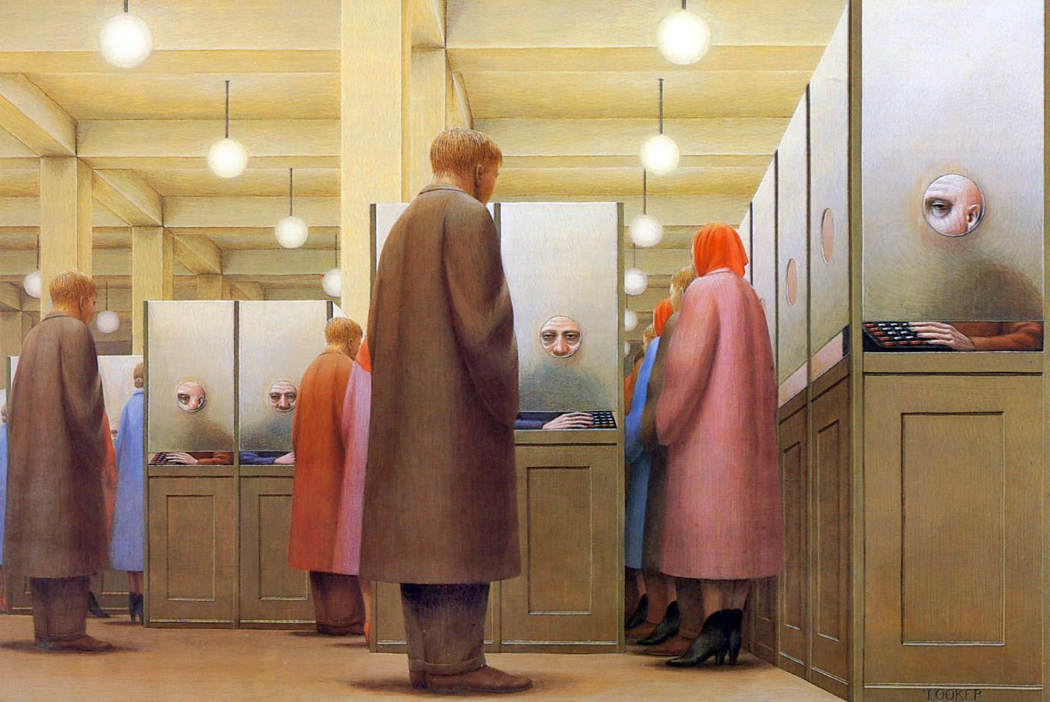

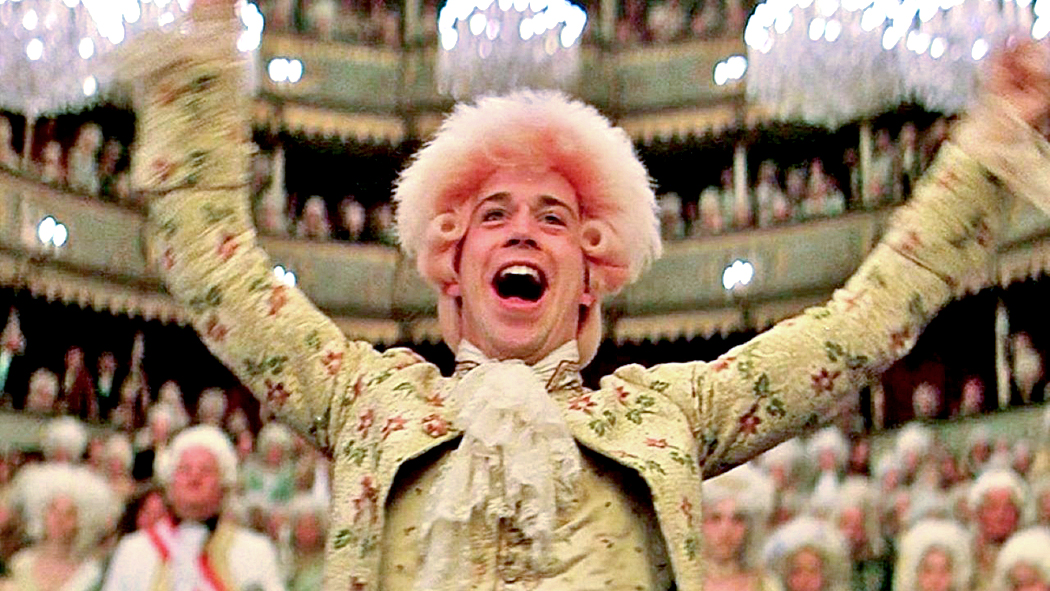

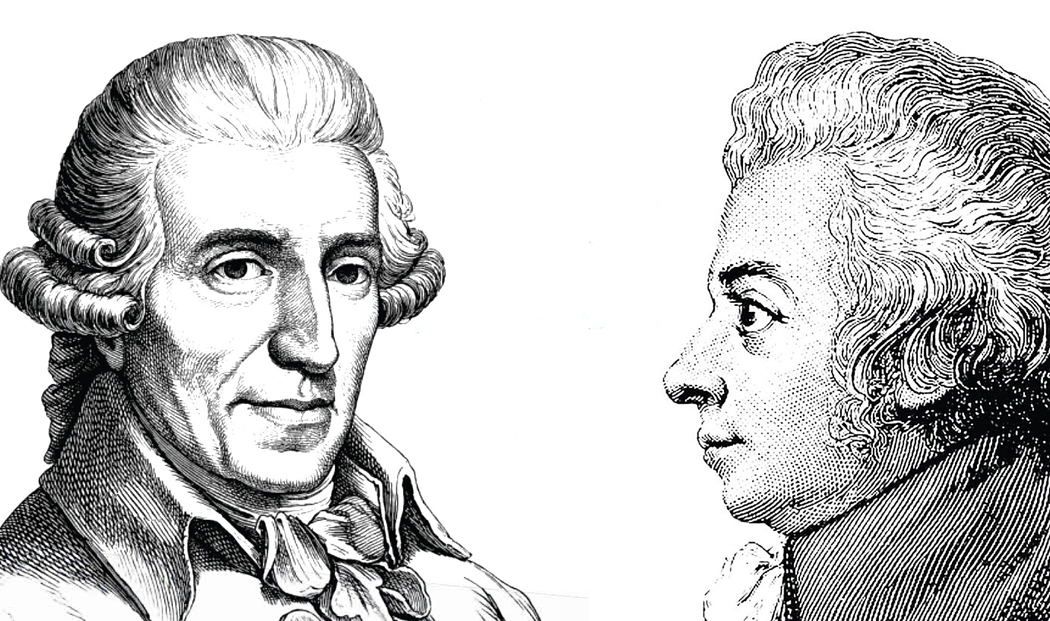

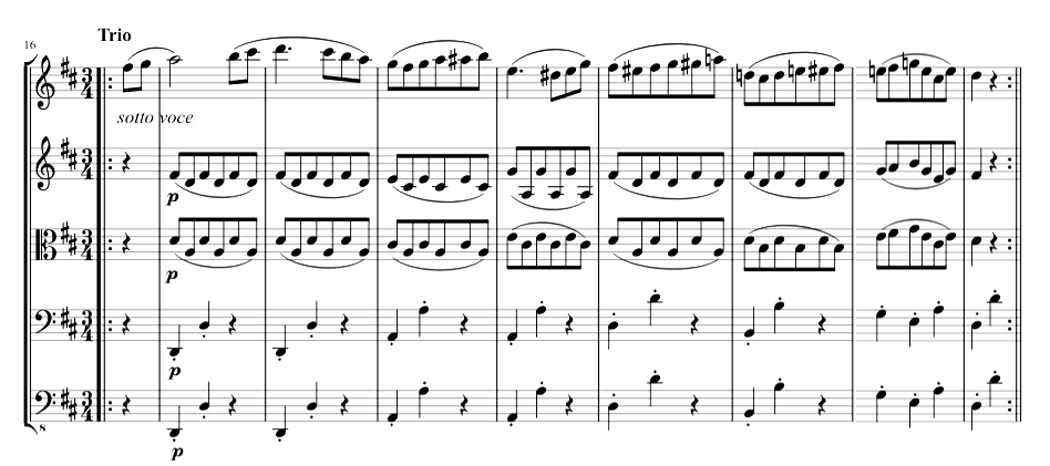
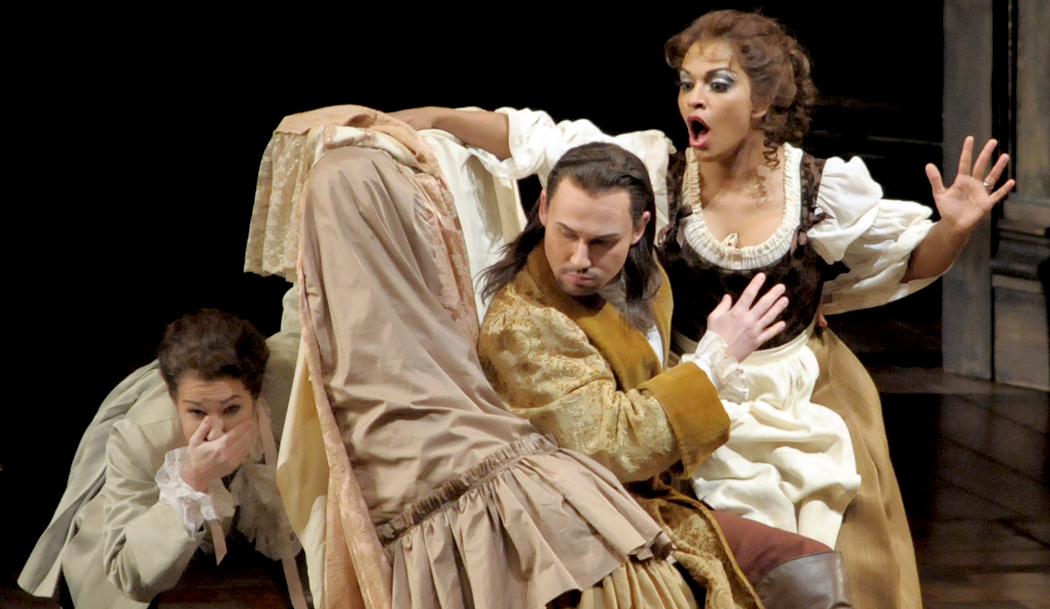
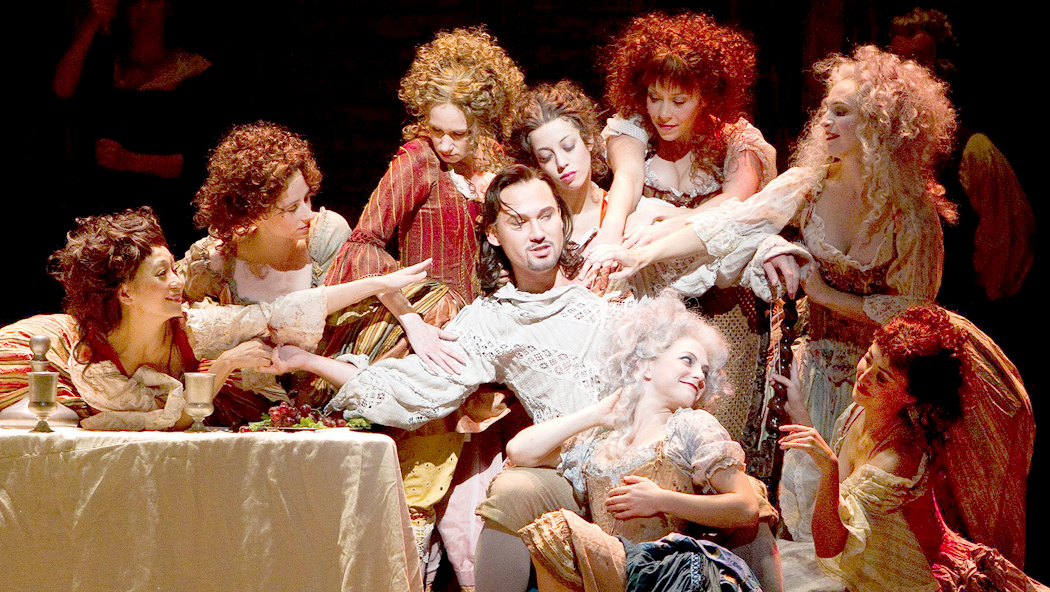
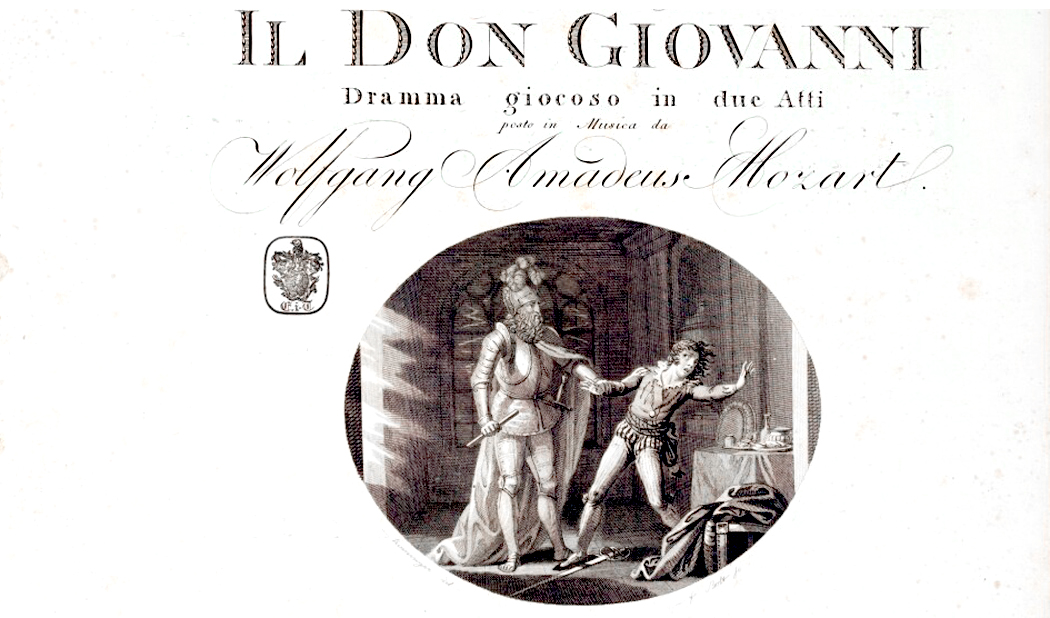
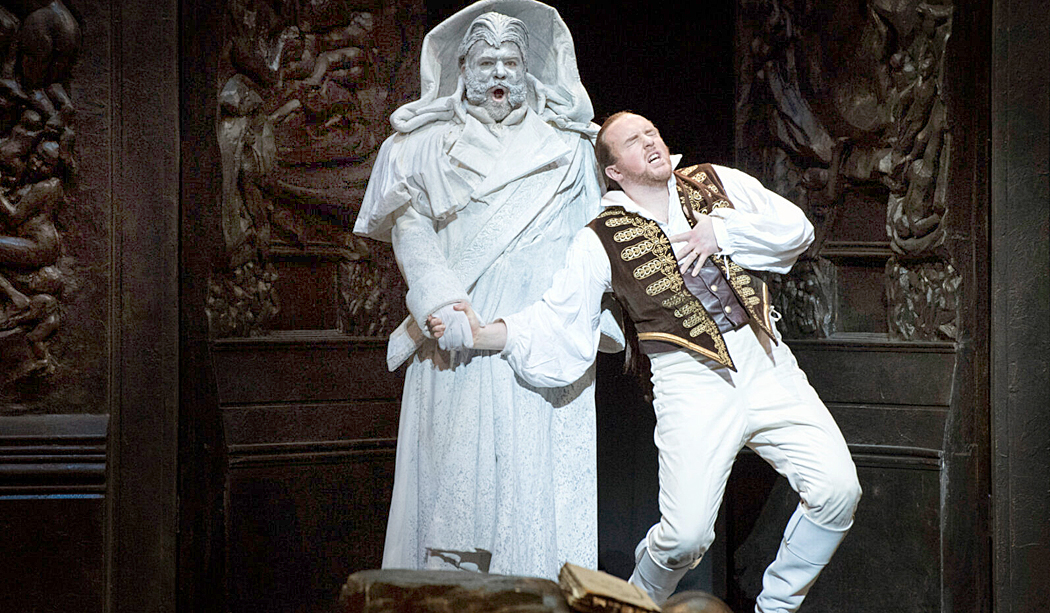
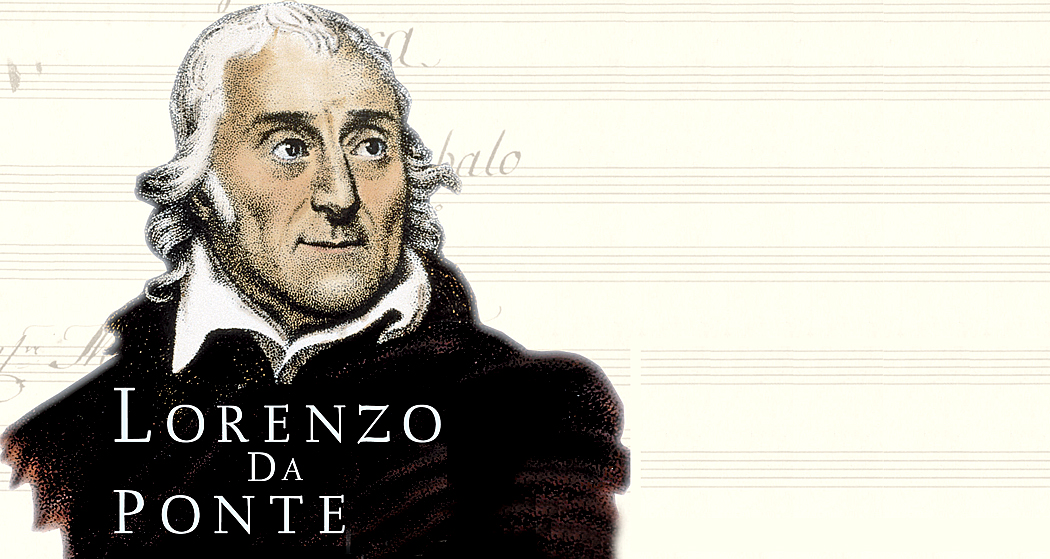

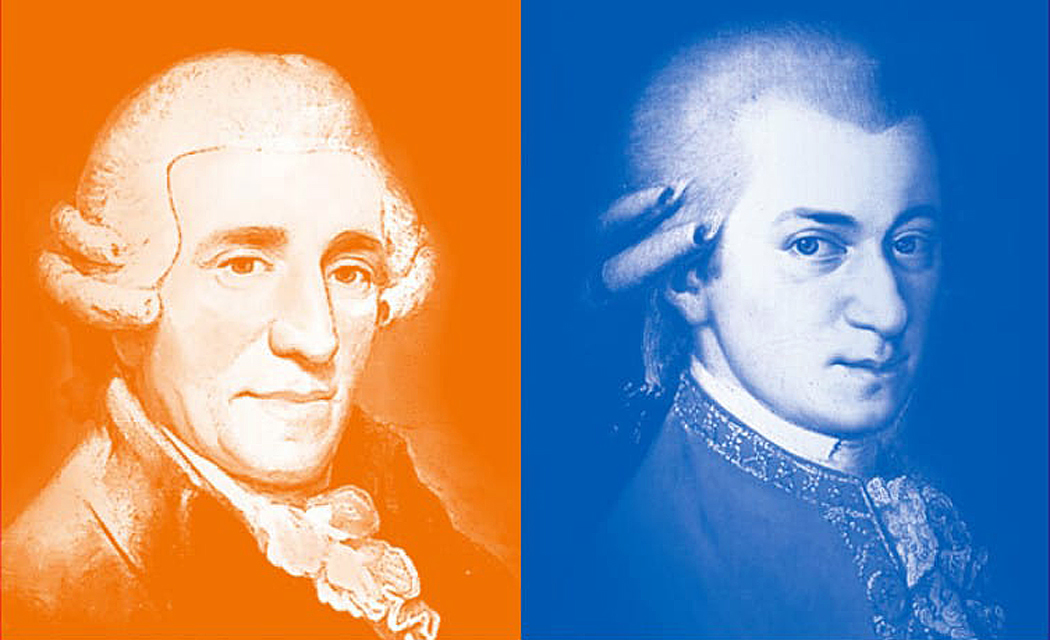

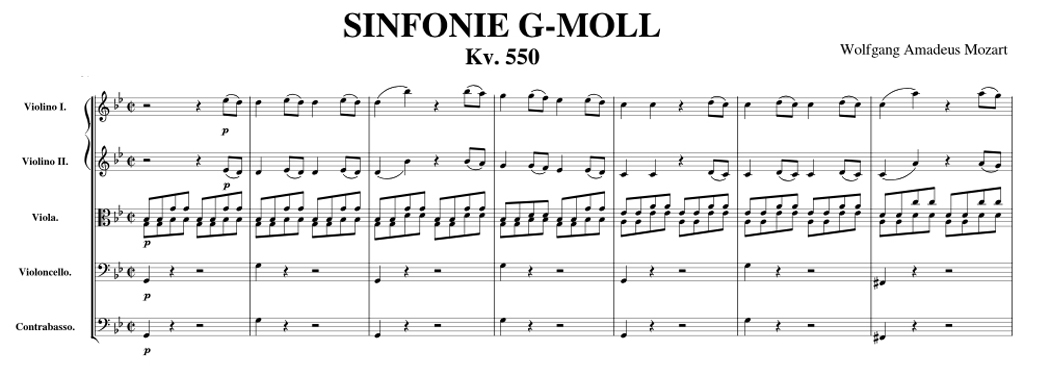

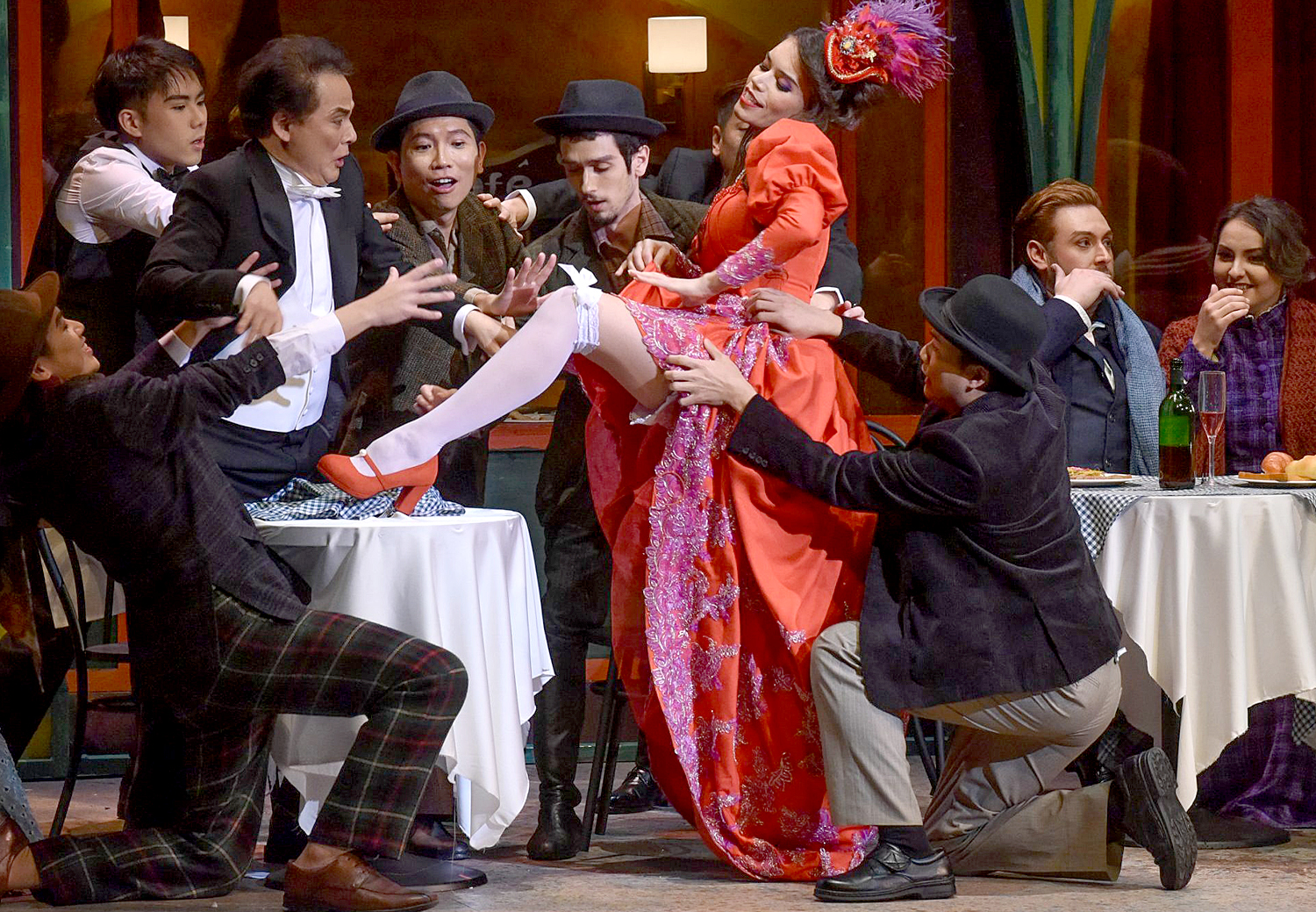
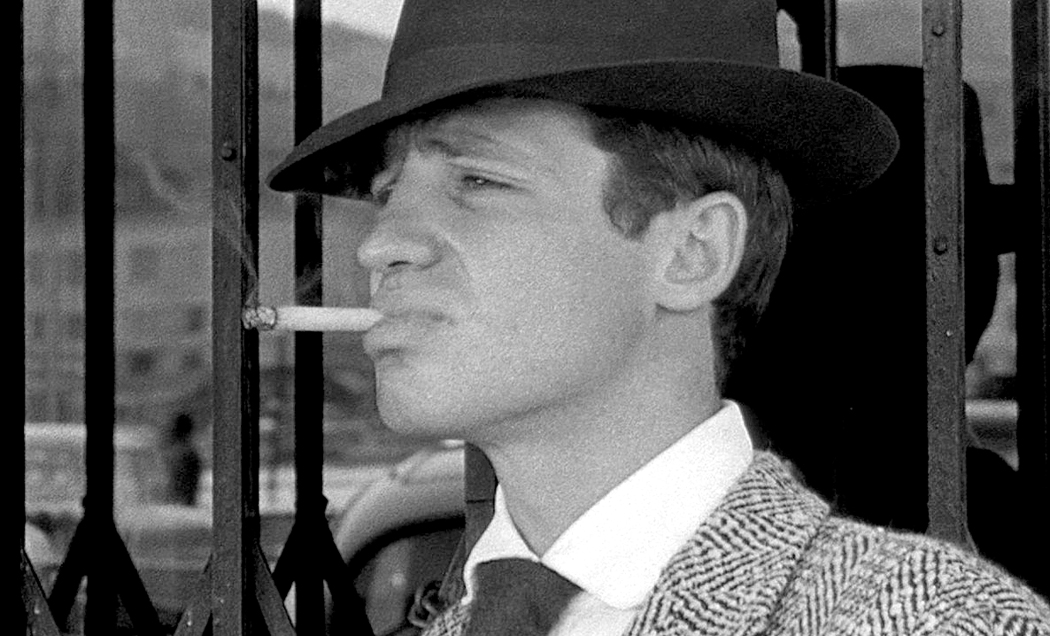
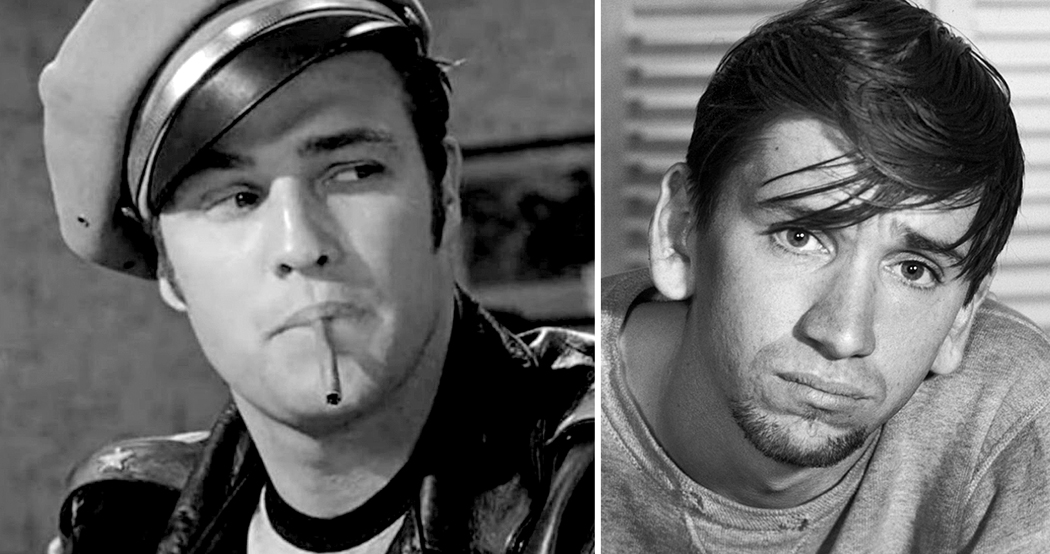


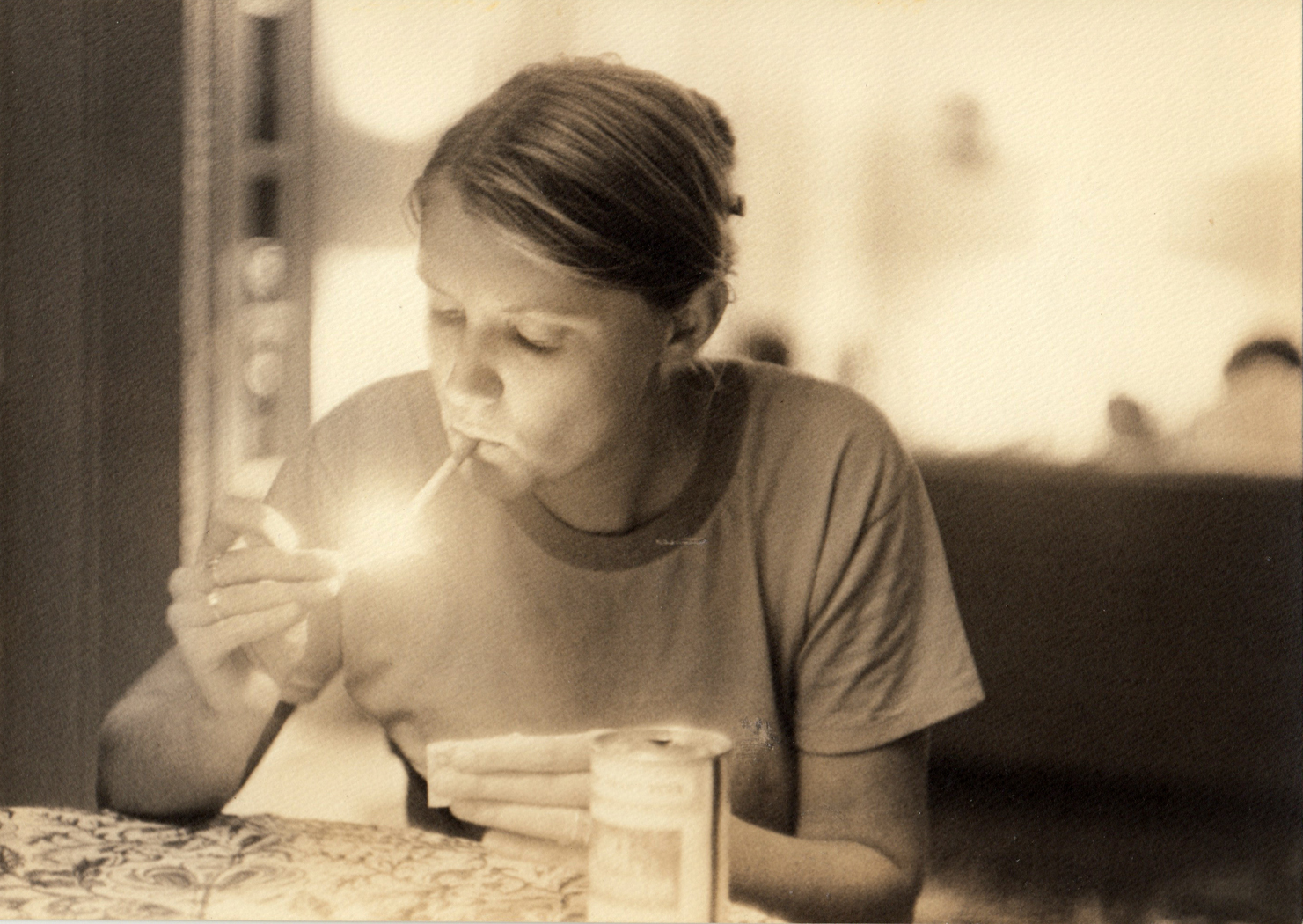



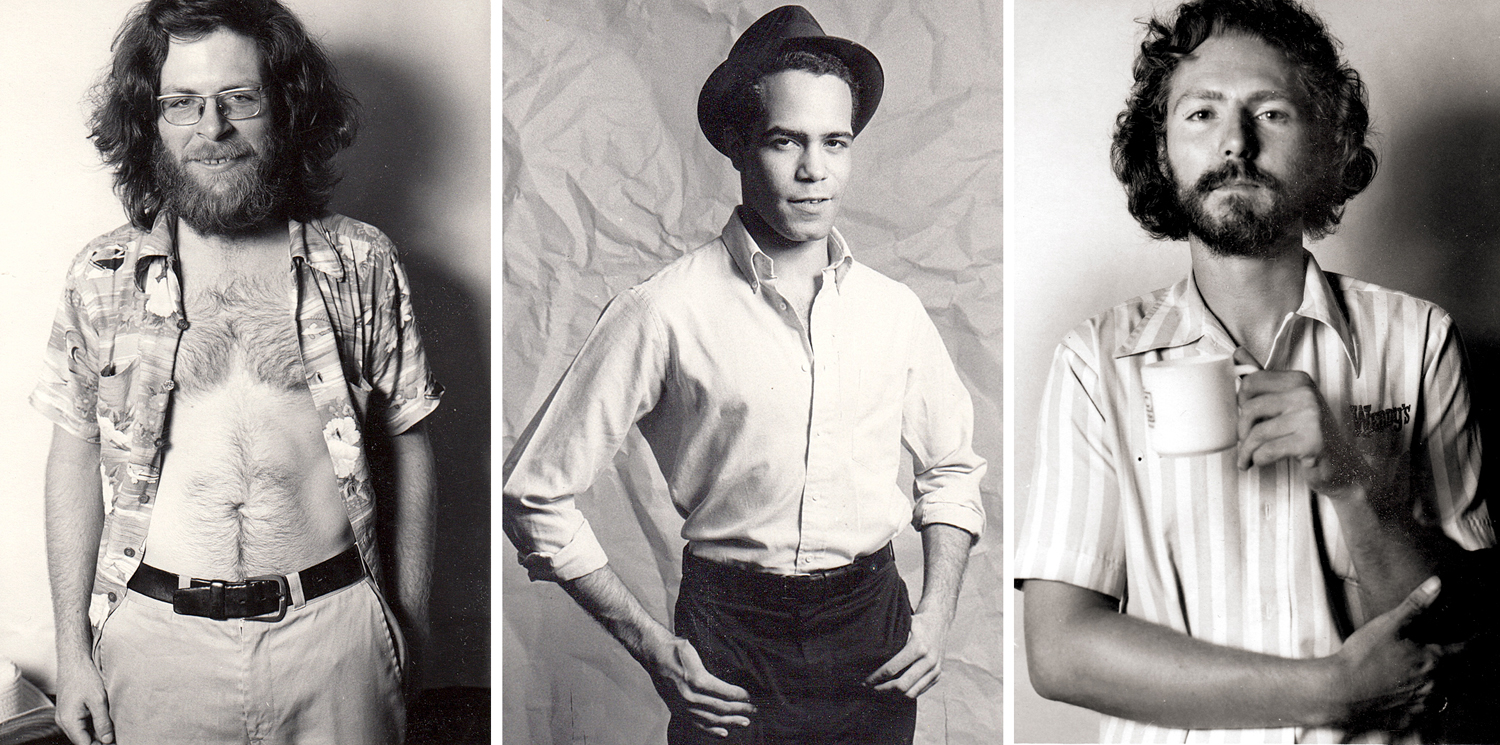
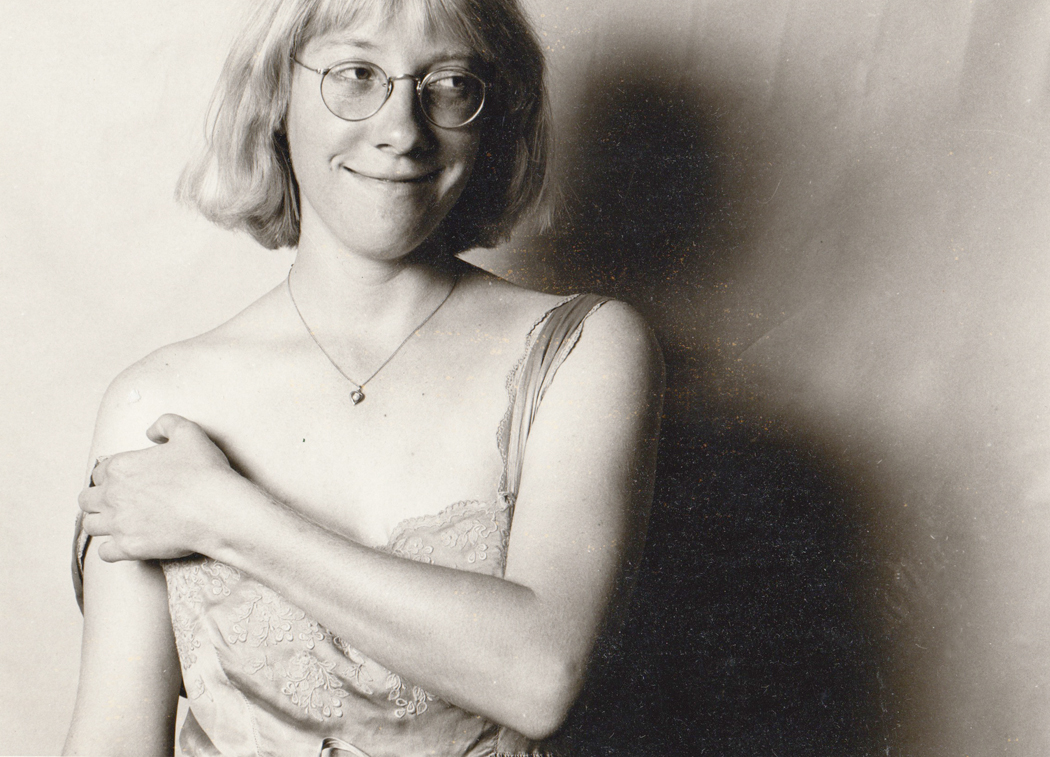
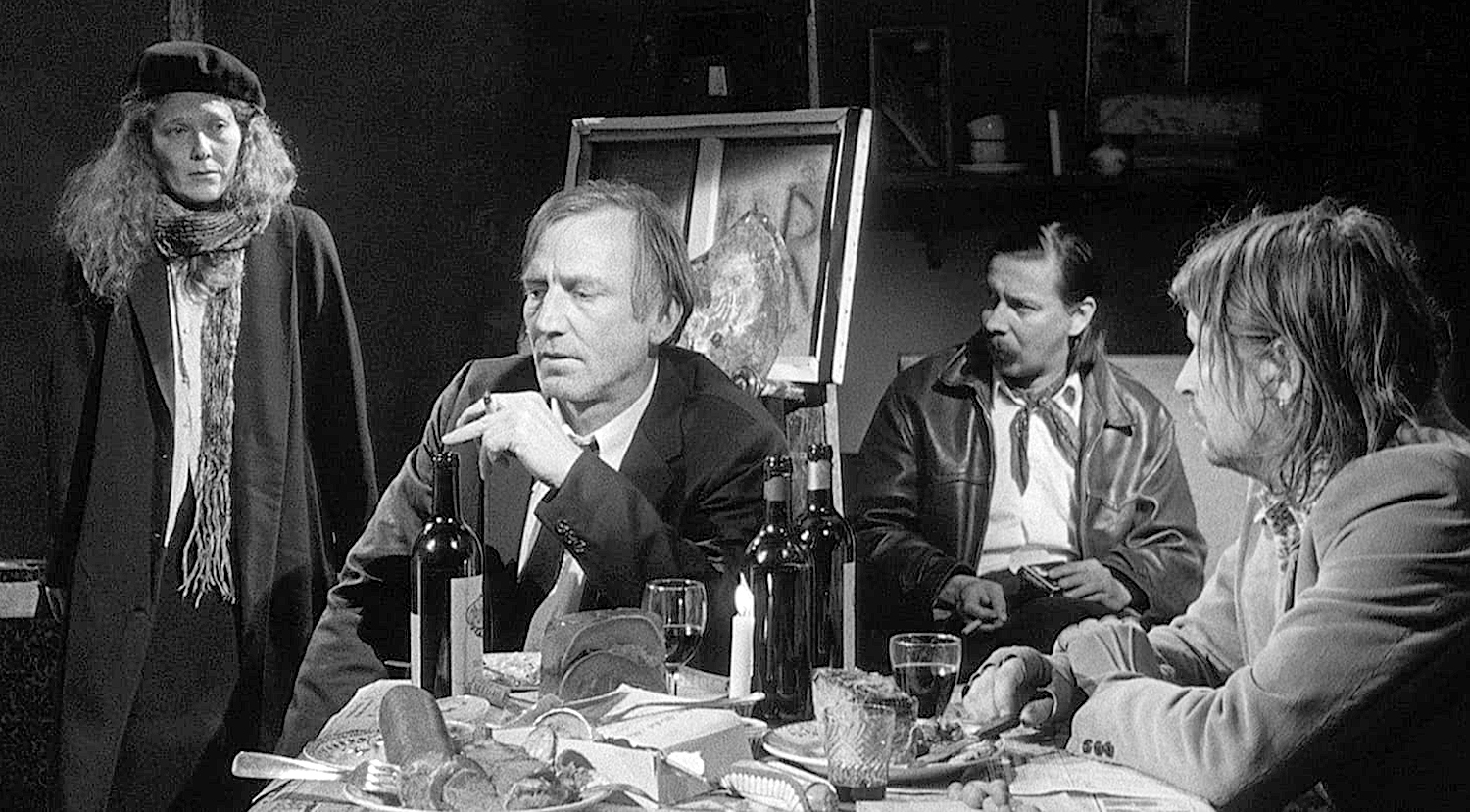




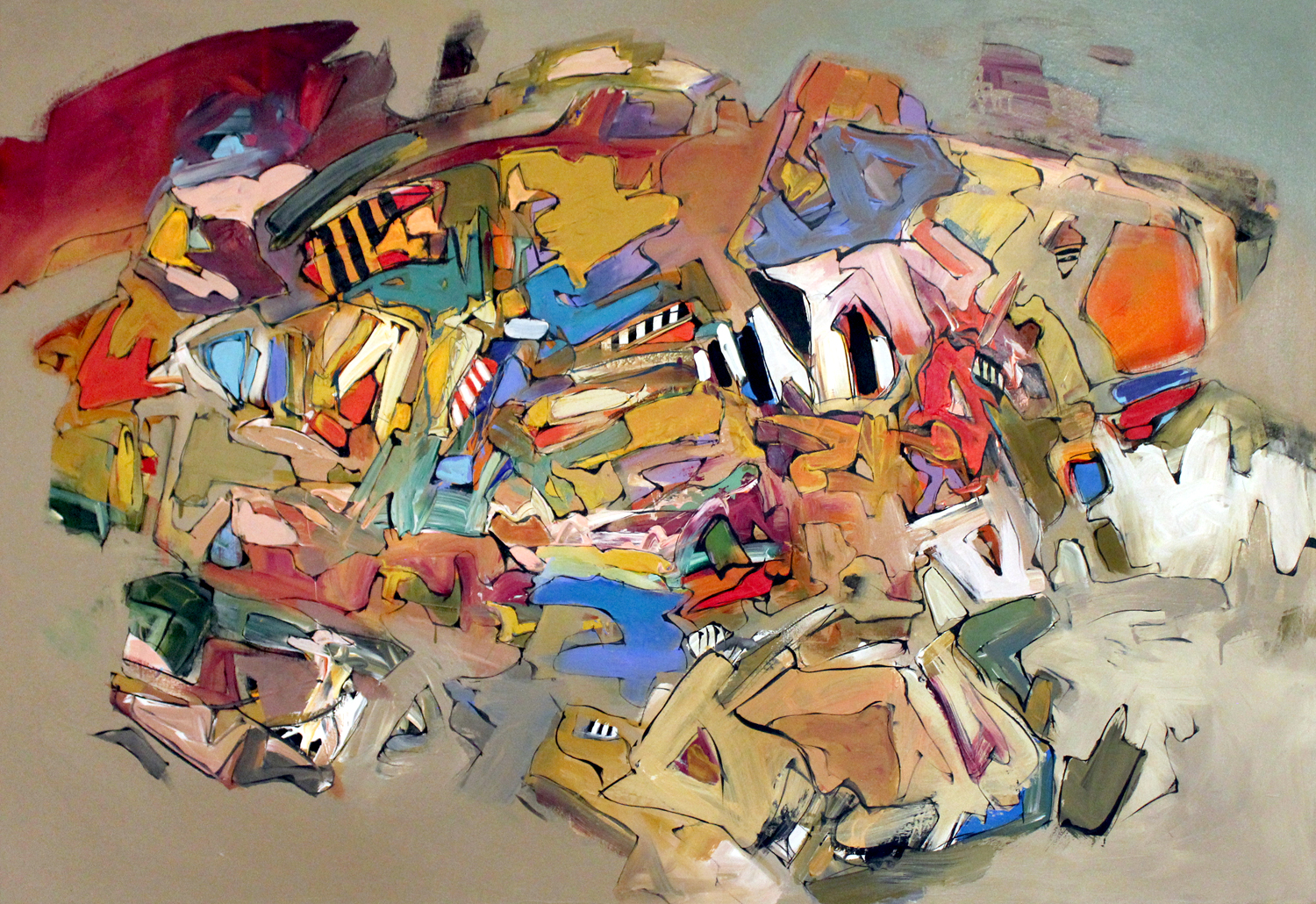
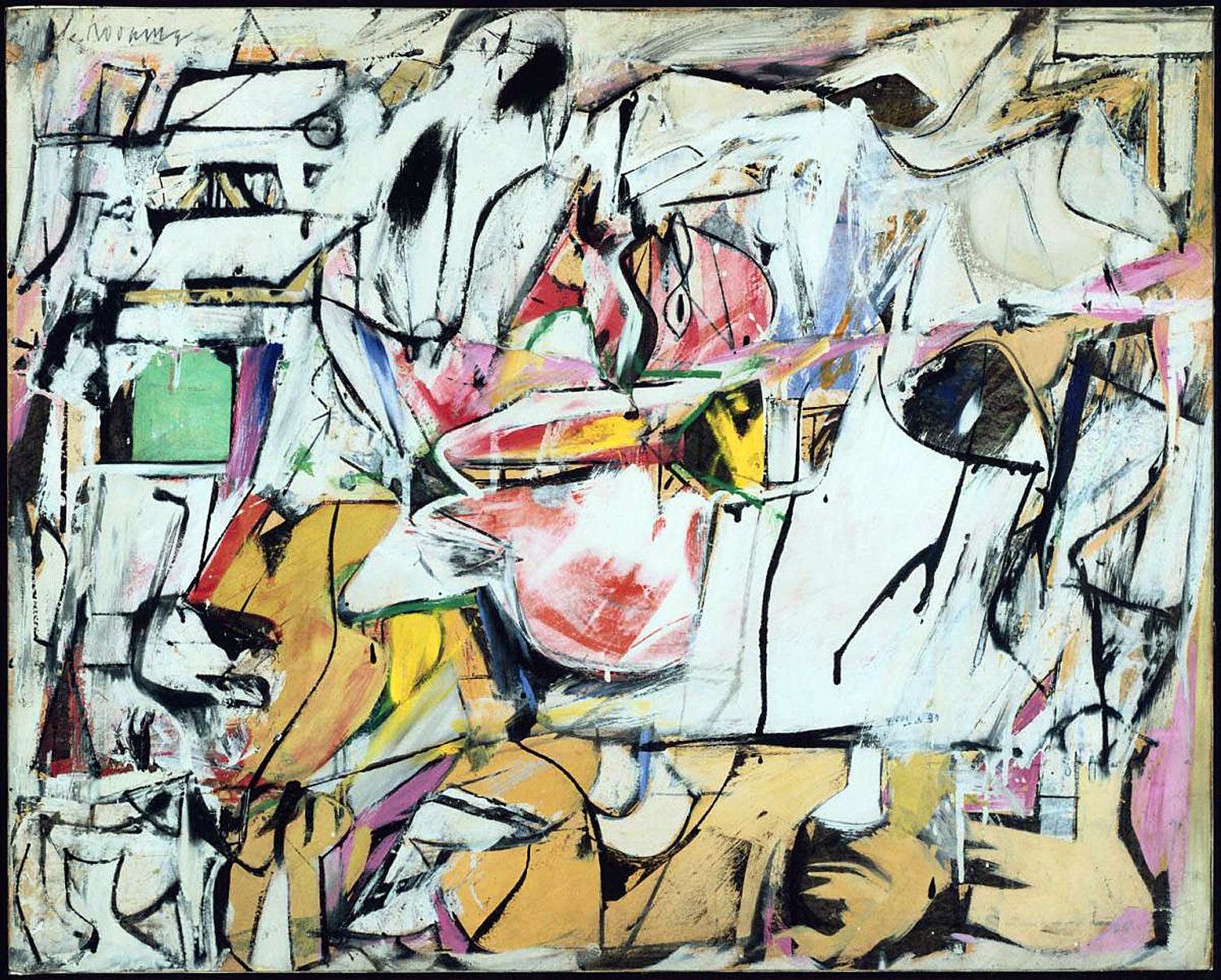

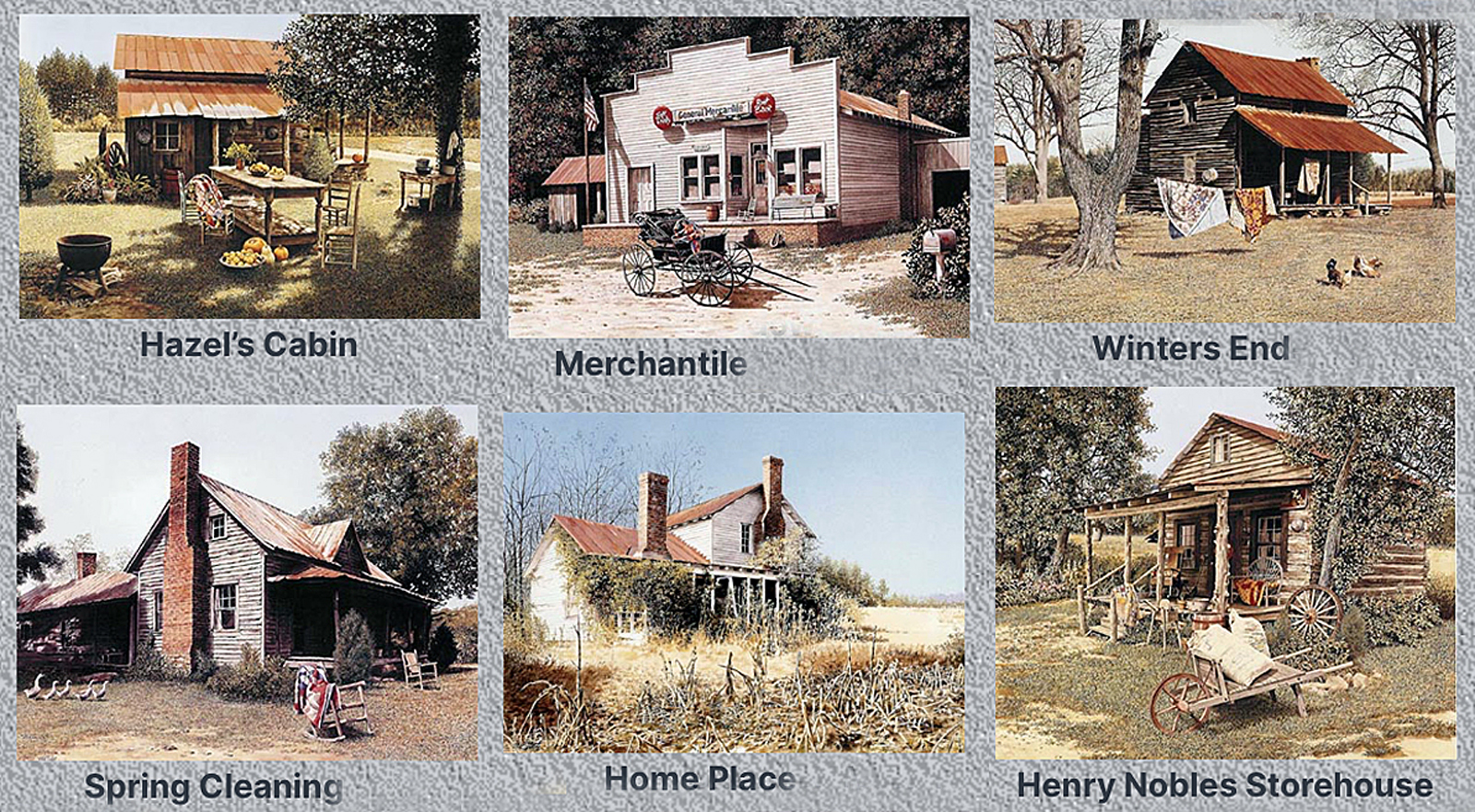


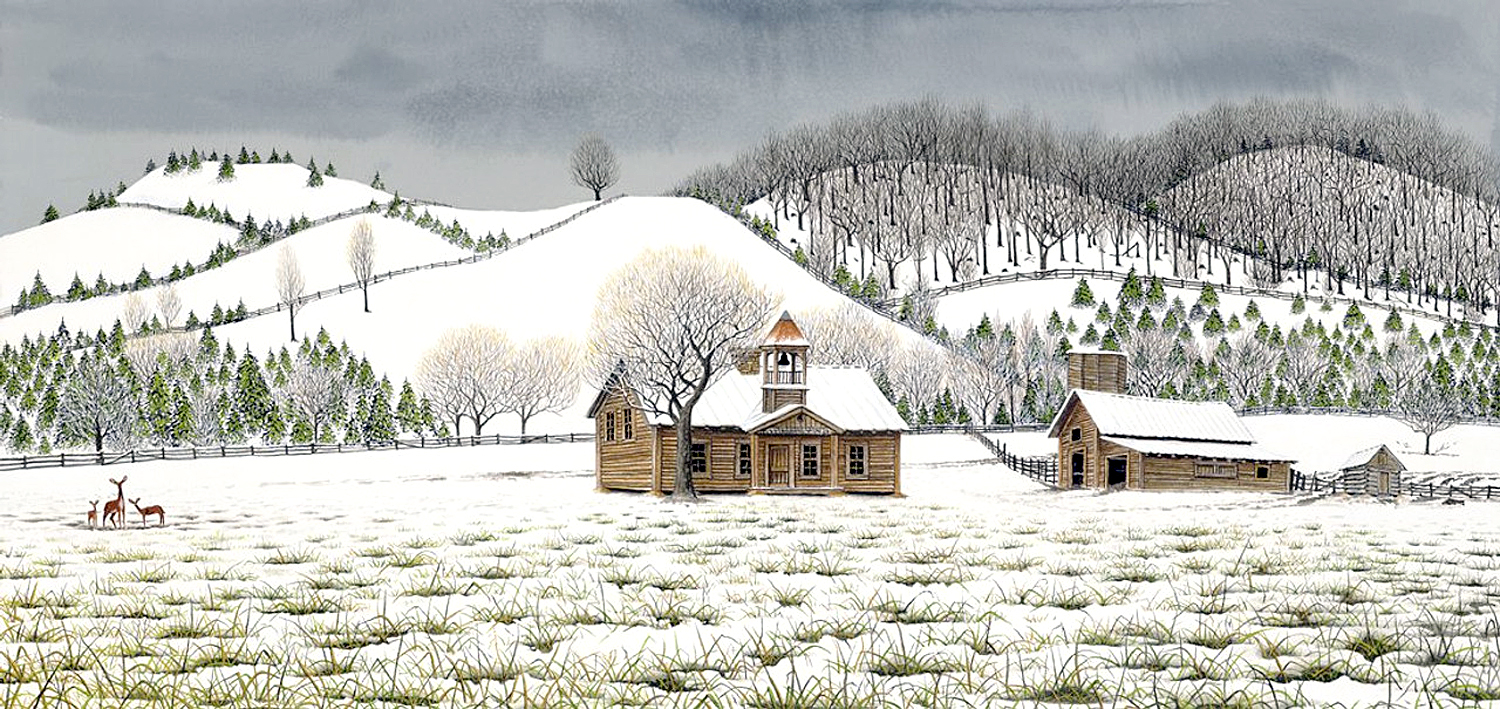
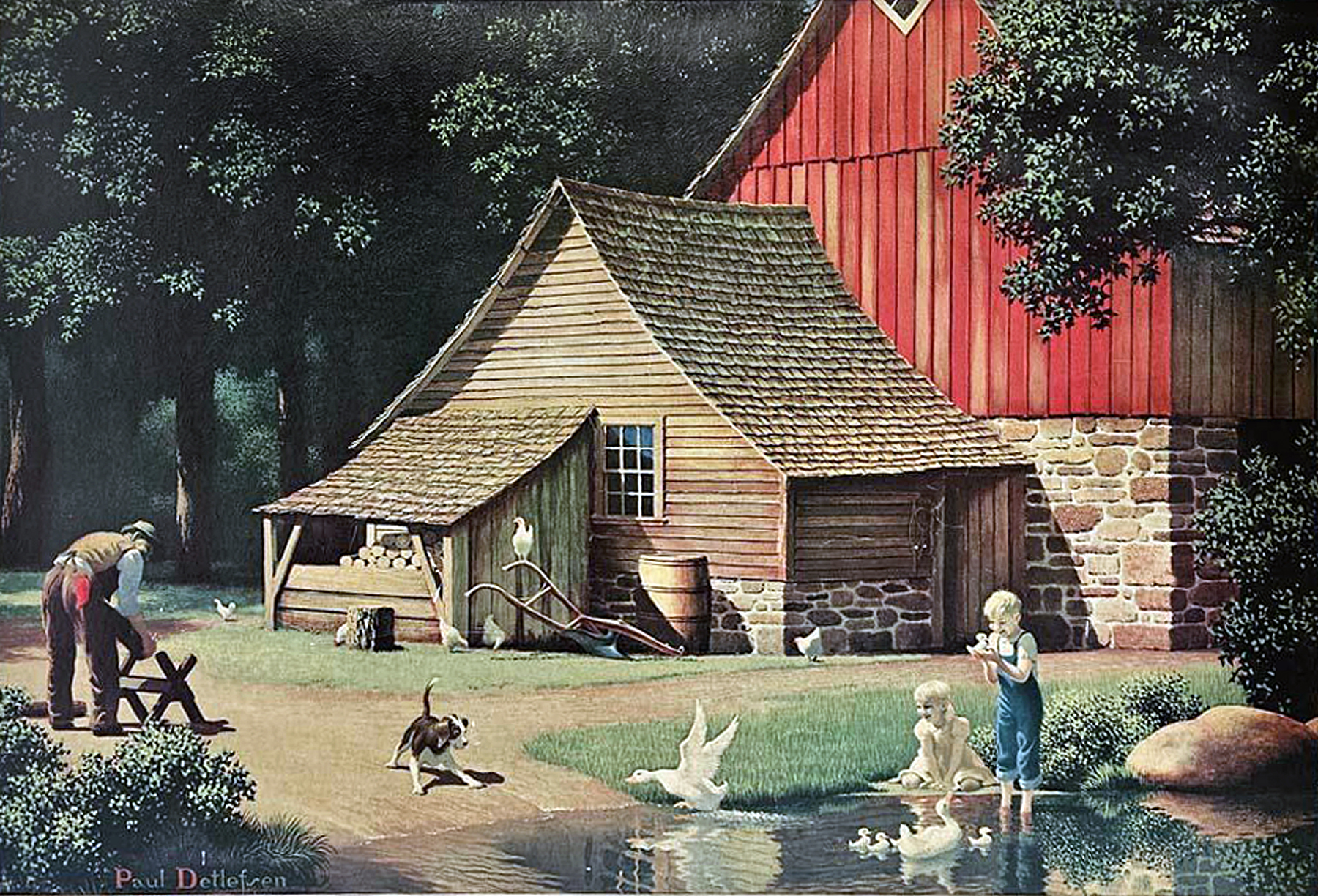
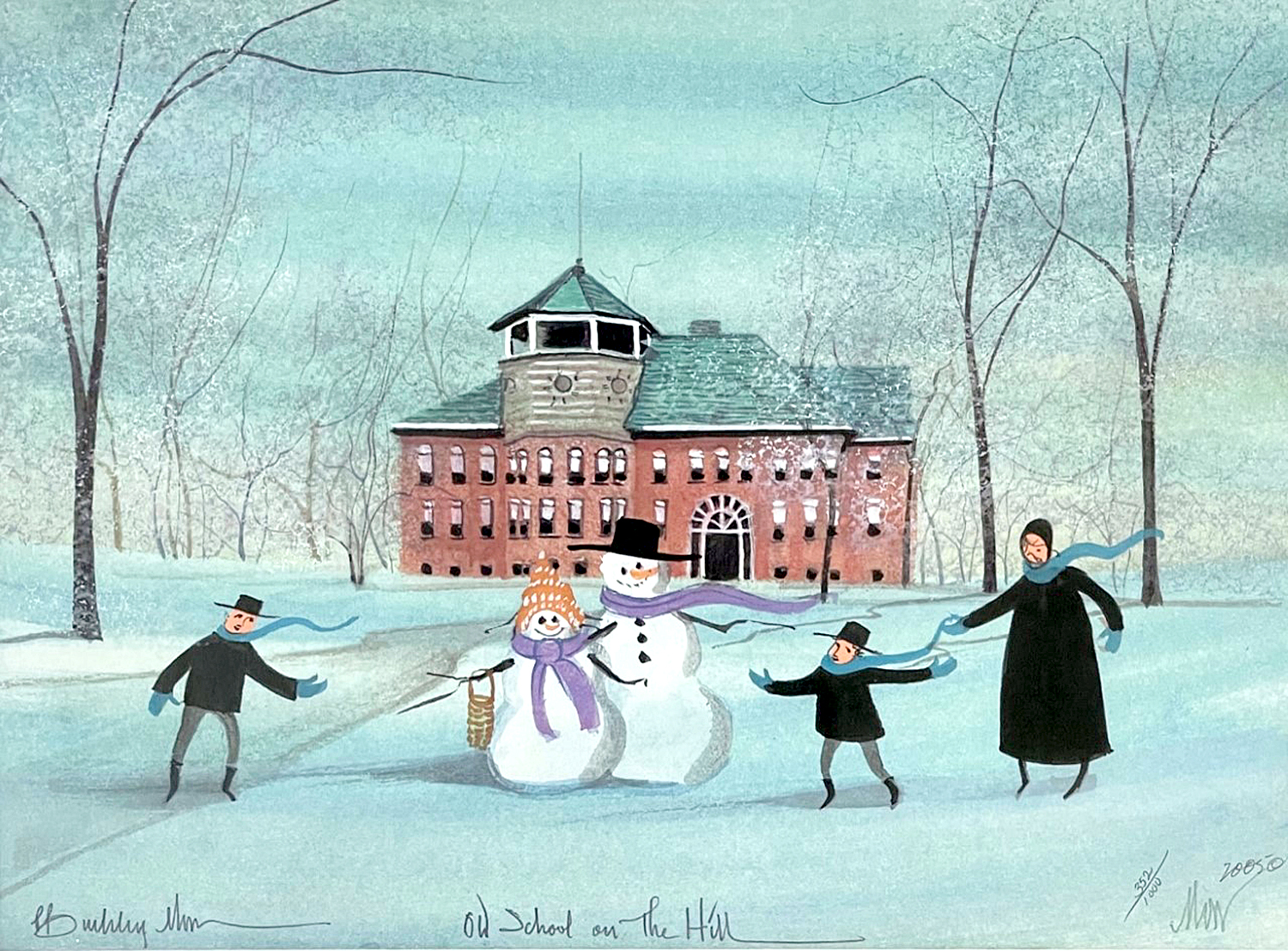



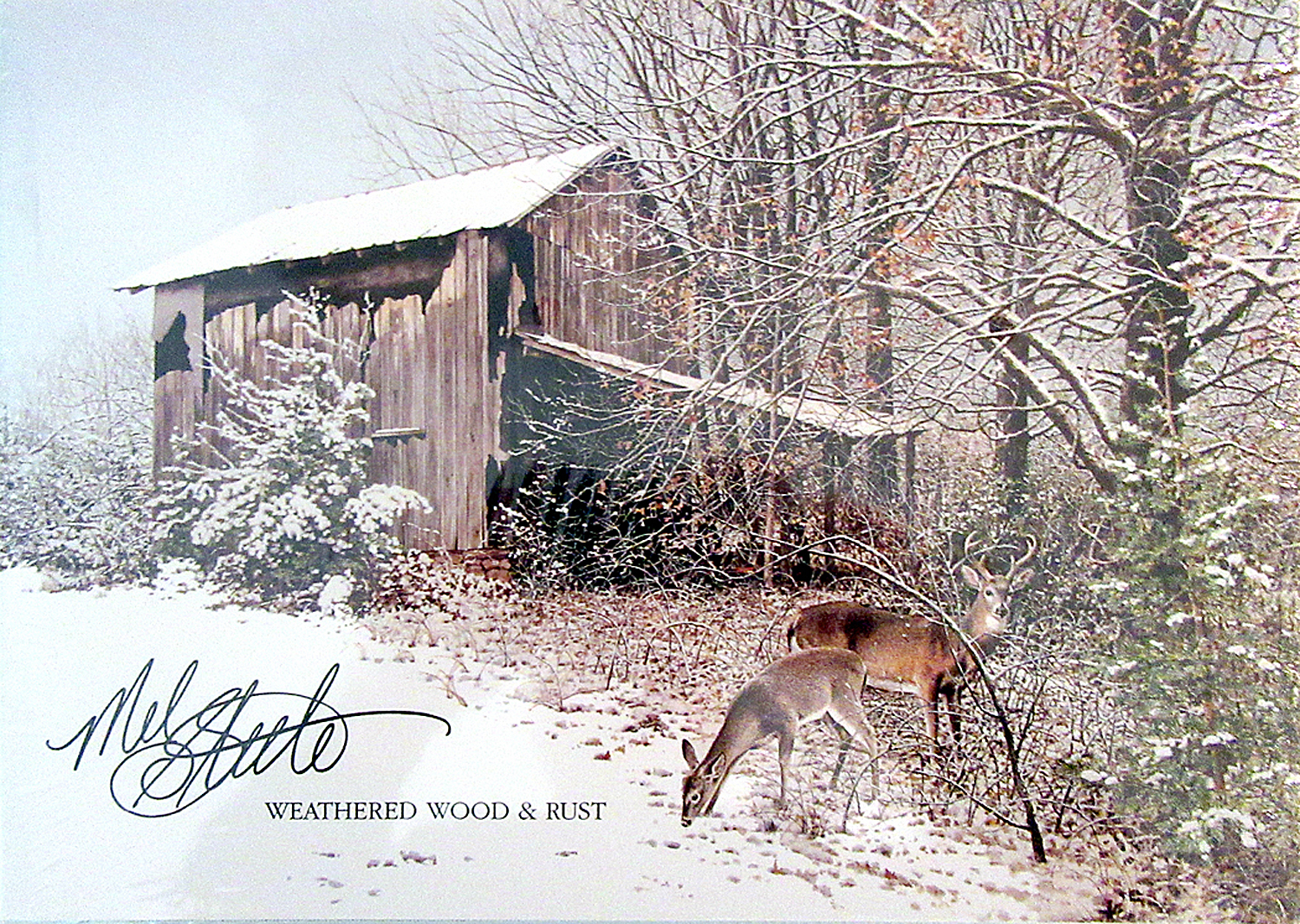
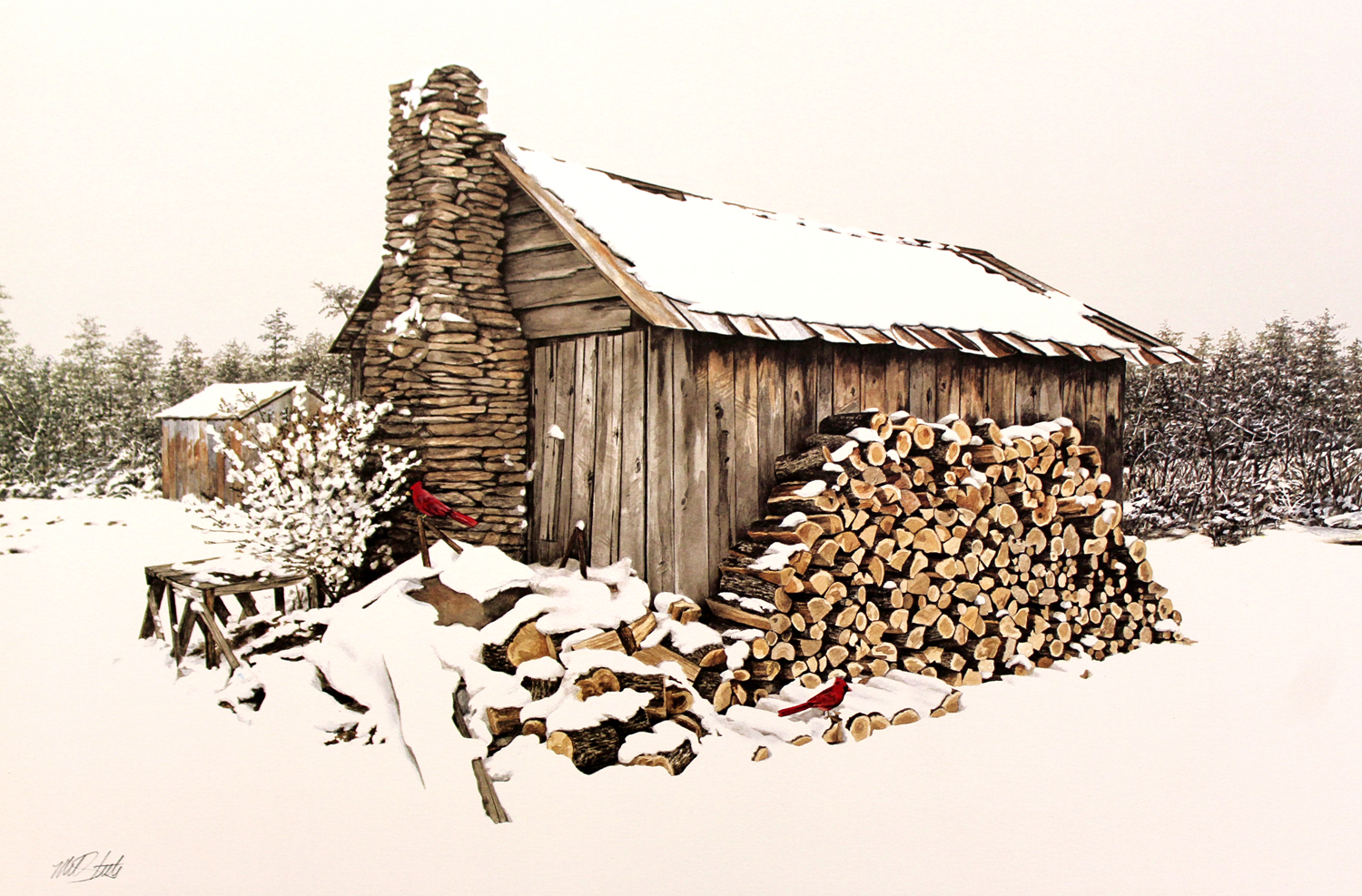

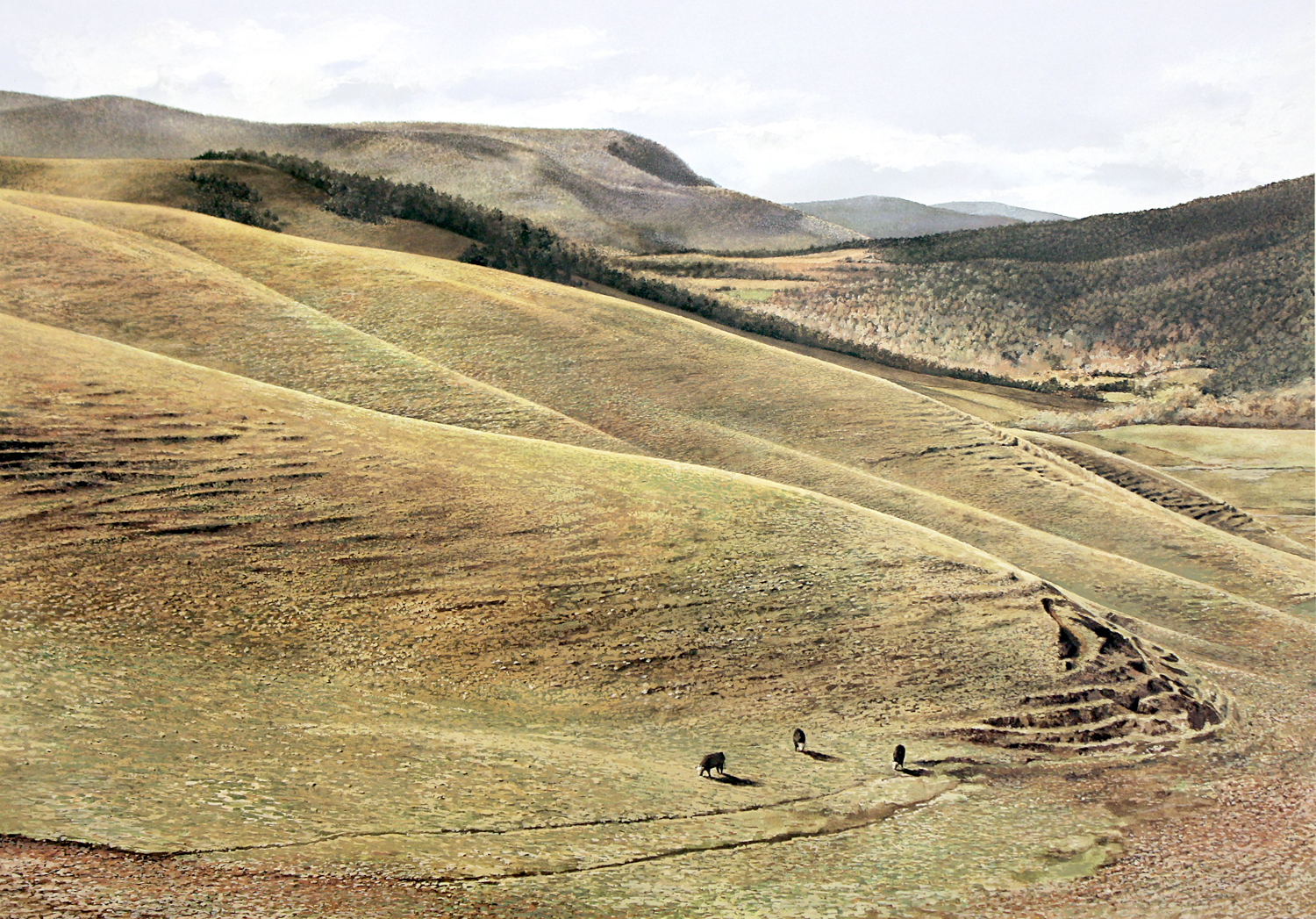
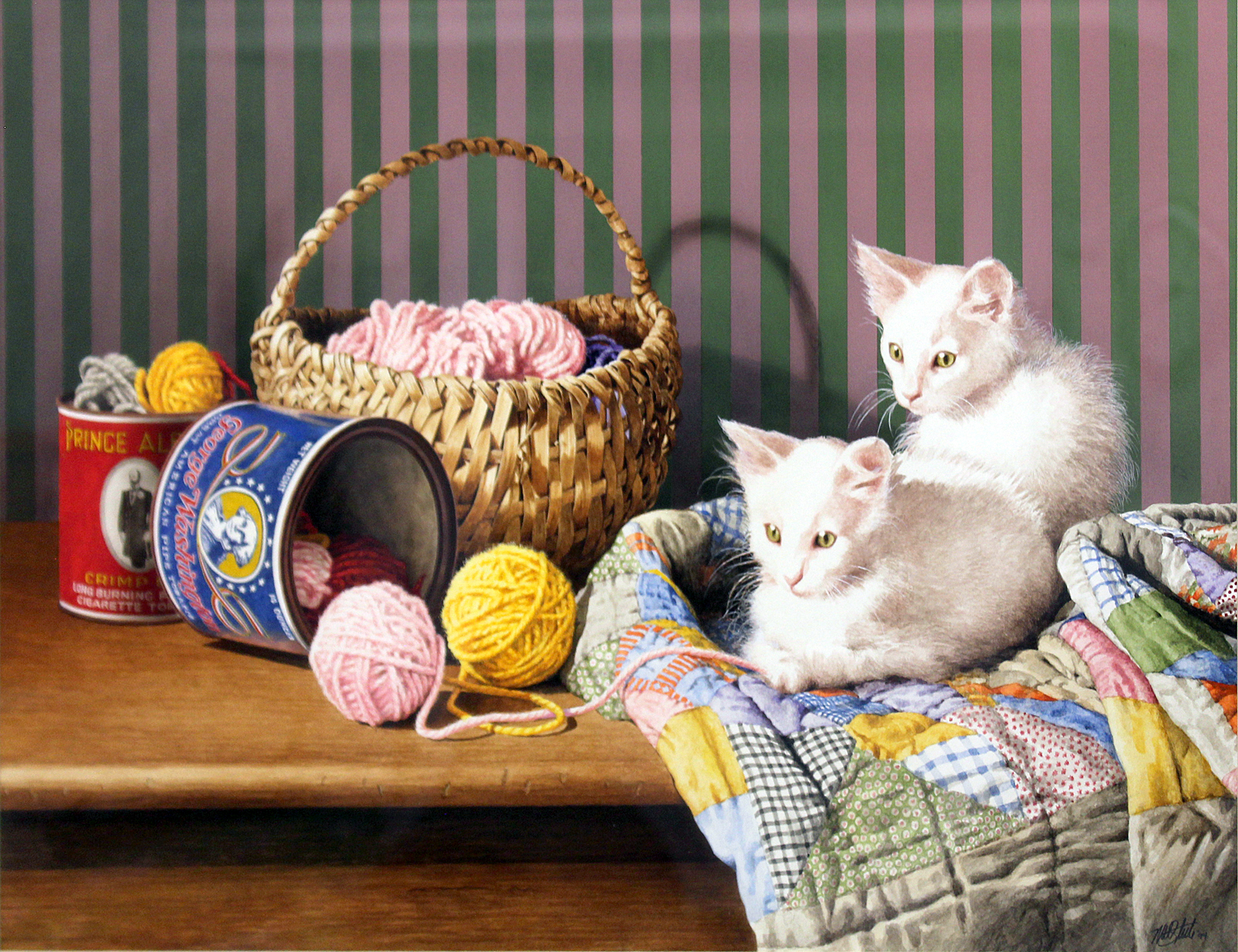


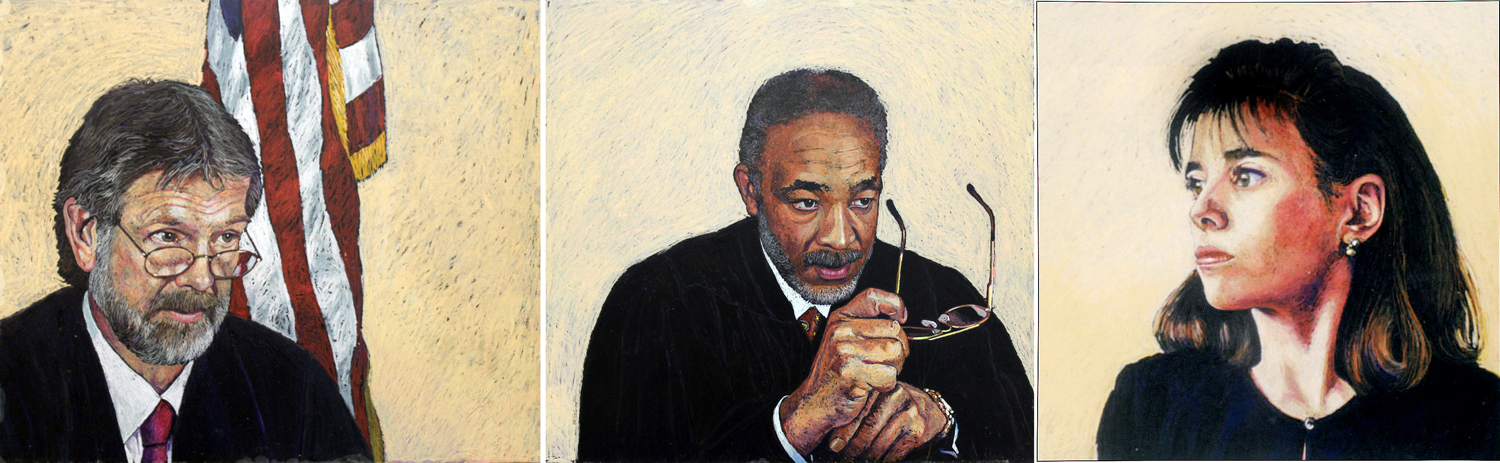
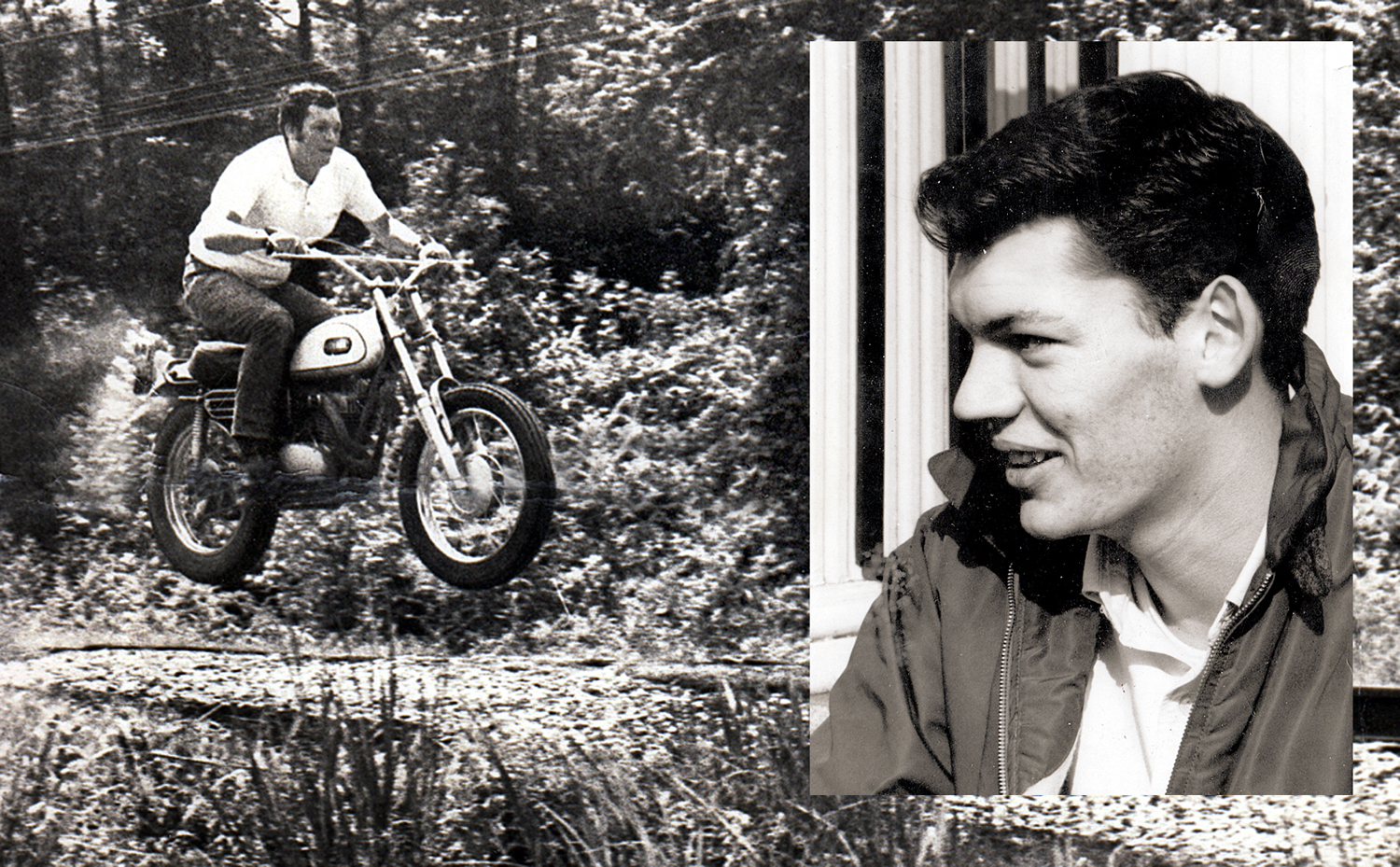


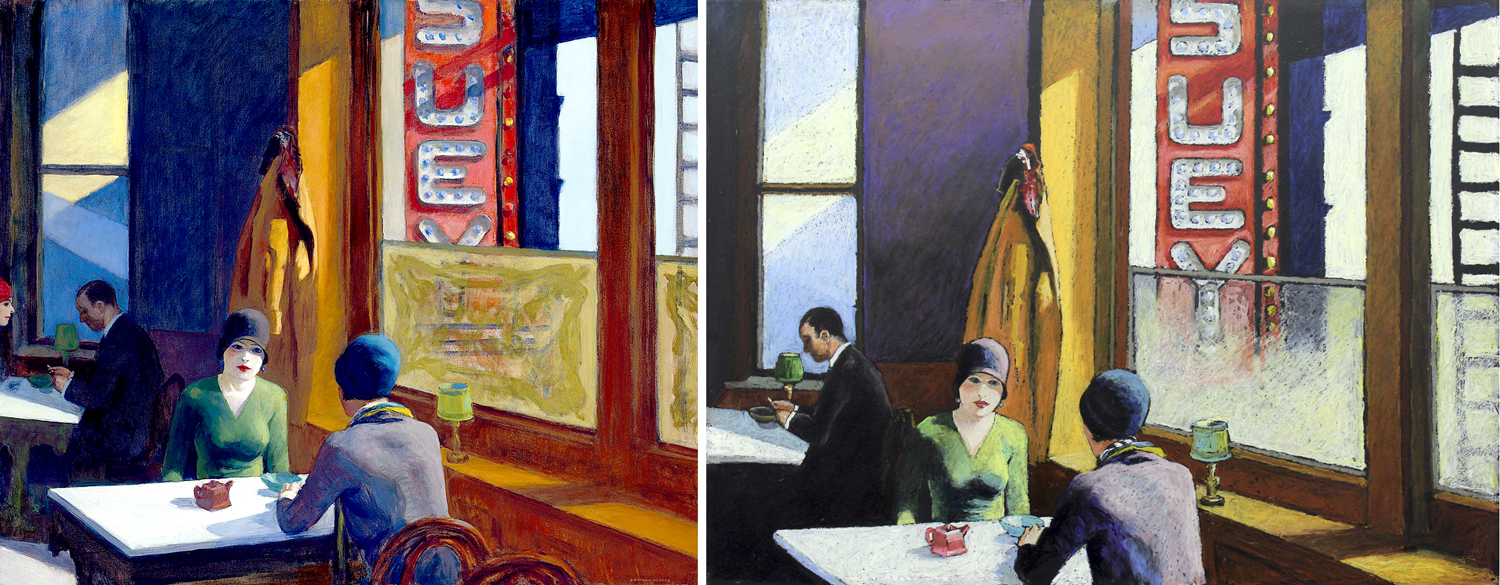
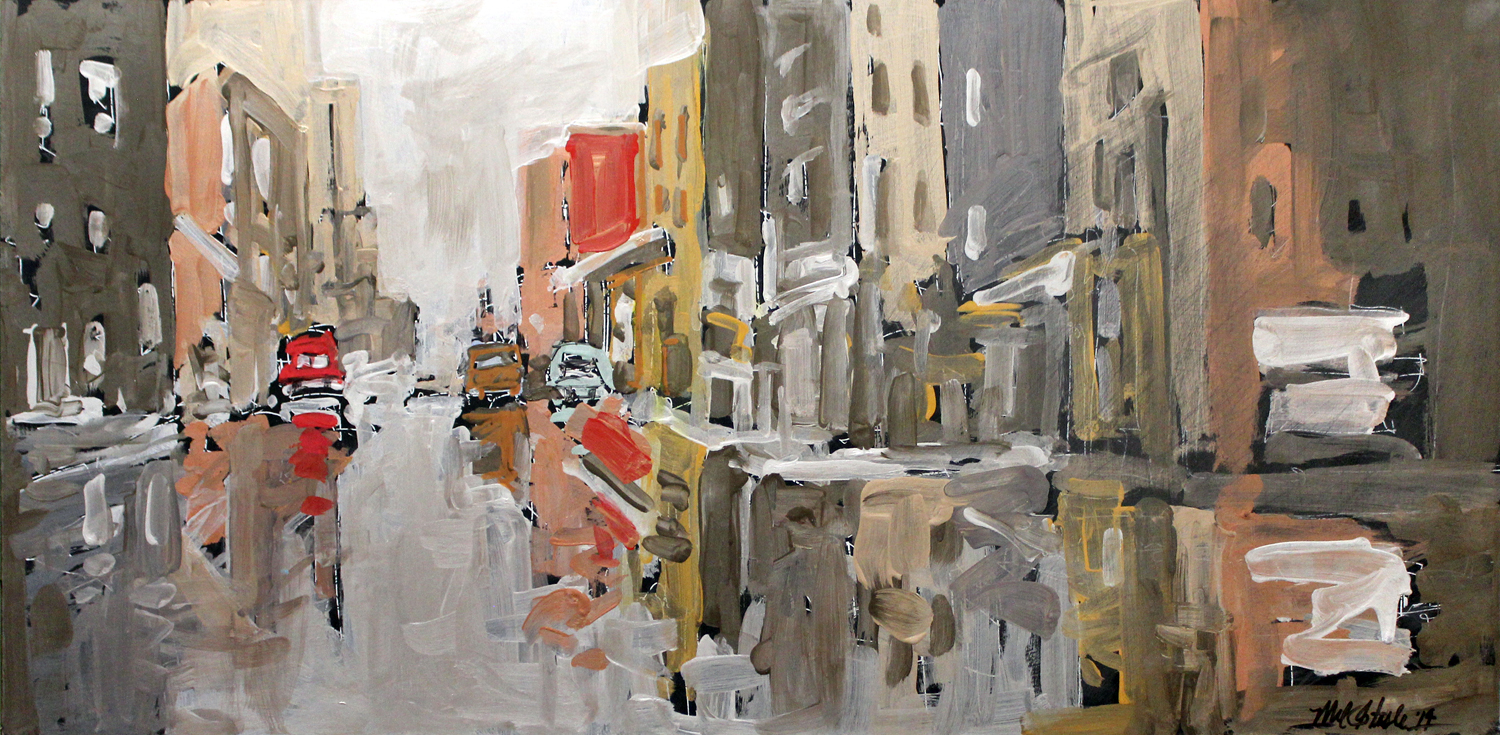
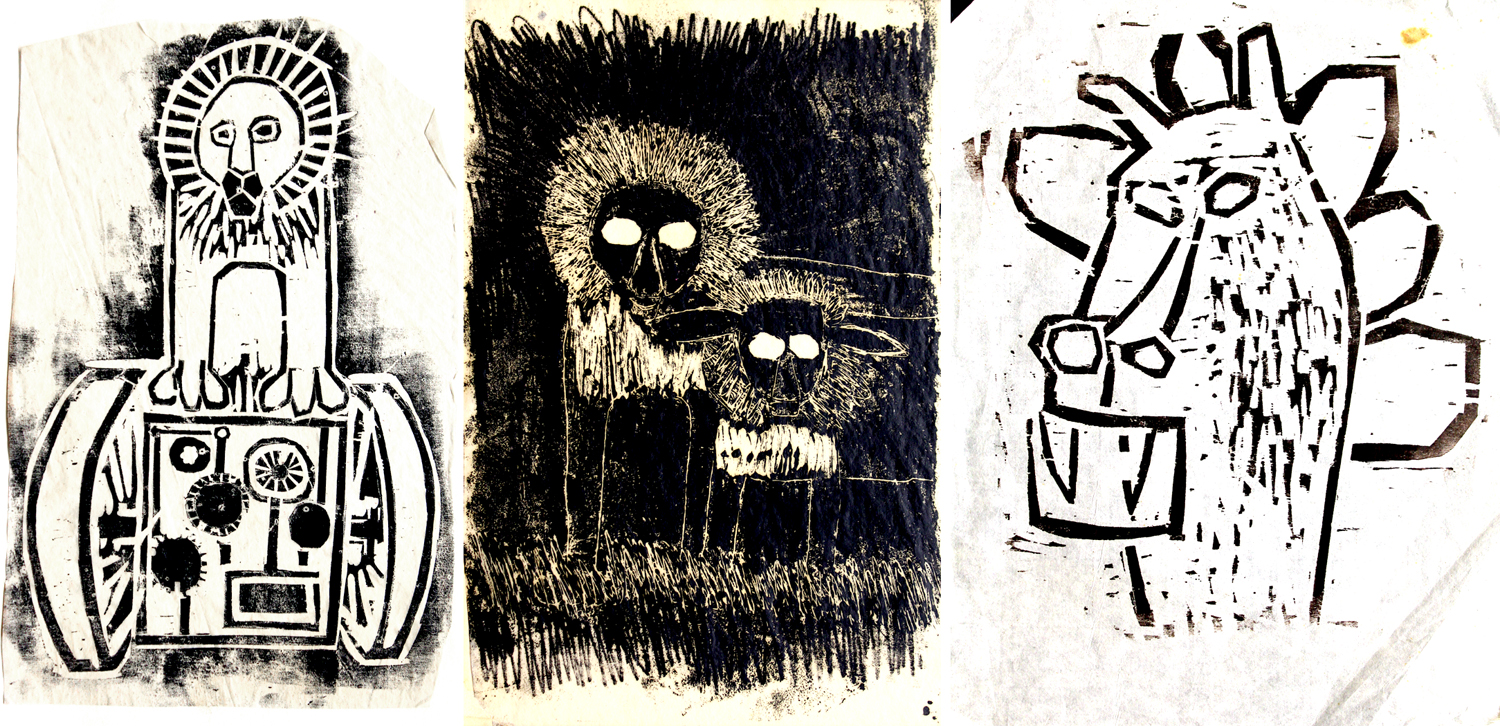






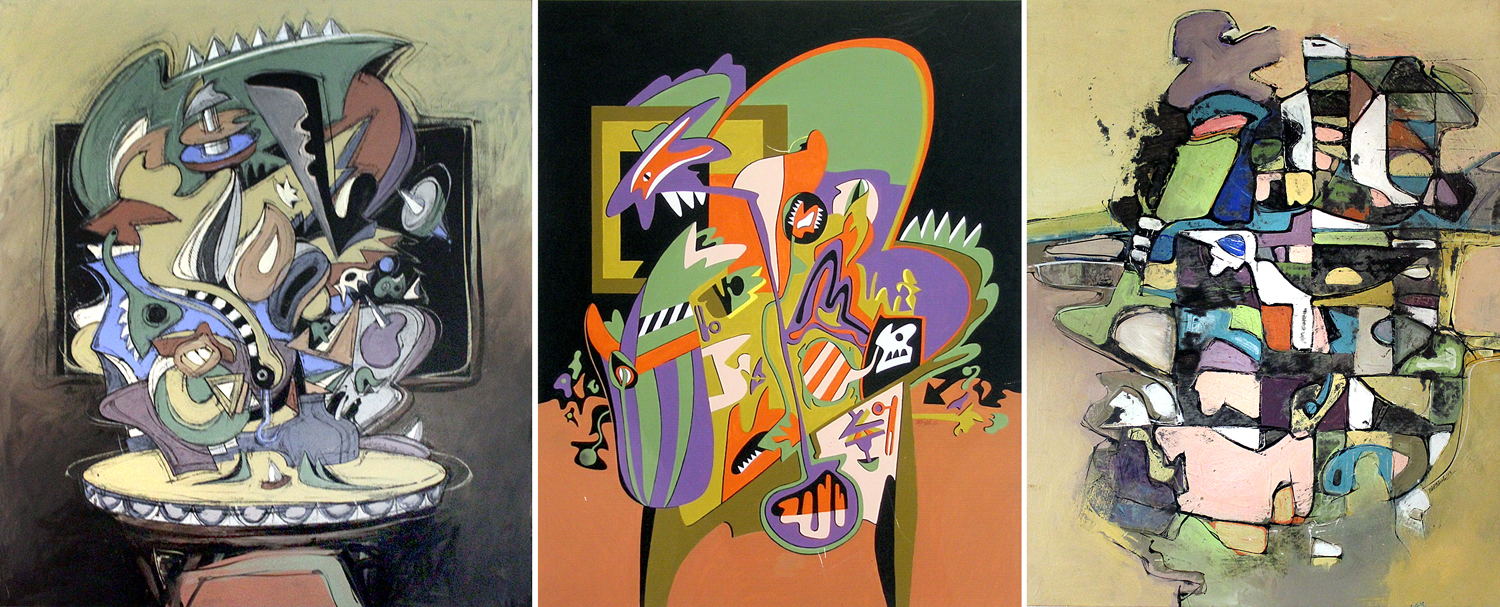

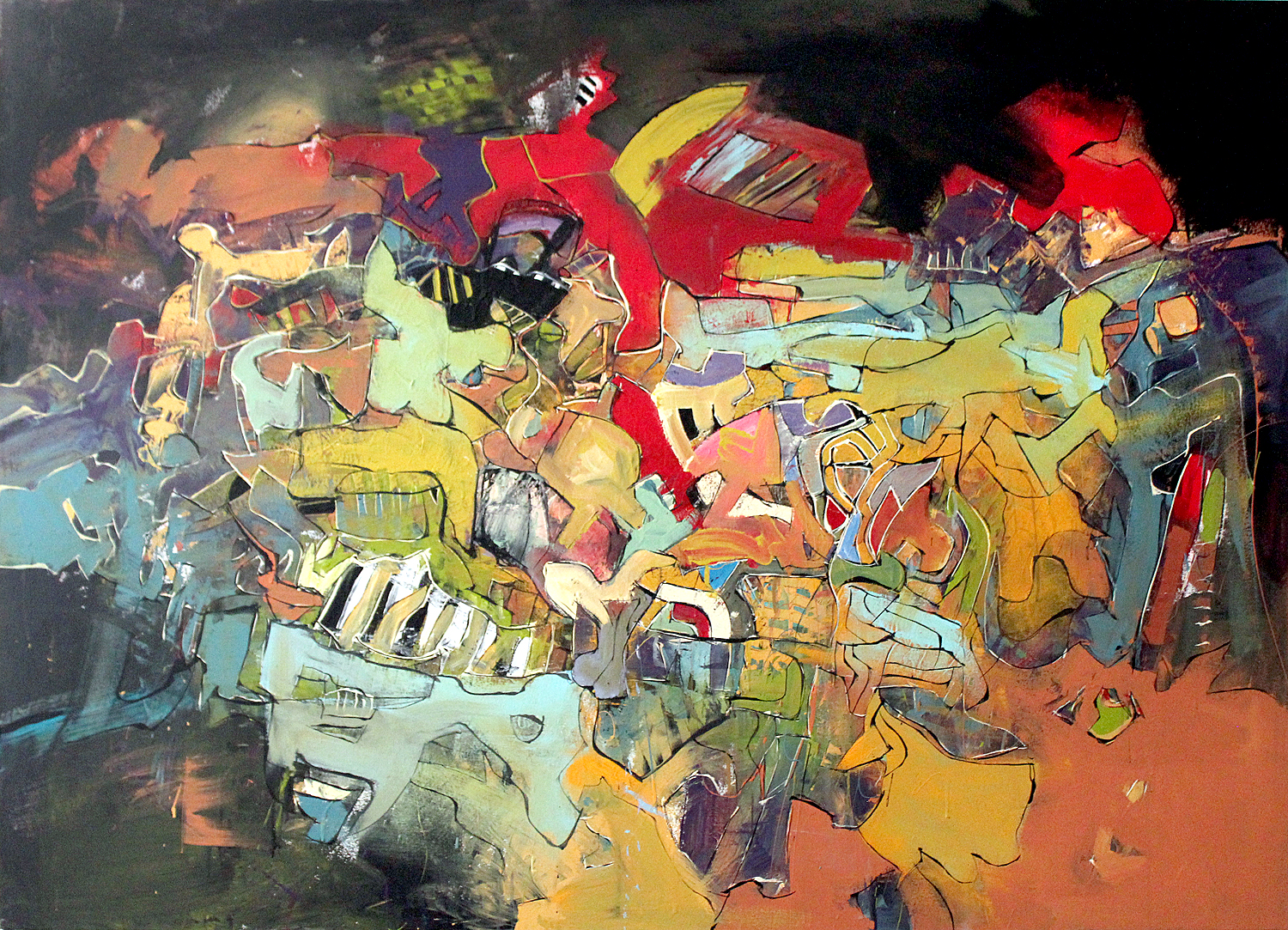

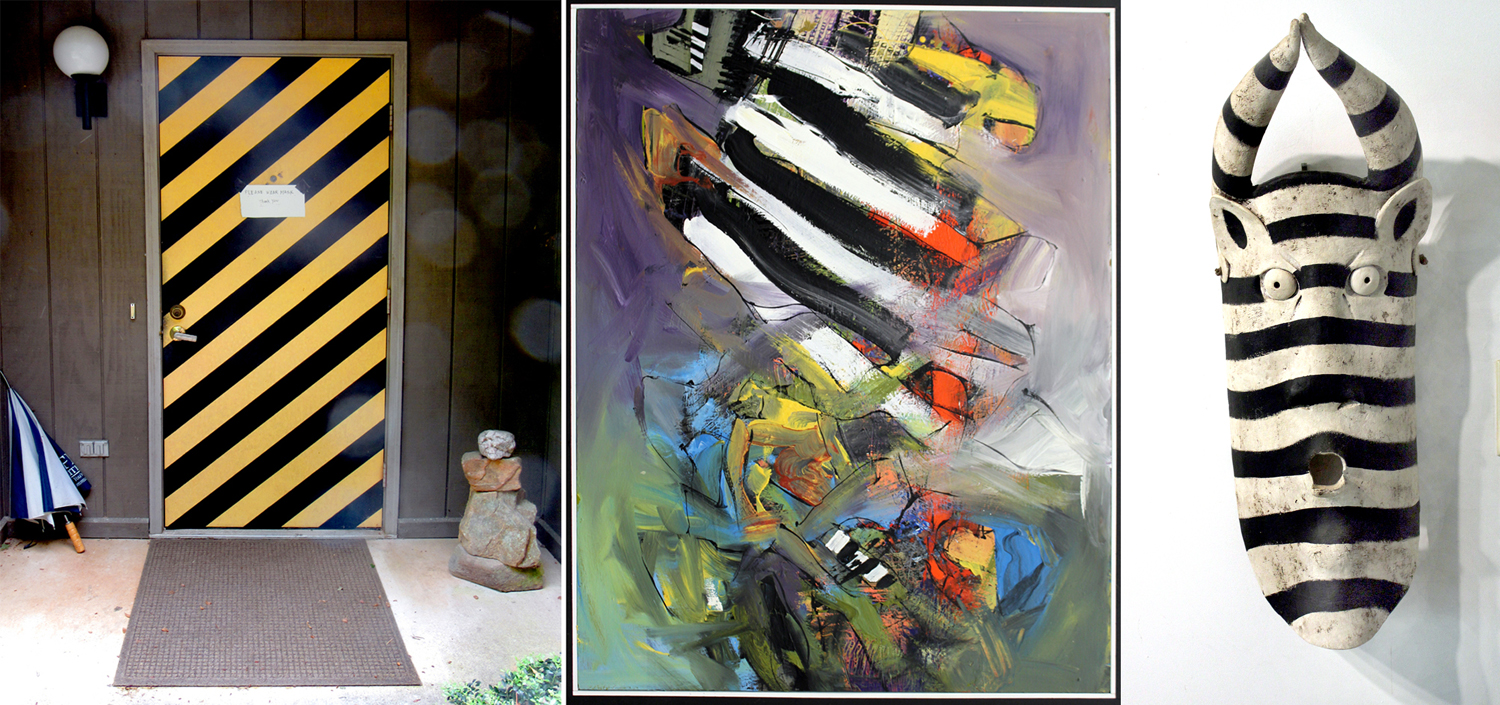

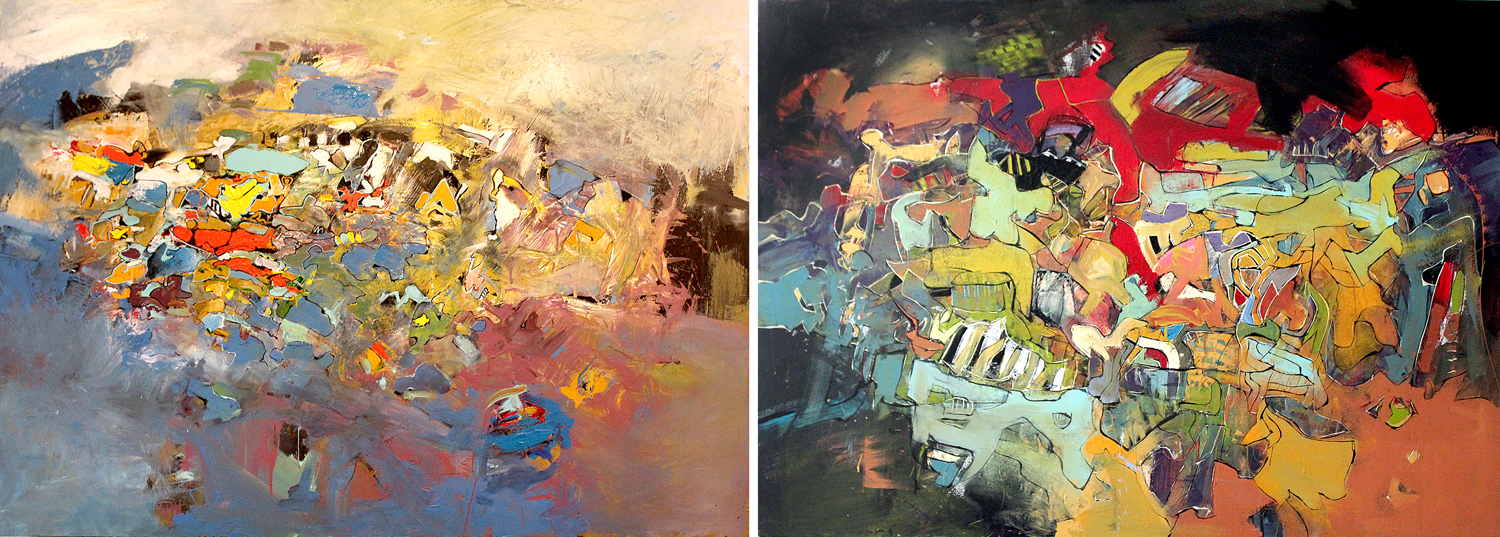


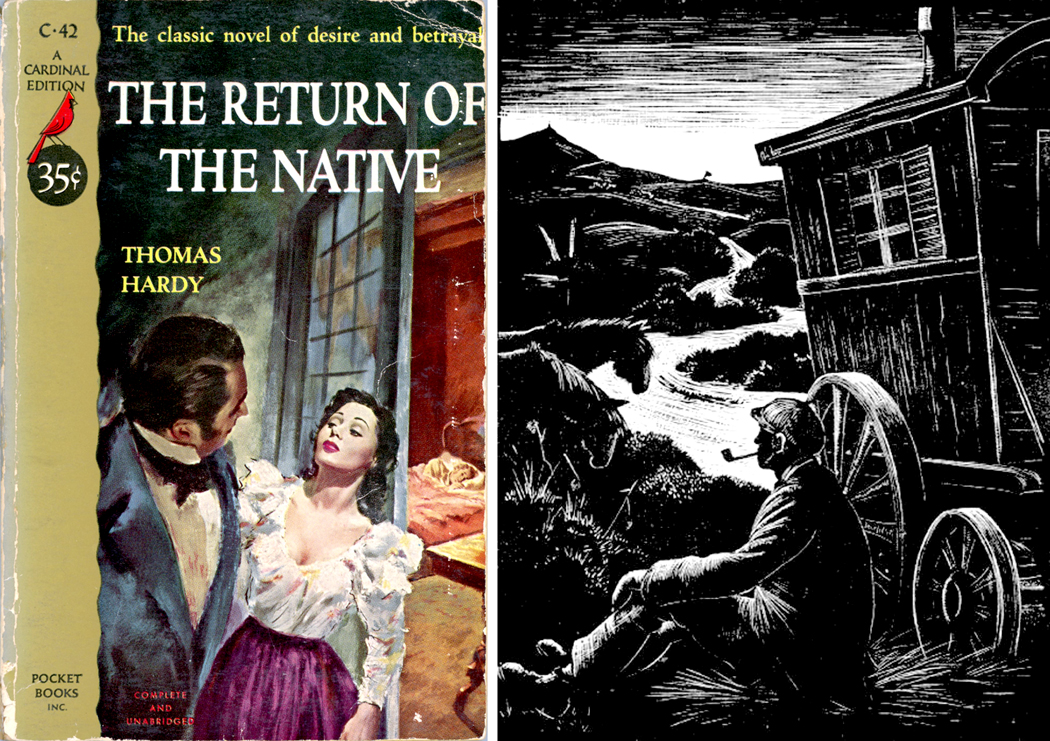


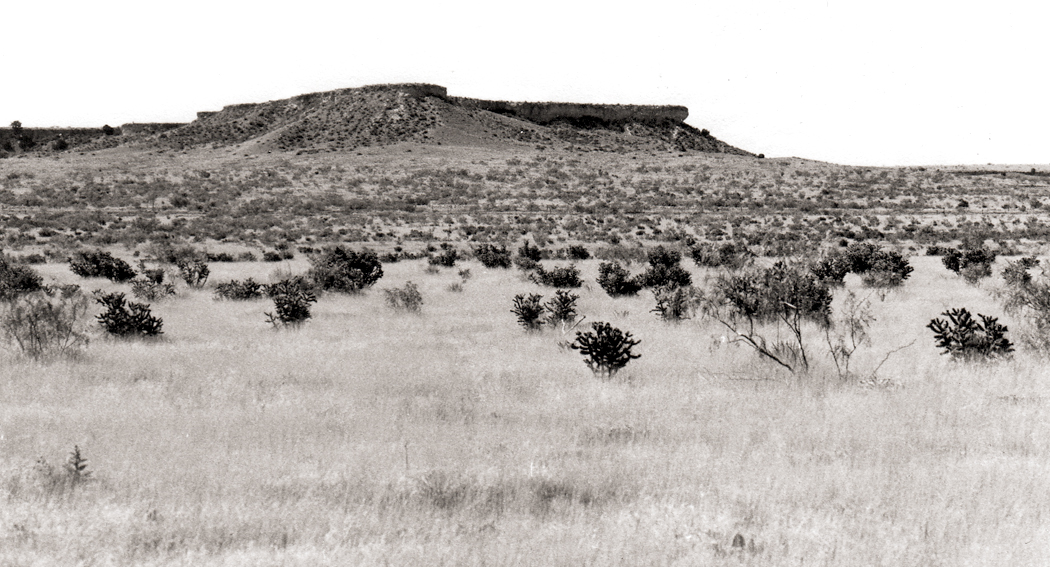


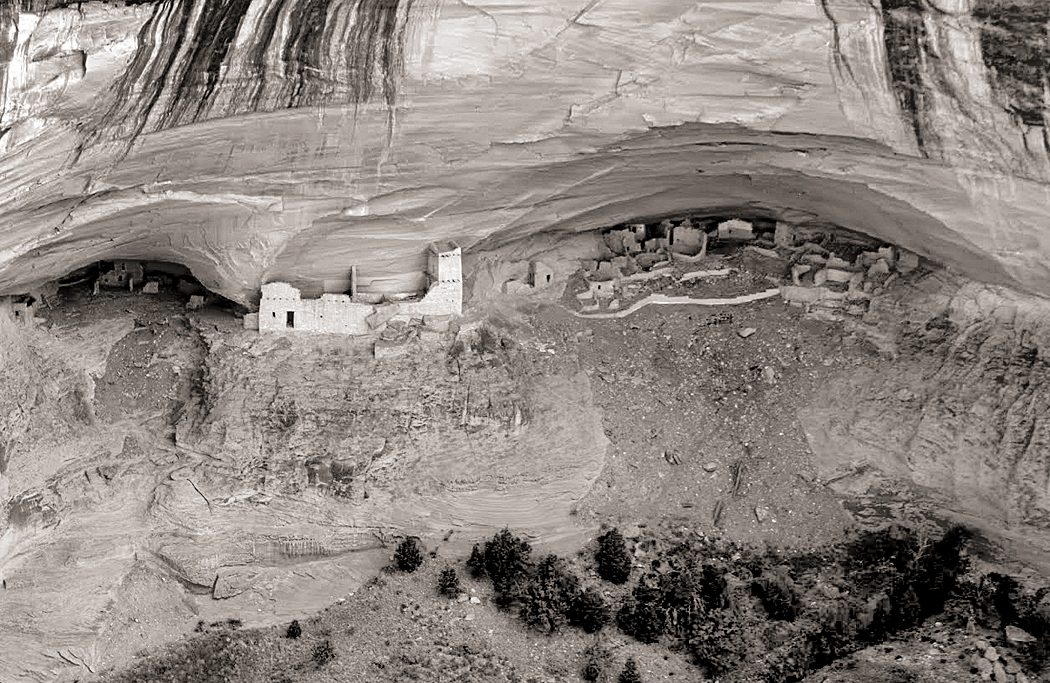

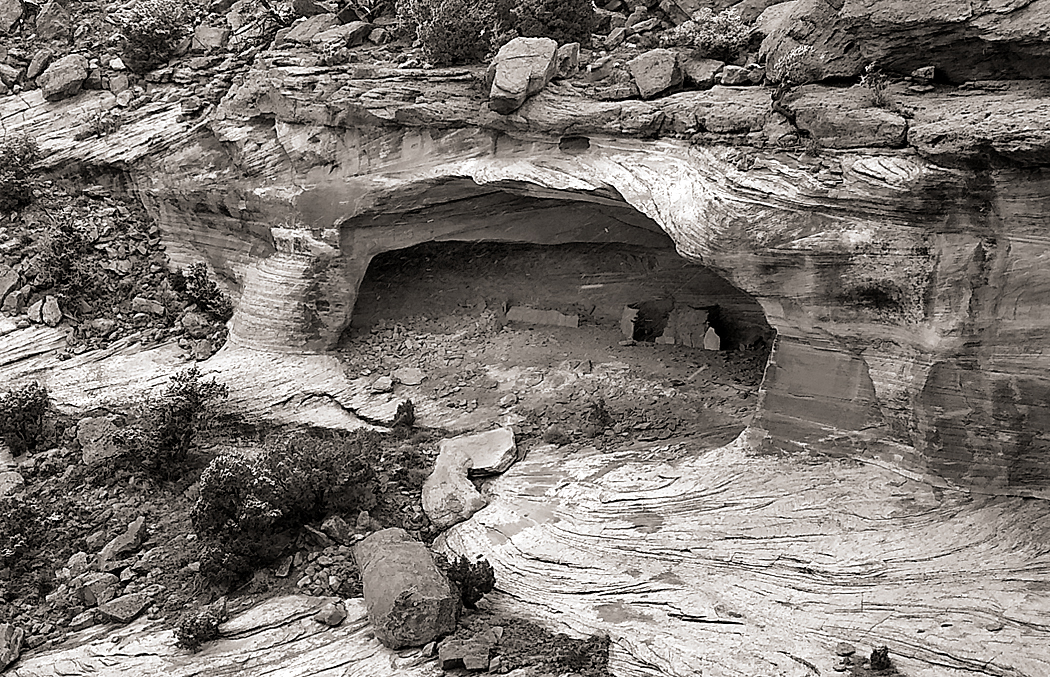
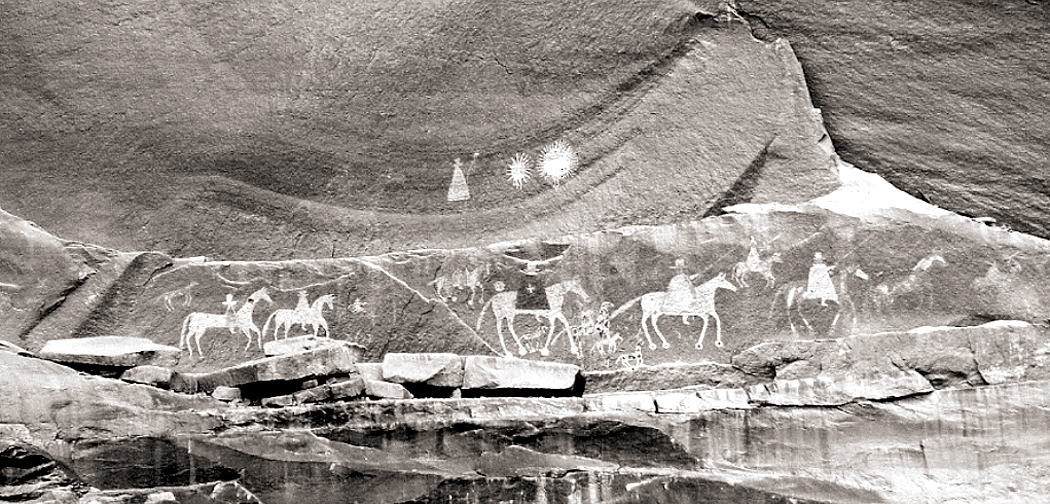

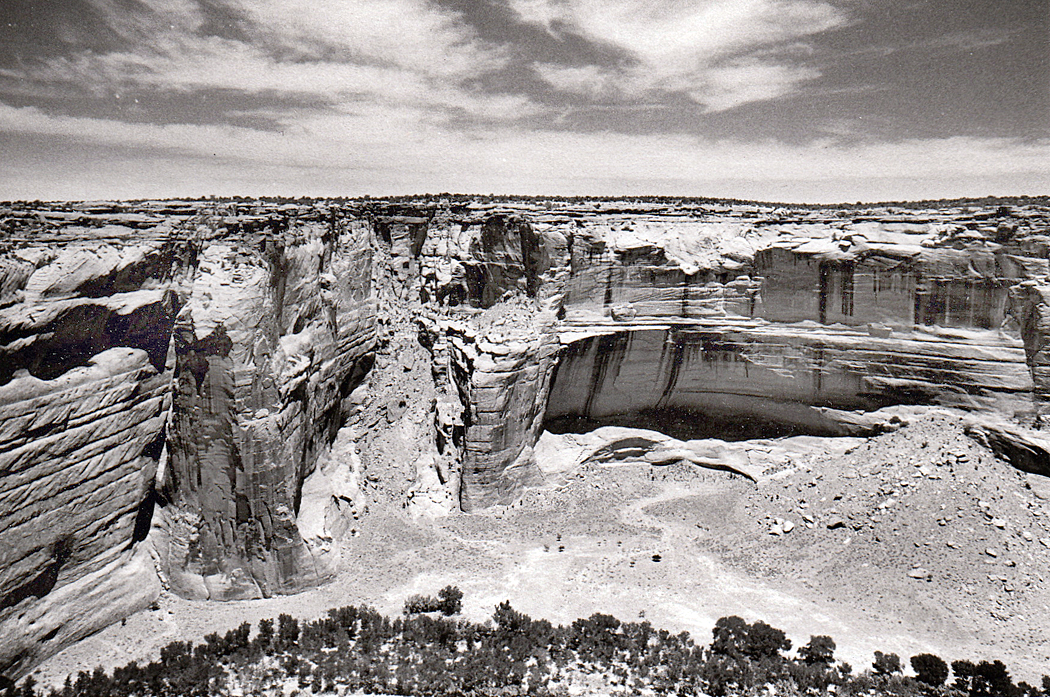

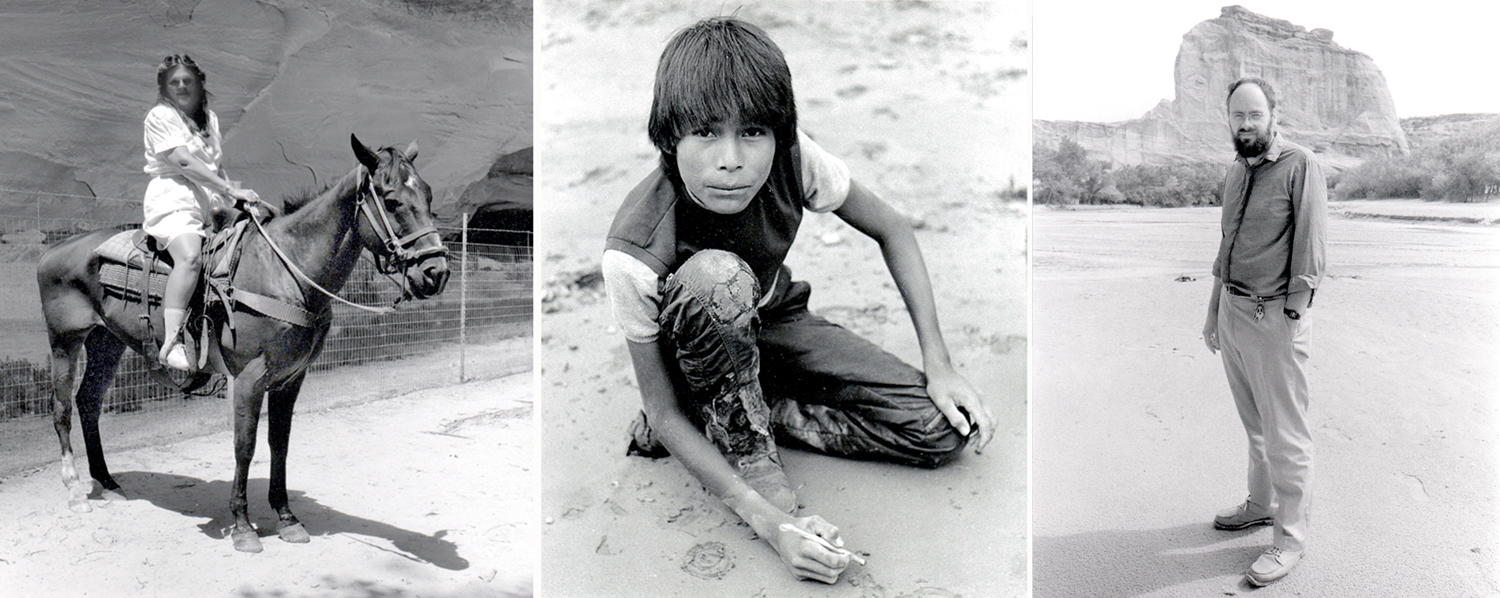
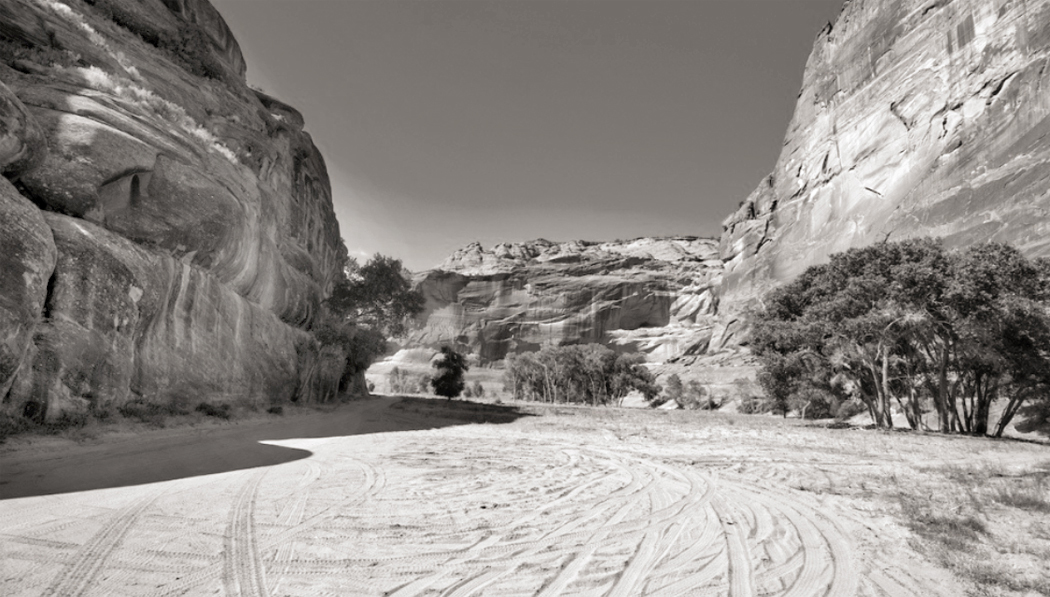
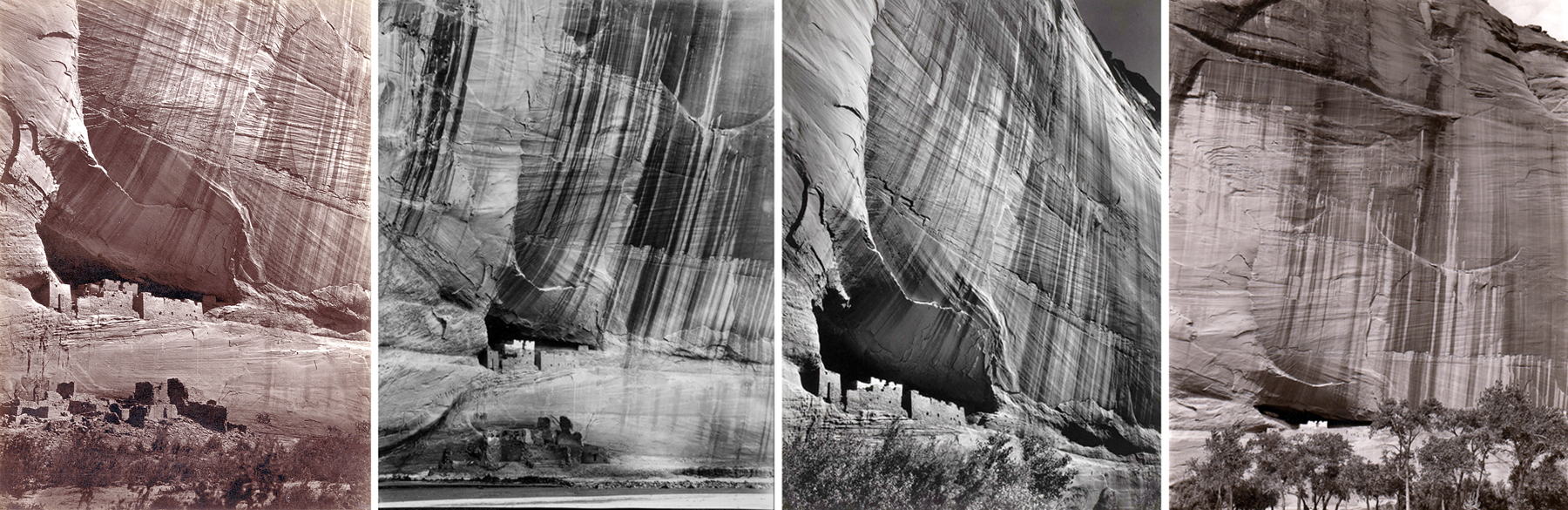
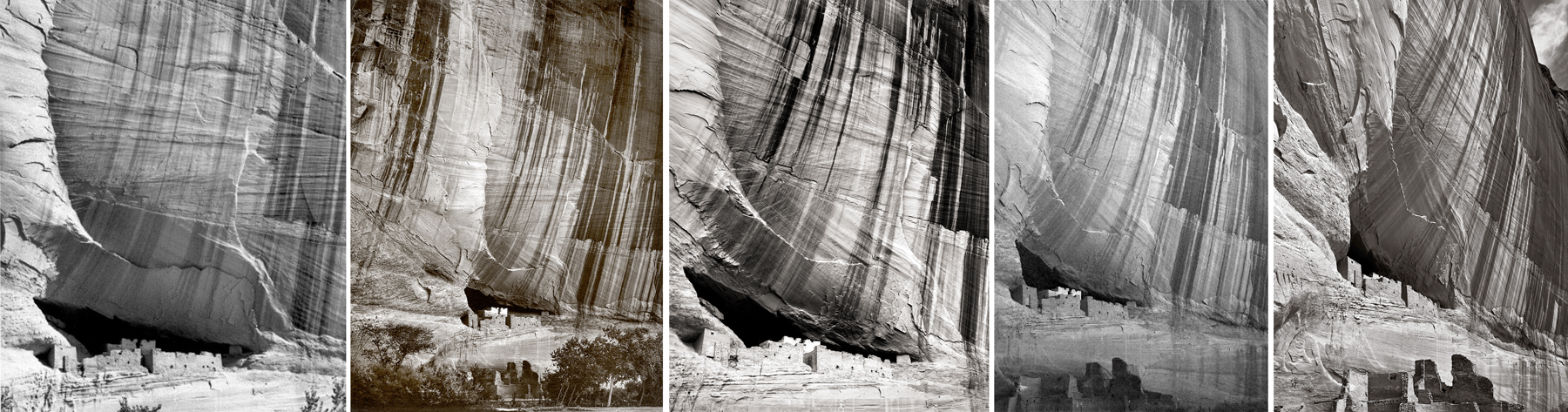
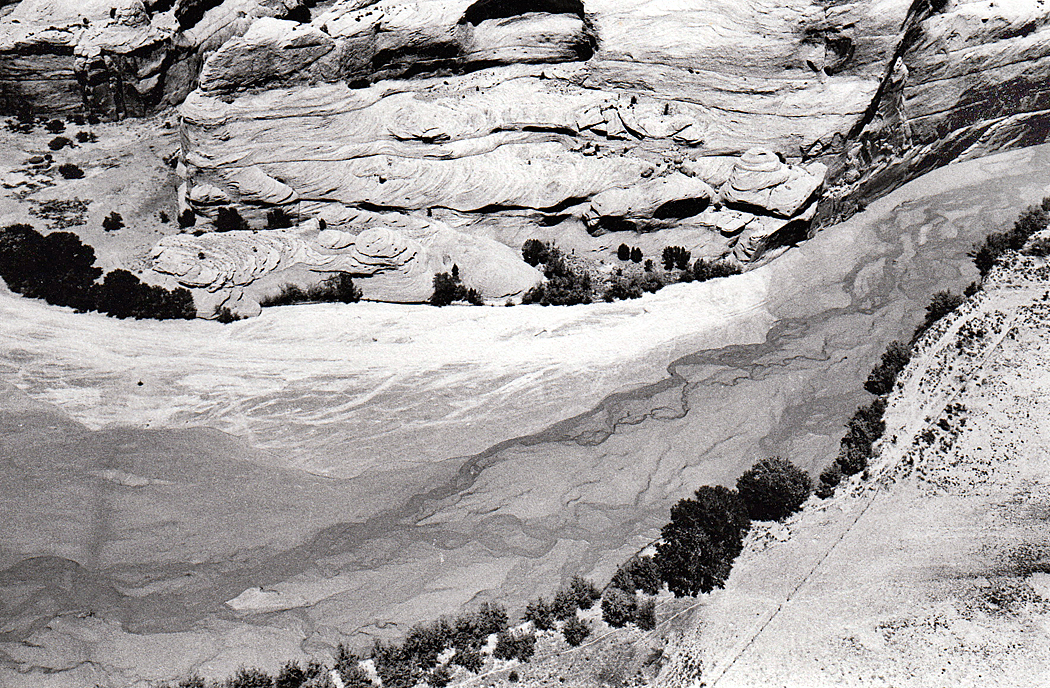












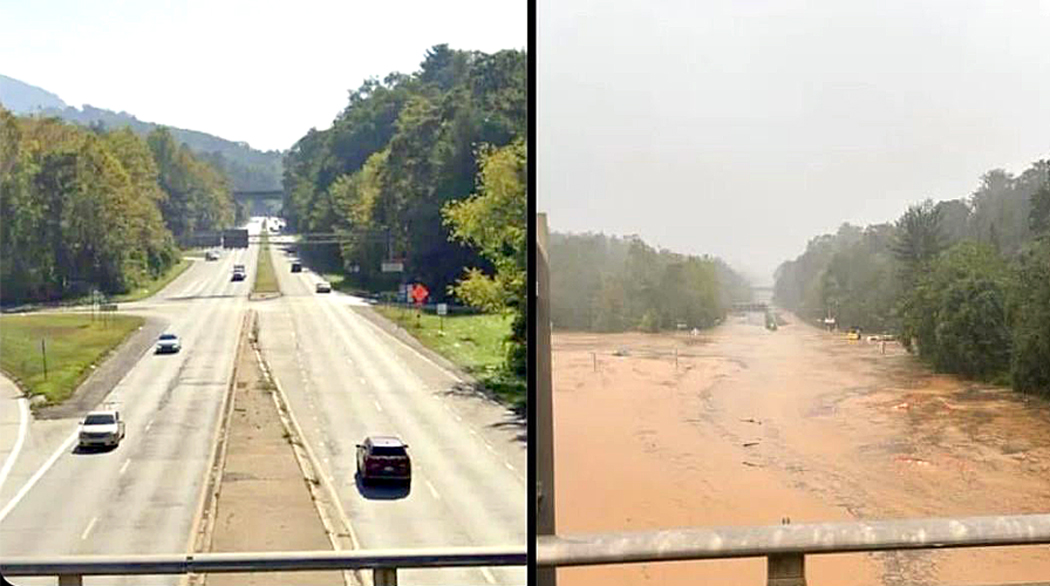


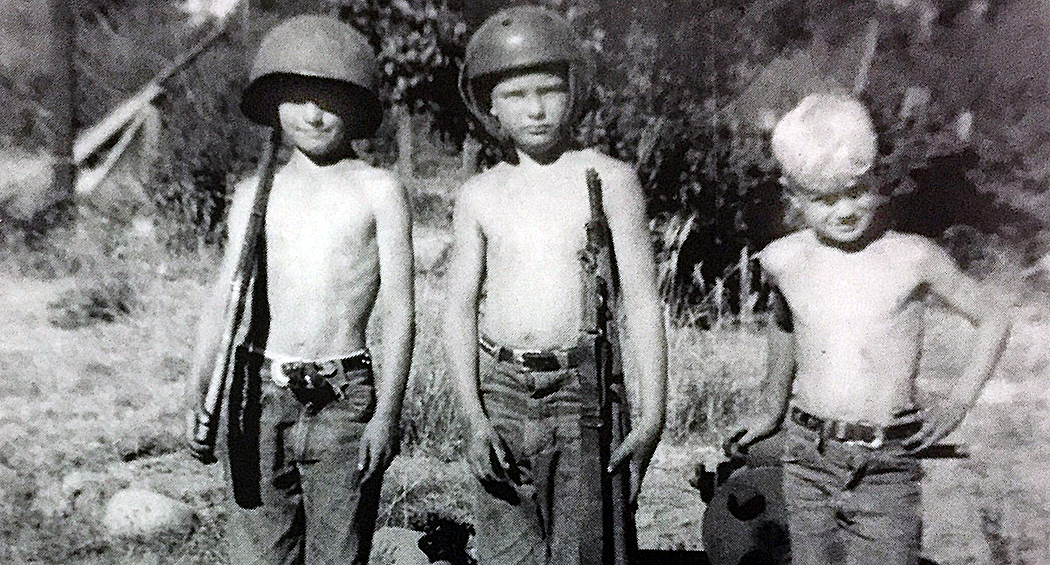






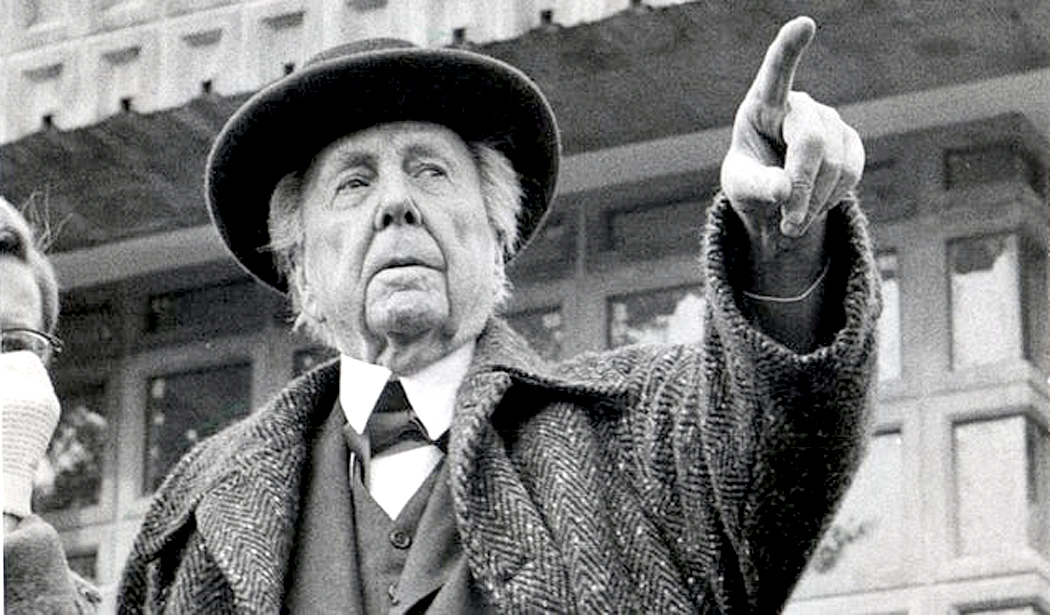

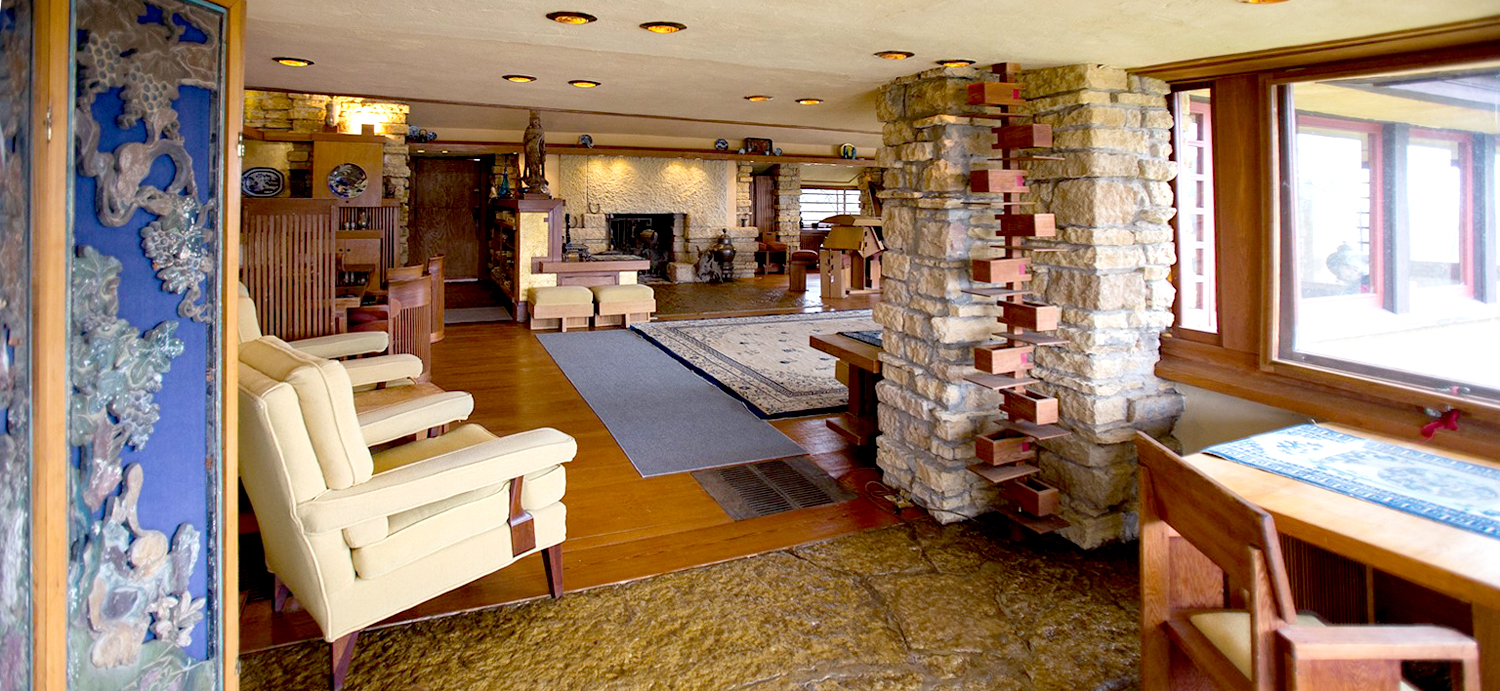




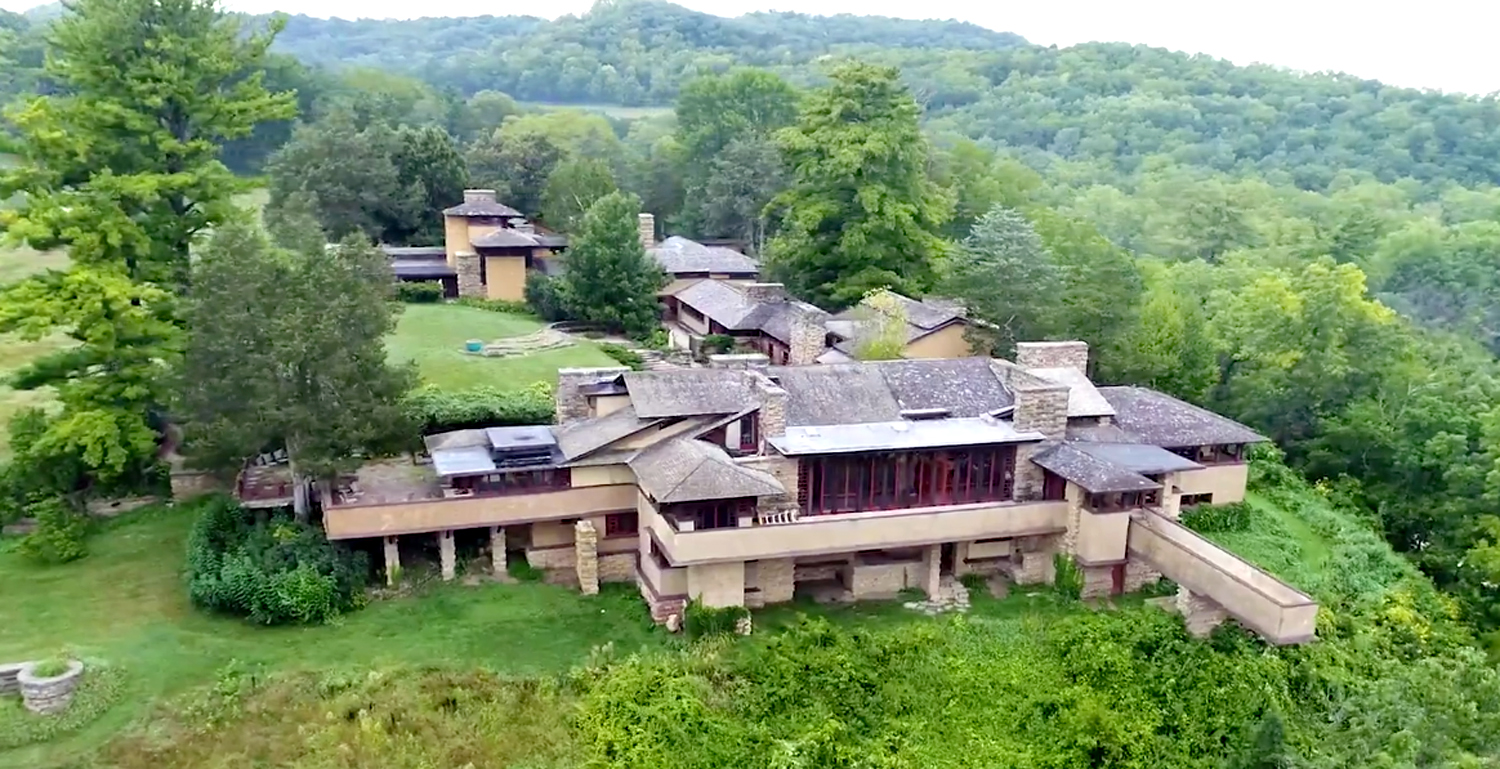






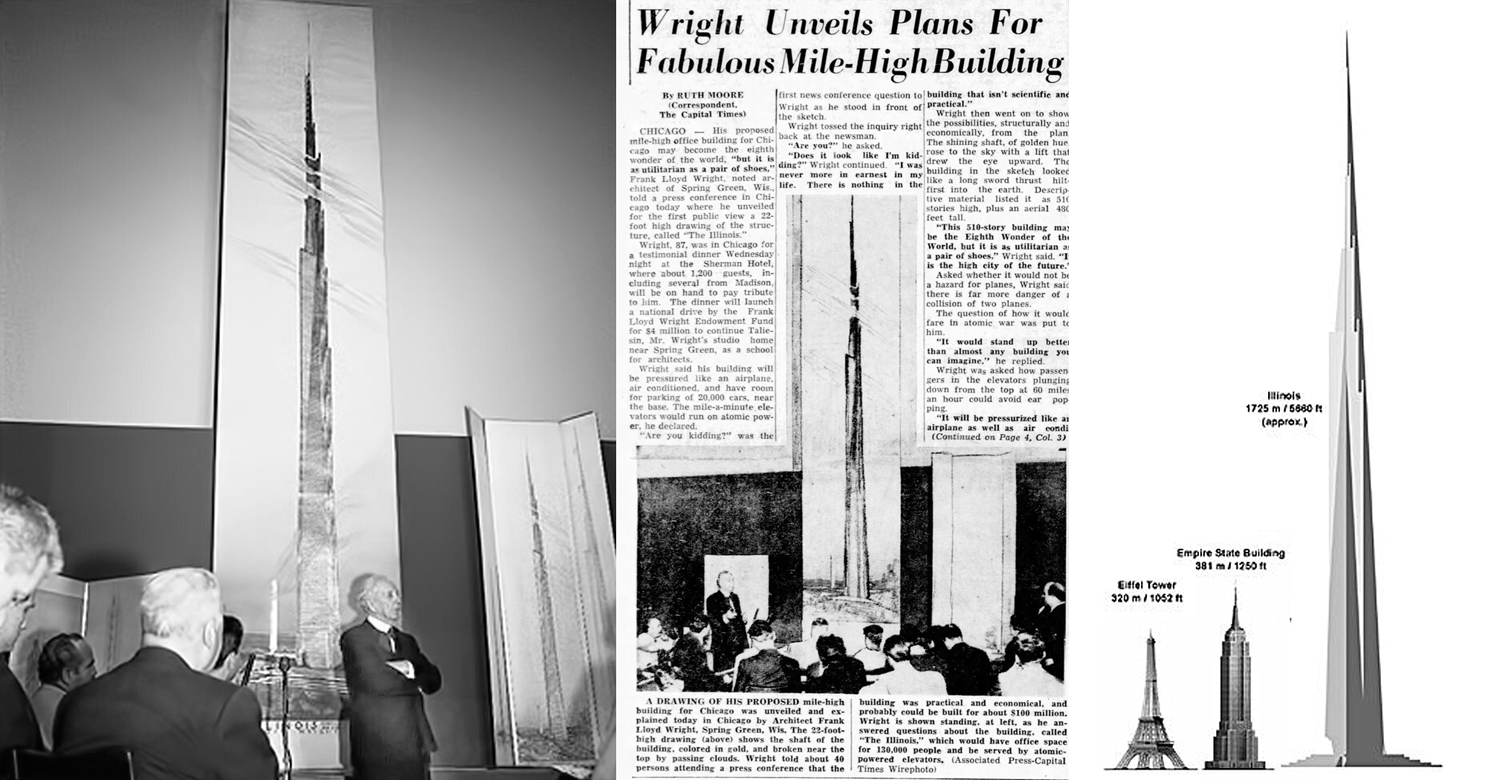





 Richard Nilsen