Archive

Tag Archives: art criticism

At the bottom of every product entry on the Amazon webpage you will find customer reviews. Some are quite thoughtful, others merely complain that the package they got was dented. Too often, close reading shows that the review shown is for some other product altogether and simply slung in with the rest by someone — or some algorithm — that wasn’t paying close attention. 

Check out Google’s list of restaurants near you and you will find any number of reviews by those who have eaten there, and often with an iPhone photo of their dinner plate. These range from “The worst scungilli I’ve ever tasted” to “The cleanest restroom I’ve had to use.” Again, perhaps with a photo. 

My favorites are those where someone posts a four-star CD review with the words, “I haven’t heard this yet.” 

More than ever, we are led to believe that “everyone’s a critic.” Opinions are like noses (I’m being polite): Everyone’s got one. But I spent 30 years of my life as a professional art critic, and it has always bothered me that the wider public seems to think that real criticism, by people who are actually paid to think about such things, is little more than “I liked it,” or “I didn’t like it.” 

On such a level, yes, everyone’s opinion is valid. If you liked it, then to say so is an obvious truth. But that is not what a professional critic is paid to do. 

Granted, there are some people out there with the title on the masthead who do little more than report their likes and dislikes. But the kind of criticism I’m talking about — and that I did my best to engage in — has very little to do with simple likes and dislikes. 

I was paid, rather, for my range of knowledge about the subject, about the history of it, the variety of it, the consensus about it, and my ability to say something meaningful and coherent — and interesting — about it. 

I was paid to explain what I was seeing, put it in context, say why it is important — or not — and, especially with new art, to attempt to unknot difficulties that may make understanding elusive. The art world is full of “elusive.” 

 I began as a freelance art critic with the Virginian-Pilot in Norfolk, Va. in the mid-1980s, and became staff critic with The Arizona Republic in Phoenix, Ariz., in 1987, where I worked for 25 years until I retired in 2012. By then, newspapers were in decline and few still had any critics on staff as layoffs became as regular as seasons. When I left, I was not replaced. All across the nation, critics are not being replaced; lights are blinking out all over the heavens. The loss is considerable. 

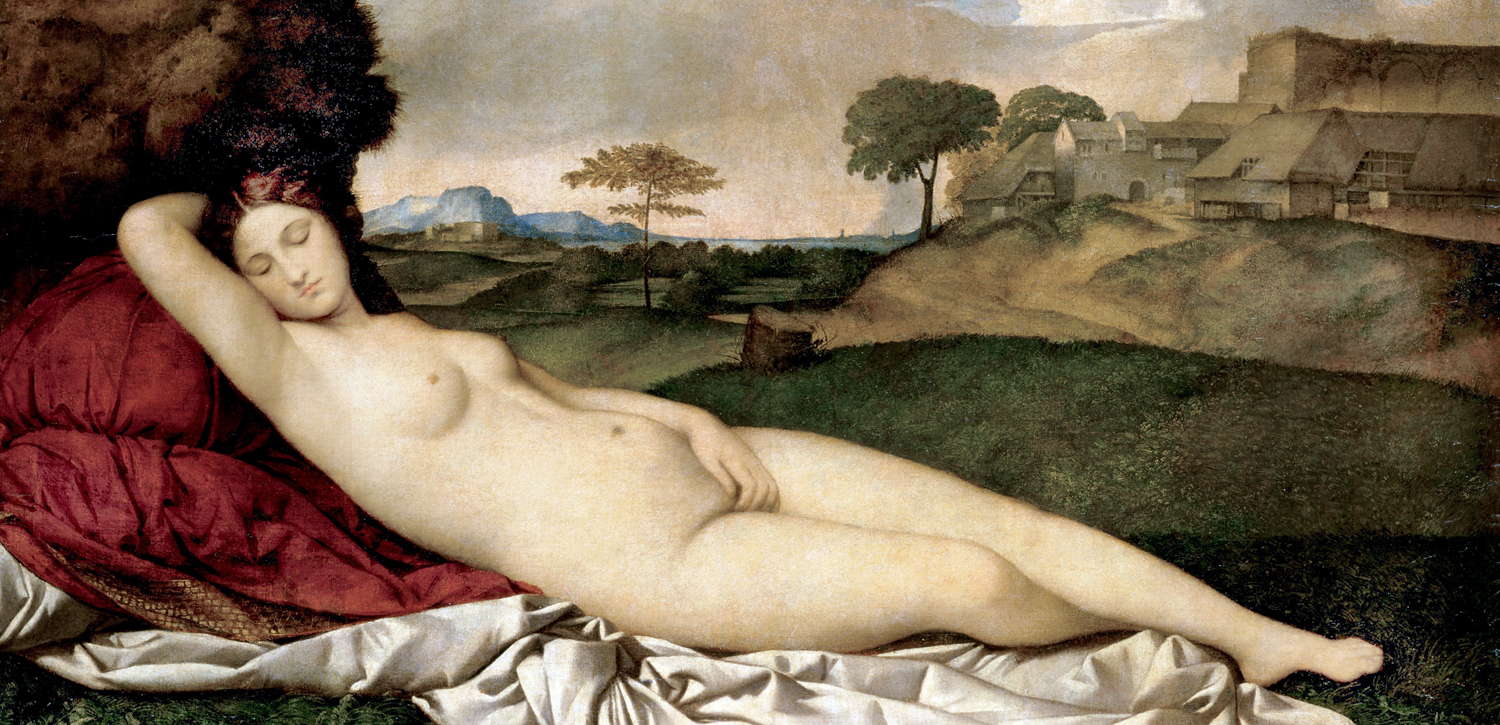
I have continued to post about art on this blog. There was a long piece about Jacques-Louis David’s Death of Marat. Another on the long echoes from the pose of Giorgione’s Sleeping Venus. I wrote about photographers Nan Goldin and Garry Winogrand. Some of these have been the most frequently visited blog entries on my site. 
Over those three decades in journalism, I covered an awful lot of art, both locally and nationally. Much of the art, I loved. Some not so much, and there were even shows of art I had little sympathy for. All of it, I tried to say something real about and meaningful. So, I feel I have established my bona fides to write about criticism.

My tastes didn’t stop me from recognizing quality or importance, even if it was art I didn’t much care for. And there was, correspondingly, art I knew wasn’t especially important that I really, really enjoyed. My likes and dislikes didn’t count much, and weren’t supposed to. 

Let me give you some examples either way. 

One of the very few times I had a contretemps with my editor was about a show at the Phoenix Art Museum of art by the so-called Mexican Muralists. I mentioned to my editor that I was thinking of giving the show a pass and she nearly bit my head off, making it absolutely clear that I wasn’t being paid not to write about an important show, or to care whether I liked the work. I knew this, of course, but I had to confess my lack of simpatico with the work. Of course, I wrote about it. Without expressing my own qualms. 

In general, I have little love for art that is primarily propaganda, and that is just what the work of Diego Rivera or David Siqueiros is. There is good ol’ Karl Marx pointing the way to the future for the downtrodden campesinos. There are the peasants displaying solidarity by all wearing the exact same clothes and carrying the exact same weapons. For me, this is a big snooze. 
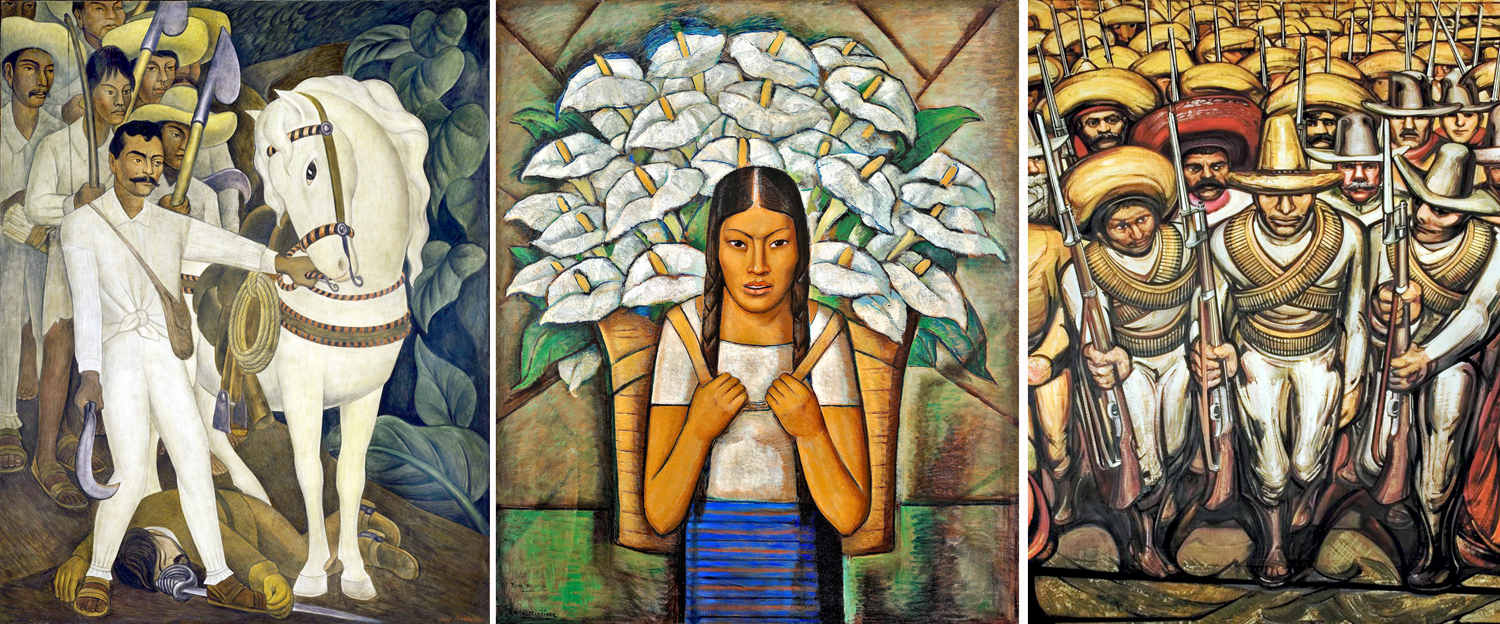
And on top of that, the colors used favor rather dull browns and ochers. It just isn’t very inviting or attractive art. Nevertheless, the movement, from the 1920s through the 1940s, defines an era of Mexican culture, and was immensely important. And, moreover, some of the muralist art was clearly better than other, and it was my job to show that and explain why and how. 

It should be pointed out that it isn’t Mexican art I have a problem with. I love the crazy work of Frida Kahlo; I wrote an appreciative review of Rufino Tamayo for ARTnews  magazine. I enjoy the skeletons and calaveras of Jose Posada and the volcanic landscapes of Dr. Atl. And all that colonial-era art, and all the bright, colorful, energetic folk art. 

It’s just the dreary, politically sentimentalized work of the muralists I dislike. 
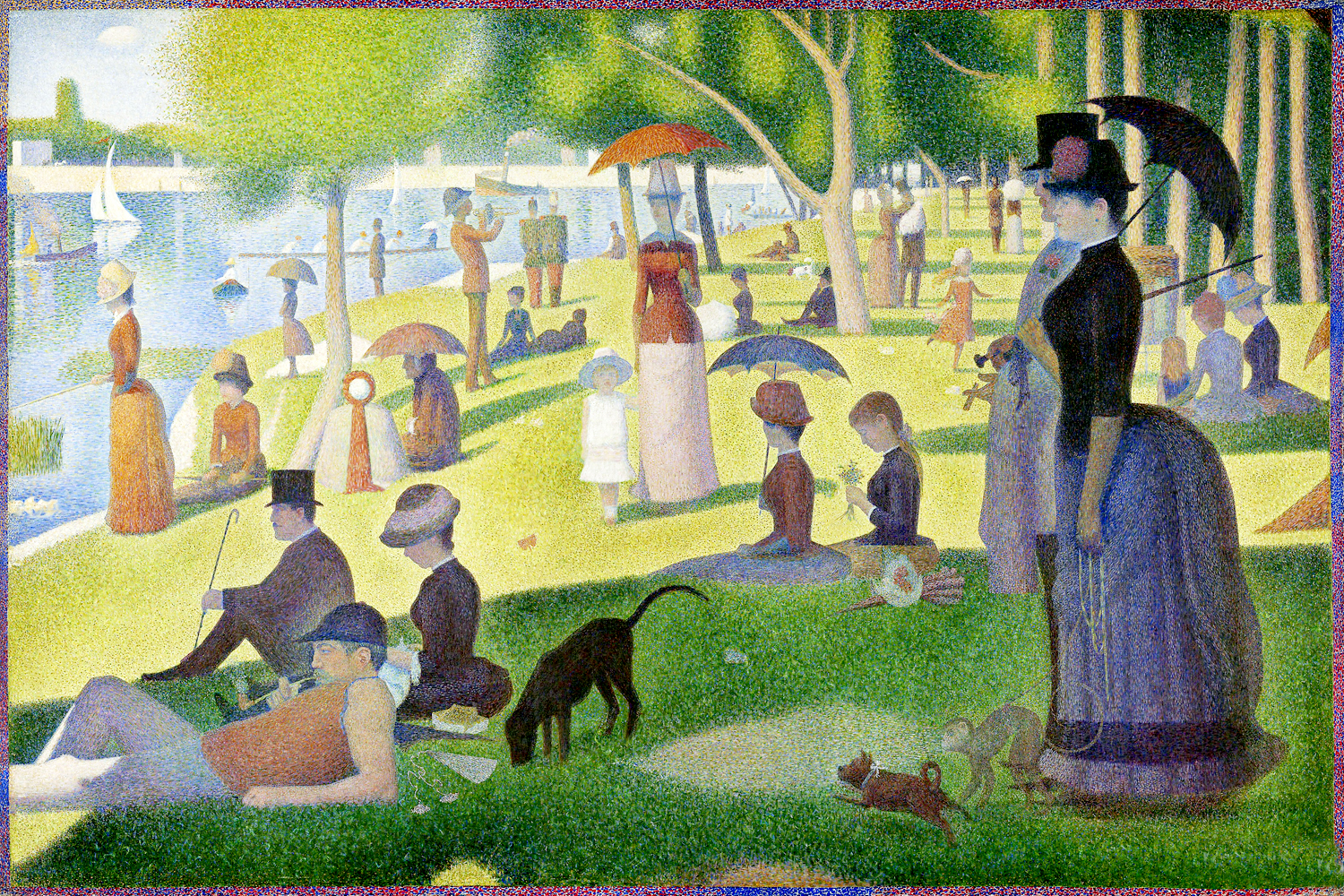
Let me give you some other examples. There is no question but that the pointillist works of Georges Seurat are masterpieces, and important in the history of art. But I find Sunday Afternoon on the Island of the Grandes Jattes a huge bore. Stiff and unyielding, all the life sucked out of what should be a bustling joy. It seems to me a painting made to justify a theory, and not something that had any more lively reason to burst out of his imagination. 
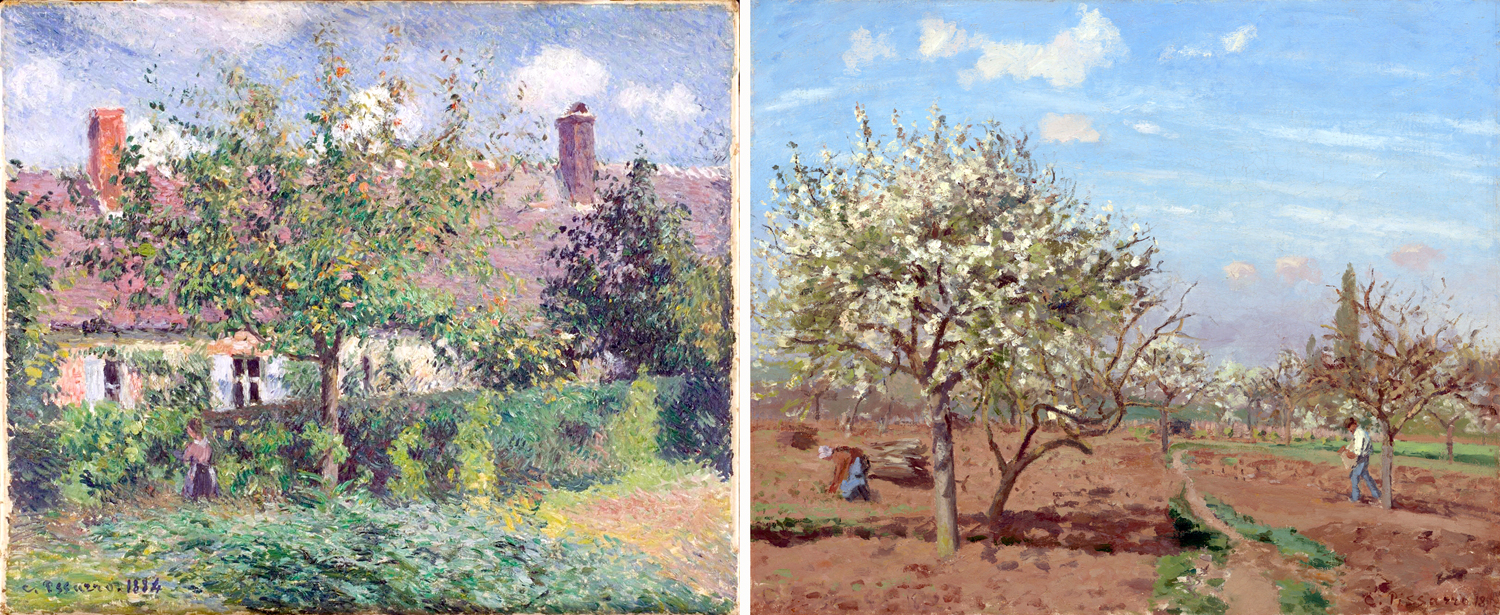
And there is his older contemporary Camille Pissarro. I don’t dislike Pissarro’s painting, but it just seems a trifle dull. He is the painterly version of a composer who can write perfect fugues, knows voice-leading, and can orchestrate magnificently, and yet cannot write a tune I can whistle. 

I’m specifically writing about art I have actually seen in person, and not just stuff I find in books or magazines. Reproduction cannot give anyone a clear idea of the art, its size, gloss, color. You can only get the iconography and some loose sense of everything else. 
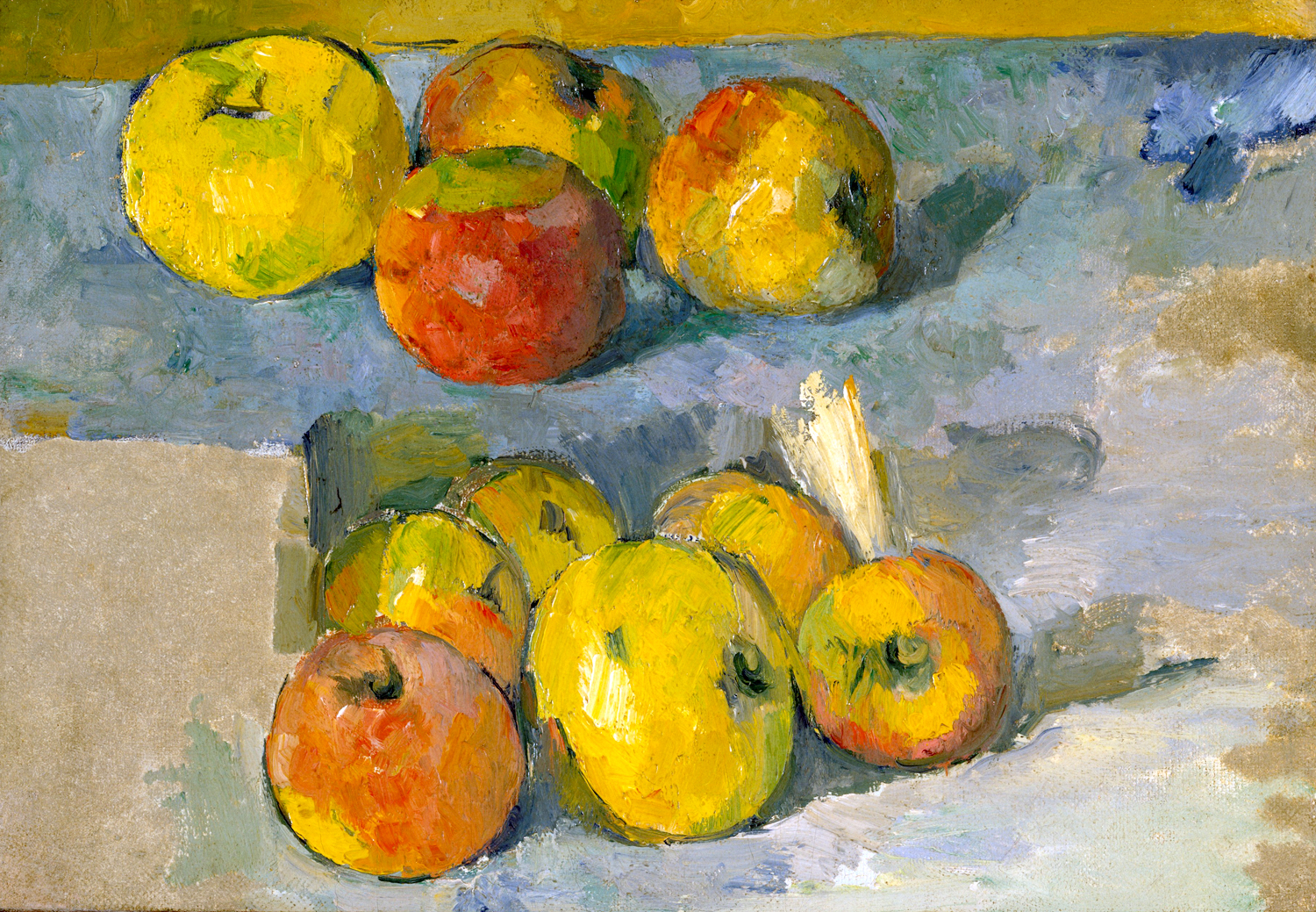
The necessity of seeing the art in person was brought home by Paul Cezanne. I never cared much for the work of Cezanne. But then, I spent some time with the actual work, and it exploded in my eye with form and color that just eludes reproduction. Now, Cezanne is one of my most loved artists and I kick myself for all those years when I paid him scarce attention. Those apples and pears — I want to lick the paint off the canvas. 

Another confession: I never cared for Leonardo’s Mona Lisa. I’ve been to the Louvre now, several times, and in person, the Mona Lisa is no more exciting. It is a small, rather ordinary portrait. Yes, the sfumato technique is quite pretty, but the painting itself does not deserve the fame it seems to suffer. 
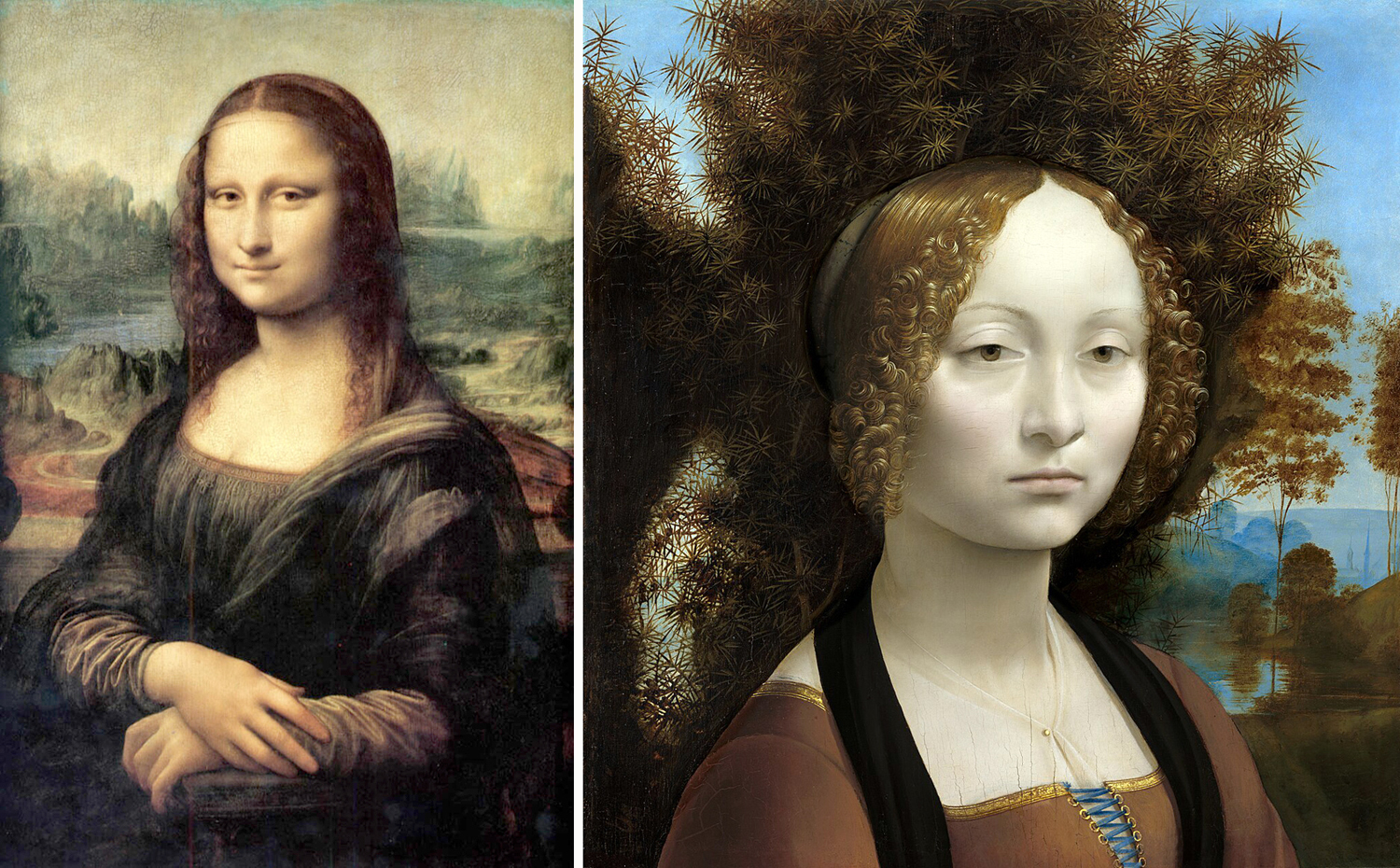
On the other hand, I do love the same artist’s Ginevra de’ Benci, at the National Gallery in Washington, D.C. It has all the glow and spirit that poor Mona Lisa just doesn’t have. 

But even Ginevra doesn’t draw the pleasure from me that I get from Raphael’s portrait of Baldassare Castiglione, one of the most perfect paintings I have ever seen. 

Rembrandt saw the portrait, copied it in pen and ink, and later used it as inspiration for one of his self-portraits, now at the National Gallery in Washington. I love that one, too. 

So, it is not that I hate great paintings and love minor ones. It is just a matter of taste. My taste drifts toward some and is left unmoved by other. But, as a critic, I certainly know the difference. 

I have no issue with anyone liking or disliking any piece of art. Not everything has to appeal to everyone. If you think Damien Hirst’s pickled shark is disgusting, I have no issue with you. If you think the hands on Michelangelo’s David too large, and his privates too small, that’s fair. Even if you find yourself moved emotionally by the light inside the cottage of a work by Thomas Kinkade, I say, enjoy. But that doesn’t qualify you as a critic. 

The art I love — and “love” is not too strong a word — includes some famous and important paintings. I grew up with Picasso’s Guernica when it was hanging at the Museum of Modern Art in New York. In my teen years, I visited MoMA often and thought I’d have Guernica to see for my lifetime. But it returned to Spain in 1981. Seeing it stretched across 25 feet of wallspace helped steer me into a life with art. 
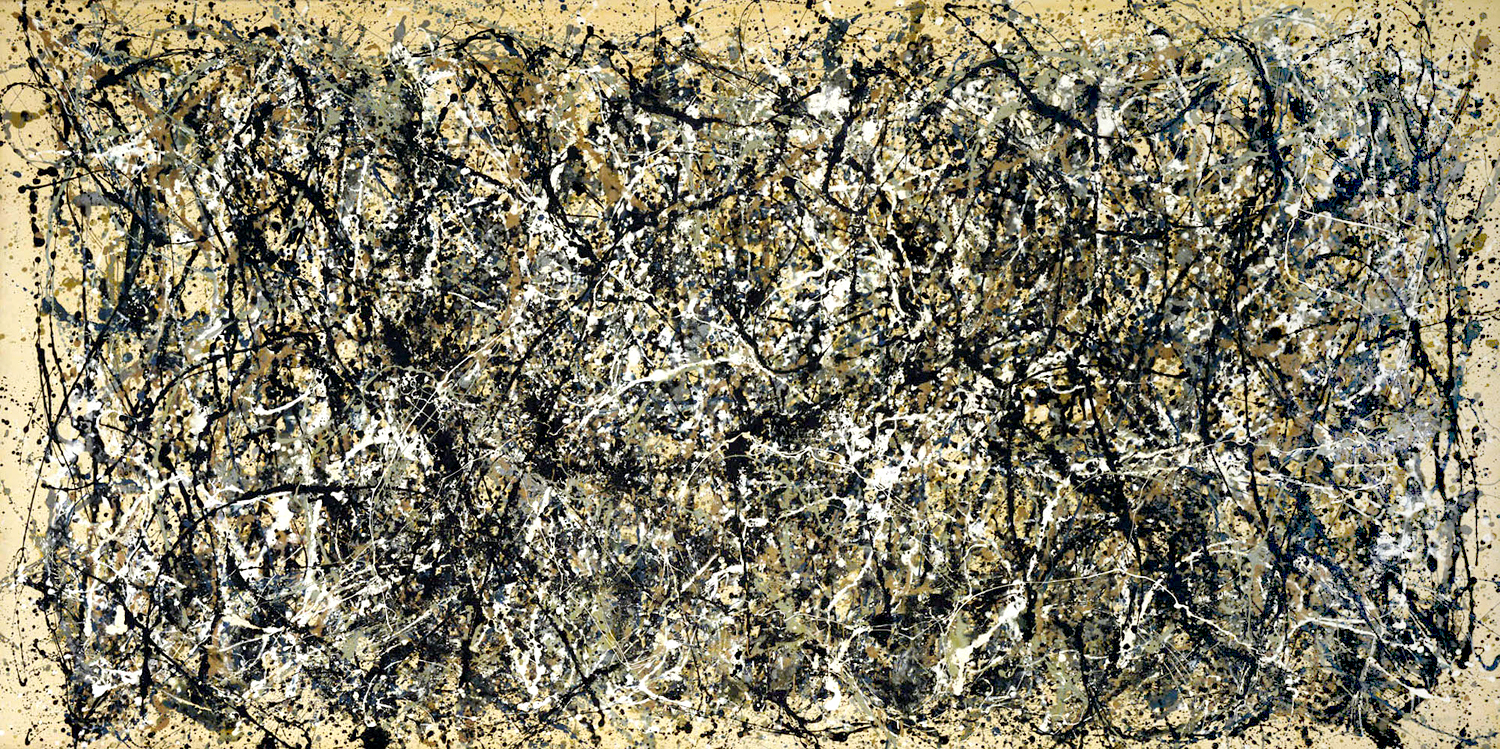
I loved seeing Jackson Pollock’s One Number 31, also at MoMA, back when abstract art was still seen with suspicion by the public. It hit me like a brick, and I loved its visual busy-ness and textural depth. It was a painting I could lose myself in.
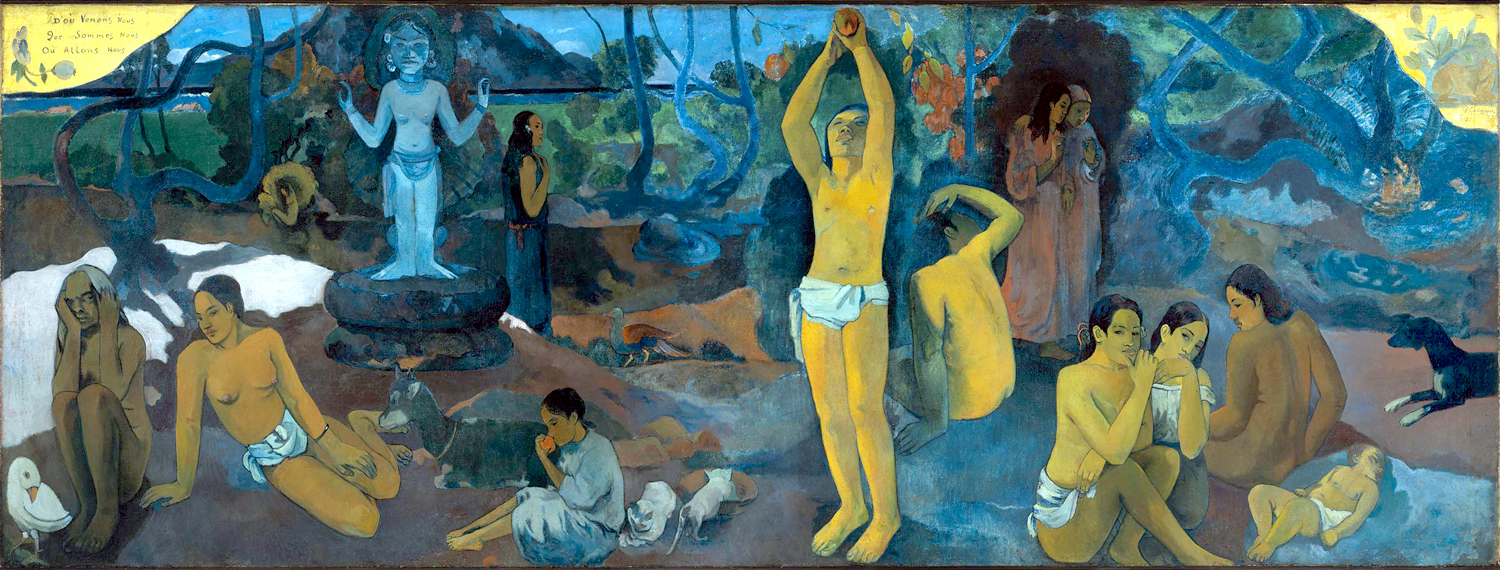
In Boston, I finally saw Paul Gauguin’s Where Do We Come From? What Are We? Where Are We Going?, another panoramic picture. Unlike the Mona Lisa, it makes a stronger affect in person than reproduced. 
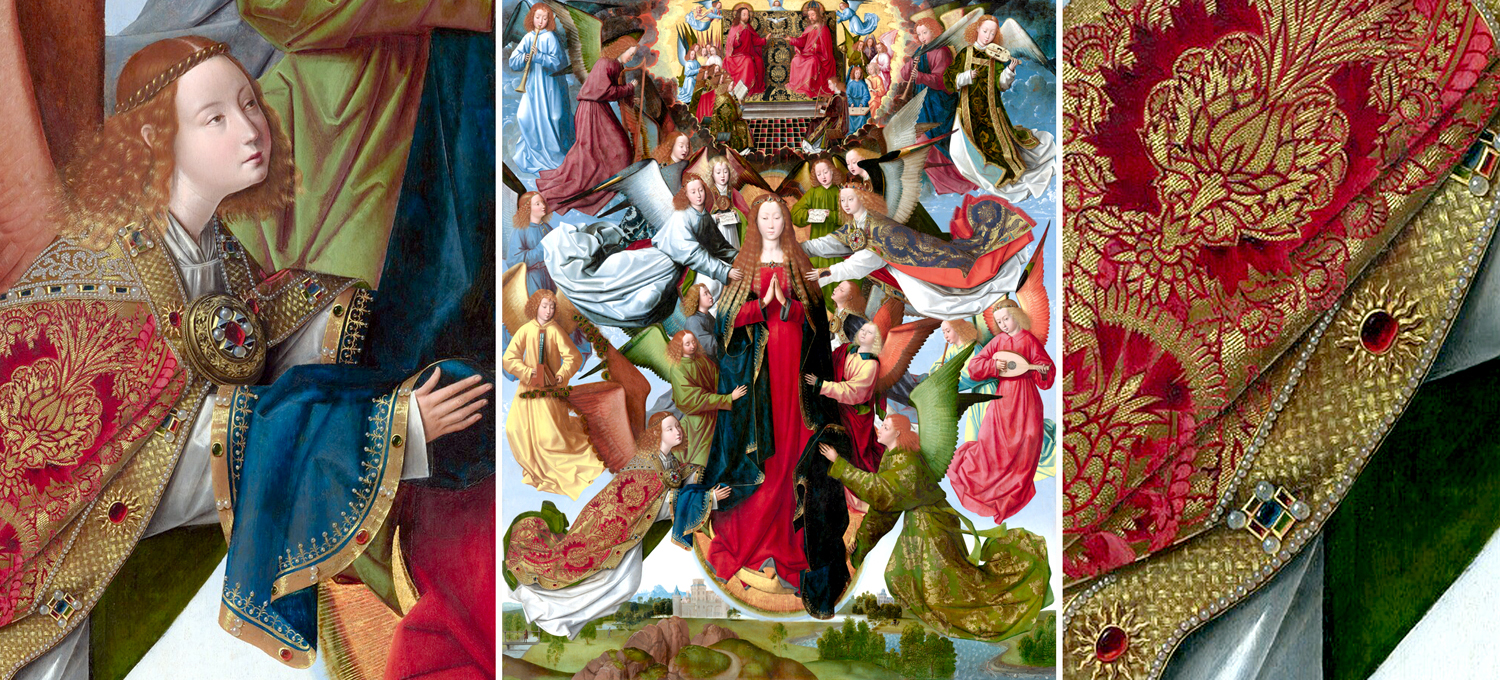
At the National Gallery in Washington, there are a number of paintings I visit, as if on a pilgrimage. Perhaps the main one is Mary Queen of Heaven by the 15th-century Master of the St. Lucy Legend, an unknown artist (so many were anonymous back then) with a magical ability to create detailed fabric and rich color. It is not one of the superstars of the collection, but it is dear to me. It is 7 feet tall, and busy with detail. I love art that highlights texture and color, and am less drawn to iconography or storytelling for itself (such as features in propaganda). The virgin Mary means nothing to me religiously, but this painting I worship. 
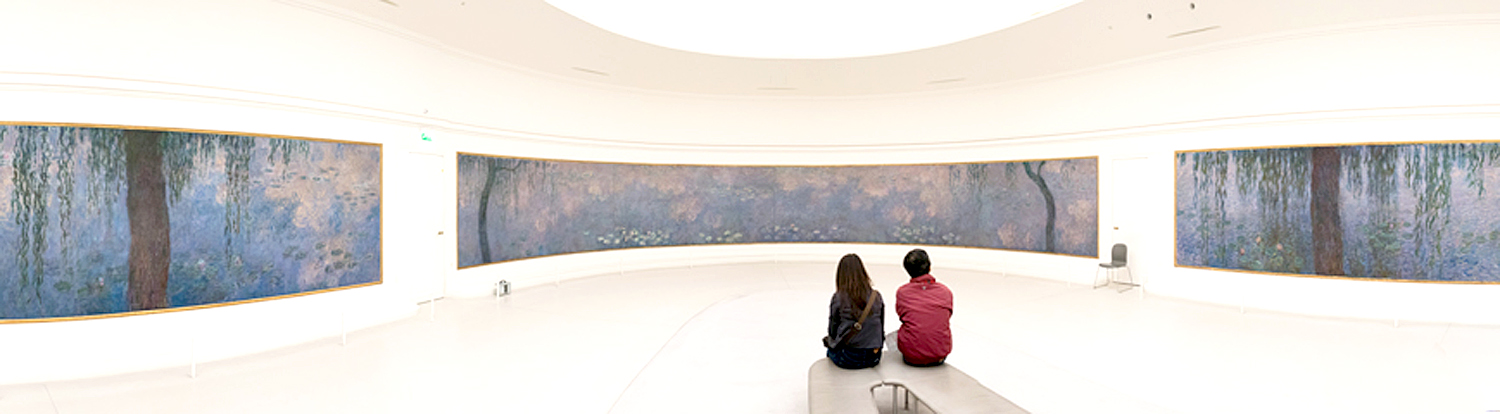
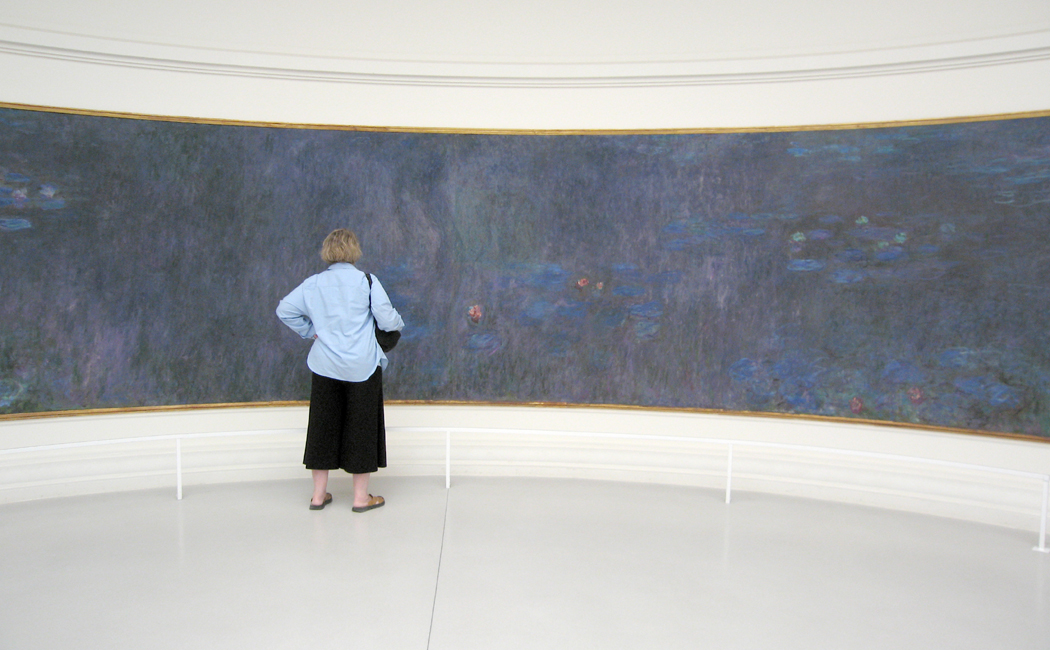
All the work of Claude Monet pleases me, but it is the large waterlilies that move me. When I finally got to see the group of them at the Orangerie in Paris, I had to sit down. Two oval rooms with walls banded with waterlilies. It was a holy place. 

These are all works that both give me great pleasure, and are also historically important works, anthologized in any art history text. 

 Yet, some of the art that I love most and that gives me great pleasure is art not especially important, or at least not widely known. There are so-called “local artists” who never get the national reputation; there are artists I know personally and whose work speaks to me in part because I see their personalities so clearly in what they produce. 

I love the art of Arizona’s Mayme Kratz. I’ve written about her work several times. Mostly, she finds discarded bits of the natural world — seeds, husks, birdnests, grains, twigs, shells — and embeds them in patterns in colored acrylic, finished with a fine sheen. They are intensely beautiful. Kratz makes a living from her work and has buyers and collectors, but I don’t know why she isn’t featured in galleries in New York or Berlin. Her work deserves to be. 
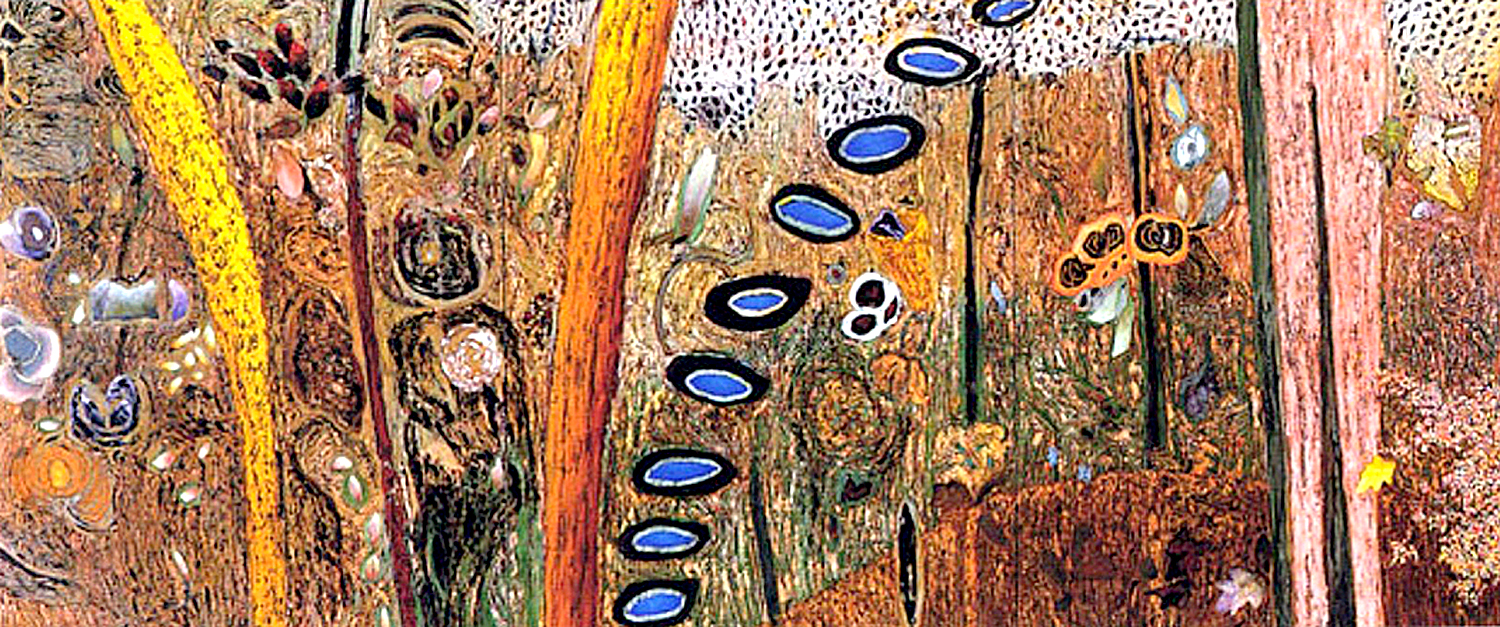
Tucson painter Jim Waid has a growing reputation and has representation outside of Arizona. But his large canvases, electric with color and texture, were featured (during my time) primarily at one gallery in Scottsdale. As I wrote about him for the newspaper, “Is there any reason that David Hockney is ubiquitous and that Jim Waid is not? Waid is clearly as good a painter, and his canvases as original and distinctive, yet Hockney jet sets, and Waid paints in his studio in Tucson.” One of the highlights of my year was the annual Waid show at Riva Yares Gallery. 
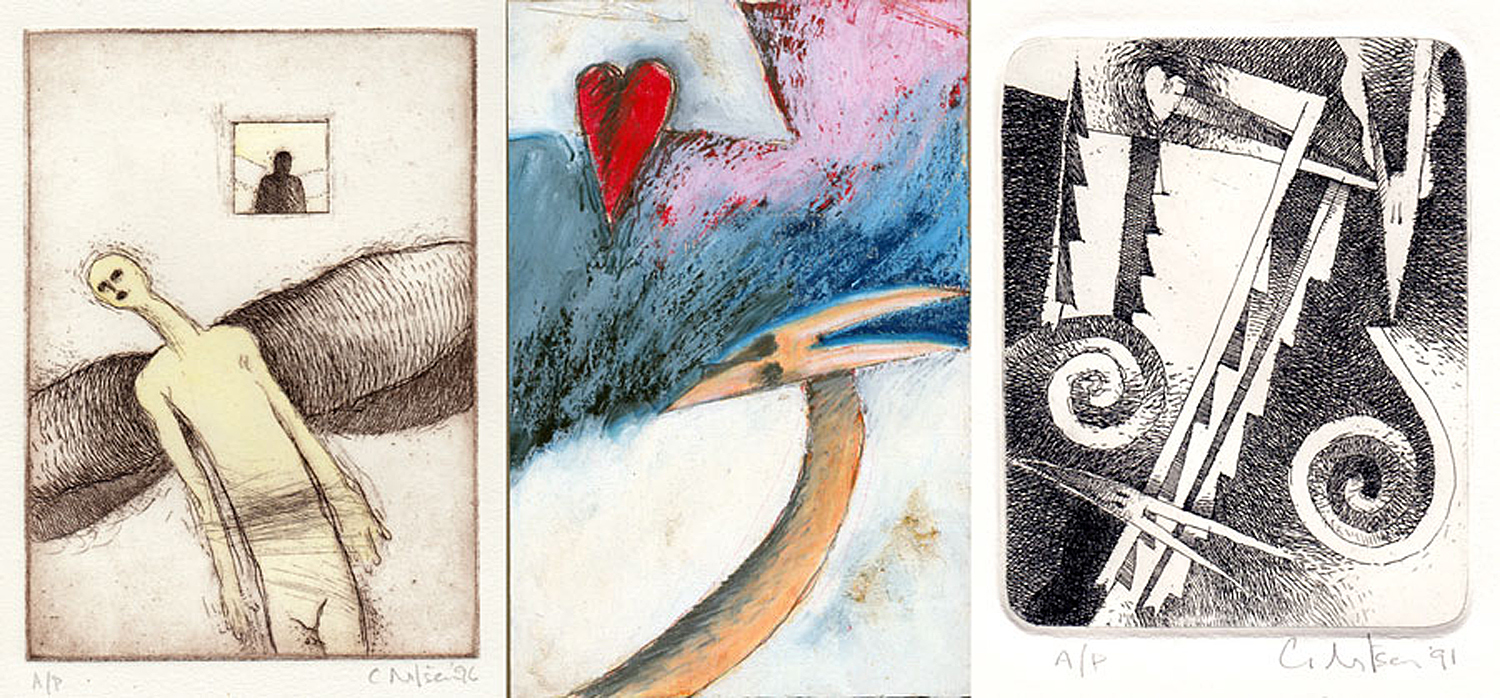
My brother, Craig Nilsen, is a painter and printmaker from Virginia. I have seen his work all his life and I cannot help but see him in the paintings so particularly and often heartbreakingly. He is now retired, as I am, and I am lucky to own quite a few of his pieces. I love them all. 

And finally, my brother-in-law Mel Steele, who has a pretty good reputation in North Carolina, although not always for his best work. He made his living for years selling prints of North Carolina rural scenes. But his real work has always been his abstractions, layers of shapes and colors, creating virtual depth and space on the canvas. I am not alone in enjoying his art, but I feel my life would be much less rich without it. 

And so, I feel as if my immersion in art has two channels: One is the official one, where I write for a public and attempt to be somewhat objective; and a second which is what I feel most emotionally connected with. 

There are many other examples of work I feel deep in my bones, but I can’t catalog them all. What I can say, is that a life immersed in paintings, as in music, dance, film, theater, architecture and literature, is a life more deeply connected with being human. I am grateful for having been able to make a living writing about it all.

Click on any image to enlarge

pizza slice
People approach the arts generally in one of two ways: with taste and judgment or with curiosity.

critic

You can spot the first group by the arch of their eyebrow, the second group by the gleam in their eye.

The first group includes a good number of academics, critics and — worse — politicians. They all suck the life out of creation (with a lower-case “c”). I speak as a lifelong critic myself. In all three cases, they have criteria outside the issues of art by which they judge the art.
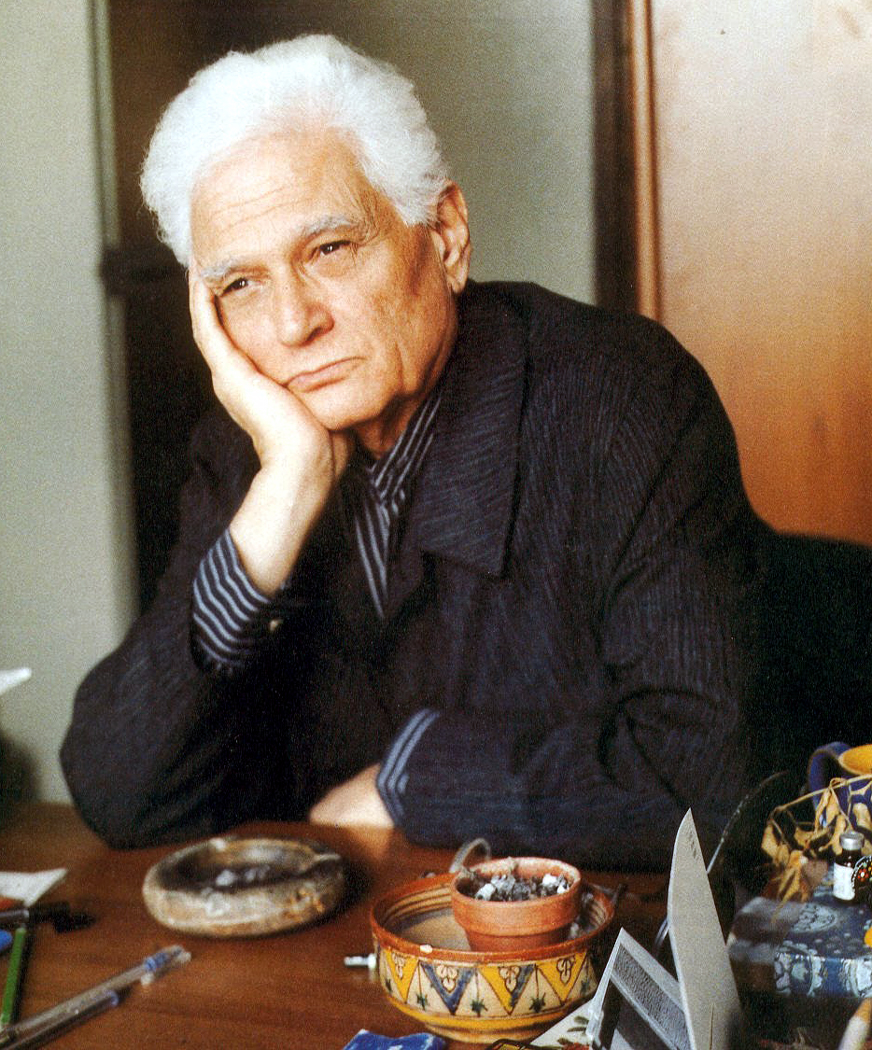
jacques derrida

The academic asks whether the art promotes his particular hobby horse, whether it is Marxism, Feminism or Post-structuralism. The politician looks to issues of biblical morality or economic theory or national pride. The critic, too, has his narrows and straits.

They all have ideals — or limitations — they ask the art to live up to and tend to filter out divergent opinions and make moral judgments, not merely aesthetic ones, against those who failed to live up to their standards.

They ran the gamut from the most enlightened connoisseurship to the most craven bigotry.

But each came to a final and immovable resting place, so to speak. They came to a certainty from a certainty. Not much of a voyage.Epimetheus opening Pandora's Box

Curiosity is the libido of art and it is always searching and always finding new pleasures, deeper enlightenment. It begins not with certainty and knowledge, but with openness and ignorance.

There is this one simple truth that we cannot escape: What you know prevents learning. It is only when we give up believing in our knowingness that we can grow. There is nothing so stunted as theory; it is the brain wearing a whalebone corset.

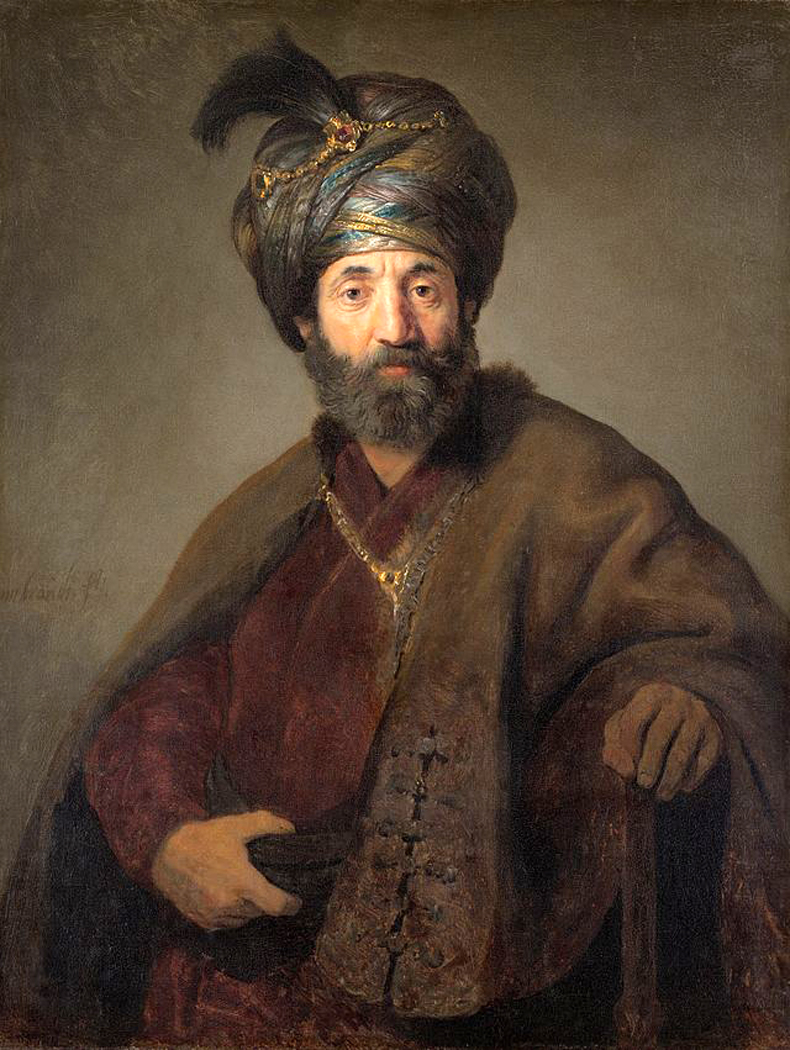
And curiosity is where all the greatest artists have begun. It is also where any art lover needs to start: Judgment is for the censorious; art aims for the unprogrammed curiosity.rembrandt

Obviously, I have stacked the deck in curiosity’s favor, but that is only as it should be.

The greatest artists have always been open to the world. Rembrandt had his Orientalism, Hokusai his Occidentalism. Leonardo had the most promiscuous curiosity in the history of our culture.

For me, these are the heroes of art.

And I think of them every time the issue of multiculturalism comes up. The concept seems simple and desirable to me, but it is a bugaboo for those who have wished to see culture ossified at a certain time and place, usually late 19th century and Europe.sesshu

I am not one to knock European art. I fall in rapture over Beethoven’s late quartets, Rembrandt’s self-portraits, Goethe’s Faust. But I also hunger to know as much as I can about the music of India, China, South America, Africa. I want to hear Ali Akhbar Khan on sarod, the clang of a Javanese gamelan. I want to see sumi paintings of Sesshu, the stonework of Macchu Picchu.

Shakespeare is a prodigy, but I also want to see Noh plays, Shakuntala and Chinese opera.

They all have something for me to experience and something to teach me.

picassoAnd they have something to teach the finest artists working today, a fact the finest artists are fully aware of. All the best artists borrow and steal from elsewhere, whether it’s Papa Haydn borrowing Alsatian folksongs or Pablo Picasso ripping off African masks.

But there are critics who decry Philip Glass for the Hindu in his minimalism or the Asiatic spectacle of Robert Wilson’s stagings.

But these are the people who are revivifying our high culture, just as Paul Simon and David Byrne, musical thieving magpies, are doing for our popular culture.

gauguinAnd artists have always been awake to these cultural borrowings, as Gauguin borrowed from the South Seas, Bartok borrowed from Hungarian folk music, as Shakespeare borrowed from anything he thought would be useful.

Everything, from top to bottom, is grist for fine art.

I know there is a politically correct aspect of multiculturalism that is ignorance incarnate: the enforced belief that anything from another culture is wonderful and we shouldn’t say anything bad about it. But that is a political consideration, not an aesthetic one.

I’m all for saying bad things about bad art, wherever it comes from, but let’s see and hear it first. Hold judgment in abeyance and just soak it all in.

There is not a culture anywhere on this planet that has nothing to teach us. We should never be so smug.

The critics and connoisseurs are concerned about being right. But much more important is maintaining a lively mind. What is correct and proper in any age is very likely to change over time. Such are not the “eternal verities” that their proponents like to think they are; they are mere fashion.

But a lively mind, whether it is in Third Century China, 18th Century France or 21st Century Brazil, will always be the medium of exchange for thinking, feeling people.

Remember when tomatoes were considered poison? If the reactionaries had had their way, we would not now have pizza. I rest my case.

Orangerie, up close, 2006

You wander through one of a city’s great art museums and watch the people. They spend an average of maybe 15 seconds in front of any painting that catches their attention before moving on.

Or more likely, they spend another 15 seconds reading the label on the wall. And if the label contains a legend explaining who the artist was or what the painting is about, they may very well spend more time with the label than with the art on the wall. It’s disheartening to watch.

One of the problems is that we are a verbal, not a visual culture. I know the common wisdom is currently that we are a visual people, but it simply isn’t true: Even those things we think of as symptomatic of being visual are things we “read” for information rather than see: like the stick figure man or woman that lets us know which restroom is appropriate.

But even more than that, it is that we are a problem-solving people. America’s national mythology describes us as doers and go-getters. We simply don’t believe in wasting our time. We’re too busy. Our heads are too crowded.

There are all those yapping voices, all those different aspects of our personalities, all clamoring for attention.

”Mmm, doughnuts!”

”Don’t forget the dentist appointment.”

”Do these socks go with this tie?”

”Is the ozone hole getting bigger?”

”Mmm, doughnuts!”

So, it’s hard to appreciate art these days.

And it’s no wonder that a management class steps forward to create some order.Orangerie, the critics, 2006

Each of us has it: The executive in our heads that tries to get through life quickly and efficiently, cutting through the baloney and making the decisions for everyone else in there.

It’s a necessity in an information top-heavy age with bumper-to-bumper traffic on the freeways.

Unfortunately, this tendency to empty the ”in box” and get on to the next problem runs completely counter to what art is about. To see art, or read poetry, or listen to chamber music, we have to kidnap, blindfold and gag the executive in our brains and give ourselves over to a different kind of experience.

And ”experience” is the operative word, for the primary function of art is to provide an aesthetic experience.

That executive in our cranium is used to dealing with information, not experience. There is life on one hand, and there are words and symbols about life on the other. Most of what life requires of us in the late 20th century deals with words and symbols: filling out forms, scanning in our Visa numbers, looking down the stock listings in the Business section of the newspaper. We are drowned in words.

But at least we are used to them. Experience is scary: sensuous, messy, confused.

So how do you deal with art? How do you prepare yourself to appreciate it, enjoy it, and grow from the experience of being exposed to it?

First of all, you have to slow down. Your interior life moves slowly, implacably. It is only your cerebral cortex that buzzes with frenetic energy. The deeper, more meaningful emotions, the underlying rhythm of life is more measured: a pedal note under the jangling fugue subject above.

Art requires that you work on this slower time scale. It doesn’t give itself up, like the punch line on a New Yorker cartoon; it slowly releases its value to those who can wait.

You have to spend time with a painting or statue. The Manager wants to look at a painting and say, ”Yes, I know that: It’s a Renoir. File it under ’19th Century, Impressionism, French.’ ” And then move on to the next: ”17th Century, Dutch, Genre: Rembrandt.”

It is as if knowing the name of the painting is the same thing as knowing the painting.Orangerie gawkers, 2006

But if you look at a single painting for, say, an hour, you will learn things about it. You will be forced to discover all the richness that the artist took the time to put there.

What colors has the artist used? What shapes? Is it dark or is it light? What is the subject? Can you make sense of it? If not, is the ambiguity important? Is the paint thickly applied, or flat and textureless? How does that help the painting convey what it has to give you?

You swish it around in your mouth like a good wine, looking for the complexities of taste and aftertaste.

How does the painting make you feel? Is it an emotion you’ve felt before? If not, is it related to one you’ve felt? If it’s completely new, how do you feel about that?

The art slowly unfurls, like a rose opening from a bud. The attention you pay will pay you back.

In the next installment, we’ll take a look at just one painting and see how this approach might pay off.

warhol

Andy Warhol was a sphinx. His public pronouncements were often so bland as to be dumbfounding. Yet he is one of the most influential artists of the second half of the 20th century.

Because his public persona was so passive, we cast our ideas upon his blank slate: There are as many Warhols as there are viewers of his work.

To some, he was the great democratizer; his prints were — originally — affordable to all. To some, the great charlatan; he admitted his favorite thing was money.

To others, he was the harbinger of celebrity culture while to still more, he was a mocker of celebrity.

He either knocked off commercial imagery, or he allowed us to see that imagery for the first time as art. marilyn

Was he ironic or sincere?

We each have our own Warhol.

My Warhol is the best artist of the past 50 years, not only influential but unlike some other influential artists such as Joseph Beuys, Warhol also provides us with beauty. Like Picasso or Matisse, his work isn’t just about theory, but about pleasure.

The academicians and theorists point out that Warhol’s art is about repetition and multiple versions of the same thing: a dozen Maos or Marilyns. And although that is tangentially true, what is truly astounding in Warhol’s work is the variation. Each repetition is brand new. The artist’s inventiveness is magical. 1972 mao 1

You can look at a dozen Maos and see repetition, or you can see a dozen variations on a theme, ranging from Mao in blackface to Mao in green, each version with its own particular scribbles. Not repeated, but varied. jagger

1964 soup canThen, there’s the Mick Jagger series from 1975, in which the images are partly photographs, partly abstract shapes and partly line drawings — and make no mistake, Warhol’s line was as distinct and fluent as Picasso’s.

There are Campbell’s soup cans here, too. Warhol made his reputation with these.

It is the job of artists to direct our attention to what is going on around us, whether that is the grand landscape of 19th-century America or the commercial landscape of Pop Art. In this sense, Warhol is no different from Thomas Moran.

Once we’ve seen Warhol’s soup cans, we cannot be blind to the originals in the store: Instead of their disappearing into the background noise of our lives, we pay attention.

Paying attention is the sine qua non of art. car wreck five deaths

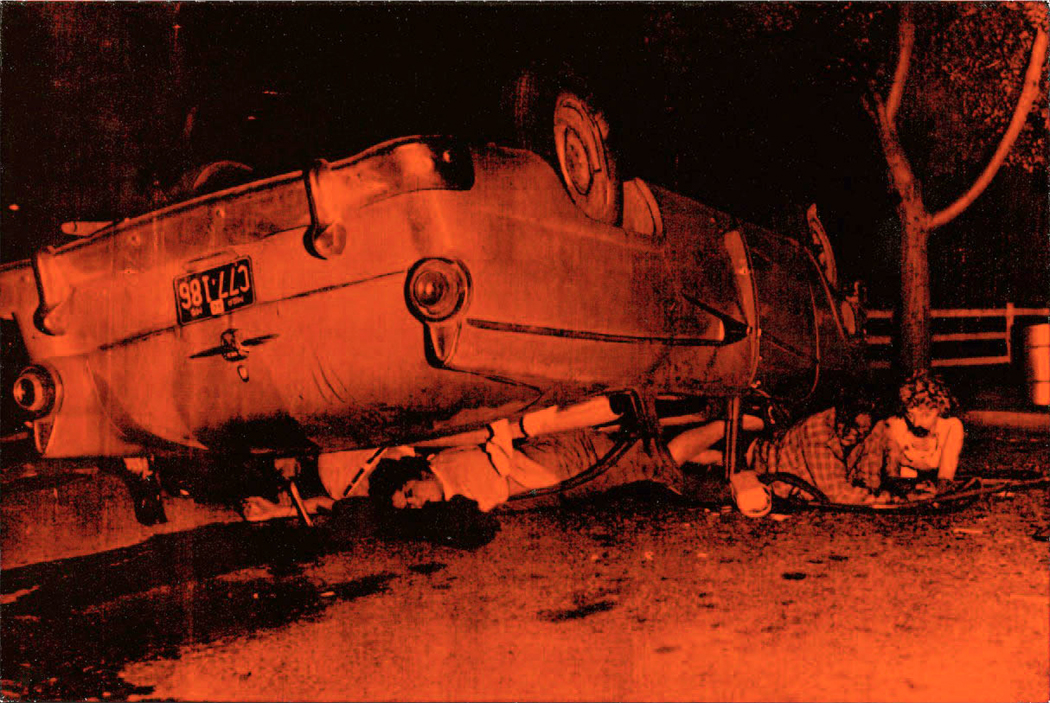
And though we think of Warhol as being the abettor of celebrity (and at his crassest, he provides “Warhol” portraits of anyone rich enough to commission one), the celebrities he chose for his uncommissioned work tended to be those with the aura of tragedy about them, like Marilyn Monroe. His early work often included car wrecks or disasters from the news. One of the sets is about the Kennedy assassination. geronimo

Warhol is more committed to the real world than he often is given credit for: Even the seemingly simple Pop images of cowboys and Indians remind us of the tragedy of Native America. There is Geronimo; there is John Wayne.

Or the series of “Jews in the 20th Century,” which may show us the Marx Brothers and George Gershwin as well as Martin Buber and Albert Einstein, but behind them all is our awareness of the tragedy of Jews in the century past.

As Percy Shelley said, “Our sincerest laughter with some pain is fraught.”

Warhol the celebrity was a bright blot, a blank face of banal utterance, but it was a mask he was forced into in order not to have to trivialize his work by talking about it. His famously obtuse interviews were a defense mechanism: When you have torn the veil, as Warhol had, how can you come back to this side?

Andy preferred to let his work speak for itself, and that is why everyone can have his own Warhol.

plums 2

I spent a quarter of a century being an art critic, but try as I will, I just cannot read art criticism. 

Although there are a few bright exceptions, art critics write in a prose that can clog drains. And too often, their only purpose is to fix the national borders of an art with a jargonish ”ism.” As if there were no difference between a dog and its name. 

The problem, of course, is that the critics (and art historians — let’s not forget the aiders and abettors) see the art they write about as information, as knowledge to be learned. But art isn’t something you learn about, it is something you experience. 

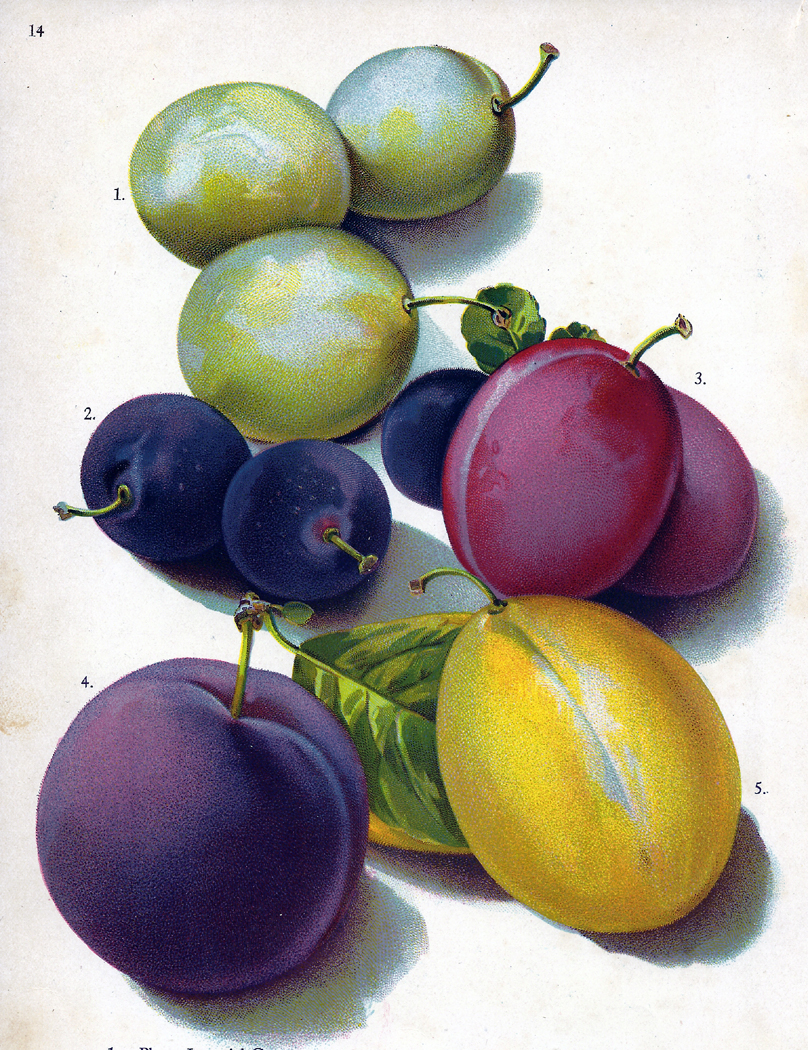
A plum tree has a scientific name — Prunus domestica — but the name tells you nothing about the blossom. It can tell the botanist a few things: how many petals there are, and how many stamens. It is useful for scientists who write scientific papers on arcane aspects of horticulture, but for the rest of us, ”Prunus” is a poor substitute for the smell, color and form of the flower. 

Let me try your patience with one of my favorite examples of art palaver. It is from a very good, very well-known sculptor, whom I don’t want to embarrass by naming. 

”Sculpture deals with basic forms. All basic forms exist as volumes. Volumes penetrate each other and in this way are no longer single formations. Through penetration, space is created in its entirety. Every portion of space results from it. Basic forms are positive space volumes; negative space is created through the opposition of these positive space volumes. Positive space is life-fulfilled; negative space is force-impelled. Both exist simultaneously, both conceivable with each other. It is only the simultaneous existence of positive and negative space that creates the plastic unity.” 

You can stuff mattresses with prose like that. 

I can begin to fathom what he is trying to say: more or less, that the subject matter of art cannot be separated from its background — a basic Design I concept. But I can only conjecture about the ”life-fulfilled, force-impelled” jargon. It is a paragraph that sounds about 23 times more important than it is. 

And as such, it is a version of bureaucratic English. Language that is meant to impress without saying anything. Certainly without conveying the experience of the art. mu qi six persimmons

And prose like that scares many people away from art. If they can’t understand what is written about art, how can they ever understand the art itself? To many people, the world of art might as well be populated by Martians. 

Yet it is not the art that is Martian, only the prose. 

One of the glories of art is that it is available to everyone willing to put in the time and effort. Specialists may know more about a piece, its provenance or historical context, but a rank beginner can experience the color and form with the same appreciation as a critic — or even greater. 

That doesn’t mean that everyone’s opinion is equally valid. You have to be willing to work at experiencing a piece of art. It does not give up its depth and meaning quickly. You have to be open to seeing and feeling things you may not have felt before, and may not feel comfortable with. 

Art requires not knowledge but openness. Knowledge will come of its own accord, as the deeper you experience a work, the more you want to know about it. 

But would you rather read Krafft-Ebing or have sex? 

Nothing can substitute for the experience.