Archive

Tag Archives: bartok

I once made a list of my Top Ten Films and the list had 40 movies on it. What is more, if I had made the list a year before, or a year later, the 40 movies might have been quite different. One cannot really pick a permanent set. 

So, when Classics Today executive editor David Hurwitz published his list of “12 Operas I Cannot Live Without,” and challenged his audience to come up with their own lists, the same problem popped up. “You mean the dozen I cannot live without today?”

While I love opera, like Hurwitz, I have to admit I am not an opera nut. That’s a different breed. Opera does seem to attract the crazies — the ones who swear by a 1948 barely audible recording, made over a telephone line, of Maria Callas singing La Sonnambula — in the unauthorized 1848 edition only performed once, in Belfast, Ireland in 1873. You know, the one with the interpolated aria in Act 2. Yes, crazy like that. 

I have been listening to classical music for more than 60 years, and am a classical music generalist: I love it all, from pianists to chamber music to symphonic and vocal music — and, of course, opera. But opera has no special place for me. Opera people care who the tenor is; I am more interested in the composer, which means I’m not included in the opera inner circle. 

So, my list is not made up of the usual names: Verdi, Bellini, Puccini, and doesn’t automatically include the ABCs of opera popularity — Aida, Boheme, Carmen. It’s not that I dislike them, but I have seen them enough times that I don’t need to experience them yet again. They will always sell enough tickets, even without my attendance. 

These are the works that I choose when I want to hear opera, to enjoy the music in them and the emotions they arouse. I could list more than 12, but Hurwitz’s assignment limits the number — although I might cheat a bit.
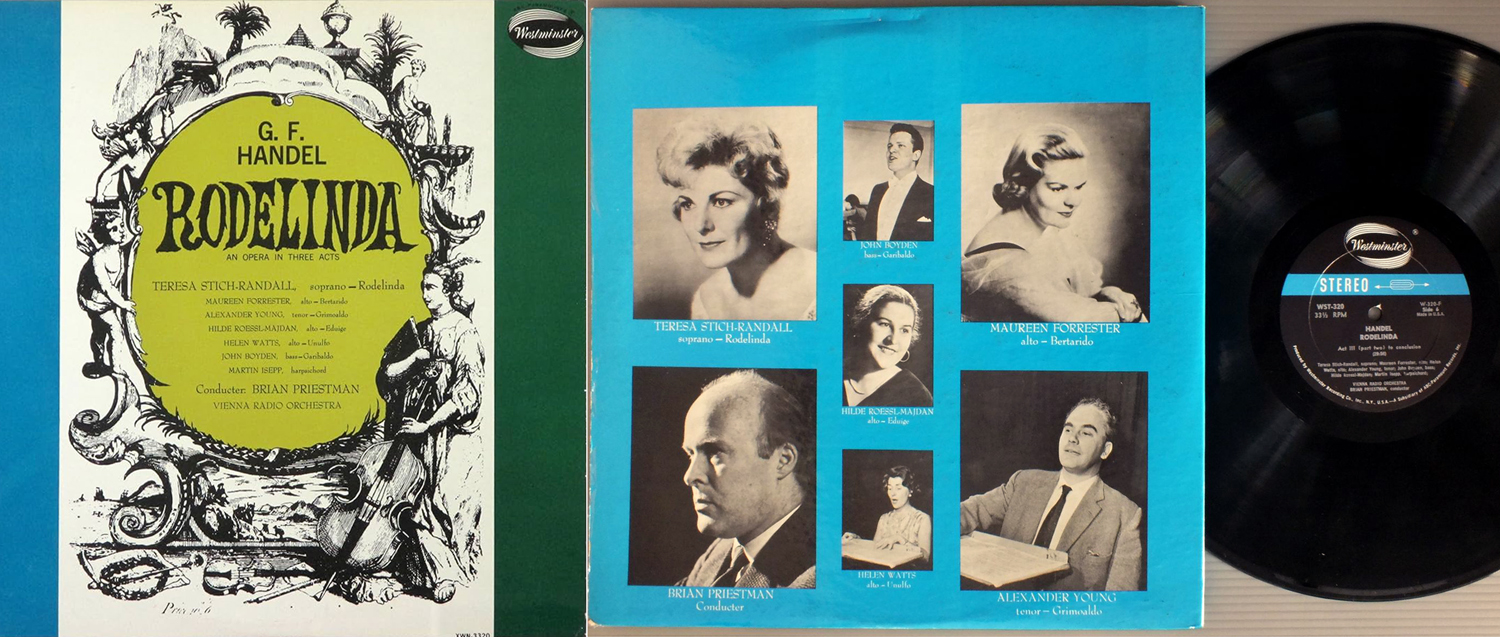
1. Handel: Rodelinda

The first opera I ever attended was in 1966 when the Handel Society of New York staged Rodelinda at Carnegie Hall with Teresa Stich-Randall and Maureen Forrester with a pick-up pit orchestra conducted by Brian Priestman. I couldn’t stop humming the tunes. 

Years later, I found a three-disk LP album of the opera in a smooshed-up box in a thrift store. I don’t remember who performed it, probably some Eastern Europe company on a back-water label no one’s ever heard of. I played it over and over. The familiar melodies were comforting.

The same year I saw Rodelinda, the same group also performed Xerxes and I saw that, too. Since, I have seen Giulio Cesare live and a truly brilliant staging of Semele by the Arizona Opera Company, but it is Rodelinda that sticks.
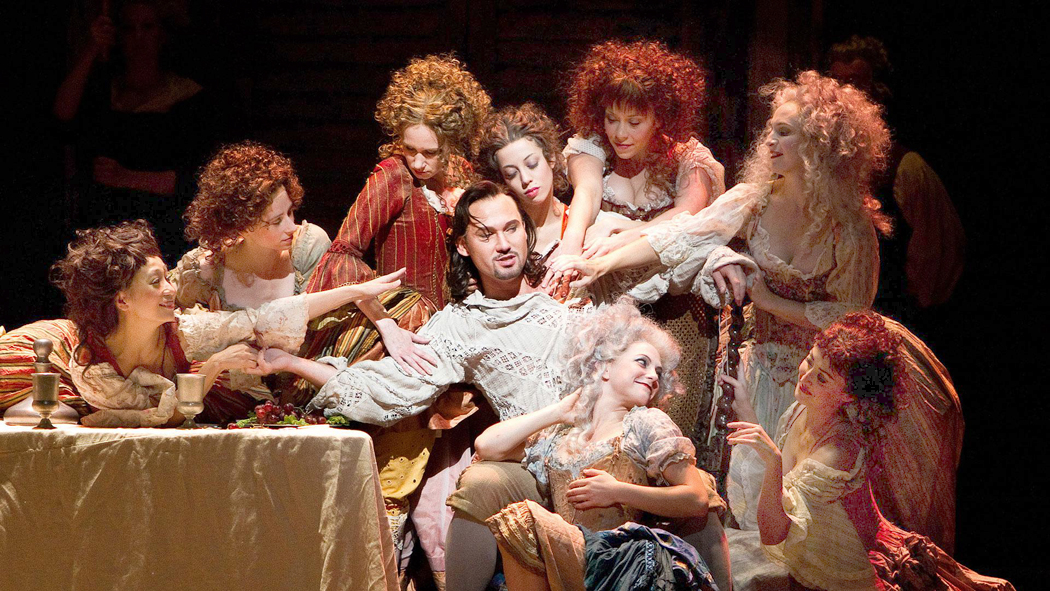
2. Mozart: Don Giovanni

The opera I have seen most, and that I love as music as well as theater, is Don Giovanni. I’ve seen it more often than any other live opera (except the infinite Bohemes and Carmens I saw through duty as my newspaper’s opera critic). 

Most operas, even the really good ones, can not be defended on the basis of their plots, which are, at best, nonsensical and goofy. But Don Giovanni has a story with action, believable characterizations, and psychological subtlety. To say nothing of some really great tunes. 

And it is a truly revolutionary work, written at a revolutionary moment in history. I love when the partygoers at the end of the first act just kind of stop everything and belt out the words, “Viva la Libertad!” And also that, at the end, the Don has the courage to refuse to repent. He may be the villain of the piece, but he is also the hero. 

I’ve owned a half-dozen versions of the piece on LP and now CD, but my go-to performance is the oddly cinematic, opened-up film staging with Cesare Siepi as the Don, and conducted by Wilhelm Furtwängler, available on DVD. 
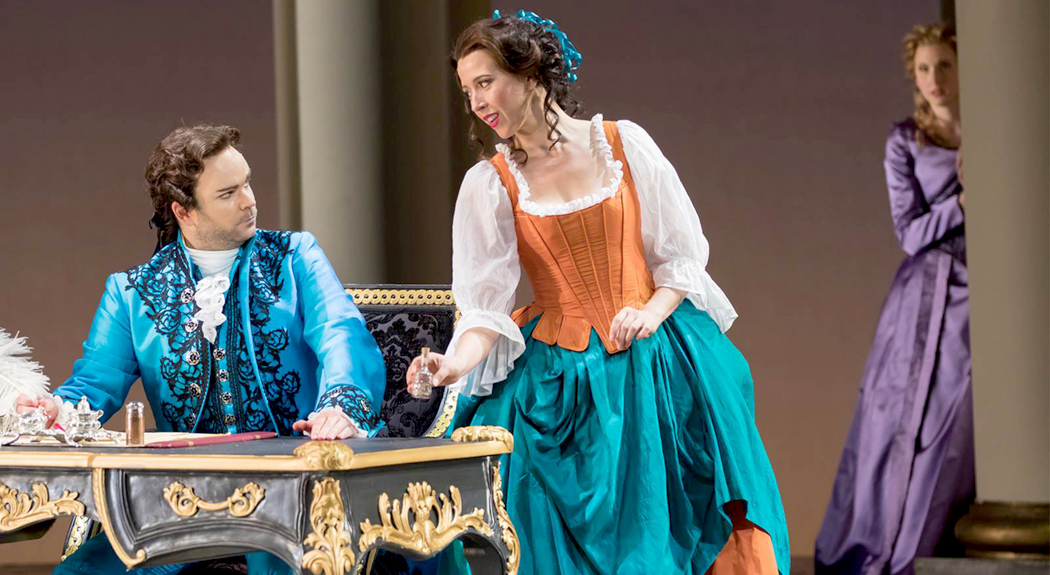
3. Mozart: Nozze di Figaro

On his list, Hurwitz permits only one opera per composer, but I can’t do that, because the three operas I love most, and can listen to over and over, are all by Mozart. Years ago, I wrote about what I was calling the “perfect” operas — that is, those with no longueurs, boring parts, added and unnecessary show-off arias to highlight the tenor or soprano. These are operas with plots that are defensible, if not great, pacing that doesn’t drag, and some level of human reality in them. 

By any of those standards La Nozze di Figaro tops the list. These are all real people doing real people things, hurting like real people, loving like real people, and most importantly, forgiving like real people. And, all the the perfectly psychologically apt music of Mozart. If I were to choose the best opera ever written, this would be it.
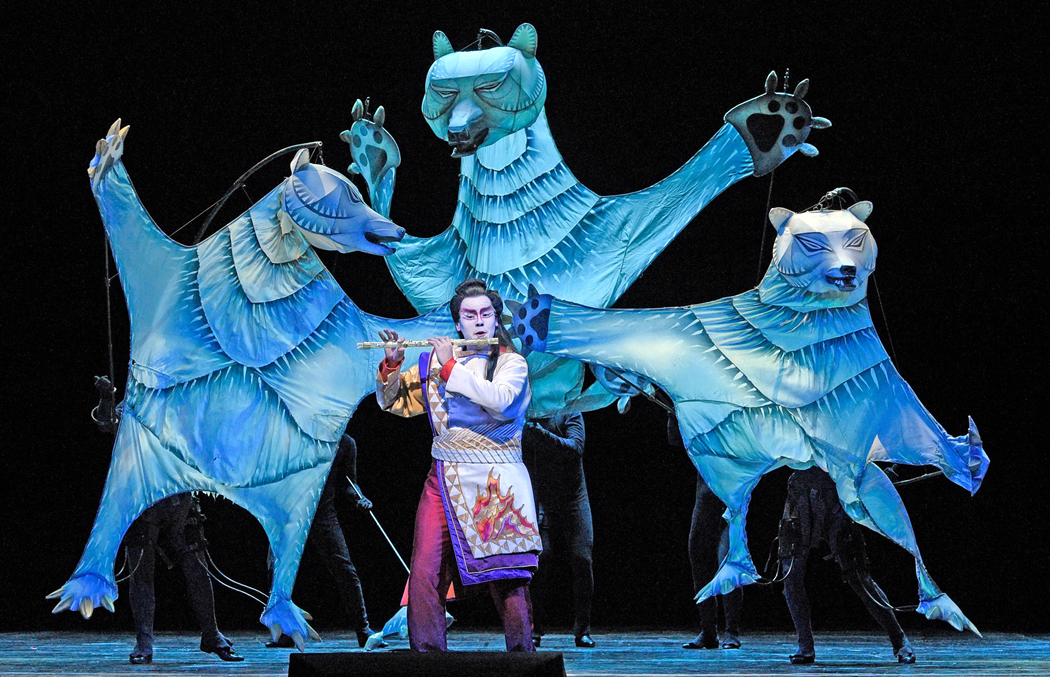
4. Mozart: Zauberflöte

Talk of silly plots: Just about the worst story in opera is found in one of the most popular works. Everything about the story in The Magic Flute is preposterous. But the music is so infectious, you give up and don’t care.

Especially if you get to see the staging by Julie Taymor with its giant bunraku puppets. It is stage magic along with great music. It is a slightly abridged version and sung in English, but it is so good, and so much fun, you really have to watch it. 

Or there’s Ingmar Bergman’s film version, sung in Swedish, which captures all the fairy-tale flavor of the thing. But really, there are dozens of recorded versions, both on CD for listening and DVD or Blu-Ray for watching. 

5. Berlioz: Le Damnation de Faust

I hadn’t ever thought of it as an opera, but I saw the Metropolitan Opera staging of it in 2009 and was persuaded: It works really well in that Postmodern presentation. Actually thrilling. 

As with so much of Berlioz, its reach much exceeds its grasp. Since the composer couldn’t include everything from even Part 1 of Goethe’s Faust, he chose to pick episodes to put to music, making a rather choppy story. Still, the music can be overwhelming when performed with the right belief and energy.  
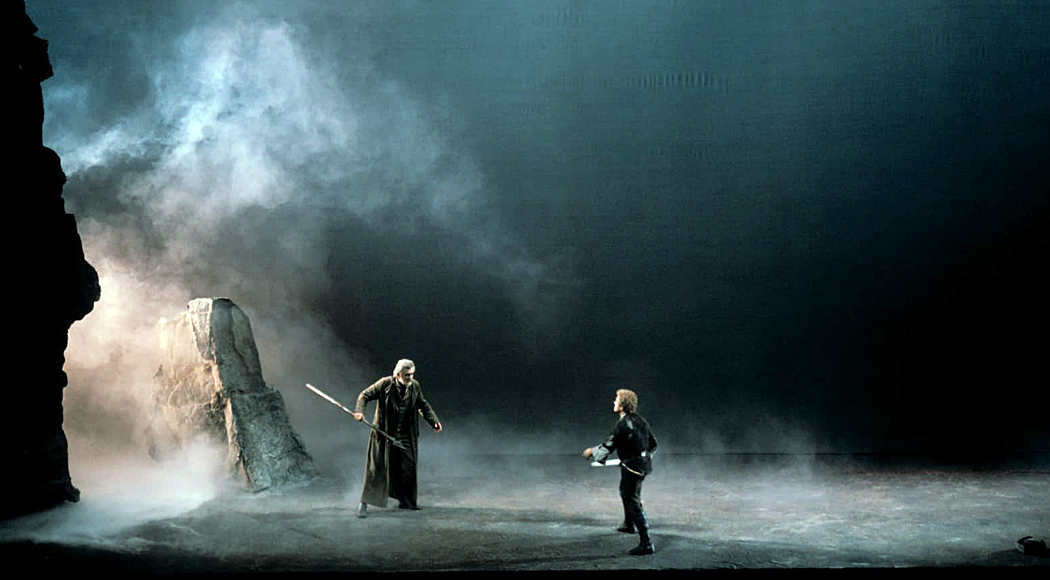
6. Wagner: Der Ring des Nibelungen

I’ve attended two live Ring cycles, which were quite magnificent (although I am humbled by the fact my dear friend, the late Dimitri Drobatschewsky went to Bayreuth 16 times). But I have to admit this four-opera trilogy (yes, that’s an oxymoron) is best heard on recordings. Not so much because with the great voices of the past, the singing is better (although that is true), but because the action in these “music dramas” is so mythic, and so German Romantic, that no scenery or stage machinery can adequately portray the Rhine maidens singing underwater, the valkyries riding their horses in the air, the gods crossing a rainbow bridge, or the Rhine river overflowing its banks to quench the fire that has set alight the entire world and ended the reign of the gods. Watching it onstage can seem a little tawdry. 

But listening to the recording with your eyes closed and imagining the rocky crags, the dark forests, the ring of fire on the mountain top, is so much more convincing as theater of the mind. I say with eyes closed, but you really also need to read the libretto as you listen. Or not libretto — that sounds too much like opera — Wagner doesn’t have a libretto; he has a text. 

I have five Ring cycles on CD (Barenboim, Böhm, Furtwängler, Janowski and Solti) and another two on DVD (Boulez and Levine). Is that a little nuts? I suppose. The one I listen too over and over is Solti, which was specifically designed to be played on speakers, with various sound effects added to it by producer John Culshaw. 

And yes, I’m counting all 15 hours of the Ring as a single entry. 

7. Offenbach: Les Contes d’Hoffmann

If the Ring is too serious, The Tales of Hoffmann counters with frivolity. I love this mini-trilogy (in four parts), especially when all three heroines are sung by the same soprano. 

It has some of the chunky episodic feeling of the Berlioz, (compare the Chanson de Kleinzach tavern song here with Mephistopheles’ Song of the Flea in Damnation. Both completely extrinsic to the story, but a chance for the composers to interpolate a great bit of ditty. 

The opera is a bit of a mess, as Offenbach never settled on a final version. But any version is a delight.
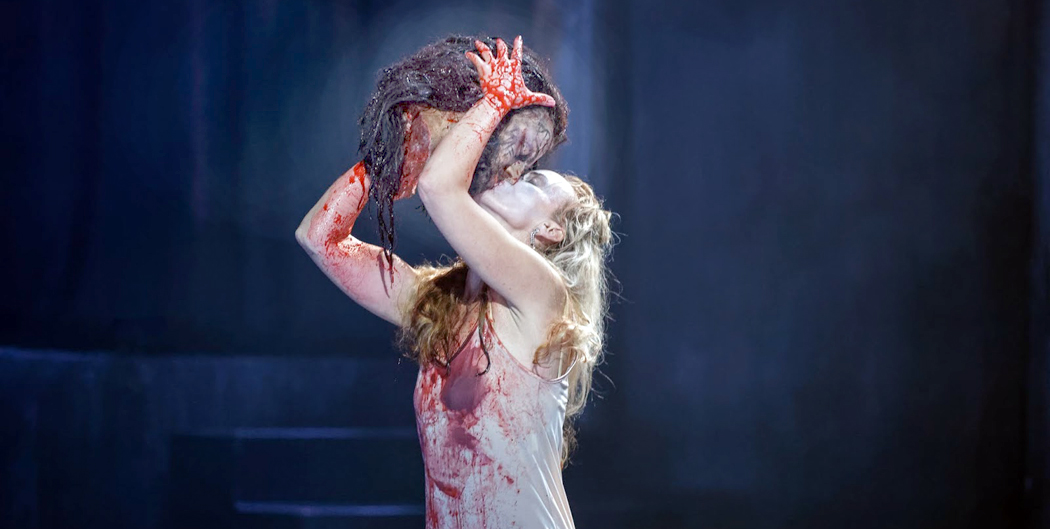
8. Strauss: Salome

I’ve seen several versions of Richard Strauss’ first opera, and it always seems to work on stage. It’s a short one, in a single act and tells of King Herod, his wife and daughter — Salome — and the prisoner John the Baptist, who Salome has a “thing” for. The prophet rejects her advances and she dances a striptease and has her daddy behead the prophet, whereupon she kisses the severed head. Grand Guignol, for sure, but great music and a surefire staging. 

If the Ring fares best on recording, this opera needs to be seen live (or at least on DVD). It is as much theater as music. 
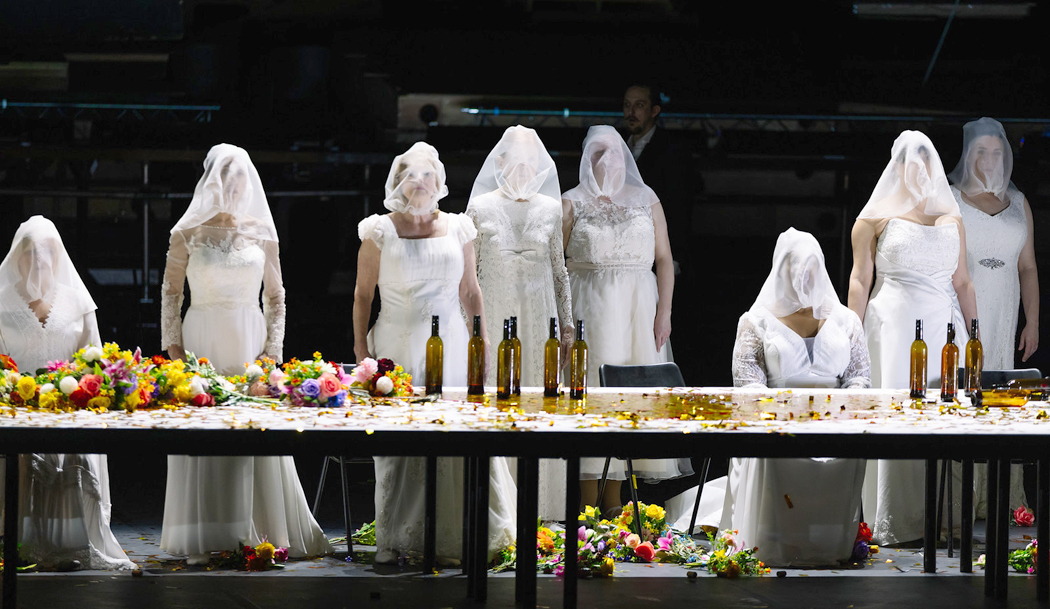
9. Bartok: Bluebeard’s Castle

Another short, one-act work of psycho-sexual complexity, Bela Bartok’s early work, which seems to take place entirely in the nation of Allegory, tells the story of Duke Bluebeard and his new wife, who can’t seem to let alone the secrets of her husband’s previous marriages. She forces the secrets out and winds up prisoned with all of them. All very Freudian.

Those secrets are hidden behind doors, and as she opens each door, she finds a world of shimmering music and deadly horrors. There are only two singers/actors in this story, one who wants to uncover the past, and the other who begs her to let them lie. But it is the impressionistic score that makes this work so irresistible.
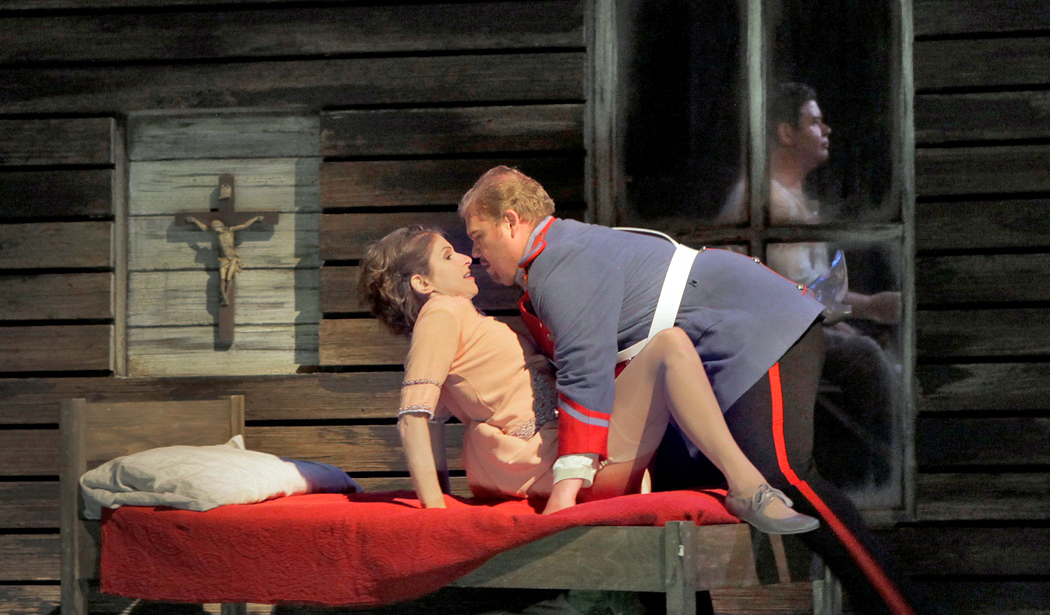
10. Berg: Wozzeck

There is a second “perfect” opera, after The Marriage of Figaro, one with no unnecessary bits, and everything leading to a single inescapable and shattering climax. It is written in a sort of atonal, 12-tone style (purely Berg’s own version) and is both musically inevitable, and emotionally devastating. Too many people avoid this work, fearing the music will be too dissonant, but every note serves a purpose, and even those fearing to enter the opera house will likely leave knowing they have experienced a work of utter genius. 

I claim Wozzeck as my favorite opera of all. There are many versions on disc. This is another one, like Salome, where it is so well designed for performance that almost any version will do, and it’s amazing how many versions there are on Amazon. A serial opera that is actually popular!

11. Adams: Nixon in China

Initially, I thought this piece by John Adams was a gimmick, but I saw it performed in concert by the Phoenix Symphony under Michael Christie and it blew me away. As no other contemporary work for the opera stage, this has joined the repertoire. (Did anyone else notice how the showstopping aria, “I am the wife of Mao Tse Tung” is a gloss on the“Tuba Mirum” section of Mozart’s Requiem?)  

No other figure in recent American history figures as so deeply mythic as Richard Nixon — a version of Nixon he seems to have bought into himself (check out the opening line of his autobiography: “I was born in the house my father built.” Can’t get much more Jungian.)

12. Golijov: Ainadamar

Christie also brought Dawn Upshaw to Phoenix to perform Osvaldo Golijov’s Postmodern take on the death of Spanish poet Garcia Lorca. With its mix of musical styles and bouncy, infectious score, it tells of the Spanish actress Margarita Xirgu, who recounts the life and execution of her friend Lorca. 

Like all great tragedies, it is both depressing at emotionally exhilarating at the same time. To say nothing of it now being an uncomfortably historical warning about fascist governments. 

There seems to be only a single recording of the opera, but with Upshaw in the lead role. The opera led me to seek out other music by Golijov, and I have loved all of it. 
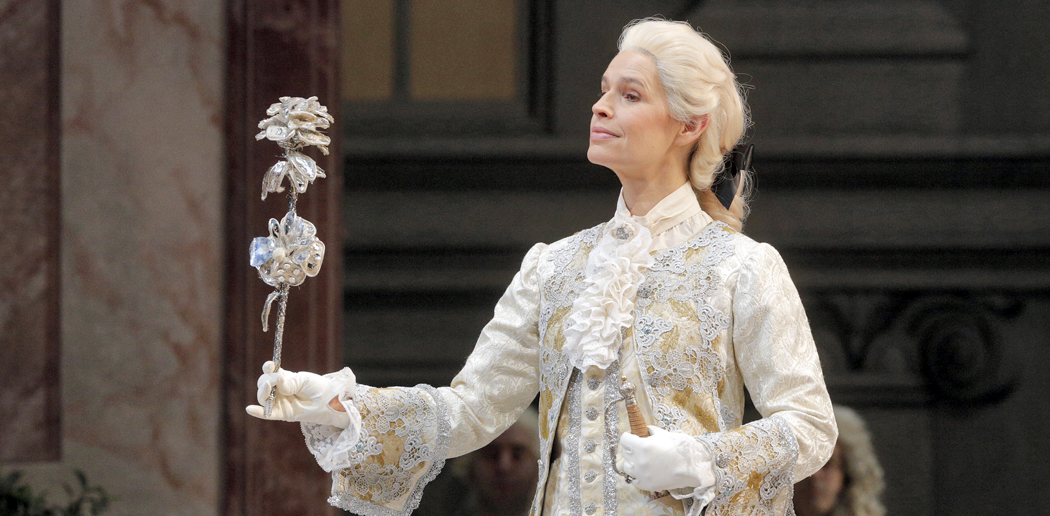
Postlude

You may wonder, where is Verdi? Rossini? Puccini? Are they not worthy? Of course they are, and I love them, too. And how can I have omitted Rosenkavalier, which I love to pieces? There is so much more that could have been included, from Monteverdi’s Orfeo to Weill’s Dreigroschenoper

But this is a list of operas I can’t live without, the ones closest to my heart. The one’s that will make me actually buy tickets. Your list will be different, but if my selection prompts you to try something new, so much the better. 

And, finally, seeing opera (with one exception, noted above) is always better than just hearing it. Live is best of all, but DVDs will do in a pinch, and many movie theaters present showings of operas live on their screens, most famously the Metropolitan Opera. Check with your local theaters to see where such performances might be scheduled.  

Until relatively recently, 20th century concert music was a tough sell. It had the reputation of being dissonant, noisy, difficult, and unpleasant. It was a century that began with Arnold Schoenberg dispensing with harmony and Igor Stravinsky upending rhythm, followed by a World War that knocked the complaisance out of any rational being and told us that the coming century was going to be anything but calm and easy. 

A number of composers felt that music needed to reflect the mood of the angst-ridden age. 

But even Schoenberg admitted “There is still plenty of music left to be written in C-major.” He didn’t believe his 12-tone revolution would destroy all tunes to come, but was simply a logical conclusion to music history from Bach through Wagner, from tonality through chromaticism to atonality. And we shouldn’t blame poor Arnold for all the dreary ruckus that followed: His own music is quite emotional and beautiful, even if it often requires some serious commitment from his listeners. 

He was right about one thing certainly: There was plenty of music written in C-major, throughout the century. And F-major and D-minor. In fact, most of the music written in that century was based on familiar scales, albeit with plenty of playing around and trying new ways to use them. 

 It’s just that the music-industrial complex, so to speak, was hijacked around mid-century by a clutch of academically-minded composers — the “Darmstadt Mafia” — insisting that serialism was the only music to take seriously, and that the more unlistenable it was, the greater it must therefore be. (Some of these composers did write interesting music in that style — it wasn’t a complete loss — but they looked down their noses at anything that might stink of a tune.) 

And so, contemporary music turned its back on the concert audiences and those composers wrote only for other composers of their ilk, and audiences shrunk from any concert program that insisted they listen to the stuff. Modern music acquired a very bad reputation. 

But I find that after 60 years of concert-going and music absorption, I listen to 20th century music more than that of any other era. It is music that speaks directly to me. Oh, I listen to bunches of Haydn, Mozart, Beethoven, Brahms and Tchaikovsky, but the plurality of my music listening edges to the century in which I grew up. 

So, I wanted to create a list of representative compositions from the century in question and present them as a course in great music that anyone can listen to and enjoy. 

I went through my collection of thousands of CDs and chose 30 pieces to offer. I listened to each one, in order, to refresh my memory — and to flat out enjoy them all over again. 

The roughly chronological list begins with a surprising entry. Most people think of Ives’ music (if they think of it at all) as noisy, crashing, impish tomfoolery. But Ives was a well-trained musician, with a degree from Yale University. His Symphony No. 2 is pretty tame, except for his borrowing of familiar popular tunes, and a raspberry at the end. 

Here is my list:

1900-1920

Charles Ives (1874-1954) — Symphony No. 2 (1902; premiered in 1951) (42 minutes long). Performance listened to: Eugene Ormandy, Philadelphia Orchestra, recorded 1973.

Ives studied under the respectable, if stuffy Yale professor Horatio Parker, and after graduating in 1898, began working on his second symphony (the first was his senior thesis composition for Parker) and included bits from Camptown Races, Turkey in the Straw and Columbia the Gem of the Ocean run through a kitchen blender. He finished Symphony No. 2 in 1902, although, with Ives, he was never completely finished and continued tinkering until his death in 1952. The symphony wasn’t premiered until Leonard Bernstein and the New York Philharmonic played it in a radio performance in 1951. The house-bound but still cantankerous Ives heard it on his radio in Connecticut and his response was that he spit. 

I listened to Ormandy’s version from 1973. The recordings listed here are not my choices as “best” — although they are all good — but merely the ones I had to hand when I started this project. 

Frederick Delius (1862-1934) — On Hearing the First Cuckoo of Spring (1912) (7 minutes long). Performance: Thomas Beecham and Royal Philharmonic, recorded 1958.

Delius’ score instructs, “With easy flowing movement,” and the quiet, peaceful evocation of the countryside (presumably English) and its birdcalls, it is a calming balm for a tussled soul. Originally, it was one of Two Pieces for Small Orchestra, the other half being Summer Night on the River. Beecham championed the composer’s music and his performances of the music are definitive.

Manuel de Falla (1876-1946) — Nights in the Gardens of Spain (1916) (21 minutes long). Performance: Arthur Rubinstein, piano, Ormandy, Philadelphia Orch., recorded 1969.

Falla was an Andalusian composer and the quasi-Impressionist Nights in the Gardens of Spain functions as a kind of piano concerto, with three movements, each describing a different Andalusian garden. Rubinstein heard it first soon after its premiere in 1916 and performed it regularly after that.   

Serge Prokofiev (1891-1953) — Classical Symphony (1918) (13 minutes long) Performance: Ormandy, Philadelphia Orchestra, recorded 1961.

Prokofiev’s Symphony No. 1 is the Sara Lee of symphonies: No one doesn’t love it. It is a jaunty, energetic gloss on the Classical-era symphonies of Haydn, seen through the “wrong-note Romanticism” of the composer’s style.  

Gustav Holst (1874-1934) — The Planets (1918) (50 minutes long)

 Performance: Ormandy, Philadelphia, recorded 1975.

Marketed as “space-age music,” the intent of Holst’s seven-movement suite is astrological, not astronomical, and each movement is a musical description of a psychological type. It has become enormously popular, and it has been recorded more than 80 times, first in 1926 with the composer conducting.  

Igor Stravinsky (1882-1971) — Pulcinella (1920) (39 minutes long) Performance: Claudio Abbado, London Symphony Orchestra, recorded 1979.

Stravinsky took some old compositions by 18th century composers and reworked them into bright, colorful Stravinskian cogs in what Leonard Bernstein once called “Uncle Igor’s Asymmetry Machine,” giving them new life as a ballet score, complete with voices. 

1920s

Ralph Vaughan Williams (1872-1958) — The Lark Ascending (1921) (16 minutes long) Performance: Zina Schiff, violin, Dalia Atlas, Israel Philharmonic, recorded 1989.

Poet George Meredith wrote of the lark in his poem from 1881, “He rises and begins to round, He drops the silver chain of sound…” and Vaughan Williams gives us the violin and orchestra version, with the British pastoral, And whose primary intent seems to be the creation of simple beauty.

Darius Milhaud (1892-1974) — La Création du Monde (1923) (17 minutes long) Performance: Simon Rattle, London Sinfonietta, recorded 1986.

European composers began hearing jazz and they loved it. Milhaud even moved to Harlem for a while, to soak it all up. One of the best translations of jazz to the classical idiom is his Création du Monde, with its resonant  saxophone solo at the beginning. 

Arthur Honegger (1892-1955) — Pacific 231 (1923) (6 minutes long) Performance: Charles Dutoit, Bavarian Radio Symphony, recorded 1985.

A steam locomotive begins to move, gathers speed, churns along and comes slowly to a stop, in this propulsive tone poem to modernity. Trains have been a theme in 20th century music, from Duke Ellington’s Happy-Go-Lucky Local to Villa-Lobos’ Little Train of the Caipira. Chug-chug. 

Ottorino Respighi (1879-1936) — The Pines of Rome (1924) (20 minutes long) Performance: Ormandy, Philadelphia, recorded 1958.

There were no flying humpback whales in Respighi’s original score; blame Disney for that. But what you do get are rousing tunes and some spooky catacomb music, with a grand finish, the kind that gets you out of your chair cheering. 

Jean Sibelius (1865-1957) — Symphony No. 7 (1924) (22 minutes long) Performance: John Barbirolli, Halle Orchestra, recorded 1966.

Sibelius’ final symphony is also his shortest, being in one movement, but by some accounts his best. My old teacher said when he was young, he wanted to play the French horn, because it had all the great solos. But he wound up with the trombone, which “only plays supporting material,” he said. But in this symphony, the trombones get the big tune, the one you will most likely remember and hum after it’s over. 

George Gershwin (1898-1937) — Piano Concerto in F (1925) (32 minutes long) Performance: Andre Previn, piano and conductor, Pittsburgh Symphony, recorded 1998.

Who was Arnold Schoenberg’s favorite composer in America? His frequent tennis partner, George Gershwin, who was much more than a Tin-Pan Alley songster. At the time, there was a big rush to figure out how to incorporate jazz into concert music. Well, here’s how. 

Leos Janacek (1854-1928) — Sinfonietta (1926) (23 minutes long) Performance: Claudio Abbado, Berlin Philharmonic, recorded 1989

What grabs you at first are the 14 trumpets, four horns, trombones, tuba and euphoniums. But the rest of the music pops with chunks of memorable tunes, piled like crabs in a bucket, and the way Janacek uses musical “jump cuts” to go from one to the next. 

1930s

Howard Hanson (1896-1981) — Symphony No. 2 “Romantic” (1930) (29 minutes long) Performance: Gerard Schwarz, Seattle Symphony, recorded 1989.

All those American symphonies written in the 1930s and ’40s have been largely forgotten, despite their quality, but when Ridley Scott used Hanson’s music during the closing credits of his 1979 film Alien, it resurrected this “Romantic” symphony, which developed a second life. Scott did it without Hanson’s permission, which pissed off the composer, but Hanson never sued, probably because of the boost it gave his music with audiences. 

Maurice Ravel (1875-1937) — Piano Concerto in G (1932) (21 minutes long)

Performance: Samson François, piano, André Cluyten, Orchestre de la Société des Concerts du Conservatoire, recorded 1959.

The French were just as taken with jazz as Americans were, in the 1930s. Lots of composers attempted to weave the syncopations and blues notes into their work. Ravel did it twice, with each of his piano concertos. But this one has a slow movement of such hypnotic ethereal peaceful beauty that you feel in a trance, broken by the explosion of the finale. 

Alexander Glazunov (1865-1936) — Saxophone Concerto (1934) (14 minutes long) Performance: Marc Chisson, saxophone, José Serebrier, Russian National Orchestra, recorded 2010.

Glazunov was exiled to Paris when he wrote his own jazz-influenced concerto for alto saxophone, which is perhaps less jazzy than Russian, but is nevertheless probably the best concerto ever written for the instrument. 

Samuel Barber (1910-1981) — Adagio for Strings (1936) (8 minutes long) Performance: Ormandy, Philadelphia, recorded 1957.

Canadian filmmaker Guy Maddin made a movie in 2003 titled The Saddest Music in the World, about a contest to find such music. Well, he needn’t have worried: Hands down, the winner (ignored by the film) is Sam Barber’s orchestral transcription of the slow movement of his string quartet. Unbearably beautiful, it is near impossible to hear it without weeping. 

Colin McPhee (1900-1964) — Tabuh-Tabuhan: A Toccata for Orchestra (1936) (17 minutes long) Performance: Howard Hanson, Eastman-Rochester Orchestra, recorded 1956.

McPhee heard Javanese gamelan music on a visit to Bali and then moved there. He became an ethnomusicologist as well as composer and wrote his own gamelan-influenced music full of the percussive tintinnabulation that is so catchy. Tabuh-Tabuhan is his most popular work, meaning it’s pretty much the only piece most people know, McPhee having otherwise fallen into undeserved oblivion.

Heitor Villa-Lobos (1887-1959) — Bachianas Brasileiras No. 5 (1938) (7 minutes long) Performance: Bidú Sayão, soprano, orchestra of cellos, conducted by Leonard Rose, recorded 1949.

The composer was fascinated by the long-line melodies that Bach sometimes wrote and came up with his own. Originally a single movement for soprano and eight cellos, it was recorded that way in 1949 by Bidú Sayão in a recording of singular beauty and power. It is very difficult, as the final third of the movement is required to be hummed through the nose, with the mouth closed, and ending on a nearly impossible octave leap. He later wrote a second movement, but this recording of just the first is so exceptional, it has to be heard. 

1940s

Sergei Rachmaninoff (1873-1943) — Symphonic Dances (1940) (35 minutes long) Performance: Leonard Slatkin, Detroit Symphony, recorded 2002.

It is sometimes hard to realize that Rachmaninoff is essentially a 20th century composer. And all his later music (the Paganini Rhapsody, Third Symphony and this, the Symphonic Dances) is rife with irony and astringency. Heart no-longer on sleeve, but with unforgettable tunes and absolutely brilliant orchestration. These Dances were his final composition, and for my money, his best. 

Aram Khachaturian (1903-1978) — Violin Concerto (39 minutes long) Performance: Ruggiero Ricci, violin, Anatole Fistoulari, London Philharmonic Orch., recorded 1956.

Khachaturian doesn’t get much love. His music is catchy, tuneful, and never very deep. And so, the Music-Industrial Complex (i.e. German musicographers) turn their noses up. But what is music if not melody? And bright arresting orchestrations. At some point, the world will catch up with Khachaturian and realize there’s room for music that is simply enjoyable, with no philosophical baggage attached. 
Bela Bartok (1881-1945) — Concerto for Orchestra (1943) (47 minutes long) Performance: Fritz Reiner, Chicago Symphony Orchestra, recorded 1958.

Bartok was ill and in hospital when Serge Koussevitzky visited him in 1943 and presented him with the commission for this orchestral masterpiece. Bartok had fled Hungary because of the war and was dying of leukemia, but he got out of bed, left the hospital and wrote what became his most popular work, essentially his symphony, a five movement piece featuring brilliant solo work for pretty much everyone member of the orchestra. He died two years later. 

Paul Hindemith (1895-1963) — Symphonic Metamorphosis on a Theme by Weber (1943) (22 minutes long) Performance: Wolfgang Sawallisch, Philadelphia Orchestra, recorded 1994.

So much of the century’s music seems to have been written as gloss on music of the past: Stravinsky’s Pulcinella, Rachmaninoff’s Paganini Rhapsody; Prokofiev’s Classical Symphony — even Ives’ symphonies constantly quote old tunes. Hindemith’s most popular piece (popularity not having followed the composer into the 21st century) is his recasting of melodies written by Carl Maria von Weber. It is brilliant. Hindemith should be played more. 

Aaron Copland (1900-1990) — Appalachian Spring (1944) (24 minutes long) Performance: Leonard Bernstein, New York Phil, recorded 1961.

When the century’s music seemed to becoming more intellectualized and abstruse, Aaron Copland developed a simpler, more audience-friendly style, best captured in this hugely popular ballet score. Copland became the American composer. Originally for a chamber group, the orchestral version is now a standard concert piece. 

Erich Wolfgang Korngold (1897-1957) — Violin Concerto in D (1945) (24 minutes long) Performance: Jascha Heifetz, Alfred Wallenstein, LA Philharmonic, recorded 1953.

Korngold was a prodigy once compared to Mozart, came to America and became the Ur-film composer (three Oscar nominations). But after WWII, he tried to reestablish his bona fides as a serious composer, with this most beautiful of 20th century violin concertos, now in the standard repertoire. It begins with a startling two-octave run in just five notes. Championed by Jascha Heifetz, it is now in every serious violinists repertoire. 

Benjamin Britten (1913-1976) — Variations and Fugue on a Theme by Purcell (“Young People’s Guide to the Orchestra”) (1946) (17 minutes long) Performance: Ormandy, Philadelphia, recorded 1974-1978.

Another gloss on old music, Britten wrote his “Young People’s Guide to the Orchestra” as a means to teach about the instruments, along with narration.  But much better without the sometimes condescending talking, it is a brilliant showpiece for the orchestra. 

1950s

Joaquin Rodrigo (1901-1999) — Fantasia para un Gentilhombre (1954) ( 22 minutes long) Performance: Manuel Barrueco, guitar, Philharmonia Orchestra, Placido Domingo, conductor, recorded 1996. 

Rodrigo reworked the music of 17th-century Spanish composer Gaspar Sanz, in another retro work, mixing the old dance music with eminently listenable modern orchestra colors.  

Alan Hovhaness (1911-2000) — Mysterious Mountain (Symphony No. 2) (1955) (19 minutes long) Performance: Fritz Reiner, Chicago, recorded 1958. 

Hovhaness wrote 67 symphonies and sometimes it is hard to tell them apart: His style was his style and he stuck to it. But his second symphony, called Mysterious Mountain, is his most popular and a perfect introduction into what you get with this Armenian-American stalwart. 

Leonard Bernstein (1918-1990) — Candide Overture (1956) (4 minutes long)  Performance: Leonard Bernstein, London Symphony Orchestra, recorded 1989. 

The best overtures are bouncy, tuneful, catchy and bright. It is almost as if Bernstein had absorbed all of the best overtures of the past and wrapped them up in his ultra-brilliant Candide overture, certainly the composer’s most-often programmed work. 

Dimitri Shostakovich (1906-1975) — Piano Concerto No. 2 (1957) (20 minutes long) Performance: Christina Ortiz, piano, Royal Philharmonic Orchestra, Vladimir Ashkenazy, cond., recorded 1989.  

The composer write this late concerto for his son, Maxim, to perform. He didn’t have a very high opinion of the work, thinking it a throw-away piece, but it is his most accessible concerto, with a second movement nearly as hypnotic as the Ravel. It may be lightweight Shostie, but it is nothing to sneeze at. 

In going through these recordings, some of which had to be dug up out of the lower shelves of my collection, I have redoubled my admiration for the music of the previous century. 

Buddhism has its Noble Eightfold Path, and I have my list of Seven Noble Violin Concertos.

There are two basic varieties of concerto in the Western tradition. In one, the purpose is to be pleasing, either through beautiful and graceful melody or by entertaining the audience with the soloist’s virtuosity. 

But the other path — what I’m calling the “noble concerto” is more symphonic in conception, where an estimable composer uses the concerto form to express some deep or profound feelings and the solo instrument is just a means to do so. 

This is not to disparage the first type of concerto. Two of the greatest and most popular violin concertos fall into this group: the Mendelssohn concerto (certainly one of the most beautiful ever and perhaps the only one that could be called “perfect.”) and the Tchaikovsky, which, although it is difficult for the performer, cannot be said to plumb the emotional depths. Doesn’t mean it isn’t a great concerto, but its emotional qualities tend to be melodramatic rather than profound. 

The concertos of Paganini are tuneful, also, but mainly exist to show off his digital gymnastics. The concertos of Vieuxtemps, Viotti, and Wieniawski are all adequate but shallow works. Don’t get me started on Ludwig Spohr. Even Mozart’s concertos for violin are more pleasing than profound. It’s all they were ever meant to be, and we shouldn’t ask for them to be more. 

Some of these concertos are among my favorites. Beyond the Mendelssohn and Tchaikovsky, I adore the Korngold, the Barber, both Prokofievs and the Stravinsky. I even love both Philip Glass goes at the genre (has he written a third while I wasn’t looking?) I listen to all of them over and over, with great pleasure and satisfaction. So I am not writing them off simply because they don’t make my list of noble concertos. 

The noble concerto doesn’t seek to ingratiate itself. It is not written with the audience in mind, but rather to express the thoughts and emotions common to humanity. They bear a seriousness of purpose. They may seem more austere, less immediately appealing, but in the long run, they reward a lifetime of listening, and in multiple interpretations. You learn about yourself by listening to them. 

I am not including concertos earlier than Beethoven, which means, no Bach, no Vivaldi, Tartini, Locatelli or Corelli. In their day, “noble” simply meant a spot in the social hierarchy, a position of privilege unearned but born into. Beethoven changed that, claiming a place for an earned nobility of purpose and ability.

“Prince,” he told his patron, Prince Lichnowsky, “what you are, you are through chance and birth; what I am, I am through my own labor. There are many princes and there will continue to be thousands more, but there is only one Beethoven.” Which would sound like boasting, if he didn’t have the walk to back up the talk. 

Nobility of the kind Beethoven meant was defined in Samuel Johnson’s dictionary as, “a scorn of meanness,” or low intention and an embrace of moral and ethical excellence and personal integrity. 

I call these seven concertos “noble,” but that is a word well out of fashion these days, when anything elevated, whether nobility or heroism or honor, is suspect. The facile use of such words by fascists and totalitarians  have made them stink to the mind. Yet, the truths of them are still there, and can be found in words, actions, art and literature. And in these seven concertos. 

It’s not that I want to listen to these seven to the exclusion of the others. They each have their place, their purpose and their virtues. But these seven are just more, what — serious. They make more demands on the listener, and provide greater rewards for the effort. A seriousness of purpose. 

—Let’s take them in historical order, beginning with the obvious first choice, the Beethoven Violin Concerto in D, op. 61, from 1806. 

At one time, I owned more than 40 recordings of the Beethoven concerto, which I listened to and studied with the score, and so, I am quite familiar with most of these CDs. I got rid of almost all of them when I moved from Arizona to North Carolina, along with three-quarters of all my classical music collection (now, I’m reduced to little more than 2500 CDs. Weep for me.) 

There have been more than a hundred notable recordings of the Beethoven concerto, from the time of acoustic recording to our streaming present. 

I  count five distinct ages of recorded music. The first from the era of the 78 rpm record, where concertos and symphonies had to be spread out onto many discs, with odd breaks in between. This was an age of giants, of Fritz Kreisler, Mischa Elman, of Bronislaw Huberman, Albert Sammons, Efrem Zimbalist, Adolf Busch, and, crossing over eras, Jascha Heifetz. 

The second era was that of the LP, both mono and stereo. This was the golden age of classical music recordings, where established stars of an earlier age got to show off their stuff in hi-fidelity, and newer star performers made their names. 

This was followed by the digital era, beginning in the 1980s, with the introduction of CDs. A few conductors and orchestras dominated the market — Herbert von Karajan re-recorded everything he had previously done in 78s and on LPs, and not always to the better. 

The new century has been marked by an entire new generation of soloists, better trained and technically more perfectly accomplished than most of the great old names, and they have made some astonishing recordings. What I sometimes suspect is that they lack the understanding and commitment to what the music means, intellectually. Facile and beautiful and technically perfect, but not always as deep. 

And now, we live in an age that overlaps that, of historically informed performance, in which everything is played lighter, faster and punchier — and all the nobility is squeezed out as suspect and as fogeyism. 

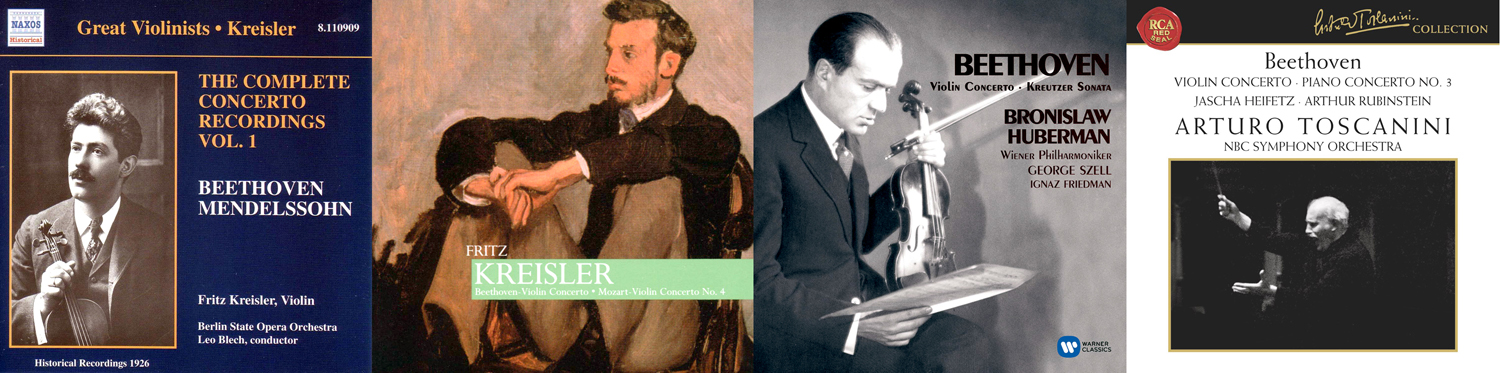
From the first era, we have two recordings by Kreisler, from 1926 with Leo Blech conducting and a second from 1936 under the baton of John Barbirolli. You might think the later recording was in better sound, but they are pretty equal in that way. Clearly they are old scratchy recordings, but the brilliance of Kreisler shines through anyway. In many ways, these are my favorite recordings of all. Kreisler has a warmth, a beauty of phrasing and a nobility that is exceptional. 

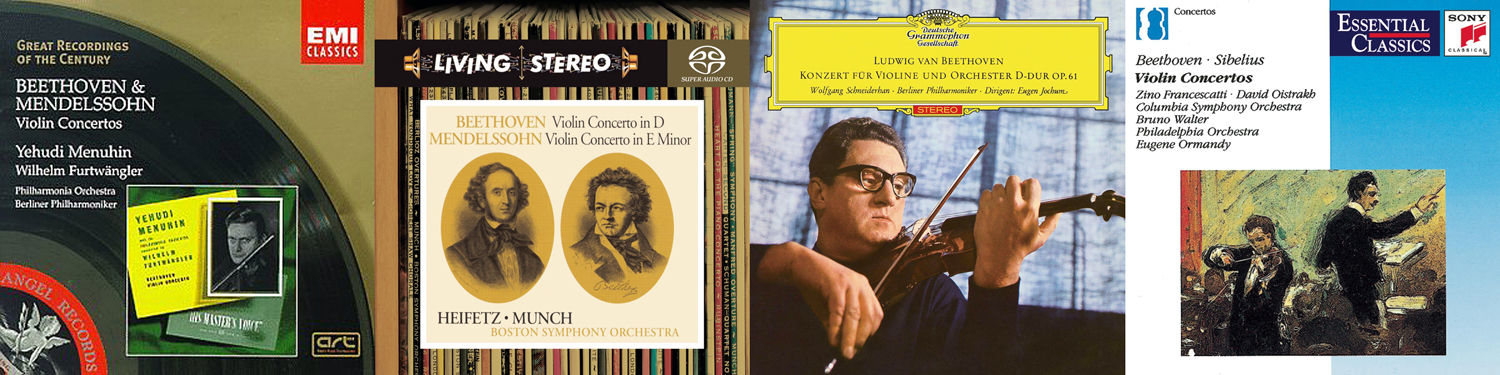
There is also the Bronislaw Huberman with George Szell from 1934 in surprisingly good sound, and by Jascha Heifetz with Arturo Toscanini from 1940 that some prefer over his later LP one with Charles Munch. 

From the second era, there were many great performances. Four I would never do without are my favorite in good sound, Yehudi Menuhin and Wilhelm Furtwangler from 1953; the second Heifetz recording, from 1955 with Munch; the one that is a consensus reference recording, Wolfgang Schneiderhan with Eugen Jochum, from 1962; and for utter beauty of tone, Zino Francescatti with Bruno Walter, from 1961. 

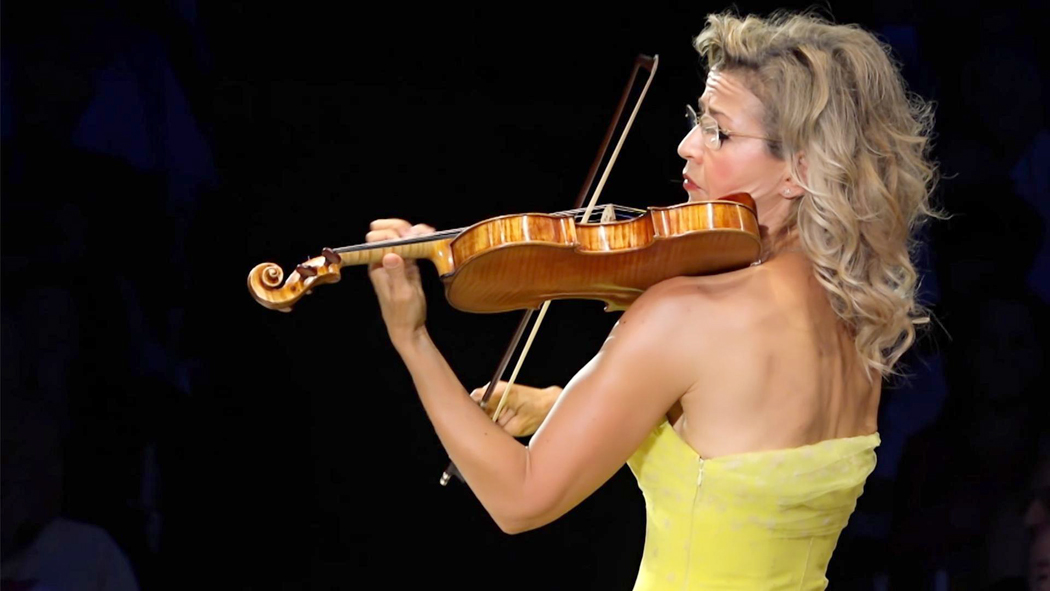
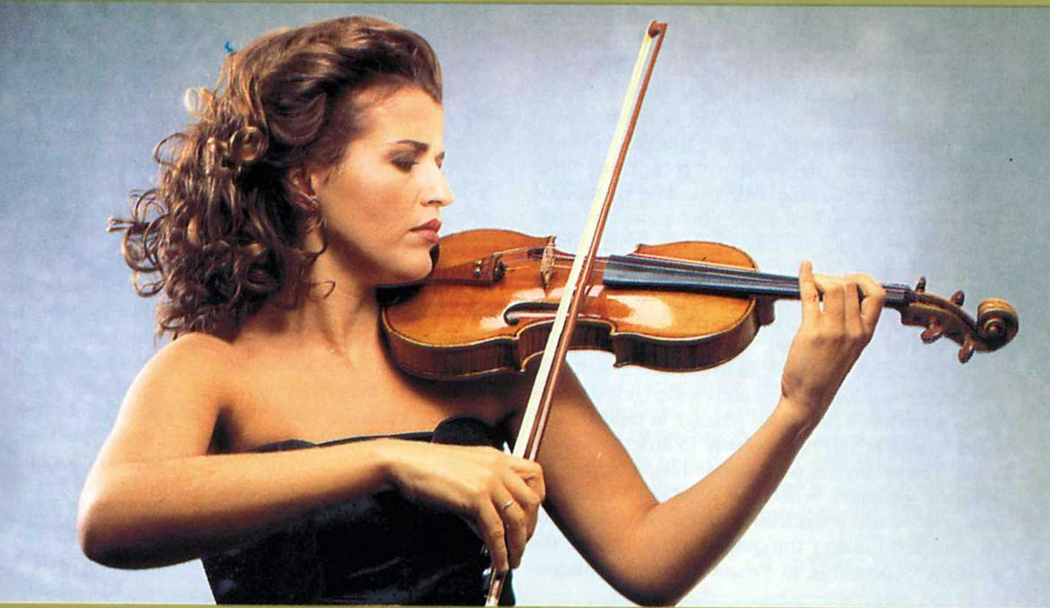
Also, later in the LP era, some big names with some big sounds: Isaac Stern with Leonard Bernstein (1959); Itzhak Perlman with Carlo Maria Giulini (1981); Pinchas Zuckerman with Daniel Barenboim (1977); and Anne-Sophie Mutter with Karajan in her first recording of the work (1979). Any of these is a first rank performance in good sound, and define what the Beethoven Violin Concerto should be.

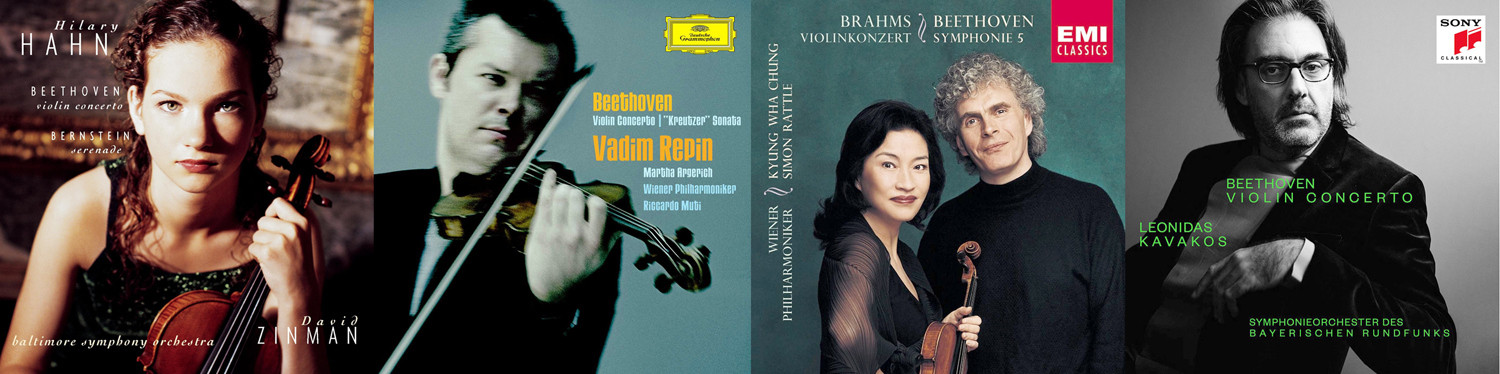
Among the younger violinists, there is plenty of good playing, but fewer deep dives. You still find the old grandeur with Hilary Hahn and David Zinman; and clean musicianship with Vadim Repin and Riccardo Muti; and Kyung Wha Chung and Simon Rattle; and Leonidas Kavakos conducting and playing. 

All the famous fiddlers of the golden age made multiple recordings of the concerto, the Oistrakhs, the Milsteins, the Sterns, the Perlmans and Grumiauxs and Szeryngs. And mostly, they were consistent across performances, with different orchestras and conductors. But Anne-Sophie Mutter re-recorded the concerto with very different results. In 2002, she played it with Kurt Masur and the New York Philharmonic and gave us a complete re-interpretation of the concerto. Some loved it; some hated it; few were indifferent. I love it. 

It is one of several outliers among interpretations. You can always count on Niklaus Harnoncourt (aka “the Wild Man of Borneo”) to be wayward, and his recording with Gidon Kremer is peculiar by including a piano in the first-movement cadenza. Why? Beethoven didn’t write a cadenza for his violin concerto, but he did write one for his piano transcription of the work, and Kremer used the piano version to reverse-engineer a version for violin, but left in a supporting piano (and tympani part). That still doesn’t answer a “why.” 

Christian Tezlaff recorded a version with Zinman and the Tonhalle Orchestra Zurich that, while on modern instruments, comes highly inflected by the original instrument ethos. It is beautiful in its way, but it is fast and zippy.

I also include a personal favorite with little circulation: A budget-label recording by the Hungarian violinist Miklos Szenthelyi. I saw him live and I’ve never seen anyone with such perfect posture or so fine a tone. I can’t recommend it for everyone (and it probably isn’t available anymore, anyway), but I have a soft spot in my heart for it.

—The next big concerto comes some seven decades later with Brahms Violin Concerto in D, op. 77 from 1878. Brahms was clearly modeling his concerto and its mood on Beethoven’s. He wrote it for his friend, Joseph Joachim, who was also the violinist who popularized Beethoven’s concerto after years of neglect. 

The Brahms concerto is more genial and has always been popular with audiences. There are as many recordings of it as there are of its predecessor, including a version by Fritz Kreisler that is still worth listening to, through the scratches and clicks of a recording made in 1936. 

Of all of them, these are my favorites, that I listen to over and over, and from all the different eras of recording. 

The Heifetz is quick, dead-on, energetic and exciting. He is sometimes thought of as cool and unemotional, but I think instead that it is white-hot. The Szeryng recording is the one I’ve had the longest and listen to the most — it’s my go-to recording, but that may just be that I’m so used to it, it has imprinted on my mind. The polar opposite of Heifetz is Oistrakh, which is rich and warm, with Szell providing the secure setting for the jewel violin. Of more recent recordings, Hilary Hahn is utterly gorgeous. It gives lie to the myth that only “historical” recordings are great.

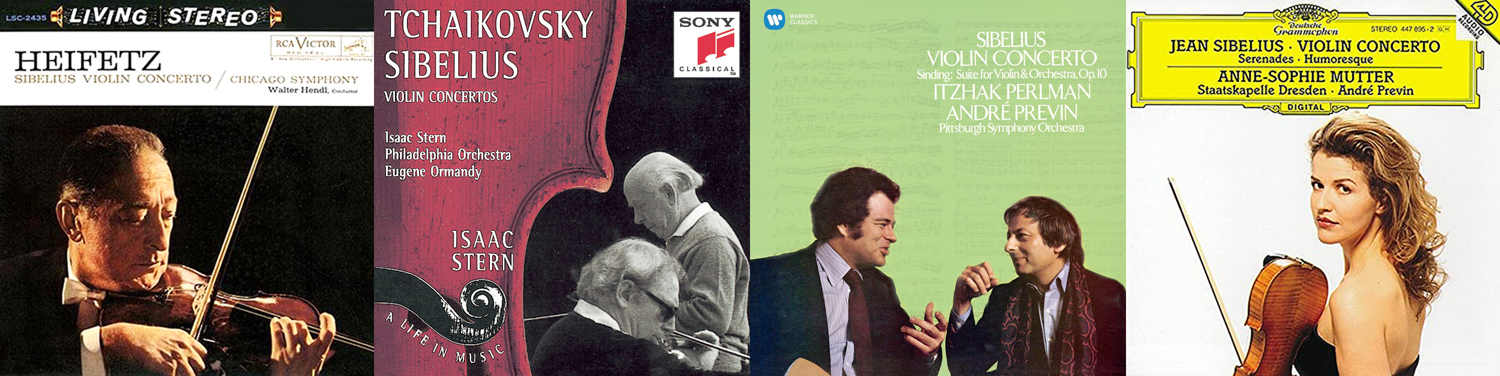
—Chronologically, the next in line is Sibelius’ Violin Concerto in D-minor, op. 47 from 1905. If ever music required the ice of Heifetz, it is Sibelius’ concerto, which sounds like a blast from the Arctic. His recording, from 1959 is riveting. But so is the warmer version with Isaac Stern and Eugene Ormandy and the Philadelphia Orchestra from 1969. We may forget what a stunning and brilliant violinist Stern was, if we only knew him from his later years, when his intonation went south. In Sibelius, he is one of the great ones.

Of the modern era, Perlman with Andre Previn, from 1979, has all of Perlman’s grand personality and character, with technical perfection. But the one I listen to most, and with total love, is by Anne-Sophie Mutter, also with Previn, from 1995. 

I need to note, somewhere in this rundown, that the list of dependable fiddle stars are just that — dependable. If Mutter is my favorite here, that doesn’t mean that you aren’t getting the goods from Oistrakh, Vengerov, Hahn, Mullova, Bell, Chang, or Zuckerman. Whether it is Beethoven or Bartok, you will not likely be disappointed. I am here listing just my own favorites. My own taste. 

—And my own taste runs strongly to the Elgar Violin Concerto in B-minor, op. 61 from 1910. This is a testament to my own growth and change. There was a time when I wouldn’t touch Elgar with a 10-foot phonograph stylus. I found him stuffy and boring. But that was because I hadn’t really heard much of his music. Then, I heard Steven Moeckel play it with the Phoenix Symphony and was swept away. I discussed the concerto with Moeckel and he advocated for it with devotion — indeed, it was his insistence that the the Phoenix Symphony tackle it that made the performance happen. (Moeckel also has a CD out with the Elgar violin sonata that makes a case for it, too.)

This is the longest concerto on my list, but also one that I have to listen to with complete attention from beginning to end. It speaks to me with a directness that I recognize. It is rich to overflowing and absolutely tears my heart out. 

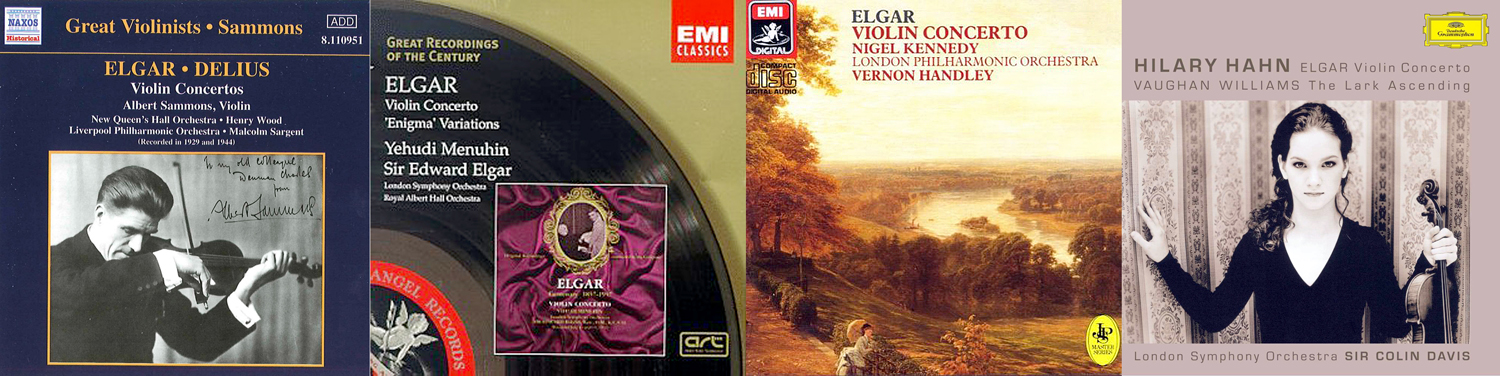
My go-to recording is also the oldest, by English violinist Alfred Sammons, made in 1929 with Henry Wood conducting. It has the greatest breadth and depth of any I have heard, in sound that is not as bad as its birth year would imply. A famous early recording was made with Yehudi Menuhin under the baton of the composer, that should show us how the composer meant it to go — if only Elgar were a better conductor. 

The concerto kind of disappeared after that, until the young fiddler Kennedy (he went by only one name back then) came out with a best-selling version in 1984 with Vernon Handley and the London Phil. It is still Kennedy’s best recording (he went pop soon after). 

But my favorite remains Hilary Hahn and the London Symphony with Colin Davis. Rich, warm, and in truly modern sound, it breaks my heart every time. 

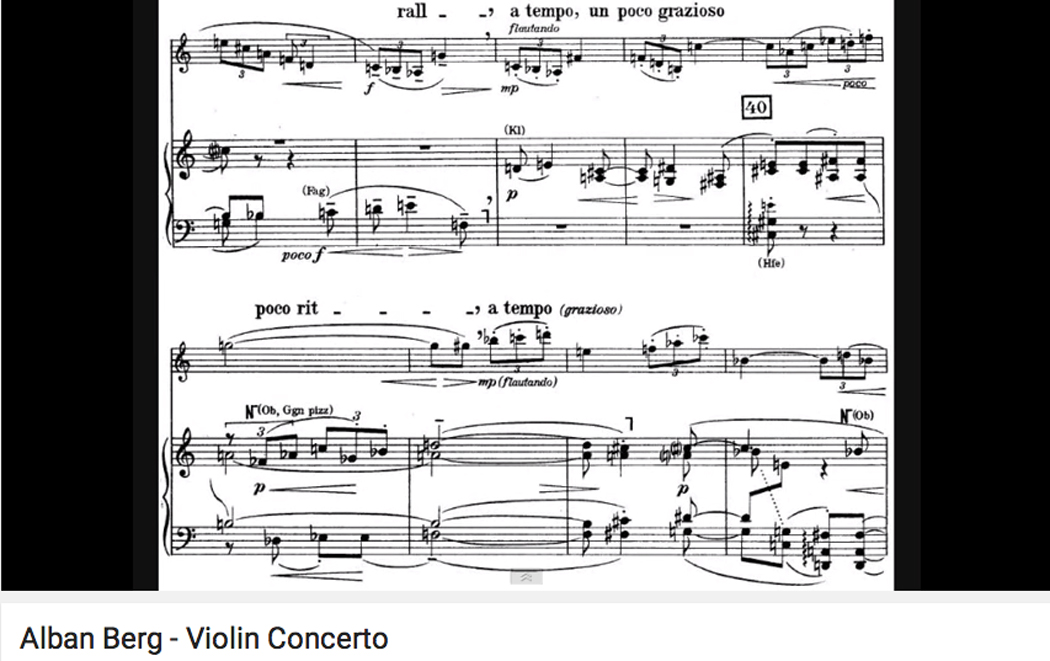
—Speaking of broken hearts, there is no more personal utterance than Alban Berg’s Violin Concerto from 1935. Subtitled, “To the memory of an angel,” it commemorates the death of 18-year-old Manon Gropius, daughter of Alma Mahler and Walter Gropius. It is also the most listener-friendly piece of 12-tone music ever written, as Berg managed to cross atonality with tonal music in a way so clever that doctoral dissertations are still being written about it. 

In two movements, it is blood-curdling in parts, and soul-soothing in others. Every emotion in it seems authentic, and not conventional. It is one of those piece of music you cannot ever just put on in the background — you have to listen and you have to invest yourself in it completely.

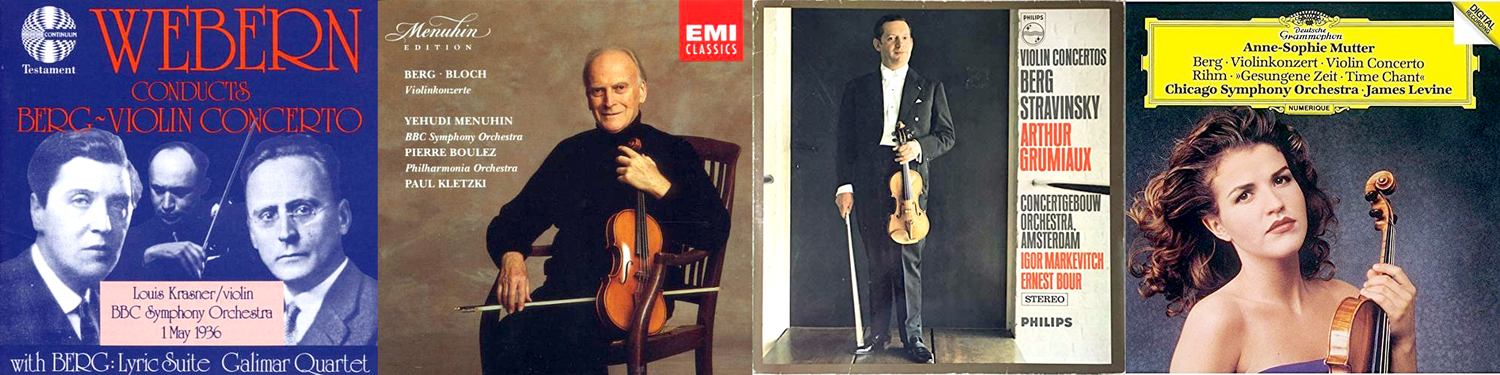
It was commissioned by violinist Louis Krasner and we have a performance by him conducted by Berg’s colleague Anton Webern, from 1936, which should demonstrate the most bona fides, despite the poor sound quality. 

I first learned the piece listening to Arthur Grumiaux and it is still one of my favorites. Yehudi Menuhin played it with Pierre Boulez, who brings his own authority to Second Vienna School music.

But the one I listen to now, over and over, is Mutter, with James Levine and the Chicago Symphony. This is serious music for the serious listener.

—At roughly the same time, Bela Bartok wrote his Violin Concerto No. 2, from 1938. In three movements, it was commissioned by Zoltan Szekely and first recorded by him with Willem Mengelberg and the Concertgebouw Orchestra. It is a recording of the world premiere and has authority for that reason alone, other than that it’s a great performance, although hampered by horrible sound.

Much better sounding, and one of the great recordings, is by Menuhin and Wilhelm Furtwangler and the Philharmonia, from 1954. It has always been my reference recording. Good sound for the era and great performance. 

Isaac Stern is also great, with Bernstein, and his performance is usually paired with Bartok’s lesser-known and seldom-performed first concerto, which is youthful and unashamedly beautiful. 

And I wouldn’t be without Mutter’s version, with Seiji Ozawa and the Boston Symphony. 

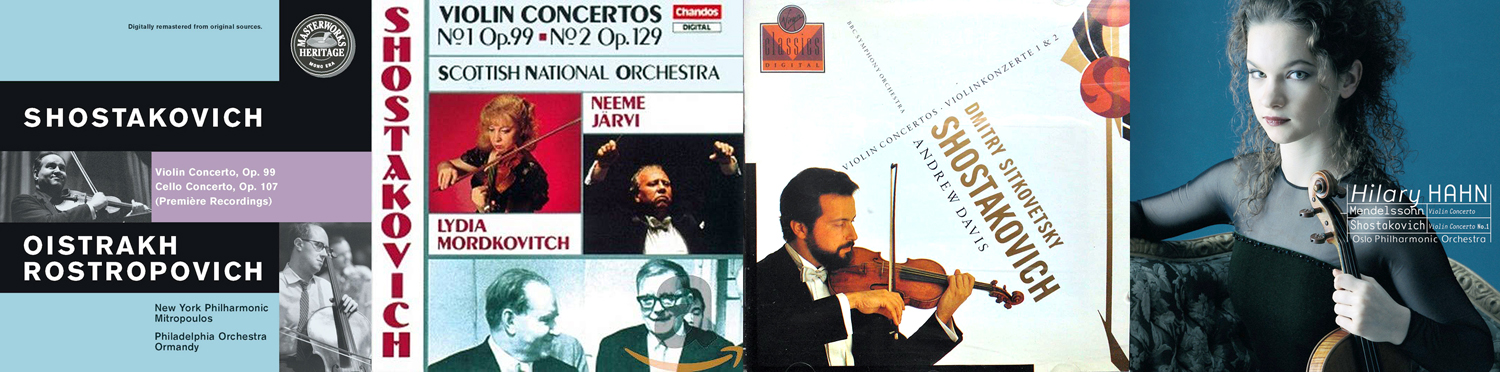
—It would be hard to choose which is Dimitri Shostakovich’s best work, but my vote goes for his Violin Concerto No. 1, in A-minor, op. 99 from 1948, coincidentally, the year I was born. As personal as the Berg concerto, but with a powerful overlay of the political, and written under the oppression of Stalin, this is the most monumental violin concerto, probably, since Beethoven. When well-played (and it is difficult), it drains you of all the psychic energy you can muster. 

It is the bottom line on all seven of these concertos that we are meant to listen to them with the same beginning-to-end concentration that we would spend on poetry or defusing a bomb. They are not “put it on while I do the dishes” music, but life-and-death music. 

And that is what you get with David Oistrakh, who was the originator of the concerto and a friend of Shostakovich. He recorded it multiple times, but the first, with Dimitri Mitropoulos and the New York Phil, from 1956 is still the greatest one, the most committed. It is the one I listen to when I want to really dive deeply into what the music means, and come away shattered with the realization of all the horror of the 20th century. 

Performances by Lydia Mordkovitch and Dmitry Sitkovetsky are in modern sound and also brilliant. Hahn is especially well-recorded, with Marek Janowski and the Oslo Philharmonic. 

But the Oistrakh. If the concerto was personal to the composer, it was to the violinist, too. They both had known it all, seen it all, suffered it all. 

And so, these seven concertos — seven sisters — seem a notch above the rest, in terms of seriousness and execution. You should have all of them in performances that express all the humanity that is packed into them. These are my suggestions; you may have your own. 

Click on any image to enlarge

As I continue to contemplate the possibility of perhaps, maybe, decluttering my trove of Classical music CDs, I come to the 20th century. I have to admit, that I listen to music from that period more than any other. It was my century. And so, I have a ton of discs from composers who wrote, beginning in the 19th, but extending their careers into the 20th, and now, music from the 21st century. 

Sometimes, we forget that such lush music as that of Rachmaninoff or Richard Strauss continued to be written: Strauss’ Four Last Songs, perhaps the most high-calorie confection ever put to paper, was premiered in 1949, four years after the end of World War II, and 36 years after Stravinsky’s Rite of Spring. “There’s still plenty of good music to be written in C-major,” said Arnold Schoenberg.

So now, as I did last time, I am going to sort through the violent century and salvage what I think needs to be saved, making a pile of recordings and regretfully saying goodbye to too much great music, but, you know — I’m 73 years old and I’m not going to be able to listen to all of the thousands of CDs that currently clog my shelves. 

I’ve set the goal of picking a single work (or set of works) by significant composers to throw on the pile. I’m going by chronological order, according to birth dates. And we start by remembering that Edward Elgar was a 20th century composer. Yes. He was. 

Edward Elgar 1857-1934 — Initially I thought the work I could not do without was the doleful Cello Concerto, from 1919. The First World War speaks directly through that music. But, no, I have to go with the Violin Concerto of 1910, which is one of the few noble concertos that can stand with those of Beethoven, Brahms, Sibelius, Berg and Shostakovich — not merely tuneful, but an expression of the highest thoughts and emotions that humans are capable of. 

But, I’m in luck. Because I can save the Violin Concerto, played by Pinchas Zukerman on a disc package that includes the Cello Concerto, played by Jacqueline Du Pre, with the Enigma Variations thrown in.  A perfect summing up of the best of Elgar.

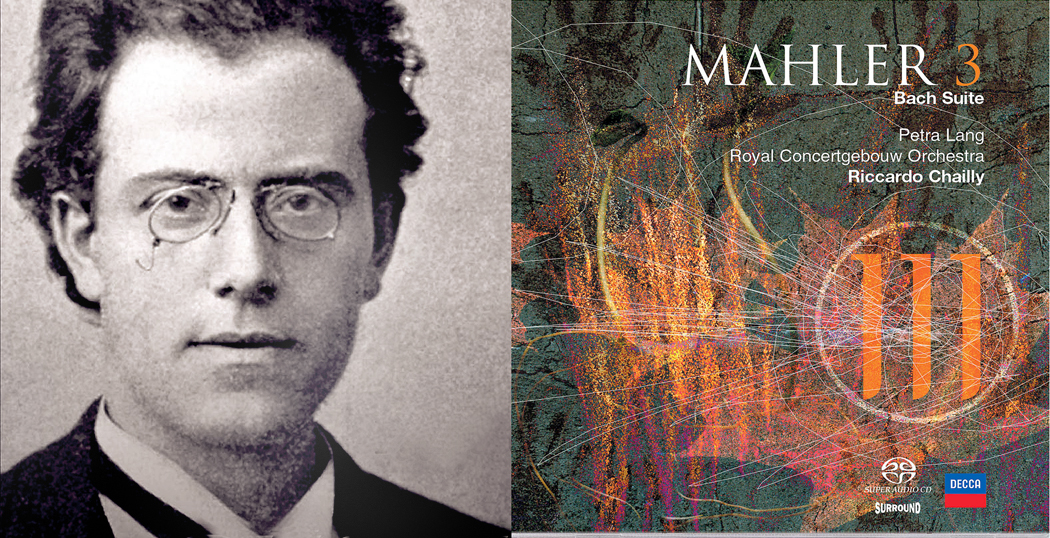
Gustav Mahler 1860-1911 — Choosing is too hard. I have double-decker shelves devoted to Mahler, the composer who moves me above all others. How can I clear it out? How can I consider any of it as “clutter?” I thought originally I would have to save Das Lied von der Erde, and I don’t know how I can say goodbye to it. But Mahler said famously, the symphony must contain the world, and the piece that does that more than any other is the Third Symphony, and so, I’m putting that on the pile.

I just counted, and I currently have 14 recordings of the Third (with another on the way from Amazon). The one I keep is Riccardo Chailly and the Concertgebouw Orchestra. Not only is it a great performance, but the 2-discs are magnificently engineered. The sound is stunning.

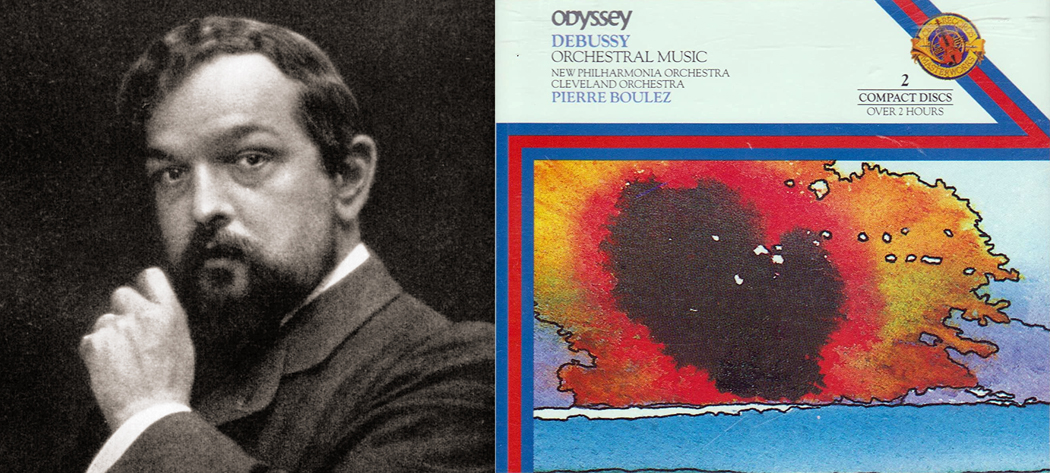
Claude Debussy 1862-1918 — While I love Debussy’s piano music (especially played by Paul Jacobs), the keeper is La Mer. I have not counted the versions on my shelf, but there are not a few. 

Pierre Boulez recorded it twice. The second is OK, but nothing special, but his first go-round, on Sony, is cut by diamond and the most exciting one I know. It may not be a sea-spray evocative as some, but it makes a compelling case for it as belonging to the 20th century. It comes in a package with a pile of other Debussy.

Richard Strauss 1864-1949 — Strauss can sometimes seem a bit reptilian. How much is show-biz with his show-off orchestration. But there is no doubt to the sincerity of his Four Last Songs. They are the most profoundly moving orchestral songs I know, outside Mahler’s Der Abschied

I wanted to save Jessye Norman’s version, with Kurt Masur, but I have to admit, my heart has always belonged to Leontyne Price in these songs, accompanied by Erich Leinsdorf. Both versions are gorgeous, but Price is now packaged with Fritz Reiner’s Also Sprach Zarathustra. On the pile. 

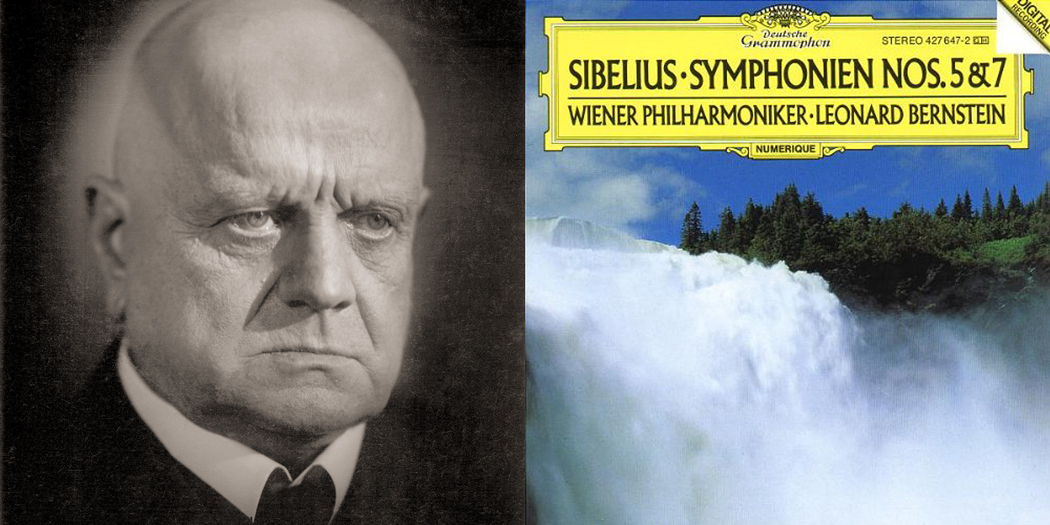
Jean Sibelius 1865-1957 — As tightly argued as Mahler is spacious, Sibelius packs a great deal into a well-cinched frame. Of his seven symphonies, the one that speaks to me loudest is the final one, which makes me feel in my bones the vast icy spaces of Scandanavia. 

Leonard Bernstein recorded it twice, once for Columbia (now Sony) and later for Deutsche Grammophon. The first is tighter, but the second comes with the Fifth Symphony, giving me the chance to save two symphonies for the price of one. Bernstein slowed his tempos as he got older, and some people don’t like the broadened Fifth, but I have no problem with it. And the Seventh takes me to other places. 

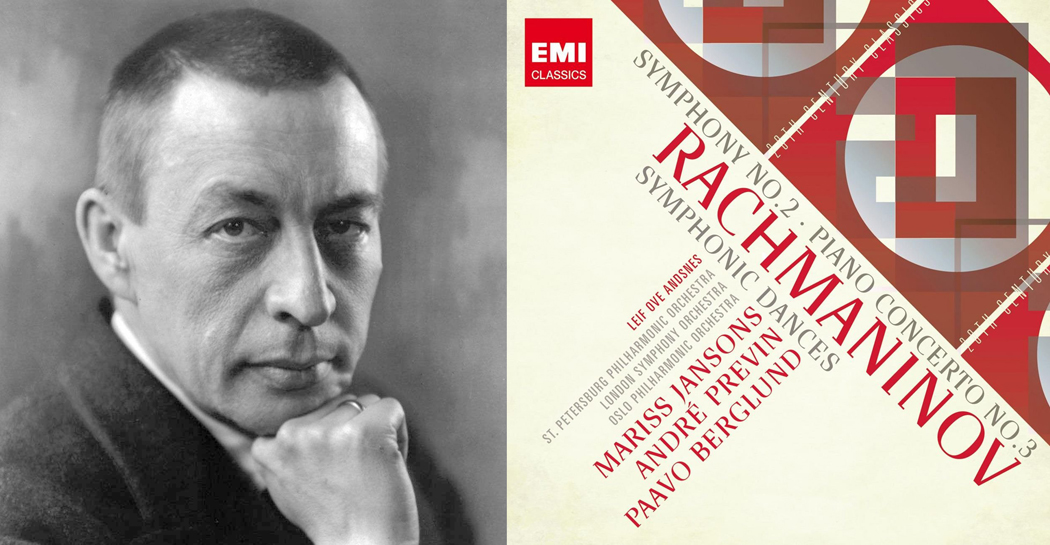
Serge Rachmaninoff 1873-1943 — My dearest friend, Alexander, refuses to listen to Rachmaninoff, saying he is too gooey and Romantic. But I have been trying to get him to recognize that his music — especially his later music — is oozing with Modernist irony. What is more sly than the Paganini Rhapsody? Yes, there’s the “big tune,” but even that is undermined by what surrounds it. But if I have to save just one piece, that would be the Symphonic Dances. I love them to death. 

But, like so many other things in this list, I can have cake and eat it at the same time, with the recording by Andre Previn and the London Symphony Orchestra, bundled with the gooey, Romantic Second Symphony under Mariss Jansons, and the tornado of the Third Piano Concerto, played by Leif Ove Andsness. 

Arnold Schoenberg 1874-1951 — Now we’re entering territory fully recognizable as Modernist. I wish I could save Pierrot Lunaire, but I have only one slot available, and it has to go to Verklaerte Nacht. While I admire Pierrot, I love Transfigured Night

Of the versions I have, both in its orchestral form and its original sextet form, I am surprised at how good the version is that was recorded by Herbert von Karajan and the Berlin Philharmonic. It goes onto the pile, and gives me the bonus of the Orchestral Variations

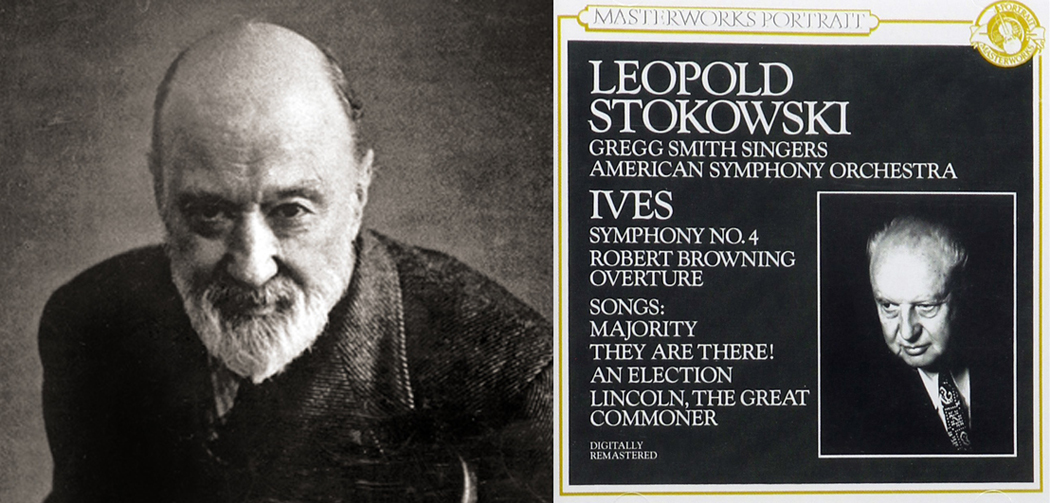
Charles Ives 1874-1954 — I have three or four versions of the Concord Sonata, and heard it live played by Jeremy Denk. It should be saved. But I am going, instead, with the Fourth Symphony, which is pure Ives, with all his usual tricks. Friends think I’m joshing when I claim that Ives’ music is beautiful. But it is. You just have to get used to the idiom. 

The best version (I have four of these, too) is the first recording, led by Leopold Stokowski. One word for it: Transcendental. 

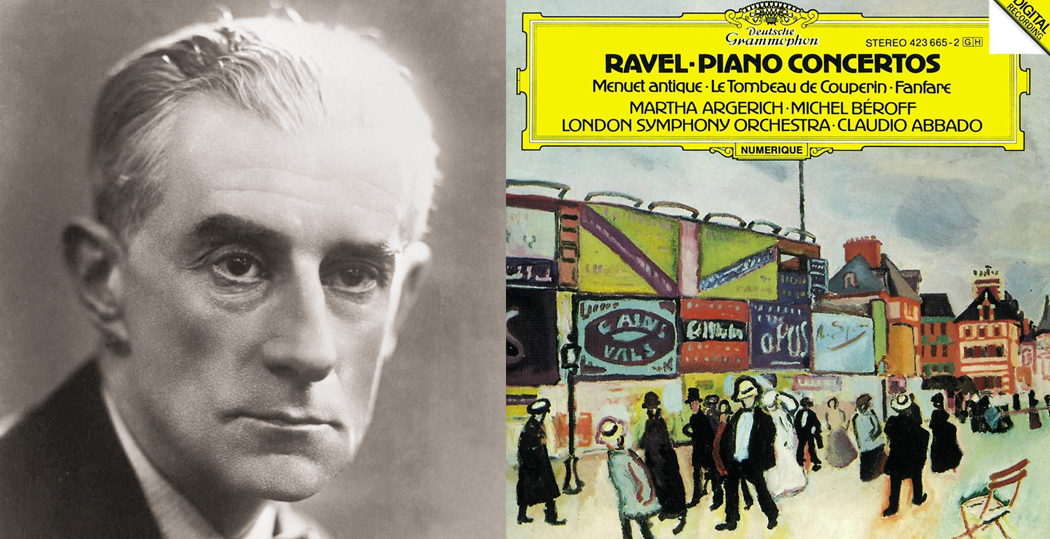
Maurice Ravel 1875-1937 — Stravinsky dismissed him as a “Swiss watchmaker,” but I think that was only professional jealousy. Yes, we’re all tired of Bolero. But I want to save the Concerto for Left Hand, which is jazzy in parts, terrifying in parts, and always makes you wonder that anyone can play two-hand piano with only one hand. 

But there is also that ethereal slow movement of the G-major Piano Concerto. The disc with Martha Argerich playing the G-major and Michel Beroff playing the Left-Hander, with Claudio Abbado and the LSO, also gives us the orchestral version of Le Tombeau de Couperin. What a luscious disc. 

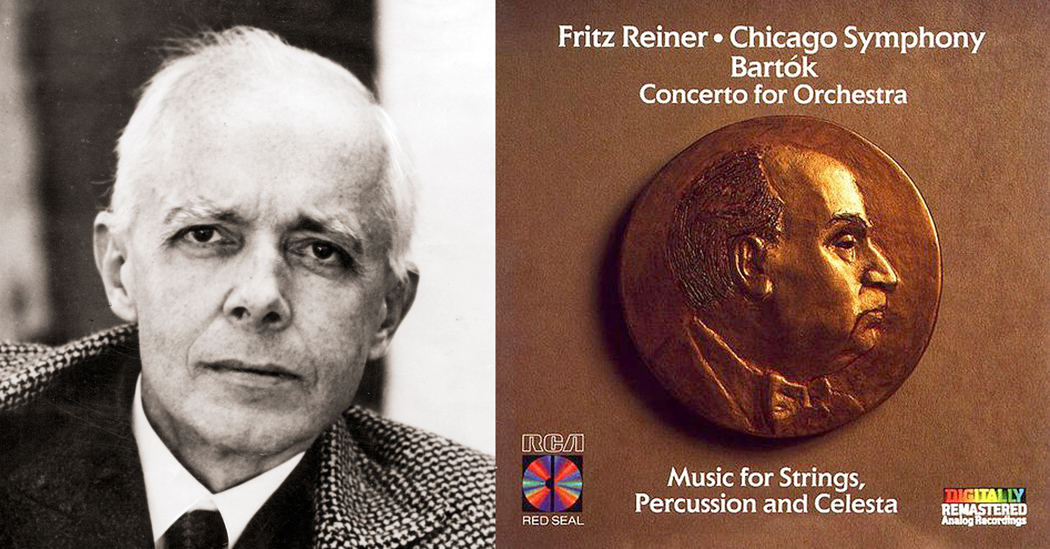
Bela Bartok 1881-1945 — There’s a lot to save with Bartok, also. But I can’t have the Contrasts, the piano concertos, the six quartets and the Concerto for Orchestra. No. One disc. And the piece I want to keep most is the Music for Strings, Percussion and Celesta

Luckily, one of the greatest performances of that music, by Fritz Reiner and the Chicago Symphony, also features one of the greatest performances of the Concerto for Orchestra. It is essential listening for any music lover.

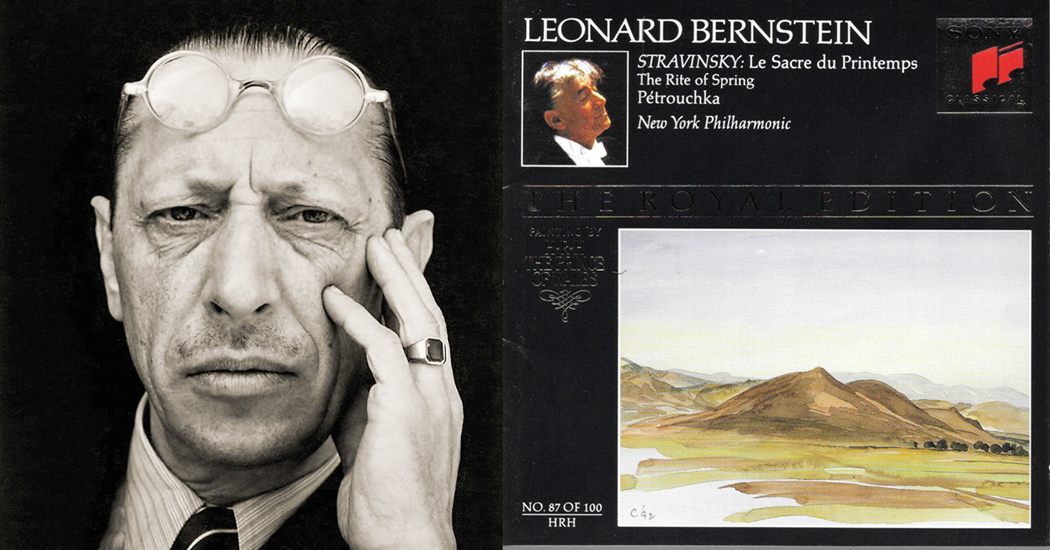
Igor Stravinsky 1882-1971 — Much music, many styles. Part of me wants to save the Requiem Canticles and the Movements for Piano and Orchestra, just to tweak those who hate 12-tone music. But since the entire 20th century seems launched by The Rite of Spring, just as the 19th was launched by the Eroica, I have to save it.

There are lots of great performances, but none as feral and primal as the first of them recorded by Leonard Bernstein and the NY Phil. Even Stravinsky, who hated “interpretation” in performance agreed that it was like no other. The disc also includes Petrushka, so, what’s not to love?

Anton Webern 1883-1945 — Do we have to? I’m afraid so. Luckily, there isn’t much of it. No one can make blips and blurps like Webern. He was the godfather of all subsequent serial music, disconnected, alienated and difficult. Yet, he makes such interesting sounds. And few pieces last more than a few minutes, even seconds. Take at least one bit of the broccoli: Try a little Webern. 

Karajan put out a tight, condensed disc with the Passacaglia, the 5 Movements for String Orchestra, Op. 5, the 6 Pieces for Orchestra, Op. 6, and the Symphony, Op. 21. This is a fair sampling, really well played. And the entire symphony lasts only 10 minutes. 

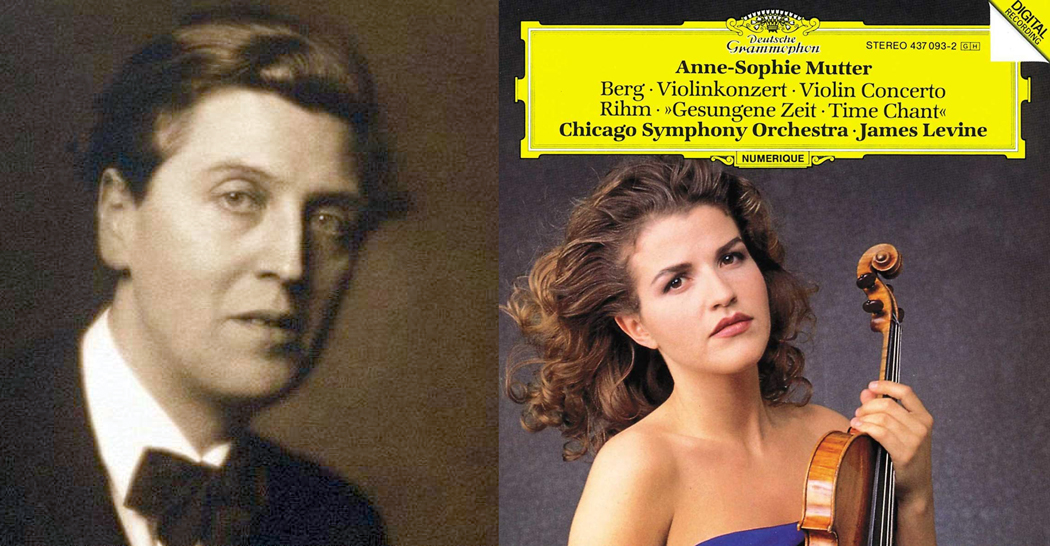
Alban Berg 1885-1935 — The third wheel of the Second Vienna School is the easiest to love and enjoy. He is the most emotional, and found a way to cheat on his 12-tones, to suggest key areas. His Violin Concerto is the most powerful fiddle concerto of the whole century, the most personal, the most emotional, and the most beautiful. 

No one plays it who doesn’t give it his or her most serious efforts. It cannot be just tossed off. My favorite is by Anne-Sophie Mutter with the Chicago Symphony and James Levine. It also includes Wolfgang Rihm’s Time Chant, which, I’m afraid, I find utterly forgettable. I’m saving the disc, anyway, for Mutter and Berg and all the pain of loss in the world condensed to music. 

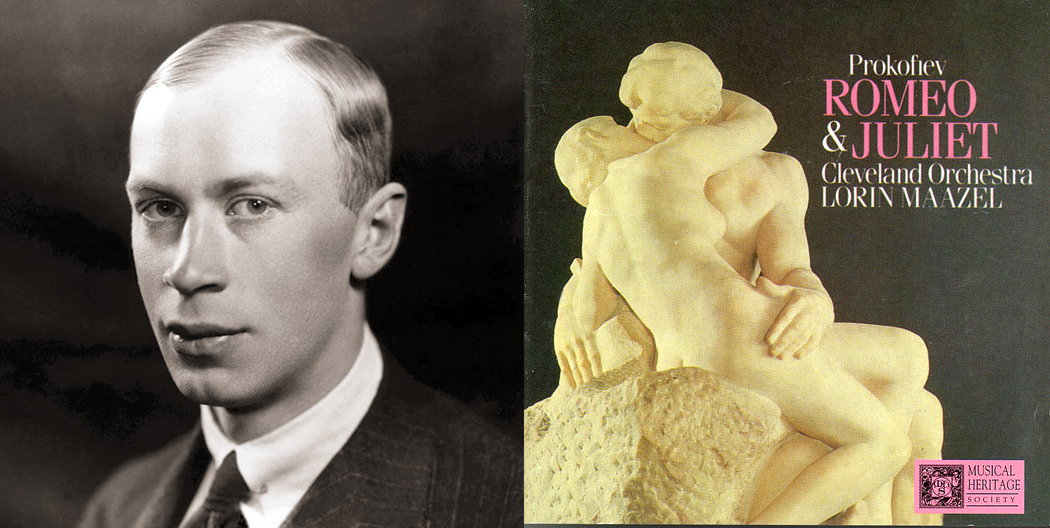
Serge Prokofiev 1891-1953 — Shouldn’t I save the Seventh Piano Sonata? Or the Third Piano Concerto? Or the Fifth or First symphonies? Yes, I should, but I’m going to save the full ballet score of Romeo and Juliet, which, I believe, is the greatest ballet score of all time. The whole thing, not just the suite. I might be swayed by having seen it danced many times, in some of the best productions ever. But the music stands on its own. 

There are three possibilities: Previn, Maazel and Gergiev. I’m going with Maazel and the Cleveland Orchestra. It just noses out the others. 

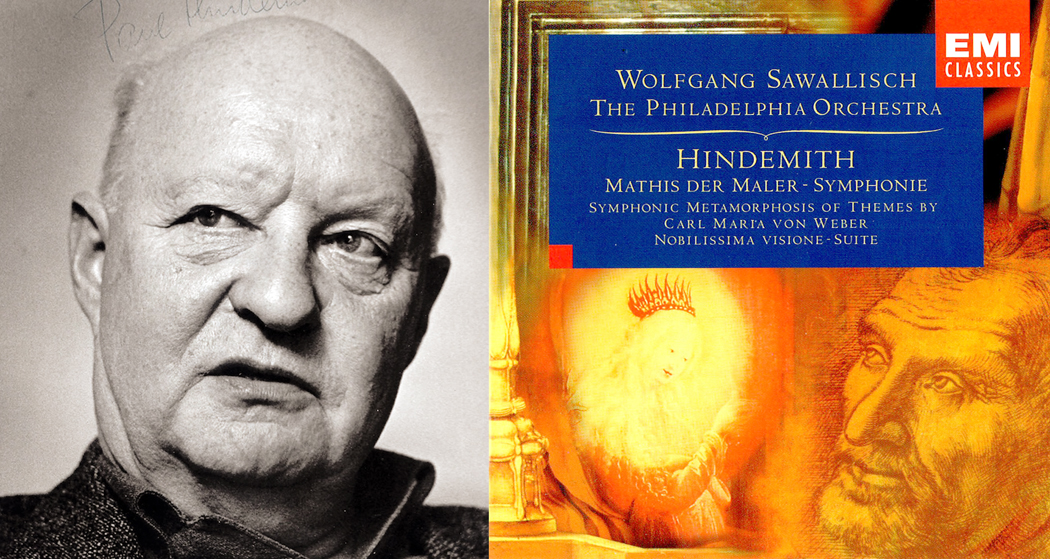
Paul Hindemith 1895-1963 — Hindemith used to be the third part of the triad of Stravinsky, Bartok and Hindemith as the top Modernists in music. But he has fallen on hard times. Stravinsky and Bartok have better tunes. But when Hindemith borrows tunes from Carl Maria von Weber, he is as good as any. I love a lot of Hindemith, but I admit, he is not overtly lovable. But the Symphonic Metamorphosis on Themes by Weber is jaunty, catchy and a ton of fun. 

A really good performance by the Philadelphia Orchestra under Wolfgang Sawallisch also gives us two of Hindemith’s best other scores, the Mathis der Maler symphony and Nobilissima Visione. This is Hindemith you could actually learn to love. 

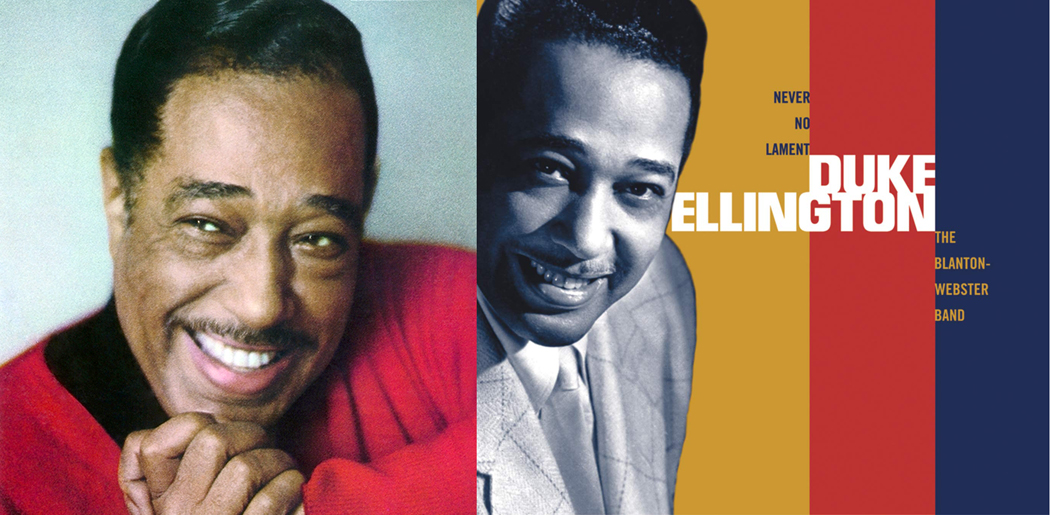
Duke Ellington 1899-1974 — Yes, in my book, this is classical music. Ellington does for his group of instruments nothing less than what Ravel can do for the standard symphony orchestra, with all the colors and surprises. And harmonically, Ellington is ages ahead of many more traditional composers. I have about 50 discs of Ellington’s music, and I love him in each of his decades. But the height of his creativity and originality was with the band he had in the 1941-42, the so-called Blanton-Webster band, named for bassist Jimmy Blanton and tenor sax, Ben Webster. It’s a misnomer, because you can’t forget all the other luminaries in the band, from Harry Carney to Cootie Williams to Johnny Hodges. 

There is a three-disc release that has most of the work the band did in those two years, including Ko-Ko, Cotton Tail, Harlem Air Shaft, Take the A Train, Blue Serge, Sophisticated Lady, Perdido and the C-Jam Blues. Each a miniature tone-poem. This is music to take seriously. Seriously. 

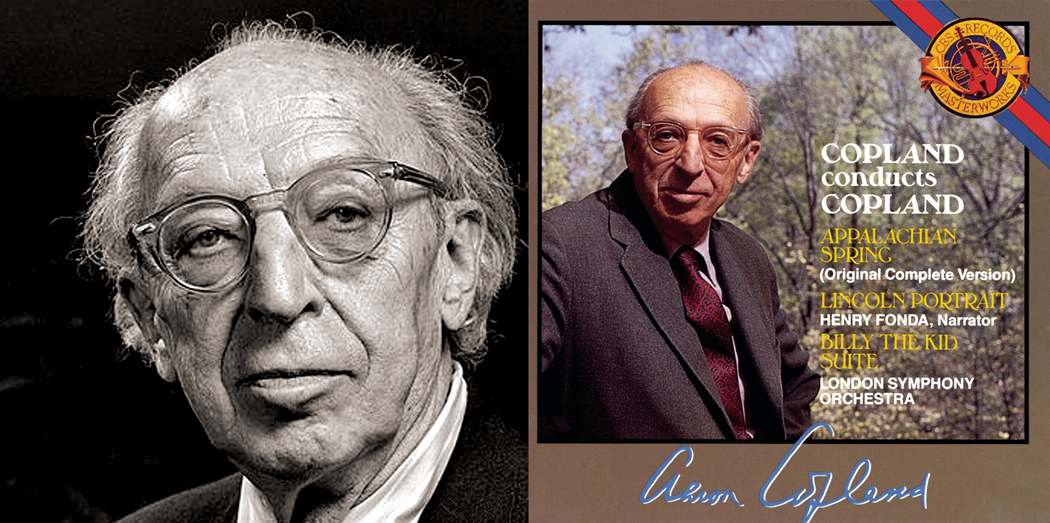
Aaron Copland 1900-1990 — There are two Coplands, the earlier, knottier Modernist of the Piano Variations, and the later, popular composer of Rodeo, El Salon Mexico and Billy the Kid. But to my mind, his very best is Appalachian Spring, a ballet score he wrote for Martha Graham. It is usually heard as a truncated suite and enlarged for full orchestra.

But the version I love best, and the one going on my pile, is the original full-length chamber version. Copland recorded it himself, along with the suite from Billy the Kid. Unfortunately, you have to put up with the tedious and tendentious Lincoln Portrait, here narrated by Henry Fonda. 

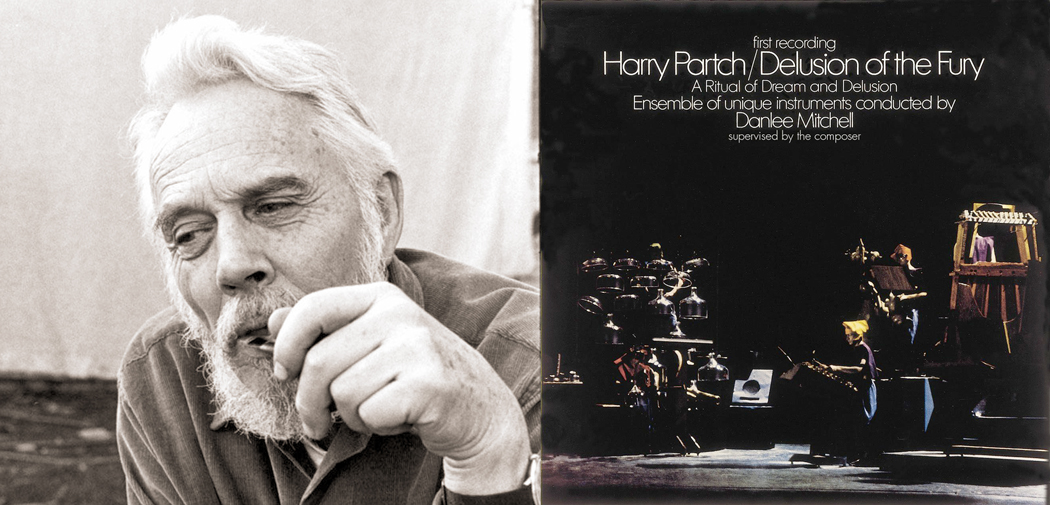
Harry Partch 1901-1974 — England has its eccentrics, but America has its crackpots, and Partch is Exhibit A. Having decided that the tempered musical scale is a “mutilation” of true music, he invented and built a whole orchestra of new instruments, such as the chromelodion, the quadrangularis reversum, the zymo-xyl, the gourd tree and cloud-chamber bowls, in order to play music in his 43-note octave. I saw an exhibit of them at the Museum of Modern Art in New York in the 1960s. They were stunningly beautiful to look at. Hearing them, is something different. 

Partch wrote a lot of music for his instruments, some enchanting, like his songs on Hobo graffiti, Barstow. I am saving his full-length Delusions of the Fury, which is based on a Japanese Noh play and an African legend and a codification of Partch’s own delusions. Hooray for him. 

Dimitri Shostakovich 1906-1975 — Surely the major composer of the middle of the 20th century, Shostakovich labored hard under the yoke of Stalinism, and his music expresses his deep humanity (except when he is buckling under the pressure of the commissars and pumping out party-hack material; but we can ignore all that). His symphonies 1, 4, 5, 7, 9, 10, 13, 14 and 15 are among the greatest works of the century. But I’m saving his first Violin Concerto. It is, I believe, his ultimate masterwork. 

Its dedicatee, David Oistrakh, recorded it with Dimitri Mitropoulos and the the New York Philharmonic and anyone who cares about classical music should know this performance. It is coupled with Rostropovich playing the first Cello Concerto with Ormandy and the Philadelphia. Together this is a powerful pair. 

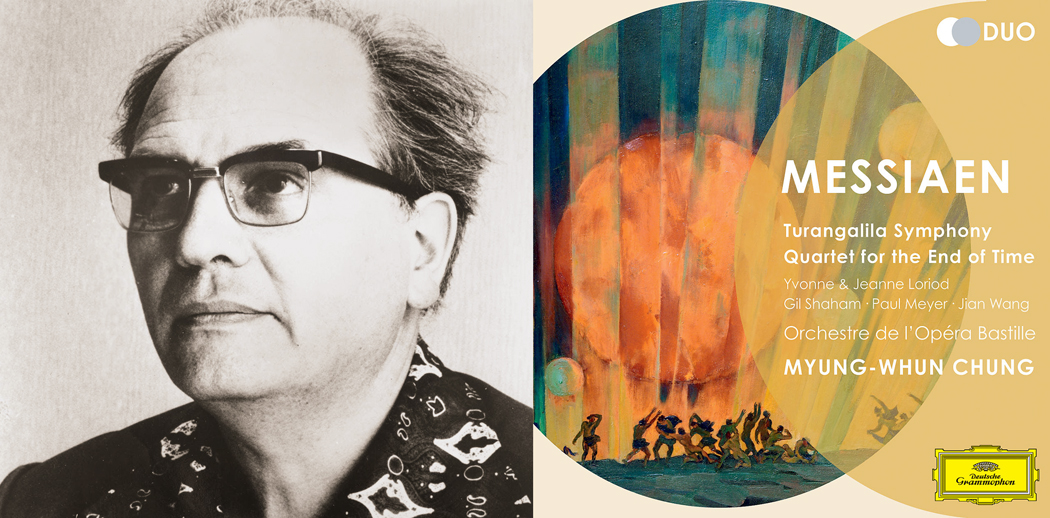
Olivier Messiaen 1908-1992 — Harry Partch wasn’t alone. French composer Olivier Messiaen had his own ideas about harmony and rhythm, and created an idiosyncratic body of music that is built on bird song and Eastern mysticism, combined with fervent Christianity. 

He wrote his Quartet for the End of Time in a Nazi prisoner camp and played it for the first time for its inmates and guards. His most popular work (if you can call anything so peculiar “popular”) must be the Turangalila Symphony, a rich, spicy, aromatic blend of orchestral colors, and you can get both works together in a set with conductor Myung-Whun Chung and the Orchestre de l’Opera Bastille. 

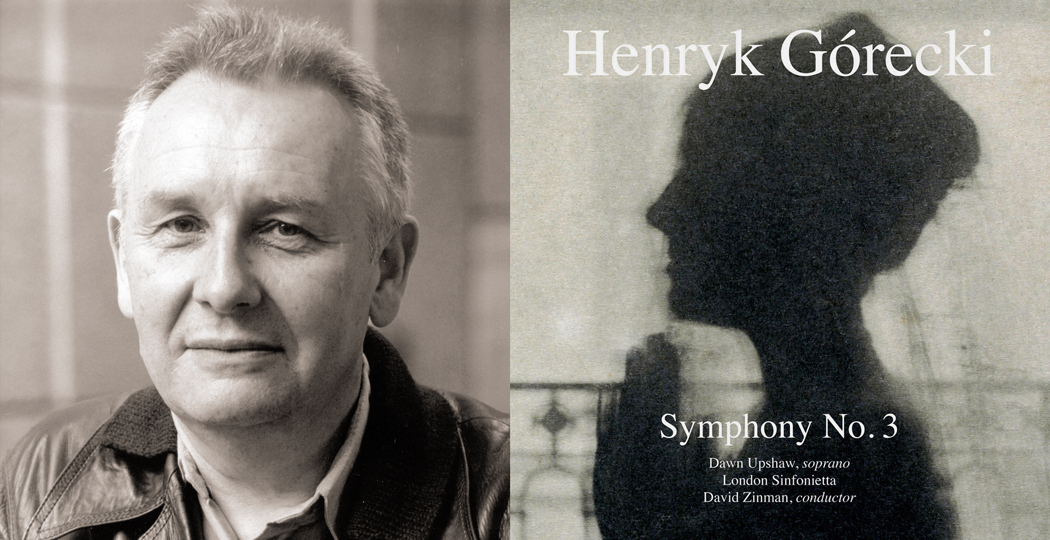
Henryk Gorecki 1933-2010 — Gorecki had the misfortune to have become popular. His Third Symphony topped the pop charts in England in 1992 and sold a million copies world-wide. Officially titled the Symphony of Sorrowful Songs, it speaks of war, love and loss. It is a slow piece, moving only by tiny steps from first to last. Its popularity has led some critics to pooh-pooh its depth and beauty, believing nothing that popular could be any good. They should listen more carefully. 

The version that sold so well was the premiere recording with Dawn Upshaw and David Zinman conducting the London Sinfonietta. I have several versions on my shelves, but this first one is still the best. Onto the pile. 

Morton Subotnick 1933- — The California-born composer of electronica had a brief moment of fame in the late 1960s when Nonesuch Records released his Silver Apples of the Moon, and followed it up with The Wild Bull. The first, with its synthesizer squeaks and blips was bright and energetic, the second with its groans and wheezes, was much darker. 

Both deserve to be remembered. They may be a relic of their times, but they really are worth listening to. And they are now both on a single Wergo CD. 

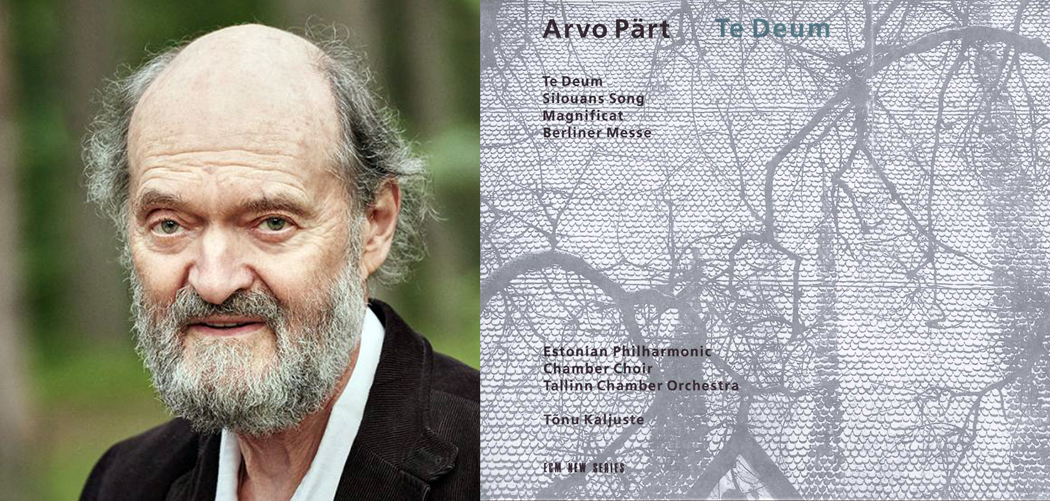
Arvo Pärt 1935- — The Estonian composer’s meditative music is what he calls “tintinnabuli,” and in 2018, Part was the most performed living composer in the world. His music appeals not only to the classical audience, but to the New Age one as well. It is spiritually-aimed music and is both beautiful, well-constructed, and easy to listen to. You can wash in it like a warm bath, or you can listen as intently as you might to Bach or Bartok. 

He has arranged his most popular piece, Fratres, for any number of instruments and combinations (there is even an entire CD of nothing but variations of the piece), and I could save pretty much any one of his discs. But I am going to put Te Deum on the pile, primarily for the Berlin Mass that is on the disc. 

Philip Glass 1937- — Glass is unavoidable, even in popular culture. He must be the most prolific composer since Vivaldi. He began as a strict Minimalist, but loosened up that style to become what can only be called a “Glassian.” At his best, he is hypnotic and powerful. At his worst, he can become tedious. His Einstein on the Beach was epochal and groundbreaking. I have an entire shelf devoted to his releases. His trilogy of movie scores for the Godfrey Reggio abstract-narrative films in the quatsi series are a perfect introduction to Glass. Koyaanisqatsi was the first and best known.

But I am going to save the third, Naqoyqatsi, mainly because it can be heard as an extended cello concerto played by Yo-Yo Ma. 

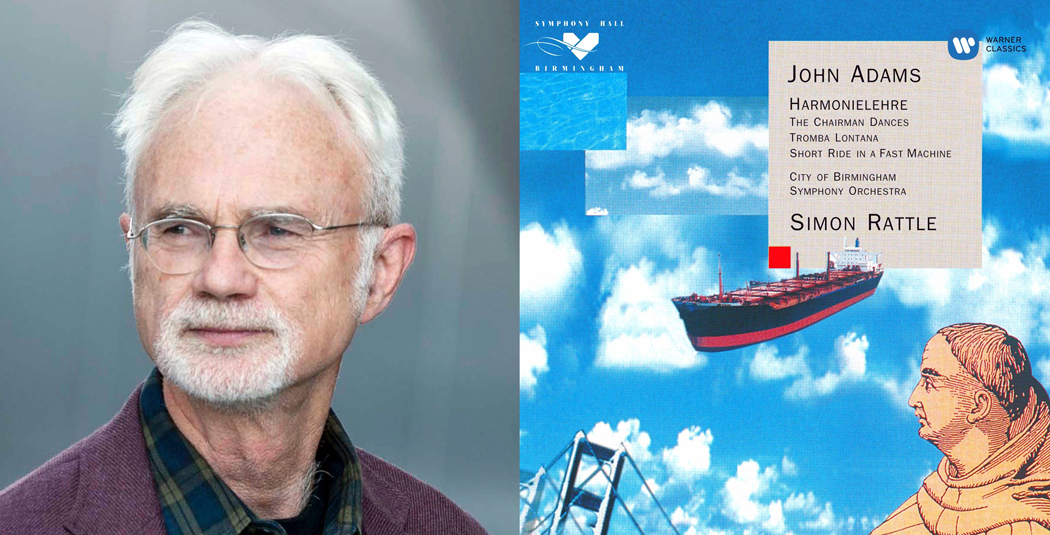
John Adams 1945- — Almost neck-and-neck with Glass is John Adams, another lapsed Minimalist who has created his own distinct voice. His opera, Nixon in China, is pretty well the only contemporary opera to join the mainstream repertoire. I’ve seen it live, and I’ve seen Adams’ Doctor Atomic live. They are both thrilling as Verdi or Puccini. 

But I’m going to save a particular favorite orchestral work, Harmonielehre, or “Harmony Lesson.” Its opening chords are even more startling than the two E-flat bangs at the start of Beethoven’s Eroica. And the disc I’m saving includes two of Adam’s most popular and gripping overture pieces, The Chairman Dances and A Short Ride in a Fast Machine

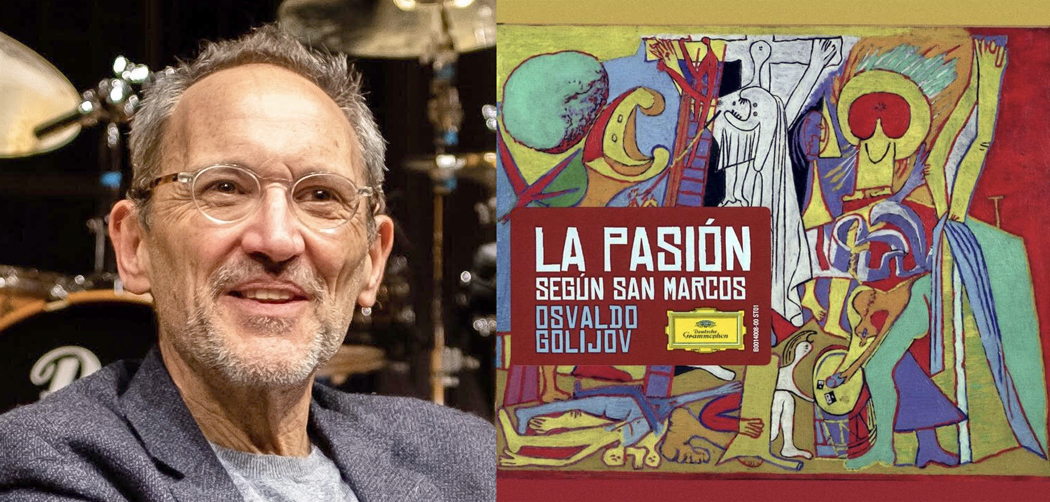
Osvaldo Golijov 1960- — The youngest composer on my pile is now 60. I first heard his music in a live performance of Ainadamar with Dawn Upshaw singing the lead. It blew me away. And I was going to put my recording on my pile, but then I heard his Passion of Saint Mark or La Pasión Según San Marco, and fell in love with it. 

It combines Latin and African rhythms and folk music with a huge percussion section and more than 50 singers. When it was premiered, it got a 15-minute standing ovation. It deserves its place on my pile. 

____________________

And so, my fantasy ends. I have now an imaginary pile of music to listen to, to the exclusion of a thousand other CDs. But it is just a fantasy; I could never actually declutter my shelves. I have, in the past, culled recordings to make space for new, but now those I culled are just stuffed into old dressers, cluttering up the drawers in both of them, hidden from view as if I had actually gotten rid of them. But I can’t. And with new recordings coming my way from Amazon, I may have to cull once more, just to make space. And I may need another old dresser in the storage room just to take care of my rejects. Marie Kondo can go jump in a lake. 

My brother-in-law likes to listen to something he calls “ugly music.”

This is music with angles, asymmetries and dissonance. I first established my bona fides with him by recognizing a piece of music by its very first note, although it took at least a full second — maybe a second and a half — for the name to gather on my vocal chords and make the passage out past my teeth: “Bartok’s fifth quartet.” I think I shocked him.

Of course, I knew the piece well. For I, too, listen to and enjoy ugly music. And I own and read the score to the Bartok Fifth. Also to many other pieces of music that might be considered by fans of more consonant sounds as “ugly.”

But, I am a firm believer in the observation made by Tom Robbins in his novel, Even Cowgirls Get the Blues, that “The ugly may be beautiful; the pretty, never.”

The “pretty” is conventional; it is bland. It requires no thought or consideration: It just lies there, accepted with lip service paid, but with little active engagement. It is a postcard sunset, a Montovani recording, a symmetrical-faced actress indistinguishable from other symmetrical-faced actresses.

But beauty is an active engagement. You have to actually look or hear. You have to notice. It takes effort on your part. Pretty soothes you into complaisance, beauty wakes you up.

There is a French concept, the jolie-laide, or beautiful ugly. It is most often applied to women whose features are not traditionally good looking, but in concert add up to striking beauty and attractiveness. Think of Cate Blanchett, with that slash of a mouth, squinty eyes and broad nose. Each odd by itself. Blanchett is no cornfed cheerleader. But together the features make up a stunning beauty.

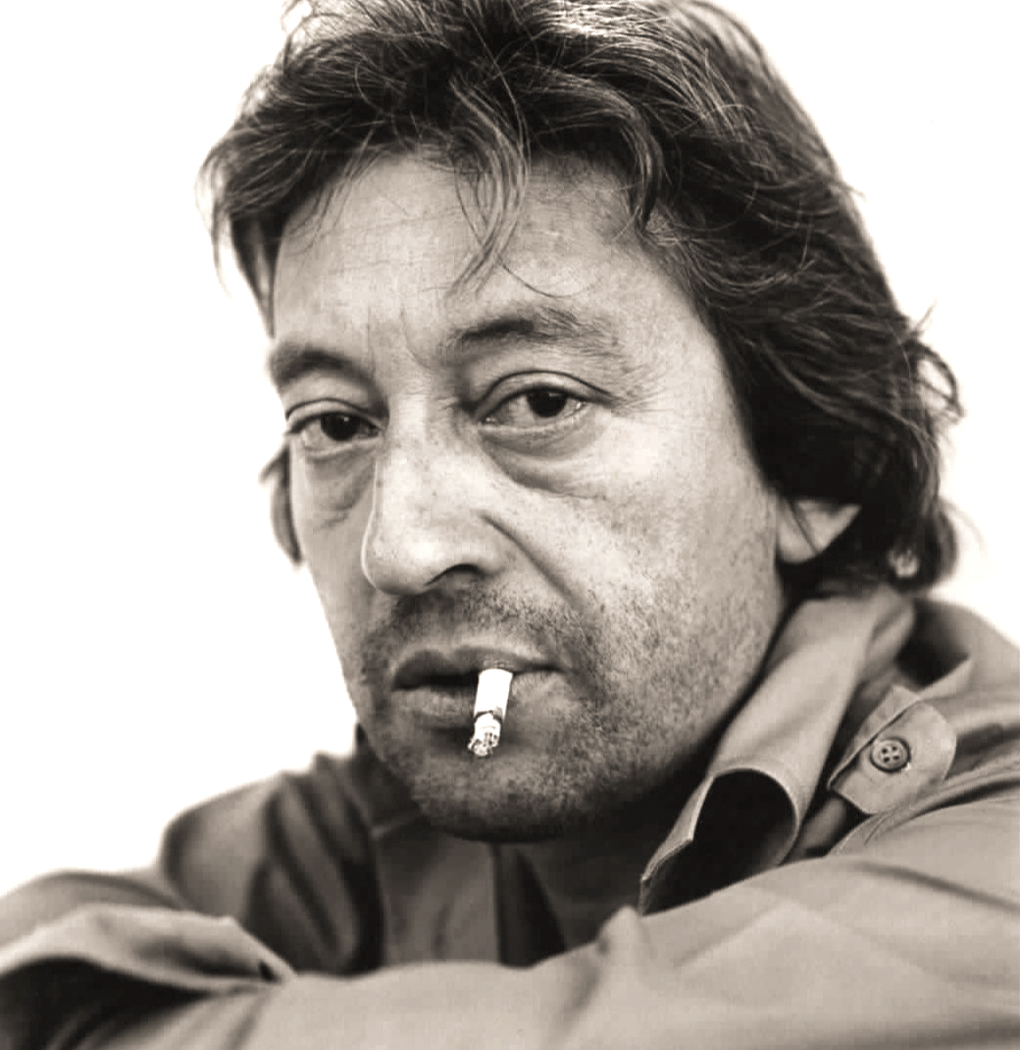
The French have almost a corner on the jolie-laide. Consider Jeanne Moreau. Or Isabelle Huppert. Or Charlotte Gainsbourg. It was her father, Serge Gainsbourg (say “gaze-boor”) who wrote a song about the “Laide jolie laide.” He was no icon of handsomeness himself, although I think many found him irresistibly attractive.

But, I’m not talking simply about feminine pulchritude or masculine formonsutude, but about esthetic beauty, about art.

Consider one of the ugliest paintings ever made, and how unbearably beautiful it is. I’m talking of Matthias Grunewald’s crucifixion from the Isenheim Altarpiece in Colmar, France. The Christ is writhing in pain; his skin is brown and gray, covered in sores; his hands are twisted, his head hung low and grimacing, his ribcage pulled up from his sagging gut, stretching him out, racked; his feet twisted and distorted. Even the cross bows downward from the weight, not just of the body, but of the suffering.

Around him are the mourners, also pulled and distorted, all crying and gnashing their teeth. The landscape behind is dark and barren. There is not a single note of grace in the frame, not a single square centimeter of prettiness. Yet, the painting is unutterably moving. You can hardly bear looking at it, yet, seeing it makes you recognize your own humanity in a profoundly deeper way.

Don’t misunderstand me. I am not saying that only ugliness can be beautiful, but rather, making the case that it can be.

Like that ugly music. Brother-in-law listens to Schoenberg with pleasure. One of the first pieces that turned him on to classical music was Beethoven’s Grosse Fuge — surely one of the hardest pieces to listen to in all the repertoire, but also one of the most sublime.

And it’s not just classical music. He listens to jazz, also, with an ear for the more abstruse and difficult bop. Or free jazz. Let’s face it, Cecil Taylor is not a cocktail lounge pianist. Or Thelonius Monk. That is music proud of its own awkwardness, and uses it for expressive purpose.

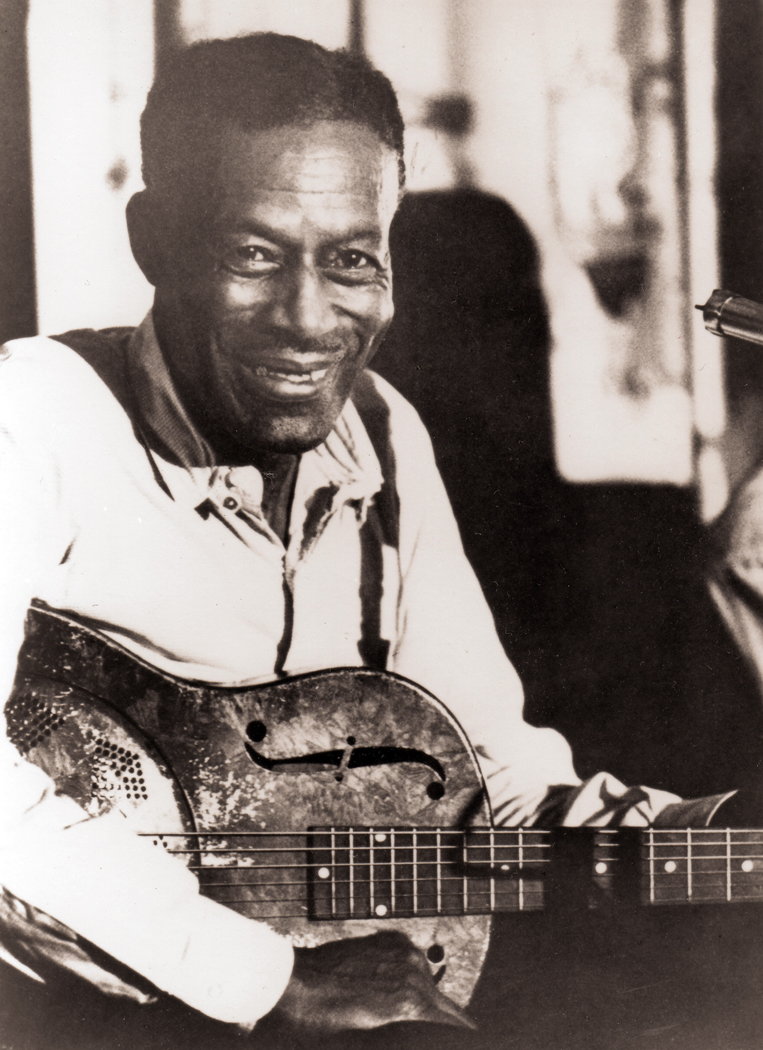
One might compare Son House with Montovani. The one is pretty, the other is raw, ugly, powerful. House gets to the gut with the sharpness of a surgeon’s blade. Montovani, no matter how glossy and smooth, is a soporific.

Other ugly music: Tom Waits, grating in voice and peculiar in instrumentation, yet, more satisfying than, say, John Denver. I know, that’s not fair. Sorry. But you know what I mean.

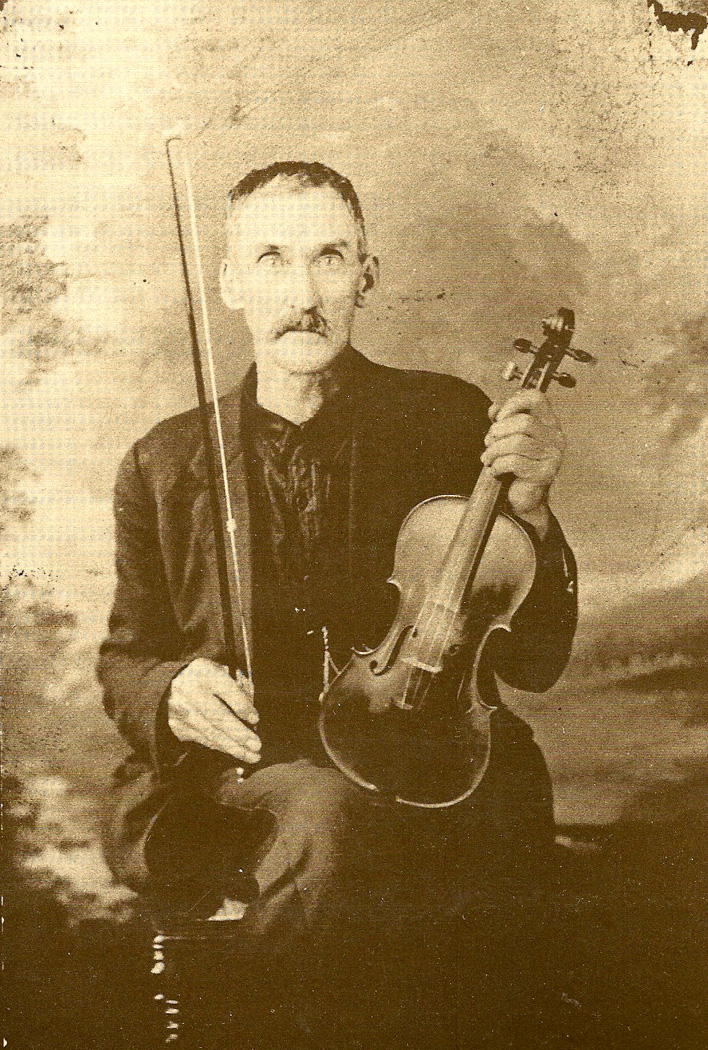
I have a long history with ugly music of all kinds. Appalachia is weighted with ugly music that is beautiful. Consider those mountain Baptist family choirs, singing vibrato-less and consistently just a hair flat, making the most mournful keening. Or the scratchy mountain fiddling of Emmett Lundy. I treasure his few recordings.

Many years ago, I had an LP of field recordings of amateur Spanish brass bands playing for religious festivals, marching down village streets. Sour, scratchy, blaring, they were so intensely beautiful in their ugly way, I came to love them. Alas, the LP is long gone and I’ve never found a digital replacement.

When I was a teacher of photography, one assignment I gave my students was to make a bad photograph. I required that it not be a technical botch, but a bad photograph from conception in the viewfinder. What my students — or at least my good students — discovered, and I already knew, was that if you are paying attention to what you are doing, it is very, very difficult to make a bad photo, because the fact of your attention rules out anything not paid attention to — i.e., the ugly.

It is often said that beauty lies in the eyes (or ears) of the beholder, but I think this saying is basically misunderstood. It is taken to mean something like “To each his own,” or “de gustibus non desputandum est,” but I take it to mean quite differently, and more to the point, that beauty is found in the engagement of mind and senses with the object of perception. In other words, when you pay attention with the focus of someone defusing a bomb, you discover layers of depth and meaning — and therefore beauty — that you might not have suspected. And so, the stains on a concrete sidewalk, layered with fallen leaves and maybe a gum wrapper, will, when observed attentively and with the full engagement of your sensibility, may very well strike you as heartbreakingly beautiful.

This is not just something for pointy-headed esthetes. I have known a farmer who can squeeze a handful of spring soil in his hand and find its loamy odor beautiful enough to bring tears to his eyes. For most of us, it’s just dirt. But to someone who attends to it, it is the essence of existence.

It is the engagement that creates beauty, not the beauty that creates engagement.

And so, when you listen to the Schoenberg Piano Concerto with this sort of eager absorption, you discover a beauty in it that those listening passively, perhaps with the radio on while doing their taxes, can never enjoy, hearing instead only a jumble of disconnected noise. It is not disconnected; it is not noise. It is a carefully created esthetic whole and a thing of beauty and a joy forever.

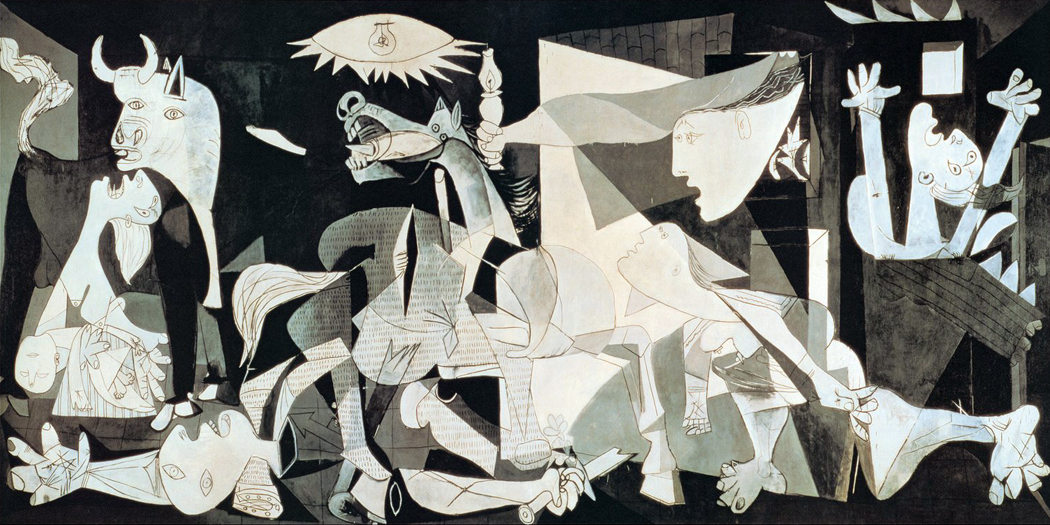
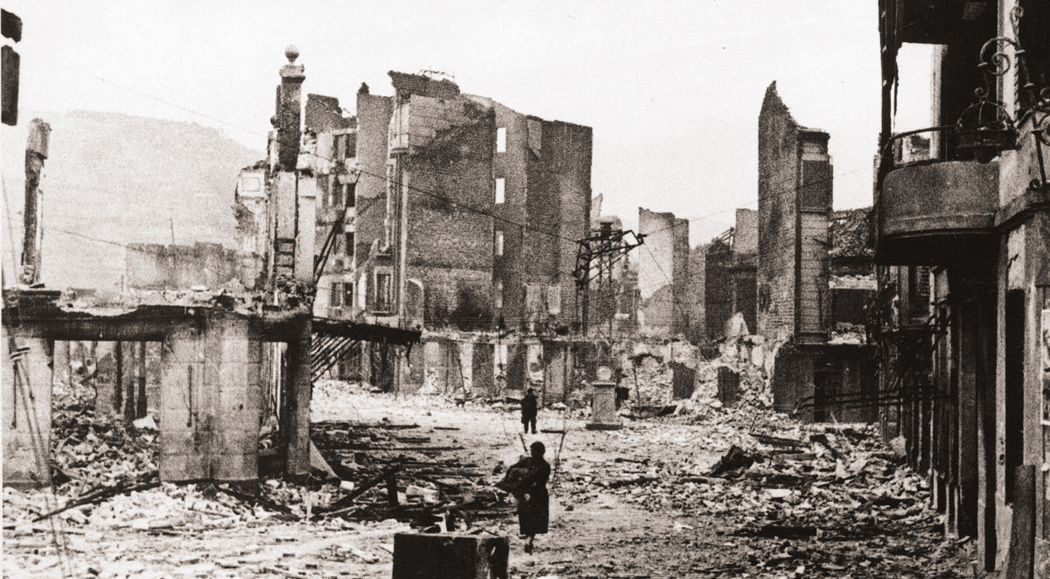
When I was in high school in New Jersey, I spent as much time as I could in Manhattan, visiting galleries, museums, bookstores and concert halls. And I came to love the Museum of Modern Art. I’d get out of the elevator on the gallery floor and to my right would be Jackson Pollock, Van Gogh’s Starry Night, Pavel Tchelitchew’s Hide and Seek (a painting that primarily appeals to an adolescent, which I was at the time), and beyond those, the the farthest gallery was Picasso’s Guernica, 25-feet wide and 11-feet high.

It is a painting of utter ugliness, not only in subject matter (the Nazi bombing of the Basque city of Guernica in 1937) but also in the angular, distorted and abstracted shapes that make up its design. If one has a shred of humanity, the painting cannot be seen without a welling up in your gorge. It is the prime example in the 20th century of a political painting that is actually an esthetic success. It is Picasso’s shay-doov, and the one piece of art, if we had to choose a single one to represent that century, would be the consensus choice.

It is also profoundly beautiful. While I am pleased that the painting has finally been returned to a democratic Spain, I mourn its absence from New York, from my life. I treasured its palpable presence and its emotional power.

The ugly may be beautiful, the pretty, never.

deep end of the poolThere are two approaches to learning: Some prefer to take small steps and try out the simplest and easiest first; others like to dive headfirst into the deep end of the pool.

When it comes to classical music, the first approach is most common. We don’t want to scare our pupil, so we spoon feed the shorter, easier, more comfortable pieces to them: a Chopin waltz or a Rachmaninoff piano concerto. At its worst, this leads to a belief in the student, that classical music is a warm bath to soak in, a place to let your mind drift, to let soothing images wander through your imagination.

Dickand JaneThe “Dick and Jane” approach, though, can be patronizing. If you have a real hunger for emotional and intellectual depth, the approach trivializes the subject. It pretends that the more difficult music isn’t the real heart of classical music, but some sort of broccoli to be had along with your Satie Gymnopedie or your Carmen Suite. Classical music is meant to be listened to with intensity and focus, as you might read Dostoevsky or a Greek tragedy. If your mind wanders, you have lost the trail.

I recently wrote a blog about sharing my music with my granddaughter, Tallulah Rose; she, in turn, shared with me her contemporary indie-pop music (You can find it here: https://richardnilsen.com/2016/03/14/both-sides-now).

The response to this blog entry was overwhelming: More people have clicked on it than any other, and the comments added to it are legion. The piece must have hit a nerve.

Among those comments have been a number of repeated questions, and one of those is a request for further “guidance,” as to what to listen to in order to become more familiar with classical music. There is a hunger out there for something more serious or formal than the 3-minute song.

So, I’m assuming an adventurous listener, perhaps with a collection of Frank Zappa, Nick Cave or Radiohead. That is a listener who does not want to start out on baby food, but wants to dive into the deep end, who wants to drink the hard stuff.

So, here is my preliminary list of deep-end music for those who want to find out what classical music is really all about: It isn’t about style (there is a great deal of so-called classical music that is really just the conventional style of its day and has no particular claim to posterity — one thinks of Ditters von Dittersdorf or Friedrich Kalkbrenner) but about sounding depths, expanding on form, creating sound narratives and searching for meaning. I have written in the past that the essential question of classical music is “How do you write a piece of music that lasts longer than three minutes?”monk stamp And that the idea of classical music needs to be expanded to include the classical musics of other cultures, such as that of India or Japan, and also to include jazz, which is really just another classical music, at least in the hands of its most serious practitioners, such as Miles Davis, Thelonious Monk or Duke Ellington.

But here, I am going to restrict myself to what is commonly called classical music: the European-American tradition of art music.

So, here’s a first go-round of suggestions for the brave new listener.

Ludwig van Beethoven, Grosse Fuge. Originally the final movement of his string quartet in B-flat, Op. 130, it proved to challenging for both the audiences and the performers of his day, so he felt compelled to write a replacement for it and publish the fugue separately as his Op. 133. It might be the toughest nut to crack in all of classical music. In it, Beethoven builds such a huge double fugue (that is, a fugue not on one theme, but on two themes played simultaneously, upping the ante and the difficulty by not doubling, but squaring the complexity), that it breaks the mold of what a fugue can be, as the fiddlers nearly saw their instruments in half. Playing this music is like taming wild tigers. If you survive this, everything else is a piece of cake.

grosse fuge furtwangler

There is one performance that nearly tames this wild animal, and that is a recording from 1954 with conductor Wilhelm Furtwangler leading the Vienna Philharmonic in an orchestral version of the music. It can be found on You Tube at: https://www.youtube.com/watch?v=pSfcE3HH7dk.

Grosse fuge animation

A version for quartet in more modern sound can be had from an unidentified quartet with an entertaining animation that makes visual the notes at: https://www.youtube.com/watch?v=6s0Mp7LFI-k.

polonaise fantaisie horowitz

Frederic Chopin, Polonaise Fantaisie, Op. 61. This must be the hairiest thing Chopin ever wrote, incomprehensible on first listening — it seems to wander and never make up its mind. But after many hearings, it is one of the high points of western music. Give it a chance. Those opening chords are the most desolate in all music, especially the way Vladimir Horowitz plays them. Horowitz owned this piece. Here he is from 1966 in Carnegie Hall: https://www.youtube.com/watch?v=KI38MuQ4YdQ.

bach chaconne heifetz

Johann Sebastian Bach, Chaconne from Partita in D-minor for solo violin. A great teacher of mine said that this is what he called “serious” music, that is, music not meant to paint a picture or tell a story, but music so abstract, so pure as to exist practically in a Platonic realm. On a single fiddle, he has the violinist play variants of the same series of chords over and over, gaining in depth and complexity as it moves along. Here is Jascha Heifetz playing at about the age of 70. It doesn’t get much better than this: https://www.youtube.com/watch?v=6q-Zqz7mNjQ.

bach chaconne grimaud

For contrast, the Chaconne has been transcribed several times for piano. Here is Helene Grimaud playing it as opened up by the great pianist Ferruccio Busoni (don’t expect pure Bach; this is a 19th century re-imagining, but it is glorious): https://www.youtube.com/watch?v=sw9DlMNnpPM.

bartok quartet

Bela Bartok, String Quartet No. 5. Written in 1934, Bartok’s next-to-last string quartet is a model of construction, built in an arch-like form, so that it moves fast-slow-fast-slow-fast, with key structures and melodies equally symmetrical. The two slow movements imitate the sounds of night, with chirping and cawing, crickets and crows. The central movement is in a time signature typical of Bulgarian folk music, with beats broken up into nines broken into patterns of 4+2+3 and later into tens, broken into 3+2+2+3. And, in the finale, just before the end, you hear an imitation of a hurdy gurdy. It’s a lot to fit into a tightly argued quartet. Here it is played by the Hungarian String Quartet: https://www.youtube.com/watch?v=lMjRjLHbacw

berg violin concerto

Alban Berg, Violin Concerto. This is one of the most emotionally draining pieces of music from the 20th century, written “in memory of an angel,” the angel being Manon Gropius, daughter of Alma

Manon Gropius

Manon Gropius

Mahler and Walter Gropius. Manon died a teenager from Polio in 1934 and Berg, who was exceptionally close to the family, wrote this concerto in elegy. It is composed in the 12-tone technique, but in an accessible style, because the tone-row he built the music around has obvious tonal implications. It is heartfelt and moving, and in the final movement, the last notes of the tone row miraculously turn into the Bach chorale, “Is est Genug,” “It is enough.” If you can hear this and not blubber like a baby, you are more stalwart than me. Anne-Sophie Mutter, New York Philharmonic, Lorin Maazel. https://www.youtube.com/watch?v=gd0dMs0MTg8.