Archive

Tag Archives: beethoven symphonies

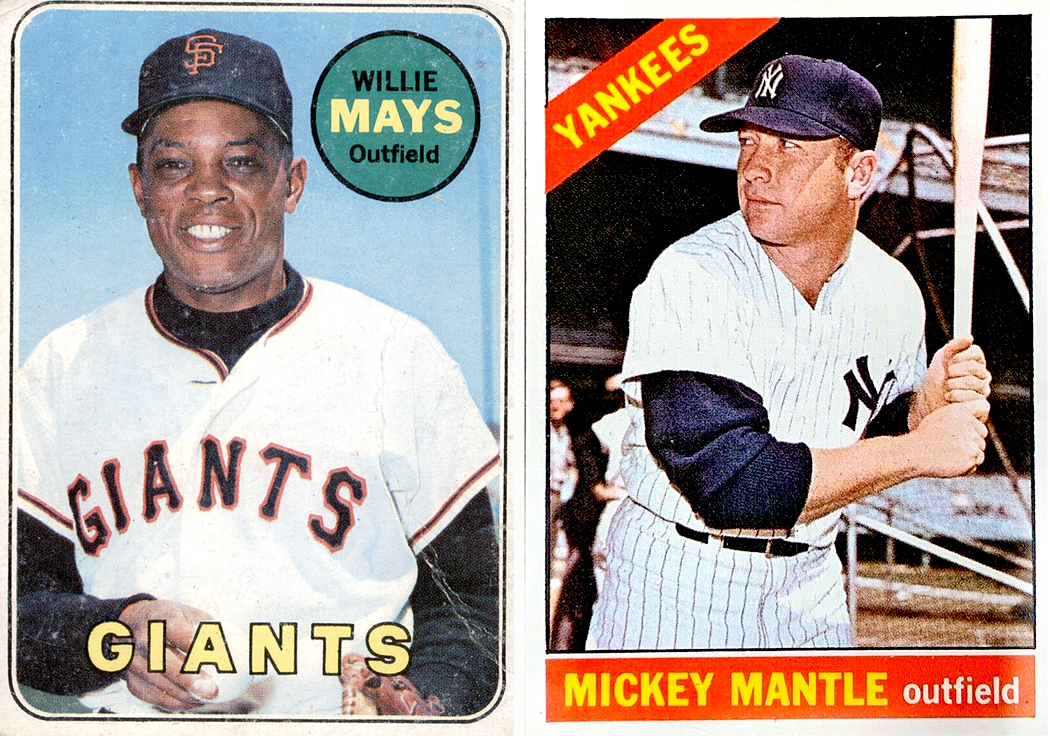
When I was a boy, one thing divided us into tribes: Was Willie Mays the greatest baseball player, or was Mickey Mantle? (This was before Mantle’s legs gave out). 

And of course, this was a silly argument, first because there were many other great ballplayers at the time, but mostly because choosing the “greatest” anything is a meaningless endeavor. (Just in the 1950s, we’re counting Stan Musial, Duke Snider, Hank Aaron, Ernie Banks, Yogi Berra, Ted Williams, Gil Hodges, Jackie Robinson, Ken Boyer.) 

But for us kids on the sandlot, it was a clear choice between Mays and Mantle. Was Mays the better hitter? Was Mantle as good a fielder? And are we comparing each player at the height of his abilities? Are we comparing lifetime batting averages, number of home runs, percentage of votes to enter the Hall of Fame? In the era of sabermetrics, there are so many obscure statistics to weigh, it all becomes bogged down and pointless. (Who is best at hitting with a 2-and-1 count, on an overcast day with men on second and third — it can get quite specific, i.e. quite anal). 

By the way, I was a Mays guy. Perhaps I was swayed by the fact that my father hated the Yankees. He was National League all the way. 

It’s all really quite silly. Above a certain level, players just count as exceptional and comparisons are meaningless. I mean, who was the greatest pitcher? Sandy Koufax? Bob Gibson? Nolan Ryan? Greg Maddux? They were all so different, with different strengths, and playing for widely different teams and different eras. (I remember when Roger Craig lost 20 games for the NY Mets, but was still considered the team’s pitching ace — how can you measure his quality when playing for one of the worst teams ever? How many games could Gibson have won playing for the 1962 Mets? They went 40-120.)

Ranking is a game, but one that is ultimately meaningless. Let’s face it, the most mediocre ballplayer in the major leagues is still hugely talented. We’re talking gradients of excellence. 

All this comes to mind when I remember how classical music listeners talk similar nonsense over the “greatest” conductor or orchestra, or recording of the Mahler Second. 

I was guilty of such silliness earlier in my life. When I was in high school, there was no question in my mind that Arturo Toscanini was the greatest. I had all his Beethoven symphonies on LP. Later, having listened to a wider range of recordings, it was clear that Toscanini had his limitations. And not the least of these were the lousy quality of his recordings — they were hardly hi-fi. 

Open any Gramophone book of recording ratings and you will find a “top ten” and the “best” recording of any particular work. Top 10 lists are immensely popular as clickbait on YouTube. Critics argue endlessly about why this Mahler Ninth is the greatest and that one is just awful. 

But the truth is, that pretty much any recording you buy will give you the music you want, in a performance that is generally very good. Even a middling performance of Beethoven’s Fifth will give you 80 or 90 percent of what’s in the music. 

The arguing usually comes over trivial details that the critic considers essential: Was the tam-tam audible in the finale? Was the oboe in the second movement a bit squeaky? Was the tempo in the finale too fast, or too slow? We all have these benchmarks that define what we demand from a performance of a particular piece. But should that disqualify an entire performance? 

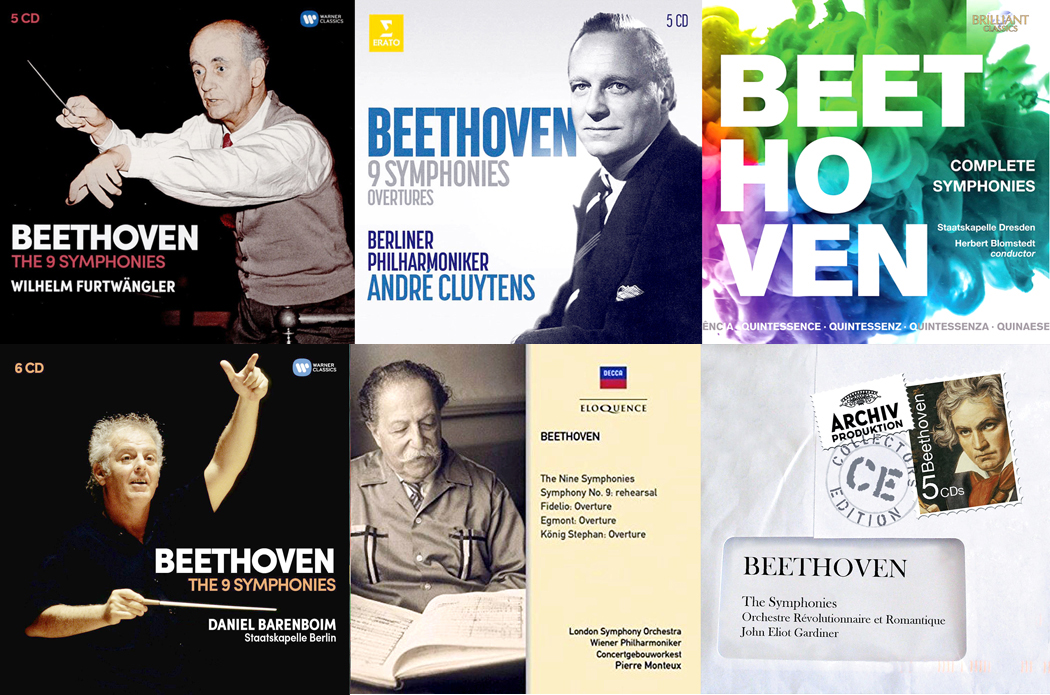
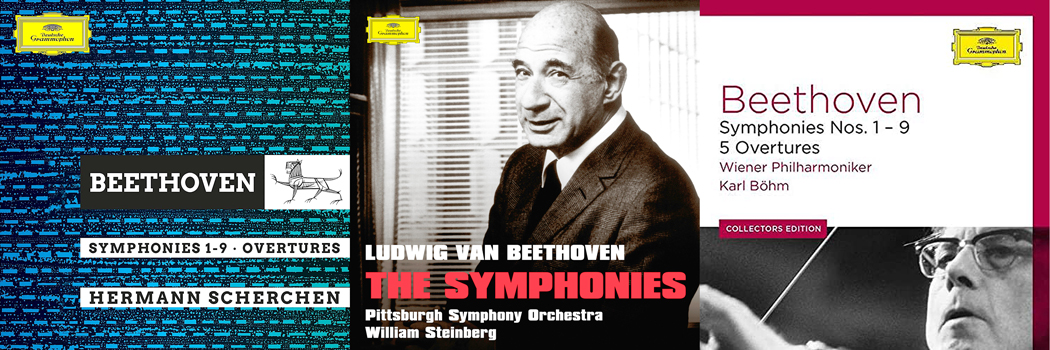
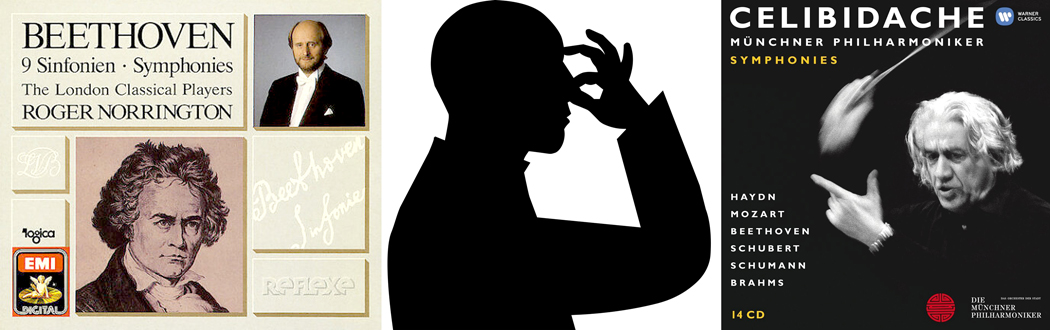
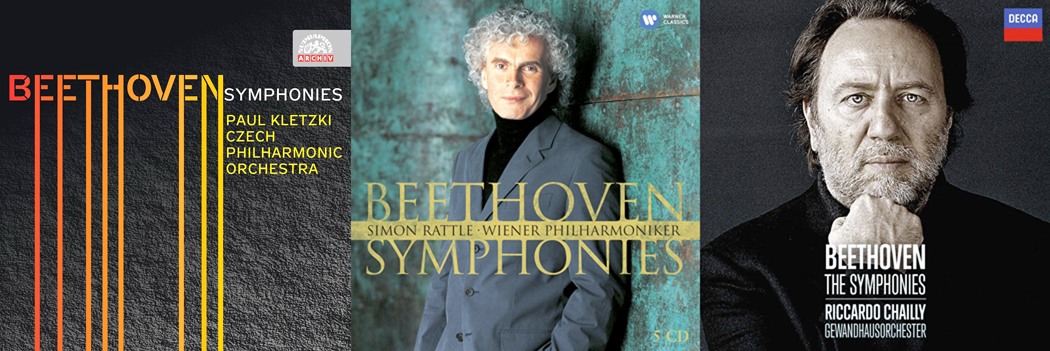
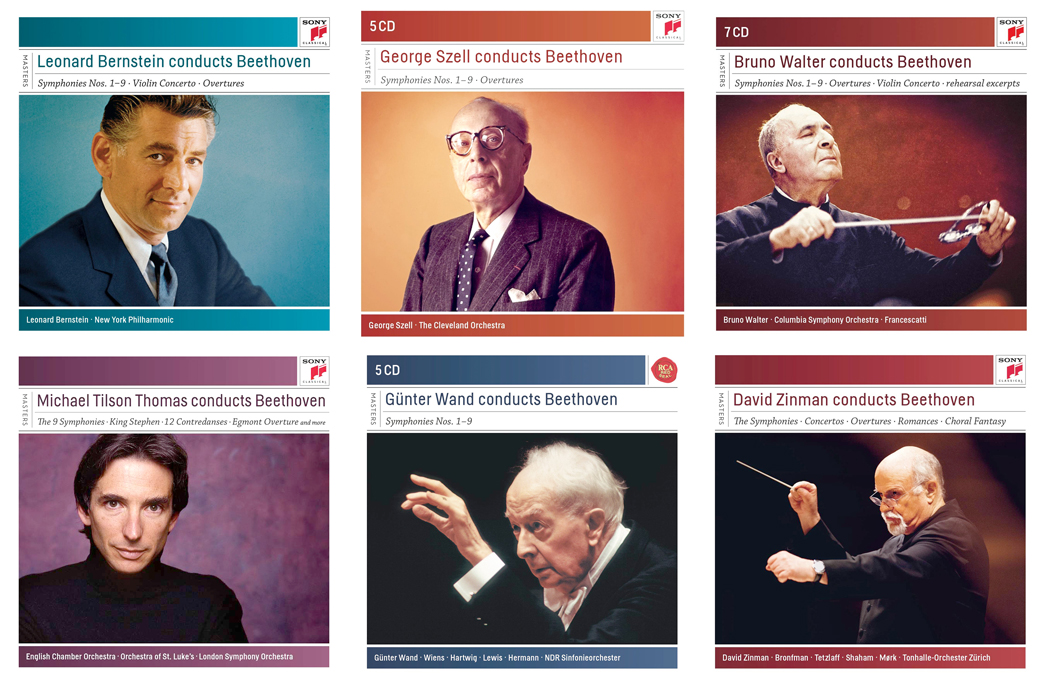
I have to fess up to a level of insanity here — I have 30 complete Beethoven symphony cycles (I used to own more, but have since divested of some). It was a decades-long quest for the ultimate set, the perfect lineup of Beethoven symphonies. Which is best? 
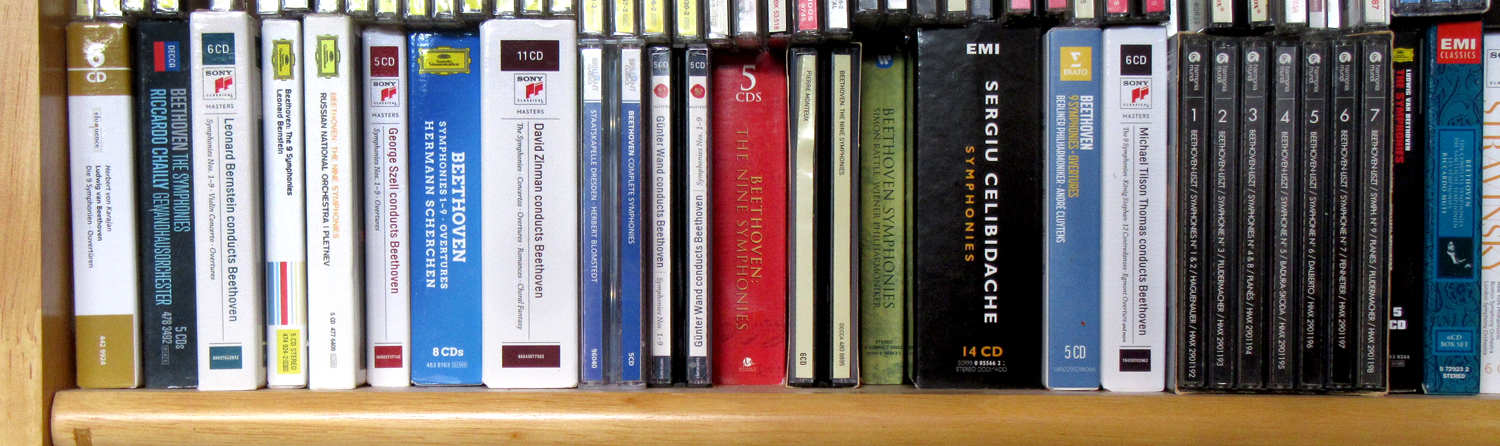
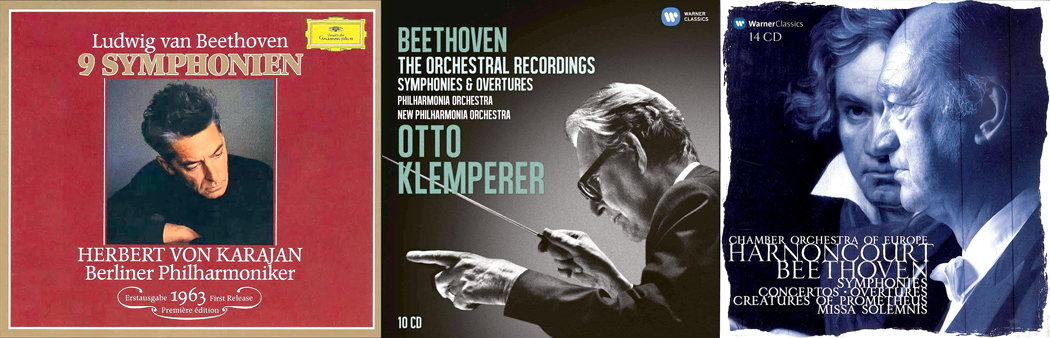
Well, now, I see them lined up on the shelf, and I realize they are all fine. They all deliver the goods. They are quite different, from Karajan’s smooth unctuousness to Hermann Scherchen’s outright weirdness. Toscanini (which I still own, now on CD) is quick, abrupt and rhythmic; Bruno Walter is gentle, humane, and warm. And so, at different times, in different moods, I will choose one over the other for the moment. But they are all perfectly good. Why rank them? 

Yes, there are some outliers, badly played or outrageously conducted — Listen to Sergiu Celibidache doing the Eroica and you wonder if you are playing the disc at the wrong speed — it’s the speed a novice orchestra might play for an initial sight reading. Glacial in a way that is just nuts. Or Roger Norrington, who conducts as if his bladder is bursting and he needs to get it all over with fast. (Norrington races through the adagio of Beethoven’s Ninth in 10 minutes; Bernstein in Berlin takes 20 minutes for the same music. You pays your money and you takes your choice.)

But the mainstream recordings, from George Szell to Andre Cluytens to Pierre Monteux to Joseph Krips, all give perfectly fine, reputable, performances, whether Beethoven, Brahms, Sibelius, Stravinsky or Shostakovich. They are excellent musicians with excellent orchestras (some, such as Maurice Abravenel, had less than excellent orchestras, but made them play on a level you can hardly credit). 

So, we search endlessly for that one performance that will send us into paroxysms of ecstasy, that single transcendental recording, and each CD we buy we hope will be that one. Wilhelm Furtwängler recorded Beethoven’s Fifth 13 times from 1929 to 1954 (most of them miserably low-fi, even amateur recordings), and the Furtwängler cult will search endlessly for a 14th, hoping it will finally fulfill their hunger for the ultimate, the one after which they will gladly give up life with a satisfied smile on their faces. 
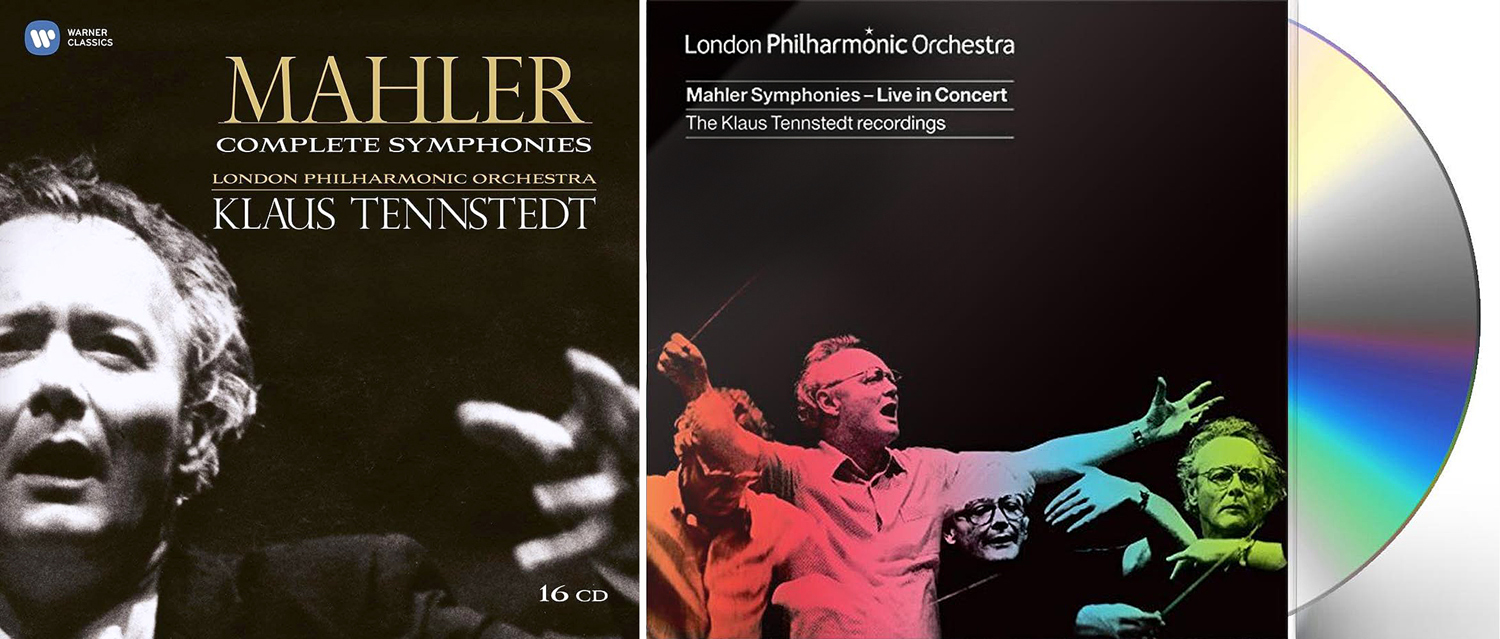
It is widely opined that Klaus Tennstedt’s live 1991 recording of Mahler’s Sixth Symphony is more emotional, more tragic, more vital than his earlier 1983 studio recording with the London Philharmonic. And that’s probably true. But if you only heard the earlier version, you would not be aware of anything missing or lesser in urgency or power. 

Martha Argerich has a habit of recording the same few concertos over and over again (how many Beethoven second piano concertos do we need from her? She has recorded it at least 13 times, and I may have missed a few.) And some people swear one or another is “the best,” but they are all excellent, and whether you prefer her with Abbado or Dutoit or Sinopoli is nothing more than a matter or taste. If you own one and you like it, there is no reason to buy the others, unless you are part of the Argerich cult, and if so, there’s nothing we can do for you. (Classical music does tend to generate cults: Maria Callas, Celibidache, Arturo Michelangeli, Jascha Horenstein, Toscanini, and, above all, Furtwängler. Cult members will search world over for the one missing 1949 partial recording from a radio broadcast from Rio de Janeiro. The heart goes pitter-pat.)
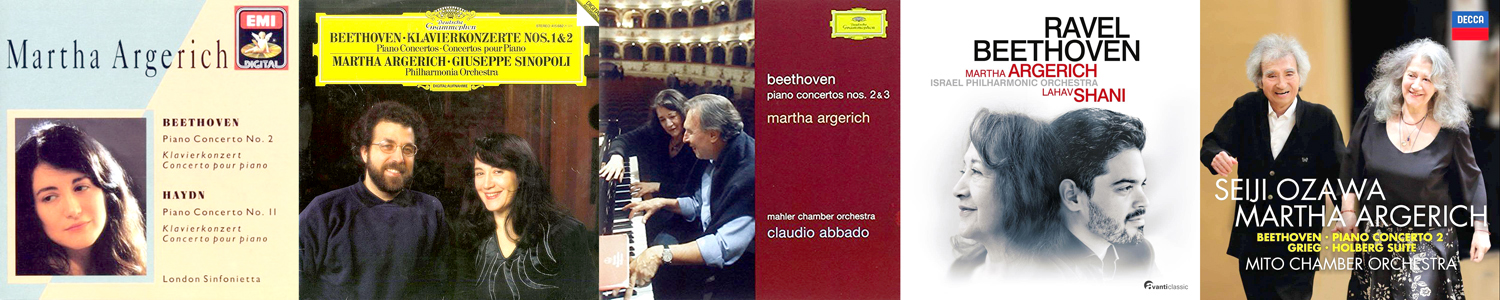
(Just for the record, Argerich has recorded once with herself conducting the London Sinfonietta; and also with Vladimir Ashkenazy; Gabor Takacs-Nacy; Gabriel Chmura; Lorin Maazel, Charles Dutoit; Neeme Jarvi; Giuseppe Sinopoli; Claudio Abbado; Riccardo Chailly; Seiji Ozawa; Lahav Shani; and again with Takacs-Nagy Please make her stop. She’s wonderful, but she needs to branch out.)

Yes, you will undoubtedly develop favorites, conductors who play more to your tastes. I know I have mine. But I cannot in honesty say that the ones I like best are demonstrably better than the ones I have less affection for. Taste is a different issue from quality. Basically, with a few unfortunate exceptions, if a performance was good enough to justify the expense of being recorded, produced, distributed and promoted, it will be perfectly fine. You don’t need 30 complete sets of Beethoven symphonies. 

So, one should not worry about what performance, what orchestra or conductor you get. Chances are, it will give you what you need. Bernstein or Walter; Mays or Mantle — they were each great players and picking one over the other is just silly.

One of the most popular — but meaningless — excrescences in current culture is the explosion of Top 10 and Top 5 lists. They are everywhere, on the internet, in magazines and newspapers, and on TV. 

When I took an early buyout from my newspaper a decade ago, it was largely because, as a feature writer, I was increasingly asked to provide what are artlessly called “listicles,” that is, newspaper articles in the form of lists: “Five things to do in Sedona,” “Five best pancake toppings,” “Top five wines from Indiana.” 

The direction the newspaper was going was to avoid any actual writing of prose and substitute a quick list — easy to put together, popular with readers, and completely and utterly devoid of substance. I could see the handwriting on the wall, and decided it must be time to leave the profession. 

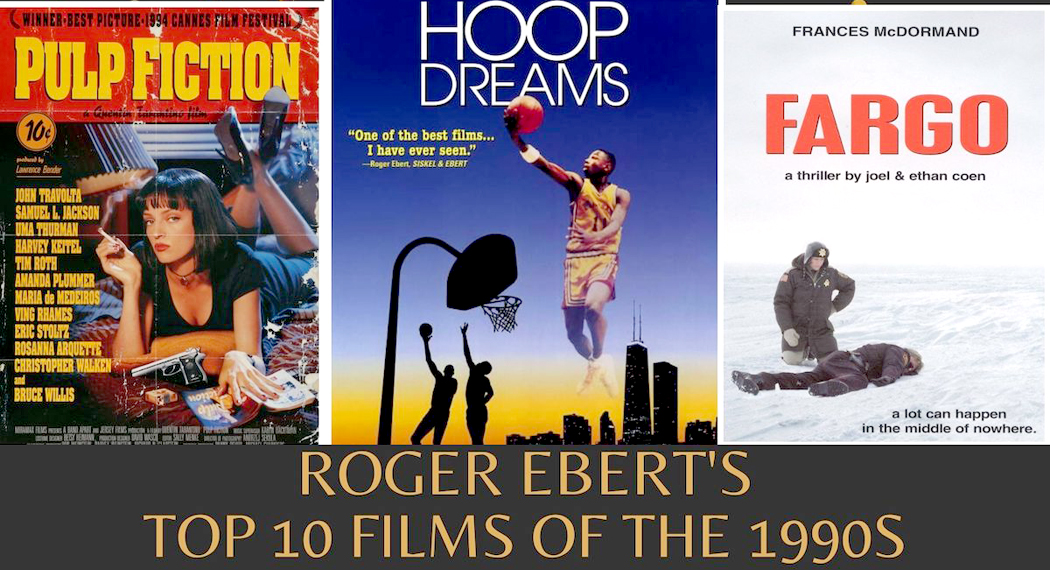
Of course, I am guilty of making such lists, too. We all are. For this blog I have written several lists, including the ultimate lists of the 50 greatest lists of all times (link here). My list of the Top 10 films of all time has at least 40 movies on it. Heck, my list of best foreign films counts 100 of them (link here). But I am now doing penance for my sins. 

Top 10 lists, such as the year-end lists by movie critics, are only just a record of the taste and opportunity of the critic in question: No critic has actually seen all the movies released in a given year, and the final choices depend entirely on the likes and dislikes of the reviewer. There is usually some overlap, but no two critics will offer quite the same list. Such lists are fun to read, and may be a vague guide to what films might be worth seeing, but as an ultimate judgment of quality and ranking, the lists are just smoke to blow away with time. 

There is no actual, objective, outside omniscient and divine judge to parse differences between, say The Godfather and The Godfather Part II. Above a certain level, it is all cream. 

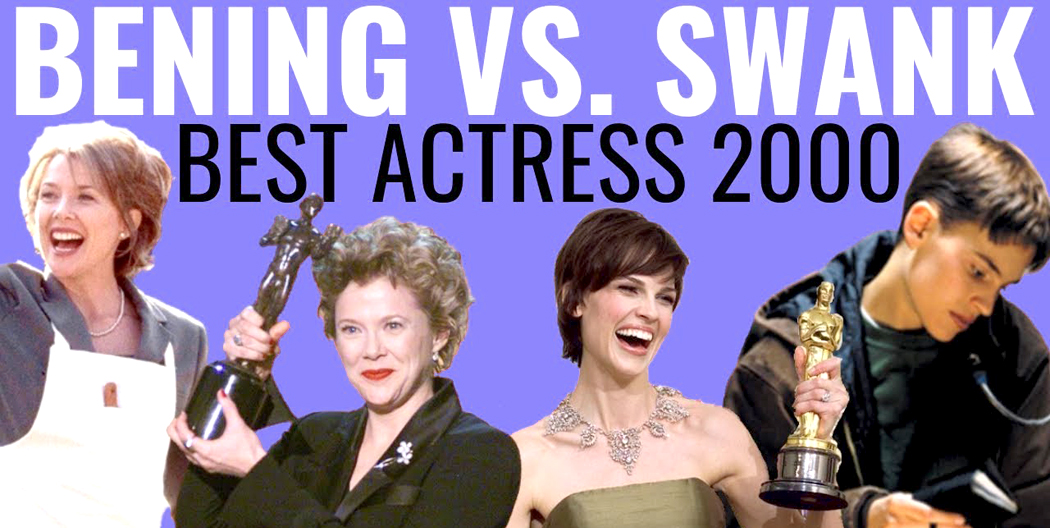
Many of the artists who show up on such lists, whether actors or directors or costume designers, know full well that art is not a competition, and that comparing a great tragedy and a great comedy is worse than apples and oranges. Hilary Swank was voted best actress in 2000 for her role in Boys Don’t Cry, and it was a powerful and moving performance, no doubt. But was she quantifiably better than Annette Bening, Janet McTeer, Julianne Moore and Meryl Streep? They were all good — as were a passel of actors who had films out that year who weren’t even nominated. Should Moore consider herself a failure because Swank came out on top? Silly, of course. 

People working at that high a level of accomplishment are all beyond mere ranking. 

This came flooding back on me because lately, I’ve been immersing myself in recordings of Beethoven symphonies. When I first began listening to them, more than 50 years ago, I had the Toscanini set on LP, which I played on one of those ancient drop-front Sears Silvertone record players, and as a mere youth, thought Toscanini was the greatest conductor ever in the history of the universe anywhere. When you are young, you are prone to rash and categorical judgments. (I have always owned a set of Toscaninis, in its various release permutations and remasterings. I’m not ready to toss him overboard just because I have found others who also do well.) 

Since then, I have heard the music uncounted times in concert and even more often on recordings. For many years, in the middle of my time on earth, I foreswore them, having — as I believed — worn out my ability to hear them as anything but background music. I knew them too well; they were too often programmed at concerts. Another Beethoven Fifth? God help us.

But after taking a 30-year break (outside of the concerts I attended or reviewed), I have come back to them and can hear them all again with fresh ears. And they are a marvel. There is always something fresh to hear. 

I currently possess  26 full sets of the Beethoven symphonies, ranging from the historical (Mengelberg) to the historically informed (Gardiner) and when I listen to them, yes, I have my favorites, and could (if paid) produce a list ranking the top 10. But they would merely be the ones I, personally, like the best. If I am fair, I have to say that pretty much all of them deliver the goods. 

(The only two exceptions are a set I no longer own — the Roger Norrington set — which is pure ordure in a garden of blooms. I threw it away; and the recordings of Sergiu Celibidache, which are perverse, and which I keep, mostly as a party record, to play for friends as a joke). 

But I can put on a Pastoral by Josef Krips, or an Eroica by George Szell, and I am hearing Beethoven. The wayward rubatos of Furtwangler or the strict disco beat of John Eliot Gardiner both bring me worthy Beethovens. 

The fact is, while you may absolutely detest the oozy legato strings of Herbert von Karajan, or the granitic tempos of Otto Klemperer, they are all excellent performances, and if you only owned one set (heaven forfend) you could be completely satisfied. Monteux, Chailly, Zinman, Bernstein, Leinsdorf, MTT, Harnoncourt — any of them — all give excellent, if different performances of the symphonies. You can have your favorite, but you have to admit, none of them is negligible, and all have something to say. 

It is like having to choose between Rembrandt and Vermeer. Is one of the better? Stupid question. Is Titian a better painter than Monet? What is the greatest novel? War and Peace? Don Quixote? Madame Bovary? Ulysses? Á la recherche du temps perdu? C’mon, man, rankings are idiotic. 

As an art critic for 25 years, I got to visit hundreds of art shows, from major international exhibits in New York, Chicago or LA, down to children’s art in grade school, and it is not that I am saying it was all wonderful — some art is certainly more accomplished than other art — but that universal approbation is no indicator of value. 

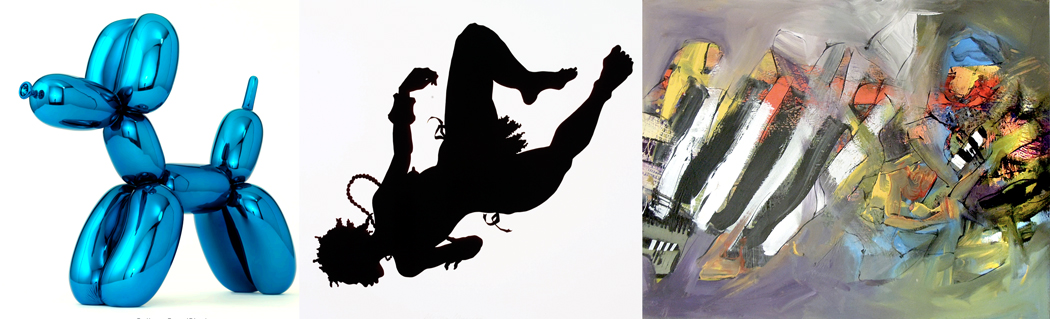
Yes, Jeff Koons or Kara Walker may be the names on trendy lips, and we may think of them as among the leading artists of our times, but I saw work by local artists that, given the right breaks, could be just as famous and lauded. There are tons of artists — painters, actors, musicians — just as good as some of our most praised, but who either lacked the vaulting ambition for publicity, or never had the dumb luck to have been discovered by some influential critic. 

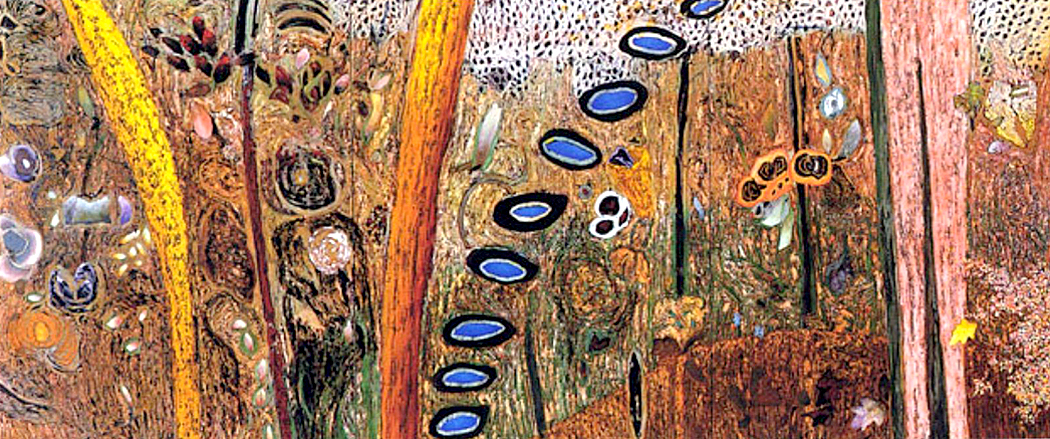
Is there any reason that David Hockney is ubiquitous and that Jim Waid is not? Waid is clearly as good a painter, and his canvases as original and distinctive, yet Hockney jet sets, and Waid paints in his studio in Tucson, Ariz. (I don’t mean to imply that Waid has no reputation — he does nationally — but nothing like the magazine-cover familiarity of Hockney). And I could find a dozen artists from any of the United States whose work would be as worthy. 

Sports may seem easier to listify, as we can always quantify the ten highest batting averages for any season or for career, although any real baseball fan knows that batting average doesn’t tell the whole story. And while we might compile a list of the greatest pitchers of all time, and there might be some agreement on the names, ranking them from the best on down will depend on one’s team allegiance or the era in which you most closely watched the game. Walter Johnson on top? Nolan Ryan? Bob Gibson? Sandy Koufax? Mad Dog Greg Maddux? Again, at that level, it’s all just opinion. 

Top 10 presidents? Again, there is cream at the top, and some sludge sinking to the bottom — and a fair consensus for top and bottom, even if the vast middle ground is murky, but how do we rank them all? Was Polk a better president than Hayes? Does Grover Cleveland get two spots on the list? Or just one, combined? 

List making is addicting, perhaps, but it is also empty calories. When I go scrounging through YouTube offerings, I am besieged by lists. They are click-bait and I have long ago learned to ignore them. Who was the worst mass-murdering tyrant in history? Who was the best defensive player in basketball? What are the Harry Potter books listed from best to worst? I don’t care. If you have something substantive to say about Hitler or Genghis Khan, about Bill Russell, or about the philosopher’s stone, then write something meaningful. Lists are an easy way to avoid engaging with actual thought. 

And I’ve made a list of them…