Archive

Tag Archives: big chicken barn

In addition to this blog, which I have been writing since 2012, I have written a monthly essay since 2015 for the Spirit of the Senses salon group in Phoenix, Ariz. The readership for each site seems to have little overlap, and so, I thought if I might repost some of the Spirit essays on my own blog, it might achieve a wider readership. This one, originally from Dec. 7, 2021, is now updated and slightly rewritten. 
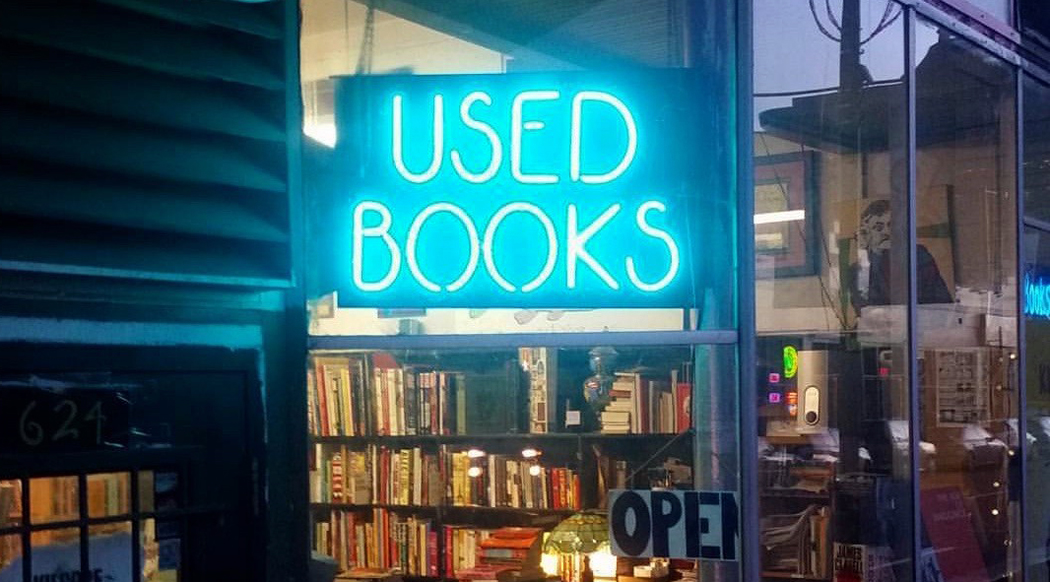
There are pleasures to be had in this world. And for a small group of particular people, one of the great pleasures is the used book store. Days can be spent wandering the aisles, like negotiating an English hedge maze. 
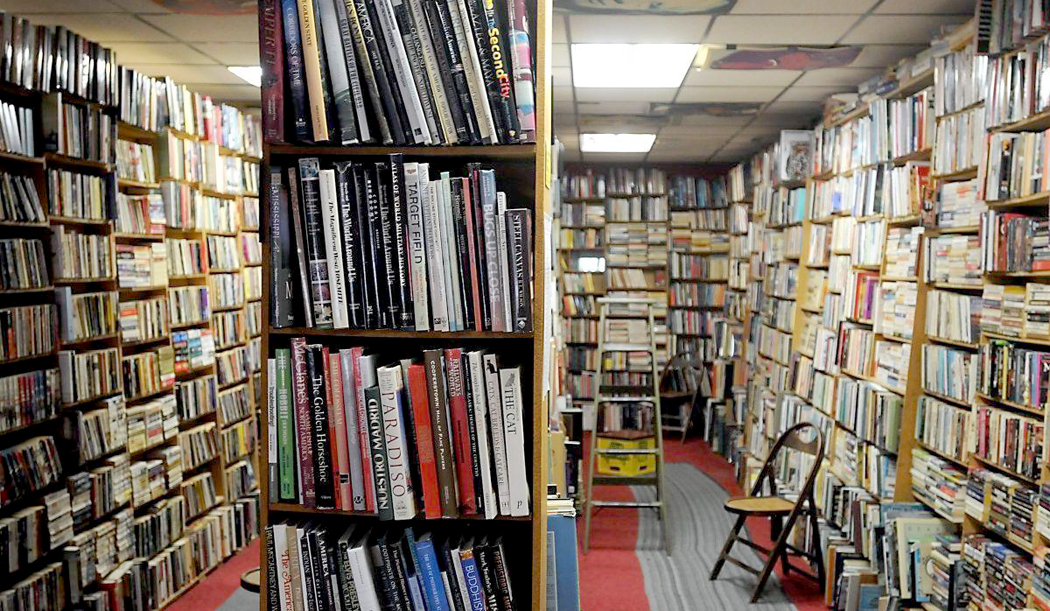
I confess that I am one of those people. An afternoon in a used bookstore is heaven. When traveling, my late wife and I would always stop for any used bookstore we came across, and even in the Midwest, where towns may be 20 miles apart, there was usually at least a little shop off Main Street filled with paperbacks. Others might seek out theme parks or historical monuments; we sought out-of-the-way and forgotten emporia of discarded books. 

But the days of the best used bookstores is gone, I’m afraid. 
It is used-book stores I mean, not used bookstores. Although, thanks to Amazon, bookstores are not as used as they used to be.

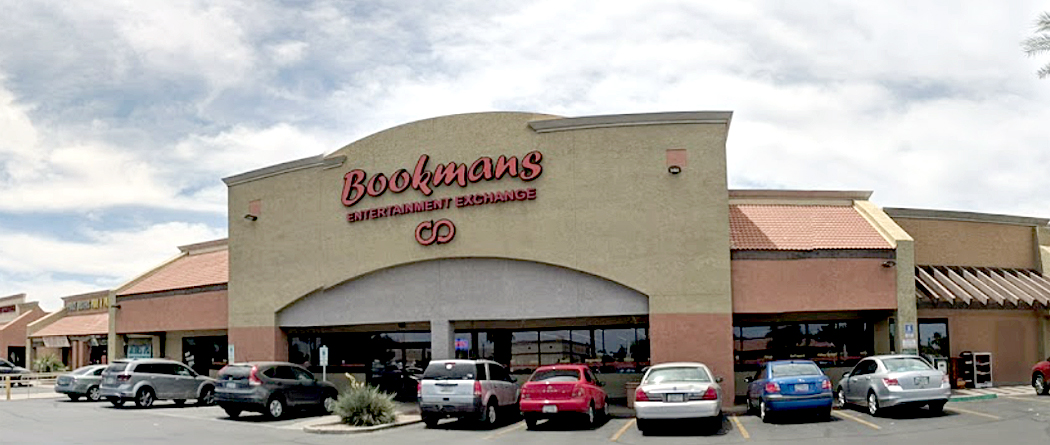
There are still lots of used-book stores, but their character has changed. Many are just storefronts in minimalls, stuffed with paperback mysteries and romance novels. Or, more recently, a spate of former grocery stores or automobile dealershops taken over by stores selling used books, records, CDs, DVDs and T-shirts with store logos on them. 

Bookmans in Phoenix and Mesa, Ariz., is one of them. I loved going there when I lived in Arizona. But it is in a shopping mall with acres of parking and the store itself is a refurbished supermarket. It is well organized and they make it easy to find what you want. But it is less fun to be lost in. 

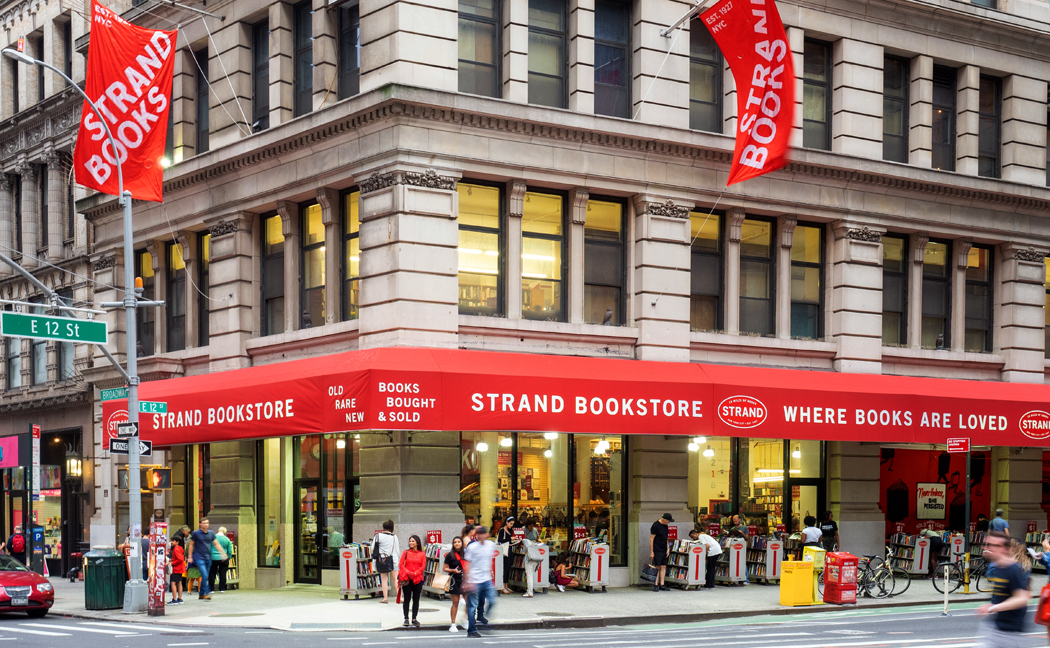
I am old enough that I remember Manhattan’s Fourth Avenue, known in the 1950s and ’60s as Book Row, where there were, at one time, 48 used bookstores, many specializing in one type of book: cookbooks, or science books. In its heyday, Book Row spanned the stretch of Fourth Avenue between Union Square and Astor Place. They are all gone now, lost to exploding rents and the retirements and/or deaths of the stores’ original owners. The only vestige of Book Row is the Strand Bookstore, which isn’t even on Fourth Avenue anymore. In 1957, it moved to Broadway and East 12th Street. 
In many of those old dinosaurs, the books piled high on swayback shelves, with rolling ladders to get to the high-up books. There was must in the air, and any book you picked up tended to have a patina of dust along the top, which you blew off, like foam from a glass of beer. 

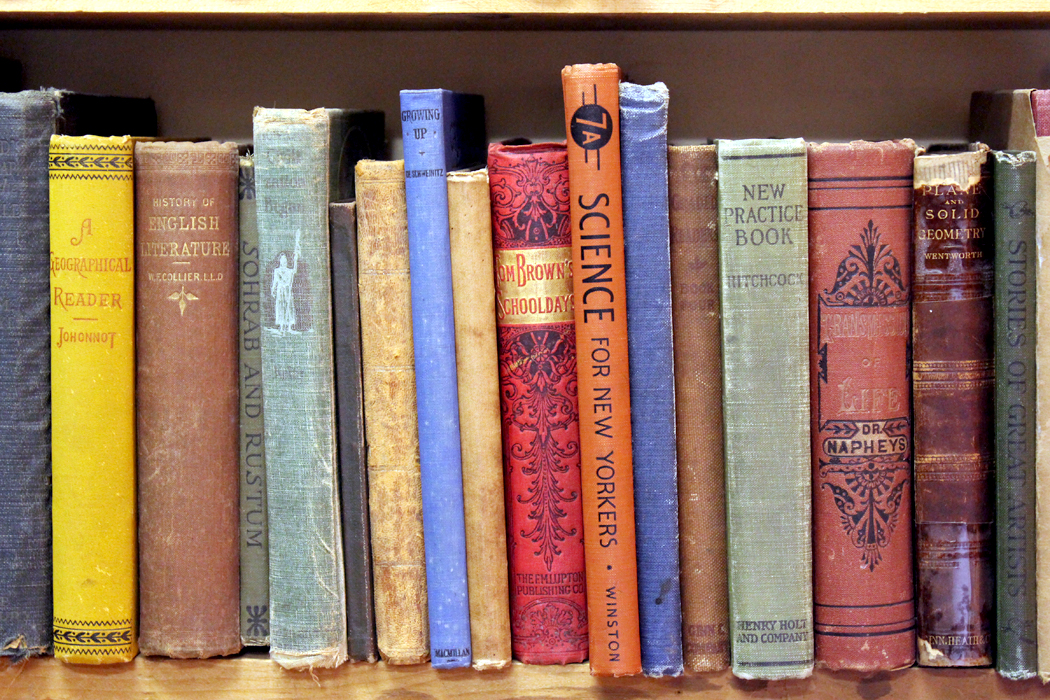
In such bookstores, you didn’t usually enter looking for a specific book, but rather, you were treasure hunting, seeking some wonderful volume you didn’t even know existed. Old books, from the 19th century, or the 1920s, with silver or gold titles on dark blue cloth binding. Their texts were letterpress, and each wonderful letter was embossed into the paper, leaving a texture on the surface. 
In one such bookstore in Virginia Beach, Va., — now long gone — the proprietor had a word for the die-hard book lover. She called us  “bibliopaths,” and she recognized us as soon as we entered the shop. A bibliopath is more than a book lover, but rather someone with an addiction that cannot be satisfied without a constant fix of more and more pages. 

In such stores, the books are not always well organized. They stuff the shelves, and rest in stacks on the floors. 

When I was in college in the 1960s in North Carolina, the Book Exchange in Durham was one of these troves. It finally closed in 2009 after 75 years in business, but back then, it had multiple stories of books, piled high and deep. I miss it like I miss my grandparents, long gone. 

One old customer remembered, “The Book Ex was enormous. It seemed to go on forever, up, down and sideways. It was a warren, a maze of narrow aisles between towering bookshelves and precarious piles. There were ladders propped everywhere, for reaching the shelves extending high overhead. As you wandered around, attempting to decode the organizational system and snuffling up the scents of old paper, new ink and dusty floorboards, you felt like an explorer about to make a life-changing discovery, and you felt right at home.”

It was never a “clean well-lighted place.” 
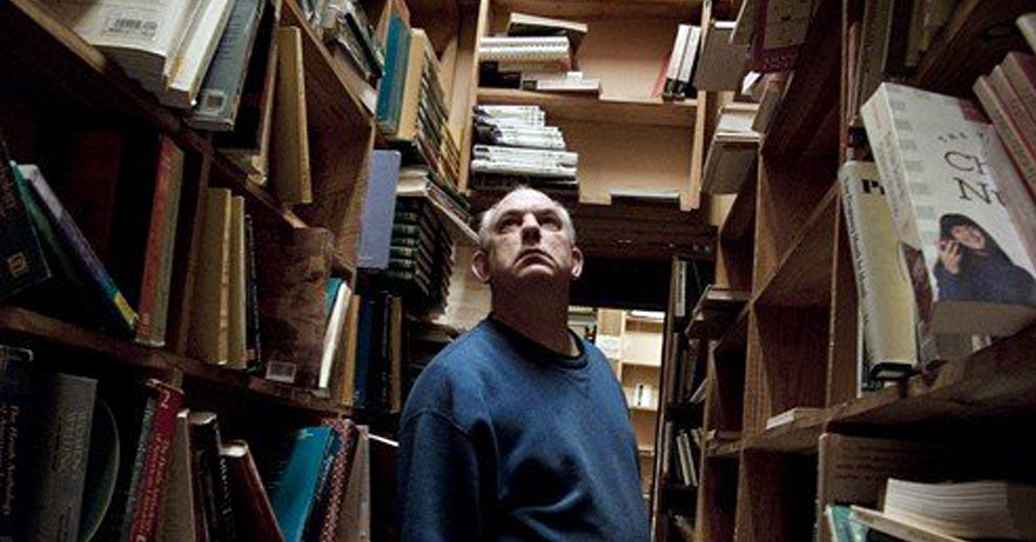
Another recalled, “When I walked in to this place, I noticed a sign up from the fire marshal, granting them some sort of exemption for having … gosh, I wish I could remember the exact phrase … something like ‘high stacks of flammable material.’ Anyway, that mental image might give you some idea of the inside of The Book Exchange — shelves and shelves of books going up the walls, everywhere you turn.”
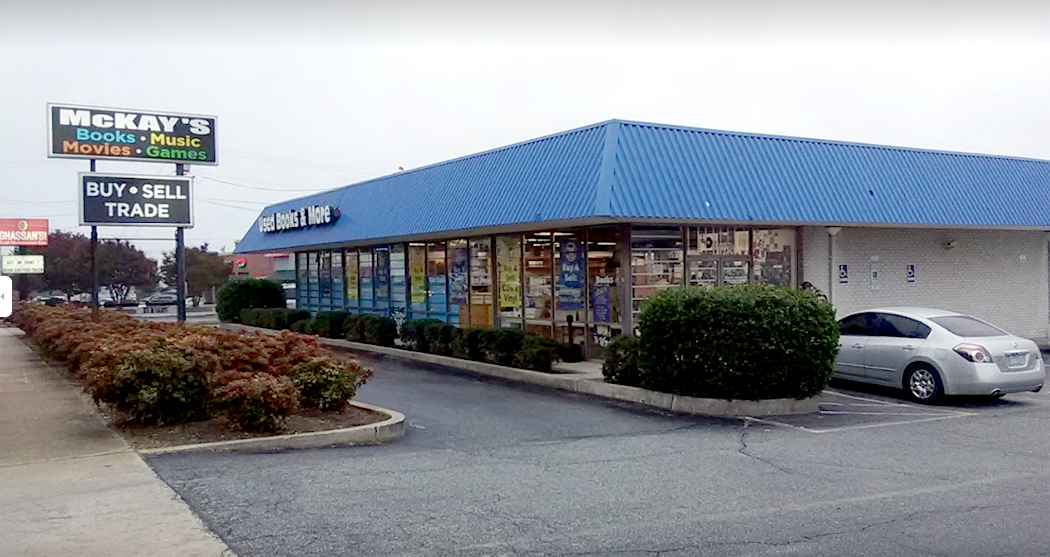
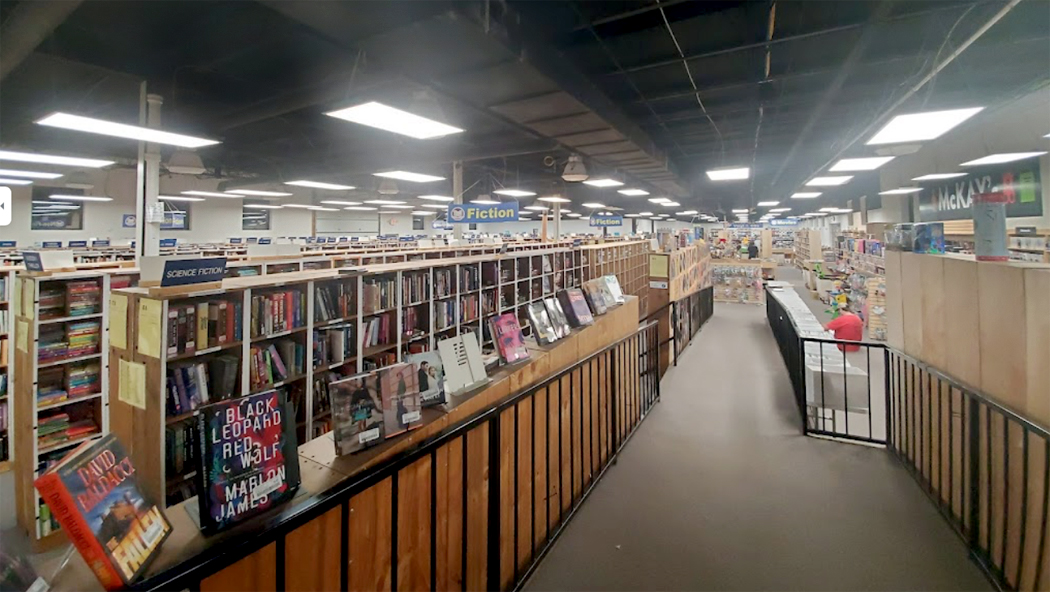
Most current used bookstores of any size have cleaned up, added bright signage and clever display racks. Stores like McKay’s Books in Greensboro. It has a coffee bar attached and modern hanging lighting, making the interior bright and cheery. There is still a great deal of treasure to be found, but the store has a more corporate feel to it. 
Some of the old stores, like Powell’s City of Books in Portland, Ore., have kept up with the times. The first time I went there, it felt a bit like the Book Exchange. The store covers an entire city block and had multiple floors of books. The staff was astonishing. You could ask for some obscure title and — this was before computer cataloguing — the clerk would take you three aisles over, up to a shelf seven-feet in the air and pull out the book, as if he had just left it there earlier this morning. 
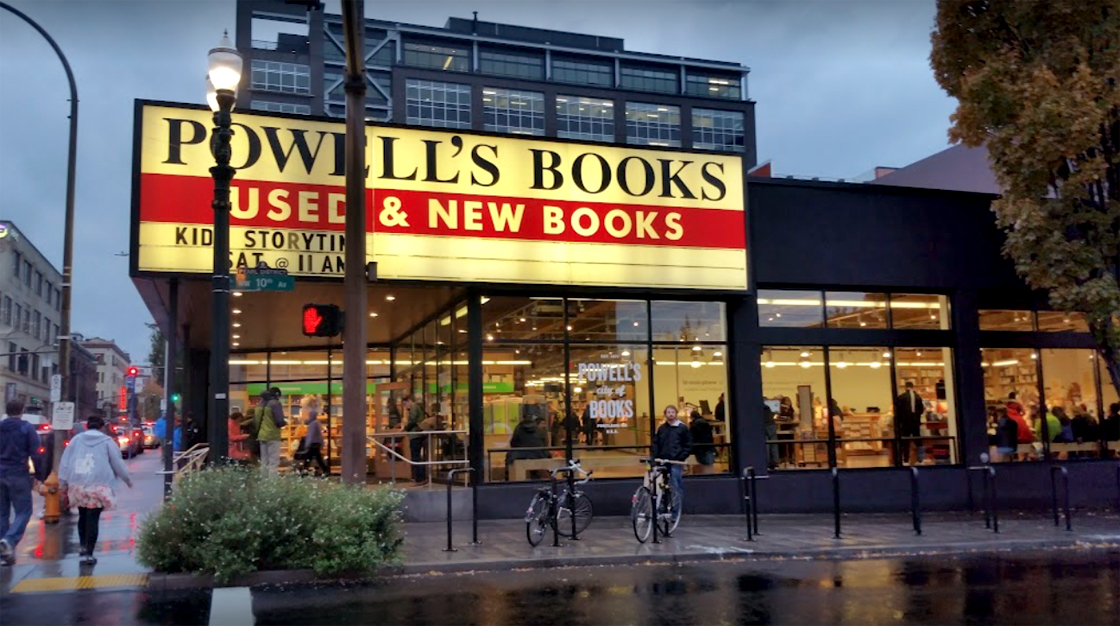
Powell’s is still the largest used bookstore in the world, but it has modernized and made itself user-friendly. Good lighting, modern display racks — and a coffee bar. 
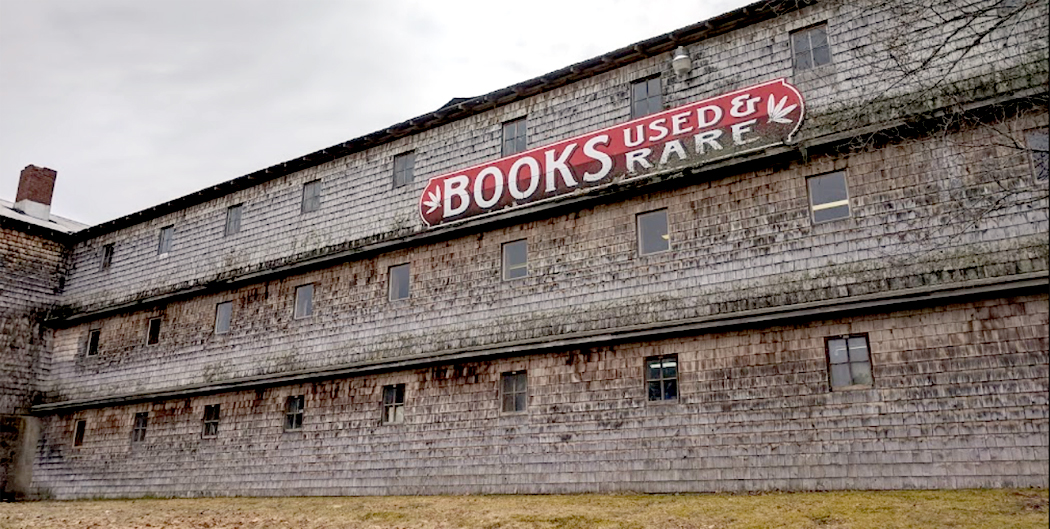
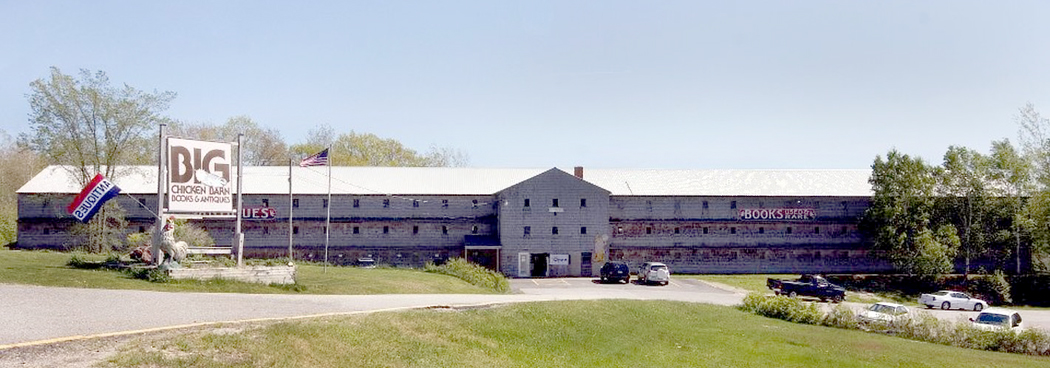
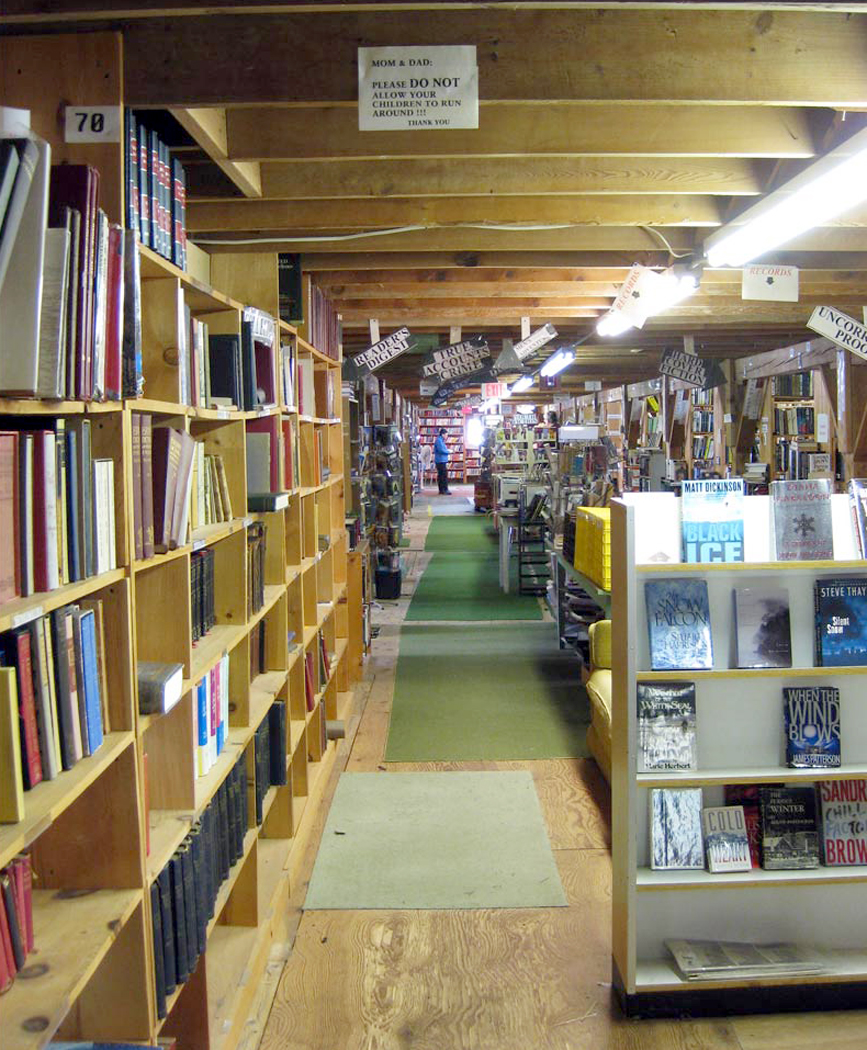
In Ellsworth, Maine, (actually a few miles out of town), there is the Big Chicken Barn, which still has the old feel, with creaking wooden floors and sagging shelves. It is an antique shop on the bottom floor, but upstairs is all books and magazines (you can find pretty much any Life magazine or Saturday Evening Post you might want, all racked up). The old wood shingled building is as long as a football field. Perfect for getting lost in the books and finding something you didn’t know you belonged to have. 
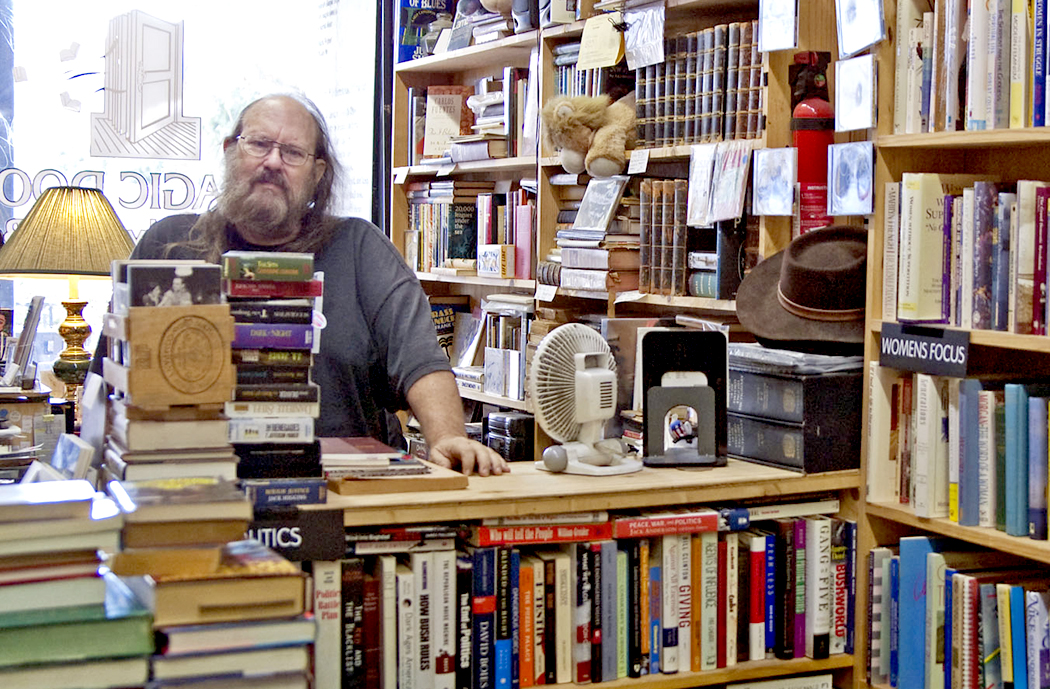
The owners and proprietors of many a shop is as eccentric as their catalog system. Often, they have spent their whole lives with books, and are more comfortable with them than with the people who come looking for them. 

We went once to a now-defunct used bookstore in Tucson, Ariz., called The Mad Hatter. We found out why. There was a sign that said, “No Talking,” and the man behind the cash register sat reading, bearded and scruffy. We asked about a particular book we wanted and he flew into a rage. “No talking!” he yelled. When we tried to apologize, he told us we were scum, and said, “Get out, now! Leave or I’m calling the police.” I don’t think he really wanted to let go of any of his stock, but sat on it like a dragon on its hoard. 
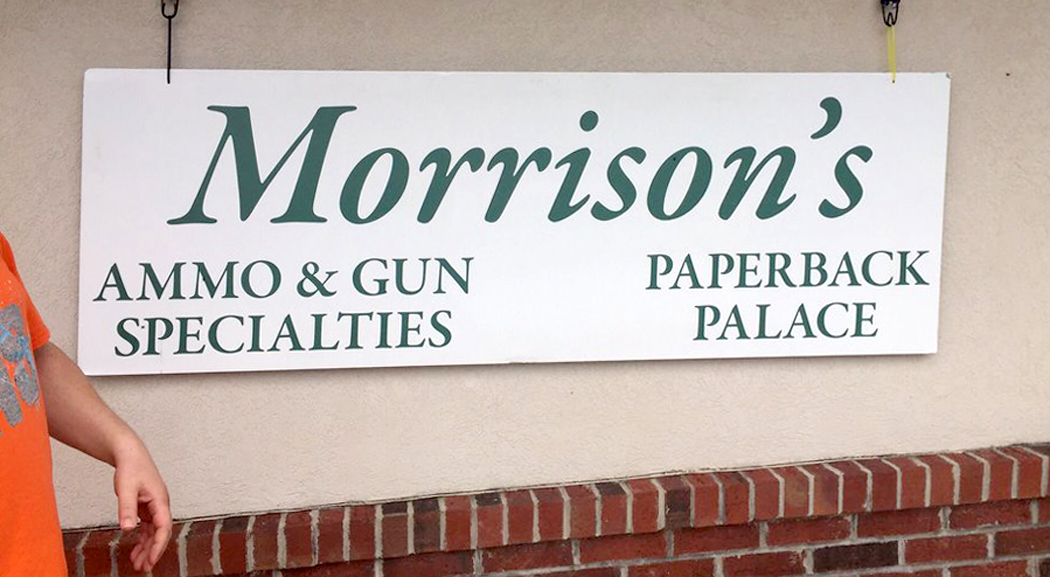
There is a place just south of Asheville, where I now live, called Morrison’s Paperback Palace Guns & Ammo. One side of the store is a welcoming warren of shelves, by and large unsorted, covered with books so diverse they must have been bought by the dumptruck. The other side of the store was racks of rifles, shotguns and pistols, with display cases of cartridges and hunting gear. Most of his customers barely looked at the books; they were there for the ordnance. The man behind the counter tolerated our presence on the bookish side of the shop. 
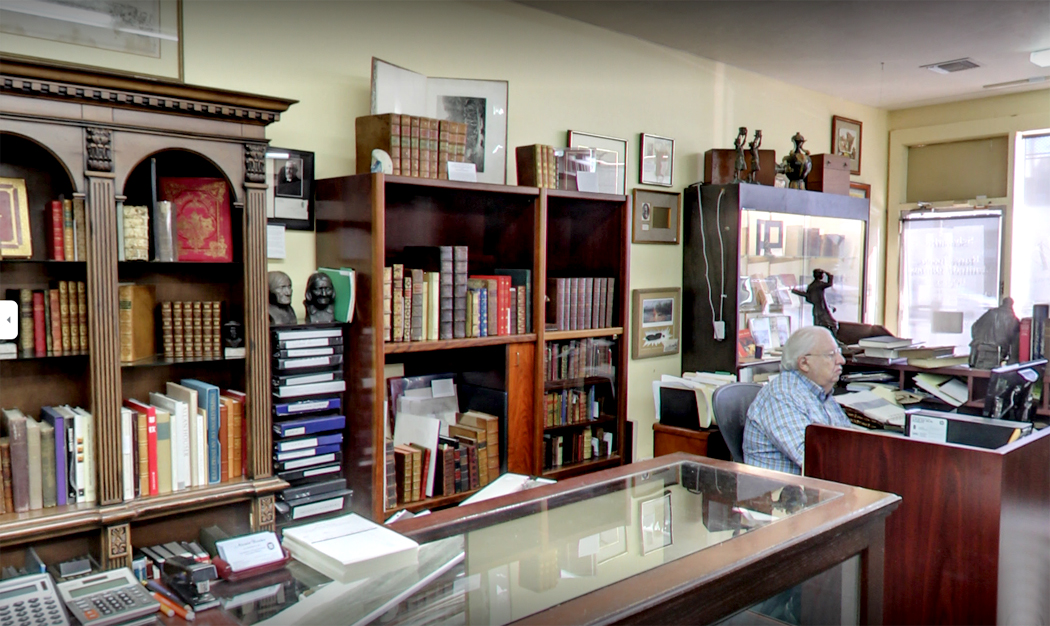
In contrast the quiet and aged owner of Alcuin Books in Scottsdale would rather have a long discussion about early Christianity, or the Latin language than take your money. Richard Murian often helped me find something I needed, even if it took a week, and he’d phone me telling me he had gotten it. He is a gem of a human being. 
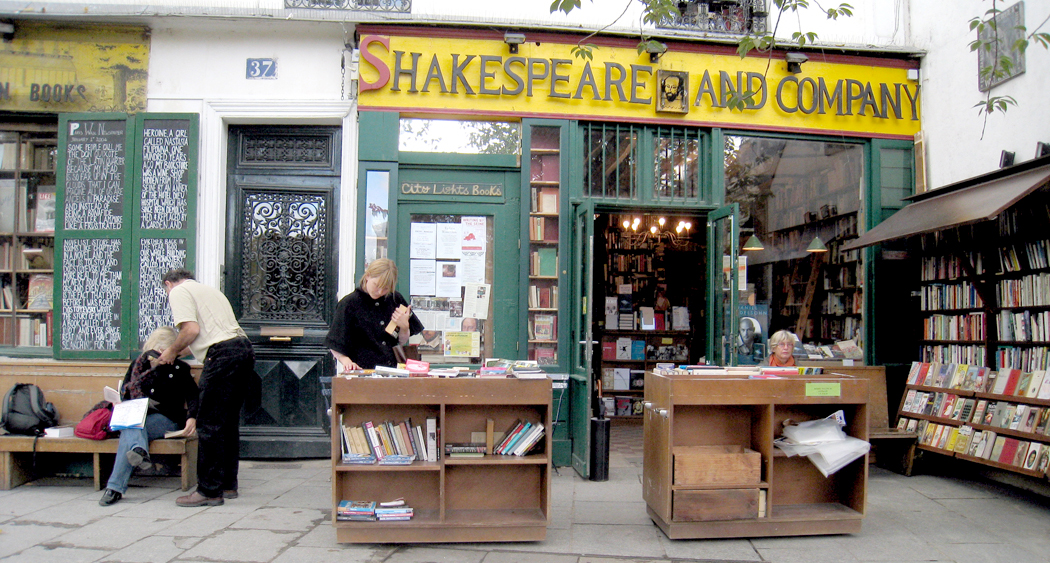
Or Sylvia Whitman, who currently runs Shakespeare & Co. in Paris. Famous for its original owner, Sylvia Beach, who kept the bookstore as a haven for expats in the 1920s, the store maintains its bohemian culture and will let writers down on their luck sleep there. And often, when someone could not afford a book, it was given or “lent” to them. 
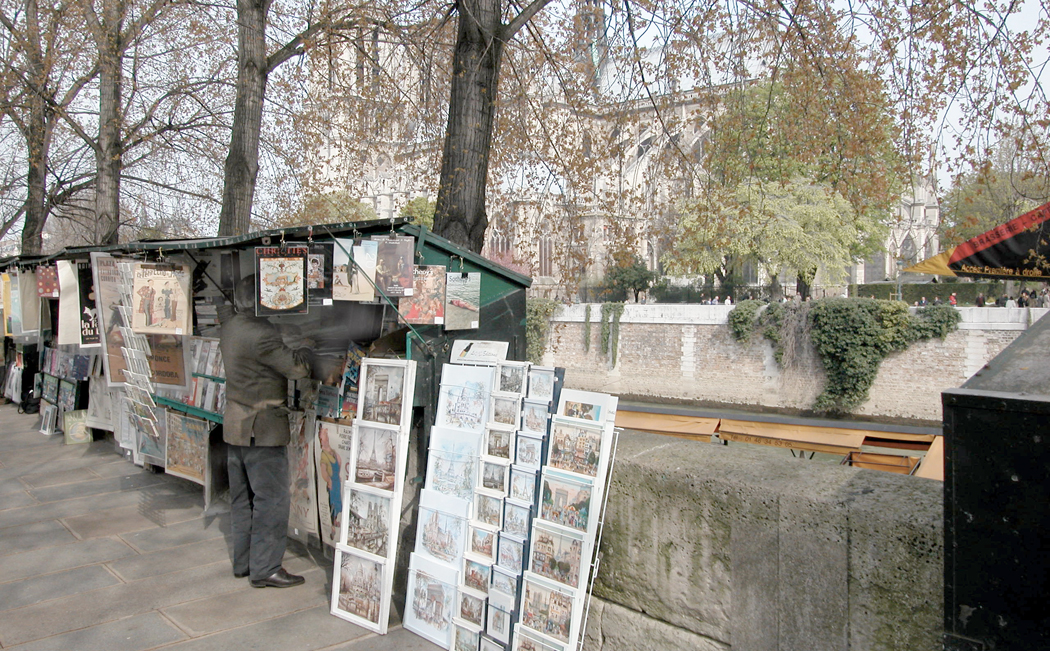
It is on the Left Bank, near the rows of outdoor booksellers and their kiosks, where old books can be pored over and treasures found. 

So too was the owner of a fly-by-night used bookstore that operated out of an attic in Greensboro in the late ’60s. I can no longer remember the name of the store, or of the generous owner of it, who also loved to talk with his customers, offering them coffee from a hotplate pot. He saw, one time, that I was especially interested in a photography book by Edward Weston. He wouldn’t sell it to me; he gave it to me, saying he knew I was the right owner for it. 

I still have California and The West by Weston and Charis Wilson. I treasure it, as my benefactor knew I would. We bibliopaths recognize each other. 

That book is now worth something on the collectors’ market, which is a plague on those of us who love the books. We buy them to read, and a cheap price is essential. But books that used to be shelf fodder are now priced beyond our means. The old Modern Library volumes used to stuff the shelves and were priced at a buck fifty or two bucks and gave us a chance to load up on classics. Now, an old Modern Library book can go for $20 or more to someone who isn’t interested in what’s inside, but whether it has its original dust jacket. 

Luckily, whatever old, musty used-book stores still remain can harbor the old books — naked without jacket — and the price pencilled onto the flyleaf when it arrived at the store, maybe 20 years ago. 
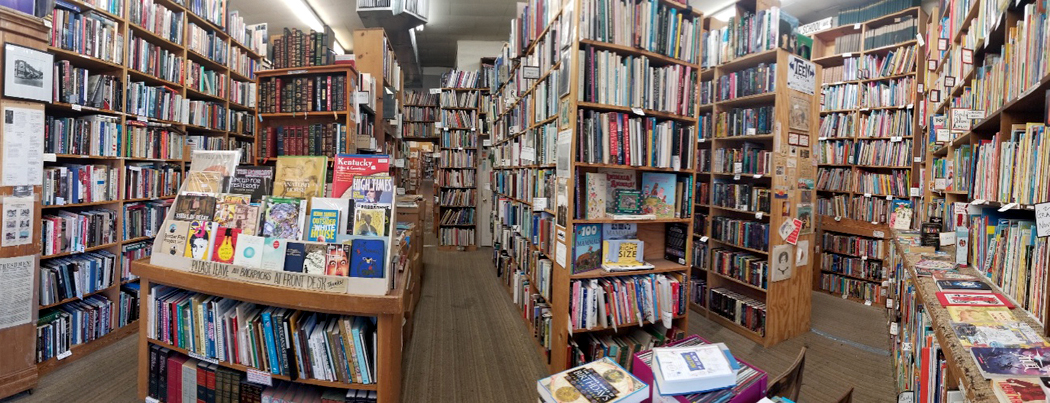
It is the treasure we bibliopaths hunt. 
In October my ex-wife and I decided to take a drive from Asheville, N.C., to Sullivan, Maine, to visit our old college friends, Sandro and Mu. This is Part 4 of that trip. 

Oct. 21

State mottos. “Virginia is for lovers.” “West Virginia: Almost Heaven.” New Jersey: “Home of  Jimmy Hoffa.” And Maine: “The way life is supposed to be.”

I need to catch up on a few things I’ve passed over so far. One of these is Mount Desert Island, or MDI as it is called here. One of the things Anne wanted to see was Bar Harbor, MDI, and Acadia National Park. 

Perhaps I am too jaded: I’ve been going there since 1978 and in the summer, it is so jammed that you can hardly move an elbow without stabbing the next guy. This was October and the crowds have drained out, although even a fall visit means traffic. 

We took the park road around the eastern lobe of the island. There are parking turnouts along the way, but as we drove, each was filled. A few places along the one-way road have a parking lane on the right, and we squeeze into one or two of those to get out and look. 

MDI is shaped on the map something like a lobster claw, with eastern and western halves, divided by a long, narrow inlet called Somes Sound. The busier half of the island is the east. The posher is the west, although if you continue on the loop road past Southwest Harbor and back up the westernmost coast, it is pretty much wilderness.

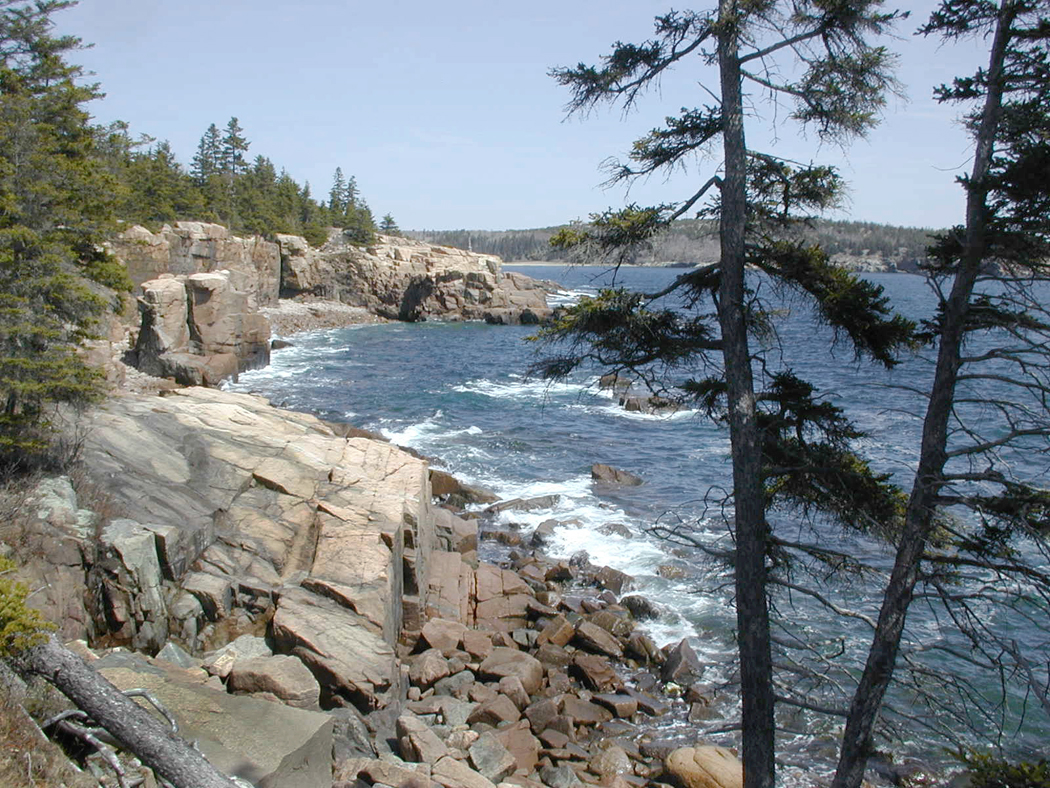
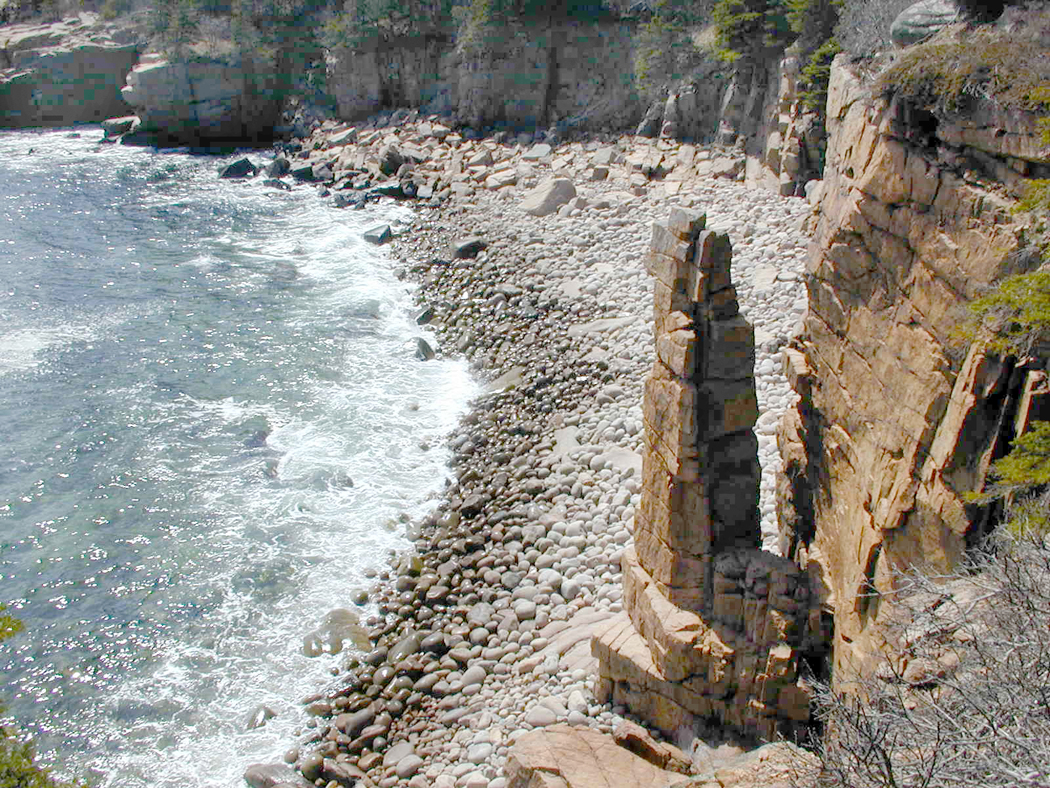
Most of the national park is in the eastern half, and the road passes Thunder Hole, Monument Cove and places so scenically perfect you can believe you have entered an idealized simulacrum of reality. 

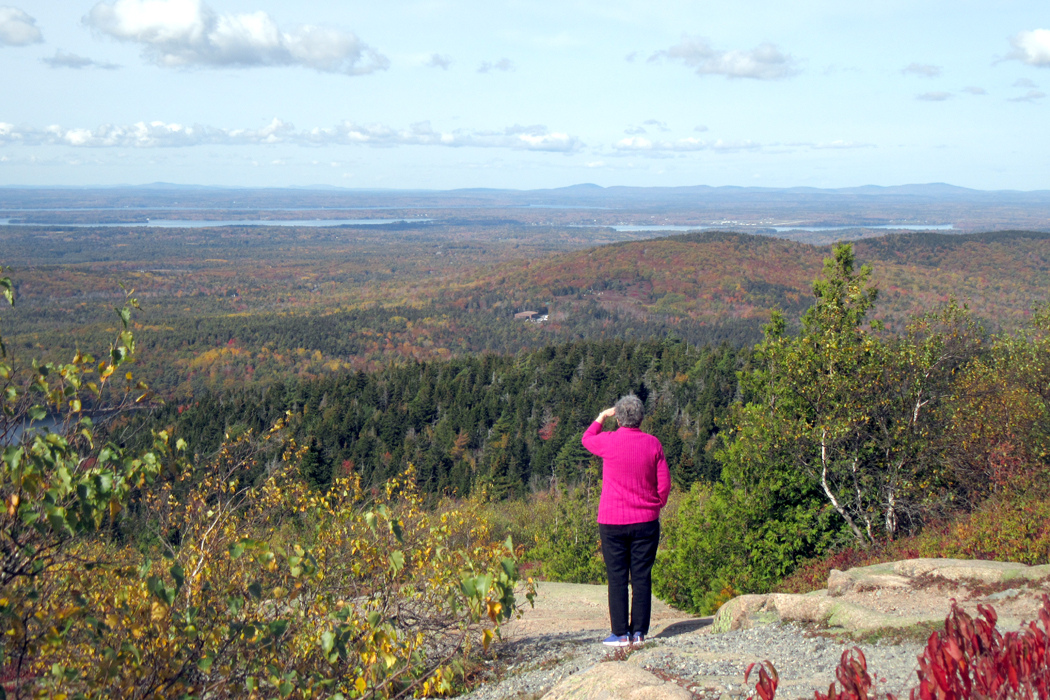
Finally, there is the road up Cadillac Mountain. It rises above the tree line to a rocky crest and a parking lot, filled with people making photos and filled with tour busses. 

The view is stunning, and we can look out over Frenchman’s Bay and see Schoodic Mountain, which sits over Sullivan. 

That visit was earlier in the week, but on this Monday, we head west from Ellsworth to the Big Chicken Barn, which is an antique and used book store west of Ellsworth; it is the size of an aircraft hangar. You can’t really compare it to any other used bookstore. When you are at one end of the books and look south, you cannot actually see the south end of the building.

And unlike so many mini-mall used bookshops, it isn’t filled with paperback romance novels, but with the real treasure a booklover seeks: Old books printed with letterpress type on rag paper, bound in leather or buckram, all piled on unfinished shelves like so much cordwood piled in a shed waiting for winter. One could browse for months. 

The problem I had was that although there were tons of books that caught my attention, and that I sort of wanted, there were none I could justify buying and adding to the midden of books already at the house. As I have gotten older, I am divesting my home of books more than acquiring them. It’s one of the things that comes with age and retirement. 

I did finally buy Philip Roth’s Zuckerman Bound, a compilation of all the Nathan Zuckerman books Roth wrote. I am embarrassed to admit that I have never read any Roth. I am now making up for that.

We were originally planning to leave on Wednesday and head home to Asheville, but Anne is having back trouble and is flat on a heating pad today. At 1 p.m., she has an appointment with a massage therapist. So we are waiting to see if she feels better after that, and will now probably leave on Thursday. Or Friday. Or Saturday. Anyway, we expect to be back before Halloween.

While Anne is having her back rolfed, I will be driving inland to find some good photos that are NOT of the rocky coast. And — more honestly — to listen to some Mahler on the car CD player as I drive. I miss my music. In the car, Anne would rather listen to NPR to keep up with the latest Trump news. Political chaos theory.

On the way out of Sullivan, I went to a Dollar General store. First time visitor. I was astonished. Anne swears by them, but I have simply never gone into one. As I left the house, I asked Anne if there was anything I could get her. She asked for a heating pad (the one she’s using is borrowed). I doubted they would have such a thing, but I said I’d look. When I got to the store (which is just down the street) it was as if an avalanche of American culture had its moraine enclosed in a box. I wandered up and down the aisles in rapt admiration, as if I were walking through a museum. They have pretty much everything.

The manager was a young man, about 25, with a a two-day growth beard and an apron, and he asked me if I needed help finding anything. “Do you have, by any slight chance, a heating pad?” “Yes, follow me.” He walked about five aisles over and down halfway toward the storefront and pulled a box from the bottom shelf. “Twelve Ninety-five,” he said. I added it to the armful of items I was purchasing: a box of kitchen trash bags, an extension cord, a micro-fiber cloth to clean the inside of the car’s windshield, a bag of Fritos, a 50-cent minbar of Dove dark chocolate to feed the monkey on my back, and a pretty green, leaf-design reusable shopping bag to carry it all in.

The trash bags were to help us with the refuse. In Asheville, we divide ours by garbage and recycles. Two dumpsters. But here, we had to go through the trash and separate the recyclables from the regular junk and all that from the compost. Three bags; one for each. In Maine, every can and bottle has a redeemable price, five to fifteen cents. Jay and Gina save them all up, take them to the redemption center (which doesn’t look at all like a church), and donate the money to an animal rescue fund.

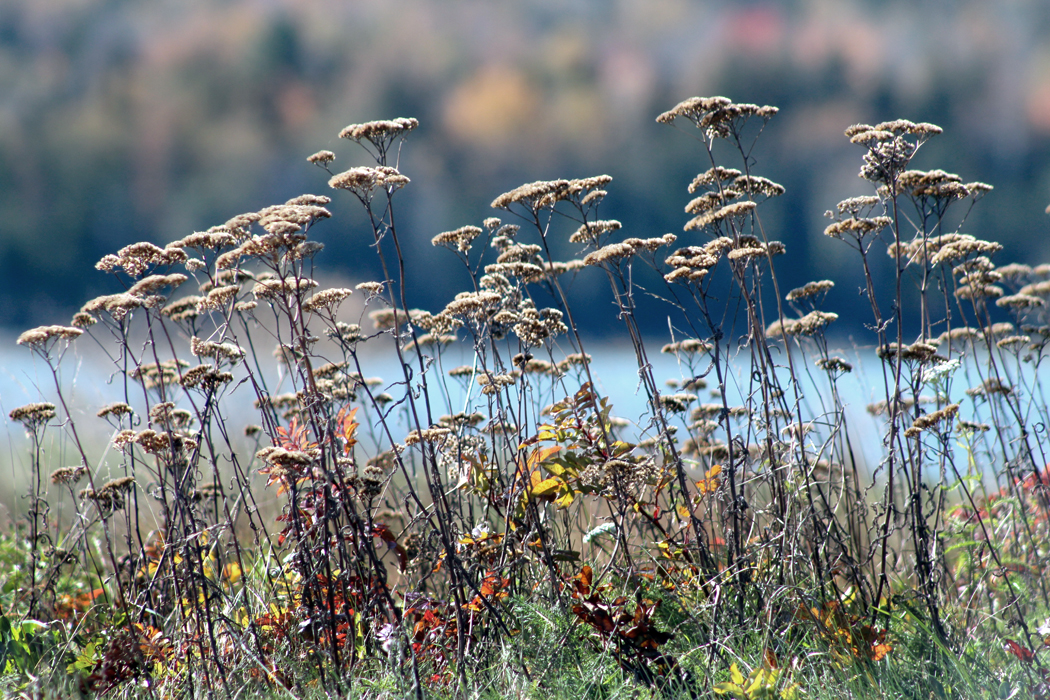
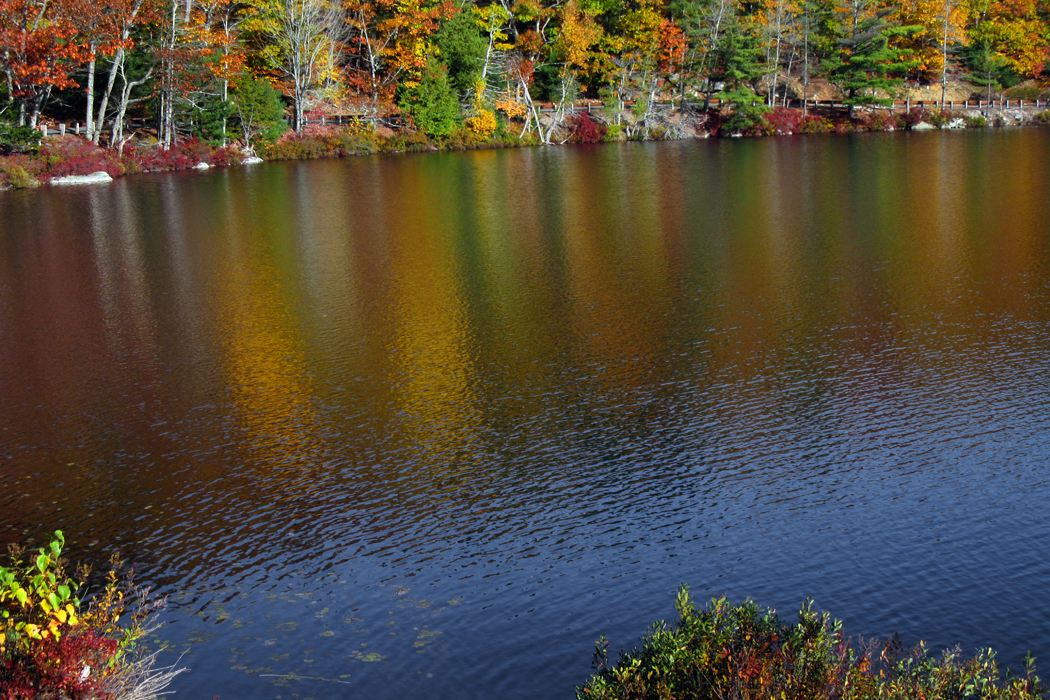
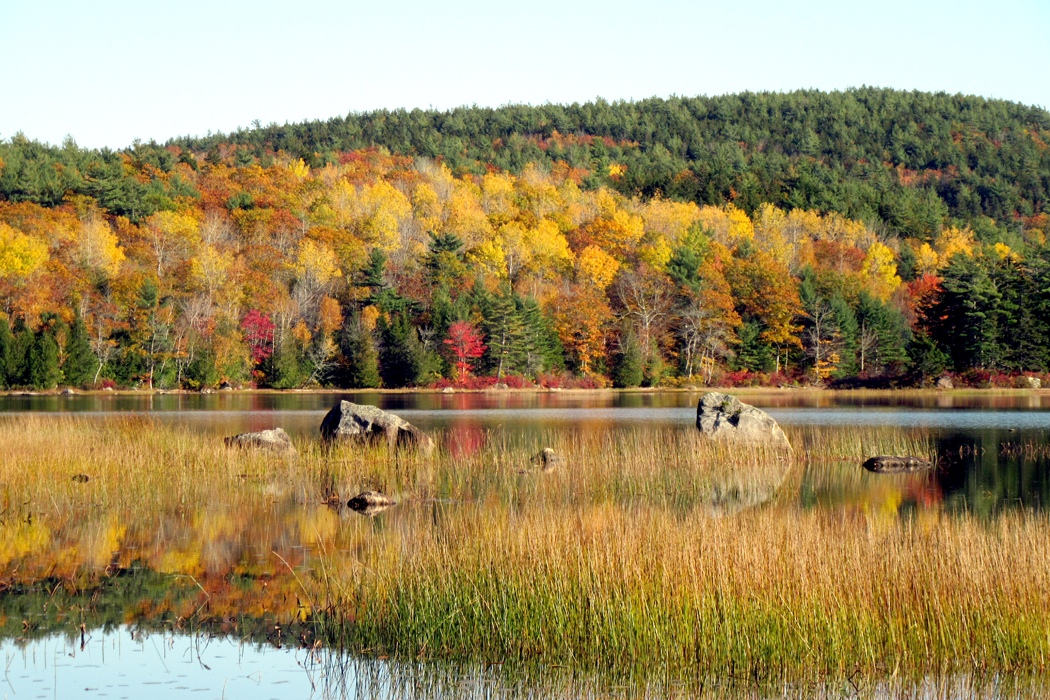
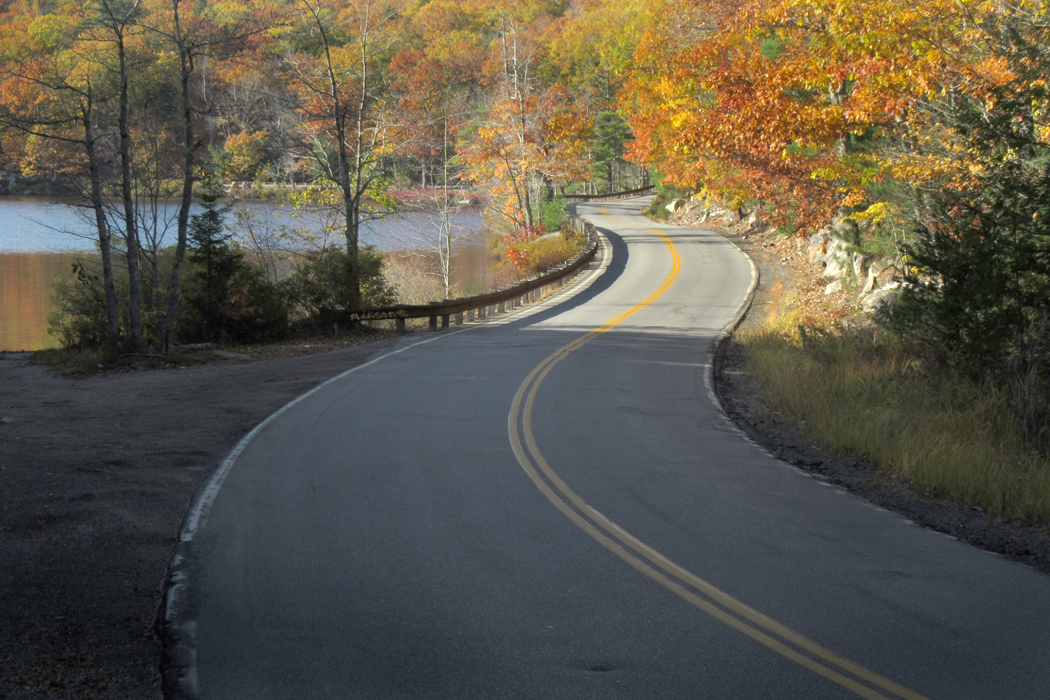
I drove north of town, and cut east along Route 182 from Franklin to Cherryfield, a road that took me through endless woods and lakes: Fox Lake, Tunk Lake, Long Pond. I stopped at each and enjoyed the fall color

The color reflected in the water

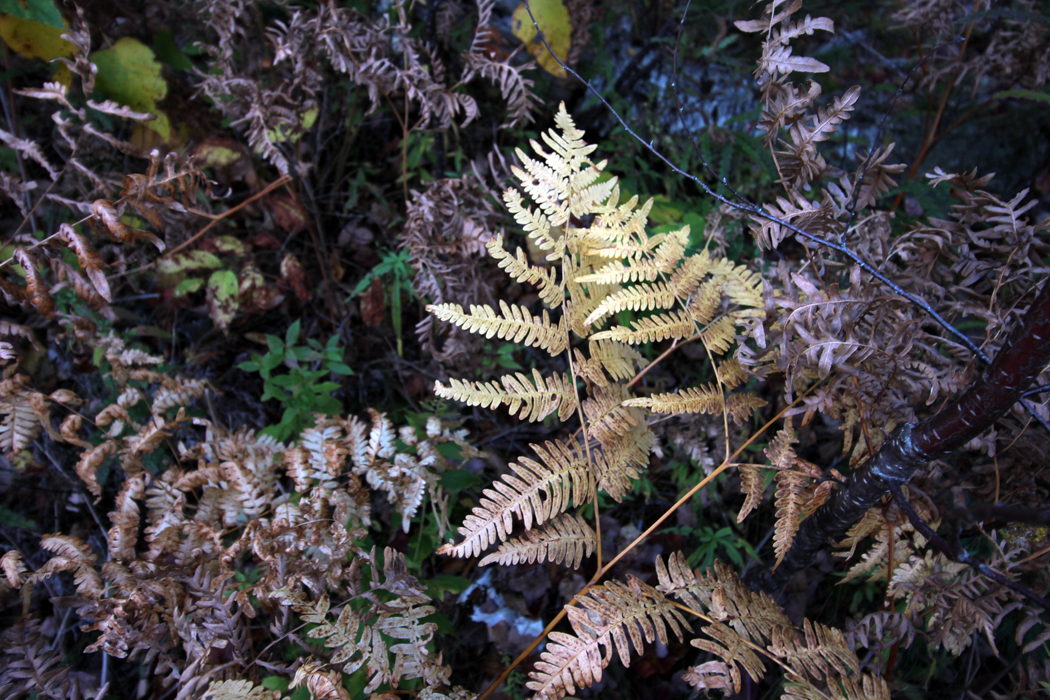
The reeds along the shore

Driving for me is relaxing. 

Traffic was light to the point of being almost non-existent, and the hour-and-a-half of puttering along was exactly the right length to listen to all of Mahler’s Third Symphony. 

Oct. 22

Anne and I went to a local quickie grocery for breakfast this morning. Dunbar’s has been here in Sullivan since 1881. Obviously through several changes of hand or generation. It was going to close two years ago, but two hippies bought it and turned it from a 7-Eleven kind of place into an upscale joint where they had free-trade coffee and imported wines. They also added a lunch counter and a deli section. Anne wanted to try it, and so we went. She had a bacon and egg biscuit — normal for breaking fast — but I saw the daily special: two pulled-pork tacos. Loaded with lettuce, tomato, guacamole, onion and cheese. “Hold the sour cream,” I said, proud of my abstemiousness. They were yummy, but a bit sloppy. 

I walked up to the counter to ask for a fork to shovel up the overspill and mentioned to the counterman that when a Mexican makes a taco, he always uses two tortillas for each taco, the outer one to hold together the inner one. “This is Maine,” was his terse reply. With a smile; he wasn’t being snotty.

Anne planned to hit thrift stores with Mu, which left me free to drive up the coast to Corea, which is a fishing village on Schoodic Peninsula, just south of Gouldsboro. My goal was to drive as many back roads as possible, as deep into the woods as possible, and make as many photographs as possible.

I turned off the main road onto a dirt road and drove deep into the brush, before picking up pavement about a mile or so in, The road looped around the north end of a spike in the peninsula and I saw not a single other car for at least 10 miles.

I put 65 miles on the car during this jaunt. I drove down the road at 7 mph taking in all the view. If I saw something I wanted to photography, I braked, opened the driver-side window and poked the camera out and clicked. Everything I photographed during this portion of the excursion was on the driver’s side.

Corea is a rocky cove at the southeast end of the peninsula and a lobster fishery center, with a warehouse, dozens of dories and boats and, at low tide, as I came through, docks that towered above the floating boats below, waiting for the tides to rise and level them out. 

Corea was the home of the writer Louise Dickenson Rich, who wrote a famous best-seller in the 1950s titled We Took to the Woods, which is largely about Corea. Because of the boats and the wharves, Corea is one of the most photographed spots in Maine. It is picture-skew.

I then passed through Prospect Harbor, Birch Harbor and Winter Harbor and took the Schoodic Point loop again. 

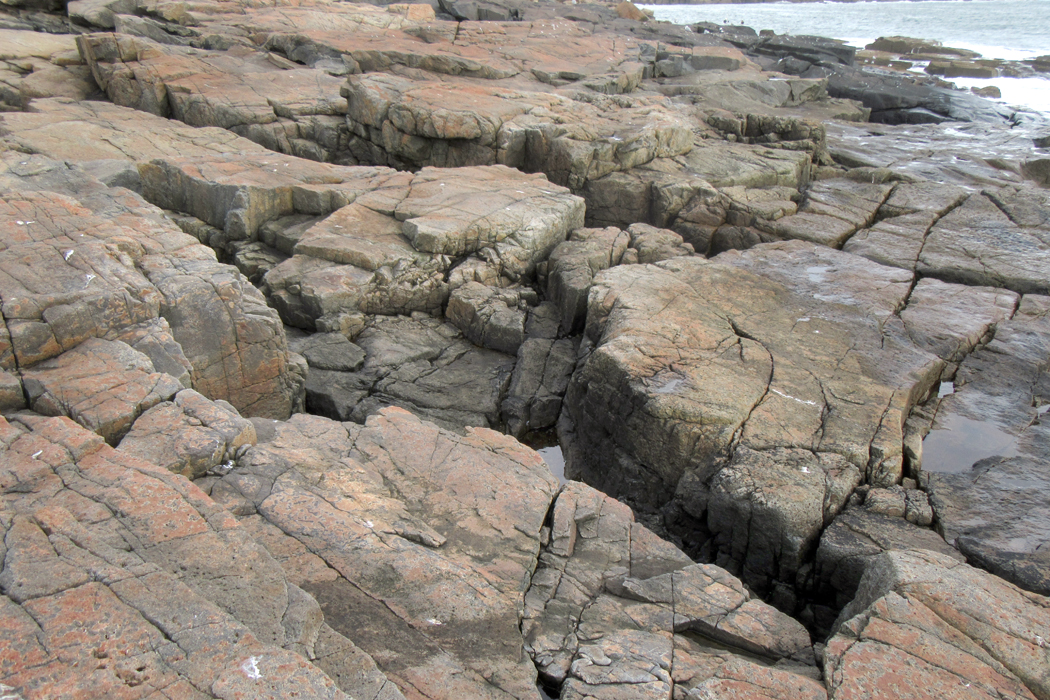
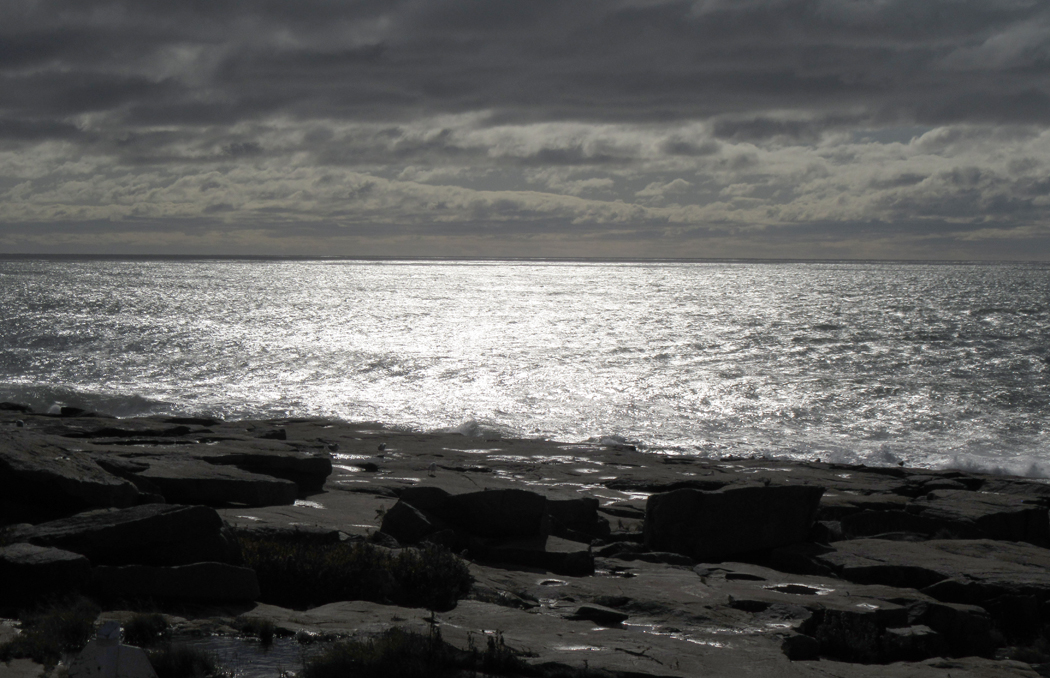
The other day, when I was there with Anne, she got cold and tired and we didn’t stay as long as I would have wanted, but today I was alone and could walk down the rocks all the way to the water.

I am old. Way too old. I can no longer gambol over the rocks like a goat. In fact, I walked so tentatively, I moved rather like a tree sloth edging out on a branch. I scouted out a path along the flattest portions of the rock, making a circuitous route down to the water that probably stretched three or four times longer than the crow-fly route. Like little Billy in Family Circus cartoons.

There were a few iffy places where I had to jump over a crevice  or hold onto an outcropping as I needed to hold my balance. But I got down there, and enjoyed the barrenness, the isolation, the chill, the wind, the spume, the overcast sky, the numbness on my cheeks. This is the way the Maine coast is supposed to be.

Anyway, when I got back to the apartment where we are staying, Anne had bought another pair of shoes at the thrift store she had gone to with Mu. That makes four pair of shoes she has purchased on this trip. Sometimes the gender stereotype matches the reality.

Oct. 23

Sandro and Mu have been feeding us each night with such treats that they entice us to stay several extra days. There is the promise of duck and of Lobster Thermidor. 

“We’re not having that tonight,” Mu said. “We’re having red cabbage and apples with mashed potatoes and sausages.” The hidden agenda being that if we had what Sandro called a “junk meal” tonight, it would add a day to our stay, because we wouldn’t want to miss the lobster tomorrow night and the duck breast on the next and therefore couldn’t leave till Friday at the earliest.

It wasn’t a “junk meal” at all. It was really delicious. Mu grew the cabbage herself in a garden plot she shares with her sister in Hancock, which offers public gardening plots. The apples we brought from West Virginia. The mashed potatoes are Sandro’s specialty, loaded with cream and butter. The sausage was chicken. Mu has decided she will no longer eat any meat from a mammal. Chicken OK. Lobster OK. Cod OK. Pork — No-no. The sausage I had was spiced with jalapeños. All washed down with Stella Artois.

It’s supposed to rain tomorrow again. I probably won’t be traveling, but plan to spend the day with Sandro. We haven’t had a really good, thorough chin-wag so far this visit. Tomorrow should be the day.

All those years ago, when I lived with them in a country house in Summerfield, N.C., Sandro and I would climb out a dormer window and sit on the roof at night, smoking cigars and discussing deep and meaningful ideas. Mu allowed no cigars indoors. 

Sandro and I became friends 50 years ago at college and shared an enthusiasm for classical music. We have been brothers since then. When I went through some hard times, he and Mu took me in till I got back on my feet. 

Once, in the extravagance of young men, we listened to all 16 of Beethoven’s string quartets in one sitting, followed by another go in which we attempted all 32 of his piano sonatas. We were blasted before we could make it to the end. 

Now, in Maine, we are old men. 

To be continued

Click on any image to enlarge