Archive

Tag Archives: book

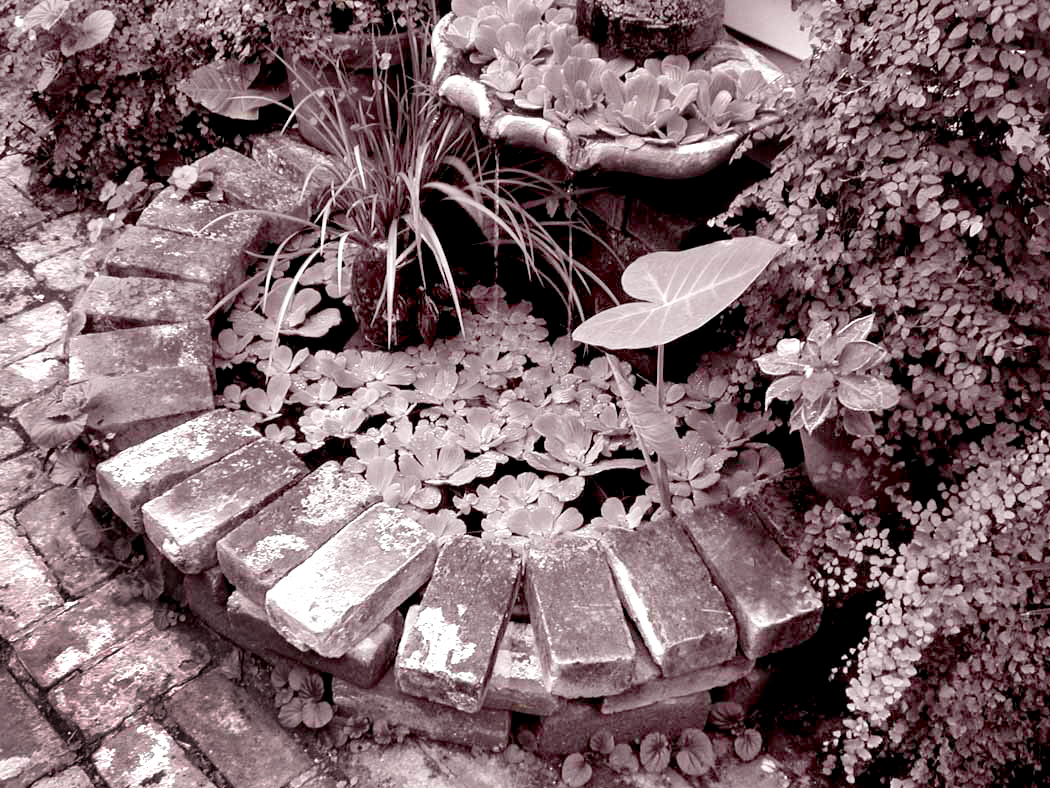
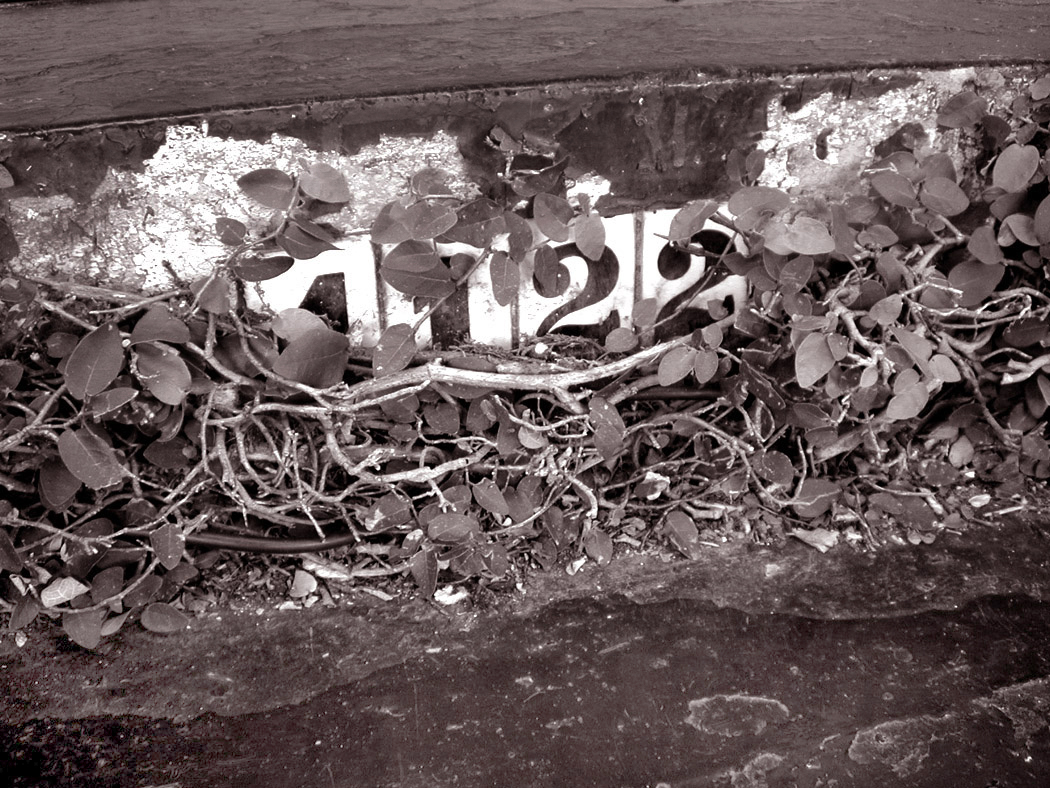
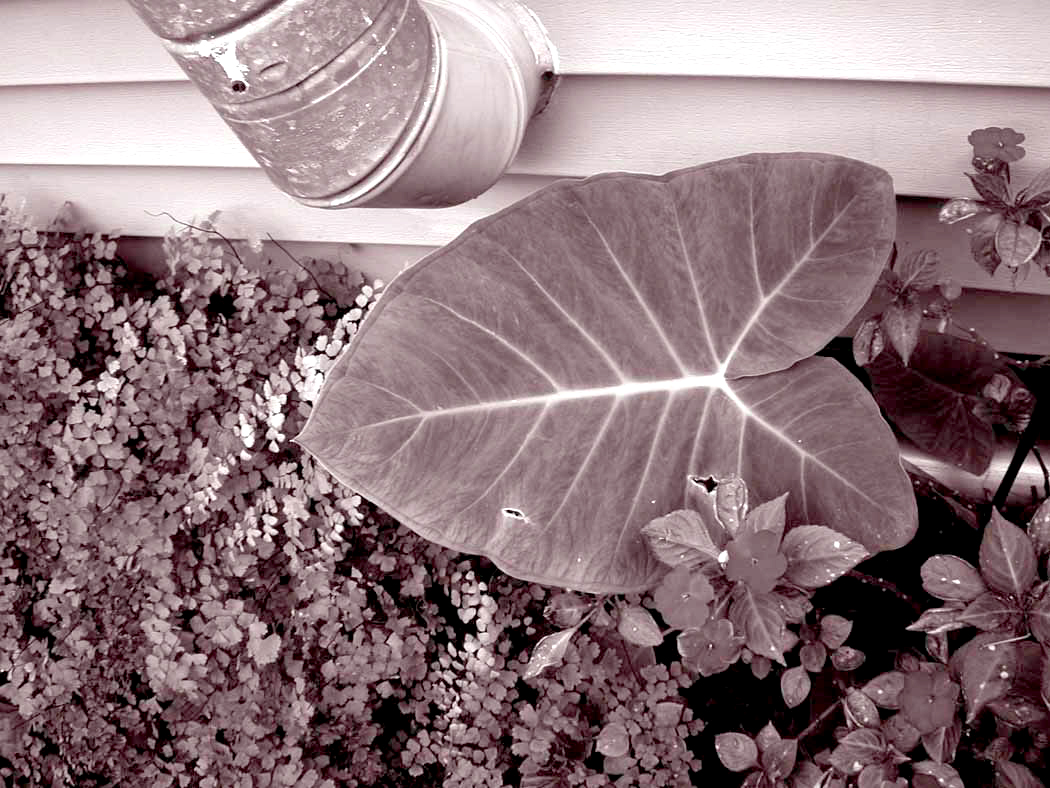
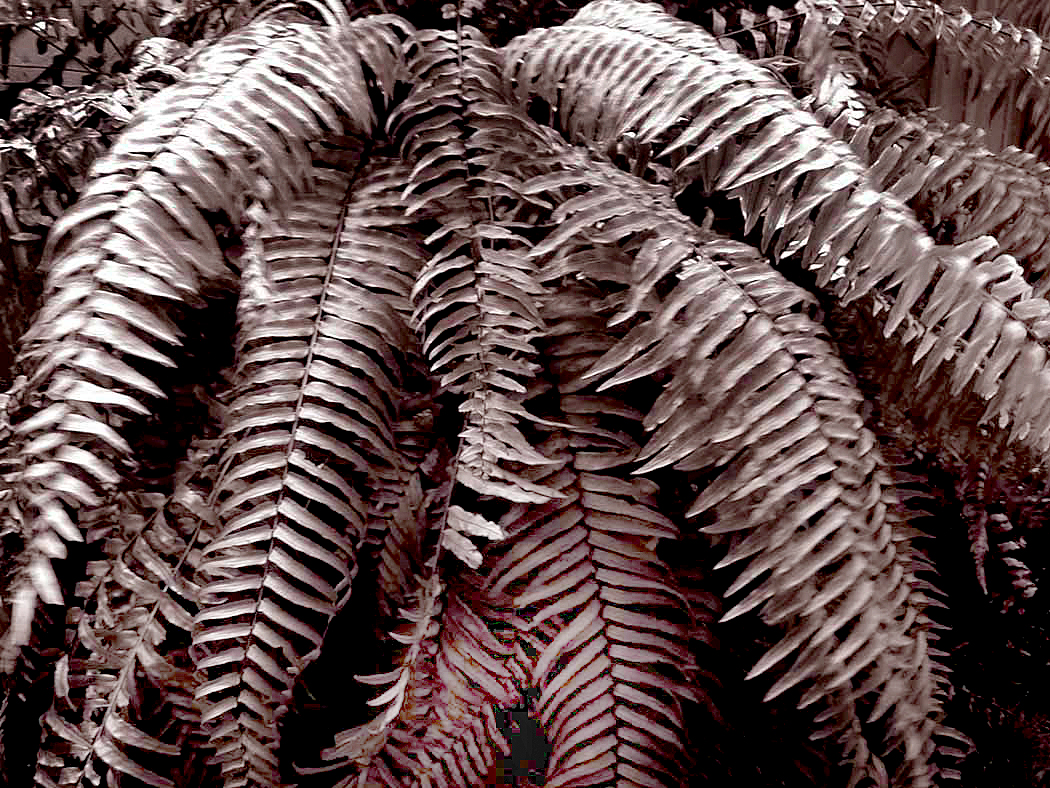
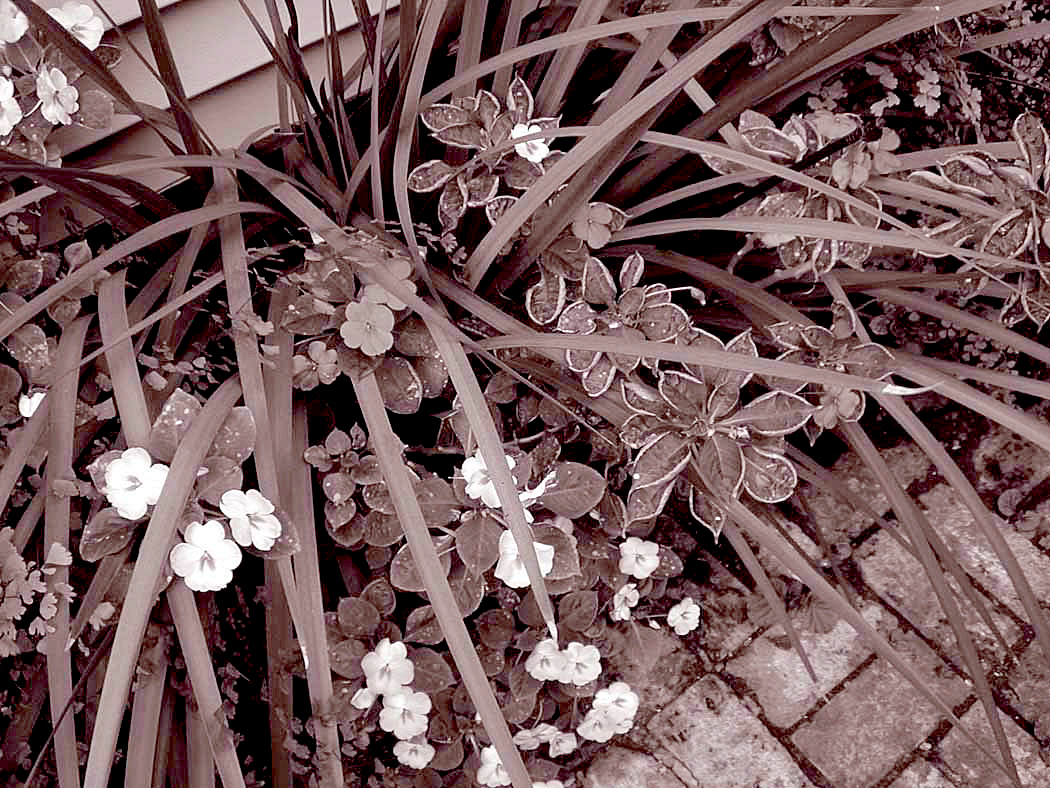
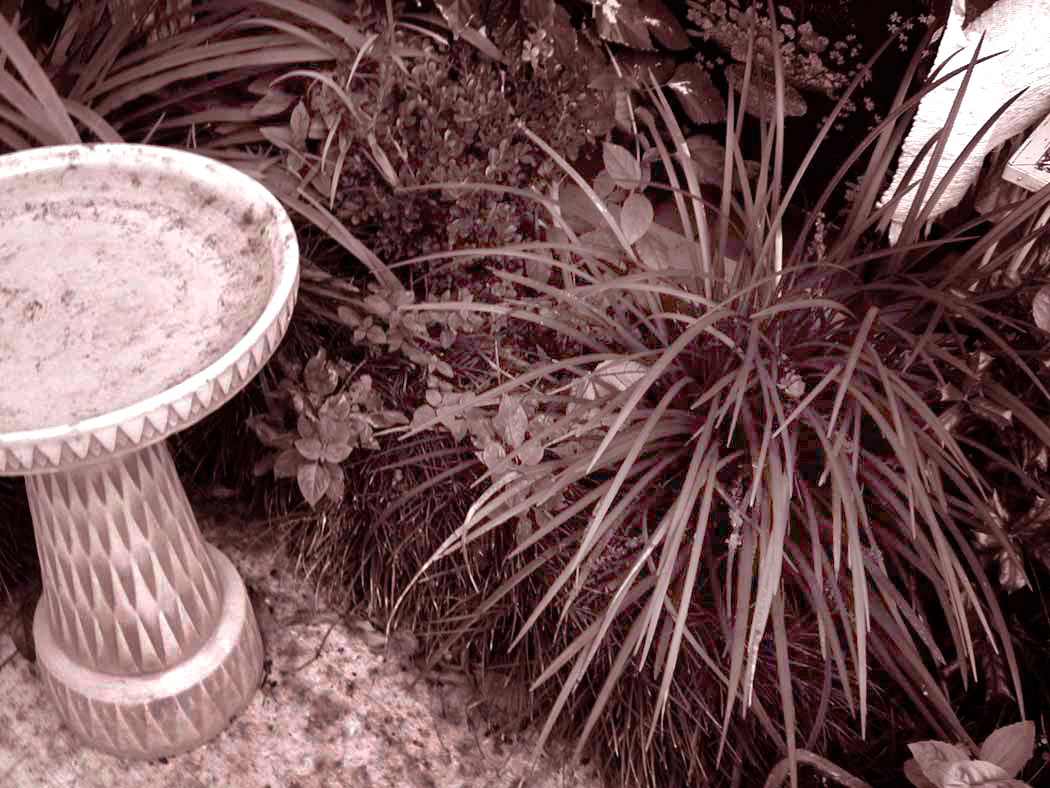
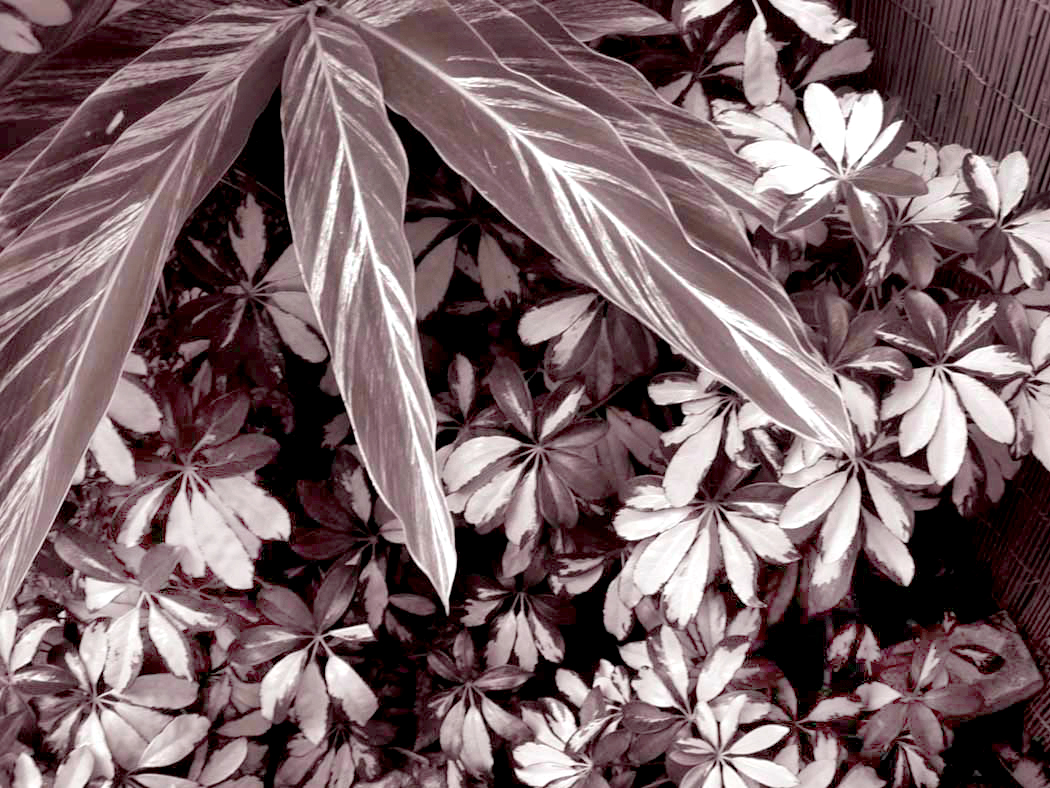
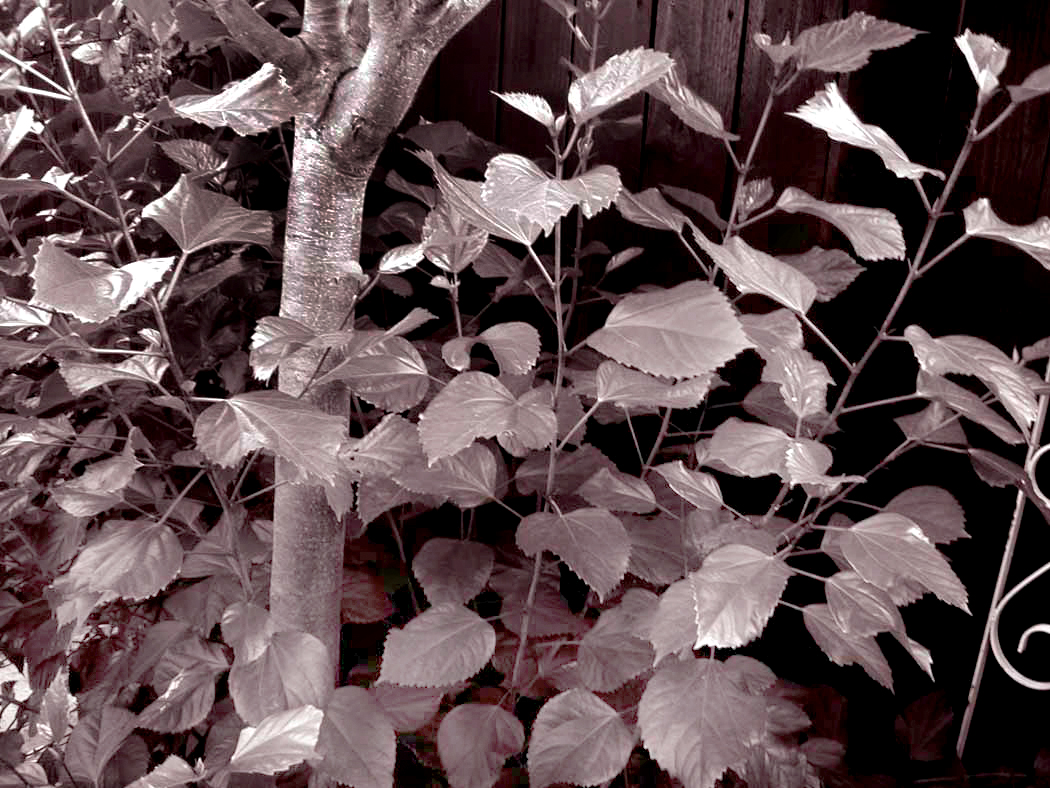
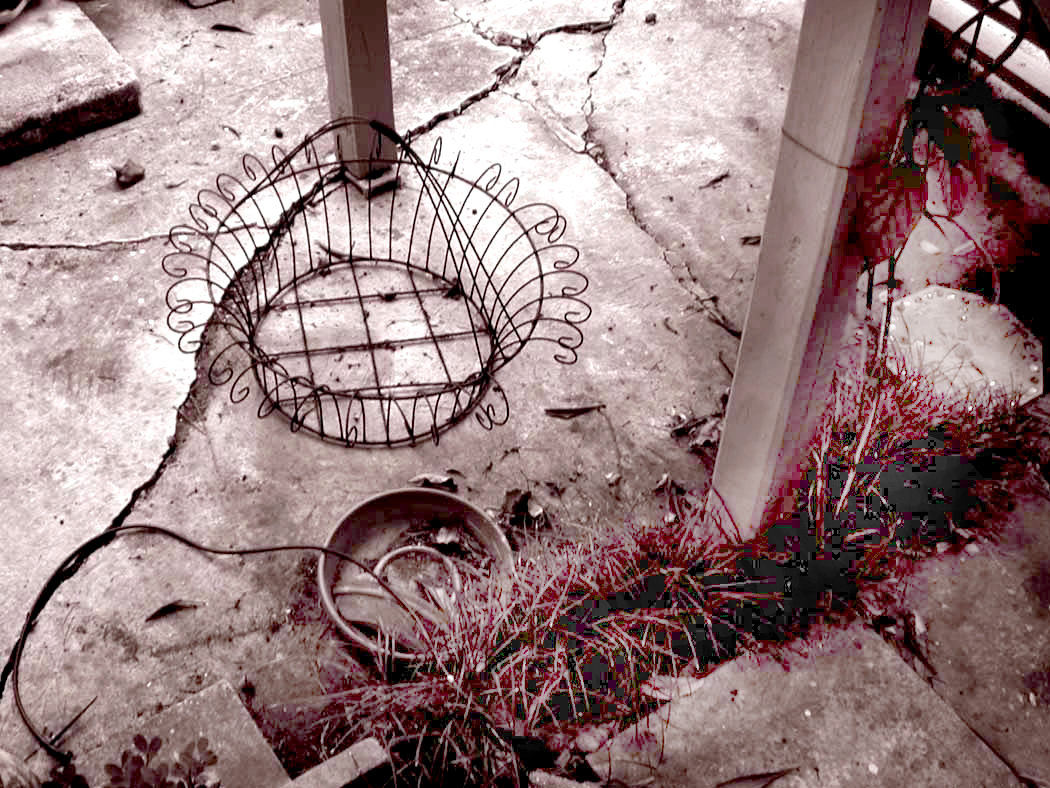
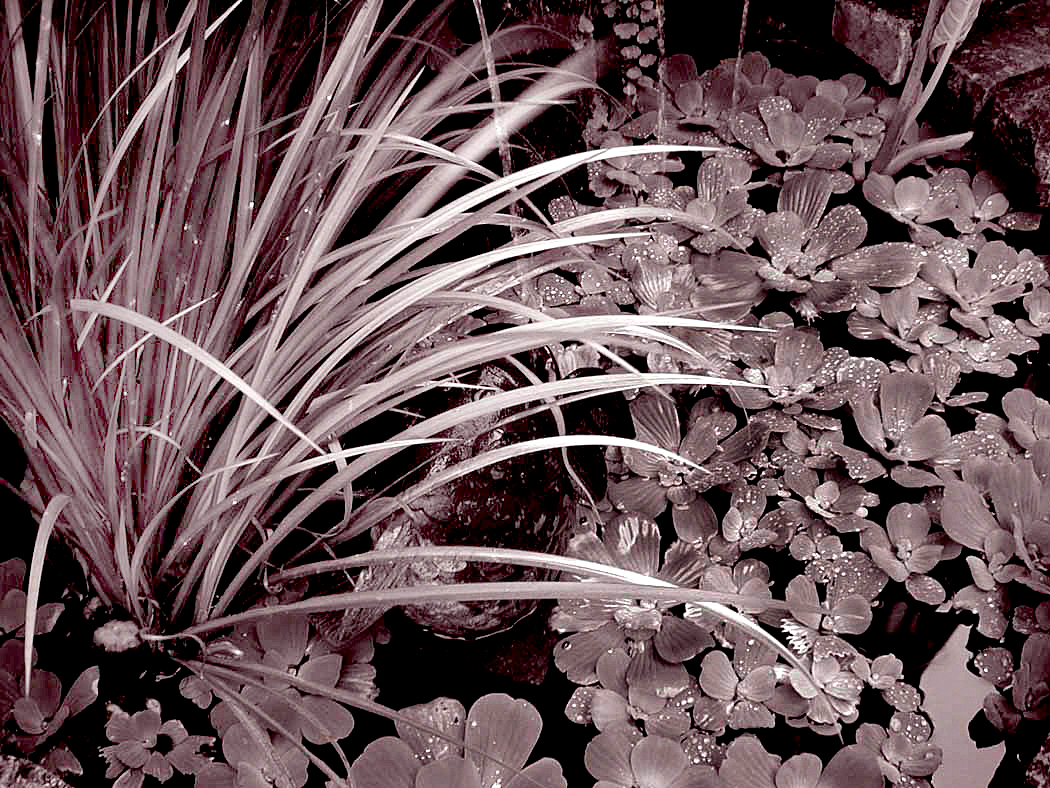
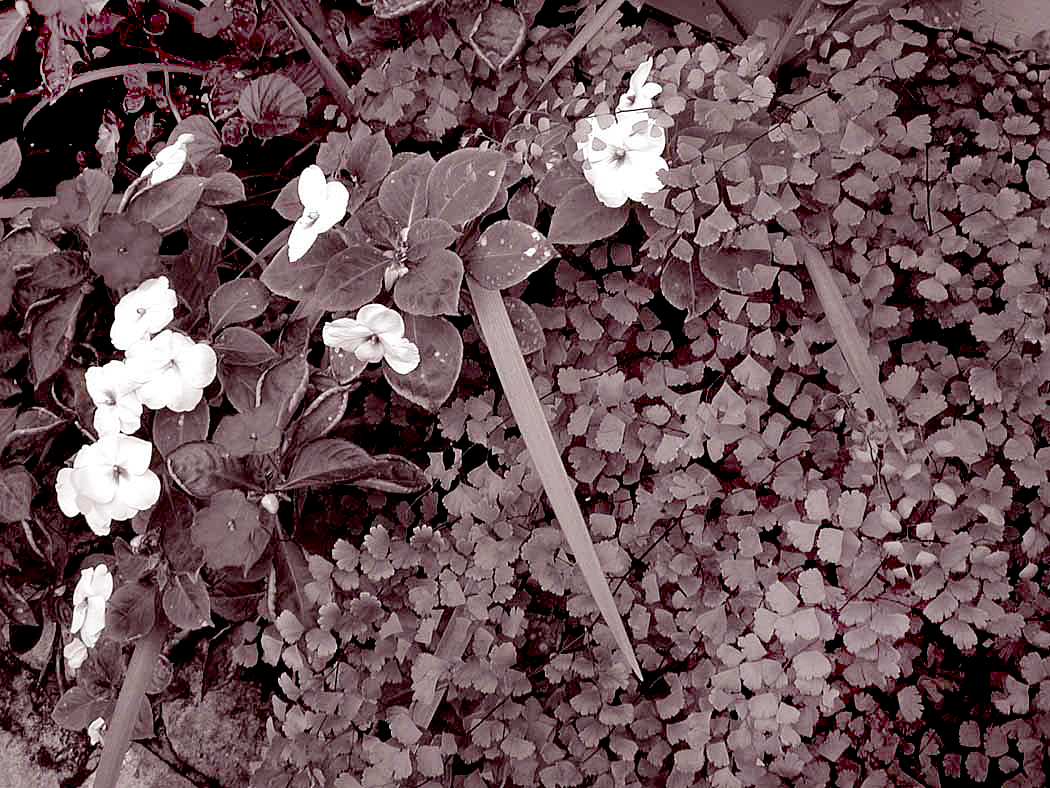
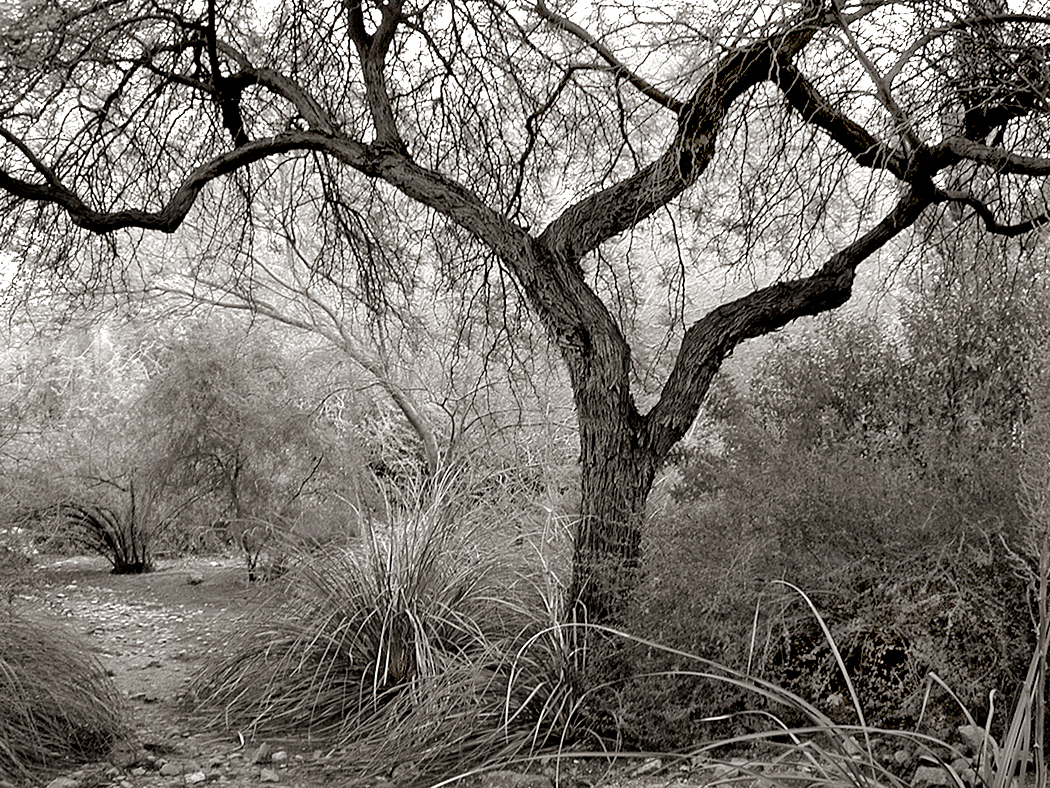
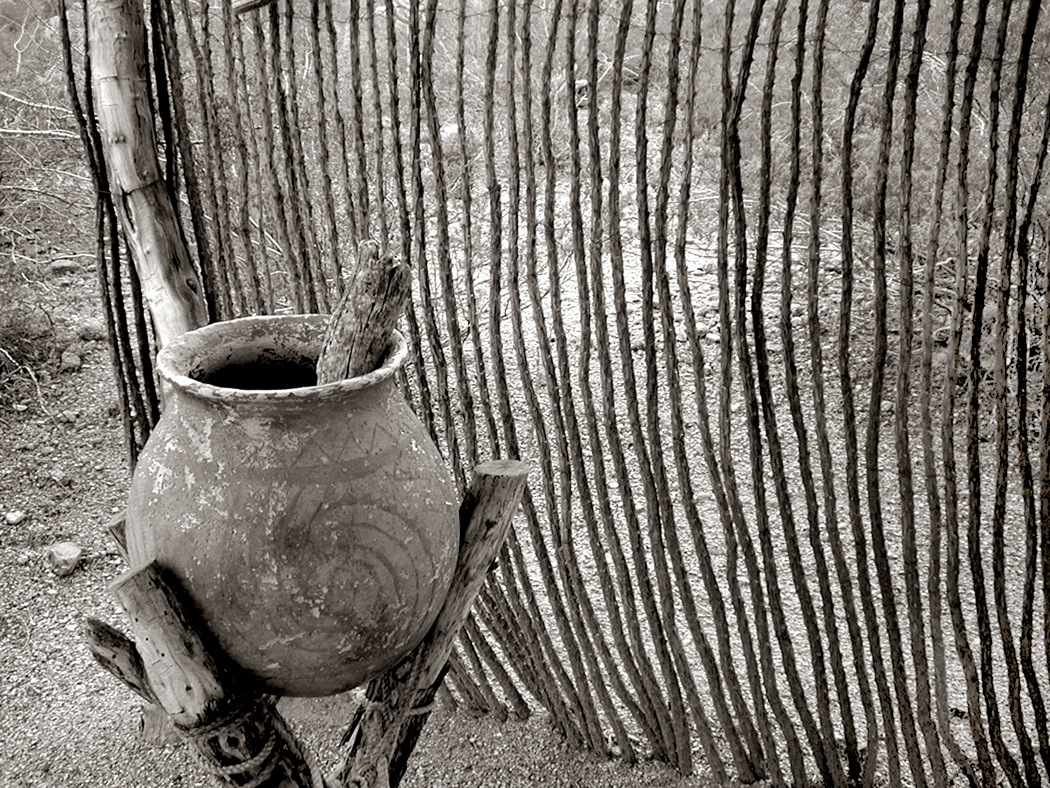
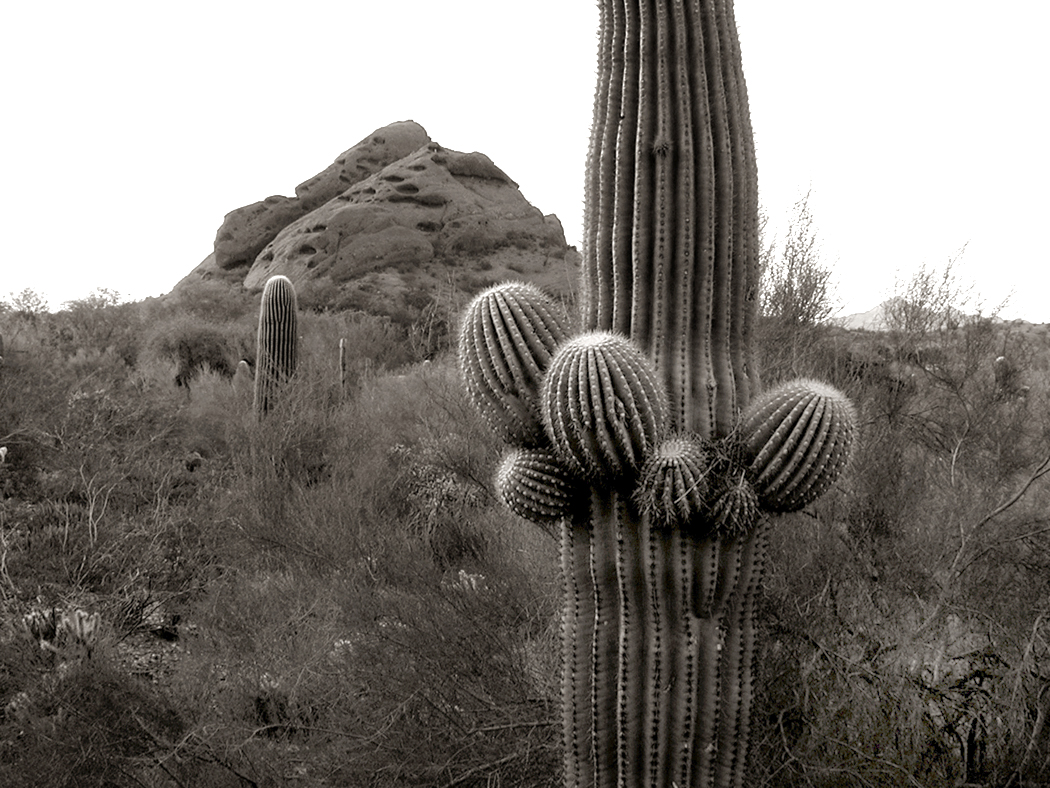
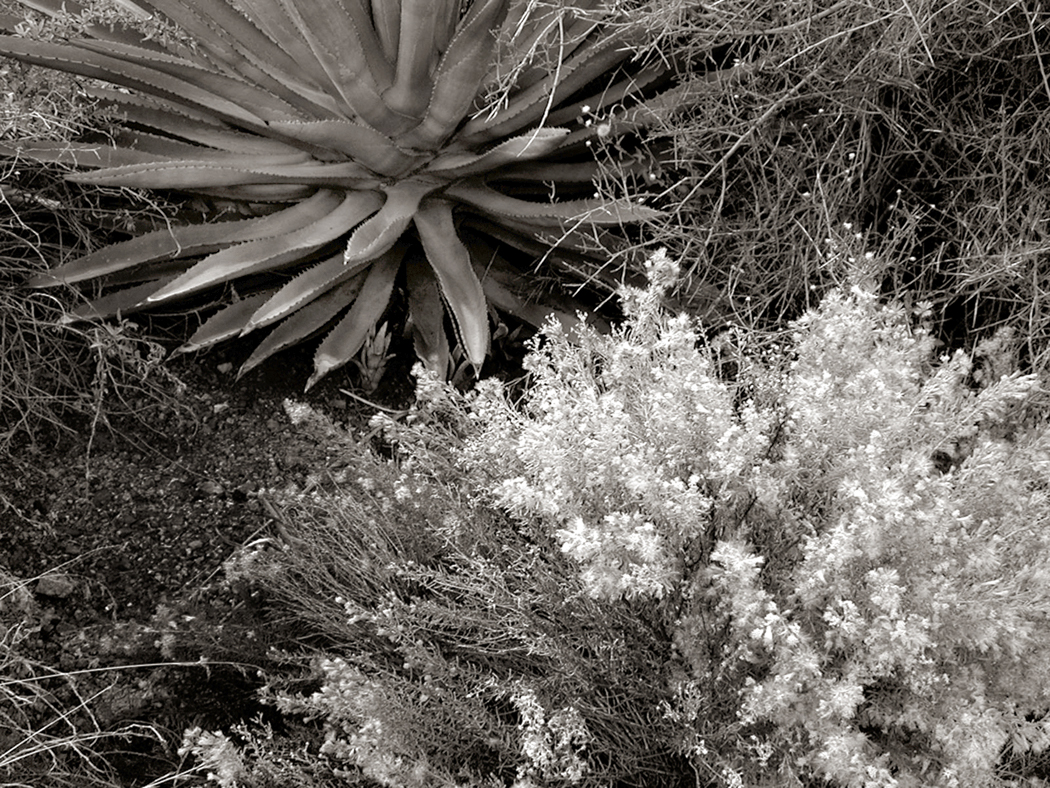
During the 1980s and ’90s, I made a series of photographs of gardens. Mostly the gardens of friends, and a few public gardens. And not photographs, but rather, photographs in series — groups of 10 or 20 meant to be seen as a single unit, much like a music suite: various movements making a single titled presentation. 

There was a moment back then when “sequences” were fashionable. Duane Michaels made a living off them. But those were meant to be read like panels of a comic strip, telling a single story. Frames from a film. 

But what I was thinking of was a series not a sequence. They were meant to be shifting moods or patterns, understood the way multi-movement music was heard. A suite of images: Allemande, Courante, Sarabande, Minuet, and Gigue, for instance. And intended to be understood as a single thing rather than merely a collection. 

Whether I was successful or not, it was what I was thinking. 
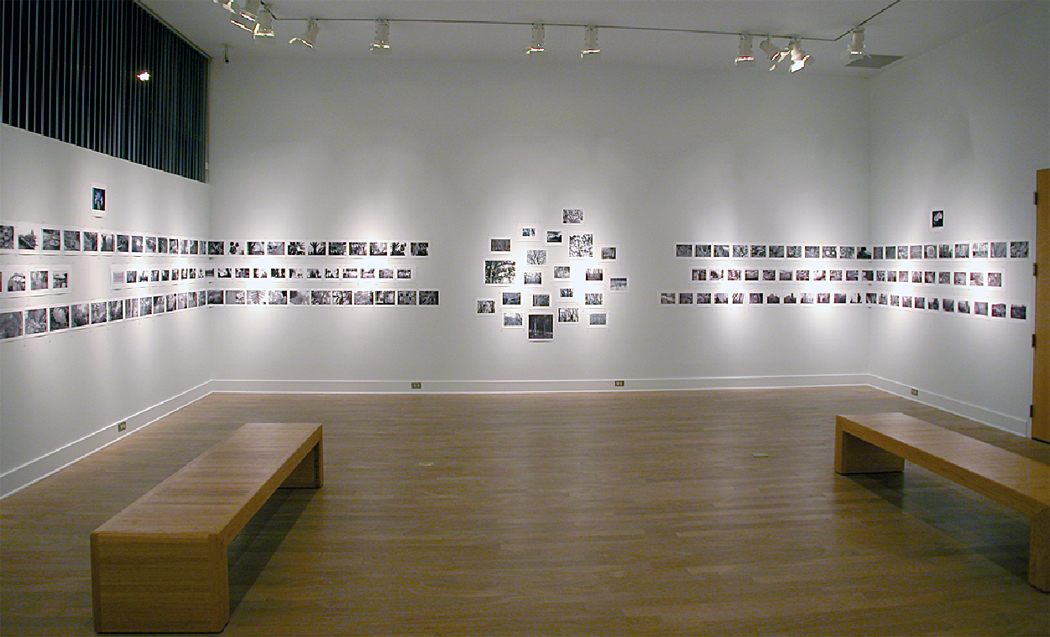
I created perhaps a dozen or so of these series, each boxed up and ordered, with a title card and with individual photographs shown in an order, and all taken during a single day as a single experience. I still work that way, although less formally. I had a show at Tidewater Community College in Virginia Beach, Va., where I had taught in the mid-1980s, and included 12 of these series on the walls. There were more than a hundred prints, lined up and organized by book. 
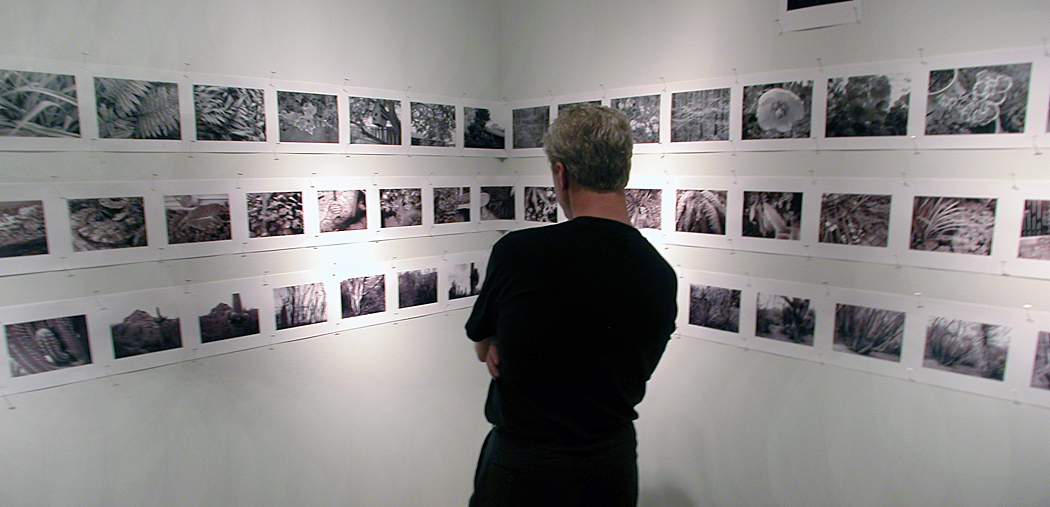
I’ve continued to work in series, but it was gardens I focused on back then. The photos seemed personal without being intrusive. They were metaphors of their creators. I thought I might share a couple of them. 

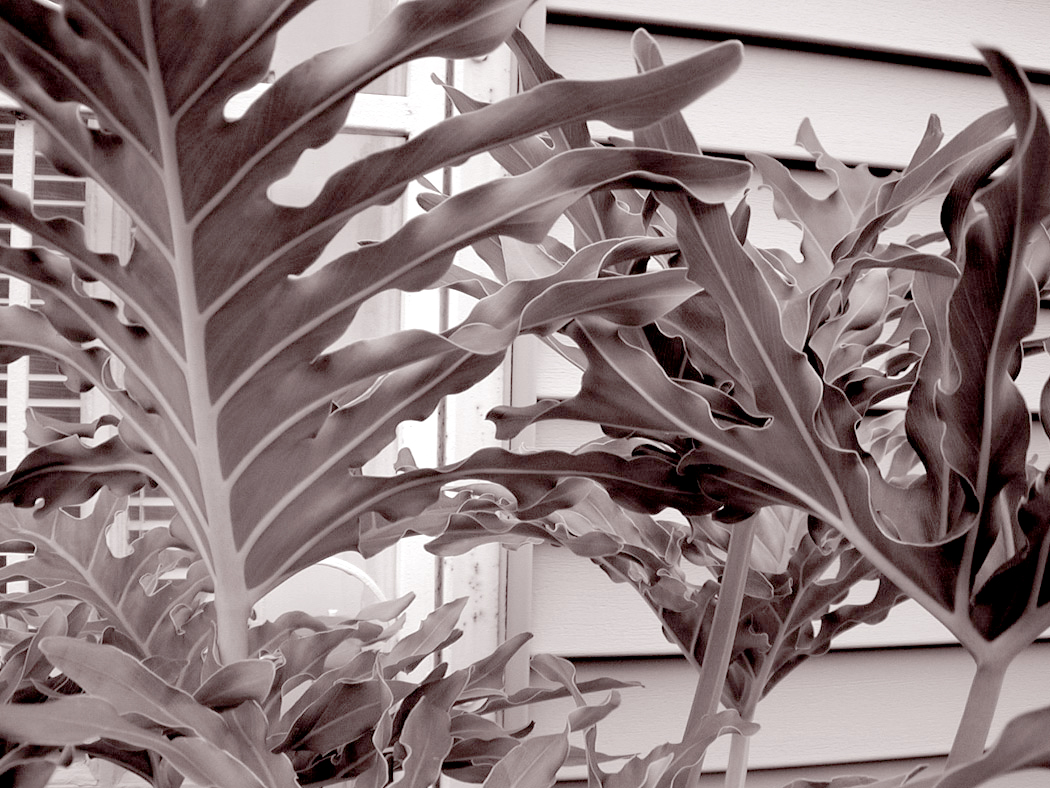
One of the first was made on a visit to New Orleans while staying with friends and former colleagues Judy and Dave Walker. Judy had been the food editor of The Arizona Republic and Dave, aka “Cap’n Dave,” had been our TV writer. They both left Arizona to work for the Times Picayune

 Judy was one of the most gracious and kind people I have ever known. She was one of those people everyone felt comfortable with and at home in any social situation. It was her garden that I thought mirrored her personality. 

Here is that set, in order:
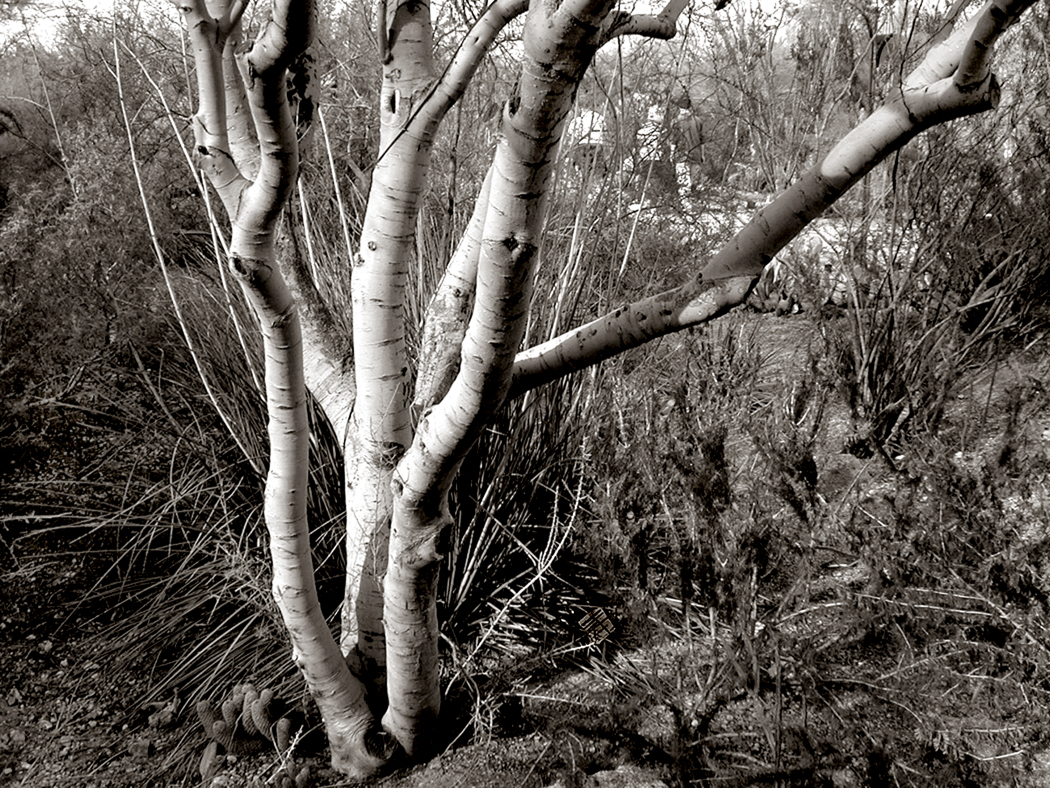
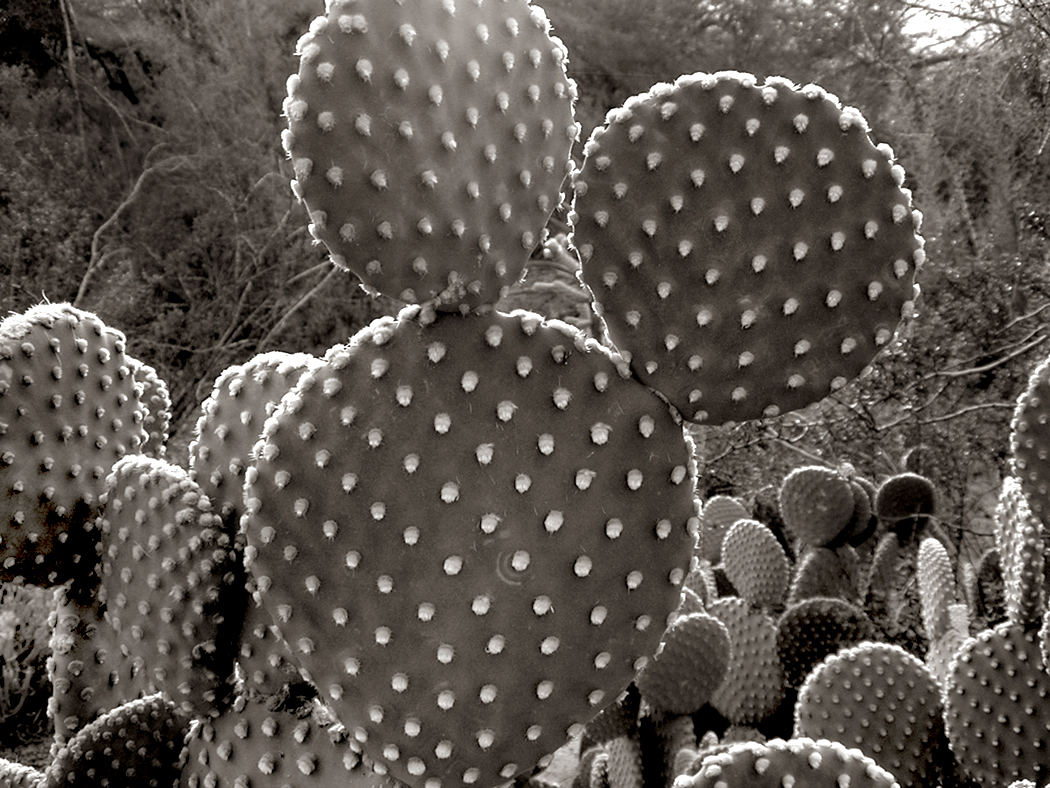
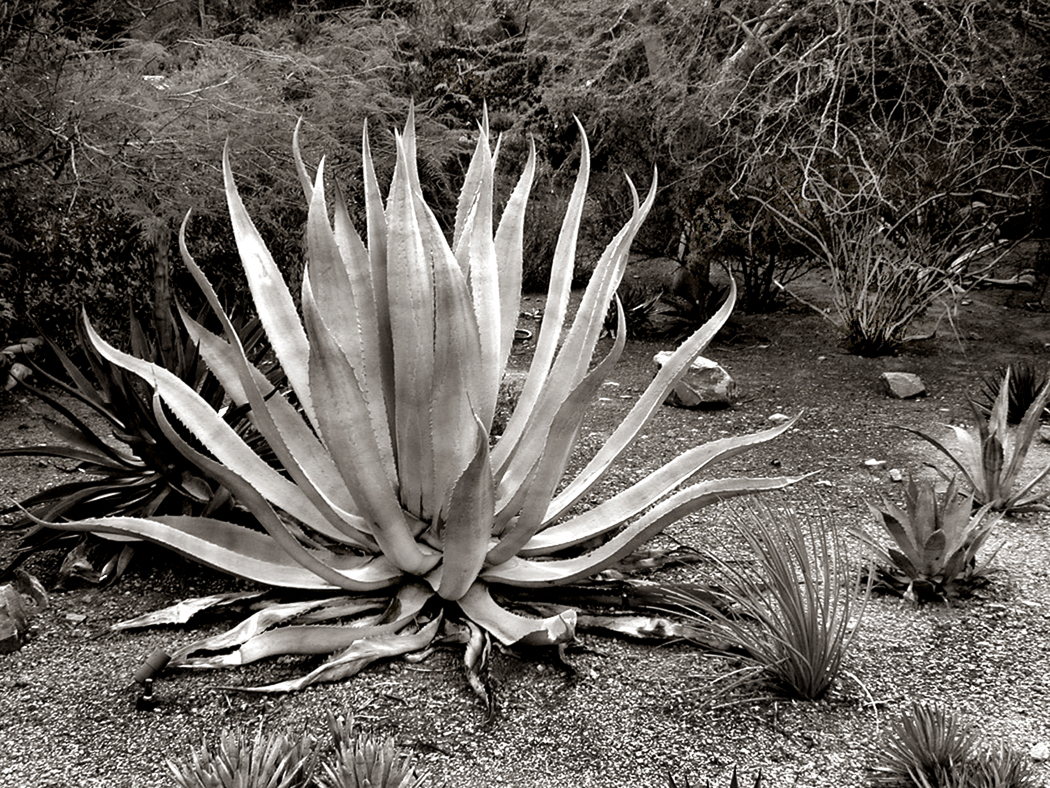
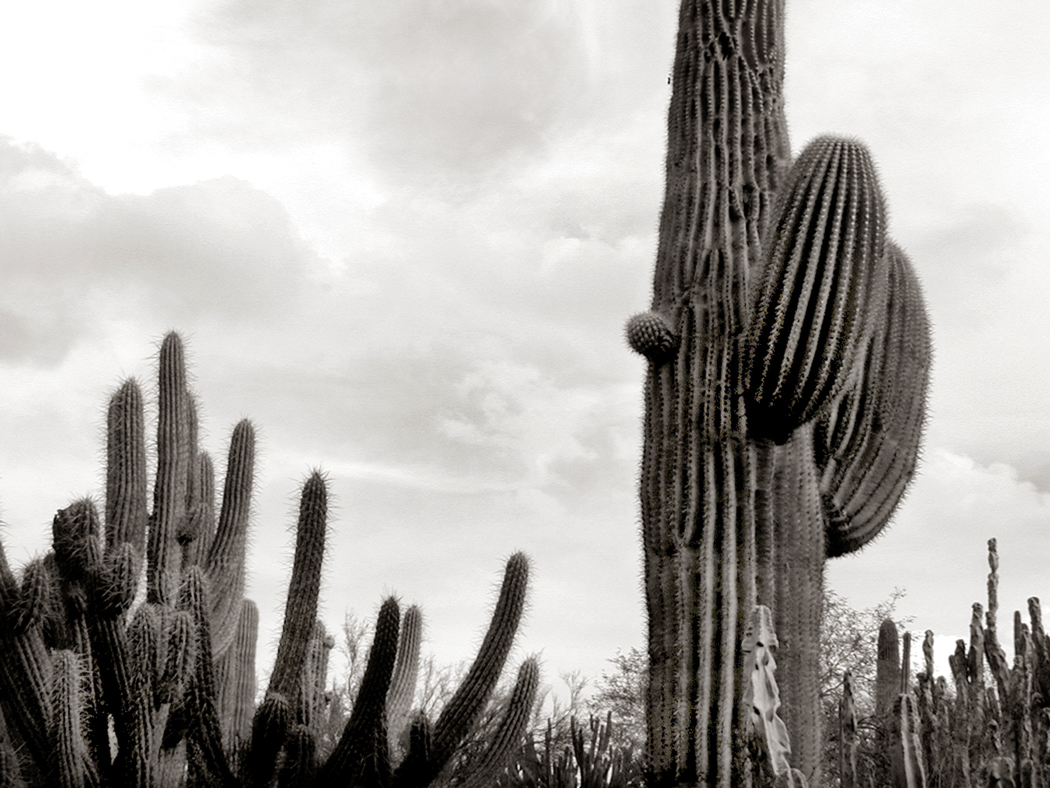
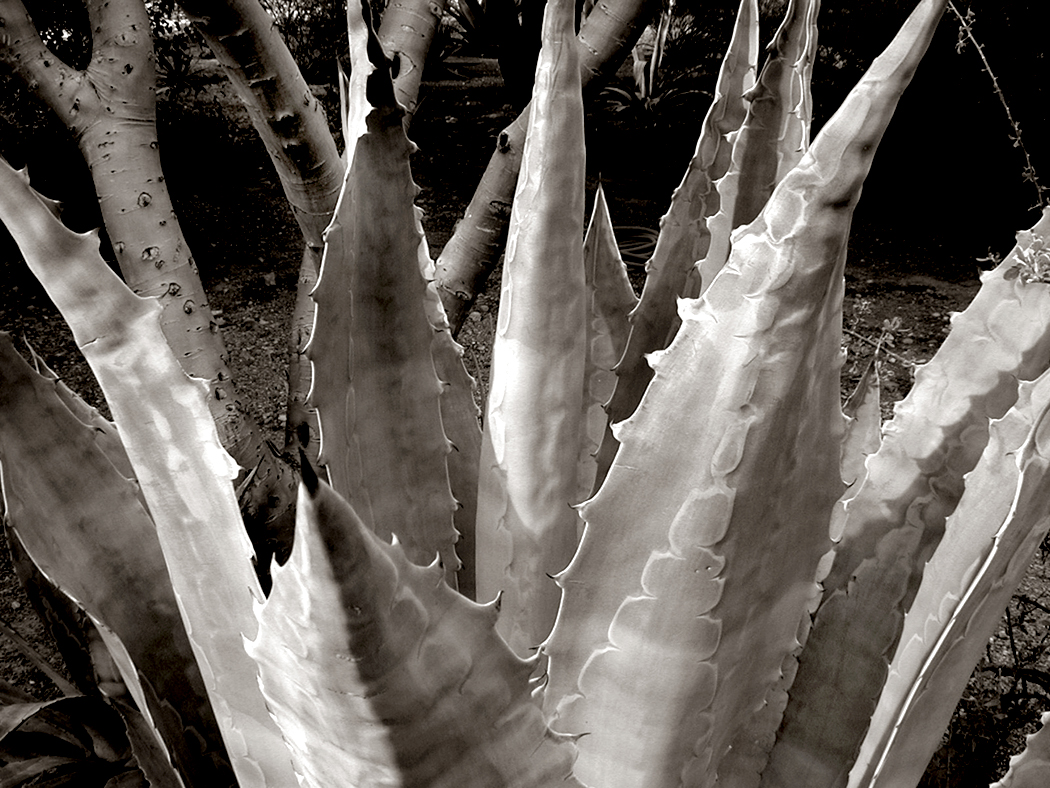
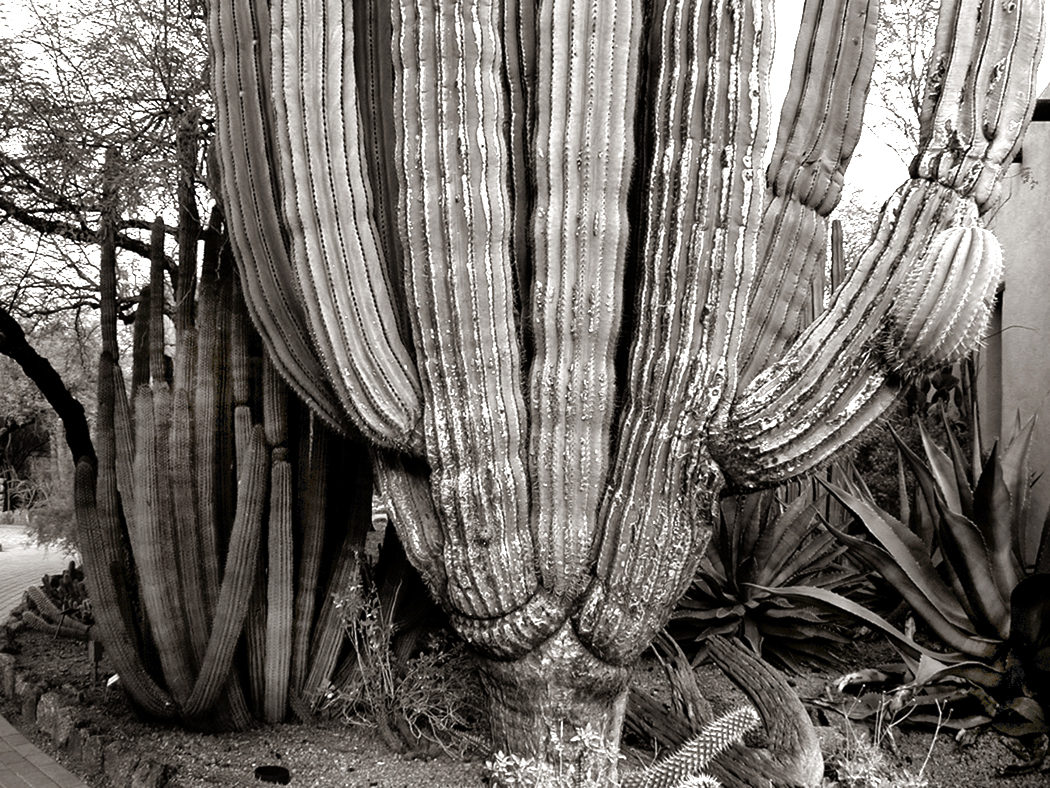
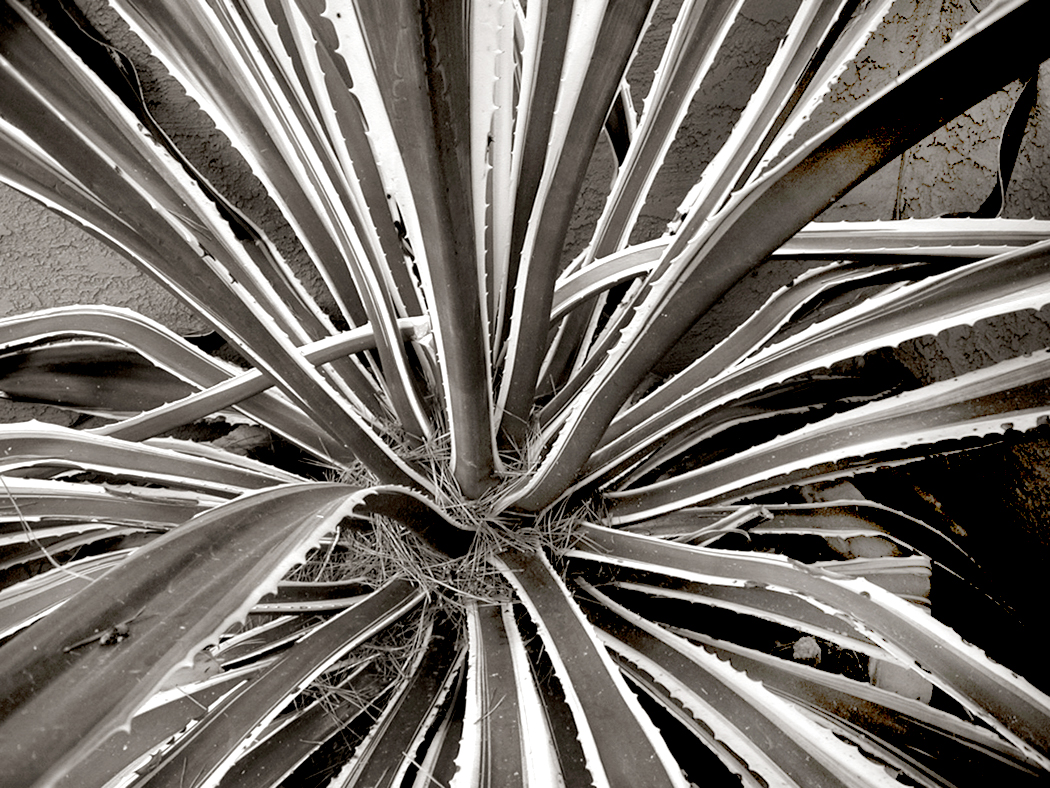
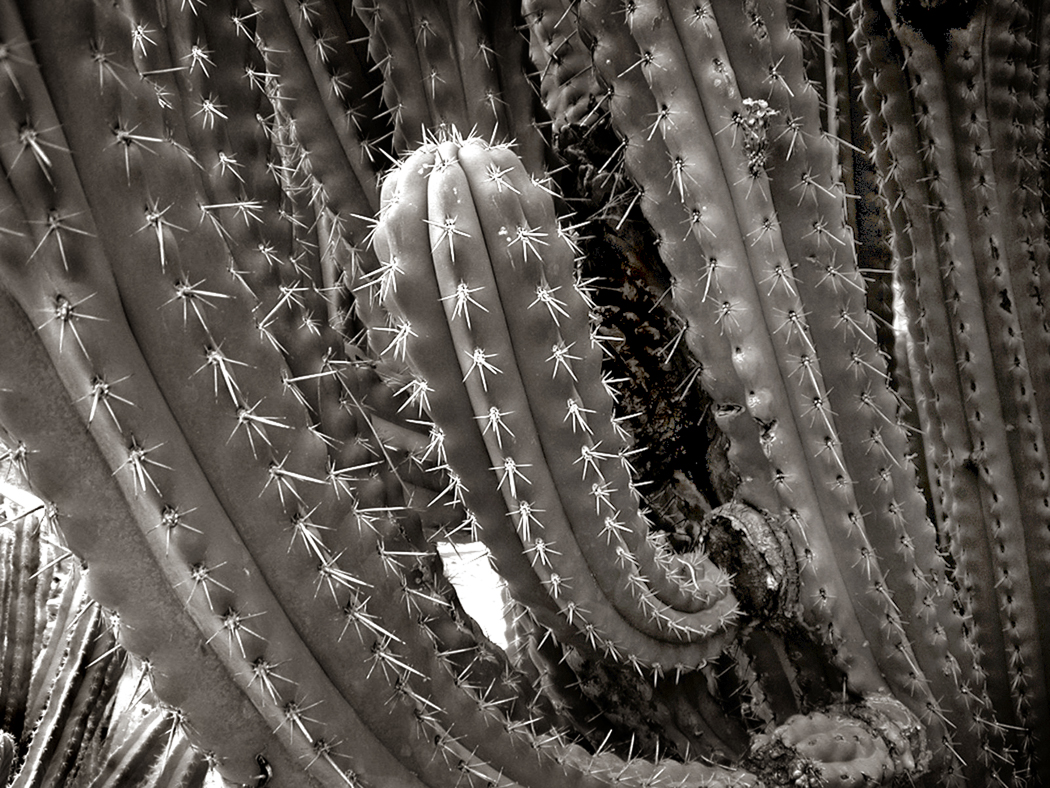
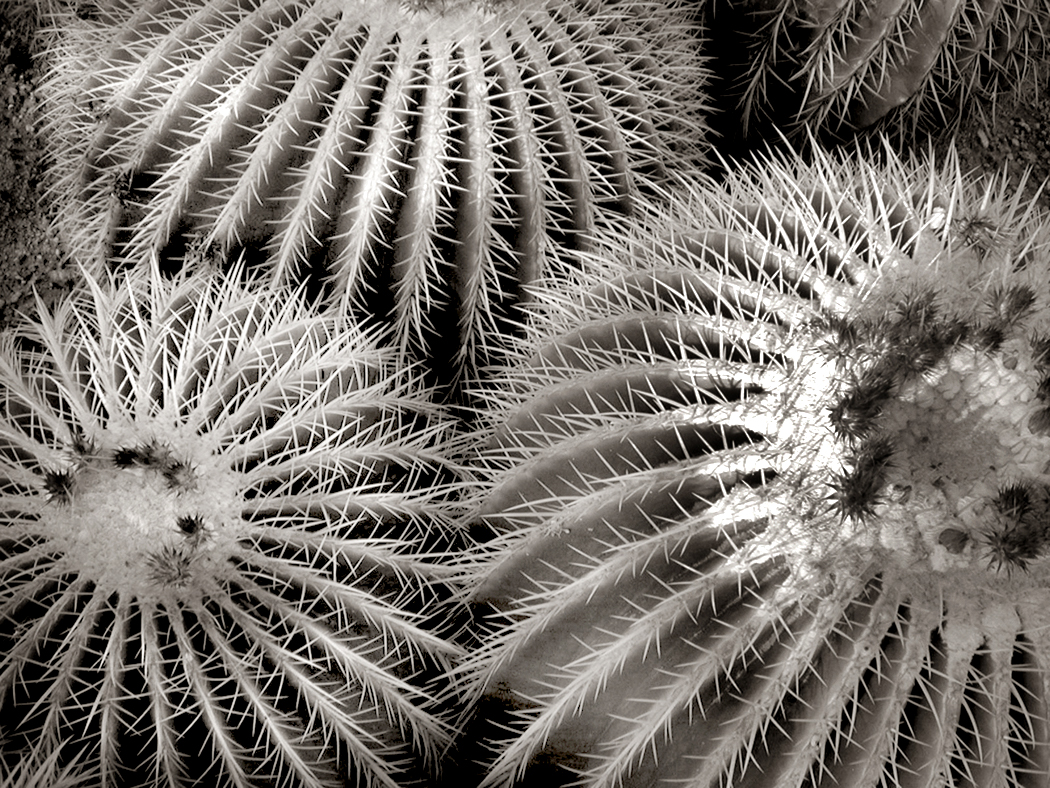
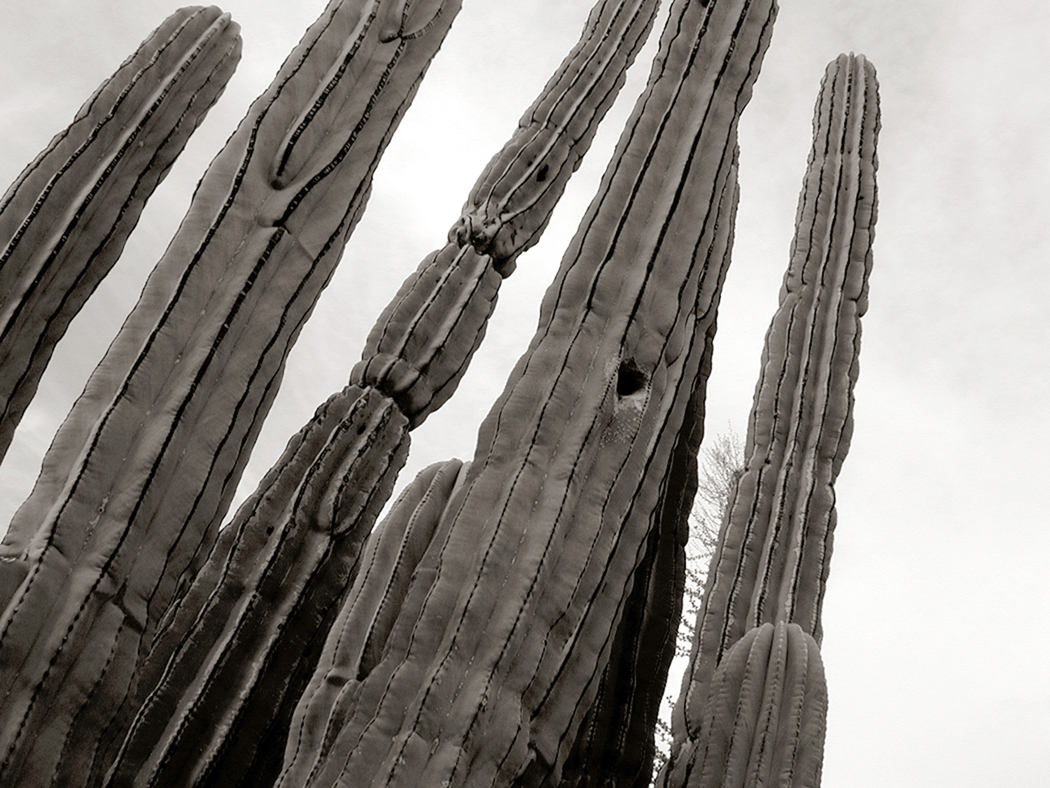
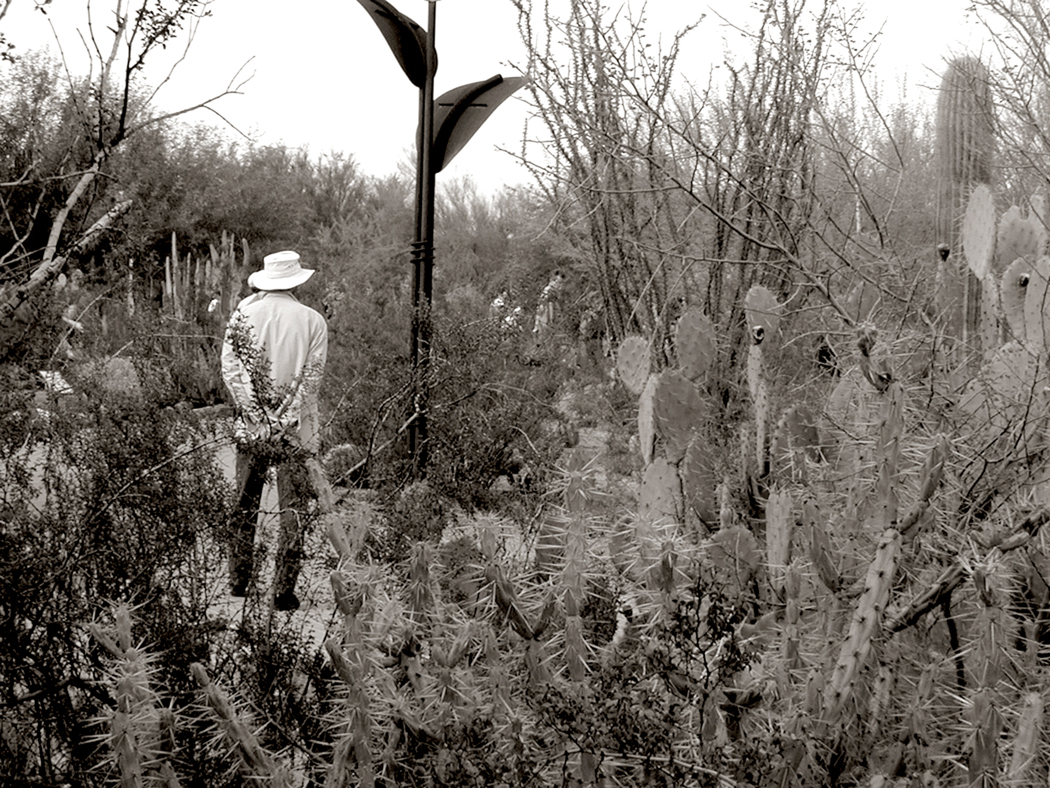
Another kind of series was of the public garden, in this case the Desert Botanical Garden in Phoenix. I had visited many times, walking the sunny paths through cactus, cholla, agave and boojum trees. 

One winter, my friend Alexander came to visit us in the desert and I took him to the Botanical Gardens and we walked around all day. It was his first time visiting the West and I got to see it all again for the first time through his eyes. 
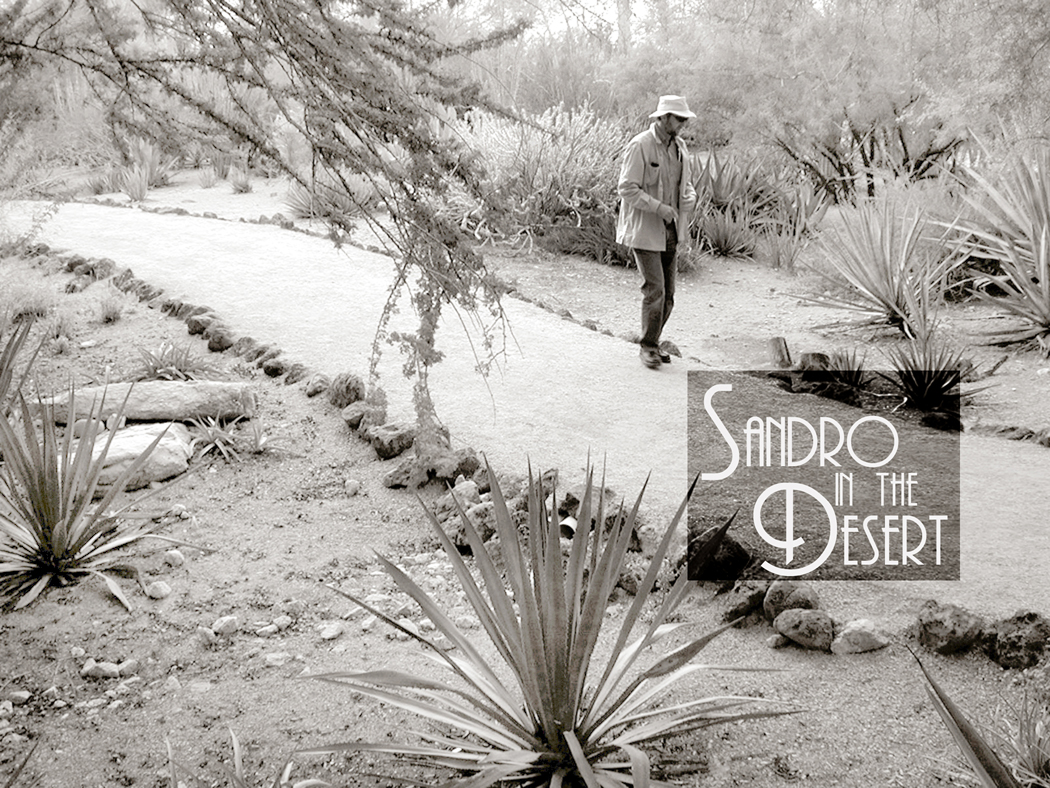
I first met Sandro — for that is what we call him — my sophomore year at college. He was nuts about classical music and we spent many hours in each others’ dorm rooms spinning vinyl on our portable stereos. We became lifelong friends and spent many camping trips to the Outer Banks. And later, when I was going through a rough patch in life, Sandro and his wife, Mary Lou, took me in and gave me a place to live, fed me and took care of me. I am forever grateful to the two of them. 

They later moved to Maine and live in an old farmhouse in Sullivan and I have visited them many times, although it has gotten more difficult now that I am old, and both driving and flying have become a problem. 

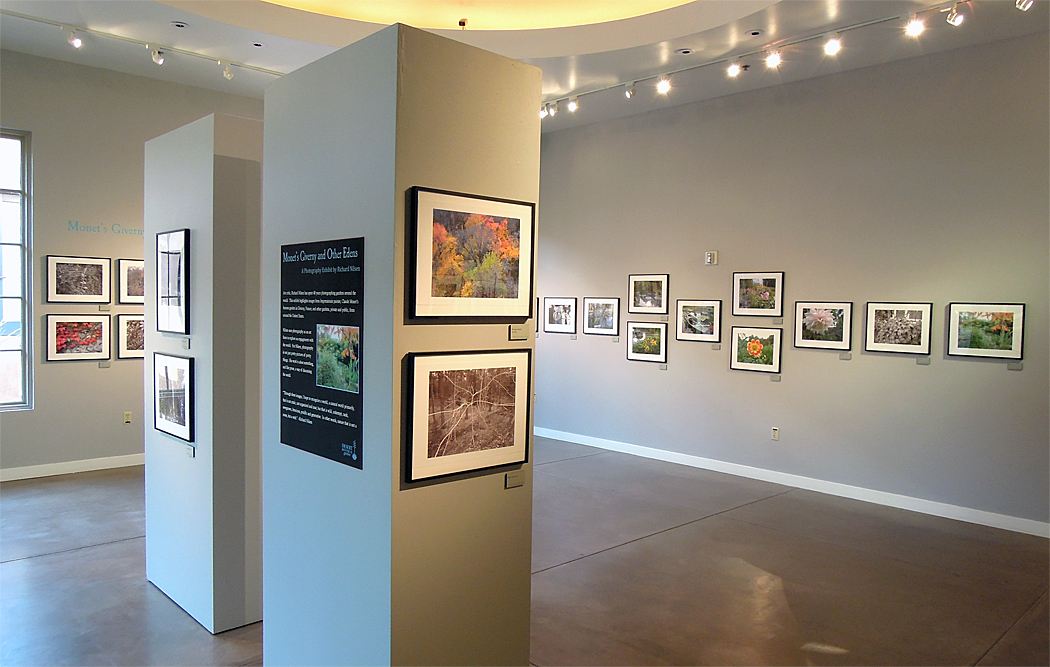
Later, just before I retired, I had a show of my garden photographs at the same Desert Botanical Garden, although this time, it was individual images from the series. The bulk of the images were of Monet’s garden in Giverny, but images from the earlier books were mixed in, in a show titled “Giverny and Other Edens.”  
I now photograph my back yard and watch it through its seasons, and my own as well. 

Click on any image to enlarge

alaskan brown bear 2
In May, nearly half the world population of the rare Mongolian antelope, the saiga, were found dead, presumably from disease. Some 120,000 carcasses were discovered on the grasslands of Kazakhstan. The population of saiga has been under decline for many decades, and the Saiga Conservation Alliance estimates that the number of animals has dropped by 95 percent in the past 15 years — and that was before May’s catastrophe.saiga 2

This is enough to alarm any animal lover, and anyone worried about the state of the environment anywhere on the globe, but it had a personal resonance with me, because I knew of the saiga vulnerability since I was a child, thanks to a remarkable book I received when I was perhaps 6 years old: Wild Animals of the World, by William Bridges and Mary Baker, which was first published the year I was born — 1948.

On page 221, Bridges writes: “This odd antelope of the cold, flat treeless steppes of Siberia has the misfortune to be highly prized by the Chinese pharmaceutical trade for the sake of its horns…” On the top of the page is a fine black-and-white drawing of a saiga by the artist, Mary Baker.

The book was one of those premonitory gifts of childhood that dug deep into my growing brain and stayed there. On the surface, it was a bestiary, a catalog of mammals of the world, written for young people; each page featured a portrait of an animal by Baker and a short text by Bridges giving a mini-overview of the animal, its habits, its usefulness to humans, when appropriate, and often, a warning as to its peril.title page 2

Looked at that way, it was certainly a successful book: I loved it on that level alone.

But it had several other things going on for me. It was in its way a “gesamtkunstwerk” for my curious child brain: It fascinated me on several levels, and led me to art, to language, to design and to a love of “the things of this world.”

Let me explain.

First, the drawings were distinctive. Even as a kid, I could distinguish between the look of Baker’s drawings and the look of photographs, and the look of other artists’ styles. I valued Baker’s fine detail, the beautifully delineated textures of the fur, hides, and markings of each animal. The drawings were hyper-realistic, yet somehow not “photographic.” They were clearly drawings: I could see the pencil on the paper. This difference — the esthetic surface of the image — I did not understand at that tender age, but I clearly felt it, and it thrilled me. I pored over the book endlessly. It was my first acknowledged awareness of “art” as a separate entity.

When I was a little older, maybe sixth grade, I picked up a pencil and copied several of the drawings, and felt proud satisfaction when my version approximated the original. uakari 2

Then, there were the animal names. I knew horses and cows, even monkeys and deer, but this book told me about scores of exotically named animals, such as the anoa, argali, chevrotain, coypu, douroucouli, gaur, gerenuk, nilghai, paradoxure, thylacine, yapok, kiang, and of course, the saiga. There are dozens more: sitatunga, ratel, quagga, pichiciago, okapi, galago, and the flying phalanger. Who knew the world was this strange, that language was this baroque?

I reveled in this richness of nounage. The world was full of amazing things, and this book showed them to me. There were more things in heaven and earth, etc. And they all had names. I started on a long quest for vocabulary and the building of a word-horde.wisent 2

With my early and budding interest in language, I even put together the similarity of the European wisent and the American bison and thought, they must be related words. The wisent, by the way, was my best drawing copy.

But there was more. I cannot say I was consciously aware of all the book meant to me, or of all I learned from it, but I felt these things, even as a child. I loved, for instance, the typography. I wouldn’t have known that’s what it was, but the book was very well designed, and each page had the name of the animal at the top in a display typeface different from the text font. I loved the difference. There was something exotic in that display font. gorilla 2

In the same way, I had a nascent awareness of design. Each of Baker’s drawings had a blank background, except for a shaded rectangle, asymmetrically positioned to provide an active balance to the overall design. We are used to pictures being bound by a rectangular frame, but here, the animals burst out of the rectangle, giving them more life and vivacity. Again, I wouldn’t have put it that way as a boy, but I clearly felt it.chimpanzee 2

There were 251 animals described in the book, all of them mammals, and it gave me an encyclopedic sense of zoology. I wanted to learn more.

I don’t know how to express how essential books like Wild Animals of the World were to me growing up. There were other books that had the same kind of hold on me. Life magazine’s The World We Live In was one, the ancient Compton’s Picture Encyclopedia, from the mid-1930s was another, with its endpaper dirigibles and gyrocopters flying over futuristic cities.

But it is essential to recognize that it is not merely the information contained in these books that is important. What meant so much to me was not simply the factoids, but the whole experience of the book — its design, its typography, the color of the paper it was printed on, the smell of the binding, the stiffness or flexibility of its cover. It is a whole experience.
Kiang 2

Which is why I worry about the current educational emphasis on information. This is an information age, we are told, but it isn’t fact alone that is meaningful. What I loved — and still love — about Baker’s book is everything about it. The physicality of the learning experience, not its disembodied data.

Which brings me to my last point. Now that I am old, I find that there is a recurring pattern to the years. There are moments when we acquire and moments we divest. This is true of possessions as well as ideas. At some point we buy things we want; later we come to “simplify” our lives by getting rid of clutter. Certainly one of the effects of retirement is reducing the number of things we need to pack when we move out of the large house and into something more convenient for age. But there is a countervening impulse to reacquire some of the things we have lost, whether it is a CD of a record that used to mean so much to us when we were courting, or a Ford Mustang we used to drive, or — in this case — a book that meant so much to the inchoate curiosity of our yearning childhood.

I had long ago lost possession of Wild Animals of the World. I have no idea where my original copy went. Probably my parents sold it off in a yard sale after I moved out to go to college and they got rid of most of the household residue when they retrenched to a double-wide in a retirement community in Florida. But I felt a deep nostalgic need for the book and found a used copy online for some ridiculous price — a buck ninety-nine or some such — and ordered it. I still pore over it. I still learn from it.