Archive

Tag Archives: bourgeoisie

When I see photographs of myself in my 20s, I am deeply embarrassed. I seemed to be play-acting in some fictional version of the life I believed I was living, or wanted desperately to be living. I clearly thought I was ripe for la vie de Bohème

I am probably not alone in this. From the onset of adolescence, most of us, I believe, are trying to figure out who we are, and believe — quite wrongly as it turns out — that we have some choice in this. 

For me, as for quite a few in my generation, coming of age in the Eisenhower years, the banal middle-class life was something we wanted to escape. The world of art and artists — or poetry and poets — seemed so much more vital, so much more real. 
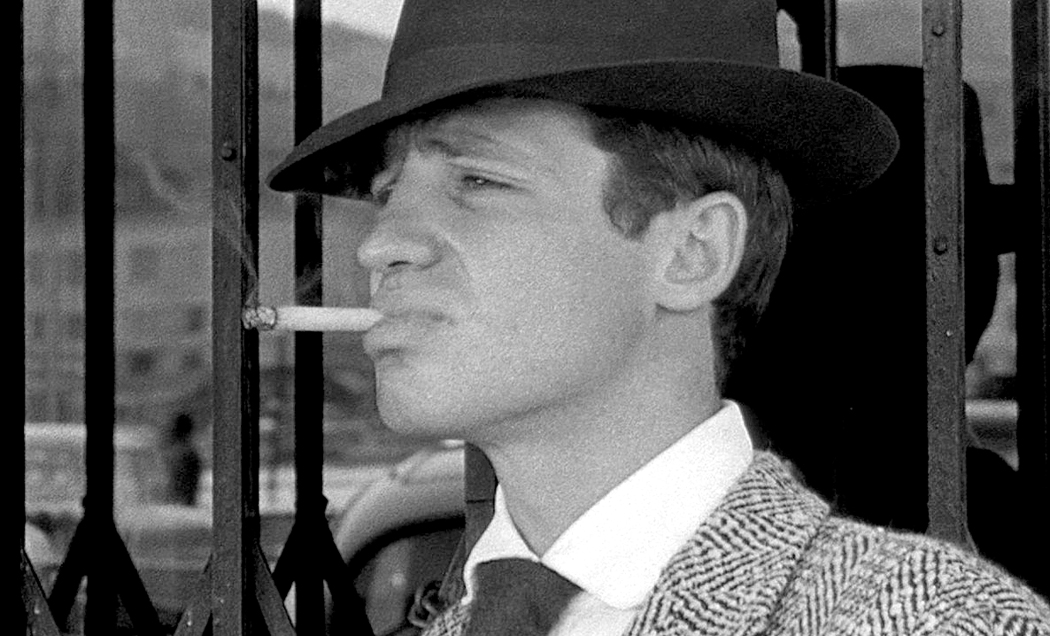
It was in the air. Breathless, with Jean-Paul Belmondo, came out in 1960, when I was 12 years old. Jack Kerouac’s On the Road was released in 1957. In the same year, Alan Watts produced his Way of Zen. All of these things presented a way of life that seemed to this unformed New Jersey boy so much more real — so much more important — than buying annual new school clothes at the Paramus mall. 
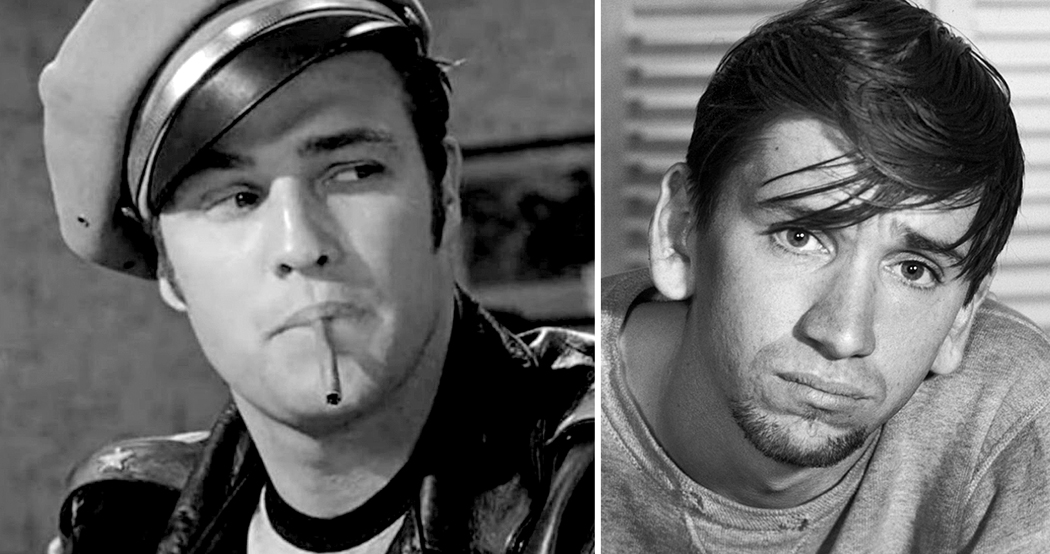
“What are you rebelling against?” “Whatya got?” Maynard G. Krebs

My parents were reasonably intelligent, but they were not college educated and they were not readers. I thought at the time they were intolerably boring. I read everything I could get my fingers on, including books that were way above my puny ability at that age to comprehend. I thought bourgeois respectability was the enemy, and in a fit of juvenile delinquency, I would stuff paperbacks from the book rack in the local drug store into my pocket and make off with them. I thought I was so daring, so rebellious. By real-life standards, it was pathetic; the real thugs in my town were Mafia kids and all the books I took were literary: 

John Updike’s The Centaur; Malcolm by James Purdy; John Knowles’ A Separate Peace; The Sot-Weed Factor by John Barth; A Death in the Family by James Agee — you get the picture. As I look back on it now, I’m pretty sure that Everett, the pharmacist, knew what I was doing, but recognized that they were likely books that would never sell anyway in suburban New Jersey and that I would benefit from reading those books more than he would from keeping them dusty on his book rack.

I bought a subscription to Evergreen Review and another to Paul Krassner’s The Realist. And just to go the extra length of high-school pretentiousness, I also got a subscription to Les Temps Moderne, although I knew no French. But, it was Jean-Paul Sartre’s magazine and I knew he was important. I was desperate to join the grown-up world of truly important things — not like the pep rallies and gym classes of high school. 

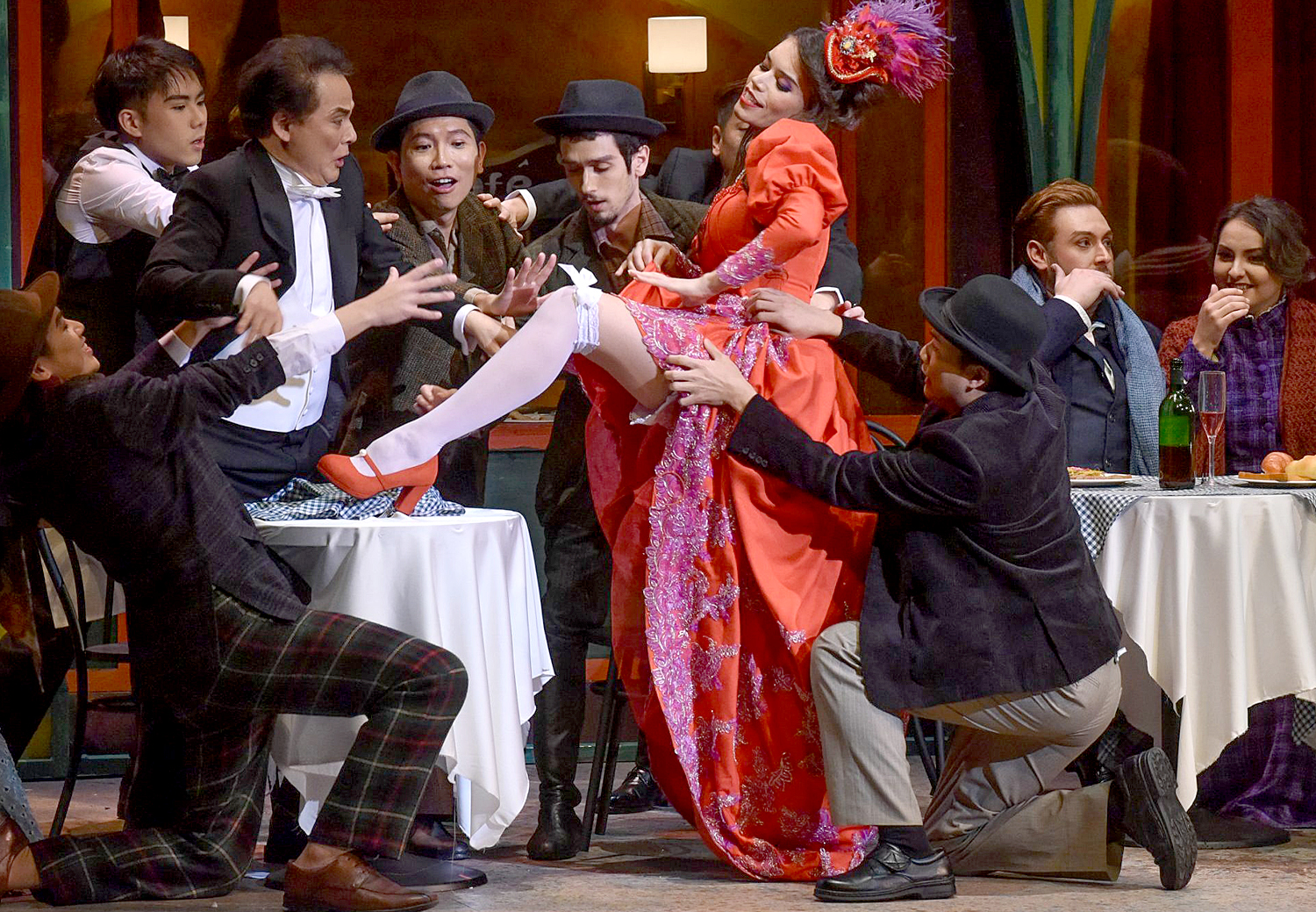
The attraction of the bohemian life were all too apparent to me then, and all through my college years and into my 20s. It was a fantasy enriched by exposure to literature; actual bohemians were sparse on the ground in Bergen County. The tradition of poor scholars, thumbing their noses at conformity is long, and goes back at least to the Roman poet Catullus. I found a used copy of Francois Villon’s Testament and then, there was Goethe’s Faust and Puccini’s opera, La Bohème

As I headed off to college, I imagined myself as one of those louche students, full of sex and alcohol, but also drunk on great books and music and art. Of course, there were others there who shared that vision and we became friends, like Rodolfo, Marcello, Shaunard, Colline, Mimi and Musetta. 
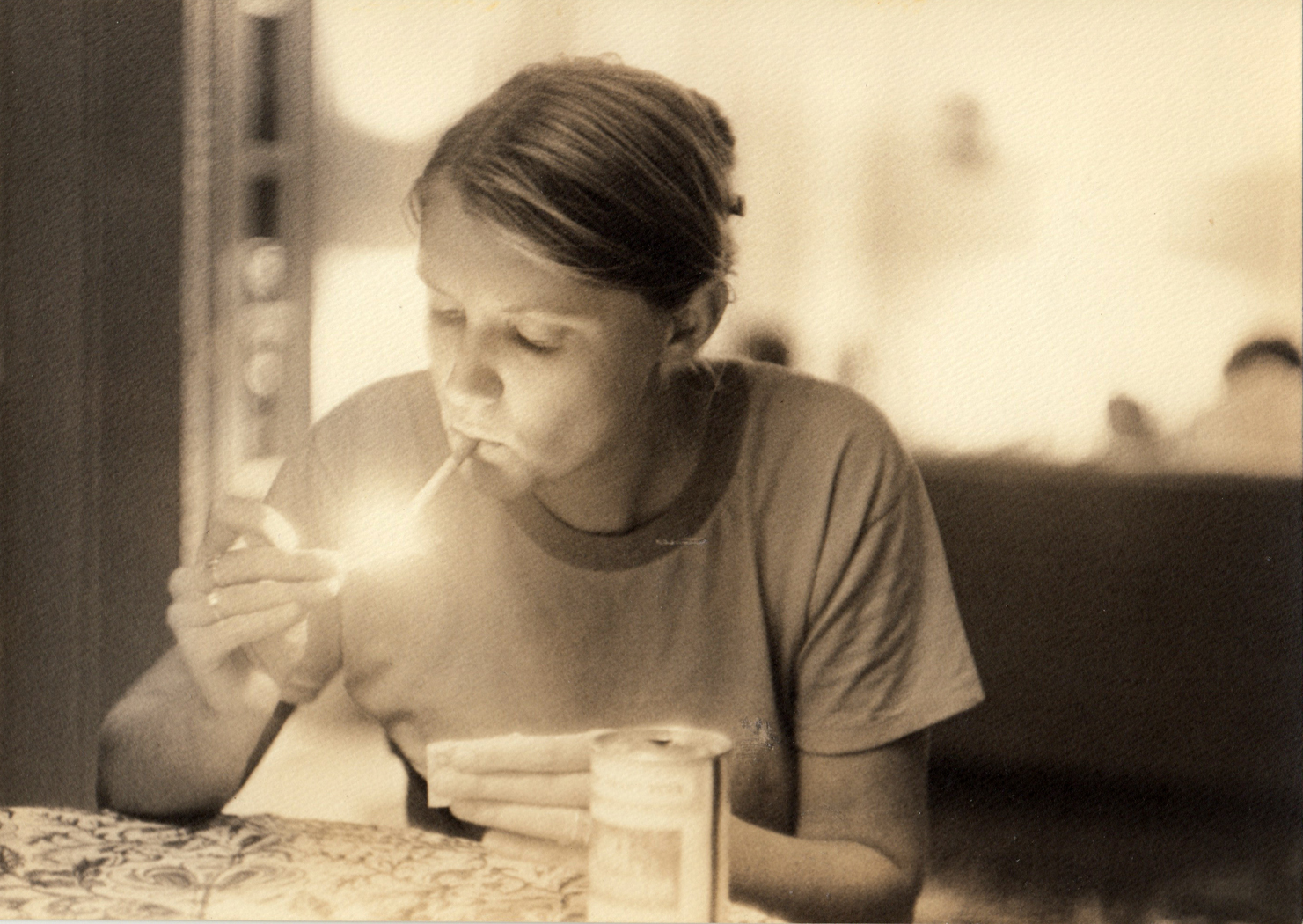
Or so we imagined ourselves. I was filled with an exaggerated sense of art and literature, but lagged in classwork. I’m sure I read more than my curriculum required, but rather less of those texts assigned in class. After all, textbooks were dull and Dostoevsky was not. 

We knew we were “special,” and that we would become, if not famous, at least important. My best friend and I self-published a slim volume of our poetry and titled the thing 1798, after the year Wordsworth and Coleridge published their Lyrical Ballads. Their poetry changed the climate for literature for the next hundred years; we expected ours would do the same. Being important was important to our yet unformed selves. 

Rae, Aime and Alex

After graduation, with a first wife, I lived that sort of poverty, in a cheap rental apartment on the second floor of an old house, entered from stairs rising up the outside, and heated with a single kerosene stove in the living room and we ate from a book titled Dinner for Two on a Dollar a Day. I had a job paying minimum wage as a clerk in a camera store, and I found living on no money intoxicating. My first wife found it less so. A punctuation mark in the bio. Full stop. 

Sandro and Mu; me and S; Cap’n Billy and Tiggy

Later, and with the succeeding unofficial wife, we lived in a duplex. I still worked in the camera store, and she was a cashier in a supermarket. We managed to save enough money to buy gear to hike the Appalachian Trail. We quit our jobs and took off for the woods. When we discovered that goal-oriented hiking (making the required miles per day to reach the next lean-to) was less glamorous than we thought, we gave up in northern Virginia and returned to Greensboro. 
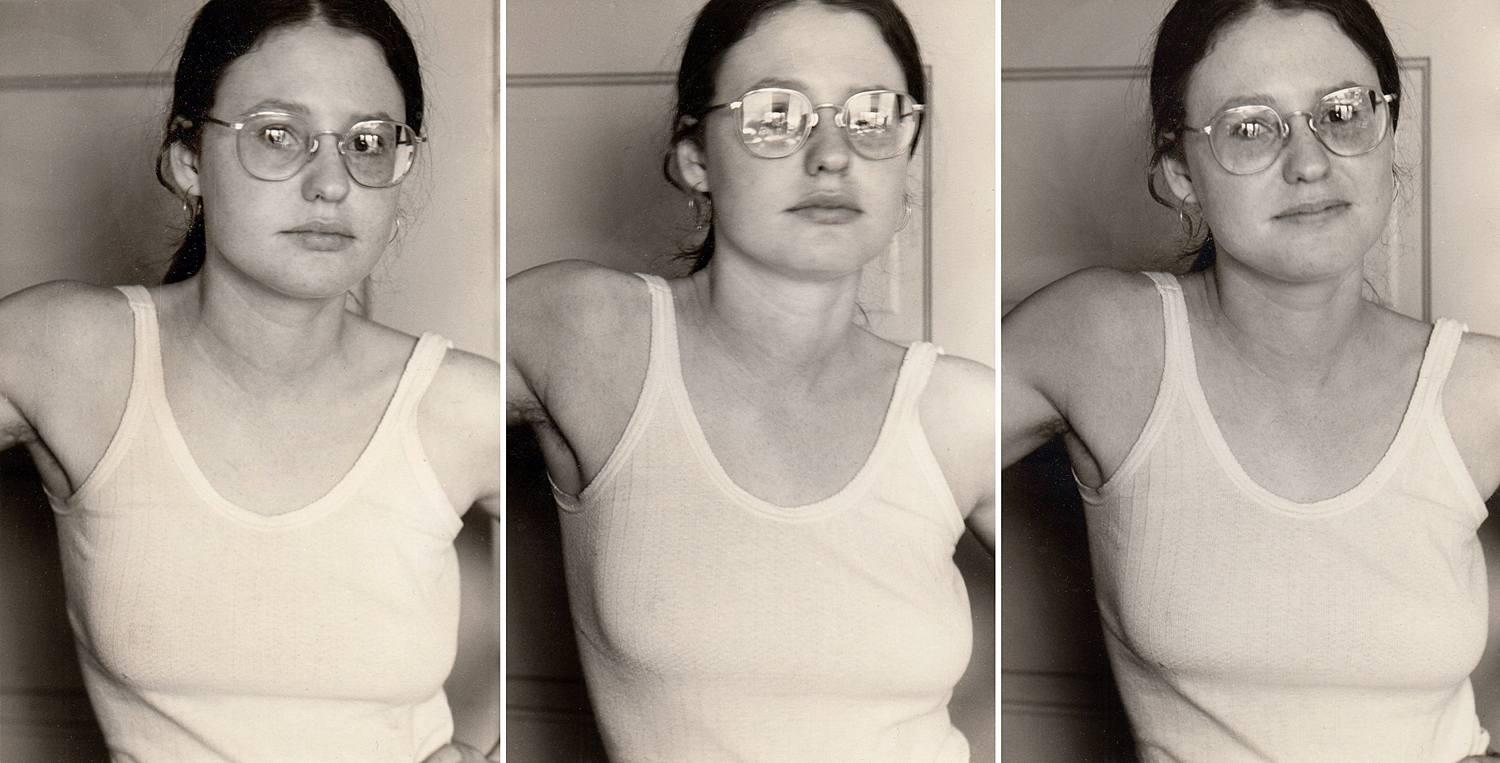
After that came some time on unemployment benefits and meeting up with fellow bohos in local bars, betting quarters on air hockey. Being poor was never a problem: It was exotic. We were still sleeping on a mattress on the floor, and having friends over for feasts, and at least once a year, with friends, renting a venue and holding a masked ball where we waltzed into the wee hours of the next day. 
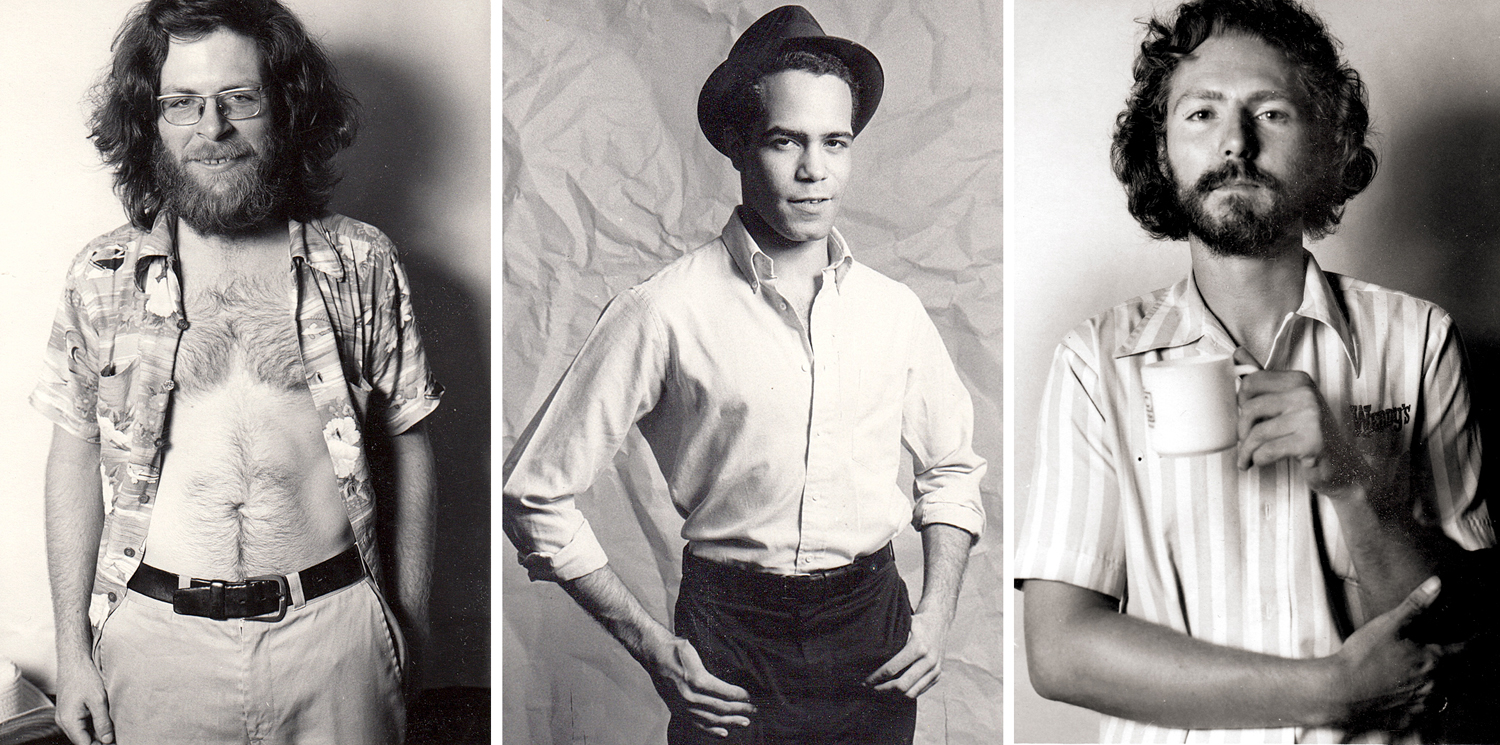
Ursus, Colin, and Spider in Seattle

But then, she left to get married and I was pole-axed. I hadn’t known. I gave up everything (well, except my books), and moved from North Carolina to Seattle, where I lived with my old chum, Ursus, who was then a bicycle messenger in the city. I was offered a spot in the coal bin in the basement, and lived more vie bohème on a mattress on the concrete floor. Being jobless gave me time for a lot of reading. 
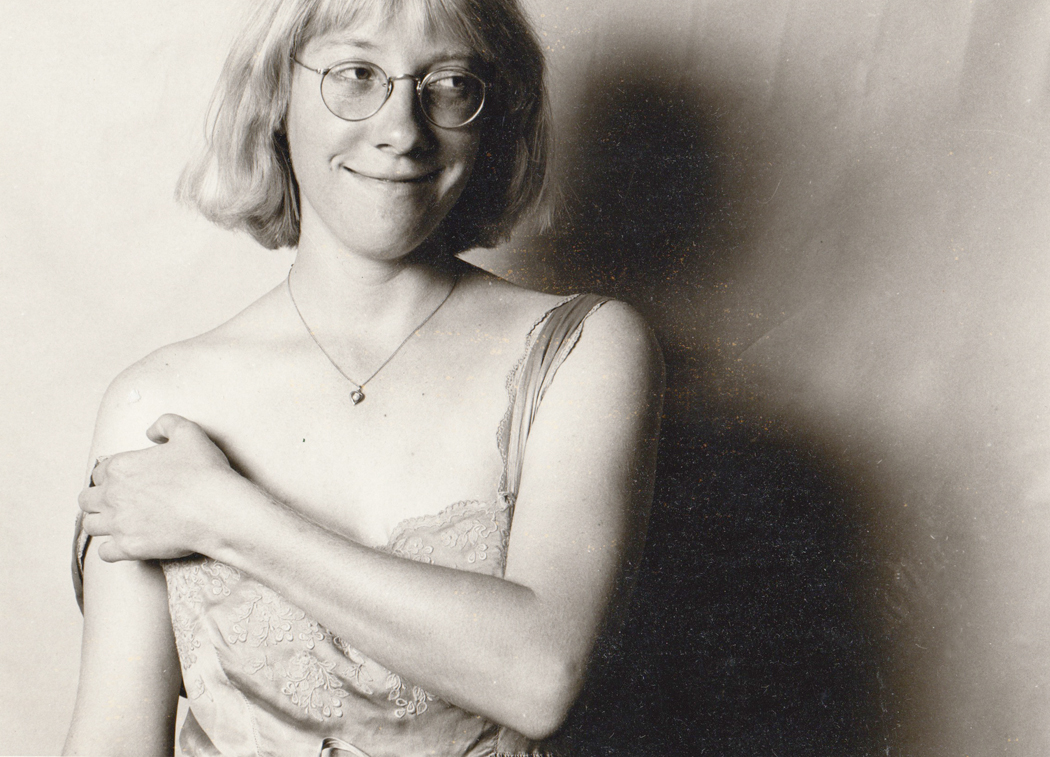
I eventually got a job at the zoo, and became crazy about a zookeeper I fell for, but depression wore me down. 

And so, I moved back to the South and lived with my 1798 co-author and his wife. They gave me a room in their old farmhouse, with its only heat being a wood stove in the kitchen. I did the cooking and maintenance work while they went to work. A few daylong pick-up jobs and I earned a total of $900 for the entire year. It seemed sufficient. This was truly la vie de bohème

My second official wife invited me to visit in the Blue Ridge and eventually, I moved in with her and her teenage daughter. Still no job, still poor as a midge and happy as a clam. But I was now over 30 years old and never had a real job. It was beginning to wear thin. 
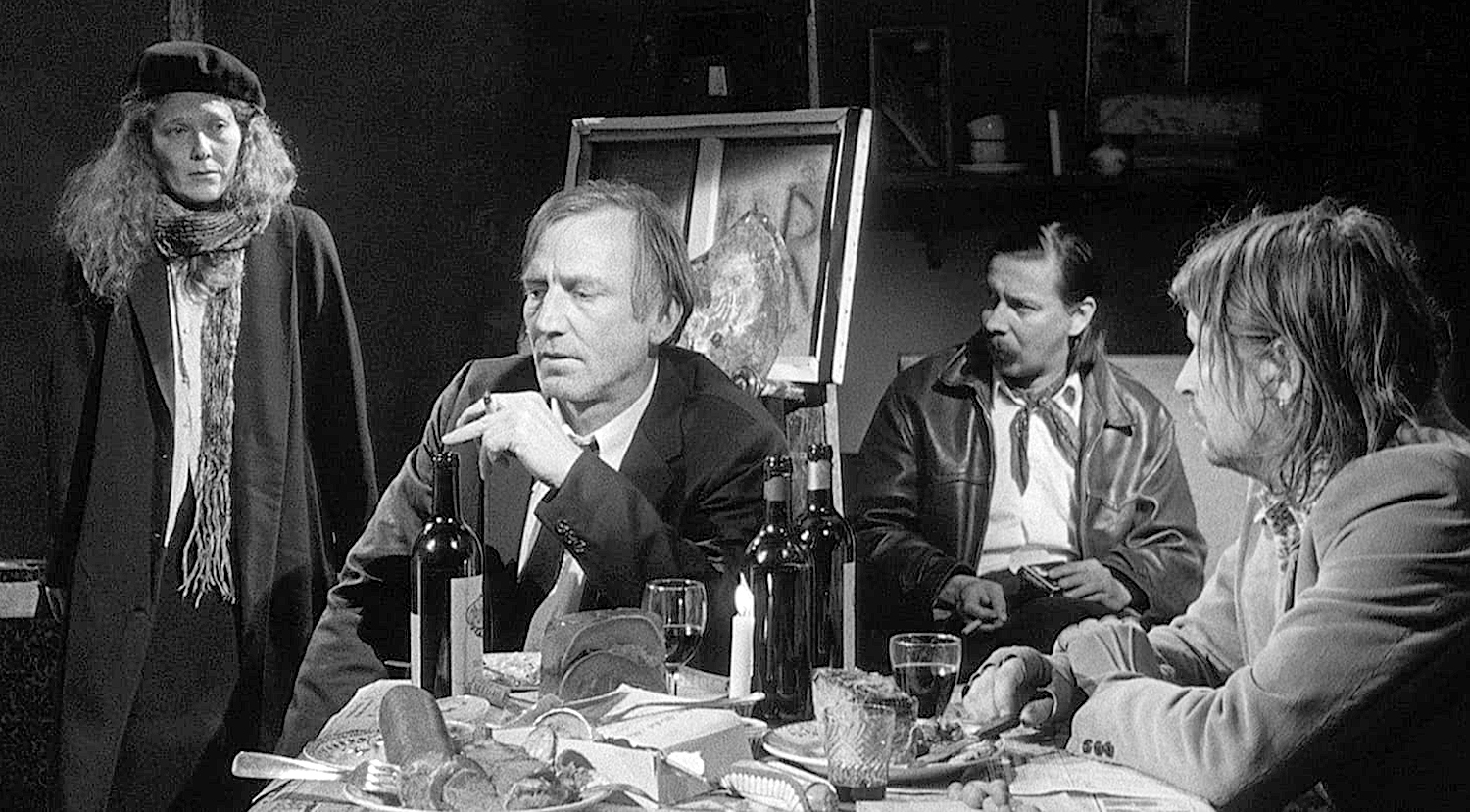
I mention all of this because I recently watched a 1992 film by Finnish moviemaker Aki Kaurismäki called La Vie de Bohème and based on the 1851 novel Scènes de la vie de bohème by French author Henri Murger, which, in turn, was the source for Puccini’s opera. 
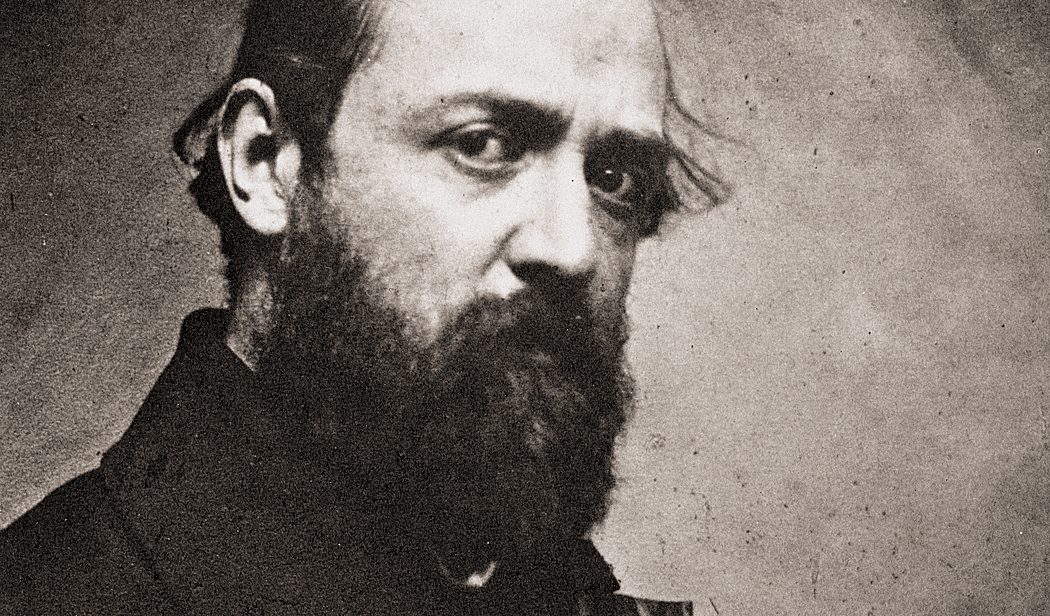
Henri Murger by Nadar, 1857

It is in many ways a brutal and heartbreaking film, mainly because, unlike the opera with its young heroes, flush with romantic enthusiasms, the movie shows us a more realistic vision of bohemians, now in their 40s, and looking pretty sad. It’s fine for 20-somethings to live their fantasies; but given greying hair, paunches and ratty clothes, at 40 living such a life seems like utter failure. Not only in career, but more important, as persons. They have not found who they really are, but have worn holes in the soles of who they try to be. 

These are people who had grand ambitions when young. They were going to be writers, thinkers, painters. And they each now do piecework on commission for a few dollars and do their best to avoid creditors and landlords. When our writer falls in love with a worn-looking 43-year-old Mimi, he finds himself deported to his native Albania. When he sneaks back much later, he finds Mimi is dying. It’s all much as in the opera, only everyone is at least 20 years older. 
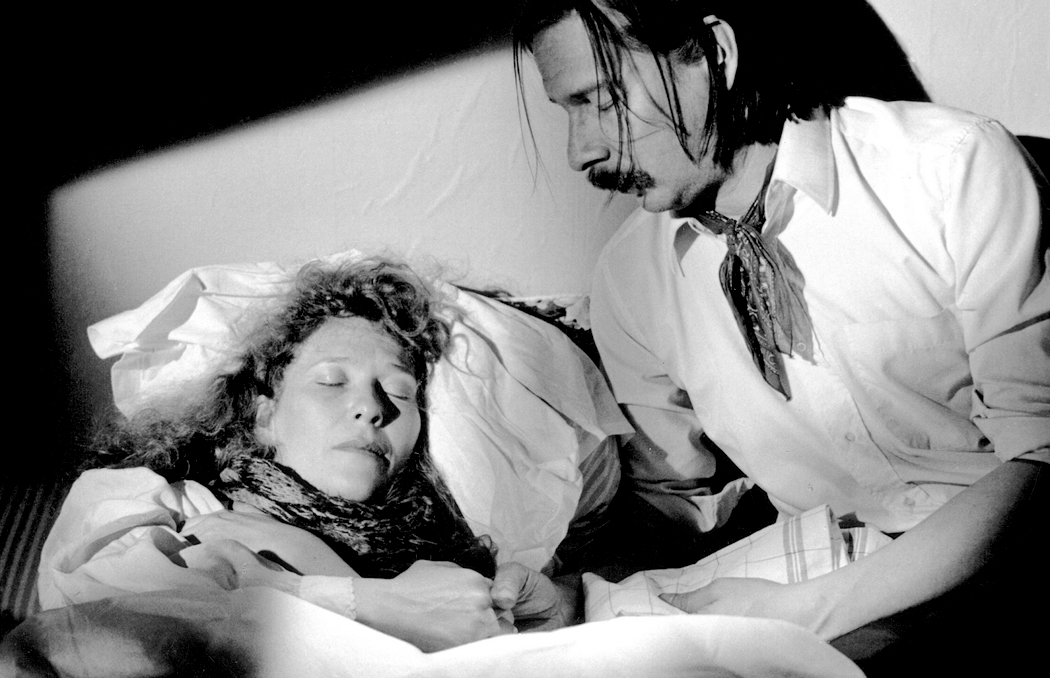
But the love between Mimi and her man is so much more real and touching, because it is adults who need each other rather than youths living out some romantic fantasy, and Mimi’s death, in the hospital, is an actual death rather than a dramatic set-piece. Life has stomped on the youthful delusion. 

 For me, it was my second marriage, which lasted 35 years, until my wife’s death, that turned me into who I was rather than who I played at being. It can be a long process to something approaching reality.

I don’t know if any of us can ever know who we really are, but we all know who we think we are. Most of us, as we get older, grow closer and closer to who we truly are; when we are young and full of ourselves, we live a mythologized sense of ourselves. A much more important sense of ourselves. We are going to change the world. In truth we are ordinary. 

As one grows older, the graph plotting the importance of one’s internal sense of self, the mythology of autobiography begins to tail off, dropping down the chart, while the realization of who we truly are begins to climb, and there comes a point — for me, it was in my mid-30s — when the two lines cross. For some it marks the “mid-like crisis” and one can choose to attempt to grasp after the myth and buy a sportscar, or one recognizes that the actuality is more solid, more real, and more meaningful than the fantasy. 

The young sense of self is a choice — a mask you wear or a role you play — and maybe you try to live up to it, but it is always a pose. The longer you hold on to it, the more you feel like an imposter. Who you are is not a choice: It is a given, and it can slowly reveal itself over time as you give up the pose. Maybe you give up the pose out of exhaustion, maybe out of a seeking of self-knowledge. Either way, it is why older people often feel so much more comfortable with themselves, so much less worried over what “others think.” 

And for me, I have given up rebelling against the bourgeoisie. I have never joined in. I have too many books. But let them be who they are and let me be me. 

Gustav Flaubert was said to have expressed “contempt for the bourgeoisie.” It is a sentiment I shared when growing up, as a bookish kid in a bookless family. Flaubert was himself a member of the middle class, and, alas, so am I. As much as I despised the suburban, middle-class New Jersey milieu in which I grew up, as I have aged, I have come to realize that it is this same middle class that allowed me to pursue my own interests. There was a bland tolerance inherent in mid-century suburbia that, while it watched Donna Reed and Bonanza, thought that college might be a good idea for its offspring — not knowing just what a subversive venture that education would turn out to be. 

As for me, even when I was in seven years old, I couldn’t wait to leave New Jersey and head off to college. As I entered second grade, I am famously (in the family) reputed to have asked, “does that mean I can go to college next year?”

My brother and I often ponder where we came from. Craig is an artist and I am a writer. Nobody else in our extended family of aunts, uncles, cousins, grandparents, in-laws or anyone else, had the slightest interest in art, literature of other intellectual things. The closest my mother came was daubing a few paint-by-numbers canvases. The primary reading matter in the house was the Reader’s Digest nested on top of the toilet tank. When I mentioned classical music, my uncle asked if I meant, “like Montovani?” When my high-school buddies were listening to Chubby Checker and Bobby Vinton, I was listening to Stravinsky and Bach. Where this taste for the high-brow came from remains a mystery, but it is deeply buried. 

There was early on a hunger for things that seemed deeper, truer, more complex than what I saw on TV or heard on AM radio. And I found that hunger fed by art and literature. In eighth grade, we had been required to read Shakespeare’s Julius Caesar and to memorize a few lines (“you blocks, you stone, you worse than senseless things. Knew ye not Pompey? Many a time and oft…” etc.) But the mere reading seemed archaic and incomprehensible. But late in the year, 1962, we took a class trip to Princeton, N.J. to the McCarter Theatre, where we watched a performance of the play, and it all then made sense. I loved it. 

But Julius Caesar is, after all, a fairly easy play to get through. Even the less inclined in class found it entertaining. 

The next season, though, on another class trip to the McCarter, we watched Long Day’s Journey Into Night, a rather tougher nut to crack. And I felt I had found a home. Eugene O’Neill was the kind of thing that spoke to me: To a green teen, it felt grown up, like the real thing I longed for. 

Looking back, I can see I was just a kid and had a somewhat limited understanding of what it actually meant to be grown up. By high school, I had subscriptions to the Evergreen Review and Paul Krassner’s The Realist. I read Kerouac and Ginsberg, and was a member of the Literary Guild — an off-brand Book of the Month Club — where I bought and read things like Jean-Paul Sartre’s autobiography, The Words

I look back now and remember Last Exit to Brooklyn and The Hundred Dollar Misunderstanding, and boy oh boy, what I misunderstood as a pimply-faced adolescent. I reread Saul Bellow’s Herzog again last year and was surprised to discover how funny the book is. When I read it in high school, I only knew it was a book that adults read, and so I dove in. That it was a comedy complete passed me by.

Art, music and literature: I knew — or felt in my bones — that this was the real stuff. All the quotidian was mere distraction. I was truly lucky: I lived only a short bus ride from Manhattan and could easily get into the city to visit museums, bookstores and concert halls. New York was real; New Jersey was boring. And what I found in the city turned my life.

In 1966, I heard Russian pianist Emil Gilels at the Brooklyn Academy of Music. He played, among other things, the Liszt B-minor sonata. It is the first of many concerts and recitals that made in imprint on my life. I was there with my high-school girlfriend, who later became a professional bassoonist (played with both Philip Glass and PDQ Bach). We went to dozens of concerts, mostly in New York, and in Carnegie Hall. 

Speaking of Peter Schickele, my girlfriend and I were at the first PDQ Bach concert in Carnegie Hall, and after that, I was practically a PDQ groupie and managed to get to one of his concerts annually for at least 25 years, either in New York or when he took his circus on the road. 

I also had the Museum of Modern Art to go to, and the Metropolitan, the Guggenheim, the Whitney, the Frick Collection, and what was then the Huntington Hartford Gallery of Modern Art on Columbus Circle. 

The permanent collections in all these institutions became my dear friends. But there were changing exhibitions, too. The first serious art show I went to that altered the course of my life was also in 1966, at MoMA.   

It was a curated show, intended to make a case. It wasn’t just a collection of paintings, but a curatorial argument, intended to persuade and make us think of something in a new way. It attempted to prove that English painter Joseph Mallord William Turner was a precursor to the French Impressionists and Modernism, that his soft-focus paintings and, especially, his washy watercolor sketches, were somehow a step forward in the history of art, and led to the breakthrough we all know and love with Monet, Renoir and Pissarro. (It was an age that still believed in art history as a grand and natural procession from then to us, the enlightened). 

It was called “Turner: Imagination and Reality” and ran from March through May of that year. It made the claim that “During the last 20 years of his life, Turner developed a style of extraordinary originality. He evolved a new order of art, which was virtually unparalleled until the 20th century.” According to the curators, Turner was a harbinger of American Abstract Expressionists. Several of the images on view were so inchoate as to be purely abstract, like his Pink Sky, which might well be an early experiment by Mark Rothko, nothing more than strata of color spilled across the paper. 

In the catalog to the show, art historian and curator Lawrence Gowing wrote, “These pictures from the last 20 years of Turner’s life, reveal potentialities in painting that did not reappear until our time. They tell us something about the inner nature of a whole pictorial tradition, of which recent American painting is an integral part. Turner not only saw the world as light and color; he isolated an intrinsic quality of painting and revealed that it could be self-sufficient, an independent imaginative function.”

I was transfixed and went back to the exhibit a second time, convinced I was privy to a secret about art that few others knew; only those who had seen this show really understood what a revolutionary Turner had been. Please remember, again, I was a teenager at the time. 

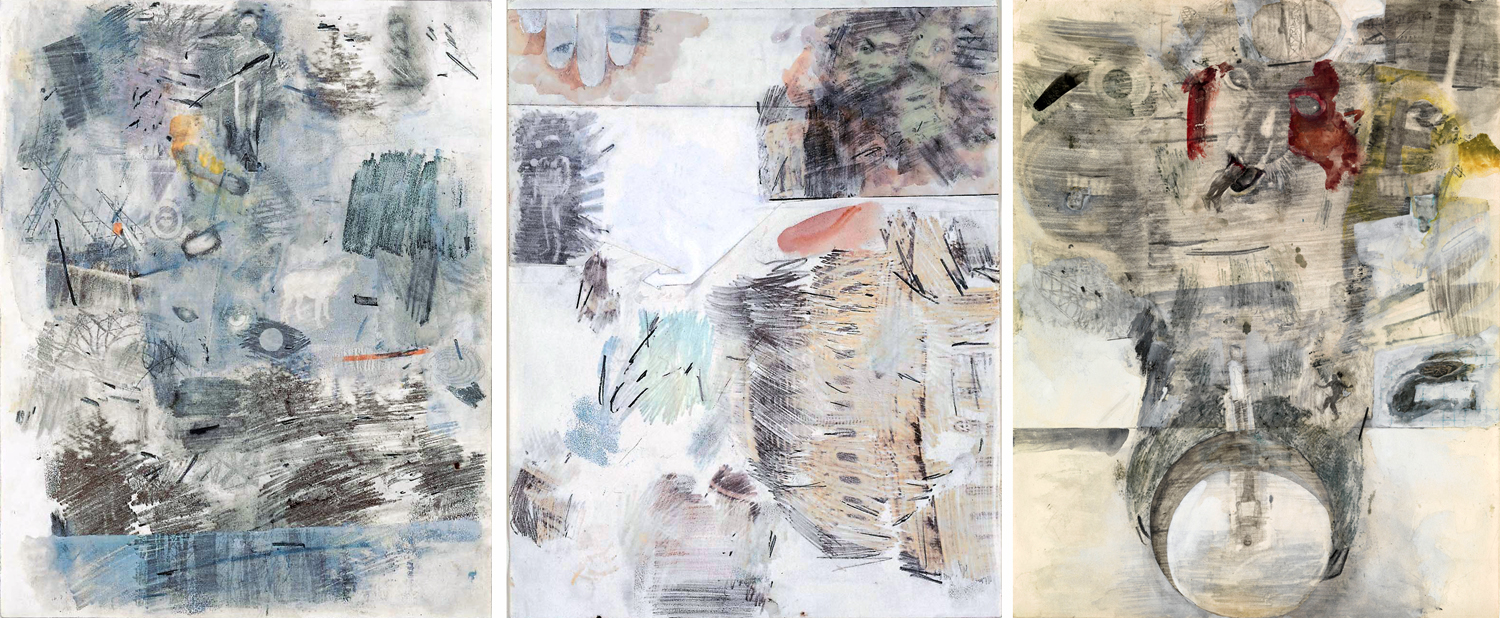
In tandem with the Turner show was a smaller exhibit of Robert Rauschenberg’s “Illustrations for Dante’s Inferno,” a set of 34 drawings and ink transfers, one drawing per canto in Dante’s poem. It is difficult to recover the sense of elation and immersion a teenager in love with art could feel in the presence of something so new and so exciting. 

When I did get to leave New Jersey and go to Guilford College in Greensboro, N.C., I was in a candy shop: I signed up for Greek, Shakespeare, esthetics, astronomy — I wanted it all. 

There was also a film series, carefully programmed to expose us to the best in cinema. We saw La Strada, Seven Samurai, Seventh Seal, Jules and Jim, Last Year at Marienbad, Hiroshima, Mon Amour, Andalusian Dog, and even Birth of a Nation, although the student projectionist ran it without the sound on, calculating that it was a “silent film,” and not considering their was a musical soundtrack to accompany it. The racism was hard to swallow, but it was even worse — with no music, it seemed to last forever. 

With my new college girlfriend, we went to the downtown theater to see Antonioni’s Blow Up. That sense of being on the edge of art made being young  

All those films, added on to the reading material, and the concerts we had in the college auditorium, felt like what I had waited my whole life to gain access to. I fell in love with Chaucer; I read tons of Shelley — even stuff no one but a doctoral candidate bothers with. There was Classical literature in translation. There were three semesters of Comparative Arts. I minored in music composition (although, our stodgy professor der musik, Carl Baumbach, really only taught us figured bass and to harmonize chorales — and avoid parallel fifths. He could barely get himself to listen to anything as modern as Debussy.) 

I was a well, down which you could toss everything and never fill it up.

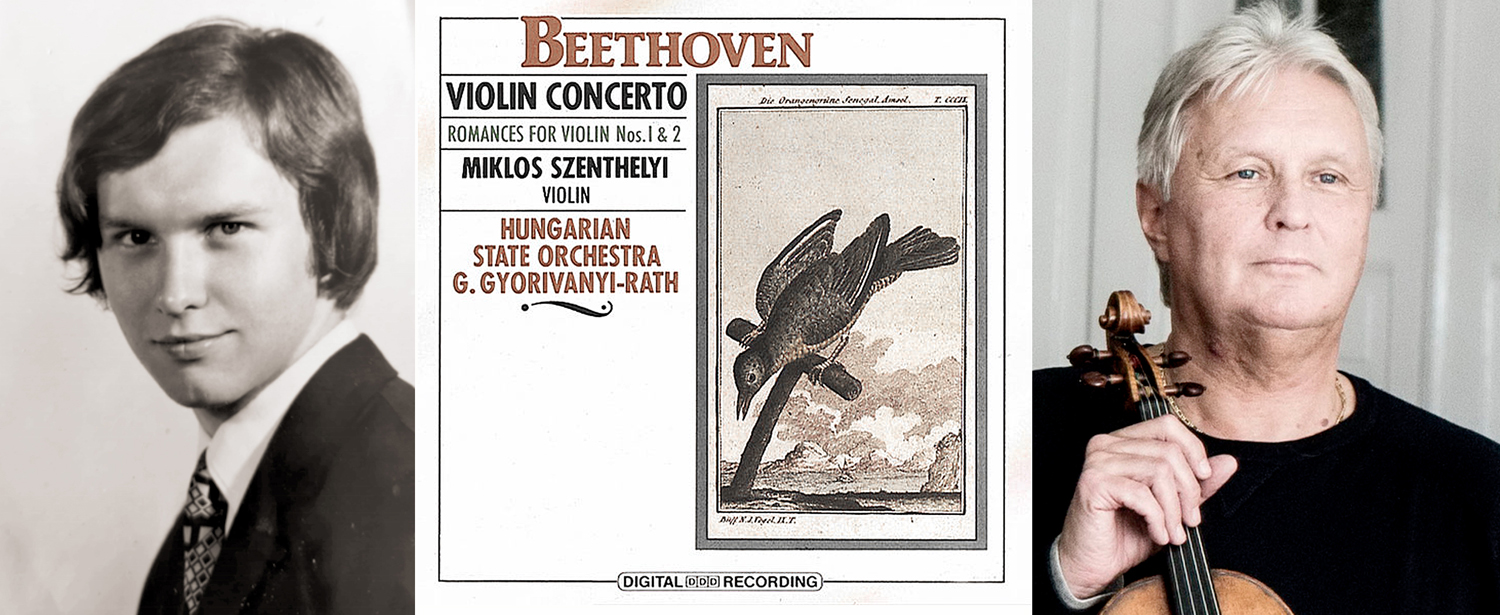
After graduation, I continued with it all, without the need to worry about grades or term papers. Every summer, there was the Eastern Music Festival, for which I acted as unofficial photographer. I sat in on master classes, went to concerts. A few were so memorable, I still keep them in my psychic storehouse: Walter Trampler giving a master class; Miklos Szenthelyi playing the Bartok First Violin Concerto — which seemed at the time the most beautiful thing I had ever heard. Szenthelyi was a young Hungarian, virtually the same age as me, and his posture on stage was almost Prussian, his tone penetrating and perfect. (I still own several of his recordings. He is now a white-haired Old Master in Budapest. A half century has intervened.)

I also first heard Yo-Yo Ma. He must still have been a teenager. He performed both Haydn cello concertos in High Point, N.C., one before intermission and one just after. Yo-Yo has been as much a constant in my life as Peter Schickele. What a pair.

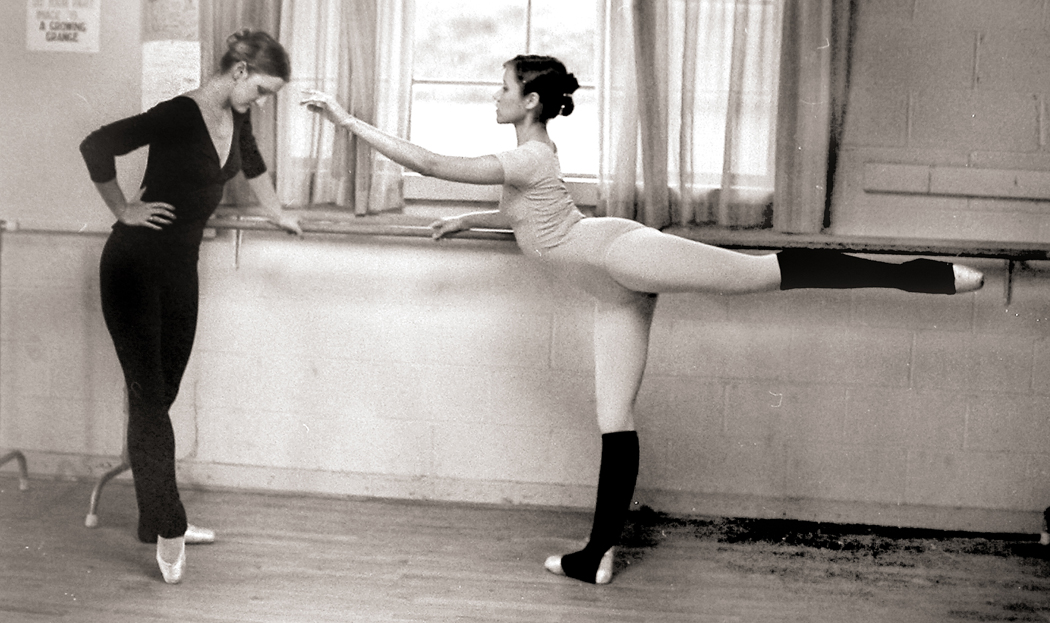
I also photographed the Greensboro Civic Ballet. I wish I had paid more attention to the dance in the 1970s, but my plate was otherwise full. Many years later, I came to love dance more than any other artform. (After my late wife and I traveled to Alaska, she asked if I might want to live there. Without trying to be funny, I said reflexively, “No. Not enough dance.” It was the natural answer.)

There have been hundreds of concerts and recitals, scores of theater and dance performances, bookshelves still filled with thousands of books and CDs, and more museum and gallery shows than I can count. 

I want to write about a few of them next time.