Like most critics, I’ve written my share of Top Ten lists over the years. Most of them, whether about music or movies or books, tend to be made from what I consider the best, deepest, or most meaningful entries — classics. Consensus choices made by informed critics who have read, seen and heard enough of their subjects to make their lists meaningful. The best on these lists can perhaps make you a better person, but not necessarily happier.
So, there can be another list, not of the highest and best, but of those things we simply enjoy, for whatever reason. After all, what we simply enjoy isn’t always the most profound or most brilliantly written, acted, or edited. And sometimes we have to admit there are things we just like. And we will watch them over and over again.
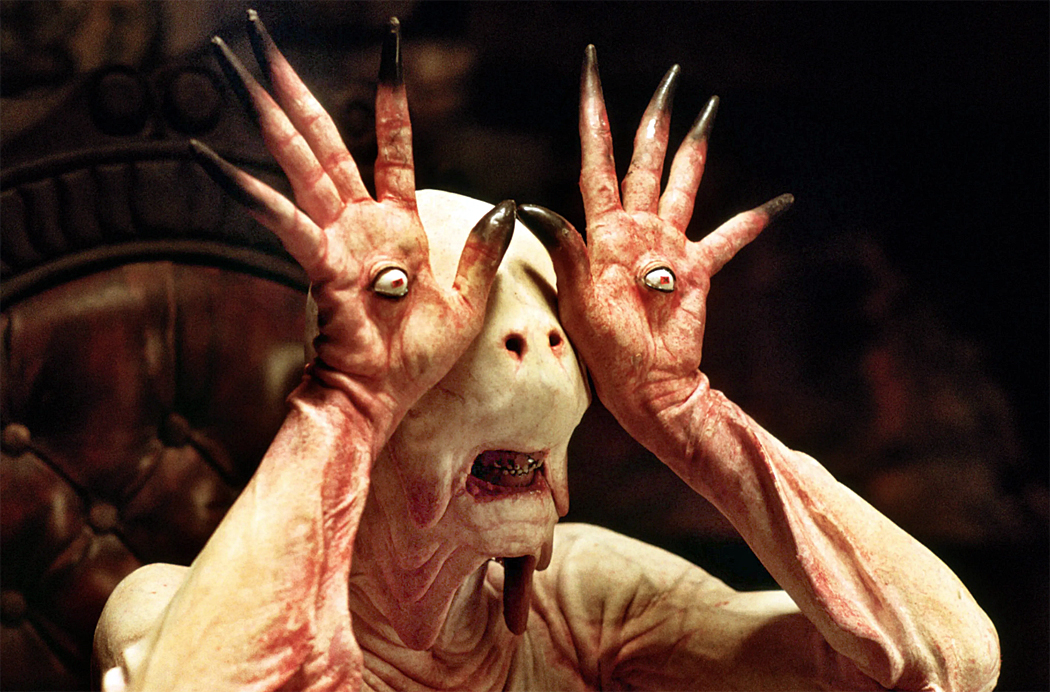
Yes, I know the idea of watching a movie over and over doesn’t make sense to some people. I have discussed this with someone who wondered, “I’ve seen it and know how it ends, so why would I watch it again?” As if the point of a film were its plot.
And there are films that function only on a story level, and perhaps once you’ve learned the plot twist, or uncovered the killer, there is no further reason to return to the movie. I have movies like that: I enjoyed them well enough the first go-through, but have no overriding desire to take that ride a second time.
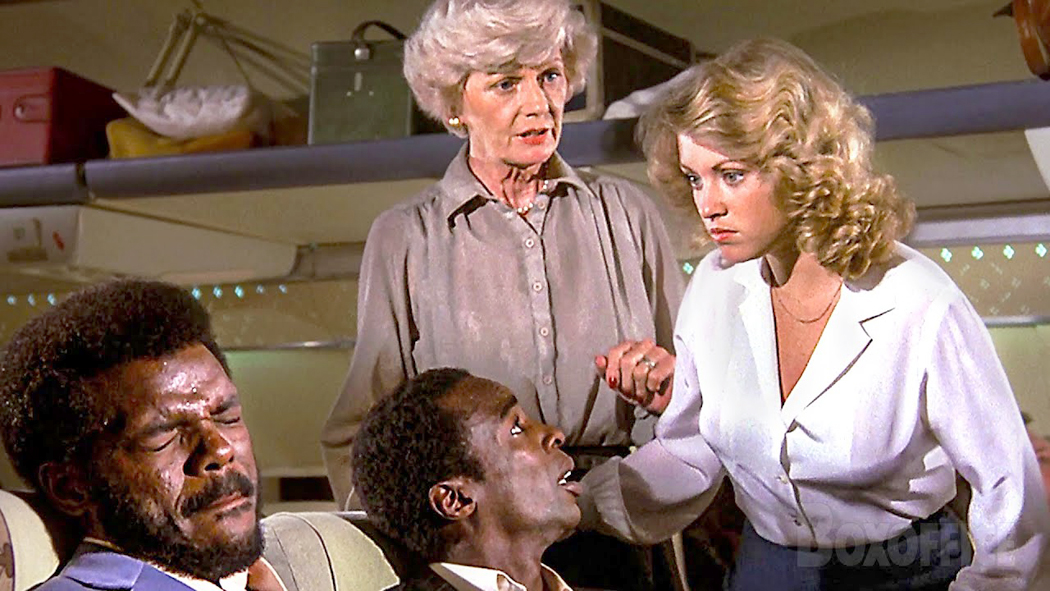
But there are movies I want to see over and over, the way you like hearing a favorite tune. You don’t say, “I’ve heard that song, so why would I listen to it again?” It’s a tune. It’s fun to hear again. And don’t call me Shirley.
A list of such films will be personal. I don’t expect everyone to jump on the bandwagon. Such a list is almost a Rorschach test, explaining the personality of its maker. Make your own list and see it as a mirror.
And so, here’s my list of top favorite movies that never stop satisfying. Some are movies I watch over and over and just enjoy every time; and others I don’t have to watch all the way through, but just love particular scenes and if I am channel surfing and come across them on Turner Classics, even if I catch them in the middle, I will watch through to the end, just to catch some of those scenes. Some of these are genuine classics, but others just tickle a certain place in my brain. They are fun.
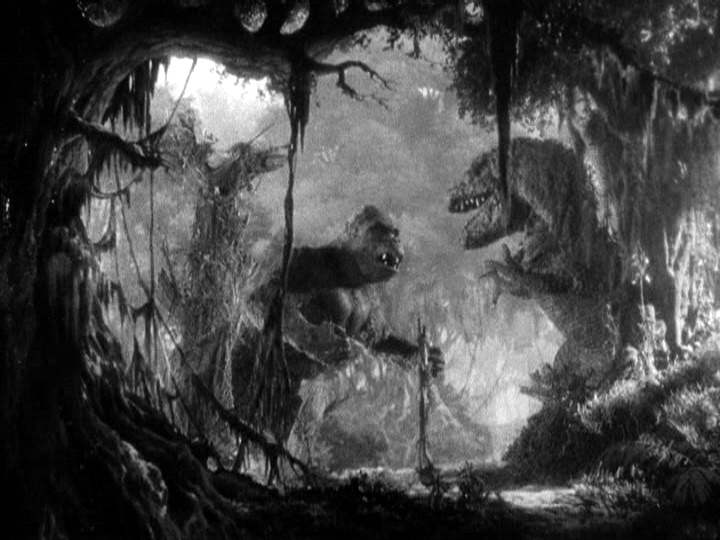
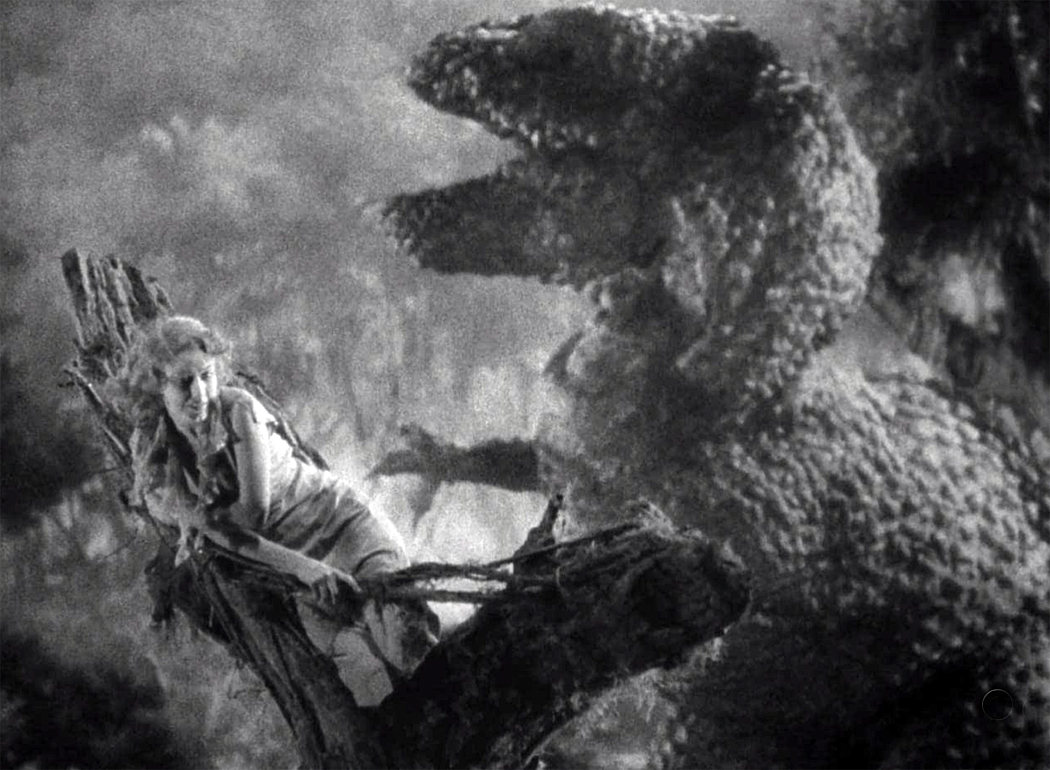
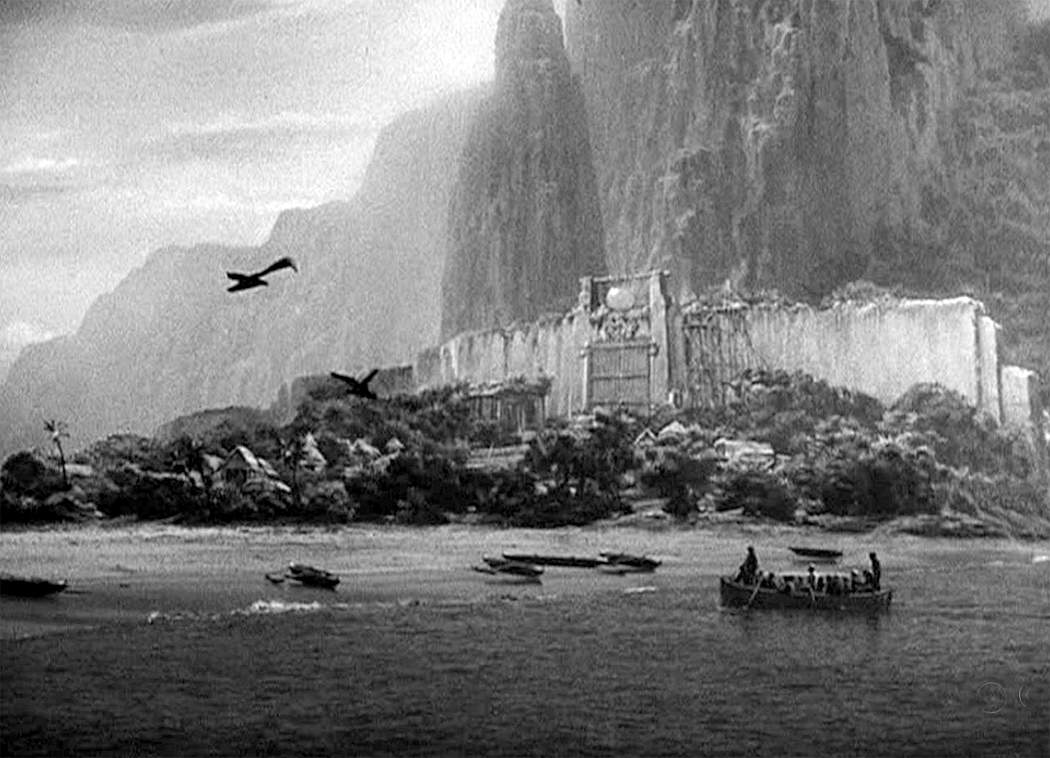
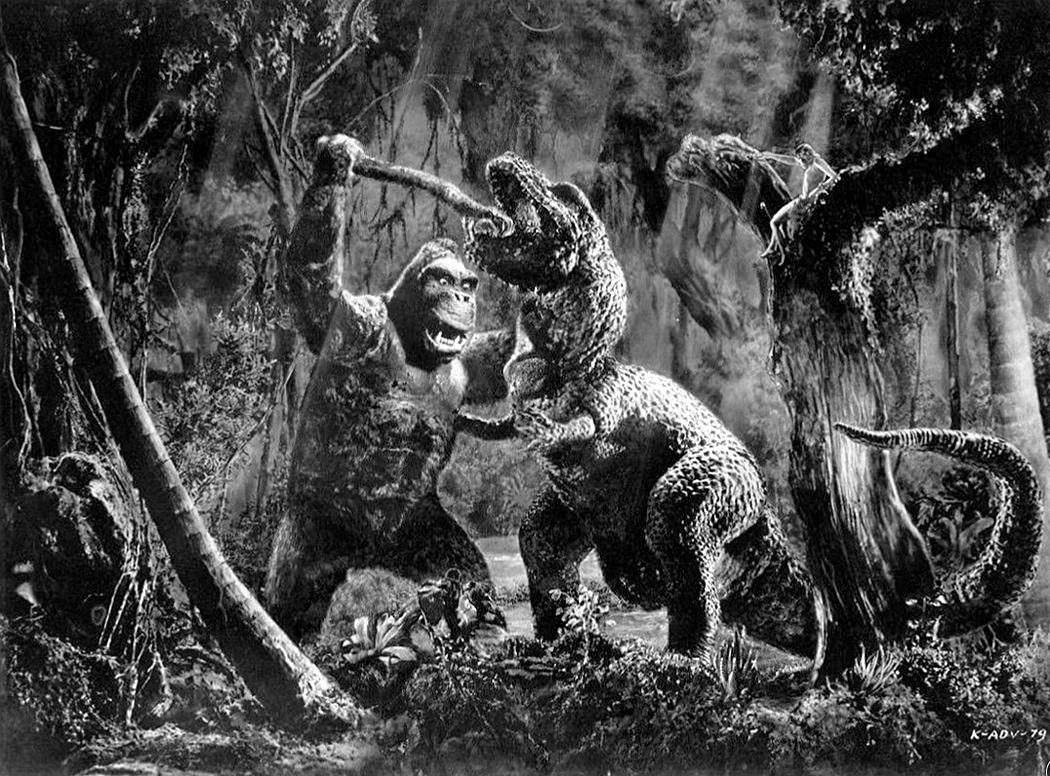
Number One on my list is a perfect example. No one would claim it has great acting or brilliant dialog. In fact, it is embarrassing on both counts. But it hits a sweet spot in the mythological nerve button in my psyche. I have seen the 1933 King Kong over a hundred times.
Admittedly, this includes all the times I watched it as a 5-year-old from behind the couch to hide from the scary parts, when it was being shown a dozen times a week on WOR-TV’s “Million Dollar Movie” on New York television. I chalked up a boatload of views in the years before I even went to high school.
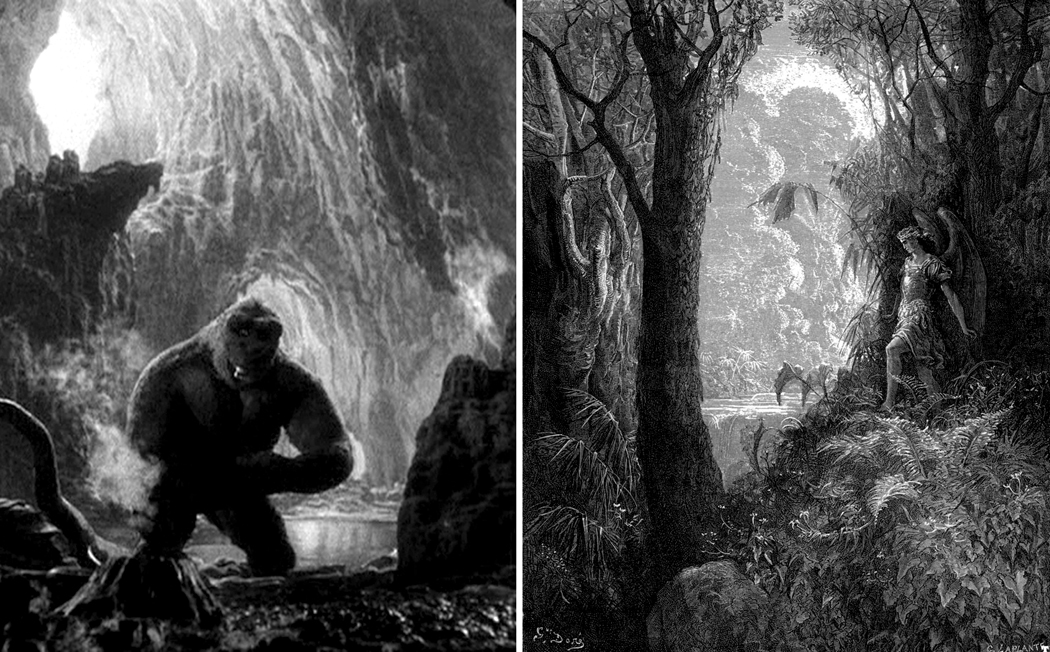
Even now, 70 years later, I will still tune in when it shows up on the TV listings. Its appeal is the same as those wonderful Gustav Doré wood engravings of dark forests and the light that shines through.
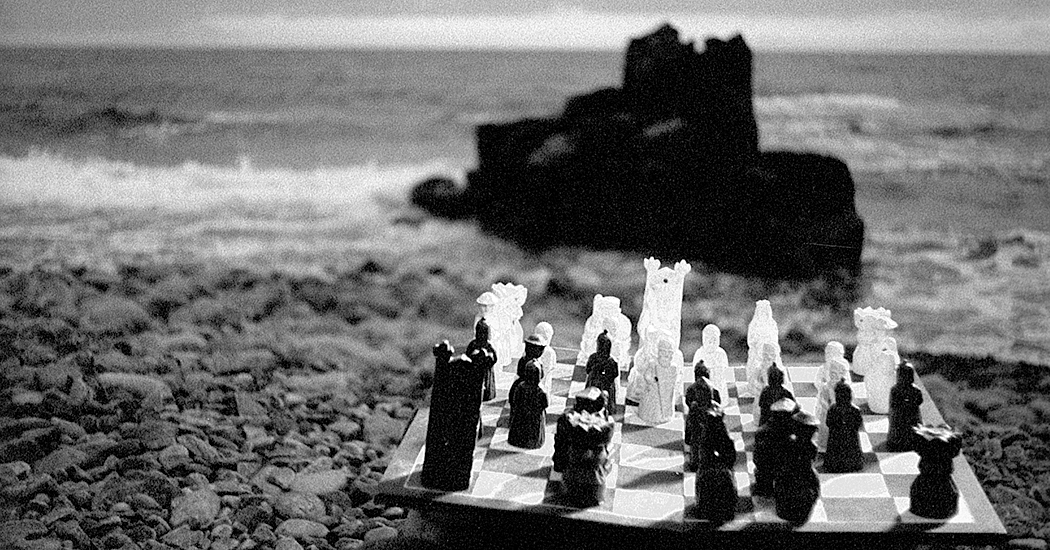
So, King Kong is first on my list. Second couldn’t be further from the spirit of the Big Monkey picture: The Seventh Seal by Ingmar Bergman.
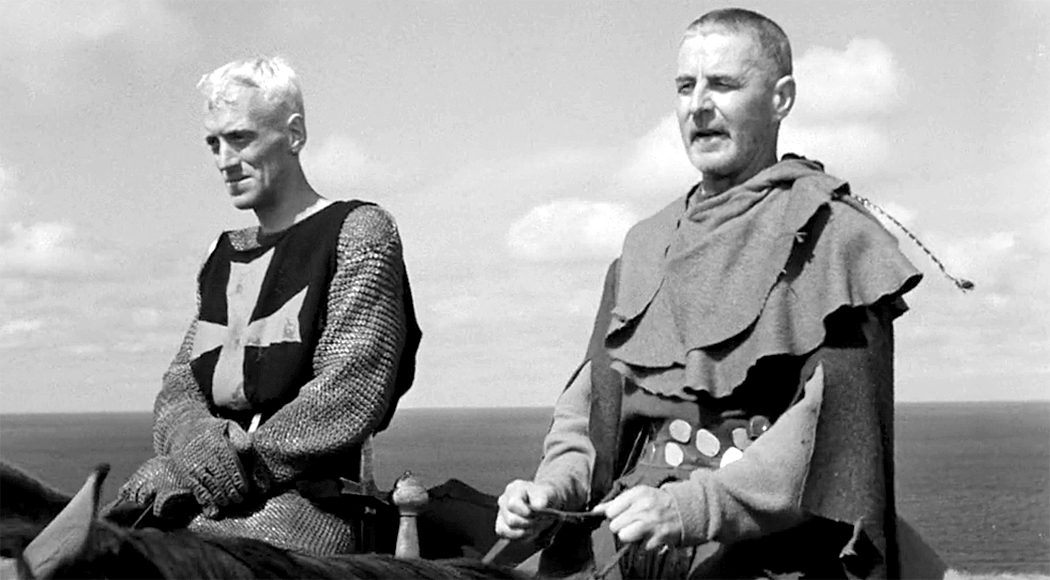
I first watched it, like Kong, as a boy when it was just a cool movie about Medieval knights. It was on TV, and since it was released in 1957, I had to be at least 9 years old before I saw it. Probably a few years after that. I next saw it as part of my college movie series, along with a raft of other art films. That’s when it hit home.
The movie gets shown a lot, both on TV and in various film series, and so I have had the chance now to see it probably 30 times or so. It is pretty much the defining title of the “art film.” I became a foreign film junkie in college and most of my favorite films are either in French or Swedish, with Italian clocking in third.
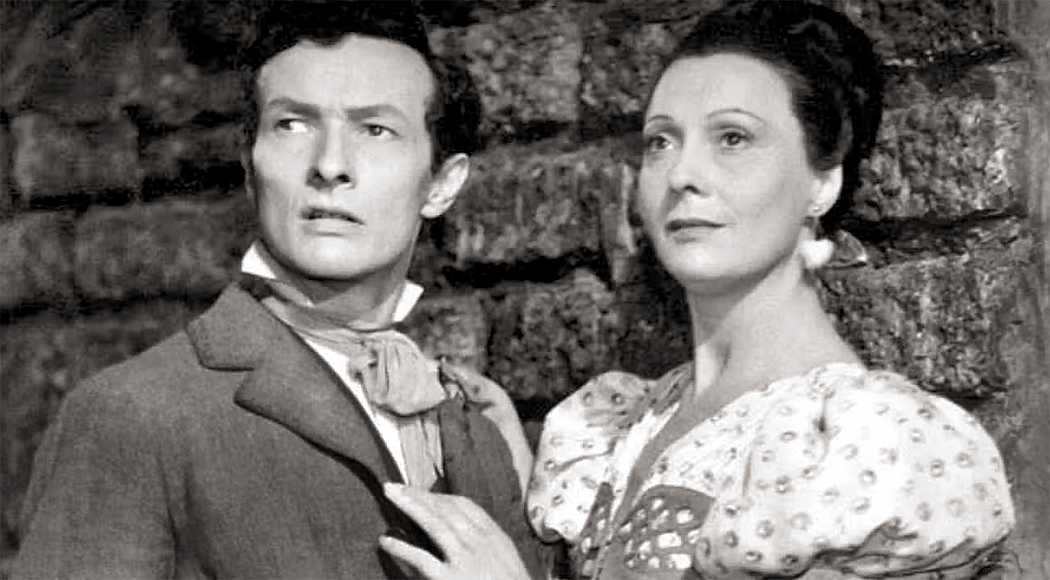
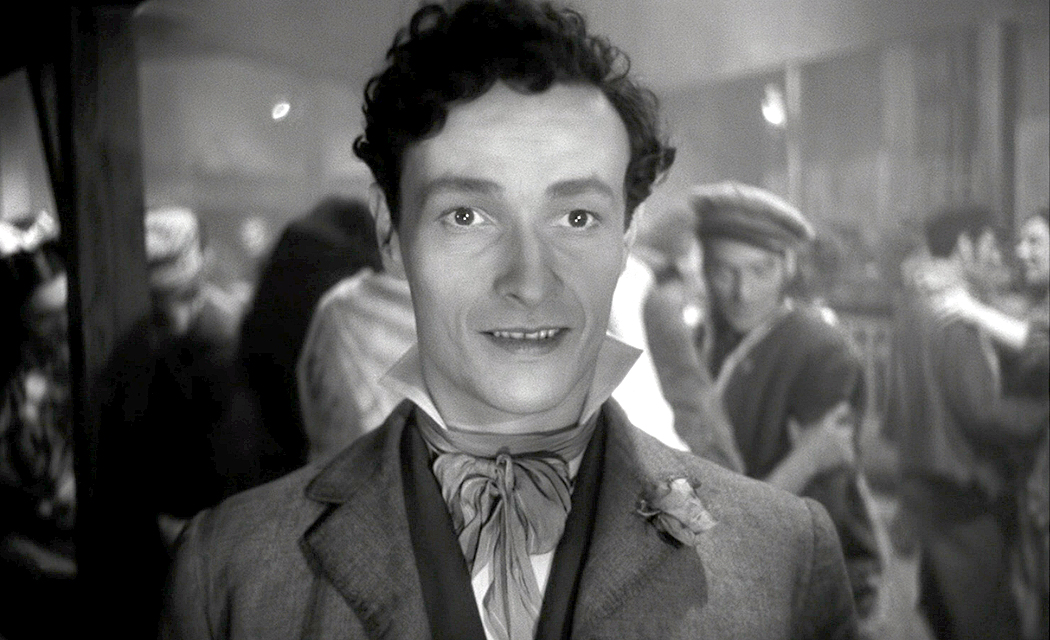
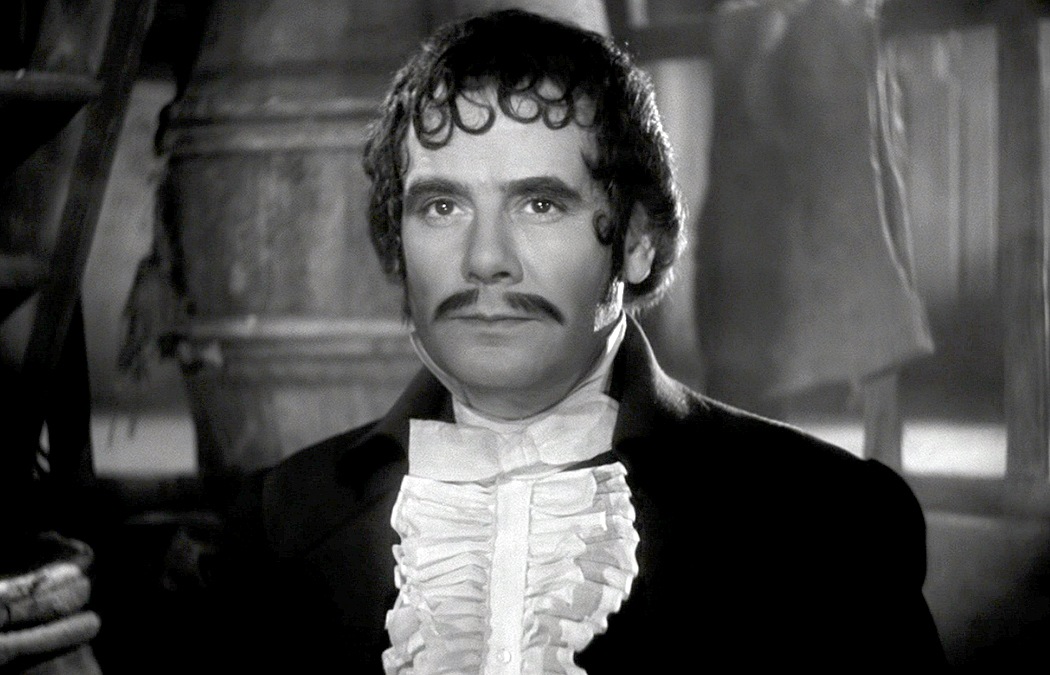
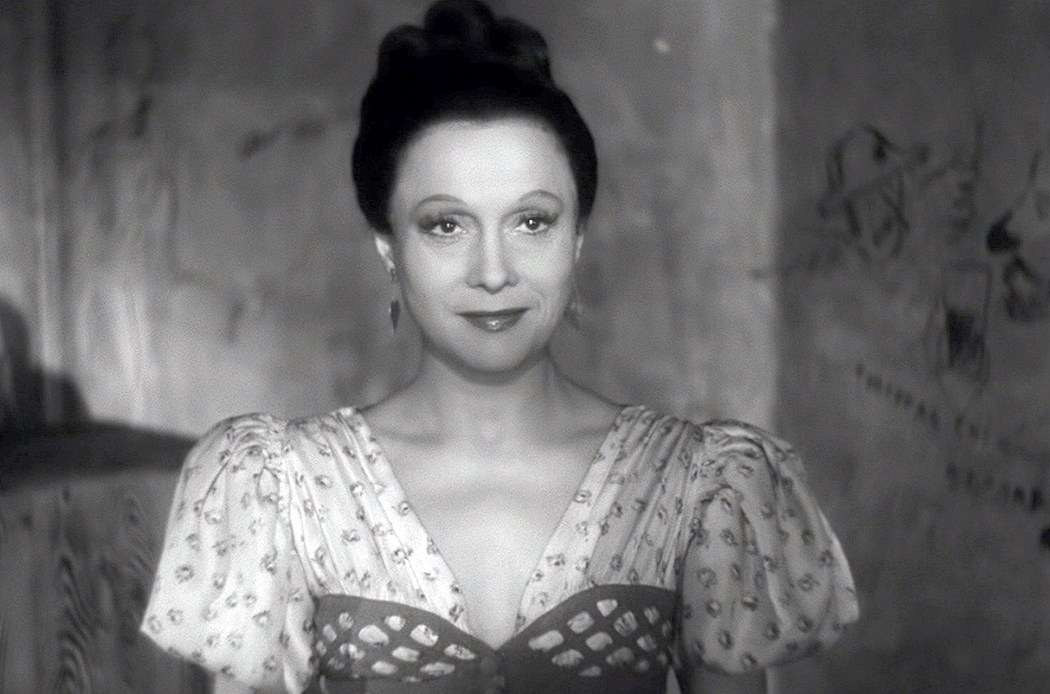
No. 3 on my list is French, and it is the film that I have both seen many times over the years and has changed drastically over multiple seeings. I first saw Children of Paradise in that college film series, and at that age, it was the yearning idealism of Baptiste Deburau that spoke most directly to me. I was Baptiste. Yes, I know that’s embarrassing now, but then, his earnestness seemed the very nugget of truth. And my heart went pitter-pat for Garance: “Love is simple,” she said. And so it seemed to one of my tender years. We are all idiots at that age.
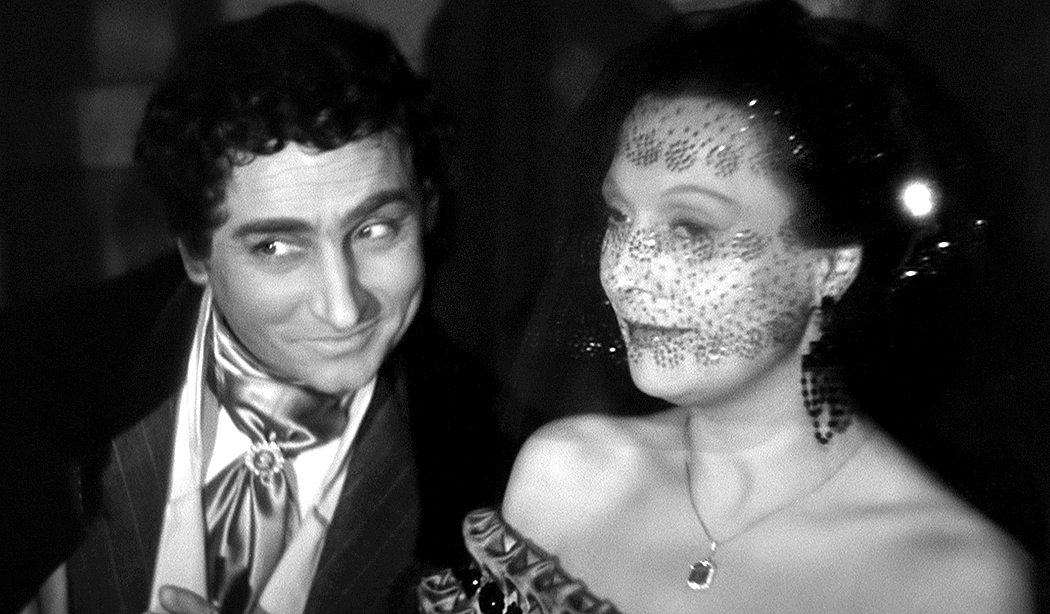
Later, I came to identify with the actor Frédérick Lemaître, accommodating and joyfully cynical. Of course, that, too, was just a costume to try on. The same, later on, with the antisocial Lacenaire.
As I sped through the years, seeing the film differently each time, I finally came rather to see the characters as comprising a whole, and I identified with their shared humanness, each suffering and causing suffering in turn and trying to make a way through life.
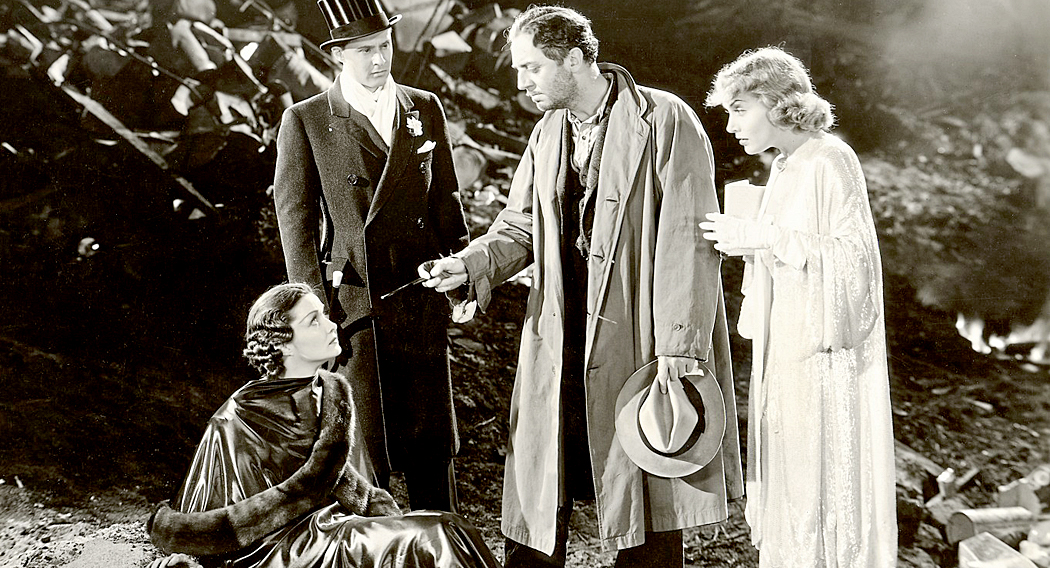
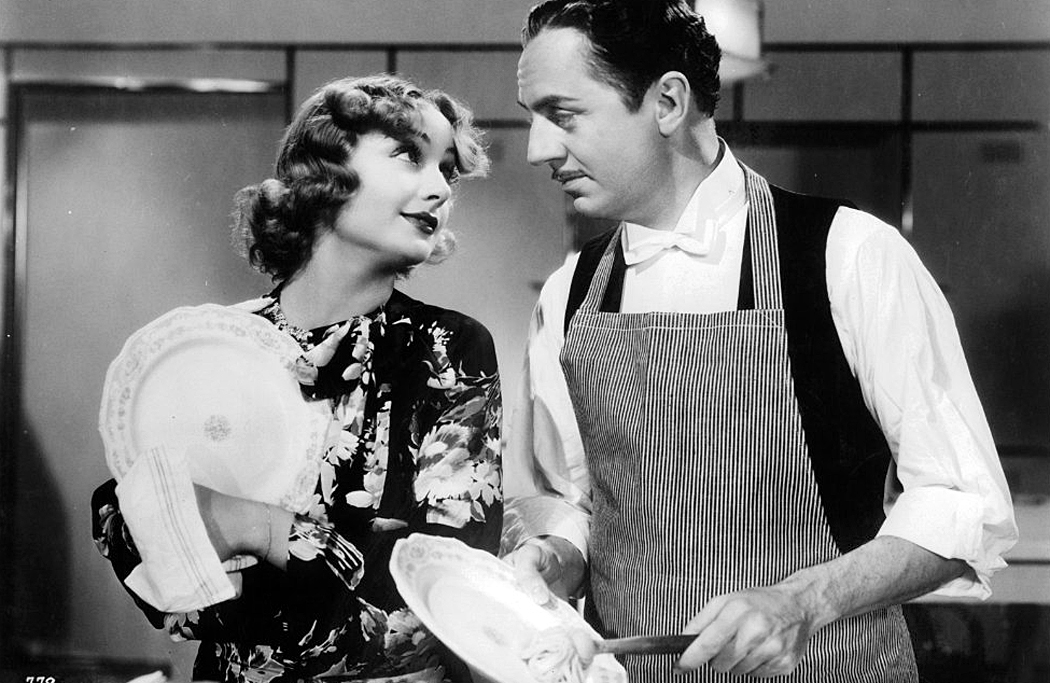
Next, a movie that never changes, but delivers the goods every time: My Man Godfrey, with William Powell and Carole Lombard. Of all the great screwball comedies from the 1930s, it is the most perfect. Perfect plot; perfect casting; perfect dialog; perfect direction.
I do not know how many times I’ve watched Godfrey, but it never wears out its welcome. Of all the films on this list, Godfrey most approximates the comparison with the favorite tune where you perk up on hearing it and it just brightens your day.
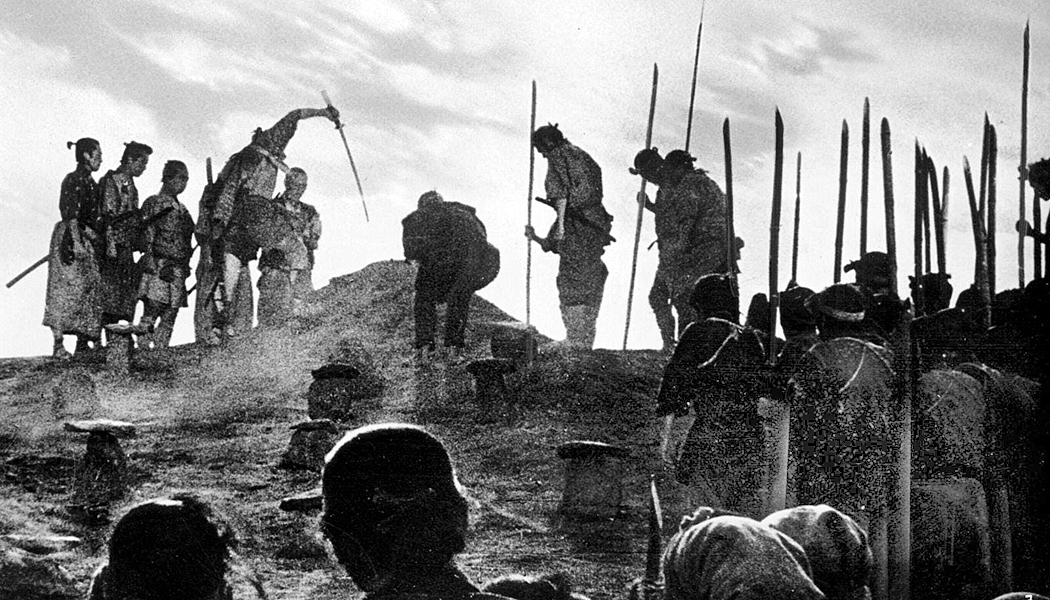
Rounding out No. 5 is Akira Kurosawa’s Seven Samurai, which I first saw in the common butchered 141-minute trim that first made the rounds of the U.S. Of course, the original 207-minute version has been restored and only a barbarian would choose the mutilated version.
I have watched Seven Samurai too many times to count, and it was Takashi Shimura, as the samurai leader, rather than Toshiro Mifune who grabbed my attention. Shimura was Kurosawa’s mainstay actor, appearing in more of his movies than anyone else (and also in Godzilla). Mifune could sometimes be a bit buffoonish in his roles. Shimura had a much greater range.
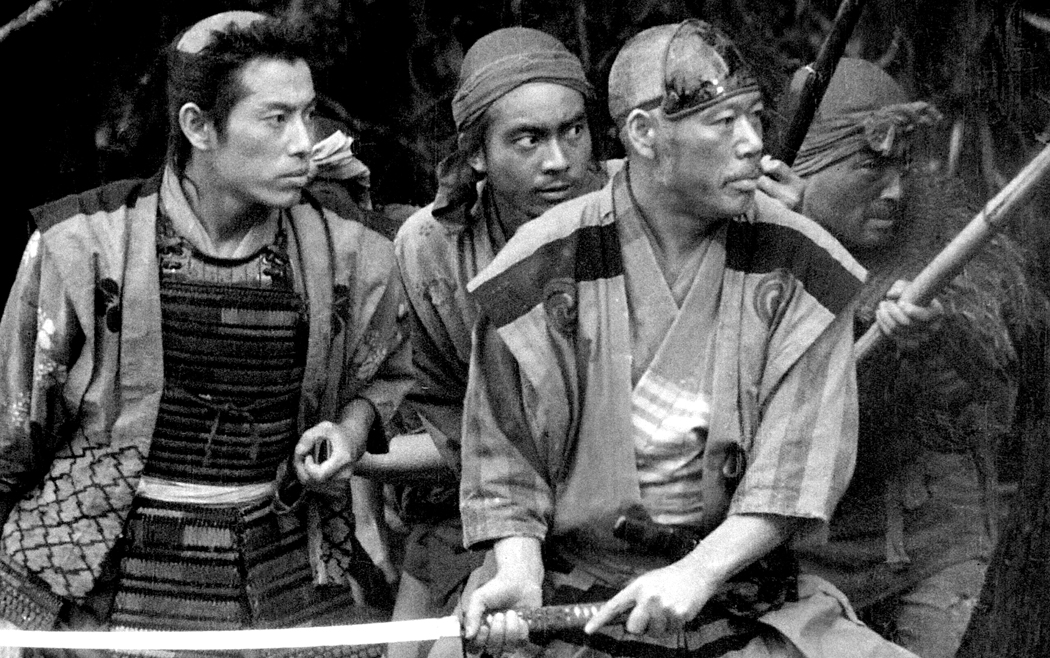
In 1978, when I was living in Seattle and unemployed, I went to a bar one night with my friend, Alice. Turns out, they were setting up a projector to show a 16mm print of Seven Samurai. We decided to watch at least the beginning of the film — Alice had never seen it, and we knew it would be more than three hours of movie — so we didn’t expect to stay. But neither of us could turn away and we watched till the end. There are no slack parts.
Those are my top 5, but there are more. How can I have seen these movies so many times? Well, first there were VHS tapes and then DVDs. I have them all now on disc. (King Kong was initially a problem, unavailable on disc, apparently over a rights issue, but I managed a bootleg tape recorded off a TV showing. Now, I have the Warner box set, also with Son of Kong and Mighty Joe Young.)
Then, there is Turner Classic Movies, the one great treasure of cable TV, which shows most of these movies periodically. Often when channel-surfing, I will come upon one of my faves and pick it up mid-stream and watch till the end.
There are films on this list that I often come across this way, and don’t feel the need to watch beginning-to-end, but have such delightful scenes in them, that when I catch them, I watch for those moments.
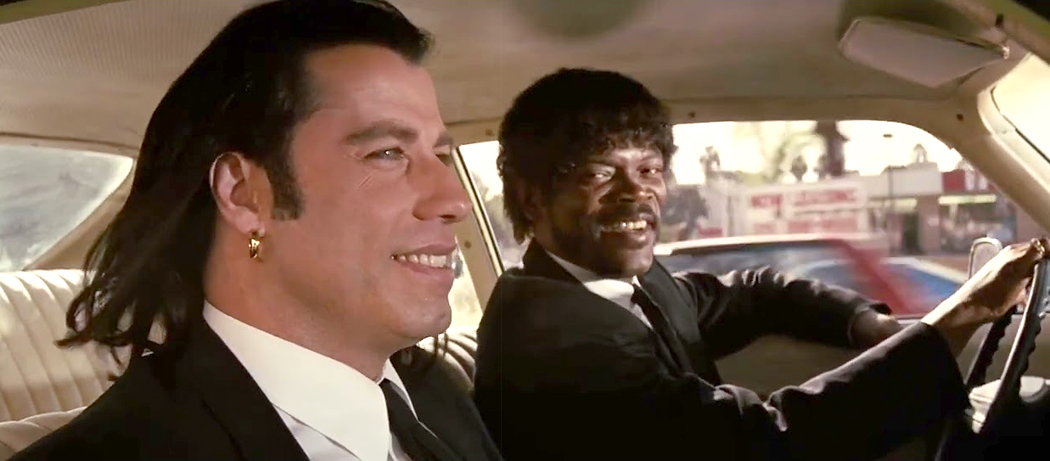
Pulp Fiction, for instance. A great film overall, but scene-by-scene even better. I can watch for certain set-pieces without feeling I need to do the whole thing.
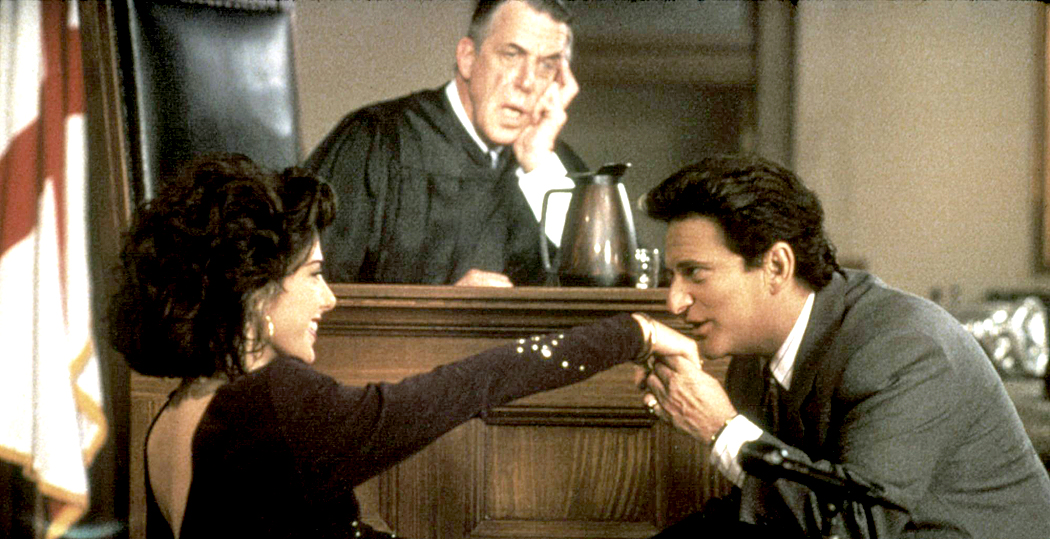
Same with My Cousin Vinny. The courtroom scenes are a great tune, but I don’t need the set-up. Just give me some Marisa Tomei attitude, some Joe Pesci and the best role that Fred Gwynne ever had.
If we count those as Nos. 6 and 7 on this list, that takes us to:
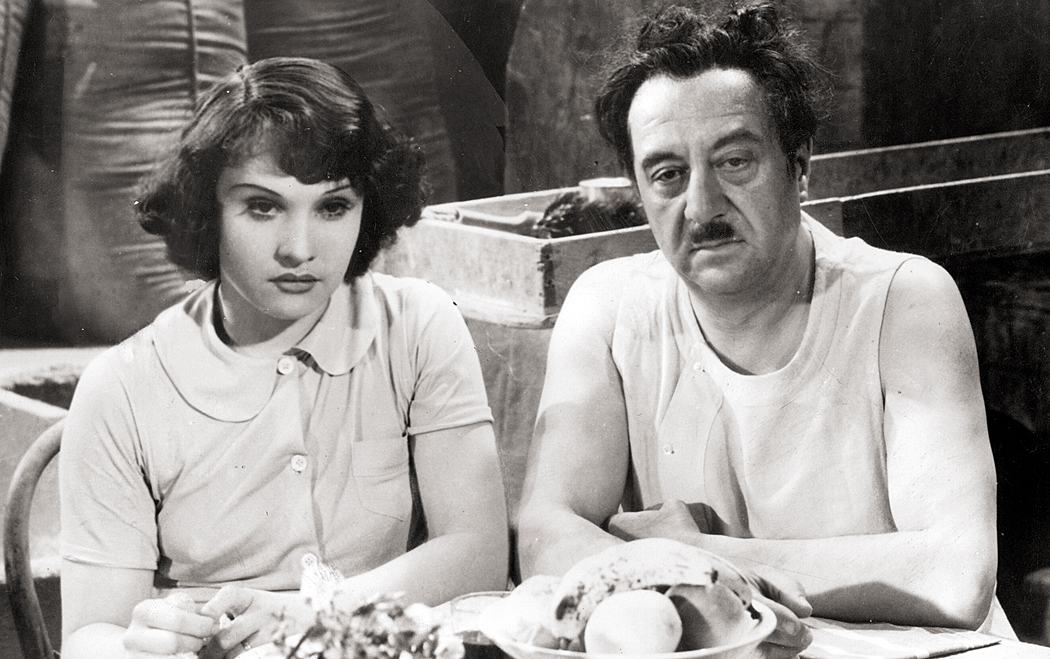
The Baker’s Wife, a film I saw years ago and then it disappeared. No DVD, no TCM. I scoured Amazon for a Region 2 disc, and eventually found a miserable, low-rez copy, the kind with subtitles whited out by the background. Eventually, years later, a restored version became available. This 1938 Marcel Pagnol comedy stars Raimu as a provincial French baker whose young wife has run off with a younger man. The baker is so dejected, he stops baking and the village tries everything to get the wife back so they can have their bread. It’s a great film.
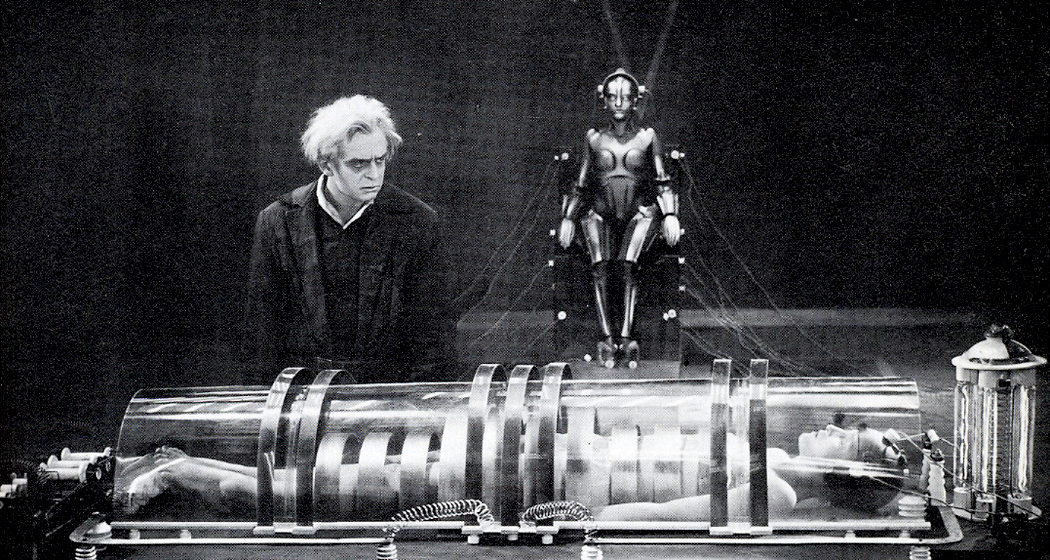
No. 9 would then be Metropolis. Several of these movies were among those I first saw as a boy, and so I have watched them repeatedly over six or seven decades. Many years ago, the local New York NET channel (pre-PBS) had a film series that included Fritz Lang’s Metropolis, albeit in a shortened 90-minute cut, but it hypnotized me. I later saw a version on TV with an electronic score that seemed utterly surreal matched with the images.
I have sought out ever-more complete versions of the film, now clocking in at two-and-a-half hours, with a few stills edited in to account for missing footage. It is still mesmerizing. (I have written about it extensively; link here).
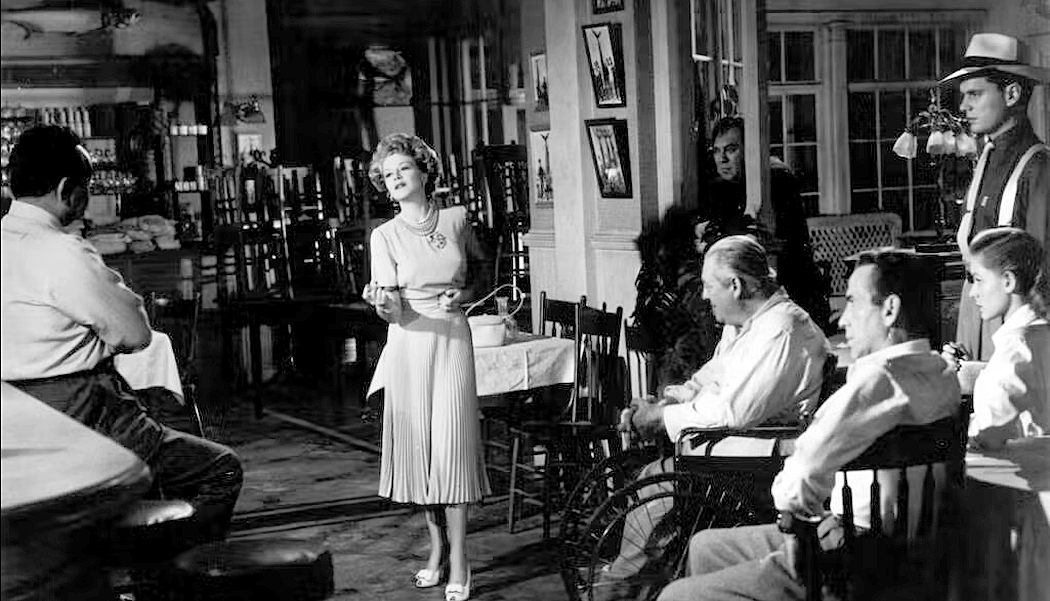
And bringing up the rear of this Top Ten list would be Key Largo, a picture made the same year I was born. It is certainly not the best Bogey-Bacall film, but one I first watched as a boy, before I know who Bogart was, or anything about his mythic persona. For some reason it clicked in my memory, and I found it seemed to show up on TV over and over, without my asking.
Even now, I’ll watch it. It massages a familiar place in my brain. And it isn’t the stars who I watch for: Claire Trevor’s drunk moll is the best thing in the movie. She deserved the Oscar she won for a movie that normally would not even be mentioned by the Academy.
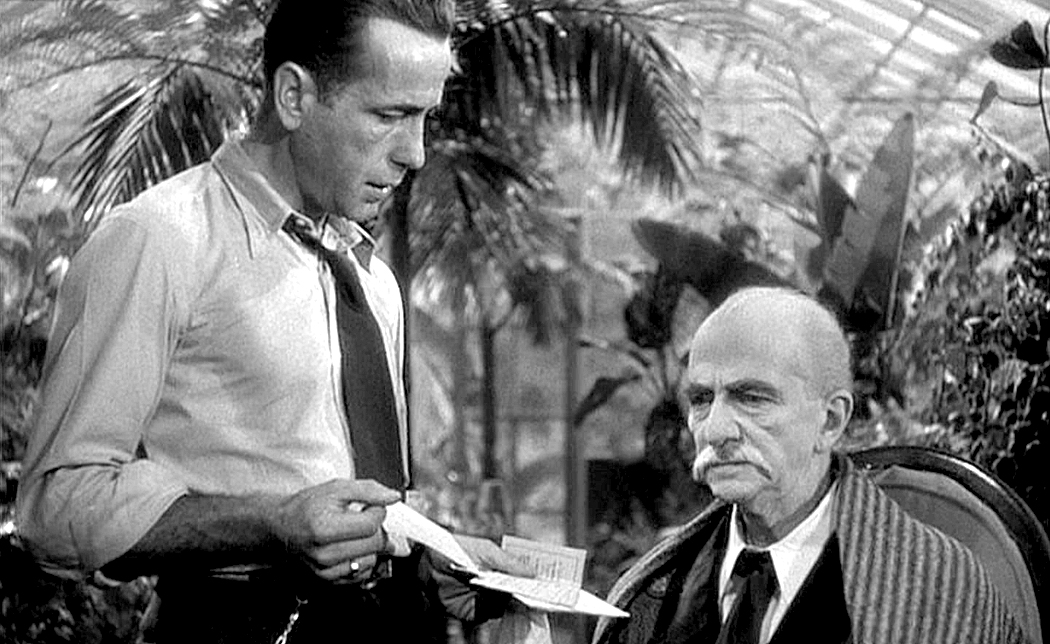
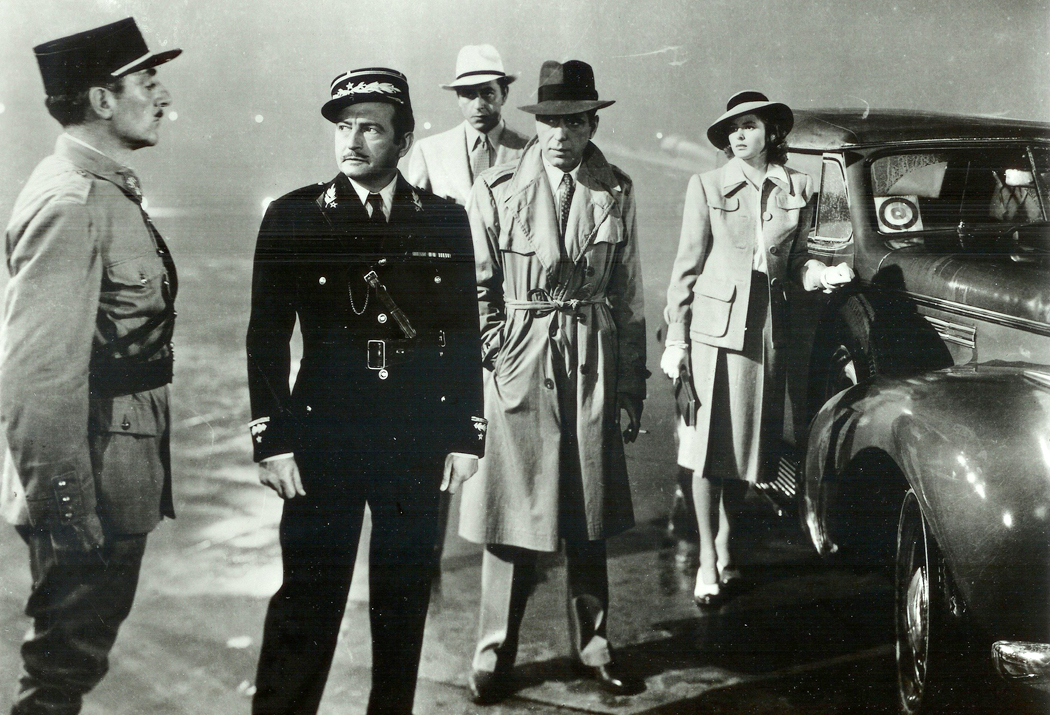
That rounds out the Top Ten, but in all honesty, I have to admit they really should not be ranked at all. Rather they are in a very large pool of films that I watch repeatedly. I can’t tell how many times I’ve watched The Big Sleep, or any of many parts of it (I have practically memorized the opening scene with General Sternwood). Or Casablanca. Or even To Have and Have Not. Or any of the William Powell films, including any of the Thin Man series. Or Roland Young’s Topper. Most any Buster Keaton film, short or feature.
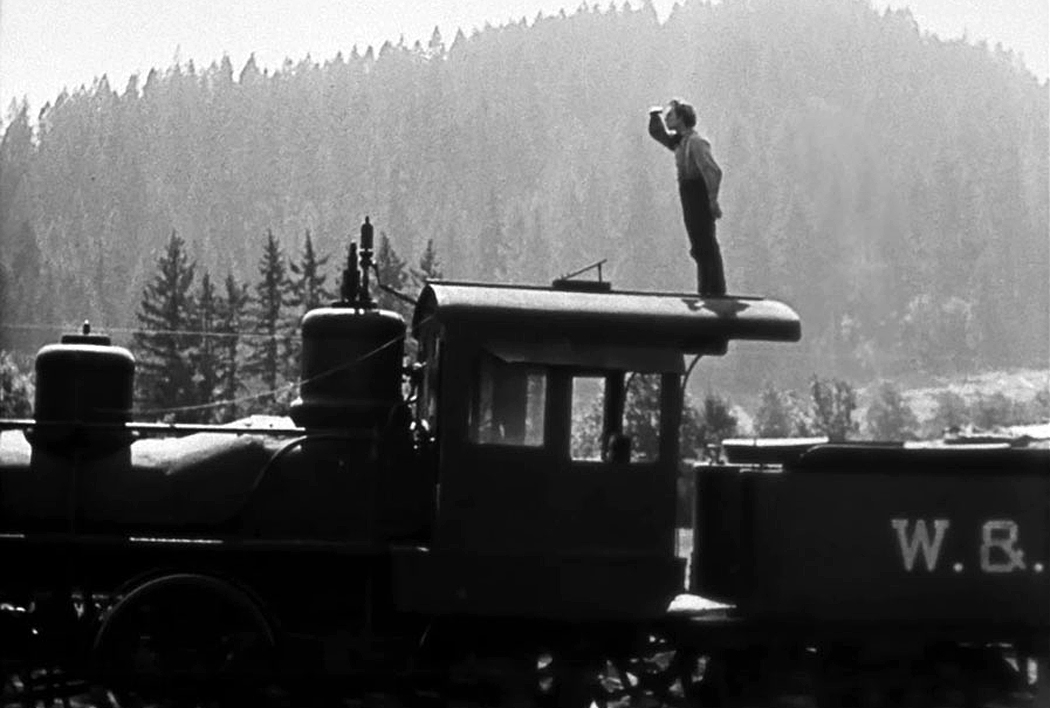
Or, to spread the love, I have watched uncounted times: Airplane!; Blazing Saddles; This Is Spinal Tap; O Brother, Where Art Thou? — that mostly for the tunes.
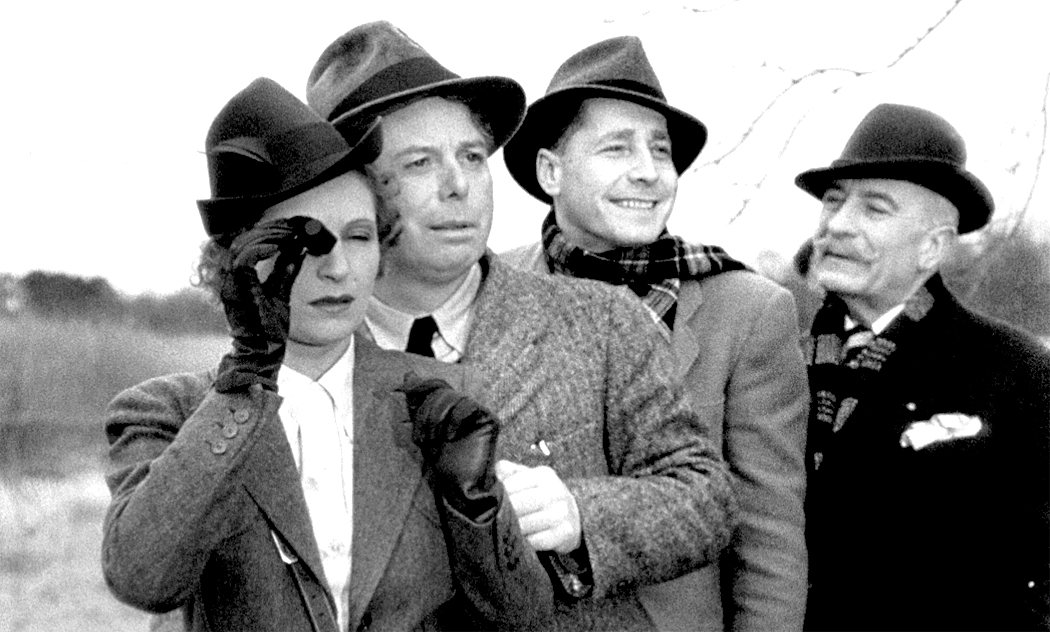
Really, the list gets ridiculous. Any Almodovar, any Bergman, any Renoir. Any screwball comedy, any black-and-white Fred Astaire (he aged well, his later movies haven’t). I have a soft spot for any of the non-spaghetti Westerns of Clint Eastwood. Who’d a thunk it? Josey Wales, Hang ’Em High, High Plains Drifter, Pale Rider. Oddly, I still haven’t seen Unforgiven. I’ll get around to it, eventually, but first, TCM is showing Godfrey again.






 Richard Nilsen