Archive

Tag Archives: concord sonata

I have been listening seriously to classical music since 1965, and I have attended hundreds of concerts and recitals since then. Most of those were enjoyable, well-played, musical and provided emotional nourishment, yet almost every one was ultimately digested and forgotten. How could it be otherwise? It takes an exceptional performance to register permanently on the psyche, so that, even 60 years later, they are still resonant in the memory. Now that I am 77, I think about them again. 

I grew up in a household with very little music, outside of watching Perry Como or Dinah Shore on the TV. But my high school girlfriend was a musician. She was studying bassoon with Loren Glickman, the man who played the opening notes of The Rite of Spring on the recording conducted by Igor Stravinsky. (She later studied with Bernard Goldberg, primary bassoonist with the Philadelphia Orchestra — she was the real deal). She later went on to work with both PDQ Bach and Philip Glass. 
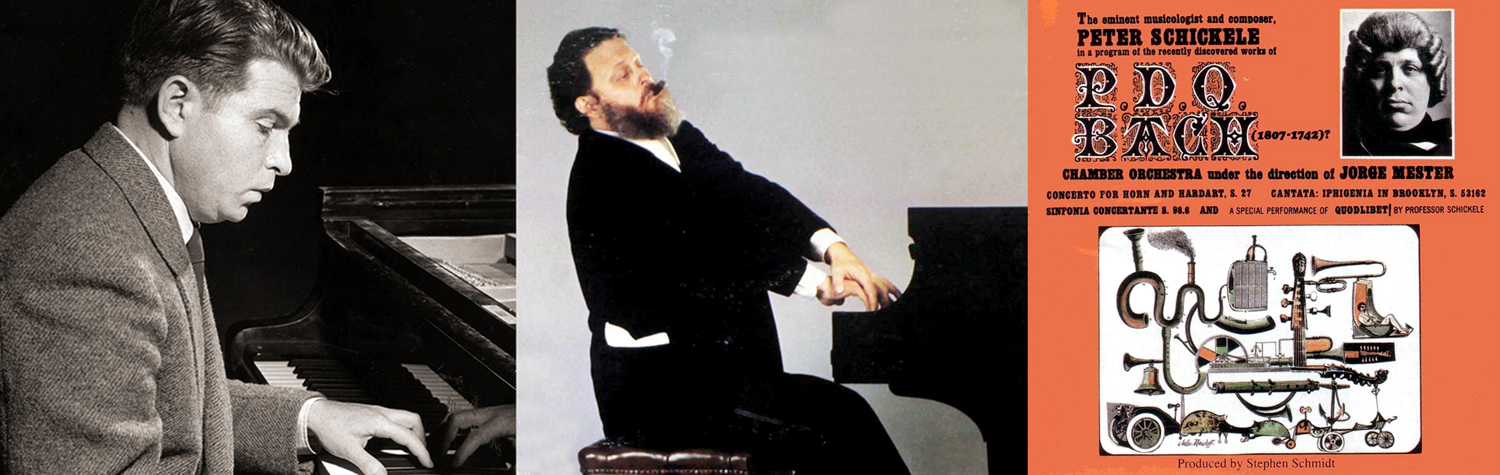
She and I often took the bus into Manhattan to attend concerts. We heard Emil Gilels play the Liszt sonata at the Brooklyn Academy of Music and we went to the very first PDQ Bach concert at Carnegie Hall, hearing both the Concerto for Horn and Hardart and the cantata, Iphegenia in Brooklyn. (For about 20 years after that I went to at least one PDQ Bach concert each year, no matter where I was living). But most of all, we went to the New School concerts led by violinist Alexander Schneider. Tickets were $3 and we could afford them. 

And on Christmas Eve, Schneider held an annual midnight concert which allowed me to escape to New York and avoid the boring evenings with my coffee-drinking repressed Norwegian aunts and uncles. 
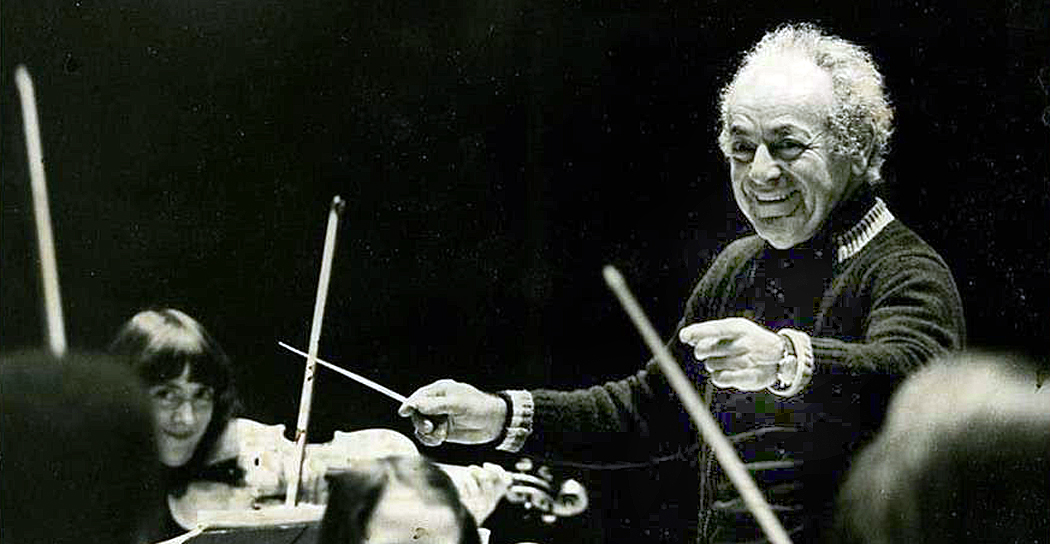
Schneider has always remained my ideal of committed musicianship. He led his chamber group from his seat, with his leg wrapped around the chair leg like the serpent of a caduceus, leaning forward into the music with the intensity of a man defusing a bomb. The music was always exciting. (To this day, I seek out the rare Schneider recordings, such as his Handel op. 6 Concerti Grossi and his Haydn quartets. Schneider was a force.)

New York Times critic Howard Klein wrote about Schneider at the time, “… the playing was that rare ideal of single-mindedness, give-and-take, technical polish and heart. There were a few slides to Mr. Schneider’s melodic playing, just enough to remind one of his romantic tradition. Some scholars might object to the rhythmic liberties that were taken, those marvelous pauses, the slackenings of pace, then the eager striding forth into a fugue, or slipping into a dance rhythm. But this was not romantic Handel, just human warmth. As usual, Mr. Schneider was totally consumed with playing, putting his back into every bow stroke and exhorting the others from his chair to join in the fun. Mr. Schneider is one of the city’s most valuable musicians.”

To this day, Schneider remains my touchstone. 

I owe a lot to that first serious girlfriend, but high school romances notoriously don’t last, and this one didn’t, but the music did. I became a serious classical music junkie, going to concerts, recitals, chamber music, and buying endless reams of LPs, tapes and CDs. 
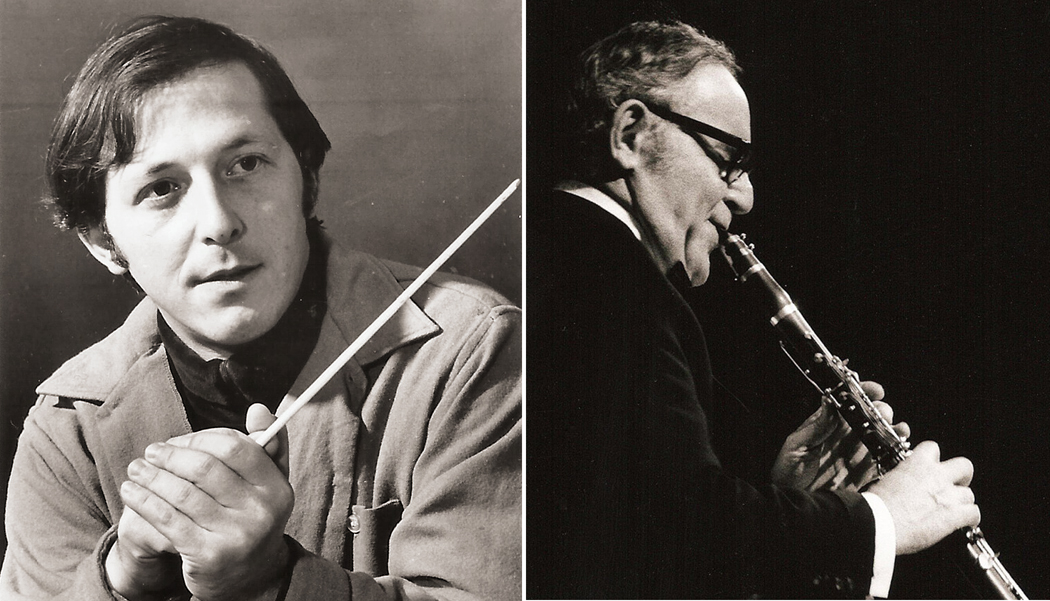
Shelly and Benny

In my college years, most of the music I heard, at Greensboro Symphony concerts, under first Sheldon Morgenstern and then Peter Paul Fuchs, was what you would expect from a community orchestra, although I was still happy to hear the music live. I also heard Benny Goodman play the Weber Clarinet Concerto in F-minor there (and after intermission, play the rest of the evening with his jazz trio). 

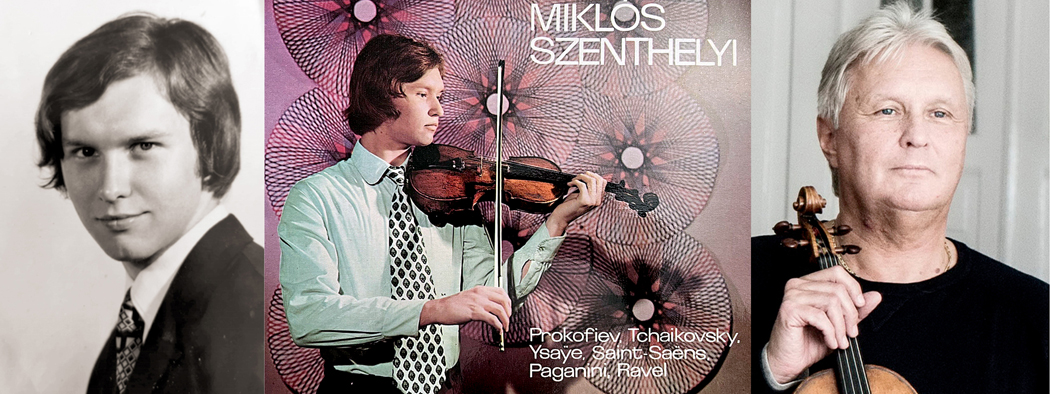
Morgenstern became director of the Eastern Music Festival held each summer at Guilford College in Greensboro, where I was a student, and I heard some world-class soloists come to play with the festival orchestra. The Hungarian Wunderkind Miklos Szenthelyi played the rarely heard Bartok First Violin Concerto and I fell in love with it. Szenthelyi was the most dignified soloist, with the most erect posture I’ve ever seen and played like the music was the most important ever written. It was wonderful. Szenthelyi is now the elder statesman of Hungarian violinists. It has been that long. 
Beyond the EMF, one concert stands out from that time. A still-teenage Yo-Yo Ma played both Haydn concertos with the High Point Symphony, one before intermission and one just after and the tunes became ear worms for weeks. Yo-Yo Ma has been a constant ever since, and I have heard him live over and over throughout my concert-going life. 

Over the next decades, I moved around quite a bit, often with low-paying jobs, or none at all, and could not often afford tickets. But I still managed to hear Bernstein and the New York Phil play La Mer, and later the same orchestra under Kurt Masur play Schoenberg’s Transfigured Night and Beethoven’s Eighth Symphony. Masur had a reputation as a mere Kappelmeister, a time-beater, but he played Beethoven’s smallest symphony as if it were a tiger as big and muscular as the Fifth. I was surprised and blown away. Ever since, I have had greater respect for the power possible to be found in the Eighth. 
Haitink and the LSO

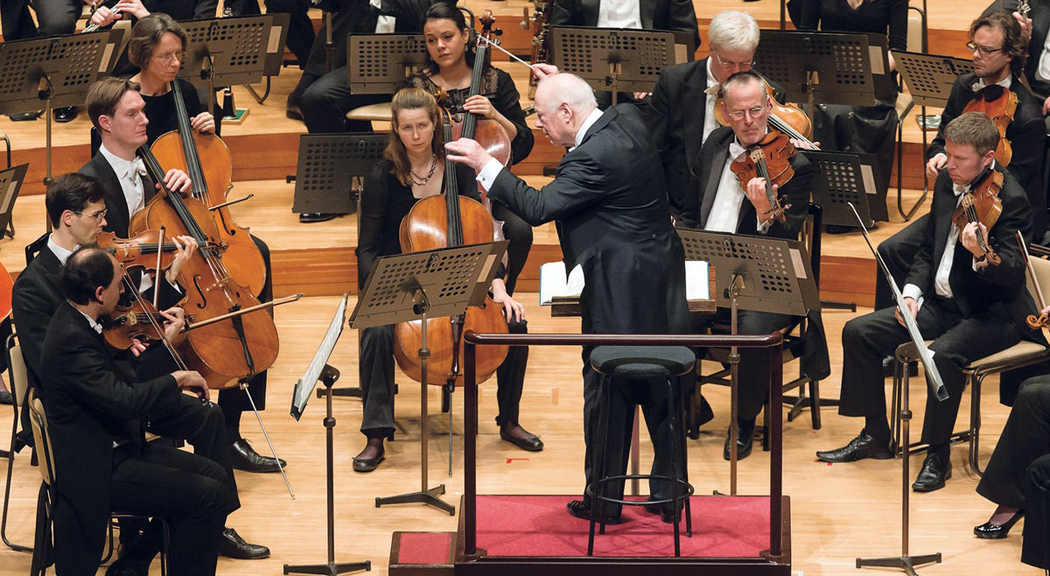
There is a class of musician whose recordings have a reputation for being bland, but hearing live, they take the chances they never do for records. Masur was one. Bernard Haitink was another. All the CDs I had of Haitink were safe and, while well-played, were kind of boring. But then I heard him with the London Symphony at the Salle Pleyel in Paris playing the Eroica with all the fire and passion that could be wrung from the piece. Completely changed my mind about the Dutchman, although it didn’t make the CDs better.

I have to admit that my cherished Yo-Yo could be that way, too. Not that his recordings are bad or boring, but they never capture the buzz and excitement of hearing him live, where he is electric. I heard him playing the Dvorak concerto in Phoenix and I was in tears, almost shaking with emotion after hearing it. It was one of the greatest concert performances I ever attended. His recording of the concerto is really good, but nothing like the live beast. 
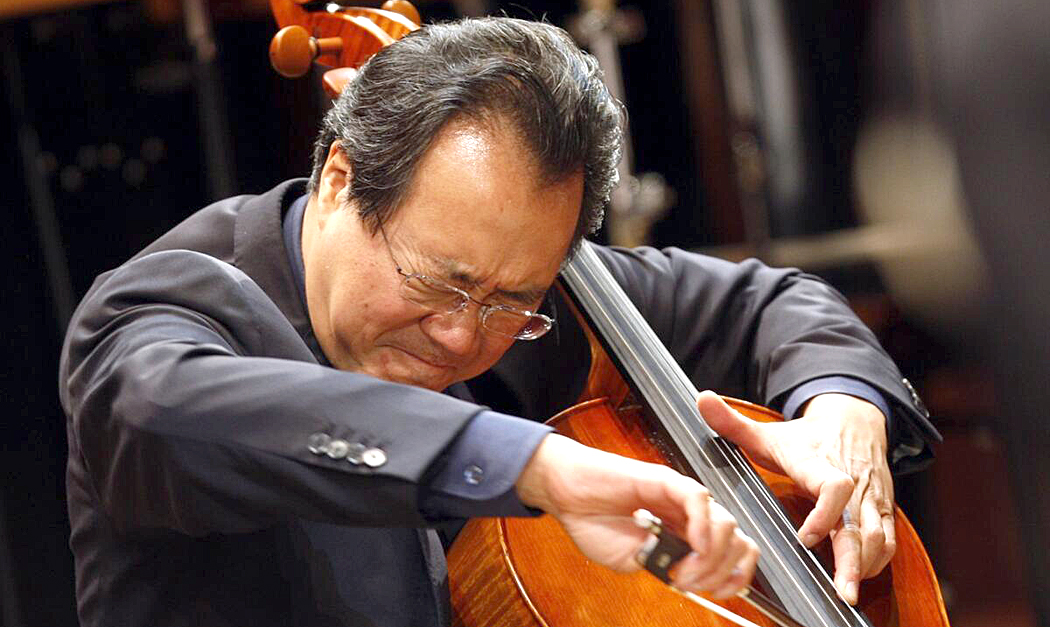
He has recorded the Bach cello suites three times over his career. The first two are dependable, even excellent, but I’ve heard him doing them live several times and the metaphor again shows up: Played with the intensity of someone defusing a bomb. In his third recording of the six suites, he finally got something of that adventurous power into the CD. 

In Seattle, I got to hear the Berlioz Requiem, a piece, because of its logistical demands (expanded orchestra and chorus, four extra brass bands at the four corners of the hall and eight tympani blasting away) I never expected to hear live. It may not have been the best performance of the piece ever, but it yanked my hair back. In the late 1970s, when I lived in Seattle, my regular date was a former professional violinist, turned bicycle messenger, and we went to many concerts together. Unfortunately, although we were good friends, she played for the other team. 

By the late 1980s, I was living with my late espoused saint in Phoenix, Arizona, and was the art critic for the major daily newspaper, and later became to classical music critic as well. When you don’t have to pay for your tickets, you get to go to a lot more music. And I heard some great music, not only from local Arizona musicians and from touring groups, but because the paper sent me all over the country, I got to hear music in Los Angeles, New York, Chicago, Boston and Philadelphia (and Boulder, Colo., too). 
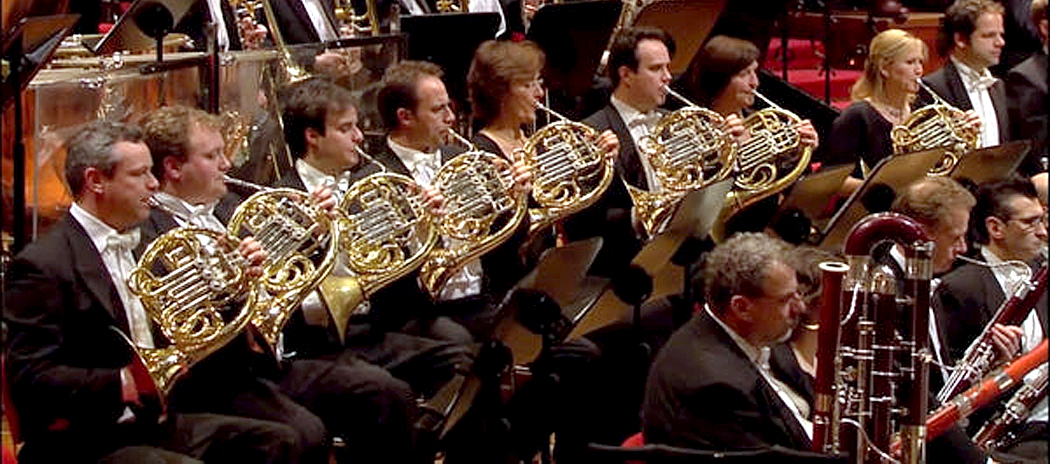
One of the most unforgettable experiences was hearing the Philadelphia Orchestra under Wolfgang Sawallisch play Richard Strauss’ Don Juan. If I ever needed to be persuaded that live music offers something recordings cannot, it was the great horn call in Don Juan, when eight French horns sound off in unison and one doesn’t just hear the sound in one’s ears, but vibrating through the fundament: It was music with a physical presence of a brick wall. No recording can capture that shudder. You have to be there. 

I heard Maurizio Pollini in LA playing a first half of all the Chopin Preludes and a second half doing Stravinsky’s Two Scenes from Petruschka (with an intermission of over an hour while, from the lobby, we heard a piano being tuned to his satisfaction in the emptied hall) and ending with the Prokofiev Piano Sonata No. 7. That was the single most daunting program I had ever heard up to that point. 
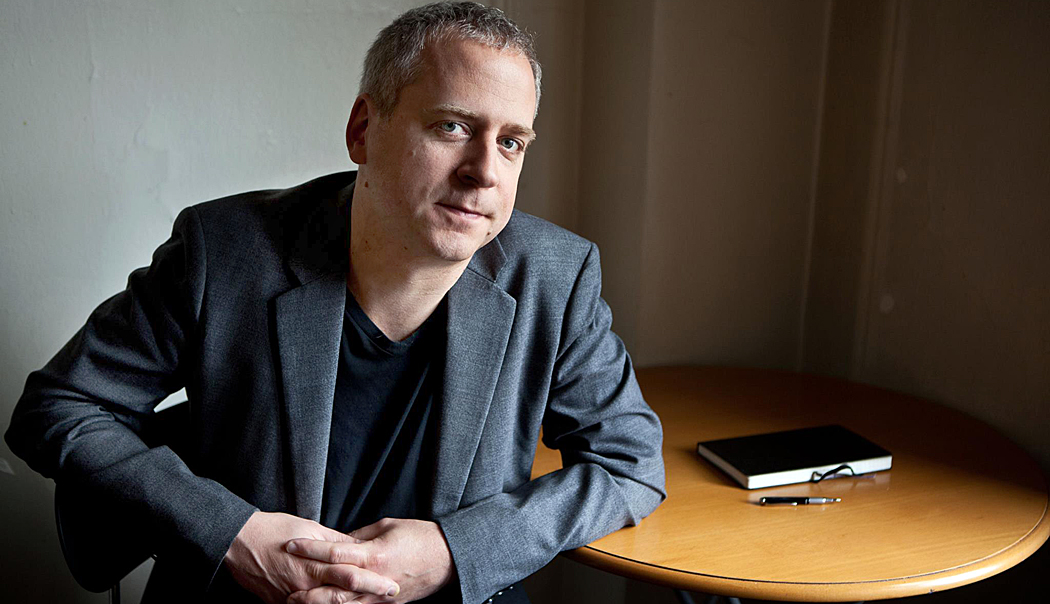
At least until I heard pianist Jeremy Denk at Zankel Hall, part of Carnegie Hall, when the first-half of the recital was Charles Ives’ Concord Sonata and the second half Beethoven’s Hammerklavier — two of the longest and most difficult pieces in the repertoire. He then re-played the “Hawthorne” movement of the Concord Sonata as an encore. His fingers must have been bloody stumps after all that. 

I later heard Denk in Scottsdale playing Beethoven’s Eroica Variations, and showing their comic side, and several Ligeti etudes, showing that composer was more than the film score to 2001: A Space Odyssey

Some of these memorable cases come in pairs, like the Denk’s. 

At Carnegie Hall, I heard the Israel Philharmonic play the Tchaikovsky Fourth Symphony under Gustavo Dudamel, and it was pure magic. The 80 or so old Israeli pros were turned back into teenagers by the young enthusiasm of the Dude. They played their hearts out for him. At the end, Dudamel did not take the customary audience bows, but ran up into the orchestra, shaking the hand of every musician, making them all stand up and accept the applause. 
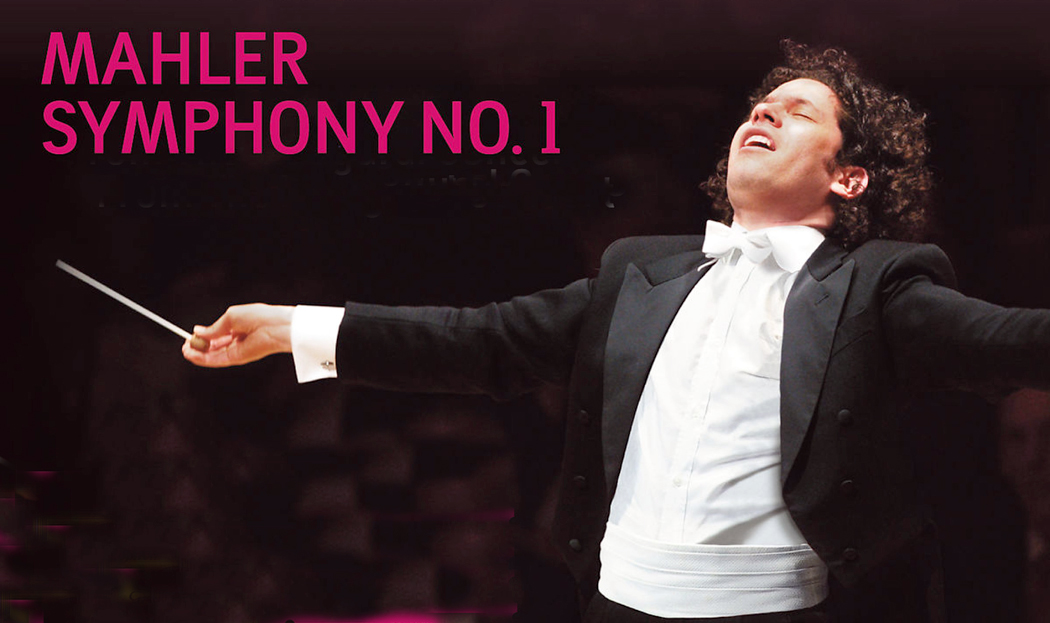
Later, with the LA Phil, I heard him lead the Mahler First. These were two of the greatest orchestral concerts I ever heard. 

One might expect great sounds from these orchestras, but two of the best live performances I have under my belt came from the Phoenix Symphony and its concertmaster Steven Moeckel, under the direction of Music Director Michael Christie. Moeckel played the greatest version of the Beethoven Violin Concerto I ever heard live, perfect in every expressive detail, and powerfully emotional. I was so blown away that I came back the next night to hear it again, but the magic had passed. It was a very fine performance, but not the same. You are not allowed back into Eden. 

Several times, I had lunch with Moeckel and we talked of many things. He mentioned that he had always wanted to play the Elgar concerto, a piece I didn’t know, having always thought of Elgar as a stuffy English imperialist. But he persuaded Christie to let him do it, and I was transfixed and realized how much I had been missing all my life. The Elgar Violin Concerto is one of the five or six greatest ever written, up there with Beethoven, Brahms, Sibelius, Tchaikovsky, Berg, and Mendelssohn. And Moeckel’s performance couldn’t have sold it any better. It changed my musical life. 

Then, there were two concert opera performances by the Phoenix Symphony and Christie. They engaged Dawn Upshaw to sing in Osvaldo Golijov’s Ainadamar, about the death of Spanish poet Gabriel Garcia Lorca at the hands of the Fascist forces of Franco. 
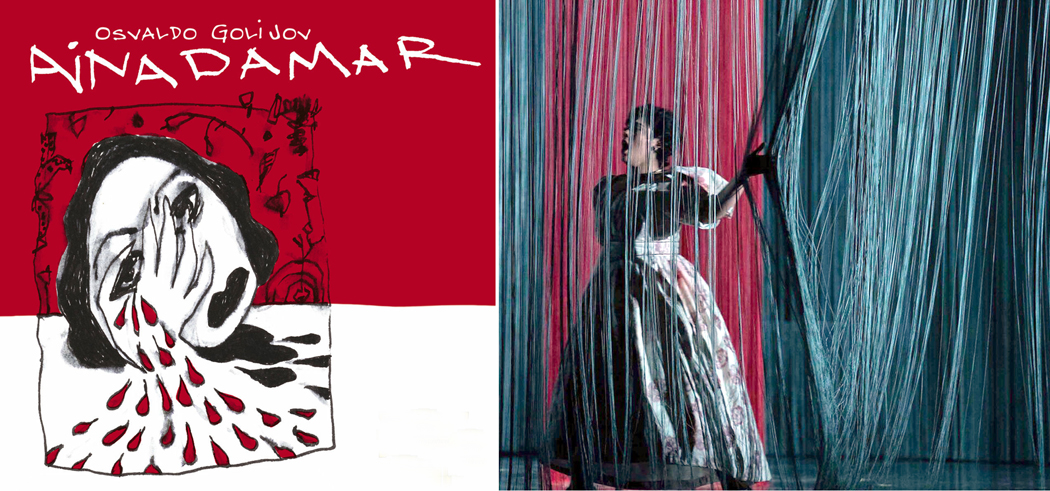
As the music critic for The Arizona Republic, I often had issues with conductor Michael Christie over 19th century classics — Christie had not a Romantic bone in his body — but he was brilliant with contemporary music. I fell in love with Golijov’s eclectic style.

And Christie led a great semi-staged version of John Adams’ Nixon in China, one of the rare contemporary operas to make it into the mainstream repertoire. What a great piece, and the Phoenix Symphony played the daylights out of it. 
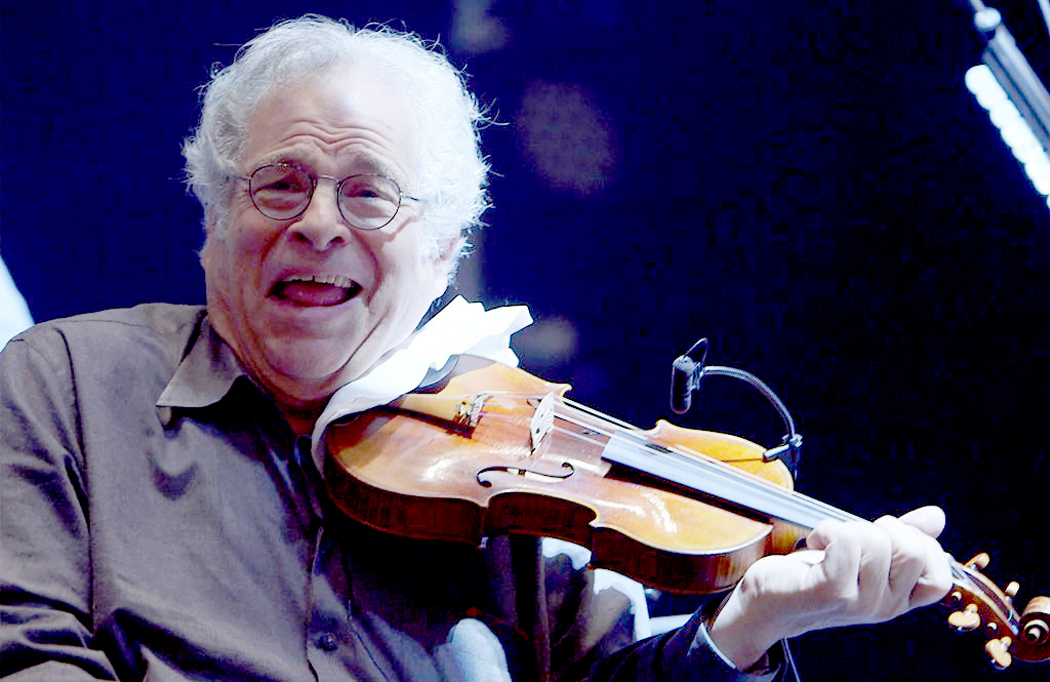
Twice I heard Itzhak Perlman give recitals in Mesa, Ariz. and each time the same thing happened. He opened with a slight sonata, at the first recital a Bach sonata for violin and keyboard and at the second, one of the op. 12’s of Beethoven. I don’t remember which exactly. Perlman played them expertly and even brilliantly, but he just didn’t seem all that involved. I thought, Oh, he’s playing for the boonies and just phoning it in. 

Then, the second piece on the program he played like the Greatest Living Violinist, with all the deep engagement, excitement and power anyone ever had. I realize those first pieces were just warm-up. In one recital, it was Beethoven’s “Kreutzer” Sonata and in the other, it was the Strauss Violin Sonata, a piece generally ignored as turgid and overlong, one of the composer’s less inspired works. Well, not when played by Perlman: This was one of the great musical experiences of my life. Geezus! Who knew this was really great music? If I ever had any doubts about Perlman, I lost them completely. 
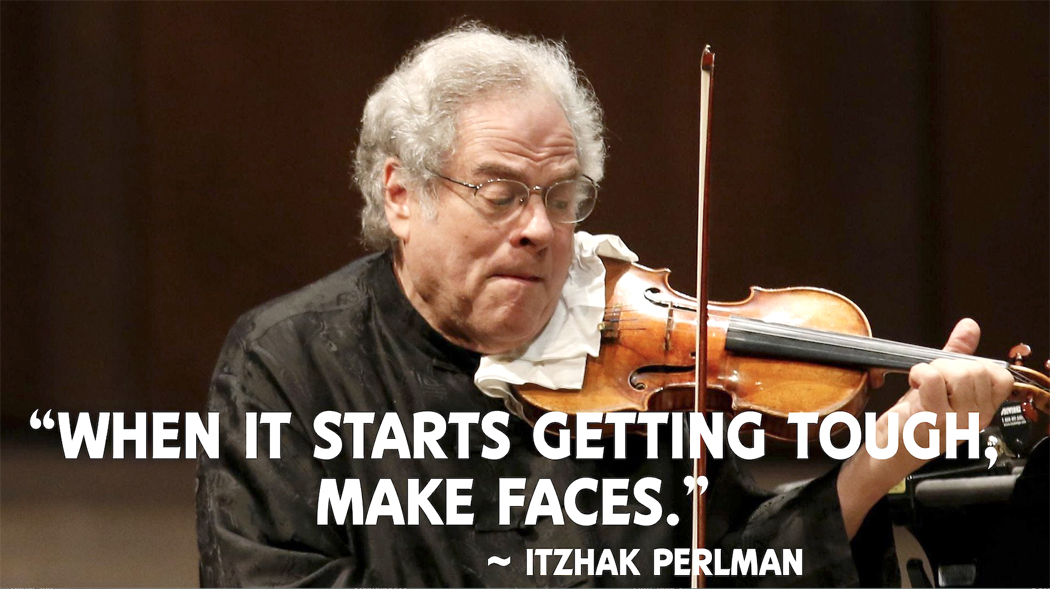
Of course, all that makes up for after intermission, when Perlman puts on his embarrassing Borscht Belt act. The program just says, “selections to be announced from the stage,” which means the violinist plays a series of short schmaltzy pieces once played by the likes of Fritz Kreisler, Ole Bull or Bronislaw Huberman, catchy virtuoso show-off pieces that once fit on a single side of a 78rpm record: Hora Staccato, Liebeslied, Salut d’Amour. And worse, Perlman spends even more time with a pile of dad jokes and cornball puns, as if he really wanted to be a baggy-pants vaudeville comedian rather than a great fiddler. A comic he is not. I shoulda left at intermission with the warm memory of the Strauss still in my mind. 

Finally, I want to mention three pianists I heard, whose appearances have permanent real estate in my psyche. 
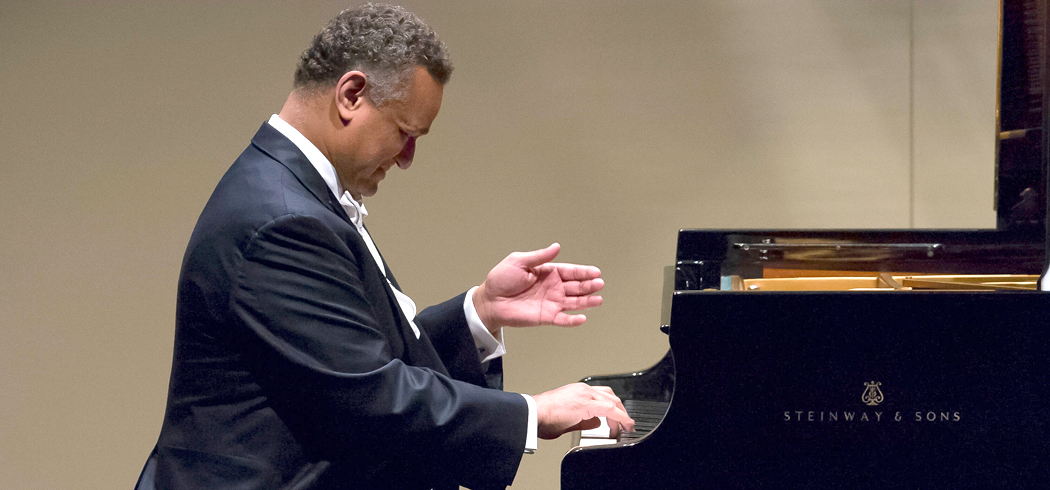
The first is Andre Watts, who I heard several times, but once at the Scottsdale Center for the Arts playing the same Liszt sonata I heard Gilels play at the beginning of my listening life. This time, I understood what I was hearing, and watching Watts’ fingers on the keys, dancing and pouncing. It was a wonderful, performance of clarity and power. 

Second, quite different, was Olga Kern playing the Rachmaninov Paganini Rhapsody with the Phoenix Symphony. It is clearly a 20th century piece, but often played as if it were late Romanticism, like his famous concertos. But it is an ironic masterpiece, and Kern played it with such lightness and humor that it was reinvigorated. And the audience gasped at the audacious ending when Kern began standing up even before knocking out the last cadence as if it were an afterthought. Yes, it was a coup de theatre, but it worked and perfectly summed up the tone of the piece as she played it.
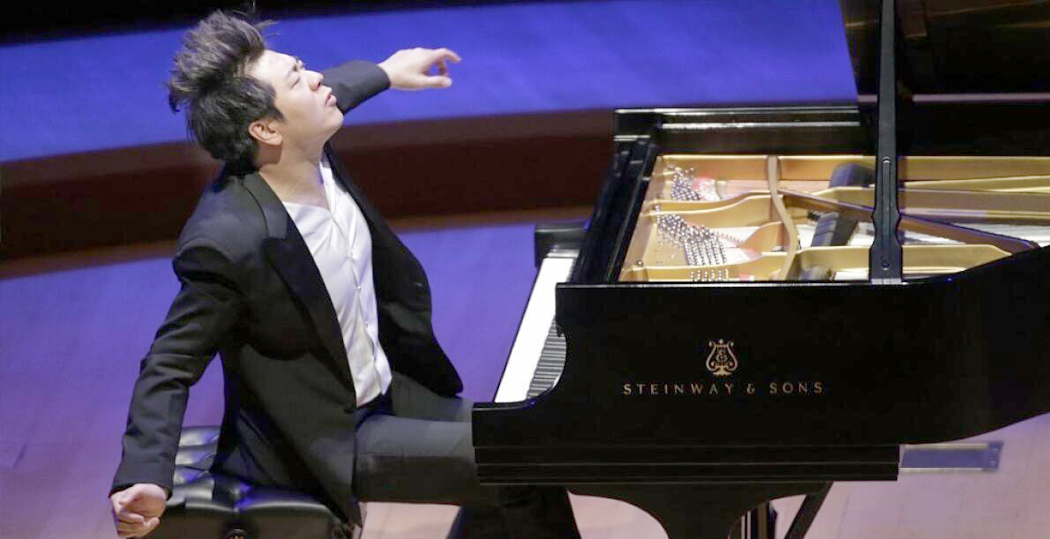
And third, a problem performer. You never know what you’re gonna get with Lang Lang. He is often seen as a flashy product of PR and promotion, and doesn’t help himself by often showing off and posturing for audiences, making faces as he stares at the ceiling and waving his arms around. I’ve heard Lang Lang live four times and sometimes he is very good and earns his credit, and sometimes you just wanna slap him. But one time, he played the first Chopin concerto with the Phoenix Symphony and time stopped still for the entire slow movement. Dead still. The world disappeared. Eternity opened up. It cannot be played better or more affectingly than Lang Lang did it that evening. I am forever grateful for what he gave me — one of the greatest performances I ever heard. 

Of course, the next time he came to town, it was the other Lang Lang who showed up. 
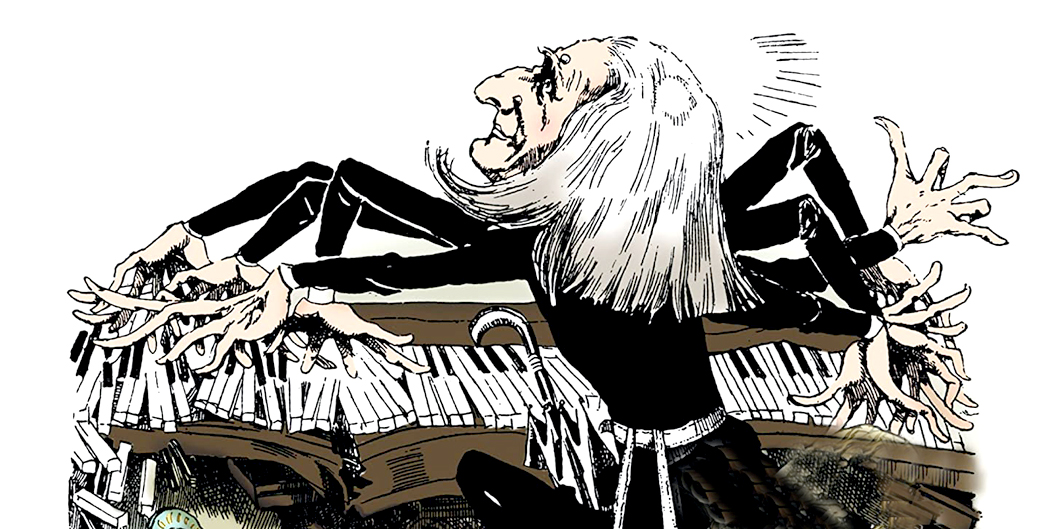
When piano sonatas first became popular, in the 18th century, they were primarily written for home use, for talented amateurs to play for evenings with the family. Some sonatas were obviously more difficult than others, and a few by Haydn or Mozart, required a professional level of ability, and indeed, were written for the composers themselves to show off their performing abilities. But most were written to be sold as sheet music, and that’s how their composers made their livings. 

At the time, there were no public piano recitals to attend. There were private performances given for the aristocracy. Public concerts tended to feature concertos and concert arias, with maybe a little symphony or two thrown in. But no one bought tickets to hear a piano sonata — why? when you could play them yourself at home after dinner.

Then came Beethoven. 

Piano sonatas also used to run from perhaps 10 minutes to 15 or 20 minutes. Mozart’s C-major sonata (K. 545) comes in three movements. The first runs a tad over two minutes; the second just under four minutes; and the finale about a minute and a half. The bigger sonatas, such as his Sonata in A (K. 331) with the famous Ronda a la Turca, comes in at about 14 minutes, as played by pianist Mikhail Pletnev. 

Then came Beethoven, the revolutionary pounder of the keyboard, who shocked his contemporary listeners with the power, difficulty and length of his piano sonatas. The Appassionata Sonata of 1805 is devilishly difficult and a bit over 21 minutes. 

Then there’s the Hammerklavier Sonata of 1818, which is twice as long (Barenboim’s most recent recording takes 50 minutes) and 10 times more difficult, ending with a giant double fugue that confused his first listeners. What the heck is going on? It’s the original knucklebuster. Just look at that pile of notes:

Things changed after Beethoven. The 19th century saw fewer piano sonatas, but much bigger and more difficult specimens. You could say that Beethoven seems to have presented a challenge to all those who came after him: how to live up to his example. 

And the example he gave was for a longer, more complicated sonata — a kind not to be played by prosperous daughters of the middle class after dinner, but by traveling virtuosi giving piano recitals to a paying public. Franz Liszt began the practice, but the long, knucklebusting piano sonata was established. 

There were less ambitious works written, and the standard for most of the 19th century was the character piece, not the sonata. These were short catchy pieces sometimes singly and sometimes strung together in a suite, such as Schumann’s Carnivale or Tchaikovsky’s The Seasons

This was the heyday of Chopin’s waltzes, mazurkas and polonaises, of Grieg’s Lyric Pieces, of Brahms’ intermezzi and capriccios. 

And when there were sonatas, they went big. They became symphonies for the keyboard. 

I’ve chosen six of these knucklebusters as exemplars. There were more, but they haven’t joined the repertoire of regular performances. But these six as regulars of the recital hall. 

I’ve also appended a list of my favorite recordings of these sonatas. Notice, I did not say “best.” There are too many CDs out there and I haven’t listened to them all (although I have come close with the Hammerklavier — I once owned 21 complete sets of Beethoven piano sonatas and another five sets of the late sonatas by themselves, so I’ve heard quite a few). I’ve only listed recordings I have listened to. 

Beethoven Sonata No. 29 in B-flat, opus 106, “Hammerklavier”

Beethoven was at the height of his fame after the premiere of his Seventh Symphony, but the years that followed were thin ones for the composer. He was tied up in endless legal difficulties over his nephew, Karl, and was suffering from endless bouts of gastritis. He produced little between 1813 and 1818. But then came the final flourishing of late quartets, late piano sonatas and, of course, the Ninth. 

The first big explosion was the “Hammerklavier” sonata, that giant monstrosity of pianistic torture. It begins with a grand military fanfare, makes fun of the same in the teensy second movement, reaches the heart of things in a 20-minute adagio and concludes with a monumental fugue which demonstrates every trick in the book of fugue writing —- play the tune upside down, play it backwards, slow it down, speed it up, slow it down upside down, speed it up backwards and end it all with an explosion of hiccups and trills. 

It was the longest piano sonata written to that point and still one of the most challenging. 

It is the adagio that holds the key and the emotional power of the sonata. It has been called a “mausoleum of collective sorrow,” and “the apotheosis of pain, of that deep sorrow for which there is no remedy, and which finds expression not in passionate outpourings, but in the immeasurable stillness of utter woe.” It is that rare sort of music that you inhabit rather than simply listen to. 

My favorite recording, since I first heard it 50 years ago is also the first recording made, in 1935, by Artur Schnabel. It has been in print since it was first made and despite being in rusty sonics, comes across clearly as music of the most profound sort. 

If you want more modern sound, I recommend the 1970 recording by Rudolf Serkin. In completely modern sound, I love — especially the adagio — by Daniel Barenboim in his 2012 release of the complete sonatas. 

Schubert Sonata No. 21 in B-flat, op. posthumus, D. 960

When Franz Schubert reached the age when Mozart had died, he’d been dead for four years already. Mozart died at age 35 and mourned as a genius who died too soon. Schubert died at 31 and we can only mourn the lost of what he could have written in those missing four years, to say nothing of what we could have had if he had lived a normal life span. 

As it was, in the last year or so of Schubert’s life — when he knew he was dying — he produced a stunning series of works of such profound depth and beauty, it can only be called a miracle. There were the final three string quartets, the C-major Quintet, and the final three piano sonatas. If all we had from Schubert were these works, he would be given a first-class ticket at the front of the bus with Bach, Mozart, and Beethoven. 

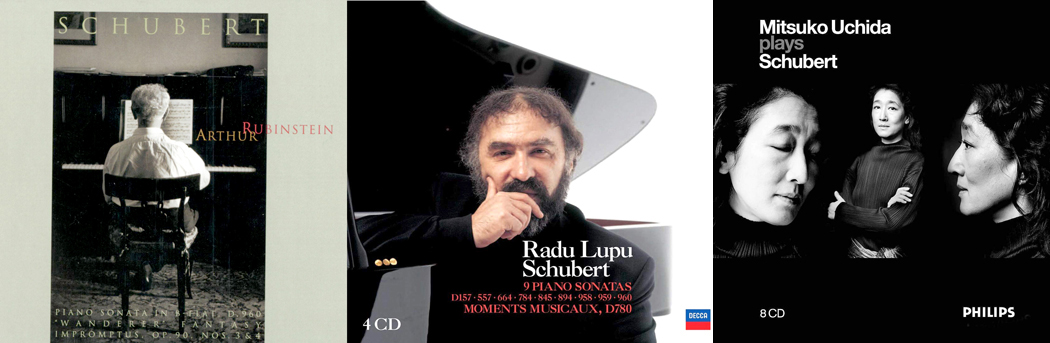
The final sonata, in B-flat, is one of the longest written by that time, rivaling Ludwig’s “Hammerklavier.” It, too, has a central slow movement of intense emotion. Arthur Rubinstein, who played the sonata as well as anyone ever has, said of the adagio, “This movement is like death. There is nothing else as close as this music that shows us what death feels like.”

Rubinstein recorded it twice, only a few years apart, but it is his first, from 1965, that I think is the best ever. There is a gracefulness and a humanity in the playing that is uniquely Rubinstein’s. 

There are tons of other performances, from everyone from Horowitz (a bit clangy) to Alfred Brendel (a bit stodgy). But I also recommend the versions by Radu Lupu and by Mitsuko Uchida. 


 Liszt Sonata in B-minor

Franz Liszt is the guy who invented the piano recital: people paying good money to hear a pianist on stage all by himself, amazing them with his showmanship and technical brilliance. Liszt was the equivalent of a rock star in his day. Oh the women! Oh the humanity!

A lot of what Liszt wrote is surely just showboating — “Look what I can do!” But he wanted to establish his bona fides, also, as a great composer, and among those things he wrote of more serious intent is his gigantic Piano Sonata in B-minor. 

Written in 1853, it divided the listening audience in two, half hating, half loving it. Brahms fell asleep while hearing it. The critic Eduard Hanslick said “Anyone who has heard it and finds it beautiful is beyond help.” Another German critic, Otto Gumprecht, referred to it as “an invitation to hissing and stomping.” 

Liszt sent Clara Schumann a copy of the sonata. In her diary she described the sonata as “a blind noise … and yet I must thank him for it. … It really is too awful.” 

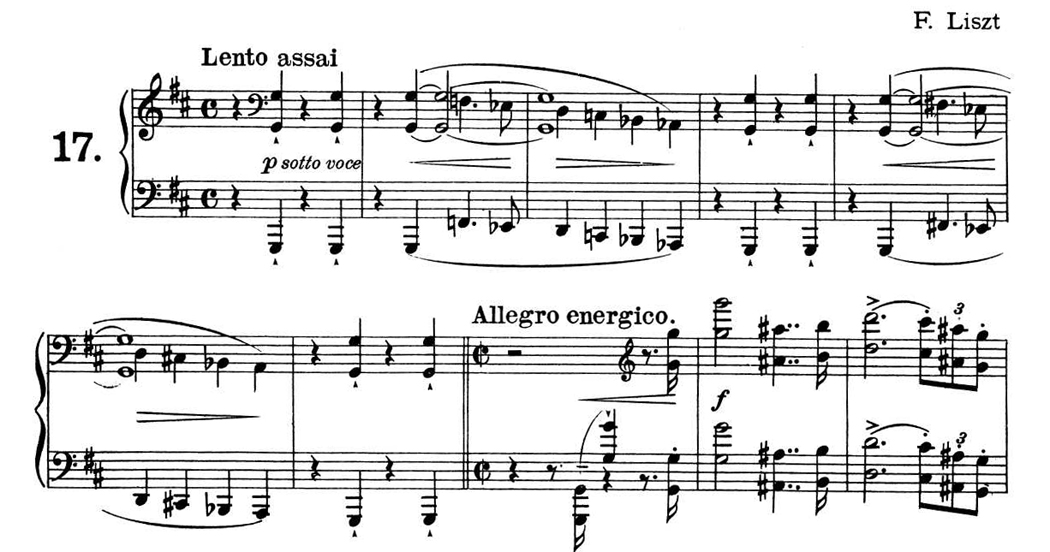
Yet, the more avant-garde audiences found it thrilling, adventurous and exciting. Richard Wagner loved it. And today, it is a staple of the concert repertoire. I have heard two great live performances of it, first by Emil Gilels and more recently by Andre Watts — both overwhelming experiences.

My favorite performance is by Ukranian pianist Valentina Lisitsa. Too many upstanding and earnest pianists have attempted to overcome the showmanship and flash in Liszt to, supposedly, “find the music.” But Liszt without the dash and flash isn’t really Liszt. The exhibitionism is built into the score, and Lisitsa’s Liszt (not just in the sonata) is the perfect presentation of what Liszt is supposed to be. It’s louder, faster, more dazzling. (Hence, Lisitsa is sometimes pooh-poohed by the snobbier critics).

If you don’t mind a slightly older audio sound, you also can’t go wrong with Vladimir Horowitz, who also knows what this music is about. Finally, I treasure the CD of Watts playing the sonata, with panache and taste, which reminds me of hearing him do it live. 

Brahms Sonata No. 3 in F#-minor, op. 5

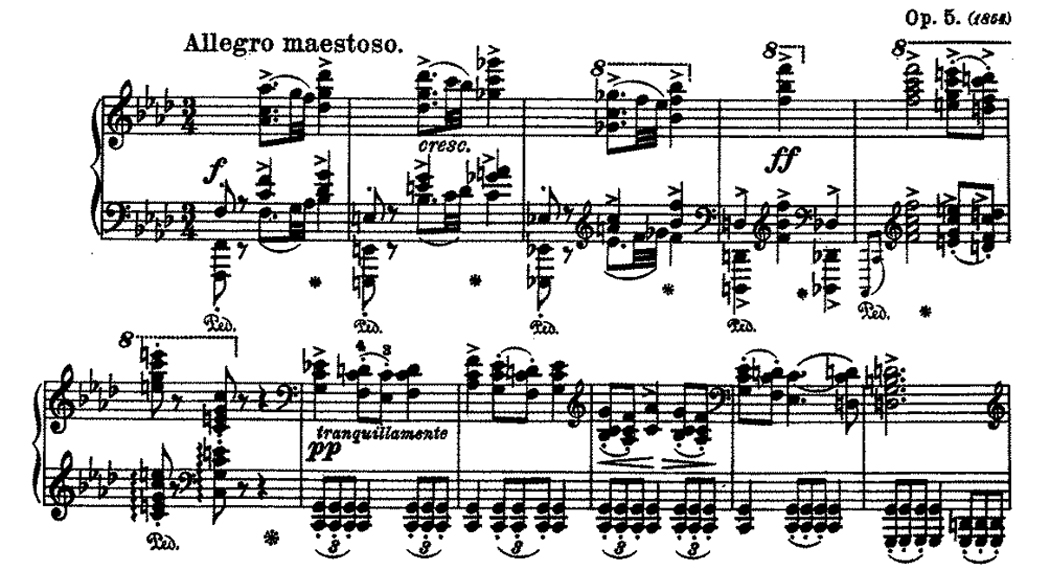
We think of Brahms as the old man with the beard spattered with cigar ash, but he was young once, full of piss and vinegar, and at the start of his career he wrote three monumental piano sonatas, opuses 1, 2, and 5. Each busting knuckles with the best of them. They are big, even by the standards of the time. 

The third is the one that caught on. He wrote it in 1853, the same years as Liszt wrote his sonata, and when he was just 20. It is vast, passionate, and gawky. It’s aggressive opening uses the whole length of the keyboard from booming bass to tintinnabulating treble. The second movement is tender andante inspired by a poem about pale moonlight and love. A rumbling scherzo follows and then an extra movement thrown in — a “recollection” or “remembrance” (“Rückblick”) that recalls the sweet andante with sweet nostalgia. (Did I mention that through all five movements, there is also a subtle recollection of the Dah-dah-dah-Dum of Beethoven’s Fifth Symphony — a ghost in the mechanism). Finally, an agitated rondo finale. The contrast between the more assertive segments and the more quiet, thoughtful parts give this sonata a sense of encompassing the range of human thought and emotion. 

No one plays Brahms better than Arthur Rubinstein. Period. Brahms is his mother tongue and compared with him, every other pianist, no matter how good, is speaking a second language in Brahms idiosyncratic keyboard style — the opposite of the natural pianism of, say, Chopin. But Rubinstein makes it flow and sing. 

He recorded it twice. The more recent, from 1959, is in better sound, so it is my first choice, but I have to put the 1949 version in as my second choice. There are many other good recordings of the sonata, but the only one which comes close to Rubinstein (that I have heard) is by Helene Grimaud. 

Ives Sonata No. 2, “Concord, Mass. 1840-1860” 

England has a centuries-long tradition of eccentrics, but America, in contrast, has its crackpots. Charles Ives was one of them. 

He began writing his second piano sonata in 1904, but didn’t finish it until 1915. I use the word “finished” provisionally, because after it was published, in 1920, Ives continued fiddling with it, rewriting it and republishing it in 1947. It was not performed, in full, before a paying public until 1939. And each performance after was slightly different, partly because there are ad lib sections of the score, and partly because Ives kept jiggering with it. He said it was never meant to be finished, but always to be a work in progress. 

Oh, and it comes with a 120-page preface, called Essays Before a Sonata, in which he discusses not just the music, but the whole of the Transcendentalist movement in New England in the 19th century. 

Ives wrote the work was his “impression of the spirit of transcendentalism that is associated in the minds of many with Concord, Massachusetts of over a half century ago. This is undertaken in impressionistic pictures of Emerson and Thoreau, a sketch of the Alcotts, and a scherzo supposed to reflect a lighter quality which is often found in the fantastic side of Hawthorne.”

The first movement, “Emerson,” is quite craggy, but there is humor in the following “Hawthorne,” and quotes from Beethoven’s Fifth, played after dinner on a parlor piano, in “Alcotts,” and finally a quiet, moody reflection of Nature, with a capital “N” in “Thoreau.” 

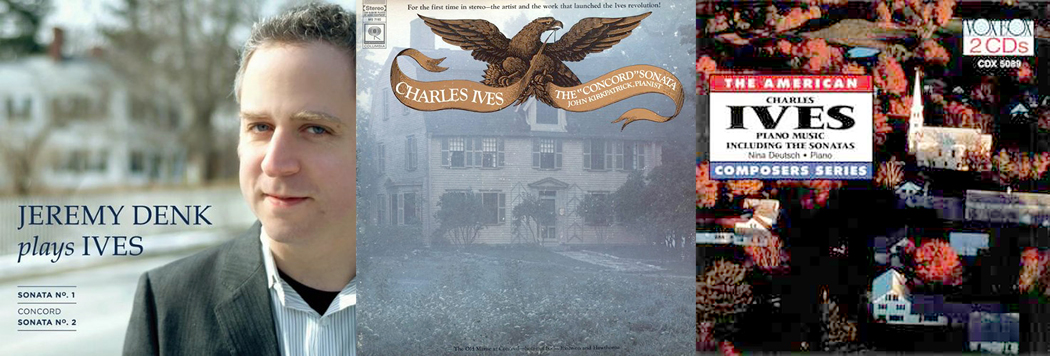
I got to hear Jeremy Denk play the Concord Sonata at Zankel Hall in New York, in a program that also included the “Hammerklavier.” Back to back in the same recital was more than impressive: It was like watching someone run a marathon in the morning and after lunch complete an iron man competition. It was exhausting. For a recording of the sonata, Denk is my man. 

But I also have a soft spot for a recording I have cherished for almost 50 years, first on vinyl and now on CD — Nina Deutsch in a Vox Box with a host of other Ives piano music. She brings a slightly softer edge to the Ives. And there is the original recording, made in 1949 by John Kirkpatrick, who first championed the piece. 


Prokofiev Sonata No. 7 in B-flat, op. 83

Schubert had his final three sonatas; Brahms had his first three. Knucklebusters seem to like coming in threes. Serge Prokofiev wrote his group of three during World War II, and are hence often grouped as his “War Sonatas.” Each is a job-and-a-half to tackle, and any of them could be chosen to represent Prokofiev as a knucklebuster. But the one that has become popular is the Seventh, in the middle of the trio. 

The sonata is usually seen as a reflection on the war, but, like so much Soviet music of the time, it holds an unspoken reference to the terror under Stalin. Prokofiev was friends and working colleague with theater director Vsevolod Meyerhold, who was arrested, tortured and murdered by the NKVD in 1939. Meyerhold’s wife, the actress Zinaida Reich, was stabbed 27 times in her apartment after Meyerhold’s arrest, also by the NKVD. Prokofiev (like Shostakovich) constantly feared they might come for him, also. He wrote a panegyric cantata “To the Glory of Stalin” for the dictator’s 60th birthday, in hopes to be left alone, but also wrote this piano sonata, in a more personal style, to maintain his self-respect. 

The first movement is a rough and tumble Allegro Inquieto. The second movement, Andante Caloroso, quotes a song by Robert Schumann, with lyrics that read, “I can sometimes sing as if I were glad, yet secretly tears well … everyone delights, yet no one feels the pain, the deep sorrow in the song.” It is one of the most beautiful moments Prokofiev ever wrote.

That is all followed by the toccata-like finale, Precipitato, which explodes and doesn’t relent until the final pounding chords. It is an angry, propulsive moto perpetuo, with an obsessive repetition in the left hand of a figure in the odd time signature of ⅞. It beats and crashes over and over till audience and pianist are exhausted. 

I heard Maurizio Pollini play the Prokofiev Seventh in Los Angeles many years ago in another monumental program (which also included all the Chopin Preludes and ended with Stravinsky’s Three Scenes from Petrushka). Pollini was great. 

But my first choice remains a dark horse: Barbara Nissman, on a disc with all three of the War Sonatas. Nissman makes the music less brutal, more musical, and I have loved this disc since I first got it in 1989. Nissman was the first pianist to record all the Prokofiev sonatas on CD. The first recording of the Seventh Sonata, by itself, was by Vladimir Horowitz, and it is still a show-off piece. And there is also a great recording by Pollini. 

Not on the list

These six pieces hardly exhaust the 19th century’s love of the big and difficult piano piece. I stuck with sonatas. I could have included Schumann’s Fantasie, op. 17, which could be considered a sonata. I could have included Cesar Franck’s Prelude, Choral et Fugue, which could also pass as a sonata incognito. Or either of Serge Rachmaninoff’s piano sonatas, which are clearly knucklebusters — but not so firmly established in the repertoire as the pieces I have chosen. Some will complain I didn’t include Alkan, but his music will probably never be generally popular. 

You may have your own candidates, either for compositions or performances. These are mine.