Archive

Tag Archives: craig nilsen

At the bottom of every product entry on the Amazon webpage you will find customer reviews. Some are quite thoughtful, others merely complain that the package they got was dented. Too often, close reading shows that the review shown is for some other product altogether and simply slung in with the rest by someone — or some algorithm — that wasn’t paying close attention. 

Check out Google’s list of restaurants near you and you will find any number of reviews by those who have eaten there, and often with an iPhone photo of their dinner plate. These range from “The worst scungilli I’ve ever tasted” to “The cleanest restroom I’ve had to use.” Again, perhaps with a photo. 

My favorites are those where someone posts a four-star CD review with the words, “I haven’t heard this yet.” 

More than ever, we are led to believe that “everyone’s a critic.” Opinions are like noses (I’m being polite): Everyone’s got one. But I spent 30 years of my life as a professional art critic, and it has always bothered me that the wider public seems to think that real criticism, by people who are actually paid to think about such things, is little more than “I liked it,” or “I didn’t like it.” 

On such a level, yes, everyone’s opinion is valid. If you liked it, then to say so is an obvious truth. But that is not what a professional critic is paid to do. 

Granted, there are some people out there with the title on the masthead who do little more than report their likes and dislikes. But the kind of criticism I’m talking about — and that I did my best to engage in — has very little to do with simple likes and dislikes. 

I was paid, rather, for my range of knowledge about the subject, about the history of it, the variety of it, the consensus about it, and my ability to say something meaningful and coherent — and interesting — about it. 

I was paid to explain what I was seeing, put it in context, say why it is important — or not — and, especially with new art, to attempt to unknot difficulties that may make understanding elusive. The art world is full of “elusive.” 

 I began as a freelance art critic with the Virginian-Pilot in Norfolk, Va. in the mid-1980s, and became staff critic with The Arizona Republic in Phoenix, Ariz., in 1987, where I worked for 25 years until I retired in 2012. By then, newspapers were in decline and few still had any critics on staff as layoffs became as regular as seasons. When I left, I was not replaced. All across the nation, critics are not being replaced; lights are blinking out all over the heavens. The loss is considerable. 

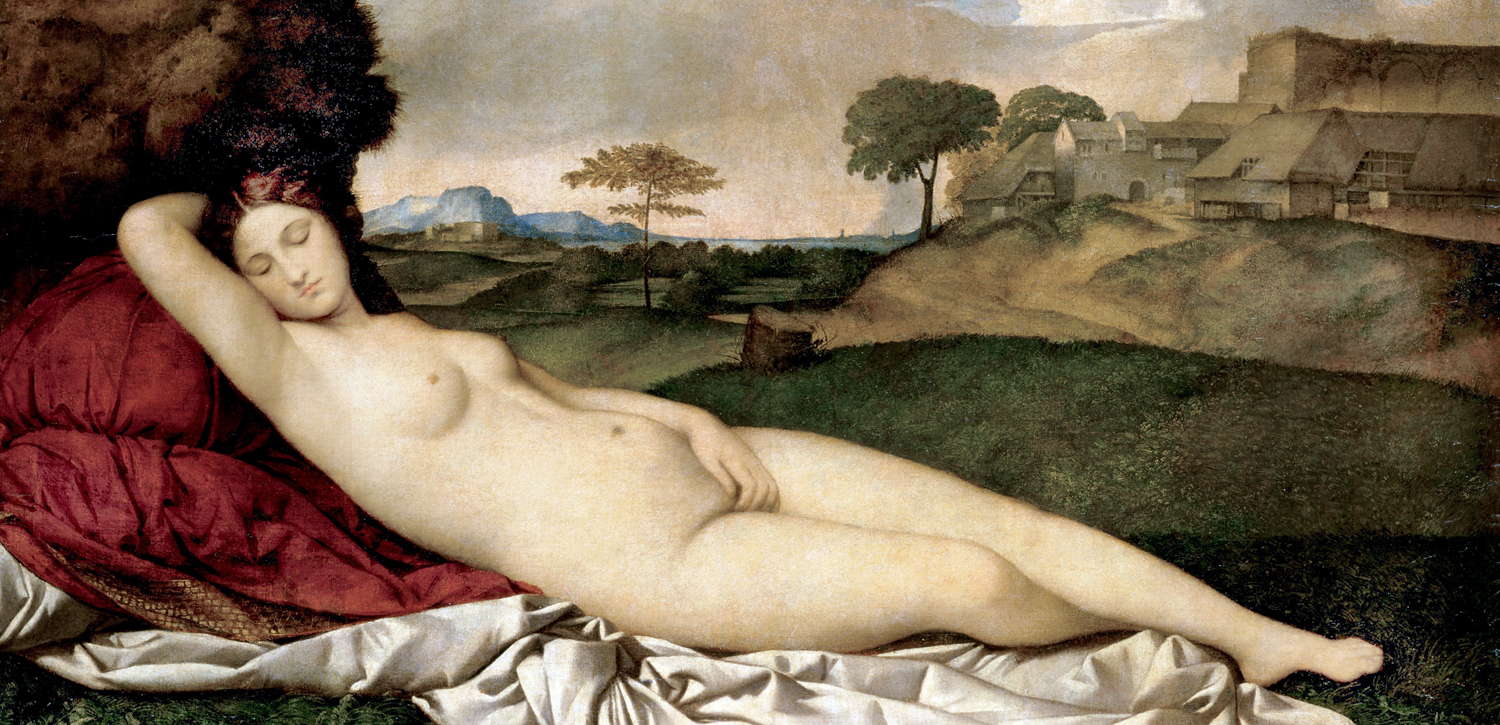
I have continued to post about art on this blog. There was a long piece about Jacques-Louis David’s Death of Marat. Another on the long echoes from the pose of Giorgione’s Sleeping Venus. I wrote about photographers Nan Goldin and Garry Winogrand. Some of these have been the most frequently visited blog entries on my site. 
Over those three decades in journalism, I covered an awful lot of art, both locally and nationally. Much of the art, I loved. Some not so much, and there were even shows of art I had little sympathy for. All of it, I tried to say something real about and meaningful. So, I feel I have established my bona fides to write about criticism.

My tastes didn’t stop me from recognizing quality or importance, even if it was art I didn’t much care for. And there was, correspondingly, art I knew wasn’t especially important that I really, really enjoyed. My likes and dislikes didn’t count much, and weren’t supposed to. 

Let me give you some examples either way. 

One of the very few times I had a contretemps with my editor was about a show at the Phoenix Art Museum of art by the so-called Mexican Muralists. I mentioned to my editor that I was thinking of giving the show a pass and she nearly bit my head off, making it absolutely clear that I wasn’t being paid not to write about an important show, or to care whether I liked the work. I knew this, of course, but I had to confess my lack of simpatico with the work. Of course, I wrote about it. Without expressing my own qualms. 

In general, I have little love for art that is primarily propaganda, and that is just what the work of Diego Rivera or David Siqueiros is. There is good ol’ Karl Marx pointing the way to the future for the downtrodden campesinos. There are the peasants displaying solidarity by all wearing the exact same clothes and carrying the exact same weapons. For me, this is a big snooze. 
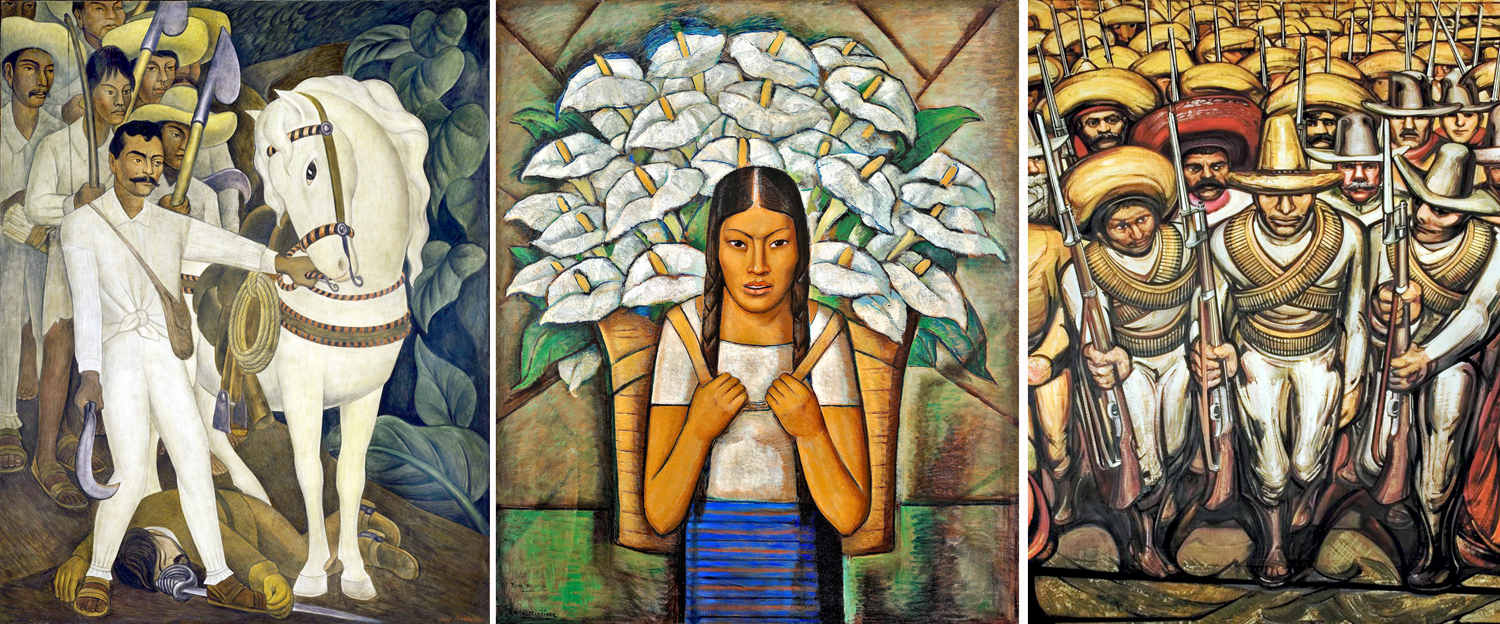
And on top of that, the colors used favor rather dull browns and ochers. It just isn’t very inviting or attractive art. Nevertheless, the movement, from the 1920s through the 1940s, defines an era of Mexican culture, and was immensely important. And, moreover, some of the muralist art was clearly better than other, and it was my job to show that and explain why and how. 

It should be pointed out that it isn’t Mexican art I have a problem with. I love the crazy work of Frida Kahlo; I wrote an appreciative review of Rufino Tamayo for ARTnews  magazine. I enjoy the skeletons and calaveras of Jose Posada and the volcanic landscapes of Dr. Atl. And all that colonial-era art, and all the bright, colorful, energetic folk art. 

It’s just the dreary, politically sentimentalized work of the muralists I dislike. 
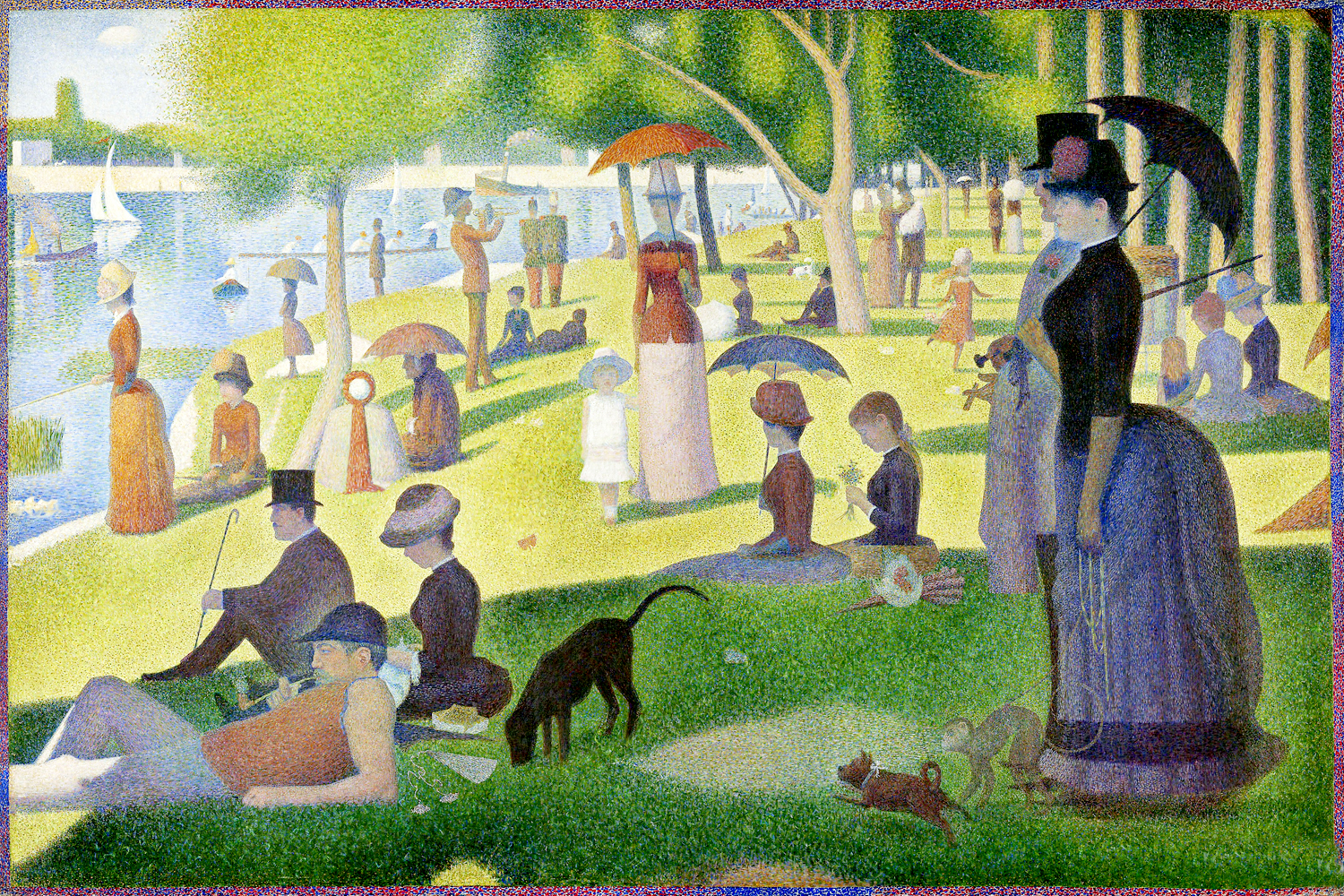
Let me give you some other examples. There is no question but that the pointillist works of Georges Seurat are masterpieces, and important in the history of art. But I find Sunday Afternoon on the Island of the Grandes Jattes a huge bore. Stiff and unyielding, all the life sucked out of what should be a bustling joy. It seems to me a painting made to justify a theory, and not something that had any more lively reason to burst out of his imagination. 
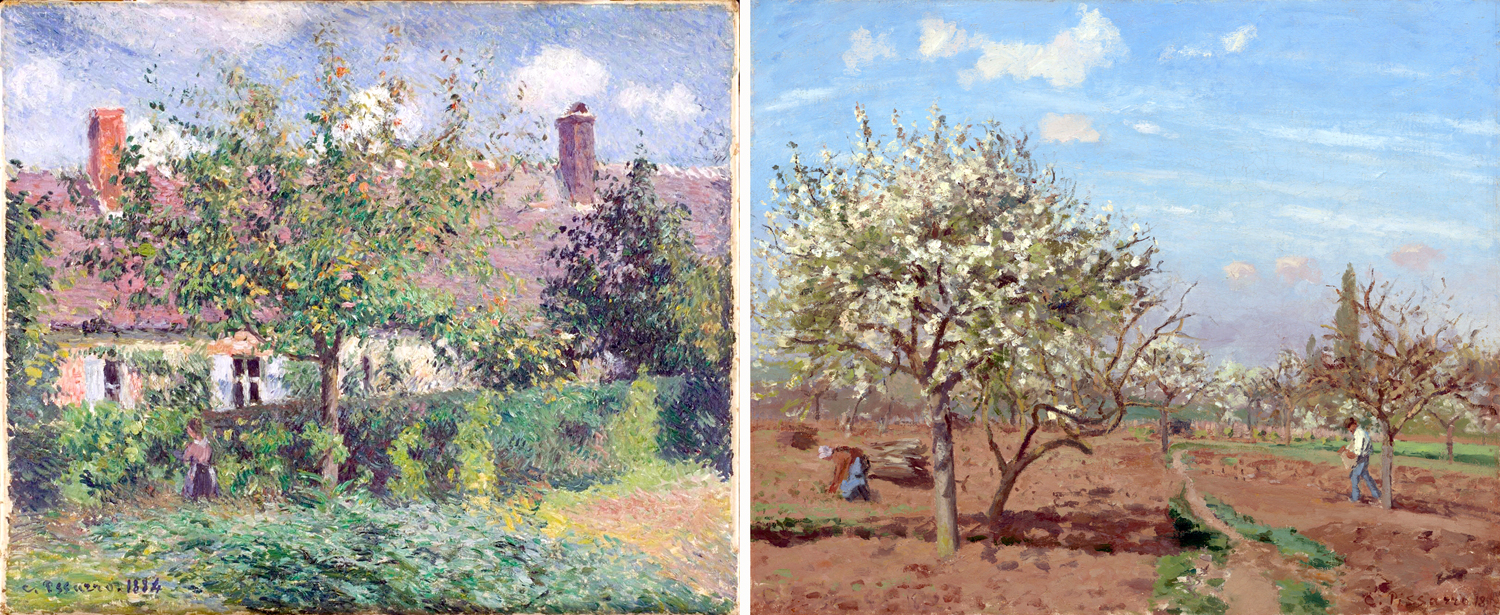
And there is his older contemporary Camille Pissarro. I don’t dislike Pissarro’s painting, but it just seems a trifle dull. He is the painterly version of a composer who can write perfect fugues, knows voice-leading, and can orchestrate magnificently, and yet cannot write a tune I can whistle. 

I’m specifically writing about art I have actually seen in person, and not just stuff I find in books or magazines. Reproduction cannot give anyone a clear idea of the art, its size, gloss, color. You can only get the iconography and some loose sense of everything else. 
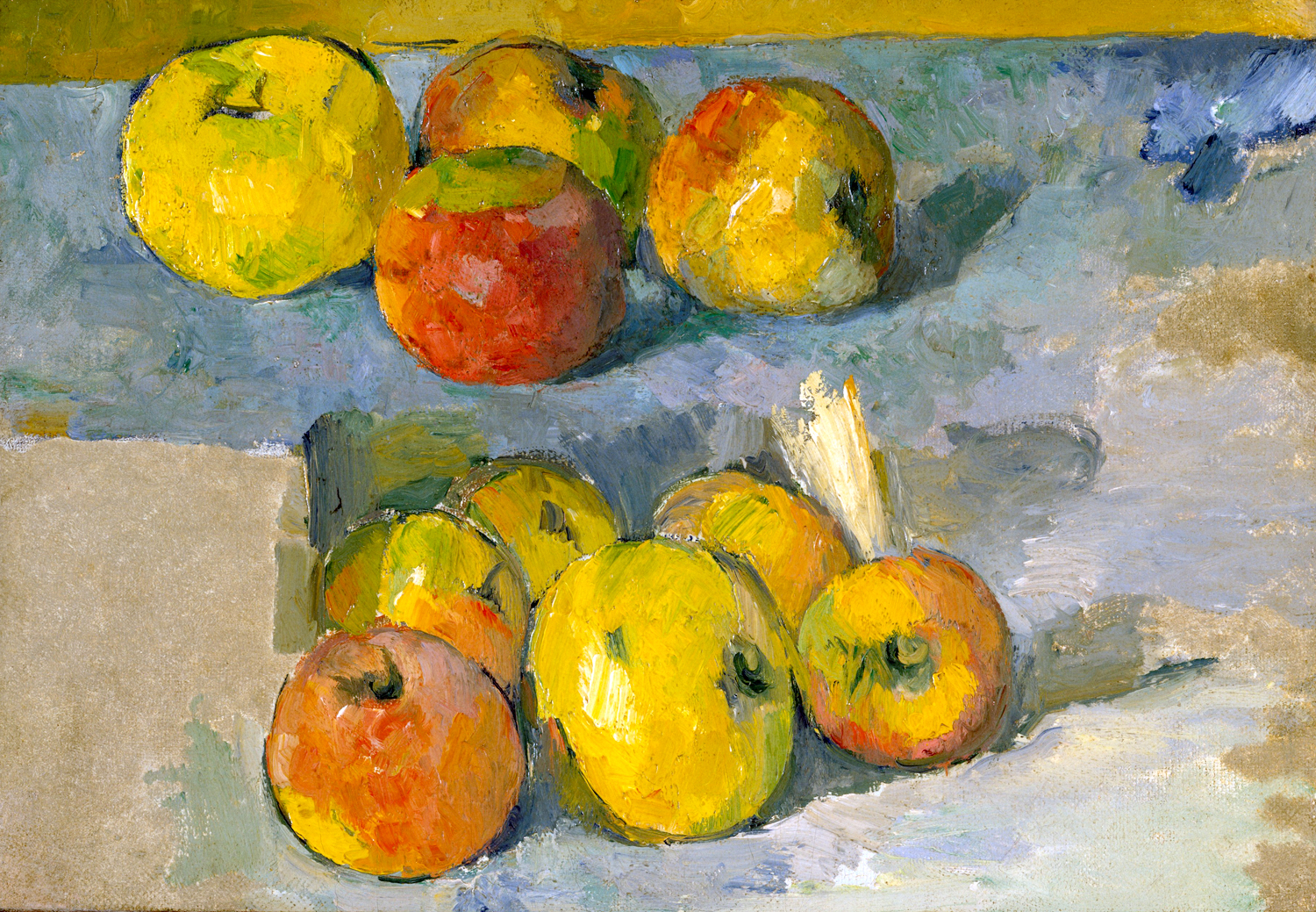
The necessity of seeing the art in person was brought home by Paul Cezanne. I never cared much for the work of Cezanne. But then, I spent some time with the actual work, and it exploded in my eye with form and color that just eludes reproduction. Now, Cezanne is one of my most loved artists and I kick myself for all those years when I paid him scarce attention. Those apples and pears — I want to lick the paint off the canvas. 

Another confession: I never cared for Leonardo’s Mona Lisa. I’ve been to the Louvre now, several times, and in person, the Mona Lisa is no more exciting. It is a small, rather ordinary portrait. Yes, the sfumato technique is quite pretty, but the painting itself does not deserve the fame it seems to suffer. 
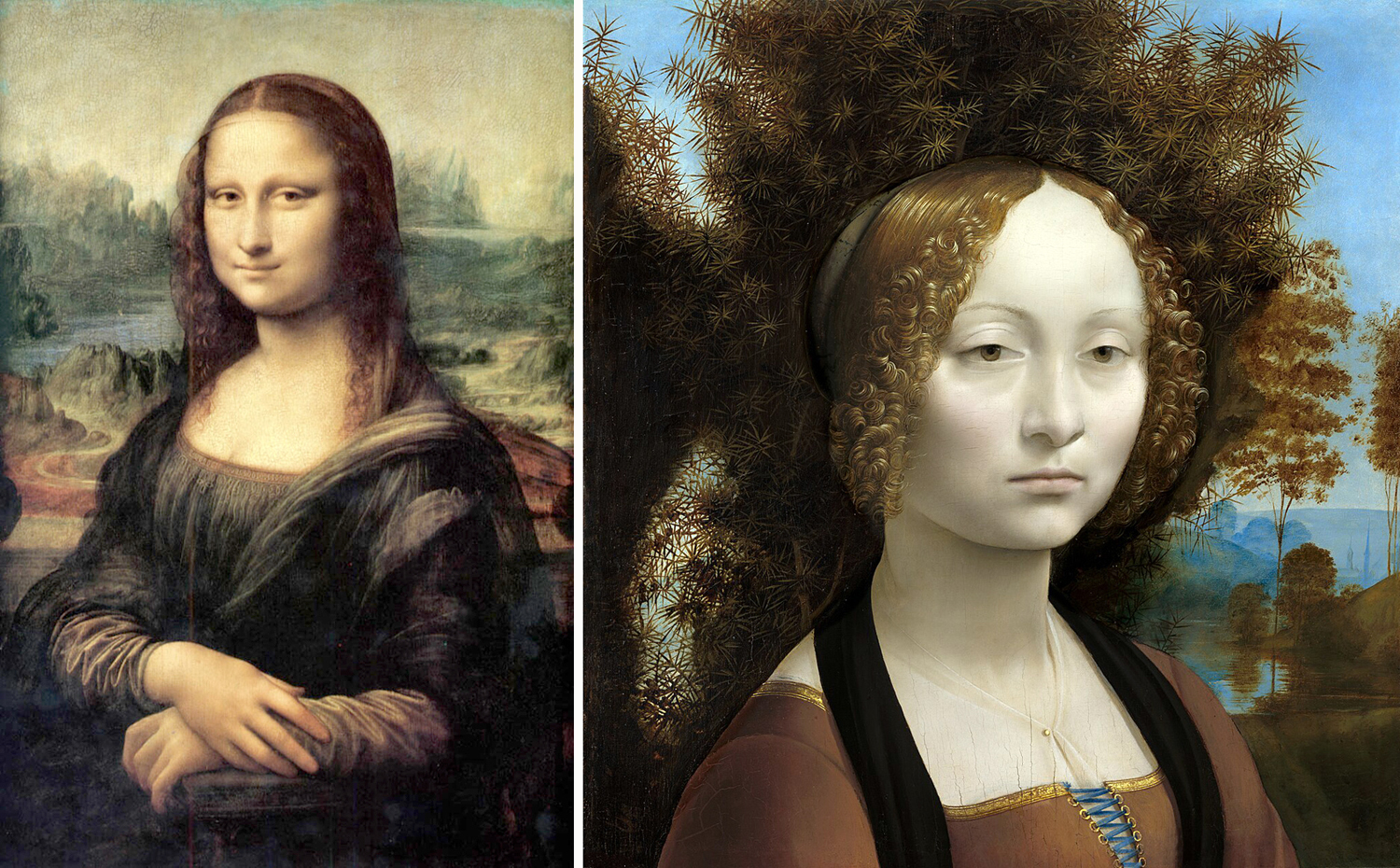
On the other hand, I do love the same artist’s Ginevra de’ Benci, at the National Gallery in Washington, D.C. It has all the glow and spirit that poor Mona Lisa just doesn’t have. 

But even Ginevra doesn’t draw the pleasure from me that I get from Raphael’s portrait of Baldassare Castiglione, one of the most perfect paintings I have ever seen. 

Rembrandt saw the portrait, copied it in pen and ink, and later used it as inspiration for one of his self-portraits, now at the National Gallery in Washington. I love that one, too. 

So, it is not that I hate great paintings and love minor ones. It is just a matter of taste. My taste drifts toward some and is left unmoved by other. But, as a critic, I certainly know the difference. 

I have no issue with anyone liking or disliking any piece of art. Not everything has to appeal to everyone. If you think Damien Hirst’s pickled shark is disgusting, I have no issue with you. If you think the hands on Michelangelo’s David too large, and his privates too small, that’s fair. Even if you find yourself moved emotionally by the light inside the cottage of a work by Thomas Kinkade, I say, enjoy. But that doesn’t qualify you as a critic. 

The art I love — and “love” is not too strong a word — includes some famous and important paintings. I grew up with Picasso’s Guernica when it was hanging at the Museum of Modern Art in New York. In my teen years, I visited MoMA often and thought I’d have Guernica to see for my lifetime. But it returned to Spain in 1981. Seeing it stretched across 25 feet of wallspace helped steer me into a life with art. 
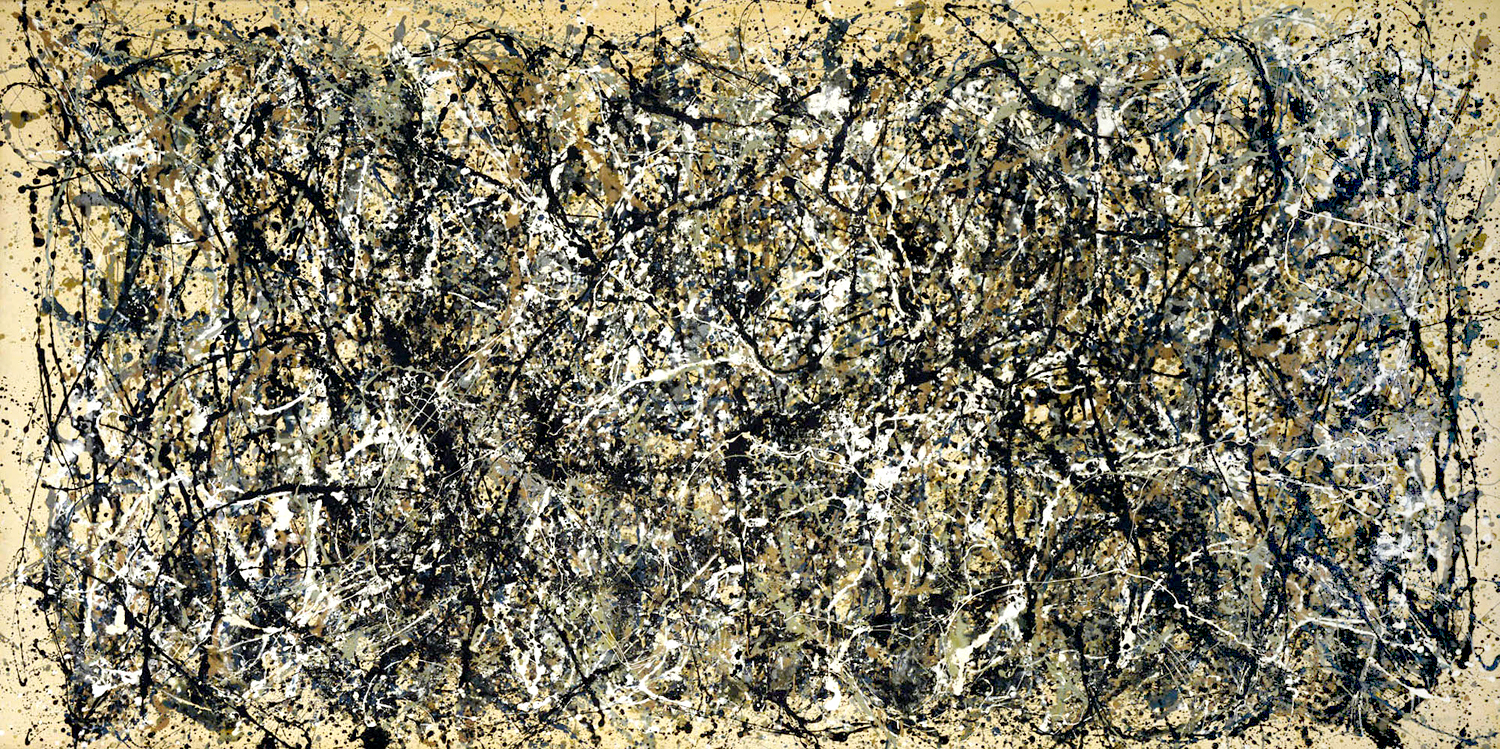
I loved seeing Jackson Pollock’s One Number 31, also at MoMA, back when abstract art was still seen with suspicion by the public. It hit me like a brick, and I loved its visual busy-ness and textural depth. It was a painting I could lose myself in.
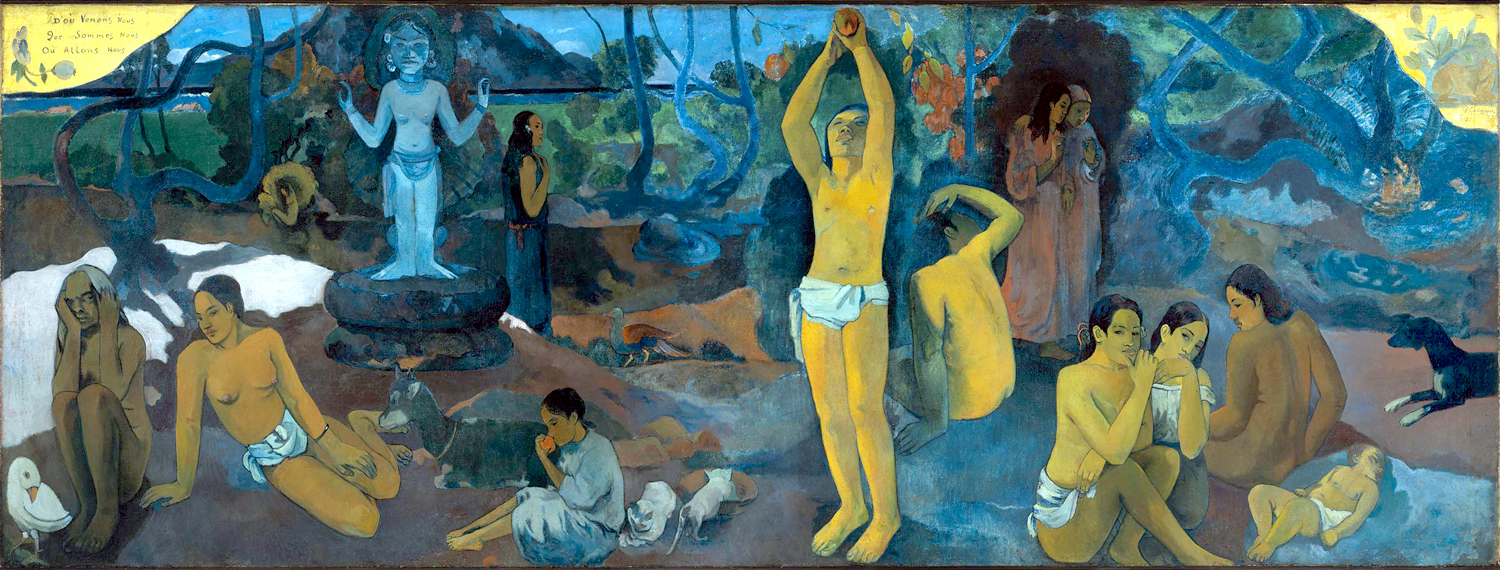
In Boston, I finally saw Paul Gauguin’s Where Do We Come From? What Are We? Where Are We Going?, another panoramic picture. Unlike the Mona Lisa, it makes a stronger affect in person than reproduced. 
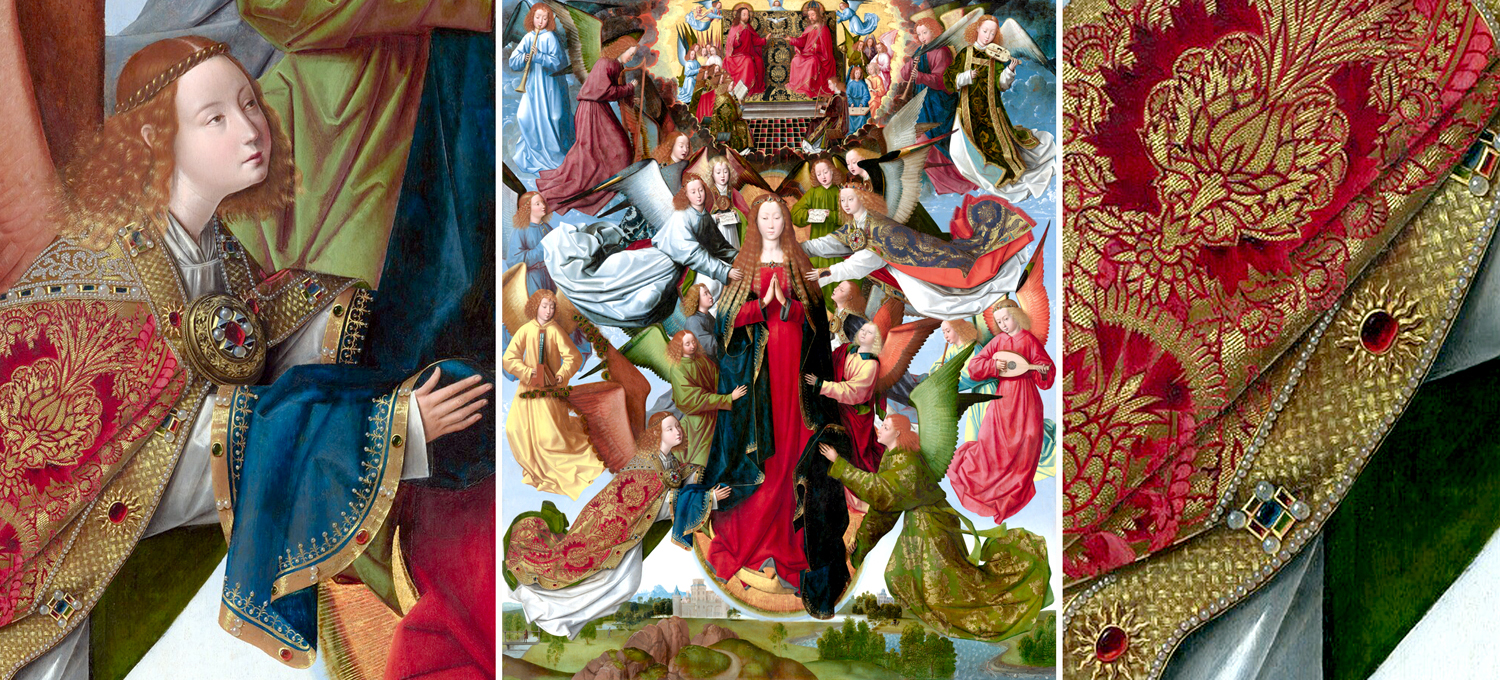
At the National Gallery in Washington, there are a number of paintings I visit, as if on a pilgrimage. Perhaps the main one is Mary Queen of Heaven by the 15th-century Master of the St. Lucy Legend, an unknown artist (so many were anonymous back then) with a magical ability to create detailed fabric and rich color. It is not one of the superstars of the collection, but it is dear to me. It is 7 feet tall, and busy with detail. I love art that highlights texture and color, and am less drawn to iconography or storytelling for itself (such as features in propaganda). The virgin Mary means nothing to me religiously, but this painting I worship. 
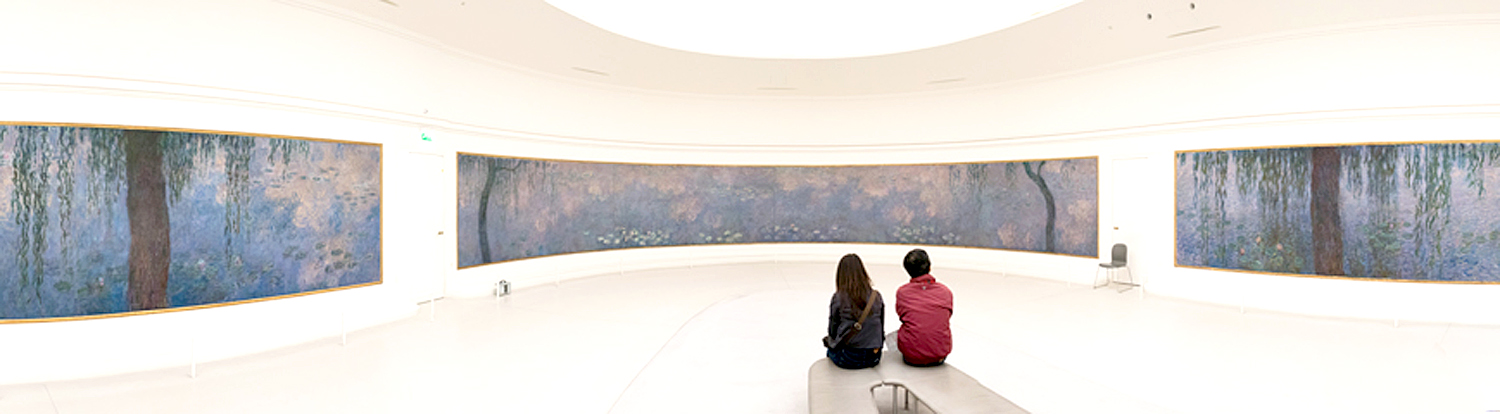
All the work of Claude Monet pleases me, but it is the large waterlilies that move me. When I finally got to see the group of them at the Orangerie in Paris, I had to sit down. Two oval rooms with walls banded with waterlilies. It was a holy place. 

These are all works that both give me great pleasure, and are also historically important works, anthologized in any art history text. 

 Yet, some of the art that I love most and that gives me great pleasure is art not especially important, or at least not widely known. There are so-called “local artists” who never get the national reputation; there are artists I know personally and whose work speaks to me in part because I see their personalities so clearly in what they produce. 

I love the art of Arizona’s Mayme Kratz. I’ve written about her work several times. Mostly, she finds discarded bits of the natural world — seeds, husks, birdnests, grains, twigs, shells — and embeds them in patterns in colored acrylic, finished with a fine sheen. They are intensely beautiful. Kratz makes a living from her work and has buyers and collectors, but I don’t know why she isn’t featured in galleries in New York or Berlin. Her work deserves to be. 
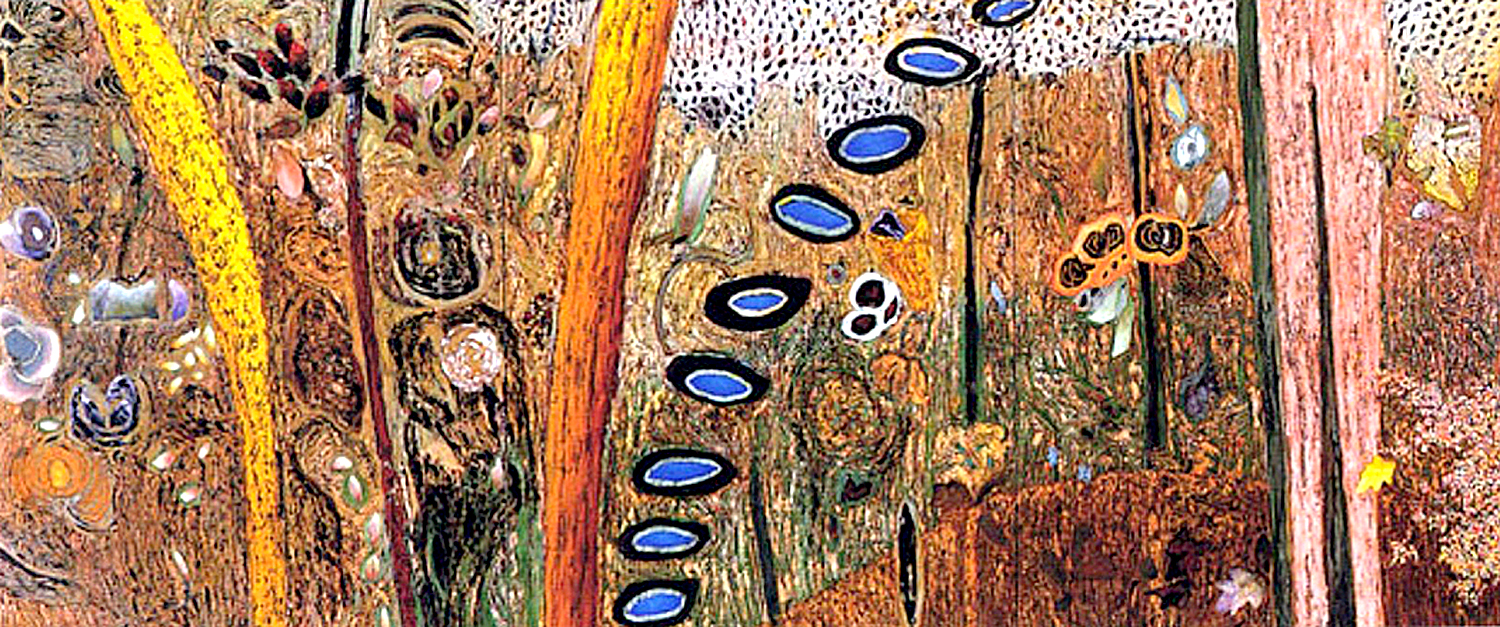
Tucson painter Jim Waid has a growing reputation and has representation outside of Arizona. But his large canvases, electric with color and texture, were featured (during my time) primarily at one gallery in Scottsdale. As I wrote about him for the newspaper, “Is there any reason that David Hockney is ubiquitous and that Jim Waid is not? Waid is clearly as good a painter, and his canvases as original and distinctive, yet Hockney jet sets, and Waid paints in his studio in Tucson.” One of the highlights of my year was the annual Waid show at Riva Yares Gallery. 
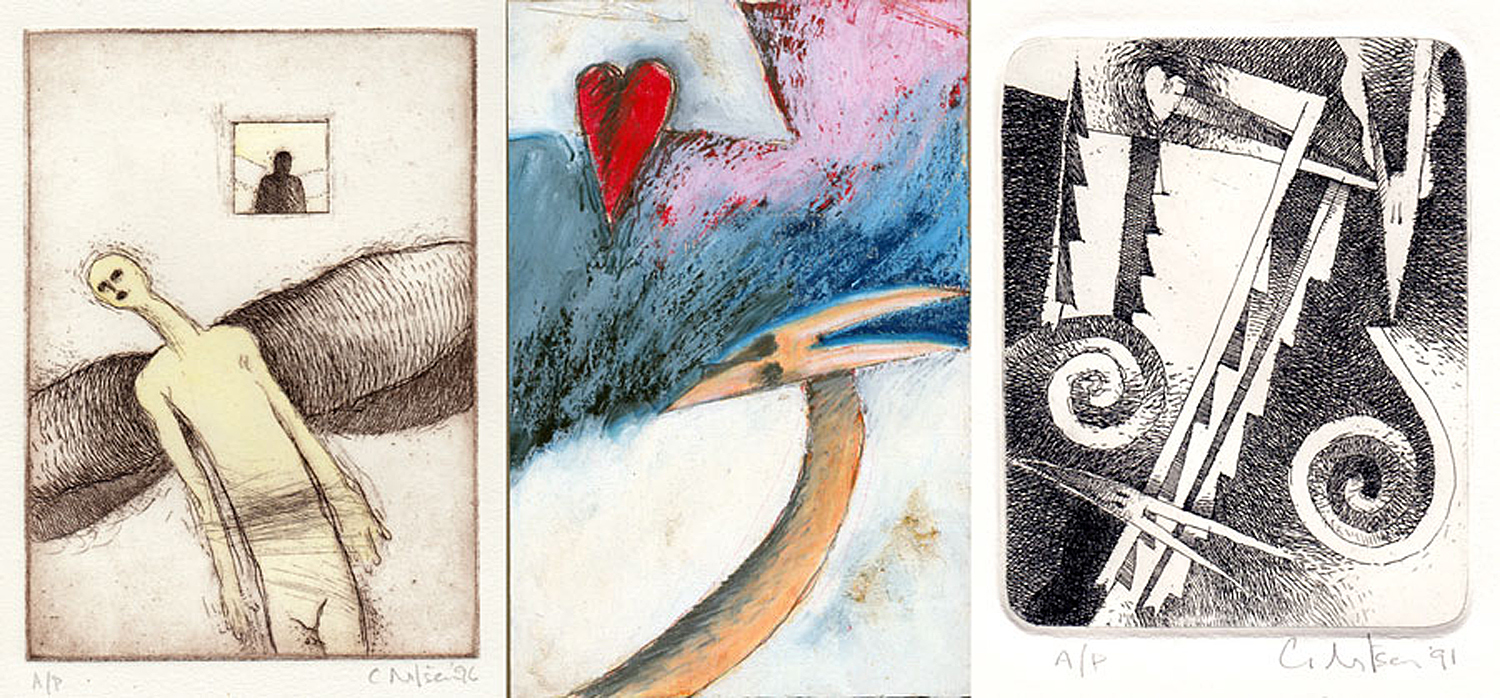
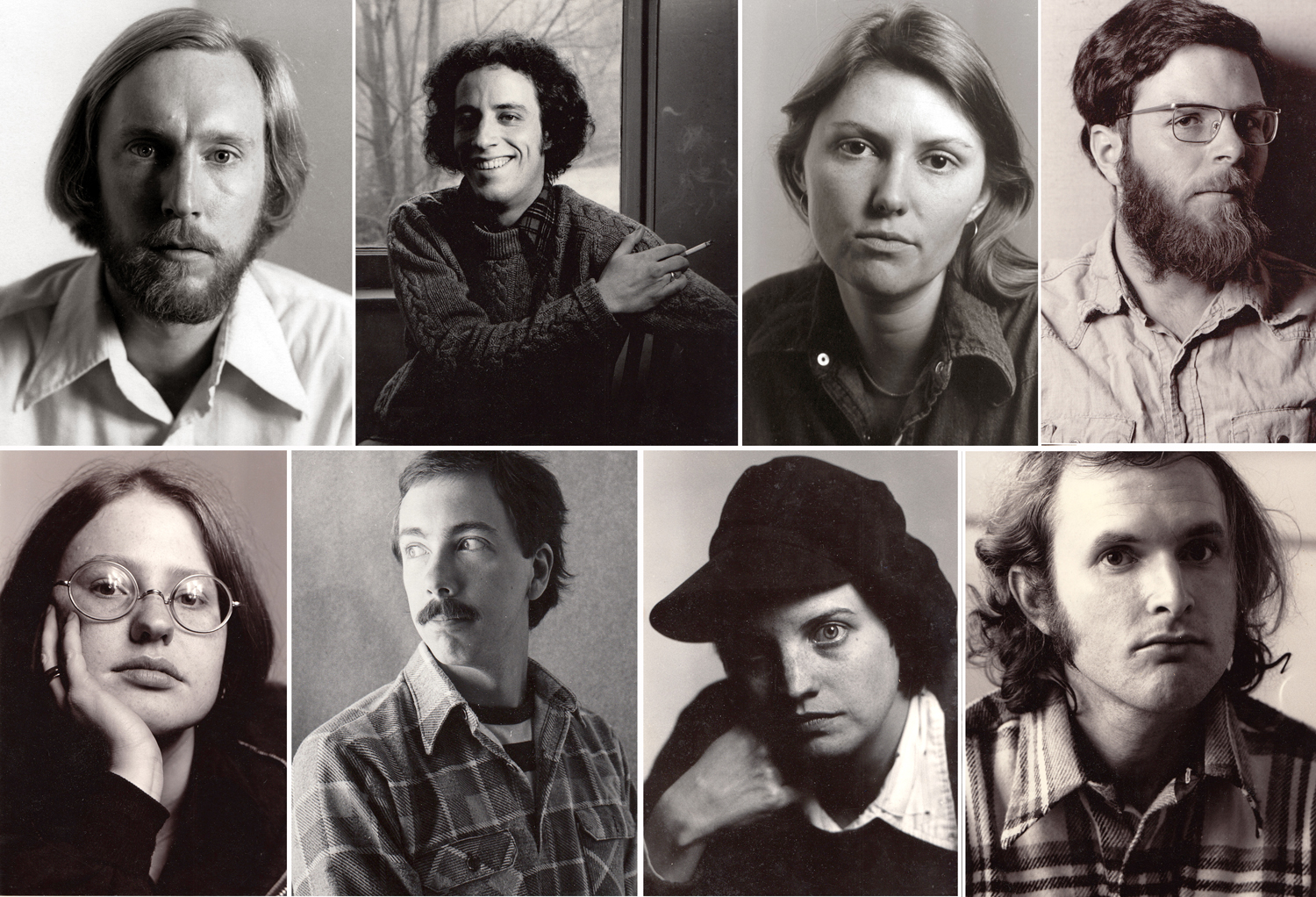
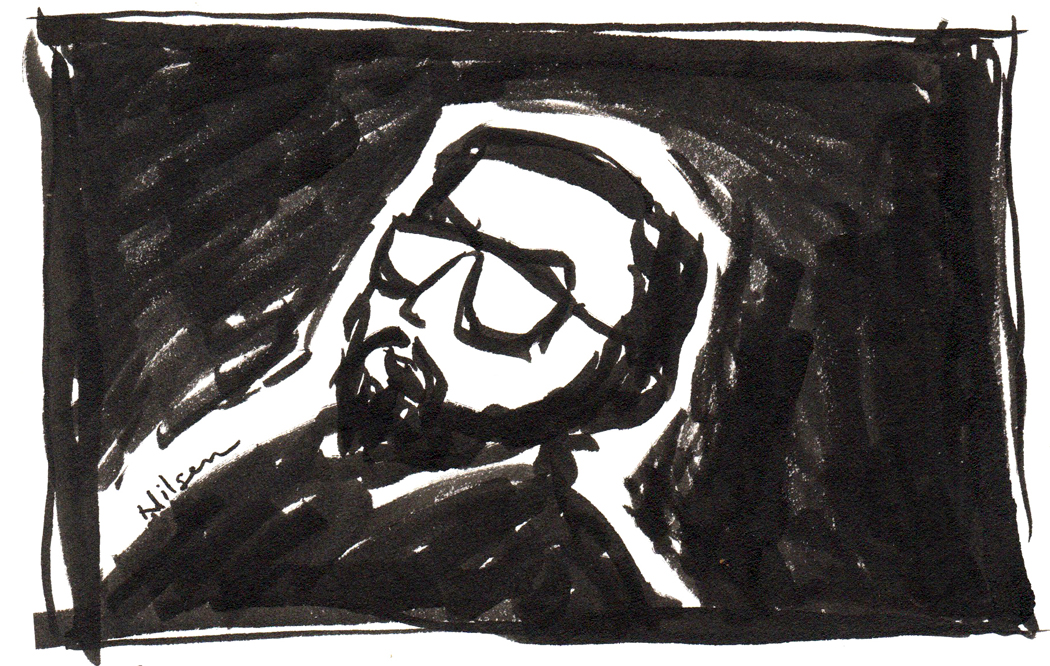
My brother, Craig Nilsen, is a painter and printmaker from Virginia. I have seen his work all his life and I cannot help but see him in the paintings so particularly and often heartbreakingly. He is now retired, as I am, and I am lucky to own quite a few of his pieces. I love them all. 

And finally, my brother-in-law Mel Steele, who has a pretty good reputation in North Carolina, although not always for his best work. He made his living for years selling prints of North Carolina rural scenes. But his real work has always been his abstractions, layers of shapes and colors, creating virtual depth and space on the canvas. I am not alone in enjoying his art, but I feel my life would be much less rich without it. 

And so, I feel as if my immersion in art has two channels: One is the official one, where I write for a public and attempt to be somewhat objective; and a second which is what I feel most emotionally connected with. 

There are many other examples of work I feel deep in my bones, but I can’t catalog them all. What I can say, is that a life immersed in paintings, as in music, dance, film, theater, architecture and literature, is a life more deeply connected with being human. I am grateful for having been able to make a living writing about it all.

Click on any image to enlarge
We were invited to dinner with one of Carole’s fellow art teachers. They lived in a fairly new housing development, where all the houses were cookie cutter matches, up and down the streets, with the streets lined up-and-down the newly developed Arizona desert. Urbanization was filling up the outskirts of Phoenix like water filling up a pot. 

Our hosts were a very nice young couple with two kids; Carole and Margaret were friends over years of teaching in the sprawling Peoria Unified School District and we both knew Margaret and Curt well. But this was the first time we had come to their house. It was a shock. 

Through the whole house, there was not a single picture on the walls. Not a clock, nor children’s painting on the fridge, nor framed Bible verse — not even an Olan Mills family photograph with the stiff smiles and Sunday dress-up clothing. Nothing. An empty room is spooky.

I don’t think I’d ever seen a house so blank. It was as if they had just moved in and packing boxes were stacked in the corner, except there were no boxes and they’d lived in the house for years. There was a full set of furniture and curtains on the windows, but no art. All the more surprising since Margaret was an art teacher. 

Even cheap motels put decorations on the walls. 

This is not to complain about Margaret and Curt. The dinner was fine and we had a great night together. But the house haunted me afterwards. A house with blank walls is a house without a soul. You feel it in the gut. A void, an emptiness. 

Something on the wall seems almost instinctual, from the cave walls of Altamira to the poster of Farrah Fawcett taped up in the dorm room. If nature abhors a vacuum, house cannot abide a blank expanse of plasterboard. Something — please, something. A framed halftone image from Target of a tree or a cliched Parisian street scene. Something.

In Medieval Jewish folklore, a golem is a clay statue that comes to life when a magic incantation is inserted into its mouth. And so a home becomes alive when a painting or photograph is hung above the sofa or piano. 

When I moved into my first rented house, after leaving the college dorm, I hung photographs on the wall and a color-field painting made by Doug Feeney, a fellow collegian. I even put a frame around the wall phone, as if it were a Duchampian ready-made. Wasn’t I clever. 

Later, in another house, I filled the entire dining room wall, from top to bottom, with photos I made of all our friends. There must have been 30 or 40 pictures there. I couldn’t afford matting and frames, so they were all scattered across the wall, held up with masking tape. They kept us company. Because I was a photographer, most of the art in the houses I have lived in were decorated with my own work. But a good deal of the work that hung was traded for with other artists. This is a great thing about having artist friends and about making art. We mix and match. I now have enough art to fill a gallery. 

I most value art made by my brother, who is a working artist, and by my late wife, Carole, who was a visionary. She made a painting of the tree at night that grew outside our Phoenix house; it is surrounded by stars and the bluest dark sky I’ve ever seen. It now resides over our dining table, sharing the wall with an embroidered copy of a detail of the Unicorn Tapestries from the Museum of Medieval Art in Paris. 

The tree painting is not only a fragment of Carole’s soul remaining with me after her death, it is a window into the larger world she had access to. 

And that is one of the functions of art in the home. For many, it is a photograph of the family or of the parents or grandparents. It is a reminder of our unbreakable bond with the past — both our growing up and our ancestors. 

In old British manor houses, the walls are covered with the stiff, starchy paintings of lineage going back centuries. “That was the third Marquis of Snotsbury. He was hanged as a horsethief.” Thieves are hanged; artwork is hung. 

Sometimes the art is a souvenir of someplace that was meaningful to us: that trip to London or the landscape or our childhood. Sometimes, it is just a pretty picture. For my religious grandmother, it was praying hands and scriptural verses. We find meaning and display it. 

Unfortunately, the art in the house is often just a pro forma accessory, something perhaps picked out by an interior designer. Such art usually offers no emotional connection, just the fulfillment of a middle class expectation. The decor in such cases is usually not more than tchotchkes — something merely to fill the vacuum. Very tasteful — but soulless. 

(I remember that time in college when I painted a large abstract canvas in reds and ochers and gave it to my parents to hang over their sofa. It stayed there perhaps a year. But then, my mother asked me if I could do another one to replace it, one in blues and greens that would better match the room’s decor. I did it for them, after all, they were my parents. But I was miffed. I have rebelled against anything “matching” ever since.)

The interior design impulse means that for some, a concatenation of artwork, collected from various sources over years, is simply not unified enough. It really helps such an impulse if you are an artist yourself and can fill the house with your own artwork. Then it all hangs together. 

And, as I said, most of the art in my house is by me, but there is no unity at all. That is not a quality I admire. I love diversity — a kind of Postmodern mix of everything. I have Hopi pottery, African Tsi-Waras, a Ganesh of sandalwood and a bronze Shiva Nataraja. 

There is some Blue Willow crockery and a gorgeous giant etching made by Carole’s childhood friend, Ruth Haggerty. 

A snow scene by Georgia artist James Lyle. A vintage cookie jar in the rotund shape of a G.I., that we named “Urnie.” And a life-size copy of the Venus of Willendorf made by Tempe artist and friend Bill Tonnesen. 

In the bedroom is a gigantic painting of an abstract nude by Virginia painter Steve Wolf. 

And over my computer is a framed drawing of me made by my granddaughter Carol Lily Cloos when she was 8 or 9. 

And next to my computer, at eye level so I can look at it every day, is a pencil drawing that Carole made of a dead starling. It is resonant in ways that make me weep. 

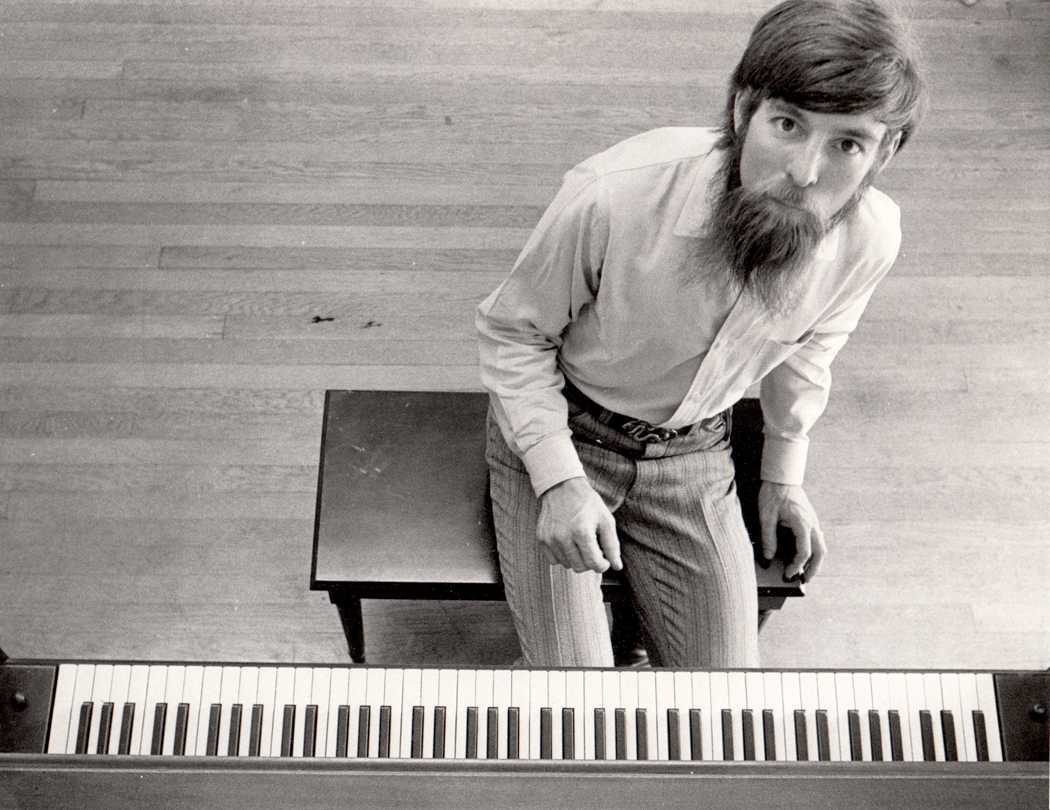
Over the piano is a large painting by my brother, Craig, that is one of his typical flying antelopes, and in the bathroom there is his “portrait” of our late lamented cat, Ruthie, complete with spaying scar on belly. There is also a Japanese Ukiyo-e print of two graceful women in the snow, under an umbrella. So, there is no order or reason, just a collection of things I love. 

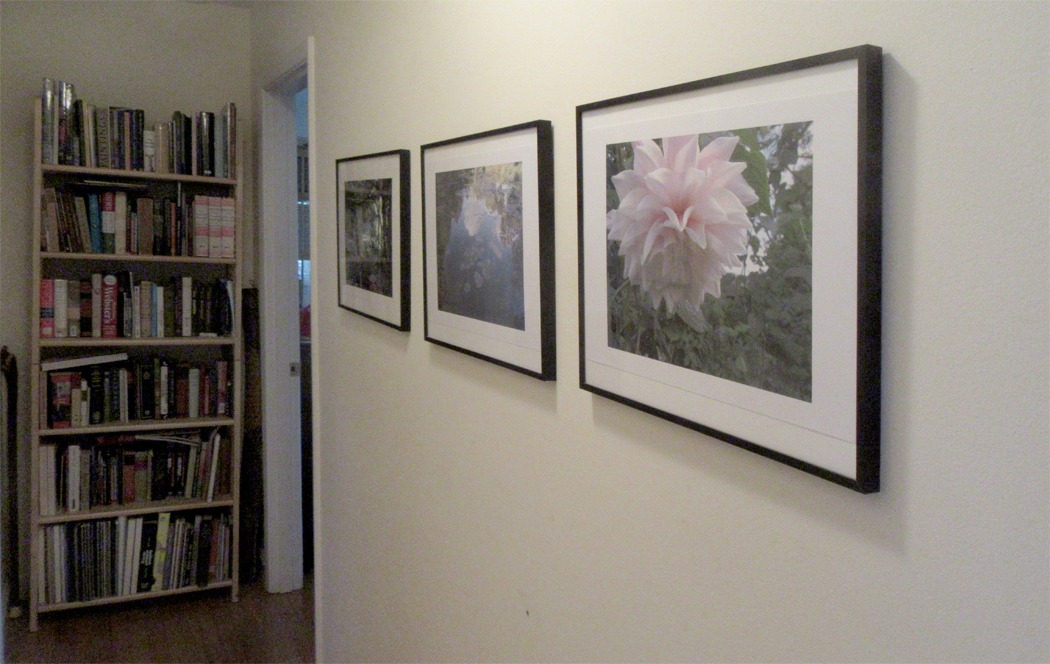
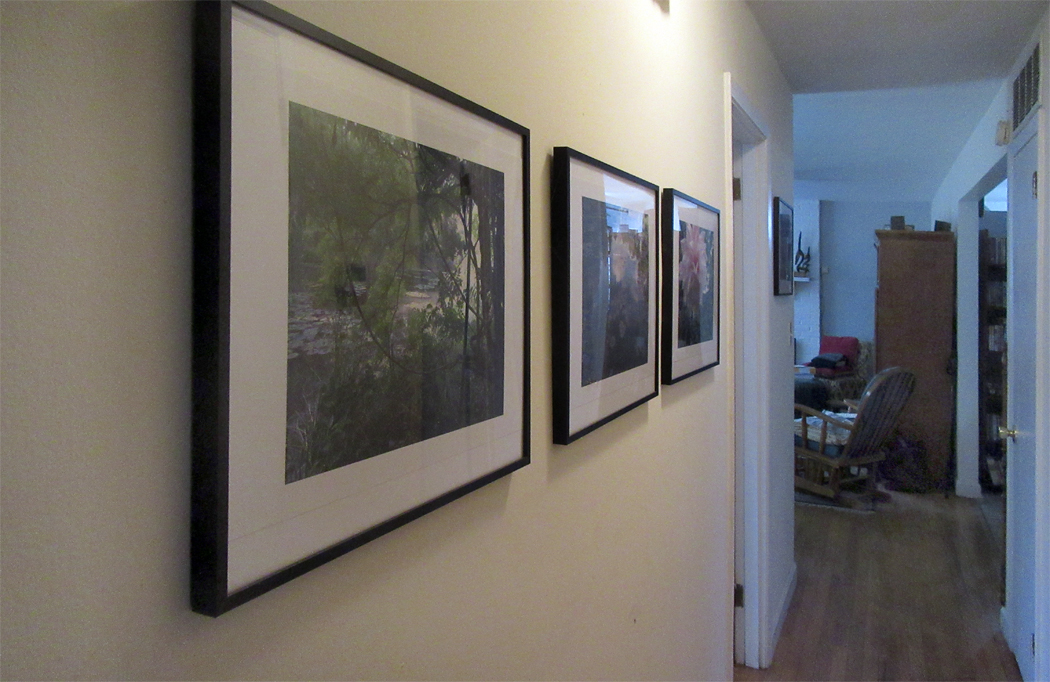
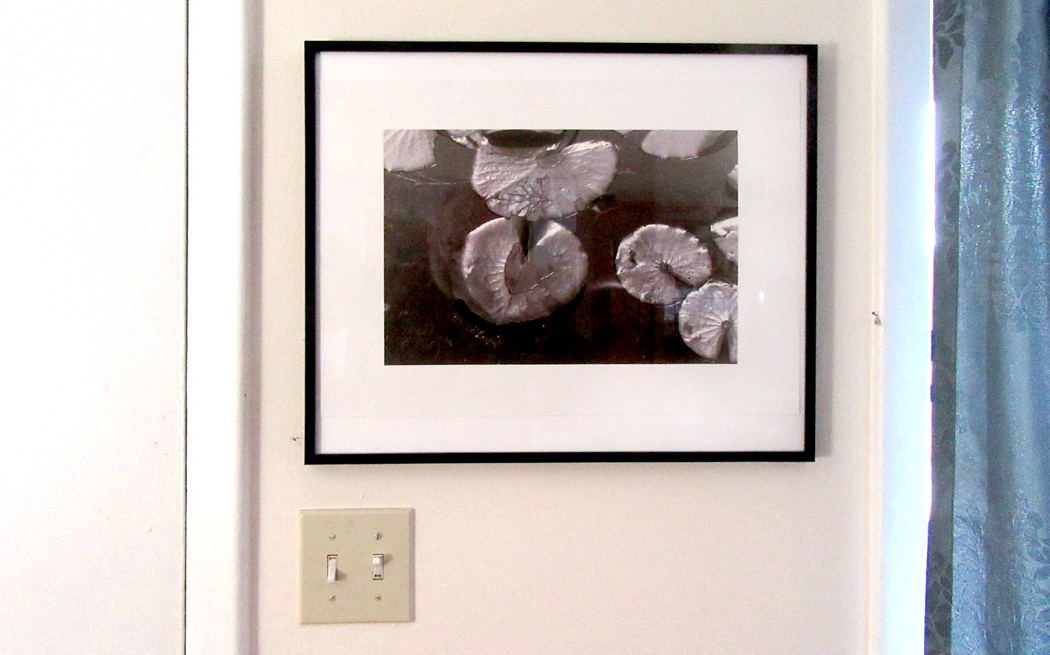
I have several dozen of my own photographs that I framed and showed at the Desert Botanical Garden in Phoenix, and now I have them stored away, but I retrieve a group and I switch them out occasionally on the walls. Currently, most of them hanging in the hall, office and bedrooms are images of Monet’s gardens at Giverny. 

All of them give character to the house, and more to the point, to life lived in the house. The house isn’t just a group of walls, doors and windows, but a personality.

I sit across the table from my brother at the seafood restaurant in Virginia and he doodles on a napkin with a Sharpie.

My brother is an artist — primarily a printmaker, but more recently a painter. And while he isn’t terribly prolific, he is constantly drawing. His mind is always coming up with visual ideas and he jots them down. Most never go anywhere, but he just cannot stop himself from playing. It is his way of processing experience: What he sees he transforms.

Lee Friedlander

It reminds me of the photographer Lee Friedlander, who describes his addiction to making photographs as “pecking.” Like a hen darting at cracked corn on the ground, he clicks his camera — peck, peck, peck. Some of the results of his pecking turn into finished photographs he displays in galleries and publishes in books. But there is an improvisatory quality to his work that comes — like a jazz musician woodshedding — from constantly working his instrument.

Among the images caught by pecking, Friedlander will periodically find something he hadn’t considered before, and thus his body of work takes a new direction, constantly refreshing his art.

In part, the importance of this kind of sketching is that it is not art — or rather, not meant as art. It is more the flexing of an esthetic muscle. One can become intellectually paralyzed if all you aim at is writing deathless prose, or painting the museum masterpiece, or composing the next Eroica. Not everything needs to be The Brothers Karamazov. There is great value in just pecking. It keeps your senses alive.

Mel Steele

I periodically visit my brother-in-law, Mel Steele, who is also an artist, a very accomplished artist who regularly sells his paintings to clients both private and corporate.

I often spend a portion of my time doodling — pecking — with my tiny point-and-shoot digital camera. We would sit on their patio talking about the things one yammers on about with one’s relations — old times, where former acquaintances have gone, the horror of recent politics, the joys of fishing — and I would distractedly point my camera around me at the things one seldom notices.

I wasn’t thinking of making art. I barely paid attention to what I was doing with the camera, but I pecked. The result is a kind of notebook of the things we lived among, seen in some different way, so as to lift them from their context, to suck them out of the everydayness they languish in.

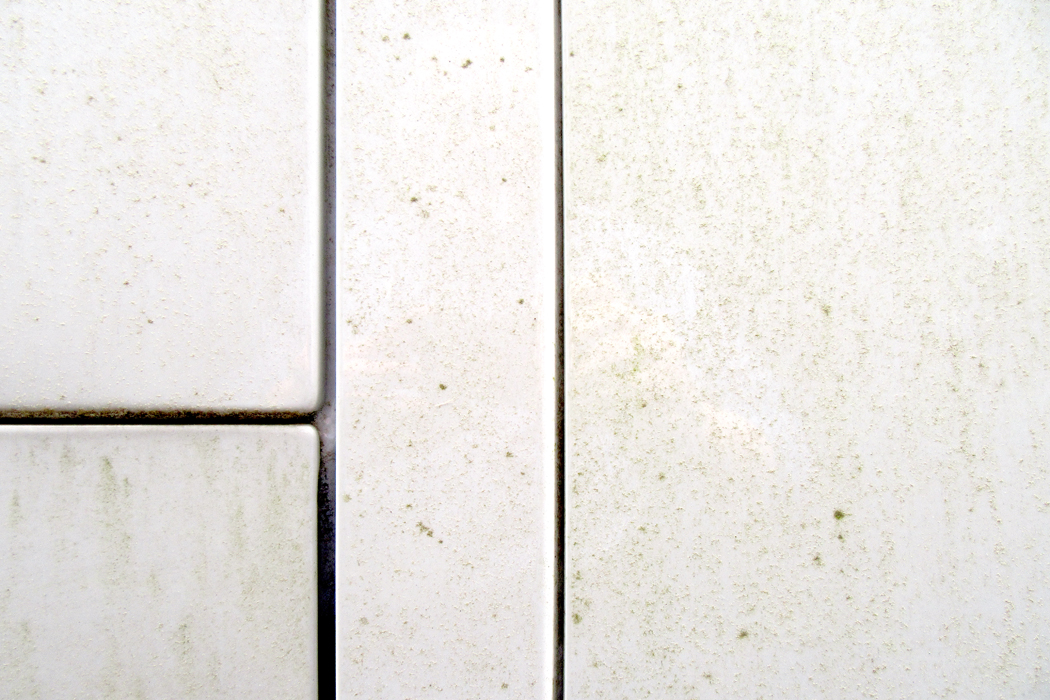
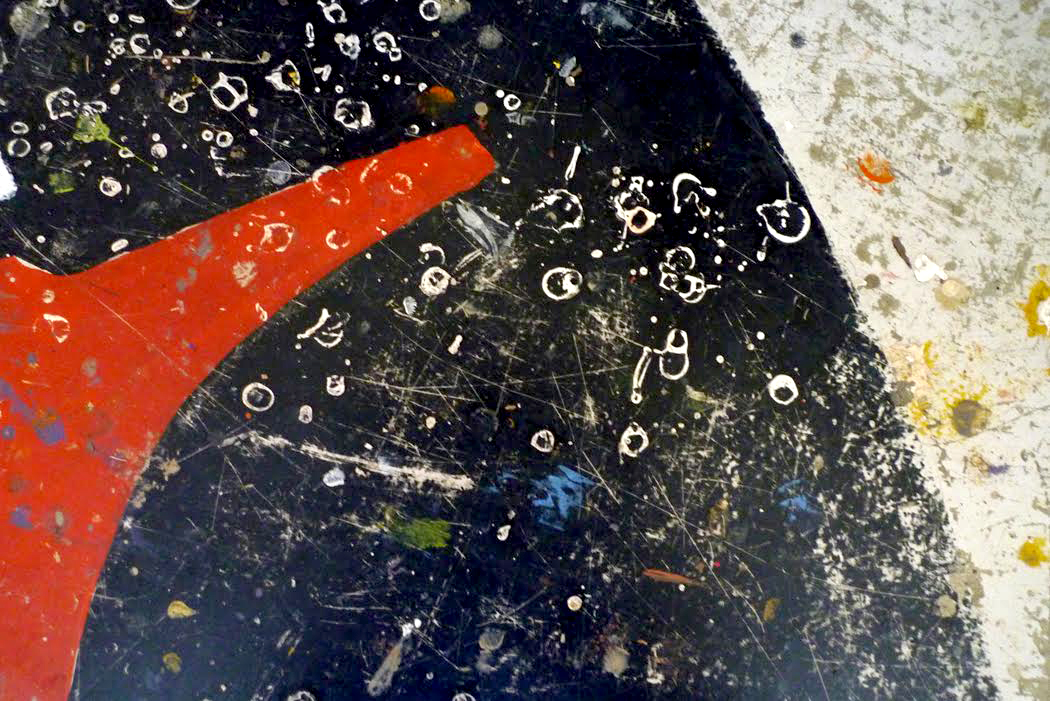
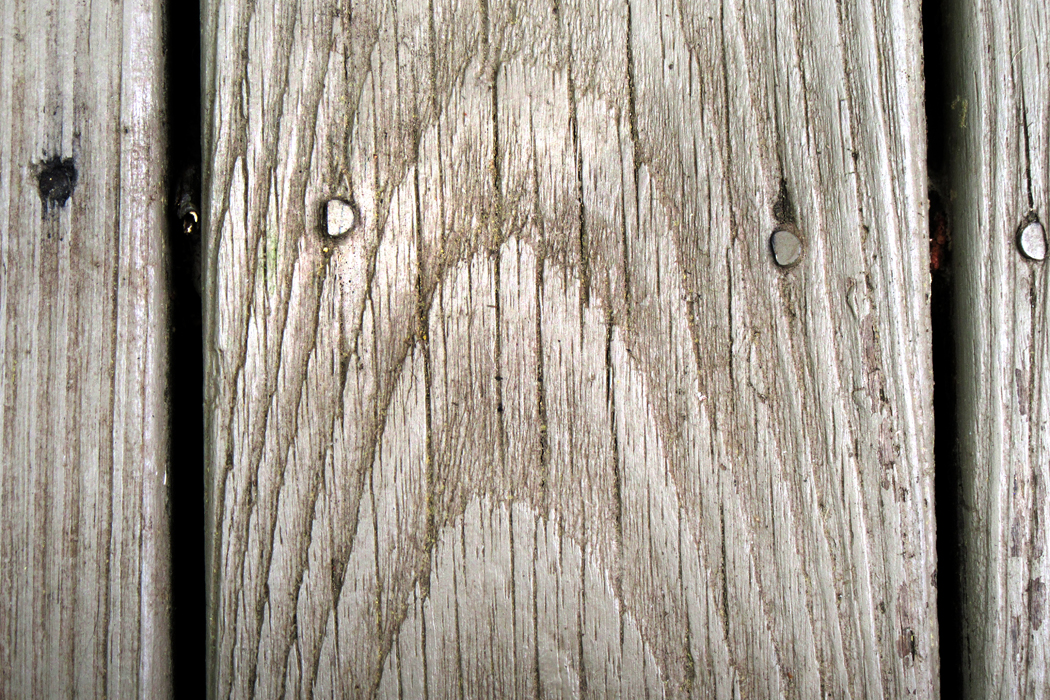
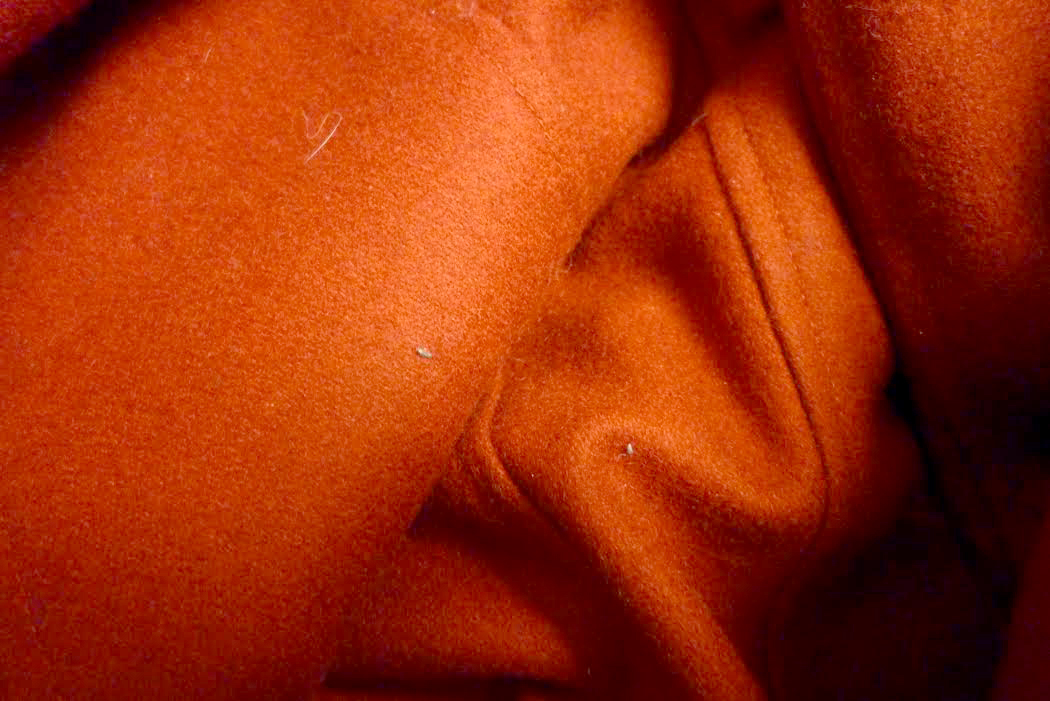
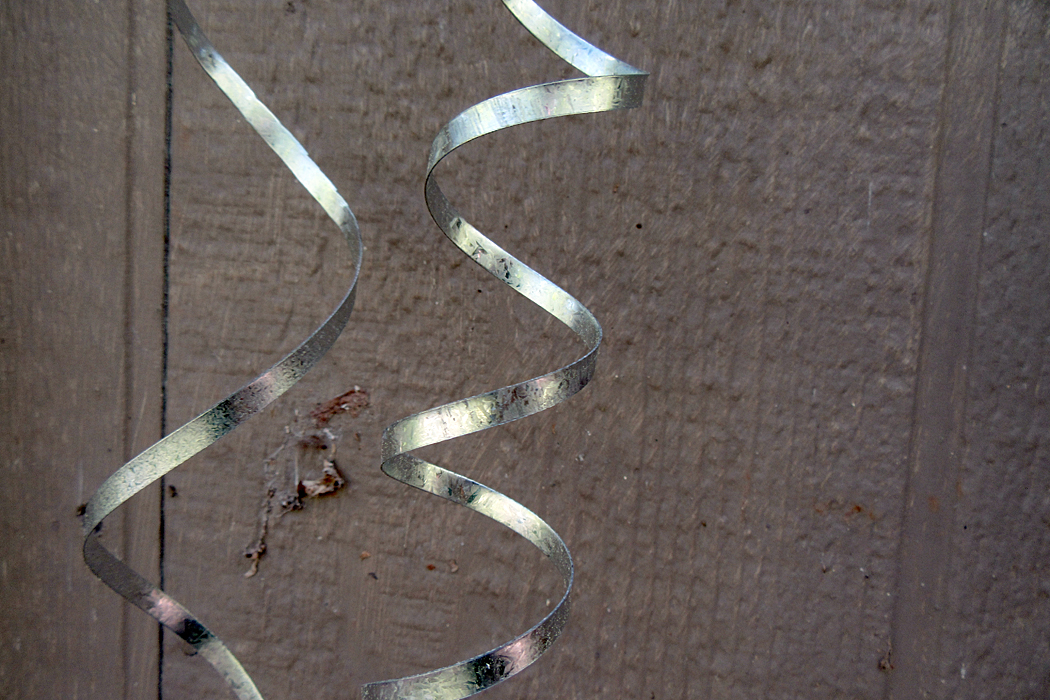
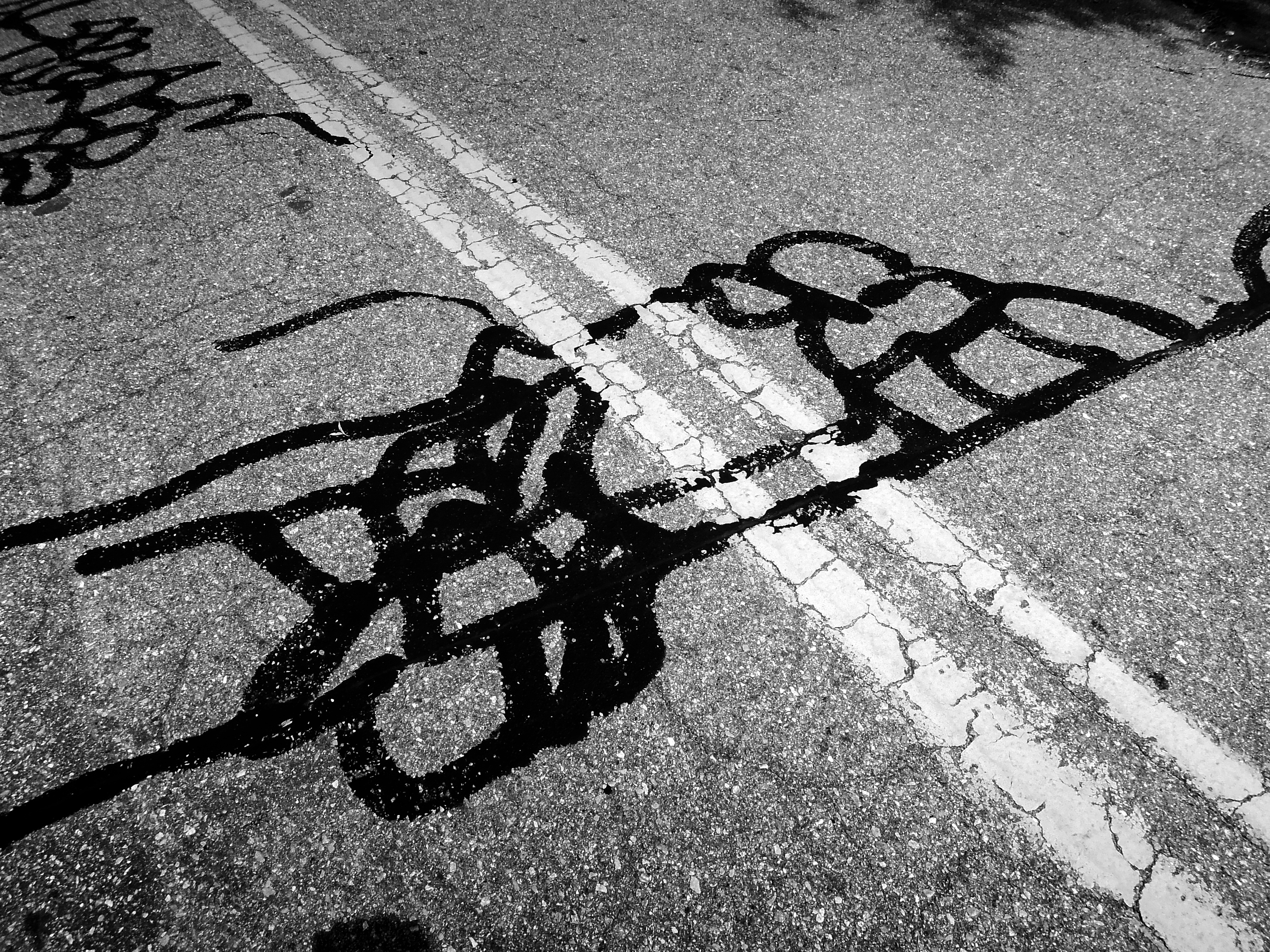
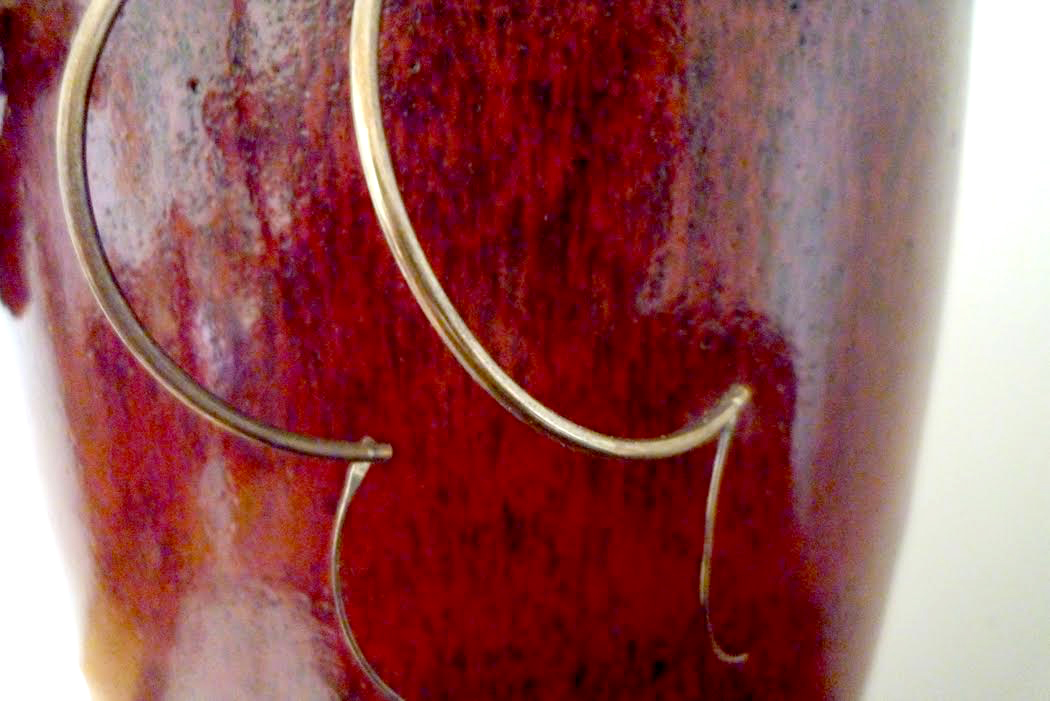
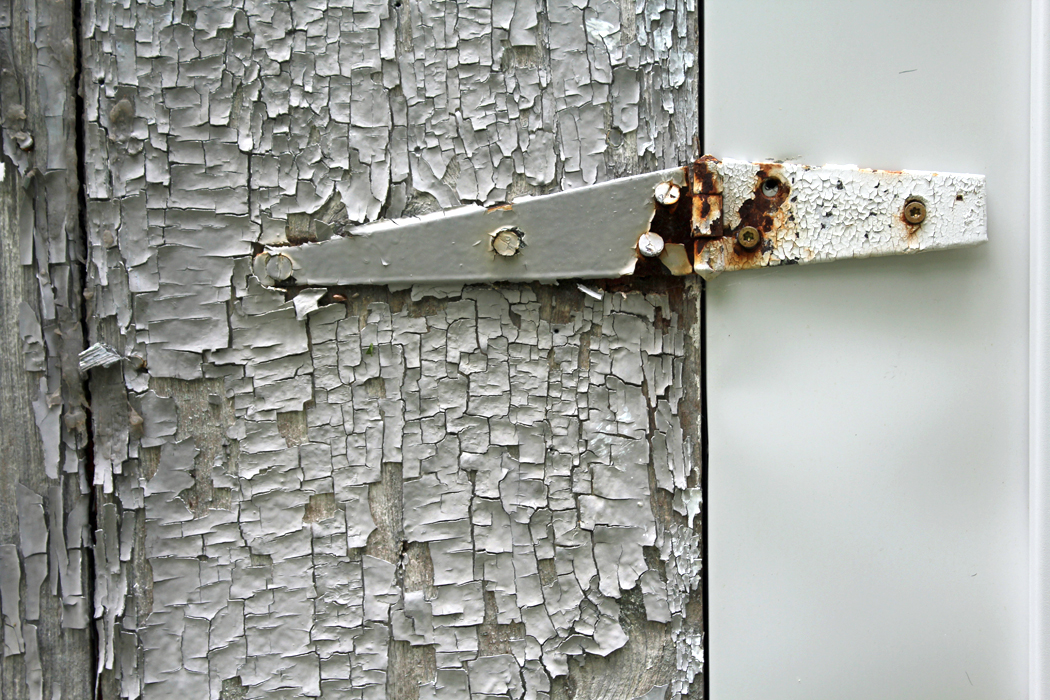
 It reminded me of an assignment I used to give my photography students, some 35 years ago, when I taught the subject at the same school where my brother also taught. “Make a photograph of something so I cannot tell what it is.” I made sure they understood I didn’t mean to make it out of focus or poorly run through the darkroom, but to find something we see everyday, but pay so little attention to, that when faced with its presence, we might be baffled until that moment when, the proud student, having fooled us all, tells us what we’re looking at and we all let out a gasp of breath and say, “Of course, now I see it.”

Try it: 

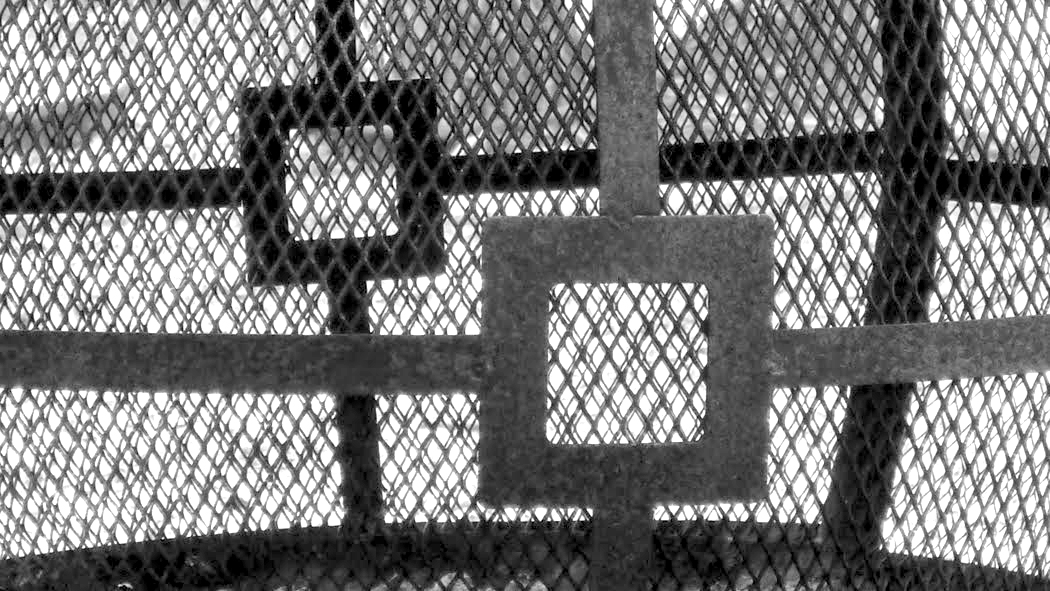
Quiz photo No. 1 (Answers at the end of story)

These pecked pictures are mostly details. 

Quiz photo No. 2

They are not the grand view or the concatenated whole, but the tiny bits out of which the larger scene is built. 

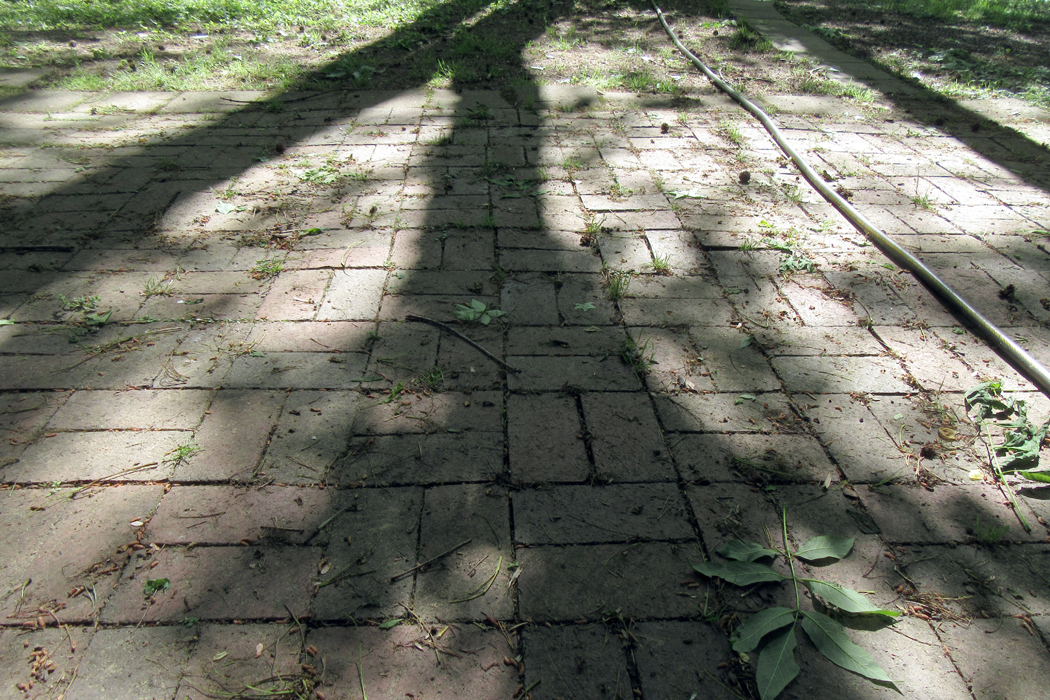
Quiz photo No. 3

Most of us pay attention only to the whole, when we pay attention at all; for most Americans — maybe most humans anywhere — only use their eyes for useful things. They see the road they drive on, the cloud that tells them it will rain, the house, the car, closet. But every house has a door, and every door a door-handle; every car has tires and every tire a tread and each tread is made up of an intricate series of rubber squiggles and dents. Attention must be paid.

Aime Groulx

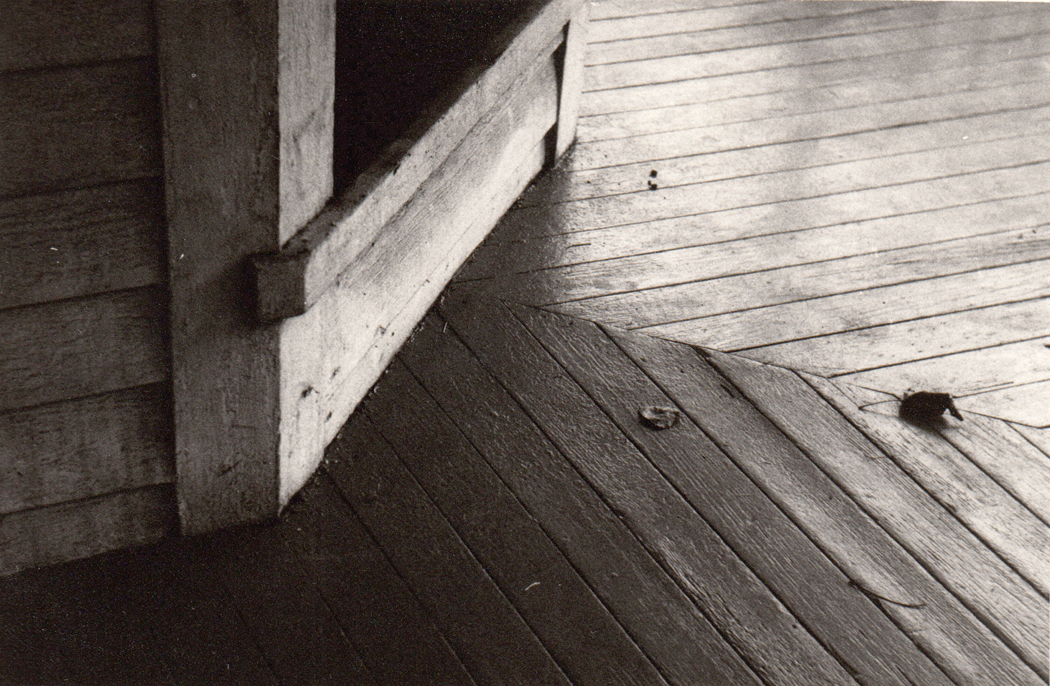
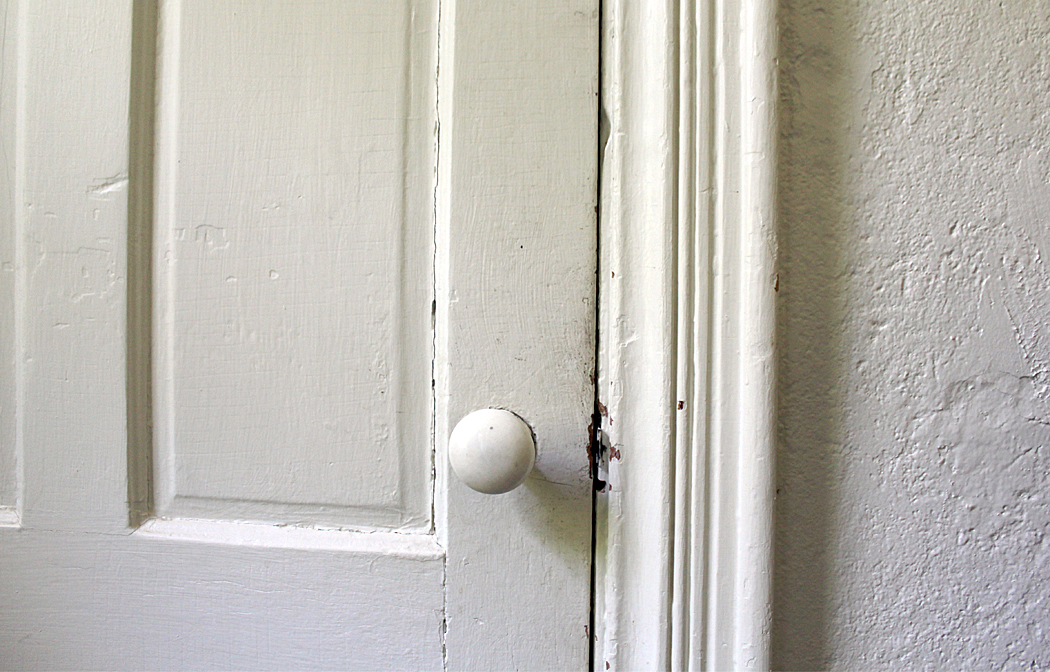
Many years before, when I taught photography at a private art school in Greensboro, N.C., the artist Aime Groulx, who ran the school, made a photograph he called Doorknob to the Doors of Perception. I still have my copy. It was his version of “pecking.” 

Doorknob to the Doors of Perception

Paying attention to the details means being able to see the whole more acutely, more vividly. The generalized view is the unconsidered view. When you see a house, you are seeing an “it.” When you notice the details, they provide the character of the house and it warms, has personality and becomes a Buberesque “thou.” The “thou” is a different way of addressing the world and one that makes not only the world more alive, but the seer also.

(It doesn’t hurt that isolating detail makes it more necessary to create a design. You can make a photo of a house and just plop it in the middle of the frame and we can all say, “Yes, that’s a house,” and let the naming of it be the end-all. But if you find the tiny bits, they have to organize them in the frame to make something interesting enough to warrant looking at.)

Side panels of a pickup truck

Sectioning out a detail not only makes you look more closely, but forces your viewer to look more closely, too. Puzzling out what he sees without the plethora of context makes him hone in on its shape, color, and texture. It is a forced look, not a casual one.

So, when I gave my students that assignment, it wasn’t just to be clever, but to make them pay attention to the minutiae that are the bricks of the visual world they inhabit. And paying attention is a form of reverence.

The mental view of the world is telescopic. It zooms from the blue watery globe in the blackness of space, down to the map of the U.S., to your state, to your city — each step focusing on closer detail — and then to your street, to your house, to the room you are sitting in to the armrest you are tapping your fingers on, to the hairs on your knuckles. Always more detail. 

Turn from the tapping hand to the floor and see the woodgrain in the flooring, or the ceiling and see the cobweb you had not noticed before. The clothes you are wearing has a texture and a color. The wrinkles in the shirt of blouse are replications of the drapery in Greek sculpture. 

Each of these details is a microcosm, worth looking at — it is your world, after all. What did William Blake write? “To see the world in a blade of grass. And heaven in a wild flower. To hold infinity in the palm of your hand. And eternity in an hour.” 

Or, as he scribbled in annotation to the pages of Joshua Reynolds’ Discourses, “To generalize is to be an idiot. To particularize is alone the distinction of merit.”  

The general is the world of politicians and businessmen, of carnival barkers and evangelists. Dogma, ideology, commercial advertisement, are founded on generalizations, while what genuinely matters in our lives is the particular. It is generalizations that permit the destruction of Bamiyan Buddha statues, the bombing of synagogues, mosques and Sikh temples. The stoning of homosexuals. It is generalizations that lurk behind the Shoah. It was generalization that justified the enslavement of a race of people. 

To know any individual is to know the stereotype is a lie. The world, and its peoples, are infinitely complex and varied. So much so, that no broad statement can ever be anything but a lie. And so, there is actually a moral level to this paying of attention to detail, to the minutiae, to the individual. 

And so, you peck. Finding this bit or that bit, that shape, that texture, that precise color. This is the context of your life. 

You can focus your attention on color. How much yellow is in your field of view at this moment. Look around. Single it out. Or blue. How many different blues can you spot right now? Paying attention is being alive; paying attention is reverence. Attention must be paid. 

Duck eggs

Your life is not made up of the broad swathes, but of the minute details, and when we pay too much attention to the big picture, we are likely to miss the particles that give that picture its character. 

And when you come to make your art, write your novel, dance your dance, that detail means there is a truth to what you do, a reality behind the fantasy that gives it depth and meaning. 

Exercise makes your muscles strong. Pecking keeps your senses alive and alert. Peck Peck Peck

Click on any image to enlarge

Answers to quiz: No. 1 — the twill of denim jeans; No. 2 — dried coffee stains on a white table top; No. 3 — garden hose on patio tiles.