Archive

Tag Archives: dance

Happiness is a strange emotion, not a single thing, but really an umbrella term for a diffuse group of hard-to-define states. Periodically, studies are published about which nation is the happiest (usually, it seems, a Scandinavian country.) But what they are measuring is a rather tepid version of happiness. Usually, if we ask if someone is happy, what we mean is an absence of problems — basically a neutral state in which we are not currently threatened, hurting, being oppressed, or worried. “Are you happy?” “Yeah, sure, I guess so.” Enough to eat, a roof over the head, a relationship that isn’t a chore, no pending hospital bills or tax audits. 

Really, that is a condition to be wished for, as dull as it sounds. For most people in the world, its achievement would be a godsend. So, I don’t want to downplay such a state. Not getting bombed is a net positive. Yet, there are other happinesses. Falling in love, birth of a child, success at work — these all provide a joyful uplift that raises the psyche above the day-to-day and makes life more radiant, if only briefly. It is a state we cannot maintain over long periods without being considered a bit loopy. So, we return back to the state of happiness that is unremarkable. 

But, as adults, we can watch our children at play and recognize in their faces such a state of unreflective happiness that can only break our hearts. Oh, what they don’t know yet about being alive. It’s not just an emotion: The entire body explodes with it.

There is what I might call “body happiness,” which they express in movement, in play, in dancing and skipping, singing, letting out squeals that express the inner state that, as adults, we can only mourn the loss of. “There hath passed away a glory from the earth.” 

I mention all this because one of the reasons I listen to music — primarily, for me, what is called classical music — is its ability to evoke emotions in its listeners. They arise sympathetically and are often emotions more subtle than mere language can name. It has been said that music is more precise than words, and I recognize that, whenever I am moved by a quartet or sonata but cannot speak exactly the words that would distort the emotion into easily fixed categories. 

A standard symphony moves from thought to thought, emotion to emotion, in ways that express the same sort of progress a story makes, beginning, middle, end. Episodes all build together to a longer, coherent emotional or intellectual ride. Our limbic system moves along with that progress and we can basically take our emotional selves through the moves. The widest range is the most completely human. 

And one of the things music can express is that ebullient, body happiness, so that we can feel it again. 

Mostly, it jumps out of a single movement in the whole, or even a few bars in the movement, but it is inexpressible joy, and it makes our body move, to tap toes or sway our bodies to and fro, often with a surprised smile on our faces. I think of the finale of Haydn’s Symphony No. 88, for instance, or the scherzo from Dvorak’s Eighth Symphony. I can’t sit still while listening. 

George Frideric Handel has two “happy”numbers in his Acis and Galatea. The opening chorus sings of “Oh the pleasures of the plains, happy nymphs and happy swains,” which extolls the life of the peasants, and a love duet that repeats endlessly, “Happy, happy, happy we.” It all sets up the tragic ending. 

But, there are a very few works that take that body happiness from start to finish, works you can play or stream, that will infallibly lift your mood and remind you of the happiness that is upwards of neutral, and can replace all the fret and sorrow for the length of its performance, and usually, for some time after, as you bathe in the memory of its tunes. 

There are at least eight of these that I can name, which always leave me uplifted, my senses turned up several notches, and my memory of childhood’s version of happiness is re-animated. 

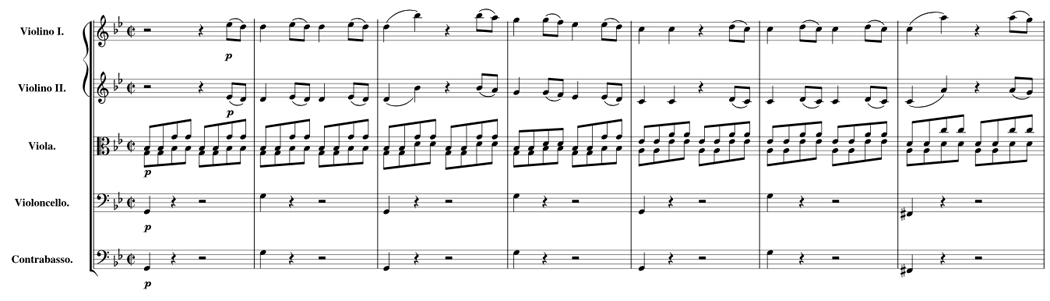
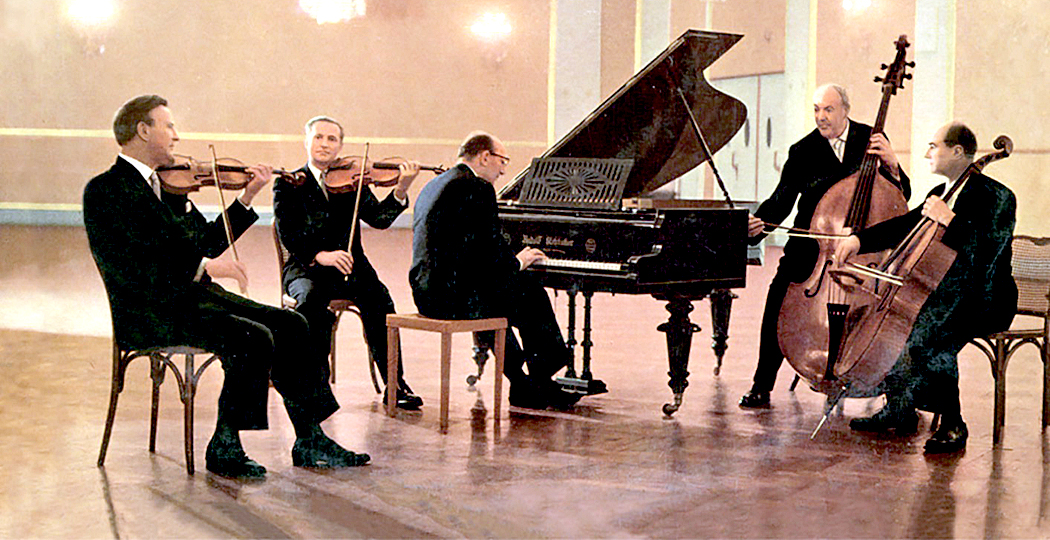
Prime among these is Franz Schubert’s “Trout” Quintet. It bounces and sings through five distinct movements, each of which floods with tune, rhythm and color, anchored by the bottom notes of the double bass. 

It was written in 1819, when Schubert was 22 years old, and before the lingering illness that eventually killed him nine years later. The haunting of death darkens the later String Quintet that he completed in 1828, just two months before his death. But the “Trout” is the antithesis of all that: Life giving, life affirming, joyful from first bar to last. What can you do when every tune is an ear-worm. Once inside your body, you carry the “Trout” with you the rest of your life. Play it every time you need it. 

Less well-known, but even more relentless is Darius Milhaud’s Le Boeuf sur le Toit, or “The Ox on the Roof.” Milhaud wrote it in 1919 after living in Brazil for two years in the French diplomatic service, and quotes dozens of Brazilian folk songs, adapted into a dance-hall band playing Latin rhythms, complete with güiro. He employs a polytonal technique, where different parts of the band play in different keys at the same time, giving the whole a piquancy and aliveness that has a feeling of spontaneity, like an amateur band in a smoky bar. It’s always just about to come apart. 

Written in the Baroque form of ritornello, with an 8-bar tune coming back over an over between alternate dances, it has some 20 Brazilian tunes buried in it, with infectious beats that express the unabashed happiness of a sweaty dance hall. Evybody dance now!

Mostly we think of Johannes Brahms as a sober German burgher writing symphonies with the seriousness required of höchste Deutsches Kunst. But the boy could let his hair down, which he did with two sets of vocal quartets, Liebeslieder Waltzes, op. 52 and op. 65. 

Brahms made his living, early in his career, when he moved to Vienna, as leader of various choruses such as the Singakademie and Musikverein, for which he wrote tons of choral music and songs. So, he had a popular streak in him. 

The 33 songs, each no longer than a minute or two, celebrate bourgeois domestic love in tunes so meltingly gemütlich that you will have them running through your head for days. They were meant to be sung in homes or in taverns, so they are best with normal voices, not the operatically trained soloists that so often record the set. “Ich gäbe dir so gern hunderttausend Küsse” — “I long to give you a hundred thousand kisses.” 

When Georges Bizet was a mere stripling of 17, he wrote a Symphony in C as an exercise for his studies at the Paris Conservatoire. It was never performed in his lifetime and ultimately forgotten about, until it was rediscovered in 1933, and performed two years later by Felix Wiengartner, a suitable conductor, whose first name means “happy.” 

Bouncy and tuneful from first note to last, it has proven hugely popular since then, and one wonders why Bizet never had it published, in fact, never even mentioned it. It is a masterpiece, but not on one of those marble pedestals, but the kind that makes your ears grateful to be on your head. It is breezy and fluent and just makes you happy to be alive. 

Georges Balanchine choreographed it for the Paris Opera Ballet, and I was lucky enough to see the New York City Ballet perform it with a live orchestra at the Palais Garnier in Paris, (where it was first performed in 1947). One of the highlights of my life. 

Also a youthful work is Serge Prokofiev’s Classical Symphony, written in 1916 when he was a conducting student at the St. Petersburg Conservatory. When one of his teachers, Boris Asafyev, mused “that there is no true joyfulness to be found in Russian music,” as Prokofiev wrote, he responded with one of the happiest works ever written by a Russian. 

And so, he wrote in his diary, “I composed a new finale, lively and blithe enough for there to be a complete absence of minor triads in the whole movement, only major ones.” 

It displays what is often called the composer’s “wrong note Romanticism,” with catchy tunes and ascerbic harmonies, and was meant to mimic the spirit of Haydn and Mozart. What a joy. 

Much shorter, at merely five minutes, but so fresh and lively as to become its composer’s most frequently performed piece, the overture Leonard Bernstein wrote to his musical Candide just can’t stop laughing, and teasing, with bubbling wit and elan. 

The musical (or operetta — it could never entirely make up its mind and went through multiple reworkings) never quite caught on the way West Side Story has, but its overture, shaped as a mock Rossini overture, is irresistible. 

Johann Strauss II produced music the way a lawn sprinkler sprays water. The “Waltz King” composed over 500 waltzes, polkas, quadrilles, and other types of dance music and several operettas, all of surprisingly consistent craftsmanship.

No one in his right mind, though, would sit for all of it; before too long the program would become monotonous: How do you tell one polka from another. That is, except for the large handful of truly memorable masterpieces, all of which will raise you spirits and make you want to dance. 

I mean, the Blue Danube, the Voices of Spring, Tales of the Vienna Woods, the Artist’s Life, the Kaiser Waltz — a CD full of the best Strauss is a must-have for any collection. It’s hardly surprising that Brahms envied Strauss’ gift for melody. Each is basically a tone poem in three-four time. Lift the spirits, make you smile and move your body. 

Finally, there is Benjamin Britten’s Simple Symphony, which displays a childlike joy in just spinning tunes, which is hardly surprising, since he wrote those tunes when he was a child, between the ages of 10 and 13. When he turned 20, he reworked the tunes into this four-movement suite for strings, with movements titled “Boisterous Bouree,” “Playful Pizzicato,” “Sentimental Sarabade,” and “Frolicsome Finale.” It premiered in 1934 with Britten conducting. 

Since then, it has been recorded dozens of times, usually as a filler on discs with other Britten pieces. 

There are other joyful pieces, but these are eight that come immediately to mind. They are each available in videos on YouTube, and worth seeking out, especially if you’re having a bit of a down day. 

It’s completely meaningless to rate art. Is Picasso greater than Rembrandt? Beethoven than Mozart? Is Beethoven’s Fifth better than Beethoven’s Eroica? Pointless.

But there is a different question: faves. It’s possible to have favorites without making claims to supremacy. We all have them. Yes, they shift over the years: The older me appreciates different art and appreciates it in different ways than the young me did. But even day-to-day the favorites may change. Often my favorite symphony is the one I’m listening to at the moment. 

Still, Top Ten lists will be made. Or Top Five, or Top 100. There’s no hope for it. It’s instinctive, built into our DNA. And so, I’ve put together my list of my Top Dozen  favorite works of art — a baker’s dozen. Your mileage may vary. (For the ultimate list of lists, link here). 

And so, here are my favorites, listed by genre. I’ve tried to narrow my choices to art I have experienced in person — paintings I have actually seen, dances I have attended, books I have read. Book reproductions or sound recordings don’t count. I have a lifetime of art-going and concert-attending, and so I may have access to more than the average bear. But I am well aware that there’s a whole lot more that I haven’t seen. 

And by favorite, I don’t just mean something I like, but rather, something that has wormed into my very being and become a part of who I am, so that encountering it can explain to others a bit of who I am. It has been grafted into my personality. 

This list is entirely personal, flexible and apologetically incomplete. Ask me again tomorrow and this could be a very different list. 

Painting: None of these choices changes more often than painting. today’s favorite fades with tomorrow’s. I’ve simply come to love too many paintings to have a single choice. But today, I will go with Jackson Pollock’s Blue Poles. It was a painting I had wanted to see for years, and then got my chance when the Museum of Modern Art held a Pollock retrospective in 1998 and the elusive work was borrowed back from Australia, where it had sat for decades, out of the reach of us Northern Hemisphere shut-ins. Its appeal came from its elusiveness, for sure, but also for its unique place in Pollock’s catalog — more than just paint squiggles, it had the structure of the bars across its surface. I loved it in reproduction, but it bowled me over in person. 

Alternate takes: Picasso’s Guernica; John Singleton Copley’s Watson and the Shark

Sculpture: I grew up visiting the American Museum of Natural History in New York City as often as I could. I loved the place — and I mean loved. And deep in its bowels resided the giant Olmec head, chiseled from basalt (actually, the one in New York is a plaster copy, but I didn’t know that when I was 10 years old and rapt in wonder). In the darkened hall of the museum, the head seemed immense and the original weighs 20 tons. It impressed me no end and to this day, it is my favorite sculpture. No doubt there is other, more important sculpture elsewhere, but I have not been to Rome or Egypt to see them. I have spent considerable time in the Louvre in Paris and have several faves there, such as the Three Graces or the Winged Victory, but none has stuck in my psyche with quite the force of the Olmec head. 

Alternate takes: Rodin’s Burghers of Calais; Louvre’s Three Graces

Architecture: As architecture critic for The Arizona Republic, I got to visit a lot of buildings, including most of the Frank Lloyd Wright sites in the U.S. (Wright was a longtime resident of Scottsdale, Ariz.) I was blown away by Taliesin in Wisconsin and his studio in Oak Park, Ill. But the building that struck me as most beautiful was Falling Water in Pennsylvania. Everything you have ever heard about it is true — about its siting in the woods over the waterfall; about how its interior is micromanaged by Wright’s designs; and (I’m one of the few who have been given access to this) the pathetic orphan of a bathroom hidden in the basement. Wright really didn’t like having to deal with kitchens or bathrooms. 

Alternate takes: Chartres cathedral; George Washington Bridge

Orchestral music: this is the hardest category for me because I have so much music bottled up in the ol’ storage batteries, and faves change not only day to day, but hour to hour. But I studied Mozart’s Symphony in G-minor, K. 550, score in hand, for most of an entire semester in college and it is drilled into my memory so that I can hear the whole thing in my head, from beginning to end, even without the score. If ever a piece of music felt like home to me, it is Mozart’s 40th Symphony. Dissecting it has given me an approach to all other classical music. 

Alternate takes: Mahler’s Symphony No. 3; Stravinsky’s Rite of Spring

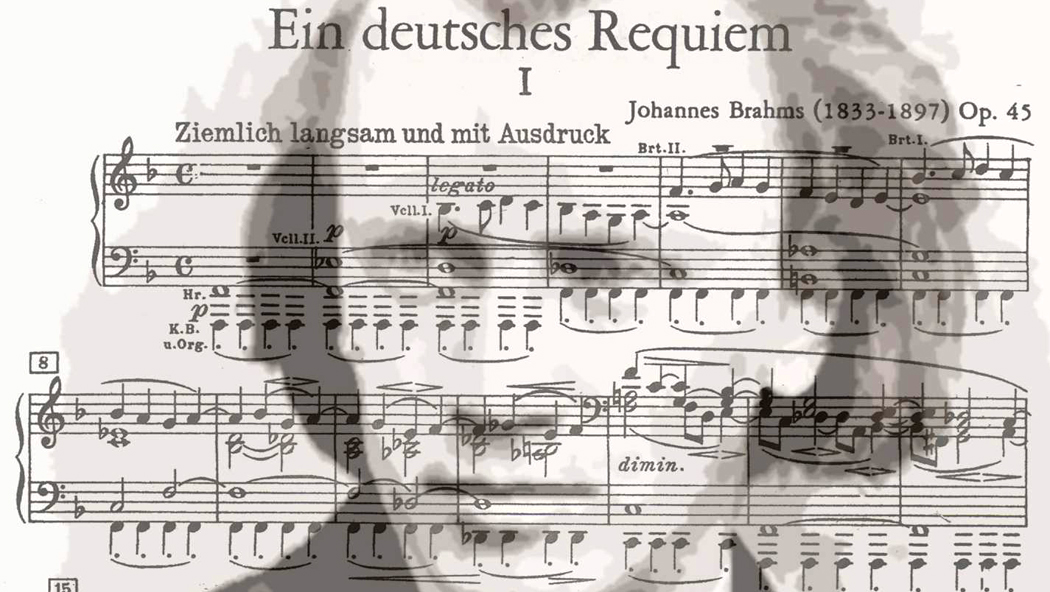
Choral music: I’m not a religious man, and neither was Johannes Brahms, so his German Requiem can console my most grief-stricken moments in a way more devout music cannot. More than any other music, I go to the Deutsches Requiem for consolation and peace. Each year, on the anniversary of the death of my wife, I drive up the Blue Ridge Parkway, find a quiet forest road and park and listen to my Brahms and weep for my loss and for the loss all humankind must suffer. 

Alternate takes: Haydn’s Creation; Rachmaninoff All-Night Vigil

Chamber music: I want so much to claim Schubert’s C-major String Quintet, for it is the deepest, most emotionally moving piece of chamber music in the repertoire. Yet, I cannot, as long as there is Schubert’s competing “Trout” Quintet, which must be the most ebullient, life-affirming piece of music ever written. One cannot come away from it not feeling — despite all the sorrows of the world — that life is pure joy. It is no end of astonishment for me that Schubert wrote both. 

Alternate takes: Brahms Clarinet Quintet; Shostakovich Piano Trio No. 2 

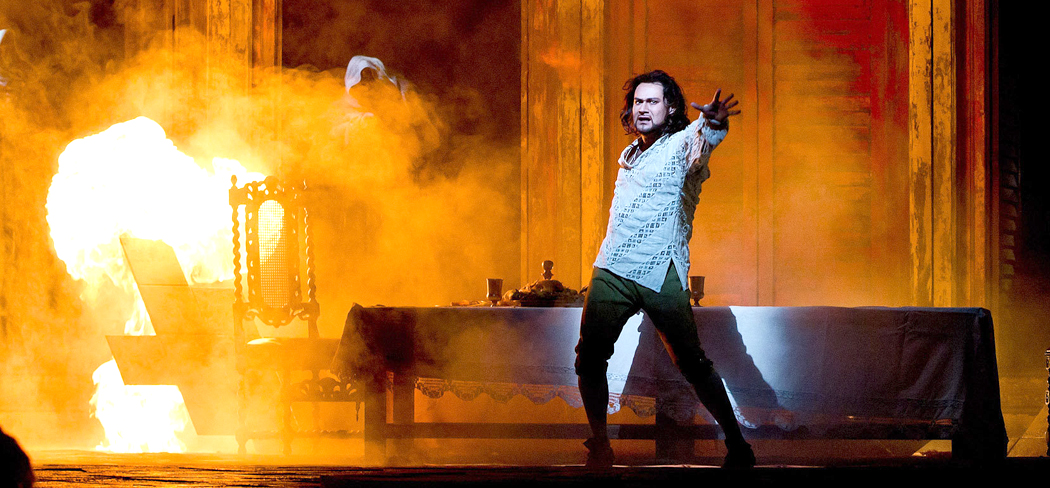
Opera: Mozart’s most subversive opera wasn’t The Marriage of Figaro, which was often banned for making fun of the aristocracy, but rather Don Giovanni, with its lusty chorus of “Viva la libertad” and its turning topsy-turvy the villain-hero model. The Don is the life force embodied, for good and bad, and when he is threatened with hell, he laughs and refuses to recant, choosing damnation over hypocrisy. Its first act is the most completely flawless in all of opera history and despite the phony ending usually tacked-on to the second act, a model of moral complexity. 

Alternate takes: Alban Berg’s Wozzeck; Richard Strauss’s Der Rosenkavalier 

Dance: Of all the artforms, dance moves me the most. And I was extremely lucky, because when I became dance critic, Ballet Arizona was taken over by Ib Andersen, former star dancer for George Balanchine and brilliant choreographer himself. He staged many Balanchine ballets and I was hooked. I have now seen Balanchine’s Apollo four times, once by the New York City Ballet in Paris, and I cannot watch it now without welling up with emotion. I love dance and Apollo stands in for all of it. 

Alternate takes: Ib Andersen’s choreography for Prokofiev’s Romeo and Juliet; Frances Smith Cohen’s choreography for Center Dance Ensemble’s Rite of Spring

Theater: Bad theater, or worse, mediocre theater can give the impression that live drama is hopelessly, well, theatrical. You know: dinner theater. But when it is done well, there is nothing that can match it, a lesson I learned by seeing the original Broadway production of Tony Kushner’s Angels in America. I’ve now seen it — both parts together — four times and it destroys me every time. In great theater, you soon forget all the artifice and everything becomes immediate and real. Movies are great, but they can’t match the breathing now-ness of live theater. 

Alternate takes: Eugene O’Neill’s Long Day’s Journey into Night; Peter Shaffer’s Amadeus

Film: There are films that are exciting, films that are visually beautiful, that are clever, that are cultural barometers, and there are films that are wise. Jean Renoir’s La Règle du Jeu has informed my own life more than any other film I’ve seen. How can you beat Octave’s observation: “The terrible thing about life is that everybody has their reasons.” I will watch Rules of the Game over and over for the rest of my life. It is cinematic comfort food. 

Alternative takes: Andrei Tarkovsky’s Andrei Rublev; Ingmar Bergman’s Seventh Seal

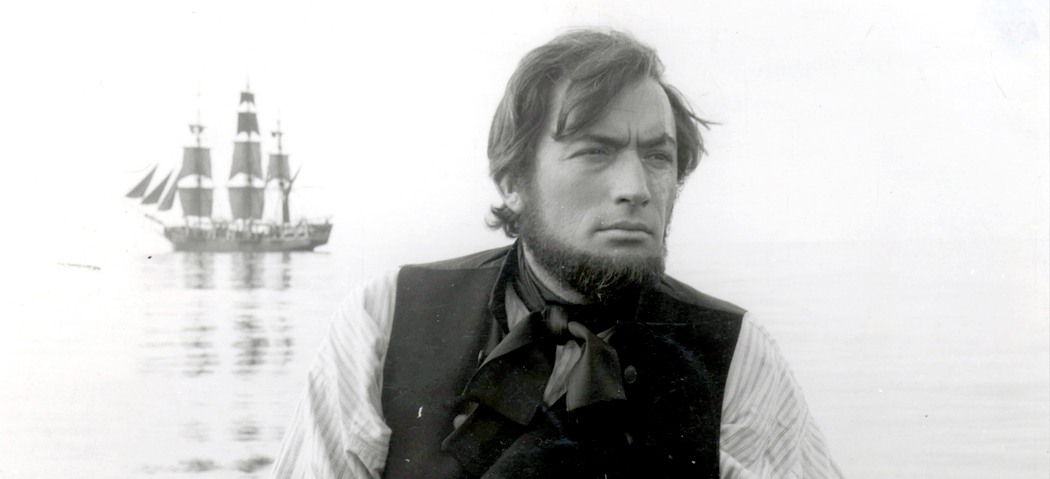
Novel: Most books, you read once. If it’s a mystery, you have the killer caught; if it’s a Victorian saga, you get the heroine married. But some books you can read over and over and get intense pleasure from the language used and the perspective offered. For me, that book is Herman Melville’s Moby Dick. I don’t always read the whole thing from beginning to end, but I bet I’ve read the first chapter, at least, a hundred times. Melville’s language has seeped into my own writing more than any other (for good or ill). 

Alternative takes: James Joyce’s Ulysses; Laurence Sterne’s Tristram Shandy

Poetry: I read a lot of poetry, mostly modern and contemporary, but the poem I go back to over and over, read out loud for the sound the words make in my mouth, proselytize to others and keep in my heart is Geoffrey Chaucer’s Trouthe. The antique language isn’t so hard, once you get used to it — sort of like listening to a working class Mancunian accent, or a Yorkshireman gabble — and once you’ve caught the knack of it, it’s like any other English. God, I love that poem. “The wrastling for the worlde axeth a fal.” 

Alternative takes: Eliot’s Four Quartets; Pablo Neruda’s Odas Elementales

And the Number One, hors compétition and sans genre, is: 

The north rose window, Chartres cathedral. As I have written many times, the north rose window is the single most beautiful human-made object I have ever seen. I am in awe of it. Reproduction cannot give you a sense of its glowing color and implied motion — it virtually spins (and I mean virtually literally). I can sit in its presence for an hour at a time. 

Again, I am not making the claim that these are all the greatest works, although they may be, but that they, more than their compeers, have buried their way into my innermost being, where they reside as a permanent part of my unconscious. They are who I am. 

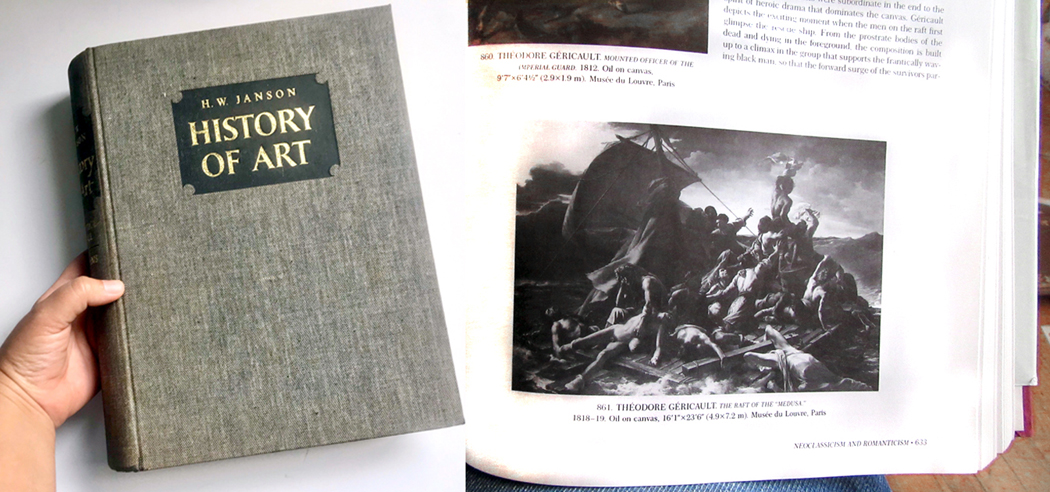
The first time I ever saw Théodore Géricault’s Raft of the Medusa, it was in my art history textbook — the infamous Janson. It was about 5 inches wide on the bottom of page 633. 

Most of the world’s most famous art I first contacted in reproduction; it is the same for most people. It would be hard to travel the world’s great museums to see all the Vermeers, Rembrandts, Titians or Chardins. Instead, we see reproductions in books, or on the computer screen. I’ve seen hundreds, probably thousands of paintings in reproductions before I ever saw the real things. 

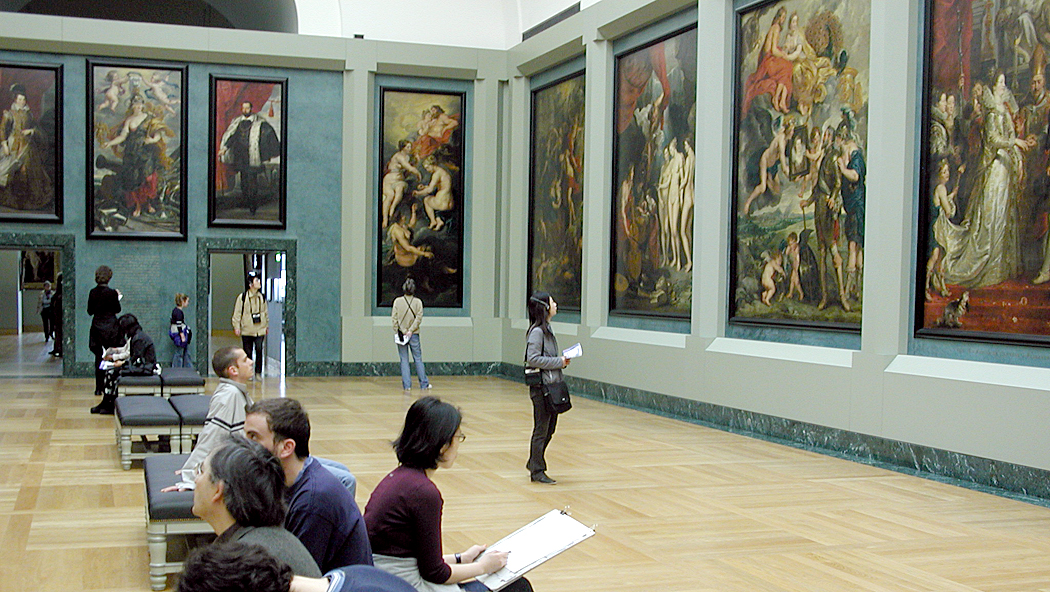
So, imagine my amazement when I encountered the real thing at the Louvre in Paris. There it was, the size of a barn. It was a lesson — if I really needed one — teaching me that a picture of a picture is not the same thing as a picture. But so much of what we imbibe of culture comes not in its original form, but as reproduction, whether it is Canaletto in art history class, or Beethoven on a disc. 

One of the things that divides the world I grew up in from the world I live in now is the unconsidered acceptance of a media experience for the live reality. We all have our noses in our screens. In many ways, what was once the secondary simulacrum of a genuine experience has become the end product itself. Since the days of Sgt. Pepper’s Lonely Hearts Club Band, a great deal of music simply cannot be performed live; the recording is the original. 

In our Postmodern world, suffused with media, many an artist and musician has taken the secondary product as the original. And so, images are designed to be seen on the computer screen. No one asks to see a TikTok video in a movie theater; that would be silly. Content viewed on an iPhone is not an imitation of something else. 

I, myself, now take photographs specifically to be viewed on screen rather than printed out. I edit them differently, I frame them differently. It is a different esthetic. But aside from work made for the virtual world, there is still the palpable object to take into account. 

But the fact is, that many more people listen to recordings than attend concerts; see paintings in book reproductions or on computer screens than visit galleries or museums; prefer audiobooks to sitting in a chair and quietly turning paper pages. It gives a false impression of the art. 

We keep stepping back from an original and choose a Xerox copy. 

I am not here arguing against digital devices — you are reading this blog on one, so where would I be without such devices? — but I am worried that the ubiquity of reproduced media makes us forget that there can be something more immediate, and that through most of history, that immediacy was the primary mode of experiencing art and music. 

My brother and I were once talking about theater. He stated that he didn’t much care for live theater but preferred movies as being so much more realistic — despite the obvious fact that live actors are very real and that celluloid images are only simulacra, and that movies are cut and edited all over the place, while live action must take place in real time. 

But I recognized his point, and when I was younger, I would have agreed with him. Most of us are only subject to live theater, if we are exposed to it at all, in uninspired productions with bad or mediocre acting — the community theater or dinner theater sort of thing. And undistinguished theater is admittedly tedious. 

Most of the theater I had been exposed to was just that sort of thing. Sometimes quite entertaining, but always so darned “theatrical,” i.e. phony. 

Then, in 1994, I got to see the original Broadway production of Tony Kushner’s Angels in America, both parts over two days. It was the most riveting, even mind-blowing thing I had ever seen. And what was so moving was that it was there, live in front of me. They were real people doing and saying those lines and feeling — or evoking — those very primal emotions. It is still the single greatest experience I ever had in an audience. 

I have now seen the two-play cycle four times and each time it has grabbed me by the lapels and yelled into my face in a way that has left me shaken. I’ve seen the Mike Nichols film version, with Al Pacino, and it is a wonderful production, but it cannot move me with quite the same seismic force that the live version had. If I had seen those same actors in the theater instead of on the TV screen, I’m certain it would have been earthshaking, but the remove of the screen gives the whole thing a distance that the live actors don’t suffer from. 

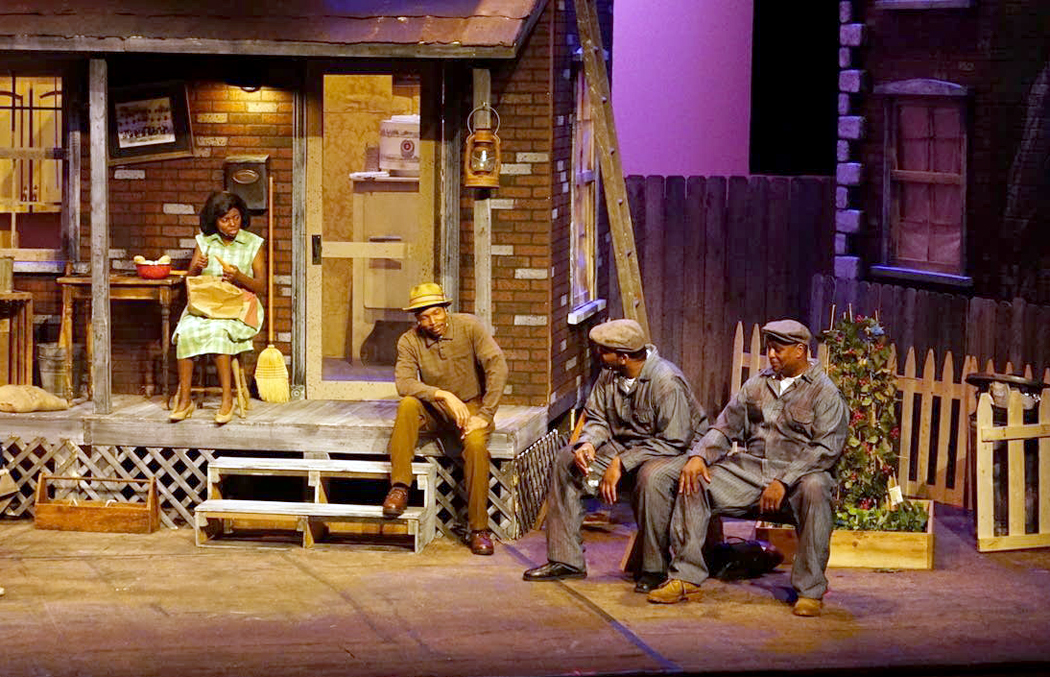
I since have become an advocate for live theater, though it is hard to convince anyone who has not had the experience of great live performances. I have seen really good professional performances since Angels, and they have something nothing else has. Whether it is Fences by August Wilson, or Amadeus by Peter Shaffer or Hamlet performed by the Royal Shakespeare Company, I am completely drawn in, with the same complete concentration one has when reading a great book — the day-to-day world disappears and the esthetic world takes over. 

(Amadeus, by the way, as a play is very different from Amadeus the movie. As wonderful as the film was, a good production of the play is so much more devastating.)

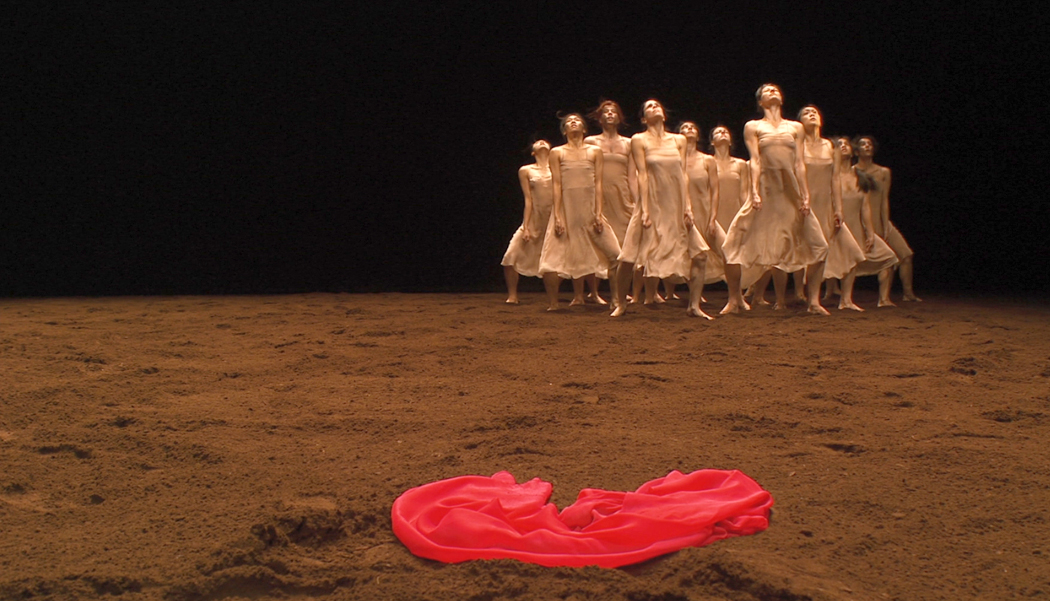
It isn’t only plays that have to be seen live. I have watched a good deal of dance on video or on PBS, and I am always disappointed at some deep level. Ballet and dance theater is the art form that speaks to my inner being the most directly and I love dance profoundly. But only live dance will do it. Balanchine knew this and attempted to re-choreograph a few of his masterpieces especially for video and however beautiful his video versions are, they pale beside seeing them live. You have to see the living, breathing (huffing and puffing), muscle-twisting movement in three dimensions for it to register fully. 

(Mediocre dance, like mediocre theater is the worst ambassador for the artform — how many people have been turned off by watching the local civic ballet company galumph through the annual Nutcracker? That is no more the real thing than little league pitching is like Bob Gibson or Sandy Koufax.)

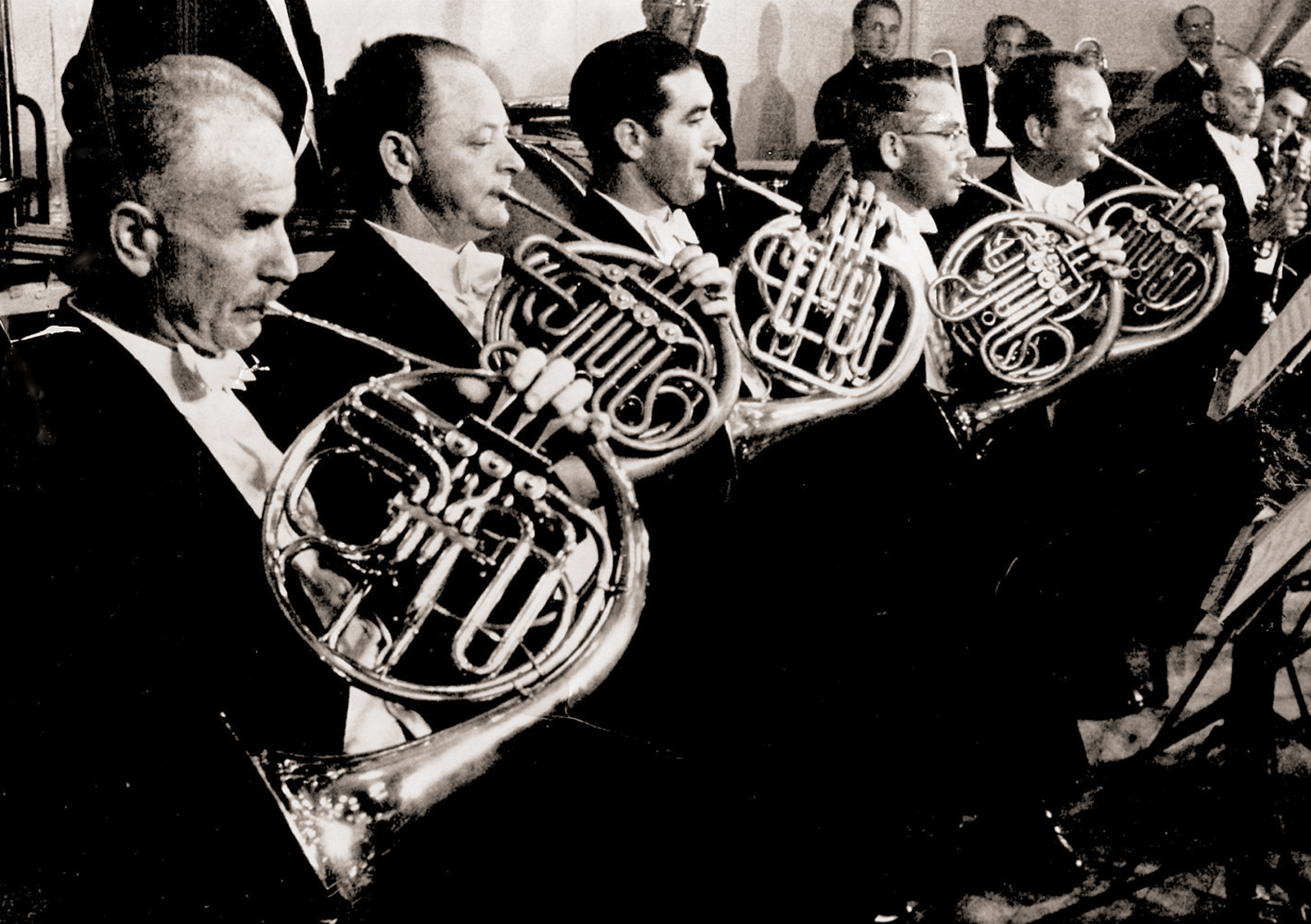
I have well over a thousand CDs on the shelves in my office and listen daily to recordings of Brahms, Bartok, Weill, Mahler and Glazunov. And I don’t know where I’d be without them. But I also know that the real thrills I have had with classical music have been in the concert or recital hall, listening to live music. It has a presence that the recording cannot duplicate. I’ve written before about hearing the eight horns in Strauss’s Don Juan peel off the great horn call and feeling the sound through my chest and my fundament as much as through my ears. 

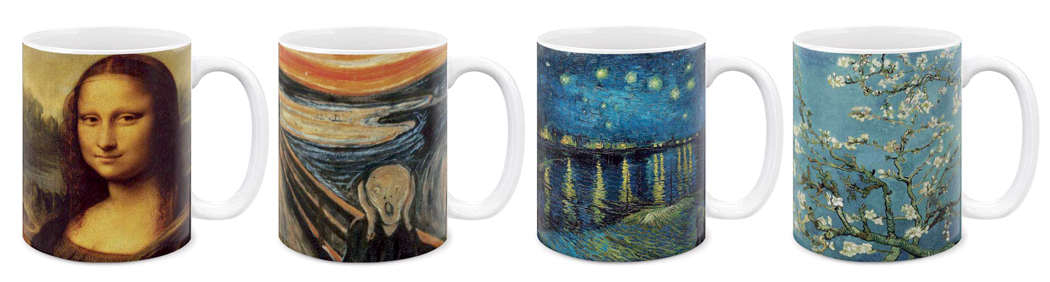
I want to make the same case for visual art. Everyone knows what the Mona Lisa looks like. Or do they? Almost to a person, those who have seen the original has remarked how small the painting is. It is a very different thing from the same image on a coffee mug or even in an art book. 

But it’s not merely size I mean. The colors cannot be precisely conveyed by printer’s ink or by a computer’s palette. The paint has a texture that isn’t conveyed, and varying levels of gloss or matte. This was brought home to me — very like the revelation of Angels — when I saw a collection of Cezanne still lifes at Washington’s National Gallery of Art. I had not imagined such an exquisite range of greens; way too many variants than can be named. The Cezannes in my Janson were dull and lifeless in comparison. Yes, I could name the subject in them — an apple here, a vase there — but apple and vase were not what the painting was about. This rich range of visual information was the real subject. Gone in the reproduction. The real paintings made me want to chew the colors like a great meal. 

We are led to accept imagery as the purpose of art, but it is only one portion of it. Alone, it is hardly more than the male or female silhouette on a restroom door. It also must include the scale, the finer shades of color and texture — and as with theater — the “presence.” The fact. Van Gogh’s Starry Night is everywhere from lampshades to mouse pads, but if you stand before it at the Museum of Modern Art in New York, you absorb how complex the painting is. Not just a swirl of blue night sky, but an object, a painting made of pigments and oils. 

The same with the huge paintings of Maria Medici by Rubens, or the meticulous brushstrokes of Robert Campin’s Mérode Alterpiece at the Cloisters in New York. 

But, I hear someone say, you should not let the best be the enemy of the good. As Chaucer said, “Muche wele stant in litel besynesse.” And many of us cannot visit the Louvre or the Prado, or get tickets to the New York City Ballet. Does everything have to be great?

I am not arguing that. I am saying that we should not be bamboozled into thinking that a reproduction can stand in for the genuine and that the real thing can be a life-changing experience, causing you to discover depths in yourself you hadn’t even suspected, whether it is the sympathetic feel of your muscles watching a dancer, or the empathy you extend to Salieri in Amadeus, or the hunger for color you get from Cezanne. 

I am arguing that, in fact, you should look at real paintings and sculpture. Not all of it will be great, but it will be real. It will be present. There is plenty of local art in every town and city. If there is no museum, there may be some Depression-era murals in your post office, or a World War I soldier in your town square. There are local artists working in your neck of the woods, and what they do is real, not virtual. 

Every locale has artists working, and art worth experiencing isn’t only found in museums, or only found in New York or Berlin. 

I remember pulling into a supermarket in Boone, N.C. one fall afternoon and hearing three or four local musicians plucking guitar and banjo on the front steps, gathered informally to play some tunes. It was genuine and I sat and listened with the small crowd for 20 minutes or so before going in for my butter and eggs. 

You never know what you’re going to get. Even the best performer can have an off night, and sometimes an amateur can hit the spot. It isn’t frogs you have to kiss, but you do need to weed through a good deal of acceptable but unexceptional work to find those few that will stick with you for life. 

And then you will know the immediacy of the real. 

I’ve spent my whole life soaking up Western culture, with a good dose from the East as well, and now that I am 72, I am wondering if it was all worth it. 

To what end all this reading, all this music and art, all this delving into history, psychology, science — this collection I have amassed of Ovid, Livy, Homer, Hesiod and the rest, the reading of modern novels I began in high school, the vast commonplace book of my brain, the syncretization of all national arts and philosophies? I have only a decreasing fraction of my time on the planet remaining to me, and when it is reduced to zero, all this accumulation of cultural clutter will evaporate. Poof. Gone. 

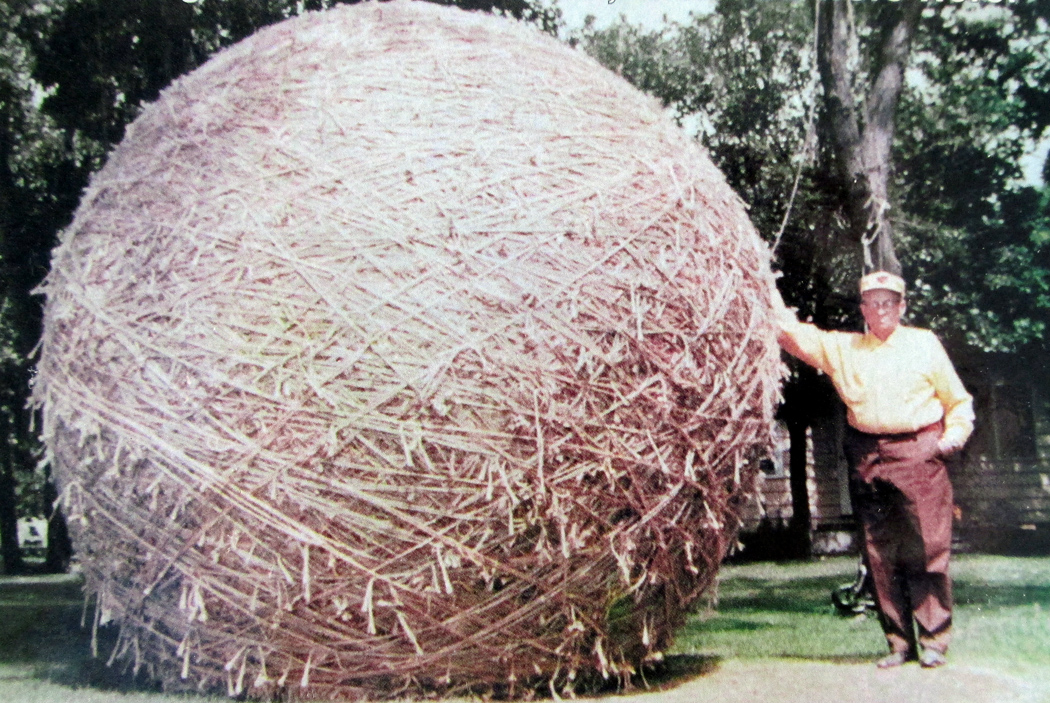
I see my granddaughters at the beginning of their accumulations, making all the same mistakes I made (well, not all of them, and some that are entirely original to them), and I know that if I have acquired any knowledge — I hesitate to call it wisdom, for really, it is only the giant ball of string I have collected through living — it can not save them an ounce or tittle of the troubles they will have to pass through. 

There are people who I admire with infinite appreciation who have avoided all this “high culture” and have contributed meaningfully to our lives. The teachers, nurses, chaplains — to say nothing of the mothers and the uncles and aunts — who have, through compassion and the service they have given to the benefit of others, are so much more directly worthy of praise. Even so simple a job as waiter seems to me now a more meaningful metier than my own life of page-turning and thought-gathering. 

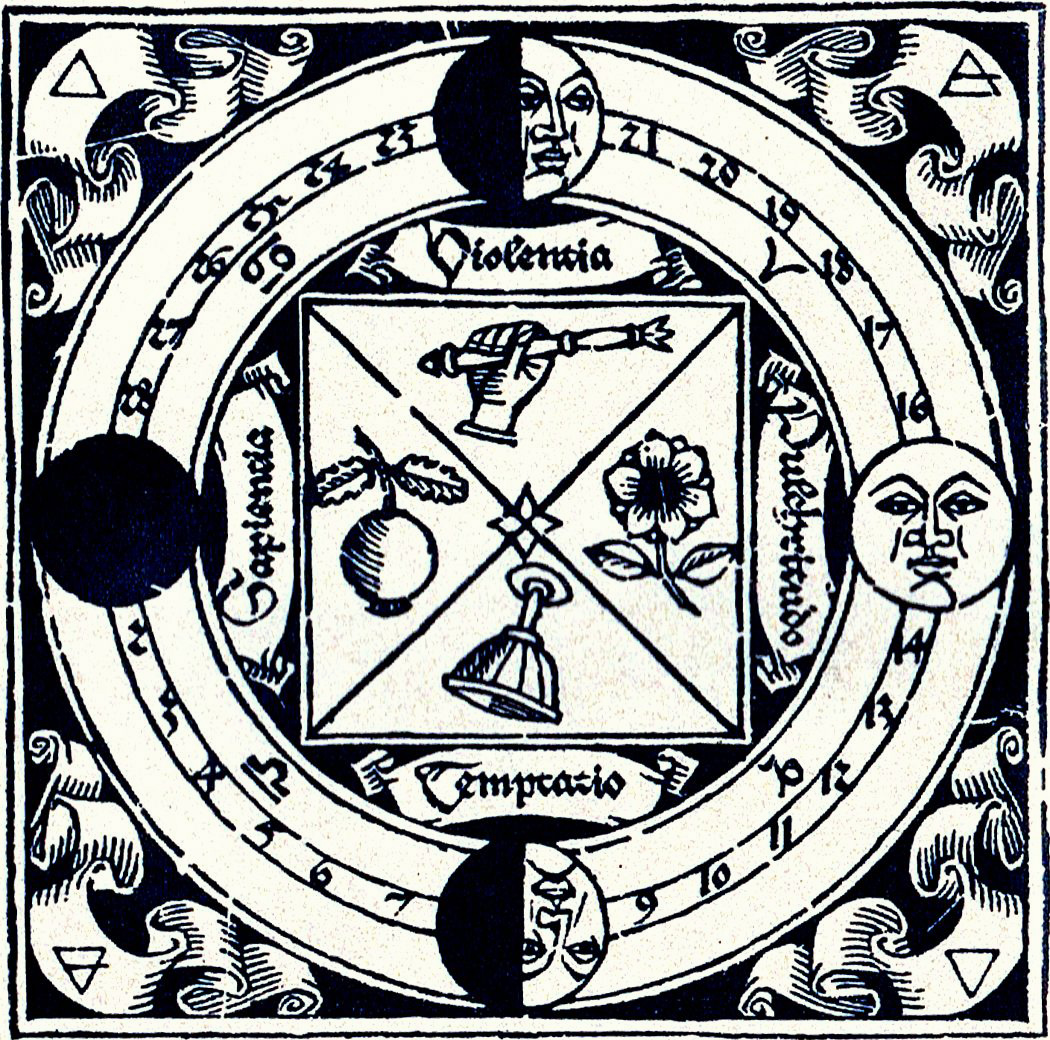
William Yeats, in his A Vision, postulates two conflicting sensibilities for humans, which he names the “primary” and “antithetical.” All of us, he says, are composed of bits of each, in different ratios. The Primary sensibility understands the here and now, the useful, the social; the Antithetical comprehends the mythic, poetic, the psychological, the parts of our psyche that might be called the “hard wiring.” The ur-profession of the Primary is nurse; that of the Antithetical is the poet. 

Yeats measures the ratios of these two urges in the symbol of the phases of the moon and counts 28 tinctures — and that’s the word he uses — with a growing proportion of Antithetical as the moon waxes, and a decreasing proportion with the waning. No one, he says, is either all Antithetical or all Primary, but always an intermixture. 

 He goes on to apply this metaphor not only to psychology, but to history and I’m afraid he has lost me there. Yeats can get a little wacky at times. But I am looking for a purpose to my own Antithetical inclinations. Can this lifetime of lucubration have any wider value? Can I justify the ways of me to humankind? 

I am reading George Orwell’s “Inside the Whale,” in which he very thoughtfully takes to task Henry Miller, not for his obscenity or for his ability as a writer, which he admires, but for his quietism, Miller’s refusal to consider the political consequences of the times. Orwell, of course, was famously committed, having gone so far as to fight in the front lines of the Spanish civil war, and been shot in the throat for his efforts. 

Miller, on the other hand, is, in Orwell’s words, “a completely negative, unconstructive, amoral writer, a mere Jonah, a passive accepter of evil, a sort of Whitman among the corpses.” He is, in another passage, a Nero fiddling while Rome burns, although unlike other such fiddlers, Miller does so while facing the flames, not denying them. Miller’s ultimate stance is “a sort of mystical acceptance of the thing-as-it-is.” 

Orwell was writing in 1940, when “To say ‘I accept’ in an age like our own is to say that you accept concentration camps, rubber truncheons, Hitler, Stalin, bombs, aeroplanes, tinned food, machine guns, putches, purges, slogans, Badaux belts, gas masks, submarines, spies, provocateurs, press-censorship, secret prisons, aspirins, Hollywood films and political murders. Not only those things of course, but those things among others.”

Miller, he says, would hardly disagree with him. 

And, while I do not share Miller’s anarchism, I, too, have come to feel the individual has almost no effect on the historical machinations of his age, and that the recognition that little can be done means that the best approach is to let the universe move on its way and to accept whatever is dished out, including the annihilation of the self, which is death. Not so much that whatever is is good, but rather, that whatever is, is. What Joseph Campbell calls “the willing participation in the sorrows of the world.”

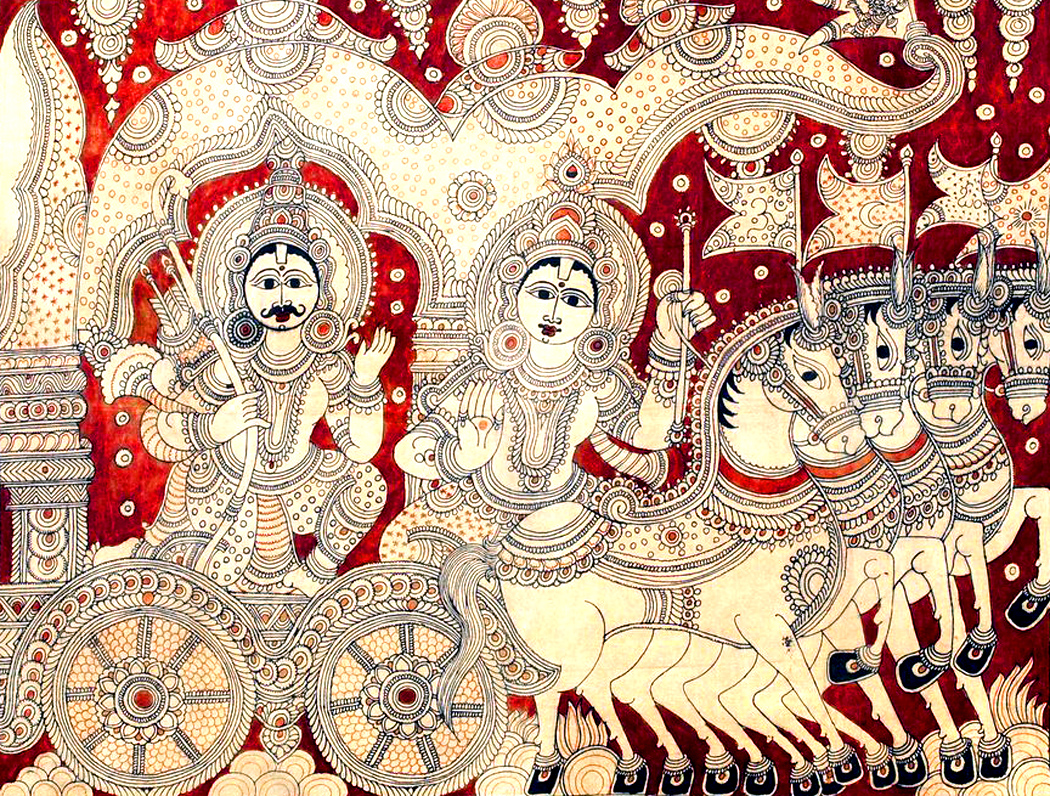
It is what Krishna counsels Arjuna to do in the Bhagavad Gita section of the Mahabharata, before the battle of Kurukshetra. Arjuna is to signal the beginning of the fighting, but stops short, considering the bloodshed and the misery that will ensue, including the slaughter of his own relatives. Krishna, disguised as his charioteer then more or less stops time, like Joshua halting the sun, in order to give the warrior a lesson in Dharma. You must do what you must do, he says in essence; the world will continue anyway. 

And so, I value those who with practical efficiency ameliorate the suffering. Surely, they are willingly participating in the sorrows of the world, and doing their best to lessen that suffering. 

But there are those of us who have other functions in the world. Scientists, for instance, aim to understand the world. Their work may be useful latterly, but their primary aim is understanding what is not known. Pure science precedes applied science. We value the work of pure science for what it tells us about the universe; the knowledge gained may — or may not — lead to practical application. 

There are, however, other paths of study that further the human endeavor, and these, too, may or may not ultimately be helpful. 

Science is the test we give to the objective world; art is the test we give to everything else. If we want to understand what happens inside another’s brain, we look to a neuroscientist; if we want to understand what happens in another’s mind, we read a novel. 

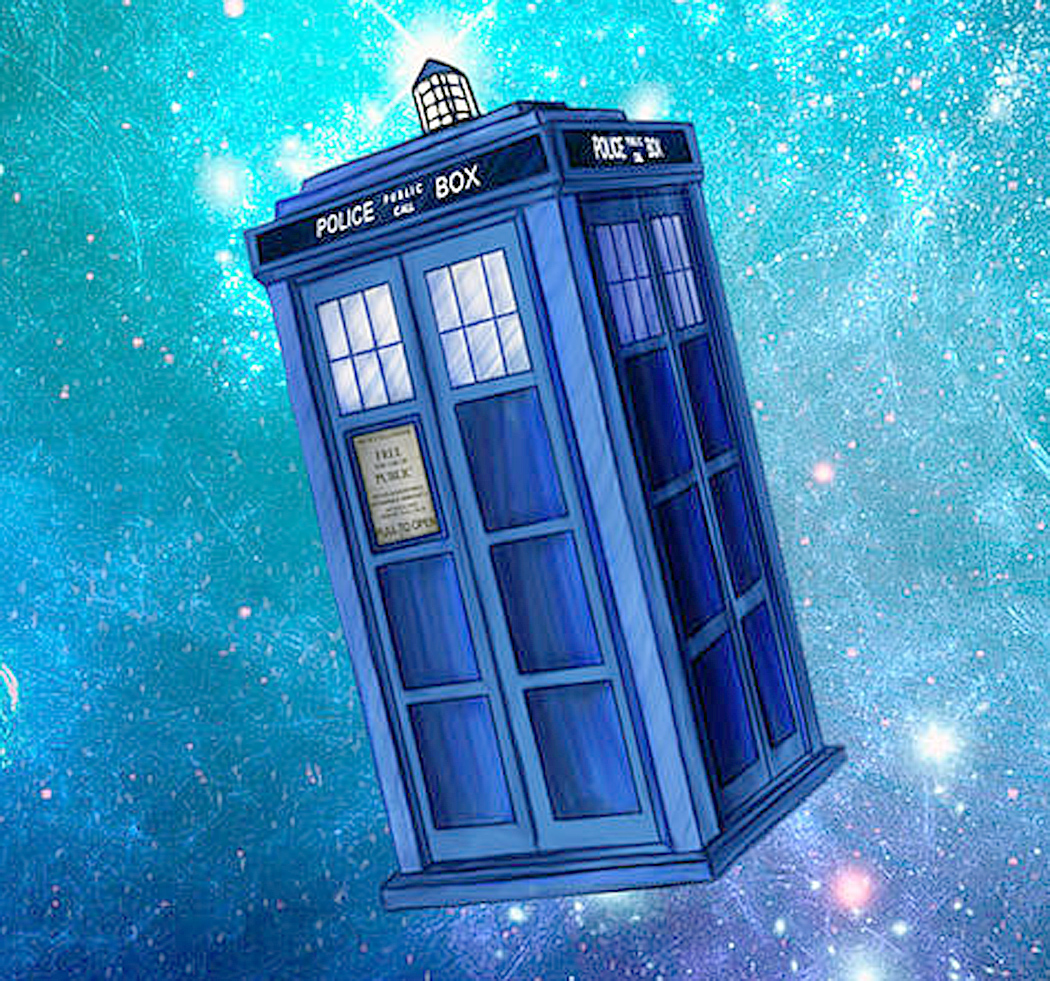
Each of us has a world inside us, TARDIS-like, bigger inside than outside, and that teeming interior world governs what we feel about the outer world, how we act in it, what we believe is true. It is in the arts, literary, visual, musical, physical such as dance, that we explore that interior and attempt to plumb its depths. 

And, as a pure scientist’s work can lead to an applied use, so the work of an artist, philosopher, historian, can lead not only to a better understanding of our humanity, it can have practical effects in the world. One has only to think of Harriet Beecher Stowe or so simple or ephemeral thing as the way Jean-Claude Belmondo hangs a cigarette off his lip in Breathless. 

The effects are normally less world-shaking than the shift in attitude toward race-slavery, but those effects are measured in each individual life, and how much a psyche is opened and bloomed in the world. 

Delving into that interior, one finds its mirror in the books one reads. One studies them to study the self. Such is a lifelong process of discovery and whether it has real-world uses or not, must be attempted, just as pure science must be continued. 

I began my adult career as a teacher, and after that, as a writer; but in either job, the goal was the same, to spread knowledge. I fervently hope that my efforts have been, in at least some tiny smidgeon of a way, a benefit to humanity. 

As I write this, I am conscious that all this may very well be pure rationalization, making for myself an excuse for my life. But I will offer this apologia. When I was young, I was so much more self-absorbed — as young people tend to be — but a life of reading, listening, and looking have opened my emotions to much that was little more than words, words, words when I was beginning. I have been cracked open. I have become infinitely more compassionate and more sympathetic to others than I was. I see peoples’ emotions on their faces in ways that were invisible before. The pains and joys of others have become my own. Perhaps not to any great extent, but enough to make me aware of how others must navigate their lives. 

And when my wife became ill, I became her caregiver until the end, and doing so was, with not a shred of doubt, the most meaningful thing I have done in my life. I believe I would not have been capable of such empathy, such caring and devotion, if it had not been for a life opened to all that was outside of myself, and opened by art, literature, music, dance, reading of history, philosophy, biology, physics, chemistry, and all else that would otherwise have been blank to me. 

As I watched her decline, I saw all of suffering humankind in her, and all of aspirational humankind in myself, and they were the same thing. And so, when she died, I did, too, with the exception that I am still here. But then, so is she. 

There is the echo of this in all of the books that I have ingested, all the music, with its sonic analog of emotion, all of the perennial philosophy. “Alle menschen werden brüder.” 

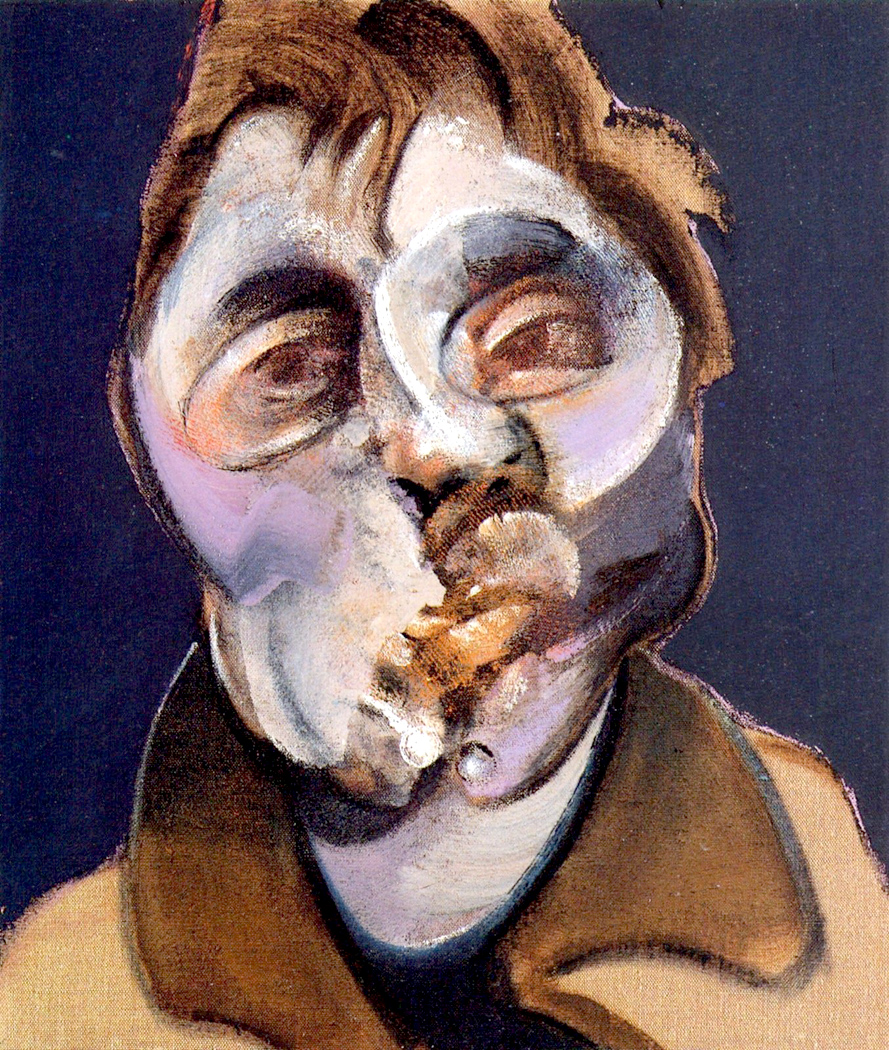
For most scholars, as with most scientists, a career is built specializing, knowing more and more about a smaller and smaller angle of the whole. They become tenured professors and further the knowledge of the world in meaningful particulars. I have, in contrast, attempted to know more about a wider range of things, in effect seeking a unified field theory of the humanities. The endeavor has been so far as fruitless as that of physicists, but it has been why I read Dante and Saul Bellow, study Raphael and Francis Bacon, listen to Bach and Glass, feel in my own muscles Petipa and Pina Bausch. 

Someone has to put it all together. Our outer lives are vital; we need to aid the suffering, feed the hungry, still the wars, cool the fevers. But we also have inner lives, and they need attending, also. Human beings “shall not live by bread alone.” 

If all I have said here is nothing but rationalization, a kind of weaseling out of my responsibilities in the practical world, that does negate the truth. Motives are one thing; truth is another. 

And finally, if none of this counts, if none of this weighs on the good side of the scales, I can only say: It is my nature. Learning ever more is the satisfaction of an insatiable hunger. May those I love and those who love me forgive what I have made of it.