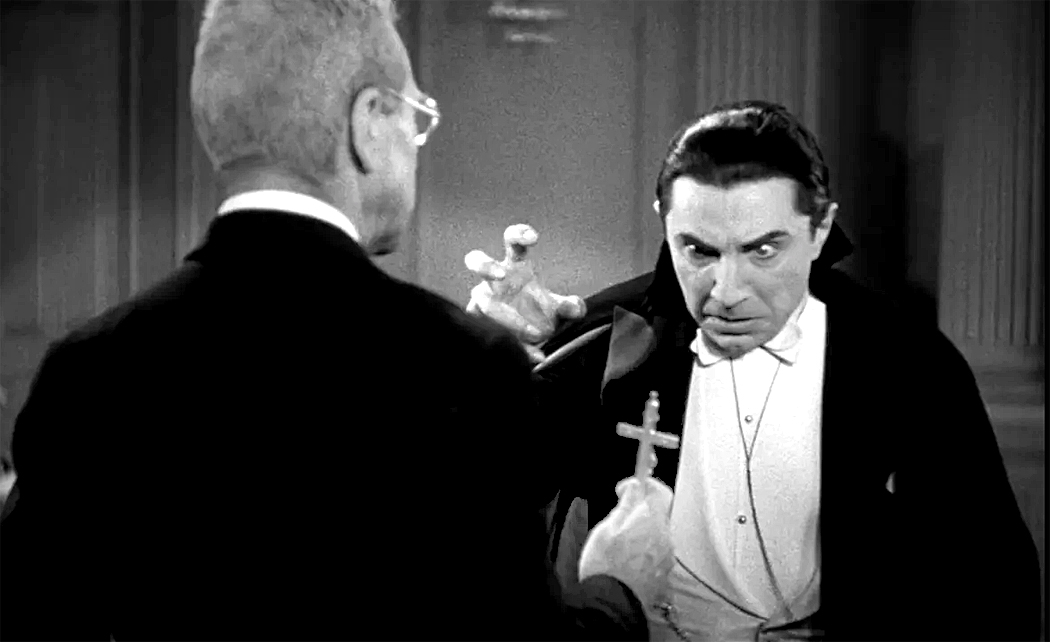
The established conventions of movie monsters have changed over the years, as have the monsters themselves. But if the rules have evolved, it is still rules that define monsters. Ask any 12-year-old boy; they will be able to recite you chapter and verse, the way a Supreme Court clerk can quote the Constitution. Silver bullets, crucifixes, wooden stakes, wolfsbane, mirrors, the whole concatenation of parameters that define the world inhabited by the undead, the re-dead and the soon-to-be-dead.
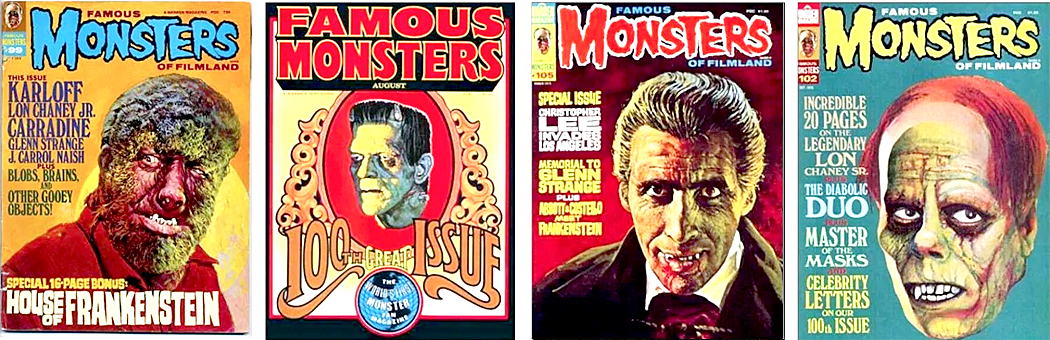
I know this because when I was 12 years old, I had a subscription to Famous Monsters of Filmland, a fan magazine about horror films put out by noted monsterologist Forrest J Ackerman. It was still early days of television, and local independent TV stations, with no network to support them, had to scramble to fill air time. They found old cartoons, old Three Stooges shorts, old Our Gang comedies, old Westerns — and horror films. I must have seen Frankenstein, Dracula and all their permutations, from “Son of …” to Abbott and Costello, maybe, a hundred times.
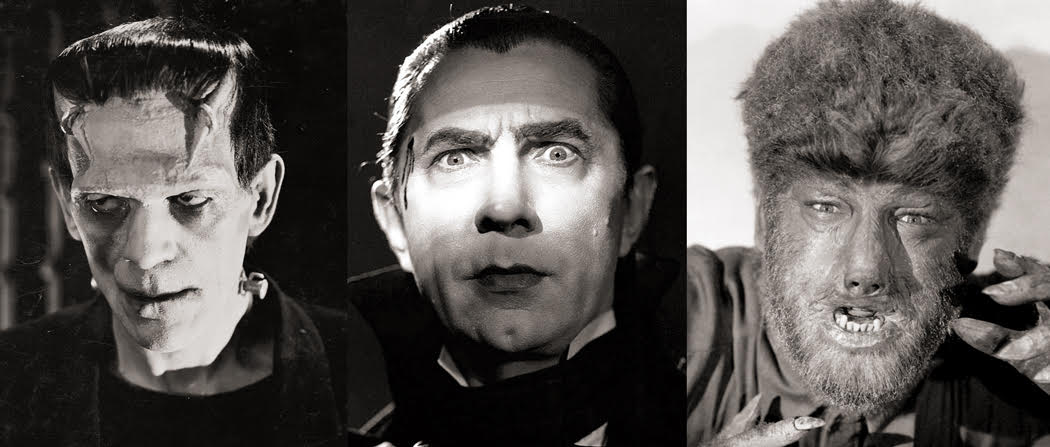
And I knew then, all the rules — the defining conventions of each genre. The Frankenstein monster couldn’t talk; fire was his kryptonite; Dracula was terrified of crosses; the Wolfman turned hairy with the full moon. If a vampire or a werewolf bit you, you turned into one; if Frankenstein’s monster bit you: nothing. You got a tetanus shot.
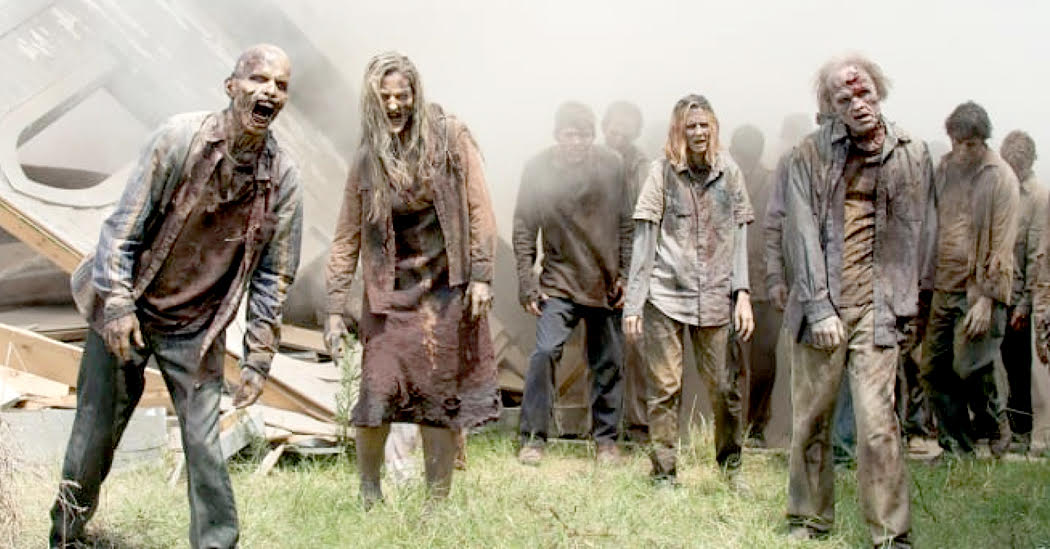
Then, there are zombies. Originally a minor player in the Hollywood monster movie, they have become, since George Romero, one of the most common forms of monster. I recently saw someone who had the perfect solution to the zombie problem. It depends on the recent brain-eating conventions of zombiehood. Why no one had thought of this before, I don’t know. It is so obvious.
If your community is plagued by such zombies, all you need to do to survive is to dress up like a zombie yourself, put on some rags, apply the whitish, ghostly makeup, with some ketchup drooling from the corner of your mouth. Zombies don’t attack other zombies. I don’t know why, but they don’t. So, act like one, and be let alone. Of course, you will also need to avoid the living human population, who have a dismaying tendency to blow the heads off zombies with shotguns. But other than that, home free.
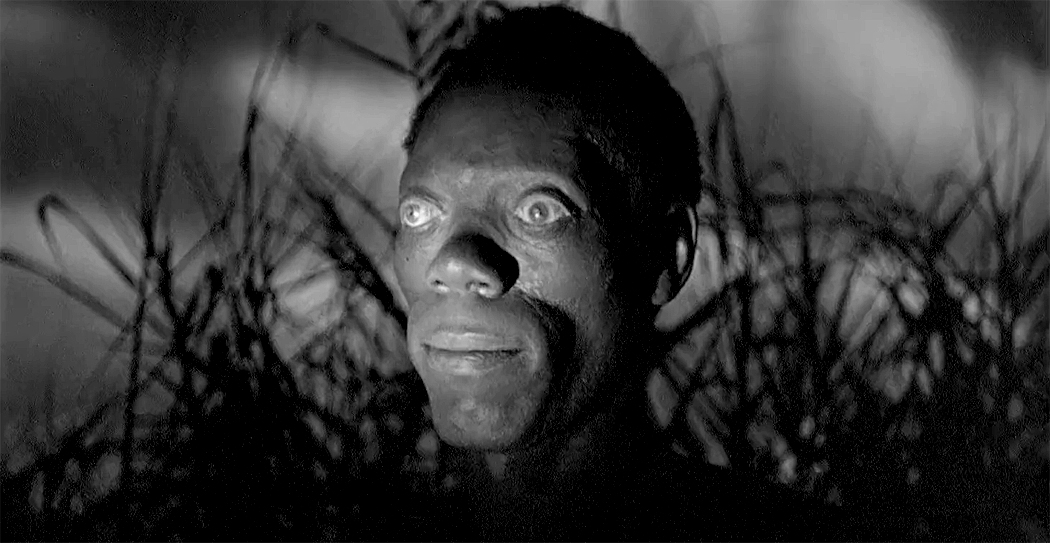
When they first made their debut in celluloid, zombies were Haitian and they were essentially sleepwalkers. They were derived from popular understandings of vodou (aka “voodoo”), where a bokor, or sorcerer, could raise the dead to act as slaves. In 1929, author William Seabrook published The Magic Island, and described a sensationalized version of vodou and zombies.
In 1932, Hollywood produced White Zombie, in which Bela Lugosi is the evil sorcerer who puts the heroine under his spell when she visits Haiti. Lugosi’s character, “Murder” Legendre, uses zombie labor to operate his sugar plantation. And commit murder.
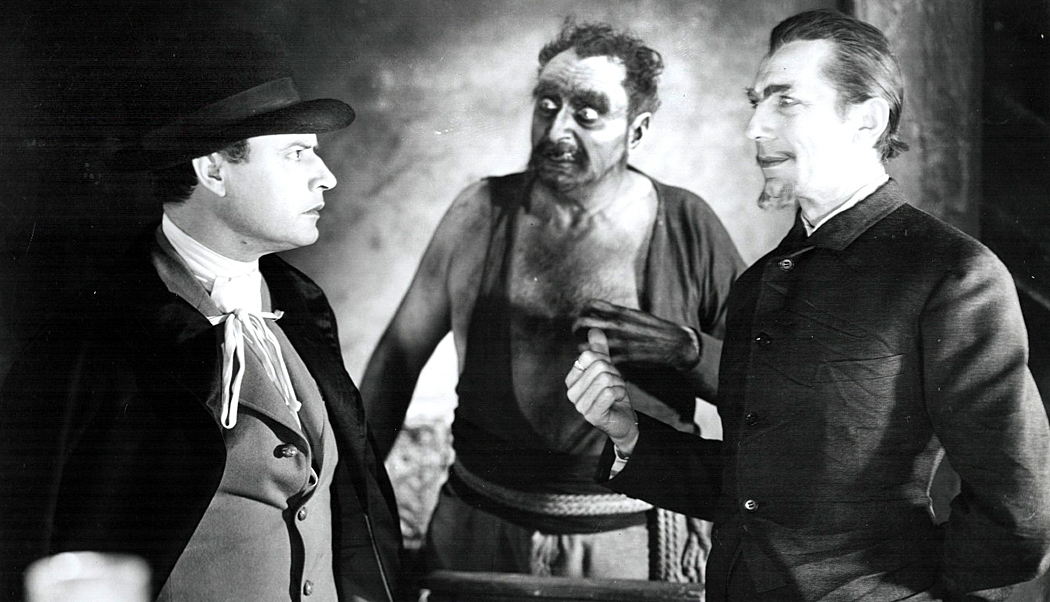
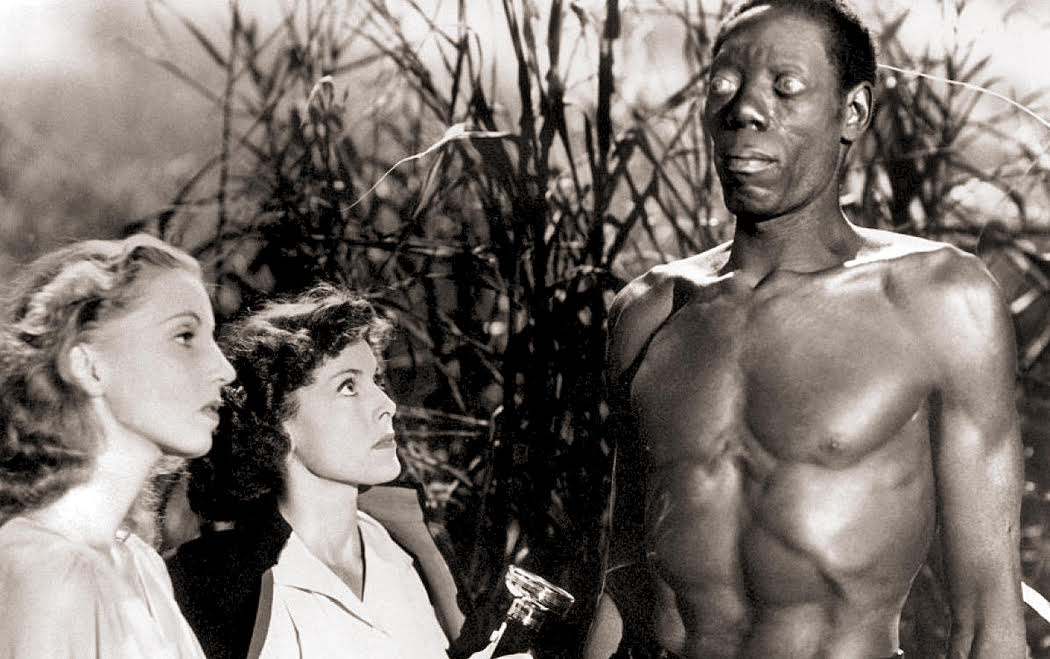
Plantations worked by enslaved Africans gave rise to zombie mythology in Haiti and the Caribbean, but many of the Hollywood versions feature non-African zombies, although one of the best, I Walked with a Zombie (1943), sets the zombie back into its proper African-Caribbean context. Still, its main victim remains a White woman.
But zombies were a minor subshoot of the monster movie, giving pride of place to Frankenstein, Dracula and the Wolfman (and perhaps the Mummy). Only a few zombie films in the ’30s and ’40s (the heyday of the classic monster) were made, and they never really cracked the nut of cultural ubiquity. That didn’t happen until Romero reinvented them in 1968 in Night of the Living Dead and rewrote the rules for the genre. Now, they were ghoulish undead that shuffled along in rags and killed and ate the living. A bite could turn you into one of them. Tetanus shots didn’t help.
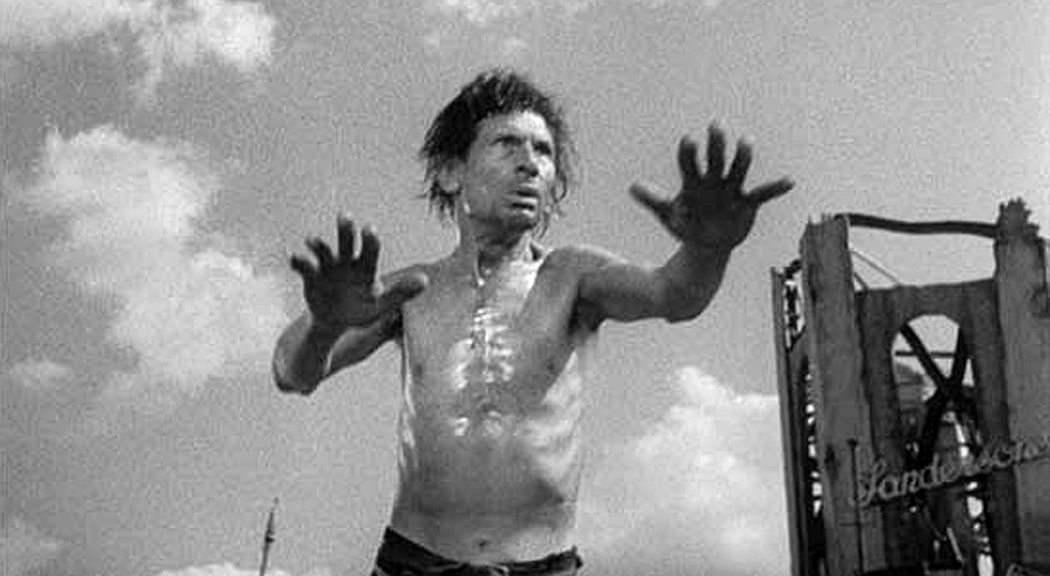
The prototype for Romero’s shambling zombies can be found in the “Wandering Sickness” in Things to Come, a 1936 movie made from the H.G. Wells novel. Zombies are more recently allowed to be fast-moving, which makes them harder to avoid. And zombies en masse are in practice unkillable, as shown by the never-ending 10-year run of The Walking Dead on the AMC network.
With Night of… and its many sequels and rip-offs, the zombie briefly became the primary movie boogie-man. The rules have been tweaked by subsequent writers and directors, so that now the popular conception is of a reanimated corpse who eats brains. Why brains? I don’t know. Nothing wrong with liver and a nice chianti.
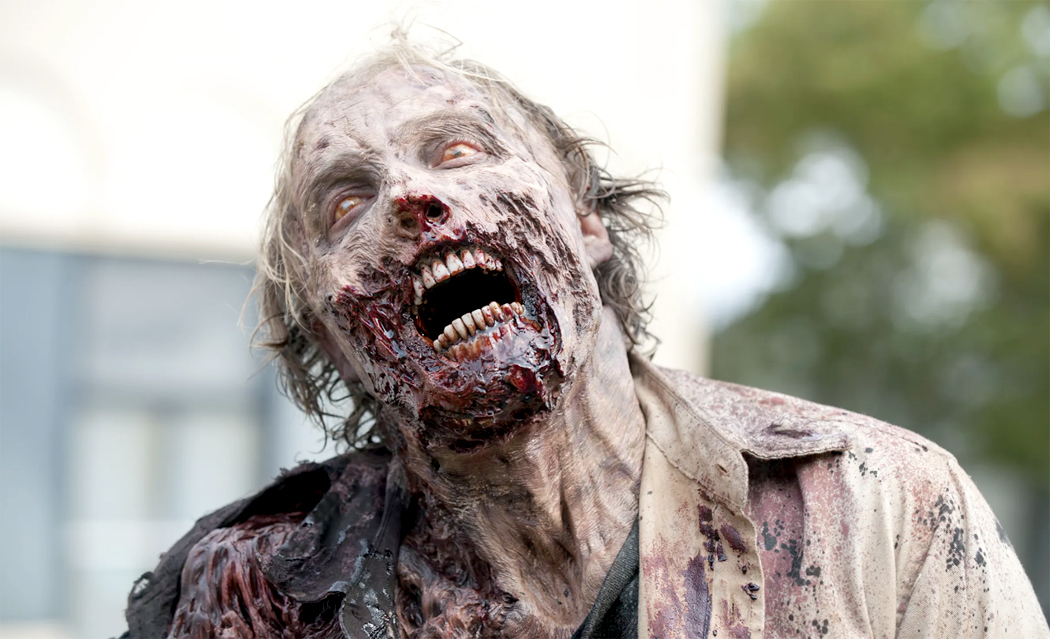
Even the running zombies gave way to the rise in teen-age exploitation of the genre. Now, zombies can be attractive young zombies in Pushing Daisies, Warm Bodies and iZombie, which is “in many ways the same transformation [of the zombies] that we have witnessed with vampires since the 1931 Dracula represented Dracula as essentially human—a significant departure from the monstrous representation in the 1922 film Nosferatu,” noted writer Scott Rogers, pointing out that nowadays both zombies and vampires can be hot teen idols.
This changing of the rules is common, as creators need to find ways to freshen up the cliches, only to make new cliches. Eventually, each monster genre ends up in parody. Young Frankenstein, Teen Wolf, Abraham Lincoln: Vampire Hunter. And so, you have Shaun of the Dead.
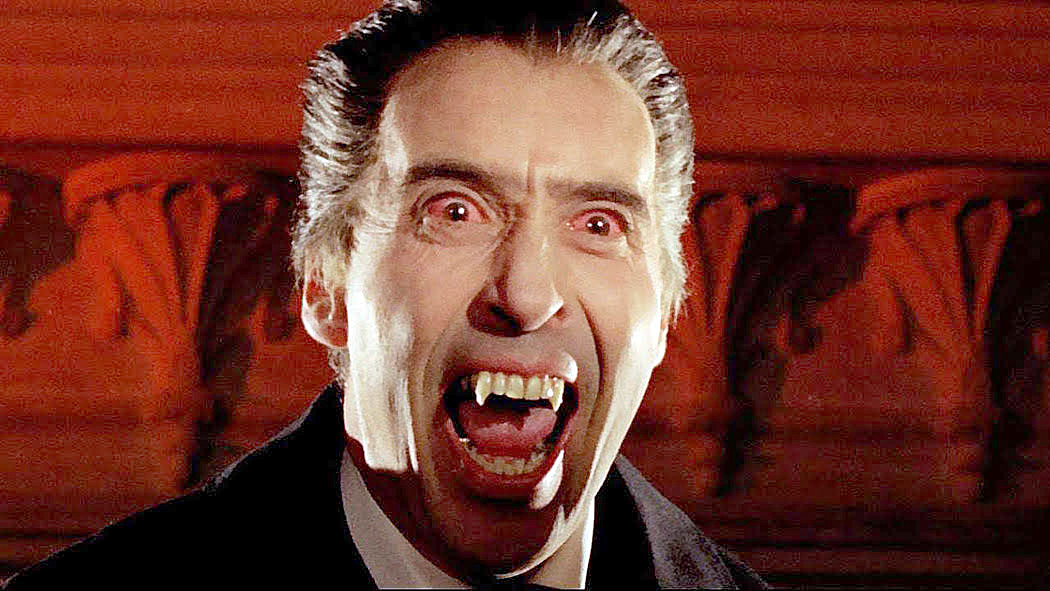
With Hammer Films in the 1960s, monsters were given a new garish color makeover, with lots of bodice ripping and jiggles to entice the young testosterone-soaked adolescent males. And the classics have never really left. Wikipedia lists 236 werewolf films made since the silent era; 119 of them just since 2000. I couldn’t fully count the number of vampire films, including the astonishing number of naked lesbian vampires that came out of Italy.
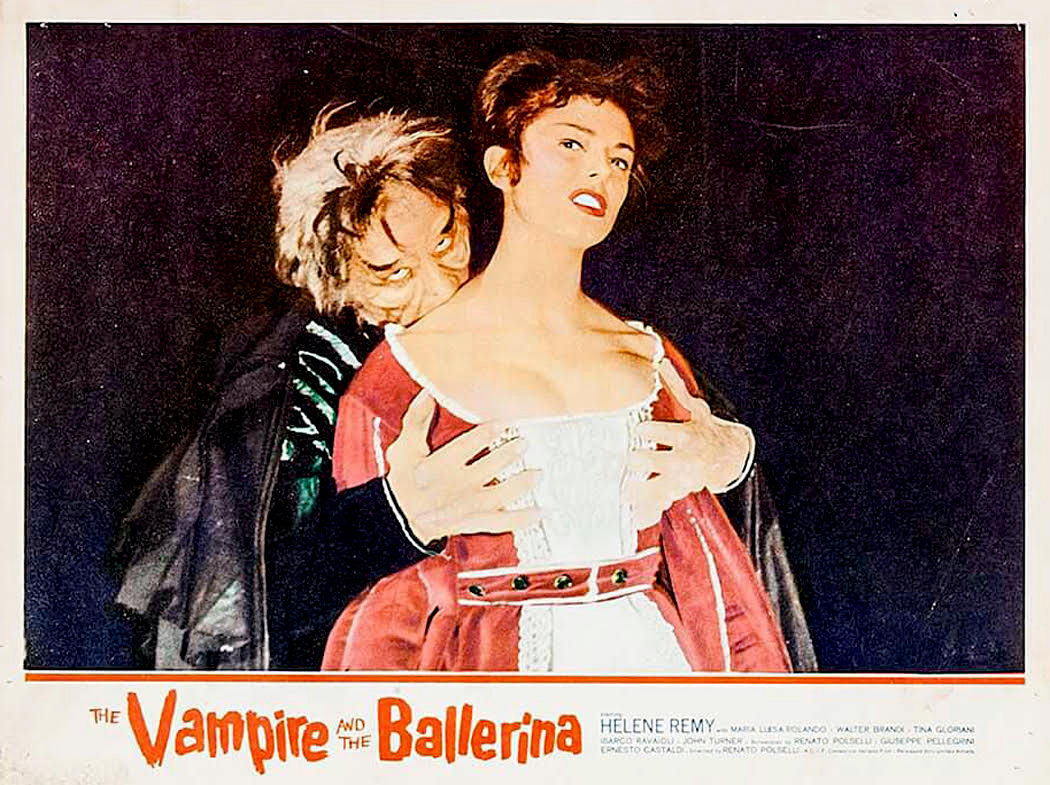
A few of my favorites (I can’t help but list some of these titles): Billy the Kid Versus Dracula (1966); Dracula’s Dog, aka Zoltan … Hound of Dracula (1977); Uncle Was a Vampire (Italian, 1959); The Vampire and the Ballerina (Italian, 1960); Samurai Vampire Bikers from Hell (1992); A Polish Vampire in Burbank (1985); Mom’s Got a Date With a Vampire (2000); and My Babysitter’s a Vampire (2010).
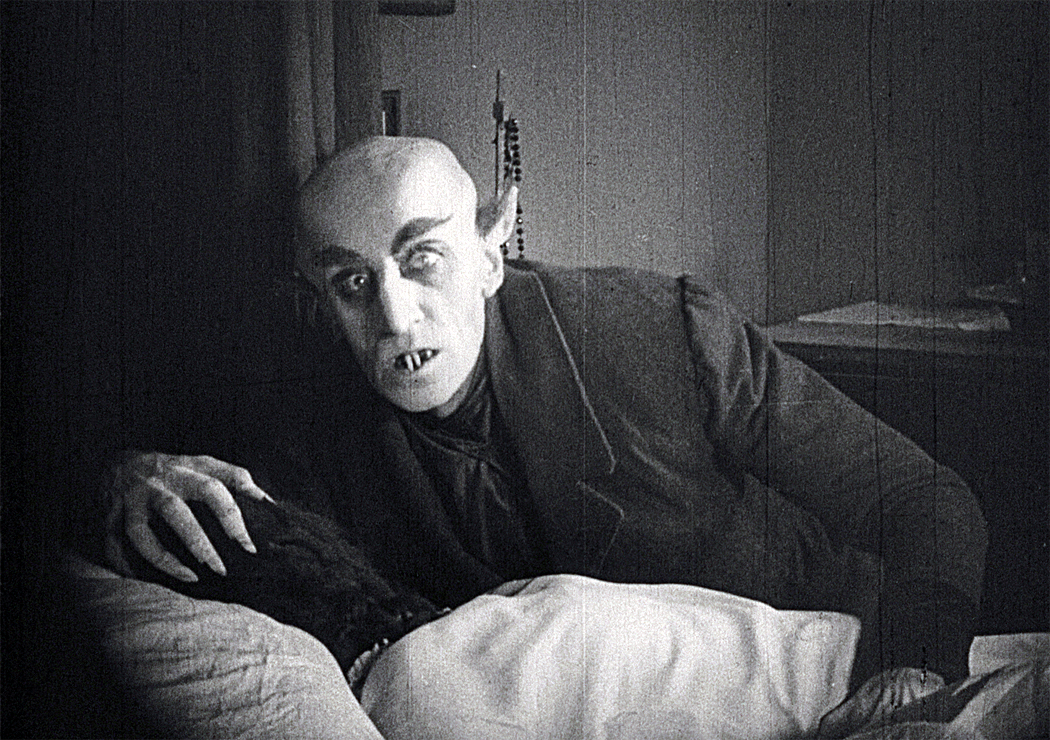
Vampires have gone through four major transmogrifications. Originally, in folklore, they were ghouls, ugly monsters. But after Bram Stoker’s Dracula (1897), the vampire became a seductive man with hypnotic charms over beautiful women. Or, in a kind of reverse ploy, sex starved women in heavy makeup craving the blood of handsome men — or in the lesbian vampire films, pneumatic young women.
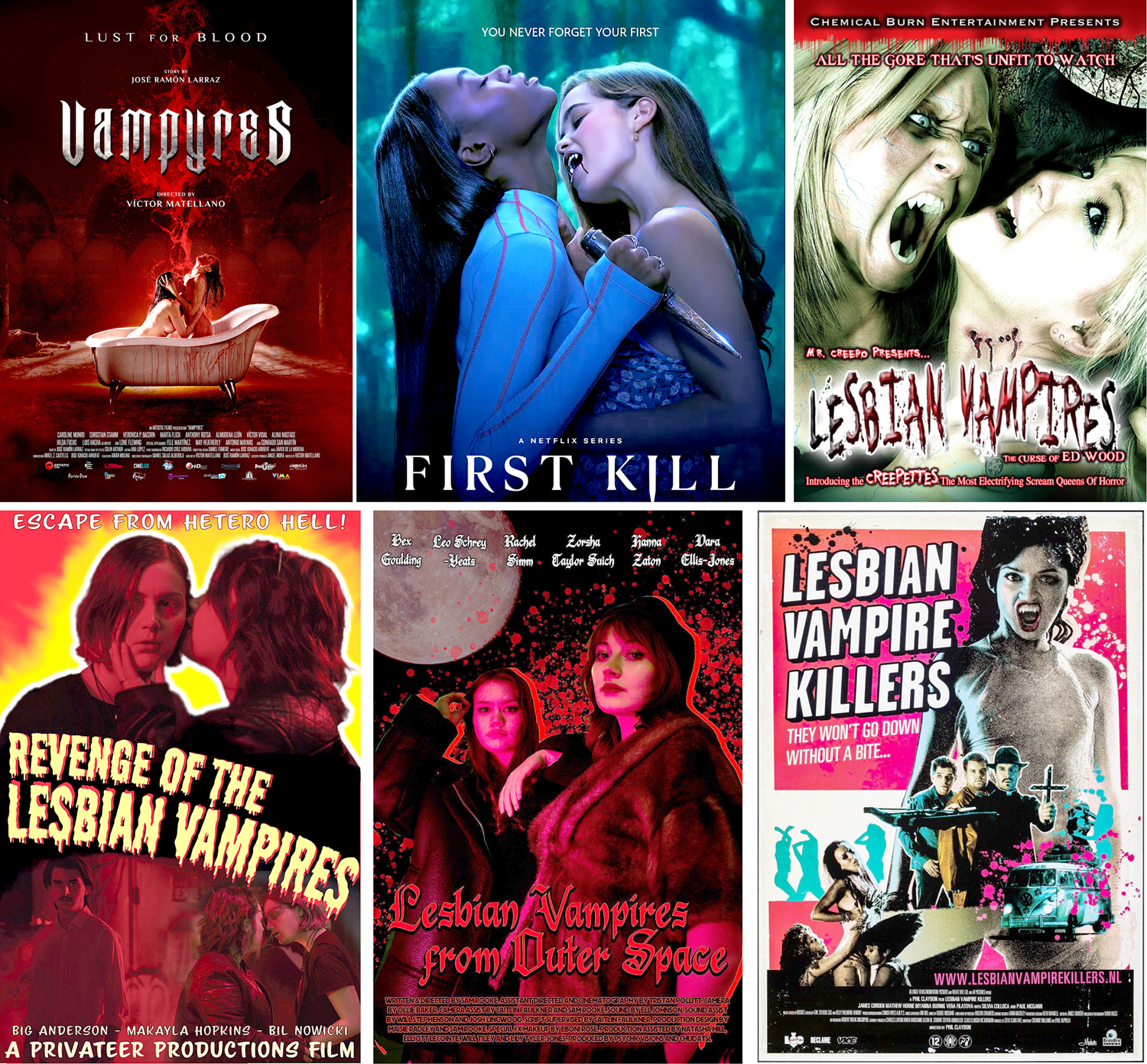
(The subgenre of lesbian vampires is extensive. Wikipedia lists more than 50 such films, beginning with 1936’s Dracula’s Daughter and continuing through Vampyros Lesbos (1971); The Hunger (1983), a classy film with David Bowie and Catherine Deneuve; and Lesbian Vampire Killers (2009), a genuine turkey that starred late night TV’s James Corden. While many monster films have been adopted by the LGBTQ world as metaphors of queerness, the lesbian vampire is more transparently so.)
The canonic vampire persisted in the Hammer Films pictures with Christopher Lee. Sunlight could kill them; they couldn’t be seen in mirrors (or photographs); wolfsbane or garlic was a prophylactic; they slept in coffins; they could be killed with a wooden stake through the heart, or more garishly, with the wooden stake and a quick beheading.
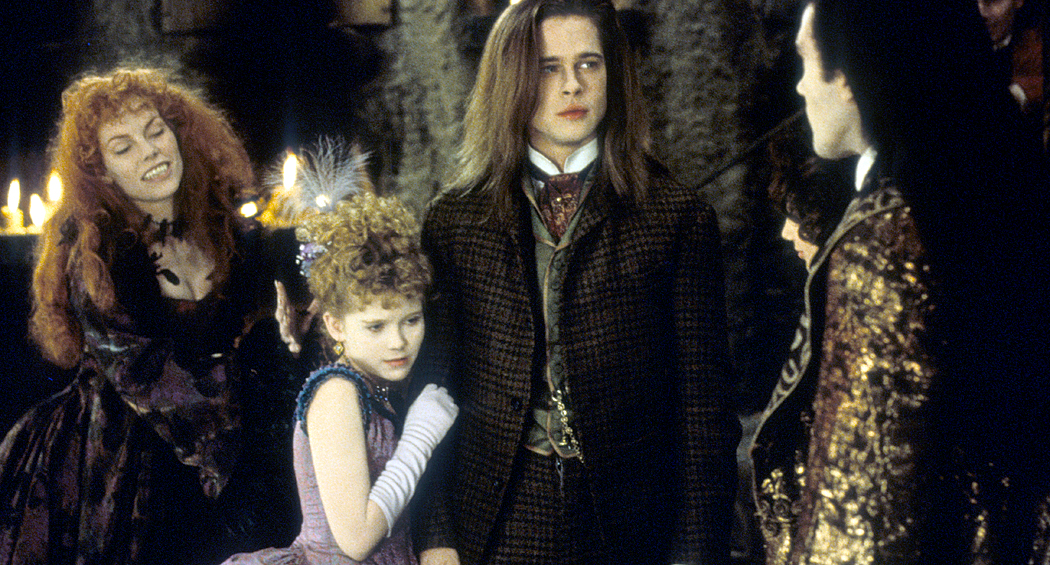
Then, of course, it all changed with Ann Rice. She took the side of the vampires — “these elegant, tragic, sensitive people,” she called them. Oh, they suffered, cursed as they are with immortality. Rice’s vampires are “loquacious philosophers who spend much of eternity debating the nature of good and evil,” according to Susan Ferraro of The New York Times. “Rice turns vampire conventions inside out.”
She also transports them from England and Germany to New Orleans, which adds its own patina of the gothic. Goodbye Transylvania, hello red blood and Rice.
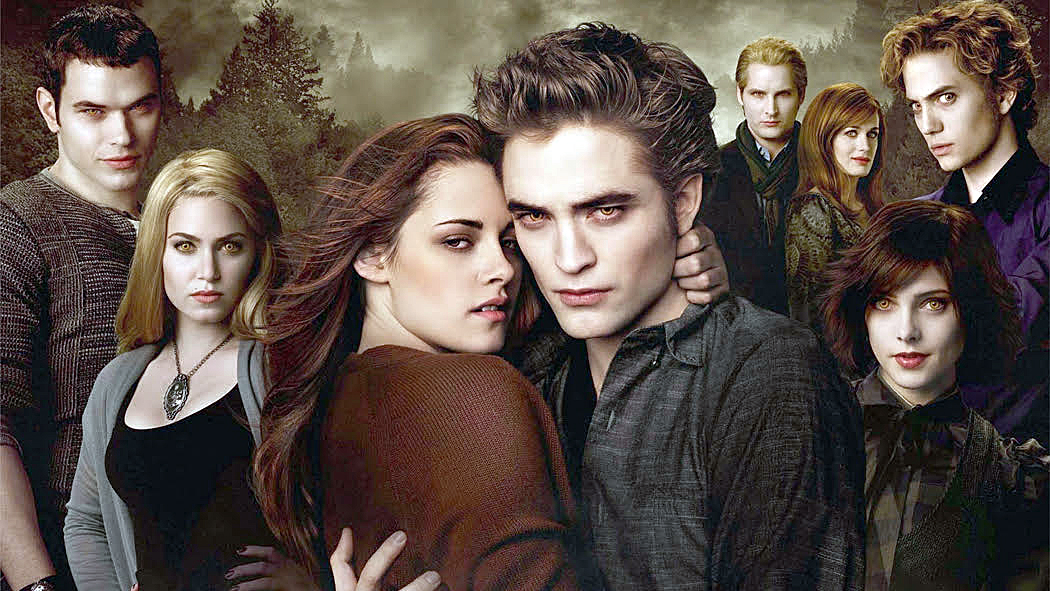
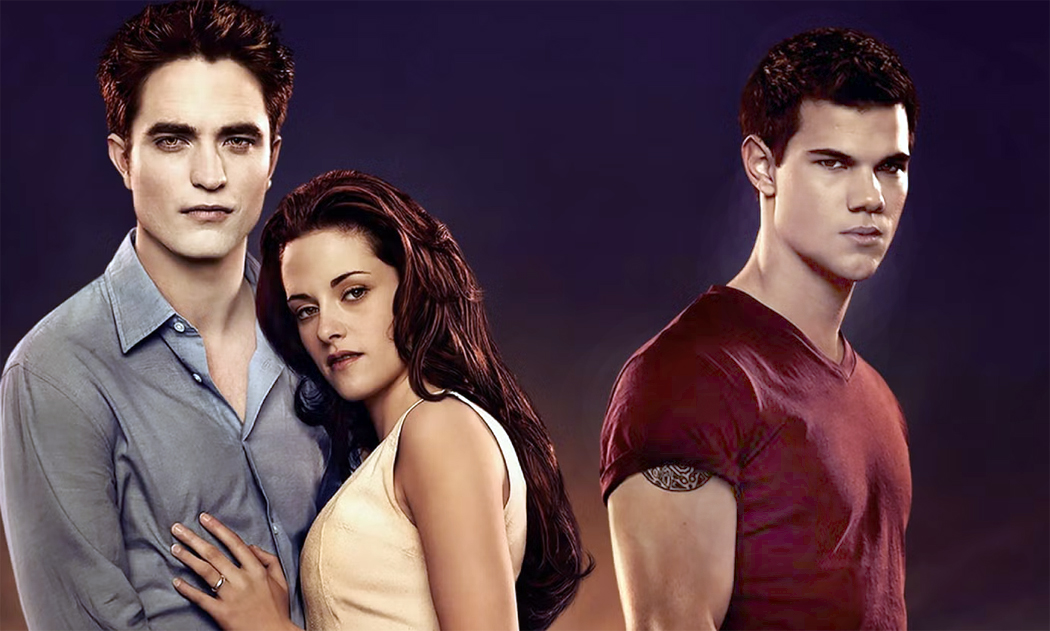
None of which prepares us for the recent incarnation of teenage moony-eyed vampires by Stephenie Meyer. They have no trouble with daylight, indeed they sparkle. But it is so hard being a vegetarian vampire.
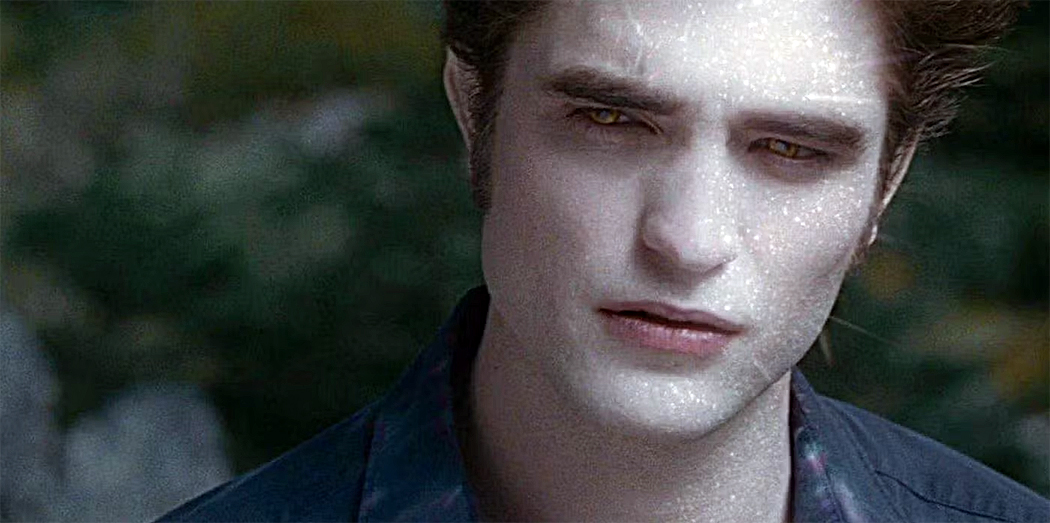
There are also werewolves in the Twilight books (and films), but it is hard to tell the difference between the feuding paired vampires-and-werewolves of Twilight and the Sharks and the Jets of West Side Story.
(I have actually watched Twilight, when my twin 10-year-old granddaughters wanted to see it on TV and made me sit with them through it. They loved it. Me? Well, I love my granddaughters.)
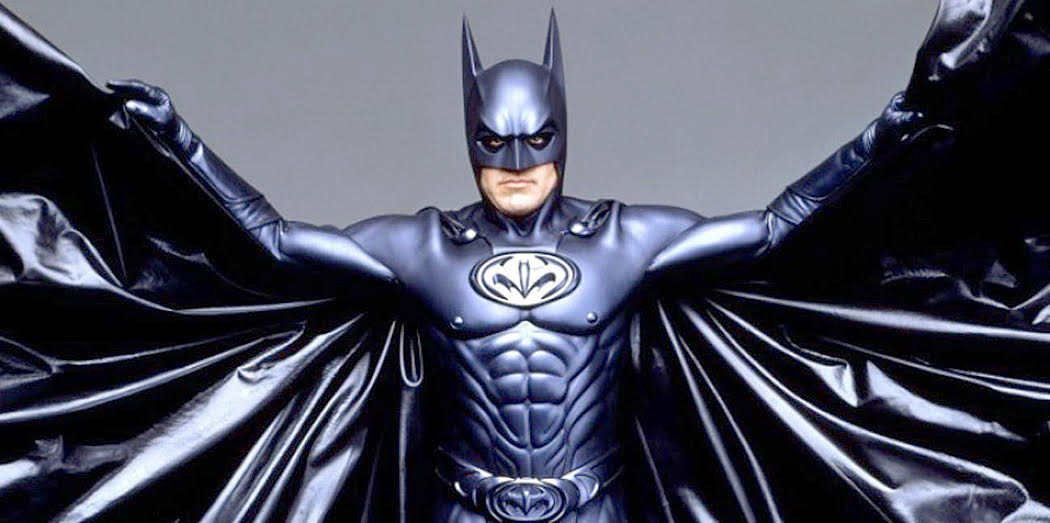
From the very beginning, horror movies have been aimed primarily at the young and prepubescent. Which is the age where the fascination with regalia and insistence in genre rule consistency become hardened like old cheese left out to dry. It is the motivating impulse of cosplay, Comic-Con and arguments over whether the Batman outfit should have nipples or not.
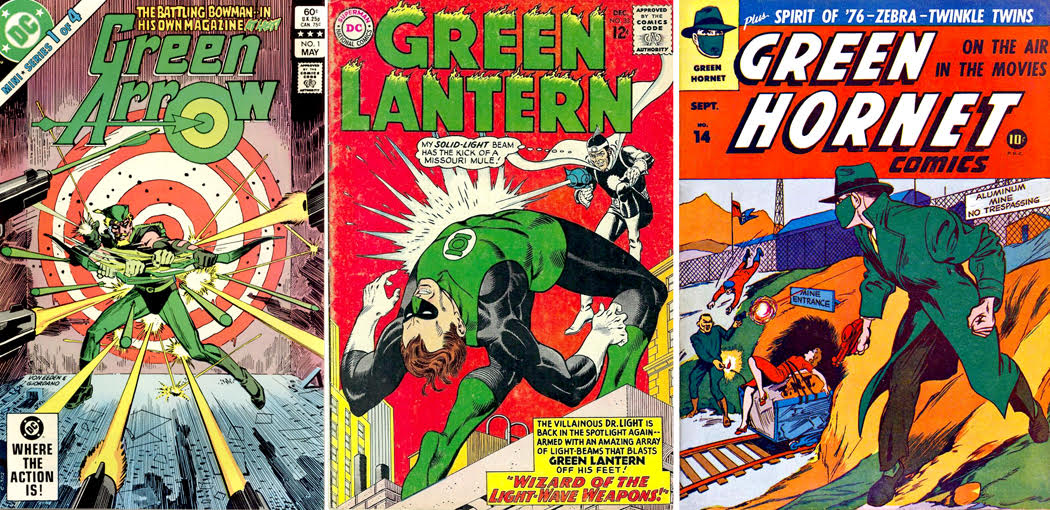
(If you want to start a fight, just complain about the Marvel Universe versus the DC Universe. Each is a self-contained cosmos with its own physics and set of back stories. And woe to him who mixes up Marvel’s Sub-Mariner with DC’s Aquaman. Or cannot tell the difference among Green Arrow, Green Lantern and Green Hornet.)
In the CBS sitcom, The Big Bang Theory, the minutiae of competing comic book universes is often a plot point. Which makes it fun how often fans like to point out inconsistencies in the Sheldon Cooper Universe between BBT and Young Sheldon. Can’t these writers keep their stories straight?
When young men are trying to figure out the rules of life, it must be comforting to find these worlds where coherence and consistency is part of the deal. One of the reasons that superheroes have overtaken monsters in the movie world must surely be that the DC and Marvel universes are so absolutely clear, even hide-bound, about their rules. The monsters have their laws of physics, but the rules tend to morph over time. Adolescence craves something more permanent to depend upon.
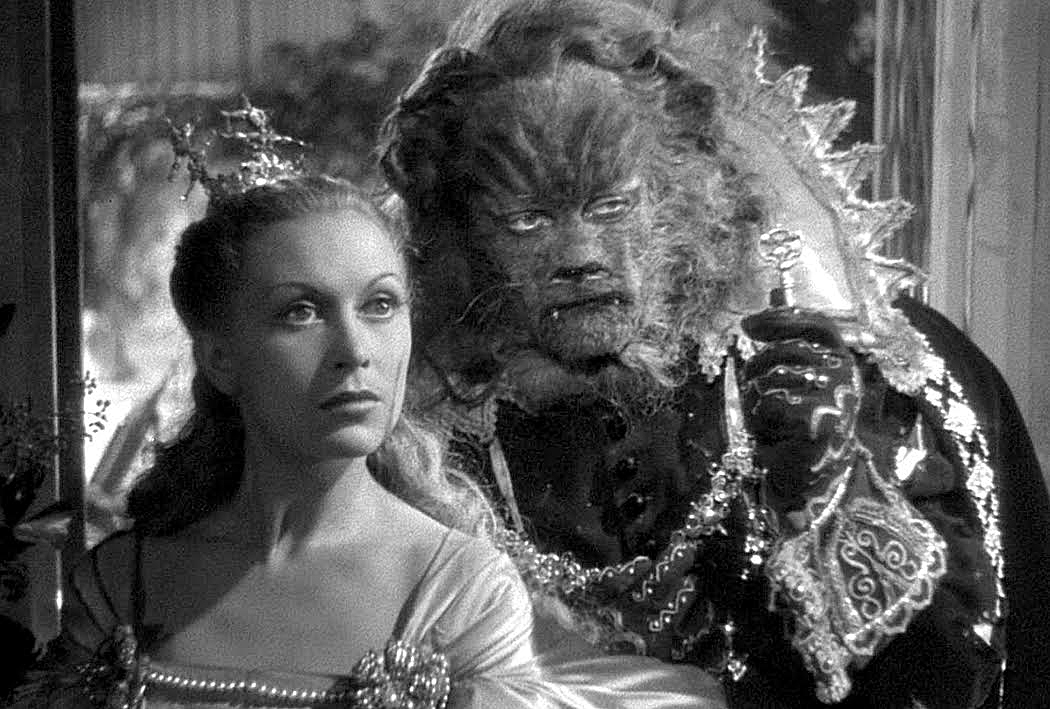
Young women have their say in all this, too. But the monsters they fantasize about tend to be more like Beauty and the Beast: Can the rough monster be tamed by love? Their guiding genius is not Bram Stoker but rather, Jean Cocteau. Their corollary is not the Marvel Universe, but the land of Romance Novels. In each one, a monster is tamed by love. Underneath is a prince of a guy. Hence, Twilight.
In the case of either gender, there is comfort in the consistency of the conventions, of the rules.
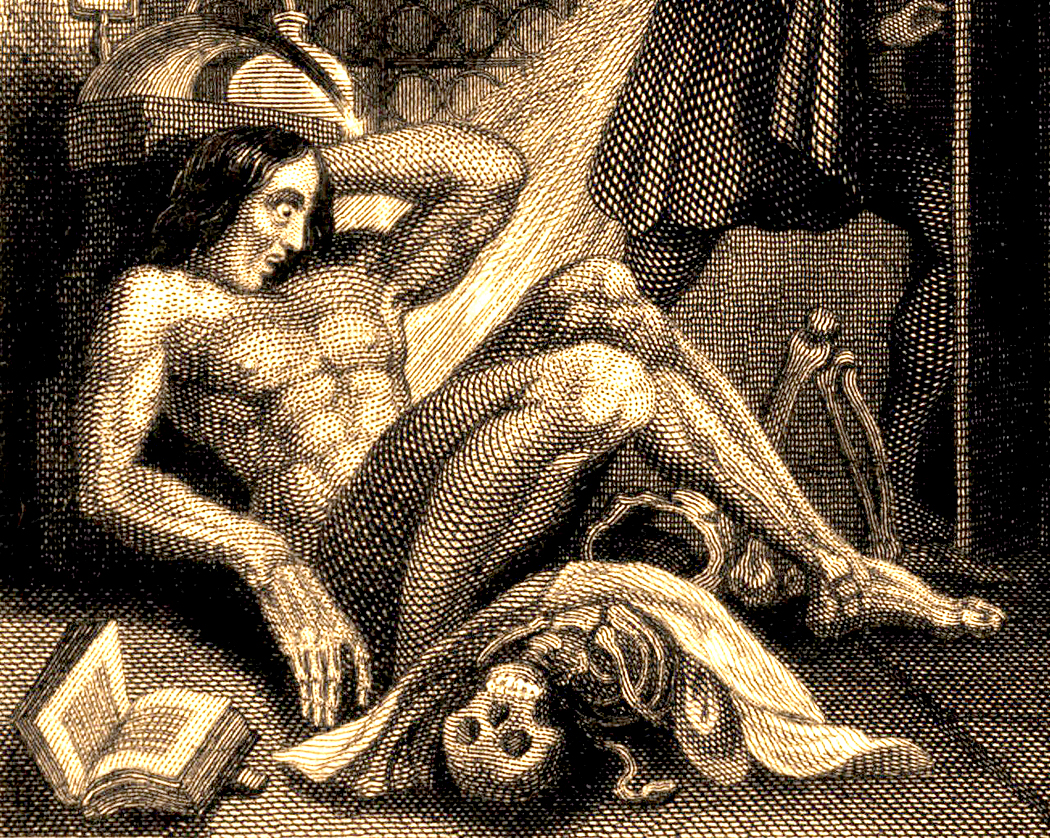
Frontispiece from Mary Shelley’s “Frankenstein” 1831 edition
The great granddaddy of all the monsters is, of course, Frankenstein. The first film version was made in 1910 and the most recent just came out with Maggie Gyllenhaal’s The Bride. Overall, some 469 known feature films have been made, and also 236 short films, 93 TV series and 394 TV episodes feature some version or interpretation of the Frankenstein character. Some have been attempts to tell some variation of the story created by Mary Shelley in her 1818 novel, others just transport the monster into unrelated plots, or perhaps put the monster on the Moon or into World War II.
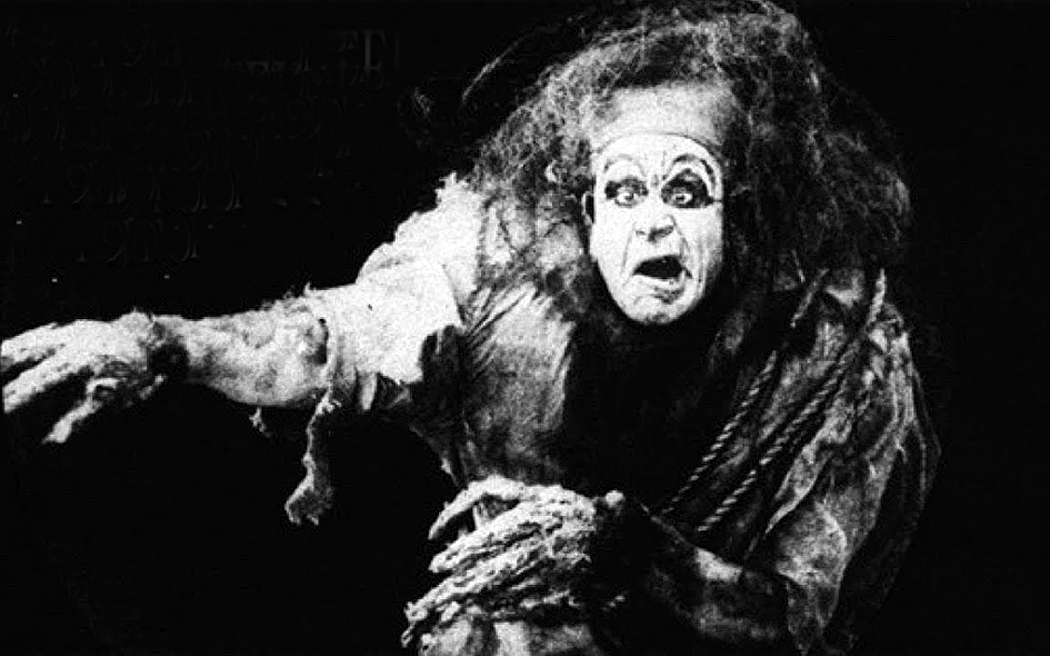
The 1910 version, made by the Edison Studio, has the monster literally cooked up in a steaming cauldron. The movie lasts only about 16 minutes but includes many of the recurring tropes. It can be watched on YouTube. Recommended.
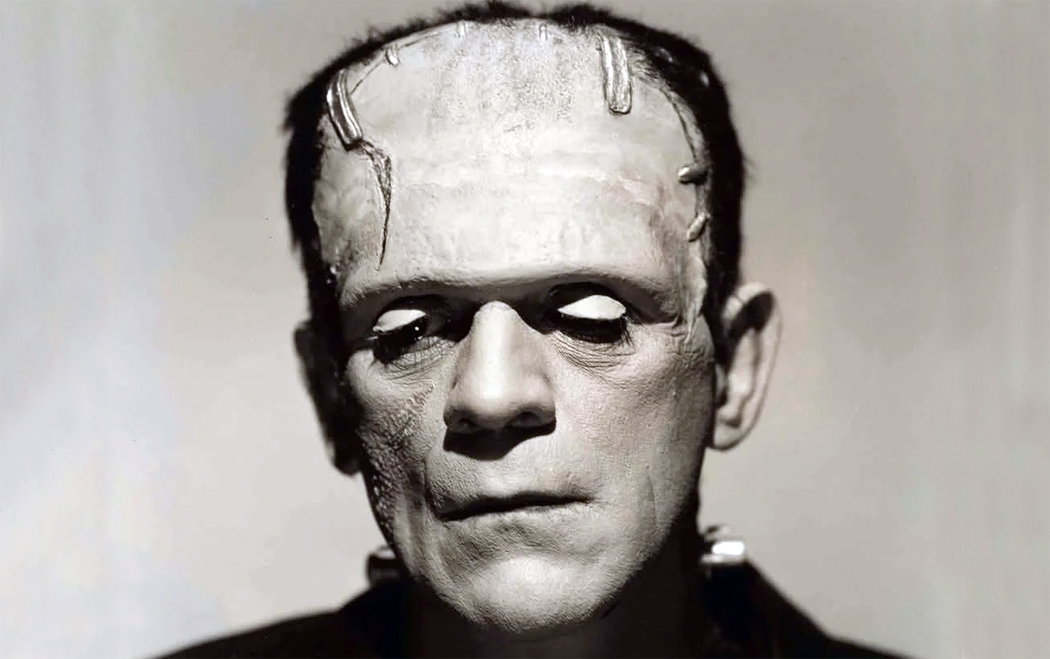
The most famous was the 1931 film, directed by James Whale and starring Boris Karloff as the monster. The makeup for the Karloff became, for decades, the defining look of the monster, with his flat head and neck bolts. The look lasted even until Fred Gwynne wore it in TV’s The Munsters from the 1960s.
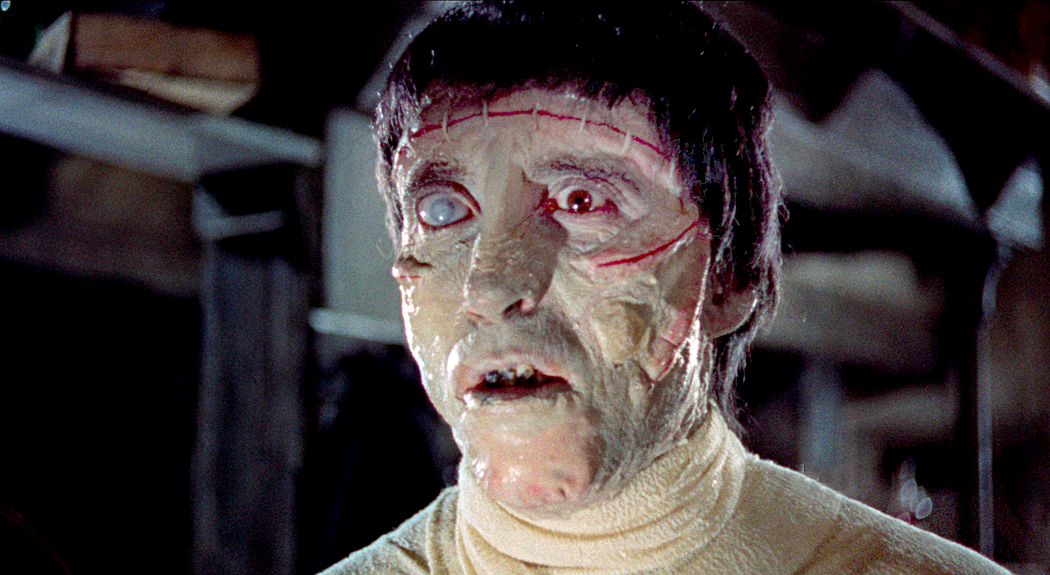
The UK’s Hammer Films gave the monster a total re-imagining beginning in 1957 with Curse of Frankenstein, dousing him googly-eyes and a what seemed to be a terminal case of eczema. The series of five sequels featured garish color photography and lots of heaving bosoms and gushing blood.
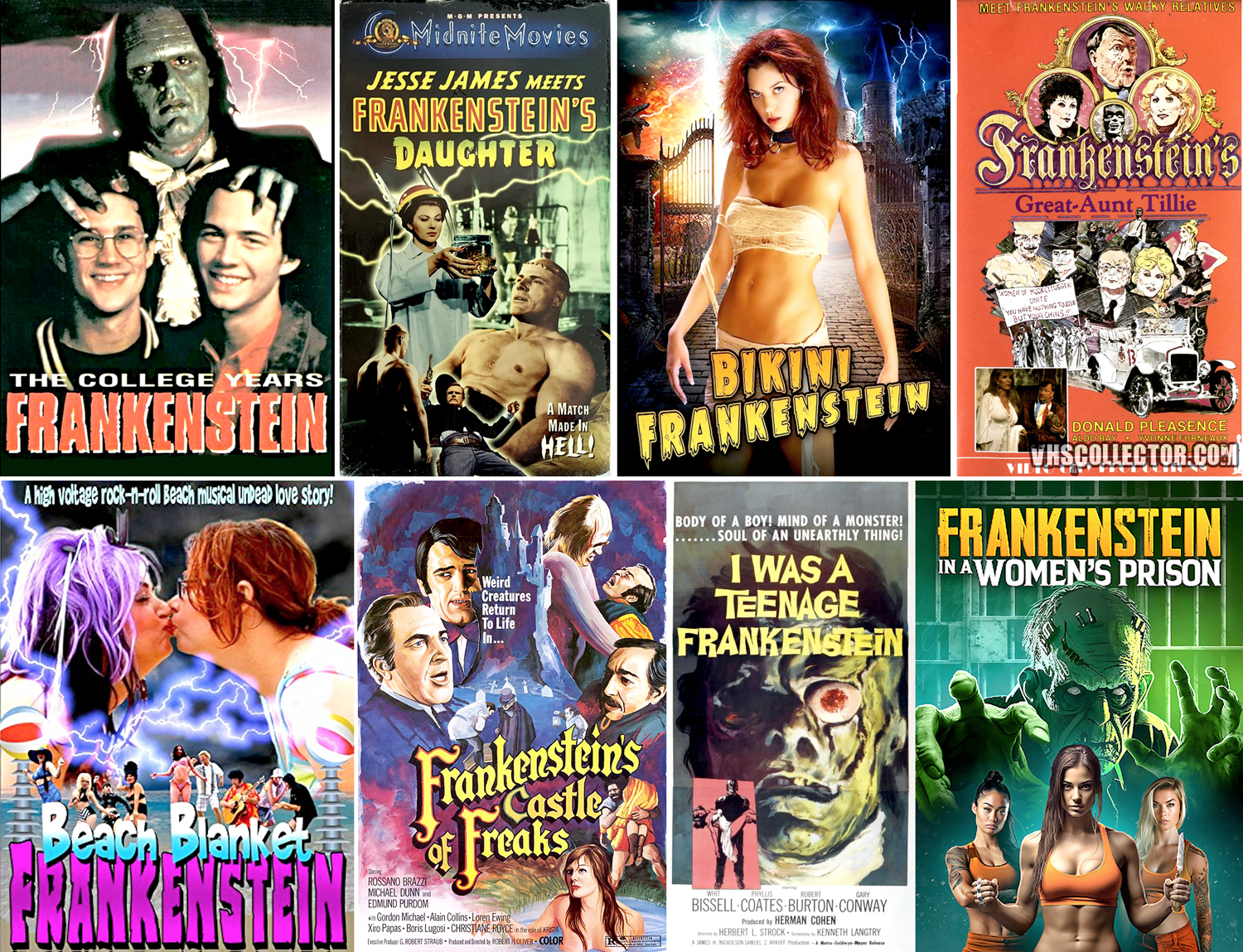
A compost heap of exploitation films brought the monster to teenagers in the ’60s and beyond with titles such as Frankenstein Meets the Space Monster (1965), Jesse James Meets Frankenstein’s Daughter (1966), Frankenstein and the Monster from Hell (1974), Frankenstein’s Mother-in-Law (1983), or Frankenstein: The College Years (1991).
And the monster showed up in various TV episodes as a familiar cultural icon, from the Colgate Comedy Hour in 1951 through the Carol Burnett Show in 1972 and more than a hundred times since then, even through South Park last year.
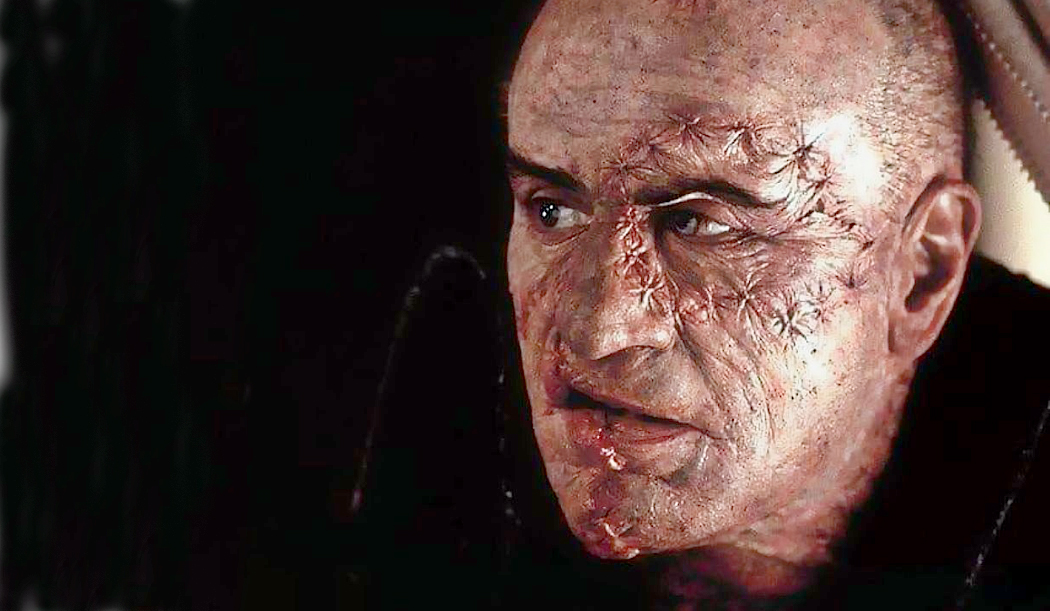
There have also been earnest attempts at making grown-up versions of the book, to varying degrees of fidelity. Kenneth Branagh tried in 1994 with Mary Shelley’s Frankenstein, to a lack of enthusiasm on Rotten Tomatoes, with Robert De Niro playing the monster. The cast was so loaded to the brim with familiar British actors you might have thought you were watching Midsomer Murders.
Van Helsing (2004) reanimated the monster and joined him up with Dracula, who unaccountably is both vampire and werewolf. It got a measly 24 percent on Rotten Tomatoes and critics complained about too much obvious CGI. Really, it was just silly.
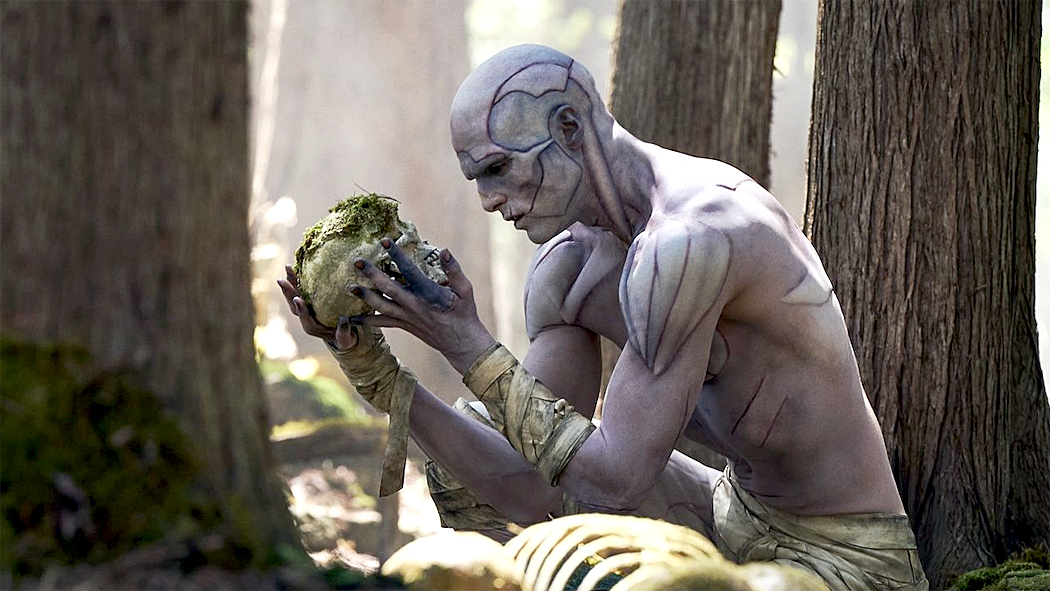
Last year’s Frankenstein by Guillermo del Toro took the story as seriously as Mary Shelley, and although changed quite a lot from the book, nevertheless was the closest in spirit to the original I have ever watched.
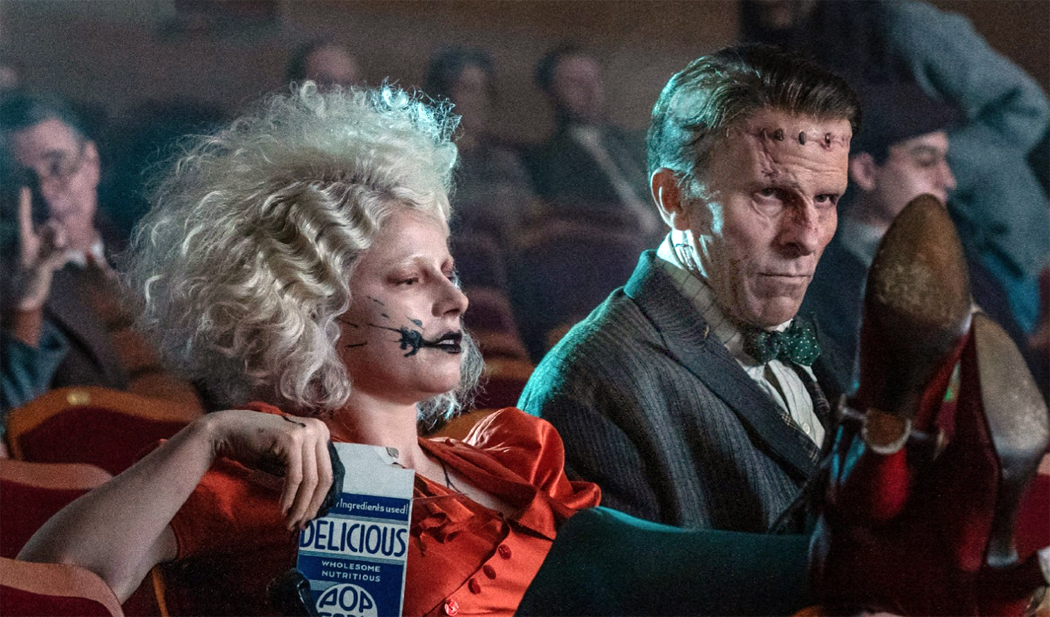
And currently The Bride tries to tell the story from a sort-of feminist point of view and as a musical (sort of). I have not seen it yet. It is getting mixed reviews, but is clearly a serious take on the story.
These last two have gotten most of the PR, but it should be noted that 2025 also gave us The Abominations of Frankenstein by Eric Yoder, I Am Frankelda, a Mexican stop-motion animation, and Stitch Head, an animation by Steve Hudson.
And coming soon to theaters near you — or most likely streaming or direct to DVD: The Monster Hop; Frankenstein by Micah Ignacio; and Frankenstein in Romania by Radu Jude.
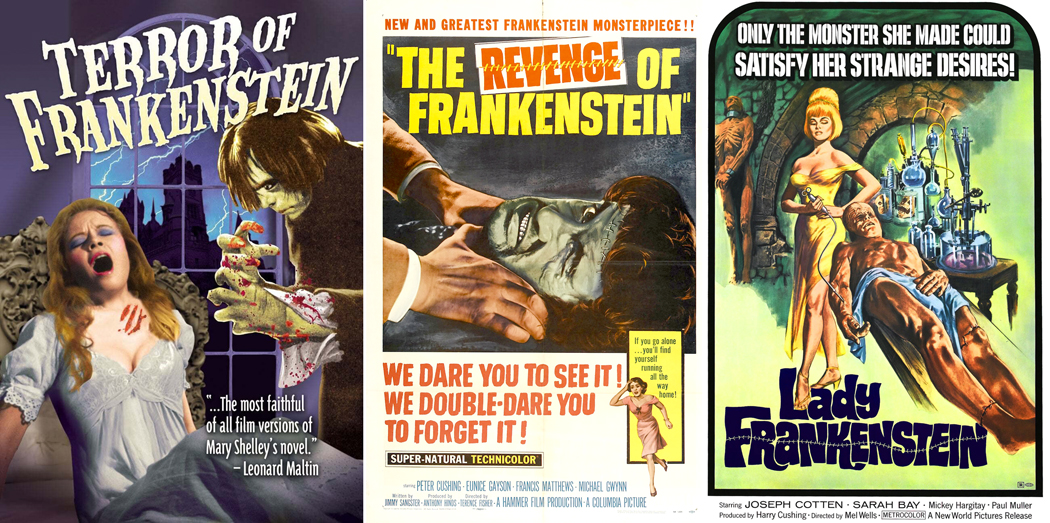
I counted a dozen feature films with the single-name title Frankenstein and scores more with the name in the title: Son of…; Terror of…; Bride of…; Curse of…; Revenge of…; etc. and those like Frankenstein meets…; Lady Frankenstein; Frankenstein: The True Story; or Frankenstein: Italian Style. It never seems to go out of fashion. There are good ones, bad ones, comic ones, drive-in ones, as surprising number of porn ones. The run from tacky to artful. But they all follow a dependable set of conventions, even if the rules evolve over time.
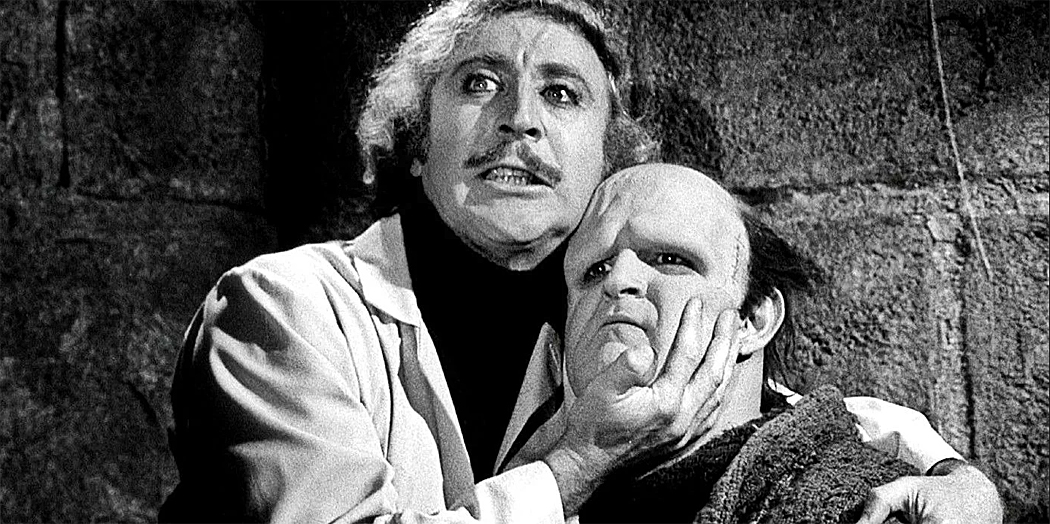
And we shouldn’t forget the best reinterpretation of Mary Shelley’s story, Young Frankenstein, the best made of all Mel Brooks’ movies, with true reverence for the craftsmanship of the old Universal films, but, you know — funny.
There is a great literature around the psychology of attraction we have for monsters. I leave that to the experts. Is it the metaphor for the Id? The fear of death? The recognition of the threat the outside world presents? A parable of the societal outsider? The Aristotelian projection of terror and pity? Probably all these things at various times. But I am suggesting that one of the pulls of the genre is its suggestion of stability, that the monster itself will abide by the rules, and that, after the stake through the heart or the silver bullet, things will always go back to normal — until the sequel.












 Richard Nilsen