Archive

Tag Archives: elgar

Classical music critic David Hurwitz recently posted a YouTube video on works that “reduce me to a quivering puddle of emotional resonance.” He cited 10 compositions that seem to work, no matter how they are performed (although, they can be ruined by a miserable performance). 

“The crying can be sadness; it can be happiness. Usually for me it’s a confrontation with something which is so beautiful … it just seems to get to the heart of the universe and makes me weep. What can I tell you? It happens.”

He then invited his viewers to submit their own lists of works that bring on the waters. A subsequent video addressed those lists. 

Such lists usually come in round numbers: “Top Ten,” or “The Hundred Best,” etc. But when I made my own list, I realized I could go on for quite some time. 

I begin my list with the sarabande in J.S. Bach’s Suite No. 5 for unaccompanied cello. It is a ridiculously simple composition, barely more than a hundred individual notes, almost all unrelieved slow eighth-notes, but notes that plumb the deepest depths of innigkeit — that profound sense of inner subjective experience, of aloneness from the world, contemplation of things beyond words. 

The tears come, not from sadness, but from a sense of being left to your own thoughts in the darkness, the knowledge that, no matter how much you love or engage, there is always an awareness of separation. An aloneness we share with everyone else on the planet. 
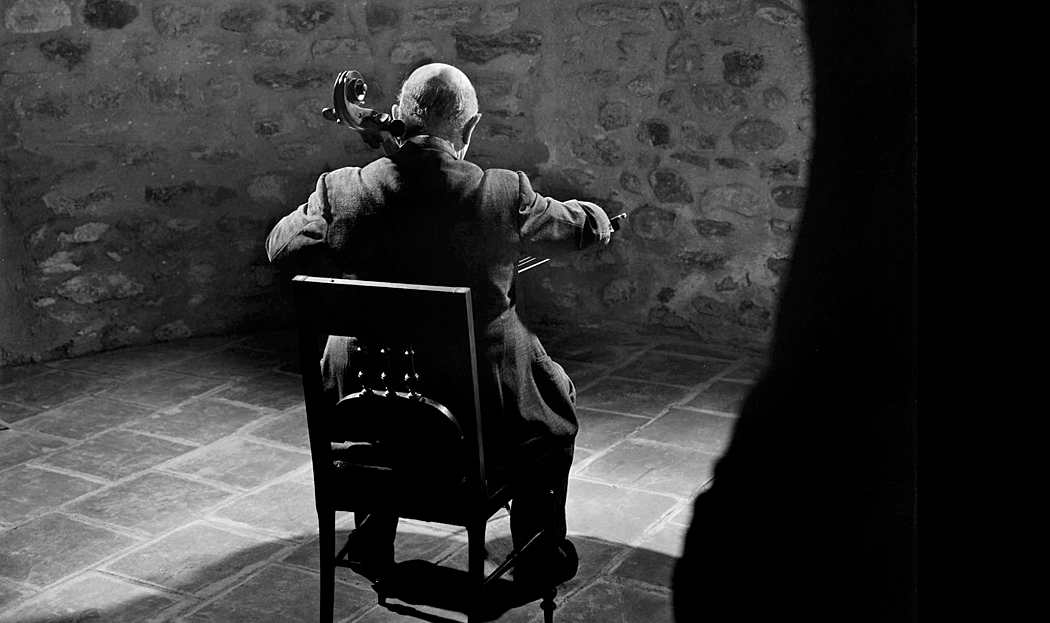
I’ve heard the sarabande, and the suite, countless times, both live and on recordings. The one that always does me in is the version played by Pablo Casals in 1939. Casals was the person most responsible for the resurrection of the score, after he found a forgotten copy in a used book store in 1889, when he was 13 years old. He waited until he was 60 before recording them. There is some fuzz and hiss to the old 78rpm recordings, but the depth of Casal’s playing speaks through it all. 

The sarabande has struck many as special, even among the whole of Bach’s works. Cellist Paul Tortelier called it an “extension of silence.” Yo-Yo Ma played it on Sept. 11, 2002, at the site of the World Trade Center, while the names of the dead were spoken, on the first anniversary of the attack. 

Second on my list is the final chorus of Bach’s Passion According to St. Matthew, Wir setzen uns mit Tränen nieder, which expresses grief over the death of Jesus on the cross. That chorus transcends religious doctrine so that I, as a non-believer, can internalize the sense of loss, of death, and grieve along with them. “We sit down in tears,” they sing, with a section that also asks for “peace, sweet peace.” 
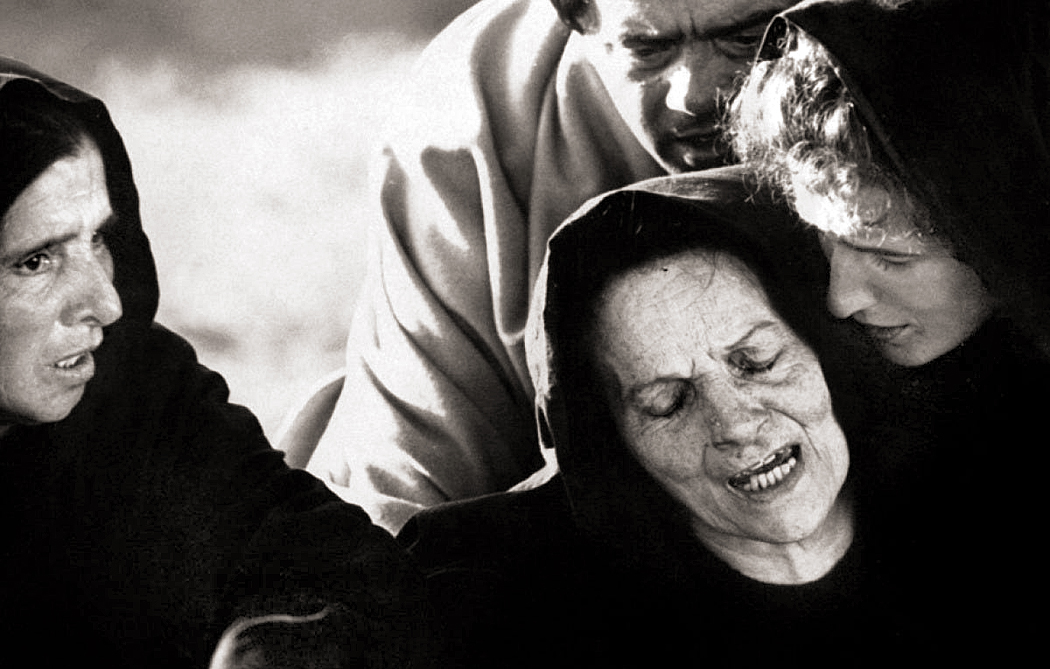
I first head the chorus as film-score music for Pier Paolo Pasolini’s Neorealist retelling of The Gospel According to St. Matthew, a dour black-and-white version, almost word for word from the Bible (and how peculiar that the most successful Christian film should come from a homosexual Communist atheist, but with reverence for the humanity of the story; no Cecil B. DeMille hokum and claptrap for this one). 
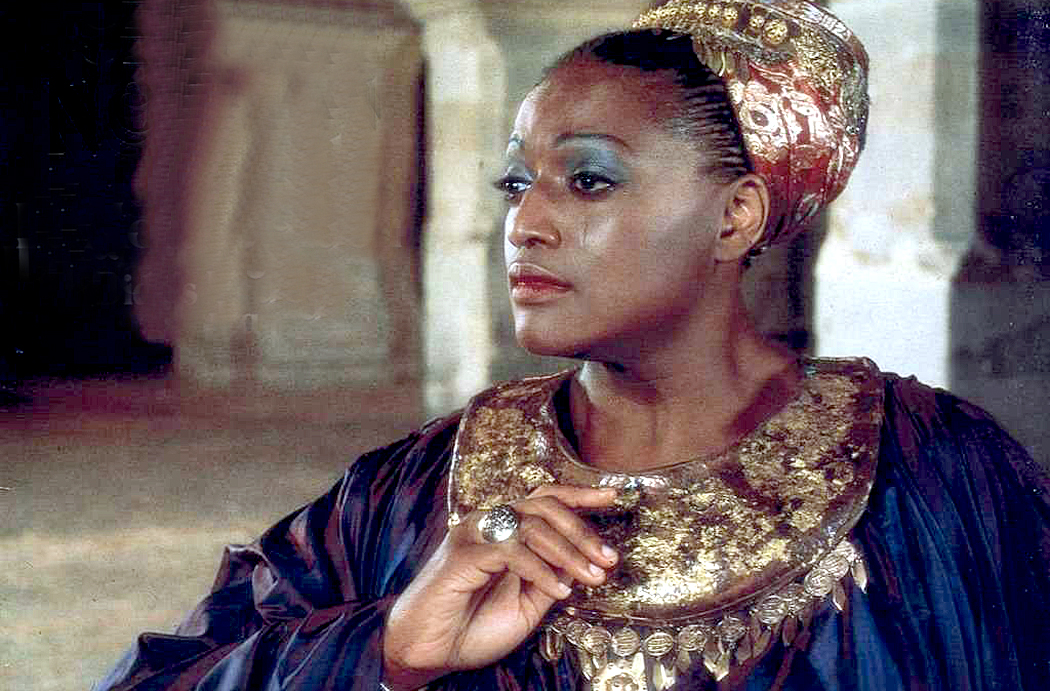
Grieving is one cause for the waterworks in listeners. How can you not feel the intense sadness of Dido as she faces her own death in Henry Purcell’s Dido and Aeneas, in the section known as Dido’s Lament, “When I am Laid to Rest.” It is a ground bass (repeated bass line), over which she sings “Remember me … remember me.” It is heartbreaking. 

Alban Berg used his entire Violin Concerto to express mourning over the death of Manon Gropius, daughter of Walter Gropius and Alma Mahler, who died of polio in 1935 at the age of 18. Berg dedicated his concerto “To the memory of an angel.” 

It begins quietly on the violin’s open strings, builds to an angry climax, and reaches a point of cosmic acceptance with a quote of J.S. Bach’s chorale, “Es ist Genug” (“It is enough.”) 
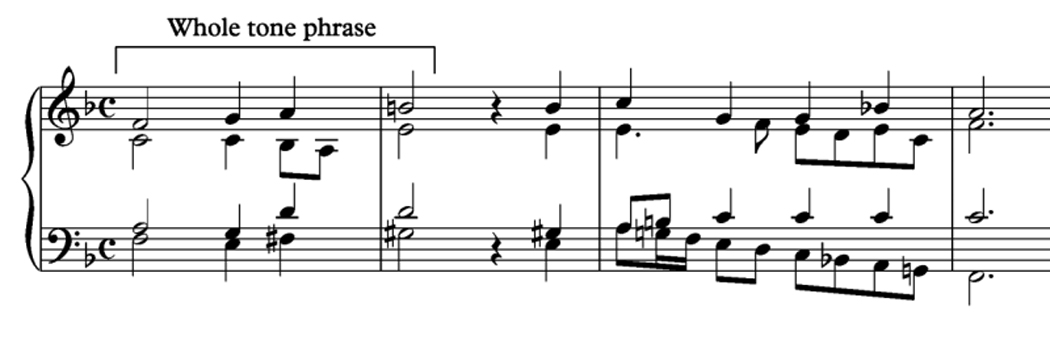
After all the turbulence of the anger, the simple hymn, albeit harmonized in a very 20th-century way, seems like the peace of the angels, a calm in the universe. I, for one, cannot listen to the concerto without tears streaming down my cheeks. 

Although it is written in his idiosyncratic 12-tone style, the Berg Violin Concerto is never simply noise: Even those who hate modern serial music love this concerto. It is music, not theory. 

These several pieces work because, while they are expressing their grief over a specific death, they also subsume the rest of us. And there is music which expresses not individual grief, but Weltschmerz — “the sorrows of the world” — that sense that all lives have an end, that life is suffering, that “no one gets out alive.” 

The work that seems to hit everyone in the gut with this is Samuel Barber’s Adagio for Strings. Originally the slow movement of a string quartet, Barber orchestrated it to create the version known best. 

The music is simple, barely more complex than a Gregorian chant, but builds slowly to an overwhelming climax, then silence, then a short peroration of calmness and repose. Never a dry eye. 

The only problem with the Adagio for Strings is that it has become so popular, played at the funerals of Franklin Roosevelt, John F. Kennedy, Princess Grace of Monaco, Albert Einstein, and Barber himself. It has become de rigeur for public tragedies such as Sept. 11, The Charlie Hebdo attack, the 2016 Brussels bombing and the Orlando nightclub shooting, and the 2017 Manchester Arena bombing, and in 2020 for the victims of the Coronavirus. To say nothing of how many movies it provides a trigger for emotions, as in Platoon, The Elephant Man and Lorenzo’s Oil. So that, for some, it can no longer be heard innocently, but only with irony, as in its appearance in Seinfeld, The Simpsons, and South Park

But so far, the Adagio has proved bulletproof. It always works. Emotions pour out. The music is powerful.
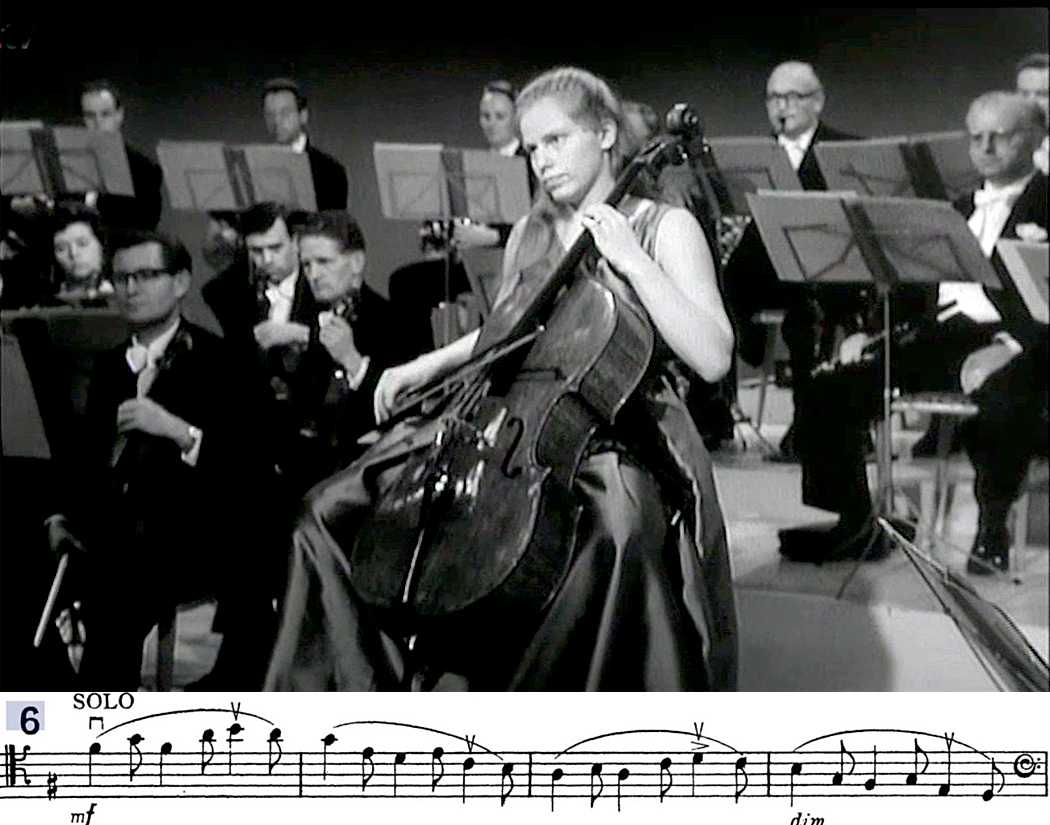
And talk about Weltschmerz: Another concerto brings out the emotions almost instantly, and that is Elgar’s Cello Concerto. Unlike most classical music concertos, it opens with the solo cello playing widely spaced E-minor chords, ringing sad and hollow, followed by a short cadenza before the orchestra ever plays a note. 

Elgar wrote it in 1919 in distress over the death and destruction of the First World War. It is a musical evocation of the famous lament of British Foreign Secretary Sir Edward Grey in 1914: “The lamps are going out all over Europe and we shall not see them lit again in our lifetime.” It is hard, with our distance from the events, and after the Second World War and the horrors of the Cold War, to fathom what a psychological wrench that first cataclysm was for the world, and how much it was clear that everything anyone knew had changed utterly and forever. So much was lost. Elgar’s concerto puts that sentiment into music. 

That sense of loss is personal as well as civic, and you sense it in the greatest of Richard Strauss’ Four Last Songs, “Im Abendrot.” It is a song for soprano and orchestra that conveys such a sense of longing and loss that even without the words, the orchestra alone can bring out the tears. 

In it an old couple stands on a hill looking at a sunset, a lark flies off into the twilight and the words by German poet Joseph von Eichendorff, say, “Wie sind wir wandermüde — Is dies etwa der Tod?” “How weary we are of wandering — Is this perhaps death?” 

There is something of the same feeling (and similar orchestral lushness) in Gustav Mahler’s Der Abschied, the final song of the cycle, Das Lied von der Erde, “The Song of the Earth.” The half-hour song tells of the beauty and permanence of nature and in the brevity of the human life. Even for a Mahler nut like me, who loves pretty much everything the man put on paper, Der Abschied is the single most beautiful and heartbreaking thing that composer ever wrote. 
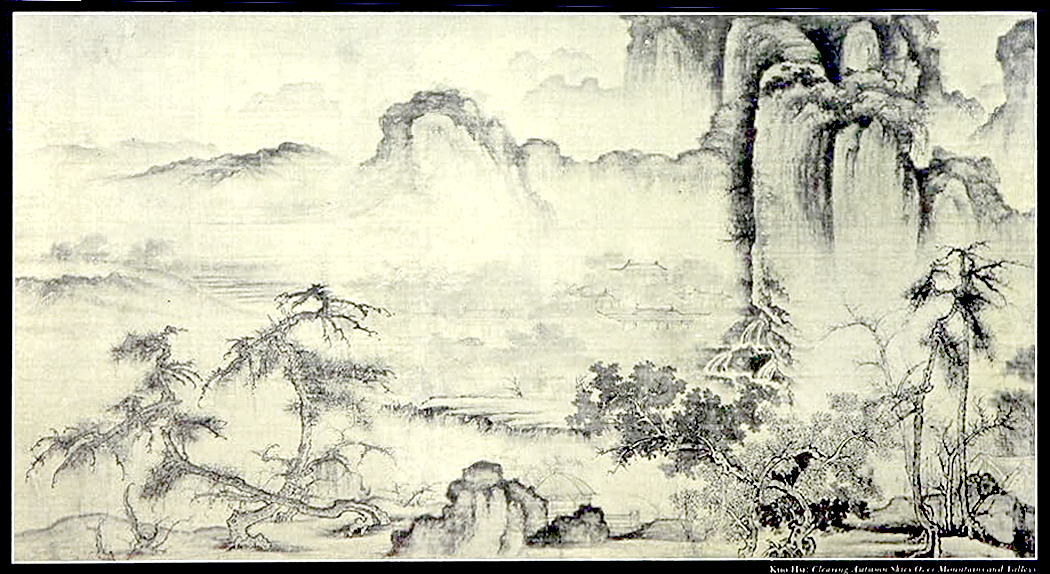
O Schönheit! O ewigen Liebens – Lebens – trunk’ne Welt!” “O beauty! O eternal loving-and-life-drunk world!” And the voice finally shrinks down to near-silence repeating the word “Ewig,” “forever…” over and over until it and the orchestra dissolve in emptiness. 

Mahler himself asked whether the music should even be played. “Won’t people go home and shoot themselves?” he asked. The thing is that the highest art may tell the most dismal tale, yet the beauty of the telling is life-enriching and leaves us weeping but full of joy. 

Mahler gave us also a song of such inwardness and reflection in the Rückert Lieder, “Ich bin der Welt abhanden gekommen,” a setting of a poem by Friedrich Ruckert. “I am become lost to the world, with which I used to waste so much time. It has for known nothing of me for so long, it may well believe me dead.” The slow tread of the song, with its repeated incomplete upward motive, leaves you floating between earth and sky. 

That Mahler song may not be the deepest expression of giving up on life. That honor has to fall to the final song in Franz Schubert’s song cycle Winterreise, “Winter Journey.” The cycle of 24 songs by German poet Wilhelm Müller collectively tell the story of a romantic young man spurned in love, who travels in suffering through a winter landscape, telling of loneliness, heartsickness, futility, fate, and finally, in Die Leiermann, “The hurdy-gurdy man,” finds an image of utter hopelessness. 
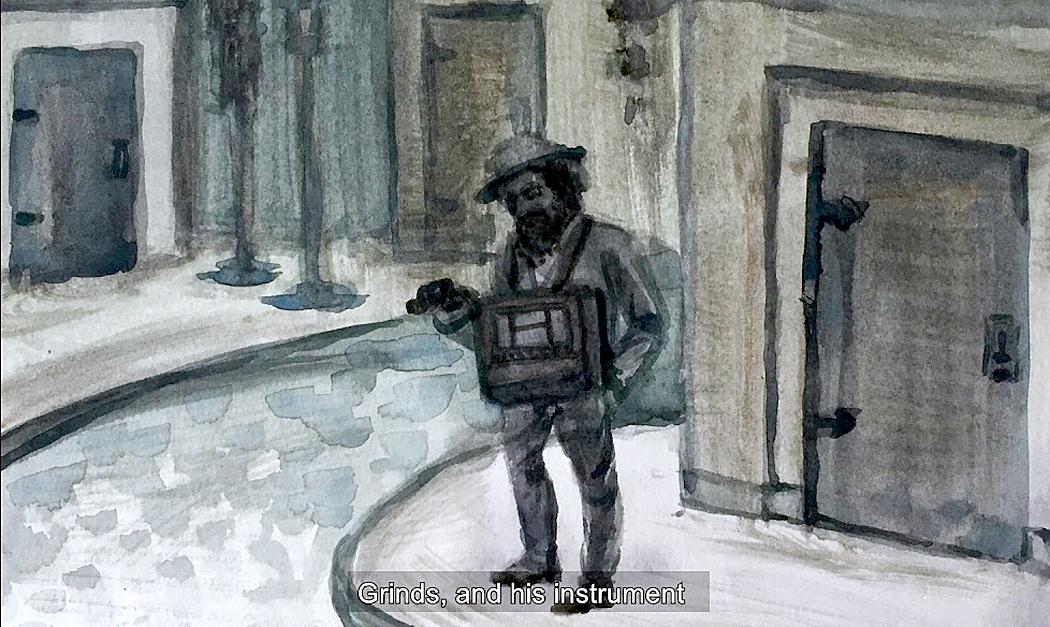
“Barefoot on the ice, he sways to and fro, and his little collection plate remains empty. No one wants to listen to him; no one looks at him. … He plays and his hurdy-gurdy never stops.” The piano accompaniment repeats the same figure over and over, with no sense of forward motion, and the singer sings his words over and over with little variation. This is psychological depression at its peak expression. “Strange old man, shall I go with you?” The implication is that the Leiermann is simply Death itself. 

 But I may be giving the wrong impression. While music of woe may bring on the deepest emotion, so, too, can music of joy and beauty. There is a reason people cry at weddings. When any emotion, from grief to ecstasy, fills the interior space, it can swell and overflow, and the overflow valves in the human being are the eyes. The emotional pressure in the body swells until it cannot be held in check. Tears of joy, tears in the face of beauty. 

I remember the words that playwright Peter Shaffer put in the mouth of Antonio Salieri in his play, Amadeus. Salieri overheard the adagio of Mozart’s Gran Partita for winds. 
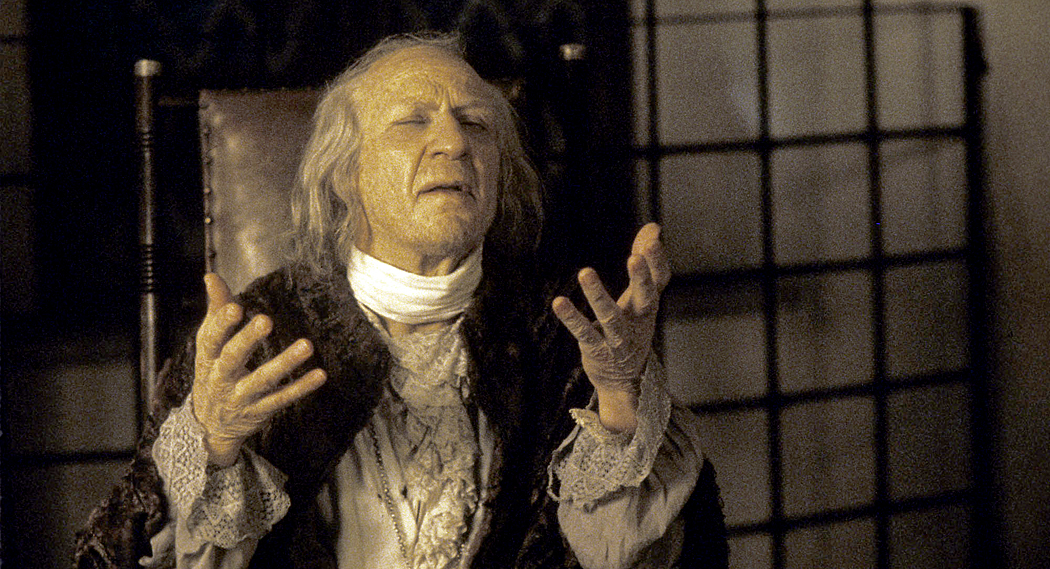
“Extraordinary!,” he says. “On the page it looked nothing! The beginning simple, almost comic. Just a pulse. Bassoons, basset horns — like a rusty squeezebox. And then, suddenly, high above it, an oboe. A single note, hanging there, unwavering. Until a clarinet took it over, sweetened it into a phrase of such delight! This was no composition by a performing monkey! This was a music I had never heard. Filled with such longing, such unfulfillable longing. It seemed to me that I was hearing the voice of God.”

It is an astonishing thing about beauty, real beauty, that it can sit beside the horrors of the world, the miseries, the deaths, the wars, the hatreds and injustices, and make you pause, fill you with emotions and remind you that no matter how bad things are, you still cling to life. The beauty can not excuse the suffering, but in some inexplainable way can somehow balance it. Beauty can stop time and fill you up to overflowing. 

Shostakovich wrote his 13th symphony, setting the Yevtushenko poem, Babi Yar, about the 1941 massacre of more than 30,000 Jews by Nazis at Babi Yar, near Kiev. It is a powerful poem denouncing anti-Semitism and the horrors of war and hatred (and a warning about Soviet anti-Semitism). The following movements of this choral symphony take on bitter humor as antidote to bureaucracy and tyranny; the hunger of food shortage; the use of fear by totalitarians; and finally, the difference between amoral careerism and the need for artists to express truth. 

This finale is introduced by a flute duet of such sweet delight, such soothing calmness, that although it cannot gainsay the horrors, it somehow balances them. The music itself, while beautiful, is nothing special in itself, but coming as it does at the end of this explosion of the miseries of the world (and especially Stalin’s Soviet Union), is such an unexpected release, it seems a miracle, and with the pressure taken off, at least momentarily, it can only be felt and expressed by its audience in the immediate explosion of waterworks. 

Now, all I have to hear is the flute bit, and I instantly recall all that went before, and I weep uncontrollably. 

That sense of beauty as counterbalance is the overwhelming sense you can get from the slow movement of Beethoven’s Ninth Symphony, which gives us 15 to 20 minutes (depending on performance) of stillness in the universe, a slow pulse that seems more cosmic than corporeal. It comes after a terrifying first movement and a relentless scherzo. The world then, after flowing through turbulent rapids, empties out into the calm ocean of the adagio. The release is overwhelming. 

It is also the slow motion of the finale of Mahler’s Third Symphony, which, after earlier movements titled “What the flowers in the meadow tell me,” “What the animals in the forest tell me,” What Man tells me,” and “What the angels tell me,” ends his symphony with a half-hour movement, “What Love tells me.” 
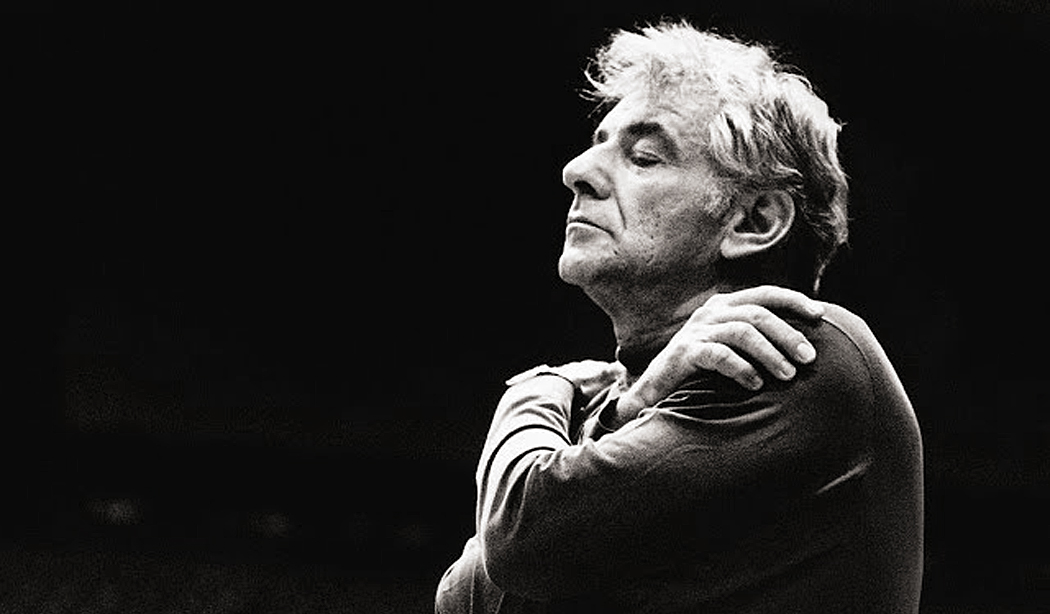
It is marked “Langsam — Ruhevoll — Empfunden,” (Slowly — Peacefully — Deeply felt,” and moves at a slow tread, first in the strings and building, a half-hour later, with trombones and brass and a final chord that can last to eternity. Conductor Bruno Walter, who knew Mahler and conducted the premieres of both his Ninth Symphony and Das Lied von der Erde, said of this movement, “Words are stilled — for what language can utter heavenly love more powerfully and forcefully than music itself? The Adagio, with its broad, solemn melodic line, is, as a whole — and despite passages of burning pain — eloquent of comfort and grace.”

The Swiss critic William Ritter said it was, ”Perhaps the greatest Adagio written since Beethoven.” Another anonymous critic wrote about the Adagio: “It rises to heights which situate this movement among the most sublime in all symphonic literature.” At its premier in 1902, Mahler was called back to the podium 12 times, and the local newspaper reported that “the thunderous ovation lasted no less than 15 minutes.”

That sense of time standing still reaches a much quieter apotheosis in the slow movement of Maurice Ravel’s Piano Concerto in G. With subtle cross-rhythms and a melody that seldom rises above a mezzo-piano, it is entirely hypnotic. The beauty of it brings me to tears almost even just thinking of it. 

And there is the sublime beauty of Mozart’s Ave Verum Corpus, a choral work that lasts a mere four minutes in just 46 bars of sighing chromaticism and sotto voce music, and, as one critic put it, is “capable of leaving the listener just as moved as might an entire five-day long cycle of Wagner’s Ring.” 

Some of these may work their magic only on my ears, some seem to work for everyone. And there are times when the listener may be too tired, to caught up in other things, or a bad meal or just in a sour mood, when such music can pass by almost unnoticed. And there are times in a concert when I am so tuned in, that almost any music, played well, may bring on the waterworks. 

But for me, this music almost never fails. The music triggers some empathetic response, and the emotions shiver to life. I am human; these are human feelings; these emotions are what make us human. 

Music can do that better, and more immediately, than any other art. 

Buddhism has its Noble Eightfold Path, and I have my list of Seven Noble Violin Concertos.

There are two basic varieties of concerto in the Western tradition. In one, the purpose is to be pleasing, either through beautiful and graceful melody or by entertaining the audience with the soloist’s virtuosity. 

But the other path — what I’m calling the “noble concerto” is more symphonic in conception, where an estimable composer uses the concerto form to express some deep or profound feelings and the solo instrument is just a means to do so. 

This is not to disparage the first type of concerto. Two of the greatest and most popular violin concertos fall into this group: the Mendelssohn concerto (certainly one of the most beautiful ever and perhaps the only one that could be called “perfect.”) and the Tchaikovsky, which, although it is difficult for the performer, cannot be said to plumb the emotional depths. Doesn’t mean it isn’t a great concerto, but its emotional qualities tend to be melodramatic rather than profound. 

The concertos of Paganini are tuneful, also, but mainly exist to show off his digital gymnastics. The concertos of Vieuxtemps, Viotti, and Wieniawski are all adequate but shallow works. Don’t get me started on Ludwig Spohr. Even Mozart’s concertos for violin are more pleasing than profound. It’s all they were ever meant to be, and we shouldn’t ask for them to be more. 

Some of these concertos are among my favorites. Beyond the Mendelssohn and Tchaikovsky, I adore the Korngold, the Barber, both Prokofievs and the Stravinsky. I even love both Philip Glass goes at the genre (has he written a third while I wasn’t looking?) I listen to all of them over and over, with great pleasure and satisfaction. So I am not writing them off simply because they don’t make my list of noble concertos. 

The noble concerto doesn’t seek to ingratiate itself. It is not written with the audience in mind, but rather to express the thoughts and emotions common to humanity. They bear a seriousness of purpose. They may seem more austere, less immediately appealing, but in the long run, they reward a lifetime of listening, and in multiple interpretations. You learn about yourself by listening to them. 

I am not including concertos earlier than Beethoven, which means, no Bach, no Vivaldi, Tartini, Locatelli or Corelli. In their day, “noble” simply meant a spot in the social hierarchy, a position of privilege unearned but born into. Beethoven changed that, claiming a place for an earned nobility of purpose and ability.

“Prince,” he told his patron, Prince Lichnowsky, “what you are, you are through chance and birth; what I am, I am through my own labor. There are many princes and there will continue to be thousands more, but there is only one Beethoven.” Which would sound like boasting, if he didn’t have the walk to back up the talk. 

Nobility of the kind Beethoven meant was defined in Samuel Johnson’s dictionary as, “a scorn of meanness,” or low intention and an embrace of moral and ethical excellence and personal integrity. 

I call these seven concertos “noble,” but that is a word well out of fashion these days, when anything elevated, whether nobility or heroism or honor, is suspect. The facile use of such words by fascists and totalitarians  have made them stink to the mind. Yet, the truths of them are still there, and can be found in words, actions, art and literature. And in these seven concertos. 

It’s not that I want to listen to these seven to the exclusion of the others. They each have their place, their purpose and their virtues. But these seven are just more, what — serious. They make more demands on the listener, and provide greater rewards for the effort. A seriousness of purpose. 

—Let’s take them in historical order, beginning with the obvious first choice, the Beethoven Violin Concerto in D, op. 61, from 1806. 

At one time, I owned more than 40 recordings of the Beethoven concerto, which I listened to and studied with the score, and so, I am quite familiar with most of these CDs. I got rid of almost all of them when I moved from Arizona to North Carolina, along with three-quarters of all my classical music collection (now, I’m reduced to little more than 2500 CDs. Weep for me.) 

There have been more than a hundred notable recordings of the Beethoven concerto, from the time of acoustic recording to our streaming present. 
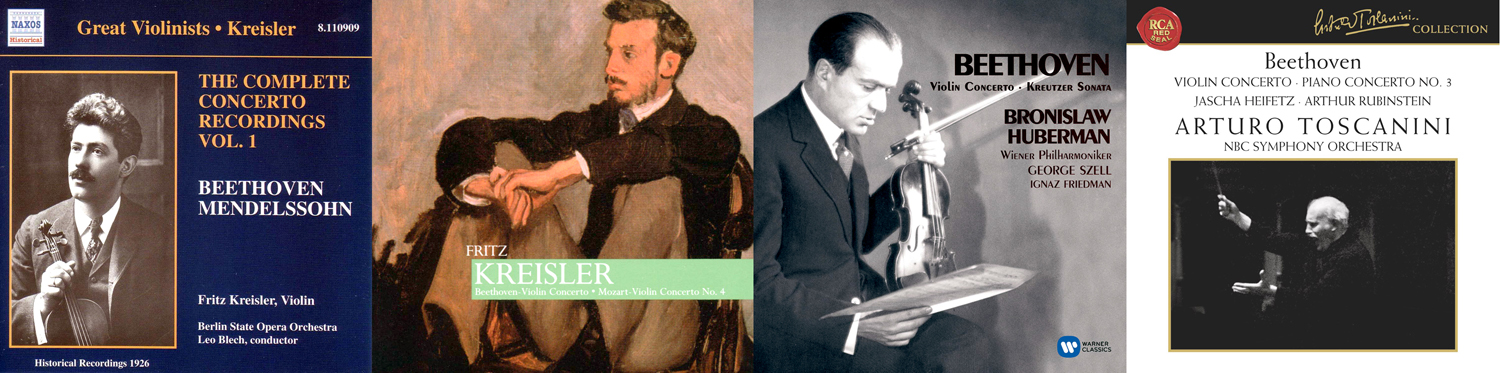
I  count five distinct ages of recorded music. The first from the era of the 78 rpm record, where concertos and symphonies had to be spread out onto many discs, with odd breaks in between. This was an age of giants, of Fritz Kreisler, Mischa Elman, of Bronislaw Huberman, Albert Sammons, Efrem Zimbalist, Adolf Busch, and, crossing over eras, Jascha Heifetz. 
The second era was that of the LP, both mono and stereo. This was the golden age of classical music recordings, where established stars of an earlier age got to show off their stuff in hi-fidelity, and newer star performers made their names. 

This was followed by the digital era, beginning in the 1980s, with the introduction of CDs. A few conductors and orchestras dominated the market — Herbert von Karajan re-recorded everything he had previously done in 78s and on LPs, and not always to the better. 

The new century has been marked by an entire new generation of soloists, better trained and technically more perfectly accomplished than most of the great old names, and they have made some astonishing recordings. What I sometimes suspect is that they lack the understanding and commitment to what the music means, intellectually. Facile and beautiful and technically perfect, but not always as deep. 

And now, we live in an age that overlaps that, of historically informed performance, in which everything is played lighter, faster and punchier — and all the nobility is squeezed out as suspect and as fogeyism. 

From the first era, we have two recordings by Kreisler, from 1926 with Leo Blech conducting and a second from 1936 under the baton of John Barbirolli. You might think the later recording was in better sound, but they are pretty equal in that way. Clearly they are old scratchy recordings, but the brilliance of Kreisler shines through anyway. In many ways, these are my favorite recordings of all. Kreisler has a warmth, a beauty of phrasing and a nobility that is exceptional. 

There is also the Bronislaw Huberman with George Szell from 1934 in surprisingly good sound, and by Jascha Heifetz with Arturo Toscanini from 1940 that some prefer over his later LP one with Charles Munch. 

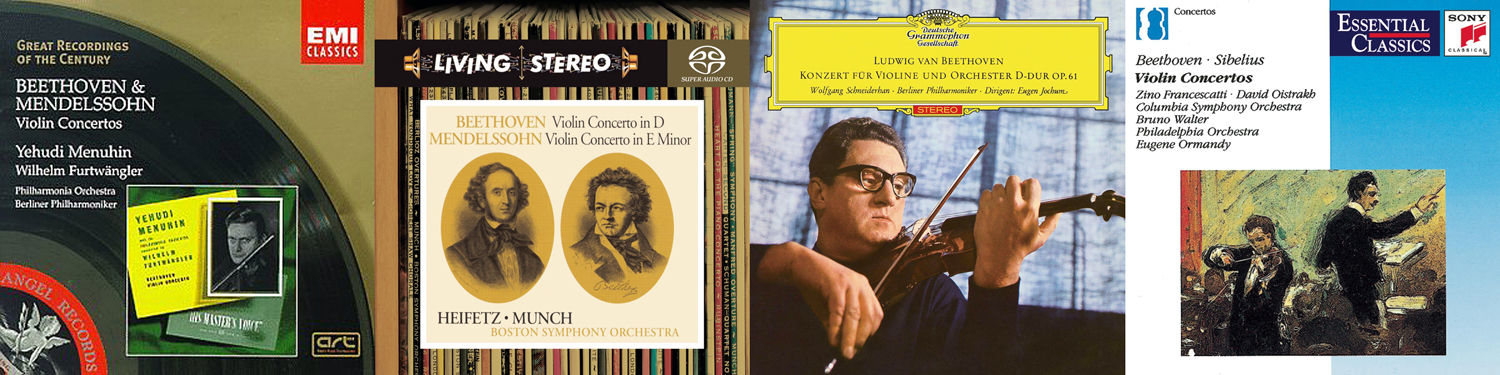
From the second era, there were many great performances. Four I would never do without are my favorite in good sound, Yehudi Menuhin and Wilhelm Furtwangler from 1953; the second Heifetz recording, from 1955 with Munch; the one that is a consensus reference recording, Wolfgang Schneiderhan with Eugen Jochum, from 1962; and for utter beauty of tone, Zino Francescatti with Bruno Walter, from 1961. 

Also, later in the LP era, some big names with some big sounds: Isaac Stern with Leonard Bernstein (1959); Itzhak Perlman with Carlo Maria Giulini (1981); Pinchas Zuckerman with Daniel Barenboim (1977); and Anne-Sophie Mutter with Karajan in her first recording of the work (1979). Any of these is a first rank performance in good sound, and define what the Beethoven Violin Concerto should be.

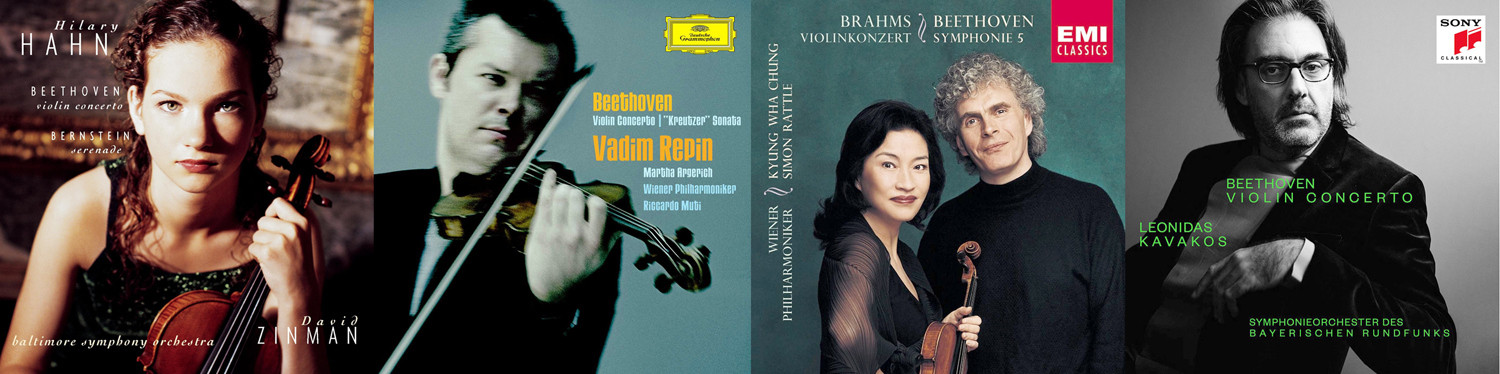
Among the younger violinists, there is plenty of good playing, but fewer deep dives. You still find the old grandeur with Hilary Hahn and David Zinman; and clean musicianship with Vadim Repin and Riccardo Muti; and Kyung Wha Chung and Simon Rattle; and Leonidas Kavakos conducting and playing. 

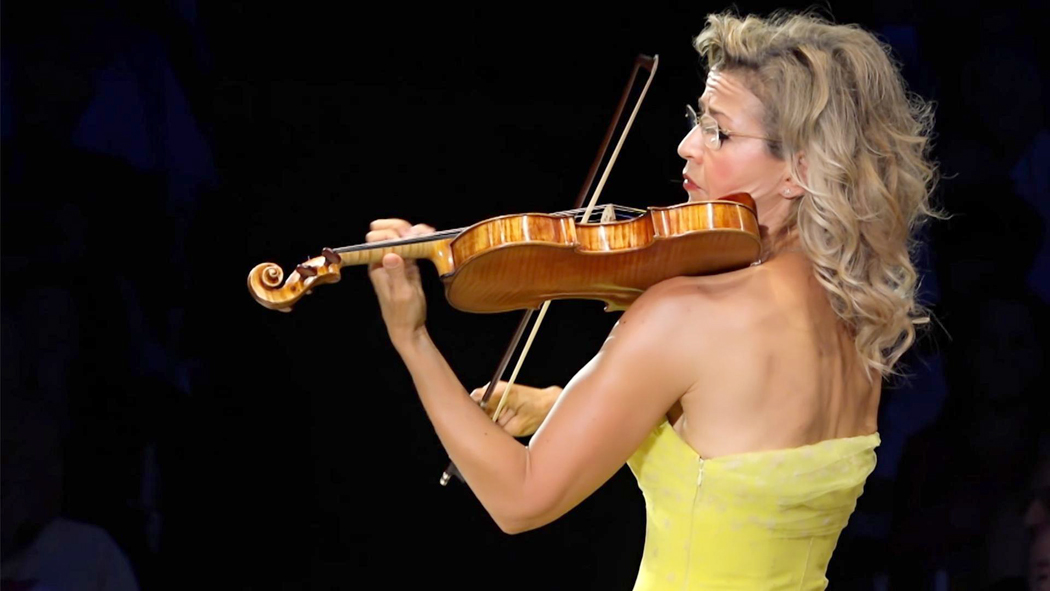
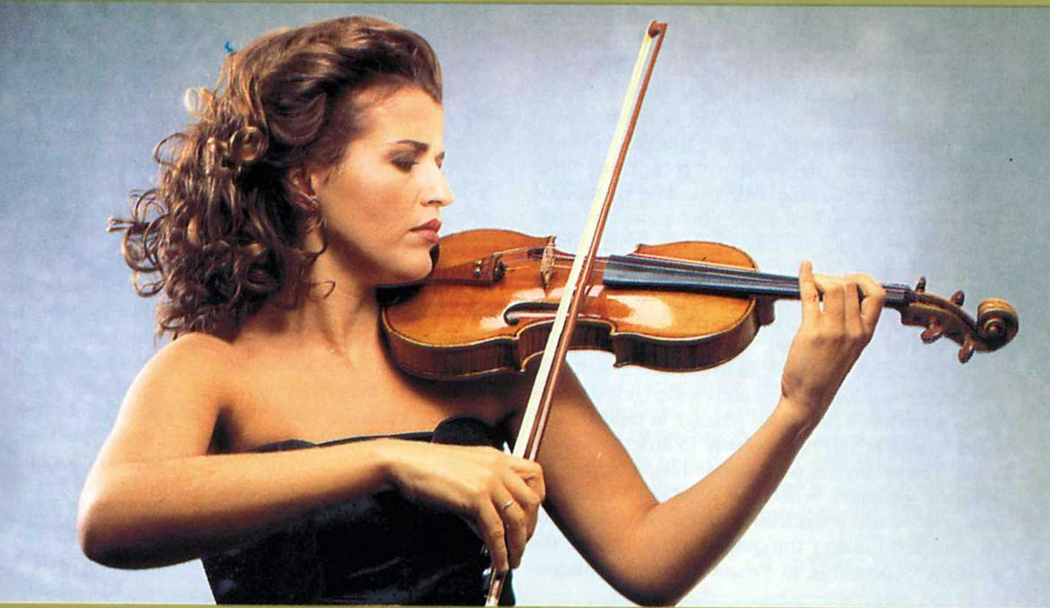
All the famous fiddlers of the golden age made multiple recordings of the concerto, the Oistrakhs, the Milsteins, the Sterns, the Perlmans and Grumiauxs and Szeryngs. And mostly, they were consistent across performances, with different orchestras and conductors. But Anne-Sophie Mutter re-recorded the concerto with very different results. In 2002, she played it with Kurt Masur and the New York Philharmonic and gave us a complete re-interpretation of the concerto. Some loved it; some hated it; few were indifferent. I love it. 

It is one of several outliers among interpretations. You can always count on Niklaus Harnoncourt (aka “the Wild Man of Borneo”) to be wayward, and his recording with Gidon Kremer is peculiar by including a piano in the first-movement cadenza. Why? Beethoven didn’t write a cadenza for his violin concerto, but he did write one for his piano transcription of the work, and Kremer used the piano version to reverse-engineer a version for violin, but left in a supporting piano (and tympani part). That still doesn’t answer a “why.” 

Christian Tezlaff recorded a version with Zinman and the Tonhalle Orchestra Zurich that, while on modern instruments, comes highly inflected by the original instrument ethos. It is beautiful in its way, but it is fast and zippy.

I also include a personal favorite with little circulation: A budget-label recording by the Hungarian violinist Miklos Szenthelyi. I saw him live and I’ve never seen anyone with such perfect posture or so fine a tone. I can’t recommend it for everyone (and it probably isn’t available anymore, anyway), but I have a soft spot in my heart for it.

—The next big concerto comes some seven decades later with Brahms Violin Concerto in D, op. 77 from 1878. Brahms was clearly modeling his concerto and its mood on Beethoven’s. He wrote it for his friend, Joseph Joachim, who was also the violinist who popularized Beethoven’s concerto after years of neglect. 

The Brahms concerto is more genial and has always been popular with audiences. There are as many recordings of it as there are of its predecessor, including a version by Fritz Kreisler that is still worth listening to, through the scratches and clicks of a recording made in 1936. 

Of all of them, these are my favorites, that I listen to over and over, and from all the different eras of recording. 

The Heifetz is quick, dead-on, energetic and exciting. He is sometimes thought of as cool and unemotional, but I think instead that it is white-hot. The Szeryng recording is the one I’ve had the longest and listen to the most — it’s my go-to recording, but that may just be that I’m so used to it, it has imprinted on my mind. The polar opposite of Heifetz is Oistrakh, which is rich and warm, with Szell providing the secure setting for the jewel violin. Of more recent recordings, Hilary Hahn is utterly gorgeous. It gives lie to the myth that only “historical” recordings are great.

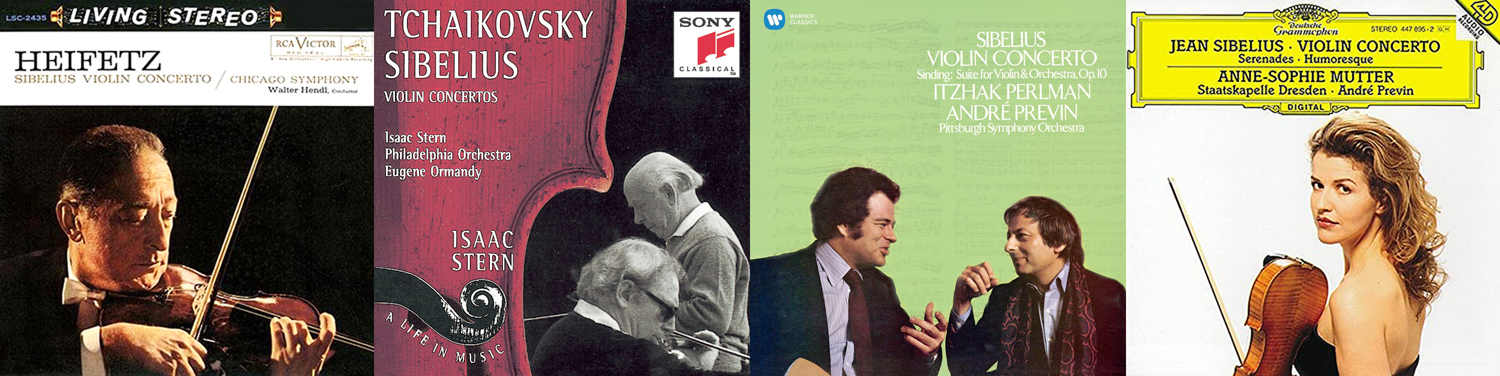
—Chronologically, the next in line is Sibelius’ Violin Concerto in D-minor, op. 47 from 1905. If ever music required the ice of Heifetz, it is Sibelius’ concerto, which sounds like a blast from the Arctic. His recording, from 1959 is riveting. But so is the warmer version with Isaac Stern and Eugene Ormandy and the Philadelphia Orchestra from 1969. We may forget what a stunning and brilliant violinist Stern was, if we only knew him from his later years, when his intonation went south. In Sibelius, he is one of the great ones.

Of the modern era, Perlman with Andre Previn, from 1979, has all of Perlman’s grand personality and character, with technical perfection. But the one I listen to most, and with total love, is by Anne-Sophie Mutter, also with Previn, from 1995. 

I need to note, somewhere in this rundown, that the list of dependable fiddle stars are just that — dependable. If Mutter is my favorite here, that doesn’t mean that you aren’t getting the goods from Oistrakh, Vengerov, Hahn, Mullova, Bell, Chang, or Zuckerman. Whether it is Beethoven or Bartok, you will not likely be disappointed. I am here listing just my own favorites. My own taste. 

—And my own taste runs strongly to the Elgar Violin Concerto in B-minor, op. 61 from 1910. This is a testament to my own growth and change. There was a time when I wouldn’t touch Elgar with a 10-foot phonograph stylus. I found him stuffy and boring. But that was because I hadn’t really heard much of his music. Then, I heard Steven Moeckel play it with the Phoenix Symphony and was swept away. I discussed the concerto with Moeckel and he advocated for it with devotion — indeed, it was his insistence that the the Phoenix Symphony tackle it that made the performance happen. (Moeckel also has a CD out with the Elgar violin sonata that makes a case for it, too.)

This is the longest concerto on my list, but also one that I have to listen to with complete attention from beginning to end. It speaks to me with a directness that I recognize. It is rich to overflowing and absolutely tears my heart out. 

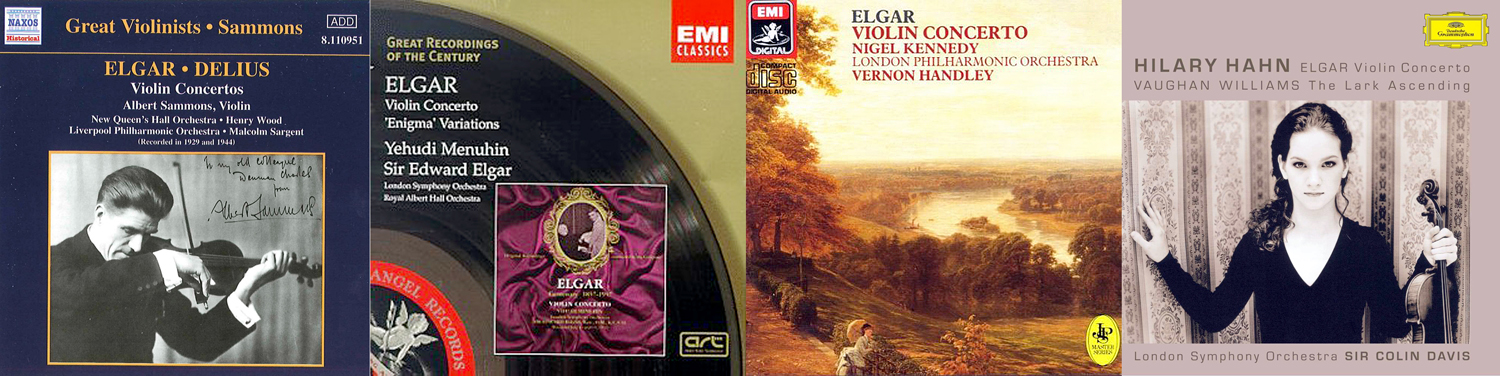
My go-to recording is also the oldest, by English violinist Alfred Sammons, made in 1929 with Henry Wood conducting. It has the greatest breadth and depth of any I have heard, in sound that is not as bad as its birth year would imply. A famous early recording was made with Yehudi Menuhin under the baton of the composer, that should show us how the composer meant it to go — if only Elgar were a better conductor. 

The concerto kind of disappeared after that, until the young fiddler Kennedy (he went by only one name back then) came out with a best-selling version in 1984 with Vernon Handley and the London Phil. It is still Kennedy’s best recording (he went pop soon after). 

But my favorite remains Hilary Hahn and the London Symphony with Colin Davis. Rich, warm, and in truly modern sound, it breaks my heart every time. 

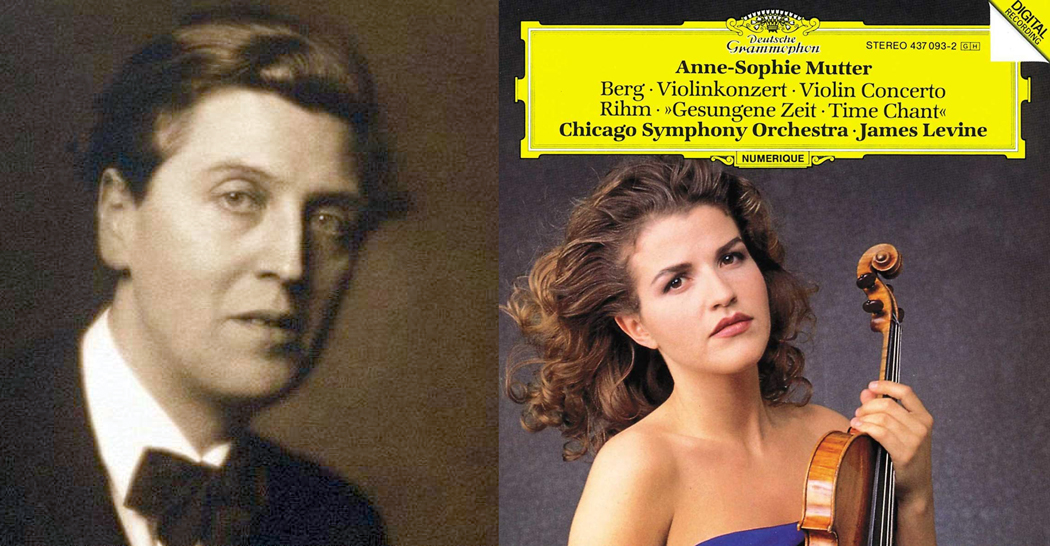
—Speaking of broken hearts, there is no more personal utterance than Alban Berg’s Violin Concerto from 1935. Subtitled, “To the memory of an angel,” it commemorates the death of 18-year-old Manon Gropius, daughter of Alma Mahler and Walter Gropius. It is also the most listener-friendly piece of 12-tone music ever written, as Berg managed to cross atonality with tonal music in a way so clever that doctoral dissertations are still being written about it. 

In two movements, it is blood-curdling in parts, and soul-soothing in others. Every emotion in it seems authentic, and not conventional. It is one of those piece of music you cannot ever just put on in the background — you have to listen and you have to invest yourself in it completely.

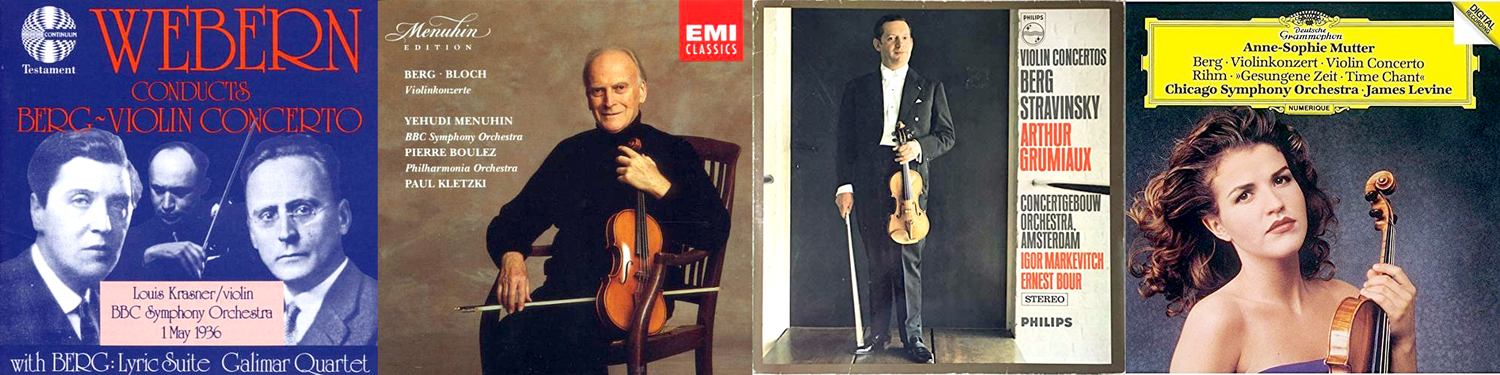
It was commissioned by violinist Louis Krasner and we have a performance by him conducted by Berg’s colleague Anton Webern, from 1936, which should demonstrate the most bona fides, despite the poor sound quality. 

I first learned the piece listening to Arthur Grumiaux and it is still one of my favorites. Yehudi Menuhin played it with Pierre Boulez, who brings his own authority to Second Vienna School music.

But the one I listen to now, over and over, is Mutter, with James Levine and the Chicago Symphony. This is serious music for the serious listener.

—At roughly the same time, Bela Bartok wrote his Violin Concerto No. 2, from 1938. In three movements, it was commissioned by Zoltan Szekely and first recorded by him with Willem Mengelberg and the Concertgebouw Orchestra. It is a recording of the world premiere and has authority for that reason alone, other than that it’s a great performance, although hampered by horrible sound.

Much better sounding, and one of the great recordings, is by Menuhin and Wilhelm Furtwangler and the Philharmonia, from 1954. It has always been my reference recording. Good sound for the era and great performance. 

Isaac Stern is also great, with Bernstein, and his performance is usually paired with Bartok’s lesser-known and seldom-performed first concerto, which is youthful and unashamedly beautiful. 

And I wouldn’t be without Mutter’s version, with Seiji Ozawa and the Boston Symphony. 

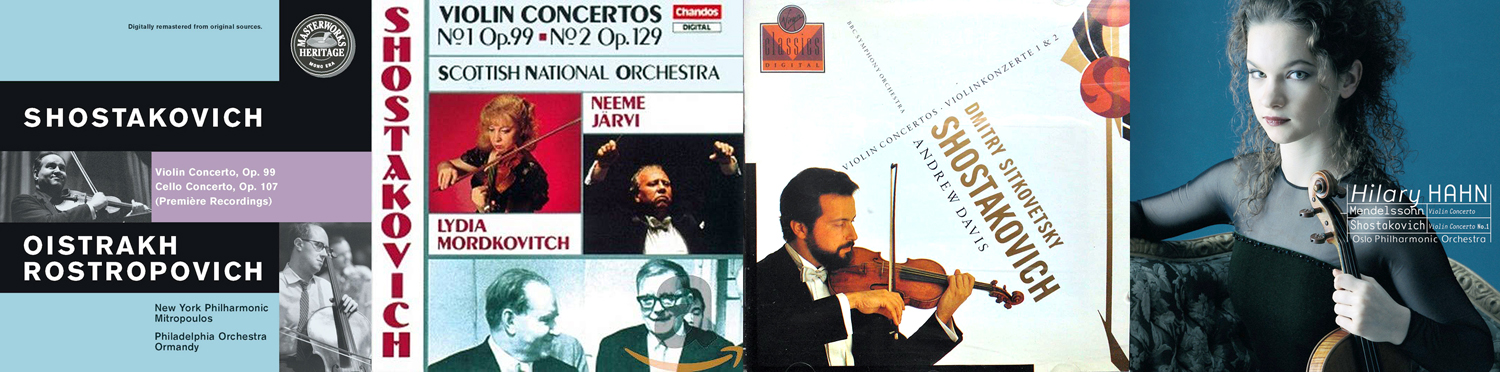
—It would be hard to choose which is Dimitri Shostakovich’s best work, but my vote goes for his Violin Concerto No. 1, in A-minor, op. 99 from 1948, coincidentally, the year I was born. As personal as the Berg concerto, but with a powerful overlay of the political, and written under the oppression of Stalin, this is the most monumental violin concerto, probably, since Beethoven. When well-played (and it is difficult), it drains you of all the psychic energy you can muster. 

It is the bottom line on all seven of these concertos that we are meant to listen to them with the same beginning-to-end concentration that we would spend on poetry or defusing a bomb. They are not “put it on while I do the dishes” music, but life-and-death music. 

And that is what you get with David Oistrakh, who was the originator of the concerto and a friend of Shostakovich. He recorded it multiple times, but the first, with Dimitri Mitropoulos and the New York Phil, from 1956 is still the greatest one, the most committed. It is the one I listen to when I want to really dive deeply into what the music means, and come away shattered with the realization of all the horror of the 20th century. 

Performances by Lydia Mordkovitch and Dmitry Sitkovetsky are in modern sound and also brilliant. Hahn is especially well-recorded, with Marek Janowski and the Oslo Philharmonic. 

But the Oistrakh. If the concerto was personal to the composer, it was to the violinist, too. They both had known it all, seen it all, suffered it all. 

And so, these seven concertos — seven sisters — seem a notch above the rest, in terms of seriousness and execution. You should have all of them in performances that express all the humanity that is packed into them. These are my suggestions; you may have your own. 

Click on any image to enlarge

As I continue to contemplate the possibility of perhaps, maybe, decluttering my trove of Classical music CDs, I come to the 20th century. I have to admit, that I listen to music from that period more than any other. It was my century. And so, I have a ton of discs from composers who wrote, beginning in the 19th, but extending their careers into the 20th, and now, music from the 21st century. 

Sometimes, we forget that such lush music as that of Rachmaninoff or Richard Strauss continued to be written: Strauss’ Four Last Songs, perhaps the most high-calorie confection ever put to paper, was premiered in 1949, four years after the end of World War II, and 36 years after Stravinsky’s Rite of Spring. “There’s still plenty of good music to be written in C-major,” said Arnold Schoenberg.

So now, as I did last time, I am going to sort through the violent century and salvage what I think needs to be saved, making a pile of recordings and regretfully saying goodbye to too much great music, but, you know — I’m 73 years old and I’m not going to be able to listen to all of the thousands of CDs that currently clog my shelves. 

I’ve set the goal of picking a single work (or set of works) by significant composers to throw on the pile. I’m going by chronological order, according to birth dates. And we start by remembering that Edward Elgar was a 20th century composer. Yes. He was. 

Edward Elgar 1857-1934 — Initially I thought the work I could not do without was the doleful Cello Concerto, from 1919. The First World War speaks directly through that music. But, no, I have to go with the Violin Concerto of 1910, which is one of the few noble concertos that can stand with those of Beethoven, Brahms, Sibelius, Berg and Shostakovich — not merely tuneful, but an expression of the highest thoughts and emotions that humans are capable of. 

But, I’m in luck. Because I can save the Violin Concerto, played by Pinchas Zukerman on a disc package that includes the Cello Concerto, played by Jacqueline Du Pre, with the Enigma Variations thrown in.  A perfect summing up of the best of Elgar.

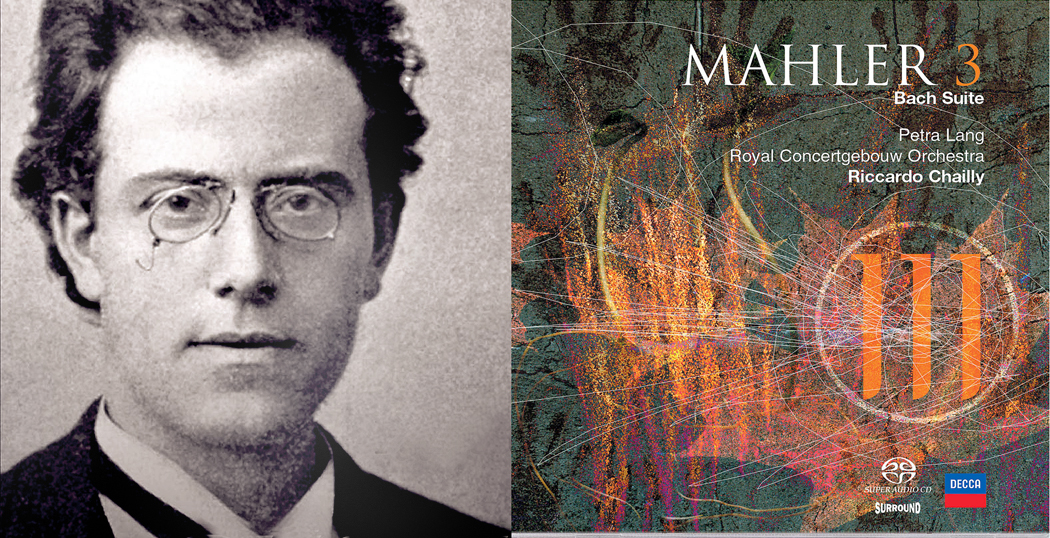
Gustav Mahler 1860-1911 — Choosing is too hard. I have double-decker shelves devoted to Mahler, the composer who moves me above all others. How can I clear it out? How can I consider any of it as “clutter?” I thought originally I would have to save Das Lied von der Erde, and I don’t know how I can say goodbye to it. But Mahler said famously, the symphony must contain the world, and the piece that does that more than any other is the Third Symphony, and so, I’m putting that on the pile.

I just counted, and I currently have 14 recordings of the Third (with another on the way from Amazon). The one I keep is Riccardo Chailly and the Concertgebouw Orchestra. Not only is it a great performance, but the 2-discs are magnificently engineered. The sound is stunning.

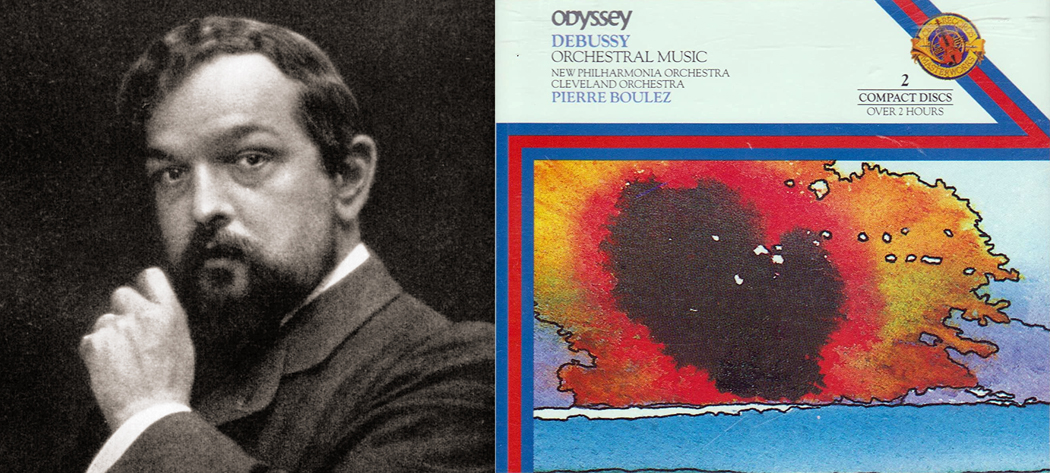
Claude Debussy 1862-1918 — While I love Debussy’s piano music (especially played by Paul Jacobs), the keeper is La Mer. I have not counted the versions on my shelf, but there are not a few. 

Pierre Boulez recorded it twice. The second is OK, but nothing special, but his first go-round, on Sony, is cut by diamond and the most exciting one I know. It may not be a sea-spray evocative as some, but it makes a compelling case for it as belonging to the 20th century. It comes in a package with a pile of other Debussy.

Richard Strauss 1864-1949 — Strauss can sometimes seem a bit reptilian. How much is show-biz with his show-off orchestration. But there is no doubt to the sincerity of his Four Last Songs. They are the most profoundly moving orchestral songs I know, outside Mahler’s Der Abschied

I wanted to save Jessye Norman’s version, with Kurt Masur, but I have to admit, my heart has always belonged to Leontyne Price in these songs, accompanied by Erich Leinsdorf. Both versions are gorgeous, but Price is now packaged with Fritz Reiner’s Also Sprach Zarathustra. On the pile. 

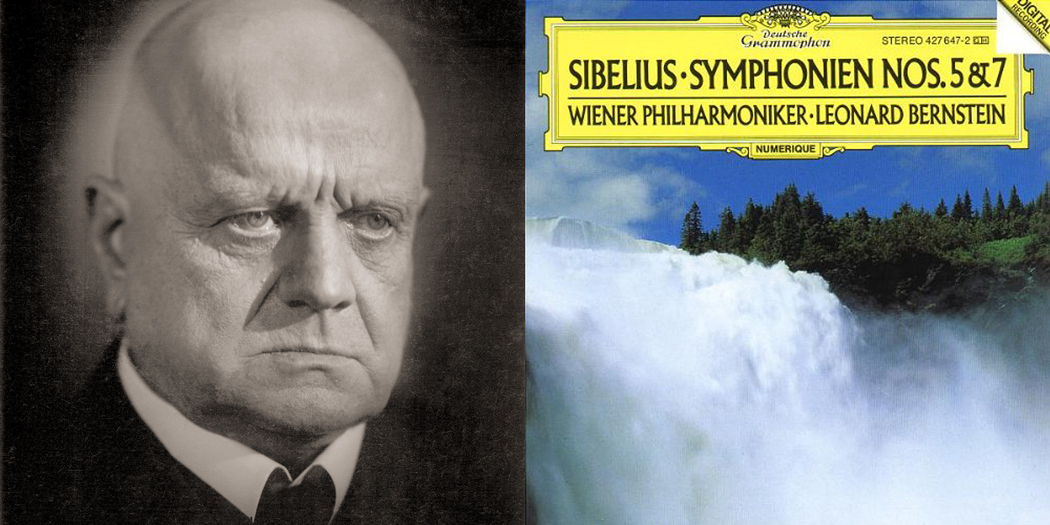
Jean Sibelius 1865-1957 — As tightly argued as Mahler is spacious, Sibelius packs a great deal into a well-cinched frame. Of his seven symphonies, the one that speaks to me loudest is the final one, which makes me feel in my bones the vast icy spaces of Scandanavia. 

Leonard Bernstein recorded it twice, once for Columbia (now Sony) and later for Deutsche Grammophon. The first is tighter, but the second comes with the Fifth Symphony, giving me the chance to save two symphonies for the price of one. Bernstein slowed his tempos as he got older, and some people don’t like the broadened Fifth, but I have no problem with it. And the Seventh takes me to other places. 

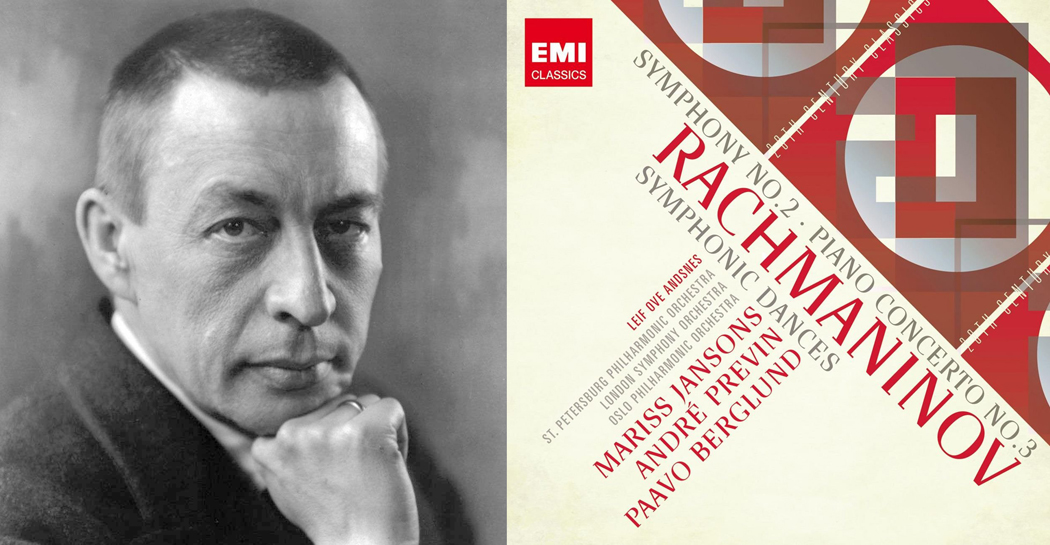
Serge Rachmaninoff 1873-1943 — My dearest friend, Alexander, refuses to listen to Rachmaninoff, saying he is too gooey and Romantic. But I have been trying to get him to recognize that his music — especially his later music — is oozing with Modernist irony. What is more sly than the Paganini Rhapsody? Yes, there’s the “big tune,” but even that is undermined by what surrounds it. But if I have to save just one piece, that would be the Symphonic Dances. I love them to death. 

But, like so many other things in this list, I can have cake and eat it at the same time, with the recording by Andre Previn and the London Symphony Orchestra, bundled with the gooey, Romantic Second Symphony under Mariss Jansons, and the tornado of the Third Piano Concerto, played by Leif Ove Andsness. 

Arnold Schoenberg 1874-1951 — Now we’re entering territory fully recognizable as Modernist. I wish I could save Pierrot Lunaire, but I have only one slot available, and it has to go to Verklaerte Nacht. While I admire Pierrot, I love Transfigured Night

Of the versions I have, both in its orchestral form and its original sextet form, I am surprised at how good the version is that was recorded by Herbert von Karajan and the Berlin Philharmonic. It goes onto the pile, and gives me the bonus of the Orchestral Variations

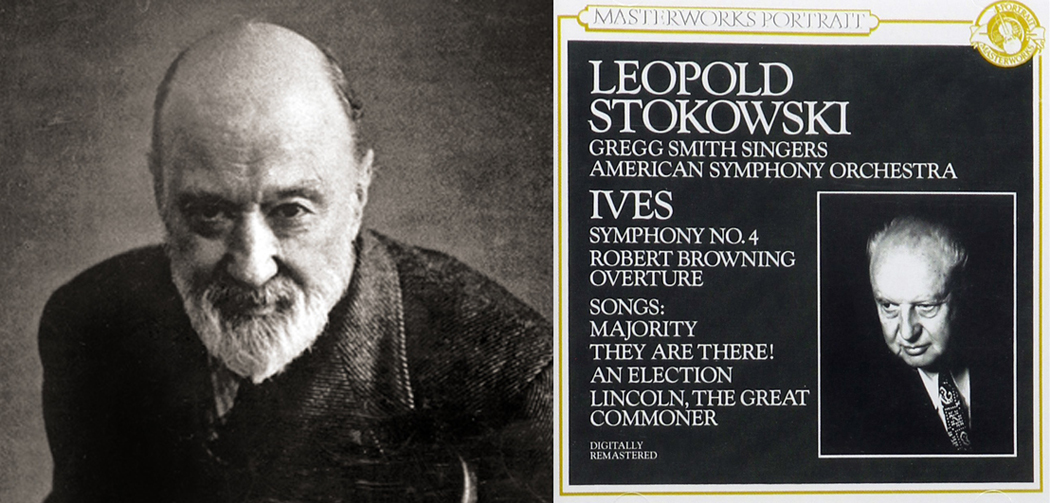
Charles Ives 1874-1954 — I have three or four versions of the Concord Sonata, and heard it live played by Jeremy Denk. It should be saved. But I am going, instead, with the Fourth Symphony, which is pure Ives, with all his usual tricks. Friends think I’m joshing when I claim that Ives’ music is beautiful. But it is. You just have to get used to the idiom. 

The best version (I have four of these, too) is the first recording, led by Leopold Stokowski. One word for it: Transcendental. 

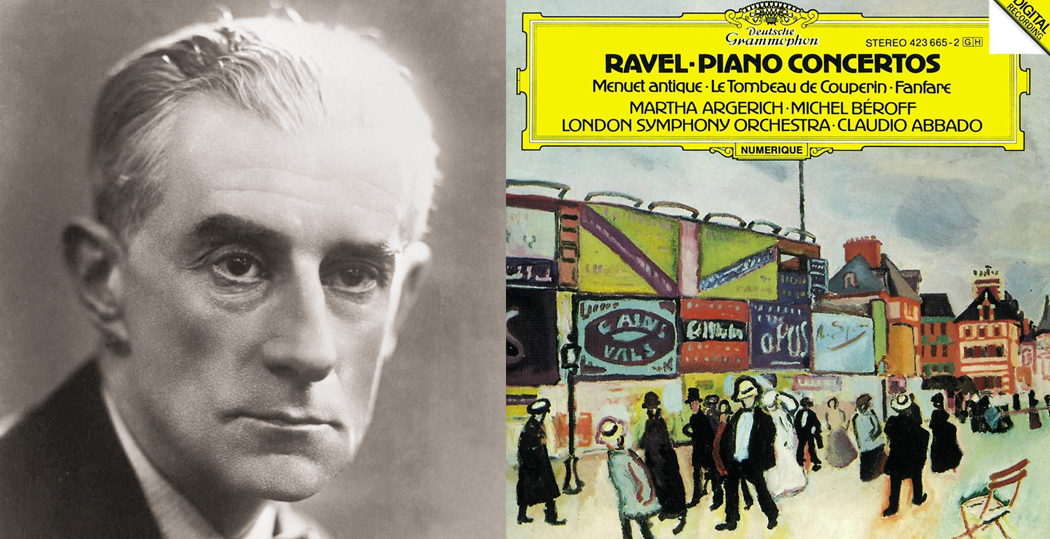
Maurice Ravel 1875-1937 — Stravinsky dismissed him as a “Swiss watchmaker,” but I think that was only professional jealousy. Yes, we’re all tired of Bolero. But I want to save the Concerto for Left Hand, which is jazzy in parts, terrifying in parts, and always makes you wonder that anyone can play two-hand piano with only one hand. 

But there is also that ethereal slow movement of the G-major Piano Concerto. The disc with Martha Argerich playing the G-major and Michel Beroff playing the Left-Hander, with Claudio Abbado and the LSO, also gives us the orchestral version of Le Tombeau de Couperin. What a luscious disc. 

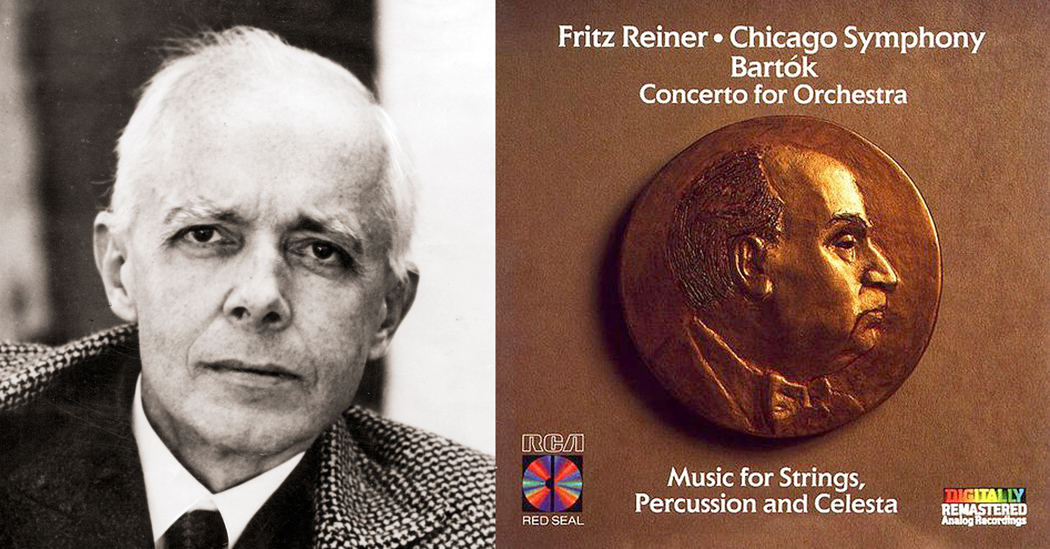
Bela Bartok 1881-1945 — There’s a lot to save with Bartok, also. But I can’t have the Contrasts, the piano concertos, the six quartets and the Concerto for Orchestra. No. One disc. And the piece I want to keep most is the Music for Strings, Percussion and Celesta

Luckily, one of the greatest performances of that music, by Fritz Reiner and the Chicago Symphony, also features one of the greatest performances of the Concerto for Orchestra. It is essential listening for any music lover.

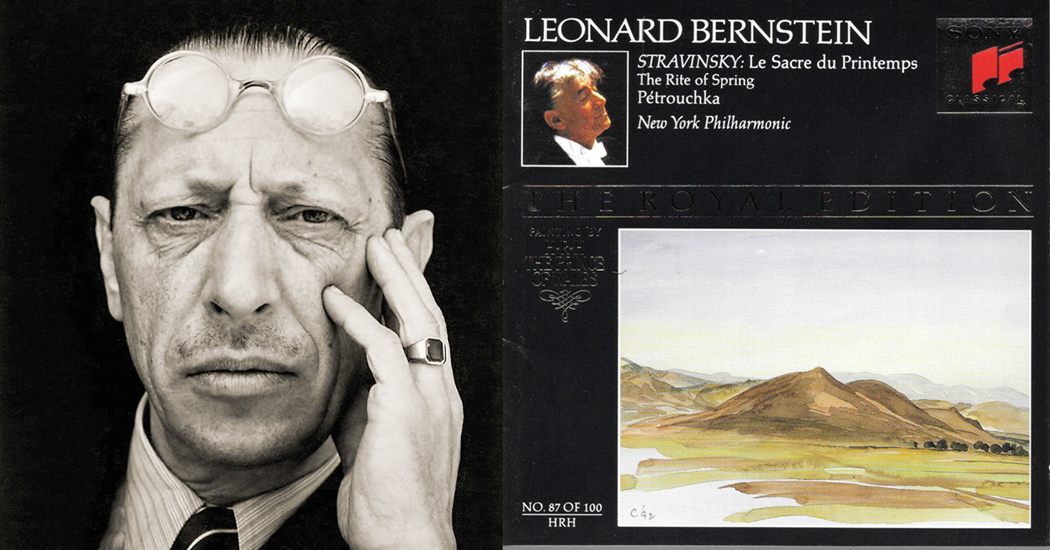
Igor Stravinsky 1882-1971 — Much music, many styles. Part of me wants to save the Requiem Canticles and the Movements for Piano and Orchestra, just to tweak those who hate 12-tone music. But since the entire 20th century seems launched by The Rite of Spring, just as the 19th was launched by the Eroica, I have to save it.

There are lots of great performances, but none as feral and primal as the first of them recorded by Leonard Bernstein and the NY Phil. Even Stravinsky, who hated “interpretation” in performance agreed that it was like no other. The disc also includes Petrushka, so, what’s not to love?

Anton Webern 1883-1945 — Do we have to? I’m afraid so. Luckily, there isn’t much of it. No one can make blips and blurps like Webern. He was the godfather of all subsequent serial music, disconnected, alienated and difficult. Yet, he makes such interesting sounds. And few pieces last more than a few minutes, even seconds. Take at least one bit of the broccoli: Try a little Webern. 

Karajan put out a tight, condensed disc with the Passacaglia, the 5 Movements for String Orchestra, Op. 5, the 6 Pieces for Orchestra, Op. 6, and the Symphony, Op. 21. This is a fair sampling, really well played. And the entire symphony lasts only 10 minutes. 

Alban Berg 1885-1935 — The third wheel of the Second Vienna School is the easiest to love and enjoy. He is the most emotional, and found a way to cheat on his 12-tones, to suggest key areas. His Violin Concerto is the most powerful fiddle concerto of the whole century, the most personal, the most emotional, and the most beautiful. 

No one plays it who doesn’t give it his or her most serious efforts. It cannot be just tossed off. My favorite is by Anne-Sophie Mutter with the Chicago Symphony and James Levine. It also includes Wolfgang Rihm’s Time Chant, which, I’m afraid, I find utterly forgettable. I’m saving the disc, anyway, for Mutter and Berg and all the pain of loss in the world condensed to music. 

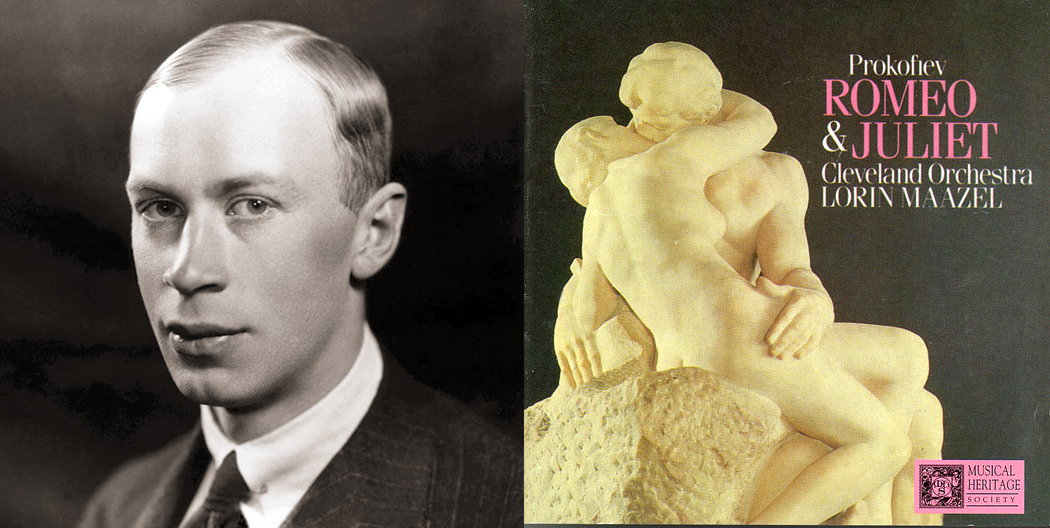
Serge Prokofiev 1891-1953 — Shouldn’t I save the Seventh Piano Sonata? Or the Third Piano Concerto? Or the Fifth or First symphonies? Yes, I should, but I’m going to save the full ballet score of Romeo and Juliet, which, I believe, is the greatest ballet score of all time. The whole thing, not just the suite. I might be swayed by having seen it danced many times, in some of the best productions ever. But the music stands on its own. 

There are three possibilities: Previn, Maazel and Gergiev. I’m going with Maazel and the Cleveland Orchestra. It just noses out the others. 

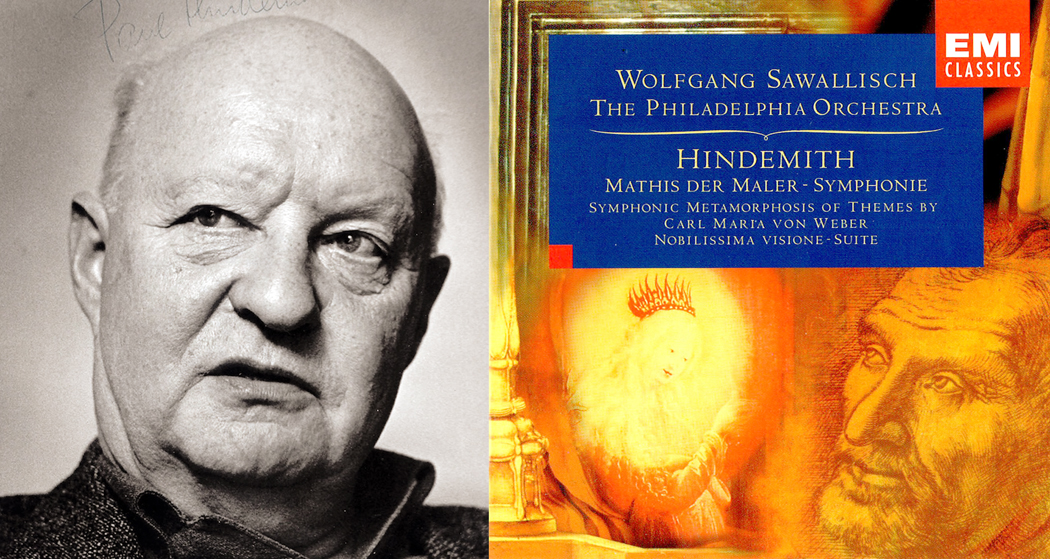
Paul Hindemith 1895-1963 — Hindemith used to be the third part of the triad of Stravinsky, Bartok and Hindemith as the top Modernists in music. But he has fallen on hard times. Stravinsky and Bartok have better tunes. But when Hindemith borrows tunes from Carl Maria von Weber, he is as good as any. I love a lot of Hindemith, but I admit, he is not overtly lovable. But the Symphonic Metamorphosis on Themes by Weber is jaunty, catchy and a ton of fun. 

A really good performance by the Philadelphia Orchestra under Wolfgang Sawallisch also gives us two of Hindemith’s best other scores, the Mathis der Maler symphony and Nobilissima Visione. This is Hindemith you could actually learn to love. 

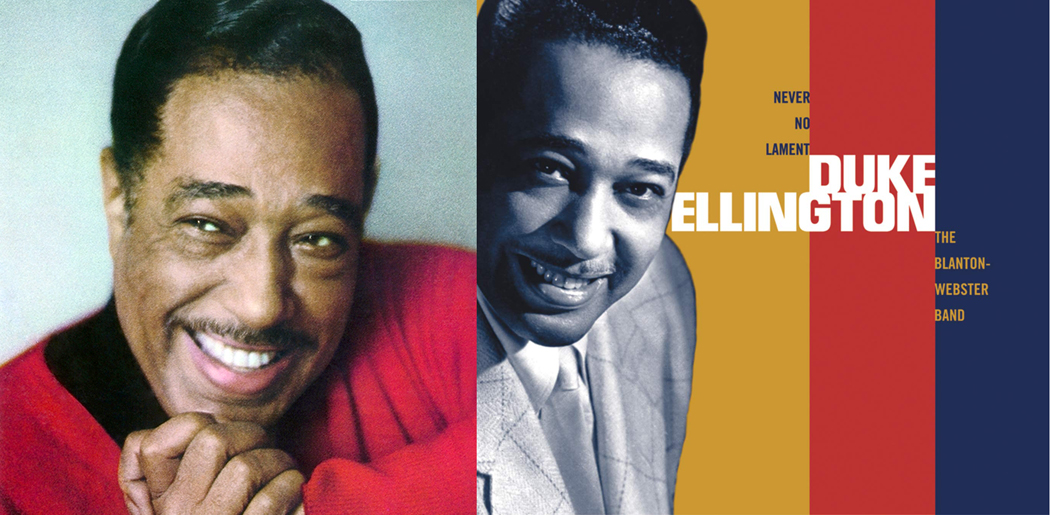
Duke Ellington 1899-1974 — Yes, in my book, this is classical music. Ellington does for his group of instruments nothing less than what Ravel can do for the standard symphony orchestra, with all the colors and surprises. And harmonically, Ellington is ages ahead of many more traditional composers. I have about 50 discs of Ellington’s music, and I love him in each of his decades. But the height of his creativity and originality was with the band he had in the 1941-42, the so-called Blanton-Webster band, named for bassist Jimmy Blanton and tenor sax, Ben Webster. It’s a misnomer, because you can’t forget all the other luminaries in the band, from Harry Carney to Cootie Williams to Johnny Hodges. 

There is a three-disc release that has most of the work the band did in those two years, including Ko-Ko, Cotton Tail, Harlem Air Shaft, Take the A Train, Blue Serge, Sophisticated Lady, Perdido and the C-Jam Blues. Each a miniature tone-poem. This is music to take seriously. Seriously. 

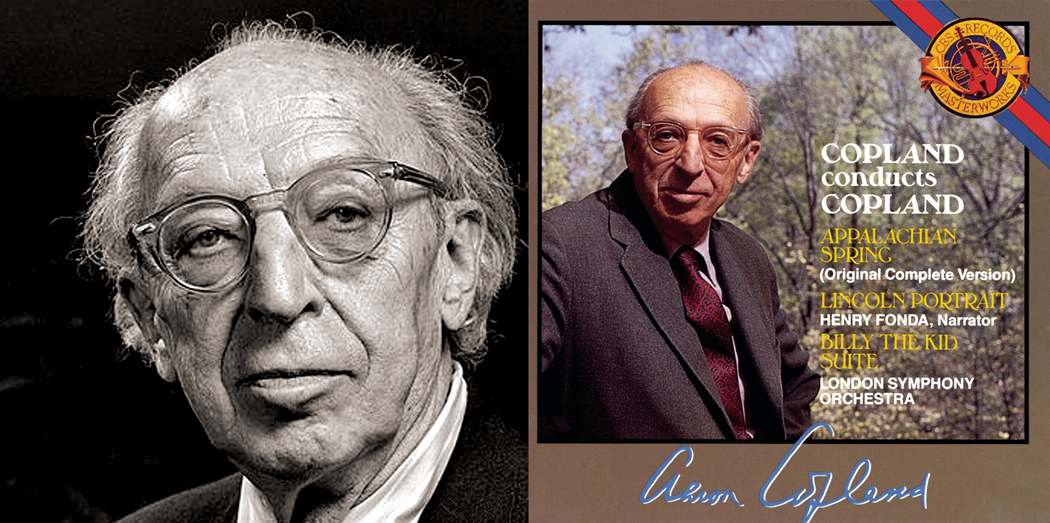
Aaron Copland 1900-1990 — There are two Coplands, the earlier, knottier Modernist of the Piano Variations, and the later, popular composer of Rodeo, El Salon Mexico and Billy the Kid. But to my mind, his very best is Appalachian Spring, a ballet score he wrote for Martha Graham. It is usually heard as a truncated suite and enlarged for full orchestra.

But the version I love best, and the one going on my pile, is the original full-length chamber version. Copland recorded it himself, along with the suite from Billy the Kid. Unfortunately, you have to put up with the tedious and tendentious Lincoln Portrait, here narrated by Henry Fonda. 

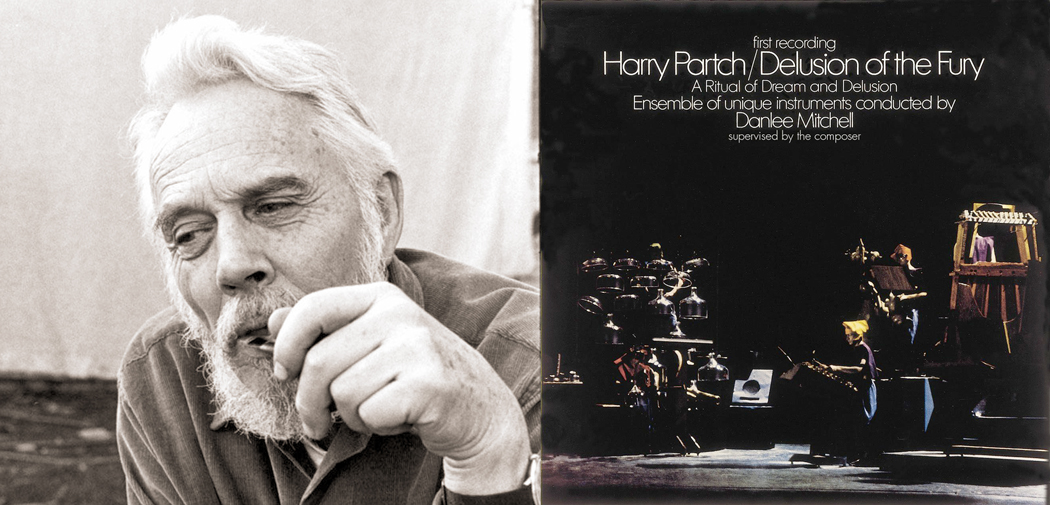
Harry Partch 1901-1974 — England has its eccentrics, but America has its crackpots, and Partch is Exhibit A. Having decided that the tempered musical scale is a “mutilation” of true music, he invented and built a whole orchestra of new instruments, such as the chromelodion, the quadrangularis reversum, the zymo-xyl, the gourd tree and cloud-chamber bowls, in order to play music in his 43-note octave. I saw an exhibit of them at the Museum of Modern Art in New York in the 1960s. They were stunningly beautiful to look at. Hearing them, is something different. 

Partch wrote a lot of music for his instruments, some enchanting, like his songs on Hobo graffiti, Barstow. I am saving his full-length Delusions of the Fury, which is based on a Japanese Noh play and an African legend and a codification of Partch’s own delusions. Hooray for him. 

Dimitri Shostakovich 1906-1975 — Surely the major composer of the middle of the 20th century, Shostakovich labored hard under the yoke of Stalinism, and his music expresses his deep humanity (except when he is buckling under the pressure of the commissars and pumping out party-hack material; but we can ignore all that). His symphonies 1, 4, 5, 7, 9, 10, 13, 14 and 15 are among the greatest works of the century. But I’m saving his first Violin Concerto. It is, I believe, his ultimate masterwork. 

Its dedicatee, David Oistrakh, recorded it with Dimitri Mitropoulos and the the New York Philharmonic and anyone who cares about classical music should know this performance. It is coupled with Rostropovich playing the first Cello Concerto with Ormandy and the Philadelphia. Together this is a powerful pair. 

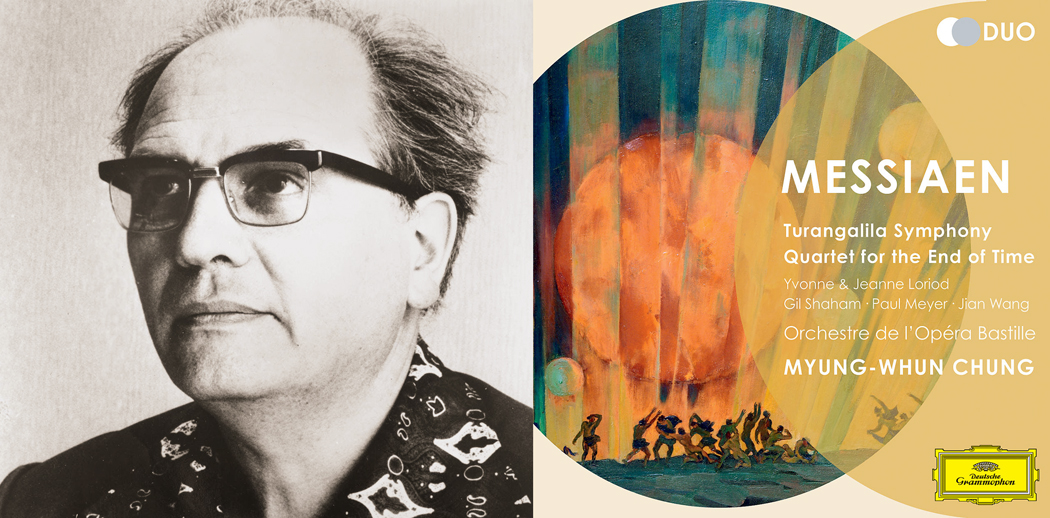
Olivier Messiaen 1908-1992 — Harry Partch wasn’t alone. French composer Olivier Messiaen had his own ideas about harmony and rhythm, and created an idiosyncratic body of music that is built on bird song and Eastern mysticism, combined with fervent Christianity. 

He wrote his Quartet for the End of Time in a Nazi prisoner camp and played it for the first time for its inmates and guards. His most popular work (if you can call anything so peculiar “popular”) must be the Turangalila Symphony, a rich, spicy, aromatic blend of orchestral colors, and you can get both works together in a set with conductor Myung-Whun Chung and the Orchestre de l’Opera Bastille. 

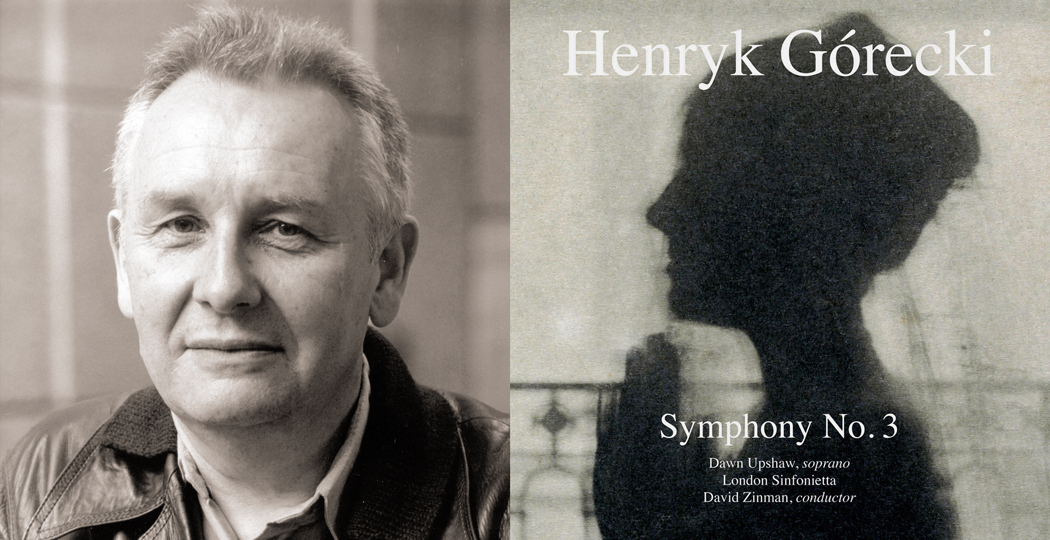
Henryk Gorecki 1933-2010 — Gorecki had the misfortune to have become popular. His Third Symphony topped the pop charts in England in 1992 and sold a million copies world-wide. Officially titled the Symphony of Sorrowful Songs, it speaks of war, love and loss. It is a slow piece, moving only by tiny steps from first to last. Its popularity has led some critics to pooh-pooh its depth and beauty, believing nothing that popular could be any good. They should listen more carefully. 

The version that sold so well was the premiere recording with Dawn Upshaw and David Zinman conducting the London Sinfonietta. I have several versions on my shelves, but this first one is still the best. Onto the pile. 

Morton Subotnick 1933- — The California-born composer of electronica had a brief moment of fame in the late 1960s when Nonesuch Records released his Silver Apples of the Moon, and followed it up with The Wild Bull. The first, with its synthesizer squeaks and blips was bright and energetic, the second with its groans and wheezes, was much darker. 

Both deserve to be remembered. They may be a relic of their times, but they really are worth listening to. And they are now both on a single Wergo CD. 

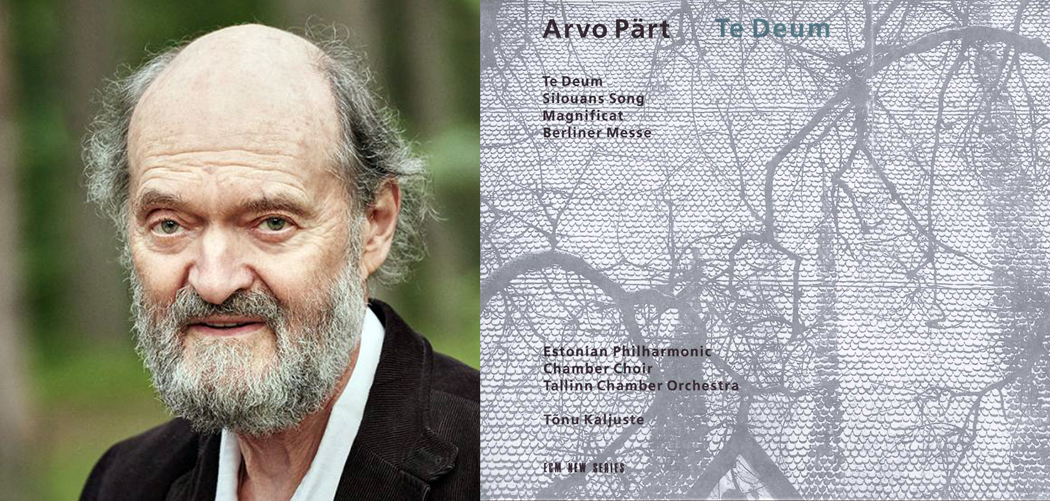
Arvo Pärt 1935- — The Estonian composer’s meditative music is what he calls “tintinnabuli,” and in 2018, Part was the most performed living composer in the world. His music appeals not only to the classical audience, but to the New Age one as well. It is spiritually-aimed music and is both beautiful, well-constructed, and easy to listen to. You can wash in it like a warm bath, or you can listen as intently as you might to Bach or Bartok. 

He has arranged his most popular piece, Fratres, for any number of instruments and combinations (there is even an entire CD of nothing but variations of the piece), and I could save pretty much any one of his discs. But I am going to put Te Deum on the pile, primarily for the Berlin Mass that is on the disc. 

Philip Glass 1937- — Glass is unavoidable, even in popular culture. He must be the most prolific composer since Vivaldi. He began as a strict Minimalist, but loosened up that style to become what can only be called a “Glassian.” At his best, he is hypnotic and powerful. At his worst, he can become tedious. His Einstein on the Beach was epochal and groundbreaking. I have an entire shelf devoted to his releases. His trilogy of movie scores for the Godfrey Reggio abstract-narrative films in the quatsi series are a perfect introduction to Glass. Koyaanisqatsi was the first and best known.

But I am going to save the third, Naqoyqatsi, mainly because it can be heard as an extended cello concerto played by Yo-Yo Ma. 

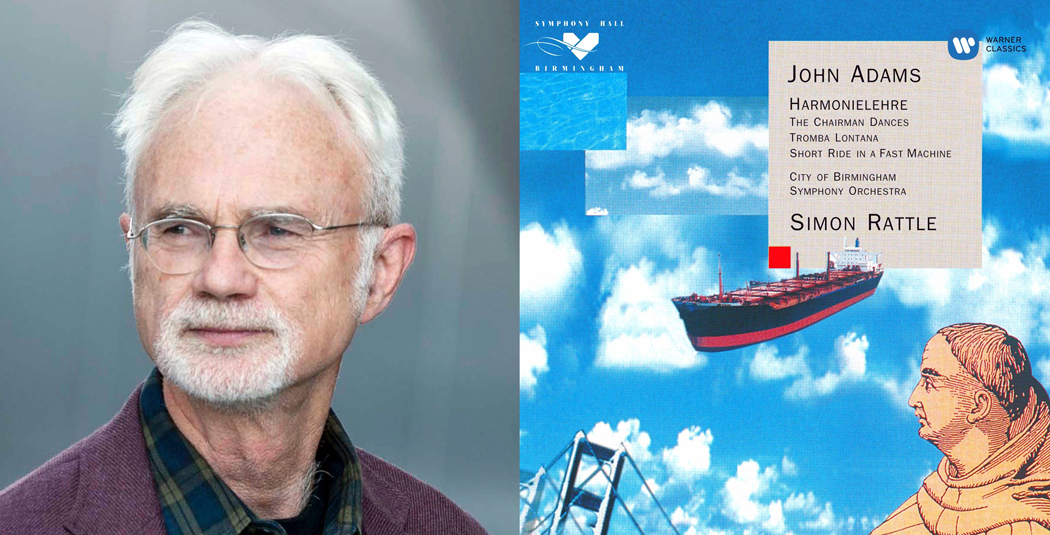
John Adams 1945- — Almost neck-and-neck with Glass is John Adams, another lapsed Minimalist who has created his own distinct voice. His opera, Nixon in China, is pretty well the only contemporary opera to join the mainstream repertoire. I’ve seen it live, and I’ve seen Adams’ Doctor Atomic live. They are both thrilling as Verdi or Puccini. 

But I’m going to save a particular favorite orchestral work, Harmonielehre, or “Harmony Lesson.” Its opening chords are even more startling than the two E-flat bangs at the start of Beethoven’s Eroica. And the disc I’m saving includes two of Adam’s most popular and gripping overture pieces, The Chairman Dances and A Short Ride in a Fast Machine

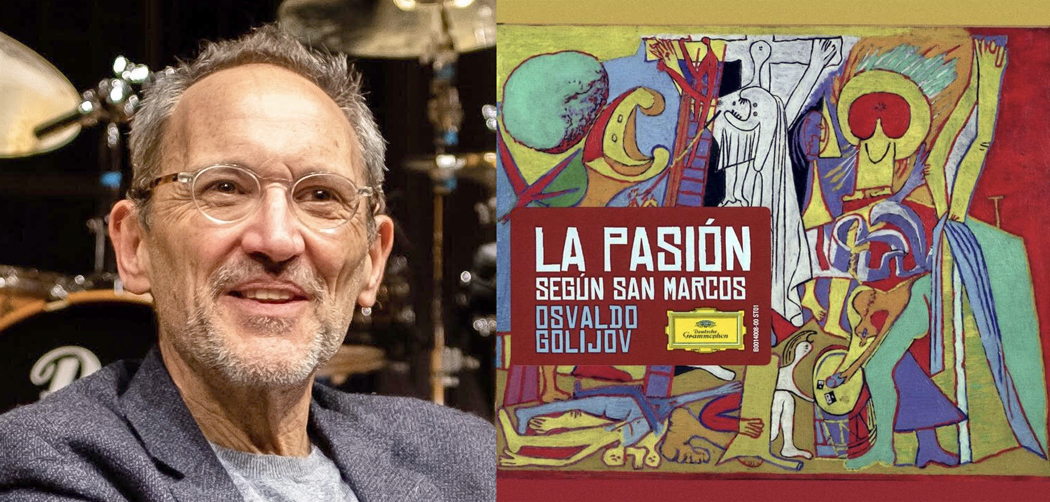
Osvaldo Golijov 1960- — The youngest composer on my pile is now 60. I first heard his music in a live performance of Ainadamar with Dawn Upshaw singing the lead. It blew me away. And I was going to put my recording on my pile, but then I heard his Passion of Saint Mark or La Pasión Según San Marco, and fell in love with it. 

It combines Latin and African rhythms and folk music with a huge percussion section and more than 50 singers. When it was premiered, it got a 15-minute standing ovation. It deserves its place on my pile. 

____________________

And so, my fantasy ends. I have now an imaginary pile of music to listen to, to the exclusion of a thousand other CDs. But it is just a fantasy; I could never actually declutter my shelves. I have, in the past, culled recordings to make space for new, but now those I culled are just stuffed into old dressers, cluttering up the drawers in both of them, hidden from view as if I had actually gotten rid of them. But I can’t. And with new recordings coming my way from Amazon, I may have to cull once more, just to make space. And I may need another old dresser in the storage room just to take care of my rejects. Marie Kondo can go jump in a lake.