Archive

Tag Archives: franz schubert

Occasionally I get asked (OK, once) where should I start listening to classical music. Classical music is something that a few people as they age past Top 40 songs, come to believe they should begin to know, the way they should read Proust or watch foreign films. 

Philip Larkin mentions the drive in his poem Church Going: “Much never can be obsolete,/ Since someone will forever be surprising/ a hunger in himself to be more serious.” 

I have been listening to what is called classical music for 60 years, and my first thought is that classical music does not exist. Not really. 

What is called classical is a combination of old church music; popular music that has been around so long, it no longer sounds like the pop music we know; and music meant to entertain, first, a class of aristocrats who could afford to pay for it, and then an aspirational middle class that took up the buying of tickets. 
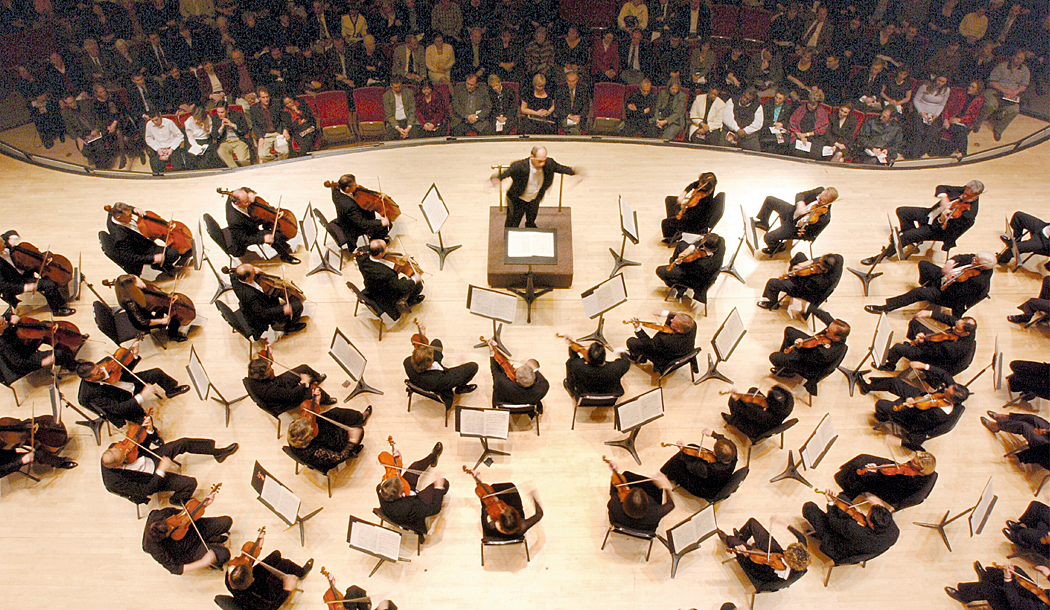
It wasn’t until late in the 19th century that anyone really considered such music “classical.” And only in the 20th century that most symphony orchestras were organized to play what in the past had just been music, but was now given this new label. 

Until then, most concerts consisted of new music mixed with a few old favorites (much like modern pop music — they wanted to hear the hits). And so, old standards became classics. 

Not all of the old standards were heavy and serious. Mozart wrote tons of divertimenti to be played as the count and countess ate lunch. It was only meant to sound nice, with catchy tunes. Yes, some classical music is meant to evoke deeper thoughts and emotions, some even meant to change lives. 
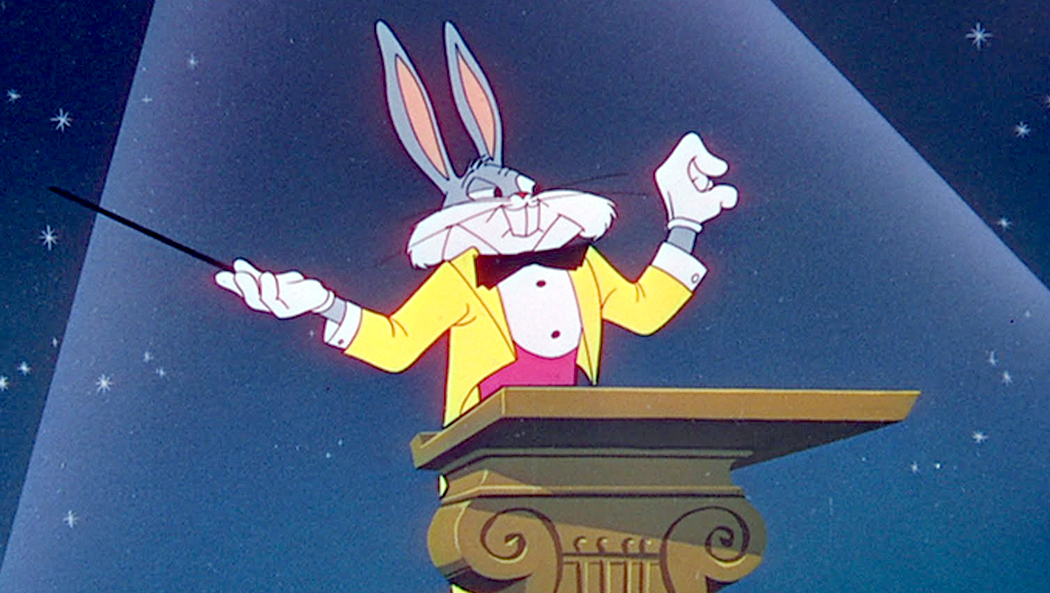
But there is pop music that is serious, too. Consider the Beatles’ A Day in the Life, or Queen’s Bohemian Rhapsody. They aren’t always short. 

And so, when you ask about classical music, you aren’t asking about a single thing. If you were to open up that can of worms and try to learn what classical music has to offer, you will have to recognize that no one thing can suffice. Nor any one style; nor any one century. 

If there is anything that marks music as classical, it is its length. Most tunes last three or four minutes, while a symphony can run anywhere from a half-hour to 90 minutes. The popular music is meant to put a tune in your head and you like it (or not) and may sing it to yourself as you wash the dishes. Such music is usually meant to be absorbed passively. 
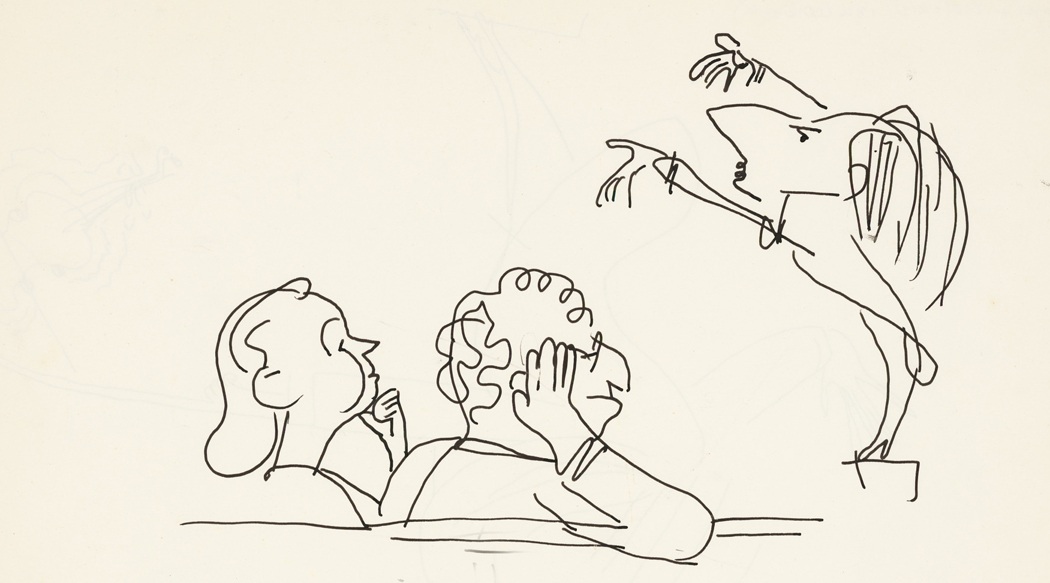
What is called classical tends to be more like a story, even a novel, with multiple characters and changing moods, so where you start is not where you end up. It is music you pay active attention to. It goes somewhere and you have to pay attention to notice the plot. 

The story told in music, though, is not one that can be translated into words. It is one you listen to as it unfolds in musical terms: the melody changes, sometimes broken into pieces, the harmony turns grim or lilting, sometimes the melody might be played half-speed, or faster, or even upside down. These are all part of the musical story-telling. 

So, what do I say to my friend asking advice on how to start listening to classical music? 

The complaint I hear often is that classical music all sounds the same. It doesn’t. And so, I want to offer examples both of the stories and of the diversity. And I want to start off with a symphony with the clearest, most direct “story” to tell.
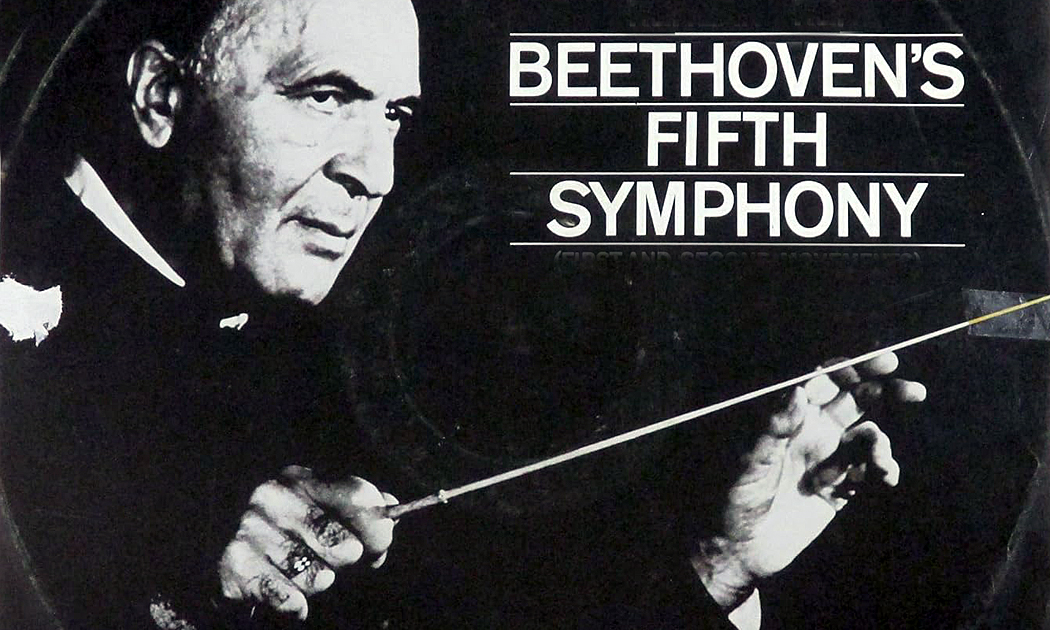
If there is any single place to begin, it is with Beethoven’s Fifth Symphony, or, more formally, Symphony in C-minor, op. 67, first performed in December, 1808, in a freezing cold concert hall in Vienna, along with a host of other new works by the composer, making for a concert lasting more than four hours. For all that music, the orchestra — a pickup ensemble paid for by Beethoven himself — had only a single rehearsal to work out the kinks. In one of the pieces played that evening, the orchestra got lost and had to stop and begin the whole piece all over again. 

But that Fifth Symphony eventually became iconic — the single stand-in for all of symphonic music. 
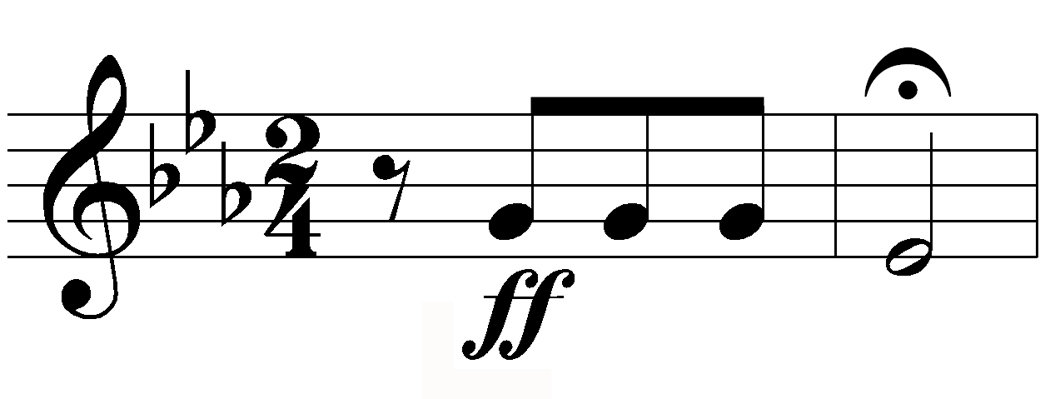
It begins, as almost everyone knows with the heavy tread of the dah-dah-dah-DUMM. Those four notes are played over and over through all four movements of the symphony, sometimes straight, sometimes altered, sometimes as a drumbeat underneath another tune. I once counted in the symphony score more than 700 repetitions of dah-dah-dah-dumm. That works out to once every three seconds of music from start to finish. It’s almost OCD. It’s no wonder the notes are often compared with hammer blows. 

The symphony is in the minor key, a key of angst, anger, uncertainty, which Beethoven underlines by having the music stop outright several times after we hear the four-note motif. As Peter Schickele said, in his comic sportscast of the symphony, “I can’t tell if it’s fast or slow, because it keeps stopping.” 

But it picks up steam to an intense, driving rhythmic motor, all in that relentless C-minor. It blasts you over the head with it. The first movement (of four) lasts, in most performances, only about five minutes, but you may very well be worn out by all that hammering and minor-keying. 

The second movement is a relief from the drive of the first, but the dah-dah-dah-dumm is often there, heard beating away in the bass line. The third movement starts with an ambiguous arpeggiated melody in the basses, but then brings back dah-dah-dah-dumm as a main theme, with the drive of a forced march. The movement doesn’t really end, but rather morphs into a chaotic repeated note pattern that doesn’t seem to be going anywhere, until … until… it does — and it explodes into a big, brassy blast of C-major — the major key the entire symphony has been trudging toward for all its length. The feeling is absolutely triumphant. The spirit soars. 

And yet, if you listen carefully, you will recognize that those happy, brilliant tunes are actually a metamorphosis of the dah-dah-dah-dumm, buried in a longer, rising optimistic melody. And at the very end, Beethoven drives home that C-major with 25 bars of pounding C-major chords in the full orchestra. You know you have reached the finish line with the last long-held chord. Having won it, he’s not going to let go. 

The story the symphony tells is from anger and angst into triumph and joy. It is this long development of an idea that marks what is called classical music as different from popular music. 
And even in classical music that doesn’t have the symphony-long coherent story to tell, each movement has its own plot and narrative. The most common narrative in classical music is presenting a theme or two, or three, in order, then mixing it all up, taking them apart, replaying them in foreign keys and disruptive orchestration, and then, finally, bringing them back in something like their original form so that you have a satisfying feeling of having returned home after a journey. Roughly half of all classical music is built on this pattern — with infinite variations. 

It is the surprise variations from the standard pattern that often delights music listeners. But to get the variants, you have to have become familiar with the expectations. It is hardly different from knowing the general plan of a TV sitcom, and being delighted when the show gives you a turn on your expectations. In a modern sitcom, you almost always have a main plot, a secondary plot, and a third, smaller background action, and they alternate in your attention, but are all wrapped up by the end. Same with a symphony or sonata. 

Next, about classical music all sounding the same (I have my own ignorance, too: For me, all pop music sounds the same). I have come up with a list of five classical pieces to spread the parameters. Each of these pieces can be found on YouTube to be listened to for free. 

Orchestral music is what most people think of as classical music. But there is so much more. 

Let’s start with some choral music. Before the late 17th century, most art music was vocal, and most often for the church. What instrumental music there was was usually improvised, rather like jazz. 

So, first, listen to Spem in Alium by English composer Thomas Tallis (1505-1585). It is a 40-part motet setting the Latin text “I have never put my hope in any other but in thee, God of Israel.” (Spem in alium — “Hope in other”). It was written about 1570 for a combined eight choirs of five voices each. 

It starts with a single soprano voice, adding others until, about three minutes into the piece, the entire five choirs all burst forth in a glorious racket. It is quite sublime. 

Then, let’s go the other direction. In 1913, Igor Stravinsky’s Le Sacre du Printemps (“The Rite of Spring”) was premiered as the score to Vaslav Nijinsky’s choreography for the Ballets Russes in Paris. That premiere famously caused a riot. Stravinsky fled the theater in fear for his life. Or so he claimed — one never knows just what to believe in a self-mythologizing artist. 

The music is rhythm torn apart, pounded home as part of what Leonard Bernstein called “Uncle Igor’s Asymmetry Machine.” It tells the ballet story of primitive Russian society and its ritual sacrifice of a young woman who dances herself to death. With its riotous dissonance, pounding percussion, and extreme orchestration, it remains perpetually modern. 

But we should not forget chamber music — music for a small group of players, often just two, such as violin and piano. César Franck’s Violin Sonata in A-major is about the most tuneful sonata ever written. He wrote it in 1888 as a wedding present for the famous violinist Eugene Ysaye. 

Its four movements borrow tunes from each other, and so although the movements are quite distinct emotionally, they are all tied together by the memorable melodies. 

And I cannot forget song. Most of the great composers also wrote songs, though they are nowadays called lieder, which is just the German word for “song,” but gives a higher-toned, more prestigious ring to the name. But they are songs nonetheless. 

The greatest of these classical song-writers is undoubtedly Franz Schubert (1797-1828). Poor all his life, and hardly recognized as a great composer by any but his closest friends, he was a gushing fountain of melody. His song Erlkönig tells the story of a father and son riding through the night on a horse, stalked by the evil elf-king who wants to take the boy. The child screams in fear, the father tries to protect him, and the goblin tries to seduce the kid away. It is a frightening song, but full of tremendous melody. 

This should give you some sense of the incredible range of the art music of Western culture. And a start in classical music. 

Next: A look at the changing eras of classical music
And then, there’s Schubert.

We could name the musicians that rise to the top of the list in Western art music, and it’s an impressive list: Bach, Haydn, Mozart, Beethoven, Brahms, Tchaikovsky, Wagner, Debussy … But then, there’s Schubert, a name we tag onto the end as almost an afterthought. Oh, yes, then there’s Schubert. Little Franz, the “Schwammerl” — little mushroom. 

I don’t know why he is so often forgotten, or left at the remainders pile. In almost any terms you want to define quality or greatness, he is right there, a shiny, bright face, almost a puppy dog demanding our attention.

Oh, he gets his kudos. No one can talk about lieder, or art song, without putting Schubert’s name at the top of the menu. But, he belongs there with his piano music, his chamber music, his choral music, too. And three of his symphonies have never left heavy rotation in the repertoire. 

Each time I have overlooked his music and hear one of the three late piano sonatas, or the final quartets, I think: There is nothing better than this, not in Beethoven or even in Bach. It is emotionally powerful, harmonically rich and melodically persuasive. And then I find myself in a Schubert-orgy for the next week or so, realizing over again how deeply profound and psychologically acute is his music.

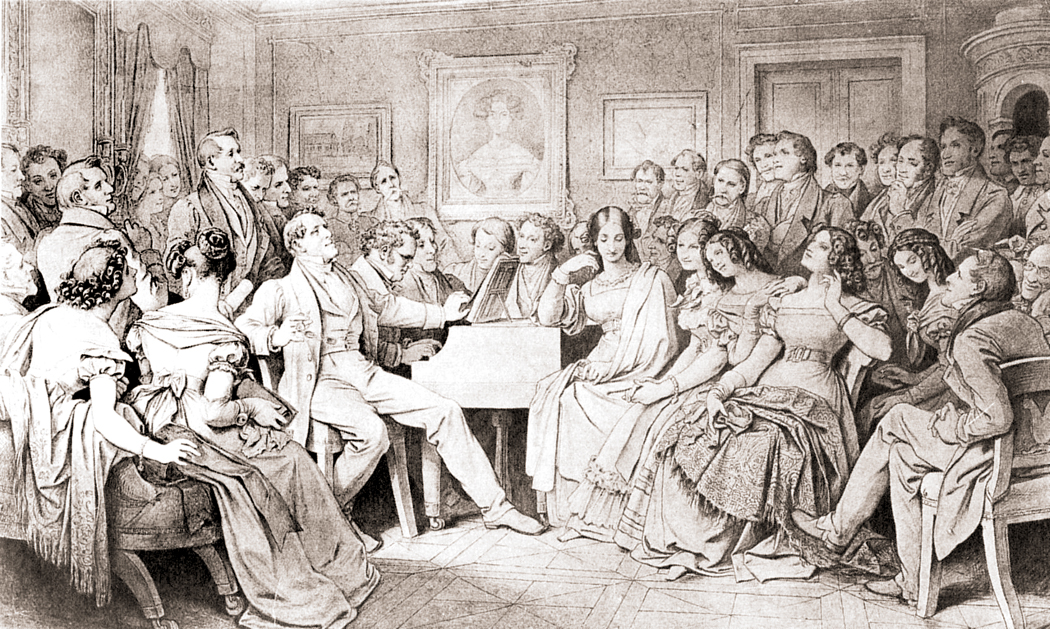
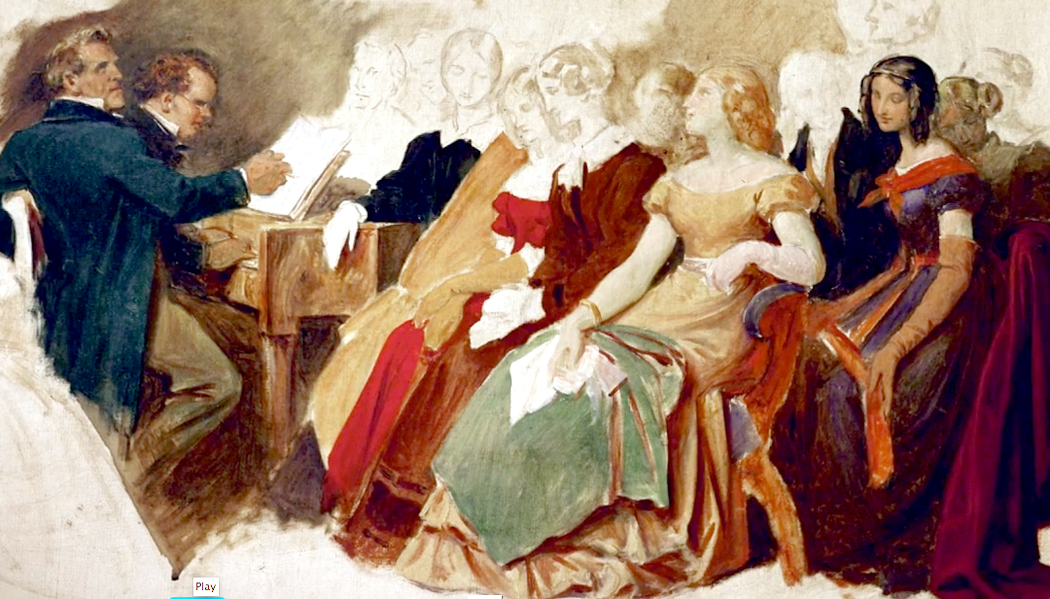
So why is he so often relegated to the also-rans? It was that way from the beginning, when little Franz lived in Vienna under the dark shadow of Beethoven. Schubert wrote thousands of compositions during his sadly short lifespan, but very little was published or performed during his life. Mostly his music was shared with friends at dinner parties — or “Schubertiades” — where he and his musician buddies would gather to play music, hoist a few, and sing along. 

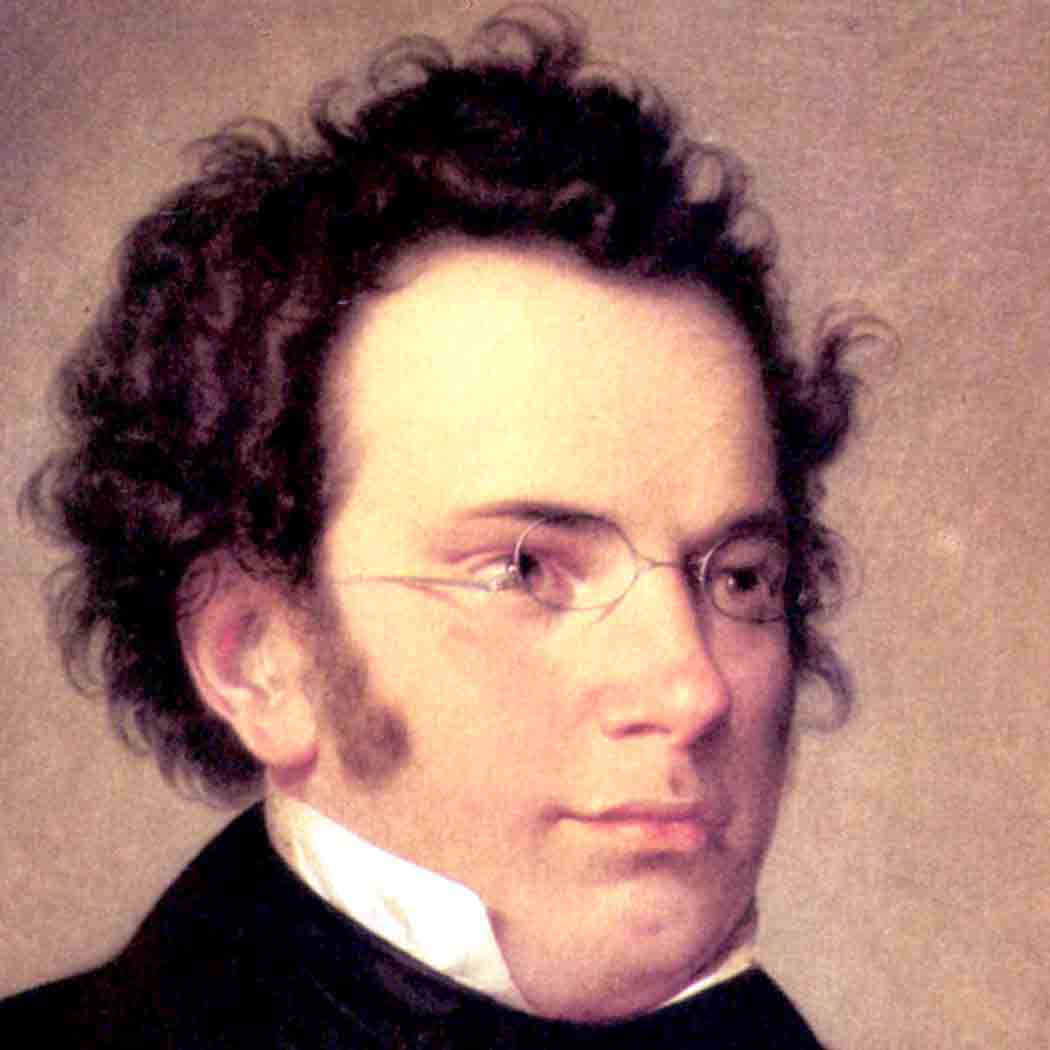
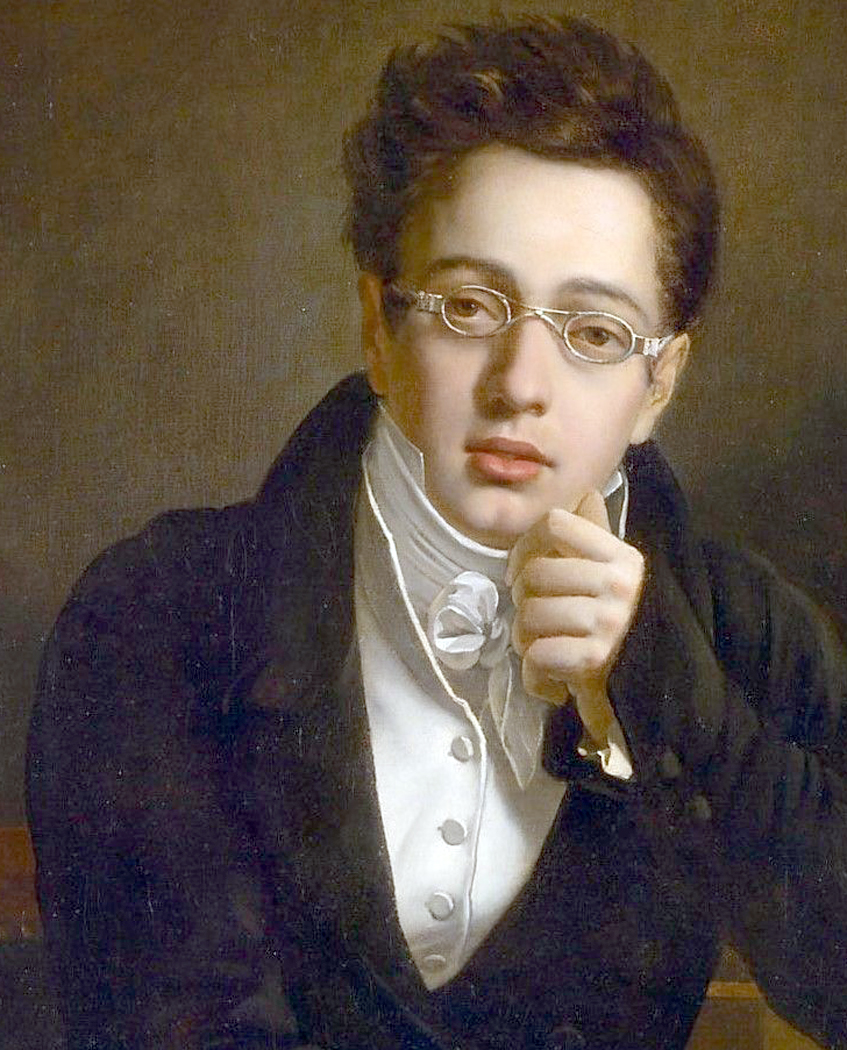
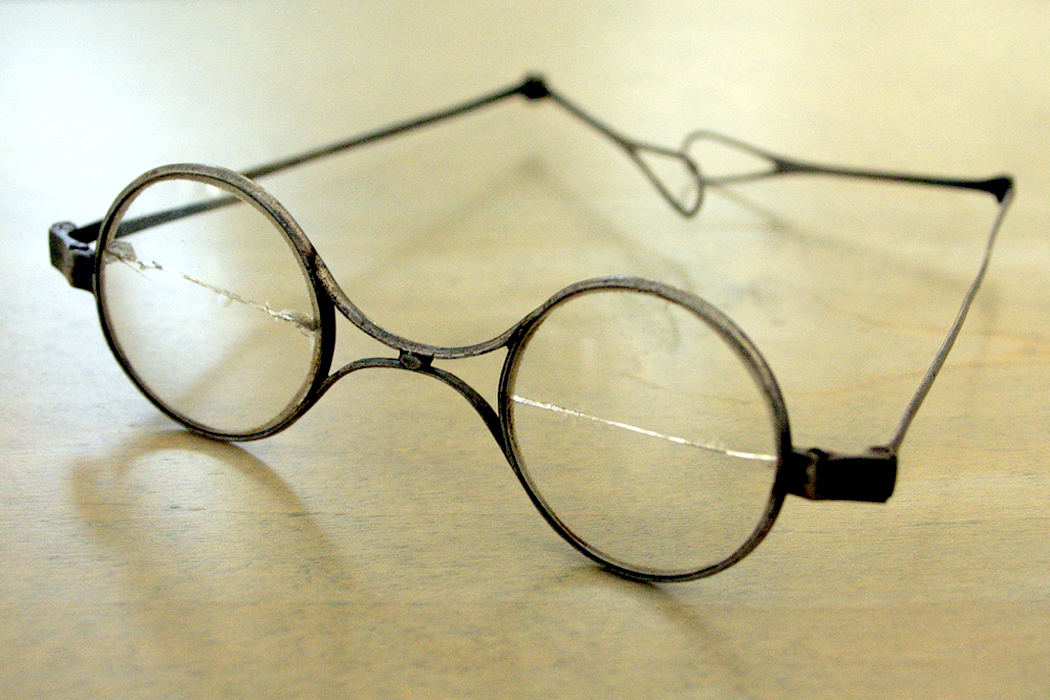
He was little over five feet tall and pudgy, with a double chin and a button nose that held up tiny spectacles. He had a hard time finding his place in society, trying at times to be a school teacher and at other times to earn a living as a music tutor. None of it clicked. 

But from the earliest age, he could write really good music. He wrote his first symphony (now only a fragment) when he was just 14. The official Symphony No. 1 came just two years later and was written for his family to play — everyone in the house played an instrument. 

He was one of the great musical prodigies. We think of Mozart or Mendelssohn — who wrote his famous Octet when he was just 16 — but Schubert composed his first genuine masterpiece, “Erlkönig,” when he was 17.  He wrote well over a thousand pieces of music before he died at the age of 31 in 1828, just a year after Beethoven. Mozart, in contrast, lived to the ripe old age of 35. 

Perhaps Schubert lags in popular estimation because he was such a slipshod worker. He left more unfinished pieces than any other great composer, sheaves of piano sonatas left as torsos, a movement here or there, and other bits left in fragment. His most famous symphony, after all, is the “Unfinished Symphony.” 

And perhaps he lags because his melodies are so memorable, they may be mistaken as facile. Beethoven, after all, hardly ever wrote something you could hum distractedly as you polish the silverware. Da-Da-Da-Dumm is hardly a tune. Schubert is endless song. 

And because we think of melodies as lightweight compared with, say Wagner or Brahms, we may think of Schubert as emotionally trifling. “Wer hat das schöne Liedlein erdacht?” “Who wrote this pretty little ditty?” Couldn’t be more wrong. 

Schubert has perhaps the widest range, emotionally, of any other composer. On one hand, he wrote what has to be the happiest, bounciest, most joyful music ever, the “Trout” Quintet, and the single bleakest, most desolate music ever, the C-major String Quintet. (I’ve written about the “Trout” before.) 

The String Quintet is another beast. Written for two violins, two violas and two cellos, it is most often named, when such lists are drawn up, as the greatest piece of chamber music ever written. My late friend, Dimitri Drobatschewsky, who was a longtime music critic at The Arizona Republic in Phoenix, when he died at the age of 90, had requested the quintet be played at his funeral. The slow movement, in particular, is about the deepest and most profound that music can reach — which is rather deeper and more profound than any words can reach.

Schubert had an intimate relationship with death. He learned several years before his own death that he was suffering from what has been subsequently diagnosed as mercury poisoning (which likely also killed Beethoven), typhoid fever, or tertiary syphilis (mercury was a common treatment for syphilis). He wrote his final works — the final three piano sonatas, the final three string quartets, and the String Quintet, with the full knowledge of his looming extinction. These works, along with his final two symphonies and song cycles, are the height of his achievement. At the same age, Beethoven was just writing his first symphony. One can only imagine what Schubert might have written if he had lived even to Beethoven’s young 56 years old. 

It is a miracle that someone who barely left Vienna during his life, and who had only lived three short decades, could write with such expressiveness about such dark matter. 

Take his final and greatest piano sonata, in B-flat. It opens with a jaunty and optimistic tune that is almost immediately interrupted by a low trill on a G-flat — a note not in the key of B-flat major, but injected from its minor. It is a discordant lowered sixth that resolves to the dominant and leaves an uneasy feeling, as if happiness was being threatened by a baleful presence. That sense of immanent evil or impending doom keeps returning, even as the first movement comes to a seemingly positive conclusion — and then, there’s that threat, that bottom-feeding trill, again. No good will come of that. 

I listen again to a performance of that sonata by Artur Rubinstein, made in 1965, and start sorting through my CDs — I suppose I am about to begin another weeklong Schubert marathon. I’ll certainly go through the quartets and sonatas, even the symphonies. But mostly, I will dive deep into the two great song cycles, Die Schöne Müllerin and Winterreise. 

The last is a 24-song cycle setting poems by Wilhelm Müller that tells the tragic story of a man betrayed by his lover; he wanders through town and country dropping deeper and deeper into madness and depression. It would be hard to find a more trenchant exposition of German Romanticism that this song cycle. 

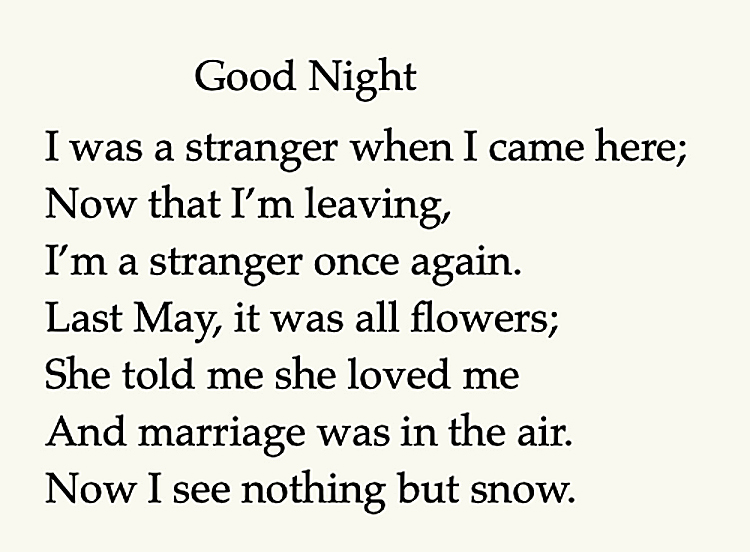
My late wife, Carole, loved to make music with others and often did so. I have no meaningful ability on any instrument, but was once persuaded to join her in singing “Gute Nacht,” the first song of the Winterreise cycle. It is tuneful and although it is strophic, the last go-round switches from minor key to major, with a stroke like lightning. The effect it had on me, in my pathetic attempt to sing to her piano accompaniment led me to attempt to translate Müller’s poems into English. 

The odd thing was that the further I went along, the more I found myself not so much translating as re-imagining. “Gute Nacht” turned out to be a more or less literal translation, beginning with the first stanza:

But by the time I got to the end, the devastating and desolate “Der Leiermann,” in which our protagonist finds himself back in the village listening to a hurdy-gurdy man and imagines his tragedy sung to the accompaniment of the pathetic little squeeze-box, I had left the original behind altogether. Schubert’s music for the entire song never leaves a single A-minor chord played as a slow pulse to the lament. The effect is a complete collapse of our hero’s personality. 

My version of Müller’s poem also left 19th century Germany and shifted to what I thought was the parallel situation in our own time. The whole series of my translations was in itself a metamorphosis from the original style of Müller to my own voice — in other words, I took the poetry seriously and personally, which is what the best art always gives us. 

There are many great recordings of Winterreise available. Among the best are four different versions by baritone Dietrich Fischer-Dieskau, made with Gerald Moore, Jörg Demus, Alfred Brendel and Daniel Barenboim in turn at the piano. They are all near perfect, but I have always favored the first, with Moore. But my favorite is even older than that one: Hans Hotter with Moore, recorded in 1954. Hotter’s voice is more bass than baritone and gives added heft to the work. 

Other Suggested Recordings

It’s hard to suggest a CD of the “Trout” Quintet: I have never heard a bad one, although the one I love most is by Alexander Schneider with Peter Serkin, David Soyer, Michael Tree and Julius Levine. You can never go wrong with Schneider. 

The three final quartets, including the “Death and the Maiden” and with the String Quintet, are all in a box with the Emerson Quartet and Mstislav Rostropovich on the second cello. Not a shabby addition. 

There is an 8-disc box of piano sonatas by Mitsuko Uchida that is a great performance and a bargain to boot. 

For the symphonies, you can hardly do better than a set by Daniel Barenboim and the Berlin Philharmonic, which is currently selling for under $15. But you should also check out two very different ideas of the “Great” C-major symphony (usually listed as No. 9) by Wilhelm Furtwangler and Arturo Toscanini. I should have said “Furtwangler vs. Toscanini.” 

But in this short overview, I have not had room for so many masterpieces. I have not mentioned the Arpeggione Sonata, the Fantasie in F-minor for Two Pianos, the Moments Musicaux, the “Wanderer” Fantasy, the Impromptus, or the simply titled, “Three Pieces,” which rank up there with the sonatas. Or the hundreds of other lieder that he wrote, to say nothing of the masses and the choral works. And there are operas, too, with beautiful music, if silly plots that make them almost unperformed anymore. 

There is much music that is meant only to please the ear, and Schubert wrote his share of that, too. But music can plumb the depths of human psychology, and provide a sonic metaphor for the most profound emotions and thoughts — at a depth where thought and emotion cannot be told apart. The best of Schubert’s music takes us there. 

woody mugshot

Woody Allen’s peccadilloes are in the news again, as his ex and his purported son publically dis his recent Golden Globe “lifetime achievement” award.

This is not to defend Allen. Whether he is a child molester or not is not a question I can weigh in on. There is certainly something creepy about the whole affair with him and his current wife, Soon-Yi.

But whether the filmmaker deserves recognition for his films is a completely different question from whether his conduct in life is reprehensible.

We so often confuse private morality with public achievement, and demand they complement each other. They seldom do.

Not that Woody hasn’t given us a few hints over time. father andrei

In his Love and Death, Diane Keaton asks shriveled old patriarch Father Andrei for his wisdom.

He answers haltingly from behind a 9-foot beard: ”I have lived many years, and after many trials and tribulations, I have come to the conclusion that the best thing is — blond 12-year-old girls. Two of them whenever possible.”

This used to be a joke; it is now evidence.

Former fans, turned prosecutorial, now search the Wood-man’s films for this kind of evidence, ever since Allen’s former squeeze Mia Farrow accused him of sexually abusing their adopted 7-year-old girl, Dylan, and Allen admitted having an affair with Farrow’s 21-year-old adopted daughter Soon-Yi Previn. ronan farrow

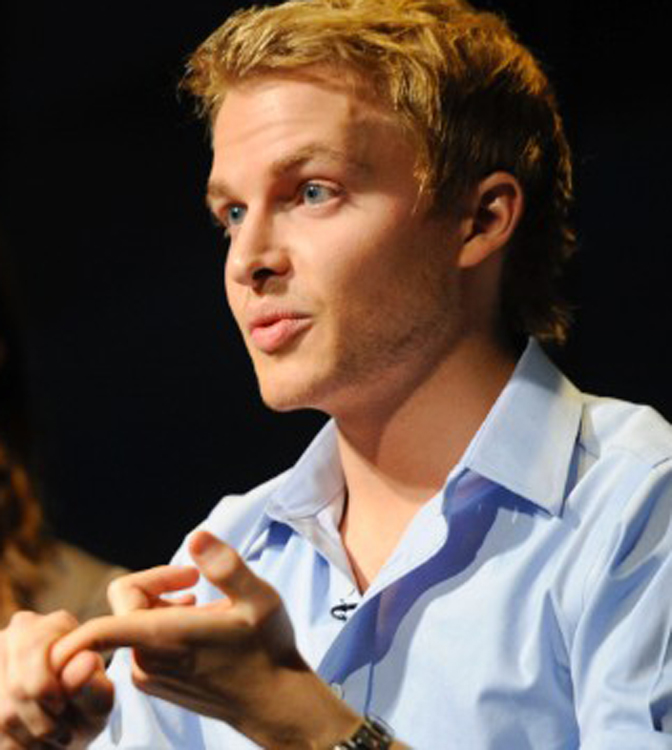
Not that Farrow gets off: She has recently implied that her son, Ronan, may not have been Woody’s child, after all. She may have been cheating with Frank Sinatra. Looking for old-time sexual morality in Hollywood can be like looking for sympathetic liberals on Fox News.

But about Woody, there’s lots of evidence to be unearthed from the films, from the underage girlfriend in Manhattan to the shifting family connections in Hannah and Her Sisters.

Rightly or wrongly, Allen’s life and films have always been confused by his fans. After all, Allen plays the same character in each film, a character that seems to be a stand-in for the film maker. No one mistakes Chaplin for a tramp, but Allen seems to be so much like Alvy Singer in Annie Hall, Isaac Davis in Manhattan and Gabe Roth in Husbands and Wives, that the confusion is natural.

So it’s no surprise that some formerly devoted fans have decided that they can no longer stand to see their fallen hero’s films.

So, let us please re-establish the separation between the artist and his creation. For his real sins, take him to court, for his art, remember the art exists, now, on its own, just as a son or daughter now exists separate from parent, and should not be held guilty of the parent’s crimes or vices. Polish director Polanski attends news conference for film "Chacun son Cinema" at 60th Cannes Film Festival

Roman Polanski is a reprehensible human being, but a very good filmmaker. Should we stop showing his Macbeth to high school students because of his crimes? Not if we want to convince those teens that Shakespeare is actually an exciting playwright.

Separating the artist from his work is essential. Otherwise, we will need to get rid of our copies of Alice in Wonderland. Lewis Carroll, after all, enjoyed taking photographs of nude little girls.

And if we are religious, we will have to stop singing that Ave Maria, because Franz Schubert liked sex with underage boys.Robert Frost

Artists are as venal, evil, self-centered, confused and destructive as the rest of us. The history of art is a landfill of disturbing biography.

Robert Frost sounds wise and paternal in his poems, but he was such an S.O.B. off the page that he drove his son to suicide.

William Burroughs and Norman Mailer have been hell on wives. Charges of child abuse now dog even James Joyce.

Benvenuto Cellini was a murderer. Ezra Pound was an anti-Semitic apologist for Fascism. Herbert von Karajan was a card-carrying Nazi. Samuel Taylor Coleridge and Hector Berlioz were drug fiends.

And we cannot begin to count the number of drunken novelists.

Sometimes we forget that Lord Byron diddled his sister. Or that Percy Shelley married a 16-year-old girl and then told her that he was in love with another teen-ager and that maybe all three could live together. Wagner

Or that Richard Wagner wrote Tristan und Isolde while enjoying a love affair with a woman he borrowed from her husband, who was housing and feeding the freeloading composer at the time. Wagner’s wife wasn’t happy about the arrangement, either.

This rogue’s gallery of adulterers, criminals, perverts and wackos made some of the greatest art of all time.

I am not suggesting that we let Woody off the hook. If he is guilty of child abuse, he should have to pay the price. He is certainly guilty of foolishness and self-deception in his relations with Soon-Yi.

But it is the man, not the art that should have to pay. Allen is one of America’s best film makers, the one of the few who consistently make films that examine the quality and meaning of life. That his films vary widely in quality is not in question, but even Allen’s worst films — Interiors and September — are serious attempts to deal with issues.

And his best, from Annie Hall to Crimes and Misdemeanors and Husbands and Wives, are as rich and textured as the best of Jean Renoir, who, by the way, married one of his father’s nude models and later divorced her.

What is so hard to understand is that Woody Allen can be so wise on celluloid and so foolish on the streets of New York.

But this goes well beyond Allen, and well beyond artists.

Our heroes just can’t seem to keep their noses clean.

One after the other they self-destruct, turning from demigods into blackguards before our very eyes.

Pick one, let his luster shine for a few moments and then notice the worm.Lindbergh

And I mean some of the most accomplished and meaningful personalities of the American century: Charles Lindbergh was a Nazi sympathizer. Martin Luther King Jr. was a womanizer. Elvis was a drug addict.

The list is long and luxurious, and the heroes in question come from politics, sports and the arts. We admire their accomplishments, even aspire to be like them, and then come to find out, as with O.J. Simpson, that they beat their wives and perhaps worse.

It isn’t just a recent phenomenon.

For every Woody Allen there is a Charlie Chaplin; for every Roman Polanski there is a Fatty Arbuckle. And let’s not forget Ingrid Bergman.

Let us not forget the charm of Ty Cobb, the graciousness of Babe Ruth and the temperance of Pete Rose.

Madonna raised eyebrows with her reputed NBA exploits, but what of  Clara Bow, who had a thing for the 1927 University of Southern California football team. The whole team.

Horatio Alger

Horatio Alger

Just think of some of their stories, moving backward in time. Errol Flynn, the patriotic hero on screen, was a Nazi sympathizer who died in a hotel room with an underage girl.

Horatio Alger, before he became the author of those inspirational rags-to-riches stories that Republicans like to recommend to those on welfare, was a minister who lost his job because he liked to seduce young boys.

It seems as if no one can escape: Who was the most saintly man of this century? Mahatma Gandhi liked to sleep naked with young girls, and he regularly weighed his excrement in the morning.

So beside that, a governor with his pants down in a motel room may seem kind of tame.

Even if he later became president.

I do not mean to debunk all our heroes, but to better understand what they are and what role they play in public life.

Heroism is a story we fashion from someone’s life, gaining nourishment from the pulp and spitting out the pits. As a story, it is tidied up with a beginning, middle and end, and it sports a moral that is meant to make our lives better or more meaningful. Unlike a real human life, it cannot sustain the complexities, contradictions and ambiguities that are always found in people, so it simplifies to make a point.

Charles Barkley is right to complain about being a called a role model — role model is the term we use instead of hero in an increasingly bureaucratic society — because the role he is asked to play is so much smaller than the life he lives.

Flesh-and-blood heroes are like actors that step into a part we need them to play.

And we do need them.

In earlier times, the hero was the person who translated the will of the gods into history. We no longer may believe in the gods and destiny, but we still need heroes. The hero is the link between the everyday life we live in and something transcendent. He brings the sky down to us so we can see it, feel it and taste it.

Michael Jordan hanging in the air like an angel who doesn’t need wings. richard burton

But when we hold our heroes up to higher standards than humans can sustain, we are like little children who cannot tell the actor from the part.

An adult doesn’t condemn Hamlet because Richard Burton was a lush.

Our heroes are capable of doing all the things ordinary people can do, including lying, cheating and stealing. Murder and rape are not beyond them, nor is mere vanity or meanness.

Like humans, our heroes are bundles of contradictions; they are large and contain multitudes.

For their crimes, we prosecute them as we do anyone else. For their simpler sins, we develop short memories. For their heroics, we need to be grateful.

What we forget is that a hero is a hero for what he does, not for who he is.