Archive

Tag Archives: guernica

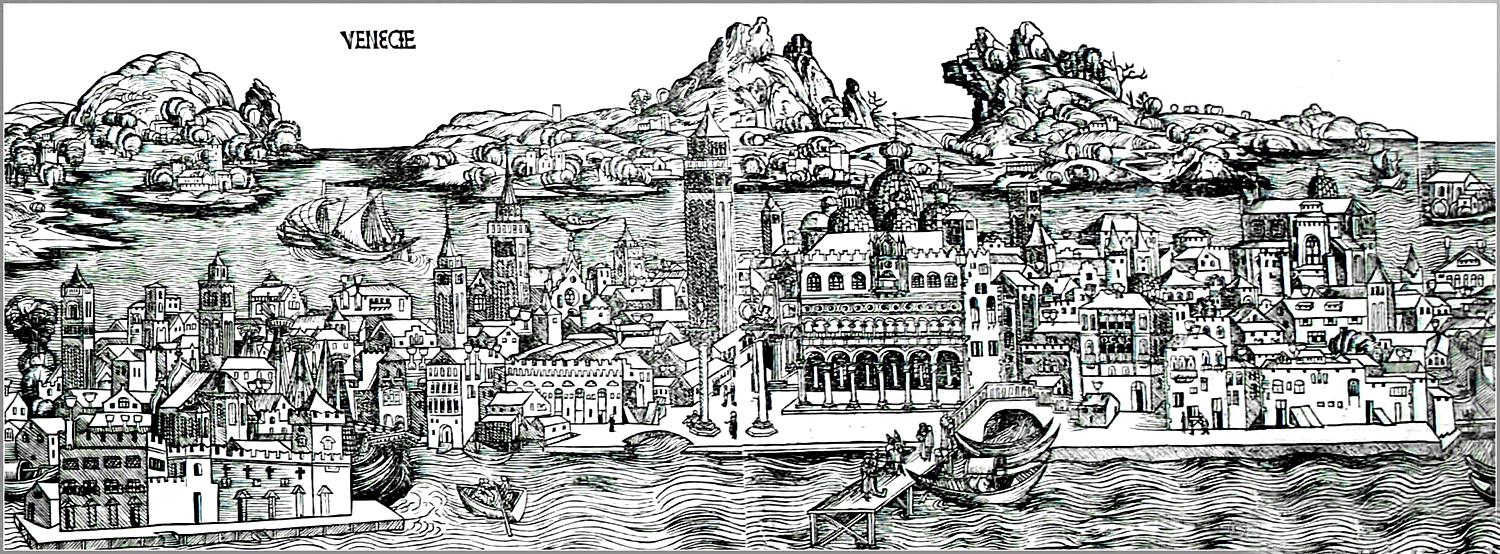
“Venice,” woodcut by Dürer

In 1494, at the age of 23, after years of apprenticeship as an artist in Nuremberg, Albrecht Dürer left Germany to visit Venice and Italy and find out what all the Hoohah was about. He was amazed at what he saw and  when he returned home to Germany, he brought the Italian Renaissance with him. He went back south for seconds in 1505 and stayed for over a year, soaking up the influences. It was what he had to do if he wanted to see what the Big Boys were doing. 

If you wanted to see, you had to travel. There were no full-color coffeetable art books to thumb through. If you wanted to see the work of Bellini, you had to go to Venice; for Raphael, to Rome. 

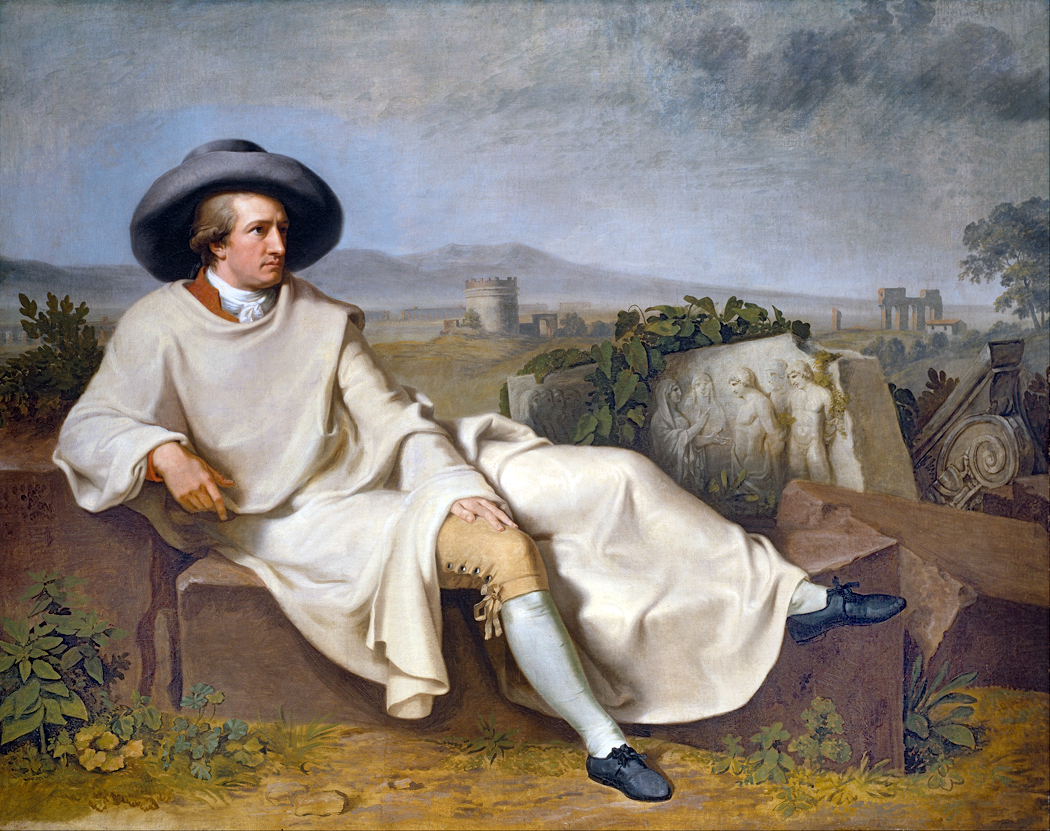
“Goethe in Italy” by Johann Heinrich Wilhelm Tischbein, 1786

In 1786, Johann Wolfgang von Goethe, then age 37, made the trip, this time to see the Roman and Greek sculpture that had been so highly praised in the work of Johann Joachim Winckelmann. He stayed until 1788, studying more than the statues, including many statuesque young women, which he later wrote about in his book of poetry, Roman Elegies

For most of history — until improvements in color printing in the middle of the 20th century — the only way to see famous art was to leave home and go there. Yes, there were engraved black and white copies published, and later monochrome halftones, but you could not really get a sense of Rembrandt or Titian without traveling. 

It gave rise in 17th century to the practice of upper-class families sending their sons on the “Grand Tour” to become educated and cultured. From the 1600s to about the middle of the 19th century, it was common for well-off young men to take a “gap year” — or two — to visit the Continent and see the sights and become men of the world before taking up their roles in government or business. Of course, many of these youths were more attracted to the live demoiselles and regazze than to the canvas madonnas. 

“Rose,” Philbert-Louis Debucourt 1788

It wasn’t just visual art. Before recordings, if you wanted to hear a Beethoven symphony, you had to attend a live concert. If you lived outside the city, you had to travel to get to the concert hall. Bach famously walked 280 miles from Arnstadt to Lübeck in order to hear Buxtehude play the organ. Even to hear now-famous symphonies and concertos you likely had to wait years between programmed performances. You might be lucky to have heard Beethoven’s Fifth once or twice in your life. Now, it seems, you can’t get away from it. 

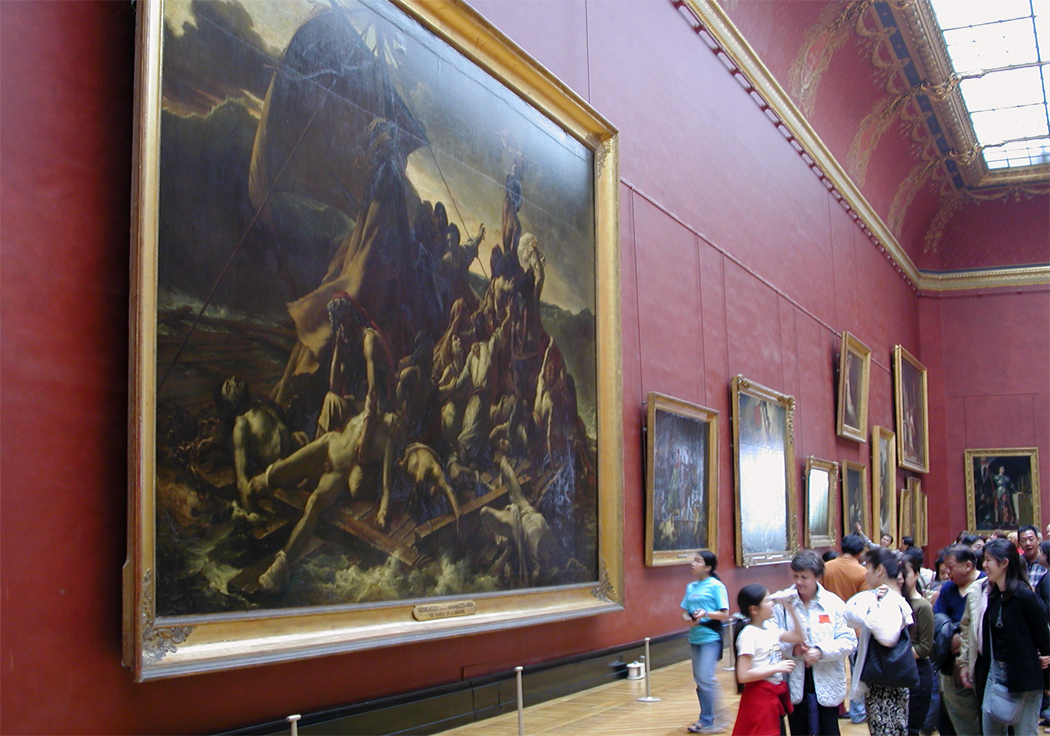
Today, when you can own 30 different CDs of the Beethoven symphonies and have your choice from Furtwangler to Norrington; you can fill your bookshelves with illustrated volumes of any artist you want; and watch endless YouTube videos about the Mona Lisa, it is important to remember that they are not the actual experience of the art in question, but varyingly faithful simulacra. You still need the real thing. A three-inch color plate of Gericault’s Raft of the Medusa cannot replicate the experience of seeing the real thing.

And so, we go to museums and galleries to get to know the art that is our cultural inheritance. Even today people travel across the world to see some of the world’s most famous art. The Grand Tour still exists, if only in ghost form, as a gap year or a summer abroad. My granddaughter had her high school summer in Italy. The traditions continue. Such travel affords an education that books just cannot give. 

In the 1960s, I accompanied my grandmother when she went back to the Old Country for the first time since she was five years old. We went to the village where she was born, Mosby, in southern Norway, and as part of that trip, I was sent on a (literal) Cook’s tour of Western Europe, taking in Germany, the Netherlands, Belgium, Luxembourg and France. I saw the Cologne cathedral, Notre Dame de Paris, Ste. Chapelle and the Louvre, among other things. Mostly, it made suburban New Jersey seem even more banal. 

Met; Guggenheim; Frick; Whitney; Cloisters; MoMA

But then, I tried to escape the Garden State as much as possible. I was lucky: I had my own Grand Tour just a few miles away. During my own high school years, living on the Jersey side of the George Washington Bridge, I spent as much time as I could in Manhattan, going to concerts and visiting all the museums: The Met, the Guggenheim, the Frick, the Whitney, the Cloisters, the Asia Society, even the long-gone Huntington Hartford Gallery of Modern Art on Columbus Circle. 

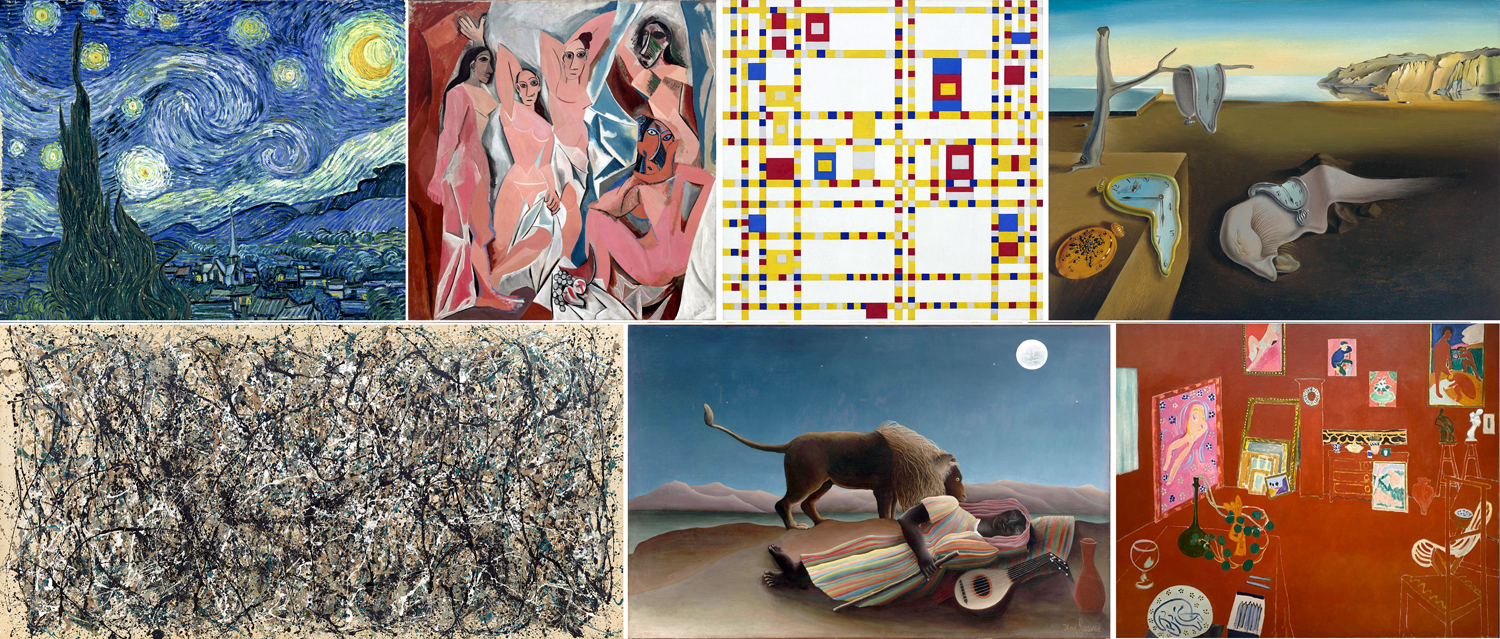
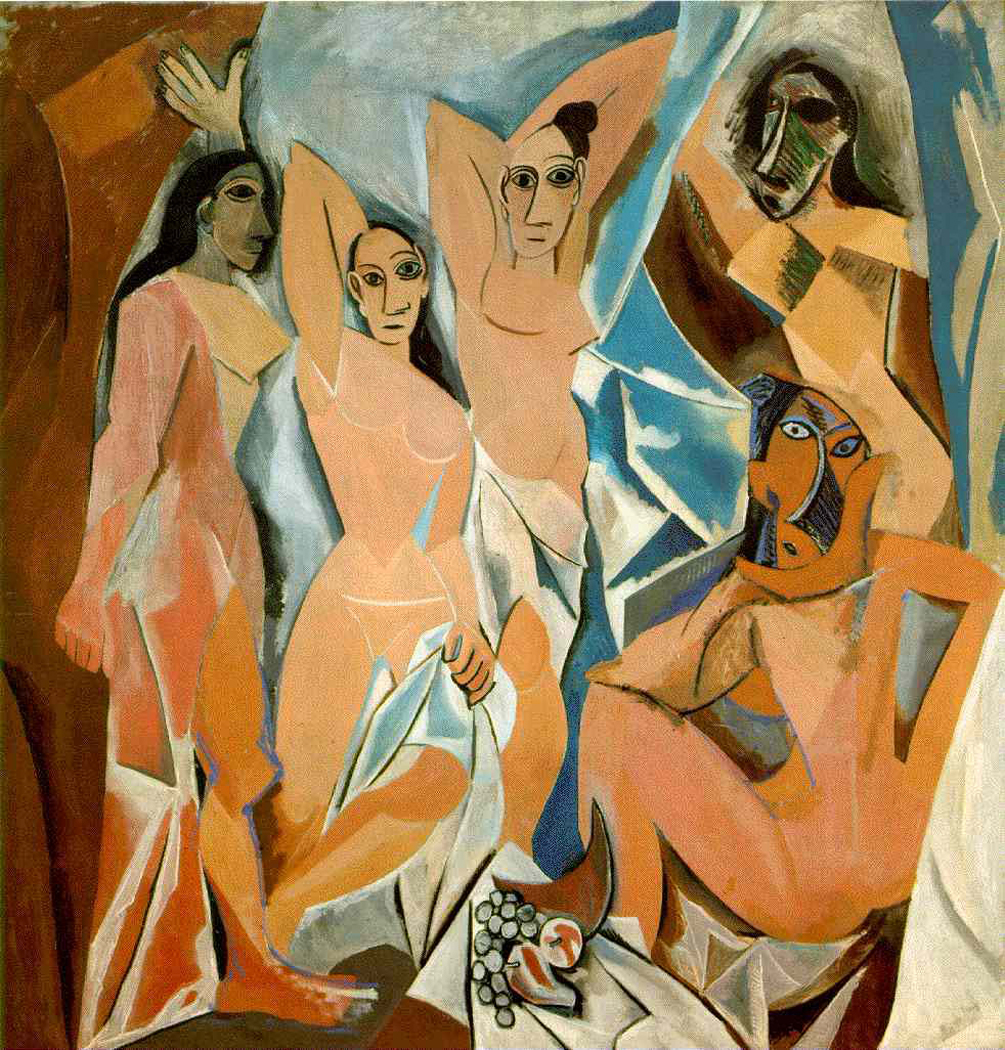
And most of all — the Museum of Modern Art, where I felt most at home. I came to know many famous paintings as old friends. Van Gogh’s Starry Night; Matisse’s L’Atelier Rouge; Picasso’s Demoiselles d’Avignon; Pollock’s One Number 31; Mondrian’s Broadway Boogie-Woogie; Henri Rousseau’s Sleeping Gypsy; Dali’s Persistence of Memory — all proper blue-chip Modern Art landmarks. 

After I went away to college, I frequently made the trip to Washington, D.C., to visit the National Gallery of Art, and later, the Hirschhorn and Corcoran. I ate up art like a starving man. It’s hardly surprising that I later made my career as an art critic. 

And working for the newspaper, I was sent around the country for major exhibits in Boston, New York, Chicago, LA, San Francisco, Seattle, Philadelphia. I was even sent to South Africa in 1989 to study the art scene there. And vacations brought me and my wife to France many times. Seeing as much as possible and finding troves of art in even small corners of the Continent. 

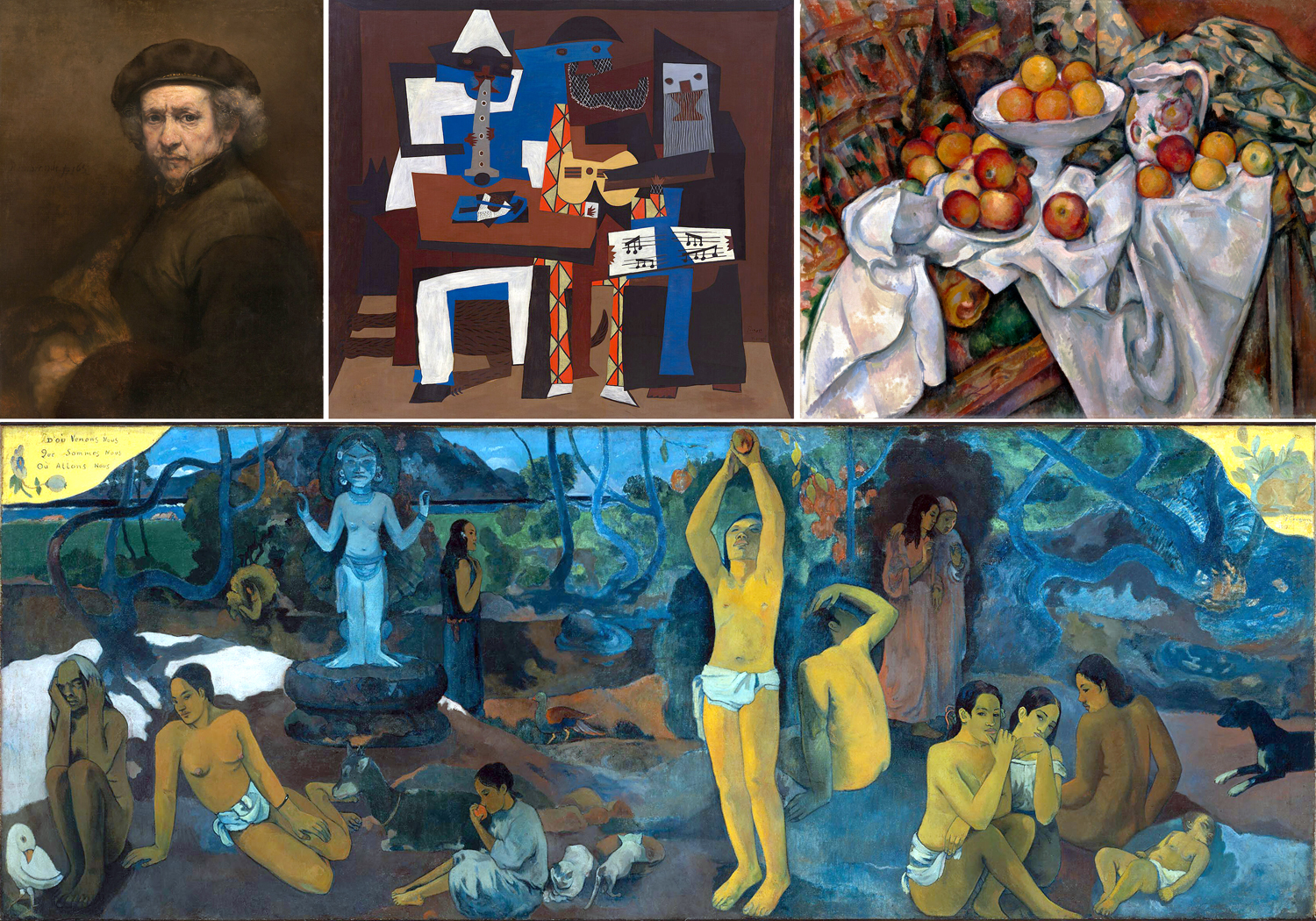
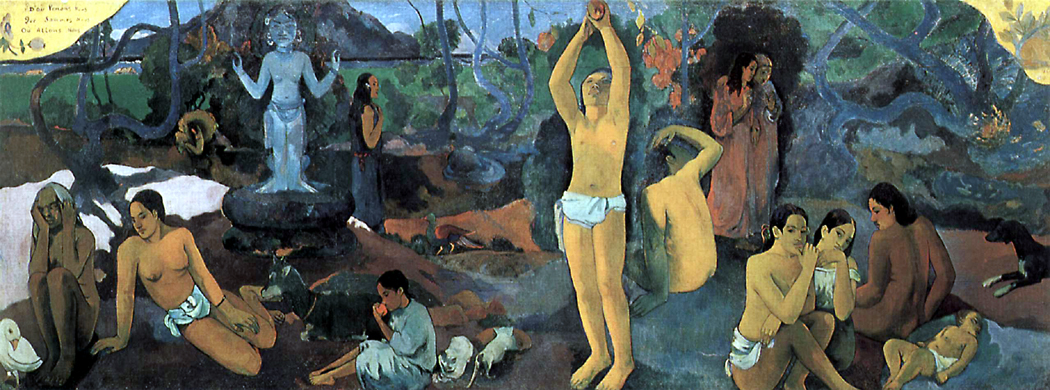
There have been dozens of important artworks I have been grateful to have known, not just in reproduction, but live, in front of my own eyes. My inner life is infinitely enriched by the experiences. There are many I could name, from Rembrandt’s self portrait in DC to Gauguin’s Where Do We Come From? What Art We? Where Are We Going? from Boston, but I need to pick out at least these six as central to my understanding of art, and of life. 

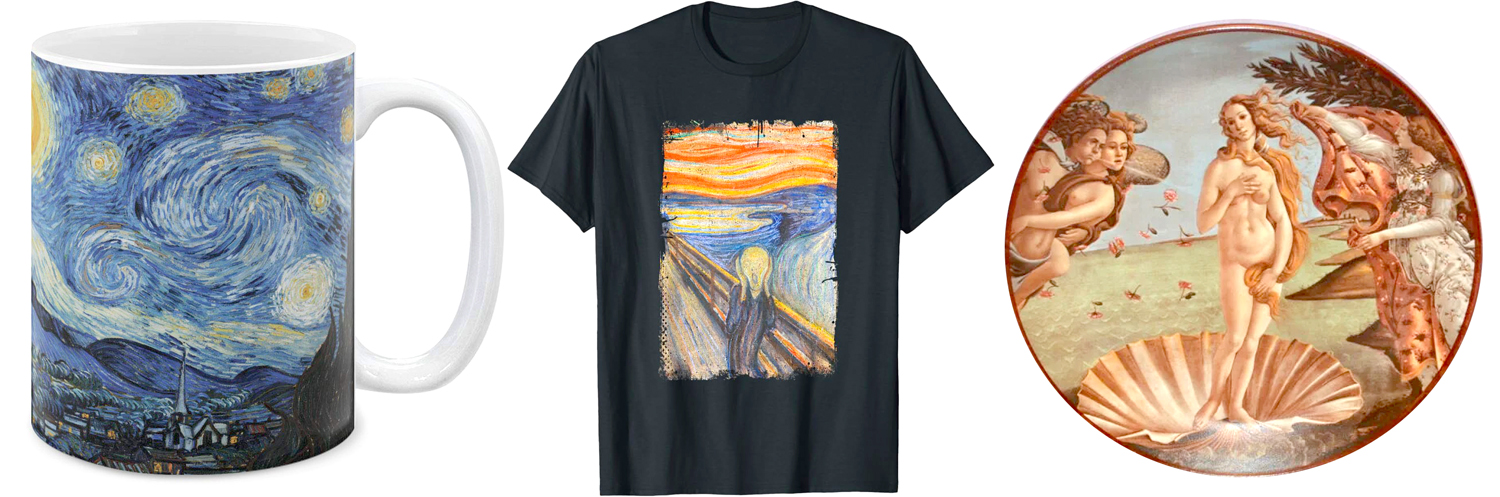
When you know works from reproduction, you cannot feel their size, cannot know the precise colors and pigments used, cannot grasp their tactile surfaces. Some of the most famous art in the world is known to most people by their reproduction on coffee mugs, T-shirts or commemorative plates. What you think is art is really just iconography — the nameable subject matter. The actuality, the physicality of the work is irrelevant in such cases. Seeing the original can then be a revelation. 

So here are the six works that have meant the most to me, that I am most grateful for having been able to know personally.

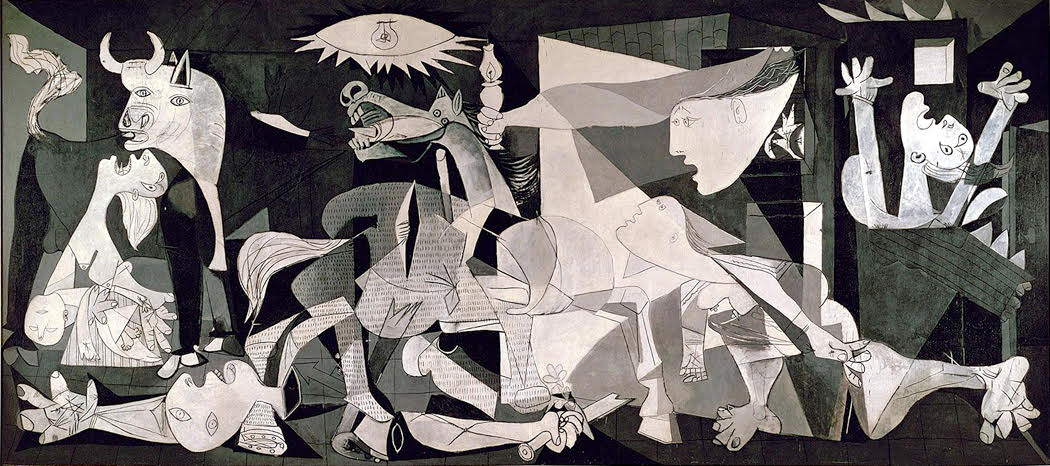
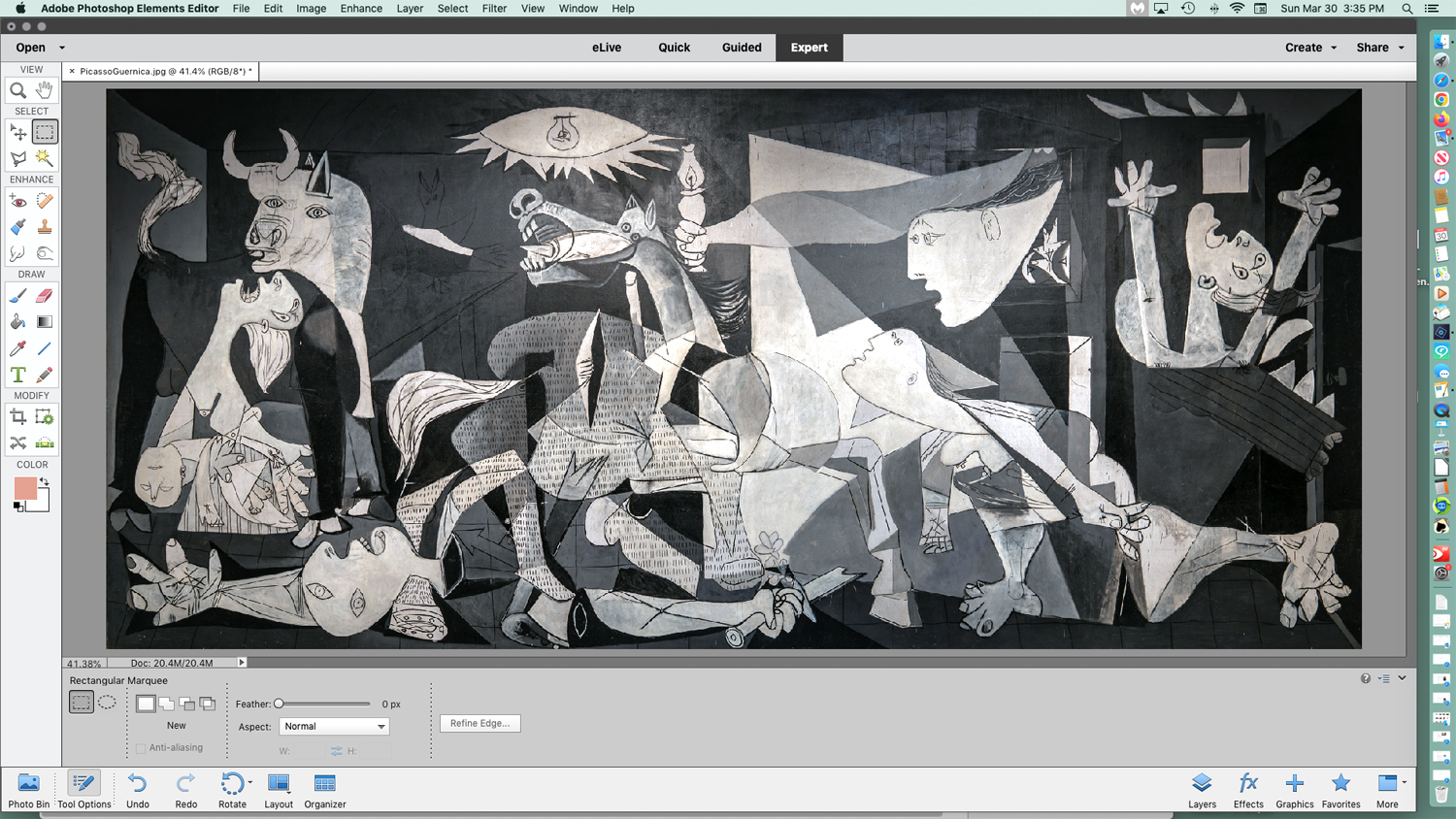
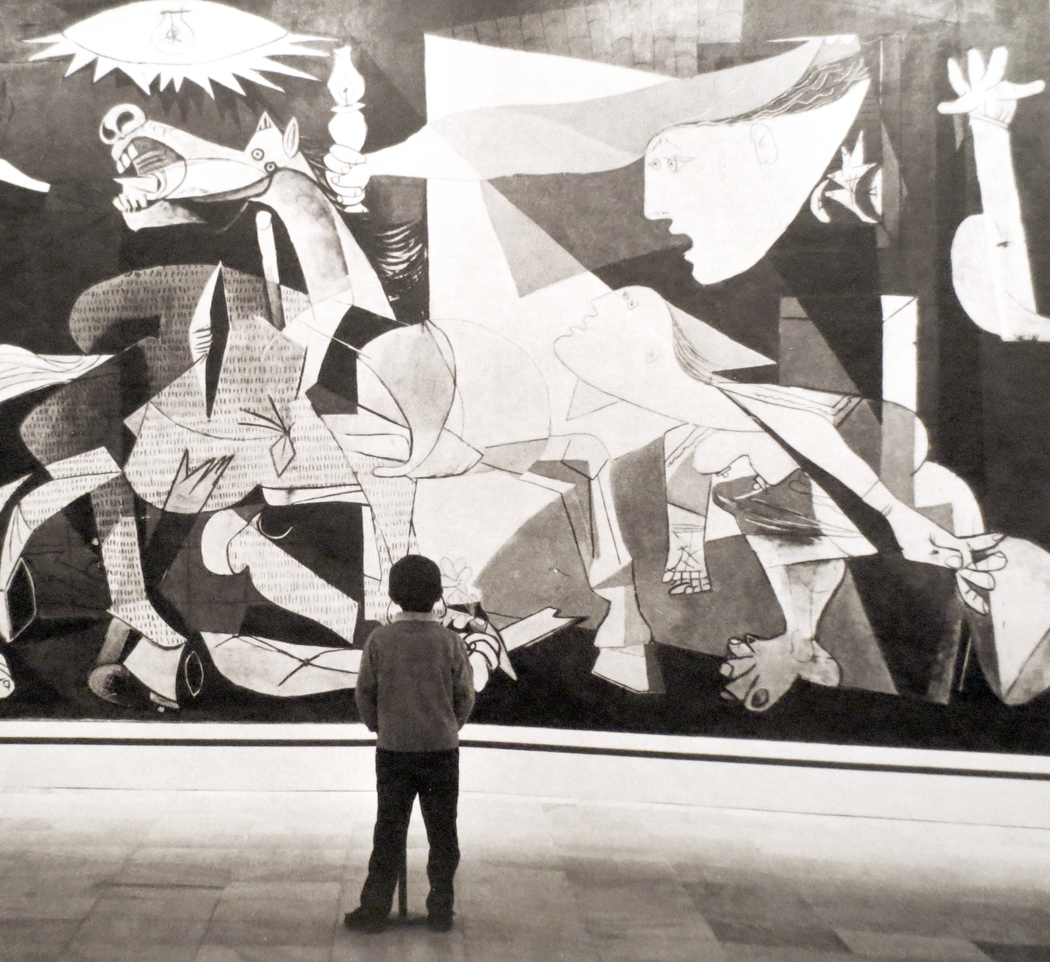
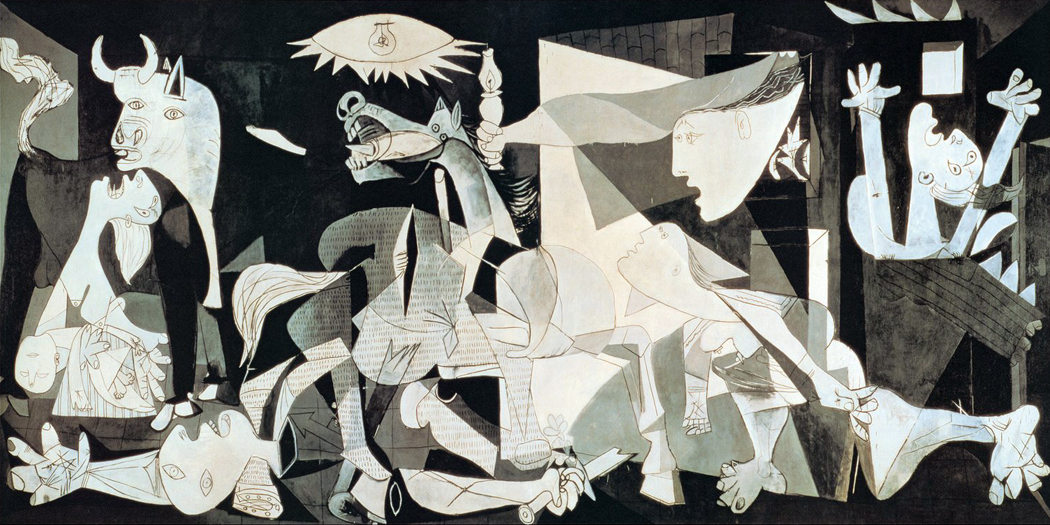
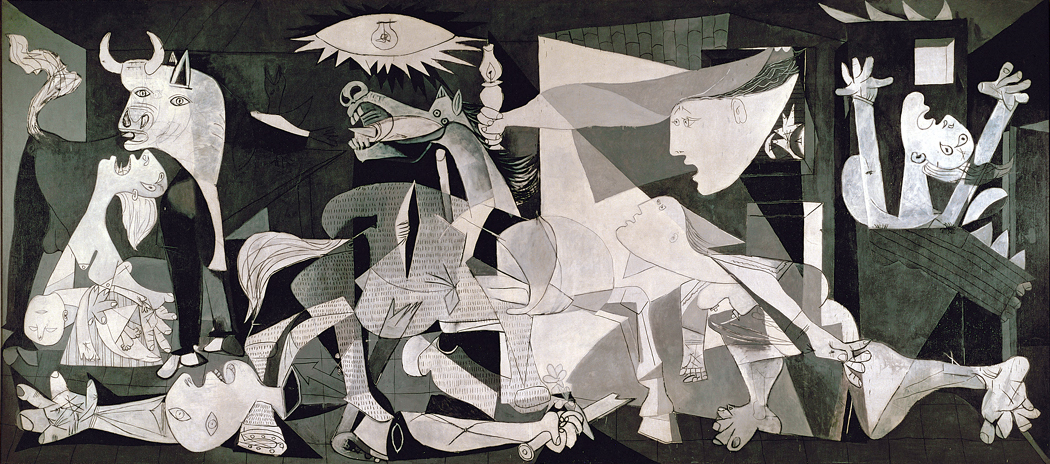
Picasso, Guernica — When I was growing up, this, perhaps the greatest painting of the 20th century, was sitting in the Museum of Modern Art in Manhattan, and I visited it often. As a teenager, I knew it was “important,” because I had seen it in books and magazines. But I thought of it as “mine,” because I knew it would always be there for me. Alas, in 1981, it was repatriated to Spain, where, I have to admit, it belongs. An old friend moved away. It was the first important artwork that I had what felt like a personal relationship with. 

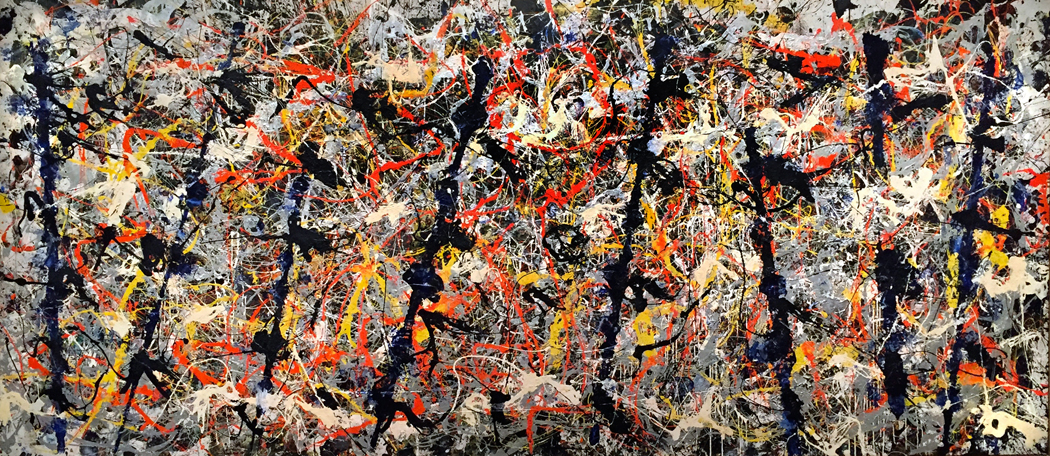
Jackson Pollock, Blue Poles — In reverse, Blue Poles is a painting that came to New York for me. Pollock’s 16-foot drip painting from 1952 was auctioned off from a private collection in 1973 and sent to Australia. I loved many of the great Pollocks from MoMA and the Met, but thought I had lost the chance forever to see perhaps his most famous work. But a retrospective Pollock exhibit in 1998 at MoMA brought it back temporarily to the Big Apple. I got to see it there, where it was the jewel-lit highlight of the last gallery. 

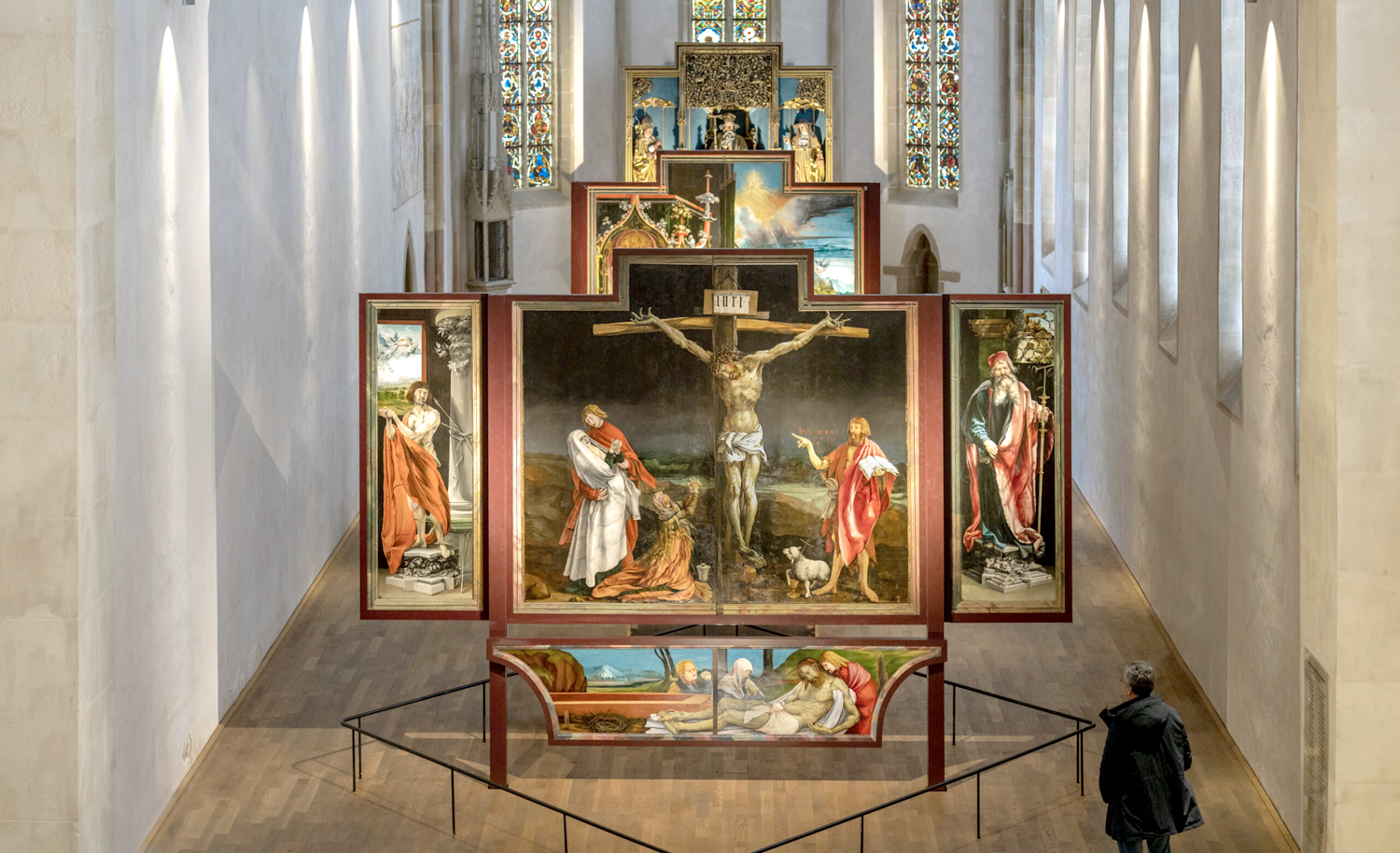
Grünewald, Isenheim Altarpiece —  The giant altarpiece comprises 10 paintings by Matthias Grünewald, including the pathos-laden crucifixion as its centerpiece, and a group of polychrome wood sculptures by Nikolaus Hagenauer, executed between 1512 and 1516. It sits in the Unterlinden Museum in Colmar, Alsace, France. The altarpiece was designed to be either closed or open, with various panels showing at different times in the Catholic calendar. I have no stake in the religious significance, I cannot help but be overwhelmed by the pathos and power of the work. 

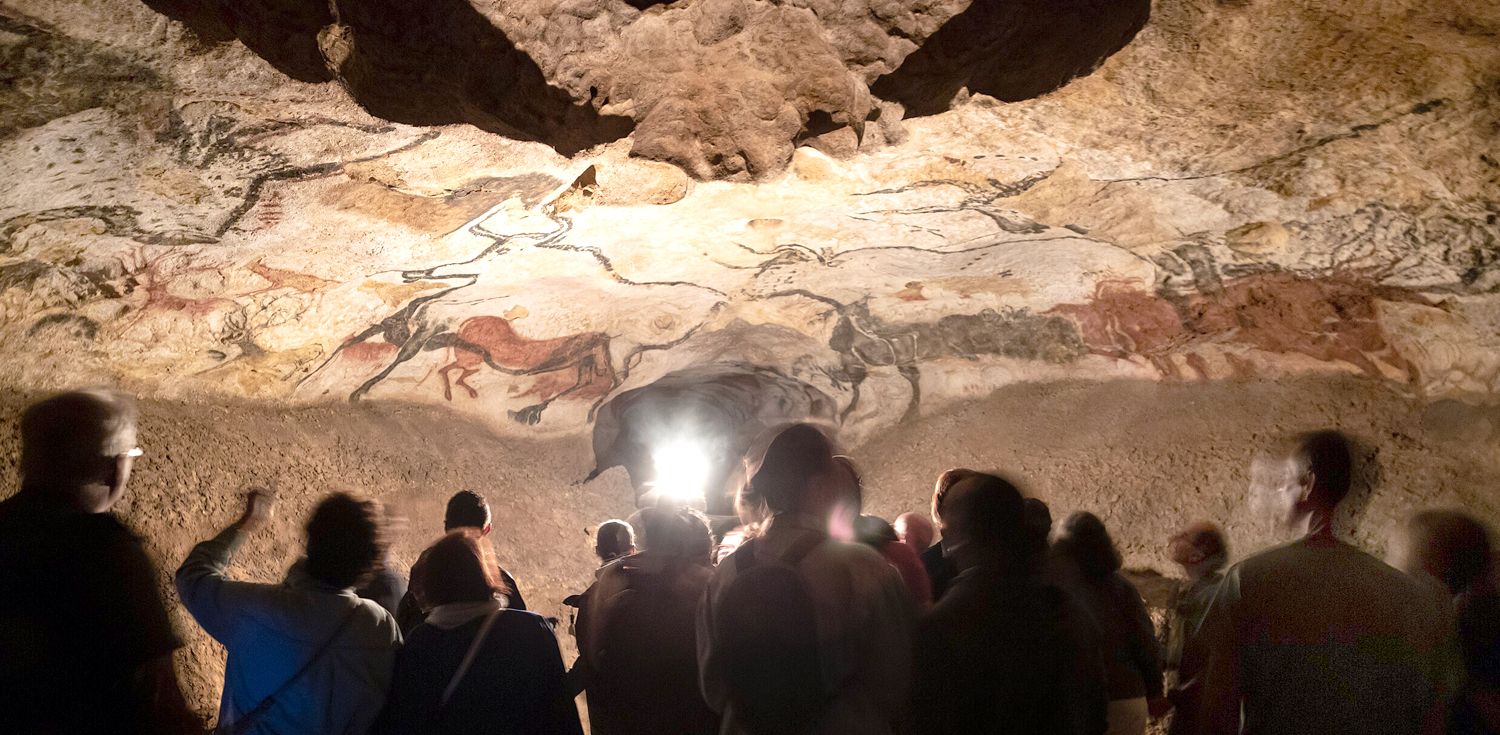
Lascaux II — The cave paintings at Lascaux, France, date from about 20,000 years ago. They were discovered in 1963 and include about 600 images of prehistoric animals. The caves have been closed since 1963 to protect them, but a copy has been made and open to the public. I never thought I would get to experience them, but I got to visit both the reproduced experience at Lascaux II, but also the genuine cave art at nearby Font-de-Gaume. Seeing the original art there threw my spine into a buzz of uncanny deep-time — a state not rational but limbic. 

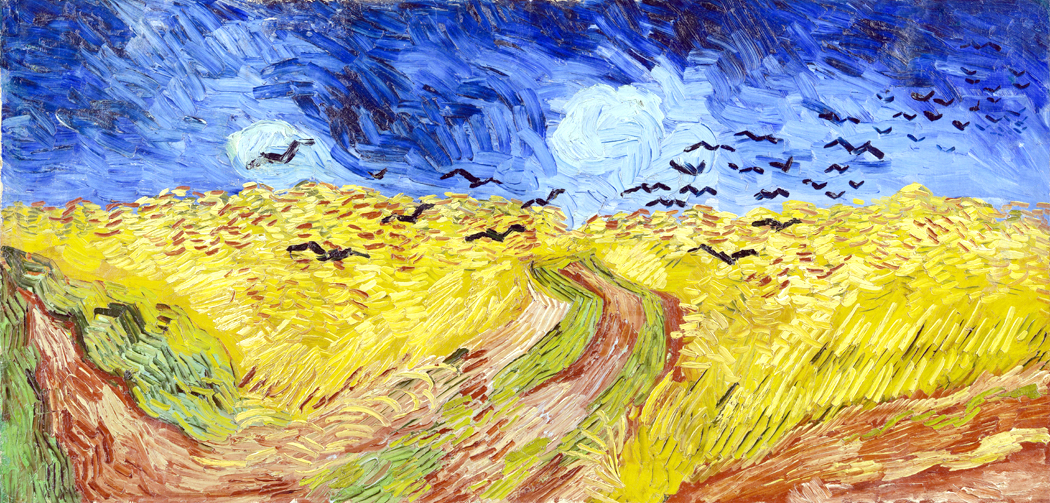
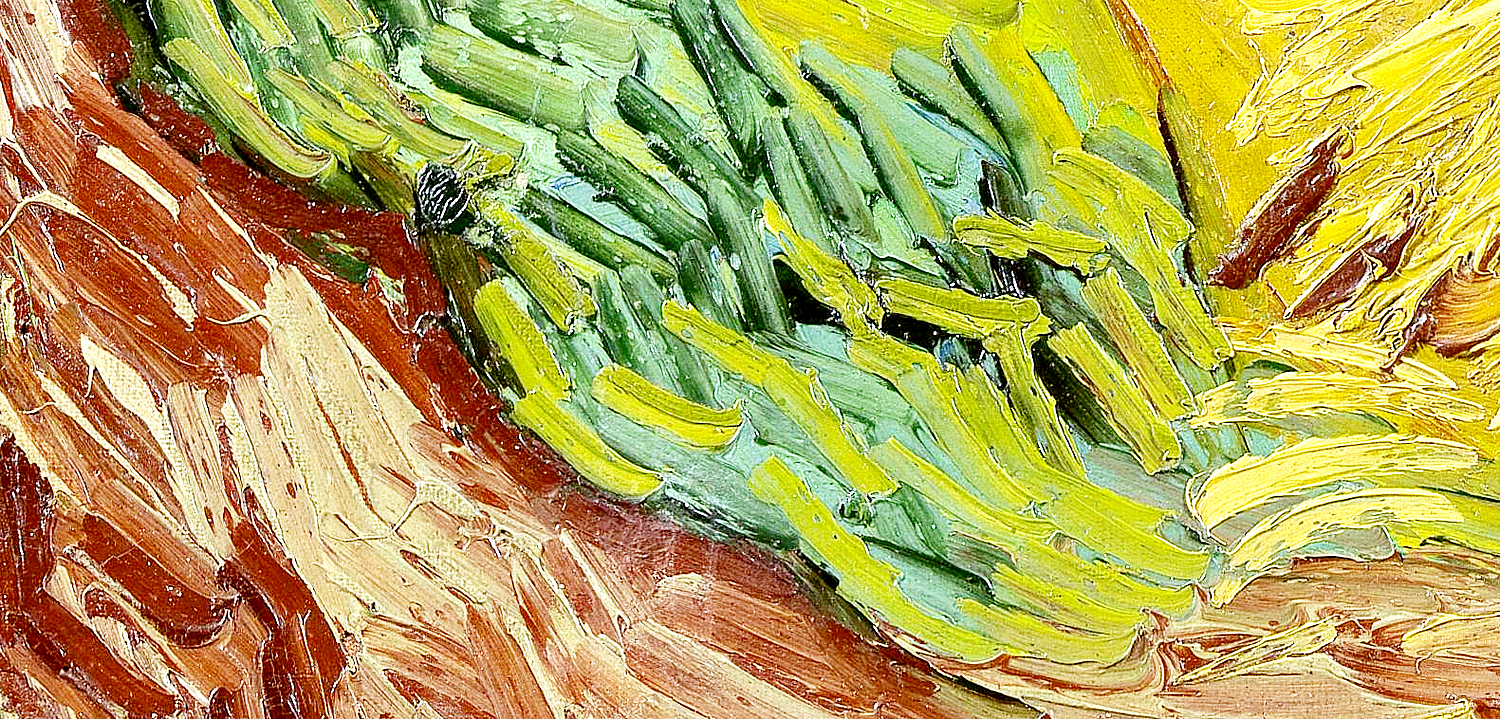
Van Gogh, Wheatfield with Crows — In 1999 the LA County Museum of Art mounted a 70-piece show of the paintings of Van Gogh from the Van Gogh Museum in Amsterdam, including many of his most famous works. My job got me sent to cover the exhibit and I was blown over by the works (also, astonished at how amateurish and awful many of his early works were: It took a while for Van Gogh to become Van Gogh). 

One of the last paintings in the last gallery was Wheatfield with Crows and up close you could see who wild and feverish the artist’s brushstrokes were, and what colors sat on his pallete, left largely unblended on the canvas. 

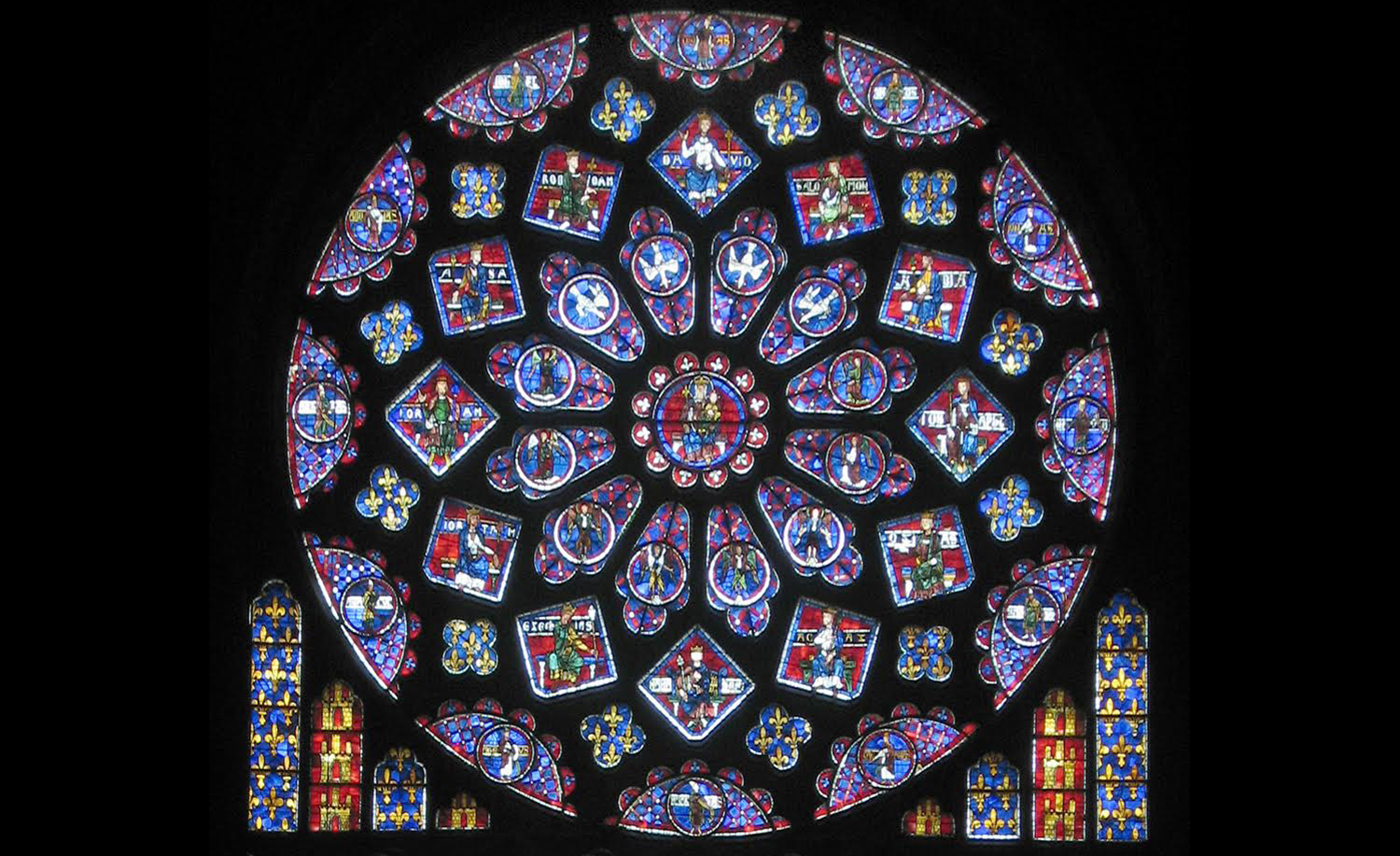
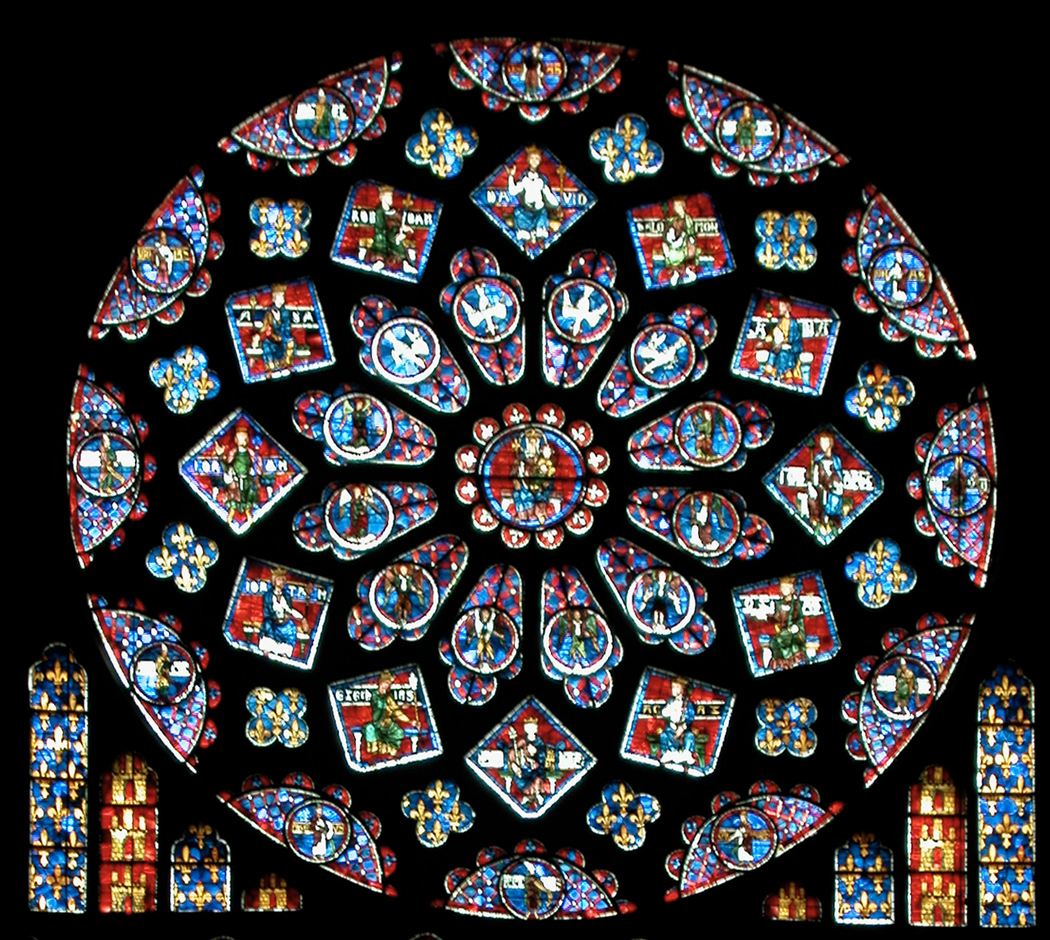
North Rose Window, Chartres Cathedral — I have been back to Chartres many times, and each visit, I spend a half hour, at least, sitting in the transept staring at the North Rose Window. It is, as I have said many times, the single most beautiful man-made creation I have ever seen. It is transcendent, a glowing object of meditation, whose shapes seem to move, to dance around the centerpoint. I am awe blasted. It almost makes up of all the misery, suffering and death human beings cause to each other. 

This is, of course, a limited selection. Before writing, I made a list of paintings, sculptures, plays, operas, architecture, poems, novels — I could just make a list of the types of art that would already be too long to include in a single blog entry. Narrowing down to visual arts still left me with too many things to write about — hence my squeezing it all into only six works. (It tried to make a conventional 5, but I already feel bad about only including six.) 

Seeing all this art and lamenting all that I never had a chance to see, only reinforced my sense that art is not just what makes us human, but how it makes us human. 

I was talking with my very Southern wife about how those brought up down here have a stronger connection to the land than us Yankees. Southerners have often lived on the same patch of land for generations and their sense of identity can course back through great-grandparents and beyond. Your sense of who you are includes the centuries before you were born. New Jersey never gave me that.

But I do have that same sense when looking at the paintings or hearing the music of the past. This all gave birth to me; it is who I am. We too often think of culture in terms of hoity-toity high culture. But really, culture is all the things that have accumulated over time to make the lives we now take for granted. 

When I see or hear the so-called canonical works of Western culture, I have that sense of belonging to a long, continuous line. It speaks to me; it tells me who I am. 

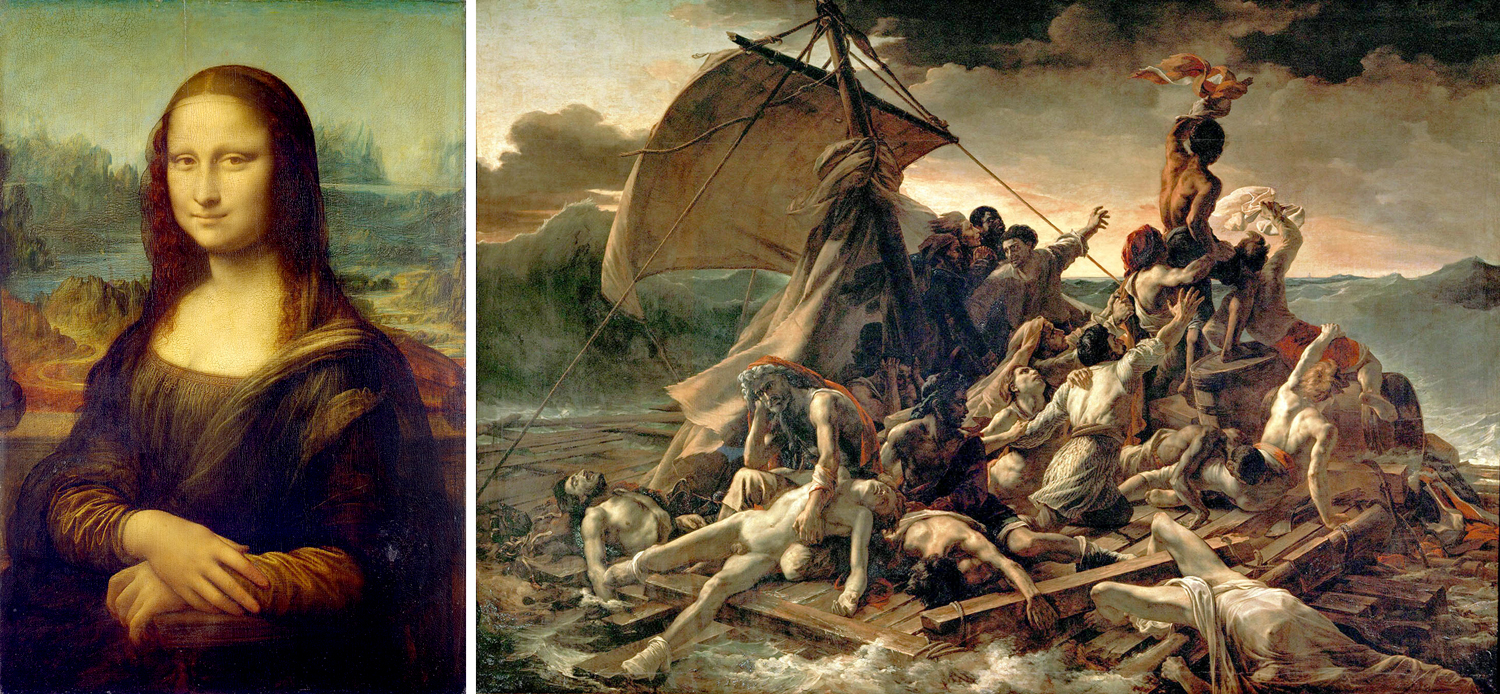
Take two of the most famous paintings in the Louvre. Most of us first experienced them in pictures in a book, perhaps Janson’s History of Art in an art history class. Or, projected onto a screen in the darkened classroom while the teacher pointed out details of the iconography. But these are images, not paintings. 

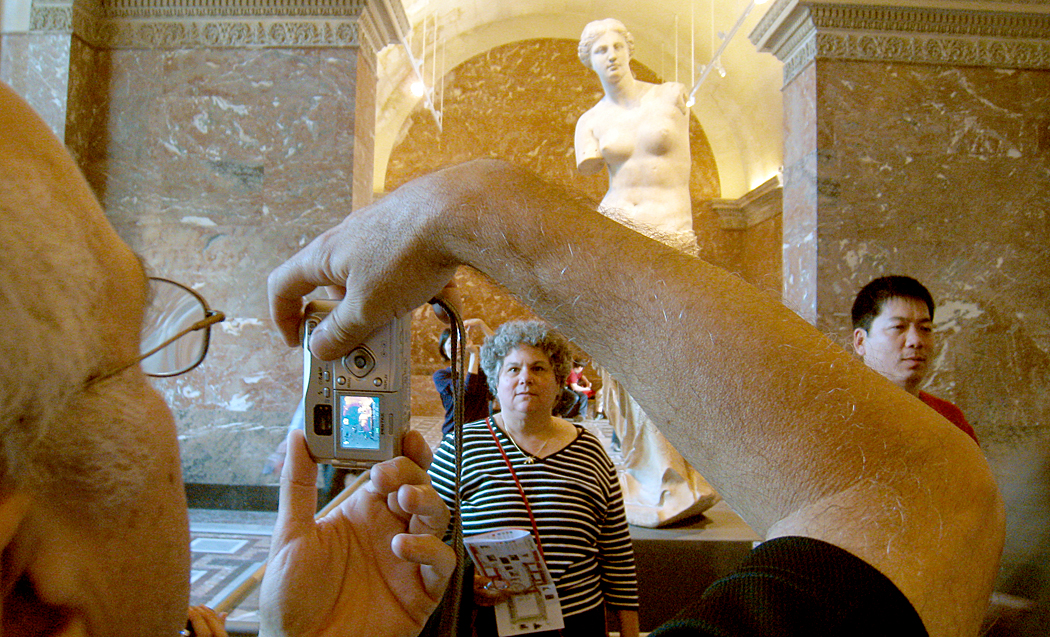
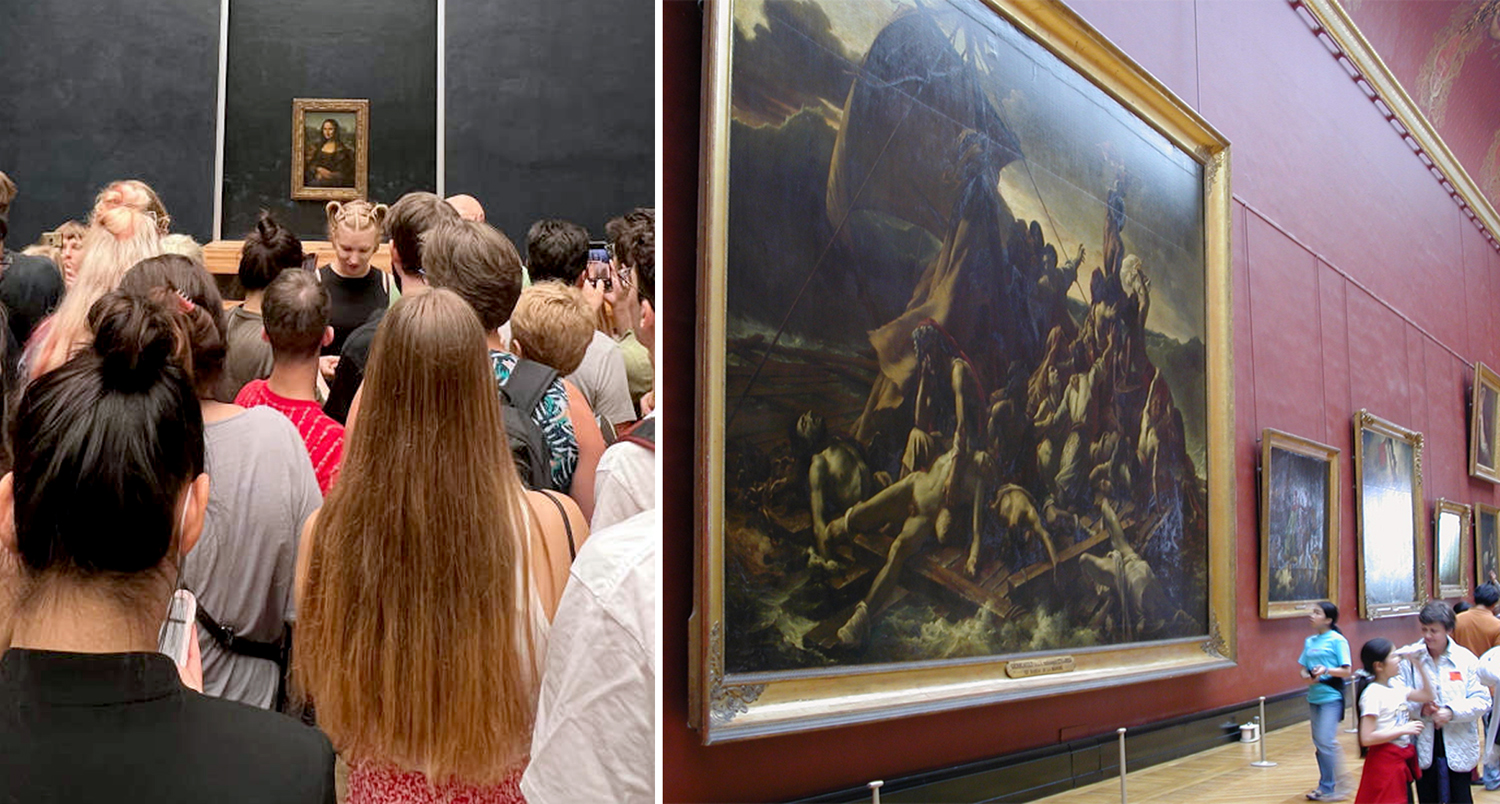
Often, today, we confuse the two, seeing pixels on a cellphone or iPad, and can easily believe we know the art because we can recognize the familiar shapes and colors. That is why so many people remark, on visiting the museum in Paris, about how “small” the Mona Lisa is. 

It’s not that small, of course. It’s a fairly normal size for a Renaissance portrait, but the fact is that separated out, as it is, for display, it takes up precious little wall space. Really, most people hadn’t given any thought to the actual size of the painting when seeing the reproduction in a book. It’s just an image, an icon, familiar not only in its regular shape, but also parodied to death in comic take-offs. 

You could look at the caption next to the printed image in your book, and see that there is a bunch of information in parenthesis beyond the identification of artist and title. It will often give you the date, in which museum collection it resides, and the size of the painting. In the case of the Mona Lisa, 21-by-30 inches. 

But then, perhaps you wander into the gallery with Théodore Géricault’s The Raft of the Medusa. You’ve seen it in your Janson and think you know it. You don’t. It is 16-by-23 feet — the size of a billboard. 

You see them as images, and they are adjusted to the size of the page and you can have no sense of their relative sizes.

But walk through the Louvre and it is quite different.

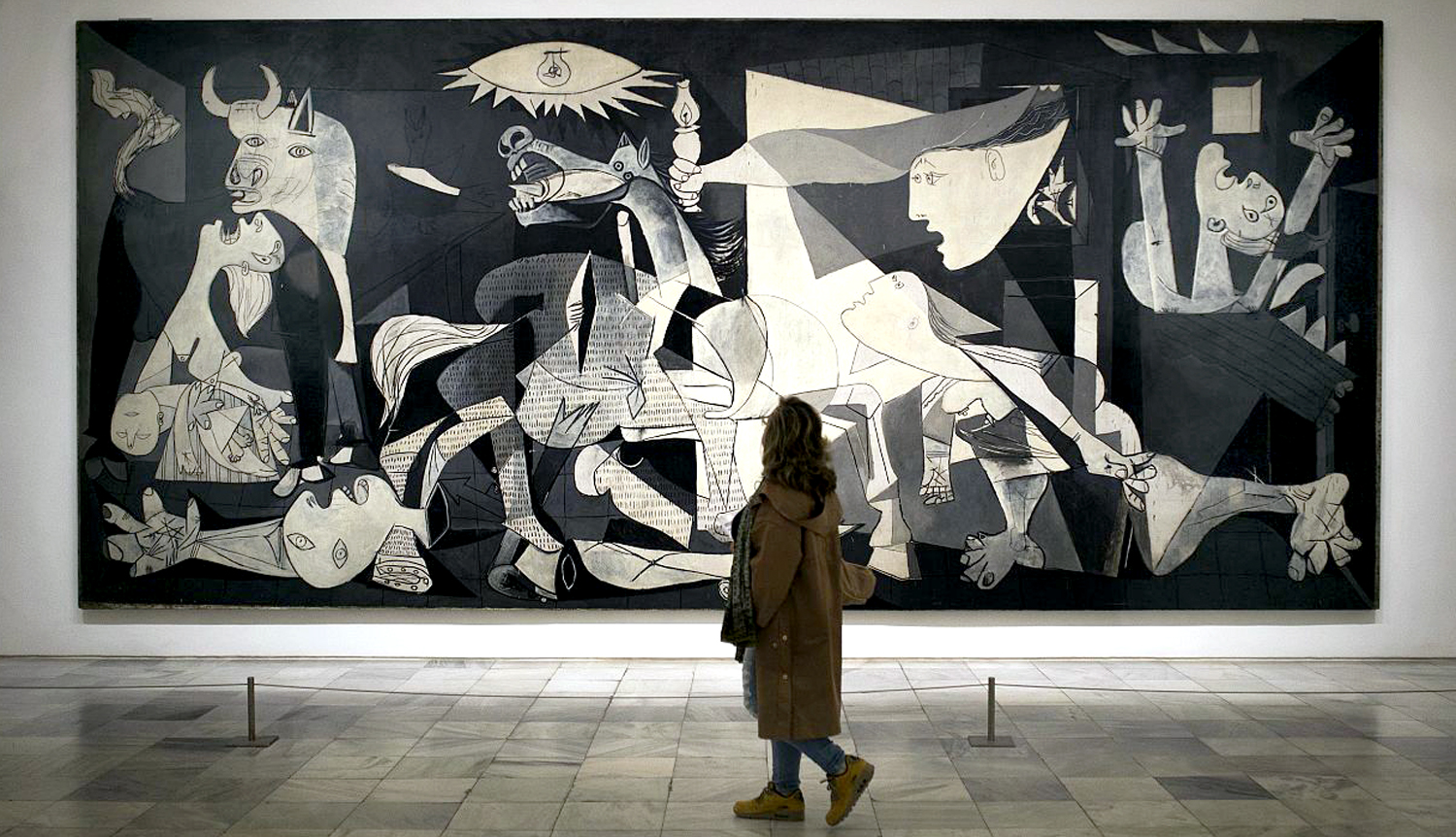
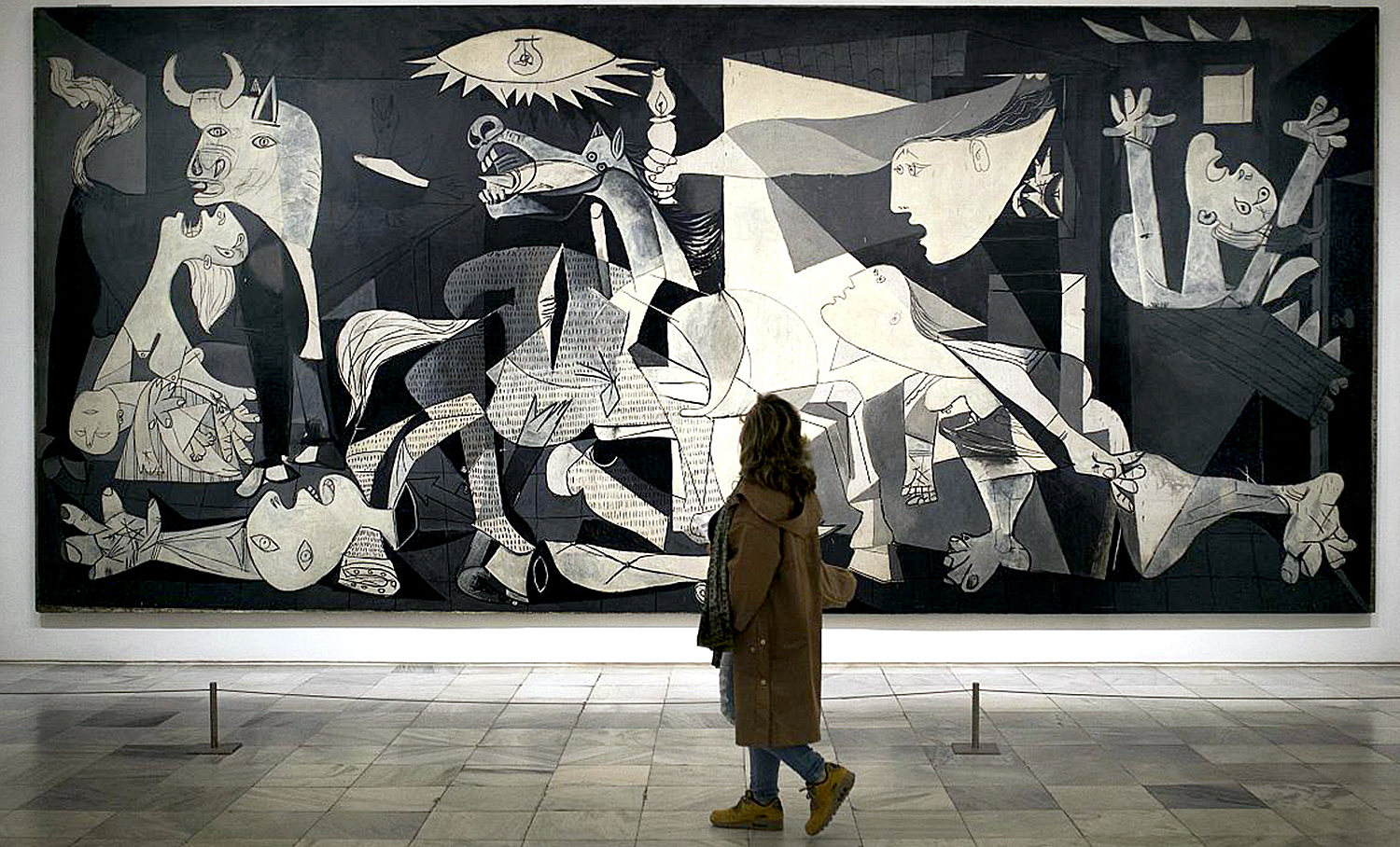
I remember when I was a teenager and going to the Museum of Modern Art in Manhattan and seeing Picasso’s Guernica, which stretched out across its own wall. You could see it from afar, stepping out of the elevator and looking to your right, several galleries away. Just under 12 feet high and 26 feet across, it was more than a painting and more than an image. It was a presence. 

And that was part of its meaning. It was made in outrage over the 1937 German bombing of the Basque down in Spain and if it had been made to display comfortably on a gallery wall, it would have been just another painting for sale. But at size, it forces you to consider the suffering and death. Its size means you cannot just look away. 

The world we live in is increasingly a virtual one. The TV screen, the computer screen, the cellphone screen, the tablet and even the wristwatch screen have become so normal to our daily lives it has become easy to mistake what we see there as real. It is not. 

You cannot have the personal experience of Guernica from a photographic reproduction or a pixel image. You can memorize its iconography and discuss its provenance and the biography of its creator, but you will not have the gut-level experience of it I had visiting it at MoMA. 

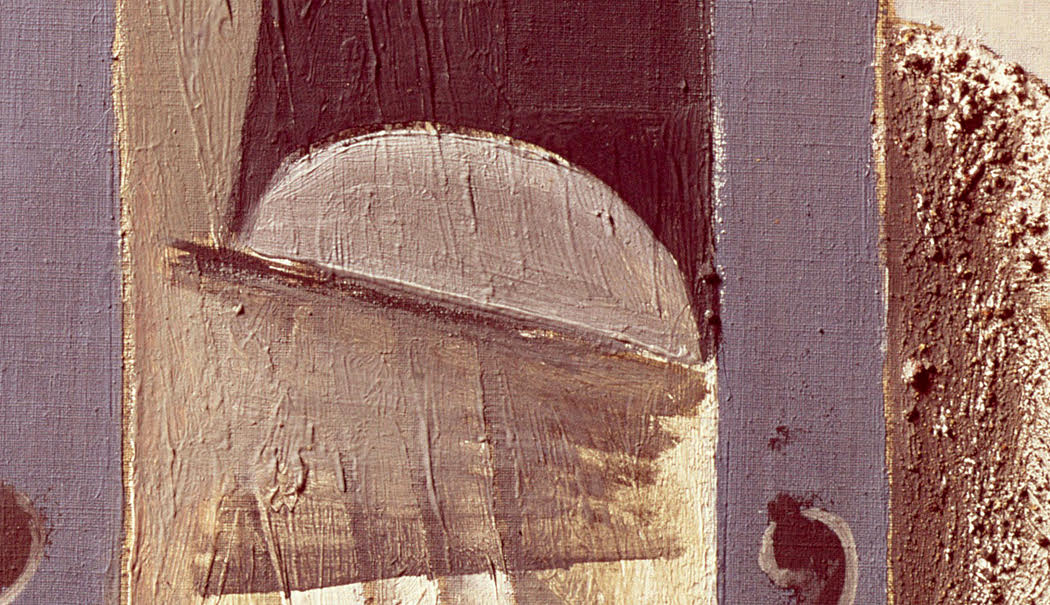
And it isn’t just the size. Seeing art in person means you can see the pigments used, the brushstrokes, the opacity or transparency of the paint, whether it is on panel or canvas — a whole range of physical properties not apparent in a reproduction, and all of it — in addition to its physical dimensions — are essential to its meaning. 

And by meaning, I don’t refer to its symbology. That is language. I mean the experience of it. Vermilion or ultramarine are experiences not conveyed in ink or pixel, and that experience is meaning. 

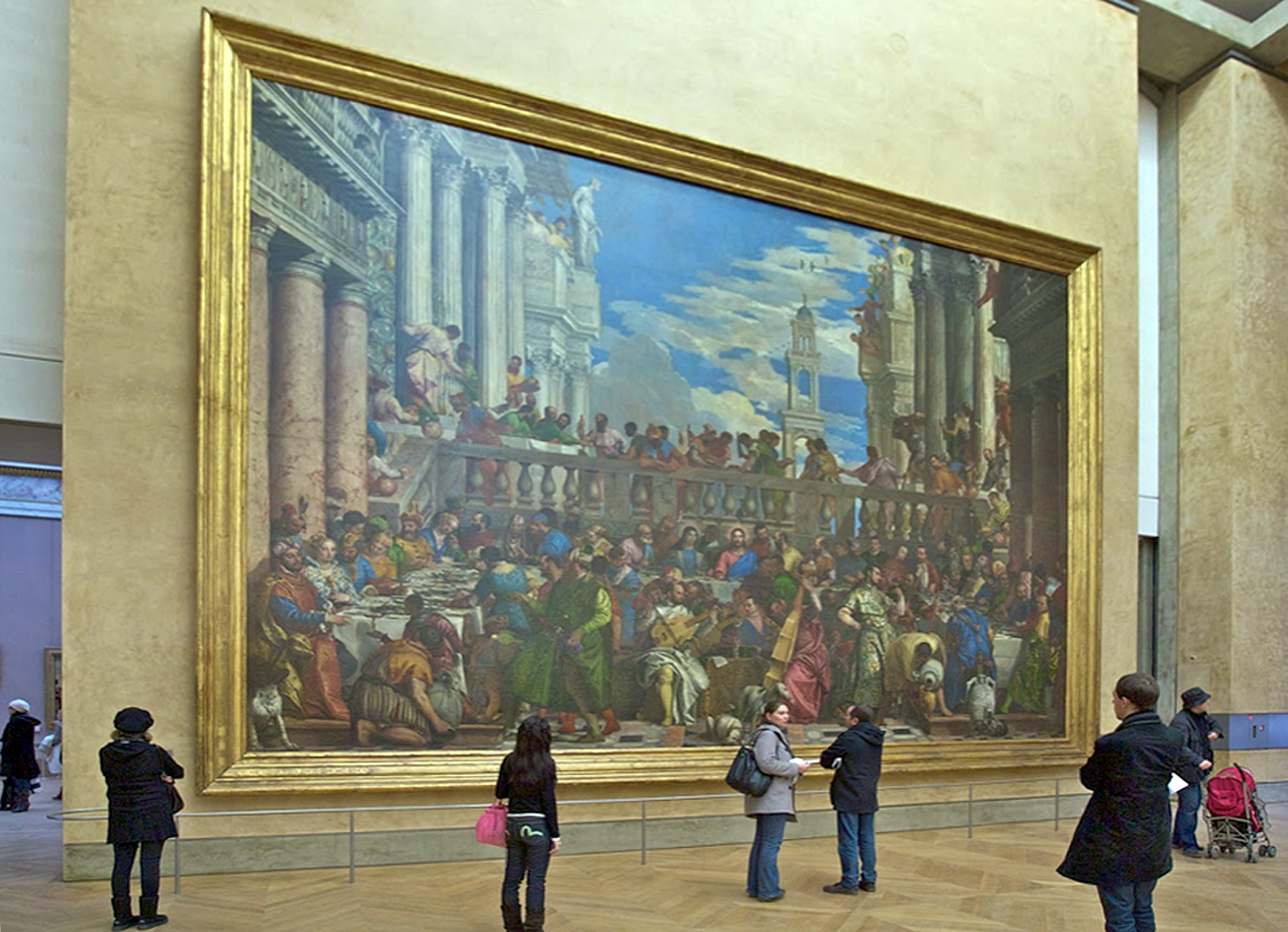
If you walk through the Louvre, another famous art history painting you find will be Veronese’s The Wedding at Cana. Another wallop in the gut. It is 22 feet high and 33 feet from side to side. 

If you think of it as a biblical subject, and believe you are “getting” the painting by naming the people pictured, you have missed the central experience of the work. 

Even more ordinary size paintings depend, in part, on their dimensions and how you relate to them. A life-size portrait can mimic meeting the person himself. In the Renaissance, one ideal was that a painting should be like a window through which you are looking, and so a window-size canvas was part of the experience. 

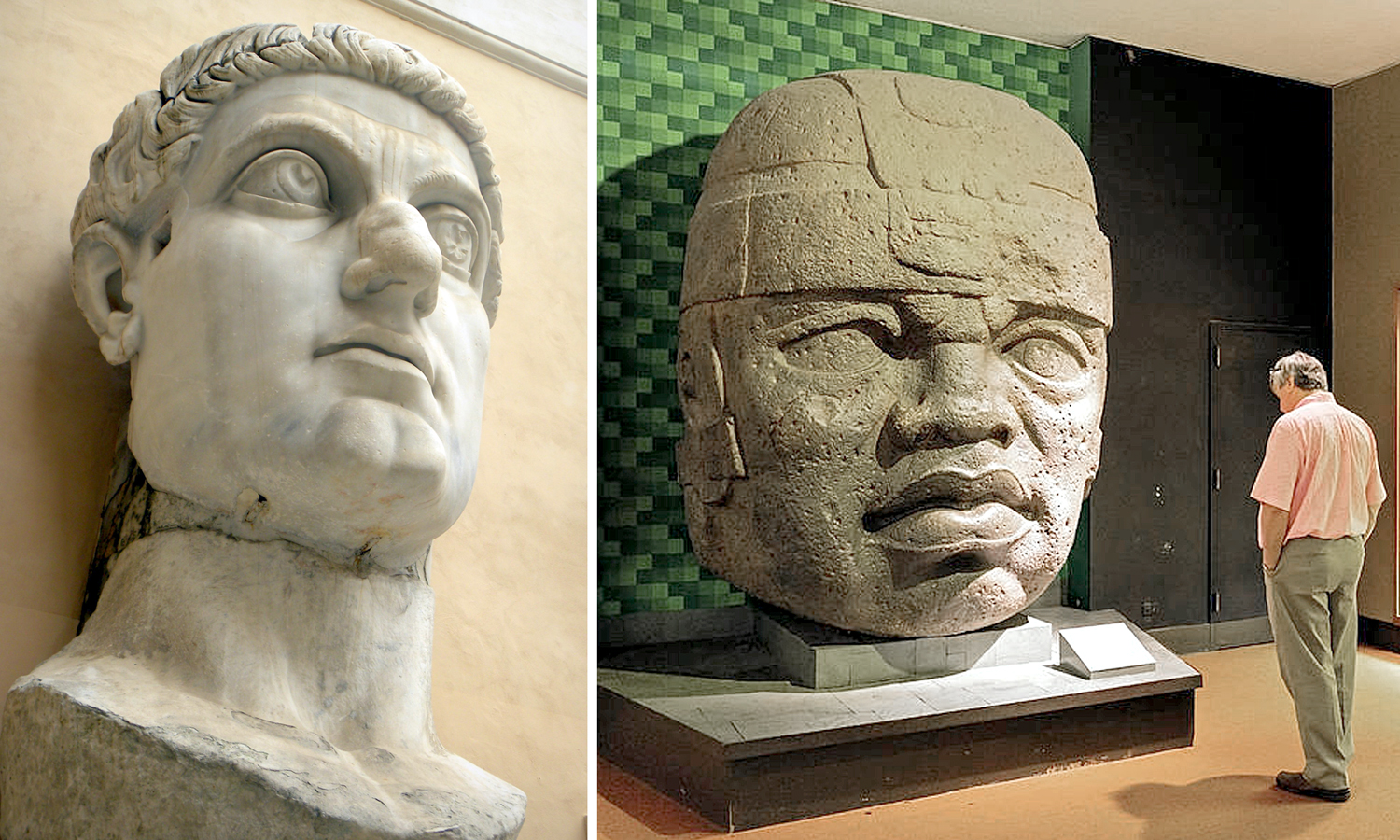
A giant head is another thing altogether, like the famous head of Emperor Constantine or one of the Olmec colossal stone heads from Mexico. Their size makes you take notice. The same shape, but the size of a cantaloupe, would hardly carry the power of these monuments. I remember the first time, as a boy, I saw the Olmec head at the American Museum of Natural History in New York; the memory of it stuck to my psyche for decades after. Still does. 

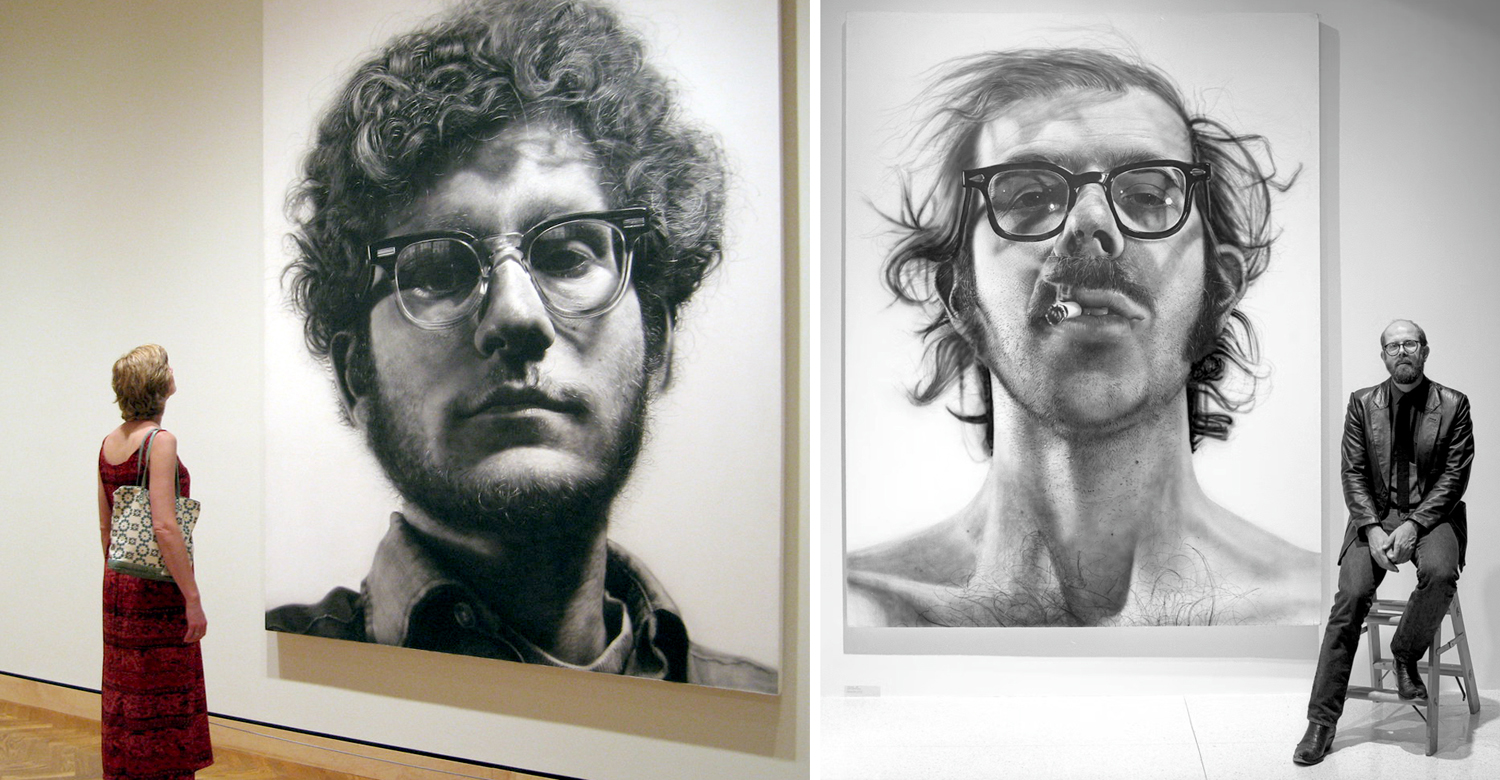
The same for the huge portrait heads of Chuck Close. 

The word often used to describe such larger-than-life art is “heroic.” They have an effect very like that of Achilles in the Iliad or Ahab in Moby Dick. It is a word often used to describe the large paintings of the Abstract Expressionists of the late 1940s and through the 1950s. These were painters of utter seriousness of intent. The last gasp of a non-ironic age, after which came the deluge of meta. 

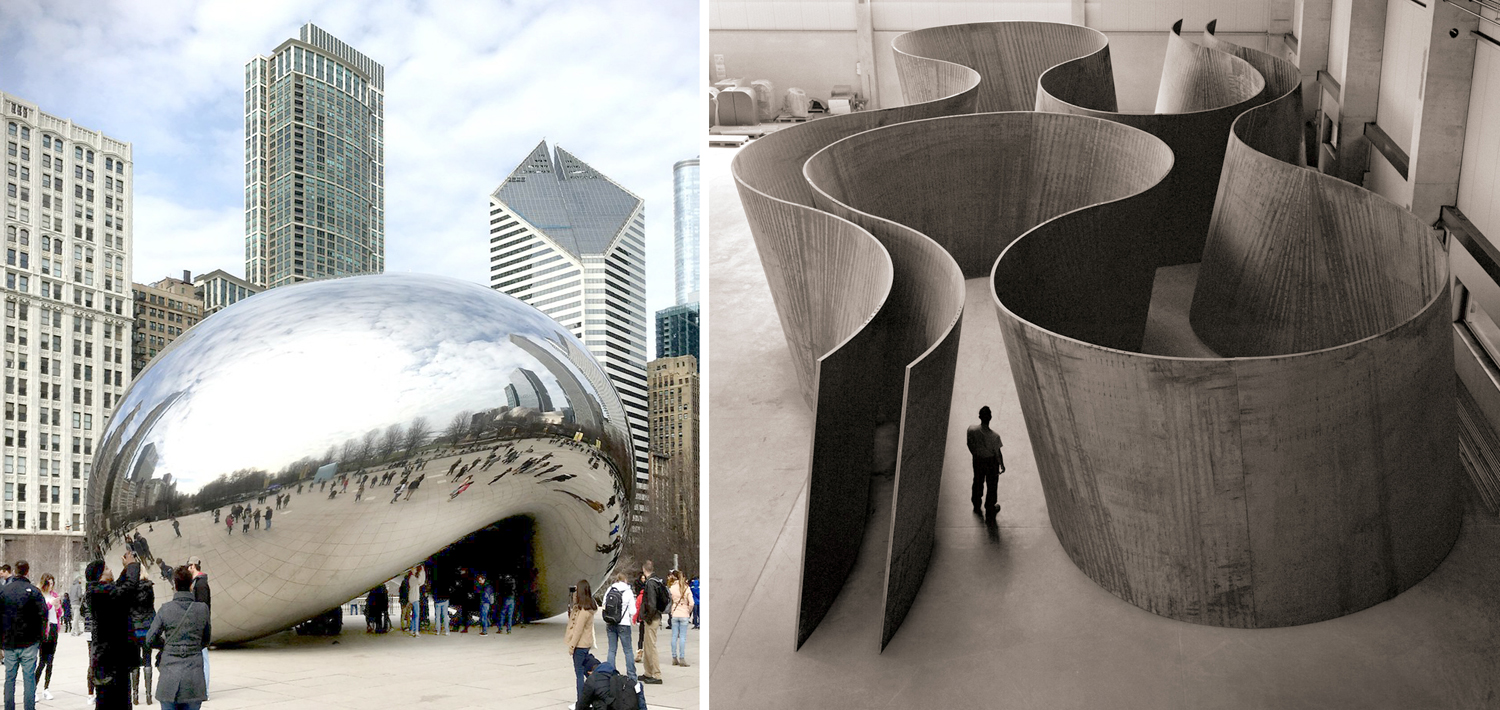
There are artists who use mere size to impart meaning to their work, Anish Kapoor, for instance, in his huge shiny bean called Cloudgate, or the rusted steel curtains by Richard Serra that are best experienced by walking through. But notice that the giant bean is also ironic. It’s a bean, after all, raised to heroic proportions. 

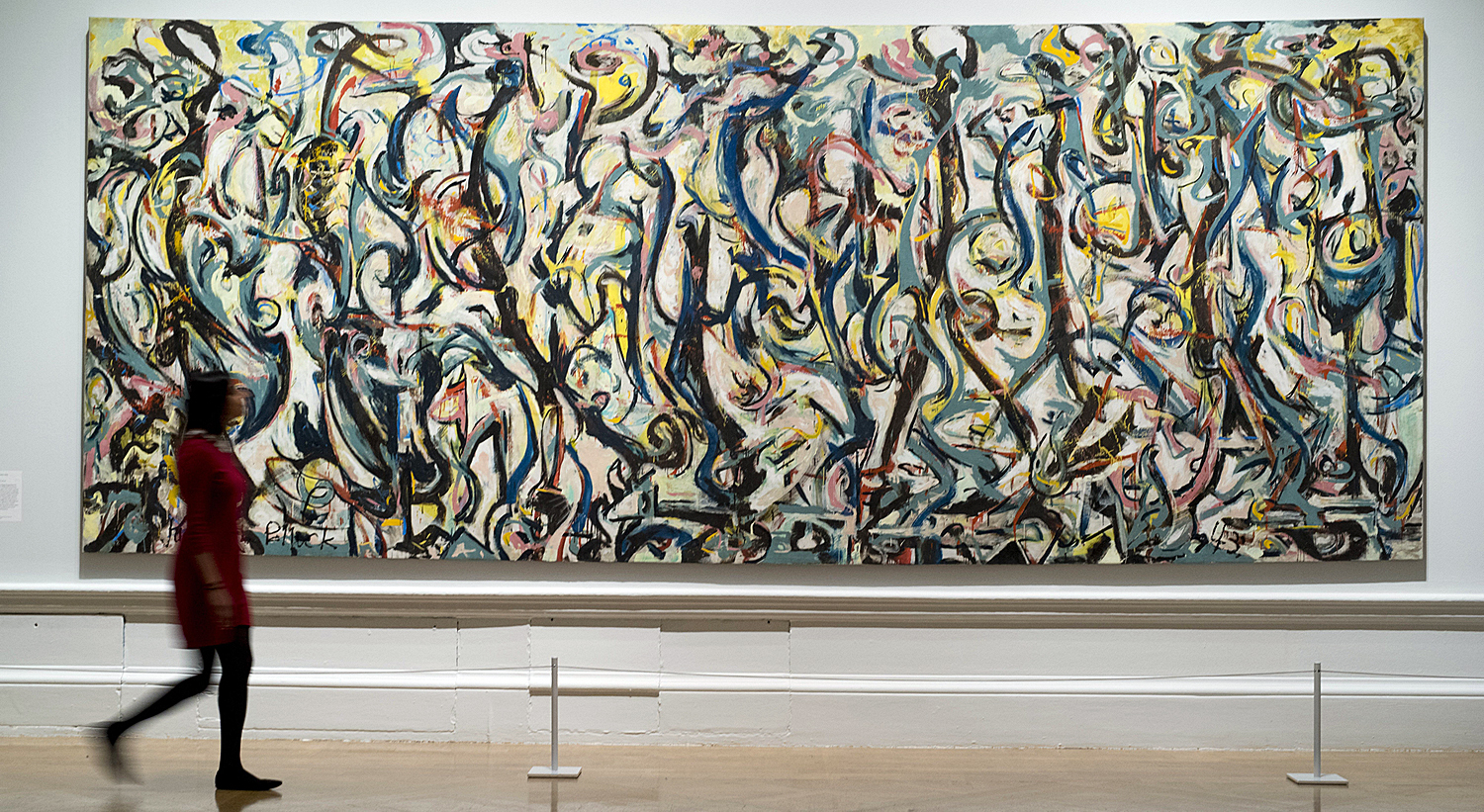
But those cigarette-smoking, heavy-drinking and blue-collar wearing guys at mid-century were dead serious. Jackson Pollock painted his first large painting, called Mural, in the mid-’40s. It is 8 feet by 20 feet and meant to be installed in the apartment of Peggy Guggenheim. It led to the later drip paintings that made Pollock famous — in 1949, Life magazine asked “Is he the greatest living painter in the United States?” 

Pollock made paintings in various sizes, but it is his large canvases that hold the emotional power that still resonates today. I visited the huge Pollock retrospective at MoMA in 1998 and was blown away by the variety of the paintings, and got a chance, finally, to see Blue Poles, a large 1952 canvas sold to a gallery in Australia in 1973 and unavailable to American audiences since then. It was given pride of place in the exhibition and deserved it, in the center of the room, on a wall of its own. It was lit like a jewel, but a jewel 16 feet across. 

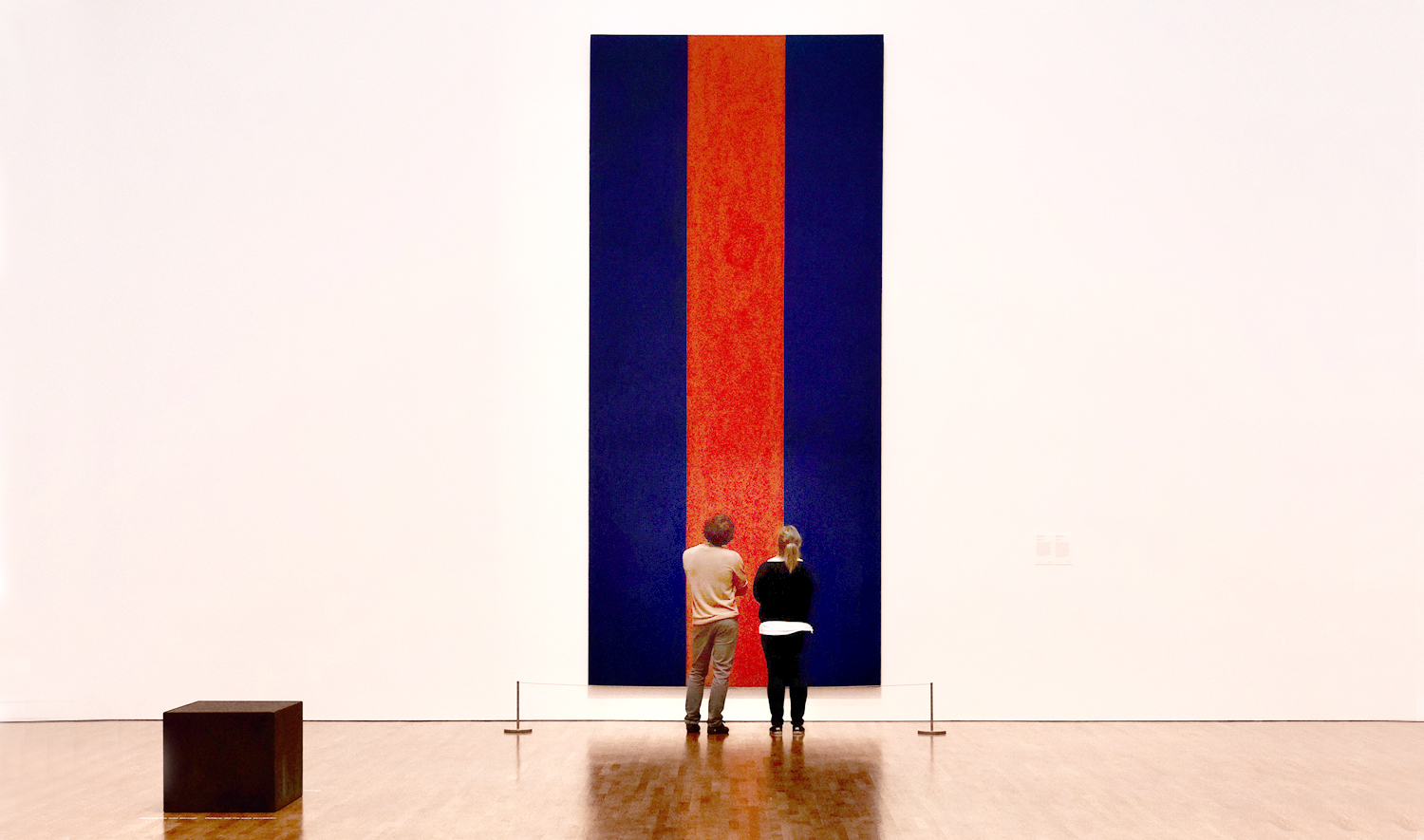
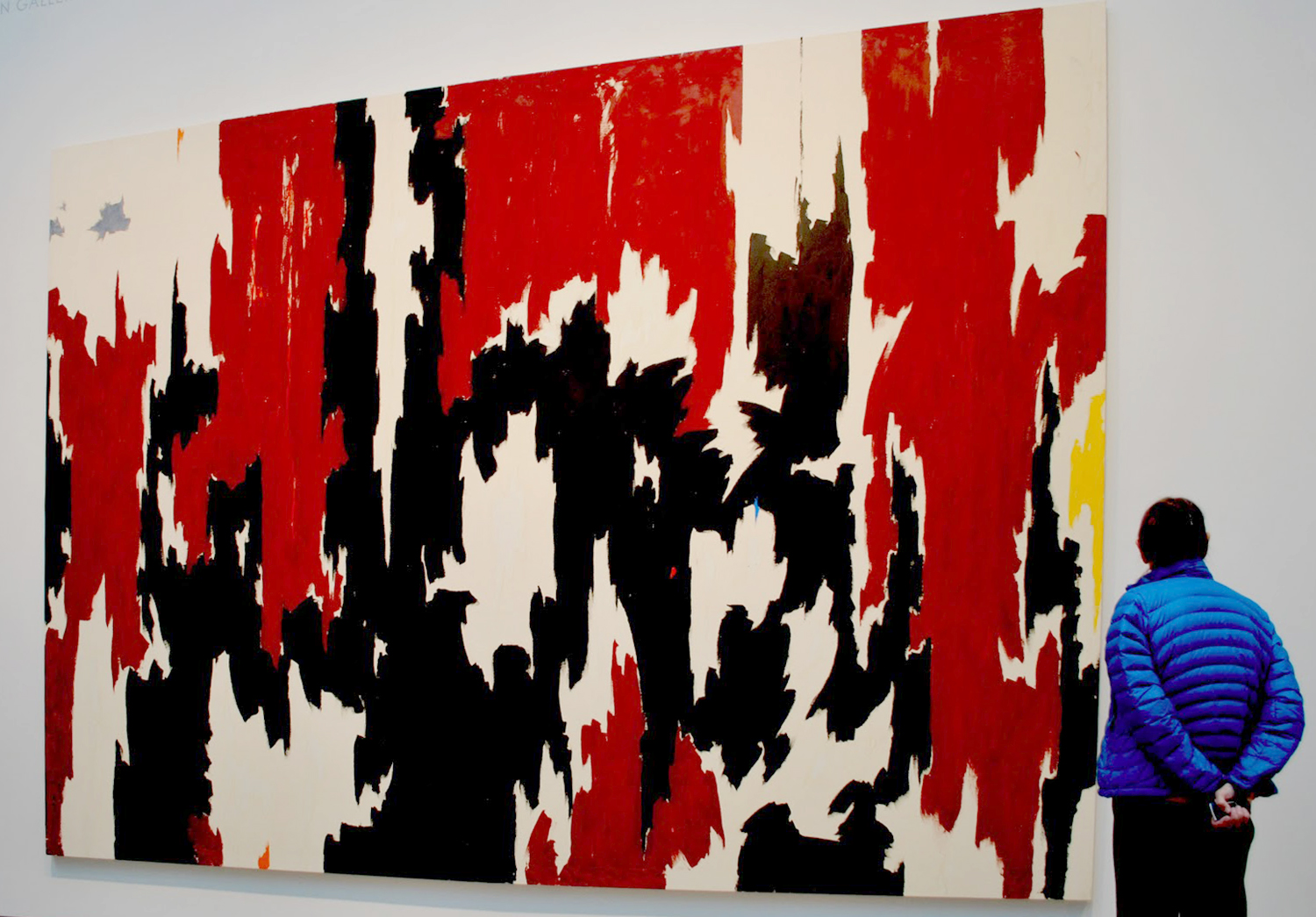
Most of the Abstract Expressionist gang trafficked in scale. Franz Kline, Mark Rothko, Robert Motherwell, Barnett Newman, Willem de Kooning, Clyfford Still — all found now in museums taking up whole walls by themselves. 

In the 1970s, I wandered through commercial galleries in New York and came across a back room storage of Newman paintings, being arranged for a show, and a group of them were almost two stories tall — monumental. These men (and they were almost all men) took their heroic calling seriously. 

After them, the deluge. Even Motherwell turned to irony; the self-importance of the first generation could not be sustained, or even taken seriously anymore. And although Robert Rauschenberg is sometimes classed among the Abstract Expressionists, his work always played with irony. 

All that was left after that was Andy Warhol and Jeff Koons. Art took a different turn.

When the Getty Center opened in Los Angeles in 1997, I was an art critic in Phoenix, Ariz., and given the assignment of covering the event. I met with Robert Irwin, who designed the landscaping for the Getty, and had a concurrent museum show at the Museum of Contemporary Art in LA. In a hallway, away from the main work in the exhibit, were a series of early paintings he made. Irwin was a thoughtful artist and his eyes glistened as he discussed those small, early canvases. 

“I was thinking about the heroic nature of those Abstract Expressionist paintings,” he said. “And I wondered if they could still work if they were small.” And so, he painted a line of tiny canvases, usually no more than a foot square, with similar abstract imagery on them. Did they work? Were they still heroic? Do you have to ask? 

Click on any image to enlarge
How did I ever become such a sobersides? An old fogey? So donnish?

My late wife used to call me “the man who can’t have fun.” But I do have fun. I have lots of it; it’s just that I get pleasure out of things most people find impenetrably dull. I find them incredibly fascinating. I watch C-Span Book TV on weekends, for instance. I read Homer and Dante, and listen to Paul Hindemith. I pine for ballet. And little makes me happier than digging into some arcane research. 

It goes way back to when I’m this kid, see. When my classmates were listening to Cousin Brucie on the AM radio and loving the Drifters or “Splish-splash, I was takin’ a bath,” I was spinning Stravinsky’s Rite of Spring on the Sears Silvertone. 

In third grade, I enjoyed diagramming sentences. Why?

 These things come to mind because I recently came across an essay written by Artsy editor Casey Lesser about how seeing Guernica when she was 15 years old changed her life and set it on its course. I had an instant reaction to her piece because when I was about the same age, I also came across the painting. 

It was in the early 1960s and I was a high-school student in New Jersey. I took the bus to Manhattan as often as I could and practically lived in the city’s museums, including the Museum of Modern Art, where I became lifelong friends with Van Gogh’s Starry Night, Jackson Pollock’s Number 1A and, of course, the wall-spanning expanse of Picasso’s Guernica. 

Back then, when I would exit the elevator on the third floor of MoMA, the painting — more than 11 feet high and 25 feet wide — dominated the view to the right, on the far wall through two other galleries. It was on “permanent exhibition,” and I was confident it would always be there for me to see. Nothing is permanent in this life, and in 1981, the painting absconded to Spain. 

With its powerful and painful imagery, the painting was proof to my adolescent mind that there was a world more real and more meaningful than the suburban life I was stuck in. And like countless young “sensitive souls,” from Wilhelm Meister to Holden Caulfield, I urgently and earnestly yearned for something that cast a larger shadow on the screen. I was a little too conscious of being the hero of my own Bildungsroman. 

That early exposure to the art at MoMA, and especially Guernica, aimed me at my eventual career as an art critic. Parvis e glandibus quercus. Or, as Pope had it, “As the twig is bent, so the tree inclines.”

But this recognition also set me off to consider what other early exposures bent that twig. Of course, some of the most transformative influences were people: teachers, friends, and eventually, wives. But I am concerned here primarily with arts and books that yanked the steering wheel from my hand and sent me in new directions.

I was in high school and my new exposure to history, poetry, foreign languages, both Latin and Spanish, all kindled a growing sense that there was more to life than sitting in the living room watching Bonanza and eating Oreos. 

Many of us rebel as adolescents against the banality of our lives, and that of our parents’. Most of that rebellion is inchoate and poorly aimed, leading to teen drinking, minor car theft or simple sullenness. But in some few cases, such as mine, there was a clear alternative: For me, the life of the mind. 

Art and literature spoke of an existence that was not banal, but intense and meaningful. I began eating it up. 

For instance, theater. I had little experience of live theater until my freshman year in high school, when the class was bussed down to Princeton, N.J., to see Shakespeare’s Julius Caesar at the McCarter Theatre. It was the perfect introduction to the Bard; the story was clear and simple, so, while the language was baroque, we could still follow the play easily enough. 

McCarter Theatre Center

Then, the following fall, we went back to the McCarter to see O’Neill’s Long Day’s Journey into Night. What crazed educator thought that a three-and-a-half hour play about a screwed up family in 1912 was a good one for high school sophomores, I don’t know. But it struck just the right note of high seriousness for my nascent psyche. I loved it. I wanted more. 

I’ve already written about my high school girlfriend, who became a professional musician, and how we used to make out on her couch while listening to Stravinsky on the phonograph. We went to countless concerts and recitals in New York and I came to love classical music. I bypassed the doo-wop: My Four Seasons were Vivaldi’s, not Frankie Valli’s. 

I took up reading contemporary literary fiction: Updike, Bellow, Pynchon. Two books especially hit the mark. I was bowled over by Joyce’s Portrait of the Artist as a Young Man. I sought epiphanies. It’s a book I still read again every few years. 

Then, I discovered Kazantzakis after watching the movie of Zorba the Greek, where I read the book and found in the novel a deeper level of Buddhist thinking, which sent me on to discover Zen via Alan Watts and poetry via Matsuo Basho. 

Each taste made me seek out more. Haiku eventually expanded into Paradise Lost — an inflation equivalent to the early seconds of the universe after the Big Bang. 

All this was heady stuff for a pimply-faced teenager, but even if only dimly understood at the time what I was reading and experiencing, I knew it was bigger and more important than my paper route or the Reader’s Digest. The desire for a richer, deeper, more profound life has been the driving force behind my inclination toward what used to be called high-brow culture.

There has been an ersatz distinction between high-brow and low-brow. But that distinction is characteristically middle-brow. There is a snobbery of the middle classes that seeks to distinguish itself from the uneducated tastes, and an aspirational striving for the status (and wealth) that seem to mark the upper classes. In this dynamic, there is an inherent self-loathing to the middle class, at least when it is self-aware. 

And no doubt my allegiance to fine art was originally spawned by this loathing of what seemed a mundane and insipid upbringing. Art told me there were more serious concerns in life, and bigger adventures. If I didn’t want to be squelched by the 9-to-5 life, hanged by the necktie and imprisoned by my own front lawn, then I would have to take on Bach, Joyce, Hokusai, Zora Neale Hurston, Laurence Sterne, Miles Davis, Correggio, Xenophon, and Philip Glass. Gobble them all up and look for even more with an incessant appetite. 

That was all a half-century ago. I have sucked up every bit of knowledge and wisdom I could find, only to discover that I knew less and less, and was more foolish than I ever knew possible. Now at 72, I no longer feel intolerant of the middle class that gave birth to me, but find it is the foundation of a society that allows me space to be an outlier. Only with the solid support of a functioning culture could I have found a means to leave it behind. Its tolerance allows me my eccentricity. I know I would have found none in Stalin’s Moscow nor Pol Pot’s Phnom Penh. 

So, I have been allowed to read what I want, see and hear what I want, and if that has led me away from the class that a-borned me, it has led me to a place where I find it hard to judge anyone. Not impossible, but difficult, knowing how little all my education and cultural exposure has taught me. Much information; little wisdom. 

But it has informed my life, made it richer, provided endless pleasure, occupied a mind that hated inactivity, and, as all great art and literature does, nurtured compassion and forgiveness, an awareness of others both locally and globally. It has been the key to let me step out of the prison of myself. 

I once wanted to change the world. Most of us did in the 1960s. We knew we could make it a better place. That has all collapsed. Now, my idealism is drained from me, my expectation for the future and future generations is quelled. I expect no better than life can serve up. There is no end, only perpetual churn and change. I cannot fix the world; it needs no fixing, it only needs accepting, faults and all. And my need for improvement turns in on myself. 

Someone once said in defense of our youthful enthusiasms that what is called maturity is made up of equal parts of cowardice and exhaustion. I once would have agreed. Exhaustion, maybe, but cowardice, no. Maturity is acceptance. “The wrastling for the world axeth a fal.” 

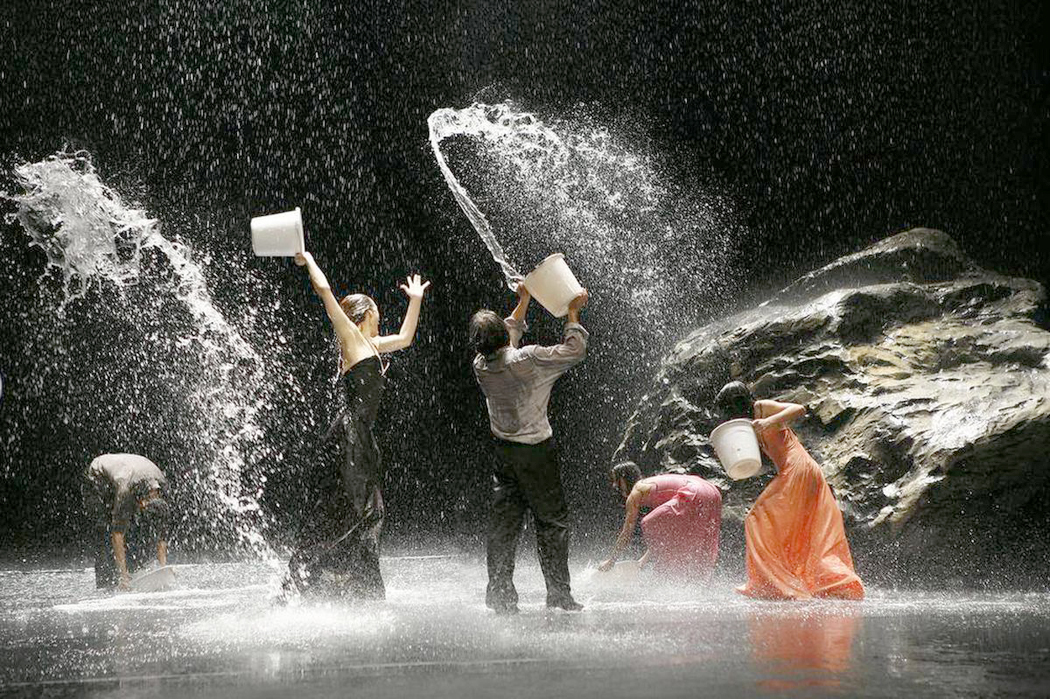
I still find myself bored by the simple and simple-minded, and find myself excited by the complex and the beautiful. And so, I read Tolstoy, listen to Bartok, examine the canvases of Titian and Francis Bacon, weep over the dance of Pina Bausch, and soak in the films of Tarkovsky. These may not be plebeian tastes, but they are my tastes. They satisfy. 

It is is not just the life of the mind, it is life to the mind. 

“Do not move. Let the wind speak.” 

May those I love try to forgive what I have made of it. 

Some people have a bucket list — of extraordinary experiences they would like to have before the final extraordinary experience. My bucket, however is already full, in fact, it runneth over. 

It is probably much the same for most people. By the time you reach the age of 70, you can look back on a lifetime of extraordinary and satisfying adventures. Perhaps you have not swum the Hellespont like Leander or Lord Byron, nor circled the globe in 72 days, like Nelly Bly, but there are no doubt things you have done that brought your own life to its full. 

I’ve seen the Rhine at night in Dusseldorf; driven the length of the Mississippi River from Lake Itasca to the Gulf of Mexico; spent a snowy Christmas eating hot homemade cookies at the home of a Hopi friend in Walpi on First Mesa in Arizona; twice circumambulated Walden Pond in Concord, Mass.; and been charged by a bear in the Great Smoky Mountains of North Carolina.

I was an idiot — I took the picture

I see birthday number 71 coming up next week and realize that translates to 852 months, 3702 weeks or nearly  26,000 days. They have gone by very quickly, picking up speed as they progress, like a train leaving the station. They are now barreling along at the speed of an express. 

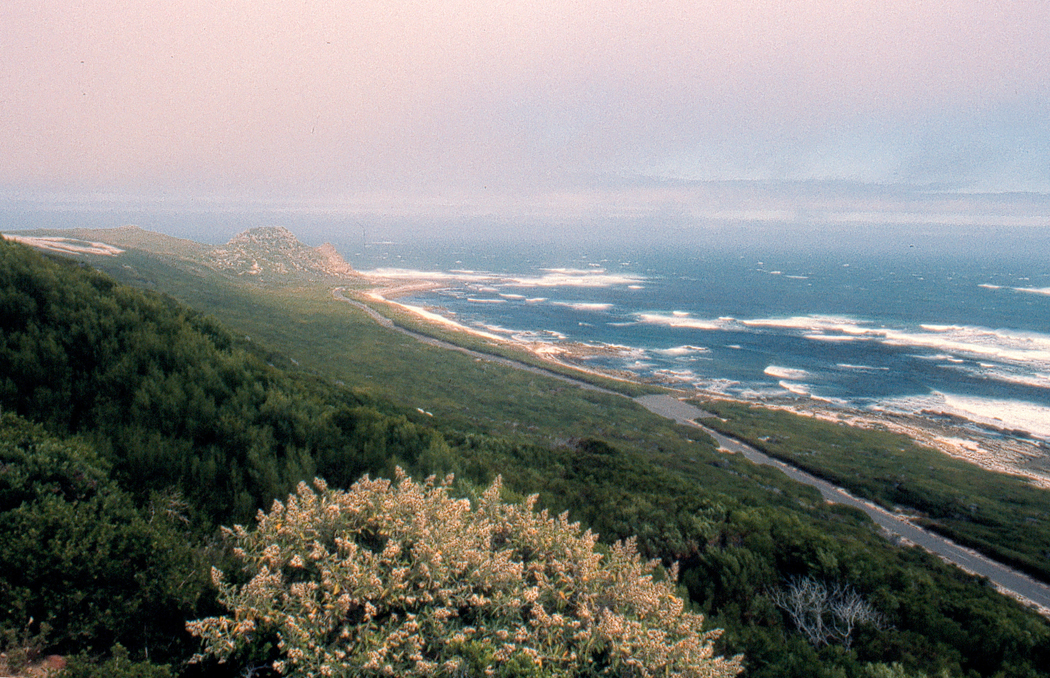
Cape of Good Hope, South Africa

From the rear of that train, I can look back and say I have seen the Cape of Good Hope in South Africa; the menhirs of Brittany; seen Wagner’s complete Ring Cycle live twice; made love surreptitiously in the North Carolina legislature building. 

Menhirs at Carnac, Brittany

I’ve seen the Atlantic and Pacific, but also the Indian Ocean, the Mediterranean, the North Sea, the Sea of Cortez and Hudson Bay — my personal seven seas. I have crossed the Atlantic on an ocean liner. They don’t really have those anymore.

Mediterranean Sea

I have done other things that now seem quaint and ancient. I have twice crossed the continent on trains, once from North Carolina to New York on the Southern Crescent, from New York to Chicago on the Twentieth Century Limited, and then from Chicago to Seattle on the Empire Builder. Amtrak never had the cache of those earlier routes. 

Years later, under the shrunken Amtrak banner, I took the Sunset Limited from Los Angeles to Miami. 

Each of these things is stamped and notarized in my cerebral cortex.

Given the sum of those years, it is hardly surprising that so many things were seen, done, felt, tasted, smelled, heard. You turn the pages of the book one by one, and sooner than you realize, you are on page 852 and something has happened on every page. 

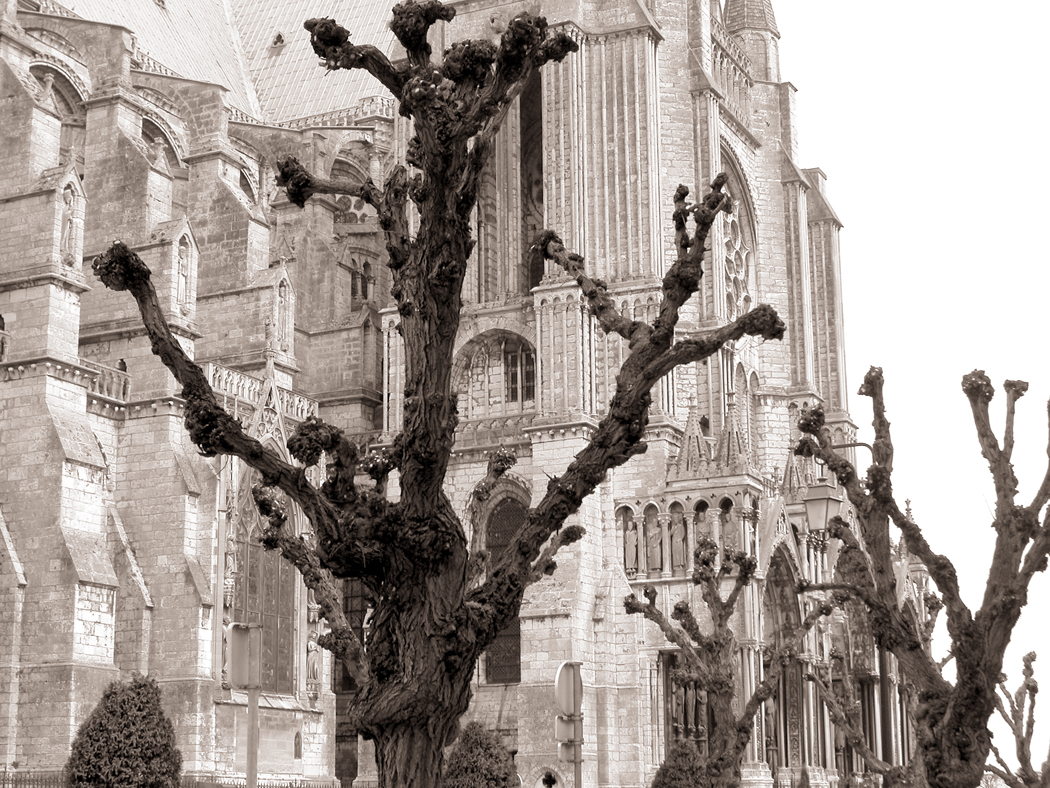
Chartres cathedral

Been to Chartres four times; and to Notre Dame de Paris half a dozen times; to Mont St. Michel; and to Reims, where French kings were crowned; and climbed the bell tower (illegally) at the National Cathedral in Washington; and descended the kivas at Chaco Canyon and Mesa Verde. 

Kiva, Mesa Verde National Park, Colorado

Been to 14 countries, including Norway and Namibia. Been to all 48 contiguous United States and all Canadian provinces except Prince Edward Island, and to the Yukon Territory. Alaska made 49 states (still haven’t been to Hawaii).

Omaha Beach, Normandy

Been to Lascaux and to Font de Gaume to see prehistoric cave paintings; been to the Normandy beaches of D-Day; to the shell craters still visible at Verdun; to all the major Civil War battle sites, and across the Old North Bridge. Stood on the piazza that Herman Melville built at Arrowhead, his home in Pittsfield, Mass. with its view of Mount Greylock (“Charlemagne among his peers”). 

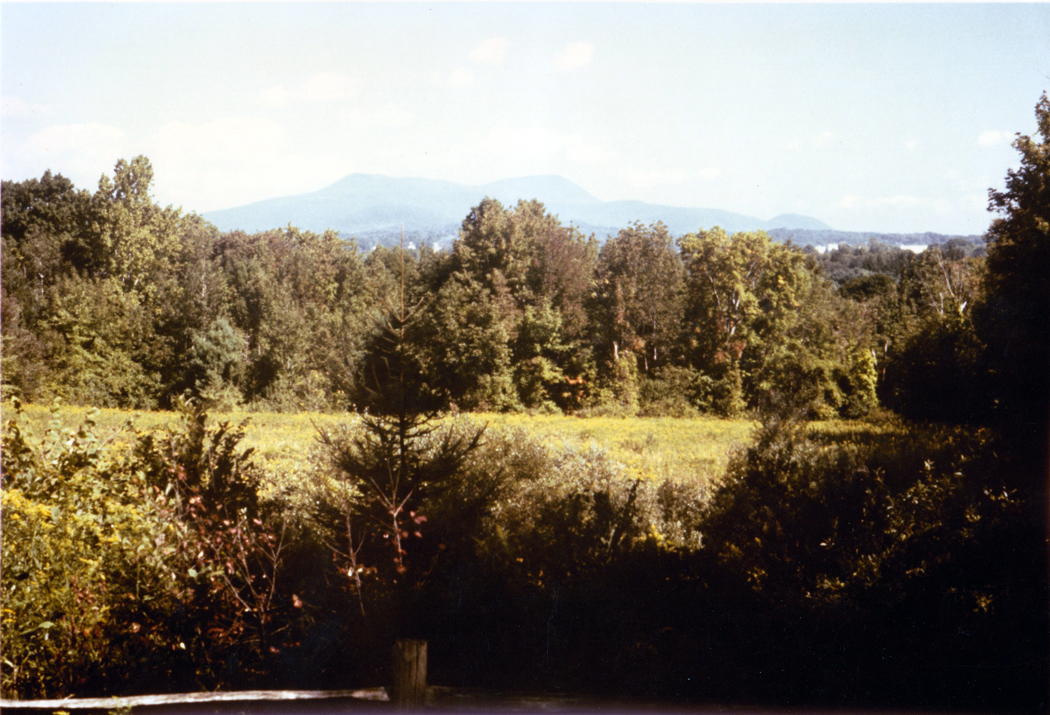
Mt. Greylock, from Melville’s piazza

Three times I have walked Monet’s gardens at Giverny and seen the great waterlily murals at the Orangerie in Paris.

Giverny, France

I have ridden a horse into Canyon de Chelly in Arizona and paddled a canoe down the white water of the Mayo River in North Carolina (admittedly, not a scary rapids). 

Once, I stood at the top of the raging Linville Falls in the Blue Ridge and stupidly jumped across the cataract, rock to rock, to get to the other side of the river. I’ve also climbed to the top of Pilot Mountain in the Sauratown Mountains of Surry County, N.C. (a climb that is now illegal). 

Linville Falls, N.C.

Hiked a fair portion of the Appalachian Trail; camped in the Canadian Rockies; and 65 miles from the nearest paved road on the north rim of the Grand Canyon. Been to the telescopes at Mt. Wilson, Mt. Palomar and the Lowell Observatory in Flagstaff and the Kitt Peak observatories southwest of Tucson. 

 When I hear Hank Snow singing “I been everywhere, man,” I count the place names as they tick off and check them on my own list. “Reno, Chicago, Fargo, Minnesota, Buffalo, Toronto, Winslow, Sarasota…” Yes, yes, yes, check, check, check.

And Bobby Troup singing “Don’t forget Winona,” well, yes, been there many times. 

Glacier Bay, Alaska

But it isn’t just geography. There are cultural touchstones I count, experiences that have breathed oxygen into my soul. Not only Wagner, but also I heard Lenny Bernstein conduct La Mer with the NY Phil; heard Emil Gilels live at the Brooklyn Academy of Music; heard Maurizio Pollini play all the Chopin Preludes, Stravinsky’s Three Movements from Petrushka, and the Prokofiev Seventh Sonata. I heard Jeremy Denk play Ives’ Concord Sonata and Beethoven’s Hammerklavier in the same recital: That is like climbing Everest and Mont Blanc on the same day. Itzhak Perlman play the Strauss violin sonata — and made it seem like one of the most important sonatas ever. That was magic. Heard the Matthew Passion live twice and Haydn’s Creation. And, of course, twice heard Yo-Yo Ma perform all six Bach suites in a single program. 

I’ve seen a dozen Balanchine ballets with live orchestra, including my favorite, Apollo, five times, once by the NY City Ballet at the Palais Garnier in Paris. 

I’ve seen the full Angels in America four times through, including its original Broadway production. 

Remnants of shell craters, Verdun, France

These are all gifts, and made my life ever richer, and informed my growth, emotional and intellectual. I can say, they made me a better human being. 

I can’t count the art shows and museums I’ve visited that gave me rare treasures. The first I can remember was in high school when I went to the Museum of Modern Art in 1966 to see “Turner: Imagination and Reality.” It yanked the rudder of my craft and steered my life in a new direction. 

“Blue Poles,” Jackson Pollock

I also grew up with Picasso’s Guernica. I visited it over and over and never expected it would leave me for a new home in Spain. But in return, I never thought I’d get to see Jackson Pollock’s Blue Poles, which had been sold to Australia; it came to New York in 1998 for the big Pollock retrospective at MoMA. 

I cannot mention everything. The list is already grown tedious and begins to sound like bragging. I don’t mean that: I believe a similar list can be put together for almost everyone, although it will likely be very different from mine. Not everyone has eaten grilled mopane worms or drunk spit-fermented Zulu beer. Or needs to. 

But we can all say, after a long life, full of boons and banes, joys and privations, evils we have done, and those we have suffered, the loves we have failed at and those that stuck and nourished our lives, “We have heard the chimes at midnight, Master Shallow.”

My brother-in-law likes to listen to something he calls “ugly music.”

This is music with angles, asymmetries and dissonance. I first established my bona fides with him by recognizing a piece of music by its very first note, although it took at least a full second — maybe a second and a half — for the name to gather on my vocal chords and make the passage out past my teeth: “Bartok’s fifth quartet.” I think I shocked him.

Of course, I knew the piece well. For I, too, listen to and enjoy ugly music. And I own and read the score to the Bartok Fifth. Also to many other pieces of music that might be considered by fans of more consonant sounds as “ugly.”

But, I am a firm believer in the observation made by Tom Robbins in his novel, Even Cowgirls Get the Blues, that “The ugly may be beautiful; the pretty, never.”

The “pretty” is conventional; it is bland. It requires no thought or consideration: It just lies there, accepted with lip service paid, but with little active engagement. It is a postcard sunset, a Montovani recording, a symmetrical-faced actress indistinguishable from other symmetrical-faced actresses.

But beauty is an active engagement. You have to actually look or hear. You have to notice. It takes effort on your part. Pretty soothes you into complaisance, beauty wakes you up.

There is a French concept, the jolie-laide, or beautiful ugly. It is most often applied to women whose features are not traditionally good looking, but in concert add up to striking beauty and attractiveness. Think of Cate Blanchett, with that slash of a mouth, squinty eyes and broad nose. Each odd by itself. Blanchett is no cornfed cheerleader. But together the features make up a stunning beauty.

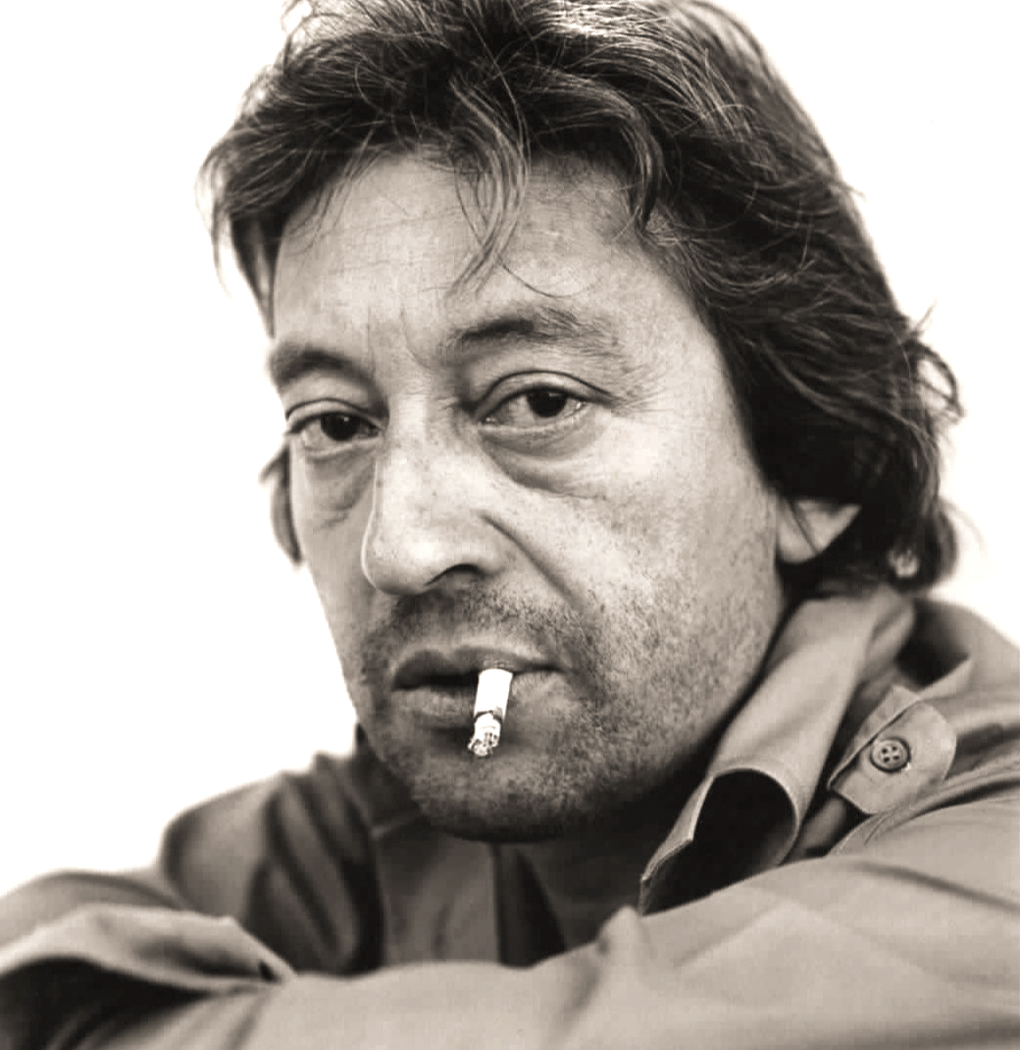
The French have almost a corner on the jolie-laide. Consider Jeanne Moreau. Or Isabelle Huppert. Or Charlotte Gainsbourg. It was her father, Serge Gainsbourg (say “gaze-boor”) who wrote a song about the “Laide jolie laide.” He was no icon of handsomeness himself, although I think many found him irresistibly attractive.

But, I’m not talking simply about feminine pulchritude or masculine formonsutude, but about esthetic beauty, about art.

Consider one of the ugliest paintings ever made, and how unbearably beautiful it is. I’m talking of Matthias Grunewald’s crucifixion from the Isenheim Altarpiece in Colmar, France. The Christ is writhing in pain; his skin is brown and gray, covered in sores; his hands are twisted, his head hung low and grimacing, his ribcage pulled up from his sagging gut, stretching him out, racked; his feet twisted and distorted. Even the cross bows downward from the weight, not just of the body, but of the suffering.

Around him are the mourners, also pulled and distorted, all crying and gnashing their teeth. The landscape behind is dark and barren. There is not a single note of grace in the frame, not a single square centimeter of prettiness. Yet, the painting is unutterably moving. You can hardly bear looking at it, yet, seeing it makes you recognize your own humanity in a profoundly deeper way.

Don’t misunderstand me. I am not saying that only ugliness can be beautiful, but rather, making the case that it can be.

Like that ugly music. Brother-in-law listens to Schoenberg with pleasure. One of the first pieces that turned him on to classical music was Beethoven’s Grosse Fuge — surely one of the hardest pieces to listen to in all the repertoire, but also one of the most sublime.

And it’s not just classical music. He listens to jazz, also, with an ear for the more abstruse and difficult bop. Or free jazz. Let’s face it, Cecil Taylor is not a cocktail lounge pianist. Or Thelonius Monk. That is music proud of its own awkwardness, and uses it for expressive purpose.

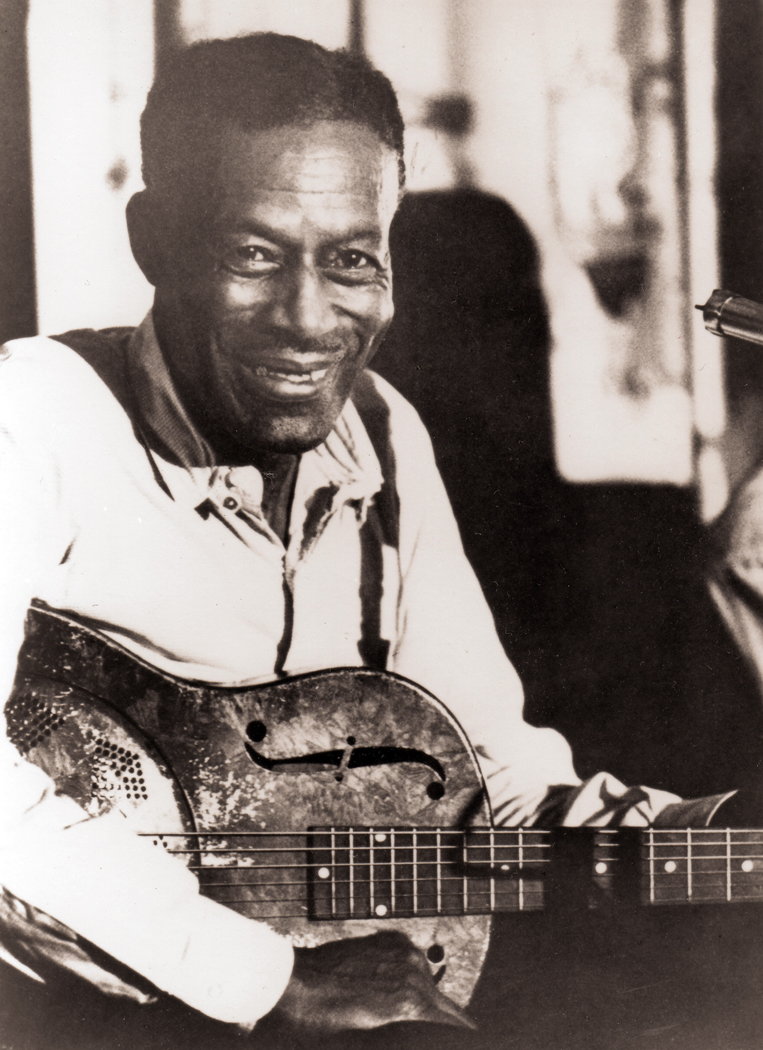
One might compare Son House with Montovani. The one is pretty, the other is raw, ugly, powerful. House gets to the gut with the sharpness of a surgeon’s blade. Montovani, no matter how glossy and smooth, is a soporific.

Other ugly music: Tom Waits, grating in voice and peculiar in instrumentation, yet, more satisfying than, say, John Denver. I know, that’s not fair. Sorry. But you know what I mean.

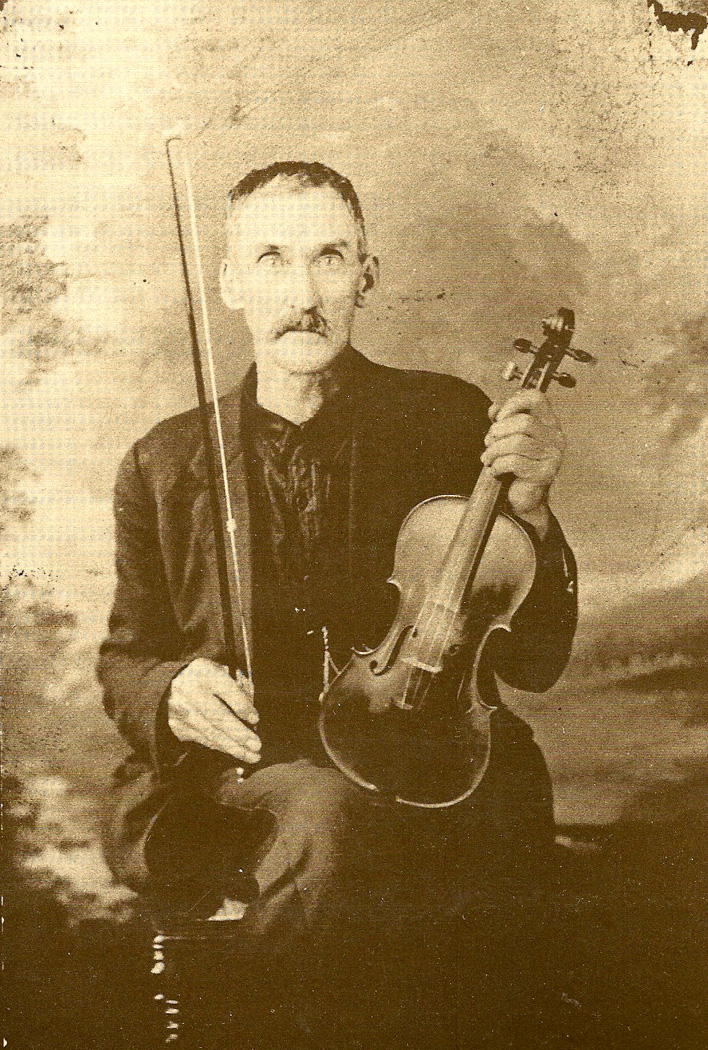
I have a long history with ugly music of all kinds. Appalachia is weighted with ugly music that is beautiful. Consider those mountain Baptist family choirs, singing vibrato-less and consistently just a hair flat, making the most mournful keening. Or the scratchy mountain fiddling of Emmett Lundy. I treasure his few recordings.

Many years ago, I had an LP of field recordings of amateur Spanish brass bands playing for religious festivals, marching down village streets. Sour, scratchy, blaring, they were so intensely beautiful in their ugly way, I came to love them. Alas, the LP is long gone and I’ve never found a digital replacement.

When I was a teacher of photography, one assignment I gave my students was to make a bad photograph. I required that it not be a technical botch, but a bad photograph from conception in the viewfinder. What my students — or at least my good students — discovered, and I already knew, was that if you are paying attention to what you are doing, it is very, very difficult to make a bad photo, because the fact of your attention rules out anything not paid attention to — i.e., the ugly.

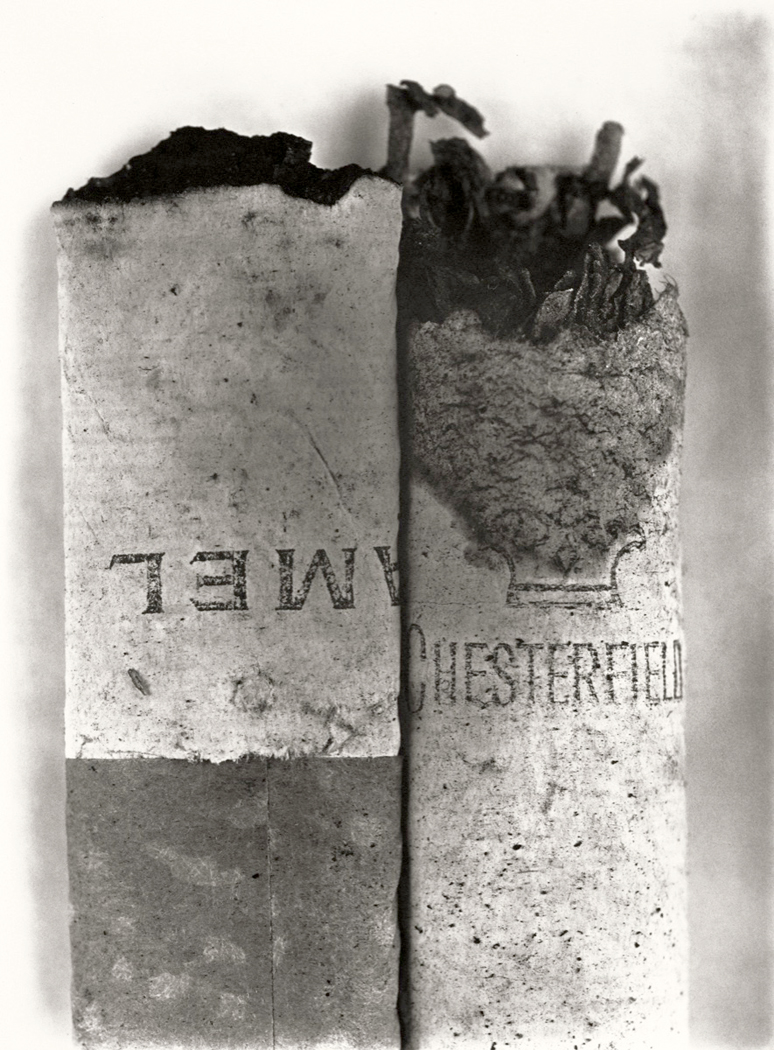
It is often said that beauty lies in the eyes (or ears) of the beholder, but I think this saying is basically misunderstood. It is taken to mean something like “To each his own,” or “de gustibus non desputandum est,” but I take it to mean quite differently, and more to the point, that beauty is found in the engagement of mind and senses with the object of perception. In other words, when you pay attention with the focus of someone defusing a bomb, you discover layers of depth and meaning — and therefore beauty — that you might not have suspected. And so, the stains on a concrete sidewalk, layered with fallen leaves and maybe a gum wrapper, will, when observed attentively and with the full engagement of your sensibility, may very well strike you as heartbreakingly beautiful.

This is not just something for pointy-headed esthetes. I have known a farmer who can squeeze a handful of spring soil in his hand and find its loamy odor beautiful enough to bring tears to his eyes. For most of us, it’s just dirt. But to someone who attends to it, it is the essence of existence.

It is the engagement that creates beauty, not the beauty that creates engagement.

And so, when you listen to the Schoenberg Piano Concerto with this sort of eager absorption, you discover a beauty in it that those listening passively, perhaps with the radio on while doing their taxes, can never enjoy, hearing instead only a jumble of disconnected noise. It is not disconnected; it is not noise. It is a carefully created esthetic whole and a thing of beauty and a joy forever.

When I was in high school in New Jersey, I spent as much time as I could in Manhattan, visiting galleries, museums, bookstores and concert halls. And I came to love the Museum of Modern Art. I’d get out of the elevator on the gallery floor and to my right would be Jackson Pollock, Van Gogh’s Starry Night, Pavel Tchelitchew’s Hide and Seek (a painting that primarily appeals to an adolescent, which I was at the time), and beyond those, the the farthest gallery was Picasso’s Guernica, 25-feet wide and 11-feet high.

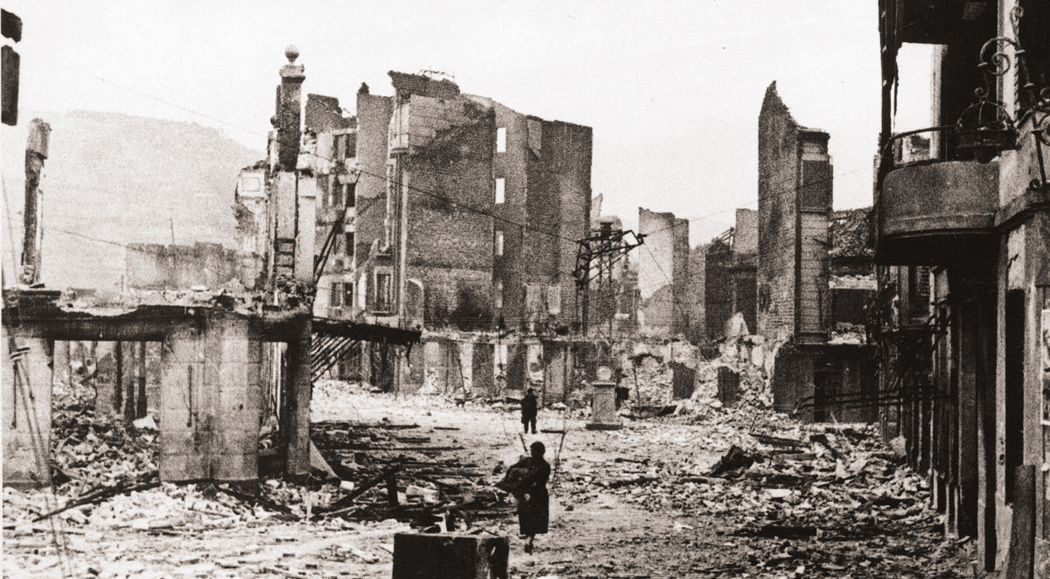
It is a painting of utter ugliness, not only in subject matter (the Nazi bombing of the Basque city of Guernica in 1937) but also in the angular, distorted and abstracted shapes that make up its design. If one has a shred of humanity, the painting cannot be seen without a welling up in your gorge. It is the prime example in the 20th century of a political painting that is actually an esthetic success. It is Picasso’s shay-doov, and the one piece of art, if we had to choose a single one to represent that century, would be the consensus choice.

It is also profoundly beautiful. While I am pleased that the painting has finally been returned to a democratic Spain, I mourn its absence from New York, from my life. I treasured its palpable presence and its emotional power.

The ugly may be beautiful, the pretty, never.

turn here 1

A reader once asked me what I thought were the major turning points of art – by which he meant the Euro-American tradition in art from the Renaissance to the 20th century. Of course, he had his own list already prepared to share with me. On it were 20 items. He wanted to know what would be on my list. He had the enthusiasm of a puppy dog, and it would have felt churlish to refuse him.

Making it a list of 20 is, of course, arbitrary: There are hundreds, maybe thousands of “turning points” in art history.

Also, we must confess this is a parochial list, when you have the rest of the world and antiquity — to say nothing of prehistory — to consider. But that bobsled ride from the Renaissance to Postmodernism can be seen as a single unit, and that is what my reader wanted me to consider.

Off the top of my head, then, are the 20 most pivotal pieces of art, each of which could be a chapter heading in an art history text.

Admittedly, they function as epitomes. It is rare a single piece of art can change the course of art history; instead, they are stand-ins for whole movements in art, entire changes of esthetic outlook and purpose that propel the eras they helped codify or inaugurate.

But even given my guidelines, I had to start a bit earlier, because the reawakening of Europe after the Dark Ages doesn’t happen in Renaissance Italy, but in Gothic northern Europe.

Chartres north rose window

My list begins with the north rose window at Chartres – the single most beautiful thing I’ve ever seen from the hand of humankind. Actually, the list should begin with the basilica of St. Denis in Paris, the first truly Gothic church, and the inspired conception of Abbot Suger, one of the most important clerics of the 11th century. His Neoplatonist idea was that God was light and that a church, to capture the spirit of divinity, must be opened up with windows and color. The engineering was a breakthrough: He realized that you don’t need walls – the heavy stone walls of the Romanesque – to hold up a roof, but you could put the roof on pillars and fill in the space between the pillars with curtains of colored glass. It was a huge step forward esthetically and technologically. But St. Denis was a first draft: It is in Chartres that the ideal finds its apotheosis.

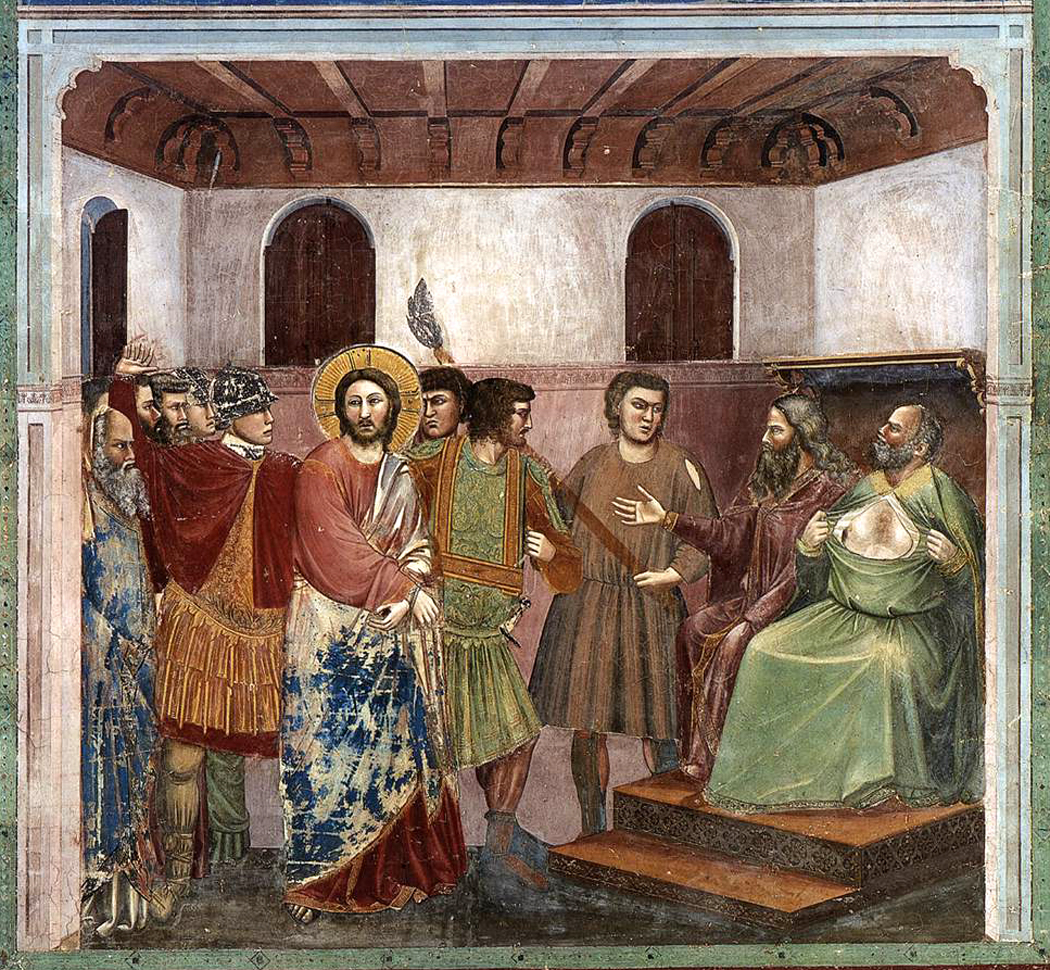
Giotto

Second, Giotto’s interior frescoes for the Arena Chapel in Padua, for waking up to the idea that painting not only could, but should try to capture something of the feel of reality.

Masaccio trinità

Third, the Trinity of Masaccio at the Sta. Maria Novella in Florence. It’s impossible to choose the single image that represents the triumph of Renaissance perspective over the Gothic style, but Masaccio is as good a choice as anyone.

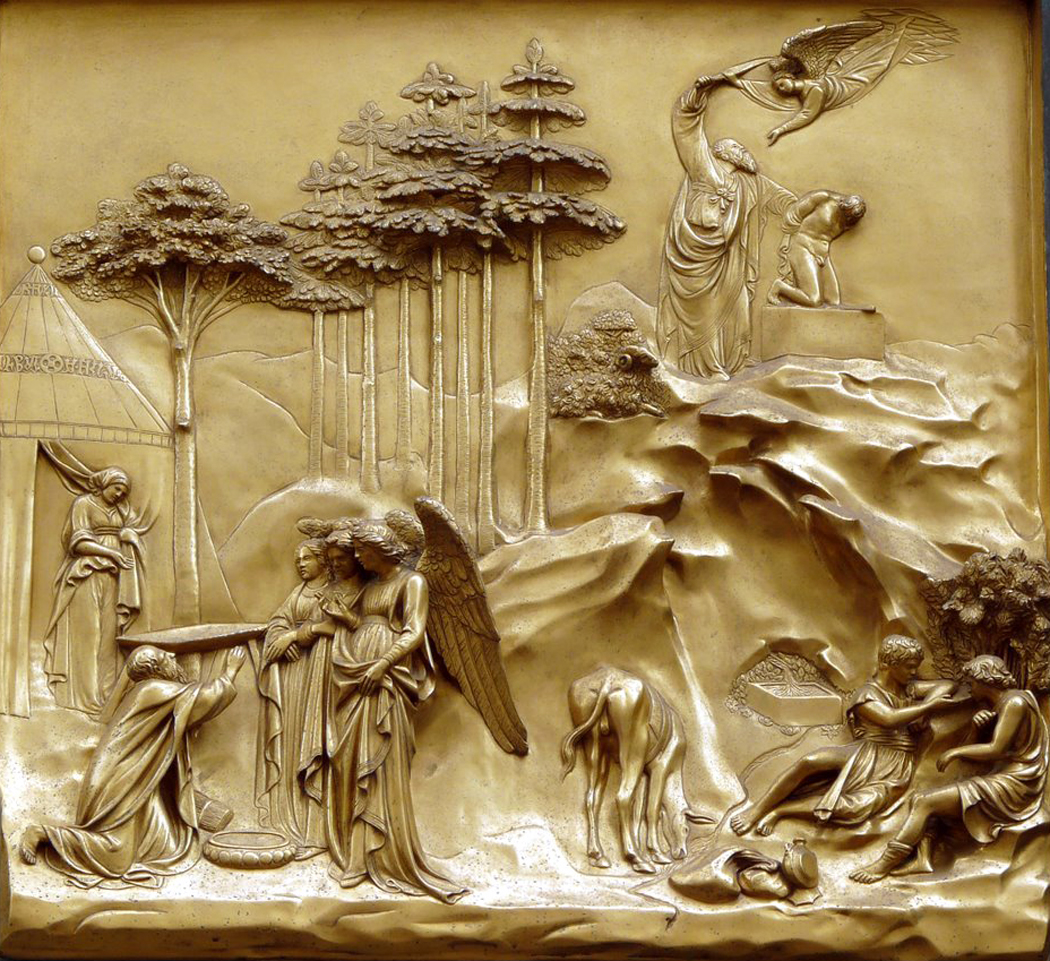
ghiberti abraham 2

Fourth: The bronze doors of Ghiberti to the Baptistry in Florence, an astonishing display of inventiveness and naturalistic imagery.

three davids

Fifth: The David of Donatello, and the final destruction of the Gothic schema in Western art.

Sixth: The David of Michelangelo Buonarroti, and

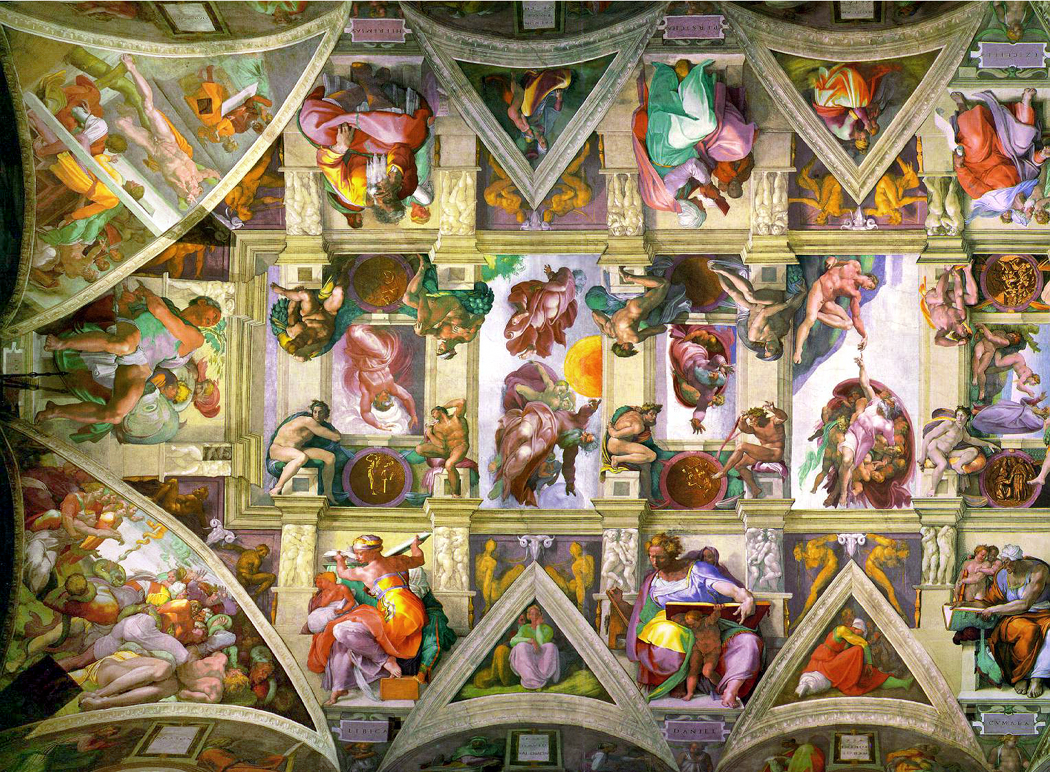
Sistine ceiling detail

Seven: The Sistine ceiling. No artist so defined his age and the two hundred years after him more than Michelangelo, the single most influential artist in history.

caravaggio

Eight: Caravaggio: The Calling of St. Matthew, although most of the crazy guy’s central paintings would do: The Invention of the Baroque. “Energy is eternal delight,” as Blake says.

Nine: The David (above) of Gianlorenzo Bernini (although I actually prefer the Apollo and Daphne), and the perfection of the Baroque, and the most proficiently perfect sculptor in history. I choose the David only for the symmetry with Donatello and Michelangelo. Look at the three Davids together and see the direction of the 15th and 16th centuries.

rembrandt

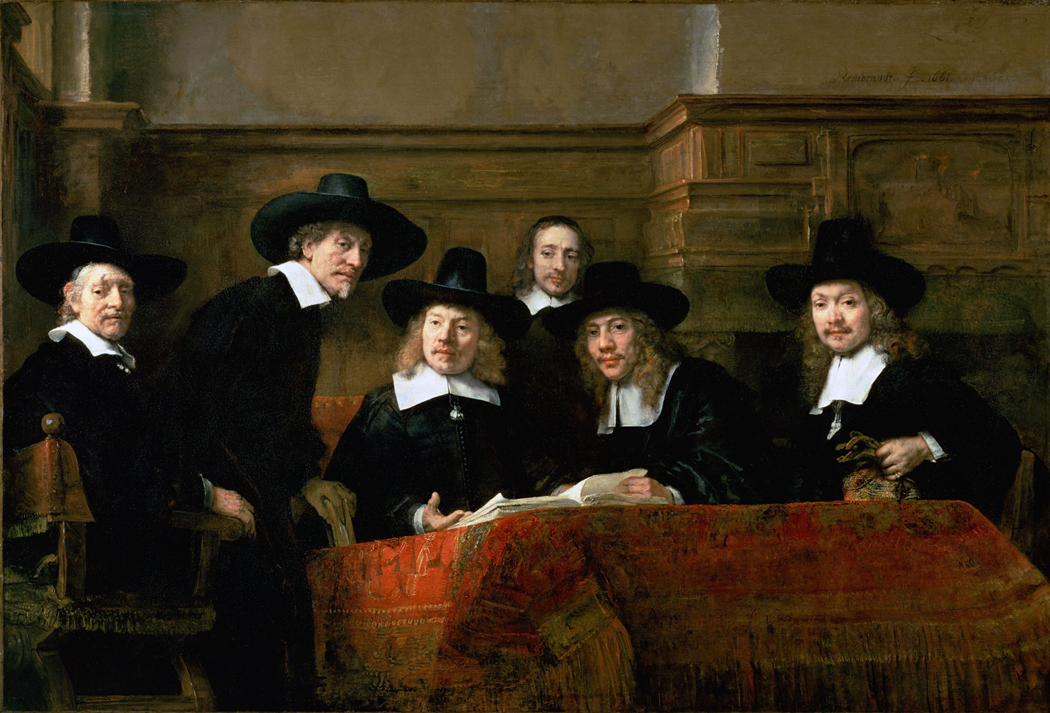
10: Rembrandt Portrait of the Syndics of the Cloth-maker’s Guild, (chosen over the more flamboyant Night Watch) to show how the psychological acumen of the Dutchman could bring life to an otherwise utterly conventional group portrait. This sense of psychology, that there is a real person behind the eyes, is what Rembrandt brought to painting, as Shakespeare brought it to the stage.

benjamin west

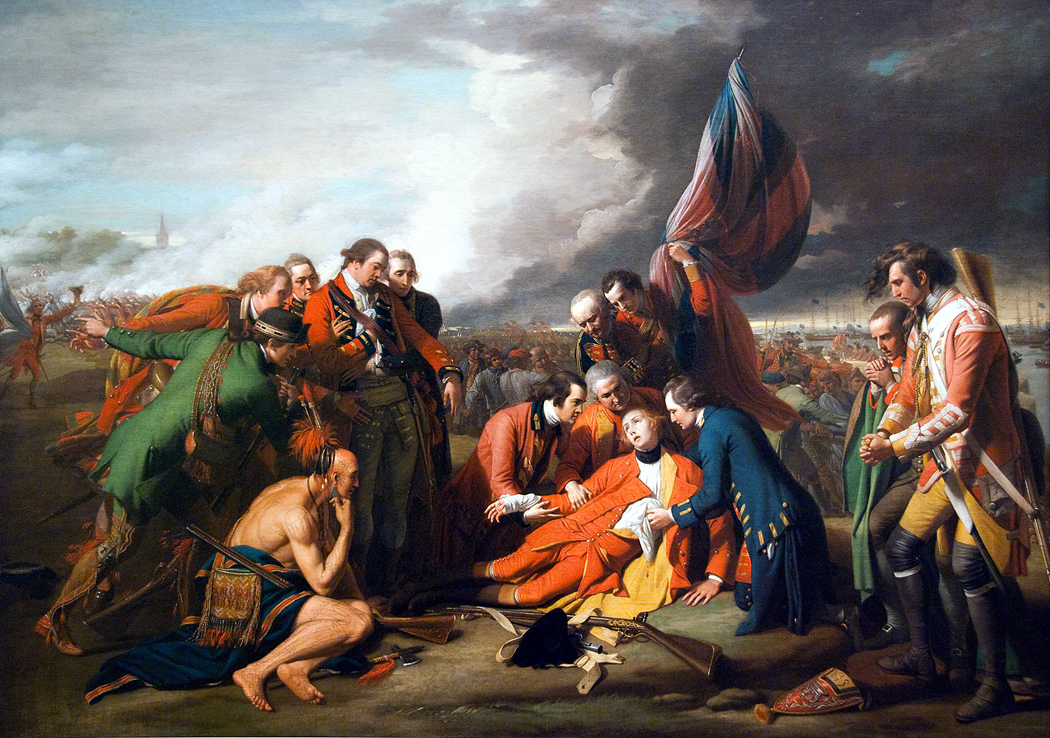
11: The Death of General Wolfe by Benjamin West, which manages to turn the conventions of the mythological painting onto not merely the historical event, but the current event. In a way, each of these choices is a step on a road from stylization and convention to a more aware and awake attempt to engage with the experience of being alive, with what we might call a more “real” vision of the world.

delacroix

12: Liberty on the Barricades by Eugene Delacroix, although you could also use Greece Expiring on the Ruins of Missolonghi, as the symbolic use of politics and the rise of the democratic spirit in the world.

Turner

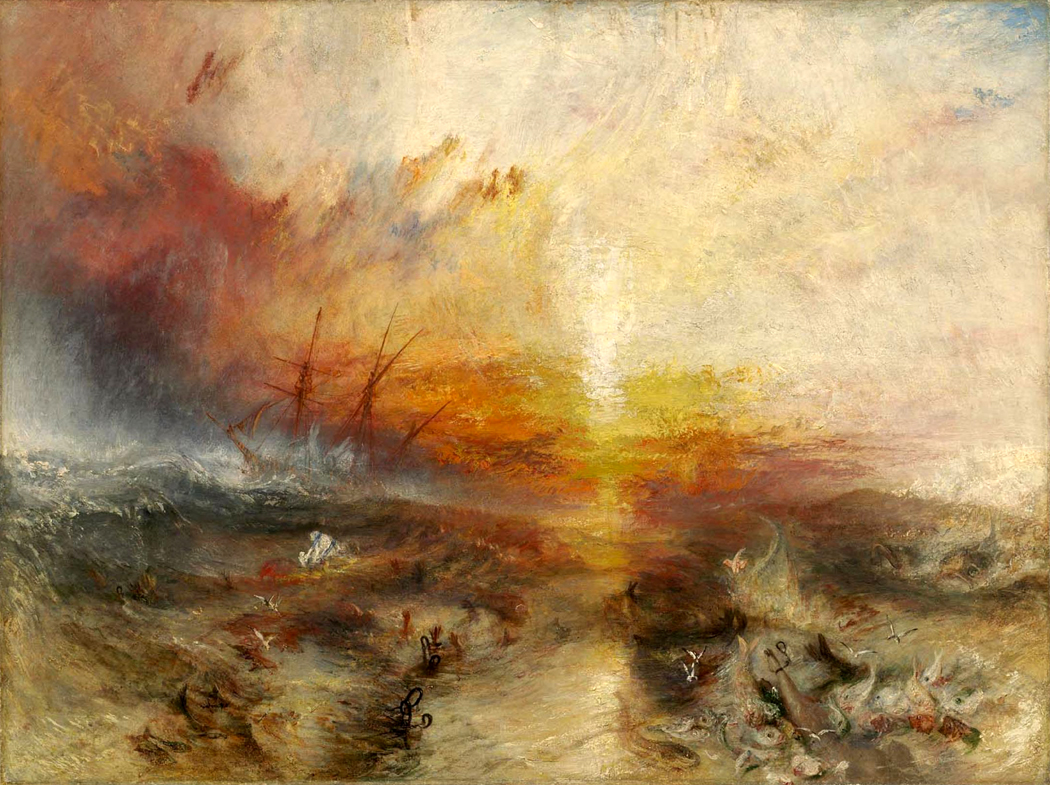
13. Joseph Mallord William Turner’s The Slave Ship as another political comment, but more important as the first glimmerings of a kind of Impressionism in paint, and the turning point where what we now call Modernism has not its birth, but at least its conception.

Manet

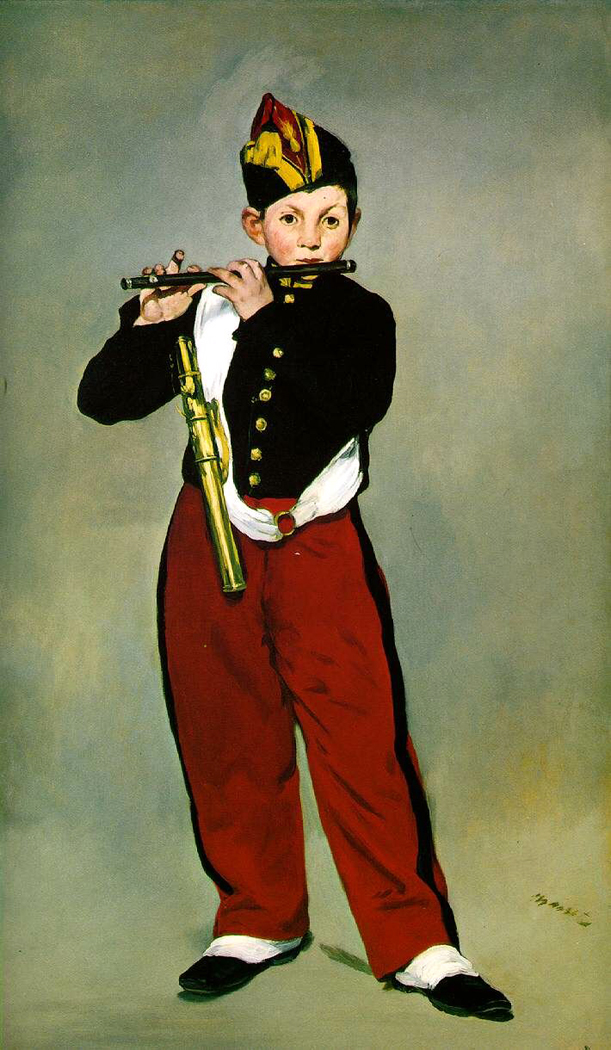
14. Edouard Manet, The Fife Player, as the birth of that Modernism, flat, ironic, oblique.

Gauguin

15. Paul Gauguin, Where Do We Come From? What Are We? Where Are We Going? and the continuing flattening of picture space, at the same time as opening up to non-Western pictorial influences — to say nothing of questioning the values of European civilization, and it’s about time.

picasso demoiselles

16. Pablo Picasso, Demoiselles d’Avignon as the source of Cubism, and the sense that the picture is a canvas and not a window. It was the single most revolutionary painting of the 20th century, although in retrospect, not Picasso’s best.

duchamp

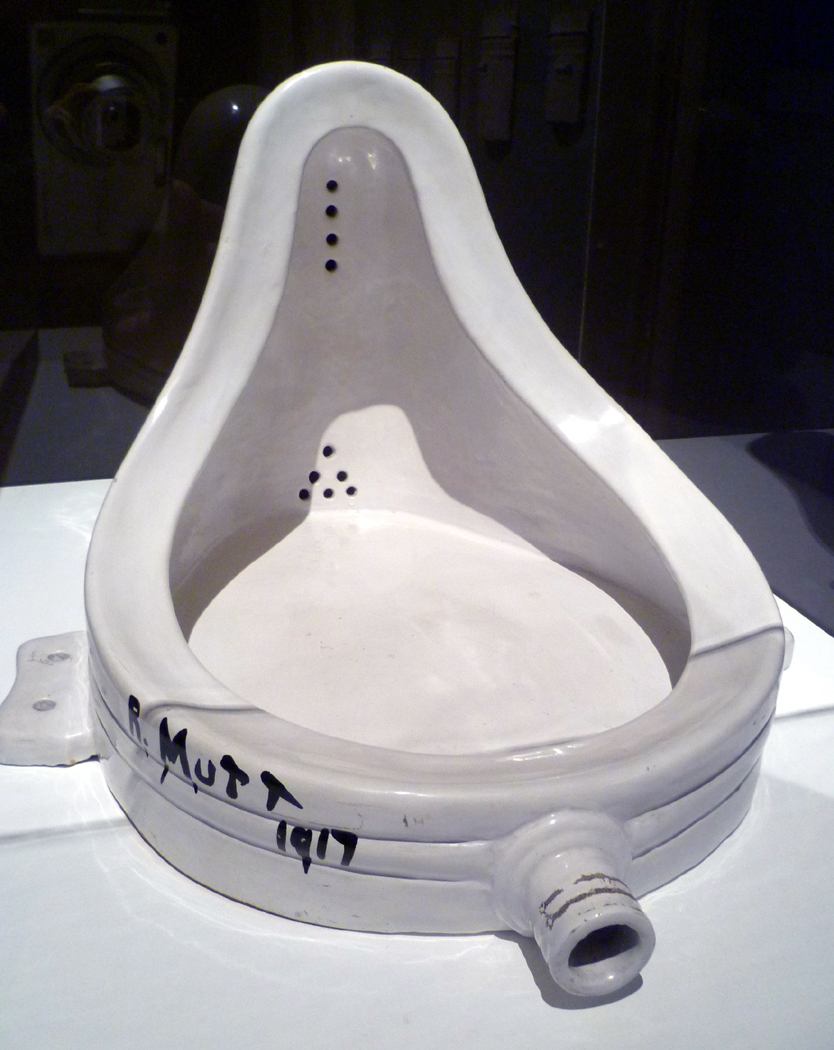
17. Fountain by Marcel Duchamp – the “found object” urinal – and the single most influential sculpture of the 20th century, and an influence that is still oppressive today. Now, everyone thinks he’s Duchamp.

40-12-17/35

18. I would also include Picasso’s Guernica in this list, as his most ambitious work and the single most powerful image of the 20th century. I grew up with this mural size scream, when it was at MOMA in New York and I was a kid. It is the perfect meld of technique, imagery, symbol and “message.”

warhol soup can multiples

19. Andy Warhol’s Campbell Soup Can and the rise of Pop. Warhol is the most serious postwar American artist, despite his public antics. Art is about the world we live in; Warhol reminds us that the world we currently inhabit is the one of commercial signage and media imagery.

beuys

20. Finally, Joseph Beuys How to Explain Pictures to a Dead Hare, or any of a dozen other Beuys pieces, angry yet detached, symbolic yet utterly there physically as a presence. The most influential European artist of the postwar years.

This list is, of course, just off the top of my head. I’m sure if I gave it deeper thought, I’d switch out some of these choices. But this is a good enough start.

I’m sure you can think of things I’ve missed.

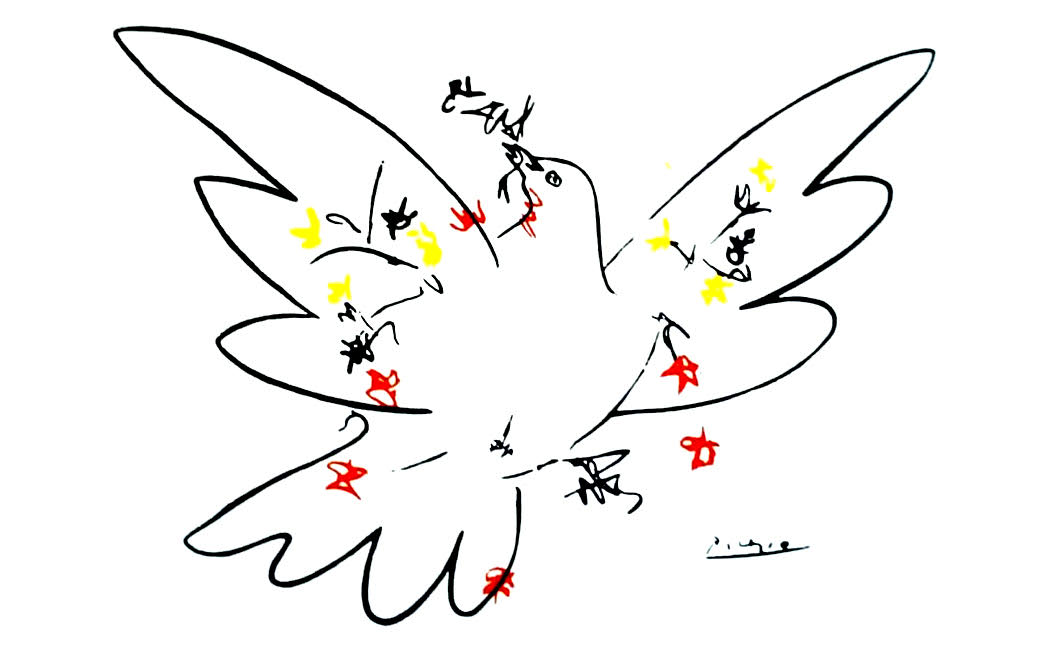
fighting for peace 1950

Politics and art; oil and water; Mitch McConnell and charisma.

Like alternate universes, the oppositions seem utterly irreconcilable.

”The only thing poetry and politics have in common are the letters P and O,” the late poet Joseph Brodsky once quipped.

Yet, there are clearly many cases of political art. Much of the world’s greatest art, from the Antigone to Angels in America, has concerned politics.

So when I say art and politics are death to each other, what I mean is not politics as a subject — anything in life is fit subject for art — but politics as a lens, as dictator of what is permissible. If you have a political ax to grind, don’t try hacking tree stumps with it, hoping to make a masterpiece.

Another way of looking at it is that there are two types of political art.

The good and the bad.

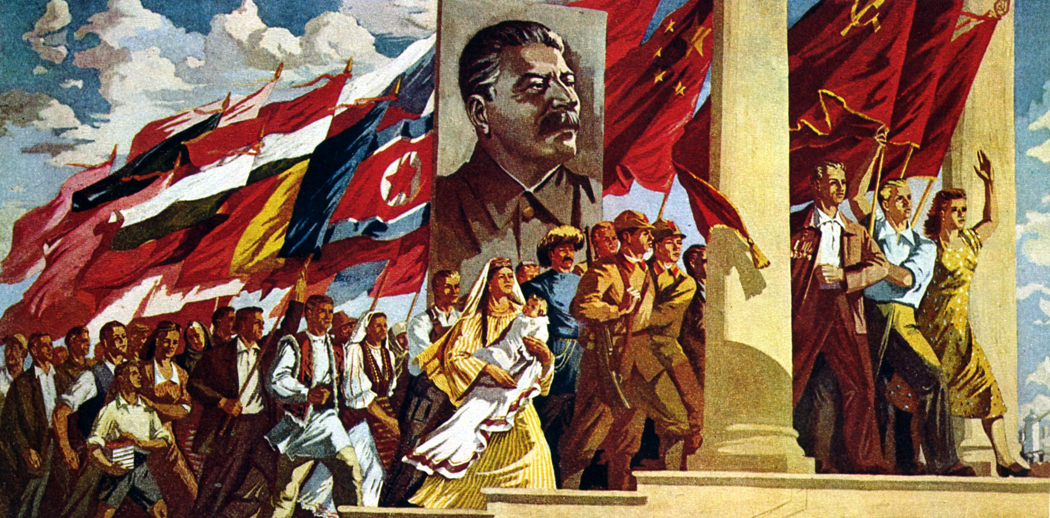
If you are politically inclined, good political art is art that advances your ideology, and bad art is anything else. This was the inspiration for most Socialist Realism, and it’s making a comeback in a raft of forgettable politically correct art and theater.

But if you are aesthetically inclined, the good and bad are not defined by ideology but by aesthetic persuasiveness. Does the work ring true?

Politics itself can be seen as two separate, almost incompatible things. On the basic level, politics is the acquisition and use of power. It is a basic characteristic of humanity. Politics on this level can be used for ill or good. It is not a thing about which a value judgment can be made. Like gravity, it just is.

But to too many people, ”politics” means political theory. It means not the way things are, but the way things should be. Life should be more fair, the aristocracy should rule, power to the people, a flat tax will solve all ills. Name your poison. human pyramid

When American politics works as it is supposed to, factions promote their causes and compromise is reached. The result is a continuous tension of interests, like a human pyramid in the circus.

But when ideology takes over, compromise is seen as an evil. Through the ideological lens, there is only one truth and everything else will lead to ruin. This is equally the case with Marxists and the Christian right.

”One law, one God, one king,” as William Blake has it. You are either with us or against us.

So, lost in the discussion is the fact that when we say something is ”political art,” we mean two very different things. On one side, there is partisan art, which takes a political stand and uses the art to proselytize. It is the art of the street theater, meant to persuade — although more often than not, its audience has already signed on, so its purpose really is to reinforce beliefs already held. socialist realism

At its worst, partisan art is Nazi and Soviet propaganda; at its best, it is Brecht. Always, it is didactic, and more often than not, it is forgotten by the following year. Name a Socialist Realist painter, I challenge you.

But art may approach political questions from another direction:

There is an art that is interested in the ironies and passions of politics, in its human toll, not its theories.

Partisan art is interested in answers, certainty and action; the other direction is interested in questions, ambiguity and contemplation.

The problem is that ideology is system, and systems are dehumanizing. It matters not whether it is left- or right-wing. The machine is supreme: We measure success not in human terms, but by whether it adheres to theory. Read any Marxist criticism and you will see such. Or listen to a House Republican talking about the National Endowment for the Arts.

In both cases, the question is whether the art is orthodox — does it adhere to the party line.

It is a mark of critic John Berger’s intelligence that his Marxist theory inevitably leads to gibberish and double talk. He must wind up saying something patently silly or else he must ultimately abandon the theory.

People simply do not act the way Marxist theoreticians say they do; neither do they act the way capitalist theoreticians say. Humans are much more complex, much more contradictory.

No, art, if it is to last, must concern itself with the human, not the system.

Goya’s Disasters of War, Picasso’s Guernica, Tolstoy’s War and Peace, even Homer’s Iliad, all approach political questions from a human point of view.

So do Citizen Kane and Oliver Stone’s Nixon. And so does Anna Deavere Smith’s Fires in the Mirror. It does not take a stand on one side or the other; rather, it allows each side to say its piece, incompatible as those sides may be.

Such art examines the possibilities and tests them against the human heart.

Such art is dedicated to this one human truth: There is always a larger context.

Compare Maria Irene Fornes’ A Conduct of Life with Ariel Dorfman’s Death and the Maiden. The first deals with the rape of a 12-year-old girl; it knows who the villains are and what we should think of them, and it tells us in no uncertain terms.

Death and the Maiden, about a woman brutally tortured under a South American military regime, is much more equivocal. We are never quite sure whether the man she accuses of carrying out the torture is guilty or innocent, and we surely find that the woman’s revenge on him is brutal in return. There is blame to go around.

As W.H. Auden wrote, ”Those to whom evil is done do evil in return.”

Or Barbara Garson’s MacBird, which lampooned Lyndon Johnson as a Macbeth who killed his Kennedy/Duncan for his own political ends. It is a sour-toned comedy and nearly forgotten except by graduate students with theses to complete.

And that brings up another reason the narrow partisan art dies such a stiff death. Its concerns are almost always so transitory. Does MacBird still have meaning 45 years after the events it describes?

Nothing is more dated than a superannuated political idea. We’ve moved on; we have our own problems, thank you.

Compare that with Citizen Kane, which is equally a hatchet job on a public figure. But because filmmaker Orson Welles concentrates on the human rather than the partisan, it still contains meaning, still has that resonance which is the ultimate test of a work of art.