Fifty-seven years ago, while on the Apollo 9 mission orbiting Earth, astronaut Rusty Scheickart was floating outside the capsule in his space suit and had a moment to look out through his “fishbowl” helmet at the planet under him.
“And you look down there,” he said, “and you can’t imagine how many borders and boundaries you cross, again and again and again [as you orbit the Earth every 90 minutes]. And you don’t even see them.”
It’s a common refrain from those who have gone to space. Moon astronaut Buzz Aldrin said, “From space there were no observable borders between nations, no observable reasons for the wars we were leaving behind.”
Senator Bill Nelson, who flew on the Space Shuttle Columbia in 1986, said, “In space, you don’t see boundaries or borders. We are all citizens of Earth.”
The blue marble
We draw lines where there aren’t any. National borders are just one case. We draw distinct lines between species in biological taxonomy, we name historical eras, invent racial exclusions — we talk about these arbitrary lines as if they build fences between property lines. But they are legal fictions, and continually malleable. Political borders shift; taxonomy rejumbles categories; Red politicians vs blue politicians? Really they are all just grey men in blue suits. Their squabbles are parochial at best.
The issue is that we understand the world in discrete chunks, but nature comes in indistinct swathes. In order to discuss or argue, we pretend there are clear lines. Perhaps we have to; everything all together at once is confusing.
Robert Rauschenberg “Lucky Dream”
Nature, however draws few lines. It spreads and includes. It changes constantly; it is never static. “Everything flows,” as Heraclitus put it. Seed into sprout into flower and into seed into …
I’m not saying there are no differences at all, but rather that the lines we draw tend to be arbitrary or at least, blurry. Are the red people for smaller government or a more powerful presidency? Such issues shift over time and it’s impossible to pin them down.
Take the past, for instance. Historians like to take big chunks of time and give them names: Classical, Postclassical, Late Medieval, Romantic, and so on. Then they argue over it all, because any good academic historian knows that the names we give big chunks of time are misleading. But, as they say, whatcha gonna do? We seem to be stuck with them.
The Middle Ages, for instance. Middle of what? Homo sapiens developed something like — in a common low-end estimate — 300,000 years ago, putting the start of the Middle Ages somewhere approximately in the last 15/3000ths of human history. Not exactly the middle.
And the dates we give the Middle Ages vary widely. Where do you draw the line? It came after the Roman Empire. But when did the Roman Empire fall? Well, you can say that the final collapse came in 1453 with the fall of Constantinople. For some people, that is already the Renaissance, squeezing out the Middle Ages entirely. And no one really believes the Byzantine Empire was genuinely Roman. They spoke Greek, for god’s sake. They were Christian.
Usually, when we talk of the fall of Rome, we mean the Western Roman Empire and the sad reign of Romulus Augustulus, which came to an end in AD 476. But really, the Western Roman empire at the time consisted only of most of Italy, a tiny bit of France, and Dalmatia (later aka Yugoslavia, later still — well, you know).
And you could easily argue that Rome ceased to be Roman after Constantine converted to Christianity and legalized it in AD 313. After that, the slow slide from Roman imperialism into Medieval feudalism began its ambiguous transubstantiation.
It is the great paradox of scholarship: The more you read, the more your ignorance grows: The more you learn about something, the more you discover how little you know.
We think of our current era as modern. But when did that begin? It is a slippery question. I am reminded of the time, some 50 years ago, when I first drove west from North Carolina. I had never seen the great American West and eagerly anticipated finding it. It must be so different, I thought, so distinct.
We were living in Boone, N.C., named for Daniel, who trod those mountains in the 1700s, when anything beyond the Blue Ridge was the West. When George Washington surveyed the Northwest Territory in the late 1740s, he was measuring out what became Ohio.
Blue Ridge
So, when I was driving, I knew I had already pushed my own frontier past such things, and knew in my heart that the West began on the other side of the Mississippi River. But, when I crossed the river into Arkansas, it hardly seemed Western. It didn’t look much different from Tennessee, in my rear view mirror. Yet, Arkansas was home to the “Hanging Judge” Isaac Parker and where Jesse James robbed trains.
But surely Texas was the West, but driving through flat, bland Amarillo on I-40 was as exciting as oatmeal. The first time we felt as if we had hit the West was at the New Mexico line, when we first saw a landscape of buttes and mesas. Surely this was the West.
Maybe, but we hadn’t yet crossed the Continental Divide. All the waters of all the rivers we crossed emptied into the Atlantic Ocean. Finally, crossing the Divide near Thoreau, N.M., we felt we had finally made it.
Yet, even when we got to Arizona, we knew that for most of the pioneers who crossed this country a century and a half ago, the desert was just one more obstacle on the way to California. In some sense it still wasn’t the West.
When we got as far as we could in a Chevy, and stared out at the Pacific Ocean, we knew that there was still something farther: Hawaii, Japan, China, India, Africa — and eventually across the Atlantic to Cape Hatteras and back to North Carolina.
So, the West wasn’t a place you could ever really reach, but a destination beyond the horizon: Every point on the planet is the West to somewhere else.
When we look to find the beginnings of Modernity, the horizon recedes from us the same way. Perhaps it began with World War I, when we entered a non-heroic world and faced a more sober reality.
Modern Art began before that, however, perhaps with Stravinsky’s Rite of Spring in 1913, perhaps with Debussy’s Afternoon of a Faun in 1894. Some begin with the first Impressionist exhibition in 1874.
Politically, maybe it begins with Bismarck and the establishment of a new order of nations and the rise of the “balance of power.”
You can make a case that Modernism begins with the Enlightenment in the 18th century, when a rising Middle Class began to fill concert halls and Mozart became an entrepreneur instead of an employee of the aristocracy.
Or before that, in 1648, with the Treaty of Westphalia, and the first recognition of national boundaries as something more than real estate owned by the crown.
You can set your marker down with Luther, with Gutenberg, with Thomas Browne, Montaigne, Caravaggio — or Giotto.
For many, Modernism began with the Renaissance, but when did the Renaissance begin? 15th century? The Trecento? Or did it begin further north with the Gothic around AD 1150, which is really the first sparking of a modern way of thinking.
Perhaps, though, it is the Roman republic that divides modern political organization from more tribal eras before. Or you could vote for the democracy and philosophy of ancient Greece. Surely the time before that and the the time after are distinctly different. We recognize the near side of each of these divides as more familiar than the distant side.
You might as well put the starting line with the discovery of agriculture in the steppes of Anatolia and the river plains of Iraq. An argument can be made for any of these points on the timeline — and arguments could be made for many I haven’t room to mention.
Which leaves us the ultimate question: Is Modernism now over? Done with? Have we moved on, or is what we deem Postmodernism really just the next manifestation of the Modern? Perhaps AI is the new line drawn in history.
Perhaps the horizon should be recognized for what it is: an ever-moving phantasm. For those peasants digging in the manorial dirt in the Ninth Century, the times they were living in were modern. The first person recorded to use the term “modern” for his own age was the Roman writer Cassiodorus in the 6th Century. Each moment is the new modern.
Scholars know all this very well, and make their arguments in books and treatises, almost always with the caveat about drawing lines hard and fast. But the convenience of giving names is too seductive, and leaves the popular imagination with images like Monty Python’s “Bring out yer dead” or Elizabeth Taylor’s Cleopatra. Can we talk about the past without the labels we give it?
We need to understand the world is not binary, but a borderless spectrum of experience. Hawaii is now part of North America and Iceland is part of Europe. Electrons are particles and waves. Poland grew immense and shrunk, disappeared completely and reappeared and picked up its skirts and moved 200 miles to the west. And so, I wince every time I hear a red politician tell us with misbegotten certainty what gender roles should be, or that “male” and “female” are hard, definable categories with no subtleties. Or that “Left” and “Right” are hard-and-fast places where we must construct our redouts.
I admit we need words, categories, borders, and definitions to be able to communicate. We need to cut up our steak in order to eat it. But I would wish we could be more humble about their actual reality.
In a recent piece on this blog, I mentioned that Pablo Picasso, while he was undoubtedly a great artist, might not be a particularly good painter. That is, his craftsmanship over the years could be quite indifferent. Inventive, no question, but seldom painstaking over execution. I wrote a fuller explanation of this in an essay I wrote in 2023 for the Spirit of the Senses salon website and I thought this might be a good time to reproduce that post for a wider audience.
Pablo Diego José Francisco de Paula Juan Nepomuceno María de los Remedios Cipriano de la Santísima Trinidad Ruiz y Picasso was a very impatient man, perhaps because his name takes so long to say or write.
I say he was impatient on the evidence of his paintings. I certainly never met the man. But I have seen a boatload of his paintings in person and hundreds in reproduction, and they all tell me he didn’t have the patience to spend time on their finishing touches.
Don’t misunderstand: Pablo Picasso was a great artist, and for many reasons. But he was not what I would call a great painter. Let’s take a look.
There was a time when many thought that Picasso’s art was a hoax. You know, the “My kid could paint better than that,” and serious-minded critics would say, “First, you have to be able to master the techniques before you can experiment with abstraction.” (Yeah, this was a while ago).
But then, some of the young Picasso’s art, from his adolescence, began showing up and it was clear that he had been a masterful draftsman and could draw and paint as realistically as anyone.
He could pump out an academic figure study like an Old Master. And he could put on canvas as realistic a painting as you could wish. Just look at some of these, from 1893, when the artist was 12, and 1896. It is clear he could do anything. But he didn’t: By the turn of the century, he had been taken with more modern trends in art, from Impressionism to Post-Impressionism, to Fauvism and Expressionism. His style loosened and the works became sketchier.
This evolution of style was characteristic not only of Picasso, but of other artists, writers and poets. There had been Impressionism and Post-Impressionism, Van Gogh, Gauguin, Cezanne — all with different styles.
By the middle of the last century (that’s the 20th, remember), Modernism had not only established itself, but become entrenched. Its hagiography had been codified and the heads of its various branches were Igor Stravinsky in music, James Joyce in prose, Ezra Pound in verse, and Picasso on canvas.
These were hardly the only names in the mix, and they may not even have been the best artists working, but they became the names we all knew. They are the names in the anthologies and textbooks.
And they all burned through styles. Stravinsky went from late Romantic chromaticism, to a savage primitivism, to Neo-Classicism and finally to his version of 12-tone serialism. Joyce from some of the most beautiful, clear prose in The Dubliners to the stream-of-conscious jumble in Ulysses and into the paronomastic almost-abstract gibberish of Finnegans Wake. Pound began with highly poeticized Edwardian prettiness to a hard-edged sarcasm and into his own form of pan-linguistic word salad.
Most serious artists go through stylistic growth from early to late periods, but Modernism seems less like organic growth and more like a conscious seeking-out of something new, something that would get attention. Pound’s battle cry was, “Make it new!” Where style had been a function of personality, it became a “brand” and ever newer versions were sought, like updating your car every few years.
I’m being too harsh here, but to make a point. Picasso kept evolving, from that early Expressionism
To the famous “Blue Period”
Through a subsequent “Rose Period”
to African primitivism,
to analytic Cubism,
to Synthetic Cubism,
to Surrealism
and Neo-Classicism
Then a brief period in the mid 1920s of what might look like a return to a kind of realism
and then, into what can only be termed Picasso-ism — his playful mix of everything and anything, usually turned out in a few hours and often rather haphazard.
And this gets to my main point: That Picasso was an epically inventive visual artist, clever in the first degree. But from his earliest work onward, was always rather indifferent about the craft of painting. His application of paint to canvas was often sloppy; parts of many paintings were essentially unfinished; many are more caricature than character; even his color choice often seems unconsidered — any red might do, any green, any blue. His art is one of suggestion rather than observation.
This was typical of his approach in other ways. Where most artists use their work to react to life and the world, Picasso seemed always more interested in cultural tropes. That is, he picked on several archetypes — or stereotypes — and re-imagined them over and over. These are themes straight from his brain, without recourse to the actual world.
There were bulls and bullfights; Harlequin and Pulcinello; circus performers; the down-and-out; birds; women, both as portrait and as nude; satyrs, fauns and demons; still lifes; and over and over: the artist and his model.
He drew these subjects from his mind, not his eye. And the goal seems to have been to get them down as fast as possible and to get on to the next canvas. During the Renaissance, an artist might work on a painting for a month, polishing it to a perfect finish; Picasso seems to have been more likely to complete several paintings in a day.
You can see how fast he works (and how fast his mind could work) in the 1956 film by director Henri-Georges Clouzot, The Mystery of Picasso, in which, over the course of its 75 minutes, the shirtless Picasso completes 20 drawings and paintings. Of course, most of these are merely sketches, but you can see how fast his brain is functioning — and how diagrammatic his take on the visual world really is. He is not capturing the way the world looks, but rather creating hieroglyphs to be read, the way his dove is a symbol for “peace.” Or the stick-figure man or woman on restroom doors.
The one time he made the effort, worked over many preliminary sketches and worked his canvas to a fine finish, he produced what is probably the most important, most powerful painting of the century — his 1937 Guernica, about the bombing of the Basque city by Nazi planes supporting the Fascist forces of Francisco Franco. The giant painting —roughly 12 feet by 25 feet — hung for many years at the Museum of Modern Art in New York, as, under the will of the artist, it could not be returned to Spain until the reestablishment of democracy. It finally went home to Madrid in 1981.
I saw the painting many times when I was a young man, living just outside New York, and visiting MoMA as often as I could. It anchored one end of the museum and you could see it as soon as you got out of the elevator on the second floor, the focus of the whole museum.
I’m not saying that we would have been better off if Picasso had spent more time on fewer paintings — his prodigious energy is largely why we honor him. But what can’t be ignored is that his work is often slapdash, sometimes not much more than a doodle.
When I was young, and for the first three-quarters of the 20th Century, Picasso was a colossus, almost universally acclaimed as the era’s greatest artist — the Muhammad Ali of the paintbrush — but in recent years, his primacy has receded. Partly because the adrenalin rush of Modernism has petered out; partly because the art market has become so much more simply part of the financial world, more interested in investment and less in the actual art; and perhaps most of all because Picasso, the man, has been revealed as such a misogynist pig. He was a very unpleasant man.
Since the publication of the four-volume biography by John Richardson, it has been clear what a self-serving, self-promoting, egotist he was. He went through wives and mistresses, using them and often abusing them. Once we thought of him as the great stud of art, now more like a frat boy with little care for the women in his life. Fernande Olivier, Olga Khokhlova, Marie-Thérèse Walter, Dora Maar, Françoise Gilot, Jacqueline Roque — there and gone.
Then, there was the semi-criminal past, selling fraudulent or stolen art, and footsying with the Nazis in occupied wartime France. In our current more censorious age, we more likely to knock the laurels off the heads of our writers, artists, filmmakers and actors — Did they diddle underage girls? Did they coddle to dictators? Did they steal the credit due to women? Were their intentions less than pure?
If we give in to these worries, we will have to strike from the record much of our cultural heritage. Artists are just as human as the rest of us.
And so, I forgive the genius his sins — they are past and he is dead — and honor the art. But I cannot ever not notice that for all his brilliance, Picasso was an indifferent craftsman. When I look at his work, I see the careless brushwork, the muddy colors, the repetitive subject matter.
My own youthful enthusiasm for Picasso has aged into a mature appreciation for his accomplishments. However diminished he is in the public eye, he is still the dominant artistic name from the first half of the 20th century.
In 1494, at the age of 23, after years of apprenticeship as an artist in Nuremberg, Albrecht Dürer left Germany to visit Venice and Italy and find out what all the Hoohah was about. He was amazed at what he saw and when he returned home to Germany, he brought the Italian Renaissance with him. He went back south for seconds in 1505 and stayed for over a year, soaking up the influences. It was what he had to do if he wanted to see what the Big Boys were doing.
If you wanted to see, you had to travel. There were no full-color coffeetable art books to thumb through. If you wanted to see the work of Bellini, you had to go to Venice; for Raphael, to Rome.
“Goethe in Italy” by Johann Heinrich Wilhelm Tischbein, 1786
In 1786, Johann Wolfgang von Goethe, then age 37, made the trip, this time to see the Roman and Greek sculpture that had been so highly praised in the work of Johann Joachim Winckelmann. He stayed until 1788, studying more than the statues, including many statuesque young women, which he later wrote about in his book of poetry, Roman Elegies.
For most of history — until improvements in color printing in the middle of the 20th century — the only way to see famous art was to leave home and go there. Yes, there were engraved black and white copies published, and later monochrome halftones, but you could not really get a sense of Rembrandt or Titian without traveling.
It gave rise in 17th century to the practice of upper-class families sending their sons on the “Grand Tour” to become educated and cultured. From the 1600s to about the middle of the 19th century, it was common for well-off young men to take a “gap year” — or two — to visit the Continent and see the sights and become men of the world before taking up their roles in government or business. Of course, many of these youths were more attracted to the live demoiselles and regazze than to the canvas madonnas.
“Rose,” Philbert-Louis Debucourt 1788
It wasn’t just visual art. Before recordings, if you wanted to hear a Beethoven symphony, you had to attend a live concert. If you lived outside the city, you had to travel to get to the concert hall. Bach famously walked 280 miles from Arnstadt to Lübeck in order to hear Buxtehude play the organ. Even to hear now-famous symphonies and concertos you likely had to wait years between programmed performances. You might be lucky to have heard Beethoven’s Fifth once or twice in your life. Now, it seems, you can’t get away from it.
Today, when you can own 30 different CDs of the Beethoven symphonies and have your choice from Furtwangler to Norrington; you can fill your bookshelves with illustrated volumes of any artist you want; and watch endless YouTube videos about the Mona Lisa, it is important to remember that they are not the actual experience of the art in question, but varyingly faithful simulacra. You still need the real thing. A three-inch color plate of Gericault’s Raft of the Medusa cannot replicate the experience of seeing the real thing.
And so, we go to museums and galleries to get to know the art that is our cultural inheritance. Even today people travel across the world to see some of the world’s most famous art. The Grand Tour still exists, if only in ghost form, as a gap year or a summer abroad. My granddaughter had her high school summer in Italy. The traditions continue. Such travel affords an education that books just cannot give.
In the 1960s, I accompanied my grandmother when she went back to the Old Country for the first time since she was five years old. We went to the village where she was born, Mosby, in southern Norway, and as part of that trip, I was sent on a (literal) Cook’s tour of Western Europe, taking in Germany, the Netherlands, Belgium, Luxembourg and France. I saw the Cologne cathedral, Notre Dame de Paris, Ste. Chapelle and the Louvre, among other things. Mostly, it made suburban New Jersey seem even more banal.
Met; Guggenheim; Frick; Whitney; Cloisters; MoMA
But then, I tried to escape the Garden State as much as possible. I was lucky: I had my own Grand Tour just a few miles away. During my own high school years, living on the Jersey side of the George Washington Bridge, I spent as much time as I could in Manhattan, going to concerts and visiting all the museums: The Met, the Guggenheim, the Frick, the Whitney, the Cloisters, the Asia Society, even the long-gone Huntington Hartford Gallery of Modern Art on Columbus Circle.
And most of all — the Museum of Modern Art, where I felt most at home. I came to know many famous paintings as old friends. Van Gogh’s Starry Night; Matisse’s L’Atelier Rouge; Picasso’s Demoiselles d’Avignon; Pollock’s One Number 31; Mondrian’s Broadway Boogie-Woogie; Henri Rousseau’s Sleeping Gypsy; Dali’s Persistence of Memory — all proper blue-chip Modern Art landmarks.
After I went away to college, I frequently made the trip to Washington, D.C., to visit the National Gallery of Art, and later, the Hirschhorn and Corcoran. I ate up art like a starving man. It’s hardly surprising that I later made my career as an art critic.
And working for the newspaper, I was sent around the country for major exhibits in Boston, New York, Chicago, LA, San Francisco, Seattle, Philadelphia. I was even sent to South Africa in 1989 to study the art scene there. And vacations brought me and my wife to France many times. Seeing as much as possible and finding troves of art in even small corners of the Continent.
There have been dozens of important artworks I have been grateful to have known, not just in reproduction, but live, in front of my own eyes. My inner life is infinitely enriched by the experiences. There are many I could name, from Rembrandt’s self portrait in DC to Gauguin’s Where Do We Come From? What Art We? Where Are We Going? from Boston, but I need to pick out at least these six as central to my understanding of art, and of life.
When you know works from reproduction, you cannot feel their size, cannot know the precise colors and pigments used, cannot grasp their tactile surfaces. Some of the most famous art in the world is known to most people by their reproduction on coffee mugs, T-shirts or commemorative plates. What you think is art is really just iconography — the nameable subject matter. The actuality, the physicality of the work is irrelevant in such cases. Seeing the original can then be a revelation.
So here are the six works that have meant the most to me, that I am most grateful for having been able to know personally.
Picasso, Guernica — When I was growing up, this, perhaps the greatest painting of the 20th century, was sitting in the Museum of Modern Art in Manhattan, and I visited it often. As a teenager, I knew it was “important,” because I had seen it in books and magazines. But I thought of it as “mine,” because I knew it would always be there for me. Alas, in 1981, it was repatriated to Spain, where, I have to admit, it belongs. An old friend moved away. It was the first important artwork that I had what felt like a personal relationship with.
Jackson Pollock, Blue Poles — In reverse, Blue Poles is a painting that came to New York for me. Pollock’s 16-foot drip painting from 1952 was auctioned off from a private collection in 1973 and sent to Australia. I loved many of the great Pollocks from MoMA and the Met, but thought I had lost the chance forever to see perhaps his most famous work. But a retrospective Pollock exhibit in 1998 at MoMA brought it back temporarily to the Big Apple. I got to see it there, where it was the jewel-lit highlight of the last gallery.
Grünewald, Isenheim Altarpiece — The giant altarpiece comprises 10 paintings by Matthias Grünewald, including the pathos-laden crucifixion as its centerpiece, and a group of polychrome wood sculptures by Nikolaus Hagenauer, executed between 1512 and 1516. It sits in the Unterlinden Museum in Colmar, Alsace, France. The altarpiece was designed to be either closed or open, with various panels showing at different times in the Catholic calendar. I have no stake in the religious significance, I cannot help but be overwhelmed by the pathos and power of the work.
Lascaux II — The cave paintings at Lascaux, France, date from about 20,000 years ago. They were discovered in 1963 and include about 600 images of prehistoric animals. The caves have been closed since 1963 to protect them, but a copy has been made and open to the public. I never thought I would get to experience them, but I got to visit both the reproduced experience at Lascaux II, but also the genuine cave art at nearby Font-de-Gaume. Seeing the original art there threw my spine into a buzz of uncanny deep-time — a state not rational but limbic.
Van Gogh, Wheatfield with Crows — In 1999 the LA County Museum of Art mounted a 70-piece show of the paintings of Van Gogh from the Van Gogh Museum in Amsterdam, including many of his most famous works. My job got me sent to cover the exhibit and I was blown over by the works (also, astonished at how amateurish and awful many of his early works were: It took a while for Van Gogh to become Van Gogh).
One of the last paintings in the last gallery was Wheatfield with Crows and up close you could see who wild and feverish the artist’s brushstrokes were, and what colors sat on his pallete, left largely unblended on the canvas.
North Rose Window, Chartres Cathedral — I have been back to Chartres many times, and each visit, I spend a half hour, at least, sitting in the transept staring at the North Rose Window. It is, as I have said many times, the single most beautiful man-made creation I have ever seen. It is transcendent, a glowing object of meditation, whose shapes seem to move, to dance around the centerpoint. I am awe blasted. It almost makes up of all the misery, suffering and death human beings cause to each other.
This is, of course, a limited selection. Before writing, I made a list of paintings, sculptures, plays, operas, architecture, poems, novels — I could just make a list of the types of art that would already be too long to include in a single blog entry. Narrowing down to visual arts still left me with too many things to write about — hence my squeezing it all into only six works. (It tried to make a conventional 5, but I already feel bad about only including six.)
Seeing all this art and lamenting all that I never had a chance to see, only reinforced my sense that art is not just what makes us human, but how it makes us human.
I was talking with my very Southern wife about how those brought up down here have a stronger connection to the land than us Yankees. Southerners have often lived on the same patch of land for generations and their sense of identity can course back through great-grandparents and beyond. Your sense of who you are includes the centuries before you were born. New Jersey never gave me that.
But I do have that same sense when looking at the paintings or hearing the music of the past. This all gave birth to me; it is who I am. We too often think of culture in terms of hoity-toity high culture. But really, culture is all the things that have accumulated over time to make the lives we now take for granted.
When I see or hear the so-called canonical works of Western culture, I have that sense of belonging to a long, continuous line. It speaks to me; it tells me who I am.
We’ve all heard of Alexander the Great, William the Conqueror, or Suleiman the Magnificent. Who wouldn’t want to be known to history by such flattering names? But among the many kings, princes, barons and otherwise leaders, there are a few names a bit less splendiferous.
Alexander the Great; William the Conqueror; Suleiman the Magnificent
Every literate English speaker has probably heard of Ethelred the Unready, but what about Ivar the Boneless? We think of the third Julian Roman emperor as Caligula, although his actual name was Gaius Caesar Augustus Germanicus. “Caligula” was a less-than-laudatory nickname which actually means “little boots,” because when he was a boy, he tried wearing a real soldiers footware and the troopers made fun of him by calling him Little Boots, or “Bootsie.”
But the list of unflattering cognomens, sobriquets and nicknames is really quite long. Not everyone was the Sun King. There was also Sebastian the Asleep of Portugal, who reigned from 1554 to 1578. And Barefoot Magnus III of Norway (1073-1103). Or Johann Georg the Beer Jug, Elector of Saxony from 1611 to 1656. As you might have surmised, he loved to bend his elbow.
Alfonso the Leper; Ivaylo the Cabbage; Piero the Gouty
None of these men seem to have had press agents spinning their boss’ reputations. Richard I may have been Lion-Hearted, but the Third was Richard Crookback. Ivaylo the Cabbage ruled Bulgaria in the 13th century. The grandson of Barefoot Magnus ruled Norway from 1130 to 1135 as Magnus the Blind. Vasili Kosoi ruled Moscow in the 15th century as Vasili the Cross-eyed. And, of course, Charles the Bald, or Charles II of France, who apparently had a full head of hair.
Physical debility seems to have been popular. William the One-Eyed of Meissen; Peter the Stutterer of Portugal; Sverker the Clubfoot of Sweden; Piero the Gouty of Florence; Alfonso the Leper of Portugal. Eric XI of Sweden (1216-1250) was called Eric the Lisp and Lame.
The most famous was probably Timur the Lame, who conquered much of the world and best known as Tamerlane. And don’t forget Uros the Weak of Serbia. Or Wilfred the Hairy of Catalonia.
Wilfred the Hairy; Ethelred the Unready; Halfdan the Bad Entertainer
The 1100s featured Bolesłav the Curly in Poland, Conan the Fat in Brittany, and Ragnvald Roundhead in Sweden.
John the Posthumus was born in France in 1316 after his father’s death and so was born a king already. He lived only a few days, and so was king from birth to death.
In AD741 Constantine was born in Byzantium and when he was baptized, the infant defecated in the baptismal font and so became ever after Emperor Constantine the Dung Named.
Sancho the Populator was king of Portugal in the 13th century (that nation seems to get a lot of these names). He had 20 children, both legitimate and otherwise. But he is beat out by John the Babymaker of the Holy Roman Empire in the 16th century, who had 63 illegitimate kids. Something for Elon Musk to aim for, I guess.
On the other hand, there was Henry the Impotent of Castile in the 15th C. and nasty old King John of England was called John Soft-Sword.
Louis Do-Nothing; Louis the Unavoidable; James the Shit
England has had its share of names, some glorious, like Elizabeth I as Gloriana, but otherwise, there was George IV, known as the Prince of Whales because of his obesity, and George III, known as derisively as Farmer George for his less-than-regal interest in agriculture. And James II was known in Ireland as Seamus as Chaca or “James the Shit” for his treatment of that country.
I love encountering these historical names. Constantius the Pale was Roman emperor. Stupid Willy was Wilhelm I of Germany. Louis Do-Nothing was Louis V of France. Germany had Wenceslaus the Drunkard. And Portugal (again) had Manuel I, the Grocer-King.
Coloman the Bookish ruled Hungary in the 12th century and Ivan I of Russia was Ivan Moneybags. And King Ludwig of Bavaria was Mad King Ludwig. And while Vlad Tepec is remembered to history as “Vlad the Impaler” and the model for Dracula, Besarab IV gained the throne of Wallachia with Vlad’s help and was then known as Besarab Tepalus, or “The Little Impaler.”
Then, there’s Alfonso the Slobberer, King of Galicia from 1188-1230, who foamed at the mouth when angered. And Eystein Halfdansson, an 8th century Norwegian king known as Eystein the Fart. Eystein’s son was known as Halfdan the Bad Entertainer — couldn’t throw a decent party. Another Norwegian king, from the 13th century was Haakon the Crazy. King Harald I of Norway from 1454 to 1474 had several names. He was Harald Fairhair, but that may have been meant ironically, since he was also Harald Tanglehair, Harald Shockhead and Harald the Lousy.
Harald Tanglehair, aka Harald the Lousy
Finally, Eric II of Denmark was Eric the Memorable but doesn’t seem to have done anything of note in his short four-year reign, at least not that anyone can remember.
These are just a few epithets and sobriquets. Wikipedia lists more than 200 historical figures once named as “The Great,” From Abbas the Great of Iran (1587-1629) to Zayn al-Abadin the Great, Sultan of Kashmir (1418-1470). Alexander the Great wasn’t called that until the Roman playwright Plautus named him that in a play, Mostellaria, in the Third Century BCE. He was also known, in Persia as Iskander the Accursed.
A list of monarchs by nickname in Wikipedia contains a thousand entries, some quite familiar, like Ivan the Terrible, some more obscure, such as Piero the Gouty of Florence, Italy.
Constantine Dung-Named; Childeric the Idiot; Ferdinand the Bomb
Some have more than one alternate identity. Napoleon Bonaparte had at least 21, including L’Aiglon (The Eagle), Le Petit Caporal (The Little Corporal), The Corsican, The Gunner of Toulon, Little Boney, and more. Most of them authored by his enemies, who seemed hesitant to pronounce his actual name. And so: The Nightmare of Europe, the Corsican Ogre, The Devil’s Favorite, The Fiend of Europe (or just, The Fiend). The British seemed to hate and fear Nappy the most and never seemed to run out of insulting names for the man.
Superstition about saying certain names out loud have given us many of these. Avoiding the name of the Devil has given us a bunch of folktale cognomens: Old Scratch, Old Nick, The Evil One Split-Foot, Father of Lies, Green-horned Monster, Jimmy Square-Foot, Old Adam, Tail-N-Horns, the Wicked One, Rule of Demons.
Which brings us to Donald John Trump. No one recently has accrued so many alternate cognomens, epithets or sobriquets. One single website lists 409 of them. Nixon might have been Tricky Dick and Clinton was Slick Willy, but no one before has had them delivered by the truckload. I stopped looking after about 800 of them. (I’m not going to list them all — I haven’t the heart). Everyone has their favorites.
They fall into several vast categories: His lying; his heft; his thin skin; his greed and self-dealing; his tweeting; his name-calling; his business failures; his sexual predation; his fascism; his failing mental powers; his word salad — the list goes on. And let’s not forget his orange hue or his hair, or his too-long ties, his golf cheating, or his bragging or the garish bad taste of a tinpot dictator. He makes it easy.
In his first term I began calling him — Moose-a-Loony. It’s almost a party game to make up new to call him. It’s fun; try it. Orange Foolius. (Although younger readers might not know where that one comes from.) Large-mouth Ass. Keep it going. Your turn.
Among my favorites: Trumplethinskin: Trumpster Fire; Mango Mussolini; Cheat-O; Tangerine Palpatine; Mar-a-Lardo; Captain Bonespur; Hair Furor; Prima Donald; Assaulter-in-Chief; Boss Tweet; Deadbeat Donald; the Lyin’ King; The Man of Steal; Forrest Trump; Donny Dementia. Use these and no one needs to be told who you are referring to. The Creature from the Orange Lagoon.
Everyone who wants is free to invent more of them. Late night talk show hosts seem to come up with new ones each night for a good laugh.
Stephen Colbert called him the Orange Manatee; John Oliver said he was Rome Burning in Man Form; Seth Meyers dubbed him Creep Throat; Jon Stewart said he was a Decomposing Jack-O-Lantern. Samantha Bee called him a Screaming Carrot Demon, and also America’s Burst Appendix. Trevor Noah said he was a Pile of Old Garbage Covered in Vodka Sauce (although I would have thought “ketchup” more apt).
The characterization that seems to have gotten under the Tangerine-Tinted Trashcan Fire (S. Bee) more than any other was delivered almost 40 years ago in 1988 when Vanity Fair editor Graydon Carter called him a “short-fingered vulgarian.”
Carter said that he made the comment “just to drive him a little bit crazy.” And according to Carter, it still does.
“To this day, I receive the occasional envelope from Trump. There is always a photo of him — generally a tear sheet from a magazine. On all of them he has circled his hand in gold Sharpie in a valiant effort to highlight the length of his fingers,” Carter said. “I almost feel sorry for the poor fellow because, to me, the fingers still look abnormally stubby.”
But whether his fingers are abnormally short or not, there is no question he is a vulgarian. Every time DJT opens his pie-hole he demonstrates how little class he possesses. “Quiet, Piggy!”
And so, we keep renaming the Yam-colored Yammerer, as if we don’t want to have to say his name.
A linguist named Jenny Lederer said, “people feel like not repeating his name is [a way of] not speaking to the brand and the value system that goes along with his political ideology.”
Even a mention of his name is a problem, with a kind of folk-magic power, causing many of us to avoid it. Tweets will spell the name “Tr*mp,” like it’s a four-letter profanity, although that doesn’t really hide the name, but it does make the Tweet unsearchable by the keyword, “Trump,” and so limits its spread. And the asterisk implies that his name is vulgar, like the the dirty words censored in old books.
One is left to wonder what posterity (if there is posterity) will finally settle on as the epithet for “He-Who-Must-Not-Be-Named.”
We have Old Hickory, Honest Abe, Silent Cal, the Gipper, Bubba and Dubya — but how will we ever choose from the superfluity of imprecations swirling around Trump as he circles the drain?
We look at history all wrong. In school, history seems like a bunch of random dates we have to remember. You know: 1492; 1066; 1929; 1588. Just numbers. But history isn’t like that. History is continuous, all connected.
It all needs to be looked at a different way. I think of history as a series of grandmas. It makes history more relatable, but also a good deal shorter than you might imagine.
My grandmother was born in 1900. It is now 2025. That’s a 125 years. The way the Romans counted centuries — grandparents birth to grandchild’s death — was called a “saeculum,” which we tend to translate either as “era” or “century.” But I know my grandmother was born before the Wright brothers flew and didn’t die until after Neil Armstrong walked on the moon. An augenblick in time.
And so, I try to line up these consecutive eyeblinks to imagine how distant, really, is the past. Now, I understand that not all grandma-to-grandkid timespans are the same. Some are considerably shorter. But I use my own as a milestone to count my way through the past I’ve learned about. In that way, the Declaration of Independence was from my grandmother’s grandmother’s time. Only two grandma’s ago, so to speak.
The Roman Empire, in the east, fell in 1453, which is just 4.5 grandmas in time. My grandmother’s grandmother’s grandmother’s grandmother could have witnessed it.
We think we have been on this planet so long, that prehistory seems interminable. But I attempted to calculate how long it has been since humans painted aurochs on the cave walls at Lascaux. The date for the original artwork is usually given as about 19,000 years ago. A long time, no?
Well, in grandmas, that is just 152 grandmas ago. Your standard charter bus carries about 50 people, and so it would only take three busloads of grandmas and their grandmas to get us back to the cave paintings. It really isn’t all that long ago.
In sum, I have long believed we should never teach history simply as dates, and shouldn’t teach it from back then to now, but rather from now, counting grandmas — or some other measure of time — backwards through time to see the continuous thread we are connected with.
Casablanca is one of the best loved films ever to come out of the Hollywood studio machine, but it is hardly the story that makes it so. After all, the basic plot is “boy loses girl,” “boy finds girl” and “boy loses girl again.” A pretty thin thread to hang an epic on, even if the boy and girl are Humphrey Bogart and Ingrid Bergman.
And the movie’s success is especially surprising considering what a mess its making was, well-documented in several books: many rewrites; a team of script doctors; and an ending that wasn’t known or decided upon until the last moment. And that is beside the fact that most of the plot details were simply not believable, or had no basis in historical fact. In other words, pure succotash.
The love story may have been enough to make Casablanca a successful run-of-the-mill studio release in 1942 — after all, Warner Brothers churned them out by the bucketload — but the film has a secret ingredient that lifts it up to a classic. And sometimes, they barely spoke English.
The love story may be the mortar that holds the story together, but it is the hundred extras, with their vivid vignettes, that are the bricks that form the substance and power of the movie. And those bit parts, most played by actual refugees from the war and from the Nazis, breathe actual life into the film.
Each goes by so fast, you may not notice how many of them there are. Between each scene that advances the plot, there are interlarded brief glimpses into the lives of those made stateless, seeking a way to escape the horrors of war and fascism. The complete cast list on IMDb of those uncredited actors is a hundred names long, and most of those were actual refugees, making scant living in Hollywood.
In fact, of the credited actors at the top of the cast, only three were born in America, and of the three primary characters, only Bogart, who was born in New York City in 1899. Down the roster, you have Dooley Wilson, born in Texas in 1886; and Joy Page, who also happened to be the step-daughter of Warner studio head, Jack Warner (she played the Bulgarian refugee, Annina, who almost gives herself to police chief Louis in order to save her husband).
Let’s go down the list. Not all of them fled Nazis, but all were caught up in the turmoil in Europe.
Ingrid Bergman (Ilse Lund) — Born in Stockholm in 1915 to a German mother, she spent summers as a child in Germany. In 1938, she made a film for the German movie conglomerate, UFA. But she said, “I saw very quickly that if you were anybody at all in films, you had to be a member of the Nazi party.” She never worked in Germany again.
Paul Henreid (Victor Laszlo) — Born in 1908 as Georg Julius Freiherr von Hernreid, Ritter von Wasel-Waldingau in Trieste, which at the time was part of the Austro-Hungarian Empire. His father was born a Jew, but converted to Catholicism in 1904 to avoid the anti-Semitism in Austria. Henreid was nevertheless persecuted as Jew by the Nazis after the Anschluss, and his application to work in the German film industry was rejected personally by Joseph Goebbels.
When he helped a Jewish comedian escape from Germany in 1938, he was declared an “official enemy of the Third Reich” and his assets were confiscated. He then escaped to England and then to Hollywood in 1940.
Conrad Veidt (Major Heinrich Strasser) — Veidt, born in 1893 in Berlin, had a long, successful career in German silent films (famously playing Cesare the somnambulist in The Cabinet of Dr. Caligari in 1920), but when the Nazis came to power, like all German actors, he was required to fill out a “racial questionnaire” and declared himself a Jew, although he wasn’t, but his wife, Ilona Prager, was. He smuggled his in-laws from Austria to neutral Switzerland, and even helped his former wife, Radke, and their daughter escape. He also got out, first moving, to England in 1939 and to the US in 1941.
A staunch anti-Nazi, he wound up playing many Nazis in American movies, although his contract stipulated that he would only do so if they were villains. Veidt said it was ironic that he was praised for playing “the kind of character who had force him to leave his homeland.”
“You know, Rick, I have many a friend in Casablanca, but somehow, just because you despise me, you are the only one I trust.”
Peter Lorre (Signor Ugarte) — Hungarian Lorre was born Laszlo Lowenstein in what is now part of Slovakia in 1904 (many borders have changed). He had been a very successful actor in German films — playing child murderer Hans Beckert in 1931 in Fritz Lang’s M, a film the Nazis later condemned and they even used a clip of Lorre in the propaganda film The Eternal Jew, implying that Beckert was typical of Jews.
Lorre’s parents were German-speaking Jews (his mother died in 1908). The actor left for Paris in 1933, later moving first to London and in 1935, to Hollywood.
Claude Rains (Captain Renault) was born in London in 1889 and moved to the US in 1912; and Sydney Greenstreet (Signor Ferrari) was born in Kent, England in 1879, the son of a tanner, and began working for Warner Brothers in 1941.
So, the rise of Hitler and Nazism affected the majority of the above-the-line cast of Casablanca, but it is the character actors and the extras where the story really plays out. Most of these were not even part of the source material for the movie.
In 1940, writers Murray Burnett and Joan Alison wrote an anti-Nazi play called Everybody Comes to Rick’s, about the cafe owner in Morocco helping a Czech resistance fighter escape, with “Lois,” the woman Rick, the cafe owner, is in love with. That play, unproduced, was bought by Warner Brothers and handed over to studio screenwriters, who buffed it up, rewrote dialog and dithered over its ending. First Casey Robinson (writer on Captain Blood) worked over the play, beefing up the romantic plot of Rick and Ilse; then Howard Koch (writer on The Sea Hawk), worked on the politics; and twin-brother writers, Julius and Philip Epstein, script doctors punched up dialog and restructured the plot (together they had brightened up the banter in The Man Who Came to Dinner).
Koch and the Epsteins won the Oscar as Casablanca’s screenwriters; Burnett, Alison, and Robinson were nowhere to be mentioned.
The original play was compelling enough finally to be successfully produced in London in 1991, and it provided what Koch called “the spine” of the movie, but it is the dozens of brief details that make so much of the film memorable, beginning near the opening, when a middle class English couple (Gerald Oliver Smith and Norma Varden, both British) are interrupted by a thin, nervous pickpocket (Curt Bois).
“I beg of you, Monsieur, watch yourself. Be on guard. This place is full of vultures, vultures everywhere, everywhere.” A moment later, the Englishman says, “Oh, how silly of me. I’ve left my wallet at the hotel.”
The scene takes only seconds on screen, but sets the tone for irony, cynicism and dark comedy. Bois was a Jew born in Berlin, who escaped Germany in 1934, after the rise of Hitler.
(To understand what the Epsteins gave the movie, the original script has Bois saying only, “M’sieur, I beg of you, watch yourself. Take care. Be on guard.”)
Such slight moments, throughout the movie, keep every second alive and vivid. And most play out with actors who have fled Europe. Such as:
Melie Chang, Torben Meyer and Trude Berliner
Trude Berliner — born 1903 in Berlin. Jewish. Left Europe in 1933 when Nazis came to power. In the film, she portrayed a woman playing baccarat with a Dutch banker, played by Torben Meyer, Danish, born 1884, who came to the US in 1927. In one scene, she asks Carl, the waiter, “Will you ask Rick if he will have a drink with us?” “Madame, he never drinks with customers. Never. I have never seen it.” When Meyer say he runs “the second largest banking house in Amsterdam” “Second largest?” says Carl. “That wouldn’t impress Rick. The leading banker in Amsterdam is now the pastry chef in our kitchen.”
Then, there’s the sweet old couple who are learning English for their trip to America. “Liebchen, sweetheart, what watch?” “Ten watch.” “Such much?” They are:
Ilka Grünig — Jewish actress from Vienna, born 1876. Left Germany in 1938 after the Nazis came to power. and:
Ludwig Stössel — Born 1883 in Leika, Hungary (now Lockenhaus, Austria. I mentioned borders changed a lot) After the Anschluss, Stössell was imprisoned several times but was able to escape Vienna and get to Paris, and then to London.
And the woman who “has to sell her diamonds,” Lotte Palfi Andor, born 1903 in Bochum, Germany, a Jewish stage actress who had to flee in 1934 with her husband, Victor Palfi, after the Nazis came to power. Offered a small amount for her jewels, she asks, “But can’t you make it just a little, more? Please?” The buyer says, “Sorry, but diamonds are a drug on the market. Everybody sells diamonds. There are diamonds everywhere.”
Marcel Dalio, born in Paris in 1899 as Marcel Benoir Blauschild, had featured in two of the greatest films ever made, Rules of the Game and The Grand Illusion, for Jean Renoir. He was born to Romanian-Jewish immigrants and left Paris in 1940, ahead of the invading German army, reached Lisbon, went to Chile, to Mexico, to Canada and finally to Hollywood, where he found small roles, such as Emil the Croupier in Casablanca. In occupied France, his face was used on posters as a representative of “a typical Jew.” All other members of Dalio’s family died in Nazi concentration camps.
After the Bulgarian youth wins twice at the roulette, betting on the same number, Rick asks Emil, “How we doing tonight.” The surprised croupier answers, “Well, a couple of thousand less than I thought there would be.”
The youth was played by Helmut Dantine, born 1918 in Vienna. When he was 19, after the Anschluss, he was rounded up with hundreds of opponents of the Third Reich and sent to a Nazi concentration camp. He parents bought his release and sent him to California, where he made a living playing Nazis in various movies.
Madeleine Lebeau played Bogart’s discarded girlfriend, Yvonne. “Where were you last night?” she asks Rick. “That’s so long ago, I don’t remember.” “Will I see you tonight?” “I never make plans that far ahead.”
Lebeau married Marcel Dalio in 1939 and the both had to flee Paris ahead of the German advance. Her best moment in the movie is when the French sing La Marseillaise against the Germans singing Die Wacht am Rhein. Many of the actors in the scene were real-life refugees from Europe, and Lebeau ends with “Vive la France! Vive la democratie!” with tears in her eyes. “They’re not tears of glycerin shed by an actress,” recalled Leslie Epstein, son of the screenwriter. “The tears in her eyes are real.” Another actor noticed everyone was crying: “I suddenly realized they were all real refugees.”
Richard Ryen was born Richard Anton Robert Felix Revy in Hungary (now Croatia) in 1885 and worked as an actor in Germany and became a well-respected stage director at the Munich Kammerspiele (Munich Chamber Theater). He was expelled by the Nazis and emigrated to Hollywood, where he made a living playing Nazis. In Casablanca, he follows behind Major Strasser like a puppydog.
Louis V. Arco was born in 1899 in Baden bei Wien, in Austria Hungary as Lutz Altschul. He escaped to America after the Anschluss. Near the beginning of Casablanca, he is looking very depressed and has one line: “Waiting, waiting, waiting. …I’ll never get out of here. …I’ll die in Casablanca.”
Wolfgang Zilzer was a special case. He was born in 1901 in Cincinnati, Ohio to touring German film actor, Max Zilzer and moved with his family back to Germany in 1905. The young Zilzer worked for UFA before the war, but after Hitler’s rise to power, he fled to France. He returned briefly to Germany in 1935, but then applied for a visa to emigrate to the US, only then realizing he was already a US citizen. In Hollywood, he made several anti-Nazi pictures with Ernst Lubitsch, but used a pseudonym to protect his father, still in Germany. Zilzer married German Jewish actress Lotte Palfi. In Casablanca, Zilzer played a man without a passport who is shot by the police at the beginning of the film.
Probably the best known of the emigres was S.Z. Sakall, born in 1883 in Budapest to a Jewish family, and known by everyone as Cuddles. He played the head waiter Carl. “Carl, see that Major Strasser gets a good table, one close to the ladies.” “I have already given him the best, knowing he is German and would take it anyway.”
Sakall was a familiar character actor in Hollywood in the ’40s and ’50s appearing in scores of films as kindly European uncles and befuddled shopkeepers. He escaped the Nazis in 1940 and moved to Hollywood. Sakall’s three sisters and his wife’s brother and sister all died in Nazi concentration camps.
Hans Heinrich von Twarkowski was born in 1898 in Stettin, Pomerania, in Germany (now Szczecin, Poland). He escaped Germany as a homosexual, threatened by the Nazis, and like so many refugees, ended ironically playing Nazis in the movies.
Not all the actors escaped the Nazis. Some fled Stalin’s Soviet Union, such as Leonid Kinskey, born 1903 in St. Petersburg. He fled first to Germany in 1921 and then came to the U.S. in 1924. He played the bartender Sascha in Casablanca. “Sascha, she’s had enough.” “I love you, but he pays me.”
Gregory Gaye was also born in St. Petersburg, in 1900, and had been a cadet in the Imperial Russian navy. He fled the USSR in 1923, and worked as an actor in Europe and Asia before moving America. In Casablanca, he played an official in Hitler’s Reichsbank and tries to enter the back-room casino in Rick’s cafe, but is stopped by Abdul (Dan Seymour). He tells Rick, “I have been in every gambling room between Honolulu and Berlin, and if you think I’m going to be kept out of a saloon like this, you’re very much mistaken.” Rick tells him, “Your cash is good at the bar.” He responds, “What? Do you know who I am?” To which Rick replies, “I do, you’re lucky the bar is open to you.” Gaye angrily responds, “This is outrageous! I shall report it to the Angriff” and storms away. (The Angriff was the official Nazi propaganda newspaper.)
They weren’t all Germans or Jews, but some 34 different nationalities were found in the cast and crew of Casablanca, including Hungarian-born director Michael Curtiz, who worked as a film director for UFA in Germany before moving to America in 1926; and English-born film editor Owen Marks who came to the US in 1928 (and won an Oscar for Casablanca); and Carl Jules Weyl, born in Stuttgart, German and was the art director; and composer Max Steiner, born in Vienna and naturalized as an American citizen in 1920.
John Qualen, who played Berger the jewelry-selling Norwegian resistance member was born in Vancouver; Frank Puglia, the Moroccan rug merchant was born in Sicily; Nino Bellini, who played a gendarme, was from Venice, Italy.
And, of course, the studio heads, the Warner brothers, Harry, Albert, Sam and Jack, born in Poland and victims of vicious anti-Semitism there, who came basically penniless to the US and built up one of the largest movie studios, and notably the first to make films about the dangers of Nazism, which, in the 1930s was not a popular position.
Charles Lindbergh at America First Rally in Fort Wayne, Indiana
An overwhelming majority of Americans opposed the resettling of Jewish refugees; hundreds of thousands of people were turned away in the 1930s. As late as 1939, 20,000 American Nazis held a rally in Madison Square Garden in New York. And America aviation hero Charles Lindbergh headed the isolationist America First movement. Father Charles Coughlin and industrialist Henry Ford preached rabid anti-Semitism and praised Adolf Hitler.
In 1932, Joseph Breen, soon to become head of the Production Code Administration (PCA), the censorship arm of the Motion Picture Producers and Distributors of America, called Jews “the scum of the scum of the earth” and “dirty lice.” Breen would soon be charged with enforcing a ban on anti-Nazi films in Hollywood between 1934 and 1941, at the behest of Joseph Goebbels, by way of the Nazi consul in Los Angeles, Georg Gyssling.
“Confessions of a Nazi Spy,” 1939 Warner Bros.
While most of the studio heads complied with the ban, which also strongly discouraged the production of films about Jewish subjects or featuring Jewish actors, the Warner brothers did their best to fight back. The studio ended all business relations with Germany in 1934, and even a year earlier had made fun of Hitler as an incompetent ruler in an animated film. The Warners were the only studio heads to support the 1936-created Anti-Nazi League, and most notably, made the 1939 film, Confessions of a Nazi Spy, based on a real-life espionage case and starring Edward G. Robinson (born Emanuel Goldenberg in 1893 to a Yiddish-speaking Jewish family in Bucharest, Romania).
The film defied the PCA ban on films attacking foreign leaders, but Jack Warner said, “It is time America woke up to the fact that Nazi spies are operating within our borders. Our picture will tell the truth — all of it.” Confessions predated the later Chaplin film, The Great Dictator and the Three Stooges short, You Nazty Spy!, both released in 1940.
So, Casablanca has a studio history behind it.
Later, in the 1950s, when McCarthyism threatened America with its own brand of fascism, many Hollywood notables were called to inform on their colleagues. The Epstein twins were reported to the House Un-American Activities Committee and were quizzed if they had ever been members of a “subversive organization,” and they answered, “Yes. Warner Brothers.”
Envoi
Thanks to its many screenwriters, and especially the Epstein brothers, Casablanca is famously quotable from first to last. We all have our favorites. The American Film Institute, which publishes lists of greatest films and greatest performances, put out a list of the “Top 100 Quotes from American Cinema” and Casablanca takes six of the spots, twice as many as second place — a tie between Gone With the Wind and The Wizard of Oz.
No. 5 “Here’s looking at you, kid.”
No. 20 “Louis, I think this is the beginning of a beautiful friendship.”
No. 28 “Play it, Sam. Play As Time Goes By.”
No. 32 “Round up the usual suspects.”
No. 43 “We’ll always have Paris.”
No. 67 “Of all the gin joints in all the towns in all the world, she walks into mine.”
This is a repeat posting of a piece I wrote in 2017, during the first Trump administration. But I believe it may still be apposite, although the stakes are even higher this time around.
I avoid writing about current politics for several reasons. Firstly, because the situation so quickly changes, nothing you write today may hold for tomorrow. Secondly, because it is so touchy a subject, you risk alienating your reader for minor offenses that can be taken as index markers for major disagreements. Thirdly, because politics is such a minor part of what makes a difference in our individual lives; so many other things are more important and more interesting.
Nevertheless, the chaos of the current American situation calls for some small clarification. Arguments muddy when thinking is unclear.
To begin, there is the issue of Donald Trump, which is a great squirt of squid juice, obscuring more lasting problems. It is easy to make fun of the Great Pumpkin, he practically satirizes himself. While he has fervent supporters, it is hard to know exactly what he stands for, because his words are so vague in application, no matter how blunt in expression. It is always possible to assume he is your ally, because you only listen to those words that honk your horn. Is he conservative? Conservatives value free trade. Is he pro-business? Business has told him they need an immigrant workforce. What does he stand for besides ignorance?
He is an obfuscation on the surface, a chaos beyond that because, of course, he has no ideology, other than Trumpism. It is not his supposed conservatism that I object to; there have been many thoughtful conservatives. Trump is not one of them; he isn’t even a conservative at all. What scares the bejeezus out of me about him is that he is so clearly unbalanced mentally. The word Andrew Sullivan has used is “bonkers,” and that can hardly be improved for accuracy. The constant wheezing about his vote count, poll numbers, inauguration crowd, all spouted against obvious and visual evidence, is a clear indication that he is unmoored from reality.
Then, there are the speeches, barely in English. They are really just sentence fragments thrown together with unattached adjectives. Yuge, sad, unbelievable, disgusting. They, as Philip Roth has counted them, are constructed from a vocabulary of a mere 77 words, reused and rearranged ad hoc. They jump around from topic to topic with little or no segue. And then, they are filled with things that are demonstrably untrue. One watches over an over when Trump says he never said this or that, followed by the videotape of him saying exactly what he now says he never said. Does he not know that his words have been recorded?
It cannot be easily said that Trump is a liar, because a liar knows what he is saying is untrue. Others manipulate statistics to make their arguments; Trump just pulls stuff out of his ass. Evidence is irrelevant.
Further, he uses these exanus pronouncements to support his chaotic policy pronouncements, which tend to be simple-minded in the extreme. Problems are usually complex and systemic; his solutions are simple-minded and blunt as a cudgel. He shows contempt for subtlety. If the problem is illegal immigration, his solution is not to consider the cause of the immigration, but to build a wall, despite the fact that the majority of the illegal immigration does not cross the desert border, but flies into our airports. My favorite joke about the wall: “Wall — cost: $12 billion; ladder — cost: $35.”
But this is not meant to be a jab at Trump, who is clearly unhinged, not very bright, not at all subtle, and basically a bully at heart. It is too easy to target him; he is a joke. A dangerous joke, who may very well destroy the world at the push of a button, but a joke nonetheless.
No, what I want to point out is that there is, beyond Trump, a basic misunderstanding of the political divisions in the country.
The divisions are very real. Between urban and rural, between liberal and conservative, between Republican and Democrat. But I want to point out that these may overlap, like Venn diagrams, the dipoles are not identical. We too often confuse conservative with Republican and liberal with Democrat. There may be overlap, but more important, their goals are different.
There is a clear difference between liberal and conservative. As they are defined nowadays (very different from when they originated and when conservatism favored a strong central government), the conservative now seeks a smaller central government and the liberal, an activist government working for the betterment of its citizens. The one favors the individual, the other, the community. The one is exclusionary, the other inclusive. And it is clear that as the political scene is currently deployed, Republicans tend to favor conservatism and Democrats tend to the liberal, although Republicans are more extremely weighted to the far-end of conservatism than the Democrats are to the left wing.
But, such thoughts of political philosophy are largely irrelevant to the actualities of politics. One should never conflate Republican with conservative, nor Democrat with liberal. The aims of ideology are to promote a world view and an action plan to enforce that world view. But that is not the aim of the Republican party. Certainly, it will use conservative ideas to further its ends when it can, but its primary driving aim is the accrual and preservation of power. This is central and should never be forgotten: Republicans will do whatever they need to to gain and keep power. Democrats have a similar, but weaker drive. Many Democrats join the party because they think they can make the world a better place. Some Republicans do that, too, but the aim of the party on the whole is not the improvement of society, but the exercise of power. It is King of the Hill on a hemispheric playing field.
This is not to say that most Republicans don’t believe, by and large, that conservative policies would help the nation, but that whether or not they do is secondary to the accretion of political power. Hence, the contorted, serpentine Congressional districts, gerrymandered into silliness in order to ensure Republican supremacy. (Yes, Democrats have done the same — in fact, they invented the procedure in the 19th century — but they were pikers compared to the modern attempt to engineer a “permanent Republican majority.”) Hence, the bald-faced hypocrisy of choosing sides on an issue solely on the basis of whether a Republican or Democrat is offering it for a vote (as with the Republican-designed Affordable Care Act, which became an unswallowable “disaster” when recycled by the Obama administration. Hence, the use of arcane Senate or House rules, or the threat of the “nuclear option,” when it favors them, and outrage when used against them.
And it is why Republicans were gulled into supporting Trump when it looked like he might win the White House back for the party, despite the problem of Trump espousing ideas contrary to longstanding Republican policies. Trump is, after all, not a Republican, except in name, and not a conservative, as it is usually defined. He is sui generis, a propounder of Trump now, Trump tomorrow, Trump forever.
One area in which Trump and Republican world views agree is that the primary lens through which to view policy is economic. Money is the gravity that holds that world together. Whether it’s tax cuts, deregulation or fear of unions and a raise in minimum wage, the heart and soul of the conservative world view is money. The very idea of “running government like a business” is a consequence of this Weltanschauung. But across the world, this idea is changing. Governments are not businesses.
There is a historical storyline here. In the feudal past, with the king at the top of the pile, government was essentially a protection racket, with each level of vassalage “wetting its beak” in the next level down, and everyone feeding on the peasants. The general welfare of the populace was not even an empty platitude. As nation states developed from the Medieval sense of monarchal real estate, the idea of decent governance took hold. Since the New Deal in the U.S., and post-war in the better part of the rest of the world, governments have assumed the duty of protecting the welfare of its populace. All through Europe, governments guarantee health care, safety, minimum living wages, shorter work weeks and longer vacations. The U.S. has resisted such things. For Republicans (distinct from conservatives, who also have many social issues) and Trump see the world through dollar-tinted glasses. It is a reversion to the Medieval model, where all wealth floats upward like a bubble in the champagne. And it is power that guarantees the income. The goal of the Republican party is not so much the institution of conservative ideas, rather it is the use of conservative ideas to protect and increase individual wealth.
The problem is, that while money can make life easier to navigate, money cannot make life worth living. For that, you need the other aspects of life that Democrats — and most of the rest of the world — embrace. Freedom from oppression, sufficient means for living, cooperative communities, aid for the less fortunate, an even playing field for all. Among the things that make life worth living are family, love, art, religion, good health, and shared interests and shared mythology.
For Trump and the Republican party both, the world they see is transactional. It is also a zero-sum game, and the winning is all. We need to recall that when we let ourselves be gulled into arguing over conservative and liberal. Those labels are merely the masks worn in the more brutal fight over who will be the alpha dog.
It began when I was watching syndicated reruns of old Gunsmoke episodes and I couldn’t help, as an adult, but wonder, “Where do all these people live?” I mean, there didn’t seem to be any houses in Dodge City.
Yes, we saw that Marshall Dillon slept on a cot in his office and that Miss Kitty had a room at the back of the saloon, and Doc Adams had an apartment attached to his surgery. And perhaps Sam the bartender had a room upstairs at the Long Branch and perhaps Jonas had a second-floor apartment above his general store. But the town was fully populated with people and the only street we ever see on Gunsmoke is lined with shops and businesses — at least two saloons, the Dodge House hotel and a restaurant where the gang often dined. Where were the houses?
I know it’s not really important. Westerns are America’s foundational myth, and like myths from the time of Gilgamesh through Ancient Greece and up to Gunsmoke, we don’t ask realism of the stories. They are moral tales, parables, etiologies, and euhemeristic histories. Unnecessary detail just clutters up the telling of the tale. As I said before, no one asks if Hercules had a mortgage.
But the issue of Dodge City housing interested me nonetheless.
I found an old map of Dodge City from 1882 and there were plenty of houses along the side streets that led off from Front Street, the main road of the town. There were four churches, a courthouse, a school, a grist mill, an Odd Fellows Hall, a railroad depot, a newspaper office and at least four hotels, including the Dodge House, Cox & Boyd, proprietors.
Admittedly, 1882 is about five or six years later than the fictional Gunsmoke Dodge was supposedly set (according to its creators), but it should tell us something about Western settlements of the era. Yet, except for a few episodes of rowdy trail hands shooting up the place, Gunsmoke rarely mentions either the railroad or the cattle business. Where are the cattle pens? Why does no one ever mention the stink?
Then I discovered a trove of historical photographs from the Gunsmoke era and pored over them for what they might tell me.
Gunsmoke, first on radio and then on TV for 20 years was intended as an “adult” Western, with more grown-up plots and themes than the standard cowboy movie. And in the early years, largely succeeds, with some quite grim stories about the difficulties of life on the prairie. But even given that, the series relies on many of the Western movie tropes, including its sense of how a Western town is built and functions: one main street lined with storefronts and saloons.
As I have said, I am not asking a television entertainment to be a documentary, and I am not complaining that Matt Dillon’s town had little to do with the historical Dodge City. But I couldn’t help but want to find out what the reality might have been.
Ruts still visible from the Santa Fe Trail, near Dodge City
A little background: Once, there was a piece of land in the middle of the continent halfway between another piece of land controlled by people speaking English and another piece of land controlled by people speaking Spanish. And the English- and Spanish- speaking peoples wanted to do business together and so wagons of goods moved from one side of America to the other side along familiar routes that eventually became well-worn trails. The one we’re concerned with was called the Santa Fe Trail.
Of course, the parcel of land between them was not empty, but occupied by native peoples, who sometimes took exception to the Europeans who trespassed over their land, and so, the English-speaking peoples sent out their army to build forts along the trails to protect the merchants and their teamsters, and later to protect the European immigrants who wanted to live in the middle of the continent or travel across it to get to the parts further west.
Fort Dodge in 1879 and General Grenville Dodge
And so, on April 10, 1865, a company of soldiers from the Eleventh Cavalry Regiment under orders from General Grenville M. Dodge established a camp on the Arkansas River along the Santa Fe Trail. Lacking building materials, they made dug-outs into the river banks for shelter. Dodge later wrote in his autobiography that the soldiers sarcastically named the place after him because they “were so mad at being sent there .. with so little accommodations that they named the place Camp Dodge.”
Arkansas River near Fort Dodge
Sidenote No. 1
Researching history can be a nightmare. There are ambiguous and conflicting sources everywhere. Dates are in question, name spellings are helter skelter, tall tales sometimes intrude with frequently told-fictions. First-hand accounts often appear to glorify their authors. I have tried to relate the most dependable version of Dodge City’s history, but there are sometimes smudgy areas.
For instance, Grenville Dodge isn’t the only Dodge involved, and sometimes one of the others gets credit for the fort’s name. In 1851 a Col. I Dodge established a fort to protect the Santa Fe Trail in Kansas. The fort proved temporary. Gen. Grenville Dodge ordered the construction of Fort Dodge near what is now Dodge City in 1865. Later, in 1872, the fort was commanded by Col. Richard Irving Dodge. Confusion seems inevitable.
Back to our story
The camp was soon refurbished with sod house buildings and then wood and stone buildings and officially became Fort Dodge and manned by up to four companies of soldiers.
Henry Sitler in later years, and his sod house in 1871
In 1871, rancher Henry L. Sitler built a sod house about five miles west of the fort, which became a stopping place for those traveling on the Santa Fe Trail, and a year later, a town was platted and George M. Hoover set up a tent to sell liquor to the soldiers at the fort. The Atchison, Topeka and Santa Fe Railway arrived in town later that year and things picked up quickly.
At first it was the trade in buffalo hides that built Dodge City, with the bones and skins of the buffalo sent by rail back to the east. Indeed, the settlement was first named Buffalo City.
Buffalo hides at Dodge City
When cattle from Texas needed to be shipped to eastern markets, towns were established along the route of the railroad. In Kansas, first in Abilene, in 1867. An outbreak of cattle fever led to a quarantine line in the state, and the railhead moved further and further west, reaching Dodge City in 1876, roughly the years when fictional Marshal Dillon ruled the town.
From 1875 to 1886, some 5 million beeves were herded up the trail from Texas to Kansas railheads. In 1877 alone, Dodge City was the largest of the cattle-shipping boom towns, loading up and shipping out 500,000 head of cattle.
Route of the AT&SF Railway that got the beef to the slaughterhouses and meatpacking industry of Chicago
As Dodge City grew, and Kansas became more populated, the need for a fort on the Santa Fe Trail became less important, and by the end, when the fort closed in 1882, it was garrisoned by only about a dozen soldiers. The remaining buildings were later turned into a home for retired soldiers.
Dodge City, 1872
This was the milieu that the fictional Dodge City supposedly took place in.
Gunsmoke remained on TV for 20 years and the town barely changed, despite having moved from its original outdoor location shooting to being filmed on fabricated sets in the studio.
Constructing Dodge City in studio for “Gunsmoke”
The actual town grew and changed continuously, beginning in 1871 with a population of 1 — as Henry Sitler built a sod house in the location five miles from Fort Dodge — to a population near of 1200 just five years later and to 1,763 by the 1890 census. TV’s Dodge City should have been filled with ongoing construction. The trains not only took cattle out of Dodge, but brought in supplies and lumber to build the town in a region mostly devoid of timber.
The town was incorporated and platted in 1872, and George Hoover moved to a wood building on Front Street to serve thirsty Fort Dodge soldiers, buffalo hunters and the increasing number of cattle herders.
Front Street, Dodge City, 1872
Gunsmoke’s Dodge City was a standard-issue Western town, like those of so many other towns in other TV series and movies — a wide dirt street with wood-frame buildings on both sides.
The reality of Dodge City was that it was built alongside the Arkansas River, where the Santa Fe Trail paralleled the river. When the railroad came, it, too, followed the river. The town then grew on the far side of the tracks, leaving the town plan with the river to the south, the tracks to the north, and Front Street and the primary businesses in a single row on the north side of the street, as shown in this detail of the bird’s-eye view map, from 1882.
This was a common city plan, and can be found all across both the West and the South, wherever a town grew alongside railway tracks. Tracks; road; storefronts, in that order.
Winter 1872, Dodge City
Sidenote No. 2
The constant growth of the town from 1871 to 1900 means that there is no single version of Dodge City to be had. It was always changing. Over the two decades of Matt Dillon’s TV tenure, the place barely changed a whit, although Dillon did. James Arness was 32 with a boyish face when the series began. When the series ended, he was in his 50s. Gunsmoke movies continued to be made, and by the time of the last, Gunsmoke: One Man’s Justice, from 1994, Arness was 71, which, if we insist on a concurrent timeline, puts the movie’s action into roughly 1914.
The TV show seems to remain static in time, other than the persistent aging of its inhabitants, but if we pretend the town aged as the actors did, the final episodes would have taken place in the 1890s. By then the cattle drives were long over, the town had settled into domesticity, and the six-guns and stetsons were relics of the past. The most common hat worn by men in Dodge city was a bowler.
Back to the main story
Dodge City, 1873
In the group of photos I collected, I found records of many of the town’s inhabitants, and they tell a story of Dodge City’s growth and character. I wanted to share a few of them. I purposely did not include information on several of the more mythic figures that are frequently dredged out to tell the tale. You can find all kinds of stories about Wyatt Earp, Doc Holliday, Dora Hand or Bat Masterson, and they have all been through the Dime Novel, Hollywood movie, TV series myth-making machine and many of their stories are questionable at best. Many conflicting versions abound.
So, I wanted to mention George Hoover, Chalk Beeson, Ben Hodges, Thomas McCarty, James “Dog” Kelley, Ormond Wright, and Squirrel Tooth Alice, among others, all of whom are central to Dodge City’s history.
George Hoover and wife, Margaret
Hoover was the second person, after Henry Sitler, to settle on the site of what would become the town, in 1872 and set up a bar to serve travelers and the soldiers of Fort Dodge. He sold whisky by the ladle for 25 cents (equivalent value today: about $20.) At the time, alcohol was forbidden at Fort Dodge and for a radius of five miles, which is why Hoover’s tent-and-wood-plank bar was opened where it was and Dodge City took hold five miles from the fort.
Hoover became the town’s first elected mayor, reelected three times, became a state legislator, and, after many successful businesses, opened the town’s first bank. He died in 1914, a few months after his wife, Margaret, died. He said, according to the July 16, 1914, Dodge City Globe, “that he had but little desire to live longer, and declared that life had no more interest for him [after his wife’s death].”
James Kelley, Kelley on horse, and Ben Hodges
British-born James Kelley was mayor of Dodge City from 1877 to 1881. He was part owner of the Beatty and Kelley Restaurant and kept a tamed black bear, named Teddy, behind the shop. Kelley had a white horse and often wore a white corduroy suit and kept a bunch of greyhounds, hence his nickname, “Dog” Kelley. His restaurant burned down in 1885 and he opened up the Kelley Opera House on the corner of Front Street and First Avenue. Kelley died in 1912, having spent his last years at the soldiers’ home at the former Fort Dodge.
Dodge City, 1878
Ben Hodges was half-Mexican, half Black and a cook’s helper on a cattle drive, who stopped in Dodge in 1872 and began a series of (unsuccessful) land-deal swindles and claims to wealth and nobility. He lived for years in a little shack on the south side of town, near the river and kept young boys fascinated with his tall tales. The town seems to have tolerated Ben as the “town character.” He was made an “Assistant Deputy” and allowed to carry a gun, minus the firing pin and his shoplifting of food from stores was accepted since, “he only took what he needed.”
When he died, in 1929, a collection was raised to buy him a plot in the elite Catholic cemetery rather than a pauper’s grave. According to one pall bearer, “We wanted him where they could keep an eye on him.”
Larry Deger and T.L. McCarty
Dodge City’s original Matt Dillon and Doc Adams were Marshal Lawrence Deger and Dr. Thomas McCarty. Deger was the first marshal of the town.
From 1871 till it was incorporated in 1875, Dodge City had no law officers, and things were quite chaotic, with a number of murders gone unaddressed until a vigilance committee was formed. Unfortunately, the committee soon became the source of violence and the Kansas governor appointed Charles Bassett sheriff of Ford County in an attempt to establish some order. It is estimated that between 1872 and 1876, some 70,875 gallons of whiskey were consumed in Dodge City, which is the equivalent of approximately or 4,536,000 individual shots — a lot for a town of about a thousand citizens.
St. James Saloon, Dodge City
In 1875, Deger was appointed marshal by the town council (there is some confusion in the popular mind, as a U.S. marshal is a federal employee, while a city marshal is essentially the police chief and is hired by local government. However, in some locations, marshals were elected — it’s all quite confusing. Sheriffs are usually politicians, who are elected). Deger was a saloon keeper and took sides in a developing confrontation among townspeople between those who wanted a more open town to provide booze and professional women to cattle drivers, i.e. “good for business,” and those who wanted a quieter, more civilized town. Deger wanted peace.
What ensued in 1873 is sometimes called the Saloon Wars and sometimes the Dodge City Wars. Deger was by that time mayor and had laws passed establishing prohibition and outlawing prostitution. It was also suggested, for instance, “We should have an ordinance prohibiting the firing of guns within the city limits.” And, “We should have a law not allowing the riding of horses over sidewalks and into the saloons.”
In the course of these reforms, three “singers” at the Long Branch saloon were arrested, but none of the workers at other saloons were also nabbed. Favoritism was charged and the pro-business group, called “the gang,” hired a bunch of former lawmen as muscle for their side of the argument.
Dodge City Peace Commission
A famous photo of the group was made at the time, with (standing L-R: William Harris; Luke Short; Bat Masterson; William Petillon. And seated, L-R: Charlie Bassett, Wyatt Earp; Frank McLean; and Neil Brown.)
The sides stared each other down, but it was finally resolved without gunfire, and the Long Branch was allowed to reopen. But women in the profession were moved south of the railroad to the “wrong side of the tracks.”
Varieties Dance Hall, Dodge City
Deger married German-born Etta Engleman in 1883, and moved to Texas where he operated a lumber company. He died in 1924.
Thomas McCarty, his wife, Sarah, and Sing Lee
McCarty was the town’s first civilian doctor and Ford County’s first coroner. He and his wife, Sarah, arrived in Dodge City in 1872, on their way further west, but stayed in town. He operated his surgery and partnered in a drug store with Herman Fringer and later opened his own, called City Drug Store.
City Drug Store, 1877
McCarty’s son, Claude, was reputedly the first legitimate baby born in Dodge City, and later also became a doctor and with his father opened the McCarty Hospital in 1905, remodeling the old four-story Central Hotel.
The doctor’s household included a servant named Sing Lee, who wore the traditional Chinese queue.
Dr. Thomas McCarty died in 1930, ten years after his wife Sarah. His son lived until 1950.
Chalkley Beeson
Chalk Beeson came to Dodge in 1874 with his wife, Ida. Soon, he received the Billiard Hall Saloon as payment for a debt and renamed it the Saratoga, one of the few that didn’t employ prostitutes. Instead, he featured a five-piece band, with himself as leader on the fiddle. In 1877, the Dodge City Times wrote, “It is a rare treat to drop in at the Saratoga upon Mr. Beeson, and listen to his last and best musical combination. Mr. Beeson is a thorough lover of good music, and by his skillful selection of good performers … draws crowds of attentive listeners.”
Dodge City Cow-Boy Band, Beeson in center with fiddle
In 1884, he expanded his band to form the Dodge City Cow-Boy Band and toured, including an appearance in the inaugural parade of President Benjamin Harrison in 1889.
Beeson was later elected sheriff of Ford County and in 1903, elected to the state legislature. He died in 1912 when he was kicked by his horse.
By the middle 1870s, there were a little over 1000 residents in Dodge City but 16 saloons. In addition to the Long Branch and the Saratoga were the Alamo, the Alhambra, the Crystal Palace, the Lone Star, the Oasis, Congress Hall and the Green Front. Some of them just one-room storefronts.
A reporter from the Hays City Sentinel wrote of Dodge City at the time, “The employment of many citizens is gambling. Her virtue is prostitution and her beverage is whisky.” On TV, the saloon girls share drinks with cowboys, but, as one writer put it, “Miss Kitty wasn’t selling chocolate bars.” We know the names of several of these hard-working women.
Sarah “Sadie” Ratzell was born in Philadelphia but grew up on a Kansas farm. When she was 18, she became a prostitute and lived with a Dodge City dance hall owner in the 1880s.
In July, 1881, she complained to then-Marshal Fred Singer about a man prowling around her home after dark. Singer found and shot 23-year-old Joseph McDonald hidden in a growth of sunflowers. A coroner’s inquest that followed notes “the latter raised his arm horizontally, as though in the act of firing. The marshal apprehended some danger from this movement, and not knowing whether the man had a pistol or not, raised his weapon and fired, the shot striking McDonald in the hand and passing into his right side, causing death in three hours.” Singer later resigned as marshal and opened saloon, which occupation he said was more financially rewarding.
Front Street with Long Branch Saloon, 1875
Squirrel Tooth Alice was born Mary Elizabeth Haley in 1855 in Texas. She was kidnapped by Comanches in 1864 and ransomed three years later. She ran away from home at 14 to become a dance-hall girl and prostitute. She hooked up with”Texas Billy” Thompson. In 1873, Thompson shot and killed the sheriff in Ellsworth, Kan., but escaped from jail and fled to Dodge City, where she took up her trade. Later the pair, by then married, moved to Colorado and later, Texas. She was known as Squirrel Tooth after a gap in her front teeth. She also kept pet prairie dogs on leash and collar. As Libby Thompson, she had nine children by several men, while running a brothel. She died in California in 1953 at the age of 97.
Rose Vastine was known as Timberline because she was 6”2’ and worked in Dodge City in the 1870s. According to one account, she was suicidal, and while later living in Creede, Colo., shot herself six times, but lived. “She made yet another attempt to shoot herself in the chest in 1893. ‘Medical attendants were at once summoned and the would-be suicide is in a fair way to recovery,’ said the newspaper.” Little else is known.
Dodge City, 1879
Celia Ann Blaylock was born in Iowa in 1850. When she was 18, she ran away from home and found her way, as Mattie Blaylock, to Dodge City, where she became a prostitute. In 1876, she took up with city deputy marshal Wyatt Earp and for six years lived as his common-law wife while maintaining her profession. She suffered from extreme migraines and became addicted to laudanum as a pain killer. She left Dodge City with him in 1879, going to New Mexico, and then to Tombstone, Ariz. Eventually Earp left her, and in 1888, she died from an overdose, ruled by the coroner as “suicide by opium poisoning.” She was 38.
Interior, Long Branch Saloon
The Long Branch has become the most famous, although there never was a Miss Kitty. It was established in 1874 and named for its owner’s hometown of Long Branch, N.J. It passed through several hands and in 1878, Beeson bought a share in it. He sold his portion in 1883 to Luke Short.
Zimmerman’s hardware store
Two years later, it burned down in a fire that destroyed much of Front Street, taking out in addition, Dog Kelley’s Opera House, Charles Heinz’s Delmonico restaurant, the York, Parker, Draper Mercantile Company, F.C. Zimmermann’s hardware store and even the first brick building in town, Robert Wright’s store, which held out long enough to retrieve a good deal of his merchandise before the building went. But, as the newspaper reported, “Some awful good whiskey was allowed to burn up.”
That fire, and a second, smaller one a month later, led the city council to establish a fire department and a city water works, with fire hydrants around the city.
Robert M. Wright and his book
There are many more citizens of Dodge back then, and I can’t include them all. One early resident (and later mayor — they all seem to have taken turns as mayor) was Robert Wright, who, in his old age, wrote a book called, Dodge City, the Cowboy Capital and the Great Southwest in The Days of The Wild Indian, the Buffalo, the Cowboy, Dance Halls, Gambling Halls, and Bad Men, published in 1913. It is loaded with familiar stories of the early times in Kansas, but also argues that it wasn’t as bad as all that. He tries to put a clean face on the popular image. (I have read it; let’s just say, Wright was not a graceful writer — it’s a tough slog). Wright dies two years after his book was published.
L-R: Margaret Walker; Dave Mather; Rev. Ormond Wright
Among the many people I have had to leave out of this blog entry are Margaret Walker, the town’s first schoolteacher; “Mysterious Dave” Mather, who owned the Opera House Saloon and was the survivor of one of the more famous gunfights in town; Rev. Ormond Wright, who presided over the first church built in Dodge, a non-denominational worship.
Dodge City, 1887, with Arkansas River
There were enough documented personalities from the early years of Dodge City, that a TV series could have been made without resorting to the fictions of Matt, Doc, and Kitty. (I mean no slight on Gunsmoke, which, especially in its early years did truly attempt to be more faithful to the spirit, if not the fact of its times, and was often extremely well written.)
Dodge City, 1890s
Dodge City went from tents and sod to wood frame buildings and to multi-story brick in a little over ten years, in the process building institutions, electing a town council and mayor, and hiring a police force, so that, when the cattle industry largely disappeared in the 1880s, it was prepared to be a self-sustaining community. The real town was a dynamic entity; on TV, it was just a stage set.
The foundational mythology of the United States belongs to the cowboy. An argument can be made for the Founding Fathers, but they are understood more as history than as myth. And by myth I don’t merely mean something that isn’t “true,” but as a mental model that we have absorbed as the definition of what makes us American. We are more John Wayne than we are John Adams.
Like many of us, I grew up on Westerns, although because I am in my 70s, my foundational Westerns were those from the 1930s recycled in the 1950s on television. I grew up knowing who Ken Maynard was, or Buck Jones. Back then, TV stations were starving for content to broadcast, and the pile of old Westerns filled the Saturday morning hunger. Those younger than me likely didn’t have such a cinematic indoctrination. Later TV Westerns became their version.
But, since I wrote a blog piece about TV’s Gunsmoke, (link here) I have been thinking about Westerns and their role as our national psychic subconscious, and about how the fictional version differed from the historical. And what is more, what that shift means, culturally.
It has not always meant the same thing, and the evolution over time describes the changes in America’s perception of itself.
I believe there were distinct eras of Westerns, that have evolved over the past two centuries. These versions of the West overlap, and all of them have been present from the beginning, or near enough. But the preponderance of each defines each era.
The West began in upstate New York with Natty Bumppo, or Hawkeye, as he was known in The Last of the Mohicans, and gave us the prototype of the rugged individualist. He morphed into Jim Bridger, Daniel Boone, Davy Crockett and various mountain men living in the wilderness.
Jim Bridger; Joseph Walker; Jim Baker; Jim Beckwourth
These heroes played out the myth of how we conquered a vast wilderness with rugged individualism and tenacity. It grew into the myth of Manifest Destiny.
After the Civil War, when economic exploitation of the West began in earnest, with mining and cattle industries, the cowboy took over, with adventurous exploits popularized in a thousand dime novels. Certain names begin showing up with regularity, including Buffalo Bill, Wyatt Earp, Jesse James, Belle Starr. These elided into the early Western movies, including The Great Train Robbery (1903) and Across the Plains (1911), which starred Broncho Billy Anderson, the first cowboy movie star.
And a split in the myth. On one hand, you had William S. Hart, who attempted a level or realism in costume and plot (matched with a high level of sentimentality), and on the other hand, you had Tom Mix, the show-biz cowboy all duded out with fancy kit.
The difference was between movies made for general audiences and those aimed at children, mainly young boys. Mix brought glamour to the Western, with fancy cowboy duds and sparkling saddlery to his horse, Tony.
That split continued into the sound era with hour-long Saturday matinees with Hoot Gibson, Bob Steele and dozens of others, including John Wayne, who made scores of cheap oaters and even took to trying out as one of the singing cowboys that were briefly popular.
Through the 1940s, the cowboy movie became stereotyped with stars such as Roy Rogers, Gene Autry and William Boyd as Hopalong Cassidy. There was little attempt at realism. Sometimes they actually fought Nazis.
These were the cowboys wearing shirts with crescent pockets and shoulder fringe, and often sported a six-gun on each hip.
All that carried over into the television era, with a skein of popular Westerns mostly aimed at kids: The Lone Ranger; The Cisco Kid; renewed popularity of Hopalong Cassidy.
Meanwhile, there were always Westerns made for grown-ups, too. From John Ford’s Stagecoach and Howard Hawks’ Red River, through the Budd Boetticher films with Randolph Scott. There was Shane, and High Noon, and Winchester ’73.
Initially, the lone hero version carried over into the TV era, also, when The Life and Legend of Wyatt Earp, with Hugh O’Brien, kicked off a decade of evening programing with cowboy heroes, such as Cheyenne, Maverick, Have Gun — Will Travel, Bat Masterson, and The Rifleman. And, of course, Gunsmoke. You can name a dozen others. The market became glutted and then, suddenly, it seems, Westerns were shot dead.
There came a cultural shift. Maybe it was the Vietnam War, maybe it was fatigue with the cowboy cliches, but when Westerns eventually did return to the silver screen, they took a dark turn. There had been revisionist Westerns before. Indians weren’t always the bad guys. But starting in the 1960s, with films such as Ride the High Country (1962), A Fistful of Dollars (1964) and the subsequent Spaghetti Westerns, Hang’em High (1968) and ultimately, The Wild Bunch (1969), the new Western was brutal, filled with low-lifes and lots, and lots of grime.
“McCabe & Mrs. Miller”
The trend continued through McCabe & Mrs. Miller (1971) to Unforgiven (1992). Even the more positive films like those from Larry McMurtry novels or with Tom Selleck attempt a more naturalistic view of the times in which they were set.
Of course, there’s a good deal of overlap in the eras. It’s a question of what predominates in what decade. There have been revisionist Westerns from the earliest years, but this view of the overall shape of the Western in American consciousness over time is, I believe, basically accurate.
What is not accurate, though, are the Westerns themselves. Admittedly, they were never really intended as realism: They are myth and they are national epic. Our equivalent of the Iliad or the Kalevala. Even those attempting fidelity to historical fact ultimately underline the myth more than the fact. “When the legend becomes fact, print the legend.”
Actual cowboys
As a kid, I loved the cowboy movies, but as an adult, I am bothered by them. I try to remember they are not meant to be documentaries, but crystallizations of myth, and you don’t expect myth to be realistic. You don’t ask Hercules if he has a mortgage.
Yet, there are sore thumbs that stick out for me in almost all filmed Westerns; four of them — aspects that scream out: “No, this isn’t the way it was.” And perhaps that shouldn’t matter, but these things make it difficult for me to appreciate Westerns the way I did when I was a kid.
I have four primary gripes. They are: economy; geography; ethnic diversity; and language. Let’s take them in order.
Two movies, same location
Towns exist in Western mainly to stand in for civilization. It’s where the people are — the people largely left undefined. They stand in front of general stores or the saloon while the heroes and villains play out the ritual of the gunfight. The same set can be used and reused in many pictures, even as diverse as Westworld and Blazing Saddles. The Western movie town is just the stage set for the plot.
But actual towns are built for economic reasons. There was some industry that needed workers and the workers needed services, and so, towns grew. But in most Western movies, there doesn’t seem to be any functioning economy. There are references to cattle and ranches, but aside from giving rustlers something to do, they barely show up as economic factors.
While the standard movie Western town has its saloons, its general store, its hotel and restaurant, its stable and blacksmith, there is never a thought to where its residents get the money to pay for their drinks, meals, gingham or horseshoes. A town doesn’t grow for just no reason.
Even Dodge City, in the 1870s, when Gunsmoke is supposedly set, had a mayor and council and a police force. There would also likely have been an elected sheriff for Ford County and a judge, to say nothing of at least two lawyers, advertising on the front page of the Dodge City Times in 1878.
Sometimes it is downright preposterous. Consider Clint Eastwood’s High Plains Drifter. Its town is built on Mono Lake in California with no economic base at all — just a hodgepodge of buildings erected near a salty lake that cannot even provide drinking water for the residents.
“High Plains Drifter”
Or, one of my favorites, the supposed farm built in Monument Valley in Arizona, in The Searchers. The idea of such a farm is ludicrous — not made better because the landscape is supposed to stand in for Texas.
“The Searchers”
Again, there is a reason towns were built where they were. On rivers for shipping; near mines to provide supplies and provisions; along railroads to ship cattle; near army forts to unload soldiers of their pay.
As seen in the movies
My second beef with Westerns is its geography. Most of the Western tales we have historically took place in the most boring landscapes imaginable, in Kansas, Nebraska, Missouri, Texas.
What the actual working West looked like
But such places are not very photogenic. And so, we move them lock, stock and barrel to the Rocky Mountains, the Desert Southwest or California’s Alabama Hills with the Sierra Nevada in the background.
“Gunsmoke”
Even Gunsmoke, set in Kansas, sometimes shows a mountain range off in the distance sighted down the main street. (I’ll discuss Dodge City in more detail in Part 2 of this essay, to follow). Matt Dillon is sometimes shown accompanying a prisoner, for instance, across the Rocky Mountains or into the desert, hundreds of miles from his jurisdiction. To say nothing of the months it would take to ride there on the back of a horse.
In the 1950 film Broken Arrow, Jimmy Stewart rush back from Lordsburg, N.M., to Tucson, Ariz., and somehow manages to pass through Sedona, Ariz., on the way — a detour of several hundred miles. Clearly Sedona was more photogenic than the Wilcox Playa or Benson.
Wilcox Playa (left); Sedona, Ariz. (right)
As in so many Westerns, the West is just a mental landscape, where any buttes and saguaro cactus will do as a setting.
As a sidenote, related to the geography: Cowboys stranded in the desert reach for their canteen and take a slug of water, or else hold it upside down so we can see it’s empty. I lived in the desert for 25 years and can tell you water is a big deal. Driving through Death Valley one July, I became so dehydrated I developed a headache and was beginning to become disoriented. I had to drink a full gallon of water to recover. A few swigs from a canteen is basically meaningless.
The third and fourth distortions are perhaps less important, but they nevertheless stick out for me when I’m watching an old Western. There is the lack of ethnic diversity and the matter of speech.
Cowboys: Vanilla, Native American; African American
It’s been documented that about a quarter of all cowboys were African-American. They don’t much show up in the movies (John Ford had his Woody Stroud and at least that was a nod to the fact). And another 20 percent were Mexican and many were Native American. In the towns, segregation was normal, even if the working cowboys out on the plains were mixed. Virtually all the laundries and restaurants in the Old West were run by Asians, mostly Chinese. Other ethnicities were notable factors in various troubles, as the Irish clashed with the English.
Finally, there is the language spoken in 19th century America, which was much more formal than we take for normal now. In the Western movies, the actors tend to speak in the manner current when the films were made, and that changes over time, just the way the hats went from 10 gallons to three pints, and the brassieres just kept getting pointier.
The evidence from letters and from novels written during the period tell us that people spoke in longer sentences with fewer contractions. At home, you might relax when talking to your spouse or children, but in public, you attempted to be correct. Even the illiterate miners and farmers spoke more formally.
This last bothers me less, because if Randolph Scott or John Wayne spoke as they would have in the Old West, the audience might laugh, or at least yawn. How often have you heard parodies of Ken Burns’ Civil War, when they read letters soldiers wrote home? What was normal speech in the 1870s sounds utterly archaic, even stilted, to our ears.
Next: Part 2 — A look at the historical Dodge City
I was born in the upper right corner of New Jersey, just to the west of the Hudson River and a few miles south of the New York state line and the Rockland State Hospital, an asylum famous for once housing Allen Ginsberg and Carl Solomon.
That corner of the map is Bergen County, the most populous county in the state and where I spent the first 17 years of my life, before I managed to escape. It is unrelentingly suburban and, to my young sensibility, numbingly banal. In my senescence, six decades later, I have moderated my disdain and now recognize it as my hatchery — and a part of my psyche that I cannot ever fully extirpate. Like Quentin Compson speaking about his native Mississippi, I can say of my own native state, “I don’t hate it. I don’t. I don’t hate it.”
The Hackensack River
Bergen County is split by two rivers, the Hackensack and the Passaic. The later forms part of the western border of the county and the Hackensack ran through the town where I was raised and drained, finally, into Newark Bay to the south, between Newark and Jersey City, two old cities that show their age.
To the east of the Hackensack, the land rises abruptly until it reaches an edge high above the Hudson River, called the Palisades, a 20-mile long series of basalt cliffs that rise to 500 feet above the water. This bit of America, from Paterson to Manhattan is the landscape of my Umwelt — etched into my psyche.
Since I grew up there and knew no better, I assumed that all rivers must be as wide as the Hudson, and when I first came South to go to college, was less than impressed with what passes for a river there. The Deep River, near my Guilford College, I could have jumped across. That’s not a river, that’s a brook (or, in Southern parlance, a creek).
But the Hudson was noble, wide and impressive. Historically, it ran through the home land of the Lenape Indians and the county is filled with towns and rivers given versions of their Indian names, including my home town, Old Tappan, which was named for the Tappan tribe of Lenape people, which may mean “cold water.” All of New Jersey and parts of Pennsylvania, Delaware and New York were originally Lenape lands.
Other Bergen County Native American names, however twisted by the ears of the early colonists, include: Hackensack; Ho-Ho-Kus; Mahwah Moonachie; Paramus; Teaneck; and Wyckoff.
Names can get quite twisted. In central Jersey the name of Cheesequake was originally the Lenape name Chiskhakink, which meant “cleared land.” Other New Jersey names, some harder to pronounce than others, at least for non-native Jerseyites, include Hoboken, Hopatcong, Manahawkin, Mantoloking, Metuchen, Neshanic, Netcong, Pahaquarry, Parsippany, Pequannock, Piscataway, Ramapo, Secaucus, Squankum, Succasunna, Weehawken, Wickatunk. And that doesn’t count the lakes, rivers and creeks: Absecon; Assunpink; Assiscunk; Hakihokake; Hockhockson; Kittatinny; Luppatatong; Machesautauxen; Metedeconk; Muksukemuk; Musconetcong; Picatinny; Pohandusing; Rancocas; Shabakunk; Waackaack; Wawayanda; Wickecheoke — and that’s about 10 percent of the list. I believe I’ve heard my cat say “Waackaack” at times.
If you’re from there, these names roll easily off the tongue, if not, well — I once heard a newscaster pronounce Parsippany as “par-suh-PAN-ee.”
Then, there’s Kinderkamack Road, which sounds like it should be among the many Dutch names in the area, but is really a version of the Lenape for “Place of the Ceremonial Dance.” But you would be forgiven for mistaking it. After the Native Americans came the Dutch, with their own names for things, such as Kill van Kull, Polifly, Paulus Hook, Schraalenburgh, and Tenafly.
There’s a lot of history in New Jersey, although most Jerseyites pay little attention to it. Not only Native American and Dutch history, but New Jersey was once a slave state. My county, Bergen, was the largest holder of enslaved people in New Jersey, with 20 percent of its population in bondage in 1800. New Jersey was the last of the Northern states to outlaw slavery. At the end of the Civil War, there were about a dozen slaves still owned in the state, eventually freed by the 13th Amendment. By the way, the state voted against Abraham Lincoln both in 1860 and in 1864.
When my father was clearing land in our back yard in Old Tappan, he dug up an old brick foundation that a local historian identified as the remains of an 18th century slave quarters.
The stony ground of the state has seen a lot of history. One of the most famous and consequential battles of the Revolutionary War was fought in Jersey, as George Washington crossed the Delaware River in the winter of 1776 and surprised British forces at Trenton. He did it again a year later.
During the Gilded Age, New Jersey was a comfortable home for corporate monopolies. Before being broken up by the Sherman Anti-Trust Act in 1911, Standard Oil of New Jersey had controlled nearly 90 percent of refined oil in the United States.
Oh, New Jersey. Wikipedia lists more than 50 New Jersey politicians convicted of crimes and corruption, most famously in recent years, Sen. Bob Menendez, who was found guilty of taking bribes after investigators found Menendez had illegally received a Mercedes-Benz car, 13 gold bars, and $486,461 in cash.
The Chin
In my own home town of Old Tappan, Mafia boss Vincent “The Chin” Gigante had a house a little more than a hundred yards from where I grew up. I didn’t know that at the time, but imagine my surprise when, at college in 1970, I turned on the radio one morning and heard the NPR announcer say that the entire police force of Old Tappan had been arrested for taking cash from Gigante’s wife, Olympia.
Other high points in New Jersey history:
It was the home, in Menlo Park, to Thomas Edison’s research laboratory, later moved to West Orange.
New Jersey was the first state to ratify Prohibition.
In 1927, the Holland Tunnel connected NJ to Manhattan, followed by the George Washington Bridge in 1931 and the Lincoln Tunnel in 1937.
In 1932, the baby of Charles Lindbergh and Anne Morrow was kidnapped from their home in Hopewell, NJ., and later found dead. A nation-wide manhunt eventually led to the arrest two years later of Bruno Hauptmann, who was convicted of and executed for the crime.
The dirigible airship Hindenburg, a German Zeppelin, exploded in flames upon landing at Lakehurst Naval Air Station in 1937, killing 13 passengers and 22 crewmen. “Oh, the humanity!”
In the infamous Mercury Theatre War of the Worlds radio broadcast of 1938, Orson Welles claimed that Martians had landed in Grovers Mill, NJ.
And on Sept. 23, 1949, Bruce Springsteen was born, in Long Branch, on the Jersey shore.
The state tends to get divided into three parts, Northern Jersey, Central and South Jerseys. The north is all suburbs of New York City; the south is oriented to Philadelphia and Central Jersey is orphaned between.
But really, there is another way of splitting up the map that is more reflective of the cultural realities. There is suburban and industrial New Jersey, which is a ribbon running from the northeastern part of the state and cuts diagonally across to the southwest, near Philly. This includes not only my Bergen County, but also Newark, Trenton, Camden, and the Oranges — pronounced locally as Onch, East Onch, South Onch, and West Onch. There is no Nawt Onch.
The second part might be considered Appalachian New Jersey and is in the northwest, largely rural and wooded, with the Kittatinny Mountains and the Delaware Water Gap. My summer Boy Scout camp was there, where I was first camper and later camp counselor.
The third part of the state might be called Confederate New Jersey, technically below the Mason-Dixon Line and composed of farm land, swamps and the infamous Pine Barrens, supposed home to the Jersey Devil, a legendary flying demon, said to have been born in 1735 as the 13th child of local woman Deborah Leeds. The child, though born normally. immediately grew wings, tail, and claws and flew out to the Pine Barrens, where, like Big Foot, it is occasionally claimed to have been spotted.
South Jerseyites can even speak with a drawl, separating them culturally from those farther north. The familiar Joisey accent has a pronounced rising “dawg” while in the south, they are closer to a descending “doag.” (The North Jersey accent is quite distinct. We once had a plumber come to fix our “terlet.”)
There is a fourth important component to the state. Some consider it part of South Jersey, but it is distinct enough — and famous enough — to warrant its own regional name. It runs down the eastern margin of the state, from Sandy Hook to Cape May and it is the Jersey Shore. It is not like any other section of the state and has gained notoriety for the empty-brained drunkenness and pointlessness of the MTV “reality” television program. The less said, the better.
The broad stripe that runs diagonally down the center of the state is the heart of what people think of as being New Jersey. Bergen, Hudson, Essex, Union, Middlesex, Mercer, Burlington, Camden and Gloucester counties and parts of others, are both the suburban and industrial centers of the state, and the source of most of the enduring cliches.
But it is the center filet that has all the housing developments, mcmansions, oil refineries and chemical plants — to say nothing of the Pulaski Skyway and the single most trenchant metaphor for the state: The NJ Turnpike. (“Where do you live?” “Exit Four.”)
When I left New Jersey as a teenager headed off to college in North Carolina, I shook the dust off my sandals and said good riddance. I despised the bourgeois banality of it all and couldn’t wait to get to the “real” stuff that higher education would show me: art and poetry and music, and — well, beer and sex. But over the years I came to realize both that New Jersey was not exceptional in its inanity — that was everywhere — and also more importantly, I had to accept that New Jersey had built my insides.
The pace, the smells, the population density, the architectural styles, the speech, the ethnic and religious diversity I had known had all become the universal norms by which I judged the world.
It came as a shock, for instance, that there were so many churches and so few synagogues in the South. In Old Tappan, there was one Protestant church and one Catholic church and the nearest synagogue was in Closter. Here in my neighborhood in Asheville, there are three churches all in walking distance. Oy.
The Trinity Reformed Church in Old Tappan was presided over by the soft-spoken Louis Springsteen whose basic message to the congregation was that good is better than evil because it’s nicer. No brimstone, no hellfire. My Catholic friends went to St. Pius X at the other end of Cripplebush Road. Some of them went to parochial school and were taught by nuns. It was all just normal, and built that normal into me. Religion made no more difference to me or my friends than hair color or freckles.
I remember my father, raised in Cliffside Park, NJ, telling us that when he was drafted at the beginning of World War II and shipped off to Camp Wheeler in Georgia, he was shocked to find out the camp was segregated. The idea had never occurred to him.
And when I was at college a group of us decided to crash a Ku Klux Klan meeting in Liberty, NC, where the main speaker was the sheriff of Forsyth County, and I was surprised to find out that among the enemies they despised were not just Black folk, but Catholics and Methodists as well. Huh? Humanity never seemed such a narrow concept where I came from.
My Boy Scout troop was presided over by Paul Weinstein and his two assistants, Vern Riportella and Arch Curry. Basically, one of each.
It all, good and bad, became the unexamined bedrock of my personality. I remain somehow in New Jersey, even though I haven’t lived there in 60 years.
The highways I knew in Paramus seemed the normal highways; the shopping malls the size of Delaware were the norms; the traffic was normal; the oil refineries burning off their excess in the night sky was normal; the bus service, the delicatessens, the pizza, were all the baselines I took elsewhere with me.
I mean, come on — you call that a pastrami sandwich?
And New Jersey set the inner tick-tock of my sense of time, a quicker pace. As I’ve aged, the clock has slowed a bit, and living in the South for the majority of my life has moderated the tempo, but it still moves too fast for some. My Anne complains that I talk too fast, according to her North Carolina metronome.
Perhaps it is because my New Jersey innards prompts me more to favor efficiency than courtliness.
And while I grew up thinking of my home state as intellectually stultified, I have to grant that there are random points of light. I hesitate to include James Fenimore Cooper among them, after reading Mark Twain’s “Fenimore Cooper’s Literary Offenses” — “Cooper has scored 114 offenses against literary art out of a possible 115. It breaks the record.” — but New Jersey was also the adopted home of Walt Whitman and the very subject and marrow of the poems of William Carlos Williams. There were also Stephen Crane, John Ciardi, Joyce Kilmer, Philip Roth, Amira Baraka (aka LeRoi Jones), George R.R. Martin, to say nothing of the Ginsbergs, père et fils. The Jersey Shore town of Long Branch alone has given us Springsteen, Norman Mailer, Robert Pinsky, and Dorothy Parker.
Springsteen, Pinsky, Mailer, Parker
New Jersey gave birth to, or was home to George Antheil, Gerard Schwarz, Astrid Varnay, Eileen Farrell, Dorothy Kirsten, Jerome Hines, Sherrill Milnes, Michael Tree, Stephen Paulus, Judith LeClair, and one-third of the Beaux Arts Trio. And that’s not even counting Count Basie or Frank Sinatra.
And visual artists: Charles Addams, John Held Jr., George Platt Lynes, Robert Smithson, Reginald Marsh, George Segal, Tony Smith, Irving Penn, Marion Post Walcott, Cindy Sherman, George Tice, and, most famously, Alfred Stieglitz.
So, there is a serious element in the state, past the saltwater taffy, Miss America contests and Giants football in the Meadowlands. I’ve read work by all the authors, listened to music by all the singers and instrumentalists, either live or on recordings, and seen and often written about the visual artists. I hope that has also seeped in to the brainbox.
After all, maybe I don’t despise New Jersey like I used to, and perhaps I am not alone in having ambivalent feelings about the places that gave us birth and nurtured us. After all, Henry Thoreau complained about the torpor of Concord farmers and townspeople at a time when that village was also home to Emerson, Hawthorne and the Alcotts. Hmm. Might make for a good sonata.

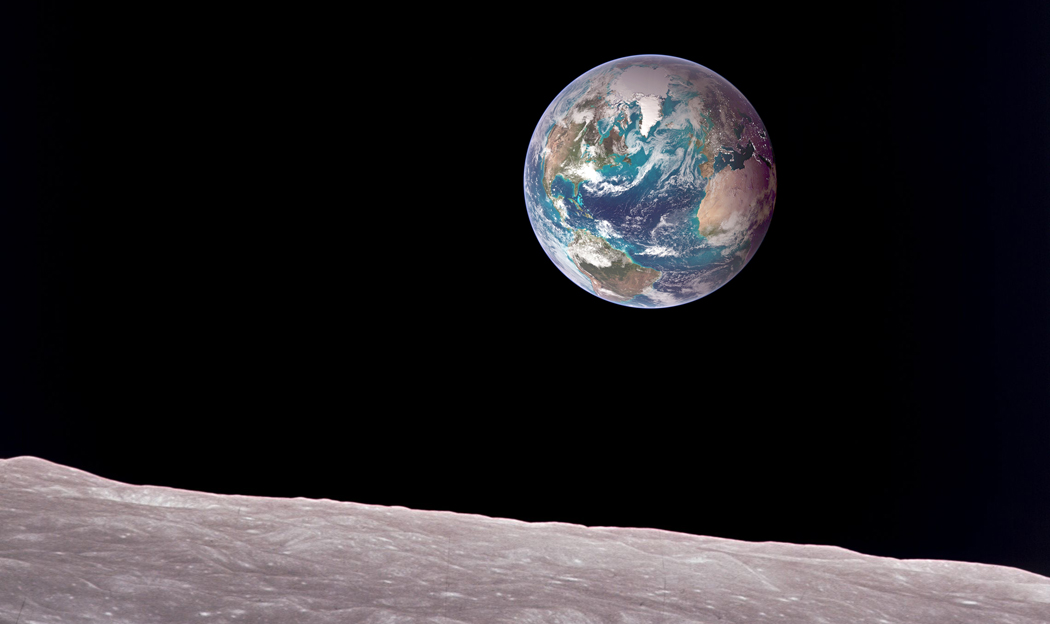
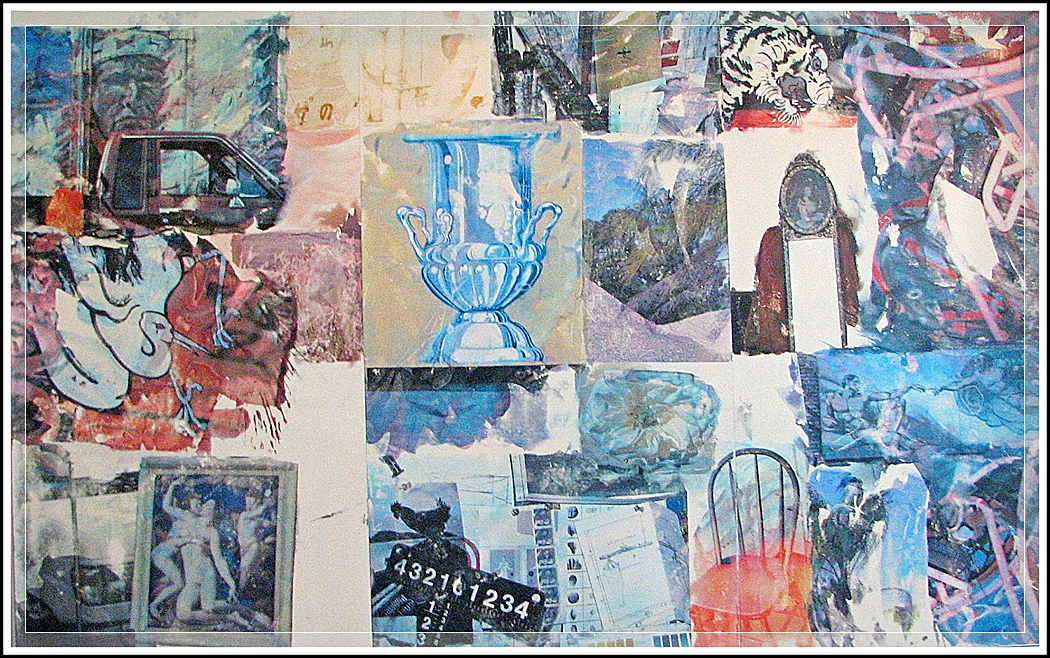

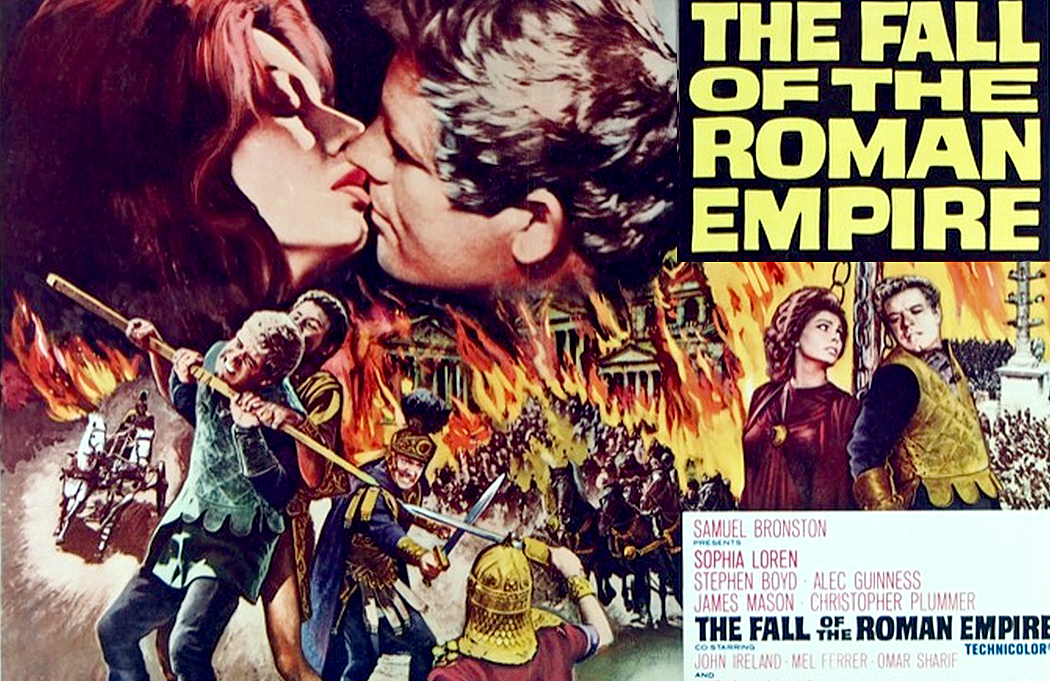

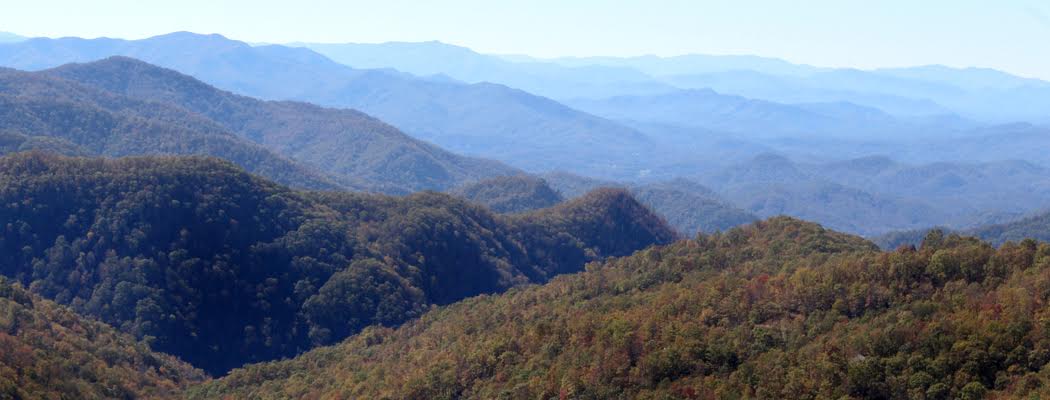
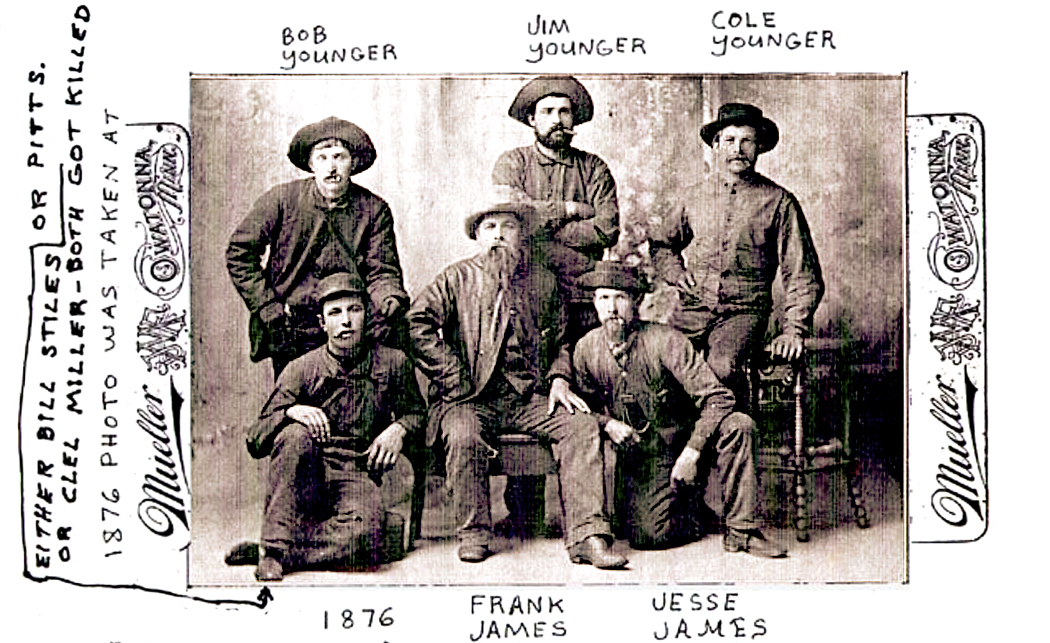
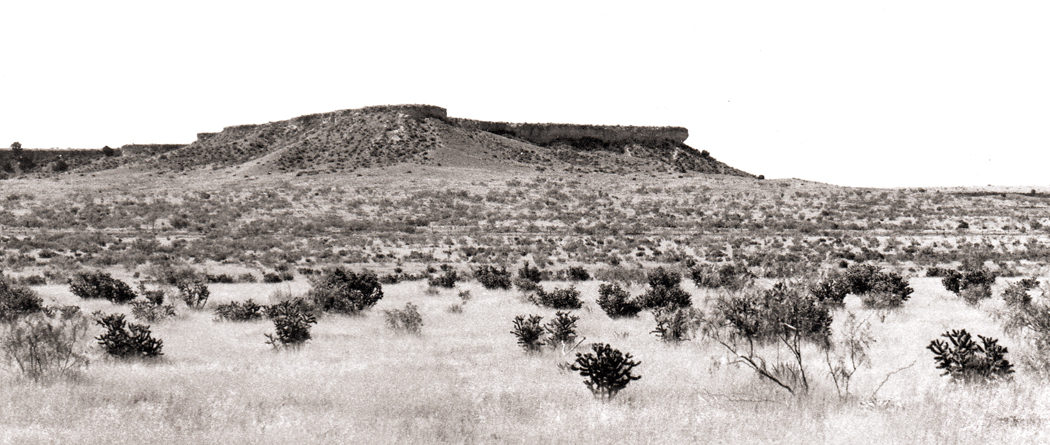
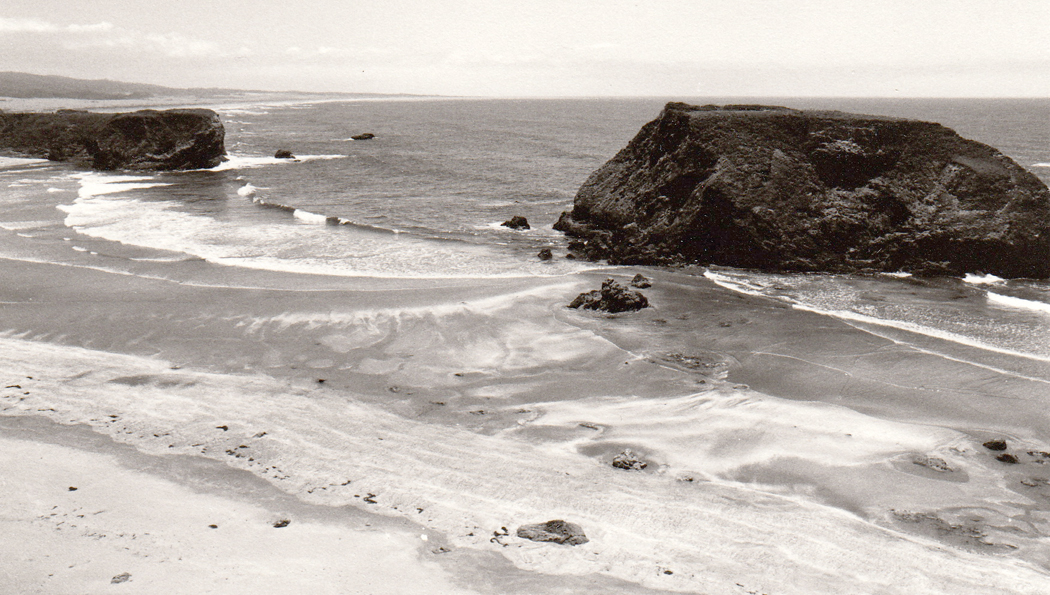
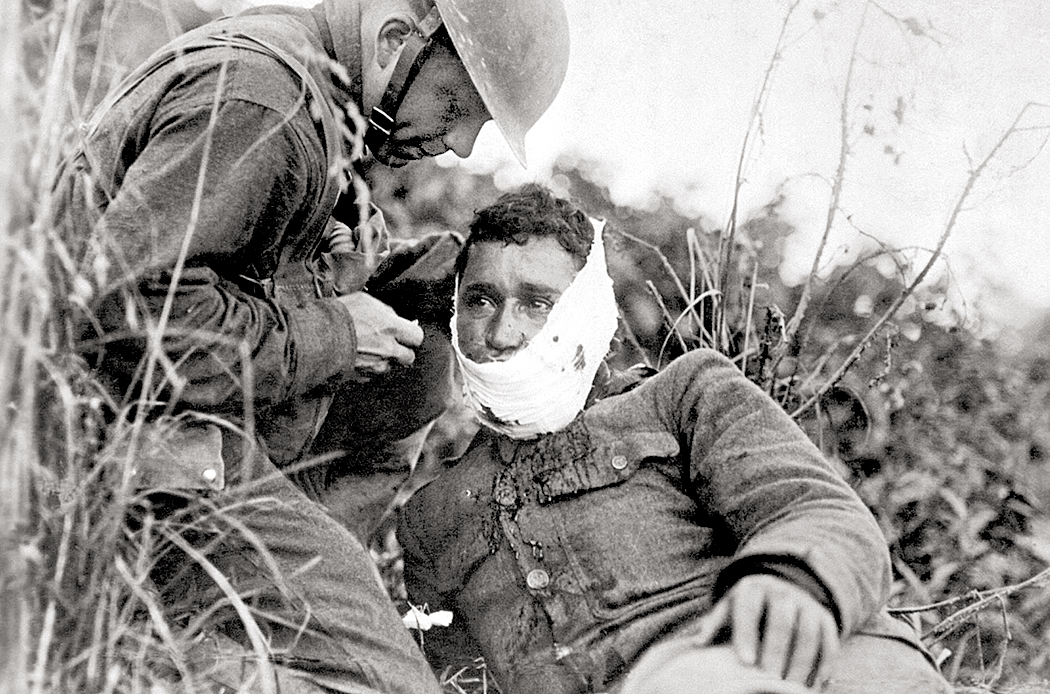
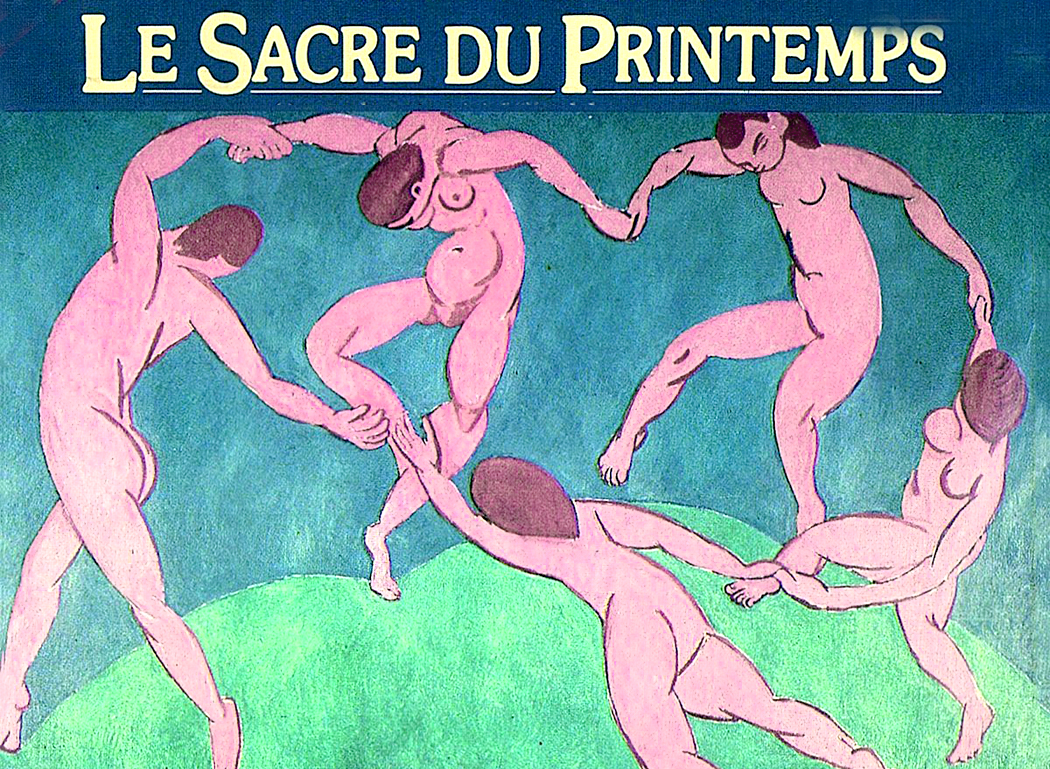
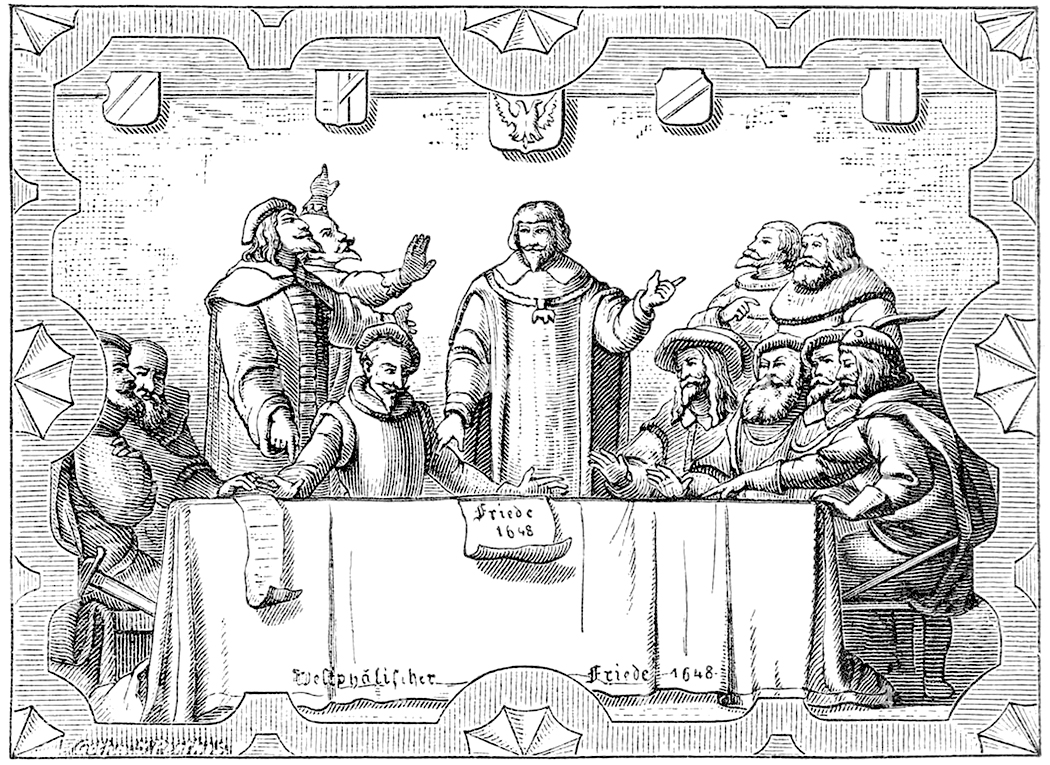
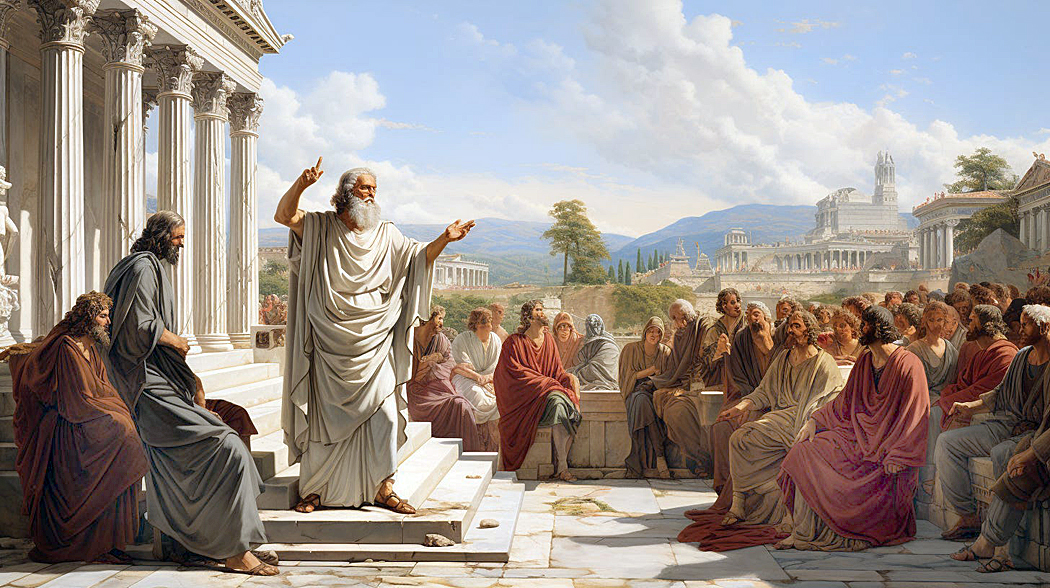

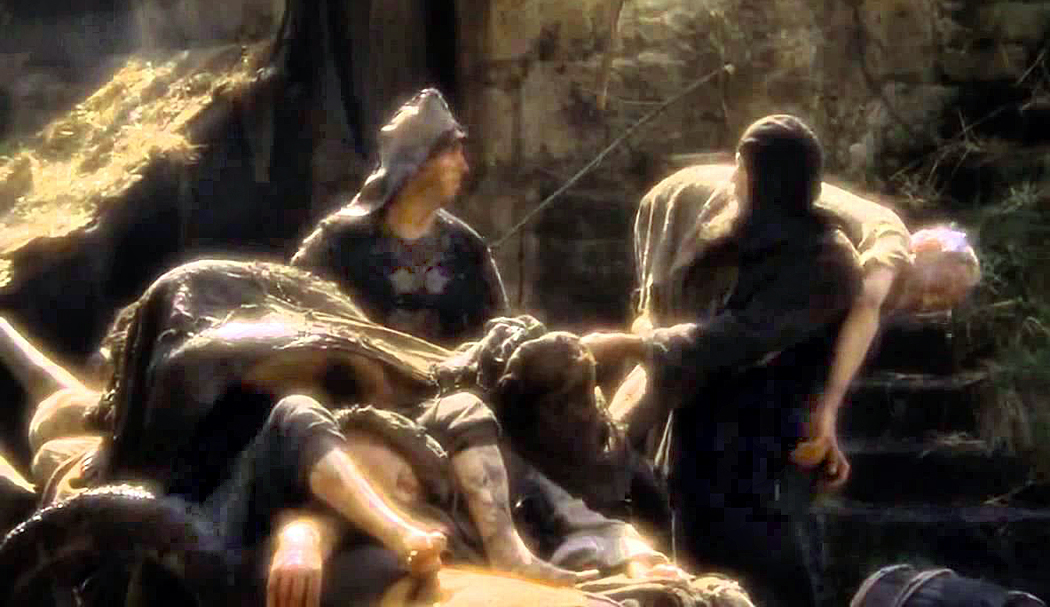
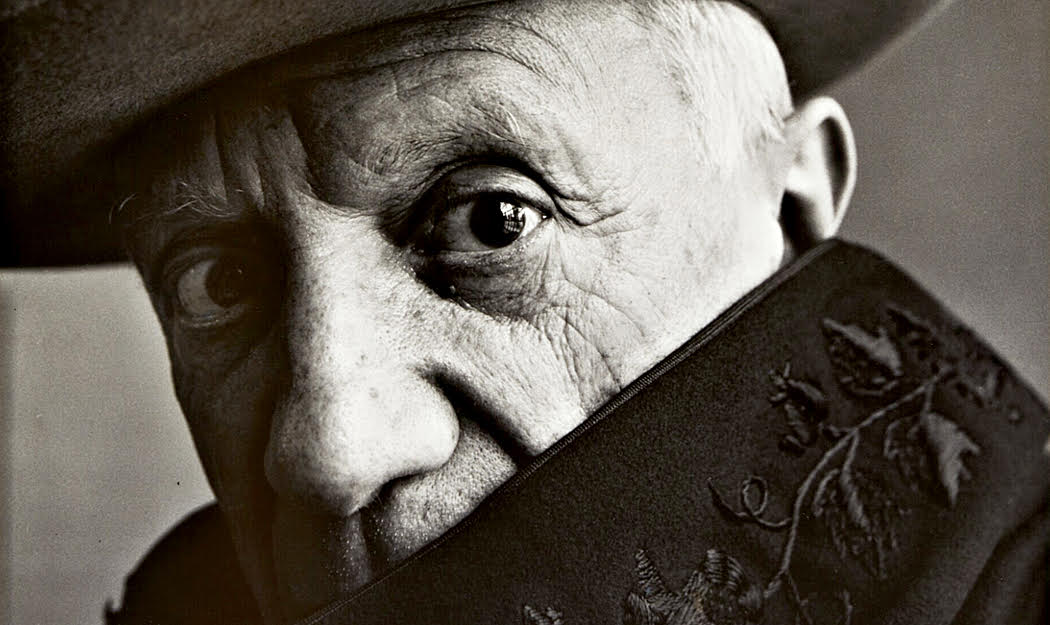
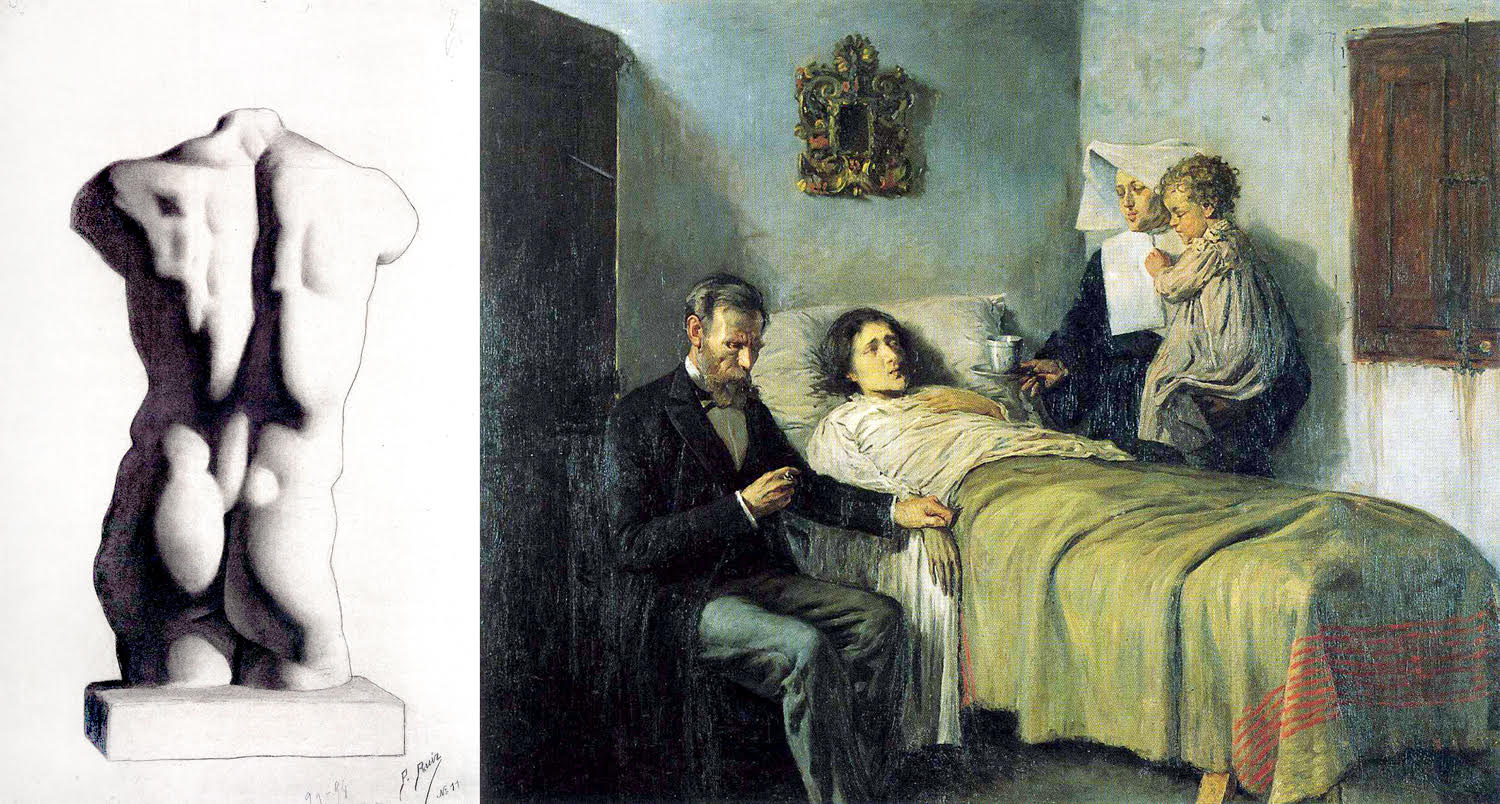
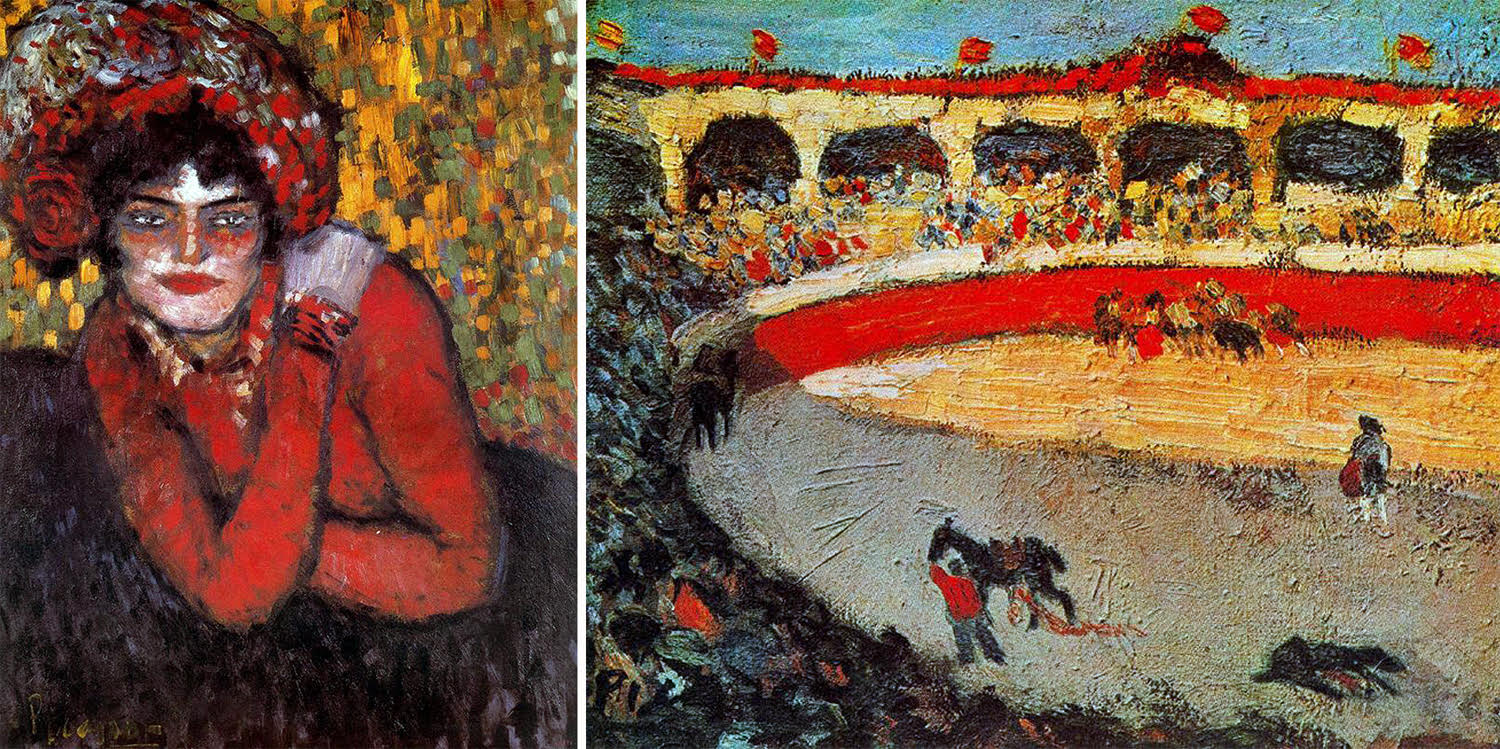
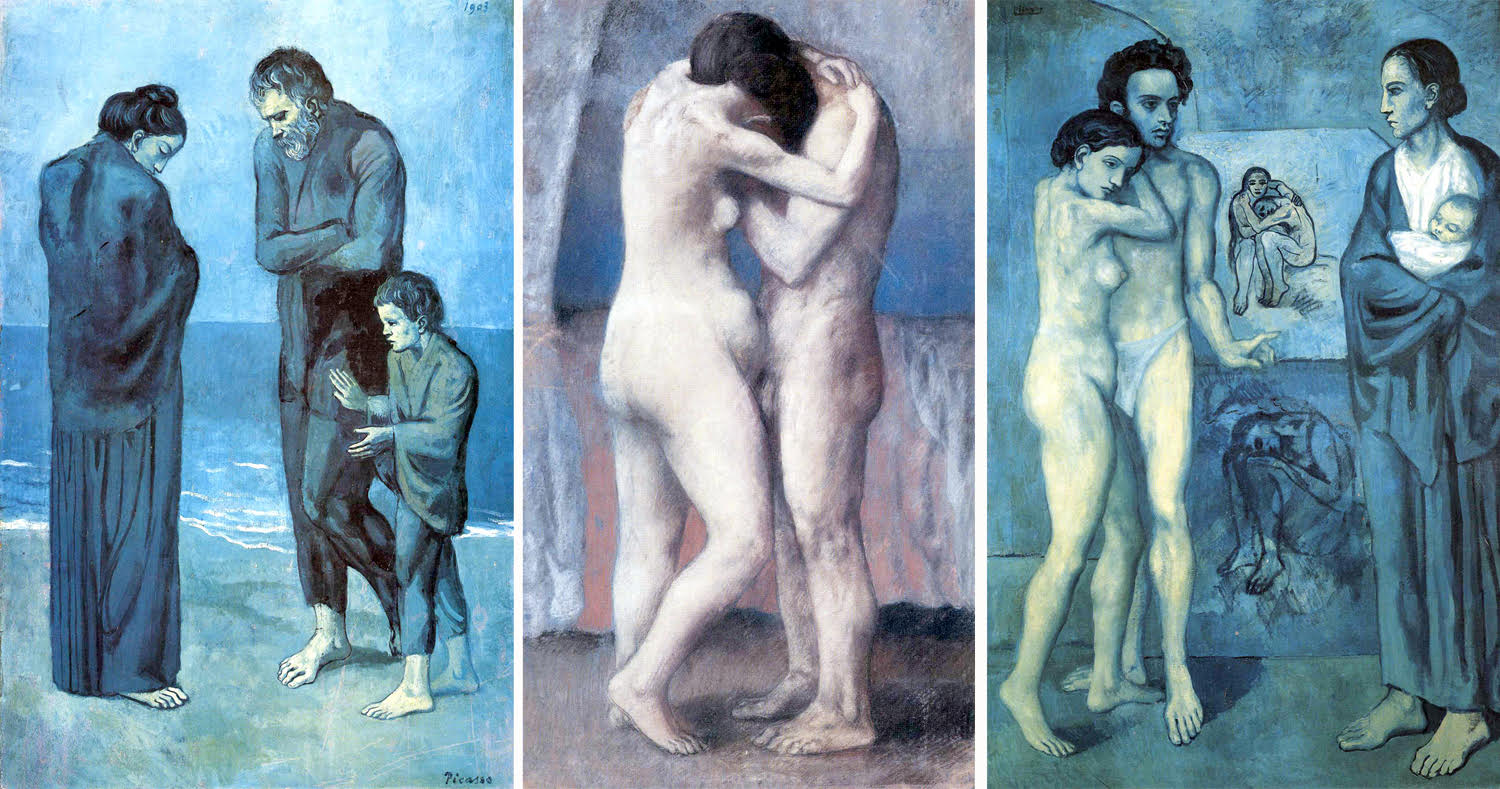
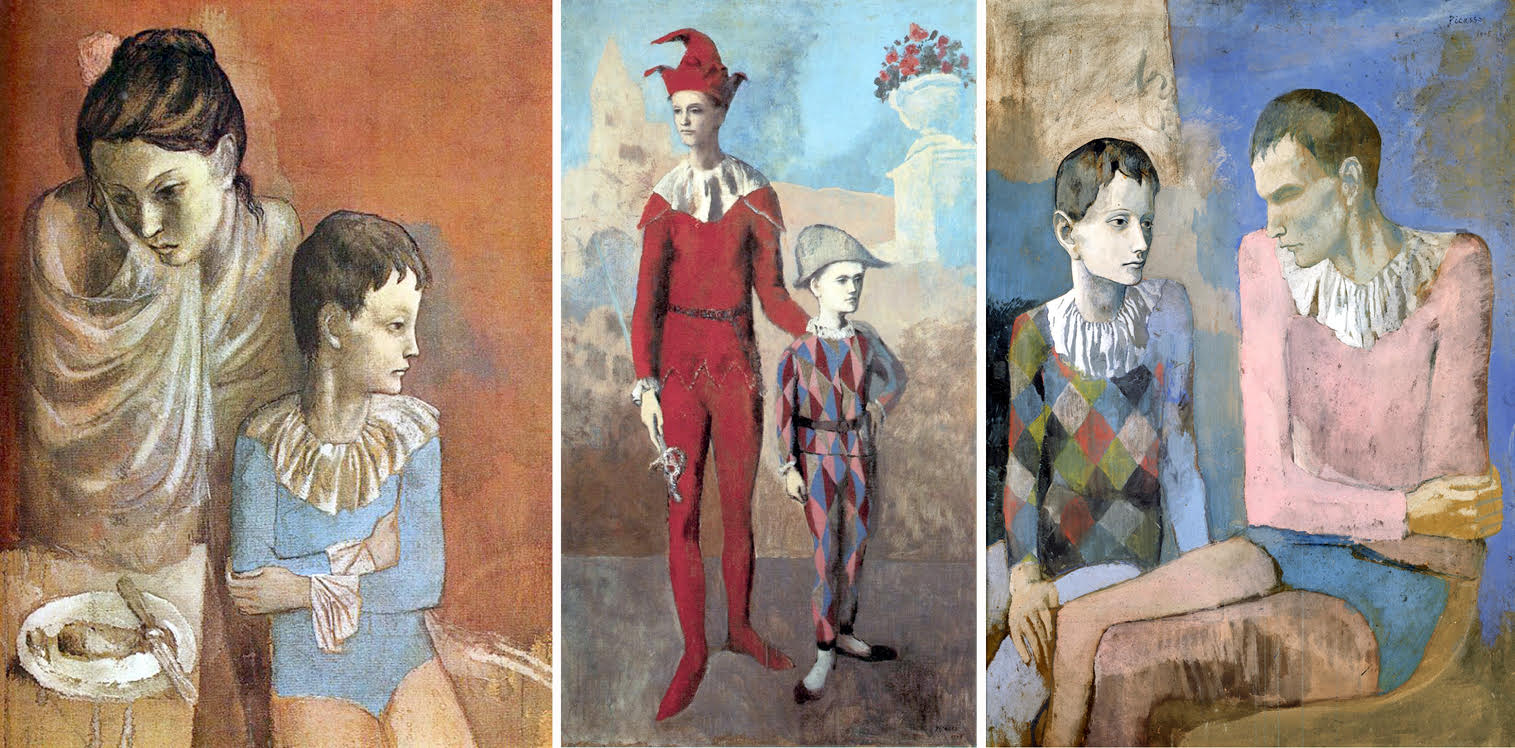
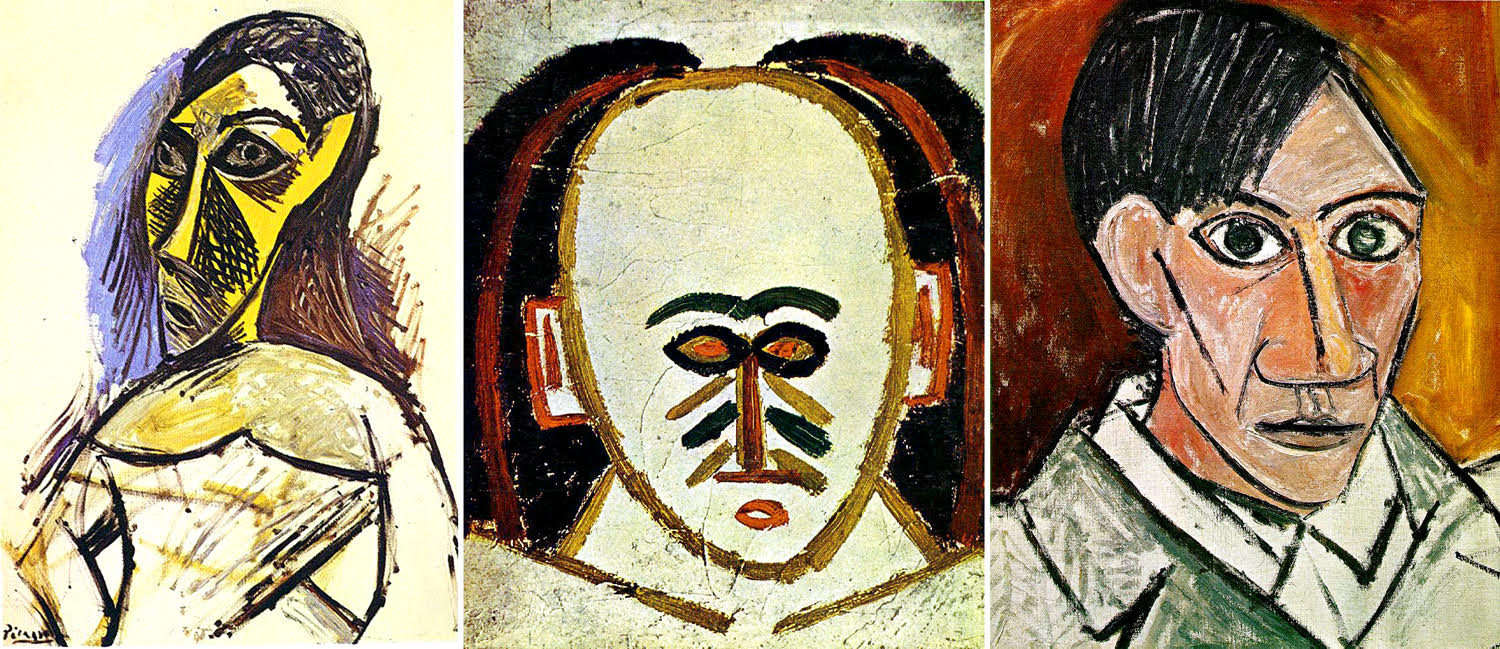
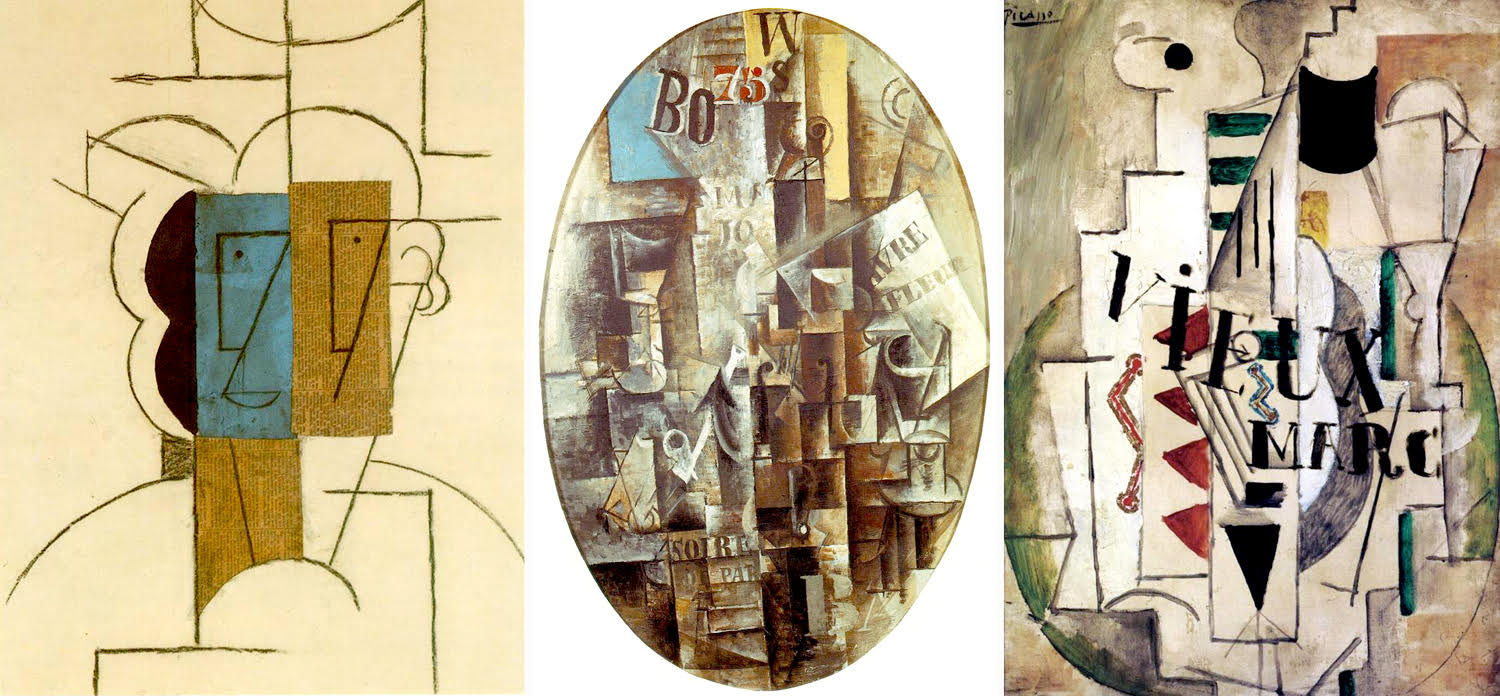
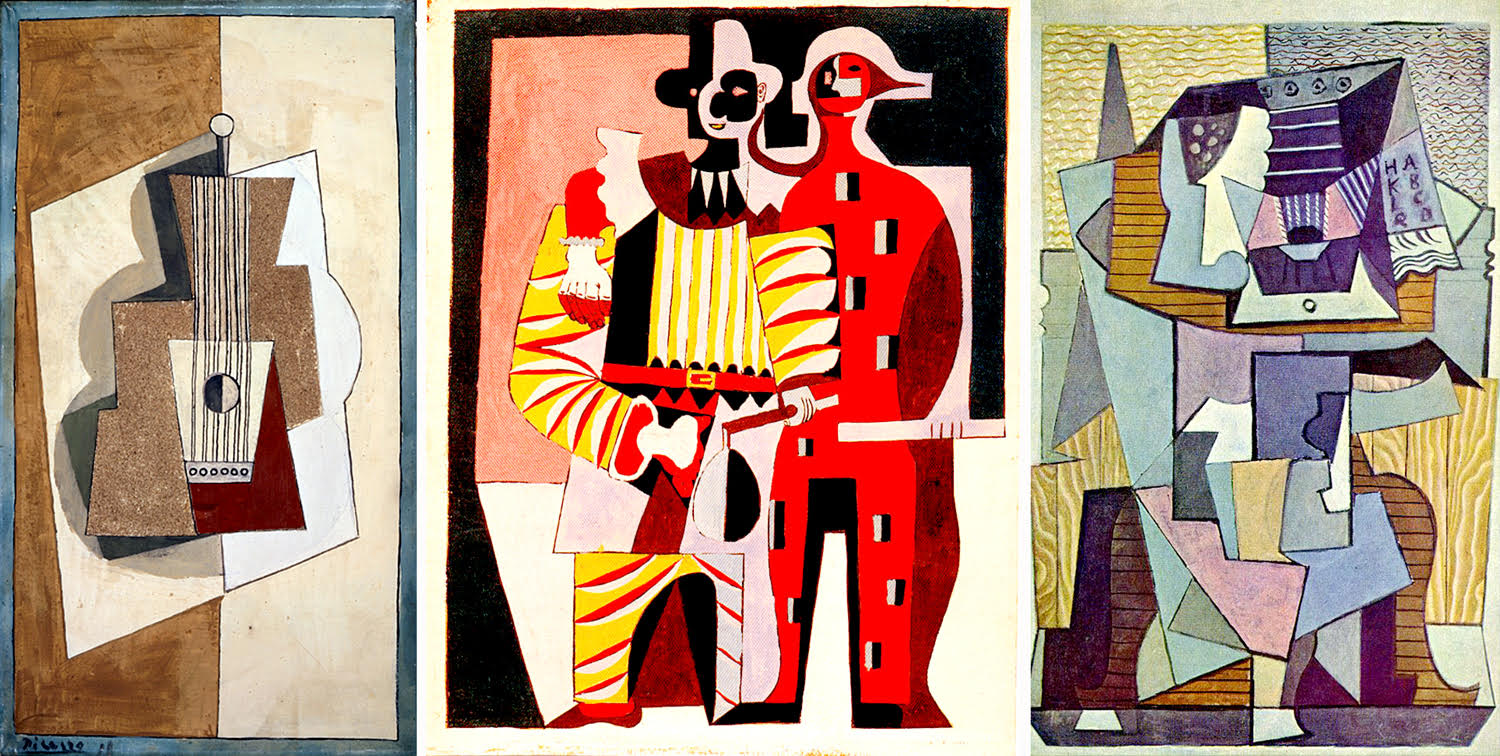
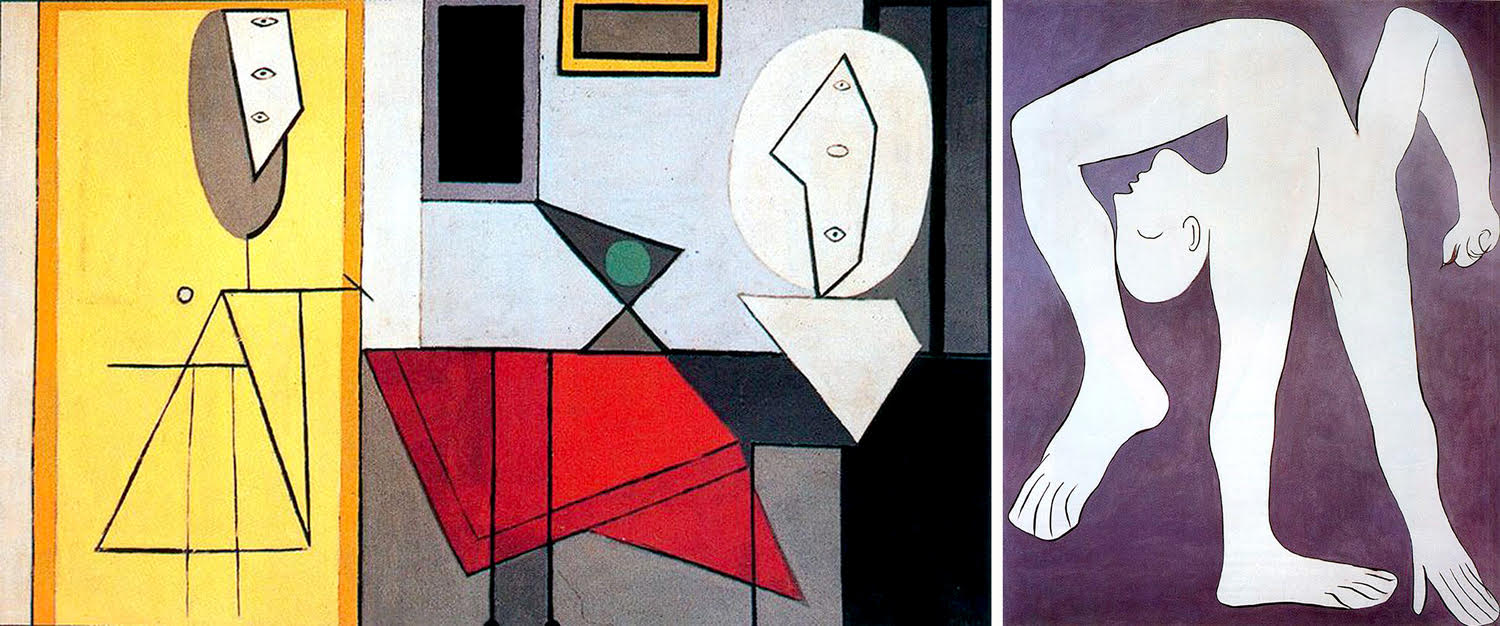
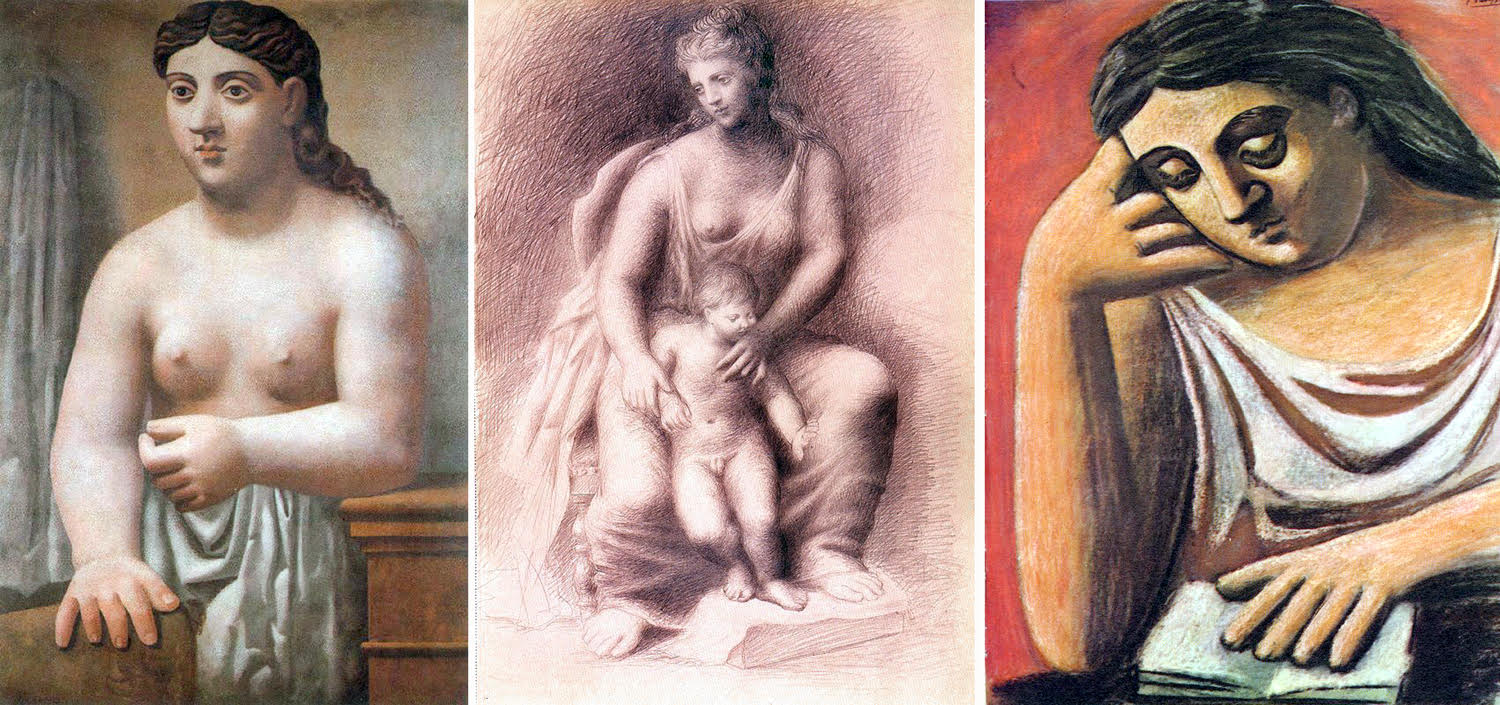
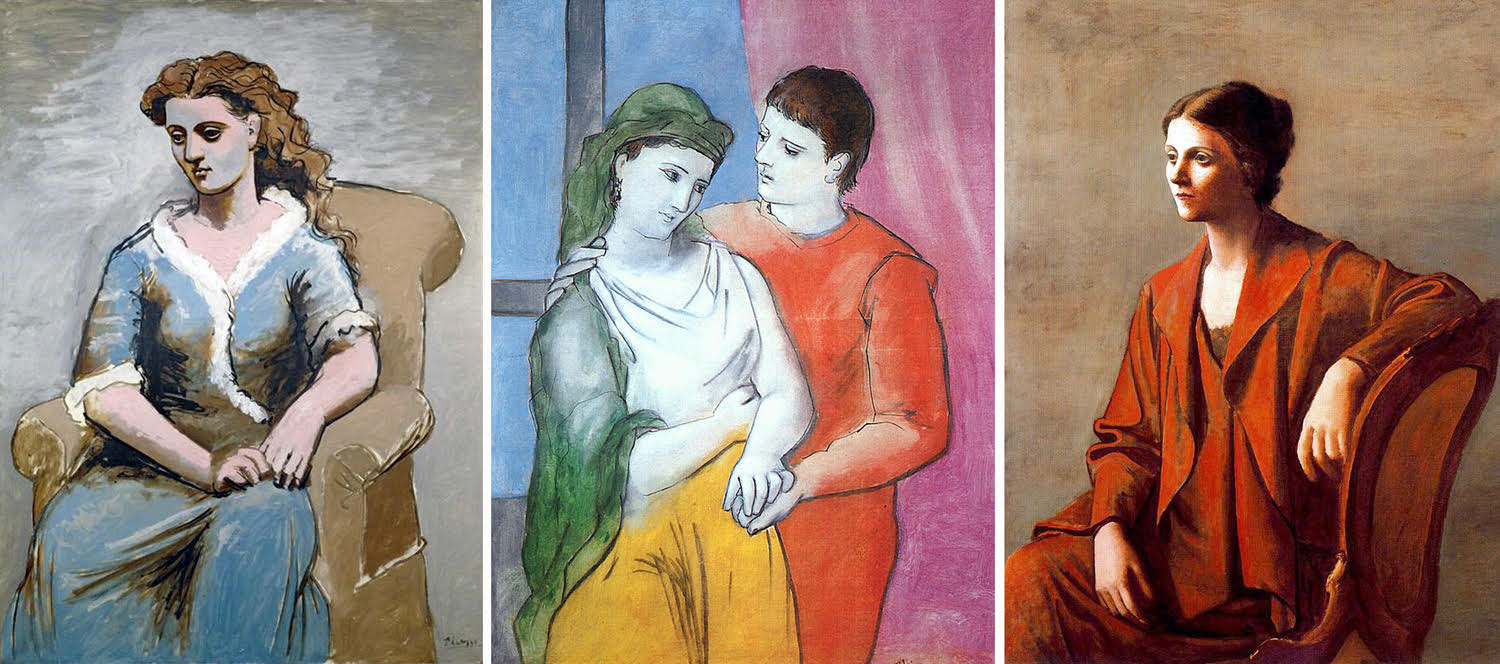
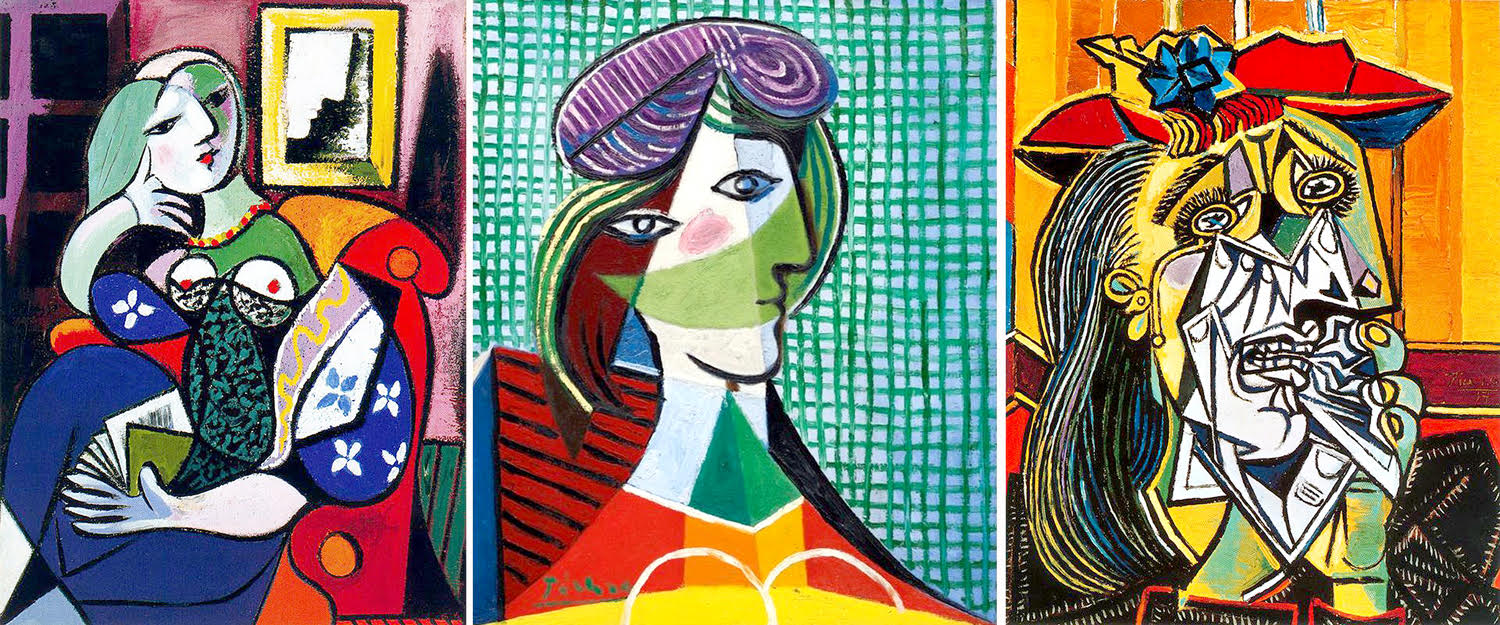
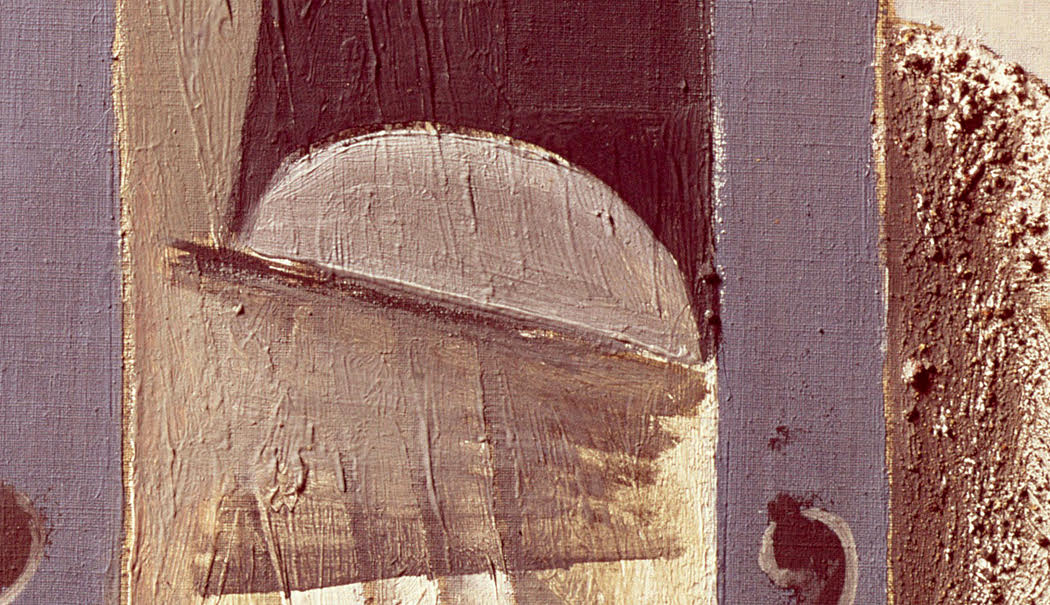
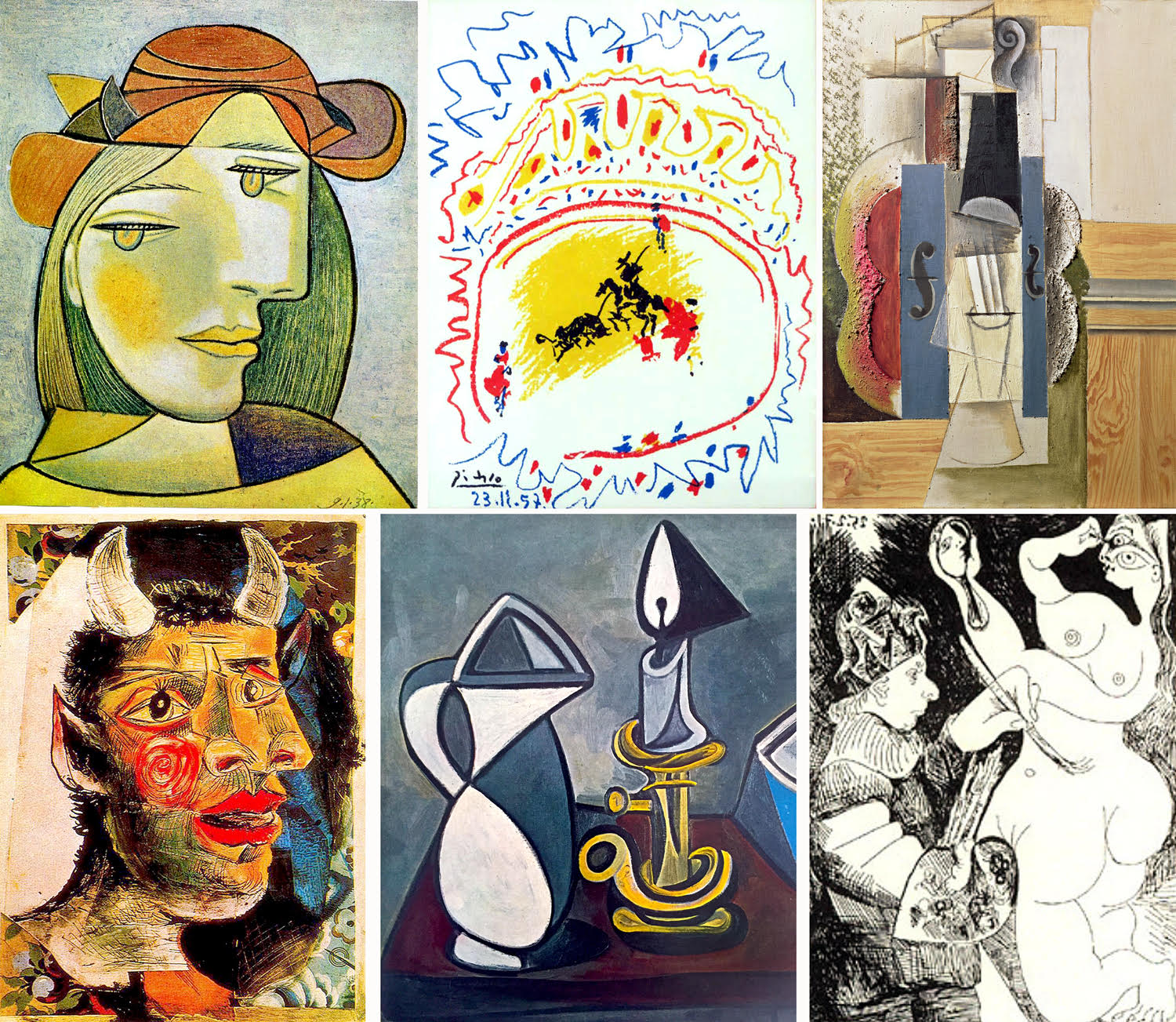
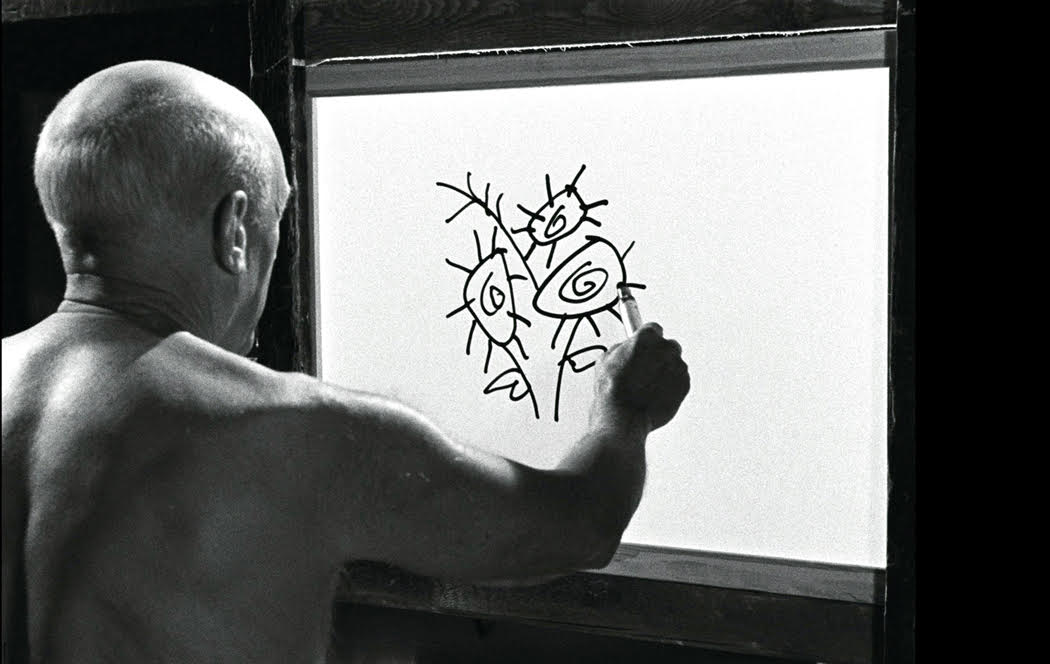
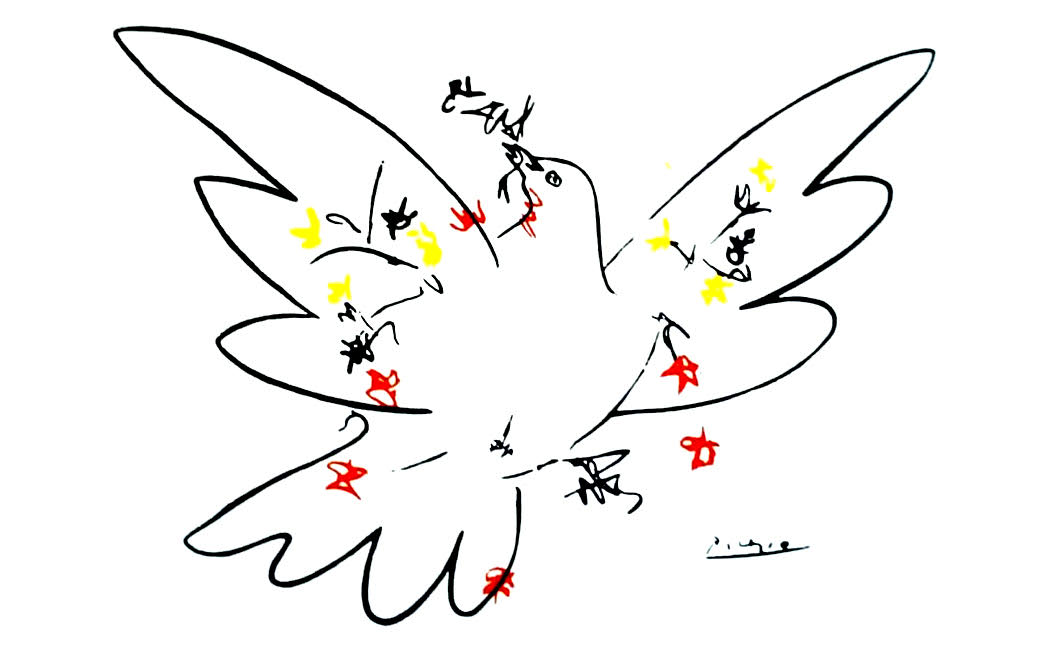
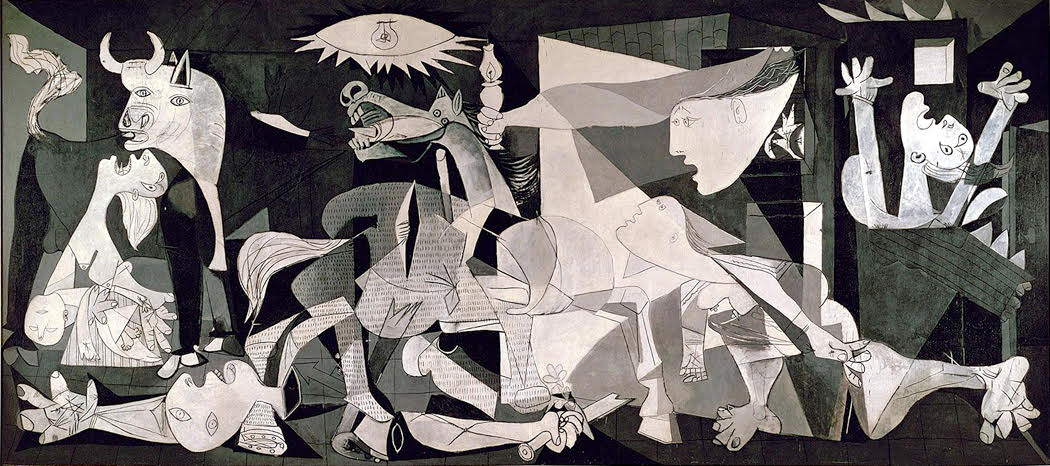
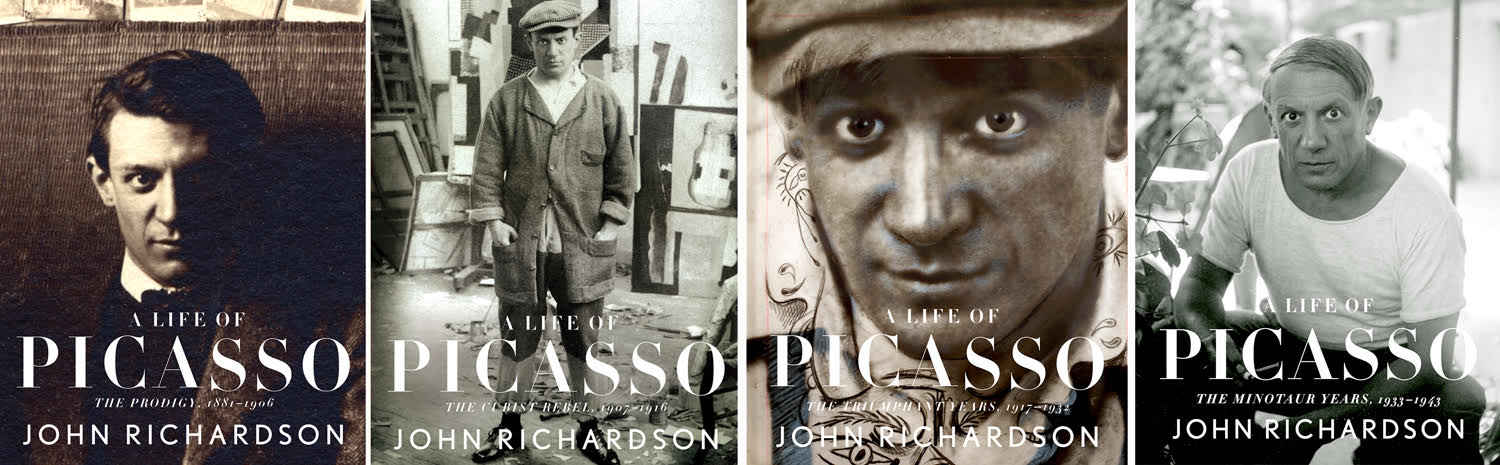
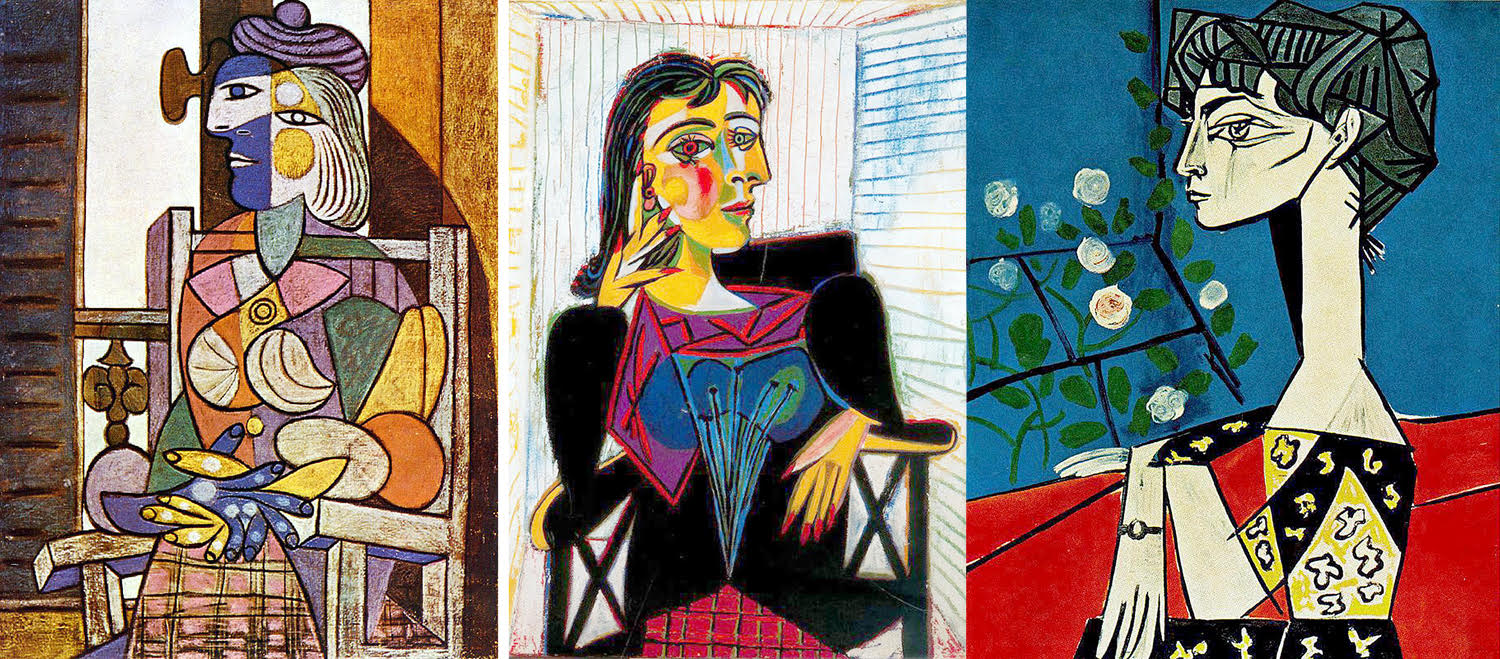
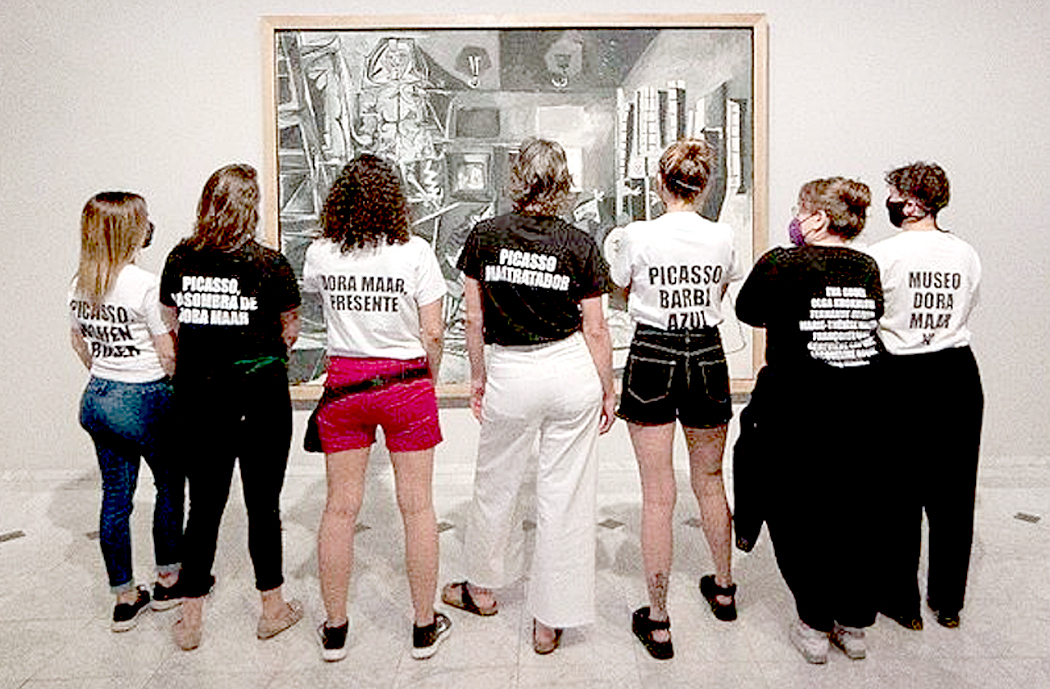
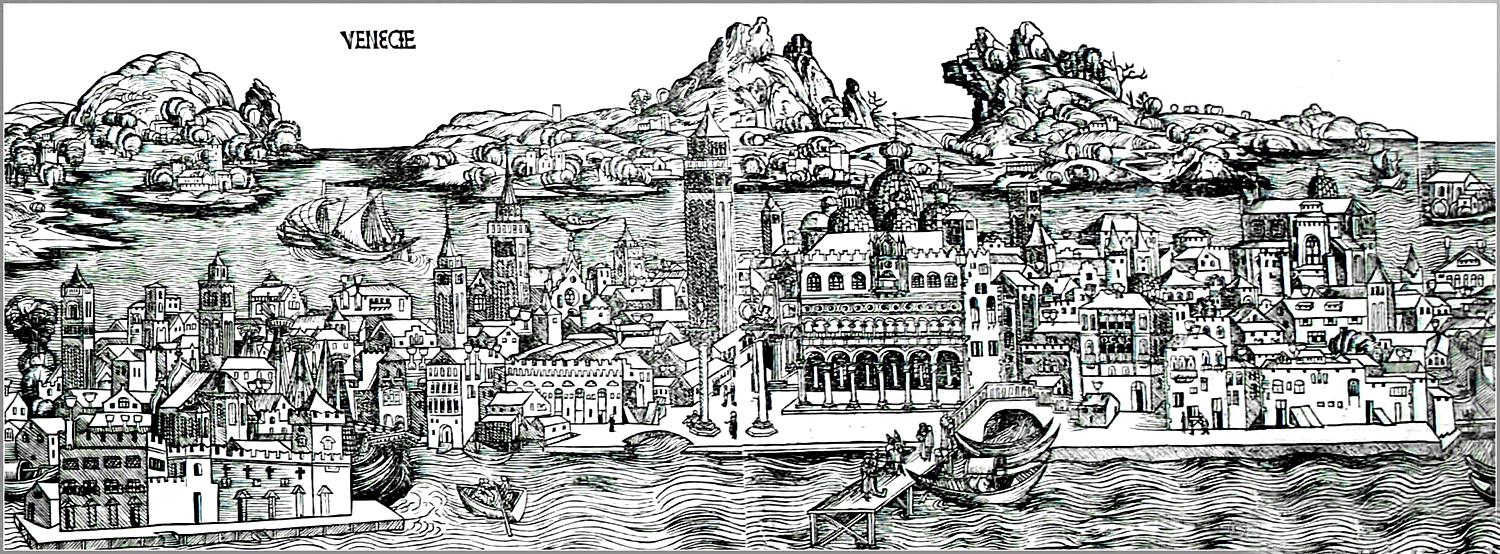
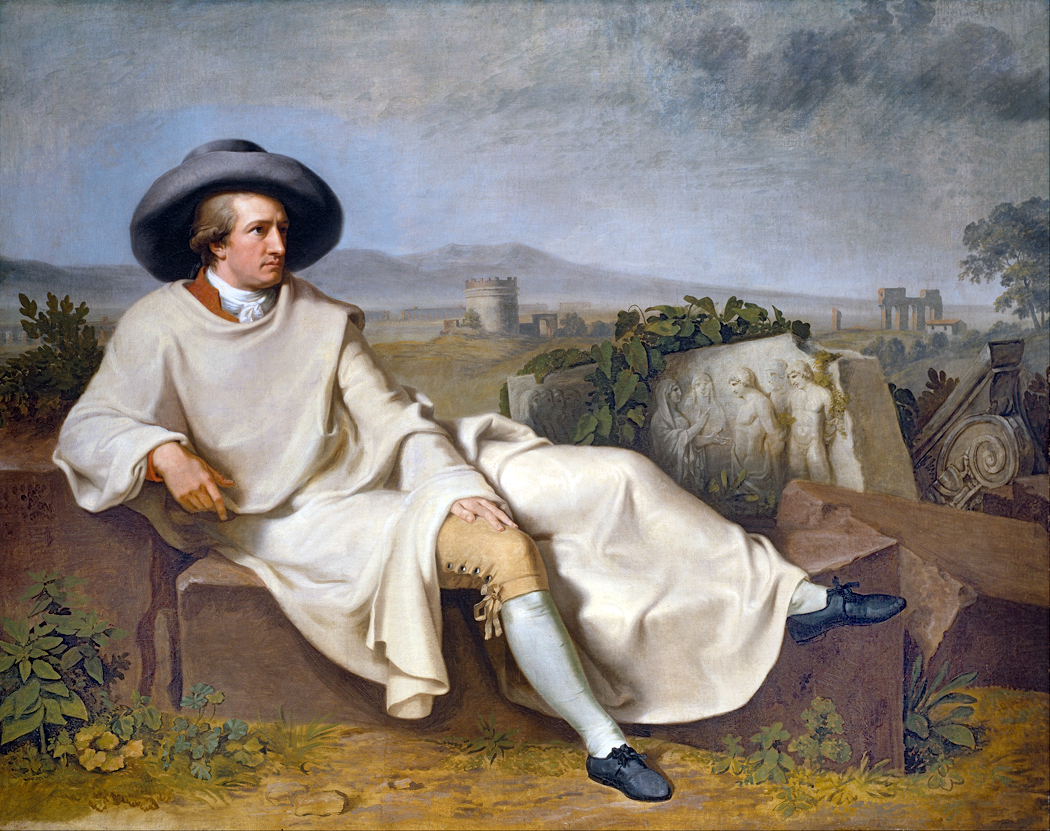


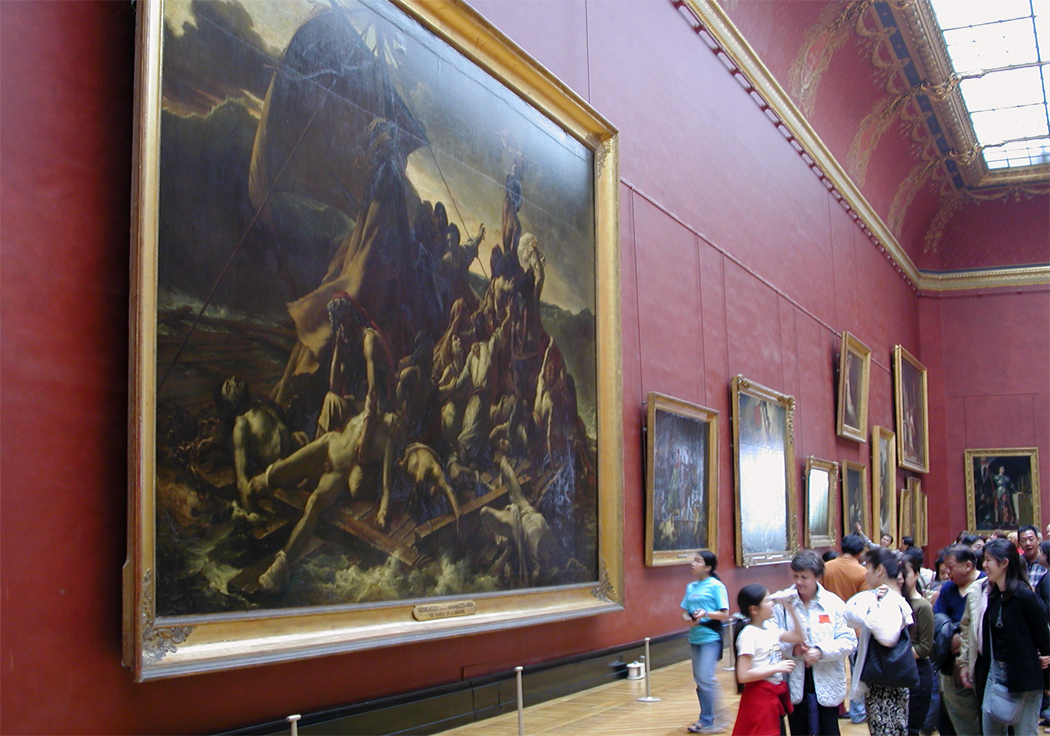

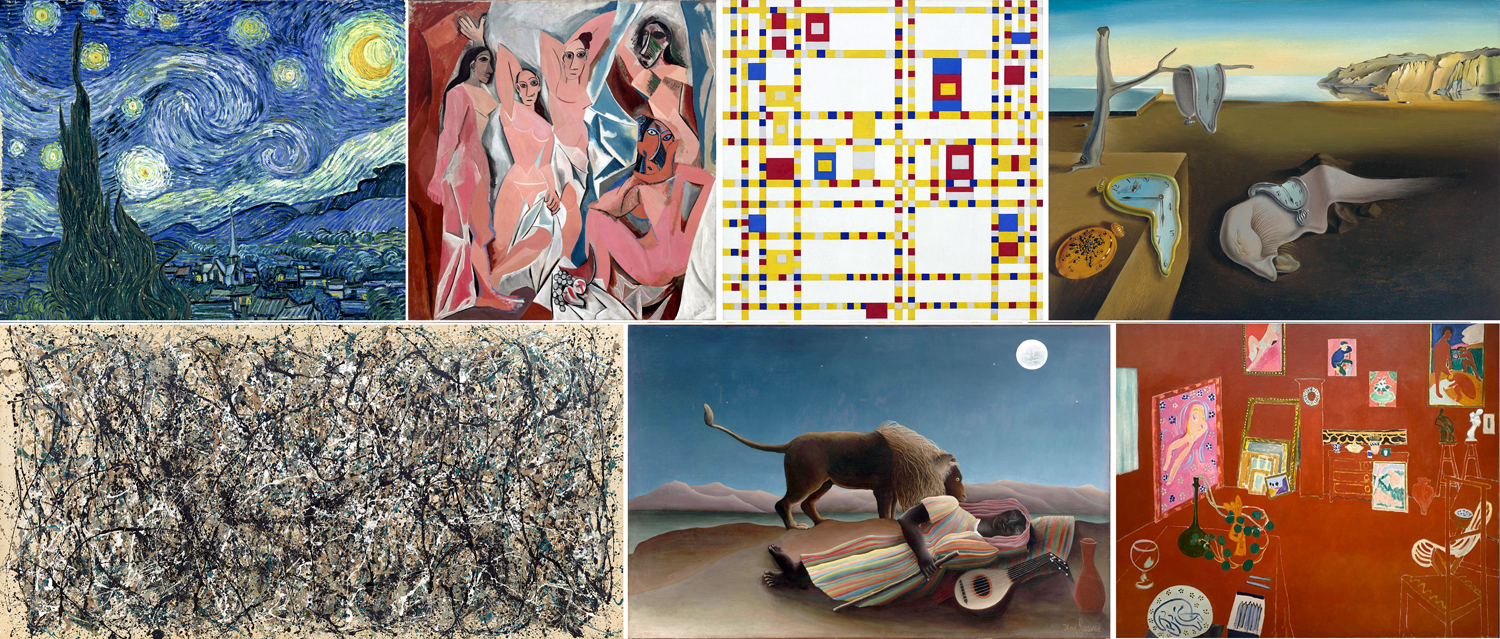
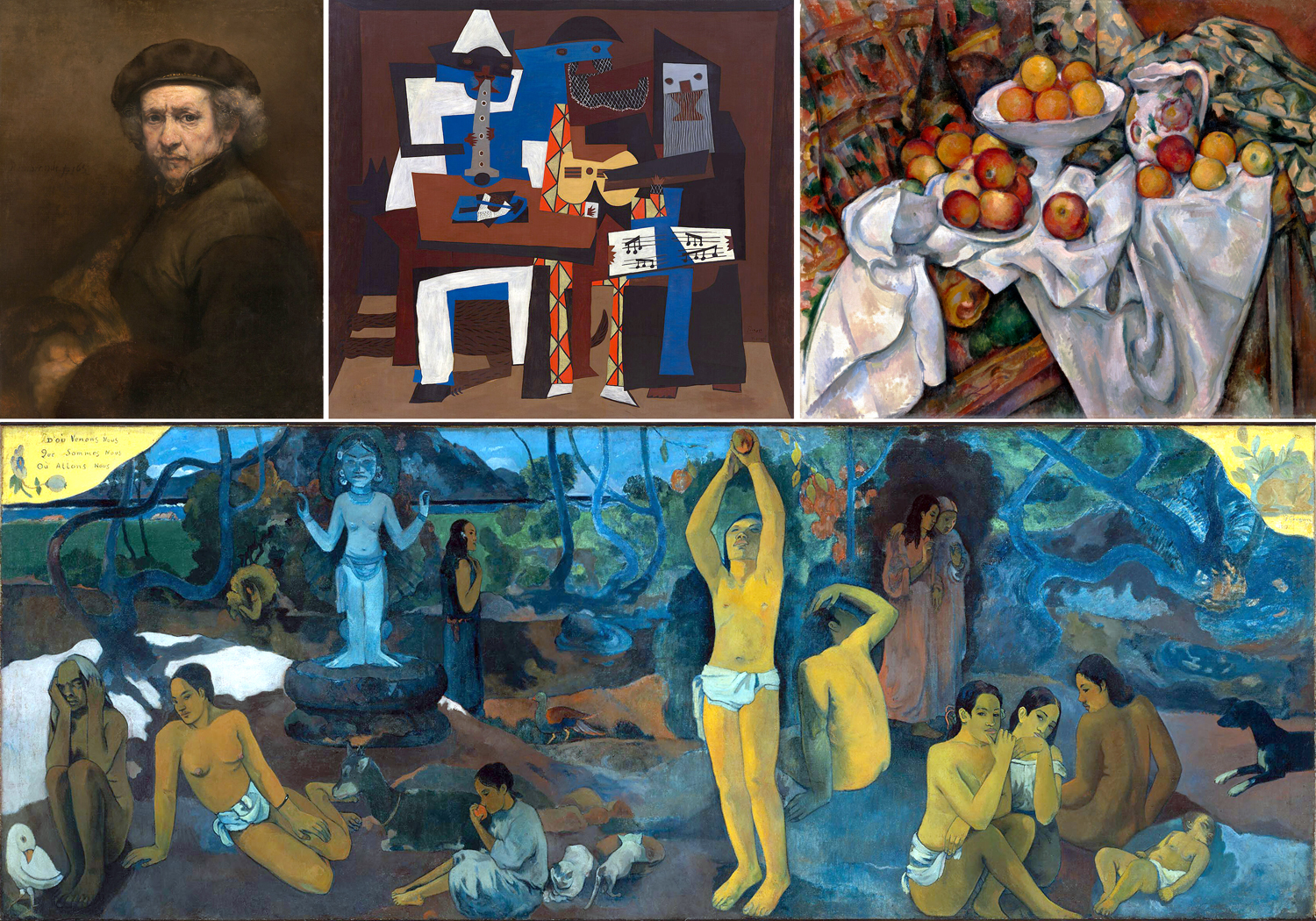
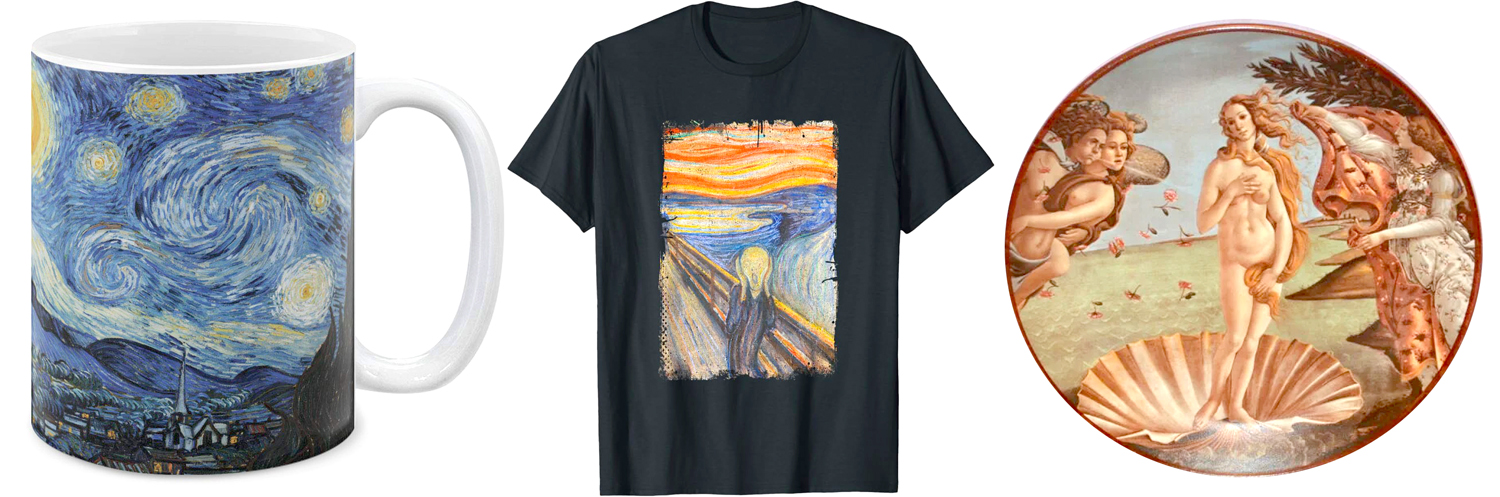
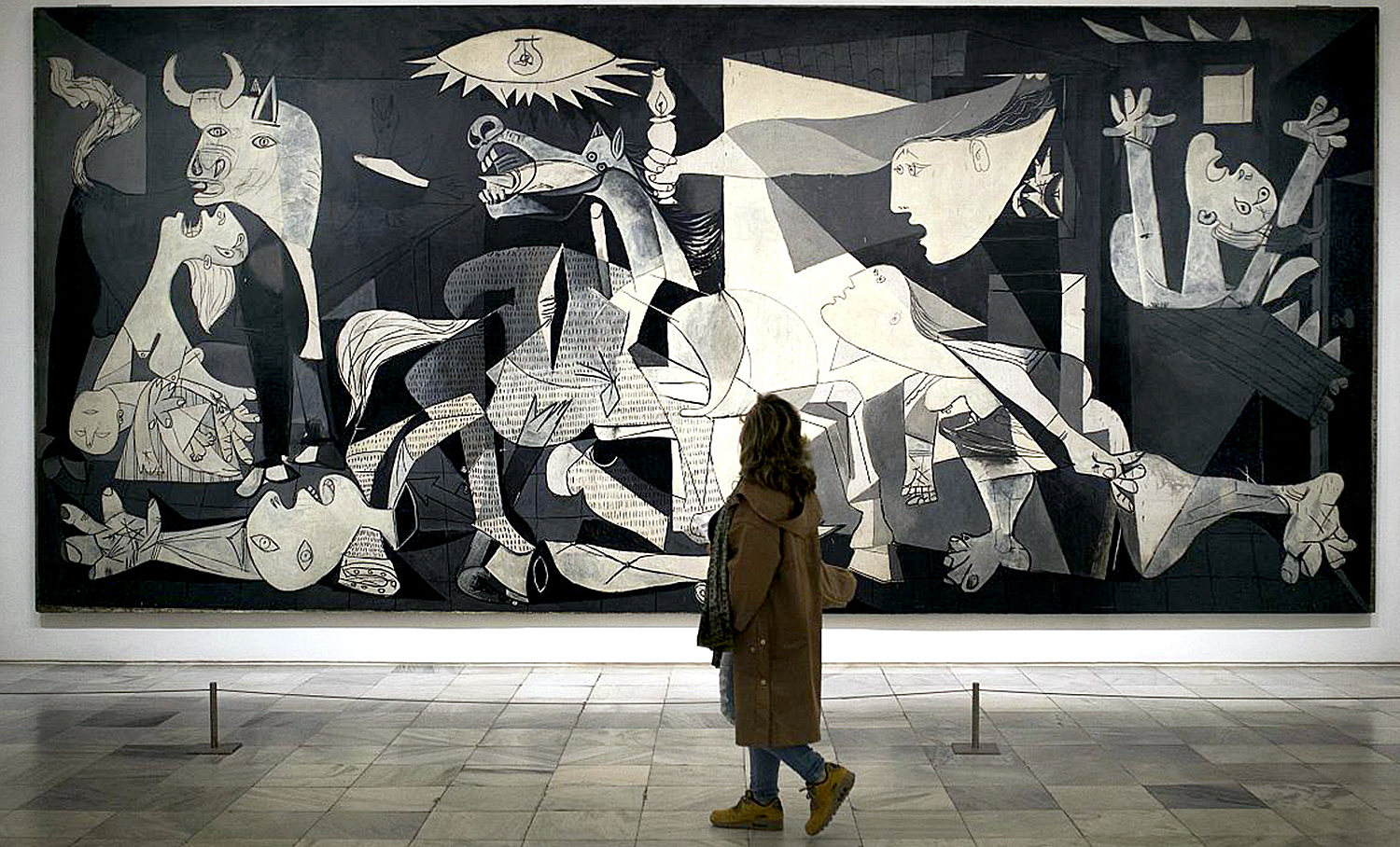

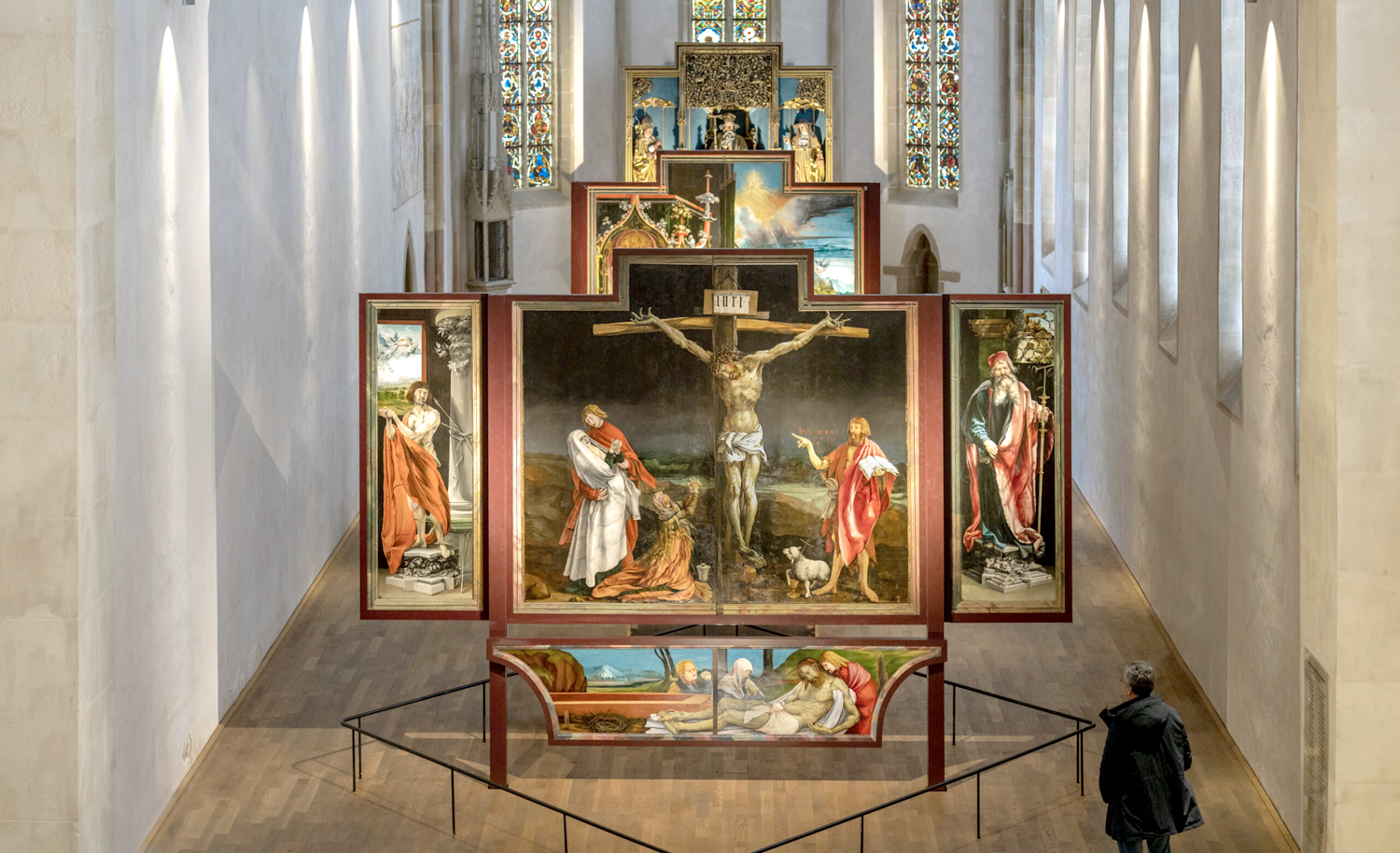
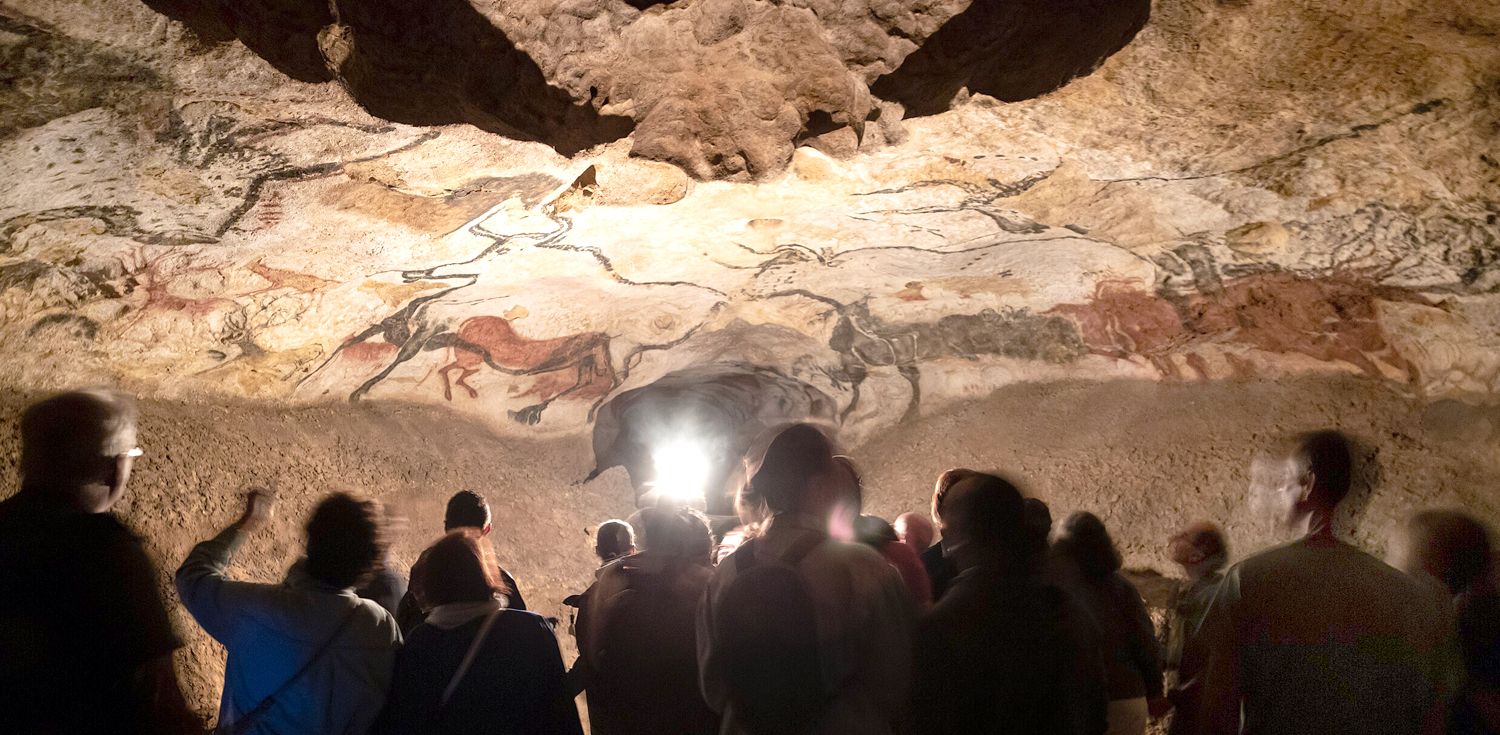
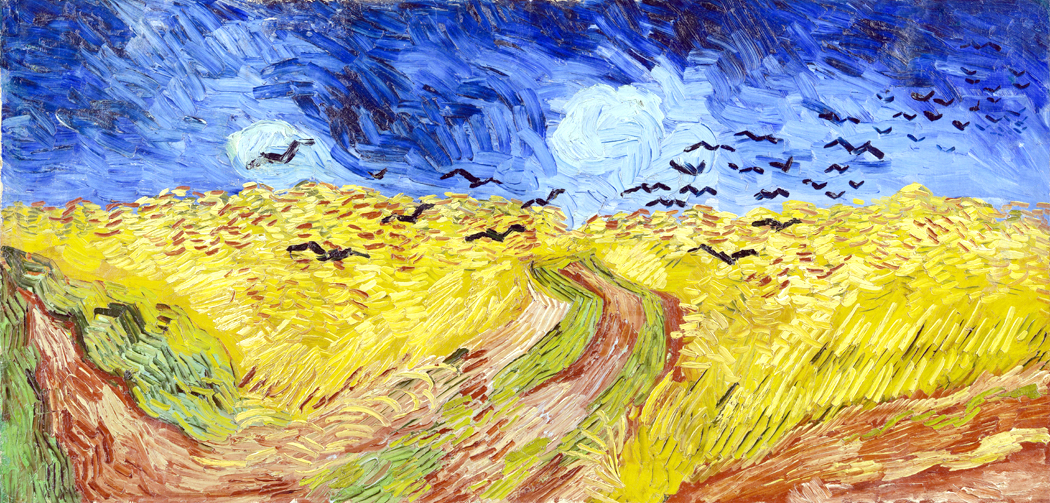
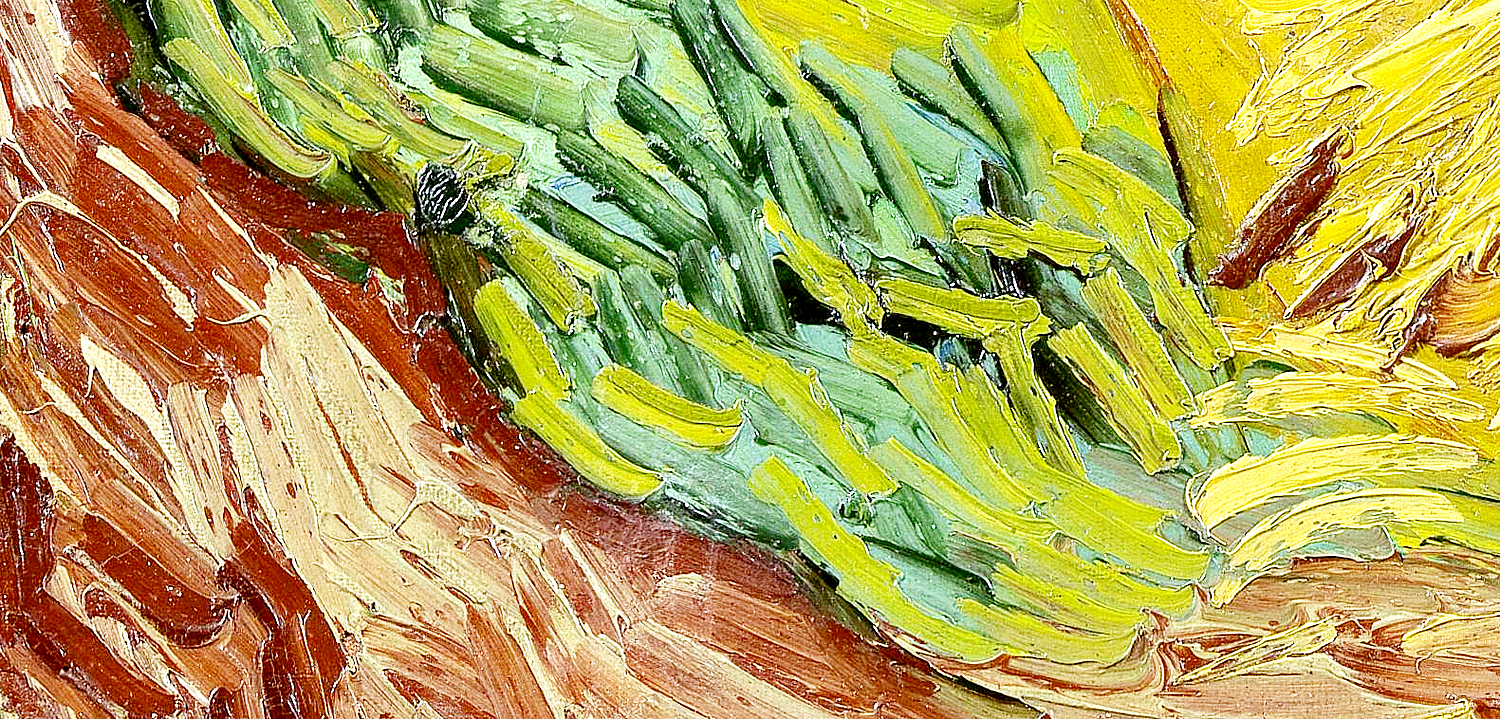
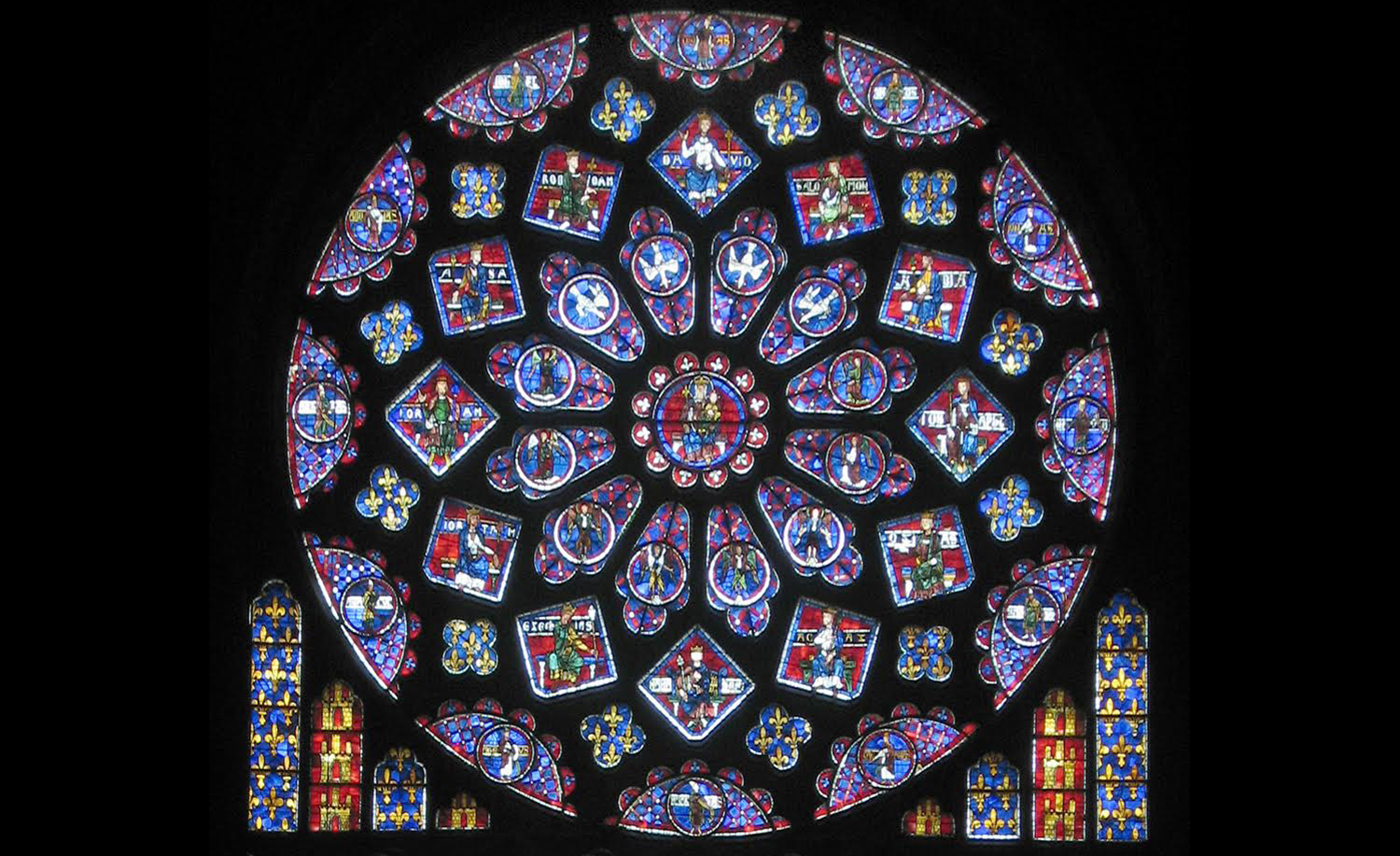
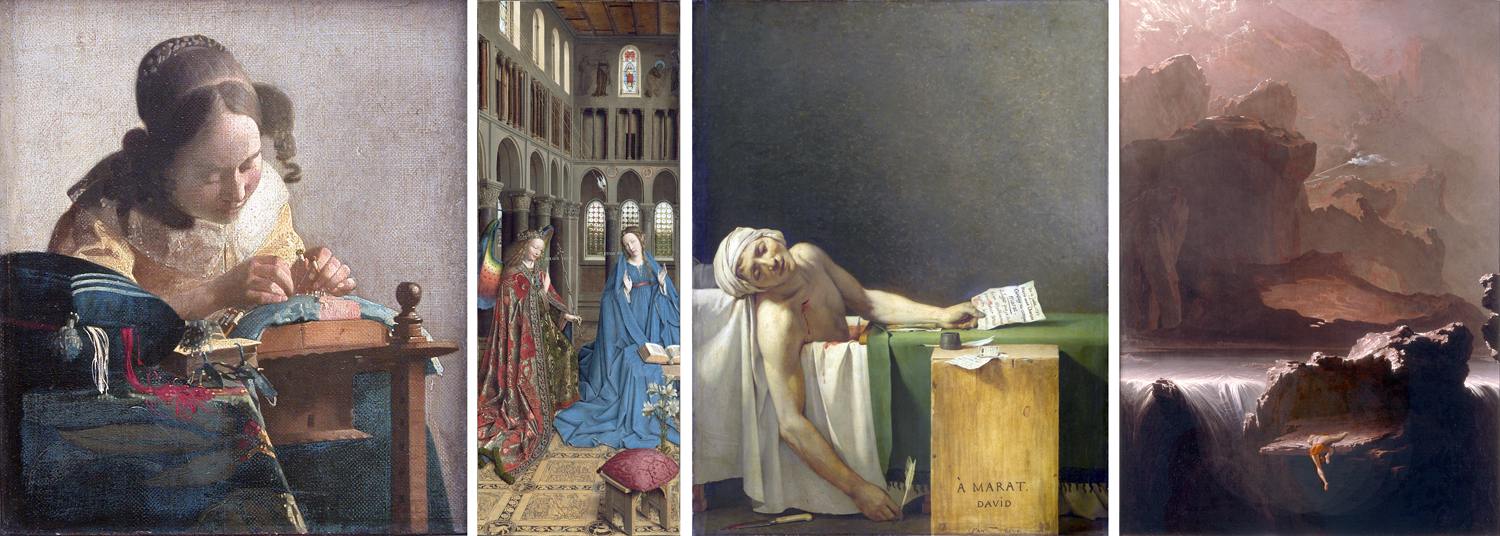
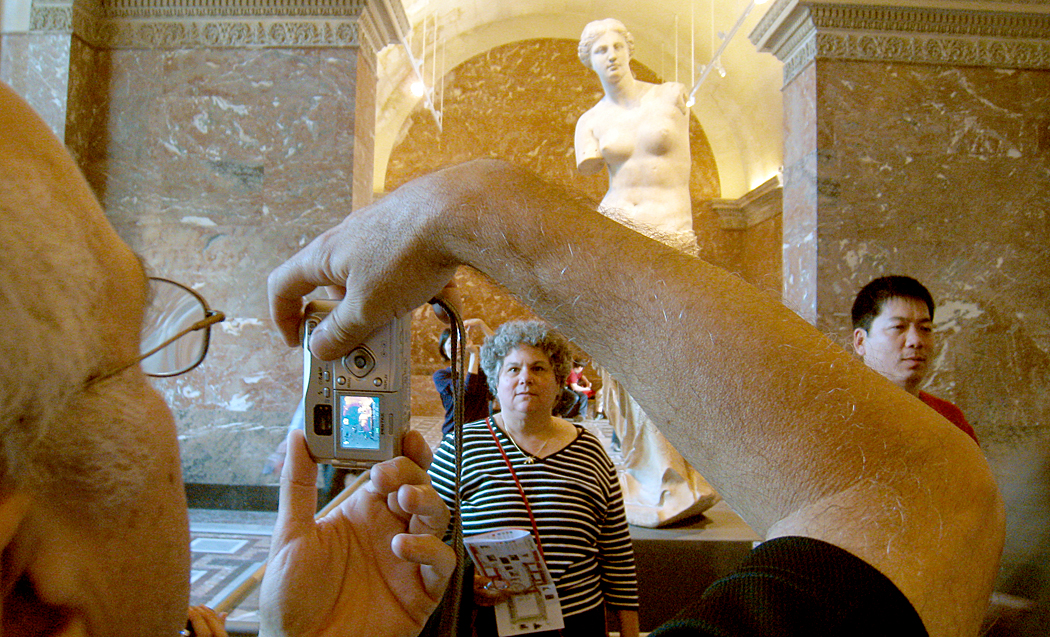


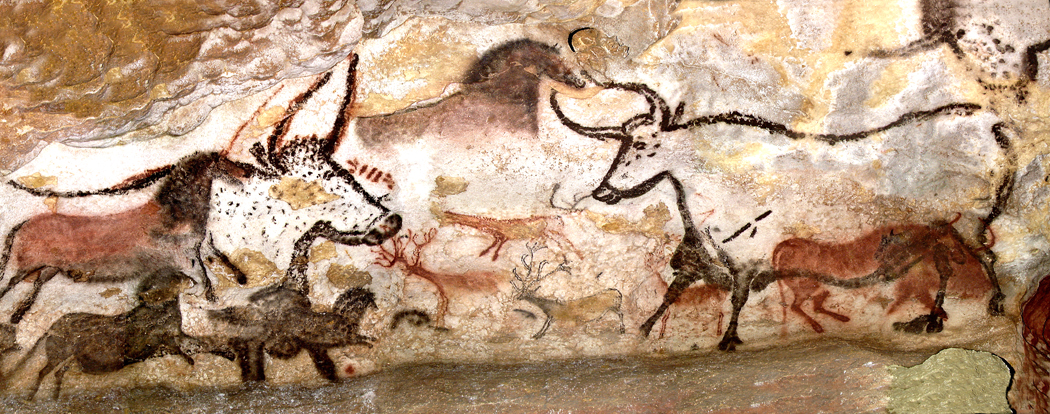
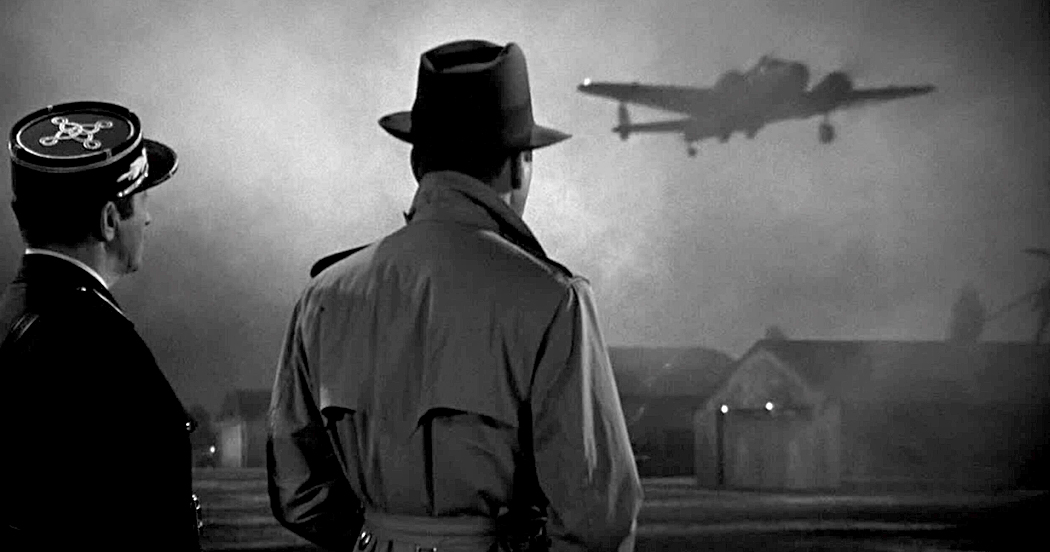
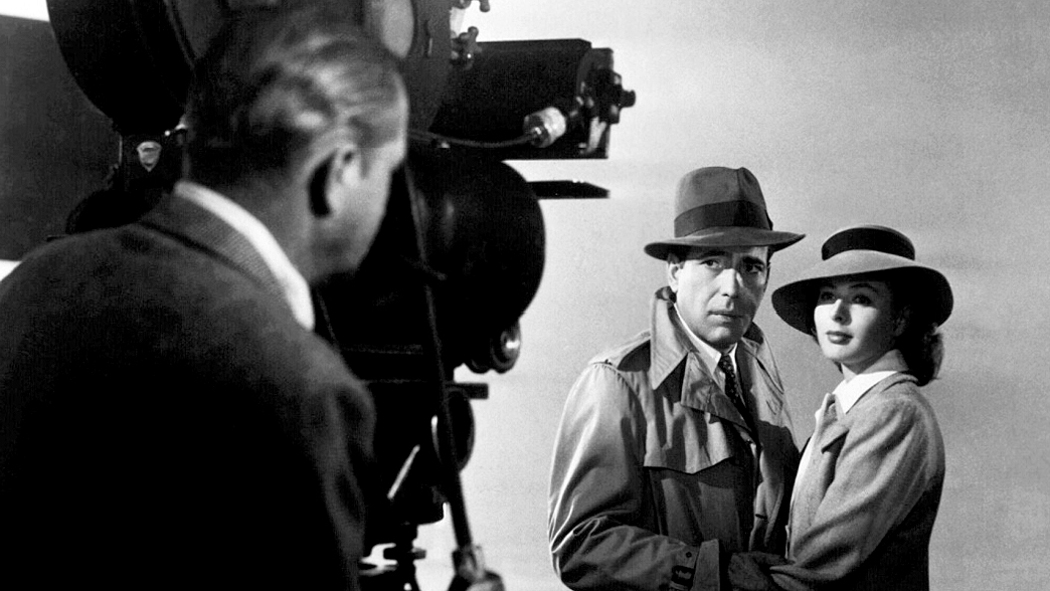
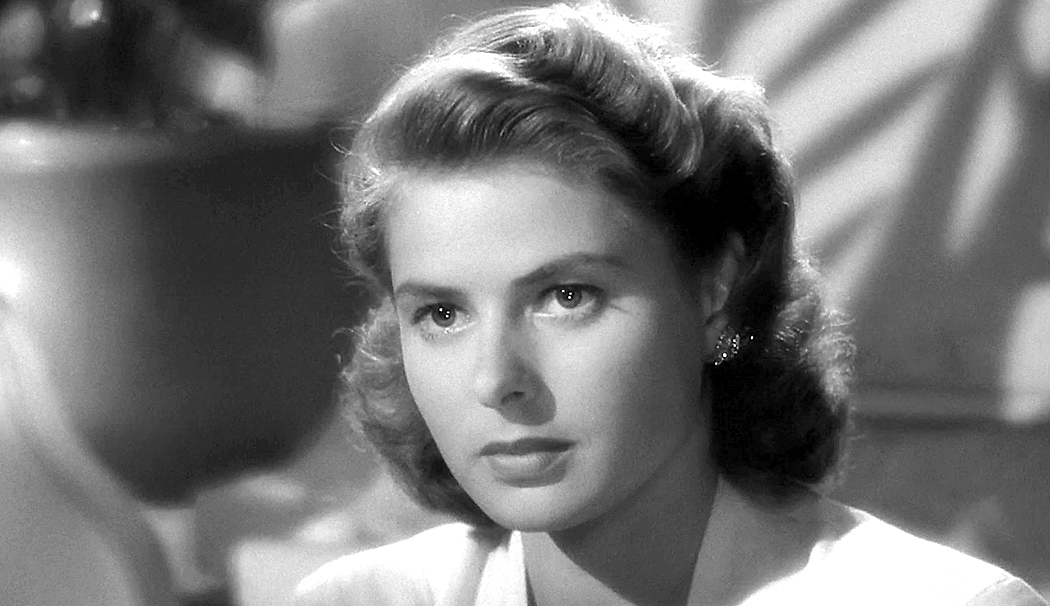
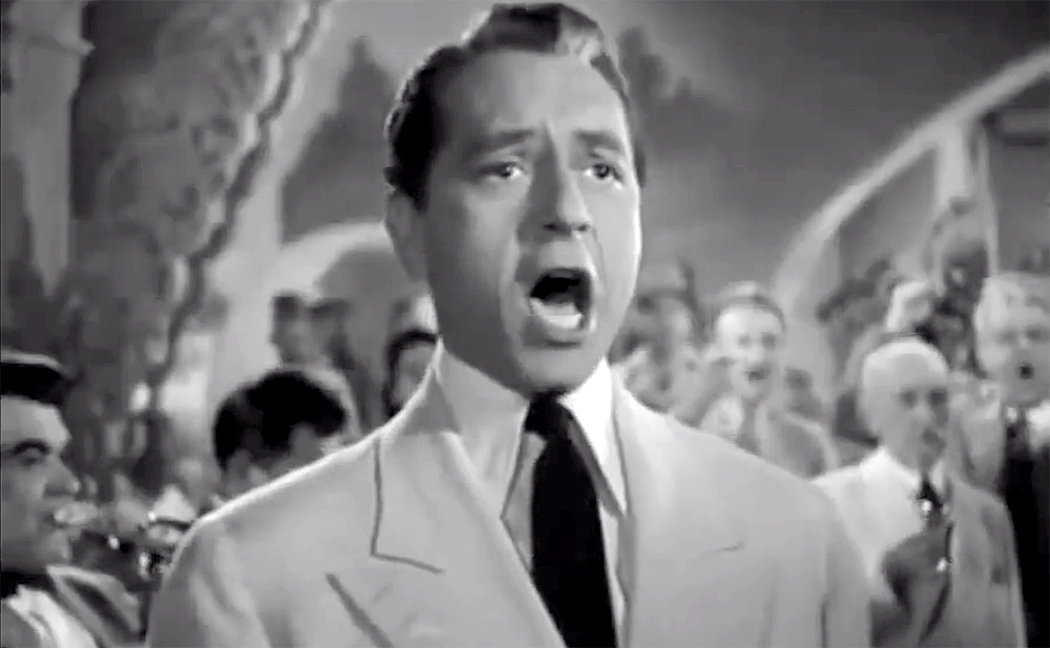
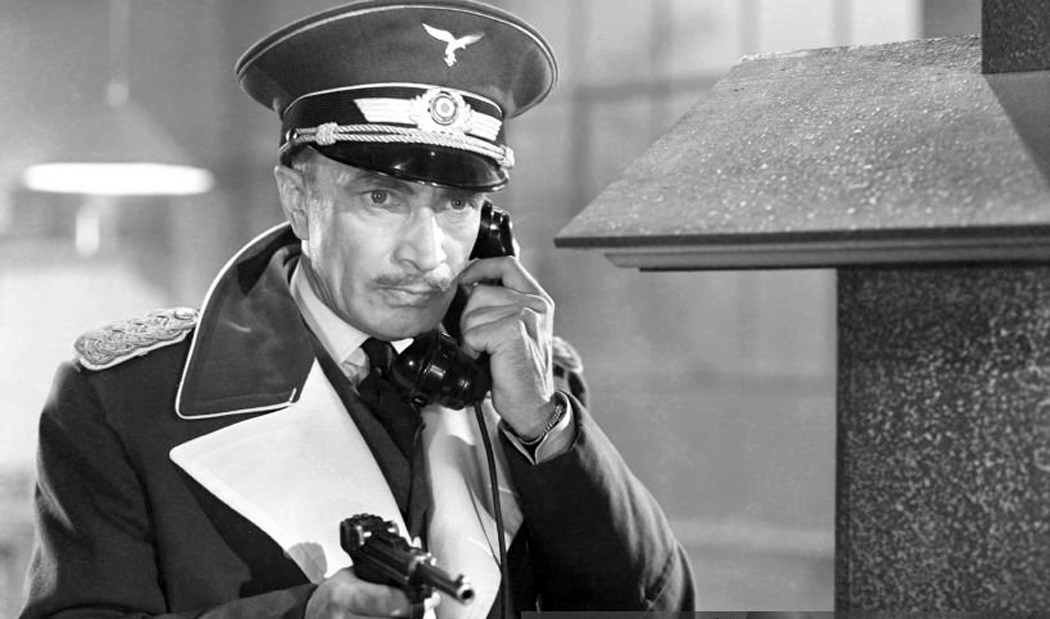
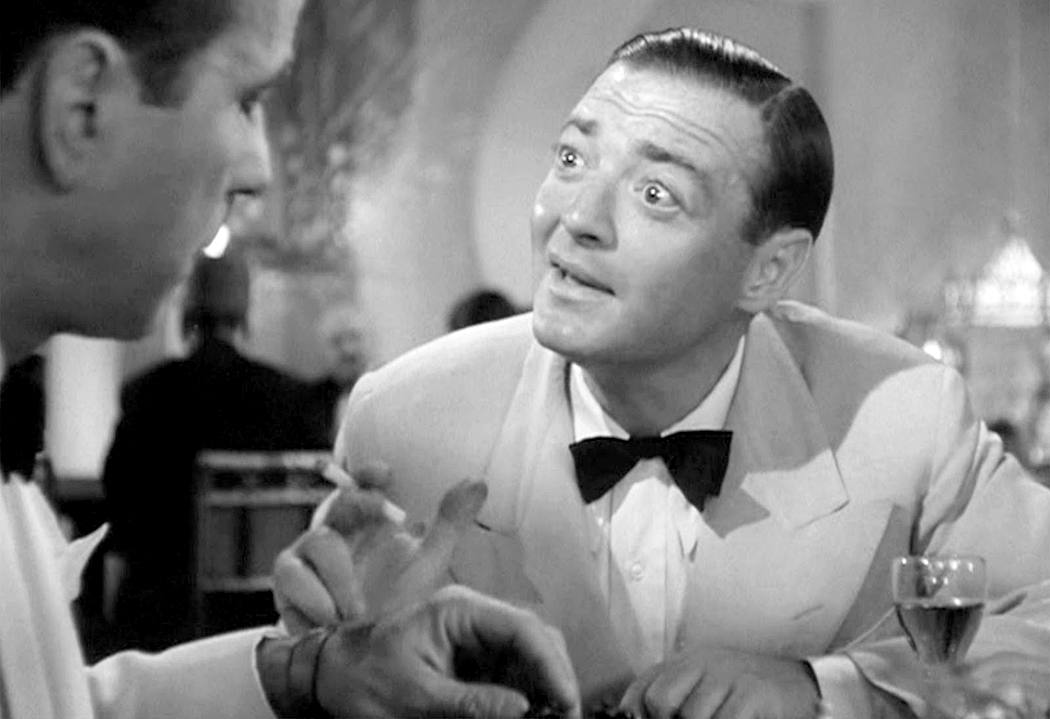
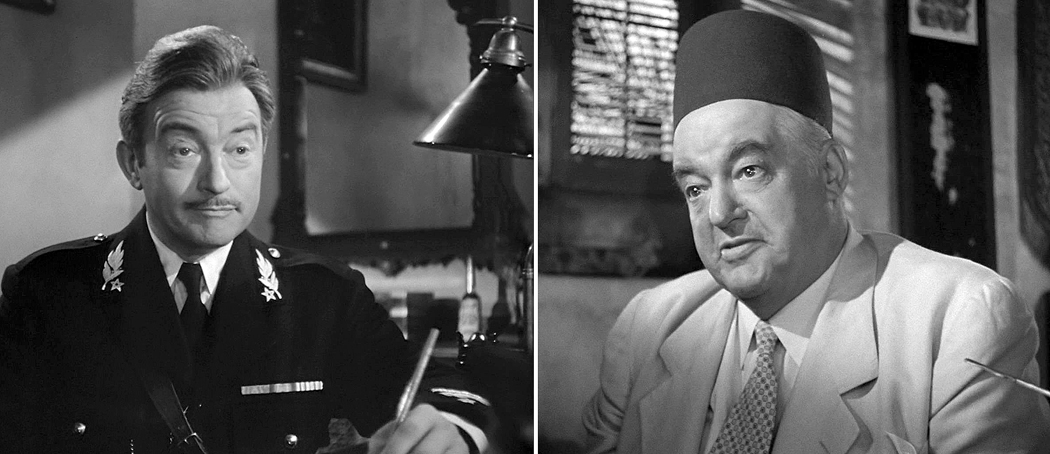
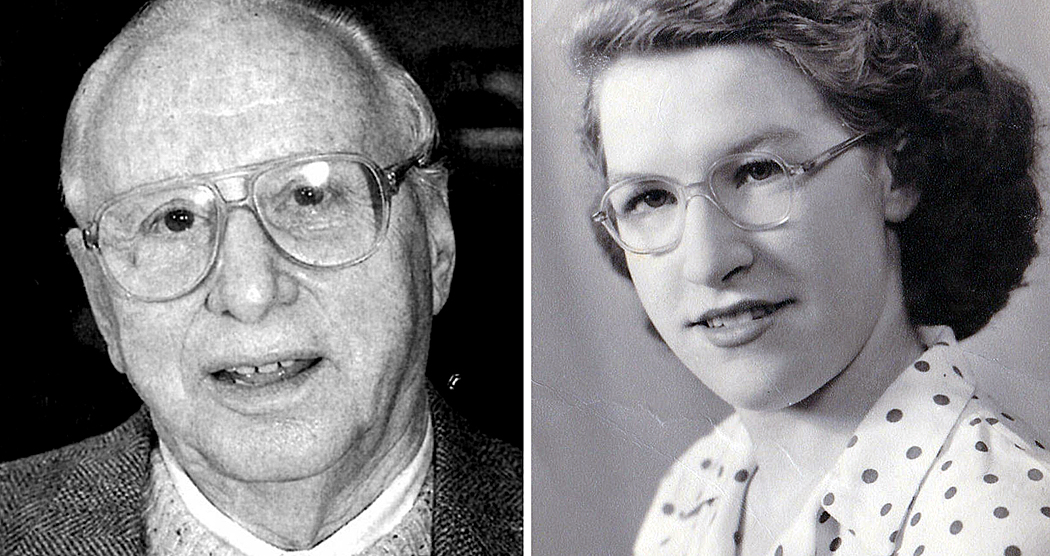
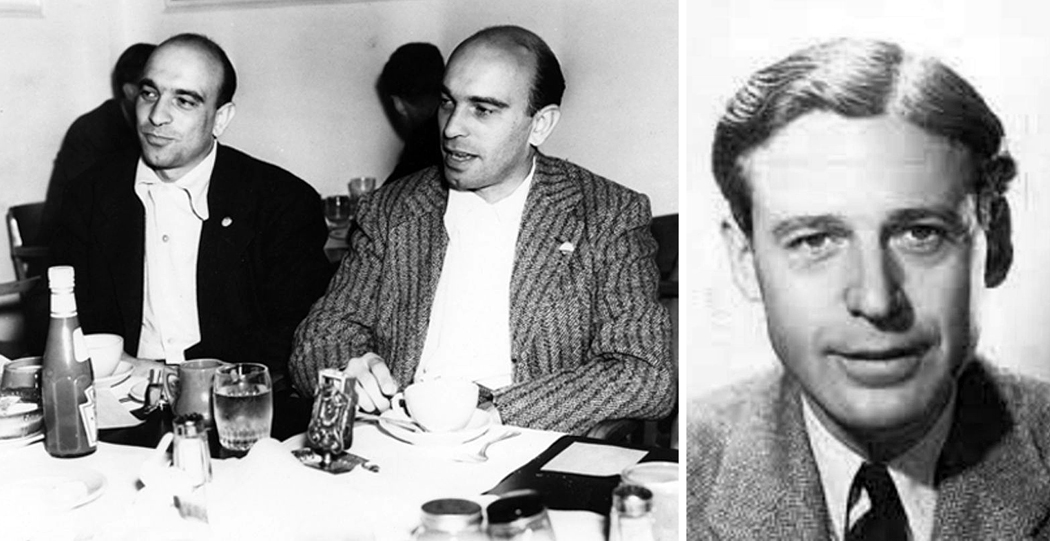


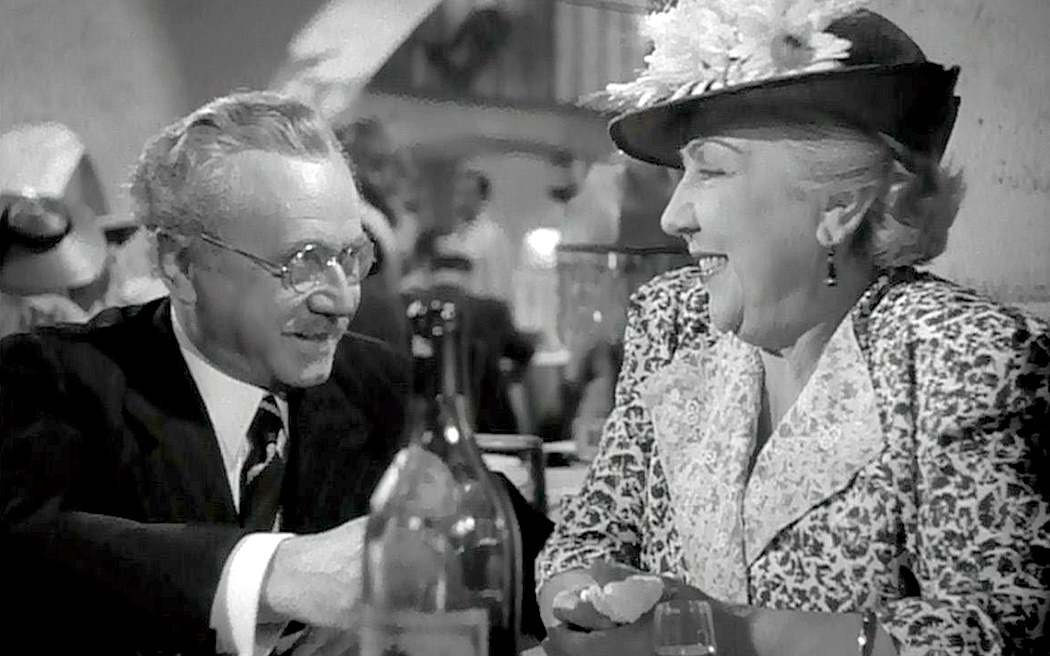
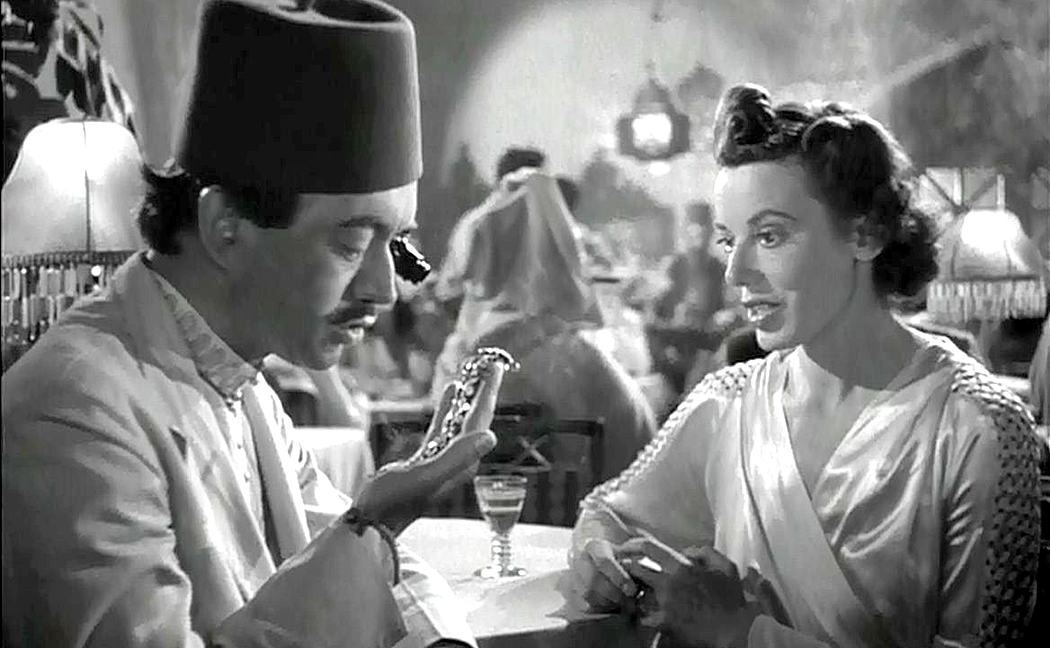


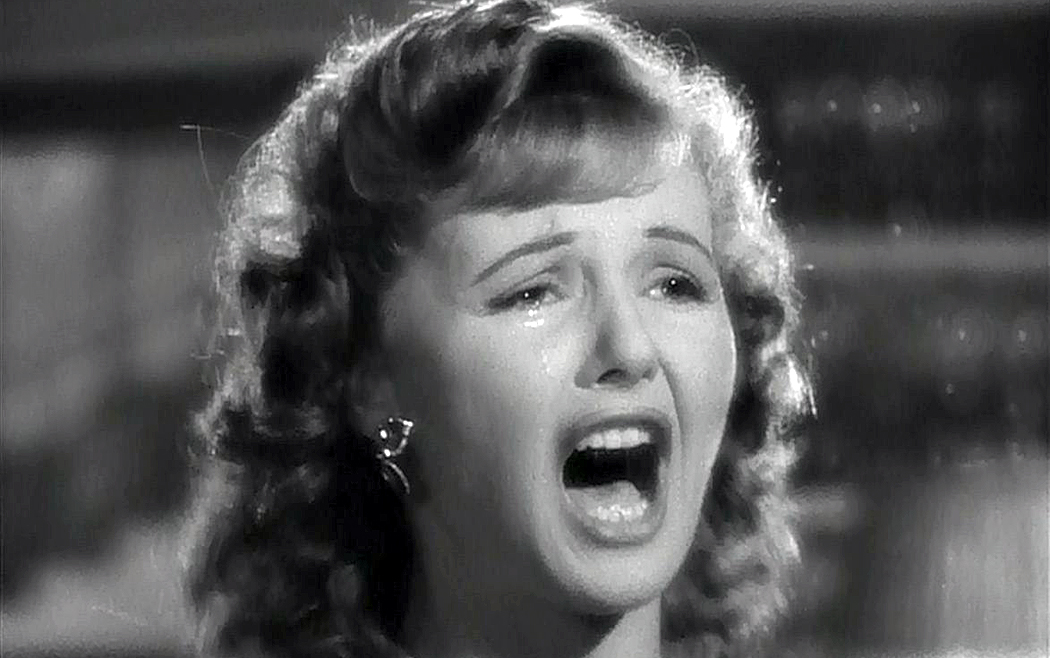
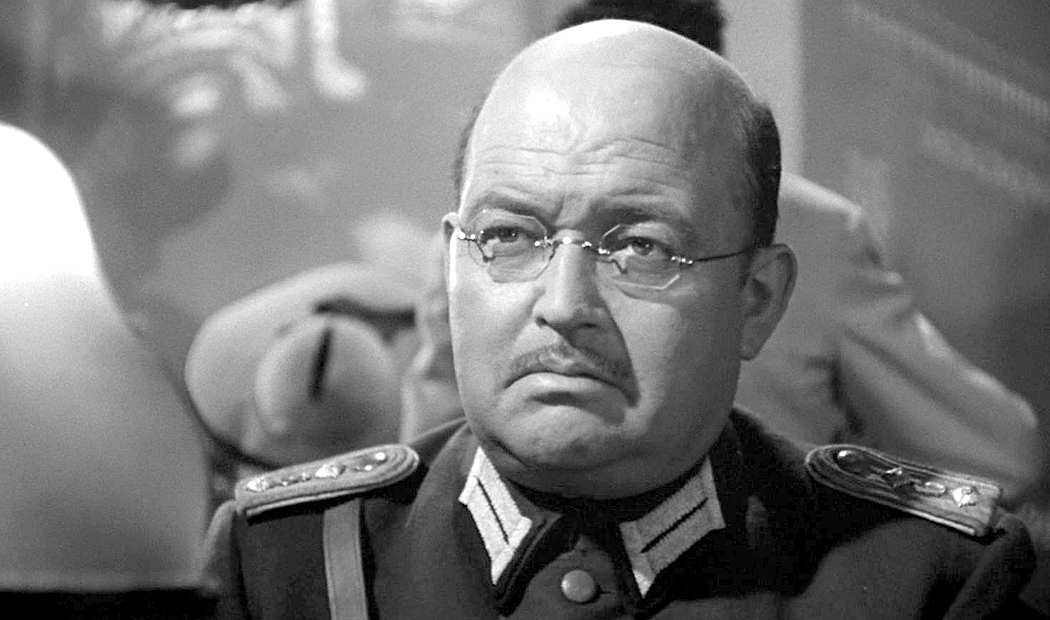
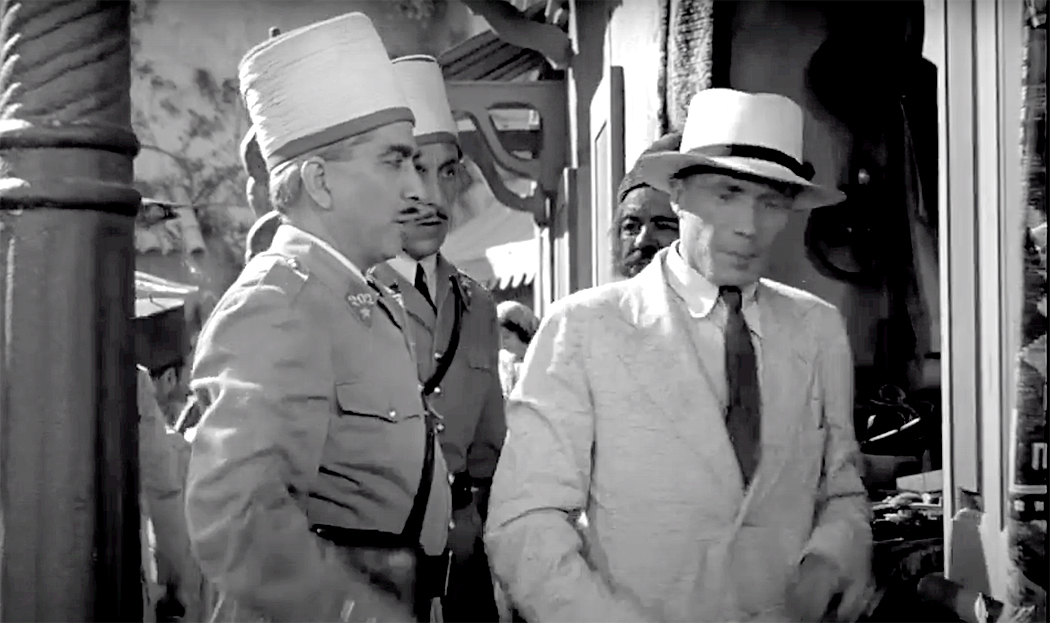
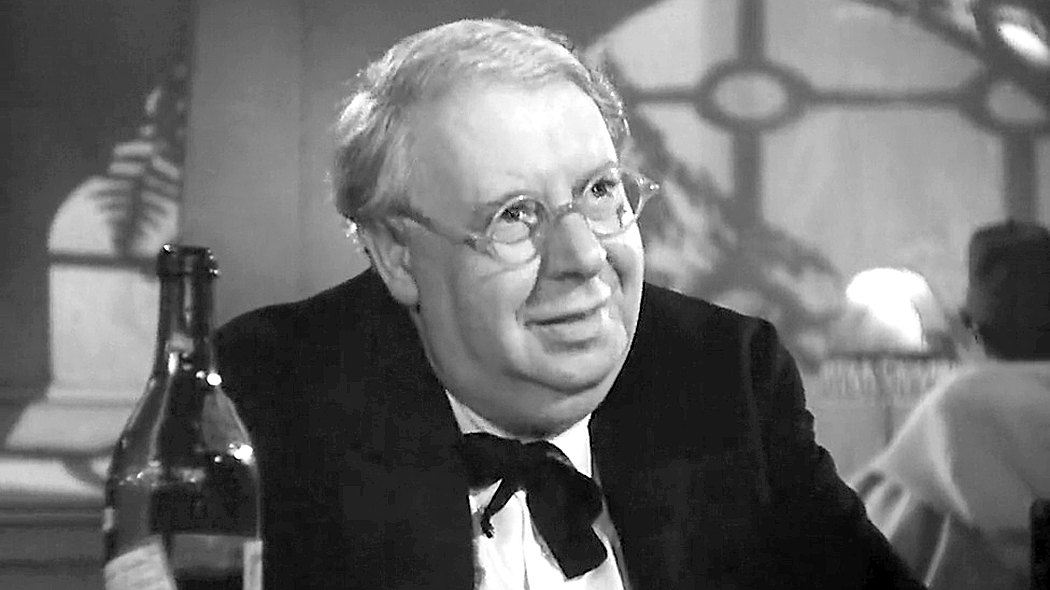

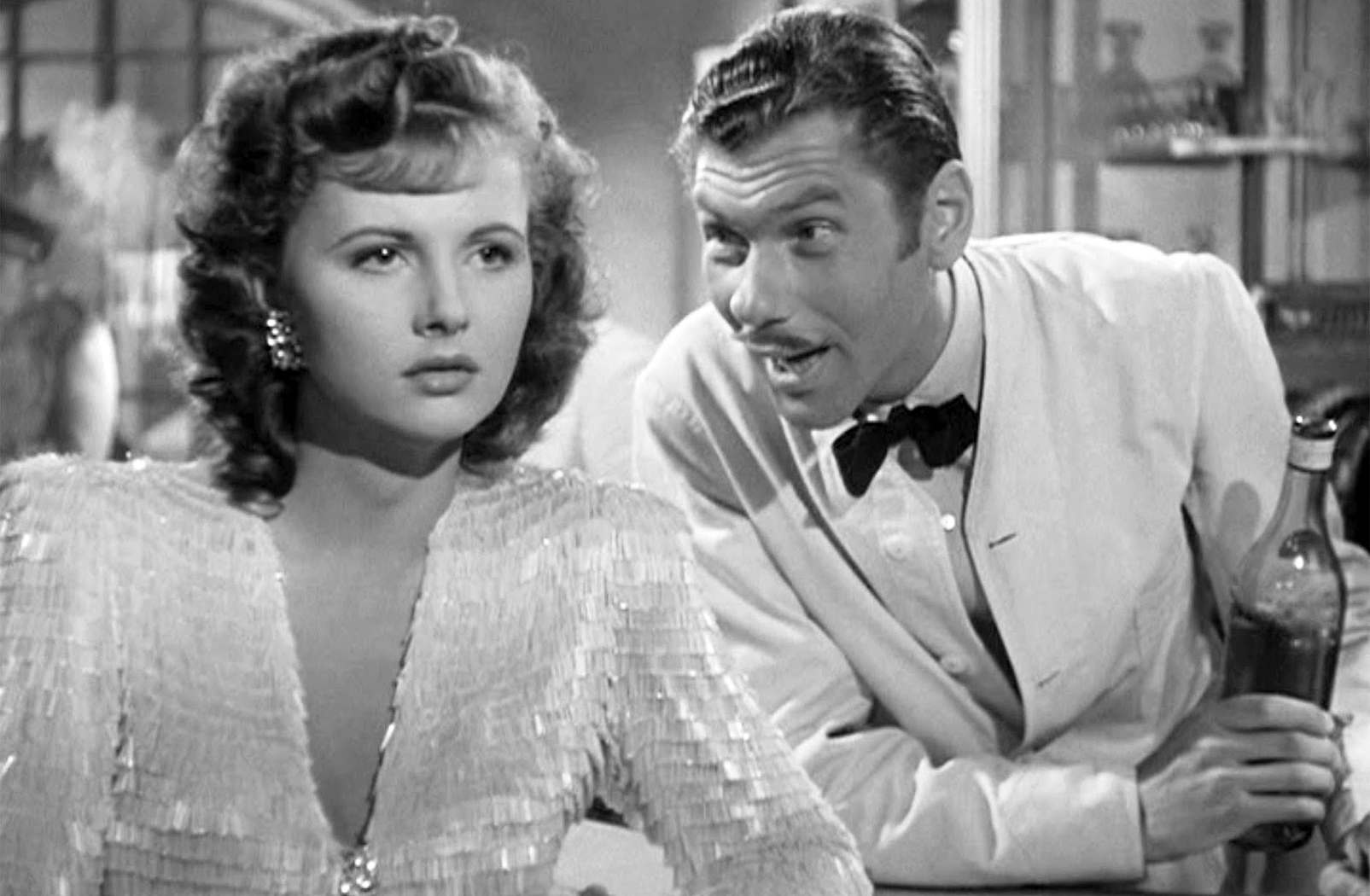

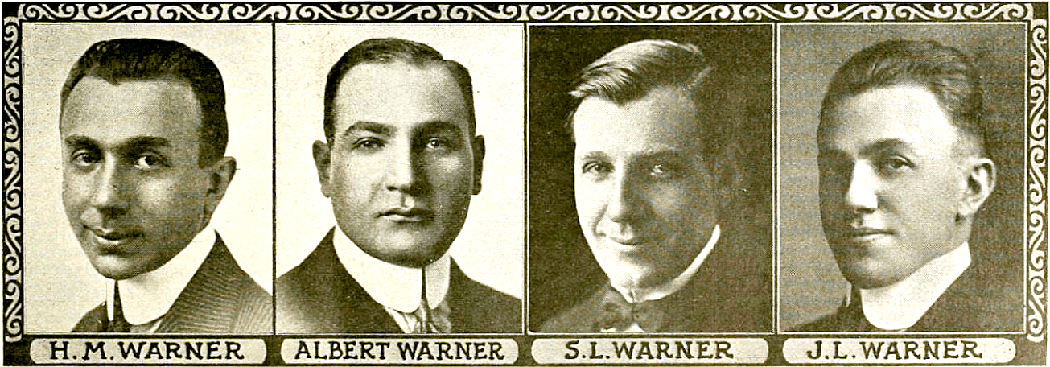

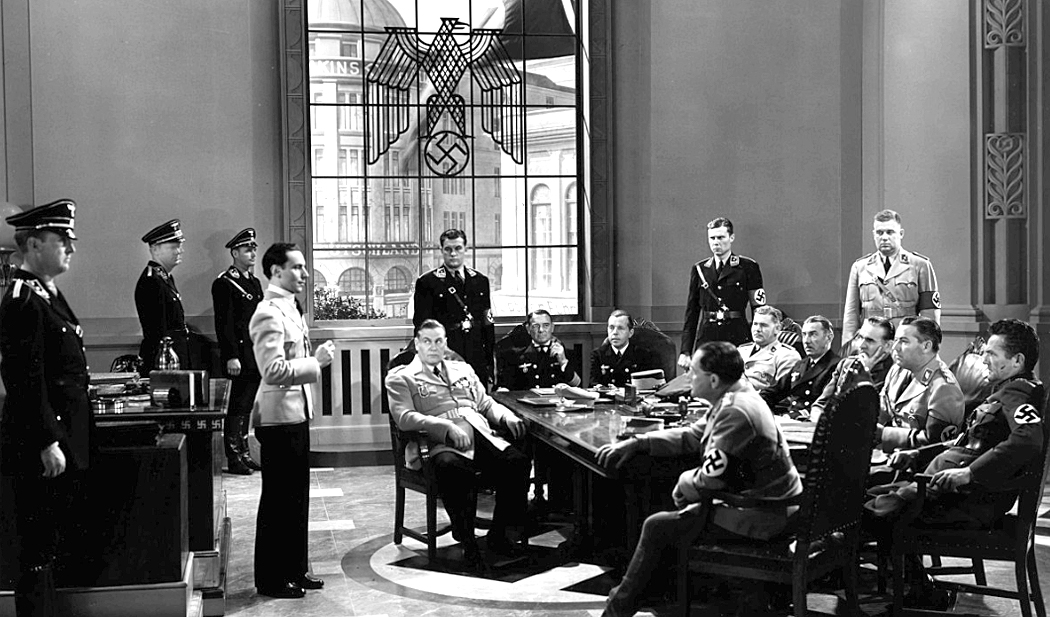
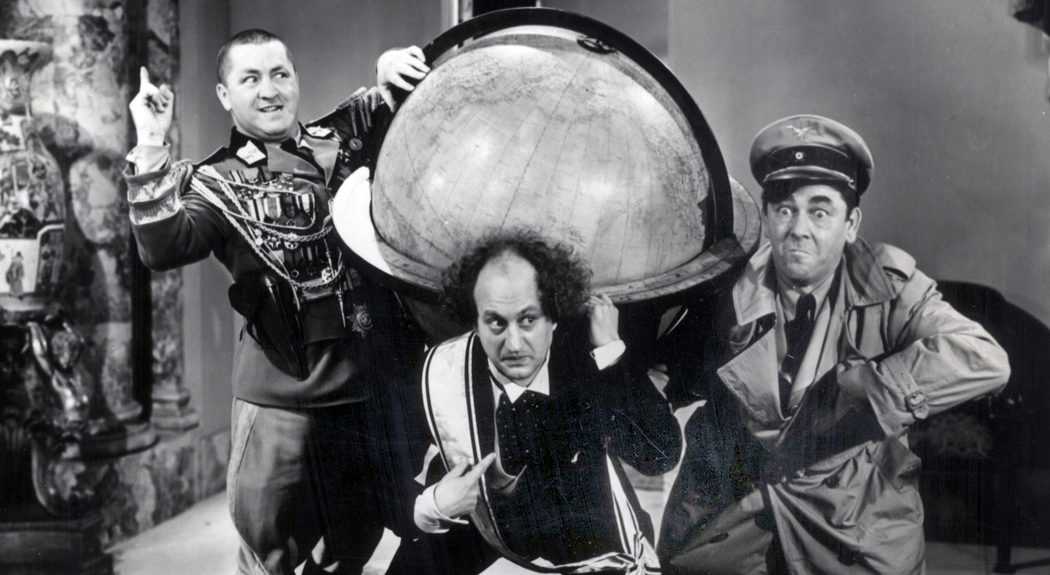
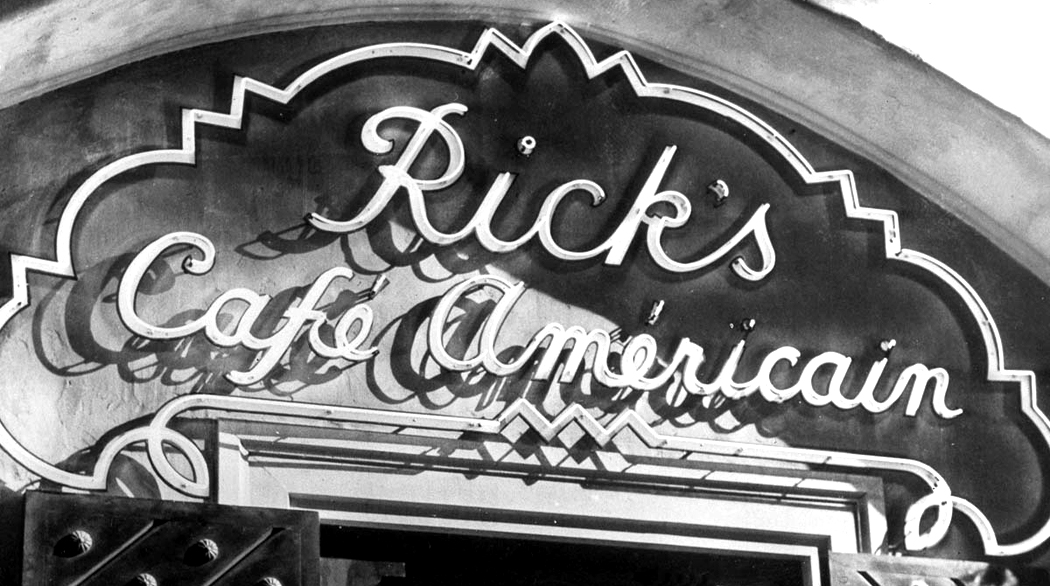


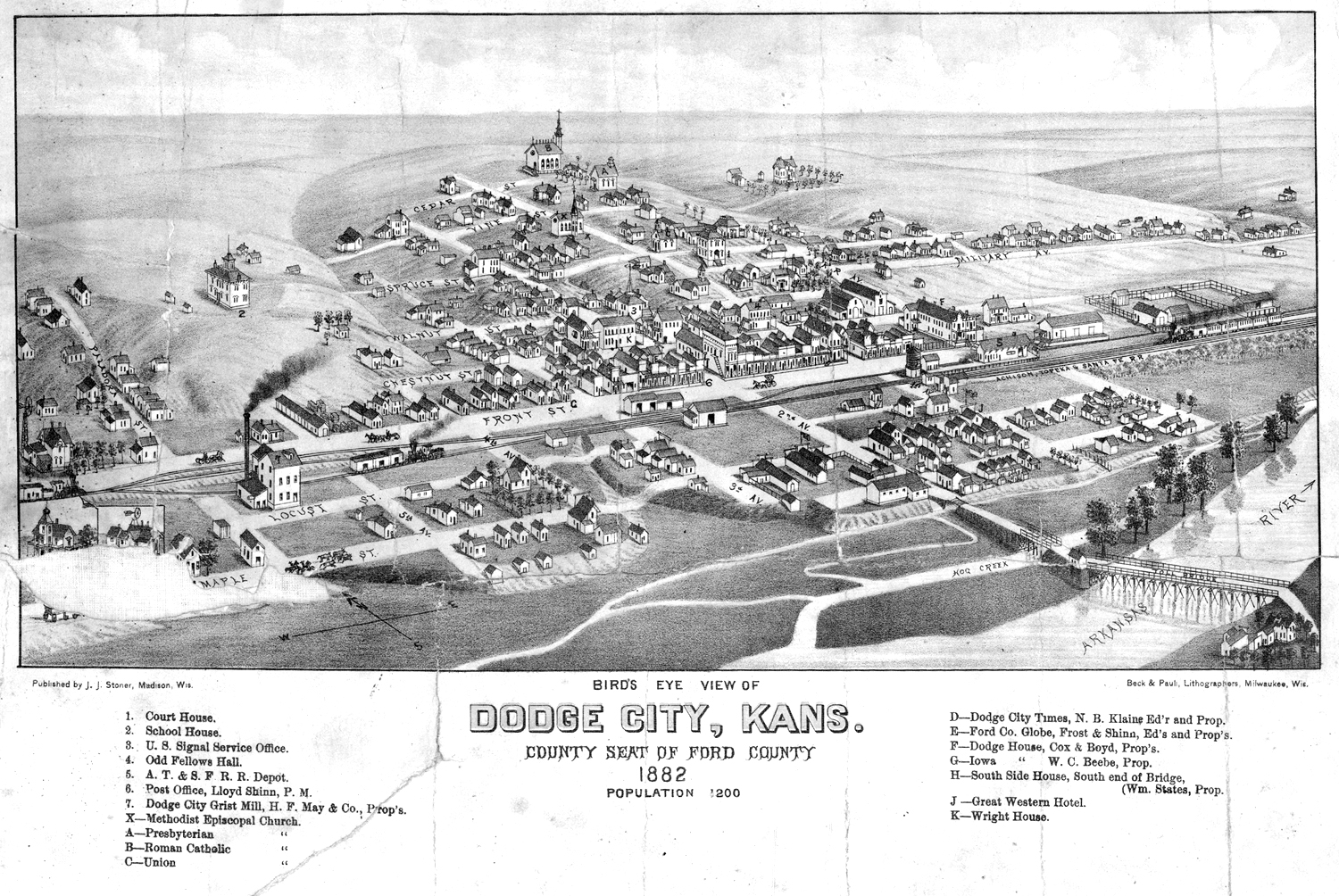
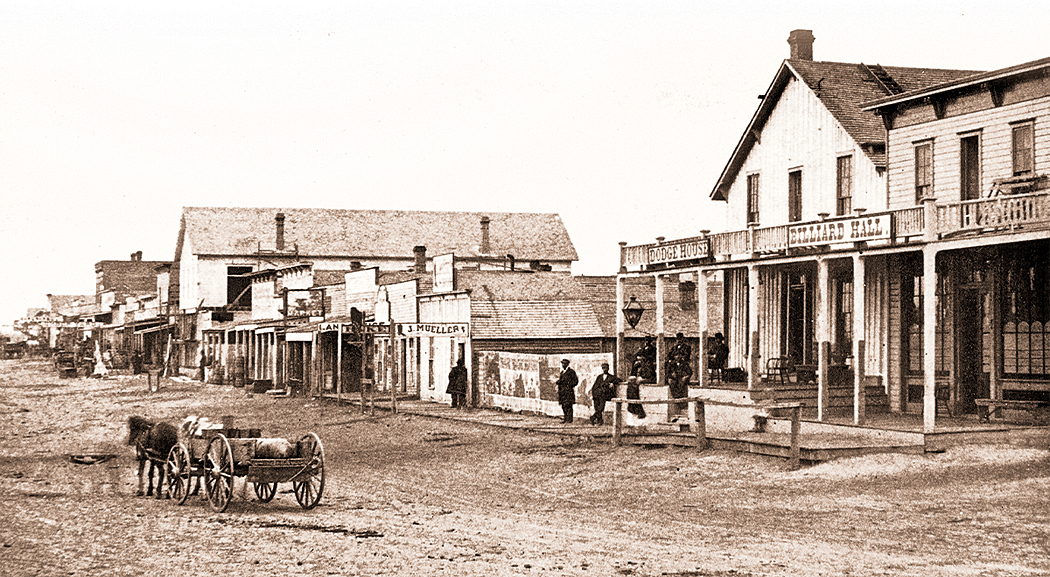

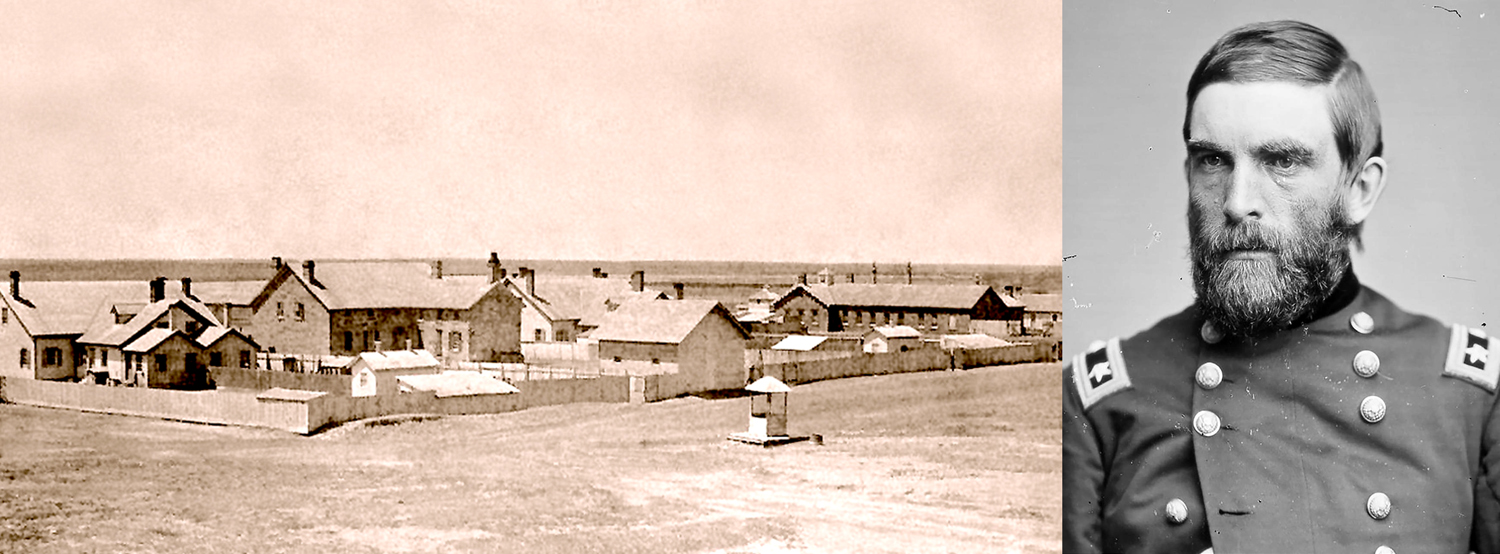


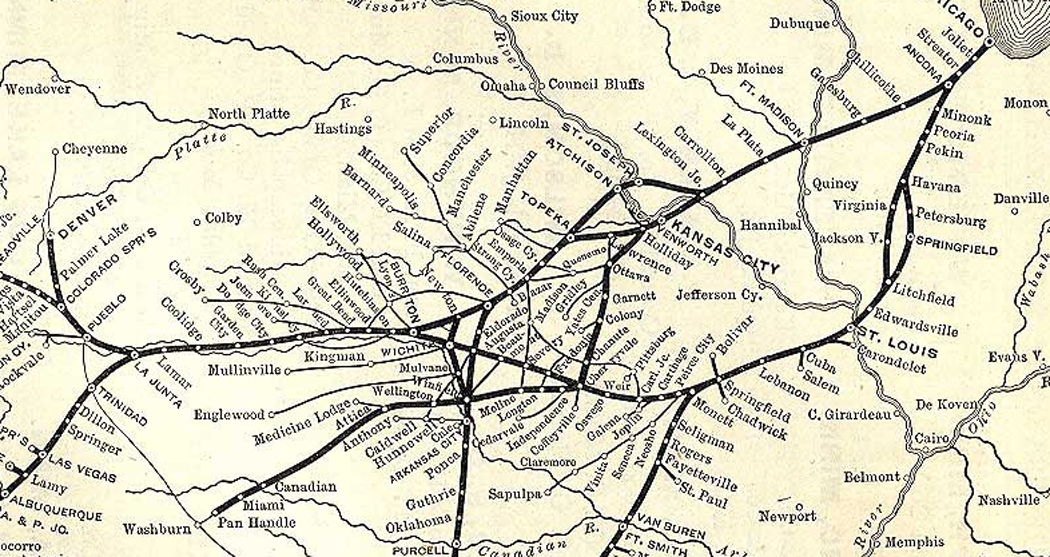
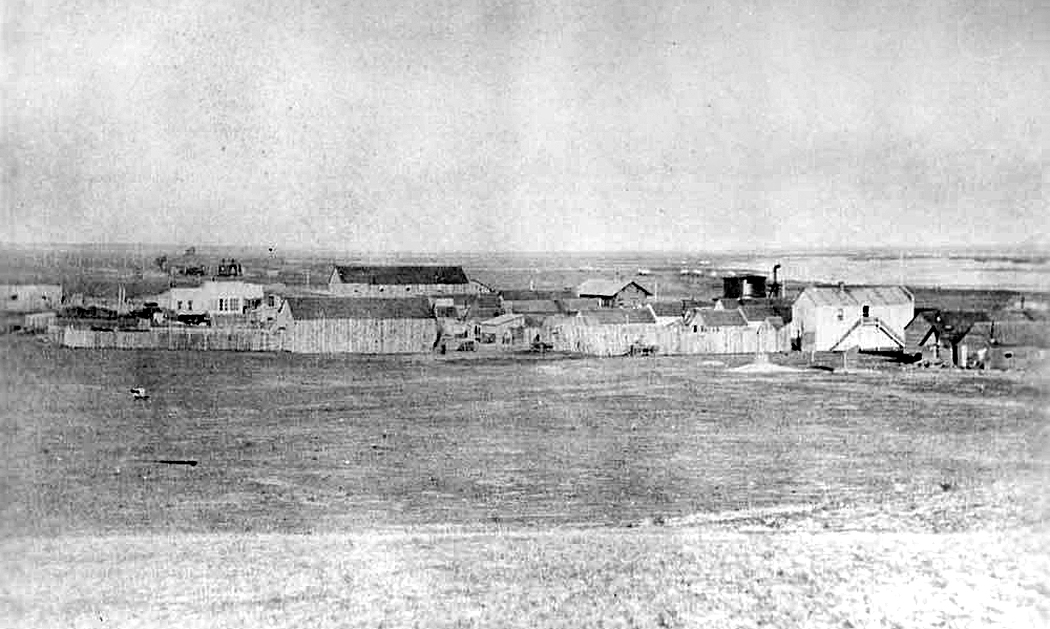
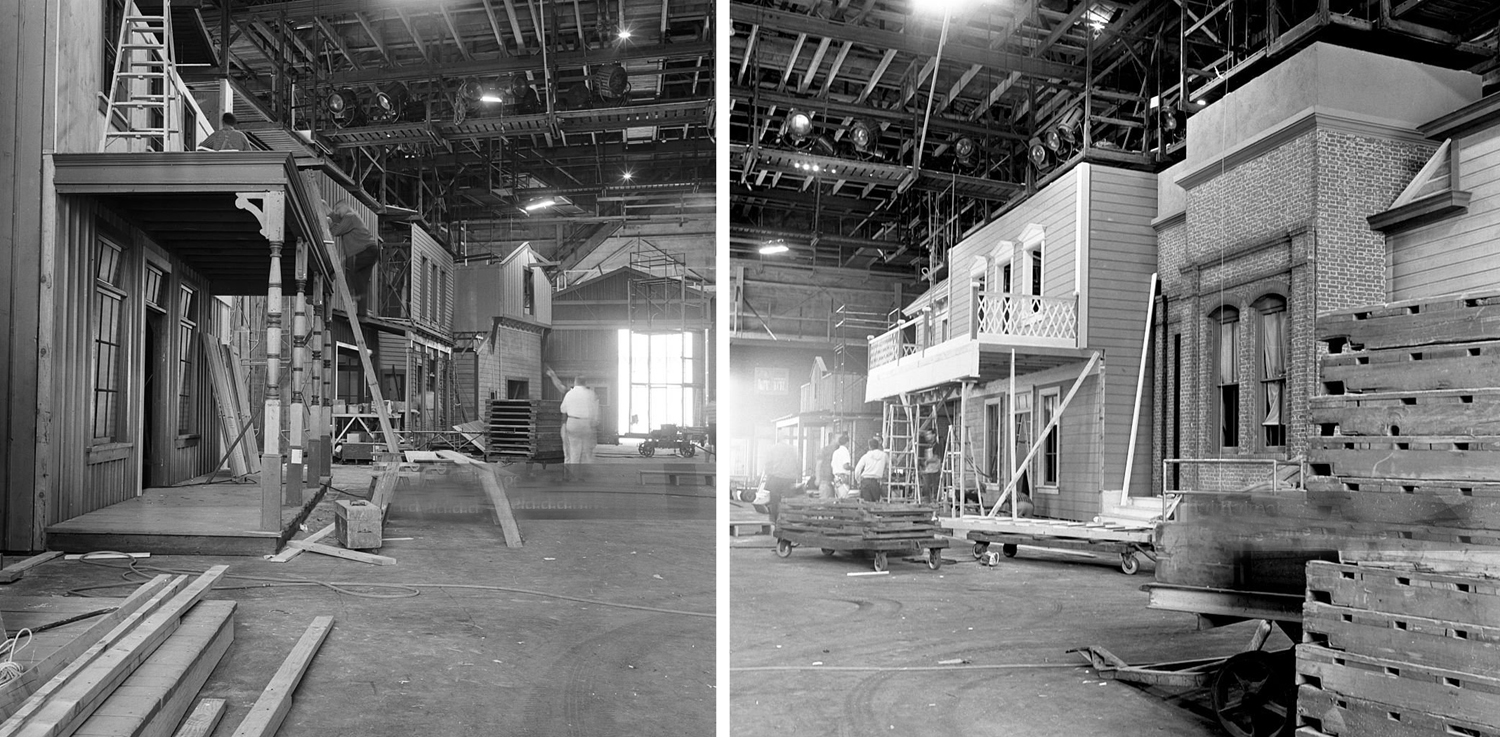

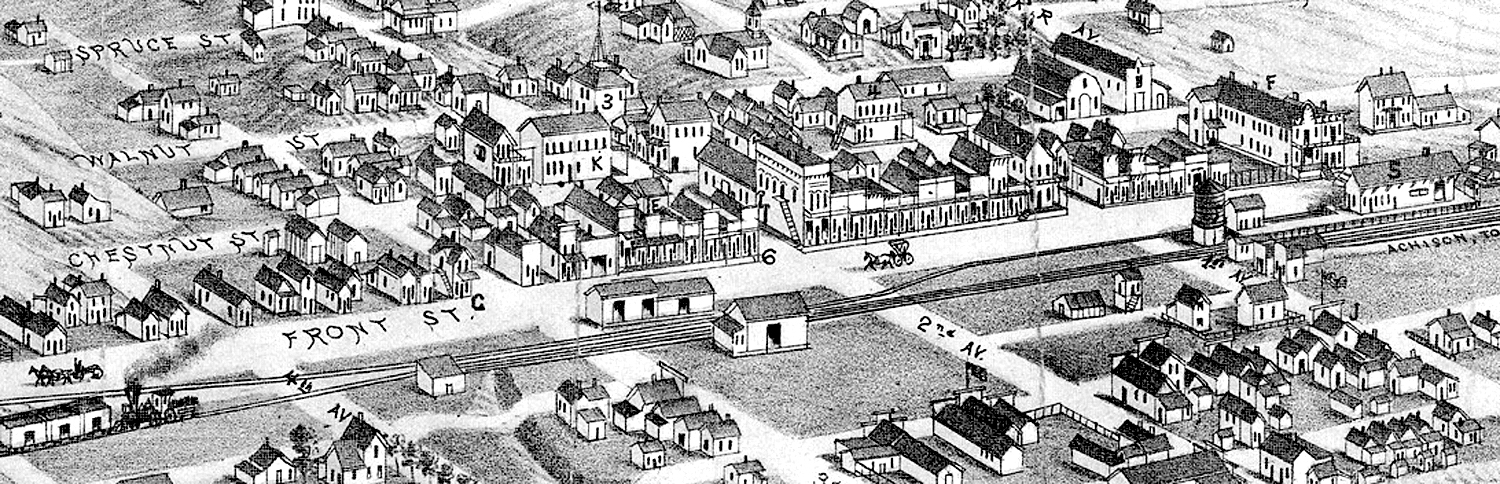
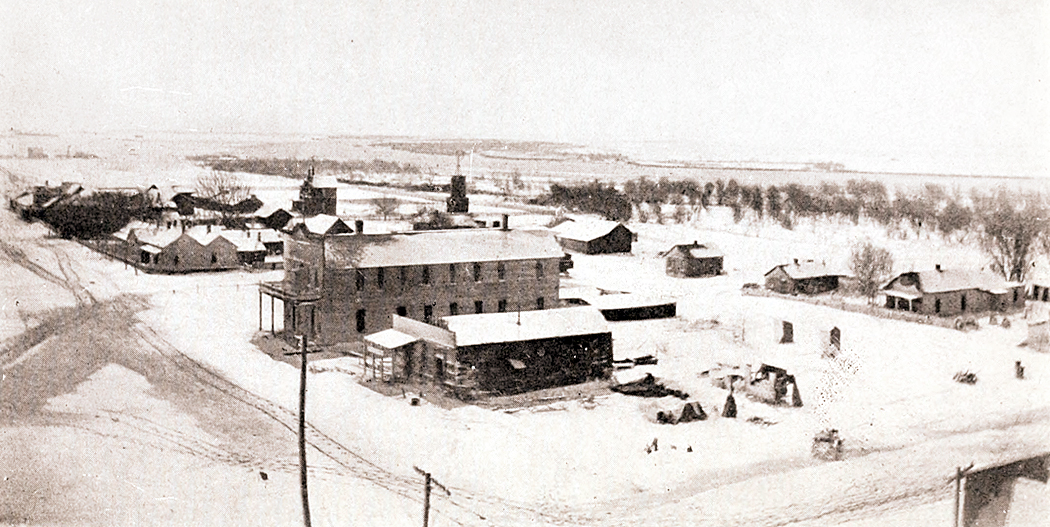

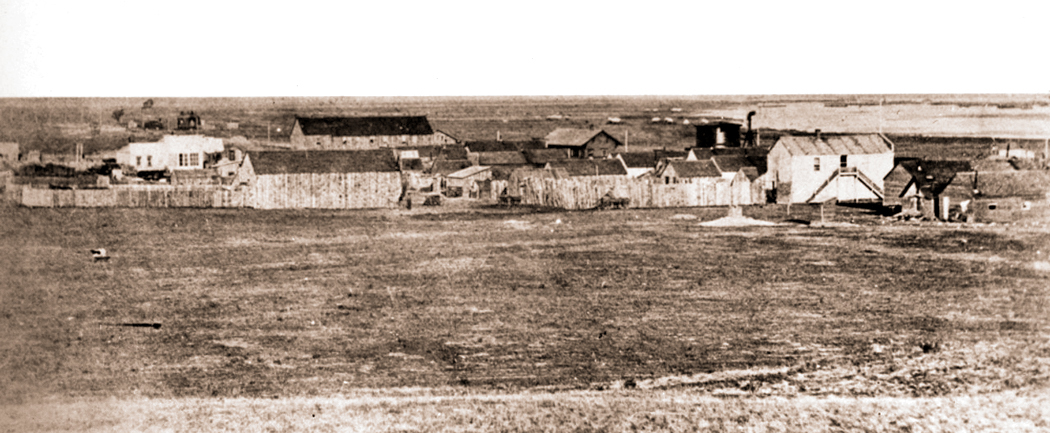
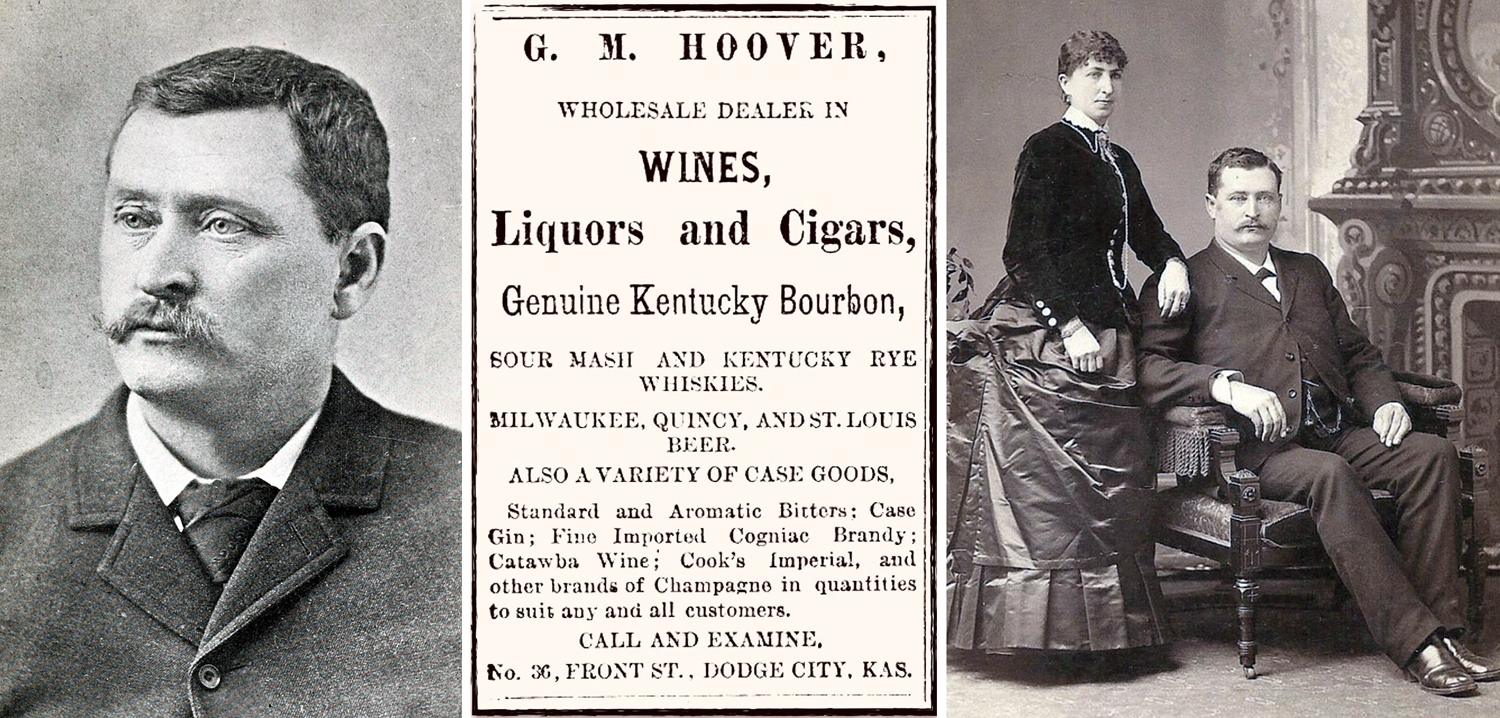
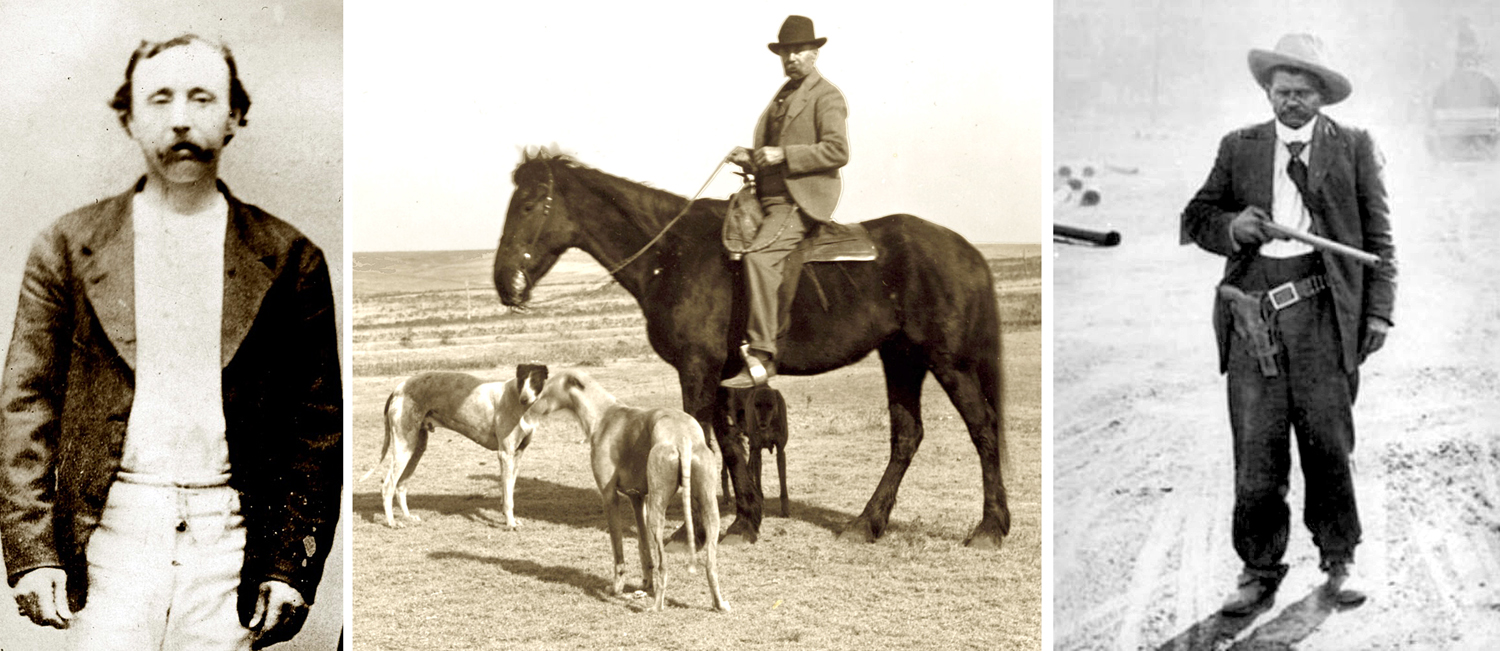
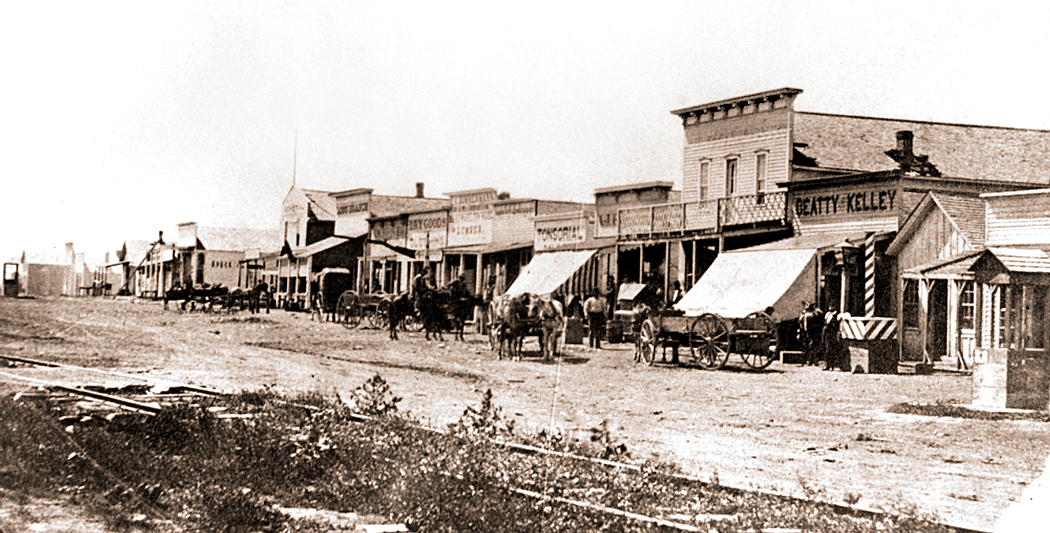

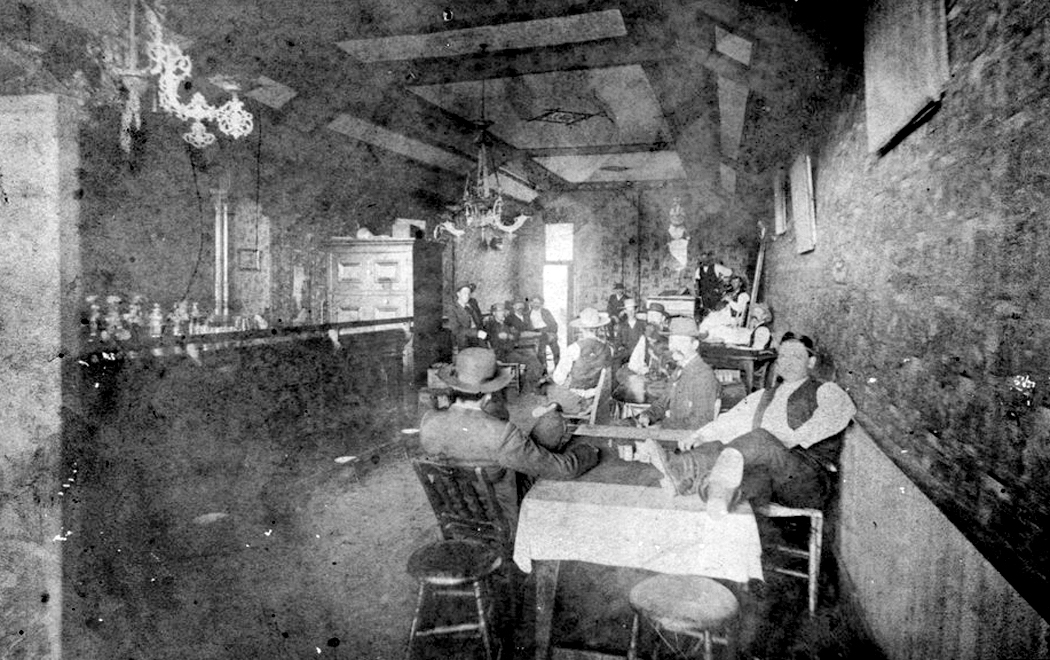

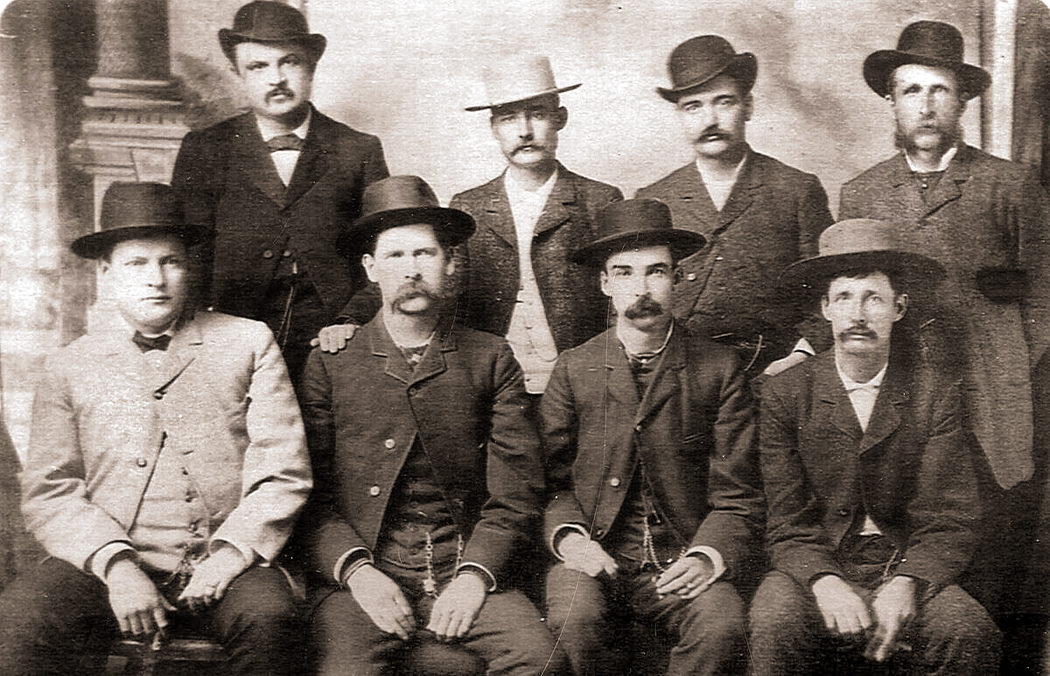


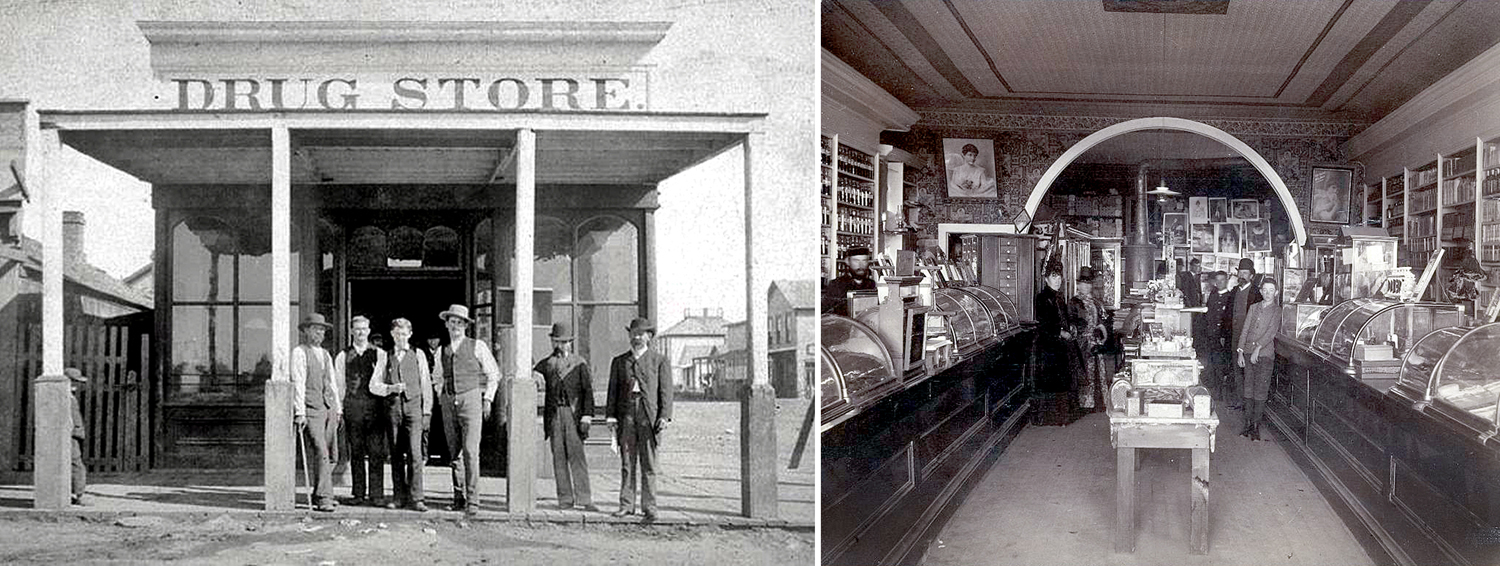
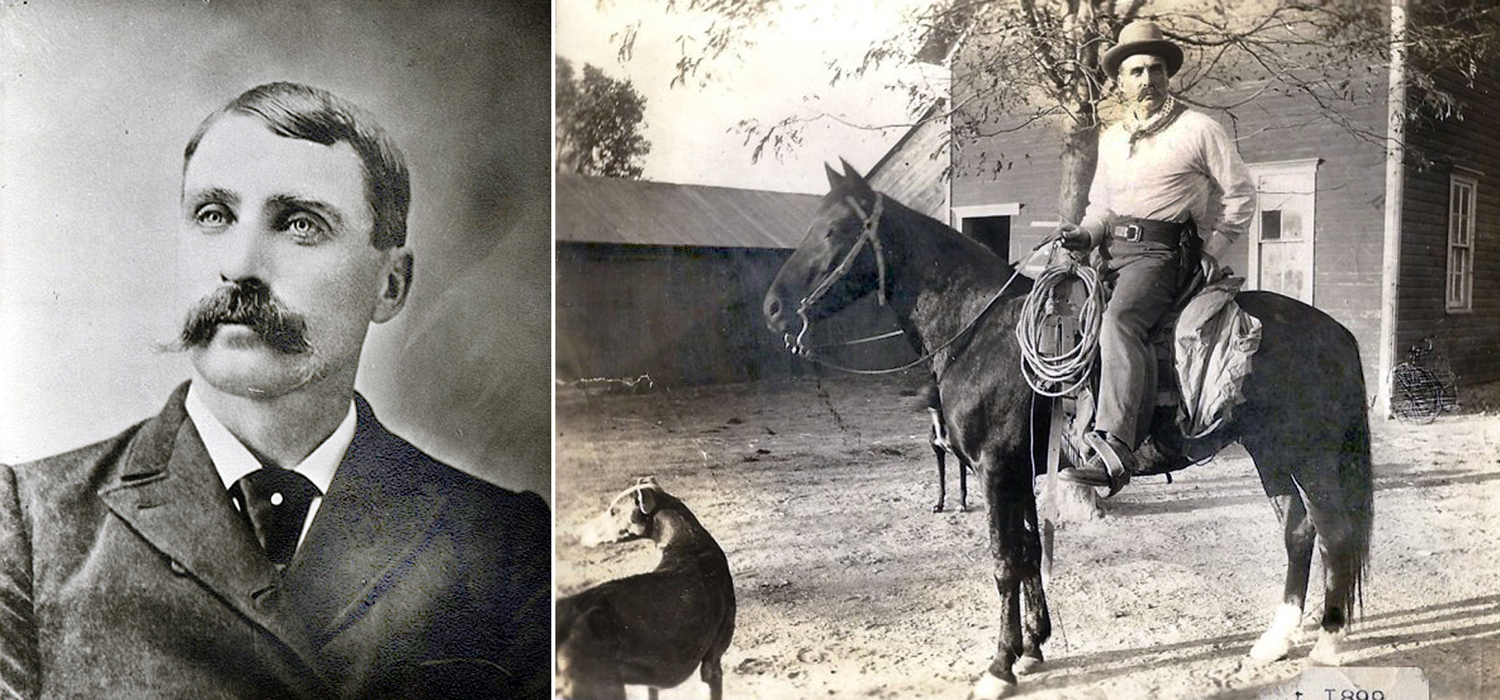
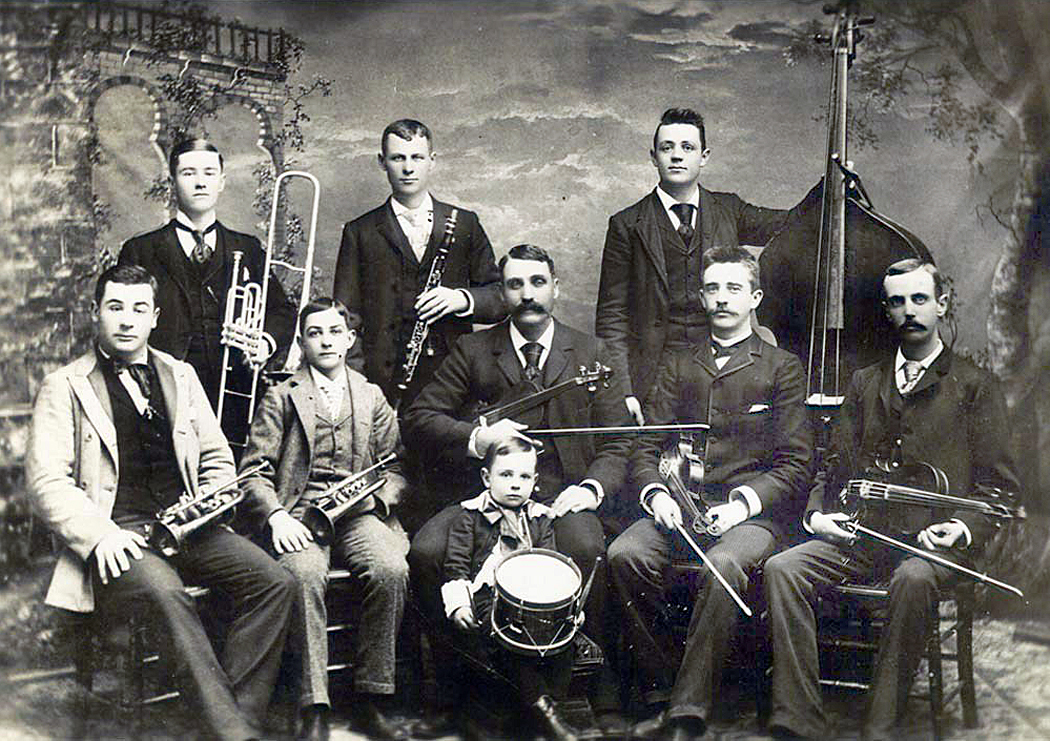
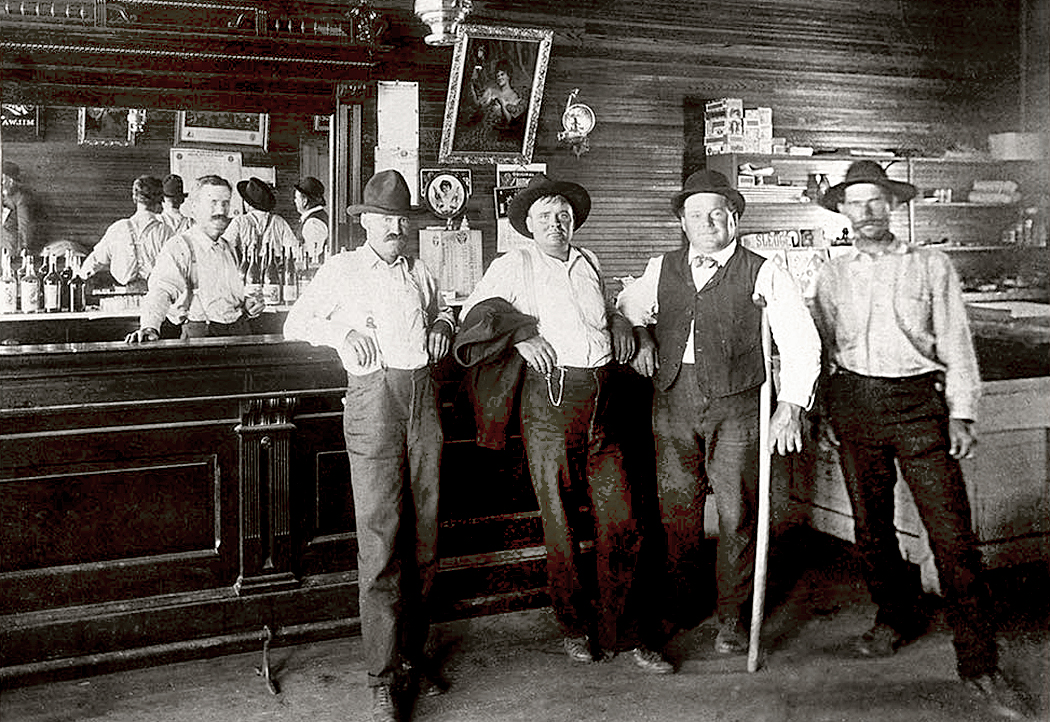
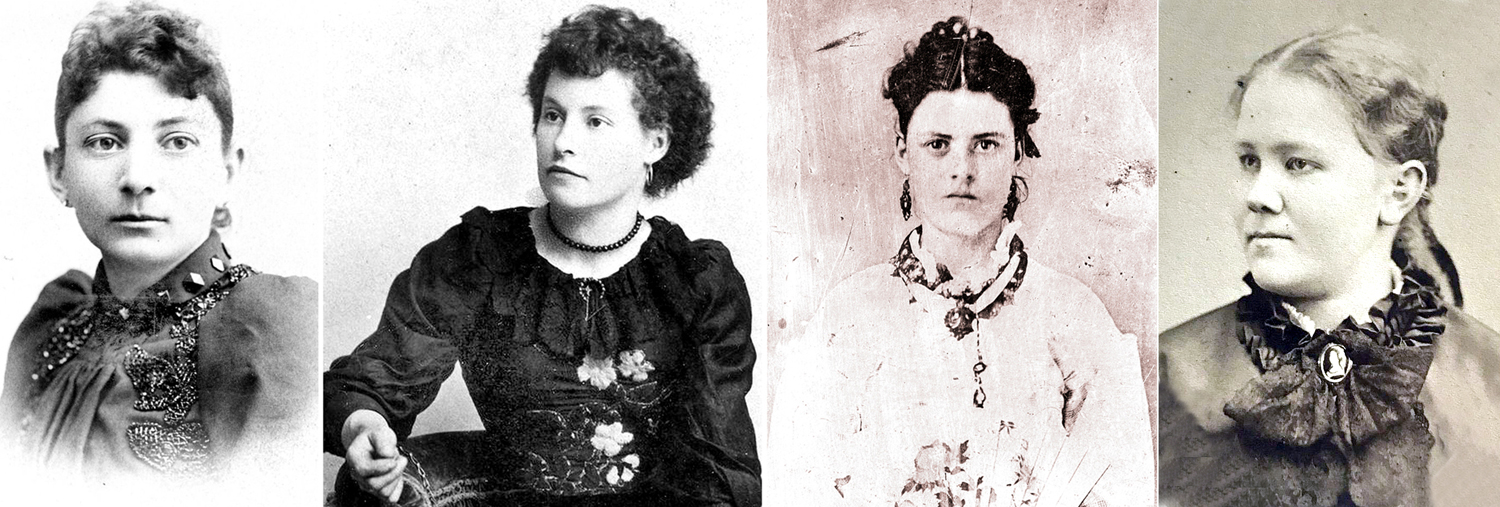
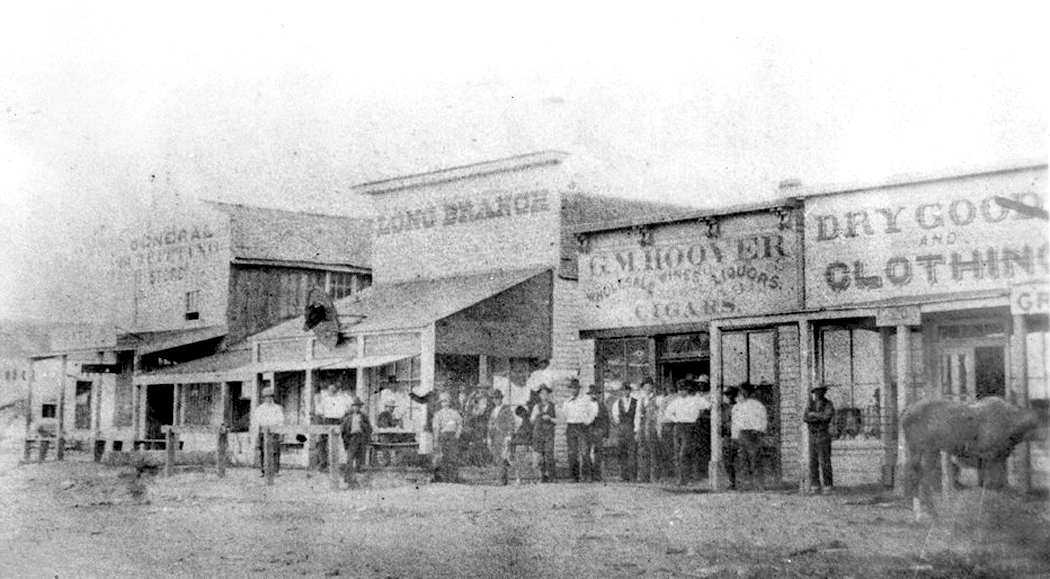
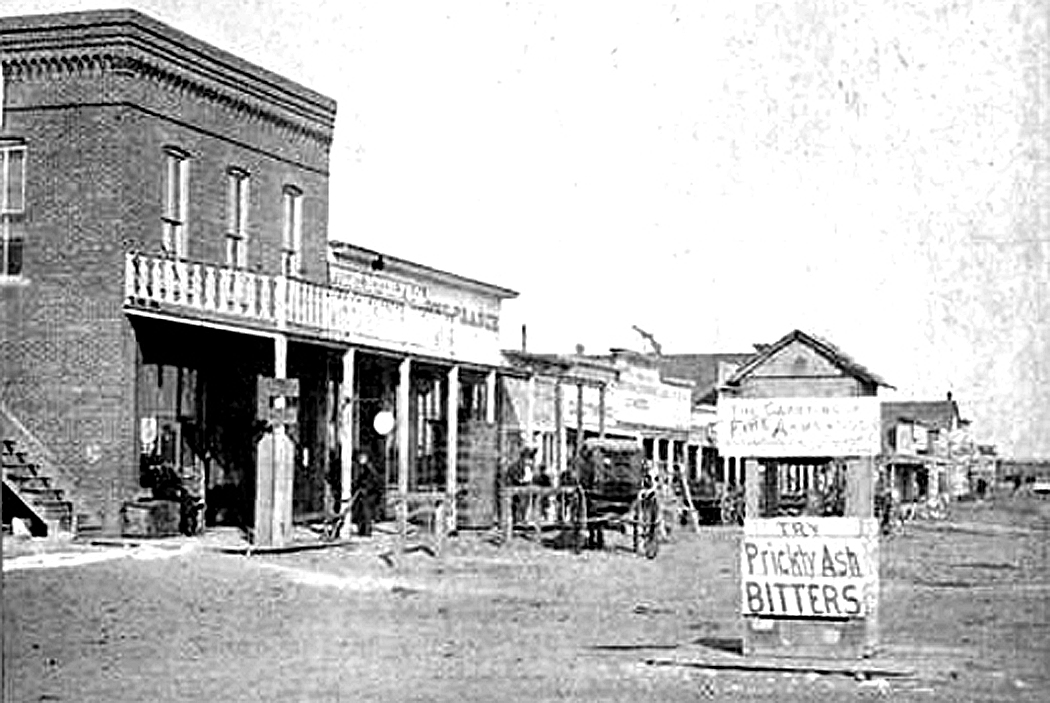
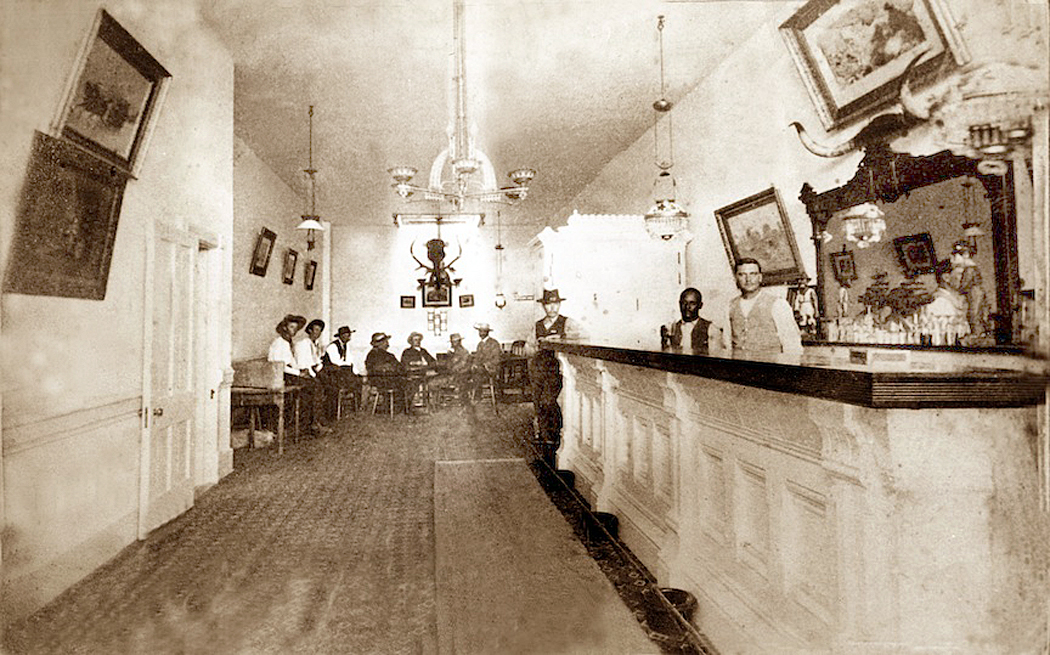
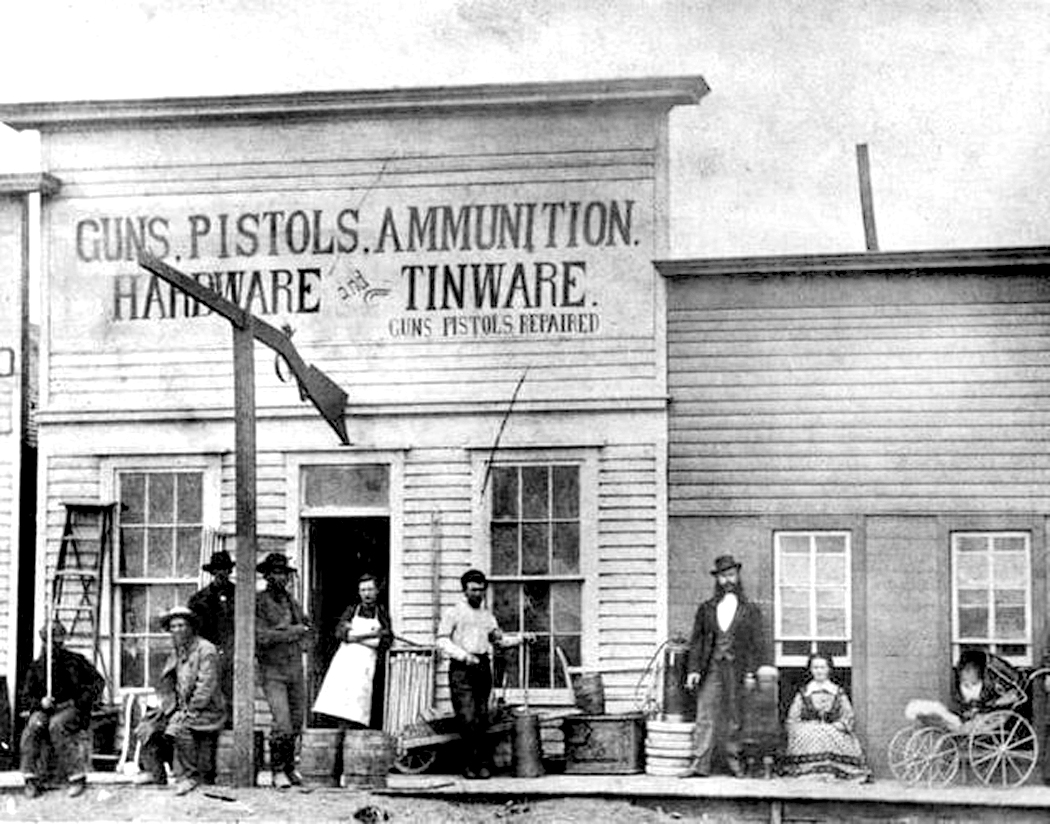

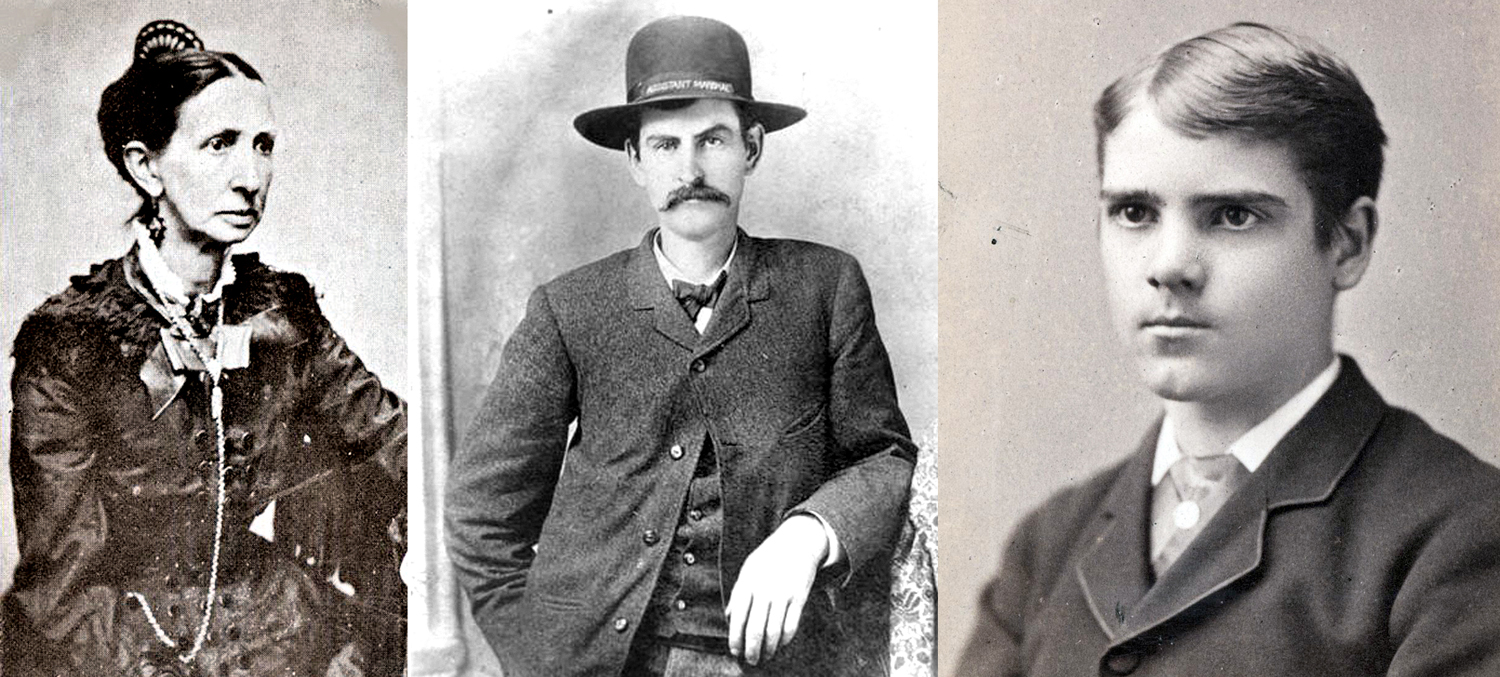
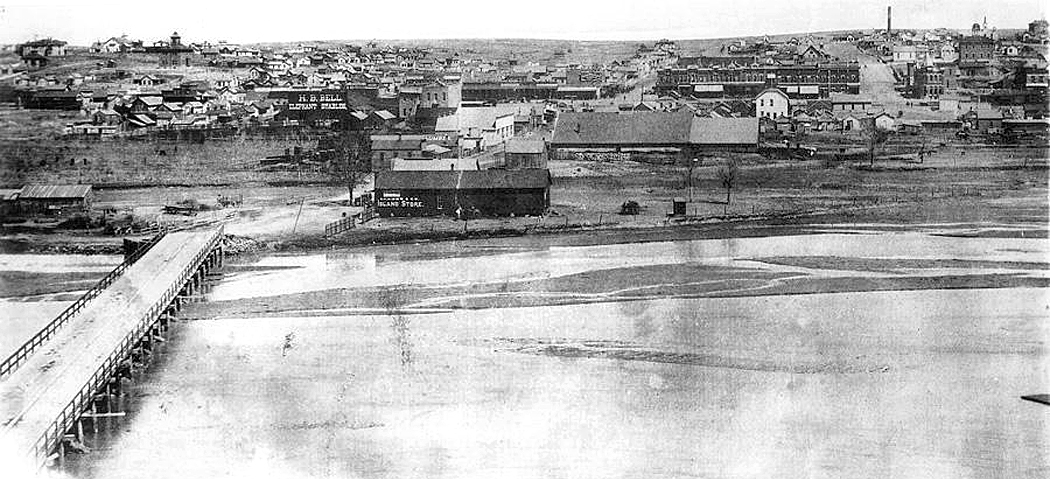
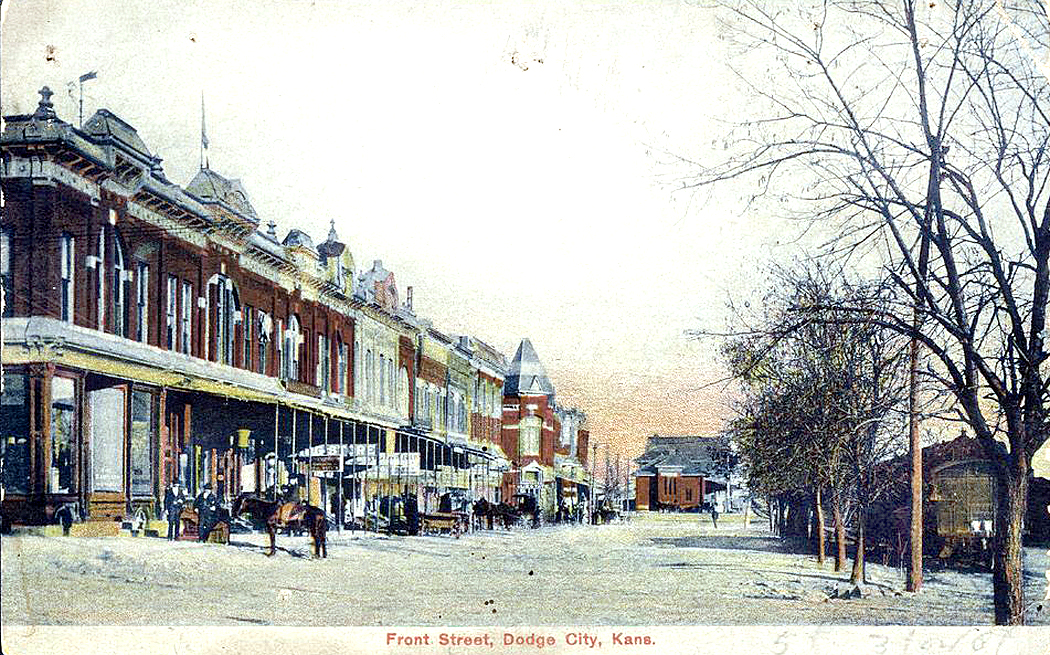


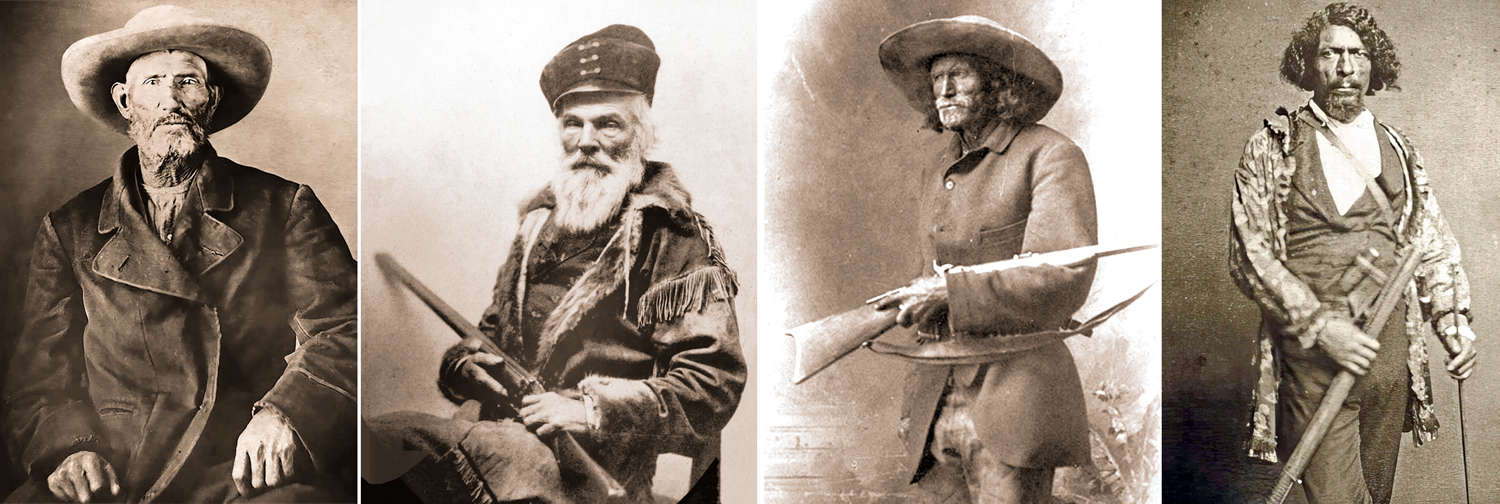
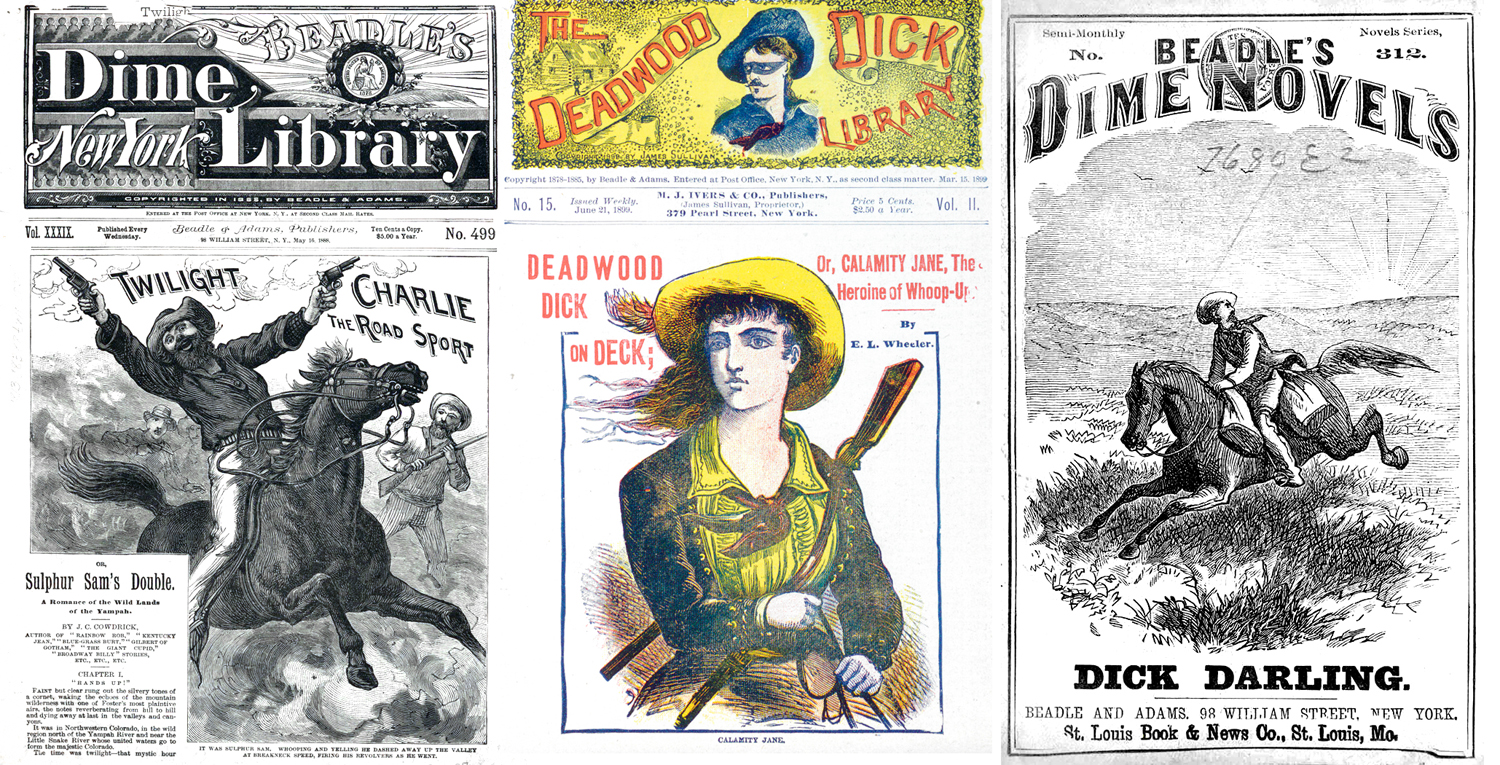
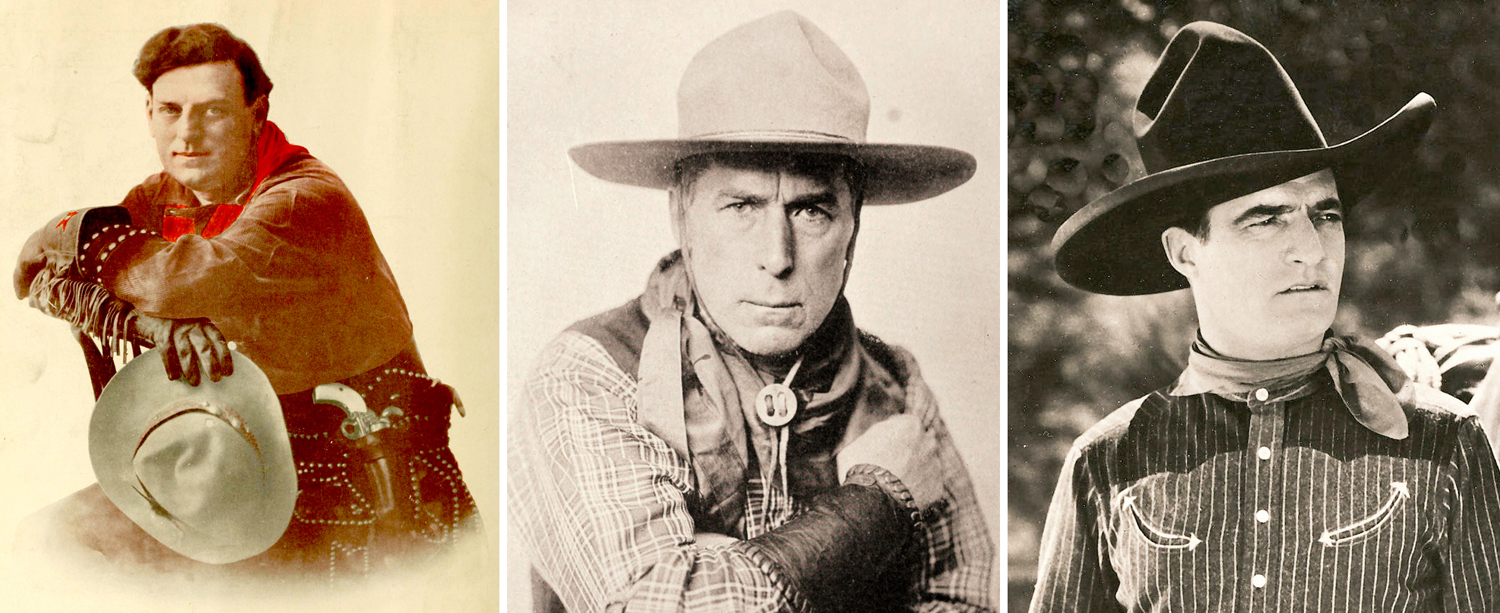

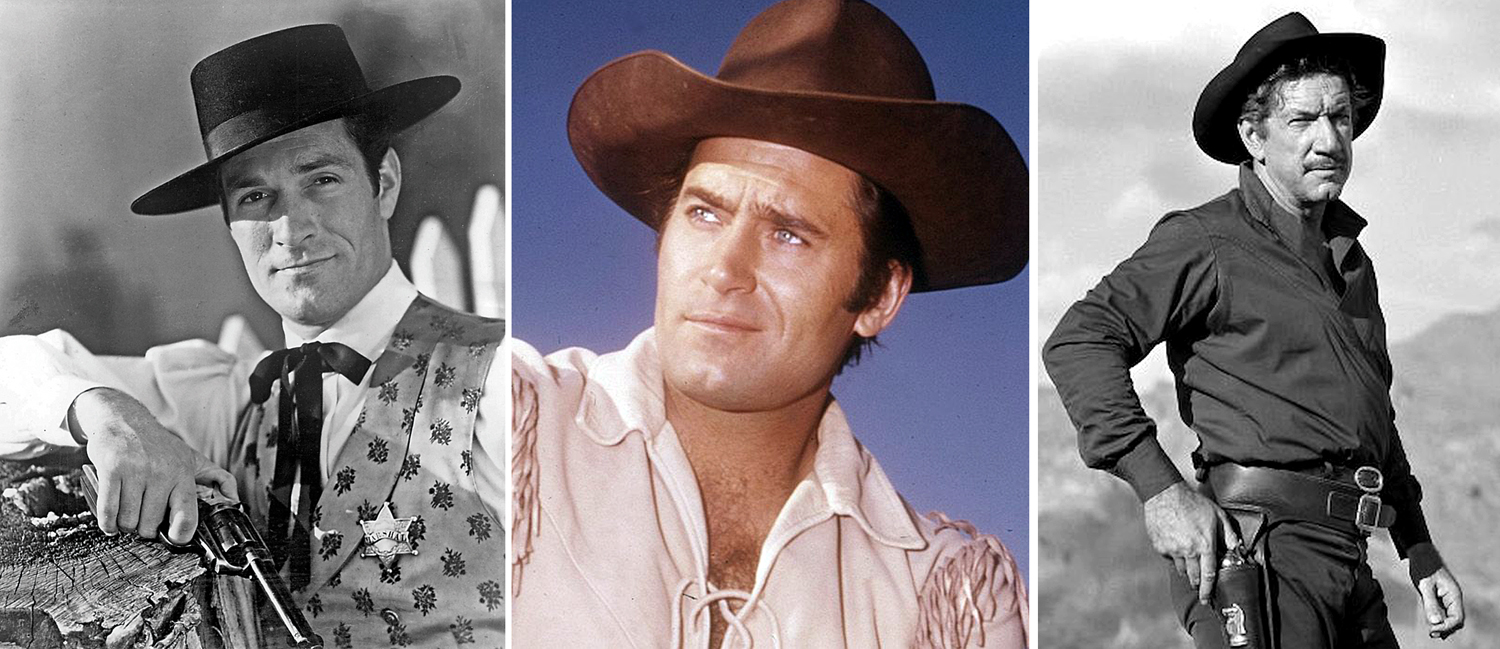


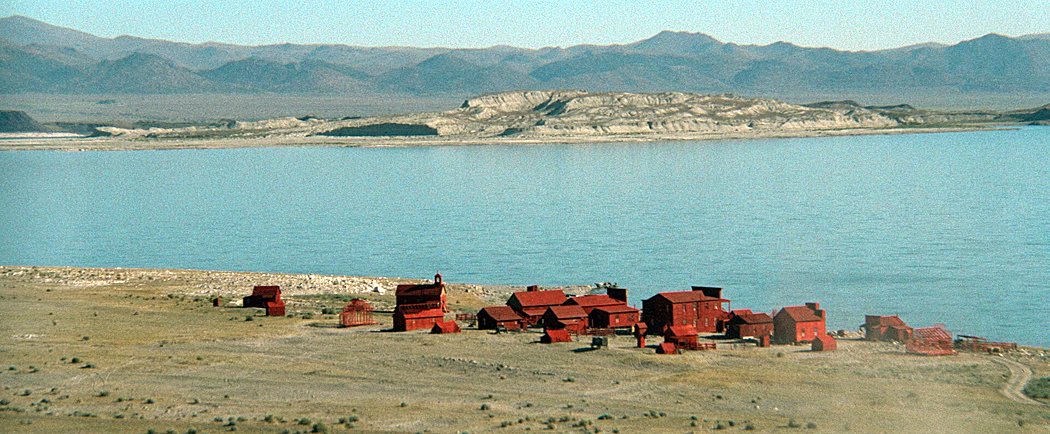
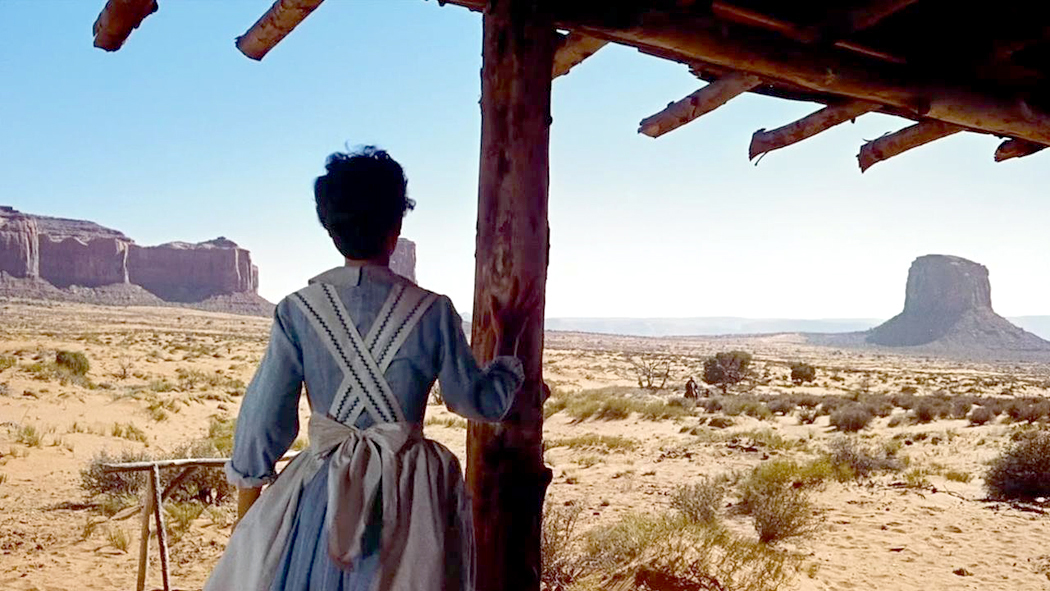

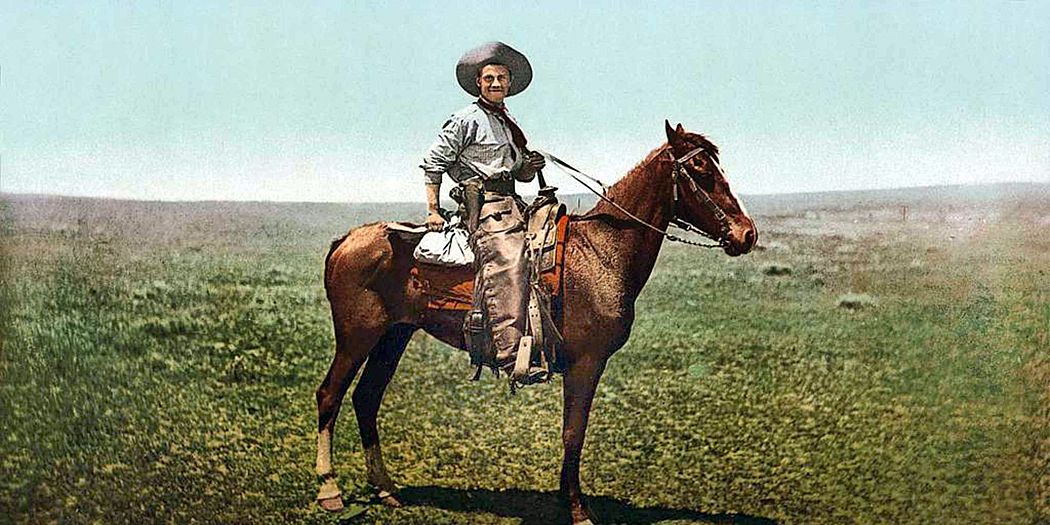

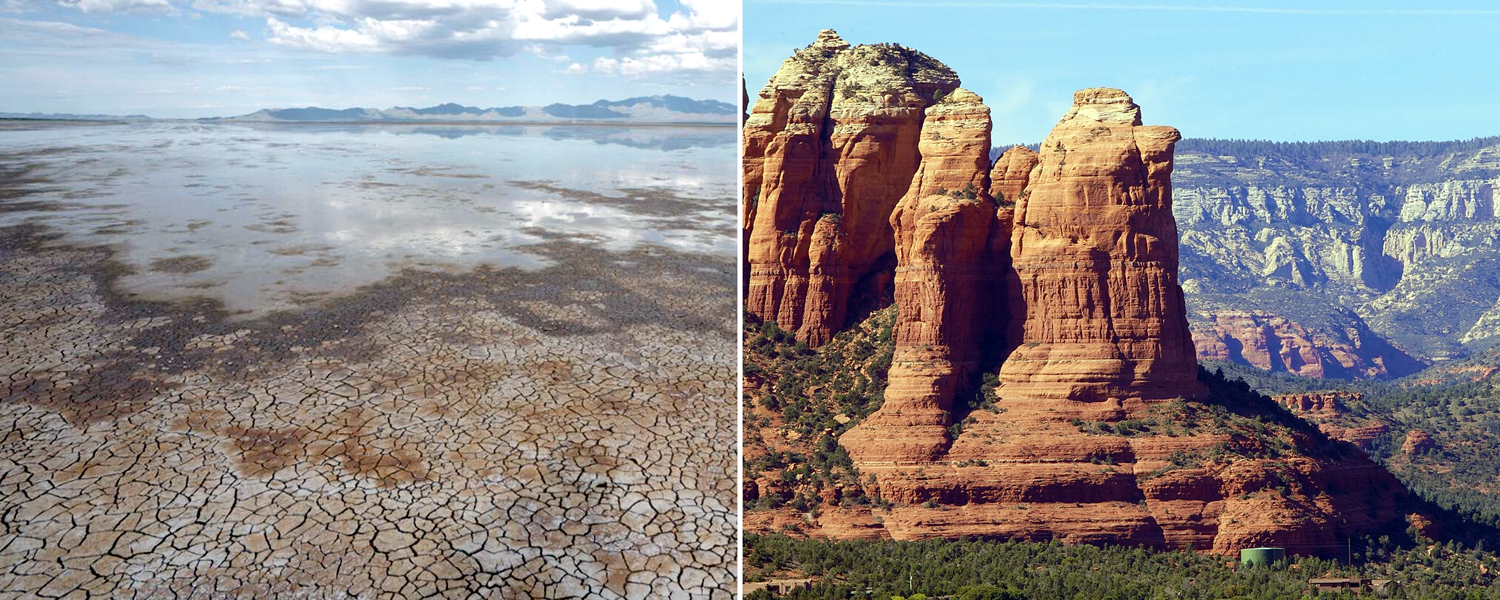
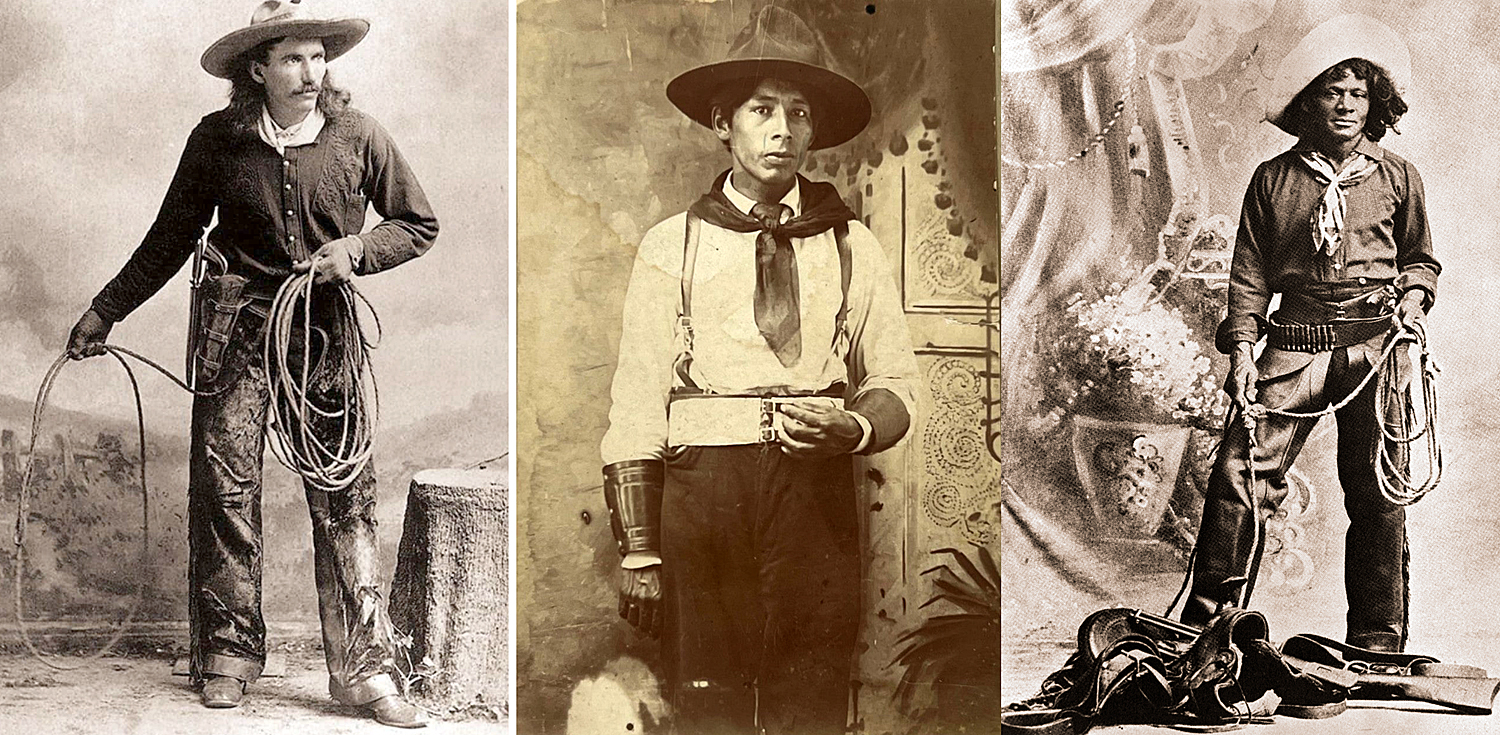
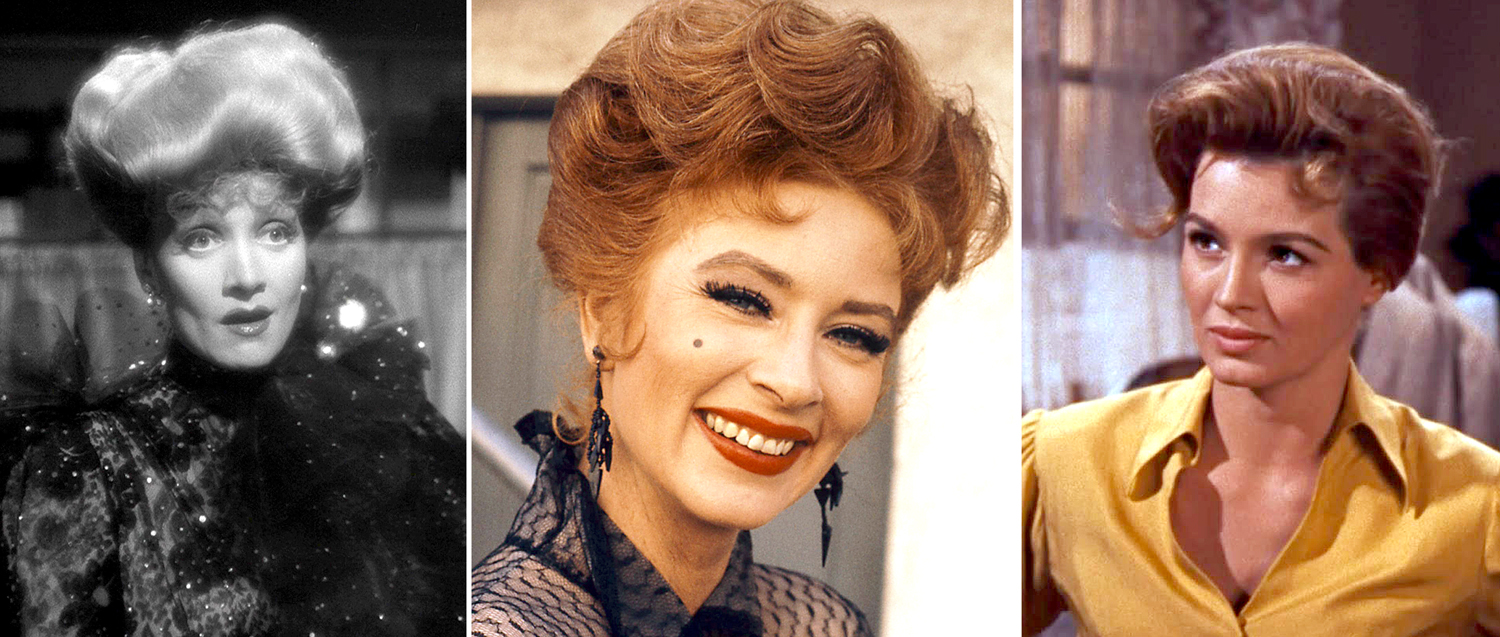

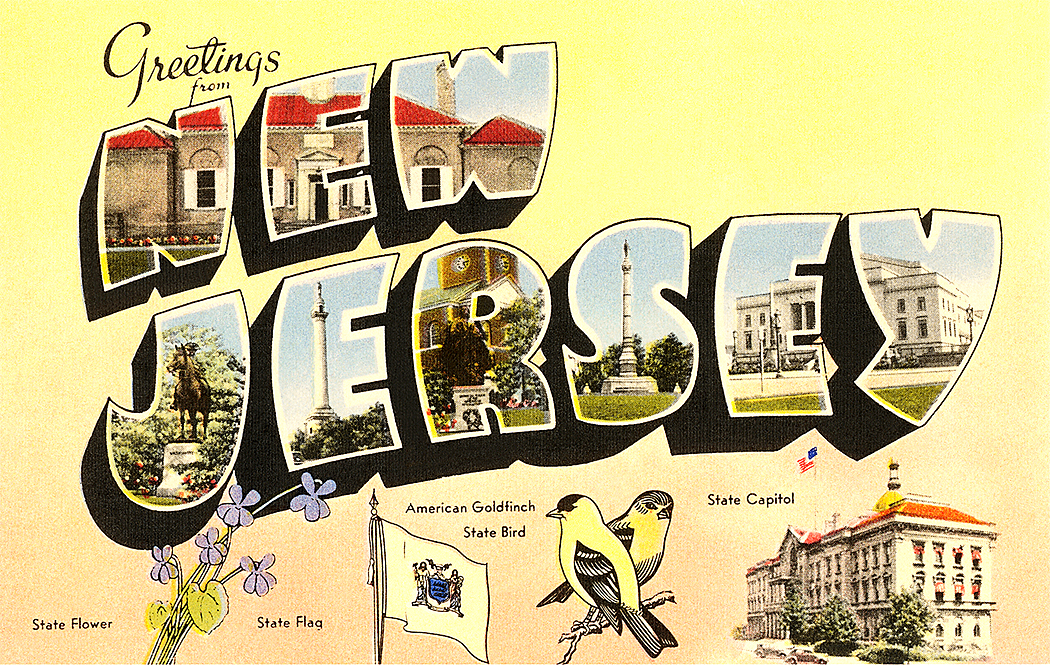

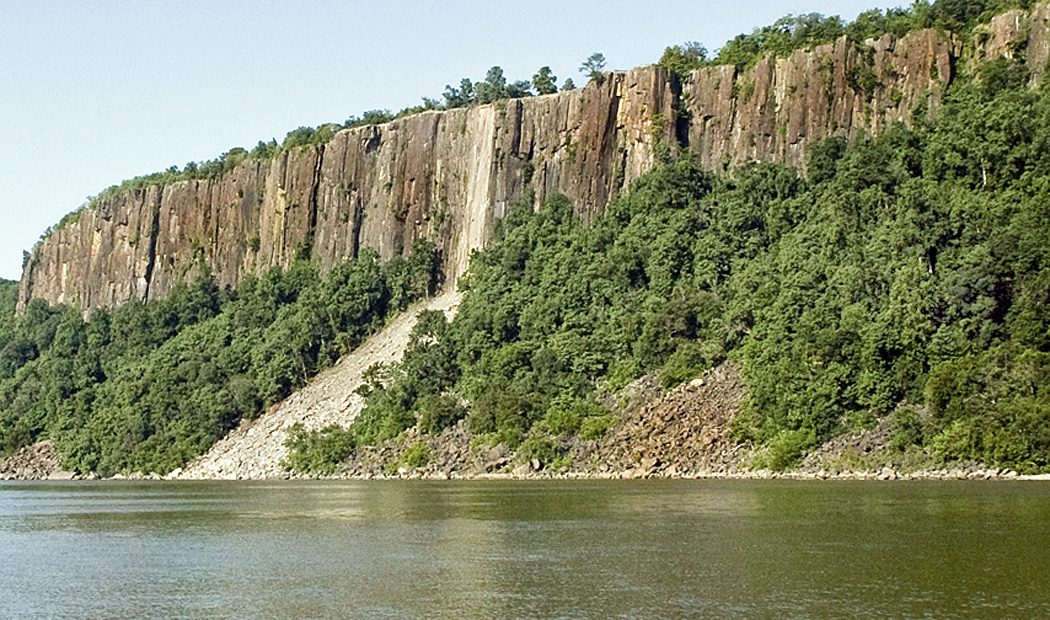

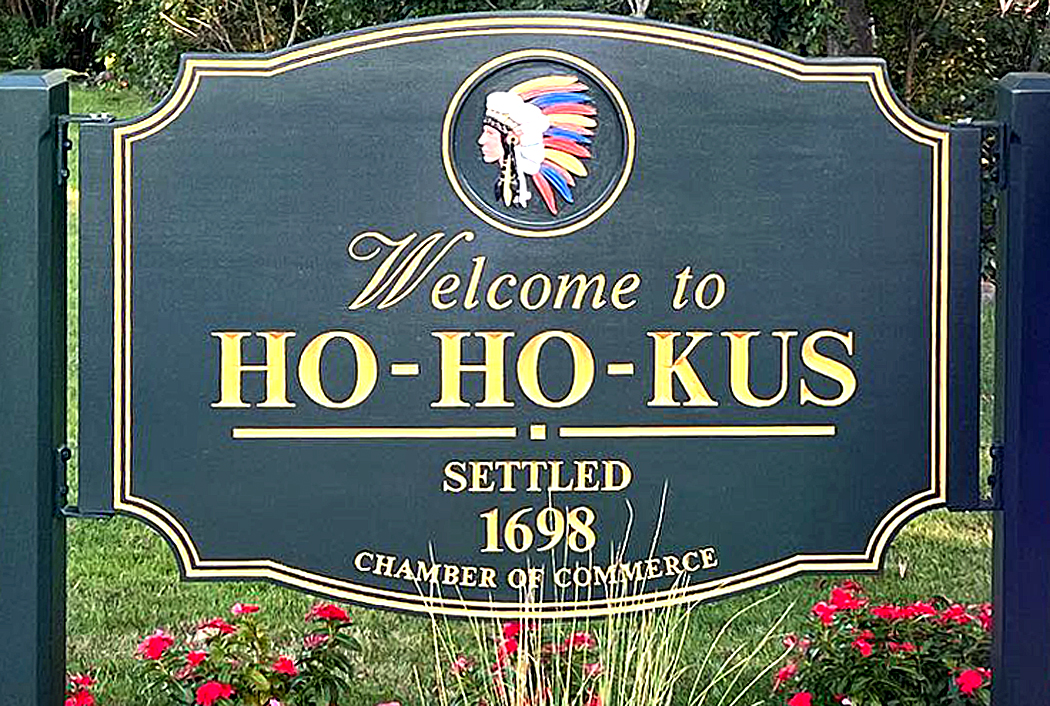
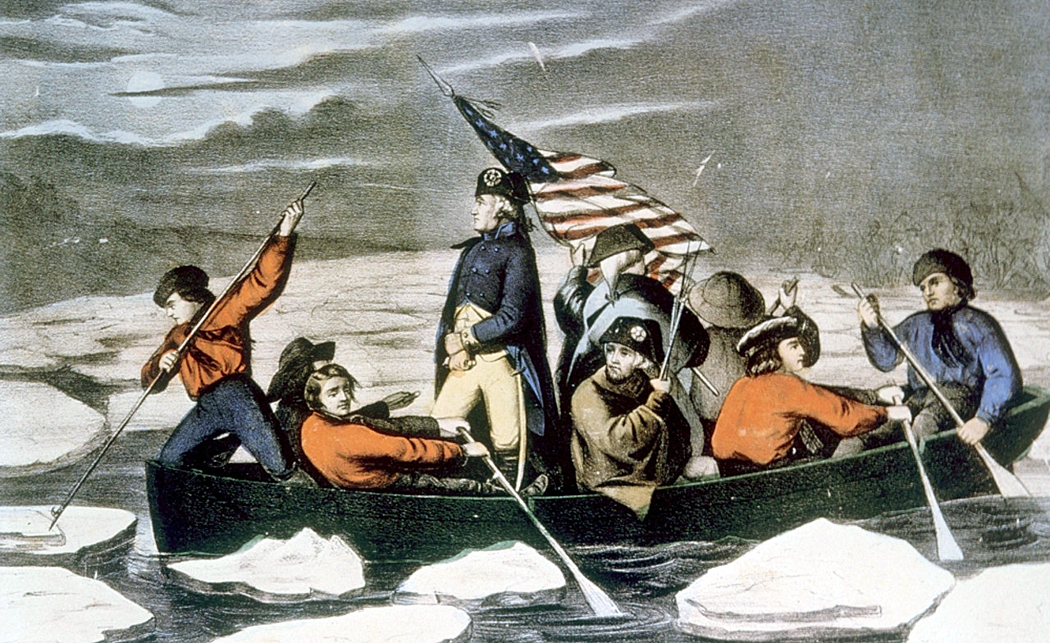
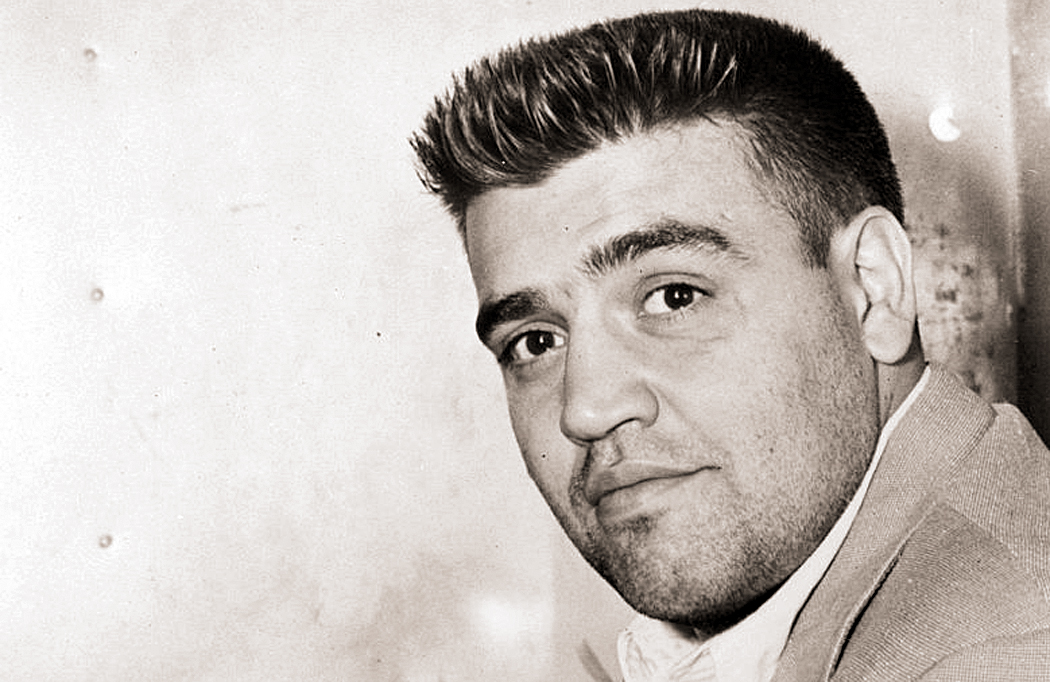

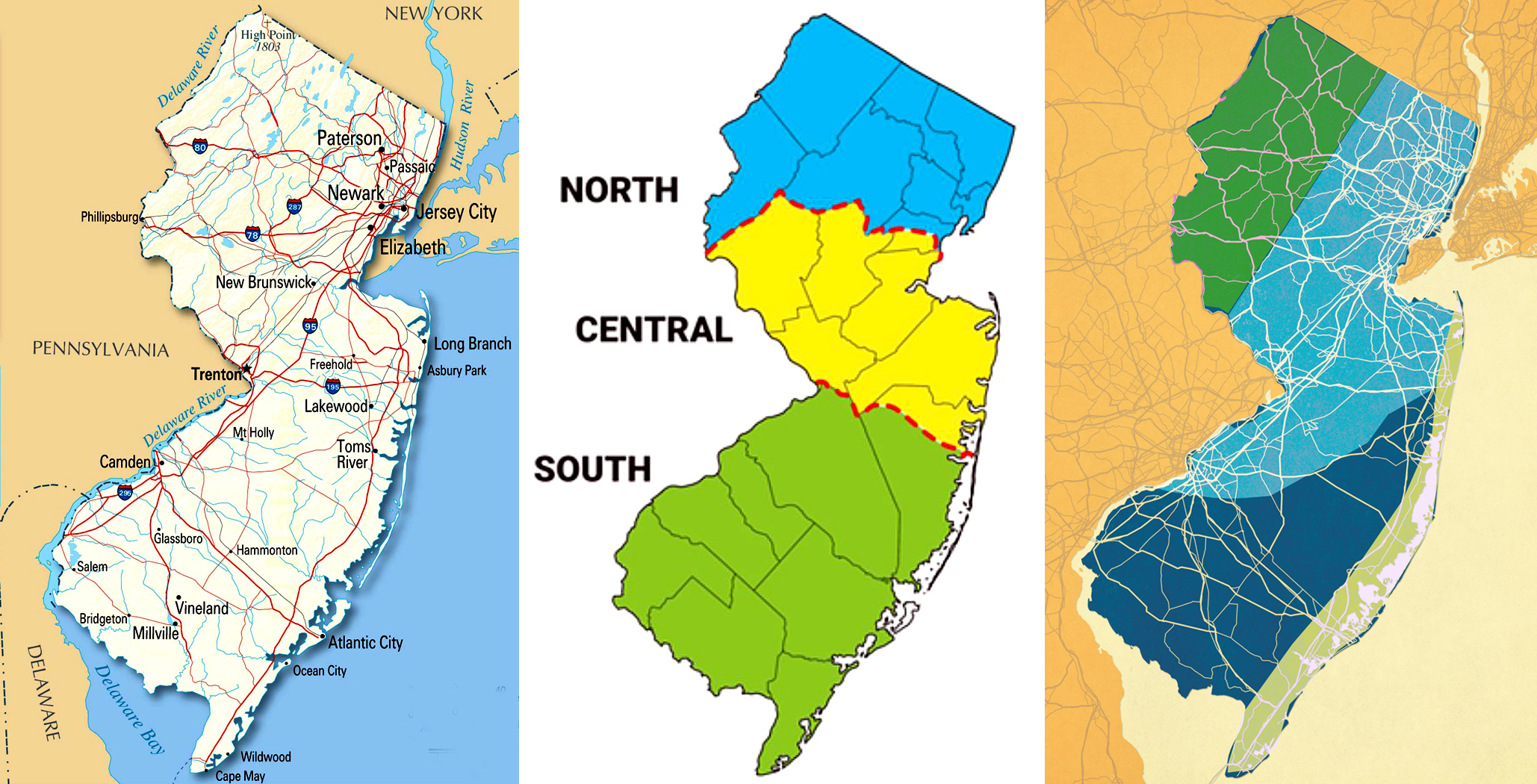
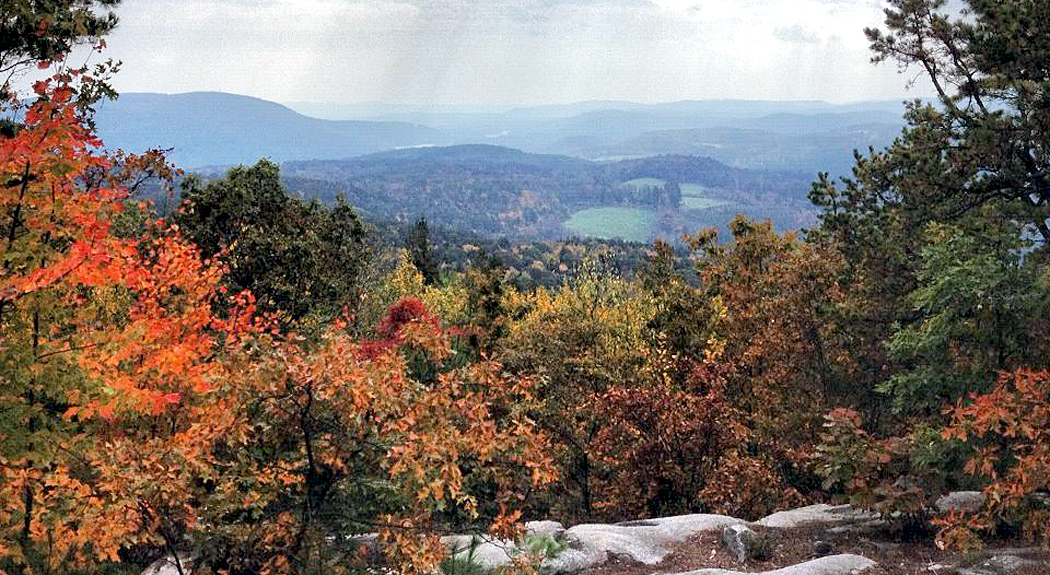
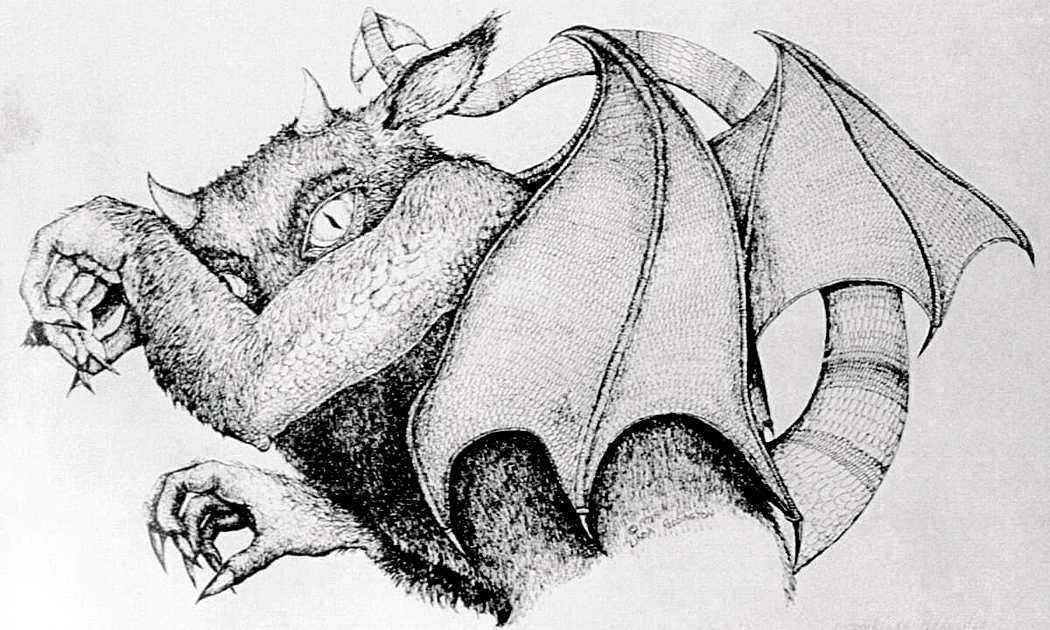
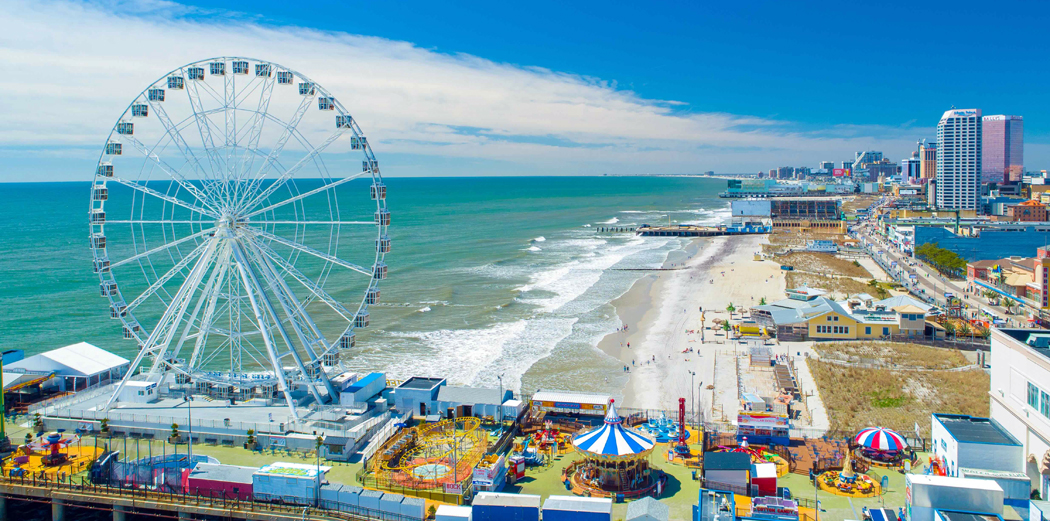

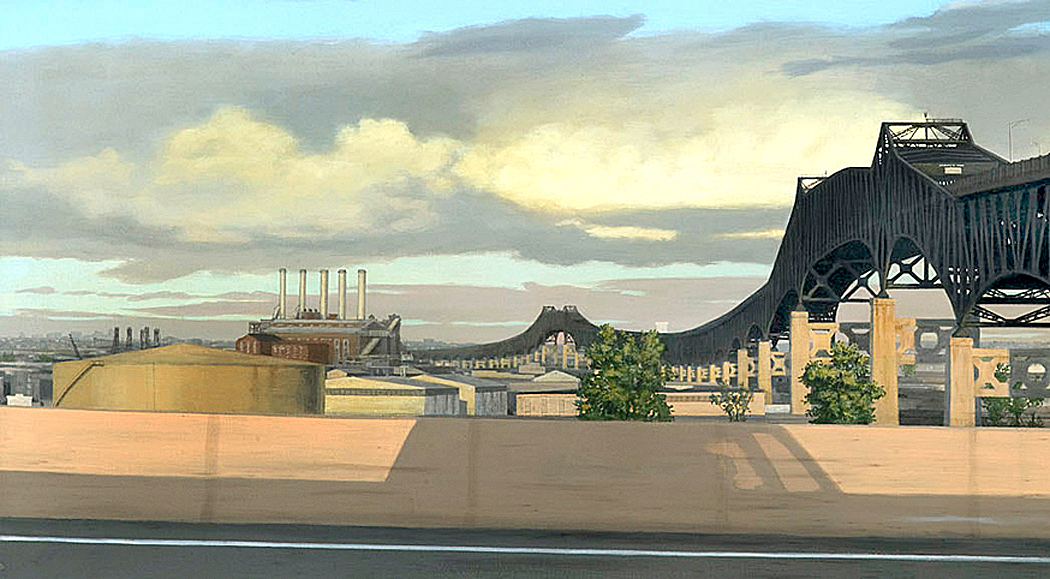




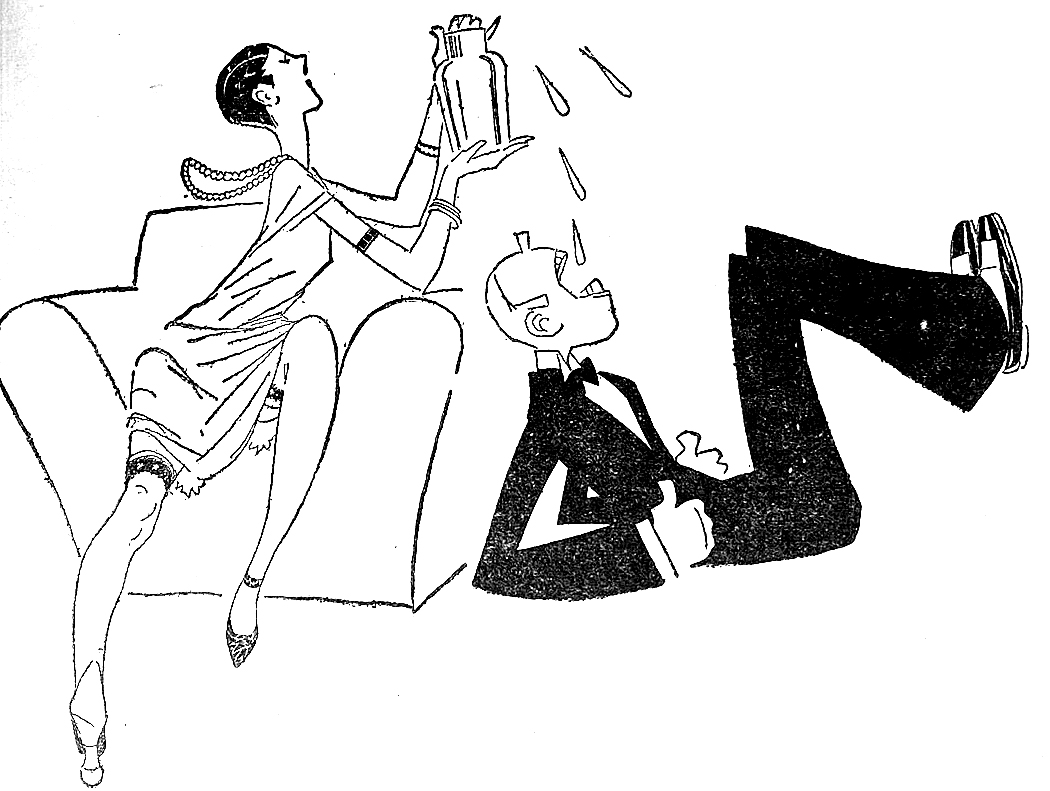
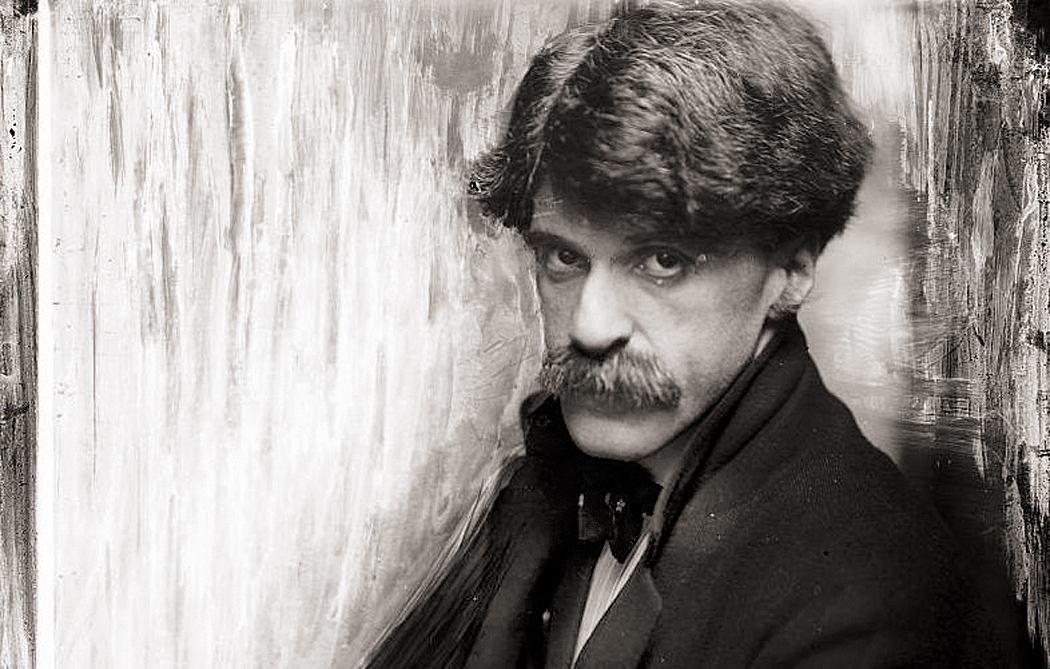

 Richard Nilsen