Archive

Tag Archives: jim waid

At the bottom of every product entry on the Amazon webpage you will find customer reviews. Some are quite thoughtful, others merely complain that the package they got was dented. Too often, close reading shows that the review shown is for some other product altogether and simply slung in with the rest by someone — or some algorithm — that wasn’t paying close attention. 

Check out Google’s list of restaurants near you and you will find any number of reviews by those who have eaten there, and often with an iPhone photo of their dinner plate. These range from “The worst scungilli I’ve ever tasted” to “The cleanest restroom I’ve had to use.” Again, perhaps with a photo. 

My favorites are those where someone posts a four-star CD review with the words, “I haven’t heard this yet.” 
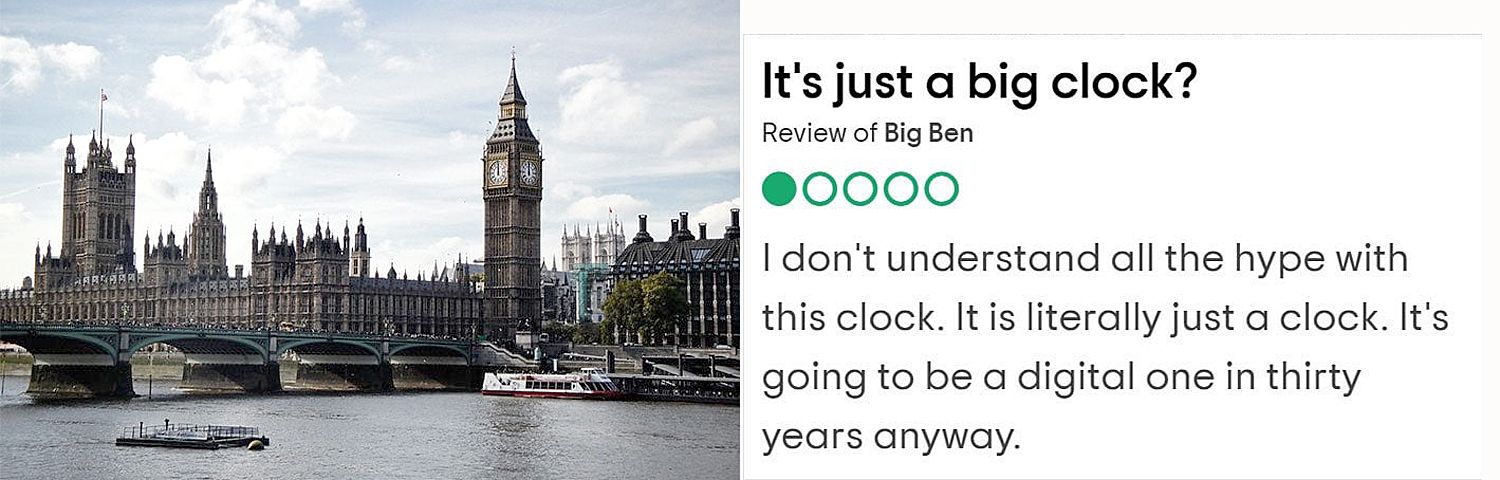
More than ever, we are led to believe that “everyone’s a critic.” Opinions are like noses (I’m being polite): Everyone’s got one. But I spent 30 years of my life as a professional art critic, and it has always bothered me that the wider public seems to think that real criticism, by people who are actually paid to think about such things, is little more than “I liked it,” or “I didn’t like it.” 

On such a level, yes, everyone’s opinion is valid. If you liked it, then to say so is an obvious truth. But that is not what a professional critic is paid to do. 

Granted, there are some people out there with the title on the masthead who do little more than report their likes and dislikes. But the kind of criticism I’m talking about — and that I did my best to engage in — has very little to do with simple likes and dislikes. 

I was paid, rather, for my range of knowledge about the subject, about the history of it, the variety of it, the consensus about it, and my ability to say something meaningful and coherent — and interesting — about it. 

I was paid to explain what I was seeing, put it in context, say why it is important — or not — and, especially with new art, to attempt to unknot difficulties that may make understanding elusive. The art world is full of “elusive.” 

 I began as a freelance art critic with the Virginian-Pilot in Norfolk, Va. in the mid-1980s, and became staff critic with The Arizona Republic in Phoenix, Ariz., in 1987, where I worked for 25 years until I retired in 2012. By then, newspapers were in decline and few still had any critics on staff as layoffs became as regular as seasons. When I left, I was not replaced. All across the nation, critics are not being replaced; lights are blinking out all over the heavens. The loss is considerable. 

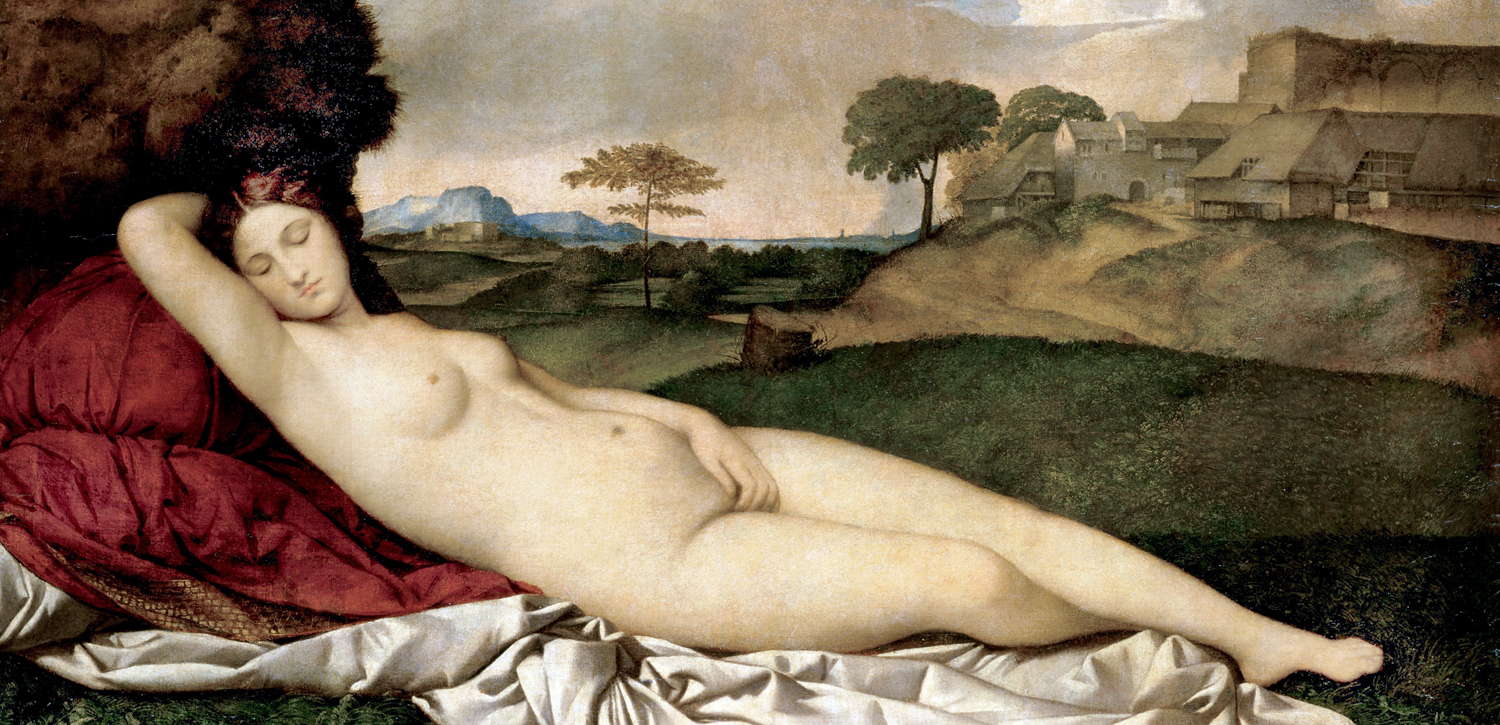
I have continued to post about art on this blog. There was a long piece about Jacques-Louis David’s Death of Marat. Another on the long echoes from the pose of Giorgione’s Sleeping Venus. I wrote about photographers Nan Goldin and Garry Winogrand. Some of these have been the most frequently visited blog entries on my site. 
Over those three decades in journalism, I covered an awful lot of art, both locally and nationally. Much of the art, I loved. Some not so much, and there were even shows of art I had little sympathy for. All of it, I tried to say something real about and meaningful. So, I feel I have established my bona fides to write about criticism.

My tastes didn’t stop me from recognizing quality or importance, even if it was art I didn’t much care for. And there was, correspondingly, art I knew wasn’t especially important that I really, really enjoyed. My likes and dislikes didn’t count much, and weren’t supposed to. 

Let me give you some examples either way. 

One of the very few times I had a contretemps with my editor was about a show at the Phoenix Art Museum of art by the so-called Mexican Muralists. I mentioned to my editor that I was thinking of giving the show a pass and she nearly bit my head off, making it absolutely clear that I wasn’t being paid not to write about an important show, or to care whether I liked the work. I knew this, of course, but I had to confess my lack of simpatico with the work. Of course, I wrote about it. Without expressing my own qualms. 

In general, I have little love for art that is primarily propaganda, and that is just what the work of Diego Rivera or David Siqueiros is. There is good ol’ Karl Marx pointing the way to the future for the downtrodden campesinos. There are the peasants displaying solidarity by all wearing the exact same clothes and carrying the exact same weapons. For me, this is a big snooze. 
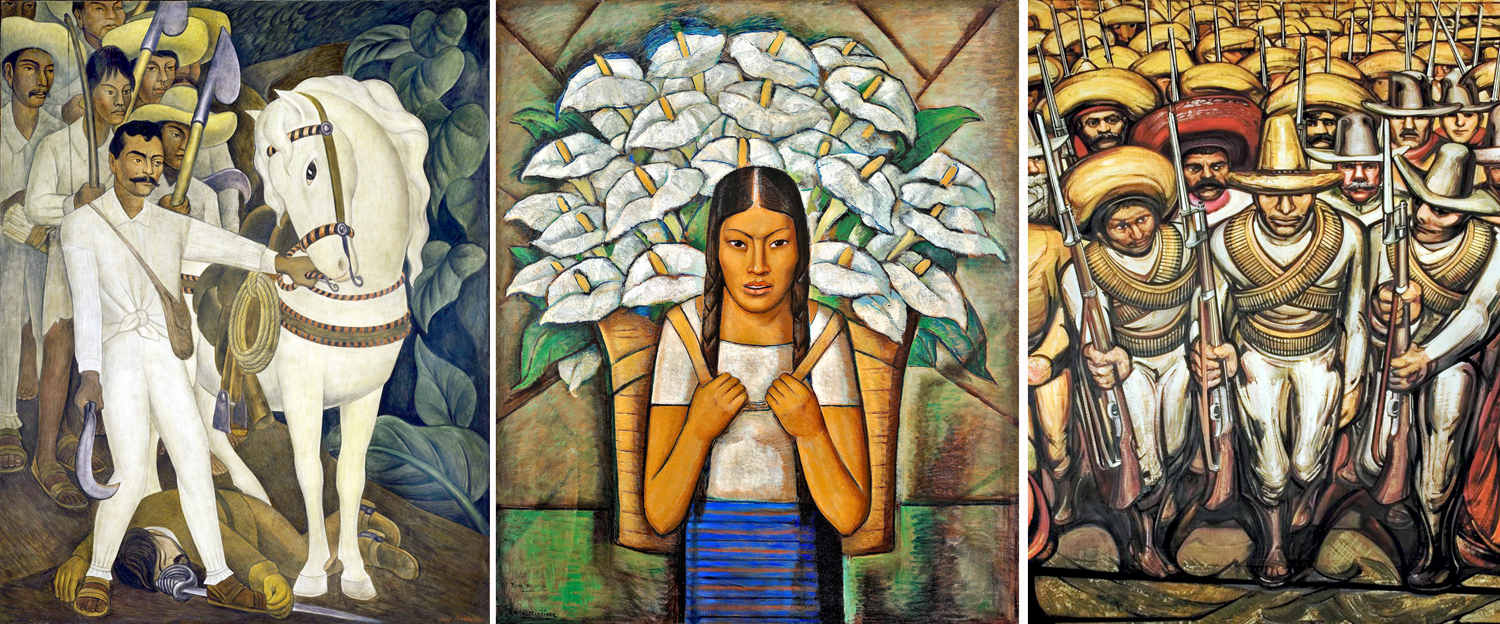
And on top of that, the colors used favor rather dull browns and ochers. It just isn’t very inviting or attractive art. Nevertheless, the movement, from the 1920s through the 1940s, defines an era of Mexican culture, and was immensely important. And, moreover, some of the muralist art was clearly better than other, and it was my job to show that and explain why and how. 

It should be pointed out that it isn’t Mexican art I have a problem with. I love the crazy work of Frida Kahlo; I wrote an appreciative review of Rufino Tamayo for ARTnews  magazine. I enjoy the skeletons and calaveras of Jose Posada and the volcanic landscapes of Dr. Atl. And all that colonial-era art, and all the bright, colorful, energetic folk art. 

It’s just the dreary, politically sentimentalized work of the muralists I dislike. 
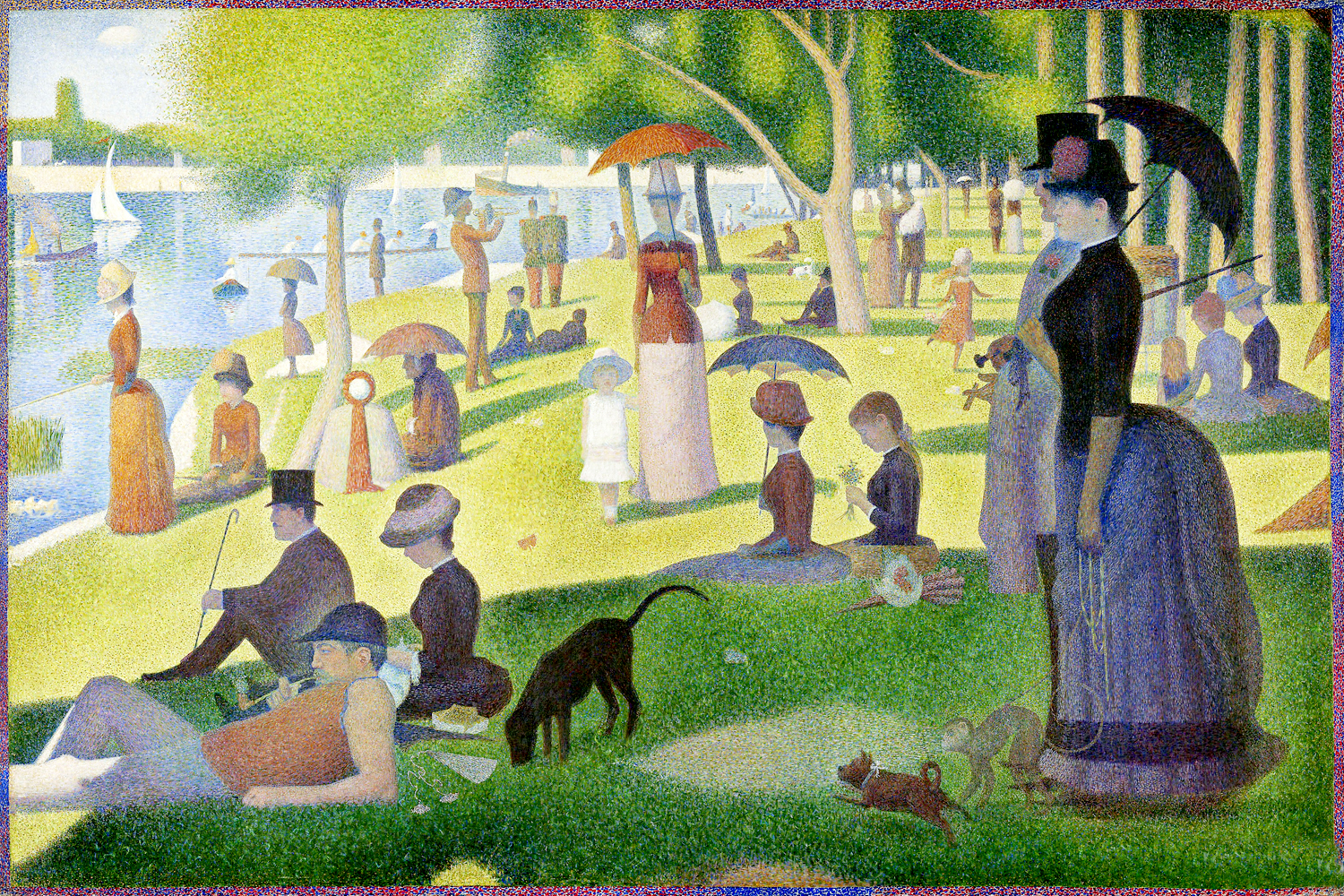
Let me give you some other examples. There is no question but that the pointillist works of Georges Seurat are masterpieces, and important in the history of art. But I find Sunday Afternoon on the Island of the Grandes Jattes a huge bore. Stiff and unyielding, all the life sucked out of what should be a bustling joy. It seems to me a painting made to justify a theory, and not something that had any more lively reason to burst out of his imagination. 
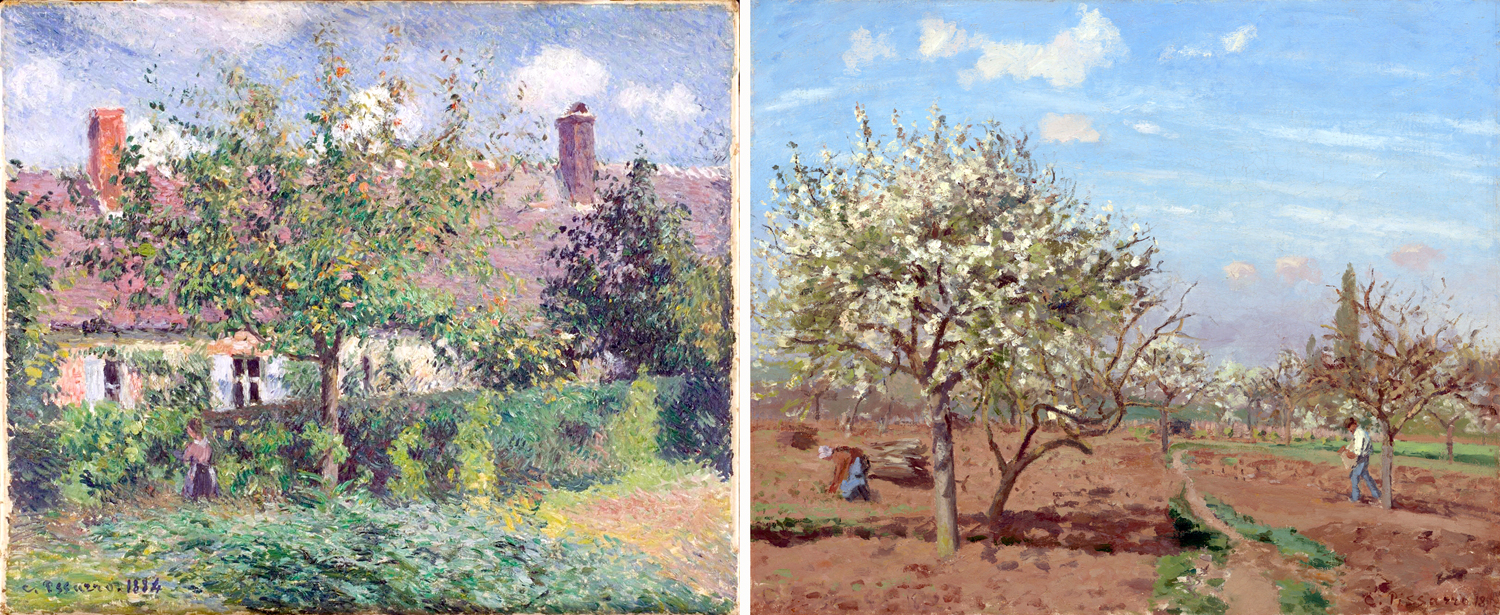
And there is his older contemporary Camille Pissarro. I don’t dislike Pissarro’s painting, but it just seems a trifle dull. He is the painterly version of a composer who can write perfect fugues, knows voice-leading, and can orchestrate magnificently, and yet cannot write a tune I can whistle. 

I’m specifically writing about art I have actually seen in person, and not just stuff I find in books or magazines. Reproduction cannot give anyone a clear idea of the art, its size, gloss, color. You can only get the iconography and some loose sense of everything else. 
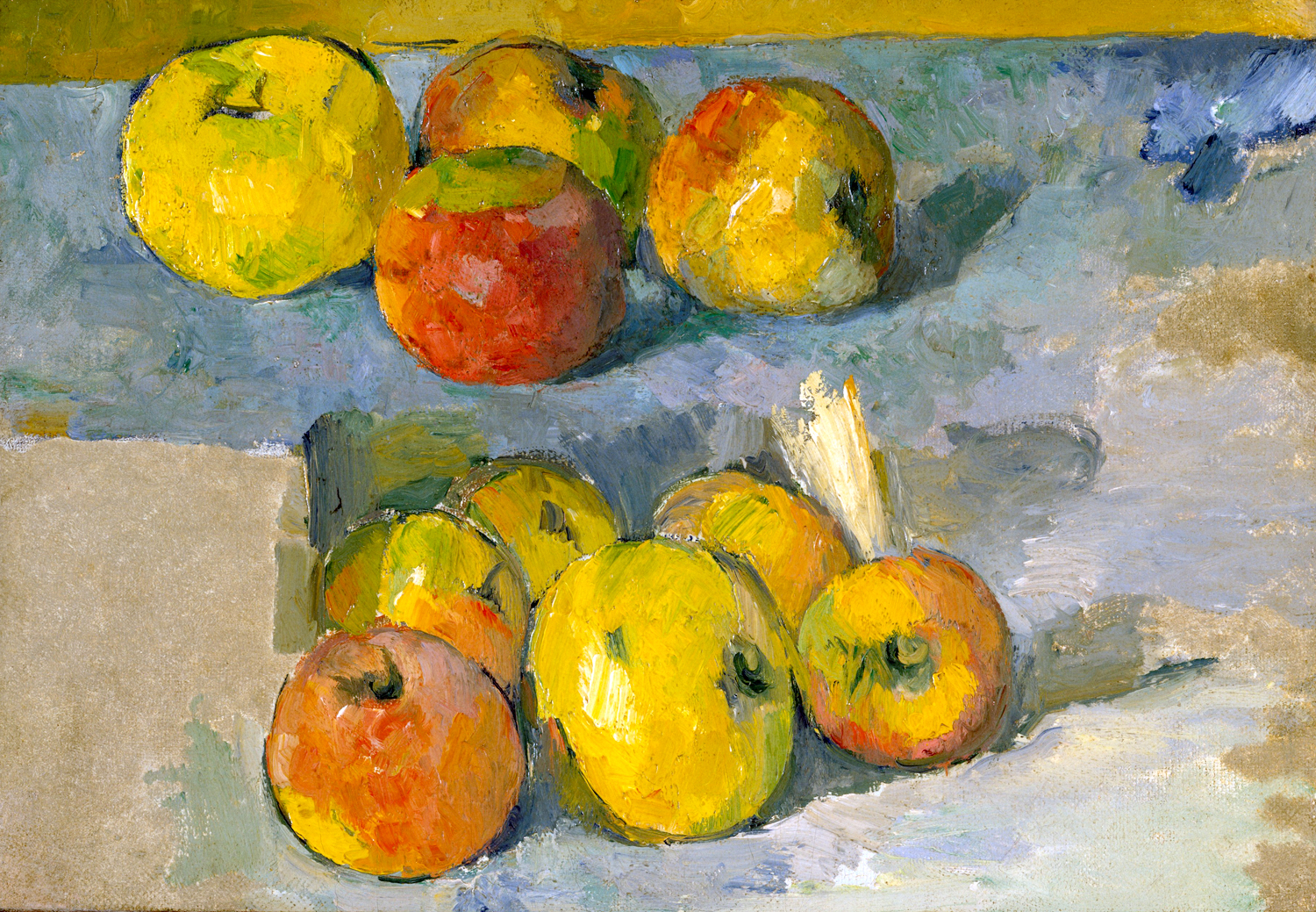
The necessity of seeing the art in person was brought home by Paul Cezanne. I never cared much for the work of Cezanne. But then, I spent some time with the actual work, and it exploded in my eye with form and color that just eludes reproduction. Now, Cezanne is one of my most loved artists and I kick myself for all those years when I paid him scarce attention. Those apples and pears — I want to lick the paint off the canvas. 

Another confession: I never cared for Leonardo’s Mona Lisa. I’ve been to the Louvre now, several times, and in person, the Mona Lisa is no more exciting. It is a small, rather ordinary portrait. Yes, the sfumato technique is quite pretty, but the painting itself does not deserve the fame it seems to suffer. 
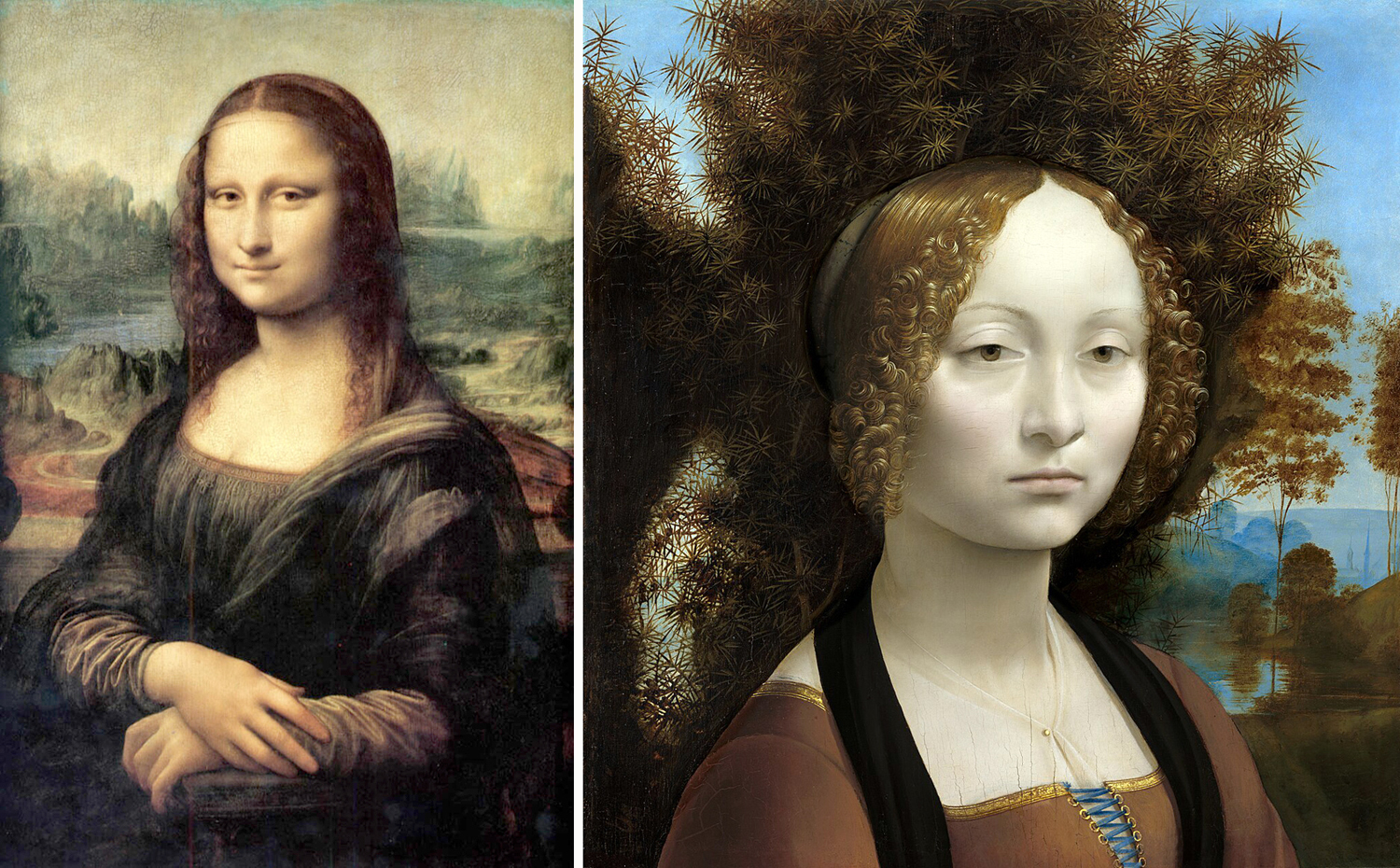
On the other hand, I do love the same artist’s Ginevra de’ Benci, at the National Gallery in Washington, D.C. It has all the glow and spirit that poor Mona Lisa just doesn’t have. 

But even Ginevra doesn’t draw the pleasure from me that I get from Raphael’s portrait of Baldassare Castiglione, one of the most perfect paintings I have ever seen. 

Rembrandt saw the portrait, copied it in pen and ink, and later used it as inspiration for one of his self-portraits, now at the National Gallery in Washington. I love that one, too. 

So, it is not that I hate great paintings and love minor ones. It is just a matter of taste. My taste drifts toward some and is left unmoved by other. But, as a critic, I certainly know the difference. 
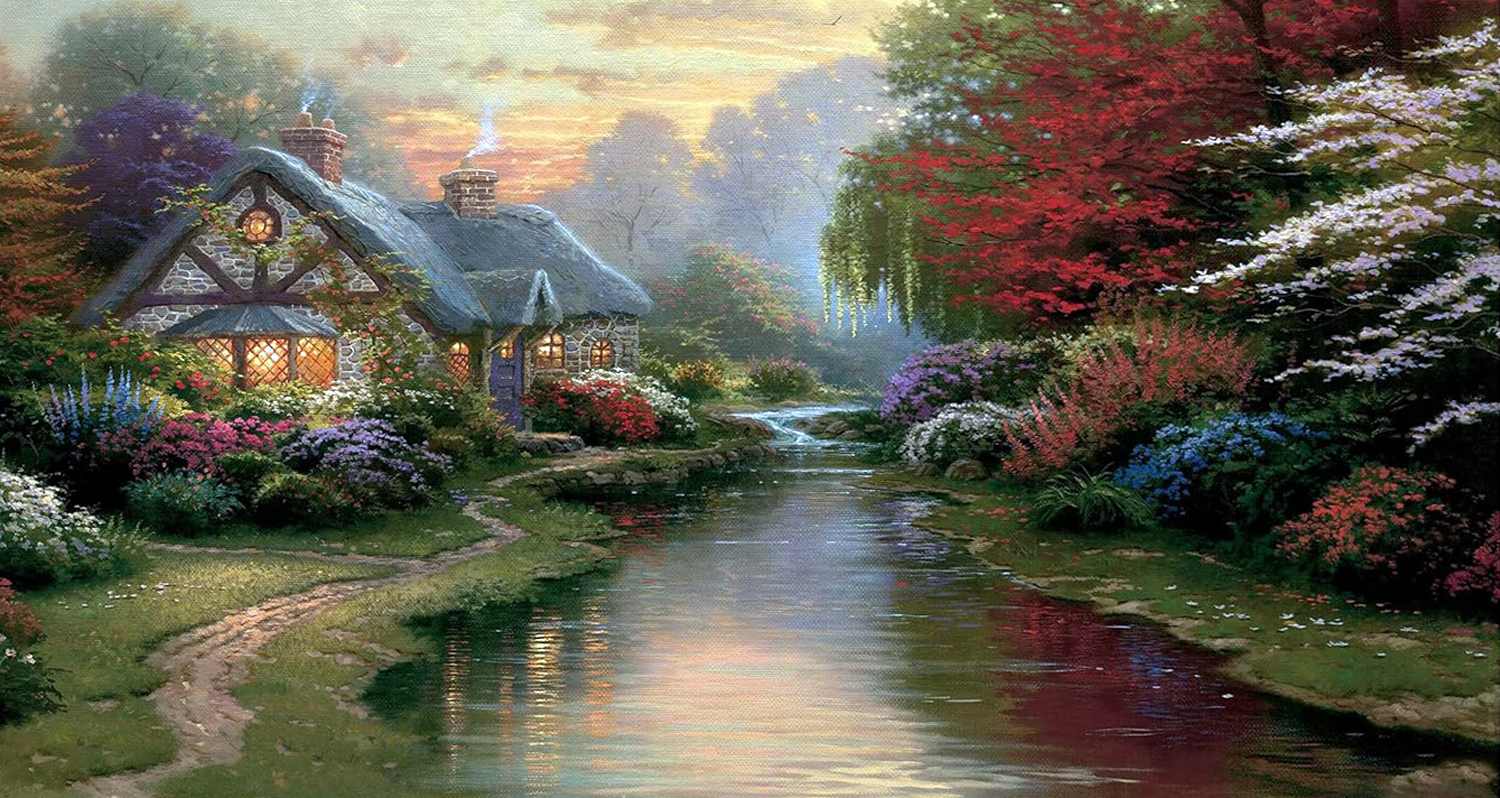
I have no issue with anyone liking or disliking any piece of art. Not everything has to appeal to everyone. If you think Damien Hirst’s pickled shark is disgusting, I have no issue with you. If you think the hands on Michelangelo’s David too large, and his privates too small, that’s fair. Even if you find yourself moved emotionally by the light inside the cottage of a work by Thomas Kinkade, I say, enjoy. But that doesn’t qualify you as a critic. 

The art I love — and “love” is not too strong a word — includes some famous and important paintings. I grew up with Picasso’s Guernica when it was hanging at the Museum of Modern Art in New York. In my teen years, I visited MoMA often and thought I’d have Guernica to see for my lifetime. But it returned to Spain in 1981. Seeing it stretched across 25 feet of wallspace helped steer me into a life with art. 
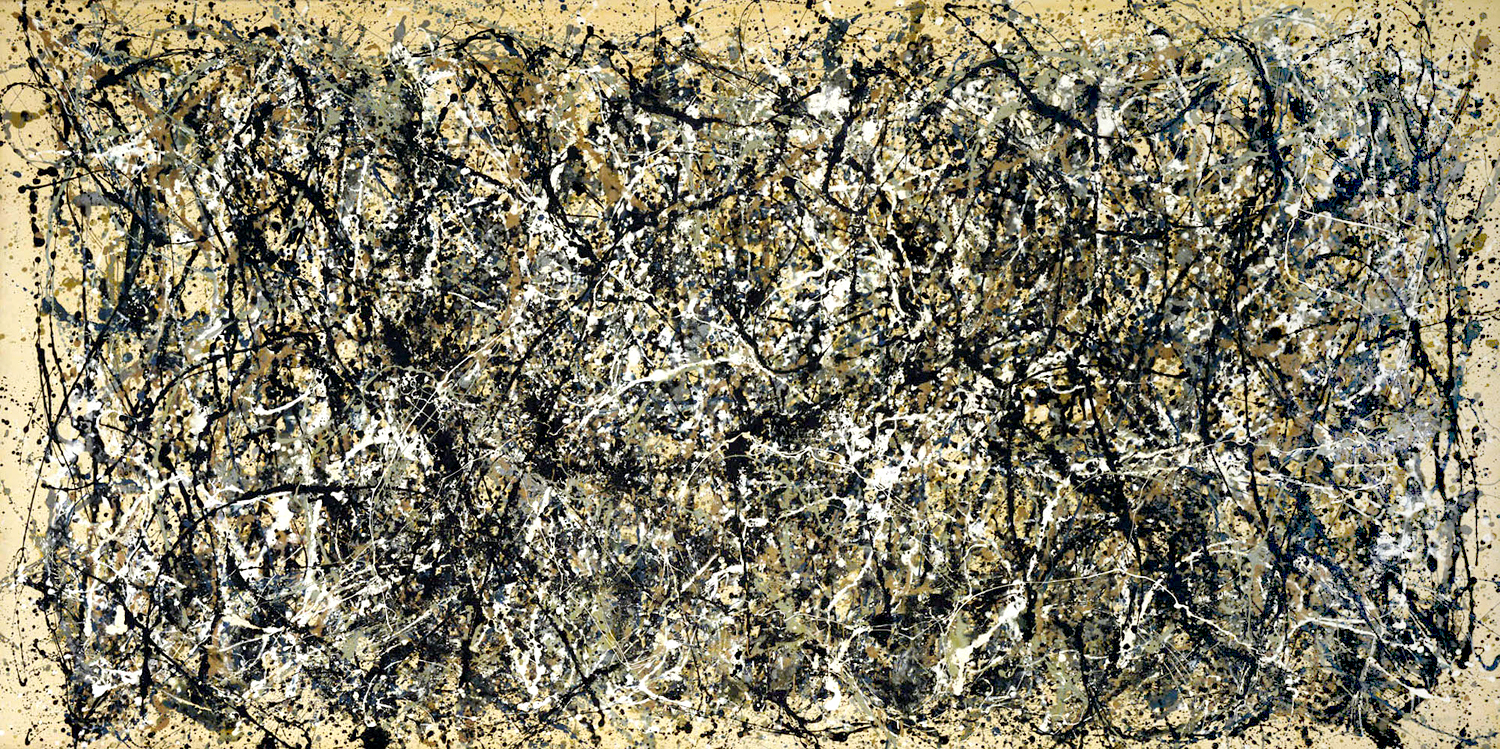
I loved seeing Jackson Pollock’s One Number 31, also at MoMA, back when abstract art was still seen with suspicion by the public. It hit me like a brick, and I loved its visual busy-ness and textural depth. It was a painting I could lose myself in.
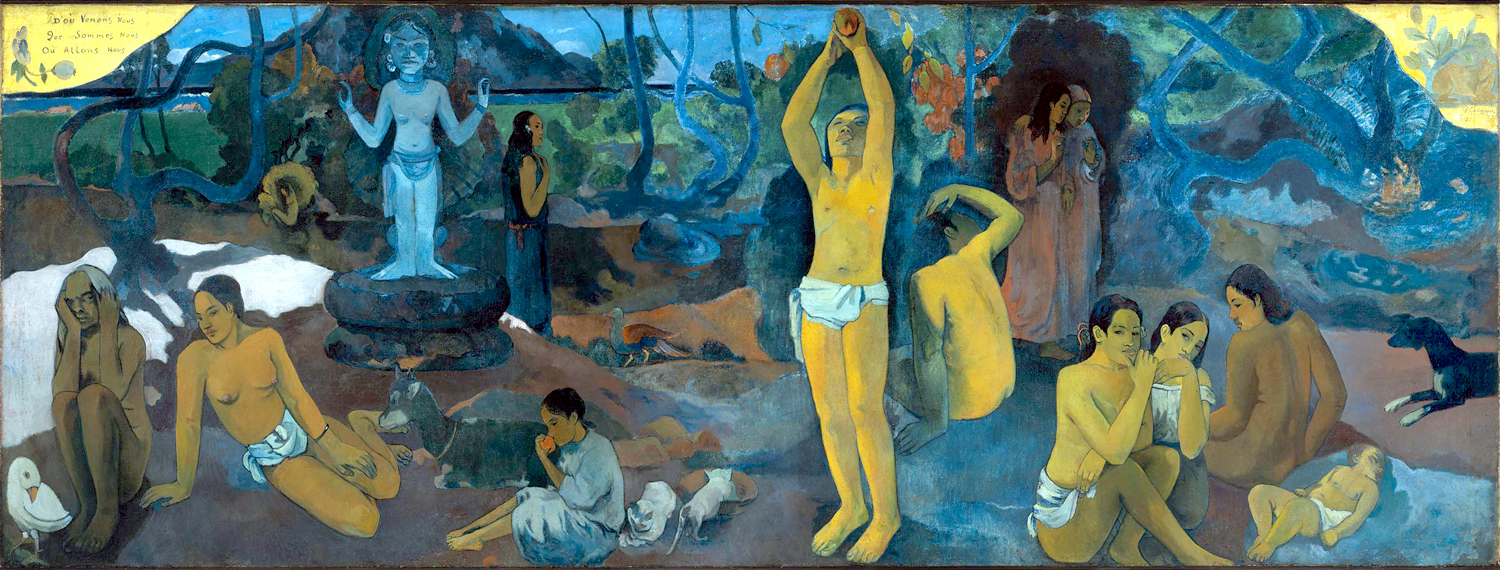
In Boston, I finally saw Paul Gauguin’s Where Do We Come From? What Are We? Where Are We Going?, another panoramic picture. Unlike the Mona Lisa, it makes a stronger affect in person than reproduced. 
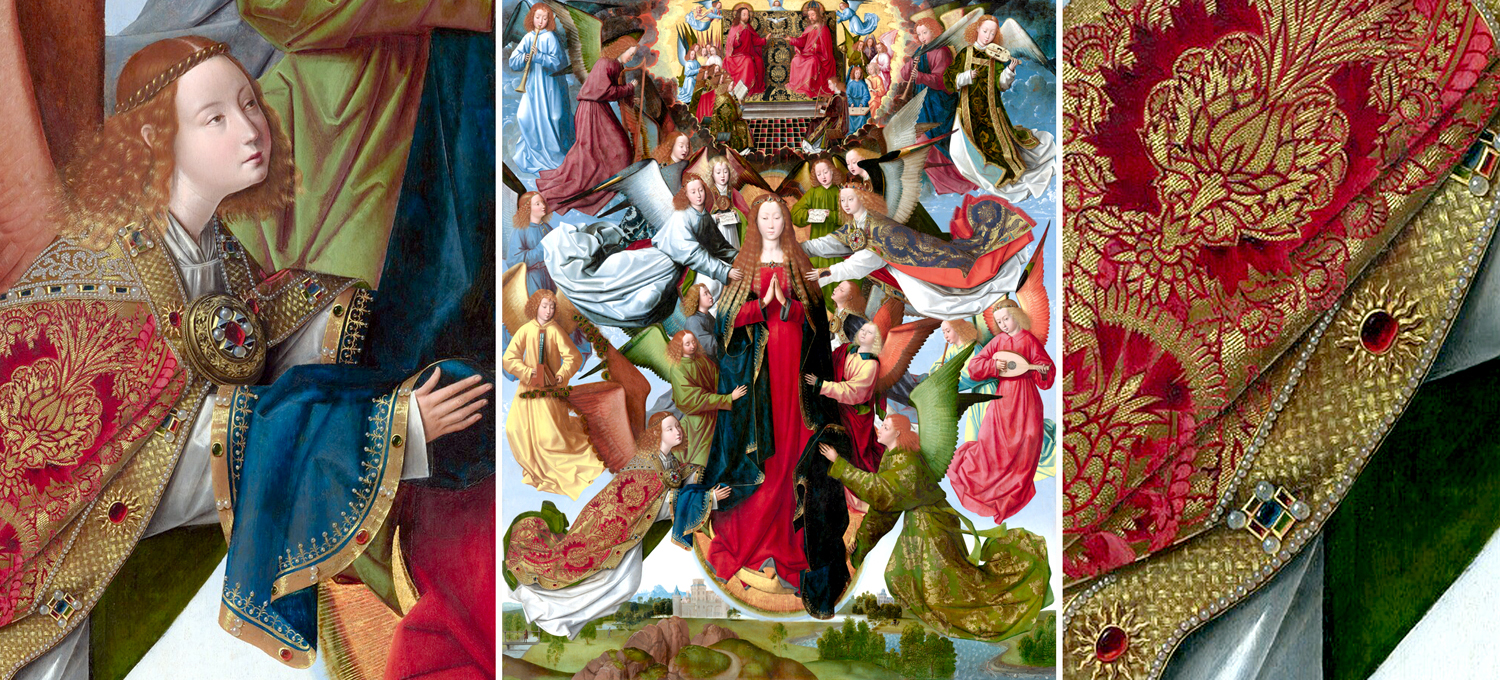
At the National Gallery in Washington, there are a number of paintings I visit, as if on a pilgrimage. Perhaps the main one is Mary Queen of Heaven by the 15th-century Master of the St. Lucy Legend, an unknown artist (so many were anonymous back then) with a magical ability to create detailed fabric and rich color. It is not one of the superstars of the collection, but it is dear to me. It is 7 feet tall, and busy with detail. I love art that highlights texture and color, and am less drawn to iconography or storytelling for itself (such as features in propaganda). The virgin Mary means nothing to me religiously, but this painting I worship. 
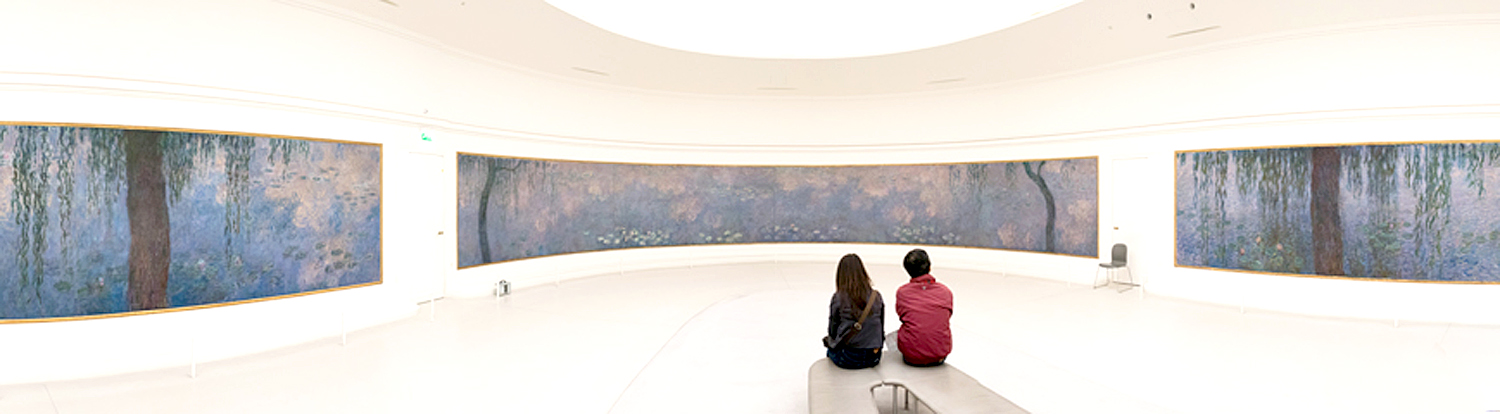
All the work of Claude Monet pleases me, but it is the large waterlilies that move me. When I finally got to see the group of them at the Orangerie in Paris, I had to sit down. Two oval rooms with walls banded with waterlilies. It was a holy place. 

These are all works that both give me great pleasure, and are also historically important works, anthologized in any art history text. 

 Yet, some of the art that I love most and that gives me great pleasure is art not especially important, or at least not widely known. There are so-called “local artists” who never get the national reputation; there are artists I know personally and whose work speaks to me in part because I see their personalities so clearly in what they produce. 

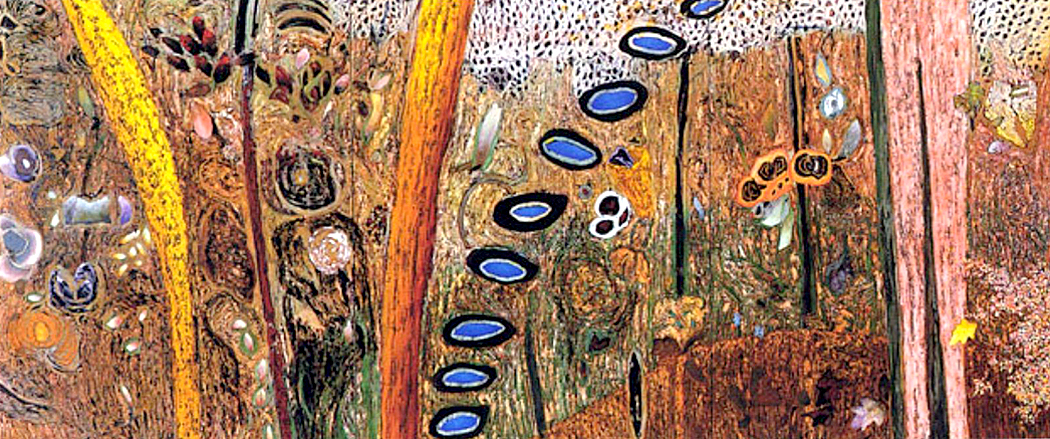
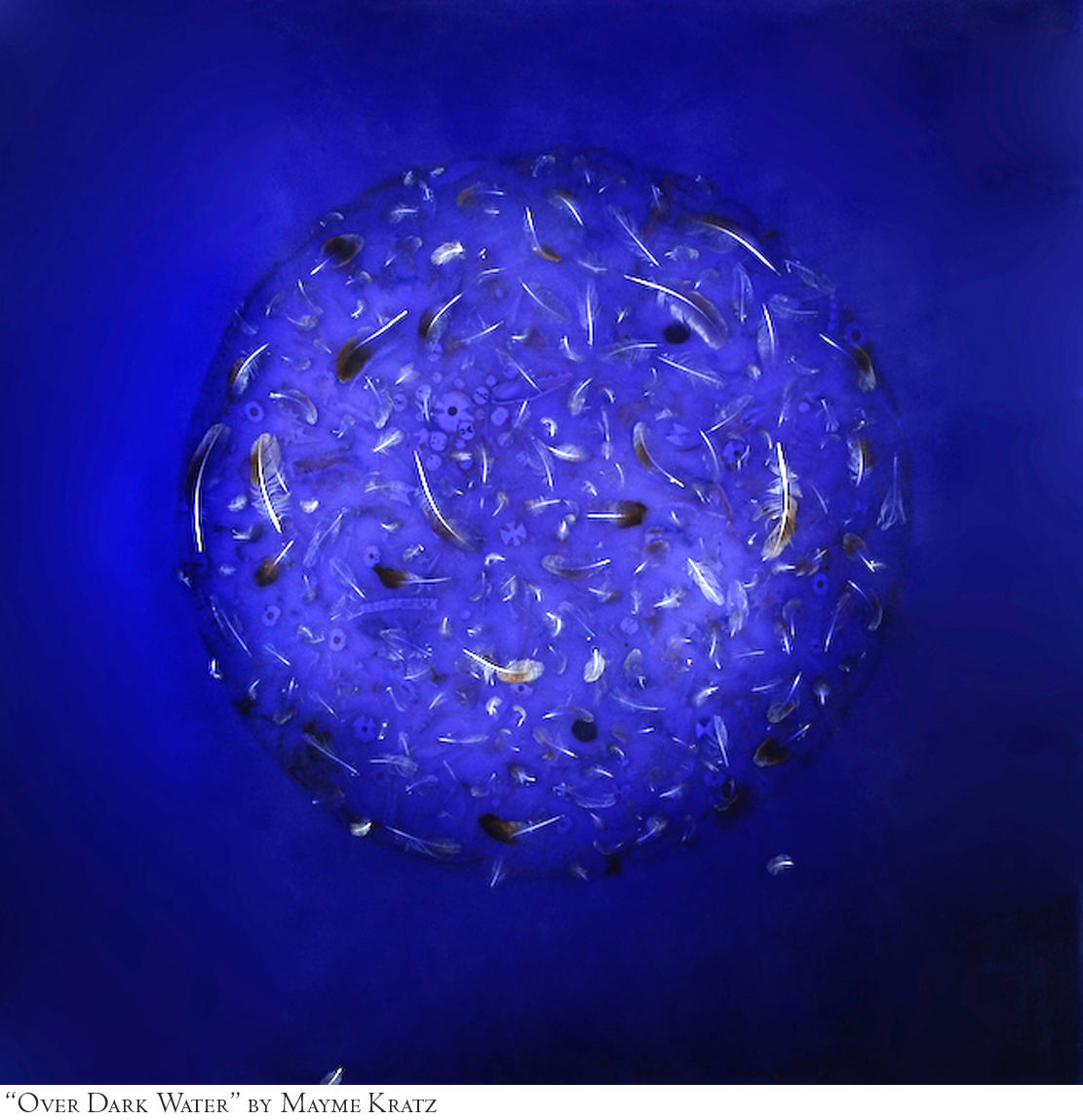
I love the art of Arizona’s Mayme Kratz. I’ve written about her work several times. Mostly, she finds discarded bits of the natural world — seeds, husks, birdnests, grains, twigs, shells — and embeds them in patterns in colored acrylic, finished with a fine sheen. They are intensely beautiful. Kratz makes a living from her work and has buyers and collectors, but I don’t know why she isn’t featured in galleries in New York or Berlin. Her work deserves to be. 
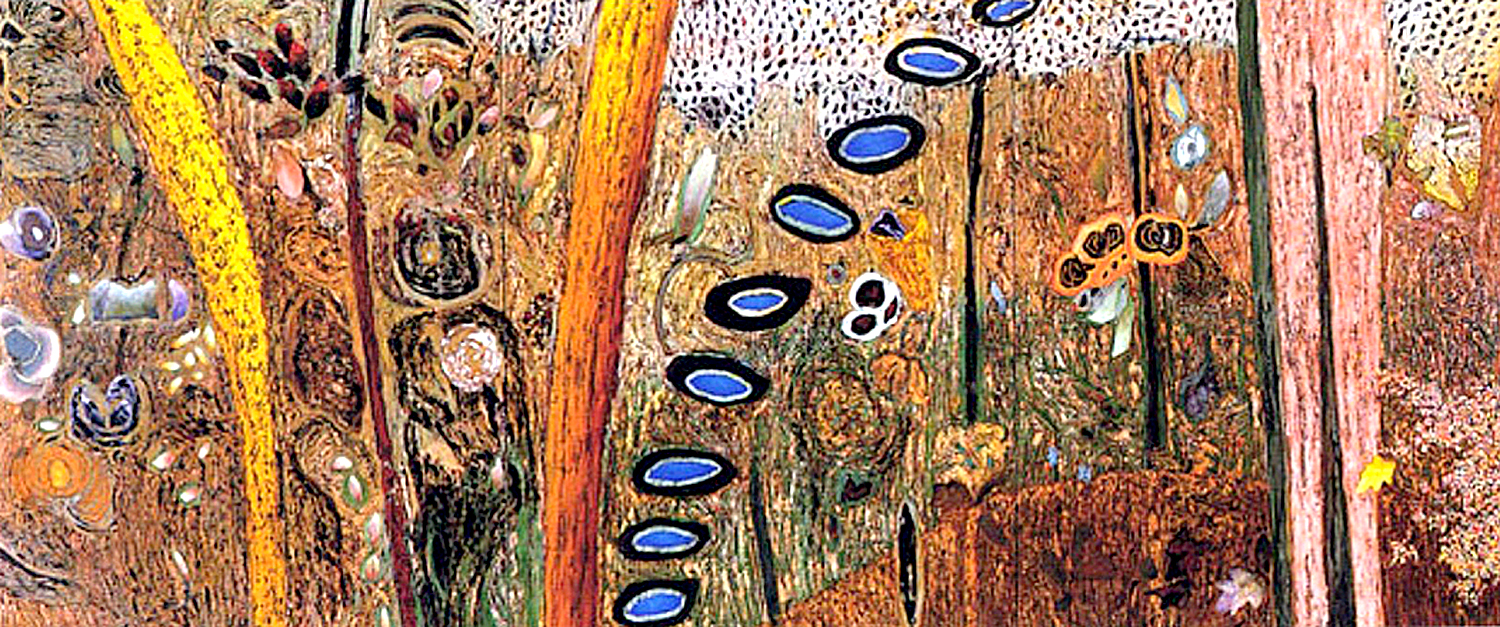
Tucson painter Jim Waid has a growing reputation and has representation outside of Arizona. But his large canvases, electric with color and texture, were featured (during my time) primarily at one gallery in Scottsdale. As I wrote about him for the newspaper, “Is there any reason that David Hockney is ubiquitous and that Jim Waid is not? Waid is clearly as good a painter, and his canvases as original and distinctive, yet Hockney jet sets, and Waid paints in his studio in Tucson.” One of the highlights of my year was the annual Waid show at Riva Yares Gallery. 
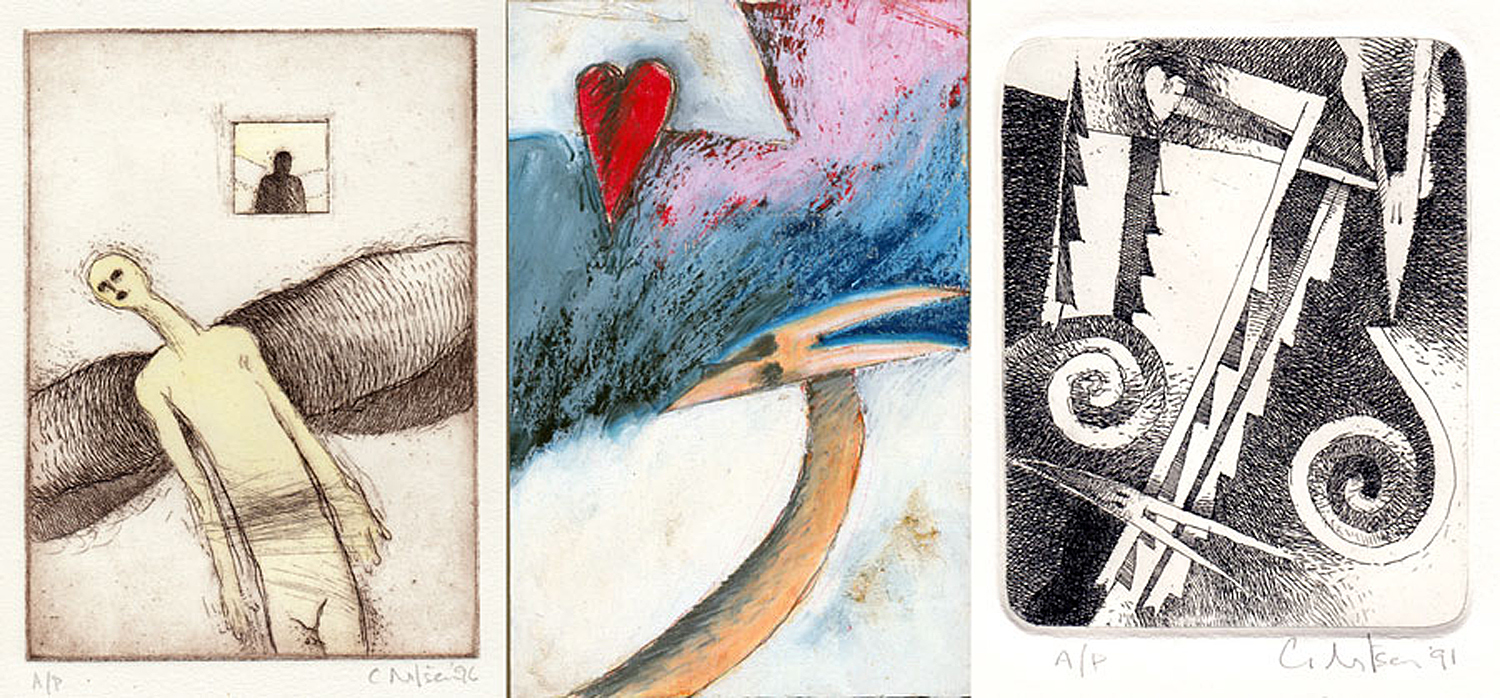
My brother, Craig Nilsen, is a painter and printmaker from Virginia. I have seen his work all his life and I cannot help but see him in the paintings so particularly and often heartbreakingly. He is now retired, as I am, and I am lucky to own quite a few of his pieces. I love them all. 

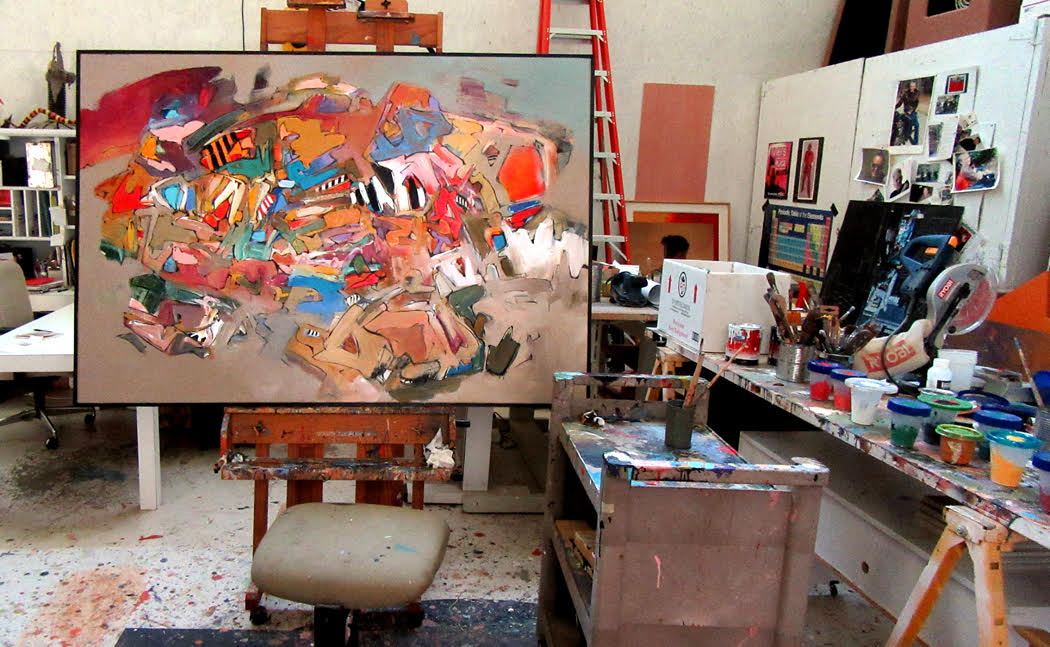
And finally, my brother-in-law Mel Steele, who has a pretty good reputation in North Carolina, although not always for his best work. He made his living for years selling prints of North Carolina rural scenes. But his real work has always been his abstractions, layers of shapes and colors, creating virtual depth and space on the canvas. I am not alone in enjoying his art, but I feel my life would be much less rich without it. 

And so, I feel as if my immersion in art has two channels: One is the official one, where I write for a public and attempt to be somewhat objective; and a second which is what I feel most emotionally connected with. 

There are many other examples of work I feel deep in my bones, but I can’t catalog them all. What I can say, is that a life immersed in paintings, as in music, dance, film, theater, architecture and literature, is a life more deeply connected with being human. I am grateful for having been able to make a living writing about it all.

Click on any image to enlarge

One of the most popular — but meaningless — excrescences in current culture is the explosion of Top 10 and Top 5 lists. They are everywhere, on the internet, in magazines and newspapers, and on TV. 

When I took an early buyout from my newspaper a decade ago, it was largely because, as a feature writer, I was increasingly asked to provide what are artlessly called “listicles,” that is, newspaper articles in the form of lists: “Five things to do in Sedona,” “Five best pancake toppings,” “Top five wines from Indiana.” 

The direction the newspaper was going was to avoid any actual writing of prose and substitute a quick list — easy to put together, popular with readers, and completely and utterly devoid of substance. I could see the handwriting on the wall, and decided it must be time to leave the profession. 

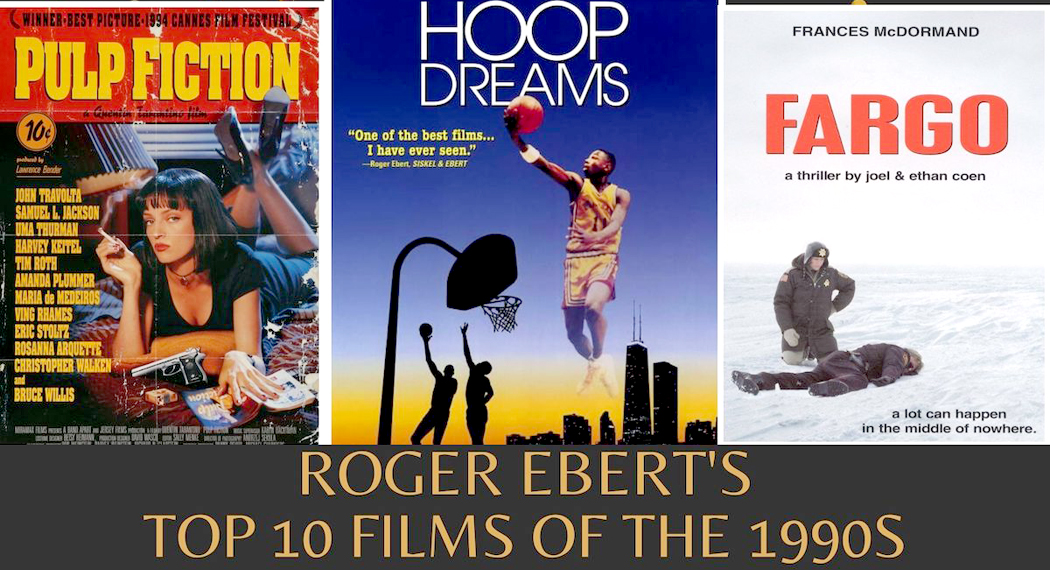
Of course, I am guilty of making such lists, too. We all are. For this blog I have written several lists, including the ultimate lists of the 50 greatest lists of all times (link here). My list of the Top 10 films of all time has at least 40 movies on it. Heck, my list of best foreign films counts 100 of them (link here). But I am now doing penance for my sins. 

Top 10 lists, such as the year-end lists by movie critics, are only just a record of the taste and opportunity of the critic in question: No critic has actually seen all the movies released in a given year, and the final choices depend entirely on the likes and dislikes of the reviewer. There is usually some overlap, but no two critics will offer quite the same list. Such lists are fun to read, and may be a vague guide to what films might be worth seeing, but as an ultimate judgment of quality and ranking, the lists are just smoke to blow away with time. 

There is no actual, objective, outside omniscient and divine judge to parse differences between, say The Godfather and The Godfather Part II. Above a certain level, it is all cream. 

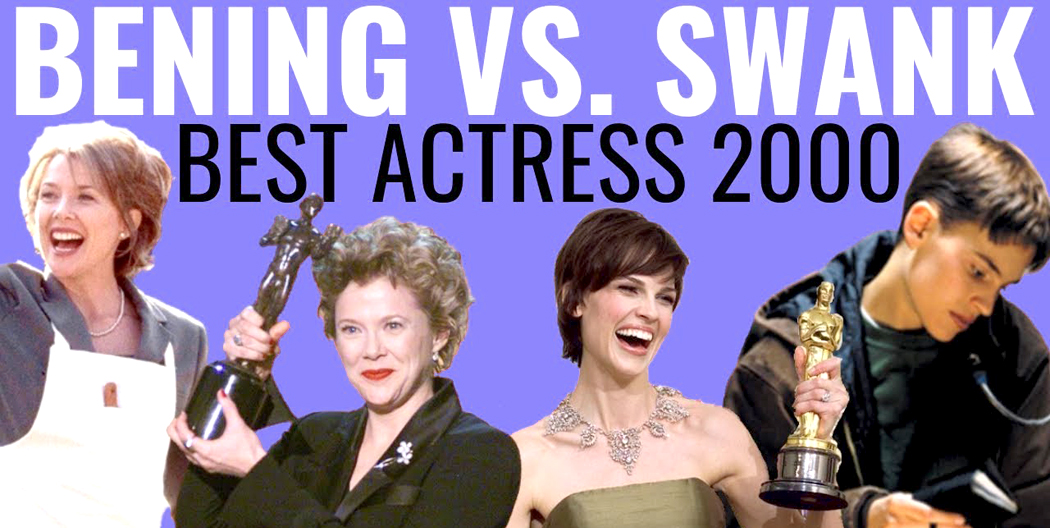
Many of the artists who show up on such lists, whether actors or directors or costume designers, know full well that art is not a competition, and that comparing a great tragedy and a great comedy is worse than apples and oranges. Hilary Swank was voted best actress in 2000 for her role in Boys Don’t Cry, and it was a powerful and moving performance, no doubt. But was she quantifiably better than Annette Bening, Janet McTeer, Julianne Moore and Meryl Streep? They were all good — as were a passel of actors who had films out that year who weren’t even nominated. Should Moore consider herself a failure because Swank came out on top? Silly, of course. 

People working at that high a level of accomplishment are all beyond mere ranking. 

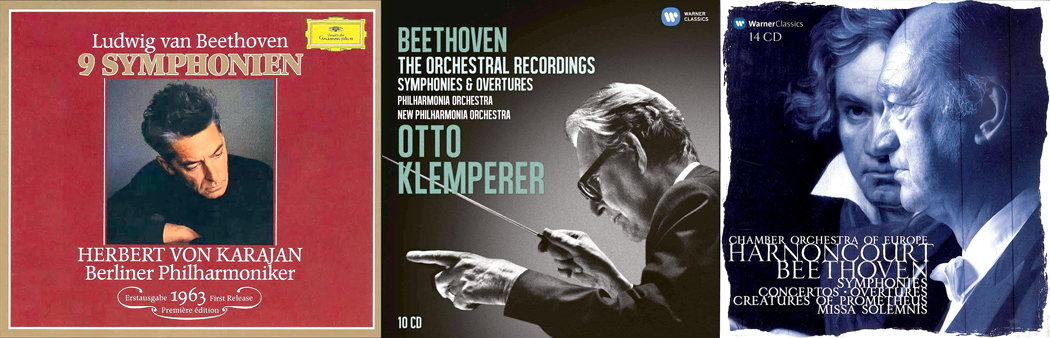
This came flooding back on me because lately, I’ve been immersing myself in recordings of Beethoven symphonies. When I first began listening to them, more than 50 years ago, I had the Toscanini set on LP, which I played on one of those ancient drop-front Sears Silvertone record players, and as a mere youth, thought Toscanini was the greatest conductor ever in the history of the universe anywhere. When you are young, you are prone to rash and categorical judgments. (I have always owned a set of Toscaninis, in its various release permutations and remasterings. I’m not ready to toss him overboard just because I have found others who also do well.) 

Since then, I have heard the music uncounted times in concert and even more often on recordings. For many years, in the middle of my time on earth, I foreswore them, having — as I believed — worn out my ability to hear them as anything but background music. I knew them too well; they were too often programmed at concerts. Another Beethoven Fifth? God help us.

But after taking a 30-year break (outside of the concerts I attended or reviewed), I have come back to them and can hear them all again with fresh ears. And they are a marvel. There is always something fresh to hear. 

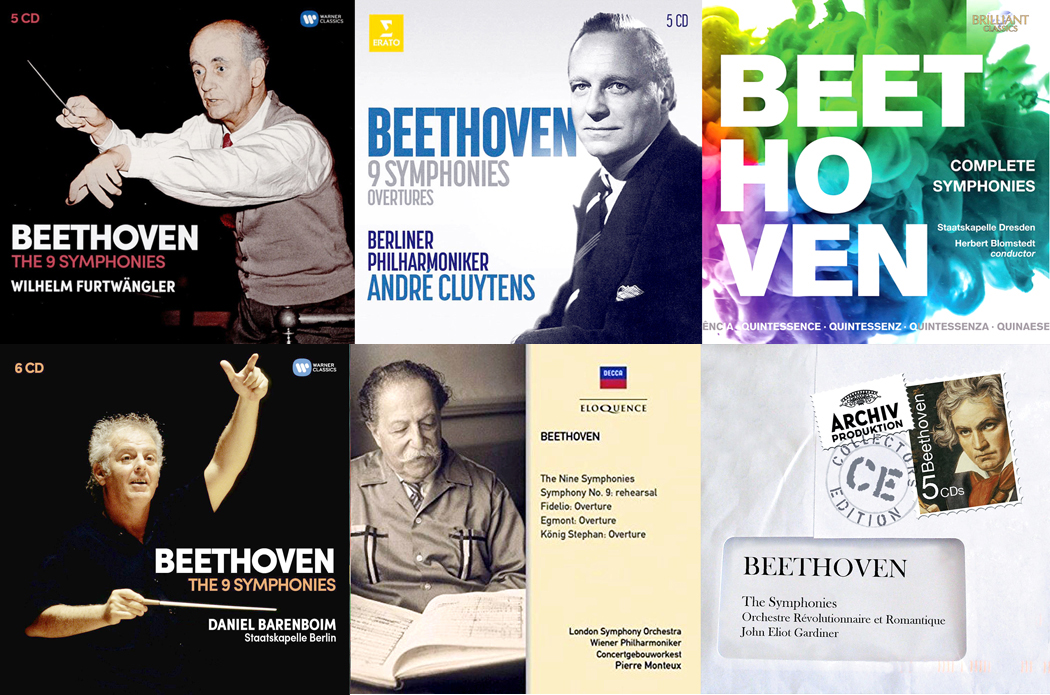
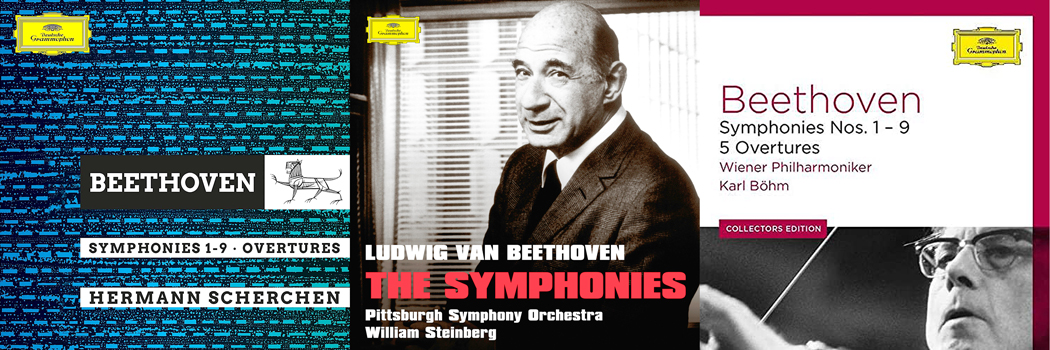
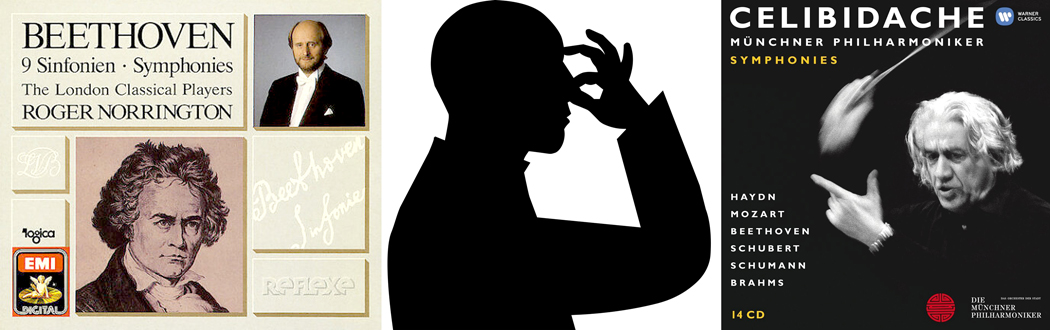
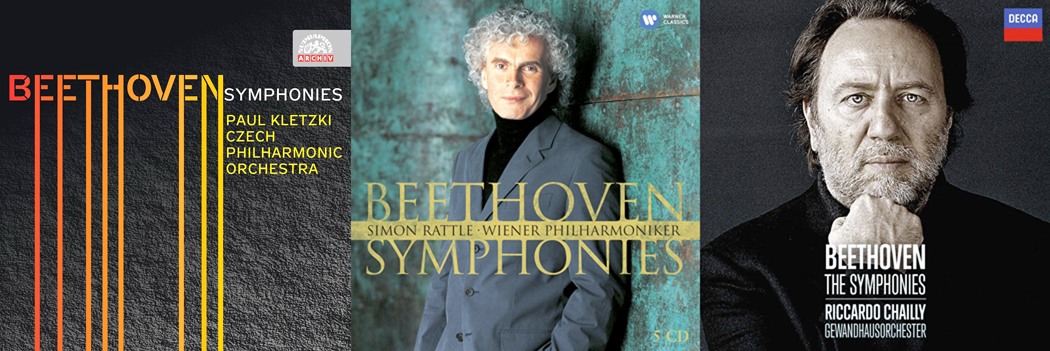
I currently possess  26 full sets of the Beethoven symphonies, ranging from the historical (Mengelberg) to the historically informed (Gardiner) and when I listen to them, yes, I have my favorites, and could (if paid) produce a list ranking the top 10. But they would merely be the ones I, personally, like the best. If I am fair, I have to say that pretty much all of them deliver the goods. 

(The only two exceptions are a set I no longer own — the Roger Norrington set — which is pure ordure in a garden of blooms. I threw it away; and the recordings of Sergiu Celibidache, which are perverse, and which I keep, mostly as a party record, to play for friends as a joke). 

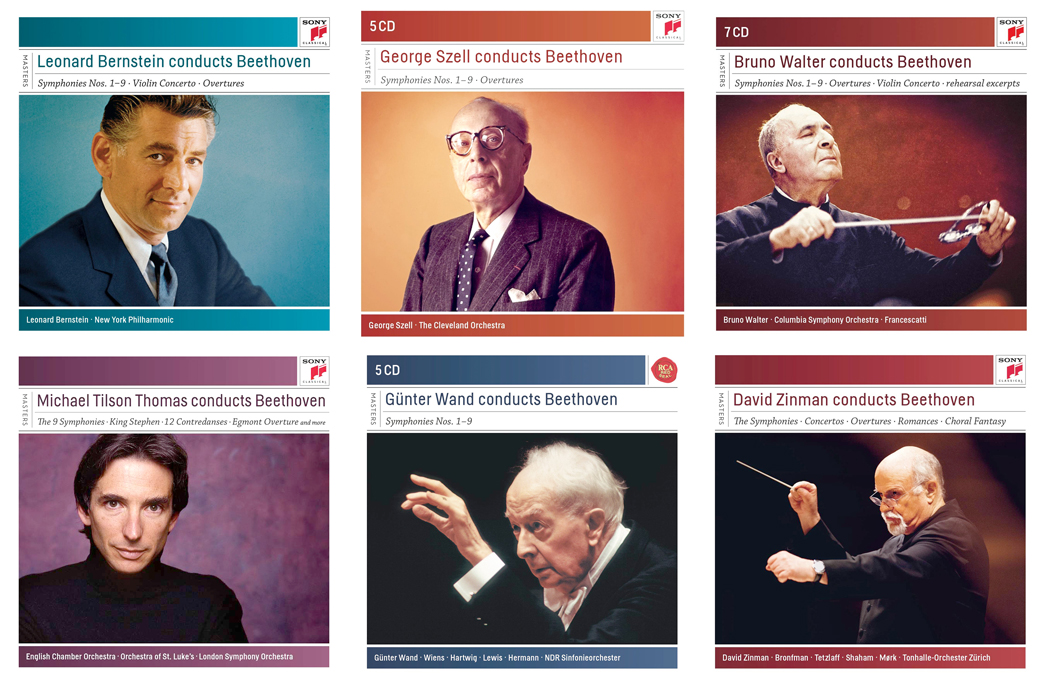
But I can put on a Pastoral by Josef Krips, or an Eroica by George Szell, and I am hearing Beethoven. The wayward rubatos of Furtwangler or the strict disco beat of John Eliot Gardiner both bring me worthy Beethovens. 

The fact is, while you may absolutely detest the oozy legato strings of Herbert von Karajan, or the granitic tempos of Otto Klemperer, they are all excellent performances, and if you only owned one set (heaven forfend) you could be completely satisfied. Monteux, Chailly, Zinman, Bernstein, Leinsdorf, MTT, Harnoncourt — any of them — all give excellent, if different performances of the symphonies. You can have your favorite, but you have to admit, none of them is negligible, and all have something to say. 

It is like having to choose between Rembrandt and Vermeer. Is one of the better? Stupid question. Is Titian a better painter than Monet? What is the greatest novel? War and Peace? Don Quixote? Madame Bovary? Ulysses? Á la recherche du temps perdu? C’mon, man, rankings are idiotic. 

As an art critic for 25 years, I got to visit hundreds of art shows, from major international exhibits in New York, Chicago or LA, down to children’s art in grade school, and it is not that I am saying it was all wonderful — some art is certainly more accomplished than other art — but that universal approbation is no indicator of value. 

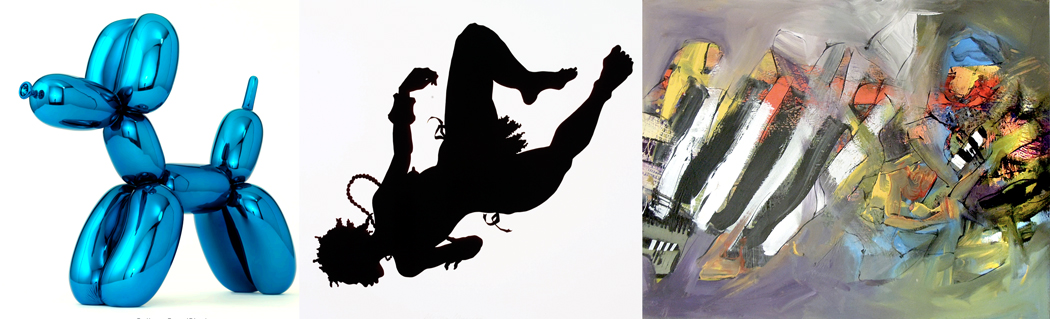
Yes, Jeff Koons or Kara Walker may be the names on trendy lips, and we may think of them as among the leading artists of our times, but I saw work by local artists that, given the right breaks, could be just as famous and lauded. There are tons of artists — painters, actors, musicians — just as good as some of our most praised, but who either lacked the vaulting ambition for publicity, or never had the dumb luck to have been discovered by some influential critic. 

Is there any reason that David Hockney is ubiquitous and that Jim Waid is not? Waid is clearly as good a painter, and his canvases as original and distinctive, yet Hockney jet sets, and Waid paints in his studio in Tucson, Ariz. (I don’t mean to imply that Waid has no reputation — he does nationally — but nothing like the magazine-cover familiarity of Hockney). And I could find a dozen artists from any of the United States whose work would be as worthy. 

Sports may seem easier to listify, as we can always quantify the ten highest batting averages for any season or for career, although any real baseball fan knows that batting average doesn’t tell the whole story. And while we might compile a list of the greatest pitchers of all time, and there might be some agreement on the names, ranking them from the best on down will depend on one’s team allegiance or the era in which you most closely watched the game. Walter Johnson on top? Nolan Ryan? Bob Gibson? Sandy Koufax? Mad Dog Greg Maddux? Again, at that level, it’s all just opinion. 

Top 10 presidents? Again, there is cream at the top, and some sludge sinking to the bottom — and a fair consensus for top and bottom, even if the vast middle ground is murky, but how do we rank them all? Was Polk a better president than Hayes? Does Grover Cleveland get two spots on the list? Or just one, combined? 

List making is addicting, perhaps, but it is also empty calories. When I go scrounging through YouTube offerings, I am besieged by lists. They are click-bait and I have long ago learned to ignore them. Who was the worst mass-murdering tyrant in history? Who was the best defensive player in basketball? What are the Harry Potter books listed from best to worst? I don’t care. If you have something substantive to say about Hitler or Genghis Khan, about Bill Russell, or about the philosopher’s stone, then write something meaningful. Lists are an easy way to avoid engaging with actual thought. 

And I’ve made a list of them… 

In addition to this blog, which I have been writing since 2012, I have written a monthly essay for the Spirit of the Senses salon group in Phoenix, Ariz., since 2015. I was, at various times, a presenter for the salon, which arranges six to 10 or so lectures or performances each month for its subscribers. Among the other presenters are authors, Nobel Prize-winning scientists, musicians, lawyers and businessmen, each with a topic of interest to those with curious minds. I recently felt that perhaps some of those essays might find a wider audience if I republished them on my own blog. This is one, from Sept. 4, 2019, is now updated and slightly rewritten.

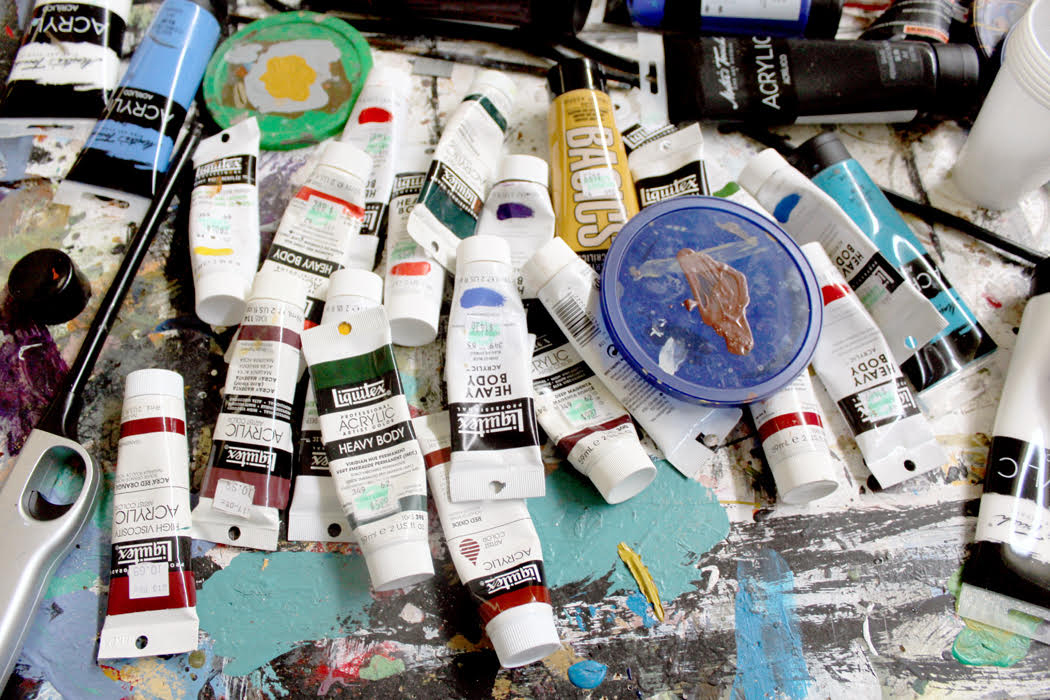
One of my great pleasures, when I was an art critic, was visiting artist studios. Certainly, there was usually a mess, spattered paint, cans dripping or tubes squeezed, and rags and brushes. Things taped to the walls, papers scattered and, often, music blaring. But there was also a sense of purpose, a sense that someone here knew what he or she was doing.

I had that sense again recently while visiting my brother-in-law, the painter Mel Steele. I love his work. And I can watch over time as he works and reworks his canvas, trying this or that to make it better.

Mel is a professional. And by that, I don’t just mean he sells his work, or that he is talented. That goes without saying. I mean something more particular. It is something I see in the work and work habits of many artists I have come across, from Jim Waid to James Turrell.

I have been thinking about the manifest difference between the work of an amateur and that of a professional. And I don’t mean to denigrate the work of amateurs. Indeed, there are professionals stunning mediocrity and there are amateurs hugely talented. No, I mean something about the approach to the work.

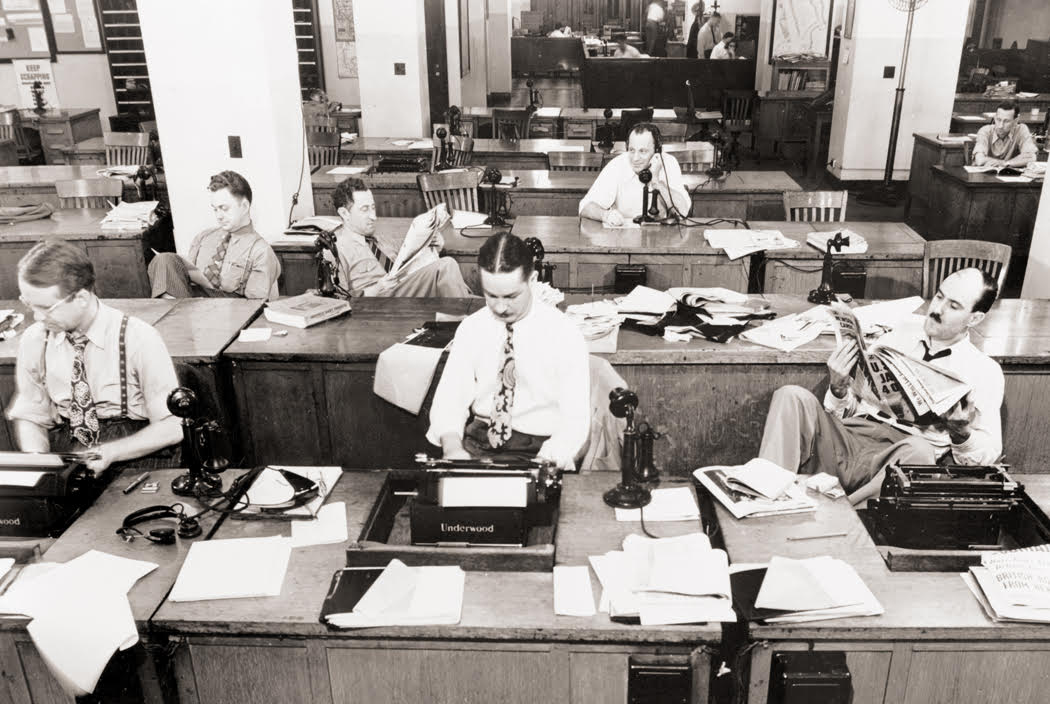
This is something that I have been cogitating about since retiring. Without making any great boast about my own writing, I can say with utter confidence that I wrote as a professional. This is not a claim about quality or greatness, but about some inner acquaintance with the nitty-gritty of the craft. It has been 10 years since I worked for The Arizona Republic and I can say with confidence that writers never really retire: They just stop getting paid. 

In 25 years with the newspaper, I wrote three-and-a-half million words. Since retiring, I have written another million-and-a-half for this blog. My fingers get itchy if they don’t pound a keyboard. 

In his book, Outliers, Malcolm Gladwell writes that the secret to achieving meaningful achievement is to repeat something 10,000 times. The book has been trashed by many critics as a kind of pop psychology, but without taking the actual number as gospel, certainly one of the things that makes a professional is that repetition. You don’t become a professional — as I mean it here — by being hired. You do it over the long haul, writing every day for years. Or painting every day for years. Or dancing, or playing violin. Or, for that matter, plumbing or dealing in the stock market.

For all that patience, what you get are several things. First, you get better at what you do. But you also become familiar with the business. By that, I don’t just mean the financial side of the work, but the daily bits of familiar habit. As a writer, that means understanding deadlines, the importance of editors and copy editors, the argot of the trade — point size, picas, inches, folios, air, heds, ledes, trims, slots, cutlines, sidebars, widows, and more than I can even now remember. But was once the lingo of my daily life.

If told I had 10 inches to fill on deadline, I could write a piece that would come in at 10 inches, give or take nary more than a line, before I even measured it. You just have the feel of it. Occasionally, I would return to the office from a concert at 10:50 p.m. to write a review and have 10 minutes to file before deadline. I could whip that sucker out: Ten inches in 10 minutes, and feel at the end like a rodeo cowboy tying the feet of a calf and throwing my arms out in triumph.

More important, you divest yourself of the bad habits of your amateur years and your novitiate. You unconsciously avoid using the same word twice in paragraph; you vary your sentence length; You know instinctively to include just the amount of background your reader needs, without burdening him or her with unnecessary detail; and you know in what order to present that background. You become aware of consistency within a piece. You know the difference between first ref and subsequent. You don’t leave readers hanging with unfamiliar and unexplained acronyms.  Do you know where commas fall? Do you abbreviate “street” or not? All this comes with familiarity and practice. And becomes second nature.

I now look with embarrassment at something I wrote when I first came to the newspaper business because I see all the stupid mistakes I made. Rookie mistakes. Over time and countless deadlines, you leave those inelegancies behind.

Most of all, you gain a comfort level: a sense that you know what you’re doing. Like a pianist who can run his spider fingers up and down the keyboard and confidently hit each B-flat as it passes. Or a painter who automatically reaches for the Hooker’s green because the Phthalo won’t give him the shade he needs.

You watch Jacques Pepin on TV slicing an onion and you can see how second-nature it has become, how quickly and accurately he does it. He knows how to make an omelet because, as he preaches, he’s done it 10,000 times. There may be more creative or innovative chefs out there, even among amateurs, but you have to admire Pepin for his confident professionalism.

Nor is a professional precious about his work. Museum curators can be fussy about white gloves and humidity levels, but the artists themselves are seldom so concerned. If they screw up, “I can always paint another one.” It is not unusual for Mel to paint over some detail he was unhappy with, even weeks or months later, to alter the work. It is only amateur writers who bitch and moan about editors changing their sacred texts. Editors (good editors — and I was lucky to have only good ones) make the writing better, cleaner, more precise. Even such things as cutting stories to fit news holes won’t perturb the professional. He may negotiate, but he won’t whine.

I’ve written about artists and journalists because that is the world I know best. But much the same could be said about professional musicians, construction foremen or career diplomats. Professionalism, as I mean it here, is not simply about being paid; it is an attitude. An approach to the work. A comfort level and familiarity, an ease, an assurance.

And any true professional can spot a navvy in an instant. You won’t necessarily feel superior, but you will feel a kind of pity for the poor beginner. There is so much to learn that is entirely beyond merely talent.


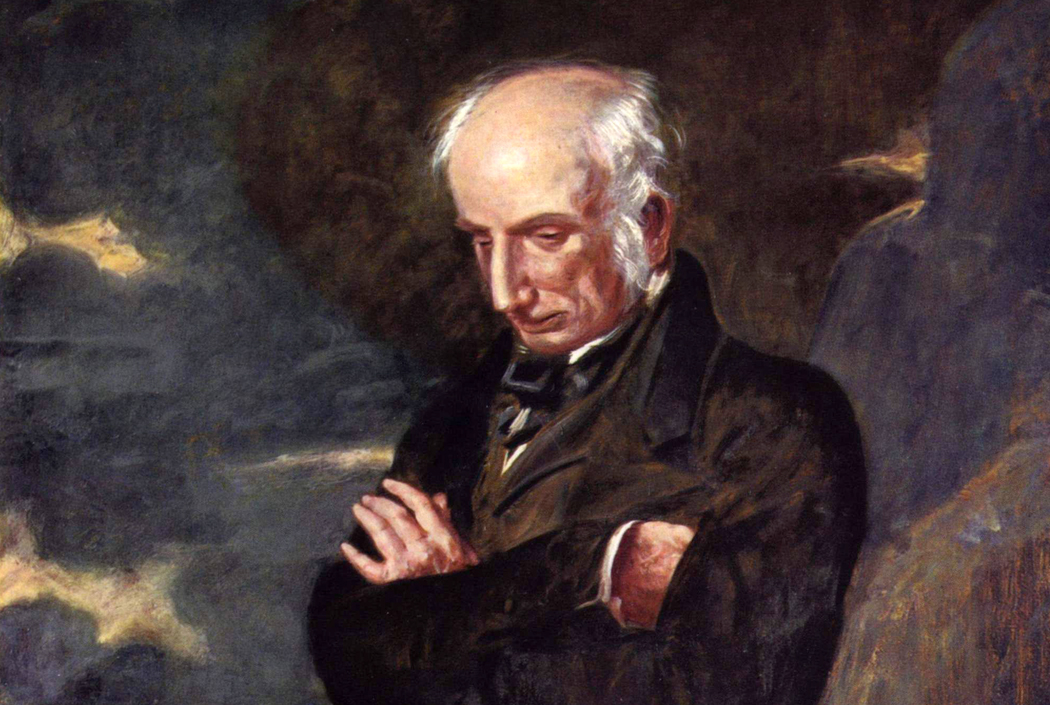
wordsworth

In the early 1800s, the population of England was roughly 8 million, and they produced Wordsworth, Coleridge, Blake, Byron, Keats and Shelley — not to mention Robert Southey, Leigh Hunt, Walter Savage Landor, Thomas Campbell, Thomas Moore, John Clare and Thomas Lovell Beddoes.

It is an astonishing flowering of poetry in a single era. Six major poets and a handful of others still read with pleasure by millions of people.

One might average them out very inaccurately as one great poet per 1 million in population.

Even in the 17th century, when the population of England was half that of the early 19th century, we have Thomas Carew, George Chapman, Richard Crashaw, John Donne, Michael Drayton, William Drummond, John Dryden, George Herbert, Robert Herrick, Ben Jonson, Richard Lovelace, Andrew Marvell, John Milton and John Wilmot (Earl of Rochester).

Of these, we can easily confer “major poet” status on Milton, Donne, Marvell and Dryden, making our ratio again 1-in-a-million.

By these numbers, we should easily expect, living in the United States at this moment, roughly 300 major poets. One scratches one’s head, because these numbers obviously are not true.

Just one state, North Carolina, is roughly equivalent in land area and in population to England in 1800. There should be at least six poets writing between Asheville and the Outer Banks of equivalent worth to Keats and Shelley, Wordsworth and Coleridge.

(Obviously, there are eras in which poetry features more importantly in a nation’s culture, and other times when the palm, the oak or bay goes to the novel or the stage, and times — and places — where emphasis is given to painting, sculpture, music or even philosophy. This equation is only meant in general terms — in any art, there should be more well-known and influential practitioners than one might generally count among the population at present).

I reckon that the problem should be understood much as a bicameral legislature. If we count a poetic house of representatives, there should, indeed, be 300 major poets writing at this moment. But instead, we have a senate, and we have a limited number of spots per nation reserved for “major” status. Perhaps we should never expect more than four at any given moment in any given nation.

That means we must look to the reading public (or art-going audience) as a conferring body that says there is only so much room in our culture model for the role of major poet, like only so many slots for general in an army.

It may be part of our cultural umwelt. We have a fixed and number-limited idea of what it means to rise to the top. Perhaps there really are 300 people writing poetry in American now that, if they had been published 200 years ago, would have been considered important, but now are merely the residue of a niche publishing market.

But I mean to present my case in much wider terms: the many arts as they manifest in the culture.

There is a top tier, and we treat these artists — currently the Damien Hirsts, the Jeff Koonses, the Richard Serras — as if they are the “major” artists, whose work is our answer to the Raphaels, Rembrandts and Monets of the past. Their work is deemed somehow more important than the work of thousands of other artists working away, often outside the beehives of New York and LA.

Of course, any critic with an ounce of humility will grant that these are only our “guesses.” That history has a way of choosing different names for the art history textbooks of the future. But as the art world is currently constituted, there is a great divide between art that is considered important and influential — art at the cutting edge of a presumed history — and all the lesser lights, the wannabes. And this doesn’t even make marginal room for all the weekend painters and watercolor society members and their pretty irises and tablecloths.

But who is art for? This is the crucial question. Is art made for the critic, curator, collector and gallery owner? Is the measure of its worth that it fulfill the expectations of narrow and self-specified interest group? If that were so, the rest of us might as well give up and turn on the TV.

This is not to disparage those critics (of which I am one), curators, collectors and gallery owners, many of whom I know and admire, and whose gifts are considerable. But it is like saying that a book is best judged by a librarian: There may be some insight there, but we choose our books by our own lights, our own interests and tastes. To the librarian, we entrust the Dewey Decimal System.

So, who is the art for? The poetry? The dance, the theater, the opera, the string quartet? They are all for all of us who love them.

The search for the “historically significant” artist is a question of history, not of art. We should all be free to enjoy whatever art speaks to us. And as artists, free to make the art that speaks for us.

The “big-boys” (and girls) of art are not disincluded: They really are making wonderful things. But so are the lesser lights, the regional artists, the undiscovered, the shy. The names you see over and over in the art magazines are there on their merit, for sure, but they are also there because of their naked ambition to climb the art-world hierarchy and because of luck. Some were just lucky enough to be spotted by some curator making the rounds for another museum biennial, or to work in a university program noted for graduating elite artists.

I worked in the fields for 25 years in Arizona, which is not usually thought of as a fertile ground for the world’s great art. And it does have its unfortunate share of blue coyote paintings and noble Indian chief portraits.

But I knew a dozen, maybe a score of artists whose work, given the proper exposure to the right people with open minds and open eyes, might stand equally before the impasto of Lucien Freud or the imposture of Jeff Koons.

kratzThe work was forceful, imaginative, idiosyncratic and intellectually rigorous. There should be no shame in being thought an “Arizona artist” if the state could produce a Marie Navarre, a Jim Waid, a Mayme Kratz, a Bailey Doogan, an Anne Coe, a Matthew Moore, an Annie Lopez. I could name a dozen more that you’ve likely never heard of, but that you could well have, if things had gone differently.

Each of these artists had given me great pleasure and spurred my intellectual growth and widened my world for me.

And every state in the union — indeed, every nation on the globe — can put forth its own slate of names of the artists, poets, dramatists, filmmakers, architects, authors, musicians and composers whose value is underrated or ignored, whose work has made a local difference, even if not a national ripple. Who’s to say they are not important? Who’s to say their work is not the equal of the headline artists at the Whitney Biennial?

If we include these excellent but unheralded artists and poets, we probably begin to match the ratio of poets to population of 17th- or 19th-century England.

But I don’t want to stop there, either. It isn’t merely regional art I am defending. I would make a case even for such maligned art as the academic art of university teachers, the irises and tablecloths of the watercolorists — even the paint-by-numbers amateurs and the selfie-posters of Instagram.

Every person who makes an image — and especially those rare and brave people who take up a pencil and attempt to draw something on paper — makes a contribution. They learn something about the world, and about art, even if they don’t have that name for it.

Art is not merely what hangs on gallery walls. Its primary purpose is an interaction with the world, and when anyone makes that connection, with pen, brush, camera, clay or word processor, filtering through their sensibility their ideas, feelings and reactions to the world around them, they have made art.

And ultimately, it is the making of art, not its consumption that has value. Everyone should try it, everyone would benefit from it.