Archive

Tag Archives: John Updike

I have been a reader for about three quarters of a century. It began so long ago, I don’t remember exactly when I started — probably in kindergarten when I discovered words. But once I began, I couldn’t get enough. 

I read anything I could get my mitts on, from the backs of cereal boxes to the funny pages in the newspaper to road signs when the family was out driving. I’m sure I drove my parents nuts by pointing out stop signs and mileage markers. 
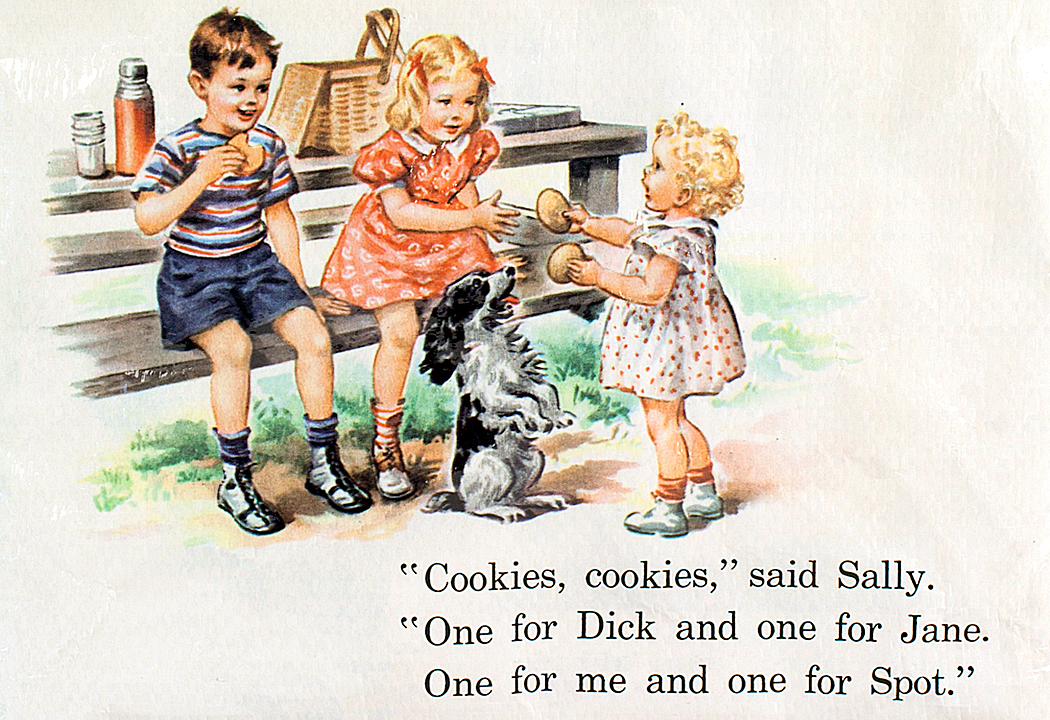
This is not to claim any sort of prodigy. I believe most kids latch on to text as soon as they learned to decipher it. 

But lately, I’ve been thinking about how my reading habits have changed over the years, and how those changes parallel life experience, and the needs I sought to satisfy as I grew up. Shakespeare wrote about the seven ages of life, and I think about the stages of reading. 
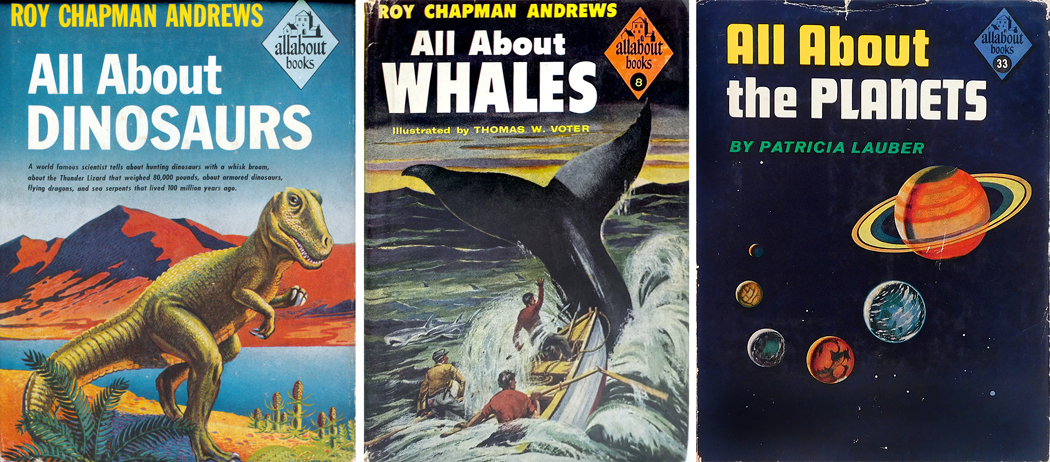
My early reading is chronicled by years. In third grade, I was fascinated with dinosaurs and read all the books I could find in my elementary school library (which was also the town library). There was Roy Chapman Andrews and his All About Dinosaurs, part of a series of “All About” books written for kids. 

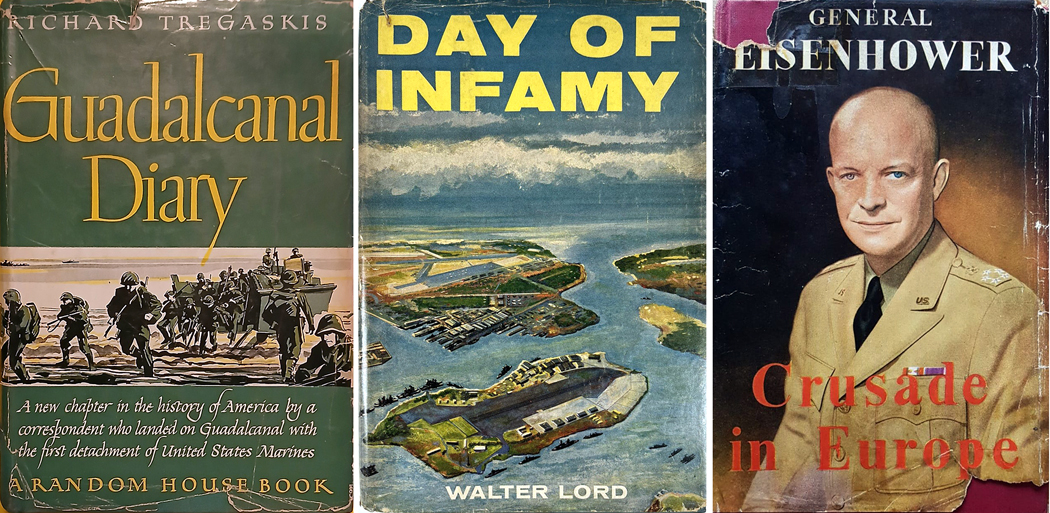
By the fourth grade, I had moved on to whales, and spent the school year absorbing everything I could about cetaceans. And so it progressed through astronomy, airplanes, and, by the seventh grade, I was into World War II. By then I had left behind the books written for young readers and took on the history books and memoirs. Guadalcanal Diary by Richard Tregaskis; Day of Infamy by Walter Lord; Crusade in Europe by Dwight Eisenhower. 
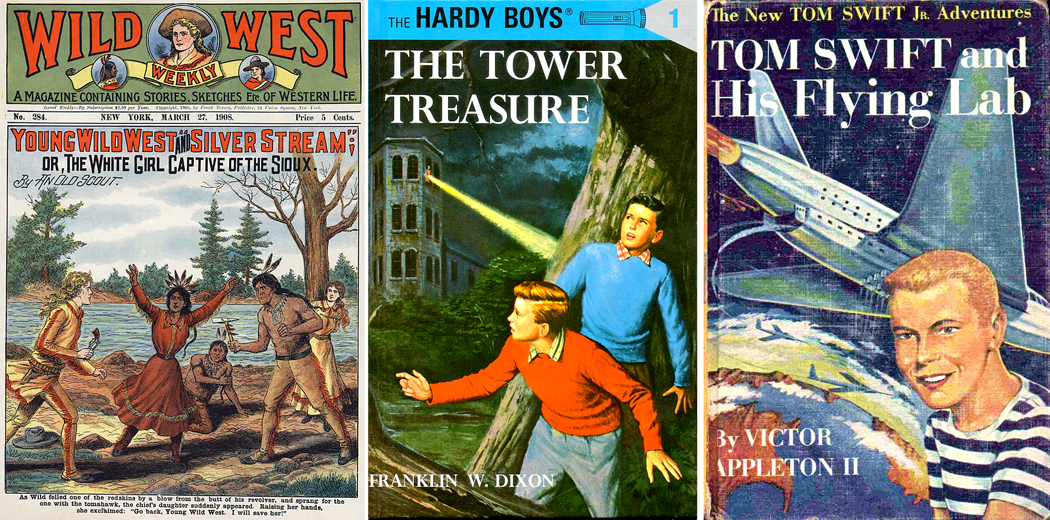
Other boys my age were reading Hardy Boys books and maybe Sherlock Holmes, but I was single-minded in reading non-fiction. I wanted to learn everything. I was a compendious fact basket. Dump it all in.

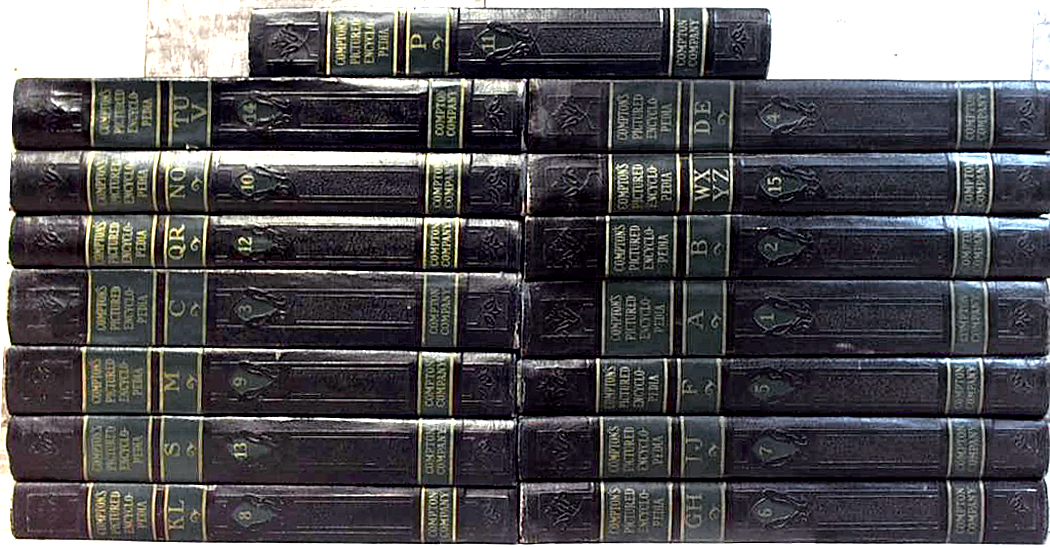
We were given a 1930s copy of the Compton’s Illustrated Encyclopedia and I read through it constantly. It might have been out of date, but it had lovely drawings of autogiros and streamlined trains and  learned about everything from Angkor Wat to frog-egg fertilization and The Great War. 
My parents, who had just high school educations and had lived through the Great Depression, were eager to educate their children to guarantee them good jobs in life. There was never any doubt they would  send their three sons to college. And so, they encouraged this reading. 

They thought they would help by buying books for me, including a copy of some young adult fiction. I sneered at it. Fiction? “I don’t want to read anything that isn’t true,” I said. 
This first phase was the fact-gathering stage. I wanted to learn as much as possible and reading was the funnel that poured it all into my hungry brain. You have to fill the pepper grinder before you can grind pepper. 

And so, it poured in and stuck: 44 B.C.; A.D. 1066; 1215; 1588; 1776; 1914 — and Aug. 6, 1945, a date that hangs over anyone my age like a threatening sky. 

I stayed away from fiction until, I was, perhaps, 12 or 13 years old, when I discovered science fiction. I gobbled it up like candy. All the mid-level sci-fi writers that were popular in the late ’50s and early ’60s: Poul Anderson: Lester del Rey; Robert Heinlein; Frederick Pohl; and, of course, Ray Bradbury. I must have burned out on it, because I cannot read any fantasy or sci-fi anymore. Lord of the Rings? God help me. No, never. 
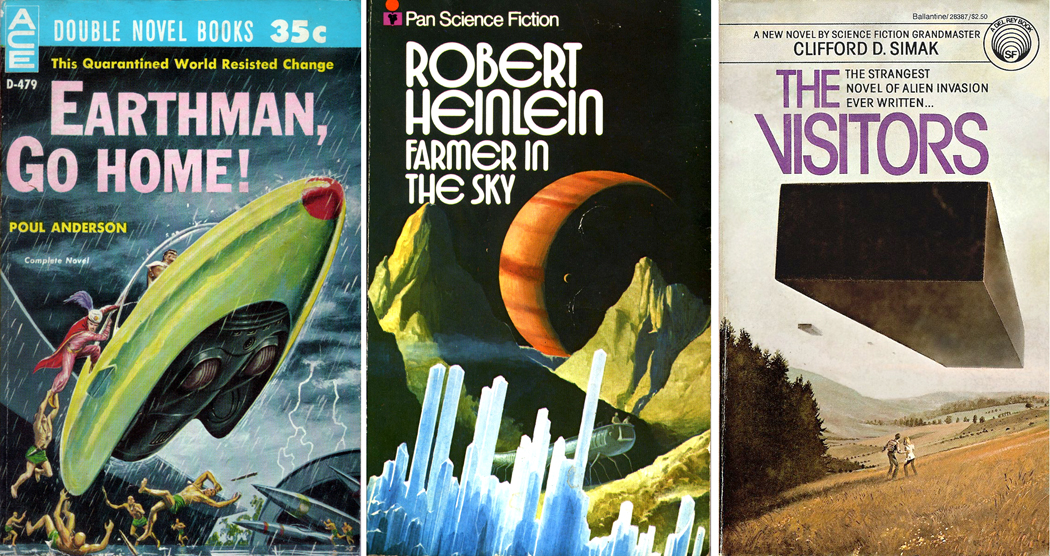
But there were the Fu Manchu books of Sax Rohmer, with their Yellow Peril and archly Victorian prose. All pure pulp, but they opened the world of fiction to me and transitioned me into the second phase of readership, which is perhaps the most embarrassing phase. 

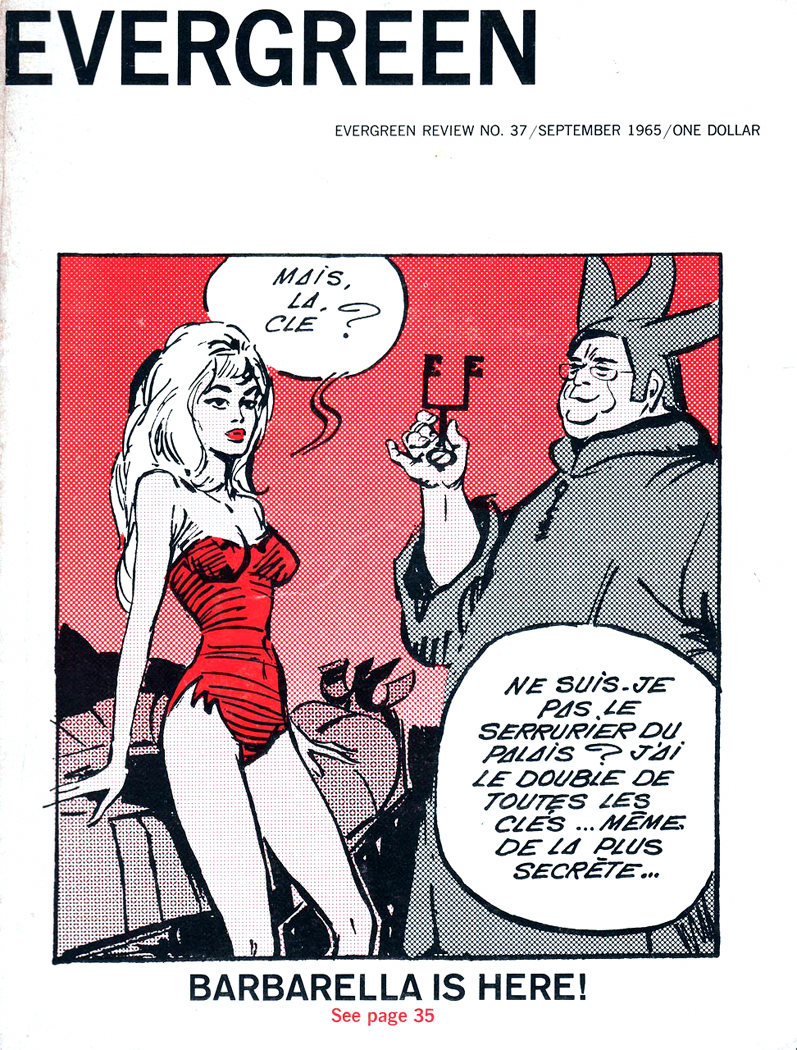
 By high school, I wanted to prove I was a grown-up, and what is more, an intellectual grown up. I subscribed to Evergreen Review and Paul Krassner’s Realist. I was hip, in my tight jeans, pointy shoes and hair slicked with Wildroot Cream Oil. 
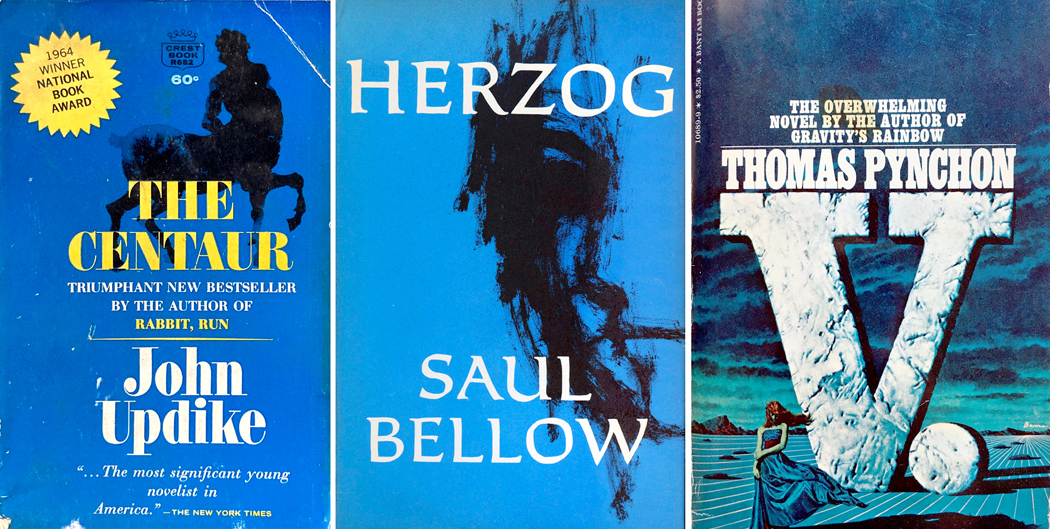
And I began reading important fiction of the time: Saul Bellow; John Updike; Norman Mailer; Thomas Pynchon. Of course, I didn’t understand any of them. I was a pimply-faced high-school kid. What did I know? But I looked oh, so sophisticated carrying around Herzog under my arm. It was only when I read it again a few years ago that I fully realized how funny the book is. I didn’t know it was a comedy when I first read it. There is nothing more earnest than a teenager. 

I did manage to pick up and understand On the Road and other Kerouac books, and J.D. Salinger spoke directly to my adolescent soul. On the Road held up on re-reading years later; not Catcher in the Rye, which is now close to unreadable. I couldn’t even finish a re-read. 
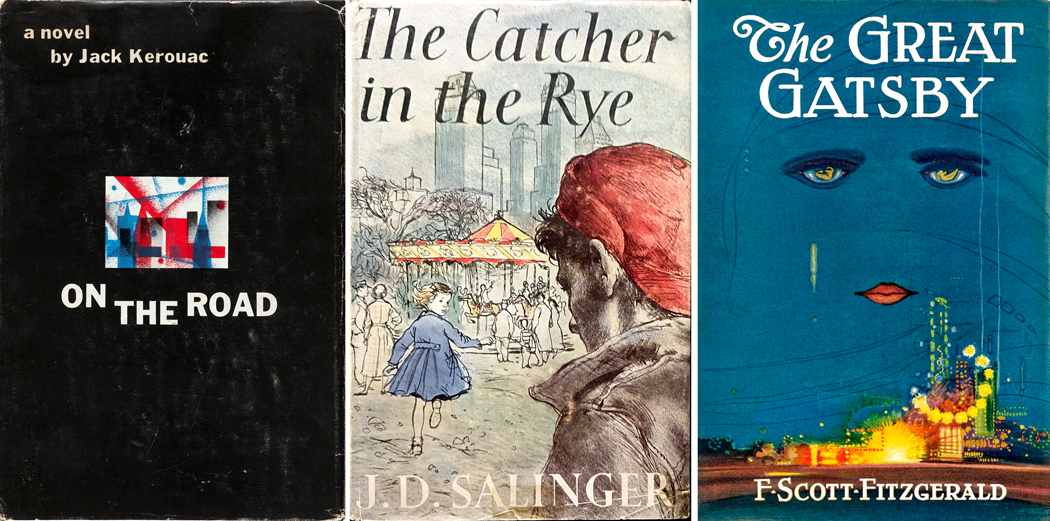
The problem with adolescence is you have almost no life experience. It’s all just literature to you. You get caught up in “symbolism,” and what a book “means.” As if it were written in code to be deciphered. A 16-year-old is in no position to know what was going on in those books. It wasn’t much different from when we were assigned The Scarlet Letter or The Great Gatsby in eighth grade. I could understand the words, but not understand what was said between the lines. 

A teenager thinks the world is simple. It is the tragedy of youth. 
The following stage was college reading. There was, of course, a lot of it. But I loved it, especially the Classics courses I took, reading Greek and Roman authors, the English Romantic poets, and Chaucer. I took to Chaucer immediately. I still read him for the pleasure of his language. There was a course on Milton and another on William Blake. I ate the stuff up. I still do. 

And I was then old enough that I actually understood much of what I was reading. I was beginning to have a life and feel the complexity of the world. 

College only lasted four years and after that came marriage and divorce and unemployment and — just as bad — employment. I still read, but mostly I just tried to keep it all together, and not always successfully. (Unemployment gave me a lot of reading time and for months, I managed a book a day.) 
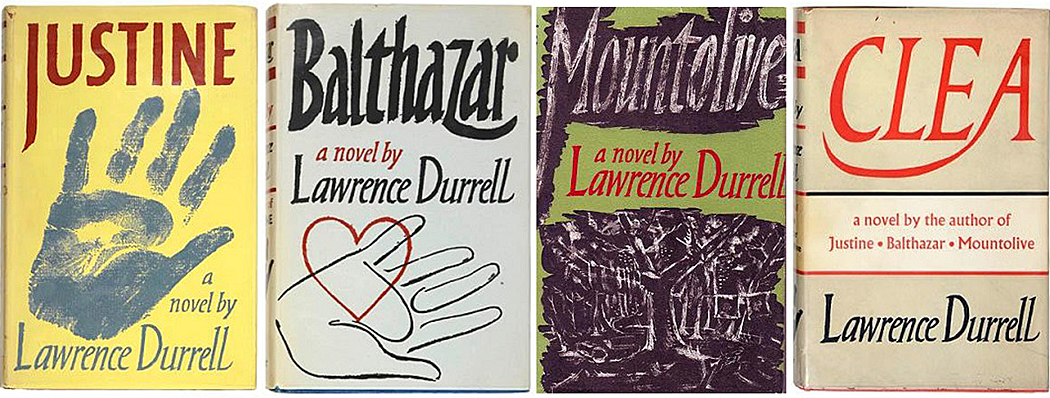
The fourth great phase of reading came after divorce and other traumatic events, when I had what might now be called a break down. It didn’t stop me reading, and actually it led to a fever of it. I read all of Henry Miller (or as much as was available, not counting his privately printed short works); all of Melville, or pretty near; piles of D.H. Lawrence; and basket-loads of Twain, Hemingway and Faulkner — and Lawrence Durrell’s Alexandria Quartet, which seemed to sum up my situation — and that marked a change in my relationship to books. 

This was a turning point that not everyone seems to experience. Until this point, I measured my life against what I read. Was I like Nick Carraway or Sal Paradise? I wanted to be “important” like them and thought literature was there to show me the way. 

After that point, instead of measuring my life against the books, I measured them against my life. Did they seem true to what I had experienced? When I was young, the books were real and my life a simulacrum; as I grew, it became clear my life was the real thing and the literature was only a reflection. Not “did I measure up,” but “did the books measure up?”
Books, as a percentage of time spent, varies quite a bit over the course of a life. I find the more I am engaged with doing something, like work or socializing, the less time I spend reading. And the fifth phase began when I started teaching in Virginia. It wasn’t that I stopped reading, but that I did less of it, and that the books I did read tended more toward histories,  biographies, memoirs and essays. 

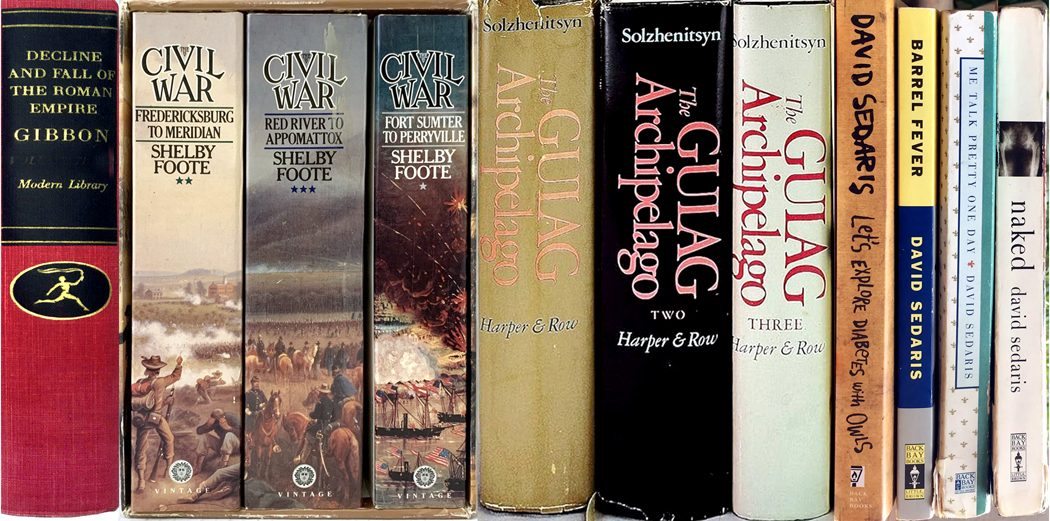
I tore through Shelby Foote’s three-volume history of the Civil War; a one-volume selection from Edward Gibbon’s Decline and Fall of the Roman Empire; tons of H.L. Mencken, including all his Prejudices; Solzhenitsyn’s Gulag Archipelago; and as antidote, all the David Sedaris I could find. 
This phase continued through 25 years working for The Arizona Republic, in Phoenix, where I was, among other things, the art critic. I read a lot for work — including background on things I was writing about. 

The relationship with books had changed, but so had my relationship with words altogether. When I was young, I was eager for knowledge and read by the boatload in search of ways to fill my insides. But somewhere along the line the well was full and the words spent less time piling in and more gushing out: I became a professional writer and all that back-pressure of words, information and experience burst out. I wrote like a hose spraying water. I couldn’t fill the buckets fast enough. 

Even on vacations, driving around this country or others, I spent part of every day writing down notes that later turned into stories for the paper. 

So, there were those two major shifts in life: first when I began measuring the books against my life; and second when instead of just adding more words to the pile, all the millions of words dammed up behind my cranium began pouring out. 
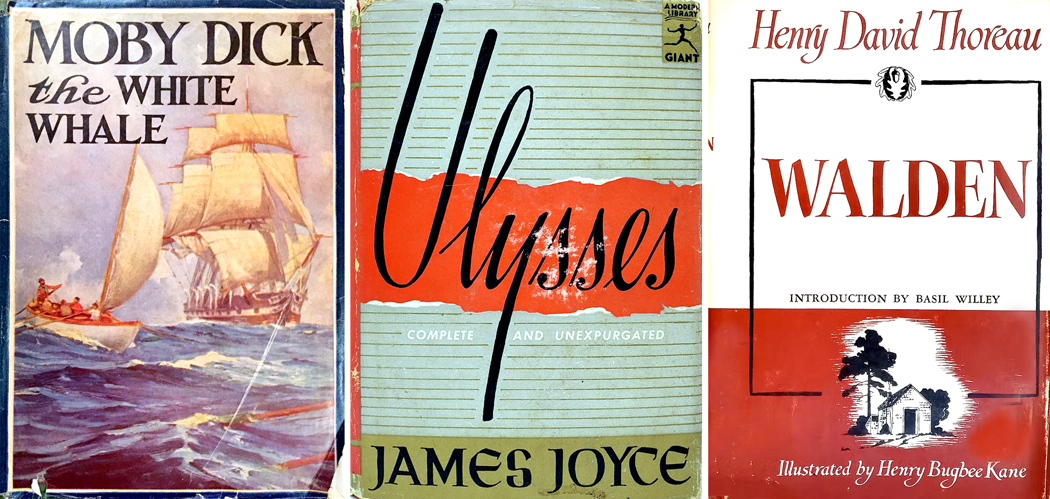
Through all of these phases, but increasingly over the years, I found myself re-reading as much as reading. My favorite books I tackled again and again. I cannot number the times I have read Moby Dick or Paradise Lost or James Joyce’s Ulysses — all dived into time after time for pure pleasure. There are others: Thoreau’s Walden; Hemingway’s Sun Also Rises; Gatsby, of course, now that I know what’s going on in it. 

I try to re-read the Iliad once a year, usually with a different translation each time. I sometimes change pace and do the Odyssey. I tried Dante, and can gobble up Inferno any time, but admit I find Purgatorio and Paradiso quite a slog. I’ll stick with Hell, thank you. 
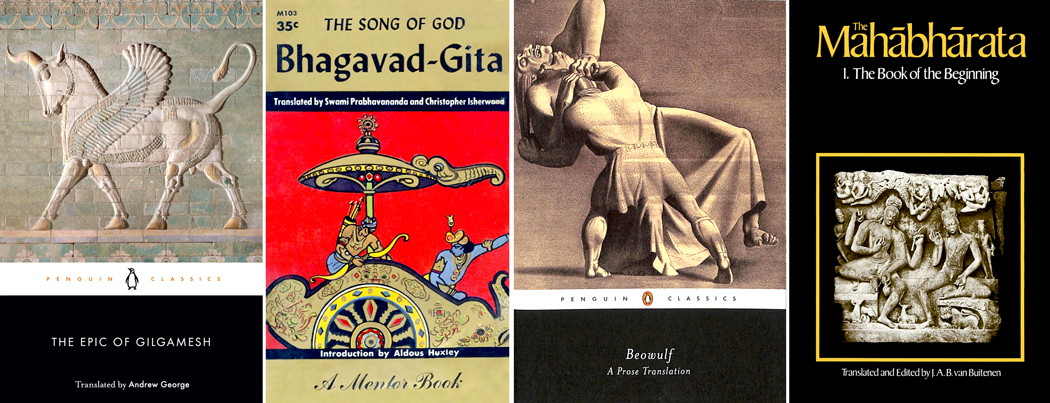
The books I’ve mentioned so far indicate a fairly parochial taste for Western culture, and I have to admit to that. But I’ve soaked up a fair amount of early and non-Western writings to try to keep some balance. I’ve read and re-read the Epic of Gilgamesh, the Mahabharata, Lao-Tze, Beowulf, and Basho’s Narrow Road to the Deep North, among others. I’ve read large swaths of the Vedas and Upanishads, and even a bit of various versions of the Book of the Dead. There is Sufi poetry and the Popol Vuh. I have tried to soften the boundaries of my cultural walls. 
There is a sixth phase, where I am now — retired. Although, as I’ve said many times, a writer never really retires. He just stops getting paid for it. I now write this blog, for which I’ve written more than 800 entries with another hundred more for other online venues, all of which total a million and a half words, all since 2012 when I left the madding crowd behind. 

I have slowed down some, but I still read. Now, I read a good deal of poetry. I find it satisfies my love not just of meaning but of the words themselves, the taste and mouth-feel of them. It is a connection with the world, and with the netting of language that holds that world up before my mind. 

It is said in some cultures, after a life of striving and ambition, that there comes a time of quiet and reflection, a time to spend on weighing the life and figuring out where it falls in the larger picture of time and the universe.
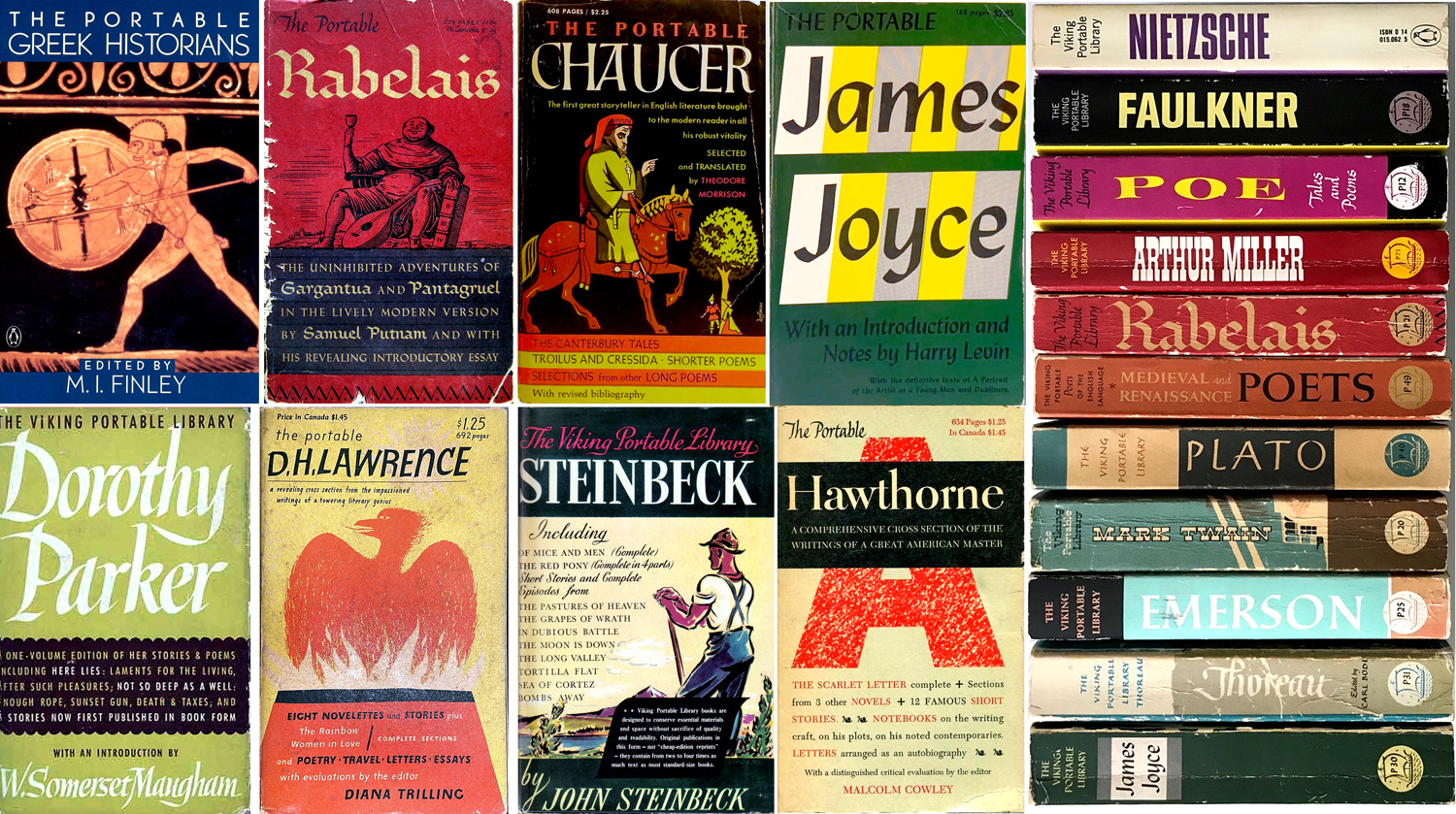
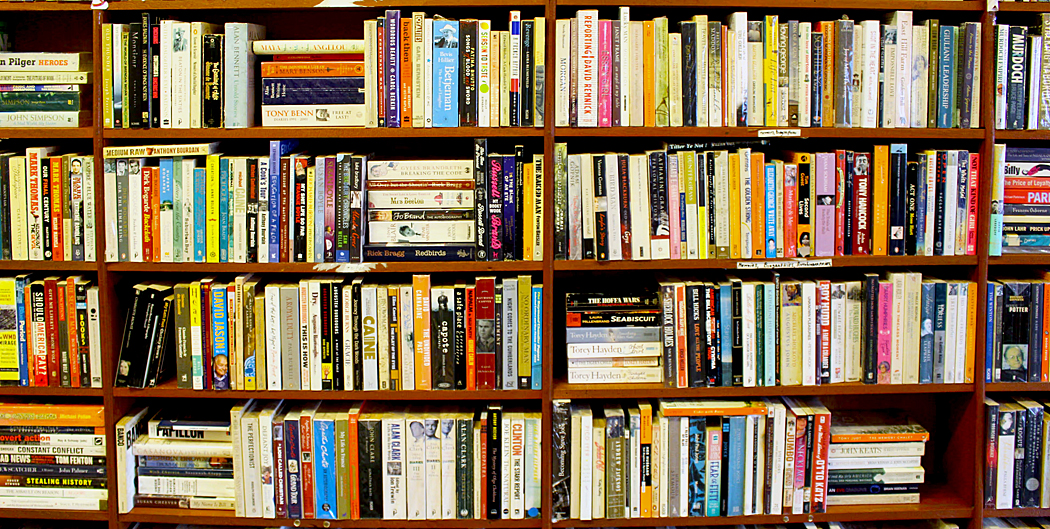
I certainly feel that. But it hasn’t reduced my need to recharge that well from which I draw my words. My Amazon account proves that. I keep getting new books and find that I simply don’t have any more space on my bookshelves, and so, they pile up on top of other books and in dangerous stacks on the floor. 

Every once in a while, there is a book-avalanche and under the chaos I rediscover some book I had forgot and sit down and open it up again. I’ll deal with the mess later.

It was 1965, the year that ran from the last half of my junior year in high school through the beginning of my senior year. In between, I spent the summer traveling through Norway and Europe. I mention that last because it made that year quite distinct in my memory, and I can recall all the books I read that year. Or all I can remember; there may be a few I’ve forgotten. 

It was a year of promiscuous reading. I picked up most anything. I have a list of them. I couldn’t get enough. Schoolwork suffered because I was largely bored by my classes, other than my English classes. I rebelled against doing homework — nothing worse than the questions at the end of a chapter, a tedious exercise. But reading on my own, outside curriculum, held me rapt. 

That year marked a change in the direction of my reading. When I was younger, I buried myself in non-fiction. One subject after another would overtake me and I would immerse myself in it. When I was in the eighth grade, my mother got me a young-adult novel, thinking I would enjoy it. But I didn’t read fiction. I remember I told her, “I don’t want to read anything that isn’t true.” But history, biography, essays — even cookbooks — they were “true.” They wouldn’t clog my head with fictional effluvia. 

For some reason, that changed in 1965. I picked up novel after novel. Not those assigned in school, of course. That was dry, tired, musty old fustian. I wanted to read what was current, new, on the biting edge. There was James Purdy, John Updike, Hubert Selby Jr., Thomas Pynchon. Needless to say, all of them were well above my meager level of understanding as a 16-year-old. 

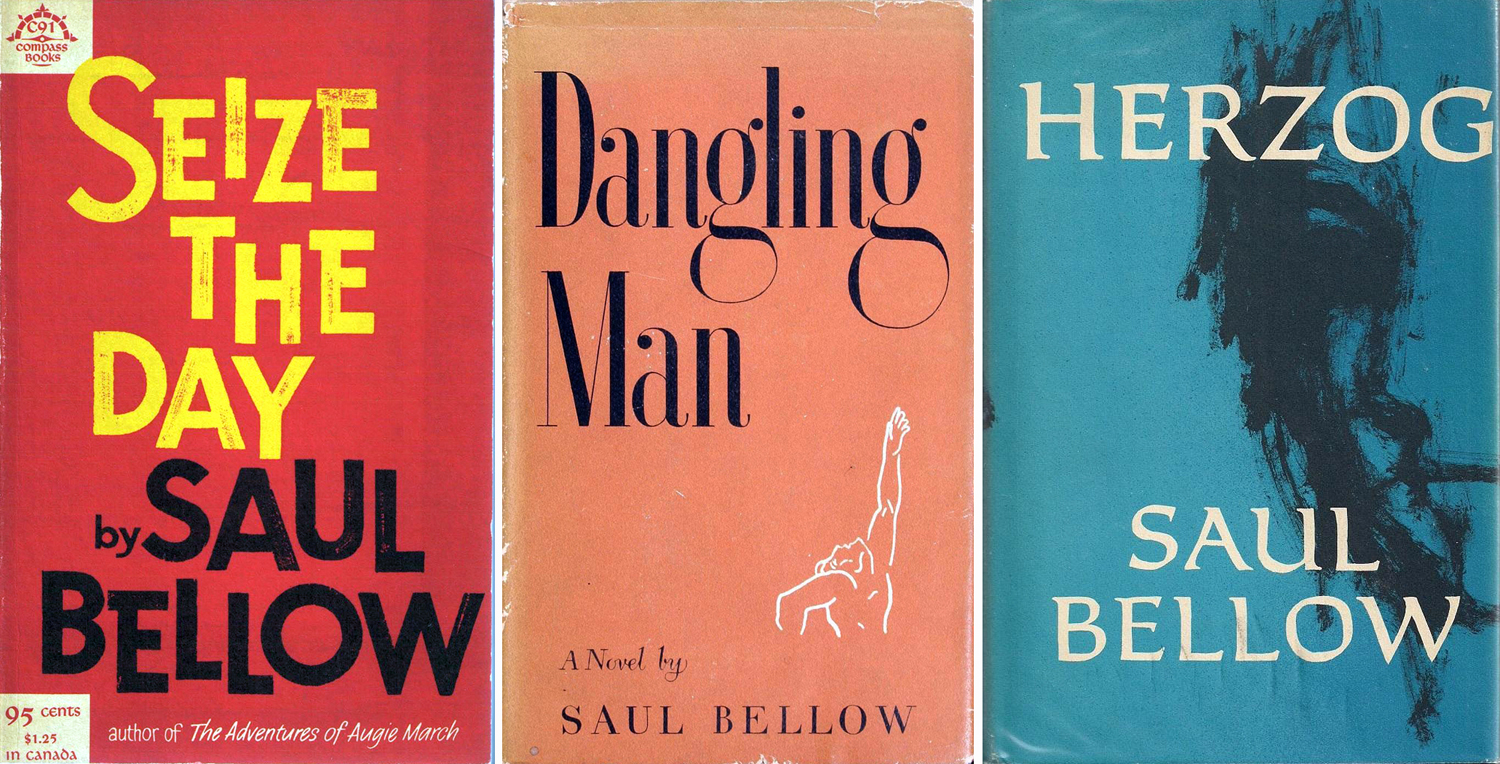
Some of the reading came in clumps. I read Saul Bellow’s Herzog when it came out, and followed that with Seize the Day and Dangling Man. To let you know how little I understood what I was reading, I reread Herzog earlier this year and was surprised — pleasantly — to discover it is a comedy. A very funny book. I’m afraid the thick layer of irony that makes the book such a delight was invisible to my adolescent mind. I think I saw it the first time as a window on the academic life I was planning to lead after I got out of college, after I got into college. 

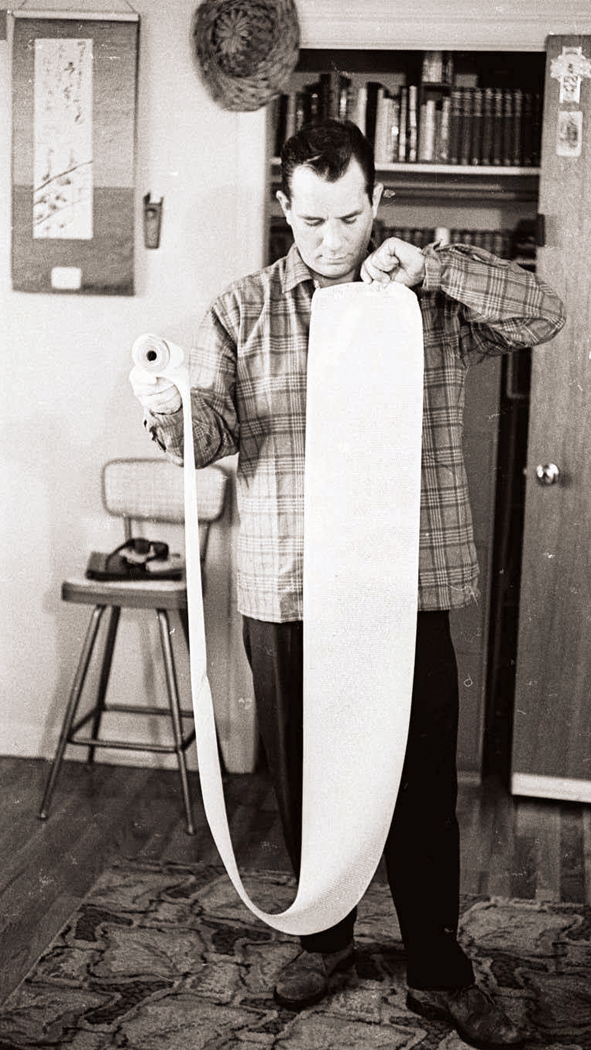
I had a Kerouac streak, soaking up first Big Sur then Dharma Bums. When I was in Oslo, I found a British paperback of Lonesome Traveler, a series of essays. For a kid my age, this was catnip. When I got home, I finished off On the Road — which I have managed to reread every decade or so, the last time in its original scroll version with all the names undisguised. No, it doesn’t hold up, but what an effect it had on me as a wimpy pimply-faced kid. 

The series I probably read the most of was Sax Rohmer’s Fu Manchu. I ate them through like Mars bars. I can’t remember most of their actual titles, they were all sequels like “son of,” and “daughter of” or “return of,” and the plots were interchangeable, but I loved the adventure and the atmosphere of London’s Limehouse district, with its opium dens and insidious “Yellow Peril.” The racism of the books was not yet apparent to me, and when I tried rereading one of them a few years ago, I couldn’t wade through the Victorian-style prose. 

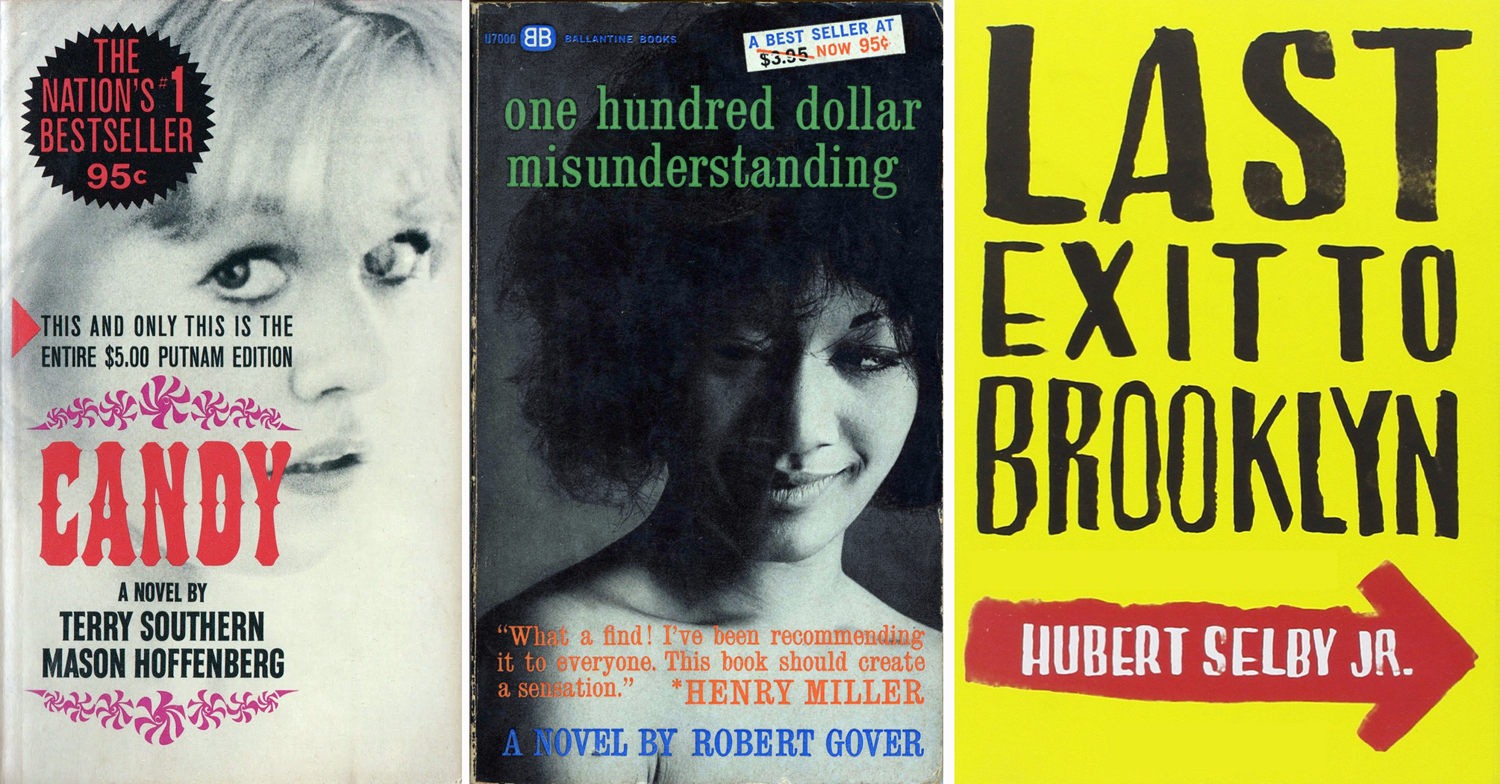
A few appealed to my burgeoning hormones and growing anti-bourgeois prejudices. Terry Southern and Mason Hoffenberg’s Candy was hot stuff to a teenager and so was Robert Gover’s One Hundred Dollar Misunderstanding. Hubert Selby Jr.’s Last Exit from Brooklyn was another one way above my pay grade in understanding, but I knew it was subversive. 

(In the same vein, among my other reading were two periodicals. I subscribed to both the Evergreen Review and Paul Krassner’s The Realist. Couldn’t wait for the next Phoebe Zeit-Geist. Such things were puerile, but then, I was a puer. A couple of years later, I was publishing a sophomoric underground newspaper at my college, called the K.M.R.I.A Journal. But then, I was a sophomore.)

There was literary fiction I read, beyond Saul Bellow. I tackled Thomas Pynchon’s V., although I have no recollection of what I might have made of it back then, but I knew the character names were clever. There was Louis Auchincloss and Walker Percy. 

Not all of it was high-minded. In Norway, I found a copy of Pat Frank’s Mr. Adam, a post-apocalyptic lampoon, and Kingsley Amis’s Lucky Jim. At that age, I also thought John Lennon was not only clever, but profound. At that age. 

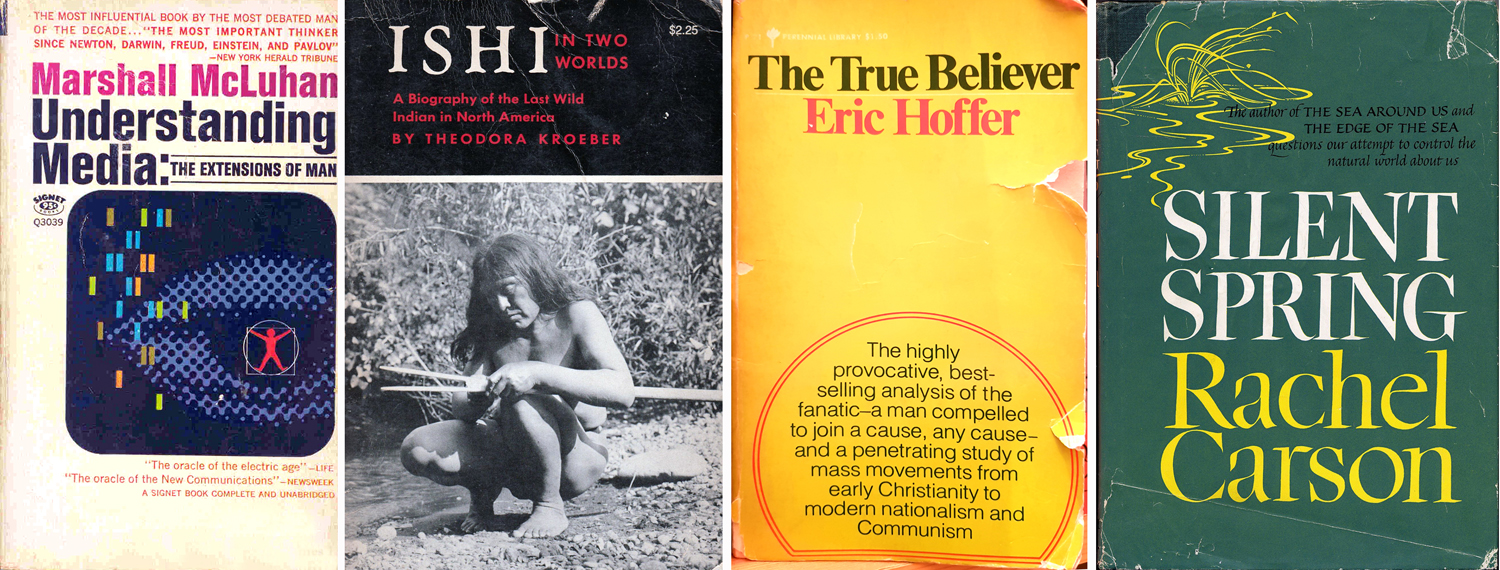
There were memoirs by Jean-Paul Sartre and Ernest Hemingway, and social and philosophic essays by Marshall McLuhan and Eric Hoffer. And something in-between: Dag Hammarskjöld’s Markings. 

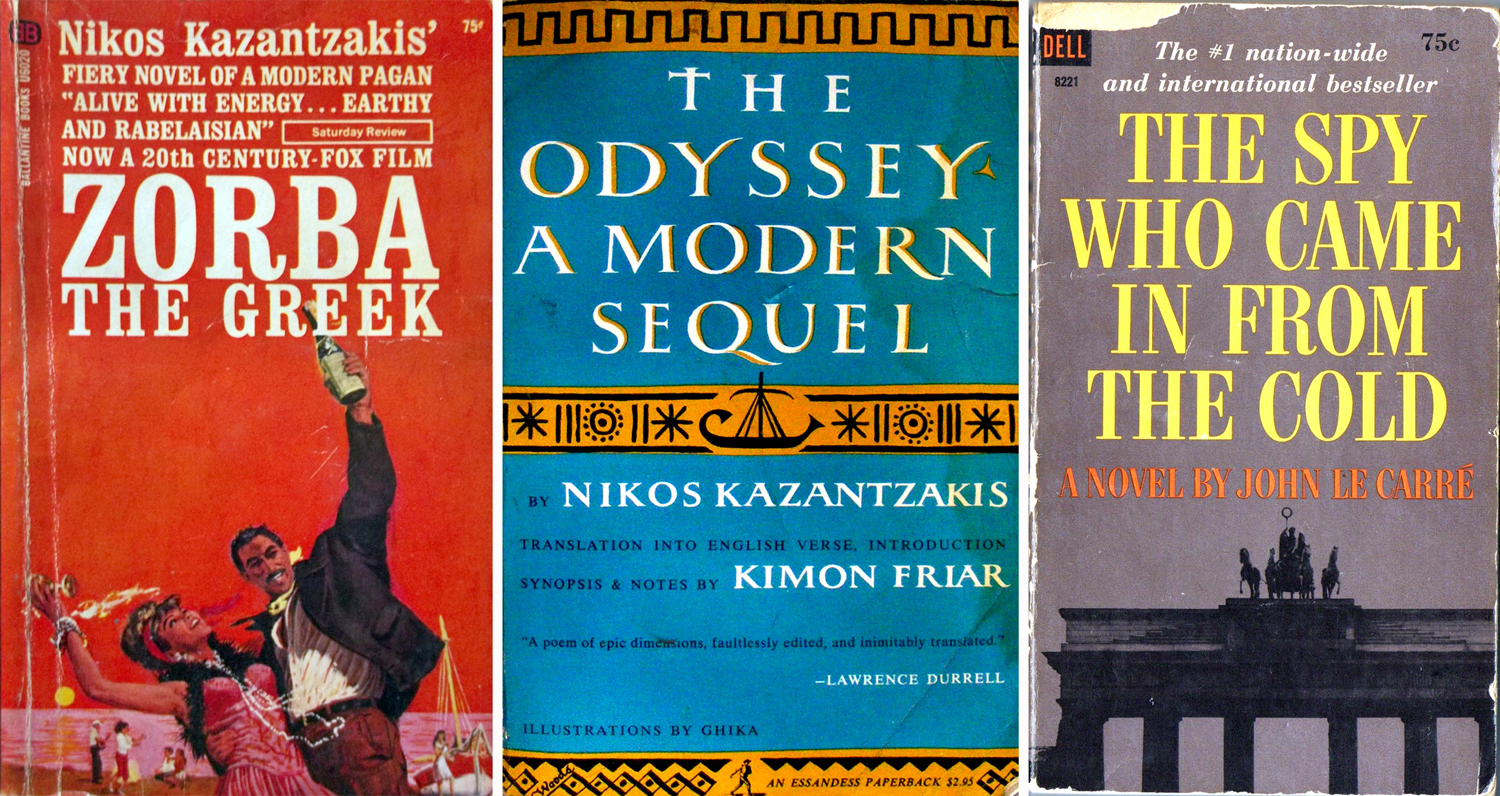
The film, Zorba the Greek, came out the year before, and so I picked up the book. It launched me into a series of books about Buddhism (Alan Watts, Christmas Humphreys, D.T. Suzuki) which kept me going in the spring of 1966. But it also dumped me deep into Kazantzakis’s The Odyssey: A Modern Sequel, which I read in my stateroom on my transatlantic shipboard trip to Norway. There was a lot of time to kill and a very fat book to murder it with. 

I imagine my teenage years were peculiar. I came from a quiet middle-class family. I doubt there were as many as a dozen books in the house, outside the grocery-store-premium Funk & Wagnalls. We lived on the New Jersey side of The Bridge (GW, that is — George Washington) and I spent as much time as I could on the non-Jersey side of that bridge, visiting art museums, concert halls and bookstores. In particular, I took the subway down to the Sheridan Square Paperback Corner, a tiny, crowded store with books piled high on all walls. (There was also the Hudson News at the 178th Street bus terminal, where I stopped every time before getting on the Public Service bus to go home to the benighted other side of the Hudson River.)

There was a time, many years later, when I was unemployed and nearly homeless (praise be to dear friends), that I dove back into the books and for a period of six months or so, read a book a day. I cannot say that such speed-reading provided the same depth of experience, but I soaked up a great deal that has served me well in the 40 years since. Reading has been my life, and has come out the other end as writing. 

I suppose I mention all this Proustian self-absorption because I look around the house now that I have turned 71 and see my walls held up by floor-to-ceiling bookshelves, and know that a lifetime of constant reading began in those years that — at the time — I considered a complete waste. High school was a torture I absolutely hated. Books taught me a billion times more than those classrooms ever did. It must say something that I remember so many of the books I read in that one seminal year. And have reread so many of them as a grown-up. 

These are the covers of the editions I read in 1965, click on any image to enlarge

A Facebook friend left a challenge for her followers: 

“In a text post, list 10 books that have stayed with you in some way. Don’t take but a few minutes, and don’t think too hard — they don’t have to be the “right” or “great” works, just the ones that have touched you. Tag ten friends, including me, so I’ll see your list.”

bookshelves

Of the 20 books on my top 10 list, none of them comes from my high school years. This is hardly surprising; adolescence is a time apart from the normal flow of life — actually years of pupation between childhood and adulthood, spent in a chrysalis of self-regard, dread and hero worship.

That doesn’t mean books weren’t important. Indeed, they may have been most important in those years, but it does mean that the books that were important then have faded. Indeed, have become more likely a source of personal embarrassment as we remember them. selby cover

For me, those years were filled with almost obsessive reading. I ate up books like potato chips, at times during summer vacations at the rate of a book-a-day. And I devoured more contemporary fiction than I have at any other period in my life. I read everything Saul Bellow had written up to that time. I read John Updike, Malcolm Purdy, Hubert Selby Jr., Thomas Pynchon, Jules Feiffer, James Drought, Herbert Roth, James Baldwin, Norman Mailer and a host of others I cannot recall at the moment.

The fact I don’t recall them is germane. I hardly remember what was in any of these books because, clearly, I was reading way over my head. What could a goyishe 14-year-old suburban boy, pimply-faced and horny, ever understand about urban Jewish angst or African-American anger? Simply beyond my realm of experience. More to my concern: whether my shoes were pointy enough, my hair wavy enough and if my trousers had cuffs or not. I forget now whether it was cool to have cuffs or supremely uncool. OLYMPUS DIGITAL CAMERAI tried to instruct my parents in these finely parsed issues, but they were too block-headed to understand.

And speaking of not understanding: My young libido, raging but unfocused, led me to Terry Southern’s Candy and Robert Gover’s One Hundred Dollar Misunderstanding. It was my primary source of sex education, and it is a wonder to this day that I survived.

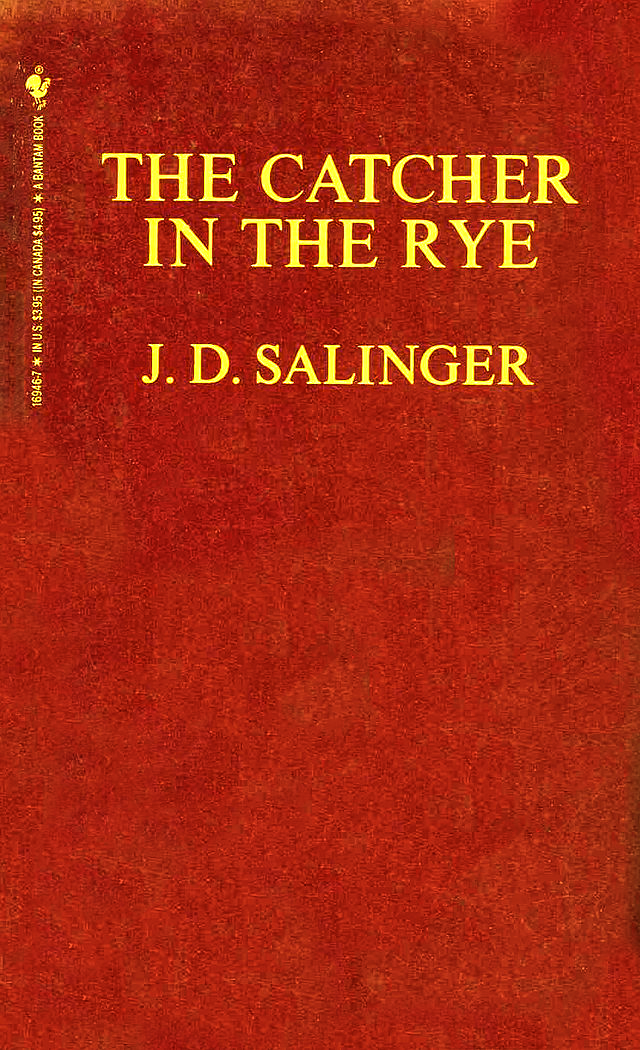
But I’m dancing around the central issue. The bible of pubescence was and remains J.D. Salinger’s The Catcher in the Rye. Here was a book that addressed my concerns directly, that understood my life from the inside, that expressed those unsayable thoughts. I gobbled it up, and all the Glass family sagas and short stories. I wanted more; there were no more.

There were other books that teens revered, and I read those, too: John Knowles’ A Separate Peace and William Golding’s Lord of the Flies — which, because I was a teenager and therefore an idiot, so it never bothered me that Golding told of a world-view diametrically opposed to Salinger’s fable of self-righteous innocence. catcher cover

Holden Caulfield recognized the essential hypocrisy of adulthood and pointed fingers everywhere but reflexively. The purity of his heart guarded the cleanliness of his soul. I signed on. It was society that was rotten.

Of course, looking back, one realizes Holden Caulfield was the biggest phony of them all. But it is the nature of hucksters and demogogues that they project their limitations outward. It is what makes them so convincing, at least to the unformed souls they lead around by the nose.

I have tried to reread Salinger a few times as a grown-up, but the treacle leaves an unpleasant coating on the inside of my mouth.

My self-image at the time was that I was a budding bohemian, that I was an intellectual among cattle. I had subscriptions to Evergreen magazine and Paul Krassner’s The Realist. I read Jean-Paul Sartre’s Les Mots. I listened most nights in my bed to Jean Shepherd on the radio, and never really understood that the “hipsters” he railed against were the very people I idealized. evergreen 1965Irony, at that age, is invisible. We look right through it without seeing it. I went to Greenwich Village every opportunity I got and frequented the Sheridan Square Paperback Corner.

Lordy, I was a pretentious twit.

There were books I was required to read for school, but while these books are worthy, they are wasted on adolescents who cannot grasp their import. I read The Great Gatsby for school, and never quite understood that Gatsby was a gangster. Over my head. The Scarlet Letter was assigned, and I don’t think I even understood that Pearl was Hester’s daughter. I’m not sure why a punk kid was ever asked to read such a rich and subtle book. There was clearly no way I could wrap my tiny, unformed brain around the complexity of that book — to say nothing of the boredom induced by paragraphs that long without being broken up into constant bites of dialog.

There was a tendency during those years, when introduced to a book I enjoyed, to attempt to read everything else by that author. Gobble it all up, nine-yards and a tail. That is the way it was with the Glass family, and that is how it was with Jack Kerouac.juliette greco

There was scarcely a Kerouac book in print in the mid-1960s, that I didn’t inhale, starting with On the Road, which I read twice. I fantasized riding the rails, driving a broad-hipped Hudson at a hundred miles an hour through the nights of Nebraska, listening to Ornette Coleman and dispensing off-the-cuff witticisms to the Juliette Greco on my lap. When I had a chance to travel to Europe between my junior and senior years, I took Lonesome Traveler with me, and in the bookstalls along the Seine in Paris, found Big Sur and Subterraneans in British paperback editions.

I am amazed when I look back, at how much I read — all of which was outside schoolwork, which I neglected. And I am amazed now at how little of anything I read then I retained. It went through me like a sieve. All that verbiage accumulated around me like gravel around a caddis fly larva, and when I left for college, I shed that cocoon and started fresh with a new set of enthusiasms.

Next: Reading outside the curriculum