Archive

Tag Archives: lang lang

I have been listening seriously to classical music since 1965, and I have attended hundreds of concerts and recitals since then. Most of those were enjoyable, well-played, musical and provided emotional nourishment, yet almost every one was ultimately digested and forgotten. How could it be otherwise? It takes an exceptional performance to register permanently on the psyche, so that, even 60 years later, they are still resonant in the memory. Now that I am 77, I think about them again. 

I grew up in a household with very little music, outside of watching Perry Como or Dinah Shore on the TV. But my high school girlfriend was a musician. She was studying bassoon with Loren Glickman, the man who played the opening notes of The Rite of Spring on the recording conducted by Igor Stravinsky. (She later studied with Bernard Goldberg, primary bassoonist with the Philadelphia Orchestra — she was the real deal). She later went on to work with both PDQ Bach and Philip Glass. 
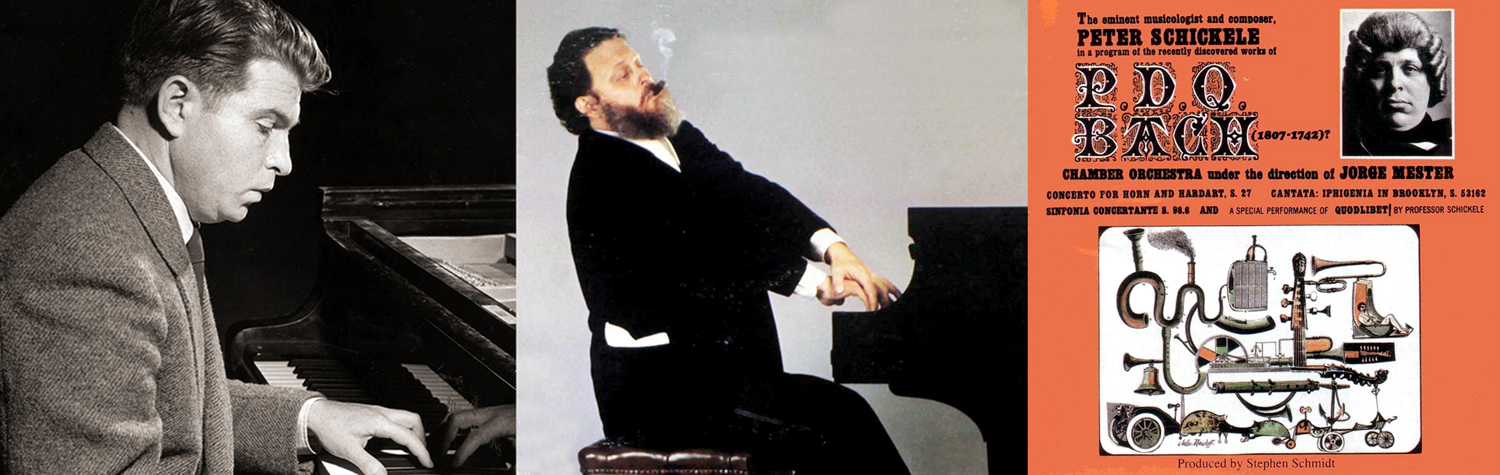
She and I often took the bus into Manhattan to attend concerts. We heard Emil Gilels play the Liszt sonata at the Brooklyn Academy of Music and we went to the very first PDQ Bach concert at Carnegie Hall, hearing both the Concerto for Horn and Hardart and the cantata, Iphegenia in Brooklyn. (For about 20 years after that I went to at least one PDQ Bach concert each year, no matter where I was living). But most of all, we went to the New School concerts led by violinist Alexander Schneider. Tickets were $3 and we could afford them. 

And on Christmas Eve, Schneider held an annual midnight concert which allowed me to escape to New York and avoid the boring evenings with my coffee-drinking repressed Norwegian aunts and uncles. 
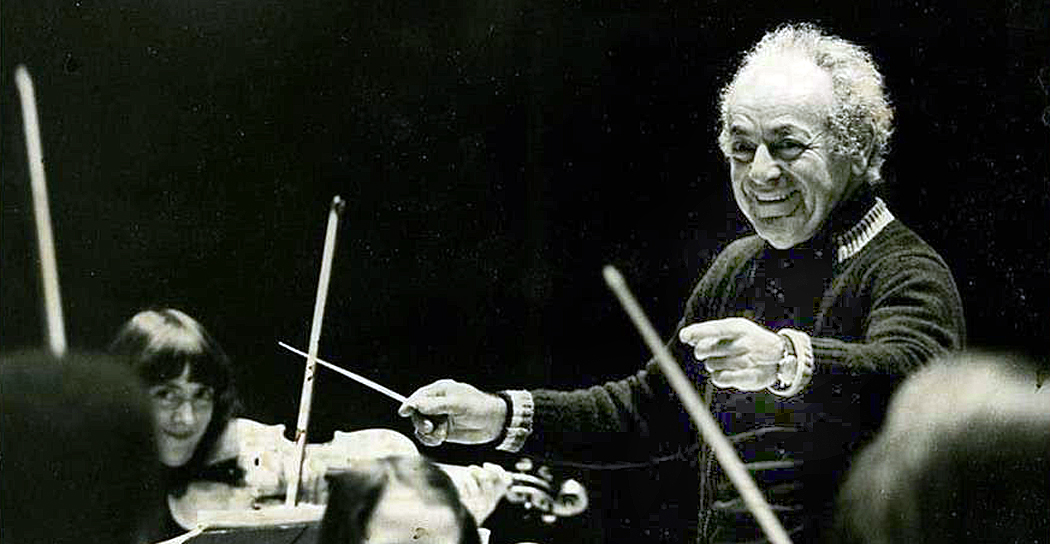
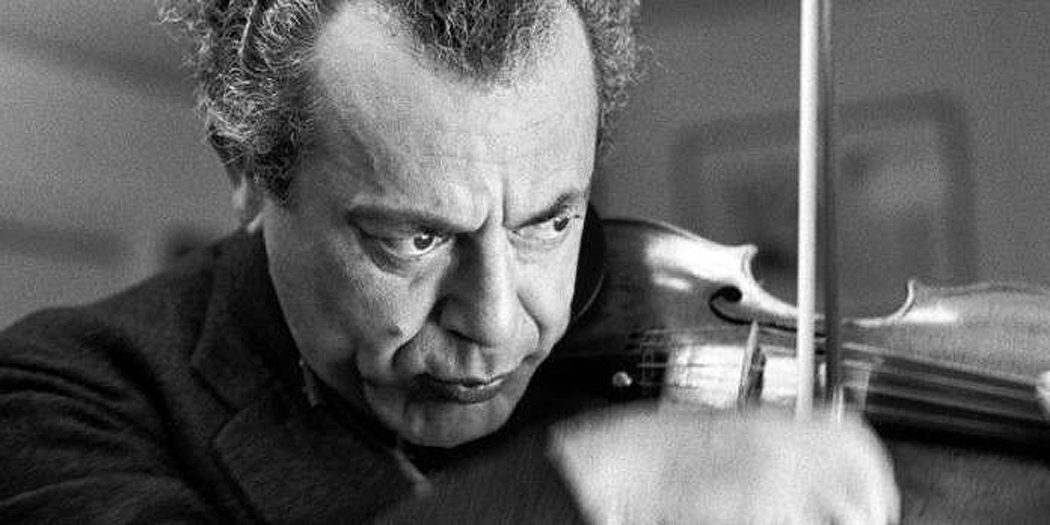
Schneider has always remained my ideal of committed musicianship. He led his chamber group from his seat, with his leg wrapped around the chair leg like the serpent of a caduceus, leaning forward into the music with the intensity of a man defusing a bomb. The music was always exciting. (To this day, I seek out the rare Schneider recordings, such as his Handel op. 6 Concerti Grossi and his Haydn quartets. Schneider was a force.)

New York Times critic Howard Klein wrote about Schneider at the time, “… the playing was that rare ideal of single-mindedness, give-and-take, technical polish and heart. There were a few slides to Mr. Schneider’s melodic playing, just enough to remind one of his romantic tradition. Some scholars might object to the rhythmic liberties that were taken, those marvelous pauses, the slackenings of pace, then the eager striding forth into a fugue, or slipping into a dance rhythm. But this was not romantic Handel, just human warmth. As usual, Mr. Schneider was totally consumed with playing, putting his back into every bow stroke and exhorting the others from his chair to join in the fun. Mr. Schneider is one of the city’s most valuable musicians.”

To this day, Schneider remains my touchstone. 

I owe a lot to that first serious girlfriend, but high school romances notoriously don’t last, and this one didn’t, but the music did. I became a serious classical music junkie, going to concerts, recitals, chamber music, and buying endless reams of LPs, tapes and CDs. 
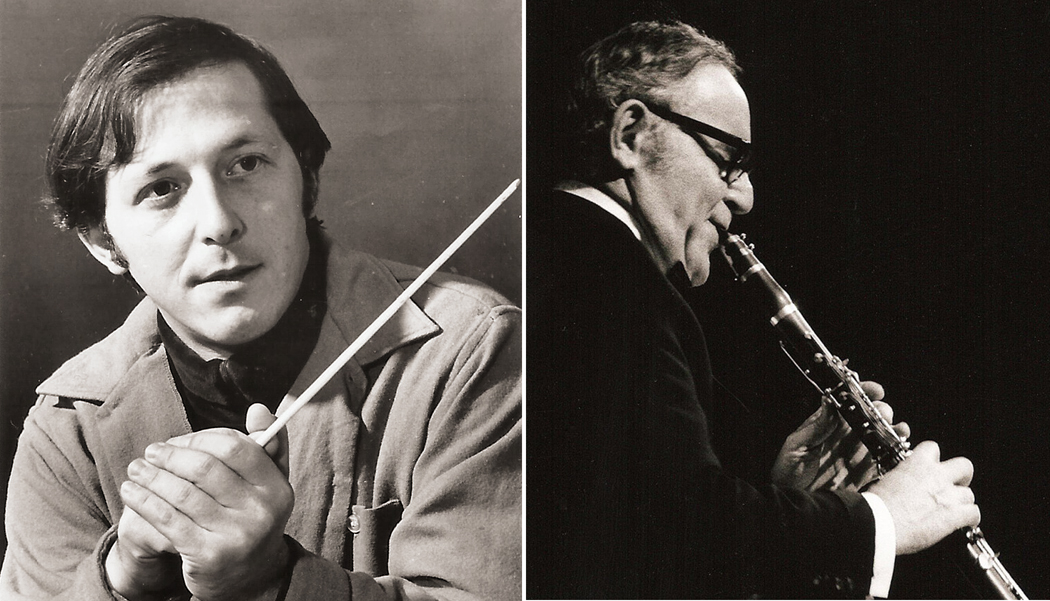
Shelly and Benny

In my college years, most of the music I heard, at Greensboro Symphony concerts, under first Sheldon Morgenstern and then Peter Paul Fuchs, was what you would expect from a community orchestra, although I was still happy to hear the music live. I also heard Benny Goodman play the Weber Clarinet Concerto in F-minor there (and after intermission, play the rest of the evening with his jazz trio). 

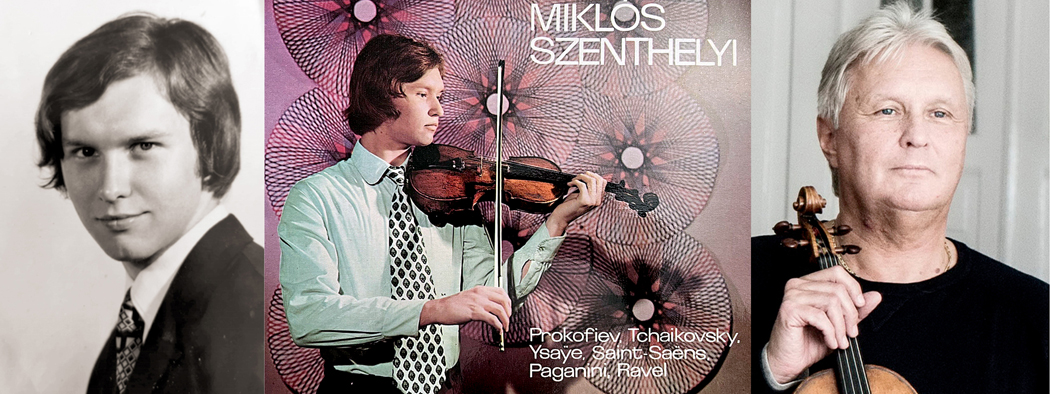
Morgenstern became director of the Eastern Music Festival held each summer at Guilford College in Greensboro, where I was a student, and I heard some world-class soloists come to play with the festival orchestra. The Hungarian Wunderkind Miklos Szenthelyi played the rarely heard Bartok First Violin Concerto and I fell in love with it. Szenthelyi was the most dignified soloist, with the most erect posture I’ve ever seen and played like the music was the most important ever written. It was wonderful. Szenthelyi is now the elder statesman of Hungarian violinists. It has been that long. 
Beyond the EMF, one concert stands out from that time. A still-teenage Yo-Yo Ma played both Haydn concertos with the High Point Symphony, one before intermission and one just after and the tunes became ear worms for weeks. Yo-Yo Ma has been a constant ever since, and I have heard him live over and over throughout my concert-going life. 

Over the next decades, I moved around quite a bit, often with low-paying jobs, or none at all, and could not often afford tickets. But I still managed to hear Bernstein and the New York Phil play La Mer, and later the same orchestra under Kurt Masur play Schoenberg’s Transfigured Night and Beethoven’s Eighth Symphony. Masur had a reputation as a mere Kappelmeister, a time-beater, but he played Beethoven’s smallest symphony as if it were a tiger as big and muscular as the Fifth. I was surprised and blown away. Ever since, I have had greater respect for the power possible to be found in the Eighth. 
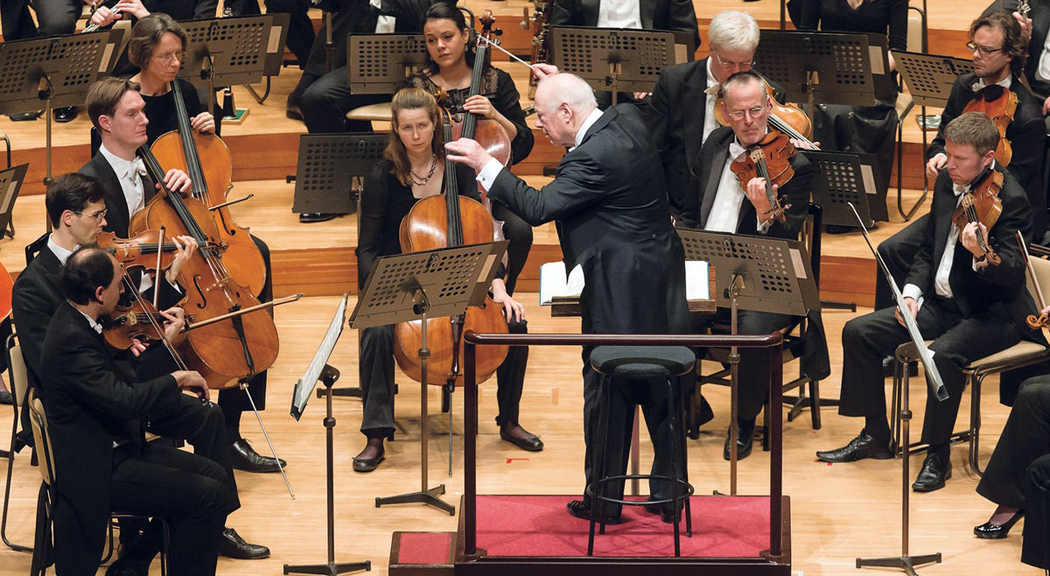
Haitink and the LSO

There is a class of musician whose recordings have a reputation for being bland, but hearing live, they take the chances they never do for records. Masur was one. Bernard Haitink was another. All the CDs I had of Haitink were safe and, while well-played, were kind of boring. But then I heard him with the London Symphony at the Salle Pleyel in Paris playing the Eroica with all the fire and passion that could be wrung from the piece. Completely changed my mind about the Dutchman, although it didn’t make the CDs better.

I have to admit that my cherished Yo-Yo could be that way, too. Not that his recordings are bad or boring, but they never capture the buzz and excitement of hearing him live, where he is electric. I heard him playing the Dvorak concerto in Phoenix and I was in tears, almost shaking with emotion after hearing it. It was one of the greatest concert performances I ever attended. His recording of the concerto is really good, but nothing like the live beast. 
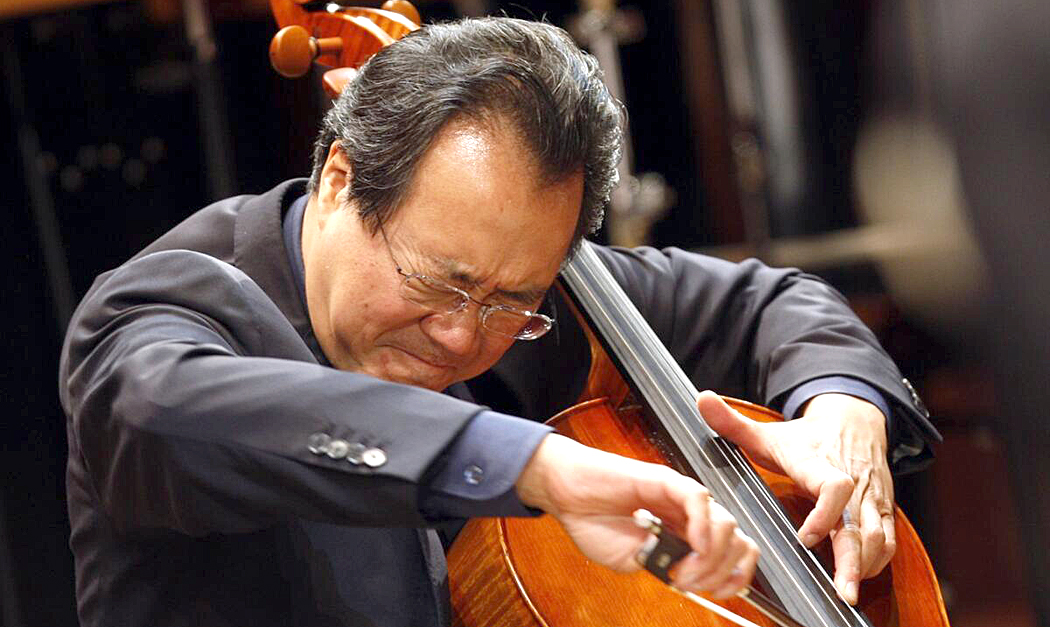
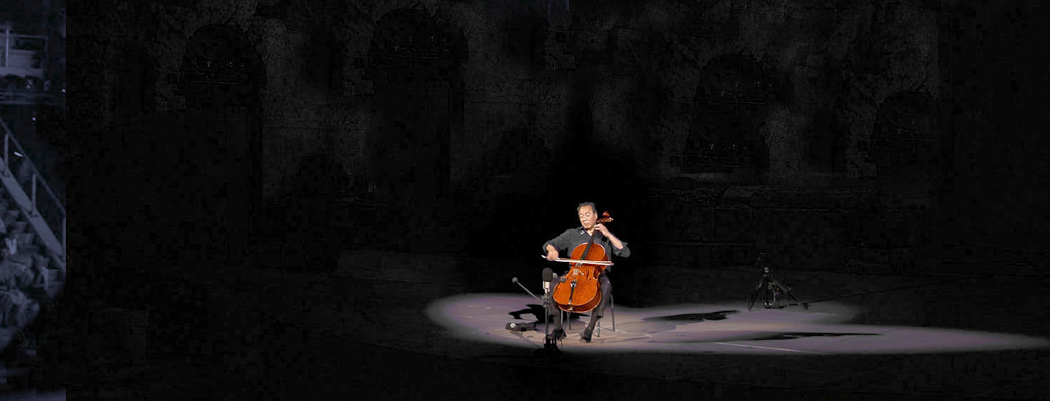
He has recorded the Bach cello suites three times over his career. The first two are dependable, even excellent, but I’ve heard him doing them live several times and the metaphor again shows up: Played with the intensity of someone defusing a bomb. In his third recording of the six suites, he finally got something of that adventurous power into the CD. 

In Seattle, I got to hear the Berlioz Requiem, a piece, because of its logistical demands (expanded orchestra and chorus, four extra brass bands at the four corners of the hall and eight tympani blasting away) I never expected to hear live. It may not have been the best performance of the piece ever, but it yanked my hair back. In the late 1970s, when I lived in Seattle, my regular date was a former professional violinist, turned bicycle messenger, and we went to many concerts together. Unfortunately, although we were good friends, she played for the other team. 

By the late 1980s, I was living with my late espoused saint in Phoenix, Arizona, and was the art critic for the major daily newspaper, and later became to classical music critic as well. When you don’t have to pay for your tickets, you get to go to a lot more music. And I heard some great music, not only from local Arizona musicians and from touring groups, but because the paper sent me all over the country, I got to hear music in Los Angeles, New York, Chicago, Boston and Philadelphia (and Boulder, Colo., too). 
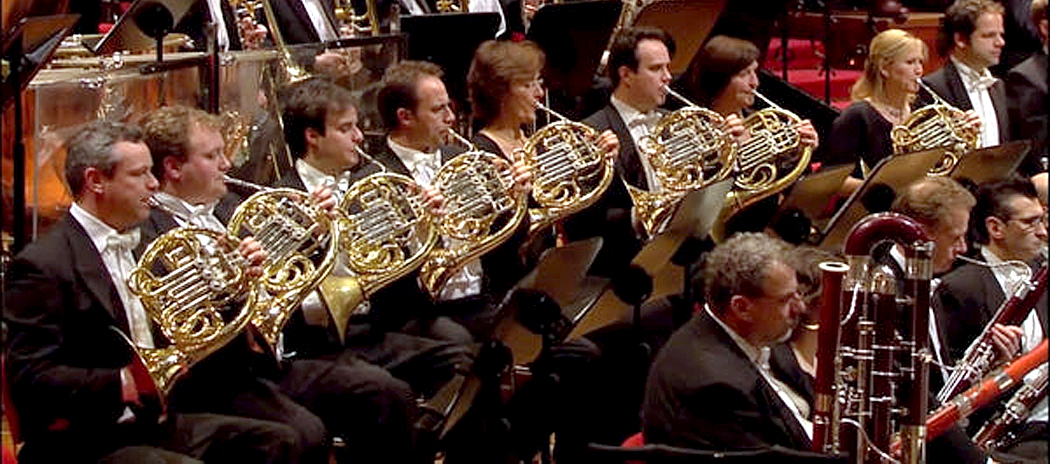
One of the most unforgettable experiences was hearing the Philadelphia Orchestra under Wolfgang Sawallisch play Richard Strauss’ Don Juan. If I ever needed to be persuaded that live music offers something recordings cannot, it was the great horn call in Don Juan, when eight French horns sound off in unison and one doesn’t just hear the sound in one’s ears, but vibrating through the fundament: It was music with a physical presence of a brick wall. No recording can capture that shudder. You have to be there. 

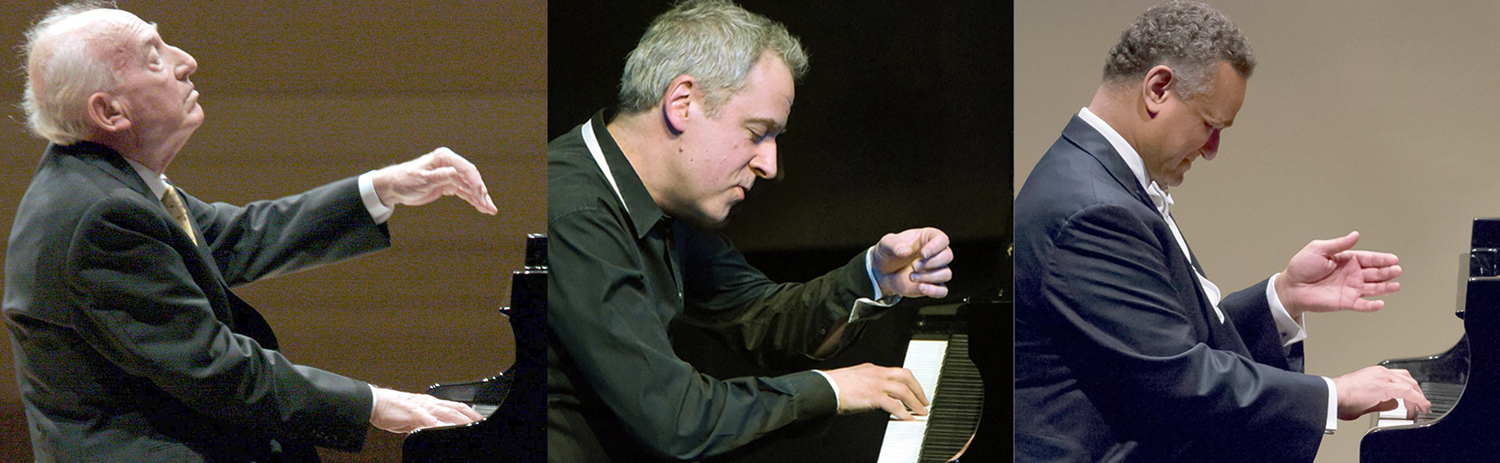
I heard Maurizio Pollini in LA playing a first half of all the Chopin Preludes and a second half doing Stravinsky’s Two Scenes from Petruschka (with an intermission of over an hour while, from the lobby, we heard a piano being tuned to his satisfaction in the emptied hall) and ending with the Prokofiev Piano Sonata No. 7. That was the single most daunting program I had ever heard up to that point. 
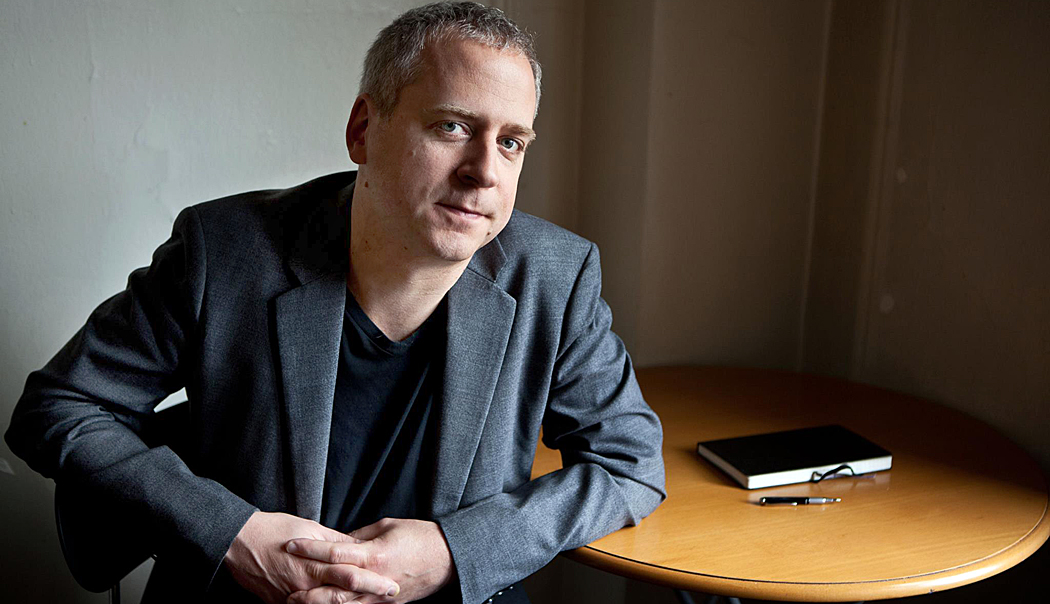
At least until I heard pianist Jeremy Denk at Zankel Hall, part of Carnegie Hall, when the first-half of the recital was Charles Ives’ Concord Sonata and the second half Beethoven’s Hammerklavier — two of the longest and most difficult pieces in the repertoire. He then re-played the “Hawthorne” movement of the Concord Sonata as an encore. His fingers must have been bloody stumps after all that. 

I later heard Denk in Scottsdale playing Beethoven’s Eroica Variations, and showing their comic side, and several Ligeti etudes, showing that composer was more than the film score to 2001: A Space Odyssey

Some of these memorable cases come in pairs, like the Denk’s. 

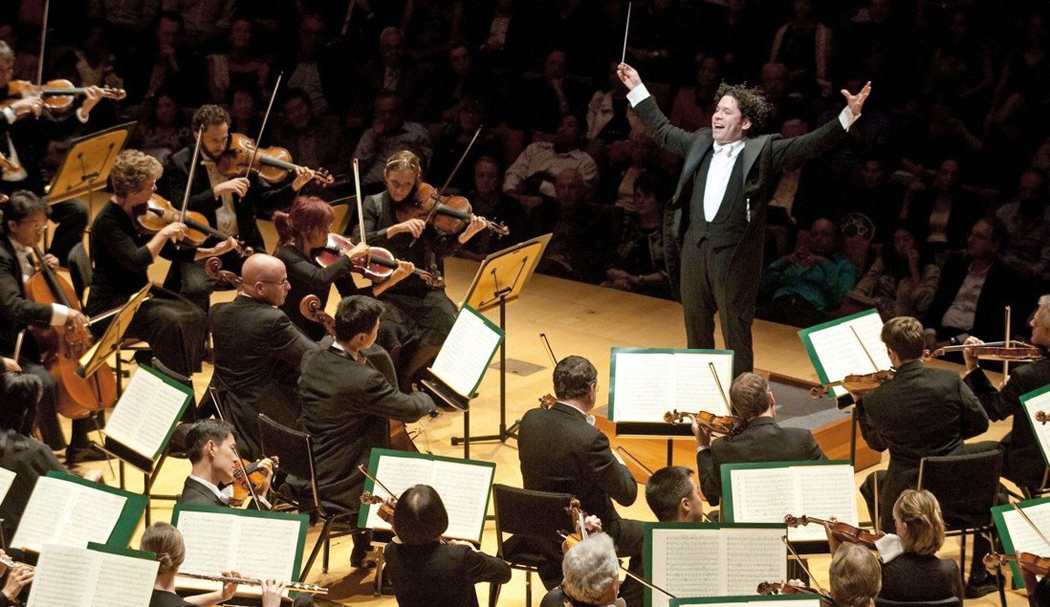
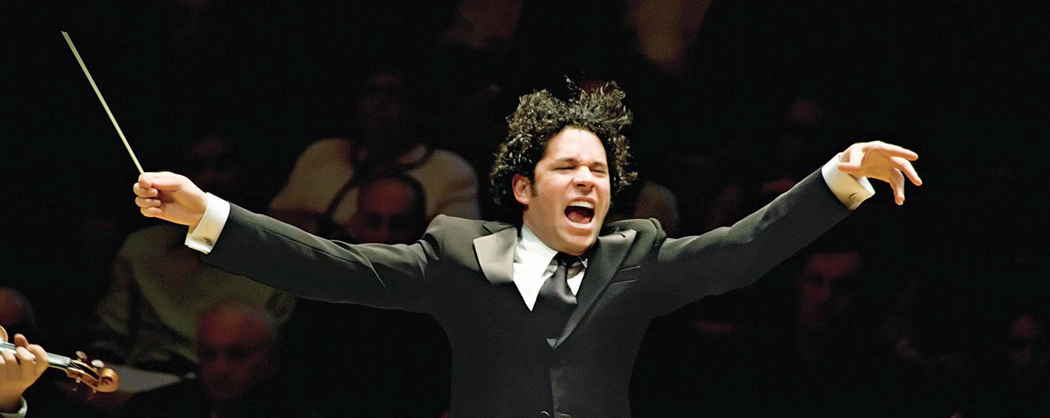
At Carnegie Hall, I heard the Israel Philharmonic play the Tchaikovsky Fourth Symphony under Gustavo Dudamel, and it was pure magic. The 80 or so old Israeli pros were turned back into teenagers by the young enthusiasm of the Dude. They played their hearts out for him. At the end, Dudamel did not take the customary audience bows, but ran up into the orchestra, shaking the hand of every musician, making them all stand up and accept the applause. 
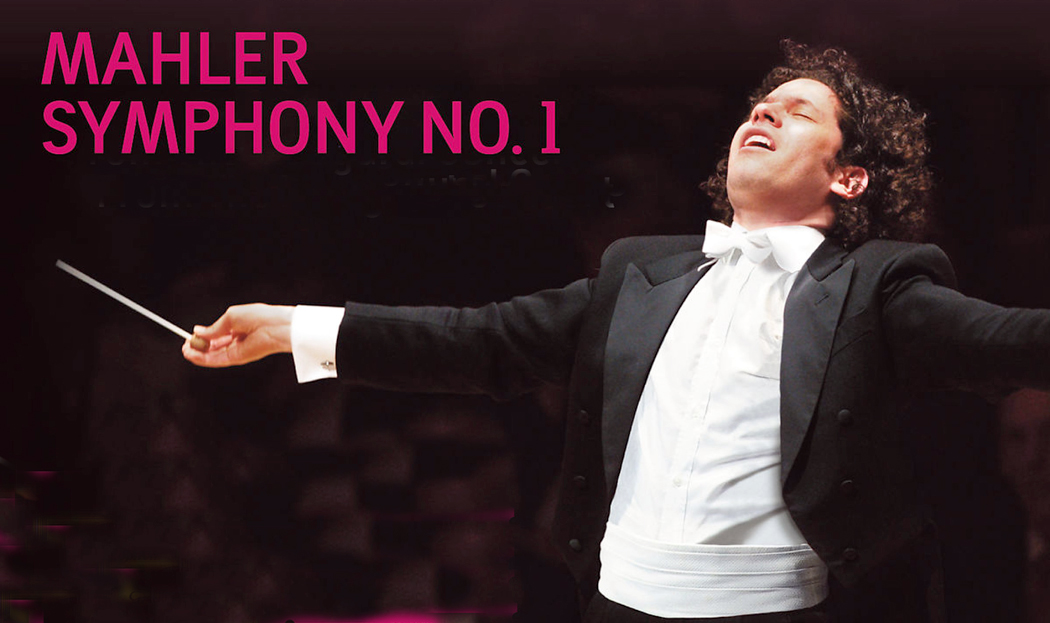
Later, with the LA Phil, I heard him lead the Mahler First. These were two of the greatest orchestral concerts I ever heard. 

One might expect great sounds from these orchestras, but two of the best live performances I have under my belt came from the Phoenix Symphony and its concertmaster Steven Moeckel, under the direction of Music Director Michael Christie. Moeckel played the greatest version of the Beethoven Violin Concerto I ever heard live, perfect in every expressive detail, and powerfully emotional. I was so blown away that I came back the next night to hear it again, but the magic had passed. It was a very fine performance, but not the same. You are not allowed back into Eden. 

Several times, I had lunch with Moeckel and we talked of many things. He mentioned that he had always wanted to play the Elgar concerto, a piece I didn’t know, having always thought of Elgar as a stuffy English imperialist. But he persuaded Christie to let him do it, and I was transfixed and realized how much I had been missing all my life. The Elgar Violin Concerto is one of the five or six greatest ever written, up there with Beethoven, Brahms, Sibelius, Tchaikovsky, Berg, and Mendelssohn. And Moeckel’s performance couldn’t have sold it any better. It changed my musical life. 

Then, there were two concert opera performances by the Phoenix Symphony and Christie. They engaged Dawn Upshaw to sing in Osvaldo Golijov’s Ainadamar, about the death of Spanish poet Gabriel Garcia Lorca at the hands of the Fascist forces of Franco. 
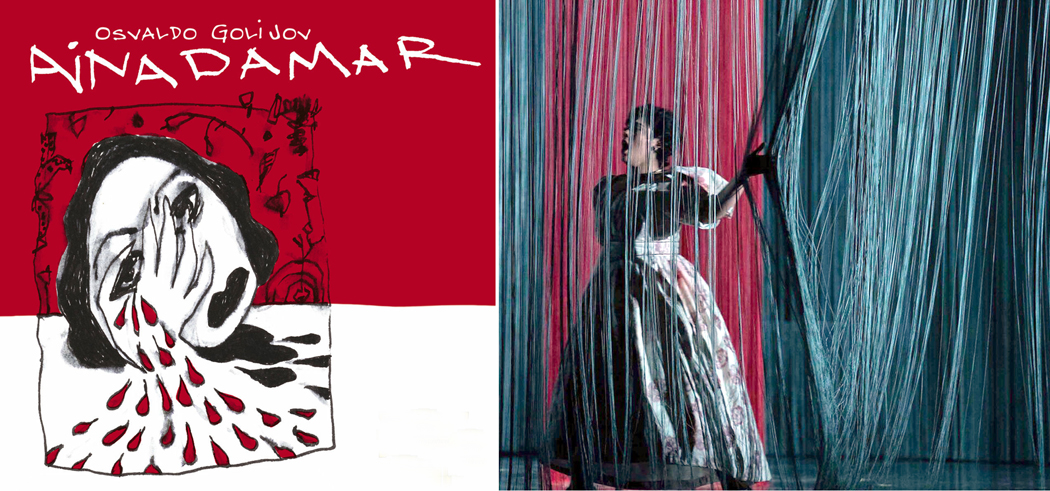
As the music critic for The Arizona Republic, I often had issues with conductor Michael Christie over 19th century classics — Christie had not a Romantic bone in his body — but he was brilliant with contemporary music. I fell in love with Golijov’s eclectic style.

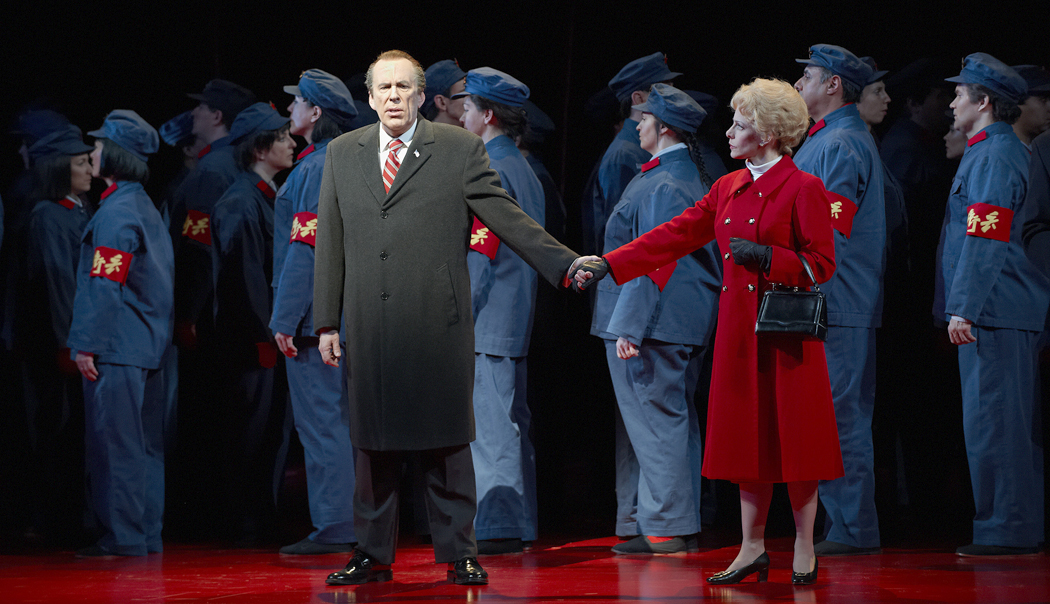
And Christie led a great semi-staged version of John Adams’ Nixon in China, one of the rare contemporary operas to make it into the mainstream repertoire. What a great piece, and the Phoenix Symphony played the daylights out of it. 
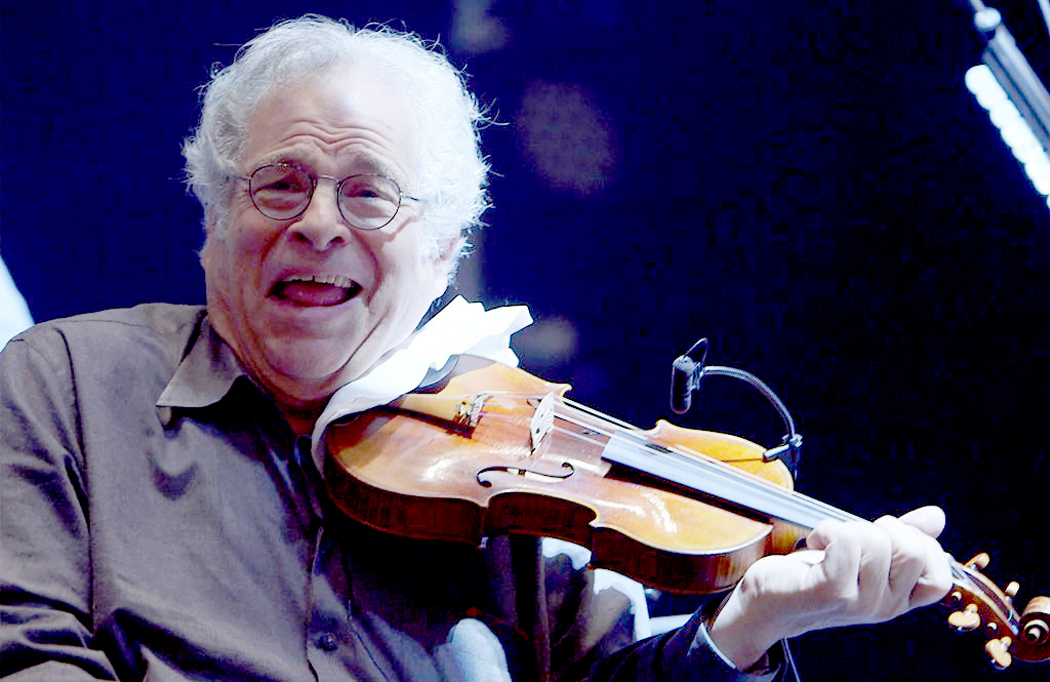
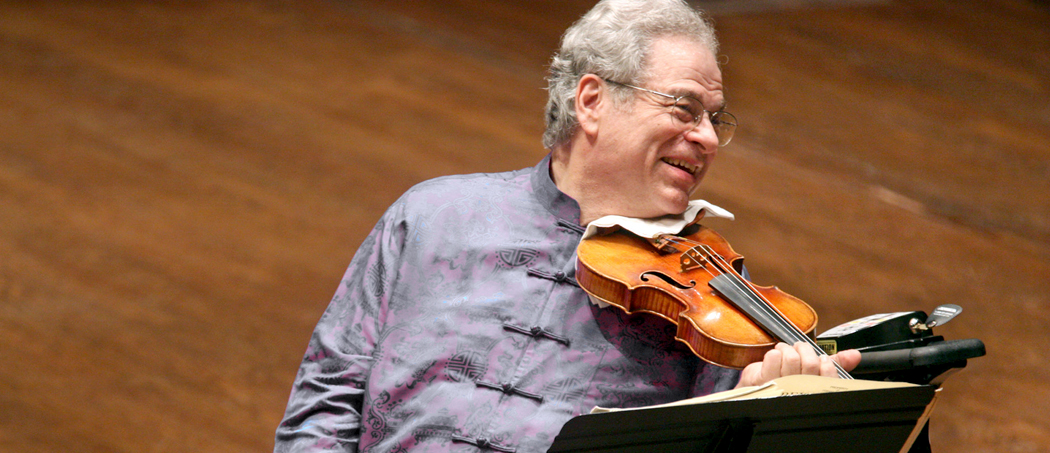
Twice I heard Itzhak Perlman give recitals in Mesa, Ariz. and each time the same thing happened. He opened with a slight sonata, at the first recital a Bach sonata for violin and keyboard and at the second, one of the op. 12’s of Beethoven. I don’t remember which exactly. Perlman played them expertly and even brilliantly, but he just didn’t seem all that involved. I thought, Oh, he’s playing for the boonies and just phoning it in. 

Then, the second piece on the program he played like the Greatest Living Violinist, with all the deep engagement, excitement and power anyone ever had. I realize those first pieces were just warm-up. In one recital, it was Beethoven’s “Kreutzer” Sonata and in the other, it was the Strauss Violin Sonata, a piece generally ignored as turgid and overlong, one of the composer’s less inspired works. Well, not when played by Perlman: This was one of the great musical experiences of my life. Geezus! Who knew this was really great music? If I ever had any doubts about Perlman, I lost them completely. 
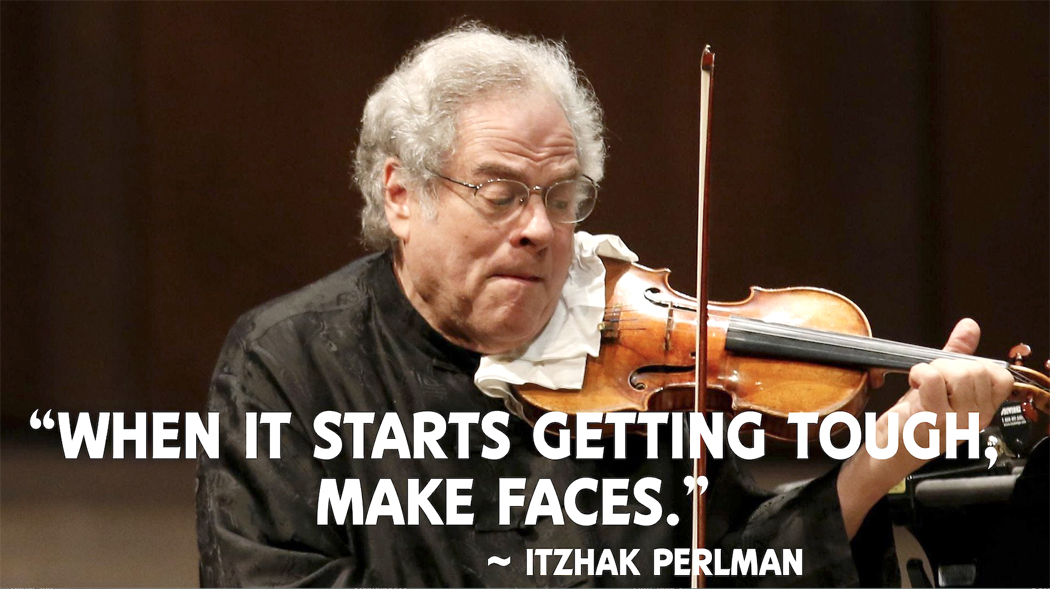
Of course, all that makes up for after intermission, when Perlman puts on his embarrassing Borscht Belt act. The program just says, “selections to be announced from the stage,” which means the violinist plays a series of short schmaltzy pieces once played by the likes of Fritz Kreisler, Ole Bull or Bronislaw Huberman, catchy virtuoso show-off pieces that once fit on a single side of a 78rpm record: Hora Staccato, Liebeslied, Salut d’Amour. And worse, Perlman spends even more time with a pile of dad jokes and cornball puns, as if he really wanted to be a baggy-pants vaudeville comedian rather than a great fiddler. A comic he is not. I shoulda left at intermission with the warm memory of the Strauss still in my mind. 

Finally, I want to mention three pianists I heard, whose appearances have permanent real estate in my psyche. 
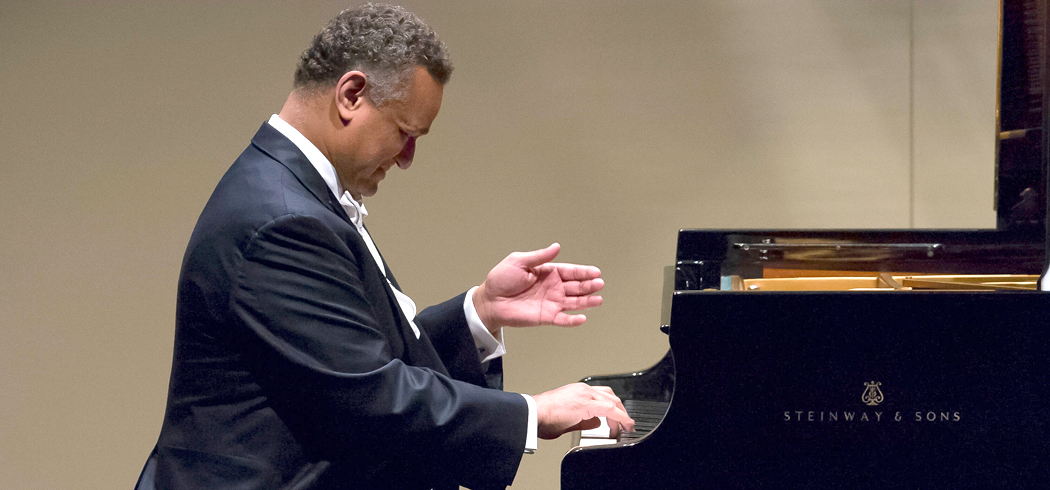
The first is Andre Watts, who I heard several times, but once at the Scottsdale Center for the Arts playing the same Liszt sonata I heard Gilels play at the beginning of my listening life. This time, I understood what I was hearing, and watching Watts’ fingers on the keys, dancing and pouncing. It was a wonderful, performance of clarity and power. 

Second, quite different, was Olga Kern playing the Rachmaninov Paganini Rhapsody with the Phoenix Symphony. It is clearly a 20th century piece, but often played as if it were late Romanticism, like his famous concertos. But it is an ironic masterpiece, and Kern played it with such lightness and humor that it was reinvigorated. And the audience gasped at the audacious ending when Kern began standing up even before knocking out the last cadence as if it were an afterthought. Yes, it was a coup de theatre, but it worked and perfectly summed up the tone of the piece as she played it.
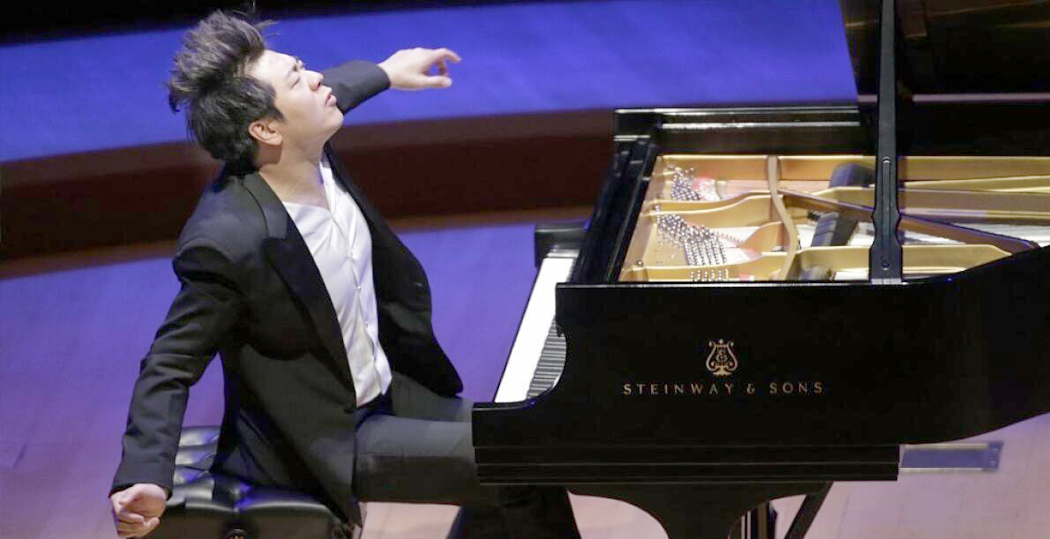
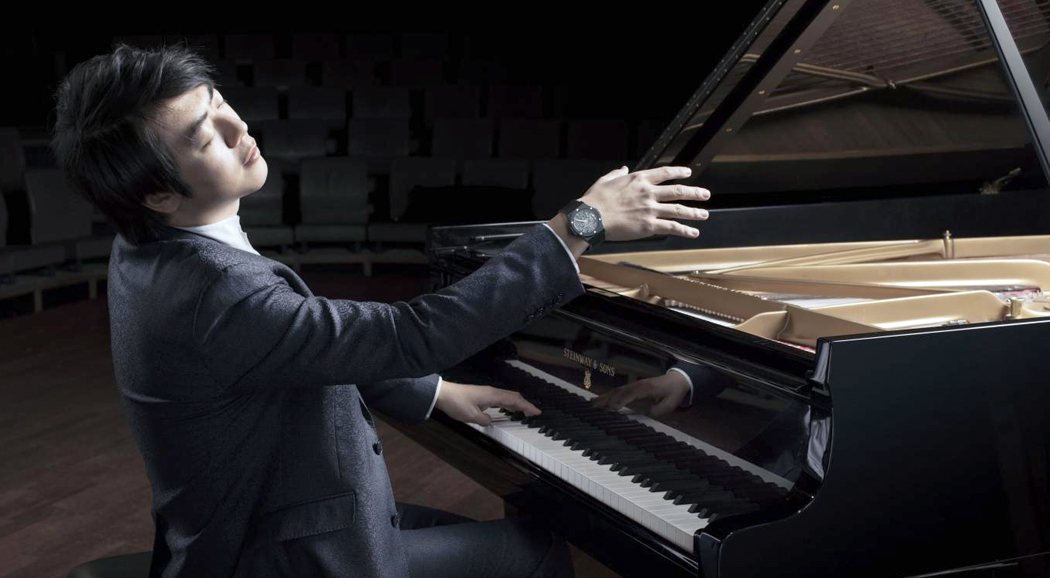
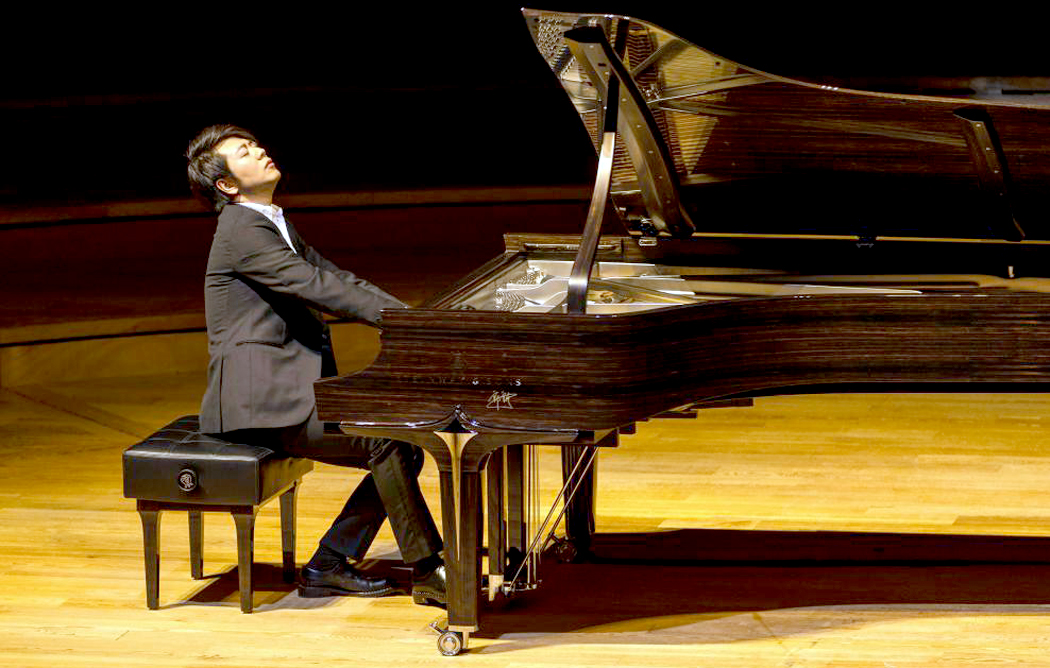
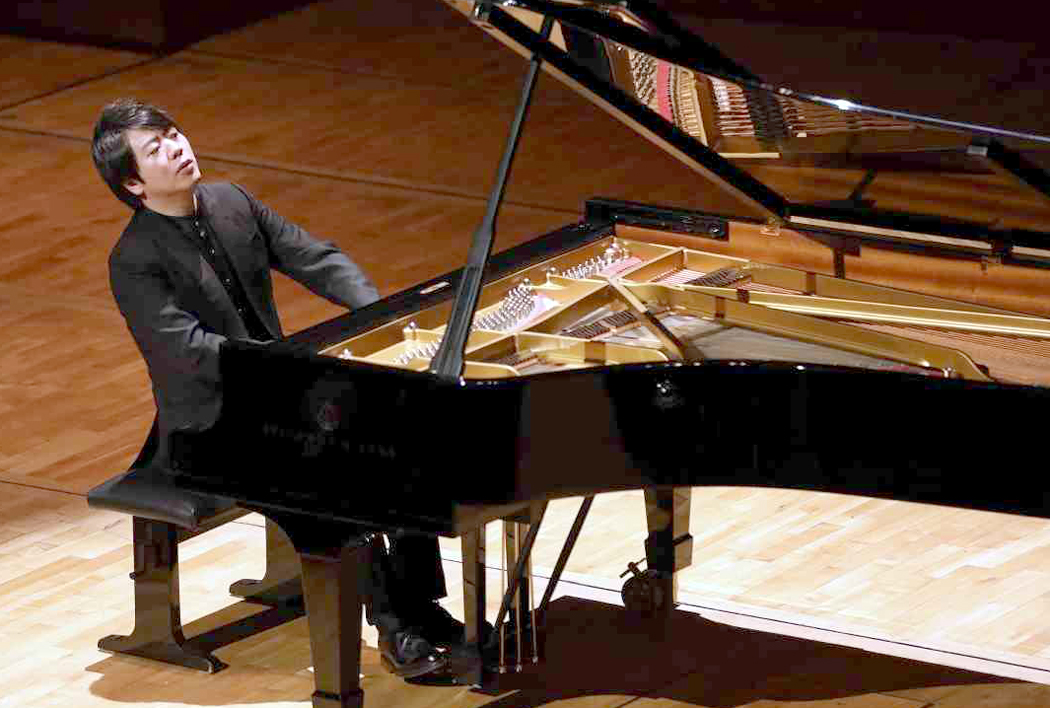
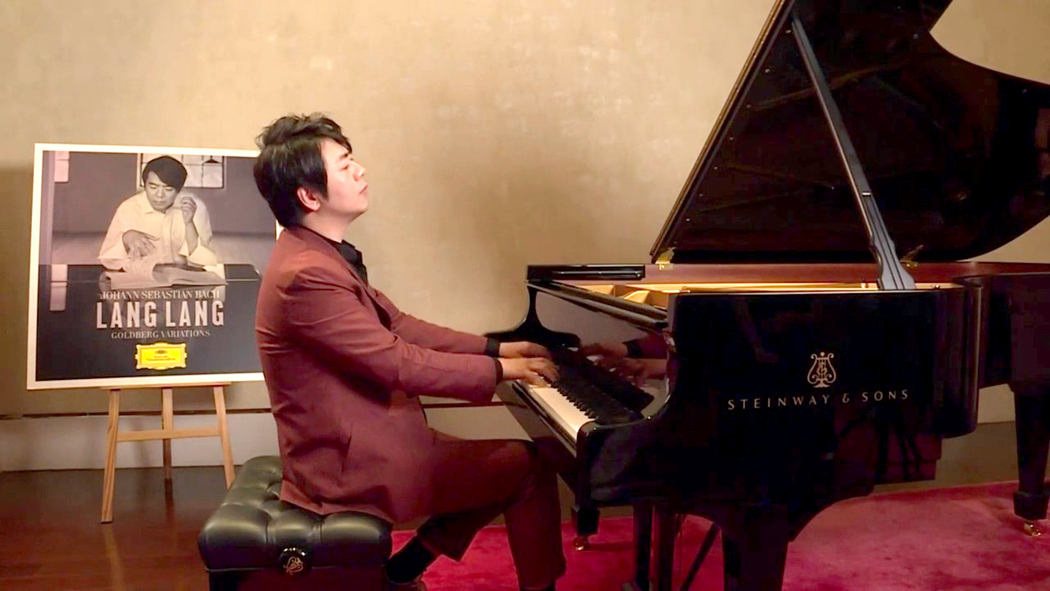
And third, a problem performer. You never know what you’re gonna get with Lang Lang. He is often seen as a flashy product of PR and promotion, and doesn’t help himself by often showing off and posturing for audiences, making faces as he stares at the ceiling and waving his arms around. I’ve heard Lang Lang live four times and sometimes he is very good and earns his credit, and sometimes you just wanna slap him. But one time, he played the first Chopin concerto with the Phoenix Symphony and time stopped still for the entire slow movement. Dead still. The world disappeared. Eternity opened up. It cannot be played better or more affectingly than Lang Lang did it that evening. I am forever grateful for what he gave me — one of the greatest performances I ever heard. 

Of course, the next time he came to town, it was the other Lang Lang who showed up. 
In my seven decades — half of them spent as an art critic — I have been to too many art galleries and museums to be able to count the shows I have seen. Nor can I count the concerts, recitals, theater productions I’ve seen or books I’ve read. Most of them I’ve enjoyed, but few were so memorable that I still have in my nostrils the aroma they gave off. 

This is not to disparage most of the others. I’ve eaten too many restaurant meals to count. Most of them I enjoyed. They did what was asked of them. But can I recount a ribeye I once had in Bakersfield? No. That would be silly. 

But there are meals and concerts that stick, art exhibits that did more than give an hour’s pleasure, concerts that changed my way of thinking about the world. 

And let’s be honest, one is willing to pay the ticket price for a lot of minor pleasure in the expectant hope that this next one will be a world-changer. The odds are against it, but we persist. Every once in a while, we are gobsmacked, and know why it has been worthwhile to sit through a hundred Beethoven Fifths to get to this one that goes beyond mere pleasure to transcendence. 

We live for those moments; they make life worth living. 

In a recent blog, I recounted my earliest such encounters, with Eugene O’Neill at the McCarter Theatre in Princeton, N.J., when I was in high school. With J.M.W. Turner at the Museum of Modern Art in New York a few years later. With Emil Gilels at the Brooklyn Academy of Music the same year. These all set my life on a course to spend it with art and music. These all proved to my adolescent heart and mind that there was something more real, more important, than the suburban life I was being brought up in. 

But the immersion didn’t end there. In subsequent years, there were many exhibits and concerts that stand out. That became such an engrained part of my life and world view, that it is as if I was still standing in front of those paintings, or sitting in the concert hall, hearing those notes. 

Let’s just take three piano recitals as examples. In 1991, I heard Maurizio Pollini at the Dorothy Chandler Pavilion in Los Angeles. In the first half of the recital, he played all of Chopin’s Preludes. In the second half, he played the Berg sonata and Schoenberg’s Six Little Pieces, Op. 19. All that was great. But he finished with the Stravinsky Three Scenes from Petrushka, one of the most difficult bravura piano pieces ever written. Pollini tore through it like a demon, but made every note musical. It blew me away. (The recital was notable for its intermission, too. The doors to the hall were locked and for nearly an hour, we could hear the piano being re-tuned behind those doors. Apparently Maestro Pollini was not satisfied with the instrument. We were kept waiting in the lobby until he gave his approval to the tuning). 

In 2008, I heard Jeremy Denk at Zankel Hall in New York, the recital hall that is part of Carnegie Hall, play the single most daunting program I could imagine, with Charles Ives knucklebusting Concord Sonata in the first half, and Beethoven’s mind-busting Hammerklavier Sonata in the second. I could only think of John Lennon’s immortal line “I got blisters on me fingers.” For an encore, he reprised the Hawthorne movement of the Concord. Very like running a 200-meter directly after running a marathon. 

I’ve heard Denk several times since then, and each time, his playing was, if not so Olympian, certainly significantly memorable. He proved to me, for instance, that the etudes of Gyorgy Ligeti are great music. And that Beethoven’s Eroica Variations are actually comic. 

Then, in 2011, I heard Andre Watts play the Liszt B-minor sonata in Scottsdale, Ariz., on an all-Liszt program. I had the perfect seat to see his fingers spin over the keys, and learned a great deal about the disposition of Liszt’s voicings by being able to see Watt’s fingers. His playing was ethereal. Liszt was a Watts specialty. 

But it wasn’t only music. After my initial infatuation with O’Neill in high school, I had seen too many mediocre live theater productions, and had come greatly to prefer movies. Theater seemed too artificial, too, well, “theatrical” for my tastes. But then, in 1993, I saw the original Broadway production of Tony Kushner’s Angels in America — both parts on successive days — and saw what live theater can do that nothing else can. It was one of the seminal experiences of my life. 

(It was also ruined for me most other theater, because so seldom is it ever this overwhelmingly powerful. But I have seen other great theater since then. Angels is not sui generis. I have seen Angels three more times, once in its road production —not all that good — once in a production by Actors Theatre in Phoenix, which was nearly as good as the New York production, and finally, in its Mike Nichols filmed version, which is very different from the stage version. It is a movie, not theater. Very good, but still, not the live experience on stage. The same difference between seeing the movie Amadeus and the stage version. Movie is good; live is great.)

I got to travel for my newspaper, and was able to review many major art shows around the country. They have been some of the most eye-opening and mind-expanding things I’ve done. 

In 1994, I saw John James Audubon: The Birds of America at the Art Institute in Chicago. It featured 90 of the original paintings used for the engravings published in his books. The originals persuaded me that Audubon might be considered America’s greatest artist. (You can read a version of my newspaper review here.)

In 1996, I visited Philadelphia for the big Cezanne show at the Philadelphia Museum of Art. One hundred oil paintings, 35 watercolors and 35 drawings from public and private collections. It was an overwhelming experience. I never knew there were this many distinct greens, blues, blue-greens, and greenish blues. And when you swipe a bit of vermilion against them, the whole thing glows like neon. Seeing Cezannes live is a very different thing from seeing them reproduced in books. 

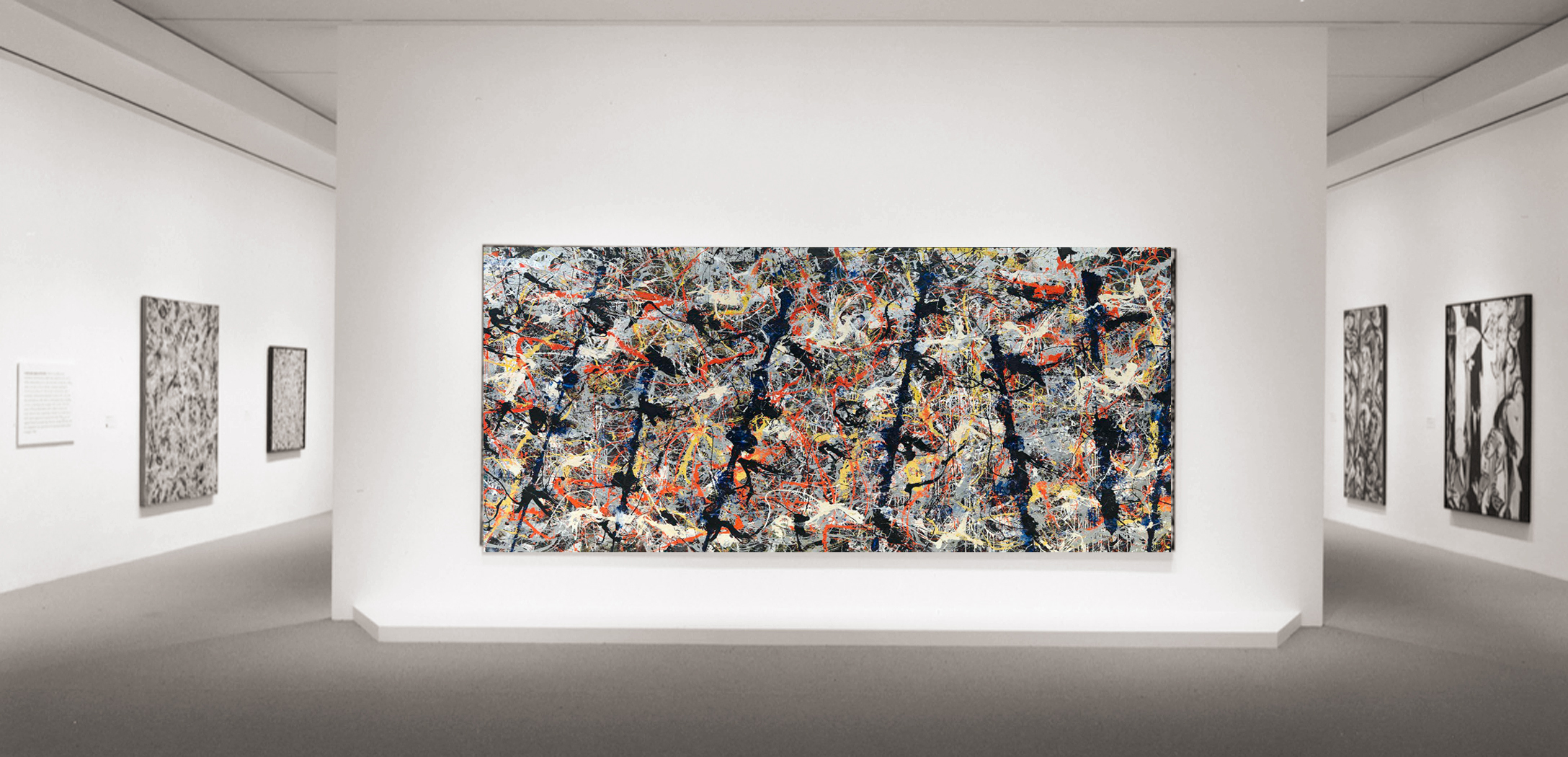
In 1999, I got to see the great Jackson Pollock retrospective at the Museum of Modern Art, which gave me the rare chance to see his Blue Poles, which is normally hidden away in the National Gallery of Australia in Canberra. 

That same year, there was a great Van Gogh show at the Los Angeles County Museum of Art from the Van Gogh Museum in Amsterdam. Like having the chance to see Pollock’s Blue Poles, I got to see Vincent’s iconic Wheatfield with Crows. The show as a whole was the best introduction to the artist’s growth from a clumsy, almost talentless neophyte to one of the world’s greatest painters. He wasn’t always Van Gogh, but when he became himself — the very definition of transcendence. 

I’ve been to Chartres Cathedral four times, and each time was overwhelming. I’ve now been to most of the great churches of northern France. The single most beautiful manmade thing I have ever seen is the north rose window at Chartres. I have sat transfixed in the south part of the crossing, staring back to the north, in total, for hours. It is a meditation or very like a prayer, if such can be said for a complete atheist. 

Overall, it is music that has most provided me with this feeling: Of taking me out of myself and letting my mind expand to a size larger than mere me-ness. Of course, most of the hundreds of concerts I have attended have only provided pleasure and entertainment. But there are those that do more. I thirst for those. 

In 1994, I heard the Philadelphia Orchestra under Wolfgang Sawallisch play the Strauss Don Juan and I felt music not just through my ears, but through my whole body and being. 

I’ve heard Gustavo Dudamel twice live. Once playing the Mahler First with the LA Phil, shortly after his appointment as music director. But before that, in New York with the Israel Philharmonic, playing the Tchaikovsky Fourth. That was in 2008; the Israel Phil was then an orchestra made up of older, formerly Eastern European men — bald-headed old pros who could give a polished performance under any conductor. But they played with the enthusiasm of little boys, even smiling at this bit or that as they produced the sound. After the performance, Dudamel, instead of turning and bowing to absorb the adulation of the audience, immediately danced up into the orchestra and jumped up and down with the musicians, shaking hands and pointing out soloists. I’ve never seen such a powerful effect a conductor has had on a group of musicians. They seemed to love him back. 

There have been other concerts: In 2008, there was Ozvaldo Golijov’s Ainadamar with Dawn Upshaw; in the same year, there was Doctor Atomic at the Metropolitan Opera in New York. In 2009, there was Nixon in China with Robert Orth in the title role. In 2010, Steven Moeckel played the Beethoven violin concerto with the Phoenix Symphony at the Scottsdale Center for the Arts. I have never heard a better, more moving and detailed performance of the concerto. At least not live. 

Sometimes, it is only a single work on a program. I’ve heard Itzhak Perlman I don’t know how many times. He’s a miracle; but he isn’t always completely engaged. He can give a creditable performance even half asleep — and he has been known to. But then he will redeem himself. In 2008, he gave a performance in Scottsdale. He ended the recital with his usual encore pieces and tired jokes. The same jokes over and over each concert. Perlman can be quite tiresome. And he opened with a Bach sonata, well played but nothing special. Then, as I wrote in my review:

“But then, with the Richard Strauss violin sonata, the sun shone through and the angels sang. It’s not for nothing that Perlman is a superstar. He gave us a version of the music no one else could give. Rich as butter, emotionally complex and powerful, he persuaded us that the Strauss sonata is a major piece of music, rather than B-list work by an A-list composer, which is how it’s usually ranked.

“From the opening notes the music dripped with personality, as Perlman pushed or dragged the notes just enough to create the kind of perfect phrasing that makes the music speak directly to your innards.”

It is for moments like that for which we will put up with so much less for so long. 

There are two other moments I would like to mention. 

The first is a concert with pianist Lang Lang. He has a bad reputation with some critics for histrionics on stage — rocking and eye-rolling — and he has on occasions played loud and fast, but without much impact, for which he has gotten the nickname “Bang Bang.” But he can also play the way he did in the slow movement of the Chopin concerto, on Oct. 24, 2008 (2008 was a very good year for me). As I wrote in the review:

“At the conclusion of Goethe’s Faust, his aging hero looks out on the world with a note of satisfaction. ‘I could almost wish this moment to last forever, it is so beautiful.’

“That is exactly how pianist Lang Lang played the slow movement of the Chopin E-minor piano concerto Sunday with the Phoenix Symphony. He lingered over it, stretching its already vague rhythmic drive down to a near halt, and stopping the audience’s breath with it.

“Each phrase seemed to pour forth spontaneously from the pianist’s fingers, followed by another seemingly thought of on the spot. No two phrases were played at the same tempo, and each tempo seemed perfectly expressive.

“It is a rare performer who can risk such an arrhythmia, and who can use it to make the music express poetry and longing, dreaming and anticipation. It was one of the best performances ever given by a soloist at Symphony Hall.”

My best moments in the concert hall has been when time completely stops and I get a glimpse of eternity — not eternity as an infinite number of moments end-to-end, but a eternity as utter timelessness. Time ceases to exist. 

That has happened each time I’ve heard Yo-Yo Ma play the Bach cello suites. I’ve heard him several times, including doing all six in a single concert. 

“Ma concluded with the sixth suite, as intense as an Aeschylan tragedy, with climaxes at the slow allemande and the even slower, deeper, more intense sarabande. Blood almost ceased moving in my veins and only started pulsing once more with the gavotte that followed, as the relief from tragedy, and a reawakening to the life of the body.

“This kind of music is why we listen to classical music: It isn’t enjoyment we are after but solace, reflection, a reconnection with the more important parts of ourselves. It brings us to the place where the deepest thought and the most profound emotion cannot be told apart; they are the same thing. It is proof that art is not merely entertainment, but food for our deepest hunger.”

There are many more such moments over the years, but I can’t mention them all. This is already too long. But, my life has been nurtured by such moments and experiences. They have made me who I am. 

A distinction is often made between the “pretty” and the “beautiful.” The second is of a completely different order from the first. But, for me, there is a third order, as different from beautiful as beautiful is from pretty. That third order gives not just pleasure, but transcendence. Below is the second of three parts.

At the conclusion of Goethe’s Faust, his aging hero looks out on the world with a note of satisfaction. “I could almost wish this moment to last forever, it is so beautiful.”

That is exactly how pianist Lang Lang played the slow movement of the Chopin E-minor piano concerto with the Phoenix Symphony when I heard him in the fall of 2008. He lingered over the larghetto, stretching its already vague rhythmic drive down to a near halt, and stopping the audience’s breath with it.

Each phrase seemed to pour forth spontaneously from the pianist’s fingers, followed by another seemingly thought of on the spot. No two phrases were played at the same tempo, and each tempo seemed perfectly expressive.

It is a rare performer who can risk such an arrhythmia, and who can use it to make the music express poetry and longing, dreaming and anticipation. It was one of the best performances ever given by a soloist at Symphony Hall.

That the pianist felt so expressively free comes as a surprise: His recording of the same concerto is rather dull and literal-minded. His Phoenix performance was a poetic night to his recording’s washed-out noonday glare.

Even Lang’s stage demeanor was less like the reputation that preceded him: While he certainly emoted while playing, there was less of the rocking and eye-rolling that he has engaged in in the past. His most obvious physical “dance” came during that slow-movement, when he leaned back as if he were in a recliner, with his arms stretched out straight in front of him barely reaching the keyboard, and his head aimed straight at the ceiling, where he seemed to find the notes he was playing. He found the right ones and time stopped for the duration. 

That sense of time standing still is, for me, the practical definition of “transcendence,” the sense of being pulled out of conventional reality and given a glimpse of something even more real. 

One goes through a lot of perfectly decent if unexceptional concerts waiting, hoping each time for such a performance — one that makes time stand still and matches the notes of the music to the interior needs of the listener — the music and the hearer become a single event and you feel to yourself, “This is me, this is the mirror of my soul.” 

Of course, when you have an experience like that concert, the cause is not simply the performance or the music. The listener must be receptive. It is a two-part event: the message and the addressee. Perhaps others in the audience did not dissolve in rapture; and I’m sure there have been concerts I sat through inert during which other audience members wept. Beauty is in the eye of the beholder. 

But not the way it is usually meant: For most, the cliche simply means de gustibus non est desputandum — all a matter of taste. But that is not it, at all. Beauty of the kind I’m writing of is not something solid and unchanging in the music or the artwork or poem — or in the green forest or towering thunderhead. Beauty is an event, not a thing. A verb, not a noun.   

Beauty is your active participation in the perception of the things of this world. The music is capable of being felt as beautiful and we are capable of perceiving that as beauty. But the two things are one and come together in the eye — or ear — of the beholder. Unless they arrive at the same moment, there is no beauty. To become part of the event, you must be awake, aware, alive. You must see or hear of feel more intensely than you do in the ordinary world of driving your car or tying your shoelaces. In such moments, the world becomes transfigured. 

I can picture the north rose window at Chartres cathedral in France. There are three such windows, but the one at the north corner of the building is the one that rivets my attention each time I visit.

It is the north window that moves me, in part because it moves, itself. This is an illusion, of course, but its designer was one of the geniuses of his age, able to create that illusion with static stone and glass. Each of these roses are built of circles of circles, building from a central core, and radiating out, like choirs of angels surrounding Providence. But in the north window, the panels dance.

It may be hard to see this in a reproduction, like the one here, but there is a ring of squares and diamond-shapes that form one of the rings, and it is nearly impossible to see these alternating squares and diamonds as anything but tumbling shapes, dancing around the center.

The north rose window of Chartres cathedral is — I have said many times — the single most beautiful human-created entity I have ever seen, and I’ve seen a gob-lot of iconic art works. It brings me to tears each time I am in its presence, and I feel the need to return to it, a feeling very kin to love.

I know a lot of hoo-haw gets ascribed to art. People make great claims for art, only some of which can be supported. But I believe, from my own experience, that art can make you more sensitive to the world around you, to prompt you to see again those things you have become inured to through over-exposure and turned to the ash of everyday-ness. As I have also said, every bush is the burning bush, we just can no longer see it. Seeing it is the epiphany, the moment the world shifts and you see the periphery become the center. When you open those gates in your chest, and let the world in, it becomes intensely beautiful and makes you understand, as William Blake wrote, “If the doors of perception were cleansed, everything would appear to man as it is, infinite.”

Each time I visit Chartres, I sit on the church chair in the south transept and look back at the north, for 20 minutes at a time, maybe a half-hour, staring, with tears streaming down my cheeks. This is visionary art, and you don’t have to believe in the dogma to understand the metaphor: This is the Great Mystery. The magnum misterium. You could be looking at photographs from the Hubble telescope. You could be looking at the visions of a peyote dream. You could be looking at the eye of god.

It is not only in art that these things happen. In 1974, my second unofficial wife and I took a trip to Port Jervis,  N.Y., where my aunt had a trailer on the Delaware River. We vacationed and lounged. There, I had one of those epiphanies — reached a state of grace, an esthetic perfection that has never left me.

In its northern parts, the Delaware is not much of a river; it is just a broad shallow stony-bottomed stream with a sandy bluff on one shore or the other, depending which way the riverbed turns. But along the roadsides, and in every abandoned field, the bobbing orange heads of black-eyed Susans mixed with the midnight blue of ironweed. Spikes of mullein drove upward and stands of Joe Pye weed grew to four feet high.

There is something different about the fall wildflowers, something weedier, something more insistent. Their vegetable smells and sticky white sap are less immediately pretty, but they have more character: They are grownup. Perhaps, too, it is the drier air of autumn, the mixed stands of plants, blending goldenrod with Queen Anne’s lace, bull thistle and hawkweed in a Pointillist stew of color.

Anyway, that’s how it seemed as we drove by the railroad yard in Port Jervis, at the point New Jersey, New York and Pennsylvania all meet. The old yard, anchored by an abandoned turntable and roundhouse, was completely grown over in asters. There were millions of them in the open acres of the yard, each with its yellow disk surrounded by blue ray flowers. Intermixed were all the other fall flowers: the yarrow, boneset, coneflowers and the chicory left over from midsummer.

And in the weedy field, even the spring flowers were represented, not by their blossoms, but by their fruits: the burrs; seedpods; milkweed down; and nightshade berries. For me, it was one of those moments when clocks stopped and the impression burned into my mind as if by aqua fortis on a copper etching plate. That eternal moment has never left me. At times when the day has been roiled and I have trouble getting to sleep, I can recall that scene and let the rancor drain away. 

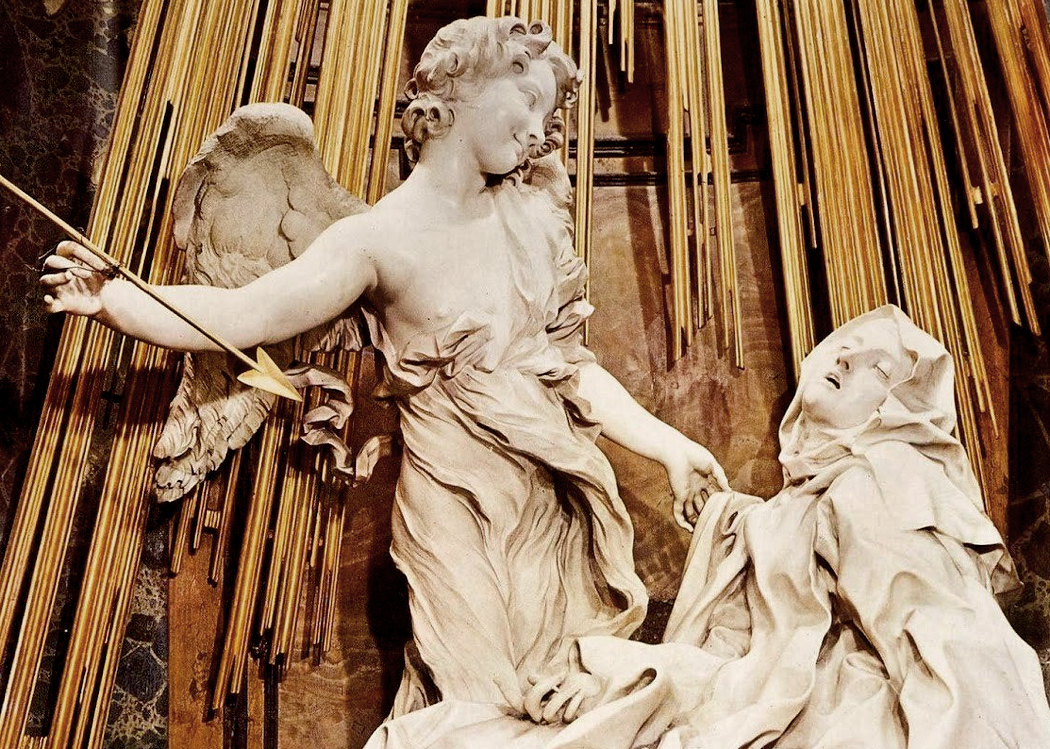
Beauty of the third sort, of the kind I mean, is visionary. It penetrates like the angel’s arrow into Saint Teresa. It is not a matter of appreciation, as in “I like this painting,” but rather, of turning your mental innards inside-out. You see a vastness inside yourself that is the image of the vastness outside — the two become indistinguishable: the event and its image in the mirror. 

It doesn’t happen often, and it doesn’t happen to everyone. Those bound up in the bustle of the everyday, of the making of fortune, the vying for position, or those in fear of genocide or famine who cannot waste the time on such things, it is possible they are unable to open their chests up to the incoming. But even they, at times, will be dumbstruck by a bolt they didn’t expect and recognize the transcendent. 

Part 3 to follow

It is plopped down in front of you and you poke it and prod it and try to figure out what it is. If it is something very new or very different, it may take more poking than usual, and you may very well come up with the wrong answer. 

This is what it is to be a critic — a real critic, I mean, not one of those Yelp scribblers, or self-certain mandarins with nothing more to offer but thumbs turned skyward or hell-ward. 

I was a critic for 25 years for a major daily newspaper (The Arizona Republic in Phoenix, Ariz.), and I always thought of my job as being a first reader, or first seer, or first listener — a pioneer trying to make sense of something before any sort of consensus has been reached. It is a risky thing to do — to proffer an opinion before you have anyone watching your back. 

When conductor Pierre Boulez first came out with his version of Wagner’s Ring Cycle in 1976, he played as if it were chamber music, it was such a different conception of the music that many critics first assumed it was a failed attempt to make the grand, Romantic mytho-philosophical monster it had always been taken to be. The BBC criticized the conductor’s “ruthless tempi” and “lack of expressiveness.” 

Consensus has now realized it was a brilliant re-thinking of the way the music could make sense. The clarity he brought to the muck (beautiful muck), was transcendent in its own way. Later criticism decided instead that “Wagner’s music doesn’t have to be murky to be metaphysical or massive to be overwhelmingly moving and Boulez gets playing from the too-often turgid Bayreuth Festival Orchestra that makes the music crackle and blaze with musical and dramatic meaning.”

Being a first listener is always risky. You may think something a failure because it doesn’t do what it has done before, failing to hear that it is doing something new brilliantly. 

When the Boulez Ring was new, the critics poked and prodded to see if it was alive. Now, we know not only that it was alive, but that it was a harbinger of a new way of playing classical music that has taken over the business. Out with the Furtwängler, in with the John Eliot Gardiner. Lean and mean drove out lush and weighty. 

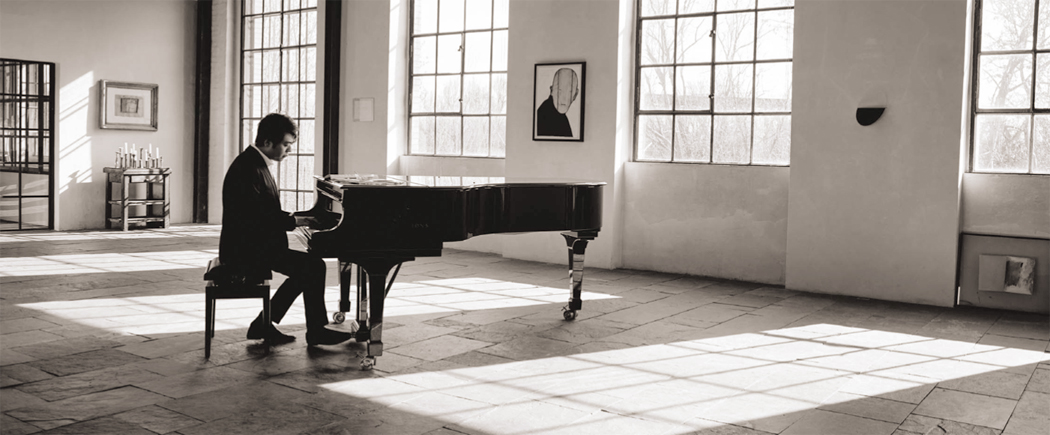
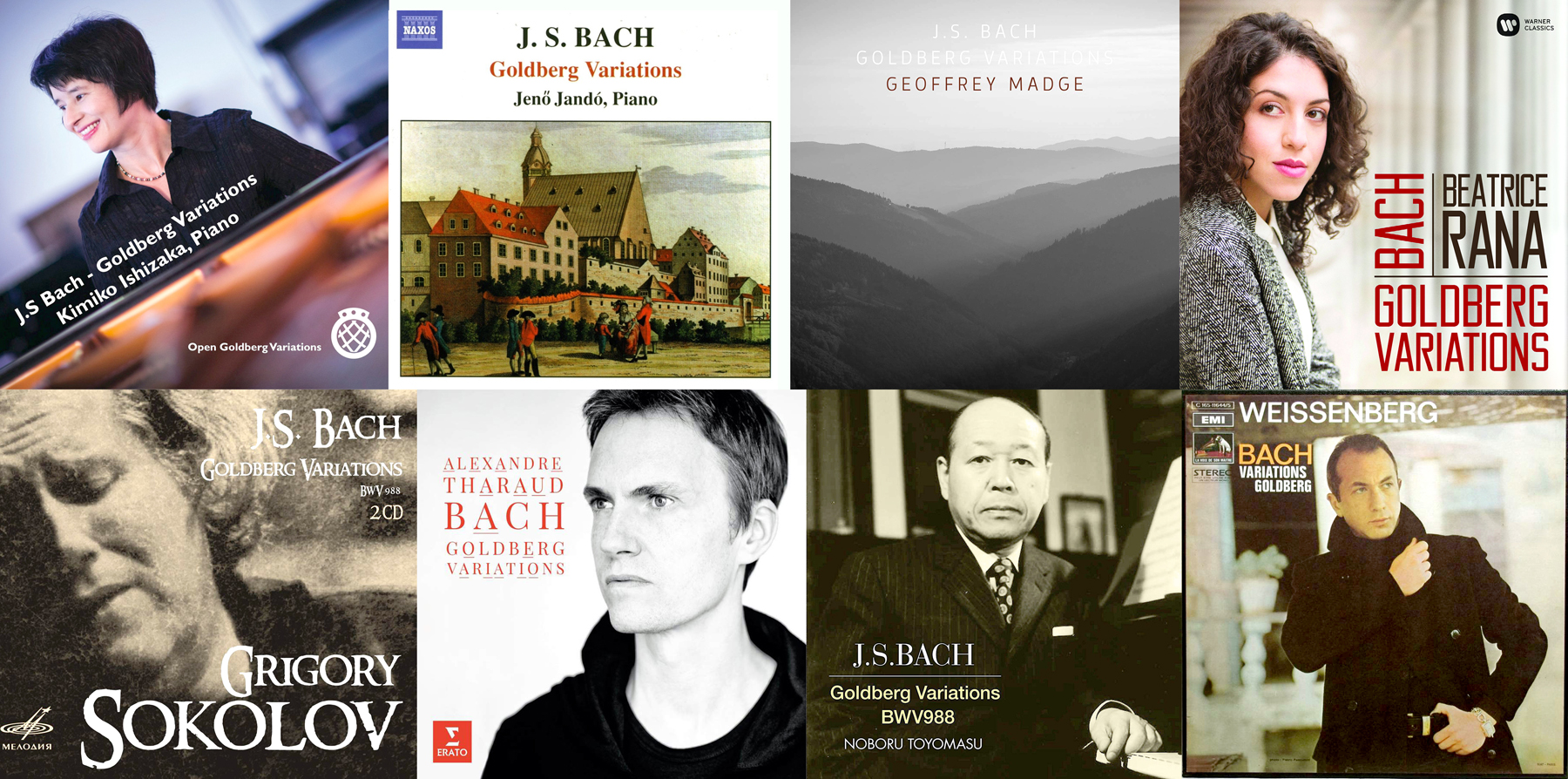
I am reminded of this because I have just been confronted by a new recording of Bach’s Goldberg Variations under the fingers of Chinese Wunderklaviermeister Lang Lang. Critical reaction has been all over the place, from deciding it was “the greatest version since Glenn Gould” to complaining that it sounded like a talented conservatory student sight reading. 

And I see what each reaction means: They parallel my own thoughts. Is this a brilliant rethinking, or is this a flaming dumpster fire? 

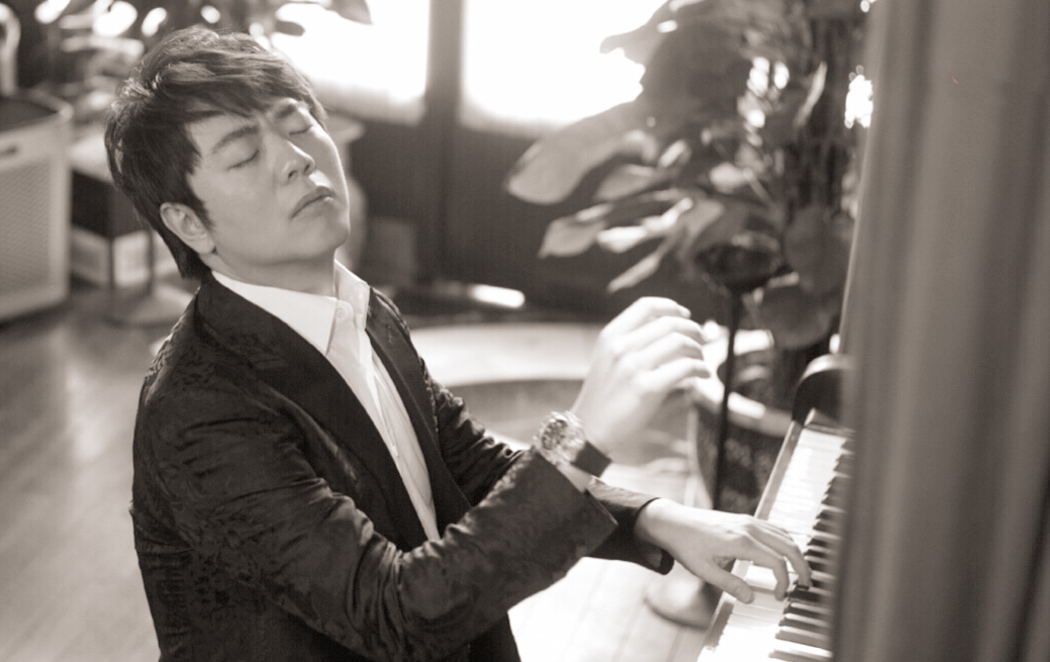
Mr. Lang, or if I may be so familiar as to call him by his first name, Lang, has always split opinions. Sometimes it is hard to bust through his relentless self-promotion — the kind of commercial huckstering usually identified with charlatans and snake oil salesmen — and then there are his stage antics, eyes closed in thesbian rapture, rolling his head back and forth in a way to make Leonard Bernstein seem like a mechanical clock. How can you take him seriously? 

And yet, there is often magic in his playing. I have heard him live several times, and his performances varied widely, from glib to dazzling to absolutely empty. Yet, at other times, it was profoundly moving. When I heard him play the Chopin E-minor concerto, the way he played the slow movement made time stand absolutely still. It is one of the most soul-satisfying performances I have heard in a half-century of concertgoing. It probably helped that I normally close my eyes when listening to music and therefore was spared his facial contortions. God, was that moment beautiful. 

His recordings are equally all-over-the-place, with some dead-on and concentrated and others distracted and hollow. Lang is capable of so much, but only delivers intermittently. 

So I am now confronted by a Goldberg Variations unlike any I’ve heard before. Is it brilliant or dunderheaded? Is it an aberration or is it a signal that classical music culture is shifting once again? 

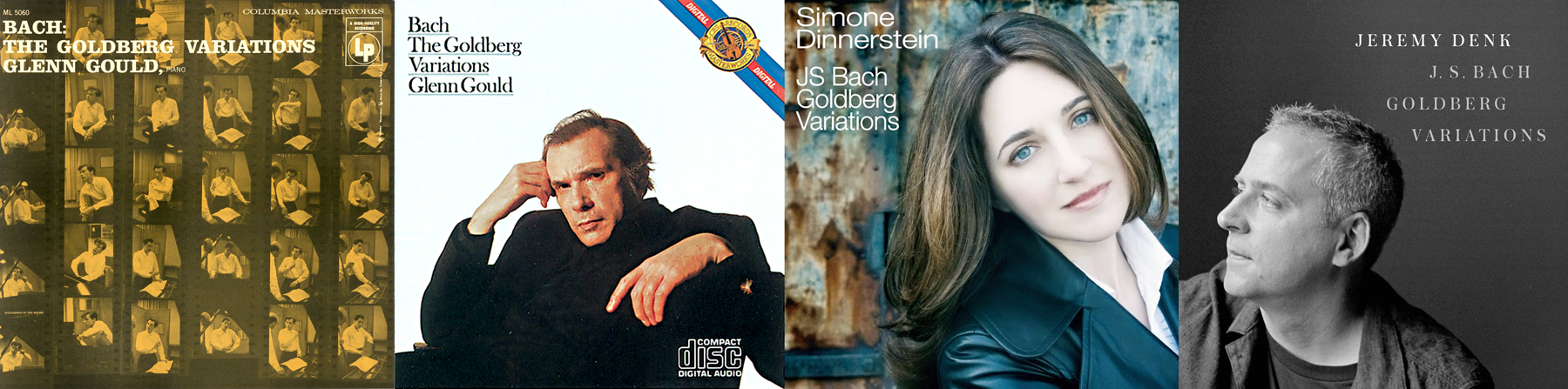
I’ve heard a lot of Goldbergs in my time. They were little known or played before 1955, when Glenn Gould launched them on an unsuspecting public, with a blazing performance that redefined Bach playing, clarifying the polyphonic strands and cutting down the pedal, almost mimicking the sound of a harpsichord. Since then, in the same way that no self-respecting art photographer can fail to make a photograph of a green pepper after being shown the way by Edward Weston, so no decent pianist can avoid recording a set of Goldbergs. Most of them are perfectly decent, if anonymous. 

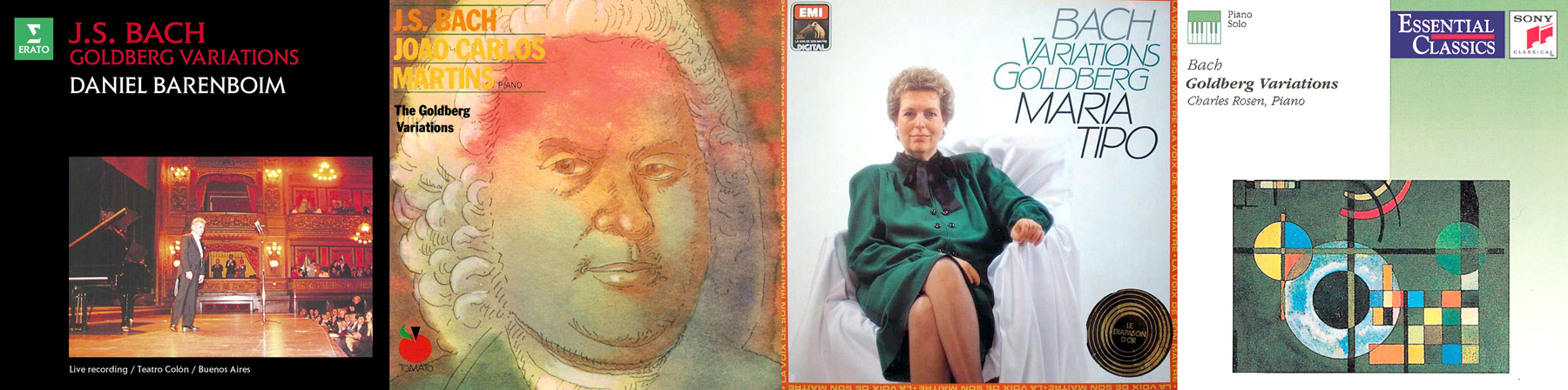
In recent years, a few with real personality have been released. Simone Dinnerstein has her set and more recently Jeremy Denk. Some may remember the brief surfacing of a recording by João Carlos Martins that was almost as idiosyncratic as Gould, although Martins’ piano never seemed to be quite in tune. 

The work has also been transcribed for accordion, marimba, harp, hammer dulcimer, guitar, saxophone quartet, string trio, string orchestra, synthesizer, and brass quintet. I have a recording of parts of them on Japanese koto, and Yo-yo Ma recorded the Aria on his cello. Avant-gardist Uri Caine made his version updating each variations individually for a heterogeneous mixture of voices, instruments and recorded noises. I once put together a CD mixing many of these oddball transcriptions into something I called the “Goldberg Variorum” — each variation played by a different instrument or group. 

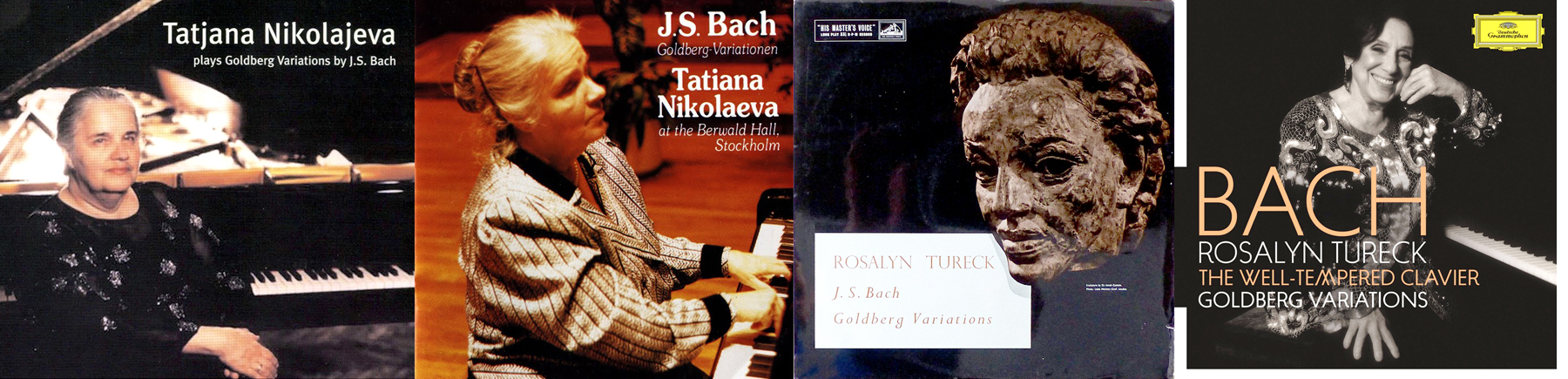
Gould recorded the Goldbergs at least four times — with untold bootlegs out there. The initial set has been reissued so many times in different albums, that it is impossible to keep count. Russian pianist Tatiana Nikolayeva recorded them five times and Rosalyn Tureck did it seven times. 

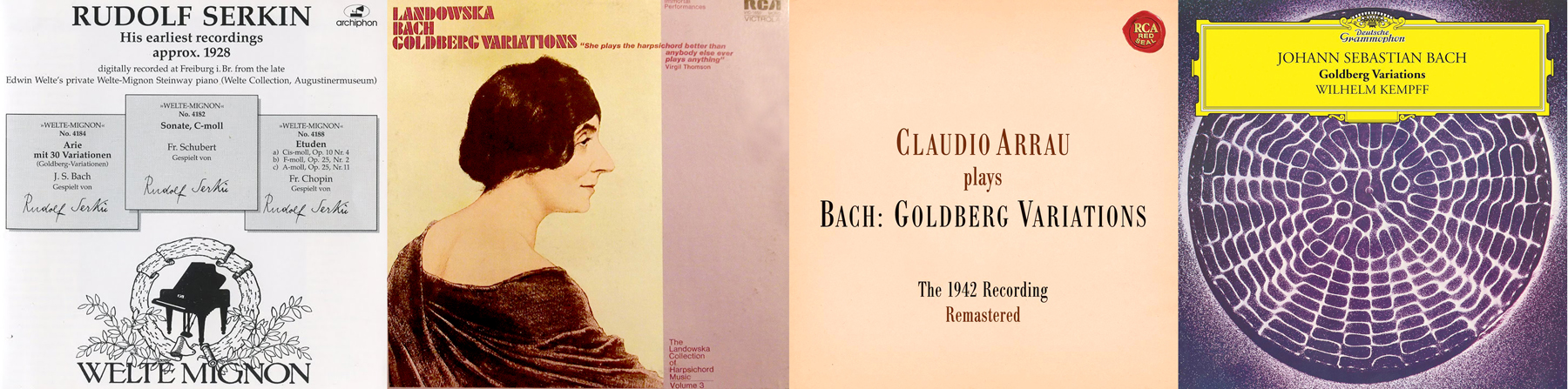
The earliest version I could find was on Welte piano rolls (a kind of player piano) from 1928, by Rudolf Serkin. (His son, Peter, left us three versions). Since then, there have been close to 250 recordings. About 50 of those are on harpsichord. A few are the transcriptions, but almost all are on piano. 

But since Gould, most pianists have hewn to the stricture that, since they were composed for the harpsichord, they should be performed as drily as possible, and with little or — preferably — no pedal. And since the arrival of “historically informed performance practice” (fie on the miscreants, I say, fie) boatloads of pianists have done their best to erase any notion that a performer should “interpret” the score. Just the notes, ma’am. 

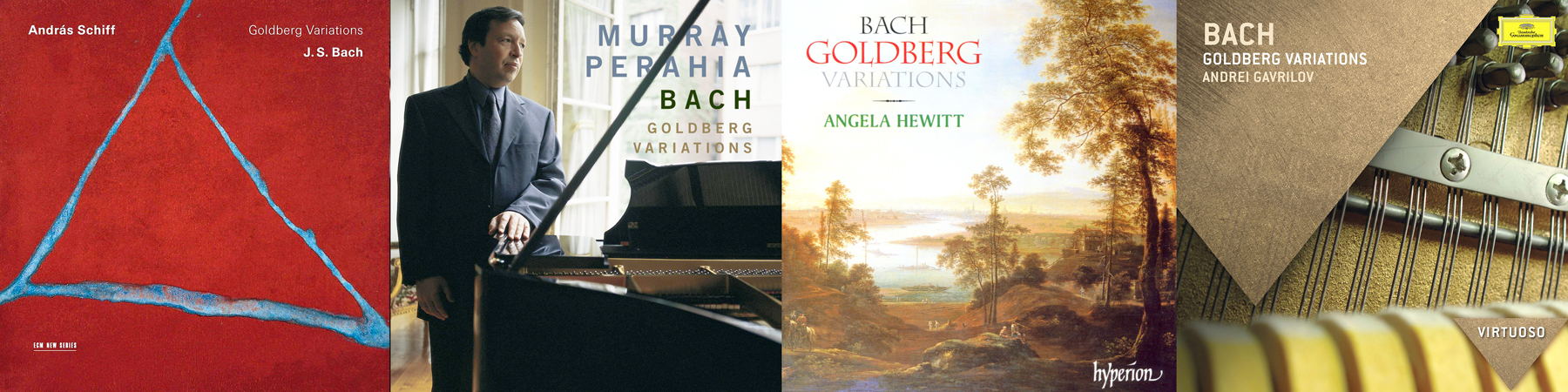
This has led to quite able, but faceless performances by such as Angela Hewitt, András Schiff and Murray Parahia. I don’t mean to poo-poo these recordings, They are all excellent of their kind, but they are chaste. 

And so, we come to Lang Lang’s two-disc set, taken at a rather leisurely pace, but with lots of spark and crackle in the details. He likes to thump hard on stray notes and he adds many ornaments, especially in the repeats — and not all the trills and mordents are stylistically appropriate. Extra passing tones and tons of rubato. Worse: Pedal. In modern terms, this is Bach done in “bad taste.” 

In the old days (pre-HIPP), pianists tended to play Bach on piano as if he had written for piano. They brought out tunes and backed them with accompaniment. Now, we revel in the polyphonic strands, each brought out cleanly. If you listen to pre-World War II recordings of Bach, you will hear pianists such as Edward Fischer or Wilhelm Kempff play their Bach as if he were the godfather of Chopin. 

You can hear the echoes of this Bach in the Well-Tempered Clavier of Daniel Barenboim. They are magnificently played, but purists cover their ears and bray “Nyah-nyah” to block out the sound. Yet, there is a long tradition, now largely buried, of approaching Bach’s music as a pretext for piano playing, showing off the performer’s skills and sensibilities. After all, do you go to La Boheme for the story, or to hear Pavarotti? The present orthodoxy considers this a kind of blasphemy. 

Yet, the music no longer belongs to Bach; it is ours and we can express our ownership of it any way we wish (as someone once said about modernized performances of Shakespeare, set on the moon or done with an all-female cast, “It’s OK. They haven’t destroyed the text. It is still there, unharmed.”) And no matter what you may think of Lang Lang’s performance, the text is still there. It belongs to you, too. But Bach himself is no longer here; he has no say in the matter and we are presumptuous if we claim to speak for him. 

So, maybe, after 40 years of increasing musical priggishness and the cult of “composer’s intentions” we are beginning to loosen up. After all, it is Postmodern doctrine that it is all just “text” to be worked on by each of us. 

The audience that actually cares about classical music seems divided into two unequal groups. The larger posits a Platonic ideal performance and judges each concert by how close to this ideal it reaches. Of course, each listener has his own vote for what that ideal is. But the goal is always the “perfect” realization of the score. 

But the other group seeks constantly to be surprised, to see the notes through a newer lens and have the music refreshed. “To hear it again for the first time.” They expect each concert to give them a different version even of old chestnuts. The standard issue performance bores them. 

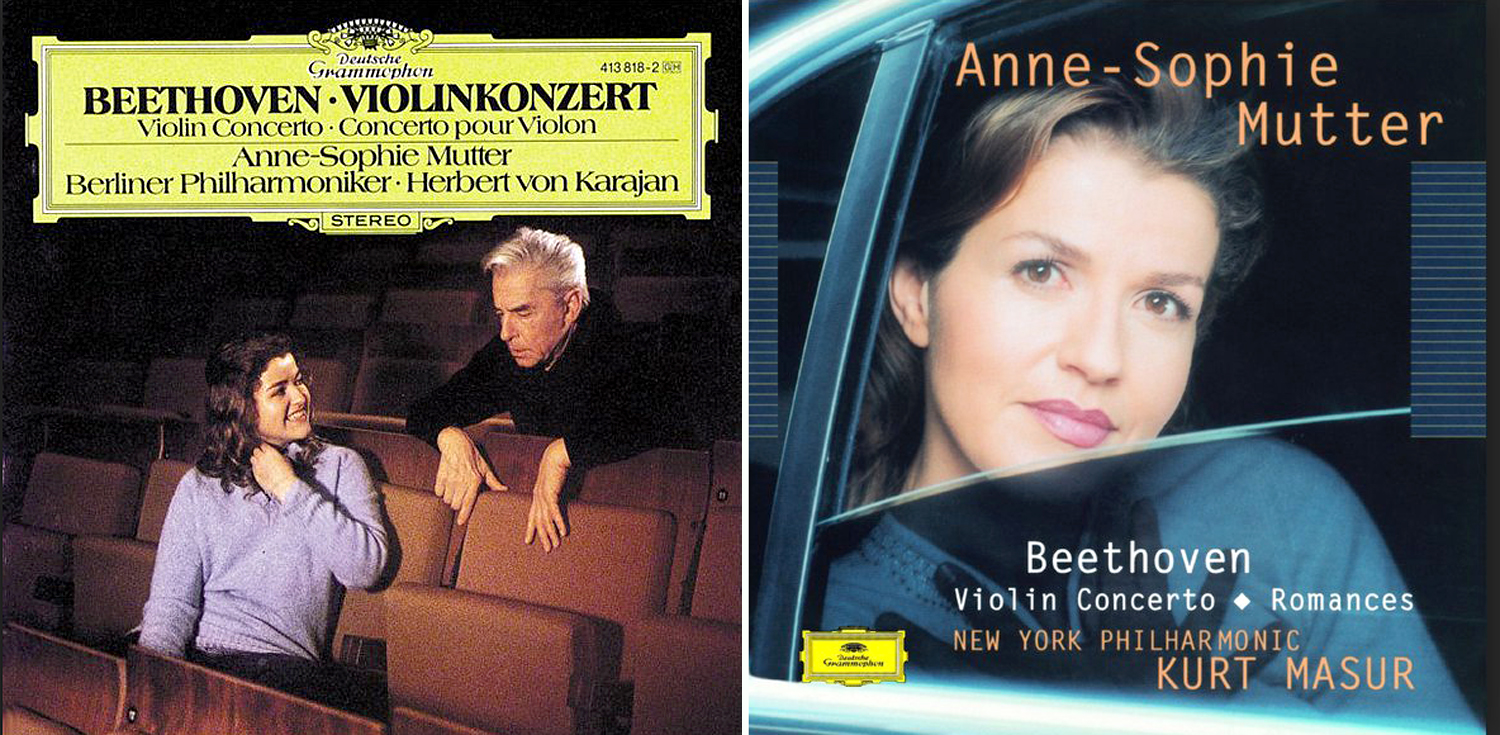
I can give a great demonstration of the difference. When Anne-Sophie Mutter first recorded the Beethoven Violin Concerto with the Berlin Philharmonic and Herbert von Karajan, she gave what must be the closest to the perfect ideal. Nothing out of place, everything beautiful and expressive. As if played by angels, not humans. It has remained in print since it was released in 1979. She recorded it again in 2002 with Kurt Masur and the New York Philharmonic, in a performance much more personalized, with very different phrasings and dynamics. No longer a Platonic ideal, but much more a here-and-now. You would never confuse it with any other performance or violinist. I love it; many fans hated it. Hate, hate, hated it. 

The problem with the Platonic performance is that the ideal changes over time. Once, the perfect Beethoven was Furtwängler, then it became Szell, and after that, it became John Eliot Gardiner. Tastes change over time. 

We seem to be in another shift, giving up the impersonal historically strait-jacketed version for a reintroduction of the more individuated performance. We hear it in the recordings not just of Lang Lang, but of Mikhail Pletnev, Valery Gergiev or the late Nikolaus Harnoncourt (operating under the deceitful guise as an “original instrument” guy — but really just sui generis.)

Really, the Platonic template has been in place mostly from World War II on. Before that, performance idiosyncrasy was the norm, from Vladimir de Pachman to Willem Mengelberg. Leopold Stokowski was famous for tinkering with scores and glamming up what he was conducting. Now, having gone through that, into the Post-war standardization and then the HIPP diminution, we seem to be re-entering an era of increased personal interpretation. 

And that brings us back to Lang’s Goldbergs. If we are in the cusp of a change, we cannot really be sure where the gamepiece comes down. This new recording may indicate a reshaping of the way we play Bach, the way Gould reshaped it from 1955. Or maybe it’s just a garish one-off. 

I poke it; I prod it. I place my bet. So many of the hundreds of recordings of the Goldberg Variations are magnificently well-played and satisfying in their own way, but how many are memorable? You could replace one with another and be equally pleased, indeed not even to notice the difference. Gould was memorable: You can spot it in a crowd of hundreds. Lang Lang’s recording is the most memorable I’ve heard since then, and I’ve heard a boxload of them. It is memorable, but is it good? Will its novelty wear thin, or become the new norm? 

I am going back for a fourth dive into the new recording. Then, maybe, a fifth. Perhaps after that, I’ll have an answer.