Archive

Tag Archives: nixon in china

I once made a list of my Top Ten Films and the list had 40 movies on it. What is more, if I had made the list a year before, or a year later, the 40 movies might have been quite different. One cannot really pick a permanent set. 

So, when Classics Today executive editor David Hurwitz published his list of “12 Operas I Cannot Live Without,” and challenged his audience to come up with their own lists, the same problem popped up. “You mean the dozen I cannot live without today?”

While I love opera, like Hurwitz, I have to admit I am not an opera nut. That’s a different breed. Opera does seem to attract the crazies — the ones who swear by a 1948 barely audible recording, made over a telephone line, of Maria Callas singing La Sonnambula — in the unauthorized 1848 edition only performed once, in Belfast, Ireland in 1873. You know, the one with the interpolated aria in Act 2. Yes, crazy like that. 

I have been listening to classical music for more than 60 years, and am a classical music generalist: I love it all, from pianists to chamber music to symphonic and vocal music — and, of course, opera. But opera has no special place for me. Opera people care who the tenor is; I am more interested in the composer, which means I’m not included in the opera inner circle. 

So, my list is not made up of the usual names: Verdi, Bellini, Puccini, and doesn’t automatically include the ABCs of opera popularity — Aida, Boheme, Carmen. It’s not that I dislike them, but I have seen them enough times that I don’t need to experience them yet again. They will always sell enough tickets, even without my attendance. 

These are the works that I choose when I want to hear opera, to enjoy the music in them and the emotions they arouse. I could list more than 12, but Hurwitz’s assignment limits the number — although I might cheat a bit.
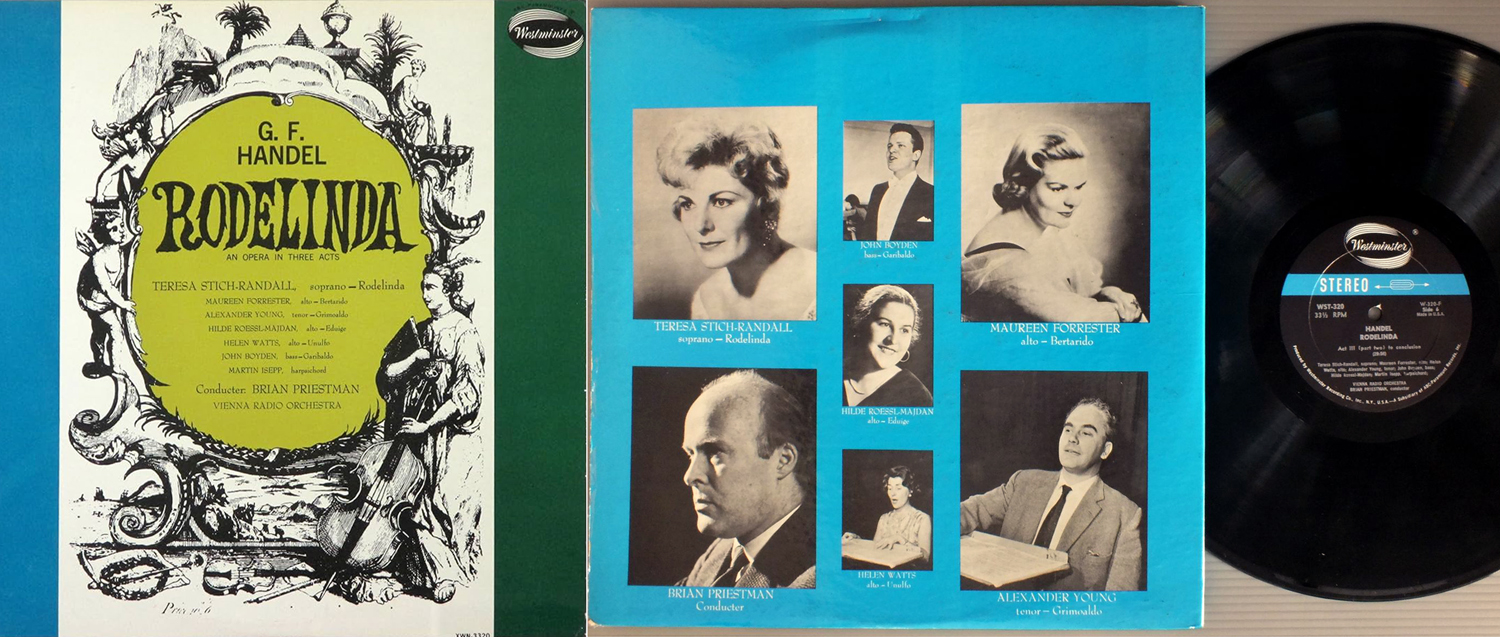
1. Handel: Rodelinda

The first opera I ever attended was in 1966 when the Handel Society of New York staged Rodelinda at Carnegie Hall with Teresa Stich-Randall and Maureen Forrester with a pick-up pit orchestra conducted by Brian Priestman. I couldn’t stop humming the tunes. 

Years later, I found a three-disk LP album of the opera in a smooshed-up box in a thrift store. I don’t remember who performed it, probably some Eastern Europe company on a back-water label no one’s ever heard of. I played it over and over. The familiar melodies were comforting.

The same year I saw Rodelinda, the same group also performed Xerxes and I saw that, too. Since, I have seen Giulio Cesare live and a truly brilliant staging of Semele by the Arizona Opera Company, but it is Rodelinda that sticks.
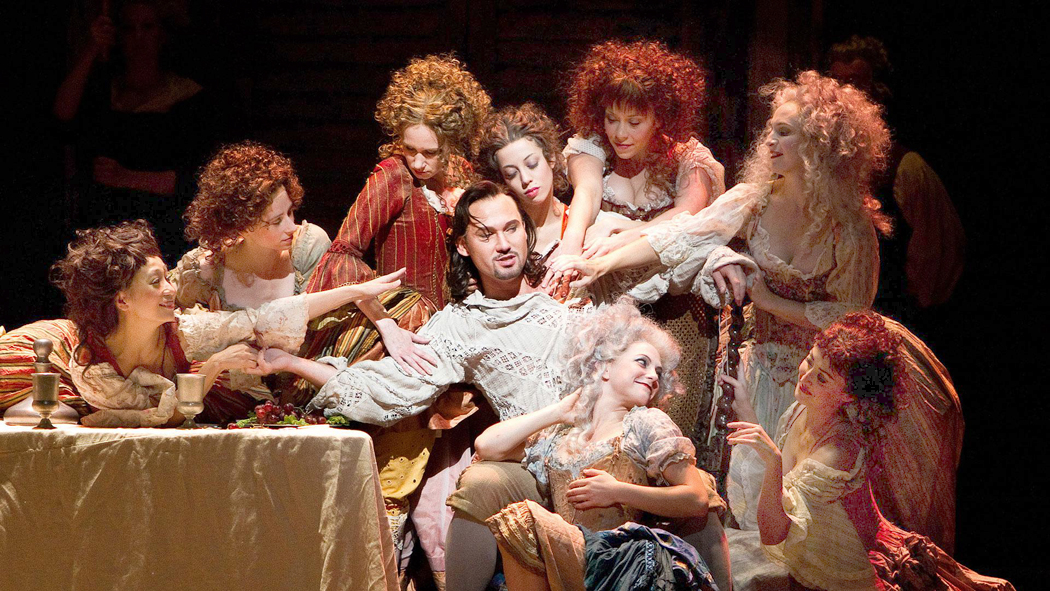
2. Mozart: Don Giovanni

The opera I have seen most, and that I love as music as well as theater, is Don Giovanni. I’ve seen it more often than any other live opera (except the infinite Bohemes and Carmens I saw through duty as my newspaper’s opera critic). 

Most operas, even the really good ones, can not be defended on the basis of their plots, which are, at best, nonsensical and goofy. But Don Giovanni has a story with action, believable characterizations, and psychological subtlety. To say nothing of some really great tunes. 

And it is a truly revolutionary work, written at a revolutionary moment in history. I love when the partygoers at the end of the first act just kind of stop everything and belt out the words, “Viva la Libertad!” And also that, at the end, the Don has the courage to refuse to repent. He may be the villain of the piece, but he is also the hero. 

I’ve owned a half-dozen versions of the piece on LP and now CD, but my go-to performance is the oddly cinematic, opened-up film staging with Cesare Siepi as the Don, and conducted by Wilhelm Furtwängler, available on DVD. 
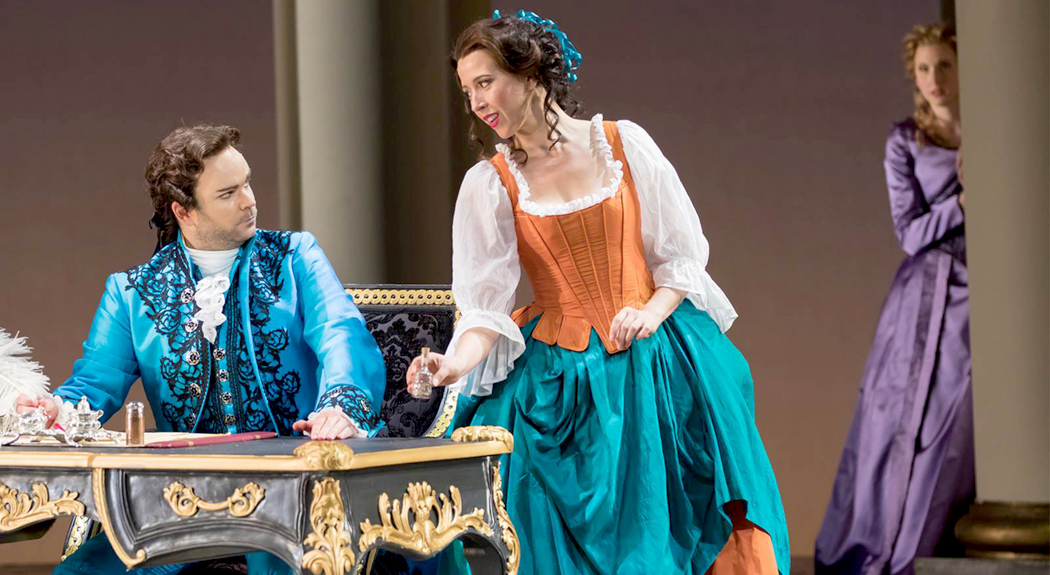
3. Mozart: Nozze di Figaro

On his list, Hurwitz permits only one opera per composer, but I can’t do that, because the three operas I love most, and can listen to over and over, are all by Mozart. Years ago, I wrote about what I was calling the “perfect” operas — that is, those with no longueurs, boring parts, added and unnecessary show-off arias to highlight the tenor or soprano. These are operas with plots that are defensible, if not great, pacing that doesn’t drag, and some level of human reality in them. 

By any of those standards La Nozze di Figaro tops the list. These are all real people doing real people things, hurting like real people, loving like real people, and most importantly, forgiving like real people. And, all the the perfectly psychologically apt music of Mozart. If I were to choose the best opera ever written, this would be it.
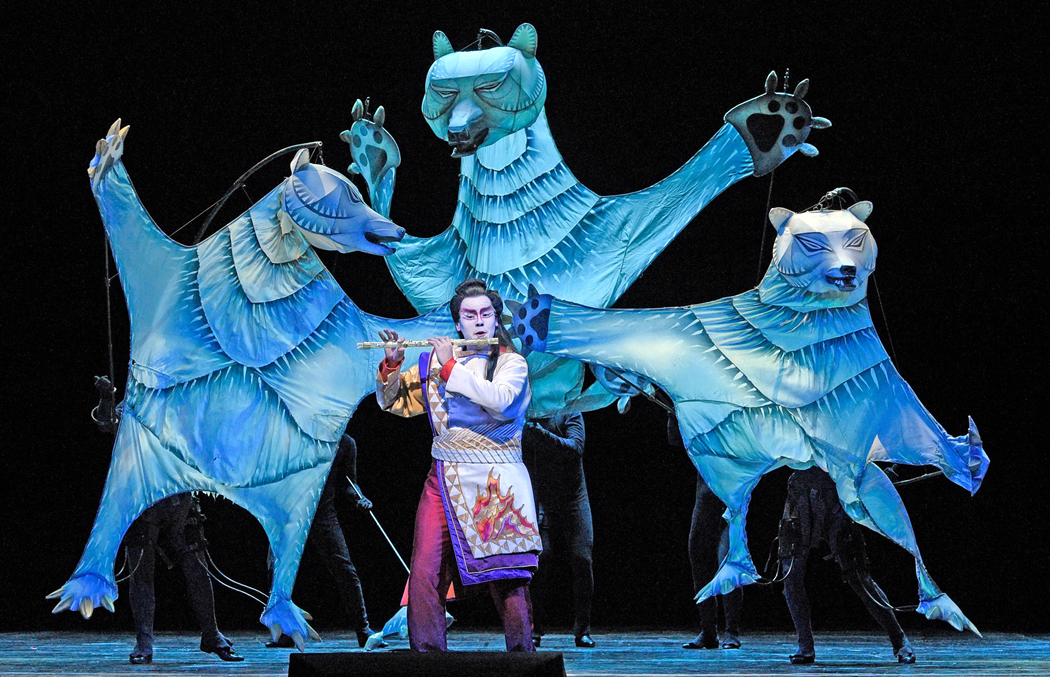
4. Mozart: Zauberflöte

Talk of silly plots: Just about the worst story in opera is found in one of the most popular works. Everything about the story in The Magic Flute is preposterous. But the music is so infectious, you give up and don’t care.

Especially if you get to see the staging by Julie Taymor with its giant bunraku puppets. It is stage magic along with great music. It is a slightly abridged version and sung in English, but it is so good, and so much fun, you really have to watch it. 

Or there’s Ingmar Bergman’s film version, sung in Swedish, which captures all the fairy-tale flavor of the thing. But really, there are dozens of recorded versions, both on CD for listening and DVD or Blu-Ray for watching. 

5. Berlioz: Le Damnation de Faust

I hadn’t ever thought of it as an opera, but I saw the Metropolitan Opera staging of it in 2009 and was persuaded: It works really well in that Postmodern presentation. Actually thrilling. 

As with so much of Berlioz, its reach much exceeds its grasp. Since the composer couldn’t include everything from even Part 1 of Goethe’s Faust, he chose to pick episodes to put to music, making a rather choppy story. Still, the music can be overwhelming when performed with the right belief and energy.  
6. Wagner: Der Ring des Nibelungen

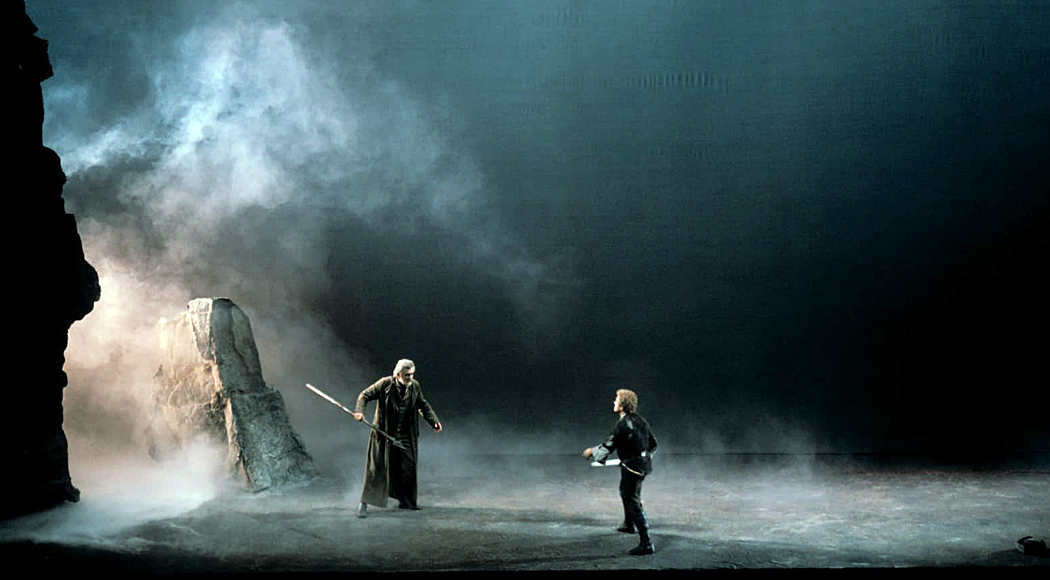
I’ve attended two live Ring cycles, which were quite magnificent (although I am humbled by the fact my dear friend, the late Dimitri Drobatschewsky went to Bayreuth 16 times). But I have to admit this four-opera trilogy (yes, that’s an oxymoron) is best heard on recordings. Not so much because with the great voices of the past, the singing is better (although that is true), but because the action in these “music dramas” is so mythic, and so German Romantic, that no scenery or stage machinery can adequately portray the Rhine maidens singing underwater, the valkyries riding their horses in the air, the gods crossing a rainbow bridge, or the Rhine river overflowing its banks to quench the fire that has set alight the entire world and ended the reign of the gods. Watching it onstage can seem a little tawdry. 

But listening to the recording with your eyes closed and imagining the rocky crags, the dark forests, the ring of fire on the mountain top, is so much more convincing as theater of the mind. I say with eyes closed, but you really also need to read the libretto as you listen. Or not libretto — that sounds too much like opera — Wagner doesn’t have a libretto; he has a text. 

I have five Ring cycles on CD (Barenboim, Böhm, Furtwängler, Janowski and Solti) and another two on DVD (Boulez and Levine). Is that a little nuts? I suppose. The one I listen too over and over is Solti, which was specifically designed to be played on speakers, with various sound effects added to it by producer John Culshaw. 

And yes, I’m counting all 15 hours of the Ring as a single entry. 

7. Offenbach: Les Contes d’Hoffmann

If the Ring is too serious, The Tales of Hoffmann counters with frivolity. I love this mini-trilogy (in four parts), especially when all three heroines are sung by the same soprano. 

It has some of the chunky episodic feeling of the Berlioz, (compare the Chanson de Kleinzach tavern song here with Mephistopheles’ Song of the Flea in Damnation. Both completely extrinsic to the story, but a chance for the composers to interpolate a great bit of ditty. 

The opera is a bit of a mess, as Offenbach never settled on a final version. But any version is a delight.
8. Strauss: Salome

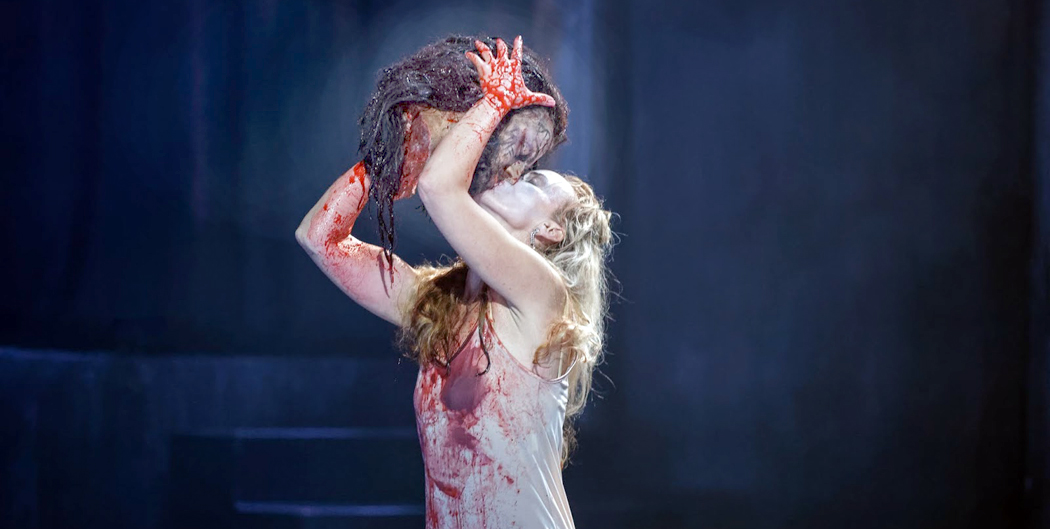
I’ve seen several versions of Richard Strauss’ first opera, and it always seems to work on stage. It’s a short one, in a single act and tells of King Herod, his wife and daughter — Salome — and the prisoner John the Baptist, who Salome has a “thing” for. The prophet rejects her advances and she dances a striptease and has her daddy behead the prophet, whereupon she kisses the severed head. Grand Guignol, for sure, but great music and a surefire staging. 

If the Ring fares best on recording, this opera needs to be seen live (or at least on DVD). It is as much theater as music. 
9. Bartok: Bluebeard’s Castle

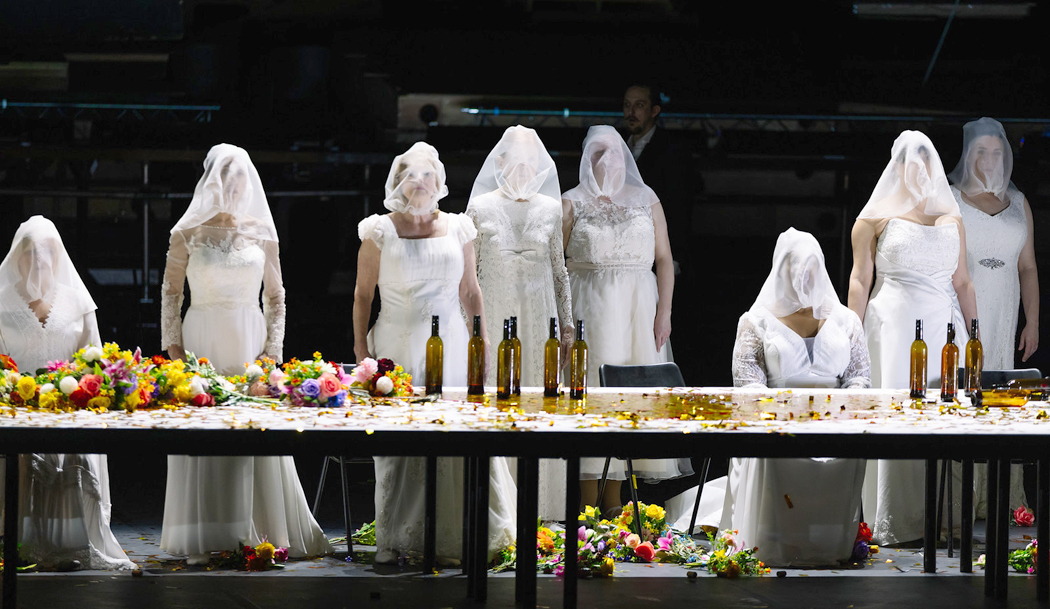
Another short, one-act work of psycho-sexual complexity, Bela Bartok’s early work, which seems to take place entirely in the nation of Allegory, tells the story of Duke Bluebeard and his new wife, who can’t seem to let alone the secrets of her husband’s previous marriages. She forces the secrets out and winds up prisoned with all of them. All very Freudian.

Those secrets are hidden behind doors, and as she opens each door, she finds a world of shimmering music and deadly horrors. There are only two singers/actors in this story, one who wants to uncover the past, and the other who begs her to let them lie. But it is the impressionistic score that makes this work so irresistible.
10. Berg: Wozzeck

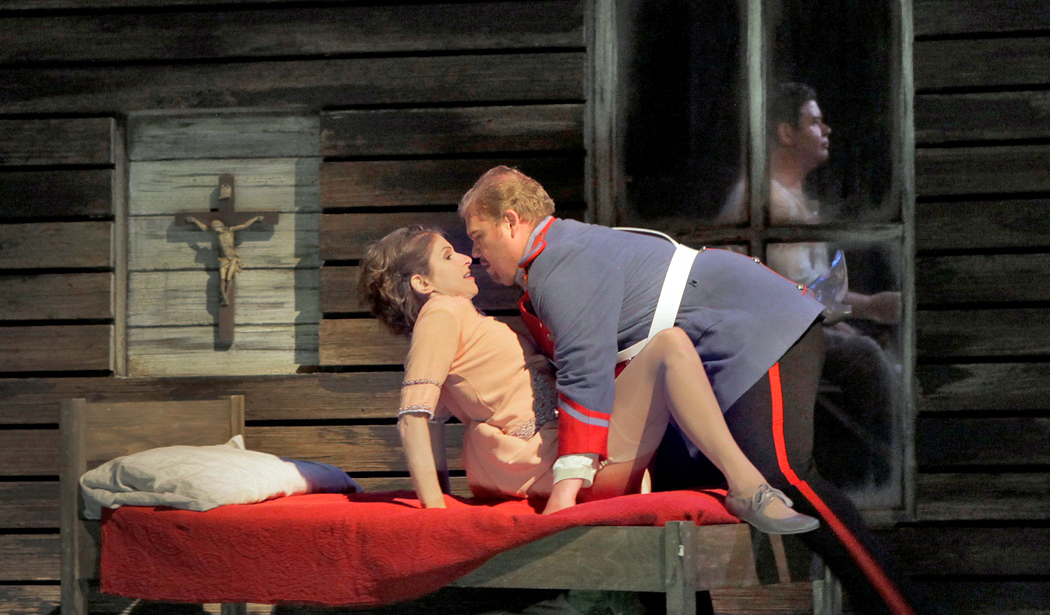
There is a second “perfect” opera, after The Marriage of Figaro, one with no unnecessary bits, and everything leading to a single inescapable and shattering climax. It is written in a sort of atonal, 12-tone style (purely Berg’s own version) and is both musically inevitable, and emotionally devastating. Too many people avoid this work, fearing the music will be too dissonant, but every note serves a purpose, and even those fearing to enter the opera house will likely leave knowing they have experienced a work of utter genius. 

I claim Wozzeck as my favorite opera of all. There are many versions on disc. This is another one, like Salome, where it is so well designed for performance that almost any version will do, and it’s amazing how many versions there are on Amazon. A serial opera that is actually popular!

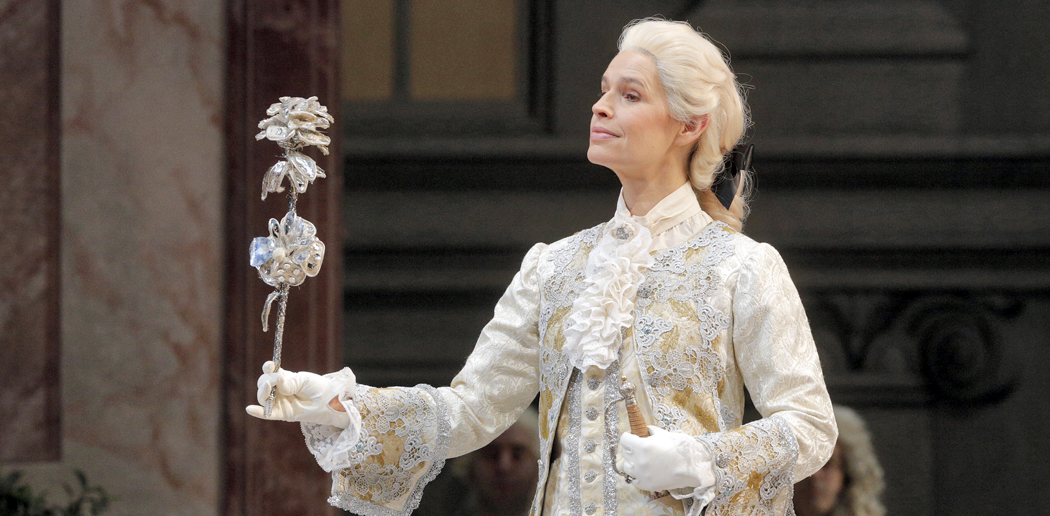
11. Adams: Nixon in China

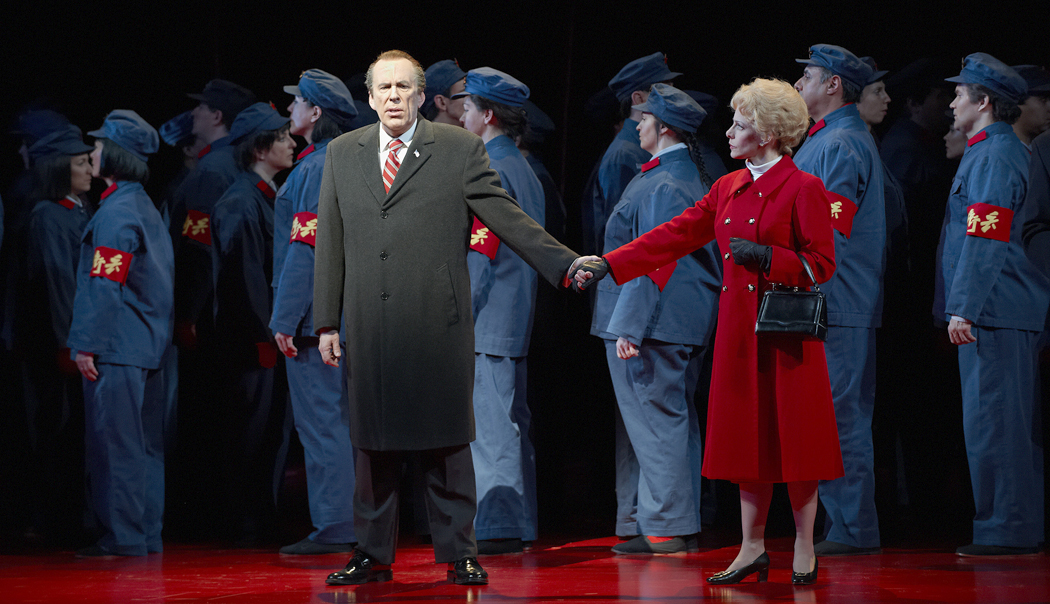
Initially, I thought this piece by John Adams was a gimmick, but I saw it performed in concert by the Phoenix Symphony under Michael Christie and it blew me away. As no other contemporary work for the opera stage, this has joined the repertoire. (Did anyone else notice how the showstopping aria, “I am the wife of Mao Tse Tung” is a gloss on the“Tuba Mirum” section of Mozart’s Requiem?)  

No other figure in recent American history figures as so deeply mythic as Richard Nixon — a version of Nixon he seems to have bought into himself (check out the opening line of his autobiography: “I was born in the house my father built.” Can’t get much more Jungian.)

12. Golijov: Ainadamar

Christie also brought Dawn Upshaw to Phoenix to perform Osvaldo Golijov’s Postmodern take on the death of Spanish poet Garcia Lorca. With its mix of musical styles and bouncy, infectious score, it tells of the Spanish actress Margarita Xirgu, who recounts the life and execution of her friend Lorca. 

Like all great tragedies, it is both depressing at emotionally exhilarating at the same time. To say nothing of it now being an uncomfortably historical warning about fascist governments. 

There seems to be only a single recording of the opera, but with Upshaw in the lead role. The opera led me to seek out other music by Golijov, and I have loved all of it. 
Postlude

You may wonder, where is Verdi? Rossini? Puccini? Are they not worthy? Of course they are, and I love them, too. And how can I have omitted Rosenkavalier, which I love to pieces? There is so much more that could have been included, from Monteverdi’s Orfeo to Weill’s Dreigroschenoper

But this is a list of operas I can’t live without, the ones closest to my heart. The one’s that will make me actually buy tickets. Your list will be different, but if my selection prompts you to try something new, so much the better. 

And, finally, seeing opera (with one exception, noted above) is always better than just hearing it. Live is best of all, but DVDs will do in a pinch, and many movie theaters present showings of operas live on their screens, most famously the Metropolitan Opera. Check with your local theaters to see where such performances might be scheduled.  
In my seven decades — half of them spent as an art critic — I have been to too many art galleries and museums to be able to count the shows I have seen. Nor can I count the concerts, recitals, theater productions I’ve seen or books I’ve read. Most of them I’ve enjoyed, but few were so memorable that I still have in my nostrils the aroma they gave off. 

This is not to disparage most of the others. I’ve eaten too many restaurant meals to count. Most of them I enjoyed. They did what was asked of them. But can I recount a ribeye I once had in Bakersfield? No. That would be silly. 

But there are meals and concerts that stick, art exhibits that did more than give an hour’s pleasure, concerts that changed my way of thinking about the world. 

And let’s be honest, one is willing to pay the ticket price for a lot of minor pleasure in the expectant hope that this next one will be a world-changer. The odds are against it, but we persist. Every once in a while, we are gobsmacked, and know why it has been worthwhile to sit through a hundred Beethoven Fifths to get to this one that goes beyond mere pleasure to transcendence. 

We live for those moments; they make life worth living. 

In a recent blog, I recounted my earliest such encounters, with Eugene O’Neill at the McCarter Theatre in Princeton, N.J., when I was in high school. With J.M.W. Turner at the Museum of Modern Art in New York a few years later. With Emil Gilels at the Brooklyn Academy of Music the same year. These all set my life on a course to spend it with art and music. These all proved to my adolescent heart and mind that there was something more real, more important, than the suburban life I was being brought up in. 

But the immersion didn’t end there. In subsequent years, there were many exhibits and concerts that stand out. That became such an engrained part of my life and world view, that it is as if I was still standing in front of those paintings, or sitting in the concert hall, hearing those notes. 

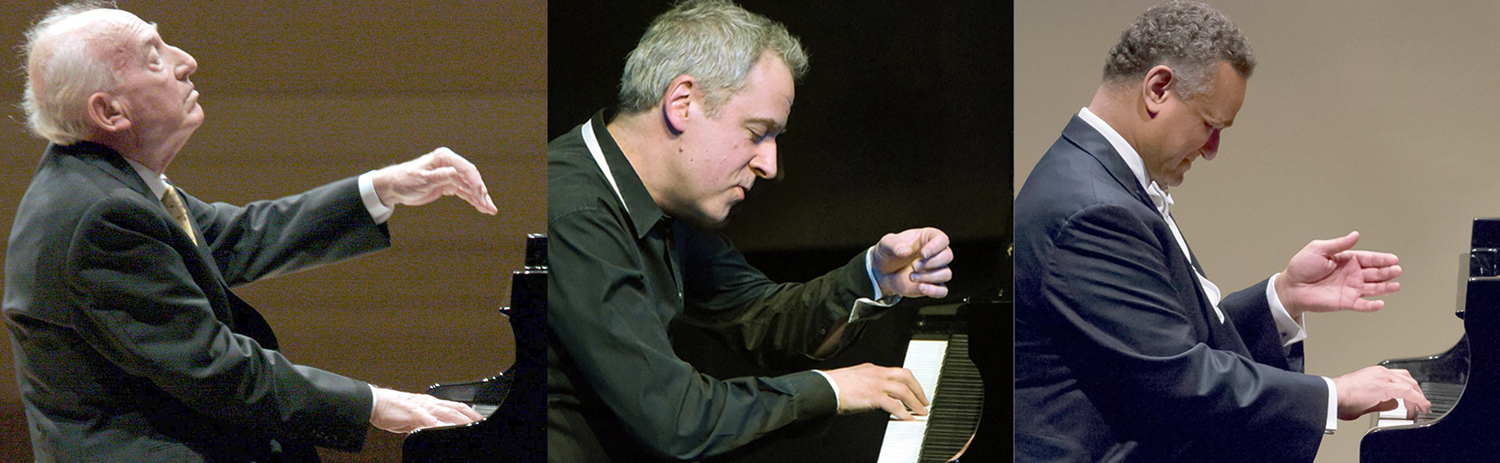
Let’s just take three piano recitals as examples. In 1991, I heard Maurizio Pollini at the Dorothy Chandler Pavilion in Los Angeles. In the first half of the recital, he played all of Chopin’s Preludes. In the second half, he played the Berg sonata and Schoenberg’s Six Little Pieces, Op. 19. All that was great. But he finished with the Stravinsky Three Scenes from Petrushka, one of the most difficult bravura piano pieces ever written. Pollini tore through it like a demon, but made every note musical. It blew me away. (The recital was notable for its intermission, too. The doors to the hall were locked and for nearly an hour, we could hear the piano being re-tuned behind those doors. Apparently Maestro Pollini was not satisfied with the instrument. We were kept waiting in the lobby until he gave his approval to the tuning). 

In 2008, I heard Jeremy Denk at Zankel Hall in New York, the recital hall that is part of Carnegie Hall, play the single most daunting program I could imagine, with Charles Ives knucklebusting Concord Sonata in the first half, and Beethoven’s mind-busting Hammerklavier Sonata in the second. I could only think of John Lennon’s immortal line “I got blisters on me fingers.” For an encore, he reprised the Hawthorne movement of the Concord. Very like running a 200-meter directly after running a marathon. 

I’ve heard Denk several times since then, and each time, his playing was, if not so Olympian, certainly significantly memorable. He proved to me, for instance, that the etudes of Gyorgy Ligeti are great music. And that Beethoven’s Eroica Variations are actually comic. 

Then, in 2011, I heard Andre Watts play the Liszt B-minor sonata in Scottsdale, Ariz., on an all-Liszt program. I had the perfect seat to see his fingers spin over the keys, and learned a great deal about the disposition of Liszt’s voicings by being able to see Watt’s fingers. His playing was ethereal. Liszt was a Watts specialty. 

But it wasn’t only music. After my initial infatuation with O’Neill in high school, I had seen too many mediocre live theater productions, and had come greatly to prefer movies. Theater seemed too artificial, too, well, “theatrical” for my tastes. But then, in 1993, I saw the original Broadway production of Tony Kushner’s Angels in America — both parts on successive days — and saw what live theater can do that nothing else can. It was one of the seminal experiences of my life. 

(It was also ruined for me most other theater, because so seldom is it ever this overwhelmingly powerful. But I have seen other great theater since then. Angels is not sui generis. I have seen Angels three more times, once in its road production —not all that good — once in a production by Actors Theatre in Phoenix, which was nearly as good as the New York production, and finally, in its Mike Nichols filmed version, which is very different from the stage version. It is a movie, not theater. Very good, but still, not the live experience on stage. The same difference between seeing the movie Amadeus and the stage version. Movie is good; live is great.)

I got to travel for my newspaper, and was able to review many major art shows around the country. They have been some of the most eye-opening and mind-expanding things I’ve done. 

In 1994, I saw John James Audubon: The Birds of America at the Art Institute in Chicago. It featured 90 of the original paintings used for the engravings published in his books. The originals persuaded me that Audubon might be considered America’s greatest artist. (You can read a version of my newspaper review here.)

In 1996, I visited Philadelphia for the big Cezanne show at the Philadelphia Museum of Art. One hundred oil paintings, 35 watercolors and 35 drawings from public and private collections. It was an overwhelming experience. I never knew there were this many distinct greens, blues, blue-greens, and greenish blues. And when you swipe a bit of vermilion against them, the whole thing glows like neon. Seeing Cezannes live is a very different thing from seeing them reproduced in books. 

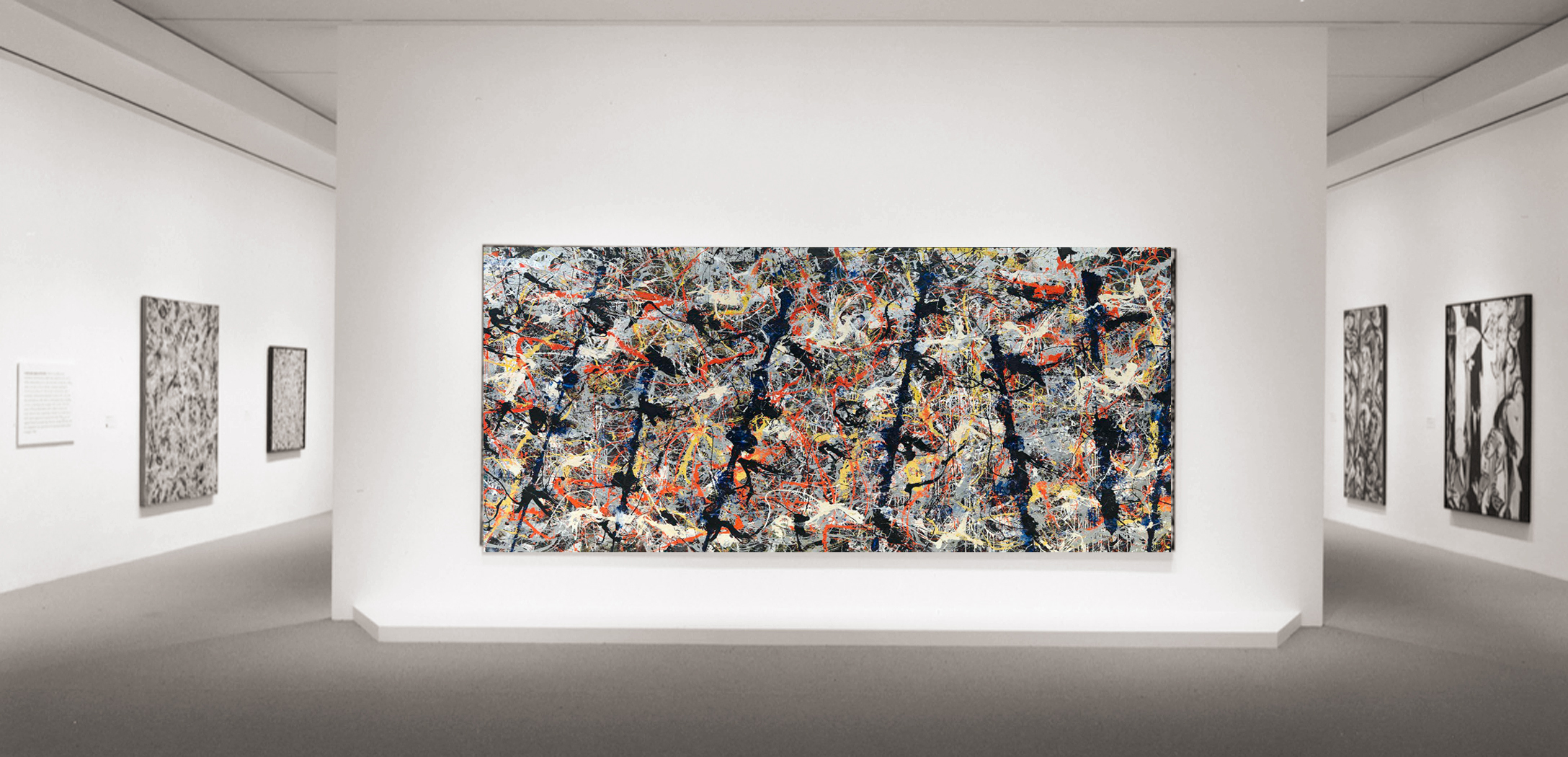
In 1999, I got to see the great Jackson Pollock retrospective at the Museum of Modern Art, which gave me the rare chance to see his Blue Poles, which is normally hidden away in the National Gallery of Australia in Canberra. 

That same year, there was a great Van Gogh show at the Los Angeles County Museum of Art from the Van Gogh Museum in Amsterdam. Like having the chance to see Pollock’s Blue Poles, I got to see Vincent’s iconic Wheatfield with Crows. The show as a whole was the best introduction to the artist’s growth from a clumsy, almost talentless neophyte to one of the world’s greatest painters. He wasn’t always Van Gogh, but when he became himself — the very definition of transcendence. 

I’ve been to Chartres Cathedral four times, and each time was overwhelming. I’ve now been to most of the great churches of northern France. The single most beautiful manmade thing I have ever seen is the north rose window at Chartres. I have sat transfixed in the south part of the crossing, staring back to the north, in total, for hours. It is a meditation or very like a prayer, if such can be said for a complete atheist. 

Overall, it is music that has most provided me with this feeling: Of taking me out of myself and letting my mind expand to a size larger than mere me-ness. Of course, most of the hundreds of concerts I have attended have only provided pleasure and entertainment. But there are those that do more. I thirst for those. 

In 1994, I heard the Philadelphia Orchestra under Wolfgang Sawallisch play the Strauss Don Juan and I felt music not just through my ears, but through my whole body and being. 

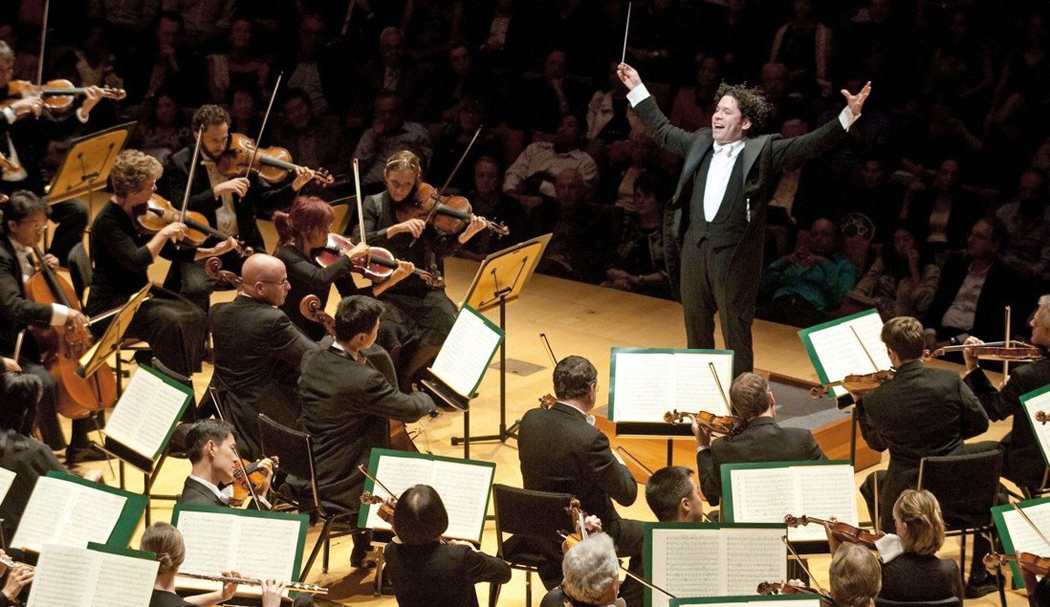
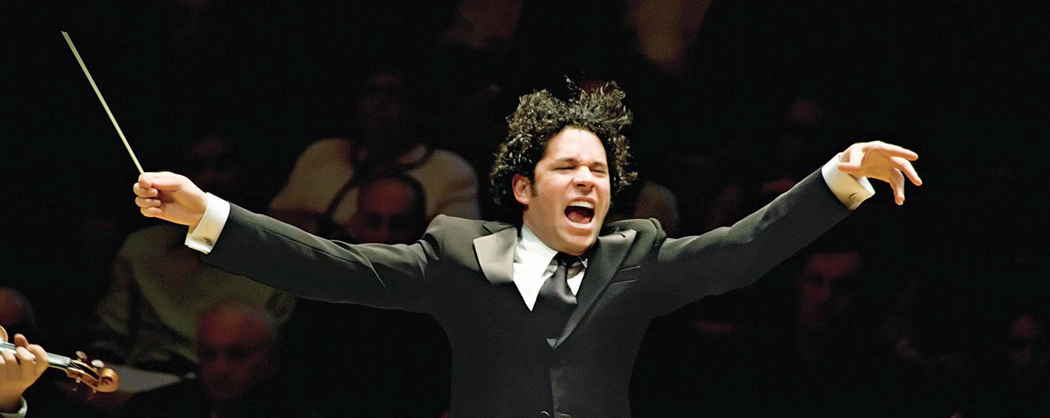
I’ve heard Gustavo Dudamel twice live. Once playing the Mahler First with the LA Phil, shortly after his appointment as music director. But before that, in New York with the Israel Philharmonic, playing the Tchaikovsky Fourth. That was in 2008; the Israel Phil was then an orchestra made up of older, formerly Eastern European men — bald-headed old pros who could give a polished performance under any conductor. But they played with the enthusiasm of little boys, even smiling at this bit or that as they produced the sound. After the performance, Dudamel, instead of turning and bowing to absorb the adulation of the audience, immediately danced up into the orchestra and jumped up and down with the musicians, shaking hands and pointing out soloists. I’ve never seen such a powerful effect a conductor has had on a group of musicians. They seemed to love him back. 

There have been other concerts: In 2008, there was Ozvaldo Golijov’s Ainadamar with Dawn Upshaw; in the same year, there was Doctor Atomic at the Metropolitan Opera in New York. In 2009, there was Nixon in China with Robert Orth in the title role. In 2010, Steven Moeckel played the Beethoven violin concerto with the Phoenix Symphony at the Scottsdale Center for the Arts. I have never heard a better, more moving and detailed performance of the concerto. At least not live. 

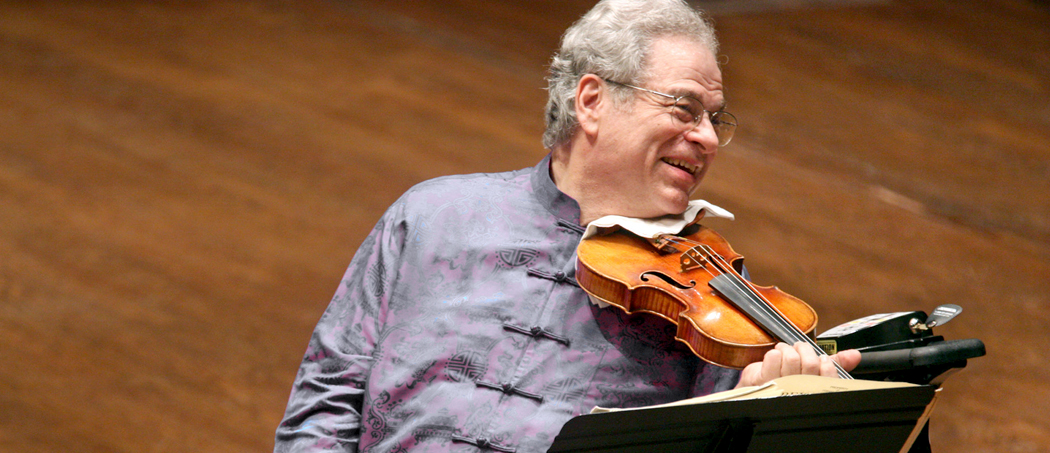
Sometimes, it is only a single work on a program. I’ve heard Itzhak Perlman I don’t know how many times. He’s a miracle; but he isn’t always completely engaged. He can give a creditable performance even half asleep — and he has been known to. But then he will redeem himself. In 2008, he gave a performance in Scottsdale. He ended the recital with his usual encore pieces and tired jokes. The same jokes over and over each concert. Perlman can be quite tiresome. And he opened with a Bach sonata, well played but nothing special. Then, as I wrote in my review:

“But then, with the Richard Strauss violin sonata, the sun shone through and the angels sang. It’s not for nothing that Perlman is a superstar. He gave us a version of the music no one else could give. Rich as butter, emotionally complex and powerful, he persuaded us that the Strauss sonata is a major piece of music, rather than B-list work by an A-list composer, which is how it’s usually ranked.

“From the opening notes the music dripped with personality, as Perlman pushed or dragged the notes just enough to create the kind of perfect phrasing that makes the music speak directly to your innards.”

It is for moments like that for which we will put up with so much less for so long. 

There are two other moments I would like to mention. 

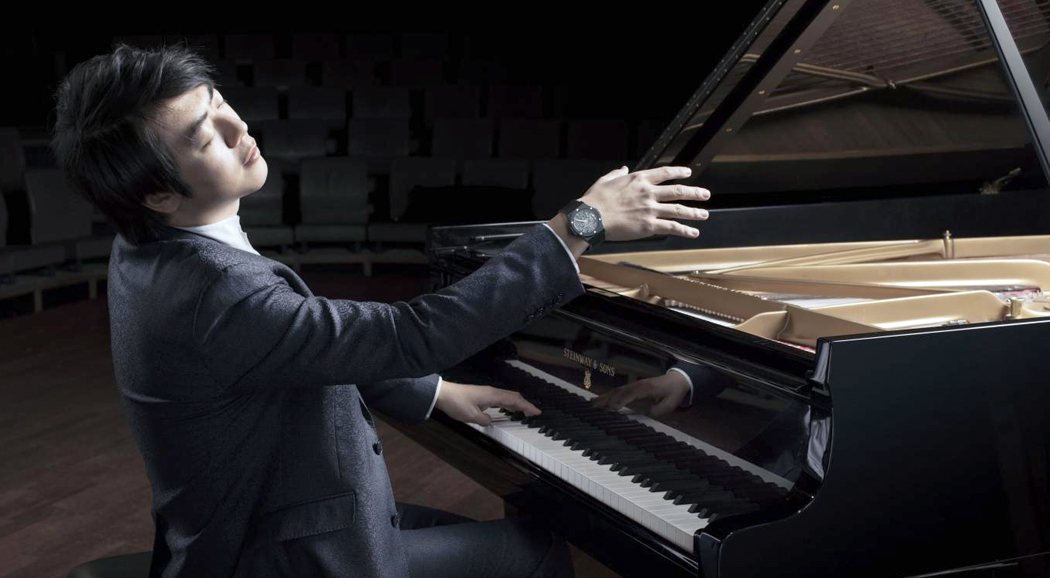
The first is a concert with pianist Lang Lang. He has a bad reputation with some critics for histrionics on stage — rocking and eye-rolling — and he has on occasions played loud and fast, but without much impact, for which he has gotten the nickname “Bang Bang.” But he can also play the way he did in the slow movement of the Chopin concerto, on Oct. 24, 2008 (2008 was a very good year for me). As I wrote in the review:

“At the conclusion of Goethe’s Faust, his aging hero looks out on the world with a note of satisfaction. ‘I could almost wish this moment to last forever, it is so beautiful.’

“That is exactly how pianist Lang Lang played the slow movement of the Chopin E-minor piano concerto Sunday with the Phoenix Symphony. He lingered over it, stretching its already vague rhythmic drive down to a near halt, and stopping the audience’s breath with it.

“Each phrase seemed to pour forth spontaneously from the pianist’s fingers, followed by another seemingly thought of on the spot. No two phrases were played at the same tempo, and each tempo seemed perfectly expressive.

“It is a rare performer who can risk such an arrhythmia, and who can use it to make the music express poetry and longing, dreaming and anticipation. It was one of the best performances ever given by a soloist at Symphony Hall.”

My best moments in the concert hall has been when time completely stops and I get a glimpse of eternity — not eternity as an infinite number of moments end-to-end, but a eternity as utter timelessness. Time ceases to exist. 

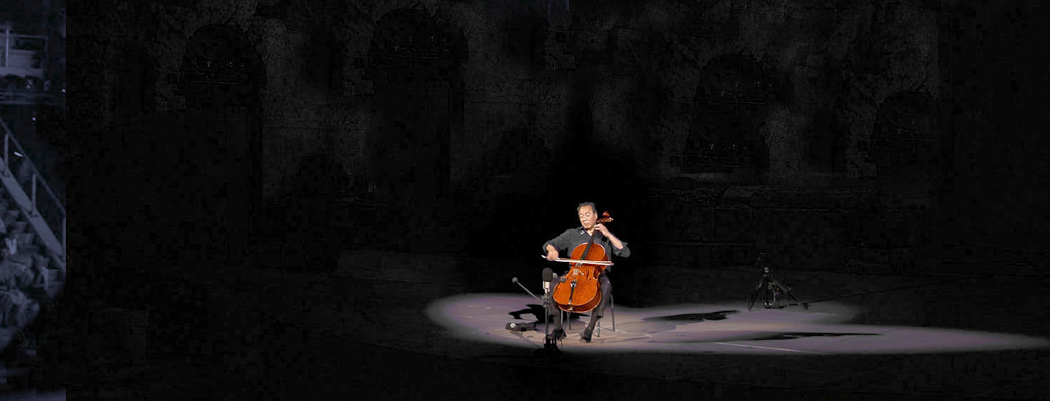
That has happened each time I’ve heard Yo-Yo Ma play the Bach cello suites. I’ve heard him several times, including doing all six in a single concert. 

“Ma concluded with the sixth suite, as intense as an Aeschylan tragedy, with climaxes at the slow allemande and the even slower, deeper, more intense sarabande. Blood almost ceased moving in my veins and only started pulsing once more with the gavotte that followed, as the relief from tragedy, and a reawakening to the life of the body.

“This kind of music is why we listen to classical music: It isn’t enjoyment we are after but solace, reflection, a reconnection with the more important parts of ourselves. It brings us to the place where the deepest thought and the most profound emotion cannot be told apart; they are the same thing. It is proof that art is not merely entertainment, but food for our deepest hunger.”

There are many more such moments over the years, but I can’t mention them all. This is already too long. But, my life has been nurtured by such moments and experiences. They have made me who I am.