Archive

Tag Archives: philadelphia

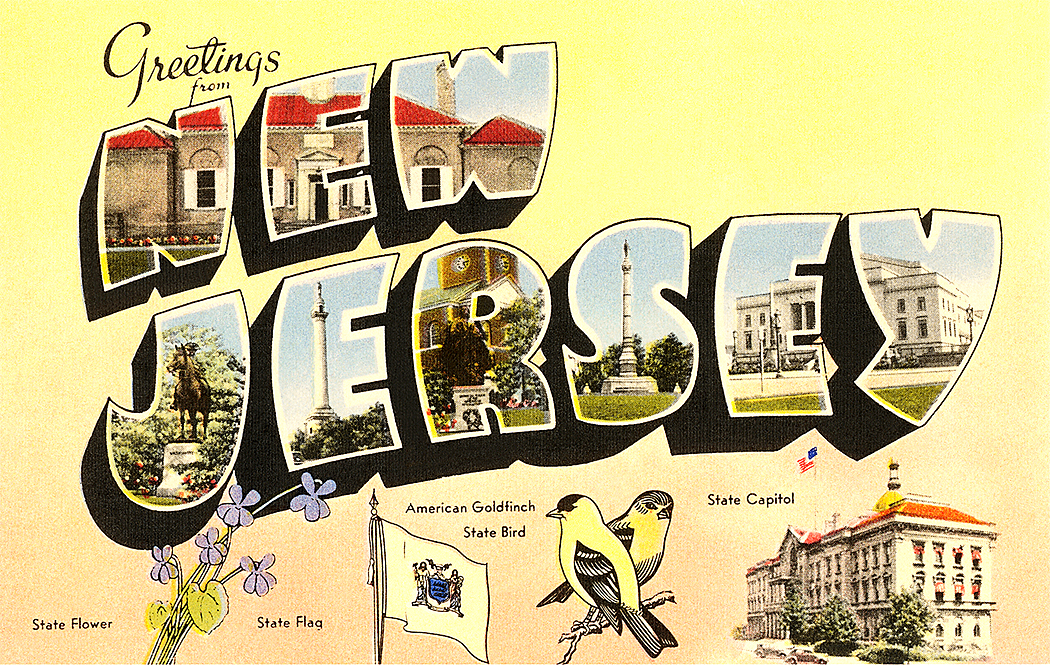
I was born in the upper right corner of New Jersey, just to the west of the Hudson River and a few miles south of the New York state line and the Rockland State Hospital, an asylum famous for once housing Allen Ginsberg and Carl Solomon.

That corner of the map is Bergen County, the most populous county in the state and where I spent the first 17 years of my life, before I managed to escape. It is unrelentingly suburban and, to my young sensibility, numbingly banal. In my senescence, six decades later, I have moderated my disdain and now recognize it as my hatchery — and a part of my psyche that I cannot ever fully extirpate. Like Quentin Compson speaking about his native Mississippi, I can say of my own native state, “I don’t hate it. I don’t. I don’t hate it.” 

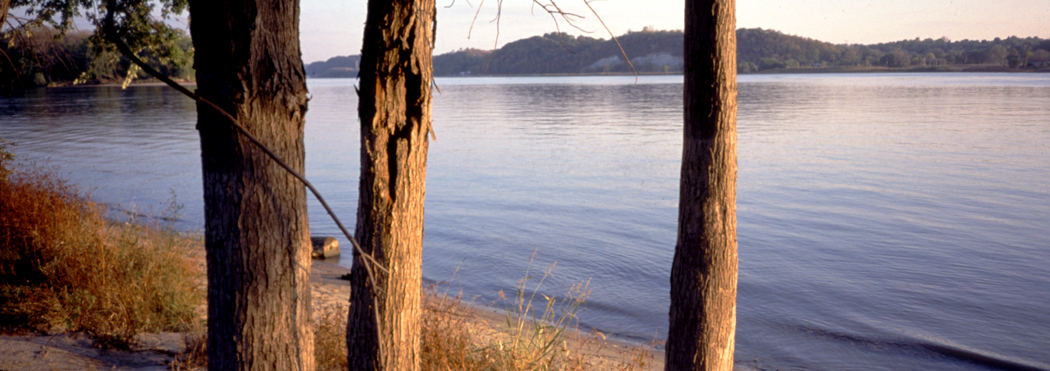
The Hackensack River

Bergen County is split by two rivers, the Hackensack and the Passaic. The later forms part of the western border of the county and the Hackensack ran through the town where I was raised and drained, finally, into Newark Bay to the south, between Newark and Jersey City, two old cities that show their age. 

To the east of the Hackensack, the land rises abruptly until it reaches an edge high above the Hudson River, called the Palisades, a 20-mile long series of basalt cliffs that rise to 500 feet above the water. This bit of America, from Paterson to Manhattan is the landscape of my Umwelt — etched into my psyche. 
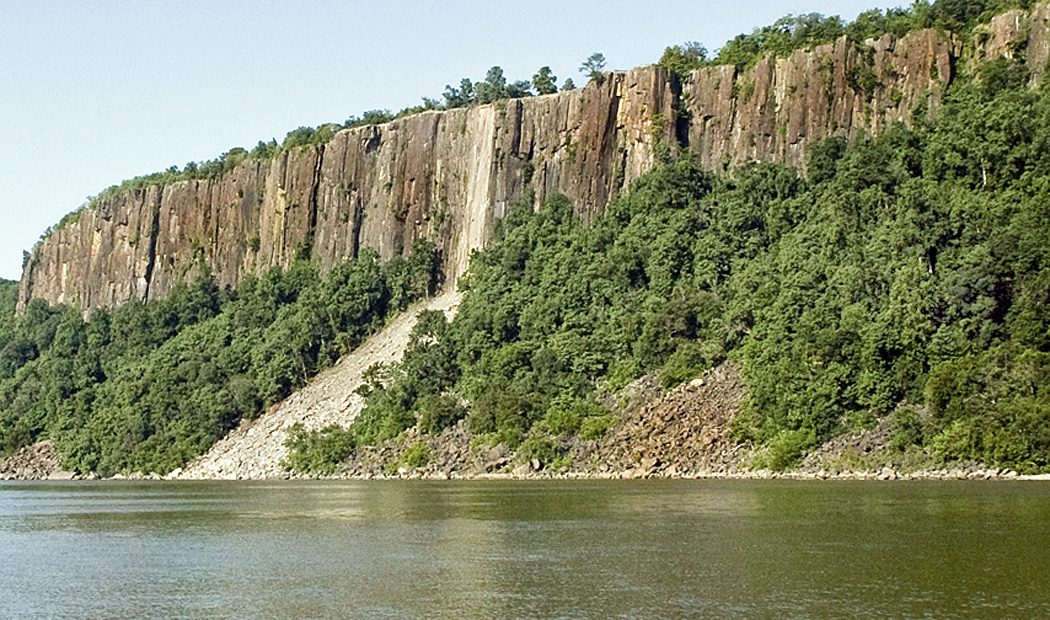
Since I grew up there and knew no better, I assumed that all rivers must be as wide as the Hudson, and when I first came South to go to college, was less than impressed with what passes for a river there. The Deep River, near my Guilford College, I could have jumped across. That’s not a river, that’s a brook (or, in Southern parlance, a creek). 


But the Hudson was noble, wide and impressive. Historically, it ran through the home land of the Lenape Indians and the county is filled with towns and rivers given versions of their Indian names, including my home town, Old Tappan, which was named for the Tappan tribe of Lenape people, which may mean “cold water.” All of New Jersey and parts of Pennsylvania, Delaware and New York were originally Lenape lands. 

Other Bergen County Native American names, however twisted by the ears of the early colonists, include: Hackensack; Ho-Ho-Kus; Mahwah Moonachie; Paramus; Teaneck; and Wyckoff. 
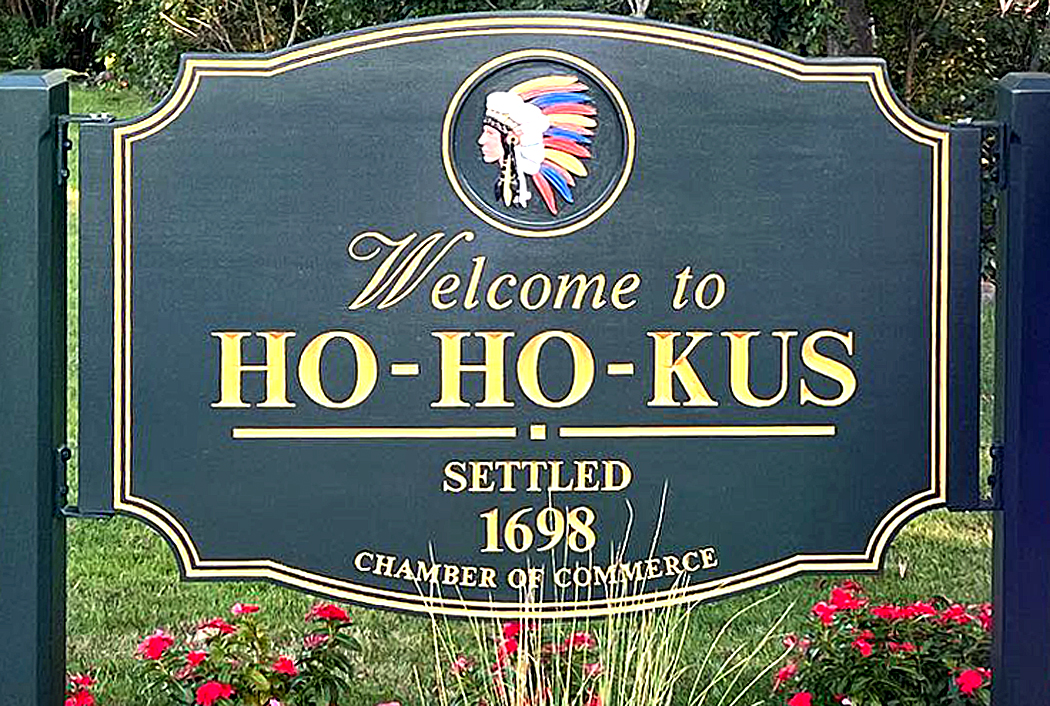
Names can get quite twisted. In central Jersey the name of Cheesequake was originally the Lenape name Chiskhakink, which meant “cleared land.” Other New Jersey names, some harder to pronounce than others, at least for non-native Jerseyites, include Hoboken, Hopatcong, Manahawkin, Mantoloking, Metuchen, Neshanic, Netcong, Pahaquarry, Parsippany, Pequannock, Piscataway, Ramapo, Secaucus, Squankum, Succasunna, Weehawken, Wickatunk. And that doesn’t count the lakes, rivers and creeks: Absecon; Assunpink; Assiscunk; Hakihokake; Hockhockson; Kittatinny; Luppatatong; Machesautauxen; Metedeconk; Muksukemuk; Musconetcong; Picatinny; Pohandusing; Rancocas; Shabakunk; Waackaack; Wawayanda; Wickecheoke — and that’s about 10 percent of the list. I believe I’ve heard my cat say “Waackaack” at times. 

If you’re from there, these names roll easily off the tongue, if not, well — I once heard a newscaster pronounce Parsippany as “par-suh-PAN-ee.” 

Then, there’s Kinderkamack Road, which sounds like it should be among the many Dutch names in the area, but is really a version of the Lenape for “Place of the Ceremonial Dance.” But you would be forgiven for mistaking it. After the Native Americans came the Dutch, with their own names for things, such as Kill van Kull, Polifly, Paulus Hook, Schraalenburgh, and Tenafly. 

There’s a lot of history in New Jersey, although most Jerseyites pay little attention to it. Not only Native American and Dutch history, but New Jersey was once a slave state. My county, Bergen, was the largest holder of enslaved people in New Jersey, with 20 percent of its population in bondage in 1800. New Jersey was the last of the Northern states to outlaw slavery. At the end of the Civil War, there were about a dozen slaves still owned in the state, eventually freed by the 13th Amendment. By the way, the state voted against Abraham Lincoln both in 1860 and in 1864. 

When my father was clearing land in our back yard in Old Tappan, he dug up an old brick foundation that a local historian identified as the remains of an 18th century slave quarters. 
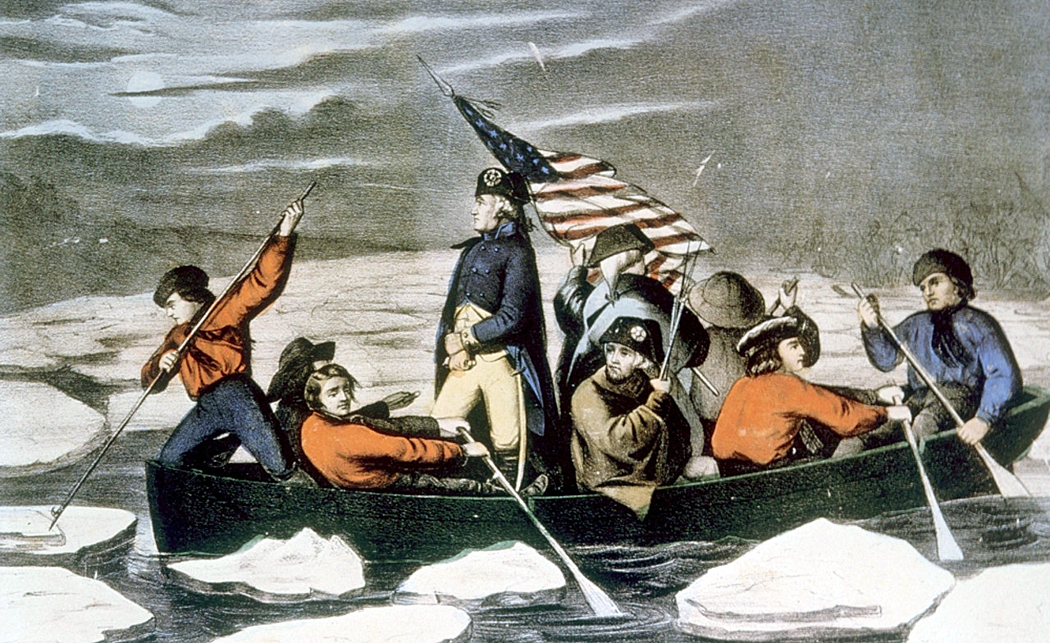
The stony ground of the state has seen a lot of history. One of the most famous and consequential battles of the Revolutionary War was fought in Jersey, as George Washington crossed the Delaware River in the winter of 1776 and surprised British forces at Trenton. He did it again a year later. 

During the Gilded Age, New Jersey was a comfortable home for corporate monopolies. Before being broken up by the Sherman Anti-Trust Act in 1911, Standard Oil of New Jersey had controlled nearly 90 percent of refined oil in the United States. 

Oh, New Jersey. Wikipedia lists more than 50 New Jersey politicians convicted of crimes and corruption, most famously in recent years, Sen. Bob Menendez, who was found guilty of taking bribes after investigators found Menendez had illegally received a Mercedes-Benz car, 13 gold bars, and $486,461 in cash.
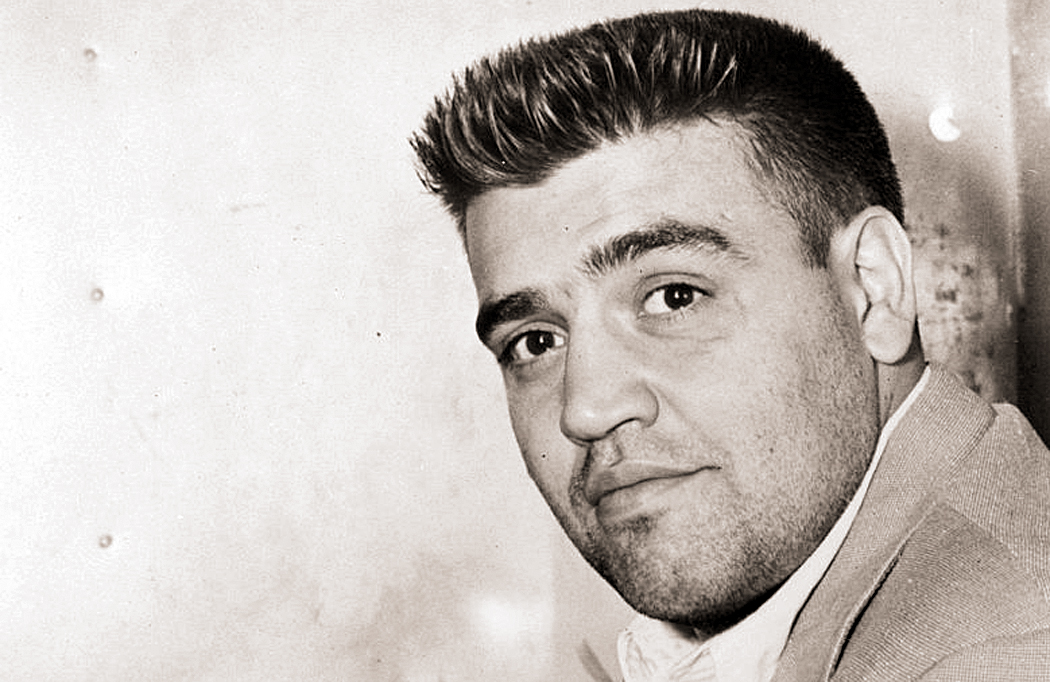
The Chin

In my own home town of Old Tappan, Mafia boss Vincent “The Chin” Gigante had a house a little more than a hundred yards from where I grew up. I didn’t know that at the time, but imagine my surprise when, at college in 1970, I turned on the radio one morning and heard the NPR announcer say that the entire police force of Old Tappan had been arrested for taking cash from Gigante’s wife, Olympia. 

Other high points in New Jersey history: 

It was the home, in Menlo Park, to Thomas Edison’s research laboratory, later moved to West Orange. 

New Jersey was the first state to ratify Prohibition.

In 1927, the Holland Tunnel connected NJ to Manhattan, followed by the George Washington Bridge in 1931 and the Lincoln Tunnel in 1937. 

In 1932, the baby of Charles Lindbergh and Anne Morrow was kidnapped from their home in Hopewell, NJ., and later found dead. A nation-wide manhunt eventually led to the arrest two years later of Bruno  Hauptmann, who was convicted of and executed for the crime. 

The dirigible airship Hindenburg, a German Zeppelin, exploded in flames upon landing at Lakehurst Naval Air Station in 1937, killing 13 passengers and 22 crewmen. “Oh, the humanity!” 

In the infamous Mercury Theatre War of the Worlds radio broadcast of 1938, Orson Welles claimed that Martians had landed in Grovers Mill, NJ. 

And on Sept. 23, 1949, Bruce Springsteen was born, in Long Branch, on the Jersey shore.

The state tends to get divided into three parts, Northern Jersey, Central and South Jerseys. The north is all suburbs of New York City; the south is oriented to Philadelphia and Central Jersey is orphaned between.
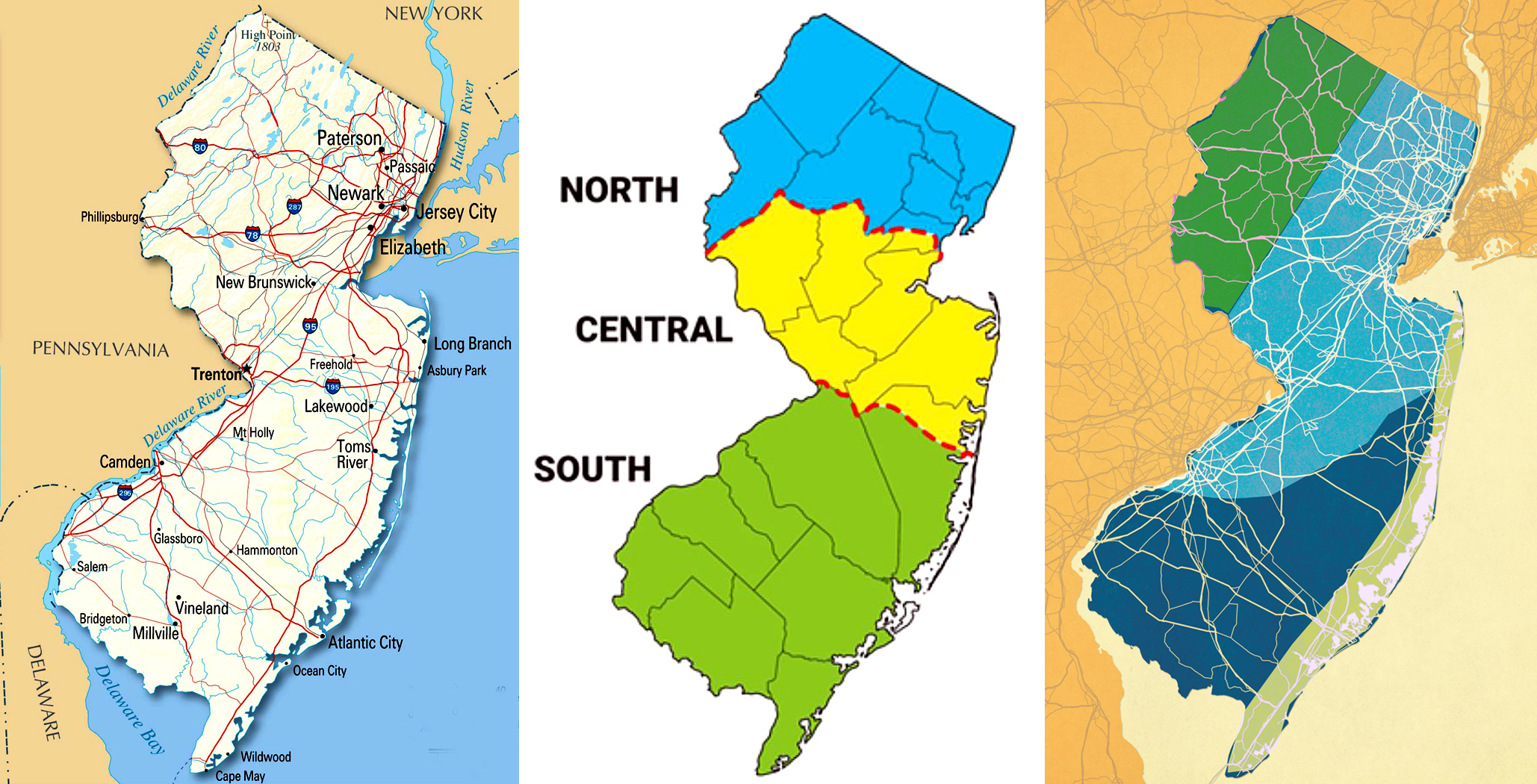
 But really, there is another way of splitting up the map that is more reflective of the cultural realities. There is suburban and industrial New Jersey, which is a ribbon running from the northeastern part of the state and cuts diagonally across to the southwest, near Philly. This includes not only my Bergen County, but also Newark, Trenton, Camden, and the Oranges — pronounced locally as Onch, East Onch, South Onch, and West Onch. There is no Nawt Onch. 
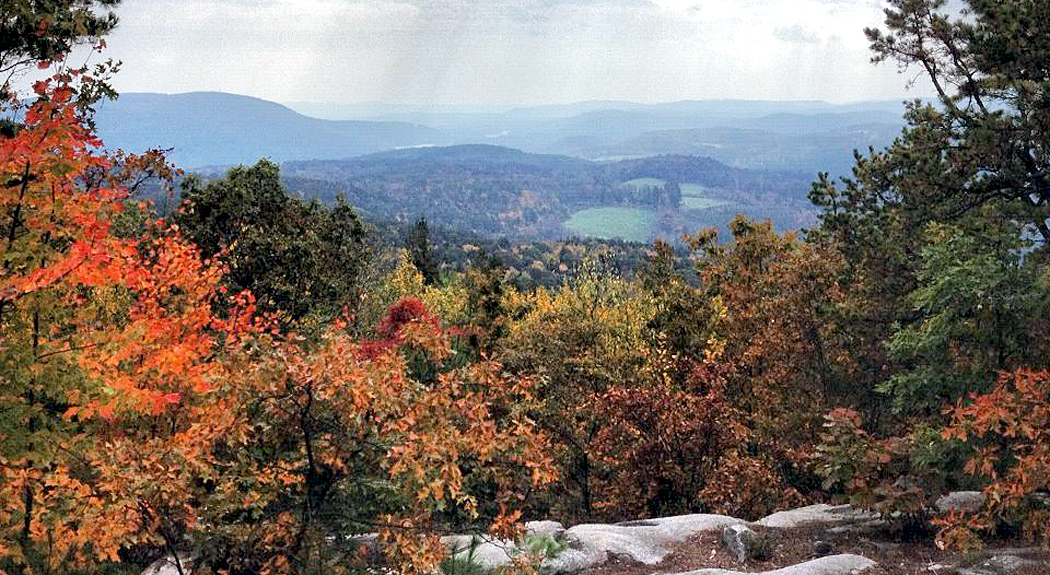
The second part might be considered Appalachian New Jersey and is in the northwest, largely rural and wooded, with the Kittatinny Mountains and the Delaware Water Gap. My summer Boy Scout camp was there, where I was first camper and later camp counselor. 

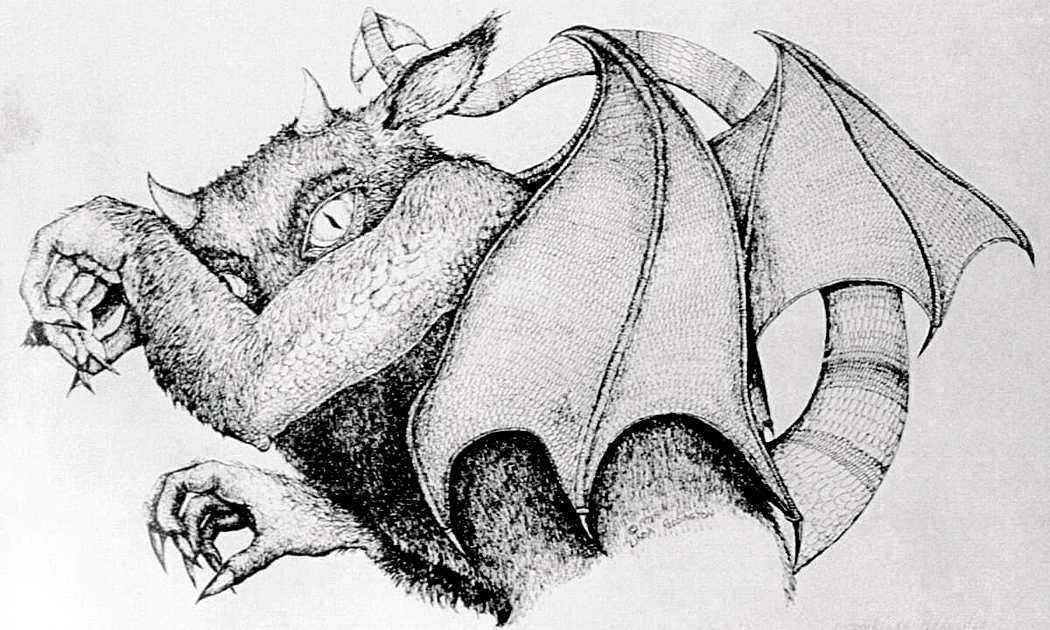
The third part of the state might be called Confederate New Jersey, technically below the Mason-Dixon Line and composed of farm land, swamps and the infamous Pine Barrens, supposed home to the Jersey Devil, a legendary flying demon, said to have been born in 1735 as the 13th child of local woman Deborah Leeds. The child, though born normally. immediately grew wings, tail, and claws and flew out to the Pine Barrens, where, like Big Foot, it is occasionally claimed to have been spotted. 
South Jerseyites can even speak with a drawl, separating them culturally from those farther north. The familiar Joisey accent has a pronounced rising “dawg” while in the south, they are closer to a descending “doag.” (The North Jersey accent is quite distinct. We once had a plumber come to fix our “terlet.”)
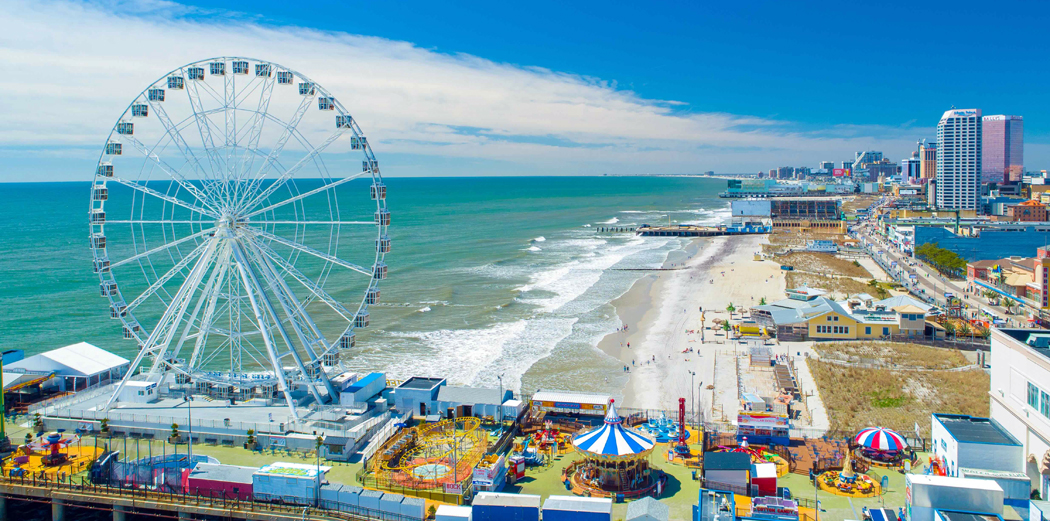
There is a fourth important component to the state. Some consider it part of South Jersey, but it is distinct enough — and famous enough — to warrant its own regional name. It runs down the eastern margin of the state, from Sandy Hook to Cape May and it is the Jersey Shore. It is not like any other section of the state and has gained notoriety for the empty-brained drunkenness and pointlessness of the MTV “reality” television program. The less said, the better. 

The broad stripe that runs diagonally down the center of the state is the heart of what people think of as being New Jersey. Bergen, Hudson, Essex, Union, Middlesex, Mercer, Burlington, Camden and Gloucester counties and parts of others, are both the suburban and industrial centers of the state, and the source of most of the enduring cliches. 
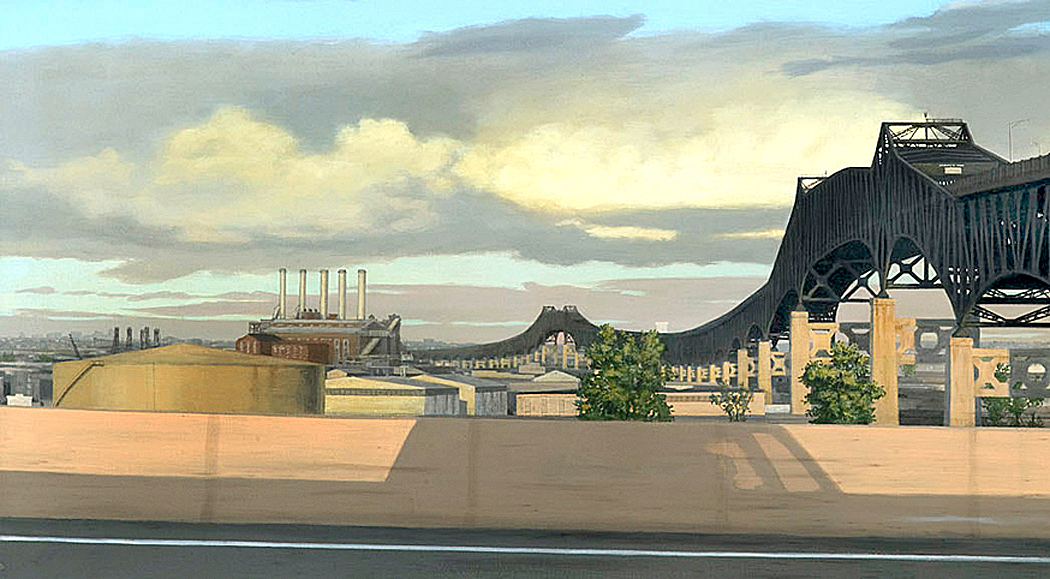
But it is the center filet that has all the housing developments, mcmansions, oil refineries and chemical plants — to say nothing of the Pulaski Skyway and the single most trenchant metaphor for the state: The NJ Turnpike. (“Where do you live?” “Exit Four.”)

   When I left New Jersey as a teenager headed off to college in North Carolina, I shook the dust off my sandals and said good riddance. I despised the bourgeois banality of it all and couldn’t wait to get to the “real” stuff that higher education would show me: art and poetry and music, and — well, beer and sex. But over the years I came to realize both that New Jersey was not exceptional in its inanity — that was everywhere — and also more importantly, I had to accept that New Jersey had built my insides.
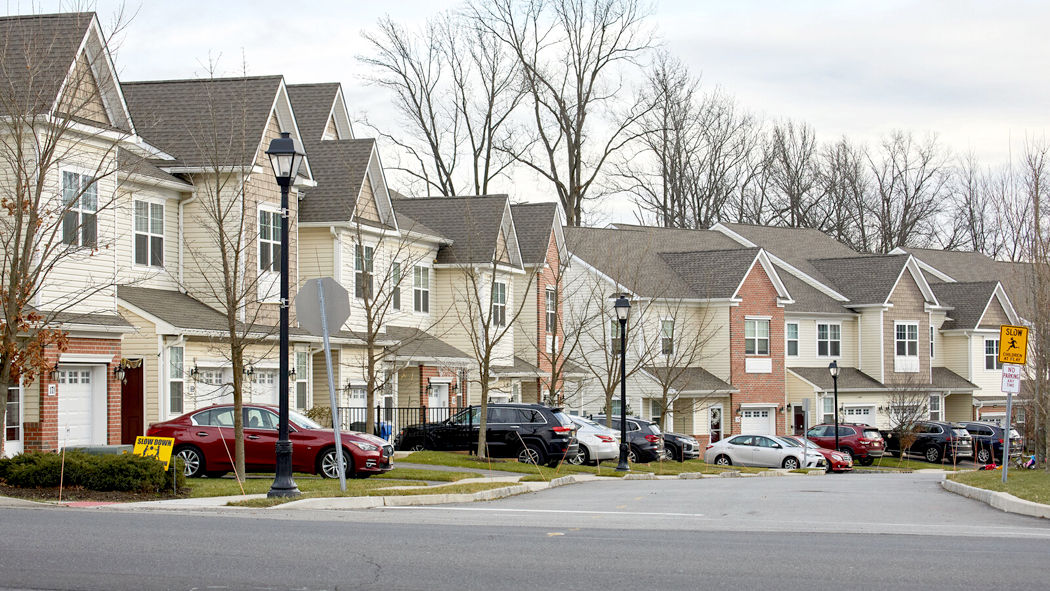
The pace, the smells, the population density, the architectural styles, the speech, the ethnic and religious diversity I had known had all become the universal norms by which I judged the world. 
It came as a shock, for instance, that there were so many churches and so few synagogues in the South. In Old Tappan, there was one Protestant church and one Catholic church and the nearest synagogue was in Closter. Here in my neighborhood in Asheville, there are three churches all in walking distance. Oy. 

The Trinity Reformed Church in Old Tappan was presided over by the soft-spoken Louis Springsteen whose basic message to the congregation was that good is better than evil because it’s nicer. No brimstone, no hellfire. My Catholic friends went to St. Pius X at the other end of Cripplebush Road. Some of them went to parochial school and were taught by nuns. It was all just normal, and built that normal into me. Religion made no more difference to me or my friends than hair color or freckles. 

I remember my father, raised in Cliffside Park, NJ, telling us that when he was drafted at the beginning of World War II and shipped off to Camp Wheeler in Georgia, he was shocked to find out the camp was segregated. The idea had never occurred to him. 

And when I was at college a group of us decided to crash a Ku Klux Klan meeting in Liberty, NC, where the main speaker was the sheriff of Forsyth County, and I was surprised to find out that among the enemies they despised were not just Black folk, but Catholics and Methodists as well. Huh? Humanity never seemed such a narrow concept where I came from. 

My Boy Scout troop was presided over by Paul Weinstein and his two assistants, Vern Riportella and Arch Curry. Basically, one of each. 

It all, good and bad, became the unexamined bedrock of my personality. I remain somehow in New Jersey, even though I haven’t lived there in 60 years. 
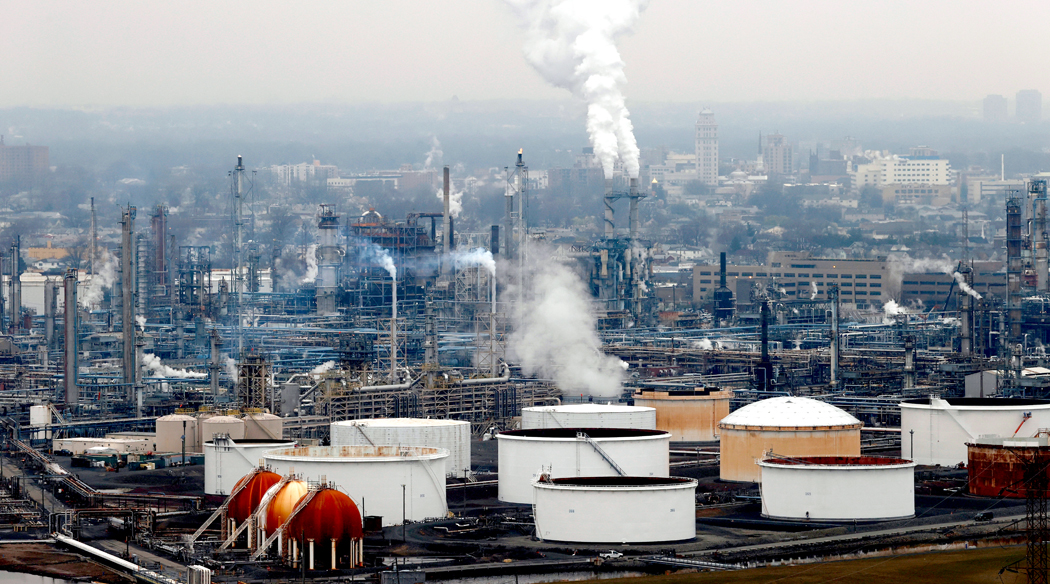
The highways I knew in Paramus seemed the normal highways; the shopping malls the size of Delaware were the norms; the traffic was normal; the oil refineries burning off their excess in the night sky was normal; the bus service, the delicatessens, the pizza, were all the baselines I took elsewhere with me. 

I mean, come on — you call that a pastrami sandwich? 

And New Jersey set the inner tick-tock of my sense of time, a quicker pace. As I’ve aged, the clock has slowed a bit, and living in the South for the majority of my life has moderated the tempo, but it still moves too fast for some. My Anne complains that I talk too fast, according to her North Carolina metronome. 

Perhaps it is because my New Jersey innards prompts me more to favor efficiency than courtliness. 

And while I grew up thinking of my home state as intellectually stultified, I have to grant that there are random points of light. I hesitate to include James Fenimore Cooper among them, after reading Mark Twain’s “Fenimore Cooper’s Literary Offenses” — “Cooper has scored 114 offenses against literary art out of a possible 115. It breaks the record.” — but New Jersey was also the adopted home of Walt Whitman and the very subject and marrow of the poems of William Carlos Williams. There were also Stephen Crane, John Ciardi, Joyce Kilmer, Philip Roth, Amira Baraka (aka LeRoi Jones), George R.R. Martin, to say nothing of the Ginsbergs, père et fils. The Jersey Shore town of Long Branch alone has given us Springsteen, Norman Mailer, Robert Pinsky, and Dorothy Parker. 

Springsteen, Pinsky, Mailer, Parker

New Jersey gave birth to, or was home to George Antheil, Gerard Schwarz, Astrid Varnay, Eileen Farrell, Dorothy Kirsten, Jerome Hines, Sherrill Milnes, Michael Tree, Stephen Paulus, Judith LeClair, and one-third of the Beaux Arts Trio. And that’s not even counting Count Basie or Frank Sinatra. 
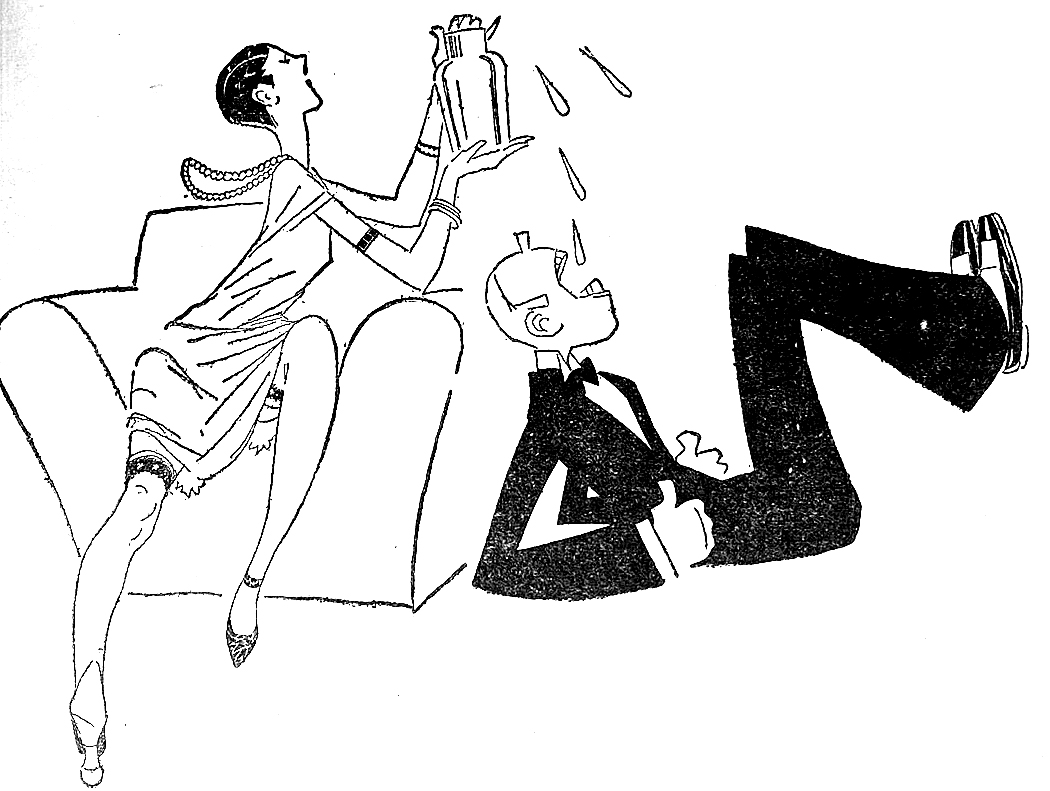
And visual artists: Charles Addams, John Held Jr., George Platt Lynes, Robert Smithson, Reginald Marsh, George Segal, Tony Smith, Irving Penn, Marion Post Walcott, Cindy Sherman, George Tice, and, most famously, Alfred Stieglitz.   
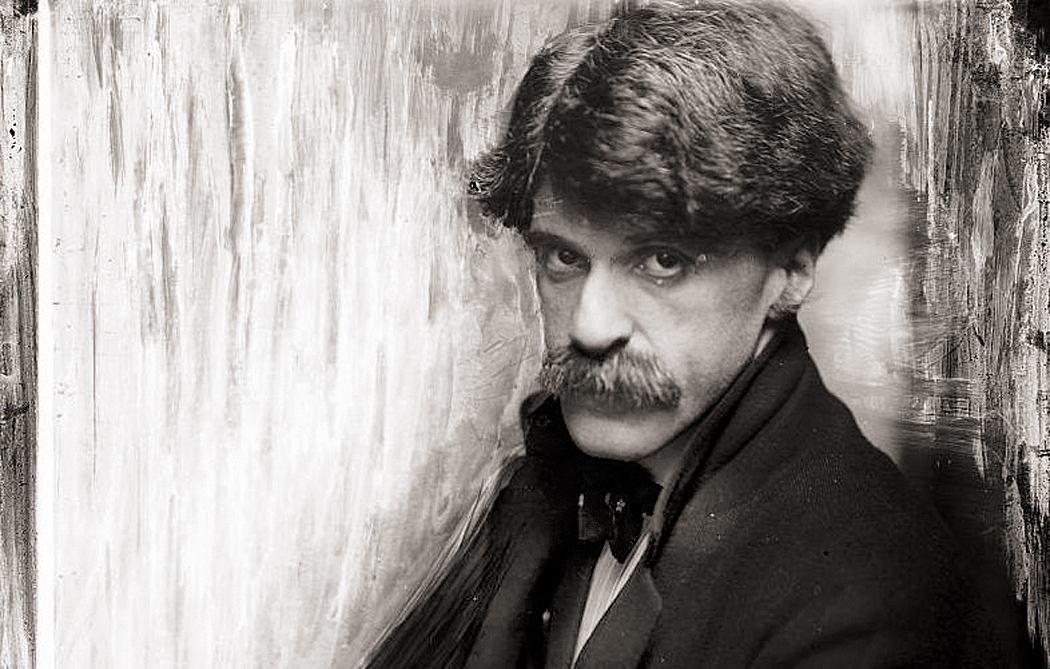
So, there is a serious element in the state, past the saltwater taffy, Miss America contests and Giants football in the Meadowlands. I’ve read work by all the authors, listened to music by all the singers and instrumentalists, either live or on recordings, and seen and often written about the visual artists. I hope that has also seeped in to the brainbox. 

After all, maybe I don’t despise New Jersey like I used to, and perhaps I am not alone in having ambivalent feelings about the places that gave us birth and nurtured us. After all, Henry Thoreau complained about the torpor of Concord farmers and townspeople at a time when that village was also home to Emerson, Hawthorne and the Alcotts. Hmm. Might make for a good sonata.
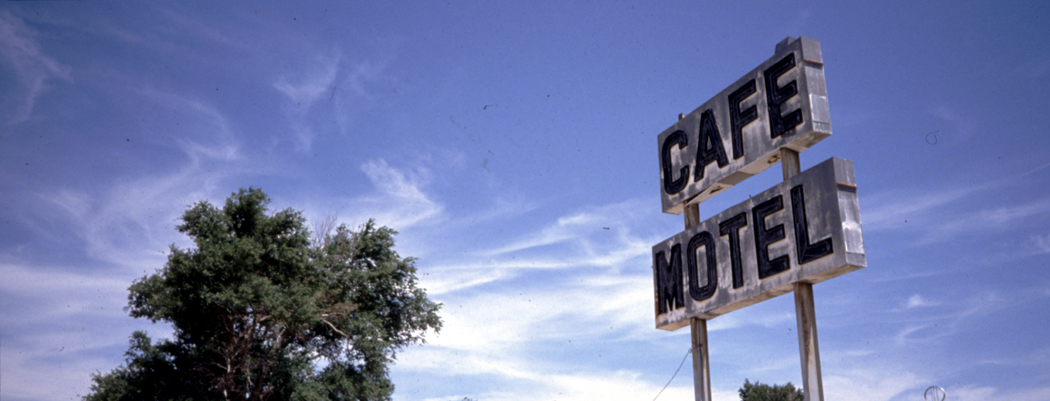
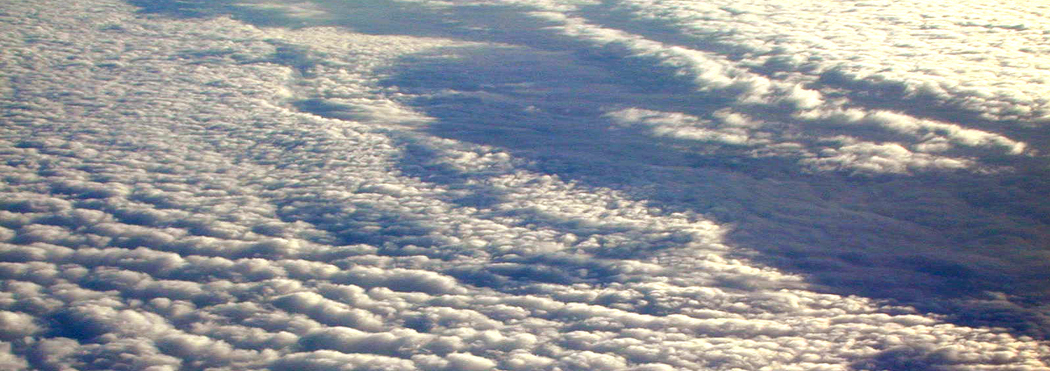
State Line tex-NMTo see the world, you fly around it; to learn about your neighborhood, you walk through it; but to appreciate something about the country you live in, there is nothing better than an automobile.Clouds from plane

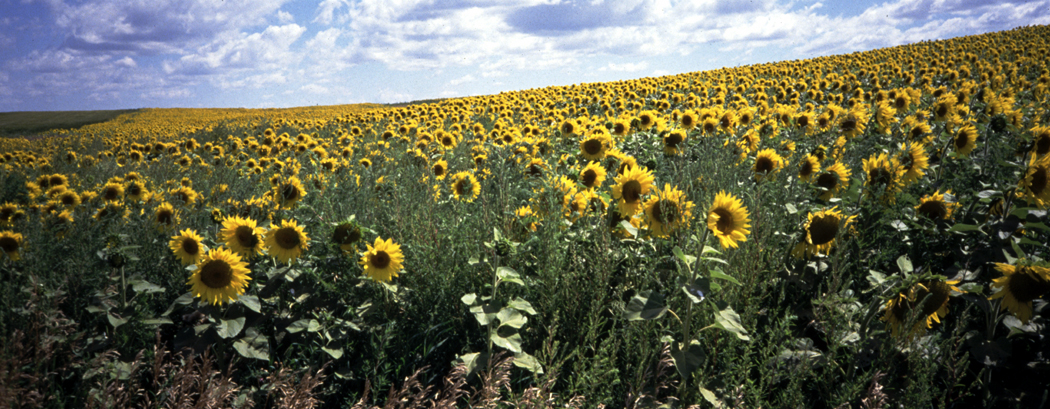
A jet flies too high and fast to take in any detail. The country is too big to slog through on foot. A car is the perfect compromise, letting you pass over a significant portion of the nation each day, but allowing you the leisure to stop and sniff the magnolias in Mississippi, the rank ecstatic yellow sunflowers in North Dakota — and the lingering odor of peanut butter at Graceland.

It’s summer again, and once more, I open up another brand-new Rand McNally road atlas and begin planning a drive around the North American continent.Sunflowers North Dakota

In the past 15 years, I’ve made the round-trip across the United States at least a dozen times. I feel like Magellan when I start once more on the circumvehiculation of America.

I’ve done it alone and with my wife. I’ve done it camping and in motels. I’ve done it in summer and in winter. I’ve done it in as long as two months and as short as two weeks. Last year, I made it from Phoenix to North Carolina over a weekend, but I’m not likely to repeat that butt-numbing feat.

Yet I am planning another road trip this spring.

Friends tell me I am nuts, a masochist torturing myself or a sadist torturing my wife, but I keep setting out.

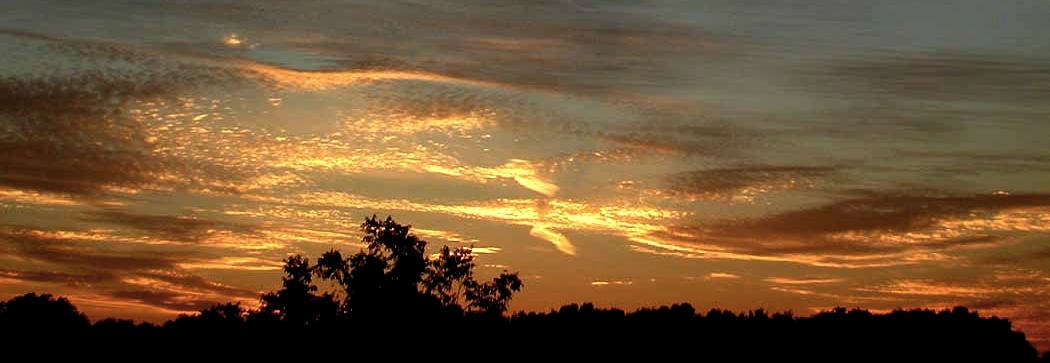
There is always something new to see, or some old friend to revisit: I’ve been to North Carolina’s Outer Banks something like 40 times, and I’m beginning to develop the same relationship with Maine’s Down East. When I have lived in the East, I couldn’t wait to visit New Mexico again.Baldwin Co. Ala. sunset

There are soft-shelled crabs to be eaten in Virginia, salmon in Seattle. There are pirogis in Wisconsin and scrapple in Philadelphia. You can only get pizza in New Jersey, you can only get barbecue in eastern North Carolina, or a real Cuban sandwich in Miami.

Barns in Pennsylvania have stone foundations; in Georgia, they rest lumber right on the ground. In Wisconsin, the barns are red; in North Carolina, it’s the dirt that’s red; the gray, weathered barns aren’t painted at all.

I remember passing through Iowa and being astonished to see a farmfield filled with hogs and each animal had its private home, looking like a Levittown of doghouses.

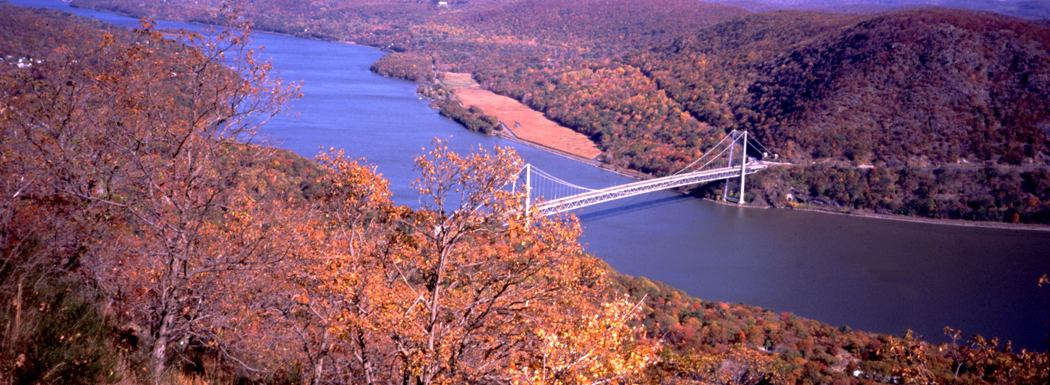
In southern Arizona, I passed something very similar, but it was for fighting roosters.Bear Mtn Bridge

American regionalism is alive, despite network television and corporate advertising. America hasn’t yet been completely turned into one great food court of McDonald’s and Arby’s.

If you think you have only a choice between Pepsi and Coke, wait till you pop the top of a Double Cola in Reidsville, N.C.

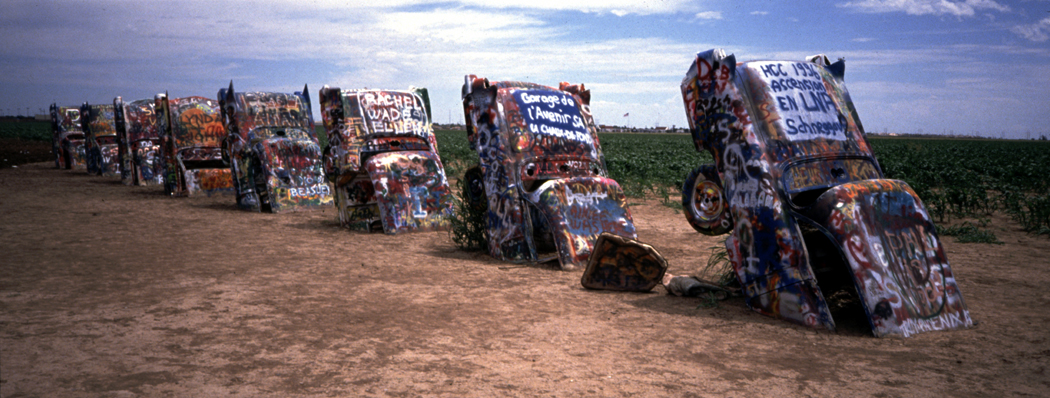
Try one at the Sanitary Cafe, where calf’s brains are the breakfast special.Cadillac Ranch Amarillo Texas

I’ve been to most of those landmark places you’ve heard of: International Falls, Minn.; Walla-Walla, Wash.; Langtry, Texas; Cairo, Ill.; Appomattox, Va.; Intercourse, Pa.; West Point, N.Y.

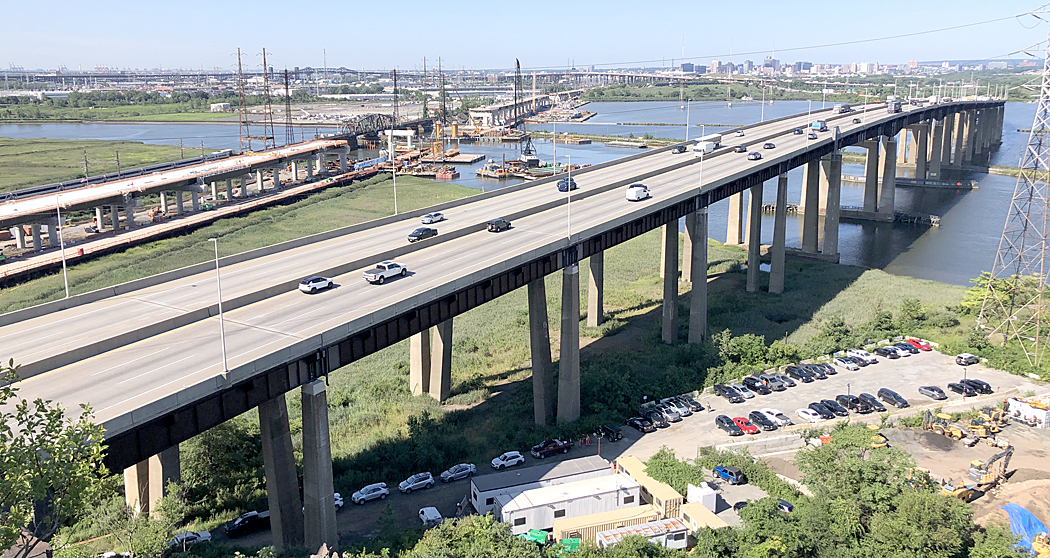
There are some great old iron bridges across the Susquehanna River in Pennsylvania, some great concrete bridges in central New Jersey that speak of the the great age of American highway building in the 1930s.

I’ve been up Pikes Peak in Colorado and up Mt. Washington in New Hampshire.

I’ve been over Lake Ponchartrain in Louisiana and across the floating bridge over the Hood Canal in Puget Sound north of Seattle.Columbia River Gorge Oregon-Washington

It helps if you love to drive, and I know not everyone has that passion. My brother hates driving, for instance. He views an automobile vacation like a two weeks stuck in an elevator. He can’t wait for his floor to arrive so he can get the heck out.

But most elevators don’t have windows.

As I watch the landscape pass across my windshield, like a travelog on a movie screen, I get a sense of the whole elephant, not just his trunk or tail.

Of course, we are talking here about a two-lane blacktop trip, not a bland rush down an interstate highway, where one stretch of concrete pavement can be distinguished from another only by the names on the exit signs.factory, trees, Lowell, Mass

It is a particular kind of travel and has nothing in common with the destination-vacation of the tourism industry. I have no interest in waiting on Disney World lines for thrill rides or Lake Winnibigoshish for a week of trout fishing. You can have your three days lounging on the sands of Bimini or your Love Boat cruise.

Instead, I get to travel an arc of the planet, get to feel in my bones the curvature of the earth and the roughness of its skin. It is through driving across its surface that I get some body-feel for the size of the globe: It is roughly 10 times the distance I drive to get from Phoenix to New York City. New OrleansThat’s not some numbers on some mileage chart, but a distance I know by the seat of my pants.

It’s also a lot smaller than the world seemed before I began driving.

In those years, my wife and I have been to each of the 48 contiguous state at least twice and most more frequently; we have been to all but one of the Canadian provinces; and even skirted into Mexico a little bit.

And each of those trips could have produced a Blue Highways, a book-length summation of what we saw and learned.Frosty dawn Wisconsin

Part 2

Over the past decade and a half, I’ve put enough vacation miles on the cars I’ve owned to equal driving around the world 2 1/2 times. You don’t drive that much without learning a few things.

The first is, of course, to stay off the interstates. You may get there faster, but not by much, and you’ll be bored the whole drowsy way. And in much of the country — and especially in the West — speed limits on smaller highways is not much lower than on the four-lanes, and with less traffic.Golden Gate Bridge SF Calif

Have a rough itinerary and plan how many miles per day you are willing to drive. This is more important for a passenger: Driving will keep you occupied, but your partner may go stir crazy sitting in a seat while going across some of the flatter places in Texas; Don’t overdo it. Marriages hang in the balance.

But never make your itinerary too rigid. You will discover unexpected things along the way; let yourself enjoy them.Gorilla, Am Mus Nat Hist04 copy

We never reserve motel rooms, so we never feel forced to get somewhere by nightfall. There are enough motels along the way. Even national parks, with their crowds, often have last minute cancellations. We’ve pulled into the Grand Canyon and into Yellowstone and gotten a room. But have a contingency plan.

One year, we hit South Dakota the week of the Sturgis Motorcycle Rally and there were no vacancies for 200 miles around. We had to drive into the next state to find a room. But that brings up the next lesson:

Don’t be afraid of mishaps and adventures. They may be uncomfortable during the trip, but they will be the best stories you tell your friends. No matter how bad it gets, it will provide the most vivid memory.Imperial Dunes California

Don’t drive every day; take some time to spend in a single spot. Three days we spent in a cabin on Daicey Pond in Maine’s Baxter State Park were three of the best days we ever spent — hiking, canoeing, watching moose and listening to loons at the base of Mount Katahdin. Not once did we start the car. When we finally left, we were ready for more miles.

There are things you should always have in your car: water, a blanket, Fig Newtons, a road atlas, your address book with phone numbers. Forest Lawn cemetery LAI also carry an entrenching tool — one of those small folding shovels you can buy at army surplus stores — for digging out when I get the car stuck in sand or mud.

Don’t be afraid of dirt roads. There are some amazing rewards at the end of a bit of gravel.

We also always carry a small library of Peterson nature guides, two pairs of binoculars, camera equipment and twice the amount of film I think I can possibly shoot.

And finally, my nomination for the greatest invention of the 20th century: cruise control. It keeps your right foot from cramping up on the gas pedal. I was 45 before I ever tried it and I’ll never be that stupid again.pacific coast highway California

Part 3

What makes for good driving?

I don’t know about others, but for me, optimum driving conditions include:

–Little or no traffic for infinite miles ahead, with no stoplights.

–Interesting and varied weather; I don’t want incessant sunshine any more than I want endless rain. A front moving through gives me a constantly changing cloud show.Greylock Mt from Melville home Mass

–An old road with a history. Route 66 is the most famous, but not the only one. I especially enjoy roads that follow geology: along a mountain range or river, so that the road seems to belong to the earth, rather than denying it.

–Occasional side roads, preferably gravel, for a change of pace.

–Periodic change of landscape, such as when you drive from the Plains to the Rocky Mountains, or from the white sands of the Atlantic Coastal Plain into the hilly interior of the Piedmont.

— A regional food specialty you haven’t tried yet and no chain restaurants.leo carillo st beach california

— A few museums and a few national parks. I gotta have both.

— A used book store in every town.

— A pile of Haydn symphonies on CD to run through the dashboard player.

–A clean windshield. This last must be renewed frequently. Bugs bust on the glass.Mississippi barge

Part 4

The dozen most scenic drives in the 48 states:

1. Beartooth Highway, U.S. 212 from Red Lodge, Mont., to Yellowstone National Park.

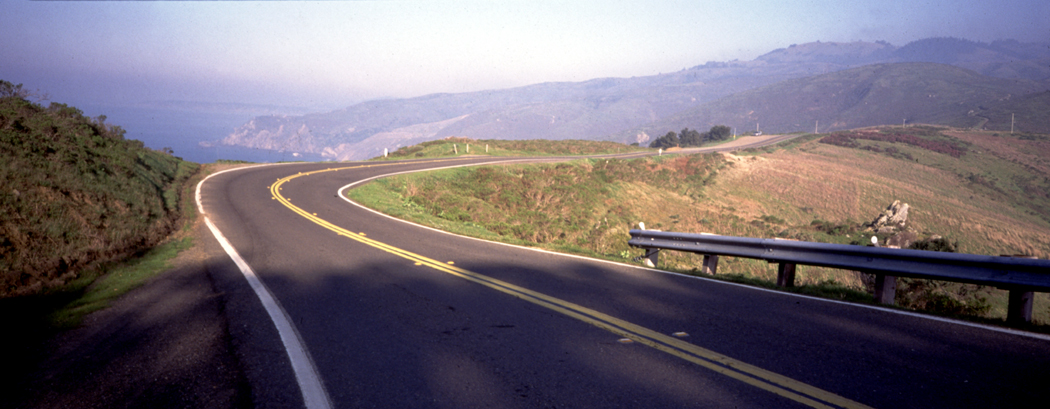
2. The Pacific Coast Highway, Calif. 1, from San Luis Obispo to Leggett, Calif..

3. Blue Ridge Parkway, from Waynesboro, Va. to Smoky Mountains National Park, N.C.

4. N.C. 12 from Nags Head to Okracoke, N.C.

5. Ariz. 264 from Ganado to Tuba City, Ariz.

6. U.S. 1 from Miami to Key West, Fla.

7. La. 82 from Perry, La., to Port Arthur, Texas.

8. U.S. 1 from Ellsworth to Calais, Maine.

9. Kancamagus Highway, N.H. 112, from Conway to Lincoln, N.H.

10. Tex. 170 from Presidio, Texas, to Big Bend National Park.

11. Utah 12 from Red Canyon to Torrey, Utah.

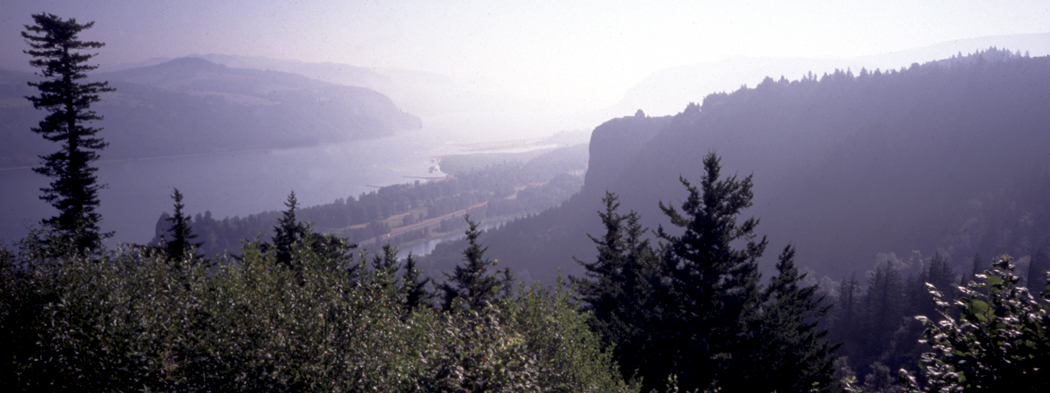
12. Wash. 14 though the Columbia River Gorge from Camas to Plymouth, Wash.Niagara Falls

Part 5

It isn’t just the flashy, famous places that draw the true driver. In fact, commercial destinations, such as Disney World or Las Vegas, are probably best gotten to by airplane and shuttle bus, so you can give over all your time to waiting in lines.

No, in a car, some of the best experiences come by rolling through the kind of places that fall through the cracks of marketing. Places “below the radar,” so to speak, of commercial development.mobile bay point clear

The small towns, endless farms, mountain ranges, Indian reservations — these are the places you have the opportunity to discover things for yourself. In the big theme parks, you get a uniform experience, developed through marketing research. The ride you take is the same ride millions of others take.

But when you talk to the harried but chummy waitress in Doumar’s, an original ’50s style drive-in on Monticello Ave. in Norfolk, Va., you are talking to a real person, a one-on-one experience that is particular and individual. You get a flavor of place, of culture, of people, of individuals.Page Dam Arizona

To say nothing of the flavor of ice cream, in a cone as close to identical as possible to the original waffled cone Abe Doumar is credited with inventing in 1904. They still make them on the same old wheezy portable machine. If your lucky, they’ll be making them while you eat.

Likewise, there is nothing predictable about the starfish you find in an Oregon tidepool, or the bears in the Smoky Mountains. You get to experience the infinite variety of real life.Sierra Nevada Mts California

Of course, I have my favorites.

Among the 48 states, I can never find the end of either California or North Carolina. They are both richly varied.

California seems to have everything from the world-navel of pop culture to the most remote wilderness. It has more than any other single state.Thunder hole Acadia NP Maine

But North Carolina is nearly as varied geographically, and it has B&G fried pies, the most soul-satisfying food in the world. North Carolina also has the Blue Ridge Mountains and the Outer Banks.

And I cannot get enough of the great, grassy, rolling middle of America. When I tell people I love driving through Nebraska, they look at me like I just said I was born on the Hale-Bopp Comet. But just pull into one of those one-street towns with the grain elevator towering over the single railroad track and have lunch in the cafe where the farmers eat.Yellowstone Nat Park Wyoming

Or imagine the wagonloads of immigrants trudging along the Platte River, with Scotts Bluff on the horizon.

The pace is slower, more humane in Nebraska.

Humankind developed on the grasslands of Africa, and Nebraska, especially, seems to call atavistically to me, reawakening my genetic love of savannas.Monument Valley Arizona

It’s easy to love the broad vistas of the West. Southern Utah doesn’t seem to have a square inch that isn’t photogenic, and the Grand Tetons of Wyoming are mountains right out of central casting: They are to other mountains what Cary Grant is to most men.

But I also love the Mid-Atlantic states. Sometimes, a Western forest is too much of the same thing. You can walk for miles in the Cascades of Washington and see only two kinds of trees: Douglas fir and Western redcedar.Zabriskie Point Death Valley Calif

It’s different in Pennsylvania or Tennessee. In the great Appalachian mountain chain of the East, there are more species of plant life than in all of Europe. The variety is blinding: Redbud in spring, Tulip tree in summer. White pine, pin oak, red maple, sweetgum, sycamore, witch hazel, horse chestnut — and hundreds more.

And there is something humanizing about the landscape. This is land which has been lived in for hundreds of years. It is still wild, but it has made peace with the humans who live there and send smoke up their stony winter chimneys.Zion National Park Utah

In the past, I avoided cities the way I avoid Justin Bieber songs. The noise, nuisance, dirt and traffic were everything I was trying to avoid by getting on the road.

But I have come to terms with them, also. After all, it is in Chicago, Philadelphia, New York and Boston that you find the symphony orchestras, natural history museums, ethnic foods and imposing architecture.Mississippi River Hannibal Missouri

The greatest city for driving is Los Angeles. It may be the home of the cultural antichrist, but it is also a great fermenting, creative pot, with lots of roads that take you past inventively loopy buildings: The Tail ’o the Pup hot dog stand, the downtown Coca-Cola bottling plant in the form of an ocean liner.

In LA, you can’t get anywhere without wheels. It is the perfect American city.mobile bay

There are two states that I have to admit I don’t particularly enjoy: New Jersey, probably because I grew up there and don’t feel much urge to go back; and Florida, which is supposed to be a Southern state, but it has been given over to graceless Yankees. But even in Florida, I have to admit I love the Cubano culture of Miami and the Everglades, proving that there is always something of worth.