Archive

Tag Archives: piano

“Postmodernism” is a catchall word that seems to have lost all meaning, especially because it hardly seems “post-“ at all. In the popular mind — if it thinks about such art-historical buzzwords at all — it means paintings of “Donald Duck Crossing the Delaware,” a mashup of pop culture and the history of fine art. 

But such things are hardly new. In fact, rejiggering the past has been a central tenet of Modernism for more than a century. Old wine in new bottles. It could be argued that remaking the old is central to all art for as long as it has existed. Virgil remade Homer and Milton remade them both, and Derek Walcott’s Omeros does it all over again. And even the Iliad is the result of its previous oral tellings and retellings. Churn and rechurn. 

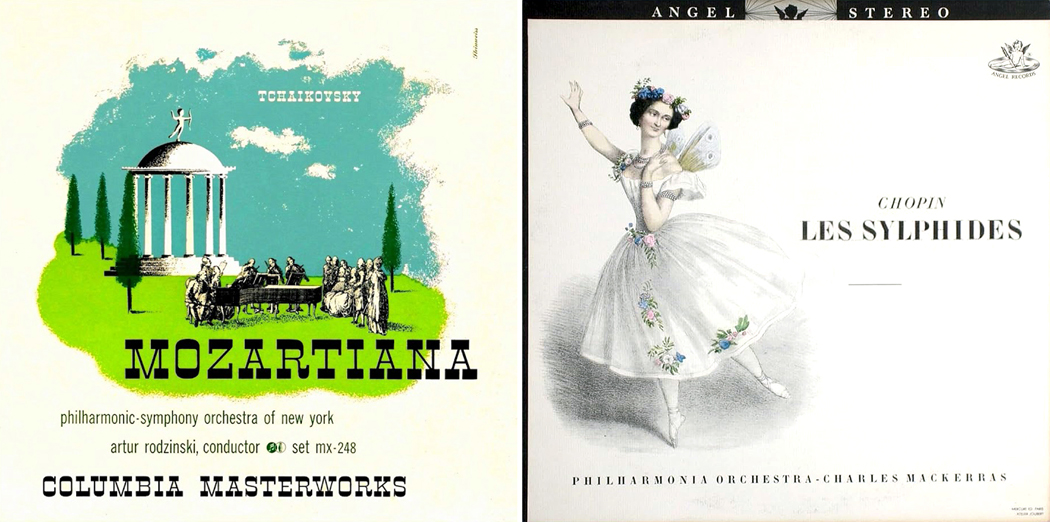
This is true in music, also. Not just the parody masses of the 15th century, or all those Baroque composers “borrowing” tunes from themselves or their contemporaries, or the many recomposings of La Folie, but more recently, Tchaikovsky rescoring Mozart and Glazunov turning Chopin into the ballet Les Sylphides

Of course, all the arts build on previous, if not through quoting or re-use, but at the very least just by existing in a continuum of culture. You could not have had the Renaissance without Classical Rome, or Hedda Gabler without As You Like It. All one forward surge. 

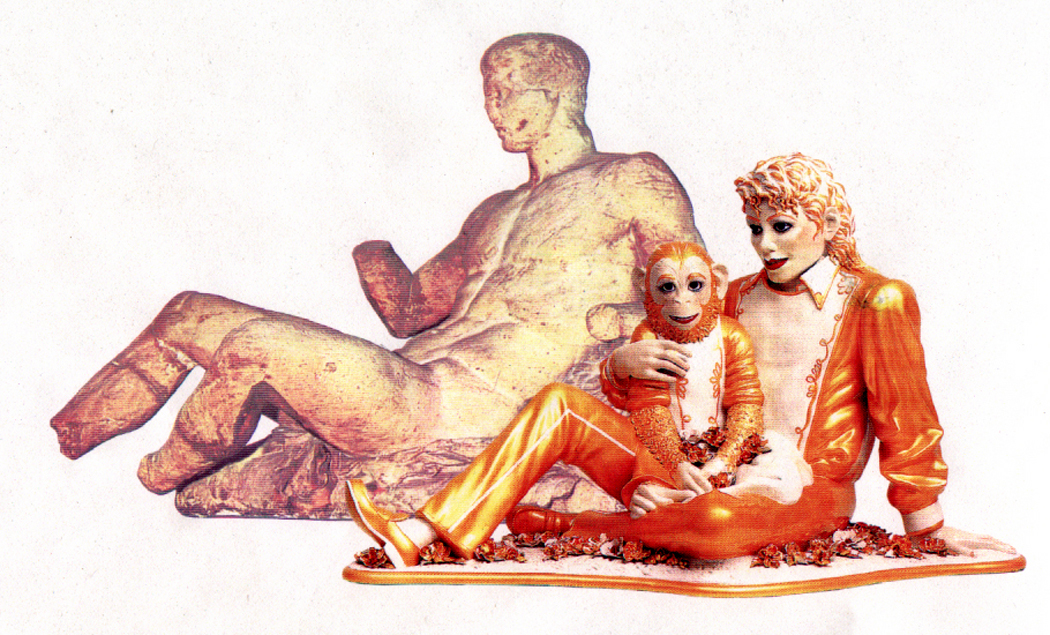
All art is, on one level, a conversation with the past. Even Jeff Koons’  sculptural portrait of Michael Jackson and Bubbles is a gloss on Pheidias’ statue of Dionysos from the east pediment of the Parthenon from the Fifth Century BCE.
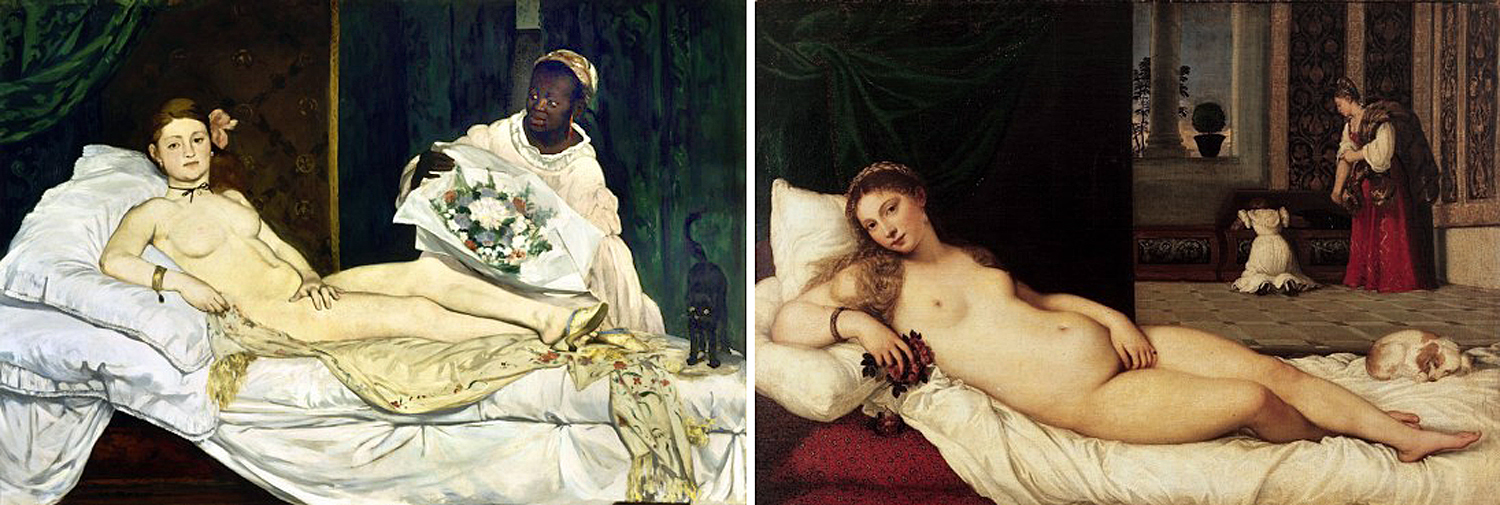
Or, take Manet’s Olympia, which ironically quotes Titan’s Venus of Urbino. (I wrote an exhaustive essay in “Meme and Variations,” from this blog in 2014. Link Here

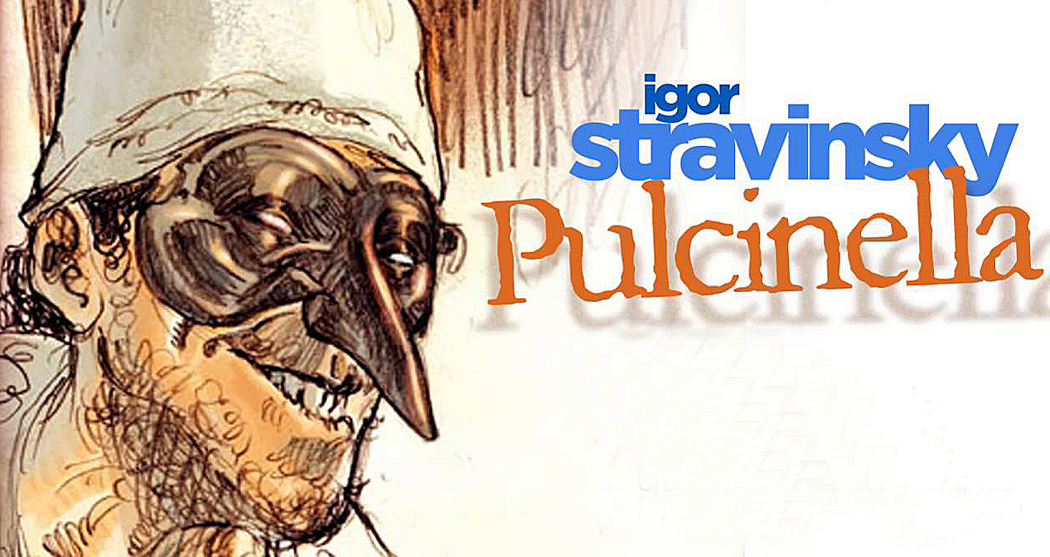
Manet was tweaking his nose at the Renaissance painting, and in 1920, Igor Stravinsky was doing something similar to what he assumed was the music of Giovanni Pergolesi, in his ballet score, Pulcinella

In 21 movements, he rebuilt and re-orchestrated the 18th-century music and made it sound utterly Stravinskian. “Uncle Igor’s Asymmetry Machine,” as Leonard Bernstein called it. Catchy tunes and astringent orchestration. (The fact that the source-music wasn’t Pergolesi but mostly keyboard music by Milanese composer Carlo Ignazio Monza and trio sonatas by Domenico Gallo, a lesser known Venetian composer, both of  whose works were sometimes bootlegged under the more salable name of Pergolesi. A YouTube video with the original compositions is available. Link here)
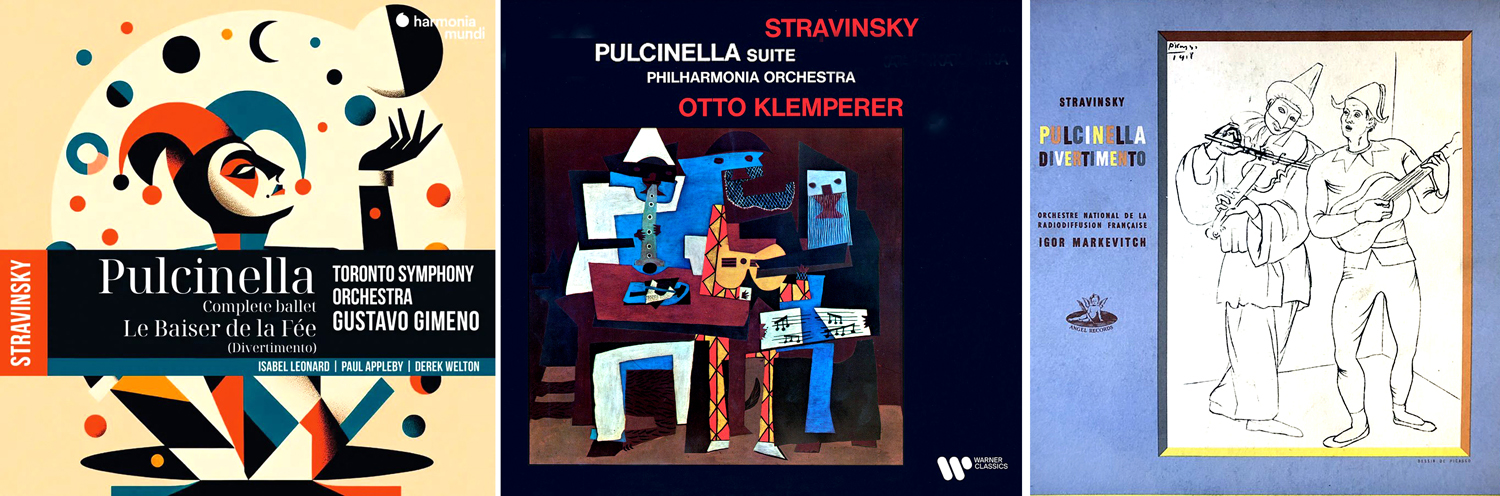
It’s surprising how little Stravinsky changed his originals, except by a little nipping and tucking, and using brilliant and cheeky orchestration. 

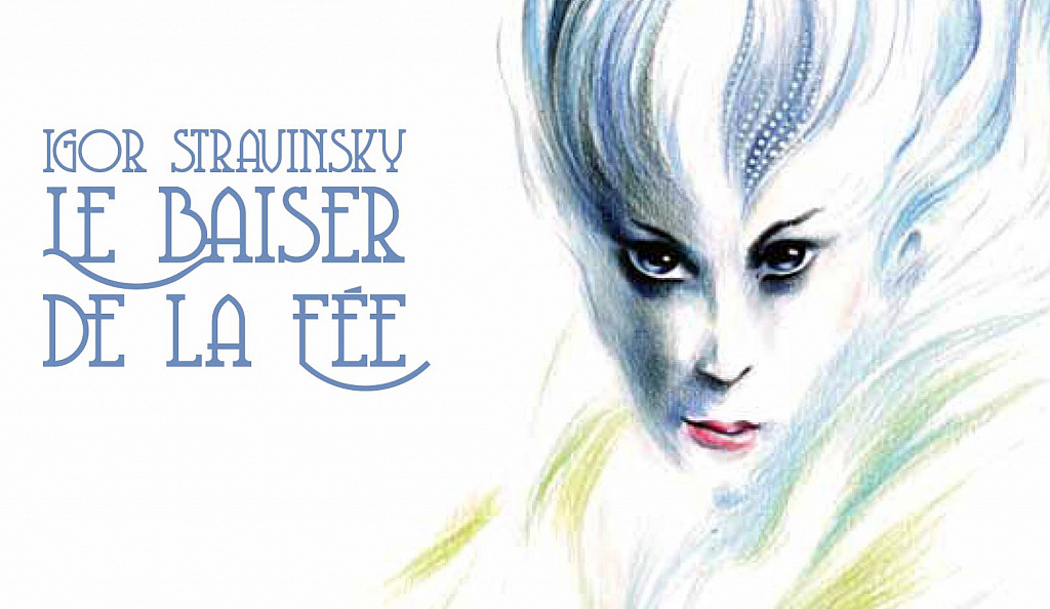
But this habit of updating ancient music was a frequent technique among composers, especially in the 20th century. Stravinsky himself applied the spice to Tchaikovsky in Le Baiser de la Fée (“The Fairy’s Kiss”) from 1928. 
When I was a young recent college graduate, with little or no money in my pocket, I found a battered LP in a castaway bin of a local bookstore. It was on an Eastern European recording label, perhaps a Soviet one, lost to time and my ancient loss of memory. It cost 98 cents and contained William Walton’s The Wise Virgins on one side and Domenico Tomassini’s The Good Humored Ladies on the other. That LP’s fate is lost to 60 years of peregrination, and I only recently found a CD with these works on it. I was emotionally transported to another time and place. 

The Walton was a re-orchestration and revamp of work by Johann Sebastian Bach, and the Tomassini did the same with music by Domenico Scarlatti. Both were designed as ballet scores. 
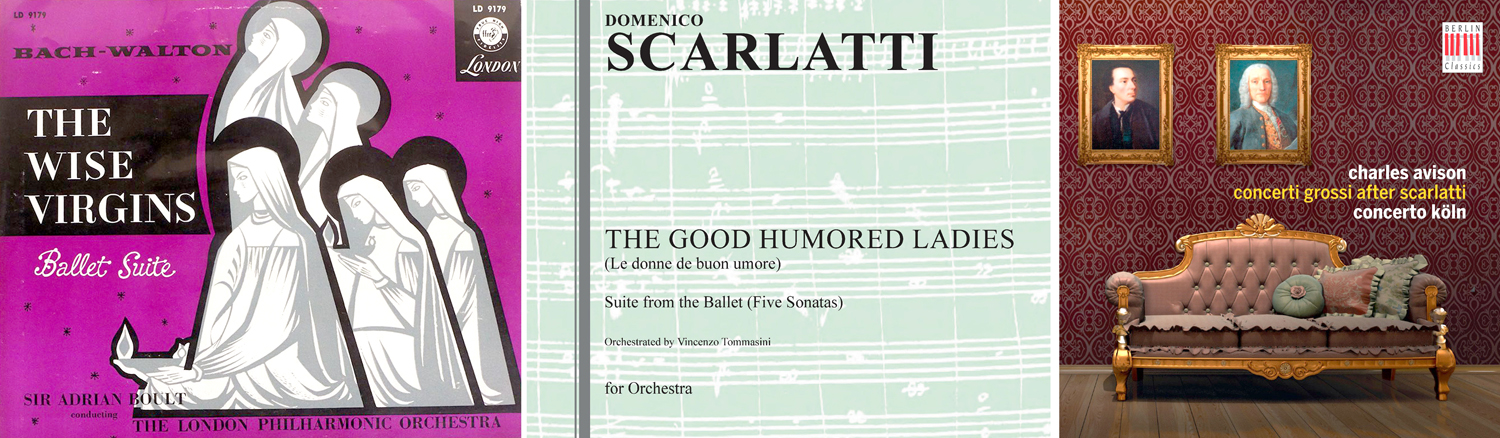
(Scarlatti’s keyboard sonatas were first orchestrated in 1743 by English Baroque composer Charles Avison in 12 Concerti Grossi After Scarlatti, but Avison did the opposite of Stravinsky: He smoothed over Scarlatti’s pungent harmonies and expressive dissonances, to make them “pretty.” Avison did the same for a dozen violin sonatas by Francesco Geminiani.) 

All this piqued my interest, and I spent the past week listening to recordings of all the refurbished music I could find, and there is a lot of it. Two people, in particular, are the source for a great deal of it. 
The conductor Thomas Beecham performed the music of Handel back in the early 20th century when Baroque music was practically unheard, outside of the annual Messiah productions. But Beecham not only recorded whole Handel operas and oratorios, he brought excerpts of them into ballet scores he compiled, with his own modern re-orchestrations of them, but often played bits in his concerts. 

The best known is probably Love in Bath, a ballet score made from arias, choruses and sinfonias from various Handel works, in rescorings much less snarky than Stravinsky’s, and entirely pleasant on the ear. 
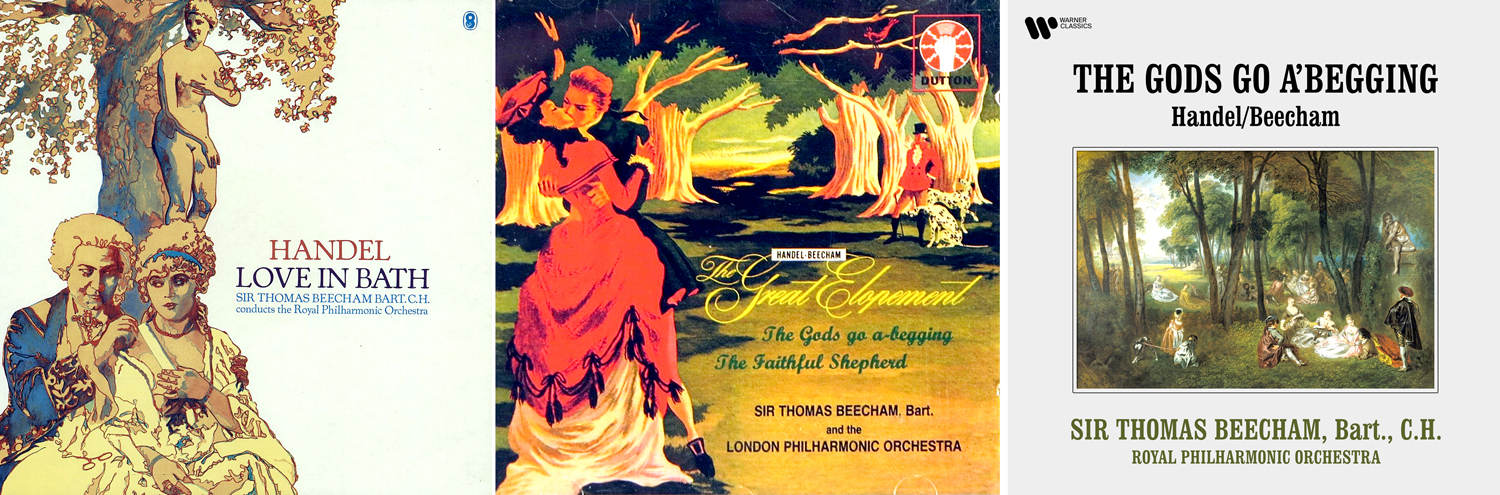
He began with The Gods Go a’Begging in 1928, then The Origin of Design (1932), The Faithful Shepherd (1940), Amaryllis (1944), The Great Elopement (1945) and finally, Love in Bath (1956). They often varied each time he presented them, changing suite movements according to his pleasure each time they were programmed. 

The other popular champion of ancient music was Ottorino Respighi, who made popular hits out of Renaissance and Baroque lute and keyboard music, most famously in his three suites of Antiche danze ed arie (“Ancient Airs and Dances”) which he wrote from 1917 to 1931. They remain popular in concert and have often been recorded. It’s hard not to love them and whistle the tunes for the rest of the day. 
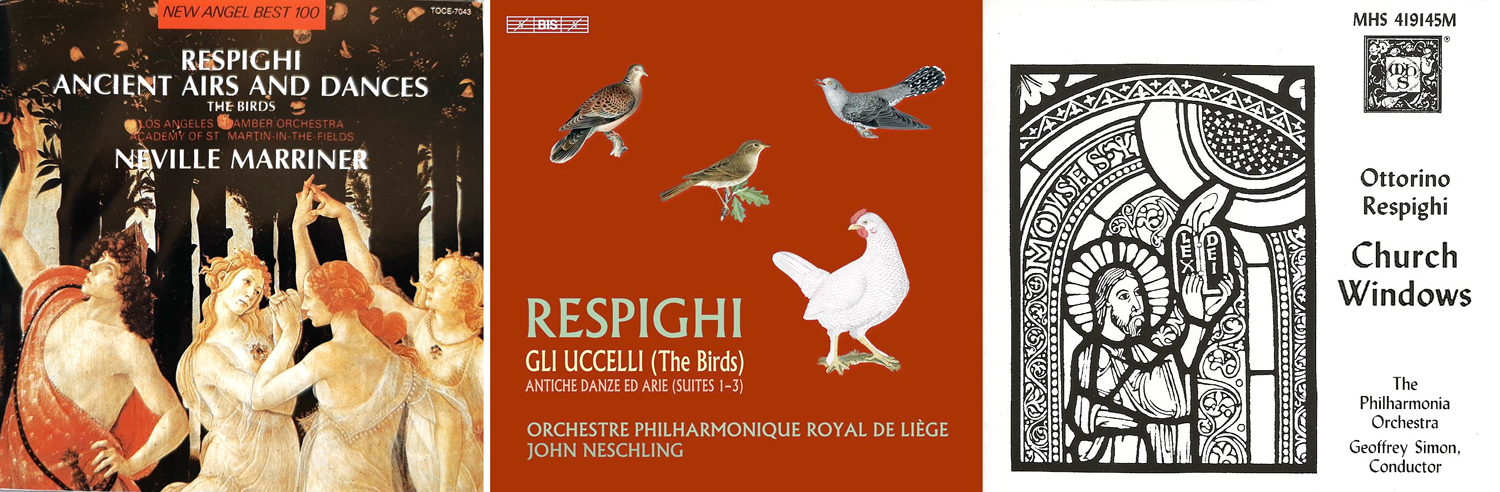
Then, there’s Gli Uccelli (“The Birds”) from 1928, in which Respighi orchestrated keyboard pieces by early (mostly) Italian composers from the 17th and 18th centuries. And Vetrate di chiesa (“Church Windows”) from 1926, based on Gregorian chant and plainsong. 

Richard Strauss wrote two suites updating and orchestrating keyboard music by François Couperin. First, Tanzsuite (“Dance Suite”) from 1923, consisting of eight movements, and then Divertimento, from 1942, with 25 keyboard pieces arranged in eight movements. 
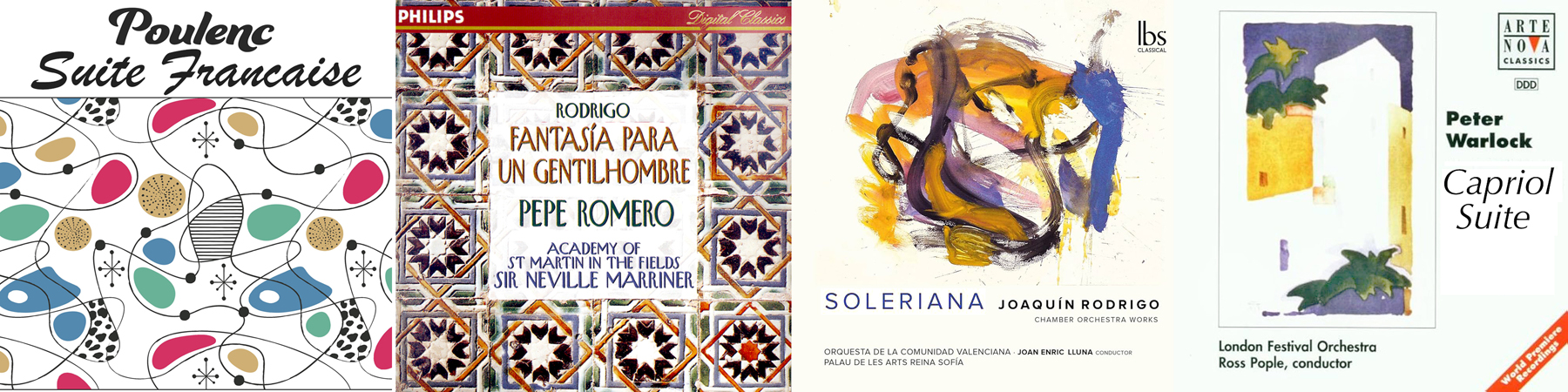
In 1935, Francis Poulenc wrote a suite for wind band, called Suite Français, using the tunes of 16th century composer Claude Gervaise. 

And among the most popular pieces from the 20th century was a four-movement guitar concerto, based on six compositions by the 17th century Spanish composer Gaspar Sanz. It was written in 1954 by Joaquin Rodrigo and titled Fantasia para un Gentilhomo (“Fantasy for a Gentleman”) Dozens of guitarists have recorded it. 

Rodrigo also put together an eight movement suite called Soleriana, orchestrating the harpsichord music of 18th century composer Antonio Soler. I had a hard time tracking down a recording, but I found one and have to say it was just as catchy and memorable as the Fantasia

Finally, among works of this kind, I should mention Peter Warlock’s Capriol Suite, built, according to the composer, on tunes in Thoinot Arbeau’s Orchésographie, a manual of Renaissance dances. 
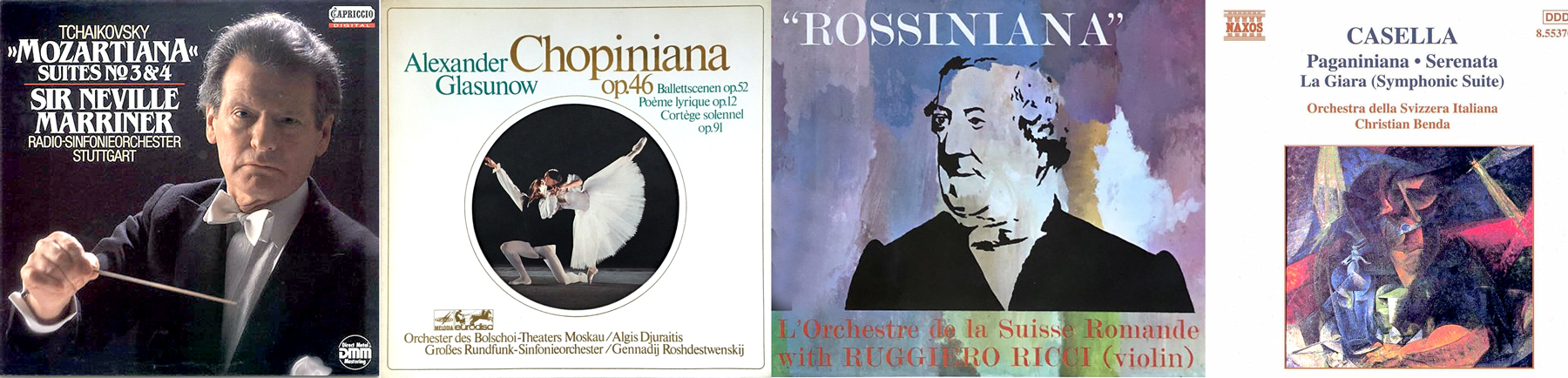
But all this rewriting and modernized orchestration wasn’t only applied to antique music. There’s plenty of 19th century music that gets reworked, usually to accompany a ballet. And a lot of them get named some form of “ianna.” Like Mozartiana, Rossiniana, Paganiniana, Soleriana, and Offenbachiana. (Not to mention Bachianas Brasileiras, but that’s another thing.)

Gioachino Rossini wrote 39 hugely profitable operas by the age of 39. Then, in 1832, he retired to live comfortably for the next 40 years. But starting in or about 1857, he began writing short pieces, songs, piano works, choral works — some 150 of them — meant for friends and family and never intended for public performance. He called them his Péchés de vieillesse – “sins of old age.”
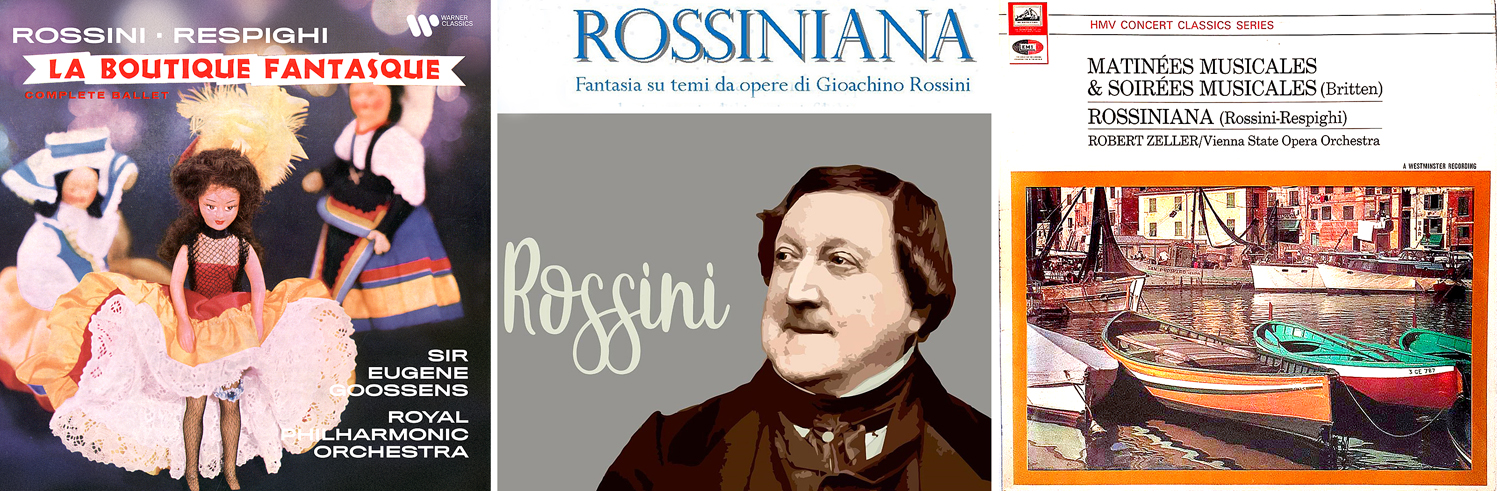
In 1918, Respighi orchestrated nine of these “sins” for a ballet, La Boutique Fantasque. It remains enormously popular with dozens of recordings. Later, in 1925, he dove back into the collection to “freely orchestrate” his Rossiniana

Benjamin Britten used bits from Rossini’s late works for his Soirées Musicales from 1937, and later, his Matinées Musicales from 1941. 

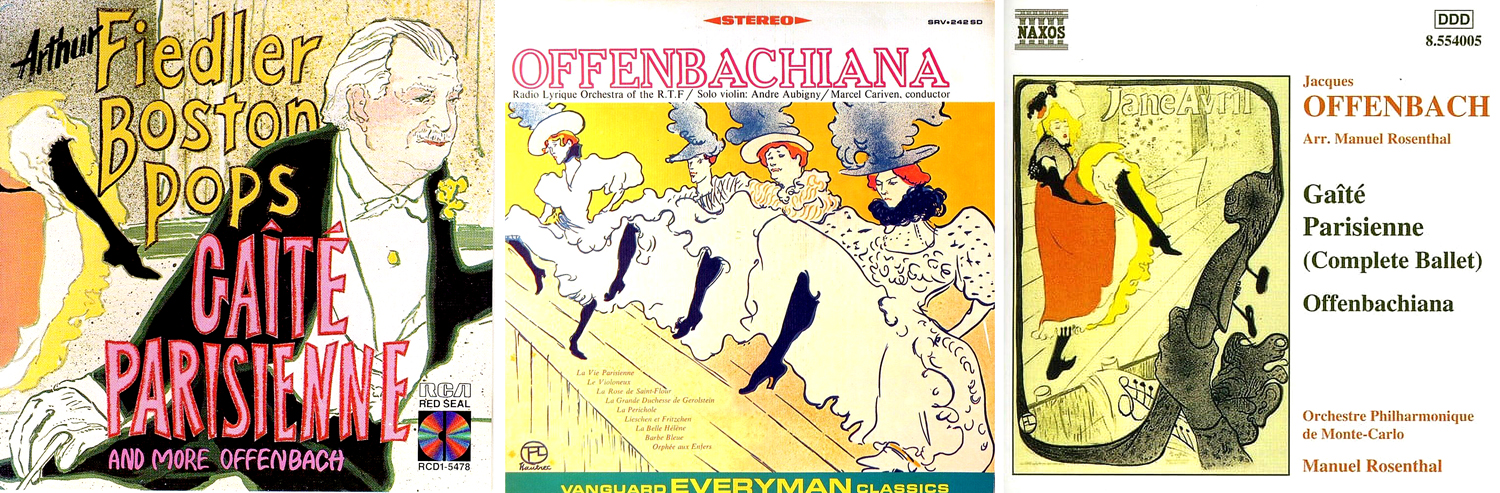
Strangely by default, French composer Manuel Rosenthal was tasked with selecting and orchestrating music by operetta champion Jacques Offenbach for a Massine ballet, Gaité Parisienne, in 1938. It remains popular in concert. Then, in 1953, he dipped once more into the well for Offenbachiana

But let’s face it, this becomes a rabbit hole: There are endless workings and reworkings of music, turning piano pieces into orchestral showpieces, or chamber works into ballets. I should mention just a few of the most famous or popular. 

Maurice Ravel took Modest Mussorgsky’s Pictures at an Exhibition and did such a number on those short keyboard works, that some people are shocked to discover they weren’t originally written for the orchestra. 

Leopold Stokowski made a career of turning Bach organ works into hyper-lush symphonic showpieces. (He was also not shy about changing around, cutting, or adding cymbals or tam-tam crashes to established symphonies.) 

Arnold Schoenberg decided to orchestrate Brahms’ G-minor piano quartet because, he said, “1. I like the piece; 2. It is seldom played; and 3. It is always very badly played, because the better the pianist, the louder he plays, and you hear nothing from the strings. I wanted once to hear everything, and this I achieved.” He was also commissioned to do it by L.A. Phil conductor Otto Klemperer, where it was first played in 1937. 
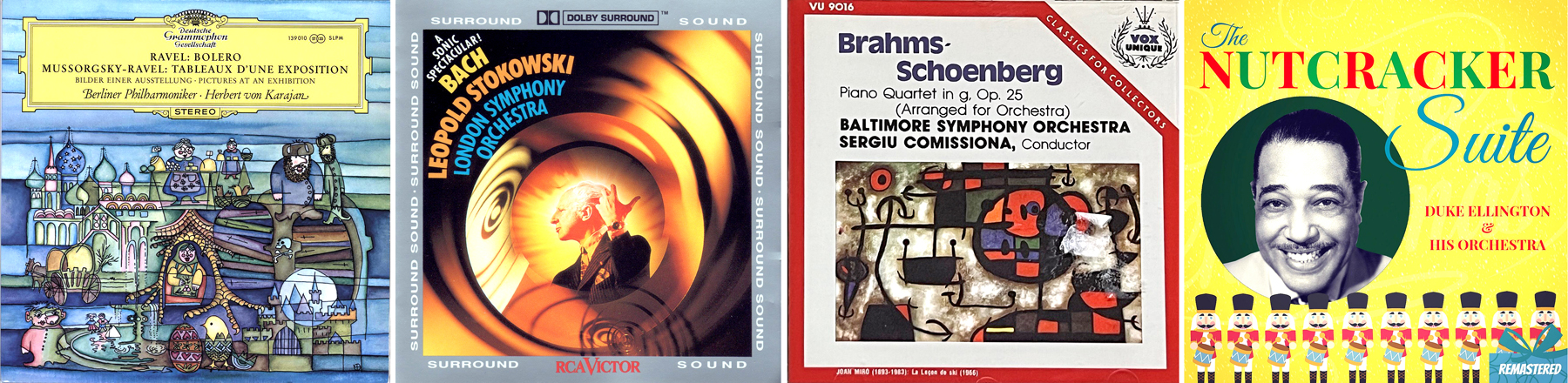
And finally, I should mention Duke Ellington, who recorded his jazz-orchestra versions of both Tchaikovsky’s Nutcracker Suite, and Grieg’s Peer Gynt Suite. Both hugely fun. 

It never ends. Kismet, a broadway musical with songs borrowing tunes by Borodin. A nearly infinite number of variations by a nearly infinite number of composers on Paganini’s 24th Caprice for solo violin. All those “Reminiscences” of various operas for solo piano by Franz Liszt. Charles Gounod’s Ave Maria built on top of Bach’s C-major prelude from the Well Tempered Clavier.  Franz Waxman’s Carmen Fantasie. Paul Hindemith’s Symphonic Metamorphoses on Themes by Weber

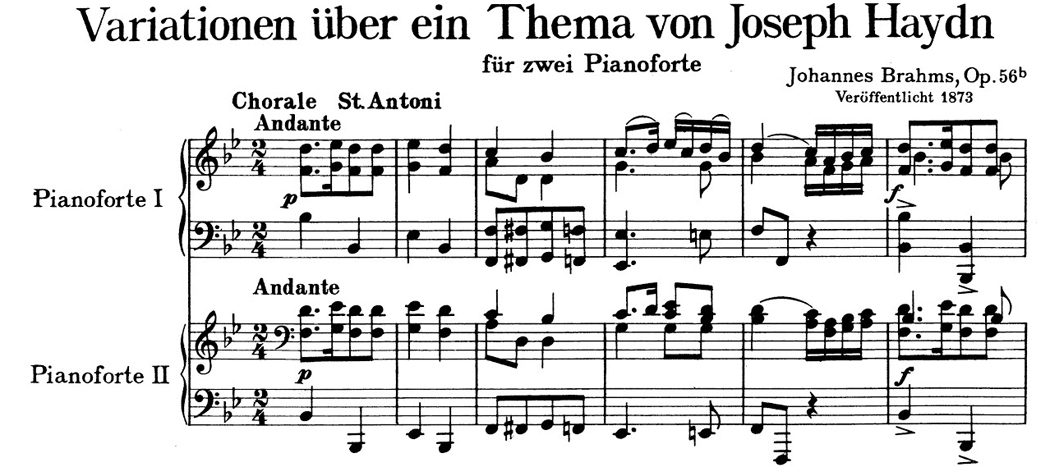
And let’s not leave out Brahms’ Variations on a Theme by Haydn, which was on a theme Haydn had borrowed in the first place. He didn’t write it. 

A quick check of Wikipedia lists hundreds, perhaps thousands (too many for me to count and still have a life) of “variations on” or “hommage to” or quotations from or transcriptions of orchestral music for home piano, or vice versa, piano music turned orchestral. No Haydn, no Beethoven, no Beethoven no Wagner, no Wagner, no Schoenberg, no Schoenberg, no  Lutosławski. Piles on piles. 

So, this idea that anything Postmodern is new needs to be chucked out the window. Postmodernism is a catchall phrase, with rather more meaning in architecture than in art or music. After all, we’ve been feeding on the past since the beginning. 
I have been listening seriously to classical music since 1965, and I have attended hundreds of concerts and recitals since then. Most of those were enjoyable, well-played, musical and provided emotional nourishment, yet almost every one was ultimately digested and forgotten. How could it be otherwise? It takes an exceptional performance to register permanently on the psyche, so that, even 60 years later, they are still resonant in the memory. Now that I am 77, I think about them again. 

I grew up in a household with very little music, outside of watching Perry Como or Dinah Shore on the TV. But my high school girlfriend was a musician. She was studying bassoon with Loren Glickman, the man who played the opening notes of The Rite of Spring on the recording conducted by Igor Stravinsky. (She later studied with Bernard Goldberg, primary bassoonist with the Philadelphia Orchestra — she was the real deal). She later went on to work with both PDQ Bach and Philip Glass. 

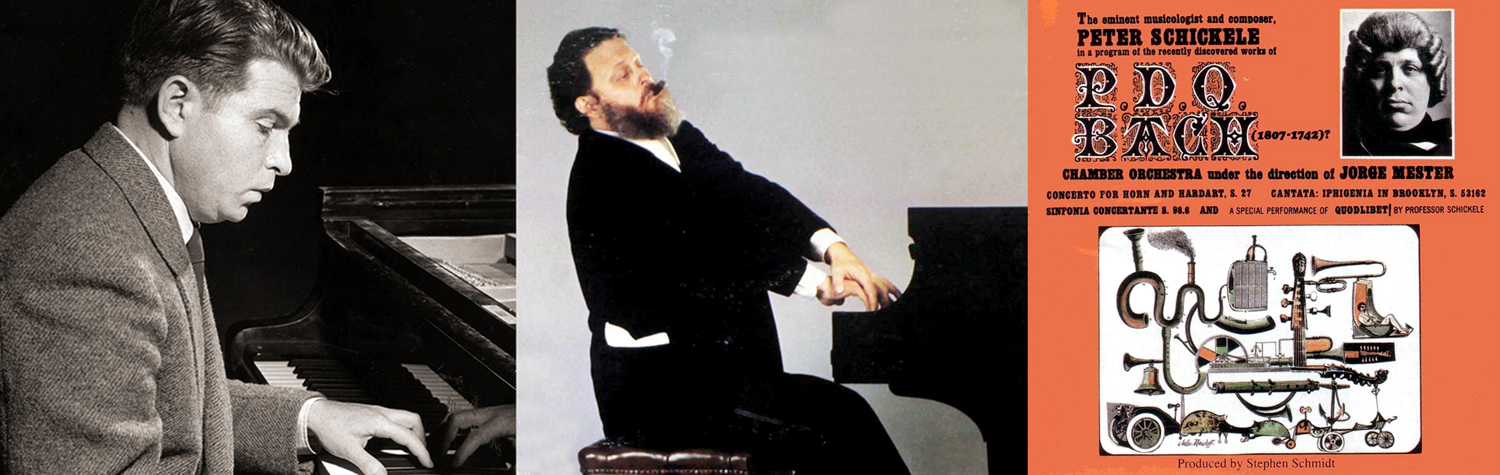
She and I often took the bus into Manhattan to attend concerts. We heard Emil Gilels play the Liszt sonata at the Brooklyn Academy of Music and we went to the very first PDQ Bach concert at Carnegie Hall, hearing both the Concerto for Horn and Hardart and the cantata, Iphegenia in Brooklyn. (For about 20 years after that I went to at least one PDQ Bach concert each year, no matter where I was living). But most of all, we went to the New School concerts led by violinist Alexander Schneider. Tickets were $3 and we could afford them. 

And on Christmas Eve, Schneider held an annual midnight concert which allowed me to escape to New York and avoid the boring evenings with my coffee-drinking repressed Norwegian aunts and uncles. 

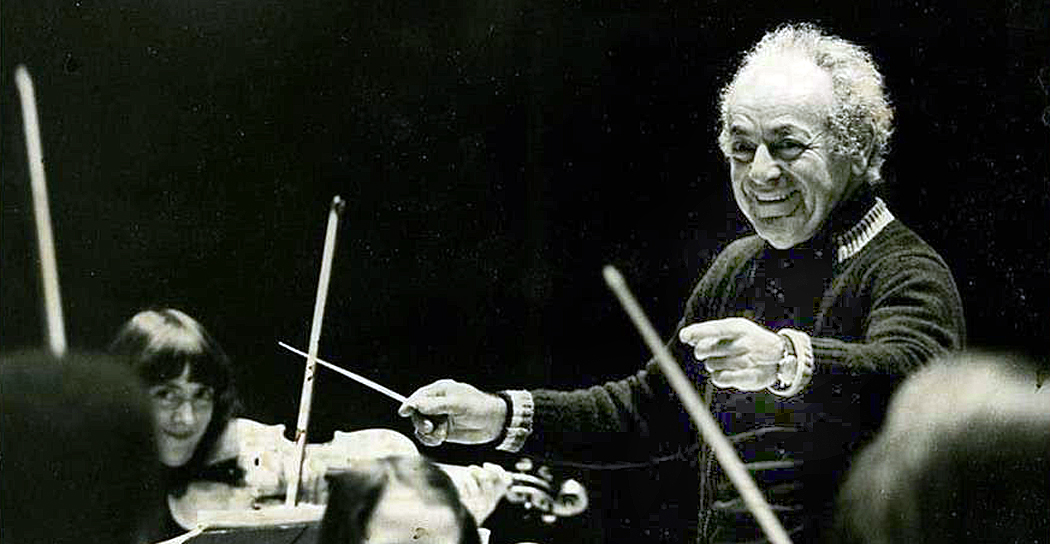
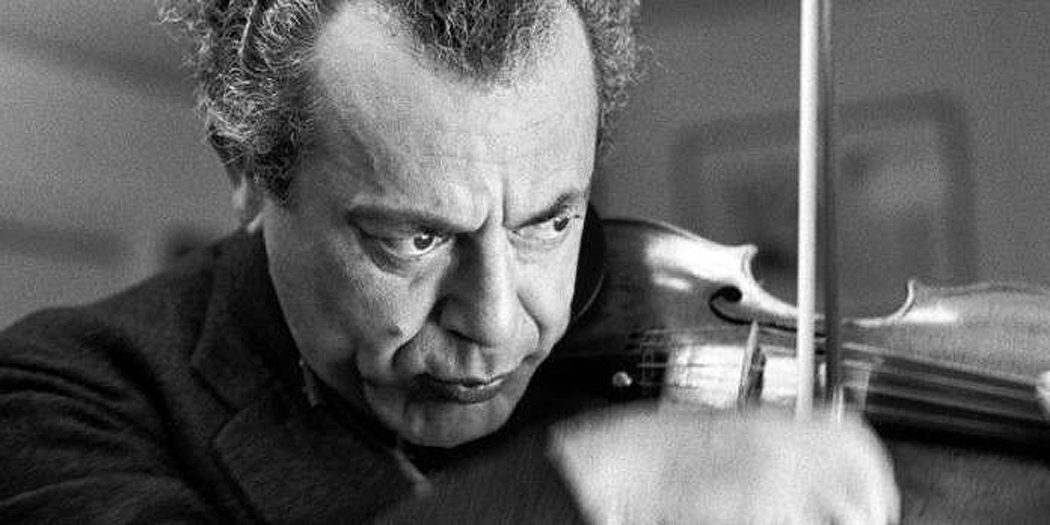
Schneider has always remained my ideal of committed musicianship. He led his chamber group from his seat, with his leg wrapped around the chair leg like the serpent of a caduceus, leaning forward into the music with the intensity of a man defusing a bomb. The music was always exciting. (To this day, I seek out the rare Schneider recordings, such as his Handel op. 6 Concerti Grossi and his Haydn quartets. Schneider was a force.)

New York Times critic Howard Klein wrote about Schneider at the time, “… the playing was that rare ideal of single-mindedness, give-and-take, technical polish and heart. There were a few slides to Mr. Schneider’s melodic playing, just enough to remind one of his romantic tradition. Some scholars might object to the rhythmic liberties that were taken, those marvelous pauses, the slackenings of pace, then the eager striding forth into a fugue, or slipping into a dance rhythm. But this was not romantic Handel, just human warmth. As usual, Mr. Schneider was totally consumed with playing, putting his back into every bow stroke and exhorting the others from his chair to join in the fun. Mr. Schneider is one of the city’s most valuable musicians.”

To this day, Schneider remains my touchstone. 

I owe a lot to that first serious girlfriend, but high school romances notoriously don’t last, and this one didn’t, but the music did. I became a serious classical music junkie, going to concerts, recitals, chamber music, and buying endless reams of LPs, tapes and CDs. 

Shelly and Benny

In my college years, most of the music I heard, at Greensboro Symphony concerts, under first Sheldon Morgenstern and then Peter Paul Fuchs, was what you would expect from a community orchestra, although I was still happy to hear the music live. I also heard Benny Goodman play the Weber Clarinet Concerto in F-minor there (and after intermission, play the rest of the evening with his jazz trio). 

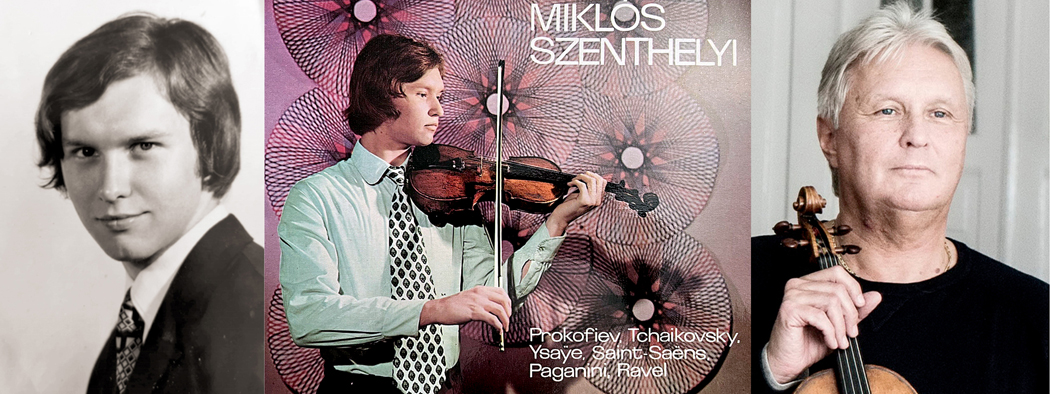
Morgenstern became director of the Eastern Music Festival held each summer at Guilford College in Greensboro, where I was a student, and I heard some world-class soloists come to play with the festival orchestra. The Hungarian Wunderkind Miklos Szenthelyi played the rarely heard Bartok First Violin Concerto and I fell in love with it. Szenthelyi was the most dignified soloist, with the most erect posture I’ve ever seen and played like the music was the most important ever written. It was wonderful. Szenthelyi is now the elder statesman of Hungarian violinists. It has been that long. 

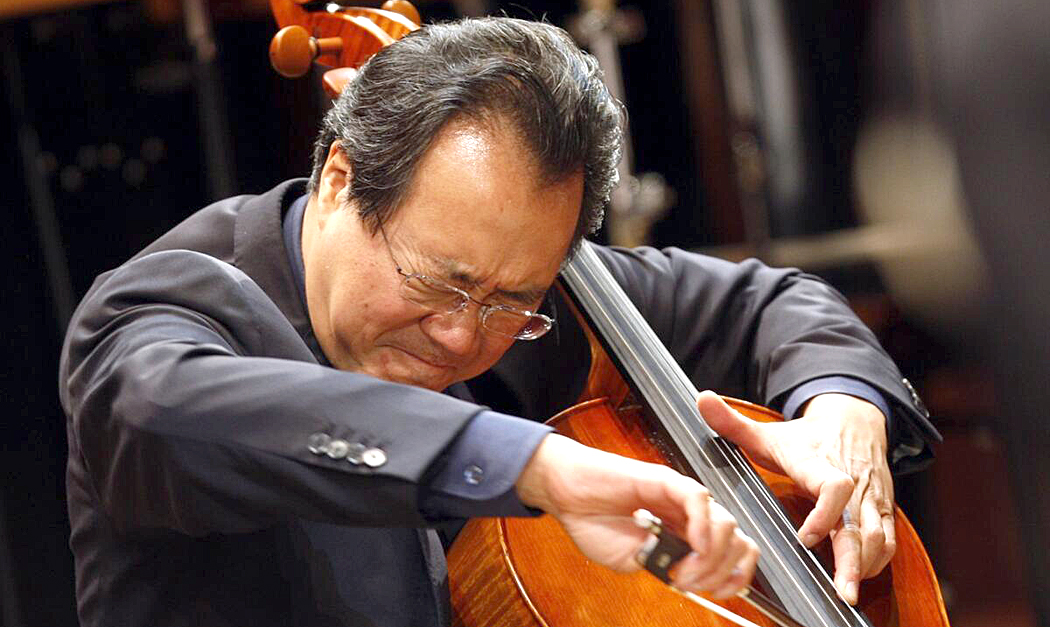
Beyond the EMF, one concert stands out from that time. A still-teenage Yo-Yo Ma played both Haydn concertos with the High Point Symphony, one before intermission and one just after and the tunes became ear worms for weeks. Yo-Yo Ma has been a constant ever since, and I have heard him live over and over throughout my concert-going life. 

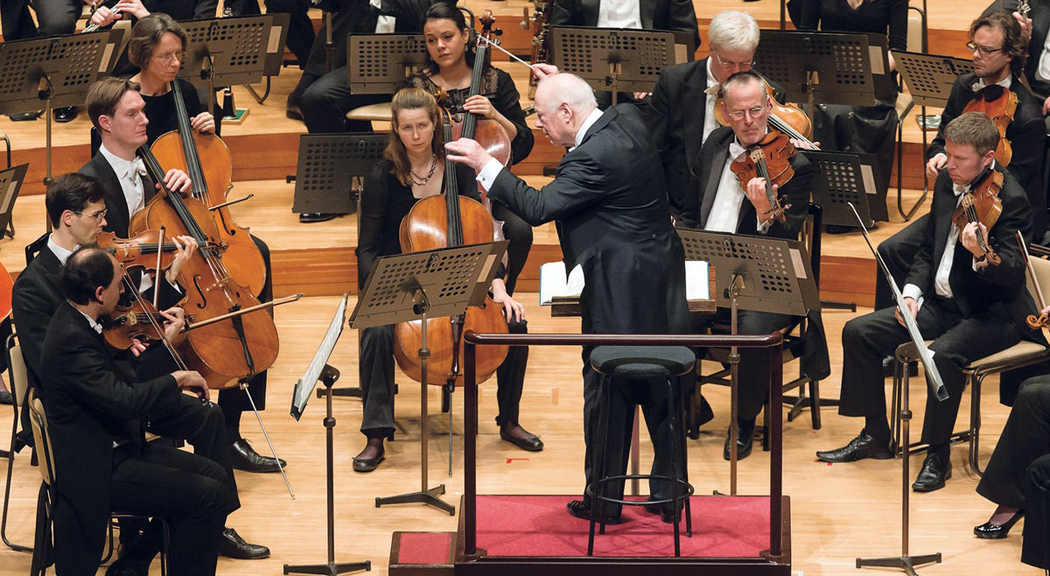
Over the next decades, I moved around quite a bit, often with low-paying jobs, or none at all, and could not often afford tickets. But I still managed to hear Bernstein and the New York Phil play La Mer, and later the same orchestra under Kurt Masur play Schoenberg’s Transfigured Night and Beethoven’s Eighth Symphony. Masur had a reputation as a mere Kappelmeister, a time-beater, but he played Beethoven’s smallest symphony as if it were a tiger as big and muscular as the Fifth. I was surprised and blown away. Ever since, I have had greater respect for the power possible to be found in the Eighth. 

Haitink and the LSO

There is a class of musician whose recordings have a reputation for being bland, but hearing live, they take the chances they never do for records. Masur was one. Bernard Haitink was another. All the CDs I had of Haitink were safe and, while well-played, were kind of boring. But then I heard him with the London Symphony at the Salle Pleyel in Paris playing the Eroica with all the fire and passion that could be wrung from the piece. Completely changed my mind about the Dutchman, although it didn’t make the CDs better.

I have to admit that my cherished Yo-Yo could be that way, too. Not that his recordings are bad or boring, but they never capture the buzz and excitement of hearing him live, where he is electric. I heard him playing the Dvorak concerto in Phoenix and I was in tears, almost shaking with emotion after hearing it. It was one of the greatest concert performances I ever attended. His recording of the concerto is really good, but nothing like the live beast. 

He has recorded the Bach cello suites three times over his career. The first two are dependable, even excellent, but I’ve heard him doing them live several times and the metaphor again shows up: Played with the intensity of someone defusing a bomb. In his third recording of the six suites, he finally got something of that adventurous power into the CD. 

In Seattle, I got to hear the Berlioz Requiem, a piece, because of its logistical demands (expanded orchestra and chorus, four extra brass bands at the four corners of the hall and eight tympani blasting away) I never expected to hear live. It may not have been the best performance of the piece ever, but it yanked my hair back. In the late 1970s, when I lived in Seattle, my regular date was a former professional violinist, turned bicycle messenger, and we went to many concerts together. Unfortunately, although we were good friends, she played for the other team. 

By the late 1980s, I was living with my late espoused saint in Phoenix, Arizona, and was the art critic for the major daily newspaper, and later became to classical music critic as well. When you don’t have to pay for your tickets, you get to go to a lot more music. And I heard some great music, not only from local Arizona musicians and from touring groups, but because the paper sent me all over the country, I got to hear music in Los Angeles, New York, Chicago, Boston and Philadelphia (and Boulder, Colo., too). 

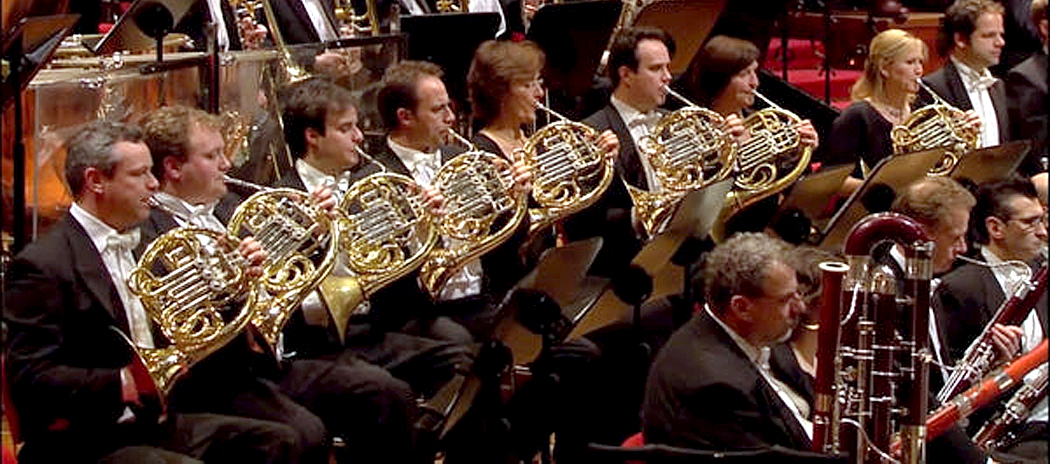
One of the most unforgettable experiences was hearing the Philadelphia Orchestra under Wolfgang Sawallisch play Richard Strauss’ Don Juan. If I ever needed to be persuaded that live music offers something recordings cannot, it was the great horn call in Don Juan, when eight French horns sound off in unison and one doesn’t just hear the sound in one’s ears, but vibrating through the fundament: It was music with a physical presence of a brick wall. No recording can capture that shudder. You have to be there. 

I heard Maurizio Pollini in LA playing a first half of all the Chopin Preludes and a second half doing Stravinsky’s Two Scenes from Petruschka (with an intermission of over an hour while, from the lobby, we heard a piano being tuned to his satisfaction in the emptied hall) and ending with the Prokofiev Piano Sonata No. 7. That was the single most daunting program I had ever heard up to that point. 

At least until I heard pianist Jeremy Denk at Zankel Hall, part of Carnegie Hall, when the first-half of the recital was Charles Ives’ Concord Sonata and the second half Beethoven’s Hammerklavier — two of the longest and most difficult pieces in the repertoire. He then re-played the “Hawthorne” movement of the Concord Sonata as an encore. His fingers must have been bloody stumps after all that. 

I later heard Denk in Scottsdale playing Beethoven’s Eroica Variations, and showing their comic side, and several Ligeti etudes, showing that composer was more than the film score to 2001: A Space Odyssey

Some of these memorable cases come in pairs, like the Denk’s. 

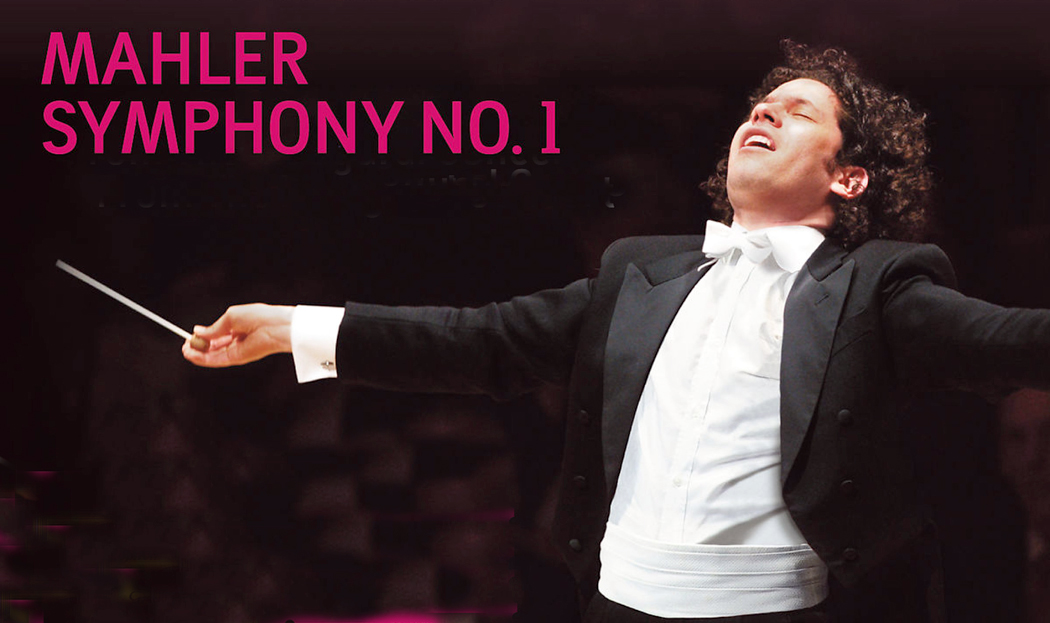
At Carnegie Hall, I heard the Israel Philharmonic play the Tchaikovsky Fourth Symphony under Gustavo Dudamel, and it was pure magic. The 80 or so old Israeli pros were turned back into teenagers by the young enthusiasm of the Dude. They played their hearts out for him. At the end, Dudamel did not take the customary audience bows, but ran up into the orchestra, shaking the hand of every musician, making them all stand up and accept the applause. 

Later, with the LA Phil, I heard him lead the Mahler First. These were two of the greatest orchestral concerts I ever heard. 

One might expect great sounds from these orchestras, but two of the best live performances I have under my belt came from the Phoenix Symphony and its concertmaster Steven Moeckel, under the direction of Music Director Michael Christie. Moeckel played the greatest version of the Beethoven Violin Concerto I ever heard live, perfect in every expressive detail, and powerfully emotional. I was so blown away that I came back the next night to hear it again, but the magic had passed. It was a very fine performance, but not the same. You are not allowed back into Eden. 

Several times, I had lunch with Moeckel and we talked of many things. He mentioned that he had always wanted to play the Elgar concerto, a piece I didn’t know, having always thought of Elgar as a stuffy English imperialist. But he persuaded Christie to let him do it, and I was transfixed and realized how much I had been missing all my life. The Elgar Violin Concerto is one of the five or six greatest ever written, up there with Beethoven, Brahms, Sibelius, Tchaikovsky, Berg, and Mendelssohn. And Moeckel’s performance couldn’t have sold it any better. It changed my musical life. 

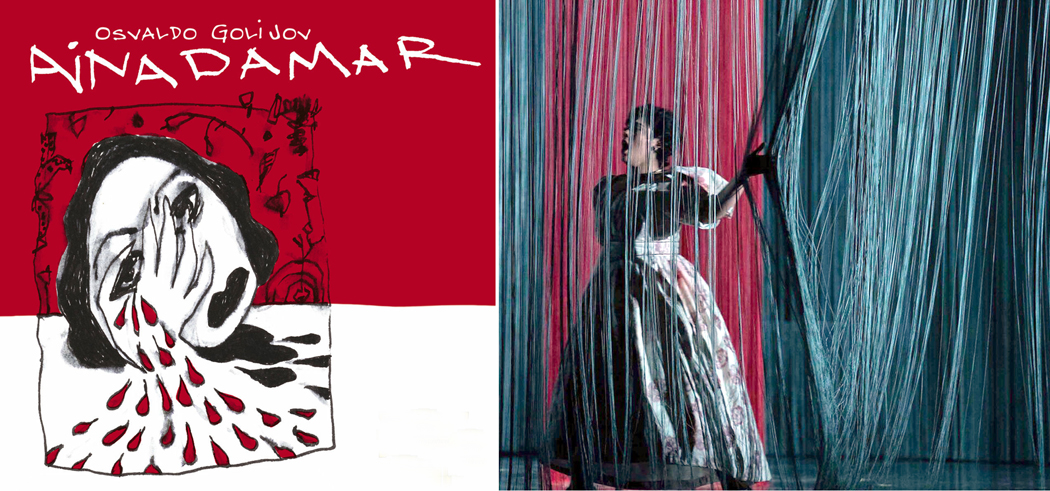
Then, there were two concert opera performances by the Phoenix Symphony and Christie. They engaged Dawn Upshaw to sing in Osvaldo Golijov’s Ainadamar, about the death of Spanish poet Gabriel Garcia Lorca at the hands of the Fascist forces of Franco. 

As the music critic for The Arizona Republic, I often had issues with conductor Michael Christie over 19th century classics — Christie had not a Romantic bone in his body — but he was brilliant with contemporary music. I fell in love with Golijov’s eclectic style.

And Christie led a great semi-staged version of John Adams’ Nixon in China, one of the rare contemporary operas to make it into the mainstream repertoire. What a great piece, and the Phoenix Symphony played the daylights out of it. 

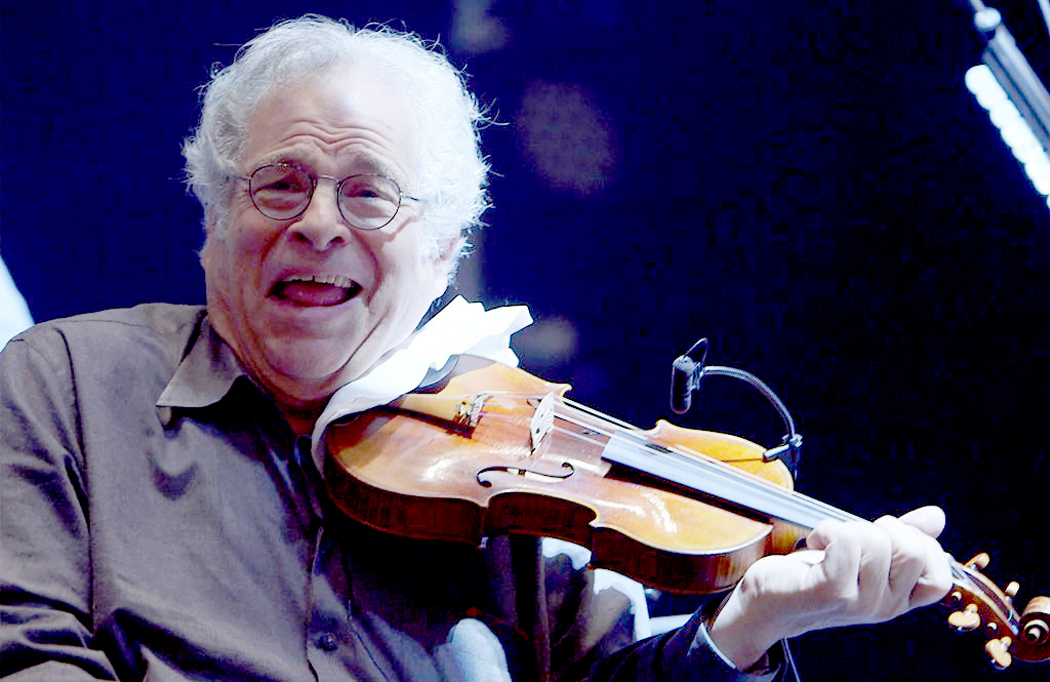
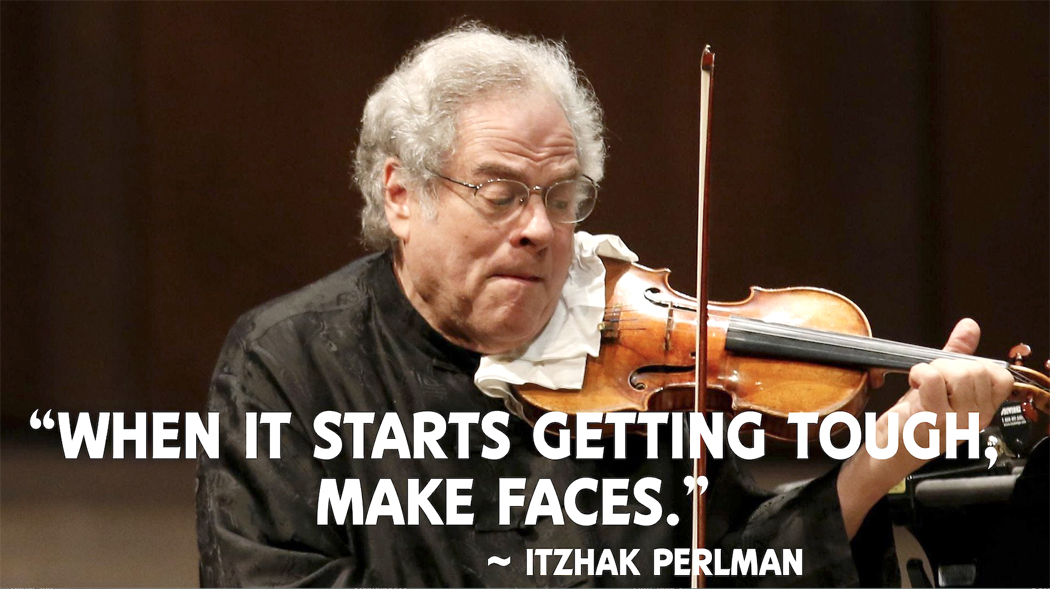
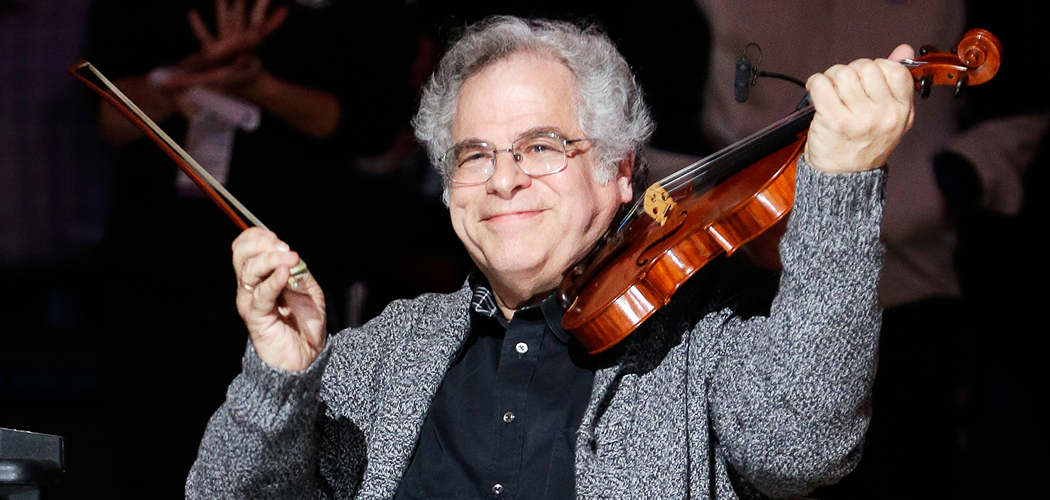
Twice I heard Itzhak Perlman give recitals in Mesa, Ariz. and each time the same thing happened. He opened with a slight sonata, at the first recital a Bach sonata for violin and keyboard and at the second, one of the op. 12’s of Beethoven. I don’t remember which exactly. Perlman played them expertly and even brilliantly, but he just didn’t seem all that involved. I thought, Oh, he’s playing for the boonies and just phoning it in. 

Then, the second piece on the program he played like the Greatest Living Violinist, with all the deep engagement, excitement and power anyone ever had. I realize those first pieces were just warm-up. In one recital, it was Beethoven’s “Kreutzer” Sonata and in the other, it was the Strauss Violin Sonata, a piece generally ignored as turgid and overlong, one of the composer’s less inspired works. Well, not when played by Perlman: This was one of the great musical experiences of my life. Geezus! Who knew this was really great music? If I ever had any doubts about Perlman, I lost them completely. 

Of course, all that makes up for after intermission, when Perlman puts on his embarrassing Borscht Belt act. The program just says, “selections to be announced from the stage,” which means the violinist plays a series of short schmaltzy pieces once played by the likes of Fritz Kreisler, Ole Bull or Bronislaw Huberman, catchy virtuoso show-off pieces that once fit on a single side of a 78rpm record: Hora Staccato, Liebeslied, Salut d’Amour. And worse, Perlman spends even more time with a pile of dad jokes and cornball puns, as if he really wanted to be a baggy-pants vaudeville comedian rather than a great fiddler. A comic he is not. I shoulda left at intermission with the warm memory of the Strauss still in my mind. 

Finally, I want to mention three pianists I heard, whose appearances have permanent real estate in my psyche. 

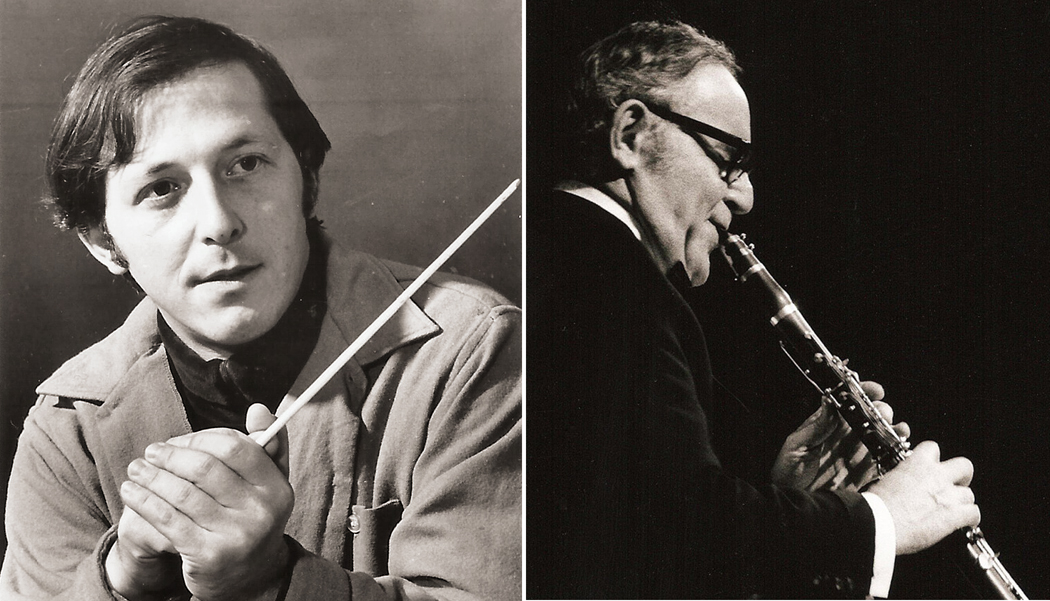
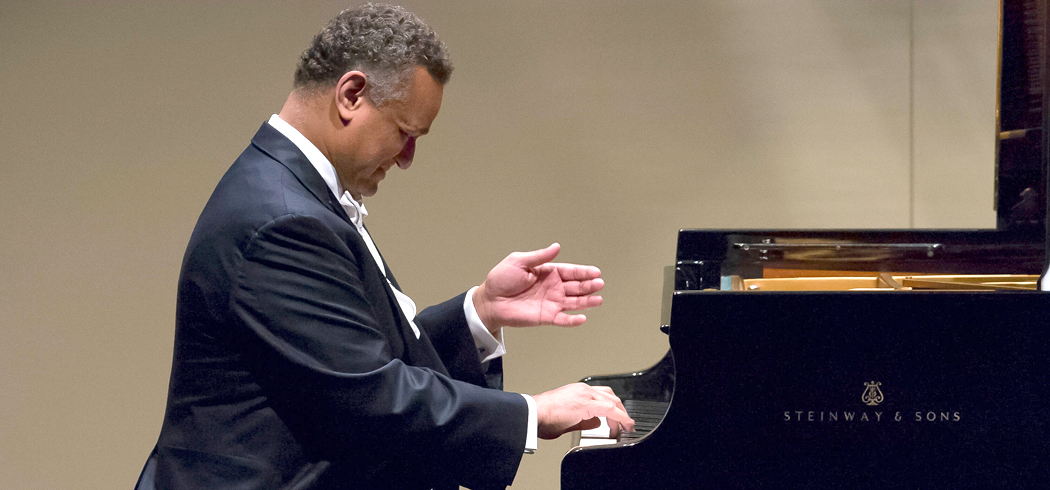
The first is Andre Watts, who I heard several times, but once at the Scottsdale Center for the Arts playing the same Liszt sonata I heard Gilels play at the beginning of my listening life. This time, I understood what I was hearing, and watching Watts’ fingers on the keys, dancing and pouncing. It was a wonderful, performance of clarity and power. 

Second, quite different, was Olga Kern playing the Rachmaninov Paganini Rhapsody with the Phoenix Symphony. It is clearly a 20th century piece, but often played as if it were late Romanticism, like his famous concertos. But it is an ironic masterpiece, and Kern played it with such lightness and humor that it was reinvigorated. And the audience gasped at the audacious ending when Kern began standing up even before knocking out the last cadence as if it were an afterthought. Yes, it was a coup de theatre, but it worked and perfectly summed up the tone of the piece as she played it.

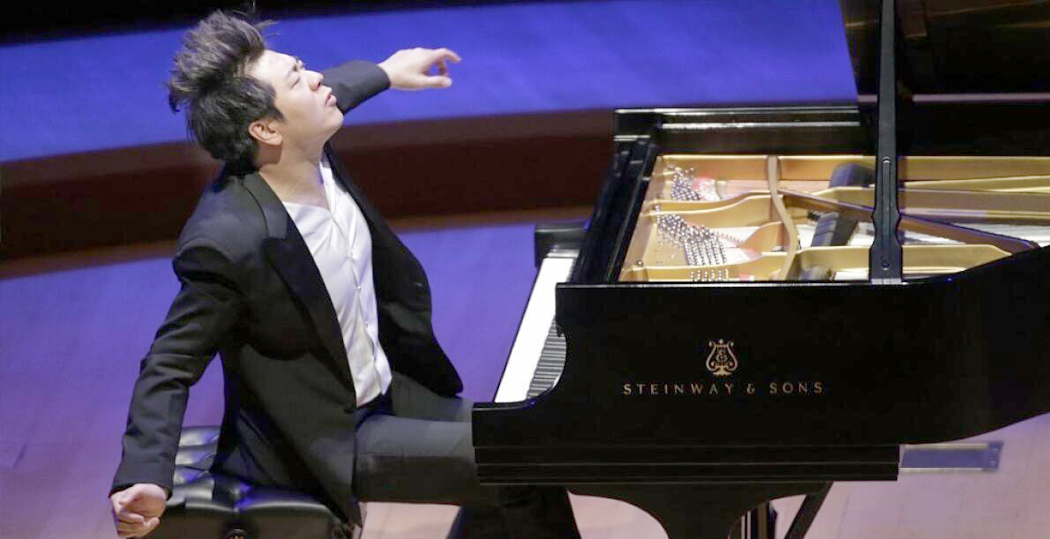
And third, a problem performer. You never know what you’re gonna get with Lang Lang. He is often seen as a flashy product of PR and promotion, and doesn’t help himself by often showing off and posturing for audiences, making faces as he stares at the ceiling and waving his arms around. I’ve heard Lang Lang live four times and sometimes he is very good and earns his credit, and sometimes you just wanna slap him. But one time, he played the first Chopin concerto with the Phoenix Symphony and time stopped still for the entire slow movement. Dead still. The world disappeared. Eternity opened up. It cannot be played better or more affectingly than Lang Lang did it that evening. I am forever grateful for what he gave me — one of the greatest performances I ever heard. 
Of course, the next time he came to town, it was the other Lang Lang who showed up. 

David Attenborough on Desert Island Discs with host Kirsty Young in 2012

One of the longest running radio shows is Desert Island Discs, which has been on the BBC since 1942. It is often said to be the second longest-running radio show after the Grand Ole Opry, which cranked up in 1925, although a few critics have discovered some obscure programs in foreign climes that may have been on longer, and there’s also the British Shipping Forecast which began in 1861, before radio was even invented, and first disseminated via telegraph before switching to radio in 1924. 

On Desert Island Discs, prominent people, whether politicians, entertainers, sports stars or academics, are asked to choose eight recordings they would take with them to the proverbial desert island, and place them in the context of their lives. Since the 1950s, they have also been asked to name a book, other than the Bible or Shakespeare, they would also take, and later still, adding on a “luxury item” they couldn’t live without. 

Nearly 4,000 episodes have been broadcast, with some predictable results. The music most often mentioned is Beethoven’s Ninth Symphony, and the luxury item most chosen is pen and paper, or “writing materials,” although Tom Hanks specifically mentioned “a Hermes 3000 manual typewriter and paper.” 

Many of the archived broadcasts can be heard from various online sources, and you can learn, for instance, that Alfred Hitchcock’s book choice was Mrs. Beeton’s Household Management, and his luxury item was “a continental railway timetable.” Some of the choices were equally eccentric. Oliver Reed wanted Winnie-the-Pooh to read and “an inflatable rubber woman.” Actress Janet Suzman wanted a “mink-lined hammock,” and Hugh Laurie asked for an encyclopedia and “a double set of throwing knives.” His long-time double-act partner Stephen Fry wanted a PG Wodehouse anthology and a “suicide pill.” 

My favorite, so far, is John Cleese, who asked for Vincent Price’s cookery book and “a life-size statue of Margaret Thatcher and a baseball bat.” 

One of the inevitable by-products of such a format is the urge to create your own list. And so, I have my own. 

I grew up in New Jersey in a family largely indifferent to music. What music there was came on TV in such variety shows as Perry Como or Dinah Shore. When I was little, there was a small portable record-player on which I played children’s songs, but I don’t count any of that. “Fire, fire, fire, raging all about. Here come the firemen to put the fire out.” 

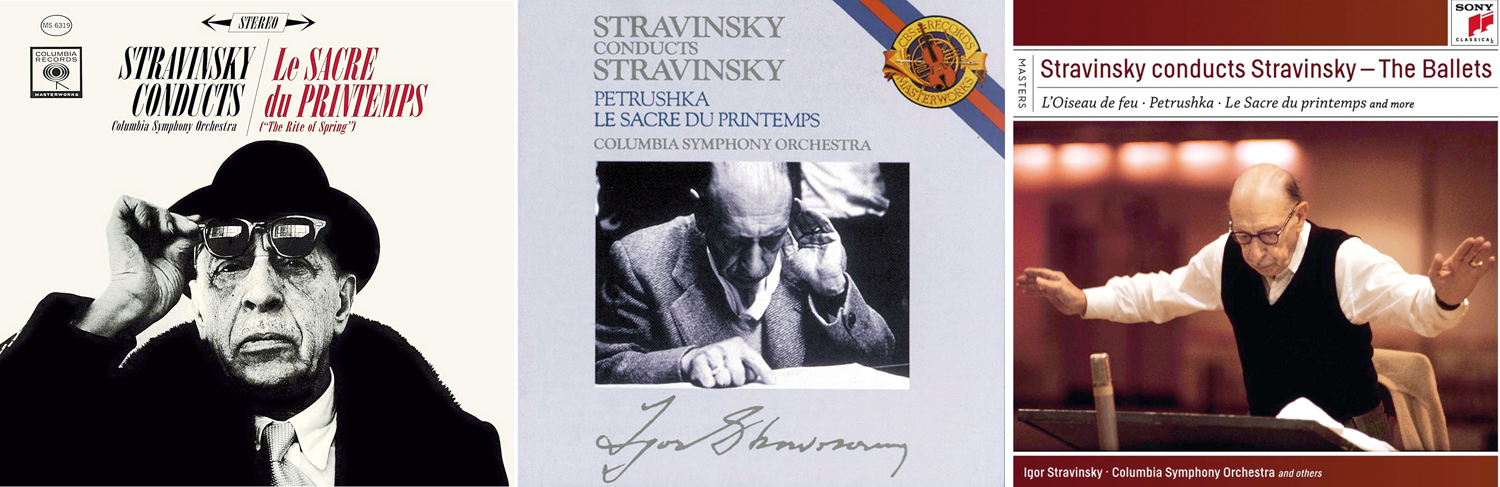
My musical education began in high school when my first serious girlfriend played music on the phonograph while we spooned on the sofa in her parents’ house. She went on to become a professional bassoonist and was studying at the time with Loren Glickman, who played the difficult opening bassoon solo on Igor Stravinsky’s recording of his Rite of Spring. I hadn’t known such music existed. It was mesmerizing. Who knew it was great make-out music? And so, that is my first choice for my desert island disc. 
There have been hundreds of other recordings of that music, and a few, perhaps, more exciting or primitive than the composer’s own, but that recording has never been out of print and comes in many versions, from LP to 8-Track to CD and now, streaming. As an introduction to classical music, I could hardly have done better — dive into the deep end. 

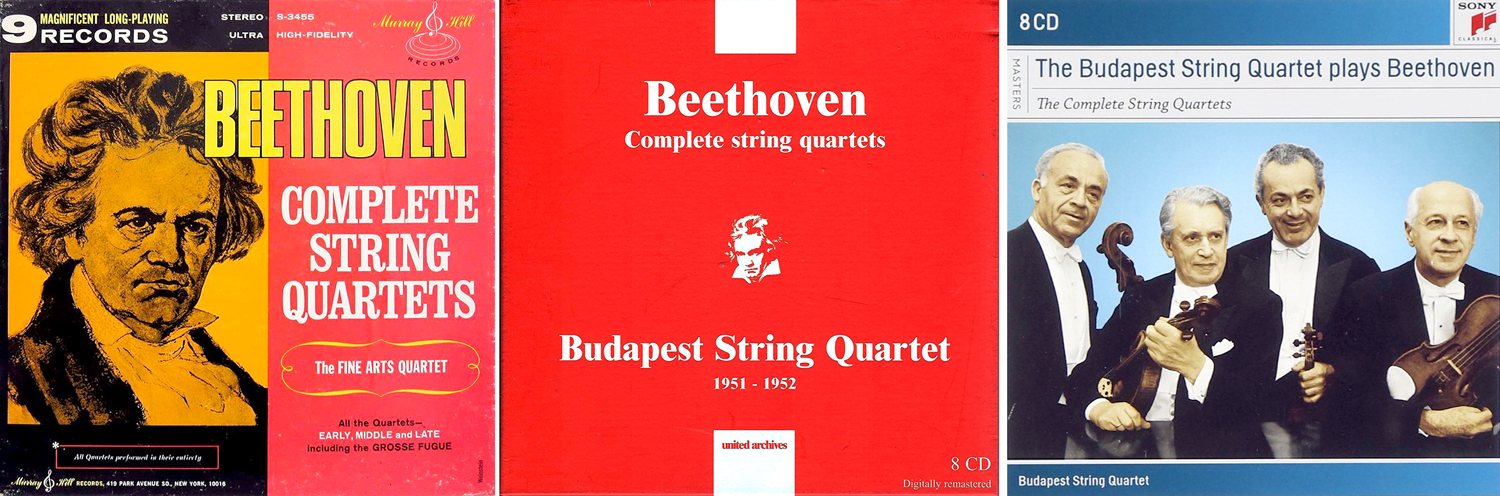
When I got to college in North Carolina, I made the acquaintance of Alexander Barker, who has remained my best friend for 60 years. He was as enthusiastic about classical music as I was and we spent hours in our dorm rooms spinning LPs and introducing each other to music that was our favorites. We were, of course, very serious about great music, as only college students can be, but we knew Beethoven’s string quartets were as serious as you could get. I bought a budget-line set of the quartets, by the Fine Arts Quartet on the off-brand Murray Hill label, and one evening, we started with Opus 18, No. 1 and played through all 16 of them, plus the Grosse Fuge, in one marathon session. (We later attempted the same thing with the piano sonatas, but gave up in exhaustion and the need for sleep by the time we hit the Hammerklavier.)

I have not been able to find a CD version of the Fine Arts Quartet set, but I found much better-played versions later on. I have owned a half-dozen or so complete sets of the Beethoven quartets, and as many of just the late quartets, but on the desert island, I would take the original mono versions by the Budapest String Quartet. They redid them later in stereo, but I like the earlier set better. I could have chosen the Guarneri, or the Tokyo or the Emerson, but I still think the Budapest have the measure of them best.

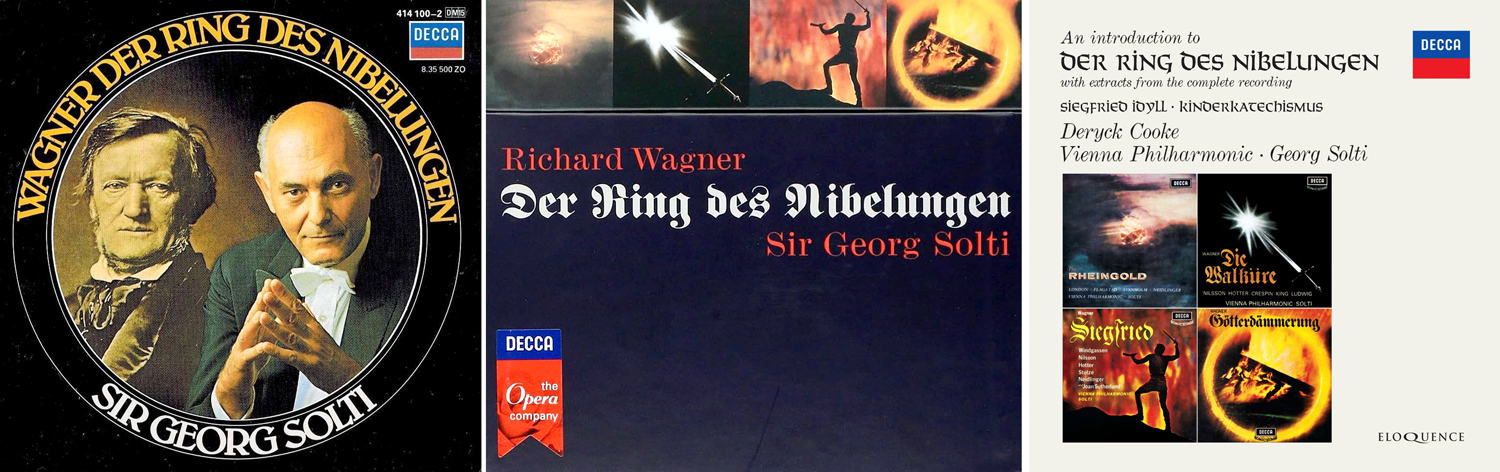
If you have the earnest seriousness of youth, you will eventually get into Wagner. After college and after a failed first marriage, I was living in North Carolina with my favorite redhead, scratching by on subsistence jobs, and I managed to save enough money to finally buy the Solti Ring. Something like 16 hours of music subsuming four operas, it opened up a world of myth and raw musical power. Now in retirement, I own five Ring cycles on CD and another two on DVD. And I’ve attended two complete live Ring cycles (not a patch on my late friend Dimitri Drobatschewsky, who went to Bayreuth 16 times beginning just after World War II.) But the Solti Ring of the Nibelungs is still my go-to set. And with it, I must also take the Deryck Cooke explication of the cycle, An Introduction to “Der Ring des Nibelungen.” Can’t have one without the other; they’re a set.

When the redhead and I split up, after seven years, I moved to Seattle and began working at the zoo, where I met a zookeeper whose hair was as blond as the sun. I fell. She had been a professional swing dancer at one time, and she played me old swing records on her Wurlitzer jukebox, which she had at her home. I had a whole new universe of music to learn about. But the one who stuck was the jazz musician closest to writing classical music, Duke Ellington. 

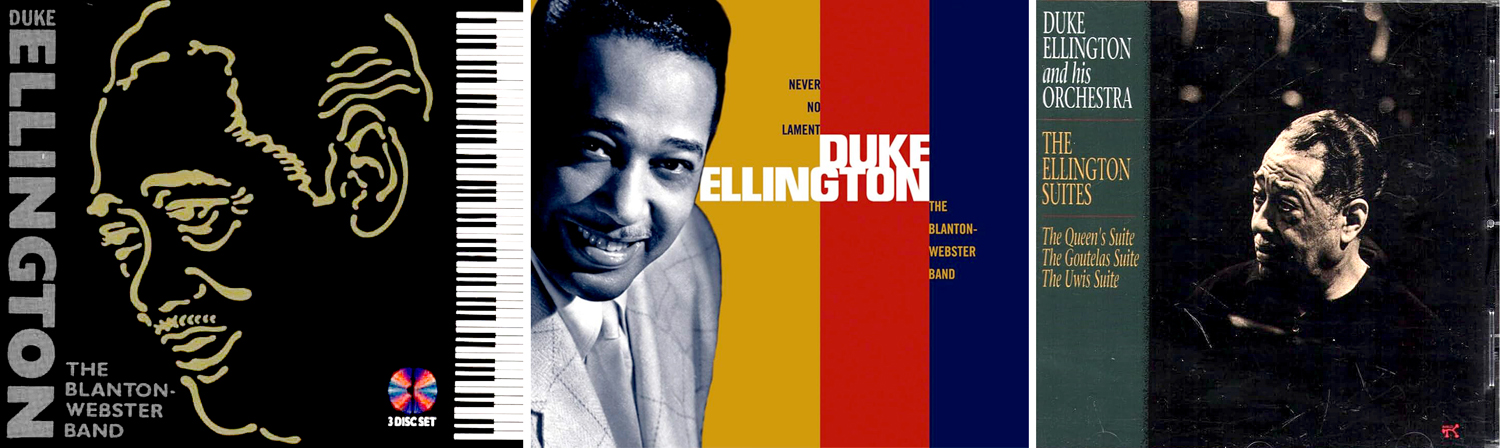
I still have about 50 CDs of Ellington’s recordings. There are counted several epochs of Ellington’s career, beginning with the “jungle music” of the 1920s and going through his rebirth at the Newport Jazz Festival in 1956. But most count the high point of his band and music to be those years in the early 1940s when Ben Webster was his tenor sax man and Jimmie Blanton was his string bass player. A collection of their recordings has been issued several times as “The Blanton-Webster Band.” It was the era of Take the A Train, Ko-Ko, Harlem Airshaft, and Perdido

But then, neither can I do without The Queen’s Suite, which he wrote with Billy Strayhorn in 1971, and is his most completely classically composed work. I love it. And so, I’m adding it to my Ellington entry. 

The zookeeper dumped me and I moved back to North Carolina. A few years later, I met Carole, who I married and lived with for 35 years, until her death in 2017. Marriage humanized me, and the most human composer is Mozart and the most humanistic of conductors was Bruno Walter. It was the the last years of the LP era, in 1980, and before digital took over, I found the last six symphonies of Mozart played by Walter and the Columbia Symphony Orchestra (a pickup ensemble, mostly of musicians from the New York Philharmonic). 

Walter’s Mozart remains the most humane and beautiful version of these works, which are now buried under historical-performance rhetoric and bounce along at a jog-trot, mechanistic pace. But one can still find the echt-Mozart, songful, emotional, and velvety rich, under Walter’s baton. Like all of my choices for the desert island, it has never been out of print. 

Carole and I moved to Arizona in 1987, where she took up teaching art to elementary pupils, and I began writing for The Arizona Republic as its art critic (later also its classical music critic). 

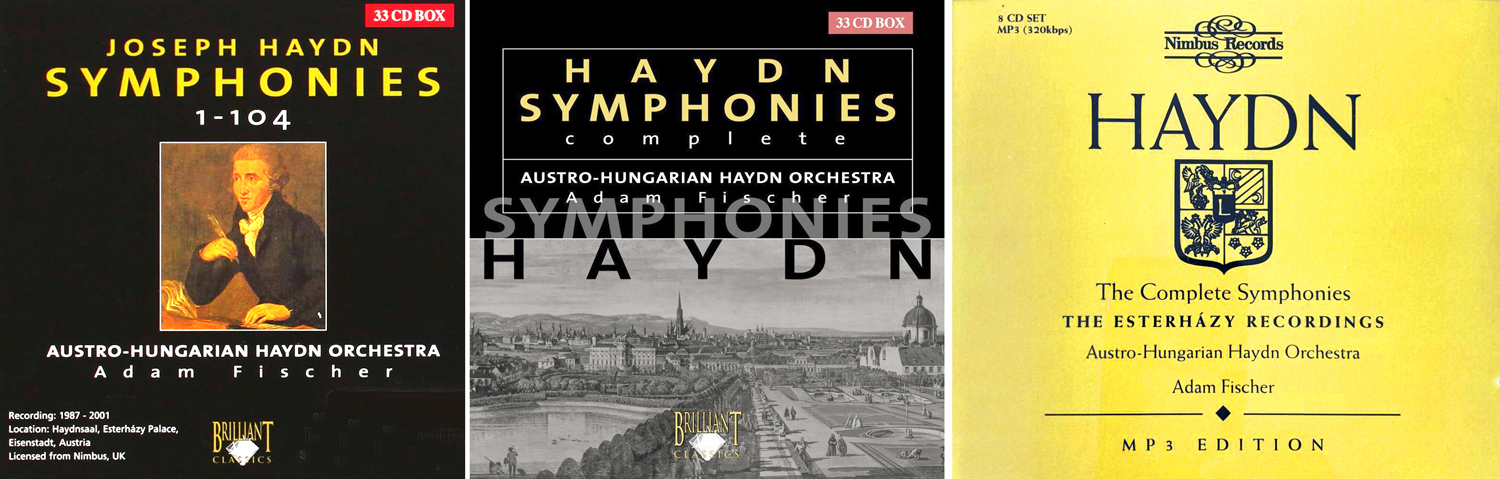
When we moved to a house at the foot of Camelback Mountain, it was a 20 to 30 minute drive (depending on traffic) to the Republic office downtown, and I found the perfect drive-time music, playing a Haydn symphony each way. I eventually went through all 104 symphonies, driving back and forth, three times, and absorbed their spirit from the Austro-Hungarian Haydn Orchestra and Adam Fischer. They have become my go-to performers for this music. I also have the earlier Antal Dorati version, which sometimes sounds like a quick read-through, and later was sent a review copy of the Dennis Russel Davies versions on Sony, which proved to be the most utterly humorless Haydn possible and I had to give them away. How can anyone misunderstand this music so thoroughly? 

When Carole died, and I sunk into grief, from which I have never fully recovered, I found myself listening with my whole being to Brahms German Requiem. I have spent the anniversary of her death every year driving up the Blue Ridge Parkway to find an old fire road into the woods, and sit quietly to Bruno Walter’s recording of the German Requiem. It is the most sympathetic, consoling music ever written. 

On Desert Island Discs, they also ask the guests to choose the one recording, above all, which they would take if everything else were not possible. And for me that is Johann Sebastian Bach’s Passion According to Saint Matthew, a three-hour musical retelling of the last days of Jesus and his death. I am not religious. (I am so not religious, I not even an atheist.) But every note of Bach’s music speaks to me on the deepest level of humanity. The opening chorus and the ending chorus are, for me, the greatest musical utterances ever penned. I’m keeping it with me.

There are many performances, and no one really does it badly, but most recordings now have been run through the historical performance wringer and the juice has been squeezed out. This is majestic and noble music, not something from a squeeze box. And the recording left behind by Otto Klemperer is the one I listen to over and over. He’s got the measure of this music. 

That leaves us a book and a luxury. People value books for, usually, one of three reasons. Either for the information they gather, or for the stories that are told, or for the prose they are written in. I fall into the last camp. I thought about Gibbon’s Decline and Fall of the Roman Empire, which is an utter joy to read, whether you care about the factual history of Rome or not. I revel in its river of words. But I read it in short segments, ultimately filling up like a rich meal and need to wait some hours before hitting the table again. And, for all the wonderful writing, there is a sameness that can creep in. 

Or I might have chosen a classic that somehow I’ve missed in 77 years of life. Many on Desert Island Discs have taken Marcel Proust’s Á la Recherche du Temps Perdu. But when it comes to monster works, I already put in my time, having gotten through The Gulag Archipelago. I no longer need to prove myself. 

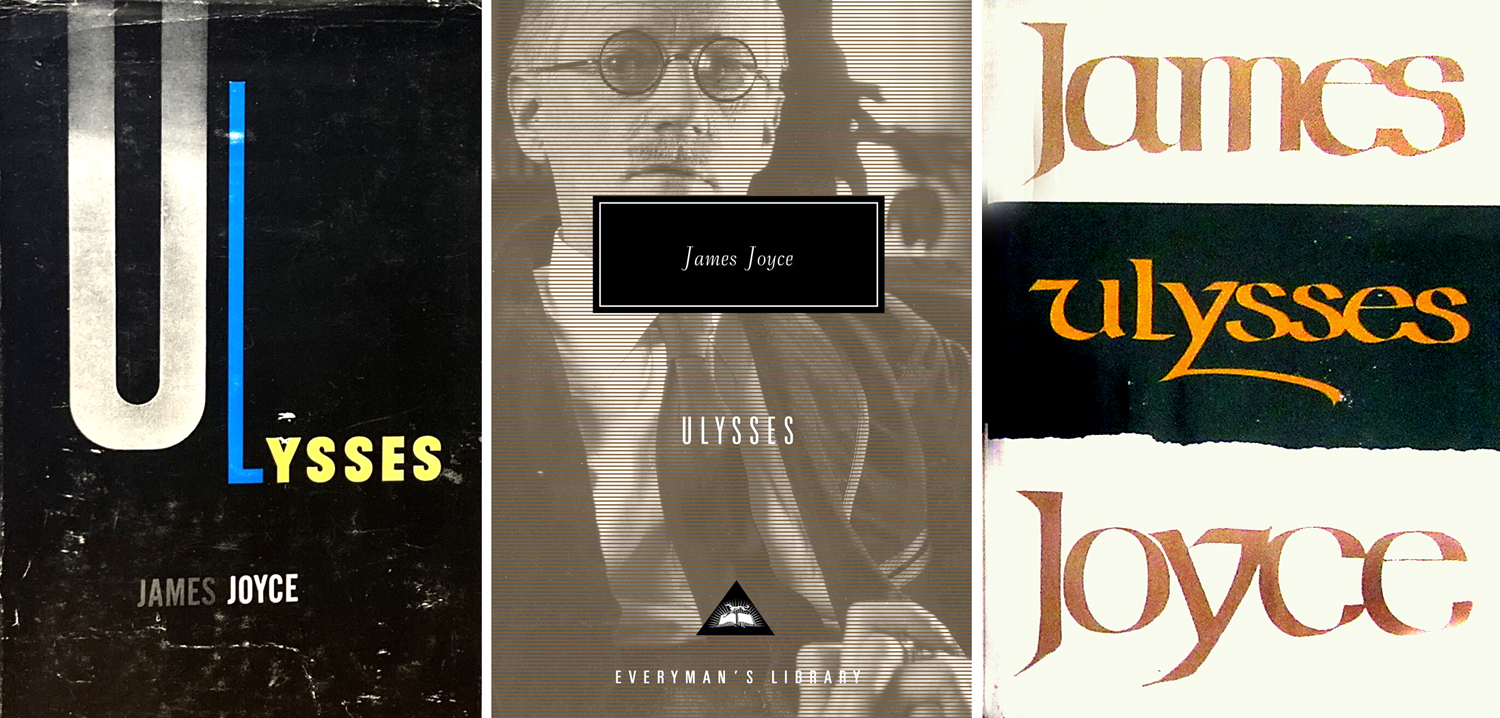
So, I have chosen Joyce’s Ulysses, the book I can read and re-read over and over, with such a variety of prose and method and such delicious words, that I don’t think I could ever tire of it. 

As for a luxury item, I had some difficulty coming up with something, because I am not much for luxury. But I have always owned a pear-wood handled Opinel folding knife. The current one sits in the glove compartment of the car, ready for anything called for. A man needs his tools.

Of course, the whole exercise is entirely pointless. There is no desert island, and with a house full of books, CDs, musical scores, and art, I don’t need to choose so parsimoniously. The whole idea is merely a pleasant game to play. 

But going through the process, and forcing myself to narrow the list arbitrarily, I come to see myself in a dusty mirror. And I surprise myself, looking back at me. 

Over the past few decades, the programming at our symphony concerts has become routine and predictable. I’m certainly not the only one to notice this, but almost every program follows one of two patterns: Either overture, concerto, intermission, symphony; or, overture, smaller symphony (perhaps Mozart), intermission and then big concerto (like Rachmaninoff Third). Over and over, this pattern holds, which leaves a lot of great music never played. Programming has become stultified. 

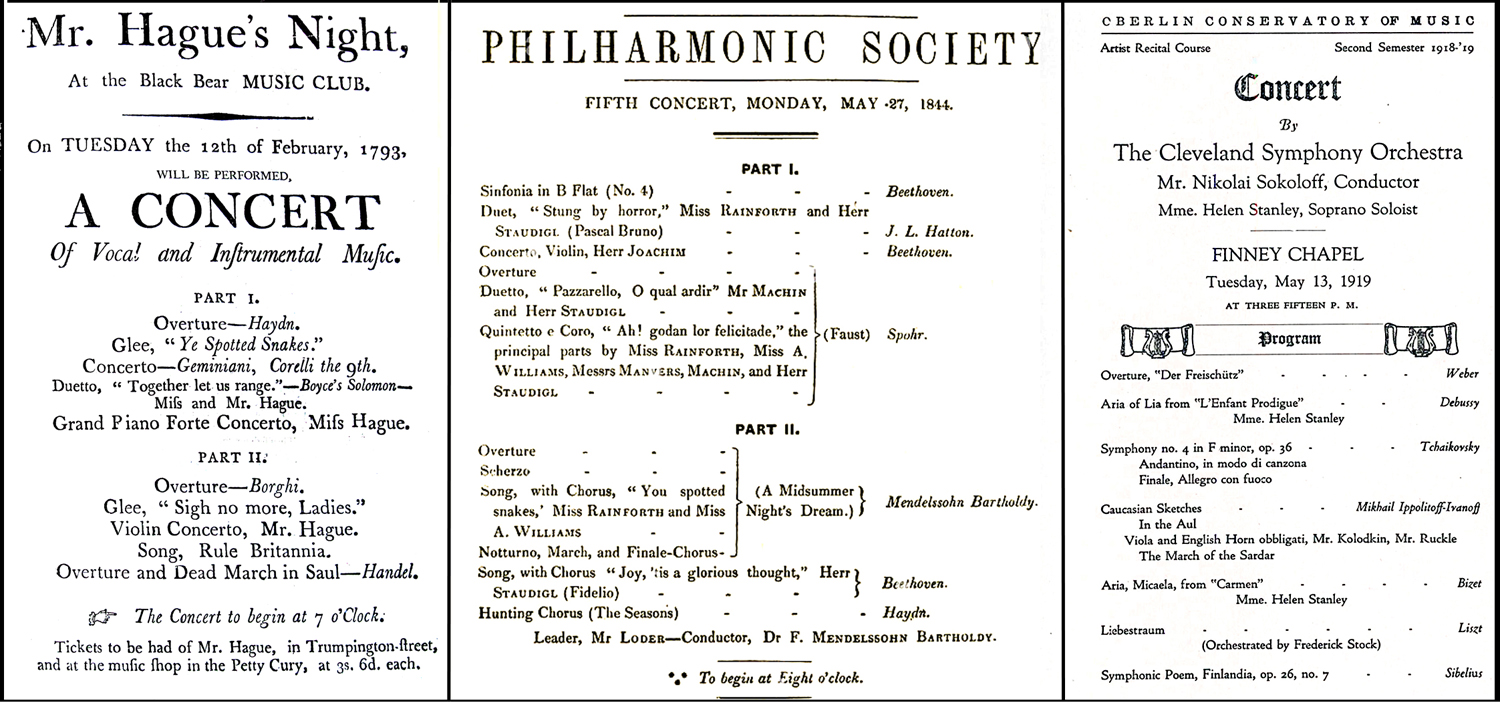
And even the list of symphonies and concertos that do regularly make the cut has shrunk to a roster of “fan favorites.” When was the last time you heard a live performance of, say, the Bruckner Sixth or the Joachim Violin Concerto? They used to be played — they show up in old programs. 

Of course, you can find recordings of everything. If you want an Atterberg symphony, there are multiple CDs on Amazon. But go to Symphony Hall and you will wait a very long time and grow your beard very gray.

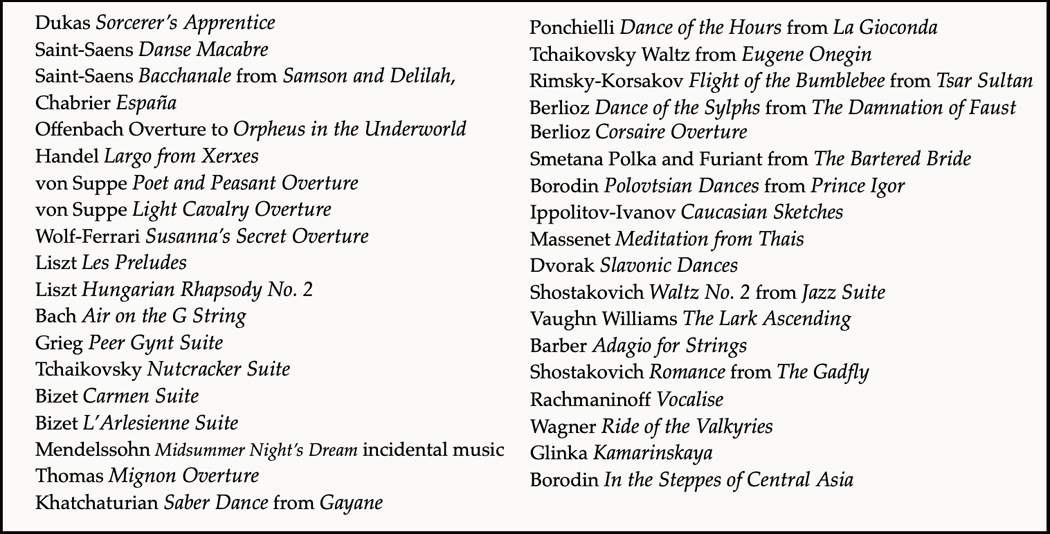
There is a particular class of music that has suffered by this development: those shorter, once-familiar staples of both concerts and Looney-Tunes animations. They used to be a regular part of symphony concerts but now are seen as “not serious enough” for well-bred audiences seeking morally and spiritually uplifting artistic experiences. That is too bad, because a lot of this music is absolutely brilliant, and what is more everyone loves it, to the point of being able to whistle the tunes. 

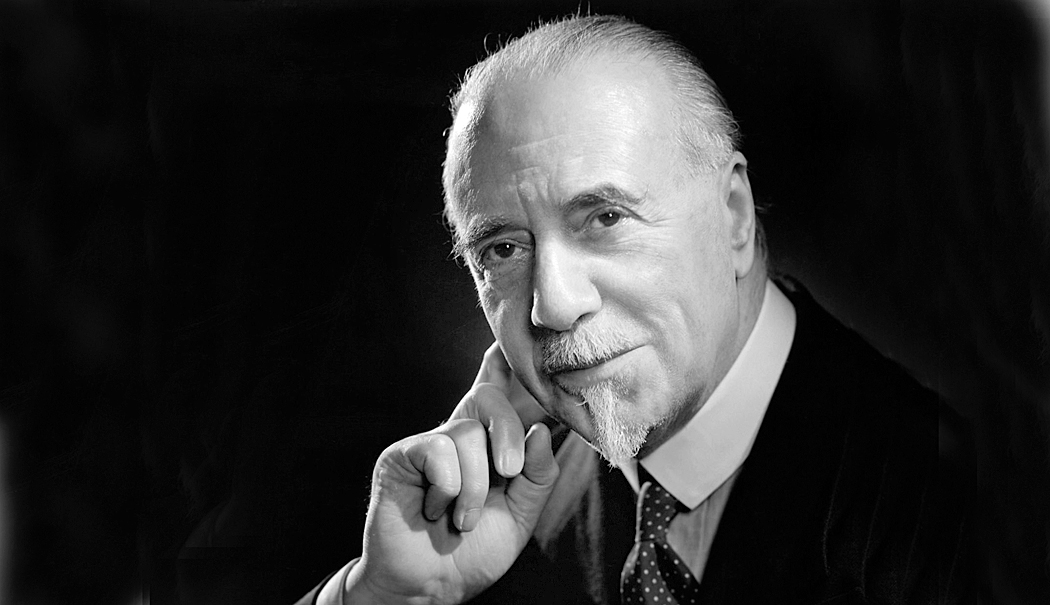
The conductor Thomas Beecham once said, “Composers should write tunes that chauffeurs and errand boys can whistle.” And, “Music first and last should sound well, should allure and enchant the ear. Never mind the inner significance.” 

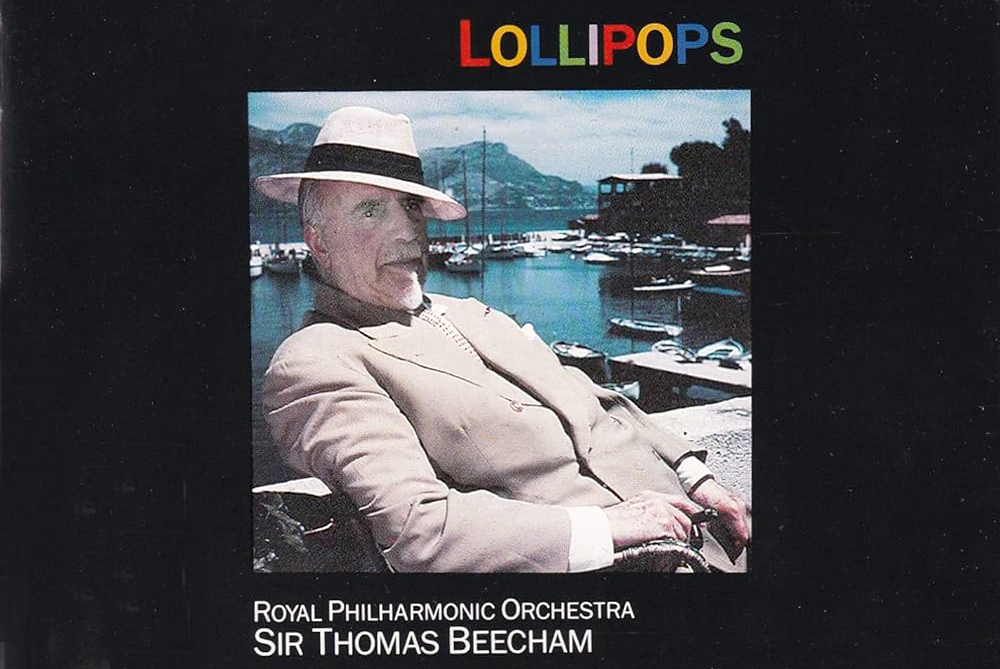
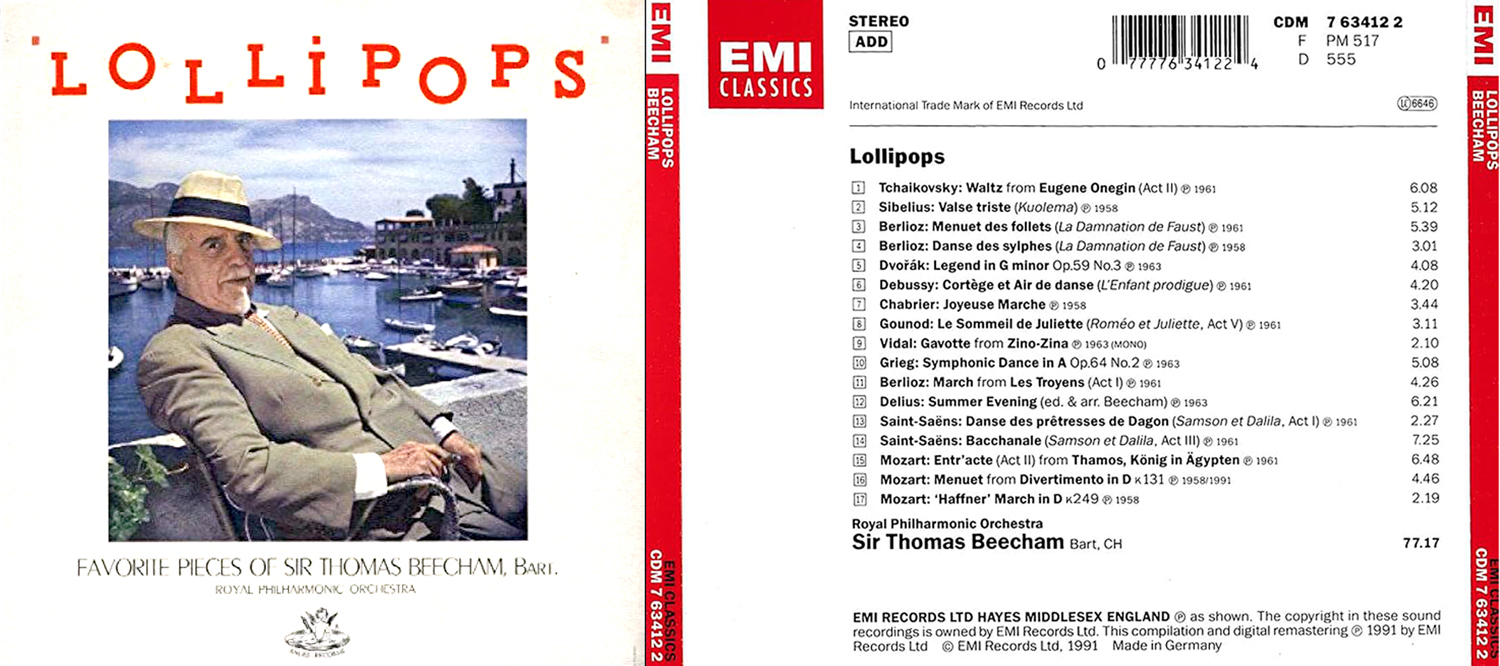
Beecham was one of the greatest conductors of the 20th Century, and could lead a great performance of a Beethoven symphony, so he wasn’t a mere light-weight. But he regularly included in his programs what he called “lollipops,” which are the smaller, brighter pieces that get short shrift nowadays, pieces such as Tchaikovsky’s Nutcracker Suite or Handel’s Largo from Xerxes. There were excerpts from longer pieces, and shorter concerted works for piano or violin soloists that weren’t full-lengths concertos. When was the last time you heard a live performance of Saint-Saëns’ Introduction and Rondo Capriccioso? It is a brilliant show piece for a virtuoso violinist. 

There are several registers of concert music. At the top sits the top-hat and tails music of Brahms and Beethoven. At the lower end are the Pops concerts with their orchestrated show tunes and movie scores. Arthur Fiedler ruled that kingdom, and included lightweight but catchy music by Leroy Anderson or Albert Ketèlbey. In between there are the New Years concerts of Strauss waltzes and polkas. Fiedler often included some of the more serious music in his Boston Pops programs, but those works have all mostly disappeared from Carnegie or Severance halls. 

If you look at symphony programs from a hundred years ago, or two hundred, you find these shorter pieces sprinkled in among the symphonies and tone poems, with no apologies made for their simple popularity. Concerts, after all, are meant to be entertainment. 

In Haydn’s day, when middle class supplanted the aristocracy as the prime audience for concert music, his programs included singers, soloists, maybe a chorus and a symphony (then called an “Overture”), which often had its movements split up, with bits of song or violin music in between. It was a varied experience, more like a music hall show than a serious artistic event. They were meant to be popular; meant to sell tickets. 

Even in the earlier 20th century, concerts featured both heavy and light classics. But the helium has fizzled out of the balloon. 

In the LP era, Beecham released several records made up solely of these lighter,  brighter gems, in albums titled “Lollipops.” 

They were once the common cultural inheritance of American and European culture. They made up the bulk of recordings from the first half of the 20th century, when 78 rpm records could contain only about 5 minutes on a side, which made recordings of entire symphonies or complete operas both exorbitantly expensive and with 20 or 30 sides on 12-inch discs, really, really heavy to haul around. And so, shorter, popular pieces, like the encores of violinist Fritz Kreisler, became best sellers. I am old enough to have once owned piles of 78 rpm classical music recordings. 

A last vestige of that can be found in the recitals of Itzhak Perlman. I’ve seen him several times and it’s always the same. A warm-up sonata, played very well, but nothing special, followed by a major piece performed to blow your socks off (I heard him do the Strauss Violin Sonata — a piece  not thought of as among Strauss’ best work — and make it sound like the greatest thing every written for the fiddle); then, after intermission, he spends the last half of the recital playing old short pieces, sometimes requests, and tells corny jokes in between — real Borscht-Belt material. And so, we hear Hora Staccato and Liebesfreud, pieces otherwise consigned to history.  

But why couldn’t symphony orchestras do something similar, make half a program of shorter tchochkes and tuneful shorter pieces. Perhaps load them up in the first half of a concert and follow that with a second-half major symphony. 

Or, do it like Perlman and leave the audience warm and fuzzy as they leave the auditorium humming the old familiar tunes of Offenbach or Ferde Grofé. 

Somehow, symphony programs need to be decongested, and let breathe more freely. And there is all this wonderful music that is kept in storage that should be pulled out and given some sunshine. 

Click on lists for improved readability

When I was a young and poor college student and wanted to buy a classical music LP, I was faced with a choice. Most of the biggest names in the field recorded for one of the major labels: Deutsche Grammophon, Decca, Columbia, RCA or Angel (aka EMI). And those disks were pricey. 

In some cases, I would just have to suck it up and spend more than I really should have. But there was an alternative. There were budget labels, offering their records at cheapie prices. 

Most were sub-labels of the pricier brands, as Seraphim sold older versions of Angel releases, or Victrola from RCA and Odyssey for Columbia. And Vanguard Everyman. And there were some bottom of the barrel labels, with really poor recordings of Eastern European, and Russian musicians, such as Melodiya and Urania. Those sounded awful. 

And their album covers were usually cheaply designed, or copies of how the premium brands showed themselves, with photos of the conductors or musicians, or with pretty landscapes. After all, classical music was serious. It was art. 

But then came the Baroque revival, and instead of Beethoven symphonies, we were offered Vivaldi, Telemann and Monteverdi madrigals. The Sixties were in full swing, the budget labels dove into bright, colorful, more lively album covers, often with whimsical illustrations. 

These were Nonesuch recordings and the Vox budget label, Turnabout. My collection was full of them

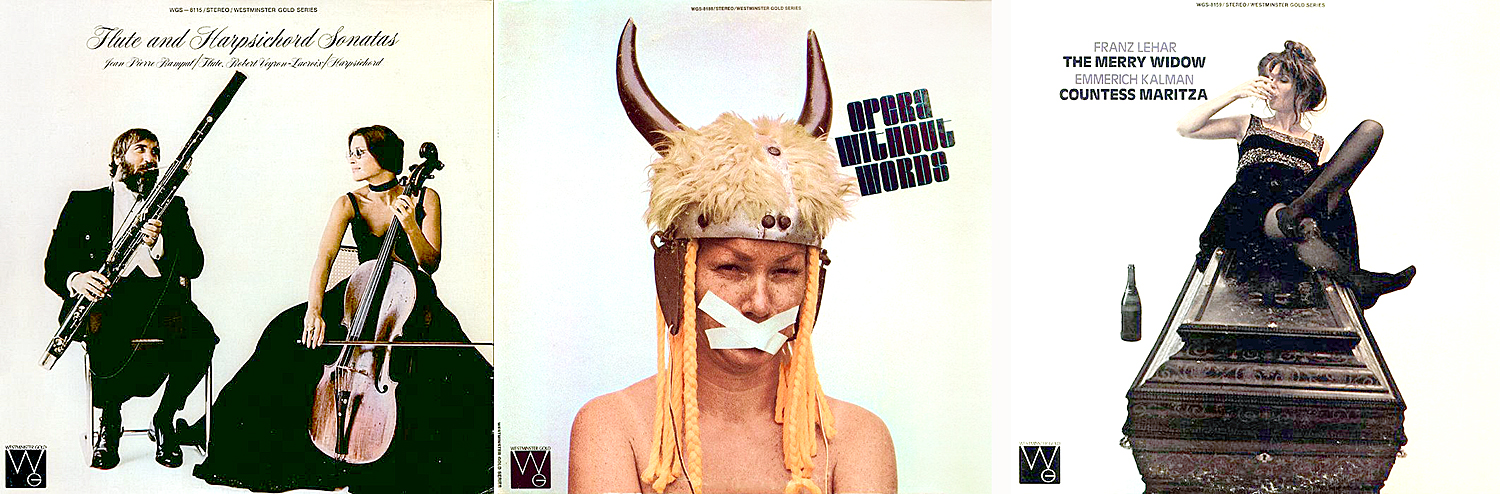
There were two labels in particular that went for the comic and the hip. Westminster and Crossroads. The created memorable cover art, but took very different paths. 

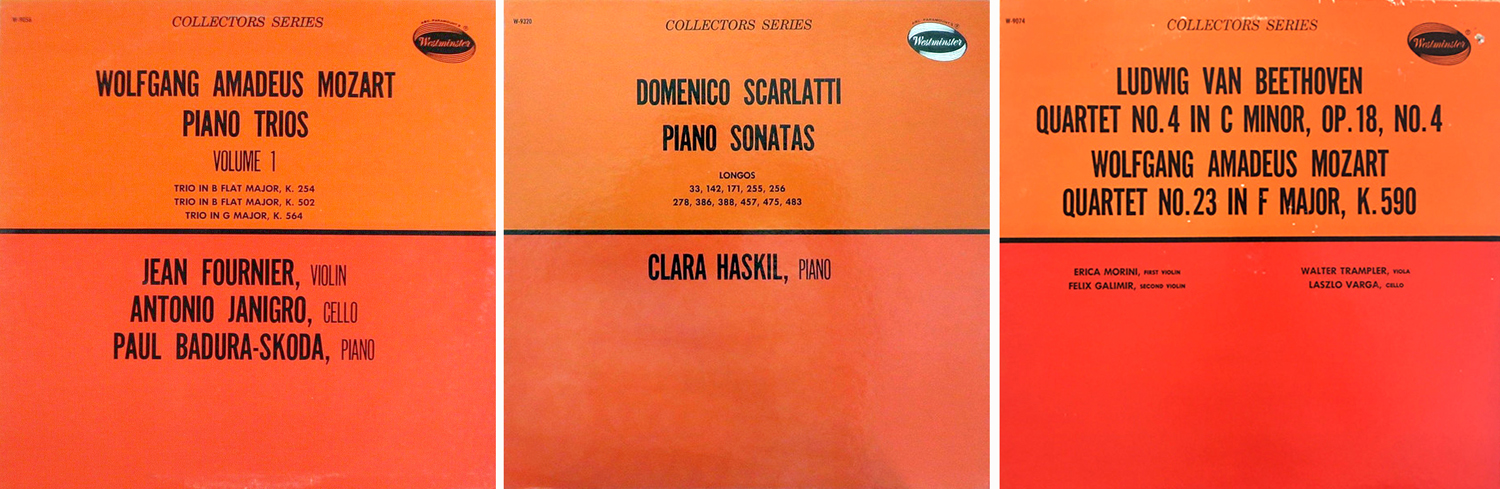
Westminster Records began life in 1949 as a high-end audiophile label, but by the time I came to know them, they were a low-end budget brand, and their covers were as simple and unadorned as the “plain brown wrapper” that used to hide racy novels. Those red covers, with a horizontal black line were easy to spot in the record store bins, and for those of us on a limited budget, an instant look-see. The performances were generally very good, if by musicians more noted more in Hungary or Poland than in Carnegie Hall. They were dependable. I owned bunches. 

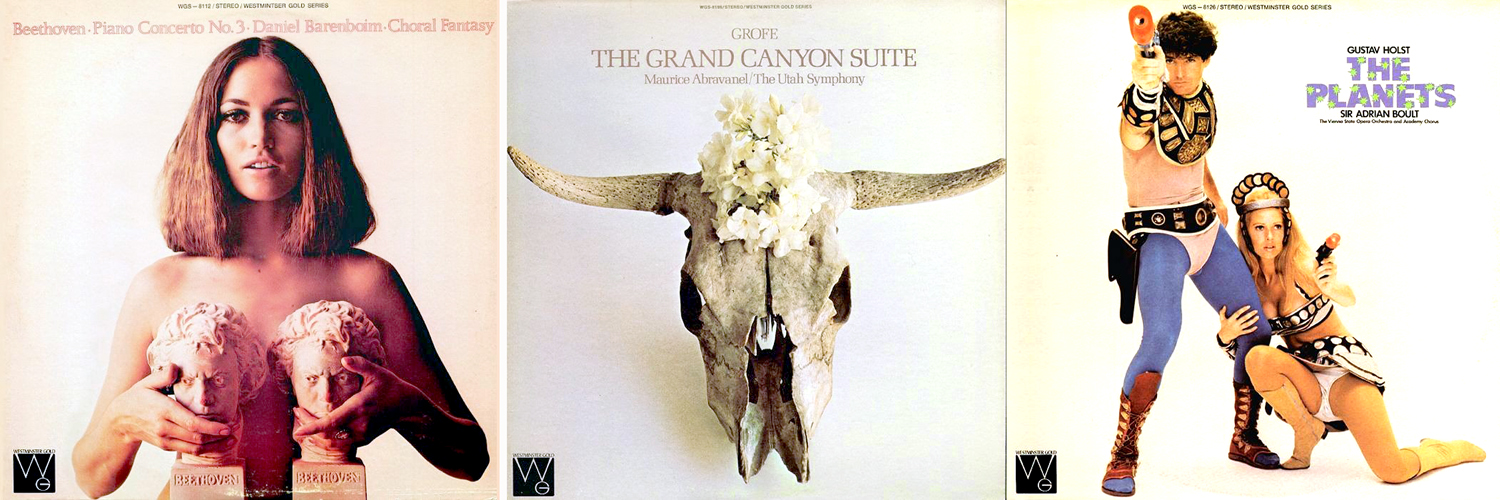
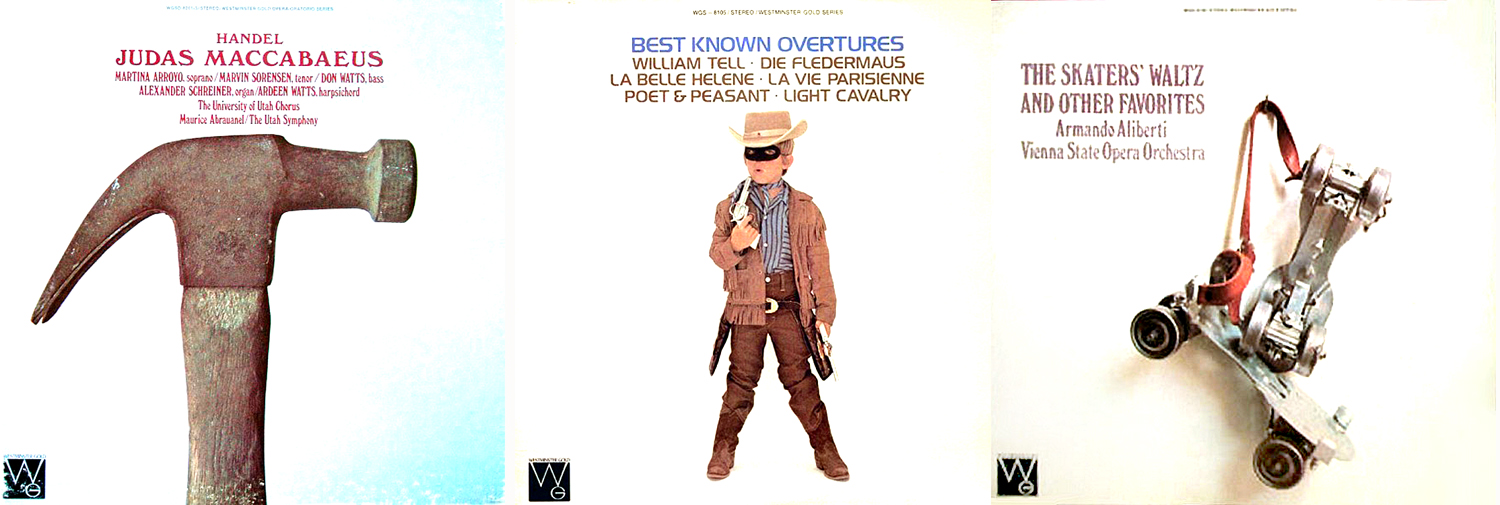
But, the label was bought out by ABC-Paramount and by 1970, they began marketing their back-issue catalog with sometimes ridiculous and campy cover art. To attract the kids, I guess. 

They included a Beethoven concerto with a busty brunette, whose busts were those of the composer, strategically placed. Or Ferde Grofe’s Grand Canyon Suite with a faux Georgia O’Keeffe cow skull, or — my favorite — a Barbarella knock-off of cheap sci-fi for Gustav Holst’s Planets

(Click on any of these images for a clearer look)

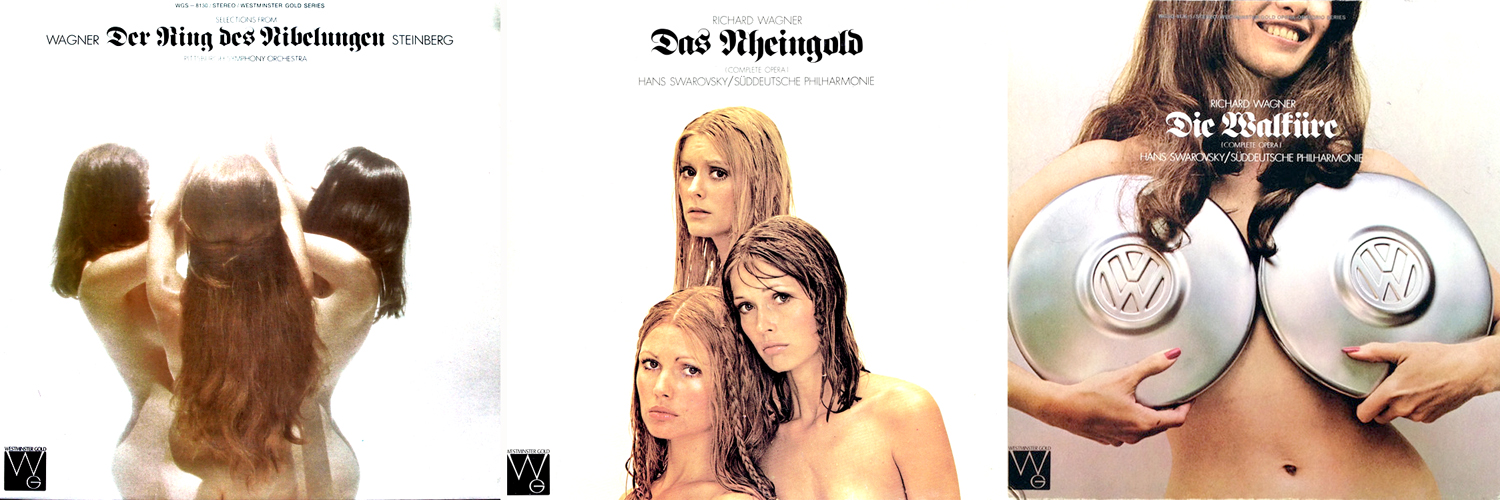
These covers are now collector items for a memorable gallery of time-stamp art. I have gathered images of well over a hundred of these gems, and thought I should share a few of them.

Westminster sold the 1968 Hans Swarowsky Nuremberg Ring Cycle with Carnaby Street Valkyries, Rhine Maidens and Norns. 

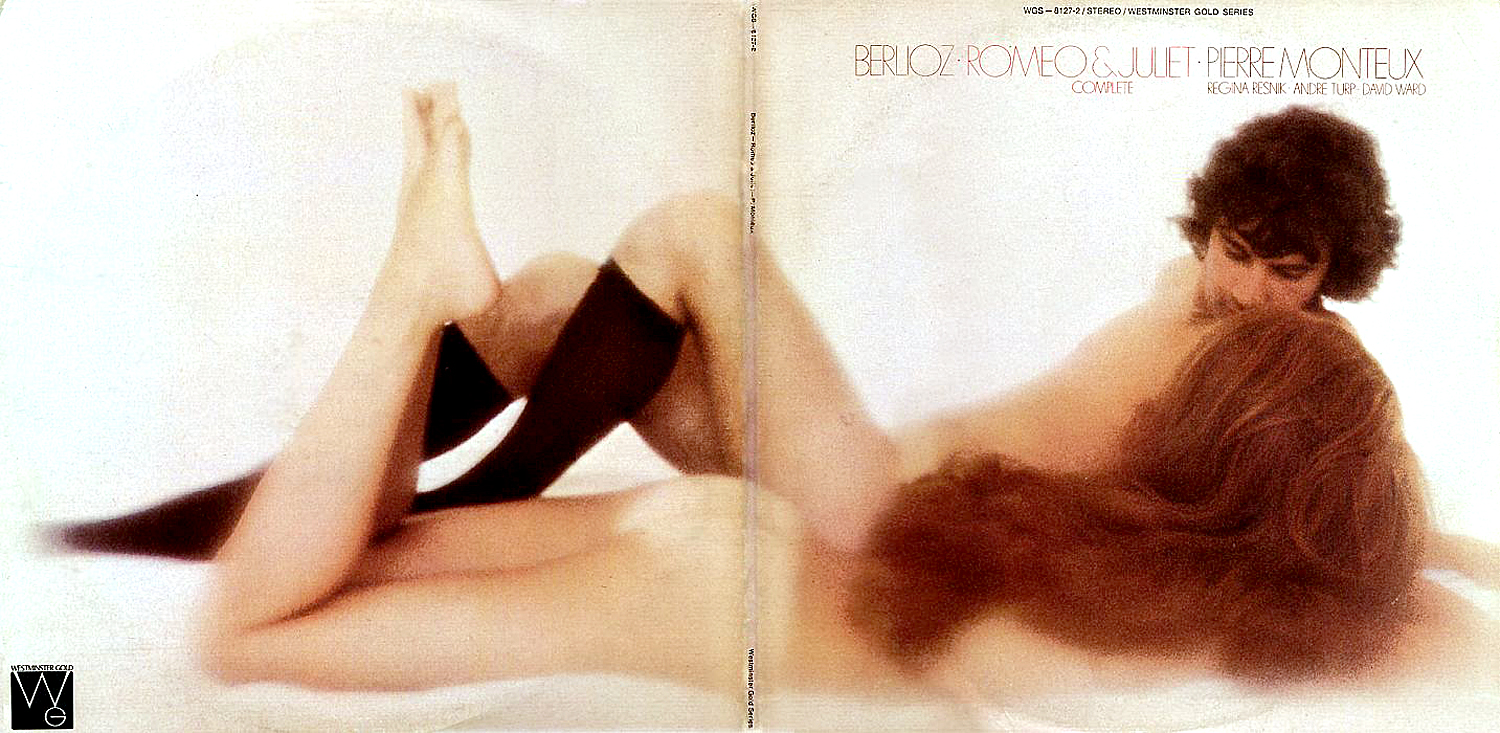
And there was the two-disk recording of Berlioz’s Romeo and Juliet, coming out hot on the heels of the Franco Zeffirelli film starring Olivia Hussey and Leonard Whiting. Could this cover be a coincidence? See the image at the top of this column. The album folds open to give us the whole picture (Love those socks). 

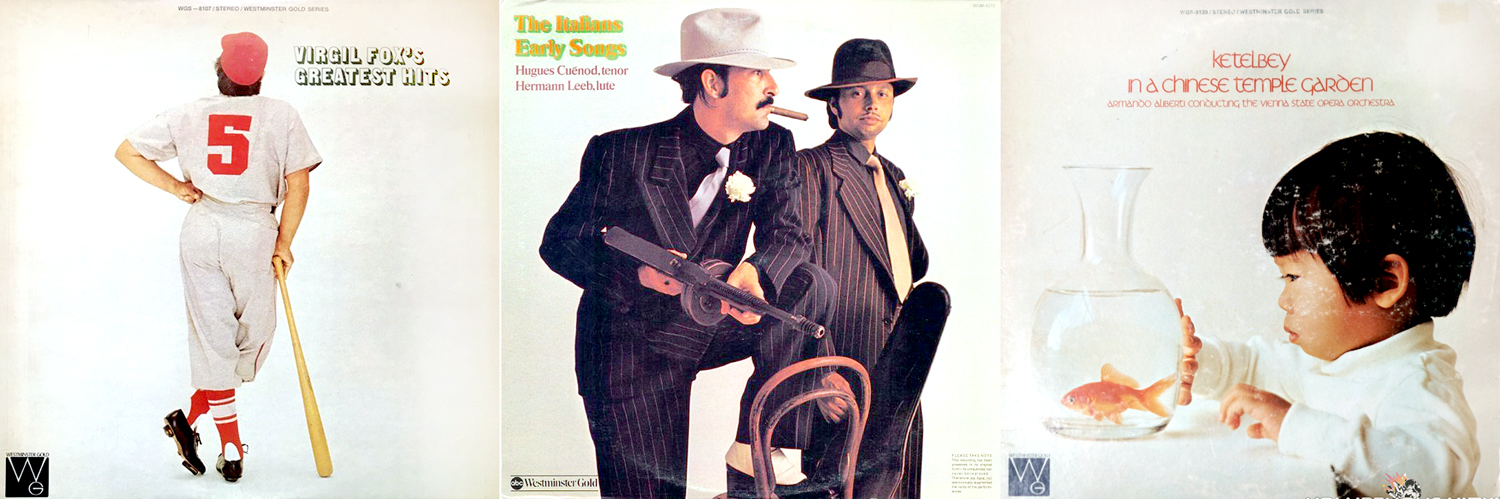
Then, there is organist Virgil Fox’s “Greatest Hits,” with the baseball player; traditional Italian songs with, of course, just the kind of mafiosi who regularly croon such tunes; and to round out the ethnic stereotypes, there is Albert Ketelby’s In a Chinese Temple Garden. Subtlety is no object. 

Then, there’s the sex and death contingent. Although what a cast-off bra has to do with Mozart is hard to tell. Tosca, though, surely liked to show off her décolleté, although I am unaware she ever had a tattoo. The obvious follow-up is a requiem. 

For some reason, the recording of Baroque flute and harpsichord sonatas shows us a bassoon and cello. And if you are going to have opera without words, you need a horned helmet and bandaged mouth. And there’s the merry widow drinking wine on a coffin. 

Haydn’s clock symphony, some Beethoven trios (apparently for teddy bears), and Bach cello sonatas. 

An American in Paris, selling risque pictures, a lipstick Bolero, and a gang of Russians selling us Rachmaninoff and Tchaikovsky. 

Judas Maccabaeus was known as the Jewish Hammer, so, OK. The William Tell Overture has its connotations, and the Skaters’ Waltz is obvious. 

Pictures at an Exhibition needs a camera; Porgy and Bess share a disk — and eyeglasses — with an American in Paris; and, if the composer is Matthew Locke, you clearly had no choice. 

There are many more, just as hokey, corny, and campy. As I said, I have about 130 of them in my files. 

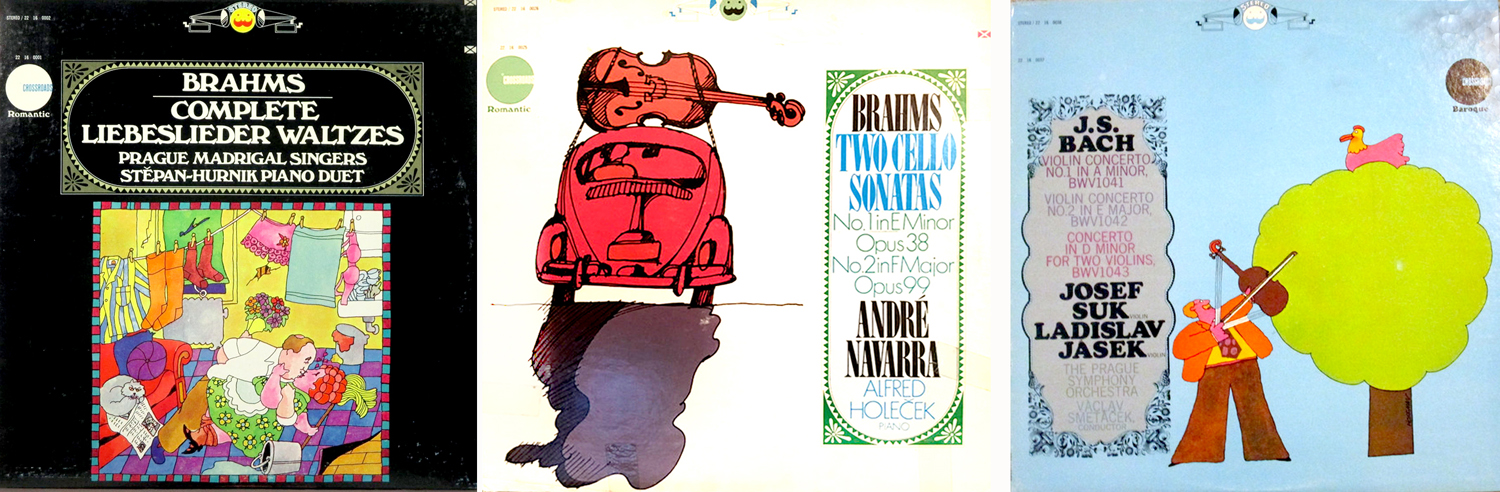
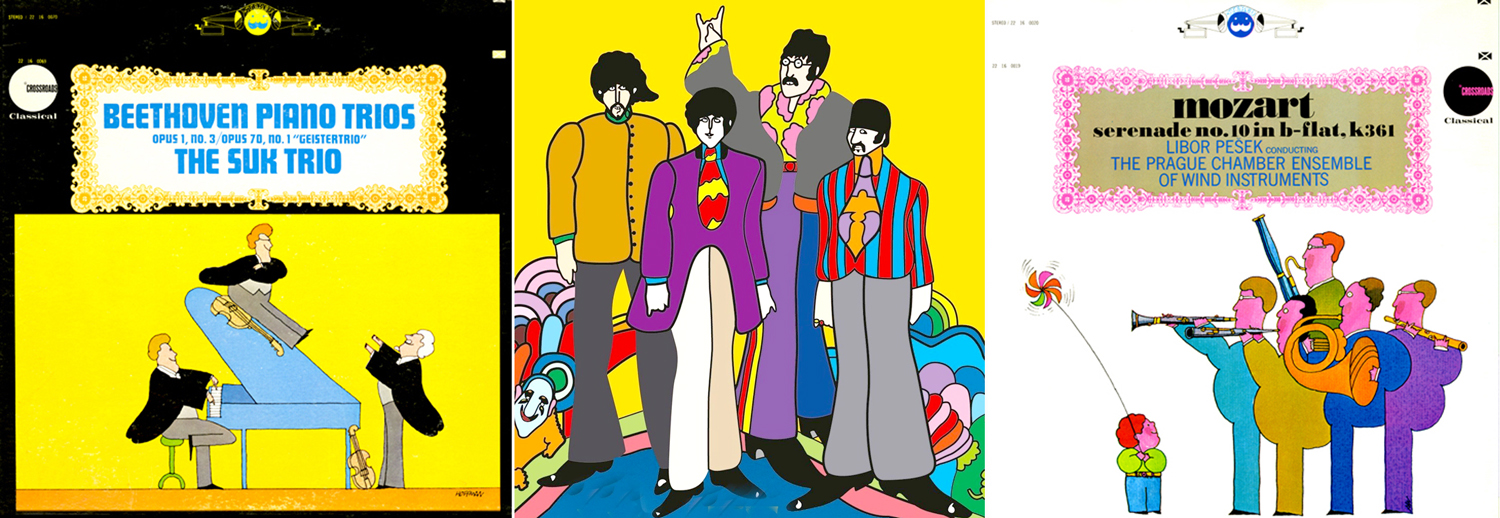
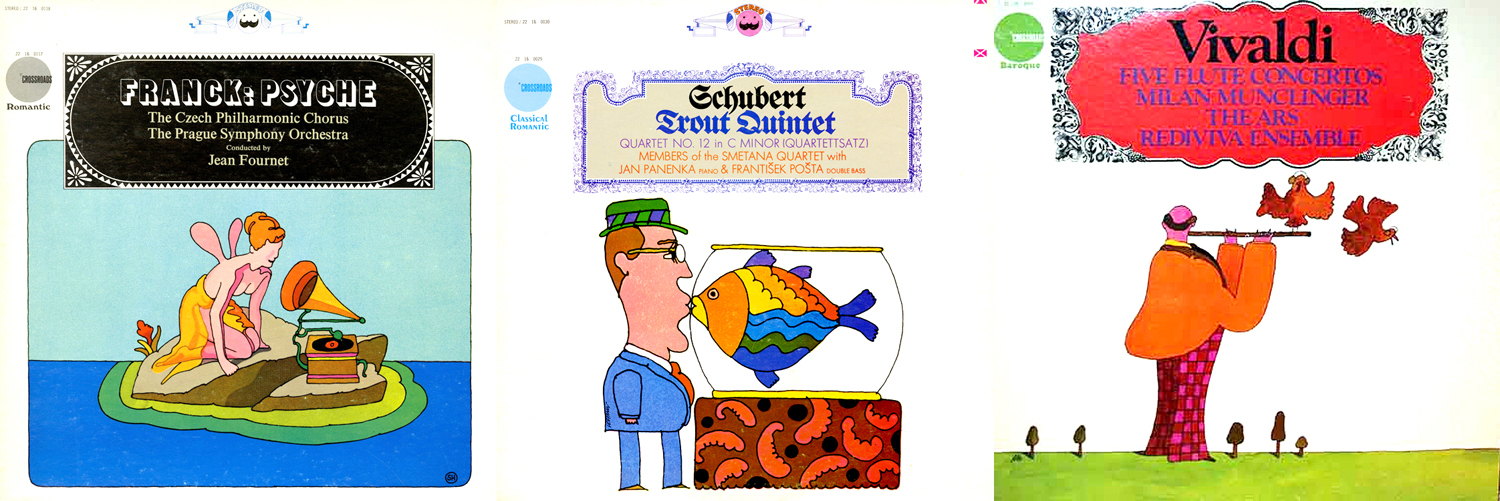
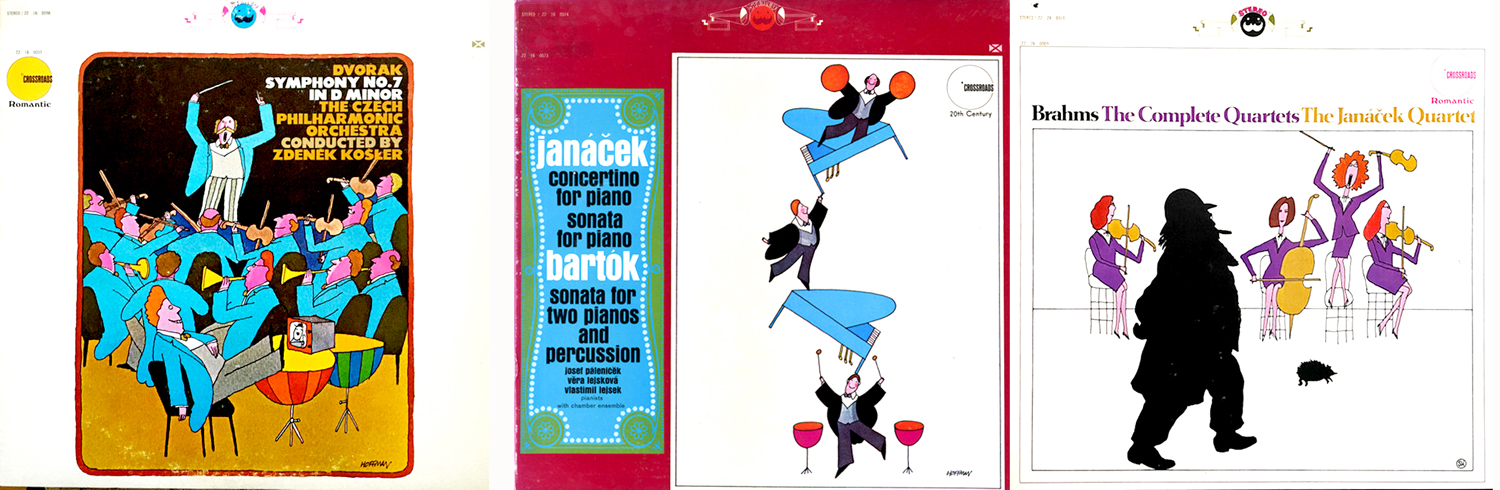
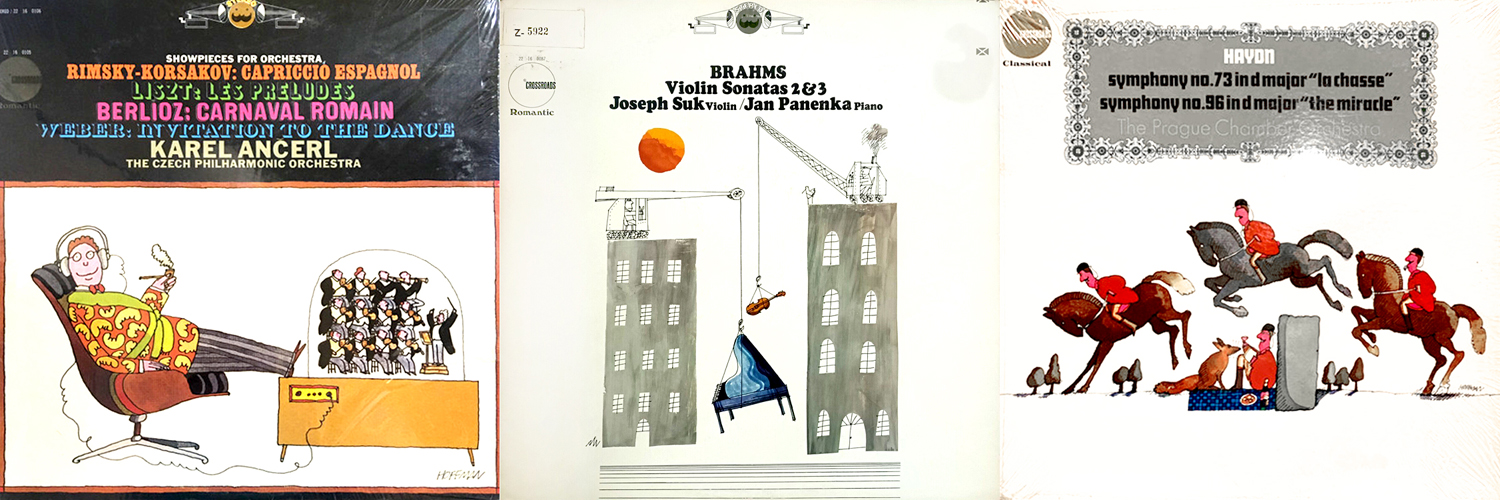
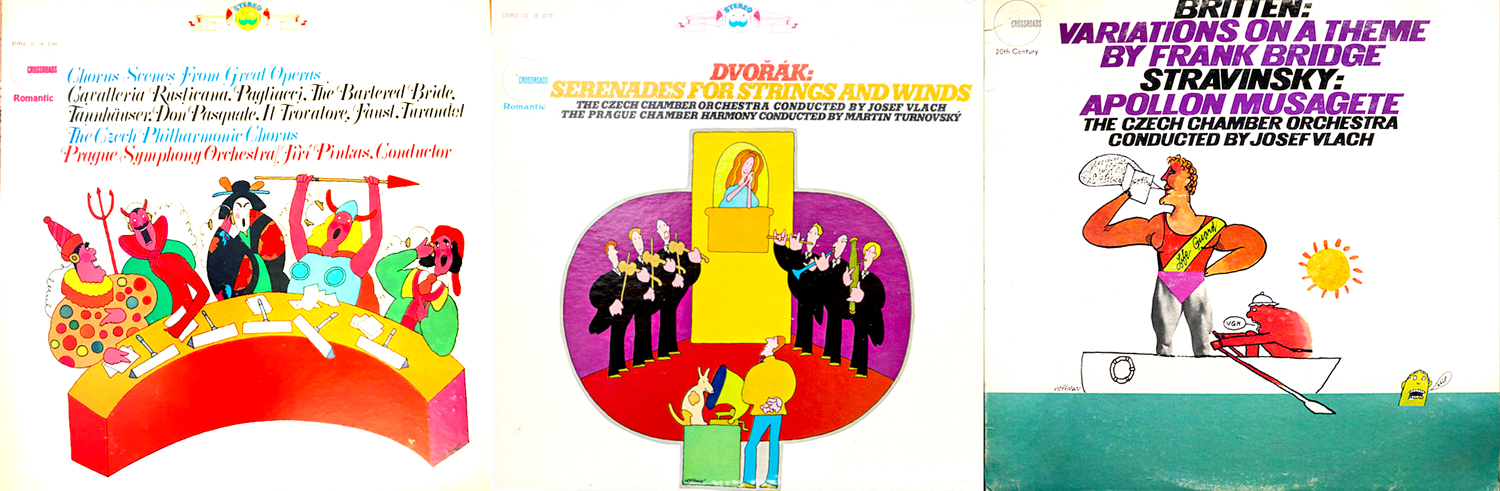
But, it is the other label I really like better. Crossroads was a subsidiary of Epic Records. Epic dealt mostly in popular music and jazz, but in the late 1960s, they licensed reams of Supraphon recordings, mostly recorded with Czech musicians, and sold them under the Crossroads label, with often quite witty cartoon album art. The level of performance was top-notch, with some of the world’s best soloists and orchestras. 

I have gathered about 70 Crossroads album cover images, and offer a few here.

The Prague Madrigal Singers recording of Brahms Liebeslieder Waltzes was the perfect performance, light, with a happy amateur feeling of a group of friends singing together. Other recordings I have owned were too operatic and artsy for Brahms’ gemütlich bourgeois lovesongs. And the cover art perfectly reflected the tone of the performance, and of the music Brahms wrote:

Unfortunately for me, this performance has never shown up on CD and I long ago got rid of all my LPs. 

Many of the other Crossroads releases have subsequently been rereleased on other labels, including the original Supraphon recordings. But the album covers of the CDs never quite match the joie of these LP covers. It is also obvious that these came out about the same time as the animated Yellow Submarine movie. The style is unmistakeable. 

There’s a bit of Hokusai’s Great Wave in this Debussy. More Yellow Submarine for unknown classical-era composers and Someone has to vacuum up all the dropped notes.

There is, of course, a lot of Dvorak and Smetana in these Crossroads releases. 

But it’s not all Czech. Here’s some Franck and a great Schubert “Trout” quintet. And even some of the musicians are not Czech. There are Germans, too.

The covers are a delight, even for heavier music: Dvorak’s most Germanic symphony, Bartok raucous Sonata for Two Pianos and Percussion and the deep slog of going through Brahms’ string quartets. 

Villa-Lobos, Milhaud and others; Schubert’s giant op. 99 Trio; and 18th century Bohemian composer Jan Voríšek, apparently having his tooth pulled. 

Listening to the Loud Classics on earphones; two Brahms violin sonatas (you cannot find a better performance than the great Josef Suk and pianist Jan Panenka; I owned this LP for years — a delight); and Haydn’s “Chase” symphony.

The tradition of budget recordings continued into the CD era, with some super-cheapie labels, such as Pilz and Laserlight, and there was a deluge of rare repertoire items that came out on Naxos, before that label went upscale. And the classical music recording industry has just about collapsed with fewer new recordings, but a raft of back-catalog items being issued in budget boxes by Sony, Warner, and Brilliant, often for as little as a buck a disk. 

And now that I am retired, I find myself back in the same situation I was when I was newly graduated from college and making $50 a week at a retail store (well, not quite that bad off), and I find myself again stocking up on piles and piles of budget issues.

Click on any image to enlarge

No, classical music doesn’t all sound the same. In fact, sometimes it’s hard to find any relationship at all between the far corners of the field. What do Gregorian Chant and Karlheinz Stockhausen have in common? 

When someone complains that “it all sounds the same,” you can be pretty sure that the reason is simply lack of exposure. A sample group too small to generalize from. So, I thought, as a followup to my previous blog entry about classical music, I should try to stretch the boundaries of the subject, to stretch out the definition tightly from end to end to see how far it spreads. 

If you listen to the items on this catalog, you will find music so different as to be hard to assign a common category. 

In the previous blog entry, I attempted to move from one suggestion to the next in the most contrasting way, from, say, Renaissance polyphony to Stravinsky’s Rite of Spring — a clear jerk from one mode of hearing to the other. 

This time, I hope to provide some framework to see how what we call classical music, or art music, developed over time. You may object that about half of the music comes from the 20th- and 21st-centuries, but that is only being fair: You should remember that the Rite of Spring — which is the traditional mark for the beginning of Modernism in music — is actually closer in time to the death of Haydn than it is to us today. Twentieth Century music is no longer new — it is classical. 

(I’ve chosen a single piece from each of the large clumps of music history, varying both style and genre, including keyboard, chamber, vocal, choral and symphonic. From each period, I have supplemented the examples with two contrasting pieces for further listening.) Beginning with: 

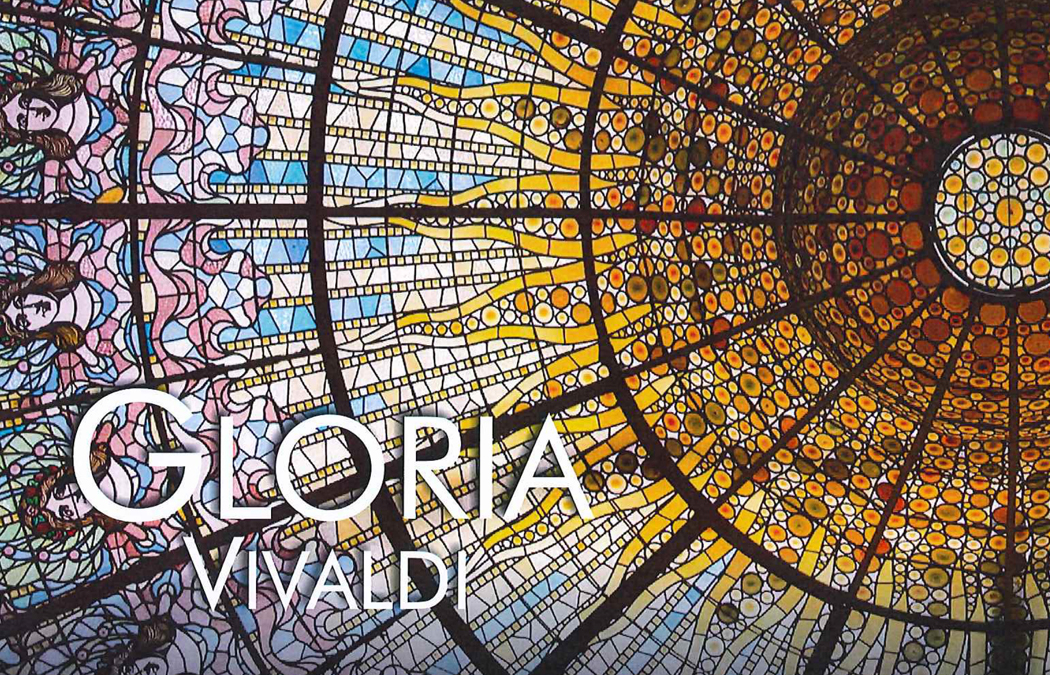
Vivaldi: Gloria in D Major, RV 589

Antonio Vivaldi (1678-1741) wrote at least three settings for the Gloria, but this one is the version everyone remembers, with its chugging motoric drive and its brassy fanfares. It is built from 12 short movements split between choral numbers, solos and a duet for soprano and contralto. 

Its catchy opening “one-TWO-three-four, one-TWO-three-four” with its octave leaps, returns later to unify the work. The Baroque era ran from roughly 1600 to 1750, although styles evolve slowly and overlap. It’s not like everyone stops writing one way and begins writing the new way. This piece, from 1715 lasts about 30 minutes and exemplifies the energetic forward motion of the Baroque. 

Alternates:

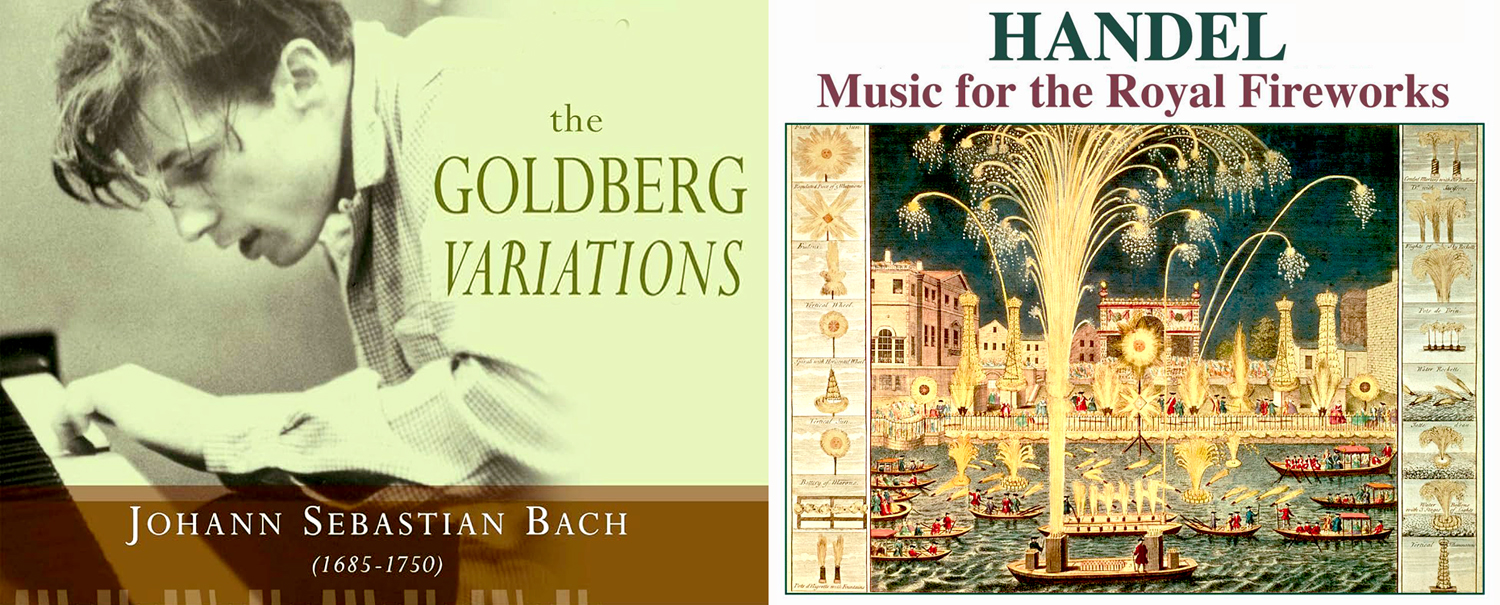
J.S. Bach (1685-1750), The Goldberg Variations (1714), a set of 30 variations on a repeating bass line, for keyboard; and George Friedrich Handel (1685-1759), Musick for the Royal Fireworks (1749), a suite for a large band of wind instruments, for outdoor performance during a famous fireworks display meant to celebrate the end of the War of Austrian Succession. The crowd loved the music, but the fireworks caused a building to burn down, blinded a soldier and injured several others. Later performances often added strings to the wind band, with no further reported injuries. 

Haydn: Quartet in D major, op. 64, no. 5 “The Lark”

It is often said that Joseph Haydn and Mozart wrote music in the classical style (roughly 1750-1828), but in fact, they created the classical style. If Haydn didn’t singlehandedly invent the symphony, he made it what we think of today; and he did the same for the string quartet — music for two violins, viola and cello. 

This is music generally less cluttered or fussy than the earlier Baroque, and seeks a kind of modest tastefulness, along with, in Haydn’s case, a witty sense of humor, as in the imitation bird calls at the start of this quartet, which was written in 1790 and has the usual four movements: an opening allegro, a dance movement, a slow movement and a jaunty finale. 

Alternates:

W.A. Mozart (1756-1791) Serenade No. 10 for 13 Winds in B-Flat, known as the Gran Partita (1781), which, in Peter Shaffer’s play, Amadeus, he has Antonio Salieri react by saying, “It seemed to me that I was hearing the voice of God.” Or Franz Schubert’s (1797-1828) Symphony No. 5 in B-Flat (1816), which is a really tuneful symphony built on Haydn’s model. 

Liszt: Piano Concerto No. 1 in E-Flat 

Franz Liszt (1811-1886) is the perfect Romantic composer, the greatest piano virtuoso of his time, and a matinee idol that all the ladies were in love with — something of which he took great advantage. His music, as in this 1855 concerto, is filled with all the wild emotion that the classical era avoided: over the top, loud, brash, and with a solo part for the triangle — it scandalized its first audiences. The jangle of the triangle was considered bad taste — but bad taste is the goal of much Romanticism. Audiences loved being scandalized. 

Alternates:

Robert Schumann (1810-1856) wrote a cycle of songs, telling a sad love story, called the Dichterliebe, or “A Poet’s Love,” in 1840, and includes a song claiming over and over, “I’m not angry,” to some of the angriest music ever. Clever. Or Bedrich Smetana’s (1824-1884) Moldau, an orchestral portrait of the Czech river (now usually called the Vlatva or Voltava), which is a perfect example of the Romantic Nationalism that swept over Europe. Great tunes. 

Debussy: Images for Piano, Book II

In the late 19th century and the 20th century before the First World War, music went through several changes. One of them is a rejection of Romantic excess, and the French composer Claude Debussy (1862-1918) came up with his own style — usually called Impressionism — of ambiguous tonality, exotic scales, and an approach to the piano that was soft and non-percussive. 

He wrote a great deal of piano music, including the famous Clair de Lune, but I’m offering the three pieces in his Images, second series (1907): Cloches à travers les feuilles (“Bells through the leaves”); Et la lune descend sur le temple qui fut (“And the moon descends on the temple that was”); and Poissons d’or (“Golden fish”).

Alternates:

Some composers went in the opposite direction, with larger orchestras, more chromatic harmonies of profound longing, in what is often called Late Romanticism, or Post-Romanticism. Gustav Mahler (1860-1911) often added voices to his orchestral music, or wrote orchestral song cycles, such as his Songs of a Wayfarer (1885). Richard Strauss (1864-1949) used huge orchestras and explodes out of the gate with Don Juan (1889), a musical version of a Don Juan more idealistic than lecherous. It is an avalanche of sound, with a huge six-horn signature that, in live performance, you feel through you fundament as much as hear with your ear. 

Janáček: Sinfonietta 

Now we are ripe in the 20th Century, and Leos Janáček’s Sinfonietta (1926), a five-movement piece for huge orchestra, including 25 brass instruments. The first movement has 10 trumpets alone, playing a hair-raising fanfare. 

All five movements are built from catchy tune-bits, extended and repeated. And although the music is clearly modernist, I’ve never come across anyone who didn’t instantly love the Sinfonietta

Alternates:

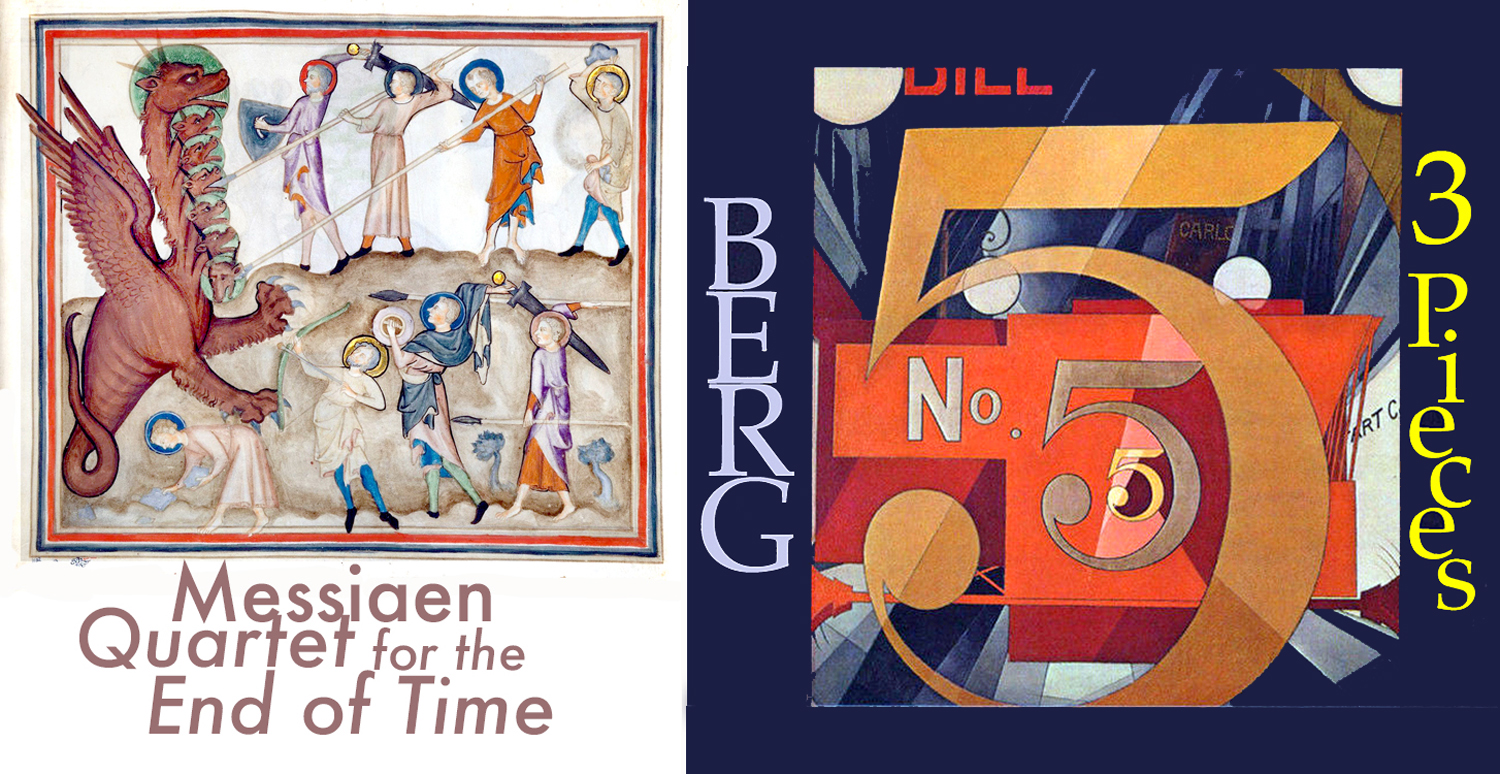
French composer Olivier Messiaen (1908-1992) was imprisoned by Nazis during World War II, and in prison camp, wrote his Quartet for the End of Time, for piano, clarinet, violin and cello (the instruments available in the camp). It is a hugely idiosyncratic piece, written to Messiaen’s own music theories, but can be overwhelmingly emotional in a good performance. And for the double-dip experience of atonal music, try Alban Berg’s (1885-1935) Three Pieces for Orchestra (1914), for something like what people used to call “modern music.” 

Penderecki: Threnody to the Victims of Hiroshima

Classical music, or art music, is still being written, and responds to life in the current world. We live in a post-Hiroshima age, and Polish composer Krzysztof Penderecki (1933-2020) summarized the feeling in his 1961 string-orchestra piece, Threnody to the Victims of Hiroshima, although you may have some difficulty recognizing it as string music made by violins, violas, cellos and double basses. It shrieks of the horror. 

It masses its 52 string players in tone clusters and dissonances, various vibratos and odd bowings, for 8 and a half minutes, that is not meant to be beautiful, but to evoke intense emotions. It is, nevertheless, beautiful. (Remembering Tom Robbins notion: “The ugly may be beautiful; the pretty, never.”)

Alternates:

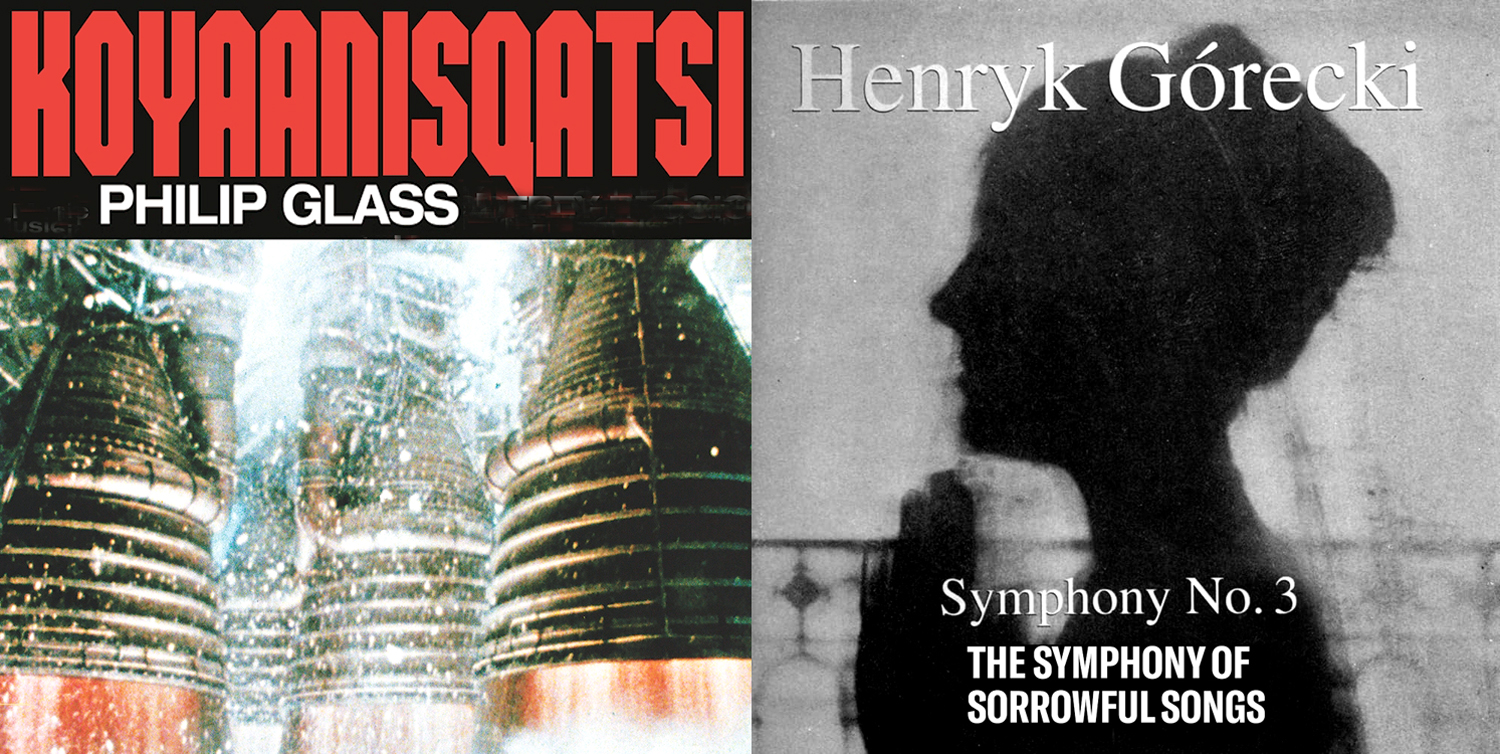
Minimalist composer Philip Glass (b. 1937) also reacts to the modern world in his film score for the Godfrey Reggio film, Koyaanisqatsi (1982). The modern world is a crazy world, as the film and music underline, but with quite a variety of minimalist techniques. The horrors of war fill Henryk Gorecki’s (1933-2010) Third Symphony (The Symphony of Sorrowful Songs) (1976), in which a soprano sings Catholic laments and words by victims of the Nazis, all to music so slow and so inexorable as to be almost a force of nature. Its 1991 recording by the London Sinfonietta sold more than a million copies. Gorecki, surprised at the popularity of such a sorrowful piece of music said, “perhaps people find something they need in this piece of music…. something they were missing. Something, somewhere had been lost to them.”

Epilogue

Of course, this diversity is among the European tradition of art or concert music. Most cultures have their own classical musics, such as the sitar or sarod music of India, the Chinese opera music, and Japanese flute music. Each is a tradition handed down from master to student and carried forth, with development and variation. That is what makes it classical. 

If I were to think of a purely American classical music, it would be jazz. It, likewise, has a wide range of styles and sounds, from Louis Armstrong through Duke Ellington and down through Ornette Coleman. 

But it is what we call classical music in the West that I am best familiar with and love. And writing this has given me the chance to listen once more to each of the pieces I’ve written about, and more joy me. 

In the world of classical music, someone who tickles the ivories tends to be considered either a pianist or a musician. Musicians tend to play Bach and Beethoven; pianists rather favor Chopin and Liszt. 

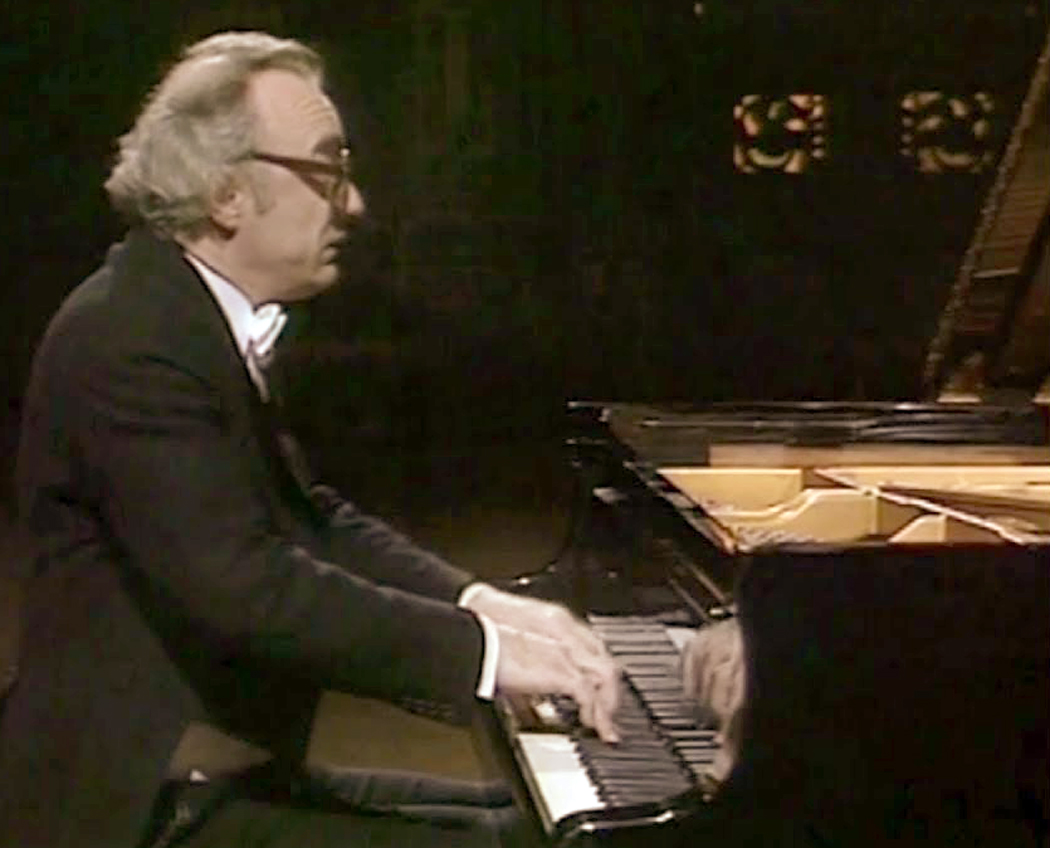
Brendel

Of course, this is not a simple dichotomy; it is a spectrum. But it helps to understand the difference between, say Vladimir Horowitz and Alfred Brendel. 

The Brendel side sees the “text” as sacred and attempts to provide a sort of Platonic or idealized performance of the music. The Horowitz camp, instead, sees the music as a canvas on which to display the joys of piano playing and the possibilities afforded by the 88-key machine. 

The one sounds studied, the other sounds spontaneous.

Perhaps my bias shows. I tend to downplay the very laudable talents of a Brendel, because I see it as a kind of embalming, or a making of a museum exhibit. I have always been more taken with pianists who bring themselves to the score, to see the score not as an end, but as a beginning, as if it were a photographer’s negative that can be printed in many contrasts and tones. Not ideal forms, but Heraclitan flow.

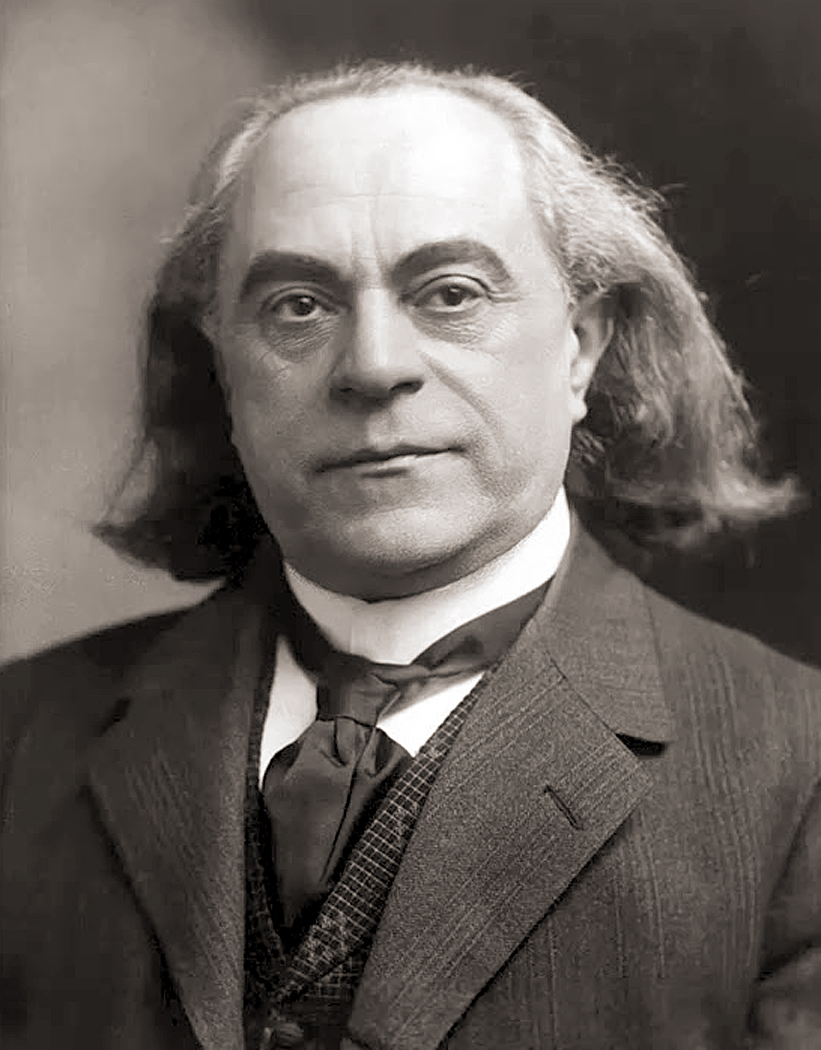
Paderewski

The latter parts of the 19th century and the beginning of the next were the heyday of the pianist as star. It was the time of Paderewski and de Pachmann, who gave very personal performances of their programs. 

But somewhere between the world wars, there emerged praise of piano players who were notable “as musicians” rather than as pianists. It was praise heaped on such notables as Josef Hofmann and Artur Schnabel. The parallel might be thought of as journalism, where the actual reporter disappears from his story and only the facts remain. 

(James Joyce famously once said that an artist should remain “invisible, refined out of existence, indifferent, paring his fingernails.”)

And so, for Brendel (sorry for picking on so august a man), the score is something to be studied, balanced and weighed, finding tempo ratios to emphasize the unity of the piece in question, to make sure it all coheres as a whole, from initial downbeat to final chord. To make such a case often requires the pianist to avoid making too much of details here or there, to subsume all into the integrity of the whole.

de Pachmann

While for the pianist, as a class, the details are what make the pieces interesting. If you have to lose something of a long view, you gain immeasurably in the emotional communication of the piece. 

(The distinction between emphasizing the whole against emphasizing the detail was described by famous art history Heinrich Wölfflin as one of the defining distinctions between what he called “classical” art and the “Baroque,” or, more popularly, romanticism.)

 Pendulums swing back and forth, and the age of keyboard musicians such as Murray Perahia, Emanuel Ax, Olga Kern, Marc-Andre Hamelin, András Schiff and Nelson Freire is giving way to a new, more overtly expressive group of pianists as ivory ticklers, less concerned with hitting their marks than with connecting with their audiences on a primal level. 

I have brought up all this backstory to express my love for the music of four younger pianists — “younger” being a relative term: These are each in their 40s or 50s. But pianists tend to reach their expressive prime not in their salad days but in their riper age. A few, such as Arthur Rubinstein or Mieczysław Horszowski kept getting better into their 90s. 

Lisitsa/Beethoven

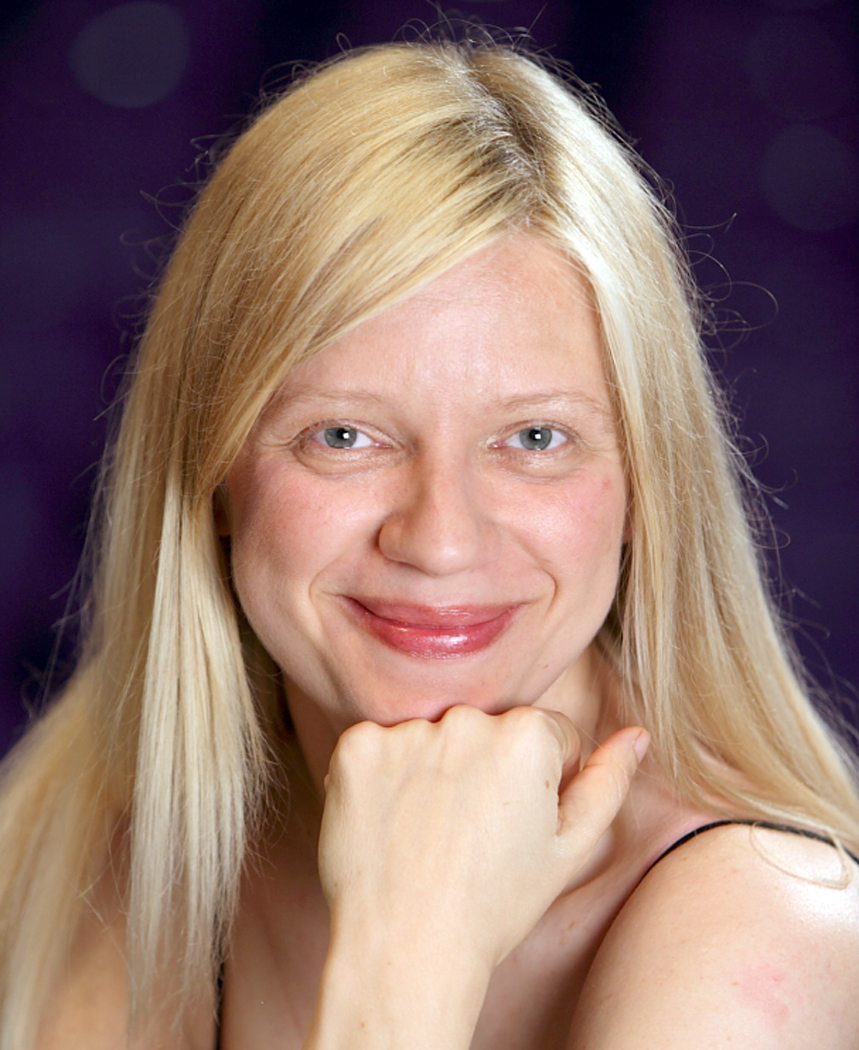
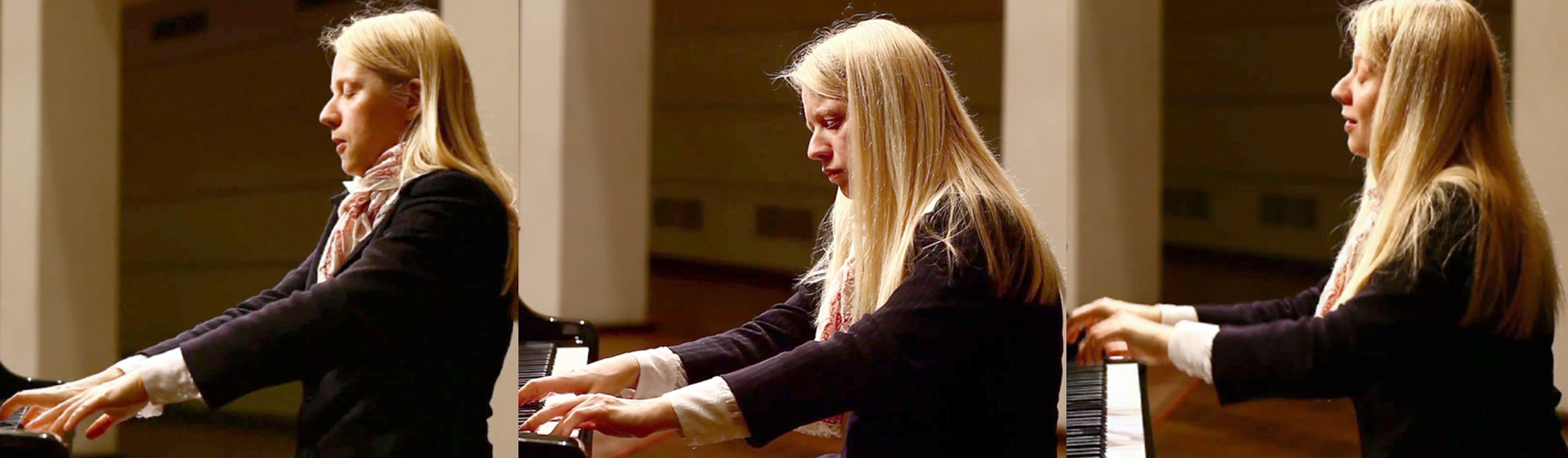
Valentina Lisitsa

The impetus for this is a new series of YouTube videos by Ukrainian pianist Valentina Lisitsa, now 46, in which she has begun recording all 32 Beethoven sonatas. She posts new videos one at a time as she goes through the canon chronologically. 

Her playing is brilliant but utterly untraditional. Fast movements are faster than a speeding bullet; slow movements can be dirge-tempo. Always her tempi are shifting, speeding up and slowing down, pauses added to phrases and dynamics ratcheting up and down, even within a two-note phrase. This is playing not about unity but about contrast and diversity. This is a Beethoven that is alive and having a grand time.

Lisitsa is a peculiar case in the history of virtuosi. She did not come up through the piano-competition mill, but by posting performances on YouTube and gaining a loyal fan base. 

This put off some fogey critics — especially those who rather preferred a piano playing wearing tails and white tie — but excited a generation of real fans. 

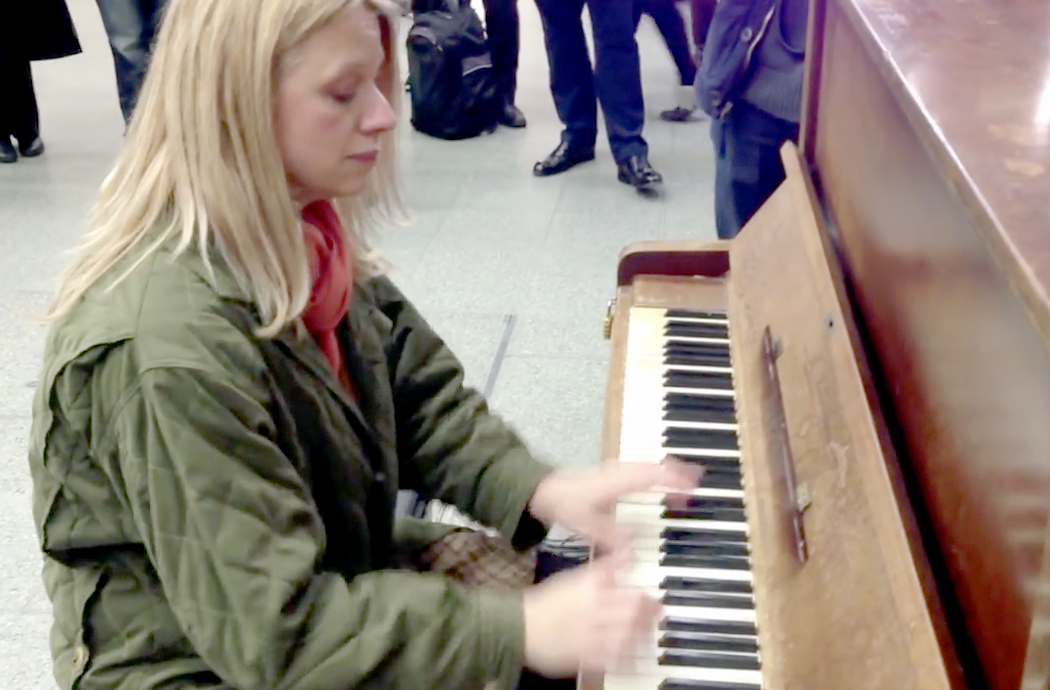
On an upright

Her first recordings were mostly of the music of Franz Liszt and Rachmaninoff — big Romantic pieces in which she could show off her blazing technique. But, unlike some other note-grinders, she didn’t simply hit the right notes in the right order, but instead made exciting music. 

Liszt himself knew how to make drama of his concerts, with his long hair and dashing attitude. Lisitsa gave us Liszt as theater. We have perhaps too often forgotten that a concert is an entertainment, that it has an audience. (Hungarian Rhapsody No. 2)

You watch Lisitsa’s face as she plays and it is clear she is having fun; the music gives her — and us — genuine pleasure. (La Campanella) She is not giving us a pianistic lecture in music history, but giving us a reason to enjoy life. 

Which is why her new Beethoven series is so exciting. (Rondo from the Waldstein sonata) This is Beethoven as intoxicating. As I write this, her series has reached the first six sonatas. They sizzle as she plays. There is ample pedal — something recent pianists have considered to be rather a deplorable sin, as if they were musical Puritans.

You can find scores of her performances on YouTube, including a barn-burning version of Beethoven’s Piano Sonata No. 3, Op. 2 No. 3. 

Grimaud

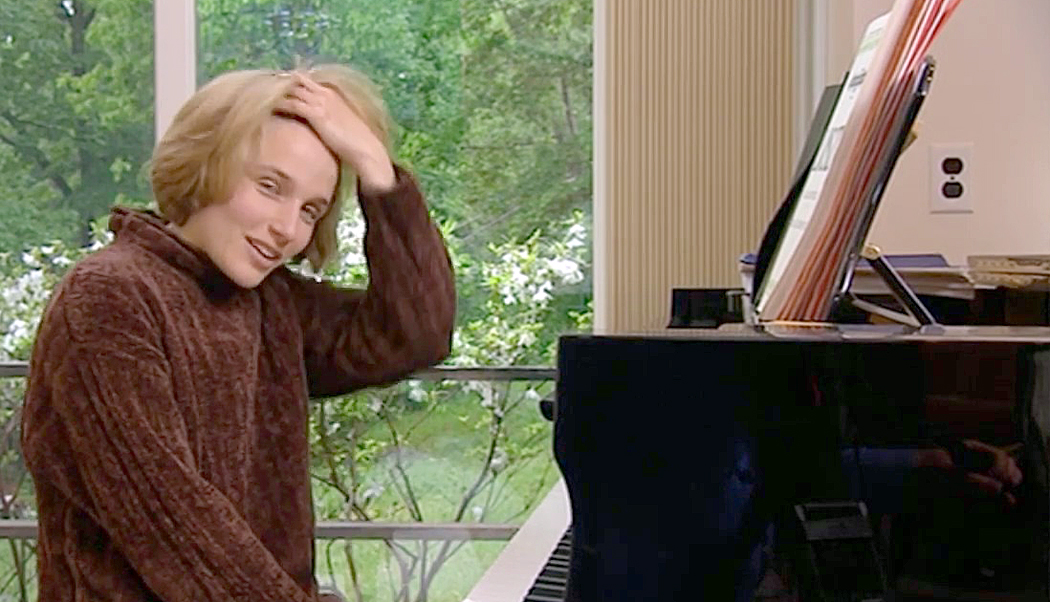
But Lisitsa isn’t the only great pianist bringing new fire to classical music. Hélène Grimaud is just as astonishing. D.T. Max in The New Yorker wrote, “Grimaud doesn’t sound like most pianists: She is a rubato artist, a reinventor of phrasings, a taker of chances.”  

Her performance of Ferruccio Busoni’s transcription of the Bach Chaconne is furious and exciting. Purists complain that Busoni is “kein Bach,” but it is great music. 

It is the taking of chances, of seeing familiar ground in new ways that make my favorite pianists so moving. For them, classical music is not old, it is as present as today’s performance. 

These pianists are virtuosi, but more than that. They find the meaning in the music, what the music is really about, and how it says that music to its audience. 

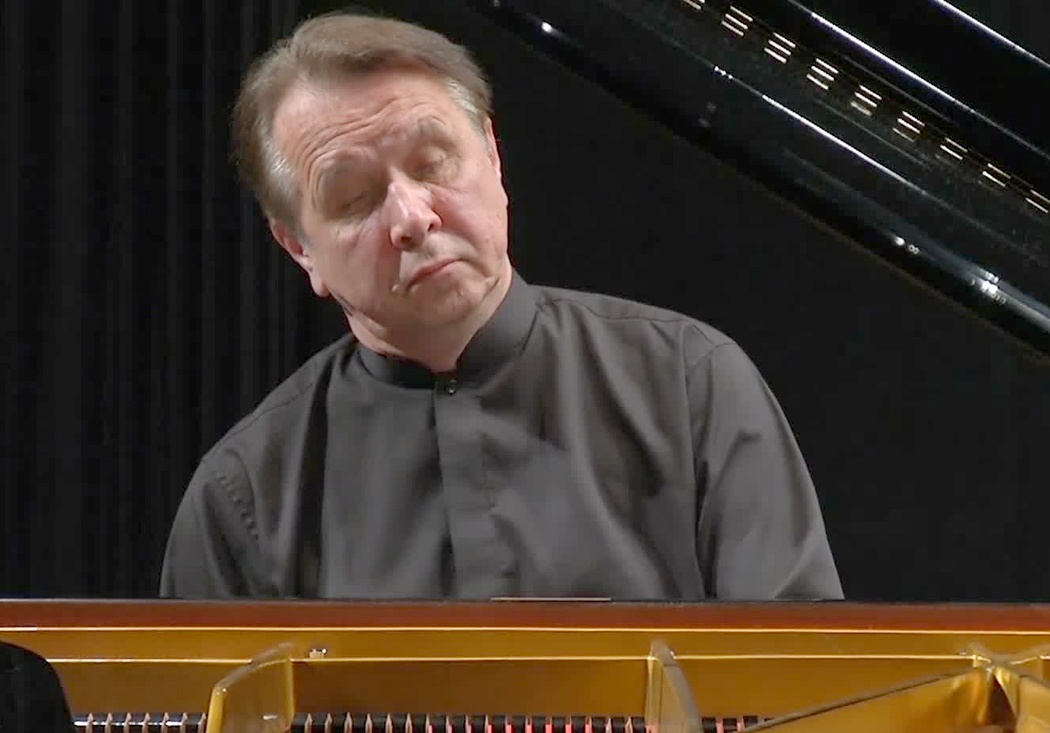
My third nominee is the Russian pianist Mikhail Pletnev. He also makes the music his own. He has technique to burn — listen to the Schulz-Evler transcription of the Blue Danube — but he can also turn out a Scarlatti sonata better than anyone since Horowitz, although, like the older pianist, he can sometimes rewrite the music, adding octaves or, in one case, his own coda. 

His recordings of the five Beethoven concertos is a revelation. 

Denk

And finally, I have heard Jeremy Denk many times live, none more overwhelming than his program at the Zankel Recital Hall at Carnegie Hall in 2008, when he played, back-to-back, Beethoven’s Hammerklavier Sonata and Charles Ives’ Concord Sonata — the two thorniest and most monumental pieces in the repertoire, each 45-minutes long. Then, for encore, he reprised the “Hawthorne” movement from the Ives. It was a memorable night of knuckle-busting. (Alcotts movement from the Concord Sonata). 

Denk has a sense of humor, which shows up in his blog, “Think Denk,” but also in his recitals. I heard him perform Beethoven’s “Eroica” Variations, which he explained as, at least partly, comic, and his performance was both beautiful and witty.

He also performs the piano music of György Ligeti, which he plays as fluently as if it were Mozart and makes a persuasive case for it. (Etude: “Disorder.”)

“There’s something I like about music that’s on the edge of destroying itself,” he has said. 

There are others in the younger generation that have also taken up the cause for more fluid, flexible and exciting performance. But these four are the ones I know best and admire the most. Seek them out.