Archive

Tag Archives: pulp fiction

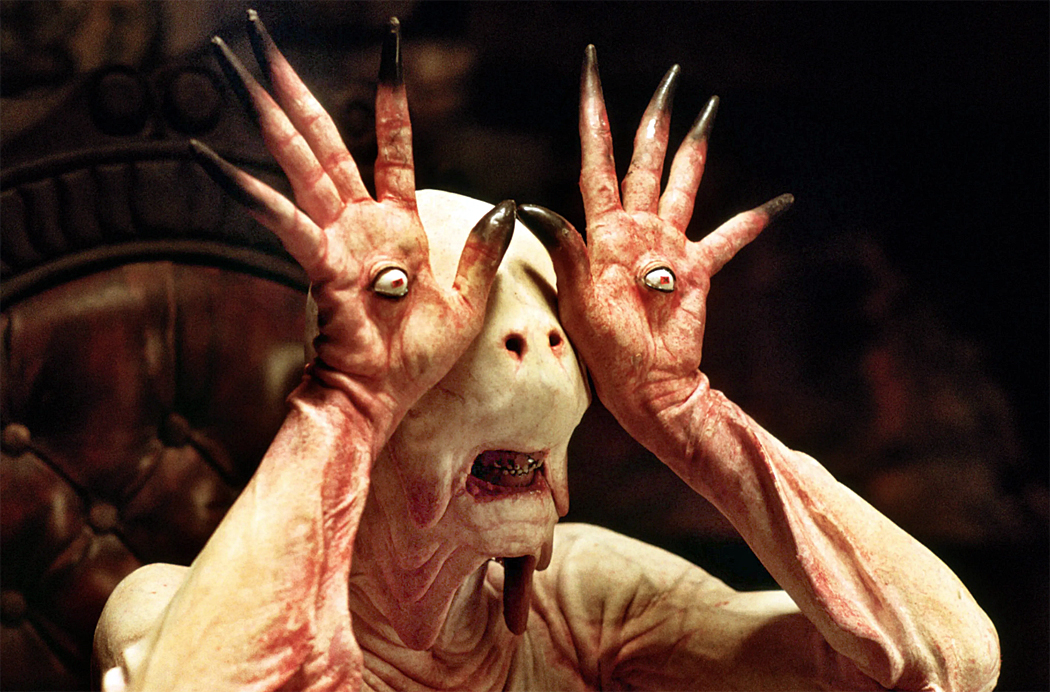
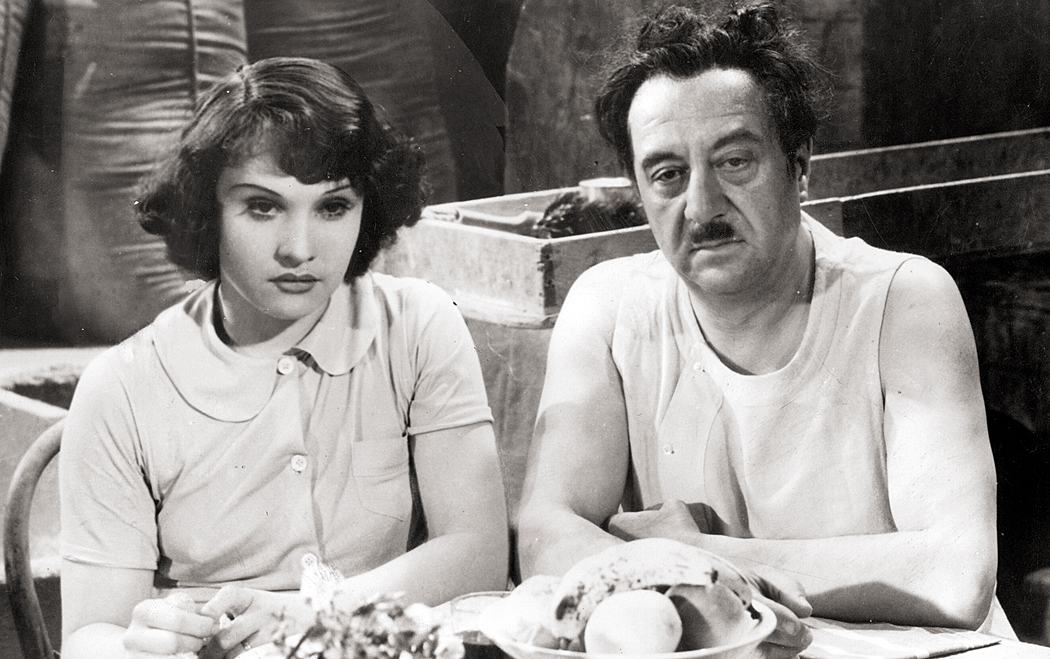
There is a class of movie that deserves special mention. The films aren’t necessarily the best, although they tend to be decent. They don’t usually show up on Top 10 lists or all time greats. But the fact is, that when they show up on TV, often late at night, we will watch them over and over. I don’t necessarily tune in on purpose, and don’t set the DVR to record, but if I tune in halfway through, I’ll see them out to the end. 

These are movies we know almost by heart. There is an amiability to them. Like a favorite tune we like to hum along with, I’ll recall the dialog or the set pieces. A good tune never wears out its welcome. 

I thought about this one night when I was clicking the clickerator and came upon Support Your Local Sheriff. It was bedtime and I was about to turn off the tube, but instead, I sat back down and saw the thing through. Not a notably good movie, but just so pleasant, that I watched yet again to see Walter Brennan do his Walter Brennan imitation. And there’s Bruce Dern and Jack Elam, and Gene Evans and Henry Jones and Harry Morgan and Walter Burke. All great character actors doing what they do best: carefully etched characters, albeit caricatures, but all memorable and distinct. 

This is not a claim that the movie is one of the great classics of cinema, but I can’t help but just enjoy the heck out of it whenever it’s on. Old friends I’d drop in on and visit. 

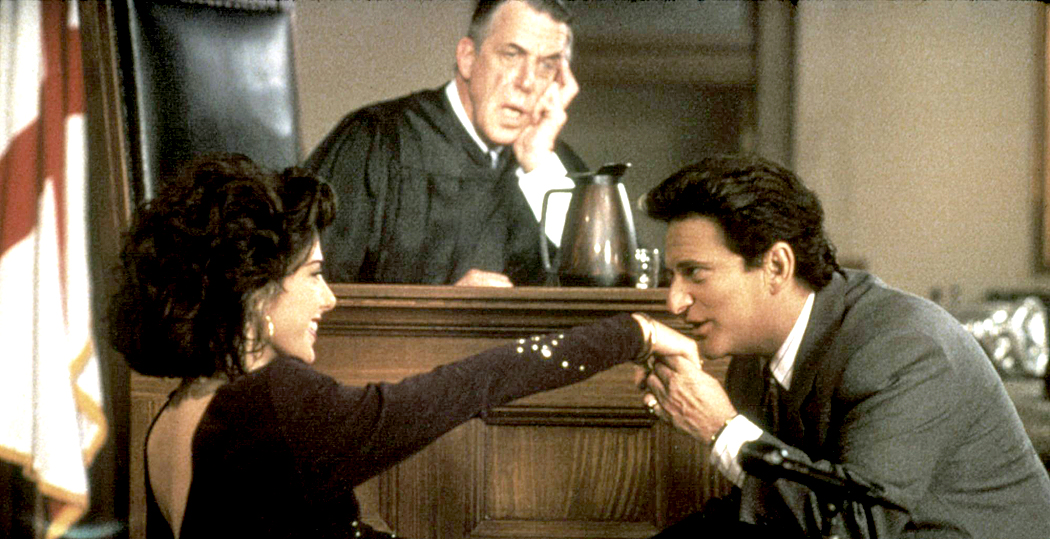
And it’s far from the only such film. There’s a whole class of them. Among notable “rewatchables” are My Cousin Vinny or Key Largo or The Blues Brothers. Such a list will be entirely personal, although there are probably movies that show up on a majority of lists, the consensus rewatchables. 

There are movies I will choose to watch again and again. They are favorites and I will seek them out. But this list isn’t about that, but about happening on one when channel surfing and finding one that is an old shoe, comfy, familiar. I have the dialog memorized, and no matter if it’s just starting or soon ending, I will keep it on and watch, under various levels of engagement, until it ends. Not so much movies I choose to watch, but that I happen upon and stay with. 

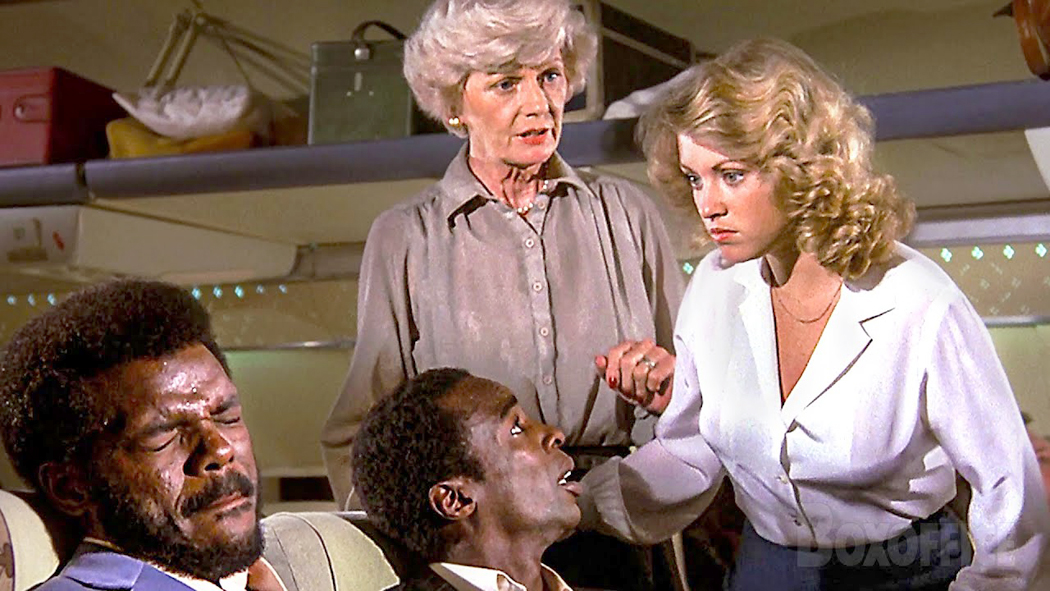
There are movies that, because of this habit, I have seen the end of many times, but seldom see the beginning. For all the times I’ve seen the beginning of Airplane! or The Fifth Element, I’ve seen their endings at least a dozen times. You catch these films mid-flight and ride until they land. 

(There is a subset of films where it is only the beginning that I watch over and over — If Turner Classic Films is showing 2001: A Space Odyssey, I will watch the prehistoric beginning but then tune out. Not that I don’t think the rest of the movie is good, but because it is only the opening that has this over-and-over quality of a favorite song that scratches a certain cinematic itch.)

When I consider what makes a movie rewatchable by this standard, there are a few things that seem to be true. 

First, plot doesn’t matter much. Movies that I will stay to watch are composed of memorable set pieces rather than a story with a goal-oriented ending. It is the set-pieces that I want to see, each scene a mini-story in itself. 

Second, they feature memorable dialog. Snappy chatter and witty responses. 

Third, they feature memorable characters, whether germane to the plot or not, and usually played by memorable character actors. 

Sometimes the attraction is none of the above, but just how bad the movie is. My brother says, “Growing up, I’d watch any movie with robots in it. Still will. I’ll visit most any ’50s movie with a monster or a rocket ship (or monster in a rocket ship). Stupid and cheesy and incompetent don’t matter.” 

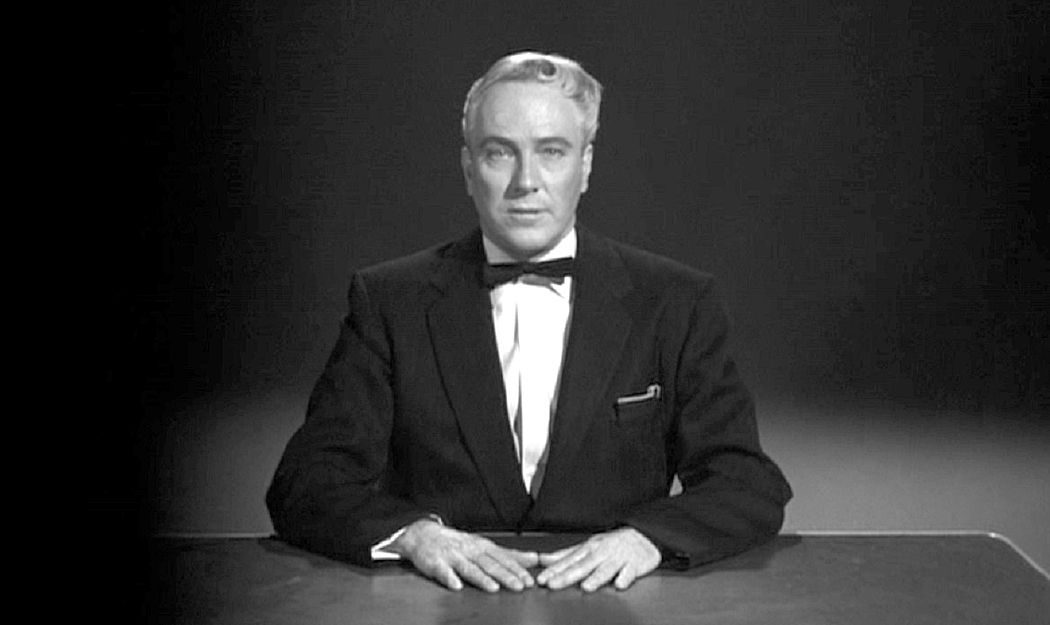
And so, Plan 9 From Outer Space is a Class-A dip-in-at-any-time film (I hesitate to even use the word “film” in this context, as the word implies a certain level of craftsmanship famously missing in this “classic.”) But it has memorably dippy dialog (“We are all interested in the future, for that is where you and I are going to spend the rest of our lives. And remember, my friend: Future events such as these will affect you in the future.”) It has memorable characters, like Vampira or Tor Johnson. And it has character actors, such as Lyle Talbot and cowboy star Tom Keene, doing their best with the unspeakable script. 

At the opposite end of the quality spectrum is Citizen Kane, which is the acme of episodic great dialog with wonderful actors. Lots of scenes to remember in discrete chunks, any of which can be pulled out and dissected line by line and feel complete in themselves. 

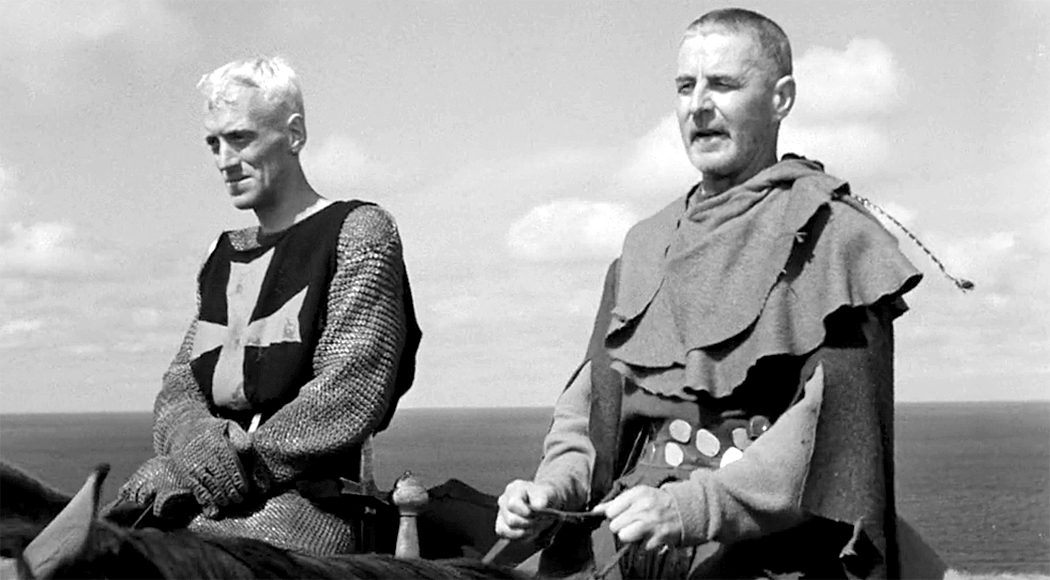
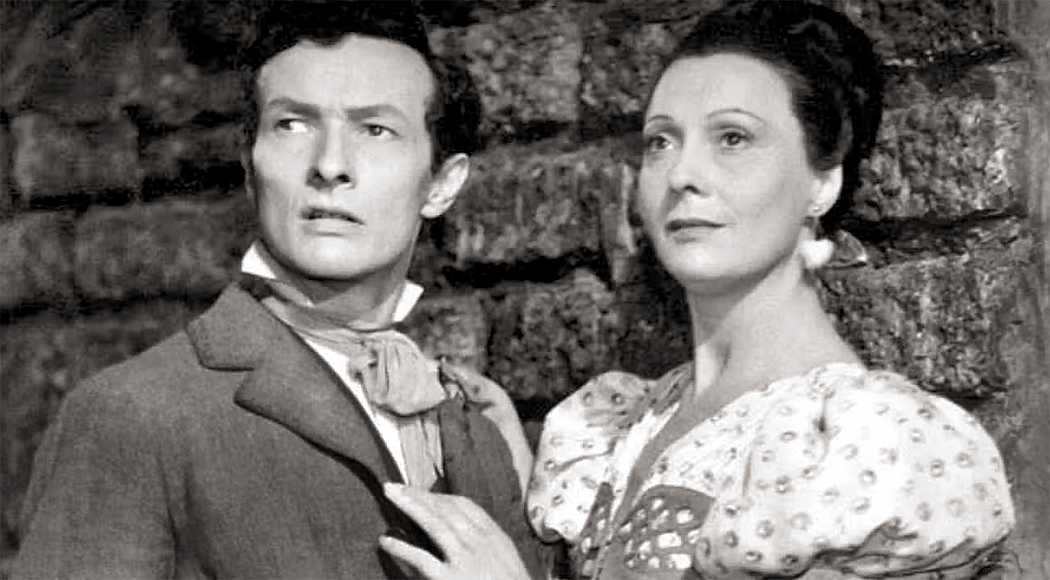
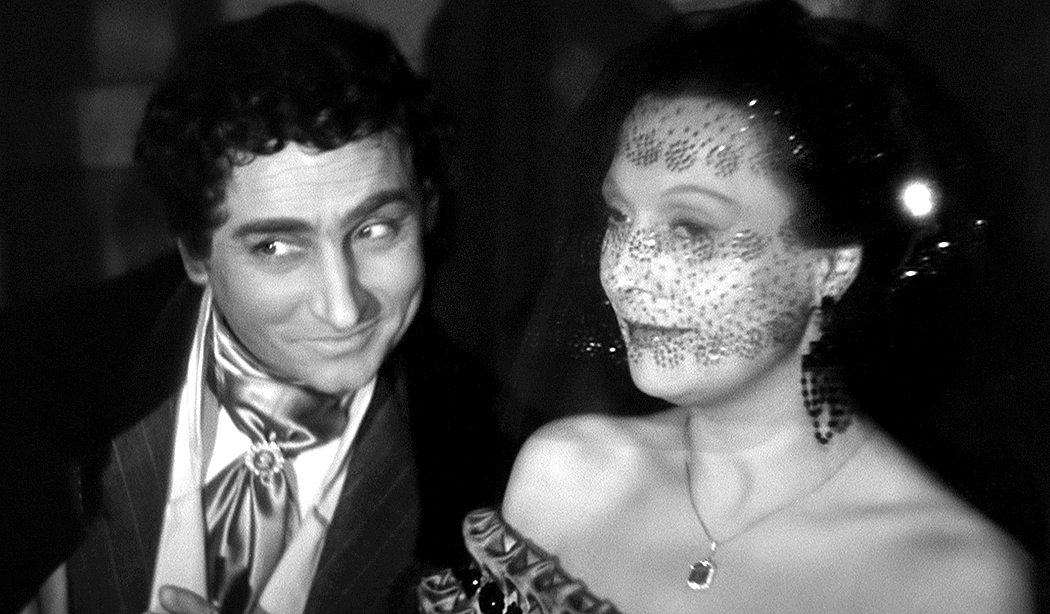
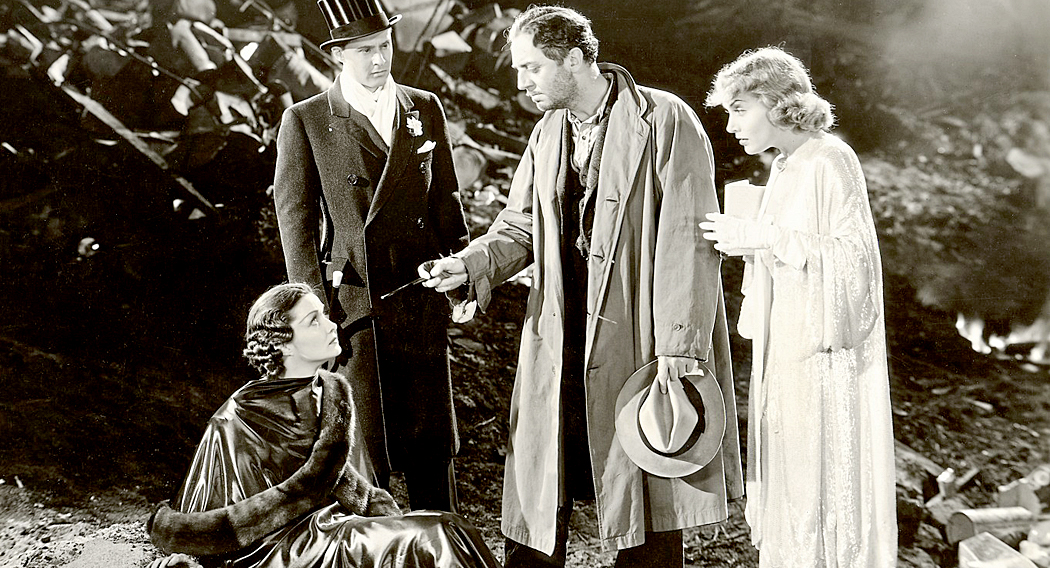
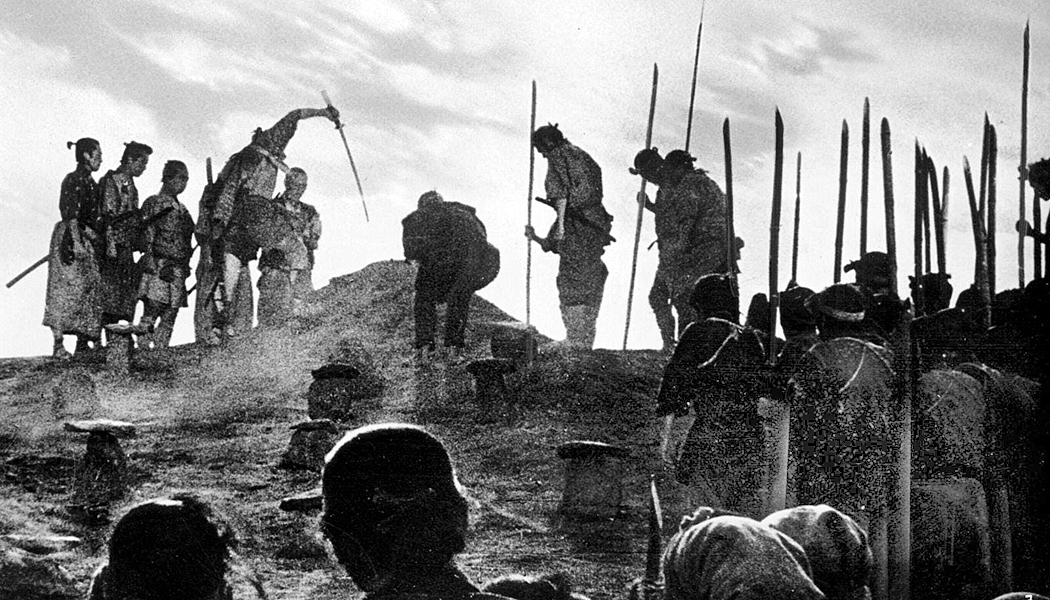
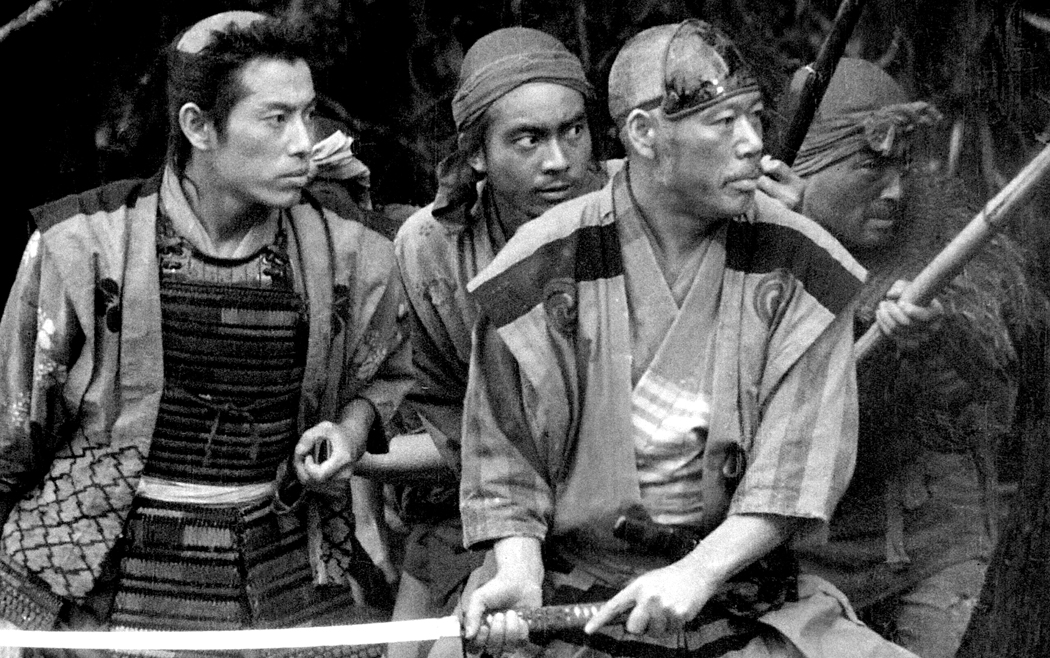
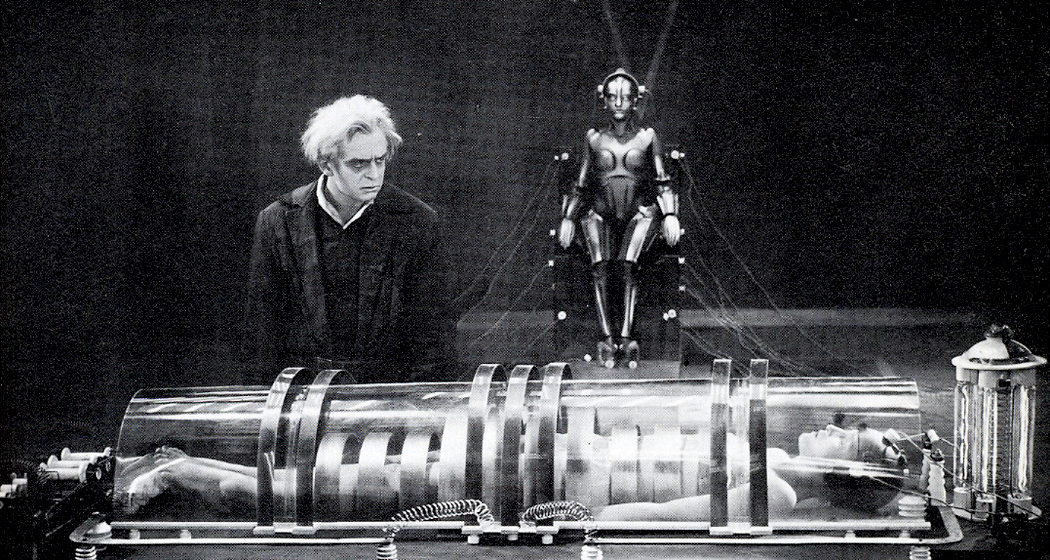
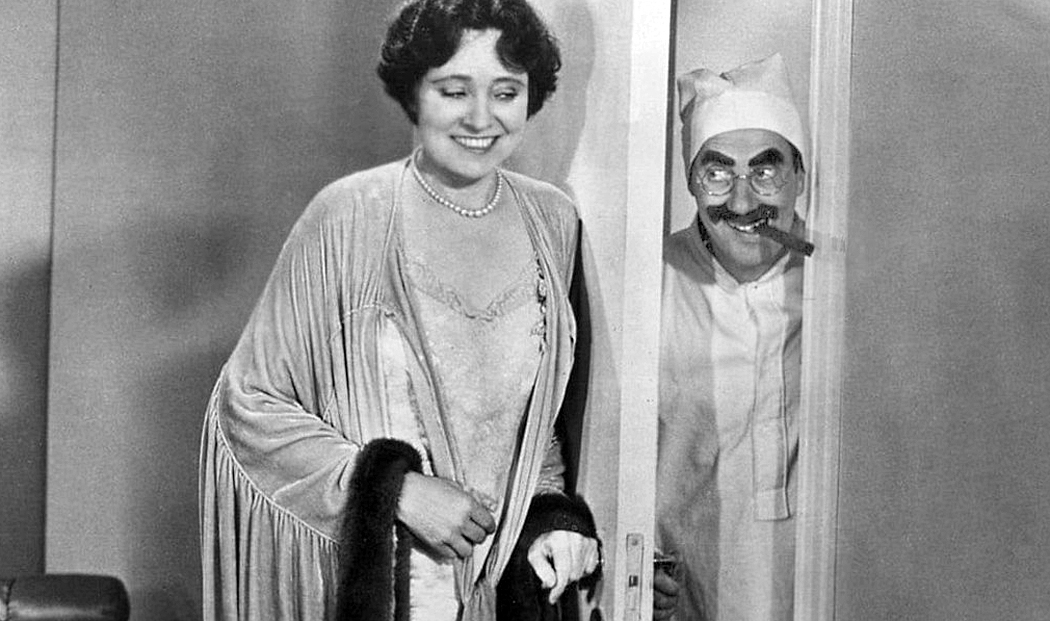
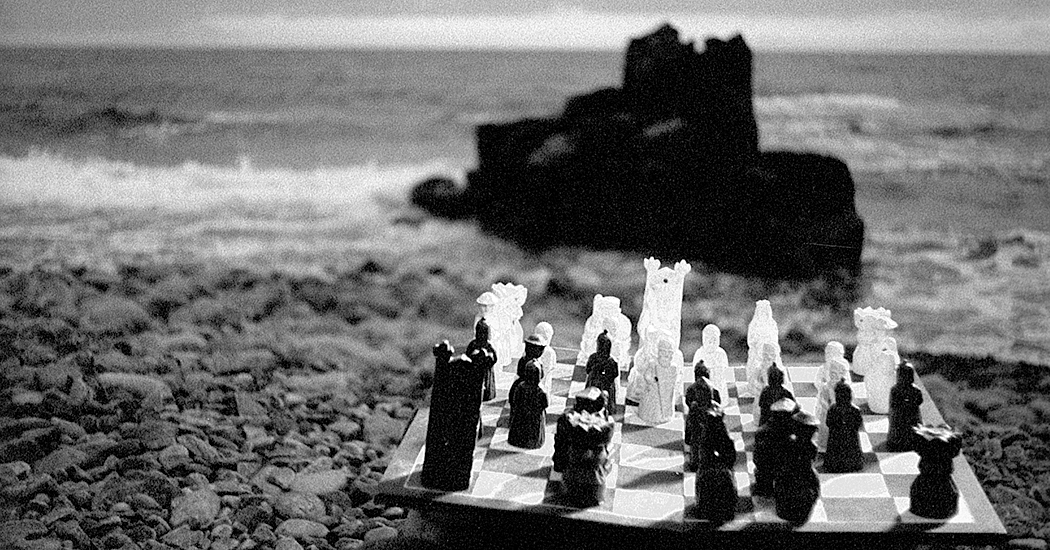
I came up with a list of about 40 films that fill the bill and I know there are at least that many again I have forgotten to include. Among them are The Bride of Frankenstein (mostly for the scenes with Ernest Thesiger), Them!, Duck Soup, Dracula, Rio Bravo, and Beetlejuice. There is no average quality level, they run from Seventh Seal to Harold and Kumar Go to the White Castle

The most important quality of most of the films on my list (although not all of them) is that episodic structure. Francis Coppola’s Godfather is often described as “operatic,” and that is dead-on: Like opera, the rewatchable film is made up of recitatives, arias and choruses. And the same way you can make a concert program of favorite arias, you can do the same with favorite movie scenes. 

I will watch any black-and-white Fred Astaire film for the dance scenes. And any film with a Busby Berkeley extravaganza in it, although, once the plot creaks back into action, I’ll tune out. Each Berkeley choreography is an esthetic whole complete in itself.

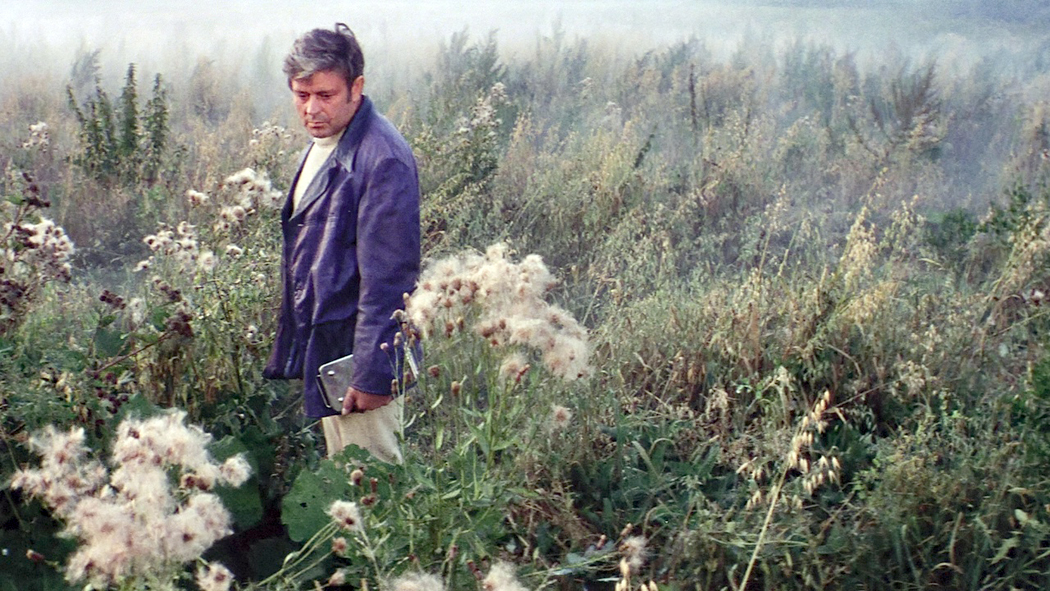
The opening 20 minutes of Tarkovsky’s Solaris is intensely beautiful and I will set my DVR for it, just for those minutes, I don’t often take on the whole, long film that trails behind. 

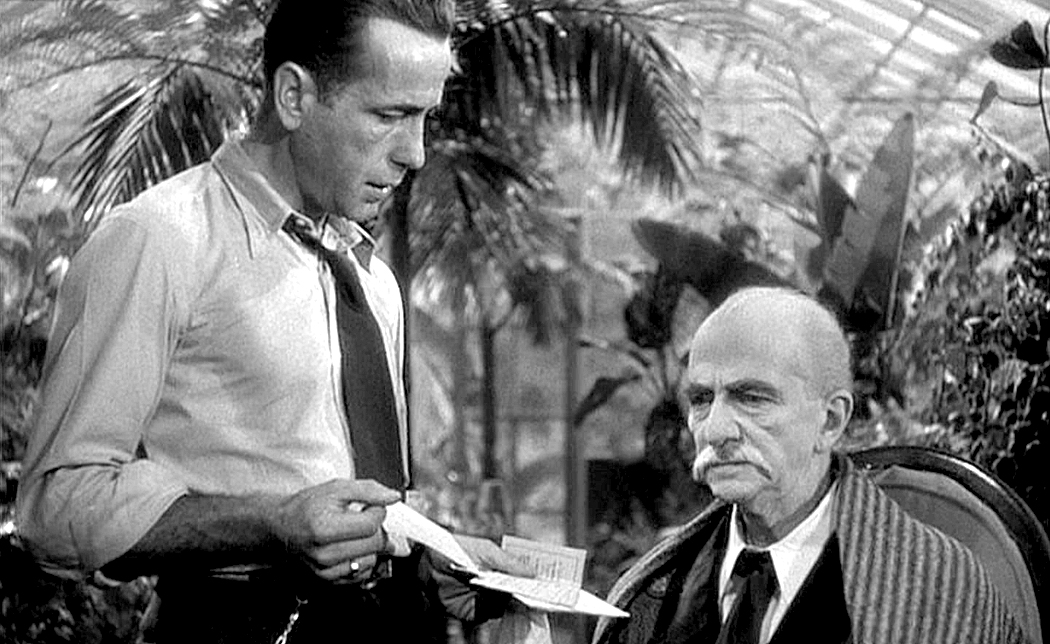
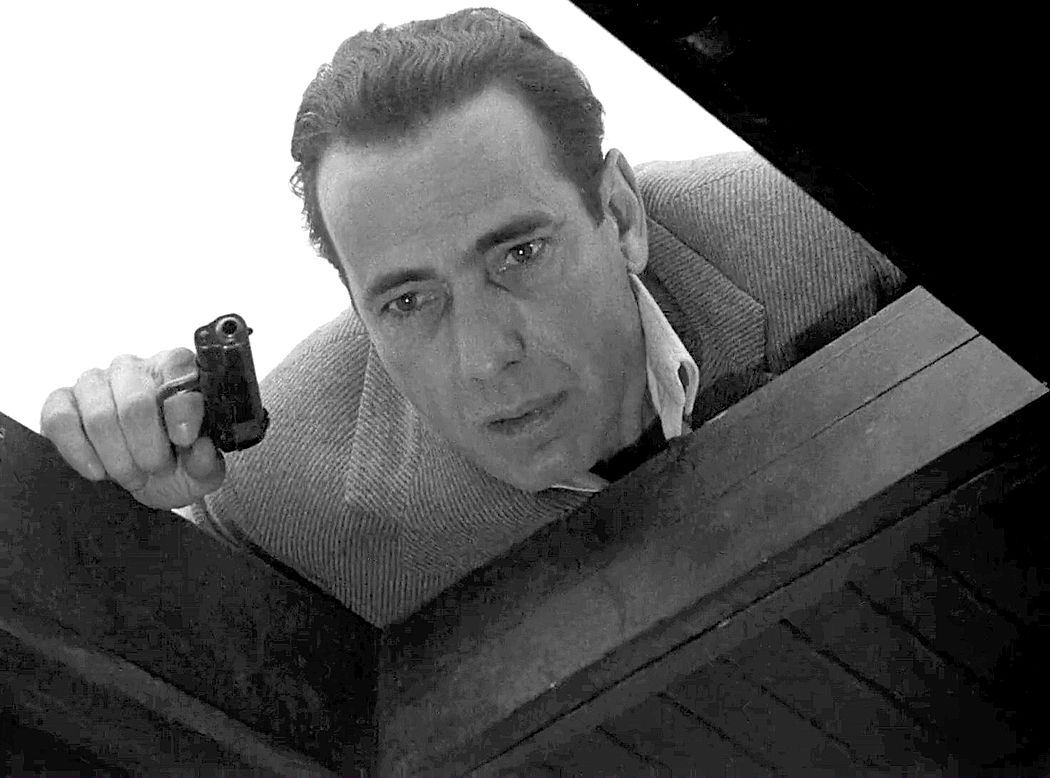
Bogart and Charles Waldron, upper left; with Sonia Darrin, upper right; with Dorothy Malone, lower left; with Lauren Bacall, lower right

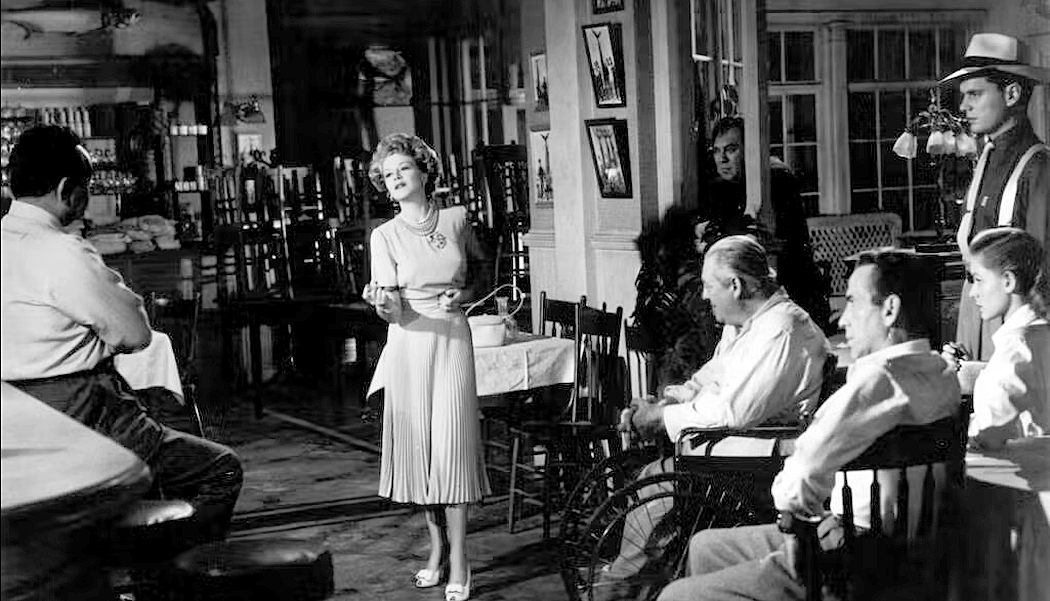
The essential set-piece rewatchable film is Howard Hawks’ The Big Sleep. You cannot watch it for the plot. As a whodunnit, it is hopeless. But each scene is a carefully crafted gem, beginning with perhaps my favorite, Bogart’s interview with the old General Sternwood. (“If I seem a bit sinister as a parent, Mr. Marlowe, it’s because my hold on life is too slight to include any Victorian hypocrisy. I need hardly add that any man who has lived as I have and who indulges, for the first time, in parenthood, at my age, deserves all he gets.”) Includes verbal fencing with Lauren Bacall and Martha Vickers (“Your not very tall, are you?” “I try to be.”) Snappy parrying with Sonia Darrin (“You do sell books. Hmm?” “What do those look like, grapefruit?”) A racy scene with Dorothy Malone skirting the boundaries of the Code, and lines with the cab driver Joy Barlow, John Ridgely (Eddie Mars), Regis Toomey, Charles D. Brown (Norris) and Louis Heydt (Joe Brody), to say nothing about some really cruel lines given to Bob Steele as Canino. 

In the end, you don’t really care who did what to whom, but you are grabbed by the gloss and flash of the individual scenes. Which makes Big Sleep the champ of rewatchable movies. 

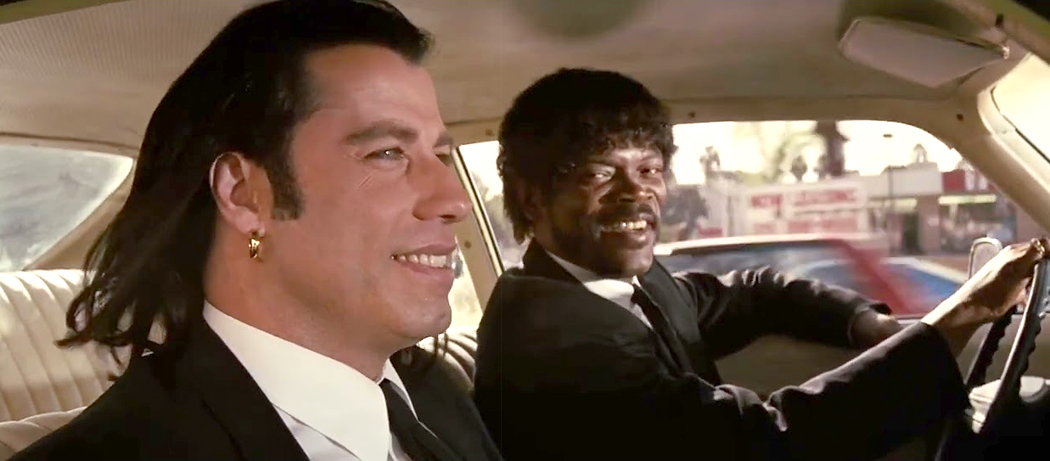
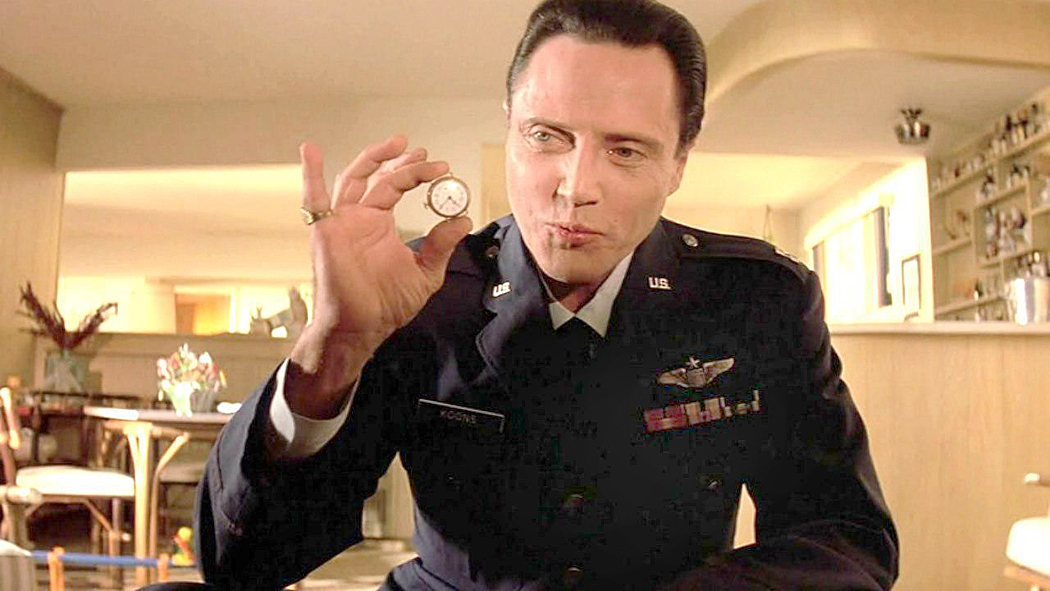
Pulp Fiction is another film built from scene-blocks, in this case all shuffled around. Is there anything more memorable — or more extraneous to the plot — than Christopher Walken explaining the provenance of a watch? It seems that the best parts of the film are all those that are completely unnecessary for the story. “You know what they call the Big Mac in France?” 

A film like North by Northwest might seem to be about a through-driven story, but really, it is also just a series of memorable scenes strung together. Each scene — the cropduster attack; the auction scene; the Mount Rushmore scene; and the final dirty joke — are all just pearls on a string.

Many of the series movies from Hollywood in the ’30s and ’40s are endlessly rewatchable, in part because what plots they have are practically interchangeable. “I’ll watch any Charlie Chan,” says my brother, and TCM devotee, Craig. ”I’ll watch Mr. Moto, but they are a rung below Charlie Chan, and the Falcon movies are a rung below that, and Boston Blackie, another rung down, but, hell, I’ll still watch them.” 

You just want to soak up the cinematic ambience of their docksides and back alleys. The fog, the boat horns, the apartment staircases, the eavesdropping at closed doors. 

“Mostly, my list taunts me, saying ‘You are a man of Low Tastes,’ and I guess it’s true,” Craig says. “And my list seems to be almost all American, and old. But these are just the movies that occur to me off the top of my old and balding head. There are a ton of movies that could be on my list, if I could remember them.”

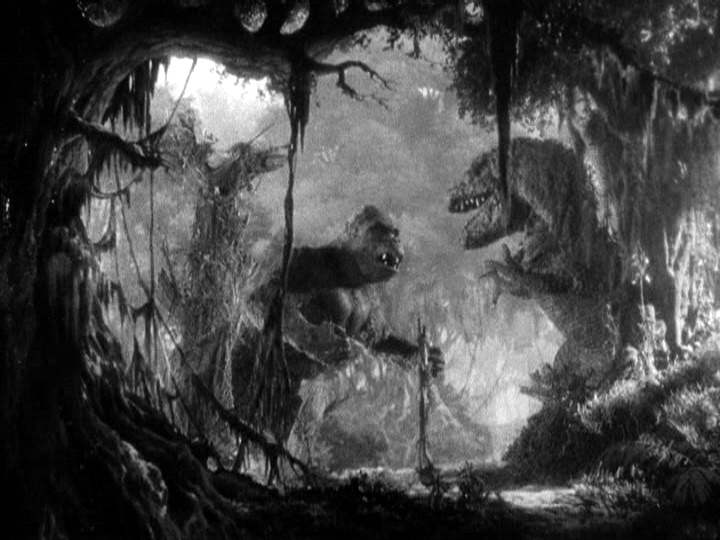
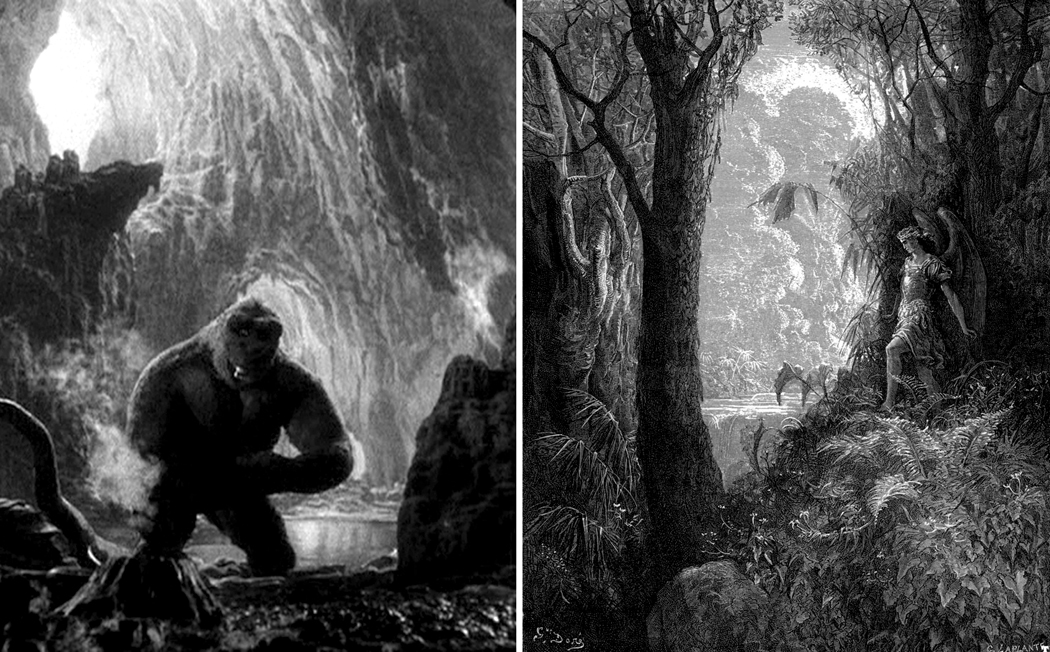
The first movie I began watching endlessly was King Kong, which I first saw when I was in first or second grade and was shown over and over on New York’s Channel 9 (WOR-TV). In the seven decades that have followed, I must have seen it close to a hundred times — maybe more. I will still watch it whenever I catch it being played. And that despite the creaky borrowed plot (mainly from the silent Lost World) the stilted dialog, and the acting, where Bruce Cabot shows off all the acting prowess of a loblolly pine. 

It was Kong that showed to me the possibility that a movie was worth watching multiple times. There are those who don’t partake, for whom the main interest in the film is the plot and having once seen it, “I know how it ends, so why would I watch it again?” And, indeed, there are many movies for which that is the main draw: The story line pulls you along and having once satisfied your need to know “what happens next,” you have emptied the film of its meaningful content. 

But, for me, the movies I’m talking about are more like music. You can listen to Beethoven’s Fifth many times, drawing something fresh from it with each hearing. Or listen to the Beatles’ Hey Jude over and over, and each time, it tickles just the spot that needs the stimulus. Bingo. Dead on. 

Who ever heard of someone who didn’t want to hear their favorite song again because “I’ve already heard it?” (I remember that bastion if intellectual curiosity Ronald Reagan saying “You’ve seen one redwood tree, you’ve seen them all.”) 

I will never get enough of any of the Thin Man movies, even Song of. Nor will I turn down The Thing with James Arness, nor M with Peter Lorre, nor Touch of Evil, nor Time Bandits

You see this is an eclectic list of movies, and not based on quality alone, nor on subject matter or genre, but entirely on that subjective and personal sense of rewatchability. 

What is on your list? 

Click on any image to enlarge

purple rose 2

Most people, when they go to the movies, go to see aliens blow up the world, or they go to see the lovers win out over odds, or to see the superheroes beat out the supervillains.

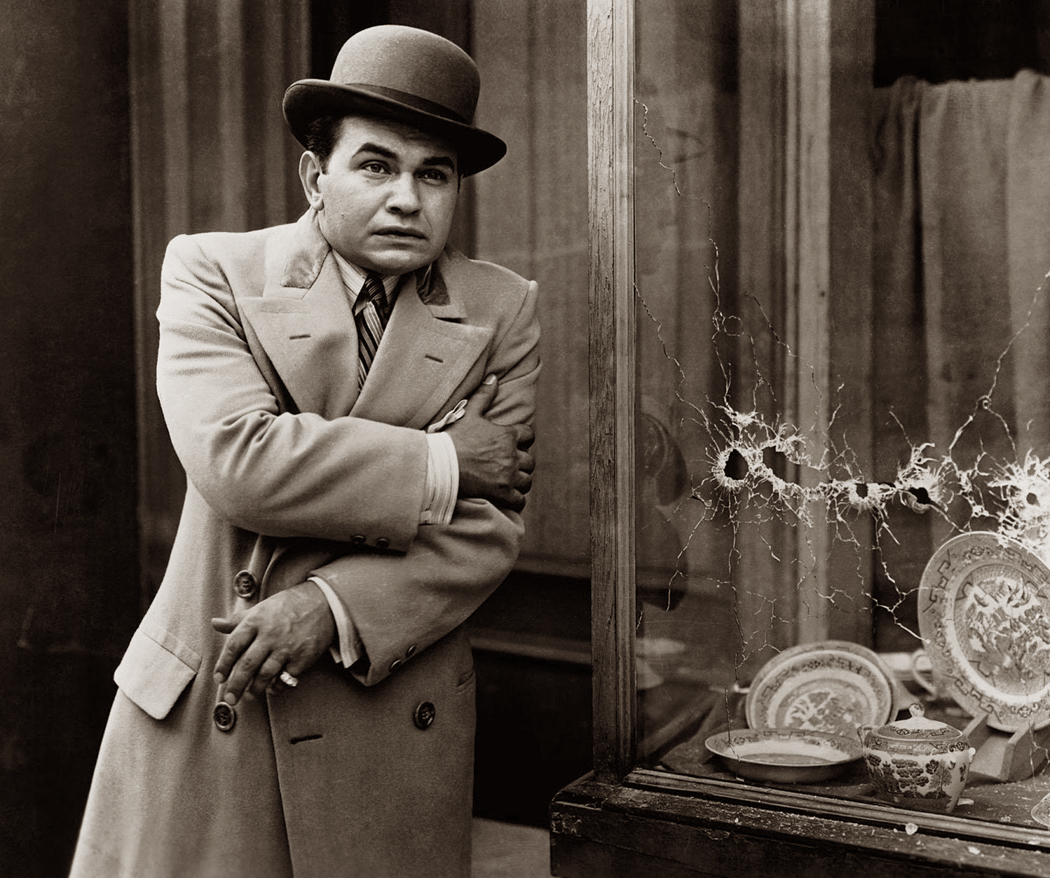
end of ricoThat is not much different from why they went to see the movies 80 years ago, except then they might have gone to see the chorus girl become a star, Fred and Ginger glide over the dance floor, or the end of Rico.

In other words, the initial satisfaction of moviegoing is the story, setting up characters and then seeing what happens next. And next after that. We think of them as having happy endings, but such endings are not necessary; some movies end in tragedy.

One is reminded of director Sam Fuller, when asked “what makes a good movie?”

sam fuller“A story,” he said.

“And what makes a good story?”

“A story!”

There is, however, another level of satisfaction that comes from watching a film, and that is an awareness of how the film is made. Not everyone understands the process by which the story is told, and not everyone cares. If a story is well-told, it is enough that the story is appreciated.

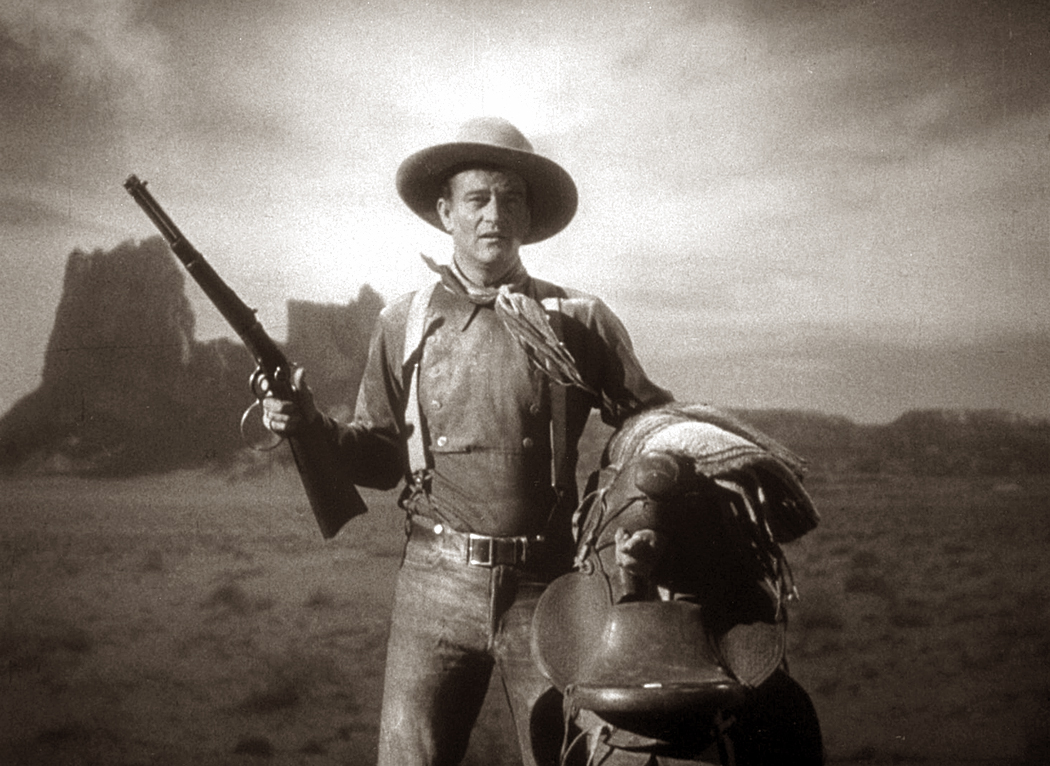
But there is a separate class of film buff who are moment-by-moment aware of how the pieces of film are put together to tell that story. They are aware of the lighting, the editing, the camera angles, the camera movement, the point of view — and are aware of how all these things are used to manipulate the story and the emotions of the filmgoer. An entire critical apparatus is brought to bear on a film, and especially if it is a film made by a director known to be innovative or astute at using these elements of film. For these people, watching a film is always a dual-track affair, as if they were reading a book in translation, seeing not only the story, but how it has been constructed at the same time.stagecoach

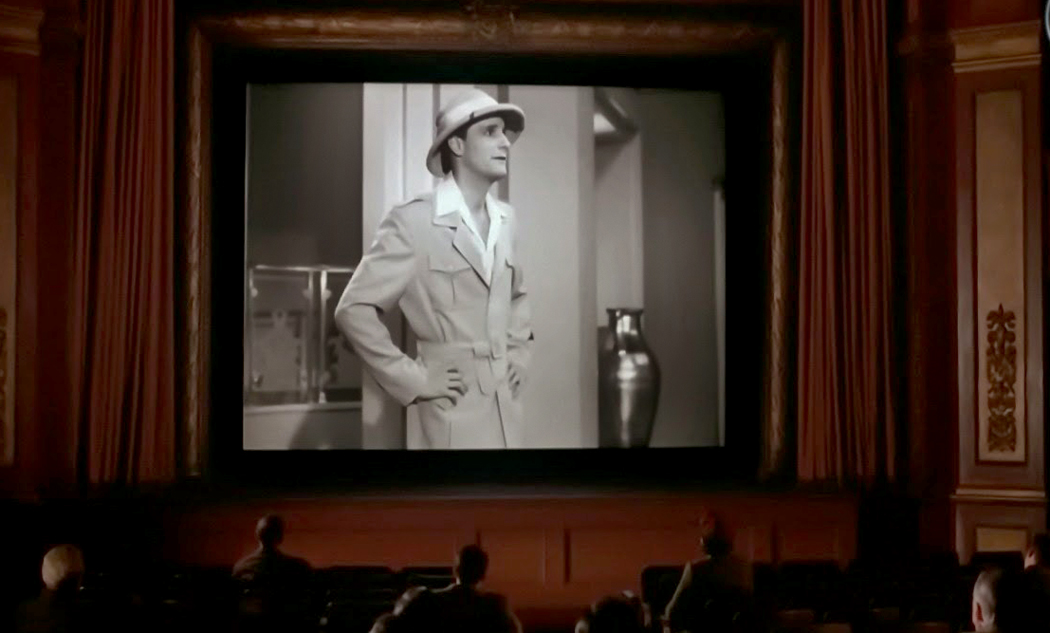
One can look at the studio films of Hollywood’s golden age and dissect them and notice how well made they are, and one can catalog the special habits of some of the better movie directors of the time — William Wellman’s overlapping dialog, Hitchcock’s time distortion, John Ford’s landscapes — and, indeed, whole books have been written (to say nothing about doctoral dissertations, and worse: books made from doctoral dissertations) about what makes Woody Van Dyke different from Gregory La Cava, but this is film-school subculture grist. The people who paid their pennies and dimes to watch those films in the grand movie palaces of the 1930s seldom considered the problems of reverse shots in editing dialog. They just wanted to know what happens next.

citizen kane low angleNowadays, one can hardly turn over a stone and not find someone spotting the use of camera angle in Citizen Kane or yanking our lapels to point out the amazing tracking shot that begins A Touch of Evil.

There is a subset of this sensibility that brings to bear the whole history of cinema — especially genre film — when viewing a film. I call this the Tarantino effect; it is that if we want to truly appreciate what is going on in, say, Kill Bill, one needs to know who Sonny Chiba is, what are the differences between Hong Kong martial arts films and those made in mainland China, and what is more, individual scenes from individual movies that are quoted or referenced in Tarantino’s opus.sonny chiba

This is the foundation of the current bumper crop of superhero movies, too. Fans know the backstory of each character, and the full weight of the “Marvel universe,” or the “DC universe.” The fact that all comic-book superhero movies are basically the same hardly matters if fans argue minutia of the worlds inhabited by these cliches.

The problem with all this is that it becomes a form of in-joke, or worse, a shibboleth separating those who “get it,” from those who don’t. And in this eddy of thought, the references become the subject of the film and the plot becomes incidental. One of the results is that it fosters cliche, with a wink and a nod, and negates original ideas, or at least glibly assumes that original thought is no longer possible. In this it buys into the Postmodern mentality, wherein it is held everything worth saying has been said, and now our job is just to rearrange the game pieces in clever ways. This conveniently forgets the fact that it has always been hard to be original, even for Raphael or Goya.

So, in our film culture now we have two strata of movie appreciation. There are still those who go the movie theater to enjoy a good story, but there is another class that blogs endlessly about the subtext, meta-theory and the film-school techniques of their favorite movies.

However there is a third level to be considered when assessing a film.  If most films don’t aspire to more than story and technique, in the greatest films both story and technique are just tools for for a further end: Expressing something real about life. These are films made by people who have something important to say, something to tell us. They are films that investigate our humanity.

Stories alone can be entertaining, and the meta-view can be engrossing to those whose minds are attuned to “what’s really happening underneath,” but when I make a list of the best movies ever made, it is neither of these levels I care about. Or rather, I assume them as given. No, what I look for is whether the movies have something to say about human existence, that I can weigh against my experience and decide if it is true or not, whether it has something to say about the experience of being alive.

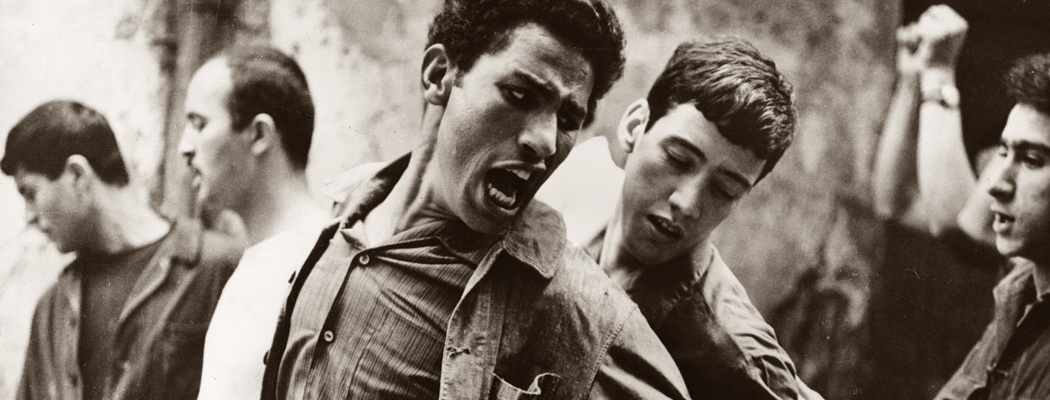
battle of algiers

That is why my Top 10 list does not feature The Dark Knight or Star Trek II: The Wrath of Khan. Such films may be diverting, but they don’t say much about the real world. Instead, my list contains films such as Rules of the Game, The Battle of Algiers, and La Dolce Vita. I learn more about love and sex from My Night at Maud’s than from all the Wedding Crashers and Knocked Ups combined. It is this third dimension that is missing from most popular movies. Content to be clever or scary or thrilling, they forget to be human.

Such films put me in touch with the deepest well of my being, remind me that such depth is shared by all of humanity, and that all our lives are complex and what is most important to us is not our jobs or our automobiles, but the emotional connection we have with the earth. One leaves such films profoundly moved and deeply shaken.

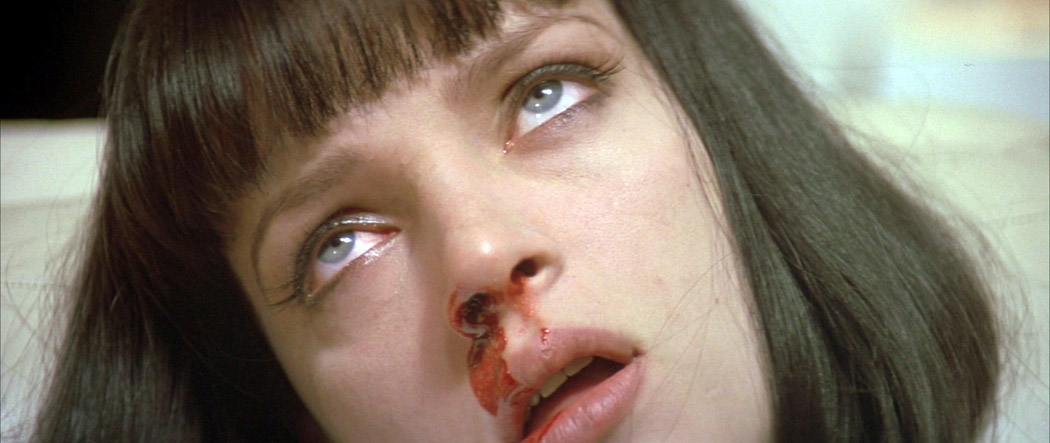
uma pulp fiction

Pulp Fiction, to take one example, is certainly a cleverly told story, beautifully written and just scrambled enough to keep us attentive. Yet, unlike Tarantino’s more recent films, it has a third dimension. In Pulp Fiction, death has human meaning and aftermath. There are consequences. When Mia overdoses and Vincent rushes her to Lance’s house for an antidote, her immanent death is something felt by the audience and when Marvin is blown away in the back seat of the car, there is blood everywhere. Yes, it’s a joke, but it’s also very real. In Pulp Fiction, each of the characters is a believable human being. Compare those episodes with the fight scene in Kill Bill where a comic-book Uma Thurman slices and dices her way through “The Crazy 88.” Nowhere is anyone mourning the death of a father or brother. They are tin ducks in a shooting gallery.

Most truly great films have these three dimensions. I don’t want to denigrate a good story, and surely a badly made film won’t move us, no matter how profound the content. But of these three levels, the only one that can elevate a film to classic status is its humanity. Stories and film technique create patterns we recognize and respond to, but what we really need from patterns is more than mere recognition; what we need is meaning.

Of course, it isn’t only in film we need meaning, but in all of art. And so, we search paintings or poetry not just for pretty pictures or clever rhymes, but for what answers that need in us to understand, to find or create meaning.

cassattNone of this is to deny you the pleasure you may get from Captain America or from paintings of pretty flowers. There’s room for that, too. Such things are fine on days when your ambition is cooling out, but the real satisfactions of art come when you are challenged by something more substantive, where you find your life reflected back at you, and you are forced to confront moral dilemmas, the inevitability of death and loss, the complexities of ideas, and the ultimate interconnectedness of all life on the planet. More ambition is good.

So, when we look to justify art in a world increasingly dominated by technology and STEM disciplines on one hand, and an increasing reaction into superstition and tribalism on the other (nativism, fundamentalism, bigotry and its retinue), it is important to make a case for looking inward with a piercing eye to find what is there, at the bottom of the human well.

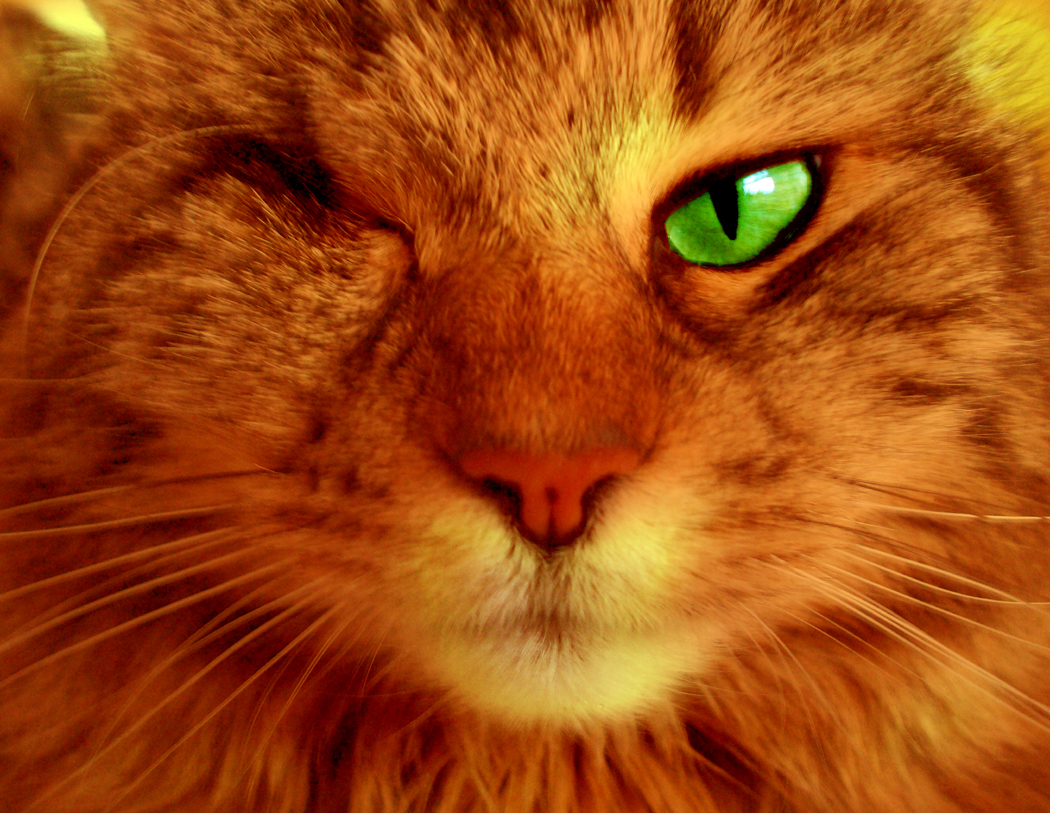
In the 1970s and early ’80s, pulp writer Mickey Spillane wrote a couple of children’s books. As a fan of his Mike Hammer novels — or rather of their Baroque lowlife verbal stylishness (I once called him a first-rate second-rate writer)– I had a hard time imagining what such a children’s book might be like. Perhaps a one-eyed cat as his hero … 

thunderpaws

THE LONG MEOW

Being the lost manuscript of a children’s story

by Mickey Spillane.

Suitable for grades K-3

His brakes squealed to a hot rubber stop and Thunderpaws let a little curse escape like steam from a pressure cooker.

“Damn hot number waving her arms in the road.”

Paws had been planning on his vacation for nearly a year. He had rented a beach house and planned to sun himself every day and drink himself silly every night. And now this.

It was after midnight, but there in the middle of the road was this silky dame waving her arms and screaming for him to stop. She ran up to his door and as he rolled down the window to bitch at her, she spit out, “Help me! I’m being followed. I’ve got to get out of here. You’re my only hope.”

“What in the dingbat are you doing screaming in the road like that? I almost cashed in my catnip swerving.”

“Will you drive me to LA?”

“Look, Wonderface, I’m going north. If you want to go to LA, why don’t you try to wreck someone going the other way?”

“You’re a good looking cat. Maybe there’s something in it for you. Why don’t you turn around?” she said, stroking the curly whiskers that grew from his face. He hadn’t shaved for a week.

“OK, get in. But I don’t want to know anything about your problem. Keep it sealed between those gorgeous lips, huh?”

Paws slammed the stick into reverse and arced the tires across the pavement, then whammed the shift up and sped off toward the city of sin, sharing the front seat with the best looking pair of pairs of legs he’d ever seen.

Thunderpaws was a round, orange cat, who had grown up on the wrong side of the tracks. He learned the bitter laws of the sidewalk even before he was weaned. By the time he reached his adolescence, he was tough enough to scratch the hide off any boxer or German shepherd that dare cross him. But he also grew up with a strong sense of right and wrong. And he knew, somehow, that it was wrong to pick up this midnight hitchhiker. He felt it in his bones.

“What’s your name?” he asked. “Want a cigarette?”

“Thanks. Tabitha.” Paws reached into his glove compartment and yanked out a pack of Camels. he shook the pack and Tabitha reached for one of the tarsticks.

“Where are you trying to get in LA?” he asked, holding the wheel with his elbows as he struck a match to light her up. The lighter in his old jalopy had gone out the window years ago in a fight with his ex-wife.

“The dog pound.”

“The pound?” He tried not to seem too inquisitive, but he suspected already.

“Yeah, the pound.” She seemed hesitant to let on any more and to change the direction of the conversation, she reached over and stroked his shoulder, sending Richter-scale vibrations up and down his hard-boiled spine.

“Don’t do that, baby, unless you mean business.”

“Business is just what I had in mind.”

2

Paws reached his office early the next day. For him, early was anytime before the bars opened.

“What are you doing here today?” asked Arlene, his secretary. “I thought you left for your vacation yesterday.”

Her fingernails were red and drying in the air in front of her face. She chewed gum.

“I got turned around in the night.”

“She must be a looker. I see the gleam in your eye.”

Thunderpaws had only one eye. His left eye he gave to a collie in a brawl many years before. The one eye that looked out seemed all the more aware for its being singular. And this morning, it did gleam.

“She was all right. Look I’m leaving again this morning, but I want you to keep your ears cocked for any strange news from the city pound. I have a hunch something stinks down there and I want to get my nose in it.”

“But your vacation. You’ve been working so hard. Even a private eye has to unwind his springs now and then.”

“You know the number at the beach. Call if anything comes up.”

3

Two days later, Paws had just come in from the beach when the phone in his one-and-a-half room beach house drilled a message into his ears. He gave his hair one last tussle with the towel and picked up the receiver.

“Paws here … yeah … OK … Tell her not to worry, and, Arlene, doll, try to keep her from freaking. I’ll be back in  a couple of hours.”

He dropped the phone back on its cradle and smiled the smile of the self-satisfied gumshoe. He knew he would hear from Tabitha once more, and he knew he now had a chance to clean things up down at the pound. Stories of corruption had been circling the city like berserk buzzards and now they were coming home to roost.

He packed up everything in a few seconds by stuffing his bottle of bourbon in his pocket and leaped into his rusty Ford. He licked his hand and straightened an eyebrow with it and eased through the gears up the coast and back toward the city.

While he sat at a stoplight in Santa Monica, thinking of ways to get to the commissioner, he noticed a huge purple Cadillac purring in the next lane. In the passenger seat was a tortoise-shell with a cigar between his grinning teeth and dressed in double-breasted pinstripes. The grinner reached under his lapel and yanked something out.  All Paws saw was the flash.

The light changed and the Caddy blasted away; the cars behind him honked, but Paws wasn’t going anywhere, at least not on his own.

4

Arlene waited three hours, then four.  In the inner office, Tabitha was crying her eyes out, muttering phrases that Arlene couldn’t make out. When five hours came and went, she started calling around.

At the 15th call, she heard from Sgt. O’Roarke of the city police that a pudgy orange cat with one eye and a stub tail had been wounded by unknown assailants and was at Mount Cyanide Hospital.

When she got there, Paws looked up from his bed.

“Hell of a vacation,” he said.

“I found out a few choice items,” said Arlene, pulling an evil-looking notebook from under her coat. “Tabitha is mixed up in this deeper than you thought. Do you know who her husband is?”

“Are you Monty Hall? Quit the game show, Arlene. Spill it.”

“Tabitha is married to Commissioner Gramalkin of the dog pound. Before that, she was married to the Fat Man …”

“Fat Man, huh? this is beginning to shape up. She’s a cobra, all right.”

“It’s more than that,” continued Arlene, with an obvious grin of satisfaction. “She has had affairs with at least 15 other men …”

“Sixteen.”

“… and one of them was Deputy Mayor Fido.”

“Fido! Gramalkin’s worst enemy. That could explain the payoff scheme at the rabies center. Arlene, this gets deeper with every sentence. Got any more?”

“This is the clincher. Fido and the Fat Man have opened up a burger stand on the corner of Vine and Alameda. They are business partners and the only thing they have in common is Tabitha.”

“The lowest common denominator.”

5

One week later, out of the hospital, but with his ass in a sling, Thunderwonder cruised down for a bite to eat.  The joint was called Sam ’n’ Ella’s, and the hash was the usual nondescript salty muck. Behind the counter was an ex-Marine with a half-inch butt smoking in the corner of his mouth. His apron could have been the apron of a grocer; his eyes could have been the eyes of a butcher.

“What’ll you have, Bud?”

“What do you recommend?”

“Hey, we got a comedian,” spat the mug to no one in particular.

“I’ve come looking for information,” said Paws, shifting his one eye back and forth.

“We don’t like nosy cats around here. Noses were meant to be snipped short.” He shifted the butt to the other corner of this mouth and made a scissors gesture in front of his schnoz.

“If it’s good information, this is a good sawbuck.”

The counterman’s nostrils flared and the ghost of a smile or a sneer lit over his mouth.

“What I want to know is, where does your meat come from?”

“You the law?”

“Lieutenant Donahue doesn’t think so.”

“What’s your angle, Pal? If I give you the straight poop, I want to know this bill ain’t marked for some copper.”

“I’m Thunderpaws, the detective …”

“Never heard of you.”

“Well, I’m in the Yellow Pages; you can look it up. And I’m working on a divorce case. It’s important to find out where you get your hamburger.”

“Whose divorce?”

“Tabitha Gramalkin.”

The thug look thunderstruck. A tear ran down his cheek.

“Tabitha,” he whispered. “She was good to me.”

“She’s been good to a lot of men,” whipped out Paws, snidely.

“You watch what you say, Buster. She’s my daughter.” A threat assembled on his face. “She was always good to me, sending me money and getting me this job. If she hadn’t married well and sent me a monthly check, I never would have kicked the booze and I’d still be rotting in the Old Sailors’ Home eating cheap labskaus.”

“It’s true then,” said Paws. “The meat you serve comes straight from the city pound. No wonder you burgers are so cheap. Tell me, are we eating poodle or collie today? And Tabitha is mixed up in this to her twitching little ears. I hate to be the one to break the news, but she is going to have to take the fall.”

“Ain’t there some other way? She’s all I got.”

6

Paws had just dozed off that night when he heard a quiet rap on his door. He reached under his pillow and pulled out a blue piece of steel and yanked back the action. He opened the door cautiously and found the feline Lilith.

“Can I come in?” Tabitha winked her eye.

Paws put the pistol down on a pile of laundry resting near the TV and unhooked the chain on the door.

“I know you ain’t here to borrow a cup of sugar, Sweetwhiskers. What are you hatching in that devious skull of yours?”

“The grand jury is after me and I have to get out of town. I know you have a car.”

“I’m not a fool.”

“Maybe not, but this talks loud.” She grabbed the Baretta from the laundry and aimed it at his favorite body parts.

“I’m not a fool, but I get your point. Put that thing away, please.” Paws had never trusted a woman with a gun. They can go off. And the gun can, too. Dangerous.

“Where are we going?” asked Paws.

“Anywhere,” she answered. “You brought down my husband, you put my hash stand out of business, you poisoned me to my father. I have nowhere to go. You decide.”

“If it was up to me, I’d send you for a long vacation in the Big House, but you’ve got the upper hand right now.”

Paws didn’t want to admit how much he was moved by those big, sexy green eyes. He meant for her to take the fall, but he, himself, had fallen.

“Look, Sugar, why don’t we zip on down to Tijuana?”

“Why don’t we go in the morning,” she said, zipping down her skirt.

7

By the next night, they found themselves in a seedy hotel on a sidestreet just outside Tijuana. Paws stretched back in the bed and reached for his tequila.

“This joint has more roaches than a national convention of NORML,” said Paws, unscrewing the cap and pouring the spicy sauce over the dust-filled icecubes the concierge had brought.

“We can stay here tonight, but tomorrow, we’ve got to find someplace else.”

“Don’t worry,” called out Tabitha from the next room. I know a great place to go, but it means more driving.”

“How much?”

“How far is Puerto Penasco from here?”

“Another day’s drive, if there are any roads.”

“There is someone there I know who will meet us.” Tabitha finished brushing her teeth and came towards Thunderpaws with a smile only a cat understands.

8

Paws turned his wheel around the last rocky turn and looked out over the bluff and Puerto Penasco. He saw a small town, a mere pencil line around the bight of the bay. He could see the blue waters of the Sea of Cortez and he smelled the fresh salt air. The white buildings glared in the sun and the few paved streets were the only dark lines through the brightness that was everywhere.

Tabitha had been there before and guided him through the streets to a small restaurant across from an Esso station. On what might have been a sidewalk in front of the eatery were 15 or so round tables, each with a striped umbrella for shade. in the shade of one of them, Paws thought he recognized a smiling face. It was Arlene.

“I hate to be the one to break the news to you this way,” she said as Paws and Tabitha slid their chairs toward the table.

“News? What news?” asked Paws. He saw Tabitha nervously shift her eyes and try to smile. Arlene reached for Tabitha’s slender paw and they held on to each other from across the table.

“It all happened on that one day when you were blasted from the Caddy,” said Arlene. “While you were being driven to the hospital, Tabitha was crying in your office and I went in to comfort her. Don’t blame her. It was me who did the seducing.”

“What are you trying to tell me?” Paws winced. “Are you telling me that  you’re a flaming …?” He couldn’t bring himself to say the word. Paws hadn’t been shocked when his own mother had turned out to be the mastermind of a counterfeiting ring. He turned her in calmly. But he was shocked at this.

“Tabitha?” he mewed in puzzlement and pain. “What about last night? All those things you said.”

“They were true.”

“But you were thinking of Arlene?”

“Not all the time. I’m attracted to you. But I feel a sympathy with Arlene I never felt with a man. Net even with the Fat Man.” She lit up a cigarette and waited for Paws’ reaction.

He gathered up the shards of his self-esteem and tied them in a bundle. “I hope you two will be happy.”

They broke out laughing. The string broke on the bundle.

“Don’t be silly,” said Tabitha. “We want you, too. There’s room for you in our plan. For one thing, we couldn’t live in a country as Catholic as this just by ourselves. People would talk. Won’t you stay?”

“Living French in Mexico, eh?” said Paws. “A great big happy AC/DC family.”

Tabitha flashed her eyes at him. He looked at Arlene and his stomach tightened.

“OK,” he decided, knowing he didn’t know what he was doing.

“Arlene and I have this plan. Can you cook?” asked Tabitha.

“Hell, I ain’t playing housemaid for a couple of dykes.”

“Just listen a minute,” she continued. “I mean can you cook in a restaurant? Arlene and I want to open up a taco stand here. I mean, here we are in Mexico and all they serve is fish and rice. These people have never had real Mexican cooking. A taco stand down by the market is bound to rake in the pesos. Can you cook?”

Paws was beginning to catch on. He remembered the passel of information Arlene had mysteriously turned up when he couldn’t get to first base on the case. He remembered Tabitha’s father wiping his grimy hands on the apron and shifting his cigarette butt from corner to corner in his cynical mouth. He remembered the riptide of corruption that had nearly drowned him when he tried to ferret out the truth about Deputy Mayor Fido. His stomach tightened even further.”

“OK. I’ll go down tomorrow and check out the city pound,” he said.