Archive

Tag Archives: raft of the medusa

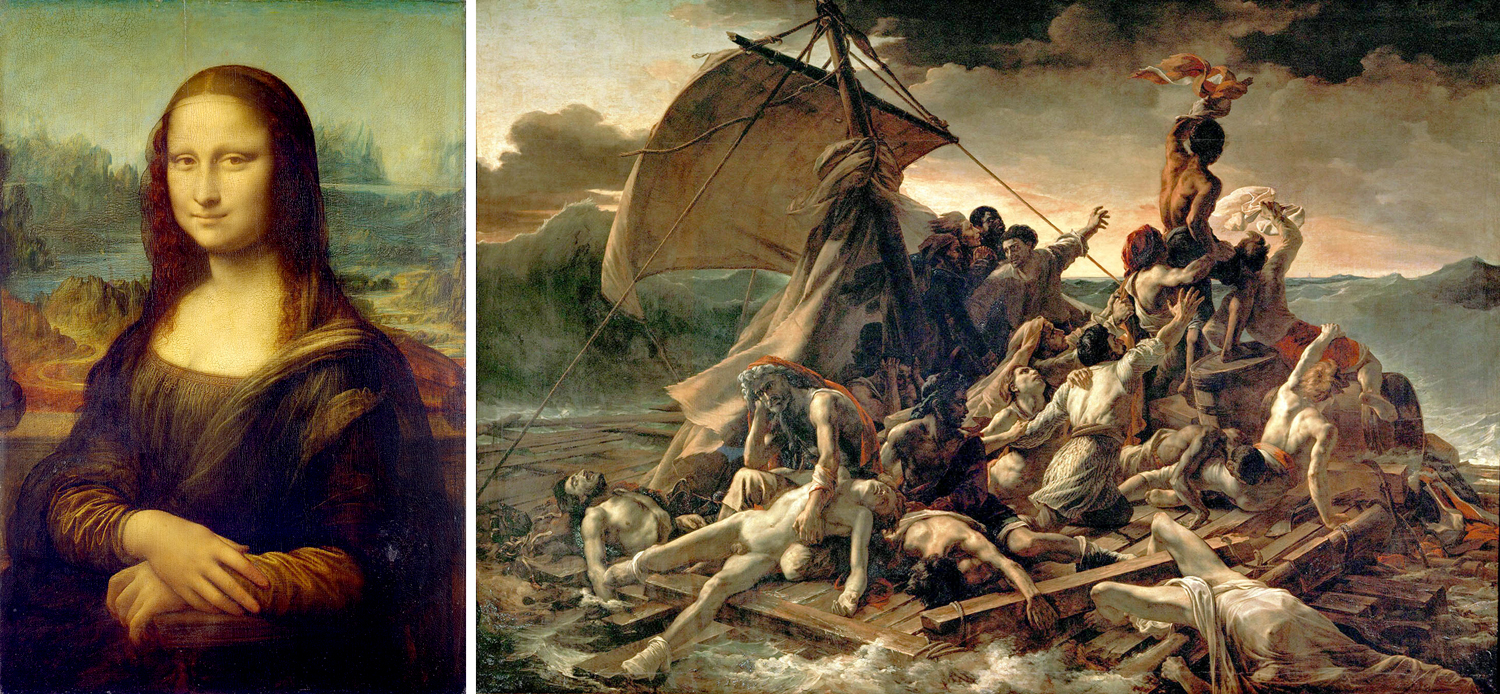
Take two of the most famous paintings in the Louvre. Most of us first experienced them in pictures in a book, perhaps Janson’s History of Art in an art history class. Or, projected onto a screen in the darkened classroom while the teacher pointed out details of the iconography. But these are images, not paintings. 

Often, today, we confuse the two, seeing pixels on a cellphone or iPad, and can easily believe we know the art because we can recognize the familiar shapes and colors. That is why so many people remark, on visiting the museum in Paris, about how “small” the Mona Lisa is. 

It’s not that small, of course. It’s a fairly normal size for a Renaissance portrait, but the fact is that separated out, as it is, for display, it takes up precious little wall space. Really, most people hadn’t given any thought to the actual size of the painting when seeing the reproduction in a book. It’s just an image, an icon, familiar not only in its regular shape, but also parodied to death in comic take-offs. 

You could look at the caption next to the printed image in your book, and see that there is a bunch of information in parenthesis beyond the identification of artist and title. It will often give you the date, in which museum collection it resides, and the size of the painting. In the case of the Mona Lisa, 21-by-30 inches. 

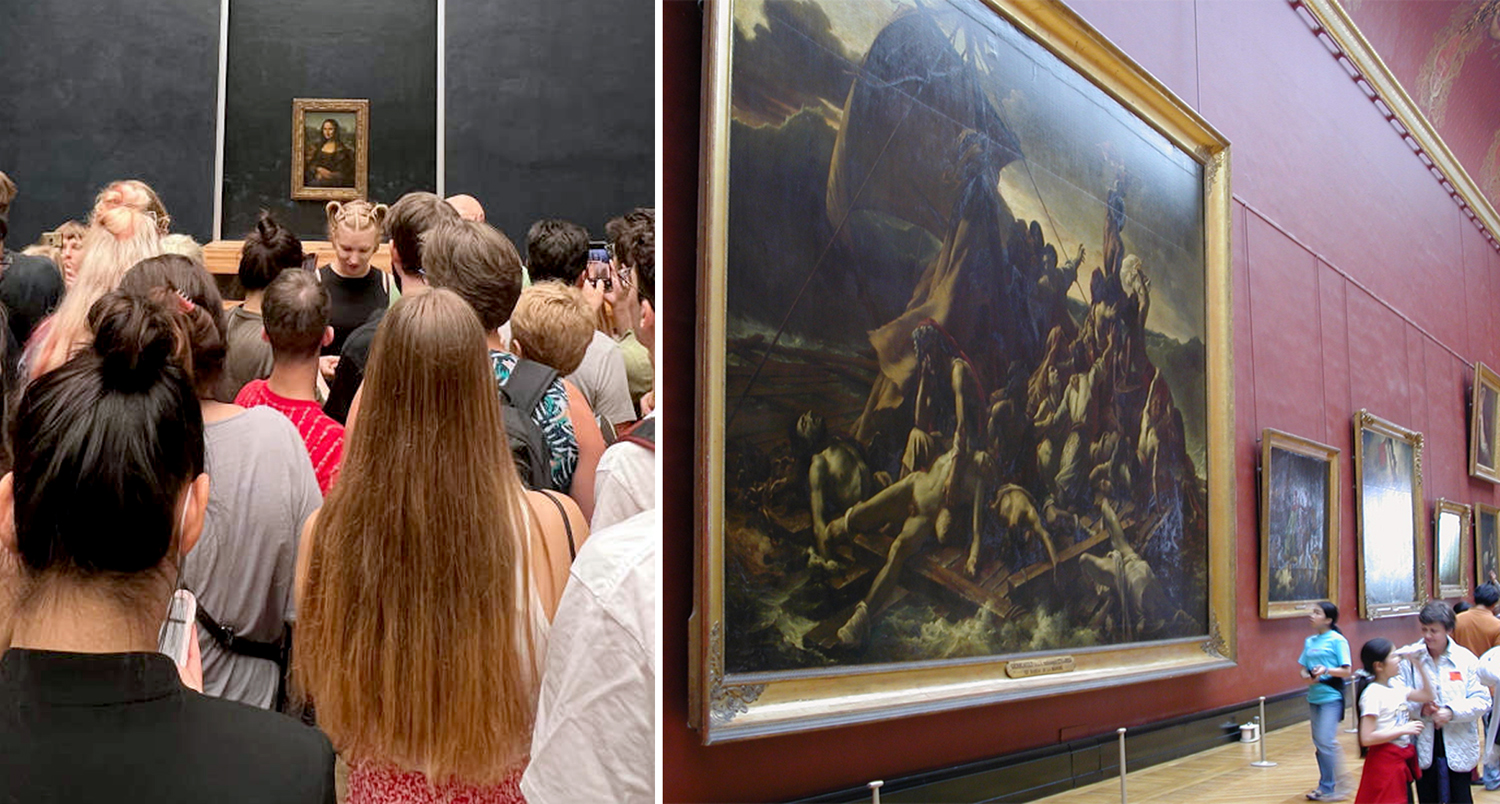
But then, perhaps you wander into the gallery with Théodore Géricault’s The Raft of the Medusa. You’ve seen it in your Janson and think you know it. You don’t. It is 16-by-23 feet — the size of a billboard. 

You see them as images, and they are adjusted to the size of the page and you can have no sense of their relative sizes.
But walk through the Louvre and it is quite different.
I remember when I was a teenager and going to the Museum of Modern Art in Manhattan and seeing Picasso’s Guernica, which stretched out across its own wall. You could see it from afar, stepping out of the elevator and looking to your right, several galleries away. Just under 12 feet high and 26 feet across, it was more than a painting and more than an image. It was a presence. 
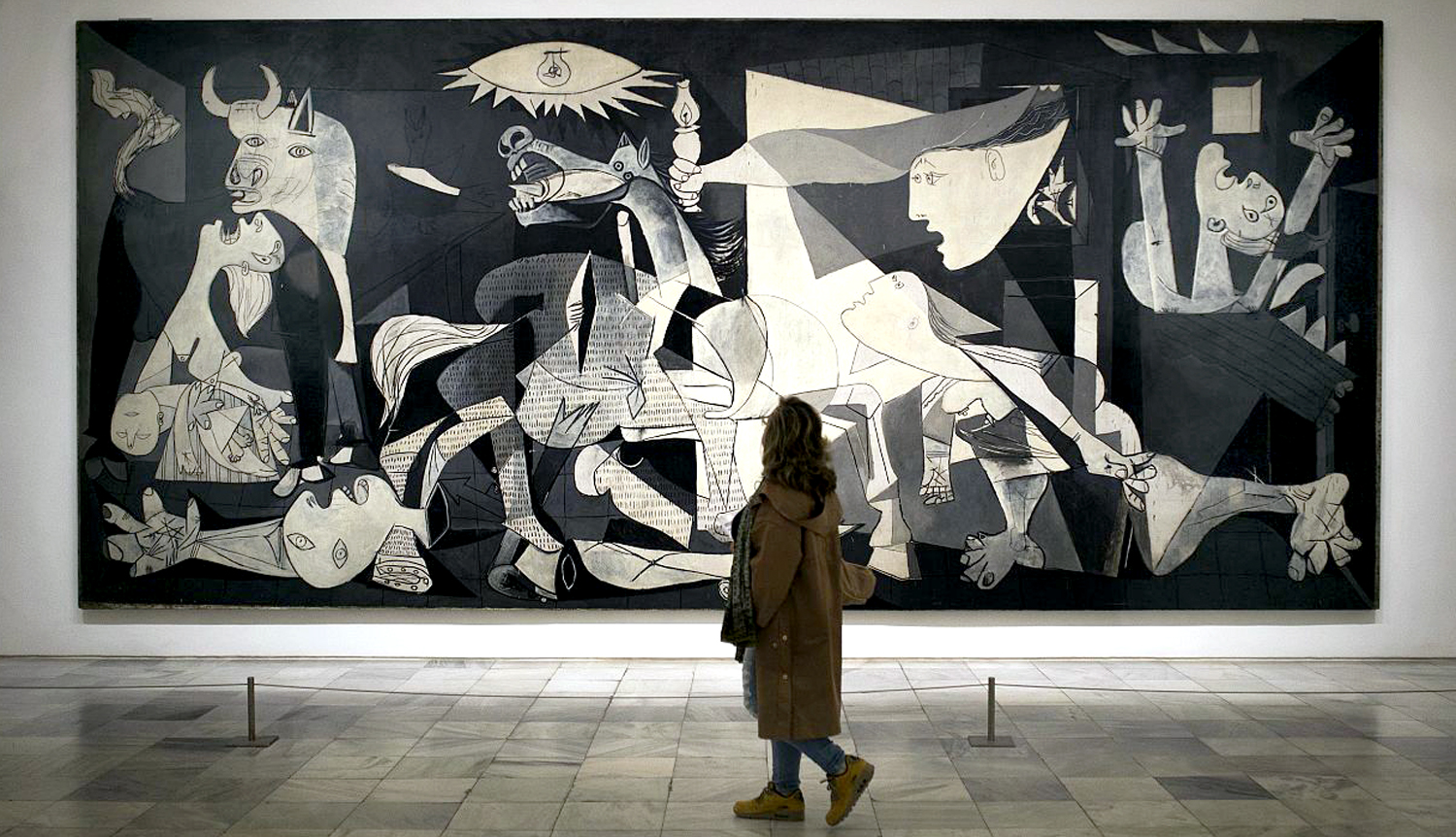
And that was part of its meaning. It was made in outrage over the 1937 German bombing of the Basque down in Spain and if it had been made to display comfortably on a gallery wall, it would have been just another painting for sale. But at size, it forces you to consider the suffering and death. Its size means you cannot just look away. 

The world we live in is increasingly a virtual one. The TV screen, the computer screen, the cellphone screen, the tablet and even the wristwatch screen have become so normal to our daily lives it has become easy to mistake what we see there as real. It is not. 
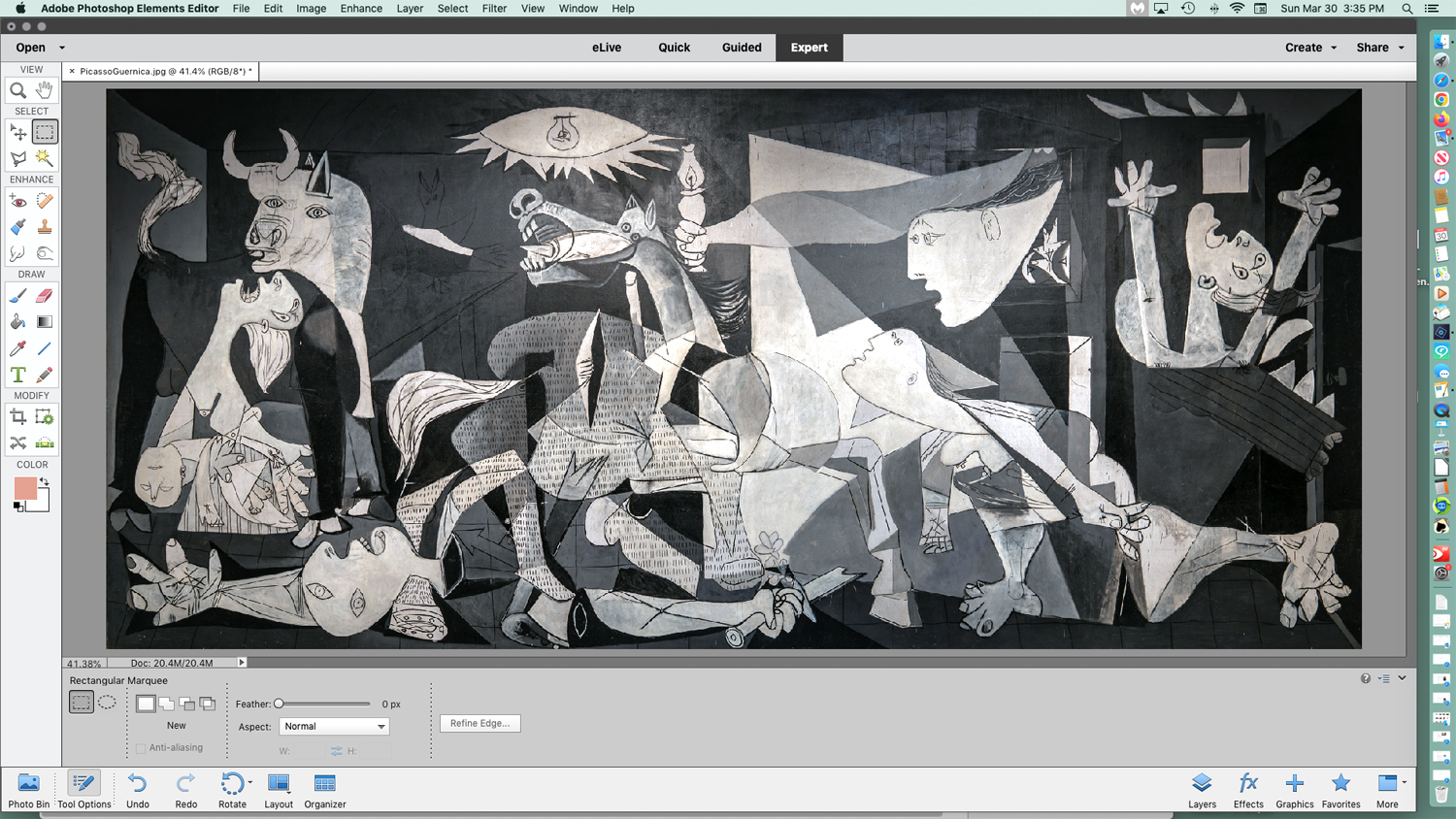
You cannot have the personal experience of Guernica from a photographic reproduction or a pixel image. You can memorize its iconography and discuss its provenance and the biography of its creator, but you will not have the gut-level experience of it I had visiting it at MoMA. 

And it isn’t just the size. Seeing art in person means you can see the pigments used, the brushstrokes, the opacity or transparency of the paint, whether it is on panel or canvas — a whole range of physical properties not apparent in a reproduction, and all of it — in addition to its physical dimensions — are essential to its meaning. 

And by meaning, I don’t refer to its symbology. That is language. I mean the experience of it. Vermilion or ultramarine are experiences not conveyed in ink or pixel, and that experience is meaning. 

If you walk through the Louvre, another famous art history painting you find will be Veronese’s The Wedding at Cana. Another wallop in the gut. It is 22 feet high and 33 feet from side to side. 
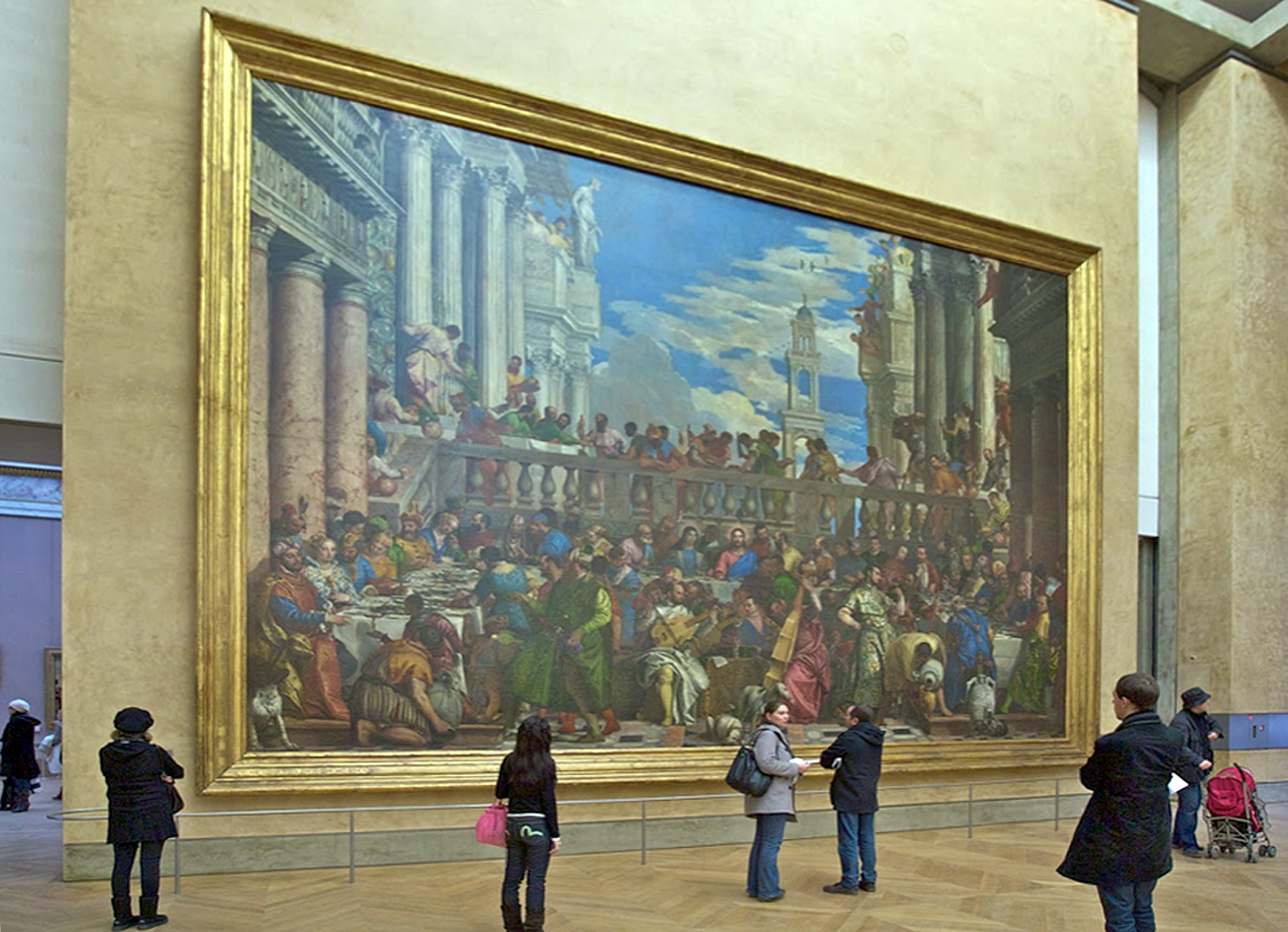
If you think of it as a biblical subject, and believe you are “getting” the painting by naming the people pictured, you have missed the central experience of the work. 

Even more ordinary size paintings depend, in part, on their dimensions and how you relate to them. A life-size portrait can mimic meeting the person himself. In the Renaissance, one ideal was that a painting should be like a window through which you are looking, and so a window-size canvas was part of the experience. 
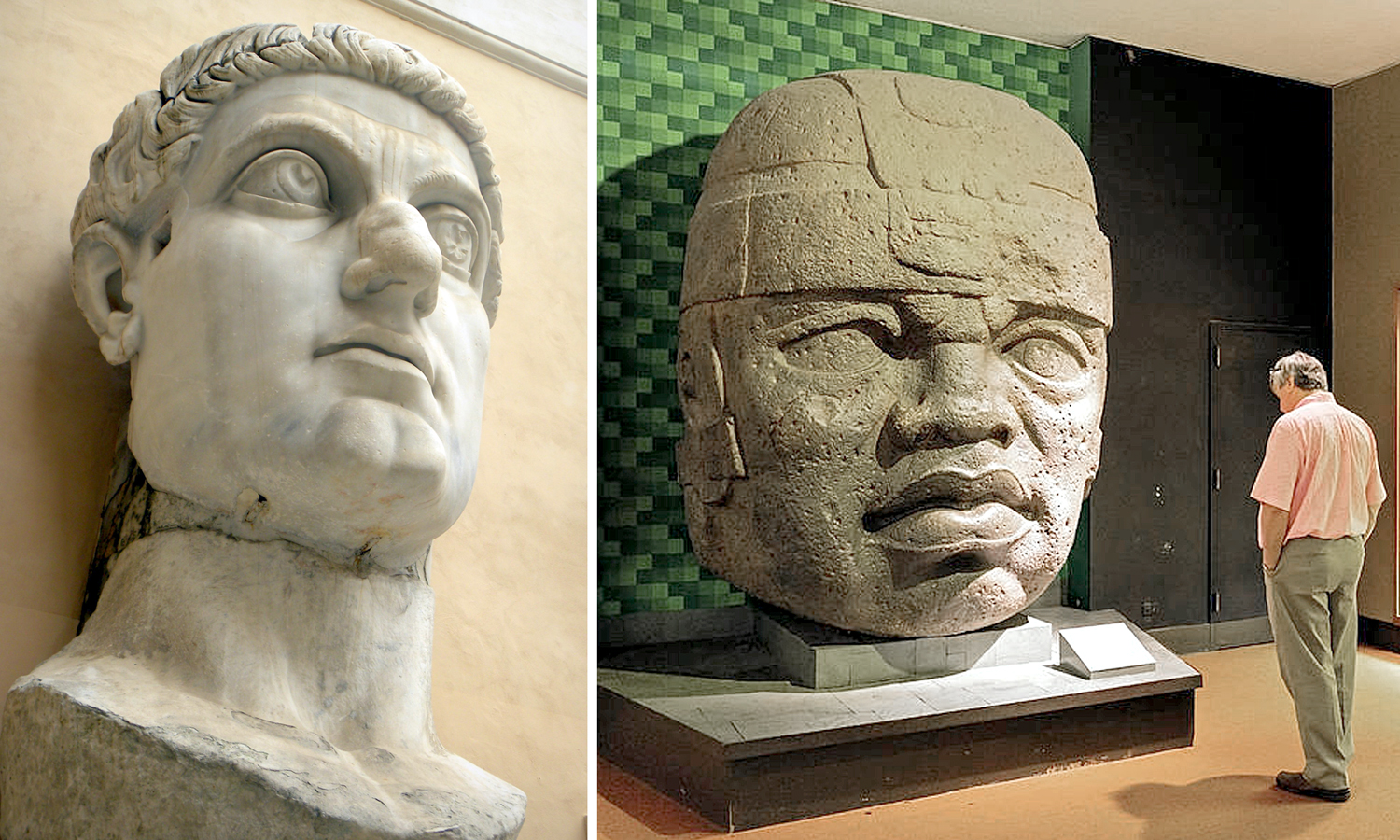
A giant head is another thing altogether, like the famous head of Emperor Constantine or one of the Olmec colossal stone heads from Mexico. Their size makes you take notice. The same shape, but the size of a cantaloupe, would hardly carry the power of these monuments. I remember the first time, as a boy, I saw the Olmec head at the American Museum of Natural History in New York; the memory of it stuck to my psyche for decades after. Still does. 

The same for the huge portrait heads of Chuck Close. 
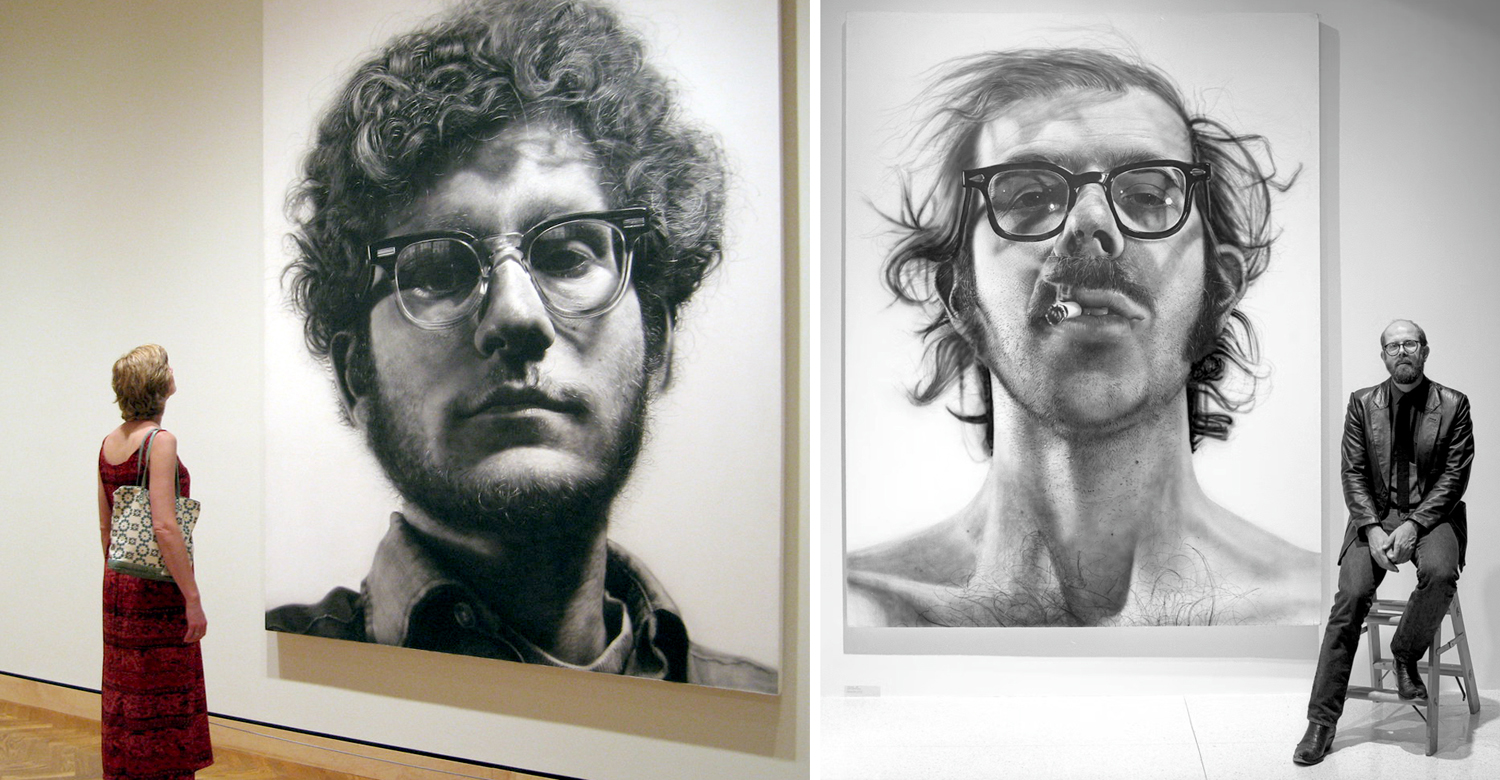
The word often used to describe such larger-than-life art is “heroic.” They have an effect very like that of Achilles in the Iliad or Ahab in Moby Dick. It is a word often used to describe the large paintings of the Abstract Expressionists of the late 1940s and through the 1950s. These were painters of utter seriousness of intent. The last gasp of a non-ironic age, after which came the deluge of meta. 
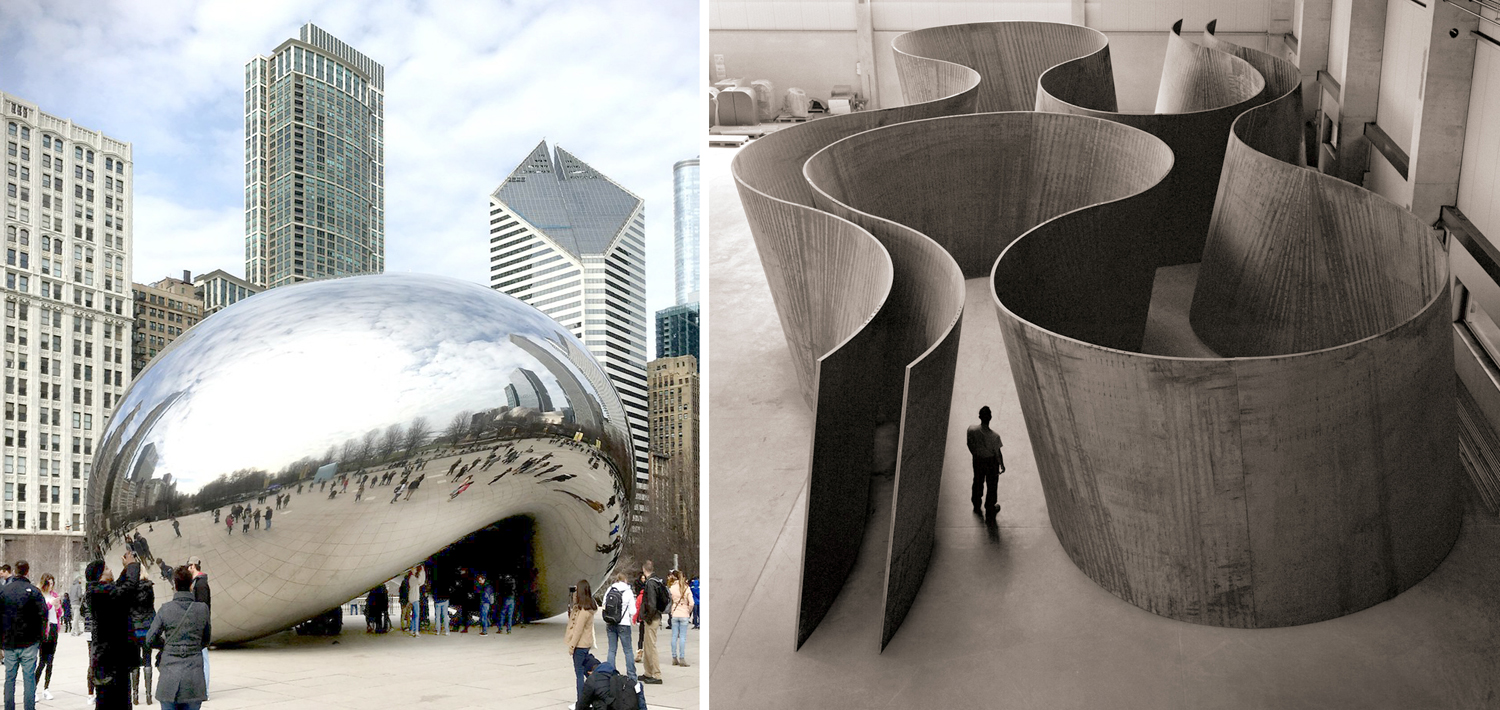
There are artists who use mere size to impart meaning to their work, Anish Kapoor, for instance, in his huge shiny bean called Cloudgate, or the rusted steel curtains by Richard Serra that are best experienced by walking through. But notice that the giant bean is also ironic. It’s a bean, after all, raised to heroic proportions. 
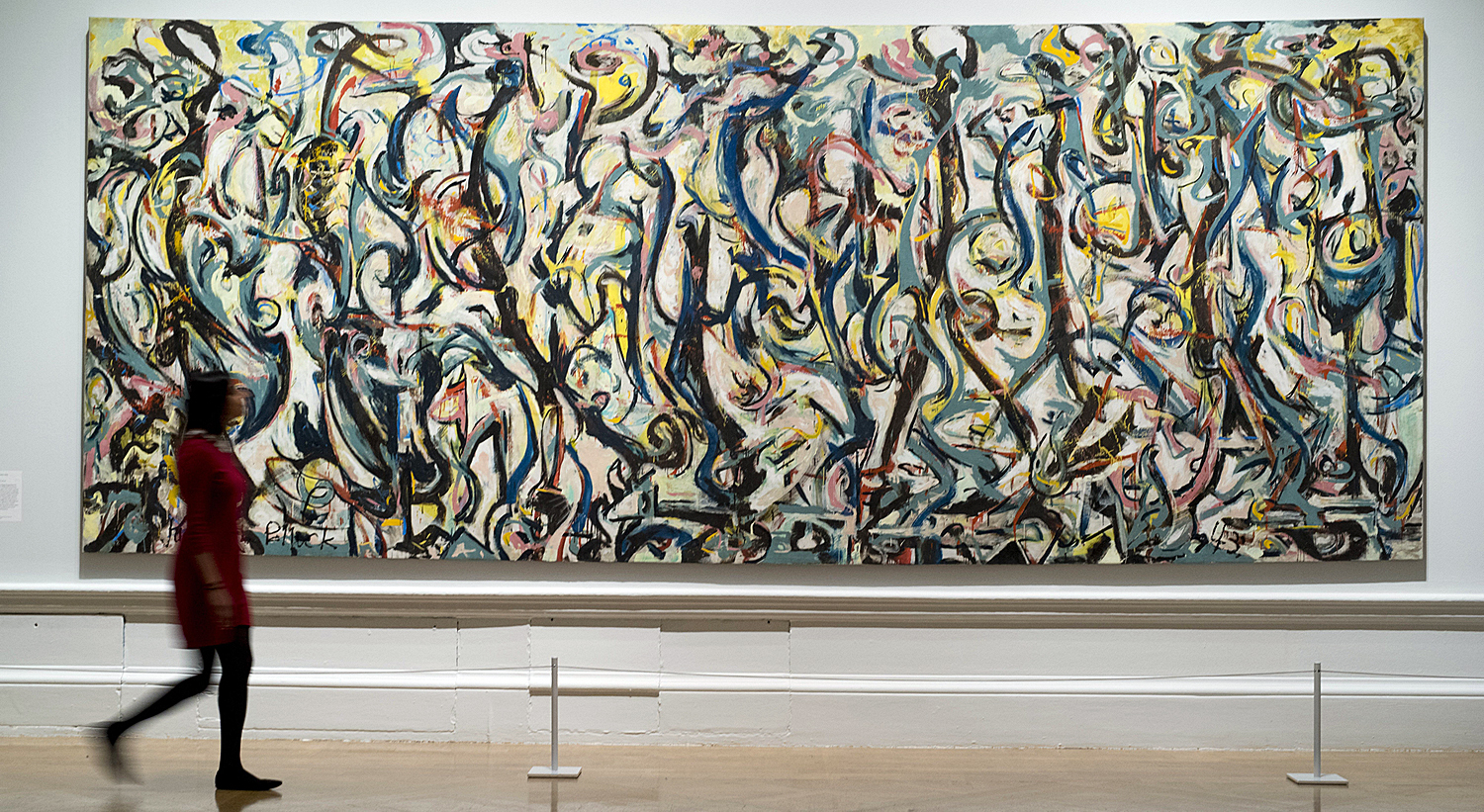
But those cigarette-smoking, heavy-drinking and blue-collar wearing guys at mid-century were dead serious. Jackson Pollock painted his first large painting, called Mural, in the mid-’40s. It is 8 feet by 20 feet and meant to be installed in the apartment of Peggy Guggenheim. It led to the later drip paintings that made Pollock famous — in 1949, Life magazine asked “Is he the greatest living painter in the United States?” 

Pollock made paintings in various sizes, but it is his large canvases that hold the emotional power that still resonates today. I visited the huge Pollock retrospective at MoMA in 1998 and was blown away by the variety of the paintings, and got a chance, finally, to see Blue Poles, a large 1952 canvas sold to a gallery in Australia in 1973 and unavailable to American audiences since then. It was given pride of place in the exhibition and deserved it, in the center of the room, on a wall of its own. It was lit like a jewel, but a jewel 16 feet across. 

Most of the Abstract Expressionist gang trafficked in scale. Franz Kline, Mark Rothko, Robert Motherwell, Barnett Newman, Willem de Kooning, Clyfford Still — all found now in museums taking up whole walls by themselves. 
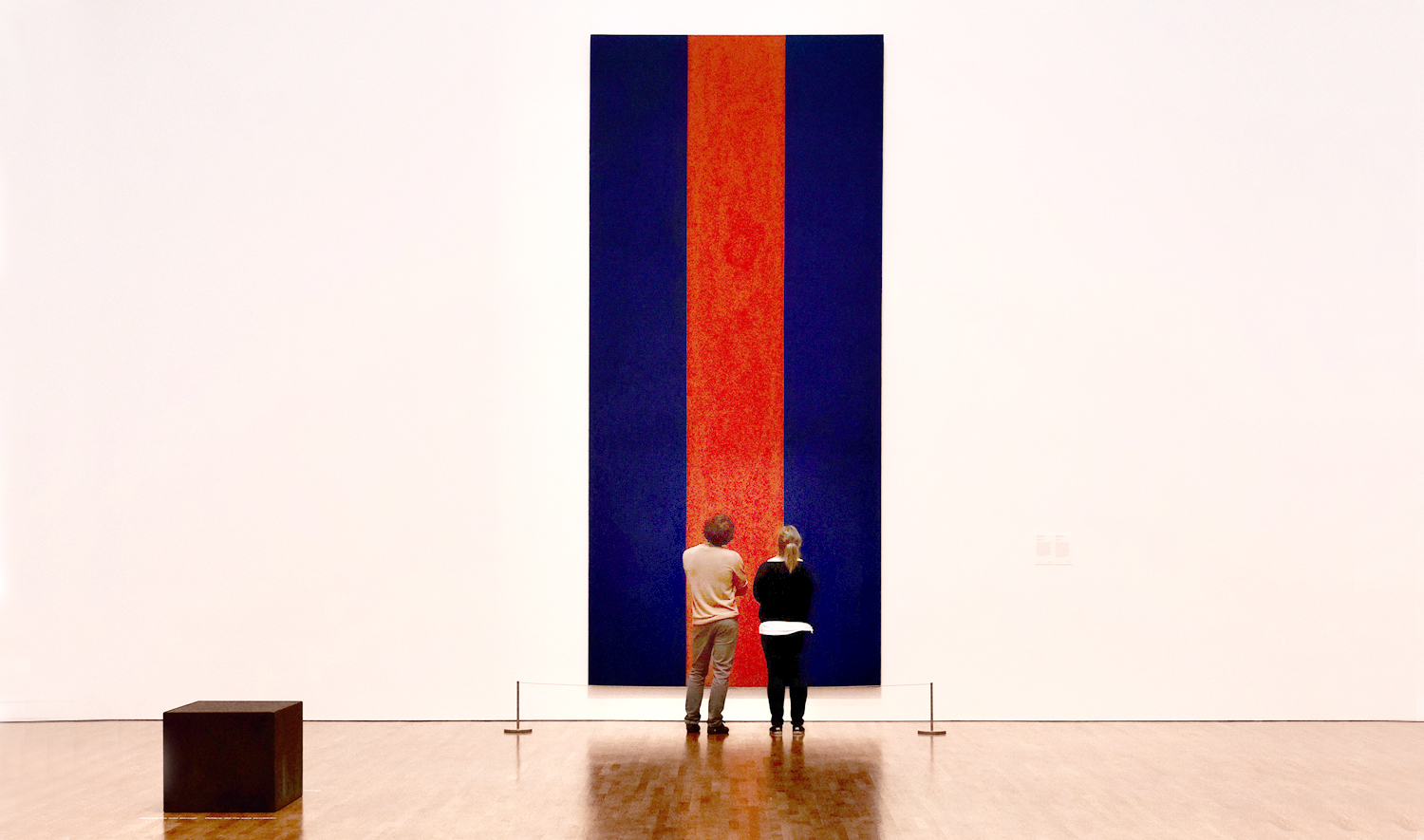
In the 1970s, I wandered through commercial galleries in New York and came across a back room storage of Newman paintings, being arranged for a show, and a group of them were almost two stories tall — monumental. These men (and they were almost all men) took their heroic calling seriously. 
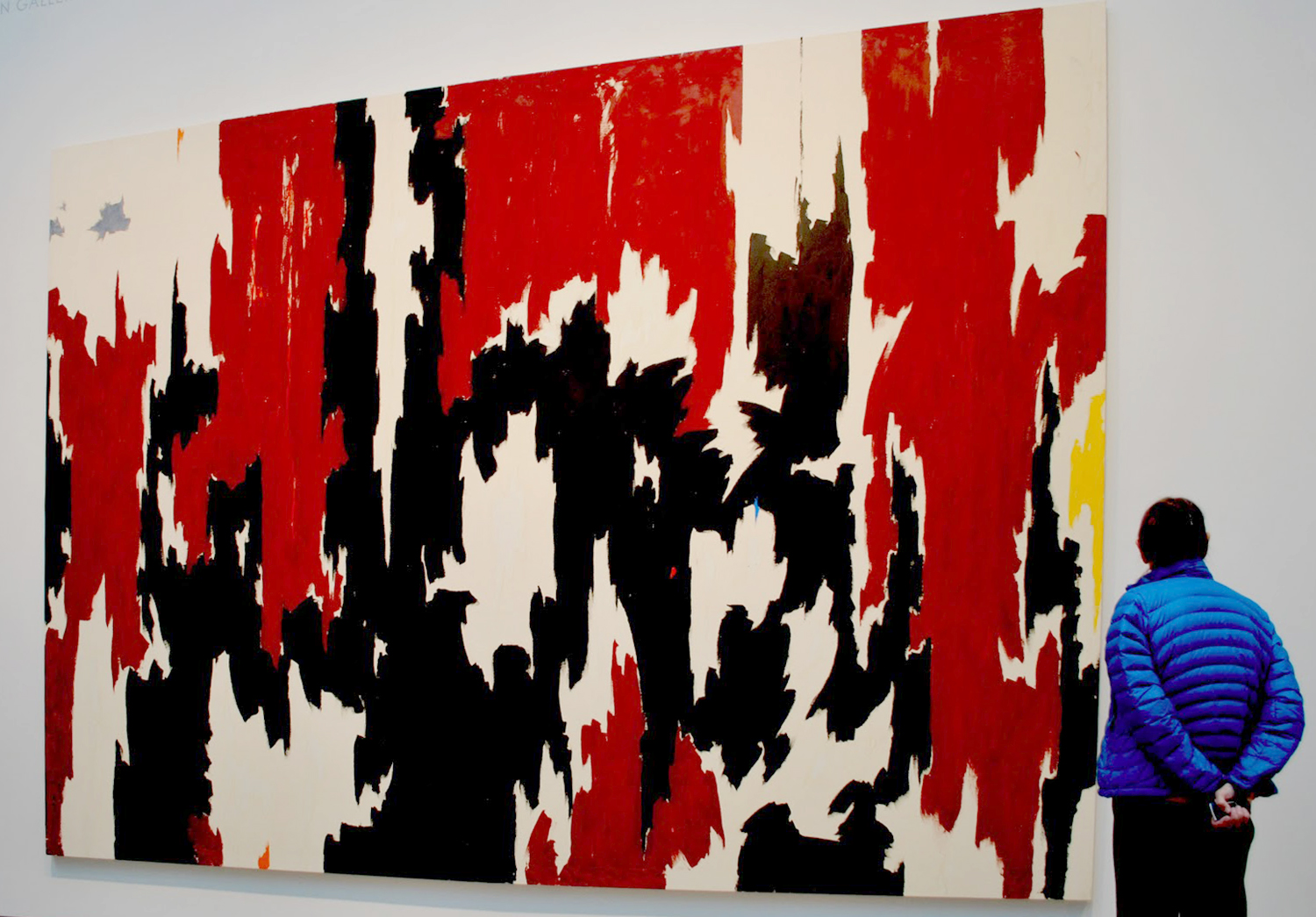
After them, the deluge. Even Motherwell turned to irony; the self-importance of the first generation could not be sustained, or even taken seriously anymore. And although Robert Rauschenberg is sometimes classed among the Abstract Expressionists, his work always played with irony. 

All that was left after that was Andy Warhol and Jeff Koons. Art took a different turn.

When the Getty Center opened in Los Angeles in 1997, I was an art critic in Phoenix, Ariz., and given the assignment of covering the event. I met with Robert Irwin, who designed the landscaping for the Getty, and had a concurrent museum show at the Museum of Contemporary Art in LA. In a hallway, away from the main work in the exhibit, were a series of early paintings he made. Irwin was a thoughtful artist and his eyes glistened as he discussed those small, early canvases. 

“I was thinking about the heroic nature of those Abstract Expressionist paintings,” he said. “And I wondered if they could still work if they were small.” And so, he painted a line of tiny canvases, usually no more than a foot square, with similar abstract imagery on them. Did they work? Were they still heroic? Do you have to ask? 

Click on any image to enlarge
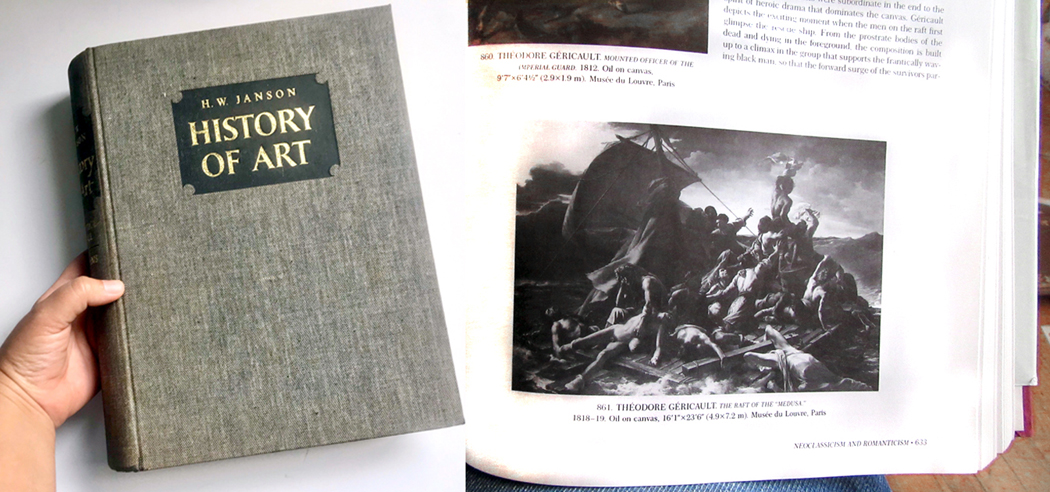
The first time I ever saw Théodore Géricault’s Raft of the Medusa, it was in my art history textbook — the infamous Janson. It was about 5 inches wide on the bottom of page 633. 

Most of the world’s most famous art I first contacted in reproduction; it is the same for most people. It would be hard to travel the world’s great museums to see all the Vermeers, Rembrandts, Titians or Chardins. Instead, we see reproductions in books, or on the computer screen. I’ve seen hundreds, probably thousands of paintings in reproductions before I ever saw the real things. 

So, imagine my amazement when I encountered the real thing at the Louvre in Paris. There it was, the size of a barn. It was a lesson — if I really needed one — teaching me that a picture of a picture is not the same thing as a picture. But so much of what we imbibe of culture comes not in its original form, but as reproduction, whether it is Canaletto in art history class, or Beethoven on a disc. 

One of the things that divides the world I grew up in from the world I live in now is the unconsidered acceptance of a media experience for the live reality. We all have our noses in our screens. In many ways, what was once the secondary simulacrum of a genuine experience has become the end product itself. Since the days of Sgt. Pepper’s Lonely Hearts Club Band, a great deal of music simply cannot be performed live; the recording is the original. 

In our Postmodern world, suffused with media, many an artist and musician has taken the secondary product as the original. And so, images are designed to be seen on the computer screen. No one asks to see a TikTok video in a movie theater; that would be silly. Content viewed on an iPhone is not an imitation of something else. 

I, myself, now take photographs specifically to be viewed on screen rather than printed out. I edit them differently, I frame them differently. It is a different esthetic. But aside from work made for the virtual world, there is still the palpable object to take into account. 

But the fact is, that many more people listen to recordings than attend concerts; see paintings in book reproductions or on computer screens than visit galleries or museums; prefer audiobooks to sitting in a chair and quietly turning paper pages. It gives a false impression of the art. 

We keep stepping back from an original and choose a Xerox copy. 

I am not here arguing against digital devices — you are reading this blog on one, so where would I be without such devices? — but I am worried that the ubiquity of reproduced media makes us forget that there can be something more immediate, and that through most of history, that immediacy was the primary mode of experiencing art and music. 

My brother and I were once talking about theater. He stated that he didn’t much care for live theater but preferred movies as being so much more realistic — despite the obvious fact that live actors are very real and that celluloid images are only simulacra, and that movies are cut and edited all over the place, while live action must take place in real time. 

But I recognized his point, and when I was younger, I would have agreed with him. Most of us are only subject to live theater, if we are exposed to it at all, in uninspired productions with bad or mediocre acting — the community theater or dinner theater sort of thing. And undistinguished theater is admittedly tedious. 

Most of the theater I had been exposed to was just that sort of thing. Sometimes quite entertaining, but always so darned “theatrical,” i.e. phony. 

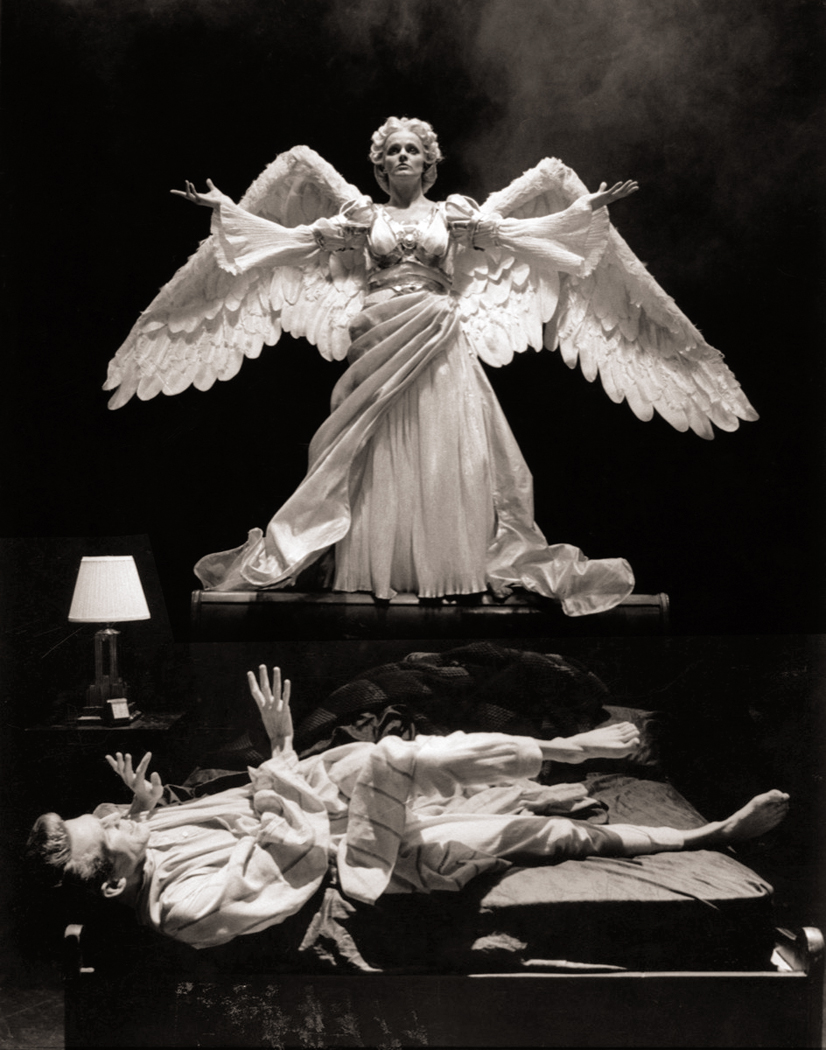
Then, in 1994, I got to see the original Broadway production of Tony Kushner’s Angels in America, both parts over two days. It was the most riveting, even mind-blowing thing I had ever seen. And what was so moving was that it was there, live in front of me. They were real people doing and saying those lines and feeling — or evoking — those very primal emotions. It is still the single greatest experience I ever had in an audience. 

I have now seen the two-play cycle four times and each time it has grabbed me by the lapels and yelled into my face in a way that has left me shaken. I’ve seen the Mike Nichols film version, with Al Pacino, and it is a wonderful production, but it cannot move me with quite the same seismic force that the live version had. If I had seen those same actors in the theater instead of on the TV screen, I’m certain it would have been earthshaking, but the remove of the screen gives the whole thing a distance that the live actors don’t suffer from. 

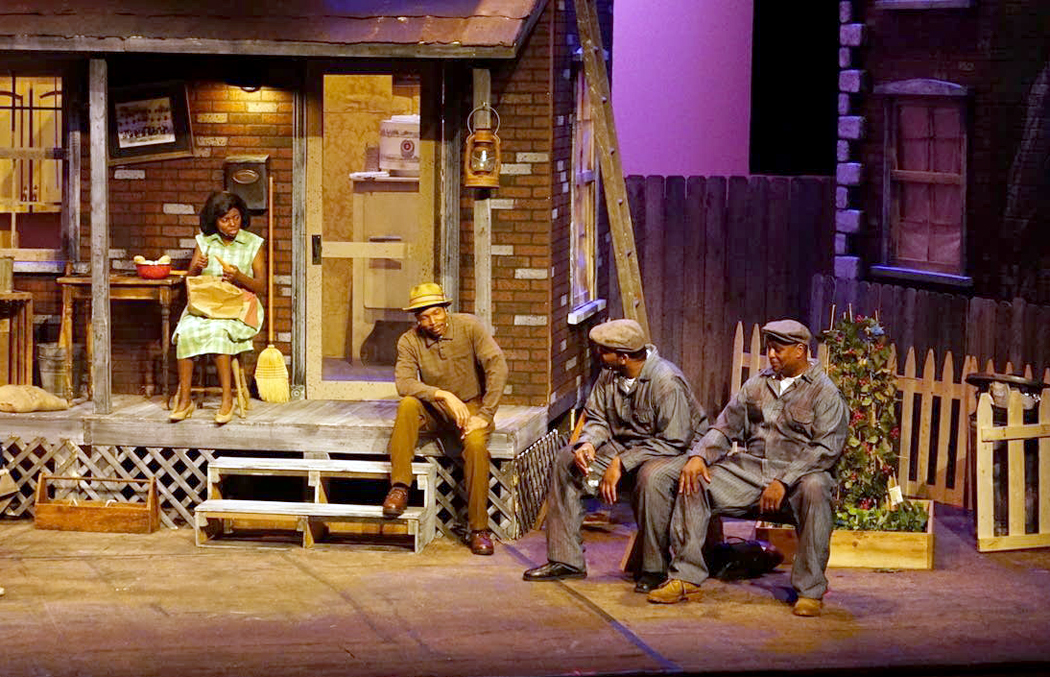
I since have become an advocate for live theater, though it is hard to convince anyone who has not had the experience of great live performances. I have seen really good professional performances since Angels, and they have something nothing else has. Whether it is Fences by August Wilson, or Amadeus by Peter Shaffer or Hamlet performed by the Royal Shakespeare Company, I am completely drawn in, with the same complete concentration one has when reading a great book — the day-to-day world disappears and the esthetic world takes over. 

(Amadeus, by the way, as a play is very different from Amadeus the movie. As wonderful as the film was, a good production of the play is so much more devastating.)

It isn’t only plays that have to be seen live. I have watched a good deal of dance on video or on PBS, and I am always disappointed at some deep level. Ballet and dance theater is the art form that speaks to my inner being the most directly and I love dance profoundly. But only live dance will do it. Balanchine knew this and attempted to re-choreograph a few of his masterpieces especially for video and however beautiful his video versions are, they pale beside seeing them live. You have to see the living, breathing (huffing and puffing), muscle-twisting movement in three dimensions for it to register fully. 

(Mediocre dance, like mediocre theater is the worst ambassador for the artform — how many people have been turned off by watching the local civic ballet company galumph through the annual Nutcracker? That is no more the real thing than little league pitching is like Bob Gibson or Sandy Koufax.)

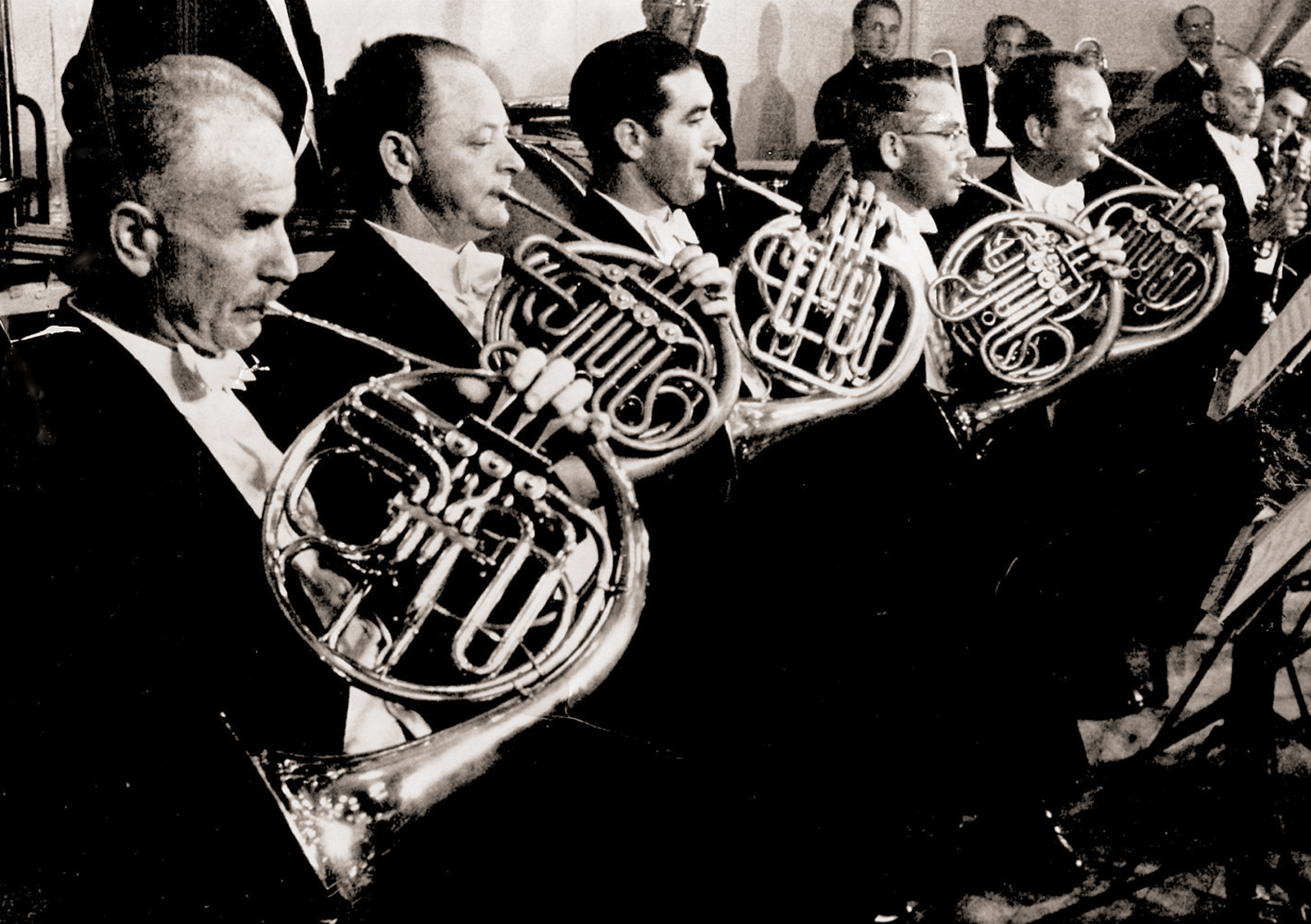
I have well over a thousand CDs on the shelves in my office and listen daily to recordings of Brahms, Bartok, Weill, Mahler and Glazunov. And I don’t know where I’d be without them. But I also know that the real thrills I have had with classical music have been in the concert or recital hall, listening to live music. It has a presence that the recording cannot duplicate. I’ve written before about hearing the eight horns in Strauss’s Don Juan peel off the great horn call and feeling the sound through my chest and my fundament as much as through my ears. 

I want to make the same case for visual art. Everyone knows what the Mona Lisa looks like. Or do they? Almost to a person, those who have seen the original has remarked how small the painting is. It is a very different thing from the same image on a coffee mug or even in an art book. 

But it’s not merely size I mean. The colors cannot be precisely conveyed by printer’s ink or by a computer’s palette. The paint has a texture that isn’t conveyed, and varying levels of gloss or matte. This was brought home to me — very like the revelation of Angels — when I saw a collection of Cezanne still lifes at Washington’s National Gallery of Art. I had not imagined such an exquisite range of greens; way too many variants than can be named. The Cezannes in my Janson were dull and lifeless in comparison. Yes, I could name the subject in them — an apple here, a vase there — but apple and vase were not what the painting was about. This rich range of visual information was the real subject. Gone in the reproduction. The real paintings made me want to chew the colors like a great meal. 

We are led to accept imagery as the purpose of art, but it is only one portion of it. Alone, it is hardly more than the male or female silhouette on a restroom door. It also must include the scale, the finer shades of color and texture — and as with theater — the “presence.” The fact. Van Gogh’s Starry Night is everywhere from lampshades to mouse pads, but if you stand before it at the Museum of Modern Art in New York, you absorb how complex the painting is. Not just a swirl of blue night sky, but an object, a painting made of pigments and oils. 

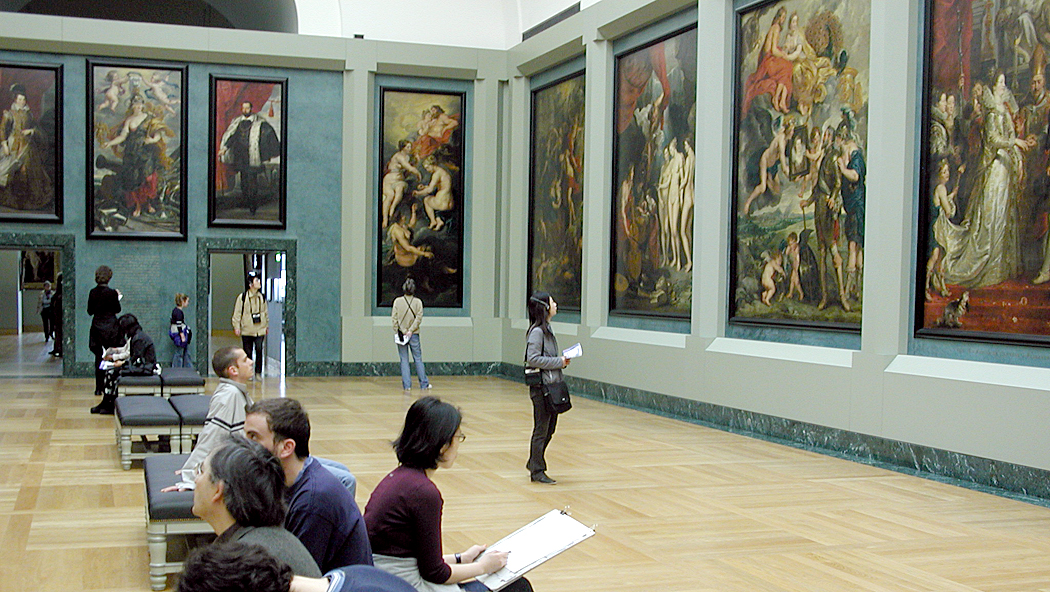
The same with the huge paintings of Maria Medici by Rubens, or the meticulous brushstrokes of Robert Campin’s Mérode Alterpiece at the Cloisters in New York. 

But, I hear someone say, you should not let the best be the enemy of the good. As Chaucer said, “Muche wele stant in litel besynesse.” And many of us cannot visit the Louvre or the Prado, or get tickets to the New York City Ballet. Does everything have to be great?

I am not arguing that. I am saying that we should not be bamboozled into thinking that a reproduction can stand in for the genuine and that the real thing can be a life-changing experience, causing you to discover depths in yourself you hadn’t even suspected, whether it is the sympathetic feel of your muscles watching a dancer, or the empathy you extend to Salieri in Amadeus, or the hunger for color you get from Cezanne. 

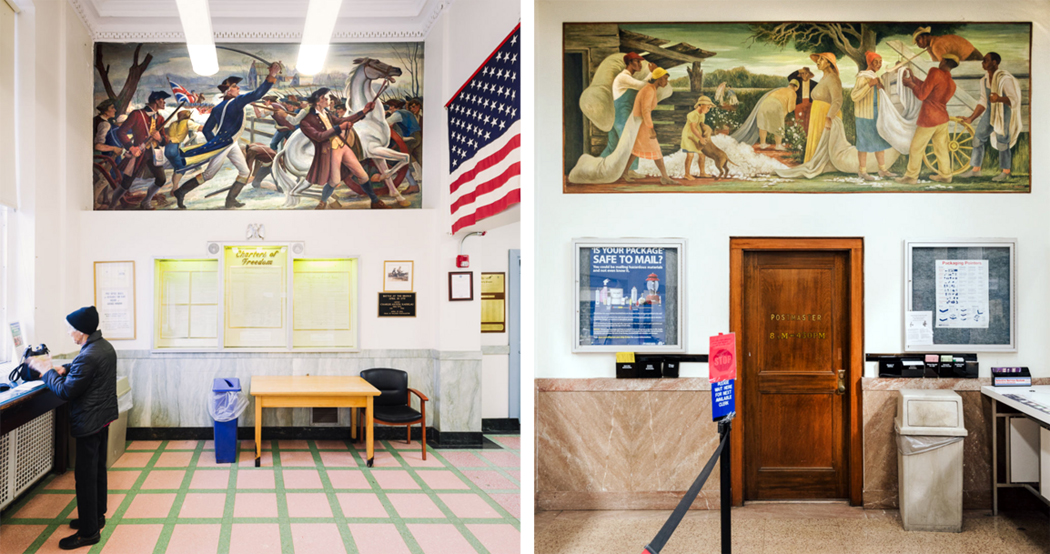
I am arguing that, in fact, you should look at real paintings and sculpture. Not all of it will be great, but it will be real. It will be present. There is plenty of local art in every town and city. If there is no museum, there may be some Depression-era murals in your post office, or a World War I soldier in your town square. There are local artists working in your neck of the woods, and what they do is real, not virtual. 

Every locale has artists working, and art worth experiencing isn’t only found in museums, or only found in New York or Berlin. 

I remember pulling into a supermarket in Boone, N.C. one fall afternoon and hearing three or four local musicians plucking guitar and banjo on the front steps, gathered informally to play some tunes. It was genuine and I sat and listened with the small crowd for 20 minutes or so before going in for my butter and eggs. 

You never know what you’re going to get. Even the best performer can have an off night, and sometimes an amateur can hit the spot. It isn’t frogs you have to kiss, but you do need to weed through a good deal of acceptable but unexceptional work to find those few that will stick with you for life. 

And then you will know the immediacy of the real. 

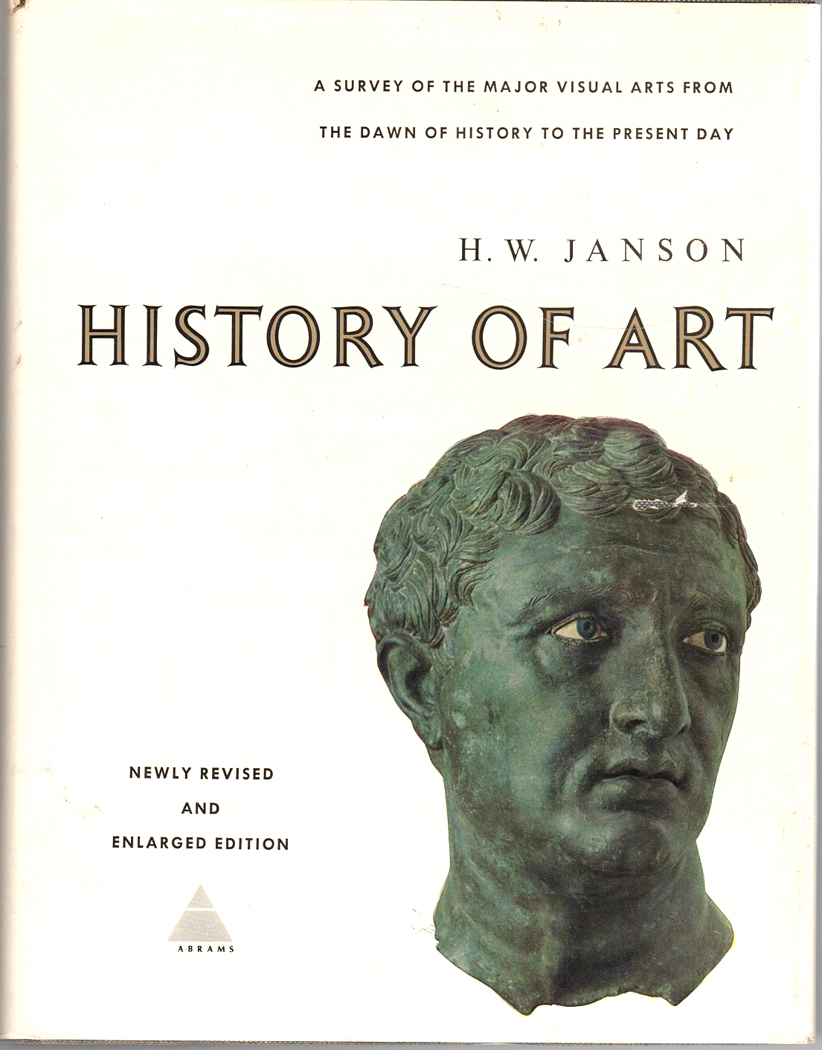
I grew up with H.W. Janson’s History of Art, first in art history class in college, and later, when I used it as a text when I taught art history. When I first owned a copy, it had only a few color plates, and later editions turned all-color, also adding some female artists and a bit of non-Western art in response to complaints it was too white-male-ish. It was. 

But that is not my point here. Rather it is that so many of us, including me, both as student and as teacher, know art primarily through reproduction. Either pictures in a book or slides projected in class — and now as digital images on computer screens. 

So, although I know Las Meninas, Rembrandt’s Danaë, or Botticelli’s Venus and Mars, I’ve never actually seen them. Not in person. 

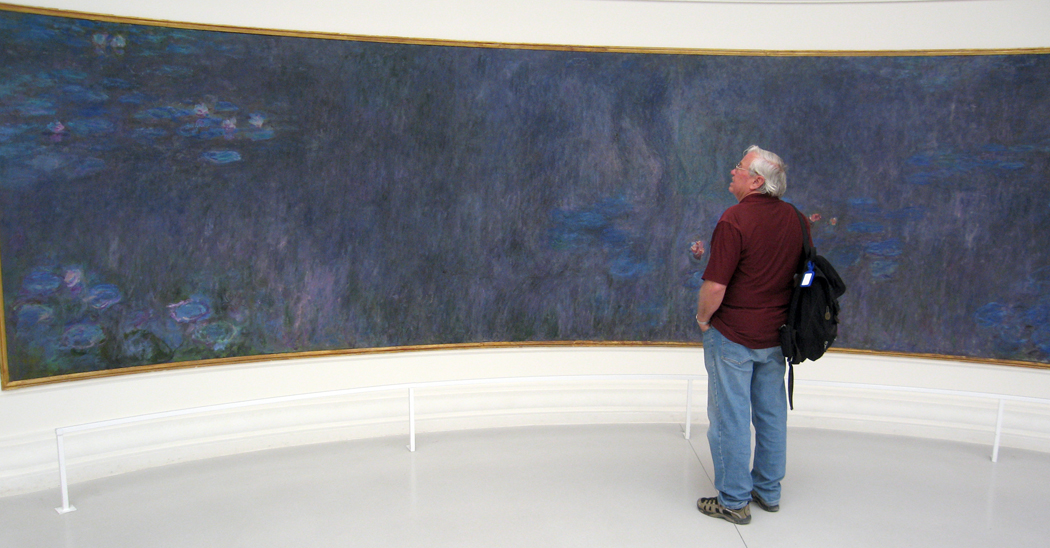
(Judging from this photo, it’s possible even to visit the Rijksmuseum in Amsterdam and still not see Rembrandt’s Nightwatch. How many times have you seen museum visitors staring at the blue light of their cellphone instead of at the work on the walls?)

As a result, we are so much more art literate — or at least image literate — than was possible a hundred years ago, or two hundred years  when privileged young men would take the Grand Tour through Italy and the Continent to study the great masterpieces in museums and churches, and come home and write encomia on the glories they had seen. 

But we are also fooled into believing that we have seen these famous paintings by encountering them on a page. Learning their titles to recognize them on a test makes your Janson into a high-culture Peterson Guide. Name the birds, name the paintings. 

The real thing is quite a different experience. 

Take for a single example Théodore Géricault’s famous painting, The Raft of the Medusa, with its careful triangular composition of decomposing bodies and starving survivors. In class, we study the iconography of the painting, but can have little concept of the impact of seeing the original, which is frankly, the size of a barn. 

It hangs in the Louvre and it isn’t just the immensity of the thing that cannot be felt in a picture book, but the shear weight of canvas and paint which sags ever so slightly under its own mass. It isn’t a perfectly flat canvas: You have to accept it as an object in its own right, not merely an image. 

Quite the opposite confronts anyone who can make it to the front of the throng perpetually standing in front of Leonardo’s Mona Lisa, like groupies vying for the front row at a rock concert. “It’s so much smaller than I thought,” is the most frequent response. 

And it isn’t just size that matters. How many have seen Vincent Van Gogh’s Crows in a Wheatfield either in an art book or as the dramatic climax of the Kirk Douglas film Lust for Life? How many have seen the actual painting? 

If you have been so lucky, you will know not only the size of the canvas, but also the almost sculptural surface of it, daubed with palette knife and oils. Van Gogh’s paintings are again, not merely images, but objects in their own right. 

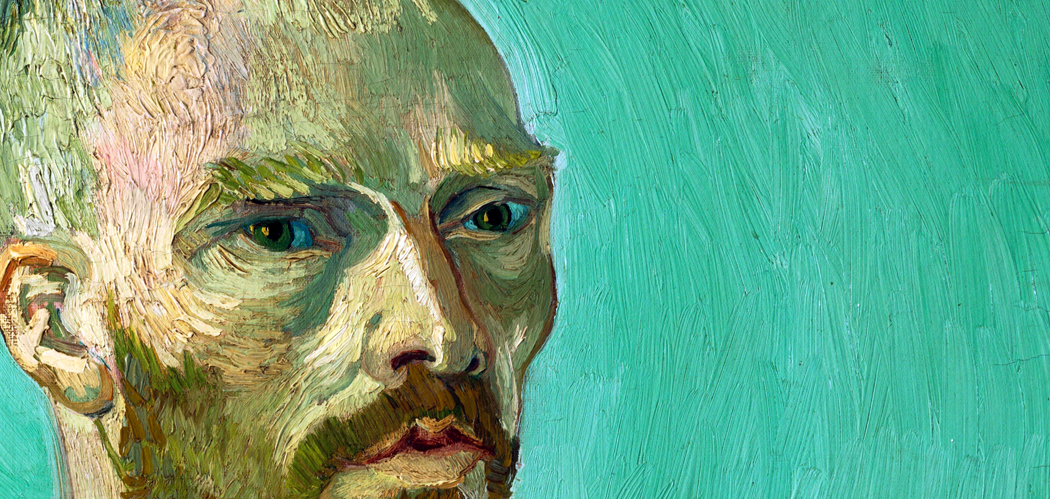
In addition, the colors of printer’s inks are not the colors of the oil paint. You can never get quite the arsenic green that makes up the background of one of his self-portraits. Not in ink, and not in pixels. Just Google one of the paintings and look at the multiple versions posted online and notice how much color and contrast vary. 

What you are left with is the iconography. A real appreciation of the art is always more than iconography. Iconography is intellectual — you can describe it in words. This is the Virgin Mary, or that is the Battle of Waterloo. But identifying the subject is not seeing the painting. A painting is also a sense experience and looking at an actual painting, in museum or gallery, gives you so much more than its content. 

The same is true of the other arts. I have (I blush when I say it) thousands of CDs of music and can identify compositions — as if it were a contest — in a few notes, a classical music Name That Tune. (I remember astonishing my brother-in-law by spotting the Bartok Fifth Quartet in three notes — and they are all the same note. But boy, are they distinctive.) 

Denk and Brahms

But knowing the tunes is not the same experience as hearing the music played by Yo-Yo Ma live, or the Guarneri Quartet, or Jeremy Denk. This was brought home to me fundamentally (i.e., through my fundament) when I heard the Philadelphia Orchestra under Wolfgang Sawallisch play Strauss’s Don Juan and the famous horn call was broadcast to the hall by eight French horns in unison. The effect cannot be captured by the best recording and the most audiophile equipment. You have to hear it live. The hall is live with the music. 

Certainly not every performance is so transcendent. Often you really do only get the tunes, and sometimes, that is enough for a pleasant evening. But I can honestly say that in a lifetime of concert-going, I have heard scores, maybe a hundred concerts where the music became a living thing on the stage and transported me to places no other art form can take me. 

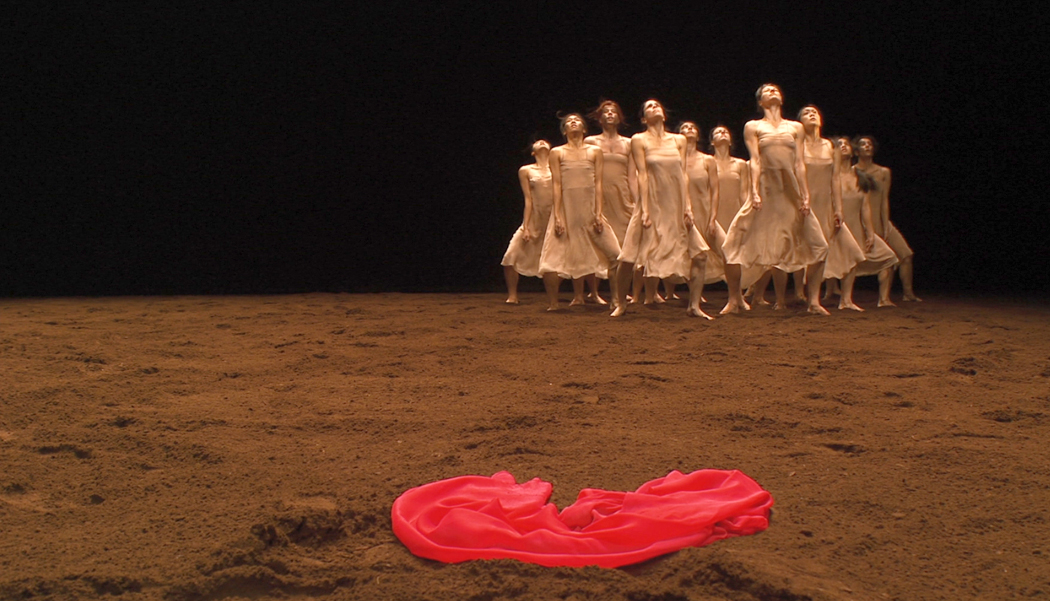
The same for ballet and dance. I have never seen on film or video a dance performance that didn’t seem a pale reflection of what I see live on stage. Even the great Balanchine, when asked to record some of his most famous choreographies, had to redo them slightly to make them camera-friendly. Even then, they don’t come close to seeing Apollo live, or The Prodigal Son, or Rubies. Dance has to be seen live, in three dimensions, palpable and present. 

And I have seen stage plays recorded for TV. Stage acting seems so artificial when replayed on tape. Stage acting is not naturalistic acting: It is projecting the meaning to the back rows. Seen a stage production on the screen makes you long for a cinematic version. But a great performance of a great play seen live will disabuse you of any notion that live theater is lesser than film. 

I have seen Tony Kushner’s Angels in America four times complete, first in the original Broadway production, then in the roadshow version, then is a locally produced performance by the late lamented Actors Theatre in Phoenix, Ariz., and finally in the filmed version with Al Pacino. As good as that last was — and it is worth seeing if you haven’t seen it on stage yet — it pales in comparison with the original. Indeed, the original is what finally persuaded me that live theater offers something nothing else can. It is live. You can sometimes feel the pulse of the actors on stage, their sweat, their muscles flexing like dancers’. 

I pity anyone who has only seen dinner theater or a mediocre student performance, thinking that is what theater is about. Seeing a great production is life changing. 

Yet, so much of our lives now is virtual, and we hardly mind the difference. We even watch movies on our cell phones, which only puts me in mind of when I was a boy, watching great movies on a 12-inch TV, in black and white, all fuzzy in picture and tinny in sound, and thinking I was “seeing” the film. In those pre-HD days, we used to say television was radio with pictures. You could take in a program while doing chores, as long as you could hear the dialog, you could follow the plot. Movies are meant to be seen, the visual details are meant to contribute the the experience. They cannot on a cellphone. We are back to square one. 


I remember visiting the Virginia Beach Marine Science Center aquarium and enjoying the otters playing behind a great picture window. A slew of schoolkids came in on a bus tour and they immediately swarmed — not to the window to watch the otters — but to the video display showing live footage from the very tank they could look at in front of them. They chose, to a child, to look at the video instead. It was seriously depressing. 

And it is what I think of when I reopen my worn copy of Janson and look at the reproduction of the Disembarkation of Marie De Medici at Marseilles by Peter Paul Rubens, tiny on the page, and think of the room in which it sits at the Louvre. The painting is more than 12 feet tall and surrounded by 23 other giant paintings in a room dedicated to the series. The effect is quite overwhelming. On the page, it is a confused clump of busy mythology; on the wall, it will blow you away. 

I feel sorry of any poor student taking an art history class who thinks they have encountered the world’s great art, when all they have seen is ghosts of the living beings. 

Click on any image to enlarge