Archive

Tag Archives: reviews

The foundational mythology of the United States belongs to the cowboy. An argument can be made for the Founding Fathers, but they are understood more as history than as myth. And by myth I don’t merely mean something that isn’t “true,” but as a mental model that we have absorbed as the definition of what makes us American. We are more John Wayne than we are John Adams. 

Like many of us, I grew up on Westerns, although because I am in my 70s, my foundational Westerns were those from the 1930s recycled in the 1950s on television. I grew up knowing who Ken Maynard was, or Buck Jones. Back then, TV stations were starving for content to broadcast, and the pile of old Westerns filled the Saturday morning hunger. Those younger than me likely didn’t have such a cinematic indoctrination. Later TV Westerns became their version. 

But, since I wrote a blog piece about TV’s Gunsmoke, (link here) I have been thinking about Westerns and their role as our national psychic subconscious, and about how the fictional version differed from the historical. And what is more, what that shift means, culturally. 

It has not always meant the same thing, and the evolution over time describes the changes in America’s perception of itself. 

I believe there were distinct eras of Westerns, that have evolved over the past two centuries. These versions of the West overlap, and all of them have been present from the beginning, or near enough. But the preponderance of each defines each era. 

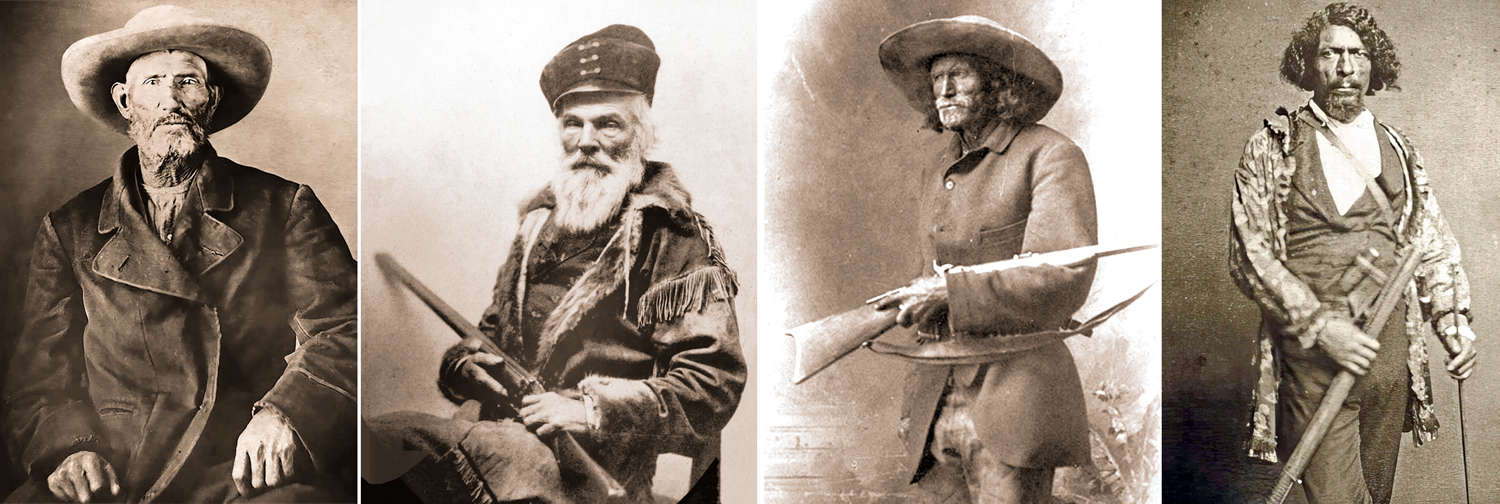
The West began in upstate New York with Natty Bumppo, or Hawkeye, as he was known in The Last of the Mohicans, and gave us the prototype of the rugged individualist. He morphed into Jim Bridger, Daniel Boone, Davy Crockett and various mountain men living in the wilderness. 

Jim Bridger; Joseph Walker; Jim Baker; Jim Beckwourth

These heroes played out the myth of how we conquered a vast wilderness with rugged individualism and tenacity. It grew into the myth of Manifest Destiny.  

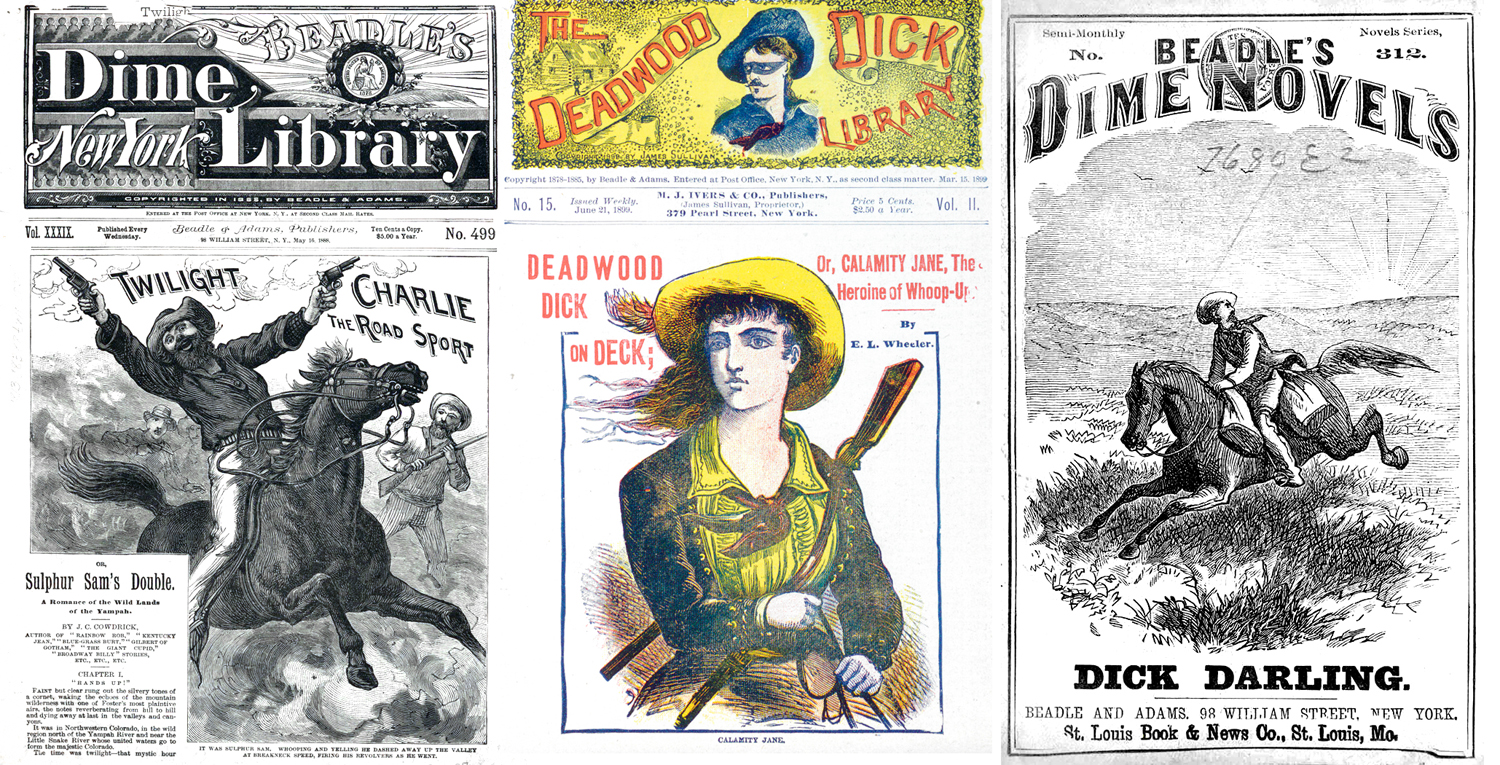
After the Civil War, when economic exploitation of the West began in earnest, with mining and cattle industries, the cowboy took over, with adventurous exploits popularized in a thousand dime novels. Certain names begin showing up with regularity, including Buffalo Bill, Wyatt Earp, Jesse James, Belle Starr. These elided into the early Western movies, including The Great Train Robbery (1903) and Across the Plains (1911), which starred Broncho Billy Anderson, the first cowboy movie star. 

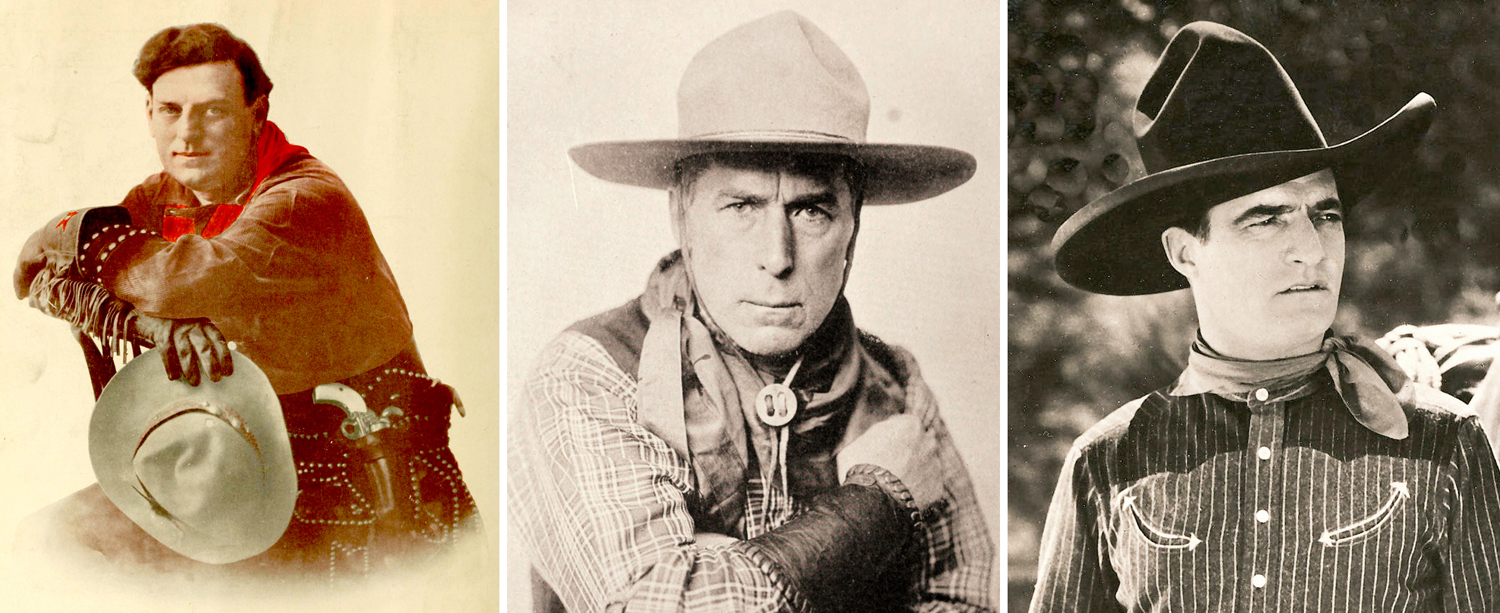
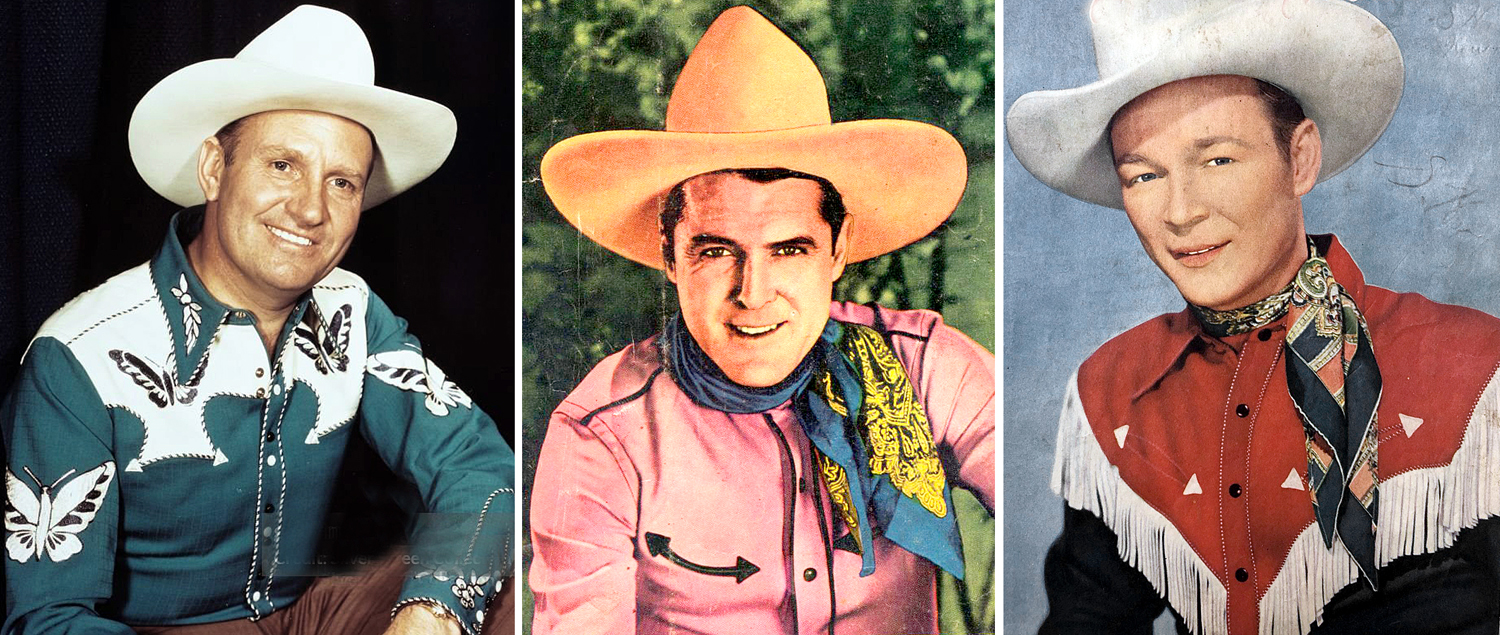
And a split in the myth. On one hand, you had William S. Hart, who attempted a level or realism in costume and plot (matched with a high level of sentimentality), and on the other hand, you had Tom Mix, the show-biz cowboy all duded out with fancy kit. 

The difference was between movies made for general audiences and those aimed at children, mainly young boys. Mix brought glamour to the Western, with fancy cowboy duds and sparkling saddlery to his horse, Tony. 

That split continued into the sound era with hour-long Saturday matinees  with Hoot Gibson, Bob Steele and dozens of others, including John Wayne, who made scores of cheap oaters and even took to trying out as one of the singing cowboys that were briefly popular. 

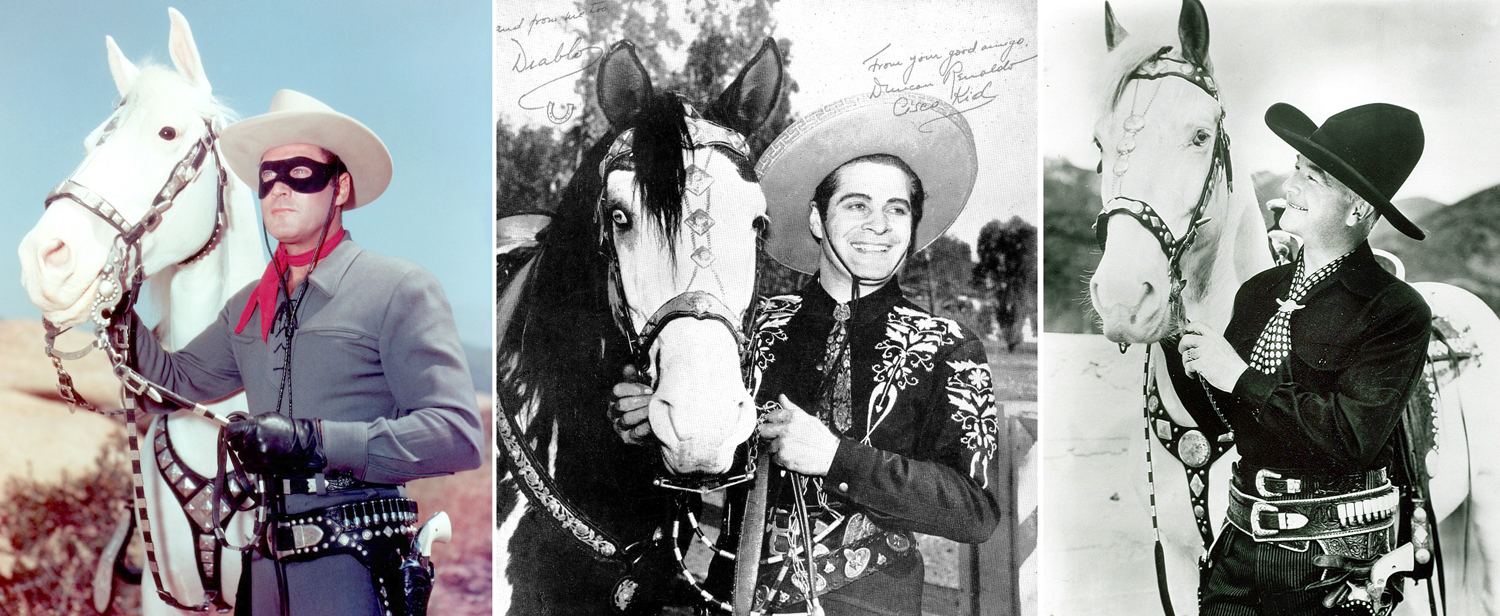
Through the 1940s, the cowboy movie became stereotyped with stars such as Roy Rogers, Gene Autry and William Boyd as Hopalong Cassidy. There was little attempt at realism. Sometimes they actually fought Nazis. 

These were the cowboys wearing shirts with crescent pockets and shoulder fringe, and often sported a six-gun on each hip. 

All that carried over into the television era, with a skein of popular Westerns mostly aimed at kids: The Lone Ranger; The Cisco Kid; renewed popularity of Hopalong Cassidy.

Meanwhile, there were always Westerns made for grown-ups, too. From John Ford’s Stagecoach and Howard Hawks’ Red River, through the Budd Boetticher films with Randolph Scott. There was Shane, and High Noon, and Winchester ’73

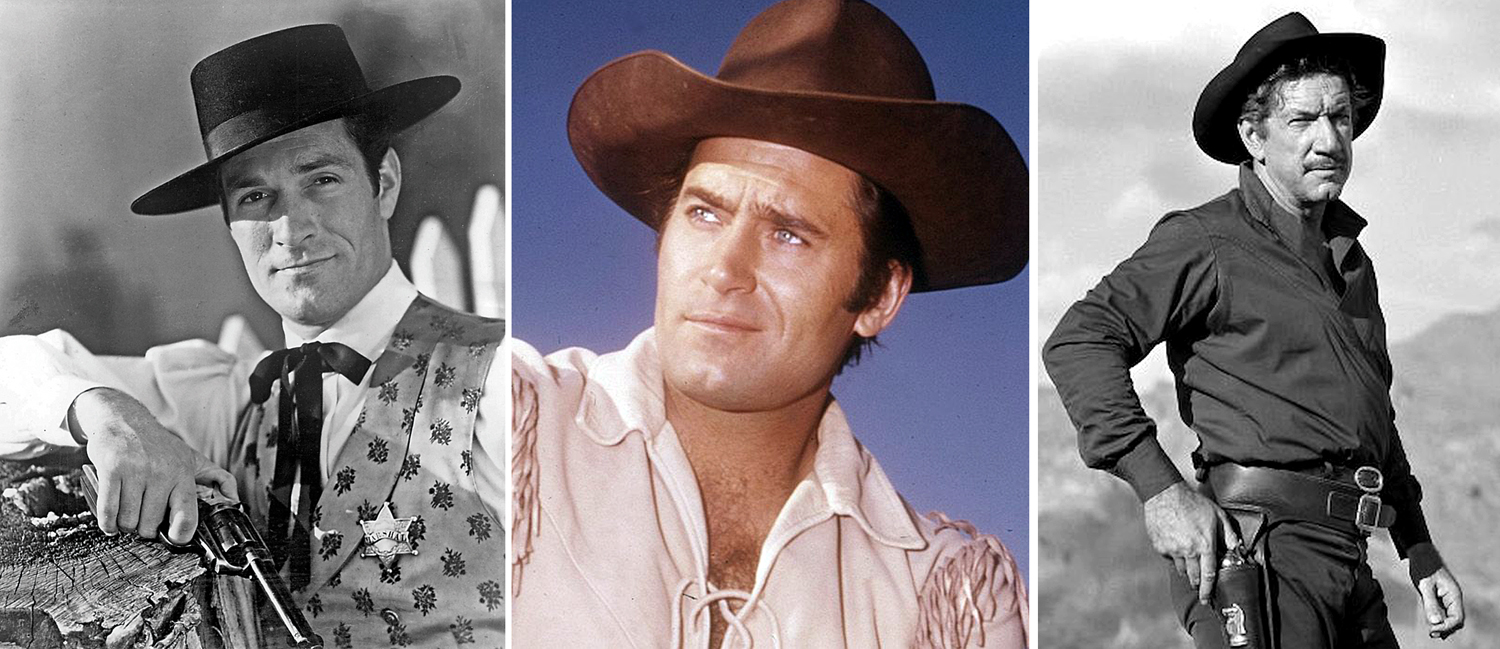
Initially, the lone hero version carried over into the TV era, also, when  The Life and Legend of Wyatt Earp, with Hugh O’Brien, kicked off a decade of evening programing with cowboy heroes, such as Cheyenne, Maverick, Have Gun — Will Travel, Bat Masterson, and The Rifleman. And, of course, Gunsmoke. You can name a dozen others. The market became glutted and then, suddenly, it seems, Westerns were shot dead. 

There came a cultural shift. Maybe it was the Vietnam War, maybe it was fatigue with the cowboy cliches, but when Westerns eventually did return to the silver screen, they took a dark turn. There had been revisionist Westerns before. Indians weren’t always the bad guys. But starting in the 1960s, with films such as Ride the High Country (1962), A Fistful of Dollars (1964) and the subsequent Spaghetti Westerns, Hang’em High (1968) and ultimately, The Wild Bunch (1969), the new Western was brutal, filled with low-lifes and lots, and lots of grime. 

“McCabe & Mrs. Miller”

The trend continued through McCabe & Mrs. Miller (1971) to Unforgiven (1992). Even the more positive films like those from Larry McMurtry novels or with Tom Selleck attempt a more naturalistic view of the times in which they were set. 

Of course, there’s a good deal of overlap in the eras. It’s a question of what predominates in what decade. There have been revisionist Westerns from the earliest years, but this view of the overall shape of the Western in American consciousness over time is, I believe, basically accurate. 

What is not accurate, though, are the Westerns themselves. Admittedly, they were never really intended as realism: They are myth and they are national epic. Our equivalent of the Iliad or the Kalevala. Even those attempting fidelity to historical fact ultimately underline the myth more than the fact. “When the legend becomes fact, print the legend.” 


Actual cowboys

As a kid, I loved the cowboy movies, but as an adult, I am bothered by them. I try to remember they are not meant to be documentaries, but crystallizations of myth, and you don’t expect myth to be realistic. You don’t ask Hercules if he has a mortgage. 

Yet, there are sore thumbs that stick out for me in almost all filmed Westerns; four of them — aspects that scream out: “No, this isn’t the way it was.” And perhaps that shouldn’t matter, but these things make it difficult for me to appreciate Westerns the way I did when I was a kid. 

I have four primary gripes. They are: economy; geography; ethnic diversity; and language. Let’s take them in order. 

Two movies, same location

Towns exist in Western mainly to stand in for civilization. It’s where the people are — the people largely left undefined. They stand in front of general stores or the saloon while the heroes and villains play out the ritual of the gunfight. The same set can be used and reused in many pictures, even as diverse as Westworld and Blazing Saddles. The Western movie town is just the stage set for the plot.

But actual towns are built for economic reasons. There was some industry that needed workers and the workers needed services, and so, towns grew. But in most Western movies, there doesn’t seem to be any functioning economy. There are references to cattle and ranches, but aside from giving rustlers something to do, they barely show up as economic factors.  

While the standard movie Western town has its saloons, its general store, its hotel and restaurant, its stable and blacksmith, there is never a thought to where its residents get the money to pay for their drinks, meals, gingham or horseshoes. A town doesn’t grow for just no reason. 

Even Dodge City, in the 1870s, when Gunsmoke is supposedly set, had a mayor and council and a police force. There would also likely have been an elected sheriff for Ford County and a judge, to say nothing of at least two lawyers, advertising on the front page of the Dodge City Times in 1878. 

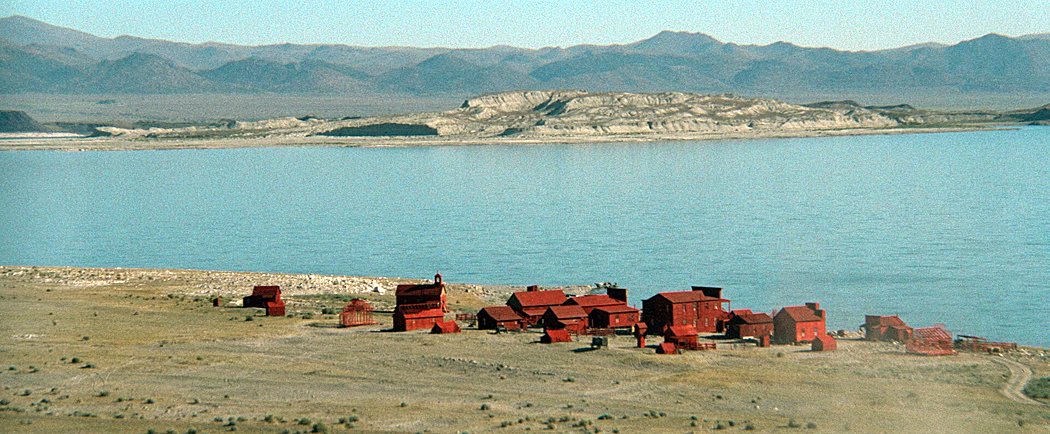
Sometimes it is downright preposterous. Consider Clint Eastwood’s High Plains Drifter. Its town is built on Mono Lake in California with no economic base at all — just a hodgepodge of buildings erected near a salty lake that cannot even provide drinking water for the residents.

“High Plains Drifter”

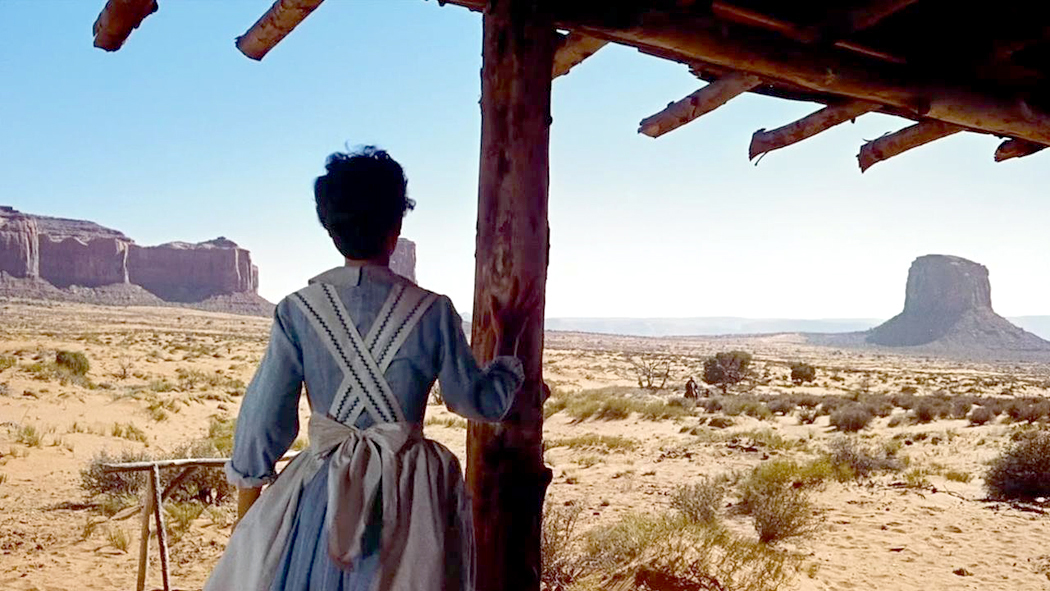
Or, one of my favorites, the supposed farm built in Monument Valley in Arizona, in The Searchers. The idea of such a farm is ludicrous — not made better because the landscape is supposed to stand in for Texas. 

“The Searchers”

 Again, there is a reason towns were built where they were. On rivers for shipping; near mines to provide supplies and provisions; along railroads to ship cattle; near army forts to unload soldiers of their pay.  

As seen in the movies

 My second beef with Westerns is its geography. Most of the Western tales we have historically took place in the most boring landscapes imaginable, in Kansas, Nebraska, Missouri, Texas. 

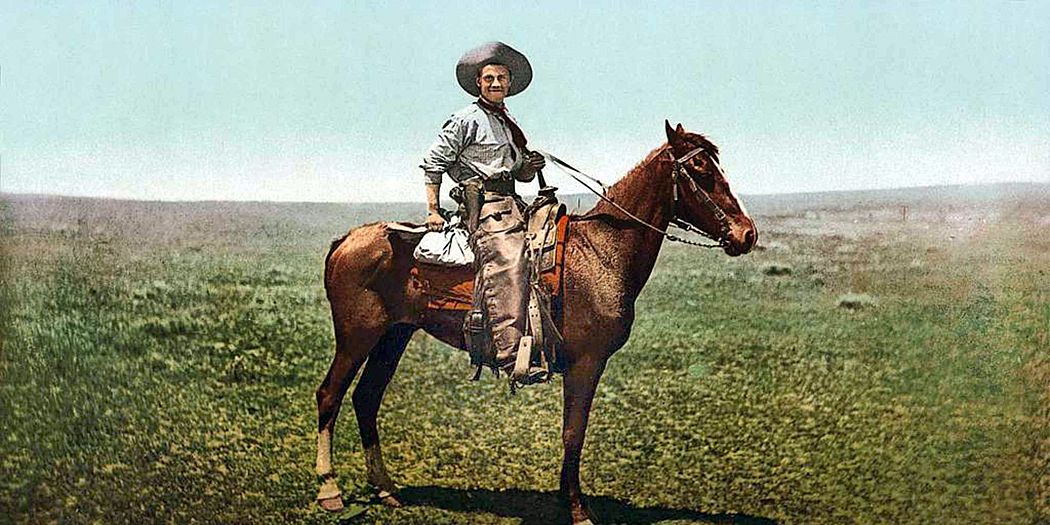
What the actual working West looked like

But such places are not very photogenic. And so, we move them lock, stock and barrel to the Rocky Mountains, the Desert Southwest or California’s Alabama Hills with the Sierra Nevada in the background. 

“Gunsmoke”

Even Gunsmoke, set in Kansas, sometimes shows a mountain range off in the distance sighted down the main street. (I’ll discuss Dodge City in more detail in Part 2 of this essay, to follow). Matt Dillon is sometimes shown accompanying a prisoner, for instance, across the Rocky Mountains or into the desert, hundreds of miles from his jurisdiction. To say nothing of the months it would take to ride there on the back of a horse. 

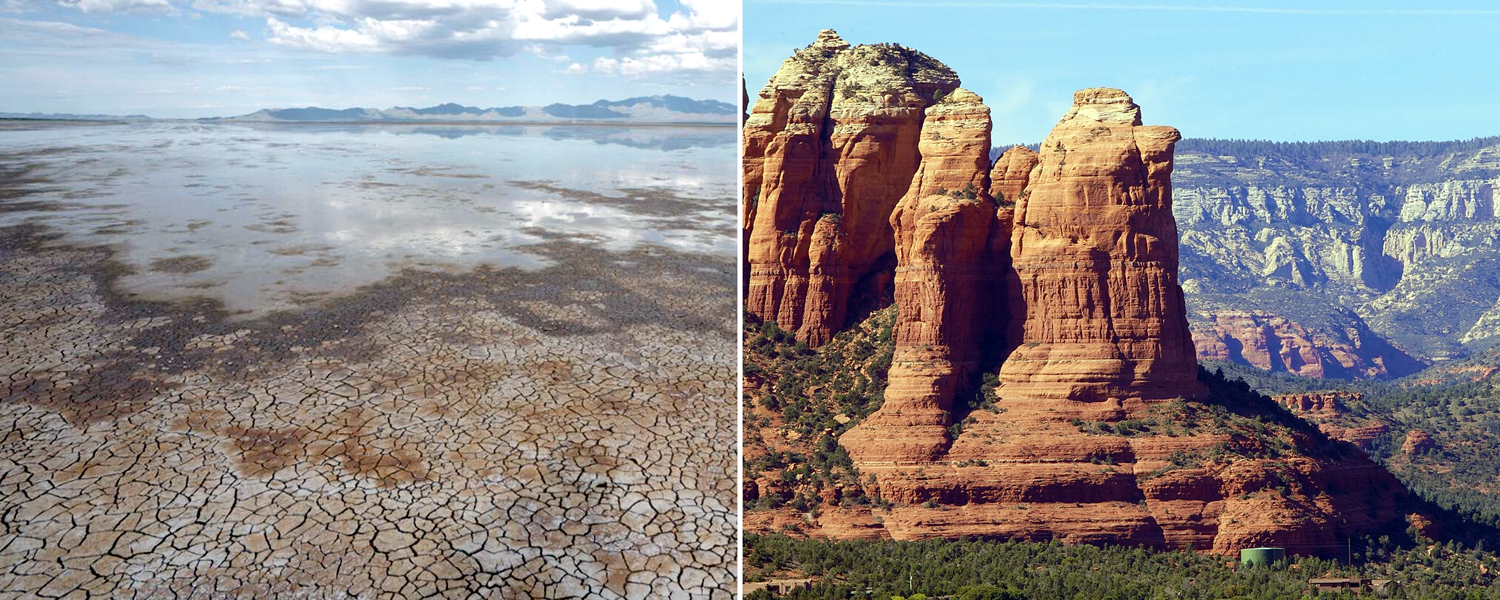
In the 1950 film Broken Arrow, Jimmy Stewart rush back from Lordsburg, N.M., to Tucson, Ariz., and somehow manages to pass through Sedona, Ariz., on the way — a detour of several hundred miles. Clearly Sedona was more photogenic than the Wilcox Playa or Benson. 

Wilcox Playa (left); Sedona, Ariz. (right)

As in so many Westerns, the West is just a mental landscape, where any buttes and saguaro cactus will do as a setting. 

As a sidenote, related to the geography: Cowboys stranded in the desert reach for their canteen and take a slug of water, or else hold it upside down so we can see it’s empty. I lived in the desert for 25 years and can tell you water is a big deal. Driving through Death Valley one July, I became so dehydrated I developed a headache and was beginning to become disoriented. I had to drink a full gallon of water to recover. A few swigs from a canteen is basically meaningless. 

The third and fourth distortions are perhaps less important, but they nevertheless stick out for me when I’m watching an old Western. There is the lack of ethnic diversity and the matter of speech.

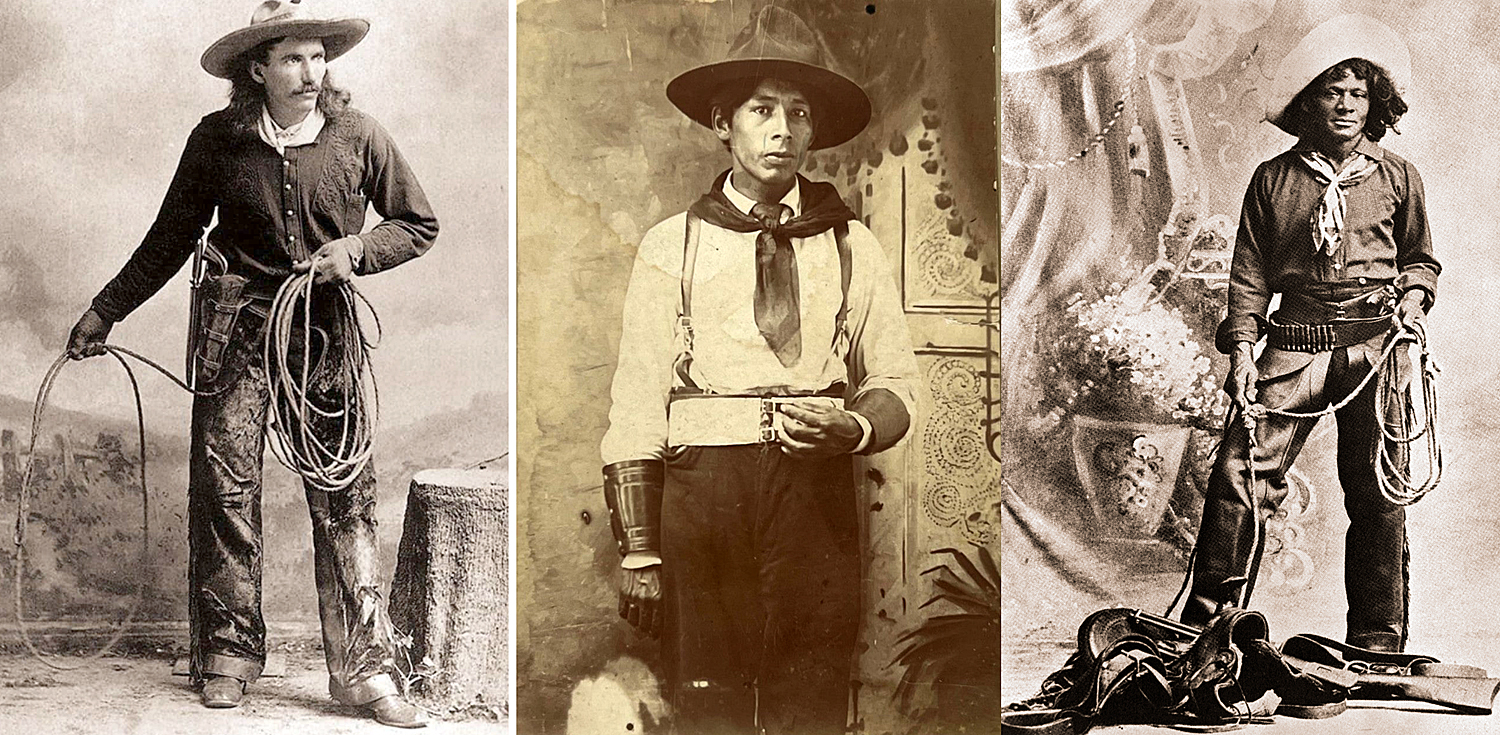
Cowboys: Vanilla, Native American; African American

It’s been documented that about a quarter of all cowboys were African-American. They don’t much show up in the movies (John Ford had his Woody Stroud and at least that was a nod to the fact). And another 20 percent were Mexican and many were Native American. In the towns, segregation was normal, even if the working cowboys out on the plains were mixed. Virtually all the laundries and restaurants in the Old West were run by Asians, mostly Chinese. Other ethnicities were notable factors in various troubles, as the Irish clashed with the English. 

Finally, there is the language spoken in 19th century America, which was much more formal than we take for normal now. In the Western movies, the actors tend to speak in the manner current when the films were made, and that changes over time, just the way the hats went from 10 gallons to three pints, and the brassieres just kept getting pointier. 

The evidence from letters and from novels written during the period tell us that people spoke in longer sentences with fewer contractions. At home, you might relax when talking to your spouse or children, but in public, you attempted to be correct. Even the illiterate miners and farmers spoke more formally. 

This last bothers me less, because if Randolph Scott or John Wayne spoke as they would have in the Old West, the audience might laugh, or at least yawn. How often have you heard parodies of Ken Burns’ Civil War, when they read letters soldiers wrote home? What was normal speech in the 1870s sounds utterly archaic, even stilted, to our ears. 

Next: Part 2 — A look at the historical Dodge City

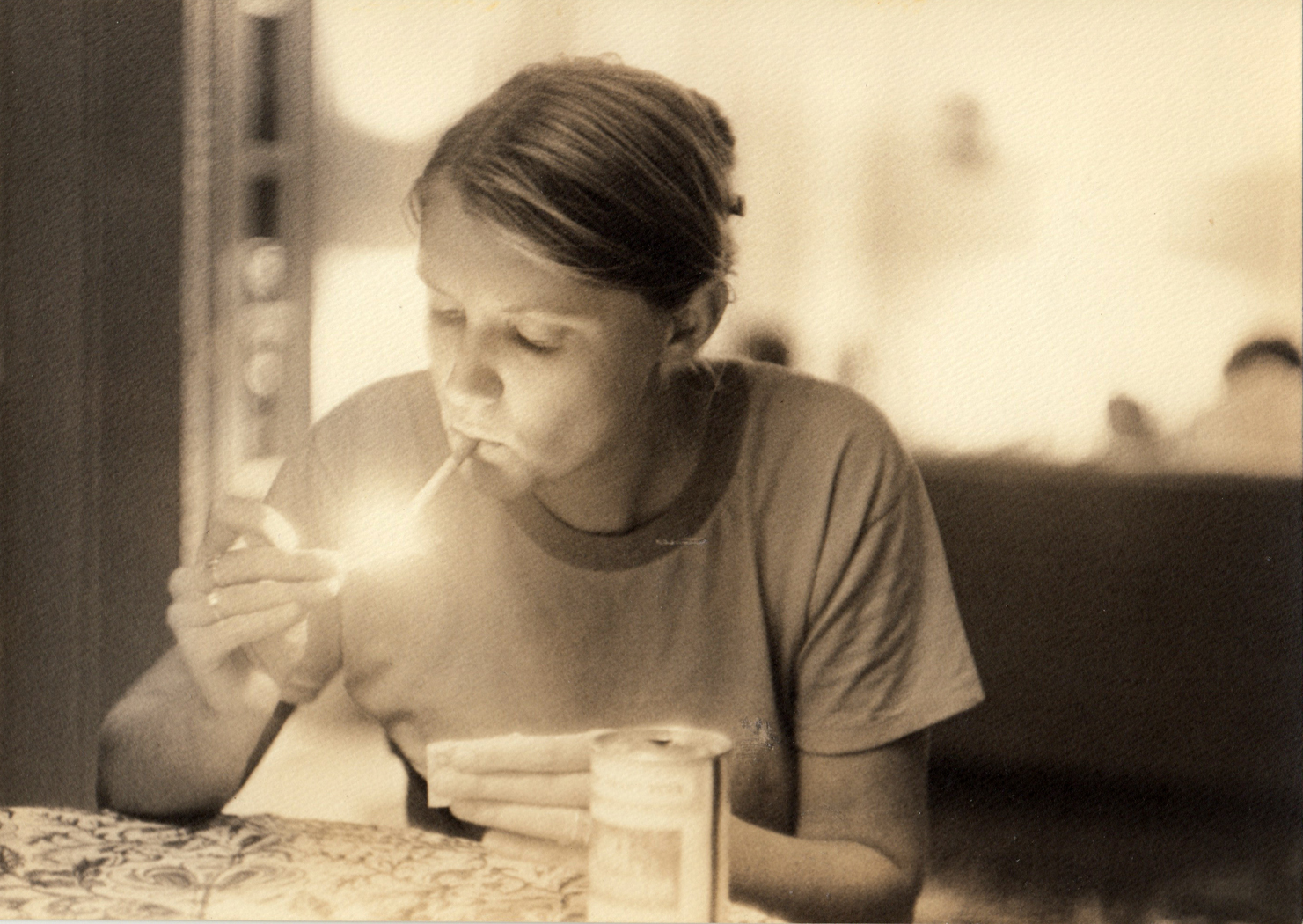
When I see photographs of myself in my 20s, I am deeply embarrassed. I seemed to be play-acting in some fictional version of the life I believed I was living, or wanted desperately to be living. I clearly thought I was ripe for la vie de Bohème

I am probably not alone in this. From the onset of adolescence, most of us, I believe, are trying to figure out who we are, and believe — quite wrongly as it turns out — that we have some choice in this. 

For me, as for quite a few in my generation, coming of age in the Eisenhower years, the banal middle-class life was something we wanted to escape. The world of art and artists — or poetry and poets — seemed so much more vital, so much more real. 

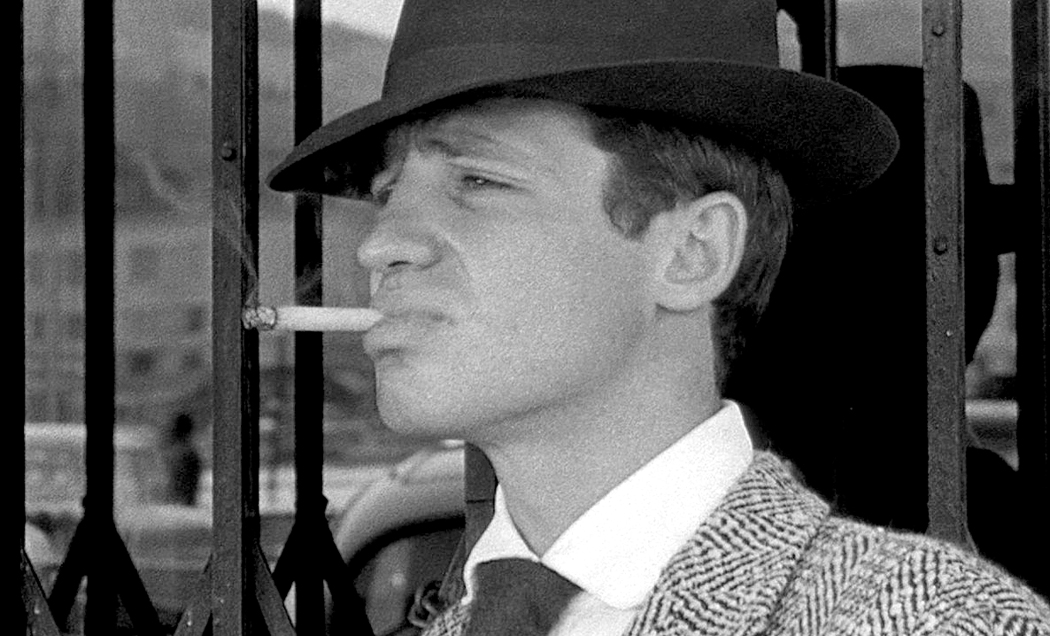
It was in the air. Breathless, with Jean-Paul Belmondo, came out in 1960, when I was 12 years old. Jack Kerouac’s On the Road was released in 1957. In the same year, Alan Watts produced his Way of Zen. All of these things presented a way of life that seemed to this unformed New Jersey boy so much more real — so much more important — than buying annual new school clothes at the Paramus mall. 

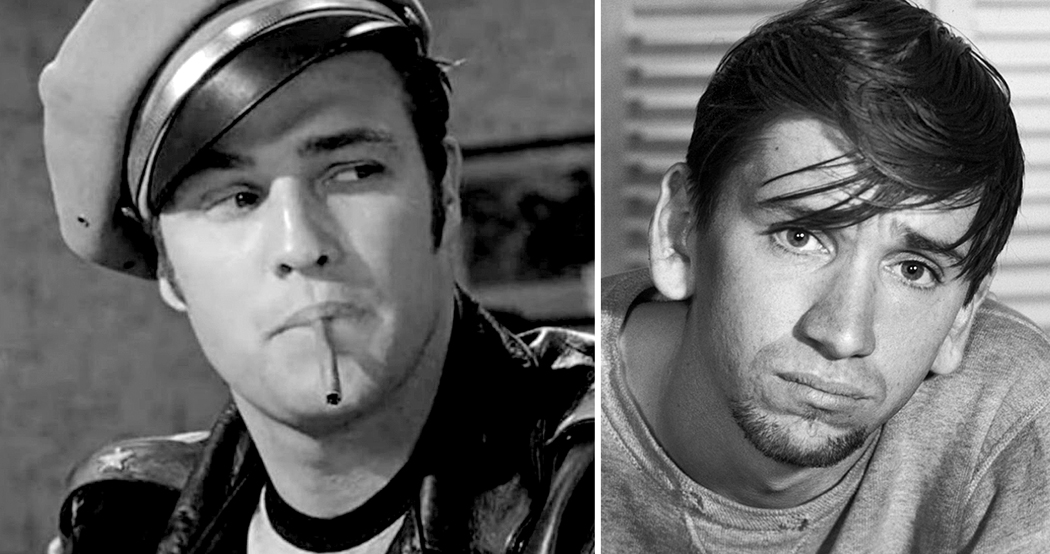
“What are you rebelling against?” “Whatya got?” Maynard G. Krebs

My parents were reasonably intelligent, but they were not college educated and they were not readers. I thought at the time they were intolerably boring. I read everything I could get my fingers on, including books that were way above my puny ability at that age to comprehend. I thought bourgeois respectability was the enemy, and in a fit of juvenile delinquency, I would stuff paperbacks from the book rack in the local drug store into my pocket and make off with them. I thought I was so daring, so rebellious. By real-life standards, it was pathetic; the real thugs in my town were Mafia kids and all the books I took were literary: 

John Updike’s The Centaur; Malcolm by James Purdy; John Knowles’ A Separate Peace; The Sot-Weed Factor by John Barth; A Death in the Family by James Agee — you get the picture. As I look back on it now, I’m pretty sure that Everett, the pharmacist, knew what I was doing, but recognized that they were likely books that would never sell anyway in suburban New Jersey and that I would benefit from reading those books more than he would from keeping them dusty on his book rack.

I bought a subscription to Evergreen Review and another to Paul Krassner’s The Realist. And just to go the extra length of high-school pretentiousness, I also got a subscription to Les Temps Moderne, although I knew no French. But, it was Jean-Paul Sartre’s magazine and I knew he was important. I was desperate to join the grown-up world of truly important things — not like the pep rallies and gym classes of high school. 

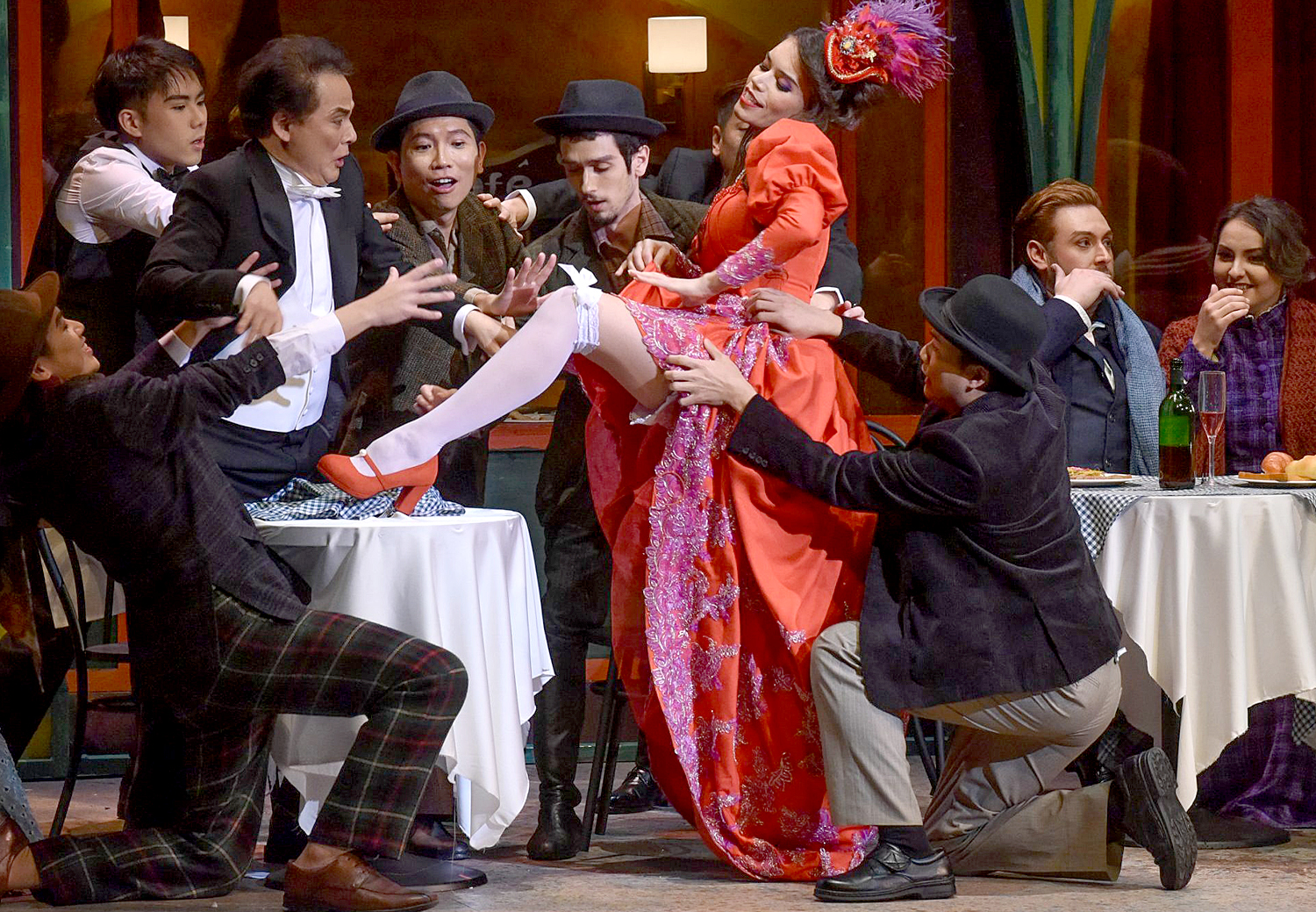
The attraction of the bohemian life were all too apparent to me then, and all through my college years and into my 20s. It was a fantasy enriched by exposure to literature; actual bohemians were sparse on the ground in Bergen County. The tradition of poor scholars, thumbing their noses at conformity is long, and goes back at least to the Roman poet Catullus. I found a used copy of Francois Villon’s Testament and then, there was Goethe’s Faust and Puccini’s opera, La Bohème

As I headed off to college, I imagined myself as one of those louche students, full of sex and alcohol, but also drunk on great books and music and art. Of course, there were others there who shared that vision and we became friends, like Rodolfo, Marcello, Shaunard, Colline, Mimi and Musetta. 

Or so we imagined ourselves. I was filled with an exaggerated sense of art and literature, but lagged in classwork. I’m sure I read more than my curriculum required, but rather less of those texts assigned in class. After all, textbooks were dull and Dostoevsky was not. 

We knew we were “special,” and that we would become, if not famous, at least important. My best friend and I self-published a slim volume of our poetry and titled the thing 1798, after the year Wordsworth and Coleridge published their Lyrical Ballads. Their poetry changed the climate for literature for the next hundred years; we expected ours would do the same. Being important was important to our yet unformed selves. 

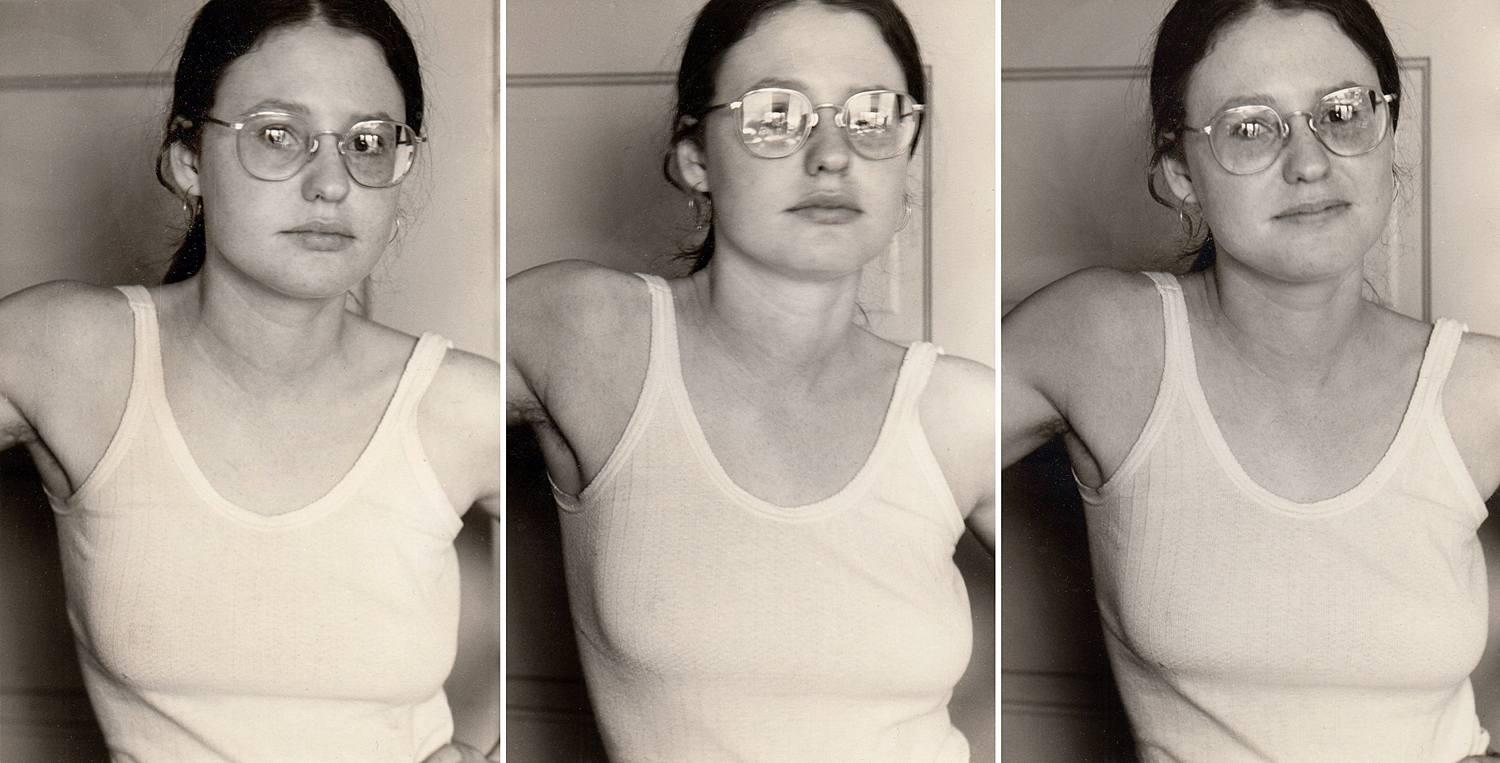
Rae, Aime and Alex

After graduation, with a first wife, I lived that sort of poverty, in a cheap rental apartment on the second floor of an old house, entered from stairs rising up the outside, and heated with a single kerosene stove in the living room and we ate from a book titled Dinner for Two on a Dollar a Day. I had a job paying minimum wage as a clerk in a camera store, and I found living on no money intoxicating. My first wife found it less so. A punctuation mark in the bio. Full stop. 

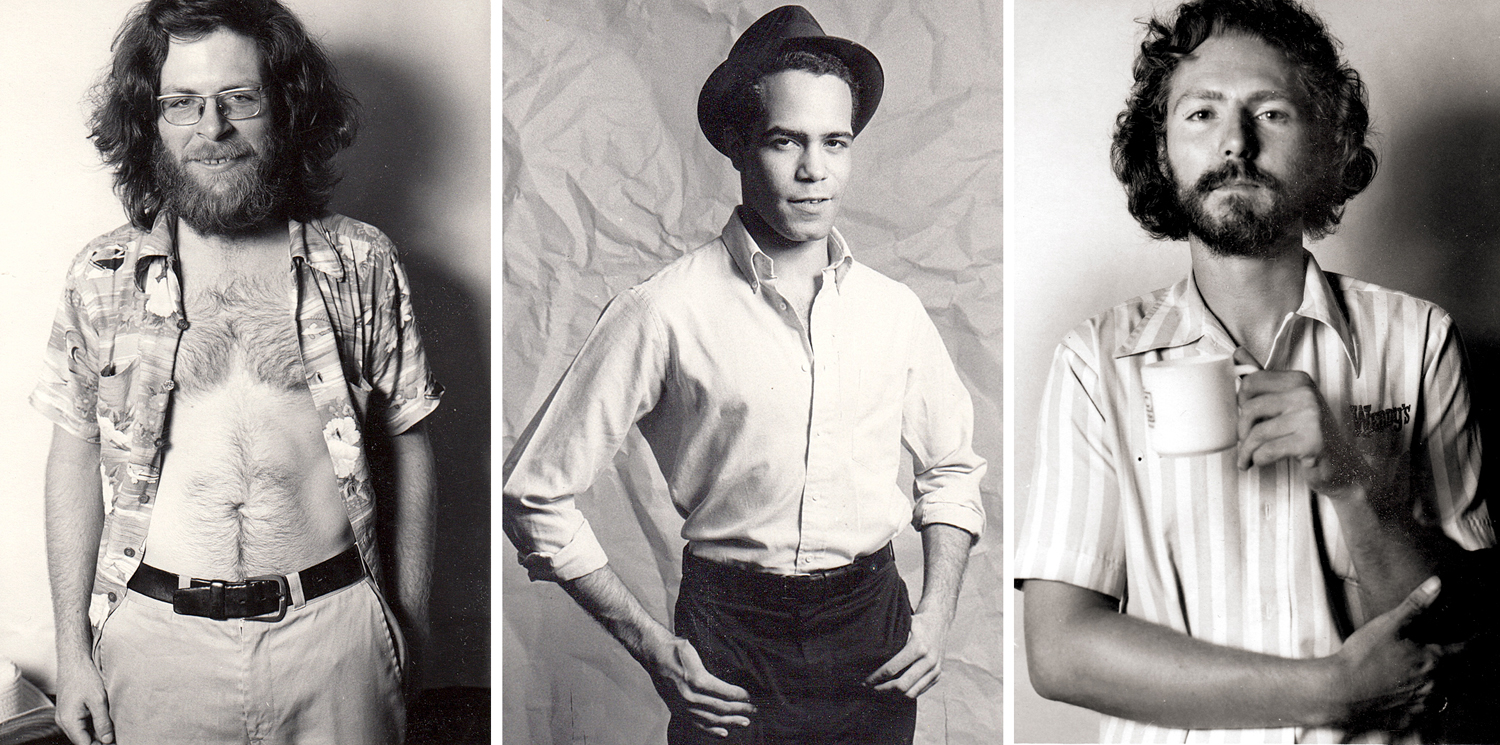
Sandro and Mu; me and S; Cap’n Billy and Tiggy

Later, and with the succeeding unofficial wife, we lived in a duplex. I still worked in the camera store, and she was a cashier in a supermarket. We managed to save enough money to buy gear to hike the Appalachian Trail. We quit our jobs and took off for the woods. When we discovered that goal-oriented hiking (making the required miles per day to reach the next lean-to) was less glamorous than we thought, we gave up in northern Virginia and returned to Greensboro. 

After that came some time on unemployment benefits and meeting up with fellow bohos in local bars, betting quarters on air hockey. Being poor was never a problem: It was exotic. We were still sleeping on a mattress on the floor, and having friends over for feasts, and at least once a year, with friends, renting a venue and holding a masked ball where we waltzed into the wee hours of the next day. 

Ursus, Colin, and Spider in Seattle

But then, she left to get married and I was pole-axed. I hadn’t known. I gave up everything (well, except my books), and moved from North Carolina to Seattle, where I lived with my old chum, Ursus, who was then a bicycle messenger in the city. I was offered a spot in the coal bin in the basement, and lived more vie bohème on a mattress on the concrete floor. Being jobless gave me time for a lot of reading. 

I eventually got a job at the zoo, and became crazy about a zookeeper I fell for, but depression wore me down. 

And so, I moved back to the South and lived with my 1798 co-author and his wife. They gave me a room in their old farmhouse, with its only heat being a wood stove in the kitchen. I did the cooking and maintenance work while they went to work. A few daylong pick-up jobs and I earned a total of $900 for the entire year. It seemed sufficient. This was truly la vie de bohème

My second official wife invited me to visit in the Blue Ridge and eventually, I moved in with her and her teenage daughter. Still no job, still poor as a midge and happy as a clam. But I was now over 30 years old and never had a real job. It was beginning to wear thin. 

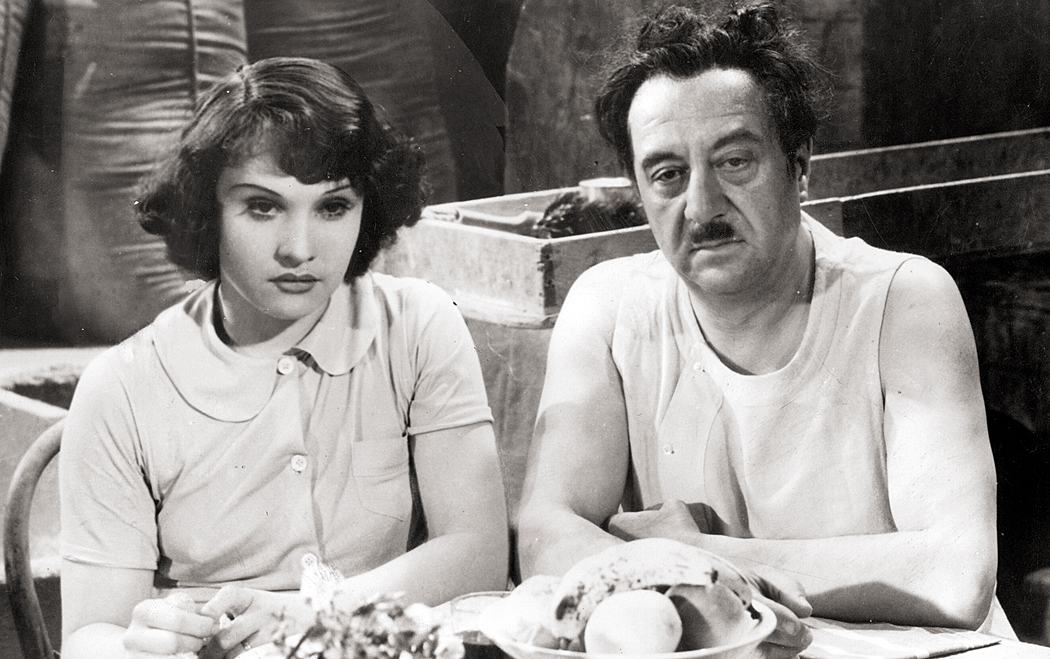
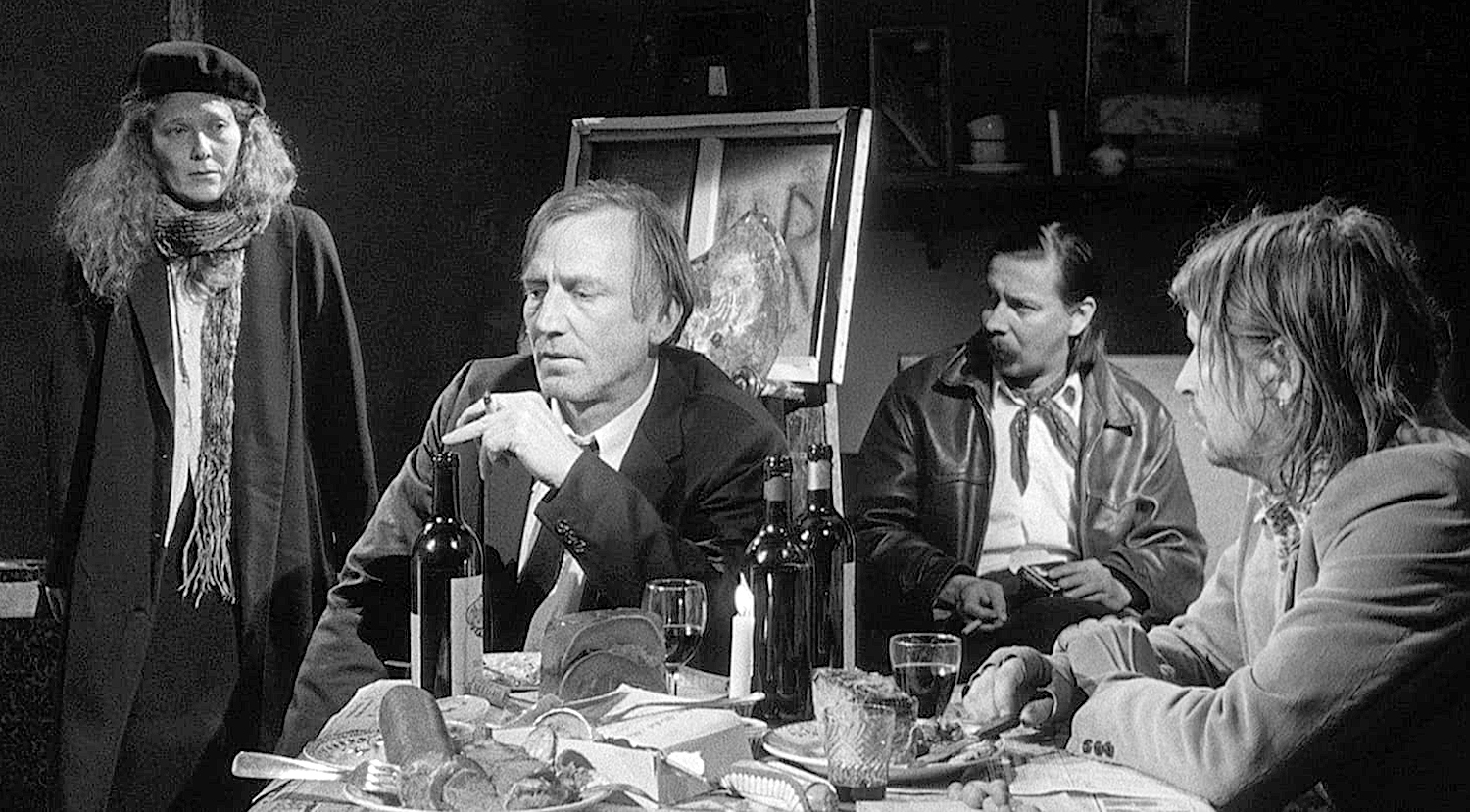
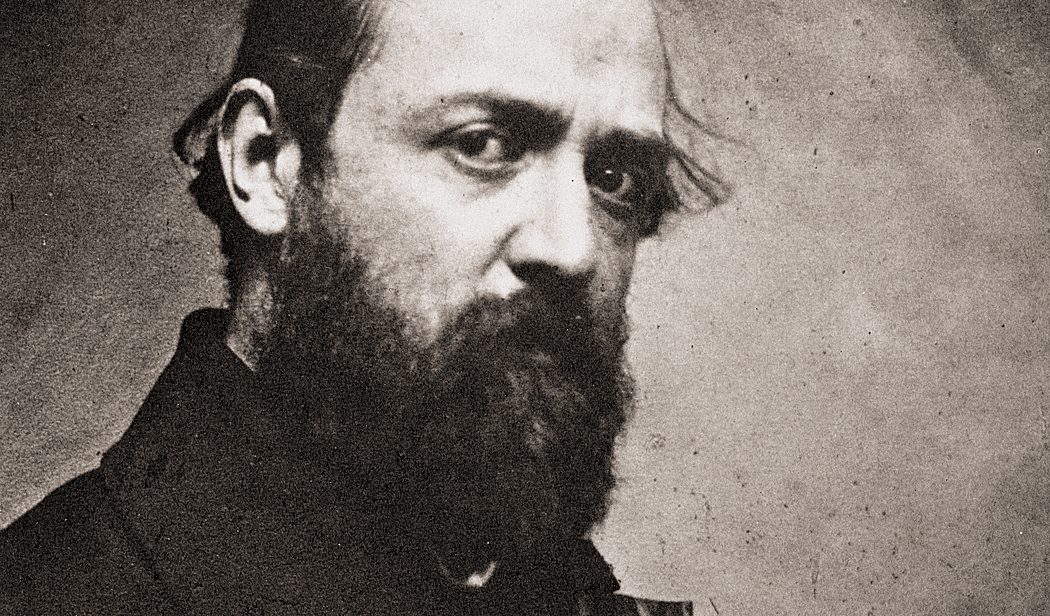
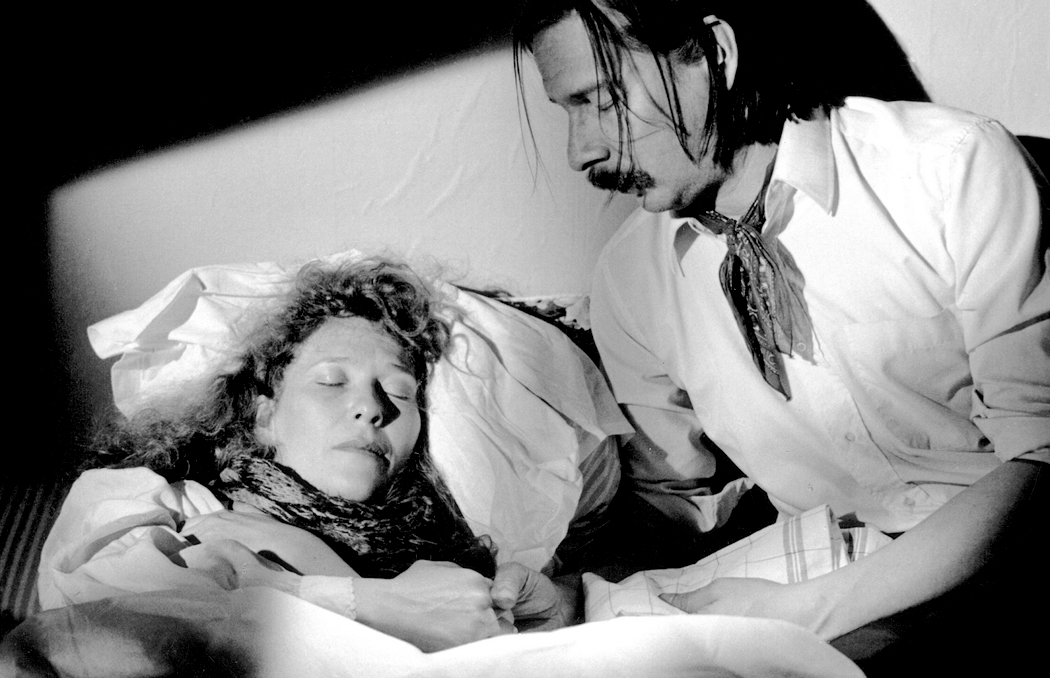
I mention all of this because I recently watched a 1992 film by Finnish moviemaker Aki Kaurismäki called La Vie de Bohème and based on the 1851 novel Scènes de la vie de bohème by French author Henri Murger, which, in turn, was the source for Puccini’s opera. 

Henri Murger by Nadar, 1857

It is in many ways a brutal and heartbreaking film, mainly because, unlike the opera with its young heroes, flush with romantic enthusiasms, the movie shows us a more realistic vision of bohemians, now in their 40s, and looking pretty sad. It’s fine for 20-somethings to live their fantasies; but given greying hair, paunches and ratty clothes, at 40 living such a life seems like utter failure. Not only in career, but more important, as persons. They have not found who they really are, but have worn holes in the soles of who they try to be. 

These are people who had grand ambitions when young. They were going to be writers, thinkers, painters. And they each now do piecework on commission for a few dollars and do their best to avoid creditors and landlords. When our writer falls in love with a worn-looking 43-year-old Mimi, he finds himself deported to his native Albania. When he sneaks back much later, he finds Mimi is dying. It’s all much as in the opera, only everyone is at least 20 years older. 

But the love between Mimi and her man is so much more real and touching, because it is adults who need each other rather than youths living out some romantic fantasy, and Mimi’s death, in the hospital, is an actual death rather than a dramatic set-piece. Life has stomped on the youthful delusion. 

 For me, it was my second marriage, which lasted 35 years, until my wife’s death, that turned me into who I was rather than who I played at being. It can be a long process to something approaching reality.
I don’t know if any of us can ever know who we really are, but we all know who we think we are. Most of us, as we get older, grow closer and closer to who we truly are; when we are young and full of ourselves, we live a mythologized sense of ourselves. A much more important sense of ourselves. We are going to change the world. In truth we are ordinary. 

As one grows older, the graph plotting the importance of one’s internal sense of self, the mythology of autobiography begins to tail off, dropping down the chart, while the realization of who we truly are begins to climb, and there comes a point — for me, it was in my mid-30s — when the two lines cross. For some it marks the “mid-like crisis” and one can choose to attempt to grasp after the myth and buy a sportscar, or one recognizes that the actuality is more solid, more real, and more meaningful than the fantasy. 

The young sense of self is a choice — a mask you wear or a role you play — and maybe you try to live up to it, but it is always a pose. The longer you hold on to it, the more you feel like an imposter. Who you are is not a choice: It is a given, and it can slowly reveal itself over time as you give up the pose. Maybe you give up the pose out of exhaustion, maybe out of a seeking of self-knowledge. Either way, it is why older people often feel so much more comfortable with themselves, so much less worried over what “others think.” 

And for me, I have given up rebelling against the bourgeoisie. I have never joined in. I have too many books. But let them be who they are and let me be me.