Archive

Tag Archives: ring of the nibelungs

I once made a list of my Top Ten Films and the list had 40 movies on it. What is more, if I had made the list a year before, or a year later, the 40 movies might have been quite different. One cannot really pick a permanent set. 

So, when Classics Today executive editor David Hurwitz published his list of “12 Operas I Cannot Live Without,” and challenged his audience to come up with their own lists, the same problem popped up. “You mean the dozen I cannot live without today?”

While I love opera, like Hurwitz, I have to admit I am not an opera nut. That’s a different breed. Opera does seem to attract the crazies — the ones who swear by a 1948 barely audible recording, made over a telephone line, of Maria Callas singing La Sonnambula — in the unauthorized 1848 edition only performed once, in Belfast, Ireland in 1873. You know, the one with the interpolated aria in Act 2. Yes, crazy like that. 

I have been listening to classical music for more than 60 years, and am a classical music generalist: I love it all, from pianists to chamber music to symphonic and vocal music — and, of course, opera. But opera has no special place for me. Opera people care who the tenor is; I am more interested in the composer, which means I’m not included in the opera inner circle. 

So, my list is not made up of the usual names: Verdi, Bellini, Puccini, and doesn’t automatically include the ABCs of opera popularity — Aida, Boheme, Carmen. It’s not that I dislike them, but I have seen them enough times that I don’t need to experience them yet again. They will always sell enough tickets, even without my attendance. 

These are the works that I choose when I want to hear opera, to enjoy the music in them and the emotions they arouse. I could list more than 12, but Hurwitz’s assignment limits the number — although I might cheat a bit.
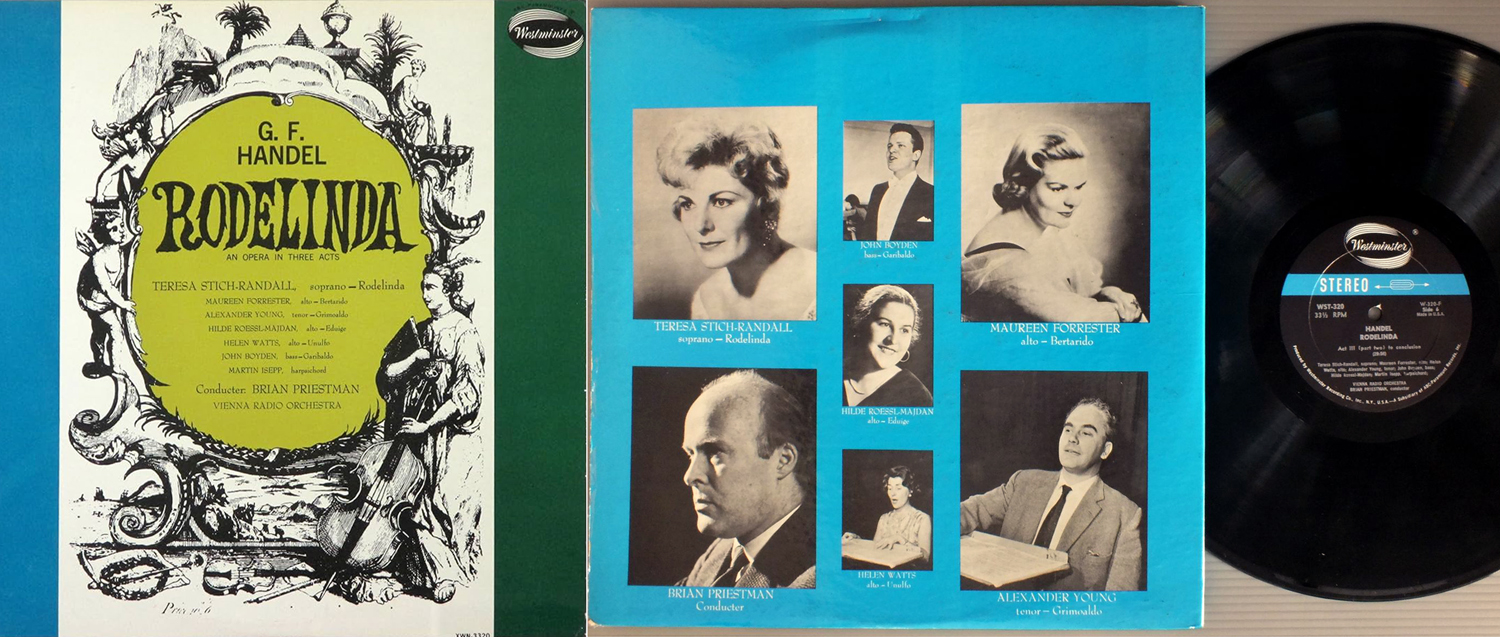
1. Handel: Rodelinda

The first opera I ever attended was in 1966 when the Handel Society of New York staged Rodelinda at Carnegie Hall with Teresa Stich-Randall and Maureen Forrester with a pick-up pit orchestra conducted by Brian Priestman. I couldn’t stop humming the tunes. 

Years later, I found a three-disk LP album of the opera in a smooshed-up box in a thrift store. I don’t remember who performed it, probably some Eastern Europe company on a back-water label no one’s ever heard of. I played it over and over. The familiar melodies were comforting.

The same year I saw Rodelinda, the same group also performed Xerxes and I saw that, too. Since, I have seen Giulio Cesare live and a truly brilliant staging of Semele by the Arizona Opera Company, but it is Rodelinda that sticks.
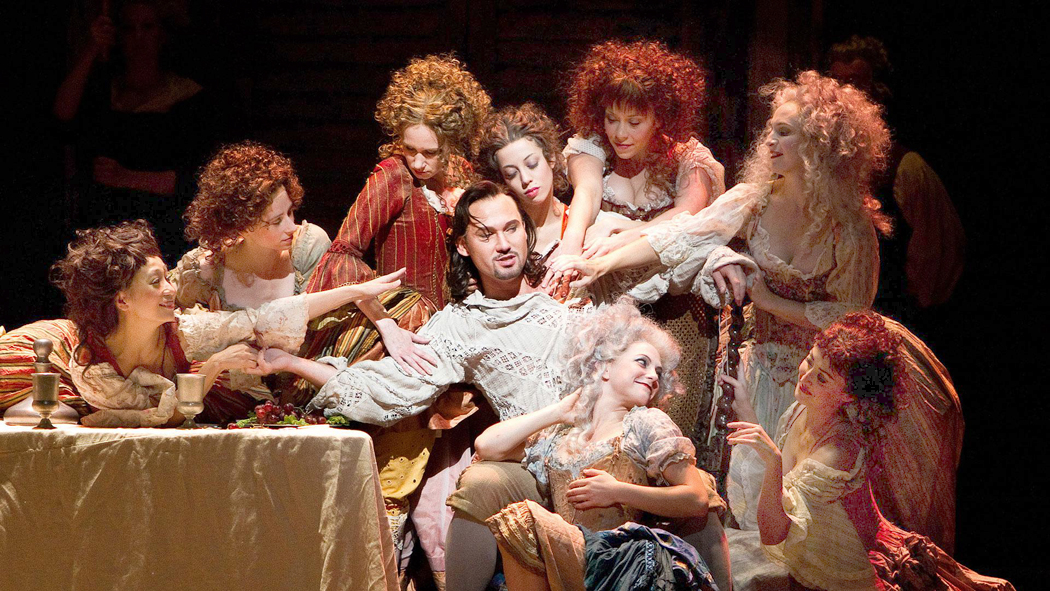
2. Mozart: Don Giovanni

The opera I have seen most, and that I love as music as well as theater, is Don Giovanni. I’ve seen it more often than any other live opera (except the infinite Bohemes and Carmens I saw through duty as my newspaper’s opera critic). 

Most operas, even the really good ones, can not be defended on the basis of their plots, which are, at best, nonsensical and goofy. But Don Giovanni has a story with action, believable characterizations, and psychological subtlety. To say nothing of some really great tunes. 

And it is a truly revolutionary work, written at a revolutionary moment in history. I love when the partygoers at the end of the first act just kind of stop everything and belt out the words, “Viva la Libertad!” And also that, at the end, the Don has the courage to refuse to repent. He may be the villain of the piece, but he is also the hero. 

I’ve owned a half-dozen versions of the piece on LP and now CD, but my go-to performance is the oddly cinematic, opened-up film staging with Cesare Siepi as the Don, and conducted by Wilhelm Furtwängler, available on DVD. 
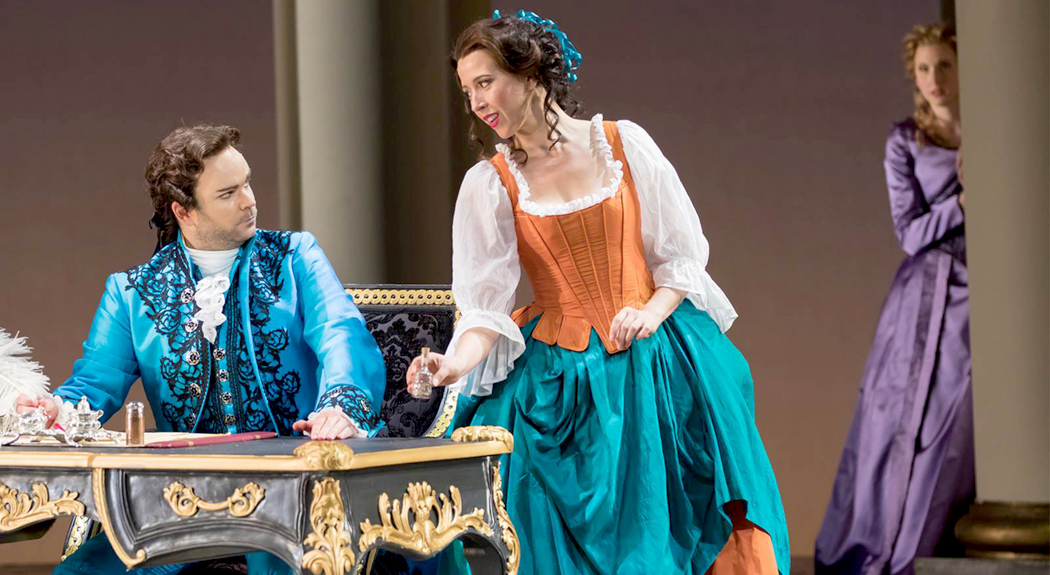
3. Mozart: Nozze di Figaro

On his list, Hurwitz permits only one opera per composer, but I can’t do that, because the three operas I love most, and can listen to over and over, are all by Mozart. Years ago, I wrote about what I was calling the “perfect” operas — that is, those with no longueurs, boring parts, added and unnecessary show-off arias to highlight the tenor or soprano. These are operas with plots that are defensible, if not great, pacing that doesn’t drag, and some level of human reality in them. 

By any of those standards La Nozze di Figaro tops the list. These are all real people doing real people things, hurting like real people, loving like real people, and most importantly, forgiving like real people. And, all the the perfectly psychologically apt music of Mozart. If I were to choose the best opera ever written, this would be it.
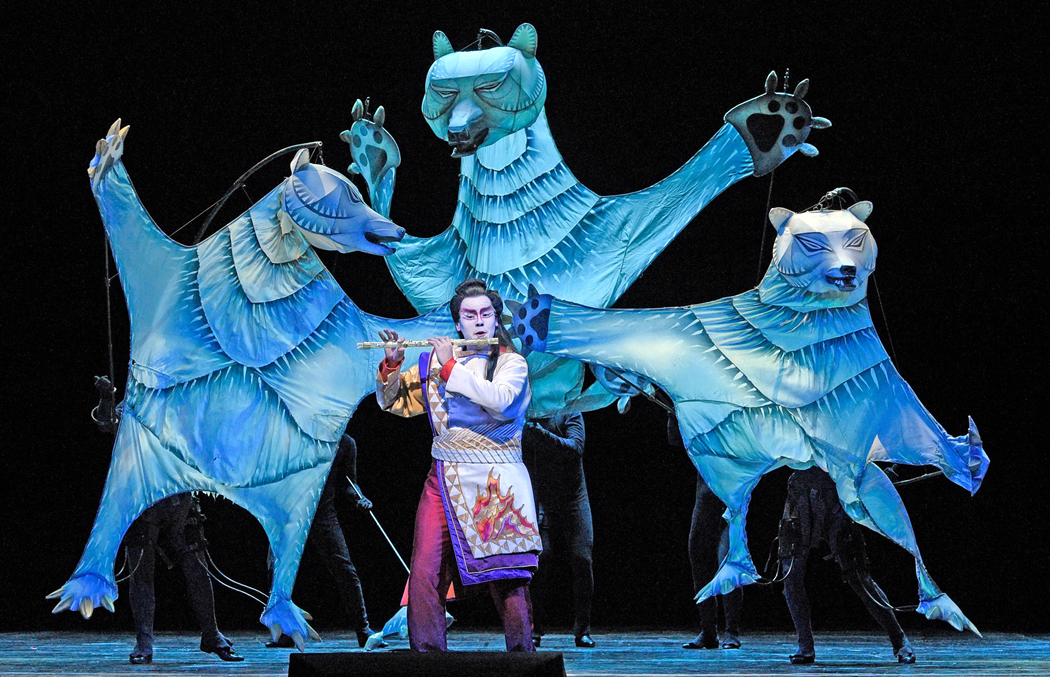
4. Mozart: Zauberflöte

Talk of silly plots: Just about the worst story in opera is found in one of the most popular works. Everything about the story in The Magic Flute is preposterous. But the music is so infectious, you give up and don’t care.

Especially if you get to see the staging by Julie Taymor with its giant bunraku puppets. It is stage magic along with great music. It is a slightly abridged version and sung in English, but it is so good, and so much fun, you really have to watch it. 

Or there’s Ingmar Bergman’s film version, sung in Swedish, which captures all the fairy-tale flavor of the thing. But really, there are dozens of recorded versions, both on CD for listening and DVD or Blu-Ray for watching. 

5. Berlioz: Le Damnation de Faust

I hadn’t ever thought of it as an opera, but I saw the Metropolitan Opera staging of it in 2009 and was persuaded: It works really well in that Postmodern presentation. Actually thrilling. 

As with so much of Berlioz, its reach much exceeds its grasp. Since the composer couldn’t include everything from even Part 1 of Goethe’s Faust, he chose to pick episodes to put to music, making a rather choppy story. Still, the music can be overwhelming when performed with the right belief and energy.  
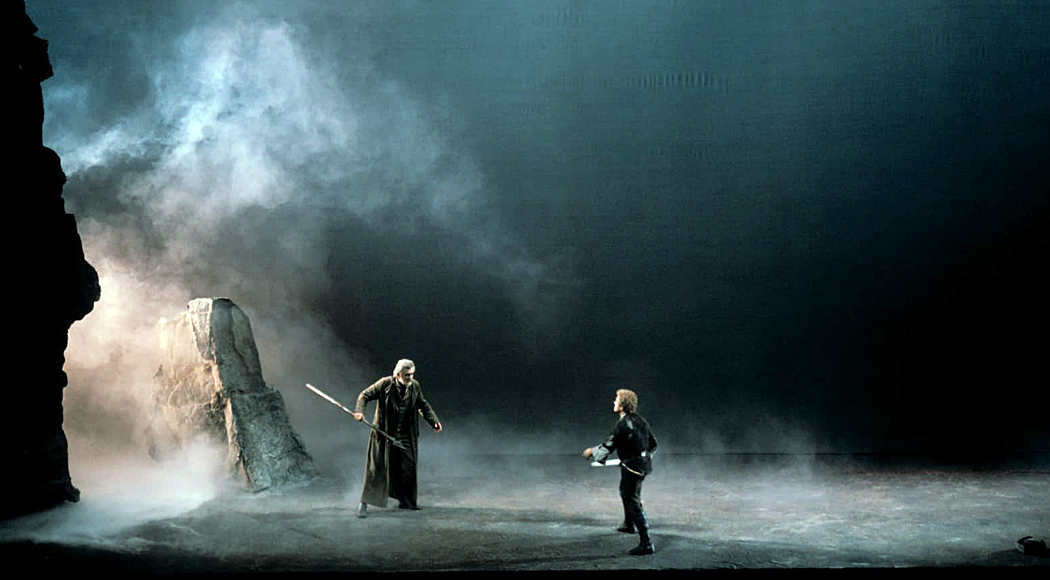
6. Wagner: Der Ring des Nibelungen

I’ve attended two live Ring cycles, which were quite magnificent (although I am humbled by the fact my dear friend, the late Dimitri Drobatschewsky went to Bayreuth 16 times). But I have to admit this four-opera trilogy (yes, that’s an oxymoron) is best heard on recordings. Not so much because with the great voices of the past, the singing is better (although that is true), but because the action in these “music dramas” is so mythic, and so German Romantic, that no scenery or stage machinery can adequately portray the Rhine maidens singing underwater, the valkyries riding their horses in the air, the gods crossing a rainbow bridge, or the Rhine river overflowing its banks to quench the fire that has set alight the entire world and ended the reign of the gods. Watching it onstage can seem a little tawdry. 

But listening to the recording with your eyes closed and imagining the rocky crags, the dark forests, the ring of fire on the mountain top, is so much more convincing as theater of the mind. I say with eyes closed, but you really also need to read the libretto as you listen. Or not libretto — that sounds too much like opera — Wagner doesn’t have a libretto; he has a text. 

I have five Ring cycles on CD (Barenboim, Böhm, Furtwängler, Janowski and Solti) and another two on DVD (Boulez and Levine). Is that a little nuts? I suppose. The one I listen too over and over is Solti, which was specifically designed to be played on speakers, with various sound effects added to it by producer John Culshaw. 

And yes, I’m counting all 15 hours of the Ring as a single entry. 

7. Offenbach: Les Contes d’Hoffmann

If the Ring is too serious, The Tales of Hoffmann counters with frivolity. I love this mini-trilogy (in four parts), especially when all three heroines are sung by the same soprano. 

It has some of the chunky episodic feeling of the Berlioz, (compare the Chanson de Kleinzach tavern song here with Mephistopheles’ Song of the Flea in Damnation. Both completely extrinsic to the story, but a chance for the composers to interpolate a great bit of ditty. 

The opera is a bit of a mess, as Offenbach never settled on a final version. But any version is a delight.
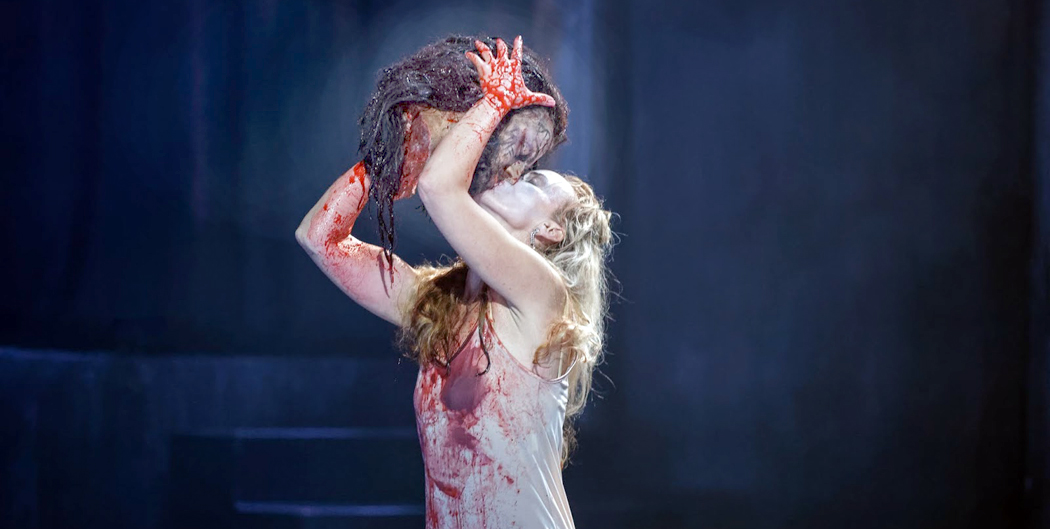
8. Strauss: Salome

I’ve seen several versions of Richard Strauss’ first opera, and it always seems to work on stage. It’s a short one, in a single act and tells of King Herod, his wife and daughter — Salome — and the prisoner John the Baptist, who Salome has a “thing” for. The prophet rejects her advances and she dances a striptease and has her daddy behead the prophet, whereupon she kisses the severed head. Grand Guignol, for sure, but great music and a surefire staging. 

If the Ring fares best on recording, this opera needs to be seen live (or at least on DVD). It is as much theater as music. 
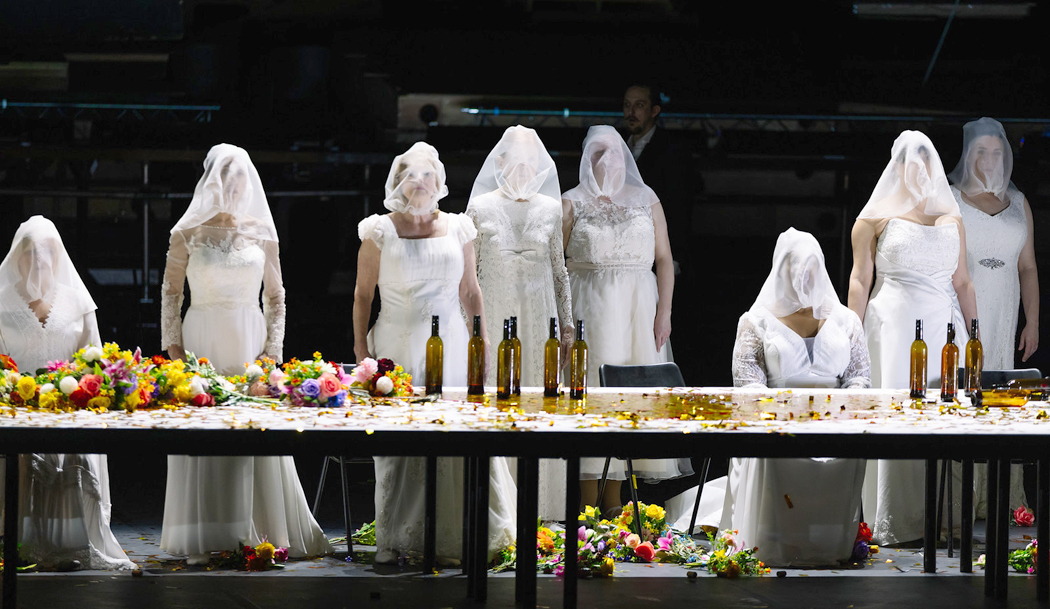
9. Bartok: Bluebeard’s Castle

Another short, one-act work of psycho-sexual complexity, Bela Bartok’s early work, which seems to take place entirely in the nation of Allegory, tells the story of Duke Bluebeard and his new wife, who can’t seem to let alone the secrets of her husband’s previous marriages. She forces the secrets out and winds up prisoned with all of them. All very Freudian.

Those secrets are hidden behind doors, and as she opens each door, she finds a world of shimmering music and deadly horrors. There are only two singers/actors in this story, one who wants to uncover the past, and the other who begs her to let them lie. But it is the impressionistic score that makes this work so irresistible.
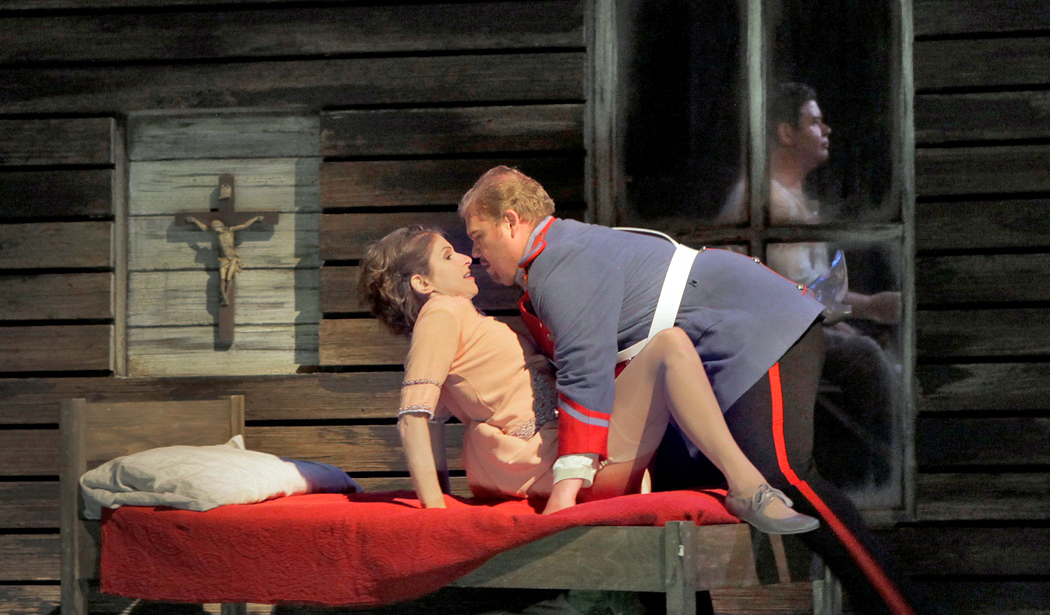
10. Berg: Wozzeck

There is a second “perfect” opera, after The Marriage of Figaro, one with no unnecessary bits, and everything leading to a single inescapable and shattering climax. It is written in a sort of atonal, 12-tone style (purely Berg’s own version) and is both musically inevitable, and emotionally devastating. Too many people avoid this work, fearing the music will be too dissonant, but every note serves a purpose, and even those fearing to enter the opera house will likely leave knowing they have experienced a work of utter genius. 

I claim Wozzeck as my favorite opera of all. There are many versions on disc. This is another one, like Salome, where it is so well designed for performance that almost any version will do, and it’s amazing how many versions there are on Amazon. A serial opera that is actually popular!

11. Adams: Nixon in China

Initially, I thought this piece by John Adams was a gimmick, but I saw it performed in concert by the Phoenix Symphony under Michael Christie and it blew me away. As no other contemporary work for the opera stage, this has joined the repertoire. (Did anyone else notice how the showstopping aria, “I am the wife of Mao Tse Tung” is a gloss on the“Tuba Mirum” section of Mozart’s Requiem?)  

No other figure in recent American history figures as so deeply mythic as Richard Nixon — a version of Nixon he seems to have bought into himself (check out the opening line of his autobiography: “I was born in the house my father built.” Can’t get much more Jungian.)

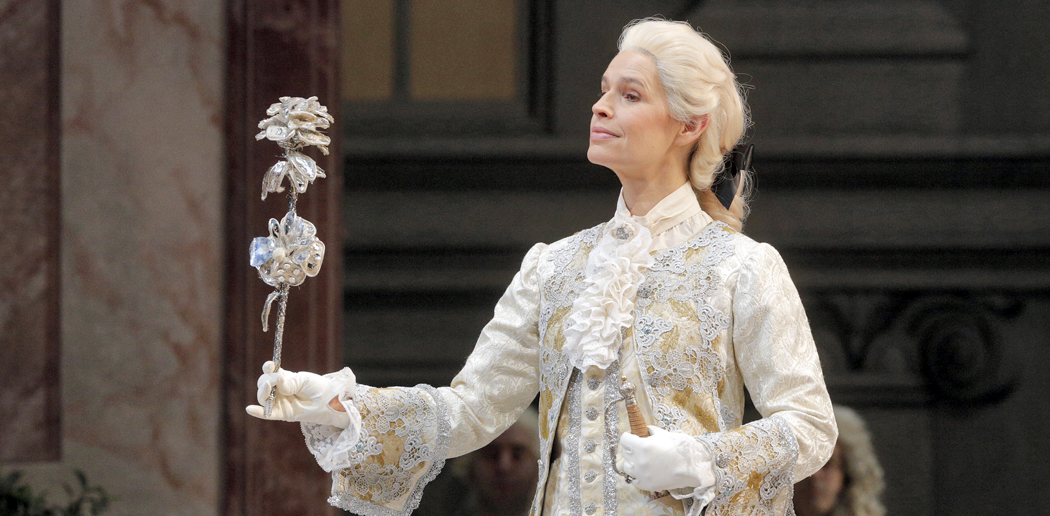
12. Golijov: Ainadamar

Christie also brought Dawn Upshaw to Phoenix to perform Osvaldo Golijov’s Postmodern take on the death of Spanish poet Garcia Lorca. With its mix of musical styles and bouncy, infectious score, it tells of the Spanish actress Margarita Xirgu, who recounts the life and execution of her friend Lorca. 

Like all great tragedies, it is both depressing at emotionally exhilarating at the same time. To say nothing of it now being an uncomfortably historical warning about fascist governments. 

There seems to be only a single recording of the opera, but with Upshaw in the lead role. The opera led me to seek out other music by Golijov, and I have loved all of it. 
Postlude

You may wonder, where is Verdi? Rossini? Puccini? Are they not worthy? Of course they are, and I love them, too. And how can I have omitted Rosenkavalier, which I love to pieces? There is so much more that could have been included, from Monteverdi’s Orfeo to Weill’s Dreigroschenoper

But this is a list of operas I can’t live without, the ones closest to my heart. The one’s that will make me actually buy tickets. Your list will be different, but if my selection prompts you to try something new, so much the better. 

And, finally, seeing opera (with one exception, noted above) is always better than just hearing it. Live is best of all, but DVDs will do in a pinch, and many movie theaters present showings of operas live on their screens, most famously the Metropolitan Opera. Check with your local theaters to see where such performances might be scheduled.  

rackhambookcovervalkyrie

We live two lives. Everyone does, although we seldom acknowledge it.

The first is the life we know daily, the ordinary life filled with people and things. It is the life of work and fast foods, traffic and journalism. It is a loud, swarming stage, with 7 billion competing egos jostling for their air.

In such a life, it is easy to become submerged, easy to lose our way. The demands of survival and success blind us to the larger, more important issues.

Which is why that second life is so very important. That is the life we recognize when we are alone at night under the starry sky. In this second life, the 7 billion disappear, and we are conscious of only two players: ourselves and the universe — the single, moving, conscious point on the infinite ground.

We become aware in a way we cannot during busier times, that the universe we live in is intensely beautiful and awesome and is driven by a power we cannot conceive of — and what is more, we are a part of it and have been given the chance to participate.

In the first life, we are never more than an extra in a crowd scene, but in the second life, we are each the protagonist in our own autobiography.

Or more exactly, we are each the hero of our own existence.

It is this second life that animates one of the most extraordinary works of art ever conceived, one so huge, multifarious, demanding and overwhelming, that only a few people are willing to invest themselves in it. Those who do, tend to become unbearable to those who have not. They become Wagnerites.

In one way of looking at it, the history of art is a vast pendulum that swings back and forth between works created out of the friction between peoples, on a personal, familial, tribal or national level. The individual and his place among human society. The other extreme is art that examines the individual and his place in nature and the universe. We move from Alexander Pope to William Wordsworth, from The Marriage of Figaro to the Symphonie Fantastique. One shouldn’t have to choose, but the fact is, one’s Zeitgeist chooses for you which paradigm will be most valued during your lifetime.

It is this second life that animates Richard Wagner’s 15-hour quartet of music dramas, The Ring of the Nibelungs. The massive theater-and-music work tells the story of the creation and death of the universe, and the human actions that animate it. If you are looking for a concise story with a coherent plot, turn instead to Bizet or Puccini; Wagner focuses directly on that inner life that pivots under the constellations.

That is why so many people love his music, and why just as many hate it. The Ring is populated with gods and heroes. La Boheme is populated with people. La Boheme is — on the surface, at least — about the first life; The Ring is unapologetically about the second.

There is, in some cultures, the idea of ”The Long Man,” that is, the individual seen as the summation of history: ontogeny recapitulates phylogeny — the one life contains all life.

So that Wagner’s retelling of all of history is also the birth and death of each individual consciousness.

Das Rheingold, the first of the four operas, begins with Eden, a perfect paradise in which the creatures who inhabit it are perpetually in touch with the radiance of nature. The beginning of the opera — and of the cycle — is unprecedented in music history.

alberichandrhinemaidens

It begins with the watery creation of the world, and the composer wrote it in the key of E-flat. The opening of the first of the Ring operas is one of the most astonishing stretches of music in all of history. Wagner holds onto a single E-flat major chord for a full four-and-a-half minutes — 136 bars, longer than some Mozart symphony movements. That is an eternity in music without a change.

It begins in the basses with a deep fundamental note, which breaks slowly into a rising arpeggio on the E-flat chord and slowly speeds up to a crescendo of runs and arpeggios — an immense pile of busy-ness, but without any of the forward sense of motion that harmonic progression provides.

In this, Wagner has provided a musical metaphor of the Hindu concept of maya, or illusion. He had been reading Indian philosophy — albeit in the very German version of Schopenhauer — and his illustration of the idea is perhaps the clearest in art.

Before consciousness, it is said, the mind is like a placid lake reflecting the sky perfectly. But such a state is impossible, for a breeze is inevitable, and it breaks up the surface into ripples and waves, and the sky — eternity — is then reflected individually in every wavelet. Such is creation in Hindu philosophy, where we are all fragmented into individuals by the accident of the animating wind. But the fragmentation is an illusion — maya. The busy play of the world is just a trick; eternity itself is unchanged.

So Wagner shows the indestructible and unmoving E-flat spinning out into a busy surge of notes, building the world into existence.

The idea came to Wagner while he was drowsing, dreaming he had fallen into a rushing stream of water.

”The rushing sound formed itself in my brain into a musical sound, the chord of E-flat major, which continually re-echoed in broken forms,” he wrote. ”These broken chords seemed to be melodic passages of increasing motion, yet the pure triad of E-flat never changed, but seemed by its continuance to impart infinite significance to the element in which I was sinking.

”I awoke in sudden terror from my doze, feeling as though the waves were rushing high above my head. I at once recognized that the orchestral overture to the Rheingold, which must long have lain latent within me, though it had been unable to find definite form, had at last been revealed to me. I then quickly realized my own nature; the stream of life was not to flow to me from without, but from within.”

“Within” — That’s the second life.

rackhamvalkyrieglyph

In one of the most prodigious imaginative feats in history, Wagner then managed to create most of the remaining 15 hours of music in his Ring from the initial 4 1/2 minutes of arpeggio — fragmenting it further, turning it upside down and inside out, to generate most of the melodic ideas in his epic.

So that, just as all scales and harmony in Western music are generated through overtones of the fundamental bass note, so all of Wagner’s universe likewise grows from that one, deep vibration.

That “radiance of nature” is also the gold at the bottom of the Rhine river. The three nixies who ”guard” the gold sing its glories.


rackhamrhinemaidens and ring

It is the ”visionary gleam” of childhood that Wordsworth elegized in his Intimations ode.

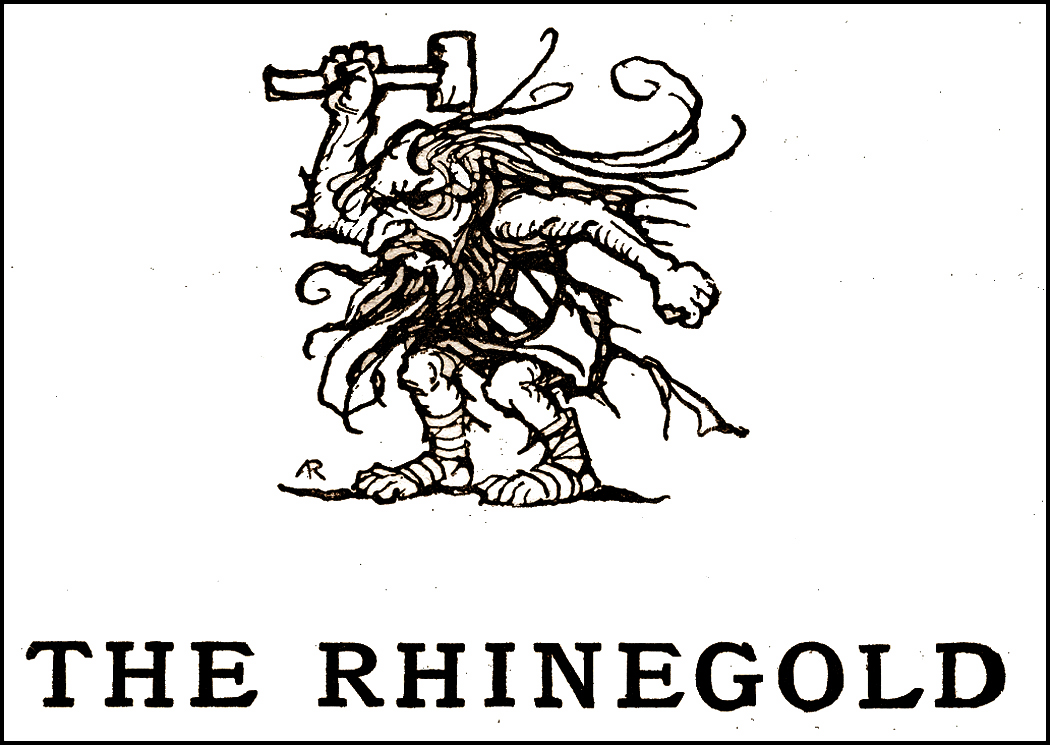
It is Nature, unsullied by greed and striving, which is the philosophical ground of The Ring. And it is Nature that is disturbed by the theft of the gold by a dwarf, who gives up any hope of love in order to possess the treasure and its power.

rackham rhinegolddwarf

So, love and power are the two poles of the moral universe in The Ring, and they play out against each other for the remaining three operas.

And in the end, the gods die and the world is engulfed in fire and flood. All that survives, at the final notes of the fourth opera, Goetterdaemerung, is the high, hanging violin melody that we have come, in all those hours of music, to associate with the redemptive power of love. It is the final word on life, history and the cosmos, and just as the world is destroyed it provides the hope of the next creation, just as our children provide a hope against our own deaths.

This is more than an entertainment: Wagner is trying to say something genuine about existence and to the extent we are open to his music and ideas, we will value them.

In the second life we all lead, the same two forces play out: career versus family, law versus justice, greed versus generosity, selfishness versus universal love. In each case, the first binds us in pain and frustration and the second redeems us through a connection to the transcendent.

Such an ambitious aim in art is held in great suspicion these days, where too easy a transcendence turns quickly into sentimentality. And a great deal of what followed Wagner is mawkish. We are much more comfortable now with a skeptical irony. After all, Wagner’s grandiosity fed into the rise of Nazism in Germany. Wagner was, after all, Hitler’s favorite composer.

wagnerphoto

(Wagner, himself, was an awful man. A ridiculous anti-Semite, a ruthless user of women and patrons, and more than comfortable living the high life on other peoples’ money. Take my word, you wouldn’t have liked him.)

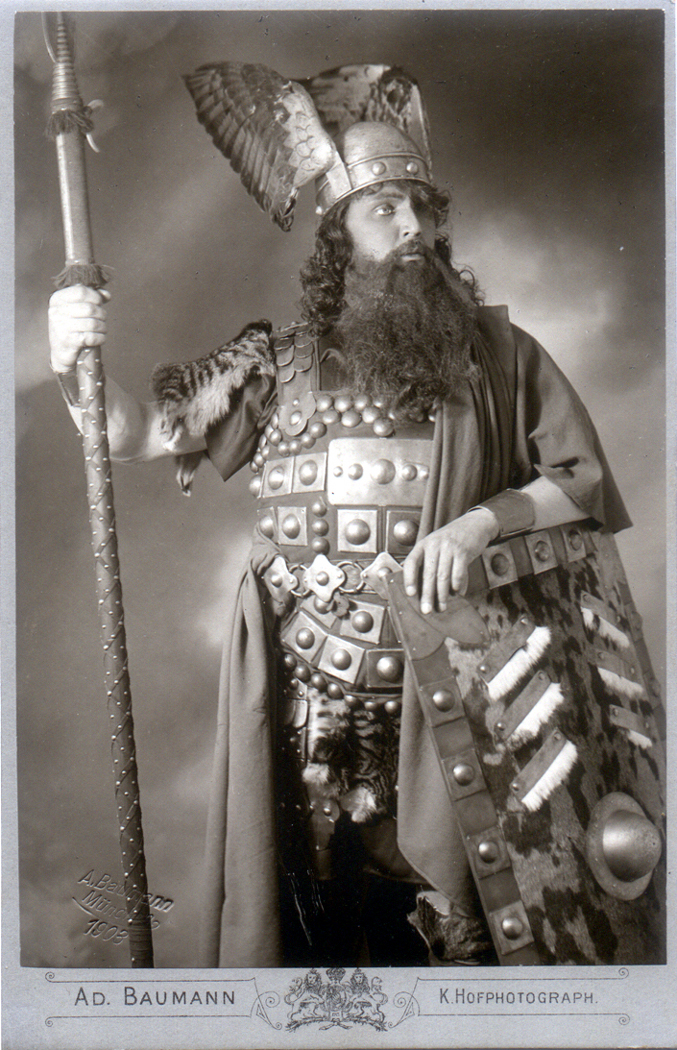
But Hitler looked for the Germanness in The Ring and ignored the humanness. The narrowness of his ideology is the very thing Wotan, the chief god in the operas, comes slowly to understand is the cause of human misery.

We are all, if we are truly sentient beings, on something like Wotan’s learning curve.

There is a great deal in The Ring. It is the single most compendious work of art in European history. Wagner manages to take on rapacious capitalism, national identity, Schopenhauer, Hinduism, mythology and the role of the artist, among other things. There are as many interpretations of The Ring as there are hearers. And that is as it should be.

There are Freudian interpretations, Jungian ones, Marxist readings and neo-Feminist glosses.

Yet, it all comes down, in the end, to an awakened awareness of our second life.

The Ring has its faults; it is not a perfect work of art. It is sometimes dull for stretches as bits of plot are rehashed. Like Rossini said, there are some great moments and some tedious quarter-hours.

And in some sense, it is quite silly to take all this seriously. With its dragons and horn-helmeted Valkyries, its gods and dwarfs — to say nothing of its 200-pound sopranos — it can be hard to see past the adult fairy tale aspect. To some, it is as tedious as a musical version of Tolkien.

Fritz Feinhals Wotan

Yet, the music itself, underlying and amplifying the experience of The Ring, reawakens in us our awareness of our second life, which is ultimately the source of all that is good in life for ourselves and those we love.

Finally, as the critic Longinus says, all great works of art are flawed and we should always prefer flawed greatness to perfect mediocrity.

And make no mistake, The Ring is truly great.

rackham ring circle

A SHORT RETELLING OF THE RING — SO FAR

Richard Wagner’s Der Ring des Nibelungen is a four-opera monument to myth, history and psychology. First performed in 1876, The Ring was designed to be played on consecutive days as a single, 15-hour unit, broken up into these four operas, or ”music dramas” as Wagner called them:

rheingoldalbum

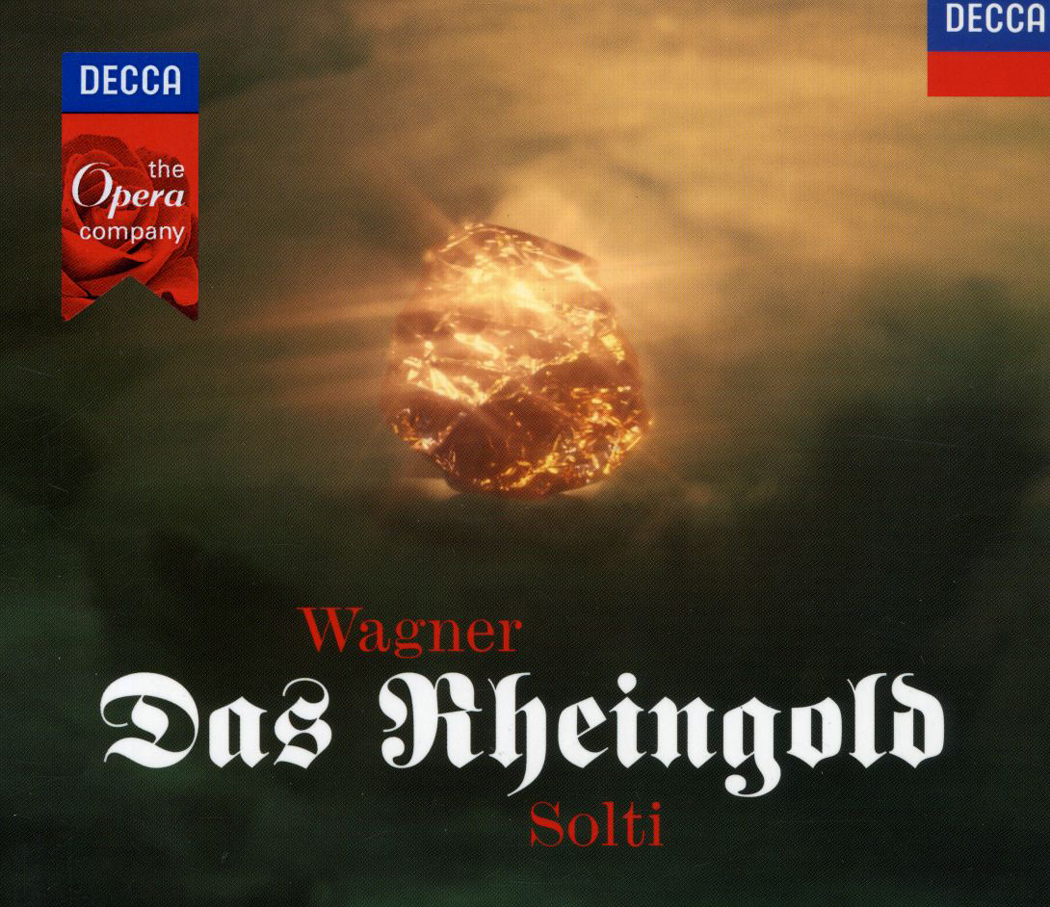
Das Rheingold — In this prelude to the main story, Wotan, the chief of the Viking gods, gains and loses the gold stolen from the Rhine River. The gold confers power on its possessor; unfortunately, it has been cursed and it also confers death. To retrieve the gold for himself, Wotan concocts an elaborate scheme, which plays out in the subsequent operas.

walkurealbum

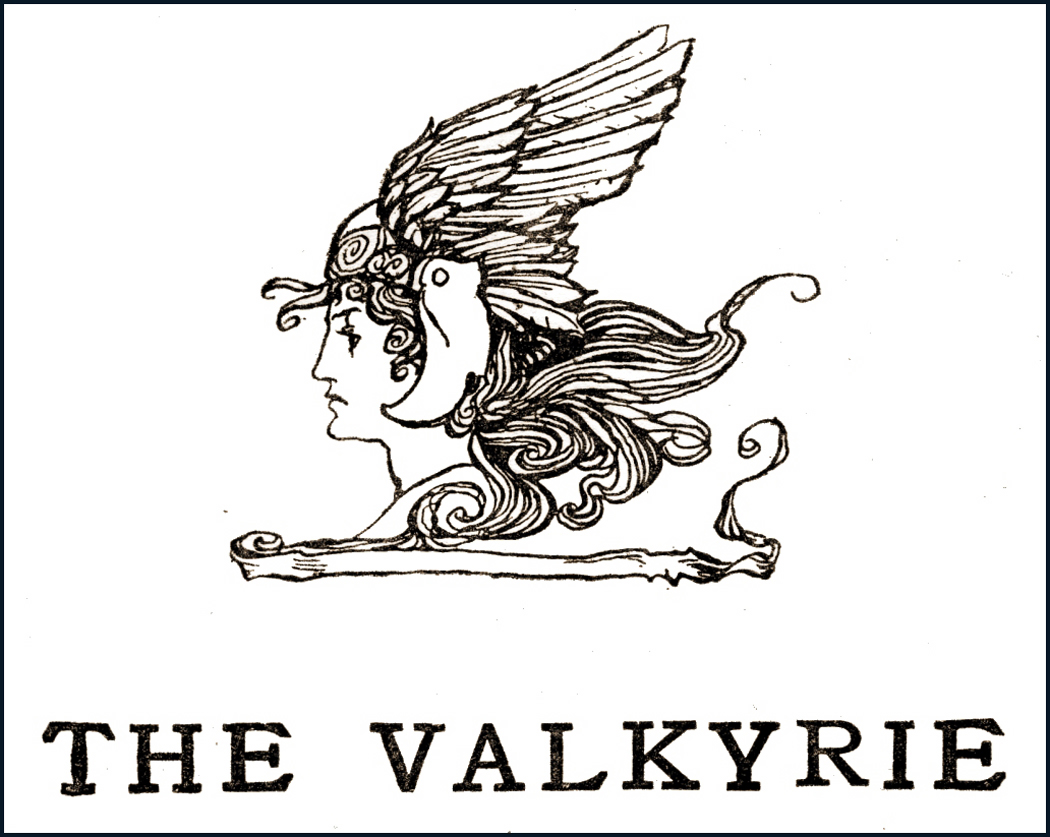
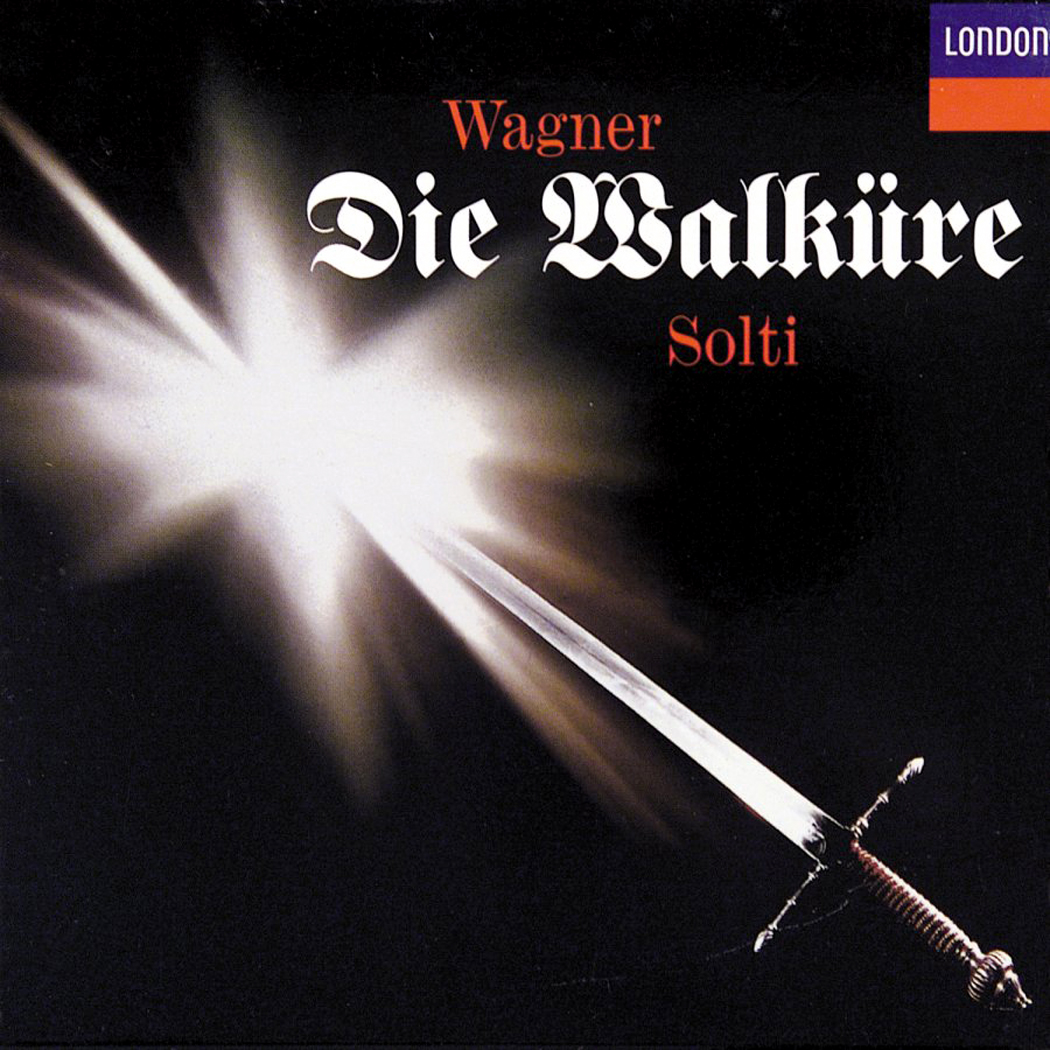
Die Walkuere — Because he is bound by his own laws not to get the gold himself, Wotan fathers a hero, Siegmund, to do it for him. Siegmund falls in love with his own sister, Sieglinde, and Wotan, again bound by law, is forced to kill Siegmund, but Wotan’s daughter, Brunnhilde — who is a Valkyrie, or divine warrior maiden — saves Sieglinde and her unborn child. For her disobedience, Wotan puts Brunnhilde to sleep on a mountain surrounded by fire.

siegfriedalbum

Siegfried — Sieglinde’s child, Siegfried, is raised in the forest by a dwarf. The hero kills the dragon that guards the gold and climbs the mountain and awakens Brunnhilde. Wotan’s plan seems to be working, except that Siegfried isn’t really interested in the gold.

gotterdammerungalbum2

Goetterdaemmerung — The title translates as ”The Twilight of the Gods” and shows the sad end of Wotan’s plan. Siegfried is drugged by the evil half-dwarf Hagen — who also wants the gold — so that he forgets Brunnhilde and plans to marry Hagen’s sister. Brunnhilde feels betrayed and joins with Hagen to kill Siegfried. When she realizes that Siegfried had been tricked, she sings one of the most difficult 20 minutes in opera, and in remorse for her part in the murder, rides her horse into the hero’s funeral pyre, igniting the final conflagration that destroys both the world and the gods. Wotan’s plan has failed, but Wotan has achieved something more valuable than the gold: Wisdom. As the opera closes, hints of the redemptive power of love suggest that the world can start over again with a fresh beginning.

leitmotifs

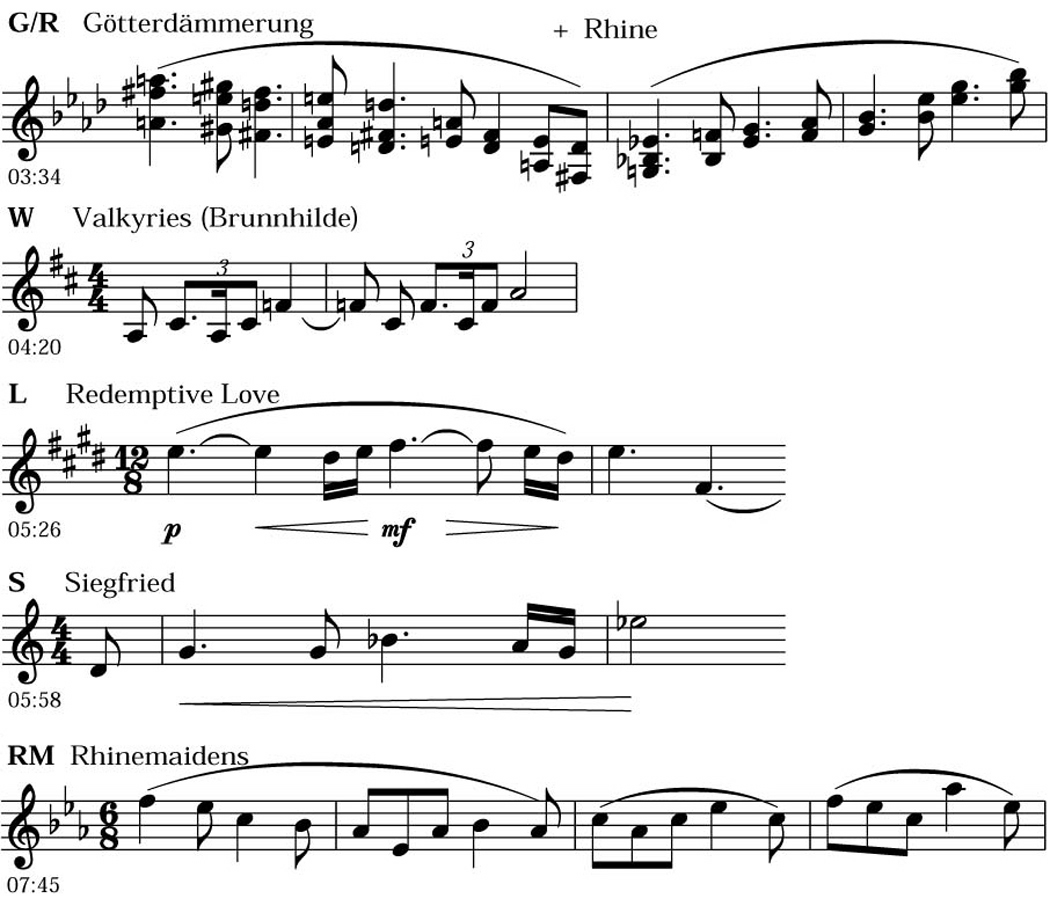
To unify the sprawling story, Wagner used repeated musical phrases — called leitmotivs, or leading musical ideas — and developed them symphonically over the 15 hours. The music expresses the emotions and thoughts of the characters — sometimes hidden — and the music changes as the characters grow and the plot thickens, helping the audience keep track of what is happening.

rackhambookcoverdragon