Archive

Tag Archives: self

When I see photographs of myself in my 20s, I am deeply embarrassed. I seemed to be play-acting in some fictional version of the life I believed I was living, or wanted desperately to be living. I clearly thought I was ripe for la vie de Bohème

I am probably not alone in this. From the onset of adolescence, most of us, I believe, are trying to figure out who we are, and believe — quite wrongly as it turns out — that we have some choice in this. 

For me, as for quite a few in my generation, coming of age in the Eisenhower years, the banal middle-class life was something we wanted to escape. The world of art and artists — or poetry and poets — seemed so much more vital, so much more real. 
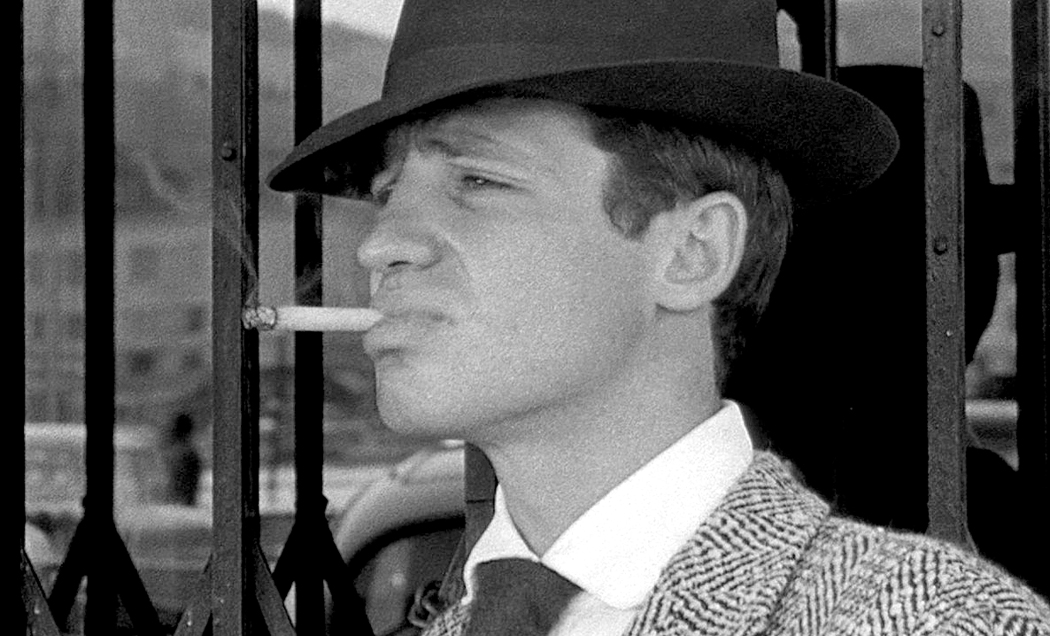
It was in the air. Breathless, with Jean-Paul Belmondo, came out in 1960, when I was 12 years old. Jack Kerouac’s On the Road was released in 1957. In the same year, Alan Watts produced his Way of Zen. All of these things presented a way of life that seemed to this unformed New Jersey boy so much more real — so much more important — than buying annual new school clothes at the Paramus mall. 
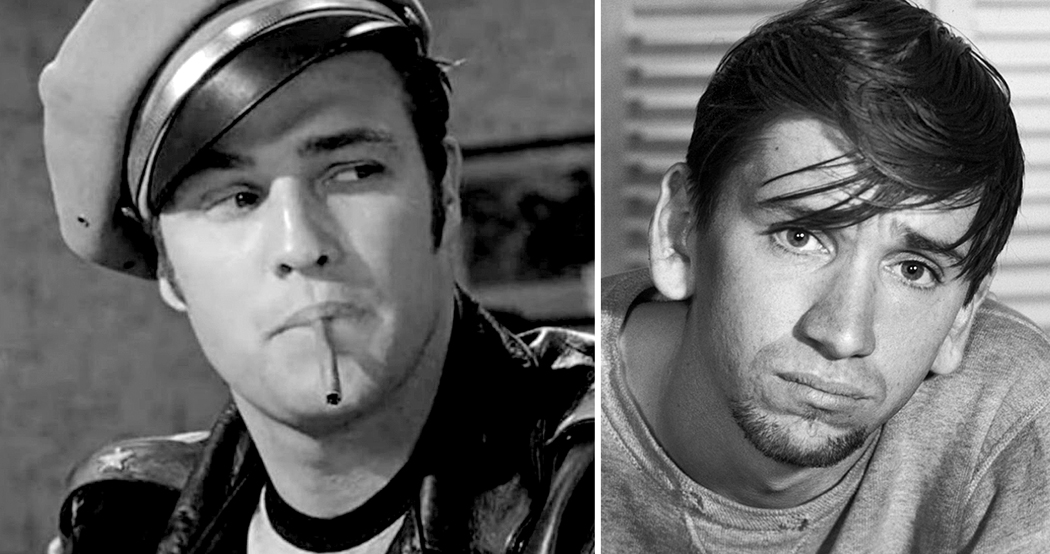
“What are you rebelling against?” “Whatya got?” Maynard G. Krebs

My parents were reasonably intelligent, but they were not college educated and they were not readers. I thought at the time they were intolerably boring. I read everything I could get my fingers on, including books that were way above my puny ability at that age to comprehend. I thought bourgeois respectability was the enemy, and in a fit of juvenile delinquency, I would stuff paperbacks from the book rack in the local drug store into my pocket and make off with them. I thought I was so daring, so rebellious. By real-life standards, it was pathetic; the real thugs in my town were Mafia kids and all the books I took were literary: 

John Updike’s The Centaur; Malcolm by James Purdy; John Knowles’ A Separate Peace; The Sot-Weed Factor by John Barth; A Death in the Family by James Agee — you get the picture. As I look back on it now, I’m pretty sure that Everett, the pharmacist, knew what I was doing, but recognized that they were likely books that would never sell anyway in suburban New Jersey and that I would benefit from reading those books more than he would from keeping them dusty on his book rack.

I bought a subscription to Evergreen Review and another to Paul Krassner’s The Realist. And just to go the extra length of high-school pretentiousness, I also got a subscription to Les Temps Moderne, although I knew no French. But, it was Jean-Paul Sartre’s magazine and I knew he was important. I was desperate to join the grown-up world of truly important things — not like the pep rallies and gym classes of high school. 

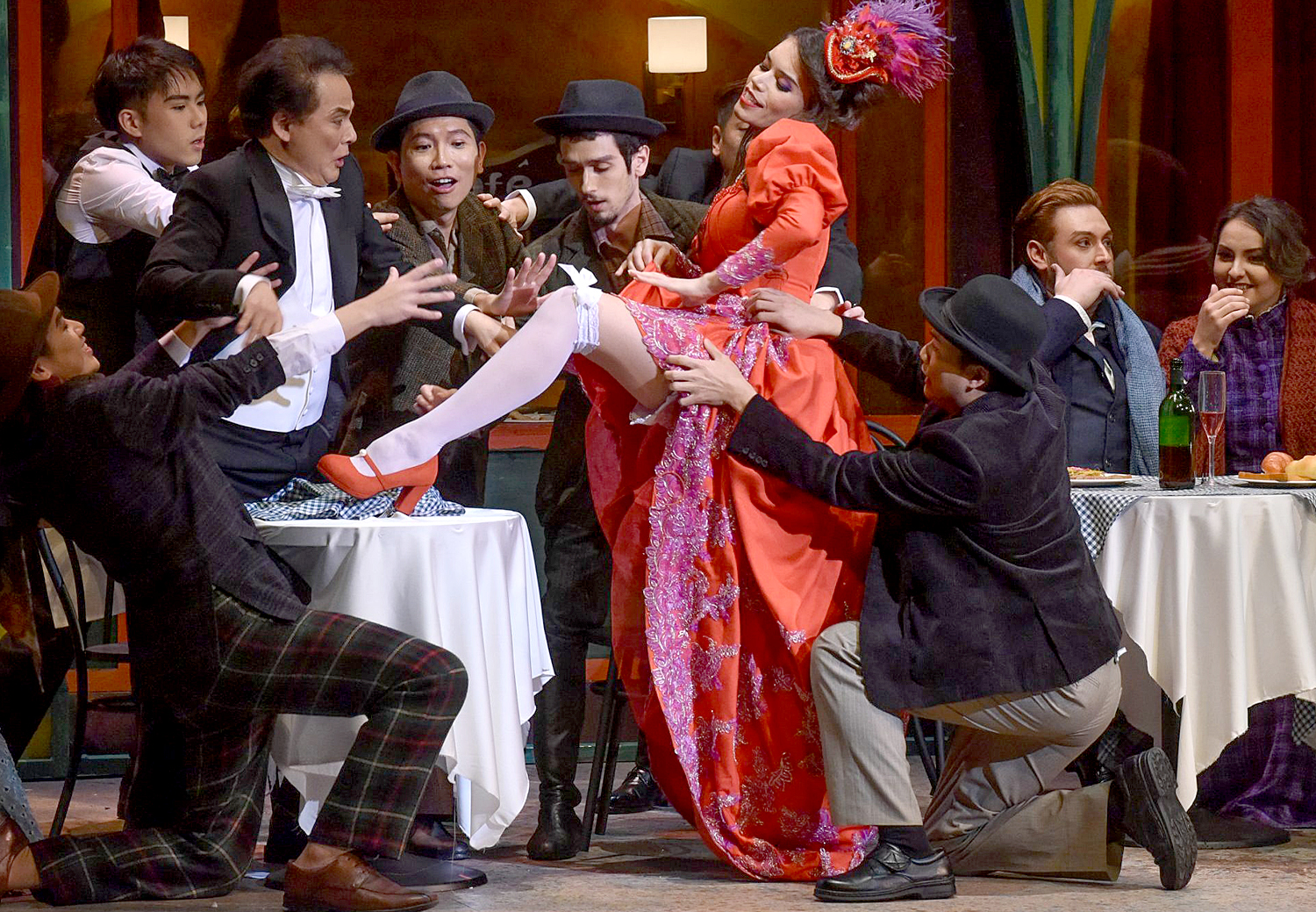
The attraction of the bohemian life were all too apparent to me then, and all through my college years and into my 20s. It was a fantasy enriched by exposure to literature; actual bohemians were sparse on the ground in Bergen County. The tradition of poor scholars, thumbing their noses at conformity is long, and goes back at least to the Roman poet Catullus. I found a used copy of Francois Villon’s Testament and then, there was Goethe’s Faust and Puccini’s opera, La Bohème

As I headed off to college, I imagined myself as one of those louche students, full of sex and alcohol, but also drunk on great books and music and art. Of course, there were others there who shared that vision and we became friends, like Rodolfo, Marcello, Shaunard, Colline, Mimi and Musetta. 
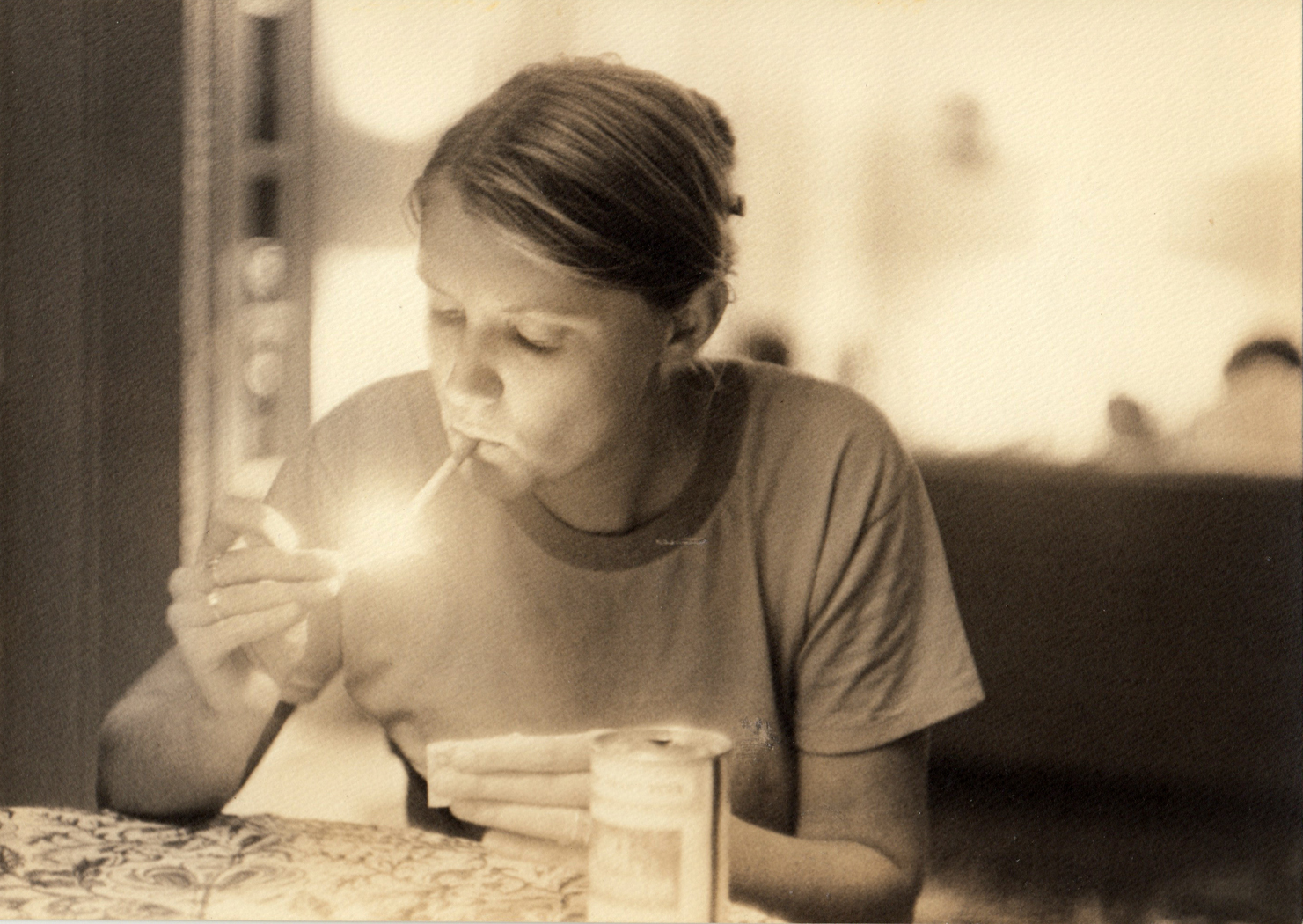
Or so we imagined ourselves. I was filled with an exaggerated sense of art and literature, but lagged in classwork. I’m sure I read more than my curriculum required, but rather less of those texts assigned in class. After all, textbooks were dull and Dostoevsky was not. 

We knew we were “special,” and that we would become, if not famous, at least important. My best friend and I self-published a slim volume of our poetry and titled the thing 1798, after the year Wordsworth and Coleridge published their Lyrical Ballads. Their poetry changed the climate for literature for the next hundred years; we expected ours would do the same. Being important was important to our yet unformed selves. 

Rae, Aime and Alex

After graduation, with a first wife, I lived that sort of poverty, in a cheap rental apartment on the second floor of an old house, entered from stairs rising up the outside, and heated with a single kerosene stove in the living room and we ate from a book titled Dinner for Two on a Dollar a Day. I had a job paying minimum wage as a clerk in a camera store, and I found living on no money intoxicating. My first wife found it less so. A punctuation mark in the bio. Full stop. 

Sandro and Mu; me and S; Cap’n Billy and Tiggy

Later, and with the succeeding unofficial wife, we lived in a duplex. I still worked in the camera store, and she was a cashier in a supermarket. We managed to save enough money to buy gear to hike the Appalachian Trail. We quit our jobs and took off for the woods. When we discovered that goal-oriented hiking (making the required miles per day to reach the next lean-to) was less glamorous than we thought, we gave up in northern Virginia and returned to Greensboro. 
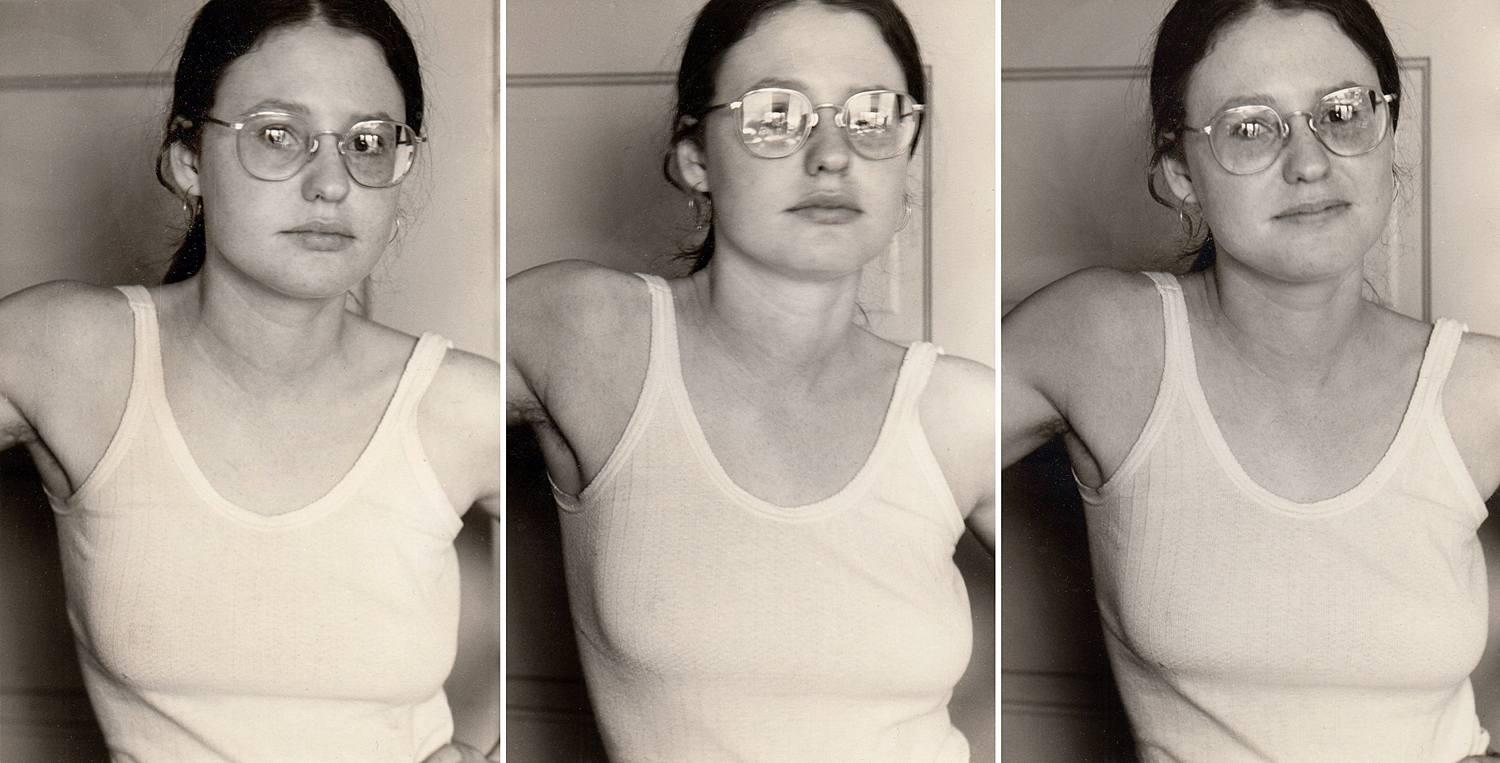
After that came some time on unemployment benefits and meeting up with fellow bohos in local bars, betting quarters on air hockey. Being poor was never a problem: It was exotic. We were still sleeping on a mattress on the floor, and having friends over for feasts, and at least once a year, with friends, renting a venue and holding a masked ball where we waltzed into the wee hours of the next day. 
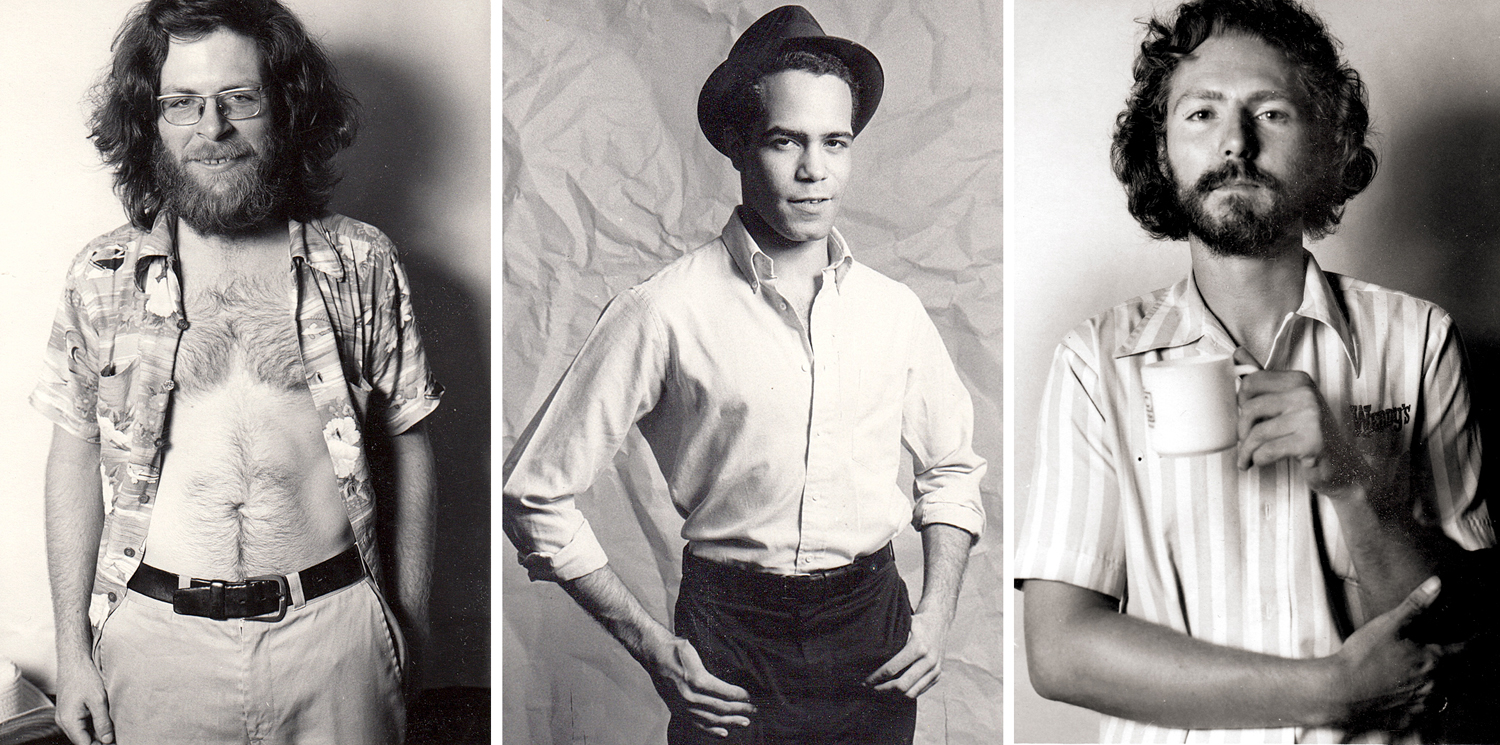
Ursus, Colin, and Spider in Seattle

But then, she left to get married and I was pole-axed. I hadn’t known. I gave up everything (well, except my books), and moved from North Carolina to Seattle, where I lived with my old chum, Ursus, who was then a bicycle messenger in the city. I was offered a spot in the coal bin in the basement, and lived more vie bohème on a mattress on the concrete floor. Being jobless gave me time for a lot of reading. 
I eventually got a job at the zoo, and became crazy about a zookeeper I fell for, but depression wore me down. 

And so, I moved back to the South and lived with my 1798 co-author and his wife. They gave me a room in their old farmhouse, with its only heat being a wood stove in the kitchen. I did the cooking and maintenance work while they went to work. A few daylong pick-up jobs and I earned a total of $900 for the entire year. It seemed sufficient. This was truly la vie de bohème

My second official wife invited me to visit in the Blue Ridge and eventually, I moved in with her and her teenage daughter. Still no job, still poor as a midge and happy as a clam. But I was now over 30 years old and never had a real job. It was beginning to wear thin. 
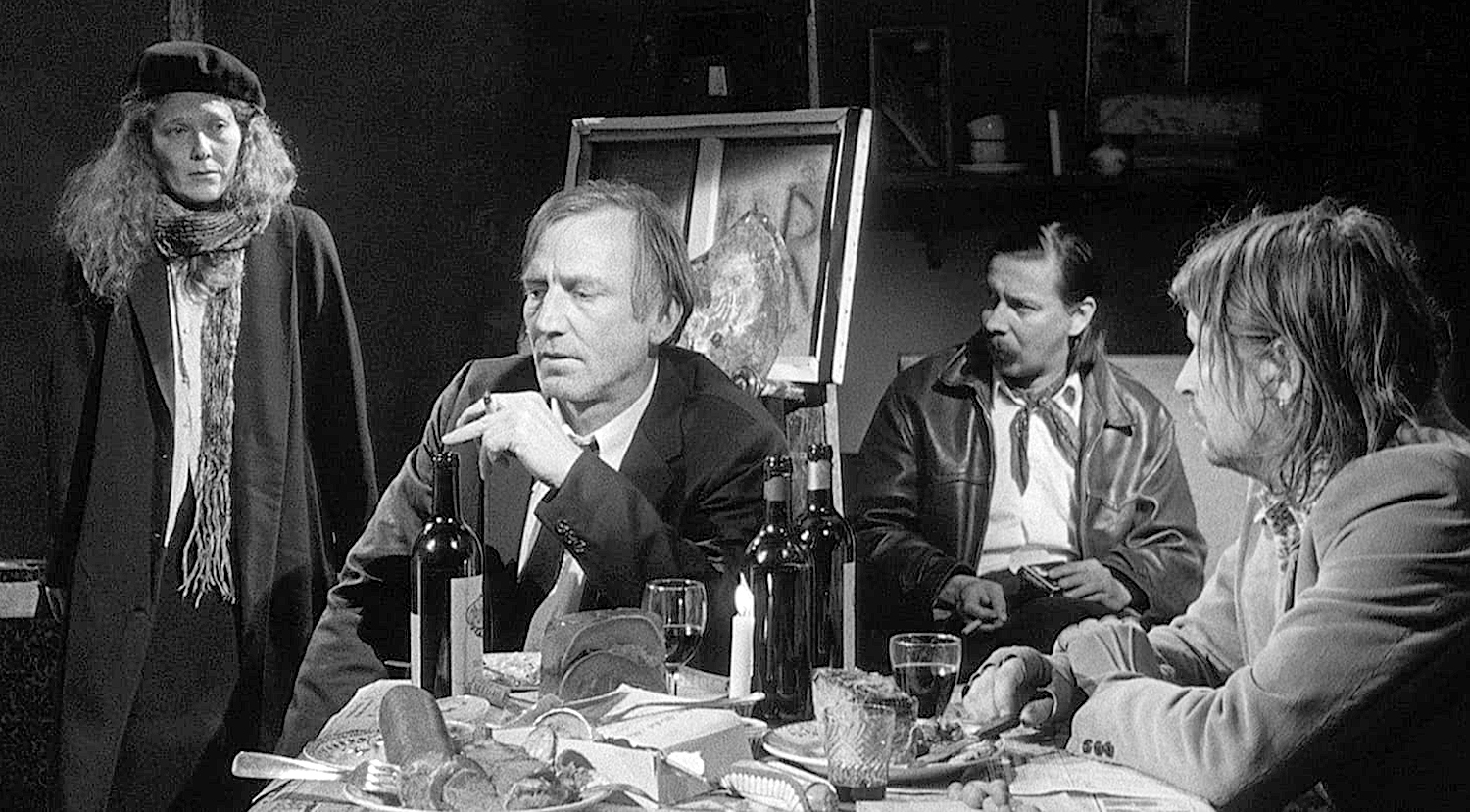
I mention all of this because I recently watched a 1992 film by Finnish moviemaker Aki Kaurismäki called La Vie de Bohème and based on the 1851 novel Scènes de la vie de bohème by French author Henri Murger, which, in turn, was the source for Puccini’s opera. 
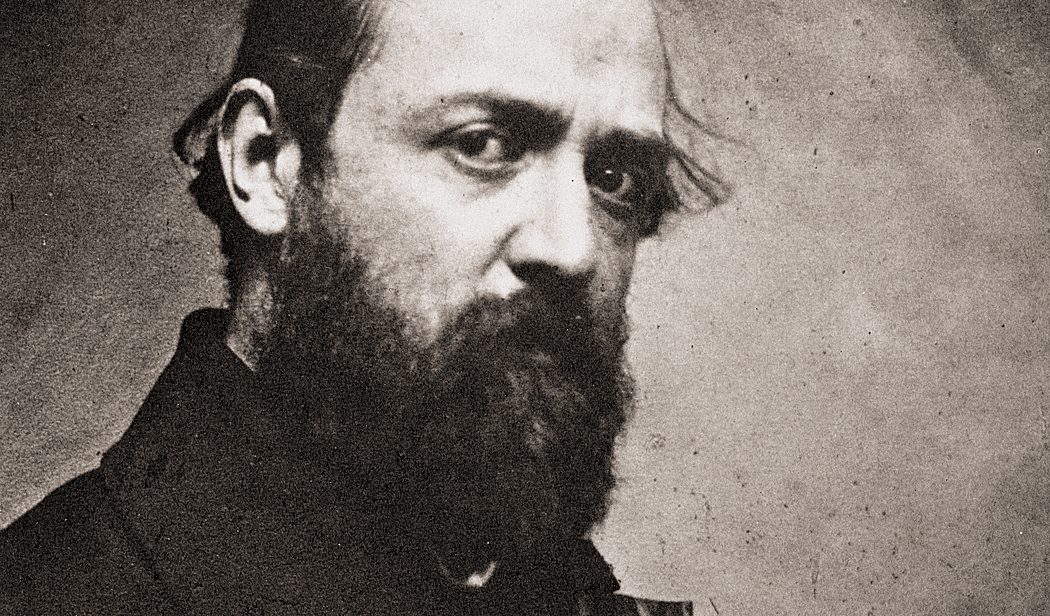
Henri Murger by Nadar, 1857

It is in many ways a brutal and heartbreaking film, mainly because, unlike the opera with its young heroes, flush with romantic enthusiasms, the movie shows us a more realistic vision of bohemians, now in their 40s, and looking pretty sad. It’s fine for 20-somethings to live their fantasies; but given greying hair, paunches and ratty clothes, at 40 living such a life seems like utter failure. Not only in career, but more important, as persons. They have not found who they really are, but have worn holes in the soles of who they try to be. 

These are people who had grand ambitions when young. They were going to be writers, thinkers, painters. And they each now do piecework on commission for a few dollars and do their best to avoid creditors and landlords. When our writer falls in love with a worn-looking 43-year-old Mimi, he finds himself deported to his native Albania. When he sneaks back much later, he finds Mimi is dying. It’s all much as in the opera, only everyone is at least 20 years older. 
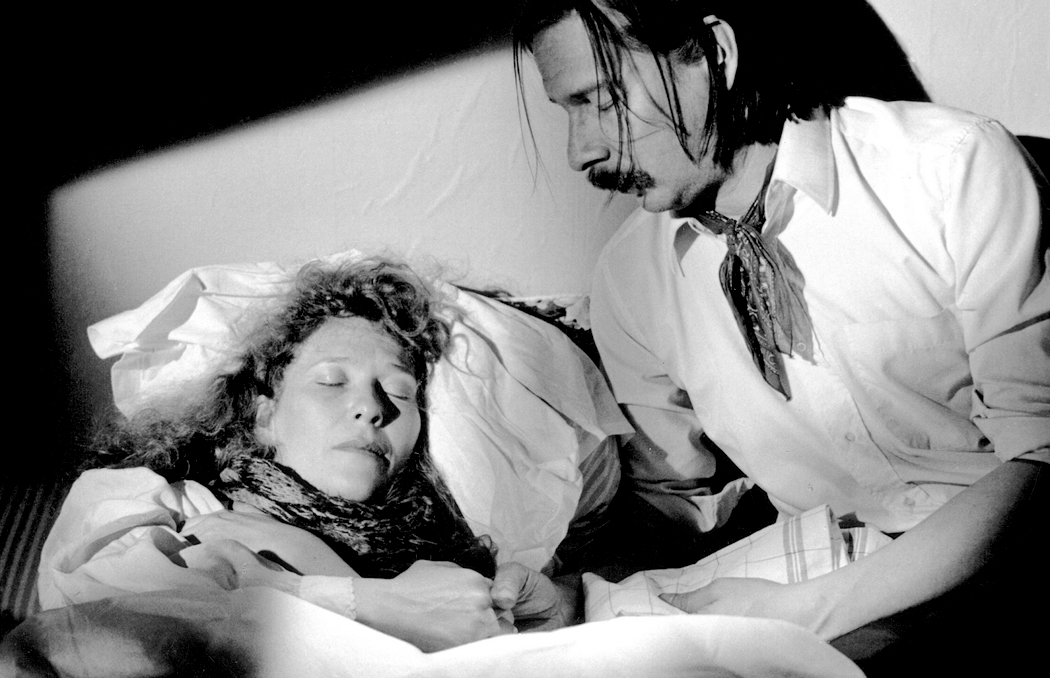
But the love between Mimi and her man is so much more real and touching, because it is adults who need each other rather than youths living out some romantic fantasy, and Mimi’s death, in the hospital, is an actual death rather than a dramatic set-piece. Life has stomped on the youthful delusion. 

 For me, it was my second marriage, which lasted 35 years, until my wife’s death, that turned me into who I was rather than who I played at being. It can be a long process to something approaching reality.

I don’t know if any of us can ever know who we really are, but we all know who we think we are. Most of us, as we get older, grow closer and closer to who we truly are; when we are young and full of ourselves, we live a mythologized sense of ourselves. A much more important sense of ourselves. We are going to change the world. In truth we are ordinary. 

As one grows older, the graph plotting the importance of one’s internal sense of self, the mythology of autobiography begins to tail off, dropping down the chart, while the realization of who we truly are begins to climb, and there comes a point — for me, it was in my mid-30s — when the two lines cross. For some it marks the “mid-like crisis” and one can choose to attempt to grasp after the myth and buy a sportscar, or one recognizes that the actuality is more solid, more real, and more meaningful than the fantasy. 

The young sense of self is a choice — a mask you wear or a role you play — and maybe you try to live up to it, but it is always a pose. The longer you hold on to it, the more you feel like an imposter. Who you are is not a choice: It is a given, and it can slowly reveal itself over time as you give up the pose. Maybe you give up the pose out of exhaustion, maybe out of a seeking of self-knowledge. Either way, it is why older people often feel so much more comfortable with themselves, so much less worried over what “others think.” 

And for me, I have given up rebelling against the bourgeoisie. I have never joined in. I have too many books. But let them be who they are and let me be me. 

Now that I am past-ripe and a wizened old man, what do I spend my time thinking about? Certainly not the things I thought, or cared about when I was in my 20s or even my 40s. Gone is any career ambition, or the delights of sex or ownership or the esteem of my peers. 

I am not the same person I was when I was young. I can’t feel bad about who I was, or feel guilt about the stupid things I thought or did. That was then and cannot be changed. And one of the most important lessons I have grown into is the realization that I can effect very little change or improvement on the world. It will always be joyful and cruel, intelligent and mind-numbingly dumb, individual and collegial, important and inconsequential. I can attempt to reduce my contribution to the cruel, dumb and evil. 

I think also the related thought that while I am an infinitesimal mote in the cosmic history, and count for absolutely nothing in the big picture, that so much of the world can fill me with afflatus and pleasure. And how much meaning such things afford me. 

Beyond that, I think about the experience of being alive, in the sense of paying attention to the physical world around me. I don’t mean “mindfulness,” which is a repellent and trendy buzzword. To say, “being in the moment” is not quite it. The moment doesn’t much count, but what does is the fact of paying attention, and feeling a part of it all. Me and the universe, a single thing. My emotional connection is a silken thread in the weft of an immense fabric. 

And so, I concern myself instead with whether I am a good person, whether I have atoned for the foolish, selfish or hurtful things I may have done or been in the past. Do I listen? Am I generous, especially in spontaneous fashion? Do I try to make others happy? 

Then, I think of death. Not in any romanticized Sorrows of Young Werther way, but rather the recognition that extinction is within touching distance. Blankness, non-existence, evaporation. I never think that I have existence beyond the body that generates my consciousness. When I die, my spirit will not hover in some afterlife; rather, I will cease being created, moment by moment. Gone. This is not something I spend much time fearing, but rather a speculation I attempt in cool realization of fact. 

Death is now always sitting on the front steps waiting for me to answer the door. And not only my own death. Not even principally my own. 

I cannot avoid experiencing grief. I don’t mean sadness, but gut-hollowing grief and the universal experience of loss. There are two such experiences that humanity gets to share and the irony is that although it is common to all, to each it feels as if we are the only and first ever to feel it. Those two things are love and later, grief. It can be sympathized with, when someone you care about goes through it, but it cannot be shared. It is the most personal intimate thing I have ever been through. You may think that granite is real, but you don’t know real until you know grief. 

These are all some of the things that occupy my brain throughout the day. 

They are not all cosmic. Just as much a taker-up of my brain power, is language. How can it work? Why can I understand a thick Brooklyn accent and an Appalachian twang although the sounds they generate have little to do with each other? Why we think language corresponds to experience when it clearly refers primarily to itself. It is a parallel universe. Yet, we believe it describes reality. Why? 

What does not much concern me is politics. I have my own beliefs, of course. And I vote. But as I wrote some 40 years ago, “Politics answers no question worth asking.” It may make life possible, but does not explain why we should live. 

To be truly alive is to pay attention. Engagement. Being aware. 

When I was a callow college student brilliant at giving a professor what he or she wanted, taking it all in, and giving it all back. But then, one of them shocked me awake by giving me a D grade for doing just that. He didn’t want me to give him what he wanted. Regurgitation isn’t learning. He wanted me to engage with the material, directly. Not words about the material. And he made me do actual work, no more coasting on cleverness. He prevented me from settling for glib. It was one of the most important lessons I ever got. “Engage with the subject.” I have been forever grateful for that. It has been my guiding principle.

A famous British comedian has reckoned, in a serious moment, that the most important human emotion is gratitude. He called it the “mother of all virtues.” 

Others, like love or hate, may be more immediate in power, but love, for instance, is of little use without the recognition of it gained through gratitude. And as I look back over a long life, I feel gratitude for so much.

The first is an impersonal gratitude for the mere fact of the spark of consciousness between two infinite darknesses. And the awareness of that gives me not the unreflective “thanks for that,” but a deep and pervasive gratitude for just breathing, and being aware that I am breathing. 

The fact that I was born in an unprecedented era — one of relative peace after two disastrous world wars, and an era of modern medicine, booming economy, wide education, increasing social justice (though far from perfect) — has not gone unnoticed. All are to be grateful for. 

Other gratitude is more focused on people. Primarily I am grateful for the 35 years my late wife, Carole, was willing to share with me. She, and those years, made me who I became more than anything else — and I include the parents who raised me and the DNA that governed much of the happenstance of existence. No, she was most responsible. I cannot thank her enough and always feel unworthy of the love she offered me. She died seven years ago. I grieve for her every day. 

I do, however, recognize what my parents gave me and wish I could, now that they are gone, share my gratitude with them. I cannot say they were exceptional parents, but they gave me a sense of security, a sense of fair-mindedness, of tolerance. And there was never any doubt from them that I would be college educated and set off on a successful life. I am grateful for the fact they never forced a religious orthodoxy on me. And that they made sure we traveled and saw a wider sense of life. 

I once made a list of all the people I feel gratitude toward. It went on for pages. I can’t include them all here, and you wouldn’t know who they were, anyway. But they were important to me. You surely have your own cast of characters and your own gratefulness. None of us grows purely on our own. 

And so, aiming into year 77, I can admit such a welling of gratitude that the thought of the non-being shortly ahead of me seems more like a fine rounding-off than a horrible cheat.

This essay, now updated and rewritten, first appeared as my June, 2020 entry for the Spirit of the Senses website. 

When most of us think about our “selfness,” if we ever do, we most likely think of something interior — a psychic identity. That self is an accretion, a slow buildup of experience that memory binds into a continuous story. 

But we are not purely interior beings. We live in a physical world and our selves expand into every corner of our existence. My selfness is where and how I live, who I surround myself with, the items I buy at the grocery store, whether I wash and polish my car, or leave it to the elements. All me. 

I finished college 50 years ago, and I have changed a great deal in that half-century, and I don’t just mean the issue of losing hair on the top of my head and gaining it in my ears.

But much has remained the same. And what has remained is what I take as the essence of my self, who I am. For most writers who tackle the subject, the self is defined primarily by memory: The continuous thread of remembering from our earliest recollection to the moment an instant before this. This continuity is our self. It is what we have held onto. It remains separate from what others believe about us or their perception of our who-ness.

There is something very insubstantial about this thread of memory. After all, the past doesn’t exist; it is a reconstruction, not an actuality. And so, for many thinkers, the self is also a construction — a back-construction. We are reminded of this when we meet old friends and talk about “remember when,” and discover that our friend’s remembering is different from our own, or that they remember things we have long forgotten.

Surely the self is more than our own cogito ergo sum, recalled in memory. It is also our behavior, the sense we make of the world and how it is constructed and how it functions. It is not simply our past, but our expectations of a future. And there should be some outward manifestation of our selfness, not solely the interior rattling around of snippets of memory, strung together like a necklace of remembered events. Self is continuity. 

I began to think of such things when I woke one morning and sat on the side of the bed, facing the bookshelf on the wall in front of me. I happened to spot the slim volume of The Elizabethan World Picture by E.M.W. Tillyard, an ancient paperback that I had in college. It is a book I’ve owned for more than 50 years. It is where I first encountered the idea of the “Great Chain of Being.”

Then, I gazed over the shelves to discover if there were other books I’d owned that long, and saw Julia Child’s Mastering the Art of French Cooking, which I attempted to cook from during my first marriage, when I was still in college. Are those two books as much a part of my selfness as the memories of the old school or the failed marriage?

As I wandered through the house later that day, I pored over the many bookshelves to seek the books I’ve owned the longest, through divorces and break-ups, through four transcontinental relocations, through at least a dozen homes I have rented in five different cities. Nine cities, if you count homes from before college, which I didn’t rent, but lived with parents.

The oldest book I have owned continuously is my great-grandmother’s Bible, which was given to me when I was four years old. I also have my grandmother’s Bible, in Norwegian, and the Bible my parents gave to me when I was a boy, with my name embossed on the cover in gold. I am not religious and don’t believe any of the content scribed therein, but I also have to recognize that the culture that nurtured me is one founded on the stories and strictures bound in that book, and more particularly, in the King James version, which I grew up on and which has shaped the tone of the English language for 400 years.

Surely, completely divorced from doctrine, the KJV is a deeply embedded part of who I am. In this sense, my self extends well back beyond when I was born. Roots are deep. 

The second oldest book is one my grandmother gave me on my eighth birthday, a giant-format Life magazine book called The World We Live In. It was a counterbalance to the Holy Writ, in that it was a natural history of the world and gave me science. At that age, I was nuts about dinosaurs (as many young boys are in the third grade), and The World We Live In had lots of pictures of my Jurassic and Cretaceous favorites. It also explored the depths of the oceans, the mechanisms of the weather, the animals of the forest, the planets of the solar system, and a countering version of the creation of the world, full of volcanoes and bombarding meteorites. I loved that book. I still love it. It is on the shelf as a holy-of-holies (and yes, I get the irony).

Both the Bible and The World We Live In are solid, tangible bits of my selfness that I can touch and recognize myself in, as much as I recognize myself in the mirror.

I pulled down Tillyard from the shelf, and gathered up the several Bibles and began a pile by my desk, and went through the bookshelves finding the many books that have defined me and that I kept through all the disruption that life throws at us, with the growing realization that these books are me. They are internalized and now their physical existence is an extension of my selfness into the world.

The pile beside my desk slowly turned into a wall, one stack next to another, building up a brick-foundation of me-ness. They were cells of my psyche very like the cells of my body, making up a whole. And they began to show a pattern that I had not previously noticed. The books I’ve held on to for at least 50 years sketched a me that I knew in my bone.

I’ve kept books from 40 years ago, from 30, from 20. I’ve got books that define me as I am at 75 years old that I have bought in the past month. But the continuity of them is a metaphor for the continuity of my self.

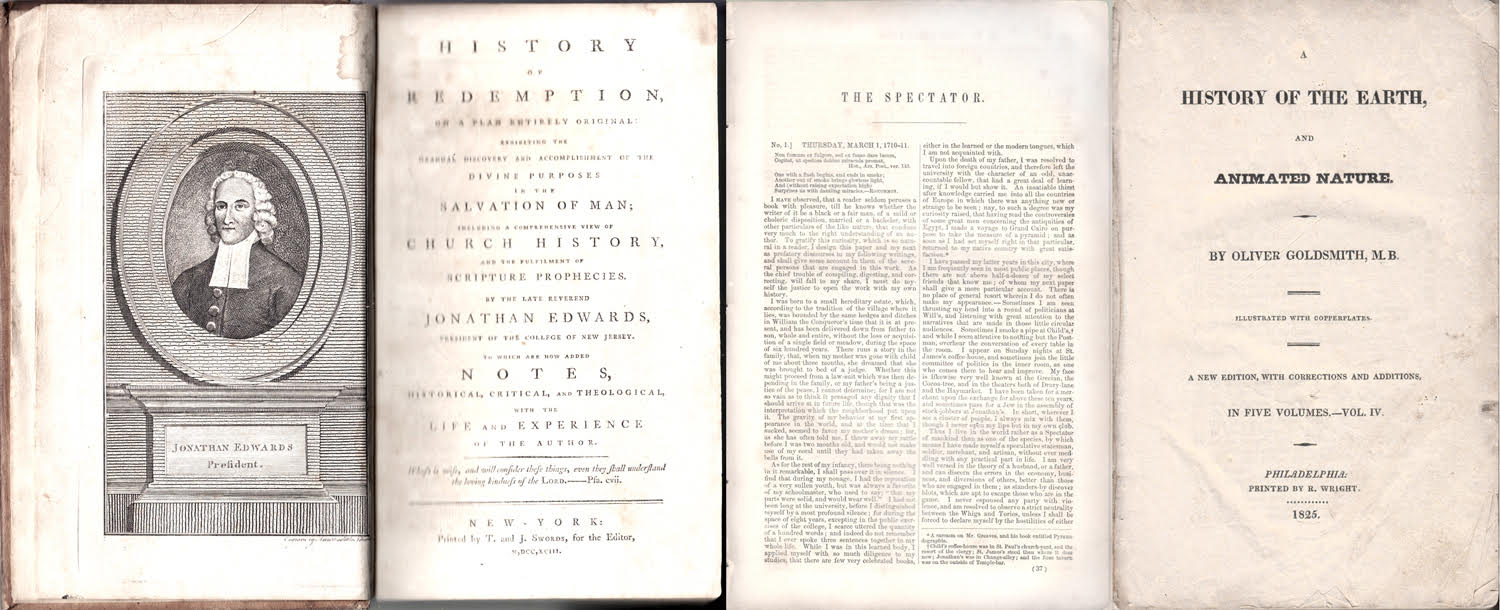
When I was just out of college, a neighbor of my parents died and left my a pile of old books, printed in the 18th and early 19th century. There are three volumes of the poetry of William Cowper, a History of Redemption by Jonathan Edwards, a fat volume with tiny print collecting the Addison and Steele Spectators, and a single volume of Oliver Goldsmith’s History of the Earth and Animated Nature. I have Volume IV of five volumes, which contains descriptions and illustrations of birds, fishes and “Frogs, Lizards, and Serpents.”

And while my great-grandmother’s Bible gives me a sense of roots running four generations deep, these older books take those roots deeper into the culture that made me. I see myself not as a single mind born in 1948, but as part of a longer-running continuity back in time. A reminder that any single generation is simply a moment in a process: seed, sprout, plant, flower, fruit, seed. Over and over. My self grew from my mother’s womb and she from her mother’s and so on, back to a mythical primordial Eve. And my psyche grew from all the books I’ve read, and all the books that have shaped the culture that produced those books. It is a nurturance that disappears in the far distant past, like railroad tracks narrowing to a point on the horizon.

I am not here making an argument for nurture vs. nature. I am not simply the sum of the books I’ve read. Rather, the books I’ve read that have remained with me — and there are many times more that have not stuck with the same tenacity — have not only nurtured me, but are the mirror of who I was born, my inner psyche, who I AM. They are the outward manifestation of the inward being.

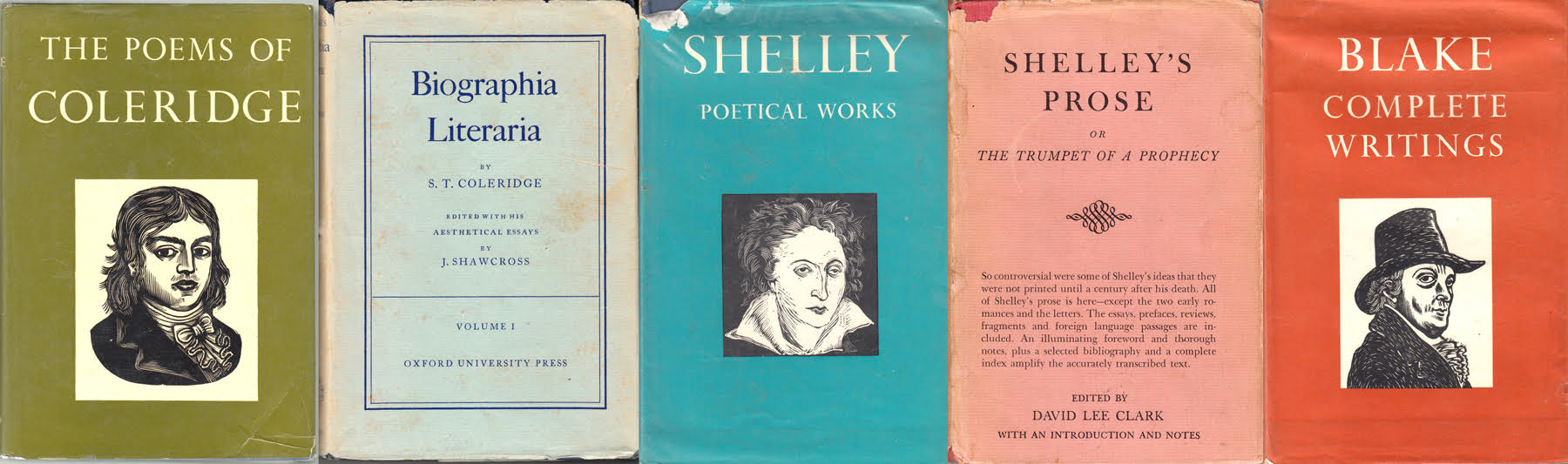
I have books left over from college, such as my Chaucer and my Shelley, my Coleridge and my Blake.

I have the poetry I was drawn to when first discovering its linguistic and cultural power, such as all the Pound I gobbled up.

There are the two volumes of Beethoven’s piano sonatas, edited by Artur Schnabel. I could never be without them. I read scores for pleasure just as I read words. I still have piles of Kalmus and Eulenburg miniature scores that I have used over the years to study music more minutely than ears alone can permit.

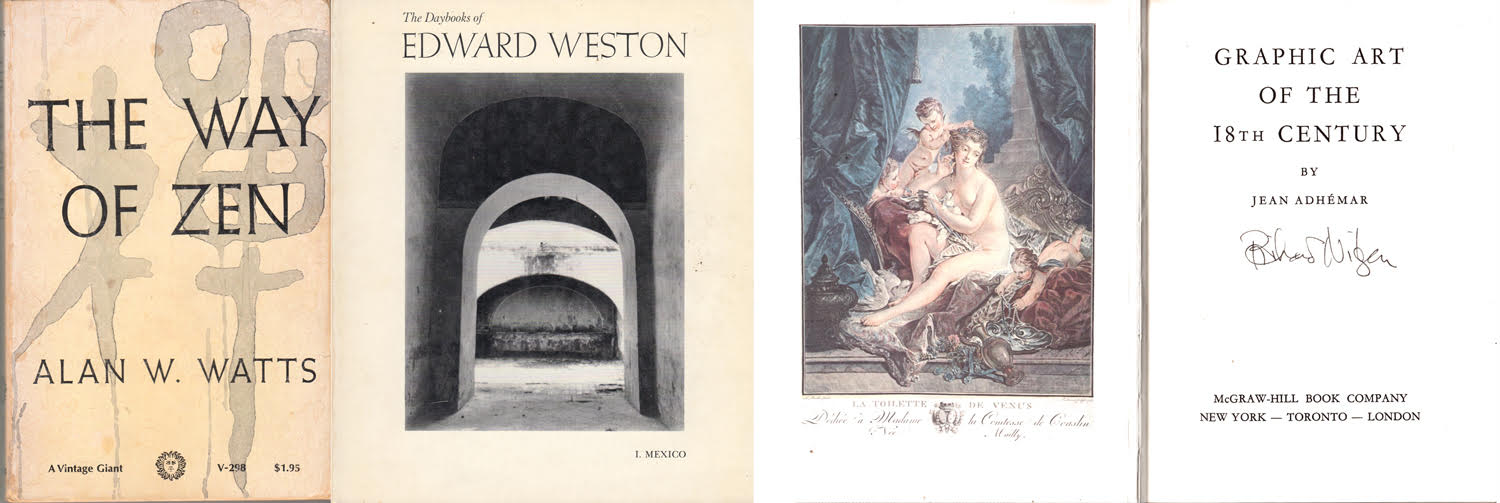
Books that have turned the twig to incline the tree stay with me, such as Alan Watts’ The Way of Zen, or the Daybooks of photographer Edward Weston, or The Graphic Art of the 18th Century, by Jean Adhémar.

I still have the Robert Graves two-volume Greek Myths that I had when taking a Classics course my freshman year, and the Oxford Standard Authors edition of Milton that I took with my in my backpack when I tried to hike all of the Appalachian Trail (“tried” is the operative word), and the photographic paperback version of the Sierra Club book, In Wildness Is the Preservation of the World.

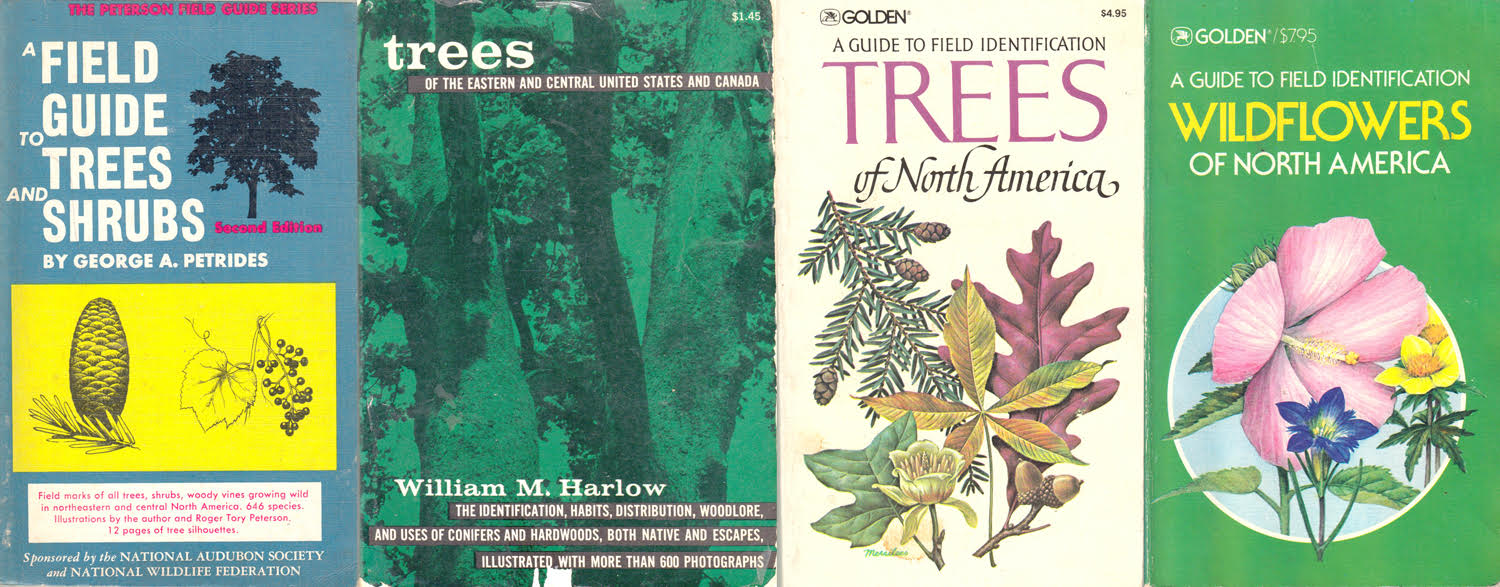
My many Peterson Guides and wildflower books have only multiplied, but the basics have been with me for at least five decades.

The Thurber Carnival I still have was actually my mother’s book that I took from home when I went off to school. The catalog from the National Gallery of Art in Washington D.C. is now browned out and tattered and the Hokusai manga is another holy of holies.

All these have stuck to me like glue all through a life’s vicissitudes, many with ragged and torn covers, as I have myself in a body worn and torn by creeping age.

I could name many more, but you get the idea. And it is undoubtedly the same for all of us. For you, it many not be books; it might be a shirt or blouse you have kept, or maybe a blanket that comforted you when you were an infant, or your first car. These are the outward signs of an inner truth. The you who is not separate from the world, but embedded in it, connected to it, born from it and in some way, its singular manifestation.

Self is what you can’t get rid of. 

NB: The books illustrated are all some of them I’ve lugged with me for at least 50 years; anyone who knows me would recognize me in them. 

Click on any image to enlarge.

In addition to this blog, which I have been writing since 2012, I have written a monthly essay for the Spirit of the Senses salon group in Phoenix, Ariz., since 2015. I was, at various times, a presenter for the salon, which arranges six to 10 or so lectures or performances each month for its subscribers. Among the other presenters are authors, Nobel Prize-winning scientists, musicians, lawyers and businessmen, each with a topic of interest to those with curious minds. I recently felt that perhaps some of those essays might find a wider audience if I republished them on my own blog. This is one, from May 31, 2020, is now updated and slightly rewritten.

The only thing physical we carry with us since since birth is our bodies. And while they stay with us through the decades, they change radically — and the older we get, the more radical. 

I finished college 50 years ago, and I’ve changed a great deal in that half-century, and I don’t just mean the issue of losing hair on the top of my head and gaining it in my ears.

We accumulate much over the years. Some of it we lose over time, divorces, moves, and job changes. Much we divest ourselves whenever we feel on the verge of being overcome by our possessions. And some few objects stay with us, year after year, either because they are meaningful, or, sometimes, through mere habit. 

My sense of myself is most directly the continuity of my memory. But memory is sometimes faulty. And we make up stories about ourselves — usually they flatter us, although sometimes they convict. But our physical possessions tell a harder-edge story. 

Surely the self is more than our own cogito ergo sum, recalled in memory. It is embodied in what we keep around us: more pointedly, we are what we can’t get rid of. Sure, it is also our behavior, the sense we make of the world and how it is constructed and how it functions. But much of that we learn through what we have owned. It is not simply our past, but our expectations of a future. And there should be some outward manifestation of our selfness, not solely the interior rattling around of snippets of memory, strung together like a necklace of remembered events.

I began to think of such things when I woke one morning and sat on the side of the bed, facing the bookshelf on the wall in front of me. I happened to spot the slim volume of The Elizabethan World Picture by E.M.W. Tillyard, an ancient paperback that I had in college. It is a book I’ve owned for more than 50 years. It is where I first encountered the idea of the “Great Chain of Being.”

Then, I gazed over the shelves to discover if there were other books I’d owned that long, and saw Julia Child’s Mastering the Art of French Cooking, which I attempted to cook from during my first marriage, when I was still in college. Are those two books as much a part of my selfness as the memories of the old school or the failed marriage?

As I wandered through the house later that day, I pored over the many bookshelves to seek the books I’ve owned the longest, through divorces and break-ups, through four transcontinental relocations, through at least a dozen homes I have rented in five different cities. Nine cities, if you count homes from before college, which I didn’t rent, but lived with parents.

The oldest book I still have is my great-grandmother’s Bible, which was given to me when I was four years old. I also have my grandmother’s Bible, in Norwegian, and the Bible my parents gave to me when I was a boy, with my name embossed on the cover in gold. I am not a religious man and don’t believe any of the content scribed therein, I also have to recognize that the culture that nurtured me is one founded on the stories and strictures bound in that book, and more particularly, in the King James version, which I grew up on and which has shaped the tone of the English language for 400 years.

Surely, completely divorced from doctrine, the KJV is a deeply embedded part of who I am.

The second oldest book is one my grandmother gave me on my eighth birthday, a giant-format Life magazine book called The World We Live In. It was a counterbalance to the Holy Writ, in that it was a natural history of the world and gave me science. At that age, I was nuts about dinosaurs (many young boys are in the Third Grade), and The World We Live In had lots of pictures of my Jurassic and Cretaceous favorites. It also explored the depths of the oceans, the mechanisms of the weather, the animals of the forest, the planets of the solar system, and a countering version of the creation of the world, full of volcanoes and bombarding meteorites. I loved that book. I still love it. It is on the shelf as a holy-of-holies (and yes, I get the irony).

Both the Bible and The World We Live In are solid, tangible bits of my selfness that I can touch and recognize myself in, as much as I recognize myself in the mirror.

I pulled down Tillyard from the shelf, and gathered up the several Bibles and began piling by my desk, and went through the bookshelves finding the many books that have defined me and that I kept through all the disruption that life throws at us, with the growing realization that these books are me. They are internalized and now their physical existence is an extension of my selfness into the world.

The pile beside my desk slowly turned into a wall, one stack next to another, building up a brick-foundation of me-ness. They were cells of my psyche very like the cells of my body, making up a whole. And they began to show a pattern that I had not previously noticed. The books I’ve held on to for at least 50 years sketched a me that I knew in my bone.

I’ve kept books from 40 years ago, from 30, from 20. I’ve got books that define me as I am at 73 years old that I have bought in the past month. But the continuity of them is a metaphor for the continuity of my self.

When I was just out of college, a neighbor of my parents died and left my a pile of old books, printed in the 18th and early 19th century. There are three volumes of the poetry of William Cowper, a History of Redemption by Jonathan Edwards, a fat volume with tiny print collecting the Addison and Steele Spectators, and a single volume of Oliver Goldsmith’s History of the Earth and Animated Nature. I have Volume IV of five volumes, which contains descriptions and illustrations of birds, fishes and “Frogs, Lizards, and Serpents.”

And while my great-grandmother’s Bible gives me a sense of roots running four generations deep, these older books take those roots deeper into the culture that made me. I see myself not as a single mind born in 1948, but as part of a longer-running continuity back in time. A reminder that any single generation is simply a moment in a process: seed, sprout, plant, flower, fruit, seed. Over and over. My self grew from my mother’s womb and she from her mother’s. And my psyche grew from all the books I’ve read, and all the books that have shaped the culture that produced those books. It is a nurturance that disappears in the far distant past, like railroad tracks narrowing to a point on the horizon.

I am not here making an argument for nurture vs. nature. I am not simply the sum of the books I’ve read. Rather, the books I’ve read that have remained with me — and there are many times more that haven’t stuck with the same tenacity — have not only nurtured me, but are the mirror of who I was born, my inner psyche, who I AM. They are the outward manifestation of the inward being.

I have books left over from college, such as my Chaucer and my Shelley, my Coleridge and my Blake.

I have the poetry I was drawn to when first discovering its linguistic and cultural power, such as all the Pound I gobbled up.

There are the two volumes of Beethoven’s piano sonatas, edited by Artur Schnabel. I could never be without them. I read scores for pleasure just as I read words. 

I still have piles of Kalmus and Eulenburg miniature scores that I have used over the years to study music more minutely than ears alone can permit.

Books that have turned the twig to incline the tree stay with me, such as Alan Watts’ The Way of Zen, or the Daybooks of photographer Edward Weston, or The Graphic Art of the 18th Century, by Jean Adhémar.

I still have the Robert Graves two-volume Greek Myths that I had when taking a Classics course my freshman year, and the Oxford Standard Authors edition of Milton that I took with my in my backpack when I tried to hike all of the Appalachian Trail (“tried” is the operative word), and the photographic paperback version of the Sierra Club book, In Wildness Is the Preservation of the World.

My many Peterson Guides and wildflower books have only multiplied, but the basics have been with me for at least five decades.

The Thurber Carnival I still have was actually my mother’s book that I took from home when I went off to school. The catalog from the National Gallery of Art in Washington D.C. is now browned out and tattered and the Hokusai manga is another holy of holies.

All these have stuck to me like glue all through a life’s vicissitudes, many with ragged and torn covers, as I have myself in a body worn and torn by creeping age.

I could name many more, but you get the idea. And it is undoubtedly the same for all of us. For you, it many not be books; it might be a shirt or blouse you have kept, or maybe a blanket that comforted you when you were an infant, or your first car. These are the outward signs of an inner truth. The you who is not separate from the world, but embedded in it, connected to it, born from it and in some way, its singular manifestation.

NB: The books illustrated are all some of them I’ve lugged with me for at least 50 years; anyone who knows me would recognize me in them. 

Click on any image to enlarge.