Upon this wintry night it is so still, that listening to the intense silence is like looking at intense darkness.
—Charles Dickens, Bleak House, chapter 58, “A Wintry Day and Night”

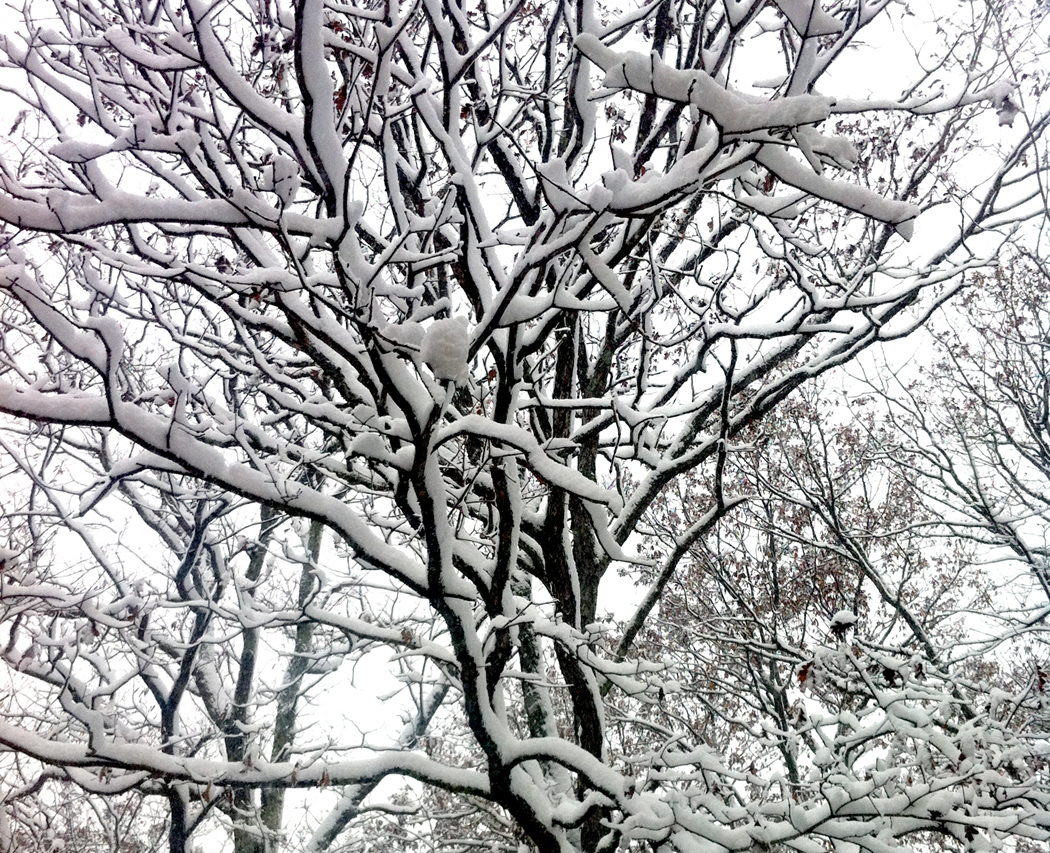
When I was a boy, maybe eight or nine, I could wake up early on a winter morning and know instantly that there would be no school that day — it was quiet. Overnight snow had left the landscape eerily silent and I could hear that silence even before I looked out the window. It was a palpable silence. A silence that filled up the air.
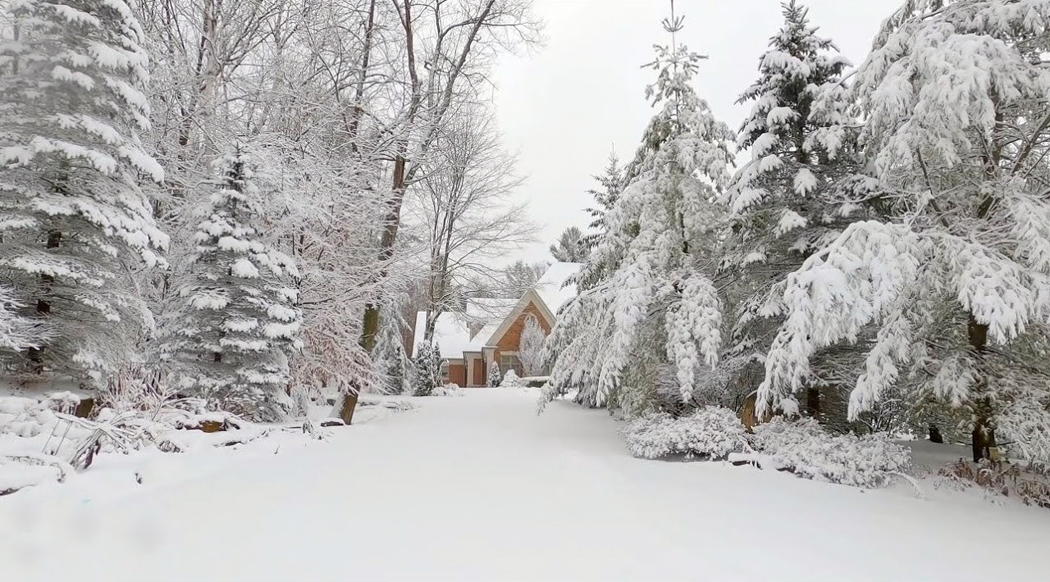
Later in the morning, there would be the scrape of the snowplow on the street pavement, the glee-screaming of kids on their sleds and, if a sunny day, perhaps the sound of dripping meltwater from the eaves. But for that first moment, a signal from the natural world that the day was different.
We may think of silence as an absence of sound, but when paid attention to, silence is a presence. As “there” as the sunlight or the children.
Silence is something we largely miss in the busy world. When I wake up now, normally I hear distant traffic noise or the sound of an industrious neighbor on her mower shaving her lawn. This morning I opened the front door to hear the rattle of a woodpecker and a crow’s caw-caw. The world is noisy. And that’s not even counting the TV that fills the air with its constant carnival barker reminding us of the world’s clattering presence.

Silence lets us hear our own thoughts. It is the reason Jesus went into the wilderness for 40 days, and Moses and Elijah both sought solitude on Mt. Horeb, the Buddha spent five years alone in the forest, and Nietzsche’s Zarathustra shunned human contact in his cave. In several Native American cultures, a part of growing up was to leave the community and spend time quiet and alone until you had your vision.
Silence is the midwife of spiritual or intellectual awakening. It needn’t be the desert or woods; it might be a library, that other source of quiet.

The quietest I ever remember was a press tour to the Karchner Caverns in Arizona when they were first opened to the public. A group of a dozen or so journalists, both print and TV, were taken into the cave and shown the wonders. And at one point our guide asked us all to stand several feet apart and be quiet. She had all the lights turned off and we were a hundred feet underground with no light and no sound.
Even in the nighttime, there is light from the moon and the stars. City lights, no matter how distant are reflected back off the clouds and make nighttime at least a dull glow. If I wake up at night, my eyes adjust to the darkness and I can still make out the shadowy shapes in the room.

But in the cave, there was no light at all. Utter and complete blackness, so that you had to trust your vestibular system and proprioception just to remain standing upright. And in that blankness, no sound intruded. The black nothingness was the visual equivalent of the utter silence. It was as if you could have a memory of your own death — or your existence before you were conceived.
The Buddha said the only response to the “14 unanswerable questions” is a “Noble Silence.”
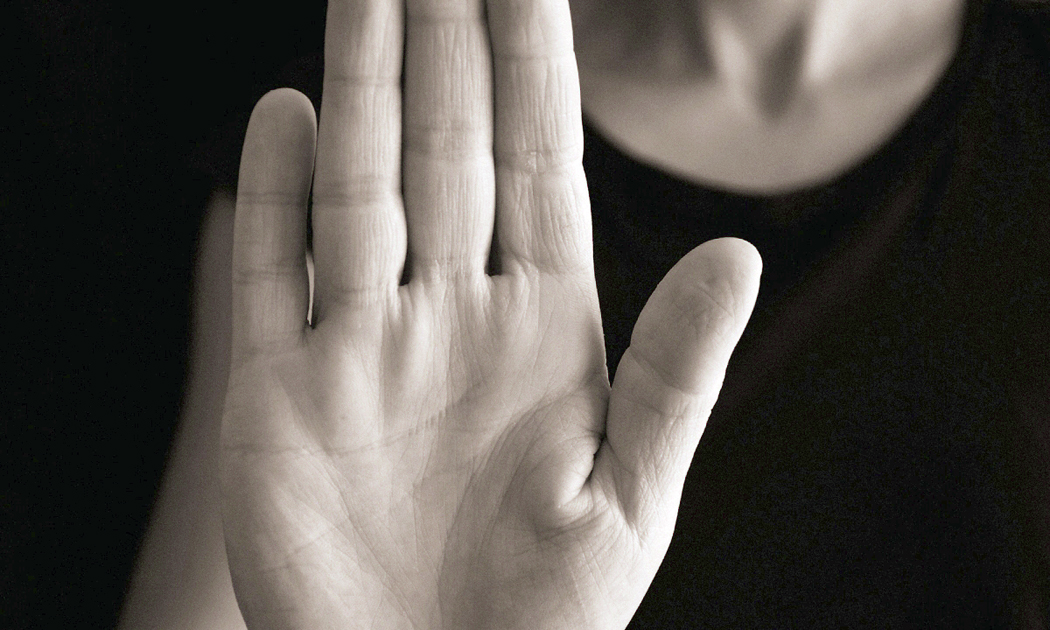
Twentieth Century philosopher Ludwig Wittgenstein famously said (breaking his own admonition): “Wovon man nicht sprechen kann, darüber muß man schweigen.” “Whereof one cannot speak, thereof one must be silent.”
And the Hindu sage, Ramana Maharshi, said, “The only language able to express the whole truth is silence.”
John Cage wrote in his book, Silence, “There is no such thing as an empty space or an empty time.” It is the thought behind his most famous or infamous composition, 4’33”, in which the pianist sits in front of a piano and doesn’t play anything for the designated amount of time.

For the unthinking, this is a stunt, and further, proof that modern art is a fraud perpetrated on its audience by slick snake-oil salesmen. But for those who understand what is being offered — like the lotus the Buddha gives his student — it is an offer to hear the genuine music of the world — a direct connection with the now. No concert hall is completely silent, but we ignore the extraneous sounds while the piano is playing. If the piano remains tacet, we can — if we are aware — hear all the buzz of reality that is actually filling our ears.
“Wherever we are, what we hear is mostly noise,” he wrote in Silence. “When we ignore it, it disturbs us. When we listen to it, we find it fascinating. The sound of a truck at fifty miles per hour. Static between the stations. Rain. We want to capture and control these sounds, to use them not as sound effects but as musical instruments.”

(Cage was not alone. Several serious composers have written silent music, including Georgy Ligeti and Irwin Schulhoff, although most of these were written at least a bit with tongue against the cheek. And in popular music, Wikipedia list more than 70 songs made of empty air, including by John Lennon and Yoko Ono, but also Wilco, Soundgarden, Brian Eno and John Denver. There have been whole albums, too, including the 10-track Sleepify by Wulfpeck and a 1980 “spoken word” album called The Wit and Wisdom of Ronald Reagan — Side 1 is “The Wit” and Side 2 is “The Wisdom;” both sides completely blank. But none of this has the serious and meaningful intent of Cage’s 4’33”.)

When we think of silence, it is usually of the soundless variety. But there is also a very noisy silence, made up of an unconsidered attempt to fill emptiness with meaninglessness. When I listen to most TV news, I hear very little news and a great deal of jabber about the news, a chewing of the cud, so to speak — this is noise to fill space and time and is, in essence, another manifestation of silence, or at least a filling of time and space with nothingness.
I make a distinction between a silence of avoidance and a silence of engagement. Distracting noise — much of modern culture — is really an avoidance technique so we don’t have to deal with the often uncomfortable realities around us. But the silence of the monks and zen masters is a silence that engages directly with the most meaningful portions of existence. It is a silence to be sought after.
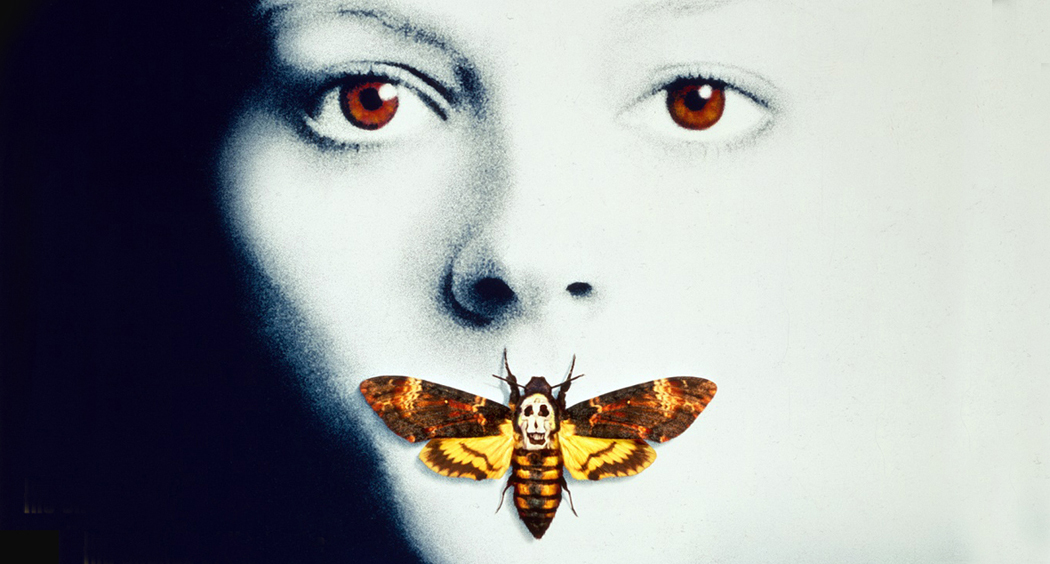
Such silences are not identical. There is the silence of paying attention rather than speaking; the silence of the pause in the business of living; the silence of spiritual seeking; and silence of finding the center of one’s self. The idea comes up often enough: There’s the silence of God; the Silence of the Lambs; Omertà, or the silence of the made man; there’s the Blue Wall of Silence on the other side; the Silent Majority; the Sound of Silence; a deafening silence; an embarrassing silence; a moment of silence; the right to silence; radio silence; the silence of the grave.

In some forms of meditation, the purpose is to quiet the mind so one isn’t thinking of anything: silence of thought. Our minds tend to idle at 2000 rpms, with ideas, images, tunes or emotions running random through the braincase, like so many maenads dancing in the woods. It can be hard to get them all to shut up. But the silence achieved is revelatory.
Debussy said that music was the silence between the notes. And music is certainly what is found in the silence: It grows from out of the silence into what can express what words cannot.
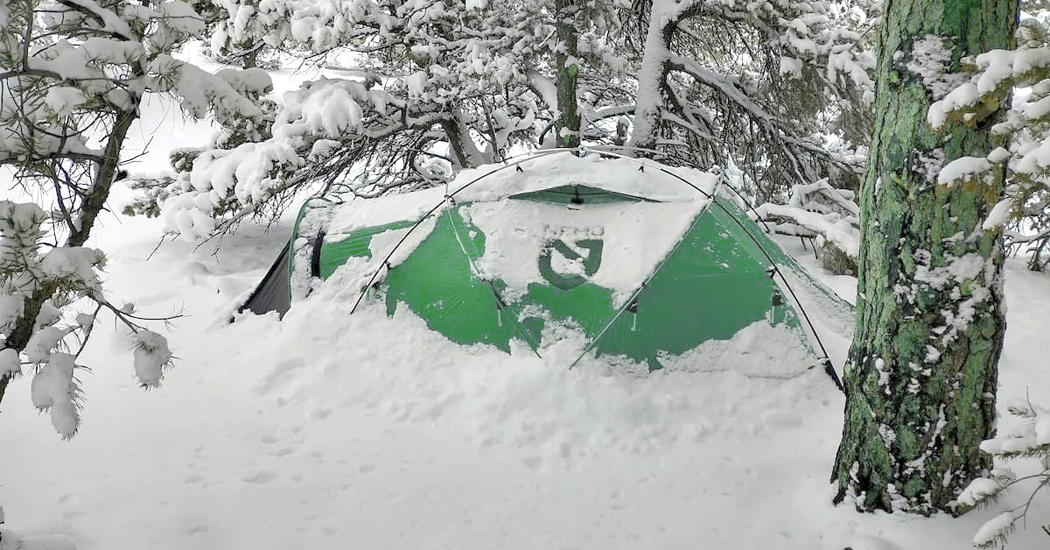
I remember a late-fall camping trip to the Kittatinny Mountain ridge near the Delaware Water Gap and waking up in the morning to find the tent sagging under the weight of the night’s heavy, wet snow, and the familiar silence of the woods. The snow makes an anechoic landscape very like an empty recording studio: The quiet muffles the ears.
Now, in my senescence, silence is especially hard to come by, not only for societal reasons, but because there is always a slight tinnitus ringing in my ear, and even when that quiets down and it is otherwise silent, I can hear my own heartbeat.
Silence is a great seasoner of thought. When it is quiet, you can hear yourself think, and the thoughts flow uninterrupted by extraneous disruption. Silence is worth a great deal, all the more for its scarcity.
____________________________________________________
This is an expanded and rewritten version of a posting that first appeared Nov. 1, 2021 on the Spirit of the Senses website.

 Richard Nilsen