Archive

Tag Archives: singing detective

“Elbow,” he said.

It is the provisional answer to a question in the best TV series ever made. At least on my list. 

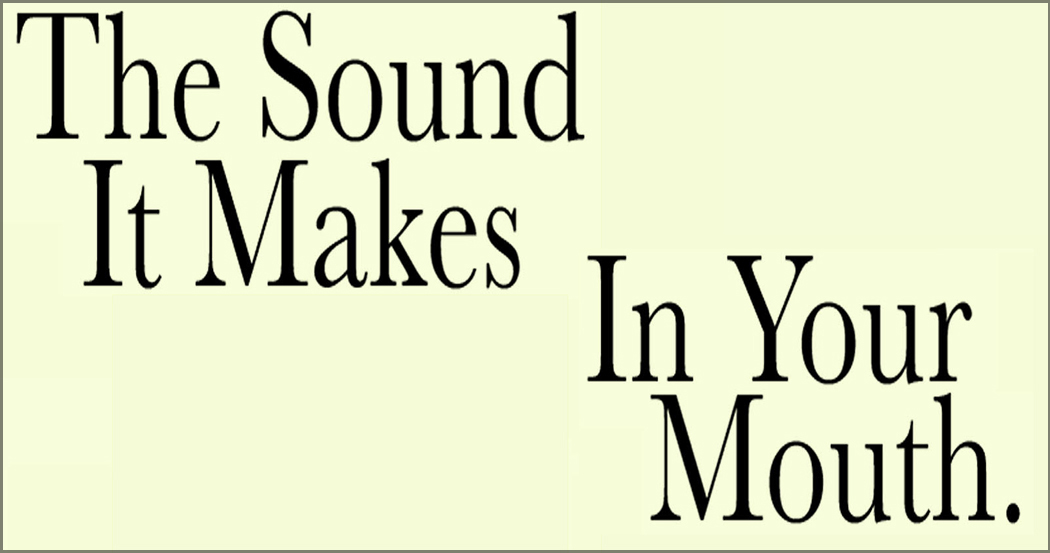
The question? “What’s the loveliest word in the English language? In the sound it makes in the mouth? In the shape it makes on the page?” It is the kind of question a writer thinks about, but not so much a civilian. It is the hospitalized crime writer Philip Marlow in Dennis Potter’s 1986 BBC serial, The Singing Detective. “E-L-B-O-W,” comes the answer. Pronounced in the euphonious baritone of Michael Gambon as he talks to his Nurse Mills, played by the young Joanne Whalley. 
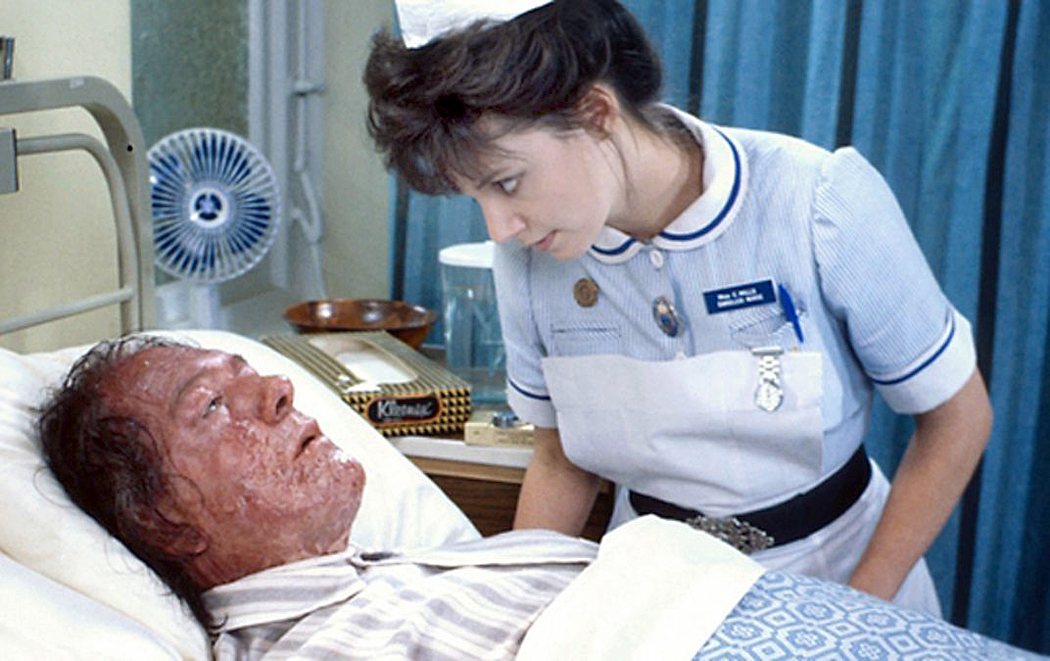
I had avoided watching the series when it was first broadcast in the U.S. on PBS in 1988 because I thought the title meant it was an airy musical, perhaps in the Doris Day mode. I couldn’t have been more wrong. It is dark and gritty and brilliant. And it is No. 1 on my list of greatest television series. 

Of course, any such list, whether Top 10 or “100 Greatest…” are ultimately meaningless and catalog simply one person’s taste. Your mileage may vary. But I’m pretty secure in my choices, with the proviso that although I am 78 years old and was born roughly the same time as television, I haven’t seen everything ever aired, not even all that was broadcast in this country. No one has. 

There are a number of popular and well-thought of series I have never seen. Game of Thrones — I am bored by quasi-Medieval post-apocalyptic fantasy. Lonesome Dove — I love Robert Duvall, but mostly gave up cowboys after Hopalong Cassidy retired from the 12-inch black-and-white screen. The Wire — I should probably watch it, but it sounds unrelentingly grim. 

But of the things I have watched, here are my top five series of all time. There are some qualifying parameters. I’m not talking about long-running TV series, or notable sitcoms or dramas. So, I’m not including All in the Family or Seinfeld. There are plenty of those, and they would qualify for a different list. I’m talking about limited series presentations, usually with a direct beginning, middle and end, like mini-series or one-offs. 

And my taste runs to character-driven shows rather than plot-centered ones. Very few gunfights or car chases and a lot of talking and psychologies. I have nothing against one-liners or action thrillers; they have their place. But I am more taken with more complex stories, something more akin to art than simply entertainment. 

And so, here are my top five TV shows of all time, and can all, in their way, be talked about as sharing some of the depth and insight of, say, Shakespeare or Tolstoy. 
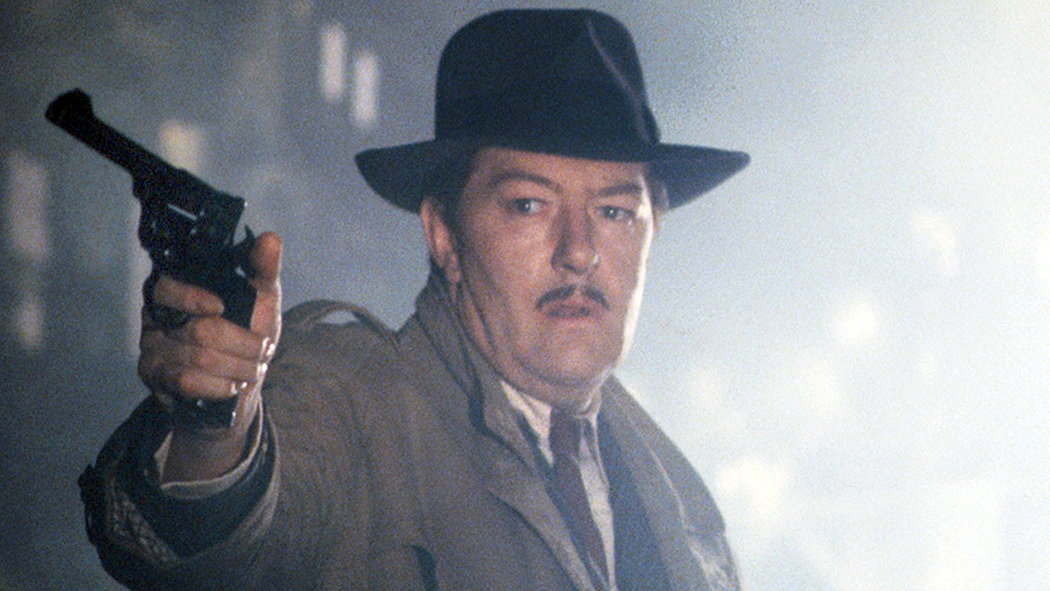
The Singing Detective (1986) — The six roughly hour-long episodes follow an English pulp fiction writer suffering in a hospital ward from psoriatic arthropathy, who tries to fight his boredom and maintain his sanity by mentally rewriting one of his books — about a private-eye who moonlights as a dance-hall singer — but increasingly hallucinates about a traumatic episode from his childhood during World War II, the suicide of his mother, and a foul deed he committed in school. The episodes become increasingly confused and mixed, punctuated by popular songs from the 1930s and ’40s. The whole is a phantasmagoria of paranoia with some of the most brilliant writing ever put to screenplay. 

“Mr Marlow, you can’t deny I’m paying you good money…” “Money. You’re paying me money. Why put ‘good’ in front of it? Who knows its virtue? I don’t know where it’s been. Do you?”
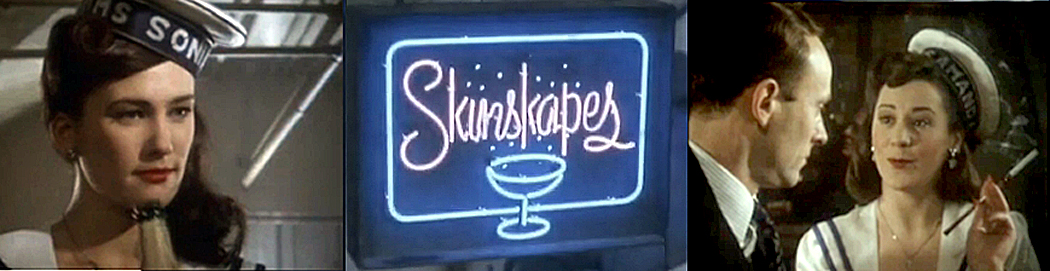
 The mystery he is imagining concerns smuggled Nazis, Russian spies, and ladies of commercial morality, all played out in a cheap dive called Skinskapes. The writer’s West Country childhood, with the deep accents and vocabulary of the region, concerns his love for his father and the infidelity of his mother, which he witnesses. Then, there is the interaction he has with his doctors, nurses, and fellow ward patients and most notable with his psychiatrist who tries to fathom the roots of the writer’s hysteria. And then, there is his estranged wife, who visits him in the ward and whom he abuses most horribly. All Osterized into a grand, almost operatic imbroglio, rising to a peak and resolution in the final episode. 
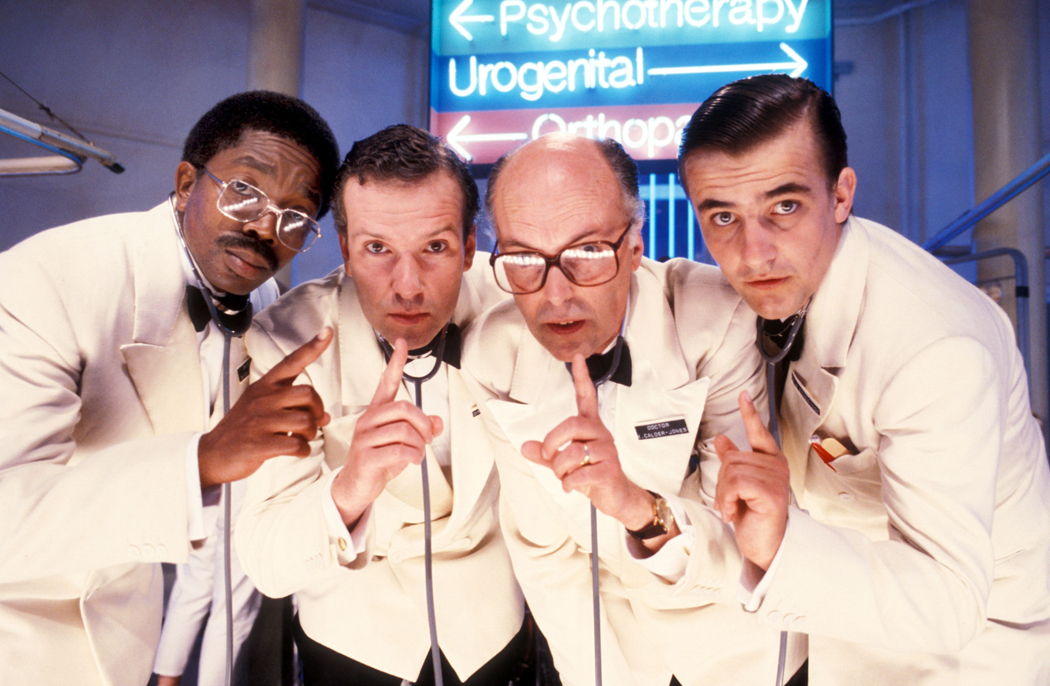
The cast is a who’s who of all the actors you will find in later British classic TV shows, such as Midsomer Murders or Downton Abbey. We get to see them younger, before they aged: Patrick Malahide, David Ryall, Gerard Horan, Ron Cook, Janet Suzman, Alison Steadman, Bill Paterson, and, of course, Jim Carter and Imelda Staunton. These are names well known to anyone streaming British TV on Britbox or Acorn or PBS Masterpiece

The Sopranos (1999-2007) — Over six seasons and 86 episodes on HBO, we followed Mob boss Tony Soprano and his two families — domestic and crime — as they turned obscure New Jersey into a nationally familiar landscape. Hooray for Hoboken. 

It is primarily the first two seasons that were memorable, changing American TV viewing habits permanently, and launching a new “Golden Age” of television. Over the quarter-century since its debut, streaming has taken over from network television and made CBS, ABC and NBC into also-rans. 
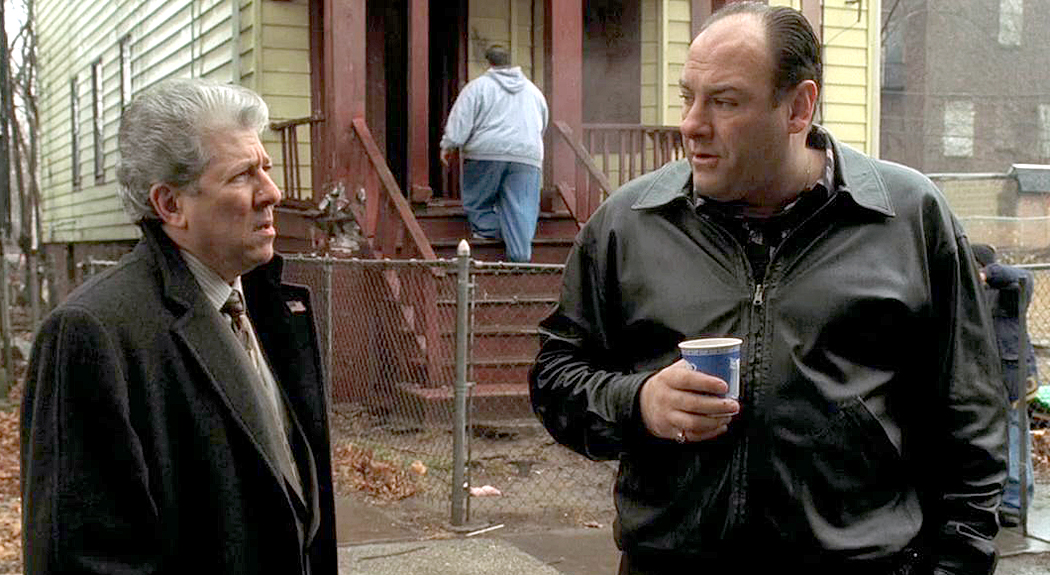
It took great acting and great writing to do this, and we followed Tony as he suffered panic attacks over some ducks in his swimming pool, challenges to his leadership in the mob, various betrayals, both by him and against him, and, most importantly in the first two seasons, the absolutely awful behavior of his mother, Livia (Nancy Marchand), who Rolling Stone magazine named as the “Third Greatest TV Villain of All Time.” I assume she is beaten only by Iago and Satan.

After Marchand’s death in 2000, the show didn’t exactly go downhill, but it never again had the norm-smashing impact it had at the beginning. It was still riveting, but less revolutionary. 
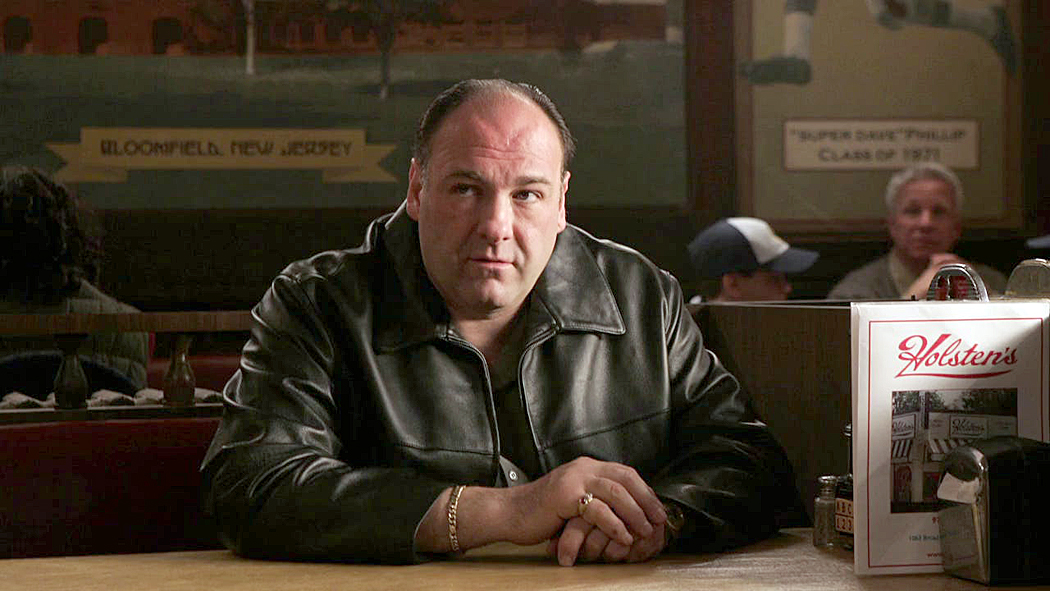
Two of its best episodes came in those first two seasons. “College,” in which Tony takes his daughter, Meadow, to college and discovers a mob informant  living under witness protection and proceeds to garrote him in the most realistic-feeling depiction of strangulation I’ve ever seen in a film or on TV. It took a long, agonizing time to accomplish and viewers felt every second of it. And, on the other side of the spectrum, “Pine Barrens,” in which Paulie Walnuts and Christopher Moltisanti attempt to dispose of a Russian gangster in snowy South Jersey and get lost in the process. Both episodes are listed in Wikipedia as among the 30 best television episodes ever. 
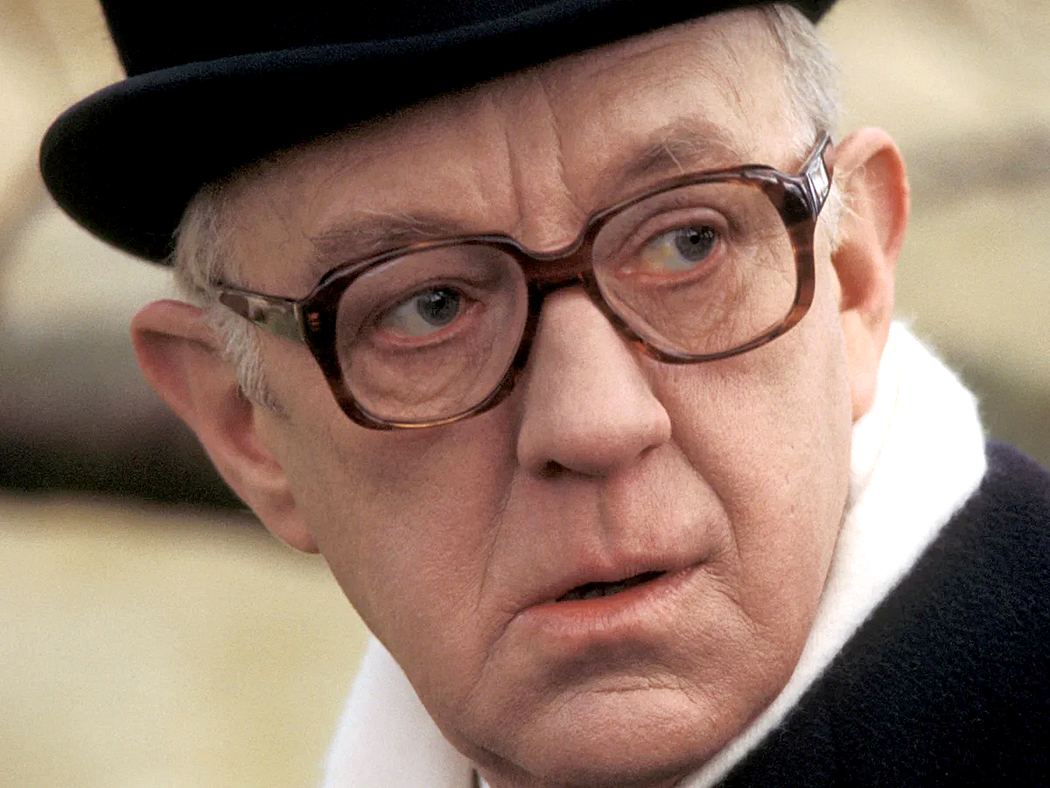
Tinker Tailor Soldier Spy (1979) — This is all down to Alec Guinness, who defines the role of British spy George Smiley so microscopically that no matter what great actor attempts the part — and Gary Oldman is not chopped liver in the 2011 movie version — it can never be topped or even equalled. Guinness can “say more with a slight parting of his lips than most actors can say while shouting from the rafters,” wrote The New York Times.

The seven-episode adaptation of le Carré’s 1974 novel did away with all the hokey James Bond razzmatazz and gave us slow, believable procedure as Smiley sniffs out a traitor in the British secret service. Le Carré made up all the slang and the spycraft, but made us believe everything must really work this way in the real MI6. 
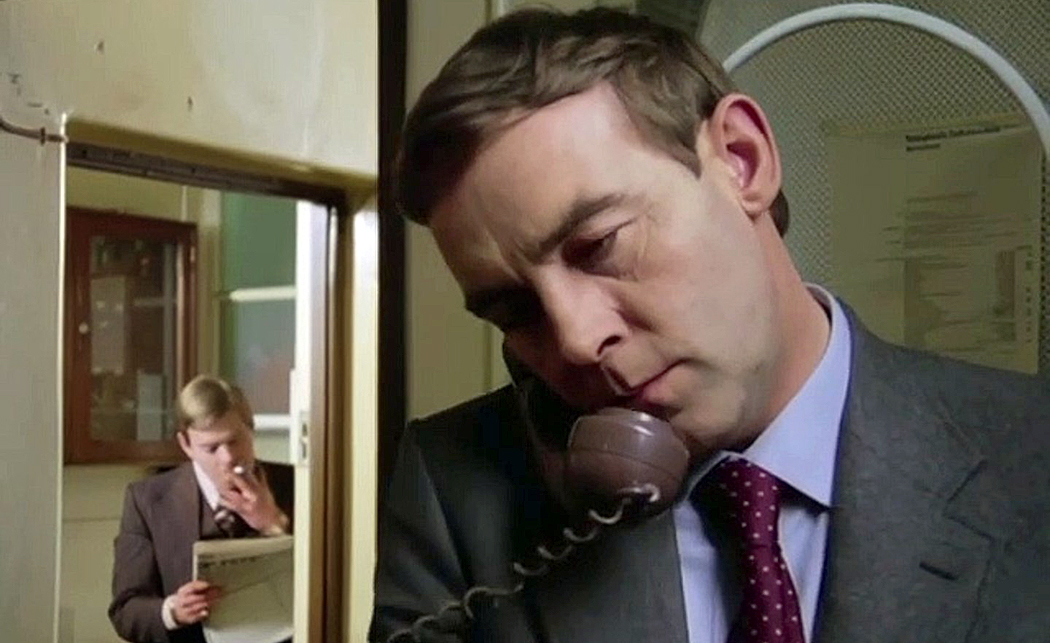
The story proceeds slowly and carefully, and the dramatis personae comprise some of the best and best-known British actors of the time, including Ian Richardson (House of Cards); Patrick Stewart (Star Trek: The Next Generation); Sian Phillips (I, Claudius);  Michael Jayston (Nicholas and Alexandra); Michael Aldridge (Last of the Summer Wine); Warren Clarke (A Clockwork Orange); and other stalwarts of U.K. films and television, Bernard Hepton; Ian Bannen, Joss Ackland; John Standing; Anthony Bate and others. It’s a joy to watch them all doing what they do best. 
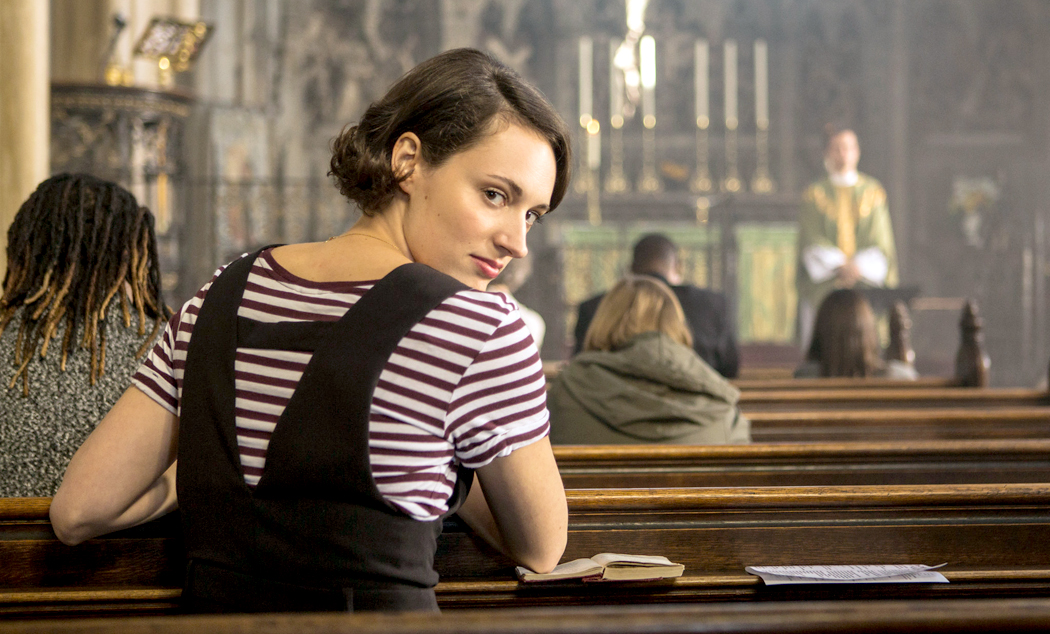
Fleabag (2016-2019) — It isn’t just the Golden Oldies that count. More recently Phoebe Waller-Bridge’s extension of her one-woman stage show became nominated as one of the best TV presentations ever. It is comic, nasty, witty, intensely observant and a punch in the eye of Postmodern meta brilliance. 

Her character, never named except as “Fleabag,” clumsily negotiates family, sex, relationships, and grief in ways embarrassingly both egocentric and clueless. And all the while speaking to us, the audience, in private asides — direct progeny of George Burns talking out of the TV at us in his 1950s sitcom. 
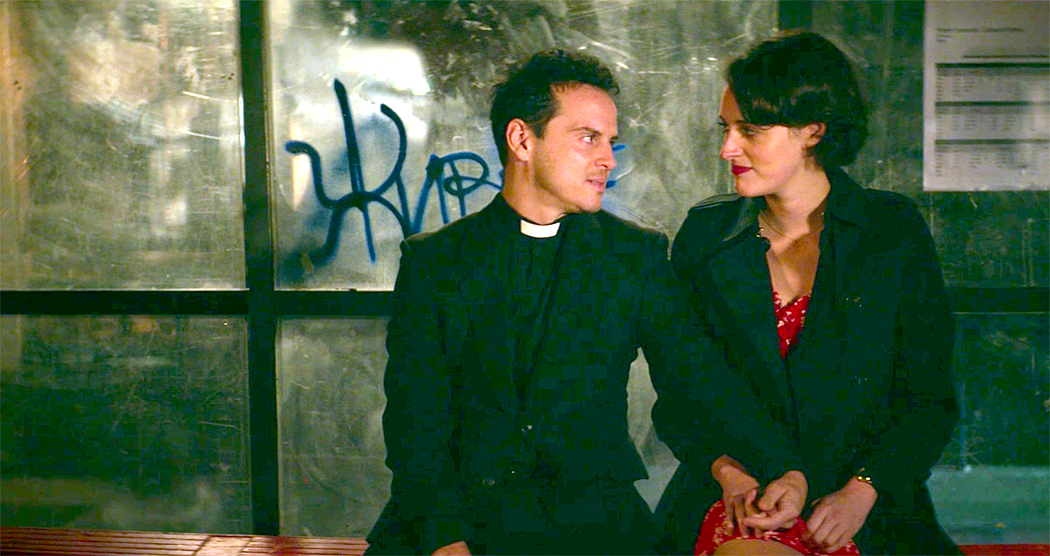
Its second season may even be better than the first, when she develops a crush on the Sexy Priest (Andrew Scott). In that season’s Episode 3, the priest notices — for the first time anyone in the whole series has done so — that Fleabag is zoning out and talking to the camera, which is a way she has of disengaging from awkward situations. This disruption in the normal contract of fiction between the reality of the story and the reality of the story-telling is a shivering moment, and leads to the resolution of the entire series. 
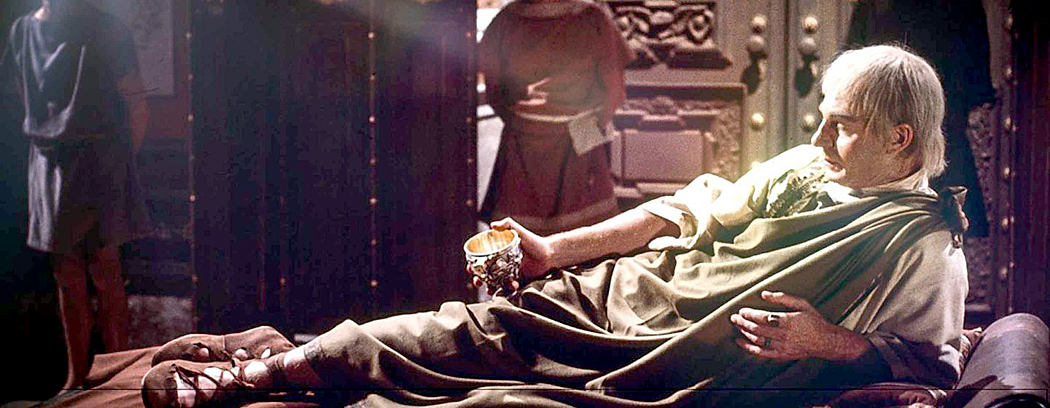
I, Claudius (1976) — I hesitated in picking No. 5 for my list, because there are other legitimate contenders (see below) for the spot. But finally, I have to pick the BBC adaptation of Robert Graves’ two novels about the first four emperors of the Roman Empire (five if you count the foreshadowing of Nero). 

It suffers from the early videotape technology, which required a bland sort of lighting. But it compensates by its psychological complexity, great acting and something not normally noticed — great directing. 
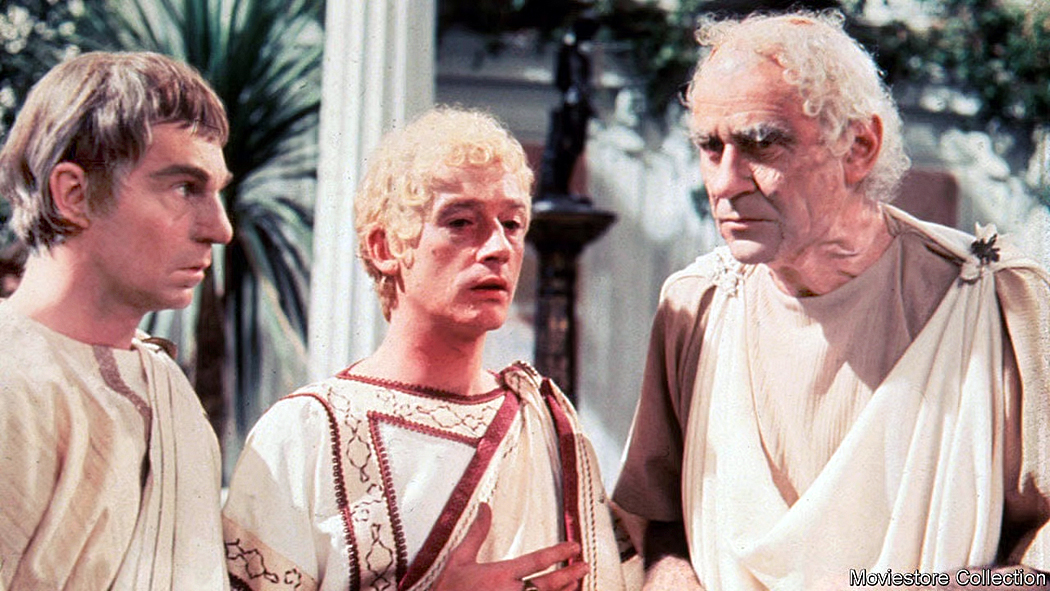
There is a YouTube video by the name of Moviewise that offers a careful examination of the combined blocking and camera positioning and movement that keeps the action moving seamlessly (Link here). When it is pointed out, you can’t help noticing how craftily it is all done. 

Yes, it all plays out as a kind of Roman soap opera, but that is the point — what we think of as grand history is really just today in togas. All the social climbing, back-biting, treachery, power grabbing and hidden agendas we come to see every day on cable news. Caligula seems all too familiar. 
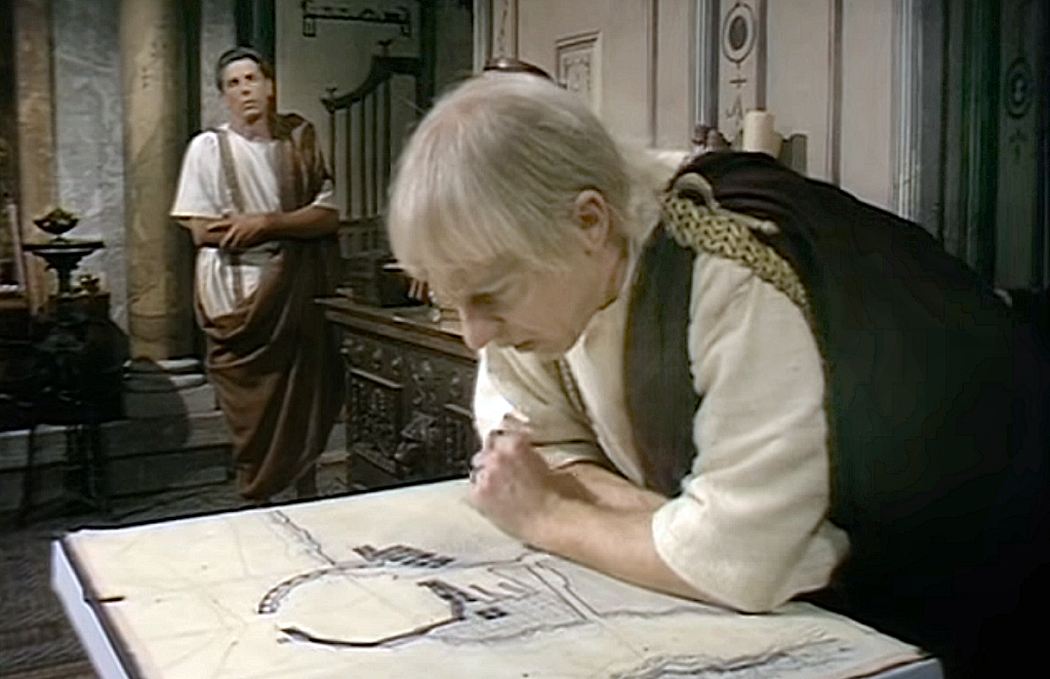
Then, there are all the great actors: Derek Jacobi, Sian Phillips, Brian Blessed, George Baker, Margaret Tyzack, John Hurt, Bernard Hepton, Patrick Stewart — all familiar names from other shows on this list and elsewhere. 
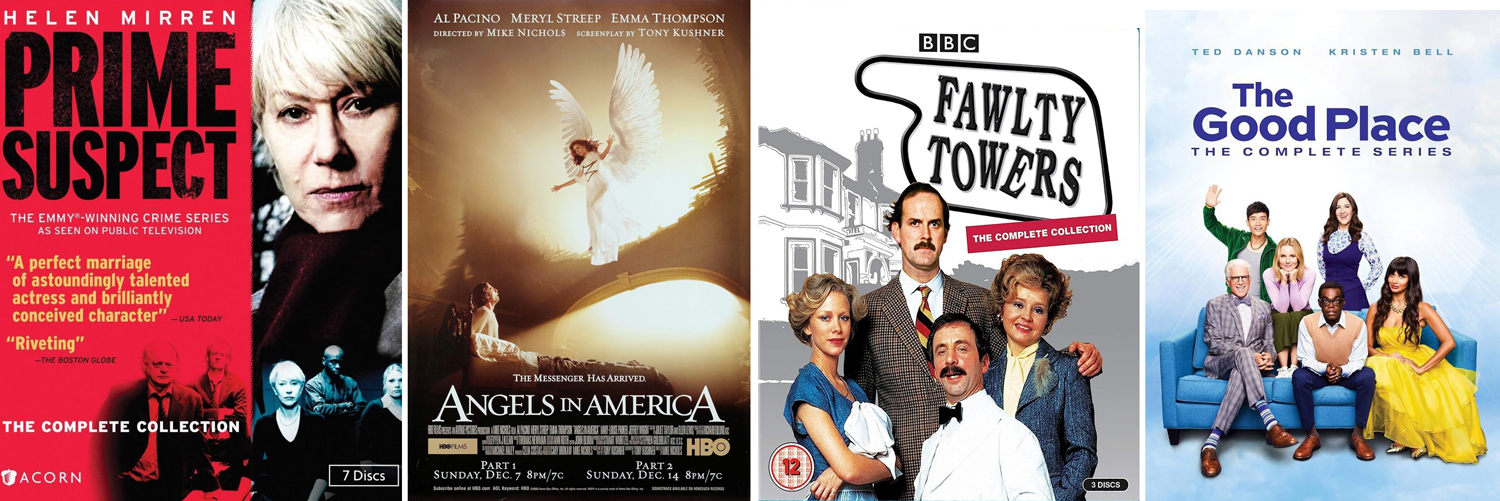
As I said, lists like this are fun, but they are arbitrary. There has been so much good on the airwaves over the decades. Picking the five best has meant not including Prime Suspect (1991-1996, 2003, 2006), one of the grimmest, most realistic police procedurals ever, which first brought Helen Mirren to a wider public (at least in America — in the U.K., she has been a known quantity since at least the 1969 Michael Powell film, Age of Consent.) 
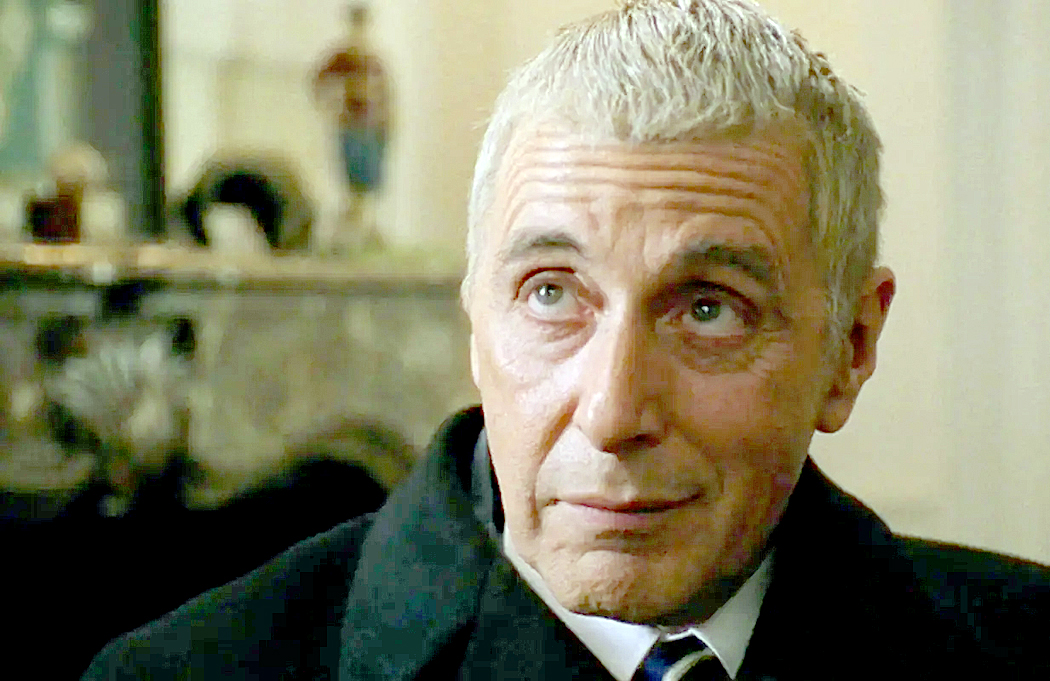
Then, there’s the Mike Nichol’s TV version of Angels in America (2003), with Al Pacino playing villain Roy Cohn. I saw the original Broadway production of the two-part stage play, and later two other versions live, and the filmed version cannot carry the visceral gut-punch of live theater, but it does as well as can be done on film. 
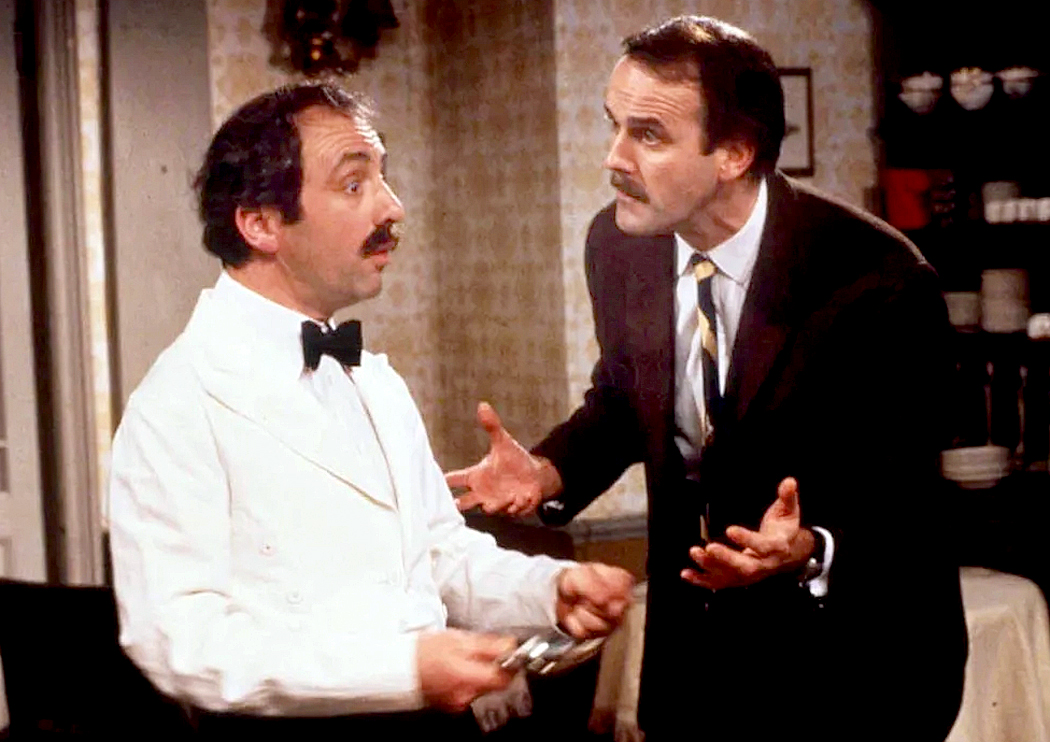
And how can you not include Fawlty Towers (1975-1979), probably the funniest 12 episodes of sitcom ever put together, with John Cleese, Prunella Scales, Andrew Sachs and Connie Booth. Ended after two short seasons because you cannot top perfection. 

And a special mention to the most literate silly sitcom ever, The Good Place (2016-2020), with Ted Danson and Kristin Bell. Both smart and funny, it seems to have slipped past most viewers on its original airing, but plays with philosophy, life and death in thoughtful and playful ways. It counts for me as one of the best things TV has ever given us. If you haven’t seen it, I highly recommend it. 
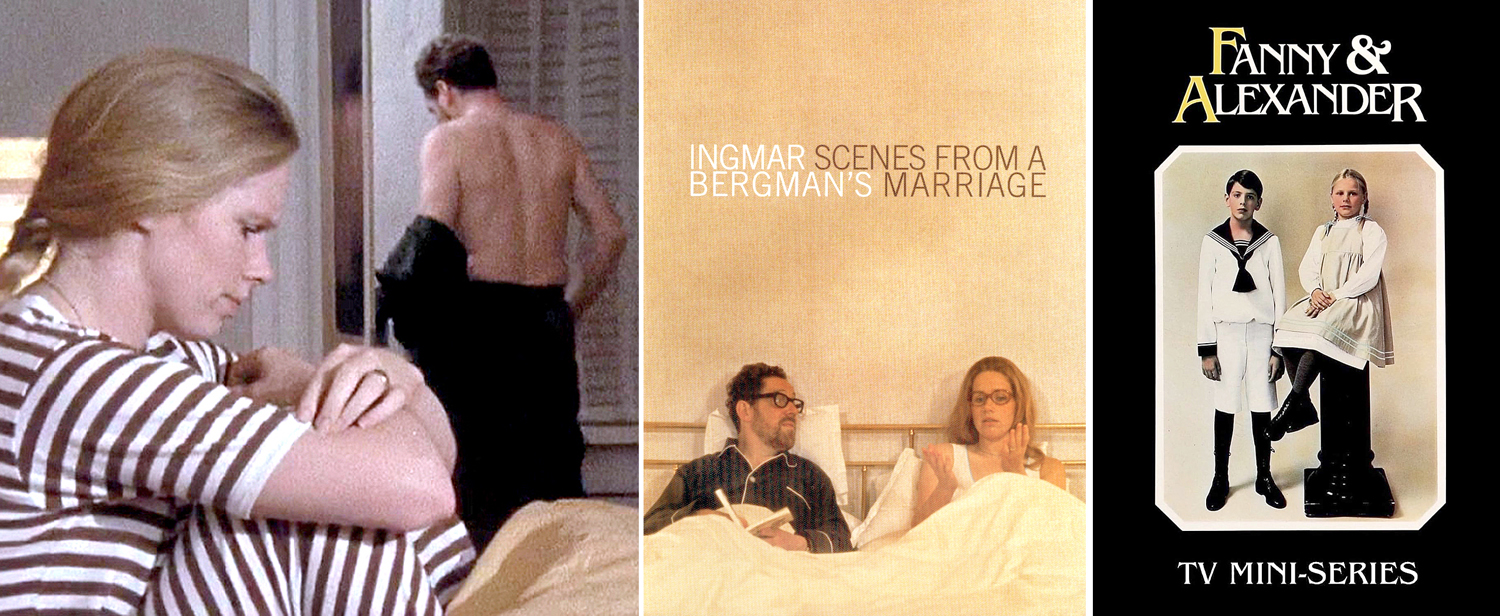
Finally, there are two made-for-TV series that were later edited and released as theatrical films that most people think of as movies rather than television shows, but they are truly masterpieces and best seen in their multi-episode forms.
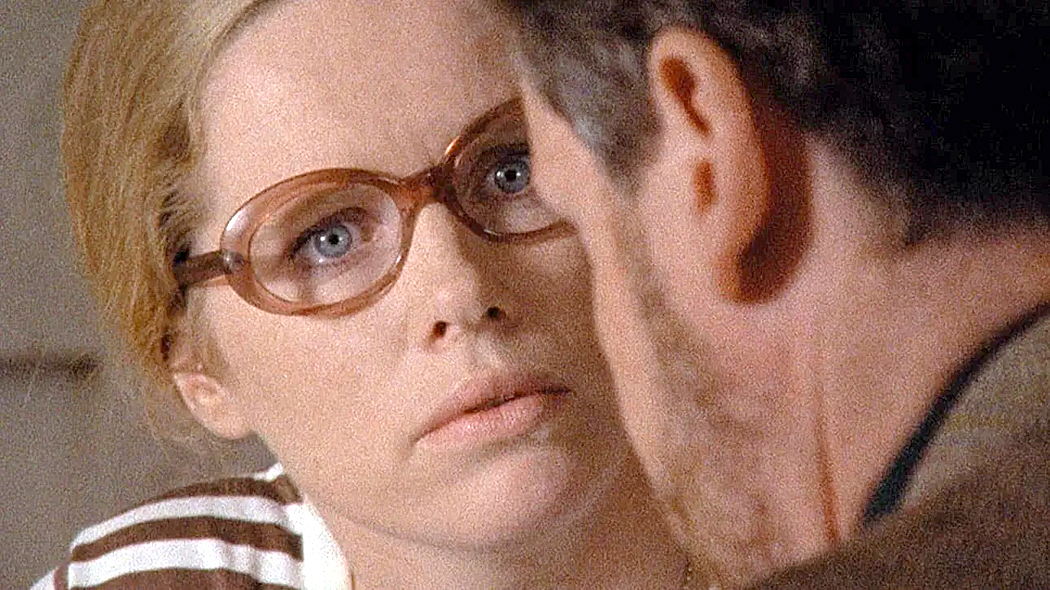
First, there was Scenes from a Marriage (1973), by directed by Ingmar Bergman, following the ennui and dissolution of an otherwise happy marriage, with Liv Ullmann and Erland Josephson. It was groundbreaking when first made, focusing on all the small details most stories elide past. (One also has to acknowledge the American TV series An American Family, from the same year, which takes a more documentary approach to the same themes, but has a more “reality TV” feel about it, more performative than deep.)
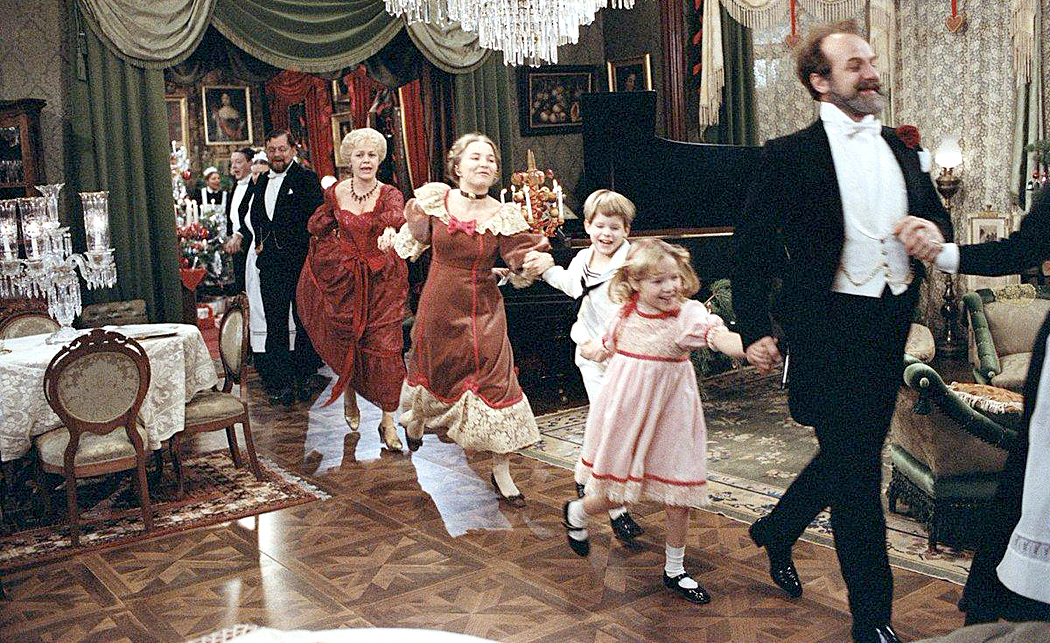
And there’s Bergman’s Fanny and Alexander (1982), which is perhaps the richest, warmest, most inclusive family portrait ever screened. Nobody doesn’t love Fanny and Alexander. At 5-hours long, it was shown on Swedish television in five episodes, but later edited to 3 hours for theatrical release. It is considered one of the greatest films of all time, but could equally be added to the list of greatest TV. 
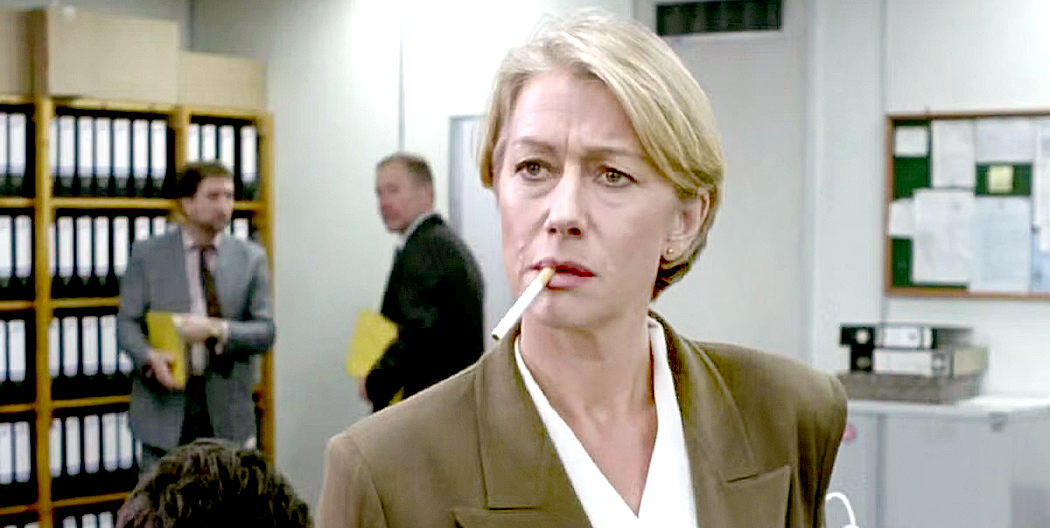
So there, you have a challenge. What would make your list of the five greatest TV series of all time?
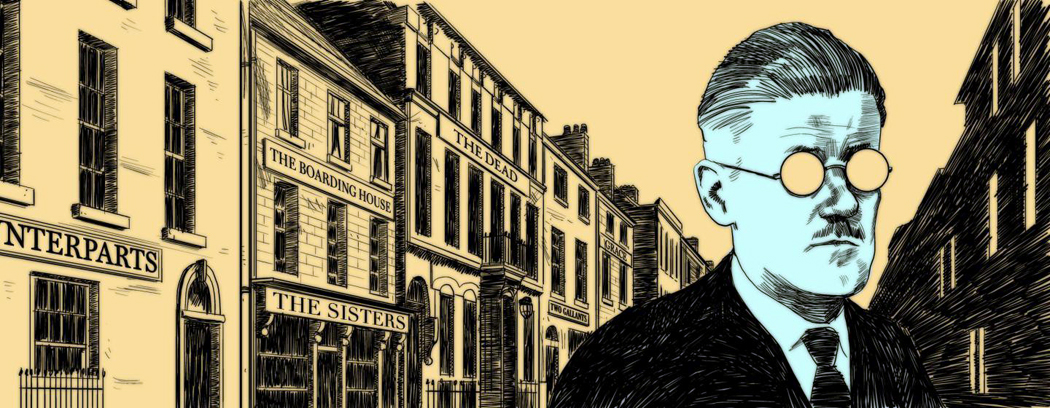
Today is Bloomsday — June 16 — anniversary of the day, in 1904, when James Joyce set the action of his novel “Ulysses.” He chose that day because it was also the day of his first “date” with his future wife, Nora Barnacle, in Dublin, a date with a happy ending. Around the world, there are people who celebrate the anniversary with live readings of Joyce’s book, and, in Dublin, with trips to the sites featured in it. This is a reprint of an essay written originally for The Spirit of the Senses, a salon group in Phoenix, Ariz., published on their website Nov. 2, 2018. It is now updated and slightly rewritten for Bloomsday. Happy Bloomsday. Have a Guinness on me. 

What’s the most beautiful sentence in the English language?

In his epic TV series, The Singing Detective, author Dennis Potter has his hero ask a similar question: “What’s the loveliest word in the English language?” An answer is offered: “Love.” But no, you’re responding to the sentiment behind the word. What is the loveliest word “in the sound it makes in the mouth? In the shape it makes in the page?”

His answer: “E-L-B-O-W.”

You may have your own candidate. Mine might be “anaflaxis,” or perhaps “curmudgeon.” Both pleasant to say, “in the sound it makes in the mouth.”

My nomination for the most beautiful sentence?

Mr. Leopold Bloom ate with relish the inner organs of beasts and fowls.”

It is the opening sentence of the second chapter of James Joyce’s Ulysses. It is followed by a tasty list of those comestibles that Mr. Leopold Bloom especially savored. “He liked thick giblet soup, nutty gizzards, a stuffed roast heart, liverslices fried with crustcrumbs, fried hencods’ roes.” And then he brings you up short with the consummation of the paragraph: “Most of all he liked grilled mutton kidneys which gave to his palate a fine tang of faintly scented urine.”

If you get past the last bit without a distinct sensory, gustatory and olfactory assault, you aren’t paying attention.

But it’s that first sentence I want to examine. It has a cadence to it: You can scan its metrics two ways. First, you can break it down into four brief bursts: His name, as if it were the first line of a song; then comes the two-beat “ate with relish;” another two-beat “the inner organs,” and the peroration in another two beats — “of beasts and fowls.”

You can, however, scan it as two lines, a pentameter followed by a tetrameter. And if you do it that way, you can feel behind the rhythm the ghost of Anglo-Saxon poetry, each line interrupted by a caesura.

Mr. Leopold Bloom // ate with relish

The inner organs // of beasts and fowls.

Either way, it is a graceful mix of iambs and dactyls. All that is fine, and worth noting. But the real treasure is paying attention to where in your mouth you articulate the various consonants and vowels: You shift the sounds around in your mouth, front to back, roof to base, like you were savoring a morsel of tasty food. These are words that as you say them out loud, you practically chew on. Try it: Mister Leopold Bloom ate with relish, etc. Your tongue flies around, your lips purse, your teeth come together and separate, your jaw moves forward and back, in a fine simulacrum of mastication.

This is one tasty sentence.

You should also note how heterogeneous the sounds are. A few consonants and vowels are repeated. There are five “L” sounds, which move your tongue up to the palate; four sibilant “S” sounds; four “O” sounds, making your lips project, as if you were smacking them; four short “I” sounds drawing the tongue back in the mouth; four rhotic “R” sounds, which scrunches your mouth up in a contortion (admittedly, a different sound if you speak them with the Irish accent that Joyce would have used); three “T” sounds, moving that tongue to hide just at the back of the teeth; three “E” sounds, stretching your cheeks out wide to pronounce; two “M” sounds, making you go, “mmm,” like you really enjoyed that mouthful; two “N” sounds, drawing the aroma up into your nasal cavities; two “B” bumps, rhyming with the single “P” to keep your lips plosive. There are two different “TH” sounds, an eth and a thorn — voiceless and voiced dental fricatives.

All the rest of the sounds occur only once. Which means, to read the sentence out loud, your tongue, lips and jaw get a workout worthy of Jane Fonda.

So much for the gnathometry of the sentence.

 I also want to point out that the sentence is not difficult to comprehend. It is, in fact, a fairly ordinary sentence, outside its poetry. And I mention that because I want to make the case for the book as a whole. Ulysses has a reputation. People who haven’t yet essayed it are apt to fear it like ebola. But, these days, now nearly a hundred years after its conception, we have grown used to many of its more idiosyncratic habits. Stream of consciousness has made its way to paperback bodice rippers and Tom Clancy munitionology. And after MTV, how simple seems the rapid cutting and multiple points of view. Joyce should not present any unclimbable obstacles these days.

Which makes it all the more important to read the book. It is some of the best prose ever put to paper. Joyce’s writing is elegant, precise, musical and redolent.

The entire final chapter of the book is one of the greatest monologues in literature, when Molly Bloom lies in bed next to her husband and recalls her love affairs, her life, her body, her mind and heart. It alone raises Ulysses to the level of classic. Everyone should read it and weep.

But to enjoy the prose, you have to break yourself of the habit of reading solely for content. Speed reading Ulysses is flying over country where the driving would reveal cities, rivers, regional foods, national parks, and people worth meeting. The prose is meant to noticed. It is unsurpassed. The plot of the book is hardly more than an excuse for the writing.

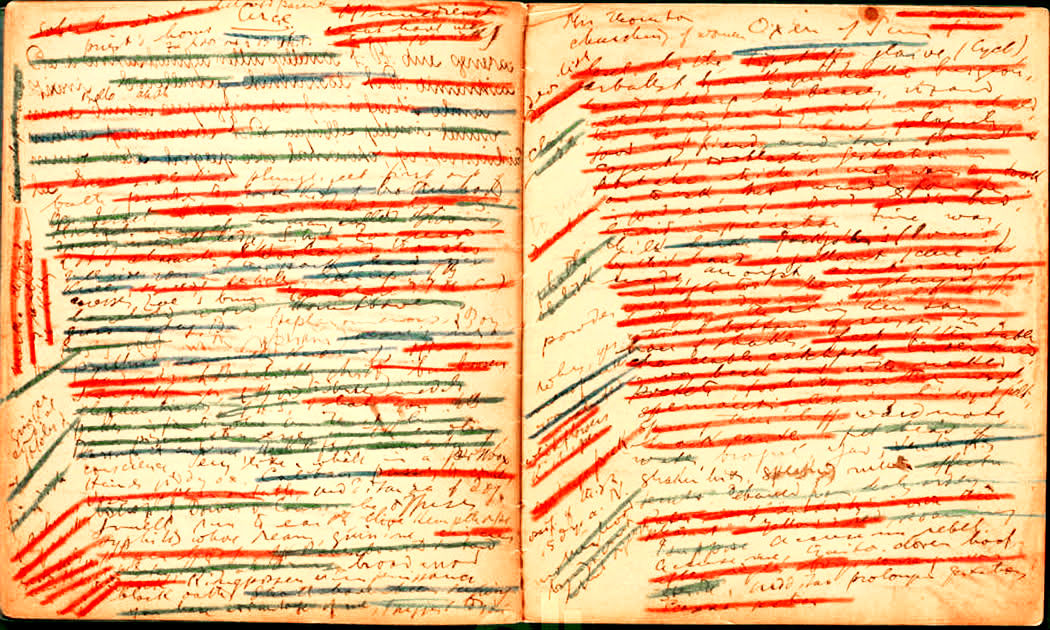
Joyce wrote the book over many years, writing and rewriting like a demon. It takes reworking on an obsessive scale to get just the right mot juste in every case. You can see that in the manuscript, worked over so thoroughly, it is barely legible.

Ulysses was written at the end of the First World War and published in 1922 by Sylvia Beach and the Paris bookstore, Shakespeare & Co. Joyce was 40 years old and an exile from his native Ireland. It chronicles a single day — June 16, 1904 — in Dublin, Ireland as lived by three primary characters, Stephen Daedalus, and Leopold and Molly Bloom. It’s a simple plot. Not much happens of consequence, but we follow the events in the minds of the characters as much as through the words of a narrator. And we aren’t often told which.

But what is of consequence is the language. You can pretty much read any page and nearly swoon at the beauty of the words, the rhythm, pitch and melody.

Of course, that’s not what caught public attention first. The book has been banned in many countries, including the U.S. It was considered obscene. It had to be printed in Paris, and at least 500 copies were seized and burned by the U.S. Postal Service as they were confiscated in shipment. Another 2000 to 3000 copies were seized and destroyed by the New York Society for the Suppression of Vice in 1929.

When Random House decided to take up the American publication, The publisher sued and in The United States v. One Book Called Ulysses, U.S. District Judge John M. Woolsey ruled that the book was not pornographic and therefore could not be obscene. Random House published the authorized American edition in 1934.

We say “authorized,” because Ulysses has been much pirated. Even printed as an underground book by publishers of pornography, wishing to capitalize on its notoriety. I have an edition by Collectors Publications of Industry, Calif., which features pages and pages of ads at the back for such other literary gems as True Love Stories of a Wayward Teenager, The Incestual Triangle, Four Way Swappers, and The Debauched Hospodar. (Along with Henry Miller’s The World of Sex and Lawrence Durrell’s Black Book and The Story of O. They seemed to make little distinction between actual literature and smut, i.e., they knew their audience).

My late wife’s father-in-law was a poet who had studied with Robert Frost, and after a trip to Europe, he smuggled in a copy of Ulysses in the 1920s concealed by binding it in a cover for a Nancy Drew mystery.

To read it now, after Fifty Shades of Grey and countless Jackie Collins tomes, one puzzles over the ruckus. You can search the pages of Ulysses looking for the “good bits” and be disappointed. Judge Woolsey in his judicious judicial opinion famously wrote, “whilst in many places the effect of Ulysses on the reader undoubtedly is somewhat emetic, nowhere does it tend to be an aphrodisiac.” (Remember the mutton kidneys).

 Woolsey’s opinion opened the door for Lady Chatterly’s Lover (or is it “Lady Loverly’s Chatter?”), Henry Miller’s Tropic of Cancer., and Allen Ginsberg’s Howl. It may be hard to define great literature, but you know it when you see it.

bonneville broadbent ford davies

My wife and I watch a lot of British TV. Mostly crime, mystery and cop shows. The English have a different view of such things. If you watch American television, crime consists almost entirely of serial killers, terrorists and drug lords. The stereotypes come faster and more furious than naked blondes on Game of Thrones. As for the cops who battle them, there is a rather disproportionately frequent appearance of FBI profilers and clairvoyants, to say nothing of Asberger-spectrum inhabitants.

The American version tends to focus on action and violence, where the British tends to focus on character and the effects of crime on the rest of us.

"Inspector George Gently"

“Inspector George Gently”

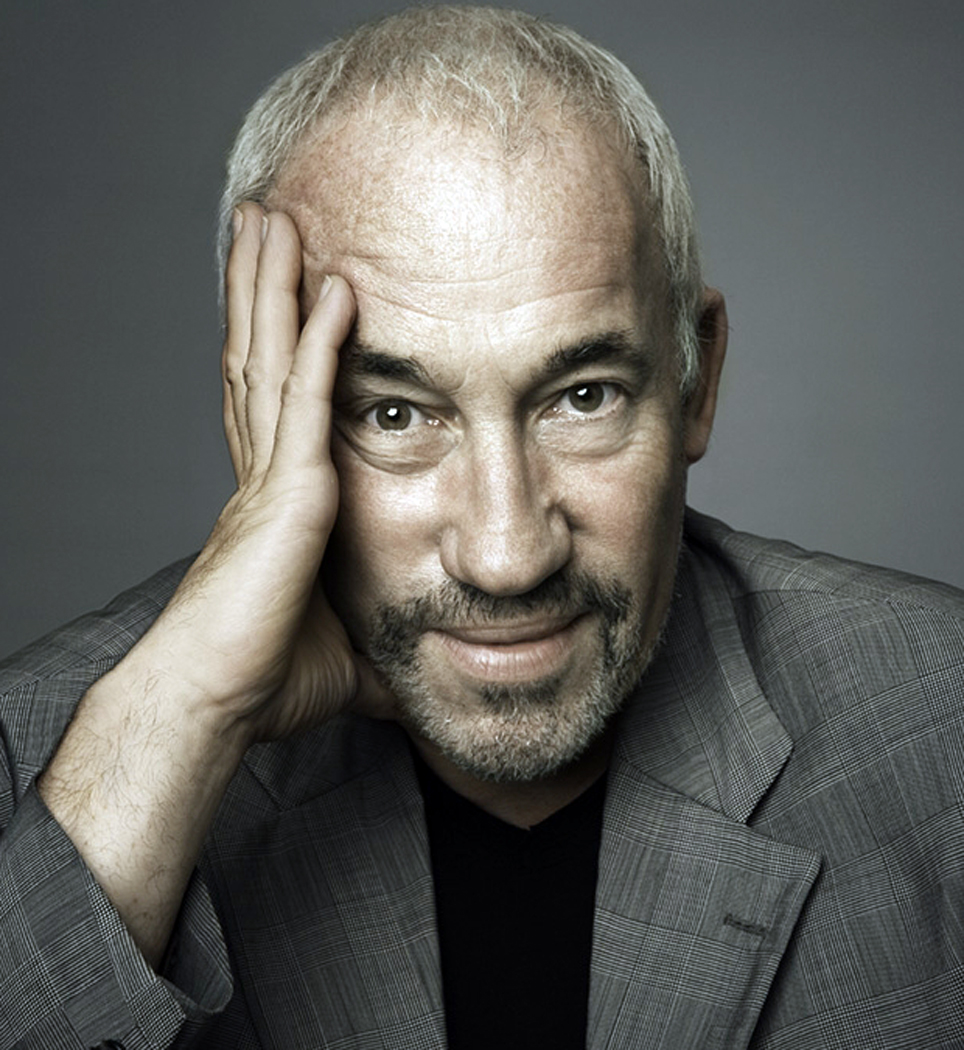
Simon Callow

Simon Callow

But there is one aspect of British TV that gives me no end of pleasure and it is something beyond plot, character, dialog or camera angle. England is roughly the size of North Carolina; it has approximately one-sixth of the population of the U.S., and by extension, fewer actors to draw on for TV dramas. In fact, by our count, there are only 79 actors in all of England, which means they show up over and over again. Over time, we see them over and over in many roles, and we watch them over the years as they age.

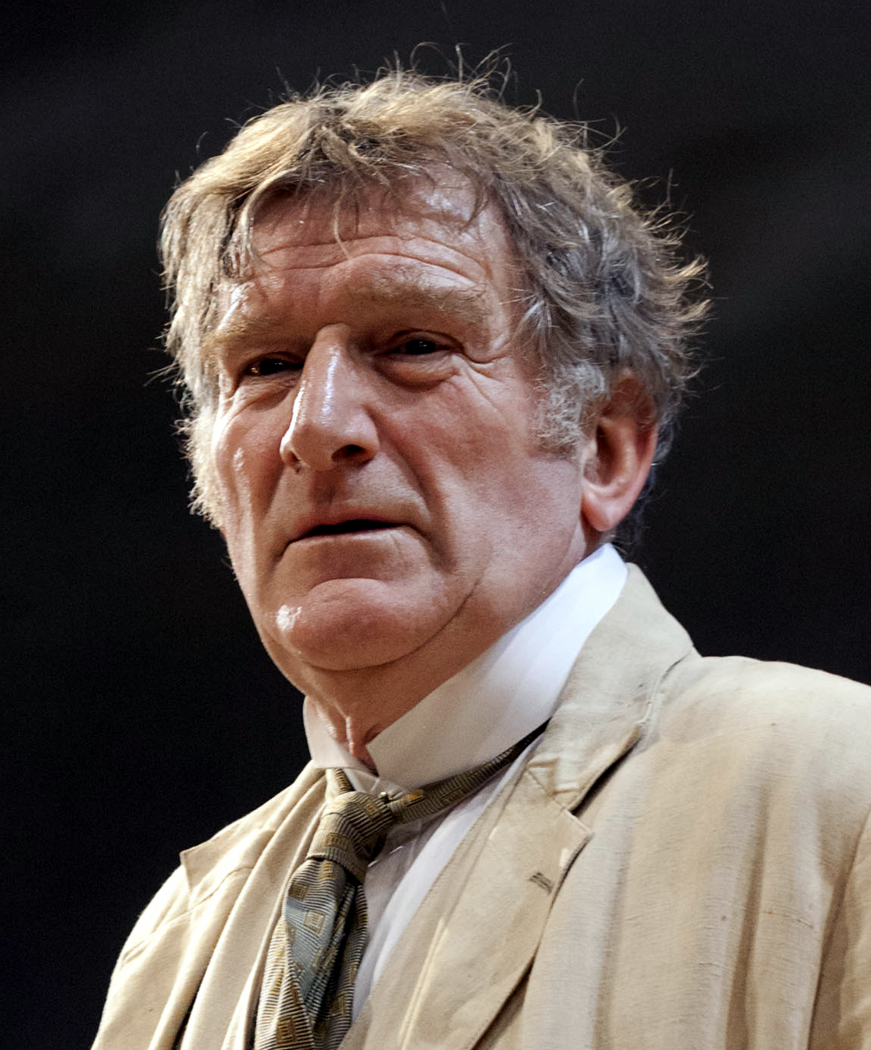
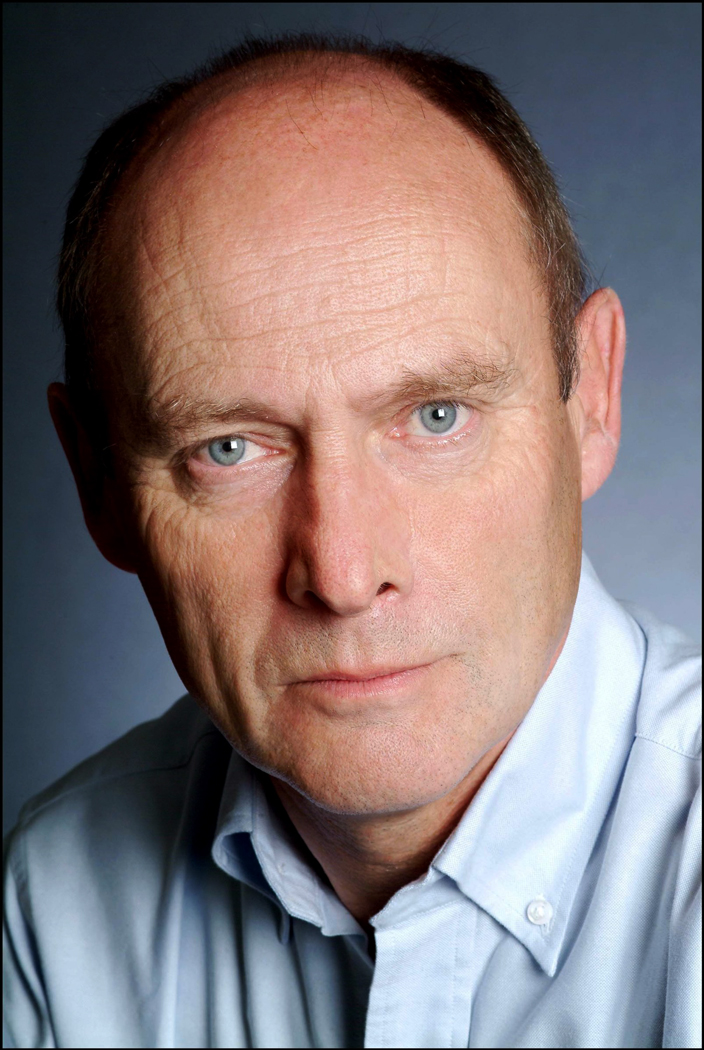
Take the face we see at the head of this blog. You see him move from strapping adult, to senescence and to old age. Wait — that’s not the same actor: It’s Hugh Bonneville, Jim Broadbent and Oliver Ford Davies. I think. The same weak chin, thin lips, broad pate and pudgy little nose. Come to think of it, have you ever seen any two of them in the same production? Perhaps they really are the same person.

Annabelle Apsion

Annabelle Apsion

Coming to recognize British actors is one of the subtle joys of watching British TV shows. There are the British superstars, and they don’t do that much TV. There is Helen Mirren, for instance. But she made Prime Suspect for Granada TV. There are Ian McKellan and Derek Jacobi. You would never expect them to do TV. But there they are camping it up as two aging queens in Vicious. Jacobi is also in the BBC series, Last Tango in Halifax. Of course, most Americans first came to know him in I, Claudius.

British actors have always seemed more willing to take on television series. Dame Judith Dench, Oscar and Tony award winner and stalwart of Shakespearean stage, did not believe it beneath her to take on episodic TV in A Fine Romance and As Time Goes By.

The actors who show up in Harry Potter are also the ones who show up at the Royal Shakespeare company and on half-hour sitcoms, like Vicious. English actors seem very like they will take on any job that needs doing.

Malcolm Storry

Malcolm Storry

But the actors I find most interesting in this context are the lesser-known character actors who show up over and over — actors such as Roger Allam, David Ryall, Malcolm Storry or Clare Holman. They will have a featured role one week on one series, and a bit part the next. There are some who always play the same part, like Simon Callow with his perennially supercilious air, who can be plugged into any plot where needed, the way the great Hollywood character actors of the 1930s, and liven up any scene they are in (think of Eric Blore, Donald Meek, S.Z. “Cuddles” Sakall or James Gleason.) Then there are those who can be an Oxford don in one show, and a Yorkshire farmer in another. Sometimes we are astonished by the transformation.

David Troughtman

David Troughton

It’s hard to believe that the threatening thug Ricky Hanson from New Tricks is the same David Troughton as the sensitive and thoughtful gardener from the mild comedy, The Cafe.

Often, when we watch, we can’t recall the name of the actor, but our faces light up and my wife will point and say, “Isn’t he the same guy that was the Vicar in that episode of Midsomer Murders?” Yes, he was, and it was likely to be Richard Briers or David Ryall.

Still, after all these years of buying DVDs from Amazon.UK (we have an all-region DVD player — which I recommend to one and all), finding things on Netflix and on Acorn, and seeing them on PBS, we have come to know many of these role players by name. Phyllida Law, Alison Steadman, Peter Davison, Gemma Jones, Alun Armstrong, Philip Jackson,

Celia Imrie

Celia Imrie

Annabelle Apsion, Celia Imrie, Julie Graham, John Shrapnel, Anthony Bate, Sorcha Cusack. I might be able to name all 79 by now. That includes all the Foxes (Edward, James, Freddie, Emilia and Laurence) and the Weeks (Honeysuckle, Rollo and Perdita).

I think our interest in these actors began with a single source, a fountain of tremendous English character actors, who we see over an over and over, and keep track of their careers. That single source is The Singing Detective, which first aired in 1986 and remains one of the greatest TV series ever. If you haven’t watched it, I suggest you stop reading this immediately and go out and find a copy.

The Singing Detective is a postmodern concatenation of a pulp private eye story; a ride through a debilitating skin illness; and the raw guilt of a childhood crime, filtered through the unstable mind of our protagonist, the writer Philip Marlowe, played by Michael Gambon. But most importantly, here, the cast was filled by the actors we have come to know so well: Patrick Malahide, Gerard Horan, Leslie French, Ron Cook, Jim Carter, Janet Henfrey, Bill Paterson, Charles Simon, Simon Chandler.

Simon Chandler

Simon Chandler

Let’s take Chandler for example. He played the ultra-Christian doctor in Singing Detective, forcing the medical ward patients to sing banal hymn tunes of a Sunday. But we have since seen him in: Wallander, Vera, Midsomer Murders (twice, in different parts, separated by nine years), Judge John Deed, Foyle’s War, The Inspector Lynley Mysteries, The Ruth Rendell Mysteries, Silent Witness, and Bergerac. He has also been in movies and dozens of other TV shows that we haven’t seen.

Patrick Malahide

Patrick Malahide

Malahide plays the “villain” in Singing Detective, and he does so dripping with insinuations and venom — so successfully that when he later took the lead part in The Inspector Alleyn Mysteries, he was simply not believable as a “good guy.” He embodied his vileness so well, in voice, aspect and posture, that the perfect villain became a smarmy hero (the series didn’t last). (American viewers may know Malahide for playing Lord Balon Greyjoy in Game of Thrones).

We have watched these actors grow old. Take Gerard Horan, from Singing Detective. In that series, he was a young thief in the hospital visited in the night by the beat cop played by Malcolm Storry. Horan has been in most of the regular cop shows, even later, playing a cop in Kingdom, and a firefighter in London’s Burning. Horan, once svelte and fit, has swelled up to his manly form over the years.

Gerard Horan

Gerard Horan

You can marvel at the change in John Nettles from his earlier series, Bergerac, where he is athletic and dashing, and his later work in Midsomer Murders, where he is barrel-chested, middle-aged and let’s his detective sergeant do all the chasing down of escaping baddies.

John Nettles, "Bergerac" and "Midsomer Murders"

John Nettles, “Bergerac” and “Midsomer Murders”

We have particularly enjoyed the rise of Jim Carter from the forlorn and bereft father in Singing Detective, to the butler Carson on Downton Abbey. He is always a joy.

While we enjoy all the British TV we have seen, from comedies such as The Fall and Rise of Reginald Perrin and Miranda, to the dramas  and dramadies, like Doc Martin and All Creatures Great and Small, the bulk of our TV time is spent with detective shows.

Helen Mirren and David Ryall in "Prime Suspect"

Helen Mirren and David Ryall in “Prime Suspect”

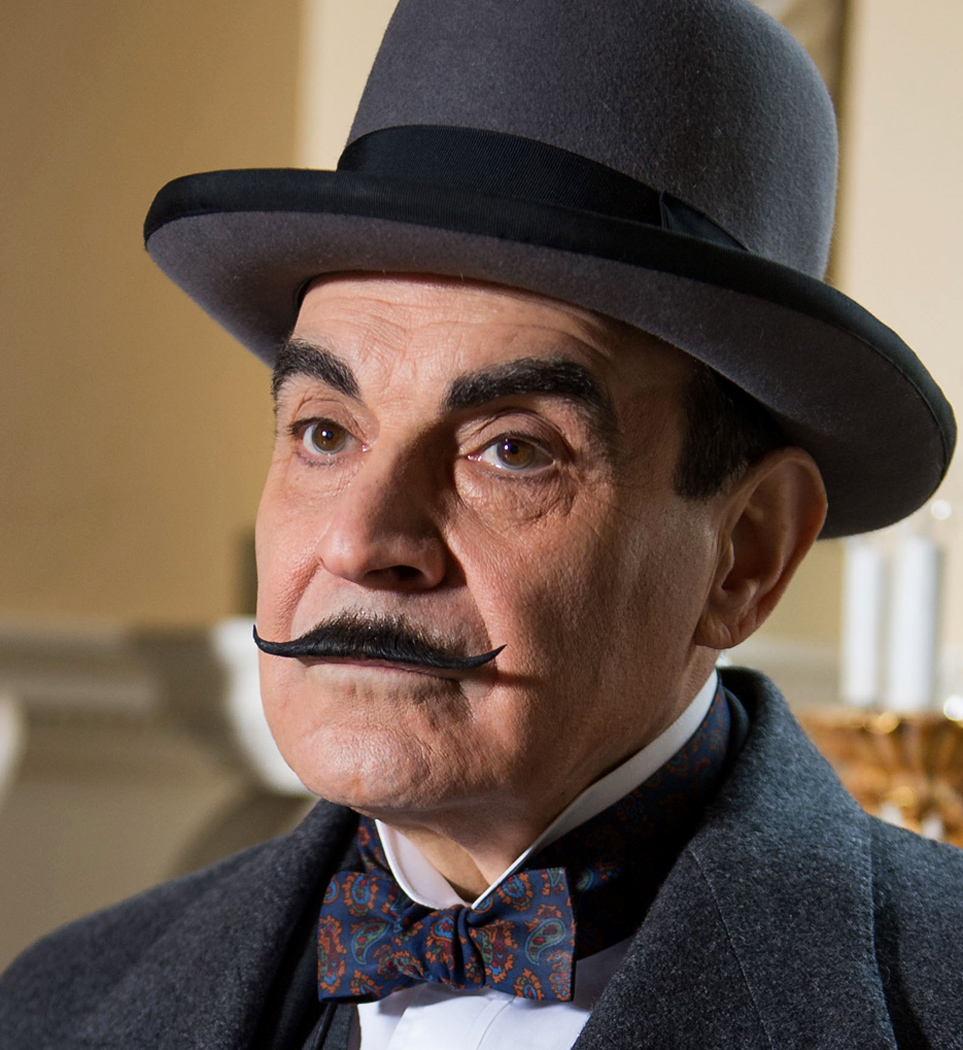
As a connoisseur of such things, I will say they fall into several grades. There are the truly lightweight ones, such as Father Brown and Pie in the Sky. There are those which are completely middlebrow and are perhaps the British equivalent of Matlock, such as Midsomer Murders. There are the best of them, headed by Inspector Morse and its sequel, Lewis, and one of the best and most thoughtful, Foyle’s War.  And there is at least one that transcends mere TV: Prime Suspect.poirot

They are also divided by running time. The hour-long series (really, 50 minutes) can only comfortably handle the crime and the solution, with a limited cast of suspects. The longer version (90 minutes to 2 hours) can fill out the drama with subsidiary characters, more complex solutions and a good deal more context. (You see the difference, for instance, between the early Poirots and the later ones, expanded out and filled with more interesting atmosphere.)

Then, there is the divide between the “nice” ones and the grittier ones. There are the “cozy” mysteries, where someone is found dead in the conservatory, and the detective brings all the suspects together at the end and points the finger at the true culprit. Agatha Christie was the master of the genre, and you find that formula in Poirot and Miss Marple. But you find it also in the more recent Death in Paradise, set in the Caribbean.

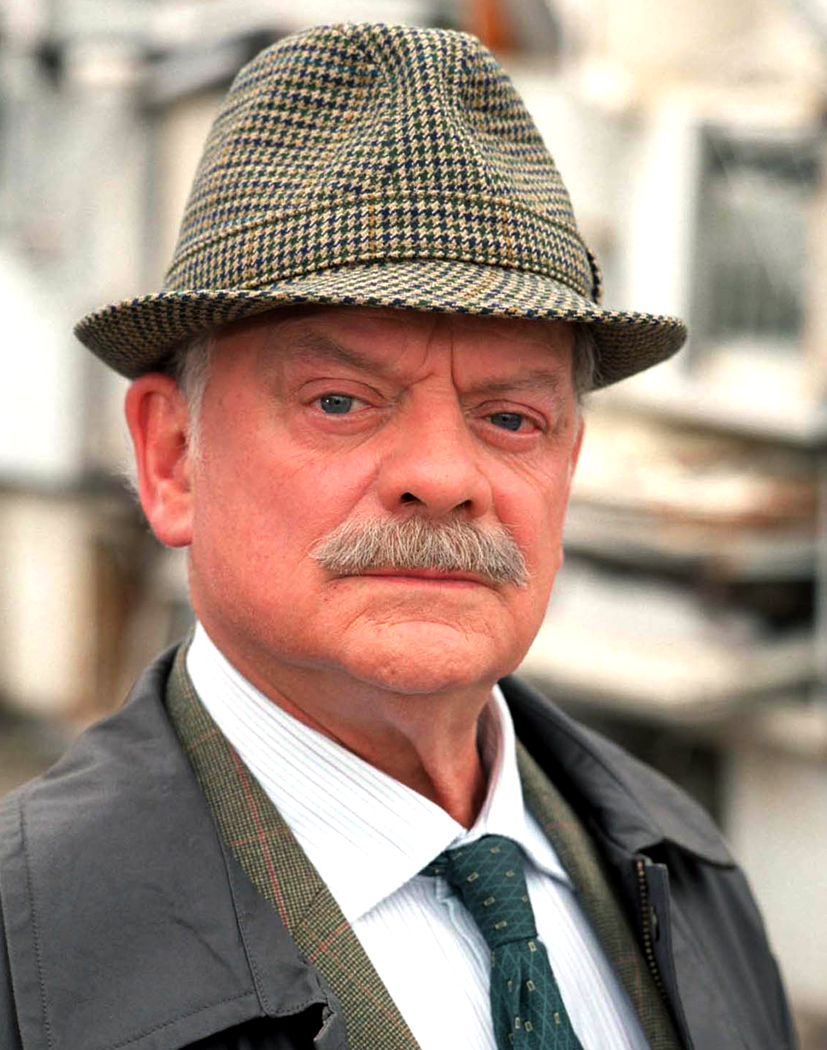
"A Touch of Frost"

“A Touch of Frost”

The nice ones tend to be set in the British (or Scottish, or Welsh) countryside, like Midsomer Murders or Rosemary and Thyme. The crimes may be gruesome enough, but we usually don’t see the actual acts of murder; more often, a body is found, setting off the story). The grittier ones are usually set in cities, like Prime Suspect, A Touch of Frost or Inspector George Gently. (There is a recent tendency for English TV to begin emulating their American cousins. Luther can be quite violent, and there is an English version of Law and Order.)

It must be possible to spread these series out, like a spectrum, from the strongest to the blandest. Each has its pleasures and its virtues — some more than others. On the way, you gather a good deal of insight into the British law enforcement and legal system, class differences, and the regional accents and customs of Great Britain. And you will learn the names of all 79 English actors.