Archive

Tag Archives: spectrum

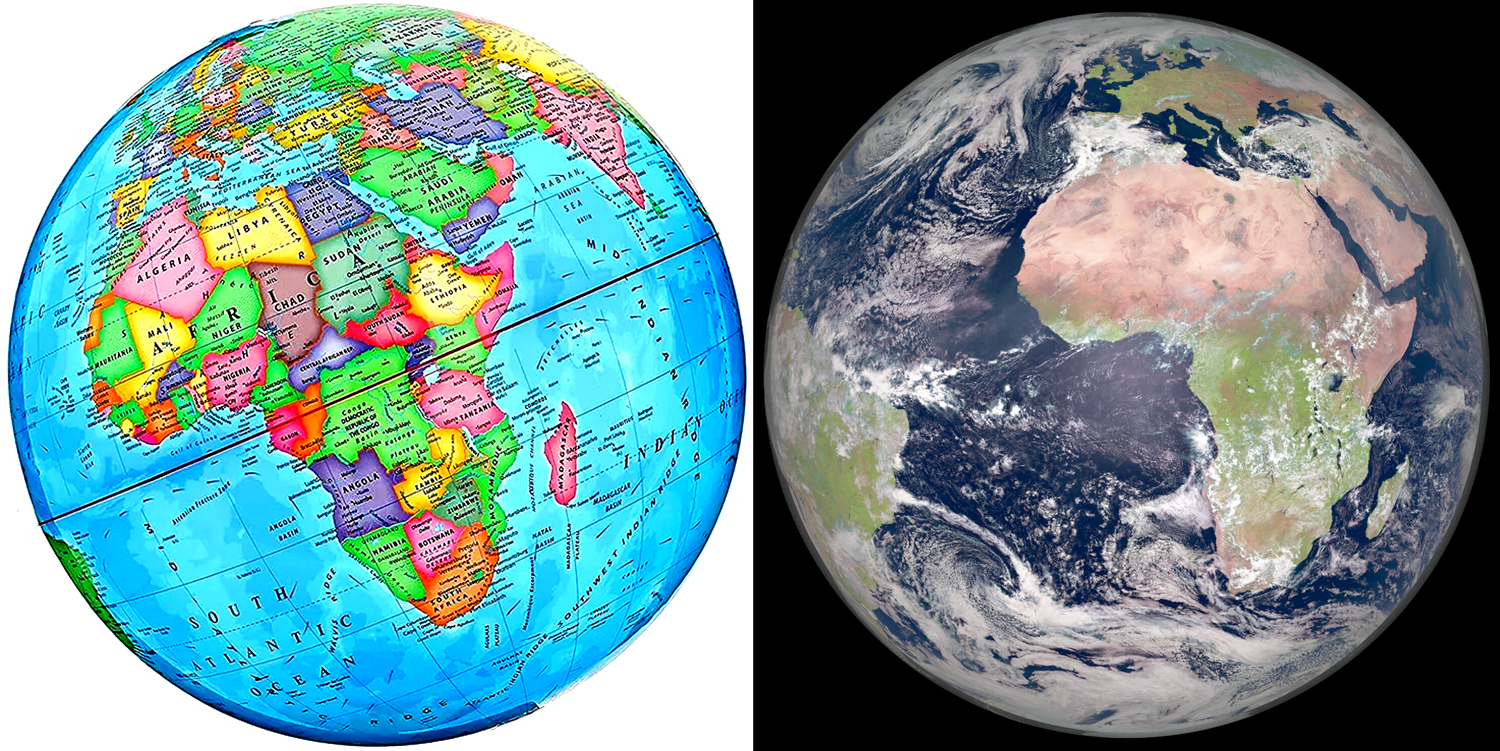
Fifty-seven years ago, while on the Apollo 9 mission orbiting Earth, astronaut Rusty Scheickart was floating outside the capsule in his space suit and had a moment to look out through his “fishbowl” helmet at the planet under him. 

“And you look down there,” he said, “and you can’t imagine how many borders and boundaries you cross, again and again and again [as you orbit the Earth every 90 minutes]. And you don’t even see them.” 

It’s a common refrain from those who have gone to space. Moon astronaut Buzz Aldrin said, “From space there were no observable borders between nations, no observable reasons for the wars we were leaving behind.”

Senator Bill Nelson, who flew on the Space Shuttle Columbia in 1986, said, “In space, you don’t see boundaries or borders. We are all citizens of Earth.”
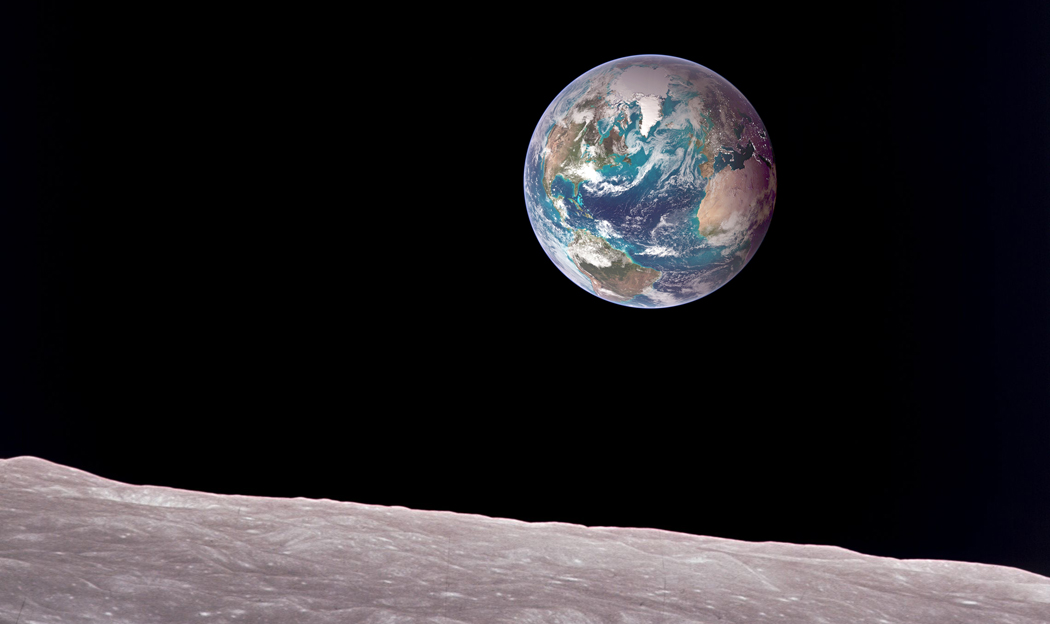
The blue marble

We draw lines where there aren’t any. National borders are just one case. We draw distinct lines between species in biological taxonomy, we name historical eras, invent racial exclusions — we talk about these arbitrary lines as if they build fences between property lines. But they are legal fictions, and continually malleable. Political borders shift; taxonomy rejumbles categories; Red politicians vs blue politicians? Really they are all just grey men in blue suits. Their squabbles are parochial at best. 

The issue is that we understand the world in discrete chunks, but nature comes in indistinct swathes. In order to discuss or argue, we pretend there are clear lines. Perhaps we have to; everything all together at once is confusing. 
Robert Rauschenberg “Lucky Dream”

Nature, however draws few lines. It spreads and includes. It changes constantly; it is never static. “Everything flows,” as Heraclitus put it. Seed into sprout into flower and into seed into … 

I’m not saying there are no differences at all, but rather that the lines we draw tend to be arbitrary or at least, blurry. Are the red people for smaller government or a more powerful presidency? Such issues shift over time and it’s impossible to pin them down. 

Take the past, for instance. Historians like to take big chunks of time and give them names: Classical, Postclassical, Late Medieval, Romantic, and so on. Then they argue over it all, because any good academic historian knows that the names we give big chunks of time are misleading. But, as they say, whatcha gonna do? We seem to be stuck with them. 
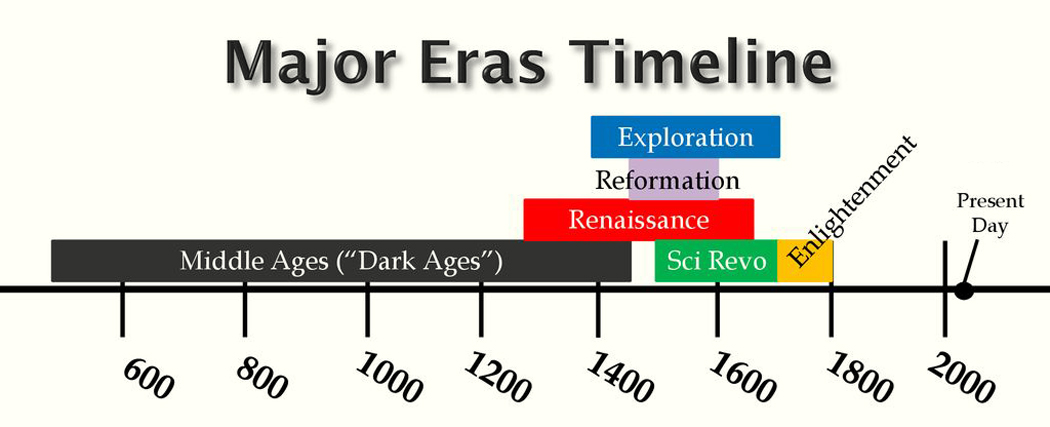
The Middle Ages, for instance. Middle of what? Homo sapiens developed something like — in a common low-end estimate — 300,000 years ago, putting the start of the Middle Ages somewhere approximately in the last 15/3000ths of human history. Not exactly the middle.

And the dates we give the Middle Ages vary widely. Where do you draw the line? It came after the Roman Empire. But when did the Roman Empire fall? Well, you can say that the final collapse came in 1453 with the fall of Constantinople. For some people, that is already the Renaissance, squeezing out the Middle Ages entirely. And no one really believes the Byzantine Empire was genuinely Roman. They spoke Greek, for god’s sake. They were Christian.
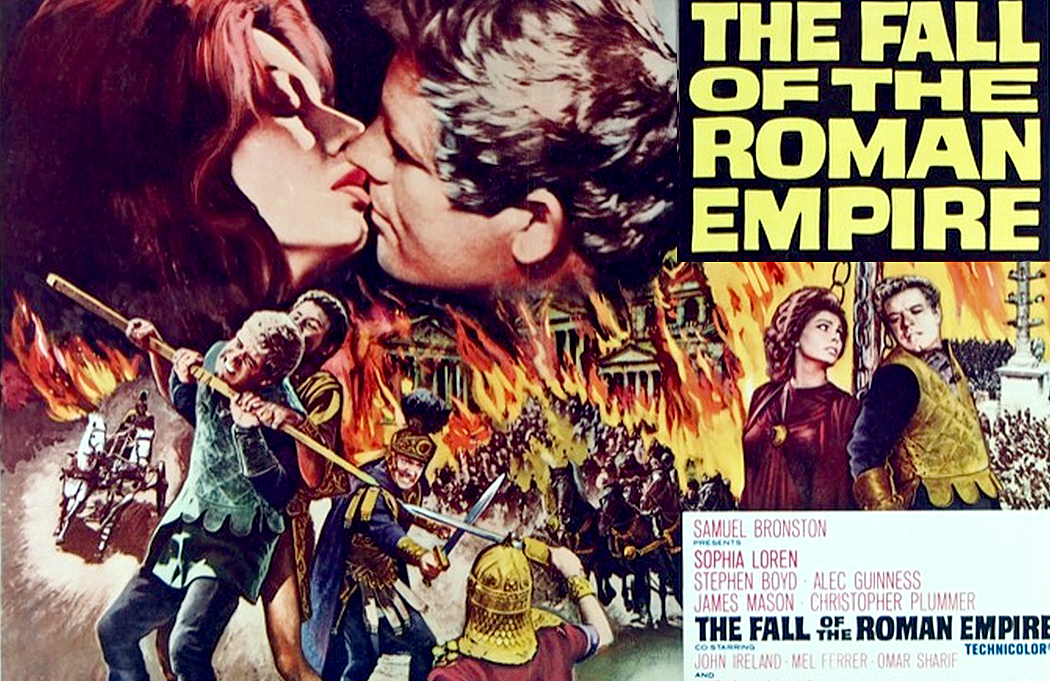
Usually, when we talk of the fall of Rome, we mean the Western Roman Empire and the sad reign of Romulus Augustulus, which came to an end in AD 476. But really, the Western Roman empire at the time consisted only of most of Italy, a tiny bit of France, and Dalmatia (later aka Yugoslavia, later still — well, you know).

And you could easily argue that Rome ceased to be Roman after Constantine converted to Christianity and legalized it in AD 313. After that, the slow slide from Roman imperialism into Medieval feudalism began its ambiguous transubstantiation.

It is the great paradox of scholarship: The more you read, the more your ignorance grows: The more you learn about something, the more you discover how little you know. 

We think of our current era as modern. But when did that begin? It is a slippery question. I am reminded of the time, some 50 years ago, when I first drove west from North Carolina. I had never seen the great American West and eagerly anticipated finding it. It must be so different, I thought, so distinct.

We were living in Boone, N.C., named for Daniel, who trod those mountains in the 1700s, when anything beyond the Blue Ridge was the West. When George Washington surveyed the Northwest Territory in the late 1740s, he was measuring out what became Ohio.
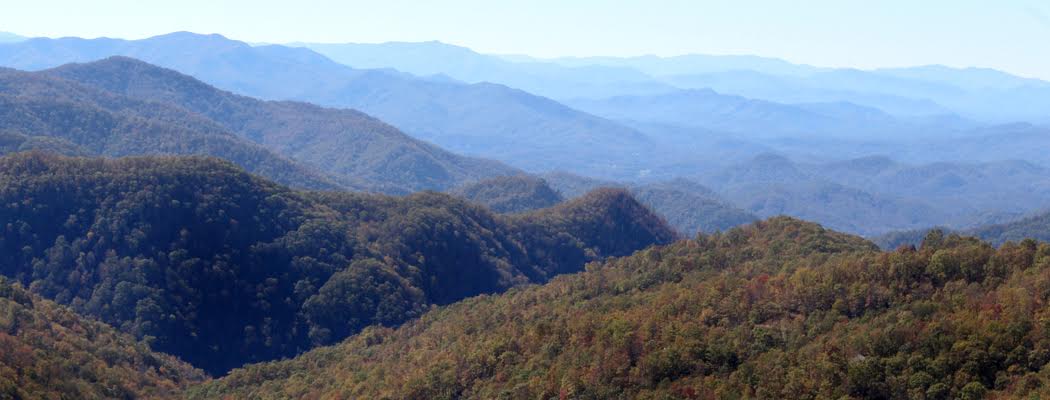
Blue Ridge

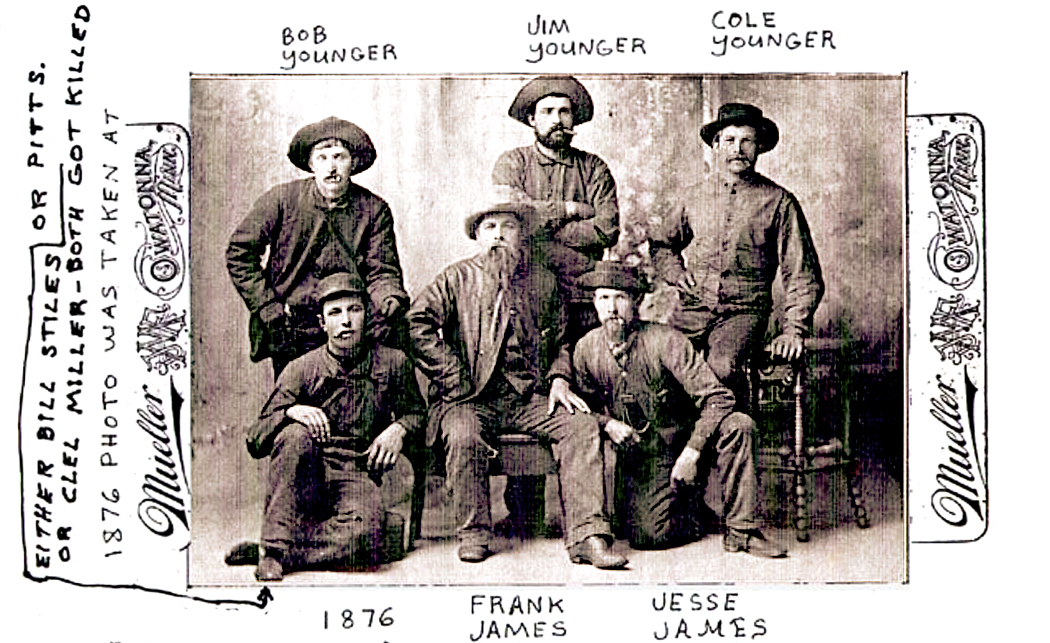
So, when I was driving, I knew I had already pushed my own frontier past such things, and knew in my heart that the West began on the other side of the Mississippi River. But, when I crossed the river into Arkansas, it hardly seemed Western. It didn’t look much different from Tennessee, in my rear view mirror. Yet, Arkansas was home to the “Hanging Judge” Isaac Parker and where Jesse James robbed trains.
But surely Texas was the West, but driving through flat, bland Amarillo on I-40 was as exciting as oatmeal. The first time we felt as if we had hit the West was at the New Mexico line, when we first saw a landscape of buttes and mesas. Surely this was the West.
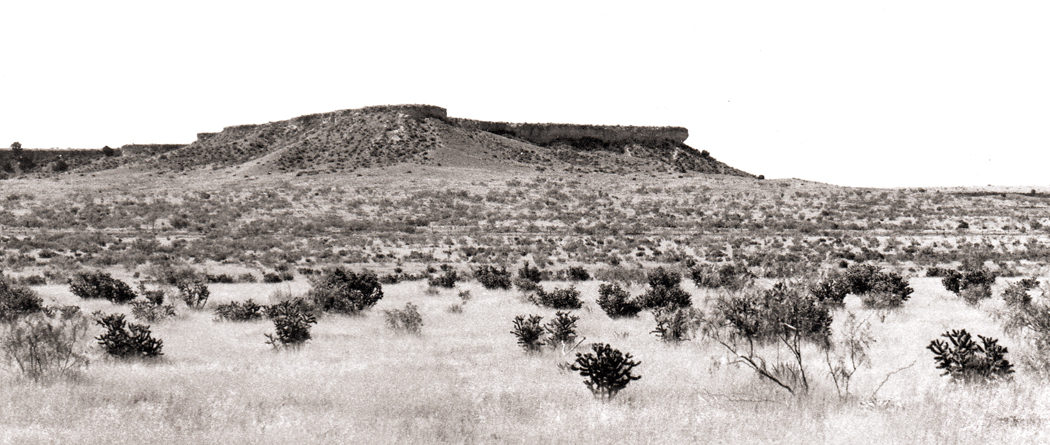
Maybe, but we hadn’t yet crossed the Continental Divide. All the waters of all the rivers we crossed emptied into the Atlantic Ocean. Finally, crossing the Divide near Thoreau, N.M., we felt we had finally made it.

Yet, even when we got to Arizona, we knew that for most of the pioneers who crossed this country a century and a half ago, the desert was just one more obstacle on the way to California. In some sense it still wasn’t the West.
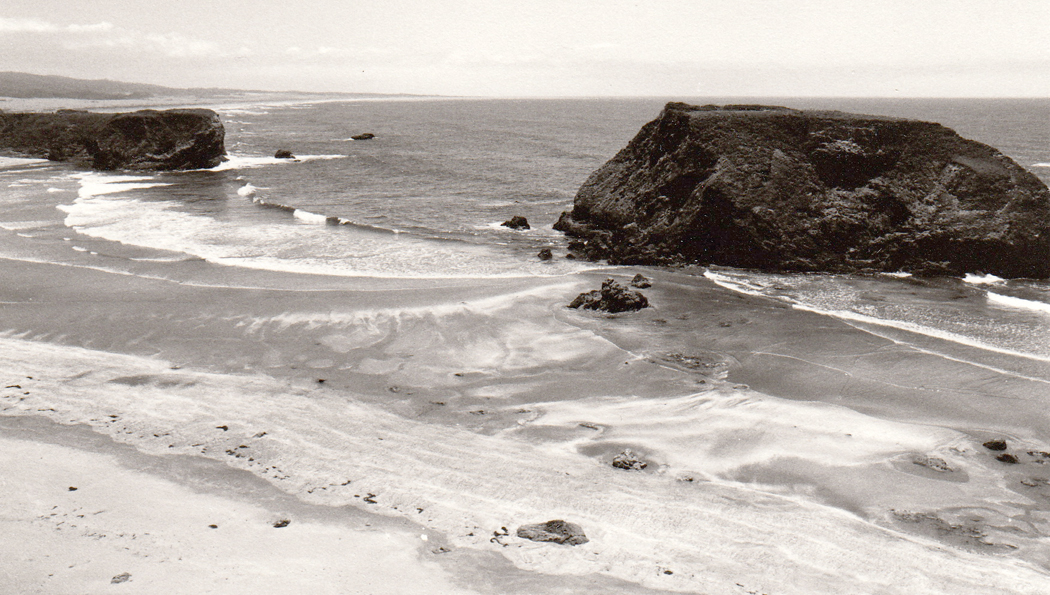
When we got as far as we could in a Chevy, and stared out at the Pacific Ocean, we knew that there was still something farther: Hawaii, Japan, China, India, Africa — and eventually across the Atlantic to Cape Hatteras and back to North Carolina.

So, the West wasn’t a place you could ever really reach, but a destination beyond the horizon: Every point on the planet is the West to somewhere else.

When we look to find the beginnings of Modernity, the horizon recedes from us the same way. Perhaps it began with World War I, when we entered a non-heroic world and faced a more sober reality.
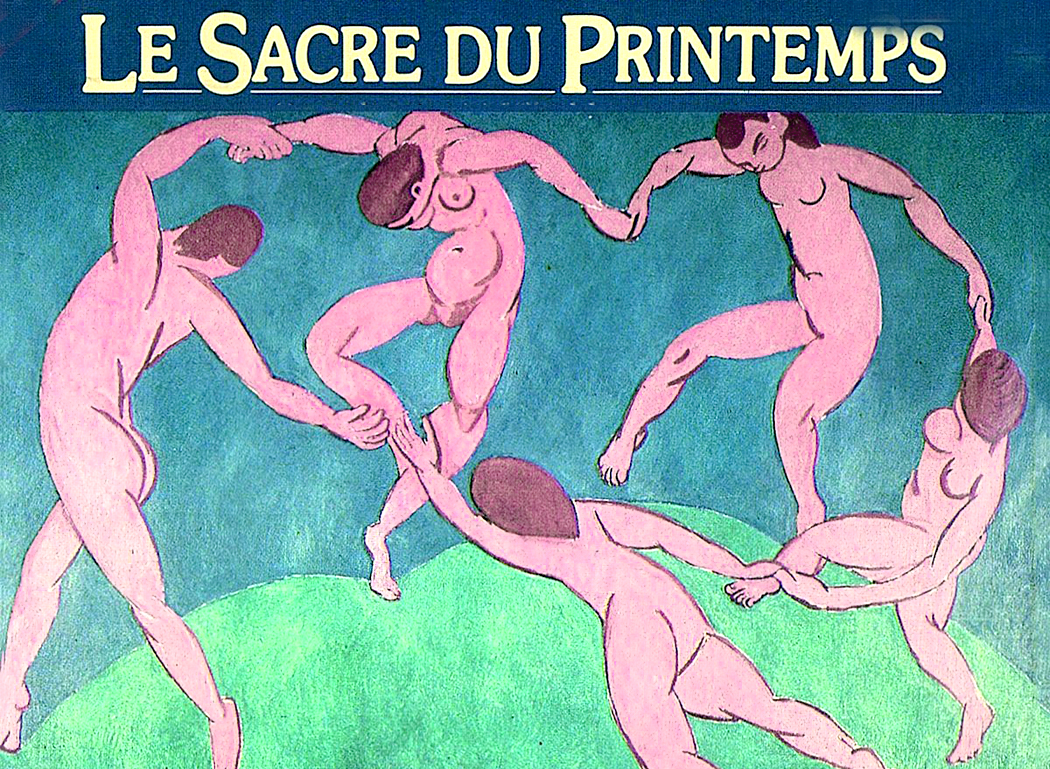
Modern Art began before that, however, perhaps with Stravinsky’s Rite of Spring in 1913, perhaps with Debussy’s Afternoon of a Faun in 1894. Some begin with the first Impressionist exhibition in 1874.

Politically, maybe it begins with Bismarck and the establishment of a new order of nations and the rise of the “balance of power.”

You can make a case that Modernism begins with the Enlightenment in the 18th century, when a rising Middle Class began to fill concert halls and Mozart became an entrepreneur instead of an employee of the aristocracy.
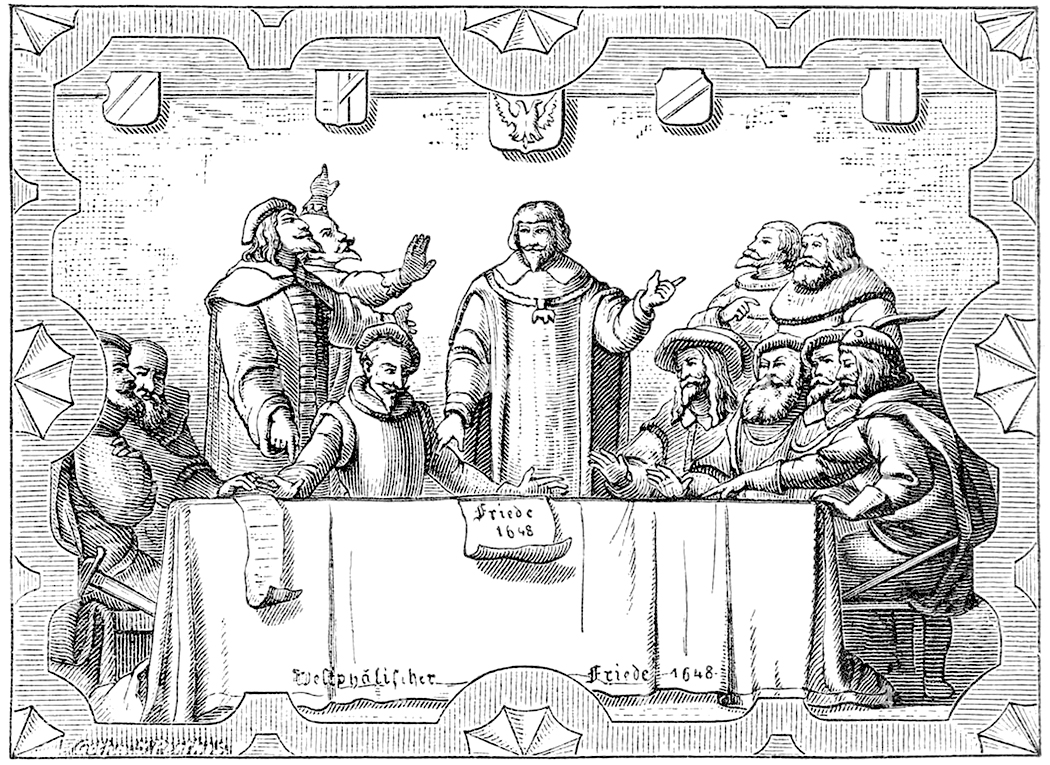
Or before that, in 1648, with the Treaty of Westphalia, and the first recognition of national boundaries as something more than real estate owned by the crown.

You can set your marker down with Luther, with Gutenberg, with Thomas Browne, Montaigne, Caravaggio — or Giotto.

For many, Modernism began with the Renaissance, but when did the Renaissance begin? 15th century? The Trecento? Or did it begin further north with the Gothic around AD 1150, which is really the first sparking of a modern way of thinking. 
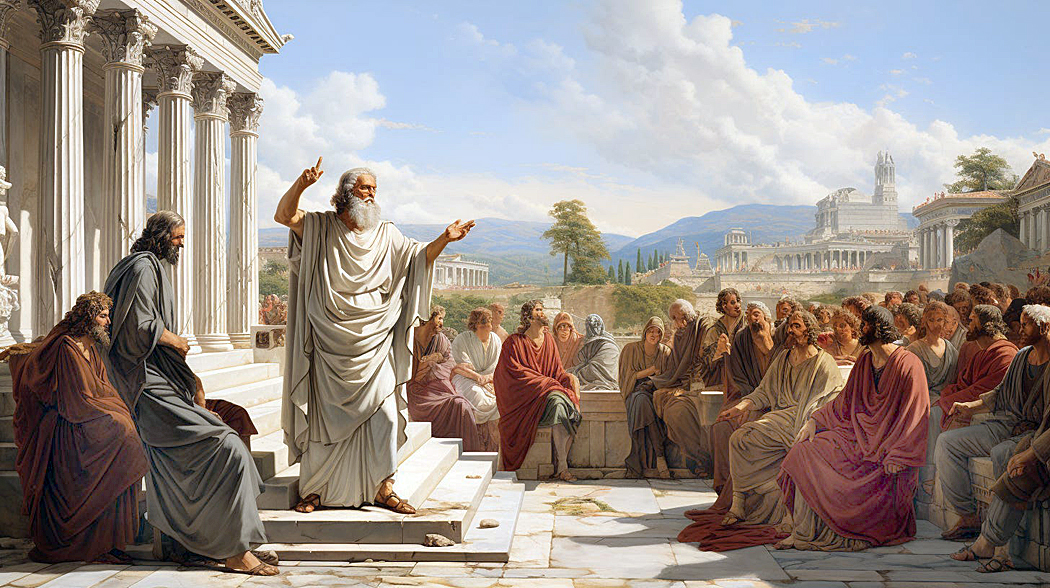
Perhaps, though, it is the Roman republic that divides modern political organization from more tribal eras before. Or you could vote for the democracy and philosophy of ancient Greece. Surely the time before that and the the time after are distinctly different. We recognize the near side of each of these divides as more familiar than the distant side.

You might as well put the starting line with the discovery of agriculture in the steppes of Anatolia and the river plains of Iraq. An argument can be made for any of these points on the timeline — and arguments could be made for many I haven’t room to mention.
Which leaves us the ultimate question: Is Modernism now over? Done with? Have we moved on, or is what we deem Postmodernism really just the next manifestation of the Modern? Perhaps AI is the new line drawn in history. 

Perhaps the horizon should be recognized for what it is: an ever-moving phantasm. For those peasants digging in the manorial dirt in the Ninth Century, the times they were living in were modern. The first person recorded to use the term “modern” for his own age was the Roman writer Cassiodorus in the 6th Century. Each moment is the new modern.

Scholars know all this very well, and make their arguments in books and treatises, almost always with the caveat about drawing lines hard and fast. But the convenience of giving names is too seductive, and leaves the popular imagination with images like Monty Python’s “Bring out yer dead” or Elizabeth Taylor’s Cleopatra. Can we talk about the past without the labels we give it? 
We need to understand the world is not binary, but a borderless spectrum of experience. Hawaii is now part of North America and Iceland is part of Europe. Electrons are particles and waves. Poland grew immense and shrunk, disappeared completely and reappeared and picked up its skirts and moved 200 miles to the west. And so, I wince every time I hear a red politician tell us with misbegotten certainty what gender roles should be, or that “male” and “female” are hard, definable categories with no subtleties. Or that “Left” and “Right” are hard-and-fast places where we must construct our redouts. 

I admit we need words, categories, borders, and definitions to be able to communicate. We need to cut up our steak in order to eat it. But I would wish we could be more humble about their actual reality. 
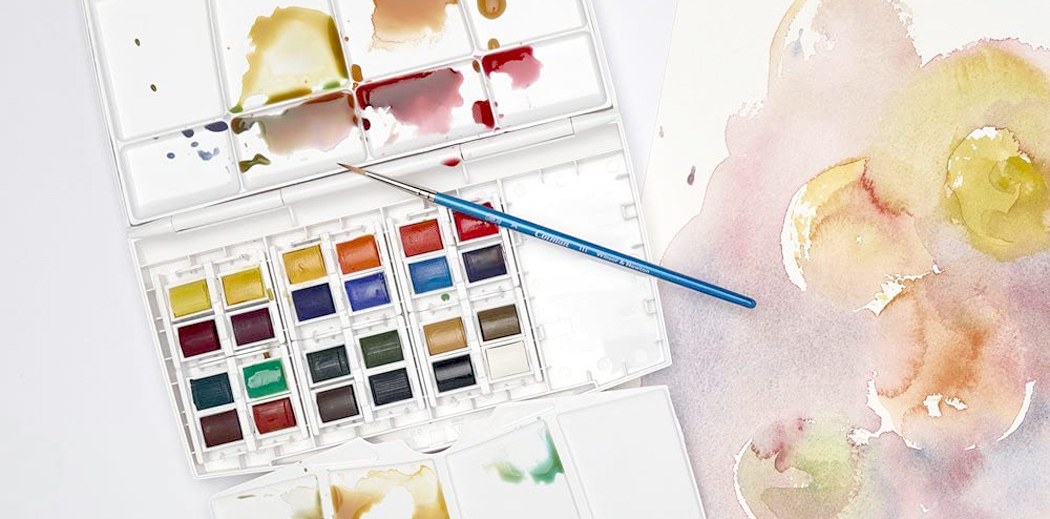
What do we talk about when we talk about color? Too often we talk at cross purposes. The fact is, color isn’t a thing. It is several things, and we often stir them all up into a single confection — all of which leads to avoidable confusions. And arguments. 

One of the greatest arguments my late wife and I had was over the color blue. The fight lasted three days. We didn’t sleep the first night, but kept trying to persuade the other of our righteousness. 

“Isn’t that a blue you could fall into?” she asked.

“I know what you mean, but of course, you’re talking metaphorically, not literally.” 

“No, I mean it literally. You can fall into it.”

And we were off to the races. Of course, at the end of the third day, I capitulated. She was right. She was always right, and it was a lesson I finally learned, after years of not recognizing the fact of it. And now, I can fall into blue. 

But before I got sidetracked there, I meant to say that when we discuss color, we are really talking about at least three separate things, and the three don’t play well together. 

The three separate color discussions come from science, from art, and from language. 

SCIENCE

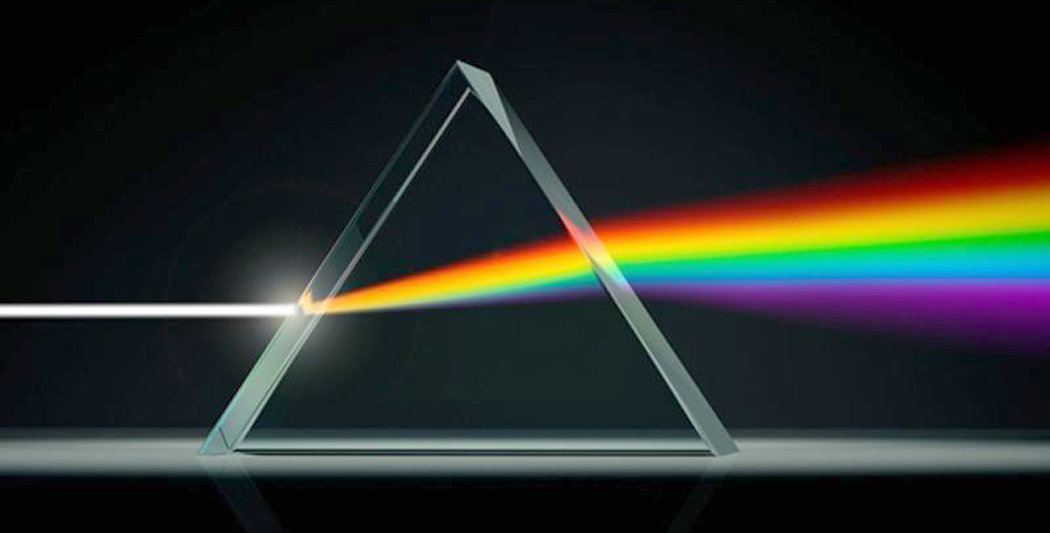
The first begins with Isaac Newton. He proved experimentally that white light is actually composed of a spectrum of colors, ranging from blue on the short end and red on the long end. Short and long wavelengths, that is. For, scientifically, color is a function of light’s electromagnetic wave construction. 

The problem is that there is no forest green in the spectrum. No magenta, either. The spectrum — which we see in a rainbow — contains only a single version of a wide range of hue, but none of the subtlety of actual color. 

And so, you can talk about blue being at a place on the electromagnetic band measured in wavelengths of 450 to 500 nanometers and red at the other end, at 700 nanometers. 

But these are numbers, not colors. 

Science also causes issues when it comes to color perception: How do we see the colors we do? 

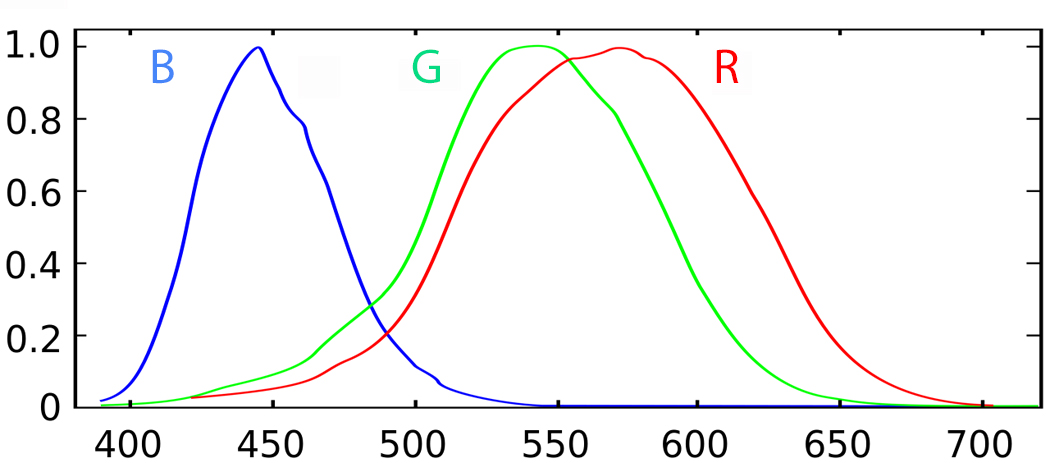
Humans don’t see spectral color. That is, human color perception is not dictated by wavelength, but rather by the mechanisms of color vision. What the eye sees and the brain interprets is only marginally related to the color defined by wavelength. 

There are three color sensors in the eye, one tripped by red light, another tripped by green light, and a third by blue light. The ratios of how much each is stimulated governs what colors we see. (Yes, I know this is a grossly simplified version, but it is basically correct). 

When both blue and red are tickled, we see violet; when blue and green are set off together, we see blue-green or aqua; when green and red are stimulated, we see yellow. 

Yellow is particularly interesting. While there is a wavelength on the spectrum that is yellow, we almost never see that wavelength. It is rare in nature. 

What we call “white” light, or sunlight, contains all the hues, which can be separated by a prism into its component parts. But when this white light hits something red, the blues, yellows, greens, etc., are absorbed by the object and the red is reflected, and so it is only red that hits our eyes. The blues, yellows and greens are digested by the object and turned into heat, which is why the sun makes things hot. 

But if an object absorbs blue and reflects both red and green — this may seem bizarre, but it’s true — we see those colors combined and our brains interpret them as yellow.

The famous Kodak-yellow film box isn’t really yellow. It is red and green together, but our brains stir them together and see yellow. Indeed, most of the colors we see are impure mixes and what our brains see are the interpretations, not the wavelengths. 

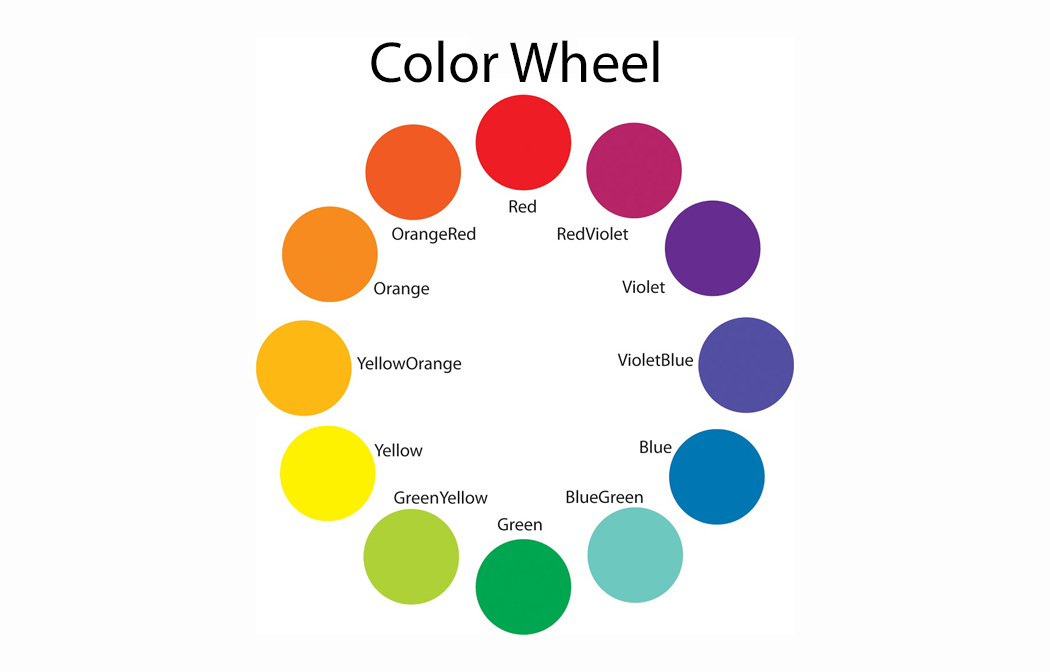
Take purple, or violet, or magenta (the names for this section of the so-called “color wheel” are terribly imprecise; more on that later). It is a color that does not have a wavelength. That is, it doesn’t exist on the spectrum. It exists solely in our brains as the combination of blue and red. 

All color, or what we call color, is subjective. That is, it is a phenomenon created in our brain as a way to code the visual information of the world, very like the so-called “false color” of Hubble space photographs. It is an interpretive trick our brains play, useful for deciding which berries are ripe. The wavelengths may be real, but the redness is a figment. 

ART

For a painter, all the stuff about wavelengths and spectrums is dryly theoretical and idealized, which is to say, lies. Painters work with paint, not theory, and the pigments that make those paints are cantankerous. No blue is spectrum-blue, no green is pure green. The paints are made from dirt, or ground up stones, or plant dyes (or, nowadays, from alchemically manipulated petroleum), and all are amalgams of various ingredients. Probably 95 percent of the colors used by painters don’t occur in the spectrum. Real paint is impure. 

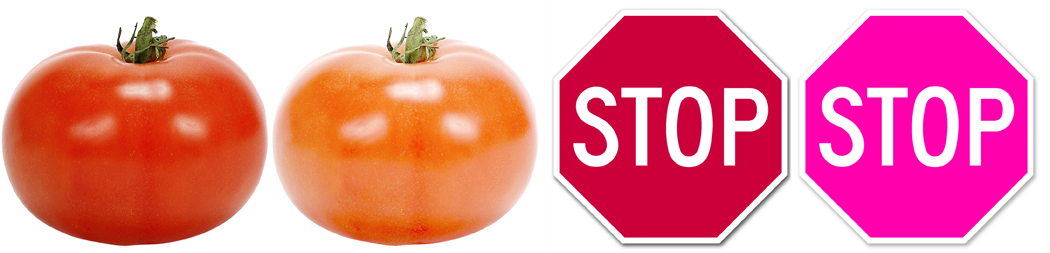
One yellow might mix with black to make a dun, another yellow that looks the same, might turn greenish when mixed. An artist has to know not merely color theory, but the individual nature of his paints. Some greens are bluer than others; some reds are more orangey, some more violet. A tomato is one red, a stop sign, another. Lighten tomato-red and you get an orange. Lighten stop-sign red and you get a pink.

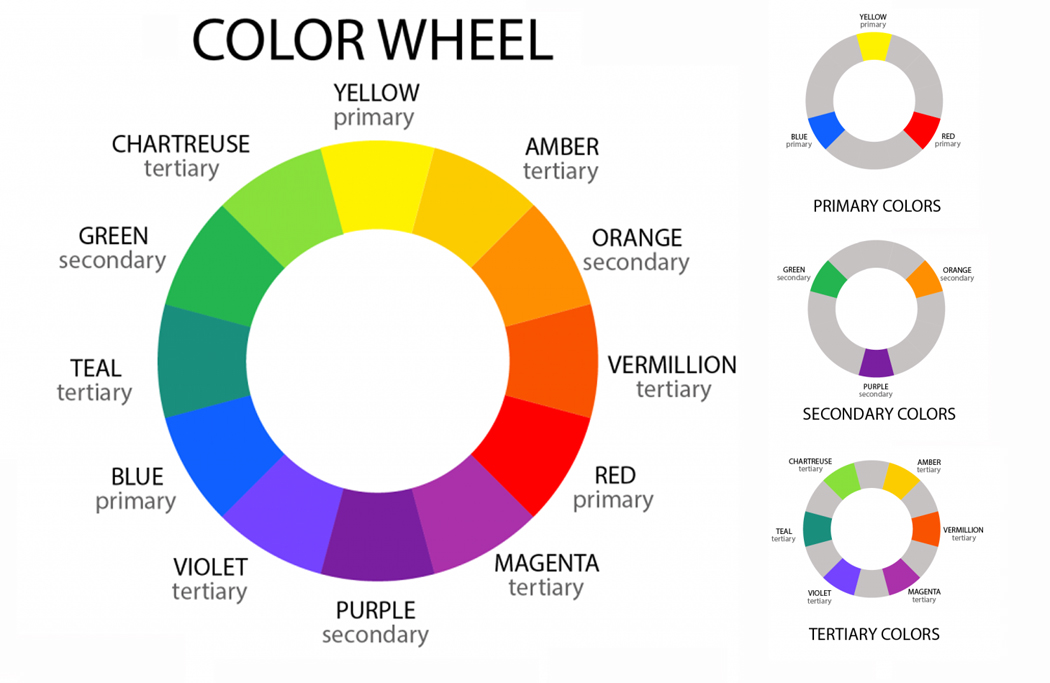
For artists, colors don’t come in a lineup, like a spectrum, but a wheel. And on that wheel, there are three “primary” colors — red, blue and yellow — from which all the other colors can be mixed. Theoretically, that is. 

There are painters who have used only four tubes of paint for their work, usually a blue, a red and a yellow and the ubiquitous titanium white. You can’t paint without a white: the colors themselves are too dark to make a bright sky or a tawny lion. 

But there are limitations to this. You can mix a blue and yellow to get a green, but it will never be quite as bright and pure as a dedicated green paint. If you want the deepest, richest greens, you will buy a tube of green paint. 

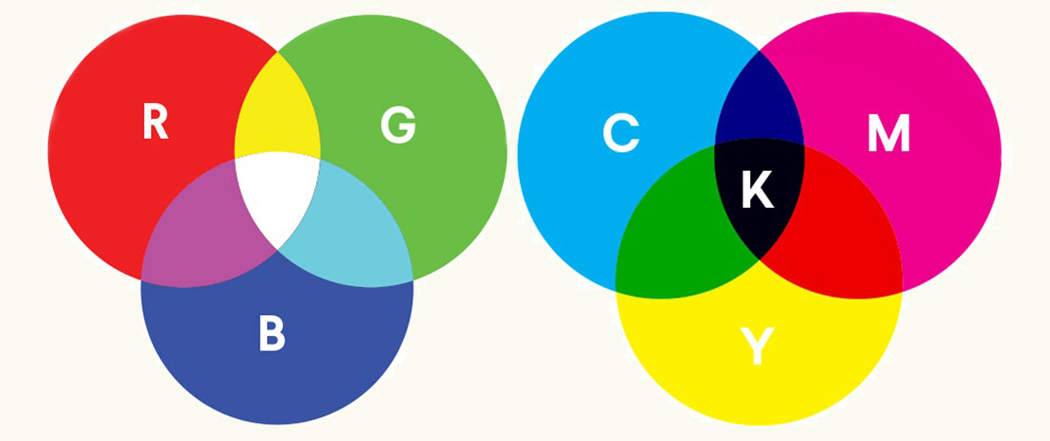
The problem is, that there are at least three sets of primary colors. There’s the painter’s set, of red, blue and yellow. But now that much art and design is made on a computer, another set of primary colors is common, called the “additive primaries” of red, blue and green. Then, there is the printer’s primaries, known as “subtractive, made of cyan, magenta and yellow (with black added in, making it often called “CYMK,” with the “K” standing for black.)

But there are other issues, too. The spectrum exists theoretically, but real-world color has a physical presence, and so the same hue will appear different whether glossy or matte. And there are metallic colors, with specular reflections. Some paints are opaque and others transparent. Then, too, colors on one wall, which gets sunlight, will appear different from colors on the opposite wall, in the shade. 

And there is something called “simultaneous contrast,” which means that colors are affected by the colors around them.

There’s a lot to keep track of, and the ability to do so is one of the things that marks a professional from an amateur. 

LANGUAGE

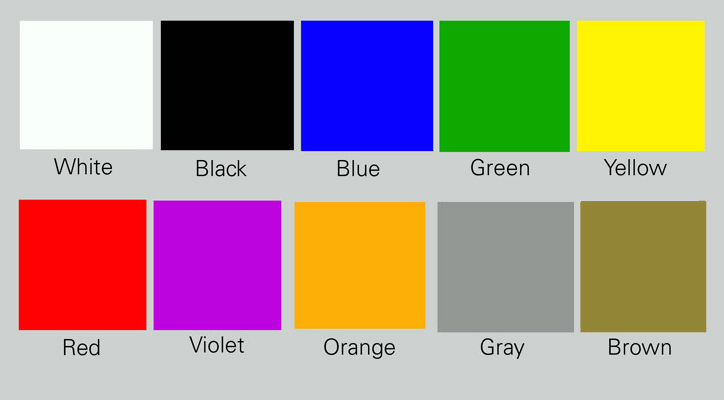
In the English language, there are really ten primary colors, that is, color names that are distinct and cover generic territories of color. They are: red, blue, green, yellow, violet, orange, brown, black, white and gray. All other color names are either shades or tints of these main color names (such as “tan” being a variety of “brown”) or metaphorical and named after some object of that color (such as “fuchsia” being named after the flower). 

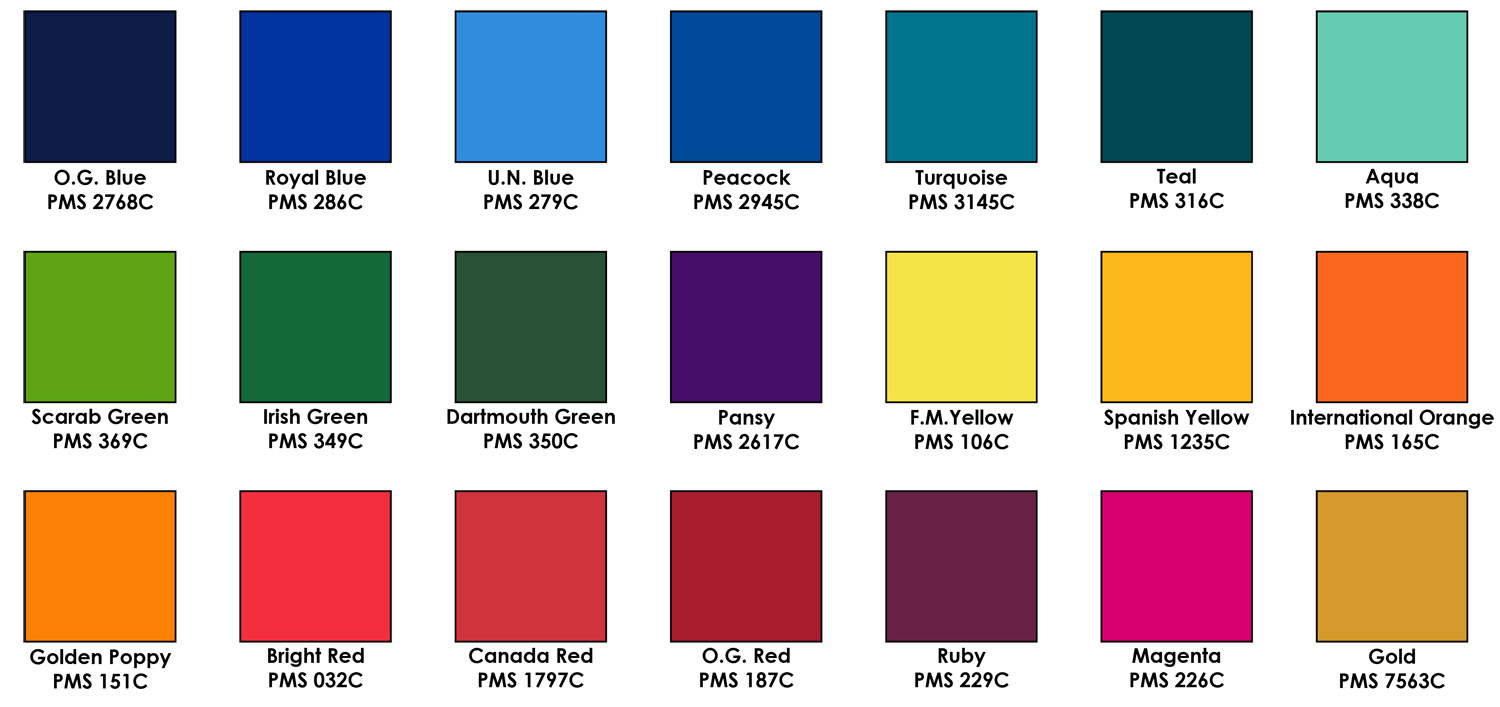
There are hundreds, probably thousands of variations of the primary colors, and designers and marketers keep coming up with fresh, new names, usually for the same old colors. Marketers try to make their color names more appealing (would you rather buy a fabric that was a yellow called “morning haze,” or the same one, but called “piss yellow?”)

But beyond that, there is the problem of the squishiness of color names. The boundaries between colors is indistinct. Where, for instance, does blue become green? There is a greenish blue, and a bluish green. Where do you draw the line? We each have our judgement, but that changes with context. Against a red background, even a greenish blue will appear bluer. 

Where does red become magenta? Where does purple merge into a deep, dark blue? 

Even more problematic are all those tertiary colors. Is Turquoise green or blue? The stones for which the color is named comes in both forms, and also a version in between. One person’s “amber” is another’s “golden.” Vermilion is also cinnabar. What the Roman’s called “royal purple” is to our eyes closer to red. These names shift over time and by individual perception. It makes it very hard to talk about color between two people with different color palettes in their brains. 

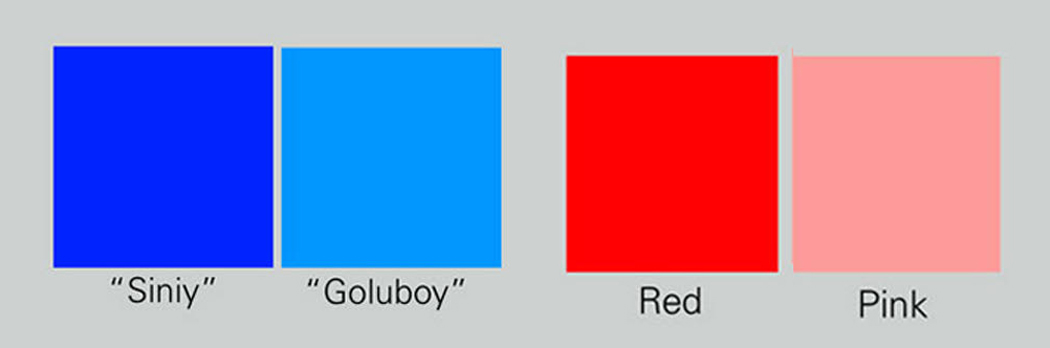
Of course, that hardly accounts for the various color organizations across different languages. Many languages had only words for black, white and red. Blue, for them, was a variety of black. The Ancient Greeks talked about the “wine-dark sea,” but the Mediterranean was never ruby colored. In traditional Japanese, the same word, “ao,” covered both green and blue (modern Japanese has, after WWII, added the word “gurin” as an English cognate). In Russian light blue (“goluboy”) is considered a separate color from dark blue (“siniy”), just as in English, we distinguish “pink” from “red.” 

Here’s an alphabet of English color names, and please feel free to argue over what they each mean: azure; burgundy; coral; dun; ecru; fulvous; gules; heather; ivory; jasper; lavender; mustard; navy; oxblood; periwinkle; quimper; rose; sapphire; topaz; umber; viridian, watchet; xylous; yapan; zaffre. 

So, you see, any discussion of color needs to take into account which sort of color system you mean. Pedants will complain that white isn’t a color, but the absence of color, but then, why do you need to buy a tube of white paint? And, of course, in the additive system, white is not the absence, but the combination of all the colors. So, which is it? Well, they are three distinct ways of talking about white. You need to be clear.

And even white isn’t just one thing: It comes in alabaster, in ivory, in cream, bone white, snow white, chalk white, Chinese white, eggshell white, vanilla and off-white. No doubt, interior designers and marketers could come up with a hundred new shades and names. There are warm whites and cool whites. You can paint with zinc white, titanium white and flake white, aka white lead or lead white. The range in any color is nearly infinite. 

All of which makes talking about color difficult and misunderstanding almost inevitable. 

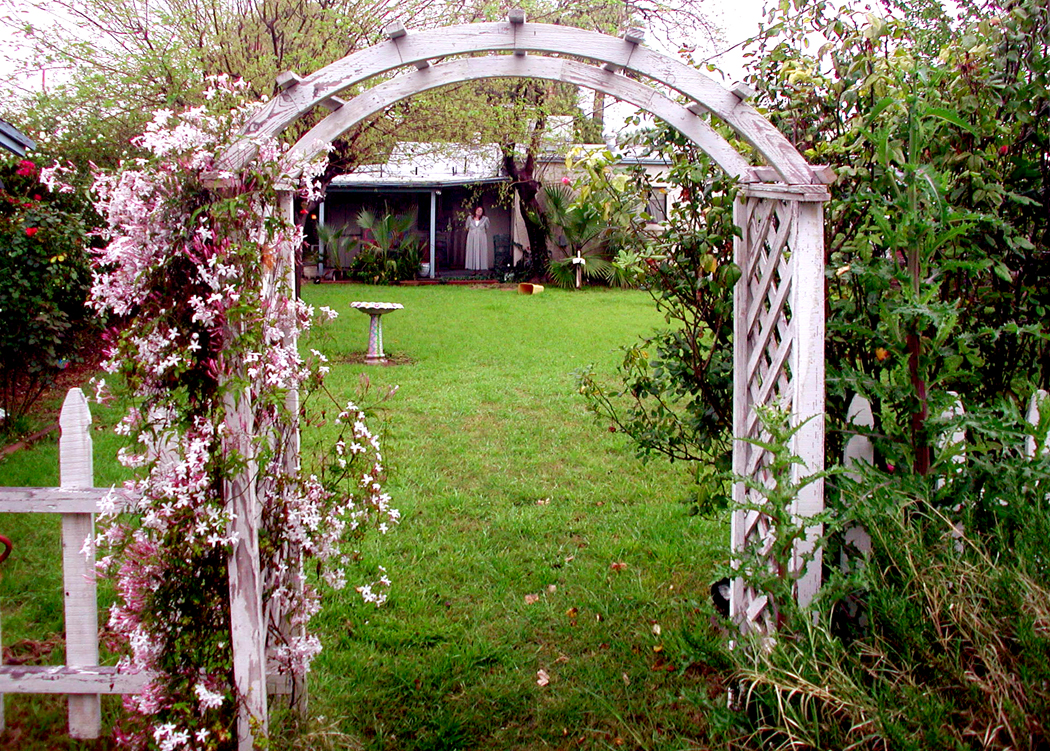
Garden

There is a line in Andrew Marvell’s “The Garden” that should be a starting point: “The mind, that ocean where each kind/ Does straight its own resemblance find.”

These are two primary foci for our existence: There is the world and there is our mind working on the world. Mind and world, the face and the mirror. The central problem is that the world is incomprehensible, multifarious, immense and unimaginably complicated, self-entwined and raw, while our minds, however brilliant, are puny organizers and pattern-finders. What we believe of the world is what we have been able to make of it, and we are simply not humble enough to recognize the insufficiency.

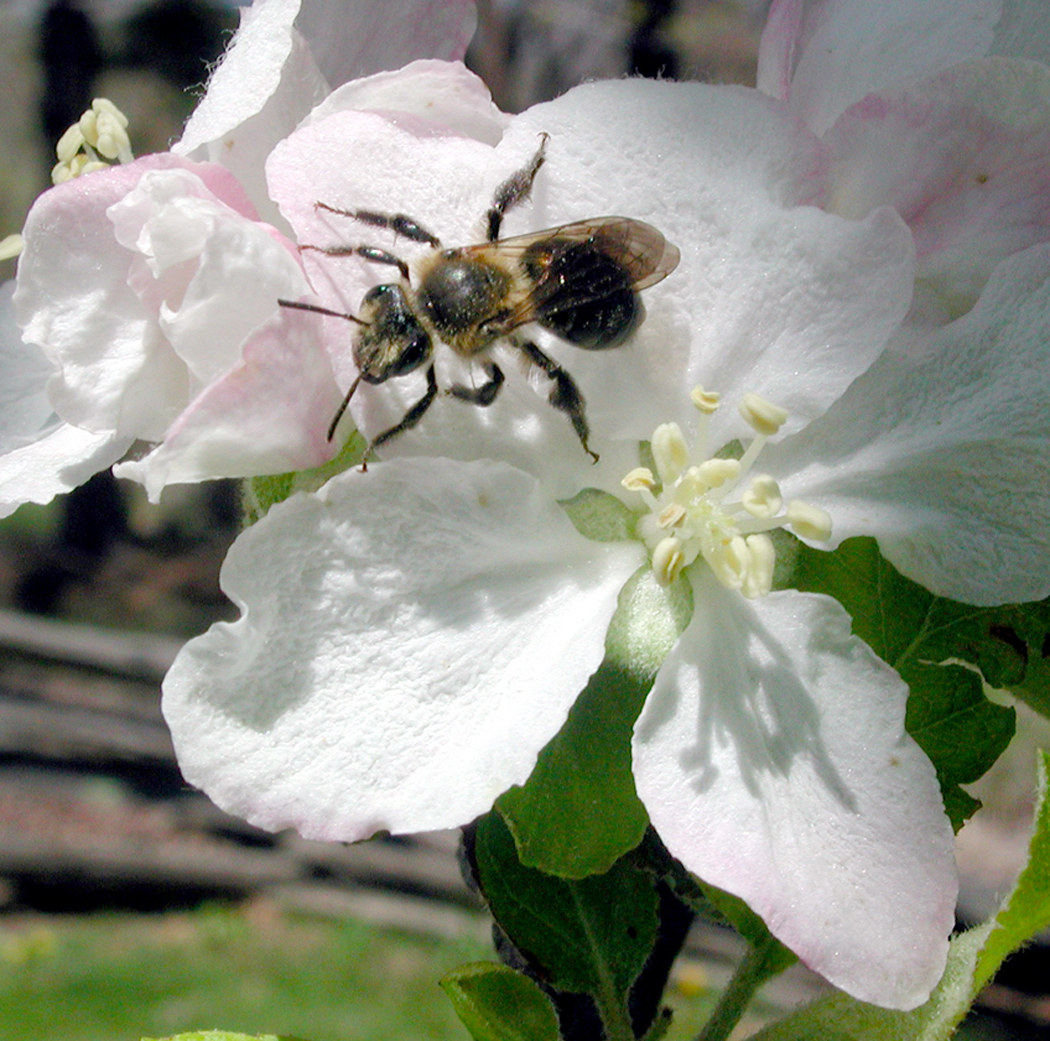
bee blossomTake something as basic as sight. We look upon the world and take what we see as something “real,” something actually “out there.” Yet, we know that visible light is such a tiny sliver of the electromagnetic spectrum, that our human vision is essentially nothing more than the chink of Pyramus and Thisbe, the slat of a Venetian blind lifted to see a wedge of the  world outside the window. Other animals are sensitive to different parts of the spectrum, and for them, the world is a different world: The bee sees not the daisy that you or I see.

We know this because human ingenuity has given us instruments that can measure those portions of the wavelengths that we cannot apprehend directly, and proves their existence. But we cannot know them directly: We are too limited. For that matter, so are the instruments.

Also limited are the odors we can smell, the sounds we can hear, the tastes we can enjoy or revile, or, for that matter, the languages we can understand or the names we have for the emotions we feel. And yet, somehow we feel we can say we know the world.

I am constantly amazed at human arrogance in the face of the vast ignorance we daily confront. Perhaps it is unavoidable that we have faith in our senses and our minds, that we believe what we have learned of the world is the way the world in actuality, is. It takes an act of imagination to escape our shortsightedness.

And it is not only the world beyond our skins that escapes us: The conscious mind — that part of ourselves we generally consider to be “us” — is such a small part of what our brains do for us. We are not consciously aware of our guts squeezing the chyme along our bowel, not aware of our capillaries constricting, our irises expanding, our hearts beating faster or slower, depending on the unconscious monitoring of our inner bodily needs. Consider yourself at this very second, sitting or standing. Are you fingers curled? Are you tapping them? Is your head tilted slightly? Are you yawning? Have you sneezed? Did you “decide” to do any of those things? Your body seems to work quite autonomously, and your administration has delegated authority to its constituent parts to act on their own. Let’s face it, you would die if you had to will each heartbeat, each breath, each eye blink: Keeping track of it all would be impossible.

And yet, we have faith in that little voice in our heads that seems to be in charge: It blithely makes assumptions that cannot be justified.

This is not to toss out the little voice: We could not operate in the world if we did not simplify it to our purpose; we would be overwhelmed. We make schemas and function within those schemas quite happily, but are seldom aware of their artificiality.

tres riches heuresA good deal of trouble is caused by our unawareness. In politics, for instance, one side believes in pure capitalism, the other in socialism, but each view is only a schema, and takes not into account the great variability of human want, need, ability, and the inevitability of change, both historical and social. Remember feudalism? Monarchy and aristocracy? These were earlier schema, and sustained over centuries, even millennia. One thing might work better at some point, while its opposite might be more functional at another, neither perfectly, while all are always mere band-aids. No human reality can be encompassed by an ideology. They are all simplifications to the point of absurdity.

take outRepublicans who now believe things diametrically opposed to what they had once believed, think that if they can finally pass the laws they want, everything will work like a well-oiled machine from thence onward. Conservatives, who once championed strong central power, now believe the least government is best. (In reality, they believe in whatever will best preserve their own hegemony and wealth and if that changes, so will their ideal of proper government). But in practice, nothing is ideal, nothing is unchanging and perfect: Politics is always ad hoc. It doesn’t fit into cardboard pint containers like so much chop suey.

Religions, political ideologies, psychologies, even science are all such partial schemata and none can be said to encompass all of existence. It isn’t that we should trash all of them, but rather that we should recognize their agendas. And beyond that we should embrace, enjoy and revel in all that is not contained therein. The universe is vast, it contains multitudes. It is this plenitude and fecundity that ultimately sustains us. No system is enough.

Largest ever galaxy portrait - stunning HD image of Pinwheel GalWhat wakes us to the complexity is experience: travel, reading, learning other languages, meeting other people (as a “thou” not an “it”), education, and most of all, the exercise and strengthening of imagination, which all the previous foster. Openness to the world rather than stricture according to ideology or schema. Pulling our turtle heads into the shells of our small perceptions is nothing but retreat.

And whenever possible — and this is the biggest lesson I have swallowed in 68 years on this round, bubbly planet — to love the things of this world. All of it, helter-skelter, unapologetic and enthusiastic, chaotic, overwhelming, incomprehensible and glorious. And recognize our smallness, our ignorance, in the face of it.