Archive

Tag Archives: storm

I remember the Before Times. It’s different now. 

On September 27 the remnants of Hurricane Helene turned Asheville, N.C., into a post-apocalyptic landscape. Fallen trees blocked streets and roads were turned into creek beds. Power lines were downed everywhere and the two rivers of the region carried whole houses downstream. Bridges are gone. City water lines destroyed. The buildings that remain in the lower areas of Buncombe County are larded with a foot-deep layer of toxic mud. People died. 

It has been a month since the storm and there are still many roads closed, homes without power, and the city water is unfit to drink. We have to boil it even to wash dishes. And what comes out of the tap is a cloudy, rust-colored fluid. 

It has been so bad, left so many people stranded or homeless, that Jose Andres’ World Central Kitchen has come to feed those in need. 

At our house, we were otherwise lucky. Our neighborhood had fewer fallen trees than others and we were high enough in elevation that we avoided the flooding. Outside our little neighborhood, though, it looked very, very much like the devastation of Katrina. 
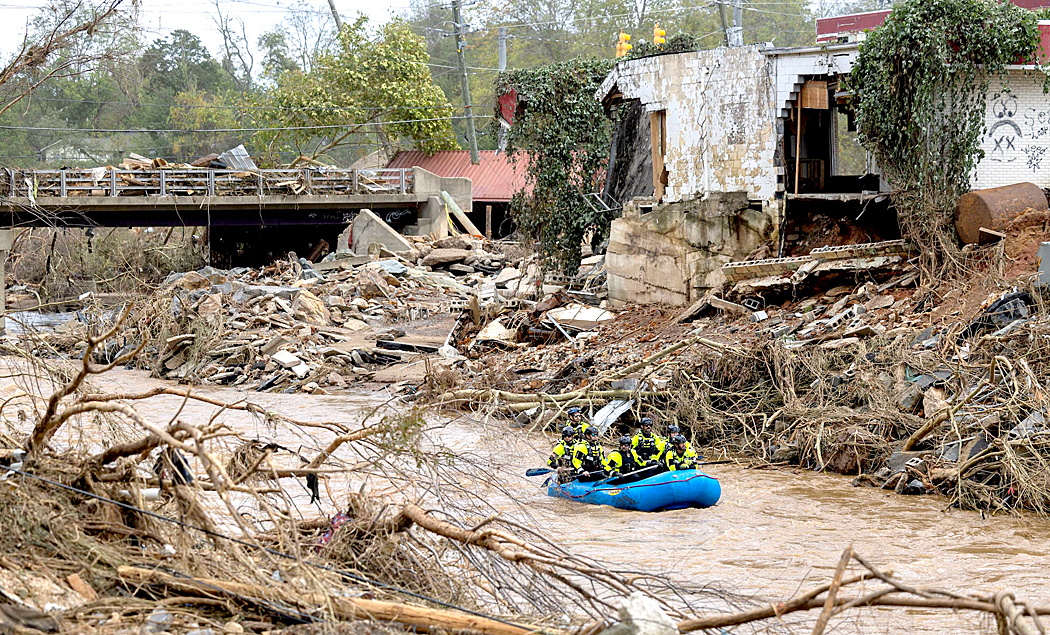
Damage in Swannanoa

The first week after the storm was hellacious. No power; no water; no phone; no wifi; no cable; no AC. Dark at 7 and no lights anywhere. The fridge and freezer silent. On the fourth day, we had to throw out all the food in both and scrub the interiors with bleach to kill the faint smell of mold. 

With no water, we could not flush the toilets and, being unable to stop the physiology of the human body, we had to go somewhere. The commodes were becoming rank. 

This was a problem that everyone shared, and so, by the second full day, neighbors had pulled together and set up a tent on the street corner where we could go, share stories, rumors and advice, and by the third day, they had food and bottled water to hand out to those who needed it. One neighbor had a swimming pool, and if you had a bucket, you could dip it in the pool for water to flush toilets. 

Across the street from us, Dorothy, a retiree like us, and her grown son, Anthony, brought us a bucket so we could go down the street and dip it in the pool. Because we are old and five gallons of water is heavy, Anthony carried the water himself. That afforded us one flush a day. By the fourth day, Anthony had found a children’s wagon and was delivering flush water around the neighborhood. It was still once-a-day, though. 

Neighbors helped neighbors. Some went house to house to check on them. Two fresh-faced young women knocked on our door. They had weak cell-phone coverage and had received a text message from my granddaughter in New York, a former schoolmate, asking them to check on grandpa. They sent a text back to her telling her that we were OK. 

The street-corner tent set up a message-board where people could ask for supplies they needed, or to offer what they had. Our next-door neighbor, who had just moved in, had no food and we collected a few non-perishables and brought them over. Others came to us and gave us boxes of cereal or, in one case, an entire box of cellophane-wrapped brownies. 

But it seemed as if we survived that first week eating little but apples and Fritos. I had a case of bottled water and some soft drinks. 

“This is how are ancestors must have lived,” Anne said. “Except, they had water.” Dark all night, light for reading in the daytime. We read an average of a book a day during that first week, with little else to do but sit and wait. At night, we had candles burning on the piano — but not like Liberace: They were squat votive candles. And we would continue to read in the dark with flashlights. 
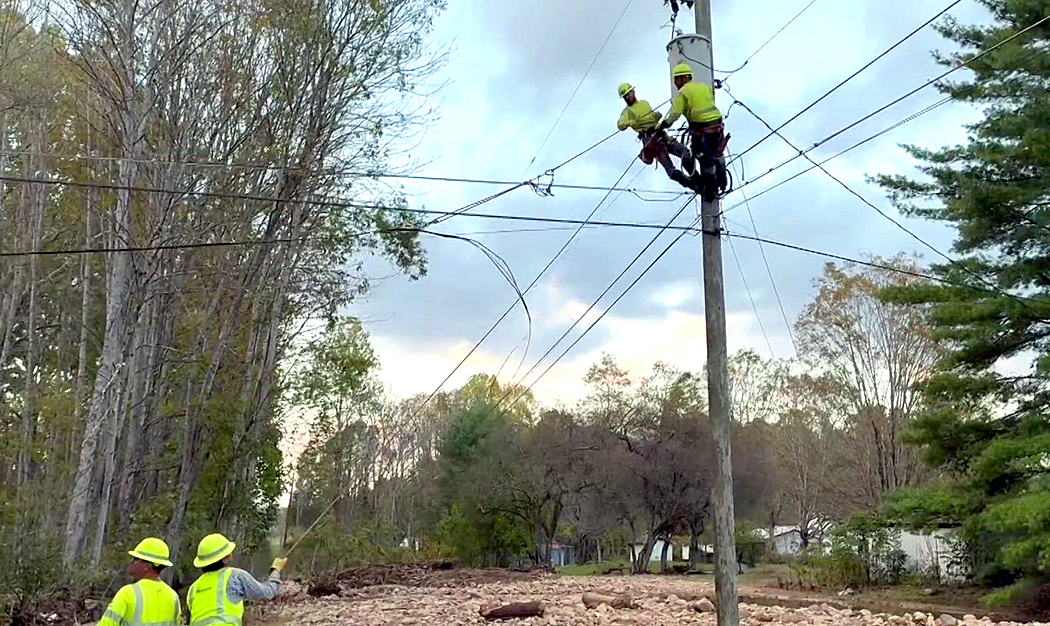
There was a constant whirr and buzz, even through the night, of workmen chainsawing fallen trees and power crews trying to reattach downed lines. We saw trucks from out of state driving in caravans through the neighborhood, cleaning up and repairing 24 hours a day. Overhead there were helicopters and airplanes; hardly 10 minutes would go by before another one — or two at a time — skitted across the sky. It reminded me of film from Vietnam, except there were also drones. 

And it was a huge military operation. National Guard and Marines, search-and-rescue operations looking for people cut off from roads or stranded on roofs, or dog teams looking for bodies in the debris. I have since heard ignorant people spout conspiracy theories about the failures of FEMA or the government in general, but those trolls weren’t there. I have never been so impressed at the seriousness and effectiveness of everyone, government or civilian working to recover. The lies being spouted are reprehensible. Actually, evil. 
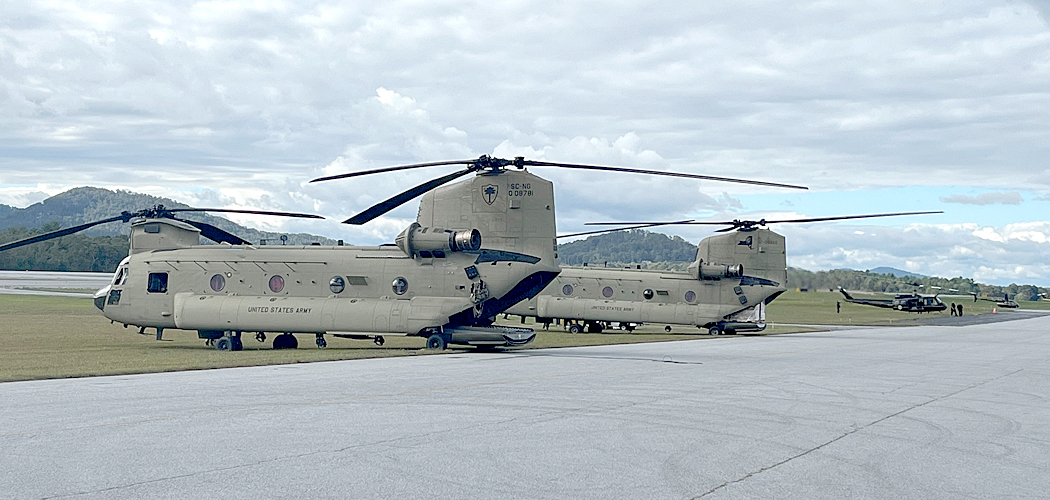
The Asheville airport was covered with military planes and scores of copters. The only way into the area for the first days was by air. I-40, the main highway, was cut off on both ends by landslides. The bridges along I-26 were washed out. All roads in and out of Buncombe County were blocked and closed. If we had wanted to leave, we couldn’t. 

By Day 6, the mudslides blocking I-40 East had been provisionally cleared and road traffic could be resumed, and trucks with relief provisions could climb up the Blue Ridge into Asheville. Power had come back to our neighborhood (although many others remained dark). There was still no running water and all of our food had been ruined, except for those canned goods. We hadn’t had a shower in a week. 

The problem for us was that the car had almost no gas left and no gas stations were open. But on Day 6, we got word from Anthony that a station in Fairmont — about six miles away — had reopened. We drove and miraculously, there was no line. We tanked up. We could leave. 

Our first thought was to take a few days’ clothes and head to a motel in the flatlands, where the storm damage was less, and spend a couple of days getting cleaned and eating some hot food. We drove to Hickory, about a hour away, but found the motels were full. Outside of Hickory, we found one that had a single opening — the Presidential Suite for $180 a night — and we took it. The motels were not full of tourists; they were full of construction crews and aid workers: wiry, grizzled men with hard hats and leather-tanned faces who were commuting to Asheville to restore power or dig out debris. Their trucks filled the parking lot. 

But we did get a hot shower and across the street there was a Mexican restaurant where we got a hot meal. 

For the next two and a half weeks, we stayed with my brother- and sister-in-law in Reidsville, N.C., where they fed us and caught us up on all the events of the outside world we had missed. It would have felt like a vacation except for the hollow knot of anxiety in my gut. We drove home on Monday to find the house had not burned down, been burglarized or taken over by raccoons. 
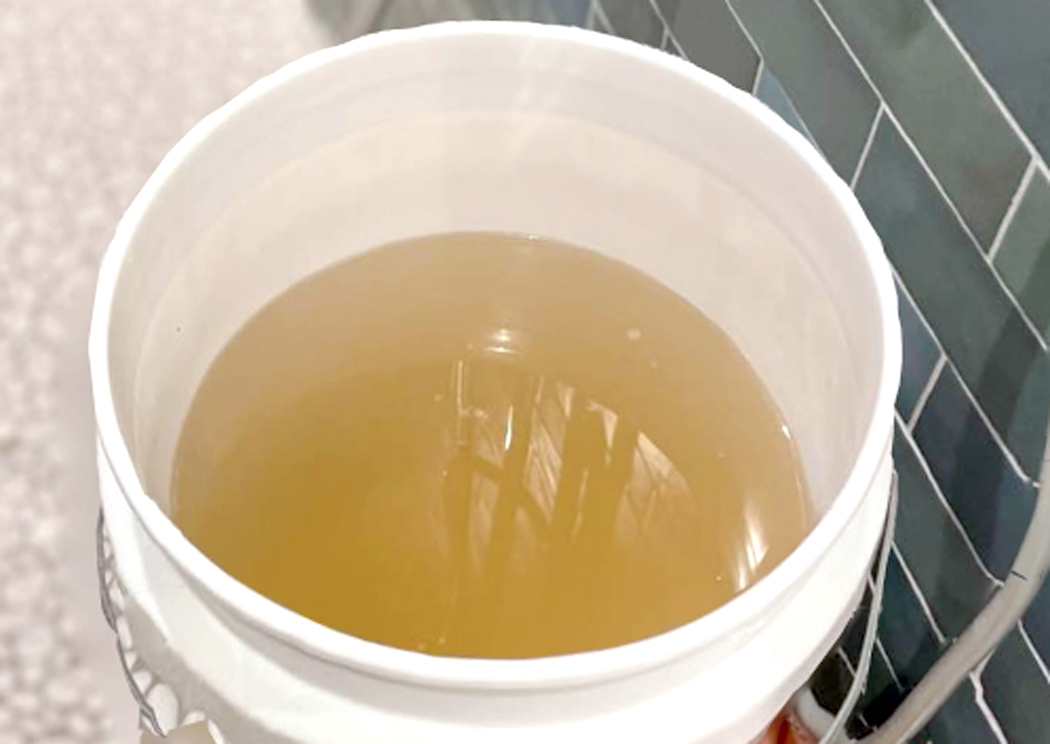
But there was still the problem of water. We are under a boil-water notice, which mandates — not suggests — that we boil the tap water for 1 minute before using it. It is still so cloudy that even after disinfecting it is not drinkable. 

Blue Ridge Parkway damage

The storm was prodigious. Official reports note that 2,300 structures were destroyed completely or made uninhabitable. That’s homes, stores, and other businesses. The Blue Ridge Parkway was closed for its entire length in North Carolina and its director said that some 10,000 trees had fallen into the roadway. Parts of the Parkway were covered in landslide mud and other parts had their pavement washed away entirely. In several places the North Fork Swannanoa River has carved new courses, leaving at least one bridge over dry land and the water a hundred yards to the west. 

Official death count for Western North Carolina totaled 96 (subject to revision as new data arrives), with 42 of them in Buncombe County alone. The NC total was nearly half of all deaths from Helene in the U.S. 
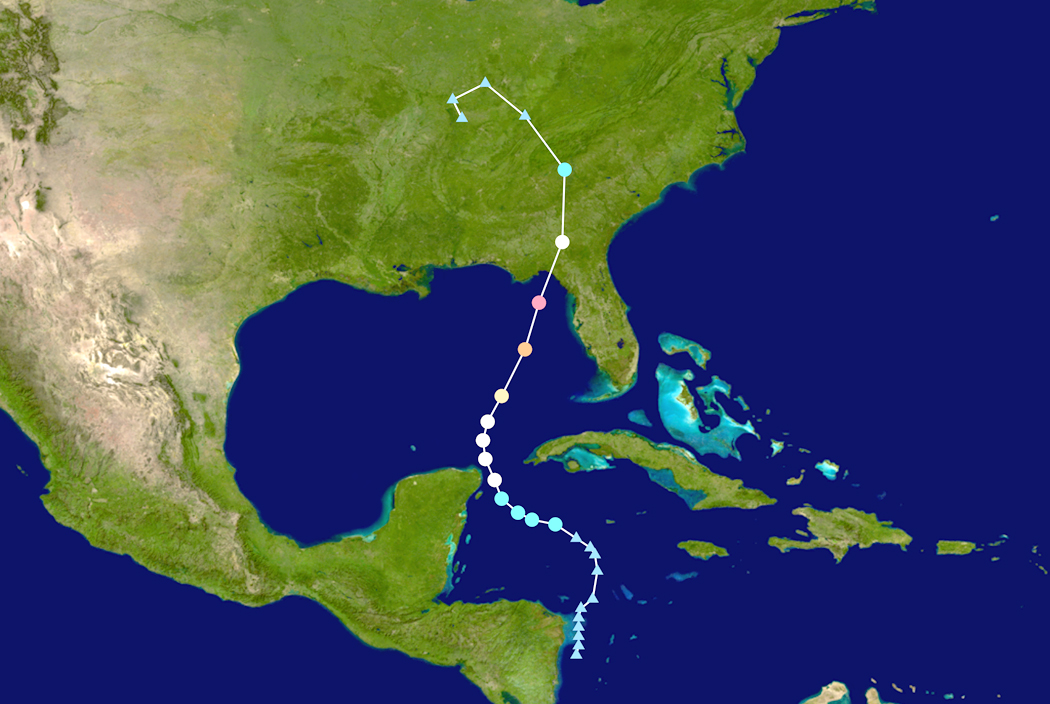
There are reasons Western North Carolina was so hard hit. While the storm made landfall in Florida, and traveled north across Georgia and South Carolina before tailing out in Tennessee, those states suffered from hurricane and tropical storm damage alone — bad enough. But in Western North Carolina, the meteorological and geological circumstances doubled down on the effects. 
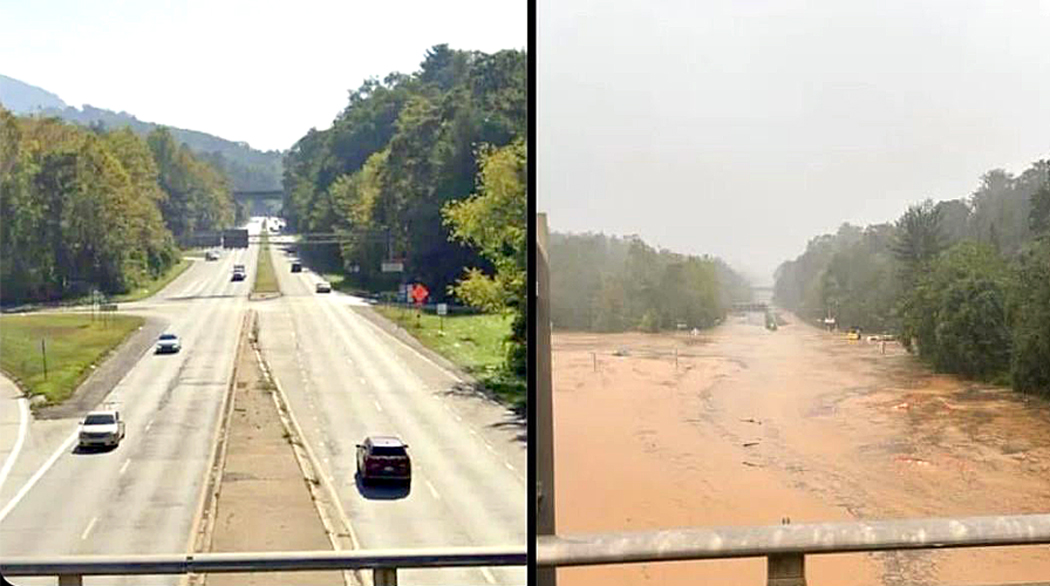
I-40 Before and after

 First, the area had already had days of rain soaking the ground before Helene. Second, the storm brought an enormous amount of water vapor — twice as much as the previous record from the 2004 double whammy of hurricanes Frances and Ivan. Third, the counterclockwise spin of the storm meant that its high winds struck the Blue Ridge escarpment head on, forcing the water-soaked air upwards, with both the Venturi effect speeding up the winds, and the adiabatic cooling that squeezed all that water out of the clouds, with Mt. Mitchell recording 24 inches and the Asheville airport getting 20 inches. One Forest Service weather station measured 31.33 inches of rain from September 25 to 27, piling Ossa on Pelion. 

That’s bad enough. In flatter terrain, that would account for two feet of water over a wide landscape. But in the mountains, all that water gets funneled down into the valleys, where it collects in raging torrents, wiping away whole towns. Consider, say, five square miles of land, hit with two feet of water and condensing that water into a hundred-yard wide channel. 

River Arts District, Asheville

That’s what happened along the Swannanoa River in the community of Swannanoa, along U.S. 70, where mountains both north and south dumped their drainage. Or along the French Broad River south of downtown Asheville, where the old industrial district, turned River Arts District, was wiped out. Or the narrow 14-mile Hickory Nut Gorge, which drops about 1,800 feet between the town of Gerton and Lake Lure, where much of the road is now reduced to a rocky creek bed. 

There used to be a road here, Hickory Nut Creek

Estimates for the damage are currently set at $53 billion, although that is subject to revision. That is a North Carolina record. 

I have concentrated on Asheville and Buncombe County because that is where I live. And I can see the destruction first-hand as I drive around. But it is much of Western North Carolina that shares the calamity. 

French Broad River, Asheville

There is no guess as to when this part of the country will return to normal — although that will be a new normal, not the old one. Probably a year, at least. But people are all working hard to get there, individuals, civic officials, volunteer help and federal government. Some things have come back sooner than expected.

But so far, we are eating on paper plates and drinking from disposable cups and eating frozen Stouffer dinners and hoping with crossed fingers that our tap water will at sometime run clear again. 

The most distinctive feature of Shamrock, Texas, in 1980 was the old Conoco gas station downtown. I don’t know if it is still there. But that is not what I remember best about the tiny town in the Texas Panhandle. 

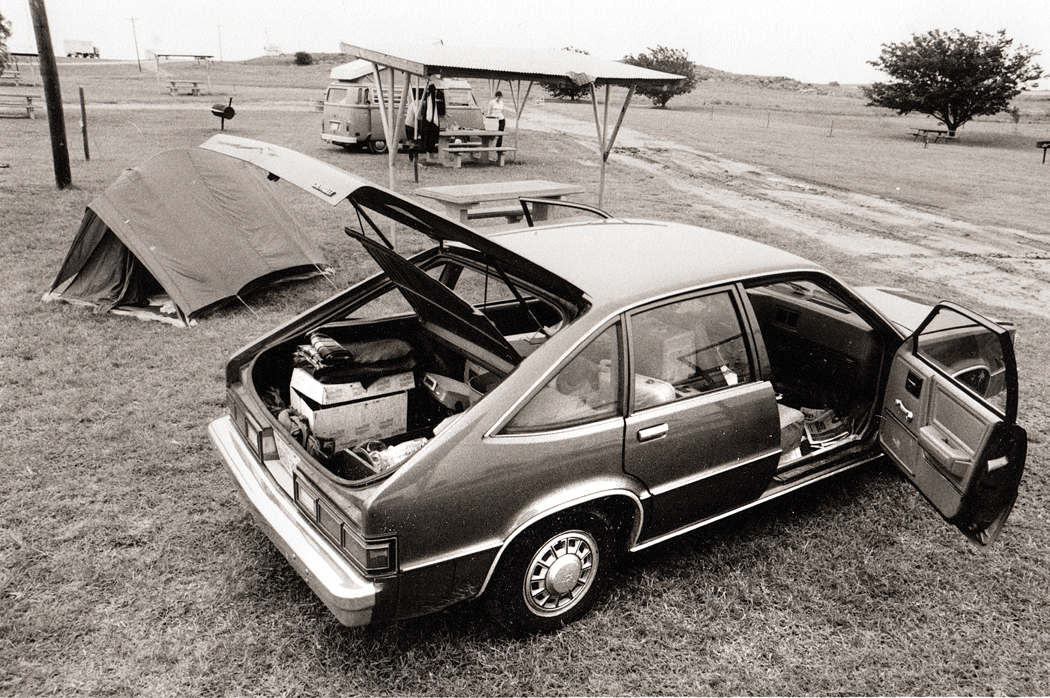
My wife and I were driving across country for the first time. Neither of us had ever been west of the Appalachian Mountains and we had romantic ideas about the West. We dreamed of mesas and buttes, of cactus and coyotes, Navajos and the Pacific Ocean. And so we had set off in our old Chevy Citation during Carole’s summer school vacation planning to make the grand circuit. We were camping most of the way as our budget was economy size. 

It was perhaps the third night we were out, and we found a KOA campground in Shamrock. The sites each had a concrete picnic table under a tin awning. In the center of the camp was a low brick building with the office and camp store. 

As we were pitching our tent, a neighbor camper came over and told us that two days before a tornado had struck a few miles away. “No real damage,” he said. “There’s not much out there to hurt.” But he wanted to let us know, he said, because the weather forecast was iffy. 

We had driven that day through some rough weather already, with dark, louring clouds, a heavy rain — the kind the windshield wipers only made mad. At one point, we had to pull off the road and wait for the heavens to calm. 

But by the time we got to Shamrock, the skies were clear again. And we tucked in for the night in our sleeping bags, with the tent zipped tight and cozy. 

Then, about 1 a.m., we woke to find ourselves, tent and all, floating on several inches of water. It felt very like a waterbed, except that the rain made such a racket on the tent-sides. The wind luffed the fabric and lightning grew almost constant. We both began to worry. 

The only sane course of action was to leave the tent and head for the brick office. Carole went ahead of me, while I attempted to strike the tent against a howling wind. But the wind yanked it from my grip and I had to chase it until it caught on the picnic table. The tent had a tubular frame, which kept it in full shape. I grabbed the top crease and the wind took umbrage at my effrontery and tried to lift me airborne, with the tent as a kite and me as the kite tail. I fought it over my head, holding on for dear life. Finally the tent caught in the tin awning and held steady enough for me to de-tentpole the thing and collapse the kite into a smart bundle, soggy and dripping, which I put into the car before heading to the office and Carole. 

The office was not very big for the 30 or 40 people herded into it. There were crying babies, frightened grown-ups. One man explained that the weather service had confirmed a tornado in the vicinity. A husband and wife were yelling at each other, each blaming the storm on the other. The wind blew outside, hurling detritus past the door. It all finally calmed down after 20 minutes or so and the wind subsided and the rain gave up its anger and turned into a normal rainshower. 

But there was no way we could set the tent back up. Our campsite was a pond and the tent itself was a crumpled mess. We got into the car and thought perhaps we could make through the night sitting up.

I remembered, though, we had passed a motel in town. Maybe we should drive back into Shamrock and see if we could get a room. And so we did. 

When I entered the motel office — now it was well past 2 a.m. — the office was dark, but a woman came out and got us a room. 

I got back in the car and told Carole, “I’m not sure about this.” The office was choked with the aroma of curry — something I normally love, but this felt more like chemical warfare. We found our room at the back of the motel complex. It had that musty smell of old cigarettes, this time mixed with the vestige of curry. The window looked out into the tool shed.

But the prize was the carpet. It was a sickly blue-green shag rug and it ran up the walls like wainscotting, and around the bottom of the bed as a kind of dust ruffle. 

This would have been the worst motel experience we had, except that we had already spent a night in Forrest City, Ark., in a motel where we were bitten all night by fleas, and the toilet had a “sanitized for your protection paper band under which was a floating cigarette butt. 

Still, our Shamrock motel gave us a chance to sleep and calm our nerves from the storm. 

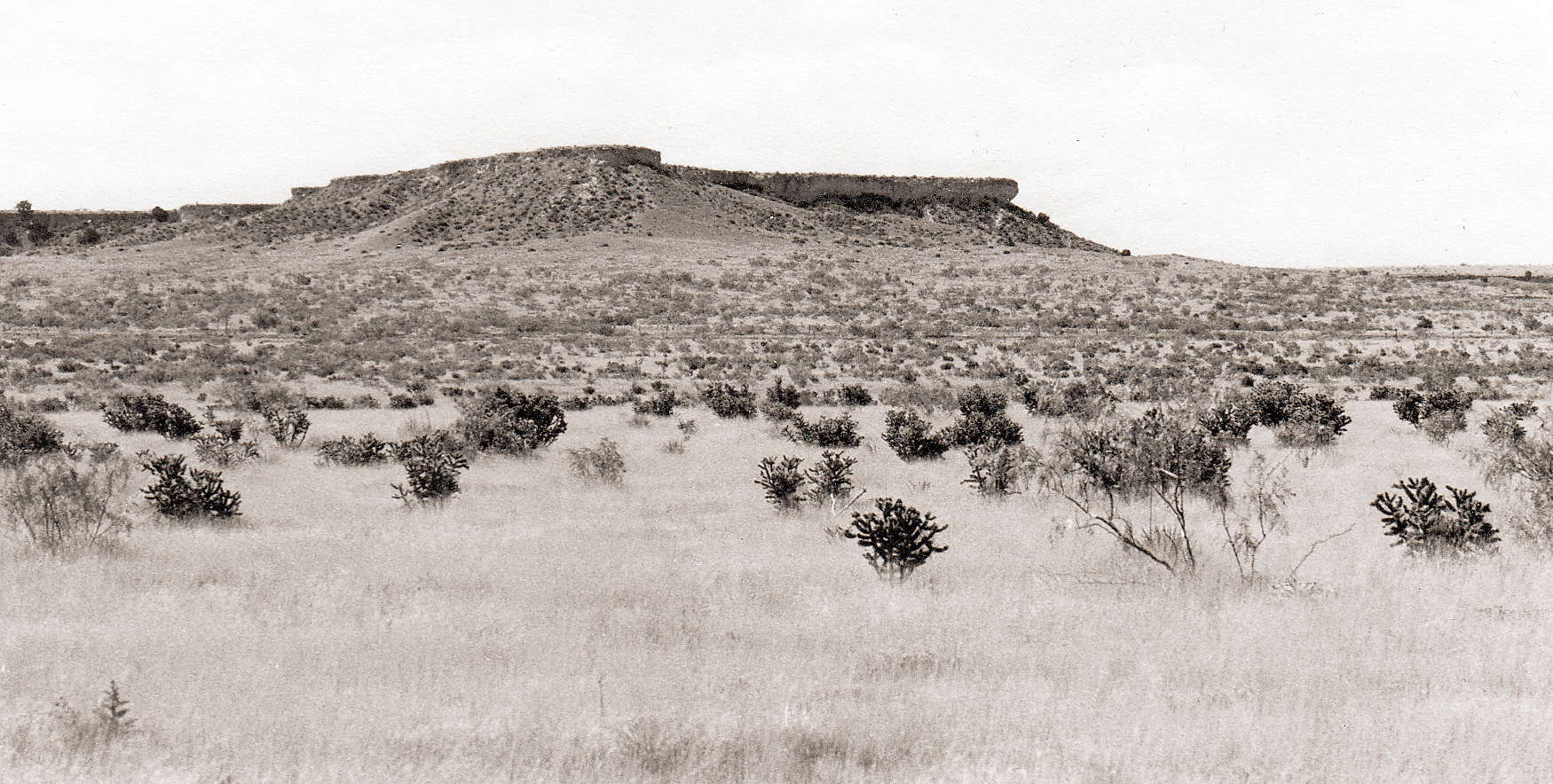
The next day, we set off west again, and finally reached Glen Rio, on the border between Texas and New Mexico, where the bottom dropped out of the flat Panhandle and we drove down into a new landscape filled with the mesas and buttes we had imagined. 

We had to laugh at ourselves years later, after living in Arizona for 25 years, at the naive glee we felt at seeing the tiny, unprepossessing hills we first passed in New Mexico, which would hardly merit the notice of anyone used to such things. But they were the first hintings of the sense that the American West was entirely alien to anything we had known in tidewater Virginia, where we were living back then. 

It was as if the Western movies I grew up with in New Jersey had come to life. We gawked at everything for the remainder of that first trip West, through Arizona, up California, through Oregon, Wyoming, Montana and all the states in between. We put 10,000 miles on the odometer that summer. 

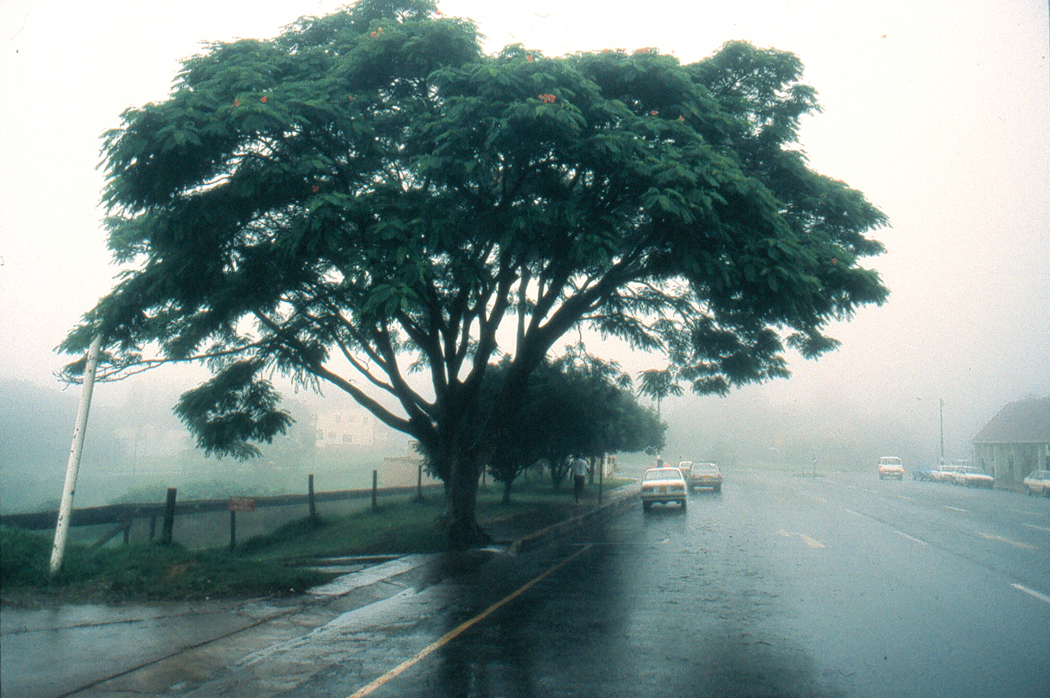
It is an hour or less before the setting of the sun, a shadowless moment already greyed out, with an evenness of tone across the landscape, and it has begun raining, a heavy downpour, a late summer evening drenching. I first hear it, and drawn to the door, I look out and watch.

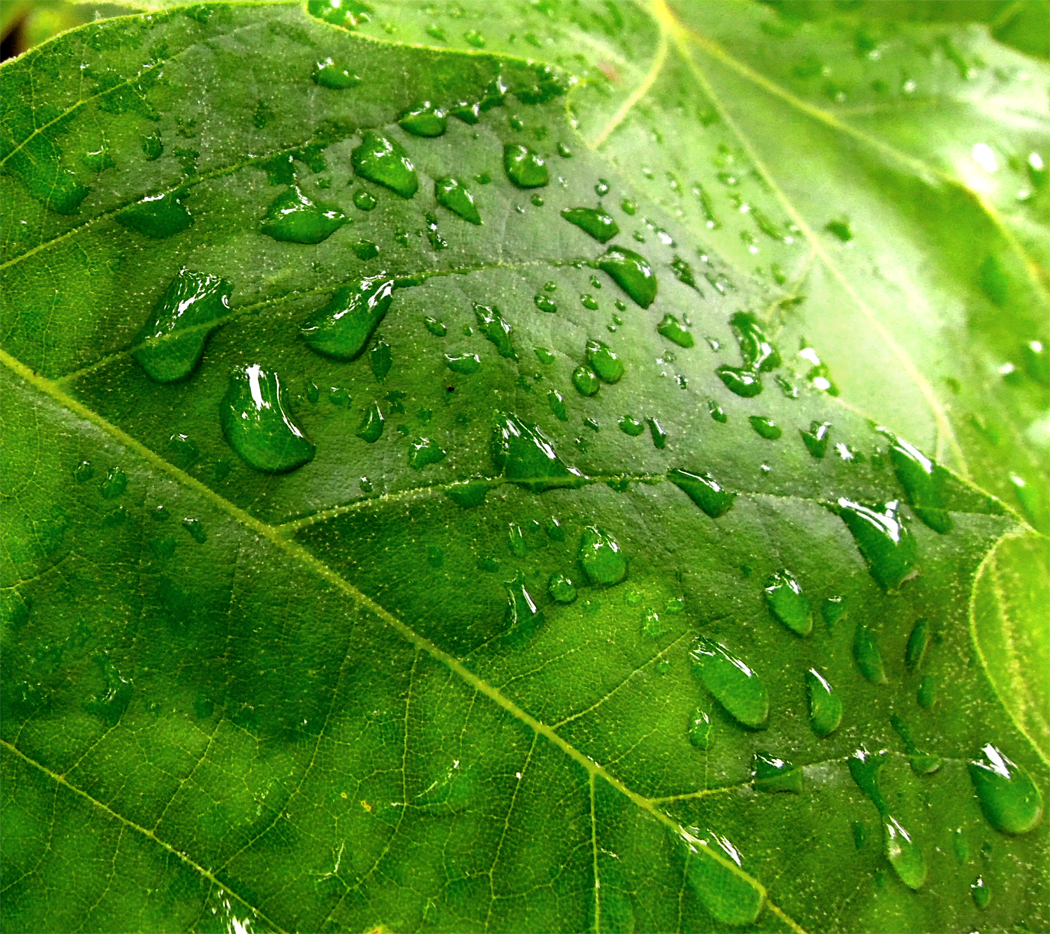
It is not just the rain, coming down in parallel lines across the trees, but the sudden humidity, a thickness in the air, and a kind of cool warmth — the air being cooler than the daytime, but the mugginess felt as summer heat. The drops splatter on the pavement outside the house and bounce up as they explode, making a kind of haze above the ground. 

It is a multi-sensory event: the hiss of the rain, the sight of the shower diagonal against the trees, the feel on the skin and the damp in the nostrils. As the weather develops, there is distant thunder. It rolls rather than claps. 

And the presence at my door cannot help but expand beyond this afternoon and its downpour. I am 70, and there are seven decades of familiarity to the rain. This moment and the emotion I feel watching is a palimpsest of all those years — each time it has rained, overlapped one on the other to make not a single day’s weather, but a book of pages, each another storm, bound in morocco to make a life. 

As a boy, growing up in what was then rural New Jersey, a brook ran through our yard and when it rained, it would flood, rushing down its channel the color of chocolate milk.

As a Boy Scout, there were camping trips in tents made from heavy oiled canvas duck, with no floors, and in the rain, the heavy drops would splatter through the weave and spray us as we tried to sleep with a mist. 

Later, in summer camp and living in large tents on wooden platforms, the rain would make a sizzle on the canvas that was pleasantly soporific. 

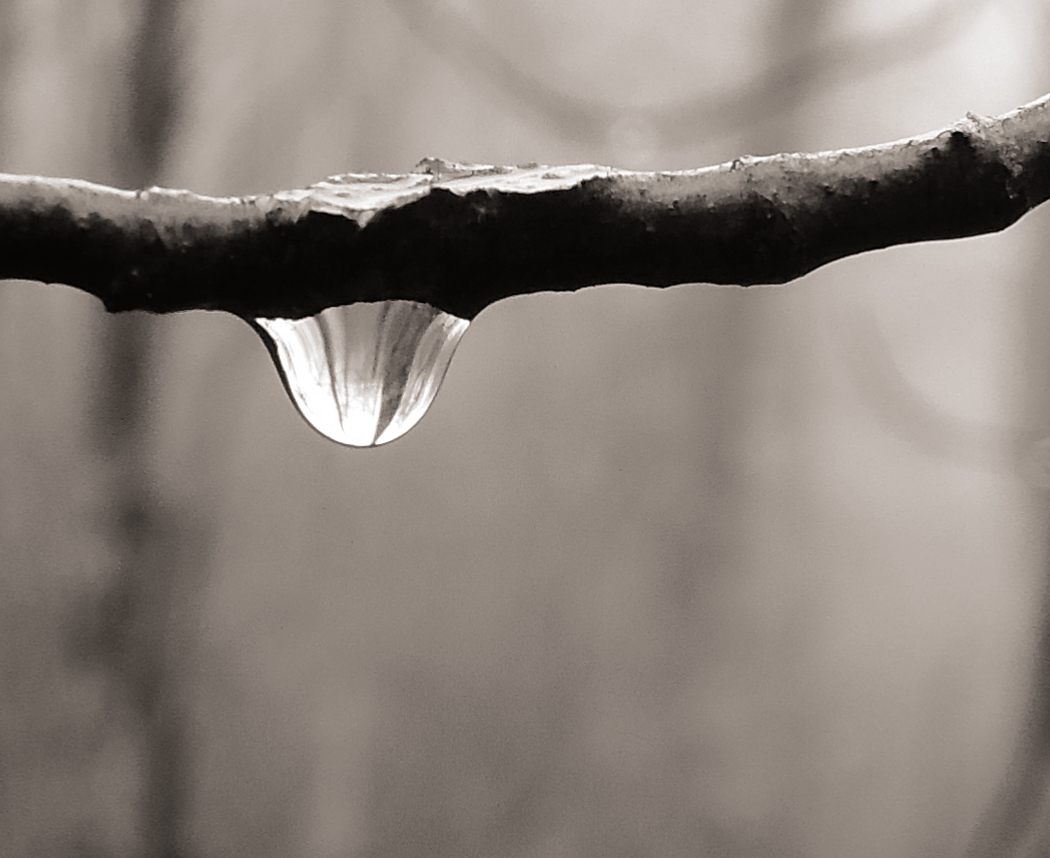
In my 20s, trying to hike the length of the Appalachian Trail, rain would sometimes keep us sheltered in a lean-to to wait out the weather, and after a night of downfall, we would wake up to a glazed world with leaves dripping, wet and clean, into the earth below and the long curved stamens of the rhodora flower weighted with a single bead on each tip. 

In Oslo, Norway, it rained every day in the summer at 4 p.m. You could almost set your clock by it. The downpour lasted perhaps 15 minutes and then it stopped, leaving streets running and the sound dampened by the humidity.

Eshowe

In South Africa, we were almost stranded on our way to Eshowe in Natal Province in 1987, when heavy rains washed out the John Ross bridge over the Tugela River. Eventually, our bus crossed the river on a railway bridge a few miles north. 

And, of course, I lived in Seattle for a while. The city is famous for its rain, but unless it was a gully-washer, no one even noticed. The constant winter mizzle was considered by most of the populace as fair weather. Or fair enough, anyway. 

Once, traveling across the continent, my wife and I were camping in Shamrock, Texas. In the middle of the night, a storm and tornado struck. First, our tent began floating as the drainwater created a flash flood, and then, when we abandoned the tent to find more secure shelter, the wind grabbed the tent like a kite, and I stood there, lit by the lightning, holding onto the airborne canvas trying to keep it from blowing off to the next county. I managed to get it caught under the tin roof of a picnic table and was able to dismantle it in the torrent. 

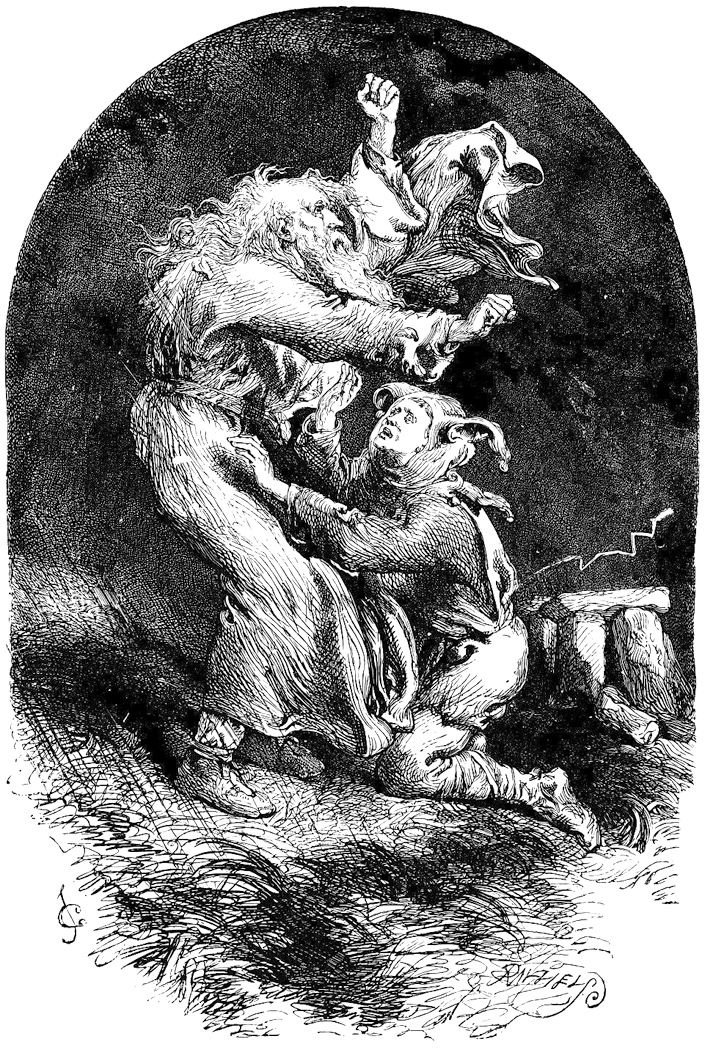
These and a thousand other pages in my morocco bound memory come to mind. But it isn’t merely the personal that maintains this resonance. Rain animates some of our best and most beautiful art, from Chaucer’s “shoures soote” to Lear’s “Blow winds, crack  your cheeks! Rage, blow! You cataracts and hurricanoes.” (When I watch Lear in the theater, I cannot help thinking of Shamrock, Texas). “Hey, Ho, for the wind and the rain. … For the rain, it raineth every day.”

There’s the thunderstorm in Beethoven’s Pastoral Symphony, the wind machine in Strauss’s Alpine Symphony, and Chopin’s “Raindrop” prelude. 

There’s the downpour that begins Kurosawa’s Rashomon and the hurricane in John Huston’s Key Largo. The shower in The Big Sleep, when Humphrey Bogart ducks out of the rain into the bookstore with Dorothy Malone — when I first saw the film on television as an adolescent, the scene counted as pretty racy stuff. 

Looking out my door now, the trees across the road are a grey mass, not a boring cardboard grey, but a rich, charcoal and velvet grey, a grey made up not of a lack of color, but of all the colors veiled over each other. 

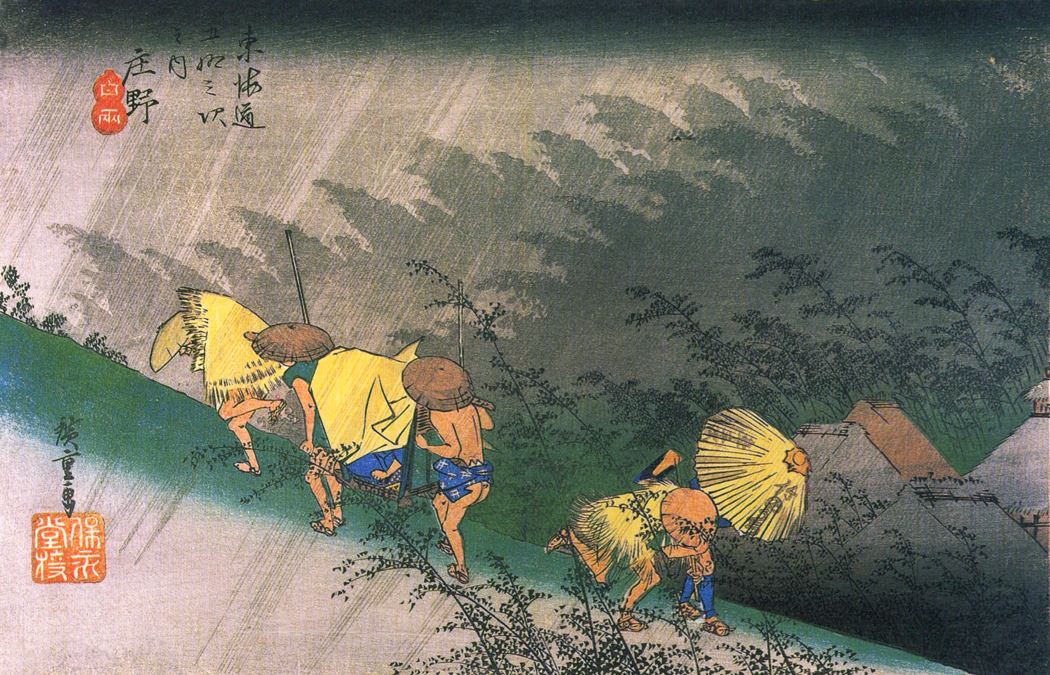
The visual poet of such rich greys in the rain is the Japanese woodblock artist, Ando Hiroshige. In so many of his Ukiyo-e images, the rain has dulled the contrast of the trees, leaving them a blank wash of charcoal or slate. It is what I see across the road — the overlapping of ever lighter greys as the landscape recedes. 

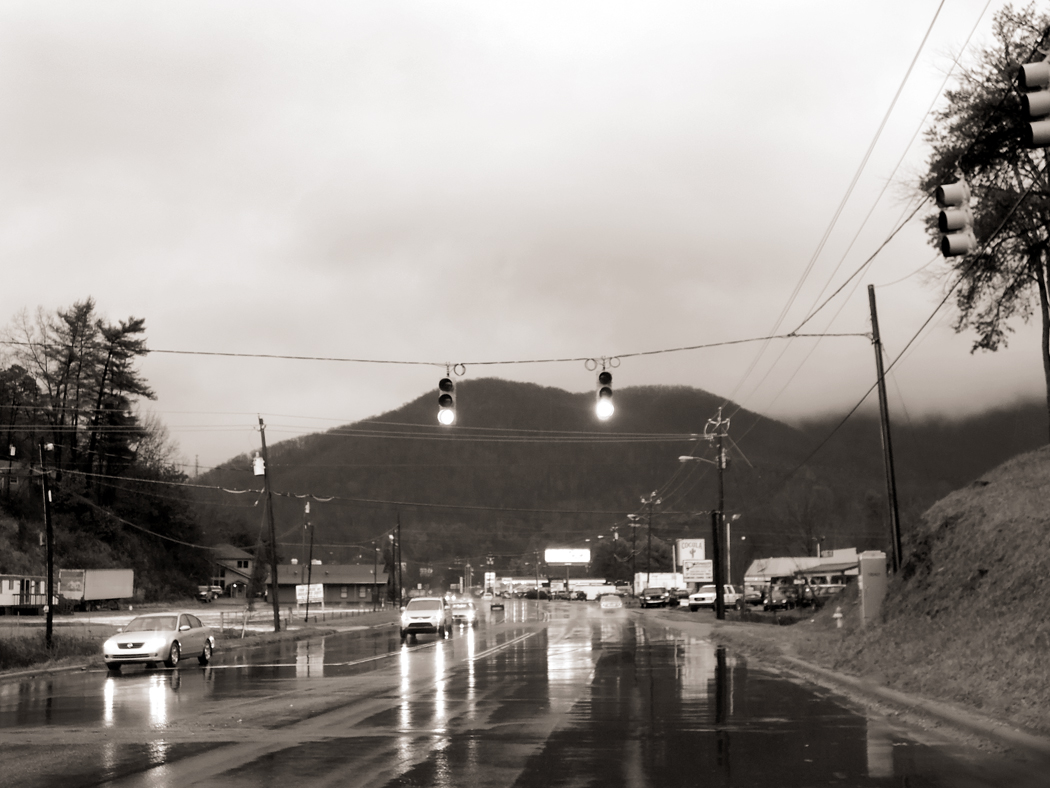
In 20 minutes, it is over. The street is flowing with runoff, more leaves have blown from the trees and collect in the wash along the curb. Fall is not too far off. The sky is barely brighter than the silhouetted trees; night will be here in another 10 minutes. 

Aprill with his shoures soote cannot match the end of summer and its late afternoon drenches. Trees all leafed out are ready to give up and let go. A certain exhaustion can be felt in the air; we have pushed so hard into the growth and flowering, and in seed time, we recognize our day is over. 

I close the door; the rain is forgot. I am remembering it now — emotion recollected in tranquility. I recall to mind the humidity on my skin, the sound in my ear, the riot of greys and the street wash. 

I love the rain; it is infinitely more beautiful than sunshine, which blares and obscures in shadow. The forms of things are revealed in sunless weather that are obliterated by sunlight. You see the world the way it truly is, not split into a manichean dichotomy of bright and dark — of Ahriman and Ormazd. 

It is the middle of August. I write this with some trepidation, remembering a warning by Sylvia Plath, who wrote: “It is hot, steamy and wet. It is raining. I am tempted to write a poem. But I remember what it said on one rejection slip: ‘After a heavy rainfall, poems titled Rain pour in from across the nation.’ ”