Archive

Tag Archives: timeline

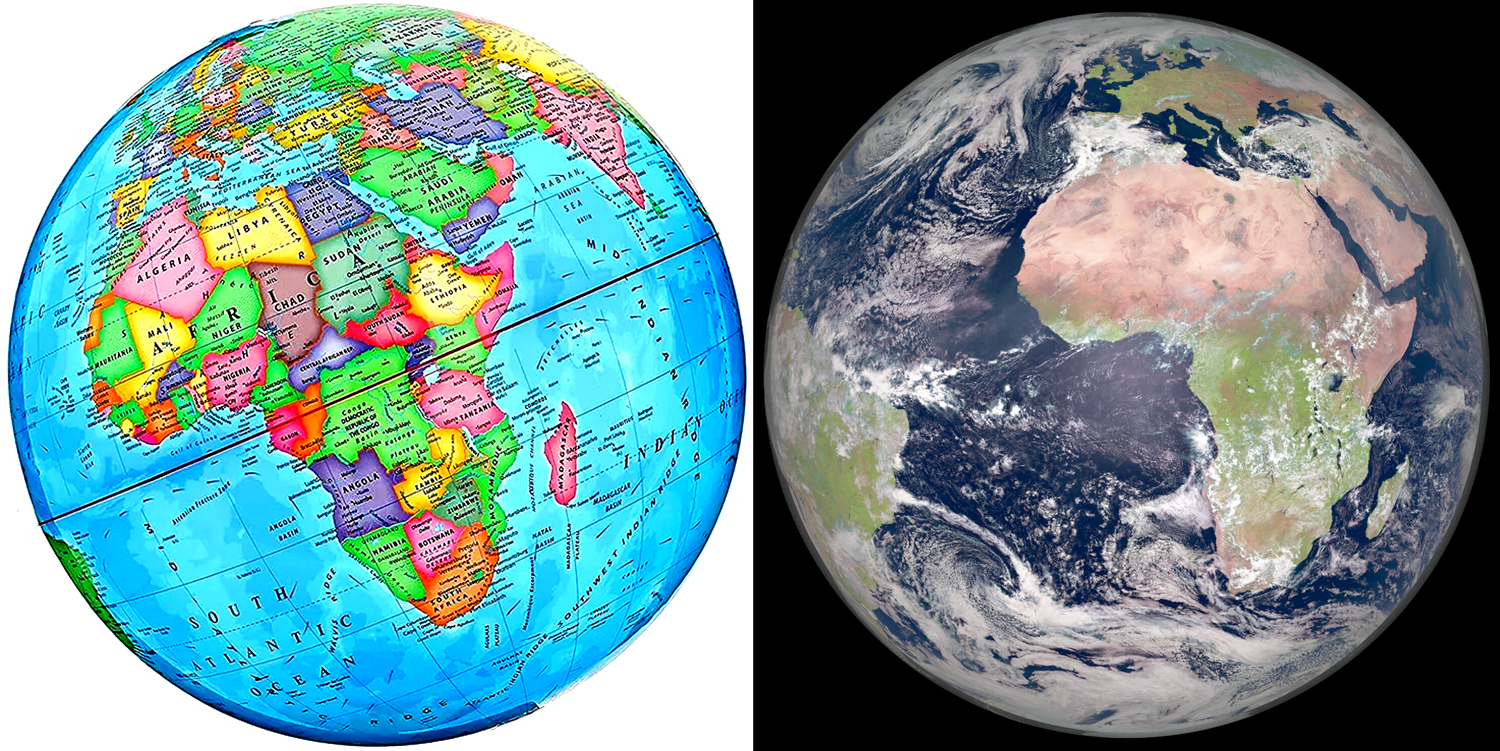
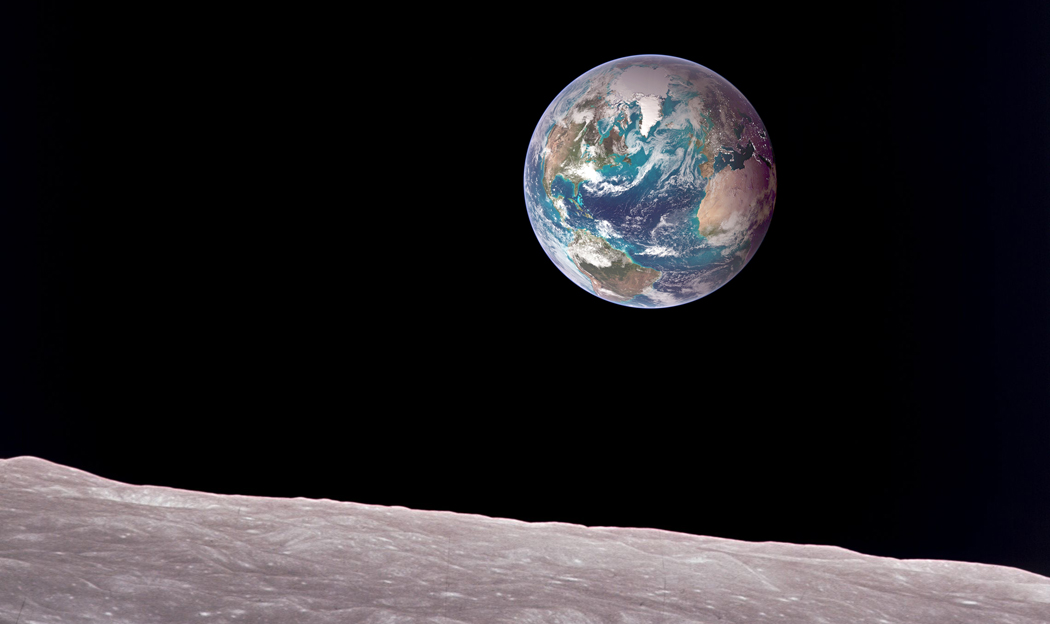
Fifty-seven years ago, while on the Apollo 9 mission orbiting Earth, astronaut Rusty Scheickart was floating outside the capsule in his space suit and had a moment to look out through his “fishbowl” helmet at the planet under him. 

“And you look down there,” he said, “and you can’t imagine how many borders and boundaries you cross, again and again and again [as you orbit the Earth every 90 minutes]. And you don’t even see them.” 

It’s a common refrain from those who have gone to space. Moon astronaut Buzz Aldrin said, “From space there were no observable borders between nations, no observable reasons for the wars we were leaving behind.”

Senator Bill Nelson, who flew on the Space Shuttle Columbia in 1986, said, “In space, you don’t see boundaries or borders. We are all citizens of Earth.”
The blue marble

We draw lines where there aren’t any. National borders are just one case. We draw distinct lines between species in biological taxonomy, we name historical eras, invent racial exclusions — we talk about these arbitrary lines as if they build fences between property lines. But they are legal fictions, and continually malleable. Political borders shift; taxonomy rejumbles categories; Red politicians vs blue politicians? Really they are all just grey men in blue suits. Their squabbles are parochial at best. 

The issue is that we understand the world in discrete chunks, but nature comes in indistinct swathes. In order to discuss or argue, we pretend there are clear lines. Perhaps we have to; everything all together at once is confusing. 
Robert Rauschenberg “Lucky Dream”

Nature, however draws few lines. It spreads and includes. It changes constantly; it is never static. “Everything flows,” as Heraclitus put it. Seed into sprout into flower and into seed into … 

I’m not saying there are no differences at all, but rather that the lines we draw tend to be arbitrary or at least, blurry. Are the red people for smaller government or a more powerful presidency? Such issues shift over time and it’s impossible to pin them down. 

Take the past, for instance. Historians like to take big chunks of time and give them names: Classical, Postclassical, Late Medieval, Romantic, and so on. Then they argue over it all, because any good academic historian knows that the names we give big chunks of time are misleading. But, as they say, whatcha gonna do? We seem to be stuck with them. 
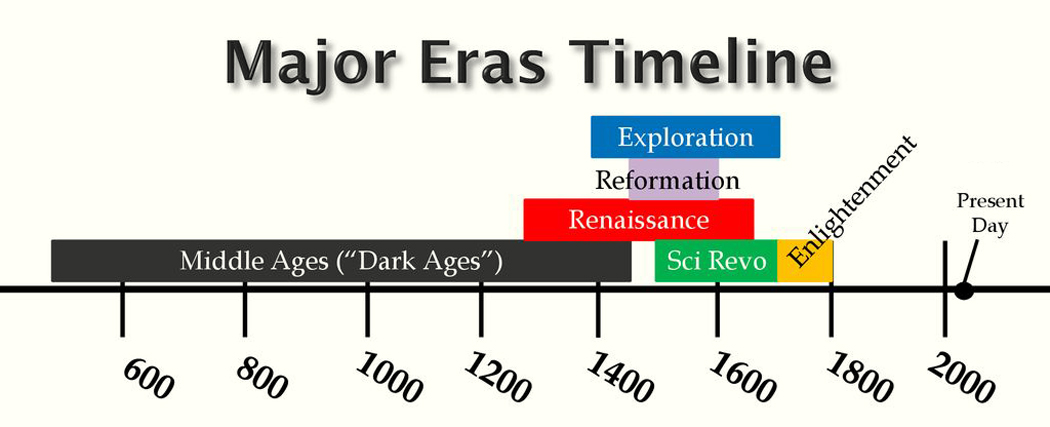
The Middle Ages, for instance. Middle of what? Homo sapiens developed something like — in a common low-end estimate — 300,000 years ago, putting the start of the Middle Ages somewhere approximately in the last 15/3000ths of human history. Not exactly the middle.

And the dates we give the Middle Ages vary widely. Where do you draw the line? It came after the Roman Empire. But when did the Roman Empire fall? Well, you can say that the final collapse came in 1453 with the fall of Constantinople. For some people, that is already the Renaissance, squeezing out the Middle Ages entirely. And no one really believes the Byzantine Empire was genuinely Roman. They spoke Greek, for god’s sake. They were Christian.
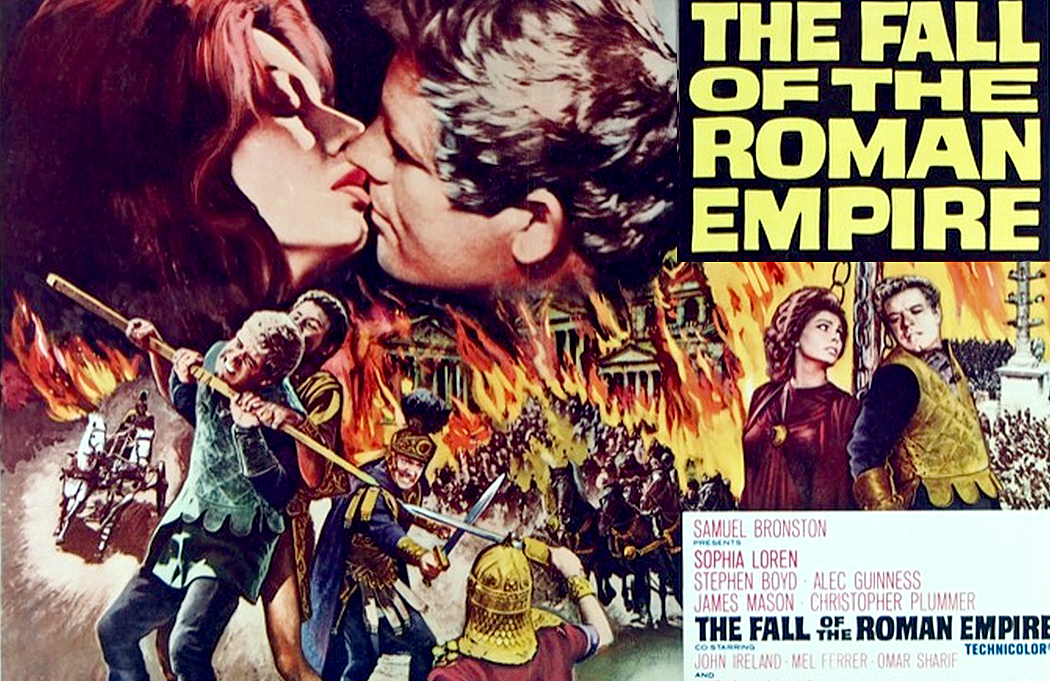
Usually, when we talk of the fall of Rome, we mean the Western Roman Empire and the sad reign of Romulus Augustulus, which came to an end in AD 476. But really, the Western Roman empire at the time consisted only of most of Italy, a tiny bit of France, and Dalmatia (later aka Yugoslavia, later still — well, you know).

And you could easily argue that Rome ceased to be Roman after Constantine converted to Christianity and legalized it in AD 313. After that, the slow slide from Roman imperialism into Medieval feudalism began its ambiguous transubstantiation.

It is the great paradox of scholarship: The more you read, the more your ignorance grows: The more you learn about something, the more you discover how little you know. 

We think of our current era as modern. But when did that begin? It is a slippery question. I am reminded of the time, some 50 years ago, when I first drove west from North Carolina. I had never seen the great American West and eagerly anticipated finding it. It must be so different, I thought, so distinct.

We were living in Boone, N.C., named for Daniel, who trod those mountains in the 1700s, when anything beyond the Blue Ridge was the West. When George Washington surveyed the Northwest Territory in the late 1740s, he was measuring out what became Ohio.

Blue Ridge

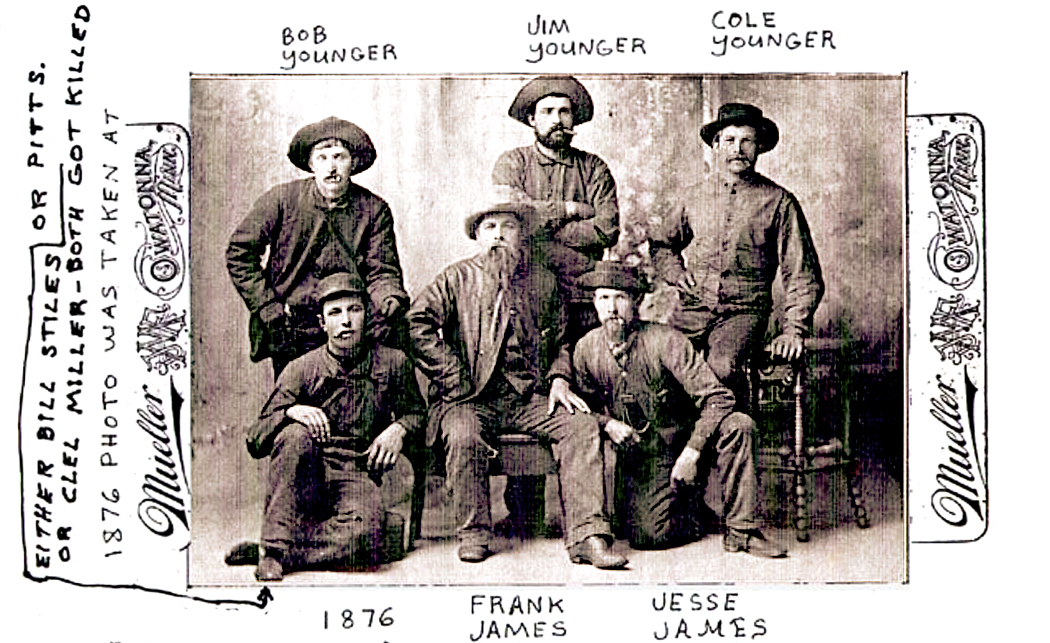
So, when I was driving, I knew I had already pushed my own frontier past such things, and knew in my heart that the West began on the other side of the Mississippi River. But, when I crossed the river into Arkansas, it hardly seemed Western. It didn’t look much different from Tennessee, in my rear view mirror. Yet, Arkansas was home to the “Hanging Judge” Isaac Parker and where Jesse James robbed trains.
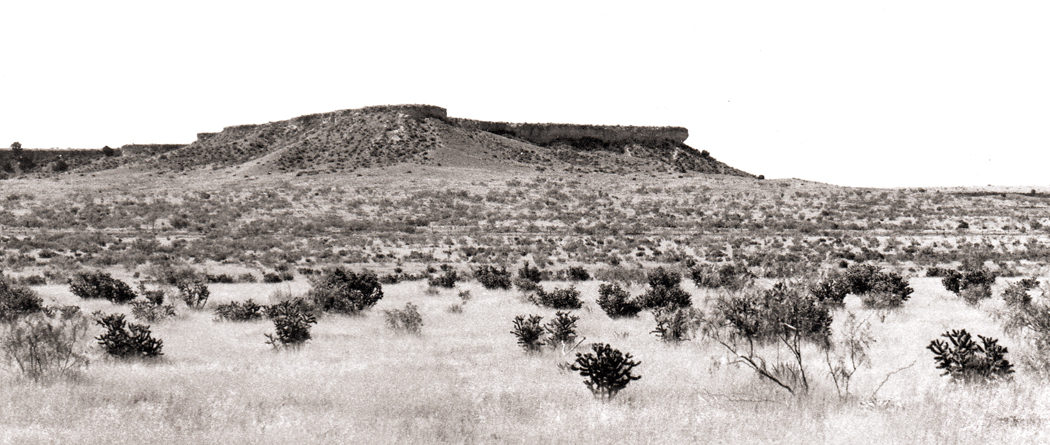
But surely Texas was the West, but driving through flat, bland Amarillo on I-40 was as exciting as oatmeal. The first time we felt as if we had hit the West was at the New Mexico line, when we first saw a landscape of buttes and mesas. Surely this was the West.
Maybe, but we hadn’t yet crossed the Continental Divide. All the waters of all the rivers we crossed emptied into the Atlantic Ocean. Finally, crossing the Divide near Thoreau, N.M., we felt we had finally made it.

Yet, even when we got to Arizona, we knew that for most of the pioneers who crossed this country a century and a half ago, the desert was just one more obstacle on the way to California. In some sense it still wasn’t the West.
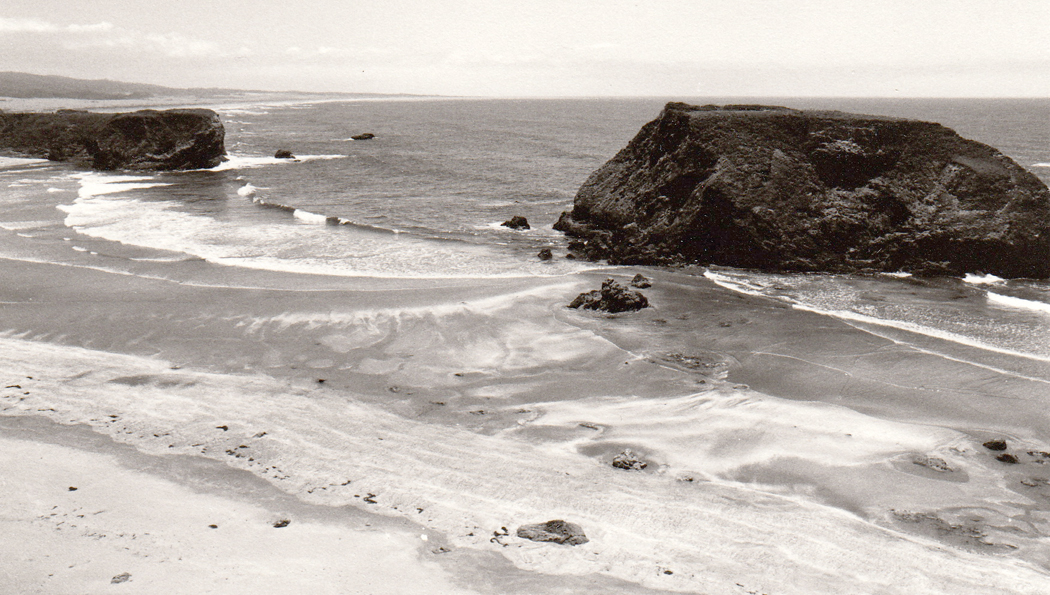
When we got as far as we could in a Chevy, and stared out at the Pacific Ocean, we knew that there was still something farther: Hawaii, Japan, China, India, Africa — and eventually across the Atlantic to Cape Hatteras and back to North Carolina.

So, the West wasn’t a place you could ever really reach, but a destination beyond the horizon: Every point on the planet is the West to somewhere else.
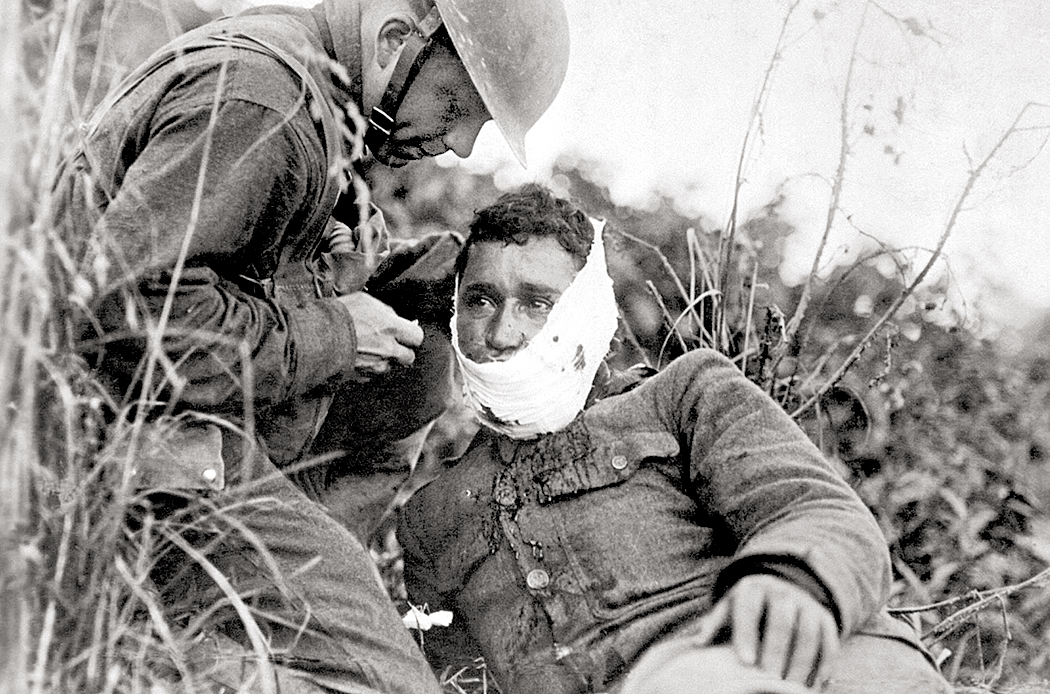
When we look to find the beginnings of Modernity, the horizon recedes from us the same way. Perhaps it began with World War I, when we entered a non-heroic world and faced a more sober reality.
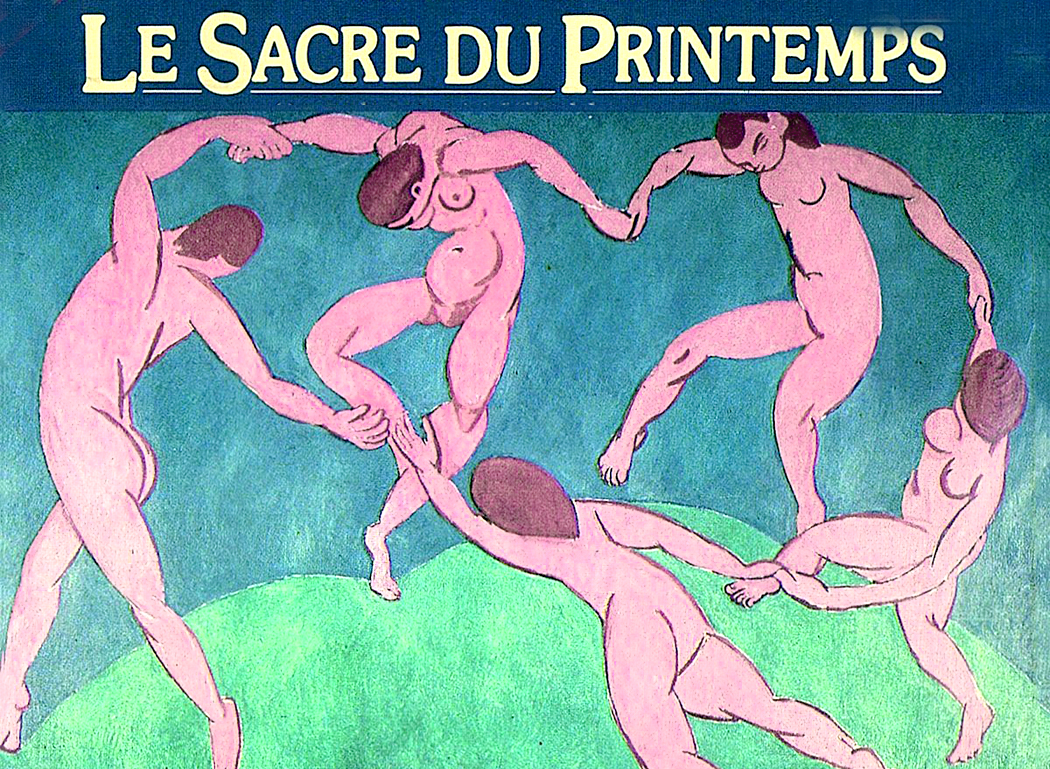
Modern Art began before that, however, perhaps with Stravinsky’s Rite of Spring in 1913, perhaps with Debussy’s Afternoon of a Faun in 1894. Some begin with the first Impressionist exhibition in 1874.

Politically, maybe it begins with Bismarck and the establishment of a new order of nations and the rise of the “balance of power.”

You can make a case that Modernism begins with the Enlightenment in the 18th century, when a rising Middle Class began to fill concert halls and Mozart became an entrepreneur instead of an employee of the aristocracy.
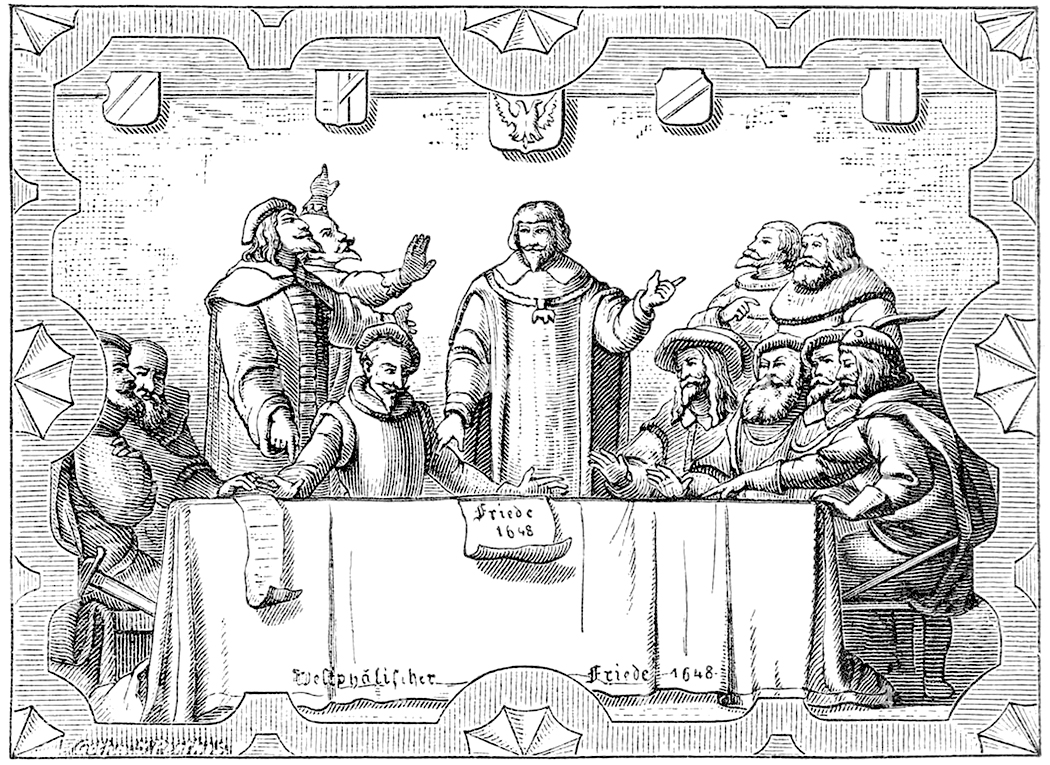
Or before that, in 1648, with the Treaty of Westphalia, and the first recognition of national boundaries as something more than real estate owned by the crown.

You can set your marker down with Luther, with Gutenberg, with Thomas Browne, Montaigne, Caravaggio — or Giotto.

For many, Modernism began with the Renaissance, but when did the Renaissance begin? 15th century? The Trecento? Or did it begin further north with the Gothic around AD 1150, which is really the first sparking of a modern way of thinking. 
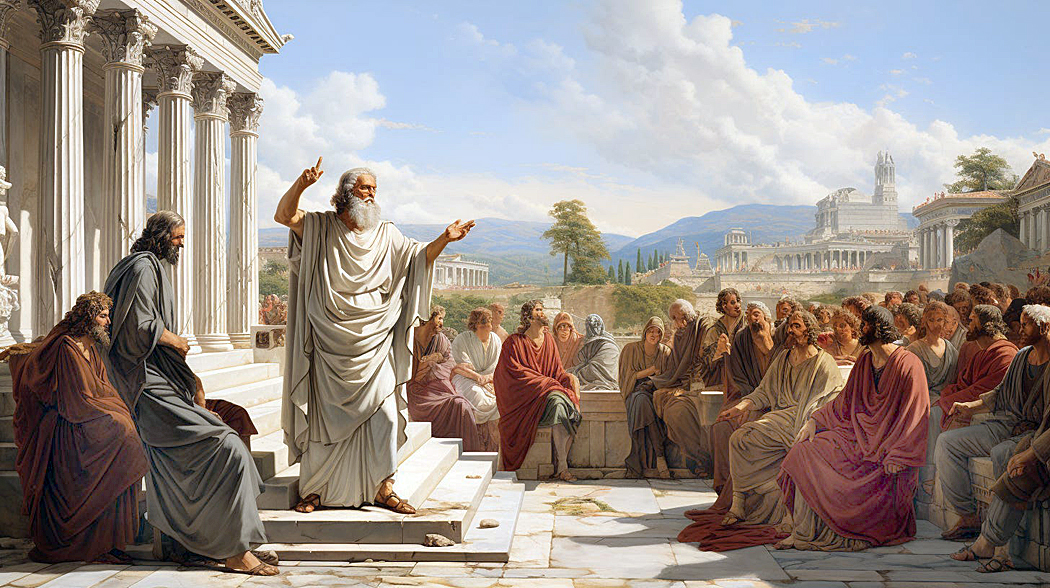
Perhaps, though, it is the Roman republic that divides modern political organization from more tribal eras before. Or you could vote for the democracy and philosophy of ancient Greece. Surely the time before that and the the time after are distinctly different. We recognize the near side of each of these divides as more familiar than the distant side.

You might as well put the starting line with the discovery of agriculture in the steppes of Anatolia and the river plains of Iraq. An argument can be made for any of these points on the timeline — and arguments could be made for many I haven’t room to mention.
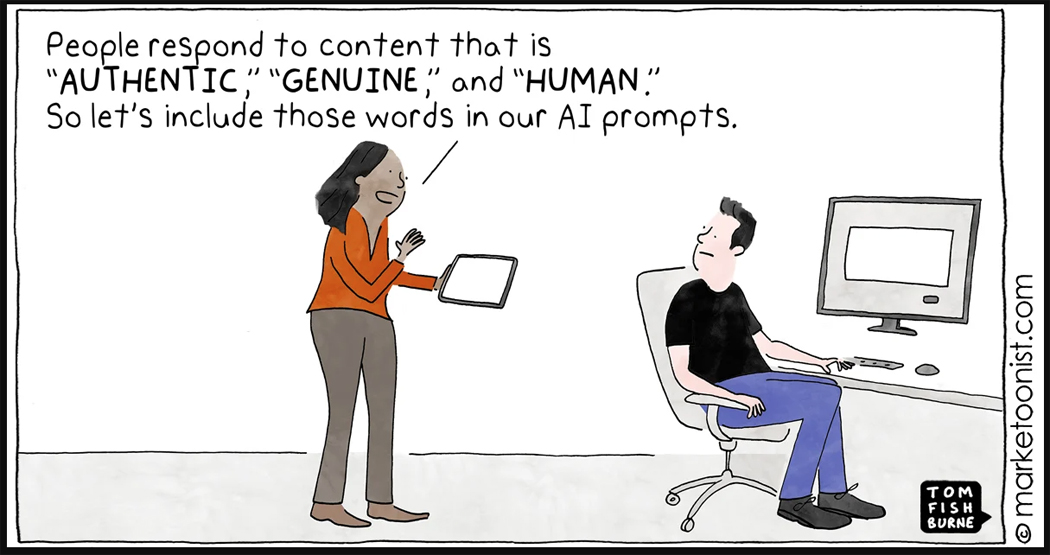
Which leaves us the ultimate question: Is Modernism now over? Done with? Have we moved on, or is what we deem Postmodernism really just the next manifestation of the Modern? Perhaps AI is the new line drawn in history. 

Perhaps the horizon should be recognized for what it is: an ever-moving phantasm. For those peasants digging in the manorial dirt in the Ninth Century, the times they were living in were modern. The first person recorded to use the term “modern” for his own age was the Roman writer Cassiodorus in the 6th Century. Each moment is the new modern.

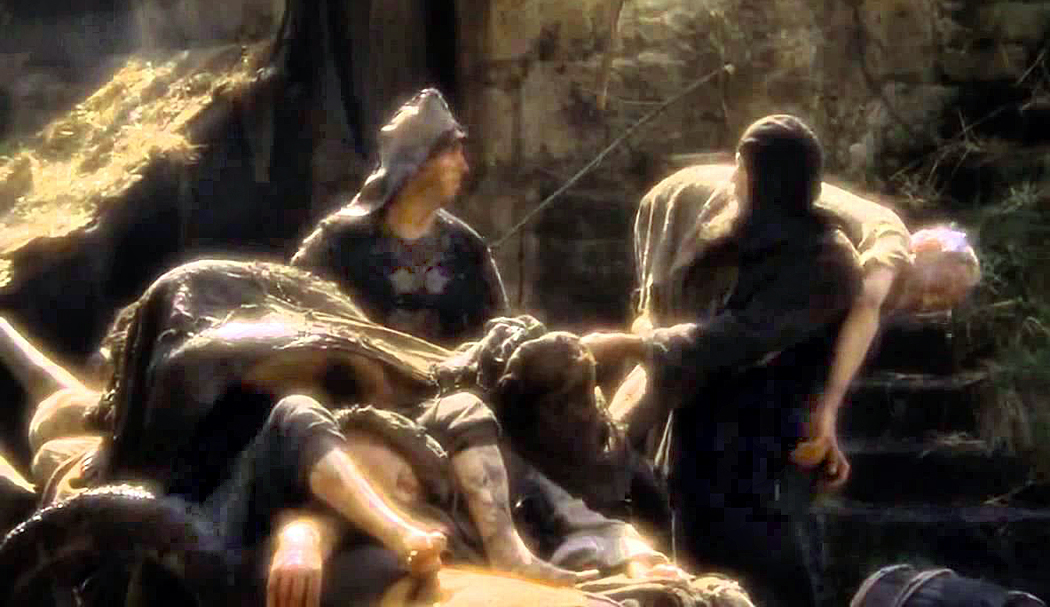
Scholars know all this very well, and make their arguments in books and treatises, almost always with the caveat about drawing lines hard and fast. But the convenience of giving names is too seductive, and leaves the popular imagination with images like Monty Python’s “Bring out yer dead” or Elizabeth Taylor’s Cleopatra. Can we talk about the past without the labels we give it? 
We need to understand the world is not binary, but a borderless spectrum of experience. Hawaii is now part of North America and Iceland is part of Europe. Electrons are particles and waves. Poland grew immense and shrunk, disappeared completely and reappeared and picked up its skirts and moved 200 miles to the west. And so, I wince every time I hear a red politician tell us with misbegotten certainty what gender roles should be, or that “male” and “female” are hard, definable categories with no subtleties. Or that “Left” and “Right” are hard-and-fast places where we must construct our redouts. 

I admit we need words, categories, borders, and definitions to be able to communicate. We need to cut up our steak in order to eat it. But I would wish we could be more humble about their actual reality. 
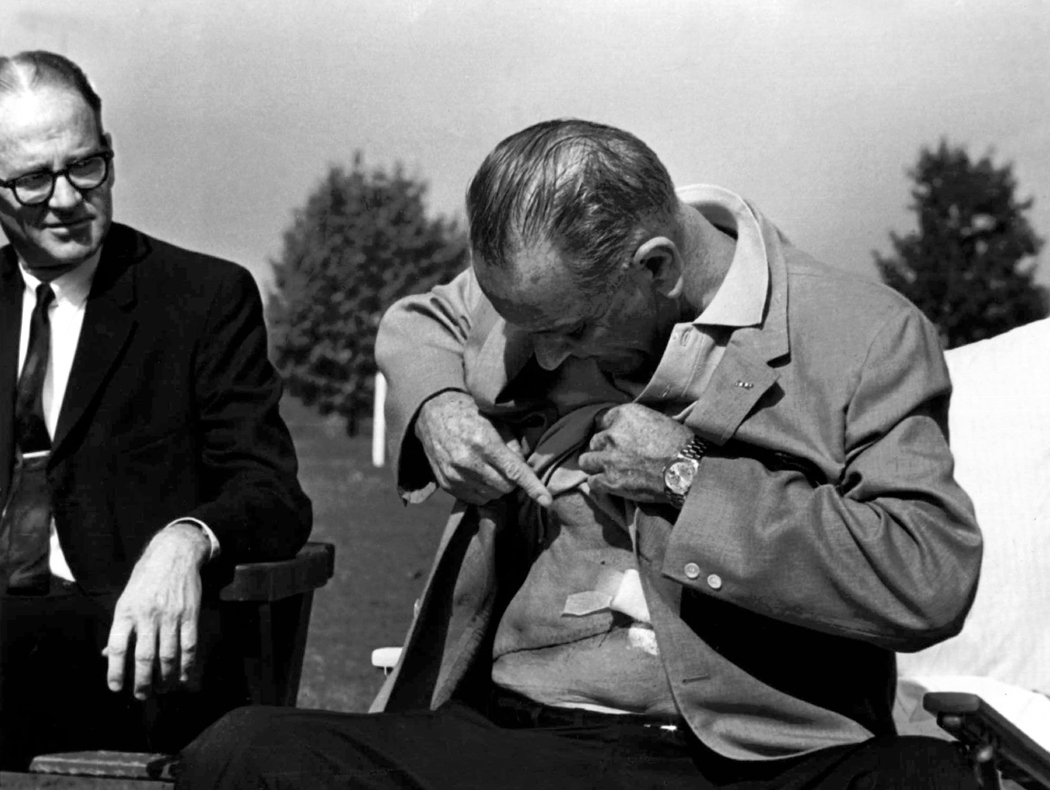
Lyndon Johnson

If it weren’t for popular culture, some people say, America would have no culture at all.

But that’s a bad rap. Popular culture is America’s one great gift to the world. If Greece gave us logic, democracy and high art, America in her 200-year infancy gave back Good Golly Miss Molly, the moonwalk and Flav-R-Straws. Who is to say this isn’t an even trade? There is a dynamism in pop culture that makes European high art look positively flat-footed. Pop bounces; it’s witty, clever and brash. It explodes in your mouth like Pop Rocks. And if you get bored with the latest incarnation of pop, another will be along, like a bus, in 15 minutes.

Hey, you can’t dance to Wagner.

Pop culture is so persuasive that virtually every nation on Earth yearns to assimilate it whole. T-shirts and jeans have become the international habiliment, as American English has become Earth’s lingua franca.

How did it come to be this way? There are many mileposts on the way. They are the Great Moments in Pop Culture.

Some might say pop culture is made up solely of great moments, since the concept of great moments is by itself a pop phenomenon.

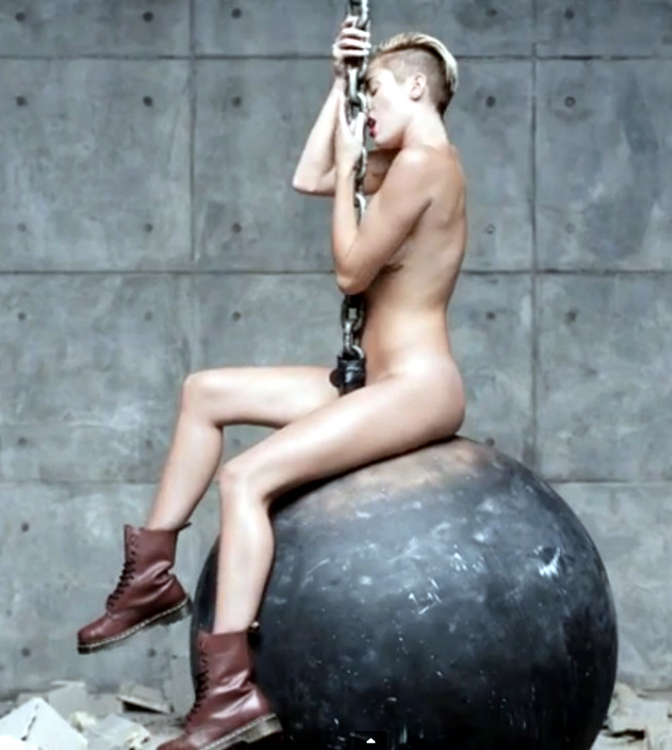
Lyndon Johnson showing us his surgery scar; the invention of the ice cream cone; the first televised professional wrestling. The latest is Miley Cyrus and her Wrecking Ballmiley cyrus wrecking ball

More great moments: the first waffle; the invention of tassels; the day Hanna met Barbera; black-velvet Elvis; and instant replay.

Each was a defining moment in a culture that redefines itself every moment of existence.

There was Nixon saying, ”Sock it to me” on Rowan & Martin’s Laugh-In; the first TV couple sleeping in a single bed; paperback books; Ron Popeil’s Pocket Fisherman.

In a sense, the perfect incarnation of pop culture is the Madonna-Lady Gaga axis. It is the phenomenon that most accurately describes what America is all about.

In Europe, class traditionally has defined who you are and what you can be, but democratic America is about social mobility and the rock-hard belief that no one is better than anyone else. When they called America the land of opportunity, they meant not only the land of $60-million no-cut contracts, but the land that lets you inflate your breasts with silicone, join the Hair Club for Men or rise from Bedtime for Bonzo to president.

European high culture is divided into the seven arts: painting, music, dance, literature, theater, sculpture and opera. Critics in the 20th century often add an eighth: cinema. But all are longhair and, when properly appreciated, require uncomfortable clothes, usually worn by audience and artist alike.

American pop culture requires no more than shirt and shoes for admission, and sometimes not even that. High culture is French wine; pop culture is a twist-off cap on a Lite beer.

But pop culture, too, is divided into seven components. They might be the race car, top hat, old shoe, wheelbarrow, iron, thimble and terrier of Monopoly, but they’re not.

The real seven lively pop culture components are: Horses, Roman Numerals, Dirt, Nudity, Cheese, Hair and Golf. Any aspect of pop culture fits into one of these categories.

Let’s take and examine them one by one.

Howie Mandel

Howie Mandel

Hair, for instance — by far the largest category — includes rock and roll, television evangelists and local TV news anchors. Howie Mandel is included as the negative of the proposition, an honor he shares with an increasingly large number of pop icons in the brotherhood of the shaved head.

Boxing falls under Hair, via Don King.

Horses includes everything from Hoot Gibson to Mister Ed to that ’78 Chevy with 300 horses under the hood.

Richard Harris also fits here.

Roman Numerals take care of the Super Bowl, Halloween movies and Thurston Howell III.

Under Cheese we can find most of the American diet, from pizza to cheeseburgers. Fondue is here.

But so is reality TV: Not much is cheesier.

Nudity brings us Madonna (of course), Playboy magazine, Robert Mapplethorpe, Danielle Steele novels and Sports Illustrated.

Dirt is self-explanatory: It is gossip, and includes not only People magazine, Entertainment Tonight and Kitty Kelley, but also the entire political process, especially as it has devolved into the intellectual equivalent of mud wrestling. johnny carson golf swing

And, of course, Golf. Johnny Carson’s monologue punctuation, the nation’s space program (golf is first interplanetary sport), the late Mr. Blackwell’s honorees and anyone else who wears tasteless clothes.

Name any pop phenomenon and you can find a home for it in one or more of these resting places. The Simpsons, for instance, falls under Hair, based on the tonsures of Bart, Lisa and Marge and the lack of same in Homer.

Sally Rand’s fan dance or Betty Grable’s legs fall under Nudity, along with Bernie Madoff (under the Emperor’s New Clothes clause).

And where the eggheads add cinema (as opposed to movies) as a late-developing fine art, we must point out that pop culture has added T-shirts. T-shirts are the personal communication medium of an age that no longer writes complete sentences.

The T-shirt category also includes vanity license plates and bumper stickers. yellow kid

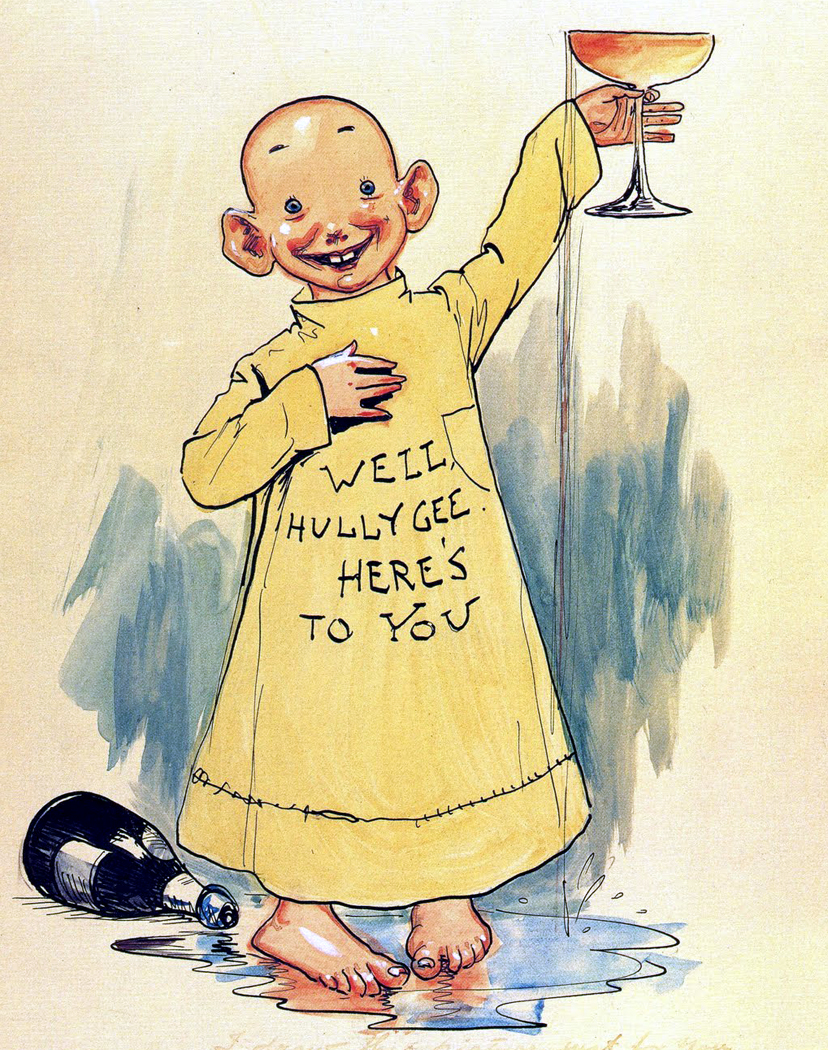
The history of the message T-shirt is really as old as The Yellow Kid. Often considered the first comic strip, The Yellow Kid premiered in 1895 in the New York World. Unlike modern strips, with dialogue in balloons, the Yellow Kid’s words first appeared on the front of his shirt.

The Yellow Kid’s creator, Richard Outcault, later felt his dialogue was uncomfortably constrained by the device and invented the word balloon as a solution. It was one of the great moments of pop culture.


A POP CULTURE TIMELINE

It’s tough to decide where to begin a list of pop culture’s greatest moments. Should it be 59 B.C. with the first newspaper, in Rome? Or maybe 1530 with the first state lottery, in Florence?

Gutenberg’s printing press got three No. 1 votes in the coaches’ poll.

Even more likely candidates are Shakespeare’s Henry IV, Part 2 in 1598, which prefigured our current sequelitis, or the first newspaper correction, printed in 1721.

But I decided the real start of pop culture was one year before the Declaration of Independence. Pop culture is almost perfectly coexistent with (and maybe codependent on) the nationhood of the United States.

Nothing in this chronology is made up. These things happened.


1775 – Carbonated water is invented by John Mervin Nooth.

1801 – Elisha Brown Jr. makes a cheese weighing 1,235 pounds; six months later, it is presented to President Thomas Jefferson at the White House.

1812 – First lawn mower (horse-powered) is patented by Peter Gaillard of Lancaster, Pa., making golf possible.

1823 – John Wayne gets his first role, when James Fenimore Cooper publishes Pioneers. Wayne, Gary Cooper and even Clint Eastwood would not have been possible without Cooper’s “Leatherstocking” tales, including The Last of the Mohicans.

1825 – Thaumatrope is invented, early movie predecessor. Others: Phenakistiscope, Zoetrope, Zoepraxiscope. Americans become intoxicated with Greek-derived words.

1848 – Dentist’s chair is patented by M. Waldo Hanchett of Syracuse, N.Y.

1854 – Accordion is patented by Anthony Faas of Philadelphia

1857 – Joseph C. Gayetty of New York City invents toilet paper, made of manila hemp. With his name watermarked on each sheet, it sold at 500 sheets for 50 cents and was known as ”Gayetty’s Medicated Paper – a perfectly pure article for the toilet and for the prevention of piles.” atlantic city elephant

1860 – Dime novels hit the newsstand when Ann Sophia Stephens writes Malaeska: The Indian Wife of the White Hunter.

1869 – Dr. William Newton Morrison creates a gold crown for a tooth, making Hip Hop videos possible.

1882 – First building shaped like an elephant is built, by James V. Lafferty in Atlantic City, N.J.

1886 – Dr. Pepper, Coca-Cola and Hires Root Beer hit the market.

1894 – First movie theater is opened in New York, by Thomas Edison. First films are bodybuilder Eugene Sandow lifting weights and doing exercises, and Buffalo Bill mounting a horse and shooting his pistols. Cut to Arnold Schwarzenegger and Clint Eastwood.

1896 – First automobile accident, as a Duryea Motor Wagon hits a bicycle rider in New York City.

1896 – Chop Suey concocted in New York by Chinese Ambassador Li Hung-chang’s chef, who devises the dish to appeal to both American and Oriental tastes.

Genevra Delphine Mudge

Genevra Delphine Mudge

1898 – First woman driver, Genevra Delphine Mudge, takes to New York’s streets. In 1899, she knocks down five pedestrians, initiating the creation of a new profession: stand-up comedian. Laughs on them: She became first woman race car driver.

1911 – Painted lines first run down center of road, in Trenton, Mich.

1922 – Belvin W. Maynard, ”The Flying Parson,” gives first sermon from an airplane, broadcasting from his Fokker over Tupper Lake, N.Y.

1926 – Electric toaster is invented by McGraw Electric Co., Minneapolis, under trademark Toastmaster. Pop Tarts not far behind.

1930 – First cow flown in an airplane, a Guernsey, goes aloft with corps of reporters and is milked during flight. Milk is sealed in paper containers and parachuted over St. Louis.

1930 – Twinkies are invented.

1935 – First parking meters, invented by Carlton Cole Magee, are installed in Oklahoma City.

1935 – Beer is first sold in cans.

1937 – First perfumed newspaper ad page appears in Washington, D.C., Daily News.

1937 – Spam is introduced by Geo. A. Hormel Co. as a health food.

1937 – First vanity plates are sold, in Connecticut.

1938 – Teflon is invented; Ronald Reagan is 27.

1939 – New York World’s Fair invents the future we are now stuck with. worlds fair

1940 – Arno Rudophi marries Ann Hayward above Jamaica, N.Y., in first parachute wedding.

1940 – Meat wrapped in cellophane is sold for first time, at A&P.

1940 – M&Ms are introduced, as a candy for the military.

1949 – UFOs hit headlines with first of a spate of sightings. Air Force investigates 244 sightings, says there are no flying saucers. Someone at Wham-o manufacturing company has a brainstorm.

1950 – ”If the television craze continues with the present level of programs,” says Daniel Marsh, president of Boston University, ”we are destined to have a nation of morons.” Aaron Spelling is 22.

1952 – Fish sticks are invented.

1953 – Playboy debuts with nude centerfold of Marilyn Monroe. John F. Kennedy is 36.

1954 – TV pictures are first transmitted from a blimp, for Tournament of Roses parade.

Eddie Rommel

Eddie Rommel

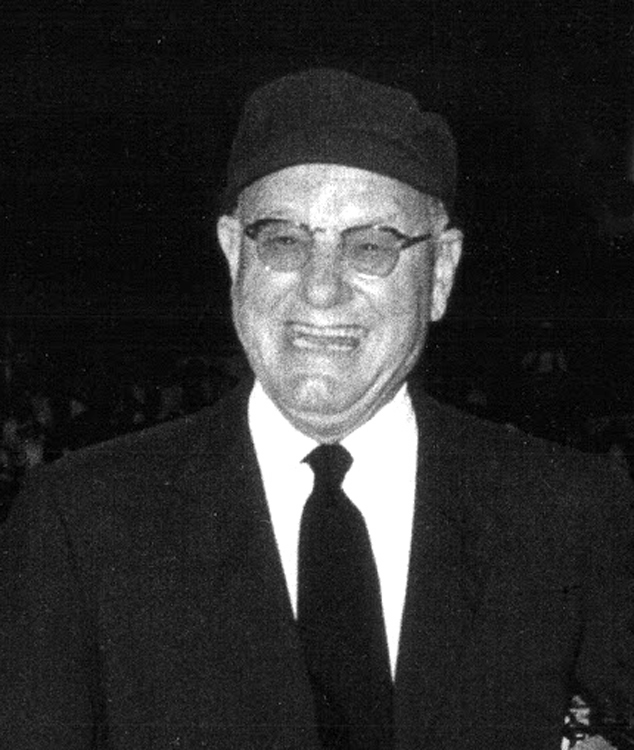
1956 – Edwin Americus Rommel becomes first major-league umpire to wear glasses.

1959 – Aromarama is introduced in movie Behind the Great Wall with slogan, ”You must breathe it to believe it.”

1959 – Plan 9 from Outer Space makes Aromarama redundant.

1960 – Nevertheless, Mike Todd Jr. develops Smell-O-Vision for Scent of Mystery.

1960 – First presidential debates on TV demonstrate importance of a clean shave.

1961 – Newton Minow, chairman of FCC, calls television ”a vast wasteland.” Bob Denver is 26.

1963 – Pop-top is patented by Ermal Cleon Fraze of Ohio.

1964 – Veg-o-matic is introduced.

1964 – Carol Doda displays first silicone breasts.

Carol Doda

Carol Doda

1965 – First TV husband and wife to share a bed are seen in NBC’s Please Don’t Eat the Daisies.

1968 – Beatles leave for India to receive instruction from Maharishi Mahesh Yogi. They complain of bad food. Ringo returns early; so does Mia Farrow. White Album follows.

1977 – First parade in which all marching music is supplied by transistor radio, Fourth of July at Streamwood, Ill.

1979 – Space Invaders video game released by Bally.

1989 – Tass, the Soviet press agency, reports alien creatures have landed in a space vehicle in a park in Voronezh, 300 miles southeast of Moscow, and a crowd describes one alien as 9 feet tall with three eyes. Tass insists it is not a hoax.

1990 – Strangest Dreams: Invasion of the Space Preachers, a TV movie shown incessantly on USA cable network, pretty well sums it up.

1990 – Hubble Space Telescope glitch proves next TV hit should be “Optometrists in Space.”

1991 – The World Wide Web is introduced, presumably also, the first cute kitten video.

1991 – The Clarence Thomas Supreme Court hearings demonstrate that despite the introduction of the Web, pornography is still in the VHS dark ages.

1994 – Tonya Harding discovers way to pop culture fame by knee-capping rival figure skater Nancy Kerrigan at Winter Olympics in Lillehammer, Norway.

1995 – O.J. Simpson trial brings rhyming poetry to the tongues of lawyers.

1998 – Shakespeare in Love beats out Saving Private Ryan, Thin Red Line, Elizabeth and Life is Beautiful for the Best-Picture Oscar, proving that in America, nobody — and nothing — is better than anyone else, and even the least can win an award.

1998 – The epic saga of Monica Lewinsky begins, making the distinction between People magazine and the national political agenda meaningless. zimzamcola

1999 – Nation goes nuts chewing its fingernails over Y2K.

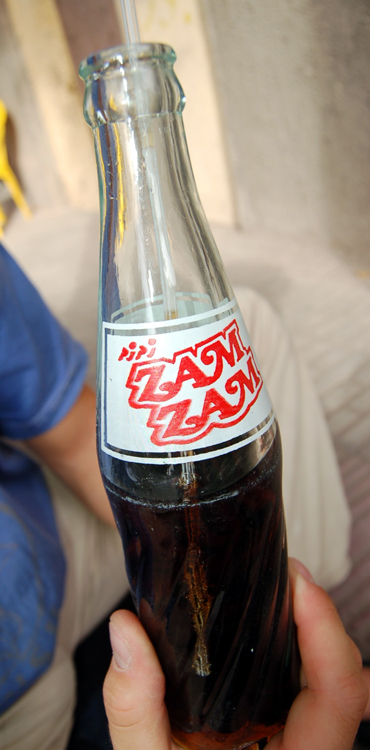
2002 – Iranian-made pop Zam Zam Cola is dubbed official soft drink of the Hajj.

2003 – Real-life “hobbit” discovered in fossil remains of Homo floresiensis.

2004 – Massachusetts becomes first state to legalize same-sex marriage.

2004 – Martha Stewart goes to prison.

2004 – At Super Bowl XXXVIII, Janet Jackson perfects the nip slip, which goes on to become one of the defining memes of the millennium. Since then, you can’t be a real celebrity without a nip slip playing on the internet. janet jackson nipslip

2005 – French surgeons carry out first successful human face transplant.

2005 – Cartoons of the prophet Muhammad published in Denmark. Uh-oh.

2006 – Pluto demoted to “dwarf planet” status.

2006 – Vice President Dick Cheney shoots his friend in the face while quail hunting.

2006 – Singer Britney Spears one-ups Janet Jackson, and raises the ante on celebrity sex exposure, getting out of a car without underwear, a ploy later adopted by Lindsay Lohan and Paris Hilton, among others.

2008 – Opening ceremonies at the Beijing Olympics scare the bejeezus out of America, which realizes that perhaps, just perhaps, it’s now on the downslope of history.

2011 – Congressman Anthony Weiner attempts to get in on the act by sexting a photo of his weiner, which must be the male equivalent of the Britney move. Fame follows, or rather notoriety, and resignation from Congress.

2013 – Now running for mayor of New York, Weiner again looks to Britney Spears for career guidance, following the advice of her hit song, Whoops, I Did It Again. TV talk show hosts consider this a gimme.