Archive

Tag Archives: toponyms

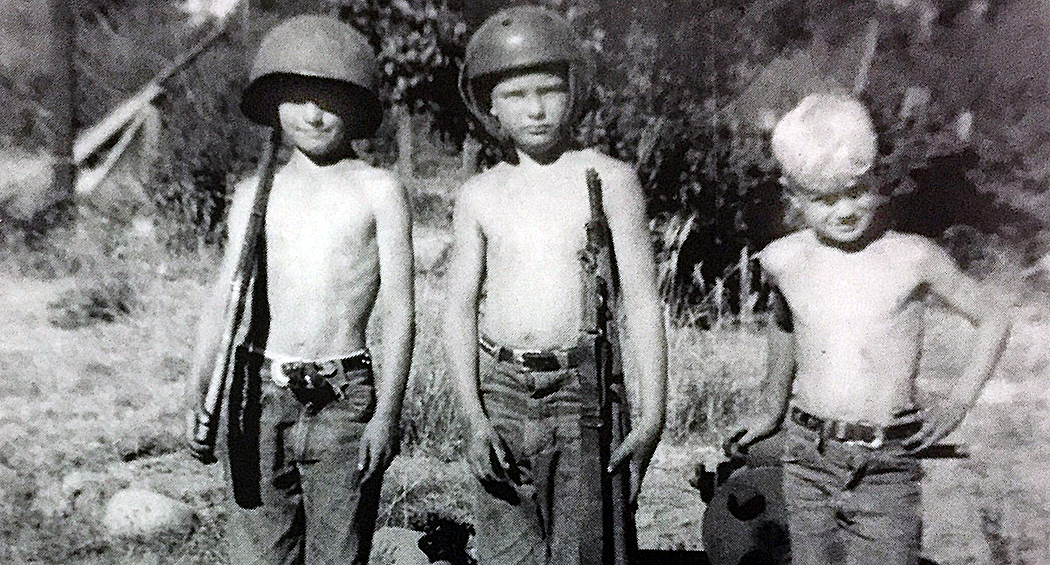
When I was a boy, in the 1950s, in an era not far removed from the Second World War, when Army surplus stores were common and provided much of the hardware we kids used for our play — helmet liners, canteens, mess kits, ammo boxes — we divided up into “good guys” and “bad guys,” just as we divided into cowboys and Indians. The good guys were American, of course, and the villains were “Japs” and Nazis. Usually Nazis. 

But as boys, we pronounced the word as if it were pure American English: “Nah-zees,” where the first syllable had the “A” sound in “nap.” Nazees. It was only years later that we realized that in German, the word was closer to “Not-sees.” 

And ever since, I have been fascinated by the way foreign words and names tend to get naturalized into something familiar on the tongue. We say “Paris,” and not “Paree.” “Moscow,” not “Muskva.” Cuba as “Kew-buh,” not “Koo-ba.” 

I came across a piece recently by linguist Geoff Lindsey about this tendency, and the range of possibilities, and how the British and Americans tend to vary in the attempt. And also, how the Americans have lately tended to attempt to “un-nativize” foreign words and names — to varying degrees of success. Something we might call “collateral decolonization.”
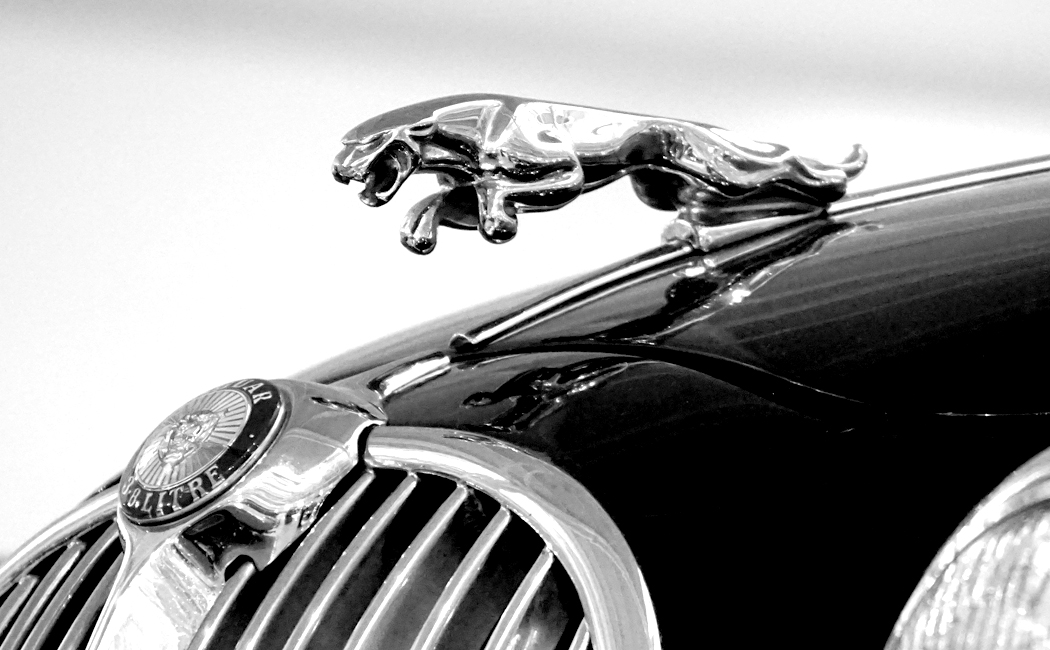
Think of the automobile called the Jaguar. The English have subsumed the name into the habits of British English and say “Jag-you-are.” (Sounds a little like Yoda-speak.) The Americans go halfway and say “Jag-war.” The word originates in a native Brazilian language, where it was pronounced “Yag-wara” (“iaguara.”) The initial “I” gets transliterated by the conquering Portuguese as a “J,” and thereafter acquires the “dz” sound. 

The Brits give us “Nick-uh-RAG-yoo-ah,” also, while in the U.S., we still mostly say “Nick-uh-ROG-wa.” Over the pond, the Brits put the “past” in “pasta,” where we soften the “A” into something closer to “pahstuh.” 

Which is the better solution? You pays your money and takes your choice. Sometimes one is better, sometimes the other. In America, now richly influenced by Spanish, we tend to indiscriminately use the Latino vowel sounds we know from the Spanish we pick up in restaurants, even if we’re trying to say French or German words. Many Spanish words have become common in the U.S., and so we tend to sound them out better than Londoners, who shove a “tack” in “taco,” and a “dill” in “quesadilla.” 

One has to remember how Lord Byron once rhymed the Guadalquivir river in the lines: “Don Juan’s parents lived beside the river,/ A noble stream, and call’d the Guadalquivir.” And, of course “Don Juan” was “Don Joo-un,” which he rhymes with “true one.” 

But it isn’t only Spanish. The U.K. also has a hard time with French — or perhaps not a hard time so much as a natural and historical antipathy to all things Gallic — and can truly butcher French words. Americans don’t have an easier time with French vowels, either, but we tend to put the accent on the final syllables of French borrowings, to sound more French, such as “garage” and “massage,” while the English say “GAR-idge” and “MASS-ahdge.” They do the same to “salon” and “cafe,” with first syllable emphasis. 

It isn’t just English, of course. Other languages face similar problems, when sounds that are common in one language are absent in the other. There is no “H” in Russian, for instance, and so they transliterate “Harry Potter” into a Cyrillic “Gary Potter” (or “Гарри Поттер”). “Ze French” don’t do the “TH” sound, so they have a monster of a time with English. There is no good “J” sound in Norwegian. I remember visiting the port of Kristiansand with my distant relative Anders Vehus and looking up at the bow of a docked ship named “Southern Jester,” and trying over and over to get him to pronounce it and getting “So-tern Yestair.” I would mouth the “J” and he would repeat “Y.” Over and over. (I had long given up on the “TH.”)

 And so, Puerto Ricans tend to say “New Jork.” Familiar sounds planted in unfamiliar soil. Many American towns and cities were named after foreign places, and been given new pronunciations. Sometimes it is only the local population that knows that Calais in Maine is “Ka-less” or that Newark, which in New Jersey is mostly pronounced “Nerk,” but in Delaware is “New-Ark.” 

There are a whole host of examples: Lima, Ohio, is “Lie-ma;” Pierre, S.D., is “Peer;” Cairo, Ill., is “Kayro” just like the syrup; in Illinois and Kentucky, they say “Athens” like the letter “A-thins;” Milan, Tenn., is “My-lin;” Versailles, Ky., and Ill., are “Ver-Sayles;” New Madrid, Mo., is “New MAD-drid.” There are others. 

I particularly marvel at Pompeii, Mich., which is said as “Pom-pay-eye,” to account for the double letter “I” at the end. And, of course what is Houston in Texas, is a street in Manhattan called “How-ston.” And although it seems to be changing, old-timers Down East know that Mt. Desert Isle is “Mount Dessert.” 

Most such locales were named in previous centuries, when people didn’t get around as much and awareness of different languages was scant. And so, in a more aware world, many Americans are trying to be more sensitive to names in other cultures. On the whole, this is undoubtedly a good thing. 

But there are words and names that are buried deep in language history that are no longer foreign words, but naturalized English versions of them. We are not likely to start calling the French capital “Paree.” It’s not a French word. “Paris” is established English. Same with “Germany” rather than “Deutschland.” (Or “Alemania” in Spanish or “Niemcy” in Polish, “Tedesco” in Italian, or “Tyskland” in Swedish.

In English, we have hordes of such legacy names, unused in their native lands. Exonyms (what we call them) and endonyms (what they call themselves) are a common feature around the world. In English a selection includes: China for Zhōngguó; Egypt for Masr; we say “Japan,” they say “Nihon;” South Korea is Hanguk; Norway is Norge to the Norsk; Russia is Rossiya to Ivan; Spain is España; and many others. Among cities: Vienna is Wien; Copenhagen is København; Bangkok is Krung Thep; Florence is Firenze; Cologne is Köln; And in English, Roma will always be Rome. 

There have been changes, or attempts at change. Some have taken, others haven’t. We are asked to use Myanmar instead of Burma; India has recently attempted to be called Bharat; we used to habitually call Ukraine, “the Ukraine,” just as Argentina used to be “the Argentine” — and still is in most Spanish usages — “l’Argentina”; there was a time when Cambodia asked us to call it  Kampuchea, which it still is to itself; What was Kiev is now Kyiv; Mumbai was once Bombay in English. 

China is a special problem, being a toned language and many regional dialects. Over time, what we now call Beijing has been “Peking,” Pekin,” “Peiping,” “Pei-p’ing,” “Beiping,” and “Pequim.” All various attempts at using the Roman alphabet for sounds that just don’t exist in Romance or Germanic languages. The Chinese government declared, in 1958, that the then-new Pinyin system of should be official, and since diplomatic normalization between mainland China and the U.S., in 1979, it has become almost universally adopted. And so, now, we all write “Beijing.” However, we still order Peking duck at the restaurant. 

Sometimes, this sensitivity to other languages can go overboard, and we fix things that need no fixing. Called “hyperforeignism,” this is trying to sound more French than the French. We sometimes do it jokingly, like when we shop at “Tar-zhay.” But sometimes it slips by un-ironically, as when we say “Vishy-swa” when we mean “Vichyssoise. Taking that final “S” off the end sounds more French — I guess. 

It can be quite comic. Striking a “coup de grâce” should end with an “S” sound. But if we want to sound sophisticated, we say “Koo-de-grah,” which, of course, actually means, in French (coup de gras) “Blow the fat.” 

I once heard a college radio announcer tell us we were about to hear a symphony by “Gus-TAV Mah-LAY.” And sometimes you hear Hector “Bairly-O.” Overcorrection. 

Because many Spanish words include the letter “Ñ,” sometimes Americans will add that tilde where one doesn’t belong, as saying the chile called the Habanero as if it were “Hab-an-nyair-o.” Sometimes we also add the tilde to “empanada” or conversely, take it away from “jalapeño.” (The British pronunciation rather combines both tendencies: “hala-peen-yo.”)
The desire to be “correct” can make you seem either pretentious or, perhaps a bit dippy. I remember watching my local newscaster, back in 1990, with the electoral overthrow of the Sandanistas, give us the news from “Nee-ha-RAH-wa,” which jumped uncomfortably out of his mouth in the middle of otherwise normal English wordage, with even a tiny hesitation as he shifted his mouth from English to his version of Spanish, and back. It was clear he was showing off, but it seemed quite offputting. Remember, “Nicaragua” is an English word, with a long habitation in our tongue. 

It is a cultural battle, fought over centuries, between not wanting to sound like a rube, on one hand, nor to come across as too “Frenchified” and trying to be something you’re not. The line between the two extremes is constantly shifting, and has for centuries, and where it winds up in, say, 50 years, is impossible to predict. Language is fluid. 

In addition to this blog, which I have been writing since 2012, I have written a monthly essay for the Spirit of the Senses salon group in Phoenix, Ariz., since 2015. I was, at various times, a presenter for the salon, which arranges six to 10 or so lectures or performances each month for its subscribers. Among the other presenters are authors, Nobel Prize-winning scientists, musicians, lawyers and businessmen, each with a topic of interest to those with curious minds. I recently felt that perhaps some of those essays might find a wider audience if I republished them on my own blog. This is one, from May 1, 2020, is now updated and slightly rewritten.

Imagine Persia — Then think of Iran. 

Very different places occupying the same geographic location. The names of places carry a kind of emotional scent that surrounds them. Persia has an exotic perfume; Iran rather stinks to American minds as moldy bread.

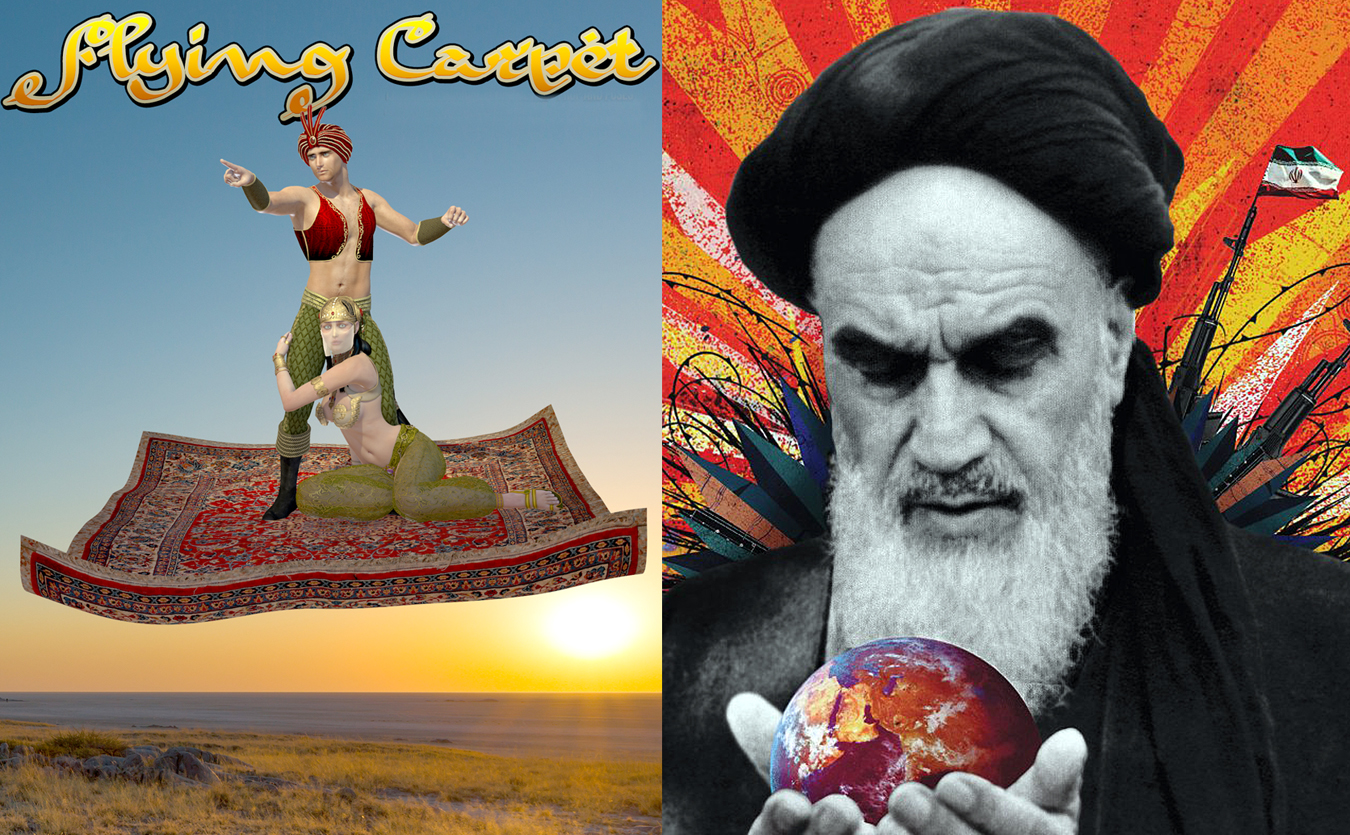
Persia is a land of legend of djinn, of harems, and magic carpets; Iran rather has its mullahs, its chador, and its Revolutionary Guard. Persia had its Omar Khayyam and his “The Bird of Time has but a little way to flutter — and the Bird is on the Wing.” Iran has religious fundamentalism and “Death to America.”

Certainly the political situation has changed radically over time and that contributes to our different perceptions of the same country, but the names we use conjure up very different associations, too, and not just for Iran, but the names we use around the world and especially, over time. Most locations on the globe have born a variety of toponyms over the ages. Some of these names are better for journalism, some for poetry.

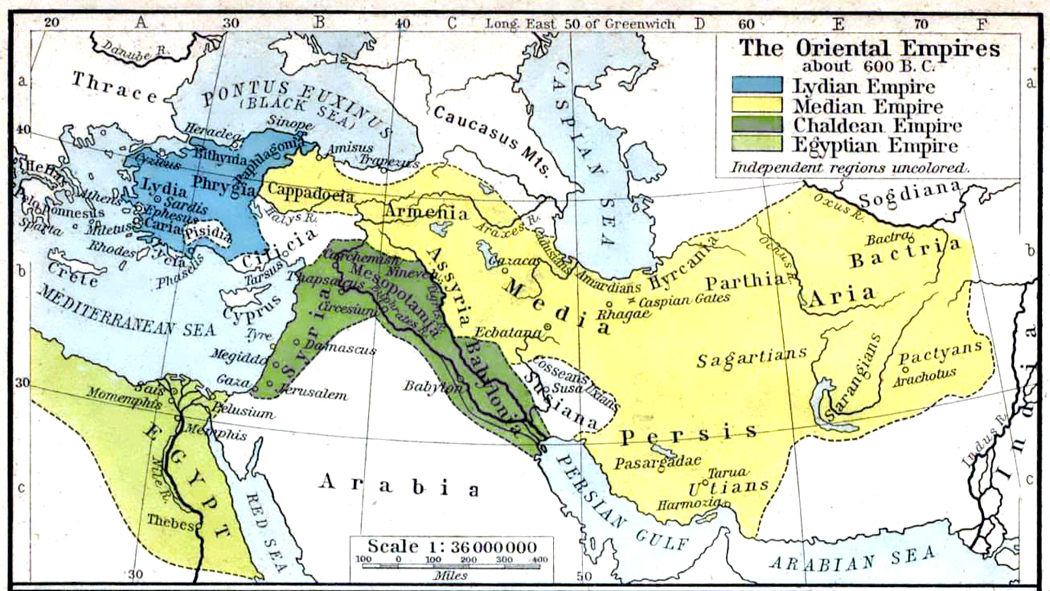
The same land that we now know as Iran was once called Parthia. Once called Media — land of the Medes — once called Ariana, at another time, the Achaemenid Empire. In the Bible, it is Elam. (The borders are never quite the same; borders are notoriously fugitive.) There are other names, too, all accounting for parts of what are now The Islamic Republic of Iran: Hyrcania; Bactria; Jibal; Fars; Khuzestan; Hujiya; Baluchistan.

Some of these names, such as Baluchistan and Bactria, have a kind of exotic emotional perfume and remind us of the Transoxiana of folklore and half-remembered, half-conjured history. Samarkand and Tashkent; Tales of Scheherazade or Tamurlane, stories recounted by Richard Halliburton or Lowell Thomas. One thinks of old black and white National Geographic magazines.

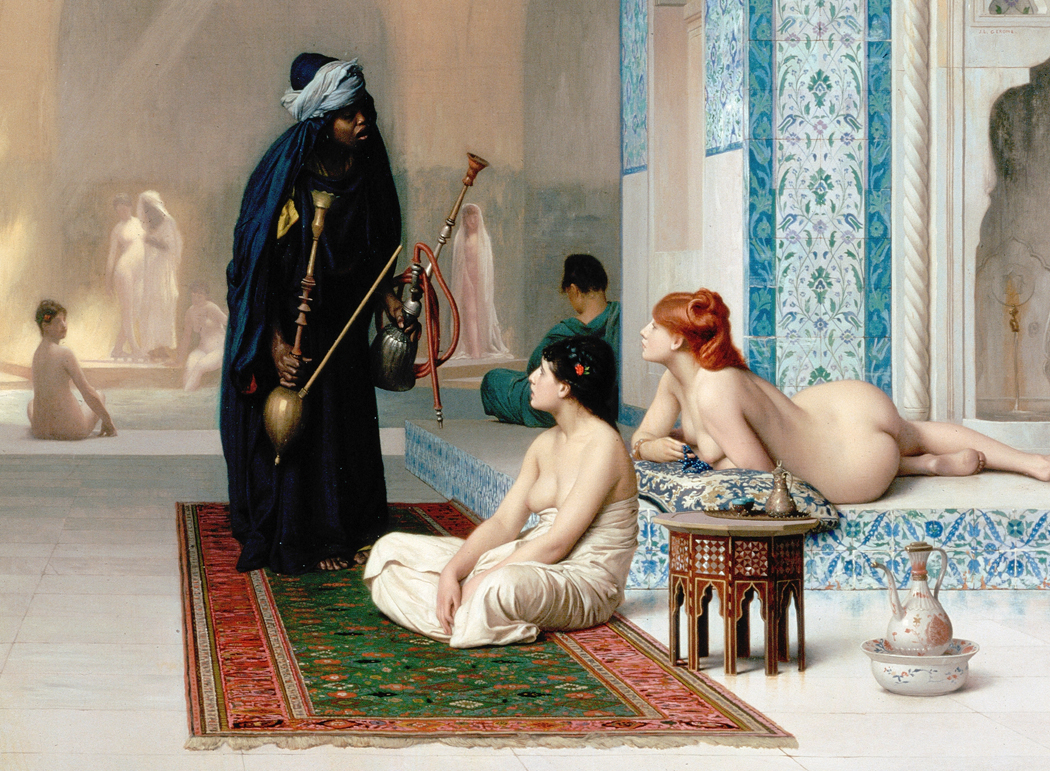
Countless Victorian paintings depicted a romantic Orientalized version of seraglios, viziers, genies, pashas, often with women in various states of undress.

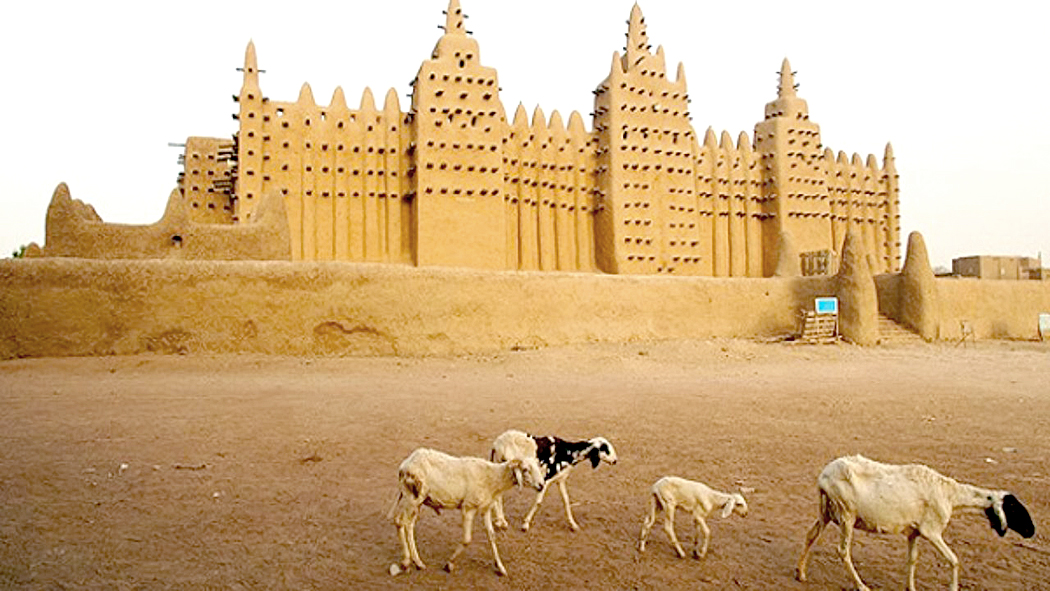
I have long been interested in this nomenclatural perfume, and how the names of places conjure up emotional states. The Sahel, Timbuktu, Cappadocia, Machu Picchu, Angkor Watt, Bali, Madagascar, the Caspian Sea, Tristan de Cunha, Isfahan. You listen to Borodin’s In the Steppes of Central Asia or his Polovtsian Dances, or Ippolitov-Ivanov’s Caucasian Sketches, or Rimsky-Korsakov’s Scheherazade. Watch the Cooper-Schoedsack 1925 silent film documentary of the annual Bakhtiari migrations in western Iran, Grass

There are Paul Gauguin’s brown-fleshed vahines from Tahiti, or the Red Fortress of Delhi, or the Taj Mahal. 

All have taken up residence in our subconscious imaginations. Places we likely will never visit except in art or literature. We watch Michael Palin and vicariously sail across the Arabian Sea on a Dhow, or look south from the Tierra del Fuego towards the icy basement of the planet. We read Herodotus, Marco Polo or Ibn Batuta. The best writing of Charles Darwin can be found in his Voyage of the “Beagle”. Or Melville’s Encantadas

And how often those aromas and scents are ambiguous as to be unplaceable. Where, for instance, is Bessarabia? What about Saxony? I have written before about how borders change over time, and the names of places change along with the borders, but here I am writing about the emotional resonances of those place names.

Saxony, Westphalia, Silesia, Franconia, Pomerania, Swabia, Thuringia: These are names from history books, but we are quite unlikely to know where to spot them on a map. They are all sections of Germany and Eastern Europe that have been subsumed by more modern nations, but a few centuries ago were their own kingdoms, principalities and dukedoms. Some reappear as regions or counties in larger nations, but some are pretty well evaporated. Saxony, for instance, as it exists now as a part of Germany, was originally a separate nation, and not even in the same place where the current Saxony lies.

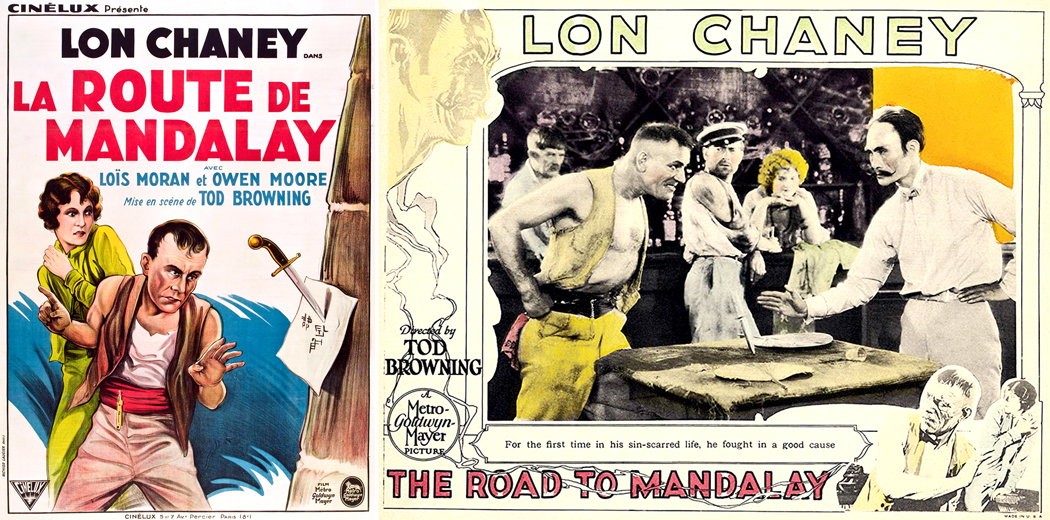
The older names often have a more exotic connotation than the current names. Siam brings to mind Anna and Yul Brynner; Thailand may elicit thoughts of sex tourism. Abyssinia is a place of Solomonic apes and peacocks; Ethiopia is a nation that went through the Red Terror and famine of the Derg. Burma had its Road to Mandalay, its Kayan women with their elongated brass-coiled necks or even George Orwell’s “Shooting an Elephant,” but Myanmar brings to mind military rule, extreme xenophobia and Rohingya genocide.

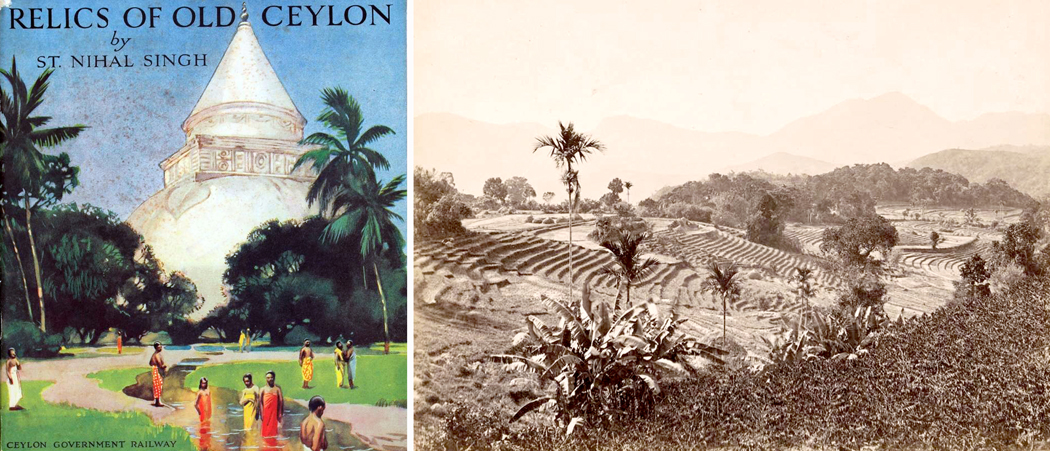
Sri Lanka used to be Ceylon, but it was also known as Serendip, from which we get the word “serendipity.” Both “Ceylon” and “Serendip” derive from the ancient Greek word for the island, Sielen Diva. And according to legend and literature, it was originally named Tamraparni, or “copper colored leaves” by its first Sinhalese king, Vijaya. That name becomes the more common Taprobana.

The older names are almost always more resonant, more perfumed, which is why they show up so often in poetry and literature. Where have you heard of Albion, Cambria, Caledonia, Hibernia or Cornubia, but in verse? England, Wales, Scotland, Ireland and Cornwall just don’t have that literary heft. It’s hard enough for non-Brits to keep straight the difference between England, Britain, Great Britain, and the United Kingdom or UK.

If you’ve ever wondered what the ship Lusitania was named for, that was the former name for what is now Portugal. When James Joyce talks about Armorica in Finnegans Wake, he is using the old name for Brittany. Firehouse Dalmatians are named for the former Roman province located across the Adriatic Sea from Italy and now part of Croatia.

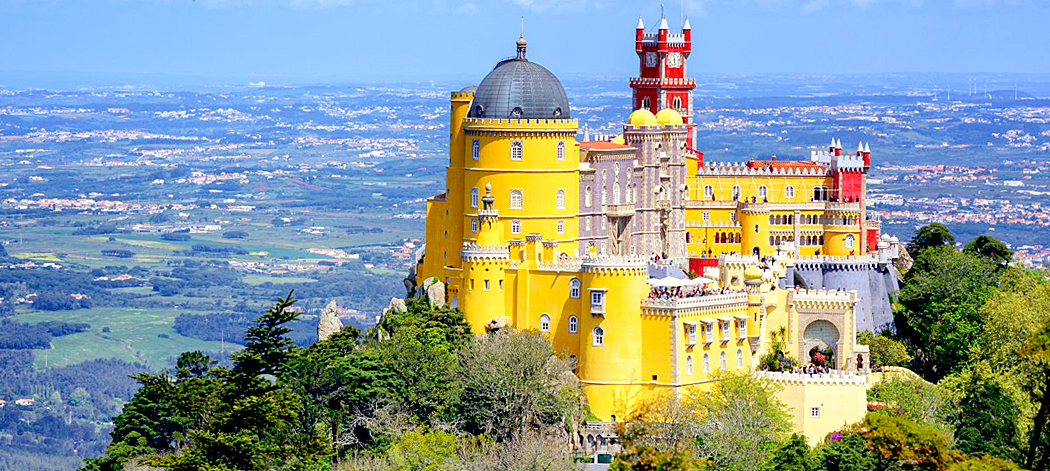
Eastern Europe is a coal bucket of forgotten or half-remembered toponyms. These places don’t translate one-for-one with modern nation-states, but across the map from Poland through Ukraine and down to Romania you find such redolent names as Pannonia, Sarmatia, Podolia, Wallachia, Pridnestrovia, Bohemia, Moravia. All of which makes the region a fertile spot to locate a fictional country when you want to write a spy novel or film comedy. Just make up a name that sound vaguely plausible.

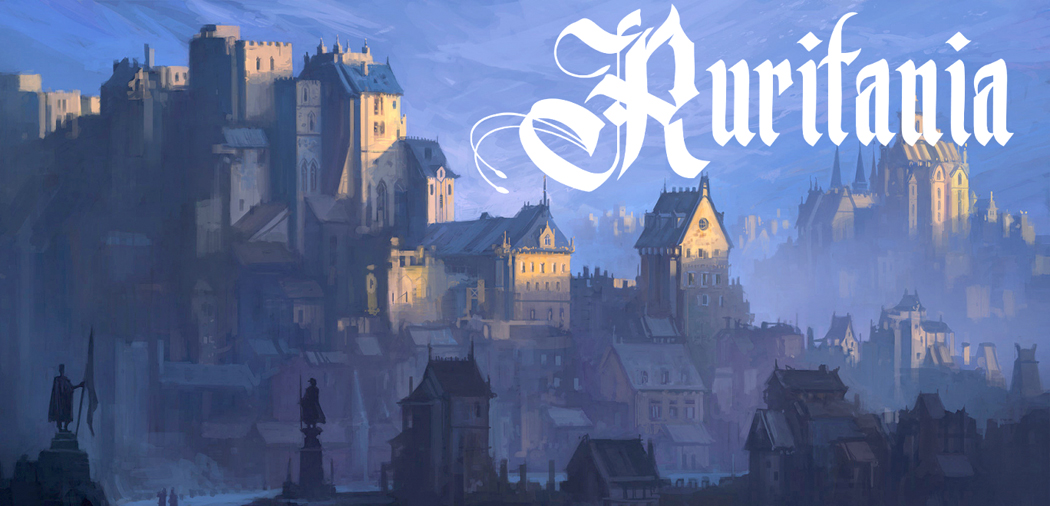
Of the following, only one has ever been real. The rest are made up. Can you pick the genuine from the bogus?

If you picked Ruritania, a slap on the wrist for you. You have probably heard of it, but it is the fictional country that Anthony Hope used to set his 1894 novel The Prisoner of Zenda. It has since been used myriad times as a stand-in for any small nation in a movie or book.

(Other fictional countries that show up on celluloid: Freedonia and Sylvania from the Marx Brothers’ Duck Soup; Tomainia, Bacteria and Osterlich from Charlie Chaplin’s The Great Dictator; Moronica in the Three Stooges’ You Nazty Spy. There are many more.)

The ringer in the question is Ruthenia, which was a real name for a real place in Eastern Europe, now parts of Hungary and Ukraine. As for the others: Brungaria is from the Tom Swift Jr. series of boys’ books; Estrovia is from Charlie Chaplin’s film A King in New York; Lichtenburg is from the 1940 film, The Son of Monte Cristo; Pontevedro is from operetta and film, The Merry Widow; and Grand Fenwick is from the Peter Sellars film The Mouse That Roared.

There are names for mythical places, too, and they really carry their exoticism well: Atlantis; El Dorado; Shangri-La. Less well known, but once more current are the lost continents of Mu and Lemuria, both popular with cultists, and the sunken Arthurian country of Lyonesse and the drowned city of Ys.

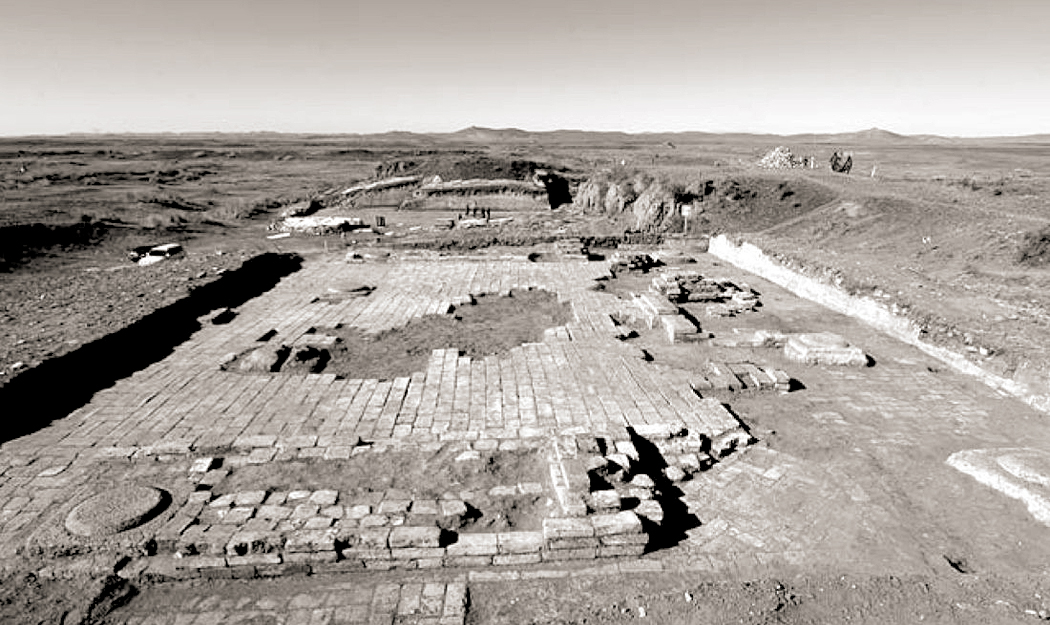
But even real places have their exotic past. What we now call Mexico was once Aztlán. Iceland was once the almost legendary land of Thule. What we know as Xi Jinping’s China was to Marco Polo, Cathay. There is more incense to that than the more modern smog-choked superpower. Properly, Cathay was the northern part of modern China during the Yuan dynasty; the south was called Mangi. Shangdu is the modern name once transliterated as Xanadu. It has gone the way of Ozymandias.

Ruins of Xanadu

Turkey wants to be part of the European Union and is a NATO member, but in the far past, we knew the part of it east of the Dardanelles  as Asia Minor. But even that part was originally known by its regions: Anatolia in the east; Bithynia in the northwest; Cilicia in the southwest; Pontus in the northeast; and Galatia in the center (that’s who the New Testament Galatians was addressed to). The nation’s current capital is Ankara, but how much more soft and silky is its earlier incarnation as Angora?

The Middle East is now divided up in a jigsaw created after the world wars. What was The Holy Land is now Israel and its surrounding lands, which used to be aggregated as Palestine. But that whole end of the Mediterranean used more commonly to be called the Levant. I love those old terms: The Levant east of the sea and the Maghreb along the sea’s southern coast west of Egypt.

Hawaii used to be the Christmas Islands, counterweight to Easter Island. But speaking of counterweights: Tonga used to be the Friendly Islands and to their east is Niue was once Savage Island. (“Niue” translates as “Behold the Coconut”).  Back in the Atlantic, the Canary Islands were latterly the Fortunate Islands.

Nations like to attempt to make their own emotional perfume, with more or less success. Some nicknames are quite familiar: Japan is “The Land of the Rising Sun;” England is “The Land of Hope and Glory;” Ireland is “The Emerald Isle.” Norway is “The Land of the Midnight Sun.” Some nicknames aren’t particularly glorious. Italy is “The Boot;” France is “The Hexagon.” Some are just descriptive: Australia is “The Land Down Under;” Canada is “The Great White North;” Afghanistan is “The Graveyard of Empires.”

States have nicknames, too. Alaska has a bunch of them: “The Last Frontier” is printed on license plates. But others are less chamber-of-commerce-ish: Seward’s Ice Box; Icebergia; Polaria; Walrussia; the Polar Bear Garden.

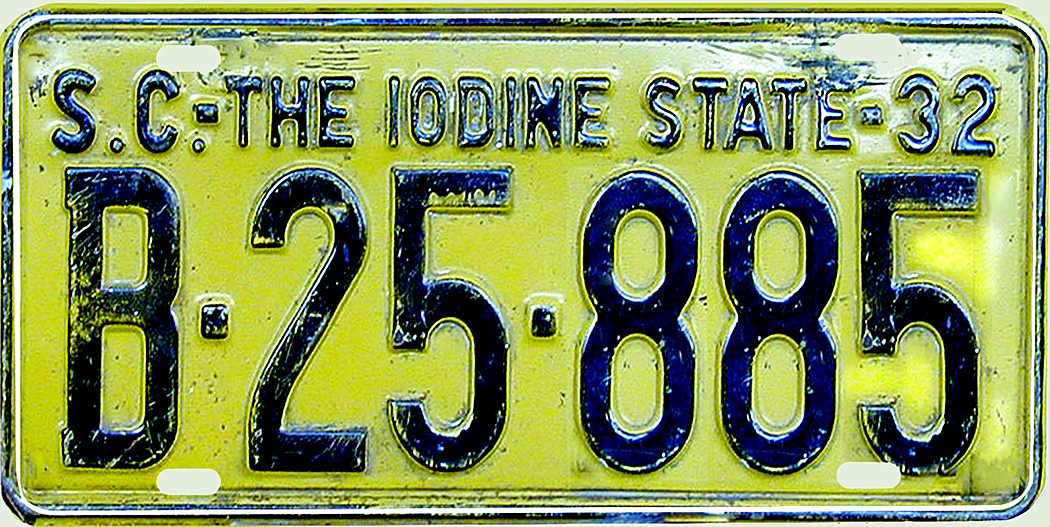
Among the odder state nicknames: Arkansas is the Toothpick State; Colorado is The Highest State (which now has added meaning with the legalization of marijuana); Connecticut is both The Blue Law State and “The Land of Steady Habits;” Delaware is The Chemical Capital of the World; Georgia is The Goober State (for the peanut, please); Massachusetts is The Baked Bean State; Minnesota is “Minne(snow)ta;” Nebraska is The Bugeating State; New Jersey is officially The Garden State, but many call it “the Garbage State,” none too kindly; North Carolina used to be The Turpentine State; South Carolina used to print on its license plates, “Iodine Products State;” Tennessee is The Hog and Hominy State.

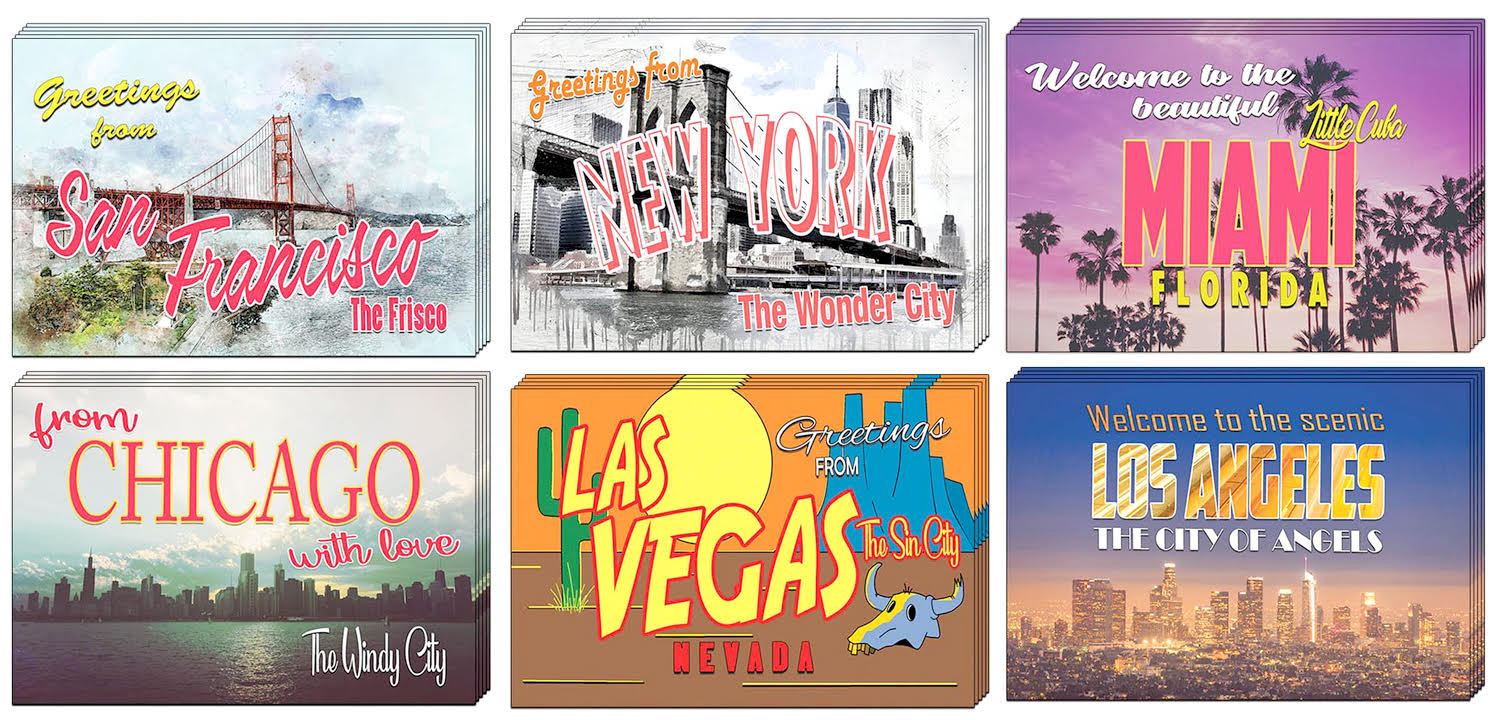
Cities have their nicknames, too. Some are in universal parlance. Paris is The City of Light, Rome is The Eternal City. In the U.S. we can drive from Beantown to the Big Apple to the City of Brotherly Love and through Porkopolis on to the Windy City and head south to the Big Easy and then out west to the Mile High City (again, now a double entendre), and finally to The City of Angels or more northerly to Frisco. (The full name given to Los Angeles is El Pueblo de Nuestra Señora la Reina de los Ángeles or “the town of Our Lady the Queen of the Angels.” Put that on a Dodgers ballcap.)

But there are less common and less polite names for cities, too. And some real oddball ones. Albertville, Ala., is The Fire Hydrant Capital of the World. Berkeley, Calif., is “Berzerkeley.” LA is also “La-La Land.” Indianapolis is “India-no-place.” New Orleans is also the “Big Sleazy.” Las Vegas is “Lost Wages.” Boulder, Colo., is The People’s Republic of Boulder.

You can string together toponyms and almost make poetry, or at least a song: “Oklahoma City looks oh so pretty/ You’ll see Amarillo/ Gallup, New Mexico/ Flagstaff, Arizona/ Don’t forget Wynonna/ Kingman, Barstow, San Bernardino/ … Get your kicks on Route 66.”

“I’ve been to Reno, Chicago, Fargo, Minnesota/ Buffalo, Toronto, Winslow, Sarasota/ Wichita, Tulsa, Ottawa, Oklahoma/ Tampa, Panama, Mattawa, La Paloma/ Bangor, Baltimore, Salvador, Amarillo/ Tocopilla, Barranquilla, and Padilla, I’m a killer/

“I’ve been everywhere, man/ I’ve been everywhere.” 

But I ain’t been to Timbuktu.