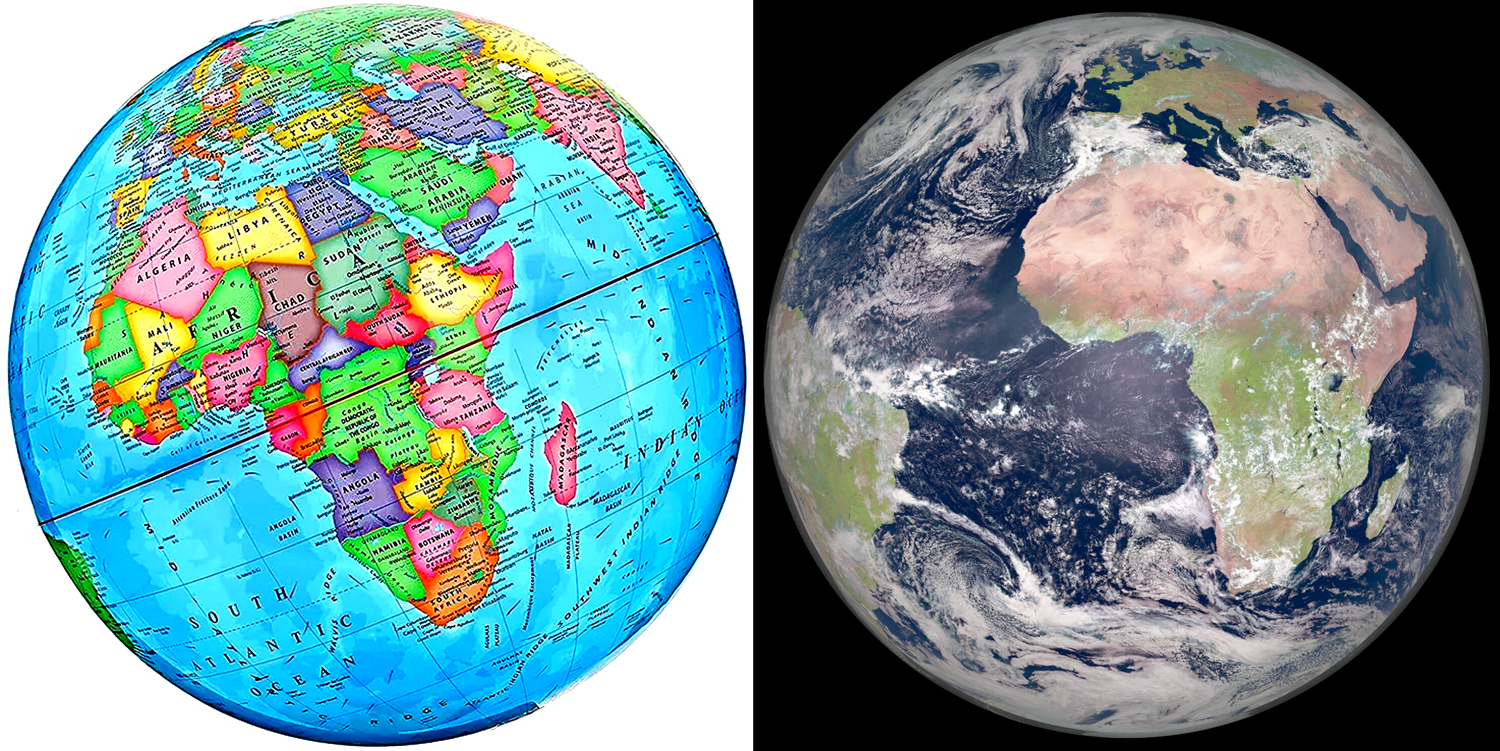
Fifty-seven years ago, while on the Apollo 9 mission orbiting Earth, astronaut Rusty Scheickart was floating outside the capsule in his space suit and had a moment to look out through his “fishbowl” helmet at the planet under him.
“And you look down there,” he said, “and you can’t imagine how many borders and boundaries you cross, again and again and again [as you orbit the Earth every 90 minutes]. And you don’t even see them.”
It’s a common refrain from those who have gone to space. Moon astronaut Buzz Aldrin said, “From space there were no observable borders between nations, no observable reasons for the wars we were leaving behind.”
Senator Bill Nelson, who flew on the Space Shuttle Columbia in 1986, said, “In space, you don’t see boundaries or borders. We are all citizens of Earth.”
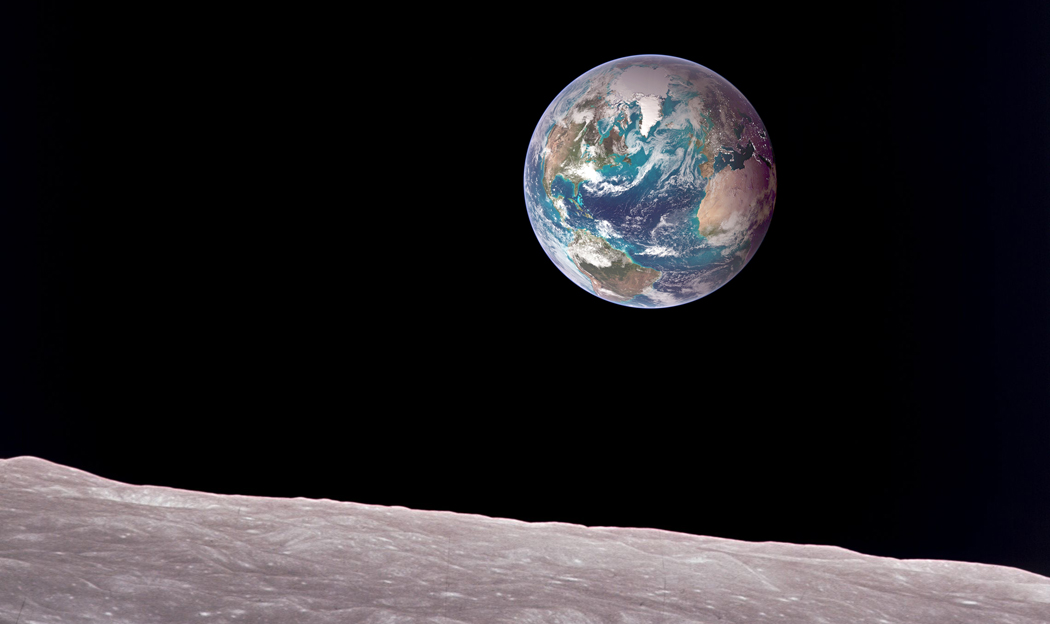
The blue marble
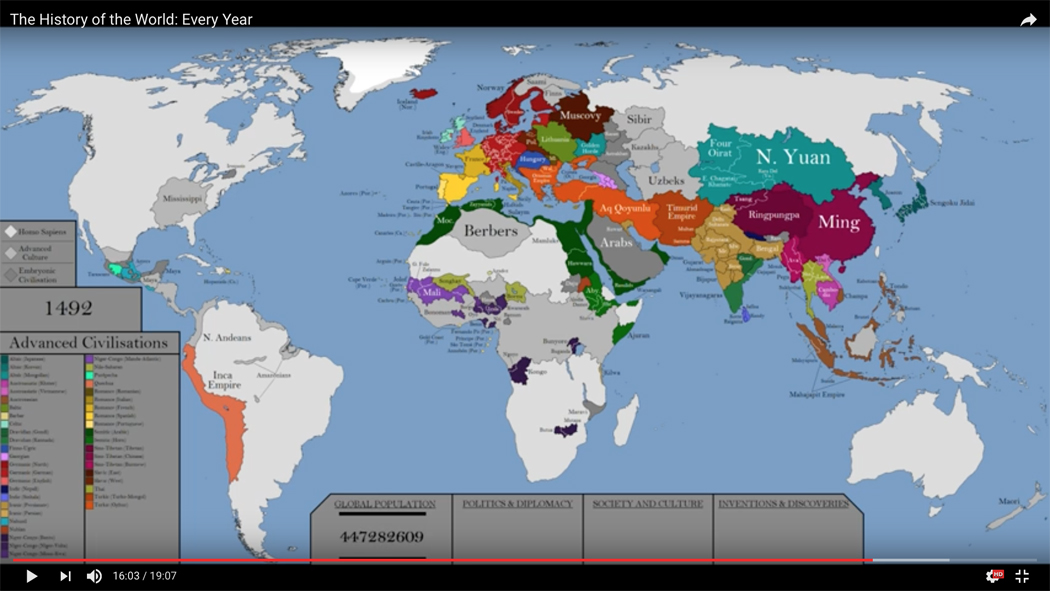
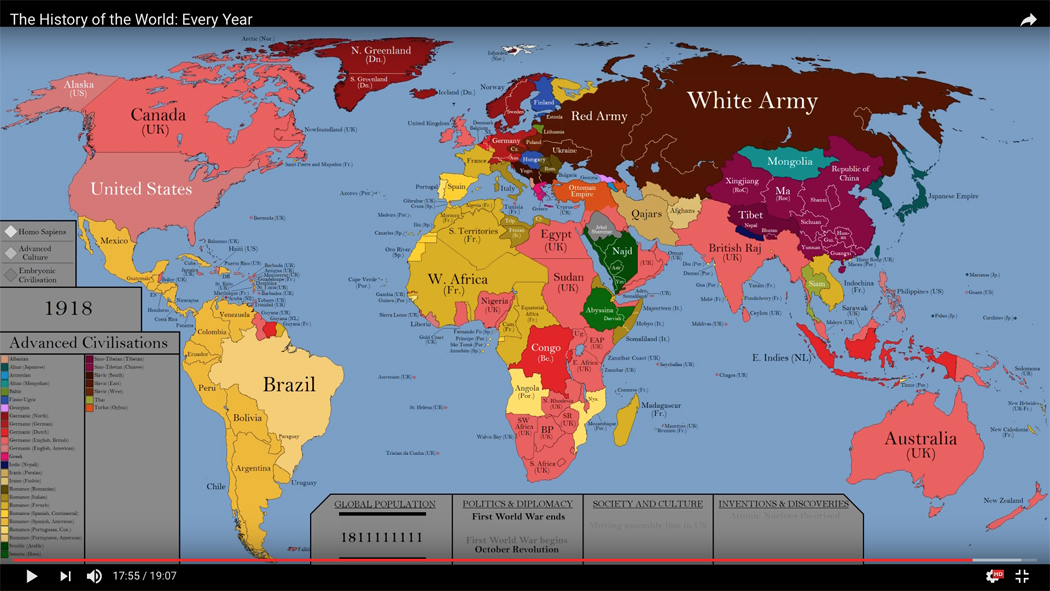
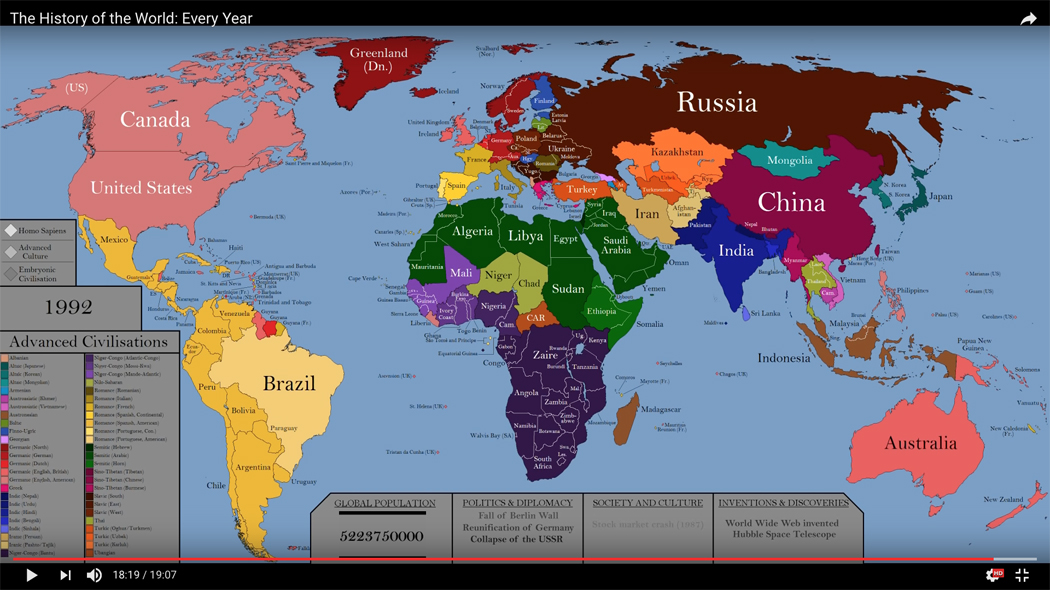
We draw lines where there aren’t any. National borders are just one case. We draw distinct lines between species in biological taxonomy, we name historical eras, invent racial exclusions — we talk about these arbitrary lines as if they build fences between property lines. But they are legal fictions, and continually malleable. Political borders shift; taxonomy rejumbles categories; Red politicians vs blue politicians? Really they are all just grey men in blue suits. Their squabbles are parochial at best.
The issue is that we understand the world in discrete chunks, but nature comes in indistinct swathes. In order to discuss or argue, we pretend there are clear lines. Perhaps we have to; everything all together at once is confusing.
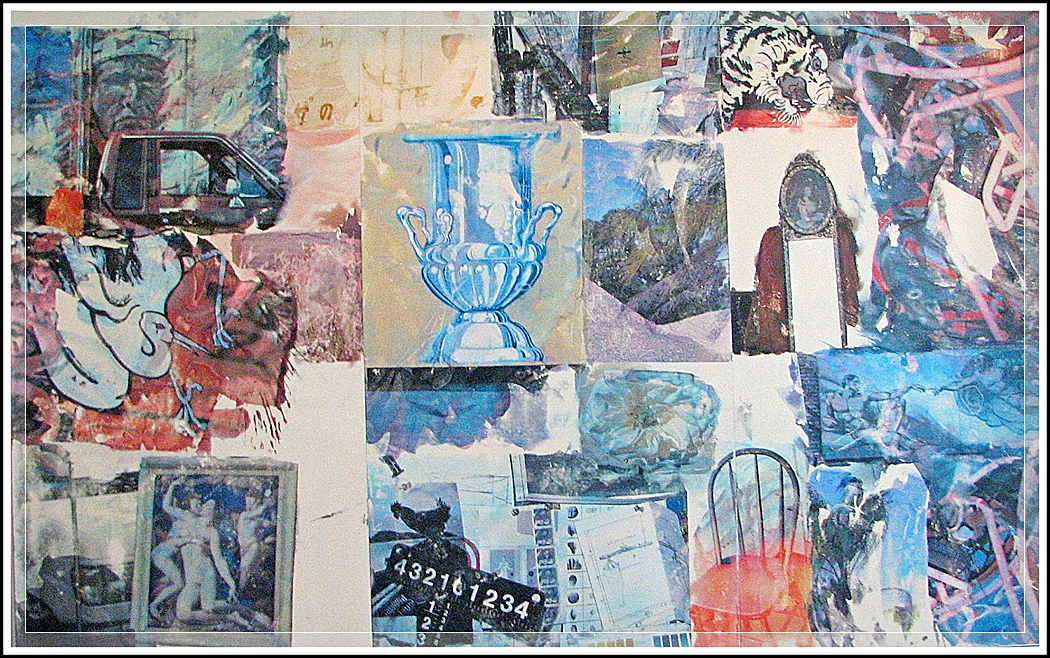
Robert Rauschenberg “Lucky Dream”
Nature, however draws few lines. It spreads and includes. It changes constantly; it is never static. “Everything flows,” as Heraclitus put it. Seed into sprout into flower and into seed into …
I’m not saying there are no differences at all, but rather that the lines we draw tend to be arbitrary or at least, blurry. Are the red people for smaller government or a more powerful presidency? Such issues shift over time and it’s impossible to pin them down.
Take the past, for instance. Historians like to take big chunks of time and give them names: Classical, Postclassical, Late Medieval, Romantic, and so on. Then they argue over it all, because any good academic historian knows that the names we give big chunks of time are misleading. But, as they say, whatcha gonna do? We seem to be stuck with them.
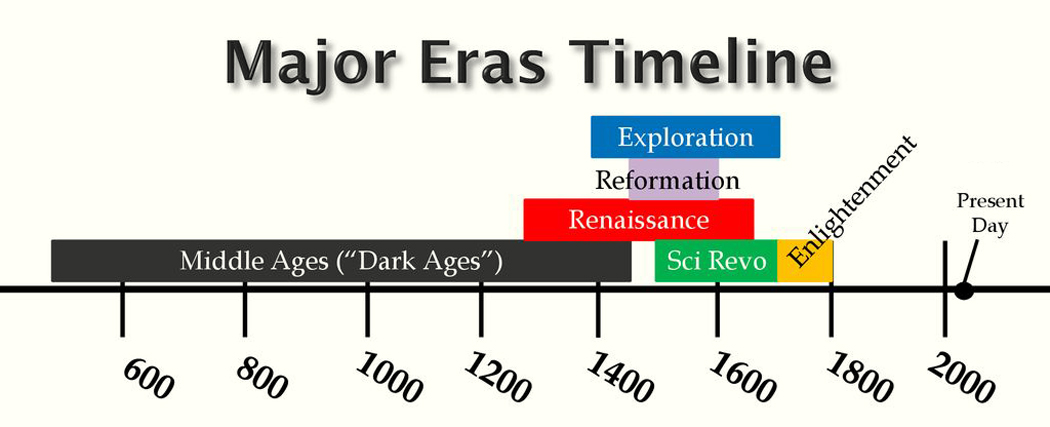
The Middle Ages, for instance. Middle of what? Homo sapiens developed something like — in a common low-end estimate — 300,000 years ago, putting the start of the Middle Ages somewhere approximately in the last 15/3000ths of human history. Not exactly the middle.
And the dates we give the Middle Ages vary widely. Where do you draw the line? It came after the Roman Empire. But when did the Roman Empire fall? Well, you can say that the final collapse came in 1453 with the fall of Constantinople. For some people, that is already the Renaissance, squeezing out the Middle Ages entirely. And no one really believes the Byzantine Empire was genuinely Roman. They spoke Greek, for god’s sake. They were Christian.
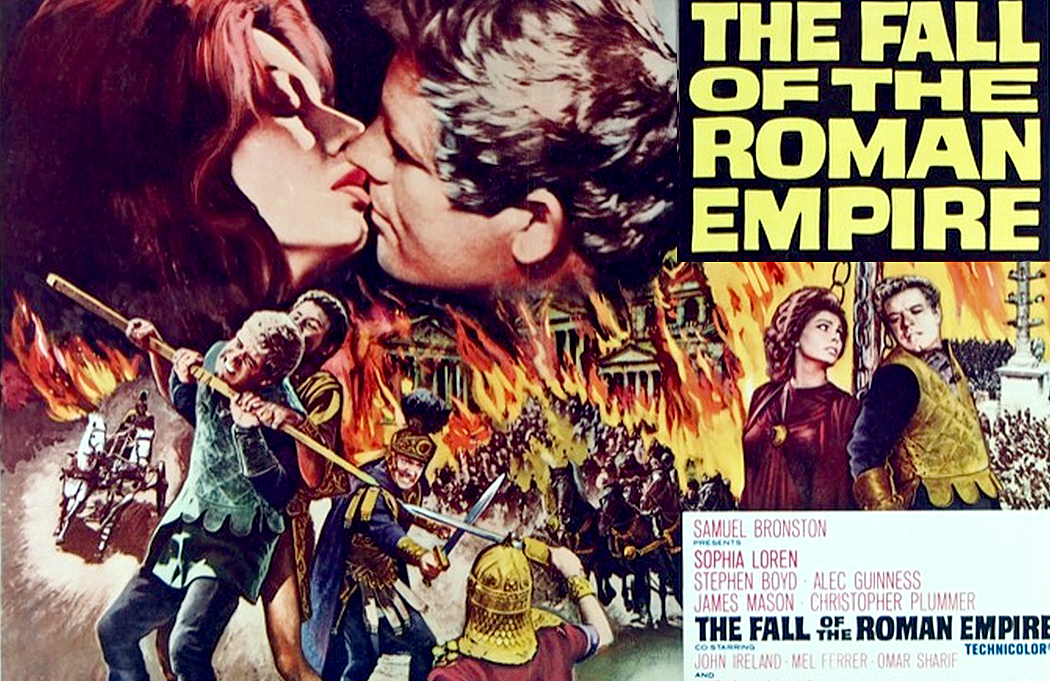
Usually, when we talk of the fall of Rome, we mean the Western Roman Empire and the sad reign of Romulus Augustulus, which came to an end in AD 476. But really, the Western Roman empire at the time consisted only of most of Italy, a tiny bit of France, and Dalmatia (later aka Yugoslavia, later still — well, you know).
And you could easily argue that Rome ceased to be Roman after Constantine converted to Christianity and legalized it in AD 313. After that, the slow slide from Roman imperialism into Medieval feudalism began its ambiguous transubstantiation.
It is the great paradox of scholarship: The more you read, the more your ignorance grows: The more you learn about something, the more you discover how little you know.

We think of our current era as modern. But when did that begin? It is a slippery question. I am reminded of the time, some 50 years ago, when I first drove west from North Carolina. I had never seen the great American West and eagerly anticipated finding it. It must be so different, I thought, so distinct.
We were living in Boone, N.C., named for Daniel, who trod those mountains in the 1700s, when anything beyond the Blue Ridge was the West. When George Washington surveyed the Northwest Territory in the late 1740s, he was measuring out what became Ohio.
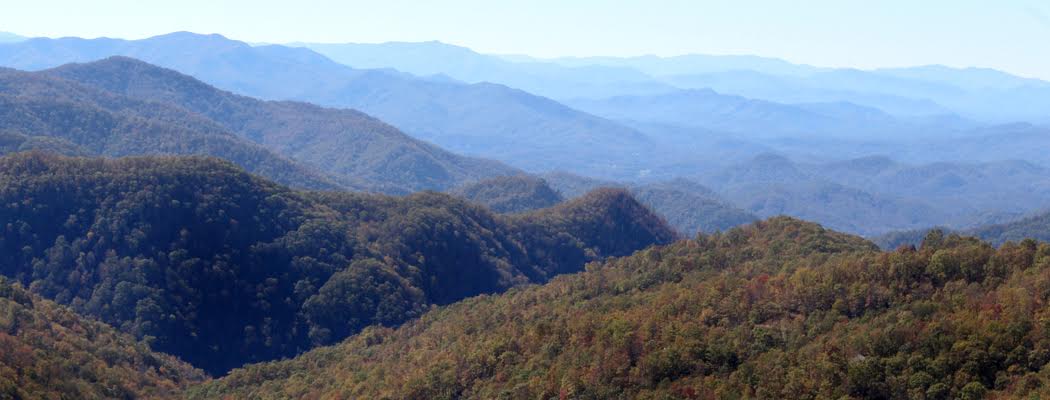
Blue Ridge
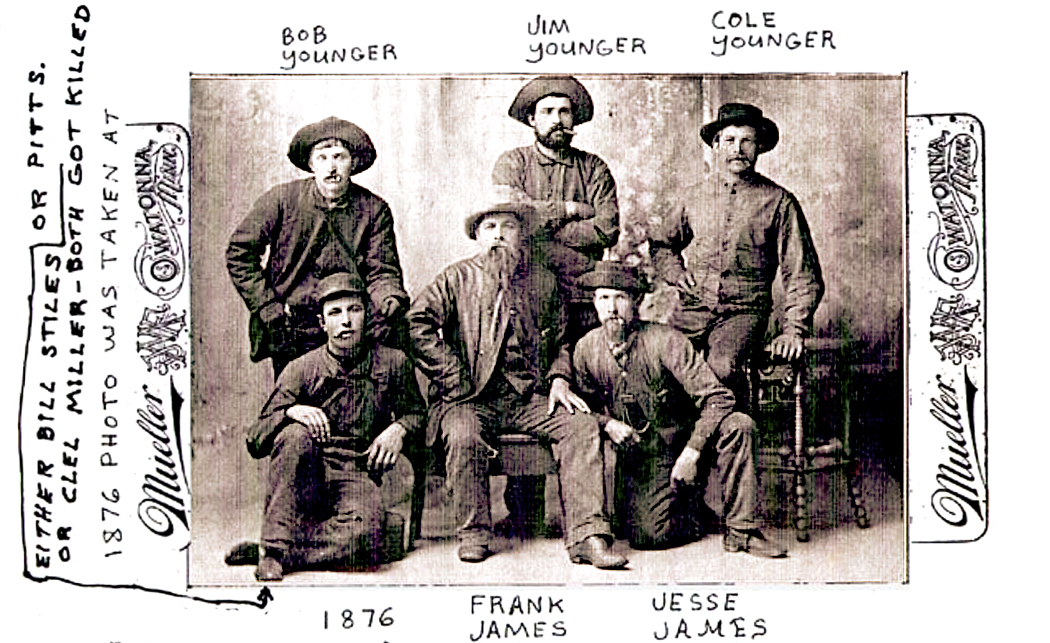
So, when I was driving, I knew I had already pushed my own frontier past such things, and knew in my heart that the West began on the other side of the Mississippi River. But, when I crossed the river into Arkansas, it hardly seemed Western. It didn’t look much different from Tennessee, in my rear view mirror. Yet, Arkansas was home to the “Hanging Judge” Isaac Parker and where Jesse James robbed trains.
But surely Texas was the West, but driving through flat, bland Amarillo on I-40 was as exciting as oatmeal. The first time we felt as if we had hit the West was at the New Mexico line, when we first saw a landscape of buttes and mesas. Surely this was the West.
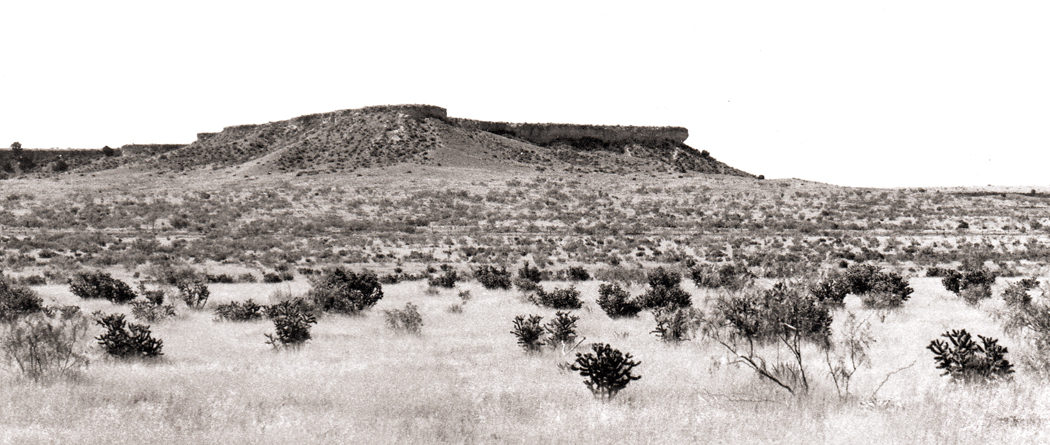
Maybe, but we hadn’t yet crossed the Continental Divide. All the waters of all the rivers we crossed emptied into the Atlantic Ocean. Finally, crossing the Divide near Thoreau, N.M., we felt we had finally made it.
Yet, even when we got to Arizona, we knew that for most of the pioneers who crossed this country a century and a half ago, the desert was just one more obstacle on the way to California. In some sense it still wasn’t the West.
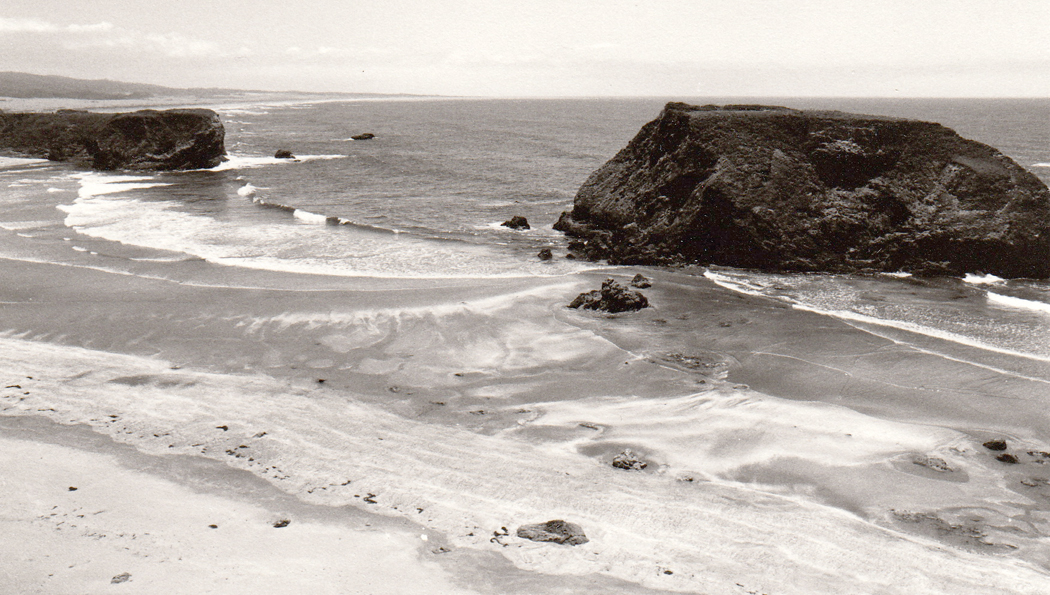
When we got as far as we could in a Chevy, and stared out at the Pacific Ocean, we knew that there was still something farther: Hawaii, Japan, China, India, Africa — and eventually across the Atlantic to Cape Hatteras and back to North Carolina.
So, the West wasn’t a place you could ever really reach, but a destination beyond the horizon: Every point on the planet is the West to somewhere else.
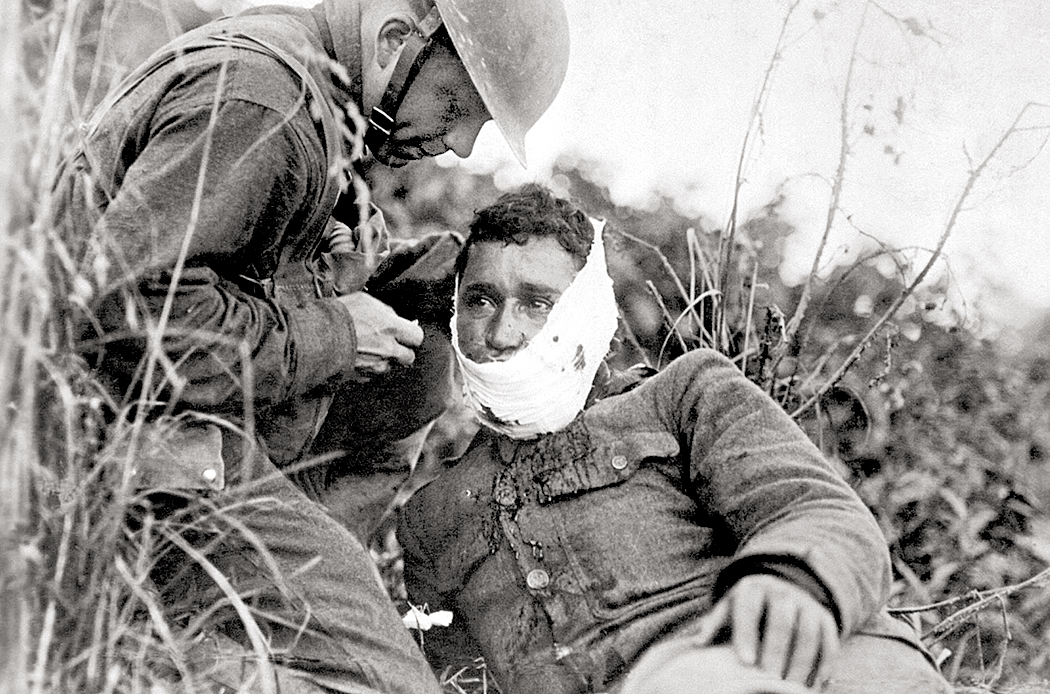
When we look to find the beginnings of Modernity, the horizon recedes from us the same way. Perhaps it began with World War I, when we entered a non-heroic world and faced a more sober reality.
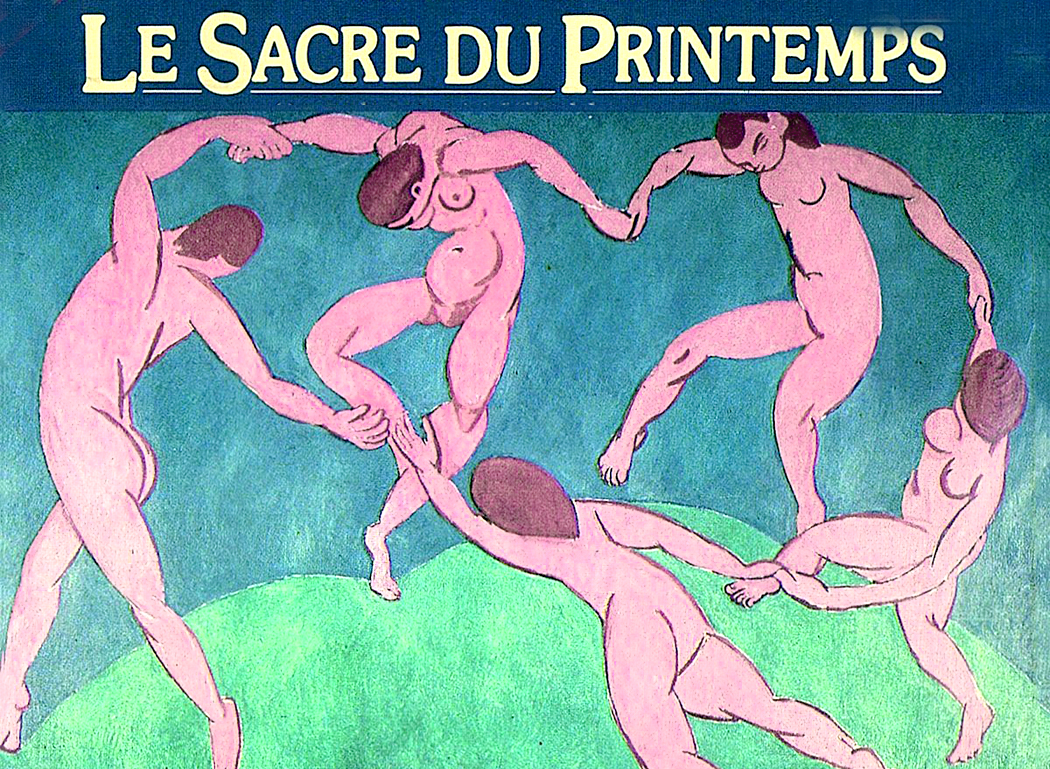
Modern Art began before that, however, perhaps with Stravinsky’s Rite of Spring in 1913, perhaps with Debussy’s Afternoon of a Faun in 1894. Some begin with the first Impressionist exhibition in 1874.
Politically, maybe it begins with Bismarck and the establishment of a new order of nations and the rise of the “balance of power.”
You can make a case that Modernism begins with the Enlightenment in the 18th century, when a rising Middle Class began to fill concert halls and Mozart became an entrepreneur instead of an employee of the aristocracy.
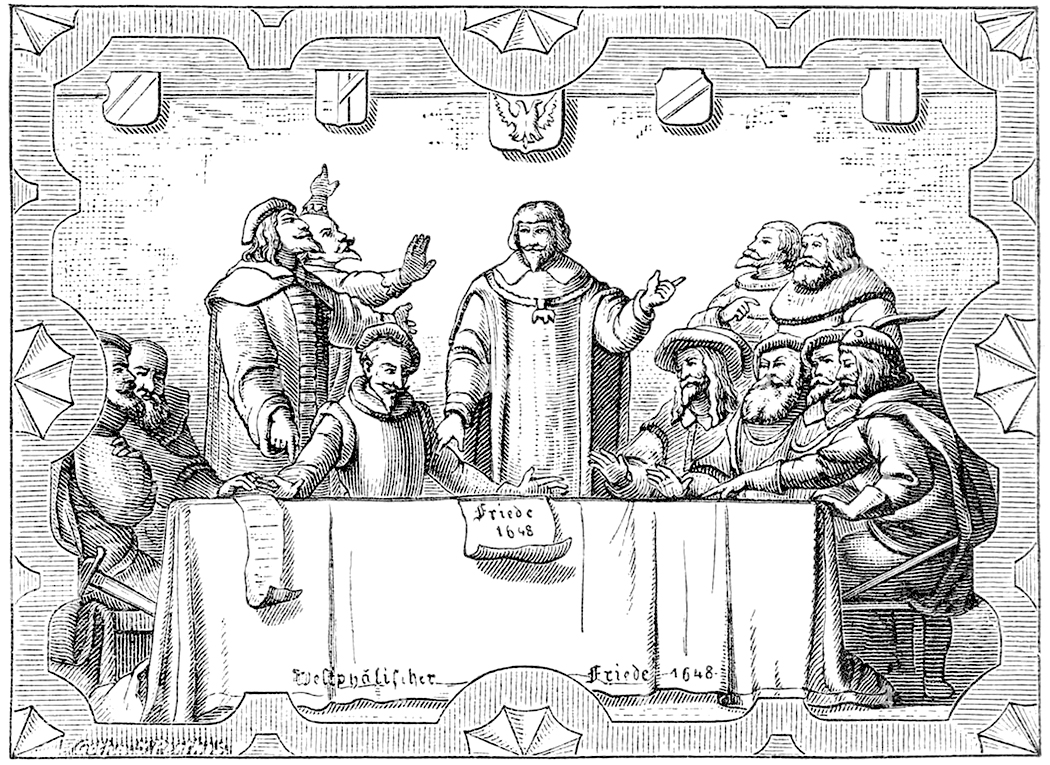
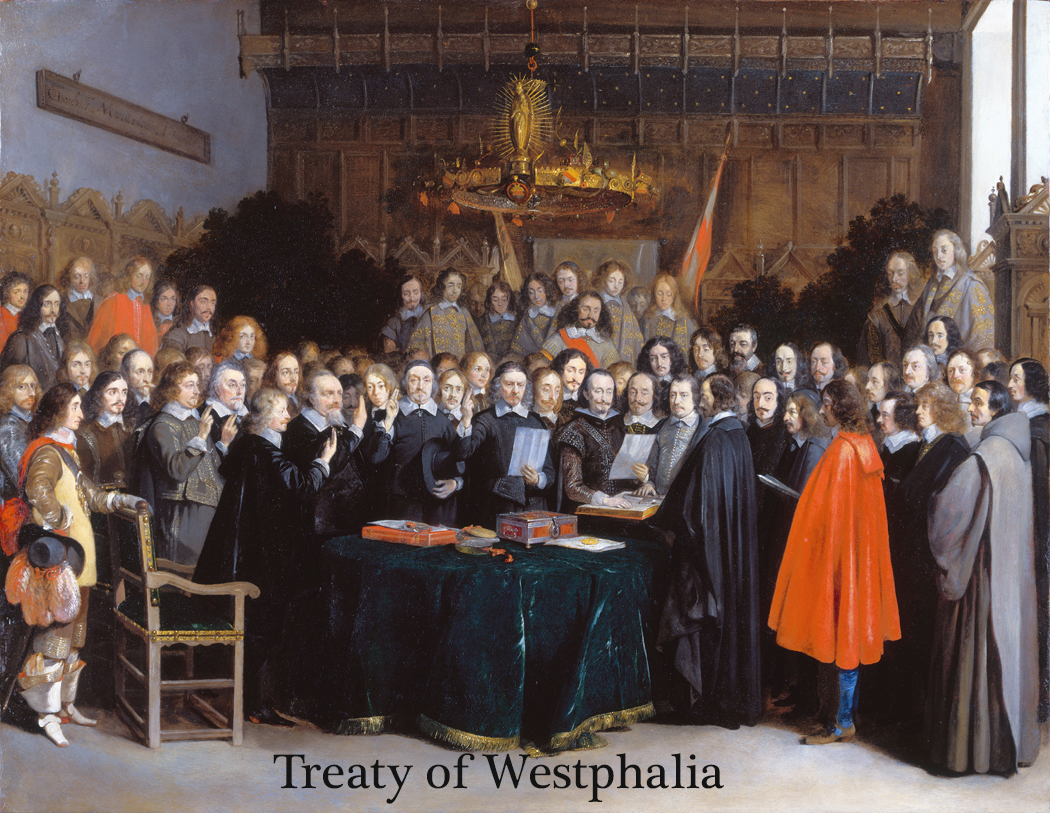
Or before that, in 1648, with the Treaty of Westphalia, and the first recognition of national boundaries as something more than real estate owned by the crown.
You can set your marker down with Luther, with Gutenberg, with Thomas Browne, Montaigne, Caravaggio — or Giotto.
For many, Modernism began with the Renaissance, but when did the Renaissance begin? 15th century? The Trecento? Or did it begin further north with the Gothic around AD 1150, which is really the first sparking of a modern way of thinking.
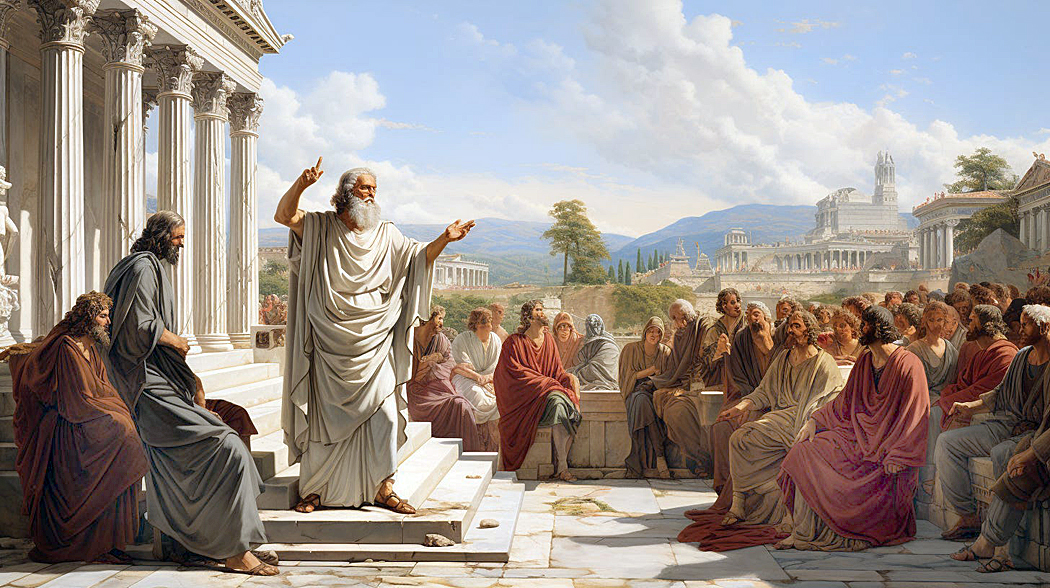
Perhaps, though, it is the Roman republic that divides modern political organization from more tribal eras before. Or you could vote for the democracy and philosophy of ancient Greece. Surely the time before that and the the time after are distinctly different. We recognize the near side of each of these divides as more familiar than the distant side.
You might as well put the starting line with the discovery of agriculture in the steppes of Anatolia and the river plains of Iraq. An argument can be made for any of these points on the timeline — and arguments could be made for many I haven’t room to mention.
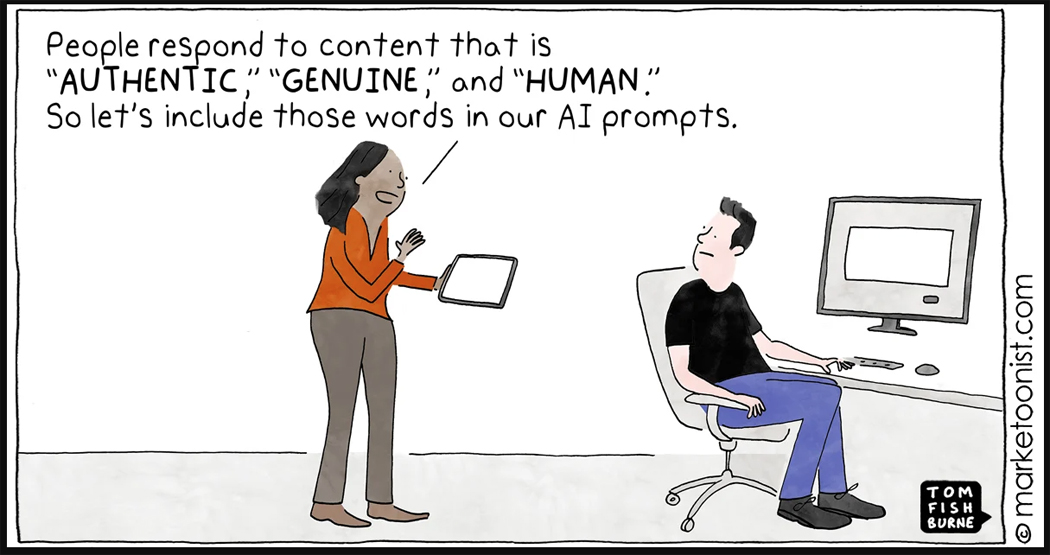
Which leaves us the ultimate question: Is Modernism now over? Done with? Have we moved on, or is what we deem Postmodernism really just the next manifestation of the Modern? Perhaps AI is the new line drawn in history.
Perhaps the horizon should be recognized for what it is: an ever-moving phantasm. For those peasants digging in the manorial dirt in the Ninth Century, the times they were living in were modern. The first person recorded to use the term “modern” for his own age was the Roman writer Cassiodorus in the 6th Century. Each moment is the new modern.
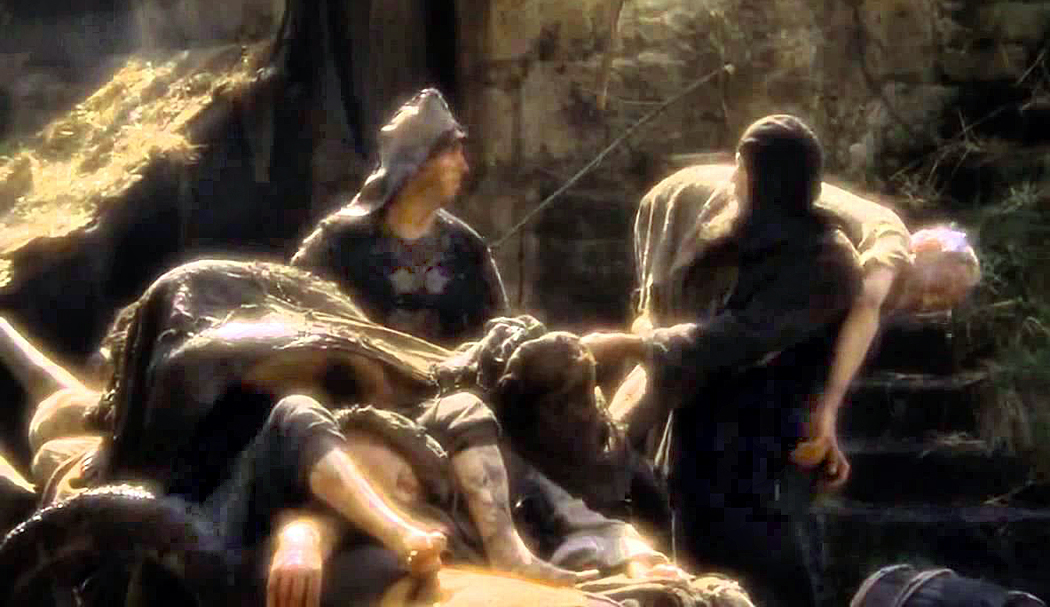
Scholars know all this very well, and make their arguments in books and treatises, almost always with the caveat about drawing lines hard and fast. But the convenience of giving names is too seductive, and leaves the popular imagination with images like Monty Python’s “Bring out yer dead” or Elizabeth Taylor’s Cleopatra. Can we talk about the past without the labels we give it?
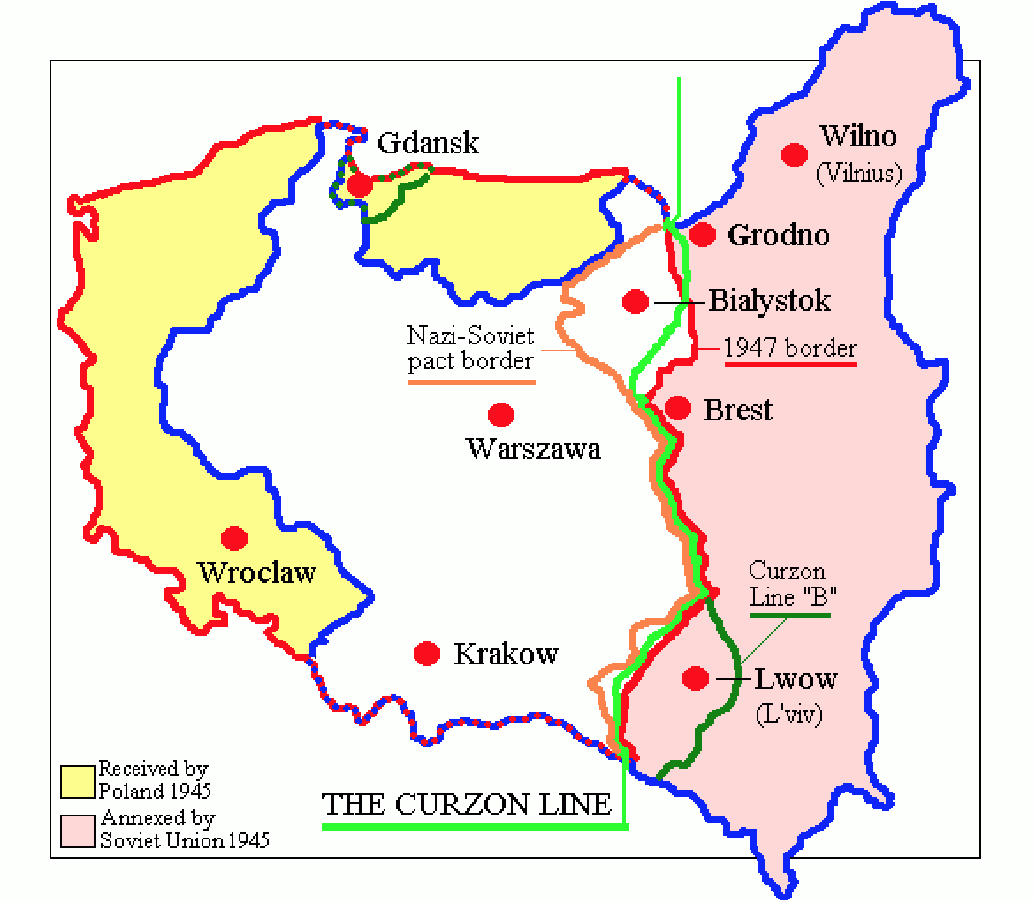
We need to understand the world is not binary, but a borderless spectrum of experience. Hawaii is now part of North America and Iceland is part of Europe. Electrons are particles and waves. Poland grew immense and shrunk, disappeared completely and reappeared and picked up its skirts and moved 200 miles to the west. And so, I wince every time I hear a red politician tell us with misbegotten certainty what gender roles should be, or that “male” and “female” are hard, definable categories with no subtleties. Or that “Left” and “Right” are hard-and-fast places where we must construct our redouts.
I admit we need words, categories, borders, and definitions to be able to communicate. We need to cut up our steak in order to eat it. But I would wish we could be more humble about their actual reality.

 Richard Nilsen