Archive

Tag Archives: westerns

When I was a wee lad, in the 1950s and television was about the same age, I watched the images on the screen flash by with no critical eye. It was all the same: old movies, kiddie shows, talk shows, variety shows, sitcoms — it all wiggled on the toob and that was enough. 

If there were any difference in production quality, or acting ability, it made no difference. I just watched the story, or listened to the music. The very idea that there were people behind the camera never occurred. I didn’t really even think about there being a camera. Things just appeared. I suspect this is true for most kids. It may be true for quite a few grown-ups, too. 

There were certainly programs I liked more than others, but I could not have given any reason why one and not the other. Mostly, in the daytime, I watched cowboy movies and cartoons, and in the evening, I watched whatever the rest of the family was watching. 

In all that, there were a good number of Westerns. There were those for the kids, such as The Lone Ranger or The Cisco Kid, and later, those in the after-dinner hours aimed at the grown-ups — Gunsmoke or Death Valley Days. There were also the daytime screenings of old Western movies with such stars as Buck Jones, Hoot Gibson, Bob Steele or Johnny Mack Brown. 

I mention all this because I have recently begun watching a series of reruns of old TV Westerns on various high-number cable channels, seeing them in Hi-Def for the first time. I have now seen scores of original Gunsmoke episodes and my take on them is entirely different from when I was in grammar school. I can now watch them critically.

It’s been 70 years since I was that little kid, and since then I’ve seen thousands of movies and TV shows, served a stint as a film critic, written about movies, and introduced films in theaters. I have a different eye, and understand things I couldn’t know then. 

And so, a number of random thoughts have come to me, in no particular order:

1. 

Old TVs were fuzzy; new TVs are sharp. In the old days of cathode-ray tubes, TV pictures were made up of roughly 480 lines, running from top to bottom of the screen, refreshing themselves every 60th of a second. Broadcast TV was governed by what is called NTSC standards (altered slightly over time). Such images were of surprisingly low definition (by modern standards). 

The sharpness of those early TV pictures was not of major importance because most people then really thought of television as radio with pictures, and story lines were carried almost entirely by dialog. The visual aspect of them was of minor concern (nor, given the resolution of the TVs at the time, should it have been.)

Of course, now, we watch those old Gunsmoke episodes on HD screens. And two things become apparent. 
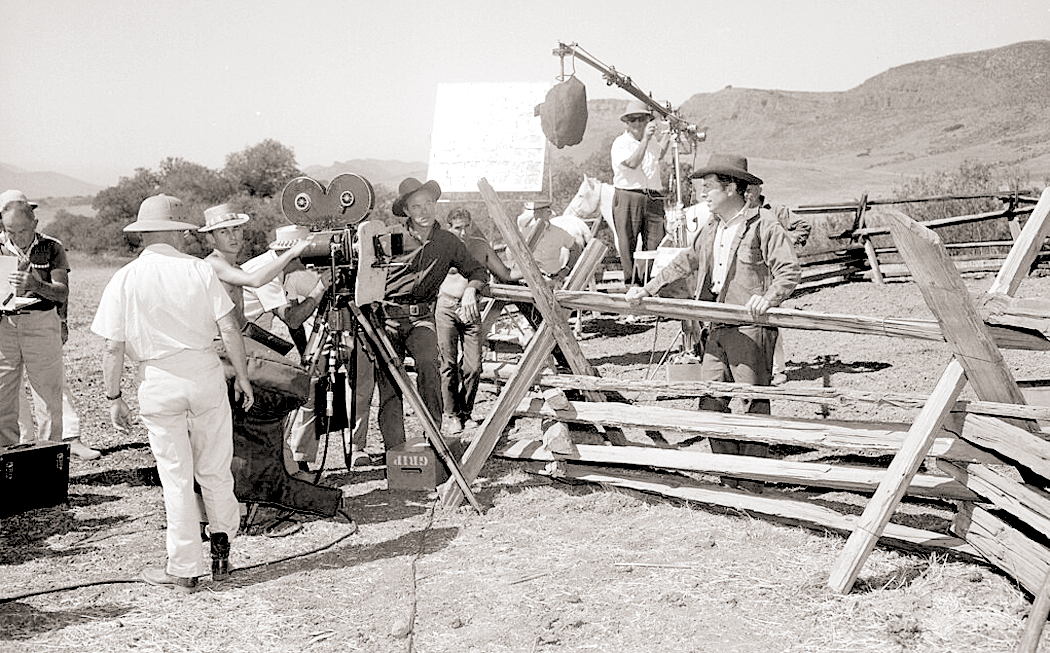
First, is that shows such as Gunsmoke were made better than they needed to be. They were made mainly by people trained in the old Hollywood studio system, where such things as lighting, blocking, focus, camera angles, and the such were all worked out and professionally understood. They were skilled craftsmen. 

However, second, some things were designed for analog screens, and so, often, painted backdrops used, especially for “outdoor” scenes shot in the studio, have become embarrassingly obvious, when, originally, they would have passed unnoticed on the fuzzy screen. 

Outdoor scenes were often shot in studios. Dodge City, during some seasons, was built indoors and the end of the main street in town was a backdrop. Again, on the old TVs you would not notice, but today, it’s embarrassing how crude that cheat was. 
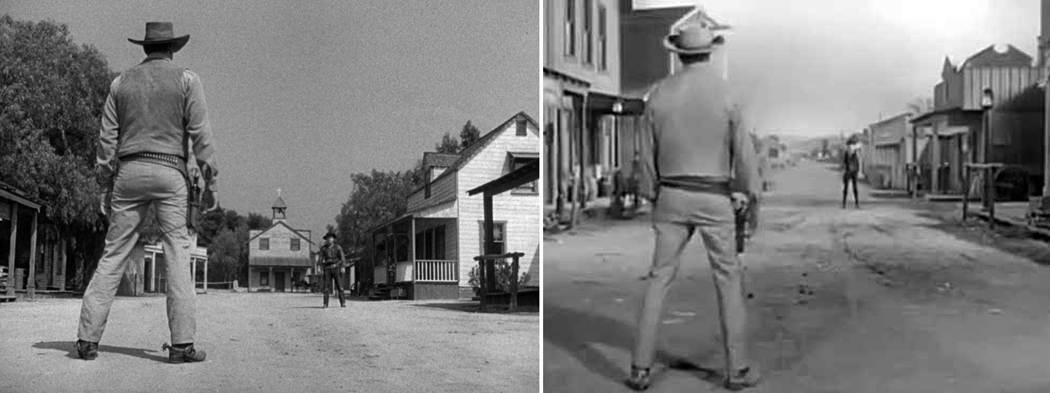
You can see it in the opening shootout during the credits. In early seasons, Dillon faces the bad guy outdoors. In later seasons, he’s in the studio. 
2. 

Because Gunsmoke is now seen on a widescreen HD screen, but were originally shot for the squarer 4-by-5 aspect ratio, the image has to be rejiggered for the new screen. There are three ways of doing this, and as they show up on current screens, they are either shown with black bars on either side of the picture, to retain the original aspect ratio, or they are cropped and spread out across the wider 16:9 space. And if so, there are two ways this happens. 
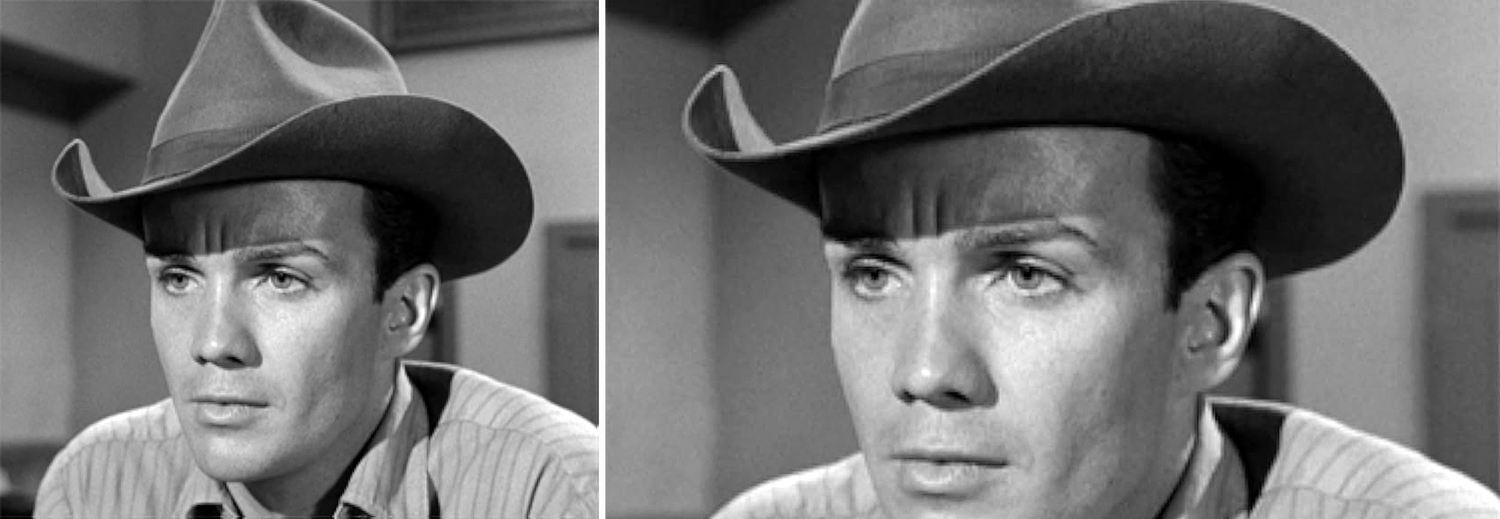
If the transfer is done quickly and cheaply, the cropping is done by just chopping off a bit of the top and bottom of the picture, leaving the middle unchanged. The problem is this often leaves the picture awkwardly framed, with, in close ups, the bottoms of characters’ faces left out. 

However, in some of the newly broadcast Gunsmokes, someone has taken care to reframe the shots — moving the frame up or down — so as to include the chins and mouths of the characters. To do this, the technician has to pay attention shot by shot as he reframes the image. 

And so, it seems as if the Gunsmoke syndications have been accomplished either by separate companies, or at different times for different series packages. You can see, for instance, on the INSP cable network, examples of all three strategies. (My preference, by far, is for the uncropped original squarer picture.)

3. 

Gunsmoke changed over its 20-year TV run. There are three main versions: Black and white half-hour episodes (1955-1961); black and white hour-long episodes (1961-1966); and hour-long color episodes (1966-1975). The shorter run times coincided with the period when Dennis Weaver played Matt Dillon’s gimpy-legged sidekick Chester Goode. Chester continued for a season into the hour-longs, but was replaced by Ken Curtis as Festus Haggen, the illiterate countrified comic relief. 

Technically, the black and white seasons were generally better made than the color ones. When the series began, TV crews had been those previously at work in cinema, and brought over what they learned about lighting, framing, editing, blocking, use of close-ups. The black and white film stock allowed them to use lighting creatively, using shadows to effect, and lighting faces, especially in night scenes, with expressive shadows. Looking at the older episodes, I often admire the artistry of the lighting. 

But when color came in, the film stock was rather less sensitive than the black and white, and so the sets had to be flooded with light generally for details to be rendered. This led to really crass generic lighting. Often — and you can really spot it in night scenes — a character will throw two or three shadows behind him from lights blasting in different directions. Practicality drowns artistry. 

Gunsmoke wasn’t alone in this: This bland lighting affected all TV shows when color became normal. It took decades — and better film stock — before color lighting caught up. (One of the hallmarks of our current “golden age” of TV is the cinematic style of lighting that is now fashionable. Color has finally caught up with black and white.) 

4. 

One of the pleasures of watching these reruns is now noticing (I didn’t when I was a little boy) the repertory company of actors who showed up over and over again, playing different characters each time. 

I’m not just talking about the regular actors playing recurring roles, such as Glenn Strange as Sam the barkeep or Howard Culver, who was hotel clerk Howard Uzzell in 44 episodes, but those coming back over and over in different roles. Victor French was seen 18 times, Roy Barcroft (longtime B-Western baddie) 16 times; Denver Pyle 14 times, Royal Dano 13 times, John Dehner, John Anderson and Harry Carey Jr. a dozen times each.
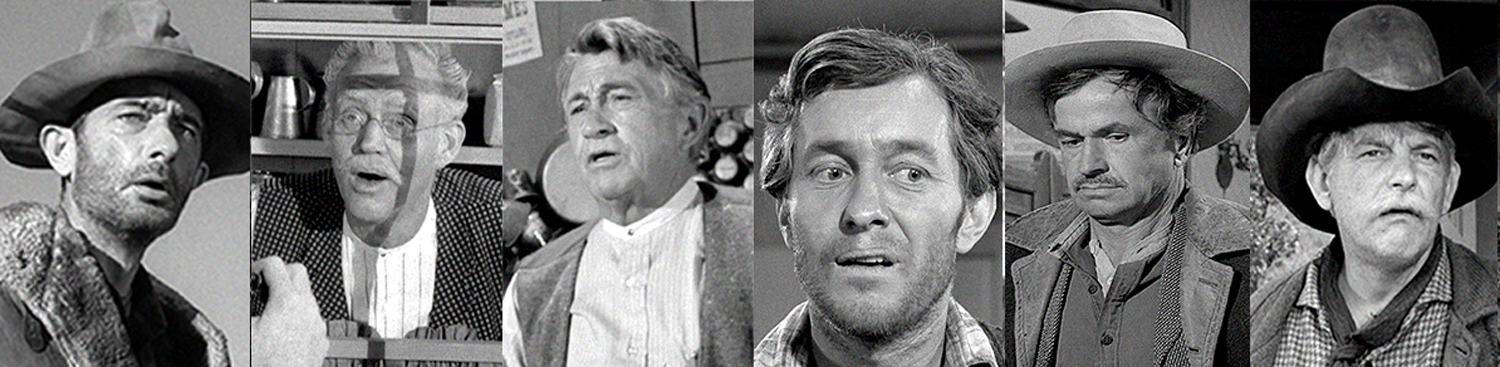
Other regulars with familiar faces include Strother Martin, Warren Oates, Claude Akins, Gene Evans, Harry Dean Stanton, Jack Elam. Some were established movie actors: George Kennedy, Dub Taylor, Pat Hingle, Forrest Tucker, Slim Pickens, Elisha Cook Jr., James Whitmore. Bette Davis, too. 
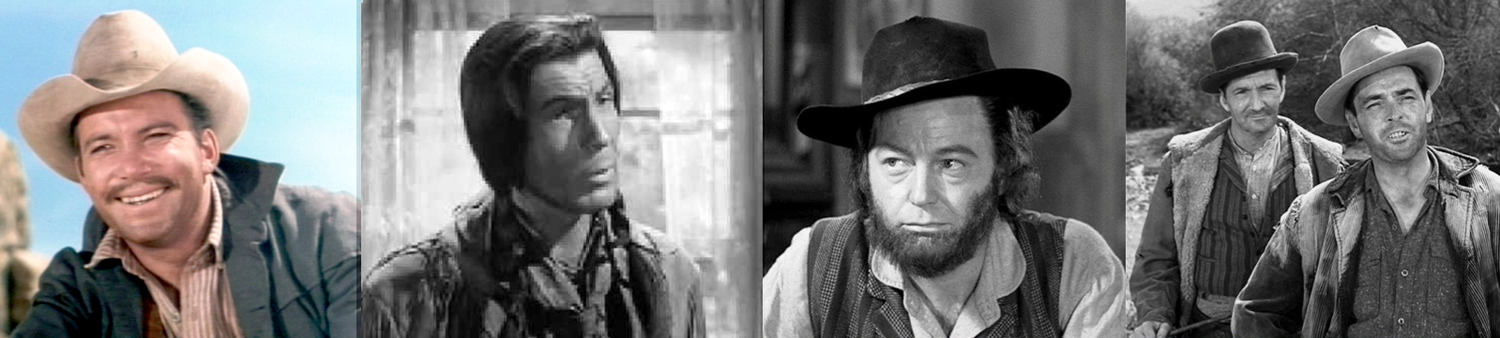
William Shatner, Leonard Nimoy, DeForest Kelley, James Doohan

And a few surprises. Who knew that Leonard Nimoy was in Gunsmoke (four times), or  Mayberry’s George Lindsay (six times — usually playing heavies and you realize that the goofy Goober Pyle was an act — Lindsay was an actor, not an idiot), Mayberry’s barber Howard McNear showed up 6 times. Jon Voight, Carroll O’Connor, Ed Asner, Harrison Ford, Kurt Russell, Suzanne Pleshette, Jean Arthur, DeForest Kelley, Werner Klemperer (Colonel Klink), Angie Dickenson, Dennis Hopper, Leslie Nielsen, Dyan Cannon, Adam West, and even William Shatner — all show up. 

It becomes an actor-spotting game. John Dehner, in particular, was so very different each time he showed up, once a grizzled old miner, another a town drunk, a third as an East-coast dandy, another as a hired gunslinger — almost never looking or sounding the same. “There he is, Dehner again!” 

And it makes you realize that these were all working actors, needing to string together gigs to make a living, and the reliable actors would get many call-backs. It is now a pleasure to see how good so many of these old character actors were. 

5. 

I have now watched not only Gunsmoke, but other old TV Westerns, and the quality difference between the best Gunsmoke episodes and the general run of shows is distinct. While I have come to recognize the quality that went into the production of Gunsmoke, most of the other shows, such as Bonanza, simply do not hold up. They are so much more formulaic, cheaply produced, and flat. Stock characters and recycled plots. 

Gunsmoke was designed to be an “adult Western” when it was first broadcast, in 1952, as a radio show, with stocky actor William Conrad as Matt Dillon. In contrast to the kiddie Westerns of the time, it aimed to bring realism to the genre. 
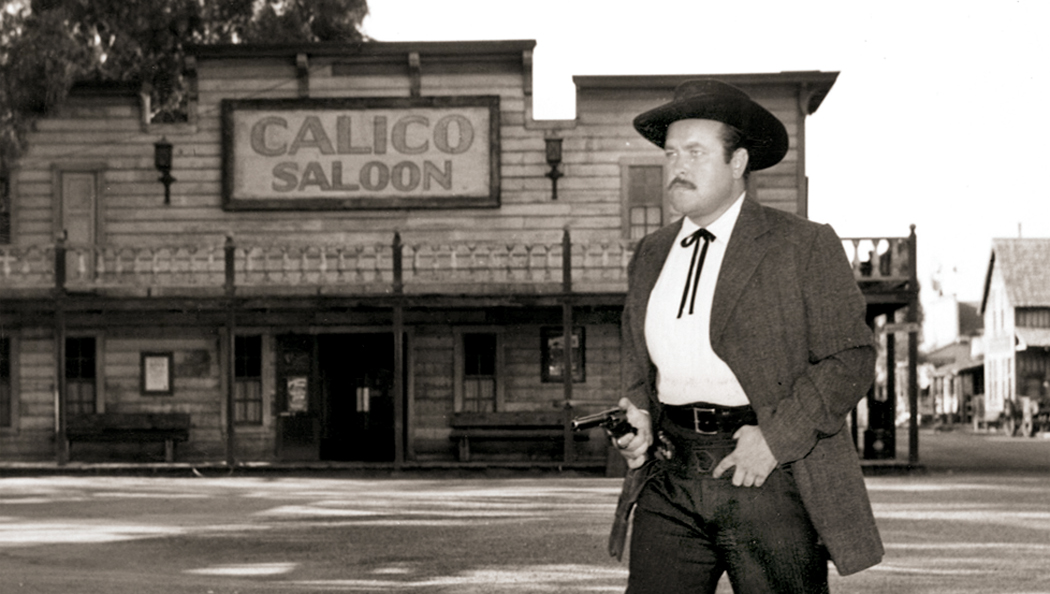
William Conrad as Marshal Dillon

It ran on radio from ’52 to 1961, and on TV from 1955 to 1975, and then continued for five made-for-TV movies following Dillon in his later years. There were comic books and novelizations. Dillon became a household name.

Originally, Matt Dillon was a hard-edged, lonely man in a hard Western landscape. As imagined by writer and co-creator of the series John Meston, the series would overturn the cliches of sentimental Westerns and expose how brutal the Old West was in reality. Many episodes were based on man’s cruelty to both men and women. Meston wrote, “Dillon was almost as scarred as the homicidal psychopaths to drifted into Dodge from all directions.” 

On TV, the series mellowed quite a bit, and James Arness was more solid hero than the radio Dillon. But there was still an edge to the show, compared with other TV Westerns. After all, according to True West magazine, Matt Dillon killed 407 people over the course of the TV series and movie sequels. He was also shot at least 56 times, knocked unconscious 29 times, stabbed three times and poisoned once. 

And the TV show could be surprisingly frank about the prairie woman’s life and the painful treatment of women as chattels. 
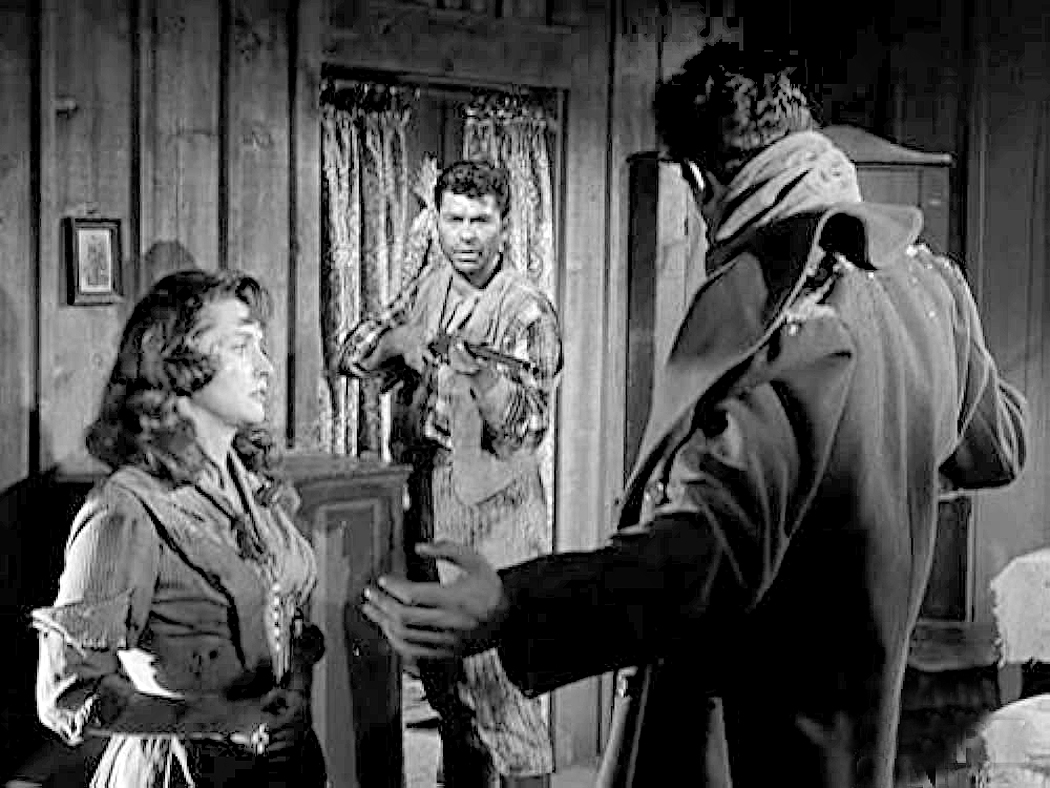
In Season 3 of the TV series, an episode titled “The Cabin,” two brutal men (Claude Akins and Harry Dean Stanton) kill a woman’s father and then serially beat and rape her over the course of 35 days, when Dillon accidentally comes upon the cabin to escape a snowstorm. The thugs plan to kill the marshal, but he winds up getting them first. When Dillon suggests that the woman can now go back to living her life, the shame she feels will not let her. No one has to know what has happened here, he tells her, but, she says, she will know. And so she tells Dillon she will go to Hayes City, “buy some pretty clothes” and become a prostitute. “It won’t be too hard, not after all this,” she says. 

“Don’t let all this make you bitter,” Dillon says. “There are a lot of good men in this world.”

“So they say” she says. 

This is pretty strong stuff for network TV in 1958. There were other episodes about racism, and especially in the early years, not always happy endings. 

Dodge City, 1872

6. 

According to Gunsmoke producer John Mantley, the series was set arbitrarily in 1873 and in Dodge City, Kansas, on the banks of the Arkansas River, although the river plays scant role in the series. In 1873, the railroad had just arrived, although in only a few episodes of the TV series is the train even mentioned. 

The Dodge City of the series is really just a standard Hollywood Western town, with the usual single dusty street with wooden false-front buildings along either side. 

In reality (not that it matters much for a TV show, although Gunsmoke did try to be more realistic than the standard Western), Dodge was built, like most Southern and Western towns, with its buildings all on one side of the street (called Front Street in Dodge) and the railroad tracks on the other. Beyond that, the river. 
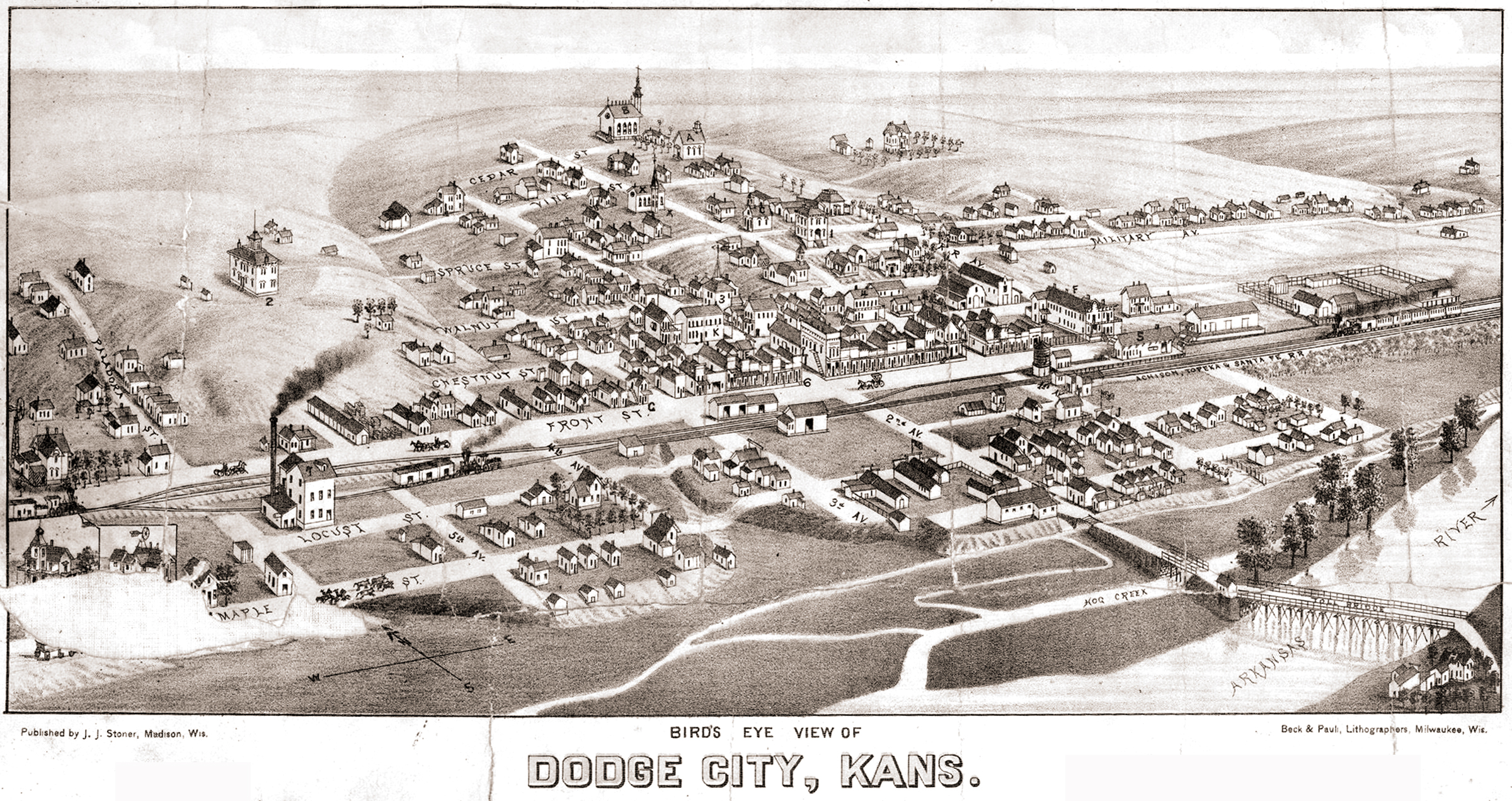
Dodge City, Kansas 1888

And in general, the geography of Gunsmoke’s Kansas would come as a surprise to anyone visiting the actual city. The state is famously flat, while the scenery around Matt Dillon often has snow-capped mountains, and at other times, mesas and buttes of the desert Southwest. 
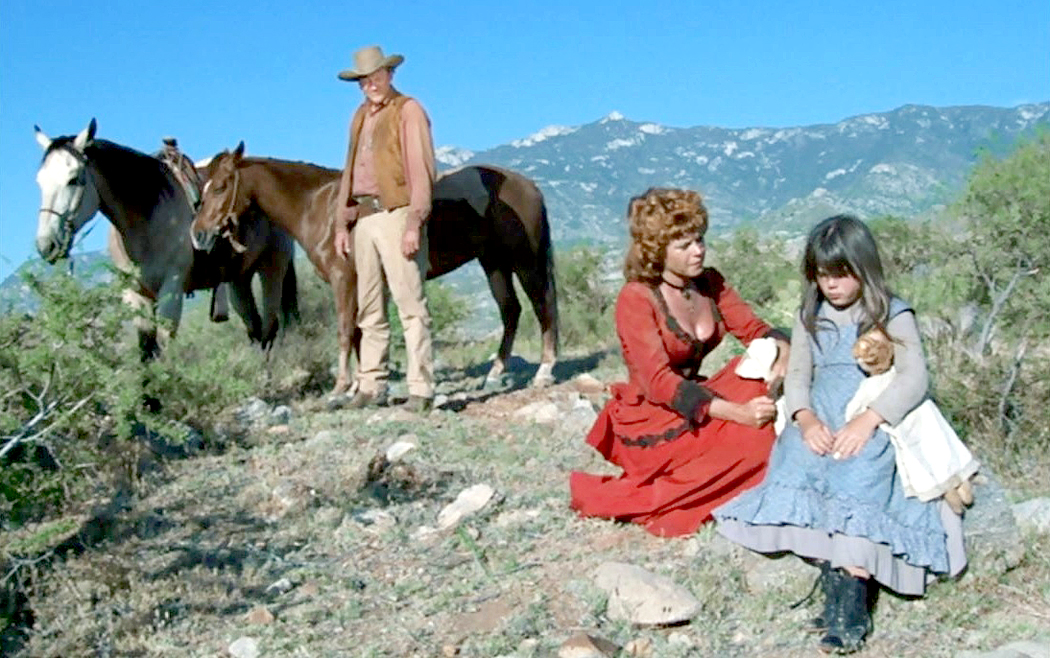
Hollywood’s sense of geography is often peculiar. So, I don’t think it is fair to hold it against the TV series that its sense of the landscape has more to do with California (where the series was generally shot) than with the Midwest prairies. 

I remember one movie where James Stewart travels from Lordsburg, N.M., to Tucson, Ariz., and somehow manages to pass through the red rocks or Sedona on the way. Sedona is certainly more picturesque than Wilcox, Ariz., but rather misplaced.
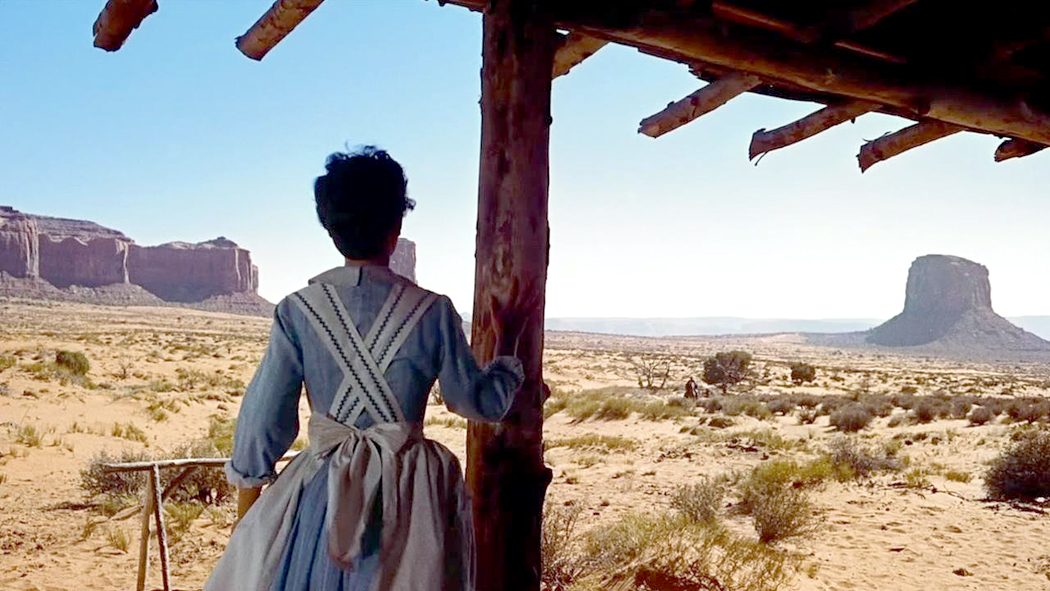
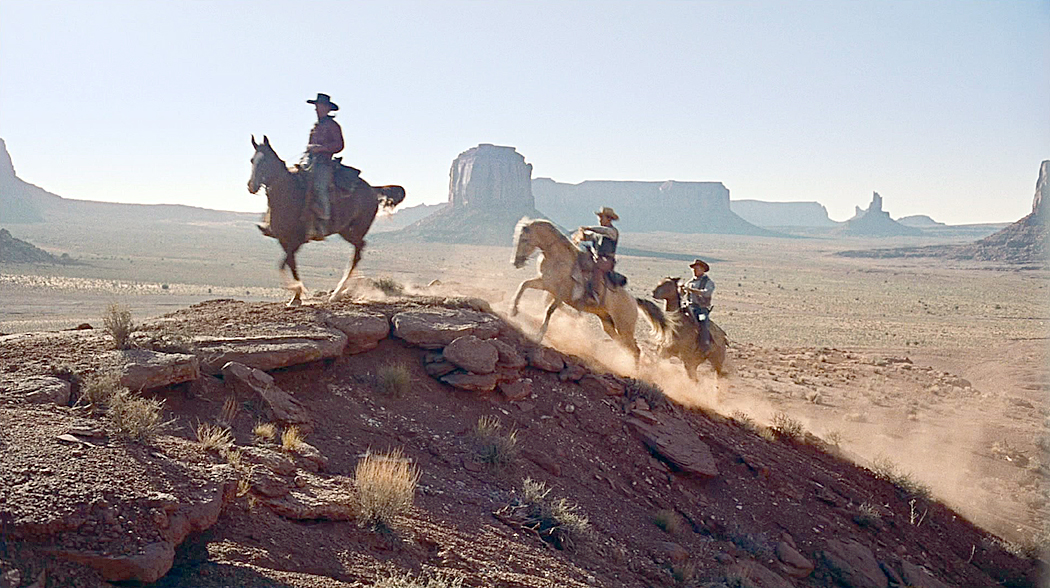
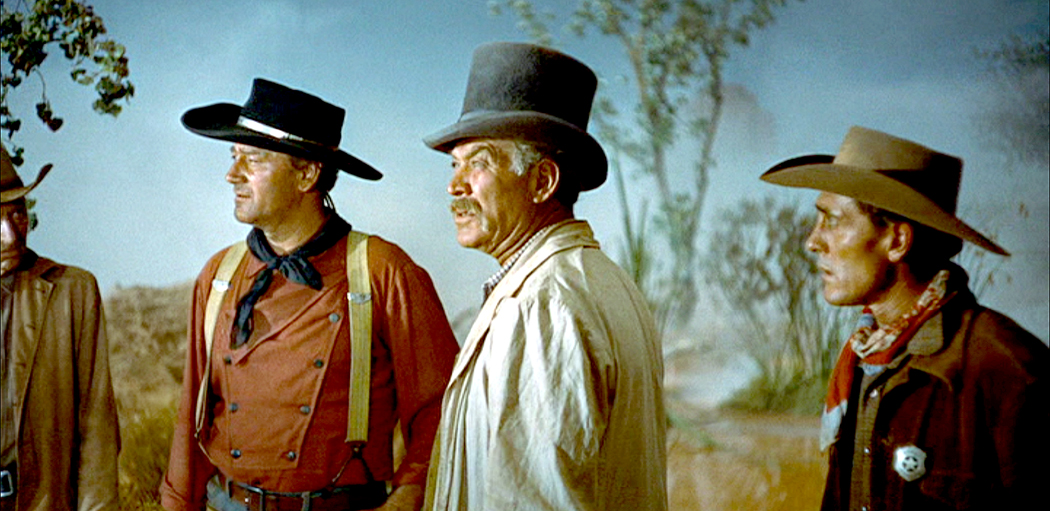
Or John Ford’s The Searchers, where the Jorgensen and Edwards families are farming in Monument Valley, Ariz., which has no water, little rain, sandy soil and no towns within a hundred miles. It is ludicrous place to attempt to farm. Of course, it is said, in the movie, to be set in Texas, but Texas doesn’t look like the Colorado Plateau at all. 

We forgive such gaffes because the scenery is so gorgeous, and because we’ve been trained by decades of cowboy movies to have a picture of “The West” as it is seen in Shane rather than how most of it actually was: flat, grassy, and boring. And often, it is not even the West, as we think of it. Jesse James and his gang robbed banks in Missouri. The Dalton Gang was finished off in Minnesota. The “hanging judge” Parker presided in Arkansas. Some of the quintessential Western myths are really Midwestern or Southern. 

So, many of the tropes of Hollywood Westerns still show up in Gunsmoke, despite its attempt at being “more realistic” than the standard-issue cowboy show. 
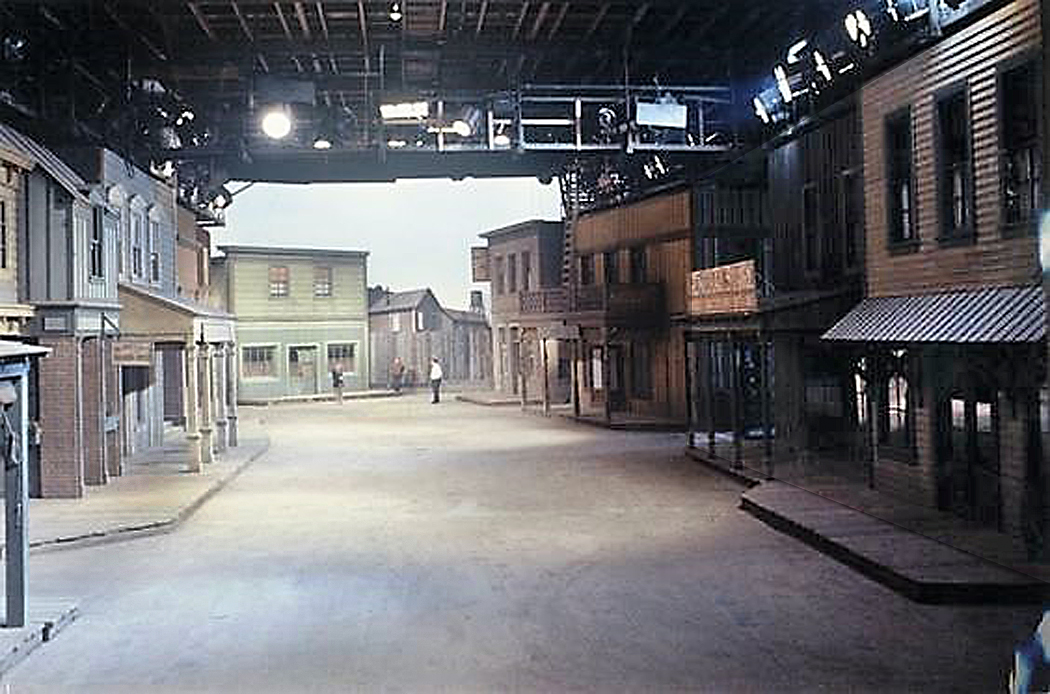
“Gunsmoke” studio set

Two things, however, that are hardly ever mentioned that seems germane to the question of realism on film. The first is the pristine nature of the streets. Historians have shown that, with all the horses, not only in Westerns, but even in 19th-century Manhattan, the streets were paved with horseshit. Cities even hired sanitation workers to collect the dung in wheeled bins, so as not to be buried in the stuff. 

OK, I get that perhaps on TV shows broadcast into our homes, we might not want to see that much horse manure. In reality, the dirt dumped in the studio set of Dodge City had to be cleaned out, like kitty litter, each day, or under the hot lights, the whole set would stink of horse urine. 

But the second issue relates to the very title of the show: Gunsmoke. Strangely, smoke never appears from the many guns being fired in the course of 20 years of episodes. But the series is set in an era at least a decade before the invention of a practical smokeless powder (and 30 years before its widespread usage). And so Matt Dillon’s gun should be spouting a haze of nasty smoke each time he fires at a miscreant. 

Me firing a black powder rifle

We know, from records of the time, that Civil War battlefields, and before that, Napoleonic battlefields, were obscured by clouds of impenetrable smoke, blocking the views of soldiers aiming at each other. And I know from my own experience firing black powder weapons, that each show spews a cloud of smoke from the barrel. So, why no gun smoke on Gunsmoke?

Click on any image to enlarge
My brother-in-law, Mel Steele, is a painter whose work I not only admire, but truly enjoy. They give my eyes great pleasure. 

We visit Mel and his wife, Deborah, a few times each year and usually I bring along a big bag of DVDs, mostly art or foreign films. Mel and I share a common taste for such things.

Indeed, our tastes match up surprisingly well, not only in movies, but in music and art as well. We love the more difficult music, like Bartok quartets or 20th century operas, and for all that we get along admirably. 

But there is a sticking point, a point of contention that we have never been able to resolve. There is a movie he hates and I love; and one I cannot stand that he adores. And I see no way of settling the dispute. 

Mel grew up in Madison, N.C., in the 1940s and ’50s and only a block from his house was the local movie theater. He and his sister went to the movies at least once a week growing up. They saw all the usual Hollywood offerings, with Burt Lancaster, Greer Garson, Veronica Lake, Dorothy Lamour, Kirk Douglas — you get the picture. 

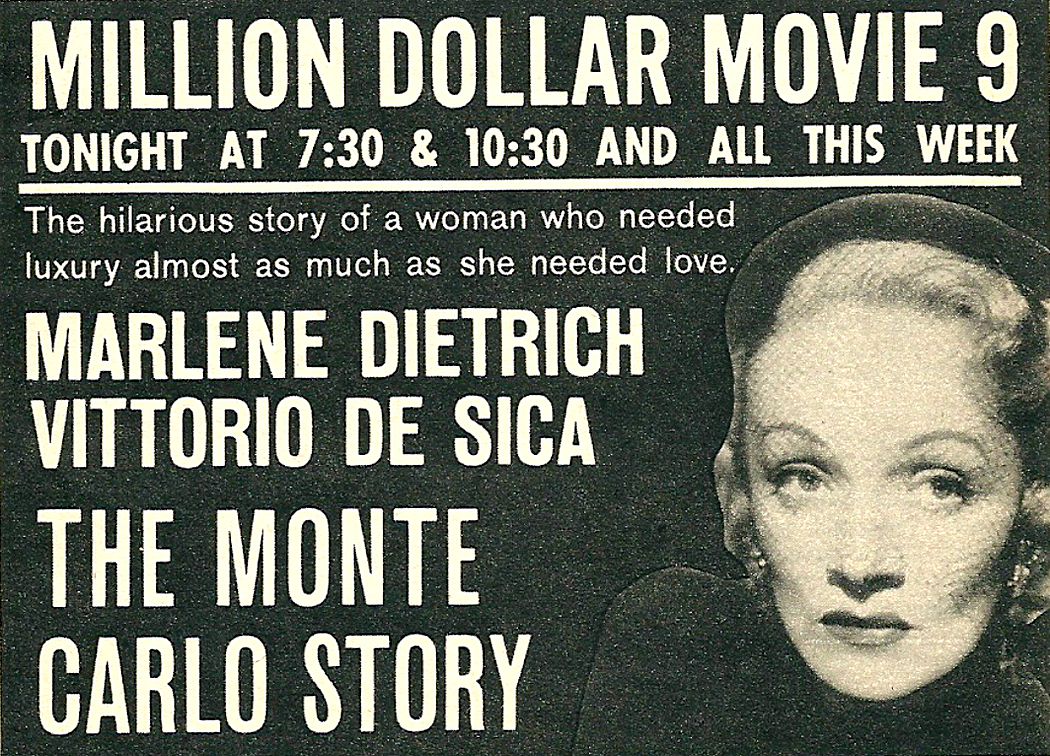
I am a few years younger than Mel and since there was no movie house where I grew up, my film education came via television — old movies packaged by studios for rebroadcast on fledgling TV channels, such as WOR-TV from New York and its Million Dollar Movie. I was fed a lot of films from the 1930s, and, of course, all those marvelous-awful sci-fi films made for a pittance with Richard Carlson or Sonny Tufts. 

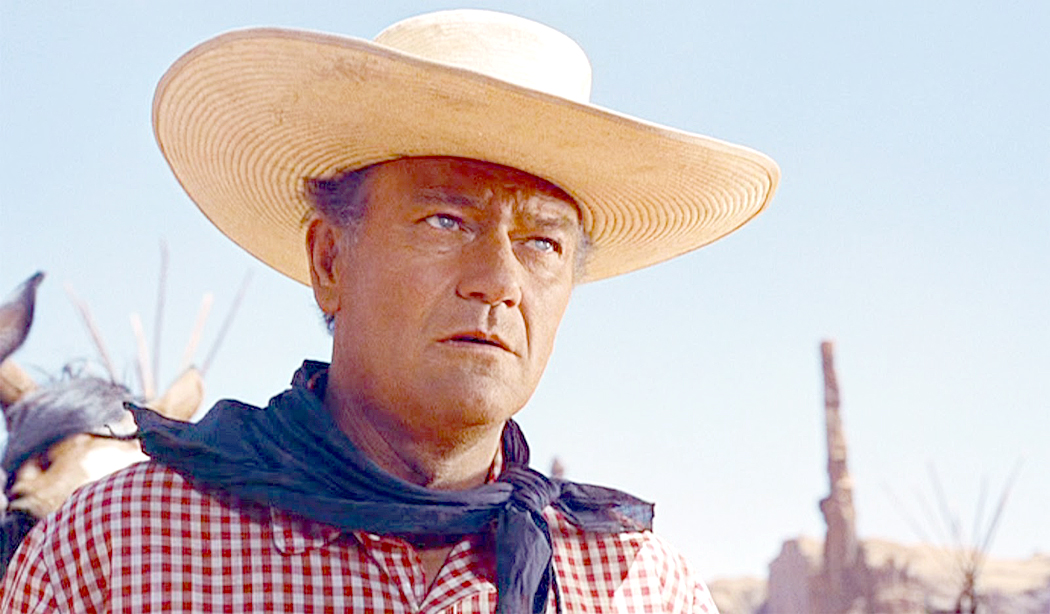
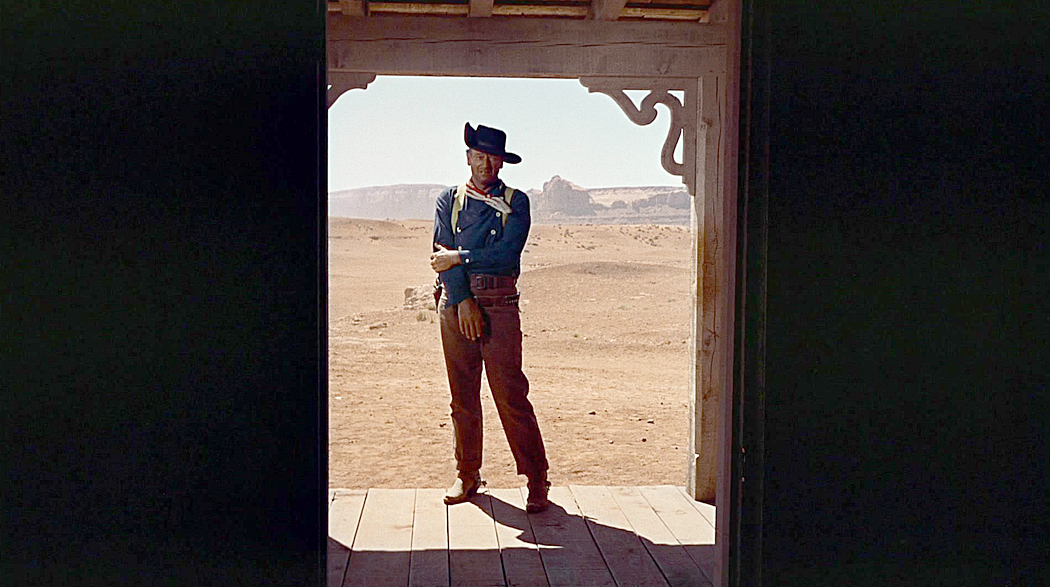
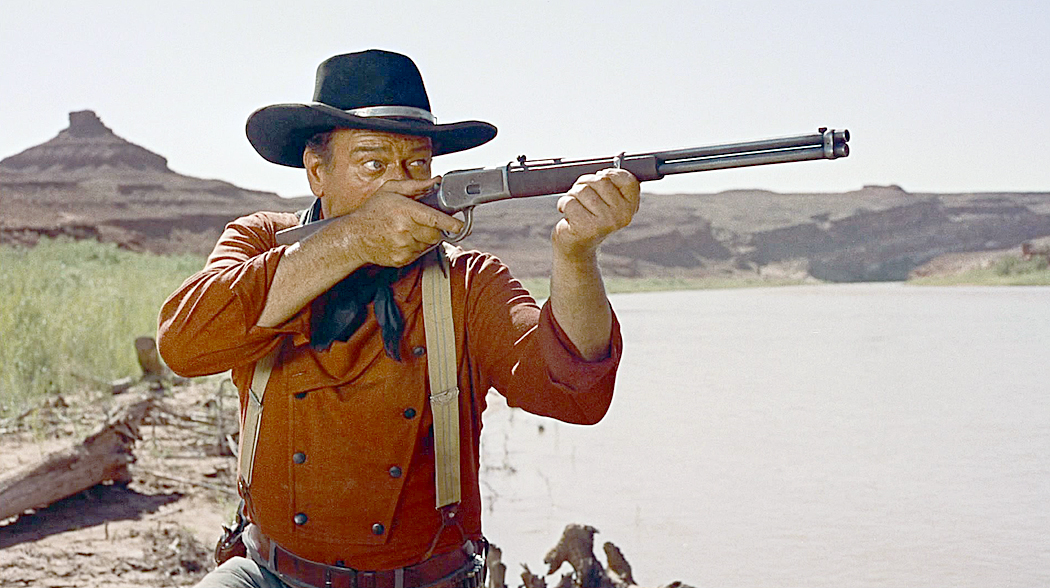
I don’t know if our different childhoods made the difference, or what, but that sticking point revolves around the best Western (not the motel chain). I mentioned once that I love The Searchers from 1956, a film in which John Wayne shows that he can actually act. It is a tough film, in which Wayne is an unsympathetic character, a bigot returned from the Civil War, having fought for the Confederacy. For my money, it is the best Western ever made, highlighting the shadings of culture clash and personality. 

“Can’t stand the thing,” says Mel. “Can’t stand John Wayne.” 

Indeed, it seems as if the presence of Wayne is the primary objection Mel has to the film. And I suspect that Mel’s dislike of Wayne has more to do with Wayne’s later right-wing politics — and the number of undistinguished star vehicles he made as an ever-paunchier alpha male — than with Wayne’s actual performance in The Searchers

It is clear that Wayne didn’t always have to act, and could rely on nothing more than his screen persona in lesser films, such as North to Alaska, The Comancheros, McLintock!, Hatari, or The War Wagon. He seemed always to be playing a caricature of himself. 

And then, there are those absolutely embarrassing moments in The Alamo or The Green Berets. Wayne’s shallow jingoism does not wear well. Nor does his support of the Vietnam War or Richard Nixon. 

I used to share Mel’s disdain for John Wayne. The actor was pretty much a punchline. Really? Genghis Khan in The Conqueror? Gimme a break. 

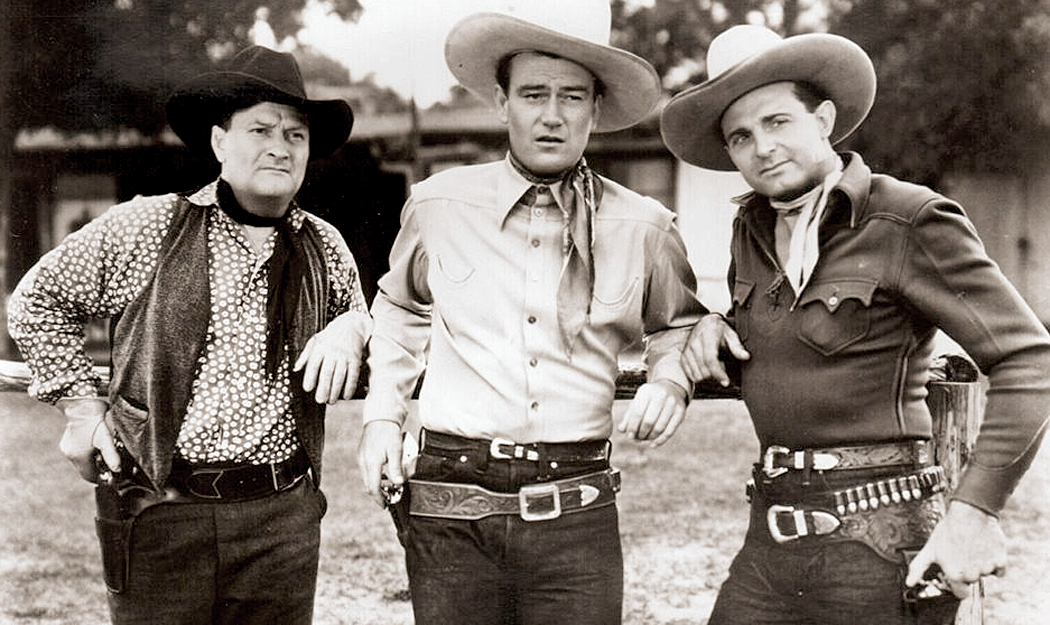
I first became acquainted with Wayne when I was a little kid, watching ancient Westerns on TV, where he was Stony Brook in the Three Mesquiteers films, or as “Singing Sandy” in a bunch of old Republic or Monogram Westerns. Compared with some of the old cowboys, Wayne had a graceful presence on screen, if no great acting chops. 

Only as an adult, did I come across films in which Wayne played a character not merely himself. After seeing Howard Hawks’ Red River, director John Ford famously said, “Who knew the big lug could actually act?” Well, he could, even if he didn’t always feel the need to. 

Then there are such films as The Man Who Shot Liberty Valance and She Wore a Yellow Ribbon, where he convincingly played a part 20 years older than he was at the time. And most of all, perhaps, his role as John Books in The Shootist, his final film, in when he seems to want to prove once and for all he can be an actor and not just a star. 

Mel, of course, was having none of it. “Can’t stand the guy.” 

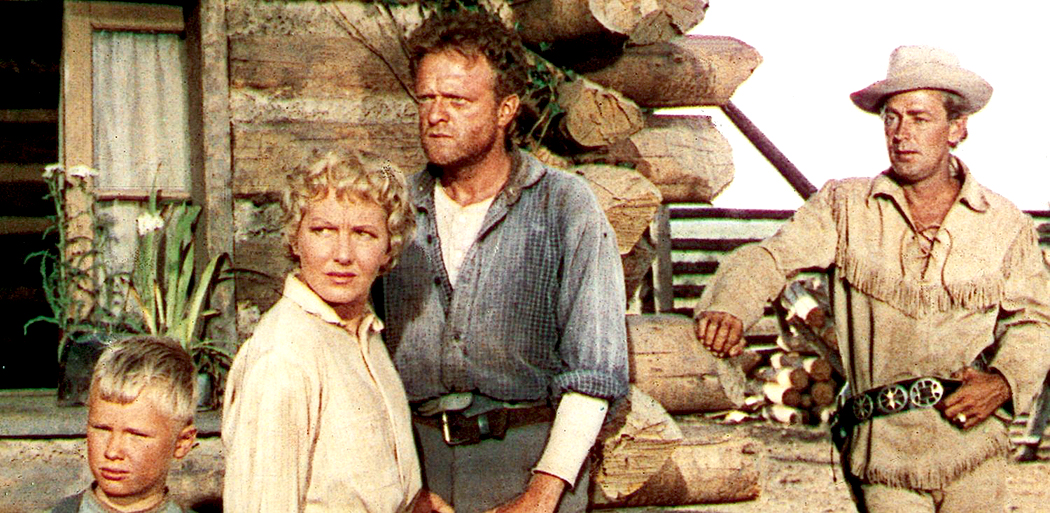
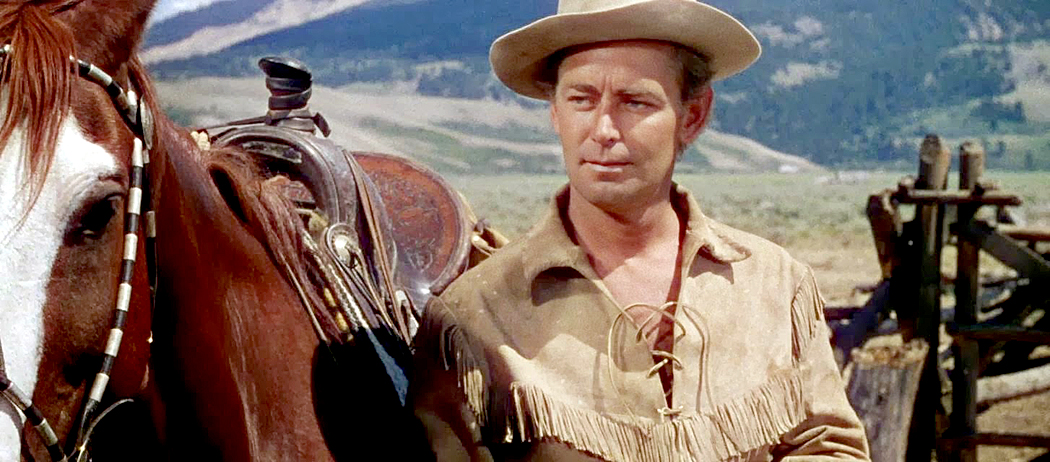
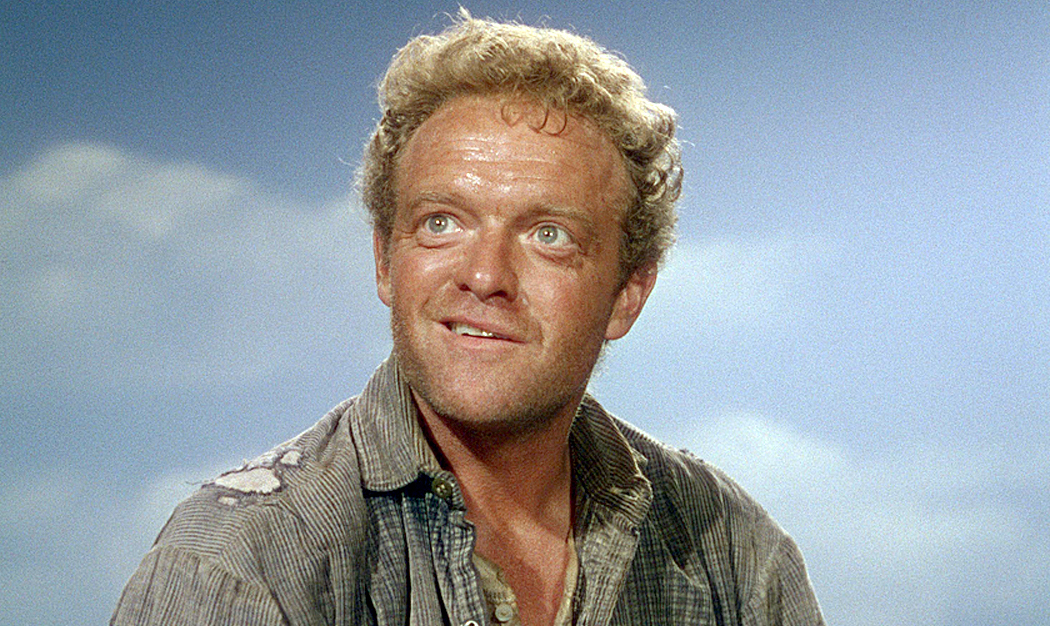
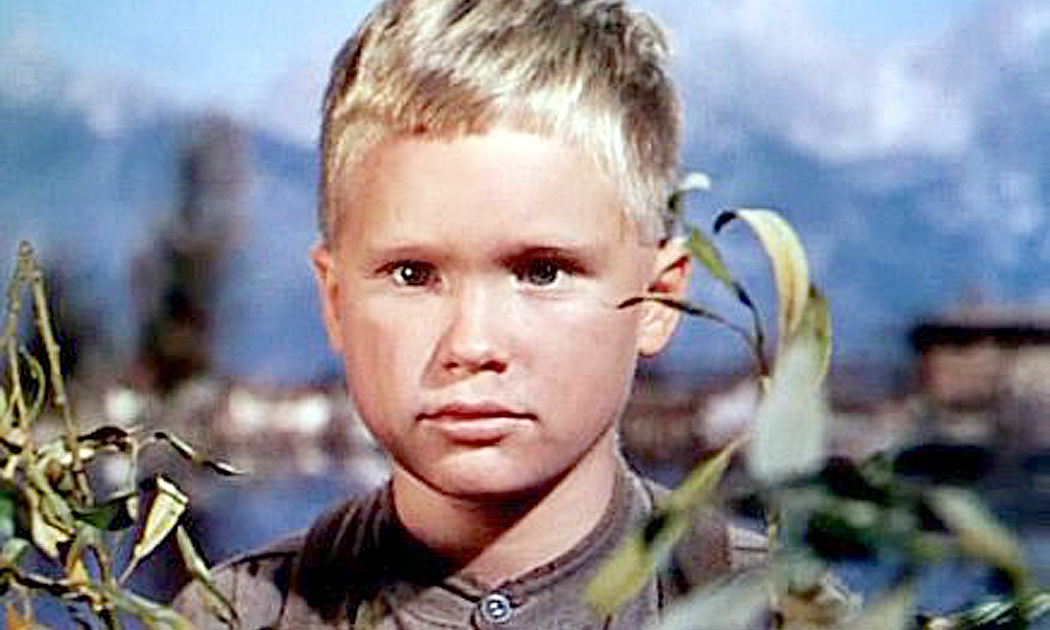
In contrast, Mel proclaimed that the greatest Western ever is Shane, a movie I cannot abide. For me, it is the epitome of Hollywood phoniness. It is pure artifice, with not a believable moment in it. 

Even its widescreen projection on release was fake: Paramount wanted something to compete with the then-new Cinemascope and Panavision — both anamorphic widescreen formats — and so they cropped the original Academy Ratio Shane at top and bottom to make a phony widescreen version. 

“But it’s so beautiful,” Mel says. “Look at that landscape.” Yeah, I feel, a rip-off of Ansel Adams, with the Teton Mountains prominent in the background. It seems so self-consciously meaningful, so arty, so pretentiously “mythic,” that I cannot take it seriously. There is not a second in it that feels real — apart from the acting of Jean Arthur, who is the only fully human character in the film. These are not people but ideas moving around in the plot, as if they each wore a sign telling us what they signify. Again, only Arthur feels like a real person. 

Allegory, for me, is always a tough sell. 

I’ve never been able to warm to Alan Ladd. He is one of those movie stars from that era of Hollywood movie in which the dying studios made turkey after turkey. 

Van Heflin always feels to me like someone the studios felt they could turn into a major star, but never managed to. 

And Brandon deWilde is a blank-faced homunculus, as if that look of animal stupidity  should be taken as the face of innocence. Actually the kid gives me the creeps. 

The Searchers, in contrast, is filled with all the great character actors that John Ford used over and over. They are people, not cardboard cutouts.

Perhaps I have overstated my case. There are other great Westerns that may be as good as The Searchers. Ford probably made them. Modern Westerns tend to be more period-aware and historically better informed. And perhaps Shane isn’t the worst Western. There are plenty of hack Westerns with much less ambition than George Stevens brought to his work. 

But the fact is, the comic disagreement Mel and I had was about these two films in particular. I was not able to persuade him; he was not able to persuade me. Let’s leave it at that. 

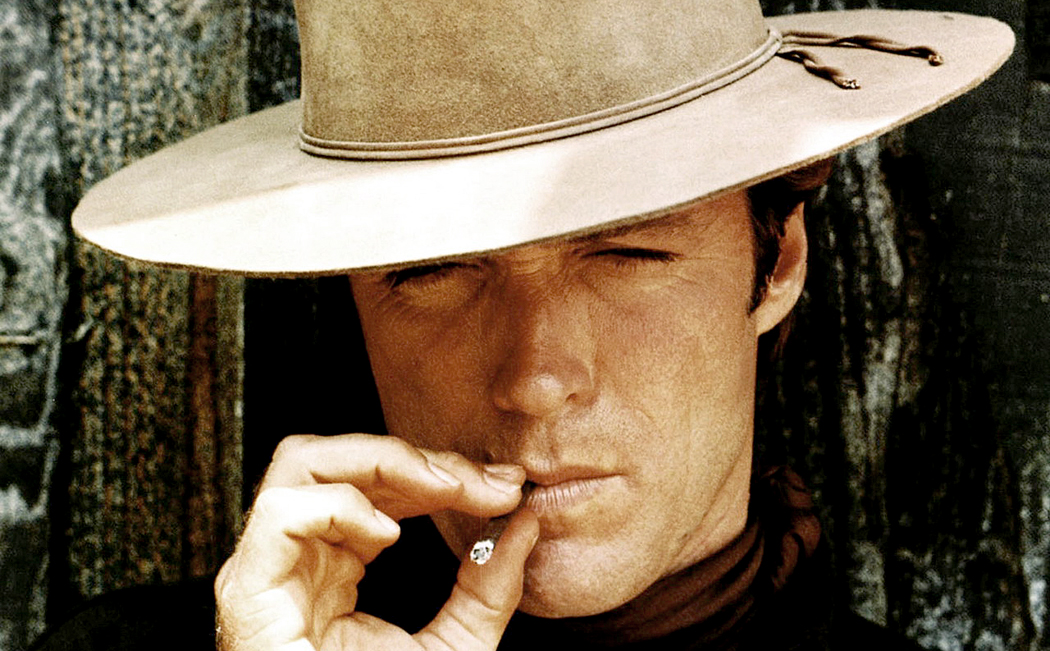
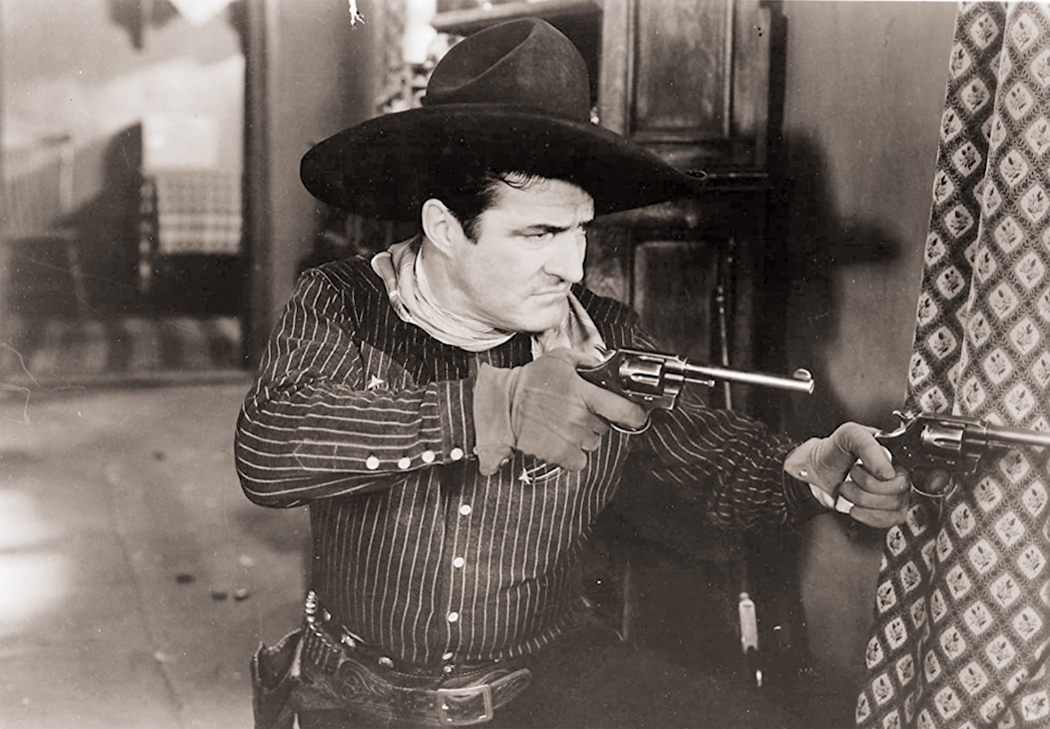
Recently on Turner Classics, I caught the 1968 Clint Eastwood film, Hang ’Em High. And in the opening scene where a posse of miscreants attempt to lynch Clint, there were a passel of familiar character actors, including Ed Begley, Bruce Dern, Alan Hale Jr., Ned Romero and Bert Freed. And the oldest of them — the only one to hesitate about hanging a man — was a face that burned familiar and at first, I couldn’t place. Then it hit me, this grizzled old rancher was Bob Steele. The movie suddenly interested me more and I stayed to watch it through. 

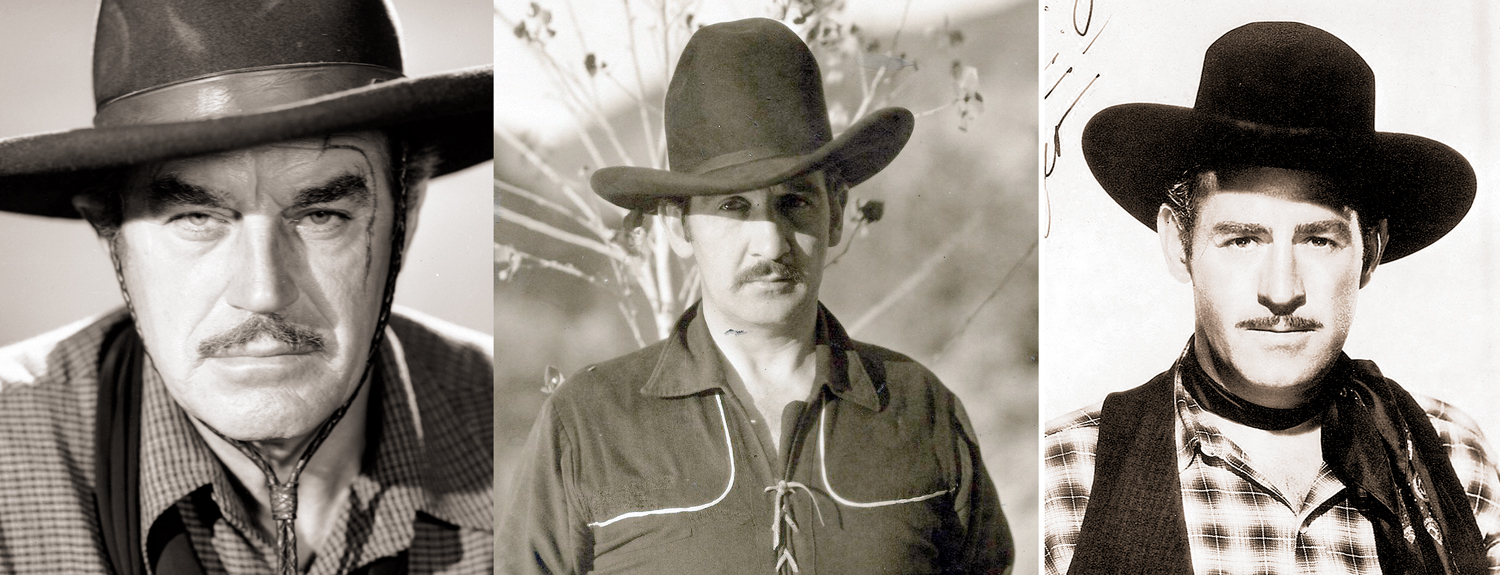
When I was a wee bairn, in the early 1950s, TV was rife with old Westerns. Television was new and stations were starving for content. Libraries of old movies were packaged and sent to local outlets and afternoon programming included piles of old Westerns, mainly from the Golden Age of the 1930s. As a five-year old, maybe seven, I clearly had my favorite cowboy stars. Hoot Gibson, Tim McCoy, Ken Maynard, Buck Jones. And Bob Steele. All of them stars before the advent of Gene Autry or Roy Rogers. 

They each had their shtick. Hoot Gibson tended not to carry a gun; McCoy brought a historic sense of the real West. Maynard was a trick rider. And Steele was the king of the fistfight. 

I must have watched hundreds of these Westerns. Later, when half-hour Western series took over the evening, I watched Wyatt Earp, Wild Bill Hickok, The Lone Ranger and The Cisco Kid. But it was the movies that really spoke to me. 

It wasn’t just that they were cowboy movies — although that was their primary attraction (I had a cowboy hat, a cap pistol, and when I was four years old, an imaginary horse I rode around the living room, which I named Whitey.) It was also my introduction to movies. I am not going to claim any great sophistication in my appreciation. I wasn’t particularly paying attention to the editing or lighting, but I did notice the music and I did notice, even at that tender age, that there were scenes that must have been shot silent, with no dialog and with Foley sound added later, like the coconut clop of horse hooves. The sound and visuals didn’t quite match up, making it clear they were done separately. And I was aware of the various wipes and dissolves. They loved their wipes. In that sense, I had some early appreciation that these were artifacts, creations of a filmmaker. 

As an adult, when I occasionally watch an old Western, I am kind of embarrassed that I loved them so much as a boy. On the whole, they were clunky, cheaply made, and ridiculously repetitive. The same plots over and over, this time with Tex Ritter, that time with Bob Livingston, another with Johnny Mack Brown. Every banker and lawyer wore a string bow tie — that’s how we knew who the villain was. 

And every one of them had a gang of brutes led by Harry Woods, Charlie King or Roy Barcroft. The string bow ties tried to cut off water to the ranchers, or tried to cheat them out of their land, or schemed to steal the deeds to the gold mine. And they all seemed to end with a mass shootout in the distinctive rock formations of the Alabama Hills of California.

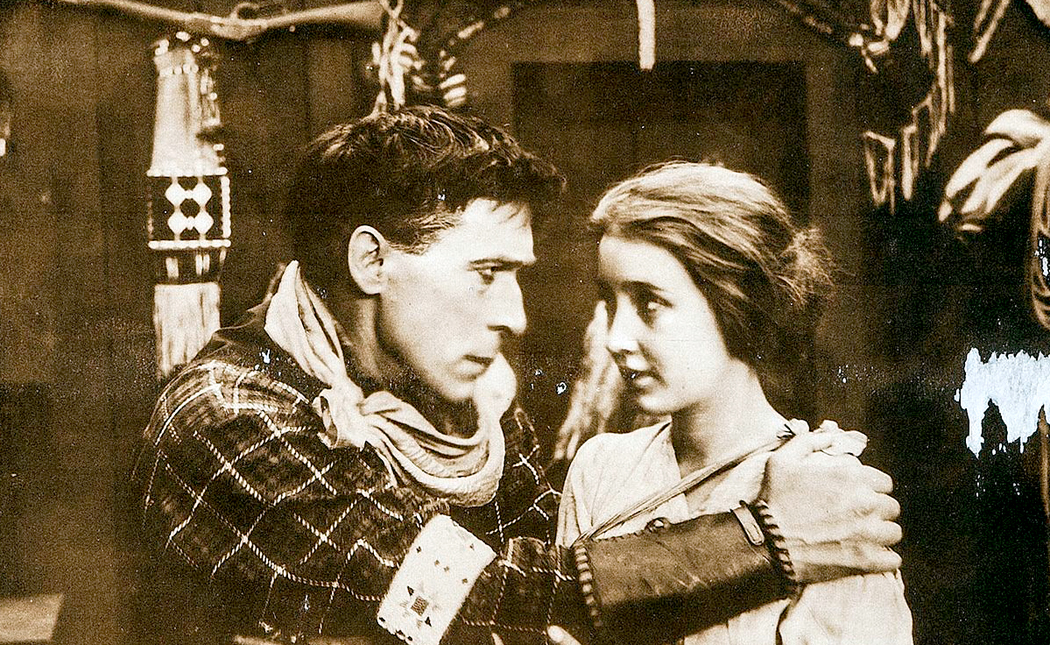
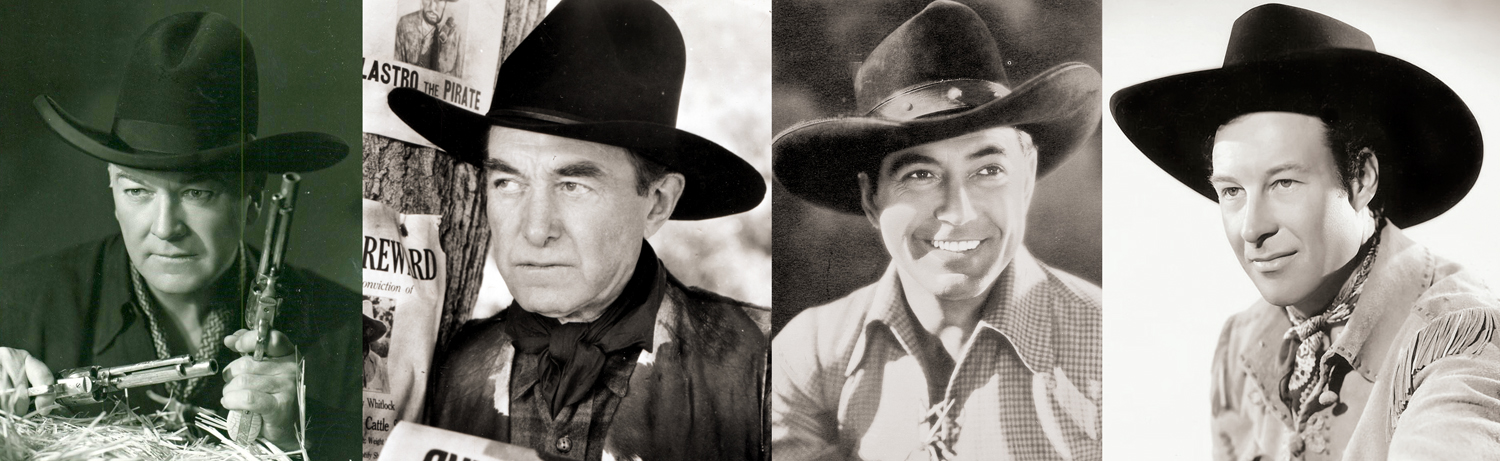
These programmer Westerns went through a clear evolution. Later in life, I began to look at them more closely and saw that change over time. Beginning with the silents, there was Broncho Billy — really Maxwell Aronson, born to an immigrant Jewish family, who became the first cowboy star. He made hundreds of films, mostly one-reelers, all before 1920 and included titles such as Broncho Billy and the Indian Maid (1912), and Broncho Billy and the Land Grabber (1915). There was no attempt at realism. They were pure fantasy. 

That changed with William S. Hart, a one-time Shakespearean actor who took his duty to the West seriously in a series of popular melodramas. In almost every one, Hart was a tough hombre redeemed by the love of a good woman. Some of the films stand up, and I’ve watched Hell’s Hinges (1916) only recently and astounded at some of the visuals. Or Tumbleweeds (1925), with the great Oklahoma Land Rush sequence that is still a benchmark in such things. 

The other side of the movie Western world was Tom Mix, the fancy-dress cowboy, with crescent-pocket shirts, embroidered boots and Tony, the Wonder Horse. His 1925 Riders of the Purple Sage is one of his less show-bizzy films, based on the Zane Grey novel. I’ve seen it several times. 

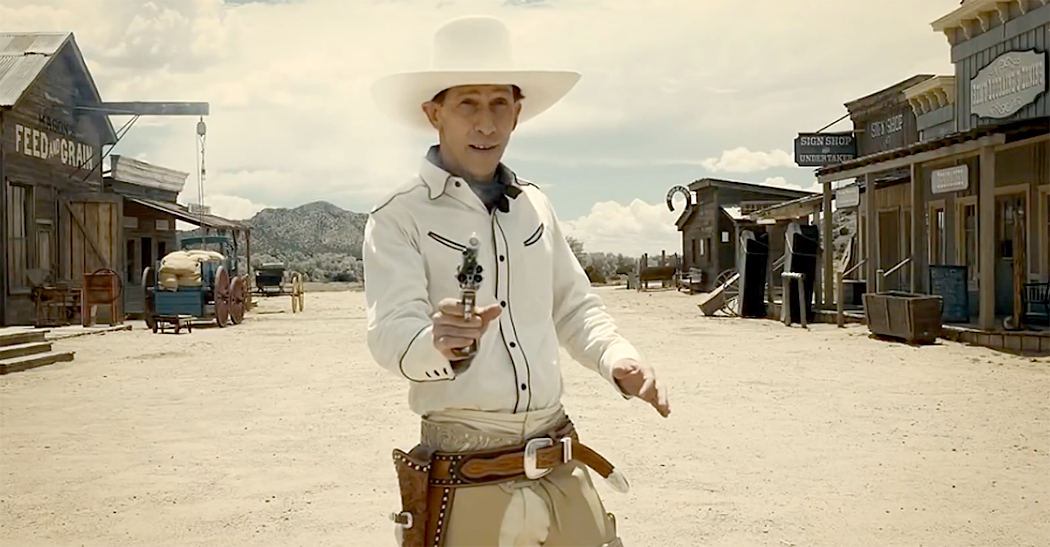
  The two strands of Western continued through the genre’s history. Even recently, you can sense the ghost of Tom Mix in something like Will Smith’s Wild Wild West (1999) and the stern rectitude of Hart in Eastwood’s Unforgiven (1992). (Or both together in the Coen Brothers anthology film, The Ballad of Buster Scruggs, with the Mix clone Buster Scruggs in the opening episode, and the heartbreaking Hart-like realism of the penultimate episode, “The Gal Who Got Rattled.”)

The early sound era was, for me, the high water mark for the Western. By the 1940s, the B-Western had worn itself out and by the 1950s, with godawful series like Whip Wilson, they were just embarrassing. 

There were, I posit, three types of Western actor. There were those who could actually act (the rarest of the breeds); those who had genuine screen presence even if they were no Oliviers; and finally, the wanna-bes who just went through the motions as if carved from balsa wood. 

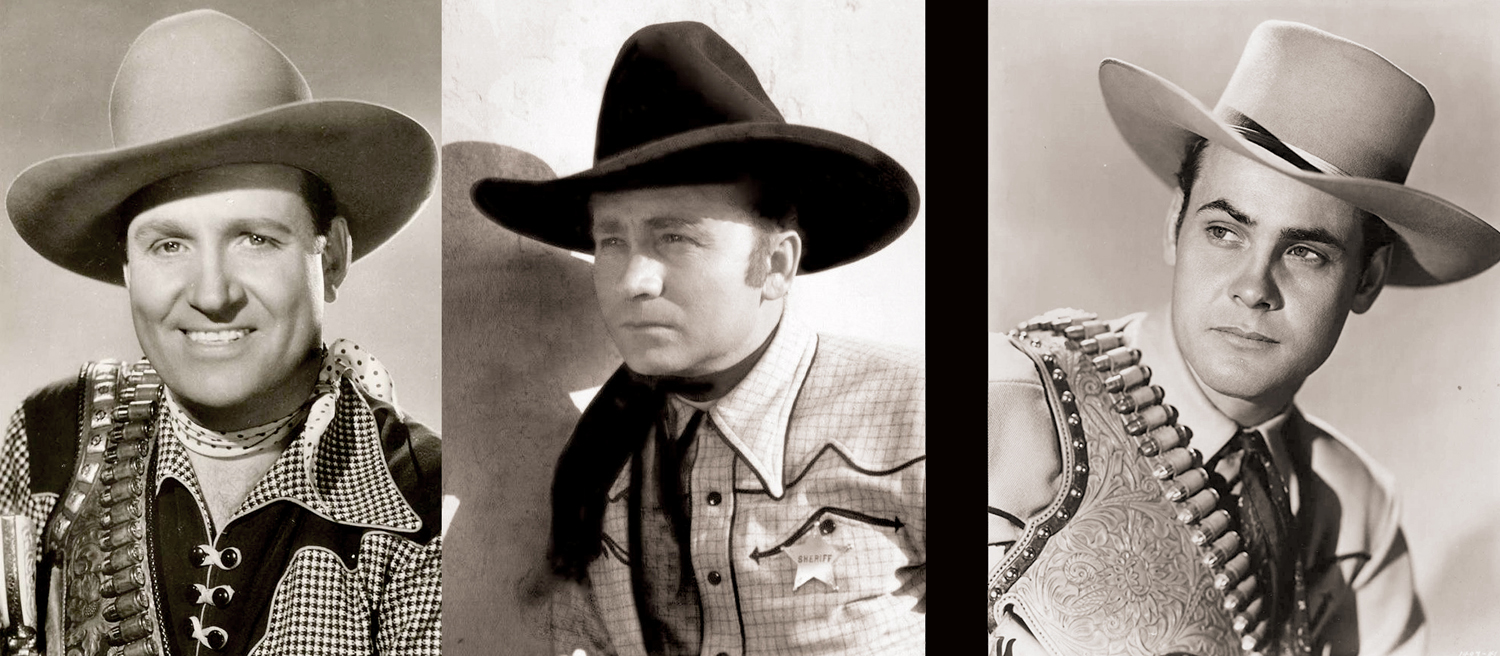
In the first group were William Boyd (Hopalong Cassidy), Harry Carey, Johnny Mack Brown and Bill Elliott. They all had both acting chops and screen magic. In his earliest films John Wayne had all the magic needed, but only later did it ever occur to anyone that he might actually be able to act. When John Ford saw him in Red River, from 1948 (the year I was born), he was impressed and famously said, “I didn’t know the big son of a bitch could act!” He could, although he didn’t always need to. 

Others, such as Tex Ritter or Gene Autry had the gleam on the screen, but no one would accuse them of being able to recite dialog and sound like an actual human being at the same time. And at the bottom of the list comes Sunset Carson, possibly the worst actor ever to mount a horse. 

There were tons of these guys that I used to love, before I ever developed the critical faculty to judge their thespian talents. Among my favorite Saturday afternoon movies were the Three Mesquiteers films, with shifting casts that included, at different times, John Wayne, Crash Corrigan, Bob Steele, Max Terhune, Bob Livingston, and even, briefly, Duncan Rinaldo. Buster Crabbe left behind Flash Gordon and made a series of pretty good Westerns. But when the name Bob Steele came up in the opening credits, that was the best. Remember, I’m talking about being seven years old here. 

Steele had a long career. His first film, as a juvenile, was in 1920. His cowboy heyday came in the ’30s, but he kept working in Hollywood even after hanging up his spurs. Famously as Canino in Howard Hawks’ The Big Sleep (1946). He kept working until 1974, appearing in such films as Rio Bravo, The Longest Day, and even a comic role as Trooper Duffy in F Troop (1965-67). 

And so, I’m watching Hang ’Em High and I recognize, hidden in the crowd, that face, now leathery and wrinkled, with a stubbly beard, a flash of 60 years condensed. How could I have recognized it so unconsciously? It’s not as though I had thought of Bob Steele more recently than decades ago. But it tickled something in my memory and I twitched. “That’s Bob Steele.” 

In 1968, Steele was more than 10 years younger than I am now, and yet, he looked so old. What does that make me? 

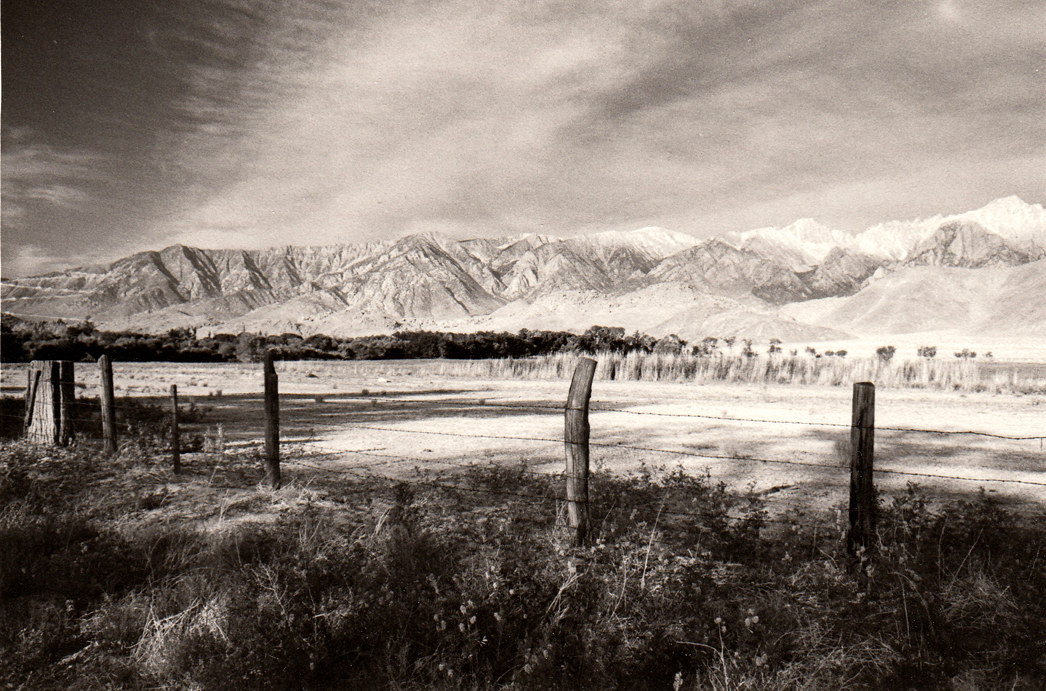
Mt Whitney, Sierra Nevada from Lone Pine Calif

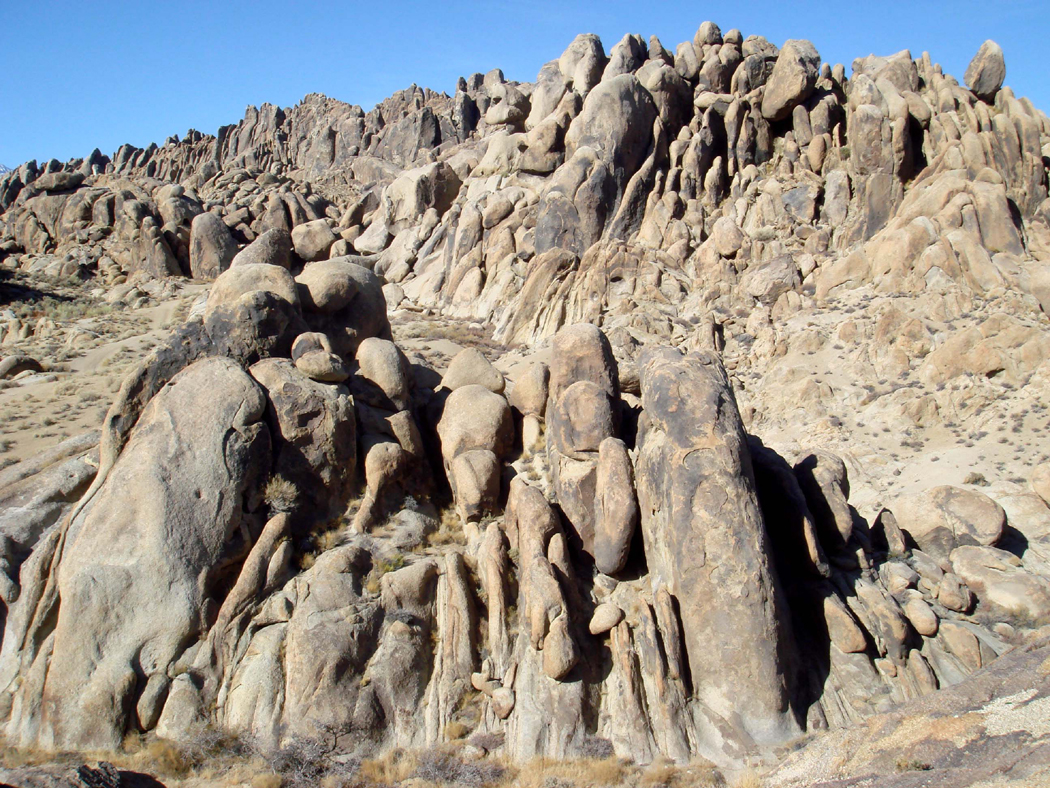
I first visited Lone Pine, Calif., in 1982, but I’ve known it by heart since the early ’50s. I didn’t know where it was, but I saw the boulder piles of its Alabama Hills in every B-Western I watched on TV. For a small boy growing up in New Jersey, the Alabama Hills was the West.

The tiny, dusty town lies directly under Mt. Whitney, the tallest mountain in the Sierra Nevadas, and the the highest in the lower 48. The snow streaked arete forms an impenetrable wall to the west of Owen’s Valley, which Lone Pine sits in the center of. To the east, the impressive Inyo Mountains look soft and velvety in contrast to the hard, stony face of the Sierras.Hoppy Rocks Hiding

And the low, brown foothills of the Sierras were the location sets of hundreds of Hopalong Cassidy, Three Mesquiteers, Bob Steele and Tom Mix films. Whenever Hoppy had to evade the gang of bad guys chasing him, he’d duck behind the rocks of the Alabama Hills and watch them thunder by in a dust cloud. One such rock-pile is still known as the “Hoppy Rocks.”

It wasn’t just Westerns that were made in Lone Pine, though. The valley and hills stood in for India in The Lives of the Bengal Lancers, Kim, King of the Khyber Rifles and Gunga Din. For the last, a great “Temple of Kali” was built up in the hills.

It was also the location for Humphrey Bogart’s “Mad Dog” Earle in High Sierra.

Later, the terrain was the backdrop for The Lone Ranger, Wild Bill Hickock, Gunsmoke, Rawhide, Bonanza and Have Gun, Will Travel.

You can hardly watch a Western without seeing those great rubble-heaps of boulders catching the afternoon sun.AlaHills rocks

But for me, it is the silvery grays of the landscape, shot in orthochromatic film in the ’30s, that define what the West looks like. It is the scenery in every Hoot Gibson, Ken Maynard, Buck Jones and Gene Autry film.

You can drive down Movie Road, up the west slopes of the Alabama Hills, and see where the Lone Ranger was ambushed in the very first episode, see where John Wayne and his Singing Riders captured Black Bart’s gang in Westward Ho, and see where Gene Autry jumped from his horse, Champion, to a speeding convertible in Trail to San Antone.

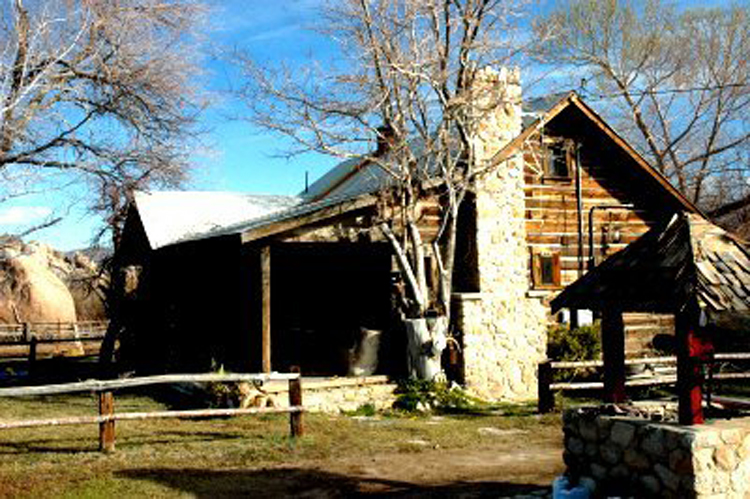
There are more sites up Tuttle Creek Road, including the “Hoppy Cabin,” where William Boyd lived during the shooting of the Hopalong Cassidy films. The cabin is still there. You will recognize it from other films it’s been in.hoppys cabin

Over the years, many sets have been built in the hills, but except for the Hoppy Cabin, they are all gone. The Bureau of Land Management, which administers the area, has dedicated nearly 30,000 acres as the Alabama Hills Recreation Area and plans to preserve the Hills in as close to a natural state as possible.

The hills, by the way, were named at the time of the Civil War by a group of Southern-sympathizer miners, who were looking for gold among the rocks. When the Confederate cruiser, C.S.S. Alabama, wreaked havoc on Union shipping, they named their claimsite after the ship.

In retaliation, 15 miles to the north, Union-sympathizing miners named their claim “Kearsarge,” after the Yankee ship that sank the Alabama. That name remains on a mountain peak, a pass and a town east of Independence in the Inyos.AlaHills medium view hiding place