Archive

Monthly Archives: April 2026

When I was born, in Teaneck, N.J., in 1948, I was given the name, Richard Wesley Nilsen, but I grew up being called Ricky instead. All through my toddlerhood and boyhood, that’s what everyone called me. But when I turned into a teenager, I rankled at the name as childish, and it changed to Rick, like the Blaine of Casablanca. It seemed more dignified. A bit. 

I had been born — eight years after — in the same hospital as Ricky Nelson, son of Ozzie and Harriet. He was an Eric; I was a Richard. But the doppelgänger name hung on to me through childhood. People often still misspell my last name “Nelson” (or “Nielsen” or “Nilson,” — or “Bilson” or “Wilson,” for that matter.)
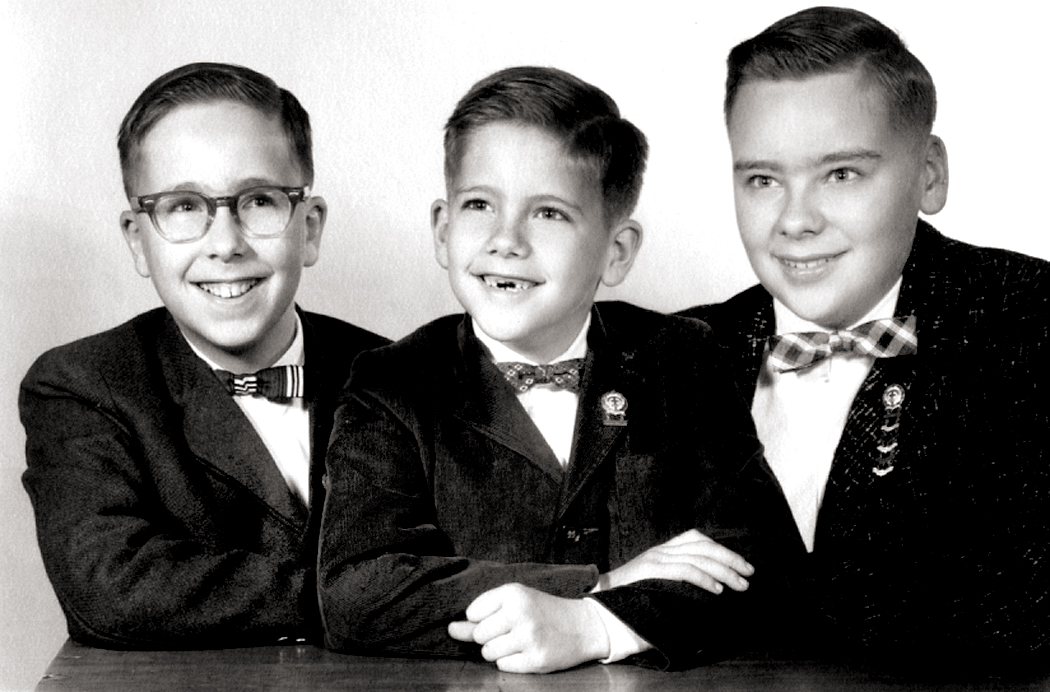
Nilsen brothers, 1961: Craig Allen; John Robert; Richard Wesley

Of course, when I misbehaved, as boy or teen, my parents would punch out my name, “Richard Wesley Nilsen — what have you done?” The stentorian tone was impossible to misunderstand. 

When I left for college, I happily left that nickname behind and became known as Richard. 
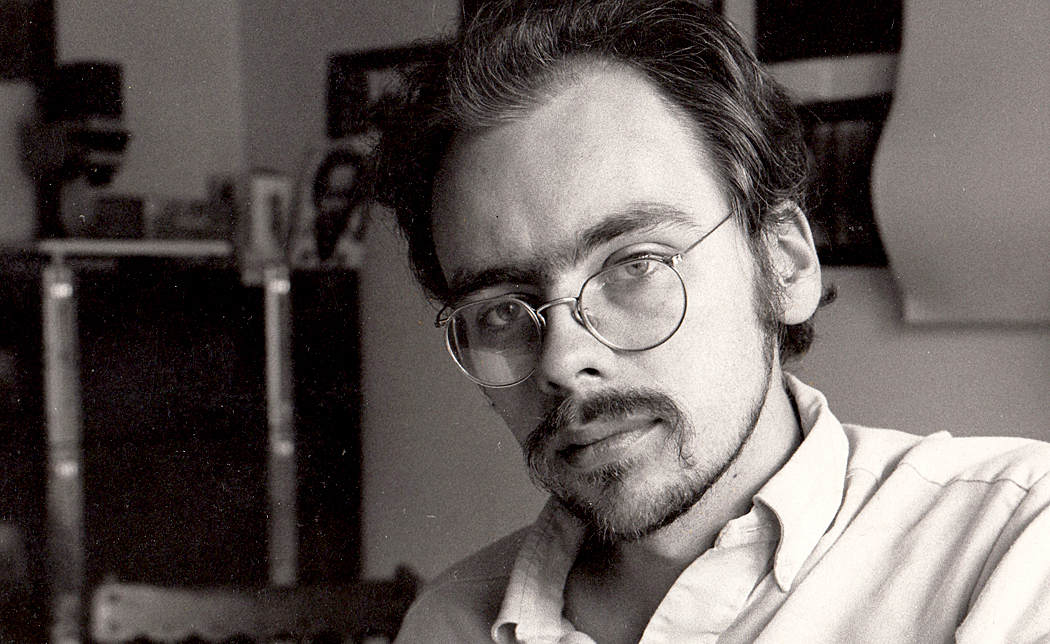
Richard, 1975

We all have multiple identities; we change as we grow. Even in the same age, different people know us as varied personalities: We act differently with parents than with children; different with teachers than with students; different when a policeman pulls us over for failing to stop at a stop sign and when we go to the office for our yearly evaluation. Different people, different language used to present ourselves. Different names.

Which name is the true name? When I was a teacher, I became Mr. Nilsen, although I called myself “Perfessor Rick.” When my step-daughter had twins, we needed to find a “grampa” name for me and came up with “Unca Daddy Richard,” or Uncle Daddy. That’s what they still call me, now they’re all growed up and out in the real world. 

(My late wife chose her grandma name, now 26 years ago, to honor her own grandmother, who was a Pegram, a name the infant couldn’t pronounce, and so Grandma Pegram became “Mama Piggy.” So then my wife decided to be “Tiggy,” in sympathetic rhyme, for her grandbabies.)
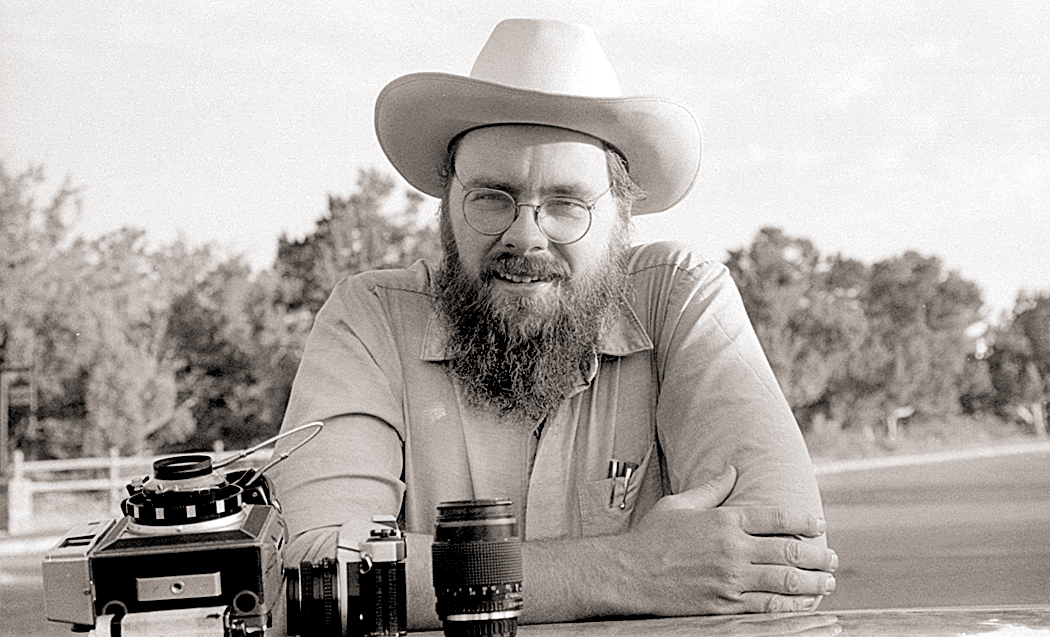
My own names make an even longer list: My best friend from college used to give me the name of a faux Dominican baseball player: Ricardo Nilsones (Nil-SONE-ayz). When I worked at the zoo in Seattle, with school kid employees half my age working through summer vacation, they just called me Grandad. My closest Arizona friend never calls me anything but RW. I answer to them all.

That college friend was born Thomas, but when I met him at school, he was Tom. He later took up using his middle name instead and he became Alexander, and his wife calls him Alex. I usually call him Sandro. Which one is his real name? 

“Her name was Magill, and she called herself Lil. But everyone knew her as Nancy.”

One name is never enough; we all have many names. 

T.S. Eliot wrote in Old Possum’s Book of Practical Cats that every cat has three names. “First of all, there’s the name that the family use daily… All of them sensible everyday names.” Then, he said, “A name that’s peculiar, and more dignified… Names that never belong to more than one cat.” Finally, there is the name “the cat himself knows, and will never confess.”

In my experience, the fancy second name is bestowed first, followed by a more familiar name that appears over time and usage. My first cat was the progeny of a great big tabby bruiser who ran the neighborhood where friends lived. That papa cat’s name was Trevose, after the cliffs in Cornwall called Trevose Head. He fathered a litter with another local cat, called Mama Kitty, and I got to inherit the one male tabby in the group, which we named, officially, Head. But we soon showered him with endearances and called to him “wood-jee, wood-jee, wood-jee,” and that became his name, even as he grew into a great bruiser himself. We usually spelled his name Widgie. Of course, we never found out what his ineffable, deep and inscrutable singular name. But there was a look in his eyes that told us, he knew. 
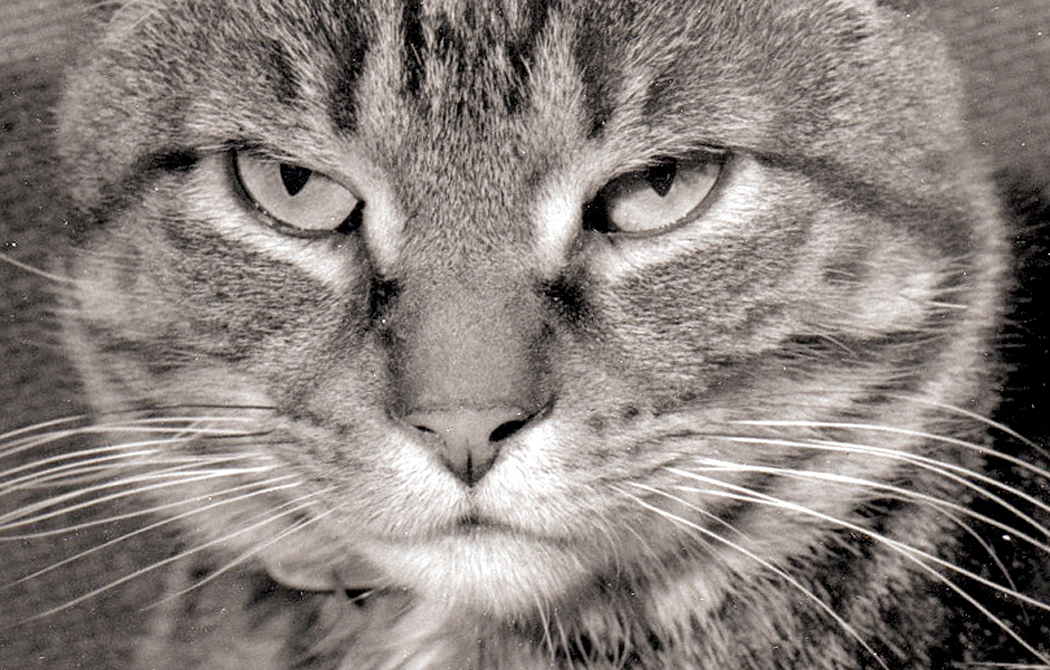
Our second cat was given the name Undifferentiated Matrix. (Yes, I was an insufferable student). One morning my girlfriend and I were awakened by this new cat musheling on our bellies with his tail in our faces and Sharon chirped, “Oh, look at his tiny little nutlets.” And so Nutlets became his name, even after he was snipped. 

This proliferation of names, among pets and people is quite normal, even if we seldom think about it consciously. It can become quite confusing when reading Russian novels or trying to get a grasp on history. 

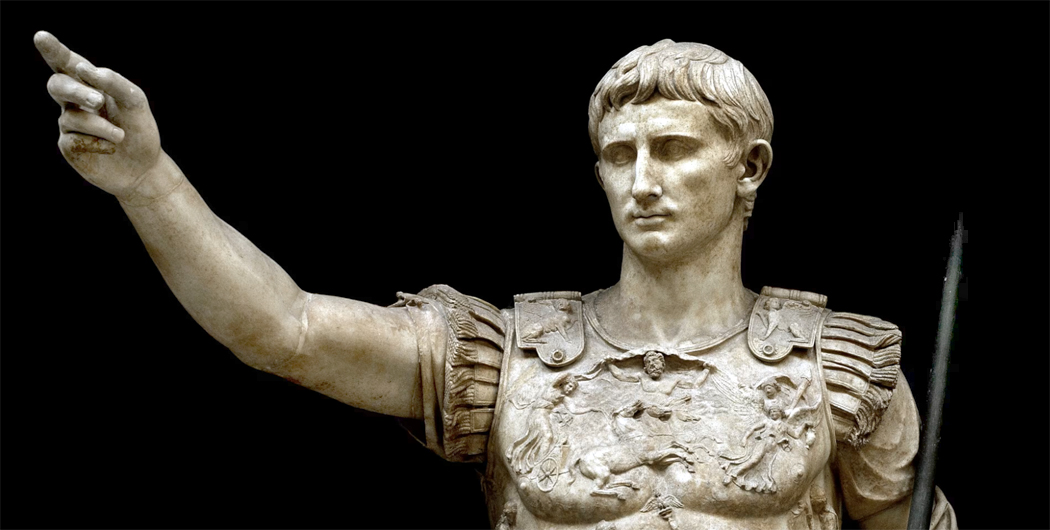
For instance, who was Caesar Augustus? He was born Gaius Octavius, but was soon known as Thurinus — a cognomen (like a nickname). But after Julius Caesar named Octavius his heir in 44 BC, Octavius took Caesar’s nomen and cognomen. Historians often distinguished him from the earlier Caesar by adding Octavianus after the name, denoting that he was a former member of the gens Octavia. Some of his contemporaries called him Gaius Octavius, or Gaius Julius Caesar Octavianus — “young Caesar.” Historians usually refer to him as Octavian for the period between 44 and 27 BC. That year, the Senate granted him the honorific Augustus (“the revered”). Historians use this name, or its converse Caesar Augustus, to refer to him until his death in AD 14.
As for Russian novels? My copy of Tolstoy’s War and Peace has several pages at the beginning clarifying everyone’s name, title, patronymic, nickname, familiar name, etc., all which makes it a confusing mess for anyone not familiar with Russian naming practices to keep track of what is happening. It takes some getting used to. 

You have to remember surnames or titles (Count Rostov for example, or Prince Bolkonsky) and also your patronymic (like Sonia’s dad is Alexander so she’s Sophia Alexandrovna, and Nikolai’s dad is Ilya, so he’s Nikolai Ilych) and then the whole bait-pail of affectionate diminutives, like Sophia is Sonia, and then Sonyushka, and Alexander can be Sasha or Sashenka or Shura. And then someone talking to “Kolya” and then realize that’s actually Nikolai. Our hero, Pierre Bezukhov, is also Pyotr Kirillovich, and our heroine is Natalya and Natasha. Can’t know the players without a program. 

That’s just the tangle of names everyone has for each other — the way your own family may call you something when your friends call you something else, and your spouse uses again something different. That’s really quite normal. 

But changing your name can also be changing the face you show to the world. And so the German Hanovers became the British Windsors. 
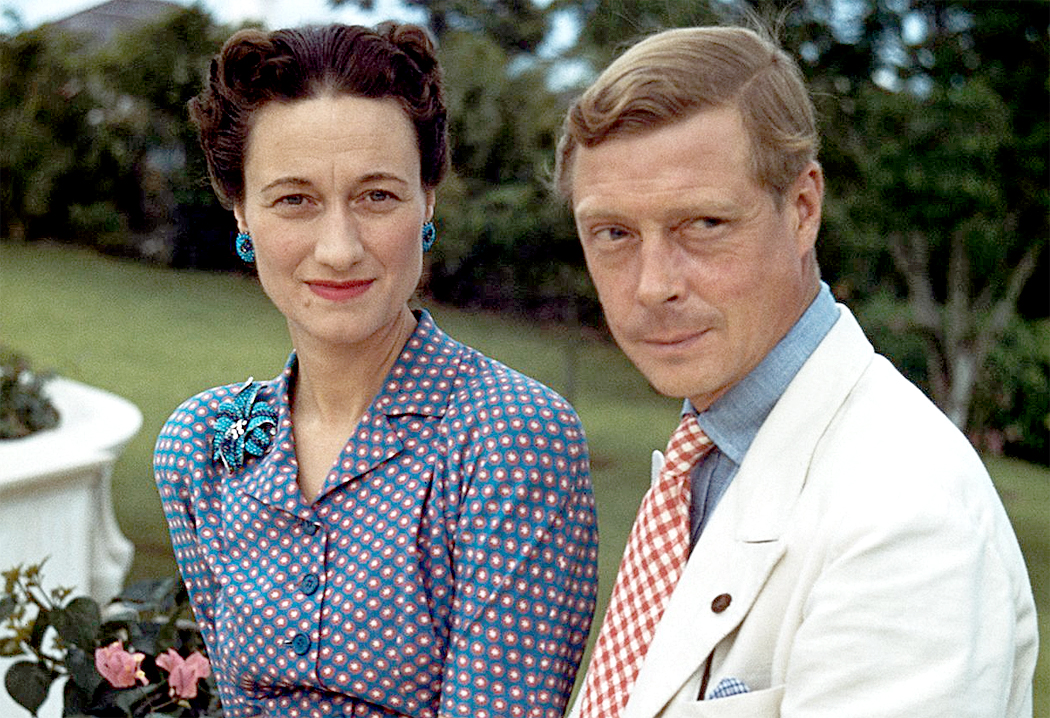
Names have always been somewhat labile. In some cultures, when a child becomes a man, he is given a new name. Women in Western cultures used habitually to adopt their husbands’ surnames, which makes Googling old schoolmates sometimes quite difficult. Given several marriages and divorces, they can have strings of obsolete names attached. 

Just consider our politicians: James Donald Bowman became James David Hamel, and in 2013, he became J.D. Vance; Bill Clinton was born as William Jefferson Blythe III; Gerald Ford was originally Leslie Lynch King Jr.; Ulysses S. Grant was born Hiram Ulysses Grant. Like several others, he went by his middle name; the “S” was added by clerical error at West Point. He kept it. Woodrow Wilson’s first name was Thomas; Calvin Coolidge’s first name was John; Grover Cleveland was born Stephen and known to some as “Big Steve.” Even Dwight Eisenhower was first called David. 
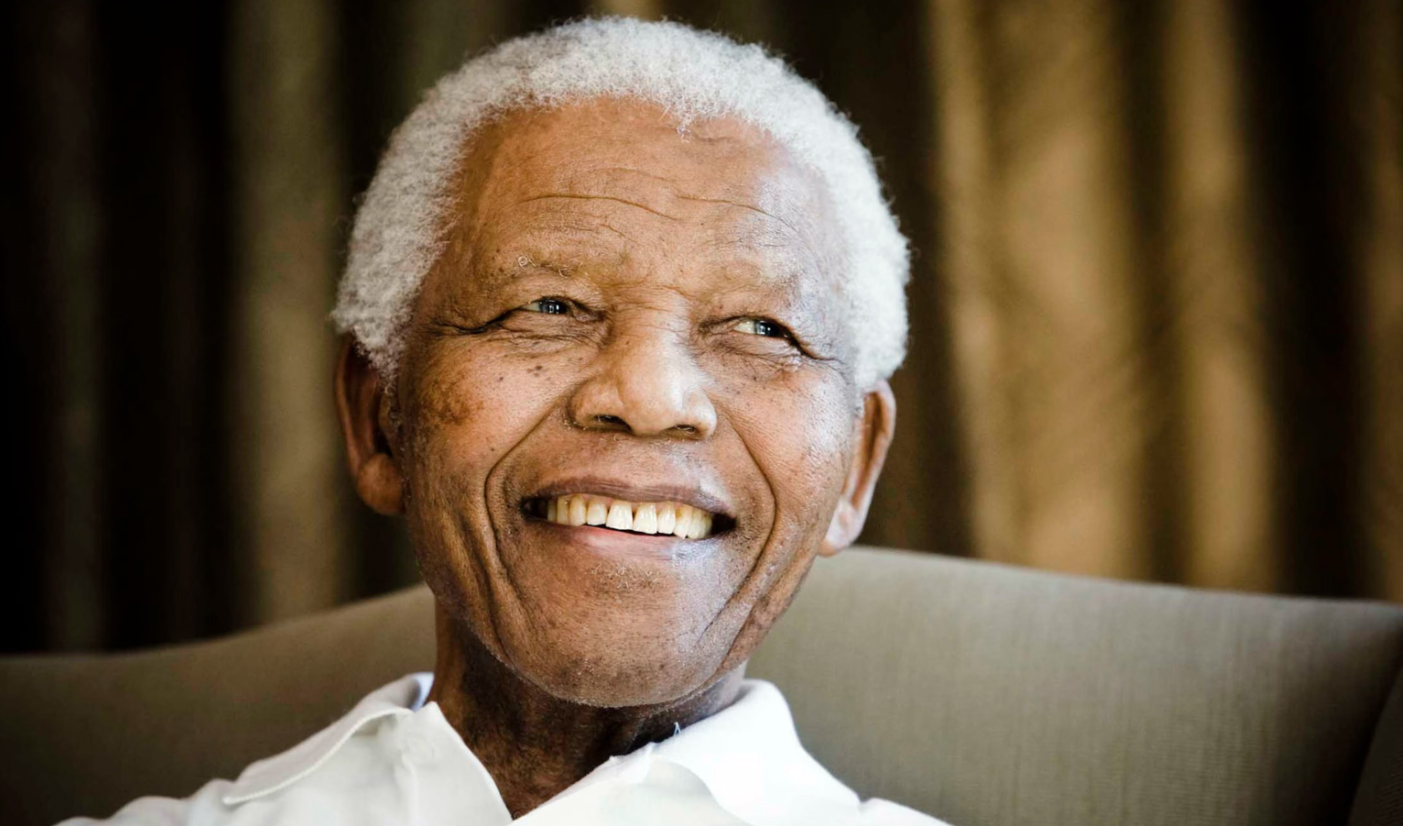
Nelson Mandela was born Rolihlahla, which means “yanking the branch of a tree,” but was understood to mean “little troublemaker,” for his mischief. Most of the names he was given him later in life were names of respect, including Dalibhunga (“creator of the council”), Madiba (his clan name), Tata (“father”), and Khulu (a shortened form of “grandfather”).

On his first day in school, his teacher gave each pupil an English name. “This was the custom among Africans in those days and was undoubtedly due to the British bias of our education,” Mandela wrote. “That day, Miss Mdingane told me that my new name was Nelson. Why this particular name, I have no idea.” It stuck. 

And then, there are the actors and writers. We are all familiar with many of the stage names of movie stars. Tony Curtis was Bernard Schwartz; Rita Hayworth was Margarita Carmen Cansino. Their new names made them more “mainstream” and less ethnic. The way Krishna Pandit Bhanji won an Oscar as Ben Kingsley. Or Natalia Nikolaevna Zakharenko (talk about Russian novels!) turned miraculously into Natalie Wood. 

Clunky names can be a problem. Elton John trips off the tongue more easily than Reginald Kenneth Dwight, and Michael Caine sounds better than Maurice Micklewhite. 

Nineteenth Century women often used men’s names as noms des plumes to hide their gender — so Mary Anne Evans published as George Eliot and Amandine Lucie Aurore Dupin became famous as George Sand.  Jane Eyre and Wuthering Heights were both first printed with male author names. 

Famous vampire novelist Anne Rice had the opposite issue. Rice was born Howard Allen Frances O’Brien. She was given a man’s name at birth: her father’s. Her mother thought that “naming a woman Howard was going to give that woman an unusual advantage in the world,” Rice wrote.

It got even worse, when at age 12, she was confirmed in the Catholic church and took the full name Howard Allen Frances Alphonsus Liguori O’Brien. So, when she went to school, she just told her teacher her name was “Anne.” Rice was her husband’s name. As Thoreau wrote: “Simplify, simplify, simplify.” 

A name is a badge. It tells the world something about you. If your life changes, your name can change with you, and so Steven Demetre Georgiou became Cat Stevens and then Yusuf Islam. Cassius Clay became Muhammad Ali. Saul of Tarsus became Paul the letter writer. 

But for many actors, the name change was forced upon them. In the U.S. and in the U.K., the actors union or guild won’t allow multiple members to share the same name, so, if there is already one of you on the boards, you will have to come up with a new one. 
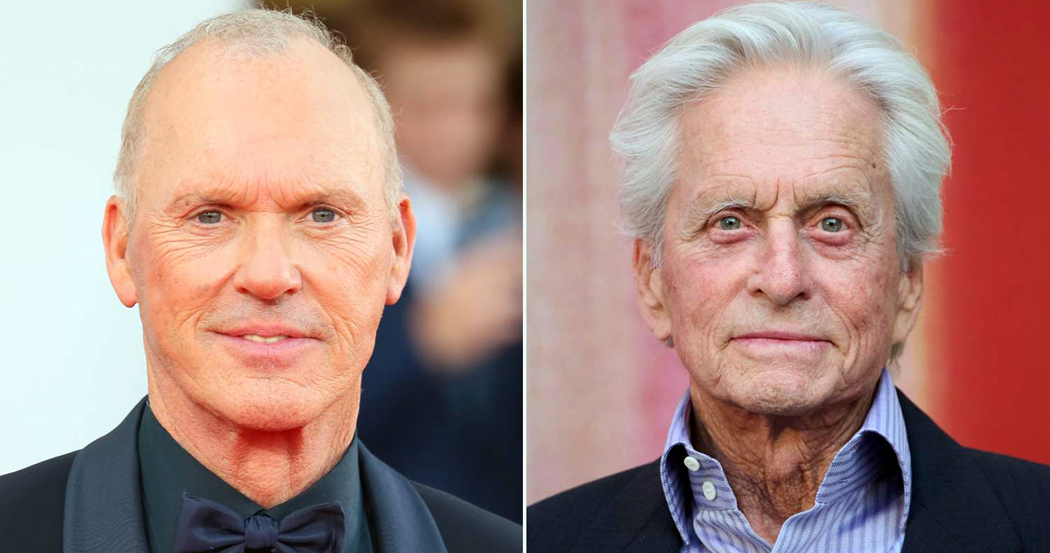
Michael Keaton was born Michael Douglas, but wasn’t allowed to keep the name when he joined Actors Equity, since a Michael Douglas already existed. Of course, the original was the son of Kirk Douglas, who was born Issur Danielovitch, although his Russian-born family changed that to Demsky and the young dimpled actor grew up using the name Izzy Demsky. Button, button, who’s got the button? 
The perpetual face-off between writers and editors can frustrate both sides. I remember well once at my newspaper when a copy editor questioned my use of the word “paradiddle.” It didn’t exist, he insisted. I had thought it a perfectly normal word; it is a kind of drum beat. He wanted me to change it. This was fairly unusual; copy editors are usually right, and have an almost preternatural sensitivity to words and usage. But I showed him my word in the dictionary and he was abashed. Paradiddle made it into print. 

But this became a kind of grudge I held (in a mild way — the copy desk saved my bacon many a time, so it was more a slight nettle than a grudge). And so, for the next six months, I got my own back by including in every story I wrote, a word I made up. To quote Captain Renault in Casablanca, “It is a little game we play.” 

These were not outrageous words. Some were onomatopoetic, like the Batman “Groink!” or “Shwak!” Others were neologisms derived from Latin or Greek, and therefore easy to parse. Others were verbs in noun clothing, or common words with new prefixes or suffixes. And for six months, not a single one of them was questioned by the copy desk. Perhaps they just thought if they didn’t poke at me, I would leave them alone. 

 Writers (and editors) live in a world of words. We have all been English majors, came to love language and have developed a word trove far in excess of that of the standard math major or the athlete. We have absorbed most words, including the shibboleth words of numbers or sports. Words B Us. 

This starts at a very early age. In second grade, when we were given vocabulary lists to memorize, I loved soaking them in. And when asked to write sentences using the new words, I tasked myself with using them all up in as few sentences as possible. When I could combine all 10 of them in a single sentence, it was the jackpot. It was a game and fun to play. 

Words are things and English majors like to move them around, rearrange them, misspell them, invent new malapropisms. The wordplay involves mondegreens, eggcorns, puns, spoonerisms and other fun ways to mangle the mother tongue. They are terms used for language mistakes, but what do you call them when you commit them on purpose?

I have been doing this for as long as I can remember, or, as I usually say, “marimba.” As my newspaper’s classical music critic, I frequently attended concerts by the “sympathy orchestra.” I used these terms so often, I had to be careful when speaking to more sober-minded audiences. 

I make “chilled grease” sandwiches, and oyster stew becomes “moister stew.” Lasagne becomes “la zagnee,” or “lazza gonya.” (Yes, I know this can become quite annoying.) 

In college, a friend had scribbled on the side of his refrigerator a shopping list: 

I have since embroidered that original list with a few extra items, including sesame kagels, cabbage-liver paste, and dishlicking washwood. 

I have since then always referred to my “Chopin Liszt” and I carry around a notebook in my back pocket for random notes, and my weekly Chopin Liszt, and often mess around with the items. 

Among these are: munchworms; scream cheese; switch cheese; mouse wash; shower kraut; permission cheese. Sour cream becomes “hour scream;” dill pickles turns into “pill dickles;” ginger ale becomes “Injure jail;” and toilet paper (i.e., loo roll) becomes “Lou Rawls.” In a nod to Homer Simpson, avocado becomes “avamocado.” 

Perhaps this keeps my list safe from prying eyes. Ground beef is “bound grief;” chicken legs is “lickin’ chegs;” and there are “corn flecks;” “tumble fish;” “ravilowly;” and “bisgetti sores.” 

All this just to amuse myself. It isn’t really to entertain the public, just my own list in my own back pocket when I grocery shopping. Shake the phonemes around and make surprising combinations. 

I imagine those with different talents play games in their own disciplines. There must be fun things to do with numbers — different ways of thinking about them. I have always insisted that one plus one equals three: There is the one thing, the other thing, and the two things together — three things. 

And historians can play with their counterfactuals. I imagine lawyers can work some fairly dirty jokes into their depositions. What is the Dirac Sea but some physicists having fun with quantum mechanics. 

The world would be a very dreary place with no play. Even for grown-ups. Especially for grown-ups. 

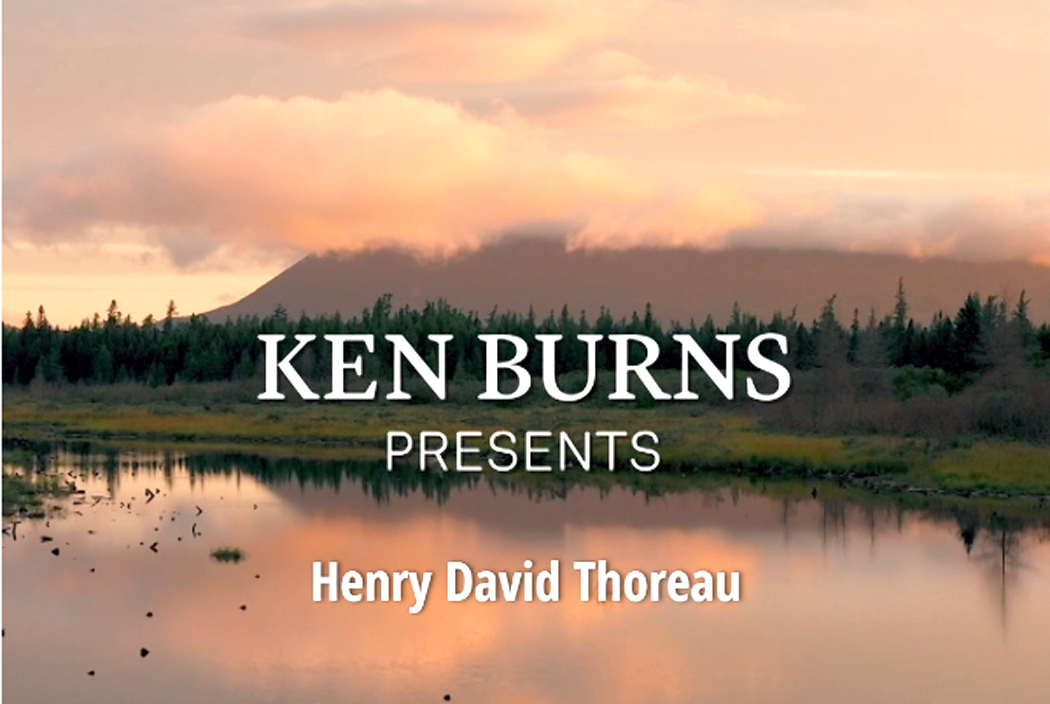
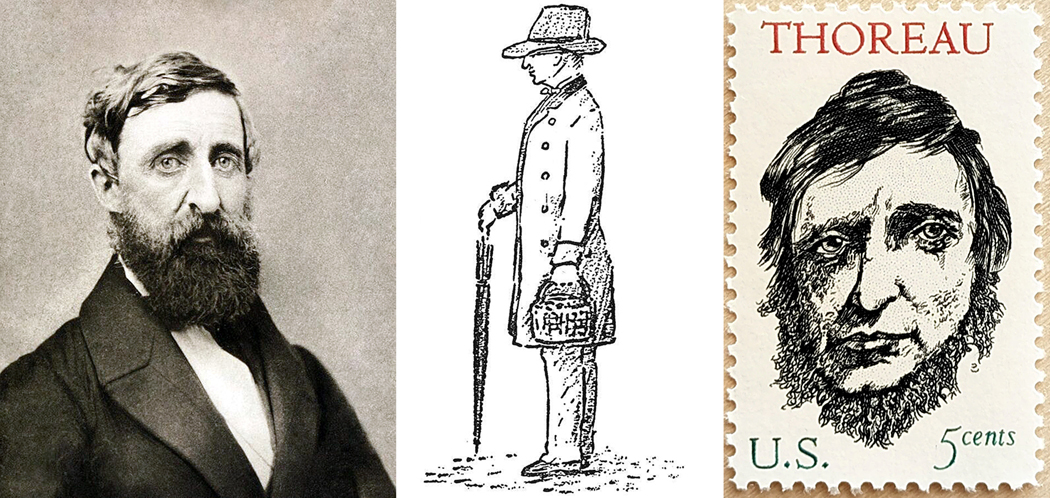
Documentary producer Ken Burns has just released a 3-hour film on 19th-century author Henry David Thoreau, one of my heroes when I was a younger man and more easily caught by enthusiasms. 

With a bit of hesitation, I tuned in to watch it on PBS and was instantly disappointed. It was the Standard Authorized Version, with almost nothing new to say. It was the Thoreau you might get on a network morning chat show — all surface, all cliche. Its language is largely that of 21st century pop psychology, while Thoreau’s own words are saturated with 19th century Romanticism. 

When Burns came out with his monumental series on the Civil War in 1990, it was groundbreaking and original. It was also a huge hit and deserved every accolade it received. He has directed and produced some epical series since then, but I’m afraid it has mostly been downhill from then. He has parodied himself and his once-innovative style, with its narrator, and its Hollywood celebrity voice-overs and vintage photographs lovingly caressed by the slowly moving camera. 

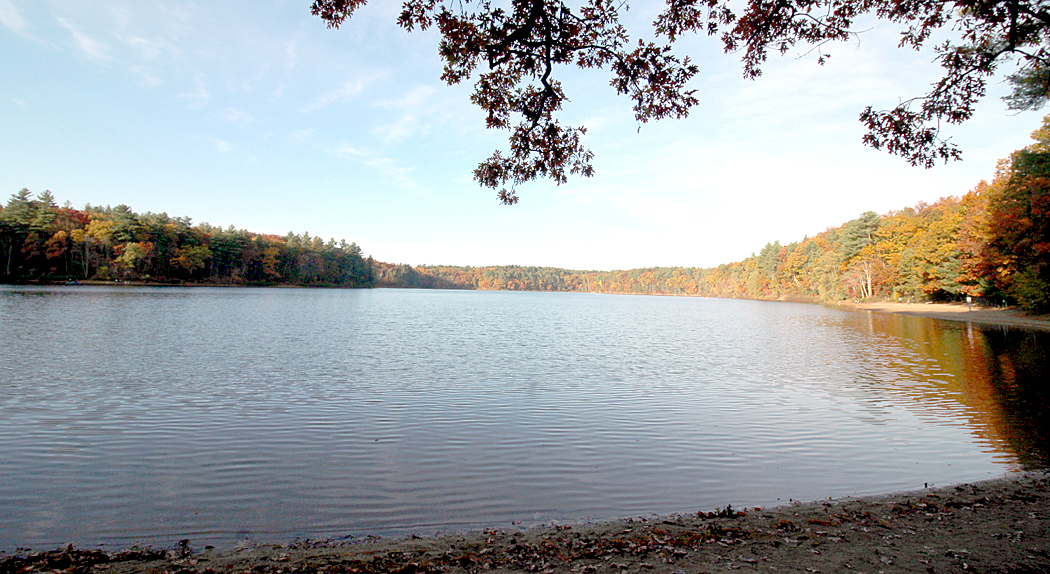
Walden Pond

And so, this series on Thoreau doesn’t offer much new or insightful. It does attempt to make the 19th century writer seem more 21st century than can convincingly be done — more social justice warrior and less tedious cataloguer of birds and ferns. To be fair, Thoreau was, in terms of his day, quite progressive, an abolitionist and environmentalist, and some of his writing has had tremendous social and political impact on the century that followed him. But the series gets the balance wrong, more in favor of things we value, and less so for the more Transcendentalist trends of his era. 

And it glosses over the fact, that in addition to being a great writer and social activist, he was also a world-class loon. He didn’t play well with other children, as they say. He liked his loneness, didn’t comfortably interact with others, and while he was a proto-environmentalist and a fervent abolitionist, he also maintained many prejudices of his age, including a romanticized view of Noble Savage Native Americans. His political views could line him up pretty well with current anti-tax Tea Party Republicans. Some have outright called him an anarchist. Recently, others have placed him on the Asperger spectrum. Others have questioned his sexuality, or lack of. At any rate, Henry Thoreau was not what is typically considered normal. If not a loon, at least a very odd duck. 

Emerson wrote of him, “He was bred to no profession. He never married; he lived alone; he never went to church; he never voted; he refused to pay a tax to the State; he ate no flesh, he drank no wine, he never knew the use of tobacco and, though a naturalist, he used neither trap nor gun. When asked at dinner what dish he preferred, he answered, ‘the nearest.’”

Walden, of course, chronicles his time spent in a cabin he built on the glacial lake of that name, where he lived for two years in an attempt to leave civilization behind and grow his own beans. Thoreau became the patron saint of environmentalism in the 1960s, and that despite the fact that in 1844, he personally destroyed a whole forest by, like Wilmer in The Maltese Falcon, “doubtless being careless with matches.”

Yes, he marched to the beat of a different drummer, but had little sense of rhythm. 

I have read most of what Thoreau wrote, including his 14-volume journals. I feel safe in saying there were four basic periods in his writing life. Early on, he was a student, and like many such, mimicked his models to the point of too often simply quoting them endlessly. He had a habit of gathering shorter piece he had composed and editing them together into longer, rather discursive pieces. 

Then came his journeyman period, where he had largely found his voice, but still had some problem making the whole cohere. This was the period of the book he wrote while at Walden Pond, A Week on the Concord and Merrimack Rivers, which told the story of the boat trip he made with his brother, John, 10 years before. They sailed a dory down the Concord River and up the Merrimack, and attempted to climb Mount Katahdin in Maine, where he had a transcendental vision. After John died, Henry wrote the book as a memorial to his brother. 

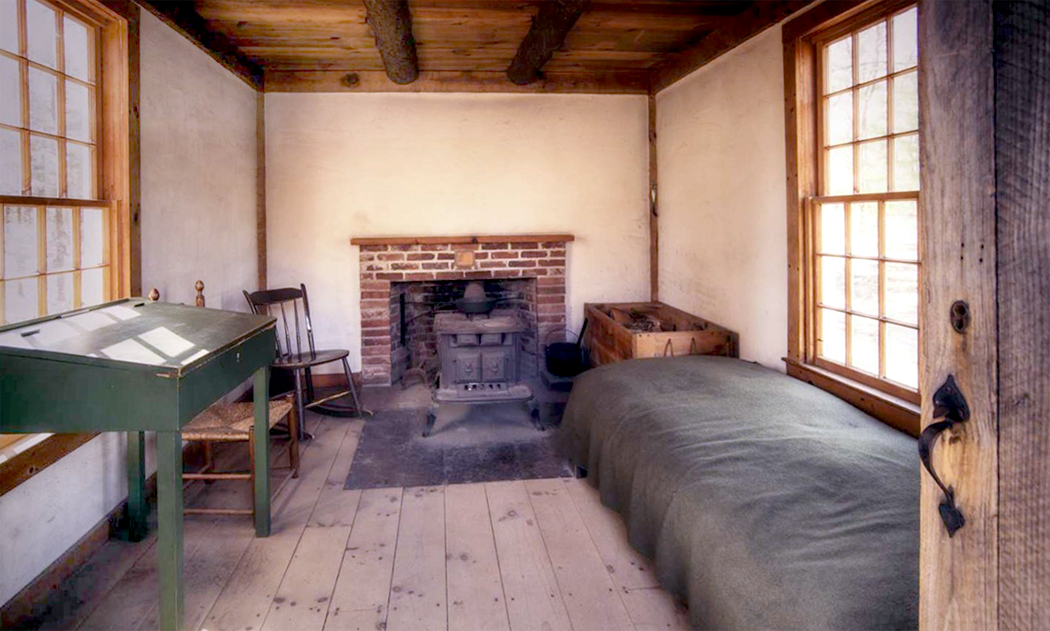
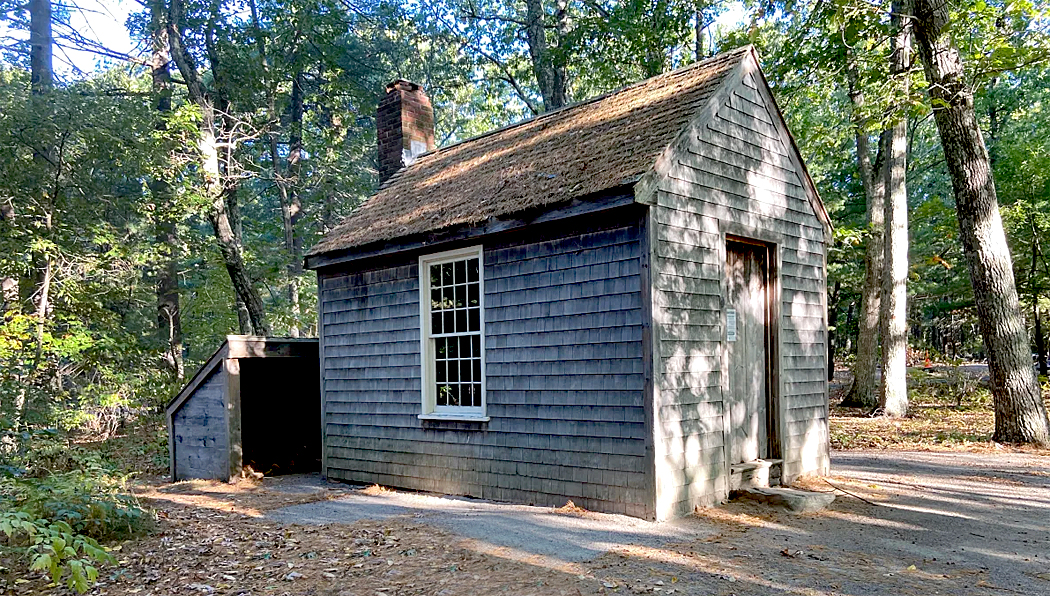
Reproduction of the interior of Thoreau’s cabin

It is a wandering volume, mostly about the boat trip they took, but also about pretty much everything else the young writer could pack into it, still with lots of allusive quotes. Perhaps he was imitating Montaigne, whose work is likewise punctuated.

He had it published at his own expense, and when it failed to sell, he wound up with all the remaindered books delivered to his home. “I now have a library of nearly nine-hundred volumes,” he said, “over seven-hundred of which I wrote myself.”

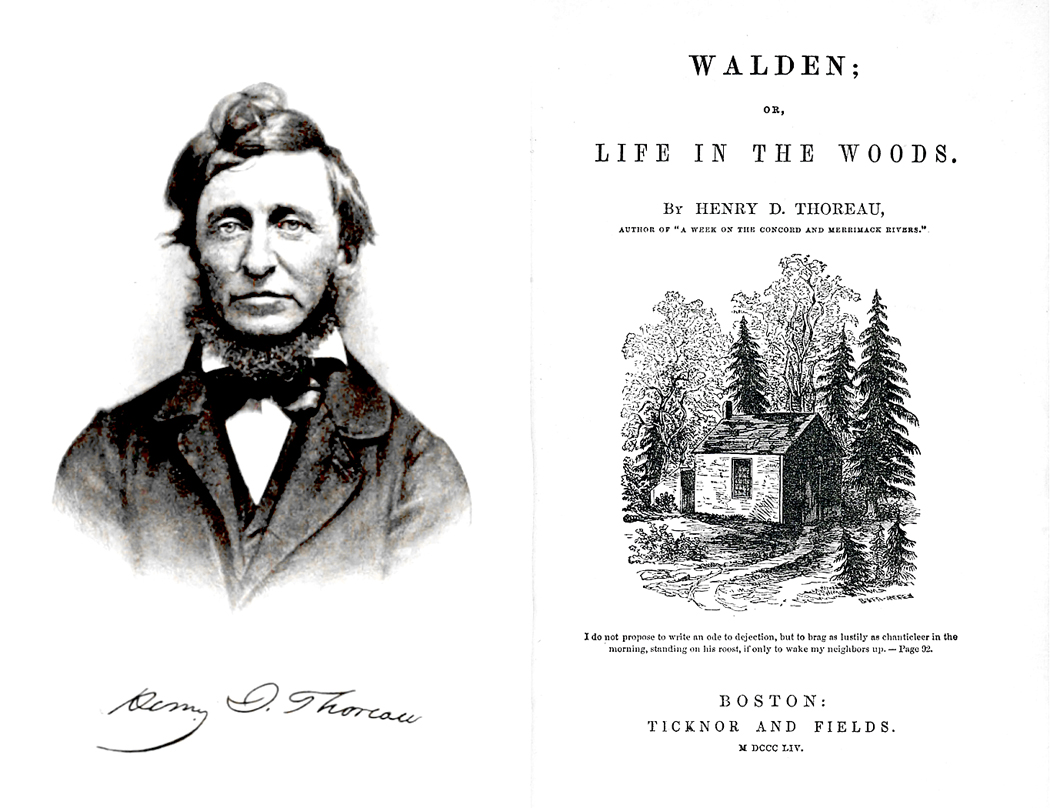
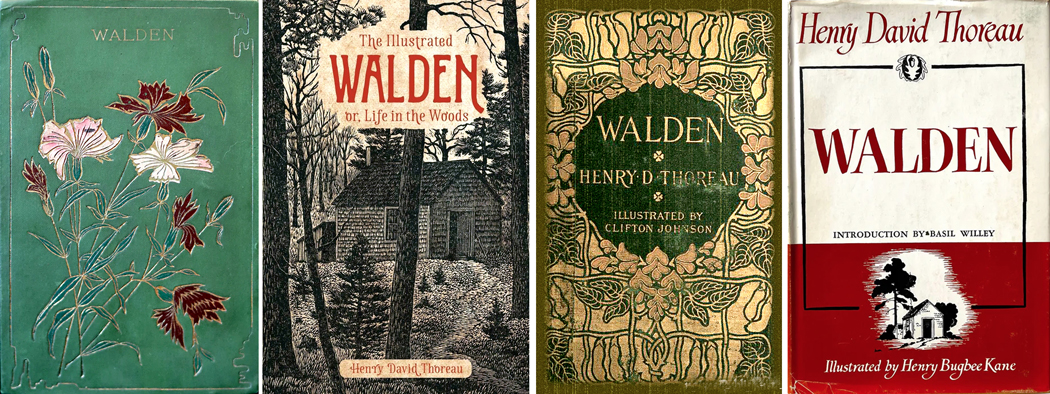
The high point came with Walden or A Life in the Woods, which he began in his lakeside cabin and finished later on. It is one of the best written books I have ever read, if taken sentence by sentence. It is delicious to peruse. I fell in love with Thoreau’s prose style, with its biblical heft and Shakespearean metaphor.

“Time is but the stream I go a-fishing in. I drink at it; but while I drink I see the sandy bottom and detect how shallow it is. Its thin current slides away, but eternity remains. I would drink deeper; fish in the sky, whose bottom is pebbly with stars.” How can you write better than that? You can’t.

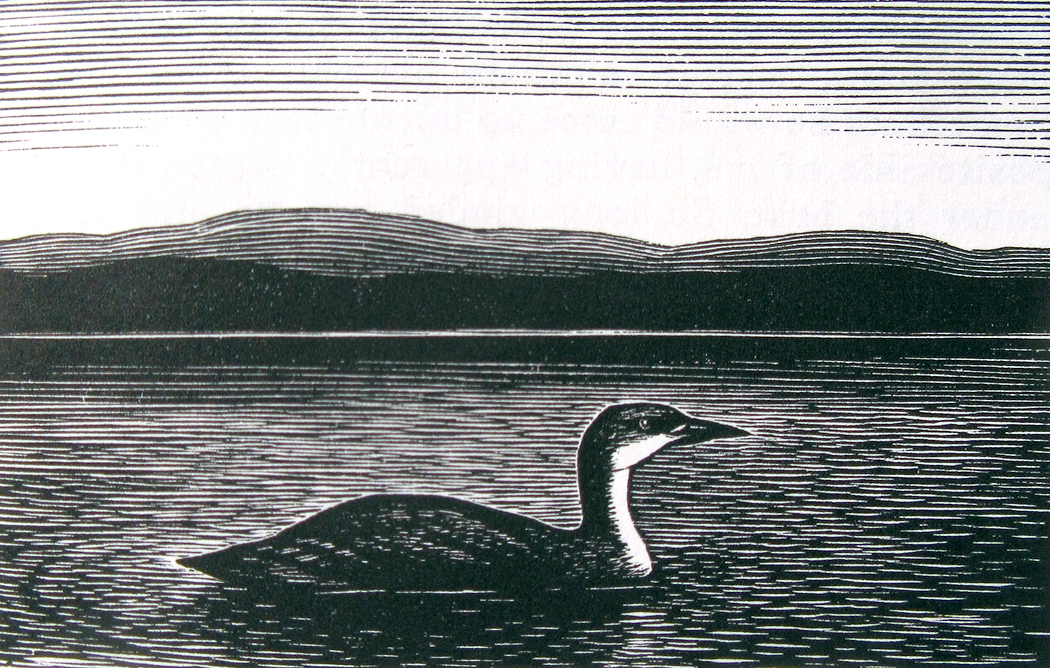
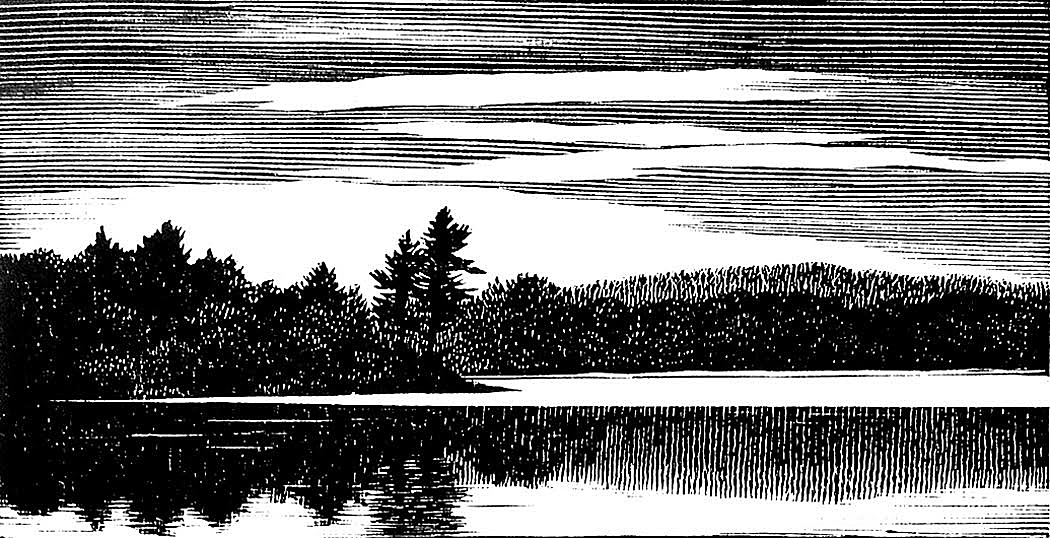
Illustration of Heritage Club edition of “Walden” by Thomas Nason

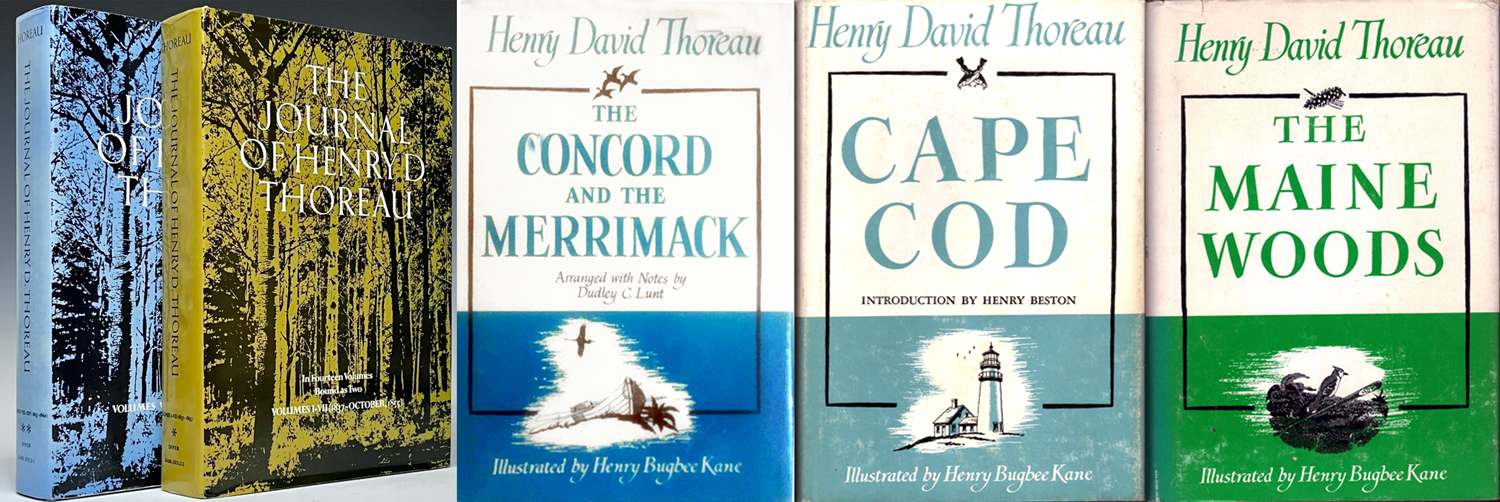
His later books were cobbled together from magazine articles he had published. They are still a delight to read. The Maine Woods and Cape Cod — neither as sustained as Walden, but still solid writing. 

But as Thoreau got older, he began to lose the metaphorical fire that had made Walden so memorable. He became more concerned with collecting data, precise taxonomy and recording detailed observations. 

You can see these stylistic periods in the journals, which begin with lots of quotations, rise to metaphorical heights as the years progress, and then devolve into quotidian daily notations perhaps of scientific usefulness, but no longer designed for the pleasure of reading. 

He published a final travel book that demonstrates the kind of exhaustion Thoreau was facing. It was published in 1866, after his death and called A Yankee in Canada. It begins, “I fear that I have not got much to say about Canada, not having seen much; what I got by going to Canada was a cold.”

I have read it all, from A Week to Walden to Maine Woods to The Dispersion of Seeds, which is one of the first meaningful explications of plant succession. But not the poems. Gott im Himmel, not the poems. Thoreau wrote the most poetic of prose, but the most prosaic of poetry.

This he shares with his mentor. Thoreau lived for a while with Ralph Waldo Emerson, who was a celebrity and public intellectual who wrote reams. Emerson was more widely and systematically read and educated than Thoreau and he explained a good deal of German philosophy to the American public. Emerson was a better philosopher than Thoreau, but Thoreau was the better writer.

Both shared an aphoristic style, where individual sentences are hugely quotable. “A foolish consistency is the hobgoblin of little  minds, adored by little statesmen and philosophers and divines,” Emerson wrote in Self Reliance.” And, “We are always getting ready to live, but never living.” 

(Compare with Thoreau in Walden, where he wanted “to front only the essential facts of life, and see if I could not learn what it had to teach, and not, when I came to die, discover that I had not lived.”)

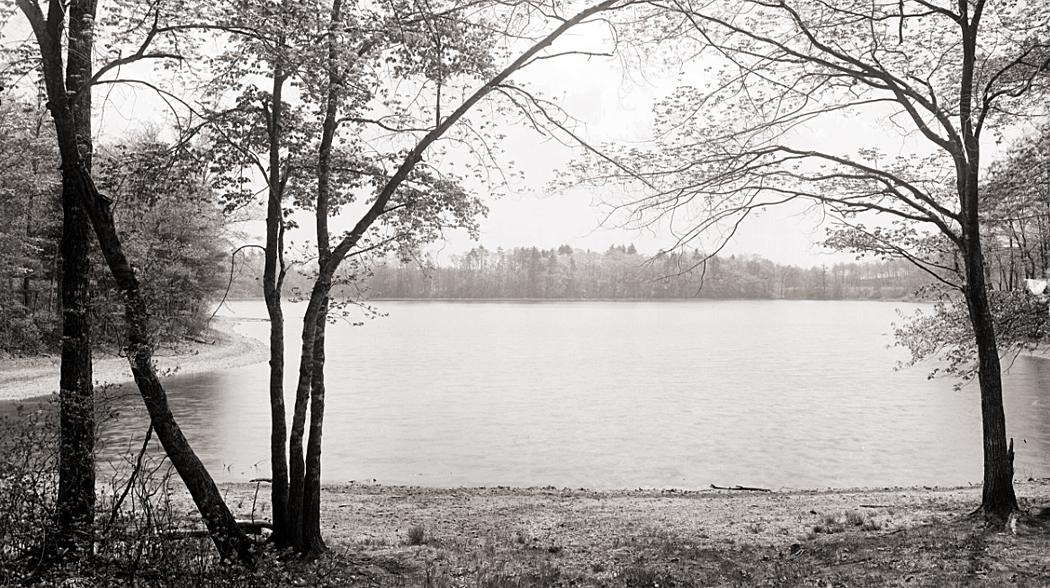
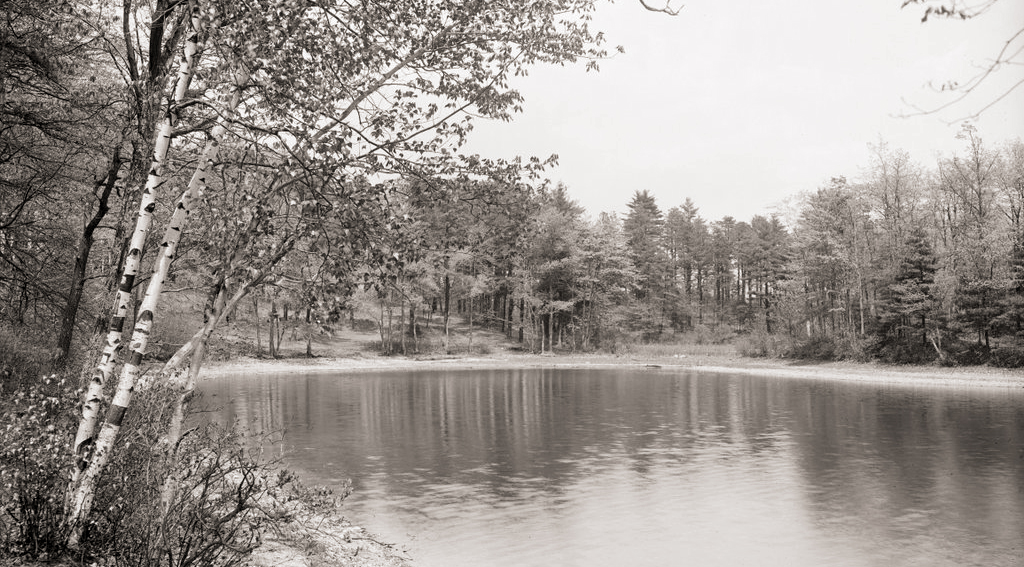
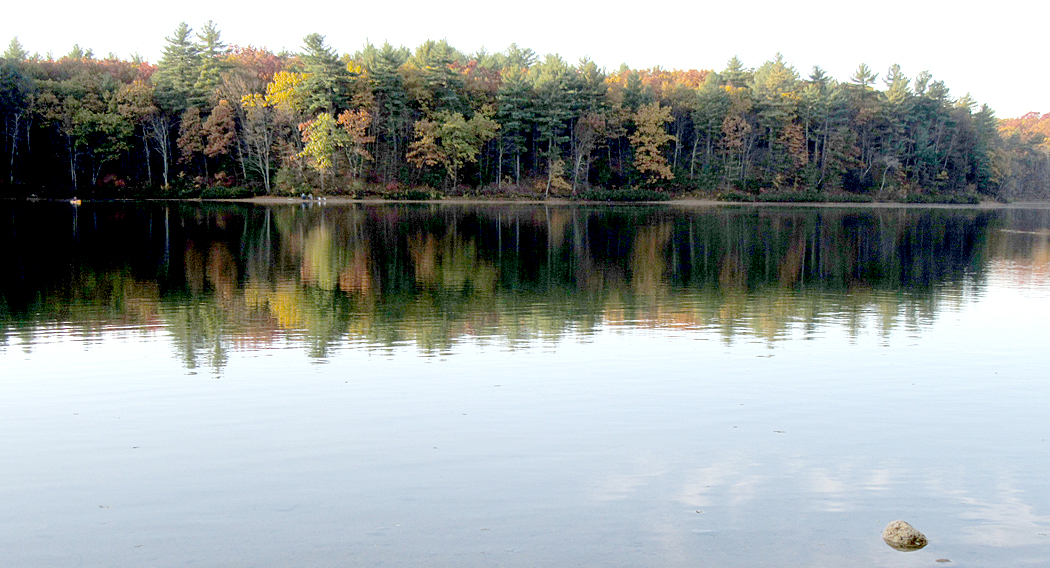
Thoreau’s Cove, at Walden Pond

The difference between them is that Emerson strings these aphorisms one after the other like shunting boxcars bumping into each other. There is often little sense of continuity. You admire each sentence but they pile up rather than add up. Thoreau has the aphorisms, but also the talent, at his best, to make them flow together melodically. 

I first went to Concord and Walden Pond more than 50 years ago. I can not accurately recall the number of times I have made it back; they all blur together. I’ve been there in spring and in fall; I have had the place all to myself, and I have had visits I had to share with busloads of tourists; there were moments when I felt I was communing with the eternity that Thoreau found there, and moments that were bound by the clock — I had elsewhere to get to before dark.

But the climax of a visit is circumambulating the pond, i.e., walking the perimeter of the water, a distance of roughly a mile and a half. At the one end is the swimming-hole beach used by the residents of Concord, Mass., and at the far end are the railroad tracks of the Massachusetts Bay Transportation Authority’s Fitchburg Line commuter train.

Reproduction of Thoreau’s cabin

On the way, you pass the site of Thoreau’s cabin, marked by stones where the tiny building used to be (a modern replica can be see on the other side of the highway that passes the pond, at the parking lot; yes, there is now a parking lot.)

The pond is just another kettle lake in a landscape made by their number into Swiss cheese on the map of New England. But it has a resonance built into it because of its adoption by Thoreau, a resonance that is now felt by countless acolytes for whom Walden is, if not a holy book, then at least a baedeker for self-discovery.

I may have shorted Thoreau as a political thinker. His essay on Civil Disobedience has been especially influential on reformers, from Mohandas Gandhi to Martin Luther King Jr. And his scientific essays, written later in his career, have sometimes been well ahead of their time. 

But shifting the emphasis from the nature writings to the political and moral writings, as the TV series seems to do, equally distorts the life he is profiling. 

He became a prophet in the hippie 1960s, but that era was too louche to fully capture him. The informality of Whole Earth Catalog would have been foreign to the Harvard educated Thoreau, who read ancient Greek and quoted Aeschylus, and believed in “higher” thoughts and endeavors. He believed in a kind of intellectual hierarchy that our postmodern world mistrusts. 

“He was not easy, not ample, not urbane, not even kind; his enjoyment was hardly smiling, or the smile was not broad enough to be convincing,” wrote Robert Louis Stevenson. “So many negative superiorities begin to smack a little of the prig.”

We get very little flavor of the man, outside the comfortable mythos, from the TV series. Perhaps that is all the use we can get from him in an era of text messaging and Instagram when reading seems as antiquated as blacksmithing. 

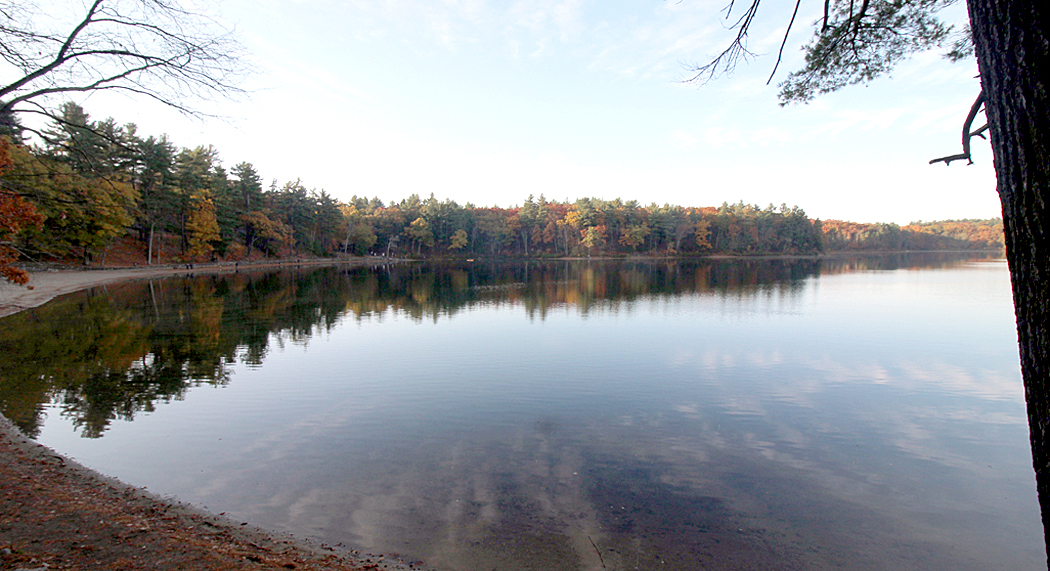
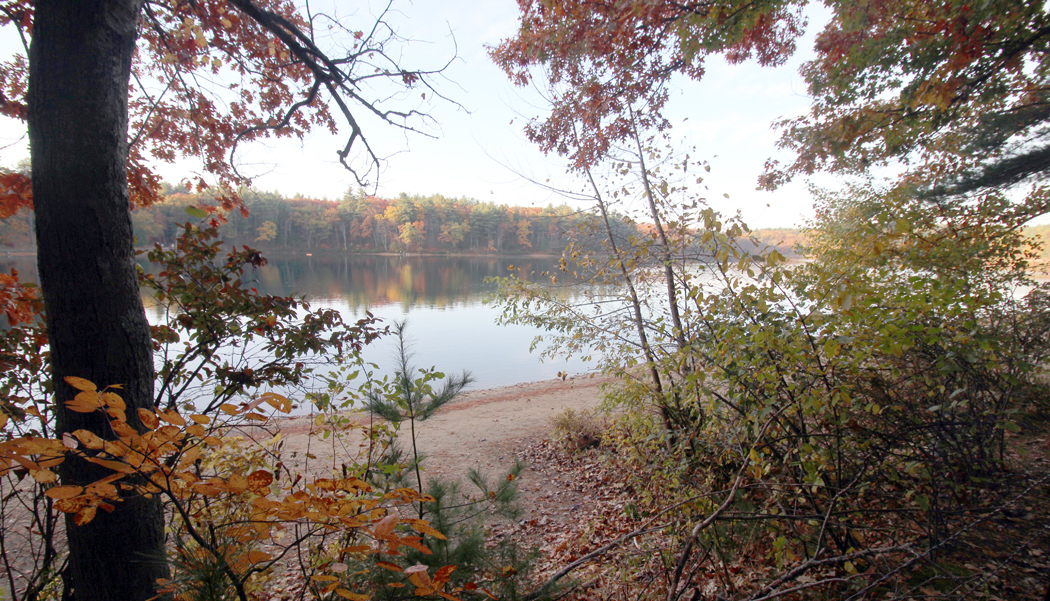
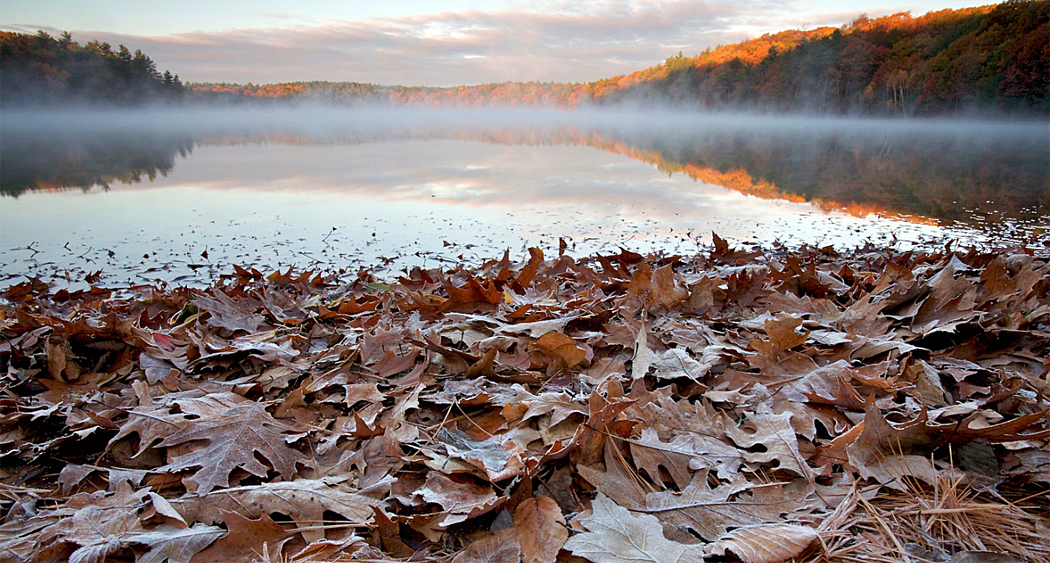
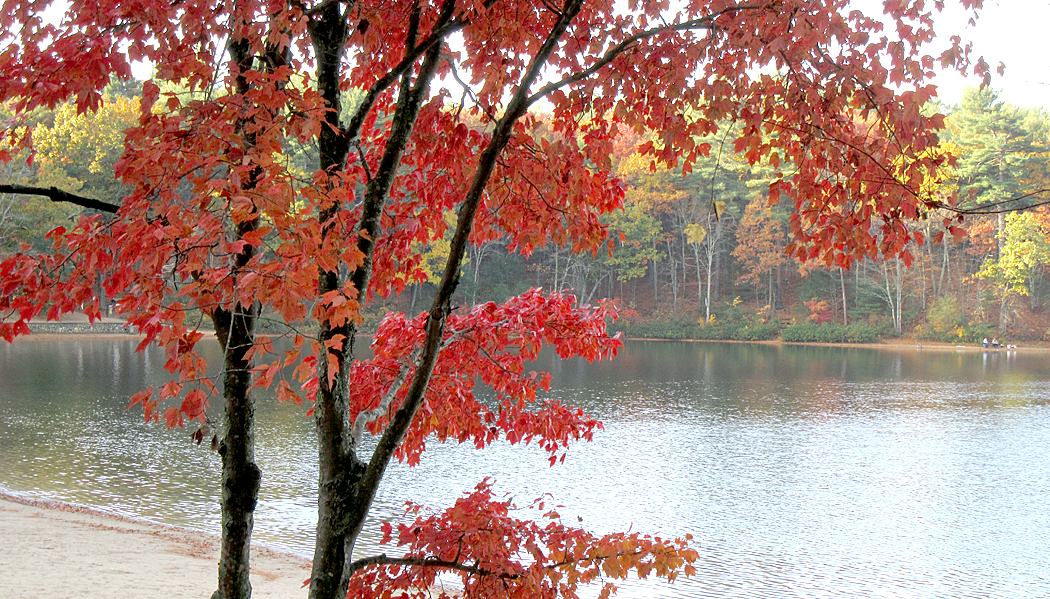
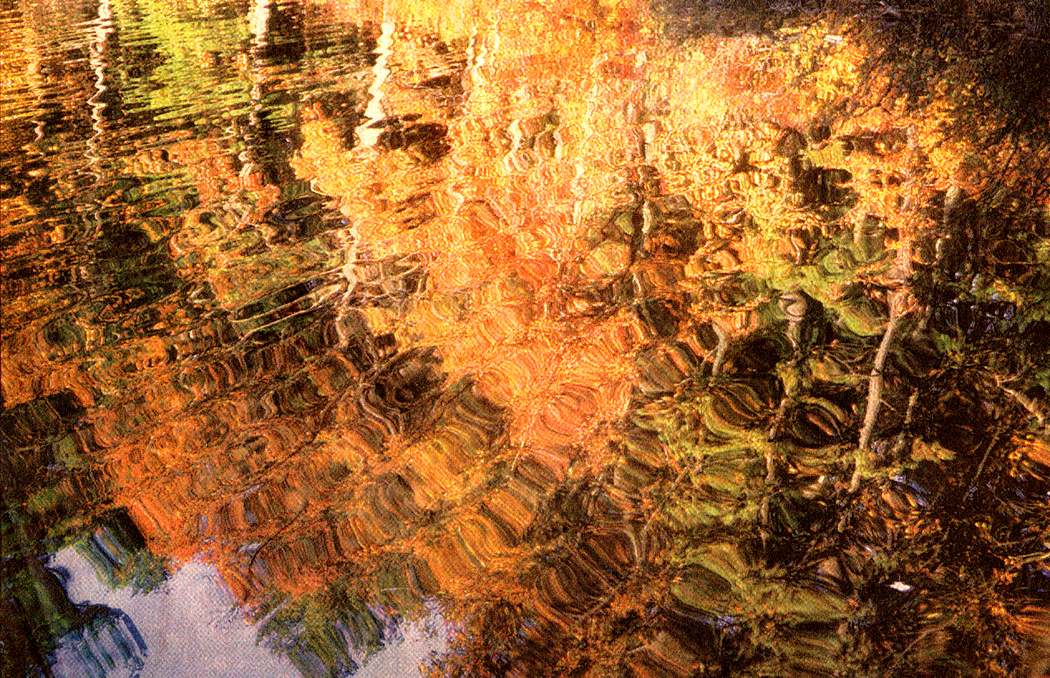
Fall leaves reflected in Walden Pond

We should, no doubt, honor the work that has immediate practical value in the world, but what ultimately gives Henry Thoreau his immortality is the writing, the words. At his best, he was one of America’s greatest writers. I wish the TV series had more of that. 

When that Aprille with its sweet showers has vanquished the roaring lion of March, then “longen folkes to goon on pilgrimages” — or at least on spring break. The ice has broken on the rivers and the trees are budding. You want to get out of the house again. Go somewhere. 

I’ve been on many pilgrimages, although I had never really thought to call them that. The line between what constitutes pilgrimage and what can be called merely travel is impossible to draw in black ink. Each of us must decide where one endeavor shades into the other. There are many who walk to Santiago de Compostela merely for the adventure of it, while, on the other hand, there are those who may vacation in some spot that has developed, for them, the quality of a shrine.

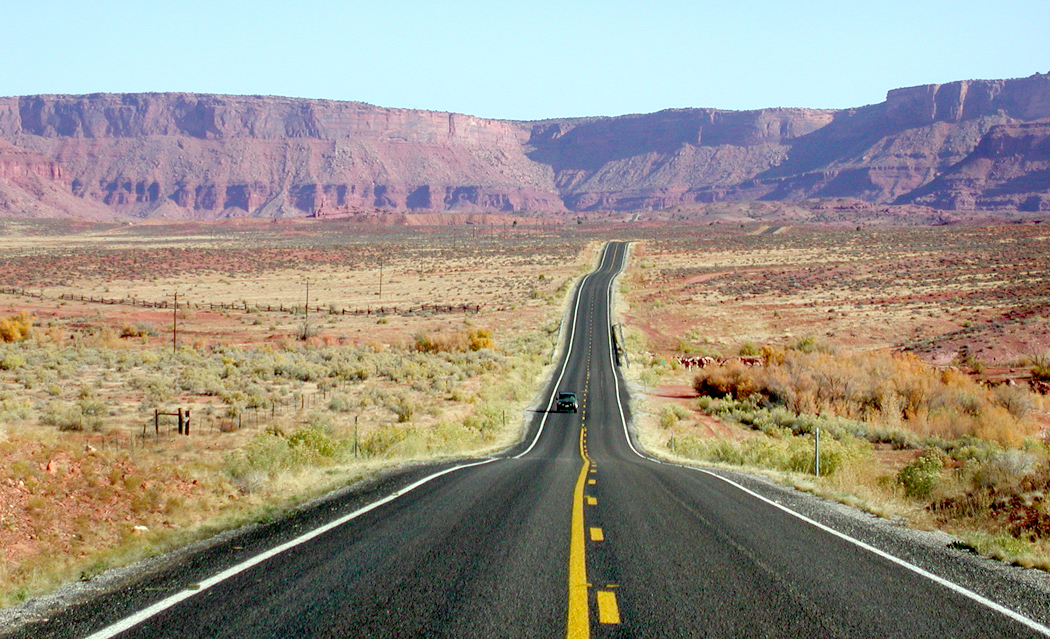
Utah

I am not religious and subscribe to no doctrine, but there is still something deeply satisfying about going somewhere, away from life’s everyday concerns, to discover something bigger, more important and more meaningful. That is how I define for myself the nature of a pilgrimage.

Some call this meaning “spiritual,” but the word, for me, has too much incense around it. I leave it to the New Age conjurors and the church-goers. But it hits something more than merely day-to-day in our consciousness. 

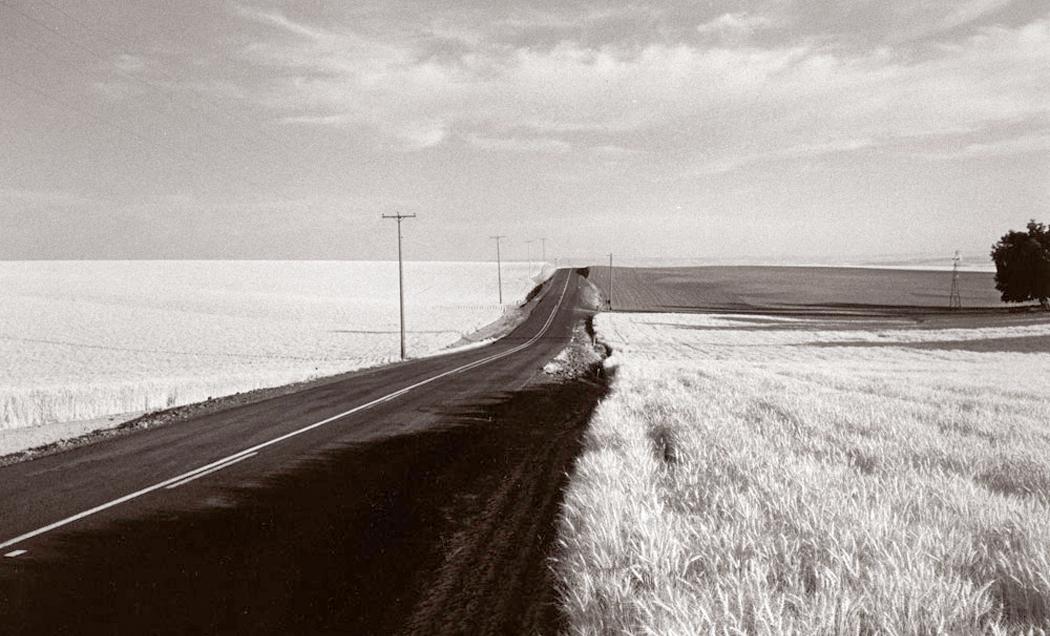
Oregon

In some sense, nearly all travel I have taken has functioned as pilgrimage. I go to see something, or I go to learn something, or just to be near something that has meaning. And there’s a crux. “Meaning” is a squishy term, difficult to define. It is not an equation: “This means that,” as if we were translating something, like “amigo” means “friend.” In the sense I use it here, meaning cannot be translated; you can’t always say what something “means;” it cannot be paraphrased, but it inheres in an experience. You feel that it has meaning or significance. Like a dream you cannot parse, but won’t leave you; you know it is meaningful. Meaning is not understood; it is recognized. 

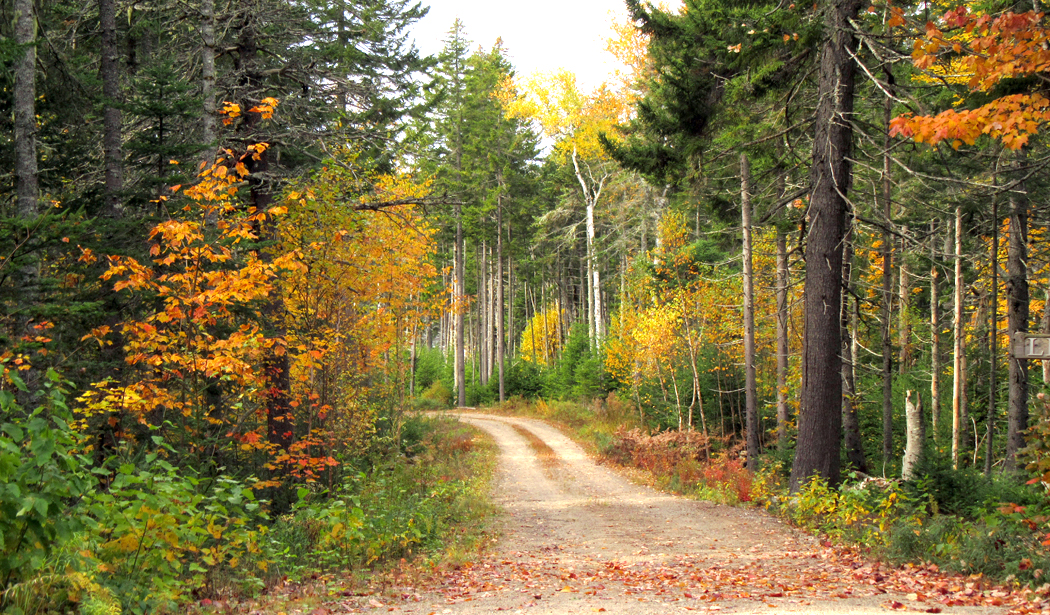
Maine

You will have your own meaningful travel; consider why some places seem important, perhaps because of something that happened earlier in your life; perhaps because of something you read and admired; perhaps because of religious belief. You want to visit the house where you grew up, or the farm your ancestors worked. Perhaps, even, because it matches some undefined longing deep in your chest.

It was such a longing, or empty space in my experience, that led me to Chartres cathedral. It was certainly more pilgrimage than tourism that led me to it first time. It overwhelmed me. 

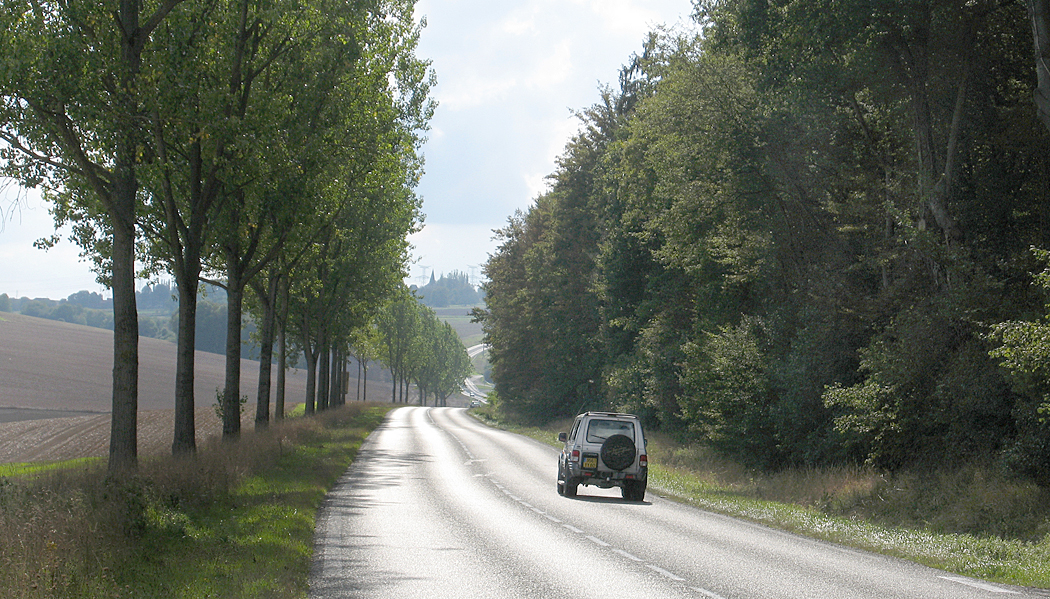
Northern France

It prompted, a few years later, a more traditional pilgrimage: an intentional voyage from shrine to shrine, as I traveled west to east across northern France seeing many of the notable churches and cathedrals: Rouen; Amiens; Beauvais; Laon; Reims; Noyon. 

I’ve been back to Chartres several times; in Paris, to Notre Dame too many times to count. But also to Sainte-Chapelle, Saint Denis, and several smaller churches, such as Saint Séverin, Saint Germain l’Auxerrois, Saint Eustache. Each fed a hunger to experience that unexplainable sense of space and time. 

And despite my utter lack of religious faith, there was no denying the power of this architecture and the meaningfulness of its vast interior space as metaphor for both the infinite exterior and our psychic interior — dome of heaven and dome of skull — both of them larger and more important than our puny day-to-day lives.

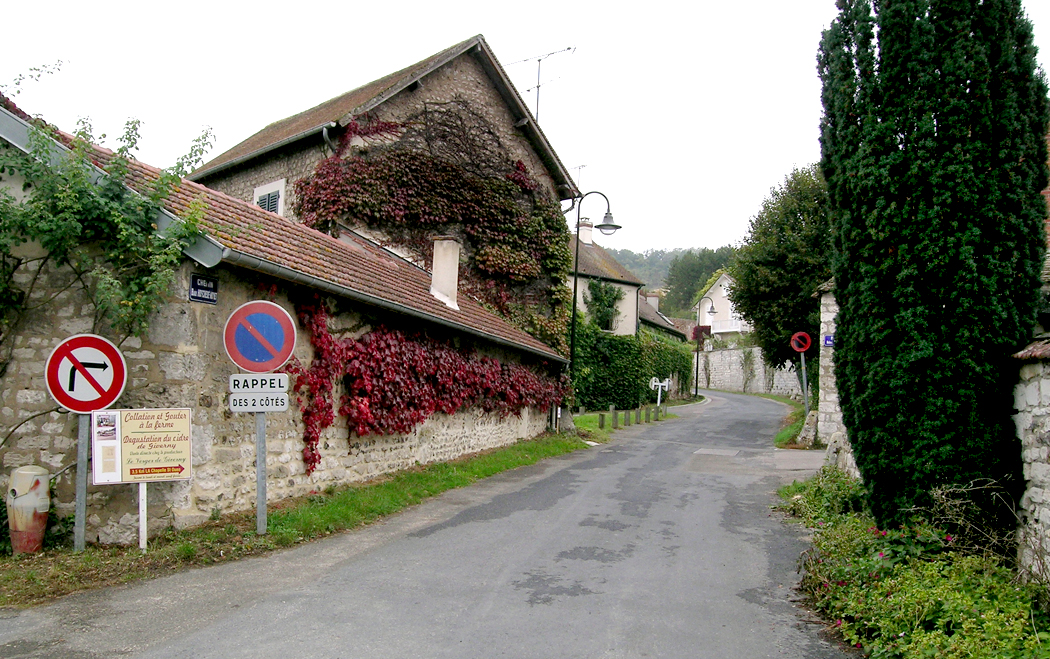
Giverny

I’ve also made the pilgrimage three times to Monet’s garden at Giverny — which is one of my holy-of-holies — first in the spring and then twice in the fall. My life is infinitely more alive for my having spent time there.

One important thing about pilgrimage is that there is a layer beyond the quotidian. There are many other gardens I have visited, from Butchart Gardens in British Columbia to Brookgreen Gardens in South Carolina, and however beautiful they are, they don’t have the added psychological punch of being conjoined with the historical, artistic or biographical significance of its founder. 

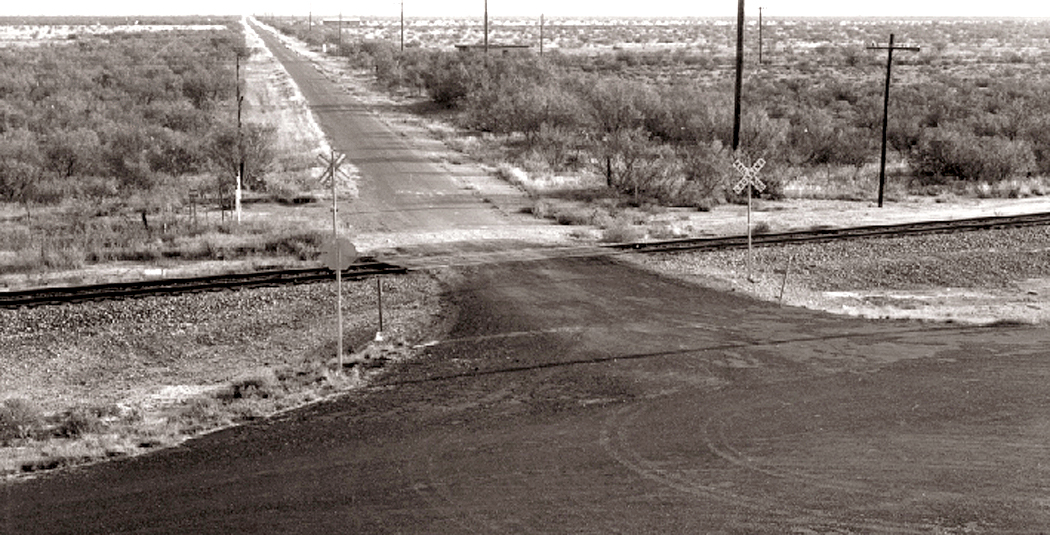
Texas

Giverny has been memorialized in the paintings of Claude Monet, and are a monument to a moment and a movement in art history — and what is more, one that I particularly resonate to. And so, visiting Giverny has the significance of pilgrimage for me. The more deeply you become emotionally engaged with the things and places of the world, the more likely a site may become such a destination. 

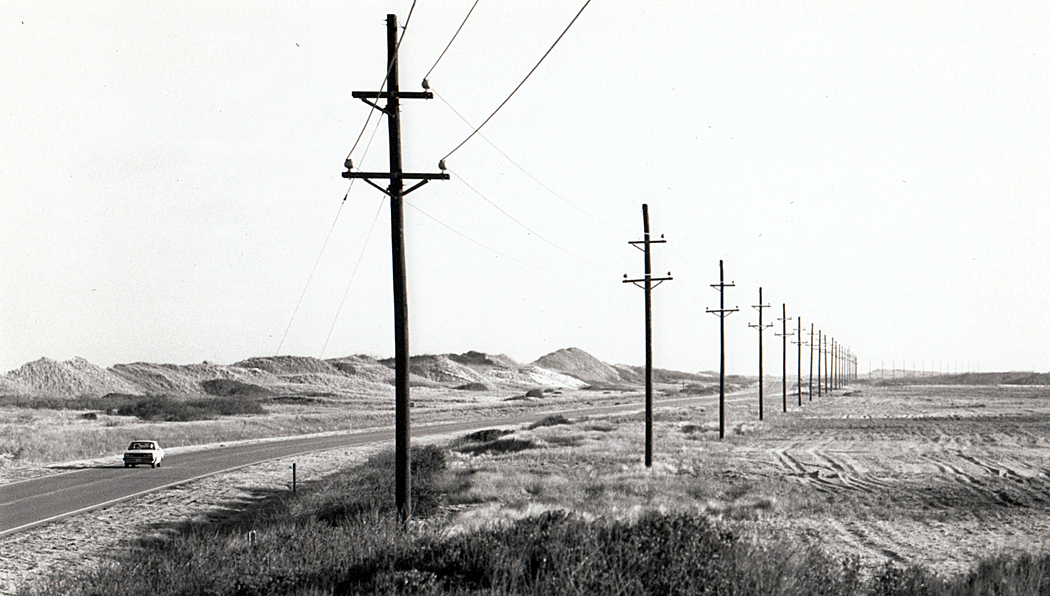
Hatteras Island, N.C.

Cape Hatteras has become such for me. In college, my friend and I visited several times. We camped in the dunes directly under the lighthouse and at night the surf misted the air with a salty haze. The nighttime sky with the roar of the ocean was another mirror turned simultaneously inward and outward. I return periodically, although when I first went, much of the barrier islands were empty; now, except for the protected National Seashore, it has become a Manhattan of the coast, with three- and four-story condos lining the single road that runs south along the island. Its magic is mainly now in the memory. 

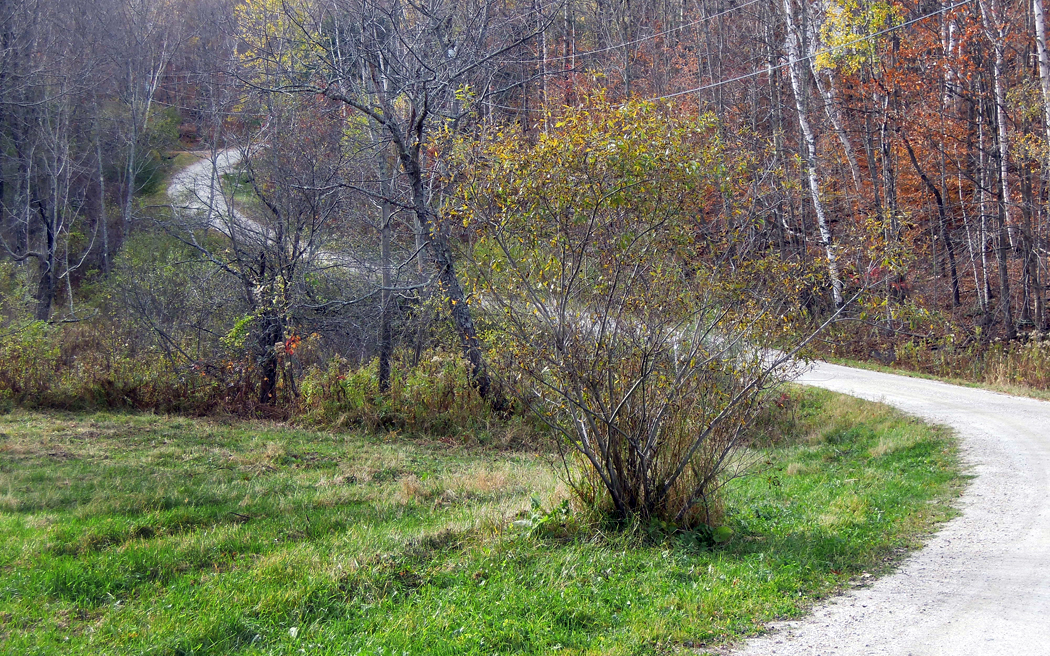
Vermont

One can make pilgrimage not only to claim something new, but to pay homage to what has become sacred. Every time I visit Maine, I go to Schoodic Point where the waves crash over rocks and wash back into the sea in torrents. It is pilgrimage in so far as each visit reassures me that the world I know survives — both the interior and the exterior. I reabsorb what it gives me and I am remade.

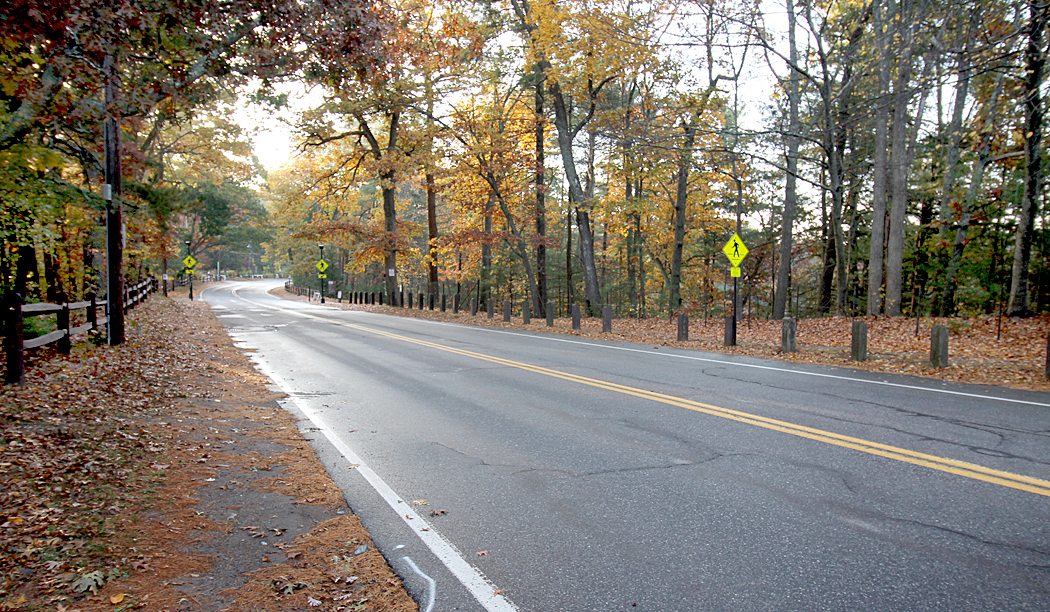
Road to Walden Pond

When I was a young man, I read through the writings of Henry Thoreau and made the pilgrimage to Walden Pond in Concord, Mass. I can not accurately recall the number of times I have made it to Walden Pond; they all blur together. I’ve been there in spring and in fall; I have had the place all to myself, and I have had visits I had to share with busloads of tourists; there were moments when I felt I was communing with the eternity that Thoreau found there, and moments that were bound by the clock — I had elsewhere to get to before dark.

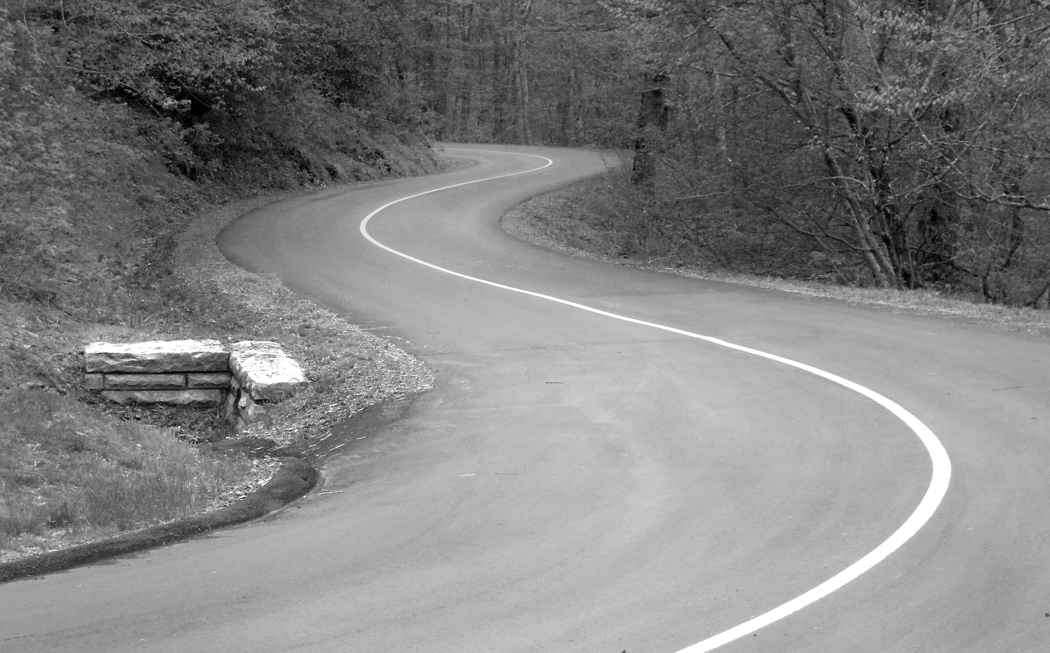
Blue Ridge Parkway, North Carolina

With my second unofficial wife, I hiked a good portion of the Appalachian Trail in the mid-1970s, in a more traditional pilgrimage on foot. We never finished that one, giving up because we discovered that unlike what we had imagined — leisurely enjoying the beauty of nature —  the reality was driving ourselves to the next lean-to by nightfall and not losing track of the paint blazes that marked the trail. A trudge rather than a Thoreauvian saunter. Nevertheless, even incomplete the hike has informed who I have become in profound ways.

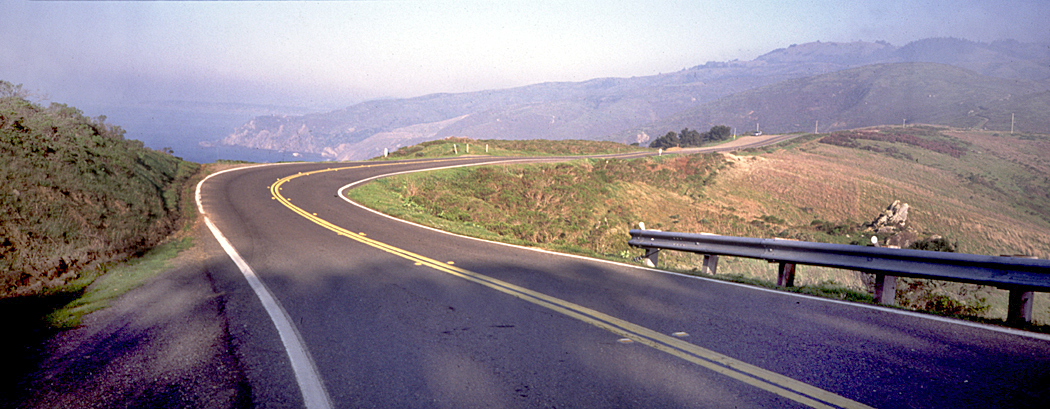
Pacific Coast Highway, California

Other pilgrimages I have made include driving the the length of the Mississippi River from its source at Lake Itasca to its mouth on the Gulf of Mexico. I have also traveled the length of the Appalachian mountain cordillera, from Alabama to Percé Rock at the tip of the Gaspé Peninsula in Quebec; and have driven from Mexico to Canada up the fold in the middle of the map of the 48 states — along the 100th Meridian.

Each of these, and several others, have been journeys of intent, that is, trips made with an end in mind, as opposed to a vacation trip, whose whole point it to avoid the work involved in achieving a goal.

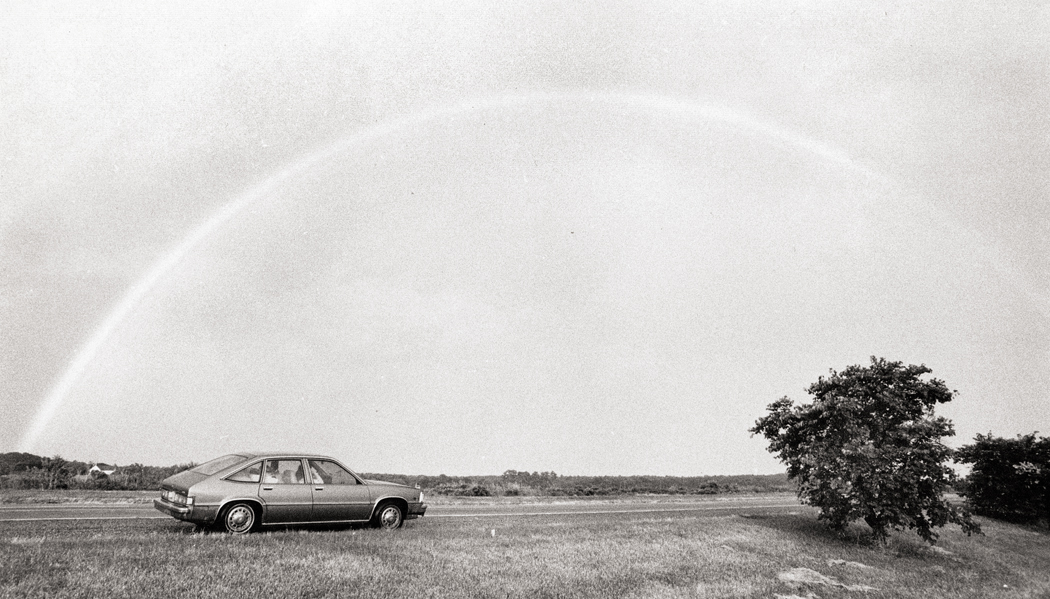
Rainbow, Delmarva Peninsula

Perhaps the most salient difference is the goal: For a pilgrim intends to change or be changed, while the vacationer usually purposes only to recharge the batteries and come home feeling more himself. But leaving home and passing through the unfamiliar will always change who you are.