Professor Peter Schickele has died, and there is one less star twinkling in the sky.
Schickele, who was the creator of PDQ Bach, was 88 and had been ill.
I have a long history with PDQ Bach, and I will miss his music and wit terribly. He came from a notable line of musical satirists and clowns, including Spike Jones, Anna Russell, Victor Borge and, of course, the Hoffnung Festival in Great Britain. But, at least initially, his target was Baroque music in particular.
At the beginning of what was called the “Baroque revival” in the 1960s, Schickele devised PDQ as a way to parody some of the excesses, cliches, tropes, and habits of the newly popular historical style. His first concert was in April of 1965 at Town Hall in New York. I did not attend that one, but in December of that year, he brought the program to Philharmonic Hall, and I was there for the Concerto for Horn and Hardart, the cantata Iphigenia in Brooklyn, and the Pervertimento for Bagpipes, Bicycle and Balloons. Schickele was there as narrator and explicator; he arrived late at the hall, and swung onto the stage, Tarzan-style from the balcony.
It was one of the funniest things I ever saw or heard.
“In general, the dance music of PDQ Bach suggests that one of his legs was shorter than the other.”
The cantata — “Scholars are unaware Iphigenia ever was in Brooklyn” — has Orestes “being chased … by the Amenities” and he sings the sorrowful aria “Who knows what it is to be running? Only he who is running knows,” followed by “Run-running knows, run-running knows, ru-u-u-u-u-ning running knows.”
It was all a bit goofy, but made fun of things familiar from Baroque music. (Anyone familiar with actual Baroque opera will realize this “running knows” isn’t that much sillier than the real thing.)
The Hardart was a vast instrument made up of bells, whistles and gongs, each tuned to a different pitch, and with little windows on its front from which you could get pie. The second movement was a theme and variations, but “the variations have nothing whatever to do with the theme.”
I was a teenager then, and attended the concert with my high-school girlfriend, who became a professional bassoonist, and, in fact, later played with Schickele in PDQ concerts, and even occasionally appeared with him on radio interviews promoting concerts.
We came the next year to the second season of PDQ Bach, then at Carnegie Hall, to hear The Seasonings, The Echo Sonata for Two Unfriendly Groups of Instruments, and Eine Kleine Nichtmusik.
In fact, through marriages, break-ups, divorces and remarriages, I attended a PDQ Bach concert every year for more than 20 years. Schickele took his act on the road, and wherever I was living, whether Greensboro, N.C., Seattle, Wash., Norfolk, Va., or Phoenix, Ariz., Schickele found his way and I found a ticket.
In Norfolk, I caught up with him backstage after the concert and we talked about my bassoonist ex-girlfriend. Unfortunately, she wasn’t part of the Norfolk performance. I would have loved to catch up.
PDQ Bach always functioned on two levels. Even those who knew little about classical music could enjoy the slapstick and the bad puns; but anyone with familiarity with music history could catch the often sophisticated in-jokes.
Schickele in Phoenix
I, of course, bought all the albums, and later, CDs. The last time I got to hear a PDQ Bach concert was in Phoenix in March, 2001, when Schickele and the Phoenix Symphony performed Oedipus Tex with Michèle Eaton as Billie Jo Casta, and Schickele as Tex. The program also included Swing Sweet, Low Chariot.
As his career-shtick progressed, Schickele widened his target to include the Classical era, giving the treatment to Mozart and Rossini with such things as The Civilian Barber, and The Abduction of Figaro, and into the Romantic era, with a parody opera, Hansel and Gretel and Ted and Alice.
Schickele and his sidekick Robert Dennis famously gave a sportscast of Beethoven’s Fifth Symphony. “I can’t tell if it’s fast or slow because it keeps stopping.” In one live performance of this, in the early 1970s, when the Vietnam War was still an issue, the “game” began with what started as the National Anthem. Half the audience stood up, hand over heart; the other half, self-righteously in protest, sat motionless. Except that the arpeggiated beginning of the anthem ended immediately with a descending arpeggio ending after a couple of bars. The whole thing took less than five seconds. Everyone in the audience, standing or sitting, was caught red faced.
He took on contemporary music, also, with Philip Glass’s Einstein on the Beach turned into Einstein on the Fritz. and Koyaanisqatsi became Coy Hotsie-Totsie.
The titles of his schlamperei are enough to draw whoops, especially for anyone familiar with the originals. Among them: Concerto for Piano vs. Orchestra; Fanfare for the Common Cold; Goldbrick Variations; Hindenburg Concerto; Liebeslieder Polkas; No-no Nonette; Notebook for Betty-Sue Bach; Royal Firewater Musick; Safe Sextet; Schleptet in E-flat; The Short-Tempered Clavier; Traumarei for Unaccompanied Piano; The Triumphs of Thusnelda. Wikipedia lists more than a hundred titles.
In fact, he had leftover titles, ready to attach to newly “discovered” works: Rosenkavalier and Guildenstern; The Passion According to Hoyle; the Half-Nelson Mass; and Famous Last Words of Christ.
The Hoffnung Music Festival in London lasted for only seven concerts. PDQ Bach lasted from 1965 through 2015 (with a break in the 1990s) and encompassed 20 albums, 2 video recordings (many more on YouTube), and the definitive biography of PDQ Bach, titled The Definitive Biography of PDQ Bach.
I should mention that Schickele was also a serious composer, with many works published under his own name, and wrote the film score for the 1972 movie, Silent Running.
So, it wasn’t all tomfoolery. But even his parodistic work is well crafted and full of memorable tunes. PDQ will likely last a very long time.
At the bottom of every product entry on the Amazon webpage you will find customer reviews. Some are quite thoughtful, others merely complain that the package they got was dented. Too often, close reading shows that the review shown is for some other product altogether and simply slung in with the rest by someone — or some algorithm — that wasn’t paying close attention.
Check out Google’s list of restaurants near you and you will find any number of reviews by those who have eaten there, and often with an iPhone photo of their dinner plate. These range from “The worst scungilli I’ve ever tasted” to “The cleanest restroom I’ve had to use.” Again, perhaps with a photo.
My favorites are those where someone posts a four-star CD review with the words, “I haven’t heard this yet.”
More than ever, we are led to believe that “everyone’s a critic.” Opinions are like noses (I’m being polite): Everyone’s got one. But I spent 30 years of my life as a professional art critic, and it has always bothered me that the wider public seems to think that real criticism, by people who are actually paid to think about such things, is little more than “I liked it,” or “I didn’t like it.”
On such a level, yes, everyone’s opinion is valid. If you liked it, then to say so is an obvious truth. But that is not what a professional critic is paid to do.
Granted, there are some people out there with the title on the masthead who do little more than report their likes and dislikes. But the kind of criticism I’m talking about — and that I did my best to engage in — has very little to do with simple likes and dislikes.
I was paid, rather, for my range of knowledge about the subject, about the history of it, the variety of it, the consensus about it, and my ability to say something meaningful and coherent — and interesting — about it.
I was paid to explain what I was seeing, put it in context, say why it is important — or not — and, especially with new art, to attempt to unknot difficulties that may make understanding elusive. The art world is full of “elusive.”
I began as a freelance art critic with the Virginian-Pilot in Norfolk, Va. in the mid-1980s, and became staff critic with The Arizona Republic in Phoenix, Ariz., in 1987, where I worked for 25 years until I retired in 2012. By then, newspapers were in decline and few still had any critics on staff as layoffs became as regular as seasons. When I left, I was not replaced. All across the nation, critics are not being replaced; lights are blinking out all over the heavens. The loss is considerable.
I have continued to post about art on this blog. There was a long piece about Jacques-Louis David’s Death of Marat. Another on the long echoes from the pose of Giorgione’s Sleeping Venus. I wrote about photographers Nan Goldin and Garry Winogrand. Some of these have been the most frequently visited blog entries on my site.
Over those three decades in journalism, I covered an awful lot of art, both locally and nationally. Much of the art, I loved. Some not so much, and there were even shows of art I had little sympathy for. All of it, I tried to say something real about and meaningful. So, I feel I have established my bona fides to write about criticism.
My tastes didn’t stop me from recognizing quality or importance, even if it was art I didn’t much care for. And there was, correspondingly, art I knew wasn’t especially important that I really, really enjoyed. My likes and dislikes didn’t count much, and weren’t supposed to.
Let me give you some examples either way.
One of the very few times I had a contretemps with my editor was about a show at the Phoenix Art Museum of art by the so-called Mexican Muralists. I mentioned to my editor that I was thinking of giving the show a pass and she nearly bit my head off, making it absolutely clear that I wasn’t being paid not to write about an important show, or to care whether I liked the work. I knew this, of course, but I had to confess my lack of simpatico with the work. Of course, I wrote about it. Without expressing my own qualms.
In general, I have little love for art that is primarily propaganda, and that is just what the work of Diego Rivera or David Siqueiros is. There is good ol’ Karl Marx pointing the way to the future for the downtrodden campesinos. There are the peasants displaying solidarity by all wearing the exact same clothes and carrying the exact same weapons. For me, this is a big snooze.
And on top of that, the colors used favor rather dull browns and ochers. It just isn’t very inviting or attractive art. Nevertheless, the movement, from the 1920s through the 1940s, defines an era of Mexican culture, and was immensely important. And, moreover, some of the muralist art was clearly better than other, and it was my job to show that and explain why and how.
It should be pointed out that it isn’t Mexican art I have a problem with. I love the crazy work of Frida Kahlo; I wrote an appreciative review of Rufino Tamayo for ARTnews magazine. I enjoy the skeletons and calaveras of Jose Posada and the volcanic landscapes of Dr. Atl. And all that colonial-era art, and all the bright, colorful, energetic folk art.
It’s just the dreary, politically sentimentalized work of the muralists I dislike.
Let me give you some other examples. There is no question but that the pointillist works of Georges Seurat are masterpieces, and important in the history of art. But I find Sunday Afternoon on the Island of the Grandes Jattes a huge bore. Stiff and unyielding, all the life sucked out of what should be a bustling joy. It seems to me a painting made to justify a theory, and not something that had any more lively reason to burst out of his imagination.
And there is his older contemporary Camille Pissarro. I don’t dislike Pissarro’s painting, but it just seems a trifle dull. He is the painterly version of a composer who can write perfect fugues, knows voice-leading, and can orchestrate magnificently, and yet cannot write a tune I can whistle.
I’m specifically writing about art I have actually seen in person, and not just stuff I find in books or magazines. Reproduction cannot give anyone a clear idea of the art, its size, gloss, color. You can only get the iconography and some loose sense of everything else.
The necessity of seeing the art in person was brought home by Paul Cezanne. I never cared much for the work of Cezanne. But then, I spent some time with the actual work, and it exploded in my eye with form and color that just eludes reproduction. Now, Cezanne is one of my most loved artists and I kick myself for all those years when I paid him scarce attention. Those apples and pears — I want to lick the paint off the canvas.
Another confession: I never cared for Leonardo’s Mona Lisa. I’ve been to the Louvre now, several times, and in person, the Mona Lisa is no more exciting. It is a small, rather ordinary portrait. Yes, the sfumato technique is quite pretty, but the painting itself does not deserve the fame it seems to suffer.
On the other hand, I do love the same artist’s Ginevra de’ Benci, at the National Gallery in Washington, D.C. It has all the glow and spirit that poor Mona Lisa just doesn’t have.
But even Ginevra doesn’t draw the pleasure from me that I get from Raphael’s portrait of Baldassare Castiglione, one of the most perfect paintings I have ever seen.
Rembrandt saw the portrait, copied it in pen and ink, and later used it as inspiration for one of his self-portraits, now at the National Gallery in Washington. I love that one, too.
So, it is not that I hate great paintings and love minor ones. It is just a matter of taste. My taste drifts toward some and is left unmoved by other. But, as a critic, I certainly know the difference.
I have no issue with anyone liking or disliking any piece of art. Not everything has to appeal to everyone. If you think Damien Hirst’s pickled shark is disgusting, I have no issue with you. If you think the hands on Michelangelo’s David too large, and his privates too small, that’s fair. Even if you find yourself moved emotionally by the light inside the cottage of a work by Thomas Kinkade, I say, enjoy. But that doesn’t qualify you as a critic.
The art I love — and “love” is not too strong a word — includes some famous and important paintings. I grew up with Picasso’s Guernica when it was hanging at the Museum of Modern Art in New York. In my teen years, I visited MoMA often and thought I’d have Guernica to see for my lifetime. But it returned to Spain in 1981. Seeing it stretched across 25 feet of wallspace helped steer me into a life with art.
I loved seeing Jackson Pollock’s One Number 31, also at MoMA, back when abstract art was still seen with suspicion by the public. It hit me like a brick, and I loved its visual busy-ness and textural depth. It was a painting I could lose myself in.
In Boston, I finally saw Paul Gauguin’s Where Do We Come From? What Are We? Where Are We Going?, another panoramic picture. Unlike the Mona Lisa, it makes a stronger affect in person than reproduced.
At the National Gallery in Washington, there are a number of paintings I visit, as if on a pilgrimage. Perhaps the main one is Mary Queen of Heaven by the 15th-century Master of the St. Lucy Legend, an unknown artist (so many were anonymous back then) with a magical ability to create detailed fabric and rich color. It is not one of the superstars of the collection, but it is dear to me. It is 7 feet tall, and busy with detail. I love art that highlights texture and color, and am less drawn to iconography or storytelling for itself (such as features in propaganda). The virgin Mary means nothing to me religiously, but this painting I worship.
All the work of Claude Monet pleases me, but it is the large waterlilies that move me. When I finally got to see the group of them at the Orangerie in Paris, I had to sit down. Two oval rooms with walls banded with waterlilies. It was a holy place.
These are all works that both give me great pleasure, and are also historically important works, anthologized in any art history text.
Yet, some of the art that I love most and that gives me great pleasure is art not especially important, or at least not widely known. There are so-called “local artists” who never get the national reputation; there are artists I know personally and whose work speaks to me in part because I see their personalities so clearly in what they produce.
I love the art of Arizona’s Mayme Kratz. I’ve written about her work several times. Mostly, she finds discarded bits of the natural world — seeds, husks, birdnests, grains, twigs, shells — and embeds them in patterns in colored acrylic, finished with a fine sheen. They are intensely beautiful. Kratz makes a living from her work and has buyers and collectors, but I don’t know why she isn’t featured in galleries in New York or Berlin. Her work deserves to be.
Tucson painter Jim Waid has a growing reputation and has representation outside of Arizona. But his large canvases, electric with color and texture, were featured (during my time) primarily at one gallery in Scottsdale. As I wrote about him for the newspaper, “Is there any reason that David Hockney is ubiquitous and that Jim Waid is not? Waid is clearly as good a painter, and his canvases as original and distinctive, yet Hockney jet sets, and Waid paints in his studio in Tucson.” One of the highlights of my year was the annual Waid show at Riva Yares Gallery.
My brother, Craig Nilsen, is a painter and printmaker from Virginia. I have seen his work all his life and I cannot help but see him in the paintings so particularly and often heartbreakingly. He is now retired, as I am, and I am lucky to own quite a few of his pieces. I love them all.
And finally, my brother-in-law Mel Steele, who has a pretty good reputation in North Carolina, although not always for his best work. He made his living for years selling prints of North Carolina rural scenes. But his real work has always been his abstractions, layers of shapes and colors, creating virtual depth and space on the canvas. I am not alone in enjoying his art, but I feel my life would be much less rich without it.
And so, I feel as if my immersion in art has two channels: One is the official one, where I write for a public and attempt to be somewhat objective; and a second which is what I feel most emotionally connected with.
There are many other examples of work I feel deep in my bones, but I can’t catalog them all. What I can say, is that a life immersed in paintings, as in music, dance, film, theater, architecture and literature, is a life more deeply connected with being human. I am grateful for having been able to make a living writing about it all.
French composer Camille Saint-Saens was smarting from a concert tour in Germany that didn’t go over well, and so, in 1886, he withdrew to small Austrian village and wrote a short piece about music critics, which he called Personnages à longue oreilles, or “Characters with long ears,” in which the critics bray in imitation of asses — “hee-haw.” It is barely 45 seconds long, but it seems to have given him a bigger idea.
And so, he wrote thirteen accompanying short, mostly comic, compositions, each describing another animal, and had them played privately as La Carnaval des Animaux, or “The Carnival of Animals.” He wrote his publisher in Paris that he knew he should be working seriously on his Third Symphony, but that instead, he was having “such fun.”
Yet, fun wasn’t what he wanted to be remembered for. He was to be a serious and honored composer of five symphonies, many concertos and 12 operas. And so, he refused to allow the Carnival of Animals to be published until after his death.
The irony is that, along with his Danse Macabre and the Bacchanale from his opera Samson et Dalila, what he is best remembered for, and most loved, is this 25-minute-long musical menagerie. In fact, his best-known piece is undoubtedly The Swan, for cello and piano, the second-to-last section of the Carnival.
Many of the pieces parody famous music by other composers and popular songs, but I want to pick out, in particular, the second section, Poules et Coqs (“Hens and Roosters”), which gets its main theme from a 1726 piece for harpsichord by Jean-Philippe Rameau, called La Poule (“the Hen”), from his Suite in G from his Nouvelles Suites de Pièces de Clavecin.
You can see the similarity, even in these few bars.
But that set me off on a search for other music about or imitating animals. It’s not just “Old MacDonald” and his “oink, oink, here and an oink, oink there,” but in fact, a long history of musical animals. Some famous, some obscure.
Of course, such animal imitations go back to prehistory, if we believe the musicologists, who tell us that they often feature in folk songs, from all around the world. “Old MacDonald” is only one of them in English. But there are Chinese songs, Turkish songs, Swahili songs, all with animal noises as part of their lyrics.
But I was most interested in Western art music, after the invention of musical notation and printing, where the music could be tracked down and maybe even listened to (on YouTube when available).
The earliest I found was from the middle of the 13th century, a ditty called Sumer is icumin in, with its lyrics “lhude sing cucu,” which have been set to various tunes, most of those I have heard include a melodic line that imitates the falling third of the cuckoo birdcall.
No doubt because the cuckoo’s call is so distinct and so clearly a falling third, it is about the most frequently used birdsong in classical music, as we will see (followed by the trilling of the nightingale).
Indeed, the next entry is Par Maintes Foy, by 14th century composer Jean Vaillant, which not only has the singers call out the cuckoo and the nightingale, but also the goldfinch, starling and quail. “Lire, lire, lirelon,” Toowee, toowee, toowee.”
But it isn’t all birds. In 1505, Josquin de Prez, perhaps the most famous of all early composers, published his El Grillo, which has its singers imitate the sound of a cricket.
Clement Jannequin (11485-1558) wrote Le Chant des Oiseaux (“Song of the Birds”) with a blackbird singing “Ti-ti, pi-ti;” the nightingale trilling on “Frian, frian;” and the cuckoo again doing his “Cu cu, cu cu.”
Pierre Passereau (1503-1553) wrote Il est Belle et Bon, in which a wife praises her husband for being so compliant and even feeding the chickens, which she then imitates “co co co co da.”
In his Book of Ayres with a Triplicitie of Musicke, from 1606, John Bartlett published a madrigal called Of All the Birds That I Do Know, in which words get repeated in a way that clearly evokes the chatter of birds. “Of all the birds that I do know, Philip my sparrow hath no peer … Philip will cry still, ‘yet, yet, yet, yet, yet, yet.’”
As we leave the vocal Renaissance and enter the more instrumental Baroque age, we begin having fiddles and hautboys imitating various birds and beasts.
Sonata Representativa (1669) by Heinrich Biber dedicates a movement each to imitations of nightingales, cuckoos, frogs, hens and roosters, quails and cats. Written for violin and continuo, it alternates short interludes with sections depicting animal sounds. After a Preludio, a Nightingale on the violin sings four eighth notes repeated and a long trill over a pedal; a Cuckoo hits repeated fast eighth notes making the usual cuckoo sound; then come Frogs with an appoggiatura of dissonant seconds, sounded together, and resolved upward, over and over to make croak; Hens cluck with upward portamento; quail have a repeated dotted rhythm “dah, da-dah;” a Cat comes mewing portamenti in nursery-rhyme-like tune; then all is rounded off with a march.
Georg Phillip Telemann wrote his Alster Overture, with a fourth movement imitating “Concertizing Frogs and Crows.” There is also a swan in another movement.
Of course, the most famous and familiar sounds come from Antonio Vivaldi’s Four Seasons. In the opening movement of the four concertos, we hear the squawking of birds. In the second movement, he has dogs barking, and in Summer, the slow movement has the strings buzzing around as a swarm of flies.
But it wasn’t only the Seasons: In his Flute Concerto, op. 10, no. 3, “Il Gardellino,” he has the flute imitate a goldfinch.
The keyboard is well represented, too. In addition to Rameau’s La Poule, there is Louis-Claude Daquin’s The Cuckoo and Francois Couperin’s Le Moucheron (“The Gnats”), to say nothing of Domenico Scarlatti’s Sonata No. 30 in E-flat, known as the “Cat Fugue,” with a tune that imitates a cat walking distractedly up a harpsichord keyboard (an early version, I guess, of Zez Confrey’s Kitten on the Keys).
Then, there’s Georg Friedrich Händel’s Organ Concerto No. 13, known as “The Cuckoo and the Nightingale,” from 1739, with birdsong in the second movement.
There’s no counting the birds, beasts and bugs in the music of Franz Joseph Haydn. He loved a good joke, and among his 104 symphonies and 68 string quartets (to say nothing of his 41 piano trios, 52 piano sonatas, and 126 baryton trios — not counting the additional 36 baryton works for that obsolete instrument with other pairings) you can find Symphony No. 82, “The Bear;” Symphony No. 83, “The Hen;” String Quartet op. 33, no. 3, “The Bird;” Quartet op. 50, no. 6, “The Frog;” Quartet op. 64, no. 5, “The Lark.”
And in his magnum opus, The Creation, in Part 2, describing Days 5 and 6 of the biblical creation, he has the orchestra imitate multiple birds and animals, including an eagle, a whale, a stag, lowing cattle, and even a worm.
As we move into the Romantic 19th century, the animals are truly fruitful and multiply, beginning with the slow movement of Beethoven’s Pastoral Symphony, which ends with a cadenza that quote quail, nightingale and cuckoo.
So, let’s make a quick list — as quick as it can be with such a long zoo parade. There is Schubert’s song, The Trout; Robert Schumann’s Papillon and the Prophet Bird; the braying donkey in Mendelssohn’s Overture to A Midsummer Night’s Dream; Chopin’s Etude, op. 25, no. 9, known as “The Butterfly Etude.” Not forgetting that it was said that Chopin’s “Minute Waltz” was inspired by the composer watching his dog, named Marquis, chasing its tail.
Cats screech over and over in the Cat Duet, attributed to Gioacchino Rossini (jury’s out on the authorship).
To continue: There are birdsongs in the woodwinds in Bedrich Smetana’s Bohemian Woods and Fields; The Flight of the Bumble Bee, from the opera Tsar Saltan by Rimsky-Korsakov; The Lark by Mikhail Glinka; the Ballad of the Unhatched Chicks from Mussorgsky’s Pictures at an Exhibition; the “Dying Swan” and the “Dance of the Cygnets” from Tchaikovsky’s Swan Lake; and The Swans of Tuonela by Jean Sibelius.
In Scandanavia also, we have, but Edvard Grieg: The Butterly; Little Bird; The Pig; The Horsefly and the Fly; and Cow Call. And from his contemporary Norwegian composer The Hare and the Fox by Harald Saeverud.
Serge Rachmaninoff’s Etude Tableau, op. 39, no. 2 for piano is called “The Sea and the Gulls.” Enrique Granados wrote The Maiden and the Nightingale. And Richard Strauss caused some grumpiness and consternation in his staid German audience when, in the middle of his tone poem Don Quixote, he has the orchestra imitate a herd of sheep. But Strauss was no stranger to vulgarity: It is one of his strong points.
Which brings us up to date with Saint-Saens’ Carnival of the Animals, which gives us, in order: a lion; hens and roosters; wild asses; tortoises, the elephant, kangaroos, fish in an aquarium, personnages a longue oreilles; a cuckoo in the woods; birds in the air (aviary); pianists practicing scales; fossils; the swan; and a finale that brings back many of the menagerie.
But it’s not over yet. As we move into the 20th century (and the winding-up of the 19th), there are some very beautiful evocations of nature and the animals in it. Such as: Delius’s On Hearing the First Cuckoo in Spring. Or the fourth movement of his North Country Sketches, called “The March of Spring: Woodlands, Meadows and Silent Moors.”
Ralph Vaughn Williams gave us one of the most beautiful violin show-off pieces in his The Lark Ascending. He also put some swarm sounds in the overture to his ballet The Wasps. Edward Elgar wrote for voices a very peculiar piece called Owls: An Epitaph. Pianist Leopold Godowsky gave us, in his Java Suite, a movement called “Chattering Monkeys.”
Claude Debussy wrote Poissons d’Or (“Goldfish”) in his Images, Book 2, no. 3; and his counter-Impressionist Maurice Ravel wrote Oiseaux Triste (“Sad Birds”) in his Miroirs. Paraguayan guitar virtuoso Agustin Barrios wrote Las Abejas (“The Bees”).
Ottorino Respighi took music from early composers and reworked and orchestrated it in his Gli Ucelli (“the Birds”), with movements called “The Dove,” “The Hen,” “The Nightingale,” and “The Cuckoo.” But he goes one better in his Pines of Rome, by including an actual sound recording of a real nightingale. (Tape recorded animal sounds return later in the century.)
Whole chapters might be given over to Gustav Mahler, who began his very first symphony with cuckoo calls, and inserted all sorts of animals, birds, and natural sounds into his music, including cow bells in his Sixth Symphony and a donkey braying in his Third, so say nothing of the sleigh bells in the Fourth, fish in his song Saint Anthony of Padua Preaches to the Fishes. They show up again in his Second Symphony. Nature is never far from the surface in Mahler’s music.
But more than in Mahler, bird song is everywhere in the music of Olivier Messiaen. The man was obsessed with bird sounds. He used them often as the source of his thematic material (I hesitate to call them tunes), not simply transcribed, but often lowered in pitch, slowed down radically, or even played upside down or backwards.
His 1958 Catalogue d’Oiseaux (“Catalog of Birds”) is a collection of 13 pieces for piano, each of which is based on the call of a different bird, running from the Alpine chough, the Eurasian golden oriole, the blue rock thrush and the tawny owl, through the woodlark, Cetti’s warbler, the common buzzard and the Eurasian curlew. The whole catalog takes just short of three hours to perform.
Then, there is the Petites Esquisses d’Oiseaux (“Small Sketches of Birds”) from 1985, six short piano pieces, about 2 minutes each, that picture blackbird, skylark, thrush and robin. The L’Abîme d’Oiseaux (“Abyss of Birds”) is one movement from the Quartet for the End of Time. Le Merele Noire (“Blackbird”) is from Le Reveil des Oiseaux (“Dawn Chorus”), La Fauvette des Jardins (“Garden Warbler”) — on and on through his works, the birds are the foundation of his music. A devout Catholic, Messiaen saw birds and their song as emblematic of the beauty of God’s creation.
Although, to be honest, it is usually hard to hear the music as bird calls, since they are so transformed by the composer. You kind of have to take his word for it.
It’s hard to keep up with Bela Bartok, also. He wrote many short piano pieces, some of which bear the names of animals. But there’s The Diary of a Fly (Mikrokosmos vol. 6, no. 42), and the famous Bear Dance from his Ten Easy Pieces.
But he is best known for the several “Night Music” pieces, from his Out of Doors suite for piano; the slow movement of his Music for Strings, Percussion and Celesta; and the middle of his Piano Concerto No. 3. Wikipedia lists some 20 compositions where Bartok employs his Night Music, which imitates the sounds of a Hungarian summer evening, with insects chirping, birds singing and frogs croaking. The effect can be miraculous.
(Duke Ellington wrote his own versions of night music in his Queen’s Suite, with movements called “Sunset and the Mockingbird,” “Lightning Bugs and Frogs,” and “Apes and Peacocks.” I mention it here because, really, Ellington is classical music.)
Igor Stravinsky has elephants dancing in his Circus Polka, and nightingales warbling in his Chant du Rossignol. It has been reported that his Rite of Spring contains quotations from Russian folk songs about animals. I’m taking the musicologists’ word for that.
Sergei Prokofiev has his own menagerie in Peter and the Wolf, and Malcolm Arnold attempted to add animals to Saint-Saens’ zoo with his own Carnival of the Animals, written for the comic Hoffnung Festival in 1960. His additions are: The Giraffe; Sheep; Cows; Mice; Jumbo; and Chiroptera (Bats) — the last of which is a joke, since the musicians “play” so high in frequency that “only bats can hear it.” The audience hears silence until a final tinkling on a bell.
Several 20th century animal-musics were created as humor or jokes, including The Monk and His Cat from Hermit Songs, op. 29, no. 8, by Samuel Barber; The Cat and the Mouse by Aaron Copland; the Promenade (Walking the Dog), written by George Gershwin for the Fred Astaire film, Shall We Dance, and The Procession of the Cats on Solstice Night by Bohuslav Martinu.
Then, there’s Ferde Grofe’s On the Trail from the Grand Canyon Suite, with its clopping hooves and braying donkey.
The Critics
Francis Poulenc took on the grasshopper, bear, lion and roosters for his Les Animaux Modèles, a ballet from 1942 based on the fables of La Fontaine.
I mentioned earlier Respighi’s recorded nightingales in The Pines of Rome. Alan Hovaness famously used recordings of the humpback and bowhead whales in his And God Created Great Whales. (George Crumb’s Vox Balaenae does not include actual whale songs, but uses electric flute, electric cello and amplified piano to imitate both whale songs and seagulls.)
And in 1972, Finnish composer Einojuhani Rautavaara wrote his Cantus Arcticus, subtitled Concerto for Birds and Orchestra, which uses recorded sounds of birds from northern Finland against a symphony orchestra.
This list does not exhaust the trove of animal-inspired concert music, but it is what I could dig up without spending two years on a doctoral dissertation. It is a tradition that continues, both in a simple vein, as with Sally Beamish’s Songs from Hafez, which reference the nightingale, the peacock and the hoopoe, and the more avant-garde work, such as Chris Hughes’ piece for cello and bird recording, Slow Motion Blackbird, which repeats the blackbird call for six minutes, slowing down each bar of music 5 percent (without changing pitch) until it is a slow, almost unfollowable adagio.
Most of this music is easily available, either on commercial recordings or through a YouTube video. Chirp chirp.
Classical music critic David Hurwitz recently posted a YouTube video on works that “reduce me to a quivering puddle of emotional resonance.” He cited 10 compositions that seem to work, no matter how they are performed (although, they can be ruined by a miserable performance).
“The crying can be sadness; it can be happiness. Usually for me it’s a confrontation with something which is so beautiful … it just seems to get to the heart of the universe and makes me weep. What can I tell you? It happens.”
He then invited his viewers to submit their own lists of works that bring on the waters. A subsequent video addressed those lists.
Such lists usually come in round numbers: “Top Ten,” or “The Hundred Best,” etc. But when I made my own list, I realized I could go on for quite some time.
I begin my list with the sarabande in J.S. Bach’s Suite No. 5 for unaccompanied cello. It is a ridiculously simple composition, barely more than a hundred individual notes, almost all unrelieved slow eighth-notes, but notes that plumb the deepest depths of innigkeit — that profound sense of inner subjective experience, of aloneness from the world, contemplation of things beyond words.
The tears come, not from sadness, but from a sense of being left to your own thoughts in the darkness, the knowledge that, no matter how much you love or engage, there is always an awareness of separation. An aloneness we share with everyone else on the planet.
I’ve heard the sarabande, and the suite, countless times, both live and on recordings. The one that always does me in is the version played by Pablo Casals in 1939. Casals was the person most responsible for the resurrection of the score, after he found a forgotten copy in a used book store in 1889, when he was 13 years old. He waited until he was 60 before recording them. There is some fuzz and hiss to the old 78rpm recordings, but the depth of Casal’s playing speaks through it all.
The sarabande has struck many as special, even among the whole of Bach’s works. Cellist Paul Tortelier called it an “extension of silence.” Yo-Yo Ma played it on Sept. 11, 2002, at the site of the World Trade Center, while the names of the dead were spoken, on the first anniversary of the attack.
Second on my list is the final chorus of Bach’s Passion According to St. Matthew, Wir setzen uns mit Tränen nieder, which expresses grief over the death of Jesus on the cross. That chorus transcends religious doctrine so that I, as a non-believer, can internalize the sense of loss, of death, and grieve along with them. “We sit down in tears,” they sing, with a section that also asks for “peace, sweet peace.”
I first head the chorus as film-score music for Pier Paolo Pasolini’s Neorealist retelling of The Gospel According to St. Matthew, a dour black-and-white version, almost word for word from the Bible (and how peculiar that the most successful Christian film should come from a homosexual Communist atheist, but with reverence for the humanity of the story; no Cecil B. DeMille hokum and claptrap for this one).
Grieving is one cause for the waterworks in listeners. How can you not feel the intense sadness of Dido as she faces her own death in Henry Purcell’s Dido and Aeneas, in the section known as Dido’s Lament, “When I am Laid to Rest.” It is a ground bass (repeated bass line), over which she sings “Remember me … remember me.” It is heartbreaking.
Alban Berg used his entire Violin Concerto to express mourning over the death of Manon Gropius, daughter of Walter Gropius and Alma Mahler, who died of polio in 1935 at the age of 18. Berg dedicated his concerto “To the memory of an angel.”
It begins quietly on the violin’s open strings, builds to an angry climax, and reaches a point of cosmic acceptance with a quote of J.S. Bach’s chorale, “Es ist Genug” (“It is enough.”)
After all the turbulence of the anger, the simple hymn, albeit harmonized in a very 20th-century way, seems like the peace of the angels, a calm in the universe. I, for one, cannot listen to the concerto without tears streaming down my cheeks.
Although it is written in his idiosyncratic 12-tone style, the Berg Violin Concerto is never simply noise: Even those who hate modern serial music love this concerto. It is music, not theory.
These several pieces work because, while they are expressing their grief over a specific death, they also subsume the rest of us. And there is music which expresses not individual grief, but Weltschmerz — “the sorrows of the world” — that sense that all lives have an end, that life is suffering, that “no one gets out alive.”
The work that seems to hit everyone in the gut with this is Samuel Barber’s Adagio for Strings. Originally the slow movement of a string quartet, Barber orchestrated it to create the version known best.
The music is simple, barely more complex than a Gregorian chant, but builds slowly to an overwhelming climax, then silence, then a short peroration of calmness and repose. Never a dry eye.
The only problem with the Adagio for Strings is that it has become so popular, played at the funerals of Franklin Roosevelt, John F. Kennedy, Princess Grace of Monaco, Albert Einstein, and Barber himself. It has become de rigeur for public tragedies such as Sept. 11, The Charlie Hebdo attack, the 2016 Brussels bombing and the Orlando nightclub shooting, and the 2017 Manchester Arena bombing, and in 2020 for the victims of the Coronavirus. To say nothing of how many movies it provides a trigger for emotions, as in Platoon, The Elephant Man and Lorenzo’s Oil. So that, for some, it can no longer be heard innocently, but only with irony, as in its appearance in Seinfeld, The Simpsons, and South Park.
But so far, the Adagio has proved bulletproof. It always works. Emotions pour out. The music is powerful.
And talk about Weltschmerz: Another concerto brings out the emotions almost instantly, and that is Elgar’s Cello Concerto. Unlike most classical music concertos, it opens with the solo cello playing widely spaced E-minor chords, ringing sad and hollow, followed by a short cadenza before the orchestra ever plays a note.
Elgar wrote it in 1919 in distress over the death and destruction of the First World War. It is a musical evocation of the famous lament of British Foreign Secretary Sir Edward Grey in 1914: “The lamps are going out all over Europe and we shall not see them lit again in our lifetime.” It is hard, with our distance from the events, and after the Second World War and the horrors of the Cold War, to fathom what a psychological wrench that first cataclysm was for the world, and how much it was clear that everything anyone knew had changed utterly and forever. So much was lost. Elgar’s concerto puts that sentiment into music.
That sense of loss is personal as well as civic, and you sense it in the greatest of Richard Strauss’ Four Last Songs, “Im Abendrot.” It is a song for soprano and orchestra that conveys such a sense of longing and loss that even without the words, the orchestra alone can bring out the tears.
In it an old couple stands on a hill looking at a sunset, a lark flies off into the twilight and the words by German poet Joseph von Eichendorff, say, “Wie sind wir wandermüde — Is dies etwa der Tod?” “How weary we are of wandering — Is this perhaps death?”
There is something of the same feeling (and similar orchestral lushness) in Gustav Mahler’s Der Abschied, the final song of the cycle, Das Lied von der Erde, “The Song of the Earth.” The half-hour song tells of the beauty and permanence of nature and in the brevity of the human life. Even for a Mahler nut like me, who loves pretty much everything the man put on paper, Der Abschied is the single most beautiful and heartbreaking thing that composer ever wrote.
“O Schönheit! O ewigen Liebens – Lebens – trunk’ne Welt!” “O beauty! O eternal loving-and-life-drunk world!” And the voice finally shrinks down to near-silence repeating the word “Ewig,” “forever…” over and over until it and the orchestra dissolve in emptiness.
Mahler himself asked whether the music should even be played. “Won’t people go home and shoot themselves?” he asked. The thing is that the highest art may tell the most dismal tale, yet the beauty of the telling is life-enriching and leaves us weeping but full of joy.
Mahler gave us also a song of such inwardness and reflection in the Rückert Lieder, “Ich bin der Welt abhanden gekommen,” a setting of a poem by Friedrich Ruckert. “I am become lost to the world, with which I used to waste so much time. It has for known nothing of me for so long, it may well believe me dead.” The slow tread of the song, with its repeated incomplete upward motive, leaves you floating between earth and sky.
That Mahler song may not be the deepest expression of giving up on life. That honor has to fall to the final song in Franz Schubert’s song cycle Winterreise, “Winter Journey.” The cycle of 24 songs by German poet Wilhelm Müller collectively tell the story of a romantic young man spurned in love, who travels in suffering through a winter landscape, telling of loneliness, heartsickness, futility, fate, and finally, in Die Leiermann, “The hurdy-gurdy man,” finds an image of utter hopelessness.
“Barefoot on the ice, he sways to and fro, and his little collection plate remains empty. No one wants to listen to him; no one looks at him. … He plays and his hurdy-gurdy never stops.” The piano accompaniment repeats the same figure over and over, with no sense of forward motion, and the singer sings his words over and over with little variation. This is psychological depression at its peak expression. “Strange old man, shall I go with you?” The implication is that the Leiermann is simply Death itself.
But I may be giving the wrong impression. While music of woe may bring on the deepest emotion, so, too, can music of joy and beauty. There is a reason people cry at weddings. When any emotion, from grief to ecstasy, fills the interior space, it can swell and overflow, and the overflow valves in the human being are the eyes. The emotional pressure in the body swells until it cannot be held in check. Tears of joy, tears in the face of beauty.
I remember the words that playwright Peter Shaffer put in the mouth of Antonio Salieri in his play, Amadeus. Salieri overheard the adagio of Mozart’s Gran Partita for winds.
“Extraordinary!,” he says. “On the page it looked nothing! The beginning simple, almost comic. Just a pulse. Bassoons, basset horns — like a rusty squeezebox. And then, suddenly, high above it, an oboe. A single note, hanging there, unwavering. Until a clarinet took it over, sweetened it into a phrase of such delight! This was no composition by a performing monkey! This was a music I had never heard. Filled with such longing, such unfulfillable longing. It seemed to me that I was hearing the voice of God.”
It is an astonishing thing about beauty, real beauty, that it can sit beside the horrors of the world, the miseries, the deaths, the wars, the hatreds and injustices, and make you pause, fill you with emotions and remind you that no matter how bad things are, you still cling to life. The beauty can not excuse the suffering, but in some inexplainable way can somehow balance it. Beauty can stop time and fill you up to overflowing.
Shostakovich wrote his 13th symphony, setting the Yevtushenko poem, Babi Yar, about the 1941 massacre of more than 30,000 Jews by Nazis at Babi Yar, near Kiev. It is a powerful poem denouncing anti-Semitism and the horrors of war and hatred (and a warning about Soviet anti-Semitism). The following movements of this choral symphony take on bitter humor as antidote to bureaucracy and tyranny; the hunger of food shortage; the use of fear by totalitarians; and finally, the difference between amoral careerism and the need for artists to express truth.
This finale is introduced by a flute duet of such sweet delight, such soothing calmness, that although it cannot gainsay the horrors, it somehow balances them. The music itself, while beautiful, is nothing special in itself, but coming as it does at the end of this explosion of the miseries of the world (and especially Stalin’s Soviet Union), is such an unexpected release, it seems a miracle, and with the pressure taken off, at least momentarily, it can only be felt and expressed by its audience in the immediate explosion of waterworks.
Now, all I have to hear is the flute bit, and I instantly recall all that went before, and I weep uncontrollably.
That sense of beauty as counterbalance is the overwhelming sense you can get from the slow movement of Beethoven’s Ninth Symphony, which gives us 15 to 20 minutes (depending on performance) of stillness in the universe, a slow pulse that seems more cosmic than corporeal. It comes after a terrifying first movement and a relentless scherzo. The world then, after flowing through turbulent rapids, empties out into the calm ocean of the adagio. The release is overwhelming.
It is also the slow motion of the finale of Mahler’s Third Symphony, which, after earlier movements titled “What the flowers in the meadow tell me,” “What the animals in the forest tell me,” What Man tells me,” and “What the angels tell me,” ends his symphony with a half-hour movement, “What Love tells me.”
It is marked “Langsam — Ruhevoll — Empfunden,” (Slowly — Peacefully — Deeply felt,” and moves at a slow tread, first in the strings and building, a half-hour later, with trombones and brass and a final chord that can last to eternity. Conductor Bruno Walter, who knew Mahler and conducted the premieres of both his Ninth Symphony and Das Lied von der Erde, said of this movement, “Words are stilled — for what language can utter heavenly love more powerfully and forcefully than music itself? The Adagio, with its broad, solemn melodic line, is, as a whole — and despite passages of burning pain — eloquent of comfort and grace.”
The Swiss critic William Ritter said it was, ”Perhaps the greatest Adagio written since Beethoven.” Another anonymous critic wrote about the Adagio: “It rises to heights which situate this movement among the most sublime in all symphonic literature.” At its premier in 1902, Mahler was called back to the podium 12 times, and the local newspaper reported that “the thunderous ovation lasted no less than 15 minutes.”
That sense of time standing still reaches a much quieter apotheosis in the slow movement of Maurice Ravel’s Piano Concerto in G. With subtle cross-rhythms and a melody that seldom rises above a mezzo-piano, it is entirely hypnotic. The beauty of it brings me to tears almost even just thinking of it.
And there is the sublime beauty of Mozart’s Ave Verum Corpus, a choral work that lasts a mere four minutes in just 46 bars of sighing chromaticism and sotto voce music, and, as one critic put it, is “capable of leaving the listener just as moved as might an entire five-day long cycle of Wagner’s Ring.”
Some of these may work their magic only on my ears, some seem to work for everyone. And there are times when the listener may be too tired, to caught up in other things, or a bad meal or just in a sour mood, when such music can pass by almost unnoticed. And there are times in a concert when I am so tuned in, that almost any music, played well, may bring on the waterworks.
But for me, this music almost never fails. The music triggers some empathetic response, and the emotions shiver to life. I am human; these are human feelings; these emotions are what make us human.
Music can do that better, and more immediately, than any other art.
Some years ago, there was an unusual installation at the Scottsdale Museum of Contemporary Art. It was a 34-minute video by Mungo Thompson titled The American Desert (for Chuck Jones) and consisted of altered clips from old Warner Brothers Roadrunner cartoons, with the protagonists filtered out, leaving a series of edited backdrops of the American Southwest, with mesas, buttes, canyons and cliffs.
Screen grabs of Mungo Thompson’s “The American Desert (for Chuck Jones)
The video loop (it played continuously) showed me the landscape I knew so well, but translated into cartoon visuals, with all the shapes, colors and weirdness I loved from the Colorado Plateau — Monument Valley, Canyonlands National Park, Capitol Reef NP and Arches NP, the Navajo and Hopi reservations — simplified and turned into theatrical backdrops.
That region has served its term many times over more than a century, as backdrop for drama, from early silent Westerns (The Vanishing American, 1925), through classic John Ford films (beginning with Stagecoach, 1939), and most recently in the Coen Brothers’ Ballad of Buster Scruggs. The Southwest is photogenic, if nothing else.
But the Warner Bros.-Chuck Jones animation presented a stripped-down, diagrammatic version of the landscape that gave us the essentials only — the rocks, cactus, roads and precipices.
Warner Brothers, already famous for its Bugs Bunny and Daffy Duck cartoons, tried something new in 1949, with the first of its series of Roadrunner cartoons, Fast and Furry-ous, with characters created by writer Michael Maltese and drawn by Chuck Jones.
Michael Maltese (l.), Chuck Jones (r.) and their star (c.)
The seven-minute short was a series of attempts by a hungry coyote (originally named “Don Coyote” after Don Quixote) to capture and dine on a roadrunner (given spurious scientific names in the cartoons, such as “Disappearialis Quickius,” although in the natural world, Geococcyx Californianus). The Coyote comes up with an endless series of Rube Goldberg contraptions to catch the bird, who perpetually escapes usually leaving the coyote blown up by dynamite or falling to a sodden crash at the bottom of a canyon.
For 49 animated cartoons, the formula never really changed, each film just a catalog of gags with the same outcome. And after Warner Brothers closed down their animation studio in 1963, Jones took his Roadrunner into various newer permutations, both in theaters and on TV, never varying the formula, but later adding a sheepdog, or Bugs Bunny into the works — even a baby roadrunner and coyote.
The formula never changed, but the desert did. Several background designers worked on the films. The earlier ones, by Robert Gribbroek, were more realistic, but as time went on the landscape, designed by Maurice Noble, became both more abstract and more surreal.
Roadrunner landscape, early (l.) and late (r.)
But, to be honest, how can you really make such a landscape more abstract or more surreal than the actual thing. The Southwest, and particularly the Colorado Plateau of northern Arizona and southern and central Utah, is a wonderland of geoforms, with buttes rising up and canyons dropping down. And in the popular mind, they have become a generic version of the American West, the place setting for countless cavalry-and-Indians movies, and endless TV series.
The idea of a cartoonish Southwest landscape goes back before the Roadrunner. Beginning in 1913 and continuing until his death in 1944, cartoonist George Herriman filled Hearst newspapers with Krazy Kat comic strips, set in a bizarro world Coconino County, the original of which sits in northern Arizona.
Although now famous, the Krazy Kat cartoon strips were not terribly popular when they first ran. They were too weird for popular tastes. Only because the big boss, Hearst himself, loved them, they continued until Herriman’s death. But since then, Krazy has become a cult favorite.
Of course, just like the Roadrunner cartoons, they never changed. Gender-fluid Krazy is in love with Ignatz the mouse, who hurls bricks at the cat and is punished or admonished by Offissa Pup, the doggy policeman of Coconino County. A thousand changes are rung on the formula.
And behind them, the surreal landscape that was a stylized version of the Four Corners region, a landscape Herriman himself came to love through many visits to the Kayenta area just south of Monument Valley.
But, it should be noted that Herriman wasn’t the first cartoonist to fall in love with the Western landscape. It is often stated that the first cartoon strip ever created was The Yellow Kid, by Richard Outcault, which ran in the Pulitzer and later Hearst papers at the end of the 19th century. But the prize for being first has an equal claimant in Jimmy Swinnerton (1875-1974), who began producing the Little Bears strip for the San Francisco Examiner a few years earlier than The Yellow Kid.
Panel from Swinnerton comic strip, with Hopi kachinas
Like Herriman, the California-born Swinnerton loved the American West. When diagnosed with tuberculosis, he moved to Arizona. In 1922, he began a cartoon strip for Good Housekeeping magazine, titled Canyon Kiddies, about Navajo children and life in the Four Corners region. Each was a series of pictures with rhyming verse underneath.
In one, he almost predicts the Roadrunner cartoons, as a coyote eyes a rabbit (instead of a roadrunner) but asks, “It’s simply terrible to have a meal/ That can run much faster than yourself.”
Swinnerton was also a serious painter, and from the 1920s on, made many landscapes of the West. They were more realistic than his comic-strip landscapes, but were still a kind of stripped-down style that borrowed from the popular Art Deco esthetic of the times.
That style has proved durable over the decades. There are artists who prefer a more detailed, more photographic style, but many others seem to have realized that a smoothed-out, simplified version of the landscape was perhaps more expressive. They emphasized tones and colors above detail.
Maynard Dixon
Among the first serious artists who adopted the style was Maynard Dixon (1875-1946). Born in California, he later lived, and died, in Arizona.
Dixon began as an illustrator and painter of a kind of generic California Impressionism, but his career hit its stride with the landscape of the West, and a more Modernist approach.
What was a distinct style with Dixon later became a common vision for painters of the West. Simplified mesas and buttes, huge clouds above a low horizon, and dusty pastel colors.
Maynard Dixon
With Georgia O’Keeffe, geology turns almost to biology, as her many paintings of New Mexico seem almost like bulging muscles and twisting torsos.
Of all the artists working in this style, no one did more to make the style personal. You can spot an O’Keeffe from the other side of the room. Who knew that the most stubbornly cussed Modernist painter of the Southwest could share so much with Roadrunner cartoons?
What all these artists have in common is the reduction of sharp detail and an emphasis on color and general form. The desert Southwest surely demands such.
As the turn-of-the-20th-century art critic John C. Van Dyke wrote in his book, The Desert (1902): “Painters for years have been trying to put it upon canvas — this landscape of color, light, and air, with form almost obliterated, merely suggested, given only as a hint of the mysterious. Men like Corot and Monet have told us, again and again, that in painting, clearly delineated forms of mountains, valleys, trees, and rivers, kill the fine color-sentiment of the picture.”
Van Dyke continues: “The great struggle of the modern landscapist is to get on with the least possible form and to suggest everything by tones of color, shades of light, drifts of air. Why? Because these are the most sensuous qualities in nature and in art. The landscape that is the simplest in form and the finest in color is by all odds the most beautiful.”
Dixon (l.) and O’Keeffe (r.)
In my years as an art critic in Arizona, I knew many artists who found the color more important than the texture. The Art Deco style of Dixon or (more idiosyncratically) O’Keeffe proved to be infinitely malleable for their work.
Many more recent artists have adopted and adapted this style for their landscapes of the Southwest.
Dennis Ziemienski (l.), Martin Sabransky (c.), and David Jonason (r.)
There is a thriving market for Western paintings. (I had to deal with quite a bit of it during my stretch as art critic in Arizona, where a kitschy version, called “Cowboy Art,” was popular in toney art galleries. These artworks, filled with bronco busters and noble Indians, were often painted with considerable technical skill, but very little originality — they were really more merchandise than art).
But among the kitsch are quite a number of landscape artists, including Brett Allen Johnson …
G. Russell Case …
Gary Ernest Smith, who usually paints more Midwestern scenes, but occasionally gives a go at the Southwest …
And Doug West, whose work is often done in silkscreen, or mimics the silkscreen style, which is the simplified color-and-shape taken to extremes.
If you think we have wandered too far from the Roadrunner cartoons, they consider at least this one painting by Carol Bold:
Roadrunner cartoon (l.) and Carol Bold (r.)
But there are two artists I want to mention in particular, both of whom I knew back when I kept track of all the art being made in Arizona.
The first is Ed Mell, who began his career painting fancy cars as a commercial illustrator. Not finding personal satisfaction as a New York advertising artist, he took a job teaching on the Hopi Indian Reservation and rediscovered the landscape of the Colorado Plateau.
His early works tended to be influenced by Maynard Dixon, but as his career progressed, his painting tended to combine the Art Deco with a kind of Cubism, to what one might call “Cubist Deco.” More like the stylized landscape of the cartoons.
That Cubist Deco has made it to other artists, as well, including the above-mentioned David Jonason …
The other artist I want to bring up is Bill Schenck, who has also given us work in the Deco style …
But has also branched out into what can only be called a “paint-by-numbers” esthetic. It gives a hard edge to the otherwise more Impressionistic styles of his contemporaries.
The style has also been mixed with the techniques of Bob Ross, to make a kind of “furniture store” art. One example shows up as a background to MSNBC security analyst Frank Figliuzzi. It is a painting by gallery-owner and artist Diana Madaras.
And I couldn’t end this study without mentioning the Roadrunner esthetic of Wes Anderson’s Asteroid City.
He even has a few appearances of a roadrunner, just to let you know, wink-wink.
I collected more than 200 images for this essay, and I had to leave out so many that I wanted to include. But there is only so much space, and so much attention willing to be subjected to this rabbit hole.
But I did want to end with one final road runner, set in the landscape we’ve been discussing.
I did many things during my 25 years with The Arizona Republic. Primarily, I was a critic, but I also wrote travel articles and the occasional humor pieces. And for a while, my brief included driving around town in Phoenix, Ariz., looking for odd and ironic signage. I would photograph such things and they would run, say, at the bottom of a page with a short caption.
Things such as a leprechaun who said “Se habla Español,” or a 20-foot high cutout of a baby on I-10 just west of the city. There is irony everywhere, if you are looking for it. The social landscape is brimming with whimsy.
For me, it all began when my wife and I drove around the U.S. in the early 1980s, and we saw oddness all around. Carole kept notebooks, for each trip, and wrote down many of the things that struck us, such as the Elmer Hurlbutt Bridge in northern California. Or Fiery Gizzard in Tennessee.
Or the sign along I-90 in South Dakota that read “Welcome to Kadoka, S.D. Kadoka needs another doctor.” Or in Maine: “Welcome to Kennebunk, the only village so named.”
It became a theme of our travels. The Little Hope Baptist Church. A fast-food stand in Pennsylvania offered “arsonburgers.” A missing neon “Y” in Rising Star, Texas, made its bean-ery the “Old Colon Restaurant.”
In Wolf Point, Mont., we crossed a tiny bridge over a stony dry wash with a sign posted saying, “No diving off bridge.” This is a common sign across the West.
A billboard in El Paso, Texas, tells us a certain car dealership is “three miles west of Lee Trevino.”
And while we were climbing up the Cascade Mountains in Washington, we found a roadsign that said “Flying Rocks 35 mph,” as if it were a speed limit for impatient boulders. It pictured a black blob with little hites trailing behind, on a yellow background. (“Hites” are those speed-lines drawn by cartoonists, as defined by Mort Walker in his Lexicon of Comicana.)
Perhaps my interest in oddness and irony was first touched off when I was a teenager visiting the Hayden Planetarium in New York City, where there was an illuminated sign pointing downstairs to “Solar System & Rest Rooms.”
At any rate, there are many fellow travelers who collect these little roadside giblets. They show up on FaceBook and Twitter (I know, “X”), or in videos on YouTube. There is no shortage of misspellings, unnoticed juxtapositions, contradictory instructions, and bad word spacings.
As a former copy editor and headline writer, I am more sensitive than non-journalists to the bad line break. That is when an adjective and noun are split into two lines and leave a misreading likely. Little Hope Baptist Church is one of these. Presumably, there is a Hope Baptist Church nearby, and this is the Little version of it. But that’s not how it reads.
When you are alerted to the issue, bad line breaks are everywhere. It is behind all those signs warning of “Slow Children.”
Then there is just plain irony, as in all those roads to cemeteries that feature “Dead End” signs.
Sometimes, you are meant to read across, sometimes down, and sometimes the sign maker hasn’t seemed to notice.
Some signs seem utterly unnecessary.
Cows are a common theme.
Some signs are self-referential. Without the sign, you wouldn’t need the sign to tell you what’s on the sign.
Surely some street sign makers weren’t paying attention when they put together these.
Some are unintentionally risque.
Aren’t secret sites supposed to be secret?
Some are just head-scratchers.
And what are you supposed to do with these?
Or these?
Or these “water signs?”
Everywhere you go, you find them. Sometimes the world seems like constant entertainment.
In 2012, I posted a blog entry about the incoherence of the so-called conservative movement in America. A decade and more later, this disjunction in idea needs to be re-emphasized, and so I am reprinting it. There is very little that is conservative in current conservatism. Having devolved into a personality cult, conservatism is an immanent danger.
I was unduly optimistic in my final paragraphs, as a large percentage of the population has been taken in by the charlatanism that leads the Republican party now. I do, however, still harbor a hope that the majority may shrink from the political mayhem that is on offer. A small hope, perhaps, but a hope nevertheless.
Here, originally posted Dec. 13, 2012:
Contemporary American conservatism is a very strange duck. Maybe a platypus.
To begin with, it espouses what has always previously been called liberalism: When our nation was founded, it was the conservative Hamilton who imagined a strong central government and the liberal Jefferson who feared it.
Conservatism has traditionally been in favor of strong government. It is one of its hallmarks through history. Of course, behind that belief in central power was the heart of true conservatism: maintaining privilege for those who enjoyed it. That is why we could talk about Soviet hardline conservatives hanging on to Communism. It was their own privilege they were attempting to save.
It was conservatives who supported the aristocracy in monarchist Europe; it was conservatives who fought reform in 19th century England and justified the subjugation of Ireland; it was conservatives who supported segregation in the American Jim Crow South. The record of conservatives on the progress of human liberation is a dismal one.
There is a graspingness and miserliness at the heart of historical conservatism. All change threatens the status quo and that threatens those who hold the best cards.
But what remains the oddest thing about the current iteration of conservatism in America is the way it marries this retention of old social norms — even unjust ones — with a form of political radicalism that would have dumbfounded the founders.
At the heart of the Tea Party movement is what can only be described as “soft” anarchism. One central tenet is the dictum that government is not the solution, government is the problem, and therefore, we need to eradicate government. This is not, in any way, shape or form, conservatism. It has no relation to conservatism historically, nor conservatism in ideal or theory.
Mikhail Bakunin Peter Kropotkin Max Stirner
The philosophical grandfathers of the Tea Party, let’s face it, are Mikhail Bakunin, Peter Kropotkin and Max Stirner. Get the government out of the way and everything will be peachy-hunky.
Those who call themselves libertarians can sign on to this soft anarchism and feel their views are coherent. But so-called conservative Republicans have a hard time reconciling this anti-government sentiment with the converse idea that everyone should behave according to the Judeo-Christian norms they observe. On one hand, they extoll personal freedom, and on the other hand, they negate it to anyone who disagrees with them.
Even more, those Republicans who have signed on to the Tea Party’s soft anarchism have a difficult time matching that up with their own drive for political power. And we must face the fact that our two-party system is just a bipolar grasping of power. Republicans can claim that government should be smaller, but a short gander at the record proves that after years of striving for the power, when they have it, Republicans use it just as much as Democrats. What’s the point of winning if you don’t get the perks?
That’s why I call this a platypus. The parts don’t belong together.
I suppose one shouldn’t expect any political movement to be philosophically coherent. Politics remains sausage manufacturing and always will. But the part that causes thoughtful people profound disquiet comes with the reflection on history.
This marriage of one radical idea with reactionary social conservatism has a long history, and not a history that inspires much confidence or hope.
Every tyranny or reign of terror has its own version of a radical idea melded with a nostalgic longing for a past where everyone was good and righteous and behaved in the old-fashioned ways. Look at the incorruptible Robespierre; look at the agrarian virtues of Mao; look at xenophobic Stalin.
Not to put too fine a point to it, and I don’t mean to equate one-to-one Republicans with Nazis, but the same principle is at work. No one extolled the virtues of family and marriage more than the National Socialists. Hitler loved children and dogs, as they say. The combination of reactionary social ideas with radical political ideas has fueled this kind of crackpotism since the days of Plato.
During the last election [i.e. 2012], a healthy percentage of Americans turned away from the extremism of the Tea Party, and I don’t have a fear that this platypus will reconquer our politics. America has a long history of quietism, and has always in the past, so far, retreated from any radical departure from the comfort it finds in a stodgy middle class normality. It’s one of our country’s saving graces: We don’t go in, like the French, for theory.
But nonetheless, this water-and-oil mixture of radicalism and reaction is something, as the doctors always say, we should keep an eye on.
I remember, as a child, going to the zoo and being impatient if I couldn’t see the animal immediately. The lion was off in the shade at the back? Move to the next animal. Children often have short attention spans, and I was no different.
As I’ve aged, I’ve been surprised to discover how much more I can concentrate, how much more patient I’ve become. I can look long and hard until I see the lion, and wait to see what it will do next. Perhaps lick its paw; perhaps roll over and snooze. Oddly, with less time left on this earth, the amount of time I’m willing to wait has become inversely proportional.
I am now an old man, with a powerful sense of how few years I will be able to enjoy this existence. People I knew and loved have left before me, giving me an imminent sense of what to expect.
Maybe I am just growing soft in the head, or is it simply old age and the recognition that annihilation isn’t that far off, or some other cause, but I am almost daily having moments of utter beauty that remind me what I love about being. Moments that James Joyce might have called “epiphanies.”
I have been going out and sitting on the back patio pretty much every day, usually for a half-hour at a time, sometimes longer, and saying to myself — or is it to the universe — “Show me something.” And every day, if I wait long enough and be patient enough, something will happen.
Yesterday, a hummingbird flew not more than a couple of feet from my face to hover in front of a basil flower and then buzz back past me as he left. Another time, it was two cottontail rabbits hopping across the back yard, first one and as I watched it, a second one caught up.
Once, I watched 15 vultures soar and climb in the air currents, one eventually so far up it was no bigger than a period at the end of a sentence in a book held at arm’s length. Yet again, a mockingbird sat on the roof of the shed beside the patio and sang his medley over and over, like I wasn’t there. Squirrels run around with acorn in their tiny front arms. A towhee landed on the steps of the shed. A rise of cumulus clouds was so white against the sky blue it nearly blinded.
It never seems to fail. Each day, it is something new to delight me, and to remind me of the tremendous animation of the cosmos, and how minor fluctuations pile on top of one another to make it all new.
A bright red cardinal flew directly at me, just a few feet above the grass, and turned away at the last minute to fly to my right and up over the roof behind me.
A groundhog poked out from the brush and glanced at me and then, apparently deciding I was no threat, waddled across the full stretch of the back lawn to disappear in the brush at the other side. Not a lot happens over the course of an hour sitting there, but every time I go out, there is something for me, as if the cosmos knew I was paying attention and wished to reward my efforts.
Recently, I heard a crow caw, looked up and watched as he flew in a great “S” curve, coming from behind me on my right, flying past me to the left no more than 20 feet away, then looped back to the right, circled away and looping back to the left and eventually behind the stand of trees, uttering caws the whole way. The curve was so graceful, I felt it in my esthetic sense. “As the crow flies?” Not a straight line.
And so, every day, I sit and wait for the moment that the butterfly will land on the flowers at the edge of the patio, or the wasp will pause on the bluish florets of the mint. Or I will notice a small yellow flower that wasn’t there the day before.
It is fall, and one of those flower seeds with its wisp of fibers landed on my shirt. I held it up in the light to see its tiny hard black seed and it reminded me of Carl Sagan’s “spaceship of the imagination.”
Today, it looks like rain. Dark clouds are everywhere, with the occasional white brightness poking through. And I sat in my silent seat when the wind came up, as it often does just before a rain, and all of a sudden, from the tall oak tree at the top of the hill in the back yard, a hundred leaves let go to flutter down, but, since the wind was blowing toward me, the leaves did not drop straight down, but all floated toward me, up in the air, like a hundred butterflies, or snow in the wind, or bubbles bobbing around in the currents. And so, from a hundred feet up at the top of the tree at the top of the hill, the tumbling leaves filled the sky from edge to edge of my vision, dancing in the air, each showing shadow and light as it twisted, making a glitter in the sky. It was so ungodly beautiful, I began weeping.
This is the beauty I don’t want to leave. It fills me up. I know I will have to leave, and sooner rather than at some indistinct time in a future that once was only imaginary, but now is palpable in muscle and bone.
So, perhaps I am going soft in the head. Should I be so moved by such pedestrian events? I am more aware now than when I was young and had other goals in mind, of the complex connectedness of all of the sensate world, and how that makes an organism too immense to take it all in or understand it. Little things we may understand and describe, but the wholeness of it all can only be apprehended as beauty.
And so I feel gratitude for the world and what it is willing to show me. I do not want ever to leave it, though I know I must.
And when the final curtain drops on the final scene, I can say “NO” to the end, and “YES” with the same conviction.
When I was a boy, one thing divided us into tribes: Was Willie Mays the greatest baseball player, or was Mickey Mantle? (This was before Mantle’s legs gave out).
And of course, this was a silly argument, first because there were many other great ballplayers at the time, but mostly because choosing the “greatest” anything is a meaningless endeavor. (Just in the 1950s, we’re counting Stan Musial, Duke Snider, Hank Aaron, Ernie Banks, Yogi Berra, Ted Williams, Gil Hodges, Jackie Robinson, Ken Boyer.)
But for us kids on the sandlot, it was a clear choice between Mays and Mantle. Was Mays the better hitter? Was Mantle as good a fielder? And are we comparing each player at the height of his abilities? Are we comparing lifetime batting averages, number of home runs, percentage of votes to enter the Hall of Fame? In the era of sabermetrics, there are so many obscure statistics to weigh, it all becomes bogged down and pointless. (Who is best at hitting with a 2-and-1 count, on an overcast day with men on second and third — it can get quite specific, i.e. quite anal).
By the way, I was a Mays guy. Perhaps I was swayed by the fact that my father hated the Yankees. He was National League all the way.
It’s all really quite silly. Above a certain level, players just count as exceptional and comparisons are meaningless. I mean, who was the greatest pitcher? Sandy Koufax? Bob Gibson? Nolan Ryan? Greg Maddux? They were all so different, with different strengths, and playing for widely different teams and different eras. (I remember when Roger Craig lost 20 games for the NY Mets, but was still considered the team’s pitching ace — how can you measure his quality when playing for one of the worst teams ever? How many games could Gibson have won playing for the 1962 Mets? They went 40-120.)
Ranking is a game, but one that is ultimately meaningless. Let’s face it, the most mediocre ballplayer in the major leagues is still hugely talented. We’re talking gradients of excellence.
All this comes to mind when I remember how classical music listeners talk similar nonsense over the “greatest” conductor or orchestra, or recording of the Mahler Second.
I was guilty of such silliness earlier in my life. When I was in high school, there was no question in my mind that Arturo Toscanini was the greatest. I had all his Beethoven symphonies on LP. Later, having listened to a wider range of recordings, it was clear that Toscanini had his limitations. And not the least of these were the lousy quality of his recordings — they were hardly hi-fi.
Open any Gramophone book of recording ratings and you will find a “top ten” and the “best” recording of any particular work. Top 10 lists are immensely popular as clickbait on YouTube. Critics argue endlessly about why this Mahler Ninth is the greatest and that one is just awful.
But the truth is, that pretty much any recording you buy will give you the music you want, in a performance that is generally very good. Even a middling performance of Beethoven’s Fifth will give you 80 or 90 percent of what’s in the music.
The arguing usually comes over trivial details that the critic considers essential: Was the tam-tam audible in the finale? Was the oboe in the second movement a bit squeaky? Was the tempo in the finale too fast, or too slow? We all have these benchmarks that define what we demand from a performance of a particular piece. But should that disqualify an entire performance?
I have to fess up to a level of insanity here — I have 30 complete Beethoven symphony cycles (I used to own more, but have since divested of some). It was a decades-long quest for the ultimate set, the perfect lineup of Beethoven symphonies. Which is best?
Well, now, I see them lined up on the shelf, and I realize they are all fine. They all deliver the goods. They are quite different, from Karajan’s smooth unctuousness to Hermann Scherchen’s outright weirdness. Toscanini (which I still own, now on CD) is quick, abrupt and rhythmic; Bruno Walter is gentle, humane, and warm. And so, at different times, in different moods, I will choose one over the other for the moment. But they are all perfectly good. Why rank them?
Yes, there are some outliers, badly played or outrageously conducted — Listen to Sergiu Celibidache doing the Eroica and you wonder if you are playing the disc at the wrong speed — it’s the speed a novice orchestra might play for an initial sight reading. Glacial in a way that is just nuts. Or Roger Norrington, who conducts as if his bladder is bursting and he needs to get it all over with fast. (Norrington races through the adagio of Beethoven’s Ninth in 10 minutes; Bernstein in Berlin takes 20 minutes for the same music. You pays your money and you takes your choice.)
But the mainstream recordings, from George Szell to Andre Cluytens to Pierre Monteux to Joseph Krips, all give perfectly fine, reputable, performances, whether Beethoven, Brahms, Sibelius, Stravinsky or Shostakovich. They are excellent musicians with excellent orchestras (some, such as Maurice Abravenel, had less than excellent orchestras, but made them play on a level you can hardly credit).
So, we search endlessly for that one performance that will send us into paroxysms of ecstasy, that single transcendental recording, and each CD we buy we hope will be that one. Wilhelm Furtwängler recorded Beethoven’s Fifth 13 times from 1929 to 1954 (most of them miserably low-fi, even amateur recordings), and the Furtwängler cult will search endlessly for a 14th, hoping it will finally fulfill their hunger for the ultimate, the one after which they will gladly give up life with a satisfied smile on their faces.
It is widely opined that Klaus Tennstedt’s live 1991 recording of Mahler’s Sixth Symphony is more emotional, more tragic, more vital than his earlier 1983 studio recording with the London Philharmonic. And that’s probably true. But if you only heard the earlier version, you would not be aware of anything missing or lesser in urgency or power.
Martha Argerich has a habit of recording the same few concertos over and over again (how many Beethoven second piano concertos do we need from her? She has recorded it at least 13 times, and I may have missed a few.) And some people swear one or another is “the best,” but they are all excellent, and whether you prefer her with Abbado or Dutoit or Sinopoli is nothing more than a matter or taste. If you own one and you like it, there is no reason to buy the others, unless you are part of the Argerich cult, and if so, there’s nothing we can do for you. (Classical music does tend to generate cults: Maria Callas, Celibidache, Arturo Michelangeli, Jascha Horenstein, Toscanini, and, above all, Furtwängler. Cult members will search world over for the one missing 1949 partial recording from a radio broadcast from Rio de Janeiro. The heart goes pitter-pat.)
(Just for the record, Argerich has recorded once with herself conducting the London Sinfonietta; and also with Vladimir Ashkenazy; Gabor Takacs-Nacy; Gabriel Chmura; Lorin Maazel, Charles Dutoit; Neeme Jarvi; Giuseppe Sinopoli; Claudio Abbado; Riccardo Chailly; Seiji Ozawa; Lahav Shani; and again with Takacs-Nagy Please make her stop. She’s wonderful, but she needs to branch out.)
Yes, you will undoubtedly develop favorites, conductors who play more to your tastes. I know I have mine. But I cannot in honesty say that the ones I like best are demonstrably better than the ones I have less affection for. Taste is a different issue from quality. Basically, with a few unfortunate exceptions, if a performance was good enough to justify the expense of being recorded, produced, distributed and promoted, it will be perfectly fine. You don’t need 30 complete sets of Beethoven symphonies.
So, one should not worry about what performance, what orchestra or conductor you get. Chances are, it will give you what you need. Bernstein or Walter; Mays or Mantle — they were each great players and picking one over the other is just silly.
Over the past dozen years, since my retirement, I have written and posted some 730 blog entries. But I have started many more than that. Some just get forgotten when something more urgent appears; some end short because nothing longer needs to be said. Some just led nowhere. Others began as lists, but ended as lists, unfilled by full sentences. And still more still wait to be written.
The odd thing, to me, is that there is always something new to write about. With 75 years of life packed into this aging piece of meat, there are endless stories, bits, adventures, ideas, experiences, disappointments and discoveries to draw upon. The well keeps refilling.
But here are a few fragments that never filled out beyond their early inspiration. Maybe I will get around to it, sometime.
What is it that women see in men? Because I am a man, I know what men see in women, but I have a hard time reversing the equation.
I am not here talking of sex or the ardor of the loins — understanding is not required for that; it is simple, direct action — but the desire of women to share company with men. What is the reward for that? Women are so much more interesting, and interested in such a variety of vital issues. Men seem interested only in sports and politics, neither of which carry much import in the lives we live. As I used to say, “Politics answers no question worth asking.”
____________
2. I was a writer for many years, making my living from putting words against words, hoping to find the best way to express something I hoped would be genuine.
Recently, my old employer, Gannett, made a new hire, and announced it in such a clot of management-buzz that I got a bad case of hiccups. Newspapers used to have editors, now, with middle management bloated beyond belief, while laying off reporters, photographers and copy editors, what they have is a “Chief Content Officer.”
The announcement came with a gnat-swarm of buzz words, which may mean something to other management types, but not anything penetrable by actual human beings:
“ ‘We are thrilled to welcome Kristin to Team Gannett to champion innovative storytelling opportunities and develop strategic content initiatives to expand our audience and drive growth,’ Reed said in a Monday news release.”
“Strategic content initiatives?” You would think that those people who run a newspaper would have some sensitivity to language. If I had written prose like that, I would have been out of a job.
3. The glory that was Greece and the grandeur that was Rome. Or maybe not so much.
We owe a great deal to ancient Greece. At least, we pay lip service to our debt of democracy, philosophy, literature, science and not least, saving European culture from being overrun by that of Persia. But there are a host of words that describe the part of ancient Greece we would rather forget: Misogyny, xenophobia, pedophilia — come to us dressed in Greek etymology, and descend to us from Greek ideas and practice. We need to address some of the less attractive legacies of that Golden Age.
Such as patriarchy, idealism, imperialism, colonialism, religious intolerance, cults, ethnocentrism, slavery. To say nothing of understanding sex as an exercise in dominance. And while we may think of Plato as the source of all philosophy, remember that he despised democracy and was an ardent believer in totalitarianism.
____________
4. Columbus Day is a month away. I expect more anti-Columbus newspaper columns, art, a few tracts and manifestoes and perhaps a new opera. Much current art that tries to be political is really just polemical. To espouse any ideology is to strip life of its complexity. Yes, Columbus was a bad man and the evils he brought with him are real. But instead of preaching to us self-righteously, there are real problems to be discussed, such questions as, “What is in the nature of humans that causes territorial expansion, that causes them to make invisible the people they subjugate, that causes them to divide the world into Them and Us? Why does the boundary of ‘us’ expand and shrink periodically? Why is a world once headed in the direction of one-world nationhood, where the ‘tribe’ is humanity — why is that world now constricting so that nationhood is more tightly defined by blood, so that Serb kills Croat, Azerbaijani kills Armenian? The ethnic separatism that is emerging worldwide is, I believe, a source of exactly the same intolerance that the European West has for so many centuries visited on the rest of the world. Will it devolve to the point that Chiricahua despises Mescalero, or Venetian rises to kill Neopolitan? At what point does a coalition of interests grow from our recognition of our shared humanity?”
Questions such as these are avoided by nearly all political diatribes, whose authors prefer to point fingers and whine like grade-school tattle-tales. If a short perusal of the history of the world teaches us anything, it teaches us that war, inhumanity, violence, intolerance are universal. It isn’t only the Hebrews with their God-ordained genocide of Moabites and Amonites; it isn’t only the Pol Pot regime in Cambodia; it isn’t only Hitler killing Jews and homosexuals; it isn’t only Japan subjugating Manchuria; it isn’t only Custer at Sand Creek; it isn’t only the Hopi at Awatovi.
No one gets off the hook. Native Americans are no more righteous in this than anyone else, from Inca to Aztec to Lakota. If artists and writers chose to look a little closer, they could use Columbus as a metaphor for something richer, profounder, truer. They could have seen that Columbus was not sui generis, but rather representative of the species.
As it is, they came off sounding self-righteous. And no one self-righteous ever has much self-knowledge.
____________
5. Stasis is the enemy. Or rather, because stasis is utterly impossible, the idea of stasis is the enemy. It is the fatal stumbling block of every religion, political philosophy and marriage that has ever existed. Over and over, hundreds, thousands, millions of people die because someone promised them that if we only do things my way, everything will be forever hunky peachy.
It is the lie behind the “original intent” argument espoused by some Supreme Court justices, and behind the infantile promises of politicians — most on the right, these days — that their policies will “finally” fix things and make them good forever. (In the past, it was the left and Marxism that promised a final end of historical change. It is not the sides one takes, but the phantom of permanence).
The problem is that stasis is always temporary, which makes it not stasis. I.e., stasis is a pipe dream.
____________
6. In America, “no” has become a dirty word. Americans like the positive attitude, the gung-ho approach to things. We feel actual moral disapproval of the word “no.”
It can make your life easier and simpler. It can shake a load of guilt off your back. Although people talk of simplifying their lives, you can never simplify by doing something, you can simplify only by not doing something. Just say no. It is the yang to “yes’s” yin, and the universe cannot function without both.
“Yes” is kind of namby-pamby. “Yes” doesn’t want to hurt anyone’s feelings. “Yes” is go-along to get along.
“No” is emphatic, direct, take-no-prisoners. “No” means no. Every change and improvement in life, every revolution begins with a “no.”
In some way, every important historical development starts with somebody or some group saying no. Dissatisfaction, after all, is the great inspirer of humanity. If we were all duck happy all the time, nothing would ever get done.
7. I am 75 and am near death (Oh, I’m generally fine, but old and weak) and I think about non-being quite a lot, but not with fear, but a kind of objective interest in the whole idea of no longer hearing birds or feeling the breeze on my skin. Death seems to me a natural “rounding off” of a life and not something that I need to hold in my mouth like a tough crust of bread.
I saw Carole take her last breath. I felt her turn instantly cool to my touch, like I was touching unfired clay. She ceased being. It was uncanny. My grief was incalculable — and it still is, although worn down — but it felt as inevitable or as natural as the coming of winter. I know the same awaits me — “To die — to sleep no more.” No dreams. Nothing.
I didn’t sense a spirit or soul leaving her body, just her body ceasing to produce her being, like a light bulb blown out. We don’t ask a burnt-out lightbulb “where did the light go?” It ceases being generated.
____________
8. One of my problems with Rilke is that I have no use for categorizing angels and animals. Angels don’t exist — not even as metaphors for me — and I accept that I, as a human being, am an animal. I am not so fast to accept that no animals know they are going to die. We have no evidence for that assumption. Perhaps they do; perhaps they don’t. I suspect that some, such as porpoises or whales, may very well have some concept of death. I remember when we human beings were so sure that what separated us from the beasts was tool-making. Ah, but then we discovered how many other animals forge tools.
9. It has seemed to me that part of the German soul is to speak in general and categorical terms, in ideas, rather than in things. It leads to mistaking words for reality. Logic has its own logic, but it is not the logic of the world. (Whole rafts of philosophy, including my hated Plato, only seem to work in words. You can prove with logic that Achilles can never catch the tortoise, but that ain’t how it works in reality.)
But I fear that they are much more about language than about experience. And that is my problem in a nutshell. I made my living with language, and I love words to distraction, but the older I get the more I am convinced that language is merely a parallel universe, with an order and meaning of its own, roughly mirroring the world, but never actually connecting, never touching the pulse of reality. I know, it’s all we have, but I still counsel wariness.
10. “These fragments I have shored against my ruins.” Why write at all? It is a question I have wrestled with all my life. Do I have anything worth saying to be value to anyone else? Dr. Johnson said that “nobody but a blockhead ever wrote except for money.” Well, I’m a blockhead: I no longer get paid to string words together. But it doesn’t seem to come as a choice. Some may choose to write; I write with the same volition as I breathe.
Early in my life, words were thin and sparse; it seemed as if there were a lack of hydrostatic pressure from within: I needed to fill myself first. But after living a certain time, the inside pressure grew and it had to come out. It became a fountain I could not stop if I had wanted to. And the well was constantly recharged.
Now I am old, and travel becomes difficult, habits become settled, reading more and more becomes re-reading. In retirement I can no longer afford to attend concerts, plays and dance the way I used to. The incoming has slowed, and I suppose the outflow has dwindled in response, but the backpressure is still there. Hoping to cease not till death.


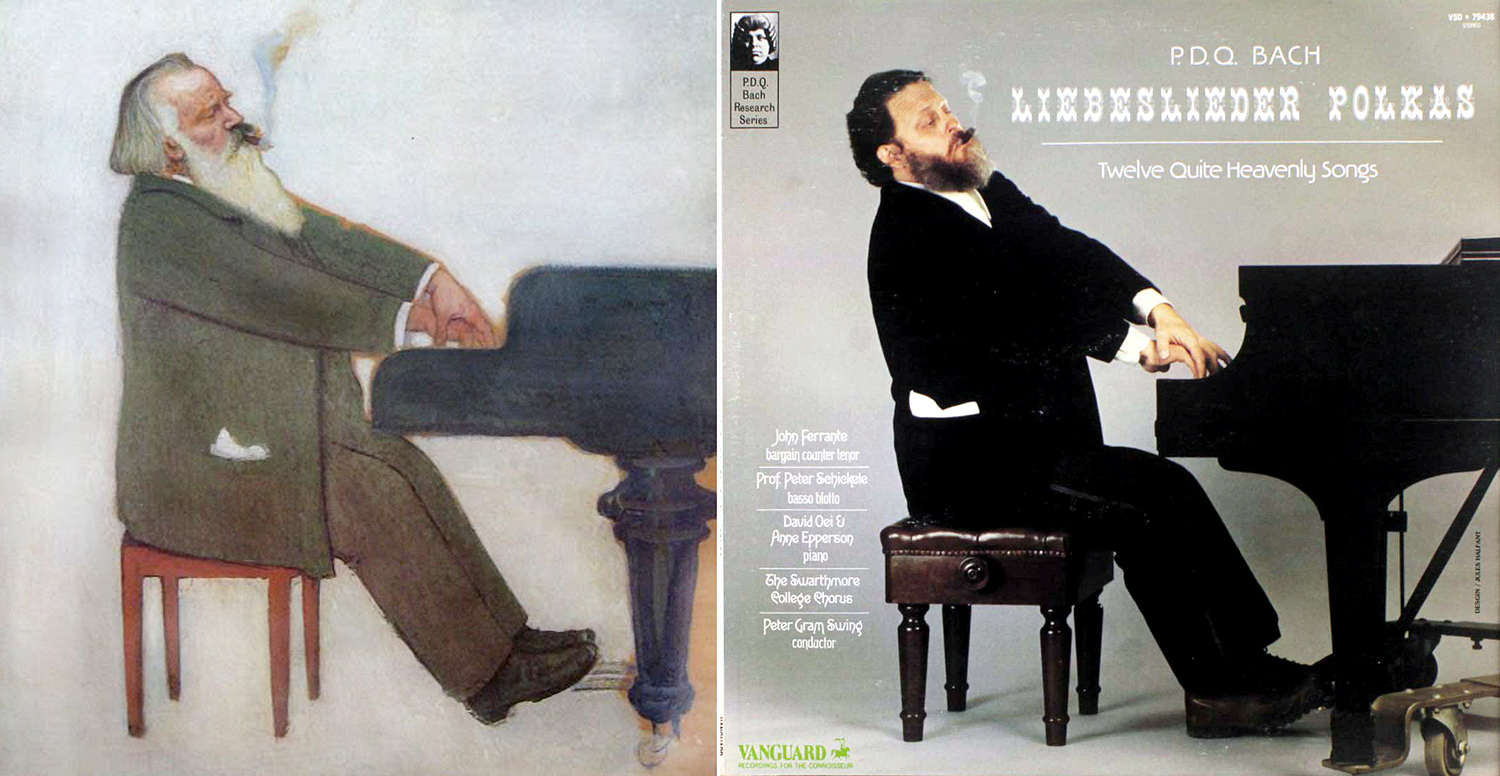



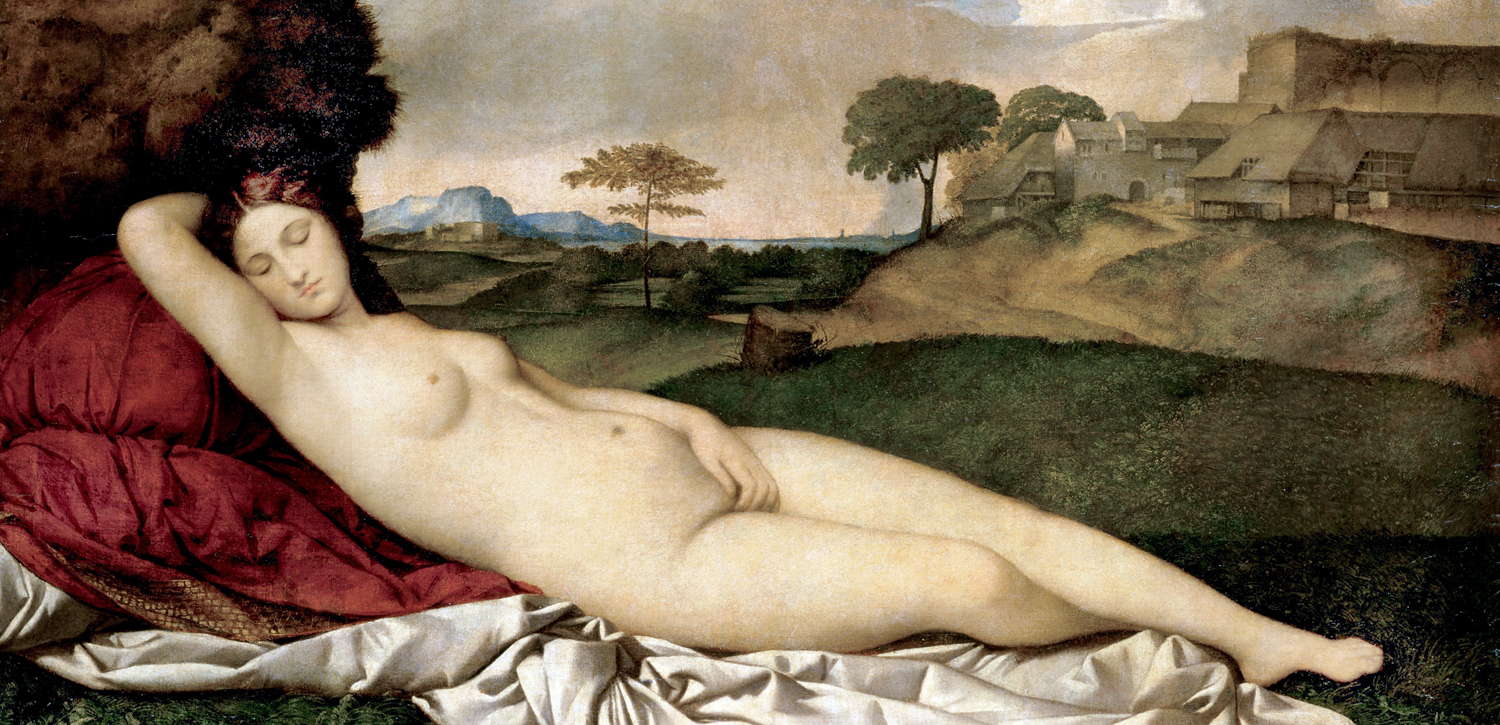

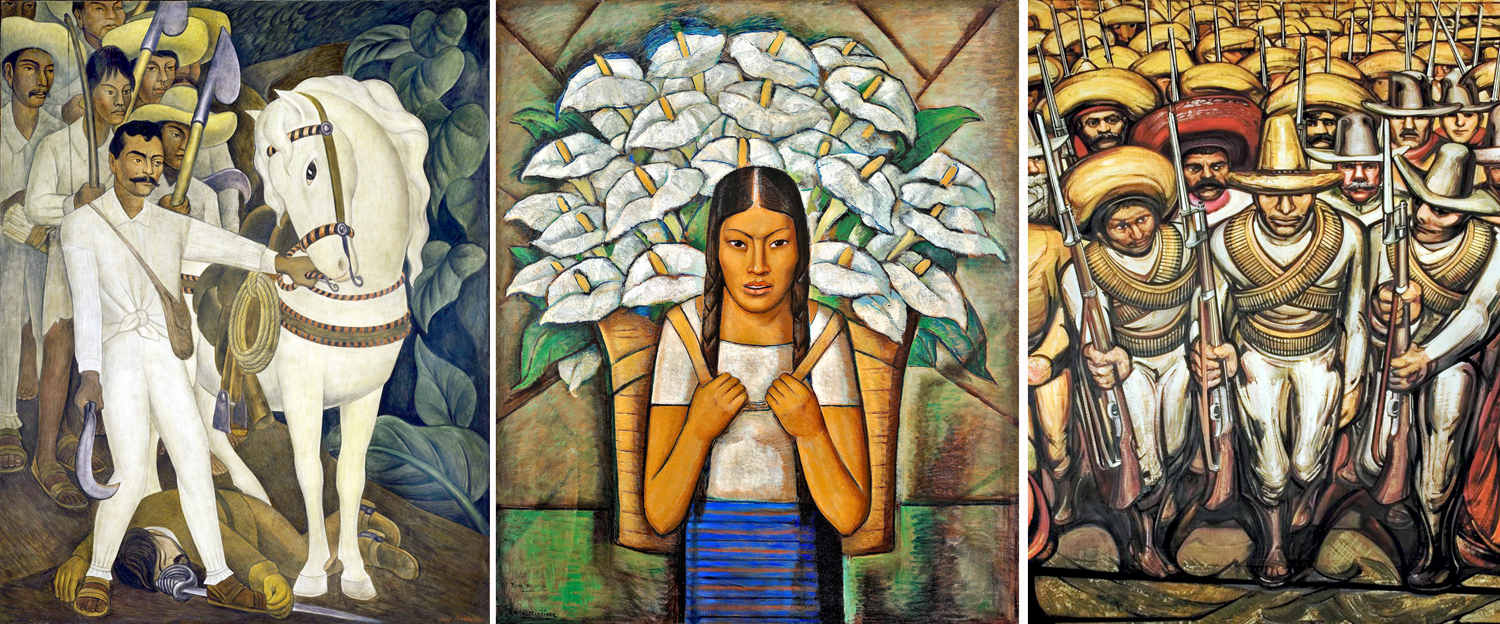
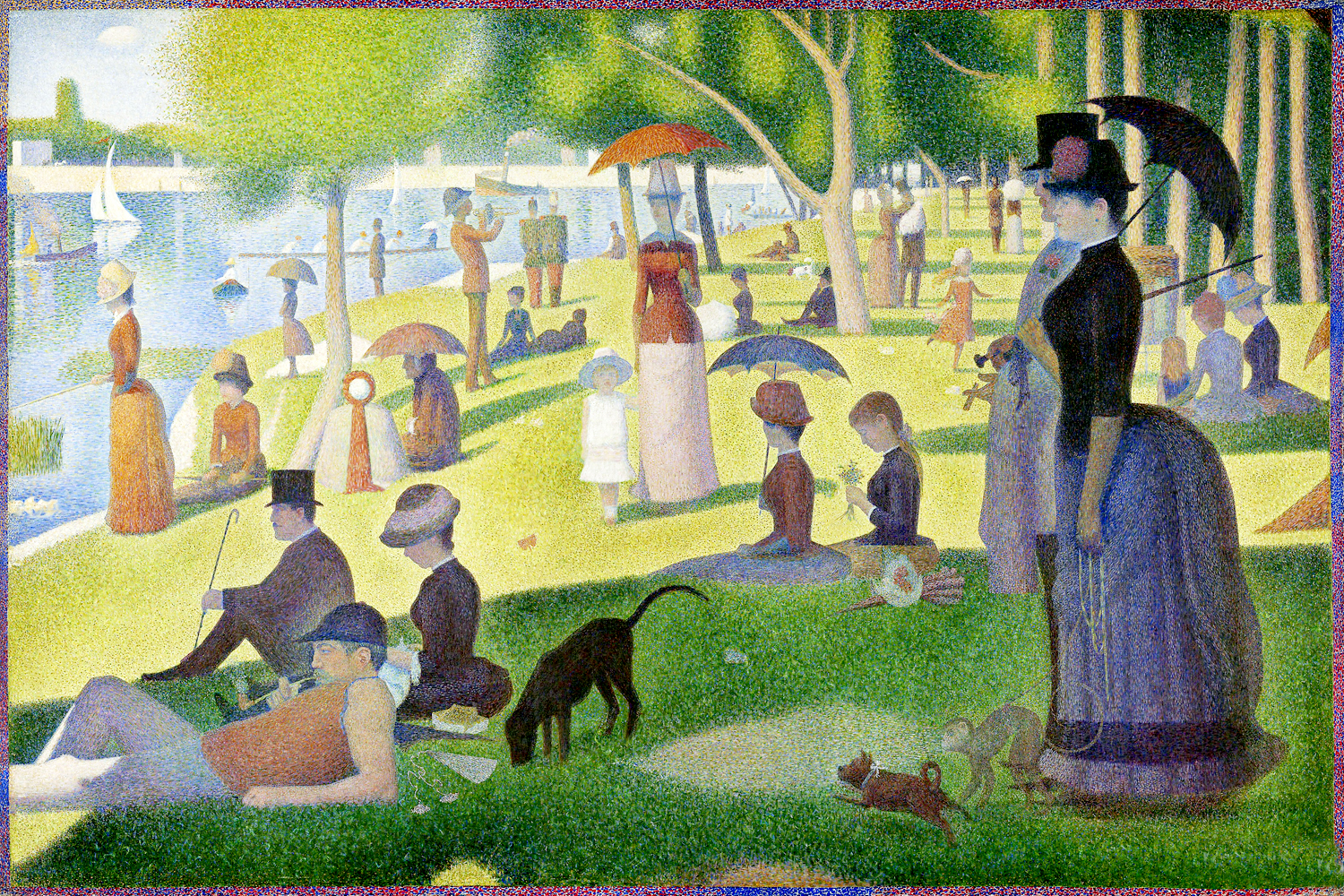
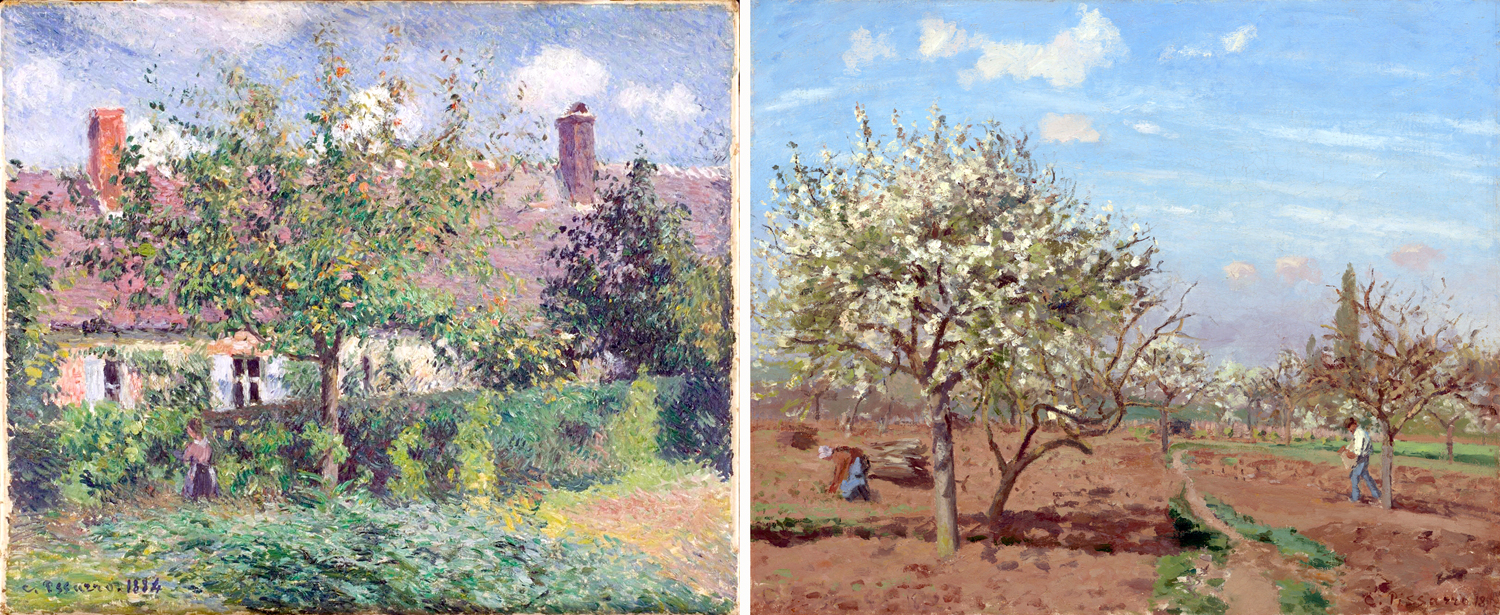
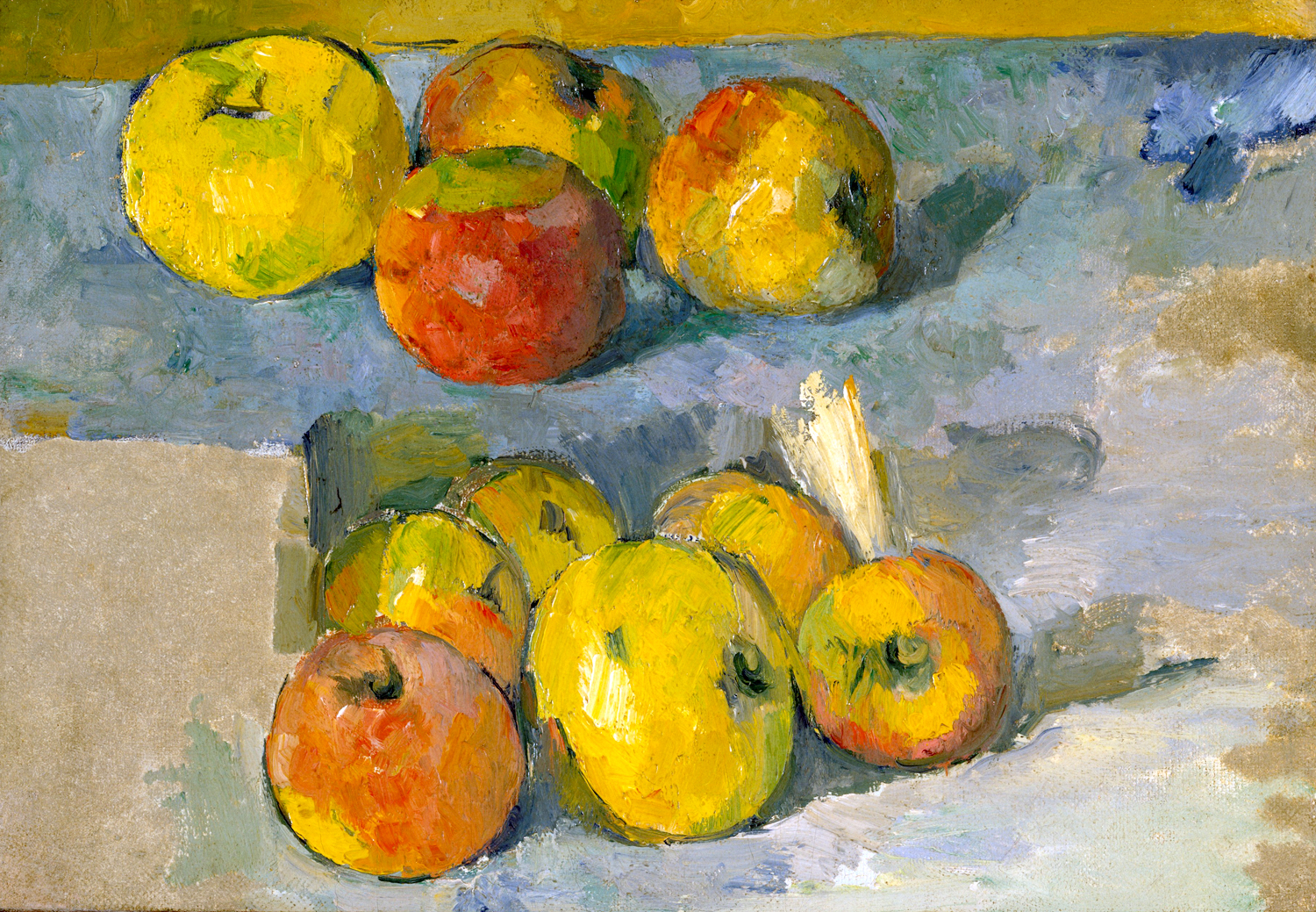
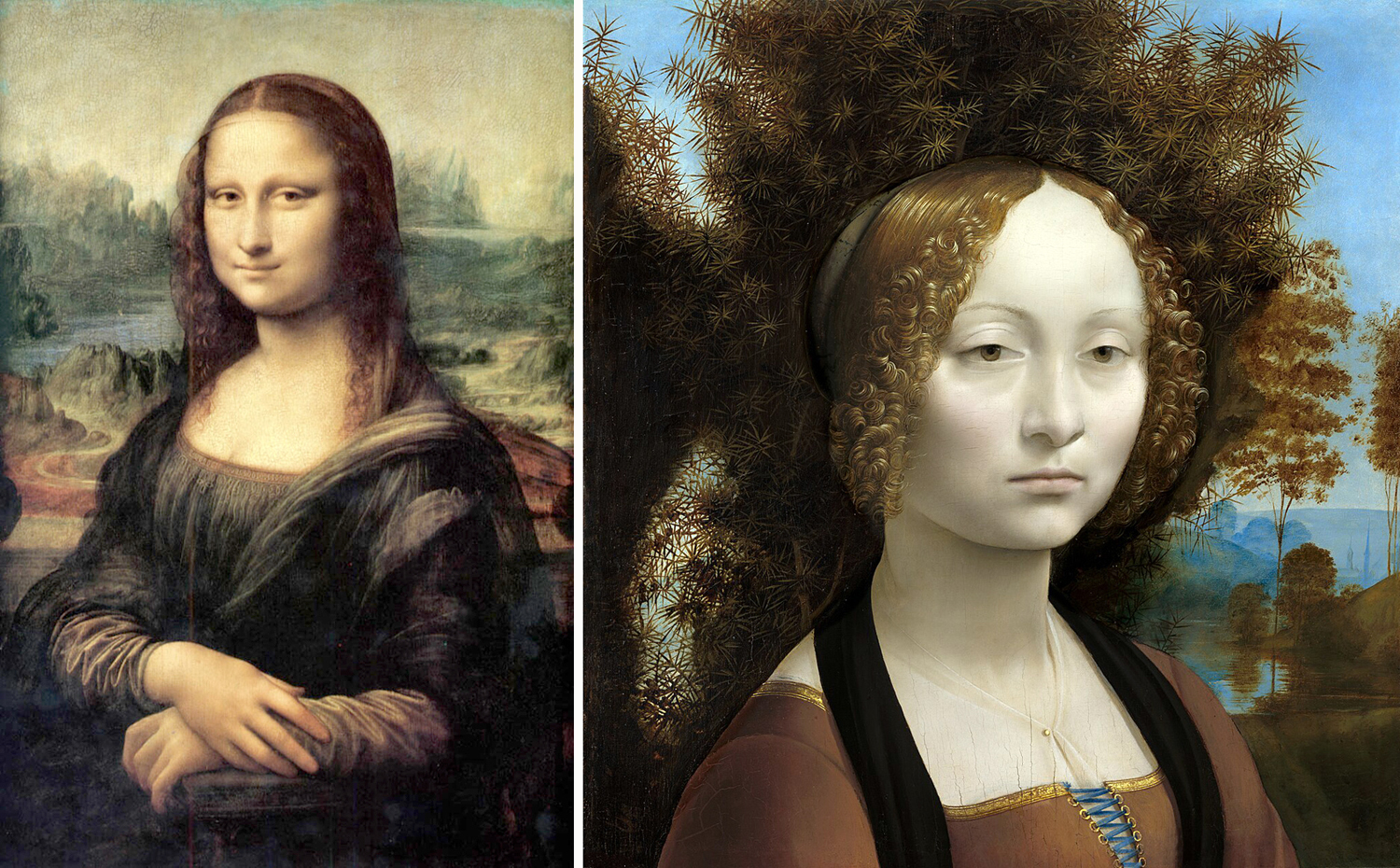



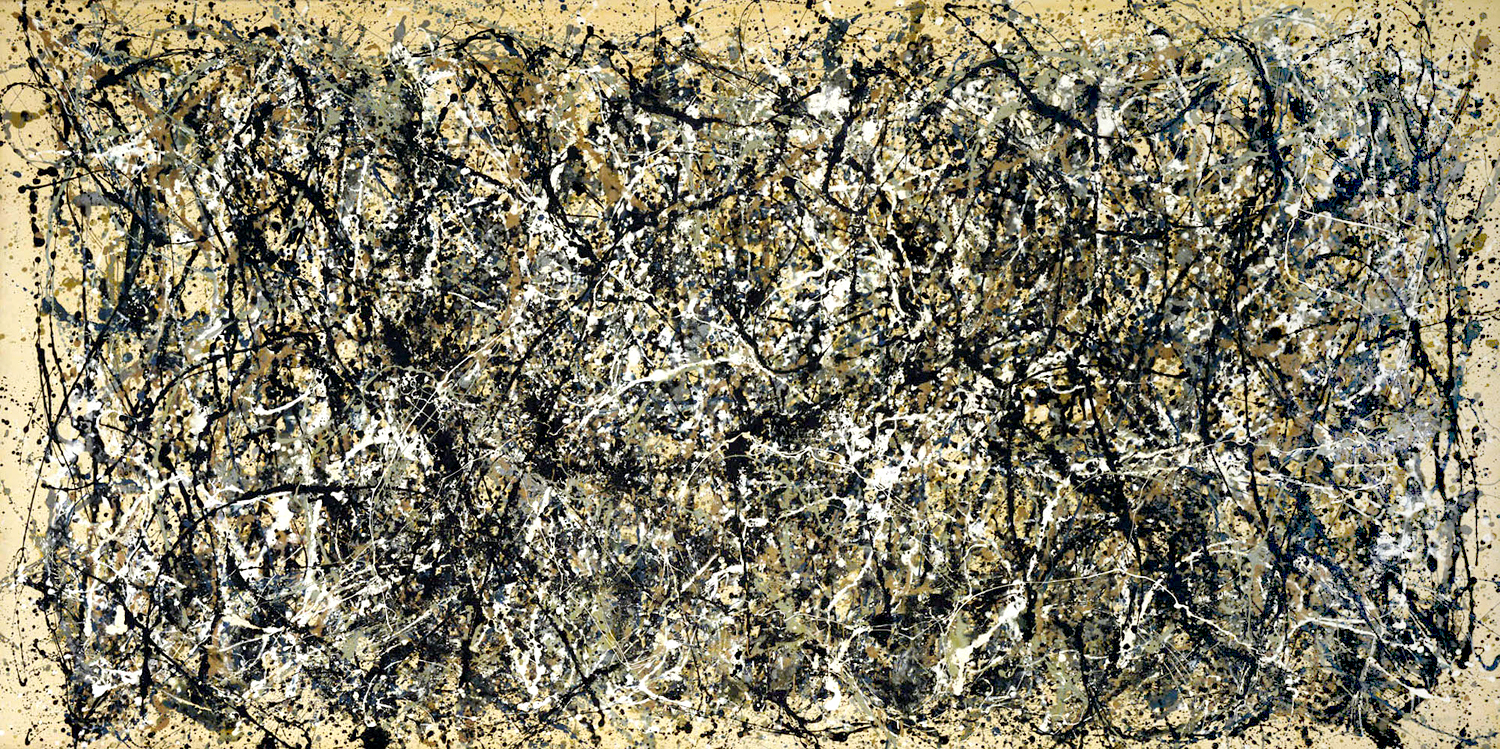
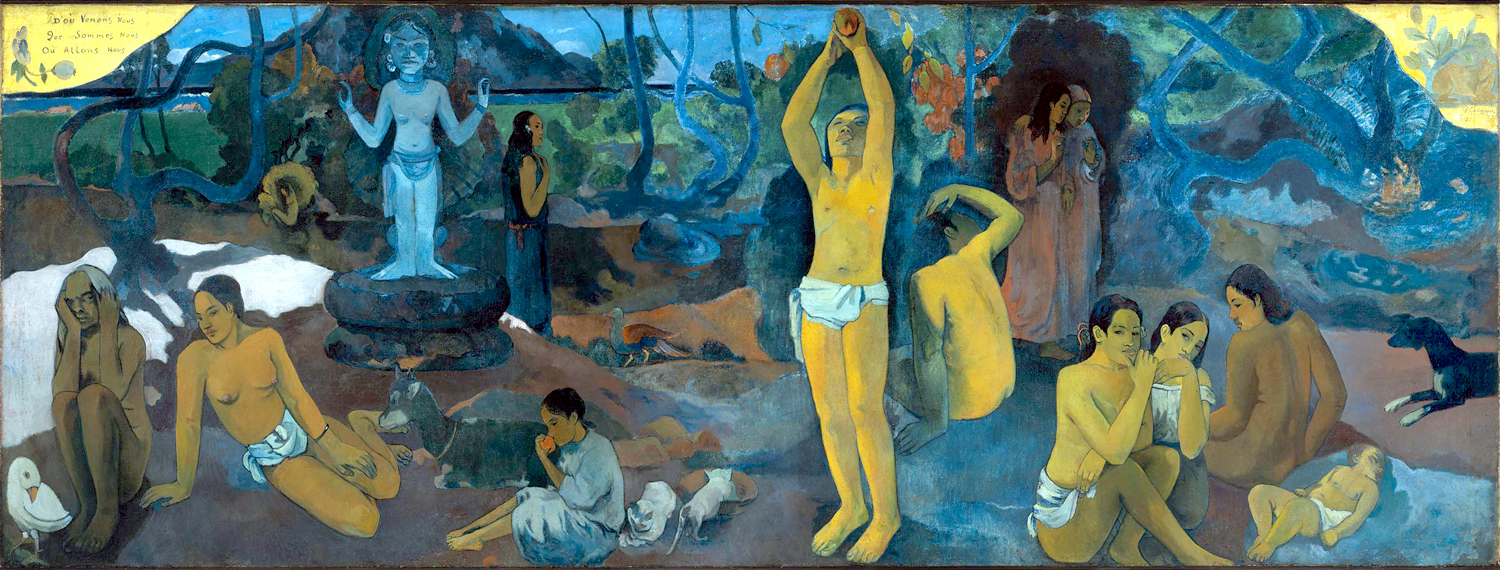
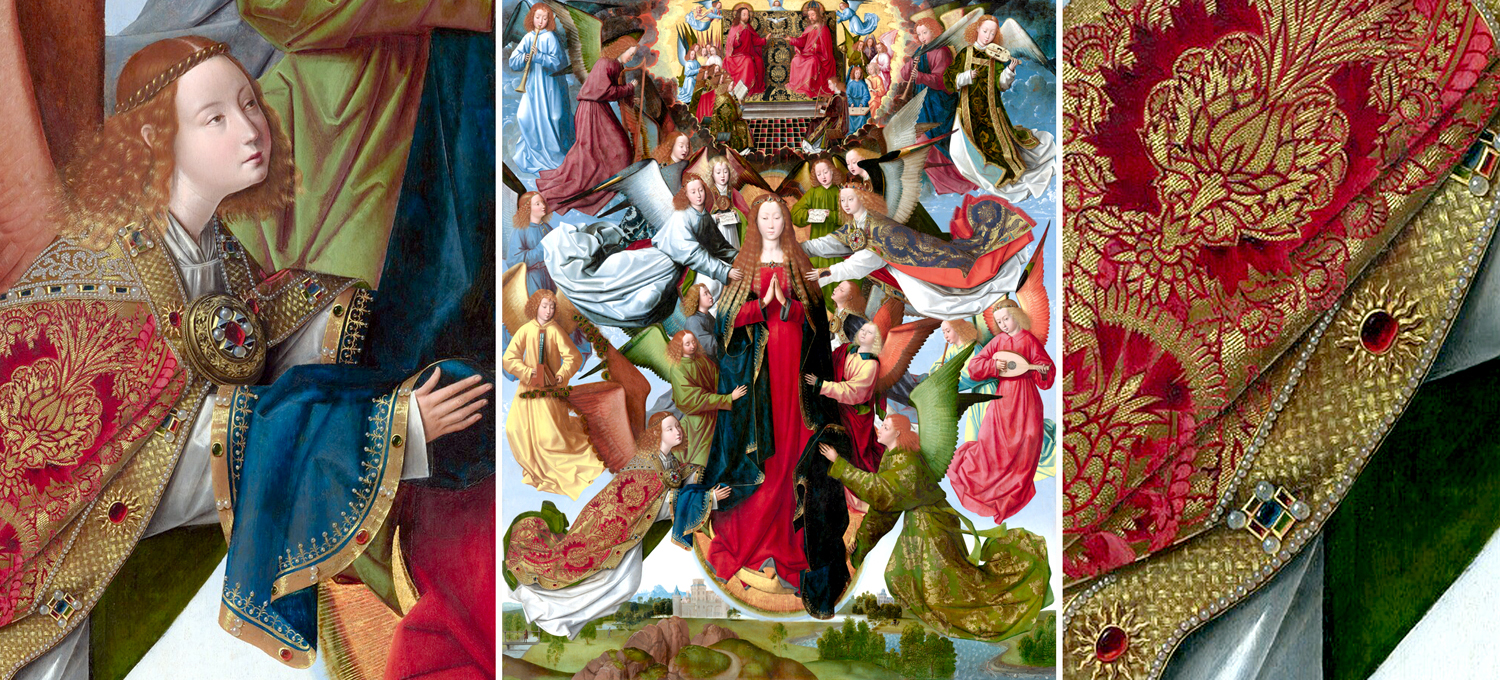
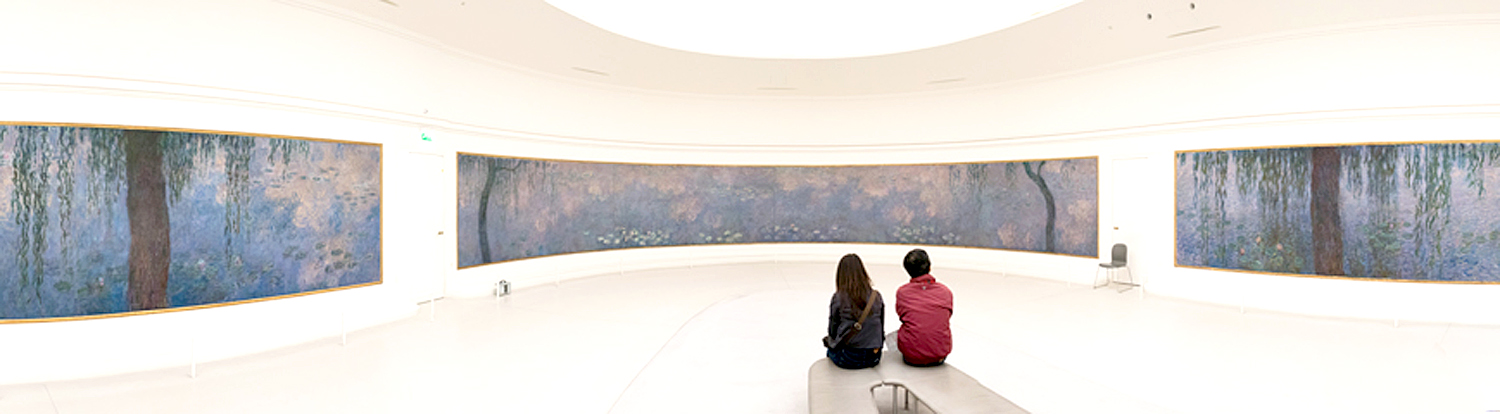

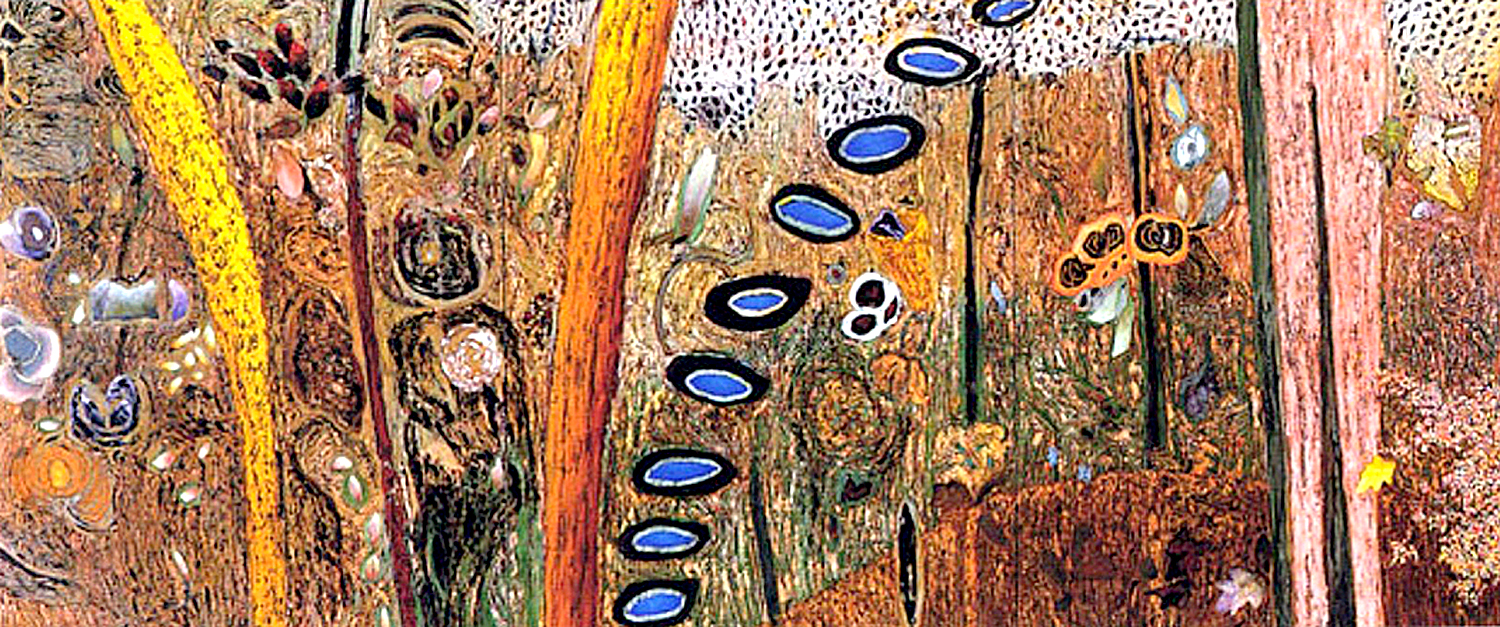
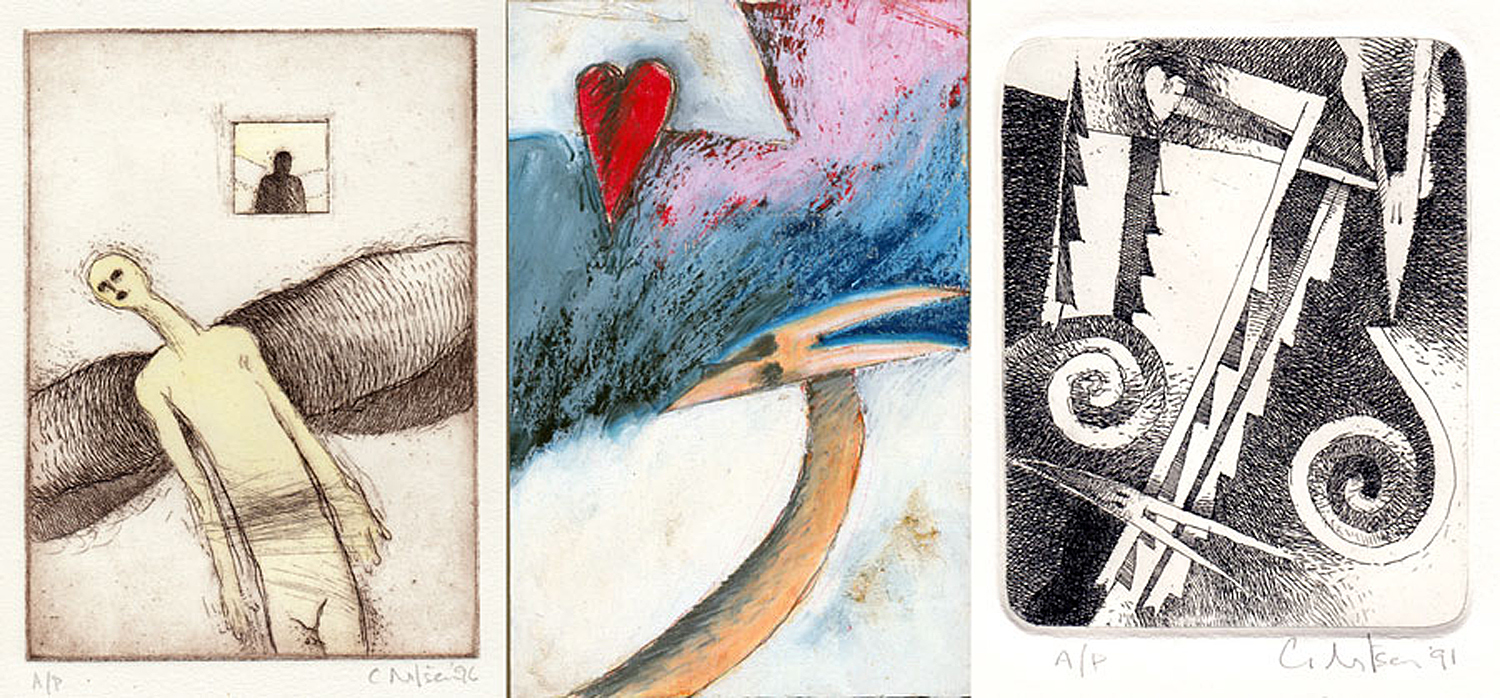


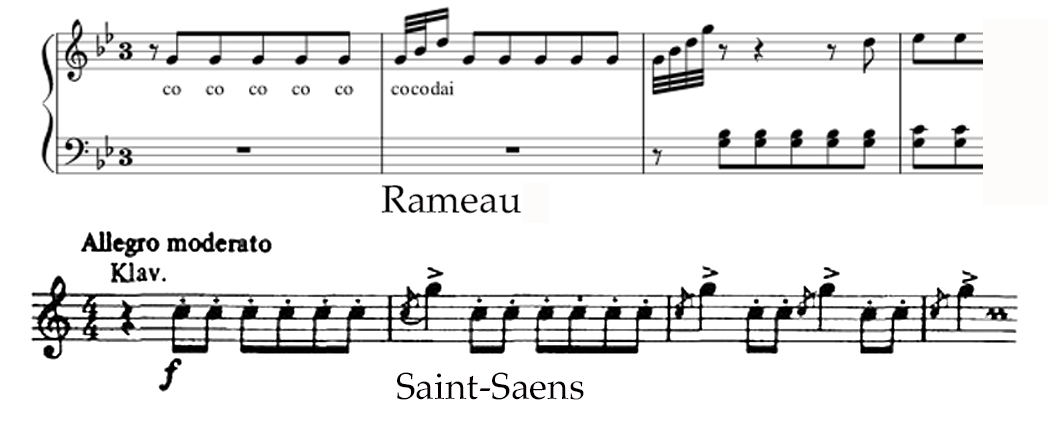

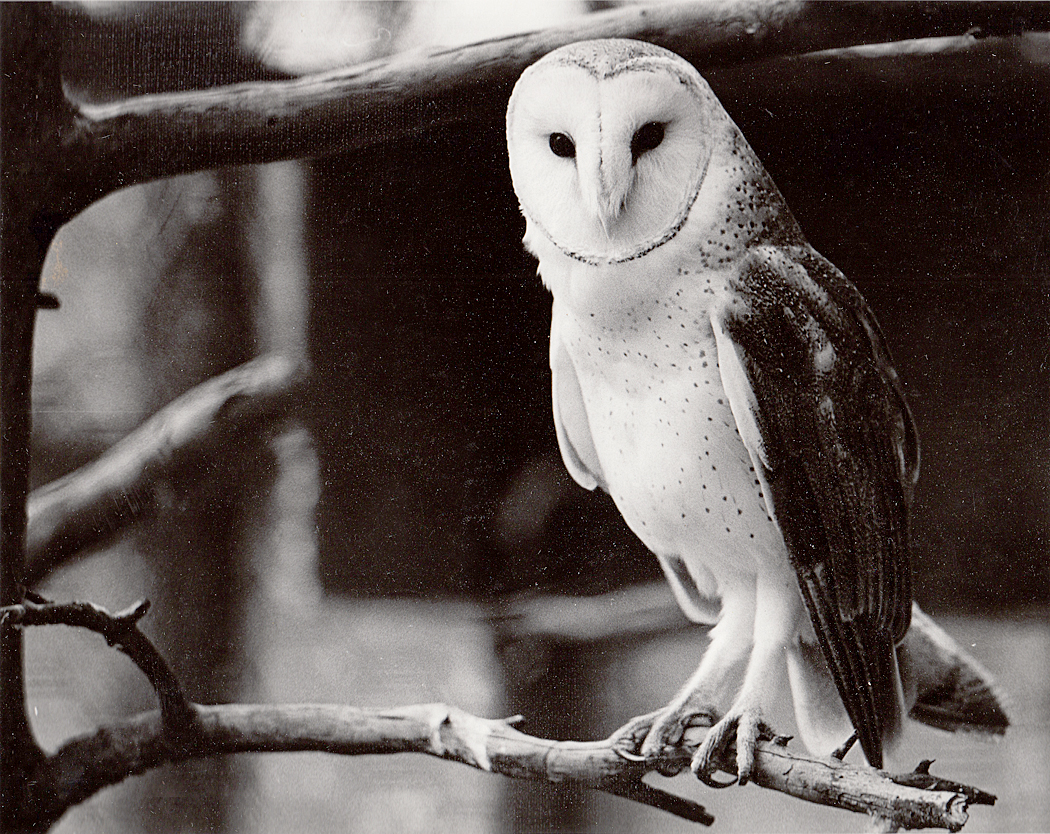















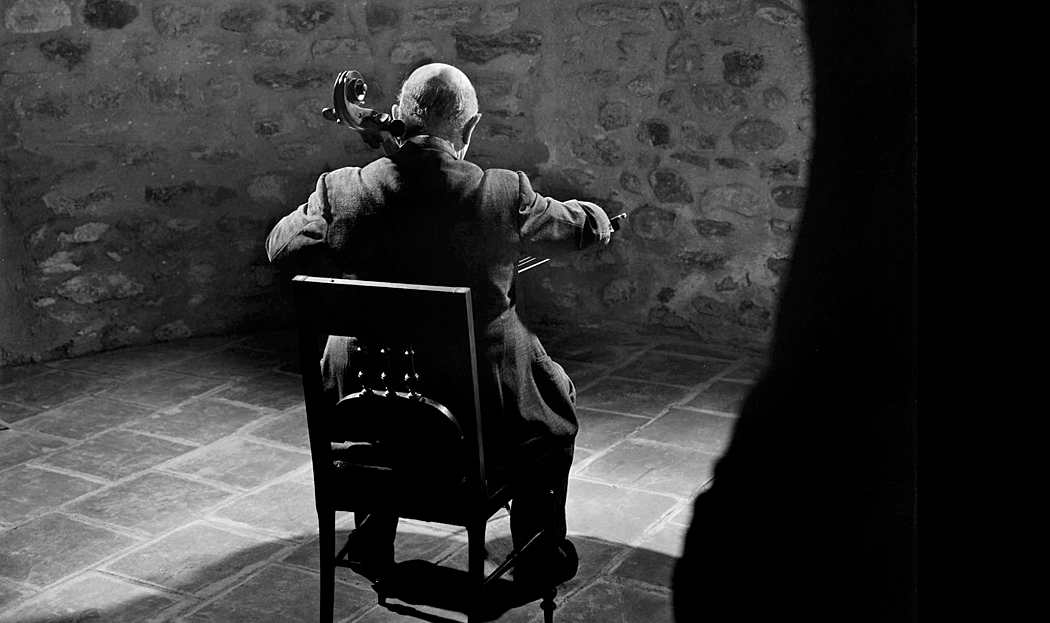

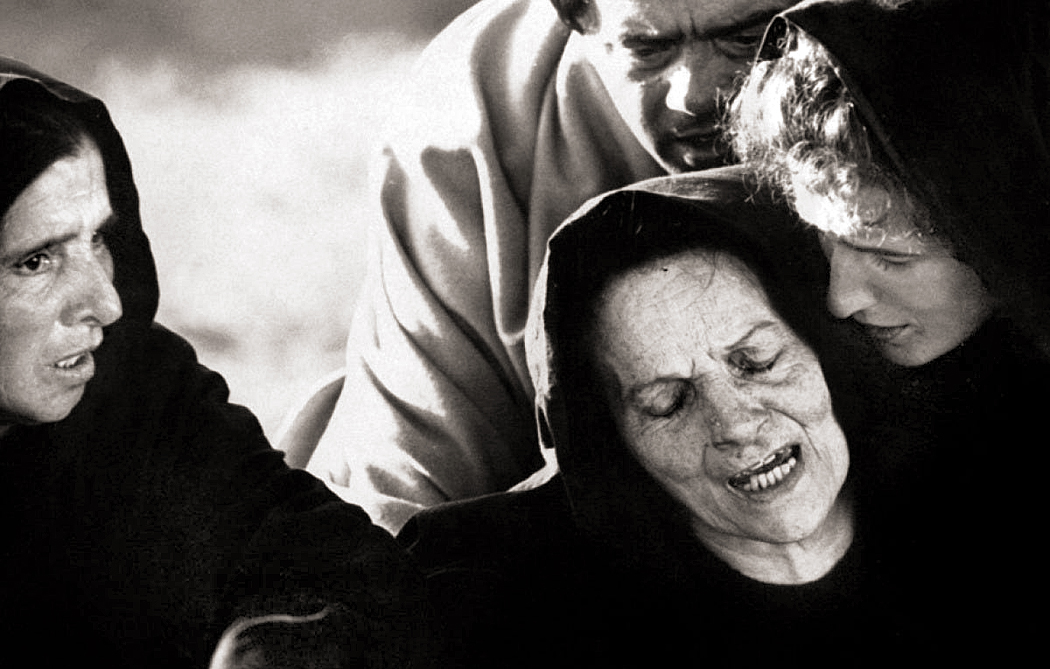
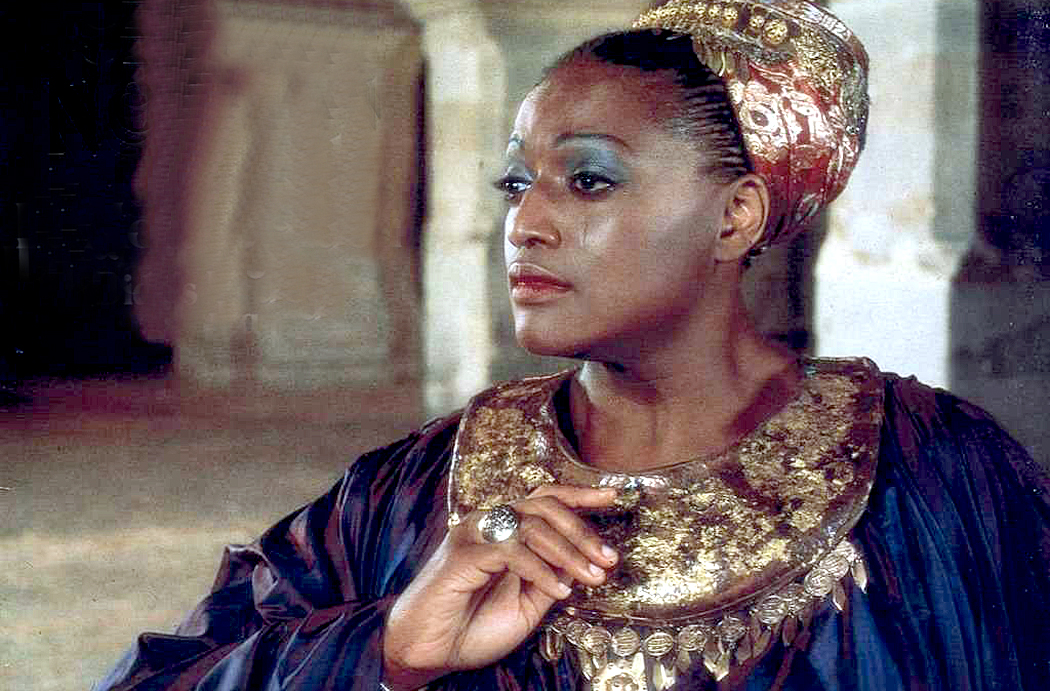
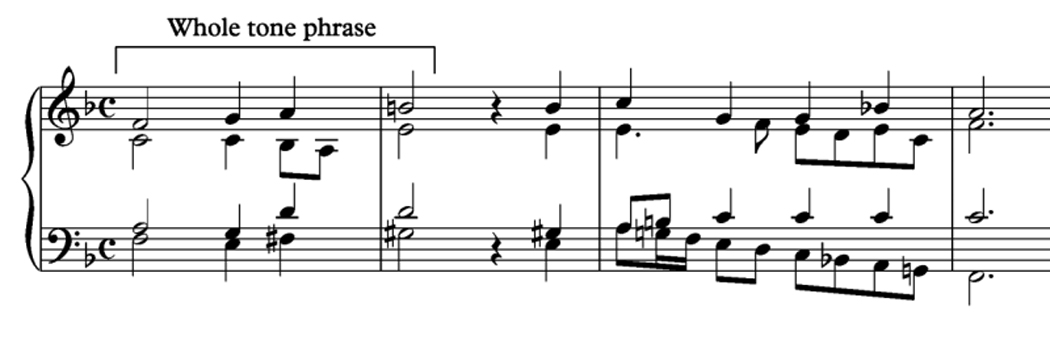

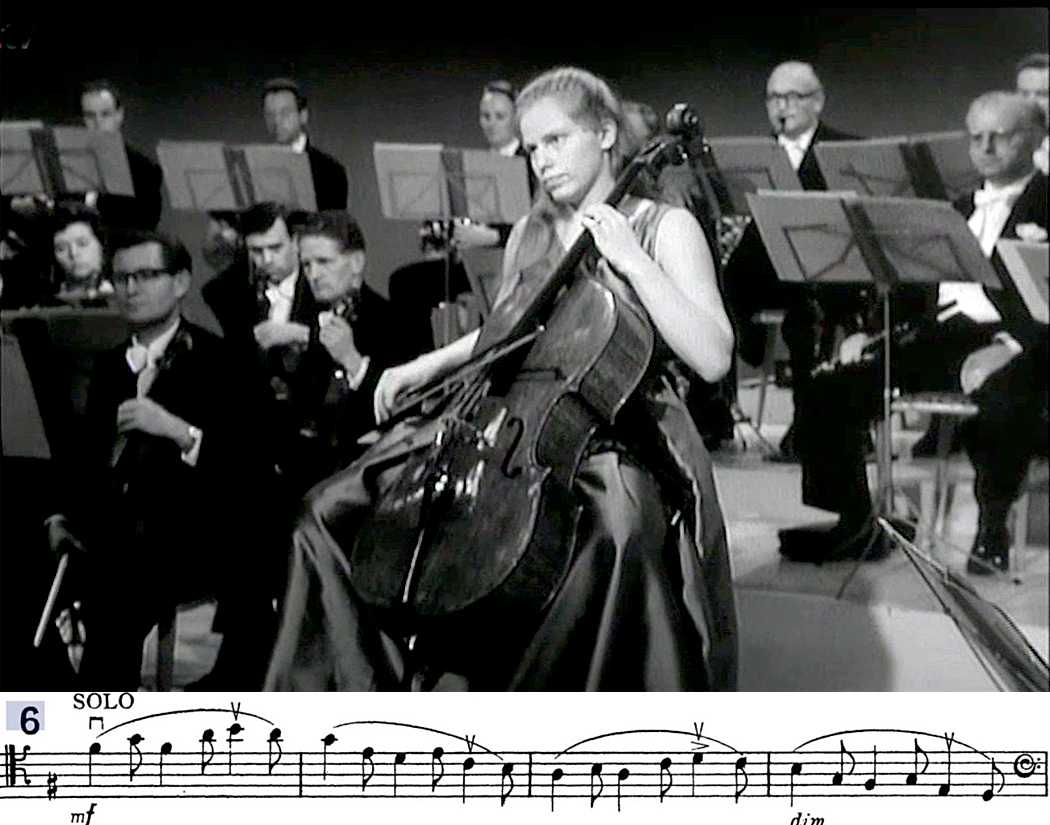

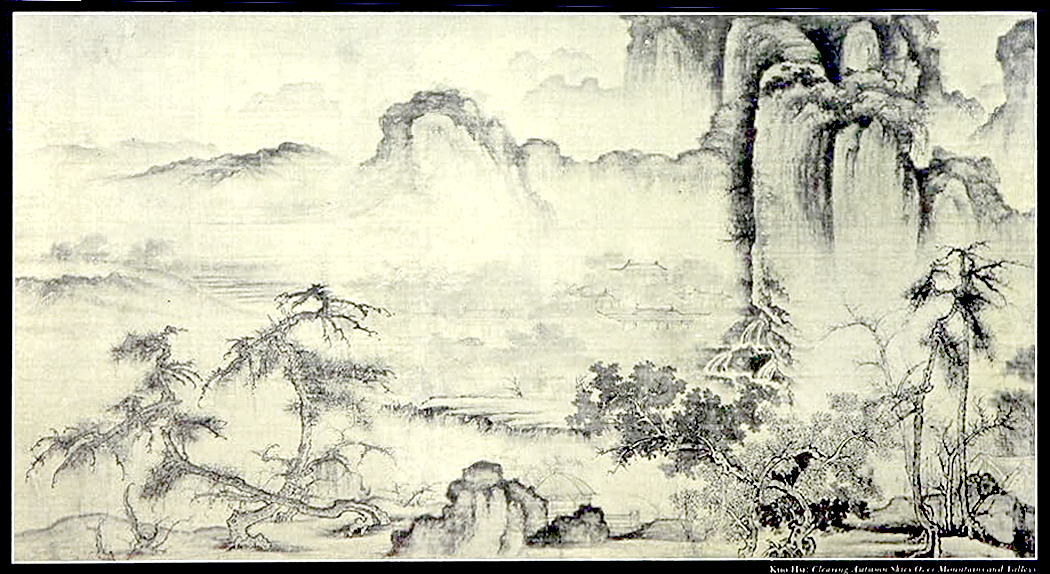
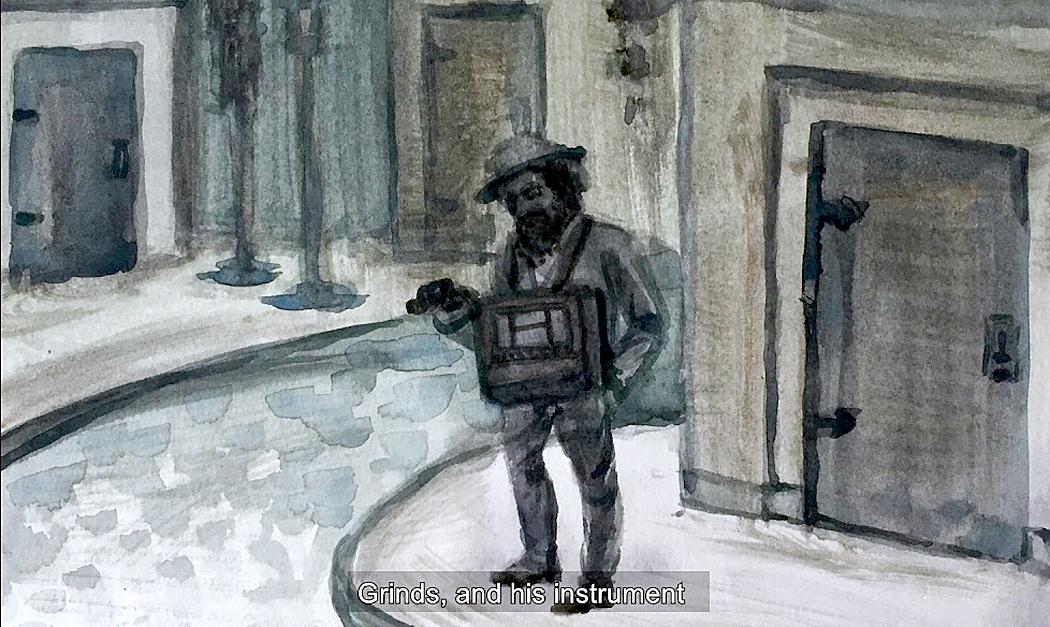
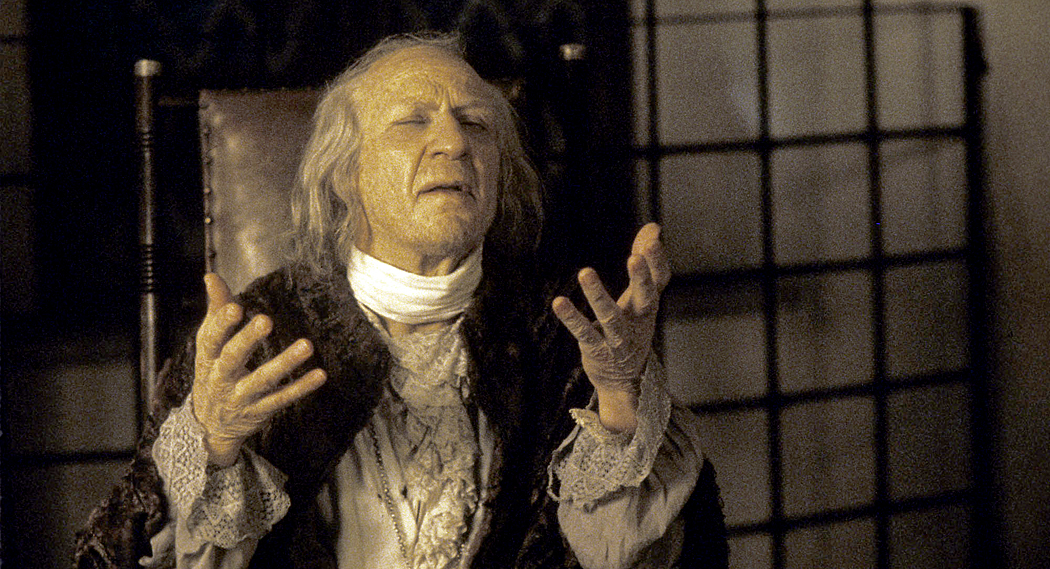

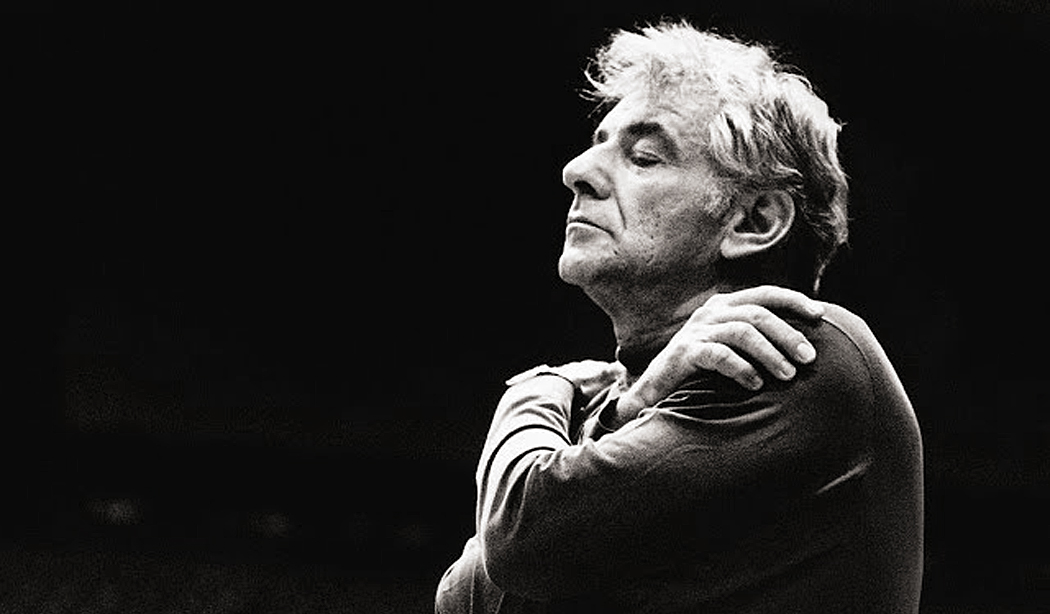




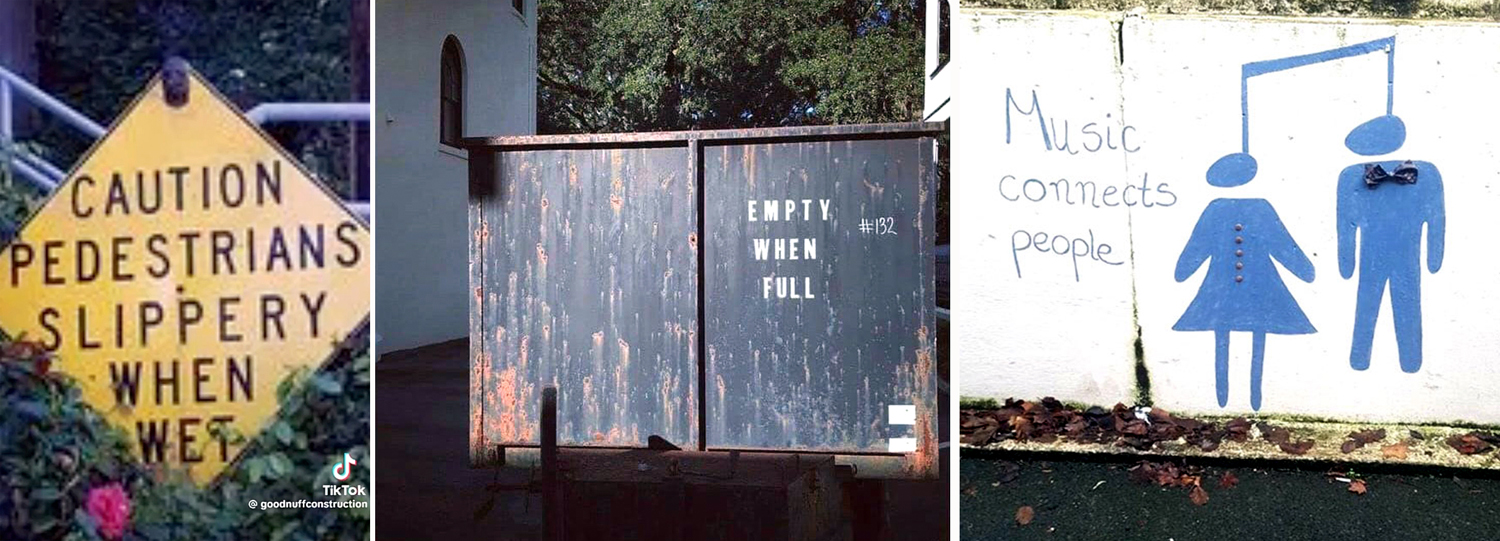

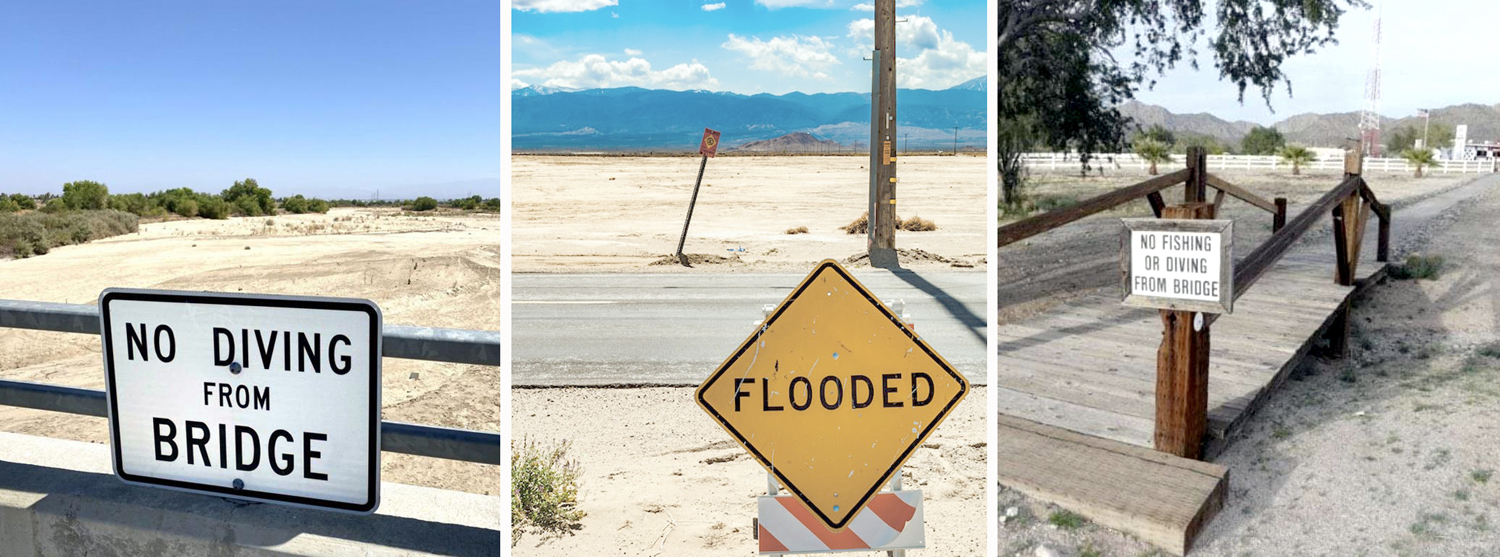



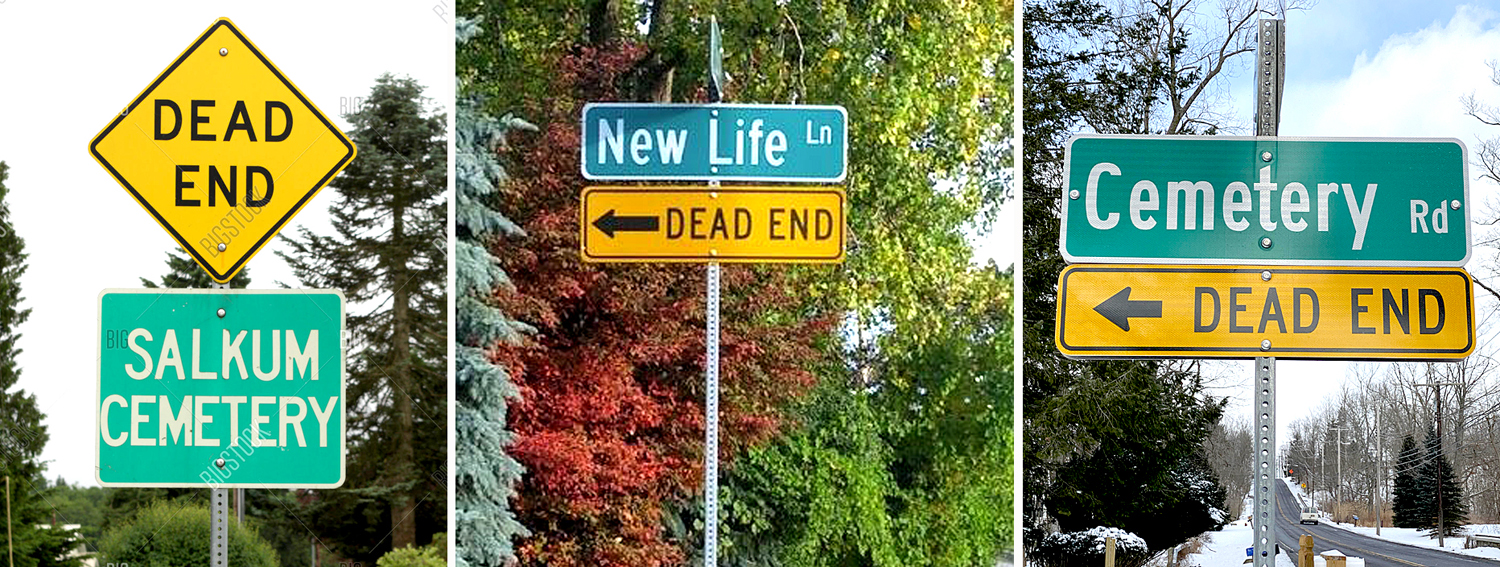




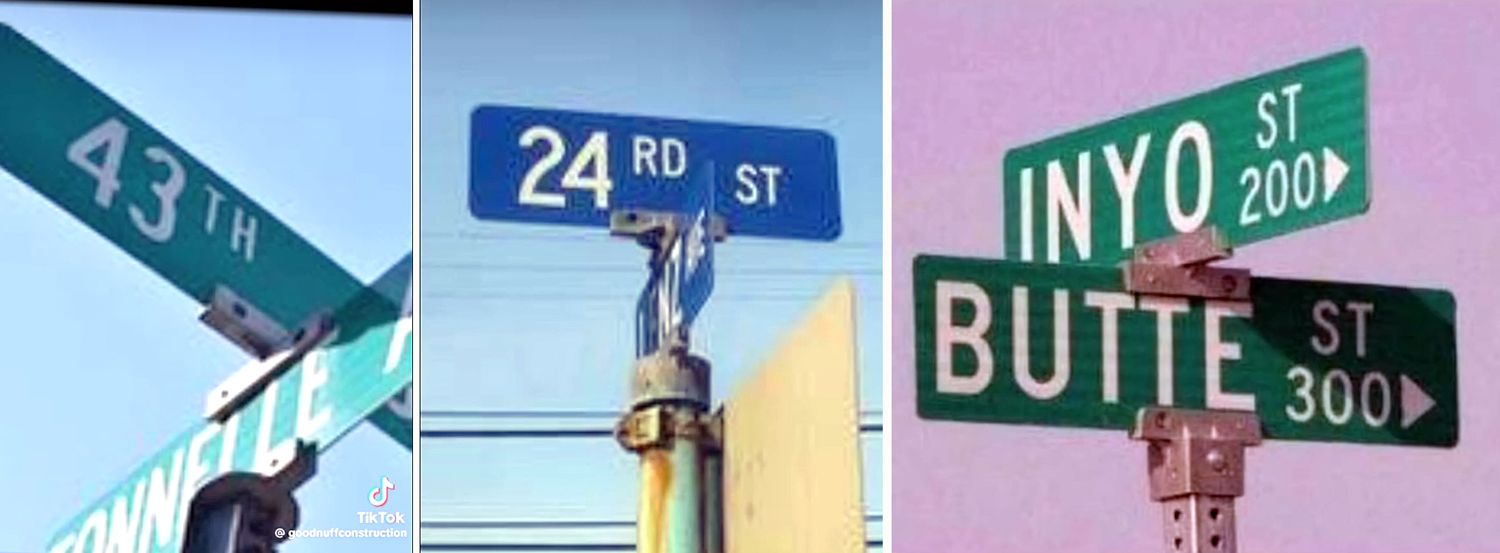
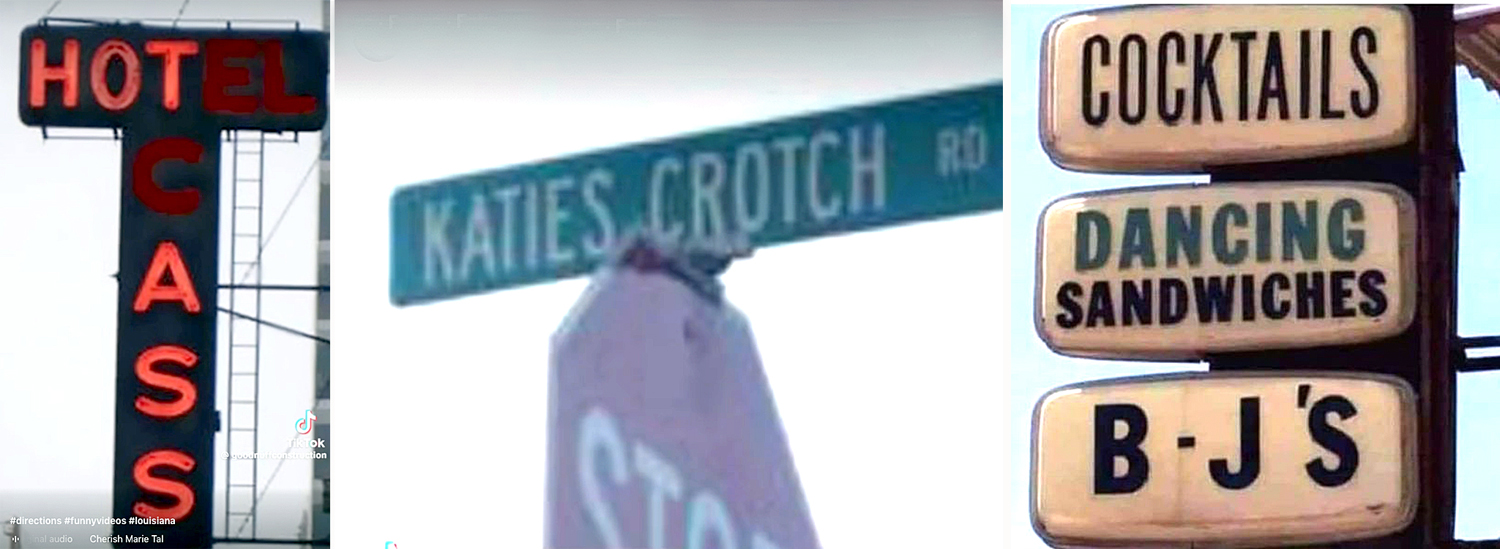



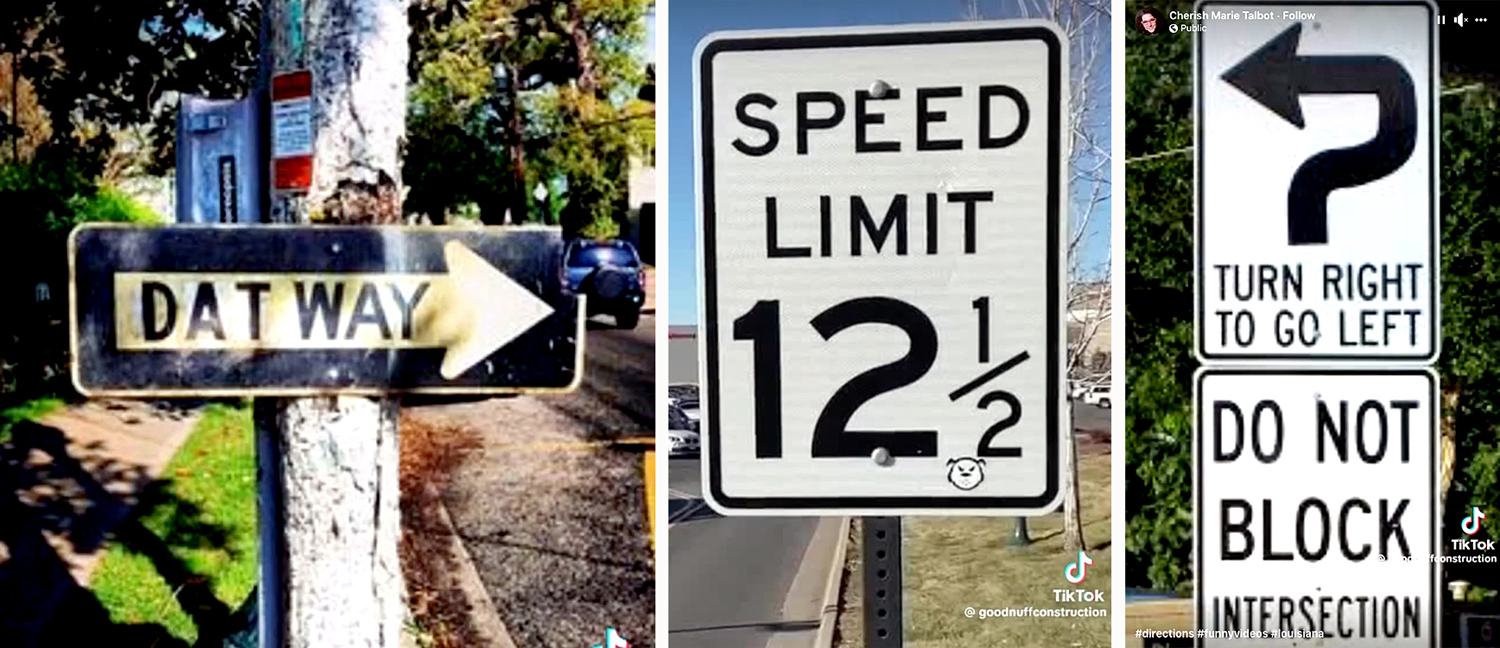
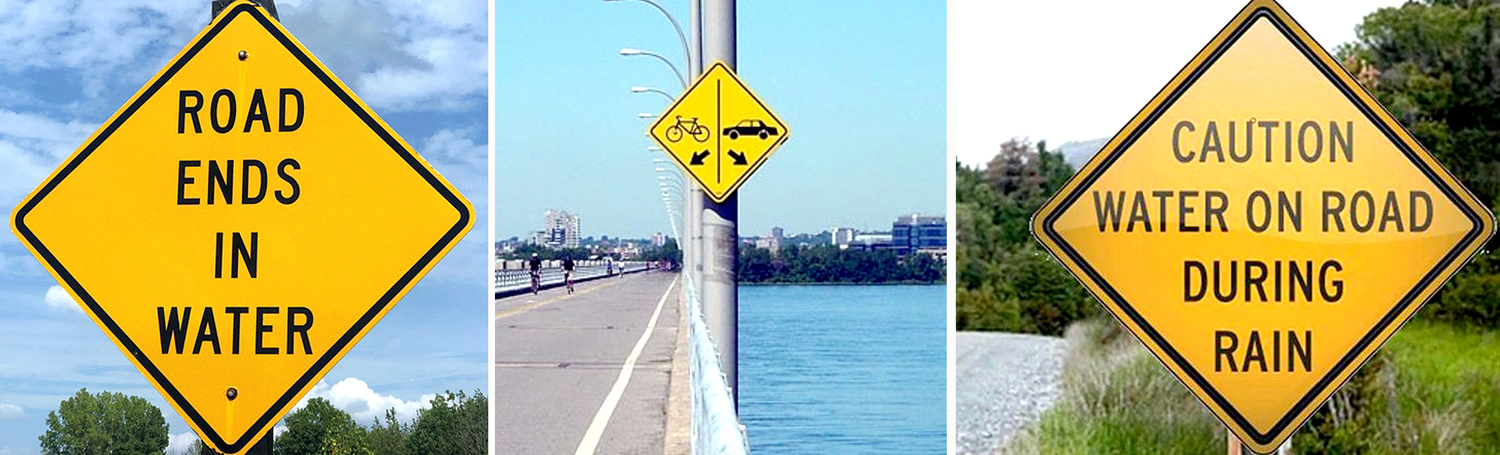




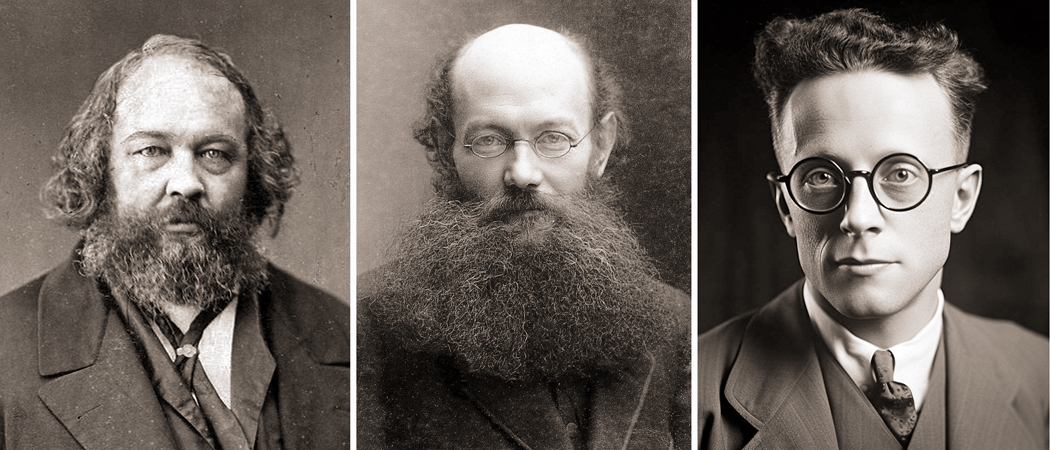
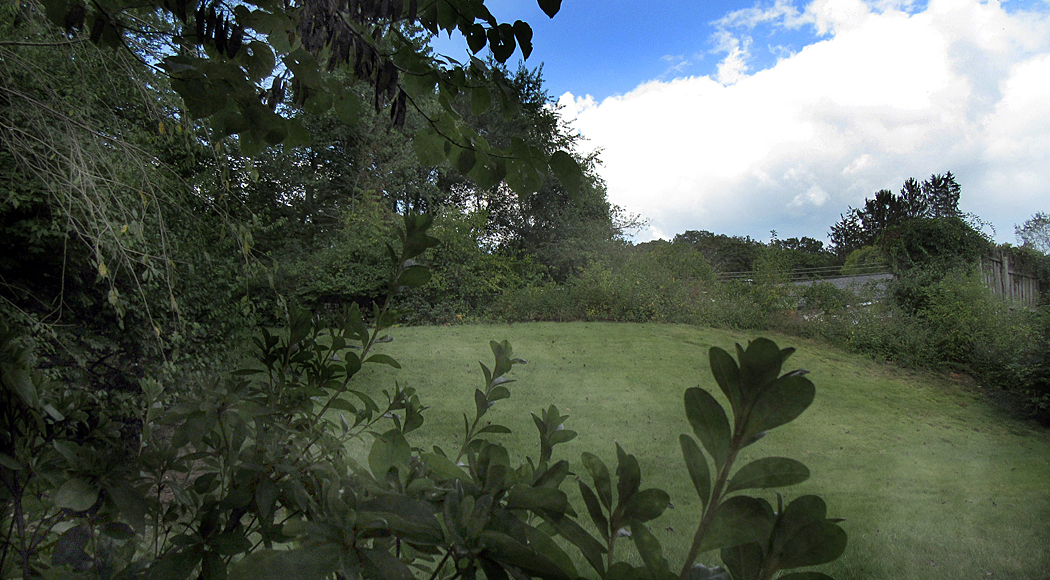

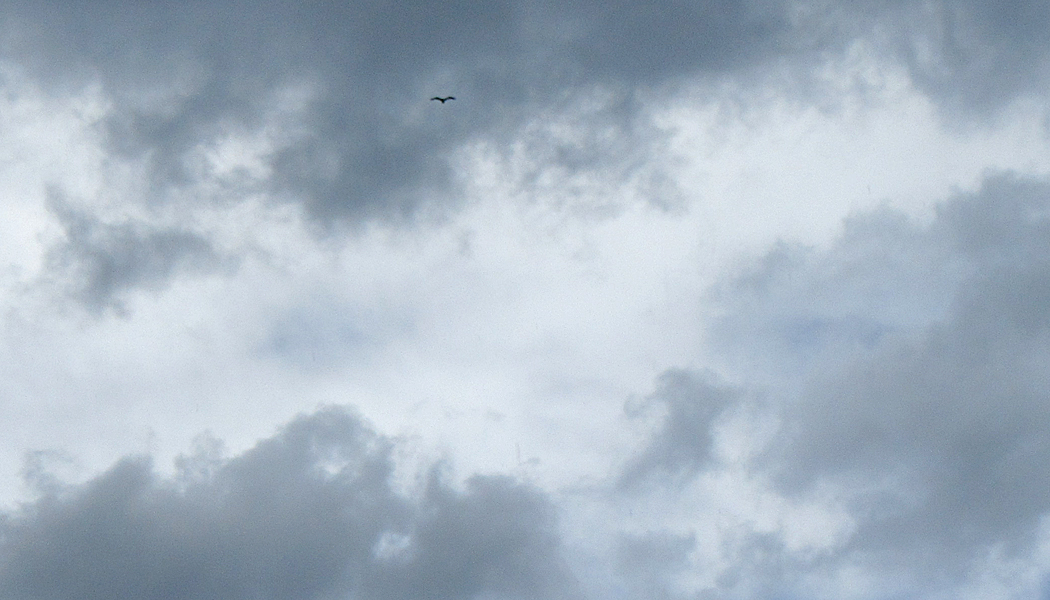




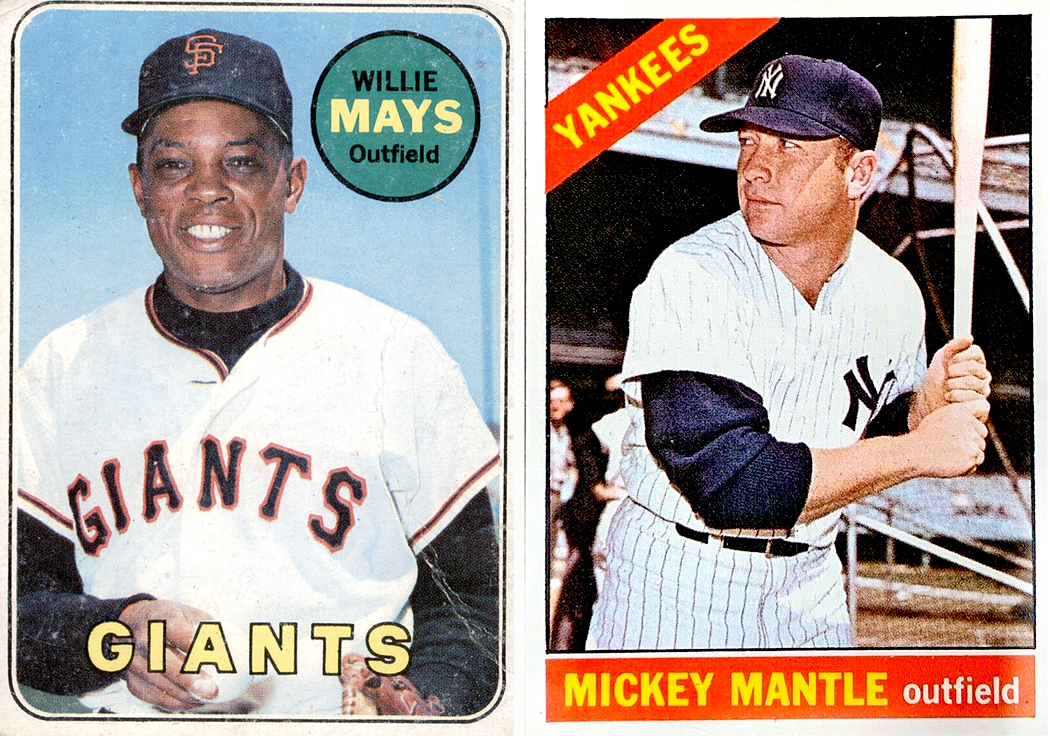



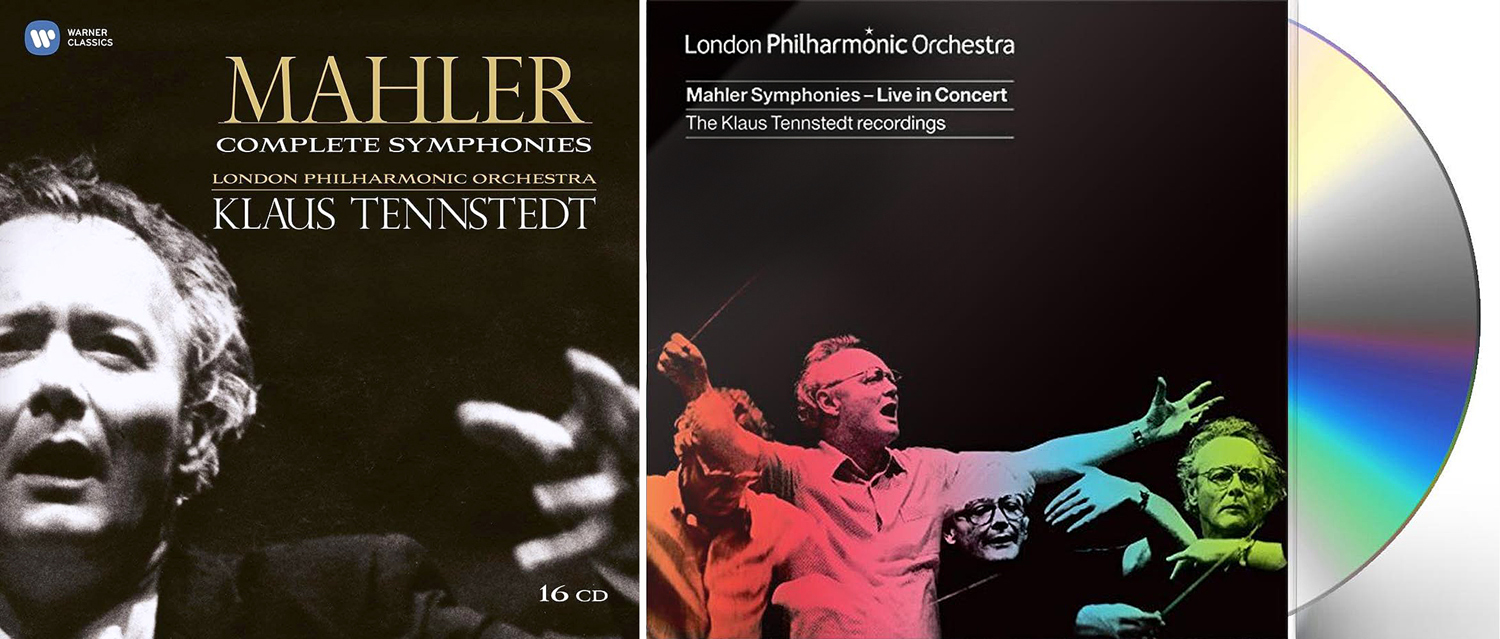
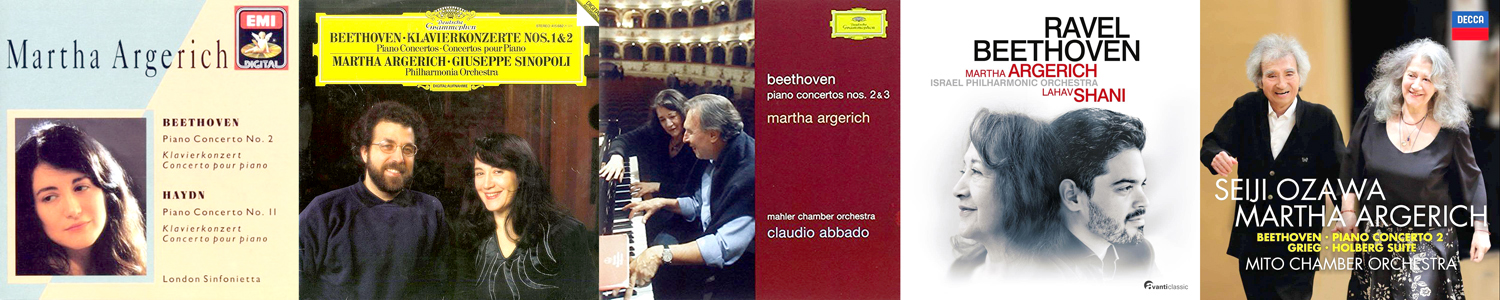


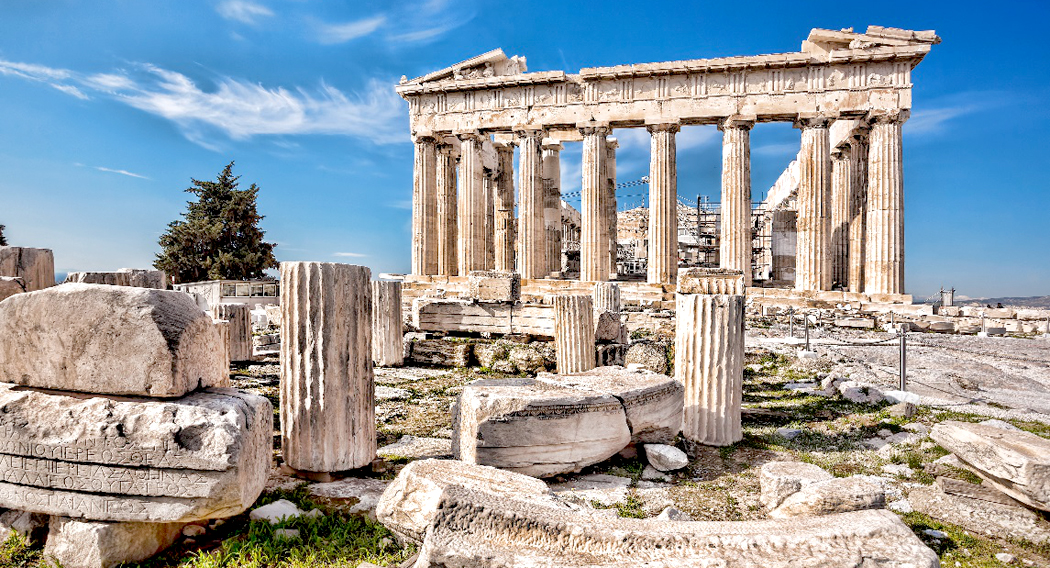


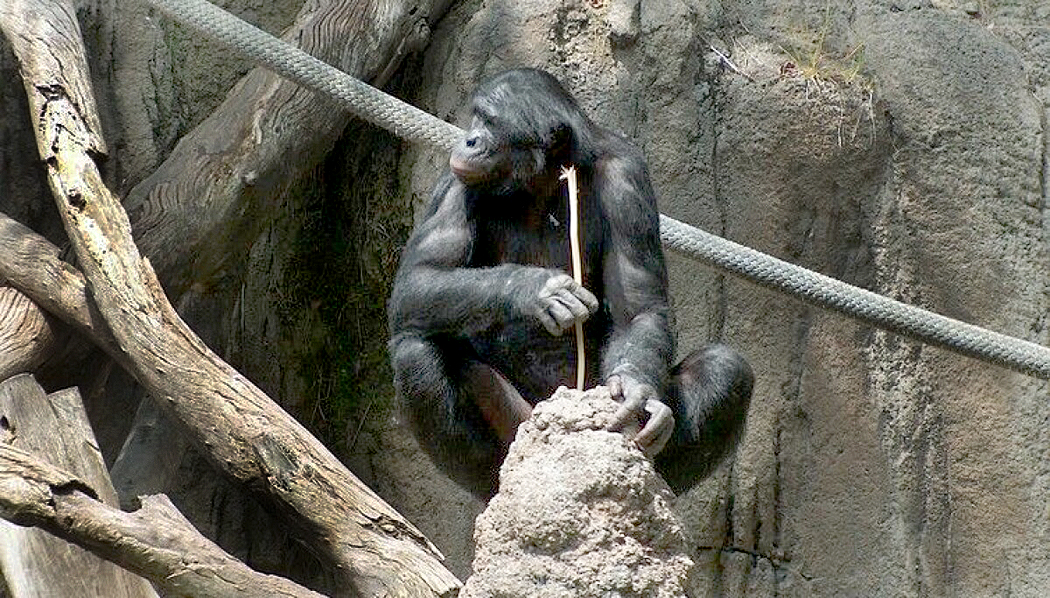

 Richard Nilsen