Happiness is a strange emotion, not a single thing, but really an umbrella term for a diffuse group of hard-to-define states. Periodically, studies are published about which nation is the happiest (usually, it seems, a Scandinavian country.) But what they are measuring is a rather tepid version of happiness. Usually, if we ask if someone is happy, what we mean is an absence of problems — basically a neutral state in which we are not currently threatened, hurting, being oppressed, or worried. “Are you happy?” “Yeah, sure, I guess so.” Enough to eat, a roof over the head, a relationship that isn’t a chore, no pending hospital bills or tax audits.
Really, that is a condition to be wished for, as dull as it sounds. For most people in the world, its achievement would be a godsend. So, I don’t want to downplay such a state. Not getting bombed is a net positive. Yet, there are other happinesses. Falling in love, birth of a child, success at work — these all provide a joyful uplift that raises the psyche above the day-to-day and makes life more radiant, if only briefly. It is a state we cannot maintain over long periods without being considered a bit loopy. So, we return back to the state of happiness that is unremarkable.
But, as adults, we can watch our children at play and recognize in their faces such a state of unreflective happiness that can only break our hearts. Oh, what they don’t know yet about being alive. It’s not just an emotion: The entire body explodes with it.
There is what I might call “body happiness,” which they express in movement, in play, in dancing and skipping, singing, letting out squeals that express the inner state that, as adults, we can only mourn the loss of. “There hath passed away a glory from the earth.”
I mention all this because one of the reasons I listen to music — primarily, for me, what is called classical music — is its ability to evoke emotions in its listeners. They arise sympathetically and are often emotions more subtle than mere language can name. It has been said that music is more precise than words, and I recognize that, whenever I am moved by a quartet or sonata but cannot speak exactly the words that would distort the emotion into easily fixed categories.
A standard symphony moves from thought to thought, emotion to emotion, in ways that express the same sort of progress a story makes, beginning, middle, end. Episodes all build together to a longer, coherent emotional or intellectual ride. Our limbic system moves along with that progress and we can basically take our emotional selves through the moves. The widest range is the most completely human.
And one of the things music can express is that ebullient, body happiness, so that we can feel it again.
Mostly, it jumps out of a single movement in the whole, or even a few bars in the movement, but it is inexpressible joy, and it makes our body move, to tap toes or sway our bodies to and fro, often with a surprised smile on our faces. I think of the finale of Haydn’s Symphony No. 88, for instance, or the scherzo from Dvorak’s Eighth Symphony. I can’t sit still while listening.
George Frideric Handel has two “happy”numbers in his Acis and Galatea. The opening chorus sings of “Oh the pleasures of the plains, happy nymphs and happy swains,” which extolls the life of the peasants, and a love duet that repeats endlessly, “Happy, happy, happy we.” It all sets up the tragic ending.
But, there are a very few works that take that body happiness from start to finish, works you can play or stream, that will infallibly lift your mood and remind you of the happiness that is upwards of neutral, and can replace all the fret and sorrow for the length of its performance, and usually, for some time after, as you bathe in the memory of its tunes.
There are at least eight of these that I can name, which always leave me uplifted, my senses turned up several notches, and my memory of childhood’s version of happiness is re-animated.
Prime among these is Franz Schubert’s “Trout” Quintet. It bounces and sings through five distinct movements, each of which floods with tune, rhythm and color, anchored by the bottom notes of the double bass.
It was written in 1819, when Schubert was 22 years old, and before the lingering illness that eventually killed him nine years later. The haunting of death darkens the later String Quintet that he completed in 1828, just two months before his death. But the “Trout” is the antithesis of all that: Life giving, life affirming, joyful from first bar to last. What can you do when every tune is an ear-worm. Once inside your body, you carry the “Trout” with you the rest of your life. Play it every time you need it.
Less well-known, but even more relentless is Darius Milhaud’s Le Boeuf sur le Toit, or “The Ox on the Roof.” Milhaud wrote it in 1919 after living in Brazil for two years in the French diplomatic service, and quotes dozens of Brazilian folk songs, adapted into a dance-hall band playing Latin rhythms, complete with güiro. He employs a polytonal technique, where different parts of the band play in different keys at the same time, giving the whole a piquancy and aliveness that has a feeling of spontaneity, like an amateur band in a smoky bar. It’s always just about to come apart.
Written in the Baroque form of ritornello, with an 8-bar tune coming back over an over between alternate dances, it has some 20 Brazilian tunes buried in it, with infectious beats that express the unabashed happiness of a sweaty dance hall. Evybody dance now!
Mostly we think of Johannes Brahms as a sober German burgher writing symphonies with the seriousness required of höchste Deutsches Kunst. But the boy could let his hair down, which he did with two sets of vocal quartets, Liebeslieder Waltzes, op. 52 and op. 65.
Brahms made his living, early in his career, when he moved to Vienna, as leader of various choruses such as the Singakademie and Musikverein, for which he wrote tons of choral music and songs. So, he had a popular streak in him.
The 33 songs, each no longer than a minute or two, celebrate bourgeois domestic love in tunes so meltingly gemütlich that you will have them running through your head for days. They were meant to be sung in homes or in taverns, so they are best with normal voices, not the operatically trained soloists that so often record the set. “Ich gäbe dir so gern hunderttausend Küsse” — “I long to give you a hundred thousand kisses.”
When Georges Bizet was a mere stripling of 17, he wrote a Symphony in C as an exercise for his studies at the Paris Conservatoire. It was never performed in his lifetime and ultimately forgotten about, until it was rediscovered in 1933, and performed two years later by Felix Wiengartner, a suitable conductor, whose first name means “happy.”
Bouncy and tuneful from first note to last, it has proven hugely popular since then, and one wonders why Bizet never had it published, in fact, never even mentioned it. It is a masterpiece, but not on one of those marble pedestals, but the kind that makes your ears grateful to be on your head. It is breezy and fluent and just makes you happy to be alive.
Georges Balanchine choreographed it for the Paris Opera Ballet, and I was lucky enough to see the New York City Ballet perform it with a live orchestra at the Palais Garnier in Paris, (where it was first performed in 1947). One of the highlights of my life.
Also a youthful work is Serge Prokofiev’s Classical Symphony, written in 1916 when he was a conducting student at the St. Petersburg Conservatory. When one of his teachers, Boris Asafyev, mused “that there is no true joyfulness to be found in Russian music,” as Prokofiev wrote, he responded with one of the happiest works ever written by a Russian.
And so, he wrote in his diary, “I composed a new finale, lively and blithe enough for there to be a complete absence of minor triads in the whole movement, only major ones.”
It displays what is often called the composer’s “wrong note Romanticism,” with catchy tunes and ascerbic harmonies, and was meant to mimic the spirit of Haydn and Mozart. What a joy.
Much shorter, at merely five minutes, but so fresh and lively as to become its composer’s most frequently performed piece, the overture Leonard Bernstein wrote to his musical Candide just can’t stop laughing, and teasing, with bubbling wit and elan.
The musical (or operetta — it could never entirely make up its mind and went through multiple reworkings) never quite caught on the way West Side Story has, but its overture, shaped as a mock Rossini overture, is irresistible.
Johann Strauss II produced music the way a lawn sprinkler sprays water. The “Waltz King” composed over 500 waltzes, polkas, quadrilles, and other types of dance music and several operettas, all of surprisingly consistent craftsmanship.
No one in his right mind, though, would sit for all of it; before too long the program would become monotonous: How do you tell one polka from another. That is, except for the large handful of truly memorable masterpieces, all of which will raise you spirits and make you want to dance.
I mean, the Blue Danube, the Voices of Spring, Tales of the Vienna Woods, the Artist’s Life, the Kaiser Waltz — a CD full of the best Strauss is a must-have for any collection. It’s hardly surprising that Brahms envied Strauss’ gift for melody. Each is basically a tone poem in three-four time. Lift the spirits, make you smile and move your body.
Finally, there is Benjamin Britten’s Simple Symphony, which displays a childlike joy in just spinning tunes, which is hardly surprising, since he wrote those tunes when he was a child, between the ages of 10 and 13. When he turned 20, he reworked the tunes into this four-movement suite for strings, with movements titled “Boisterous Bouree,” “Playful Pizzicato,” “Sentimental Sarabade,” and “Frolicsome Finale.” It premiered in 1934 with Britten conducting.
Since then, it has been recorded dozens of times, usually as a filler on discs with other Britten pieces.
There are other joyful pieces, but these are eight that come immediately to mind. They are each available in videos on YouTube, and worth seeking out, especially if you’re having a bit of a down day.
It began when I was watching syndicated reruns of old Gunsmoke episodes and I couldn’t help, as an adult, but wonder, “Where do all these people live?” I mean, there didn’t seem to be any houses in Dodge City.
Yes, we saw that Marshall Dillon slept on a cot in his office and that Miss Kitty had a room at the back of the saloon, and Doc Adams had an apartment attached to his surgery. And perhaps Sam the bartender had a room upstairs at the Long Branch and perhaps Jonas had a second-floor apartment above his general store. But the town was fully populated with people and the only street we ever see on Gunsmoke is lined with shops and businesses — at least two saloons, the Dodge House hotel and a restaurant where the gang often dined. Where were the houses?
I know it’s not really important. Westerns are America’s foundational myth, and like myths from the time of Gilgamesh through Ancient Greece and up to Gunsmoke, we don’t ask realism of the stories. They are moral tales, parables, etiologies, and euhemeristic histories. Unnecessary detail just clutters up the telling of the tale. As I said before, no one asks if Hercules had a mortgage.
But the issue of Dodge City housing interested me nonetheless.
I found an old map of Dodge City from 1882 and there were plenty of houses along the side streets that led off from Front Street, the main road of the town. There were four churches, a courthouse, a school, a grist mill, an Odd Fellows Hall, a railroad depot, a newspaper office and at least four hotels, including the Dodge House, Cox & Boyd, proprietors.
Admittedly, 1882 is about five or six years later than the fictional Gunsmoke Dodge was supposedly set (according to its creators), but it should tell us something about Western settlements of the era. Yet, except for a few episodes of rowdy trail hands shooting up the place, Gunsmoke rarely mentions either the railroad or the cattle business. Where are the cattle pens? Why does no one ever mention the stink?
Then I discovered a trove of historical photographs from the Gunsmoke era and pored over them for what they might tell me.
Gunsmoke, first on radio and then on TV for 20 years was intended as an “adult” Western, with more grown-up plots and themes than the standard cowboy movie. And in the early years, largely succeeds, with some quite grim stories about the difficulties of life on the prairie. But even given that, the series relies on many of the Western movie tropes, including its sense of how a Western town is built and functions: one main street lined with storefronts and saloons.
As I have said, I am not asking a television entertainment to be a documentary, and I am not complaining that Matt Dillon’s town had little to do with the historical Dodge City. But I couldn’t help but want to find out what the reality might have been.
Ruts still visible from the Santa Fe Trail, near Dodge City
A little background: Once, there was a piece of land in the middle of the continent halfway between another piece of land controlled by people speaking English and another piece of land controlled by people speaking Spanish. And the English- and Spanish- speaking peoples wanted to do business together and so wagons of goods moved from one side of America to the other side along familiar routes that eventually became well-worn trails. The one we’re concerned with was called the Santa Fe Trail.
Of course, the parcel of land between them was not empty, but occupied by native peoples, who sometimes took exception to the Europeans who trespassed over their land, and so, the English-speaking peoples sent out their army to build forts along the trails to protect the merchants and their teamsters, and later to protect the European immigrants who wanted to live in the middle of the continent or travel across it to get to the parts further west.
Fort Dodge in 1879 and General Grenville Dodge
And so, on April 10, 1865, a company of soldiers from the Eleventh Cavalry Regiment under orders from General Grenville M. Dodge established a camp on the Arkansas River along the Santa Fe Trail. Lacking building materials, they made dug-outs into the river banks for shelter. Dodge later wrote in his autobiography that the soldiers sarcastically named the place after him because they “were so mad at being sent there .. with so little accommodations that they named the place Camp Dodge.”
Arkansas River near Fort Dodge
Sidenote No. 1
Researching history can be a nightmare. There are ambiguous and conflicting sources everywhere. Dates are in question, name spellings are helter skelter, tall tales sometimes intrude with frequently told-fictions. First-hand accounts often appear to glorify their authors. I have tried to relate the most dependable version of Dodge City’s history, but there are sometimes smudgy areas.
For instance, Grenville Dodge isn’t the only Dodge involved, and sometimes one of the others gets credit for the fort’s name. In 1851 a Col. I Dodge established a fort to protect the Santa Fe Trail in Kansas. The fort proved temporary. Gen. Grenville Dodge ordered the construction of Fort Dodge near what is now Dodge City in 1865. Later, in 1872, the fort was commanded by Col. Richard Irving Dodge. Confusion seems inevitable.
Back to our story
The camp was soon refurbished with sod house buildings and then wood and stone buildings and officially became Fort Dodge and manned by up to four companies of soldiers.
Henry Sitler in later years, and his sod house in 1871
In 1871, rancher Henry L. Sitler built a sod house about five miles west of the fort, which became a stopping place for those traveling on the Santa Fe Trail, and a year later, a town was platted and George M. Hoover set up a tent to sell liquor to the soldiers at the fort. The Atchison, Topeka and Santa Fe Railway arrived in town later that year and things picked up quickly.
At first it was the trade in buffalo hides that built Dodge City, with the bones and skins of the buffalo sent by rail back to the east. Indeed, the settlement was first named Buffalo City.
Buffalo hides at Dodge City
When cattle from Texas needed to be shipped to eastern markets, towns were established along the route of the railroad. In Kansas, first in Abilene, in 1867. An outbreak of cattle fever led to a quarantine line in the state, and the railhead moved further and further west, reaching Dodge City in 1876, roughly the years when fictional Marshal Dillon ruled the town.
From 1875 to 1886, some 5 million beeves were herded up the trail from Texas to Kansas railheads. In 1877 alone, Dodge City was the largest of the cattle-shipping boom towns, loading up and shipping out 500,000 head of cattle.
Route of the AT&SF Railway that got the beef to the slaughterhouses and meatpacking industry of Chicago
As Dodge City grew, and Kansas became more populated, the need for a fort on the Santa Fe Trail became less important, and by the end, when the fort closed in 1882, it was garrisoned by only about a dozen soldiers. The remaining buildings were later turned into a home for retired soldiers.
Dodge City, 1872
This was the milieu that the fictional Dodge City supposedly took place in.
Gunsmoke remained on TV for 20 years and the town barely changed, despite having moved from its original outdoor location shooting to being filmed on fabricated sets in the studio.
Constructing Dodge City in studio for “Gunsmoke”
The actual town grew and changed continuously, beginning in 1871 with a population of 1 — as Henry Sitler built a sod house in the location five miles from Fort Dodge — to a population near of 1200 just five years later and to 1,763 by the 1890 census. TV’s Dodge City should have been filled with ongoing construction. The trains not only took cattle out of Dodge, but brought in supplies and lumber to build the town in a region mostly devoid of timber.
The town was incorporated and platted in 1872, and George Hoover moved to a wood building on Front Street to serve thirsty Fort Dodge soldiers, buffalo hunters and the increasing number of cattle herders.
Front Street, Dodge City, 1872
Gunsmoke’s Dodge City was a standard-issue Western town, like those of so many other towns in other TV series and movies — a wide dirt street with wood-frame buildings on both sides.
The reality of Dodge City was that it was built alongside the Arkansas River, where the Santa Fe Trail paralleled the river. When the railroad came, it, too, followed the river. The town then grew on the far side of the tracks, leaving the town plan with the river to the south, the tracks to the north, and Front Street and the primary businesses in a single row on the north side of the street, as shown in this detail of the bird’s-eye view map, from 1882.
This was a common city plan, and can be found all across both the West and the South, wherever a town grew alongside railway tracks. Tracks; road; storefronts, in that order.
Winter 1872, Dodge City
Sidenote No. 2
The constant growth of the town from 1871 to 1900 means that there is no single version of Dodge City to be had. It was always changing. Over the two decades of Matt Dillon’s TV tenure, the place barely changed a whit, although Dillon did. James Arness was 32 with a boyish face when the series began. When the series ended, he was in his 50s. Gunsmoke movies continued to be made, and by the time of the last, Gunsmoke: One Man’s Justice, from 1994, Arness was 71, which, if we insist on a concurrent timeline, puts the movie’s action into roughly 1914.
The TV show seems to remain static in time, other than the persistent aging of its inhabitants, but if we pretend the town aged as the actors did, the final episodes would have taken place in the 1890s. By then the cattle drives were long over, the town had settled into domesticity, and the six-guns and stetsons were relics of the past. The most common hat worn by men in Dodge city was a bowler.
Back to the main story
Dodge City, 1873
In the group of photos I collected, I found records of many of the town’s inhabitants, and they tell a story of Dodge City’s growth and character. I wanted to share a few of them. I purposely did not include information on several of the more mythic figures that are frequently dredged out to tell the tale. You can find all kinds of stories about Wyatt Earp, Doc Holliday, Dora Hand or Bat Masterson, and they have all been through the Dime Novel, Hollywood movie, TV series myth-making machine and many of their stories are questionable at best. Many conflicting versions abound.
So, I wanted to mention George Hoover, Chalk Beeson, Ben Hodges, Thomas McCarty, James “Dog” Kelley, Ormond Wright, and Squirrel Tooth Alice, among others, all of whom are central to Dodge City’s history.
George Hoover and wife, Margaret
Hoover was the second person, after Henry Sitler, to settle on the site of what would become the town, in 1872 and set up a bar to serve travelers and the soldiers of Fort Dodge. He sold whisky by the ladle for 25 cents (equivalent value today: about $20.) At the time, alcohol was forbidden at Fort Dodge and for a radius of five miles, which is why Hoover’s tent-and-wood-plank bar was opened where it was and Dodge City took hold five miles from the fort.
Hoover became the town’s first elected mayor, reelected three times, became a state legislator, and, after many successful businesses, opened the town’s first bank. He died in 1914, a few months after his wife, Margaret, died. He said, according to the July 16, 1914, Dodge City Globe, “that he had but little desire to live longer, and declared that life had no more interest for him [after his wife’s death].”
James Kelley, Kelley on horse, and Ben Hodges
British-born James Kelley was mayor of Dodge City from 1877 to 1881. He was part owner of the Beatty and Kelley Restaurant and kept a tamed black bear, named Teddy, behind the shop. Kelley had a white horse and often wore a white corduroy suit and kept a bunch of greyhounds, hence his nickname, “Dog” Kelley. His restaurant burned down in 1885 and he opened up the Kelley Opera House on the corner of Front Street and First Avenue. Kelley died in 1912, having spent his last years at the soldiers’ home at the former Fort Dodge.
Dodge City, 1878
Ben Hodges was half-Mexican, half Black and a cook’s helper on a cattle drive, who stopped in Dodge in 1872 and began a series of (unsuccessful) land-deal swindles and claims to wealth and nobility. He lived for years in a little shack on the south side of town, near the river and kept young boys fascinated with his tall tales. The town seems to have tolerated Ben as the “town character.” He was made an “Assistant Deputy” and allowed to carry a gun, minus the firing pin and his shoplifting of food from stores was accepted since, “he only took what he needed.”
When he died, in 1929, a collection was raised to buy him a plot in the elite Catholic cemetery rather than a pauper’s grave. According to one pall bearer, “We wanted him where they could keep an eye on him.”
Larry Deger and T.L. McCarty
Dodge City’s original Matt Dillon and Doc Adams were Marshal Lawrence Deger and Dr. Thomas McCarty. Deger was the first marshal of the town.
From 1871 till it was incorporated in 1875, Dodge City had no law officers, and things were quite chaotic, with a number of murders gone unaddressed until a vigilance committee was formed. Unfortunately, the committee soon became the source of violence and the Kansas governor appointed Charles Bassett sheriff of Ford County in an attempt to establish some order. It is estimated that between 1872 and 1876, some 70,875 gallons of whiskey were consumed in Dodge City, which is the equivalent of approximately or 4,536,000 individual shots — a lot for a town of about a thousand citizens.
St. James Saloon, Dodge City
In 1875, Deger was appointed marshal by the town council (there is some confusion in the popular mind, as a U.S. marshal is a federal employee, while a city marshal is essentially the police chief and is hired by local government. However, in some locations, marshals were elected — it’s all quite confusing. Sheriffs are usually politicians, who are elected). Deger was a saloon keeper and took sides in a developing confrontation among townspeople between those who wanted a more open town to provide booze and professional women to cattle drivers, i.e. “good for business,” and those who wanted a quieter, more civilized town. Deger wanted peace.
What ensued in 1873 is sometimes called the Saloon Wars and sometimes the Dodge City Wars. Deger was by that time mayor and had laws passed establishing prohibition and outlawing prostitution. It was also suggested, for instance, “We should have an ordinance prohibiting the firing of guns within the city limits.” And, “We should have a law not allowing the riding of horses over sidewalks and into the saloons.”
In the course of these reforms, three “singers” at the Long Branch saloon were arrested, but none of the workers at other saloons were also nabbed. Favoritism was charged and the pro-business group, called “the gang,” hired a bunch of former lawmen as muscle for their side of the argument.
Dodge City Peace Commission
A famous photo of the group was made at the time, with (standing L-R: William Harris; Luke Short; Bat Masterson; William Petillon. And seated, L-R: Charlie Bassett, Wyatt Earp; Frank McLean; and Neil Brown.)
The sides stared each other down, but it was finally resolved without gunfire, and the Long Branch was allowed to reopen. But women in the profession were moved south of the railroad to the “wrong side of the tracks.”
Varieties Dance Hall, Dodge City
Deger married German-born Etta Engleman in 1883, and moved to Texas where he operated a lumber company. He died in 1924.
Thomas McCarty, his wife, Sarah, and Sing Lee
McCarty was the town’s first civilian doctor and Ford County’s first coroner. He and his wife, Sarah, arrived in Dodge City in 1872, on their way further west, but stayed in town. He operated his surgery and partnered in a drug store with Herman Fringer and later opened his own, called City Drug Store.
City Drug Store, 1877
McCarty’s son, Claude, was reputedly the first legitimate baby born in Dodge City, and later also became a doctor and with his father opened the McCarty Hospital in 1905, remodeling the old four-story Central Hotel.
The doctor’s household included a servant named Sing Lee, who wore the traditional Chinese queue.
Dr. Thomas McCarty died in 1930, ten years after his wife Sarah. His son lived until 1950.
Chalkley Beeson
Chalk Beeson came to Dodge in 1874 with his wife, Ida. Soon, he received the Billiard Hall Saloon as payment for a debt and renamed it the Saratoga, one of the few that didn’t employ prostitutes. Instead, he featured a five-piece band, with himself as leader on the fiddle. In 1877, the Dodge City Times wrote, “It is a rare treat to drop in at the Saratoga upon Mr. Beeson, and listen to his last and best musical combination. Mr. Beeson is a thorough lover of good music, and by his skillful selection of good performers … draws crowds of attentive listeners.”
Dodge City Cow-Boy Band, Beeson in center with fiddle
In 1884, he expanded his band to form the Dodge City Cow-Boy Band and toured, including an appearance in the inaugural parade of President Benjamin Harrison in 1889.
Beeson was later elected sheriff of Ford County and in 1903, elected to the state legislature. He died in 1912 when he was kicked by his horse.
By the middle 1870s, there were a little over 1000 residents in Dodge City but 16 saloons. In addition to the Long Branch and the Saratoga were the Alamo, the Alhambra, the Crystal Palace, the Lone Star, the Oasis, Congress Hall and the Green Front. Some of them just one-room storefronts.
A reporter from the Hays City Sentinel wrote of Dodge City at the time, “The employment of many citizens is gambling. Her virtue is prostitution and her beverage is whisky.” On TV, the saloon girls share drinks with cowboys, but, as one writer put it, “Miss Kitty wasn’t selling chocolate bars.” We know the names of several of these hard-working women.
Sarah “Sadie” Ratzell was born in Philadelphia but grew up on a Kansas farm. When she was 18, she became a prostitute and lived with a Dodge City dance hall owner in the 1880s.
In July, 1881, she complained to then-Marshal Fred Singer about a man prowling around her home after dark. Singer found and shot 23-year-old Joseph McDonald hidden in a growth of sunflowers. A coroner’s inquest that followed notes “the latter raised his arm horizontally, as though in the act of firing. The marshal apprehended some danger from this movement, and not knowing whether the man had a pistol or not, raised his weapon and fired, the shot striking McDonald in the hand and passing into his right side, causing death in three hours.” Singer later resigned as marshal and opened saloon, which occupation he said was more financially rewarding.
Front Street with Long Branch Saloon, 1875
Squirrel Tooth Alice was born Mary Elizabeth Haley in 1855 in Texas. She was kidnapped by Comanches in 1864 and ransomed three years later. She ran away from home at 14 to become a dance-hall girl and prostitute. She hooked up with”Texas Billy” Thompson. In 1873, Thompson shot and killed the sheriff in Ellsworth, Kan., but escaped from jail and fled to Dodge City, where she took up her trade. Later the pair, by then married, moved to Colorado and later, Texas. She was known as Squirrel Tooth after a gap in her front teeth. She also kept pet prairie dogs on leash and collar. As Libby Thompson, she had nine children by several men, while running a brothel. She died in California in 1953 at the age of 97.
Rose Vastine was known as Timberline because she was 6”2’ and worked in Dodge City in the 1870s. According to one account, she was suicidal, and while later living in Creede, Colo., shot herself six times, but lived. “She made yet another attempt to shoot herself in the chest in 1893. ‘Medical attendants were at once summoned and the would-be suicide is in a fair way to recovery,’ said the newspaper.” Little else is known.
Dodge City, 1879
Celia Ann Blaylock was born in Iowa in 1850. When she was 18, she ran away from home and found her way, as Mattie Blaylock, to Dodge City, where she became a prostitute. In 1876, she took up with city deputy marshal Wyatt Earp and for six years lived as his common-law wife while maintaining her profession. She suffered from extreme migraines and became addicted to laudanum as a pain killer. She left Dodge City with him in 1879, going to New Mexico, and then to Tombstone, Ariz. Eventually Earp left her, and in 1888, she died from an overdose, ruled by the coroner as “suicide by opium poisoning.” She was 38.
Interior, Long Branch Saloon
The Long Branch has become the most famous, although there never was a Miss Kitty. It was established in 1874 and named for its owner’s hometown of Long Branch, N.J. It passed through several hands and in 1878, Beeson bought a share in it. He sold his portion in 1883 to Luke Short.
Zimmerman’s hardware store
Two years later, it burned down in a fire that destroyed much of Front Street, taking out in addition, Dog Kelley’s Opera House, Charles Heinz’s Delmonico restaurant, the York, Parker, Draper Mercantile Company, F.C. Zimmermann’s hardware store and even the first brick building in town, Robert Wright’s store, which held out long enough to retrieve a good deal of his merchandise before the building went. But, as the newspaper reported, “Some awful good whiskey was allowed to burn up.”
That fire, and a second, smaller one a month later, led the city council to establish a fire department and a city water works, with fire hydrants around the city.
Robert M. Wright and his book
There are many more citizens of Dodge back then, and I can’t include them all. One early resident (and later mayor — they all seem to have taken turns as mayor) was Robert Wright, who, in his old age, wrote a book called, Dodge City, the Cowboy Capital and the Great Southwest in The Days of The Wild Indian, the Buffalo, the Cowboy, Dance Halls, Gambling Halls, and Bad Men, published in 1913. It is loaded with familiar stories of the early times in Kansas, but also argues that it wasn’t as bad as all that. He tries to put a clean face on the popular image. (I have read it; let’s just say, Wright was not a graceful writer — it’s a tough slog). Wright dies two years after his book was published.
L-R: Margaret Walker; Dave Mather; Rev. Ormond Wright
Among the many people I have had to leave out of this blog entry are Margaret Walker, the town’s first schoolteacher; “Mysterious Dave” Mather, who owned the Opera House Saloon and was the survivor of one of the more famous gunfights in town; Rev. Ormond Wright, who presided over the first church built in Dodge, a non-denominational worship.
Dodge City, 1887, with Arkansas River
There were enough documented personalities from the early years of Dodge City, that a TV series could have been made without resorting to the fictions of Matt, Doc, and Kitty. (I mean no slight on Gunsmoke, which, especially in its early years did truly attempt to be more faithful to the spirit, if not the fact of its times, and was often extremely well written.)
Dodge City, 1890s
Dodge City went from tents and sod to wood frame buildings and to multi-story brick in a little over ten years, in the process building institutions, electing a town council and mayor, and hiring a police force, so that, when the cattle industry largely disappeared in the 1880s, it was prepared to be a self-sustaining community. The real town was a dynamic entity; on TV, it was just a stage set.
The foundational mythology of the United States belongs to the cowboy. An argument can be made for the Founding Fathers, but they are understood more as history than as myth. And by myth I don’t merely mean something that isn’t “true,” but as a mental model that we have absorbed as the definition of what makes us American. We are more John Wayne than we are John Adams.
Like many of us, I grew up on Westerns, although because I am in my 70s, my foundational Westerns were those from the 1930s recycled in the 1950s on television. I grew up knowing who Ken Maynard was, or Buck Jones. Back then, TV stations were starving for content to broadcast, and the pile of old Westerns filled the Saturday morning hunger. Those younger than me likely didn’t have such a cinematic indoctrination. Later TV Westerns became their version.
But, since I wrote a blog piece about TV’s Gunsmoke, (link here) I have been thinking about Westerns and their role as our national psychic subconscious, and about how the fictional version differed from the historical. And what is more, what that shift means, culturally.
It has not always meant the same thing, and the evolution over time describes the changes in America’s perception of itself.
I believe there were distinct eras of Westerns, that have evolved over the past two centuries. These versions of the West overlap, and all of them have been present from the beginning, or near enough. But the preponderance of each defines each era.
The West began in upstate New York with Natty Bumppo, or Hawkeye, as he was known in The Last of the Mohicans, and gave us the prototype of the rugged individualist. He morphed into Jim Bridger, Daniel Boone, Davy Crockett and various mountain men living in the wilderness.
Jim Bridger; Joseph Walker; Jim Baker; Jim Beckwourth
These heroes played out the myth of how we conquered a vast wilderness with rugged individualism and tenacity. It grew into the myth of Manifest Destiny.
After the Civil War, when economic exploitation of the West began in earnest, with mining and cattle industries, the cowboy took over, with adventurous exploits popularized in a thousand dime novels. Certain names begin showing up with regularity, including Buffalo Bill, Wyatt Earp, Jesse James, Belle Starr. These elided into the early Western movies, including The Great Train Robbery (1903) and Across the Plains (1911), which starred Broncho Billy Anderson, the first cowboy movie star.
And a split in the myth. On one hand, you had William S. Hart, who attempted a level or realism in costume and plot (matched with a high level of sentimentality), and on the other hand, you had Tom Mix, the show-biz cowboy all duded out with fancy kit.
The difference was between movies made for general audiences and those aimed at children, mainly young boys. Mix brought glamour to the Western, with fancy cowboy duds and sparkling saddlery to his horse, Tony.
That split continued into the sound era with hour-long Saturday matinees with Hoot Gibson, Bob Steele and dozens of others, including John Wayne, who made scores of cheap oaters and even took to trying out as one of the singing cowboys that were briefly popular.
Through the 1940s, the cowboy movie became stereotyped with stars such as Roy Rogers, Gene Autry and William Boyd as Hopalong Cassidy. There was little attempt at realism. Sometimes they actually fought Nazis.
These were the cowboys wearing shirts with crescent pockets and shoulder fringe, and often sported a six-gun on each hip.
All that carried over into the television era, with a skein of popular Westerns mostly aimed at kids: The Lone Ranger; The Cisco Kid; renewed popularity of Hopalong Cassidy.
Meanwhile, there were always Westerns made for grown-ups, too. From John Ford’s Stagecoach and Howard Hawks’ Red River, through the Budd Boetticher films with Randolph Scott. There was Shane, and High Noon, and Winchester ’73.
Initially, the lone hero version carried over into the TV era, also, when The Life and Legend of Wyatt Earp, with Hugh O’Brien, kicked off a decade of evening programing with cowboy heroes, such as Cheyenne, Maverick, Have Gun — Will Travel, Bat Masterson, and The Rifleman. And, of course, Gunsmoke. You can name a dozen others. The market became glutted and then, suddenly, it seems, Westerns were shot dead.
There came a cultural shift. Maybe it was the Vietnam War, maybe it was fatigue with the cowboy cliches, but when Westerns eventually did return to the silver screen, they took a dark turn. There had been revisionist Westerns before. Indians weren’t always the bad guys. But starting in the 1960s, with films such as Ride the High Country (1962), A Fistful of Dollars (1964) and the subsequent Spaghetti Westerns, Hang’em High (1968) and ultimately, The Wild Bunch (1969), the new Western was brutal, filled with low-lifes and lots, and lots of grime.
“McCabe & Mrs. Miller”
The trend continued through McCabe & Mrs. Miller (1971) to Unforgiven (1992). Even the more positive films like those from Larry McMurtry novels or with Tom Selleck attempt a more naturalistic view of the times in which they were set.
Of course, there’s a good deal of overlap in the eras. It’s a question of what predominates in what decade. There have been revisionist Westerns from the earliest years, but this view of the overall shape of the Western in American consciousness over time is, I believe, basically accurate.
What is not accurate, though, are the Westerns themselves. Admittedly, they were never really intended as realism: They are myth and they are national epic. Our equivalent of the Iliad or the Kalevala. Even those attempting fidelity to historical fact ultimately underline the myth more than the fact. “When the legend becomes fact, print the legend.”
Actual cowboys
As a kid, I loved the cowboy movies, but as an adult, I am bothered by them. I try to remember they are not meant to be documentaries, but crystallizations of myth, and you don’t expect myth to be realistic. You don’t ask Hercules if he has a mortgage.
Yet, there are sore thumbs that stick out for me in almost all filmed Westerns; four of them — aspects that scream out: “No, this isn’t the way it was.” And perhaps that shouldn’t matter, but these things make it difficult for me to appreciate Westerns the way I did when I was a kid.
I have four primary gripes. They are: economy; geography; ethnic diversity; and language. Let’s take them in order.
Two movies, same location
Towns exist in Western mainly to stand in for civilization. It’s where the people are — the people largely left undefined. They stand in front of general stores or the saloon while the heroes and villains play out the ritual of the gunfight. The same set can be used and reused in many pictures, even as diverse as Westworld and Blazing Saddles. The Western movie town is just the stage set for the plot.
But actual towns are built for economic reasons. There was some industry that needed workers and the workers needed services, and so, towns grew. But in most Western movies, there doesn’t seem to be any functioning economy. There are references to cattle and ranches, but aside from giving rustlers something to do, they barely show up as economic factors.
While the standard movie Western town has its saloons, its general store, its hotel and restaurant, its stable and blacksmith, there is never a thought to where its residents get the money to pay for their drinks, meals, gingham or horseshoes. A town doesn’t grow for just no reason.
Even Dodge City, in the 1870s, when Gunsmoke is supposedly set, had a mayor and council and a police force. There would also likely have been an elected sheriff for Ford County and a judge, to say nothing of at least two lawyers, advertising on the front page of the Dodge City Times in 1878.
Sometimes it is downright preposterous. Consider Clint Eastwood’s High Plains Drifter. Its town is built on Mono Lake in California with no economic base at all — just a hodgepodge of buildings erected near a salty lake that cannot even provide drinking water for the residents.
“High Plains Drifter”
Or, one of my favorites, the supposed farm built in Monument Valley in Arizona, in The Searchers. The idea of such a farm is ludicrous — not made better because the landscape is supposed to stand in for Texas.
“The Searchers”
Again, there is a reason towns were built where they were. On rivers for shipping; near mines to provide supplies and provisions; along railroads to ship cattle; near army forts to unload soldiers of their pay.
As seen in the movies
My second beef with Westerns is its geography. Most of the Western tales we have historically took place in the most boring landscapes imaginable, in Kansas, Nebraska, Missouri, Texas.
What the actual working West looked like
But such places are not very photogenic. And so, we move them lock, stock and barrel to the Rocky Mountains, the Desert Southwest or California’s Alabama Hills with the Sierra Nevada in the background.
“Gunsmoke”
Even Gunsmoke, set in Kansas, sometimes shows a mountain range off in the distance sighted down the main street. (I’ll discuss Dodge City in more detail in Part 2 of this essay, to follow). Matt Dillon is sometimes shown accompanying a prisoner, for instance, across the Rocky Mountains or into the desert, hundreds of miles from his jurisdiction. To say nothing of the months it would take to ride there on the back of a horse.
In the 1950 film Broken Arrow, Jimmy Stewart rush back from Lordsburg, N.M., to Tucson, Ariz., and somehow manages to pass through Sedona, Ariz., on the way — a detour of several hundred miles. Clearly Sedona was more photogenic than the Wilcox Playa or Benson.
Wilcox Playa (left); Sedona, Ariz. (right)
As in so many Westerns, the West is just a mental landscape, where any buttes and saguaro cactus will do as a setting.
As a sidenote, related to the geography: Cowboys stranded in the desert reach for their canteen and take a slug of water, or else hold it upside down so we can see it’s empty. I lived in the desert for 25 years and can tell you water is a big deal. Driving through Death Valley one July, I became so dehydrated I developed a headache and was beginning to become disoriented. I had to drink a full gallon of water to recover. A few swigs from a canteen is basically meaningless.
The third and fourth distortions are perhaps less important, but they nevertheless stick out for me when I’m watching an old Western. There is the lack of ethnic diversity and the matter of speech.
Cowboys: Vanilla, Native American; African American
It’s been documented that about a quarter of all cowboys were African-American. They don’t much show up in the movies (John Ford had his Woody Stroud and at least that was a nod to the fact). And another 20 percent were Mexican and many were Native American. In the towns, segregation was normal, even if the working cowboys out on the plains were mixed. Virtually all the laundries and restaurants in the Old West were run by Asians, mostly Chinese. Other ethnicities were notable factors in various troubles, as the Irish clashed with the English.
Finally, there is the language spoken in 19th century America, which was much more formal than we take for normal now. In the Western movies, the actors tend to speak in the manner current when the films were made, and that changes over time, just the way the hats went from 10 gallons to three pints, and the brassieres just kept getting pointier.
The evidence from letters and from novels written during the period tell us that people spoke in longer sentences with fewer contractions. At home, you might relax when talking to your spouse or children, but in public, you attempted to be correct. Even the illiterate miners and farmers spoke more formally.
This last bothers me less, because if Randolph Scott or John Wayne spoke as they would have in the Old West, the audience might laugh, or at least yawn. How often have you heard parodies of Ken Burns’ Civil War, when they read letters soldiers wrote home? What was normal speech in the 1870s sounds utterly archaic, even stilted, to our ears.
Next: Part 2 — A look at the historical Dodge City
I once made a list of my Top Ten Films and the list had 40 movies on it. What is more, if I had made the list a year before, or a year later, the 40 movies might have been quite different. One cannot really pick a permanent set.
So, when Classics Today executive editor David Hurwitz published his list of “12 Operas I Cannot Live Without,” and challenged his audience to come up with their own lists, the same problem popped up. “You mean the dozen I cannot live without today?”
While I love opera, like Hurwitz, I have to admit I am not an opera nut. That’s a different breed. Opera does seem to attract the crazies — the ones who swear by a 1948 barely audible recording, made over a telephone line, of Maria Callas singing La Sonnambula — in the unauthorized 1848 edition only performed once, in Belfast, Ireland in 1873. You know, the one with the interpolated aria in Act 2. Yes, crazy like that.
I have been listening to classical music for more than 60 years, and am a classical music generalist: I love it all, from pianists to chamber music to symphonic and vocal music — and, of course, opera. But opera has no special place for me. Opera people care who the tenor is; I am more interested in the composer, which means I’m not included in the opera inner circle.
So, my list is not made up of the usual names: Verdi, Bellini, Puccini, and doesn’t automatically include the ABCs of opera popularity — Aida, Boheme, Carmen. It’s not that I dislike them, but I have seen them enough times that I don’t need to experience them yet again. They will always sell enough tickets, even without my attendance.
These are the works that I choose when I want to hear opera, to enjoy the music in them and the emotions they arouse. I could list more than 12, but Hurwitz’s assignment limits the number — although I might cheat a bit.
1. Handel: Rodelinda
The first opera I ever attended was in 1966 when the Handel Society of New York staged Rodelinda at Carnegie Hall with Teresa Stich-Randall and Maureen Forrester with a pick-up pit orchestra conducted by Brian Priestman. I couldn’t stop humming the tunes.
Years later, I found a three-disk LP album of the opera in a smooshed-up box in a thrift store. I don’t remember who performed it, probably some Eastern Europe company on a back-water label no one’s ever heard of. I played it over and over. The familiar melodies were comforting.
The same year I saw Rodelinda, the same group also performed Xerxes and I saw that, too. Since, I have seen Giulio Cesare live and a truly brilliant staging of Semele by the Arizona Opera Company, but it is Rodelinda that sticks.
2. Mozart: Don Giovanni
The opera I have seen most, and that I love as music as well as theater, is Don Giovanni. I’ve seen it more often than any other live opera (except the infinite Bohemes and Carmens I saw through duty as my newspaper’s opera critic).
Most operas, even the really good ones, can not be defended on the basis of their plots, which are, at best, nonsensical and goofy. But Don Giovanni has a story with action, believable characterizations, and psychological subtlety. To say nothing of some really great tunes.
And it is a truly revolutionary work, written at a revolutionary moment in history. I love when the partygoers at the end of the first act just kind of stop everything and belt out the words, “Viva la Libertad!” And also that, at the end, the Don has the courage to refuse to repent. He may be the villain of the piece, but he is also the hero.
I’ve owned a half-dozen versions of the piece on LP and now CD, but my go-to performance is the oddly cinematic, opened-up film staging with Cesare Siepi as the Don, and conducted by Wilhelm Furtwängler, available on DVD.
3. Mozart: Nozze di Figaro
On his list, Hurwitz permits only one opera per composer, but I can’t do that, because the three operas I love most, and can listen to over and over, are all by Mozart. Years ago, I wrote about what I was calling the “perfect” operas — that is, those with no longueurs, boring parts, added and unnecessary show-off arias to highlight the tenor or soprano. These are operas with plots that are defensible, if not great, pacing that doesn’t drag, and some level of human reality in them.
By any of those standards La Nozze di Figaro tops the list. These are all real people doing real people things, hurting like real people, loving like real people, and most importantly, forgiving like real people. And, all the the perfectly psychologically apt music of Mozart. If I were to choose the best opera ever written, this would be it.
4. Mozart: Zauberflöte
Talk of silly plots: Just about the worst story in opera is found in one of the most popular works. Everything about the story in The Magic Flute is preposterous. But the music is so infectious, you give up and don’t care.
Especially if you get to see the staging by Julie Taymor with its giant bunraku puppets. It is stage magic along with great music. It is a slightly abridged version and sung in English, but it is so good, and so much fun, you really have to watch it.
Or there’s Ingmar Bergman’s film version, sung in Swedish, which captures all the fairy-tale flavor of the thing. But really, there are dozens of recorded versions, both on CD for listening and DVD or Blu-Ray for watching.
5. Berlioz: Le Damnation de Faust
I hadn’t ever thought of it as an opera, but I saw the Metropolitan Opera staging of it in 2009 and was persuaded: It works really well in that Postmodern presentation. Actually thrilling.
As with so much of Berlioz, its reach much exceeds its grasp. Since the composer couldn’t include everything from even Part 1 of Goethe’s Faust, he chose to pick episodes to put to music, making a rather choppy story. Still, the music can be overwhelming when performed with the right belief and energy.
6. Wagner: Der Ring des Nibelungen
I’ve attended two live Ring cycles, which were quite magnificent (although I am humbled by the fact my dear friend, the late Dimitri Drobatschewsky went to Bayreuth 16 times). But I have to admit this four-opera trilogy (yes, that’s an oxymoron) is best heard on recordings. Not so much because with the great voices of the past, the singing is better (although that is true), but because the action in these “music dramas” is so mythic, and so German Romantic, that no scenery or stage machinery can adequately portray the Rhine maidens singing underwater, the valkyries riding their horses in the air, the gods crossing a rainbow bridge, or the Rhine river overflowing its banks to quench the fire that has set alight the entire world and ended the reign of the gods. Watching it onstage can seem a little tawdry.
But listening to the recording with your eyes closed and imagining the rocky crags, the dark forests, the ring of fire on the mountain top, is so much more convincing as theater of the mind. I say with eyes closed, but you really also need to read the libretto as you listen. Or not libretto — that sounds too much like opera — Wagner doesn’t have a libretto; he has a text.
I have five Ring cycles on CD (Barenboim, Böhm, Furtwängler, Janowski and Solti) and another two on DVD (Boulez and Levine). Is that a little nuts? I suppose. The one I listen too over and over is Solti, which was specifically designed to be played on speakers, with various sound effects added to it by producer John Culshaw.
And yes, I’m counting all 15 hours of the Ring as a single entry.
7. Offenbach: Les Contes d’Hoffmann
If the Ring is too serious, The Tales of Hoffmann counters with frivolity. I love this mini-trilogy (in four parts), especially when all three heroines are sung by the same soprano.
It has some of the chunky episodic feeling of the Berlioz, (compare the Chanson de Kleinzach tavern song here with Mephistopheles’ Song of the Flea in Damnation. Both completely extrinsic to the story, but a chance for the composers to interpolate a great bit of ditty.
The opera is a bit of a mess, as Offenbach never settled on a final version. But any version is a delight.
8. Strauss: Salome
I’ve seen several versions of Richard Strauss’ first opera, and it always seems to work on stage. It’s a short one, in a single act and tells of King Herod, his wife and daughter — Salome — and the prisoner John the Baptist, who Salome has a “thing” for. The prophet rejects her advances and she dances a striptease and has her daddy behead the prophet, whereupon she kisses the severed head. Grand Guignol, for sure, but great music and a surefire staging.
If the Ring fares best on recording, this opera needs to be seen live (or at least on DVD). It is as much theater as music.
9. Bartok: Bluebeard’s Castle
Another short, one-act work of psycho-sexual complexity, Bela Bartok’s early work, which seems to take place entirely in the nation of Allegory, tells the story of Duke Bluebeard and his new wife, who can’t seem to let alone the secrets of her husband’s previous marriages. She forces the secrets out and winds up prisoned with all of them. All very Freudian.
Those secrets are hidden behind doors, and as she opens each door, she finds a world of shimmering music and deadly horrors. There are only two singers/actors in this story, one who wants to uncover the past, and the other who begs her to let them lie. But it is the impressionistic score that makes this work so irresistible.
10. Berg: Wozzeck
There is a second “perfect” opera, after The Marriage of Figaro, one with no unnecessary bits, and everything leading to a single inescapable and shattering climax. It is written in a sort of atonal, 12-tone style (purely Berg’s own version) and is both musically inevitable, and emotionally devastating. Too many people avoid this work, fearing the music will be too dissonant, but every note serves a purpose, and even those fearing to enter the opera house will likely leave knowing they have experienced a work of utter genius.
I claim Wozzeck as my favorite opera of all. There are many versions on disc. This is another one, like Salome, where it is so well designed for performance that almost any version will do, and it’s amazing how many versions there are on Amazon. A serial opera that is actually popular!
11. Adams: Nixon in China
Initially, I thought this piece by John Adams was a gimmick, but I saw it performed in concert by the Phoenix Symphony under Michael Christie and it blew me away. As no other contemporary work for the opera stage, this has joined the repertoire. (Did anyone else notice how the showstopping aria, “I am the wife of Mao Tse Tung” is a gloss on the“Tuba Mirum” section of Mozart’s Requiem?)
No other figure in recent American history figures as so deeply mythic as Richard Nixon — a version of Nixon he seems to have bought into himself (check out the opening line of his autobiography: “I was born in the house my father built.” Can’t get much more Jungian.)
12. Golijov: Ainadamar
Christie also brought Dawn Upshaw to Phoenix to perform Osvaldo Golijov’s Postmodern take on the death of Spanish poet Garcia Lorca. With its mix of musical styles and bouncy, infectious score, it tells of the Spanish actress Margarita Xirgu, who recounts the life and execution of her friend Lorca.
Like all great tragedies, it is both depressing at emotionally exhilarating at the same time. To say nothing of it now being an uncomfortably historical warning about fascist governments.
There seems to be only a single recording of the opera, but with Upshaw in the lead role. The opera led me to seek out other music by Golijov, and I have loved all of it.
Postlude
You may wonder, where is Verdi? Rossini? Puccini? Are they not worthy? Of course they are, and I love them, too. And how can I have omitted Rosenkavalier, which I love to pieces? There is so much more that could have been included, from Monteverdi’s Orfeo to Weill’s Dreigroschenoper.
But this is a list of operas I can’t live without, the ones closest to my heart. The one’s that will make me actually buy tickets. Your list will be different, but if my selection prompts you to try something new, so much the better.
And, finally, seeing opera (with one exception, noted above) is always better than just hearing it. Live is best of all, but DVDs will do in a pinch, and many movie theaters present showings of operas live on their screens, most famously the Metropolitan Opera. Check with your local theaters to see where such performances might be scheduled.
Artist Robert Ryman (1930-2019) made a career with his white paintings. Over and over, he applied white paint to canvas, paper, or board, always with some degree of change in application or tint or texture or shape.
Two years before his death, he donated 21 of his pieces to the Dia Art Foundation in New York. Before its closing in 2014, the Hallen für Neue Kunst in Schaffhausen, Switzerland, had a collection of 29 Ryman white paintings. So, there have been a lot of them.
Three Rymans, L-R: from 1959; 1962; 2012
His work has been accepted into many museum collections, but there has been a backlash.
“Aspects of Ryman’s work definitely stink of seeing what he could get away with,” wrote one critic. Another said, “Ryman is the undisputed master of showing precisely which part of the wall you are supposed to stare at.”
Robert Ryman
There seems to be a widely held belief in the general public that a good portion of art being made these days is a sneaky attempt by artists to put something over on them. That art — at least that art being sold for millions at auction — is a scam. And that artists are hucksters laughing at us all meanwhile getting rich as Scrooge McDuck through our collective gullibility.
“A literal blank canvas? That could symbolize the artist’s emptiness.” And, of course, “If my 5-year-old could do that with his eyes closed, it’s not worth a fortune.”
I am not going to try to defend the rarified world of the art market, nor of any particular trendy piece of celebrity art. One should never, ever confuse the art market with the art. The art market is not a function of the the art world, but of the financial world, where people with too much money buy and trade what is currently valued by the market, as investment or even to launder questionable dollars. Very few artists have anything to do with this crawling underbelly of financial worminess. And even less is fluctuating market value a measure of esthetic worth.
The art and the market are parallel universes, and let’s face it, the overwhelming majority of working artists don’t become rich, and in fact, often have to work other jobs to pay for their need to make art, since their artwork cannot support them. A few solid and successful working artists make a living, but seldom making over a decent middle-class income. In other words, they are working stiffs.
When they were young, probably at a university art program, they get caught up in various trendy ideas about art and get lost diving down this or that rabbit hole, thinking all the while that they are in the process of transforming the history of art. If they have any real talent, they outgrow these fantasies when out in the world attempting to make a living as commercial artists, product designers, advertising artists, or even fine artists, struggling to make ends meet. They are an indulgence of youth.
But is will say that, as a working art critic for most of my adult life, who has known many artists and been friends with them, I have never ever come across one who thought he or she was pulling the wool over the public’s eyes. To a person, they were sincere, sometimes heartbreakingly so.
I don’t mean to defend a lot of the goofy art that ventures out into the world. A lot of it is bad or at least mediocre. And a great deal of it is derivative: imitations of what earlier artists have done.
Artists can develop cockamamie ideas, have brainstorms of breathtaking stupidity, or at least monumental unoriginality or brilliant vapidity. But they are not trying to scam the public. They actually take these things seriously.
I remember seeing a production where a local Arizona artist wore a coat made from pork chops. (And she assured us the meat was past its sell-by date, and would have been thrown out, so she was not wasting food).
Another hung a 3-foot cube of ice from the ceiling by a wire and watched for two days as the weight of the melting ice pulled it through the cutting wire till it dropped to the floor.
And if I never see another painting of nude lesbian vampires flying out of erupting volcanoes, it will be too soon. Who knew that was a trope?
Every one of these artists was dead serious about their ideas. (And not one got rich from the work.) But please remember that over the whole course of human existence, most things that were done were either made badly or aspired to a level of mediocrity. The work in the art history books is skimmed from the top surface of what boils up from the bottom.
Getting back to Ryman, he was not the first to make a white painting. In 1918, Russian Suprematist Kazimir Malevitch made White on White, with a tilted white square on a larger, whiter square. (A few years earlier, he had made a completely black painting, called Black.)
L-R: Malevich; Rauschenberg; Manzoni
In 1951, Robert Rauschenberg made a series of white paintings, using a paint roller to apply flat white wall paint to panels of canvas and joining several panels together to form larger works. For Rauschenberg, the idea was that the blank canvases would change appearance depending on the light hitting them, the shadows in the room, the number of people in front of them, and so they were meant to be visually active — at least to those who were willing to pay attention to them and the take them seriously.
Another avant-garde artist, Piero Manzoni, offered up a canvas plastered over in kaolin clay — the white clay of porcelain — in another series of “Achrome” or “colorless” works of art, made from white wool, rabbit skin or phosphorescent paint.
(Manzoni is probably most famous for allegedly canning his own feces (Merda d’artista, it said on the cans). In 2015, one can sold at Christie’s for the equivalent of about $240,000. As for artists getting rich off fraudulent art, Manzoni originally sold the cans for $37 each. It was the auction house that got rich, along with the owner who offered it up. All of which rather made the artist’s original point: He made the shitcans as an intended critique of consumerism and the waste it creates).
And in many cases I have come across, the artist’s idea is genuinely worth exploring, even if the non-artist public may scratch their heads. Artists see the world differently from civilians. They worry about things that never occur to normal people.
Like: If a piece of white paper sits with a shadow over a corner of it, is the whole page white? What is white? What do we mean by white?
How may whites are there? Paint companies offer dozens of paint cans, each labeled in some form as white, and each different. Whites come in cool and warm varieties, as ivory, as snow, as off-white.
White is not a single thing. If we take a piece of white paper and shine a high-power halogen lamp at it, it gets whiter. So, would a stronger light make it even whiter than that? Like temperature, whiteness is more a judgment than an actual quality.
And so, Ryman seems to have wanted to investigate how white survives in various textures, matte or glossy surface, in contrast with other whites, compared with neighboring colors. All those different white paintings were not just repeats of the same blank canvas.
It may not be that Ryman’s art is world shaking. I’m not sure he himself thought of them as the last word in the evolution of art history. But he was quite serious about seeing what he could find out about the universe of white.
Adrian Searle of The Guardian newspaper explained in his obituary of the artist, “Ryman worked with white, and the different kinds of whiteness different paints and pigments produced throughout his career. Lead, zinc, barium and titanium, chalky whites and hard industrial whites, silky whites and bone whites, kitchen whites and shroud whites, numinous whites and dead whites. Whites that seem to spread outward and emit light as we look and whites to fall into. The variety of their opacity, depth, brilliance and dullness all interested him. We apprehend them all differently, and differently again depending on the materials they are painted over and how they are applied, what their binders are and how much they are diluted all make a difference.”
Art, of course, isn’t a single thing. If you think painting is about making pictures of things, then white paintings don’t count. If you think they about expressing emotion, you may look in vain to find much of it in bland white; if you think art is primarily about beauty, you must acknowledge it in the eye of the beholder — remember that scene in the film American Beauty, when Ricky Fitts plays his camcorder video of a plastic bag blown about in the wind and says it is “the most beautiful thing” he has ever seen. When our attention is focused on the bag, we can suddenly see its beauty. It is the direction of focus that awakens our awareness.
Many artists attempt to show us what we habitually ignore, to make us pay attention. Awareness — the sense of seeing the importance of the things of this world — is one of the goals of a certain branch of art. And attention must be paid, even to white.
One of the most famous examples, that has been a whipping boy for the crowd that thinks art is frivolous, is the piece of music titled 4’33” by John Cage. For its performance, a pianist sits at his piano for the four-and-a-half minutes of the piece and does nothing. The aural equivalent of a blank canvas.
For those without ears to hear, it is a lousy joke, or a scam pulled by the composer. But Cage’s point was that what filled the concert hall was never silence, but a cacophony of random sounds — programs rustling; people coughing; the air conditioning cycling; perhaps a police siren on the streets outside the hall; and even the sound of the blood pumping through the audiences’ ears. There was something to be paid attention to.
I had scoffed at the idea of this music for years, until I heard it performed live and its meaning hit me like a ton of bricks.
Admittedly, it is not a revelation that one can repeat. Once you get the message, you have it and don’t need to be jerked awake a second or third time — which makes the many imitations of Cage’s piece, such as the Two Minutes Silence track on the John Lennon-Yoko Ono album, Unfinished Music No. 2: Life With the Lions rather a pretentious knock-off rather than a meaningful experiment.
It is easy to misunderstand art when it doesn’t play by the normal rules, or tries to get the viewing or listening public to experience the world in a new way, or understand an otherwise wordless idea.
Perhaps the most famous (somewhat) recent example of this was the anger and outrage expressed in the late 1980s when Congressional Republicans attempted to defund the National Endowment for the Arts over the photograph called Piss Christ by Andres Serrano. The artist received death threats, the work was frequently vandalized when exhibited.
It was described as a photograph of a crucifix in a jar of urine, but there was no jar to be seen: All it was was a crucifix in a glowing golden light and a few bubbles. It was quite beautiful, if you could forget the title.
But what few of its critics recognized was that Serrano was a pious, believing Roman Catholic Christian who was looking at his faith in a way perhaps only an artist would, to emphasize the corporality of the incarnation: God becoming flesh.
I say, “only an artist would,” but I could also say, “an artist or a child,” for I remember when I was a boy, various Catholic friends of mine, in the sixth grade, wondered whether Jesus ever had to defecate or urinate. Did the Christ sweat? Could he produce semen? These were questions that naturally occurred to boys just on the verge of discovering their own bodies.
Serrano’s art often used bodily fluids, like milk or semen or urine, as reminders of the humanness of the god-become-man. I met with Serrano when I was an art critic in Phoenix, and there was no mistaking his sincerity. “Maybe if Piss Christ upsets people, it’s because it gives some sense of what the crucifixion actually was like, he said. “I was born and raised a Catholic and I’ve been a Christian all my life. The piece was intended as a serious work of Christian art.”
If there was no doubting his sincerity, we may still question his naïveté over whether the public would easily understand. Most people have a rather lumpen and literal way of understanding figurative or symbolic imagery. A picture of a house should be a house, dammit. But artists, on the whole, are more interested in the things undefined. That could be color, line, shape, scale; it could be symbolism; it could be what the viewer brings to the experience.
Ultimately, you will get the most from the art if you forget what you know and attempt to see what is actually happening before you. As Robert Irwin famously said, “Seeing is forgetting the name of the thing you are looking at.”
One final note: An awful lot of current art is awful, puerile, badly crafted, poorly thought out, and just plain ugly. Of course, it was the same a hundred years ago. I am not defending it as good or important art. And everyone has their own taste; you are free to like or hate any art you want. I am not making an argument that any of this art is genius that will last through the ages. Please, like what you like.
But understand that the artist is very, very rarely just trying to trick you. They tend to be a very serious and thoughtful lot. They are artists because the see things and think things normal people don’t. And if you in turn take seriously what they have made, you may discover something that will enrich your life.
Take two of the most famous paintings in the Louvre. Most of us first experienced them in pictures in a book, perhaps Janson’s History of Art in an art history class. Or, projected onto a screen in the darkened classroom while the teacher pointed out details of the iconography. But these are images, not paintings.
Often, today, we confuse the two, seeing pixels on a cellphone or iPad, and can easily believe we know the art because we can recognize the familiar shapes and colors. That is why so many people remark, on visiting the museum in Paris, about how “small” the Mona Lisa is.
It’s not that small, of course. It’s a fairly normal size for a Renaissance portrait, but the fact is that separated out, as it is, for display, it takes up precious little wall space. Really, most people hadn’t given any thought to the actual size of the painting when seeing the reproduction in a book. It’s just an image, an icon, familiar not only in its regular shape, but also parodied to death in comic take-offs.
You could look at the caption next to the printed image in your book, and see that there is a bunch of information in parenthesis beyond the identification of artist and title. It will often give you the date, in which museum collection it resides, and the size of the painting. In the case of the Mona Lisa, 21-by-30 inches.
But then, perhaps you wander into the gallery with Théodore Géricault’s The Raft of the Medusa. You’ve seen it in your Janson and think you know it. You don’t. It is 16-by-23 feet — the size of a billboard.
You see them as images, and they are adjusted to the size of the page and you can have no sense of their relative sizes.
But walk through the Louvre and it is quite different.
I remember when I was a teenager and going to the Museum of Modern Art in Manhattan and seeing Picasso’s Guernica, which stretched out across its own wall. You could see it from afar, stepping out of the elevator and looking to your right, several galleries away. Just under 12 feet high and 26 feet across, it was more than a painting and more than an image. It was a presence.
And that was part of its meaning. It was made in outrage over the 1937 German bombing of the Basque down in Spain and if it had been made to display comfortably on a gallery wall, it would have been just another painting for sale. But at size, it forces you to consider the suffering and death. Its size means you cannot just look away.
The world we live in is increasingly a virtual one. The TV screen, the computer screen, the cellphone screen, the tablet and even the wristwatch screen have become so normal to our daily lives it has become easy to mistake what we see there as real. It is not.
You cannot have the personal experience of Guernica from a photographic reproduction or a pixel image. You can memorize its iconography and discuss its provenance and the biography of its creator, but you will not have the gut-level experience of it I had visiting it at MoMA.
And it isn’t just the size. Seeing art in person means you can see the pigments used, the brushstrokes, the opacity or transparency of the paint, whether it is on panel or canvas — a whole range of physical properties not apparent in a reproduction, and all of it — in addition to its physical dimensions — are essential to its meaning.
And by meaning, I don’t refer to its symbology. That is language. I mean the experience of it. Vermilion or ultramarine are experiences not conveyed in ink or pixel, and that experience is meaning.
If you walk through the Louvre, another famous art history painting you find will be Veronese’s The Wedding at Cana. Another wallop in the gut. It is 22 feet high and 33 feet from side to side.
If you think of it as a biblical subject, and believe you are “getting” the painting by naming the people pictured, you have missed the central experience of the work.
Even more ordinary size paintings depend, in part, on their dimensions and how you relate to them. A life-size portrait can mimic meeting the person himself. In the Renaissance, one ideal was that a painting should be like a window through which you are looking, and so a window-size canvas was part of the experience.
A giant head is another thing altogether, like the famous head of Emperor Constantine or one of the Olmec colossal stone heads from Mexico. Their size makes you take notice. The same shape, but the size of a cantaloupe, would hardly carry the power of these monuments. I remember the first time, as a boy, I saw the Olmec head at the American Museum of Natural History in New York; the memory of it stuck to my psyche for decades after. Still does.
The same for the huge portrait heads of Chuck Close.
The word often used to describe such larger-than-life art is “heroic.” They have an effect very like that of Achilles in the Iliad or Ahab in Moby Dick. It is a word often used to describe the large paintings of the Abstract Expressionists of the late 1940s and through the 1950s. These were painters of utter seriousness of intent. The last gasp of a non-ironic age, after which came the deluge of meta.
There are artists who use mere size to impart meaning to their work, Anish Kapoor, for instance, in his huge shiny bean called Cloudgate, or the rusted steel curtains by Richard Serra that are best experienced by walking through. But notice that the giant bean is also ironic. It’s a bean, after all, raised to heroic proportions.
But those cigarette-smoking, heavy-drinking and blue-collar wearing guys at mid-century were dead serious. Jackson Pollock painted his first large painting, called Mural, in the mid-’40s. It is 8 feet by 20 feet and meant to be installed in the apartment of Peggy Guggenheim. It led to the later drip paintings that made Pollock famous — in 1949, Life magazine asked “Is he the greatest living painter in the United States?”
Pollock made paintings in various sizes, but it is his large canvases that hold the emotional power that still resonates today. I visited the huge Pollock retrospective at MoMA in 1998 and was blown away by the variety of the paintings, and got a chance, finally, to see Blue Poles, a large 1952 canvas sold to a gallery in Australia in 1973 and unavailable to American audiences since then. It was given pride of place in the exhibition and deserved it, in the center of the room, on a wall of its own. It was lit like a jewel, but a jewel 16 feet across.
Most of the Abstract Expressionist gang trafficked in scale. Franz Kline, Mark Rothko, Robert Motherwell, Barnett Newman, Willem de Kooning, Clyfford Still — all found now in museums taking up whole walls by themselves.
In the 1970s, I wandered through commercial galleries in New York and came across a back room storage of Newman paintings, being arranged for a show, and a group of them were almost two stories tall — monumental. These men (and they were almost all men) took their heroic calling seriously.
After them, the deluge. Even Motherwell turned to irony; the self-importance of the first generation could not be sustained, or even taken seriously anymore. And although Robert Rauschenberg is sometimes classed among the Abstract Expressionists, his work always played with irony.
All that was left after that was Andy Warhol and Jeff Koons. Art took a different turn.
When the Getty Center opened in Los Angeles in 1997, I was an art critic in Phoenix, Ariz., and given the assignment of covering the event. I met with Robert Irwin, who designed the landscaping for the Getty, and had a concurrent museum show at the Museum of Contemporary Art in LA. In a hallway, away from the main work in the exhibit, were a series of early paintings he made. Irwin was a thoughtful artist and his eyes glistened as he discussed those small, early canvases.
“I was thinking about the heroic nature of those Abstract Expressionist paintings,” he said. “And I wondered if they could still work if they were small.” And so, he painted a line of tiny canvases, usually no more than a foot square, with similar abstract imagery on them. Did they work? Were they still heroic? Do you have to ask?
I don’t often write about politics in this blog. My own beliefs are rather mainstream and inoffensive, on the whole. I tend to like politics as the negotiation of competing interests through compromise. But sometimes, there is something that just needs saying.
It has slowly dawned on me that we have been mistaking Donald Trump for quite some time now. I don’t know how many articles I’ve read or videos I’ve seen coming up with explanations of what Trump is really trying to do. Is he intent on creating a dictatorship? Is it world domination? Is it some clever means of manipulating the market to make himself even more rich? There are a dozen explanations put forward. Even his MAGA people don’t have a single explanation, and choose a Trump that fits their wishes.
But I have come to the conclusion that seems to be the only one truly possible: Donald Trump is clinically insane.
I know, we have all been saying he’s crazy for at least the past 10 years, but when we said that we didn’t really mean it. We were using a metaphor to explain the counterintuitive and counterproductive policy decisions he’s made, and the vomitation of lies that spew from his tongue. But I now mean that I think Trump is actually a madman. Spitgargling, foaming at the mouth crazy. The kind of crazy that would normally require a straitjacket and padded room. That to attempt to understand why he does this or that is a fruitless task. There is nothing to understand. There is no secret meaning behind his policies. He is just insane, like Col Bat Guano in Dr. Strangelove. Stark, raving out of his mind.
The scariest part of it all is the Republican congressmen and senators who line up behind him for their own craven reasons, often racist, or more often thinking they need to back up the crazy man in order to be re-elected. They repeat Trump’s crazy talk and attempt to explain “what he really means,” or, more often, just run away from town-hall meetings to avoid reasonable questions.
It really hit me when I remembered Fritz Lang’s 1933 German film The Testament of Dr. Mabuse, in which the famous master criminal, Dr. Mabuse (he’d been the subject of two earlier silent films by Lang) had been caught and declared insane and put in an asylum, where he wrote compulsively these scribbled nonsense notes that were smuggled out to his followers, who then used them to commit robberies, arsons, sabotage, etc. The images of Mabuse in his cell scribbling away with hysterical focus seem so much like Trump and his tweets. Both their utterances make little coherent sense.
At one point, the police captain in the film talks about “Mabuse the criminal,” his ardent follower shoots back, “No, Mabuse the genius!” and describes admiringly how the “crimes” of the “brilliant” Mabuse will destroy a corrupt world.
The film was banned by Joseph Goebbels, who proclaimed that The Testament of Dr. Mabuse was a menace to public health and safety and “showed that an extremely dedicated group of people are perfectly capable of overthrowing any state with violence.” Which, of course, is exactly what his boss, Herr Hitler, had already done.
Lang himself explained, “The film was made as an allegory to show Hitler’s processes of terrorism. Slogans and doctrines of the Third Reich have been put into the mouths of criminals in the film. Thus I hoped to expose the masked Nazi theory of the necessity to deliberately destroy everything which is precious to a people. … Then, when everything collapsed and they were thrown into utter despair, they would try to find help in the ‘New order’.”
Sound familiar?
And so, I am now of the mind that Trump has no grand scheme, cryptic plan, overall policy design, but rather is a lunatic spouting inanities and non-sequiturs and a portion of the electorate suffering what they see as grievance follow him, hoping for relief, and far worse, a cadre of lawmakers who use the ravings to further their own careers.
I hope by posting this, and having others make similar observations, we may finally reach a tipping point where the obvious insanity no longer goes normalized, and the tide shifts.
Still, it all makes me even more depressed about what is to come.
I was born in the upper right corner of New Jersey, just to the west of the Hudson River and a few miles south of the New York state line and the Rockland State Hospital, an asylum famous for once housing Allen Ginsberg and Carl Solomon.
That corner of the map is Bergen County, the most populous county in the state and where I spent the first 17 years of my life, before I managed to escape. It is unrelentingly suburban and, to my young sensibility, numbingly banal. In my senescence, six decades later, I have moderated my disdain and now recognize it as my hatchery — and a part of my psyche that I cannot ever fully extirpate. Like Quentin Compson speaking about his native Mississippi, I can say of my own native state, “I don’t hate it. I don’t. I don’t hate it.”
The Hackensack River
Bergen County is split by two rivers, the Hackensack and the Passaic. The later forms part of the western border of the county and the Hackensack ran through the town where I was raised and drained, finally, into Newark Bay to the south, between Newark and Jersey City, two old cities that show their age.
To the east of the Hackensack, the land rises abruptly until it reaches an edge high above the Hudson River, called the Palisades, a 20-mile long series of basalt cliffs that rise to 500 feet above the water. This bit of America, from Paterson to Manhattan is the landscape of my Umwelt — etched into my psyche.
Since I grew up there and knew no better, I assumed that all rivers must be as wide as the Hudson, and when I first came South to go to college, was less than impressed with what passes for a river there. The Deep River, near my Guilford College, I could have jumped across. That’s not a river, that’s a brook (or, in Southern parlance, a creek).
But the Hudson was noble, wide and impressive. Historically, it ran through the home land of the Lenape Indians and the county is filled with towns and rivers given versions of their Indian names, including my home town, Old Tappan, which was named for the Tappan tribe of Lenape people, which may mean “cold water.” All of New Jersey and parts of Pennsylvania, Delaware and New York were originally Lenape lands.
Other Bergen County Native American names, however twisted by the ears of the early colonists, include: Hackensack; Ho-Ho-Kus; Mahwah Moonachie; Paramus; Teaneck; and Wyckoff.
Names can get quite twisted. In central Jersey the name of Cheesequake was originally the Lenape name Chiskhakink, which meant “cleared land.” Other New Jersey names, some harder to pronounce than others, at least for non-native Jerseyites, include Hoboken, Hopatcong, Manahawkin, Mantoloking, Metuchen, Neshanic, Netcong, Pahaquarry, Parsippany, Pequannock, Piscataway, Ramapo, Secaucus, Squankum, Succasunna, Weehawken, Wickatunk. And that doesn’t count the lakes, rivers and creeks: Absecon; Assunpink; Assiscunk; Hakihokake; Hockhockson; Kittatinny; Luppatatong; Machesautauxen; Metedeconk; Muksukemuk; Musconetcong; Picatinny; Pohandusing; Rancocas; Shabakunk; Waackaack; Wawayanda; Wickecheoke — and that’s about 10 percent of the list. I believe I’ve heard my cat say “Waackaack” at times.
If you’re from there, these names roll easily off the tongue, if not, well — I once heard a newscaster pronounce Parsippany as “par-suh-PAN-ee.”
Then, there’s Kinderkamack Road, which sounds like it should be among the many Dutch names in the area, but is really a version of the Lenape for “Place of the Ceremonial Dance.” But you would be forgiven for mistaking it. After the Native Americans came the Dutch, with their own names for things, such as Kill van Kull, Polifly, Paulus Hook, Schraalenburgh, and Tenafly.
There’s a lot of history in New Jersey, although most Jerseyites pay little attention to it. Not only Native American and Dutch history, but New Jersey was once a slave state. My county, Bergen, was the largest holder of enslaved people in New Jersey, with 20 percent of its population in bondage in 1800. New Jersey was the last of the Northern states to outlaw slavery. At the end of the Civil War, there were about a dozen slaves still owned in the state, eventually freed by the 13th Amendment. By the way, the state voted against Abraham Lincoln both in 1860 and in 1864.
When my father was clearing land in our back yard in Old Tappan, he dug up an old brick foundation that a local historian identified as the remains of an 18th century slave quarters.
The stony ground of the state has seen a lot of history. One of the most famous and consequential battles of the Revolutionary War was fought in Jersey, as George Washington crossed the Delaware River in the winter of 1776 and surprised British forces at Trenton. He did it again a year later.
During the Gilded Age, New Jersey was a comfortable home for corporate monopolies. Before being broken up by the Sherman Anti-Trust Act in 1911, Standard Oil of New Jersey had controlled nearly 90 percent of refined oil in the United States.
Oh, New Jersey. Wikipedia lists more than 50 New Jersey politicians convicted of crimes and corruption, most famously in recent years, Sen. Bob Menendez, who was found guilty of taking bribes after investigators found Menendez had illegally received a Mercedes-Benz car, 13 gold bars, and $486,461 in cash.
The Chin
In my own home town of Old Tappan, Mafia boss Vincent “The Chin” Gigante had a house a little more than a hundred yards from where I grew up. I didn’t know that at the time, but imagine my surprise when, at college in 1970, I turned on the radio one morning and heard the NPR announcer say that the entire police force of Old Tappan had been arrested for taking cash from Gigante’s wife, Olympia.
Other high points in New Jersey history:
It was the home, in Menlo Park, to Thomas Edison’s research laboratory, later moved to West Orange.
New Jersey was the first state to ratify Prohibition.
In 1927, the Holland Tunnel connected NJ to Manhattan, followed by the George Washington Bridge in 1931 and the Lincoln Tunnel in 1937.
In 1932, the baby of Charles Lindbergh and Anne Morrow was kidnapped from their home in Hopewell, NJ., and later found dead. A nation-wide manhunt eventually led to the arrest two years later of Bruno Hauptmann, who was convicted of and executed for the crime.
The dirigible airship Hindenburg, a German Zeppelin, exploded in flames upon landing at Lakehurst Naval Air Station in 1937, killing 13 passengers and 22 crewmen. “Oh, the humanity!”
In the infamous Mercury Theatre War of the Worlds radio broadcast of 1938, Orson Welles claimed that Martians had landed in Grovers Mill, NJ.
And on Sept. 23, 1949, Bruce Springsteen was born, in Long Branch, on the Jersey shore.
The state tends to get divided into three parts, Northern Jersey, Central and South Jerseys. The north is all suburbs of New York City; the south is oriented to Philadelphia and Central Jersey is orphaned between.
But really, there is another way of splitting up the map that is more reflective of the cultural realities. There is suburban and industrial New Jersey, which is a ribbon running from the northeastern part of the state and cuts diagonally across to the southwest, near Philly. This includes not only my Bergen County, but also Newark, Trenton, Camden, and the Oranges — pronounced locally as Onch, East Onch, South Onch, and West Onch. There is no Nawt Onch.
The second part might be considered Appalachian New Jersey and is in the northwest, largely rural and wooded, with the Kittatinny Mountains and the Delaware Water Gap. My summer Boy Scout camp was there, where I was first camper and later camp counselor.
The third part of the state might be called Confederate New Jersey, technically below the Mason-Dixon Line and composed of farm land, swamps and the infamous Pine Barrens, supposed home to the Jersey Devil, a legendary flying demon, said to have been born in 1735 as the 13th child of local woman Deborah Leeds. The child, though born normally. immediately grew wings, tail, and claws and flew out to the Pine Barrens, where, like Big Foot, it is occasionally claimed to have been spotted.
South Jerseyites can even speak with a drawl, separating them culturally from those farther north. The familiar Joisey accent has a pronounced rising “dawg” while in the south, they are closer to a descending “doag.” (The North Jersey accent is quite distinct. We once had a plumber come to fix our “terlet.”)
There is a fourth important component to the state. Some consider it part of South Jersey, but it is distinct enough — and famous enough — to warrant its own regional name. It runs down the eastern margin of the state, from Sandy Hook to Cape May and it is the Jersey Shore. It is not like any other section of the state and has gained notoriety for the empty-brained drunkenness and pointlessness of the MTV “reality” television program. The less said, the better.
The broad stripe that runs diagonally down the center of the state is the heart of what people think of as being New Jersey. Bergen, Hudson, Essex, Union, Middlesex, Mercer, Burlington, Camden and Gloucester counties and parts of others, are both the suburban and industrial centers of the state, and the source of most of the enduring cliches.
But it is the center filet that has all the housing developments, mcmansions, oil refineries and chemical plants — to say nothing of the Pulaski Skyway and the single most trenchant metaphor for the state: The NJ Turnpike. (“Where do you live?” “Exit Four.”)
When I left New Jersey as a teenager headed off to college in North Carolina, I shook the dust off my sandals and said good riddance. I despised the bourgeois banality of it all and couldn’t wait to get to the “real” stuff that higher education would show me: art and poetry and music, and — well, beer and sex. But over the years I came to realize both that New Jersey was not exceptional in its inanity — that was everywhere — and also more importantly, I had to accept that New Jersey had built my insides.
The pace, the smells, the population density, the architectural styles, the speech, the ethnic and religious diversity I had known had all become the universal norms by which I judged the world.
It came as a shock, for instance, that there were so many churches and so few synagogues in the South. In Old Tappan, there was one Protestant church and one Catholic church and the nearest synagogue was in Closter. Here in my neighborhood in Asheville, there are three churches all in walking distance. Oy.
The Trinity Reformed Church in Old Tappan was presided over by the soft-spoken Louis Springsteen whose basic message to the congregation was that good is better than evil because it’s nicer. No brimstone, no hellfire. My Catholic friends went to St. Pius X at the other end of Cripplebush Road. Some of them went to parochial school and were taught by nuns. It was all just normal, and built that normal into me. Religion made no more difference to me or my friends than hair color or freckles.
I remember my father, raised in Cliffside Park, NJ, telling us that when he was drafted at the beginning of World War II and shipped off to Camp Wheeler in Georgia, he was shocked to find out the camp was segregated. The idea had never occurred to him.
And when I was at college a group of us decided to crash a Ku Klux Klan meeting in Liberty, NC, where the main speaker was the sheriff of Forsyth County, and I was surprised to find out that among the enemies they despised were not just Black folk, but Catholics and Methodists as well. Huh? Humanity never seemed such a narrow concept where I came from.
My Boy Scout troop was presided over by Paul Weinstein and his two assistants, Vern Riportella and Arch Curry. Basically, one of each.
It all, good and bad, became the unexamined bedrock of my personality. I remain somehow in New Jersey, even though I haven’t lived there in 60 years.
The highways I knew in Paramus seemed the normal highways; the shopping malls the size of Delaware were the norms; the traffic was normal; the oil refineries burning off their excess in the night sky was normal; the bus service, the delicatessens, the pizza, were all the baselines I took elsewhere with me.
I mean, come on — you call that a pastrami sandwich?
And New Jersey set the inner tick-tock of my sense of time, a quicker pace. As I’ve aged, the clock has slowed a bit, and living in the South for the majority of my life has moderated the tempo, but it still moves too fast for some. My Anne complains that I talk too fast, according to her North Carolina metronome.
Perhaps it is because my New Jersey innards prompts me more to favor efficiency than courtliness.
And while I grew up thinking of my home state as intellectually stultified, I have to grant that there are random points of light. I hesitate to include James Fenimore Cooper among them, after reading Mark Twain’s “Fenimore Cooper’s Literary Offenses” — “Cooper has scored 114 offenses against literary art out of a possible 115. It breaks the record.” — but New Jersey was also the adopted home of Walt Whitman and the very subject and marrow of the poems of William Carlos Williams. There were also Stephen Crane, John Ciardi, Joyce Kilmer, Philip Roth, Amira Baraka (aka LeRoi Jones), George R.R. Martin, to say nothing of the Ginsbergs, père et fils. The Jersey Shore town of Long Branch alone has given us Springsteen, Norman Mailer, Robert Pinsky, and Dorothy Parker.
Springsteen, Pinsky, Mailer, Parker
New Jersey gave birth to, or was home to George Antheil, Gerard Schwarz, Astrid Varnay, Eileen Farrell, Dorothy Kirsten, Jerome Hines, Sherrill Milnes, Michael Tree, Stephen Paulus, Judith LeClair, and one-third of the Beaux Arts Trio. And that’s not even counting Count Basie or Frank Sinatra.
And visual artists: Charles Addams, John Held Jr., George Platt Lynes, Robert Smithson, Reginald Marsh, George Segal, Tony Smith, Irving Penn, Marion Post Walcott, Cindy Sherman, George Tice, and, most famously, Alfred Stieglitz.
So, there is a serious element in the state, past the saltwater taffy, Miss America contests and Giants football in the Meadowlands. I’ve read work by all the authors, listened to music by all the singers and instrumentalists, either live or on recordings, and seen and often written about the visual artists. I hope that has also seeped in to the brainbox.
After all, maybe I don’t despise New Jersey like I used to, and perhaps I am not alone in having ambivalent feelings about the places that gave us birth and nurtured us. After all, Henry Thoreau complained about the torpor of Concord farmers and townspeople at a time when that village was also home to Emerson, Hawthorne and the Alcotts. Hmm. Might make for a good sonata.
I am a cat person. I’m not sure how that happened. I didn’t grow up with cats — or dogs — for that matter. My father hated cats. He wasn’t fond of dogs either, but that was more like indifference; he actively disliked cats. Somehow, I grew up differently. Through most of my adult life, there have been cats in my household, sometimes a full clowder.
People seem to be divided between dog people and cat people. I’ve written about this before. Dogs are simple. You can count on them, yes, but they seldom surprise you. Cats live in an infinitely more rich and complex world. They have an inner life, which is inscrutable. Dog people like dogs because they are trustworthy and dependable. Cat people find this rather boring. We like to be surprised by what our feline overlords are up to.
My first cat came to me in the early 1970s because I was friends with three women who lived on Cedar Street, in Greensboro, N.C. They had a cat named Trevose, who was boss of the neighborhood. He sired a kitten on a semi-feral cat named Mama Kitty and I inherited the progeny.
The three women, known collectively back then as “The Girls,” had been on a backpacking trip through Great Britain and had camped in Cornwall at a place called Trevose Head, hence the name of the sire. His son, then become my cat, was given the name Head, which would have been his name on his driver license, if cats could drive. But we soon nicknamed him Widgie. And that’s the name that stuck.
Widgie grew to be a great bruiser of a cat, with a face as broad as Clark Gable’s. He became the neighborhood “capo,” the cat to whom others came for favors. He survived many fights, winning them all and grew tougher and brawnier with each.
He showed all the usual feline behavior that we laugh at and love cats for: chasing phantoms from room to room, staring at blank spots on the wall as if watching the most fascinating theater, slurping himself through a handful of catnip and looking at me all droop-eyed with a sliver of tongue in the cleft of his upper lip.
It was not unusual for him to scratch at the back door to be let in, and when I came, he might carry the dead body of a vole or sparrow to drop at my feet as if it were a present, or perhaps his kitty version of the rent he owed.
And he had the usual vocabulary of odd catspeak. I rarely heard the classical “meow,” but often heard the “ack-ack” when he spotted a bird out the window, or the “gmorph” when he looked up at me as if to say, “Ain’t life peculiar.”
I often mimicked his talk back at him, but once made the mistake of saying, “Brrrrrttt” to him, which means god-knows-what in cat language, but sent him into the air with his claw swiping at my nose as if I had insulted his mother.
Another time, playing with him, I chased him around the house. If he got away, he returned to find me again so I would renew the chase. I finally got him cornered on the second floor — literally cornered so that he had nowhere to go. He looked both ways to find an alternative, then, when none appeared, sprang up in the air at least double his length with his arms held wide as a crucifix, with his claws stretched open and a scream in his mouth. But he attacked straight up, not at me. It so startled me that I first backed off, then fell backwards laughing. I had never seen him so fierce.
Then, there was cat bowling. When we lived in Virginia Beach, our apartment had a long hallway with smooth wooden floors and I would toss Widgie down the length of it, watching him try to get traction on the wood with his claws. He would slide all the way to the end and then race back to me to do it all over again. He loved it.
I mention these things because I want to talk about how he became a member of the family. It isn’t that I didn’t know he was an animal. I did, but that simply didn’t matter: He was the animal member of the family.
I know it is the same way for many, perhaps most pets. But the point I want to make is that there is something that transcends the sentimental attachment we have for “Little Puss,” or Rover. There are people who go all soft and goofy over animals; they are not, in fact, treating them as a member of the family, but as some idealized object of a rather sappy affection. People don’t treat real family members that way.
But this particular cat was more like an uncle or brother. I came to know his habits, both good and bad, and accepted them all; he in turn, forgave me some of my faults.
Nutlets
The second cat that entered the family was a patchwork piece, more normal sized than the big boy. His official name was Undifferentiated Matrix, but one morning my girlfriend and I woke up to find him mushling us, facing our feet and she said, spontaneously, “Ooh, look at his little nutlets.” And that became his name. Nutlets.
The naming of cats is important, as Old Possum told us. The name we give them initially often doesn’t hold up, and usage stamps them with a new one. So, Undifferentiated Matrix became Nutlets. We added a furry, completely gray kitten once. He was named Brahms, but called Fuzzbox.
My sister-in-law, Deborah, had a stray she named Chicago Transit Authority, although he became just Chicago. My favorite was a cat owned by a pair of friends in Greensboro, who they named Samuel Maybe Gompers.
Pachebo
There are traditional names for kitties, but even then, there might be some feline irony involved.
“At the farm, we had a white cat we called Snow,” says Deborah, about a time in the 1980s. “Being sophisticates, you will know our name did not refer to the weather.”
Genevieve, my friend Stuart’s wife, once had two cats. A black one, named Snowball, and a white one named Midnight.
Deborah still has two, a ginger named Saffron and a tabby named Emily.
Emily
The champ, though, must be our friends in Maine, Alex and Mary Lou, who over the years have had loads of cats in their care, among them: Pachebo and Redburn. “Let’s see … Hecate, Thunderpaws, Tycho, Chicory, Machimos, Serenity, Justin, Vesta, Quiffen, Q.2, Oscar, Minkey and Fred — I think that’s all.”
Minkey
Thunderpaws was special. I lived with Alexander and Mary Lou when they had a great old house in Summerfield, N.C. — a house with no central heating, just a wood stove in the kitchen.
Thunderpaws was an orange giant who had a talent for losing body parts. He had only the stump of a tail when I first knew him. Later his ear got mangled and he lost an eye, like a pirate cat. Or maybe Popeye. He was called Thunderpaws because, unlike most of his species, he clomped rather heavily when he walked. Thud-thud-thud. He was also more like a dog than a cat in temperament. He was a cuddly little monster and loved to be loved. His purr vibrated his whole body.
Saffron
A house will not usually put up with two alpha male toms, and my Widgie was the big boy, but Thunderpaws was also top cat. We had to keep them separate. When Widgie was loose in the house, Thunderpaws was relegated to the basement or outside. When T-paws was feeding in the kitchen, Widgie was locked in my bedroom. But the inevitable happened.
There was a battle royal, which my friends still talk about once in a while over dinner. One day, Thunderwunder managed to sneak into my room while I wasn’t there. The two cats fought like the Act 2 climax of a Verdi opera, a sort of feline Achilles and Hektor. Alex heard the squall and pounding thuds and by the time he got to the room and opened the door, he told me, the air in the room was snowing cat fur and on the floor staring innocently at him, he saw the two of them, an orange cat with a gray mustache and a tabby with an orange mustache. It may have looked like a standoff, but subsequently, Thunderpaws always “defurred” to my Widgie.
By the time Widgie was a very old cat, I had to care for him like an aging parent, performing those humiliating services — humiliating certainly for a prideful cat and humiliating to me to have to see — such as cleaning up after him and changing bandages.
He eventually died in the house while I was away at work. When I came home in the evening, my wife met me at the door and broke it to me gently.
I cried over the death of that cat as I have cried few times in my life. He had been with me for 15 years and had been my most constant companion. He saw me through two and a half marriages and residences in several states.
Saffron
Now, I said I am not a sentimental man. I don’t believe in creating sham emotions when they don’t exist, or glorifying trivial ones. Yet, I know that that cat and I shared something.
We buried the cat in the marshy woods of Mackay Island National Wildlife Refuge on Knotts Island in his home state of North Carolina. My wife, Carole, insisted we leave him with a paring knife so you would have a tool in the next life. I came back to the site about a year later and found his tiny, wasted skeleton under the brush where we left him. I collected his skull, put it in a box and to this day keep it on a shelf in my library.
I also have his photograph — his great, broad Clark Gable face — as a screen saver on my Macintosh.
Ultimately, though, what I think I mean when I say he was a family member is that I learned from him. It is one of the prime functions of family: We model behavior on our parents, learn to be better men when we marry, learn patience and a sense of the future with our children. It is an emotional and almost mythical relationship we have with family, unlike that we have with those we meet in business or career.
Emily
And from my cat, I learned a number of things. I learned how to concentrate on a task as though I were defusing a bomb. I learned how to face experience with a certainty I didn’t really possess. I certainly learned the trick of relaxing; I am now a master of it. And I learned, even through his death, how life is a certainty of loss. And all those we love will die and we cannot love them any the less because of it.
“It was six degrees last night,” I said. I was on the phone with Stuart. “A huge mass of cold has dropped down from the north. Tonight, it’s predicted to hit 5 degrees.”
“Sounds nasty,” Stuart said, although I know he was being diplomatic — He and Genevieve live in Portland, Maine. I’m pretty sure he’s seen his share of six-degree days.
“But,” he went on, “I’m not sure cold actually exists.” I settled in for a Stuart session. He has these bouts of brain flurries.
“It’s something I’ve been thinking about recently,” he said. “Cold is a judgment, not a thing. I mean, there’s no such entity as cold; it’s really just the absence of heat. Heat is real — the commotion of molecules. Cold is our perception of the lack of heat.”
I don’t think he was being deliberately sophistical; it’s just that sometimes the gears in his brain spin rather fast.
“We think of things being hot or cold,” he said. “But they are a single thing, which is an amount of heat. Sunspots, for instance, are ‘cold spots’ on the sun’s surface, even though they can measure 7000 degrees Fahrenheit, and frozen nitrogen can melt when heated above 346 degrees below zero.”
He knows this is a hobby-horse of my own: the gap between language and reality. I’ve written many times about how what we call opposites are usually just points on a single scale. A thermometer measures heat and we express it with words like “hot” and “cold.” We usually take words as reality, when they are merely a separate, parallel thing, with its own rules and forms.
“There are things that we take for granted that only make sense in the language we use to describe them, but don’t really exist in any real way,” he said. “Real life isn’t so black-and-white.”
Stuart went on: “Take black and white, for instance. You’ve heard it said that white is the combination of all the colors added together, cancelling each other out. That was what Newton demonstrated with his prism. But that’s if you are talking about light. If you are painting, the combination of all the colors is black. So which is it really? Well, we aren’t talking about color so much as about hue. There are millions of colors and we give them names, like ‘teal’ or ‘pink.’ They are the combination of hue, shade and tint. Hue is a specific spot on the spectrum, a basic ingredient, like an atom. From them we build molecules — specific colors. A blue can be light or dark and still be the same hue, although the colors are sky blue or ultramarine.
“So, realistically, both black and white are the absence not of color, but of hue. In reality black and white are the same thing, just different shades of it, with all the grays in between. If you realize that black and white are simply variations of the same thing, then you realize that darkness, like cold, doesn’t exist: It is merely the absence of light.”
OK, I thought. But does that really shed much light on our day-to-day lives?
“We take these confusions of language as something real, when they are not,” he said. “When I hear terms like ‘left wing’ and ‘right wing,’ or ‘conservative’ and ‘liberal’ bandied about, as if they actually mean something, I develop a kind of psychic acid reflux. Beliefs shift with time and what was once considered conservative, is suddenly dangerously leftie. And vice versa. Is it conservative to believe in a strong central government or in a small government? Is it conservative to try to minimize change and keep things in place that have been there for ages? Or to radically transform government and shake things up? It changes over time, making the terms we use basically useless. Republicans call themselves conservative, but have complained for decades about an ‘imperial president,’ and yet have happily elected just that.”
It seems to me, this has immediate relevance to our lives today. Language matters.
“You know, scientists have decided fish don’t exist,” I said. “Turns out a salmon is more closely related to a camel than it is to a hagfish. Just because it looks like a duck and quacks like a duck doesn’t mean it’s a duck. Just because something has fins and gills and swims in the water, doesn’t mean it’s in a common group called ‘fish.’ In the 17th century, a whale was a fish, too. And in earlier times, squids and mussels were also counted as fish. Jonah, after all, was swallowed by ‘a great fish,’ which tradition has it, was a whale.”
Once, these were all fish
“I have been thinking that language is really myth,” he said. “I don’t mean it doesn’t exist — that’s not the kind of myth I mean.
“The world is itself. It was before there were humans to perceive it. We see it, however, through language. Take a car. We all know what a car is. That car is in a terrible crash and smashed up. Is it still a car? It gets taken to a junk yard and disassembled for parts. Are the parts still a car? Grind them up into bits of metal and ask the same question. Melt down the metal into a molten form. The same atoms every time, but at what point did it stop being a car? The thing was the thing; the word was just the word.”
“The ship of Theseus,” I said, “that Plutarch wrote about, that had each of its parts replaced as they rotted, leaving the identical ship but completely new. Is it the same ship?”
“Our brains are hard-wired to see the world as things and those things have names,” Stuart said. “And we take the names seriously. It’s quite silly to worry if it’s the same ship: The question is entirely linguistic. All that piffle that Plato went on about, it’s all really just about language.
“It is our Umwelt,” he continued. “Which, as I’m using it, is a model of the world built into our psyches not only by experience, but by evolution, and through which we tend to filter our perception of the world, narrowing it down to what seem to be comprehensible limits. A pattern we impose on experience. In our Umwelt, the sky is up, the ground is down. Without thinking, we assume that north is up and south is down, although in a round world in a chaotic cosmos, up and down are meaningless terms. If we hang our world map on the world with Antarctica at the top, it looks wrong. Just wrong. It shouldn’t.
“It’s why quantum physics is so hard to accept. Our Umwelt is built from human-size experience and the quantum theory makes no sense. In a world of things, we understand atoms as tiny pellets. How could they be vibrating strings? We attribute human emotions to animals, we assume other beasts see the same colors we see, we take anything larger than ourselves as big and anything smaller as little — but why should human size be the standard?
“Weeks.” Stuart was on a roll. “We take weeks for granted, but they don’t exist except as a custom. We’d be rather upset if we didn’t have weekends punctuating our worktime. The metric system the world uses and believes is derived from nature, is all nowadays built on a measured second, which is an utterly arbitrary duration — no natural fraction of experience, but one counted by an arbitrary number of cesium vibrations. We think of the earth as flat, although we know it isn’t. I mean, we know the earth is a globe, but if I separate out North Carolina in my mind, spread out, it is as flat as a map. It’s how it feels. That we orbit around the sun, when in fact sun, earth, all the planets and moons spiral around in complex motions as the whole shebang skitters through space.
“If we don’t simplify and schematize the world, we could never navigate it. That is what I mean when I claim that language is myth. It explains what cannot be explained. It actually functions as myth, explaining the world to us. And so, we can personify nameless things by naming them.”
“We think of myth as being, like Zeus and Theseus, but if Ancient Greeks thought of Zeus as a deity, he becomes a folk story when no one worships him anymore. But myths are also ways of explaining the world when science has no good answer — or rather, when the reality exceeds our tiny brain’s ability to grasp it all. Like when we were children and when we were scared of thunder, our parents might tell us not to worry, the noise was just angels bowling in the sky. It was a story that made sense to our infantile brains.
“Language is angel bowling for grown-ups. We use words to box up ideas, tidying them so our feeble brains can swallow them. We cannot begin to understand where the cosmos came from, so we use Genesis to explain it, or, nowadays, we use the Big Bang. Existence is something so far more complex and chaotic than our tiny minds can begin to understand. So, we make language, a 2-D version of a 3-D world.”
“Like death,” I said. “Death is a skeleton with a scythe in myth, or on a pale horse, or death hovers bedside over the terminally ill. But death doesn’t exist. Dying exists, but death is a myth. Death doesn’t take over our bodies, but the metabolism of our bodies ceases manufacturing life. The machine breaks down.”
“Yes,” Stuart said. “I remember someone pointing out that ‘life’ is not the opposite of ‘death,’ but that ‘birth’ is the opposite. They are verbs, not nouns.”
“I saw this with gut-tightening immediacy when Carole died,” I said. We watched her last inhalations, and then they stopped. She ceased being Carole. There were no 21 grams floating away, she just ceased manufacturing her own life. The light bulb burned out. Light didn’t go anywhere, it just stopped being generated. Almost instantly, her flesh began feeling like clay, cooling off. I’m sure it might soften the loss for those who believe in religion that her soul went somewhere else, but I just saw a factory close down, leaving an empty building.”
“Nice metaphor,” Stuart said. “All language is ultimately metaphor, and metaphor and myth are essentially the same thing. A way of talking about the unsayable.”
This was the moment I heard the faint voice of Stuart’s partner, Genevieve, somewhere in the other room say, simply, “Sophomore dorm room!” and we moved on. And I remembered that women know the real world a lot more than men.


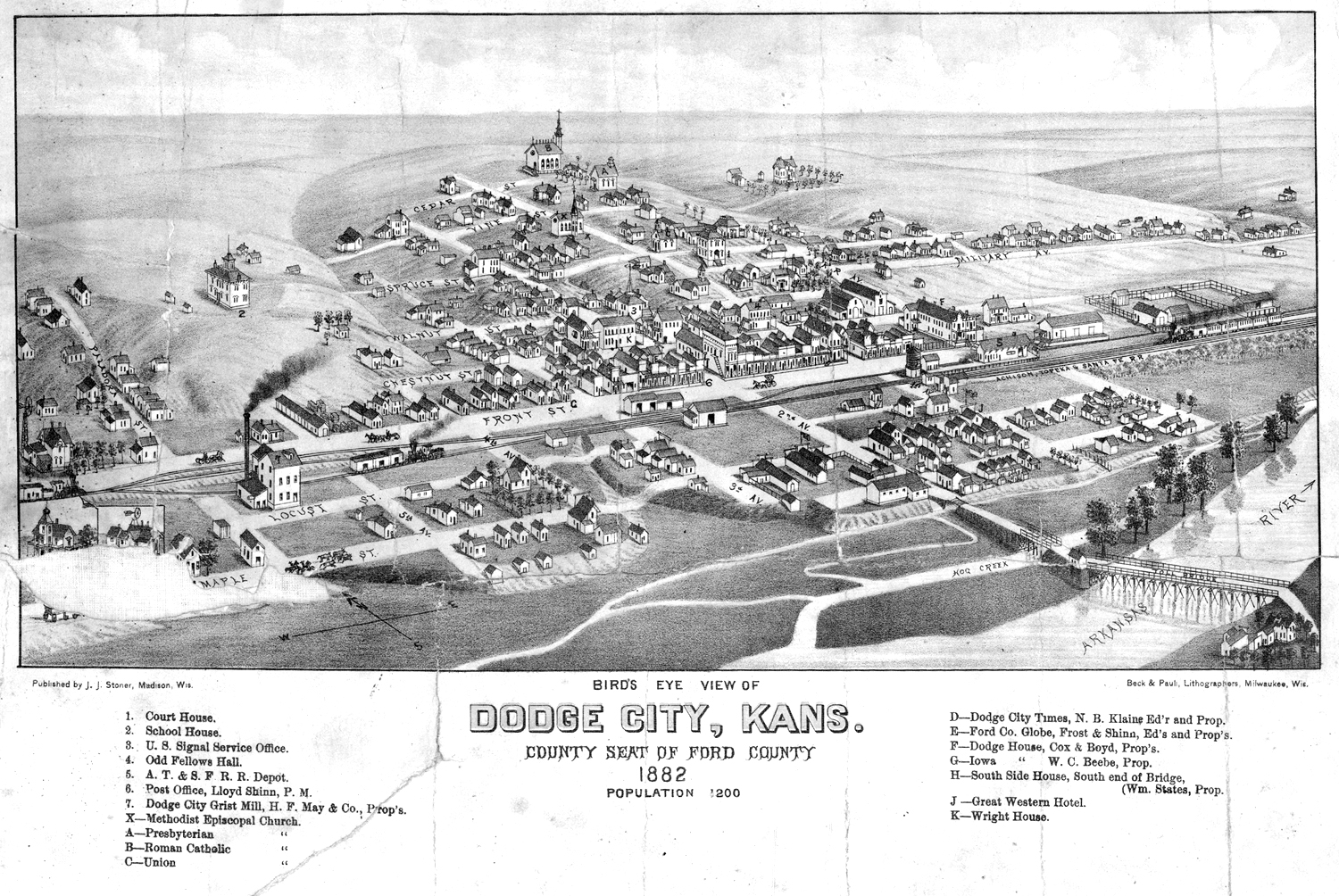
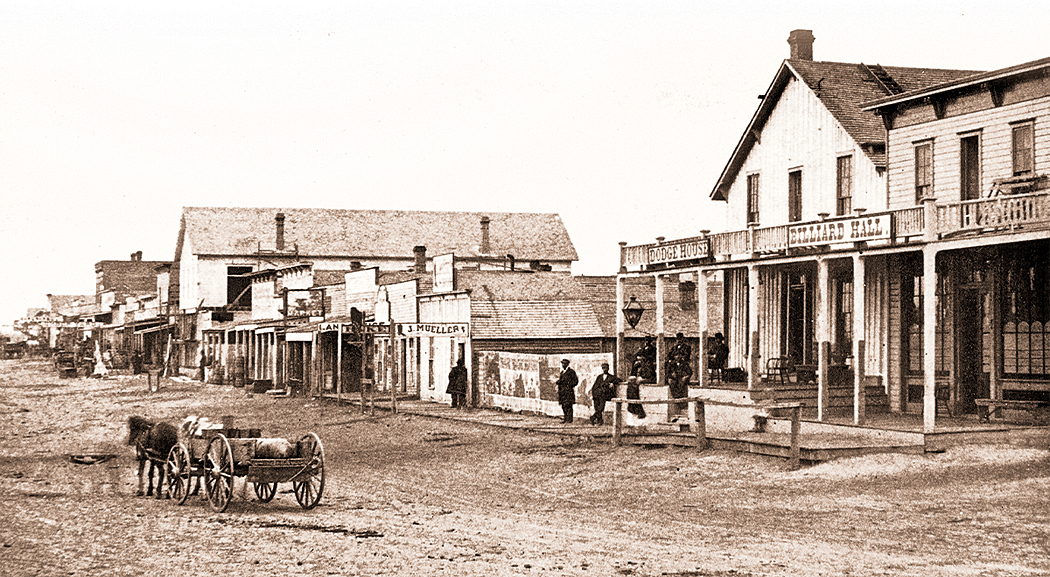

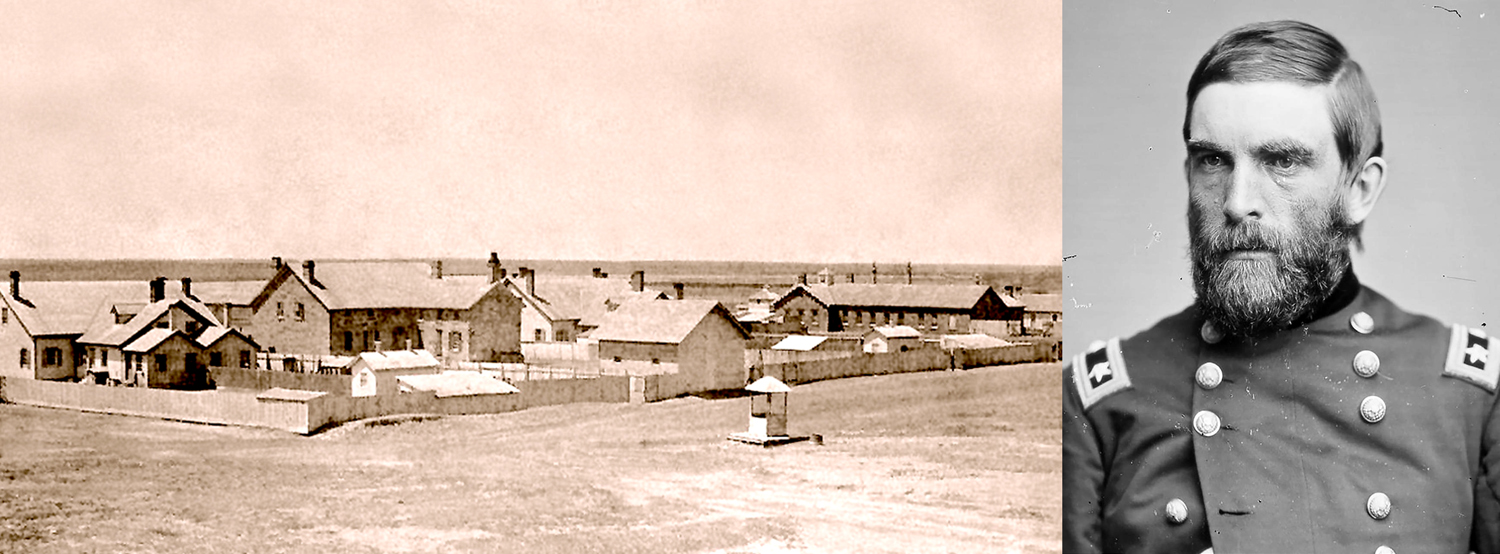


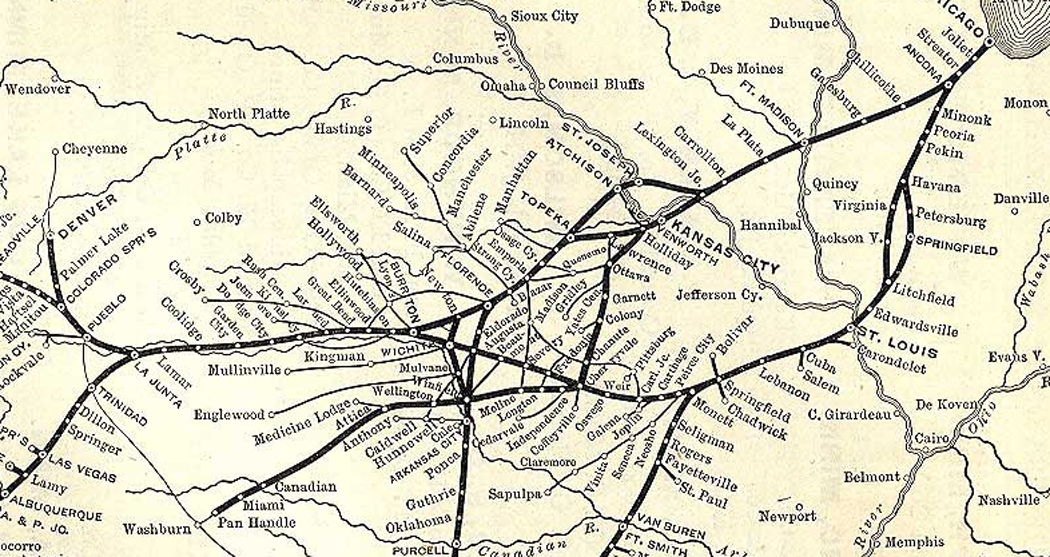
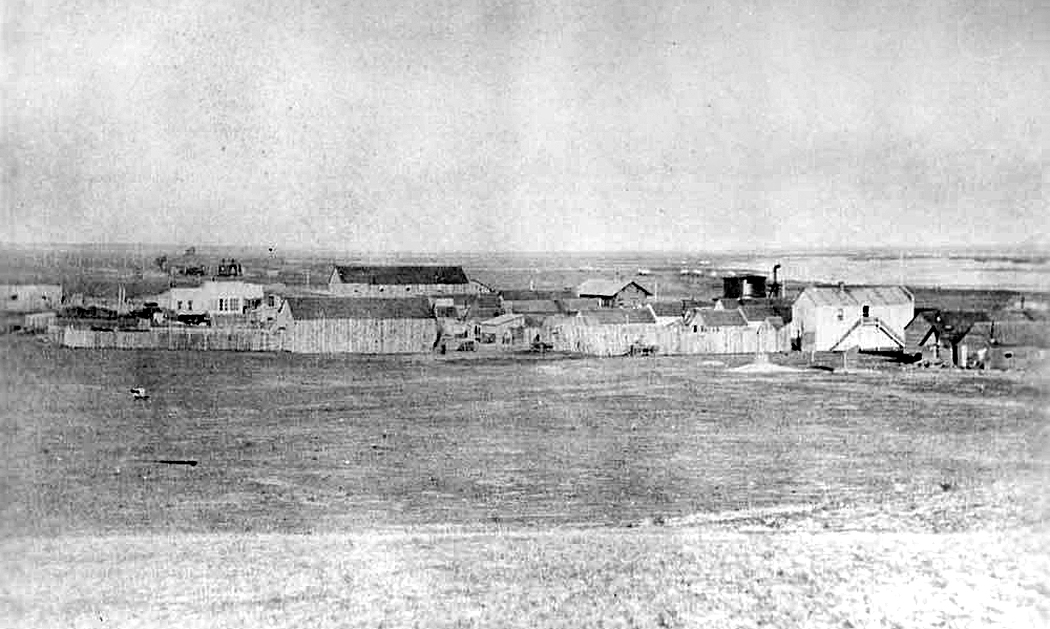
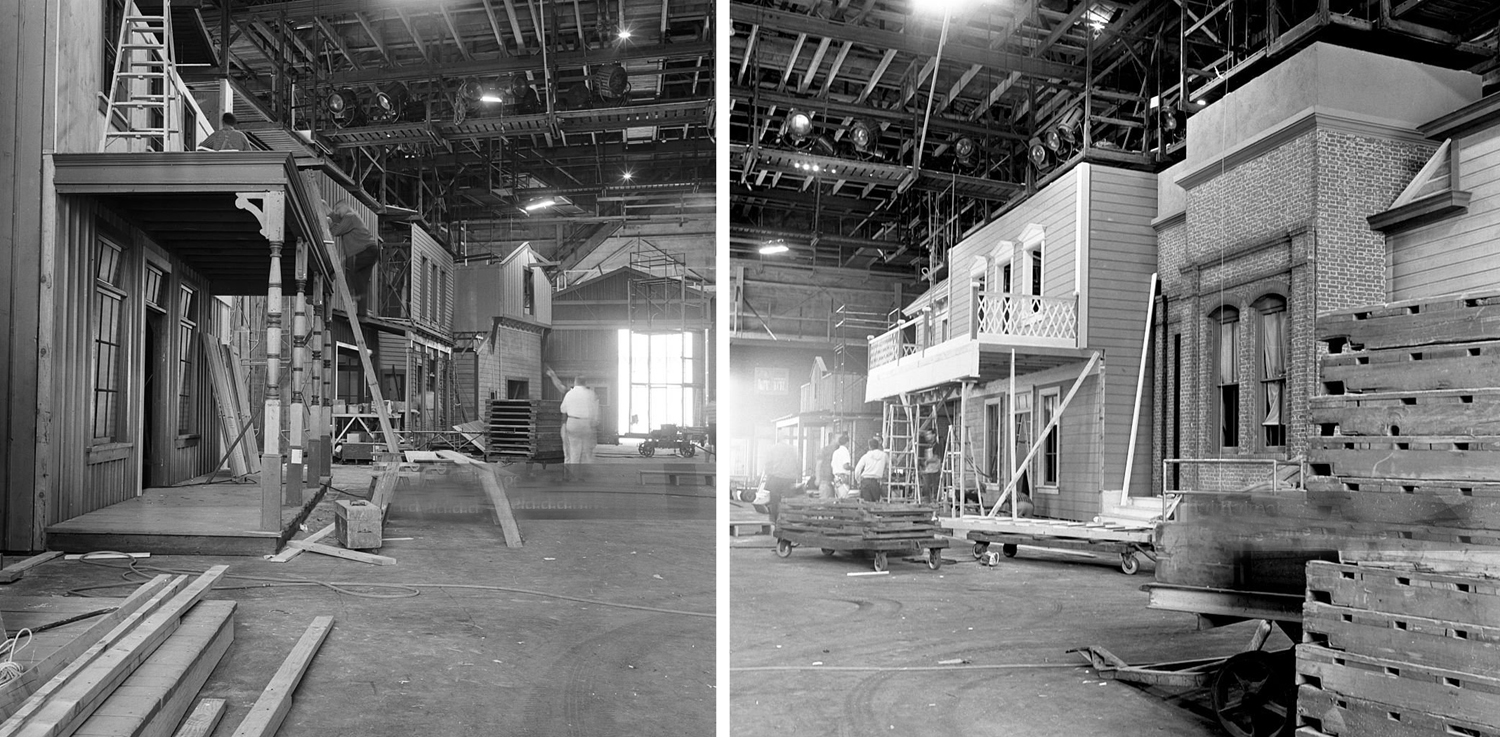

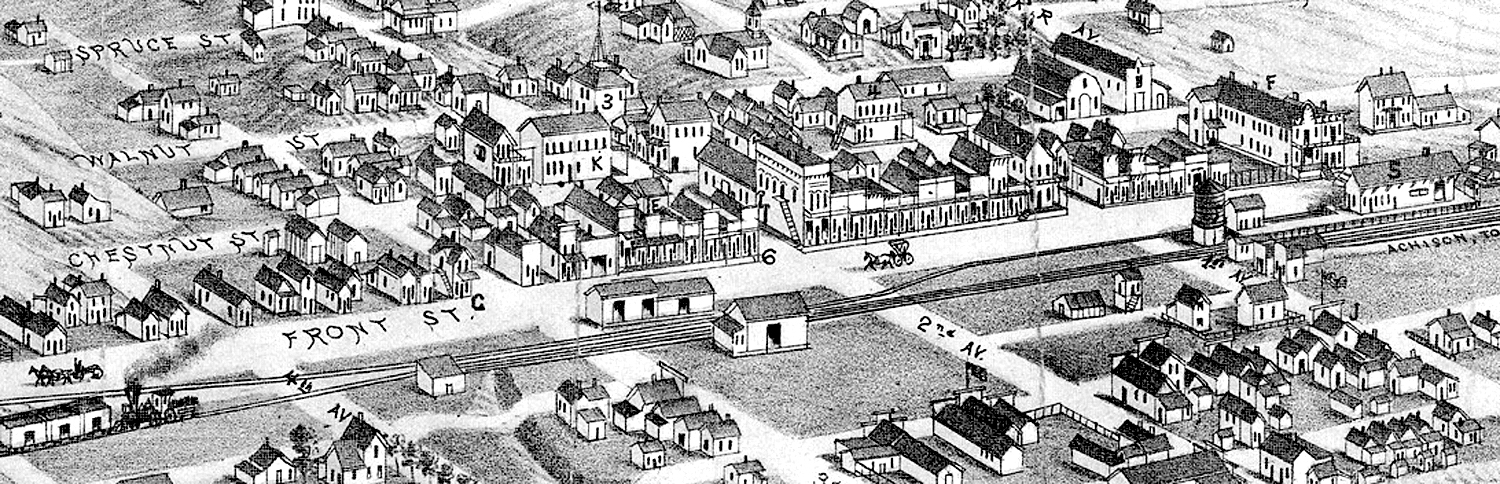
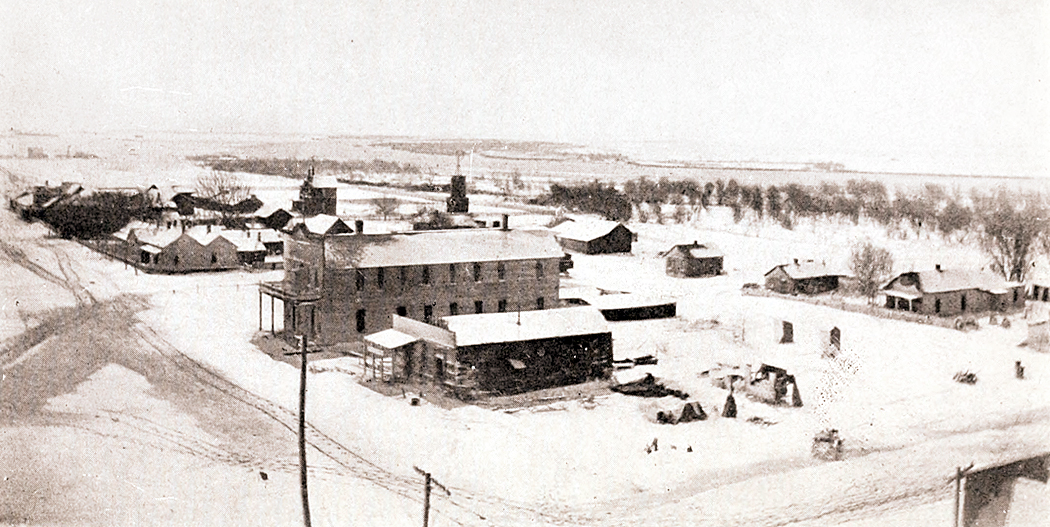

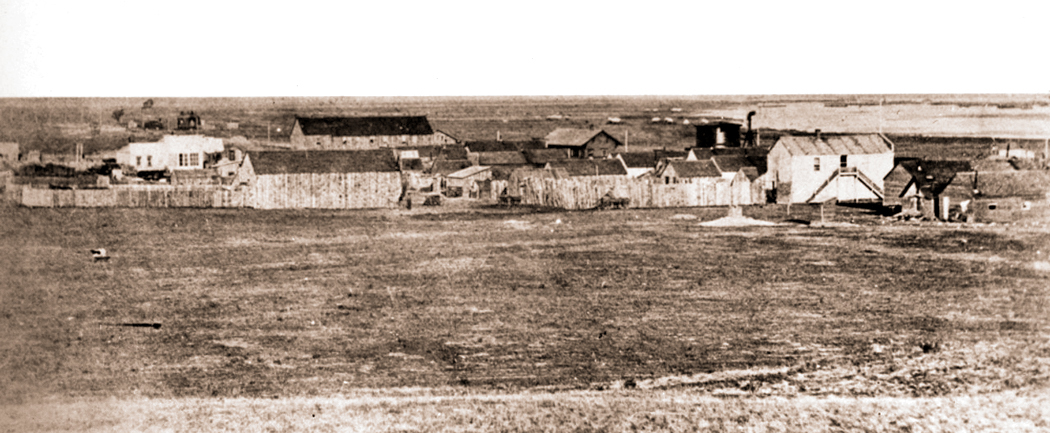
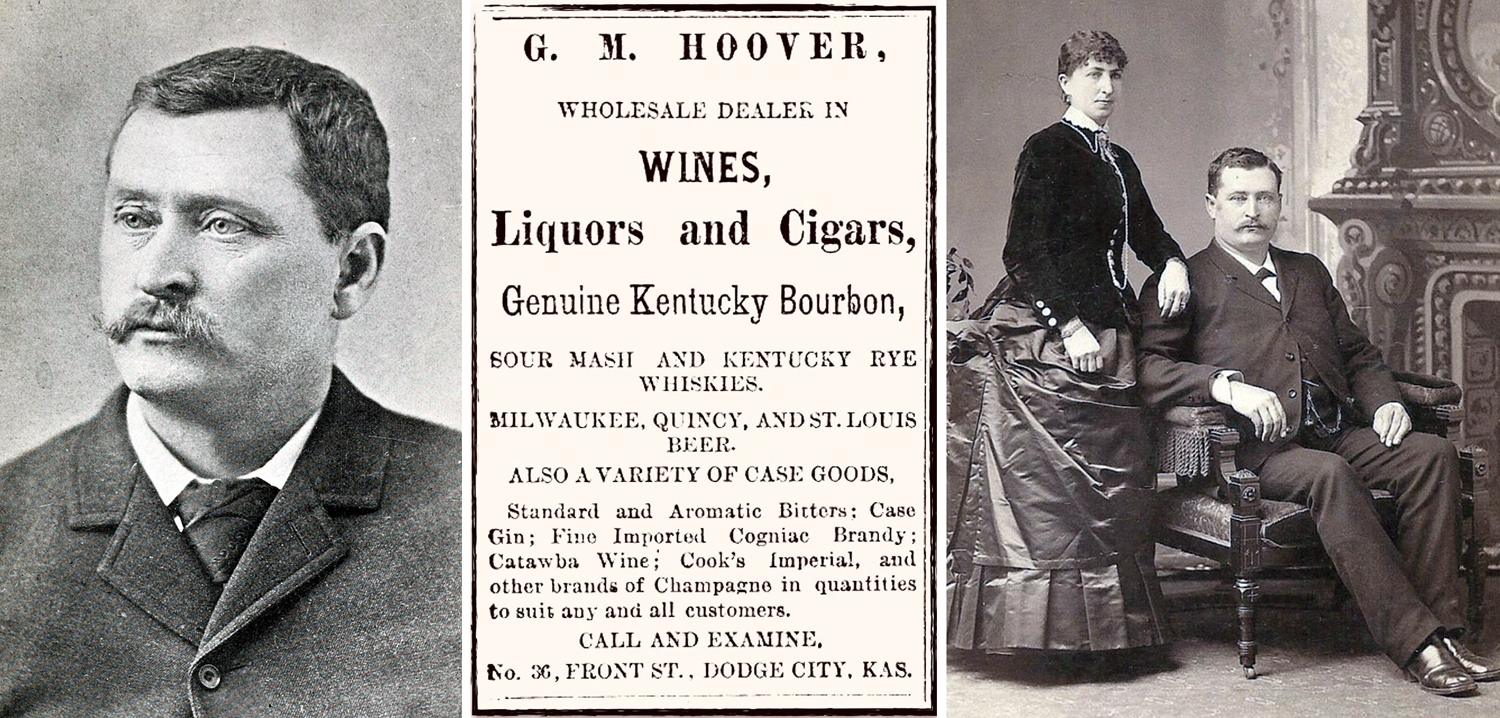
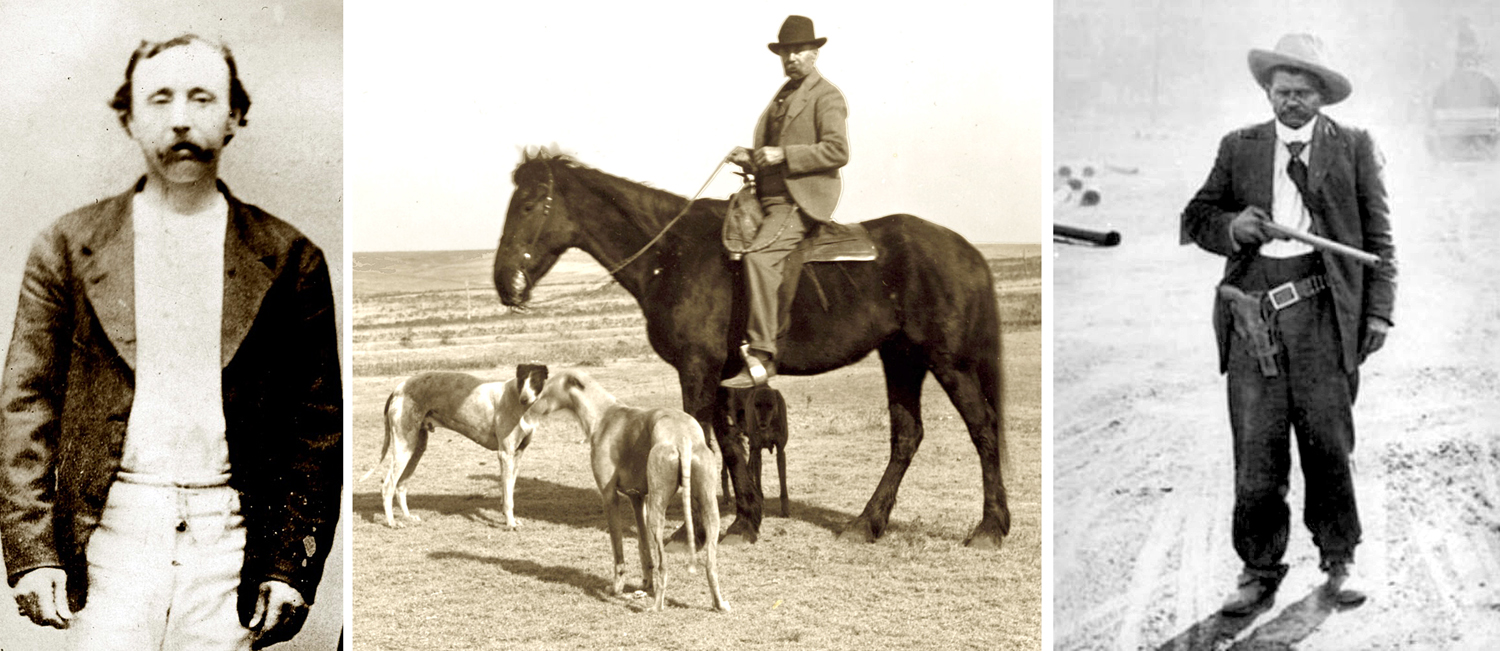
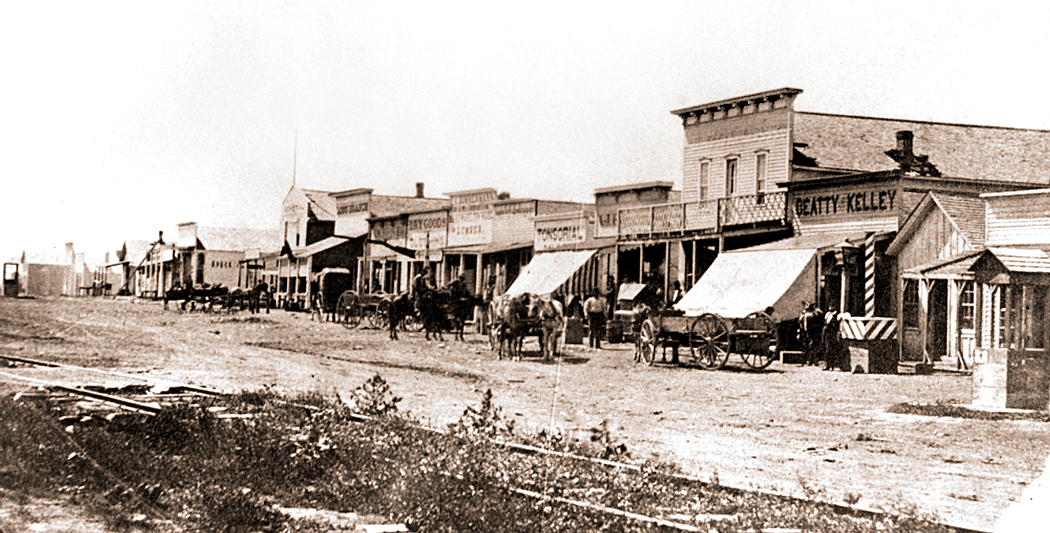

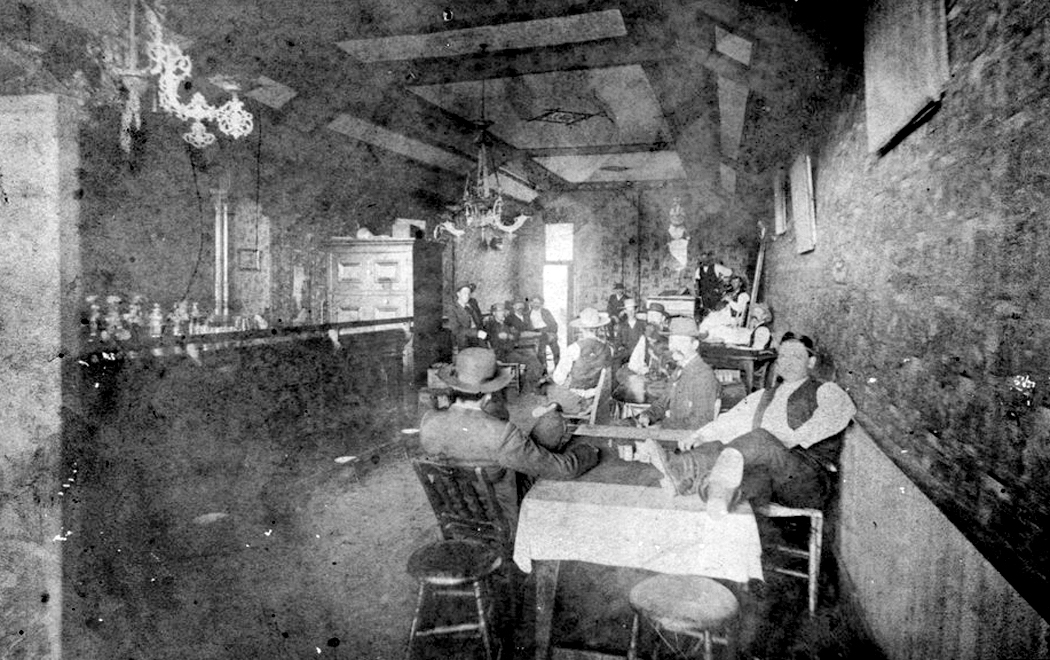

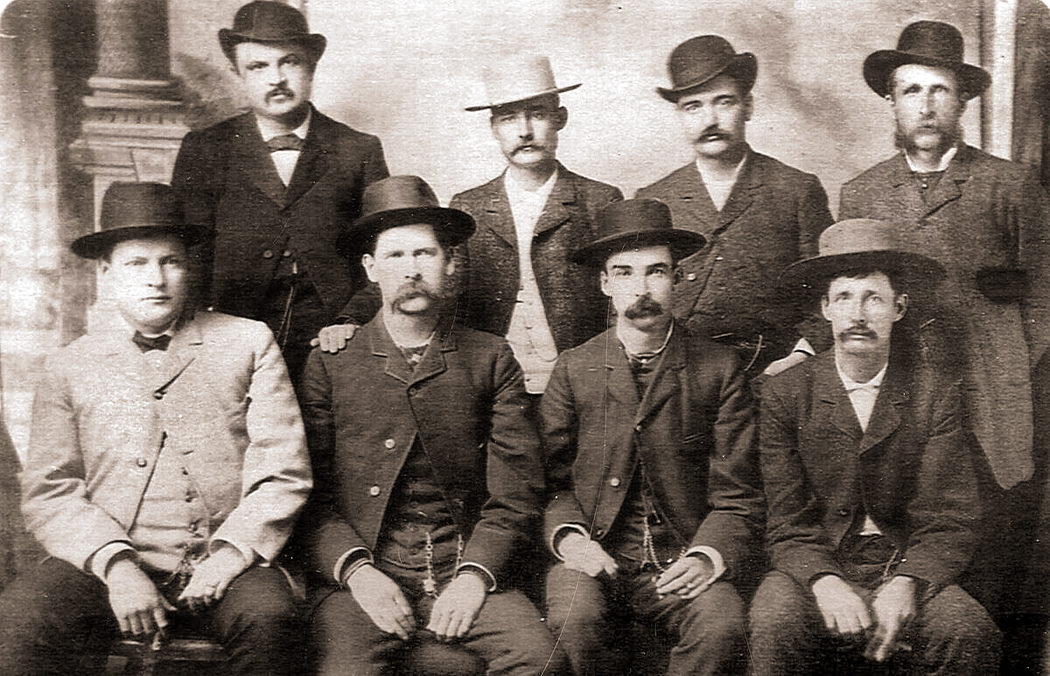


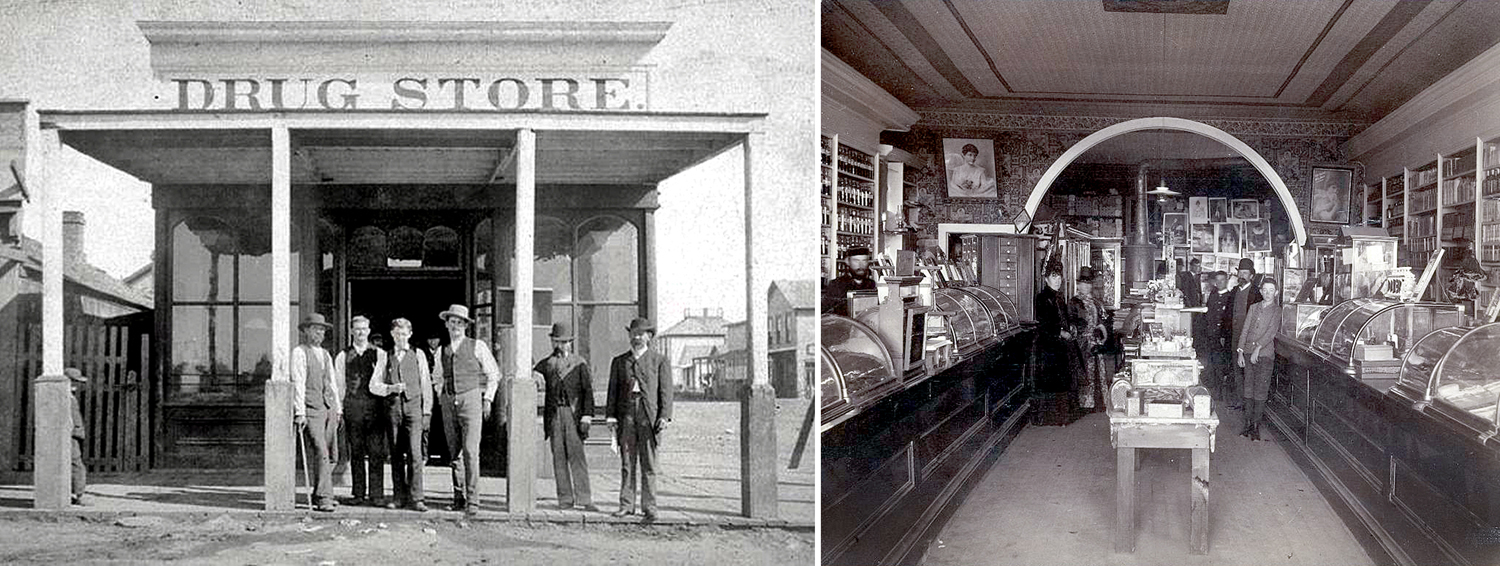
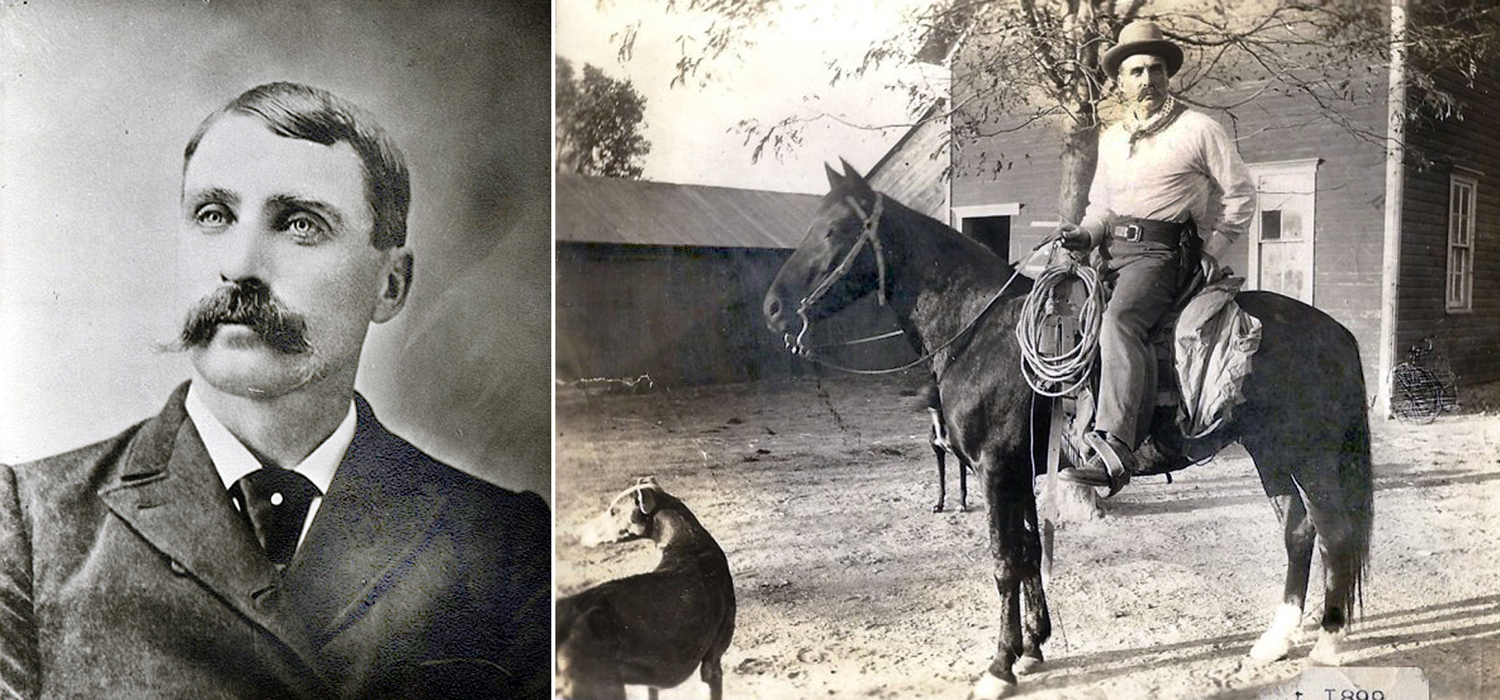
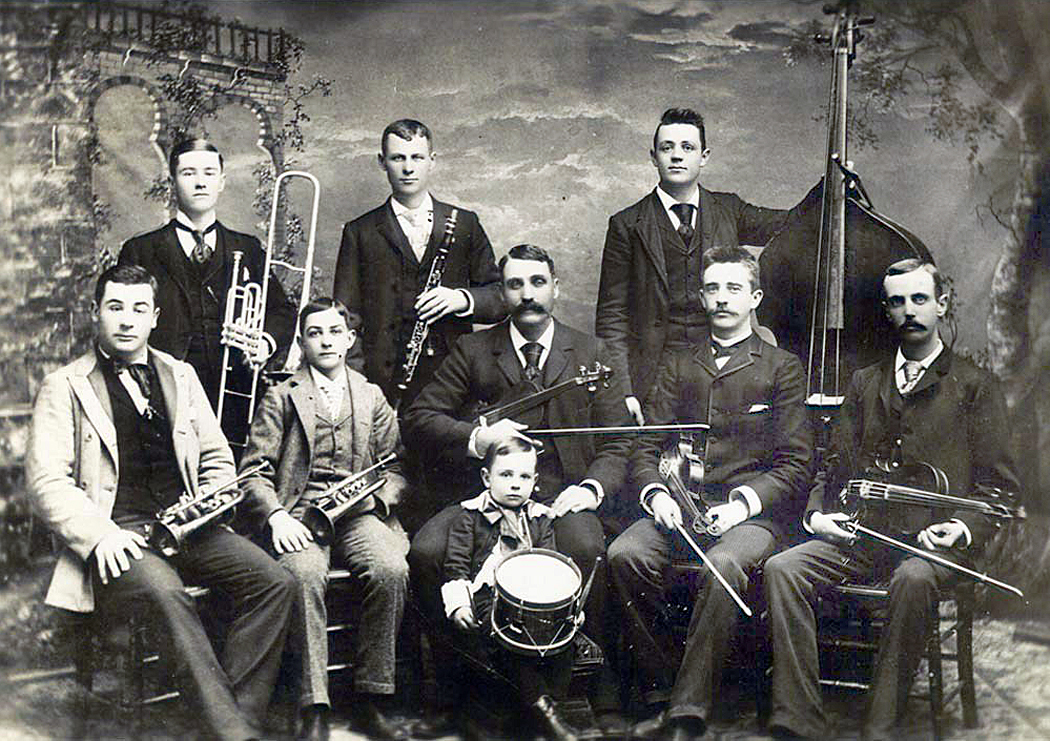
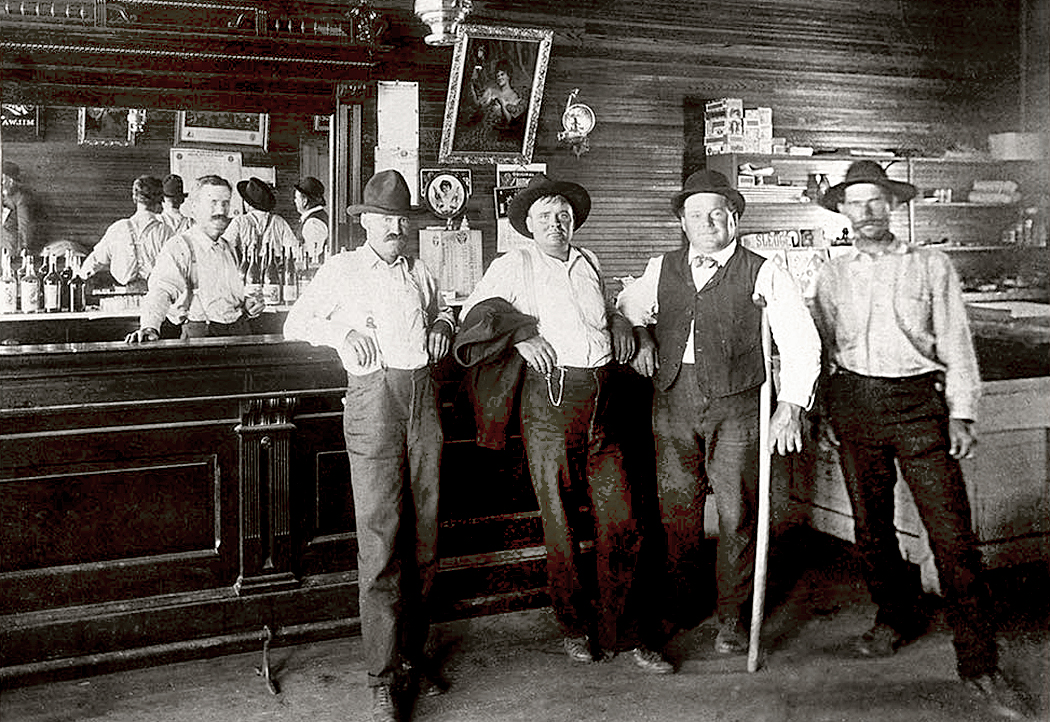
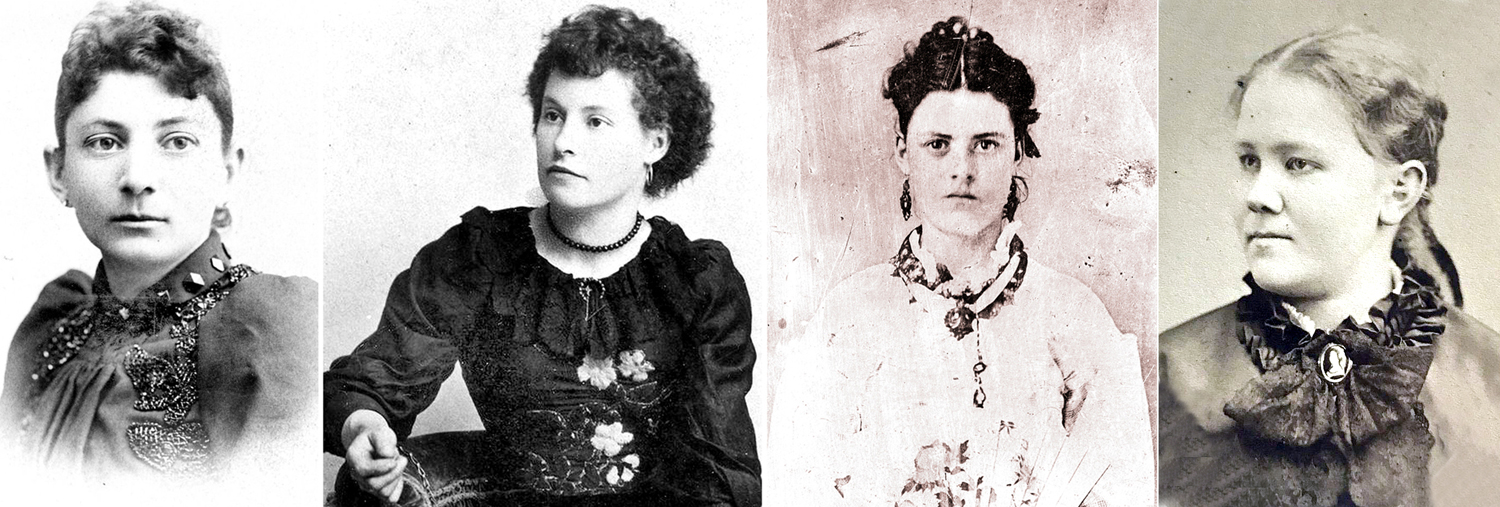
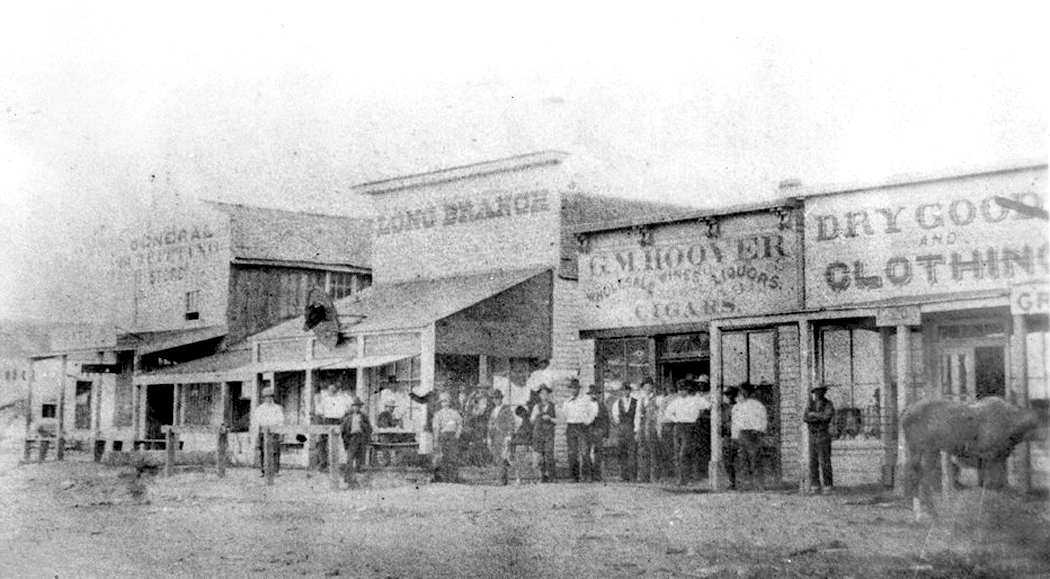
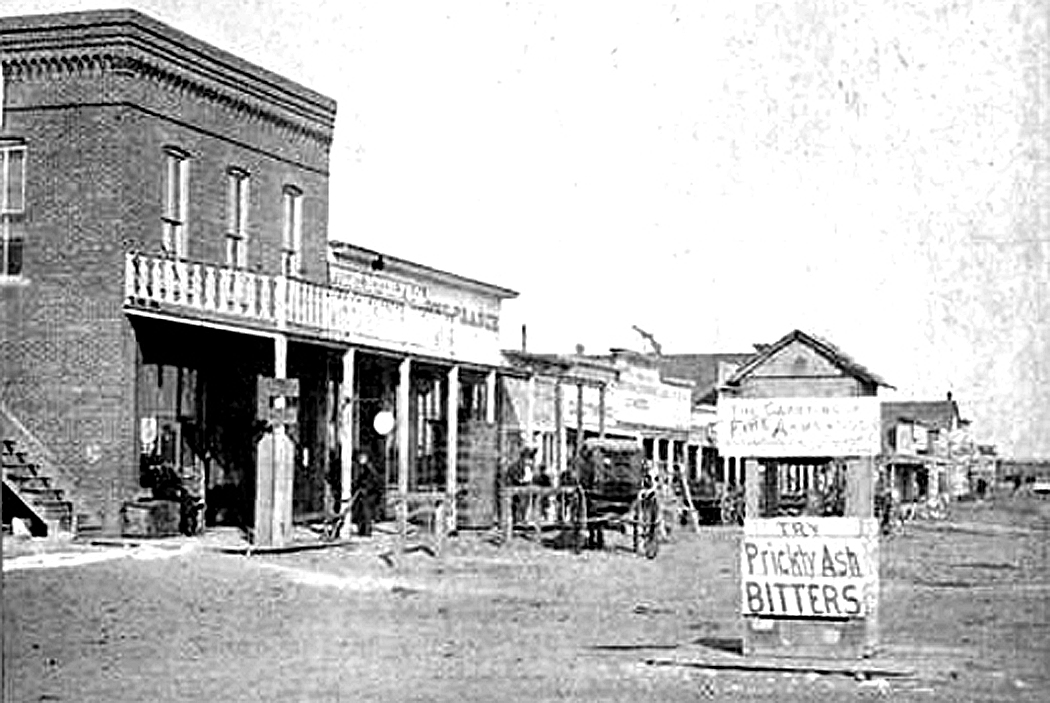
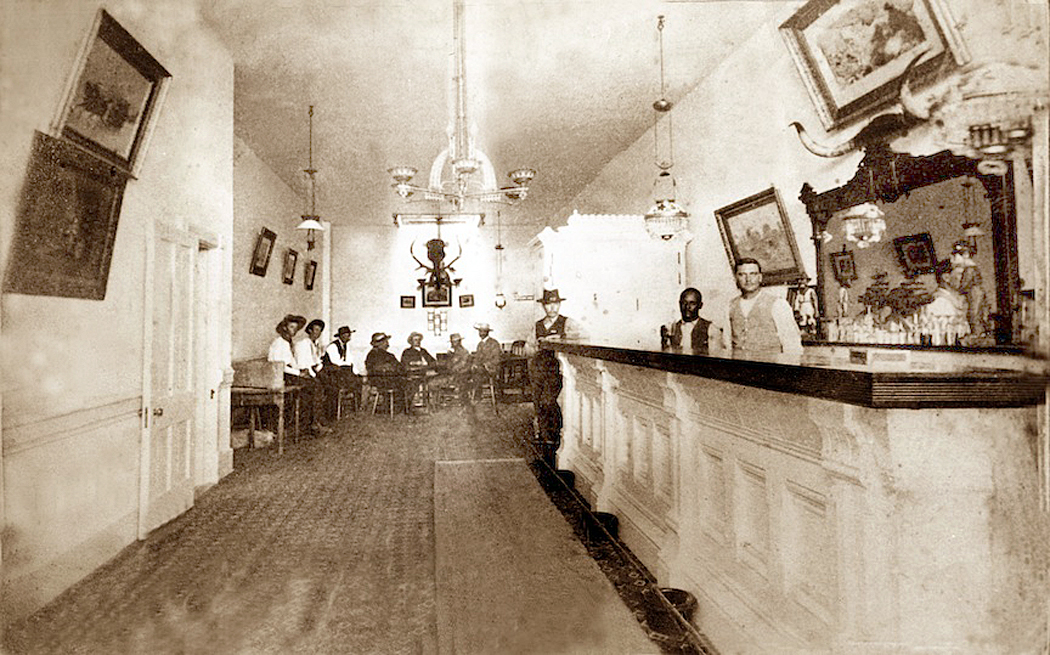
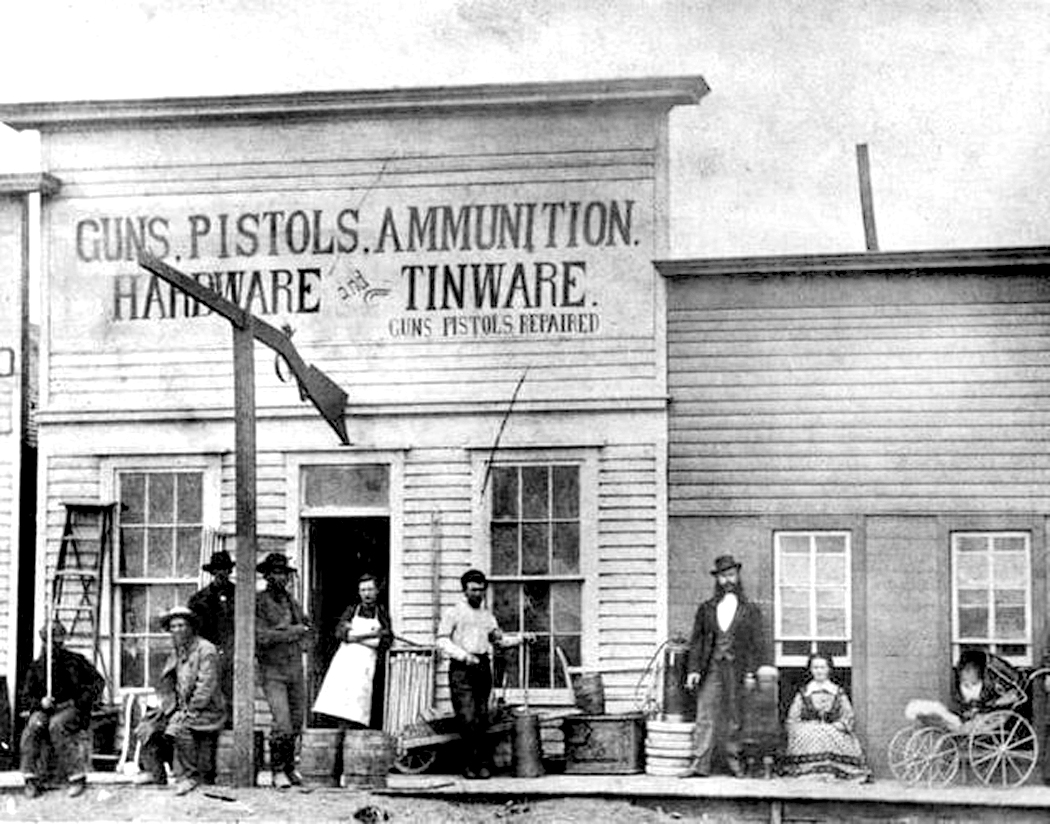

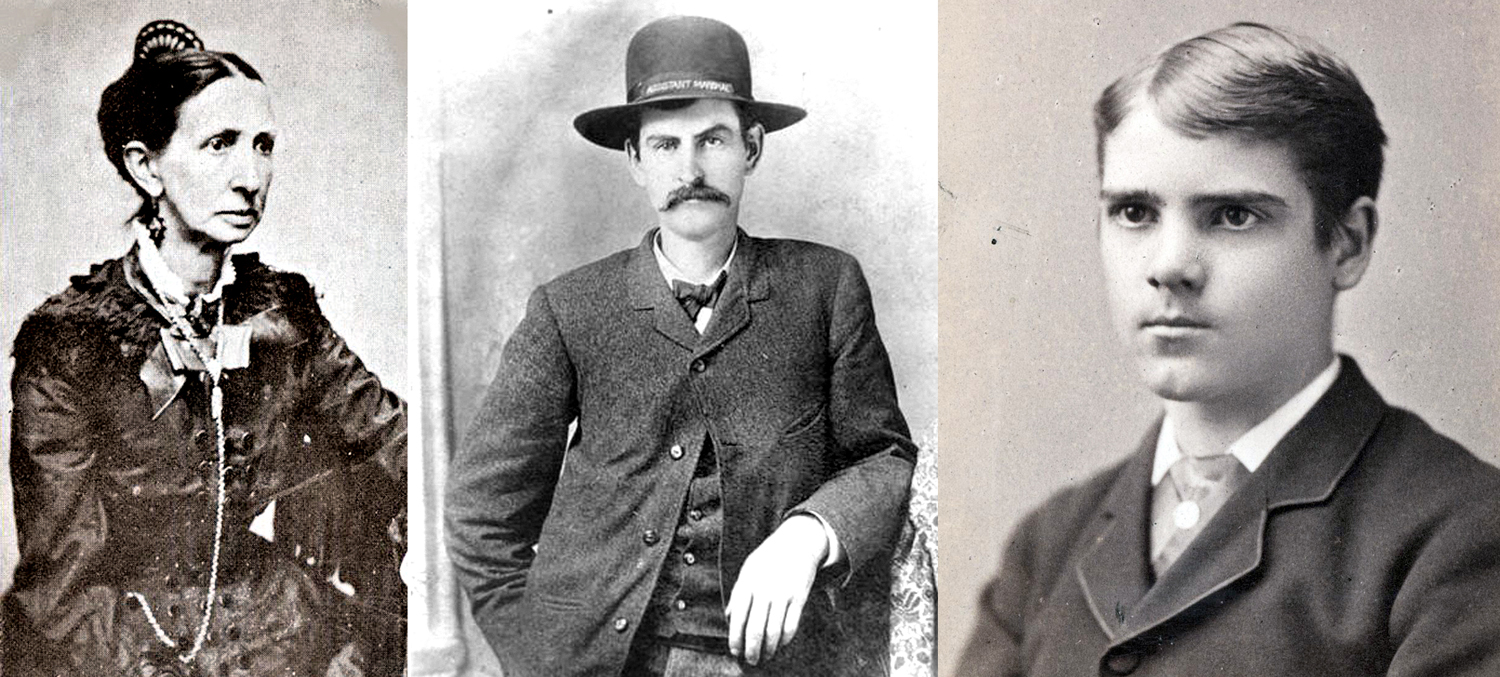
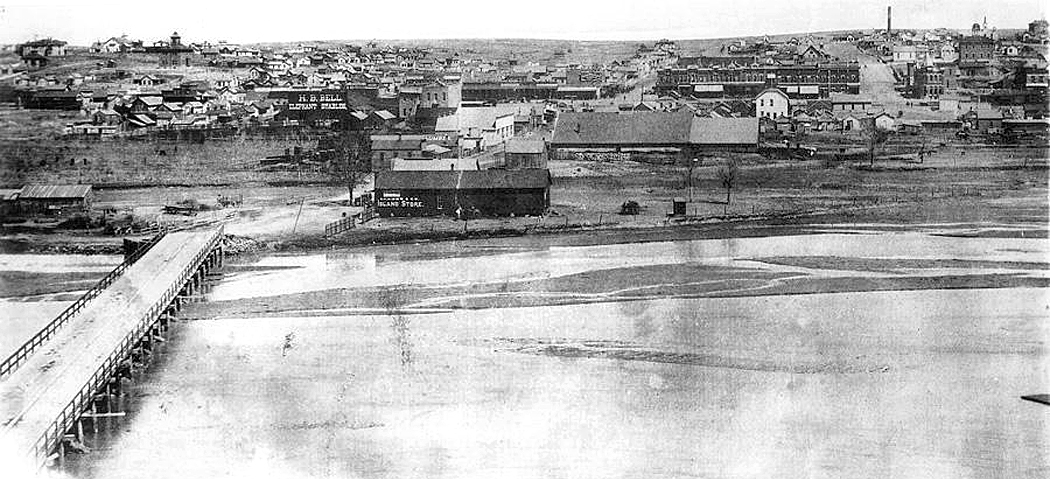
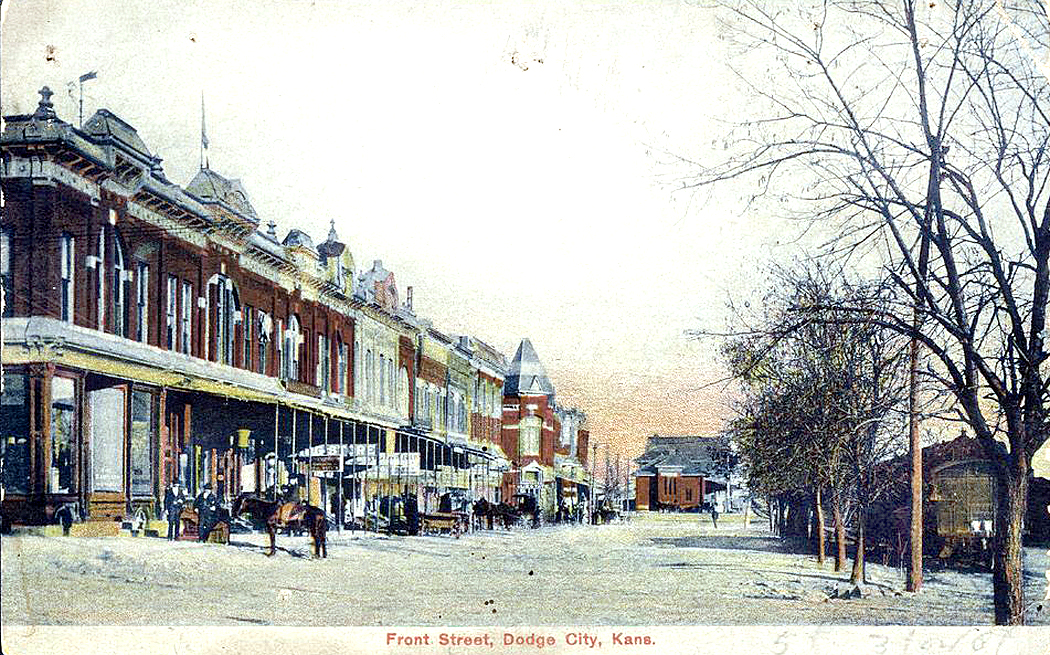


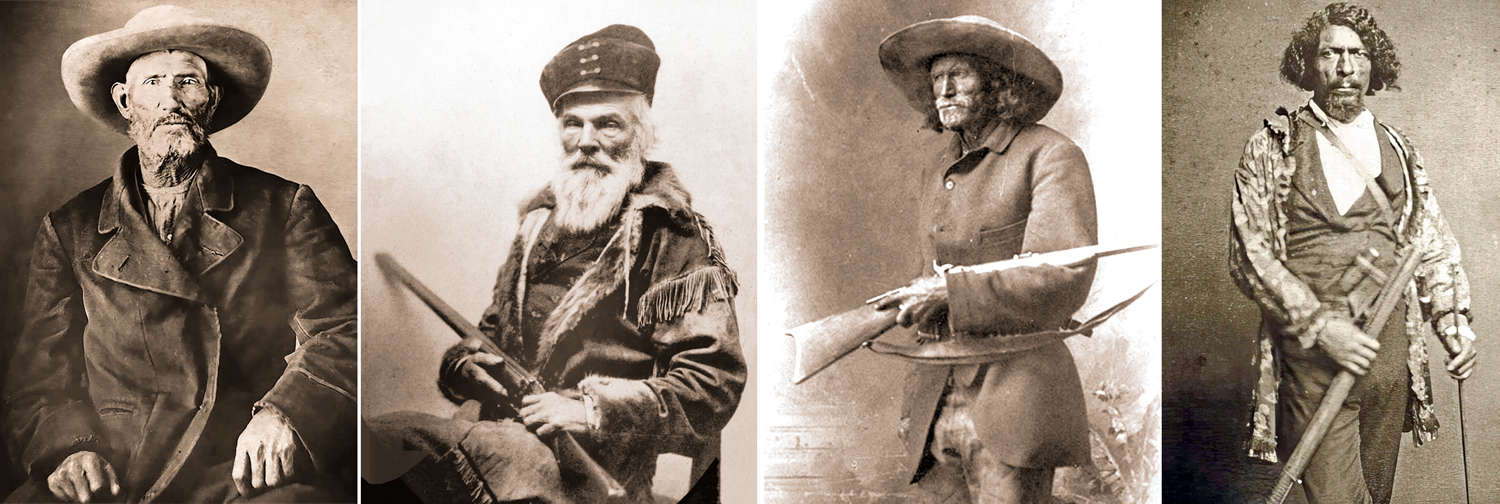
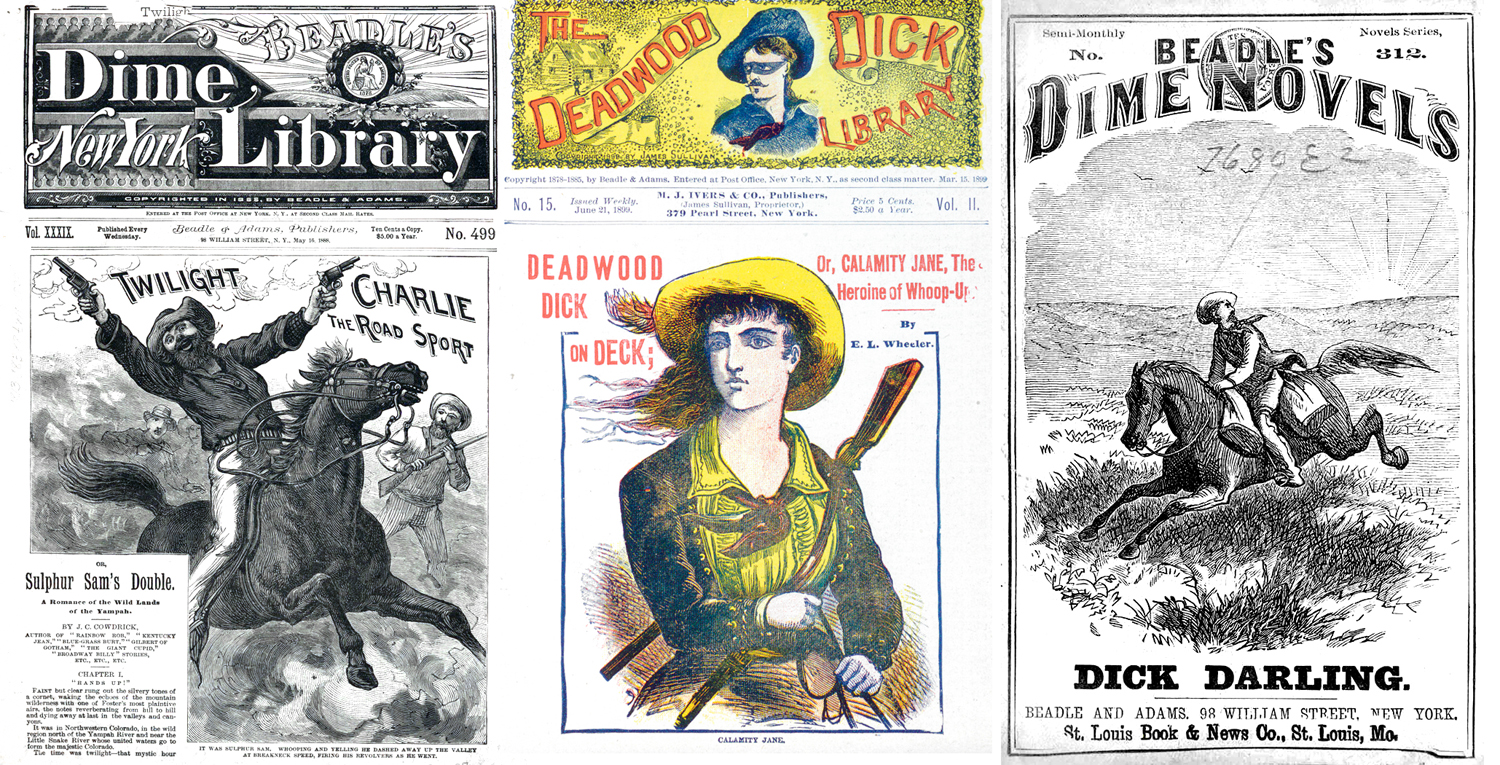
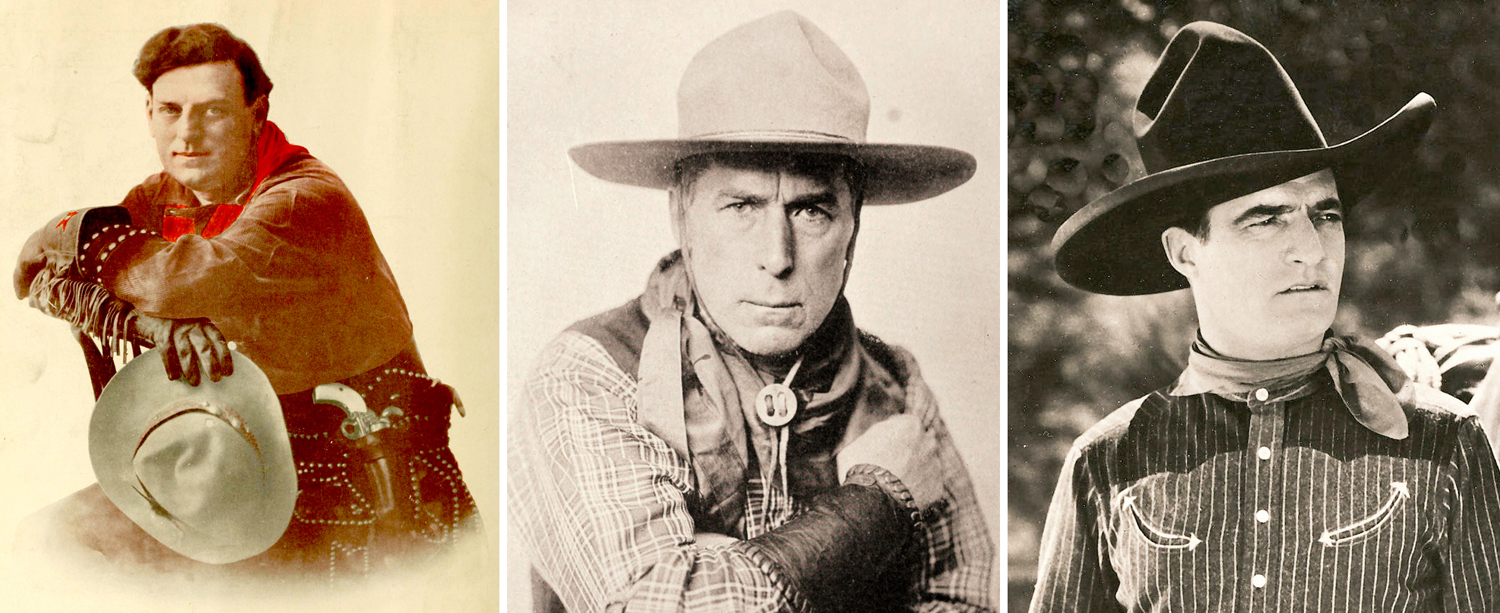

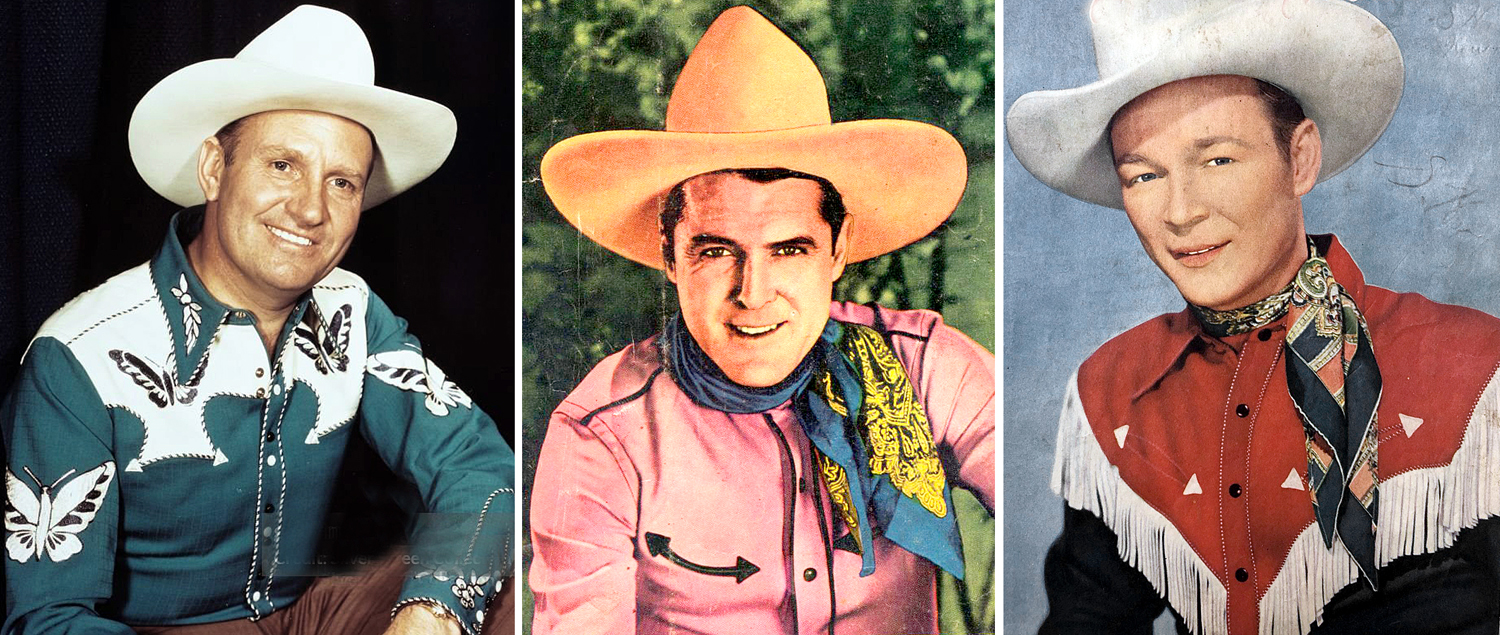
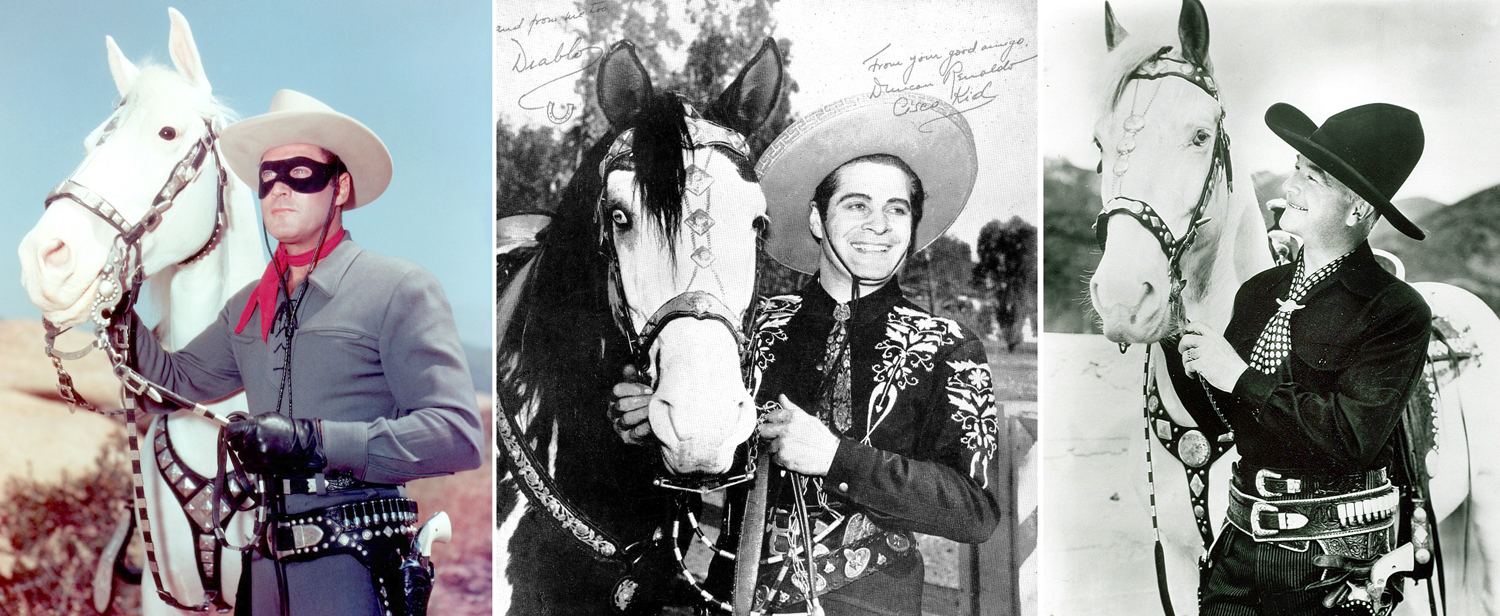
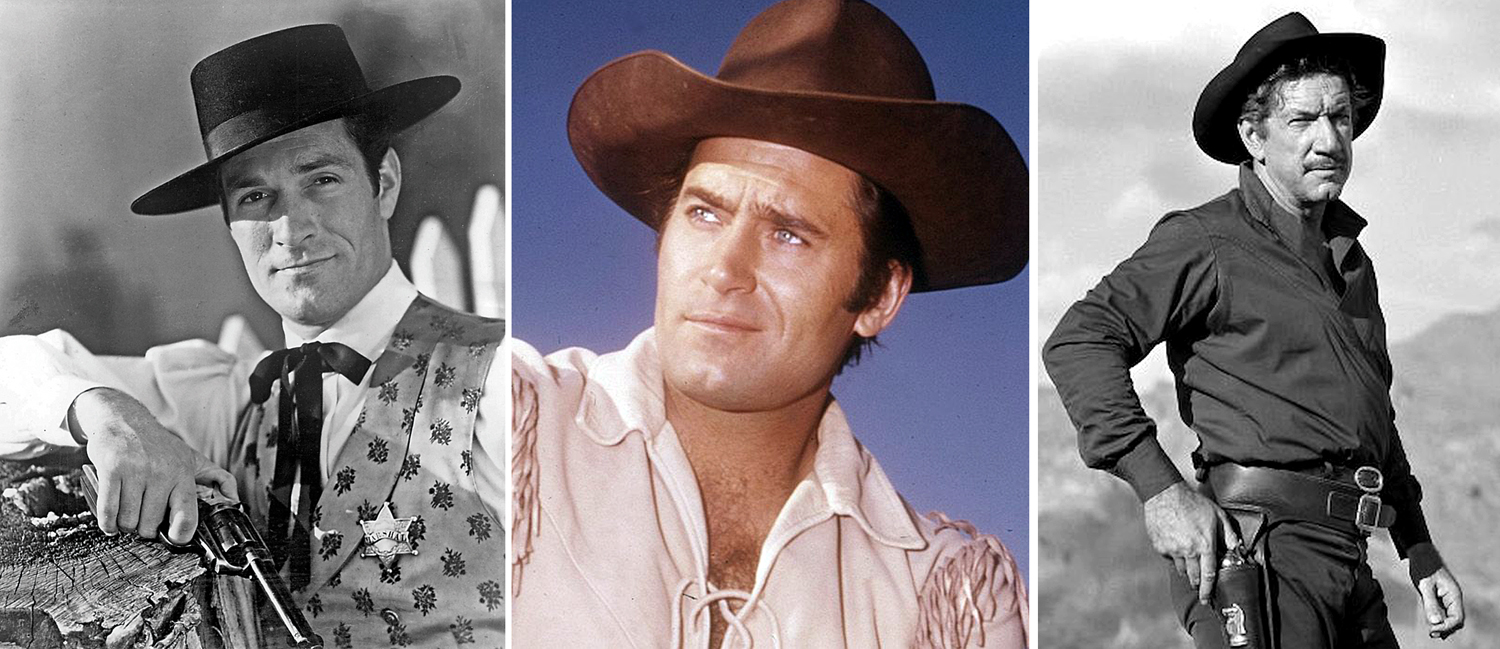


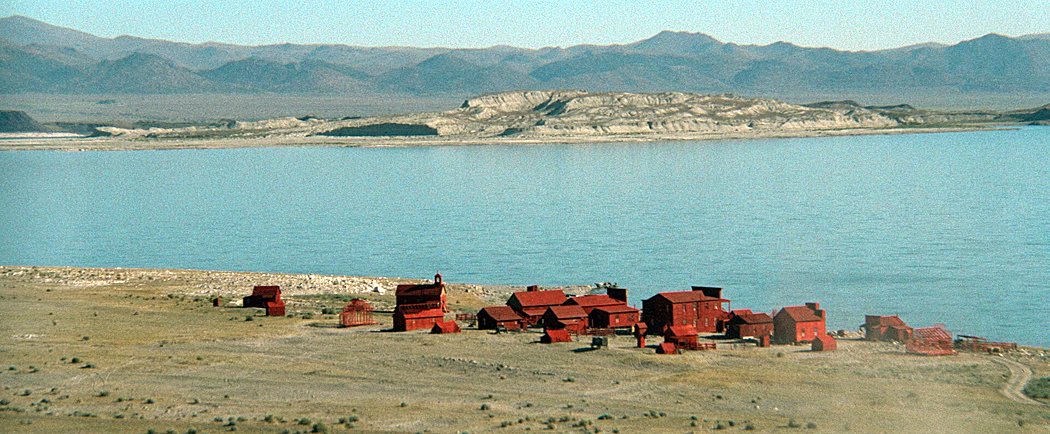
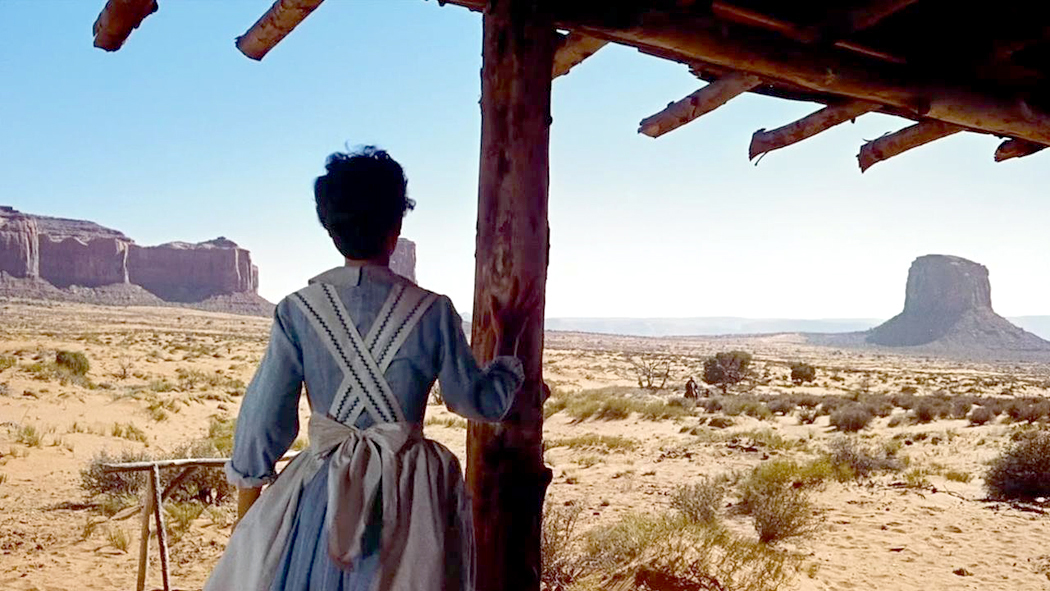

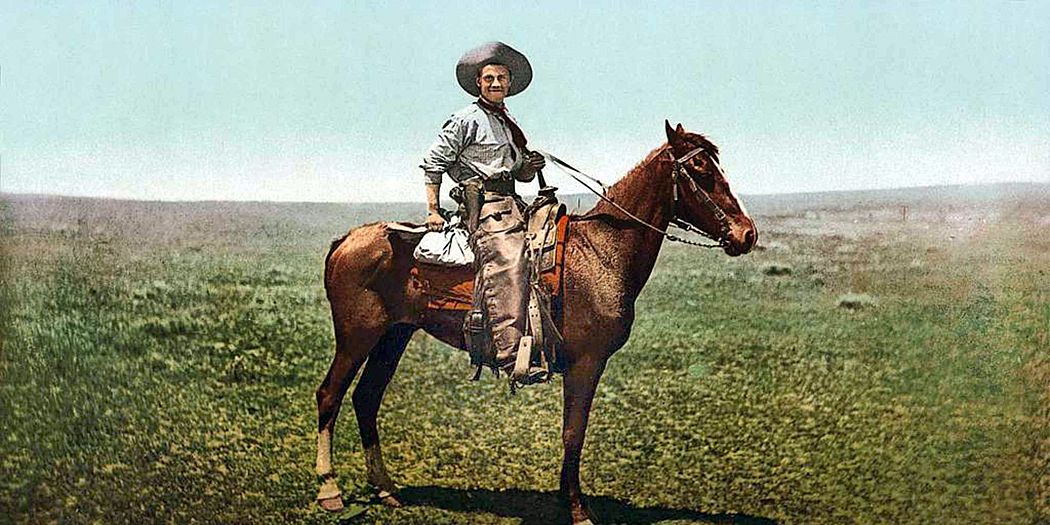


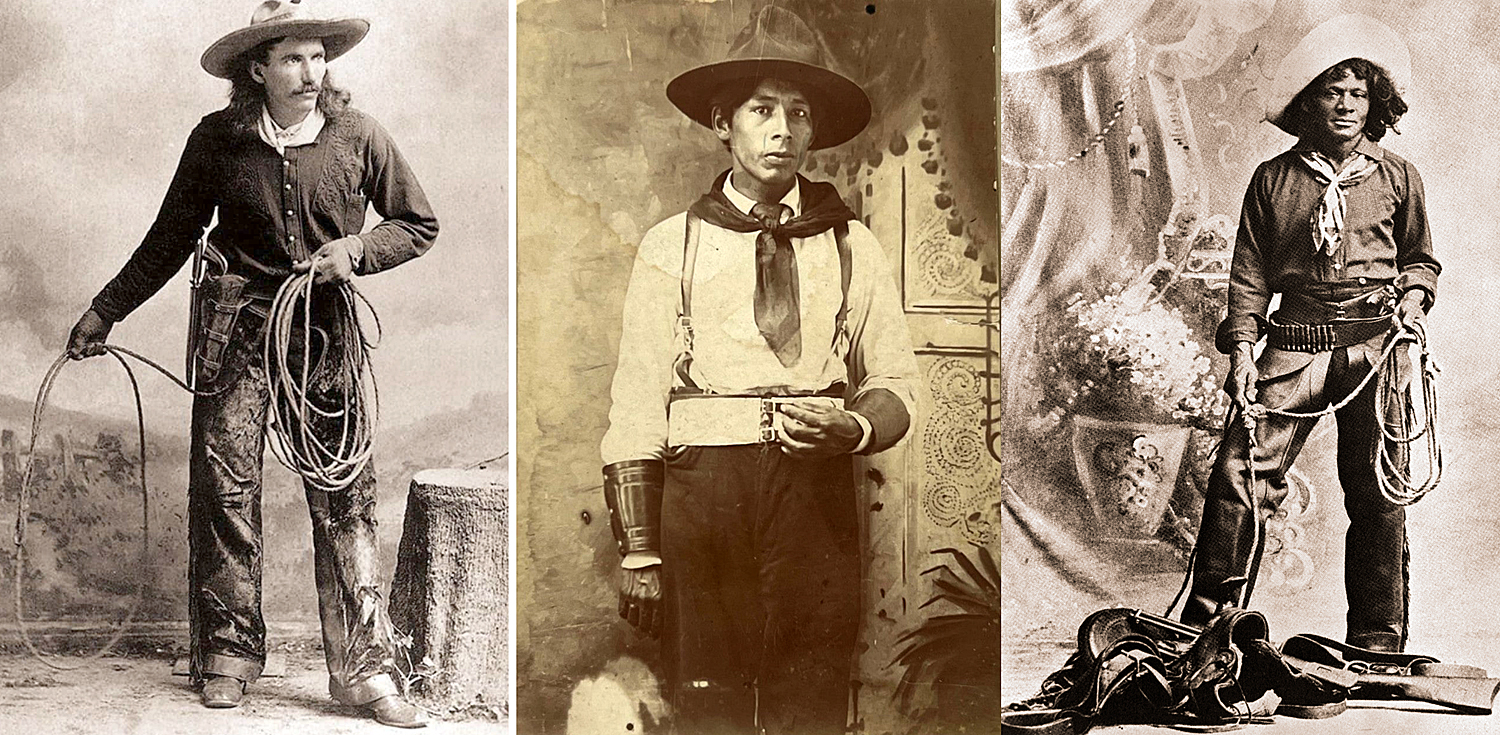

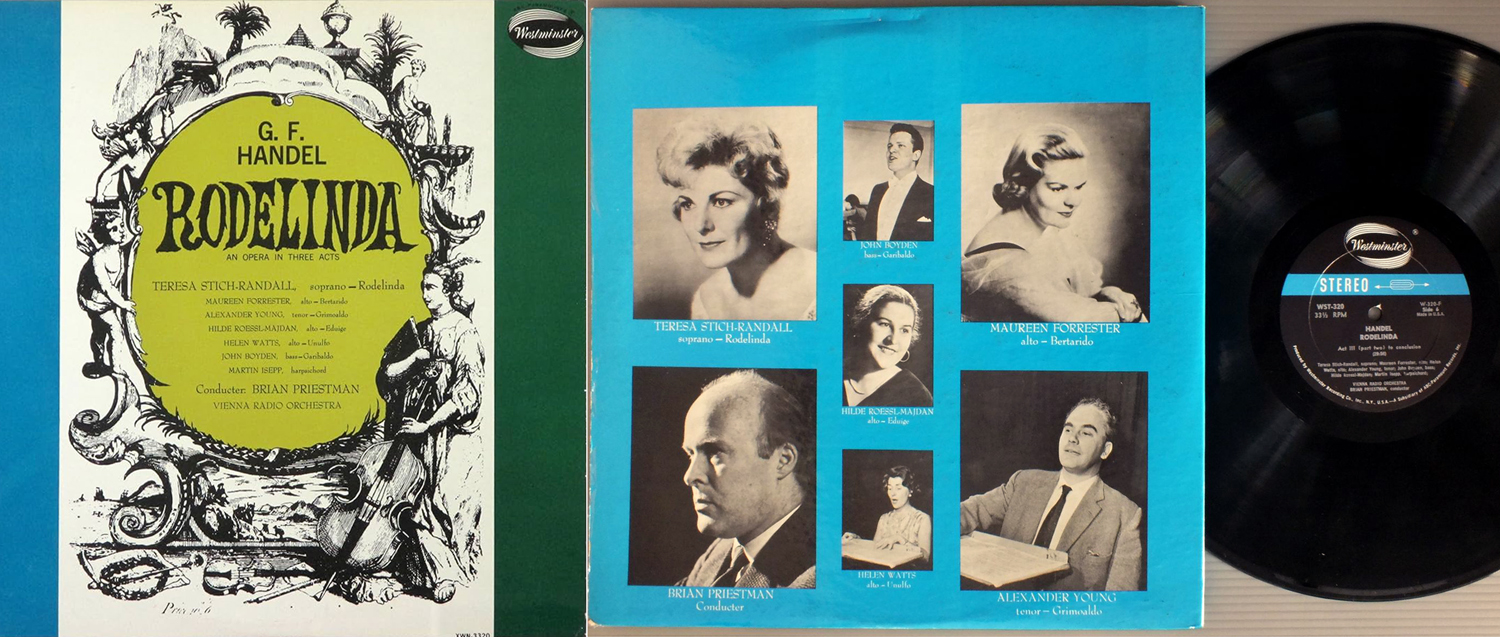
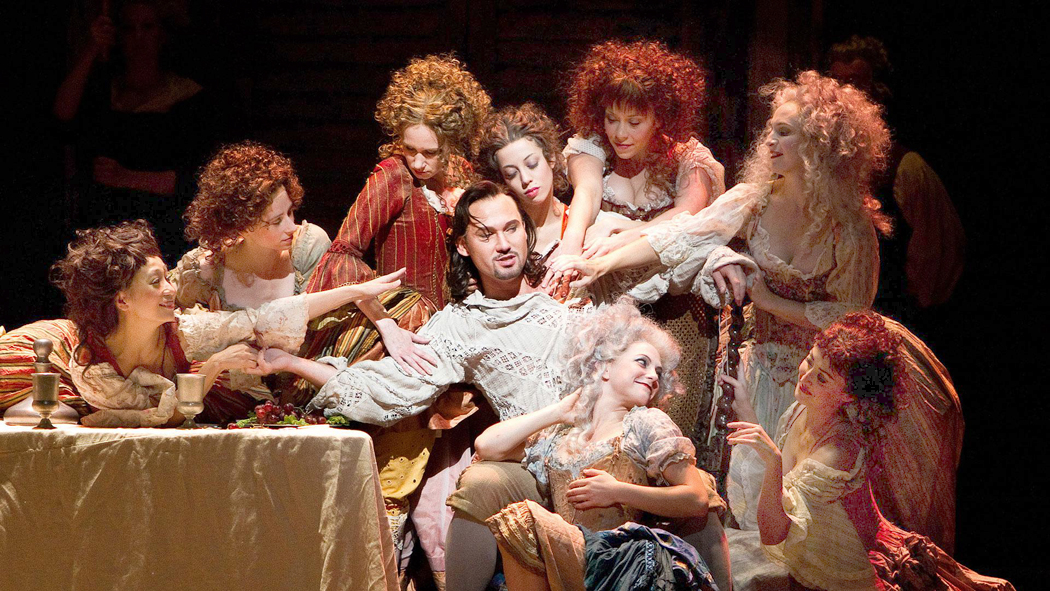
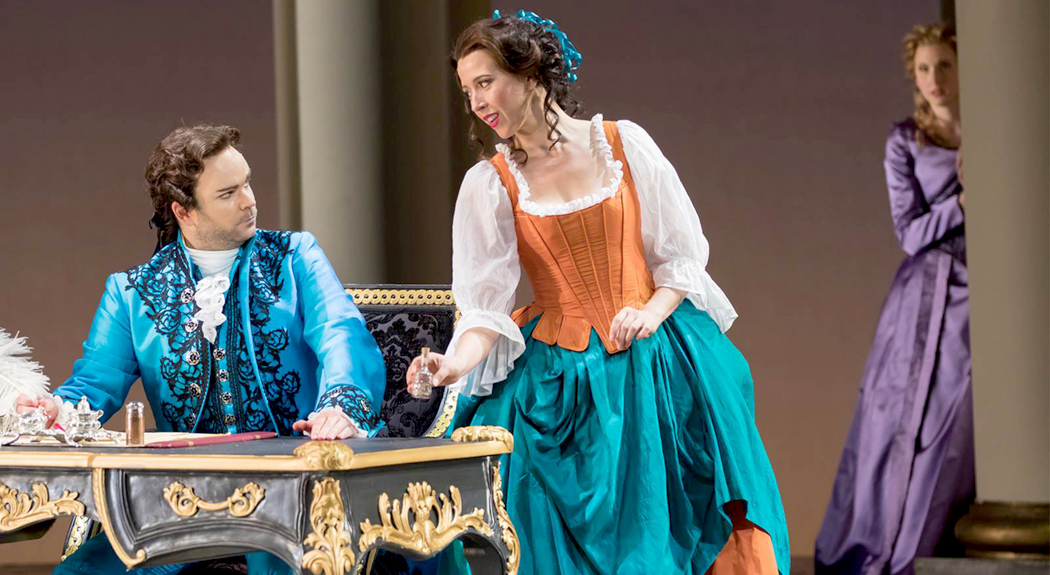
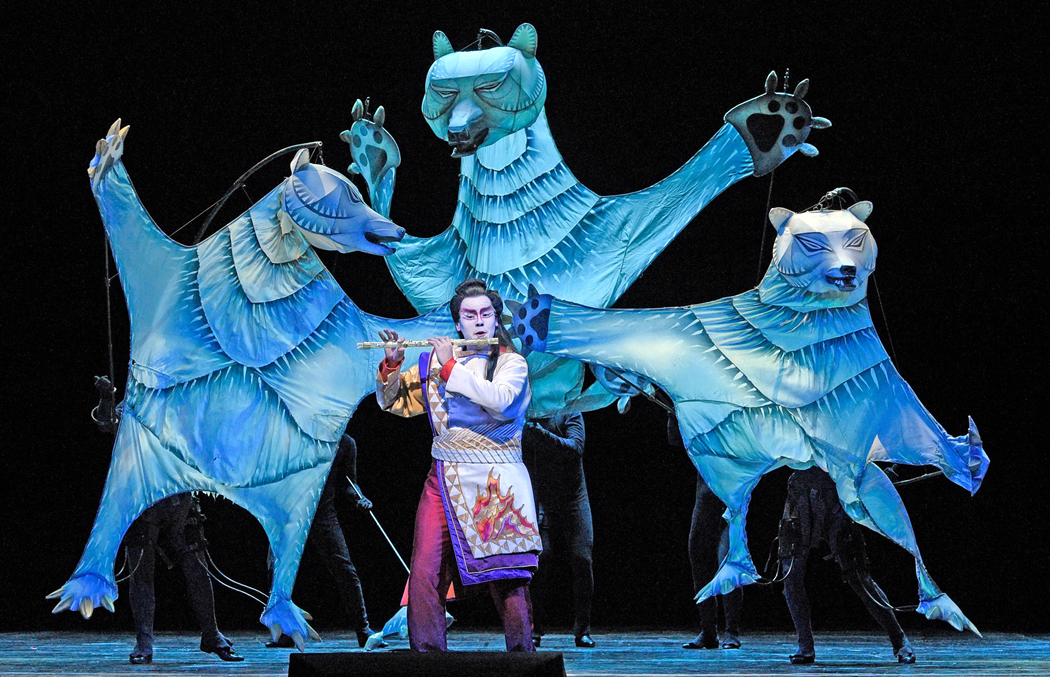

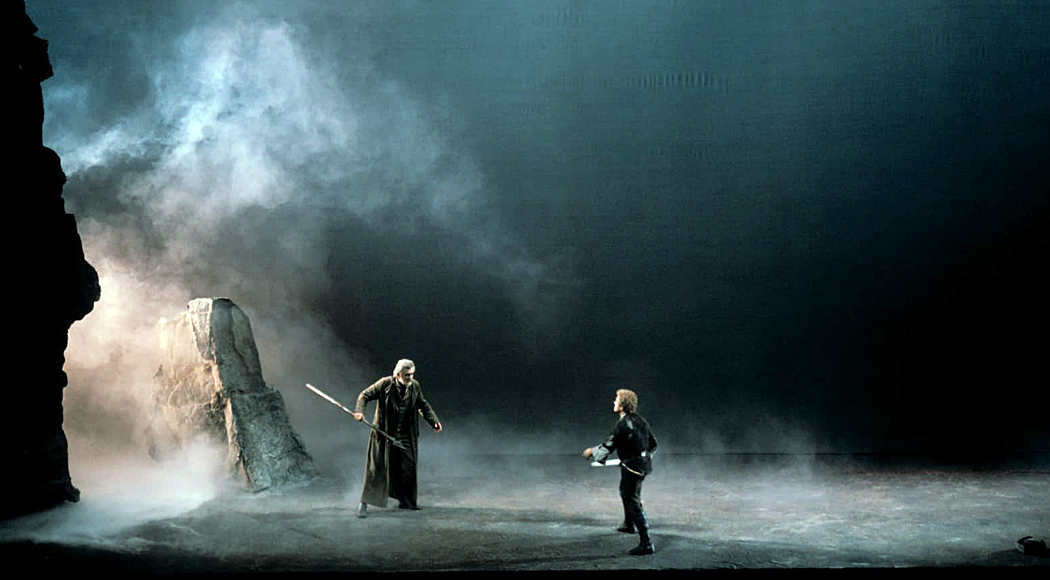


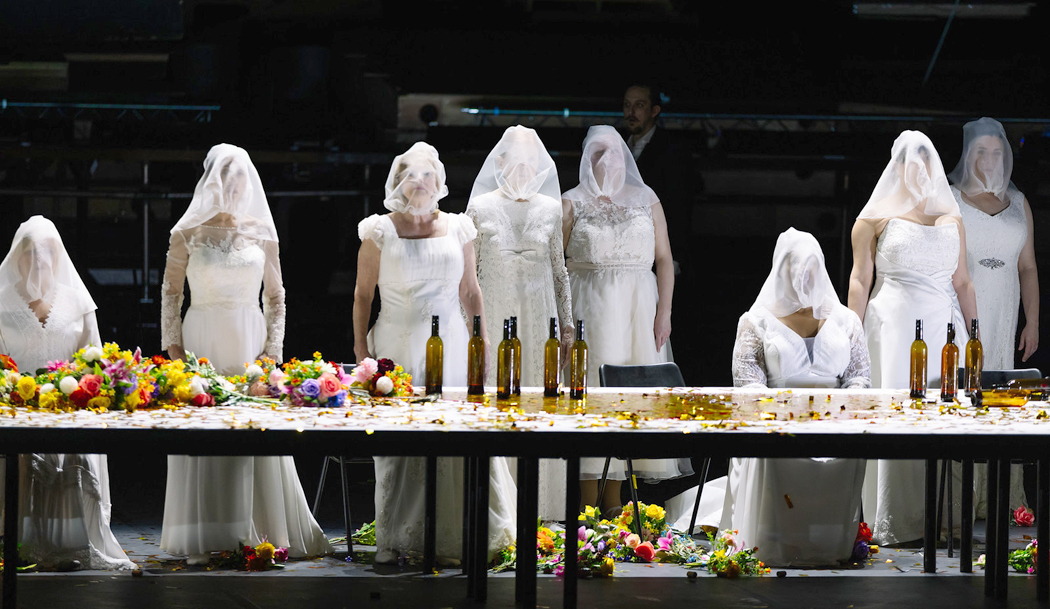











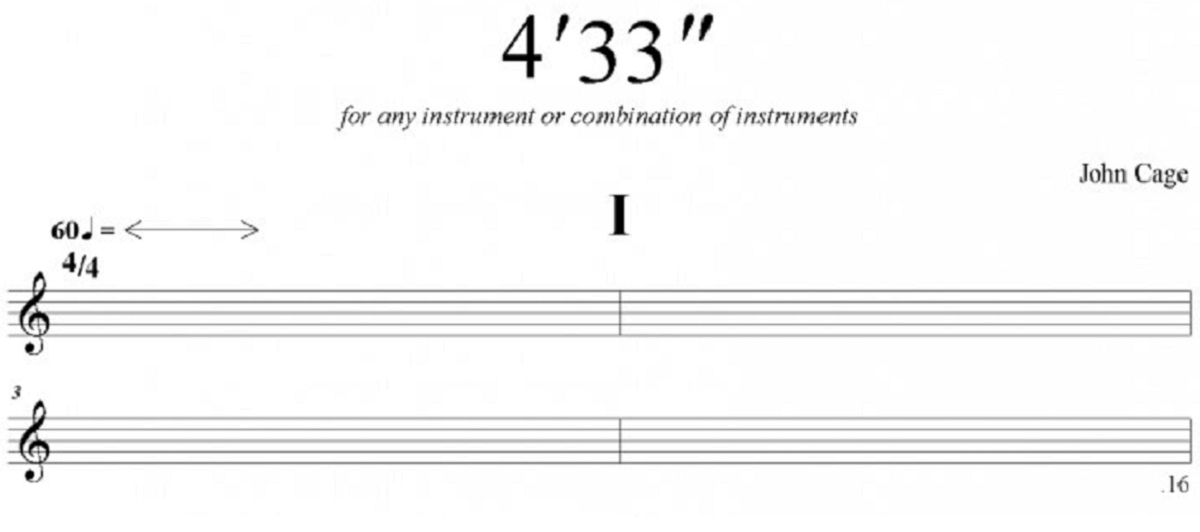


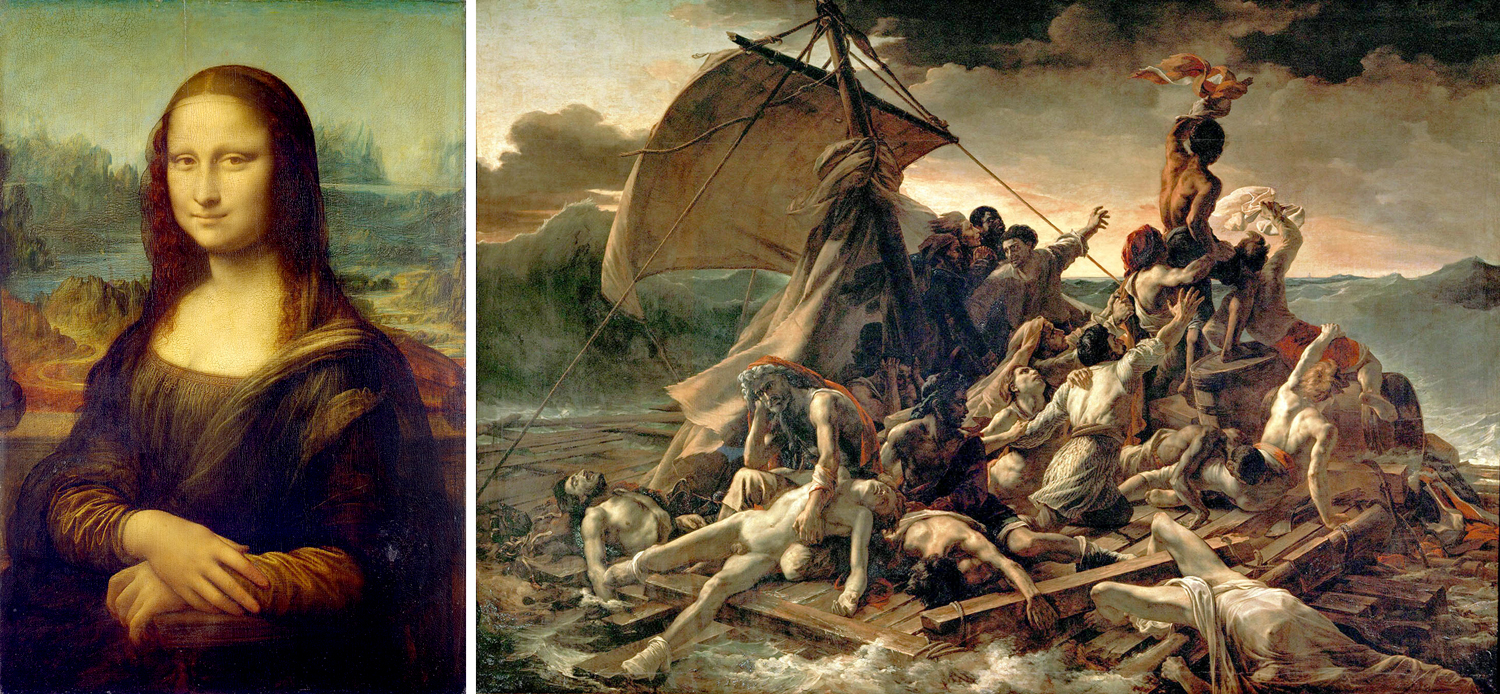
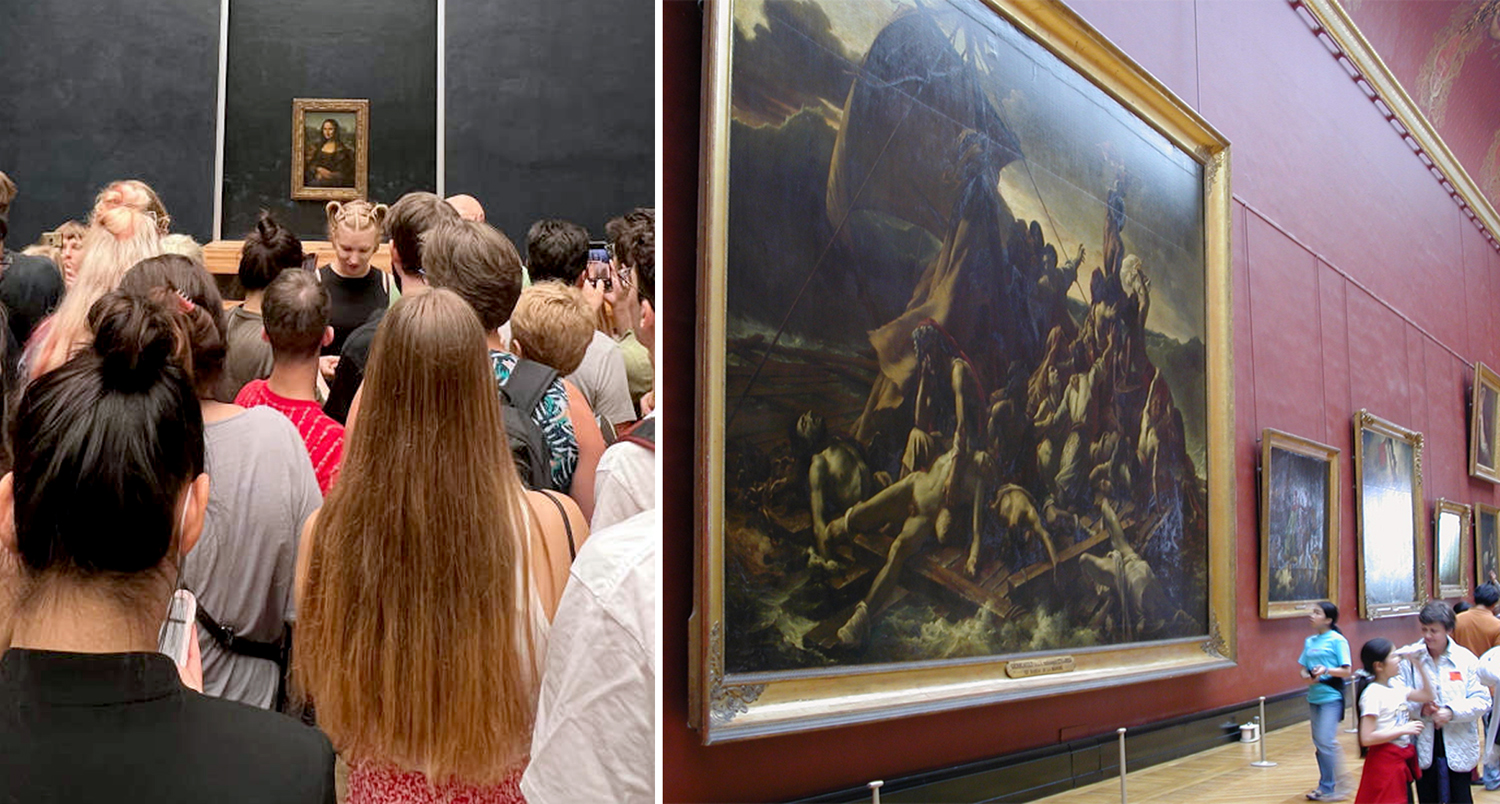
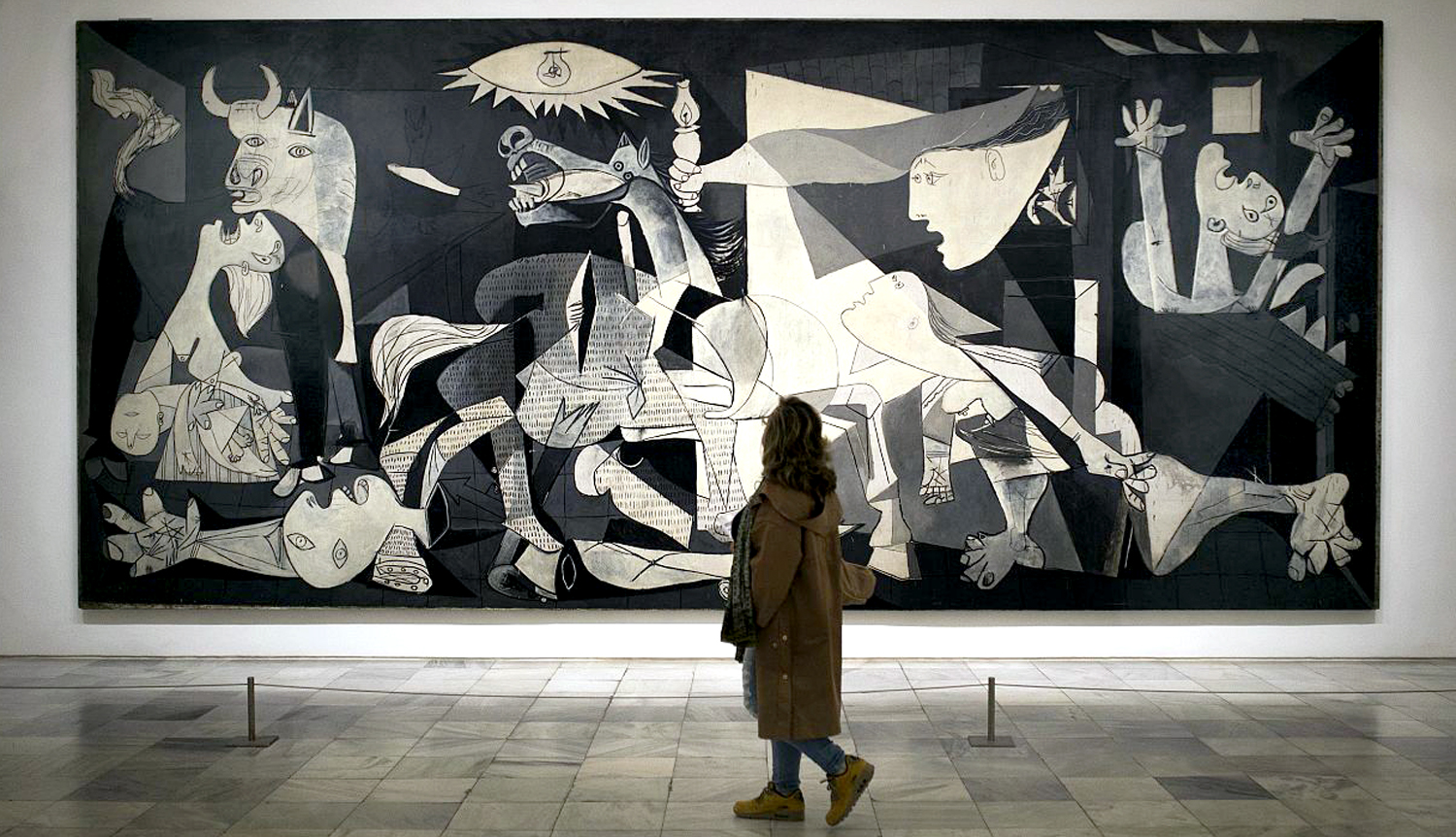
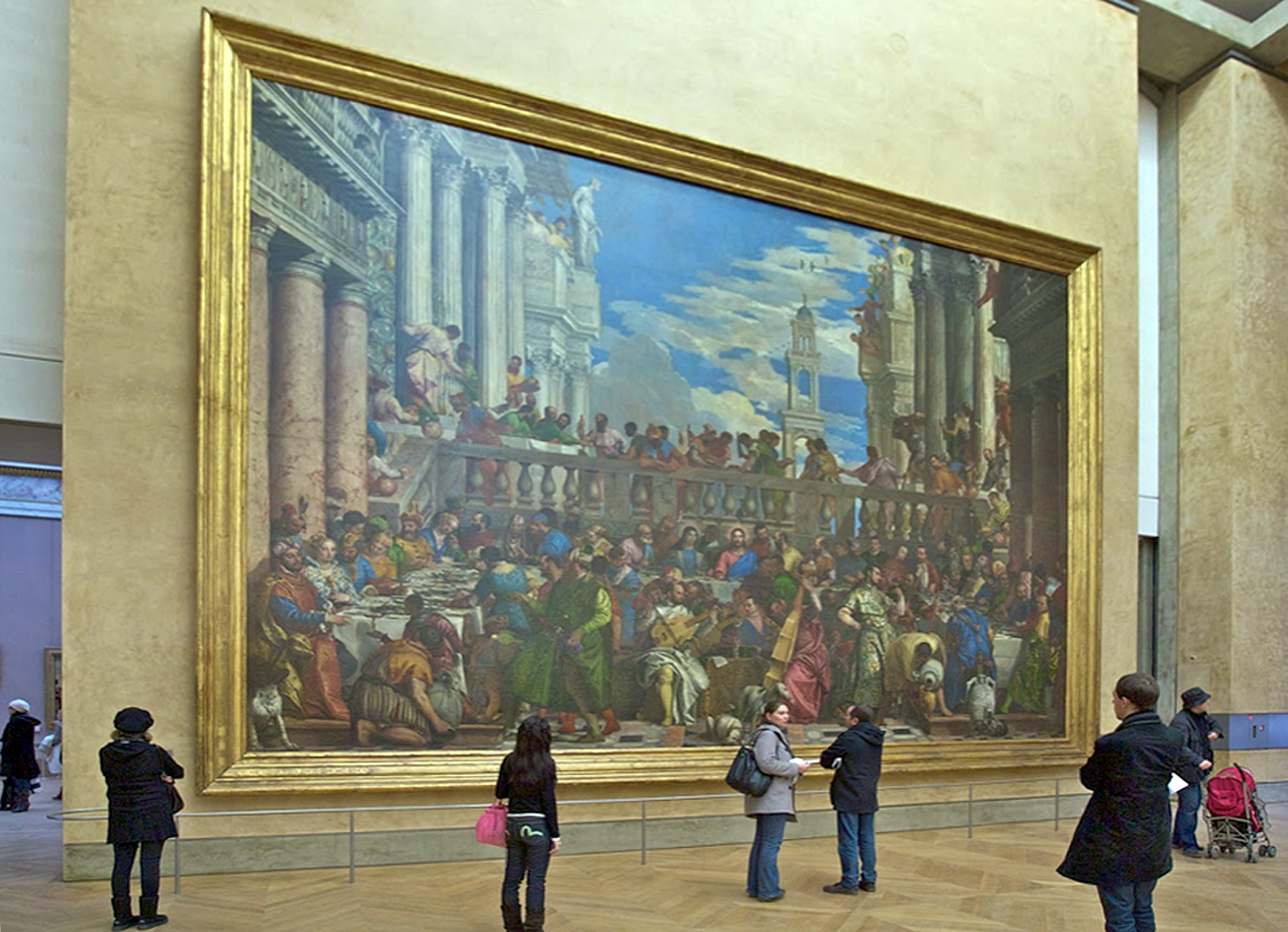

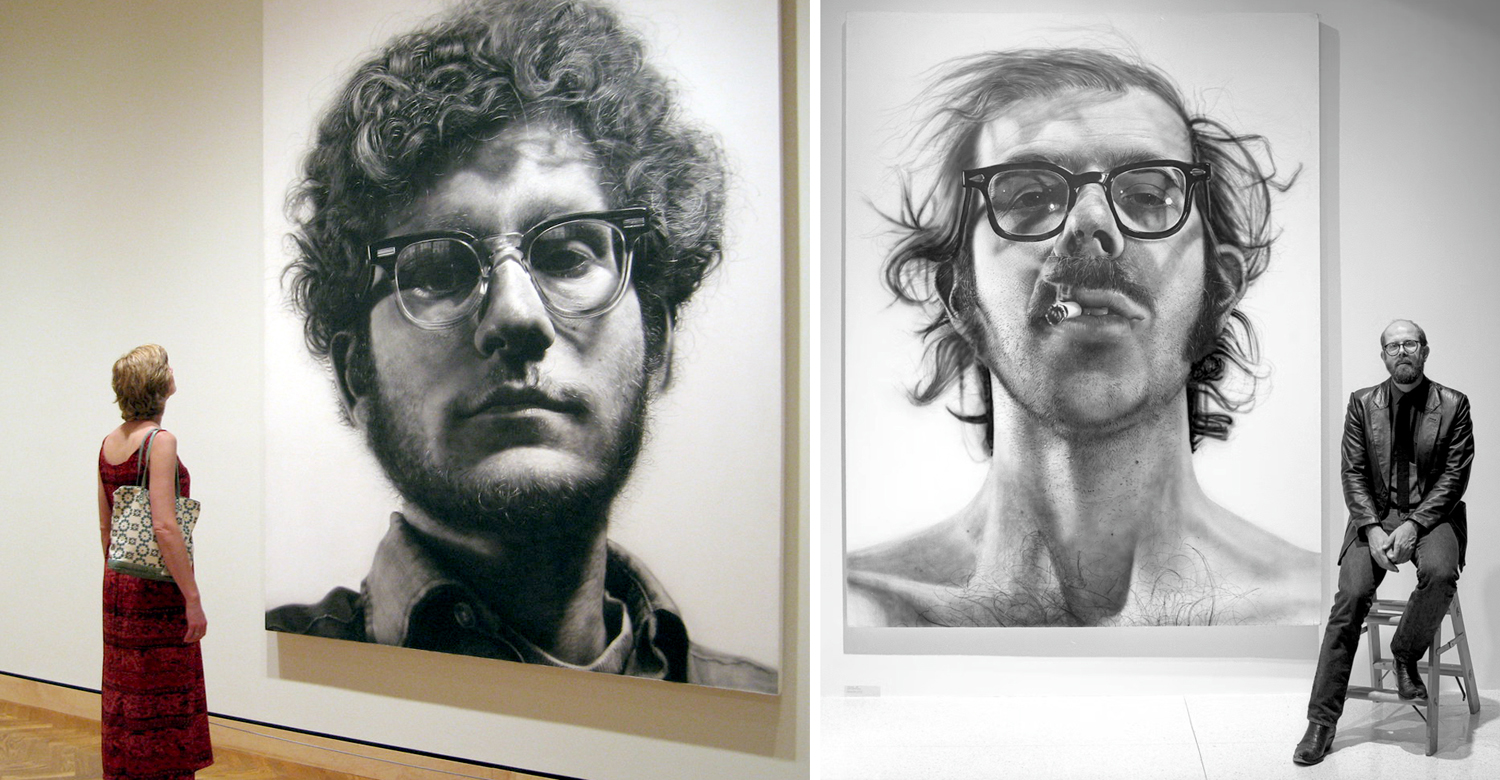
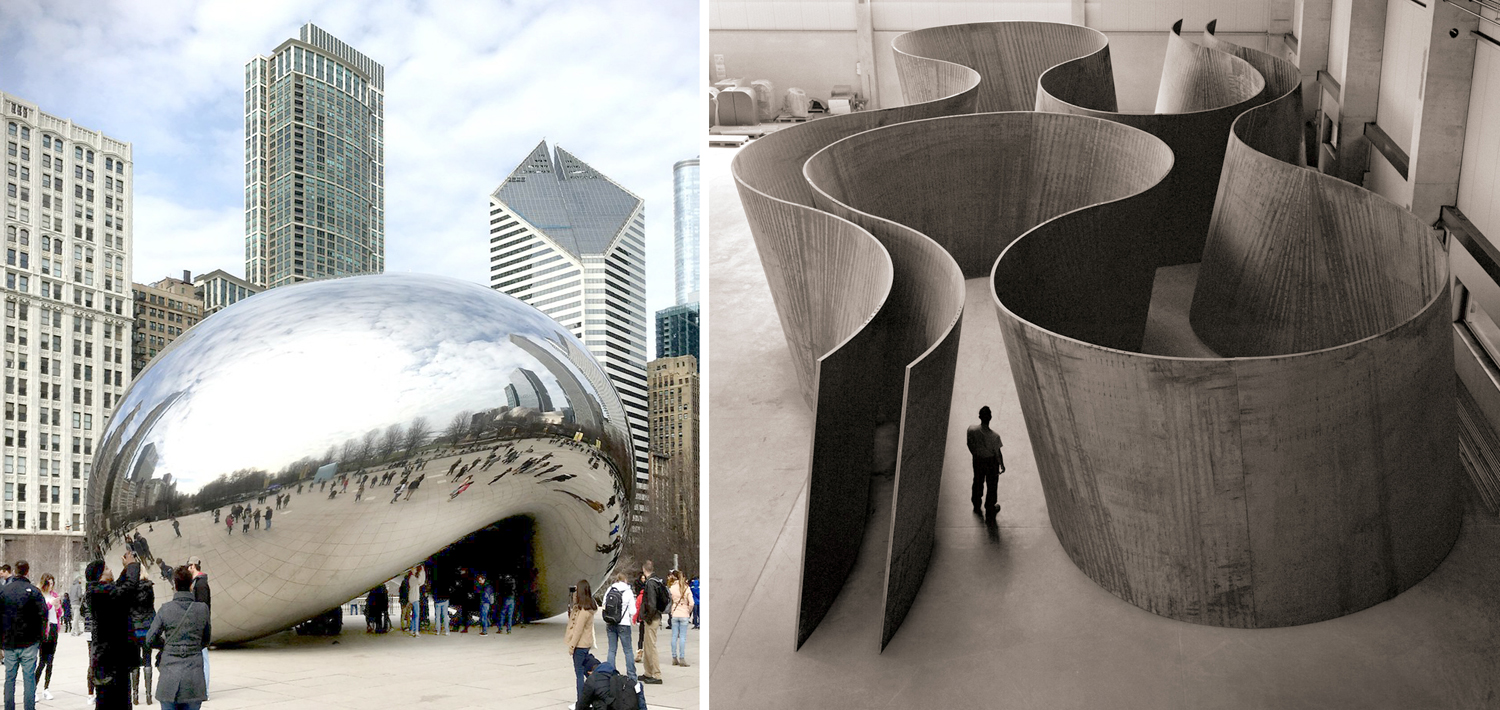
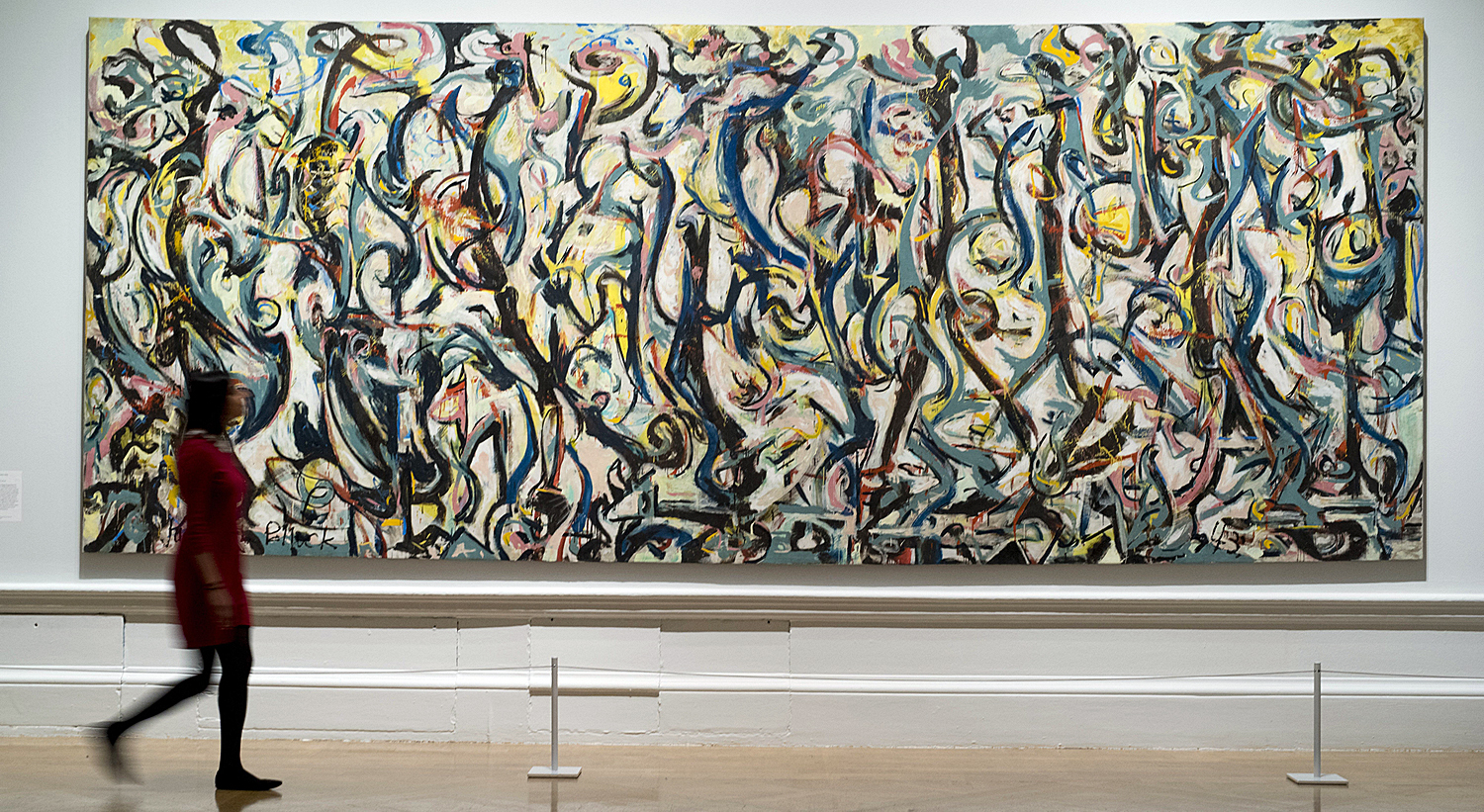






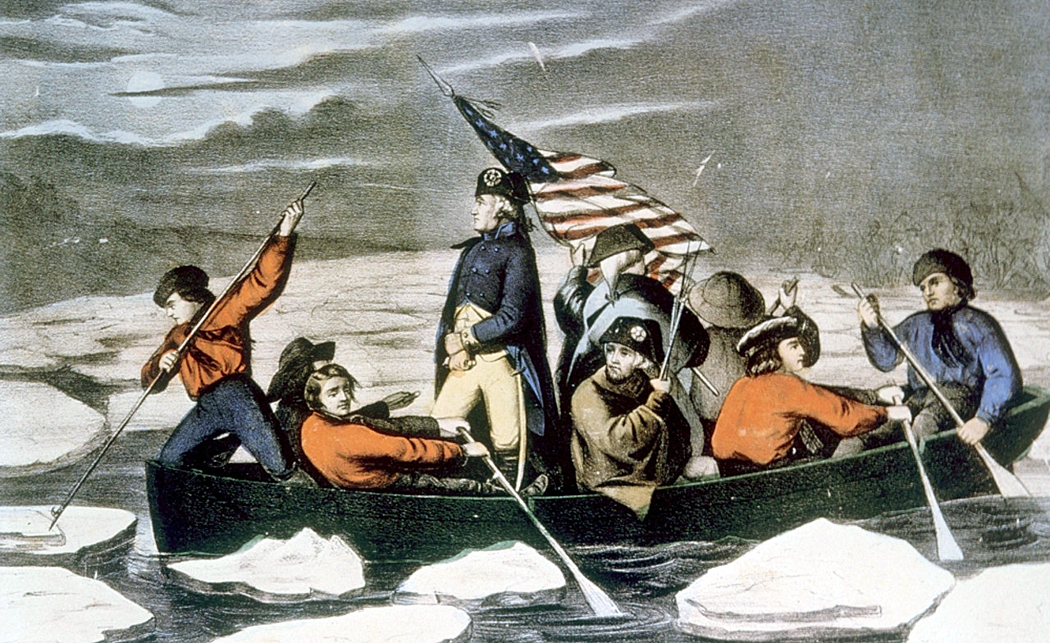




















 Richard Nilsen