When faced with some difficult problem of geometry or algebra, I usually just throw up my hands and say, “Don’t look at me, I was an English major.” I’ve noticed, however, that Anne will always phrase that a little differently. She say would shrug and say, “I’m an English major.”
The difference in tense speaks to how we each view ourselves and our place in the world. When it comes to things such as grammar or usage, I tend to be more flexible while Anne has more in common with a British sergeant-major. For her, there is right and there is wrong.
Of course, there are those more lax than I am and some more unbending than Anne. It is a spectrum. I have many peeves about poor usage, and especially misused words. I admit the definitions of such words as “enormity” and “disinterested” are changing and in the future they will mean whatever their speakers intend them to mean. But for now, it gives me hives when I hear a newscaster say, “There are less people having babies now.” Drives me nuts. But for Anne, this is not so much fighting a rear-guard action against change, as building a fortress against incoherence. “Things mean what they mean; illiteracy is no excuse.”
To gauge where you fall in the spectrum, consider a simple sentence: “Who did you give the book to?” There are two things “wrong” with this sentence, but how you intend to fix it, or fix it at all, may help you decide.
If you are one of those people who still believe that a sentence should not end with a preposition, then you will change it to, “To who did you give the book?” But that sounds all wrong. No one would actually say that.
And that’s because of the other problem — “who” should be “whom.” And so it becomes “To whom did you give the book?” But that can sound pedantic. So, you choose one mistake over the other and wind up with, “Whom did you give the book to?”
So, you pick your poison. Of course, in reality, you wouldn’t say any of these. What you would actually say is “Hooja give the book to?” And language is filled with hoojas.
We don’t speak word-by-word, but in phrases, and those phrases become units all their own. “Jeet jet?” Did you eat yet? “I’m gonna sell the old Ford.” “I dunno what is correct.” Sometimes these vocal elisions make it back into print. How many times have you seen “I would of gone” instead of “I would have gone?” But, of course, this isn’t so much an illiteracy but a back-transference from spoken language. You say, “I would’ve gone.” If that’s what you hear, you might very well think you’ve heard “would of” and then use it in your Tweet.
These back-transferences now often make it into print, mostly in dialog in fiction, to make the speech sound more natural. Ultimately, these have a chance to become standard English, and in the same way that “a nuncle” became “an uncle” by printing what the ear heard. At some point in the future, it will be in the Chicago Manual of Style to write, “We’re gonna study alot of stuff we dunno much about.”
That brings up “a lot,” which is one of the main bugbears for Anne. She yells at the page when she comes across “alot.” The word bothers me, too, but not as much as it rankles her. And I have to admit that at some point in the not-too-distant future, it will be common in dictionaries.
That’s how languages go. What is an ugly and ignorant solecism in one age becomes propriety in the next. Garish new money becomes respectable old money when the billionaire entrepreneur is knighted.
So, language changes, but almost never by fiat. Suggestions can be made. They may catch on, they may not.
One of the most successful came with Noah Webster’s desire to create a “more American” spelling. His 1806 Compendious Dictionary of the English Language sought to simplify spelling. Eventually, his changes caught on and we now spell “color” without a superfluous “u,” and “theater” with the “e” in its functional place.
Among British language reformers were George Bernard Shaw, H.G. Wells, Alfred Tennyson, and Charles Dickens. A Simplified Spelling Society was created in 1908 (currently, the English Spelling Society). America had its own Simplified Spelling Board, begun two years earlier, with a grant from Andrew Carnegie. President Theodore Roosevelt issued an order for all federal documents to adopt the suggested new spellings. That lasted short while. The old spellings were soon re-instated. The Louisville Courier-Journal published an article ridiculing him, which stated: “Nuthing escapes Mr. Rucevelt. No subject is tu hi fr him to takl, nor tu lo for him to notis.”
But if these things can’t be imposed from above, they can take hold from below. Consider the effect of Twitter and the Internet on language: “R U There?” Texting language now occasionally shows up in print. Expect more of it.
Language changes because there is a need, or because the newer versions seem simpler, or get adopted because technology or culture changes.
There are those who want to invent new pronouns to accommodate the rising awareness of gender fluidity. Some new words have been floated, such as “xe,” “xyr,” “em,” or “fae.” None has caught on. Given time, one of these may win out and may become normal. I don’t count on it. But the use of a so-called “singular they,” has long infiltrated common usage: “Everyone should take their hat off.” Solves an awkward problem (“his or her” is just cumbersome) and has actually been hiding in the language for centuries, no matter what edicts are handed down from hide-bound grammarians.
The last time a new gender-bound word has successfully entered the language was “Ms.” It is now used by almost everyone, and by many who don’t even know it was lobbied for in the 1970s when Ms. magazine first began publication. (And first proposed as far back as 1901). It is just a normal part of our vocabulary now, although those of us who remember when it was new can recall the angry backlash that came from the stodgier sections of our society.
Another group wants to get rid of apostrophes in contractions. Dont need them, they say. Context makes the meaning clear. “What Id like to study is the human id.” “Dont eat the yellow snow.” There are very few places where the meaning isnt clear, and even with the apostrophes, there is plenty of confusion in the language.
Linguist Geoff Lindsey points out that in spoken language, we don’t really ever hear the “t” in such words as “can’t.” That when we speak them, the difference between “can” and “can’t” isn’t in the “t” but in the vowel. If you say, “I can’t do it,” you actually say, “I can’ do it.” But you pronounce the “a” as the “a” in “bad,” while when you say “I can do it,” the vowel goes like “ken” — “I ken do it.”
So perhaps we don’t need the “t” — or perhaps we can just take out the apostrophe and say “cant.” And then write “ken” when we mean the opposite.
I’m not sure eliminating such apostrophes would make up for the number of supererogatory apostrophes added to create plurals. This is an ugliness that leaves me feeling like King Canute before the sea. It makes me hiccup every time I see it, but I am powerless to stop the rising tide. Perhaps in 40 or 50 years, even the Chicago Manual of Style will accept it as standard.
There are many normal progressions in the history of languages, expected simplifications and sometimes added complexities. Words that used to be two words became hyphenated expressions and then turned into compound words. Cellphone used to be cell phone; webpage was once web page, then, briefly web-page; hotdog was hot dog. English moves in the direction of eliding these words back down to one.
It has been pointed out that the perfect tense in English is fading. Where we once said “Have you finished yet” we often say instead, “Did you finish yet.”
Irregular verbs are being replaced by regularized versions. I remember when I was a journalist and required to use Associated Press style, we had to used “burned” instead of “burnt,” or “dived” instead of “dove.” I liked the older words with more taste in the mouth. But the direction of our language is toward regularization, at least in words less seldom used. We now sneaked instead of snuck; pleaded instead of pled; dreamed instead of dreamt. Maybe at some point “I did it,” will become “I dood it.”
Also, as we head into the soft middle years of the new century, borrowings from Spanish will become more common. They’ve always been there, from rodeo to hoosegow, but newer ones will proliferate. English has always been promiscuous and up to 80 percent of our vocabulary has been acquired from other languages (depending on your starting point — where was English first English and not related at all to what we speak now?).
And speech is the important issue. English has had a relatively quiescent period for the past several hundred years, as the language has been held steady by print. But as electronic media take over, spoken language is becoming more central, whether spoken on television or radio, or mimicked in texting and tweeting. Before print, English spelling varied widely. It looks like that Wild West of orthography could be our future.
And if so, then the hoojas will take over the tongue. And the didjas, the woodjas, the havyas and canyas.
I was once taken aback, talking with my young twin granddaughters about what movies they liked, that they refused, flat out, to consider any movie made in black and white. Not even a question. Jamais. Never.
For them, black-and-white meant antique, superannuated, something with no relevance to their lives. They wouldn’t even see a current movie if it was in black and white. Life was color; monochrome was irrelevant.
There are other disqualifications that some people maintain. “Read any good movies lately?” They won’t see a film with subtitles, which, of course, cuts out an entire half (at least) of all movie history and some of the greatest films ever.
But by far, the biggest disqualification for the majority of filmgoers is what are called silent movies — movies made from the invention of the medium through roughly 1930, when sound synchronization became the standard.
Without sound, dialog becomes disruptive title cards held motionless for long moments, long enough that the slowest readers in the audience can parse their way through; audio clues, such as traffic noises or train whistles are mute; and worse — actors have to act like semaphore signals to convey their thoughts and feelings. Silent movie acting seems grotesquely over-the-top, more like pantomime than anything we now consider proper acting.
There are other problems, too. In the earlier days of movie-making, frame speed was not standardized, and to complicate matters, most cameras were hand-cranked, which means that the idiosyncratic crank-timing of the cameraman could vary quite a lot. This meant that for decades, long after sound had taken over, and movies began showing up on TV, the old films were projected at the wrong speed, too fast, making everything herky-jerky.
And, because the studios that made those old films never thought of them as anything but disposable entertainment, there was no incentive to archive them or care for the old prints. Add to that, they were made with flammable nitrate film stock, which deteriorated over time, and that there were several devastating studio fires that consumed whole catalogs, what is left is often only a fossilized remnant of what the old films actually were. As a result, an estimated 70 percent of all the movies made before 1930 are lost. Ceased to be. Gone to meet their maker. Joined the bleedin’ choir invisible.
And what survived was seen most often in poorly made copies of copies, bleached out, scratchy, grainy and out of focus. As if silent film technology was roughly akin to the Stone-Age chipping of flint arrowheads.
But that is not what they were when they were made, as we have seen when film restoration has brought us clean prints of some of the more important movies from the era. The photography was as good as anything done currently. The motions of the actors, when projected at the proper speed seem less silly.
You can look at the development of cinema from its earliest beginnings in the 19th century as a constant advance, not only of technology, but of the esthetics of film. At first, a stationary camera just records a few things in front of it. Later, the camera learns how to move. Film learns to tell stories and directors figure out how to edit bits of film together to make those stories move faster and express more. Wholesale changes in blocking, acting, lighting, editing, camera angles and motion all add to the growing sophistication of the art. There are the traditional mileposts in this development: the close-up; the intercutting; the over-the-shoulder back and forth; the use of double-exposure; and of matting.
By the time sound came in, intermittently beginning in 1927 or so (the dates are hard to pin down, depending on how complete the process was and which competing technology was used), silent film had become a fully developed art form, capable of expressing a huge range of thought and emotion. In fact, the advent of sound caused more problems than it solved, and the constraints of microphones and movie-set noise, took away some of the expressive possibilities of the silents.
Cameras tended to stay still (they often had to be ensconced in stationary booths or sound-cancelling “blimps” so that the microphones wouldn’t pick up the noise of the machinery) and actors needed to stay still near the microphones. Films became more stagey and set-bound. Early sound films often looked more like recorded stage plays.
Worse, because sound made dialog possible, much was explained rather than shown and talkies became rather talky. The best continued the old dictum, “show, don’t tell,” but it became economically advantageous to let the tongues do the talking rather than the images.
Alfred Hitchcock, who had been making artistically sophisticated silent films, initially thought that “the silent pictures were the purest form of cinema,” and the first talkies were little beside “photographs of people talking.”
All this has been well covered by myriad books and videos about the history of Hollywood. But there is one aspect of silent films that has too often been neglected, and that is that they were never silent films.
During their era, movies were always accompanied by either a live orchestra playing in the pit, a pianist, or an organist. Major features usually had a bespoke musical score that was distributed along with the film, so that orchestras in the large theaters could play along with the movie. In smaller venues, a piano or organ reduction would be provided. For lesser films, music publishers provided regular cues — short bits of piano score describing certain types of action or emotion — for the in-house pianist to improvise from.
The process was very like the incidental music written — often by major composers — for stage plays. Mendelssohn’s music for Midsummer Night’s Dream, or Grieg’s for Peer Gynt, for instance. Several major composers, such as Camille Saint-Saens, also wrote scores for movies.
Or more apt, like the music that accompanied ballet. Tchaikovsky or Leo Delibes or Prokofiev would write music to order, according to the needs of a dance scenario. “I need three minutes of mazurka for Act 2,” the composer might be told, and would produce it on order. We think of composers being divinely inspired by their muses and pumping out symphonies, but really, they often made a living as subcontractors, part of the team that produced popular entertainment. Even Beethoven wrote incidental music and ballets.
So, the tradition of writing music for films was much like that for ballet. It would be silly to imagine Swan Lake with no music, only dancers. But nobody would ever call ballet, “silent theater.”
But the first time I ever saw The Birth of a Nation was at my college film series where it was run with no sound. I complained to the projectionist that he forgot to turn on the audio and he looked at me like I was an ignoramus. “It’s a silent film; there is no sound.” Yes, there is, and it was written for the movie by composer Joseph Carl Breil who created a three-hour-long musical score made up of adaptations of existing works by classical composers, new arrangements of well-known melodies, and original composed music. (The British Film Institute’s Blu-Ray restoration of the film includes Breil’s music). (Although, if you never get a chance to see Birth of a Nation and its promotion of racism and the Ku Klux Klan, you may be intellectually poorer, but your soul will be so much cleaner.)
It helps to keep the ballet model in mind when considering silent film. Movies developed together with the music that accompanied them, and we would appreciate them more if we saw them that way.
Of course, the basic level of appreciation is the story being told, and most movie-goers even in those early years, were there for the plot. Good over evil; love conquers all; the hero saves the maiden.
But we, watching now, should notice not just that surface level, but also how the movie was made: How the director uses a moving camera to advance the story; how the lighting underlines the mood of a scene; how the editing manages to keep us up-to-speed on parallel plot points, back and forth; how the close-up lets us into the mind of the actor.
And so, watching a silent film should be more like watching the dance. It is a different art form from sound film, and one that needs to be understood in its own way. The story drives the action in Swan Lake too, but we watch for the dancing and choreography.
I have a list of 10 silent films that demonstrate what the silent film can do. Recent film restorations have improved image quality, when a print can be struck from the original studio negative, and with restored musical scores, either from original sources, or new scores written in period style.
We’ll go from the easiest to understand and love to more adventurous films. In my experience, one of the best places to start is Buster Keaton’s Civil War film, The General.
The General
Keaton’s 1926 story is easy to follow, as Southern railroad engineer Johnny Gray spends most of the movie chasing a locomotive stolen by Yankee forces and then being chased by them. There are plenty of gags — Keaton was a genius with those — but also a comprehensible plot, easy to follow, and believable. Keaton’s direction is always clear, and with many exceptionally beautiful or intricate shots. The most expensive special effect shot of its time was later copied for The Bridge on the River Kwai, as Keaton has a train crashing off a burning bridge, followed by a dam breaking and a flood washing soldiers downriver. It’s a great film and for a wide audience. One of the great films of all times, silent or sound.
Metropolis
Fritz Lang’s 1926 sci-fi masterpiece has benefitted more than most from restoration. Seen previously in shortened versions, a new version has most of the missing footage returned so that story begins to make sense (even at its best, the plot never really made much sense). But it has some of the most stunning visuals ever put in front of a camera. It is a glorious film to watch, even if the acting sometimes seems maybe a smidge over the top. Despite that, it is also one of the greatest films of all time, and one of the most influential.
The Lodger: A Story of the London Fog
This 1927 Alfred Hitchcock thriller is a masterpiece of visual storytelling. Called the “first true Hitchcock film,” it plays with the fear raised by a Jack-the-Ripper style murderer in London and a mysterious lodger in a boarding house who may or may not be the killer. The film is chock full of Hitchcockian ticks, including a “wrong-man” plot, the obsession with blondes, and the plot-twist ending.
These three films offer little problem to the modern viewer and can be seen with little forgiveness needed for their lack of spoken dialog.
——————————
The next three are milestones in technical experimentation and the invention of cinematic conventions that are in common use today
Battleship Potemkin
In 1925, Soviet filmmaker Sergei Eisenstein told a story of the aborted 1905 rebellion through a version of the mutiny aboard the Russian battleship Potemkin. The film uses editing as fast as an MTV video to further the story, and inventing the montage. The section called “The Odessa Steps” still carries as much punch as anything ever made.
Napoleon
French filmmaker Abel Gance intended to make six films covering the life of Napoleon, but only finished the first. But it is five and a half hours long and uses many experimental techniques, putting his camera on a swing, or on the back of a galloping horse.
And in its climax, using three cameras and three movie screens to make a precursor version of Cinerama — huge widescreen images. It is an astonishing film for 1927.
The Passion of Joan of Arc
It sometimes seems as if Danish director Carl Theodor Dreyer’s 1928 The Passion of Joan of Arc is entirely made up of close-ups of lead actress Maria Falconetti’s anguished face. But if proof was ever needed of the power of human expression, this movie is Exhibit A. It is emotionally overwhelming.
——————————
The next three films are documentaries, made before documentary film became hamstrung by an inflexible puritan ethic (fooey on you, Frederick Wiseman). Some use recreations and re-enactments, but give us real information nonetheless.
Häxan
Häxan, from 1925, is a Swedish film that investigates the phenomenon of witchcraft through the ages. It was banned or censored in many places for its anticlericism, nudity, and depictions of depravity, but ultimately comes down on the side of modern understandings of schizophrenia, hallucination and bigotry to explain the witch stories. It is mostly filmed recreations by actors, but tells a real story.
Grass: A Nation’s Battle for Life
From 1925, the story of Grass’s creation is as breathtaking as the story it tells of the annual migration of 50,000 of Iran’s Bakhtiari people across the vast Zagros mountain range with their cattle. Stunning landscapes and death-defying river crossings, all captured on film by Merian C. Cooper, Ernest B. Schoedsack, and Marguerite Harrison (Cooper and Schoedsack later made King Kong). The filmmakers took the migration along with the tribespeople, and suffered all they did along with them. This is one of my favorite films of all time.
Nanook of the North
Three years earlier, Robert Flaherty made what many consider the first film documentary, when he took his camera to northern Canada to film the lives of Inuk native, Nanook (“The Great Bear”) and his family.
It shows us how they lived and how they survived. Purists now complain that some of the shots were staged and that Nanook was an “actor” (although he was a genuine Inuk native. But the ideas of documentary right-mindedness didn’t exist in 1922, and there is a genuineness in Flaherty’s film that many more virtuous documentaries cannot equal.
——————————
Number 10 on my list is actually a group of films. One thing that silent film did immeasurably well is horror. German filmmakers in the 1920s were immersed in an Expressionistic milieu that gave us films such as Nosferatu, The Cabinet of Dr. Caligari, and The Golem and How He Came into the World. But Germany wasn’t the only place that worked out the magic of film images of the supernatural and spooky. Hollywood had its share, also.
Nosferatu
F.W. Murnau’s plagiarized version of Bram Stoker’s Dracula nearly was lost to history. Stoker’s estate sued over the film, which Murnau had not secured the rights to, and the court decided all copies of Nosferatu should be destroyed. Luckily, a copy survived and is now seen as one of the true masterpieces of silent film. All shadows and sharp angles, gothic castles and claw-like hands, it is a much spookier version of the story than 1931’s sound version with Bela Lugosi.
The Cabinet of Dr. Caligari
With its Expressionist cityscapes, with nary a right angle to be seen, and with Conrad Veidt’s pasty-faced somnambulist, the film is an absolute feast of visual inventiveness. If you ever needed a picture of what insanity might look like from the inside, this film is it.
The Phantom of the Opera
All of the films I have discussed here are among the best made in the silent era. Phantom of the Opera, if seen merely as the result of film direction and writing, is rather ordinary. But its visuals are unforgettable. Lon Chaney’s skull-like make-up for the phantom, the Gothic underworld of the Paris Opera, and perhaps most of all, the Two-Strip Technicolor episode where the phantom descends the grand staircase of the opera house wearing the costume of the Mask of Red Death.
Visually stunning, if less than brilliantly told, the Phantom of the Opera is buried in the consciousness of its audiences. I doubt that the several remakes of the film or the eponymous musical would have ever existed if the original film hadn’t been so compelling.
This hasn’t been my list of the Top 10 (or 12) silent films. Such a list would have to include Sunrise: A Song of Two Humans; Greed; City Lights; The Big Parade; Pandora’s Box; The Last Laugh; Flesh and the Devil; Cabiria — and a host of other contenders. Nor are these just my favorite films. I have others among the silents, including The Lost World or Hell’s Hinges.
Nor have I listed any of the many silent short comedies — especially missing: the films of Chaplin, Arbuckle, Lloyd, Keaton, the Keystone Cops or Laurel and Hardy. They are familiar enough and require no special pleading from me.
But I have hoped to make the case for an entire era of cinema, and that it is its own artform, and not merely film manqué, waiting quietly to be perfected by Al Jolson.
Now that I am past-ripe and a wizened old man, what do I spend my time thinking about? Certainly not the things I thought, or cared about when I was in my 20s or even my 40s. Gone is any career ambition, or the delights of sex or ownership or the esteem of my peers.
I am not the same person I was when I was young. I can’t feel bad about who I was, or feel guilt about the stupid things I thought or did. That was then and cannot be changed. And one of the most important lessons I have grown into is the realization that I can effect very little change or improvement on the world. It will always be joyful and cruel, intelligent and mind-numbingly dumb, individual and collegial, important and inconsequential. I can attempt to reduce my contribution to the cruel, dumb and evil.
I think also the related thought that while I am an infinitesimal mote in the cosmic history, and count for absolutely nothing in the big picture, that so much of the world can fill me with afflatus and pleasure. And how much meaning such things afford me.
Beyond that, I think about the experience of being alive, in the sense of paying attention to the physical world around me. I don’t mean “mindfulness,” which is a repellent and trendy buzzword. To say, “being in the moment” is not quite it. The moment doesn’t much count, but what does is the fact of paying attention, and feeling a part of it all. Me and the universe, a single thing. My emotional connection is a silken thread in the weft of an immense fabric.
And so, I concern myself instead with whether I am a good person, whether I have atoned for the foolish, selfish or hurtful things I may have done or been in the past. Do I listen? Am I generous, especially in spontaneous fashion? Do I try to make others happy?
Then, I think of death. Not in any romanticized Sorrows of Young Werther way, but rather the recognition that extinction is within touching distance. Blankness, non-existence, evaporation. I never think that I have existence beyond the body that generates my consciousness. When I die, my spirit will not hover in some afterlife; rather, I will cease being created, moment by moment. Gone. This is not something I spend much time fearing, but rather a speculation I attempt in cool realization of fact.
Death is now always sitting on the front steps waiting for me to answer the door. And not only my own death. Not even principally my own.
I cannot avoid experiencing grief. I don’t mean sadness, but gut-hollowing grief and the universal experience of loss. There are two such experiences that humanity gets to share and the irony is that although it is common to all, to each it feels as if we are the only and first ever to feel it. Those two things are love and later, grief. It can be sympathized with, when someone you care about goes through it, but it cannot be shared. It is the most personal intimate thing I have ever been through. You may think that granite is real, but you don’t know real until you know grief.
These are all some of the things that occupy my brain throughout the day.
They are not all cosmic. Just as much a taker-up of my brain power, is language. How can it work? Why can I understand a thick Brooklyn accent and an Appalachian twang although the sounds they generate have little to do with each other? Why we think language corresponds to experience when it clearly refers primarily to itself. It is a parallel universe. Yet, we believe it describes reality. Why?
What does not much concern me is politics. I have my own beliefs, of course. And I vote. But as I wrote some 40 years ago, “Politics answers no question worth asking.” It may make life possible, but does not explain why we should live.
To be truly alive is to pay attention. Engagement. Being aware.
When I was a callow college student brilliant at giving a professor what he or she wanted, taking it all in, and giving it all back. But then, one of them shocked me awake by giving me a D grade for doing just that. He didn’t want me to give him what he wanted. Regurgitation isn’t learning. He wanted me to engage with the material, directly. Not words about the material. And he made me do actual work, no more coasting on cleverness. He prevented me from settling for glib. It was one of the most important lessons I ever got. “Engage with the subject.” I have been forever grateful for that. It has been my guiding principle.
A famous British comedian has reckoned, in a serious moment, that the most important human emotion is gratitude. He called it the “mother of all virtues.”
Others, like love or hate, may be more immediate in power, but love, for instance, is of little use without the recognition of it gained through gratitude. And as I look back over a long life, I feel gratitude for so much.
The first is an impersonal gratitude for the mere fact of the spark of consciousness between two infinite darknesses. And the awareness of that gives me not the unreflective “thanks for that,” but a deep and pervasive gratitude for just breathing, and being aware that I am breathing.
The fact that I was born in an unprecedented era — one of relative peace after two disastrous world wars, and an era of modern medicine, booming economy, wide education, increasing social justice (though far from perfect) — has not gone unnoticed. All are to be grateful for.
Other gratitude is more focused on people. Primarily I am grateful for the 35 years my late wife, Carole, was willing to share with me. She, and those years, made me who I became more than anything else — and I include the parents who raised me and the DNA that governed much of the happenstance of existence. No, she was most responsible. I cannot thank her enough and always feel unworthy of the love she offered me. She died seven years ago. I grieve for her every day.
I do, however, recognize what my parents gave me and wish I could, now that they are gone, share my gratitude with them. I cannot say they were exceptional parents, but they gave me a sense of security, a sense of fair-mindedness, of tolerance. And there was never any doubt from them that I would be college educated and set off on a successful life. I am grateful for the fact they never forced a religious orthodoxy on me. And that they made sure we traveled and saw a wider sense of life.
I once made a list of all the people I feel gratitude toward. It went on for pages. I can’t include them all here, and you wouldn’t know who they were, anyway. But they were important to me. You surely have your own cast of characters and your own gratefulness. None of us grows purely on our own.
And so, aiming into year 77, I can admit such a welling of gratitude that the thought of the non-being shortly ahead of me seems more like a fine rounding-off than a horrible cheat.
The Mona Lisa used to be a painting. Not any more. Now it’s a meme. Especially in the current climate of cellphones and online culture, the original has lost all relevance, and has been replaced by hundreds of refracted reflections.
For that matter, “meme” isn’t what it was, either. Now, a meme is pretty much anything that someone uploads — a picture with a clever caption; a funny picture; a political observation. If it gets noticed and reposted, either in its original form, or altered by the observer, it has become a meme. A meme is a cat hanging on to a clothesline or a quote from Mark Twain that he never actually said.
But that is not what I’m talking about here. A meme, as I’m using it, is its older meaning: a familiar image, saying, bit of music, or bit of art that has become so well known as to be instantly identifiable that it becomes a shorthand for whatever you wish it to be. The original needn’t be known for the meme to be understood. I’m sure there are people who believe the image of McCaulay Culkin holding the sides of his face in Home Alone is the original, not recognizing the reference to Edvard Munch’s The Scream. The original painting has receded and the pose itself is the referent.
Many of the most famous pieces of art have become memes: Grant Wood’s American Gothic; the Venus de Milo; Michelangelo’s Creation of Adam. You don’t need to explain the joke when you use them. If I made a parody of, say, Ingres’ Portrait of Monsieur Bertin, with Rupert Murdoch’s face replacing Bertin’s, I’m pretty sure I’d have to explain what I meant. But Liberty on the Barricades needs no such support. We know.
It isn’t just pictures that become memes. One of the oldest, going back to the Roman era, was a glyph sometimes called the Sator Square, an arrangement of letters (words) that reads the same top to bottom and side to side and even backwards. It has been found from ancient times into the Middle Ages. Its exact meaning and purpose are not clear. It sort of translates as “Farmer Arepo works with wheels.” Sort of. And during World War II, the little cartoon, “Kilroy was here” showed up all over the place. Memes come in all sorts of forms.
Literature can do it, too. You don’t have to know any Shakespeare at all to recognize “To be, or not to be.” It’s there in the atmosphere. Not that we need to know much, or even know correctly.
Getting it wrong is hardly a hindrance. How many people hear, “Romeo, Romeo, wherefore art thou Romeo,” and assume Juliet can’t find her beau? How many cartoons, comedy skits, movie bits are built from that misunderstanding? Where did Romeo go? “Wherefore” is simply too antique a term to be easily understood. And the following “Rose by any other name” is the sequent meme.
Even music can do this. “Da-da-da-DUMM” is known to those who have never, ever heard a symphony. It is a meme. The rest of Beethoven’s symphony might as well disappear.
And so it is with Leonardo’s Mona Lisa. It hardly matters who Lisa was, when it was painted, nor all that technical hoo-hah about the sfumato technique. The lady has transmigrated everywhere, known to everyone, pretty much around the world. Use her for whatever you wish. You can even mix memes.
In spending weeks immersed in the Mona Lisa, gathering what I needed for my previous blog entry on the painting, I found hundreds of memed parodies. Some too good to waste. And so, I wanted to post a followup with some of my favorite Mona Lisa knock-offs. (I just counted up the images I have collected, more than I could ever use, and discovered 443 jpegs. I get exhausted just thinking about it.)
The Mona Lisa is the subject of endless cartoons. Some make jokes about the famous smile
others to Leonardo himself…
The Mona Lisa can just be a stand-in for important art…
The New Yorker puts them on its cover…
In fact, lots of magazines have slapped our lady on their fronts.
Or made fun of her…
And she shows up on some magazines you might not expect…
That’s just a sampling. I got lots more, but we need to move on. Celebrities get the Mona Lisa treatment quite often.
Whoopie Goldberg, Marilyn Monroe, Taylor Swift
And that last one has had the treatment over and over. Whoda thunkit?
And you don’t have to be female…
Vin Diesel, Albert Einstein, Bill Murray
You can be a cartoon character…
Or a Disney character. They all run the the meme grinder…
And even more. Anyone remember Daria?
I found dozens of anime Mona Lisas…
Muppet Giocandas…
There are Mona Lisas with animals…
And with cats…
And Mona Lisas as animals…
And as cats…
She shows up frequently as graffiti…
And as Pop Art. How could she not?
Quite serious artists have used our lady as a model. The joke Mona Lisa by Marcel Duchamp, dating from 1919, gives her a mustache and the letters “LHOOQ,” which, pronounced in French sound the same as “Elle a chaud au cul,” or roughly, “She has a hot ass.”
By Robert Henri, Marcel Duchamp, and Fernando Botero
She comes in minimalist form, still easily identifiable…
And shows up on stamps, the side of a barn, and, of course, a port-a-potty…
And we’re just getting started with goofy. How about a balloon Mona Lisa, or reproduced on an Etch-a-Sketch or made out of Legos…
And if that isn’t enough, what about a Mona Lisa made from bacon; or a Mona Lisa Pizza; or one made from lentils…
Still further, one made from jelly beans. Or a pair of them in peanut butter and jelly.
Poet William Blake once wrote, “You never know what is enough until you know what is too much,” and you may very well feel we’ve long gone on too long with this. I get it. But even with all the images I’ve included, I have at least a hundred more that I’ve got left over, including Mona Lisa on coins…
And, suitable for a finale, a big pile of bones…
Originally, I planned to write a single blog entry about the Mona Lisa, but soon came to realize that if I were going to give any background information about the painting to explain all the memified hoopla, it would have to stretch into two halves. I’ve been going through and editing hundreds of images, and researching information about Leonardo and his art. I think I’m ready to give it a rest now for a while. I’m sure you are, too.
Is there a more over-hyped piece of art than the Mona Lisa? I don’t intend to demean Leonardo’s painting, but to question the PR. It’s an excellent painting, but I could name a hundred others as good or maybe better. Yet, this portrait of a middle-class Florentine woman is the most widely known painting in the world. At least, since 1911.
Leonardo da Vinci (1452-1519) was the prototype of the Renaissance Man. Initially a painter, he was also an inventor, scientist, sculptor and architect. But he was also a world-class procrastinator and leaver of unfinished works. His attention span could be intense, but often quite short.
He was born to an unmarried woman about 20 miles from Florence, Italy. His father was a local notary who married four times and sired at least 17 children, including our young Leo.
He studied painting as an assistant to Andrea del Verrocchio, but then made his living primarily as a military architect, working in turn for the Sforzas, the Medicis, and Borgias. In his spare time, he continued to take painting commissions (not all of which he ever finished) and working on various scientific and philosophic theories.
“Leonardo painting the Mona Lisa” by Cesare Maccari (1863) mistakenly has the left-handed artist painting right-handed
When he was 51, living back in Florence, he was commissioned to paint a portrait of Lisa Gherardini, who was married to Francesco di Bartolomeo del Giocondo. She married him in 1495, when she was 15 years old, which meant she was about 23 when Leonardo began painting her. (I say “began” because the painter never really finished the painting and never delivered it to its commissioner; he never received payment for the commission, either).
The painting has long been known, outside of the English-speaking world, as La Gioconda, or “the Cheerful Woman,” but was also just the feminine version of her married name, Lisa del Giocondo.
“Lady with an Ermine;” “Ginevra de’ Benci;” La Ferronnière”
Leonardo seemed to enjoy including puns in his portraits. La Gioconda comes from the Latin “jocundus,” which means agreeable or pleasant. Hence the mild smile. In his three other portraits of women, he does something similar. The Lady with an Ermine includes the beast because the ermine was a symbol of the Sforza family, and also because the sitter’s surname, Cecilia Gallerani — mistress of Ludovico Sforza — is a play on the ancient Greek name for an ermine, galê (γαλῆ). The portrait of Ginevra de’ Benci sets the sitter among Juniper plants. “Ginevra” is Italian for Juniper. And finally, La Belle Ferronnière, is an early portrait of Lucretia Crivelli, who was married to an ironmonger (“ferronnier”) and mistress of Francis I of France. In her portrait, she is also wearing a decorative headstrap known as a “ferronniere.”
The better known title, Mona Lisa, is her name, Lisa, and the honorific “Mona,” which is a contraction of “Ma Donna,” or “My Lady.” In Italian, it is there usually spelled “Monna,” and the painting as Monna Lisa. (Never “Mona,” because in various Italian dialects that is a slang word for a woman’s lady parts, and used as an insult for a stupid or obstructionist person, much as the C-word is used in British English, where it doesn’t bear quite the taboo status it has in the U.S.)
Leonardo seems to have worked on the portrait until 1506 and put it aside for a bigger commission, a mural commemorating the Battle of Anghieri — a mural he never finished, either. He kept the painting through several moves and took it to France with him in 1516, where he began working for King Francis I, primarily as a military engineer. The king bought the Mona Lisa, probably in 1518, and it wandered around various palaces after that, until after the Revolution when it found its way to Napoleon’s bedroom and then to the Louvre.
“Mona Lisa” and what it might look like under the darkened varnish
Or, at least, that’s the most likely story. There is an alternative version, in which the painting, of an unknown sitter, was commissioned by Giuliano de Medici in 1513 and was later confused for the Giocondo painting that was mentioned by historian Giorgio Vasari.
The problem is complicated by the fact there are two Mona Lisas, both generally accepted as by Leonardo — a second one that was in the possession of Leonardo’s assistant (and likely lover) Andrea Salai and catalogued after Leonardo’s death in 1519.
Making matters worse, there are at least three Mona Lisas that experts agree were made in Leonardo’s studio, at the same time, with the extras likely painted by either Leonardo himself or his assistant Salai.
Prado “Mona Lisa” before and after restoration
One of the supernumeraries is at the Prado in Madrid. It was discovered when a portrait of a lady, with a black background was cleaned in 2012 and the background of the famous Mona Lisa was uncovered. The previously ignored painting was then studied more closely and found to have been painted in Leonardo’s studio at the same time as the more famous painting.
“Isleworth Mona Lisa” and Louvre version compared
Another version, hidden in a Swiss bank vault until 2012, is the so-called Isleworth Mona Lisa, which was first discovered in 1913 and held in private hands since then. Originally brought to England from Italy in the 1780s by a Somerset nobleman named James Marwood and listed in his collection as “La Jaconde.”
Examined by hordes of connoisseurs, experts, scientists and historians, it has been confirmed as a Leonardo original, as an obvious copy, as the first true Mona Lisa, as a later copy by Leonardo himself, or by one of his assistants, and maybe with a few corrective brushstrokes by the master himself. In other words, it has been argued over constantly and no true consensus has been arrived at.
It differs from the Louvre painting by having a different background landscape, being painted on canvas and not on poplar board, showing an obviously younger subject, and having columns on each side of the image.
It does date from the right era, all are agreed, and may have come from Leonardo’s atelier. Since there is further confusion over the date of the initial painting — either begun in 1503, as per Vasari, or in 1513, as per Louis d’Aragon — perhaps the Isleworth Mona Lisa was painted first and years later, the Louvre painting was made; or perhaps the other way around. Not to dive too deep into the weeds here, but X-rays of the Louvre painting show considerable work, changes of pose and features, while the Isleworth painting seems to show very little, suggesting that the Louvre painting came first, with all the hedging and shifting, and the Isleworth version was a confident copy. Perhaps. Who knows?
It was not unusual, for Leonardo, or any other painter at the time, to make more than one version of a painting, so it is possible that both were made by our hero. Perhaps. Who knows?
Top row, L-R: two 16th c. copies; 2 18th c. copies, 1 19th c. copy; bottom row: copies with columns, various eras
We do know that the painting was copied many times over the centuries. Some copies have the columns, others do not. A sketch made by Raphael in about 1505 shows the columns, but perhaps Raphael painted it from memory, or from hearing a description. It is not a very faithful copy, either way.
There are also a series of nude Mona Lisas, seeming to emanate from Leonardo’s studio, perhaps by his students. There are at least six of them. Their grasp of female bodies seems somewhat sketchy, so they may have not been painted from life, but imagined by students less familiar with actual women. (Michelangelo had a similar problem with female nudes, often making them look like male body builders with odd lumps of fat on their chests). In fact, there is some speculation that the subject was not Lisa del Giocondo, but Leonardo’s assistant and gay lover Salai, painted as a woman. Mona Lisa in drag? Perhaps. Who knows? These paintings are usually titled Mona Vanna.
It is the Louvre Mona Lisa that has become the de facto true one, and has been copied, discussed, parodied and referenced endlessly. It is a fairly standard Renaissance-era portrait pose, three-quarter length. There are four aspects of the painting that stand out.
First, the eyes, which are said to “follow you around the room,” as if that were some magical power. Any face painted or photographed with its subject looking directly out will have eyes that seem to look at you, no matter what angle you stand in front of it. There is no trick to that. But in addition, our lady has no eyebrows and no eyelashes. Many of the copies do, and Vasari describes her eyebrows particularly, and so it is assumed they used to be there, but were accidentally wiped off during some previous cleaning of the painting.
Then, there is the mouth and its ambiguous smile. The Mona Lisa smile has been subject of innumerable New Yorker cartoons, popular songs and magazine ads. A slight upturn at the corners of the lips, described only by a tiny gradation in shading. This has also been lauded as a special and unique quality of Leonardo’s genius. Of course, many other paintings of the time display nuanced expressions also.
And there are the hands, gently overlapping in a demure pose meant to signify breeding and chastity. Although one critic, making an argument for the Isleworth Mona Lisa as the original, complained that the hands of the Louvre painting are “thick and bloated.” The eyes of the beholder, I guess.
Salient features of “La Gioconda”
Finally, there is the landscape behind the sitter. It has never been satisfactorily identified as a real location, and, of course, it doesn’t have to be. Fantasy landscapes abound in art history. But one theory, which I have long agreed with, is that it isn’t meant to be a real piece of geography at all, but is a tapestry on the wall behind La Gioconda.
When Leonardo painted the Mona Lisa, oil painting was still relatively new to Italy. It had been common in northern Europe for at least a century, but most Italian painters stuck with egg tempera. Leonardo was one of several who picked up the new technique, which allowed a more graceful shading of tones and colors.
You can see the difference if you compare Botticelli’s Venus with Leonardo’s Gioconda. Edges are clean and distinct with tempera, but less so with oil, and the particular technique Leonardo used, called “sfumato,” or as he described it: “without lines or borders, in the manner of smoke.”
It was shadows, he said, that build up volume and bring grace to faces. “The gracefulness of shadows, smoothly deprived of every sharp contour.”
In his studies of human perception, the scientist Leonardo had come to the conclusion that human vision is not the clear-edged thing that shows up in tempera, but something more soft-edged, and he sought to capture that in his work. There are few lines or edges in the Mona Lisa; it is mostly soft, in diffused light.
This is how important the Mona Lisa was at the Louvre in 1911
But back to 1911. I mentioned 1911 earlier. Before that year, the Mona Lisa was just one of a bunch of respected portraits of women in the Louvre. Most of them were Madonna and child paintings. Visitors to the museum were much more likely to line up to view the Venus de Milo or the barn-size expanse of Veronese’s Wedding at Cana (32 feet wide). Our Mona Lisa was just another frame among all others hanging on a gallery wall.
Then, on August 21, it wasn’t. Instead, there were four hooks where the painting had once been attached. The theft of the Mona Lisa became international news. Daring art theft!
The painter Louis Béroud had come to the museum that morning to paint a scene of the gallery, with its paintings, and reported to the guards that where the Mona Lisa should have been, there were only those hooks.
The guard assumed the painting had been removed by conservators to clean or photograph. But soon, when they went to check, it became apparent that the painting was gone. The museum was closed for a week while they searched high and low. No luck.
Vincenzo Peruggia mug shot
The painting was gone for more than two years. Turns out, it spent that time in the rented room of an Italian immigrant, hiding in a cupboard only two miles from the Louvre. Vincenzo Peruggia had been working as a glazier at the museum on and off, and felt, as an Italian patriot, he should return the patrimony of his native land. He grabbed the Mona Lisa primarily because his other targets were too large to smuggle out of the museum.
The police searched for the painting furiously, and many rumors abounded, leading to false leads.
Lloyd’s Weekly Newspaper reported how early interest was centered on Bordeaux, and indeed, Canadian newspaper the Ottawa Free Press on 26 August 1911 reported from Paris how “there appears to be no doubt here that Leonardo Da Vinci’s famous painting Mona Lisa, was taken to Bordeaux, whence it is feared it will be carried either to Spain or South America.” According to its account, a witness had seen a “stout man, carrying a large panel covered with a horse blanket, take the 7:47 express for Bordeaux on Monday morning,” soon after the Mona Lisa was taken.
Of course, that was fake news. But stories sold newspapers. One newspaper printed an “interview” with Mona Lisa. Another that fictional criminal Arsène Lupin must have done it. There were movies and popular songs about it. Over two years, hundreds of phony leads were sent to police.
Various people were arrested and released, including Pablo Picasso. Picasso, and his friend Guillaume Apollinaire had been dabbling in some minor fencing of stolen artwork. But they were soon cleared in the Mona Lisa heist.
French postcards: Where is she?
Actually, the painting didn’t leave Peruggia’s cupboard until he tried to sell it to the Uffizi Gallery in Florence, where he was arrested and served seven months in prison — a short term, since, in Italy, he was considered a patriot.
But the Mona Lisa was not one of the many “appropriated” artworks that have found their way into various museums around the world. It was sold quite legally to the French king 400 years previous. By 1914, it was returned to the Louvre.
Today, the painting is safely protected behind bullet-proof glass and a barrier, so that the closest anyone can get to it is some 10 feet away, and that only if they are lucky, seeing as how the painting attracts an average of 30,000 visitors a day — about the size of the crowd at an average major league baseball game. People are not there to see the painting, so much, as to be able to say they have seen it. There is little chance to study the vaunted brush work or sfumato.
The protection is certainly warranted. In 1956, it was attacked with acid and also with a rock thrown at it. In 1974, it was red paint. In 2009, a coffee cup. In 2022, a man in drag in a wheelchair threw a cake at it. And on January 28 this year, two members of the Riposte Alimentaire (foot retaliation) sprayed pumpkin soup at it, demanding sustainable farming. What the Mona Lisa has to do with farming is anyone’s guess.
This year it was decided to create a special gallery just for the Mona Lisa, in the museum basement, and to charge a special admission fee, and run controlled groups past the painting, in an attempt to systematize the current chaos. Whether this happens or not, we’ll have to wait to see.
The Mona Lisa is no longer just one painting in the Louvre. It has morphed from a painting into a meme.
My Uncle Stanley had an ambition in life to own a Weimaraner hound. I was only a boy at the time and didn’t quite understand the appeal of such a dog, but for the IBM typewriter technician he was, living in New Jersey in the 1960s, I imagine it had something of the attraction a solid gold toilet had for Elvis Presley. The rest of us had dogs that we lucked into, finding a stray, or getting a mutt from the dog pound. But the Weimaraner was a pricey breed and my uncle wanted one. He finally got one. It was a nice dog, but for me, that’s just what it was — a dog.
Many, I think, have some similar focus in their lives, some object that signifies arrival, or a sense of completeness in life. Most items hold that position only for as long as they are unachieved. Yet there remains a pride in the achievement, even if the reward is rather less than anticipated.
I think of those who have yearned to own a Cadillac. They may live in a mobile home and work as janitor in the local factory, but if they can park a Caddy out front, it will show they aren’t complete failures.
As in the familiar song, St. James Infirmary: When I die, “Put a twenty-dollar gold piece on my watch chain,/ So the boys’ll know that I died standin’ pat.”
The idea of getting that bit you believe you want or need is common. Perhaps it is a $300 Wüsthof chef knife; or a Rolex watch; or a bespoke suit from Hong Kong. Whatever is your icon of either quality or status or style, it chases you through life until you can finally afford it. I certainly have felt it. When I was young, it was a Nikon camera, then a Leica and then a Hasselblad. I finally got each and while I wasn’t disappointed — they are all as good as their reputations — they never quite made that great a difference in the photographs I made.
I imagine that if the People’s Republic of China ever finally get their hands on Taiwan, it will not prove to be quite so satisfying a triumph as they had imagined.
I never chased a particular car or watch, but there are books I longed for. I have managed to get some of them; others still elude me. But here are the big three I lusted after for years.
The Times Comprehensive Atlas of the World
Beginning in the third grade, I loved maps. And what I loved more than any were the big maps in the classroom that were pulled down like a windowshade, and were richly colored in thick inks — not halftone dots: The green was dark green ink, not a mix of yellow and cyan dots. Mountain regions were a rich chestnut brown. Those maps were beautiful. They may have been out of date even in my childhood, but I didn’t love them for their accuracy, but as art.
Years later, I found something very similar in older editions of the Goode’s School Atlas, where the maps were created using wood engravings, so there were straight-line cross-hatchings for shadings, and again, multi-colored inks for the printing. I saw them as art books. I found a few in old, musty used book stores and I still treasure them.
The very first puzzle pieces I remember, as far back as infancy, were map puzzles, where each U.S. state was a single piece. I took apart and redid that states puzzle hundreds of times, even as, in my infant-tongue the states were Uncle Homer and Miss Thompson.
Later, as a young man, newly empowered with a car and an income, I began traveling, and to aid that travel, I had a Rand McNally Road Atlas. I have updated them every other year or so, but I also acquired vintage versions from 1935 and 1942, which are things of beauty of their own, in two-color printing, with most roads in dark blue and highways in red. I treasure the old ones, while the newer, full-color maps are merely disposable useful tools.
But, out there on the horizon, was the Times Comprehensive Atlas of The World, published in constantly updated editions from 1895 through its 16th edition in 2023. By 1959, the Midcentury Edition of the atlas was a five-volume elephant folio edition measuring 12-by-19-inches. It was the Cadillac of world atlases and it was way out of my price range when I was young. I did manage to get the single volume 10th edition, picked up used.
It was a large, handsome volume. The maps were halftones, so, not as esthetically distinct as the Goode’s, but still, it was by all counts the best atlas on the market. Unfortunately, when I retired, I had to sell off about 75 percent of my library to make the move across the country from Phoenix to North Carolina, and the Times atlas was one of the casualties. Kept the Goode’s, though.
The Encyclopedia Brittanica
By the time I was in sixth grade, I wanted to learn everything. I was young enough still to think that possible. And where would I find all this knowledge? I’d read the encyclopedia.
My neighbors had an old Compton’s Picture Encyclopedia, from the 1930s, which they gave us, and I read it over and over, with its streamlined steam trains, autogyros and biplanes. But even as a kid, I knew the books were out of date. A wonderful long entry on “The Great War,” but, although I was reading it in 1953 or so, less than 10 years after WWII, there was no mention of any of it.
My mother wanted to help, and so, she began buying the promotional supermarket offering Funk and Wagnalls, one per week, for 99 cents each, until we had the full set, cheaply printed and bound. I used them for years to write theme papers for school. But I always knew that they weren’t the “real thing.” For that I needed the Britannica, which was way outside my family’s budget.
I continued lusting for my own Encyclopedia Britannica, all through college, the jobs that followed and into my years at the newspaper in Arizona, when I finally got a set at Bookman’s, a used book store in Mesa. But my enthusiasm was tempered by the fact that the set I got was not the traditional Britannica, but the combined “micropædia” and “macropædia,” in which the entries were divided into the more popular entries, in shorter, easier to read versions — the micropædia — and the more in-depth entries in the rest of the volumes. It felt like a dumbed-down, even trendy version of what I truly wanted. I wanted the Belmondo Breathless and got the Richard Gere Breathless.
Years later, I came across the revised 14th edition, in 24 volumes and its leathery maroon covers and thistle logo, and managed to buy it. This was the real thing, at last. The pride of my collection.
At Bookman’s, I later also found a facsimile version of the original three-volume Encyclopædia Britannica, from 1768. The replica was quite convincing, even including (imitation) foxing on some of the pages. More interesting was evidence that the 18th century project engaged the enthusiasm of its makers early on, and then rather petered out. The first volume covers the letters “A” and “B.” The second includes “C” through “L.” And the third and slimmest volume gets to cover everything else to the letter “Zed.” The facsimile edition was published in 1971.
Then, of course, the internet came along, with its Wikipedia. The Britannica sat on the shelf as a kind of trophy, but largely unused. And when we moved, it was one of the casualties. So long in the getting, so short in the forgetting.
The Oxford English Dictionary
But the real prize, the one thing that I lusted for more than any other, was the Oxford English Dictionary, the 20 volume final word on the English language.
I was a long-time reader of dictionaries. From second-grade on, I loved learning vocabulary. From 8th grade on, I loved learning the etymologies of words, and how they could change meaning over time. The OED contained all that information. Entries were long, involved and gave dozens, maybe scores, of citations, each dated and quoted. A simple word with multiple meanings, such as “set,” went on for pages, and required 60,000 words to describe some 580 senses. The whole of the dictionary was 21,730 pages and 59 million words covering more than 300,000 entries. It was heaven. It was also pricey. The set could sell from $1500 to $2000, depending on where you bought it.
The full OED is still my unicorn. I have never found an affordable used set. But, in the 1970s, the Oxford Press put out a 2-volume Compact Edition, with every four pages of the original OED shrunk photomechanically down to quarter-size and printed four original pages squeezed into each single page of the edition, which required the use of a magnifying glass (included) to be able to read it. The Compact Edition was offered at rock-bottom price as a promotion through a book club, and I signed on, and got my copy.
It is very hard to read, even with the magnifying glass, and the volumes were big and bulky and uncomfortable to use, but at least I owned a version of the OED. This was as close as I got to Nirvana.
I still have the Compact Edition, occupying the upper shelf of a coat closet. I haven’t dragged it out in years, but I still have it, a reminder of those things I once thought would change my life forever. Perhaps they did.
So, what did you always want and did or didn’t finally achieve?
I recently misplaced my camera on a trip. I don’t know where; I’ve checked and rechecked several places. So, it’s gone. These things happen.
Luckily, I have some older cameras stuck in a drawer and I pulled them out, went through an orgy of recharging all their batteries, and now have six working cameras, of various types and talents. Mostly, though, I was shocked to realize how many cameras I have bought and used over the years. Indeed, with all the newly recharged and working ones, the drawer also contained even older cameras that no longer can function at all — outdated technology. And all these were only the digital cameras. My history with the medium goes way back.
I have gone through scores of cameras over the years, including a bunch I had simply for the sake of collecting, including an old Kodak Medalist, the Super Ikonta B, and the Exa 1. I have bought at least a half-dozen Argus C3s — a camera built like a brick with a lens plonked on — that I habitually gave out to friends so they could make pictures for themselves.
But all that is just akin to collecting antiques. More immediately, it set me to thinking about a chronic disease I have suffered from through most of my life — a psychological problem. I have been a lifelong collector of cameras. But not just for the sake of collecting. It has been a lifetime of trading in what I had been using for what I believed would be a better tool. Of course, on the rational level, one knows perfectly well that the tool is only as good as the workman, and that a fancier camera isn’t going to make better photographs for me. Still, I constantly drooled over whatever was higher up on the photographic food chain.
And I started pretty low: When I was 10, I got a Kodak Hawkeye Brownie camera, a little plastic box with a tiny fixed lens. It used roll film and when I had shot my 12 pictures, I took the roll to the drugstore to have it developed and printed. What I got back were three-and-a-half inch, deckle-edged prints of fuzzy images with a tiny date printed in the margin. These were the standard family snapshots of the era — the late ’50s and early ’60s.
Then, over summer school vacation in 1965, I accompanied my grandmother on a trip across the Atlantic to visit her birth town in Norway, and I wanted a more “professional” kind of camera to take with me. This was truly the start of my neurosis. I visited the local camera store where the clerk — a doughy old smoker of smelly cigarettes — found me a used Praktica 35mm single lens reflex camera. This was the kind of camera with a flipping mirror behind the lens that popped up as you snapped the shutter button and exposed the film. Even then, most SLRs had a prism affixed so you could look through it to focus and frame. But my Praktica was of an older vintage. You had to hold the camera at chest level and look down into the ground glass viewfinder — a viewfinder exactly an inch by an inch-and-a-half, for a very tiny preview of what you were photographing. As you turned the knob to the next exposure, you also re-lowered your mirror.
In high school, I was a nerdy sort, and one of the AV team that set up projectors in classrooms for the teachers, or operated the reel-to-reel tape recorders. And I had a special job as the photographer for the school newspaper, and for that I had the school’s Crown Graphic — an old Graflex camera with the 4- by-5-inch plate holders. And I had access to the school darkroom, where I processed the giant negatives and made prints for the paper.
So, I knew I wanted a better camera for myself. My best friend had his own 35mm SLR, and it was a Miranda D. Oh, how I wanted one of my own, with its pentaprism on top, and a lever to advance the film instead of the windy-knob. I never got one. I couldn’t save up enough money.
But, with a trade-in of the old Praktica and some saved allowance cash, I could get a used Pentax Spotmatic, of the old, screw-mount lens variety. It got me through college. But there was always in the back of my mind this nagging need to have the best — the Nikon F, the top of the line in Single Lens Reflex technology. But they cost so much. I pined.
(I always seem to have had Pentaxes as a fallback. I’ve owned maybe a half dozen of them over the years and it was a Pentax that I took with me on our first trip through the West in 1981. A solid workmanlike camera.)
After I graduated, I got a job as a clerk in a camera store, working alongside a wizened old pro, who smoked (more accurately, chewed on) truly nasty cigars. And with my earnings, I was able to trade my Pentax in for the Nikon (used). You’d think that was enough. The prize with the Nikon came with the 55mm macro lens and the gorgeous 85mm long focus lens. Had to have those.
But I knew my photographic heroes worked with Leicas, and so, my heart was set on an ever-higher rung and I wanted, somehow to own a Leica. I magically came across an ancient Leica D, vintage 1937, being sold for a ridiculously cheap price (something like $50. The latest price for one on Ebay runs about $1500.) Mine came with the famed f/3.5 Elmar lens, and was an all-black model. I felt I had hit the jackpot.
The problem was such an old camera was missing some regular amenities, like a flash connection. And then one of our customers, a wealthy businessman who was a collector of Leicas, offered me a more modern Leica IIIf (“red dial,” ca. 1956) in an even trade for my old thing. It was chrome, not black, and had more shutter speeds and a flash connection. I took the deal.
The problem was that the then-current Leica was a bigger, better M3 Leica and I knew I had to have that. I also began collecting Leica accessories for my IIIf — telephoto and wide angle lenses, a light meter, a leather camera case — and I would have to give all them up for the upgrade.
And so, I upgraded. Then there was the M4, which was even better. Imagine how good my photos would be if only I had the Leica M4.
I had a new problem, however. The kind of photographs I wanted to make were highly detailed, sharply focused images, like those of Ansel Adams or Edward Weston, and the small, grainier 35 millimeter film I was using would never, ever achieve that look. I had to have a bigger negative.
And so began the climb up to the 120 film size with its two-and-a-quarter-inch square negatives. I got a Rolleicord, which was a highly respected twin-lens reflex camera (one lens above the other; one to focus with, one to make the image on the film). But, of course, the Rolliecord was the lower-price version of the even-better Rolleiflex. Huff and puff. More trading and I got the Rolleiflex with the f/2.8 lens. But while I got the bigger negatives, I had regressed to looking down to my waist into the ground glass on the top of the camera, where the mirror sent the image.
And so, the next insanity was to lust for the medium format SLR, and the top of the heap was the camera we all considered the BMW of cameras: The Hasselblad. This Swedish camera was what the Big Boys used. Avedon; Penn.
But by this time, I was no longer working at the camera store, and the Hasselblad cost as much as a Volkswagen (or it seemed like it). Eventually, I found a used one and felt I had reached the pinnacle. I owned a Hasselblad.
Unfortunately, just at that point, I went through the equivalent of a divorce, moved from North Carolina to Seattle, went unemployed for a bit and had to sell my Hasselblad. I went through some hard times, had to sell my darkroom equipment and was left with a series of Pentax cameras (newer vintage, with click-mounted lenses). My life was saved by meeting my second official wife (married for 35 years until her death seven years ago), moved to Phoenix and got my dream job writing for the daily newspaper and taking my own photos for my stories.
You would think that would be the end. But ye of little faith (or too much). The small 35mm camera was fine for my newspaper work, but for my personal photography, I began to think about large format cameras. Since using the 4X5 Graflex in high school, I had in mind to finally acquire a large-format field camera, and got a really nice Toyo, with the Super-Angulon lens that was my perfect idea of the perfect lens for the perfect camera. I dragged it around the desert to make landscapes.
But — you knew this was inevitable — Edward Weston used an even bigger camera, one using 8-by-10 inch film. This was truly a camera the size of a Volvo. It weighed as much as a set of barbells. I found an old, beat-up Deardorff with an uncoated lens and three film holders.
Of course, that is exactly when the photographic world went digital. And the whole stupid thing started all over again. I bought a 2-megapixel Nikon Coolpix 800. Which led to a 3.5-megapixel Coolpix 880, a Canon ELF (the size of a cigarette pack), and on it went. Manufacturers kept upping the megapixelage for sharper images at larger sizes, and I kept up with them.
I found what felt was the perfect camera, the Nikon Coolpix P300, with its 12.2 megapixels and a high-contrast black-and-white mode available, along with the ability to make panoramic images. I thought it was my final camera.
And it would have been, I believe, except that after several years, it stopped working. I needed to replace it but by then, it was no longer being made. I had to find something else. What I found was the Panasonic Lumix DMC-FV35 which was the smallest, flattest pocket-size camera I knew. It had an exceptionally wide lens and had a 10 megapixel sensor. I loved that camera. But then, for some reason, it developed a dark spot in the image, like a dust speck on the lens. But no matter how much I cleaned the lens, it wouldn’t go away. I bought the newer 12-megapixel Lumix DMC-FX 48, which was otherwise identical to its predecessor. It eventually got the spot, too.
I was taken by the idea that a larger sensor might improve the image (larger physically, not just in number of pixels), and bought the Olympus Pen E-PL1, a 12.2 megapixel box with interchangeable lenses. I also bought an Olympus fe 5020 point-and-shoot for my wife (also 12 megapixels, but about one-fifth the size).
I also needed a full-size SLR, and my old Canon EOS Rebel was quite outdated, and since my wife and I were taking a trip to Alaska, I decided to replace it with an improved model, with extra wide-angle and extra telephoto lenses to go along with it, and got the Canon T5, with its 18 megapixels. It is still my go-to camera for most important things.
And there it would have ended but for the my need for something smaller than the T5 or the Olympus Pen, something I could slide into my pocket. And so, I ended up with the Canon PowerShot SX610 HS (The names for camera models is just as insane as those for proprietary drugs). It was 20 megapixels. I say “was,” because that is the camera I lost. I hope that it will turn up some day.
When I was young, I thought that each time I upgraded my camera, my pictures would get better. And, you know, over the years, from 1965 to 2024, it was true that my pictures got better. Strangely, though, I now recognize that any improvement wasn’t because I got better cameras, but because, after tens of thousands of images, I became a better photographer, merely through practice. It never was the camera. (I’ve made some of my favorite images with a $10 Diana toy camera).
In fact, the fancier new model digital cameras get, the more bells and whistles, the less I want. If only I could find a point-and-shoot small enough for my pocket with a wide-angle lens (no zoom needed), and no extra “filters,” no face recognition, no video mode — just a very basic still camera — I would be very happy. I think.
Addendum: I know at least a couple of retired newspaper photographers who may recognize this pattern in themselves. I believe it is largely a male thing and extends well beyond merely photographic equipment. I know of men who start out with a Schwinn, have graduated to a VW Beetle, eventually to get a Ford Falcon station wagon (with a mattress in the back), to a Chevy, to a Honda, and on to a BMW and finally to owning two Porsches (one in the back yard for parts to keep the other one running.)
But it could be anything, from knives or guns, to audiophile stereo systems and expensive speakers. Since I do the cooking in the house, I have gone through something like it with cookware, finally owning top-of-the line skillets and mixing bowls.
Women may show a similar climb as they move on from husband No. 1, each time getting a better, more mature, responsible and thoughtful model, finally achieving what is usually called a “keeper.”
I have traveled more widely than most, I believe. I was a travel writer for my newspaper (among other things). But even outside of vocational duties, travel has been central to my life. My late wife and I have been on the move considerably, visiting each of the 48 contiguous states many times, and gone outside the country when we could. In the summer of 1981, for instance, we put 10,000 miles on the car while driving around the country. We were both teachers and the summer gave us the chance to wander.
There are places, however, that I have gone back to, over and over, throughout my life, not through mere happenstance, but because they have been meaningful. They are destinations for non-religious pilgrimages.
Meaning can be hard to define. On first thought, one thinks “meaning” implies a second message: “This” means “that.” “I know what he said, but what did he mean?” That sort of thing.
But meaning has a more personal existence, a psychological one. Something can have meaning even if you don’t know what it means. I suppose you might otherwise call this significance. And there are places I visit over and over because they bear the weight of personal significance. They have meaning. And I go back to them.
Bodhgaya
It isn’t just me. The world is full of such places, some personal, some cultural, some religious or spiritual. They can be sacred spaces or holy ground. They have accrued some emotional hold on those for whom this kind of significance has meaning. It can be the Buddhist bo tree, the Dome of the Rock, the Western Wall, Independence Hall. For a few of us, the list would include Fenway Park. These are places of social significance and people will make the hajj to see them out of devotion or just to absorb the numinous halo surrounding them. Life is empty without meaning, although what we call meaning and where we might discover it is personal.
Meaningful places needn’t be so to groups, or to have religious importance. I have no belief in ghosts, spirits or ouija boards and I don’t believe that the past hangs on to the present to make itself palpable. But I have several times experienced a kind of emotional resonance when visiting certain famous sites.
Normandy beach
The thought re-emerged recently while watching the recent commemoration of the 80th anniversary of the D-Day landings in Normandy. I have visited those beaches and had an overwhelming rush of intense sadness. It was inevitable to imagine the thousands of soldiers rushing up the sands into hellish gunfire, to imagine a thousand ships in the now calm waters I saw on a sunny day, to feel the presence in the concrete bunkers of the German soldiers fated to die there manning their guns.
The effect is entirely psychological, of course. If some child with no historical knowledge of the events that took place there were to walk the wide beach, he would no doubt think only of the waves and water and, perhaps, the sand castles to be formed from the sand. There is no eerie presence hanging in the salt air. The planet does not record, or for that matter, much note, the miseries humans inflict on each other, and have done for millennia. But for those who have a historical sense, the misery reasserts itself. Imagination brings to mind the whole of human agony.
Perhaps I should not say that the earth does not remember. It can, in certain ways. Visiting the woods of Verdun in France, site of a horrendous battle in World War I, I saw the uneven forest floor, where time has only partially filled in the shell craters. Once the trees were flattened by artillery, leaving a moonscape littered with corpses. The trees have grown back, but the craters are still discernible in the wavy forest floor. The same child who thought of sand castles in Normandy might well think the churned land at Verdun merely a quirk of geology, but the land itself bears its scars.
The presence of the dead was overwhelming at Antietam, site of the bloodiest battle during America’s Civil War. In one spot alone, a 200-yard stretch called Bloody Lane, 5,000 men were blown apart in a few short hours.
Before Sept. 17, 1862, the brief dirt drive was called the Sunken Road, and it was a shortcut between two farm roads near Sharpsburg, Md. All around were cornfields rolling up and down on the hilly Appalachian landscape.
The narrow dirt road, depressed into the ground like a cattle chute, now seems more like a mass grave than a road. And it was just that when Confederate soldiers mowed down the advancing Federals and were in turn mowed down. The slaughter was unimaginable.
You can see it in the photographs made a few days after the battle. The soldiers fill the sunken road like executed Polish Jews. It was so bad, as one Union private said, “You could walk from one end of Bloody Lane to the other on dead soldiers and your feet would never touch the ground.”
It is difficult to stand now in Bloody Lane and not feel that all the soldiers are still there, perhaps not as ghosts, but as a presence under your boot-sole, there, as blood soaked into the dirt.
But it needn’t be horror or blood that gives meaning to a place. It may be achieved through personal association with something we lived through, or through esthetic appreciation — the sudden awareness of sublimity — or through an awareness of a less traumatic history born in a landscape. And I thought about places I have gone back to over and over; places that bear significance to me. I’m sure most of us could make such a list, whether long or short. Here are 10 of my personal pilgrimage sites that I have visited and revisited over a long life.
Walden Pond — I cannot count the number of times I have visited Concord, Mass., or how often I have made the pilgrimage to the glacial kettle lake just outside downtown where Henry David Thoreau built his cabin and lived for two years, and which led him to write his book about the experience.
The most recent visit was only two years ago, passing through on my way to friends in Maine. The site now has a large parking lot and a visitor center (although the parking is primarily for summertime local beachgoers, who use Walden Pond as a swimming hole). When I first saw it, there was not much there but the water and the woods; I had to park alongside the road.
I have circumambulated the pond, a walk of just under two miles, the first time in the early morning when a mist hung over the water and the sun slowly burned through. I have read Walden several times, and own several editions, both cheap and deluxe, and Thoreau’s other books, including his Journals, and eaten up his idiosyncratic style of writing with relish.
Walpi
Hopi Mesas — In northern Arizona, the Hopi have built their towns primarily on three mesas, First, Second, and Third, which are really the southern fingers of the larger Black Mesa. We have visited all three mesas many times, including one snowy Christmas spent with a Hopi family we knew on First Mesa in the village of Walpi. The warmth of the hearthfire in the stone house, and the cookies we were offered, and the smiles on the faces of the children are indelible.
Another time, we were invited to a social dance on Second Mesa in Old Oraibi, and climbed to the roof of one of the houses with the rest of the Hopi to watch and cheer the Kachina dancers. Another time, driving past New Oraibi, at the foot of Second Mesa, we were caught as traffic was halted so the sacred Kachina dancers could cross the road from where they emerged from the kiva and marched toward the plaza. We were not supposed to be there but couldn’t leave, with the Kachina traffic cop in front of us and several cars behind. We apologized profusely, but the angry cop didn’t seem to care. We shouldn’t have been there, but we also couldn’t have known a sacred dance had been scheduled for that day.
You can stand at the cliff edge on First Mesa and look south over the Navajo Reservation, nearly to Flagstaff and marvel at the intense beauty of the Colorado Plateau.
Chartres Cathedral — It wasn’t until our second visit to France that we managed to get to Chartres, but after that we went back over and over. The cathedral is, of course, a World Heritage Site, and a sacred place to many. But it spoke to me less of religion than of history — architecture 800 years old and still functioning for its original purpose.
Most of the cathedrals and basilicas of Northern France have been restored and reworked (Notre Dame, before the fire, was largely re-imagined in the 19th century as it was restored by Viollet-le-Duc) but Chartres is almost entirely original. If you are sensitive to it, you can feel all that passage of time embodied in the stonework and the interior space.
The cathedral sits at the top of a hill at the center of town, and can be seen in the distance from miles around. I have spent hours sitting in the transept meditating over the great north rose window, which remains the single most beautiful manmade object I have ever seen. The entire experience engenders awe.
American Museum of Natural History — I was originally going to list New York City here, but then narrowed it down to Manhattan, but, really, the center of magic for me is the Natural History Museum. I first visited on a third-grade school trip and fell in love with the dinosaurs. But all through my childhood and adolescence I visited the museum as often as I could. I loved the dioramas, the dinosaur bones, the giant stone Olmec head, the huge suspended blue whale — even the “Soil Profiles of New York State.” To say nothing of the room full of chunks of quartz, each with a little typed tag explaining where it was collected.
I could also have mentioned the George Washington Bridge, which my grandfather helped build; he was an engineer working on the bridge in the 1930s. Through most of my life, when living in or visiting New Jersey, I would take the bus to the bridge and walk across the bridge to 178th St. I have walked the bridge too many times to count.
The Outer Banks — I went to Guilford College in North Carolina beginning in 1966 and soon met lifelong friend Alexander and we made annual camping trips to Cape Hatteras, usually in winter when the beaches were empty. Later, my first wife and I spent our honeymoon camped directly under the lighthouse. It was February and the regular campsites were closed, and so we pitched our tent in the dunes.
I have been back over and over, with each succeeding wife or possl-q, although as I got to be old, we tended to sleep in motel rooms. When my brother began teaching in Virginia, he lived at the northernmost bit of the Outer Banks, Sandbridge, and when visiting I often made a side-trip back down to Hatteras and Okracoke.
Once, with Alexander, we went after a huge storm, and parts of the road were washed out just north of the lighthouse. He got out of the car and walked in front, feeling the asphalt under his feet and leading me safely past the overwash. Another time, at night, we walked down to Cape Point with a Coleman lamp projecting our shadows, like giants, up into the misty black sky.
Grand Canyon — My brother once observed that unlike most hyped destinations, where you are always at least a tiny bit disappointed when you finally get there, the Grand Canyon is actually more impressive, more overwhelming, when you actually see it live: It never lets you down. It is 200 miles of vast geology, color, and depth.
We lived in Arizona for 25 years and so I cannot number the times we visited the Canyon, mostly the South Rim, where most of the tourist action happens. But the second time we came, in 1982, we went to the North Rim and when we couldn’t get a room at the hotel there (it is always full), we went out of the park after dusk into the national forest, where it is legal to camp anywhere, and pulled into a side road in the dark. In the morning, we got out of the tent and discovered that if I had backed the car up 10 feet further, we would have tumbled down into the canyon. We were right on the edge.
And once, on assignment from the paper, I drove 60 miles off road to the Toroweap Overlook, also on the North Rim, but in pure wilderness where only a rare person ventures, and camped away from all city lights, where the night sky was neon in intensity.
Hudson River Valley — I grew up in northern New Jersey, in the apotheosis of suburbia. But my father’s family had a rustic house — a “bungalow” — in West Park, N.Y., halfway up the Hudson River, and we spent many summer vacations, and at least one winter ski vacation, at the bungalow. It was the town where the once-famous nature writer John Burroughs lived. There was woods, a swimming hole with a waterfall.
But up and down the river, from Dunderberg through Bear Mountain and the Seven Lakes Drive, it was the escape from the ordinariness of the suburbs. We regularly went swimming in the summer at Lake Welch, or watched ski jumping at Bear Mountain.
In 1986, we drove up Perkins Drive to the top of Bear Mountain, during an outbreak of gypsy moth caterpillars. The tower at the top was covered in a sheath of hairy worms and the ground was gooey with the squashed ’pillars. It was eerie and more than a little stomach churning.
The bungalow at West Park
The Nilsen family drove up Route 9W on summer weekends to visit the bungalow, and the three-lane highway had to curl around Storm King Mountain, a section of road that made my cautious father extremely nervous with a sheer drop down the edge to the river. They are gone now. That portion of 9W has now been re-routed and the treacherous third (middle) lane now long gone. Near Haverstraw, the “Ghost Fleet” of WWII-era liberty ships were moored. They are gone now. So is the bungalow. I am sorry for that.
From the Palisades up through the Catskill Mountains, the Hudson River is holy ground, as far as I am concerned. It glows with the inner light of myth.
Schoodic Point — Maine is its own mythology, and like the city of New York, I was going to include the whole state in my list, but likewise, I have narrowed it down to the place that I have been back to over and over for the longest. I first visited Maine as an infant when my parents took a trip there. I can’t say I have any memory of then. But subsequently, I have been there many times, now to visit my friends Alexander and Mary Lou. I’ve traveled the whole state over, camped at Mt. Katahdin, driven round Mooselookmeguntic Lake, reached the summit of Cadillac Mountain on Mt. Desert Island, took the tour of the paper mill in Millinocket — and you can get there from here.
But the mythic center of Maine for me has been the rocky bit of coastline that juts out into Frenchman’s Bay north of Acadia National Park, called Schoodic (with the double “O” pronounced as the “oo” in “good.”) It is one of those windswept romantic landscapes where the spume blows into your face, the waves crash against rock with an explosive boom, and the sky, water, and land still seem of one substance.
Giverny — I’ve been to Monet’s house and gardens three times, once in the spring and twice in the fall. He and his family lived in the small town 50 miles north of Paris, from 1883 until his death in 1926, and many of his greatest works were made there, primarily his extensive series of water lily paintings.
I had become familiar with some of those wide canvases in museums in New York and at the Carnegie Museum in Pittsburgh. And I had been inspired to make scores of photographs of waterlilies in imitation of Monet’s paintings.
But the chance to get to see the genuine article in situ, in the grand gardens in Giverny was a pilgrimage from the get-go. One enters, of course, with curiosity, but also with reverence.
Austin house
Rock Castle Creek, Woolwine, Va. — Some of the happiest and unfettered moments of my life have been spent on the porch of the Austin house along Rock Castle Creek in Virginia. I have been back many times, beginning during my college years, when a group of Guilford students hiked the five or so miles up the creek, fording over logs, and reaching the 1916 farmhouse, with its spring house and barn.
With my companion, or with a group, we would break into the house (not recommended, for legal reasons) and roll out our sleeping bags on the floor. At night in the summer, the field in front of the house was a galaxy of blinking lightning bugs.
At the end of Bergman’s film, Wild Strawberries, the old professor Isak Borg, lies in bed after a tumultuous day, full of cares and regrets, and in voice over, says, “If I have been worried or sad during the day, it often calms me to recall childhood memories,” and he thinks of a time he saw his parents together, with his father fishing. It soothes him and he sleeps peacefully. For me, that moment of pure calm happiness that I recall is of sharing a hammock with my beautiful red-headed mate on the second floor porch of the Austin house and watching the sun go down over the creek and meadows beyond. Such moments consecrate a place.
These are all places I have gone back to multiple times. But there are places where I have only ventured once that still have that emotional buzz that signifies a sacralized locale. These may be places set aside by history or by personal experience, or simply by their extraordinary natural setting.
We all have such places, and they while they may be widely shared, such as the World Trade Center, they are just as often special only to one or a few people. Places where we stand in awe, and may not even be able to speak.
From top right: Cape of Good Hope; Gaspe; Montauk; Finisterre
For me, many have been where the land runs out and the seas begin. There is something about the extremity, the sense of the limitations of land and the seeming infinity of the watery horizon. I seek them out, such as the Gaspé Peninsula, Long Island’s Montauk Point, Brittany’s Finisterre, or South Africa’s Cape of Good Hope. At my age, I know my existence shall soon run out and the dark infinite void is the horizon, and that I will not likely ever get to visit such places again.
And I have been to Civil War sites where I felt the ghosts in the soil: places such as Shiloh, Vicksburg, Appomattox, Gettysburg, Petersburg, Bull Run, Chancellorsville, Fredericksburg, and Five Forks. And important places in the Western expansion: Sand Creek, Little Bighorn, Wounded Knee, Washita. Japanese internment camps at Manzanar and Poston. And to the Lorraine Motel in Memphis, where Dr. King was shot; and the slave quarters at the Oakley Plantation in Louisiana. All places where death and suffering are felt in the air breathed there — at least to anyone with an awareness of history.
Mt. Saint Michel
And I could list many less fraught places with their own resonance that I have only visited once, but that have created space in my psyche: Mt. Saint Michel; Big Bend National Park; the catacombs in Paris; the caves at Lascaux; the town of Moosonee on James Bay in Ontario; the Okefenokee swamp in Georgia; Mt. Angeles in Washington’s Olympic Mountains; Hallingskarvet mountains in the spoon of Norway; Chaco Canyon; Taliesin in Wisconsin; Ice Water Springs in the Smokies; the Salton Sea; Glacier Bay in Alaska.
Each of these places has become a part of me. They are my sacred spaces.
The venerable writer John McPhee wrote a short, episodic memoir for the May 20, 2024 edition of The New Yorker, and in it he discussed proofreading. The piece hit home with me.
I began my career at The Arizona Republic as a copy editor, which is not exactly the same thing as a proofreader, but many of the duties overlap, and many of the headaches are the same.
A proofreader, by and large, works for a book publisher and will double check the galley proofs of a work for typos and grammatical errors. The work has already been typeset and a version has been printed, which is what the proofreader goes over.
A copy editor works for a magazine or newspaper and is usually one of a team of such editors, who read stories before they are typeset and check not only spelling and grammar, but factual material and legal issues, to say nothing of that great bugbear, the math. English majors are not generally the greatest when dealing with statistics, percentages, fractions — or for that matter, addition or subtraction.
Arizona Republic staff, ca. 1990
In a newspaper the size of The Republic, a reporter turns in a story (usually assigned by the section editor) and that editor then reads it through to make sure all the necessary parts are included, and that the presentation flows in a sensible manner. Section editors are very busy people, dealing with personnel issues (reporters can be quite prissy); planning issues (what will we write about on July 4 this year); remembering what has been covered in the past, so we don’t duplicate what has been done; dealing with upper management (most of whom have never actually worked as reporters) and who have “ideas” that are often goofy and unworkable; and, god help them, they attend meetings. They cannot waste their time over tiny details. Bigger fish to fry.
Once the section editor has OKed a piece it goes on to the copy editors, those troglodyte minions hunched over their desks, who then nitpick the story, not only for spelling and style — the Associated Press stylebook can be quite idiosyncratic and counterintuitive — but also for missing bits or mis-used vocabulary, and double-checking names and addresses. A copy editor is a rare beast, expected to know not only how to spell “accommodate,” but also who succeeded Charles V in the Holy Roman Empire (Ferdinand I, by the way).
The copy editor then hands the story over to the Slot. (I love the more arcane features of any specialized vocation). The Slot is the boss of the copy desk. In the old days, before computers, copy editors traditionally sat around the edge of a circular or oblong desk with a “slot” in the center where the head copy editor sat, collecting the stories from the ring of hobbits surrounding him. He gave the stories a final read-through, catching anything the previous readers may have missed. Later the story would be given a headline by a copy editor and that headline given a final OK by the Slot. Only then would the story be typeset.
That means a typical newspaper story is read at least four times before it is printed. Nevertheless, there will always be mistakes. Consider The New York Times. Every typo that gets through generates angry letters-to-the-editor demanding “Don’t you people have proof-readers?” Well, we have copy editors. And why don’t you try to publish a newspaper every day with more words in it than the Bible and see how “perfect” you are? Typos happen. “The best laid schemes o’ Mice an’ Men Gang aft agley.”
When I was first hired as a troglodyte minion, I had no experience in journalism (or very little, having spent time in the trenches of a weekly Black newspaper in Greensboro, N.C., which was a very different experience from a big-city daily) and didn’t fully understand what my job entailed. I thought I was supposed to make a reporter’s writing better, and so I habitually re-wrote stories, often shifting paragraphs around wholesale, altering words and word order, and cutting superfluous verbiage. That I wasn’t caught earlier and corrected tells me I must have been making the stories better.
There was one particular movie critic who had some serious difficulty with her mother tongue and wrote long, run-on sentences, some of which may have been missing verbs in them, or full of unsupported claims easily debunked. (I hear an echo of her style in the speeches of Donald Trump). I regularly rewrote her movie reviews from top to bottom, attempting to make English out of them.
One day, I was a bit fed up, and e-messaged the section editor that the critic’s review was gibberish and I included the phrase, “typewriters of the gods.” Unfortunately the reviewer was standing over the desk of the section editor and saw my sarcastic description and became outraged. I had to apologize to the movie critic and stop rewriting her work.
Lucky for me, the fact that I could make stories better brought me to the attention of the section chiefs and I was promoted off the copy desk and into a position as a writer — specifically, I became the art critic (and travel writer, and dance critic and architecture critic, and classical music critic, and anything else I thought of). I’m sure the other copy editors and the Slot were delighted to see the back of me.
That is, until they had to tackle copy editing my stories. I had a few idiosyncrasies of my own.
Here I must make a distinction between a reporter and a writer. I was never a reporter, and was never very good at that part of the job. Reporters are interested primarily in collecting information and fact. Some of them can write a coherent sentence, but that is definitely subordinate to their ability to ferret out essential facts and relate them to other facts. A reporter who is also a good writer is a wonder to behold. (In the famous team of Carl Bernstein and Bob Woodward, the latter was a great reporter and mediocre wordsmith — as his later books demonstrate. Bernstein was a stylish writer. Together they functioned as a whole).
I was, however, a writer, which meant that my primary talent and purpose was to put words into an order that was pleasant to read. I love words. From the second grade on, I collected a vocabulary at least twice as large as the average literate reader, and what is more, I loved to employ that vocabulary. Words, words, words.
And so, when my stories passed through the section editor and got to the copy desk, the minions were oft perplexed by what I had written. Not that their vocabularies were any smaller than mine, but that such words were hardly ever printed in a newspaper. I once used “paradiddle” in a review and the signal went up from the copy desk to the section editor, who came to me. We hashed it out. I proved to her that the word was, indeed, in the dictionary, and the word descended back down the food chain to the copy desk and the word was let alone.
But this led to a bit of a prank on my part. For a period of about six months (I don’t remember too clearly exactly, back in the Pleistocene when this occurred) I included at least one made-up word in every story I wrote. It was a little game we played. These words were always understandable in context, and were often something onomatopoetic and meant to be mildly comic (“He went kerflurfing around,” or “She tried to swallow what he said, but ended up gaggifying on the obvious lies”). For those six months, a compliant copy desk let me get away with every one of them. Every. Single. One. Copy editors, despite their terrifying reputation, can be flexible. Or at least they threw up their hands and got on to more important matters.
I will be forever grateful to my editors, who basically let me get away with murder, and the copy desk at The Arizona Republic, for allowing me to write the way I wanted (and pretty much the only way I knew how). Editors, of both stripes, will always be my heroes.
John McPhee
Back to John McPhee. He describes the difficulty of spotting typos. Of course most are easily caught. But often the eye scans over familiar phrases so quickly that mistakes become invisible. In a recent blog, I wrote about Salman Rushdie’s newest book, Knife, and I had its subtitle as “Meditations After and Attempted Murder.” I reread my blog entries at least three times before posting them, in order to catch those little buggers that attempt to sneak through. But I missed the “and” apparently because, as part of a phrase that we use many times a day, the eye reads the shape of the phrase rather than the individual words and letters.
There is a common saying amongst writers: “Everyone needs a copy editor,” and when I retired from The Republic, I lost the use, aid, and salvation of a copy desk. I had to rely on myself and my re- and re-reading my copy. But typos still get through. And on the day after I post something new, I will sometimes get an e-mail from my sister-in-law pointing out a goof. She let me know about my Rushdie “and,” and I went back into the text and corrected it (something not possible after a newspaper is printed and delivered). She has saved my mistakes many, many times, and has become my de-facto copy editor.
But my training as both writer and copy editor have stood me well. Unlike so many other blog posters, I double check all name spellings and addresses, my math and my facts. I am quite punctilious about grammar and usage. And even though it is no longer required, I am so used to having AP style drilled into me, I tend to fall in line like an obedient recruit.
In his story, McPhee details trouble he has had with book covers that sometimes misrepresented his content. And that hit me right in the whammy. One of the worst experiences I ever had with the management class came when I went to South Africa in the 1980s. Apartheid there was beginning to falter, but was still the law. I noticed that racial laws were taken very seriously in the Afrikaner portions of the country, but quite relaxed in the English-speaking sections.
And I wrote a long cover piece for the Sunday editorial section of the paper about the character of the Afrikaner and the racial tensions I found in Pretoria, Johannesburg and Cape Town. The Afrikaner tended to be bull-headed, bigoted and unreflective. And I wrote my piece about that (and the fascist uniformed storm troopers that I witnessed threaten the customers at a bar in Nelspruit). The difference between the northern and eastern half of South Africa and its southern and western half, was like two different countries.
As I was leaving the office on Friday evening, I saw the layout for the section cover and my story, and the editor had found the perfect illustration for my story — a large belly-proud Afrikaner farmer standing behind his plow, wiping the sweat from his brow and looking self-satisfied and as unmovable as a Green Bay defensive tackle. No one was going to tell him what to do. “Great,” I thought. “Perfect image.”
But when I got my paper on Sunday, the photo wasn’t there, being replaced by a large Black woman waiting dejectedly at a bus station, with her baggage and duffle. My heart sank.
When I got back to the office on Monday, I asked. “Howard,” was the reply. Earlier in this blog, I mentioned management, with which the writer class is in never-ending enmity. Howard Finberg had been brought to the paper to oversee a redesign of The Republic’s look — its typeface choices, its column width, its use of photos and its logos — and somehow managed to weasel his way permanently into the power structure. He was one of those alpha-males who will throw his weight around even when he doesn’t know or understand diddly. I will never forgive him.
He had seen the layout of my story and decided that the big Afrikaner, as white as any redneck, simply “didn’t say Africa.” And so he found the old Black woman that he thought would convey the sense of the continent. Never mind that my story was particularly about white South Africa. Never mind that he hadn’t taken the time to actually read the story. That kind of superficial marketing mentality always drives me nuts, but it ruined a perfectly good page for me. Did I say, I will never forgive him?
It reminds me of one more thing about management. In the early 2000s, when The Republic had been taken over by the Gannett newspaper chain, management posted all over our office, on all floors, a “mission statement.” It was written in pure managament-ese (which I call “manglish”) and was so diffuse and meaningless, full of “synergies” and “goals” and “leverage” that I said, “If I wrote like that, I’d be out of a job.”
How can those in charge of journalism be so out of touch with the language which is a newspaper’s bread and butter?
These people live in a very different world — a different planet — from you and me. I imagine them, sent by Douglas Adams, on the space ship, packed off with the phone sanitizers, management consultants, and marketing executives, sent to a tiny forgotten corner of the universe where they can do less harm.
One final indignity they have perpetrated: They have eliminated copy editors as an unnecessary cost. When I retired from the newspaper, reporters were asked to show their work to another writer and have them check the work. A profession is dying and the lights are winking out all over Journalandia.
Of all the pop psychology detritus that litters our culture, none bothers me more than the fatuous idea of “closure.” People talk about it as if it were not only a real thing, but an obvious one. But “closure” is a purely literary concept, ill suited to describe the actual events of our lives.
By “literary,” I mean that it fulfills the esthetic necessity we humans feel to round out a story. A story must have a beginning, a middle, and an end (“but not necessarily in that order,” said French filmmaker Jean-Luc Godard). For each of us, our “life story” is a kind of proto-fiction we create from the remembered episodes of our lives. We are, of course, the hero of our own life story, and the supporting characters all fit into a tidy plot.
But, of course, actual life is not like that. Rather it is a bee-swarm of interconnecting and interacting prismatic moments seen from the billion points of view of a riotously populated planet. There is no story, only buzzing activity. Eight billion points of view — and that is only counting the human ones. One assumes animals and even plants have their own points of view and no narrative can begin to encompass it all. It is all simply churn.
Of course, there are anecdotes, which are meant to be stories, and end, usually, with a punchline. Like a joke, they are self-contained. But our lives are not anecdotes, and tragedies, traumas, loss, are not self-contained. There is no punchline.
So, there is a smugness in the very idea that we can write “fin” at the completion of a story arc and pretend it means something real. It is just a structure imposed from outside.
In his recent book, Knife: Meditations After an Attempted Murder, author Salman Rushdie notes the meaninglessness of the concept of “closure.” After he was attacked by a would-be assassin in 2022, he came desperately close to death, but ultimately survived. The thought that he might face his attacker in court might bring some sort of closure is dismissed. He went through medical procedures and therapy, and even the writing of the book. “These things did not give me ‘closure,’ whatever that was, if it was even possible to find such a thing.” The thought of confronting his attacker in court became less and less meaningful.
Writers, in general, are put off by such lazy ideas as “closure.” Their job is to find words for actual experience, words that will convey something of the vivid actuality of events. Emily Bernard, author of Black is the Body was also the victim of a knife attack, and her book is a 218-page attempt to come to terms with her trauma: The book opens up a life in connection with the whole world. She never uses the word “closure.”
Both Bernard and Rushdie to their utmost to describe their attacks with verbal precision and without common bromides. It is what all serious writers attempt, with greater or lesser success. It is easy to fall into patterns of thought, cultural assumption, cliches. It is much harder to express experience directly, unfiltered.
The need to organize and structure experience is deeply embedded in the human experience. And art, whether literary, musical, cinematic or visual, requires structure. It is why we have sonnets and sonata-form, why we have frames around pictures, why we have three-act plays.
The fundamental structure of art is the exposition, the development, and the denouement. Stasis; destablization; reestablishment of order. It is the rock on which literature and art is founded. When we read an autobiography, there is the same tripartite form: early life; the rise to success with its impediments and challenges; and finally, the look back at “what we have learned.”
We read history books the same way, as if U.S. history ended with the signing of the Constitution, or with Appomattox, or the Civil Rights movement, or the election of Reagan. But history is a continuum, not a self-contained narrative. Books have to have a satisfying end, but life cannot.
Most of us have suffered some trauma in our lives. It could be minor, or it could be life-changing. Most often it is the death of someone we love. It could be a medical issue, or a divorce. We are wrenched from the calm and dropped into a turmoil. It can leave us shattered.
And the story-making gene kicks in and we see this disruption as the core of a story. We were in steady state, then we are torn apart, and finally we “find closure.” Or not. Really no, never. That is only for the story. The telling, not the experience.
In truth, the trauma is really one more blow, one more scar on the skin added to the older ones, one more knot on the string. We will all have suffered before, although the sharpness may have faded; we will all suffer again.
Closure is a lie. All there really is is endurance. As Rushdie put it, “Time might not heal all wounds, but it deadened the pain.” We carry all our wounds with us, adding the new on top of the old and partly obscuring what is buried.
There are myriad pop psychology tropes. They are like gnats flying around our heads. Each is a simplifying lie, a fabricated story attempting to gather into a comprehensible and digestible knot the infinite threads of a life.
I have written many times before about the conflation of language and experience, and how we tend to believe that language is a one-to-one mirror of reality, when the truth is that language is a parallel universe. It has its own structure and rules — the three-act play — while those of non-verbal life are quite other. And we will argue — even go to war — over differences that only matter in language (what is your name for the deity?)
Most of philosophy is now really just a branch of philology — it is about words and symbols. But while thoughtful people complain about the insular direction that philosophy has taken, it has really always been thus. Plato is never about reality: It is about language. His ideal bed is merely about the definition of the word, “bed.” As if existence were truly nouns and verbs — bits taken out of context and defined narrowly. Very like the question of whether something is a particle or a wave, when in truth, it is both. Only the observation (the definition) will harness it in one form or the other. It is all churn. πάντα χωρεῖ
A story attempts to make sense of the senseless. I’m not sure life would be possible without stories, from the earliest etiology of creation myth to the modern Big Bang. All those things that surpass understanding can only be comprehended in metaphorical form, i.e., the story.
But stories also come in forms that are complex or simple, and are true or patently silly. My beef with “closure” is that it isn’t a story that reflects reality, but a lie. A complacent lie.
Like most of popular psychology, it takes an idea that may have some germ of truth and husks away all the complex “but-ifs” and solidifies it into a commonly held bromide. It is psychobabble.
That is a word, invented by writer Richard Dean Rosen in 1975, which he defines as “a set of repetitive verbal formalities that kills off the very spontaneity, candor, and understanding it pretends to promote. It’s an idiom that reduces psychological insight to a collection of standardized observations that provides a frozen lexicon to deal with an infinite variety of problems.”
And afternoon TV shows, self-help books and videos, and newspaper advice columns are loaded with it. It is so ubiquitous that the general populace assume it must be legitimate. We toss around words such as co-dependent, denial, dysfunctional, empowerment, holistic, synergy, mindfulness, as though they are actually more than buzz words and platitudes. Such words short-circuit more meaningful understanding. Or a recognition that there may be no understanding to be had.
(In 1990, Canadian psychologist B.L. Beyerstein coined the word “neurobabble” as an extension of psychobabble, in which research in neuroscience enters the popular culture poorly understood, with such buzz words as neuroplasticity, Venus and Mars gender differences, the 10-percent-of-the-brain myth, and right- and left-brain oversimplifications.)
As a writer (albeit with no great claim to importance), I know how often I struggle to find the right word, phrase or metaphor to reach a level of precision that I don’t find embarrassing, cheap, or an easy deflection. Trying to find the best expression for something distinct, complex and personal — to try to be honest — is work.
This is true in all the arts: trying to find just the right brown by mixing pigments,; or the right note in a song that is surprising enough to be interesting, but still makes sense in the harmony you are writing in; or giving a character in a play an action that rings true. We are so mired in habits of thought, of culture, that finding that exactitude is flying through flak.
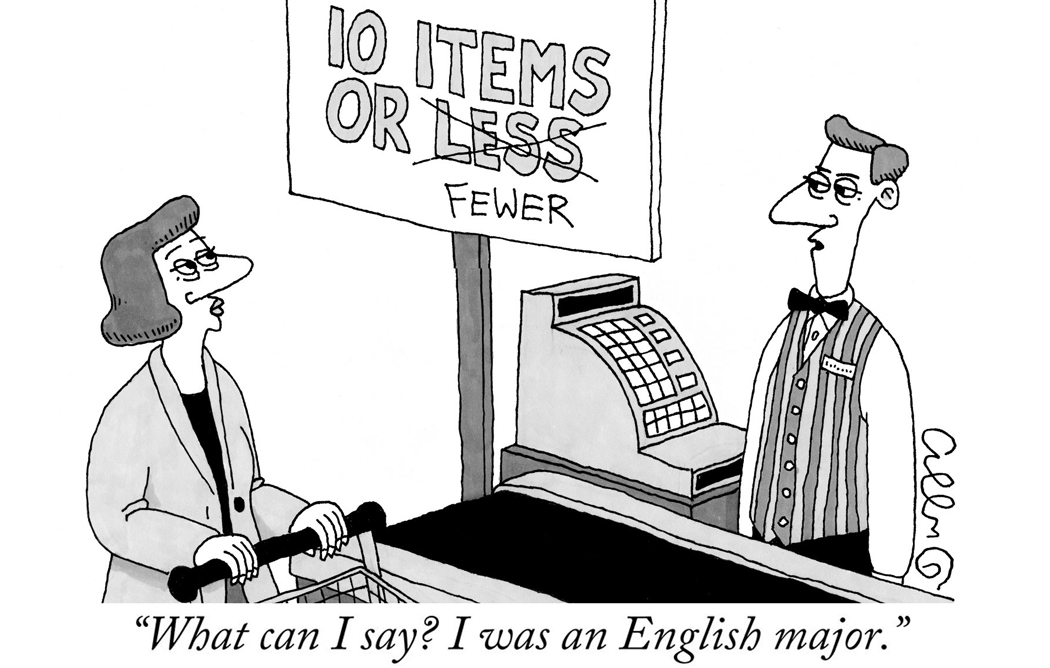
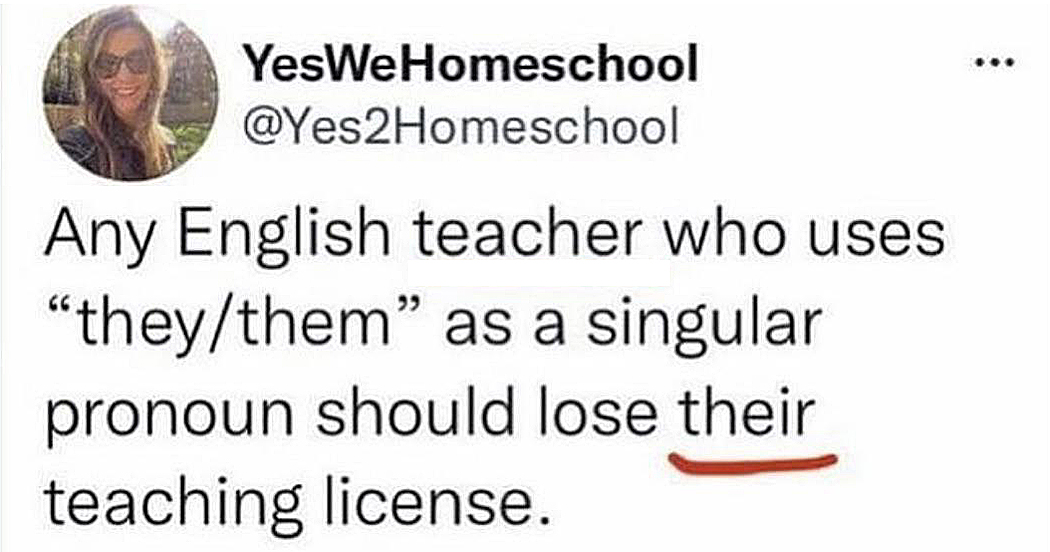


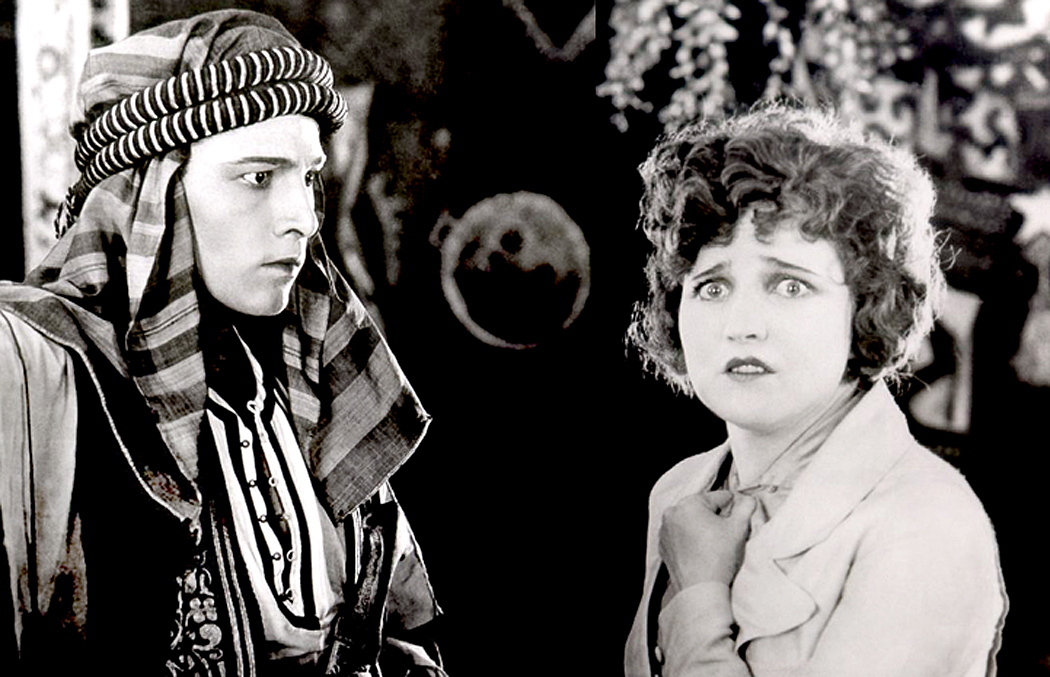

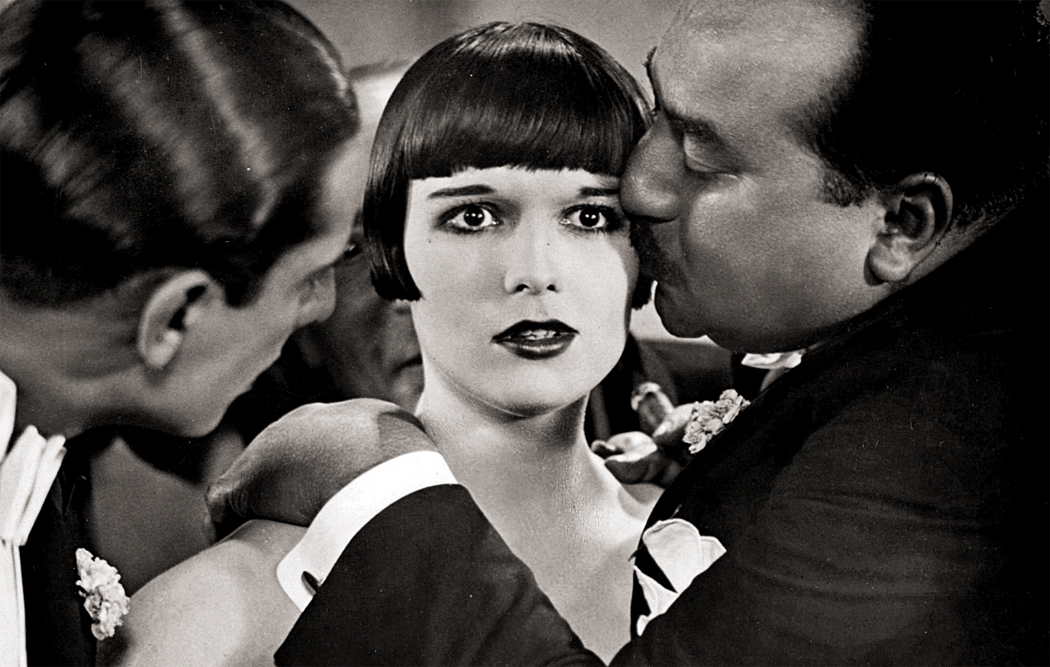

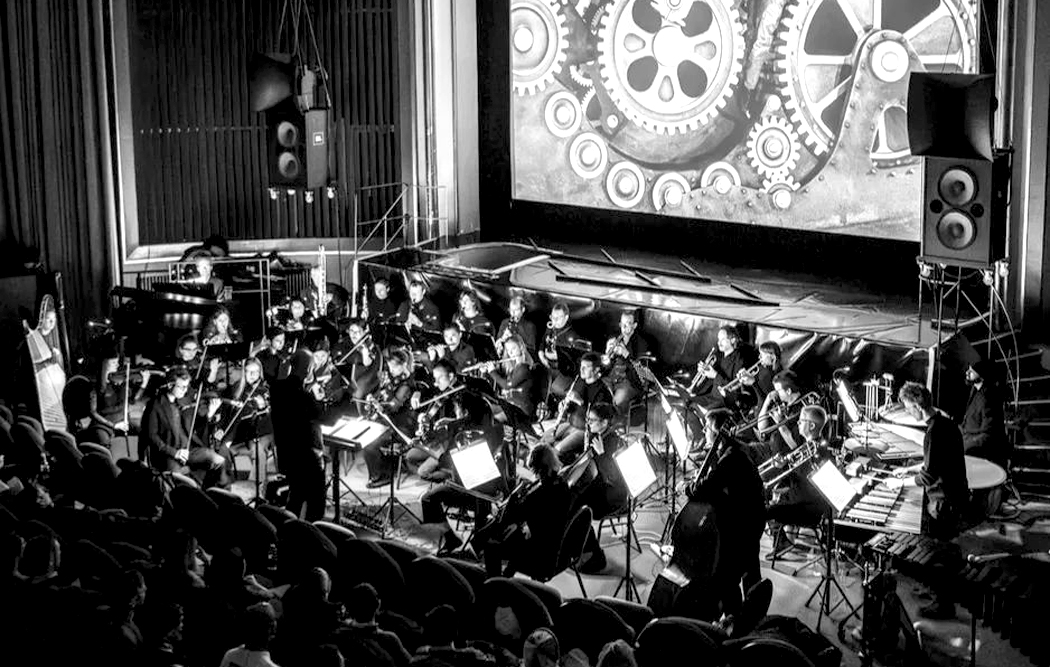

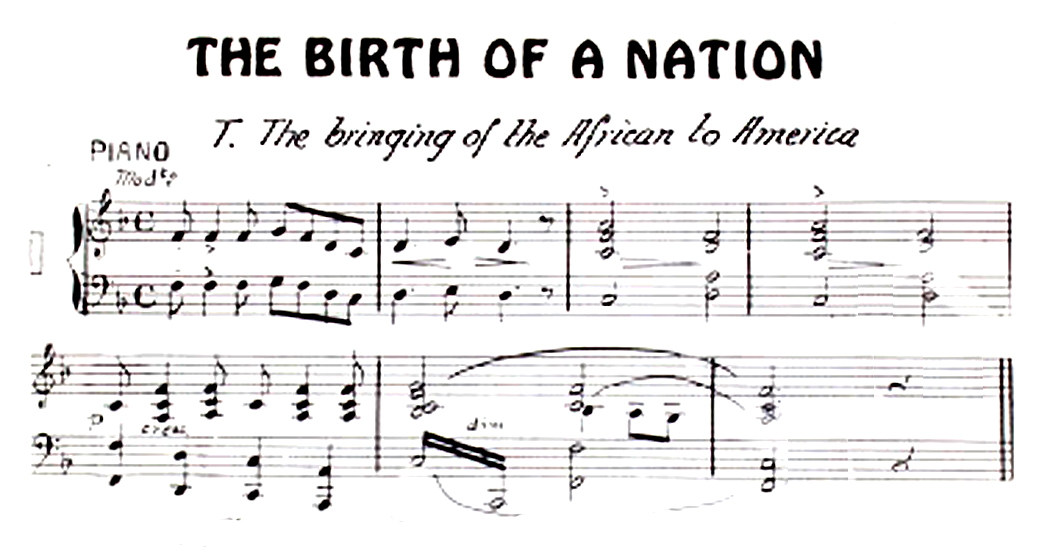


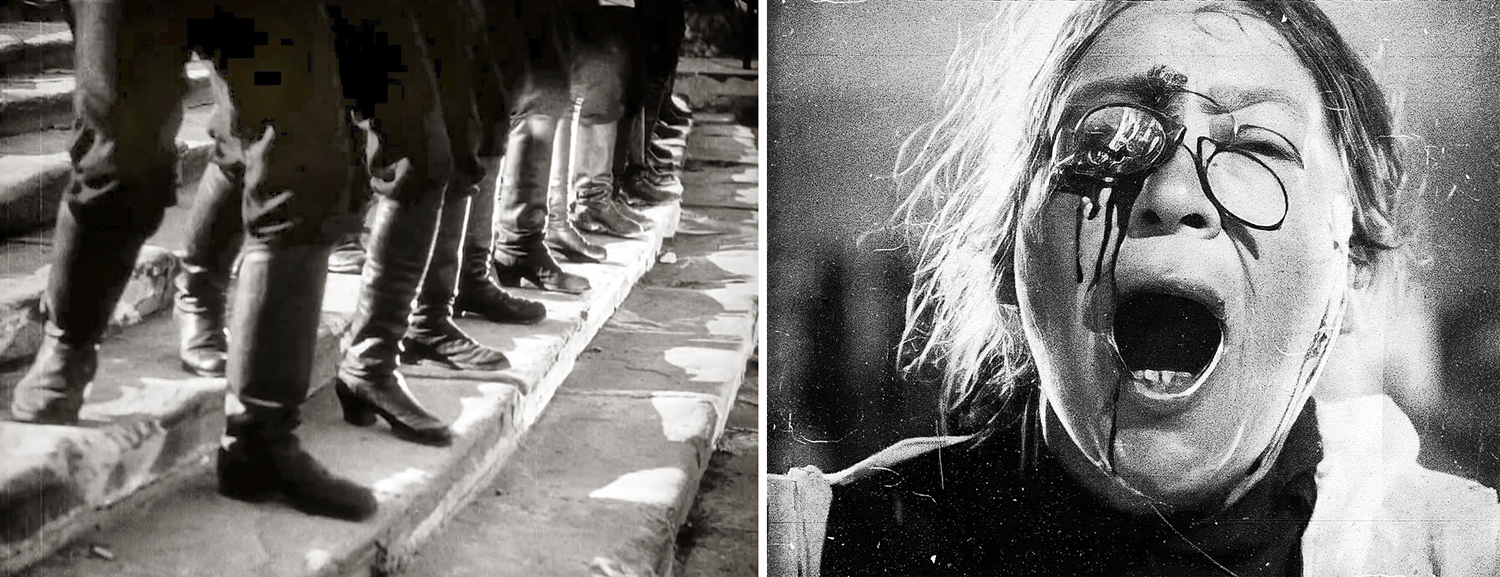
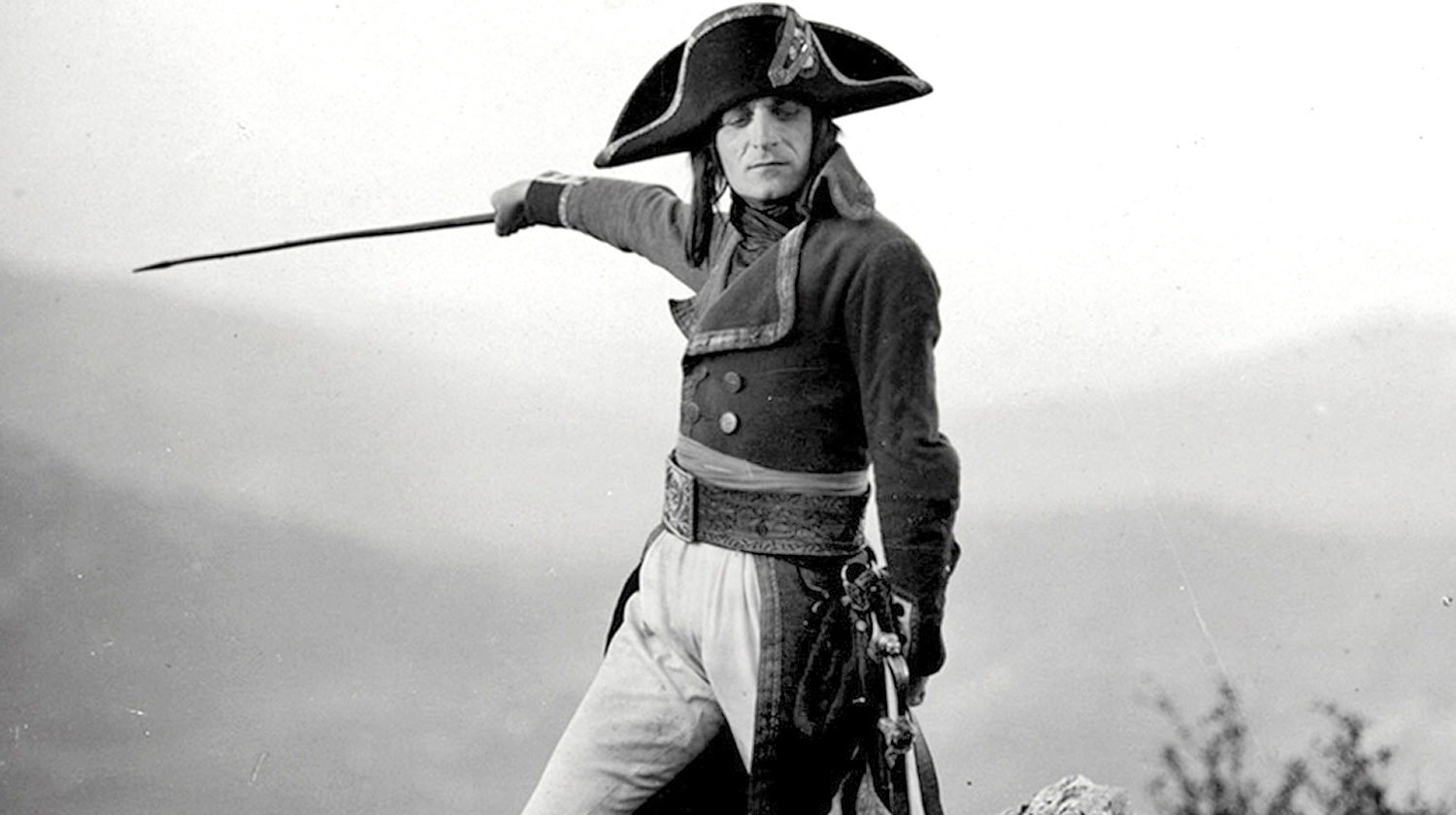
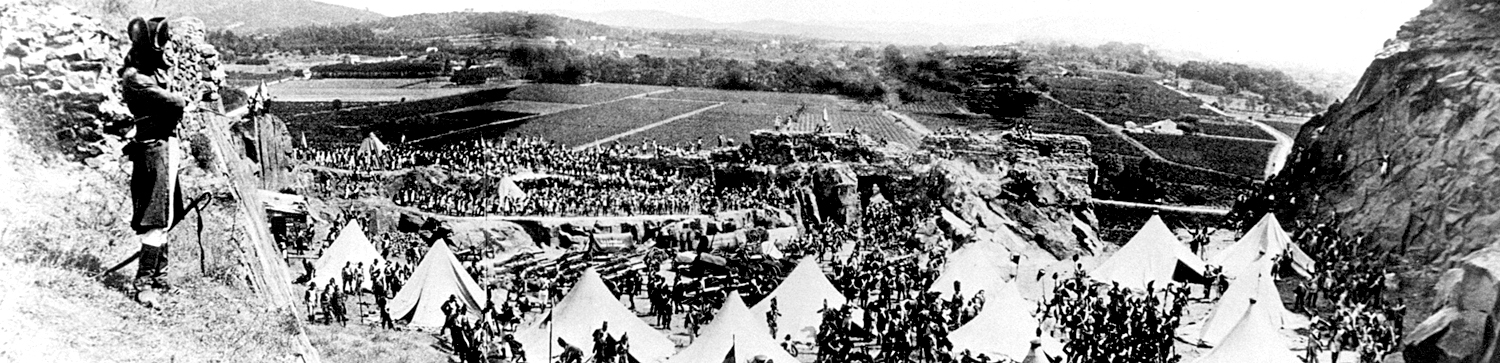
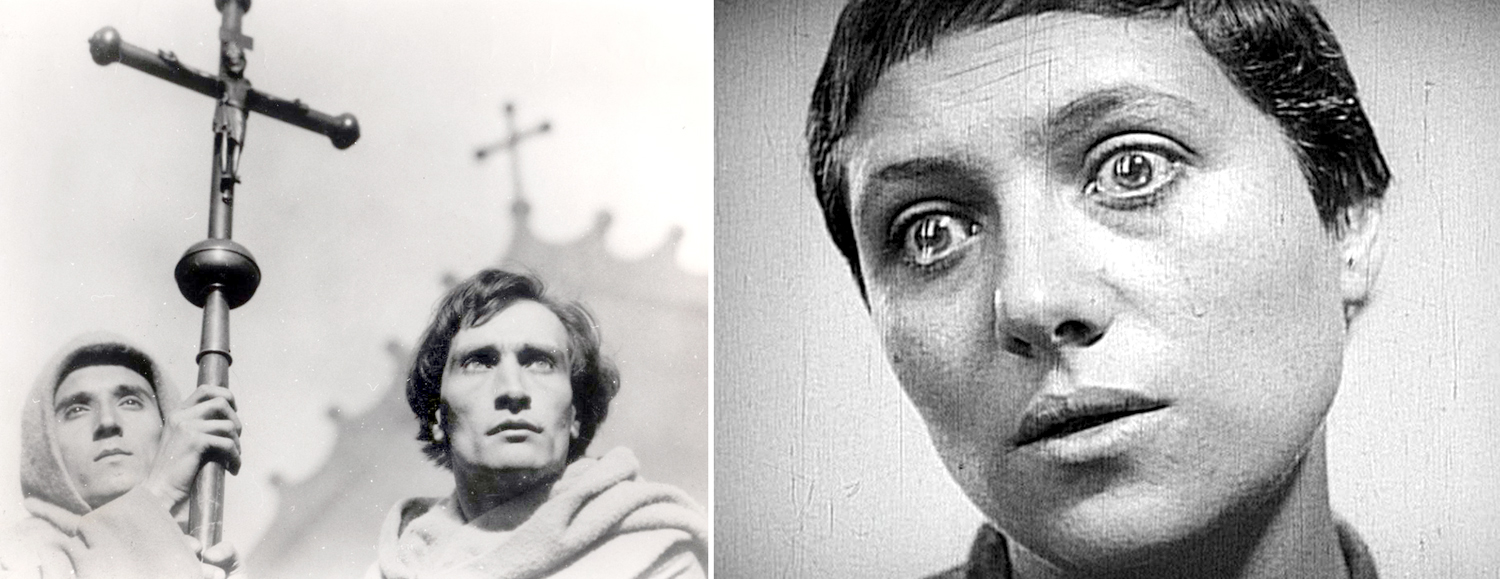

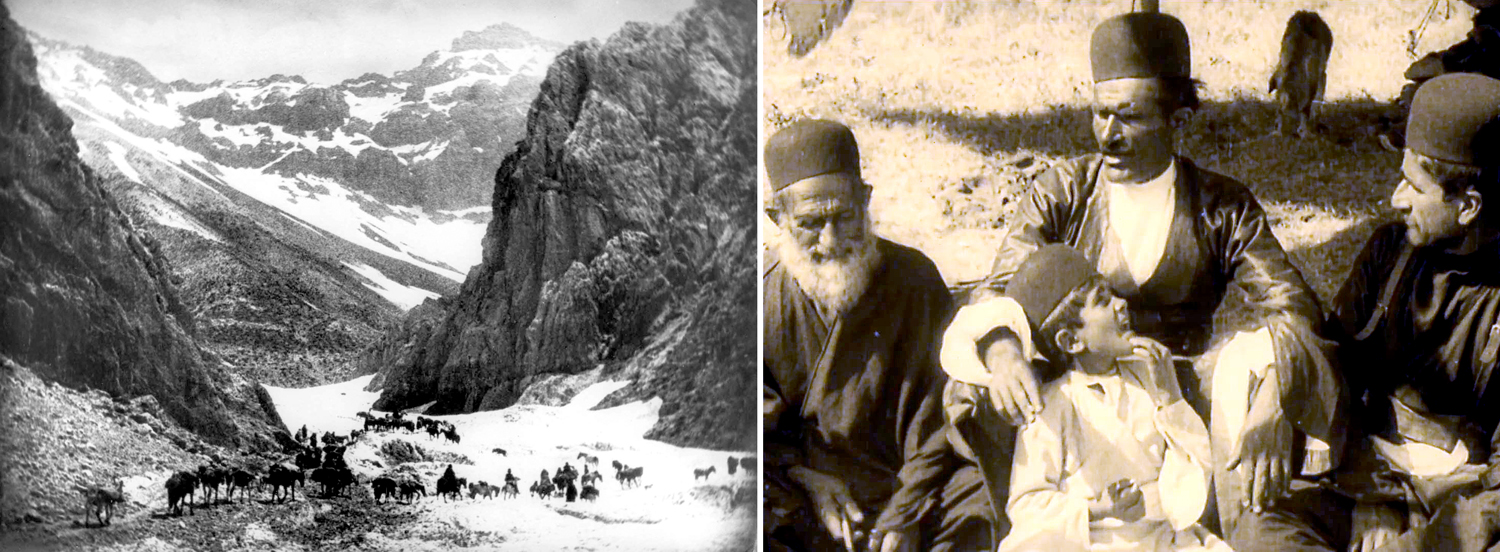
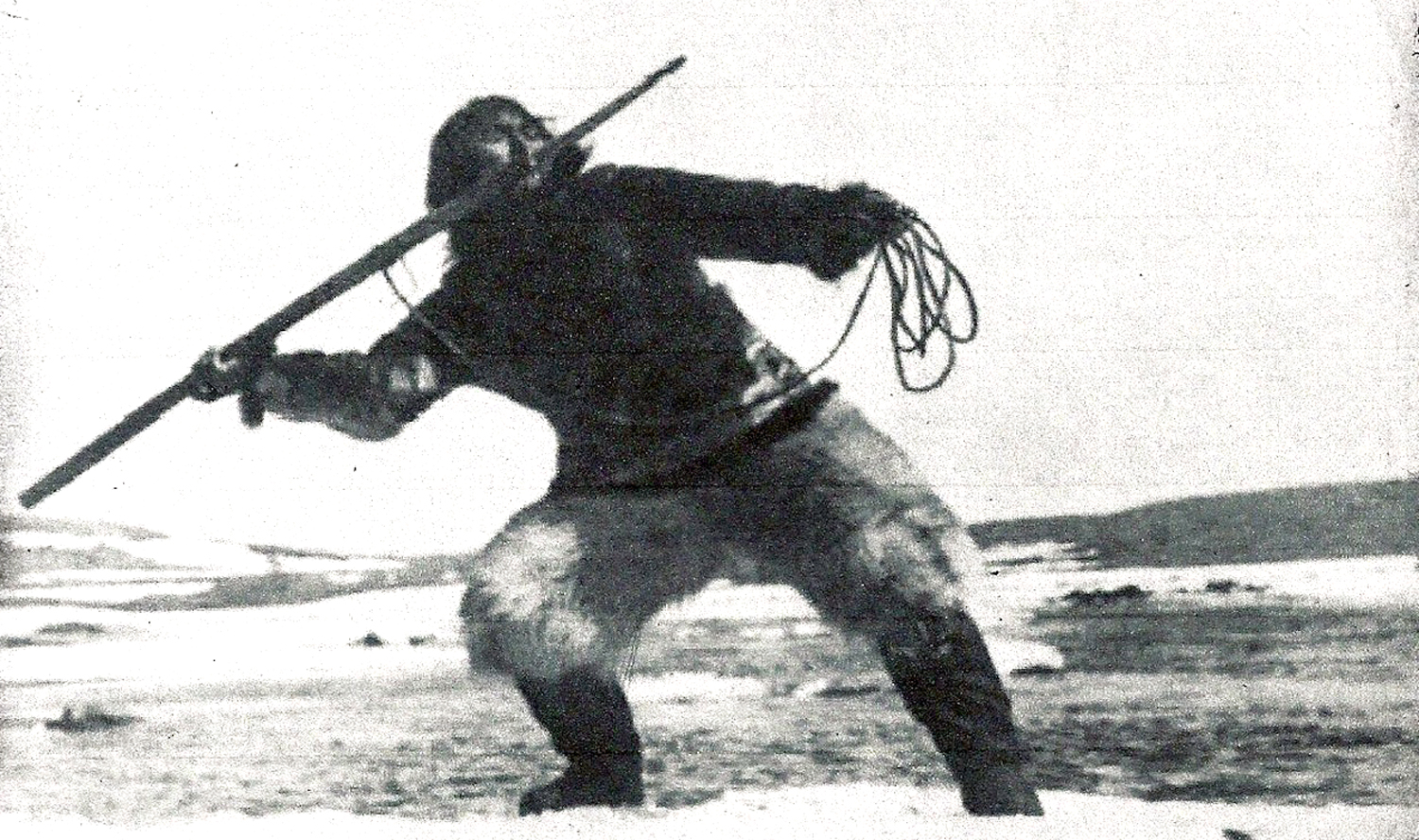

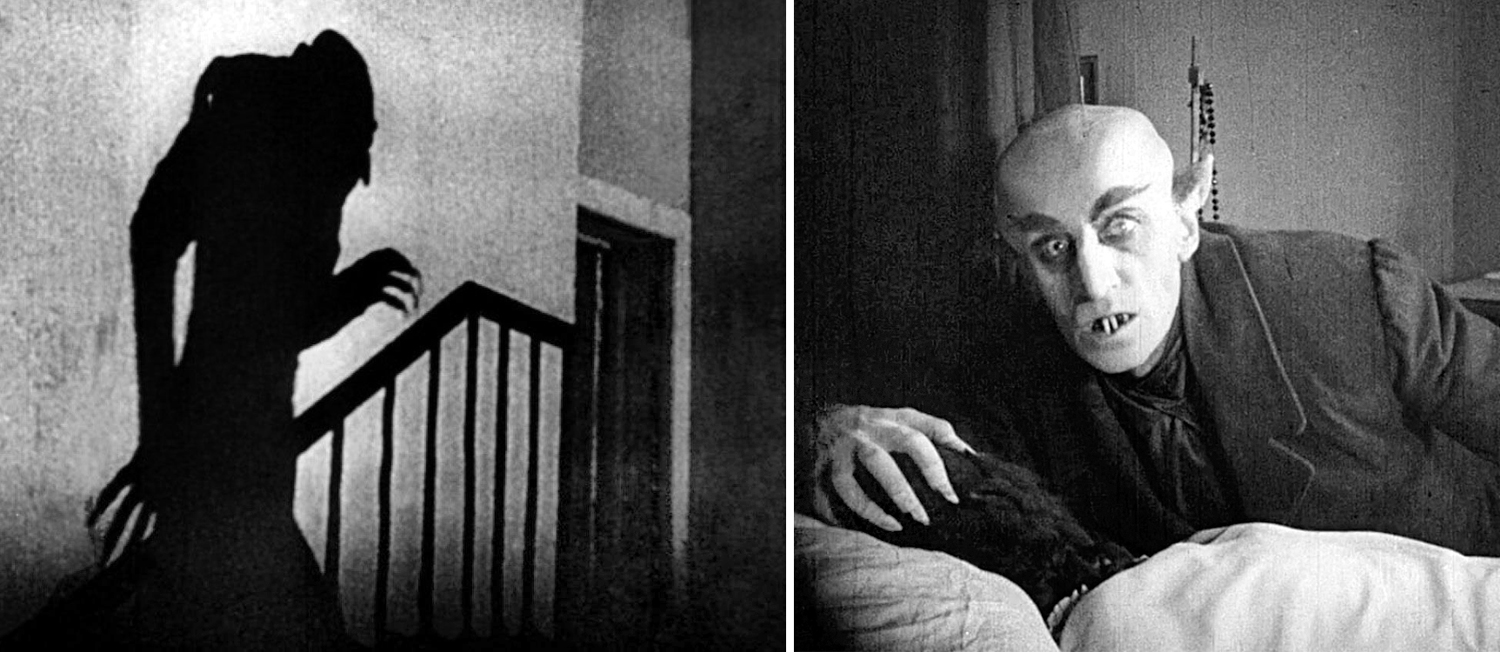
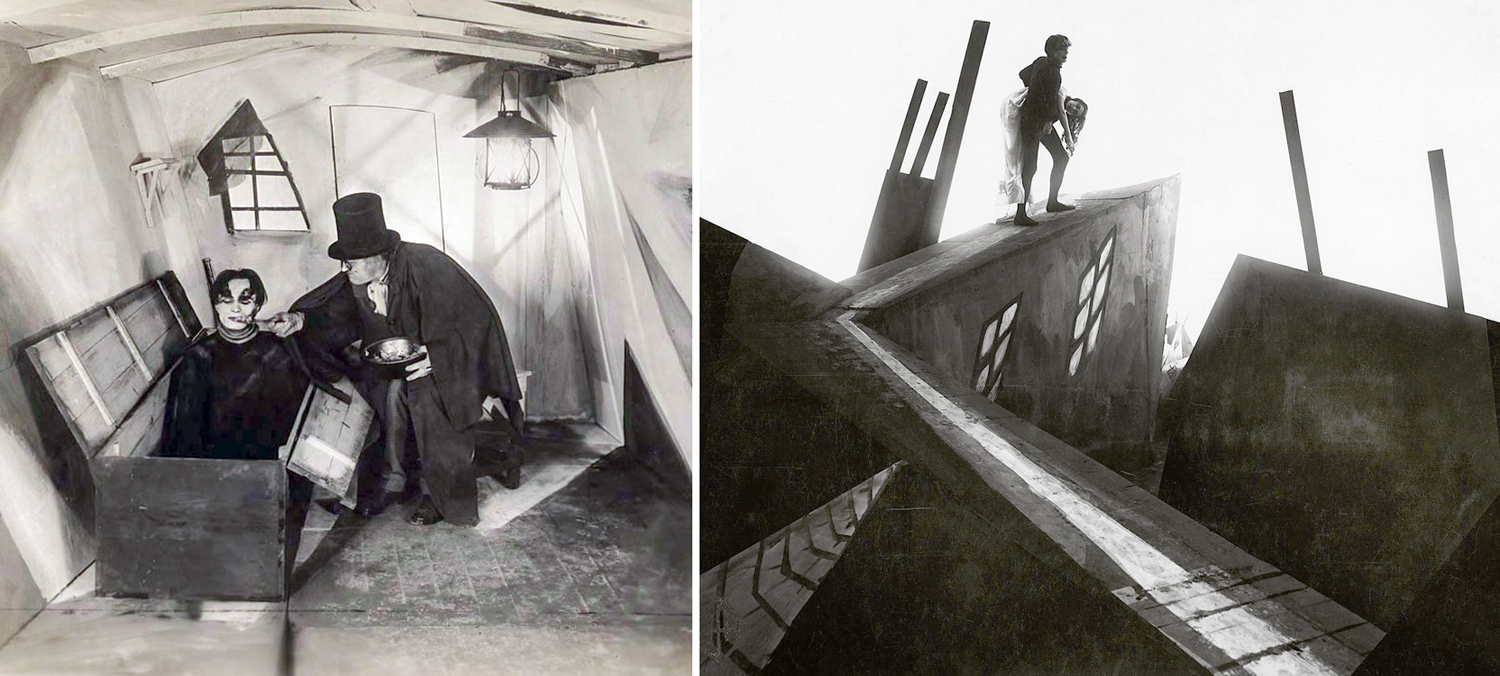
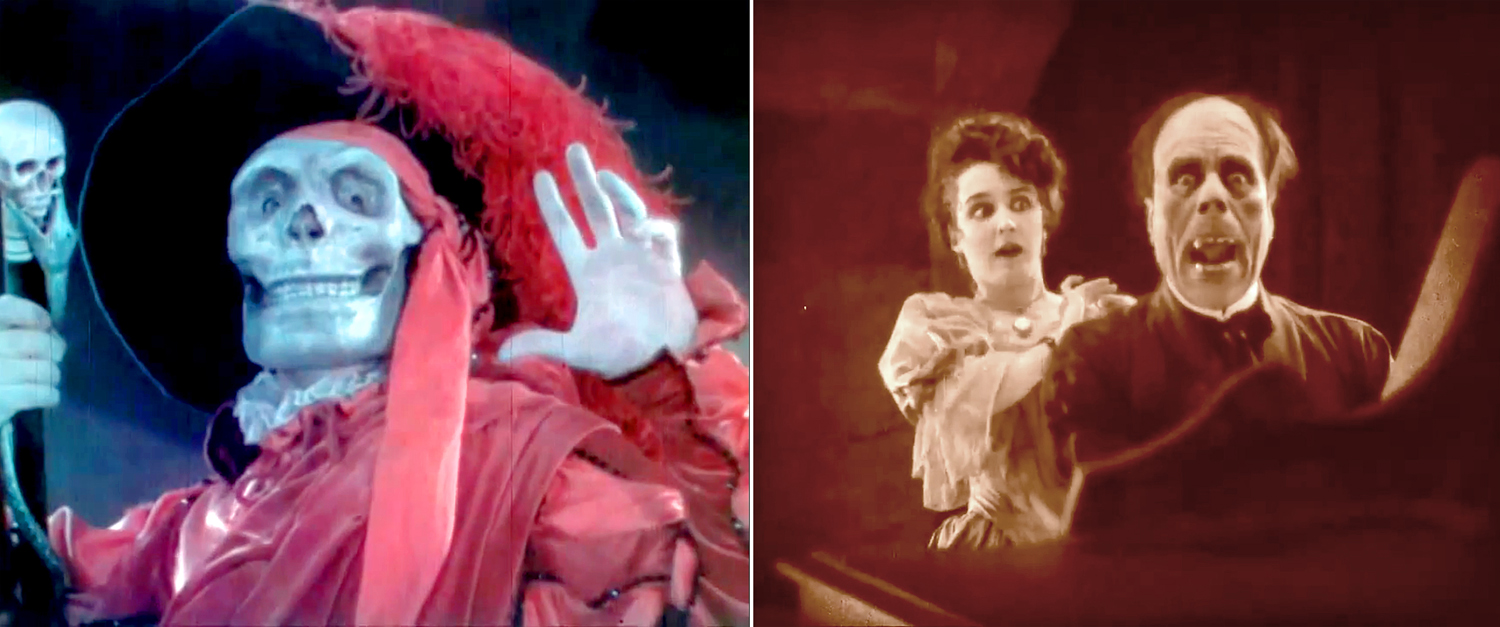


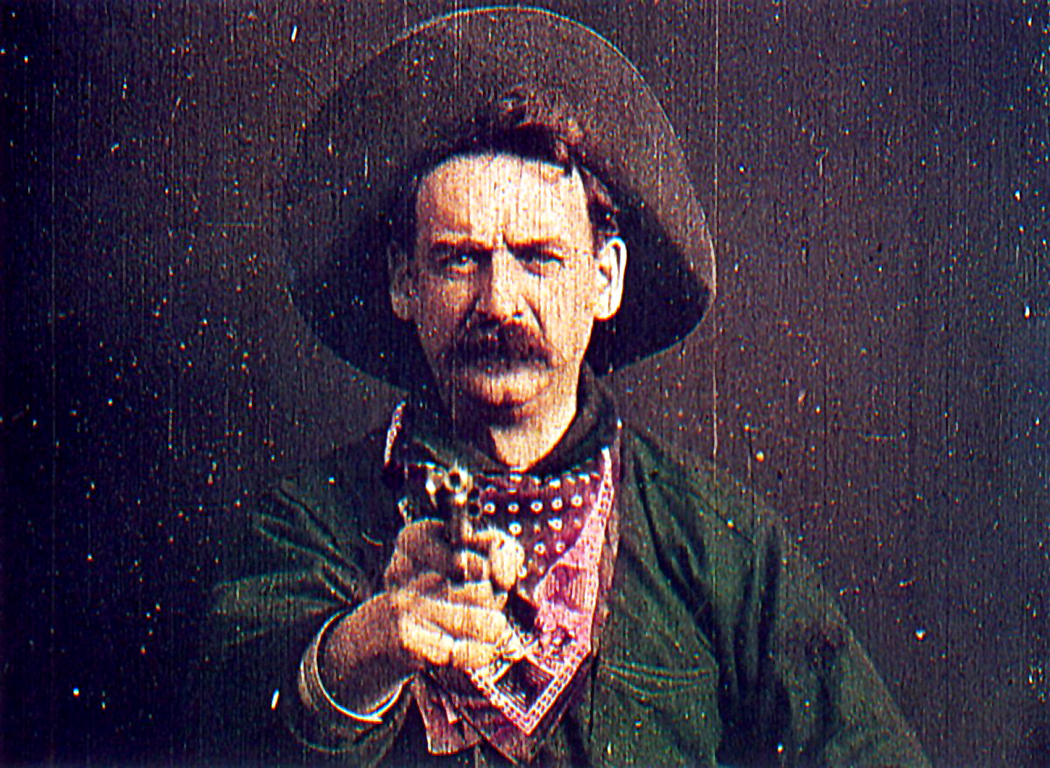



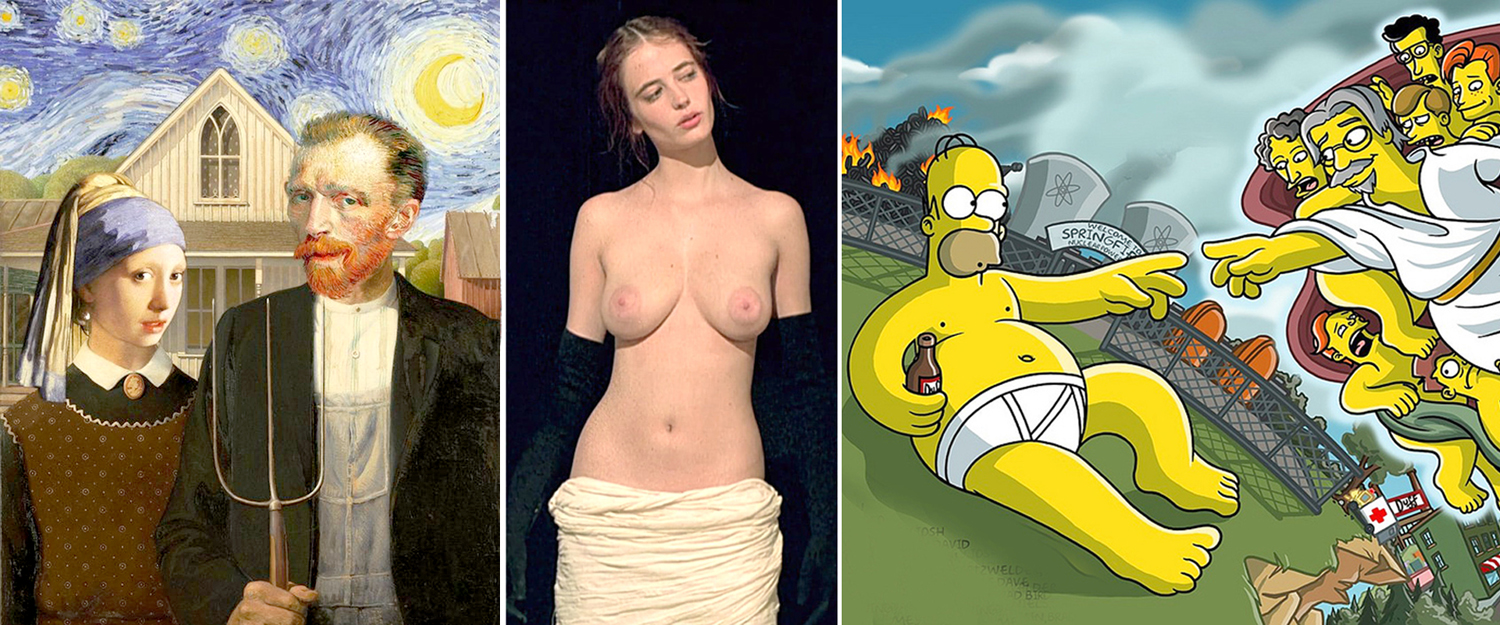
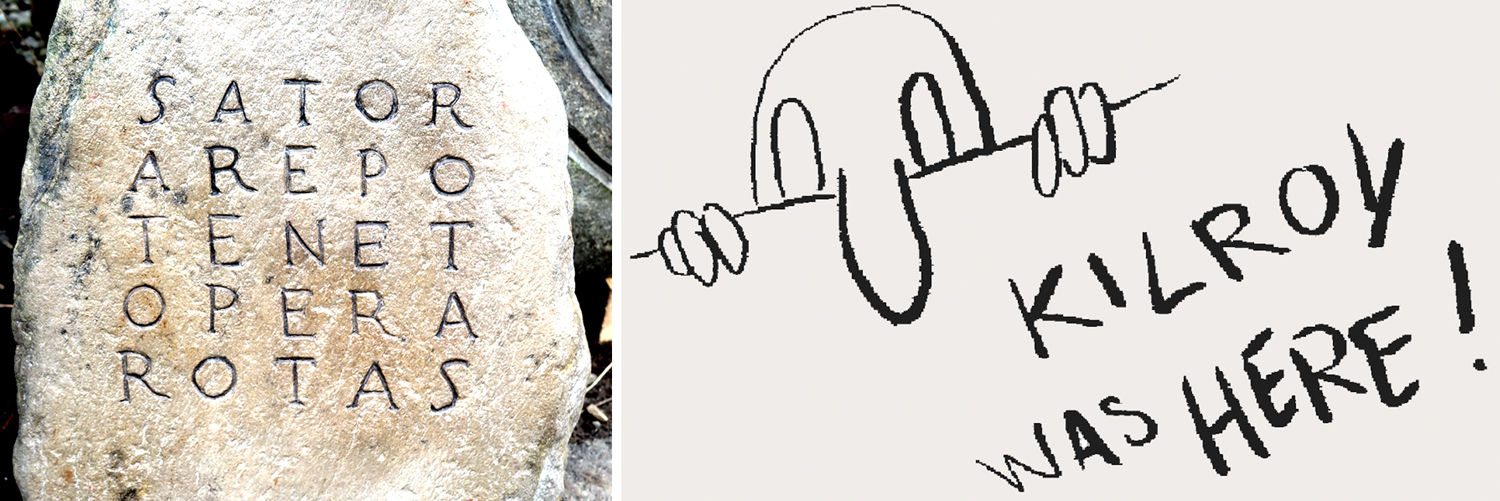
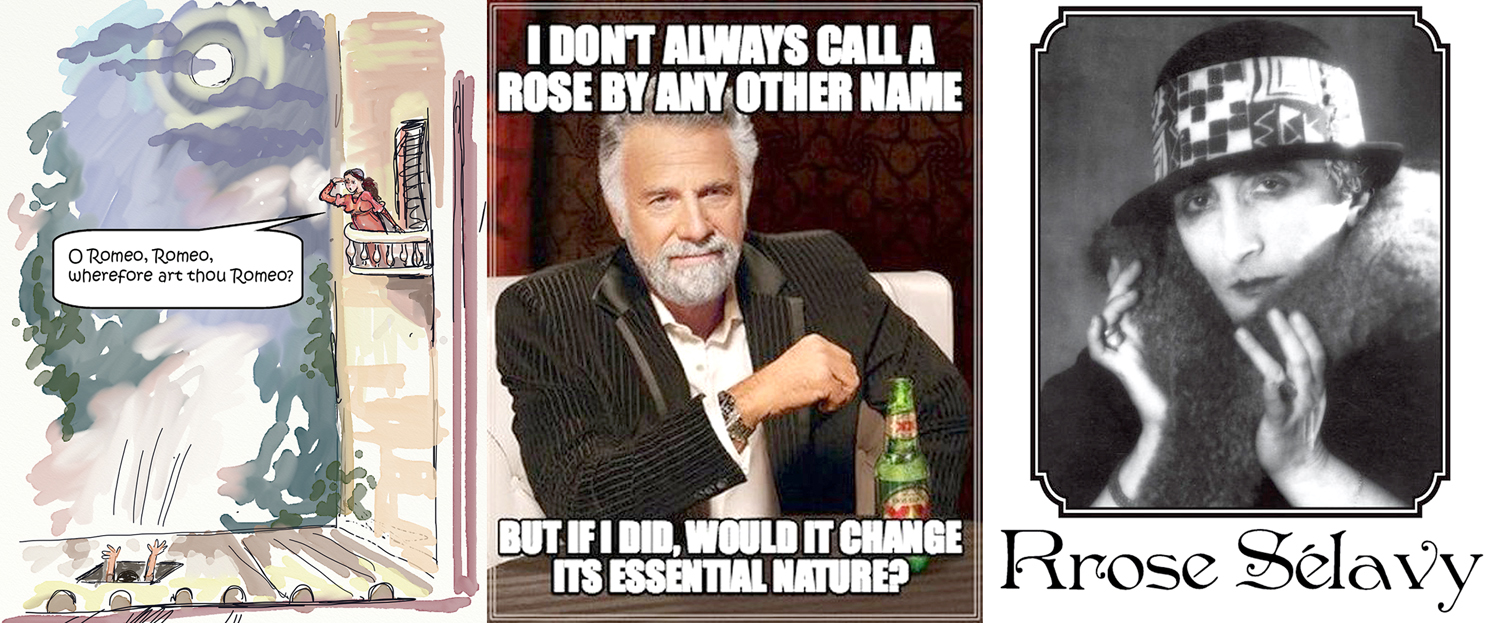


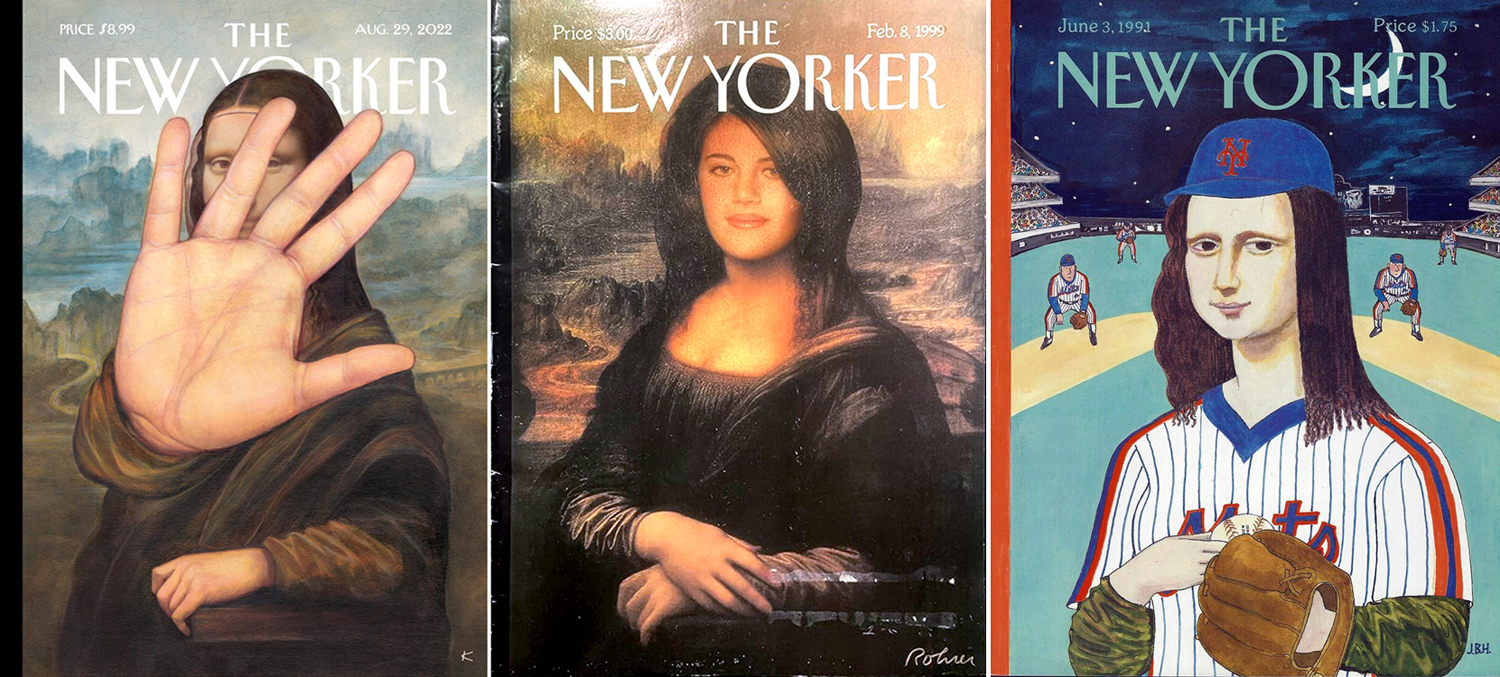
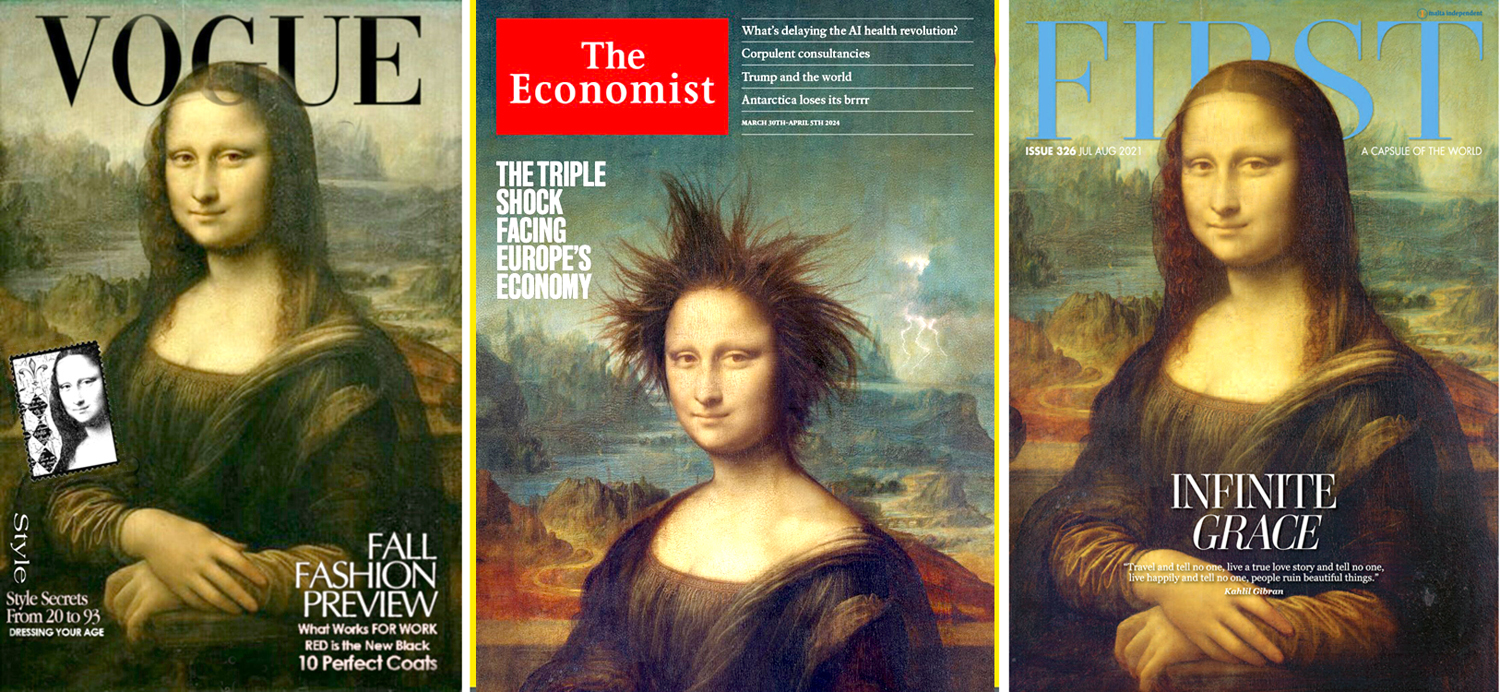


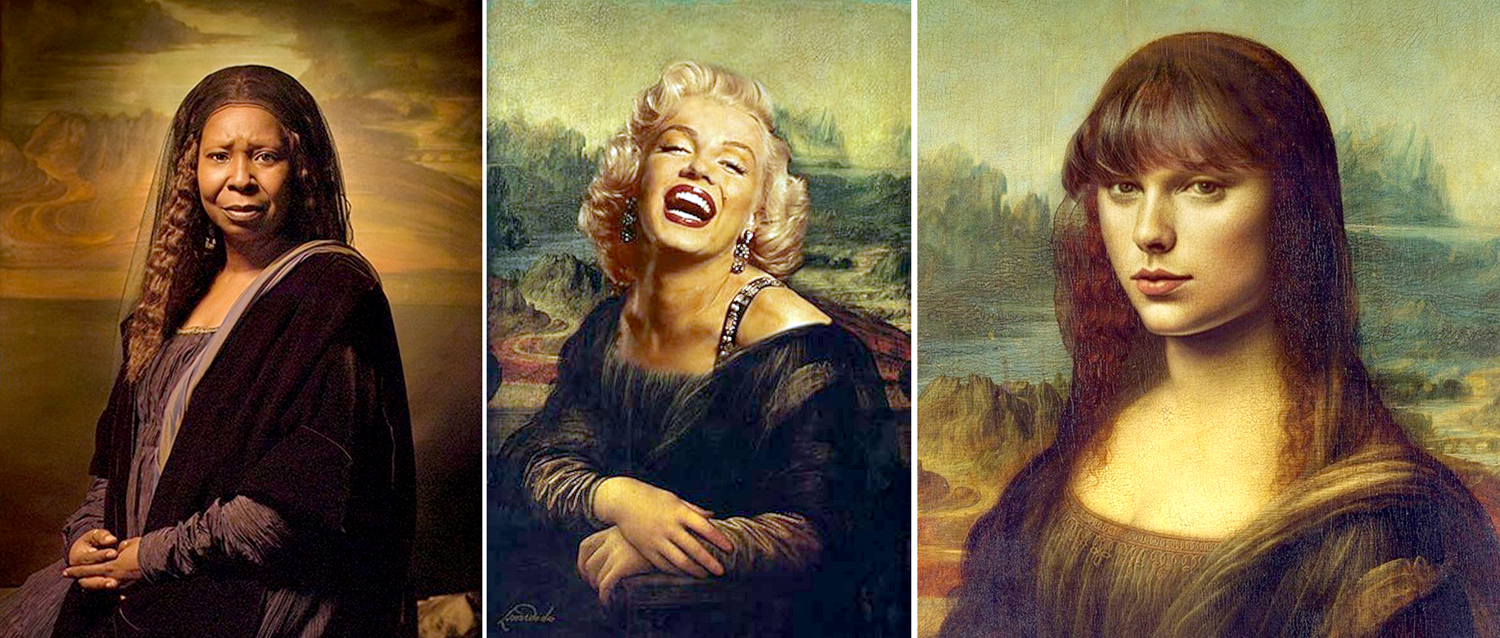
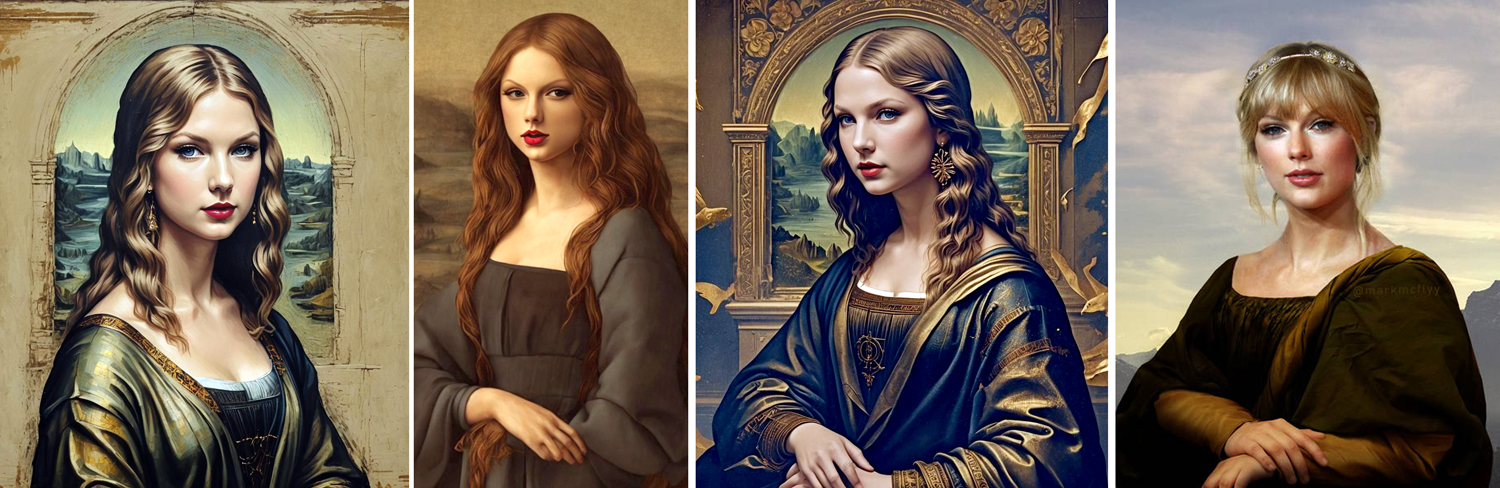
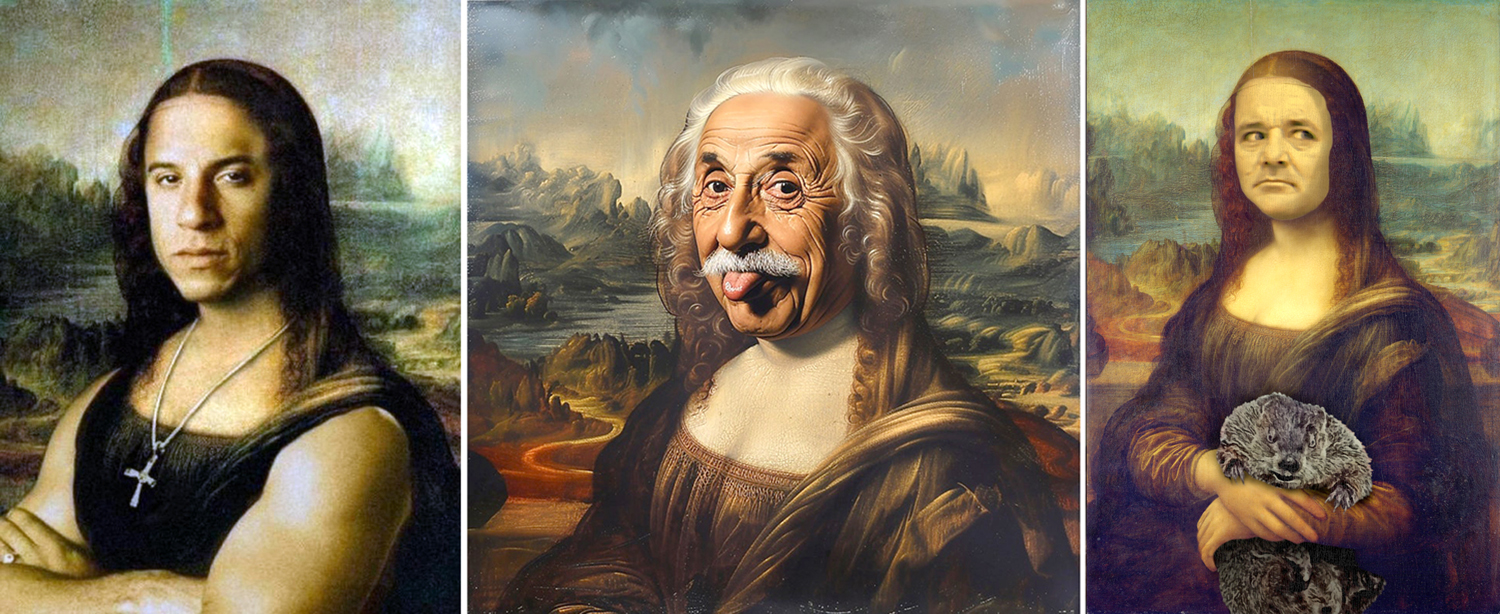
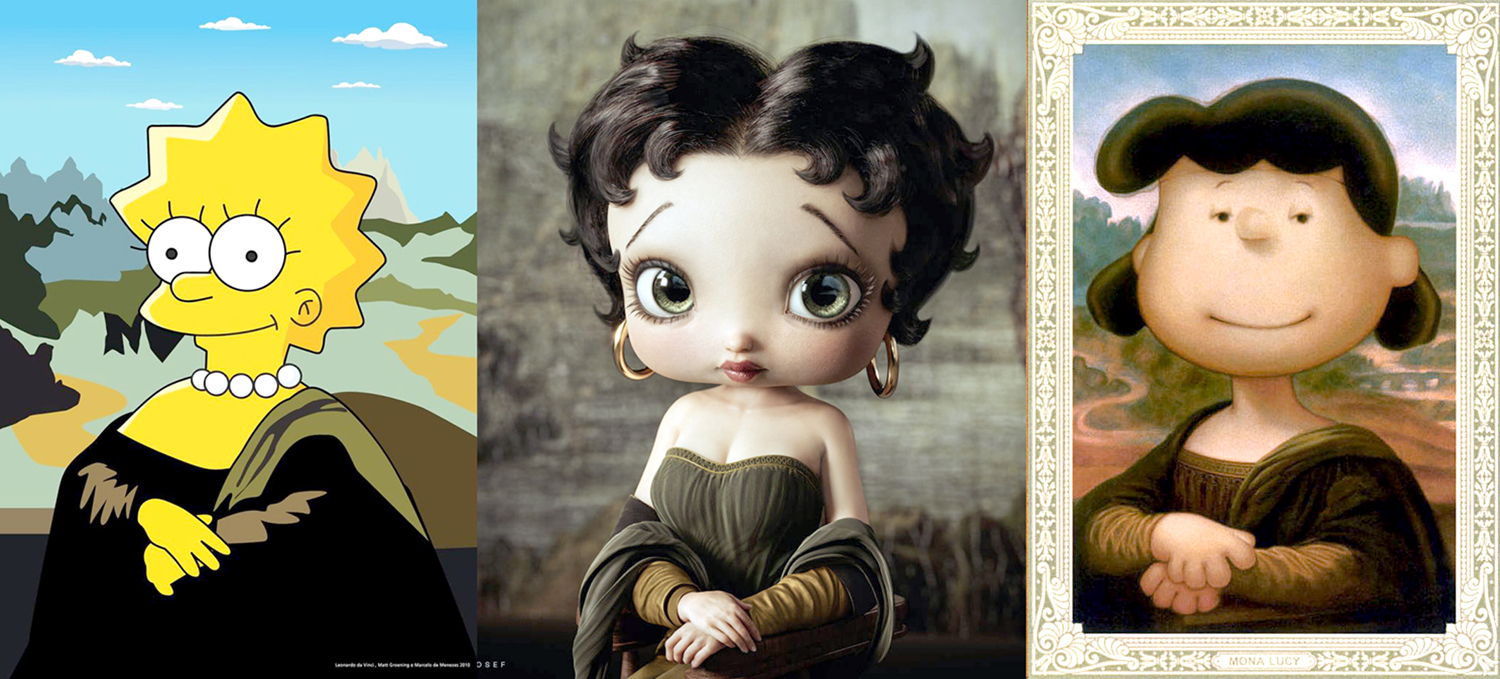
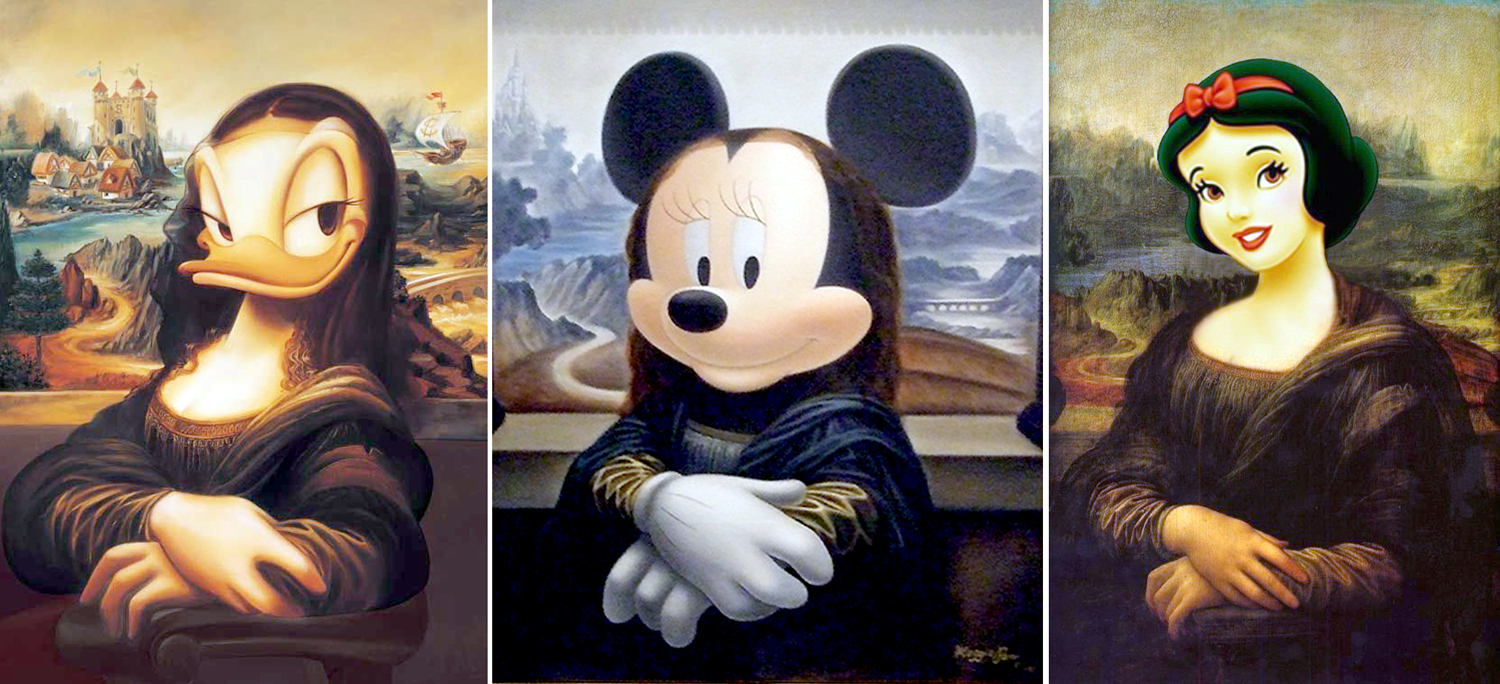

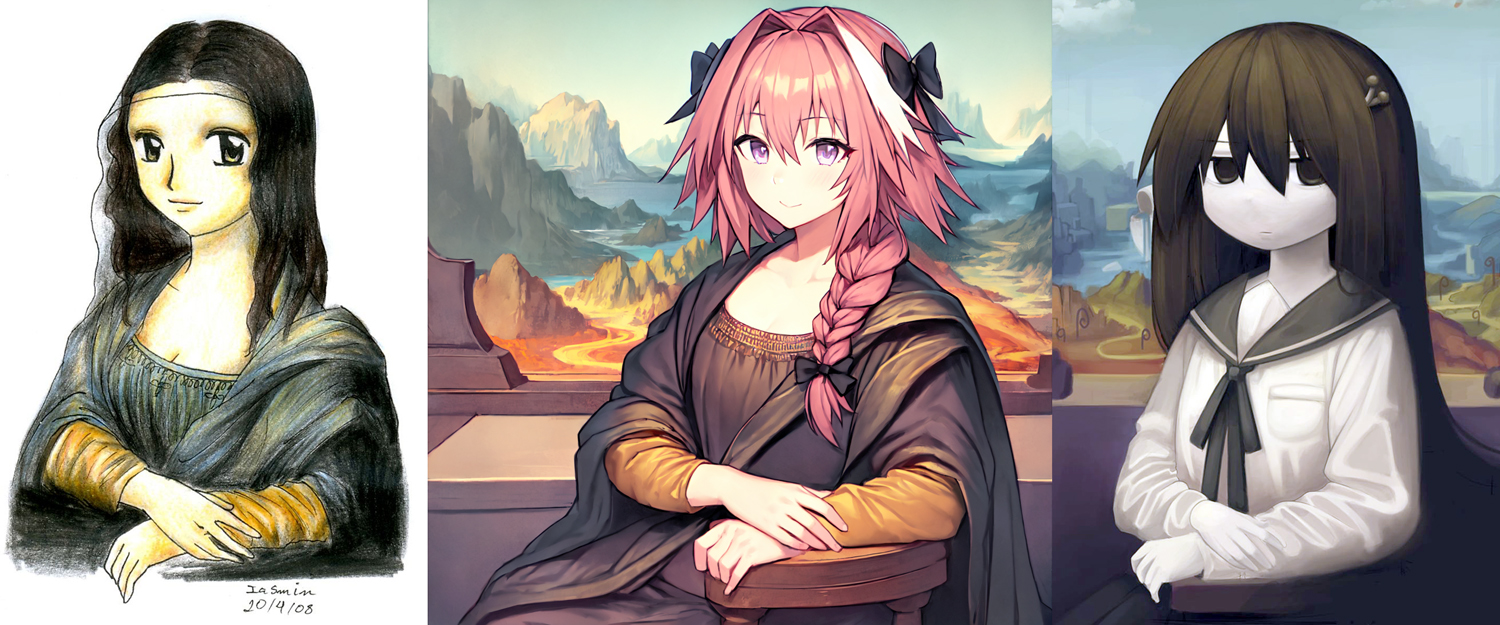
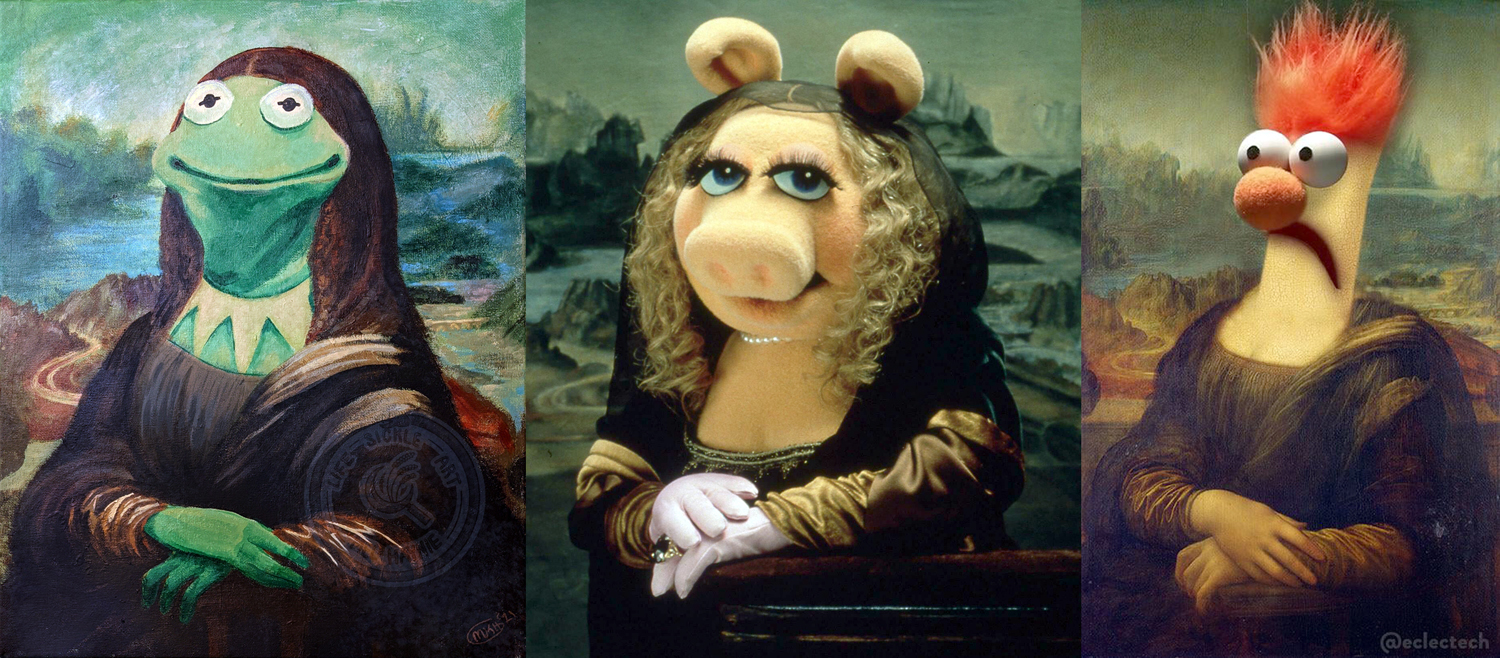
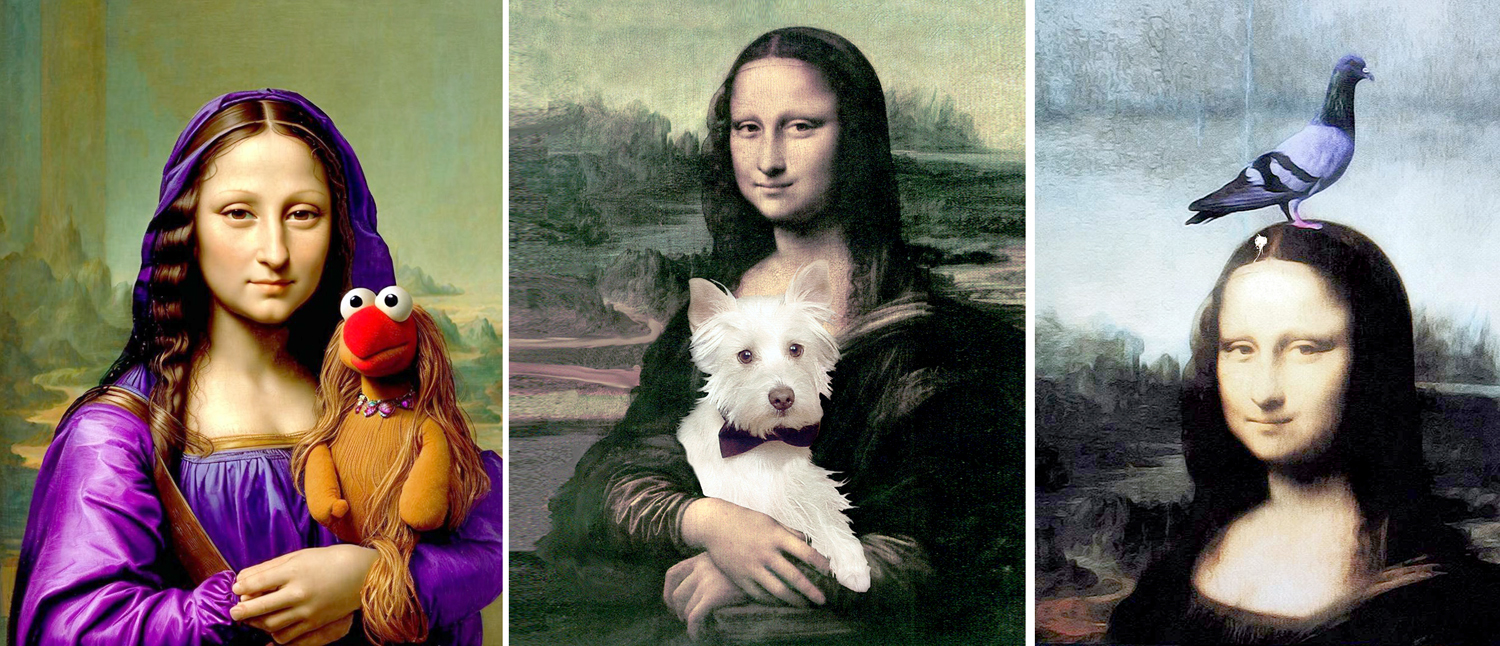
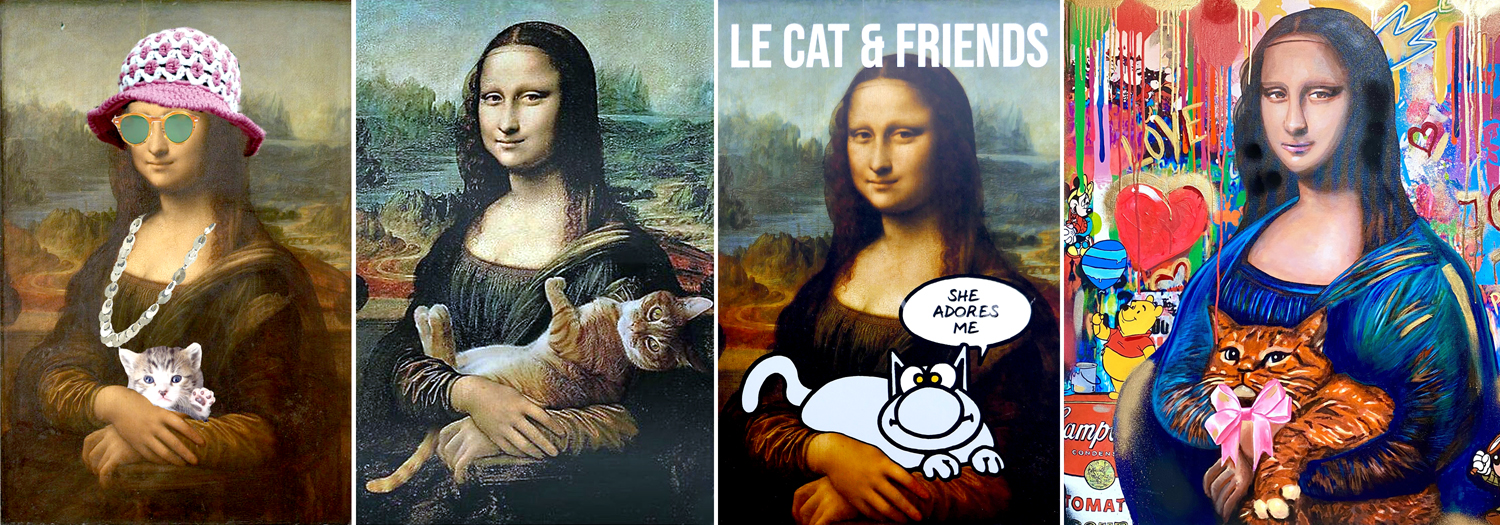

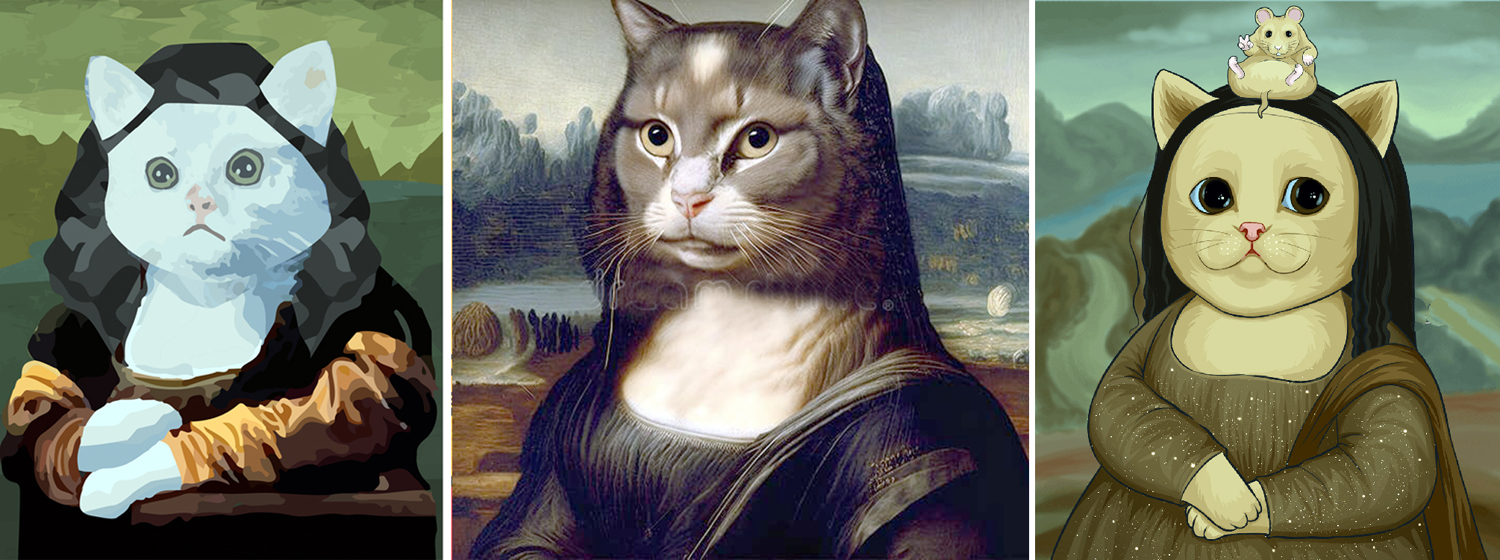


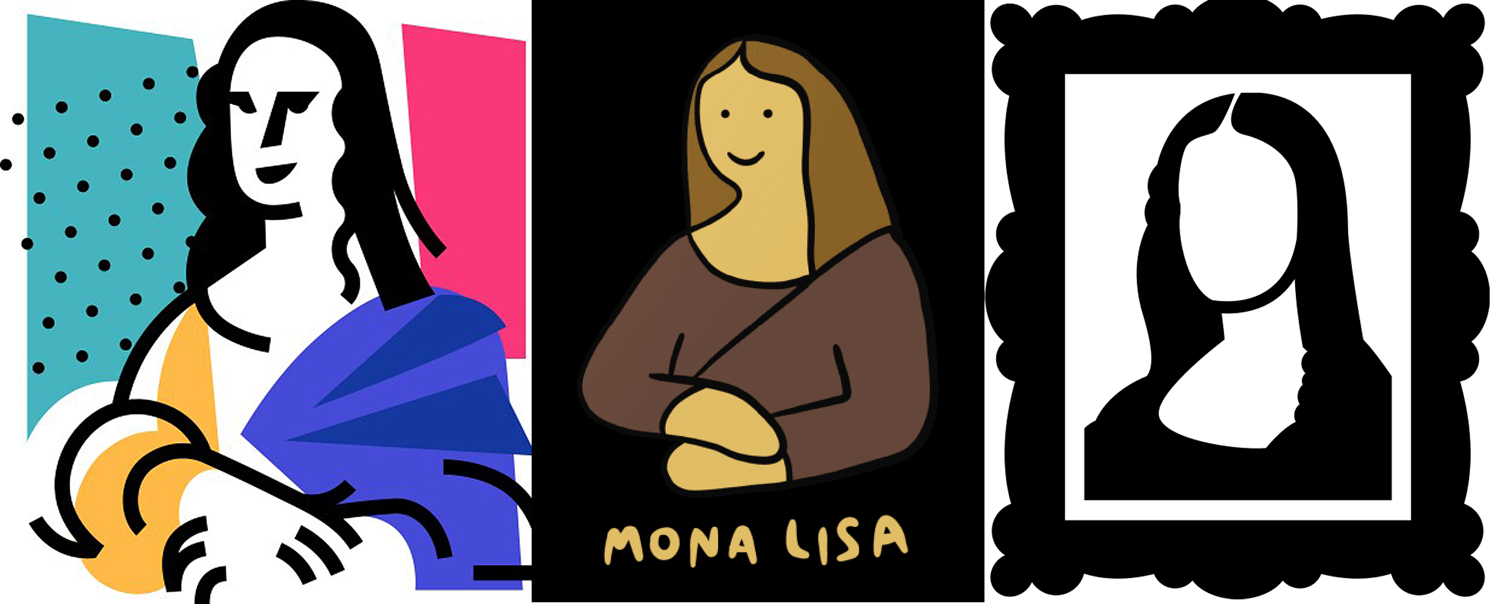
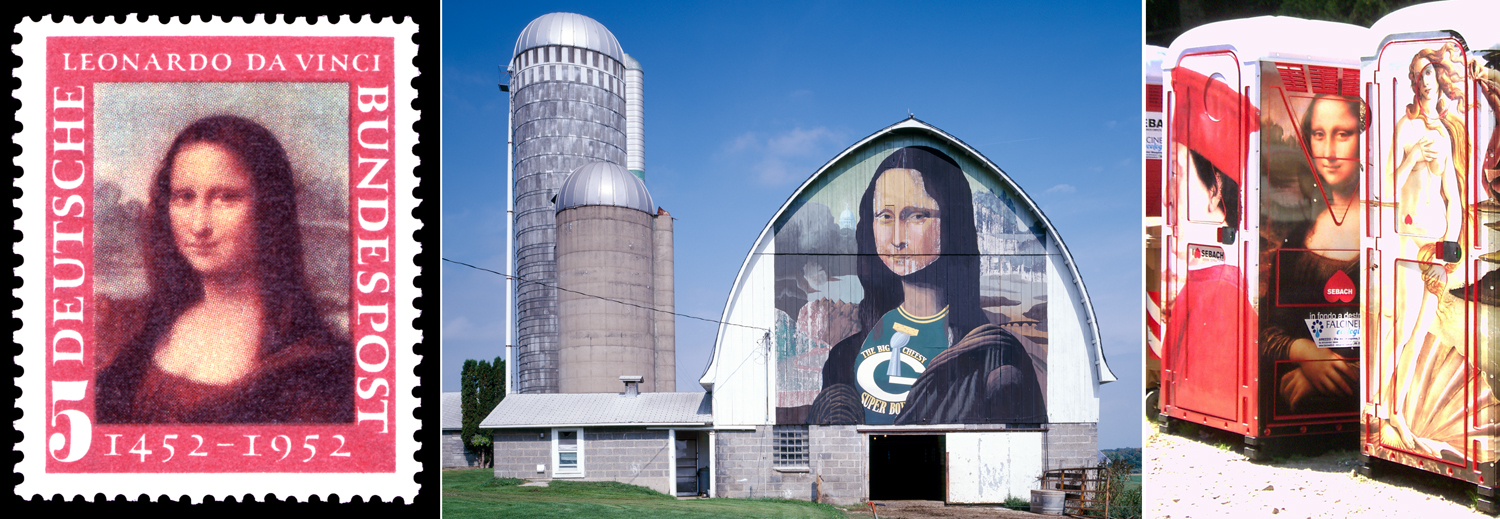
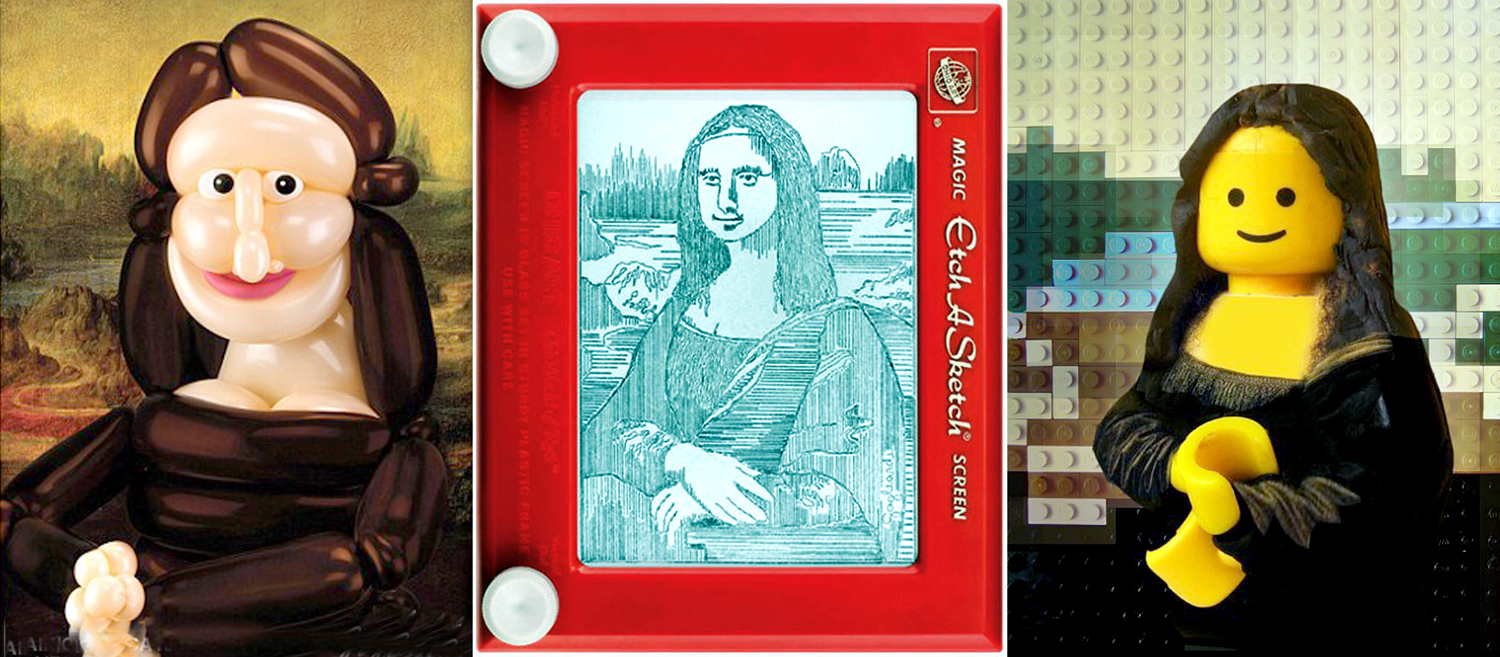


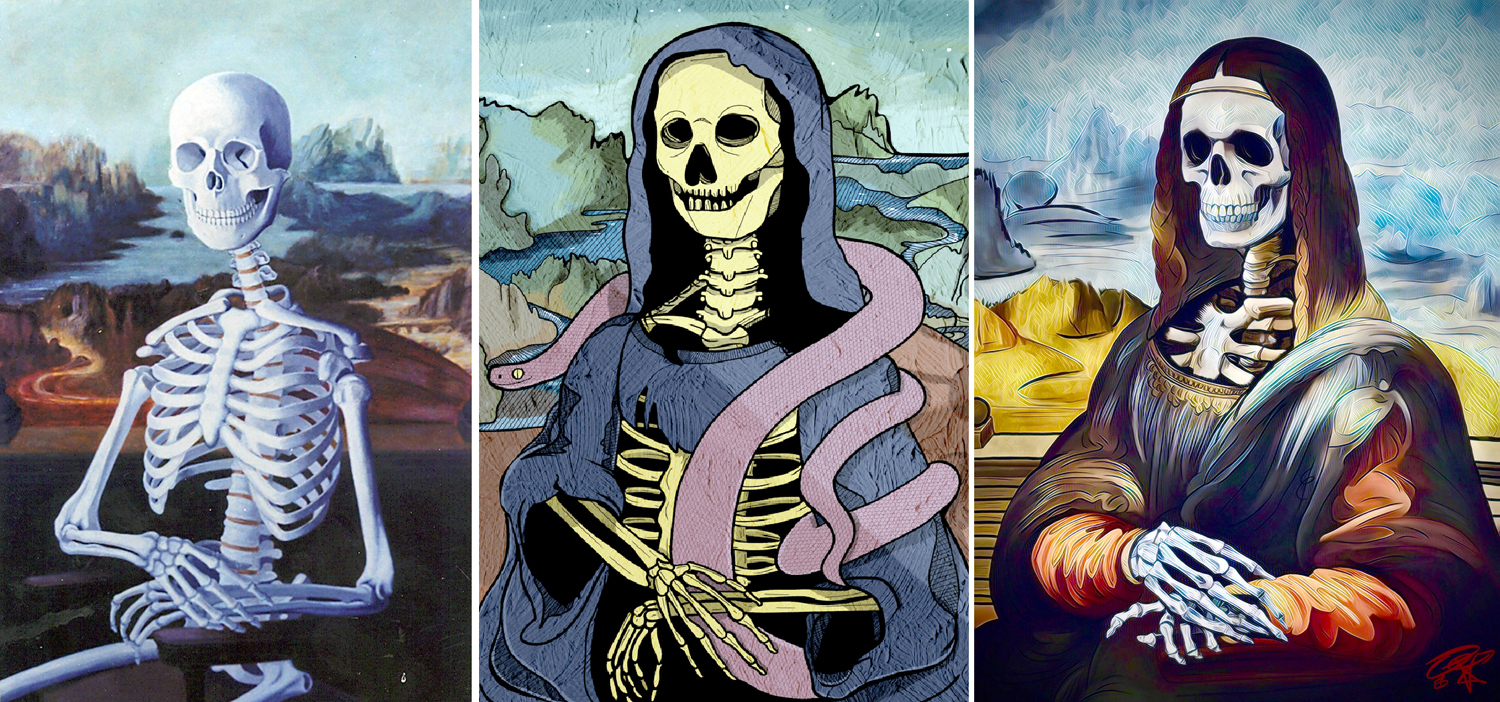


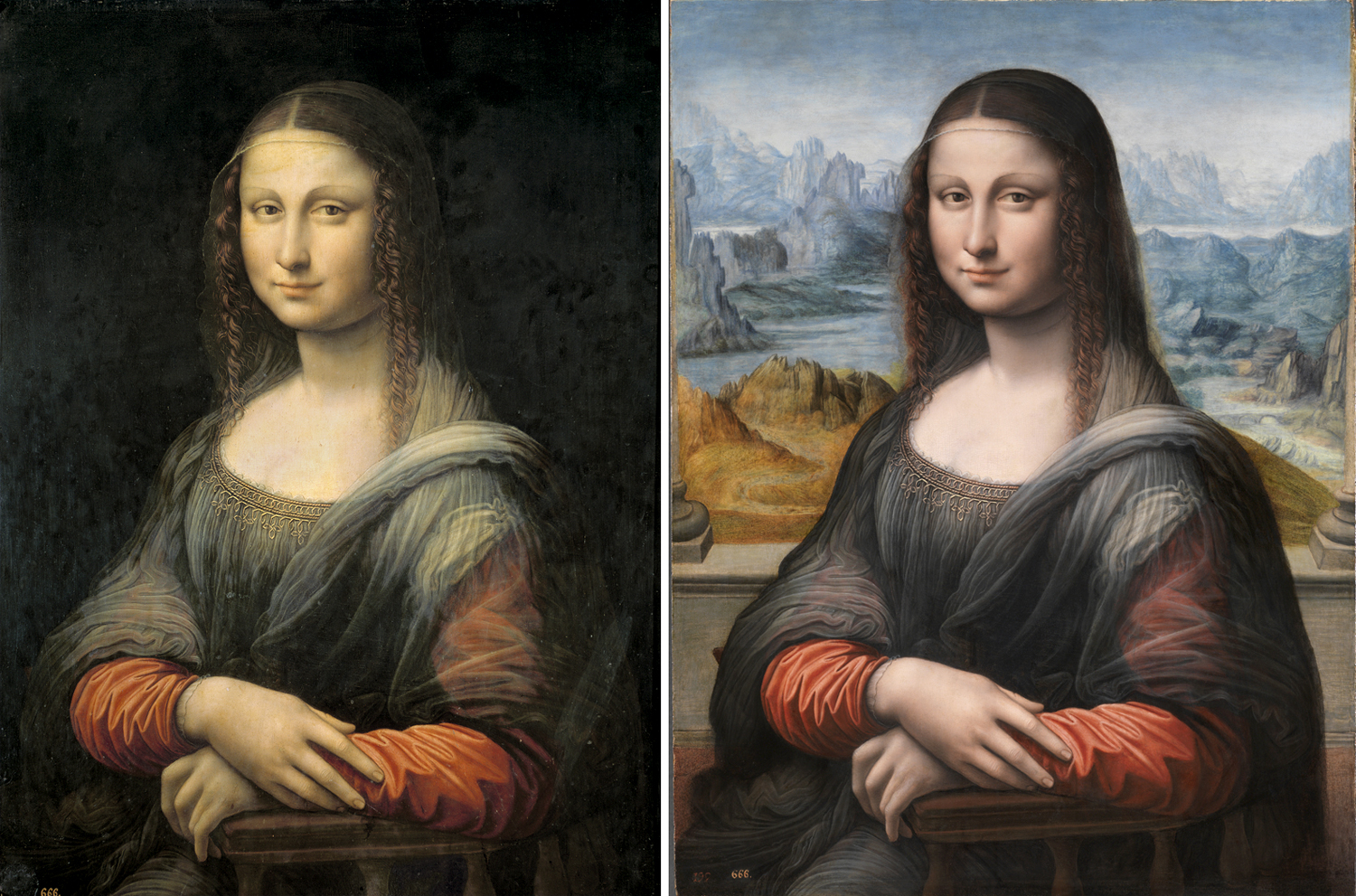


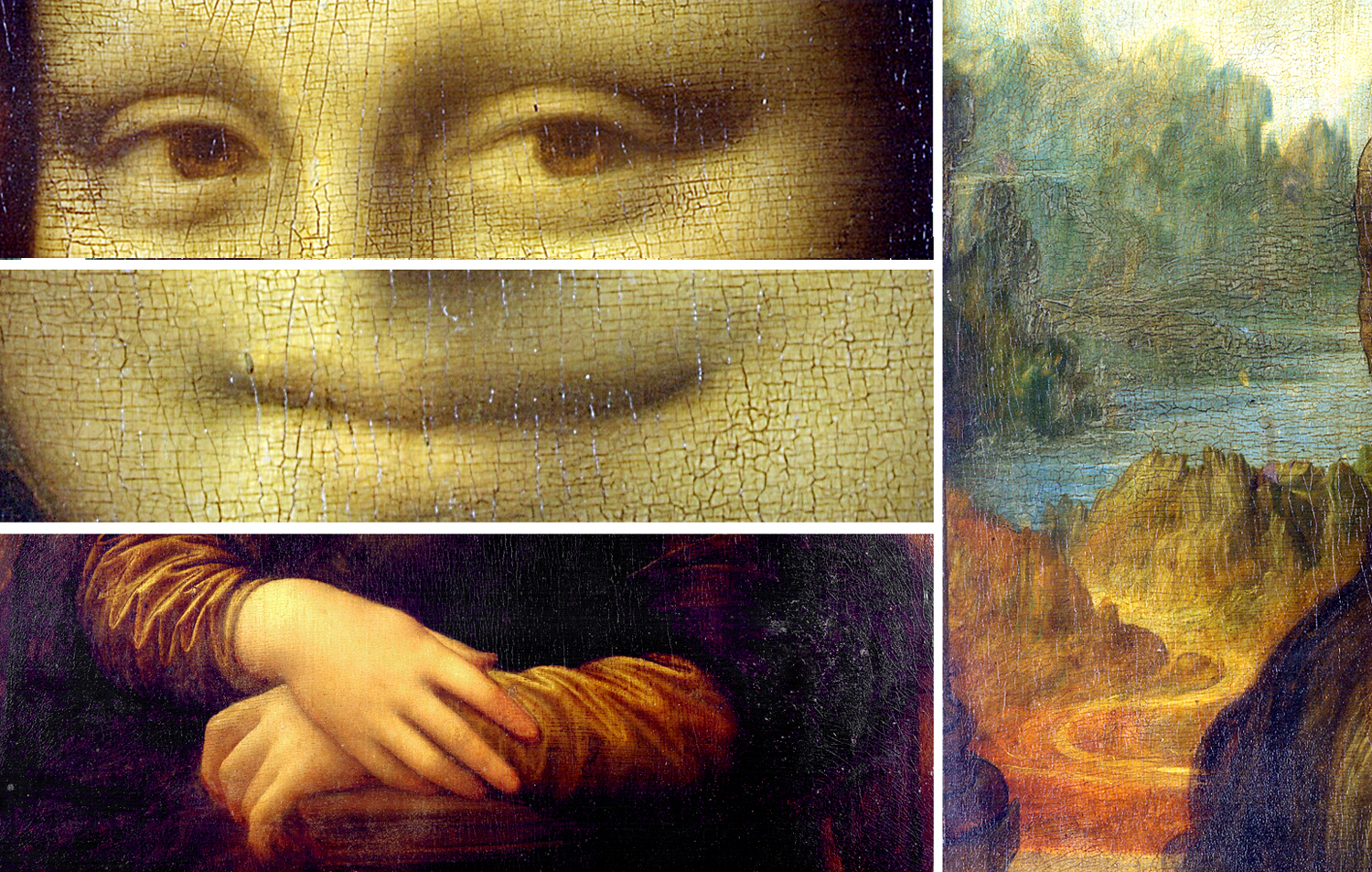
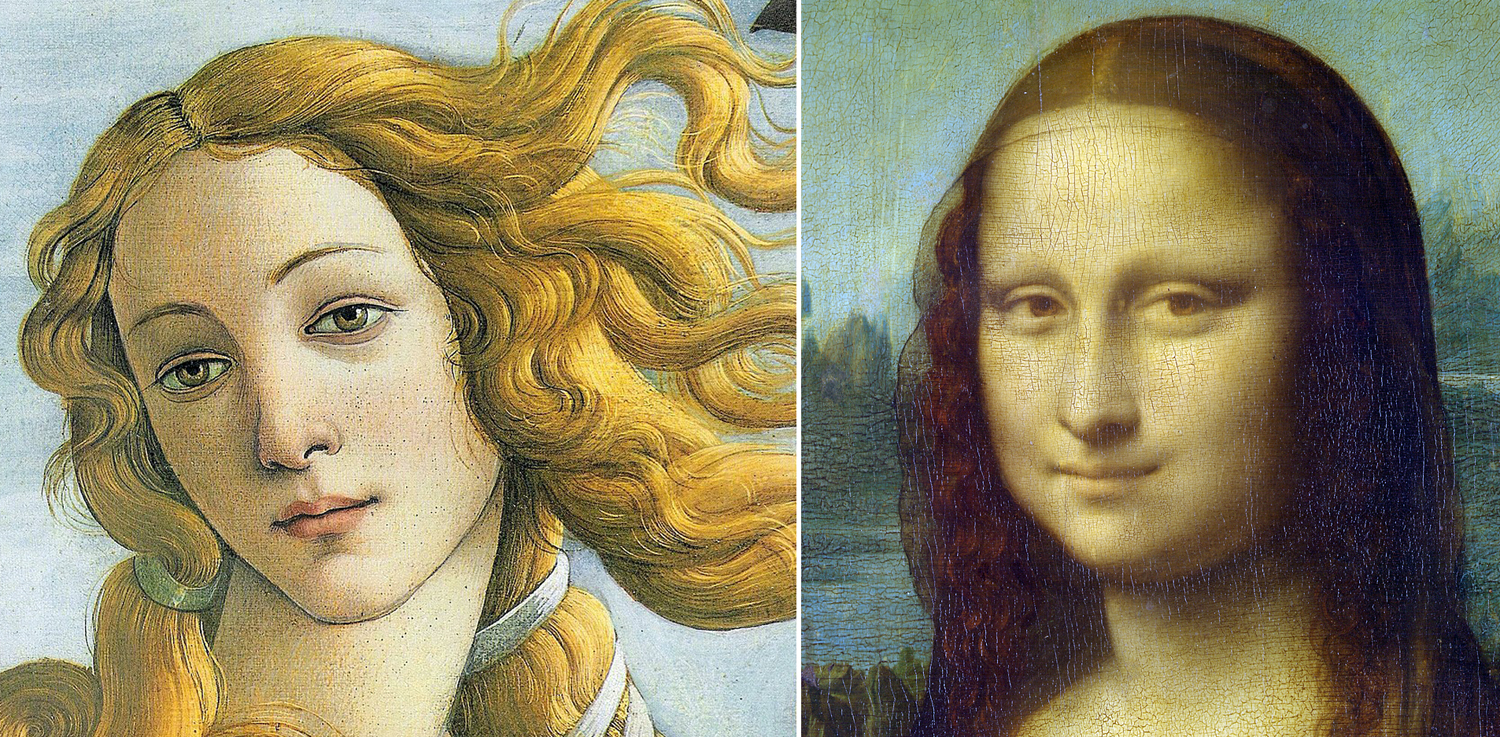

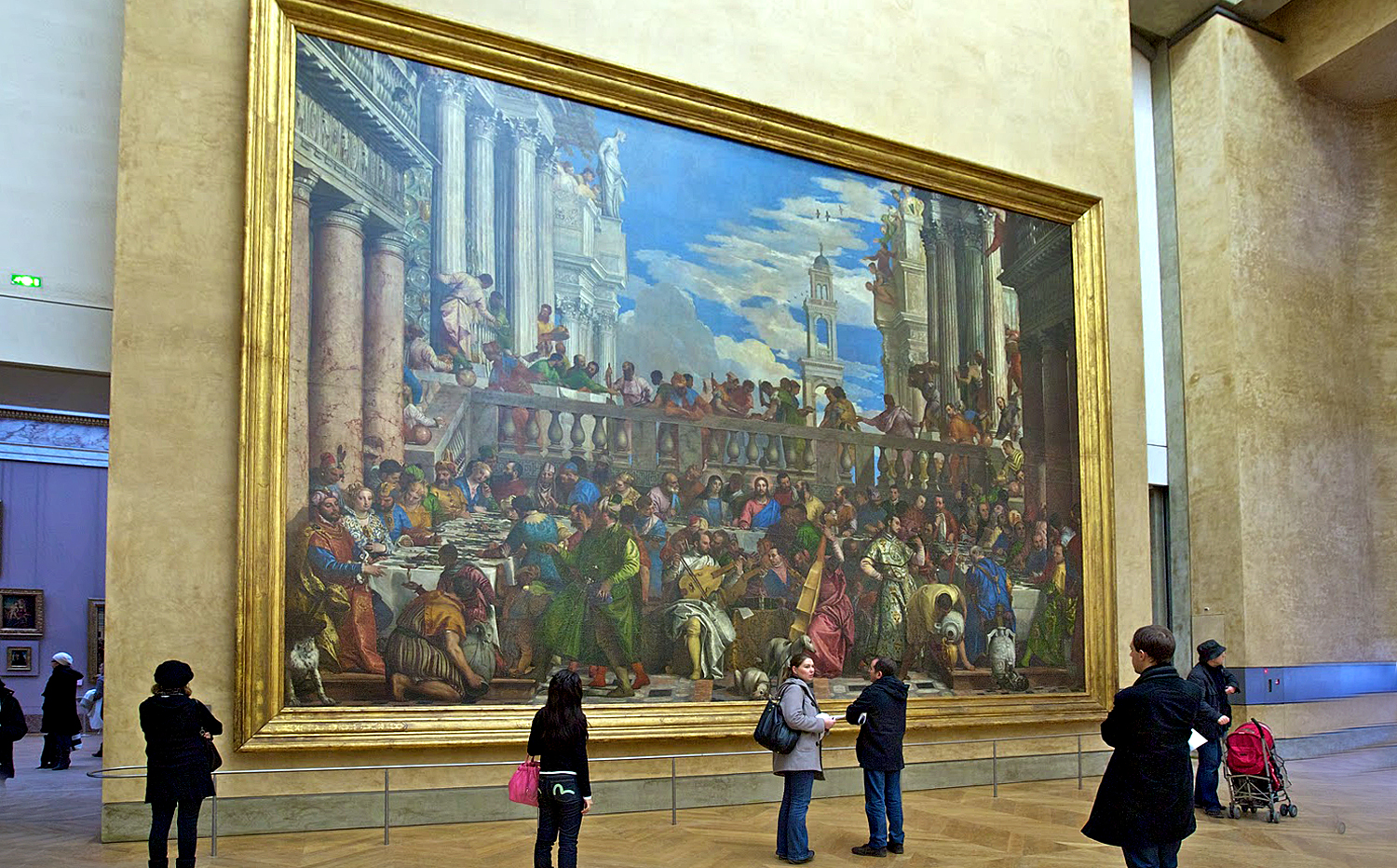
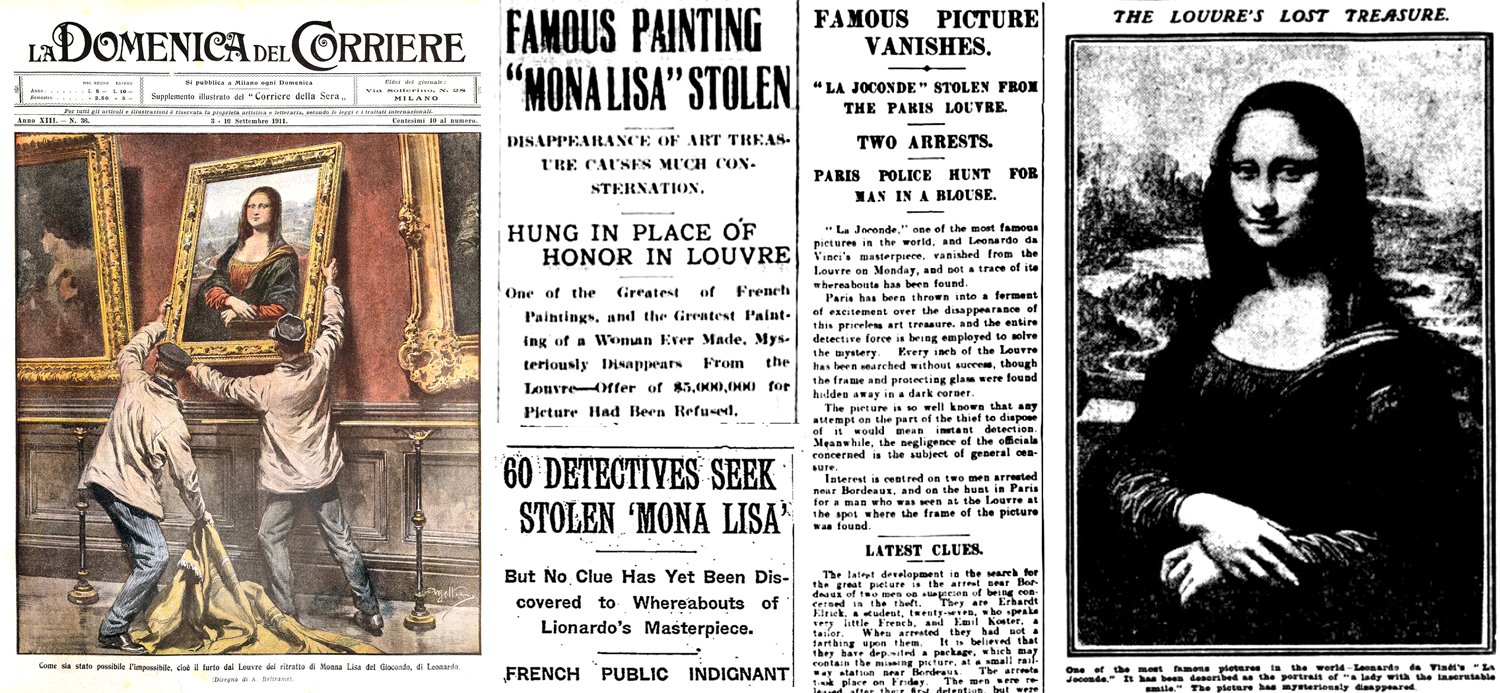
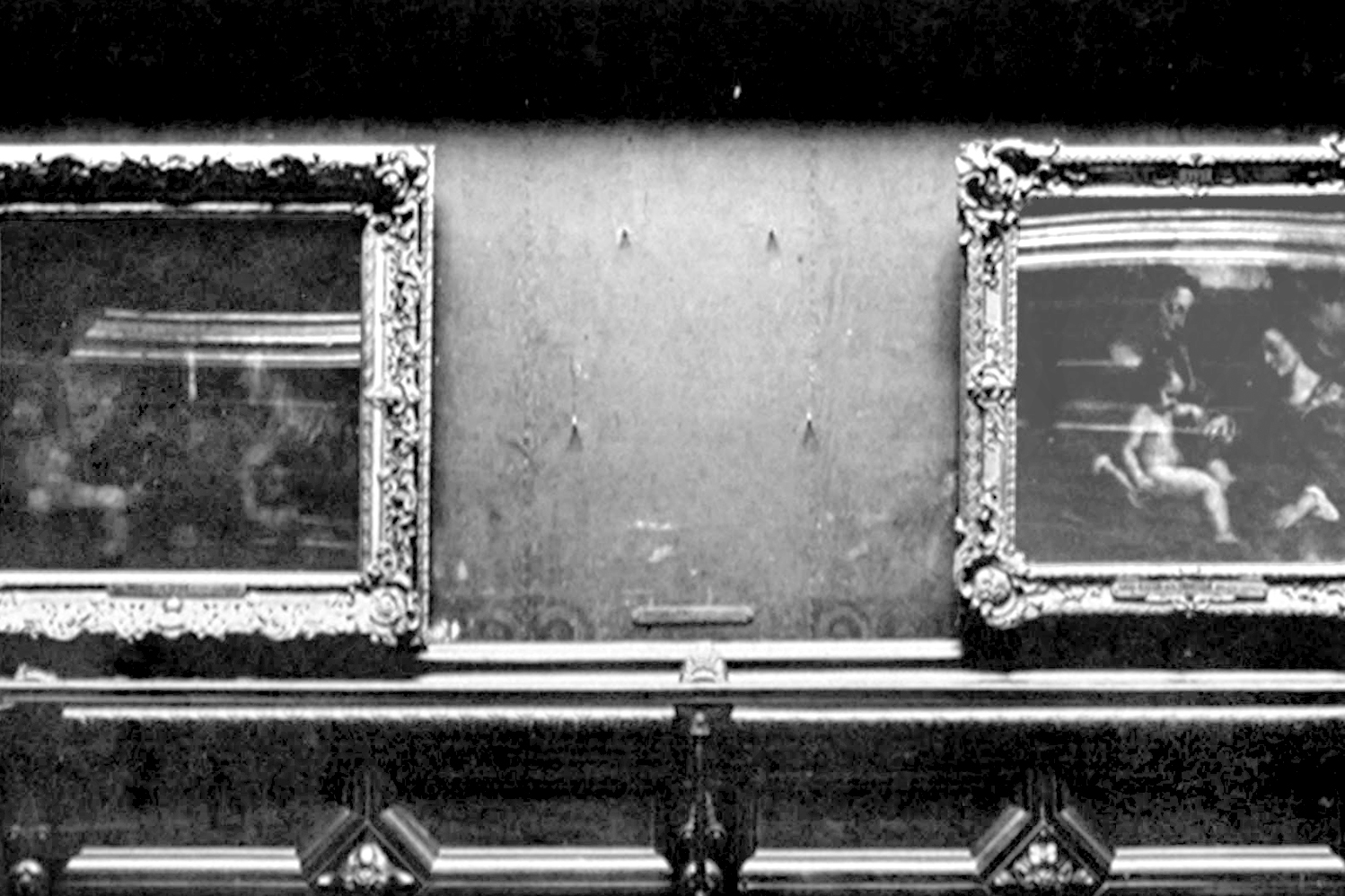

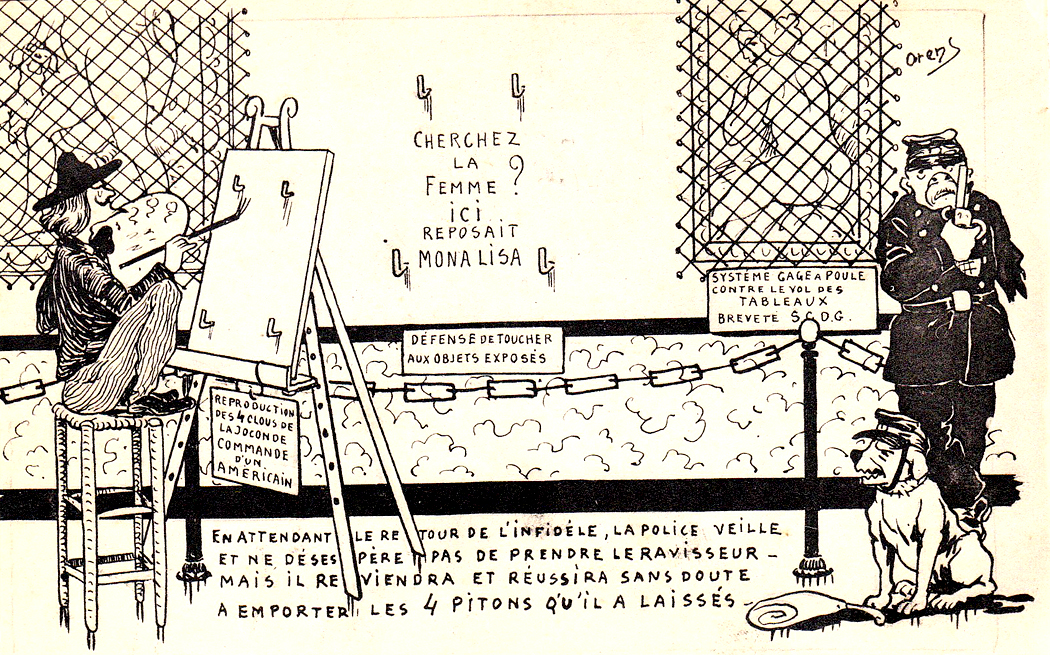

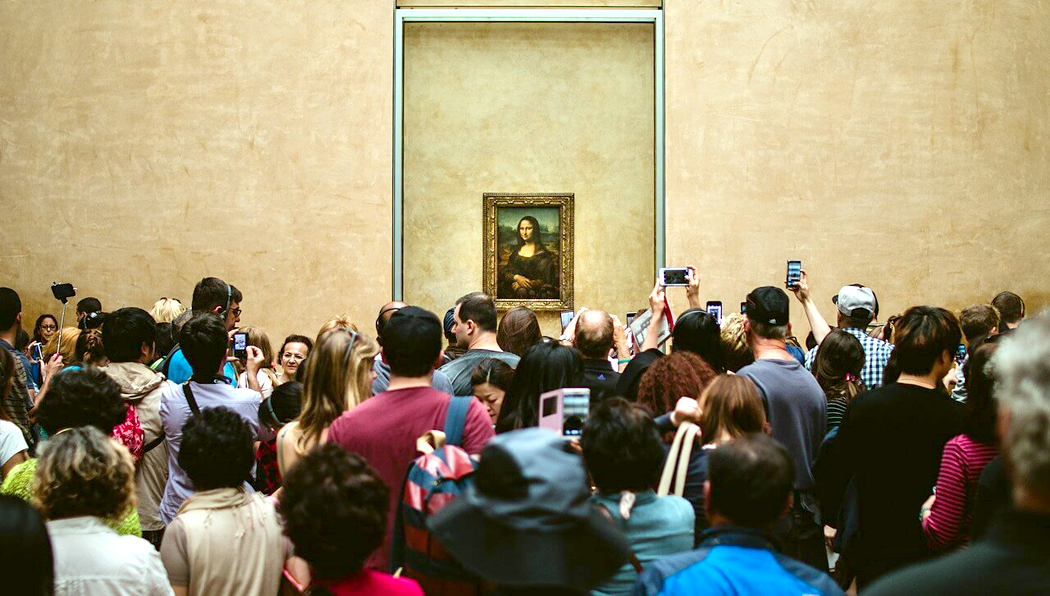
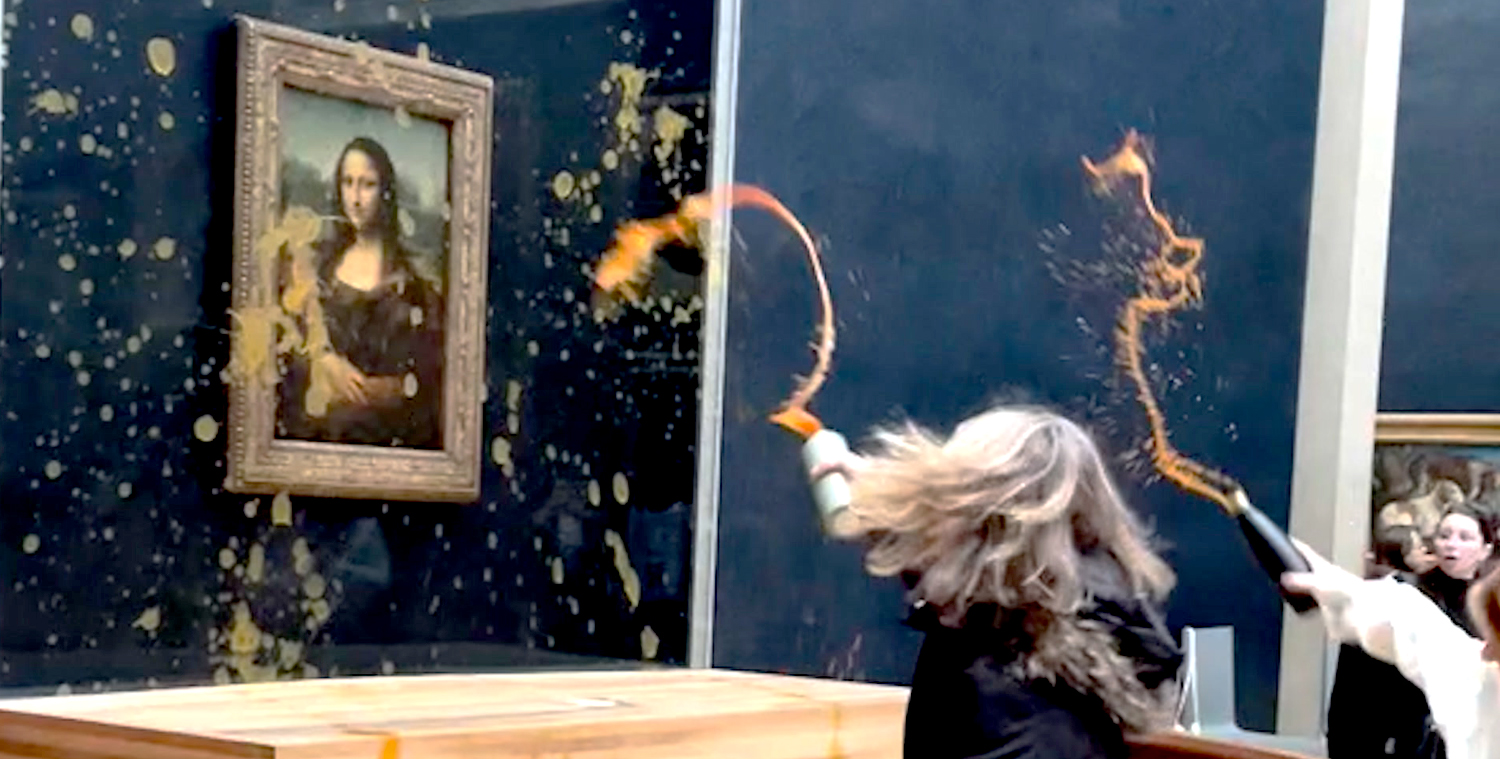




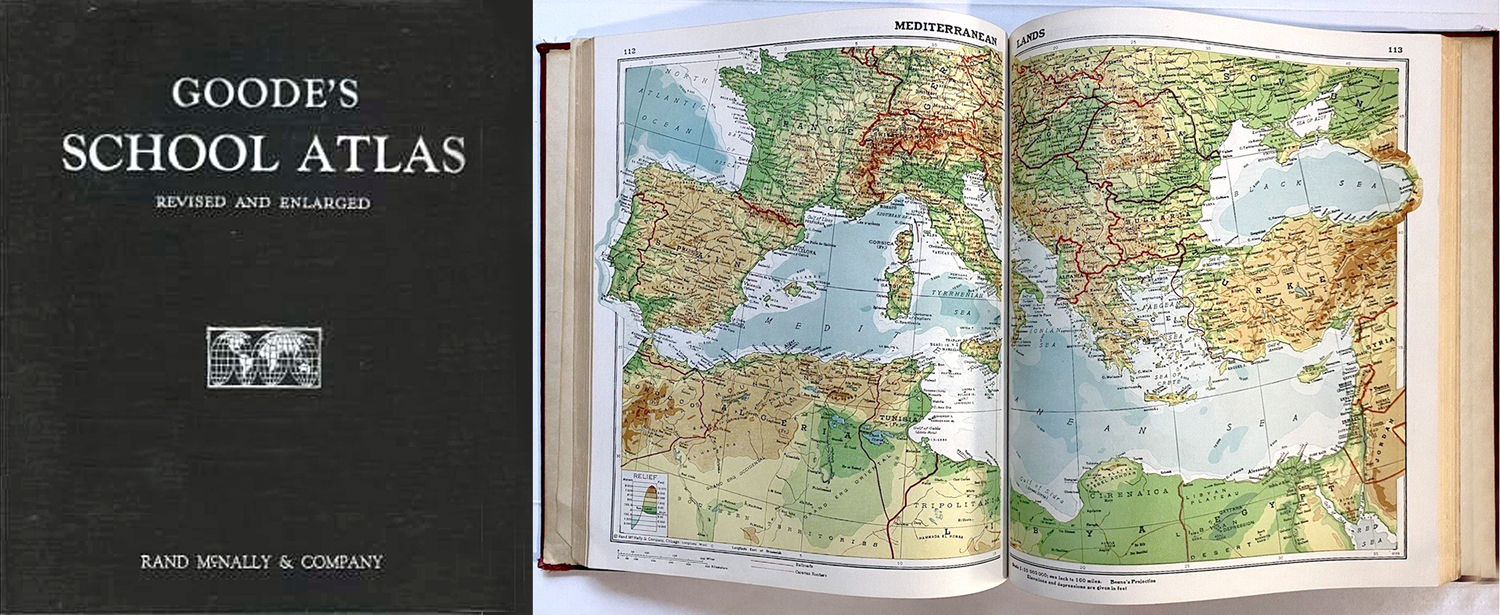


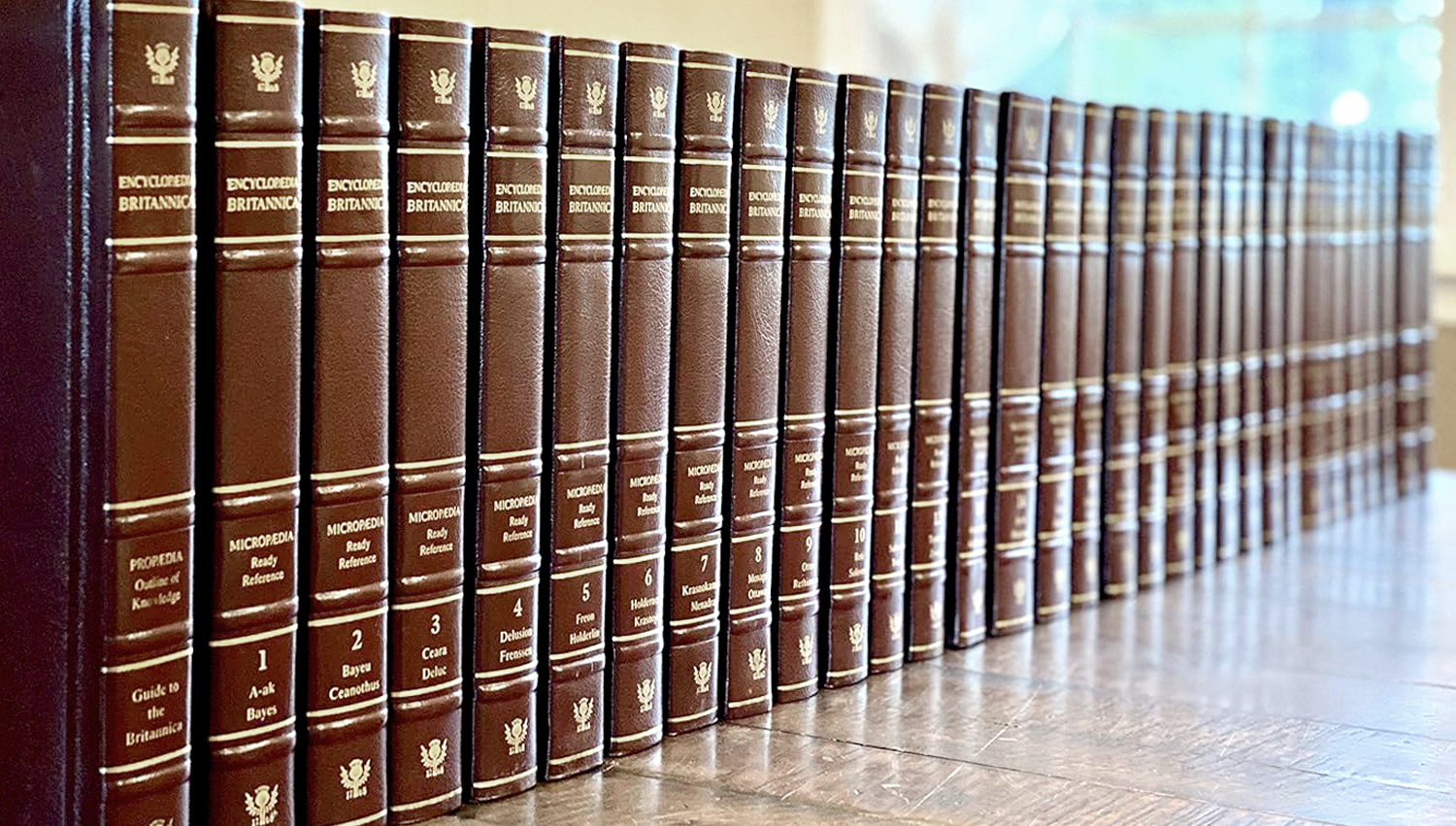
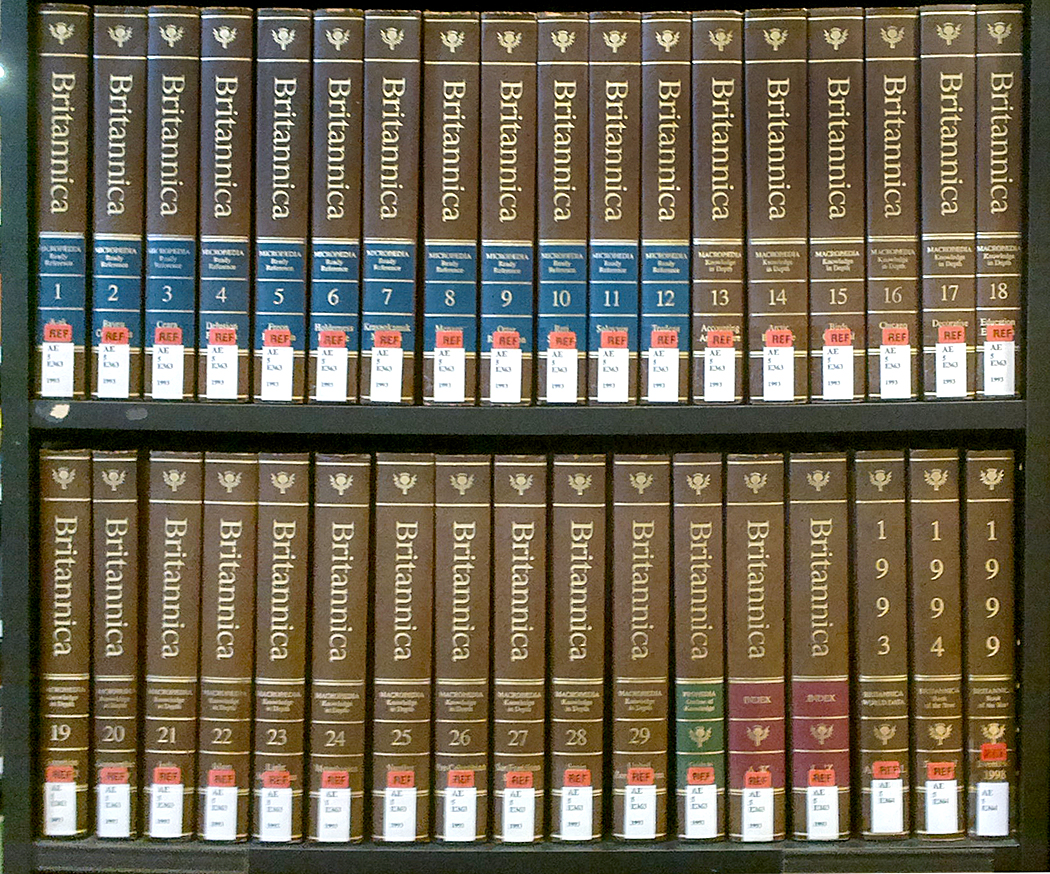
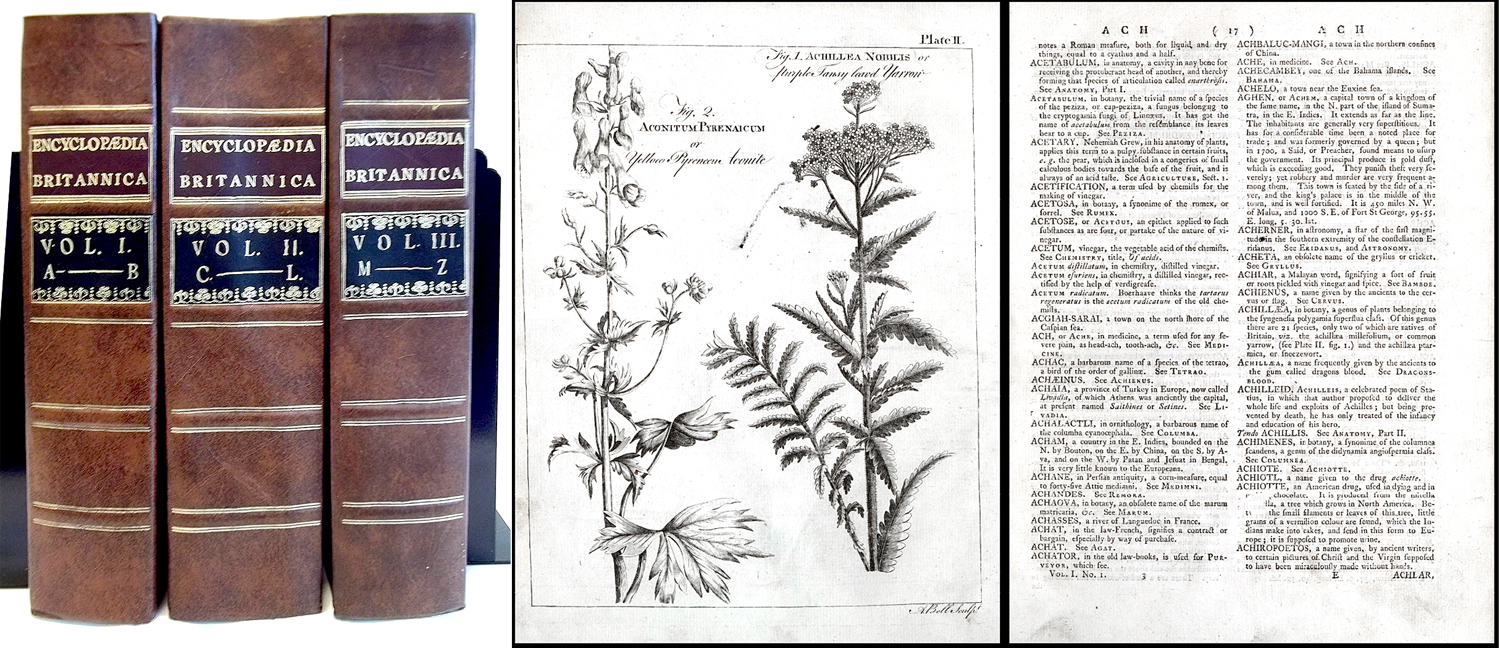
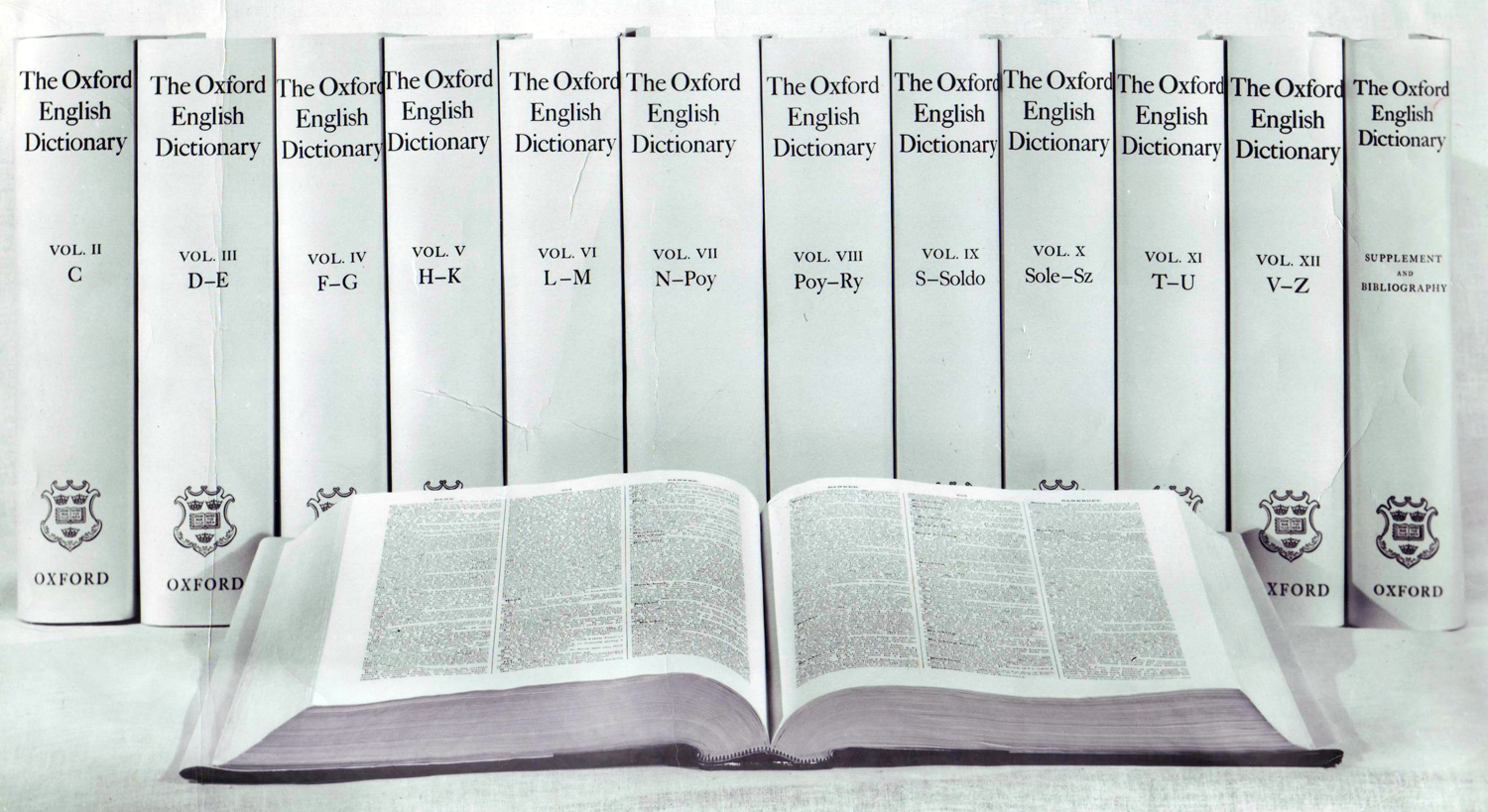

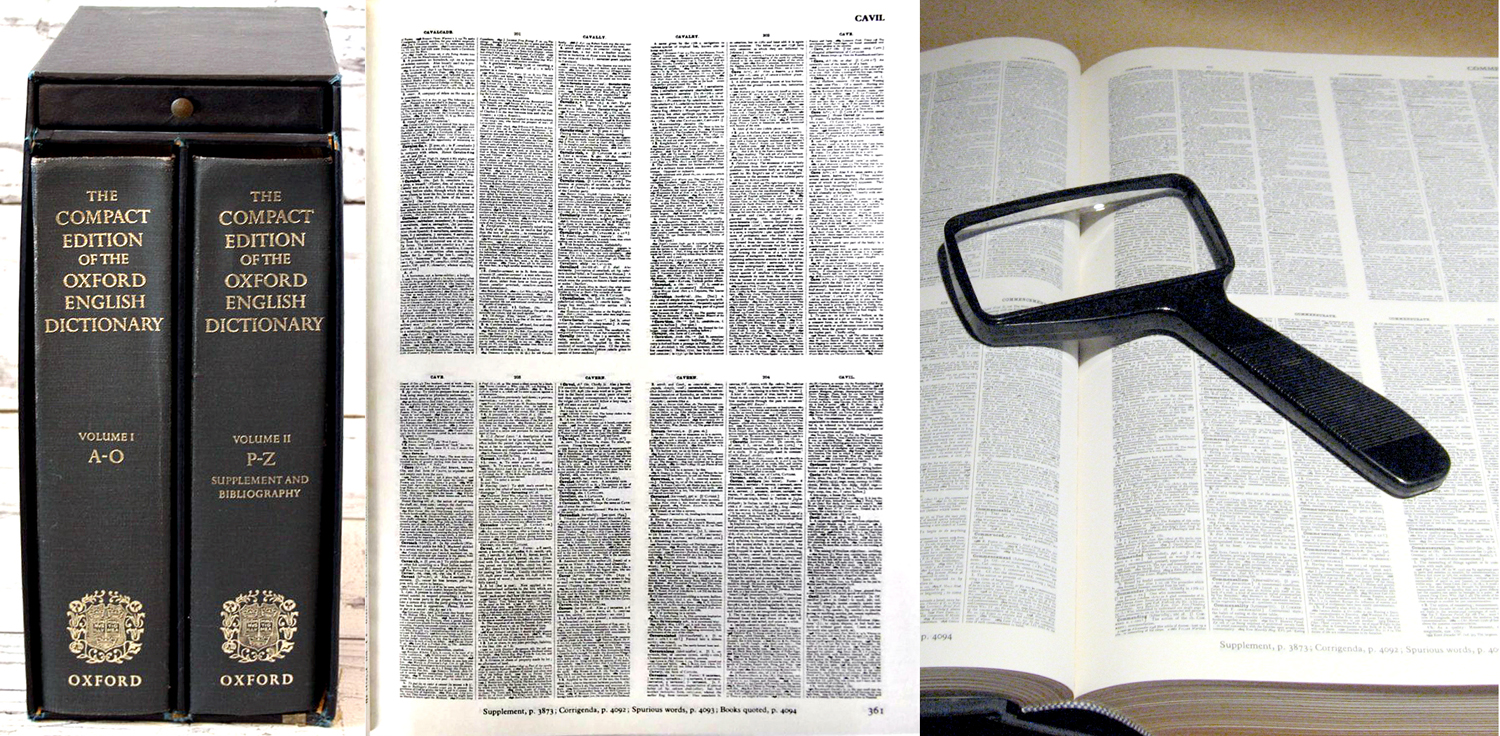


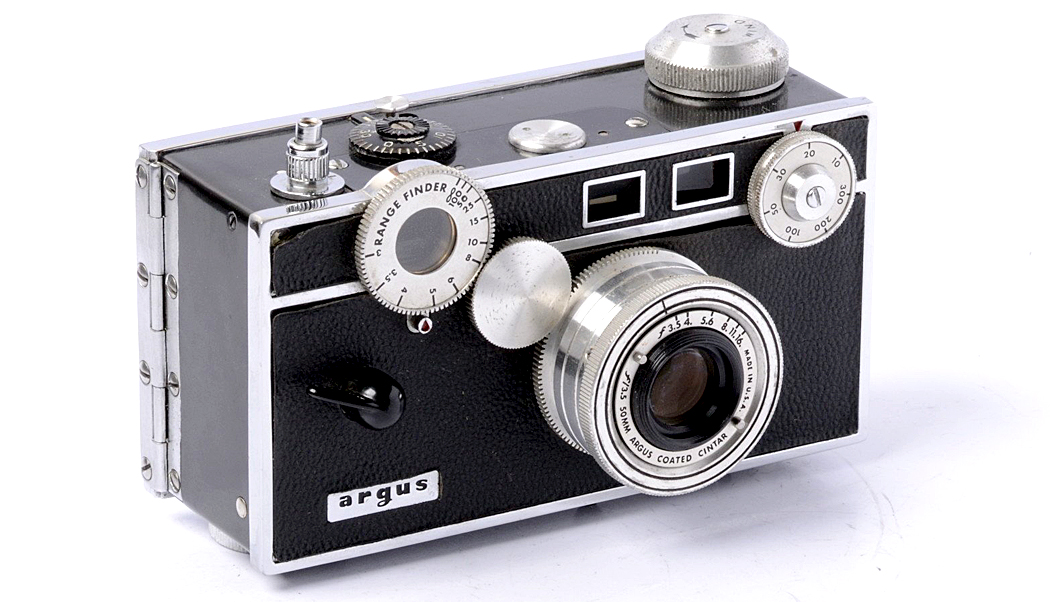
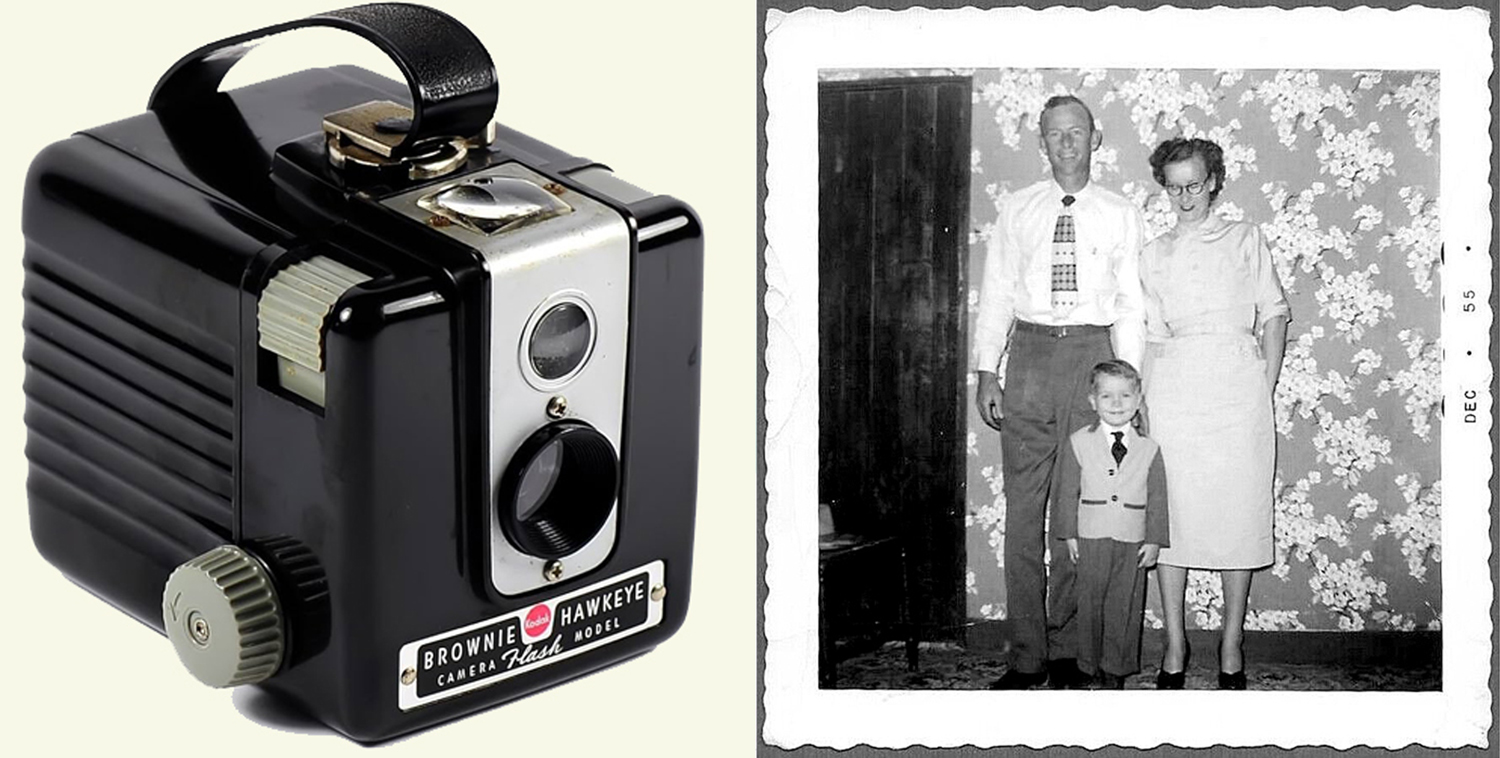

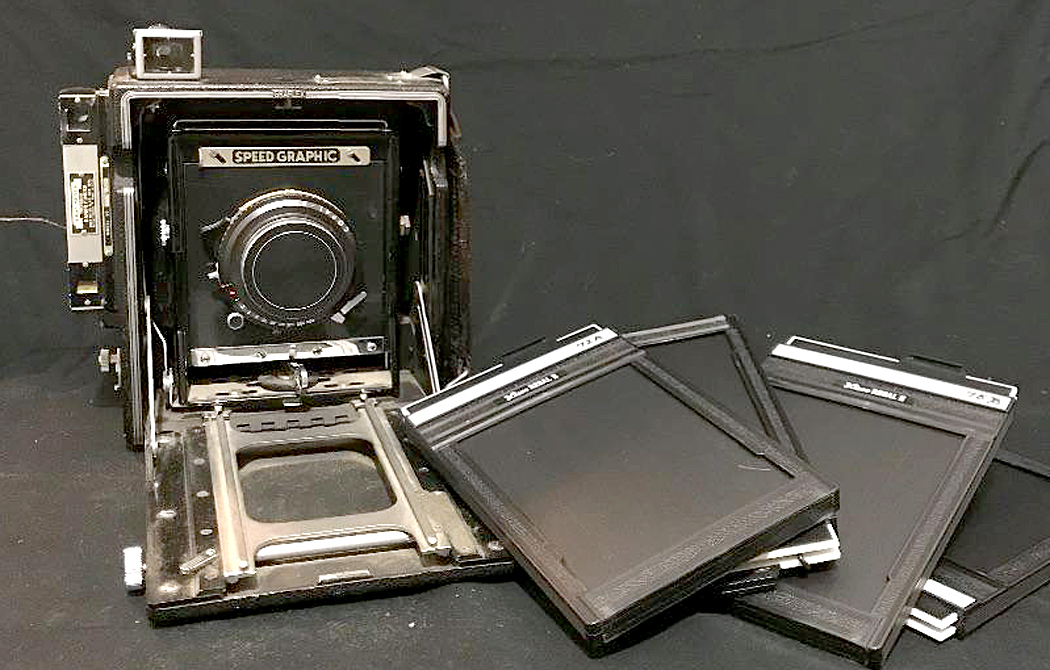


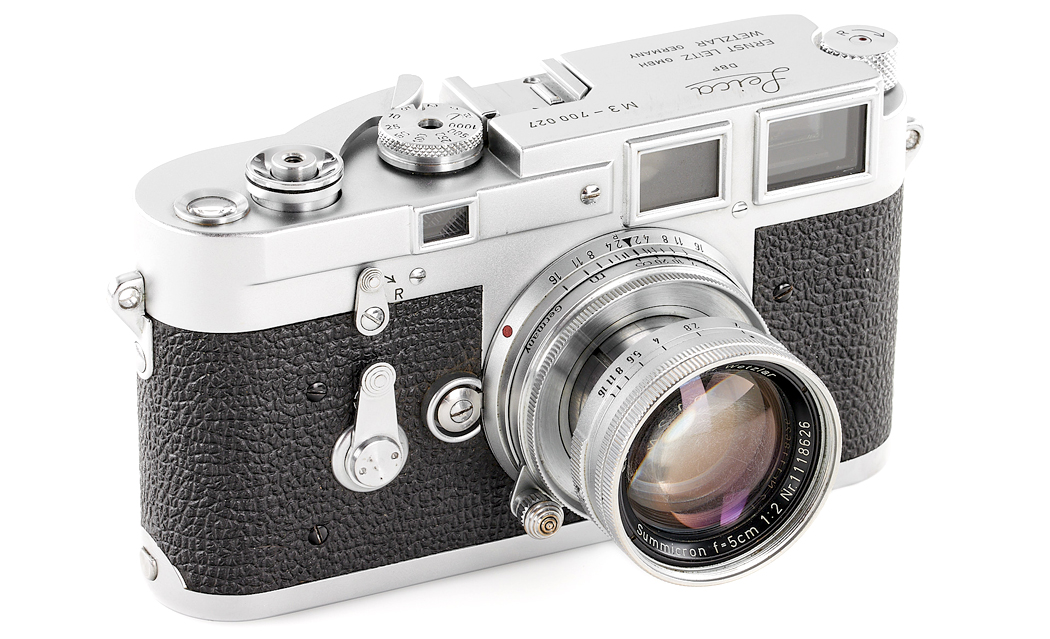
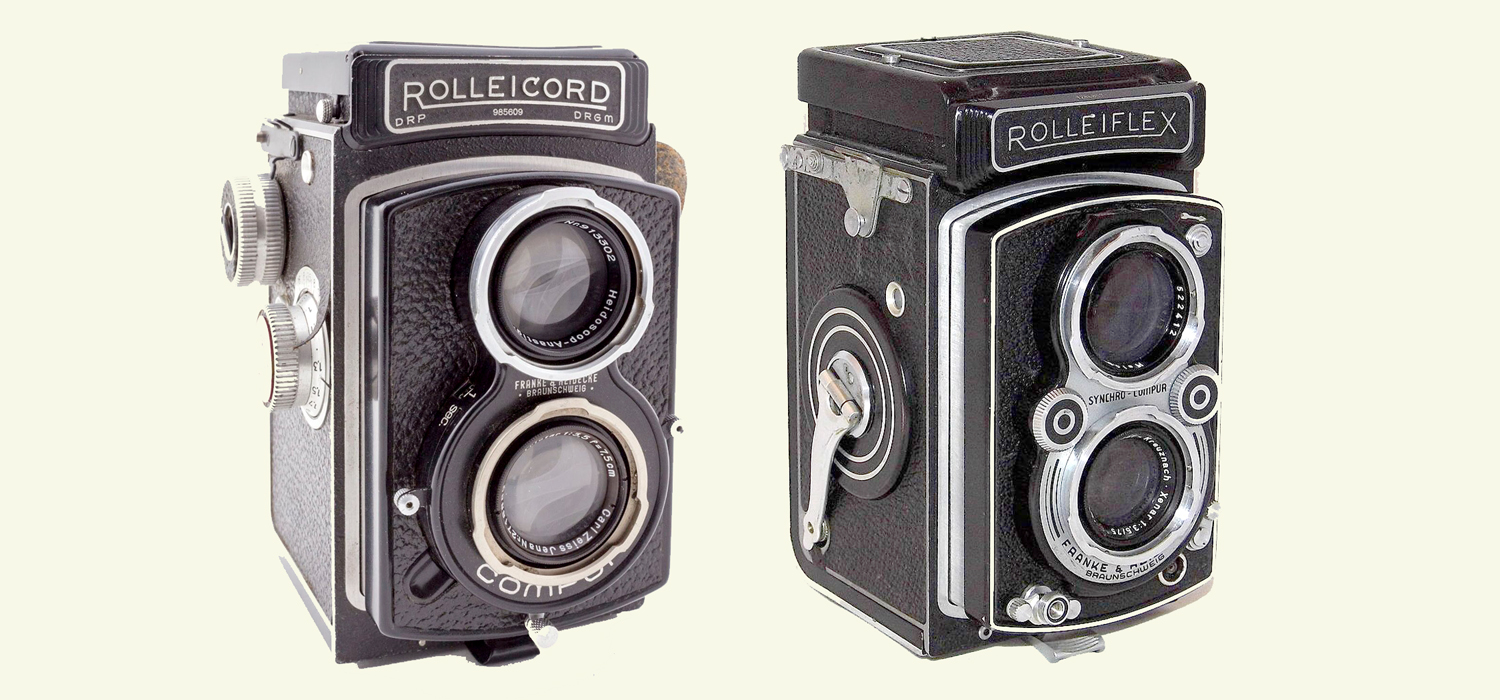

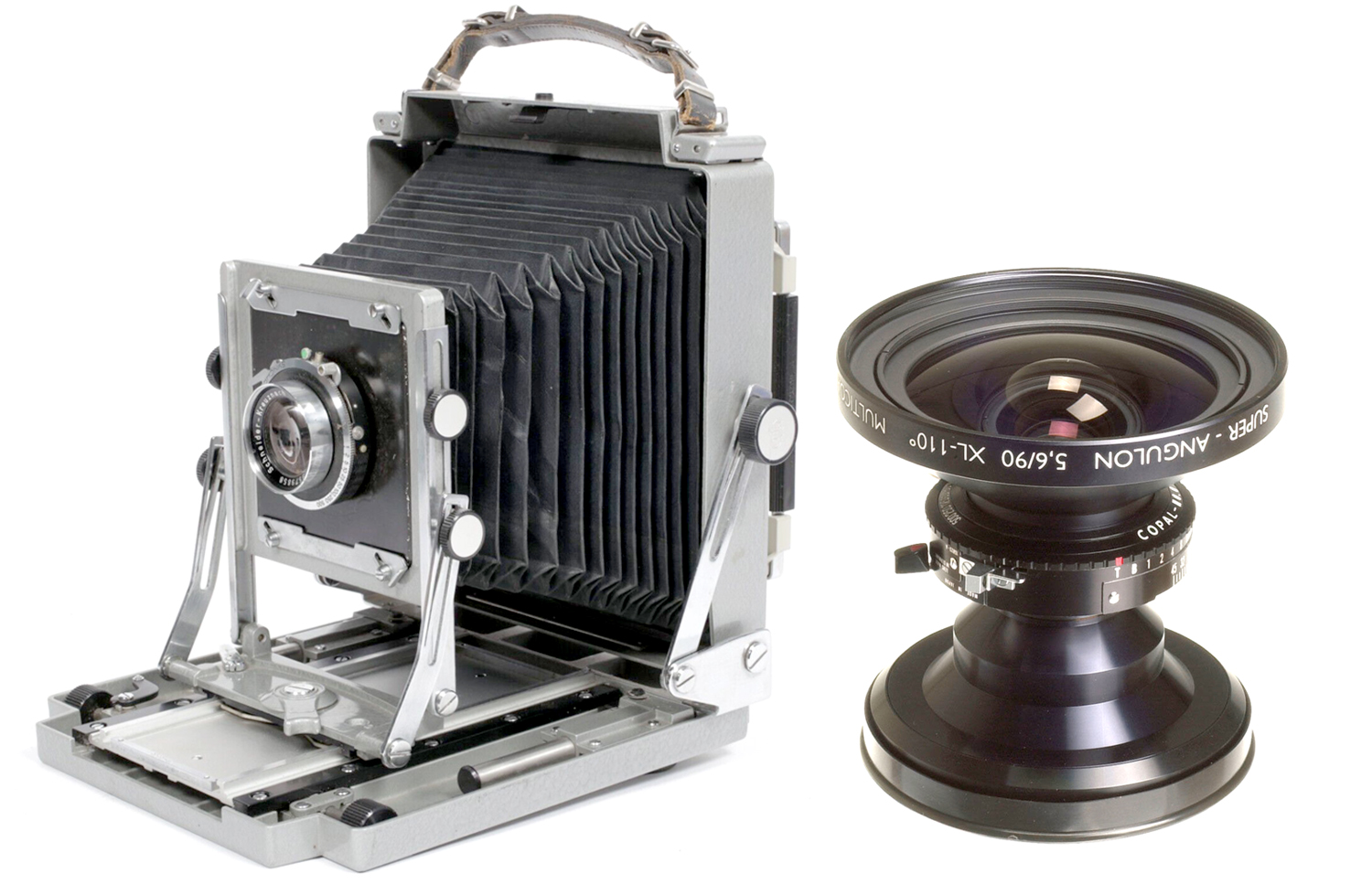
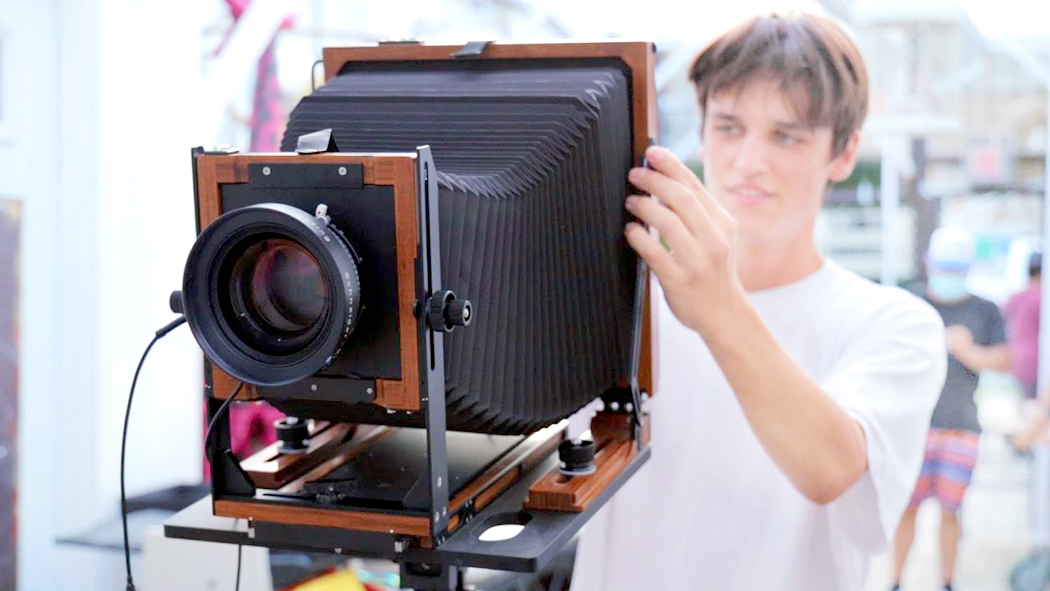
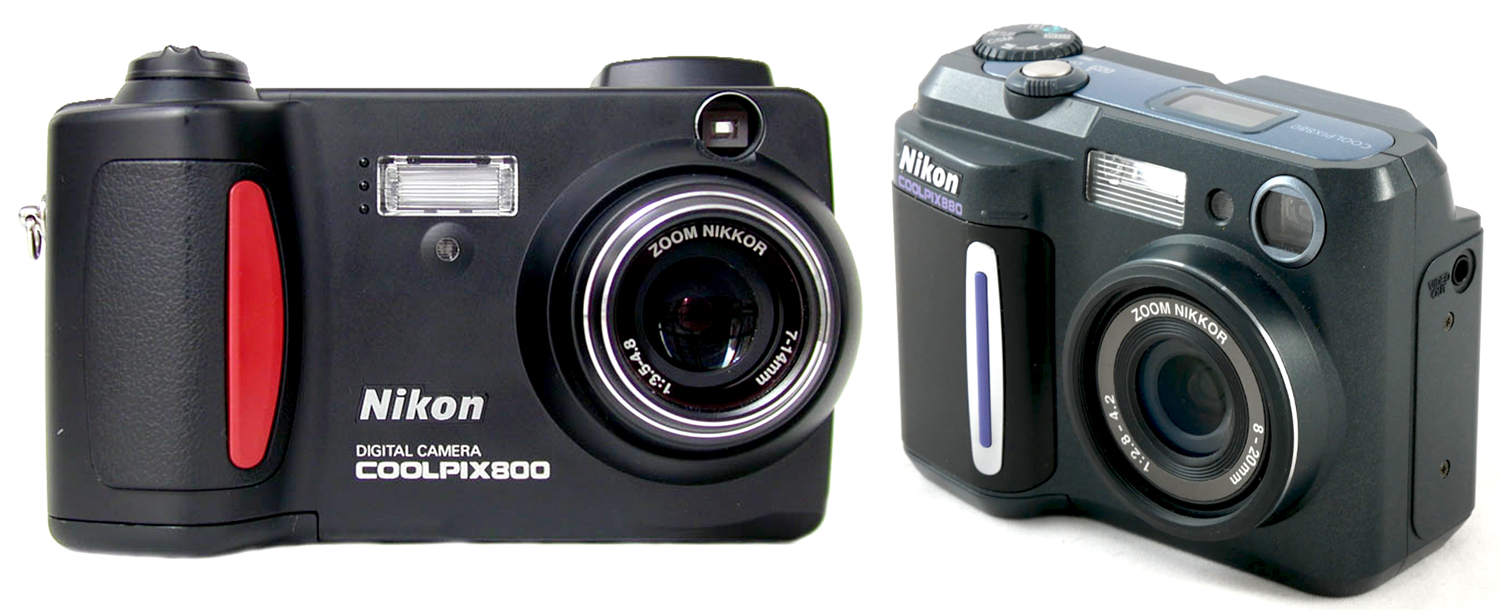
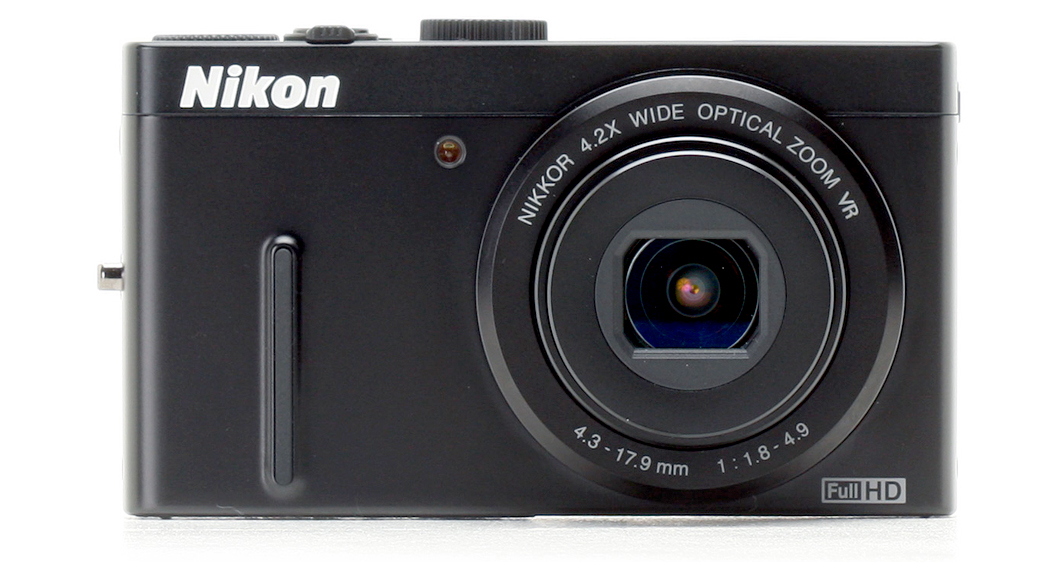


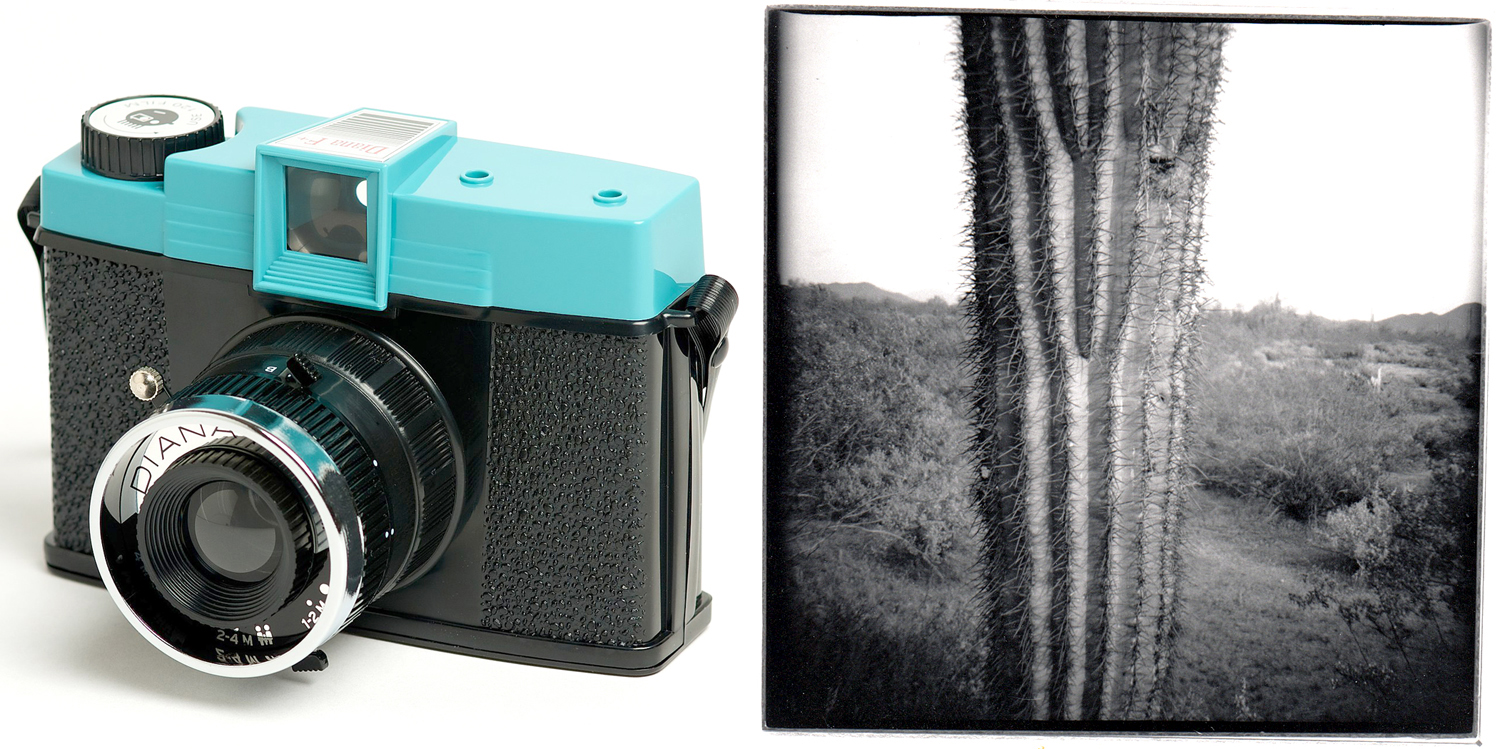


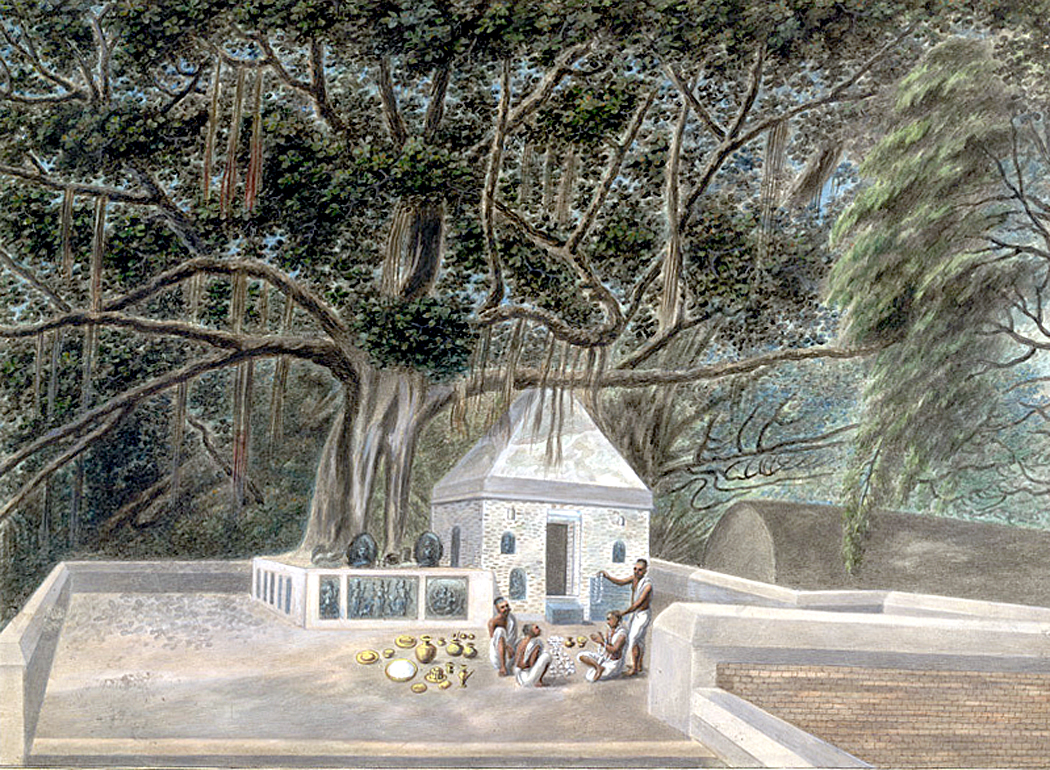
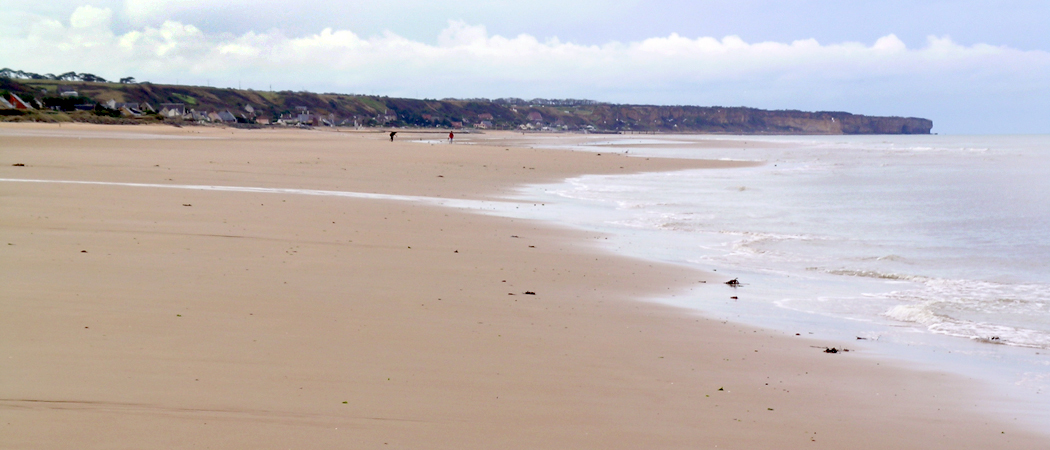


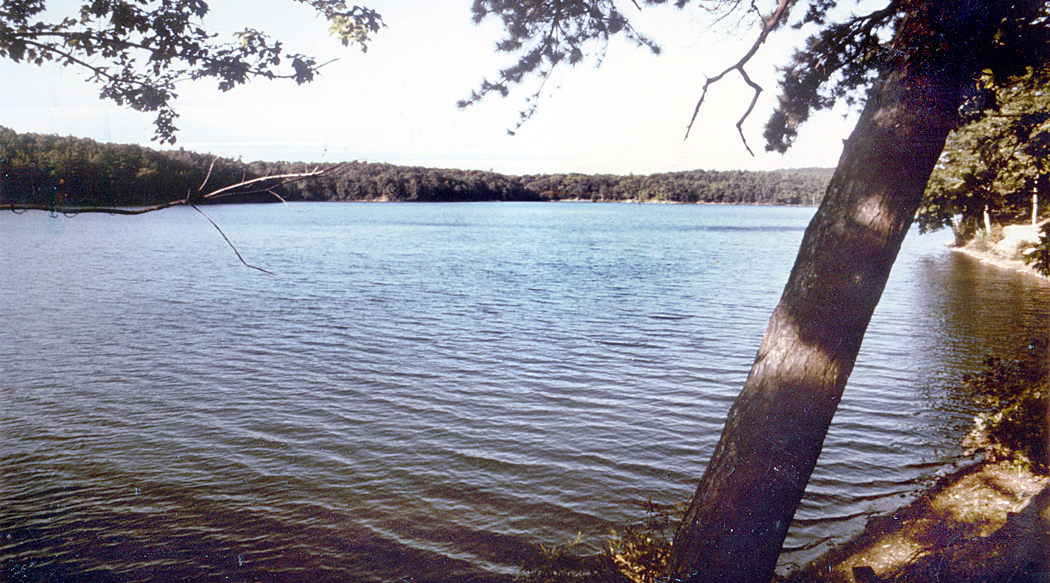


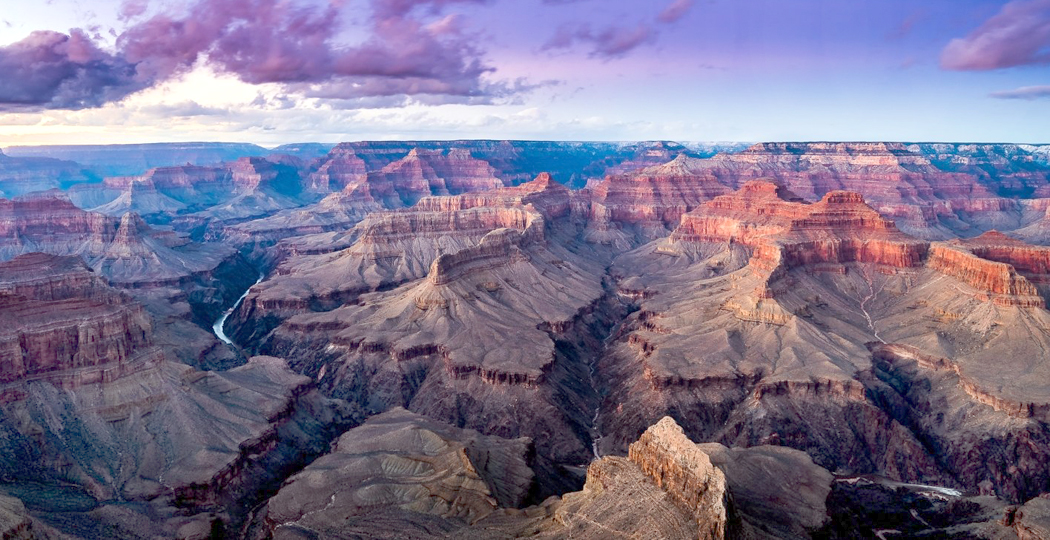


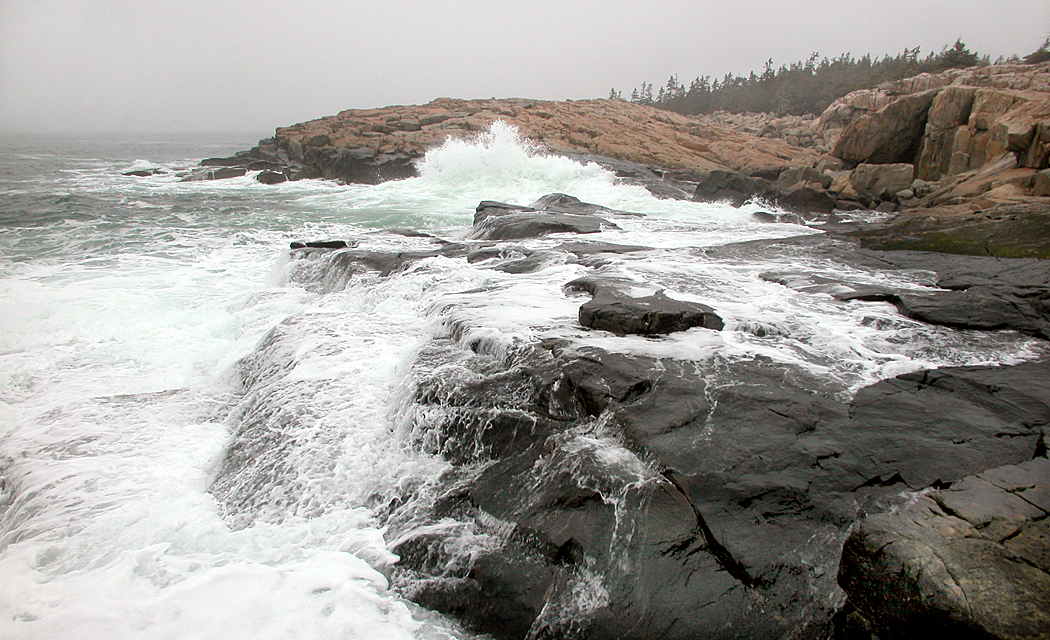


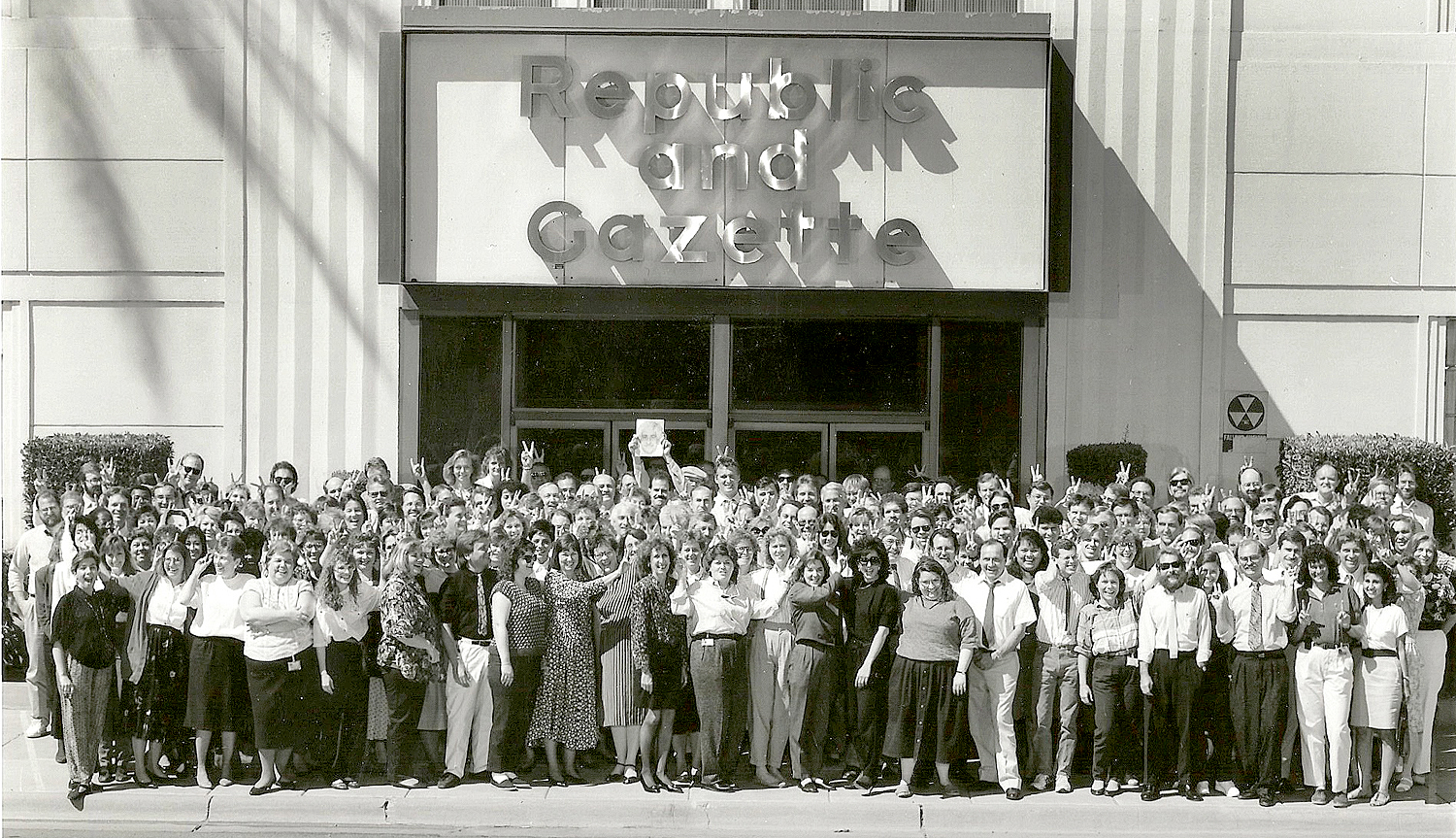

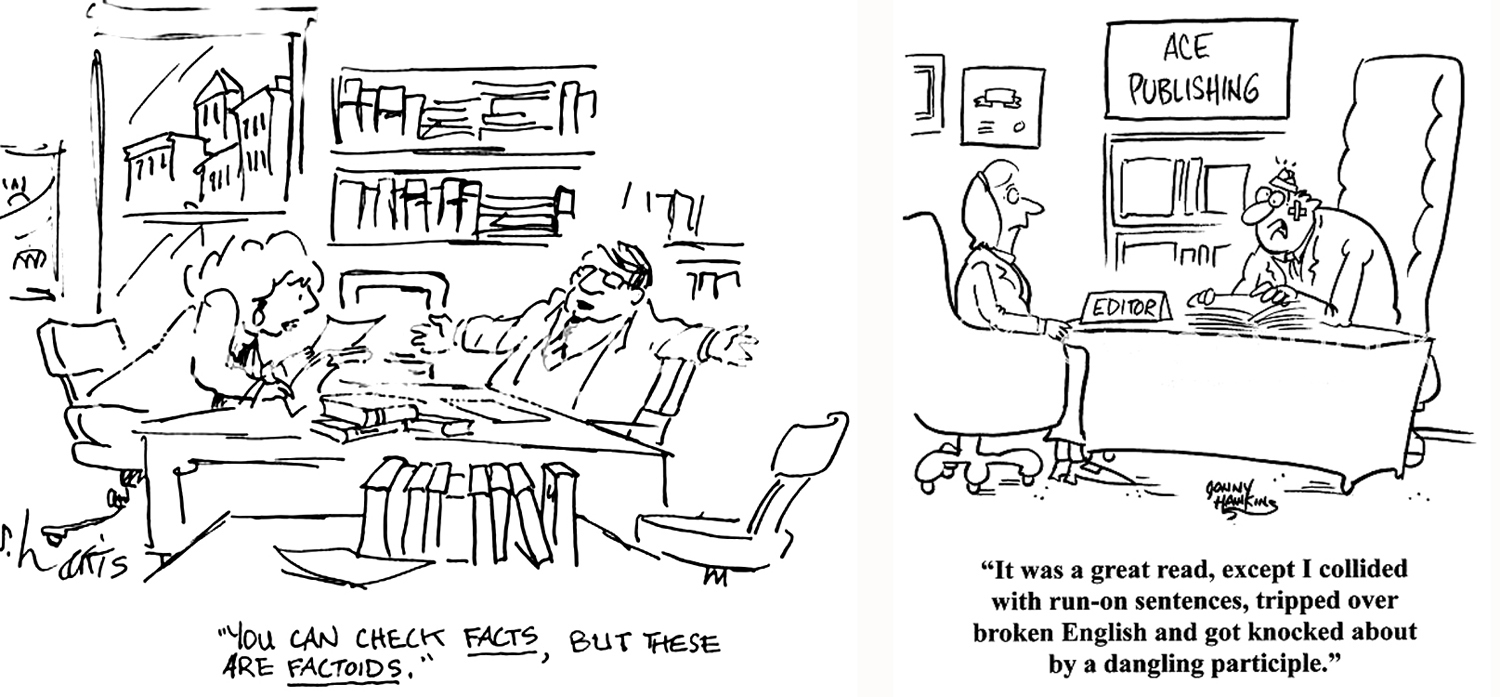

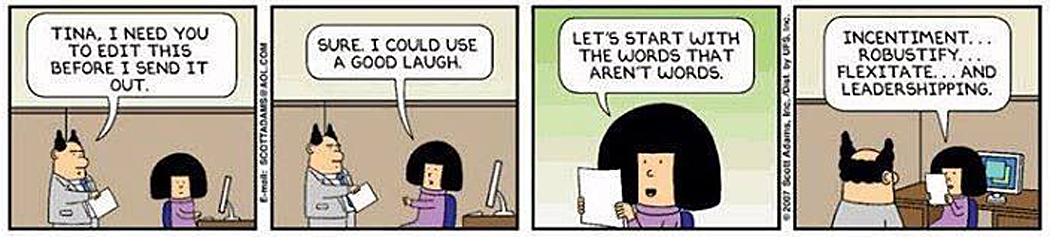


 Richard Nilsen