Cameras I have known

I recently misplaced my camera on a trip. I don’t know where; I’ve checked and rechecked several places. So, it’s gone. These things happen.
Luckily, I have some older cameras stuck in a drawer and I pulled them out, went through an orgy of recharging all their batteries, and now have six working cameras, of various types and talents. Mostly, though, I was shocked to realize how many cameras I have bought and used over the years. Indeed, with all the newly recharged and working ones, the drawer also contained even older cameras that no longer can function at all — outdated technology. And all these were only the digital cameras. My history with the medium goes way back.

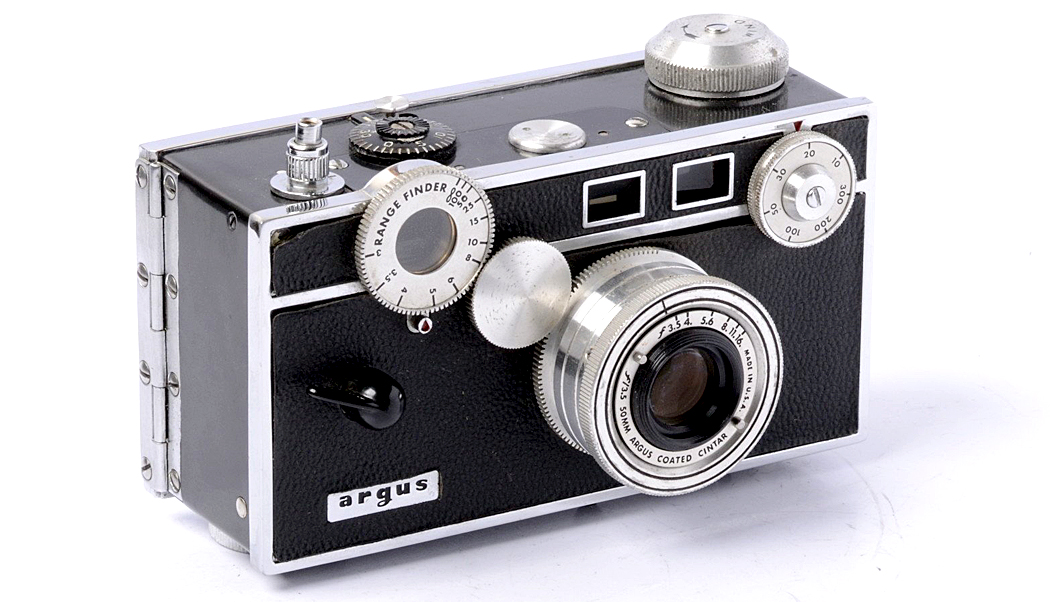
I have gone through scores of cameras over the years, including a bunch I had simply for the sake of collecting, including an old Kodak Medalist, the Super Ikonta B, and the Exa 1. I have bought at least a half-dozen Argus C3s — a camera built like a brick with a lens plonked on — that I habitually gave out to friends so they could make pictures for themselves.
But all that is just akin to collecting antiques. More immediately, it set me to thinking about a chronic disease I have suffered from through most of my life — a psychological problem. I have been a lifelong collector of cameras. But not just for the sake of collecting. It has been a lifetime of trading in what I had been using for what I believed would be a better tool. Of course, on the rational level, one knows perfectly well that the tool is only as good as the workman, and that a fancier camera isn’t going to make better photographs for me. Still, I constantly drooled over whatever was higher up on the photographic food chain.
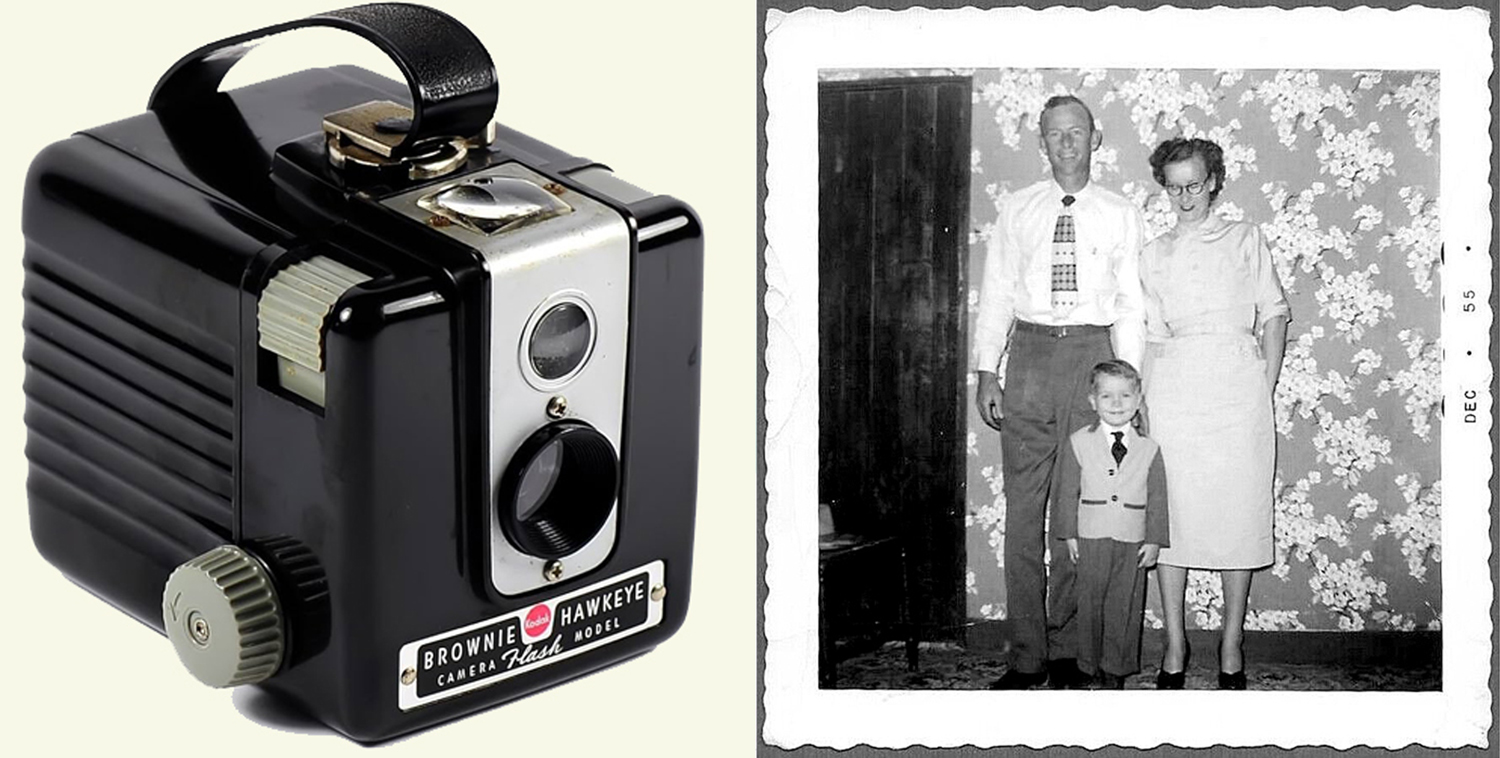
And I started pretty low: When I was 10, I got a Kodak Hawkeye Brownie camera, a little plastic box with a tiny fixed lens. It used roll film and when I had shot my 12 pictures, I took the roll to the drugstore to have it developed and printed. What I got back were three-and-a-half inch, deckle-edged prints of fuzzy images with a tiny date printed in the margin. These were the standard family snapshots of the era — the late ’50s and early ’60s.

Then, over summer school vacation in 1965, I accompanied my grandmother on a trip across the Atlantic to visit her birth town in Norway, and I wanted a more “professional” kind of camera to take with me. This was truly the start of my neurosis. I visited the local camera store where the clerk — a doughy old smoker of smelly cigarettes — found me a used Praktica 35mm single lens reflex camera. This was the kind of camera with a flipping mirror behind the lens that popped up as you snapped the shutter button and exposed the film. Even then, most SLRs had a prism affixed so you could look through it to focus and frame. But my Praktica was of an older vintage. You had to hold the camera at chest level and look down into the ground glass viewfinder — a viewfinder exactly an inch by an inch-and-a-half, for a very tiny preview of what you were photographing. As you turned the knob to the next exposure, you also re-lowered your mirror.
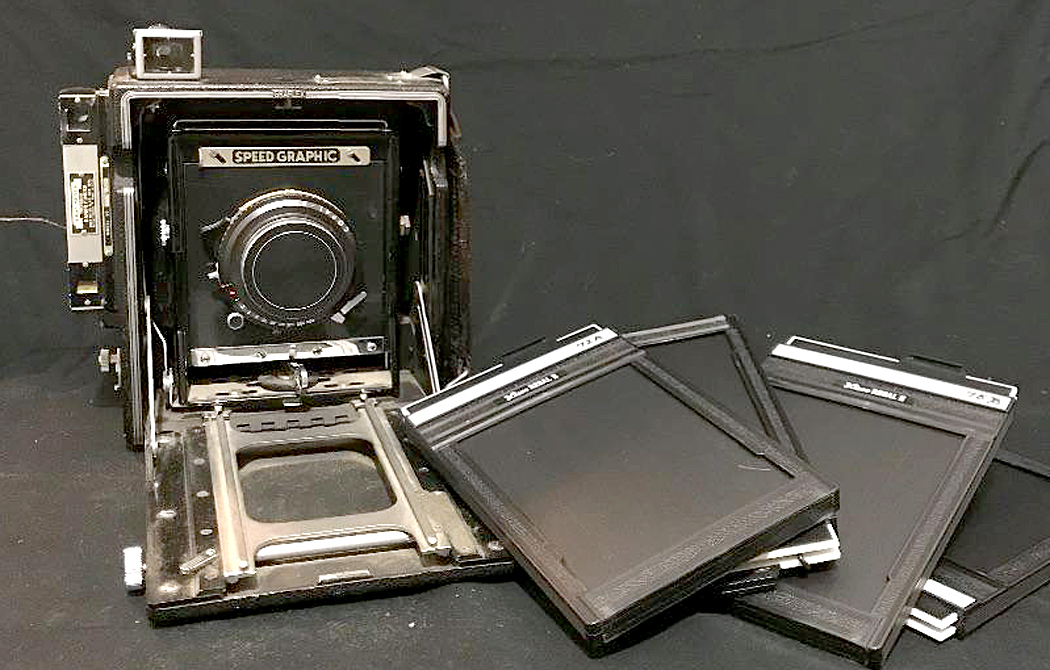
In high school, I was a nerdy sort, and one of the AV team that set up projectors in classrooms for the teachers, or operated the reel-to-reel tape recorders. And I had a special job as the photographer for the school newspaper, and for that I had the school’s Crown Graphic — an old Graflex camera with the 4- by-5-inch plate holders. And I had access to the school darkroom, where I processed the giant negatives and made prints for the paper.
So, I knew I wanted a better camera for myself. My best friend had his own 35mm SLR, and it was a Miranda D. Oh, how I wanted one of my own, with its pentaprism on top, and a lever to advance the film instead of the windy-knob. I never got one. I couldn’t save up enough money.

But, with a trade-in of the old Praktica and some saved allowance cash, I could get a used Pentax Spotmatic, of the old, screw-mount lens variety. It got me through college. But there was always in the back of my mind this nagging need to have the best — the Nikon F, the top of the line in Single Lens Reflex technology. But they cost so much. I pined.
(I always seem to have had Pentaxes as a fallback. I’ve owned maybe a half dozen of them over the years and it was a Pentax that I took with me on our first trip through the West in 1981. A solid workmanlike camera.)

After I graduated, I got a job as a clerk in a camera store, working alongside a wizened old pro, who smoked (more accurately, chewed on) truly nasty cigars. And with my earnings, I was able to trade my Pentax in for the Nikon (used). You’d think that was enough. The prize with the Nikon came with the 55mm macro lens and the gorgeous 85mm long focus lens. Had to have those.
But I knew my photographic heroes worked with Leicas, and so, my heart was set on an ever-higher rung and I wanted, somehow to own a Leica. I magically came across an ancient Leica D, vintage 1937, being sold for a ridiculously cheap price (something like $50. The latest price for one on Ebay runs about $1500.) Mine came with the famed f/3.5 Elmar lens, and was an all-black model. I felt I had hit the jackpot.

The problem was such an old camera was missing some regular amenities, like a flash connection. And then one of our customers, a wealthy businessman who was a collector of Leicas, offered me a more modern Leica IIIf (“red dial,” ca. 1956) in an even trade for my old thing. It was chrome, not black, and had more shutter speeds and a flash connection. I took the deal.

The problem was that the then-current Leica was a bigger, better M3 Leica and I knew I had to have that. I also began collecting Leica accessories for my IIIf — telephoto and wide angle lenses, a light meter, a leather camera case — and I would have to give all them up for the upgrade.
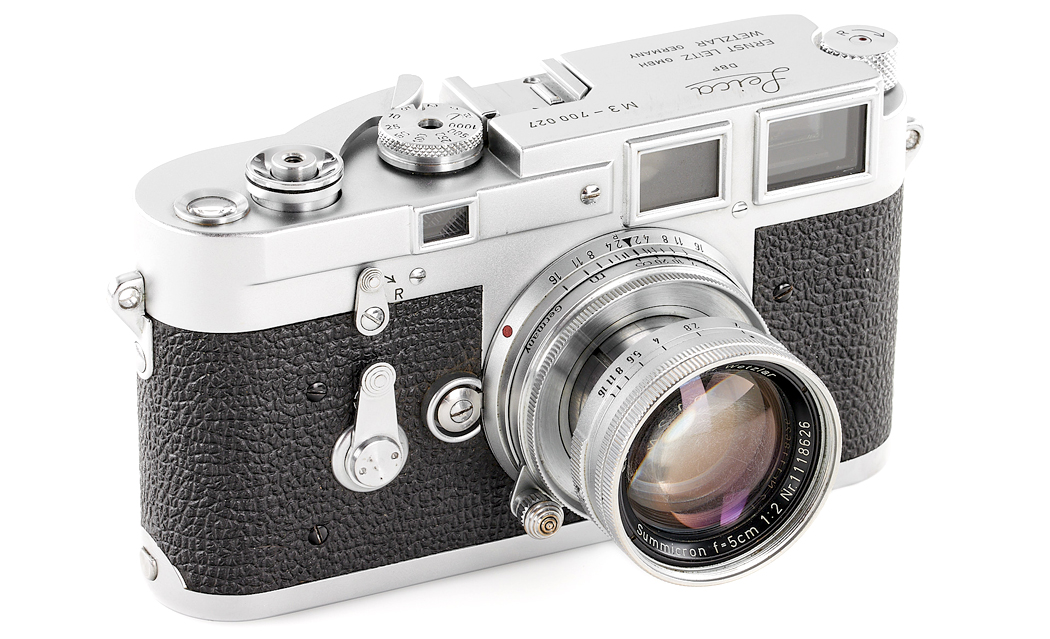
And so, I upgraded. Then there was the M4, which was even better. Imagine how good my photos would be if only I had the Leica M4.
I had a new problem, however. The kind of photographs I wanted to make were highly detailed, sharply focused images, like those of Ansel Adams or Edward Weston, and the small, grainier 35 millimeter film I was using would never, ever achieve that look. I had to have a bigger negative.
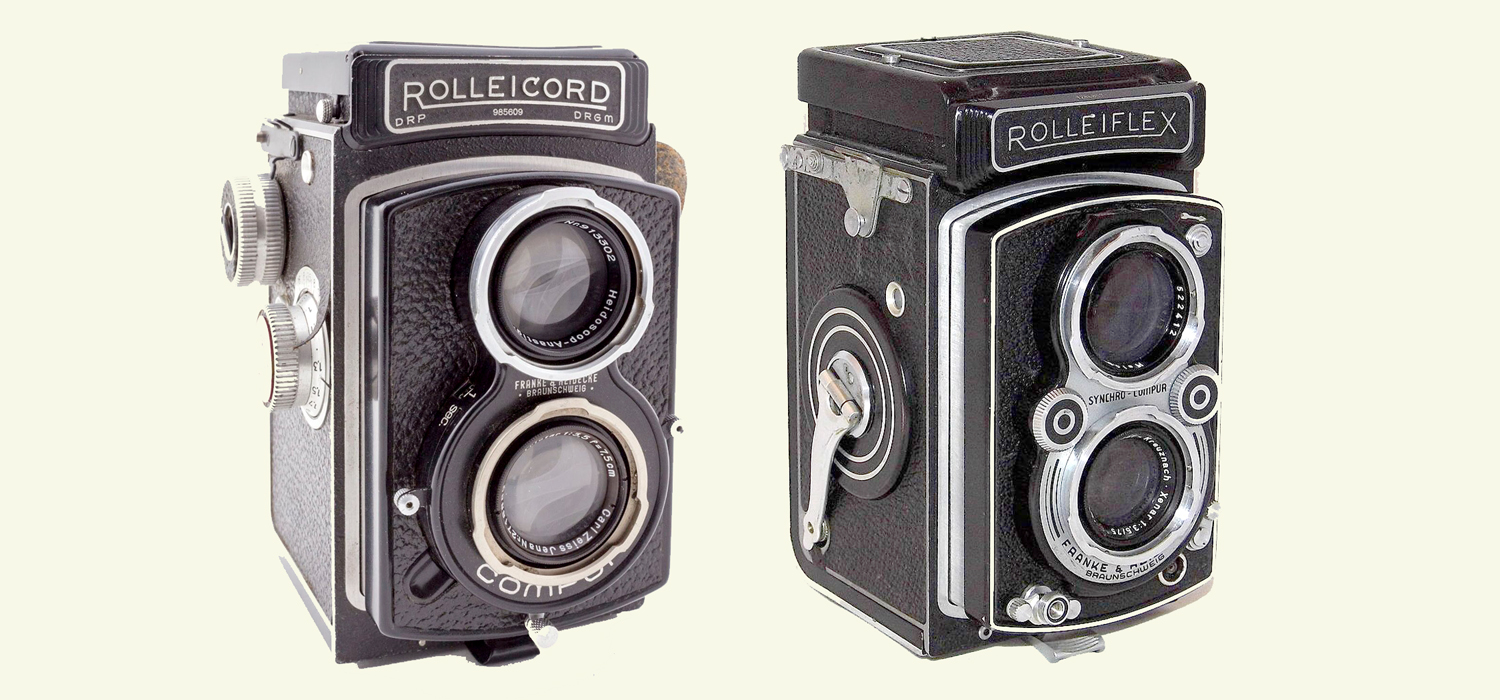
And so began the climb up to the 120 film size with its two-and-a-quarter-inch square negatives. I got a Rolleicord, which was a highly respected twin-lens reflex camera (one lens above the other; one to focus with, one to make the image on the film). But, of course, the Rolliecord was the lower-price version of the even-better Rolleiflex. Huff and puff. More trading and I got the Rolleiflex with the f/2.8 lens. But while I got the bigger negatives, I had regressed to looking down to my waist into the ground glass on the top of the camera, where the mirror sent the image.

And so, the next insanity was to lust for the medium format SLR, and the top of the heap was the camera we all considered the BMW of cameras: The Hasselblad. This Swedish camera was what the Big Boys used. Avedon; Penn.
But by this time, I was no longer working at the camera store, and the Hasselblad cost as much as a Volkswagen (or it seemed like it). Eventually, I found a used one and felt I had reached the pinnacle. I owned a Hasselblad.
Unfortunately, just at that point, I went through the equivalent of a divorce, moved from North Carolina to Seattle, went unemployed for a bit and had to sell my Hasselblad. I went through some hard times, had to sell my darkroom equipment and was left with a series of Pentax cameras (newer vintage, with click-mounted lenses). My life was saved by meeting my second official wife (married for 35 years until her death seven years ago), moved to Phoenix and got my dream job writing for the daily newspaper and taking my own photos for my stories.
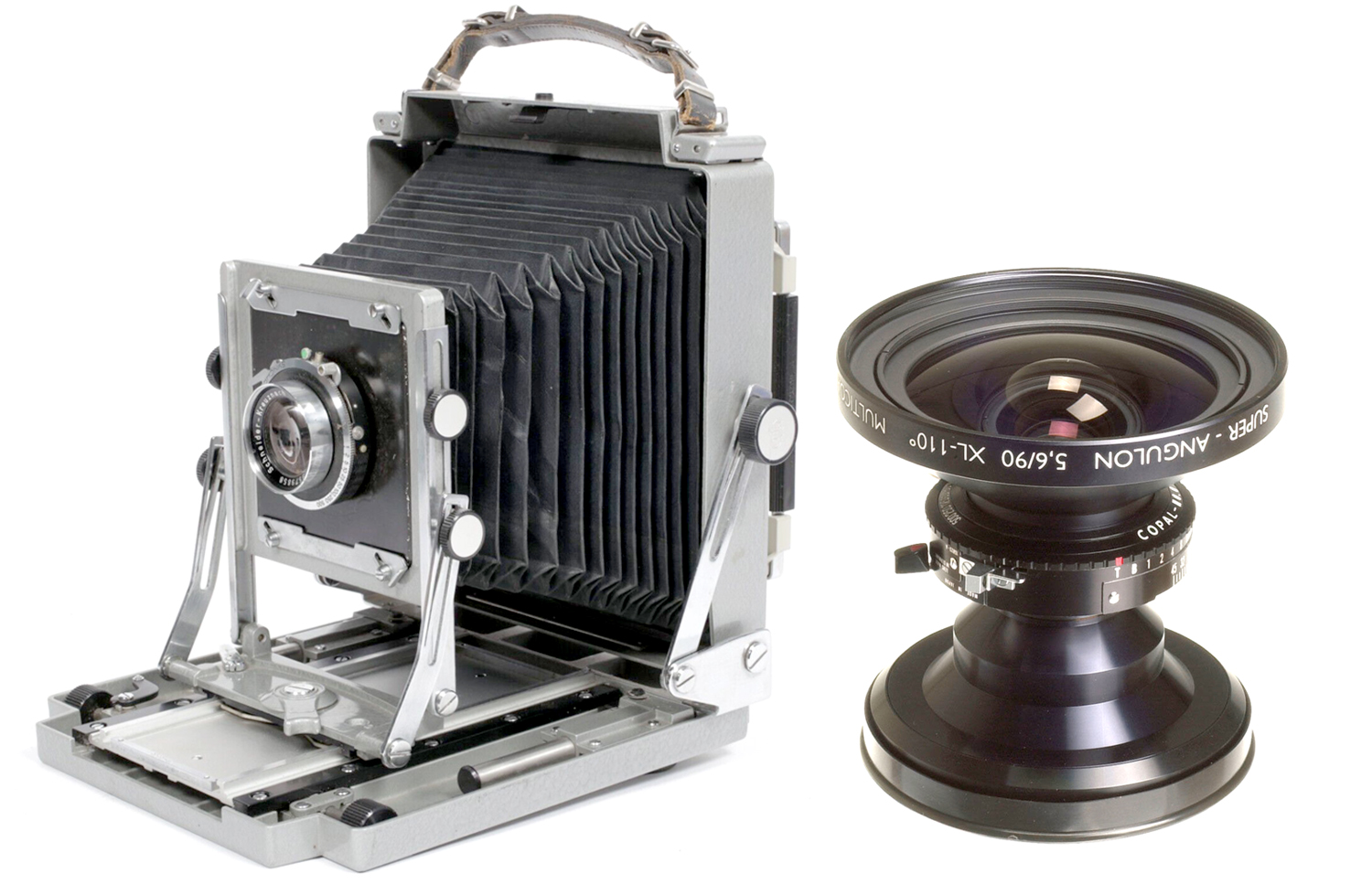
You would think that would be the end. But ye of little faith (or too much). The small 35mm camera was fine for my newspaper work, but for my personal photography, I began to think about large format cameras. Since using the 4X5 Graflex in high school, I had in mind to finally acquire a large-format field camera, and got a really nice Toyo, with the Super-Angulon lens that was my perfect idea of the perfect lens for the perfect camera. I dragged it around the desert to make landscapes.
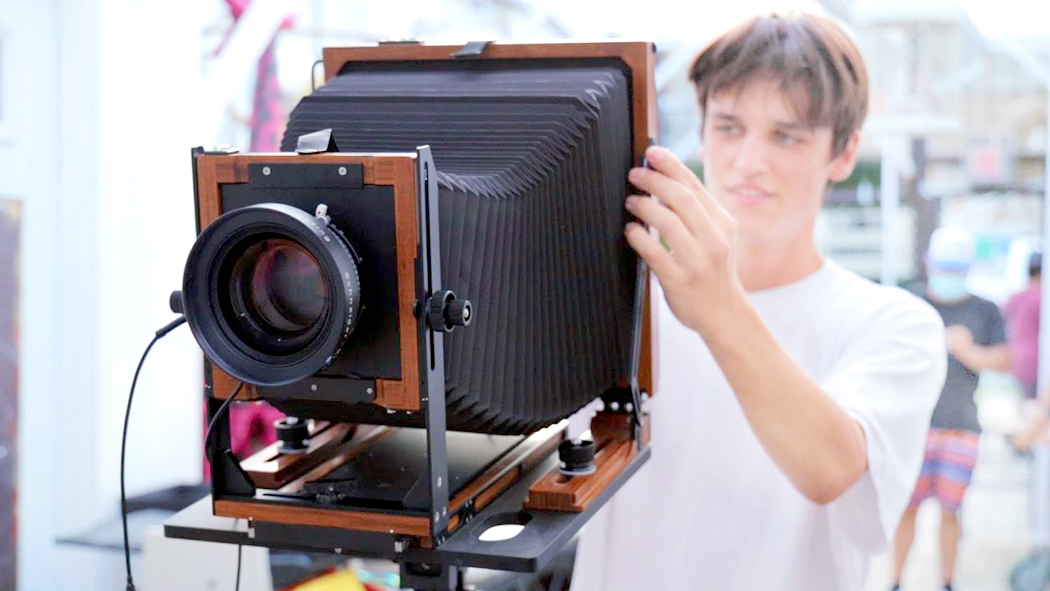
But — you knew this was inevitable — Edward Weston used an even bigger camera, one using 8-by-10 inch film. This was truly a camera the size of a Volvo. It weighed as much as a set of barbells. I found an old, beat-up Deardorff with an uncoated lens and three film holders.
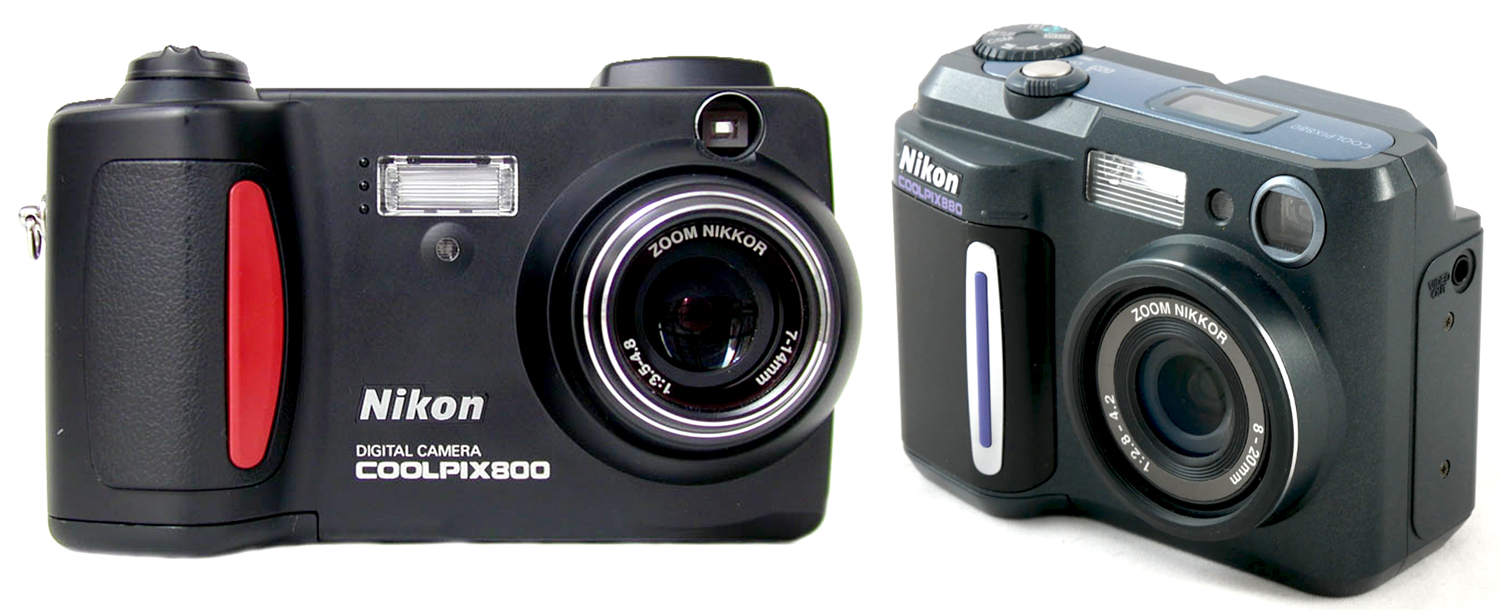
Of course, that is exactly when the photographic world went digital. And the whole stupid thing started all over again. I bought a 2-megapixel Nikon Coolpix 800. Which led to a 3.5-megapixel Coolpix 880, a Canon ELF (the size of a cigarette pack), and on it went. Manufacturers kept upping the megapixelage for sharper images at larger sizes, and I kept up with them.
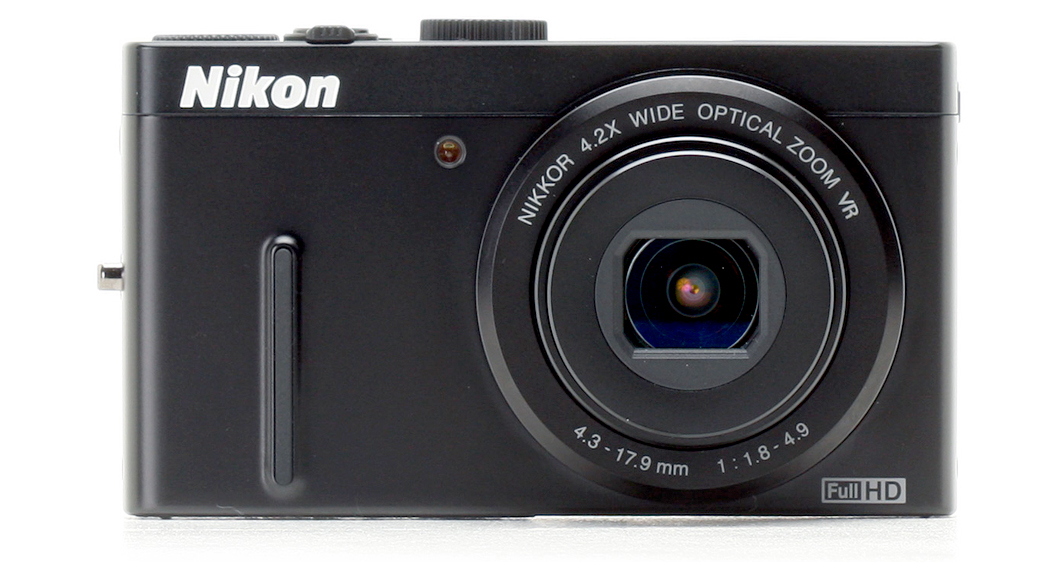
I found what felt was the perfect camera, the Nikon Coolpix P300, with its 12.2 megapixels and a high-contrast black-and-white mode available, along with the ability to make panoramic images. I thought it was my final camera.

And it would have been, I believe, except that after several years, it stopped working. I needed to replace it but by then, it was no longer being made. I had to find something else. What I found was the Panasonic Lumix DMC-FV35 which was the smallest, flattest pocket-size camera I knew. It had an exceptionally wide lens and had a 10 megapixel sensor. I loved that camera. But then, for some reason, it developed a dark spot in the image, like a dust speck on the lens. But no matter how much I cleaned the lens, it wouldn’t go away. I bought the newer 12-megapixel Lumix DMC-FX 48, which was otherwise identical to its predecessor. It eventually got the spot, too.

I was taken by the idea that a larger sensor might improve the image (larger physically, not just in number of pixels), and bought the Olympus Pen E-PL1, a 12.2 megapixel box with interchangeable lenses. I also bought an Olympus fe 5020 point-and-shoot for my wife (also 12 megapixels, but about one-fifth the size).

I also needed a full-size SLR, and my old Canon EOS Rebel was quite outdated, and since my wife and I were taking a trip to Alaska, I decided to replace it with an improved model, with extra wide-angle and extra telephoto lenses to go along with it, and got the Canon T5, with its 18 megapixels. It is still my go-to camera for most important things.

And there it would have ended but for the my need for something smaller than the T5 or the Olympus Pen, something I could slide into my pocket. And so, I ended up with the Canon PowerShot SX610 HS (The names for camera models is just as insane as those for proprietary drugs). It was 20 megapixels. I say “was,” because that is the camera I lost. I hope that it will turn up some day.
When I was young, I thought that each time I upgraded my camera, my pictures would get better. And, you know, over the years, from 1965 to 2024, it was true that my pictures got better. Strangely, though, I now recognize that any improvement wasn’t because I got better cameras, but because, after tens of thousands of images, I became a better photographer, merely through practice. It never was the camera. (I’ve made some of my favorite images with a $10 Diana toy camera).
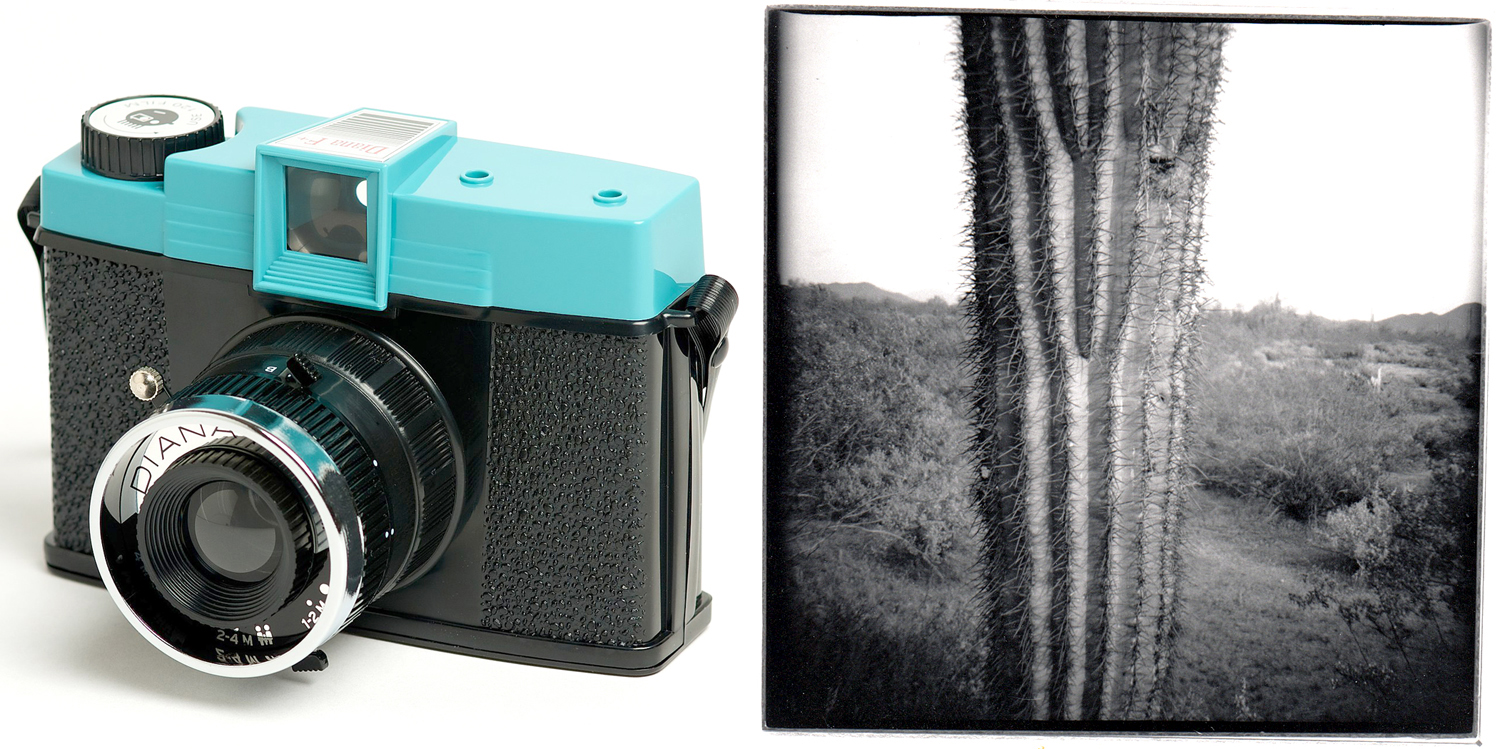
In fact, the fancier new model digital cameras get, the more bells and whistles, the less I want. If only I could find a point-and-shoot small enough for my pocket with a wide-angle lens (no zoom needed), and no extra “filters,” no face recognition, no video mode — just a very basic still camera — I would be very happy. I think.

Addendum: I know at least a couple of retired newspaper photographers who may recognize this pattern in themselves. I believe it is largely a male thing and extends well beyond merely photographic equipment. I know of men who start out with a Schwinn, have graduated to a VW Beetle, eventually to get a Ford Falcon station wagon (with a mattress in the back), to a Chevy, to a Honda, and on to a BMW and finally to owning two Porsches (one in the back yard for parts to keep the other one running.)
But it could be anything, from knives or guns, to audiophile stereo systems and expensive speakers. Since I do the cooking in the house, I have gone through something like it with cookware, finally owning top-of-the line skillets and mixing bowls.
Women may show a similar climb as they move on from husband No. 1, each time getting a better, more mature, responsible and thoughtful model, finally achieving what is usually called a “keeper.”
Excelsior! Ever onward and upward.


As a (current) photographer, former journalist and PR writer, and current camera collector, I was particularly interested in your impressive, near encyclopedic journey through photographia and the many image catchers you have owned and used over the years. We have a similar journey, with mine starting at around age 9 with a Brownie Starflash. However, my camera usage and ownership has been far less exotic, while yours includes cameras I have only lusted after to this day, to wit, the Practica, the Leicas, Nikons, the Rolleicord/Rolleiflex, Hasselblad and view cameras. I, too, worked in a camera store, for a time in the mid-1980s, though I was supporting a family and couldn’t afford to buy anything I sold!My personal used or owned list numbers but 10 from that Brownie to now, five of which have been Canon 35mm, two film and three digital. But my collecting has come mostly in the past few years, and is probably half non-35mm, including several old folders about a hundred years old, and many old Kodak folders. But I now own a number of cameras I could never afford when they were new, including a couple dozen Nikons and Nikkormats, a several Exaktas, including an Exakta VX, the camera Jimmy Steward used in “Rear Window,” several Nikon and Canon Leica rangefinder copies, a Voigtlander Prominent, and a Zeiss-Ikon Contax IIIa.
My current favorite shooter is a Canon EOS 6D, but I still use my EOS T4i. I never amassed many smaller digital compacts, though I have a couple.
Although I generally agree that it is the photographer’s skill that matters more than the equipment, and mine has improved as well, I have to say that in a number of instances I have been able to finally get the kind of images I wanted once I finally got fast, sharp glass to shoot through. I have many photos from 20-30 years ago that were OK, because the composition was what I wanted and still like, but aren’t great. They would be so much better now that I have much better, professional lenses to shoot them with.