Archive

Tag Archives: appalachian trail

When that Aprille with its sweet showers has vanquished the roaring lion of March, then “longen folkes to goon on pilgrimages” — or at least on spring break. The ice has broken on the rivers and the trees are budding. You want to get out of the house again. Go somewhere. 

I’ve been on many pilgrimages, although I had never really thought to call them that. The line between what constitutes pilgrimage and what can be called merely travel is impossible to draw in black ink. Each of us must decide where one endeavor shades into the other. There are many who walk to Santiago de Compostela merely for the adventure of it, while, on the other hand, there are those who may vacation in some spot that has developed, for them, the quality of a shrine.
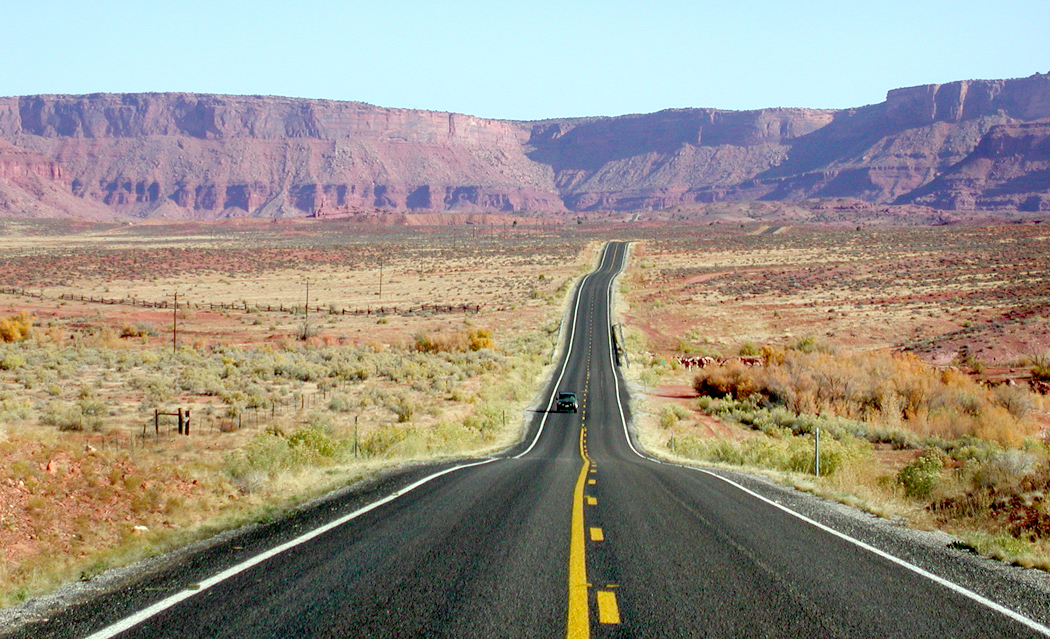
Utah

I am not religious and subscribe to no doctrine, but there is still something deeply satisfying about going somewhere, away from life’s everyday concerns, to discover something bigger, more important and more meaningful. That is how I define for myself the nature of a pilgrimage.

Some call this meaning “spiritual,” but the word, for me, has too much incense around it. I leave it to the New Age conjurors and the church-goers. But it hits something more than merely day-to-day in our consciousness. 
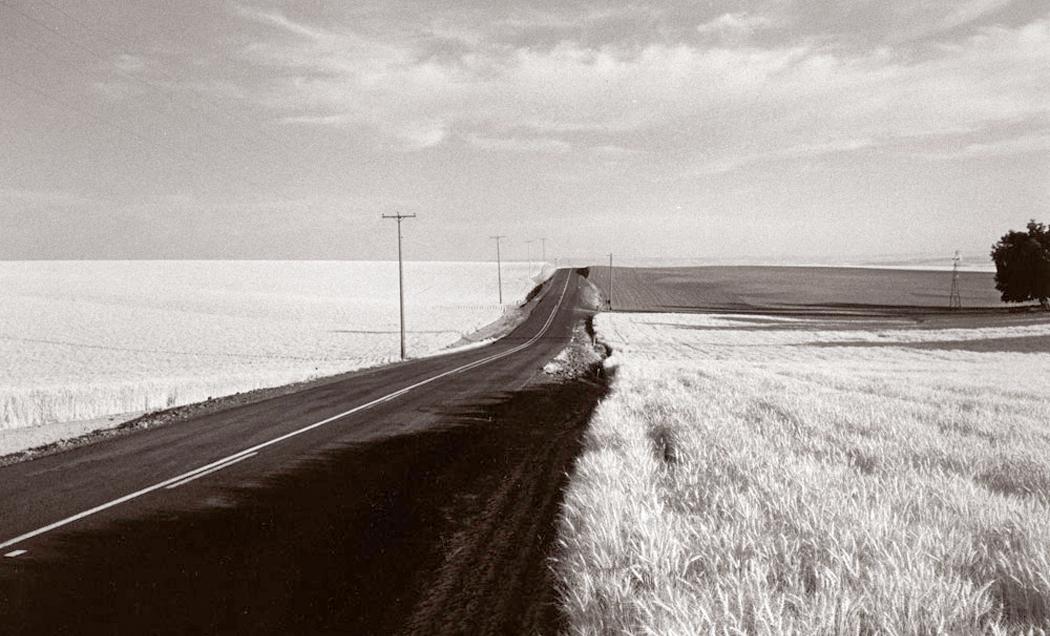
Oregon

In some sense, nearly all travel I have taken has functioned as pilgrimage. I go to see something, or I go to learn something, or just to be near something that has meaning. And there’s a crux. “Meaning” is a squishy term, difficult to define. It is not an equation: “This means that,” as if we were translating something, like “amigo” means “friend.” In the sense I use it here, meaning cannot be translated; you can’t always say what something “means;” it cannot be paraphrased, but it inheres in an experience. You feel that it has meaning or significance. Like a dream you cannot parse, but won’t leave you; you know it is meaningful. Meaning is not understood; it is recognized. 
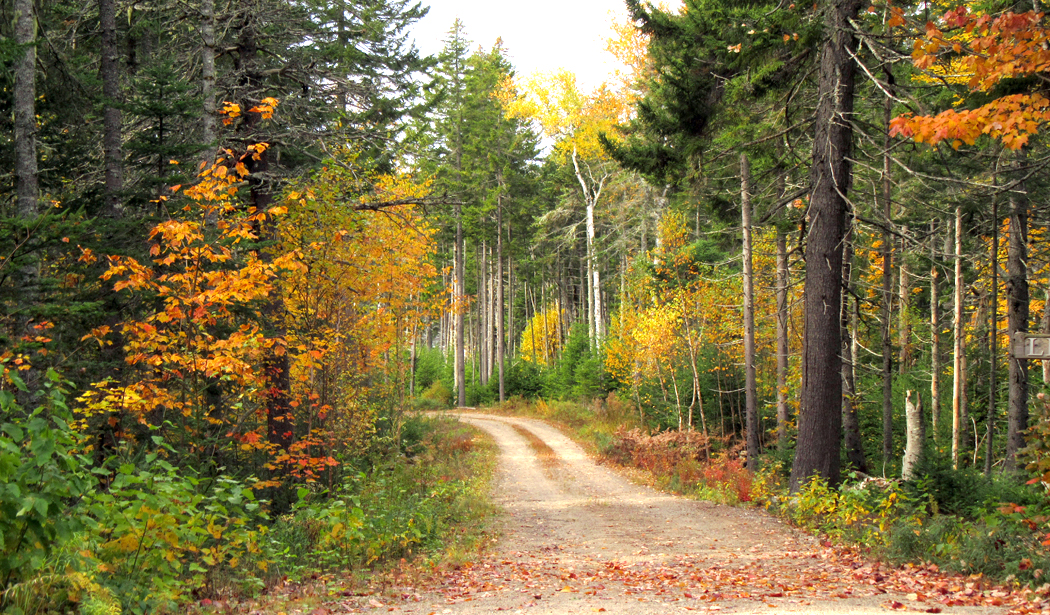
Maine

You will have your own meaningful travel; consider why some places seem important, perhaps because of something that happened earlier in your life; perhaps because of something you read and admired; perhaps because of religious belief. You want to visit the house where you grew up, or the farm your ancestors worked. Perhaps, even, because it matches some undefined longing deep in your chest.

It was such a longing, or empty space in my experience, that led me to Chartres cathedral. It was certainly more pilgrimage than tourism that led me to it first time. It overwhelmed me. 
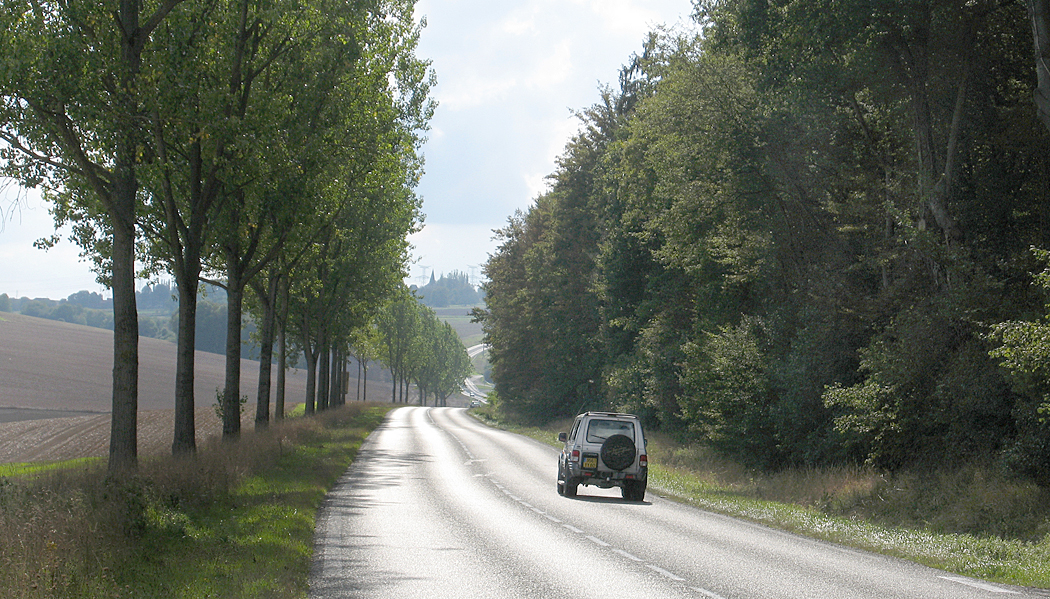
Northern France

It prompted, a few years later, a more traditional pilgrimage: an intentional voyage from shrine to shrine, as I traveled west to east across northern France seeing many of the notable churches and cathedrals: Rouen; Amiens; Beauvais; Laon; Reims; Noyon. 

I’ve been back to Chartres several times; in Paris, to Notre Dame too many times to count. But also to Sainte-Chapelle, Saint Denis, and several smaller churches, such as Saint Séverin, Saint Germain l’Auxerrois, Saint Eustache. Each fed a hunger to experience that unexplainable sense of space and time. 

And despite my utter lack of religious faith, there was no denying the power of this architecture and the meaningfulness of its vast interior space as metaphor for both the infinite exterior and our psychic interior — dome of heaven and dome of skull — both of them larger and more important than our puny day-to-day lives.
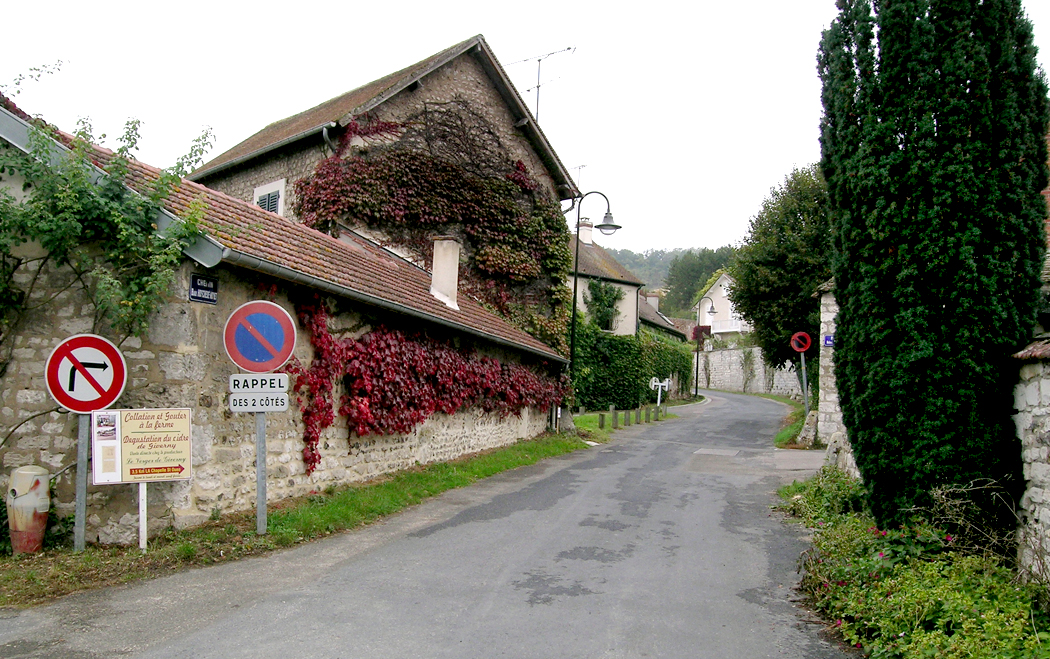
Giverny

I’ve also made the pilgrimage three times to Monet’s garden at Giverny — which is one of my holy-of-holies — first in the spring and then twice in the fall. My life is infinitely more alive for my having spent time there.

One important thing about pilgrimage is that there is a layer beyond the quotidian. There are many other gardens I have visited, from Butchart Gardens in British Columbia to Brookgreen Gardens in South Carolina, and however beautiful they are, they don’t have the added psychological punch of being conjoined with the historical, artistic or biographical significance of its founder. 
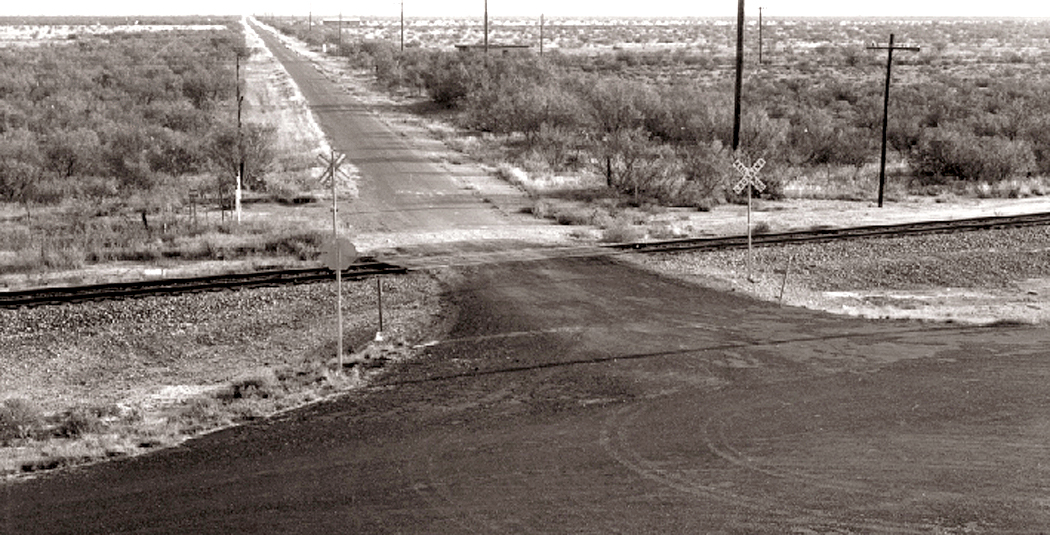
Texas

Giverny has been memorialized in the paintings of Claude Monet, and are a monument to a moment and a movement in art history — and what is more, one that I particularly resonate to. And so, visiting Giverny has the significance of pilgrimage for me. The more deeply you become emotionally engaged with the things and places of the world, the more likely a site may become such a destination. 
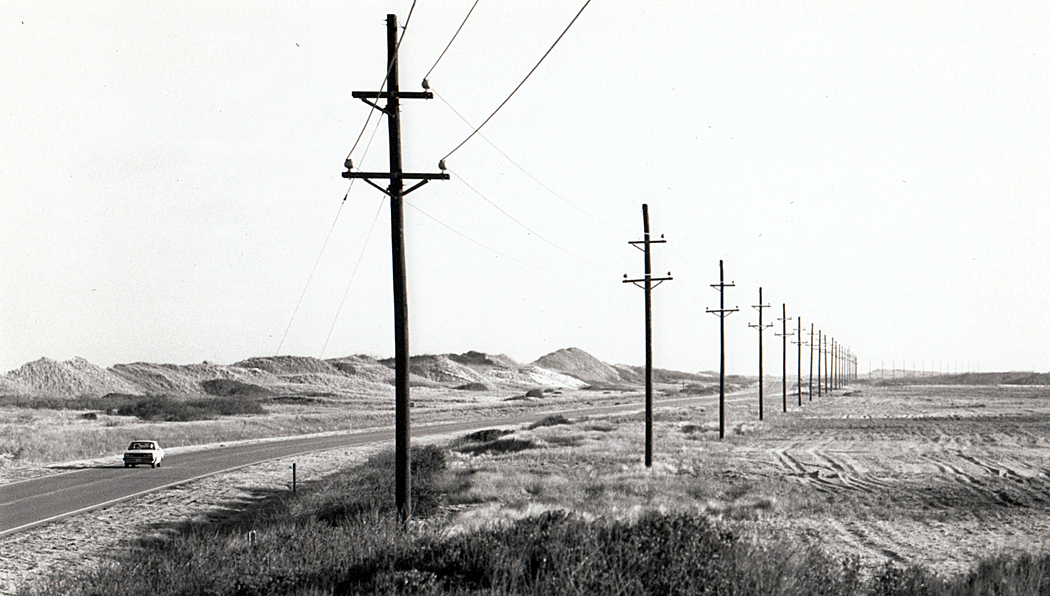
Hatteras Island, N.C.

Cape Hatteras has become such for me. In college, my friend and I visited several times. We camped in the dunes directly under the lighthouse and at night the surf misted the air with a salty haze. The nighttime sky with the roar of the ocean was another mirror turned simultaneously inward and outward. I return periodically, although when I first went, much of the barrier islands were empty; now, except for the protected National Seashore, it has become a Manhattan of the coast, with three- and four-story condos lining the single road that runs south along the island. Its magic is mainly now in the memory. 
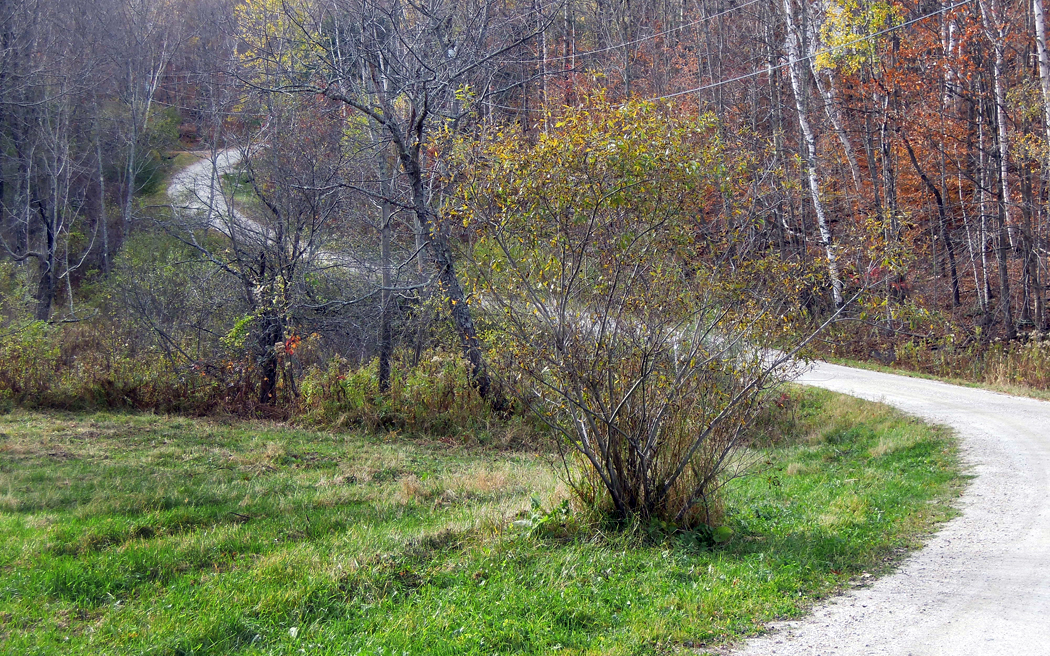
Vermont

One can make pilgrimage not only to claim something new, but to pay homage to what has become sacred. Every time I visit Maine, I go to Schoodic Point where the waves crash over rocks and wash back into the sea in torrents. It is pilgrimage in so far as each visit reassures me that the world I know survives — both the interior and the exterior. I reabsorb what it gives me and I am remade.
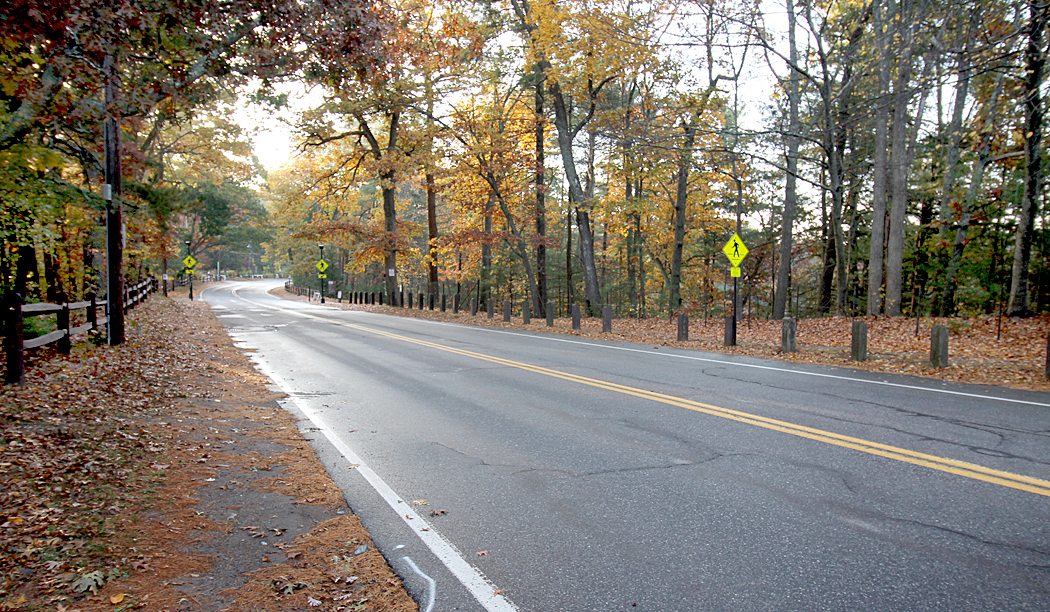
Road to Walden Pond

When I was a young man, I read through the writings of Henry Thoreau and made the pilgrimage to Walden Pond in Concord, Mass. I can not accurately recall the number of times I have made it to Walden Pond; they all blur together. I’ve been there in spring and in fall; I have had the place all to myself, and I have had visits I had to share with busloads of tourists; there were moments when I felt I was communing with the eternity that Thoreau found there, and moments that were bound by the clock — I had elsewhere to get to before dark.
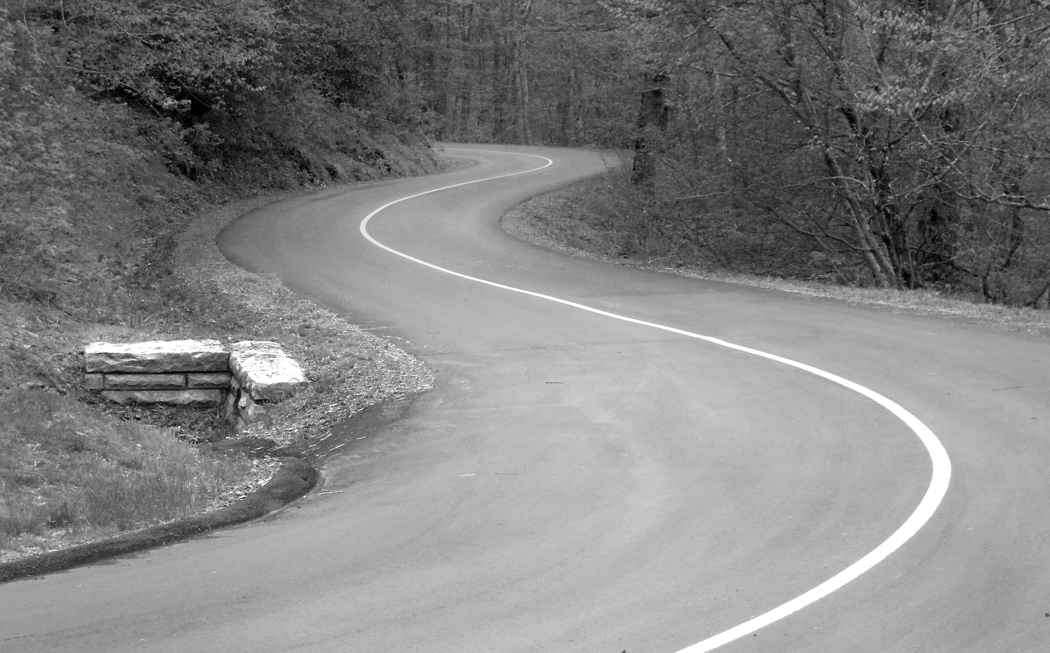
Blue Ridge Parkway, North Carolina

With my second unofficial wife, I hiked a good portion of the Appalachian Trail in the mid-1970s, in a more traditional pilgrimage on foot. We never finished that one, giving up because we discovered that unlike what we had imagined — leisurely enjoying the beauty of nature —  the reality was driving ourselves to the next lean-to by nightfall and not losing track of the paint blazes that marked the trail. A trudge rather than a Thoreauvian saunter. Nevertheless, even incomplete the hike has informed who I have become in profound ways.
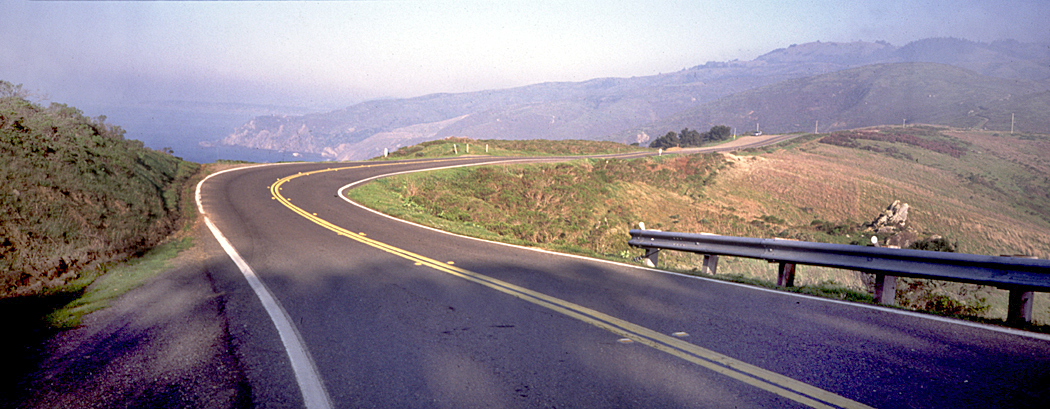
Pacific Coast Highway, California

Other pilgrimages I have made include driving the the length of the Mississippi River from its source at Lake Itasca to its mouth on the Gulf of Mexico. I have also traveled the length of the Appalachian mountain cordillera, from Alabama to Percé Rock at the tip of the Gaspé Peninsula in Quebec; and have driven from Mexico to Canada up the fold in the middle of the map of the 48 states — along the 100th Meridian.

Each of these, and several others, have been journeys of intent, that is, trips made with an end in mind, as opposed to a vacation trip, whose whole point it to avoid the work involved in achieving a goal.
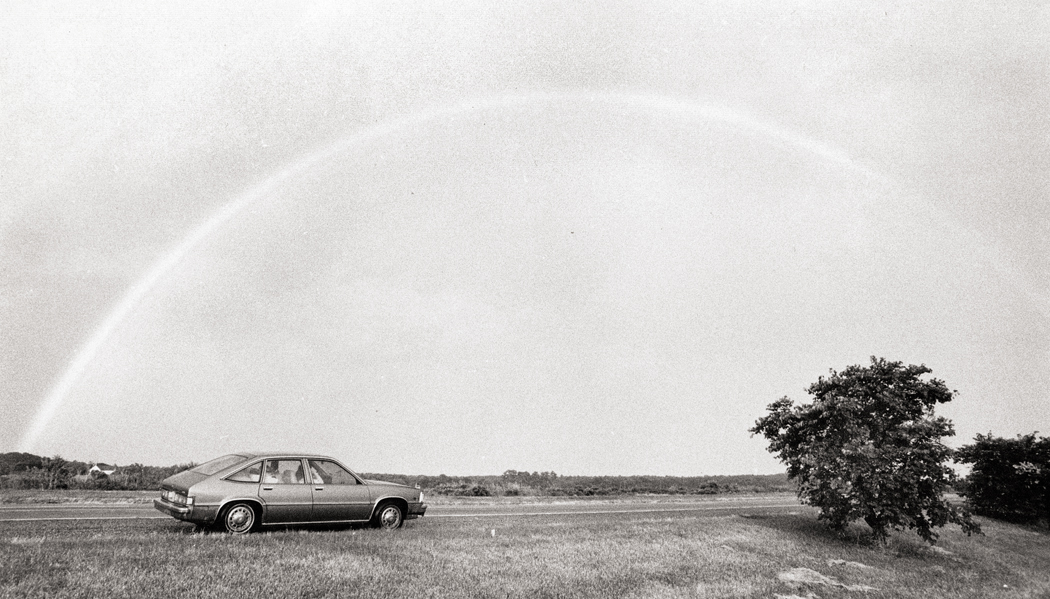
Rainbow, Delmarva Peninsula

Perhaps the most salient difference is the goal: For a pilgrim intends to change or be changed, while the vacationer usually purposes only to recharge the batteries and come home feeling more himself. But leaving home and passing through the unfamiliar will always change who you are.

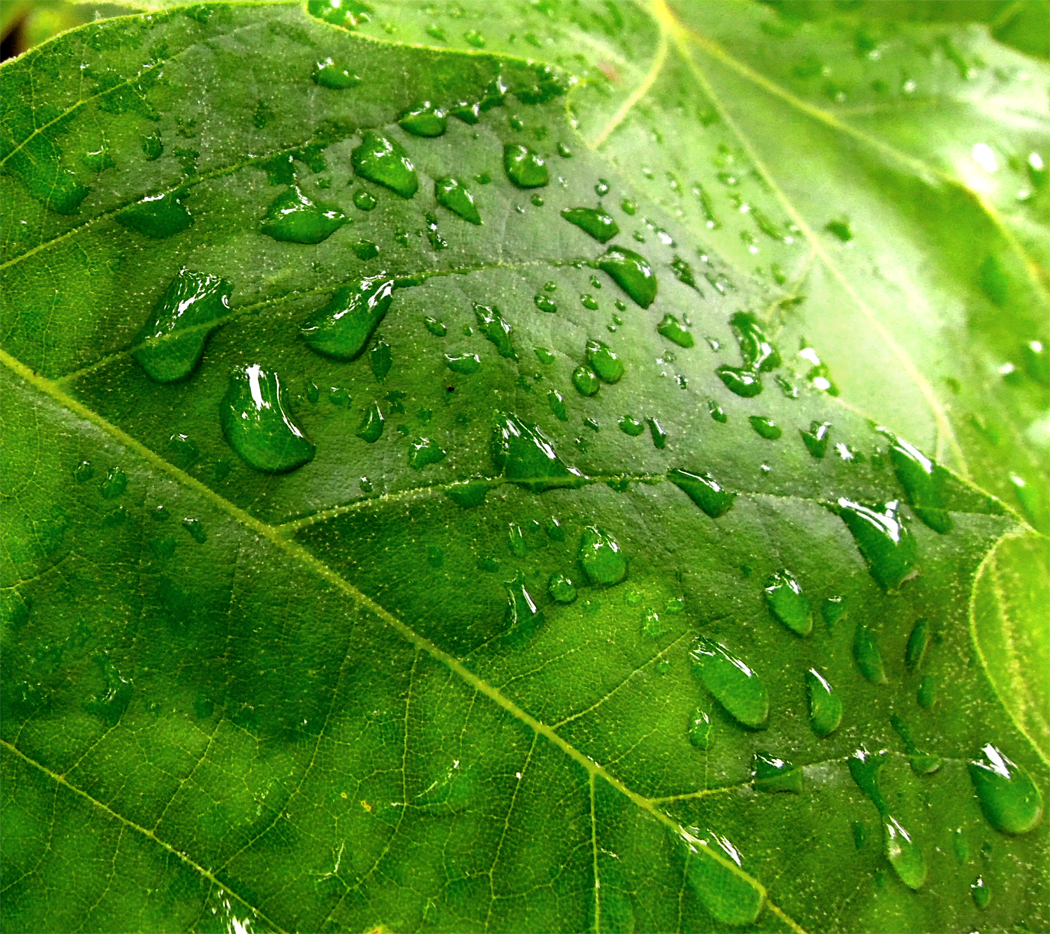
It is an hour or less before the setting of the sun, a shadowless moment already greyed out, with an evenness of tone across the landscape, and it has begun raining, a heavy downpour, a late summer evening drenching. I first hear it, and drawn to the door, I look out and watch.

It is not just the rain, coming down in parallel lines across the trees, but the sudden humidity, a thickness in the air, and a kind of cool warmth — the air being cooler than the daytime, but the mugginess felt as summer heat. The drops splatter on the pavement outside the house and bounce up as they explode, making a kind of haze above the ground. 

It is a multi-sensory event: the hiss of the rain, the sight of the shower diagonal against the trees, the feel on the skin and the damp in the nostrils. As the weather develops, there is distant thunder. It rolls rather than claps. 

And the presence at my door cannot help but expand beyond this afternoon and its downpour. I am 70, and there are seven decades of familiarity to the rain. This moment and the emotion I feel watching is a palimpsest of all those years — each time it has rained, overlapped one on the other to make not a single day’s weather, but a book of pages, each another storm, bound in morocco to make a life. 

As a boy, growing up in what was then rural New Jersey, a brook ran through our yard and when it rained, it would flood, rushing down its channel the color of chocolate milk.

As a Boy Scout, there were camping trips in tents made from heavy oiled canvas duck, with no floors, and in the rain, the heavy drops would splatter through the weave and spray us as we tried to sleep with a mist. 

Later, in summer camp and living in large tents on wooden platforms, the rain would make a sizzle on the canvas that was pleasantly soporific. 

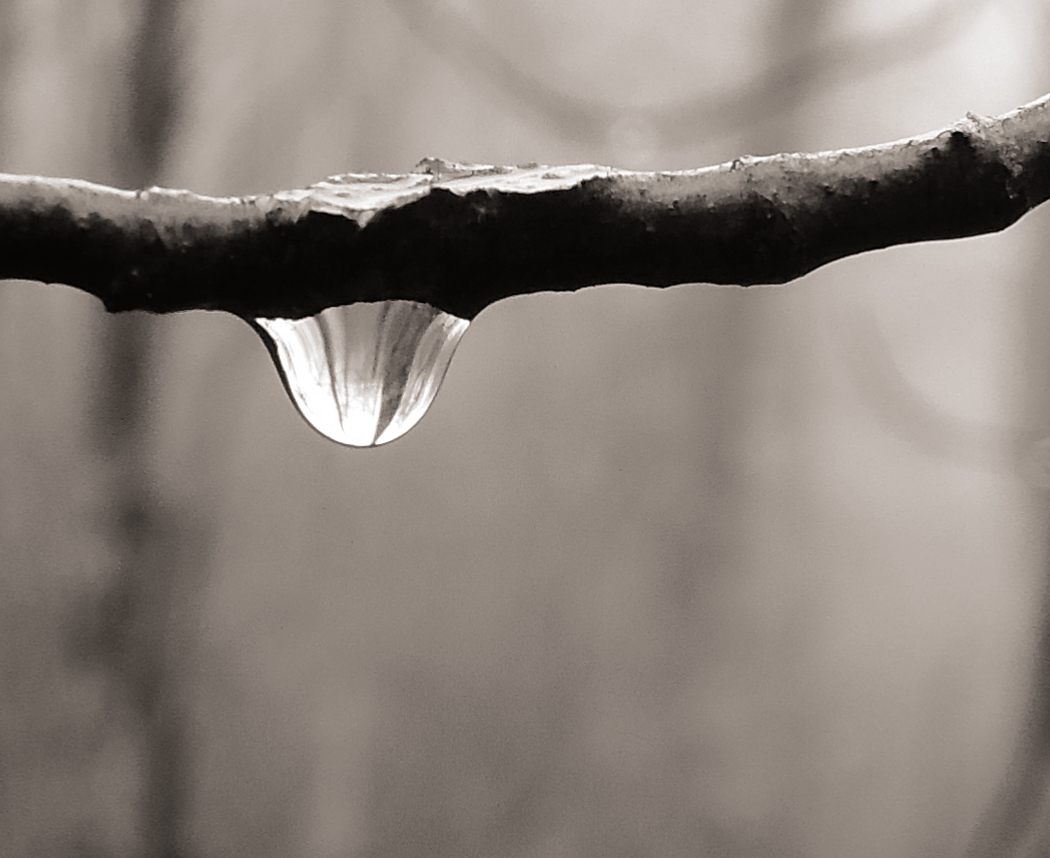
In my 20s, trying to hike the length of the Appalachian Trail, rain would sometimes keep us sheltered in a lean-to to wait out the weather, and after a night of downfall, we would wake up to a glazed world with leaves dripping, wet and clean, into the earth below and the long curved stamens of the rhodora flower weighted with a single bead on each tip. 

In Oslo, Norway, it rained every day in the summer at 4 p.m. You could almost set your clock by it. The downpour lasted perhaps 15 minutes and then it stopped, leaving streets running and the sound dampened by the humidity.

Eshowe

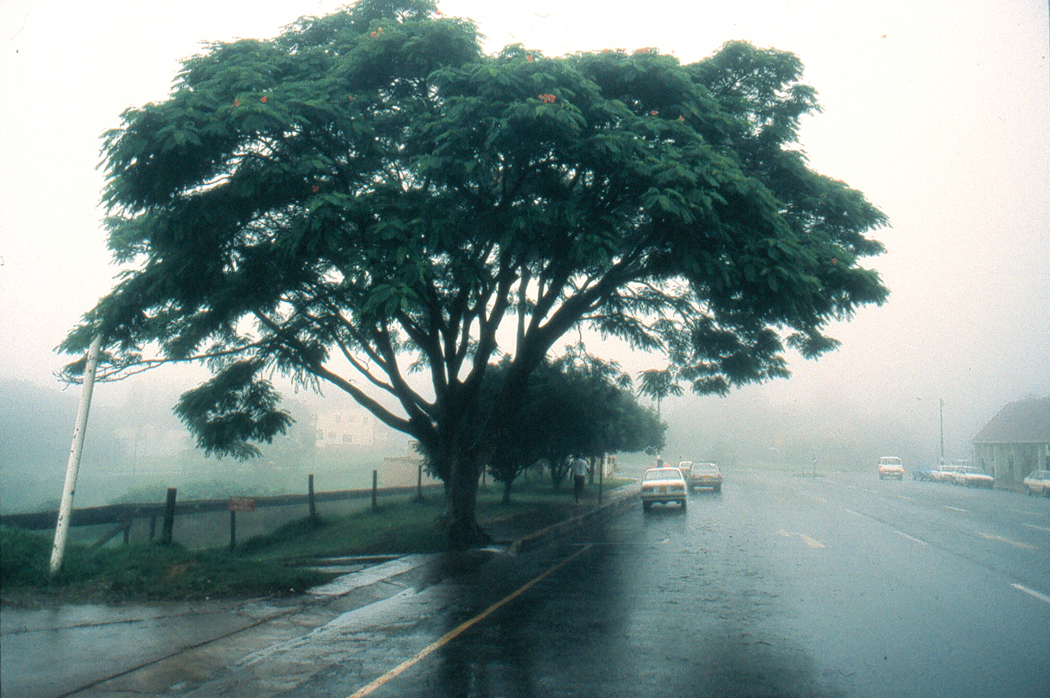
In South Africa, we were almost stranded on our way to Eshowe in Natal Province in 1987, when heavy rains washed out the John Ross bridge over the Tugela River. Eventually, our bus crossed the river on a railway bridge a few miles north. 

And, of course, I lived in Seattle for a while. The city is famous for its rain, but unless it was a gully-washer, no one even noticed. The constant winter mizzle was considered by most of the populace as fair weather. Or fair enough, anyway. 

Once, traveling across the continent, my wife and I were camping in Shamrock, Texas. In the middle of the night, a storm and tornado struck. First, our tent began floating as the drainwater created a flash flood, and then, when we abandoned the tent to find more secure shelter, the wind grabbed the tent like a kite, and I stood there, lit by the lightning, holding onto the airborne canvas trying to keep it from blowing off to the next county. I managed to get it caught under the tin roof of a picnic table and was able to dismantle it in the torrent. 

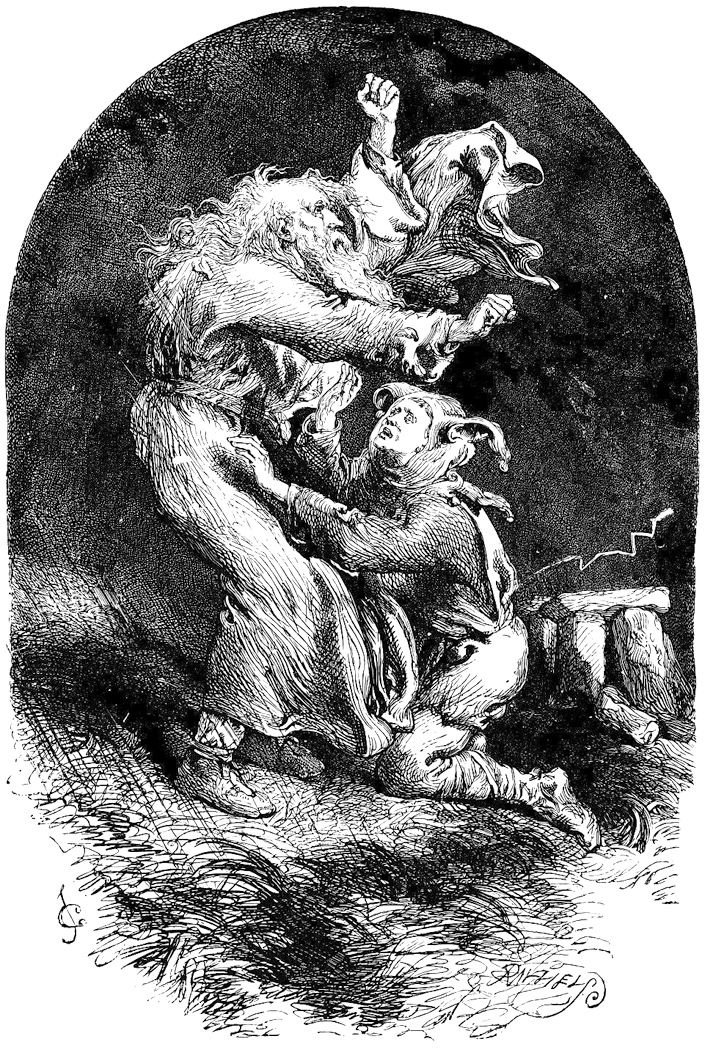
These and a thousand other pages in my morocco bound memory come to mind. But it isn’t merely the personal that maintains this resonance. Rain animates some of our best and most beautiful art, from Chaucer’s “shoures soote” to Lear’s “Blow winds, crack  your cheeks! Rage, blow! You cataracts and hurricanoes.” (When I watch Lear in the theater, I cannot help thinking of Shamrock, Texas). “Hey, Ho, for the wind and the rain. … For the rain, it raineth every day.”

There’s the thunderstorm in Beethoven’s Pastoral Symphony, the wind machine in Strauss’s Alpine Symphony, and Chopin’s “Raindrop” prelude. 

There’s the downpour that begins Kurosawa’s Rashomon and the hurricane in John Huston’s Key Largo. The shower in The Big Sleep, when Humphrey Bogart ducks out of the rain into the bookstore with Dorothy Malone — when I first saw the film on television as an adolescent, the scene counted as pretty racy stuff. 

Looking out my door now, the trees across the road are a grey mass, not a boring cardboard grey, but a rich, charcoal and velvet grey, a grey made up not of a lack of color, but of all the colors veiled over each other. 

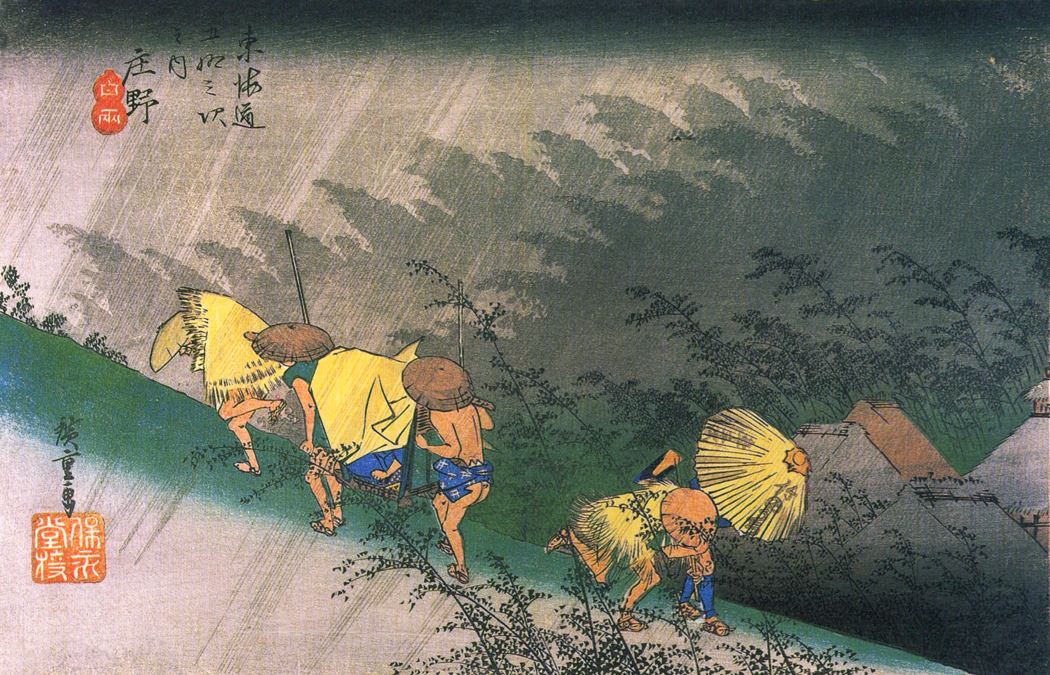
The visual poet of such rich greys in the rain is the Japanese woodblock artist, Ando Hiroshige. In so many of his Ukiyo-e images, the rain has dulled the contrast of the trees, leaving them a blank wash of charcoal or slate. It is what I see across the road — the overlapping of ever lighter greys as the landscape recedes. 

In 20 minutes, it is over. The street is flowing with runoff, more leaves have blown from the trees and collect in the wash along the curb. Fall is not too far off. The sky is barely brighter than the silhouetted trees; night will be here in another 10 minutes. 

Aprill with his shoures soote cannot match the end of summer and its late afternoon drenches. Trees all leafed out are ready to give up and let go. A certain exhaustion can be felt in the air; we have pushed so hard into the growth and flowering, and in seed time, we recognize our day is over. 

I close the door; the rain is forgot. I am remembering it now — emotion recollected in tranquility. I recall to mind the humidity on my skin, the sound in my ear, the riot of greys and the street wash. 

I love the rain; it is infinitely more beautiful than sunshine, which blares and obscures in shadow. The forms of things are revealed in sunless weather that are obliterated by sunlight. You see the world the way it truly is, not split into a manichean dichotomy of bright and dark — of Ahriman and Ormazd. 

It is the middle of August. I write this with some trepidation, remembering a warning by Sylvia Plath, who wrote: “It is hot, steamy and wet. It is raining. I am tempted to write a poem. But I remember what it said on one rejection slip: ‘After a heavy rainfall, poems titled Rain pour in from across the nation.’ ” 

Appalachian Plateau wv 1I am standing on a peak in West Virginia. It is New Year’s Day and it’s 6 o’clock in the morning; the sun has not quite risen and the moon has not yet set. All around me on the ground, a rime has crusted the brown grass and it crunches under my foot. My breath fogs the air in front of me and congeals on my beard. The cold burns my trachea and numbs the flesh of my nose.

It is an experience that is etched by acid into the neural paths of my brain. It is one of those “peak” experiences that seems somehow more real than real, more alive than the light of day.

As the sun rises in the icy cold, streaking the mountain landscape with long morning shadows, I recognize that this is why I travel.

There is a “nowness” to this particular now that does not attach to any other. A placeness to this place. And my recognition of that nowness is a stronger stimulant than caffeine.

I am a traveler; I have been all my life. When I was a little boy, I couldn’t wait for my father to pull the keys to the ’50 Chevy out of his pocket and ask if I wanted to come with him. When other children slept in the back seat, I was always awake and wide eyed.

As a college student, I took the time between semesters to hitchhike to places I had never been. I wanted to know the planet.

And ever since, I am mad to find where the road goes next.

And the reason is the nowness of it, and the placeness.

You can see pictures in coffeetable travel books and watch PBS travel shows, but nothing compares to the physical, sensuous actuality of being there.

Travel is more than just dates and destinations, more than admissions fees and show schedules. Travel is about being somewhere, and that somewhere is always more alive than the place you have grown accustomed to.

It is the particular neon red color of the dirt in northern Mississippi; the waterfall of clouds over the crest of Table Mountain in Capetown, South Africa; the whoop of a loon on Daicey Pond in Maine.

Each of these is a dart that deflates the complacency of everyday living, which insulates me like a skin, and brings my bones into direct contact with the air.

I have known people for whom travel is a mere change of venue: the same show every night in a different city. For them, getting in a car is like getting in an elevator. They are impatient for the movement to stop so they can get on with whatever task drove them in the first place.

But it is not that way for me, or for anyone else who loves travel. I don’t mean “vacation” and I don’t mean mere tourism, though they may be aspects of the travel.

I mean the buzzing of the neurons that comes from pulling in to Kayenta in the late afternoon to see shadow-black excite the texture and sunlight-red excite the color of the bluffs, so that a small patch of green grass where some horses graze seems electric under the ruddy rock.OLYMPUS DIGITAL CAMERA

It is the early morning dew dripping from the pistils of a rhododendron along the Appalachian Trail in Virginia where the path is lined with geraniums, maypops and pinks.

It is also the bus fumes at the 175th Street bus terminal at the end of the George Washington Bridge, and the quickened pace of life in New York City.

Habitual life desensitizes us. We wake, we go to work, we eat and sleep. We wade through a week that is much like the last. Travel awakens us and reacquaints us with the pinpoint accuracy of the now and here.

And being there, wherever it is, is the very point of being alive.

NEXT: West Virginia, Part 2 — At the bottom of the mountain

 Part 3: A chance to pull overroadside america exterior


The central Appalachians — through Pennsylvania, New Jersey and New York — is the natal home of the cheesy roadside attraction. Many are now gone, but many also remain, often looking cheesier and more shopworn than ever. The Catskill Game Farm is no longer there, but Santa’s Workshop is still going strong.

They are also home to many early resorts and vacation hotels, pitched on mountain ranges not far outside the cities of Philadelphia or New York, where urban dwellers could spend a week or two breathing healthy mountain air — the Poconos or the Catskills.

And hikers can follow trails through the many state parks, or the long Appalachian Trail, which courses through the three states, weaving a path that avoids urbia and suburbia and finds the long, bent ridge lines of the breadloaf mountains.

Roadside America

Roadside America

This section of the Appalachians is the most highly populated, but there are still bits of woods and rock. But that population also meant it was economically feasible to build those legendary roadside attractions — Crystal Caves and Frontier Towns — that once punctuated the now-forlorn backroads and highways.

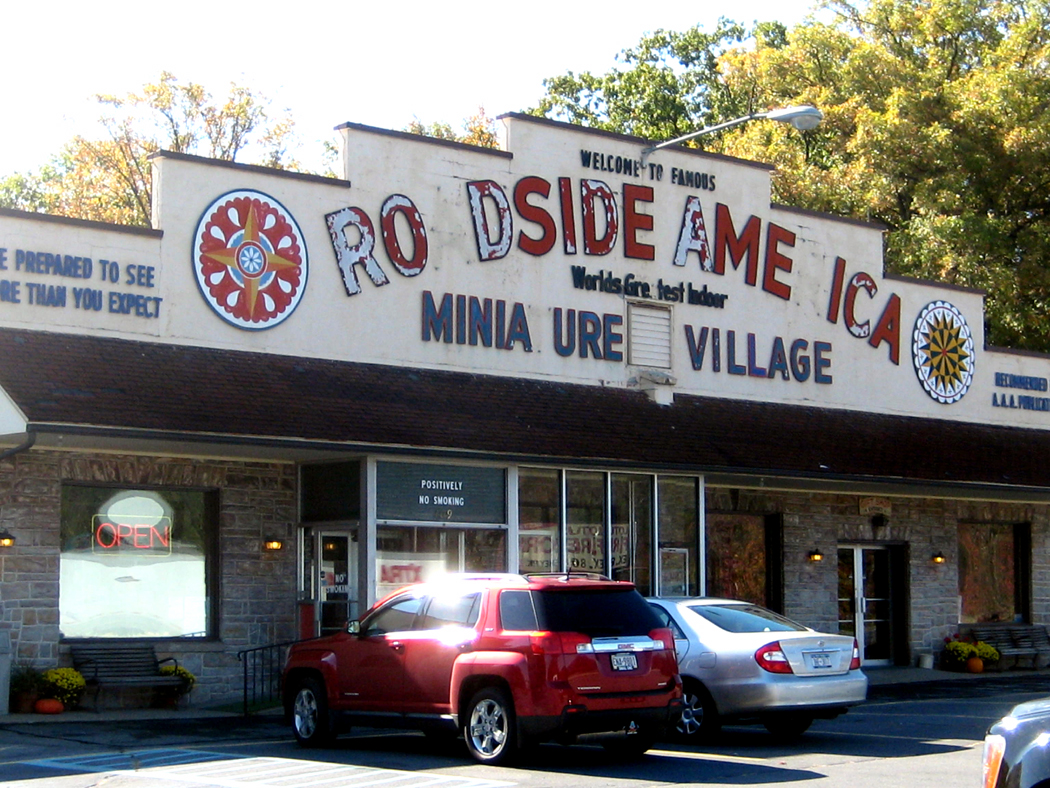
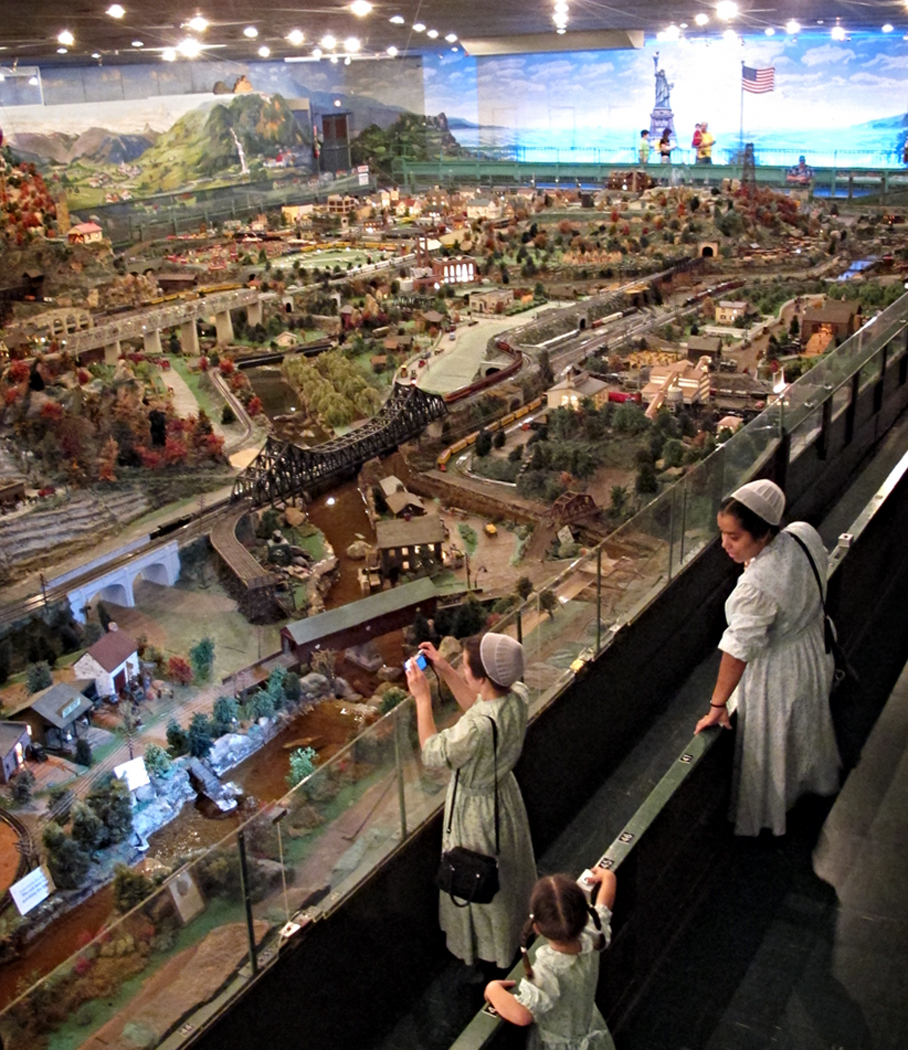
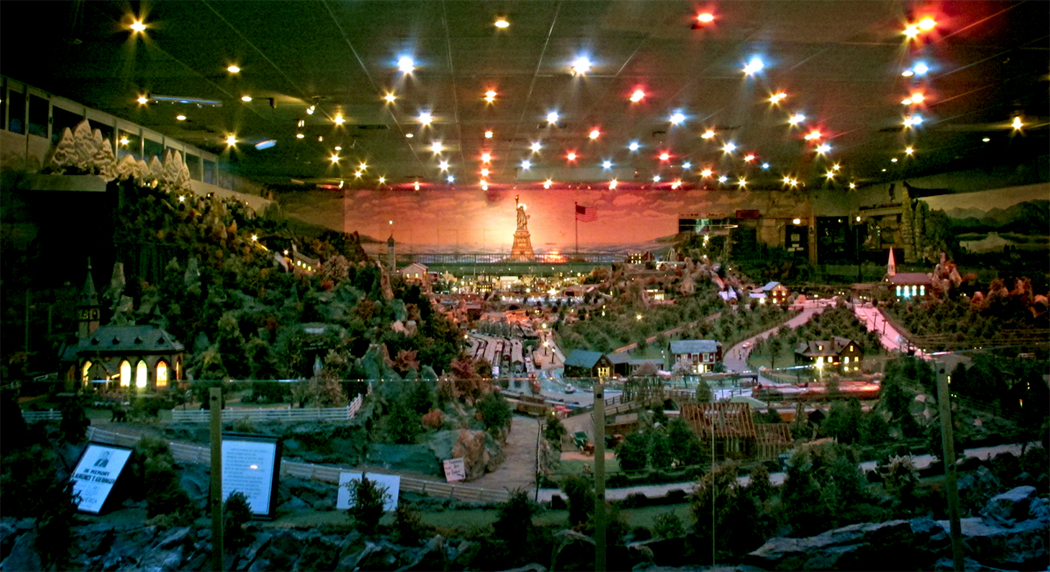
The quintessential tourist mecca is Roadside America in Shartlesville. It is a model-train layout the size of a department store. Opened in 1941, the exhibit is run by the descendants of its creator. Stay for the simulation of night, when all of the buildings light up and Kate Smith sings God Bless America while a spotlight shines on the Statue of Liberty. roadside america 4

Not much can live up to that. But there is the Sturgis Pretzel House in Lititz, which is the nation’s oldest operating pretzel factory, where you can learn the craft.

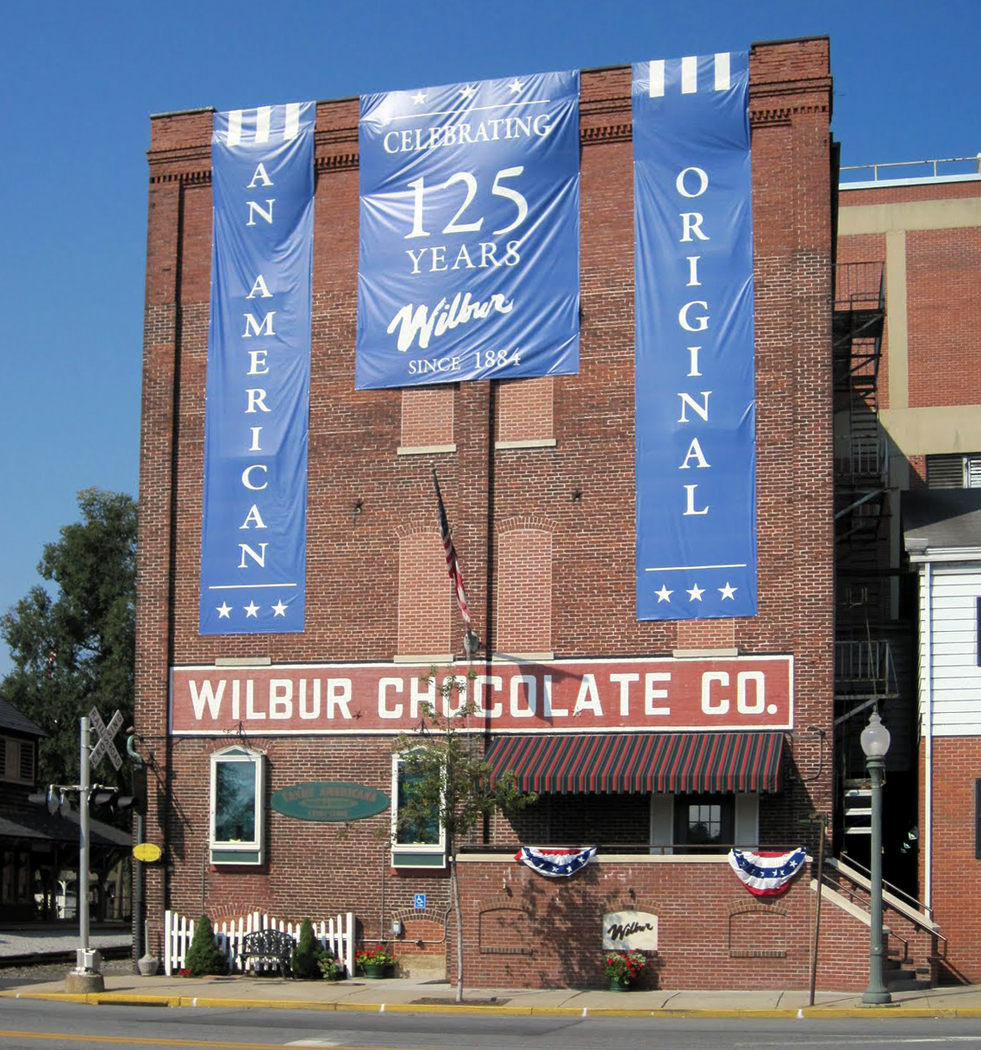
Also in Lititz are the Wilbur Chocolate factory and the Heritage Map Museum. wilbur chocolate facade

In nearby Ephrata is the Ephrata Cloister, which has a dozen well-preserved 250-year-old wooden buildings, including dormitories for the communal society of religiously celibate German Pietists.

In York, in the heart of Pennsylvania Dutch country, you can visit the Weightlifting and Softball Hall of Fame and the Harley-Davidson assembly plant and museum.

In Columbia, there is the Watch and Clock Museum, and Meadeville is the ”birthplace of the zipper.”

And near Harrisburg, Three Mile Island and its remaining nuclear power plant is on the Susquehanna River. Gettysburg, Pa copy

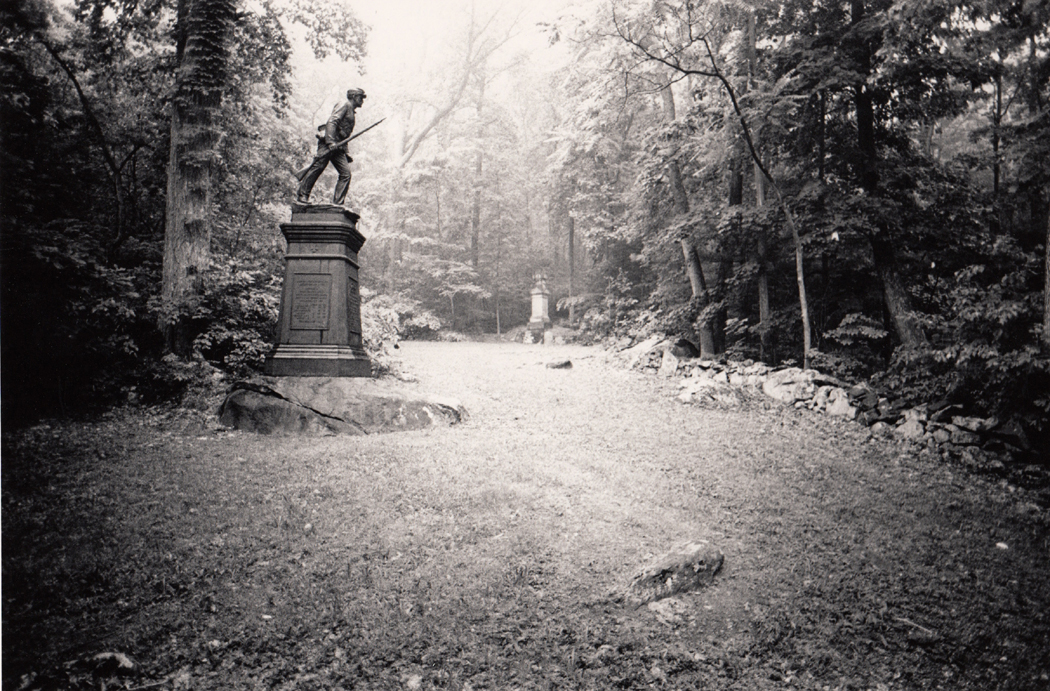
More serious sites include Gettysburg National Military Park in Gettysburg and the Johnstown Flood National Memorial near Johnstown, where the National Park Service is showing its version of an Imax-style film with stunning special effects re-creating the devastating 1889 flood that killed more than 2,000 people.

Only a slice of the Appalachians cuts through New Jersey. The most important stop is the Delaware Water Gap National Recreation Area along the Delaware River. There are some exhibits, 200 miles of roads through the mountain country and uncounted hiking paths. high point state park

High Point State Park is the highest point in the state. Both it and the Water Gap include portions of the Appalachian Trail, the 2,000-mile footpath that runs along the Appalachian crest from Georgia to Maine.

The rest of New Jersey’s mountains are kind of pathetic: The Watchung Mountains in the center of the state peak out at 879 feet above sea level.

Kaaterskill Falls

Kaaterskill Falls

But New York, home to the Catskills and the Adirondacks, is one of the champions of roadside kitsch. There are dinosaurs, giant lumberjacks, recreated 19th century villages and Niagara Falls — the granddaddy of all vacation (and honeymoon) hucksterism.

Santa’s Workshop in North Pole, N.Y., is called the oldest theme park in the U.S. It opened in 1949 and used to have a petting zoo. There are dozens of Santalands and Christmas villages around the country, but this one, in northern New York, was the first, and it still gives an idea of the old-fashioned roadside attraction that has been eaten up by the Disney Worlds and Five Flags of the world.

Washington Irving wrote about the Dutch settlers of the Hudson Valley in such stories as The Legend of Sleepy Hollow and Rip Van Winkle. His estate in Tarrytown is called Sunnyside and is a delightful look at life in the early part of the last century.

Sunnyside

Sunnyside

A little farther north and on the other side of the river are Harriman and Bear Mountain state parks. Seven Lakes Drive takes you through the crisp lake country of Harriman, and Perkins Drive takes you to the summit of Bear Mountain, where, on a clear day, you can see as far as Manhattan.

Just north of Bear Mountain Bridge is the National Military Academy at West Point, with its parade grounds, faux medieval architecture and stunning view of the Hudson River and Storm King Mountain.

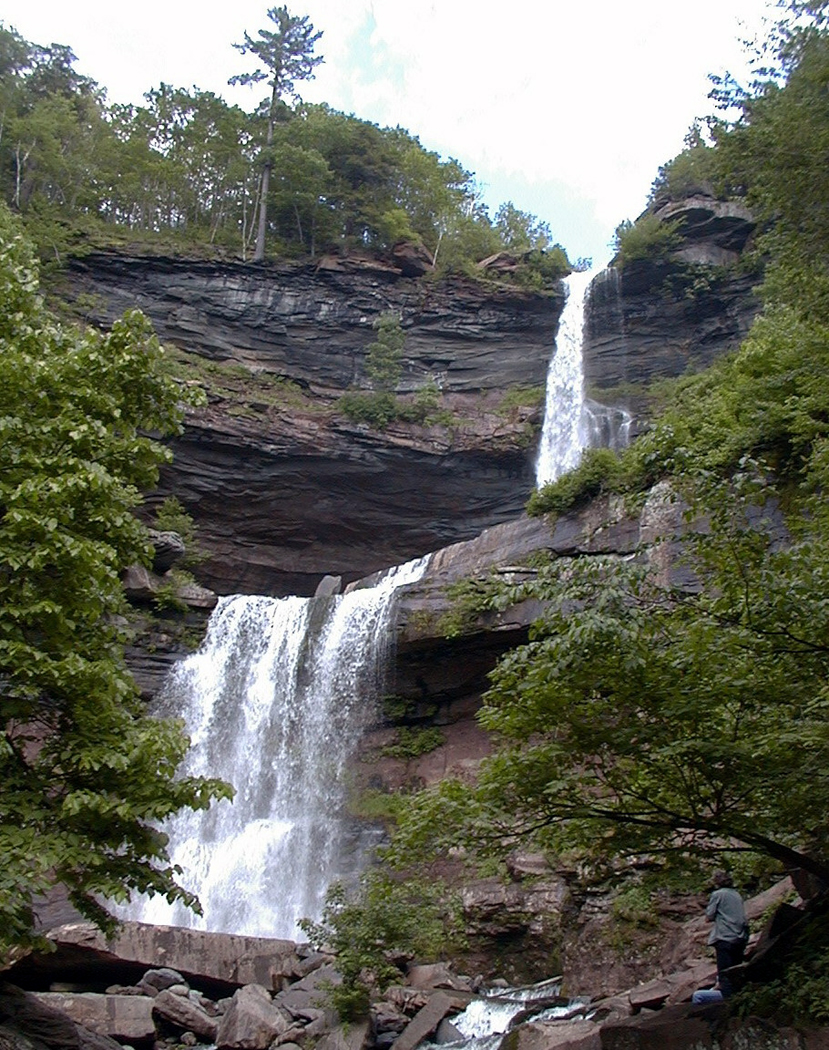
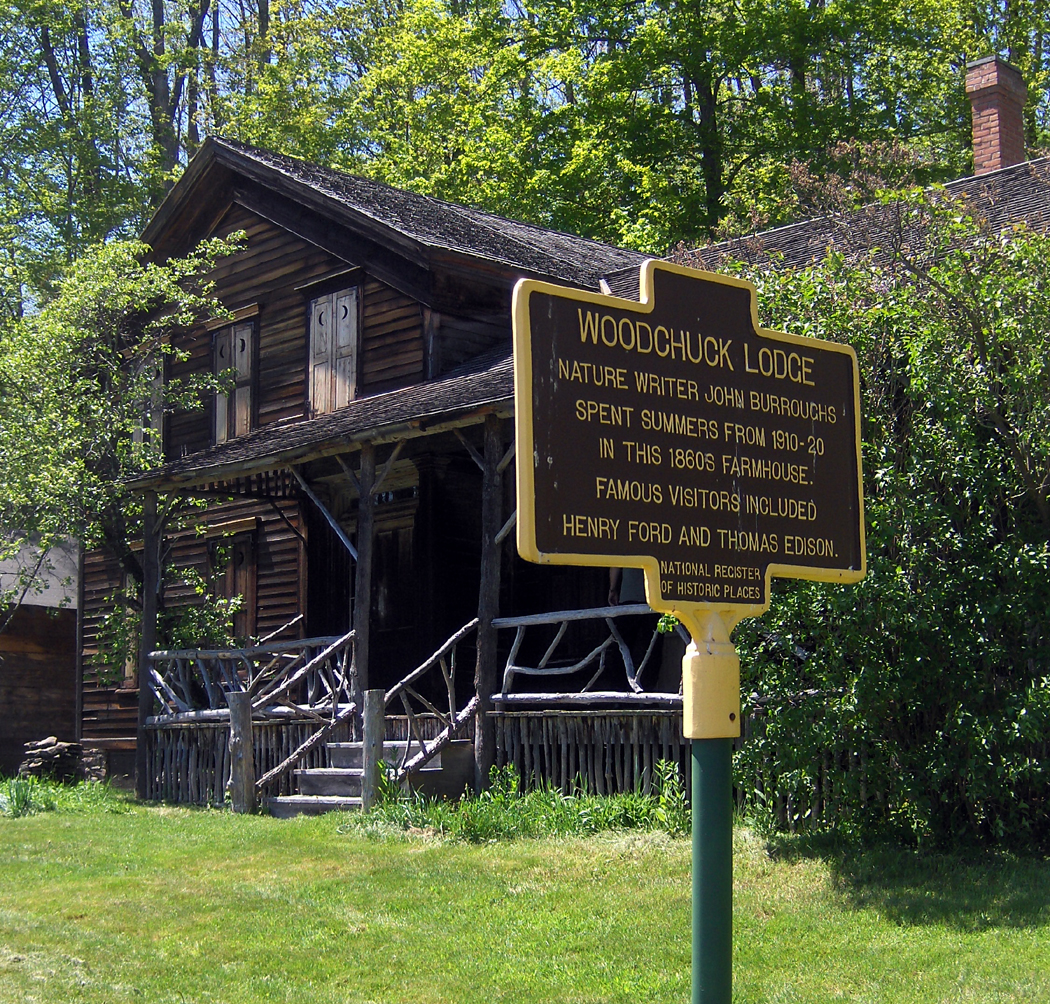
And naturalist John Burroughs’ birthplace and final home are commemorated in the John Burroughs Memorial Field, near Roxbury. On the way, don’t miss Kaaterskill Falls, one of the most famous and oft-painted waterfalls in the country.

John Burroughs' Woodchuck Lodge, Roxbury, NY

John Burroughs’ Woodchuck Lodge, Roxbury, NY

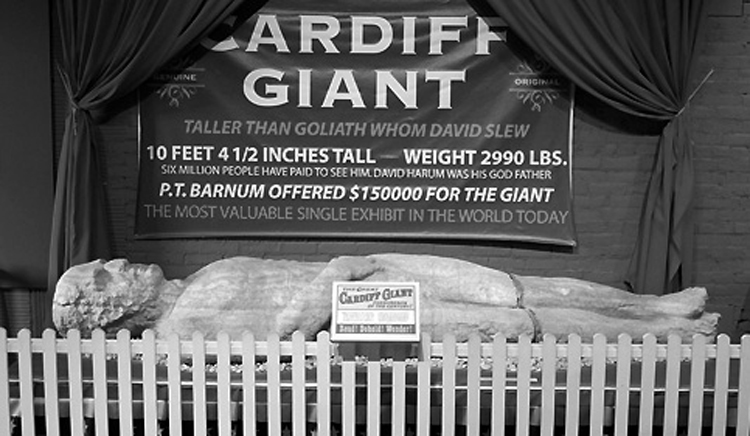
And in Cooperstown, there is not only the Baseball Hall of Fame, but Fenimore House, the home of James Fenimore Cooper, best known as the man who invented John Wayne — aka Leatherstocking, Hawkeye, the Pathfinder and Natty Bumppo — and the Farmer’s Museum and Village Crossroads, home to the Cardiff Giant, greatest archaeological hoax of all time. cardiff giant recumbent

NEXT: New England Appalachians

apple

If you could be anywhere at all on the planet at this moment, where would you choose? As for me, I have no hesitation: the Blue Ridge. 

If there is an Eden on this Earth, it must be among the Appalachian Mountains. More specifically, the section in North Carolina and Virginia. When I am away from it, I pine. 

This time of year, the black-eyed Susans and the ironweed play their orange and blue against each other, and the asters line the road cuts with yellow irises in their violet eyes. At the higher elevations, the bite of autumn is already on the dry grasses. blackeyedsusan1 copy

The smaller waterfalls have slowed with the drought of summer, and the green oak leaves have begun turning leathery. In my mind’s ear, I can hear the cicadas and redwings, the caw of a crow in the cornfield and the buzz of the distant chain saw cutting through the corpse of a tree downed in the last thunderstorm. OLYMPUS DIGITAL CAMERA

The Appalachians run more than 1,500 miles, from the Gaspe Peninsula in Quebec southwest to northern Alabama. The range is seldom more than 100 miles wide, and it is made up of a whole series of smaller ranges: among them the White Mountains, the Taconics, the Adirondacks, the Kittatinnies, the Blue Ridge, the Smokies, the Black and the Nantahala mountains. road up Mt. Mitchell

Each range is a pearl with its own colors and beauties, and the string that ties them all together is the Appalachian Trail, which wanders for 2,034 miles from Springer Mountain in Georgia to Mount Katahdin in Maine. 

The wilderness trail crosses 14 states, eight national forests and two national parks. It varies from just above sea level at the Bear Mountain Bridge in New York to 6,634 feet at Clingman’s Dome in the Smokies. 

Each year, hundreds of eager hikers attempt to walk the whole thing or large sections of it. It can take three to six months to do, depending on your speed and fitness. 

Some years ago, I was one of those eager hikers. I had saved my earnings for a year so I could afford to take six months off from work and hike from southern Virginia to Maine. OLYMPUS DIGITAL CAMERA

Large sums went into buying a lightweight backpack, tent and down sleeping bag. I learned to weigh the quarter-ounces when deciding which things were necessities and which I could do without. Even so, my pack weighed in at about 65 pounds, including the complete Milton I took with me. Necessities are necessities. 

It was early spring when I took off, and the spongy forest floor was covered in trilliums and geraniums. 

My goal each day was to make the seven or eight miles between the simple wooden shelters that were provided for sleeping. When I woke in the morning, the dew would drop from the trees like rain. 

In April and May, the trail was laced with rhododendron and azalea. Maypops were in flower down at my feet, and tulip-tree blossoms showed their rosy green over my head. flower - Catawba Rhododendron pistils

Early in the morning, the redheaded woodpecker rattled in the oaks and the phoebe tweeted his name 20 or 30 times a minute. 

But hiking does something to you. Physical exertion propels your appetite and lowers your standards: At lunch, a Slim Jim and a chunk of Velveeta tastes like ambrosia. And at an icy mountain spring, I would mix Tang in a tin cup and slurp it down like the finest German beer. dec016

I had little time to read Milton. 

And after a few weeks, I recognized that goal-oriented hiking was qualitatively different from a weekend hike or a day in the woods. Because I had to make a certain distance each day, the hike soon ceased being a celebration of nature and wilderness and became a dutiful trudge, watching for the paint blazes on trees or rocks that marked the trail, plopping one waffle-stomper down in front of the other, watching out for roots or stones that might twist an ankle. It became work. flower - fiddleheads2005

I took a day off here or there to enjoy the woods, but it didn’t blot out the need to make up miles. 

So I — in the greatest physical condition of my life — quit the trail before I even left Virginia and spent the rest of my six months traveling by other means. 

Many years later, I met and married my wife in the Blue Ridge and continued hiking smaller sections of the trail, among the magnolias and witch hazels, beech trees and hickories. 

And I’m there again as I write this.Blue Ridge horizon2 copy