Archive

Tag Archives: cathedrals

When that Aprille with its sweet showers has vanquished the roaring lion of March, then “longen folkes to goon on pilgrimages” — or at least on spring break. The ice has broken on the rivers and the trees are budding. You want to get out of the house again. Go somewhere. 

I’ve been on many pilgrimages, although I had never really thought to call them that. The line between what constitutes pilgrimage and what can be called merely travel is impossible to draw in black ink. Each of us must decide where one endeavor shades into the other. There are many who walk to Santiago de Compostela merely for the adventure of it, while, on the other hand, there are those who may vacation in some spot that has developed, for them, the quality of a shrine.

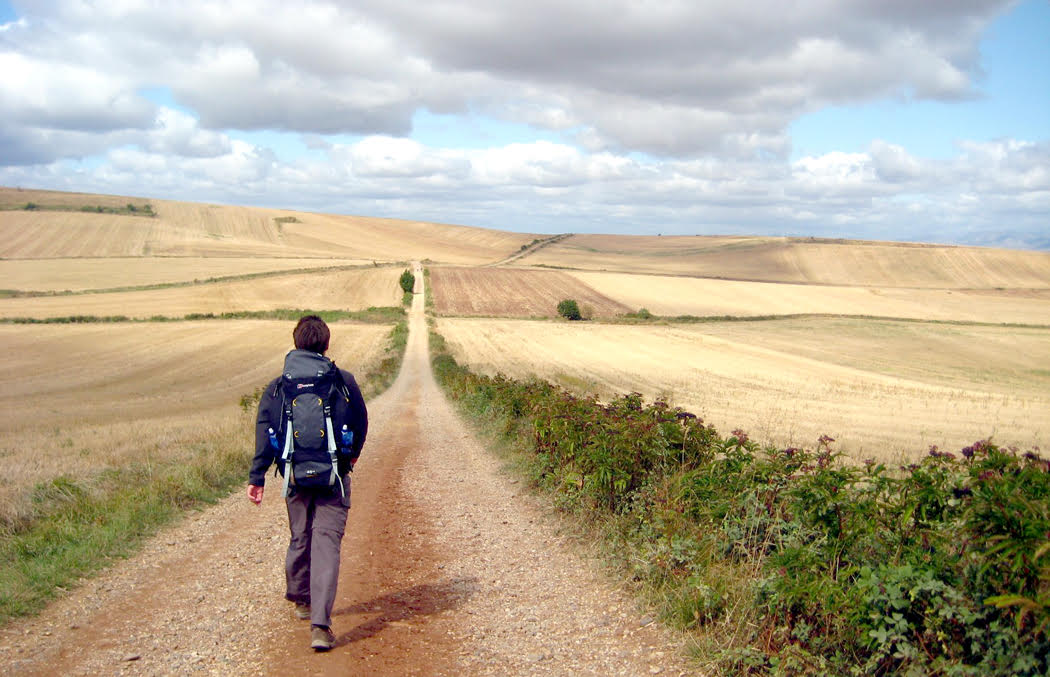
Utah

I am not religious and subscribe to no doctrine, but there is still something deeply satisfying about going somewhere, away from life’s everyday concerns, to discover something bigger, more important and more meaningful. That is how I define for myself the nature of a pilgrimage.

Some call this meaning “spiritual,” but the word, for me, has too much incense around it. I leave it to the New Age conjurors and the church-goers. But it hits something more than merely day-to-day in our consciousness. 
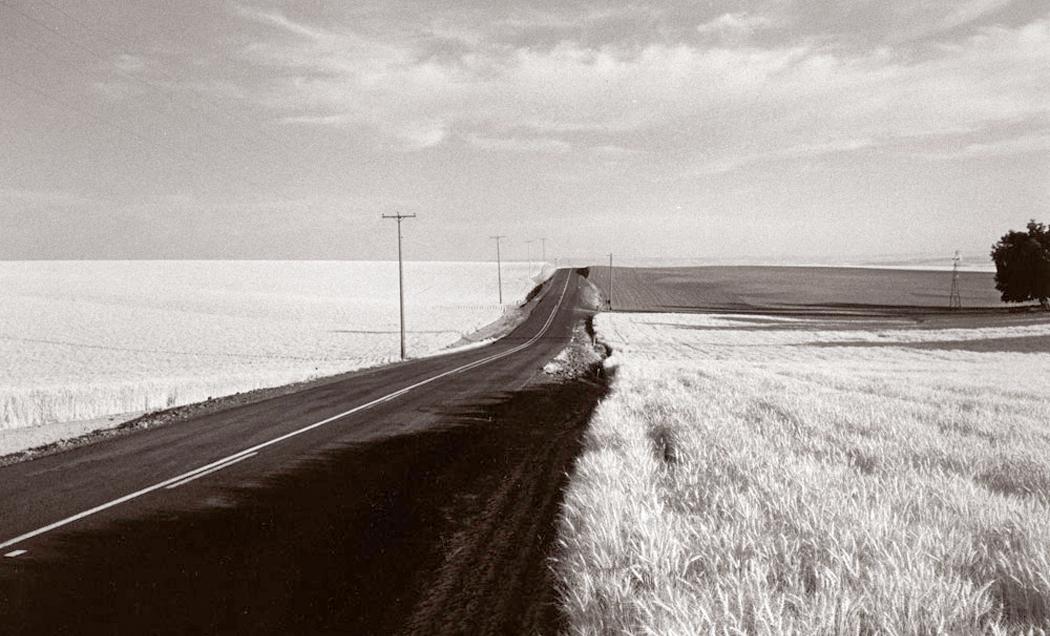
Oregon

In some sense, nearly all travel I have taken has functioned as pilgrimage. I go to see something, or I go to learn something, or just to be near something that has meaning. And there’s a crux. “Meaning” is a squishy term, difficult to define. It is not an equation: “This means that,” as if we were translating something, like “amigo” means “friend.” In the sense I use it here, meaning cannot be translated; you can’t always say what something “means;” it cannot be paraphrased, but it inheres in an experience. You feel that it has meaning or significance. Like a dream you cannot parse, but won’t leave you; you know it is meaningful. Meaning is not understood; it is recognized. 
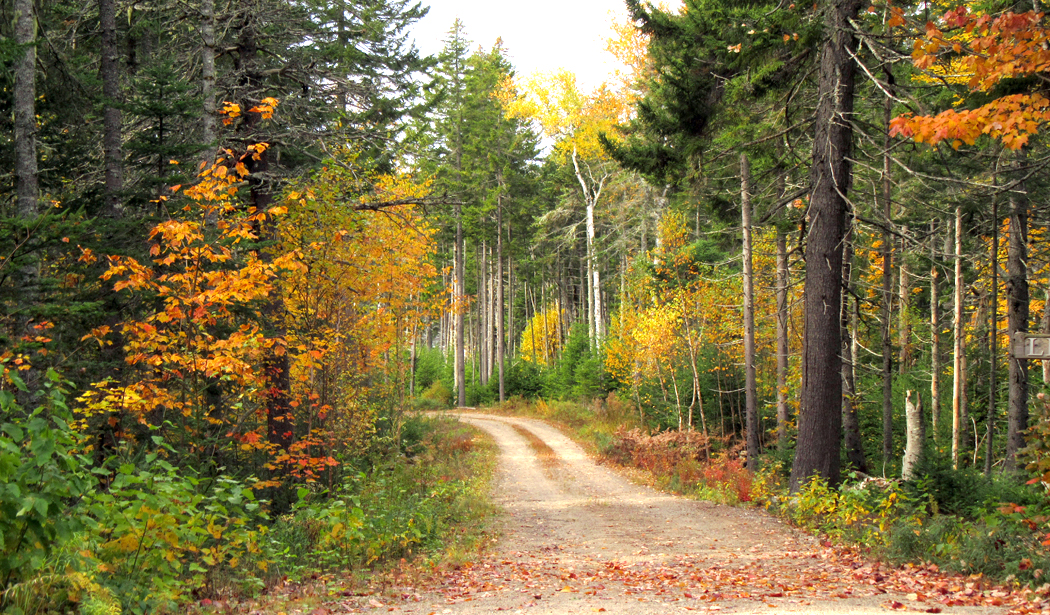
Maine

You will have your own meaningful travel; consider why some places seem important, perhaps because of something that happened earlier in your life; perhaps because of something you read and admired; perhaps because of religious belief. You want to visit the house where you grew up, or the farm your ancestors worked. Perhaps, even, because it matches some undefined longing deep in your chest.

It was such a longing, or empty space in my experience, that led me to Chartres cathedral. It was certainly more pilgrimage than tourism that led me to it first time. It overwhelmed me. 
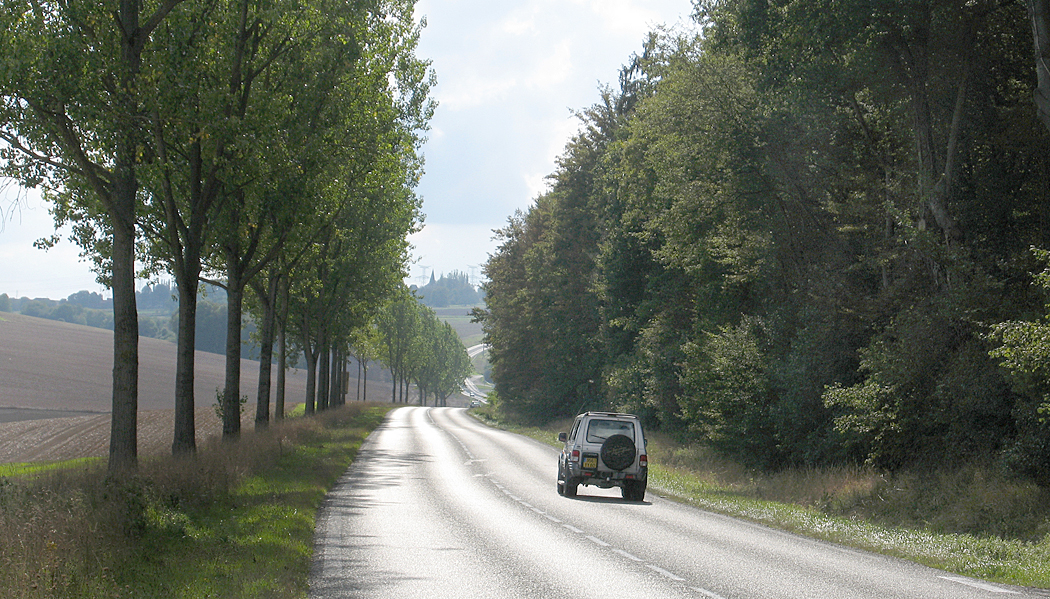
Northern France

It prompted, a few years later, a more traditional pilgrimage: an intentional voyage from shrine to shrine, as I traveled west to east across northern France seeing many of the notable churches and cathedrals: Rouen; Amiens; Beauvais; Laon; Reims; Noyon. 

I’ve been back to Chartres several times; in Paris, to Notre Dame too many times to count. But also to Sainte-Chapelle, Saint Denis, and several smaller churches, such as Saint Séverin, Saint Germain l’Auxerrois, Saint Eustache. Each fed a hunger to experience that unexplainable sense of space and time. 

And despite my utter lack of religious faith, there was no denying the power of this architecture and the meaningfulness of its vast interior space as metaphor for both the infinite exterior and our psychic interior — dome of heaven and dome of skull — both of them larger and more important than our puny day-to-day lives.
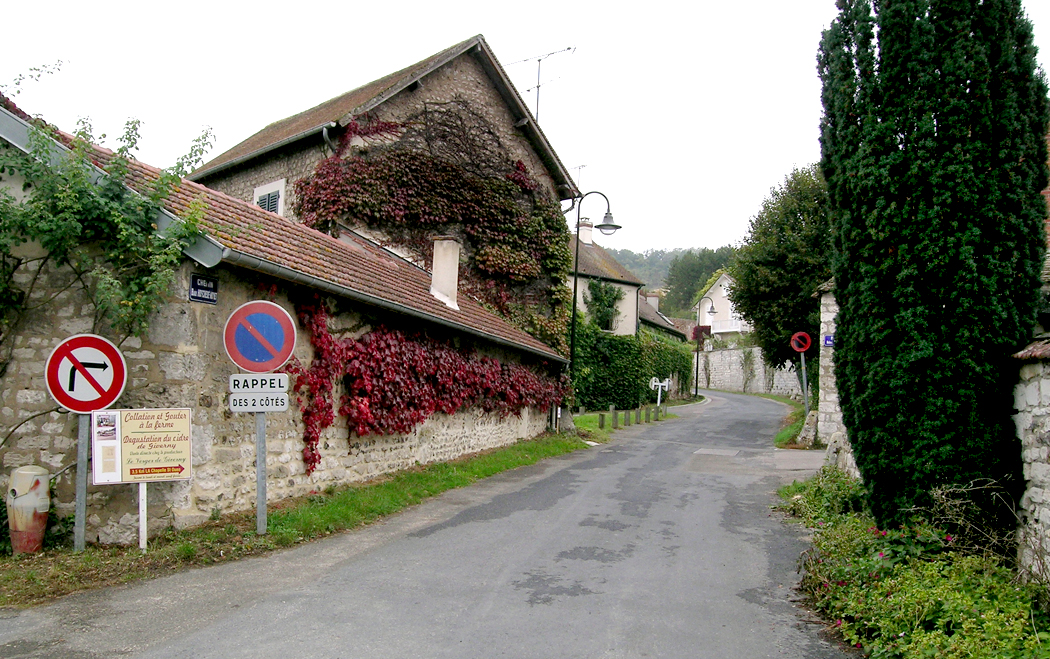
Giverny

I’ve also made the pilgrimage three times to Monet’s garden at Giverny — which is one of my holy-of-holies — first in the spring and then twice in the fall. My life is infinitely more alive for my having spent time there.

One important thing about pilgrimage is that there is a layer beyond the quotidian. There are many other gardens I have visited, from Butchart Gardens in British Columbia to Brookgreen Gardens in South Carolina, and however beautiful they are, they don’t have the added psychological punch of being conjoined with the historical, artistic or biographical significance of its founder. 
Texas

Giverny has been memorialized in the paintings of Claude Monet, and are a monument to a moment and a movement in art history — and what is more, one that I particularly resonate to. And so, visiting Giverny has the significance of pilgrimage for me. The more deeply you become emotionally engaged with the things and places of the world, the more likely a site may become such a destination. 
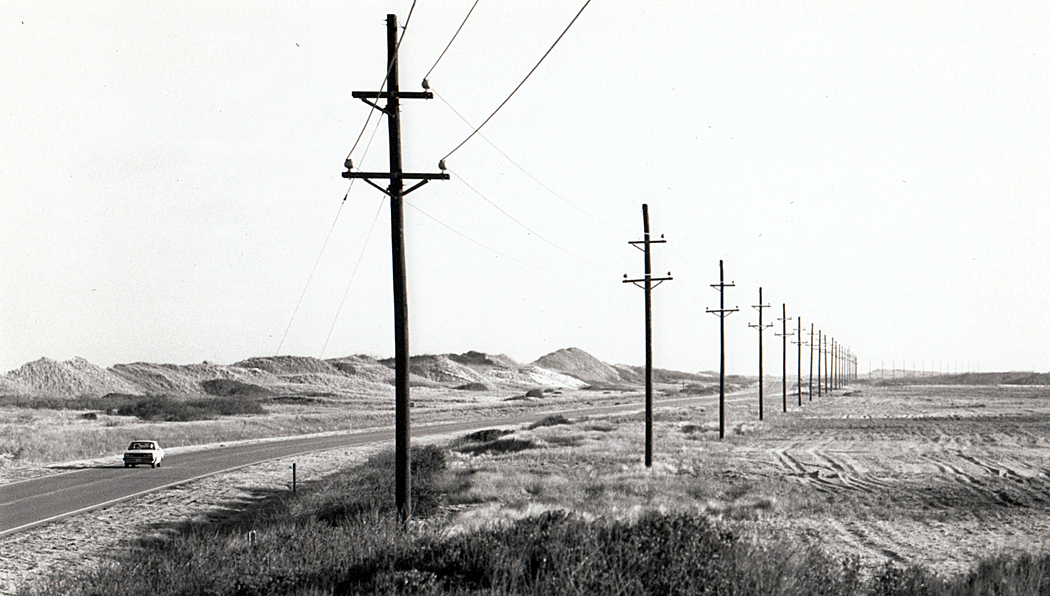
Hatteras Island, N.C.

Cape Hatteras has become such for me. In college, my friend and I visited several times. We camped in the dunes directly under the lighthouse and at night the surf misted the air with a salty haze. The nighttime sky with the roar of the ocean was another mirror turned simultaneously inward and outward. I return periodically, although when I first went, much of the barrier islands were empty; now, except for the protected National Seashore, it has become a Manhattan of the coast, with three- and four-story condos lining the single road that runs south along the island. Its magic is mainly now in the memory. 
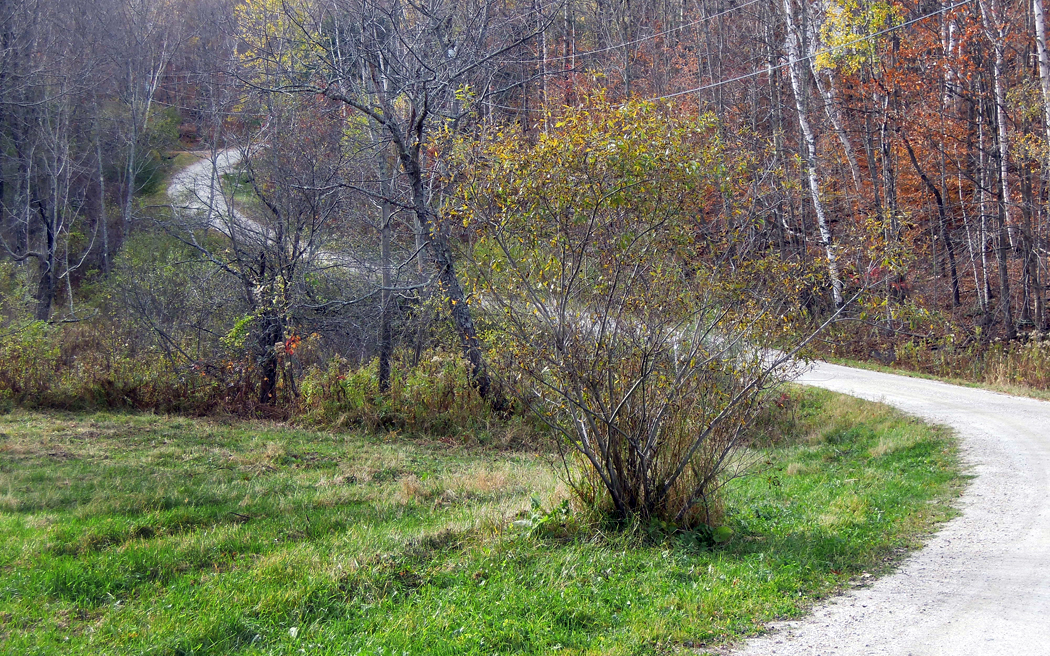
Vermont

One can make pilgrimage not only to claim something new, but to pay homage to what has become sacred. Every time I visit Maine, I go to Schoodic Point where the waves crash over rocks and wash back into the sea in torrents. It is pilgrimage in so far as each visit reassures me that the world I know survives — both the interior and the exterior. I reabsorb what it gives me and I am remade.
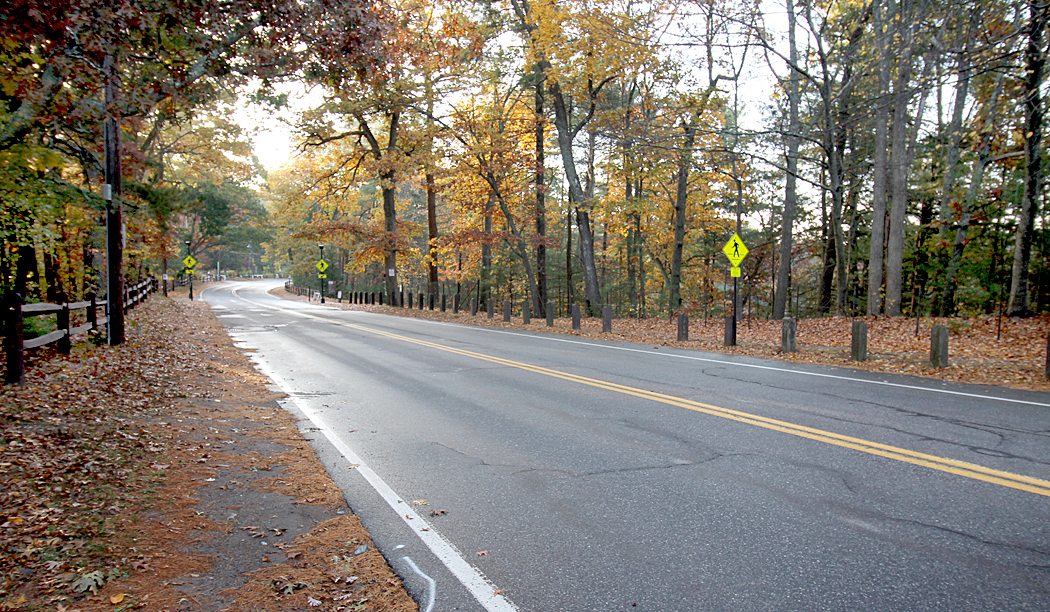
Road to Walden Pond

When I was a young man, I read through the writings of Henry Thoreau and made the pilgrimage to Walden Pond in Concord, Mass. I can not accurately recall the number of times I have made it to Walden Pond; they all blur together. I’ve been there in spring and in fall; I have had the place all to myself, and I have had visits I had to share with busloads of tourists; there were moments when I felt I was communing with the eternity that Thoreau found there, and moments that were bound by the clock — I had elsewhere to get to before dark.
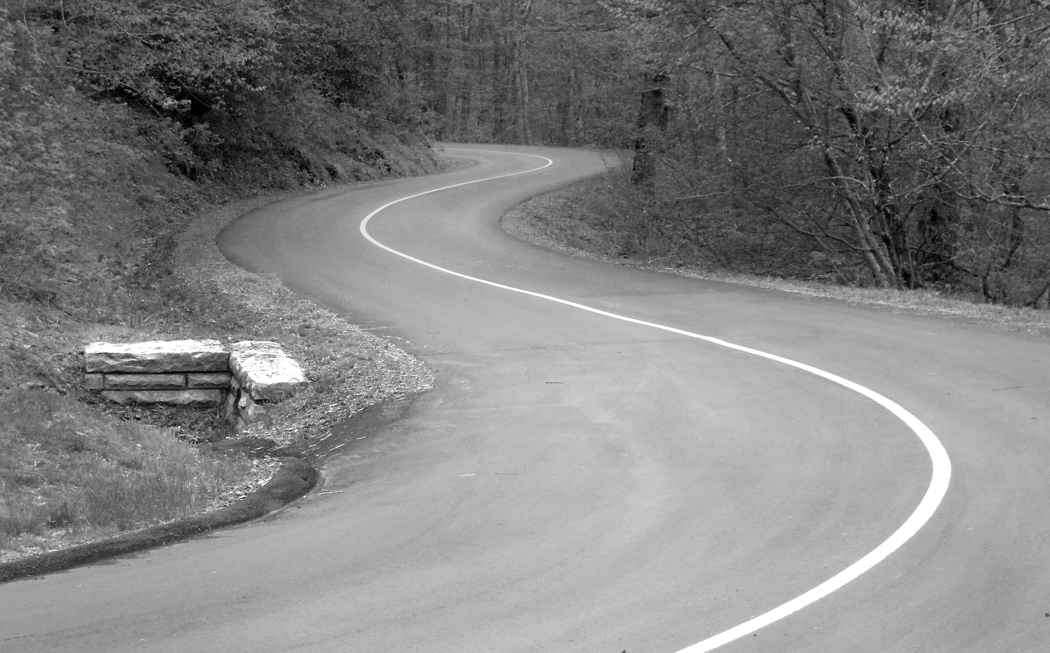
Blue Ridge Parkway, North Carolina

With my second unofficial wife, I hiked a good portion of the Appalachian Trail in the mid-1970s, in a more traditional pilgrimage on foot. We never finished that one, giving up because we discovered that unlike what we had imagined — leisurely enjoying the beauty of nature —  the reality was driving ourselves to the next lean-to by nightfall and not losing track of the paint blazes that marked the trail. A trudge rather than a Thoreauvian saunter. Nevertheless, even incomplete the hike has informed who I have become in profound ways.
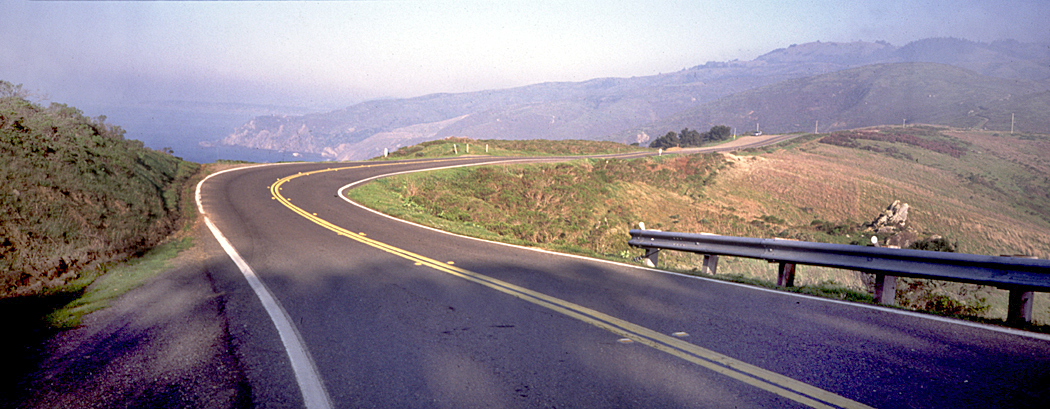
Pacific Coast Highway, California

Other pilgrimages I have made include driving the the length of the Mississippi River from its source at Lake Itasca to its mouth on the Gulf of Mexico. I have also traveled the length of the Appalachian mountain cordillera, from Alabama to Percé Rock at the tip of the Gaspé Peninsula in Quebec; and have driven from Mexico to Canada up the fold in the middle of the map of the 48 states — along the 100th Meridian.

Each of these, and several others, have been journeys of intent, that is, trips made with an end in mind, as opposed to a vacation trip, whose whole point it to avoid the work involved in achieving a goal.
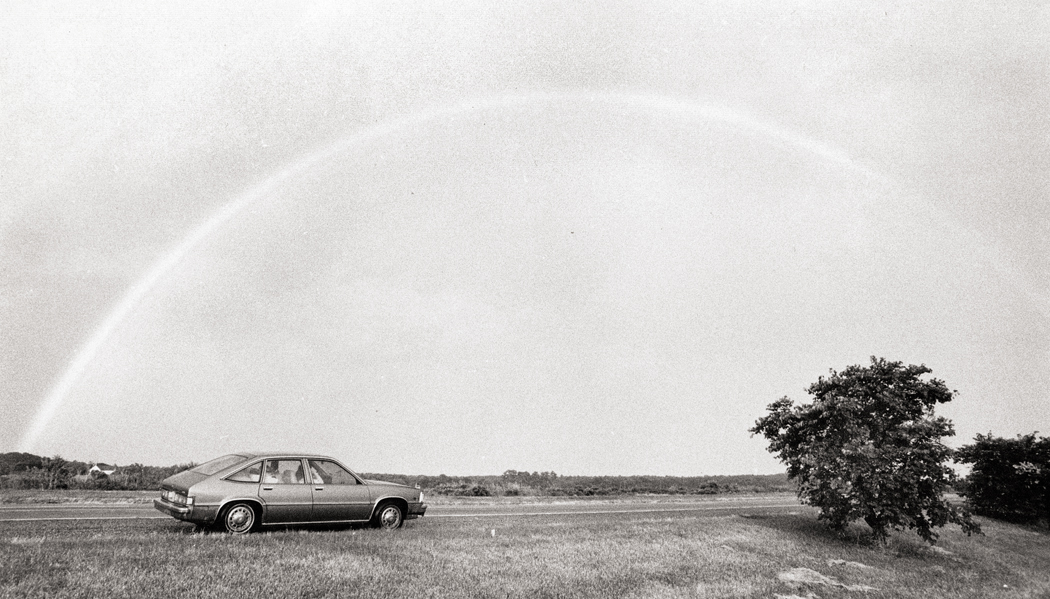
Rainbow, Delmarva Peninsula

Perhaps the most salient difference is the goal: For a pilgrim intends to change or be changed, while the vacationer usually purposes only to recharge the batteries and come home feeling more himself. But leaving home and passing through the unfamiliar will always change who you are.

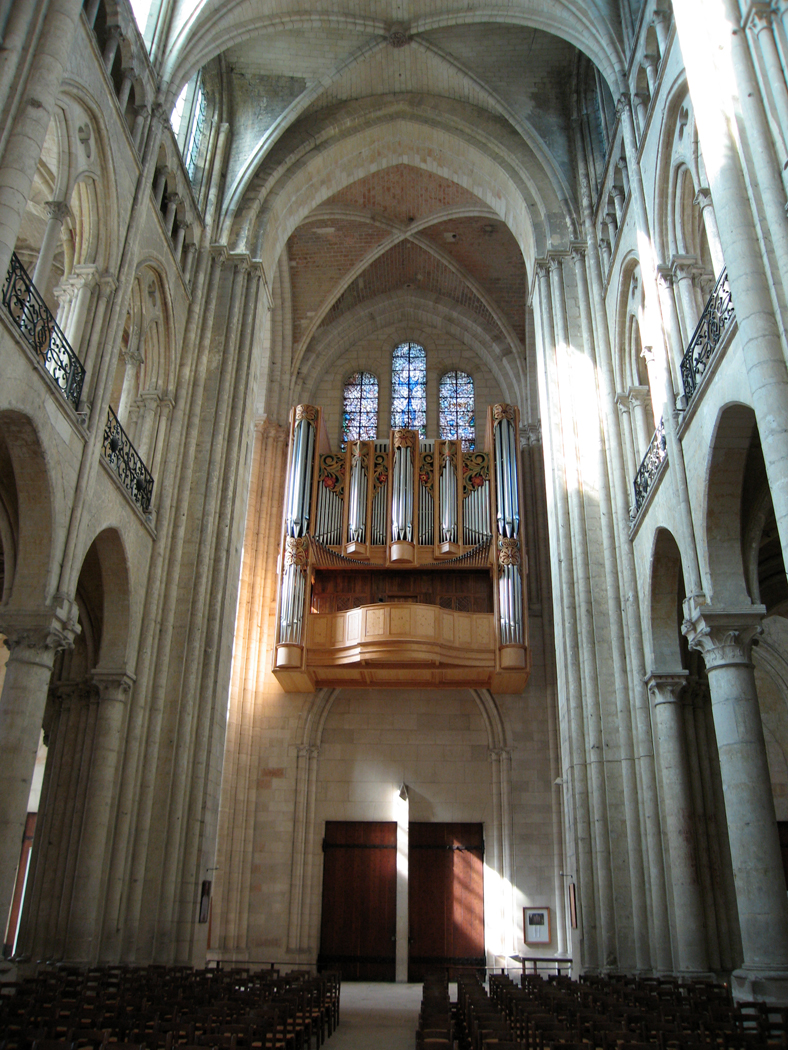
Noyon Cathedral is a shabby little church, in an obscure little town in northern France that almost no one has heard of. Yet, it holds a special place in my heart; it may be small, but I know it more intimately than most other Medieval churches from the time. I have crawled through its guts.

The town has about 13,000 inhabitants, making it roughly the size of Fergus Falls, Minnesota. Never heard of Fergus Falls? Well, that’s my point.

In the Middle Ages, it was the seat of a bishop, although the bishop left and moved to Beauvais in 1801 after the Concordat between Napoleon and Pope Pius VII. The town had had a bishop since AD 531, when the Bishop Medardus moved his seat to Noyon, choosing it over a rival city because he deemed the wine in Noyon superior.

A cathedral had been built on the spot since then, being the place where in AD 768 Charlemagne had been crowned co-king of the Franks, and later, in AD 987, Hugh Capet was crowned the first Capetian monarch. It’s hard to imagine that now, with Noyon being such a backwater.

That early church — or churches (there were probably a sequence of them) — burned down in 1131 and the current building was begun in the new Gothic style soon after. Like most such churches, it was constructed and renovated, rebuilt and added to over the centuries. But the major part of the church is in the early style, including some Romanesque holdovers.  Indeed, it looks rather plain compared with its compeers.

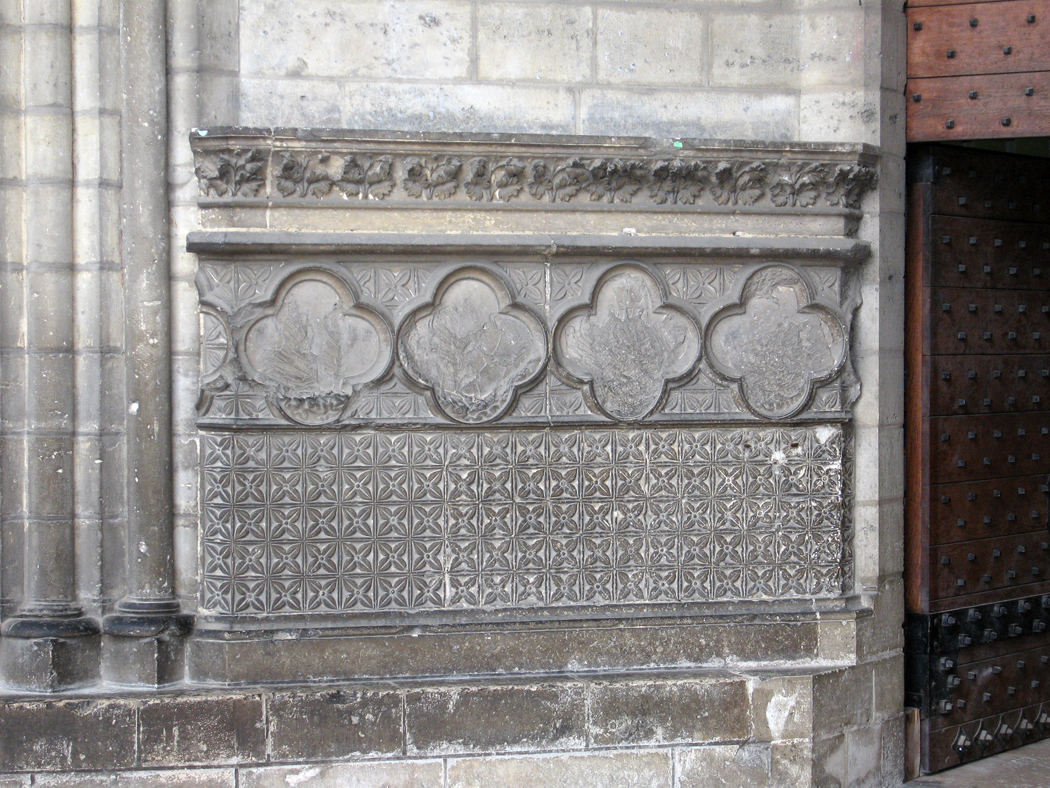
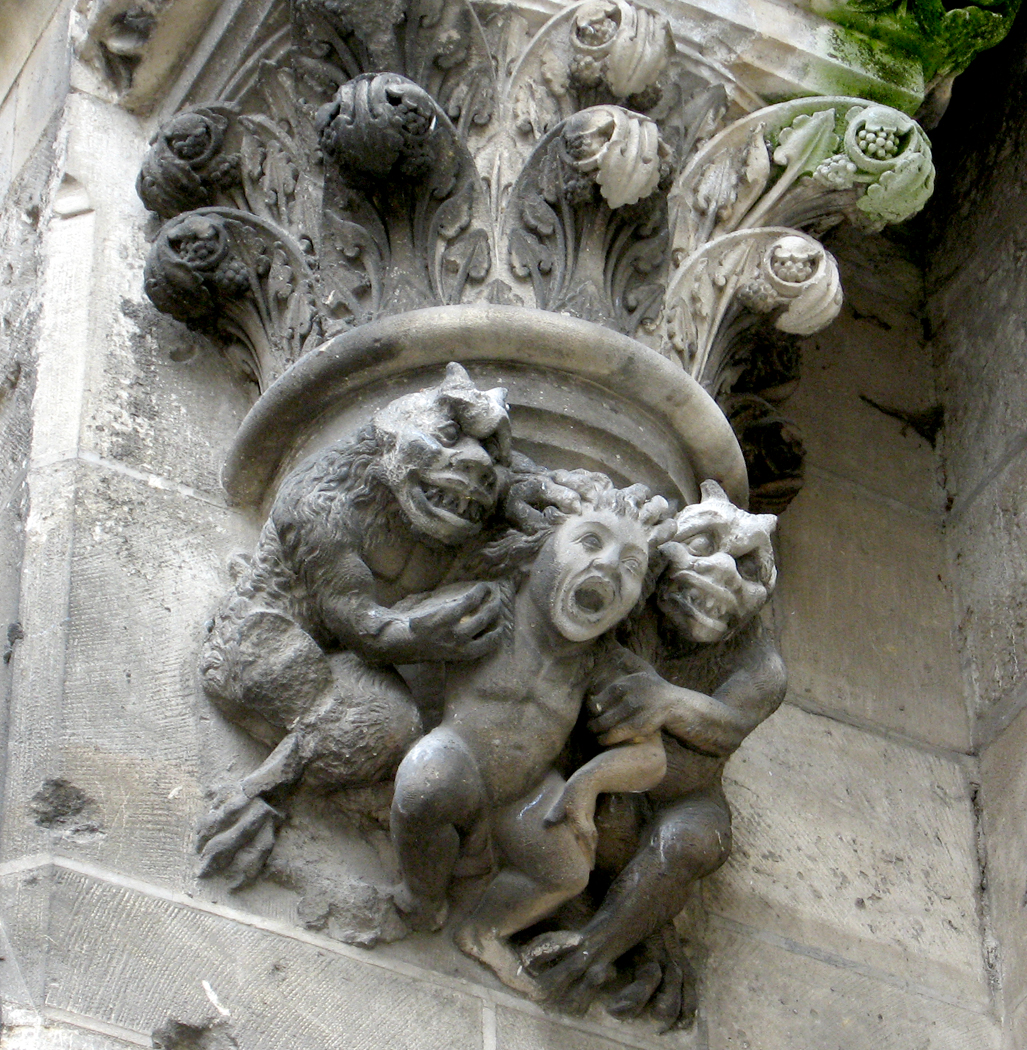
Noyon is notably smaller than Amien or Beauvais, and its cathedral is almost a miniature version of the familiar formula. Yet, it isn’t merely its style that explains its homeliness. The French Revolution had treated it miserably, knocking off pretty much all of its external sculpture. You can see the scars.

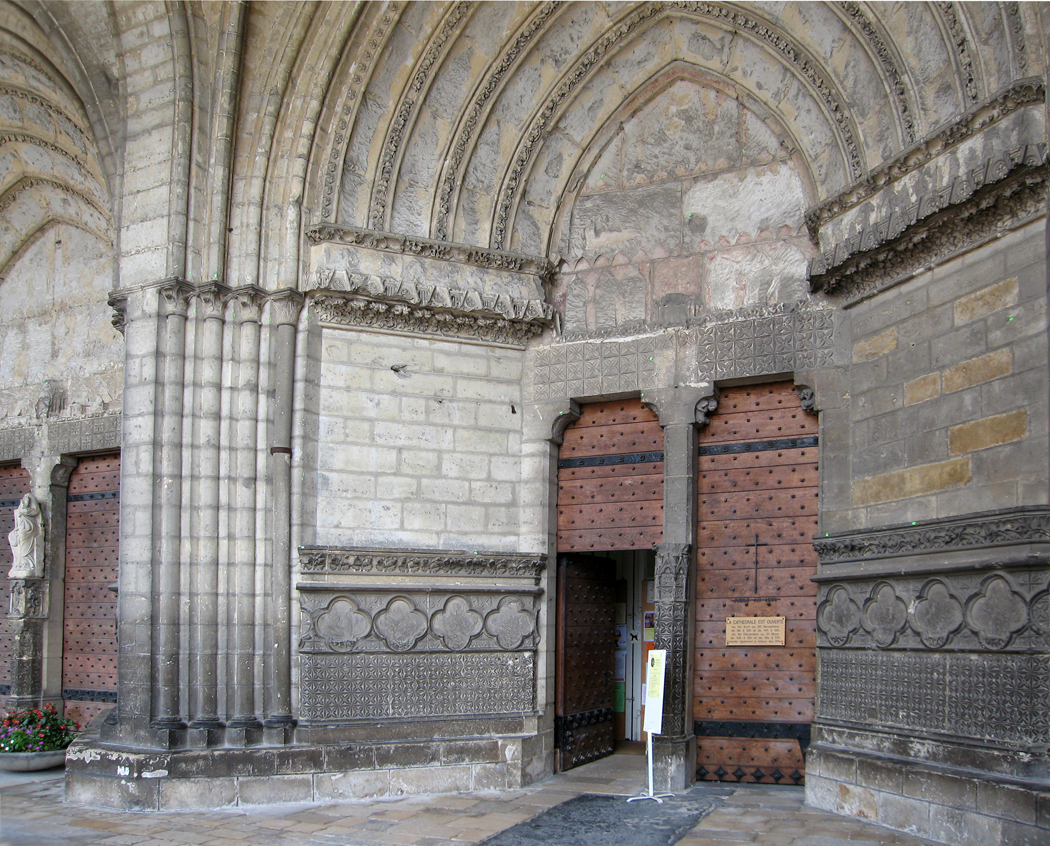
You approach the cathedral through some narrow streets and we could see it before us, plain-spoken, with no statuary on its facade. Two nearly identical towers framed the central portals, of worn and weathered wood. The West Facade also had two flying buttresses, something I had not seen before anywhere. They stuck out into the parvis.

When we got closer, we could see that there had once been sculpture on the exterior of the building, but it had been chiseled off. During the French Revolution, anticlerical feelings ran high and many of these old churches were defaced. Some, like Notre Dame in Paris had been restored in the 19th century, but poor Noyon had been left bereft.

During the Revolution, churches had been deconsecrated and repurposed as “Temples of Reason,” or had, like Notre Dame in Paris, turned into warehouses for grain storage.

Noyon was, apparently, too insignificant for thorough restoration.

Chapelle Episcopale Saint Nicolas

You can walk around the building. To the right you discover the ruins of the Chapelle Episcopale Saint Nicolas, an 11th century revenant, pass around the back and on the south side, the half-timber library. The larger stone edifice beyond that is the cloisters and refectory.

Library

Time to go through the portal.

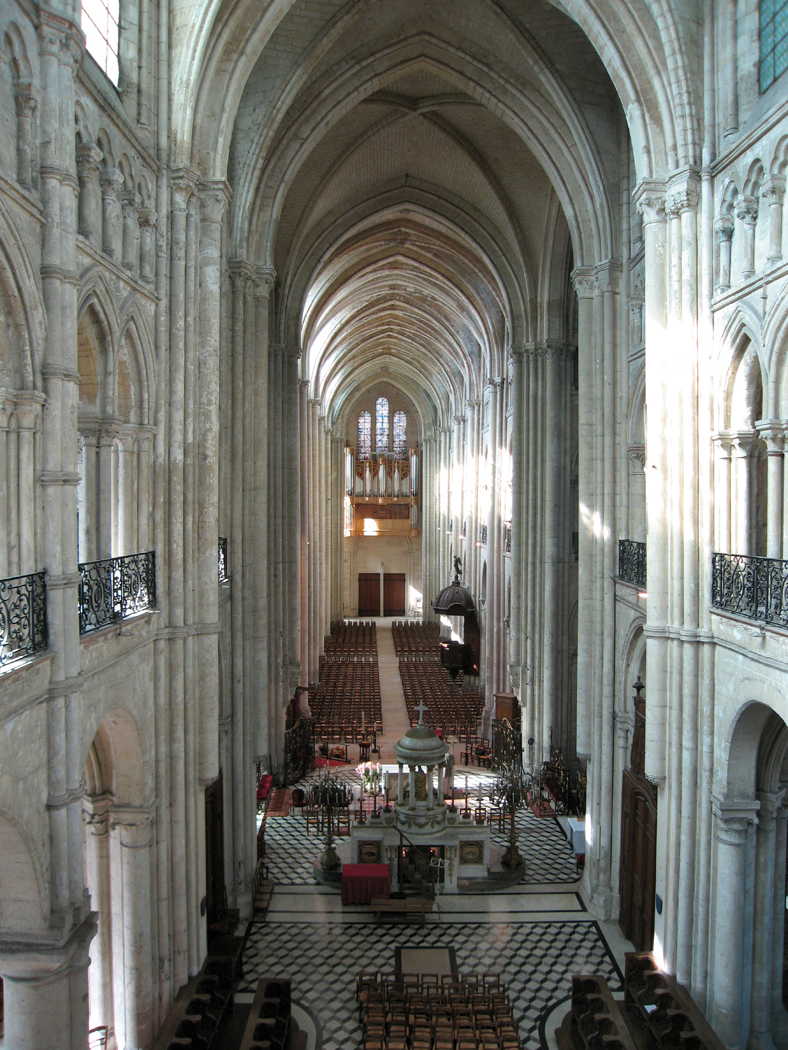
The interior is in better shape than the exterior and provides some of the awe and reverence you require from a Gothic church, and is truly their raison d’etre. It severs off a section of the universe, a bit of space, and lets you contemplate it divorced from the commotion and concerns of the day-to-day. You feel the immensity of that captured space and its stillness and it reminds you what is truly important, truly permanent. It is caged eternity and we watch it the way we see a panther at the zoo.

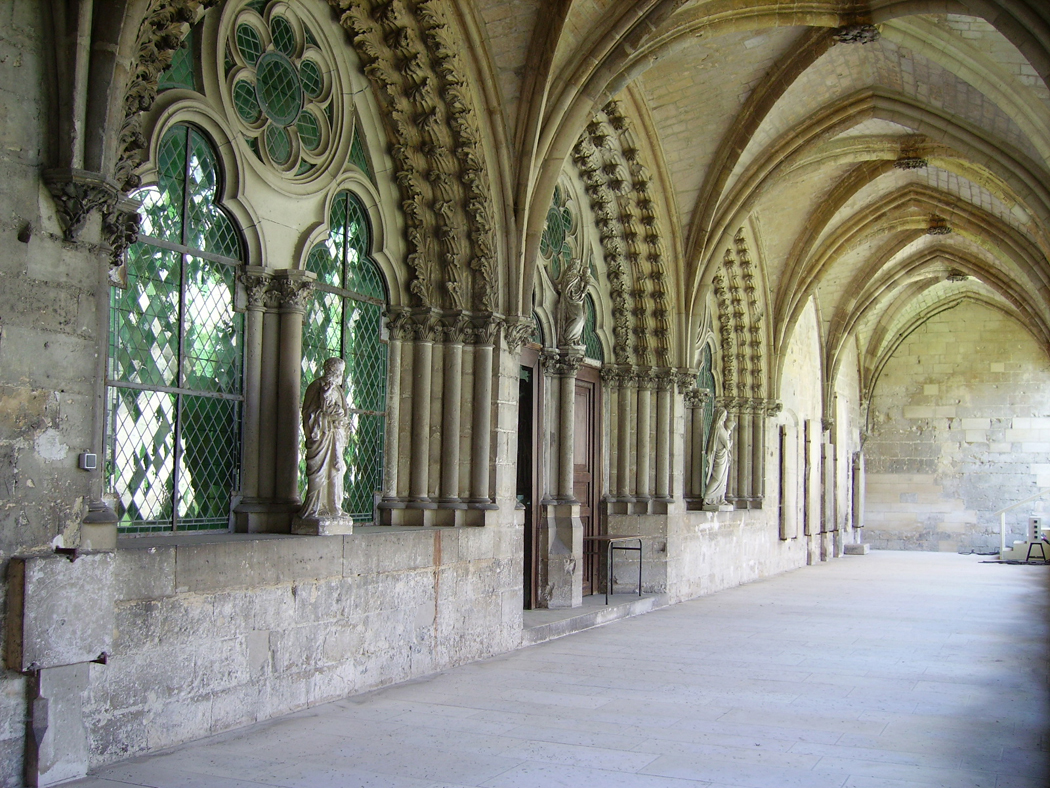
I walked around inside, taking photos. And when I got to the ambulatory and got around to the far point of the apse, I stepped up to take a few pictures of the altar and nave, when an old, withered man walked up to me and spoke rapid French to me in a stutter. I was worried I had broken some taboo or regulation, and the man indicated I should follow him. I thought I was being taken to the principal, or at least the monsignor. He dragged me along the length of the north aisle till he got to a side door, officiously pulled out a key and unlocked the door, opened it with a creak, and motioned for me to follow him into the cloister and garden that take up the north side of the church exterior.

Then he unlocked another door, to the refectory, and motioned for me to enter. Then he began speaking again, but with such a stutter, I couldn’t make anything out. I kept telling him, “Je ne comprend pas Francais,” and he kept answering, “Oui.”

He was thin as a rail, with a day’s whiskers on his pointy chin, and gnarled hands twisted with arthritis.

Je ne parle Francais pas,” I repeated. And he said, “Oui, oui,” again. Then I said, “I get ma femme. She parle Francais.” And he said “Oui, oui,” and I walked out of the refectory, down the cloister, into the nave, found Carole, waved at her wildly to get her attention, brought her back to the refectory, where the old man began speaking wildly to her.

She answered like she understood what he was saying and they had a grand conversation. I’m not convinced either one had a clue what the other was saying or intended.

“A frail old man with a terrible stuttering problem and crippled hands seemed to earnestly and excitedly be trying to communicate something to Richard,” Carole wrote in her diary entry for the trip. “And when I caught up with Richard, he took me to the cloister to the man and I told him I spoke only a little bit of French and he began speaking French as fast as he could. But, I was in luck. He was a terrible stutterer, so I got five or six reinforcements of every syllable. And after each of his phrases, I asked him in French, that is, my French, was I correct in thinking he had said so and so and so and so, and each time he replied “Oui,” and continued.

“Then I would speak five and six sentences at a time. I was totally on a roll. I was understanding everything he said. He was assuring me he was understanding everything I was saying. I left the conversation walking tall, my chest swelling with pride. Hell. I was ready to light up a Gauloise. Let’s go do something French. Let’s go drink some vin ordinaire.

“Then, Richard mentioned that this may have been a crazy man, and since the man was holding a basket, I asked Richard for some money and dropped coins in the basket. Now my confidence is going limp. I am realizing this is like the time I played the piano drunk. I could tell most of the notes I was hitting were wrong, but somehow, I felt it was my finest performance.

“I think what the man was telling me, and he reassured me at the time that I was correct, was that a great battle was fought in Noyon in the First World War, and that many British soldiers died and that this cloister, where he had taken us, was the part of the cathedral that was used for special prayers for those British men, who died in Noyon.”

He finally left us alone, and we enjoyed the refectory and the cloister and the garden.

When we went back into the nave, Carole went off on her own and I walked back to finish what I had started at the apse end. When I noticed that there was a door open at the east end of the north transept, with a light on inside and a spiral stone staircase. I decided nothing ventured, nothing gained, and began climbing.

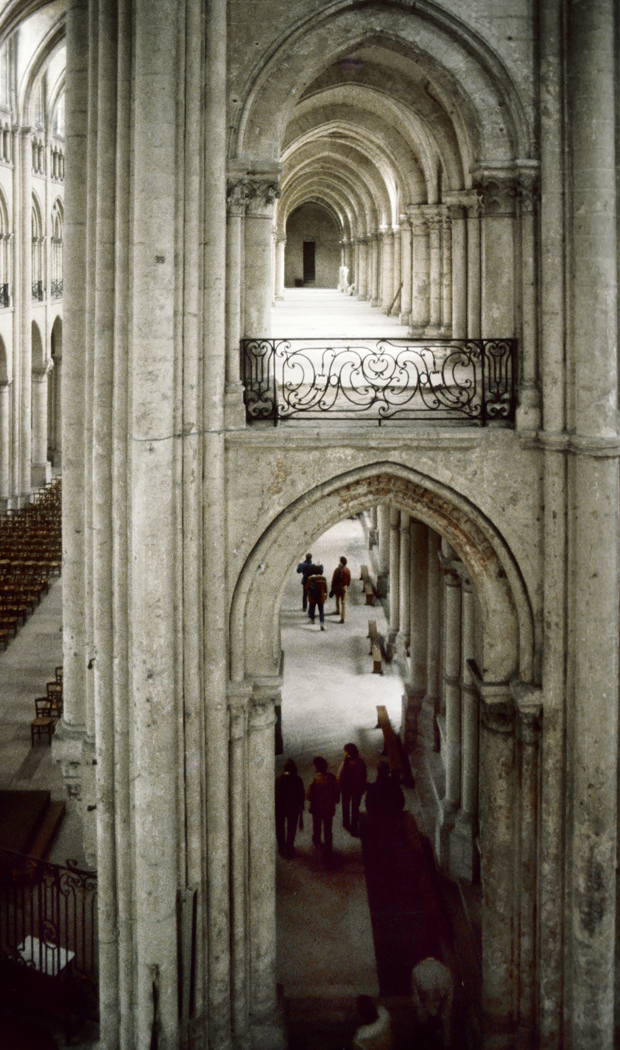
Where I got was the triforium around the apse, a second story ambulatory, covered in chunks of stone and mortar, with an uneven floor, loose electrical wiring and in places a floor that might as well be dirt. It looked as though in 800 years, it had never really been finished, but left roughed out, since it had no useful function other than to be looked at from the cathedral floor.

I walked to the far end of the apse, took some pictures of the nave, full length, and was ready to walk around the triforium to the transept to have a look when four more people came up the stairs.

Great, I thought. I’m OK. This must be part of the tour.

But no, one of the four scolded me and told me something in French that made it clear I was not supposed to be there.

I walked over to them, apologized, explained that the door was open, and I asked if they spoke English. The woman said “un peu.” and held up the thumb and index finger to indicate about three quarters of an inch.

I told her that I didn’t understand what the man had said to me. She told me that I was not permitted up here, that she was bringing these two journalists up for a tour, and the third man was the sexton, who had the keys.

The young sexton was grim and adamant, but when I explained that I was also a journalist, and that I was studying cathedrals and had been grateful for the chance to climb to the triforium, she smiled and said, “We are going to climb the tower now. If you would like, you can come with us.”

Merci, merci, plus merci,” I said, and tagged along.

We went to the south tower at a door on the south aisle. The sexton pulled out his handful of keys and opened the door very slowly, to reduce the squeal of old hinges. We mounted the stone spiral staircase and began climbing, me bringing up the rear.


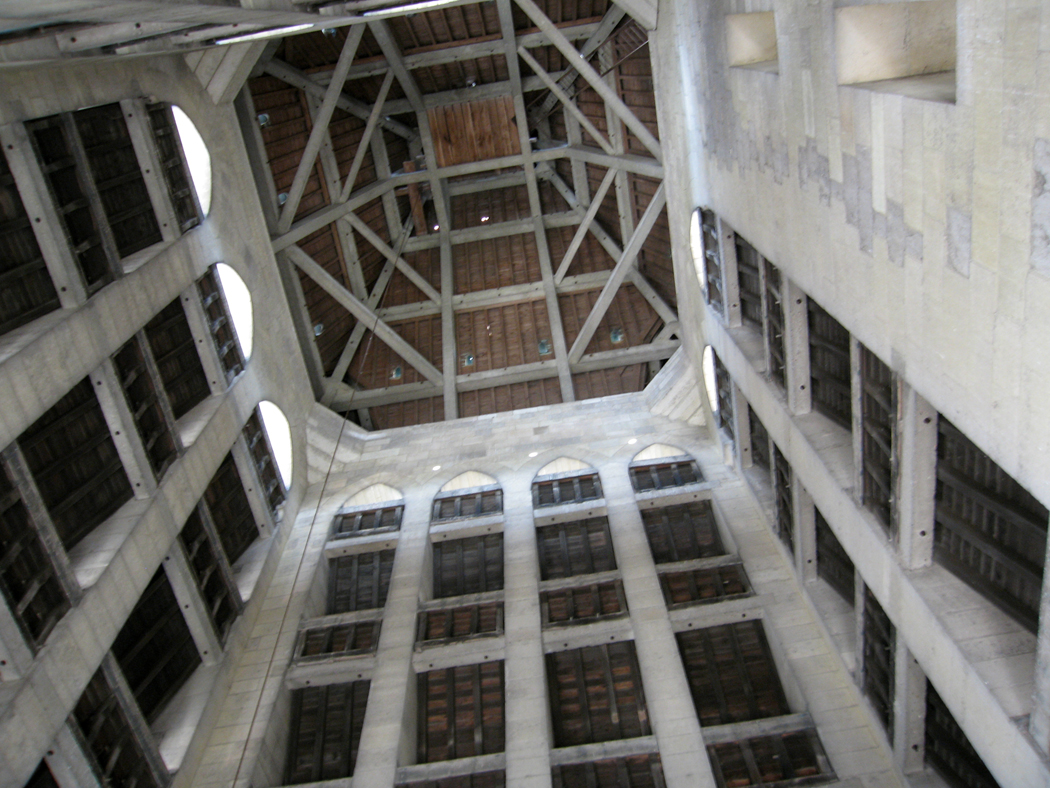
Well, I’ve been up towers before, and they can be worse than lighthouses: We climbed and climbed, with no relief of window or landing, till we got to the first level of the tower. The bells were clanging; it was quite an impressive sound, not quite enough to deafen poor Quasimodo, but loud enough. The floor looked like a construction site; the kind with grout and cement spilled on the ground and left to dry to a powder. The floor was bumpy and uneven, and the walls were unfaced stone, left as raw as when it was cut from the quarry. If it doesn’t show, why spend the time and money to finish it.

We went up another level — killing my poor knees, by the way, and practically bringing rigor mortis to my leg muscles. I huffed and puffed, but mostly, I sweated, Niagaras of sweat into my sports jacket. My shirt was a bathmat.

The next level was much like the previous, but with slots to the outside, allowing a cool breeze to filter through.

Yet one more level up, and we were at the top. Only the wooden roof was above us. Each of these levels was perhaps 30 feet high from floor to ceiling, and all left rough and unfinished.

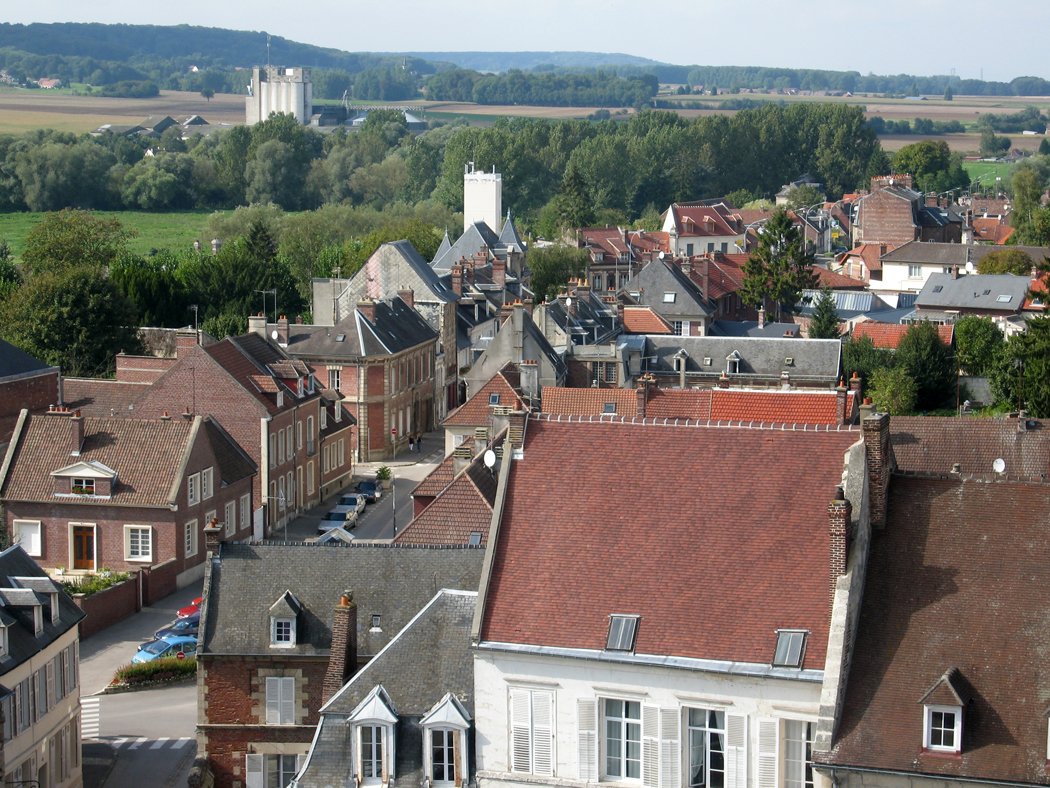
But we could look out at the city and see the paysage all around: Farm field and woods as far as the eye could see beyond the village.

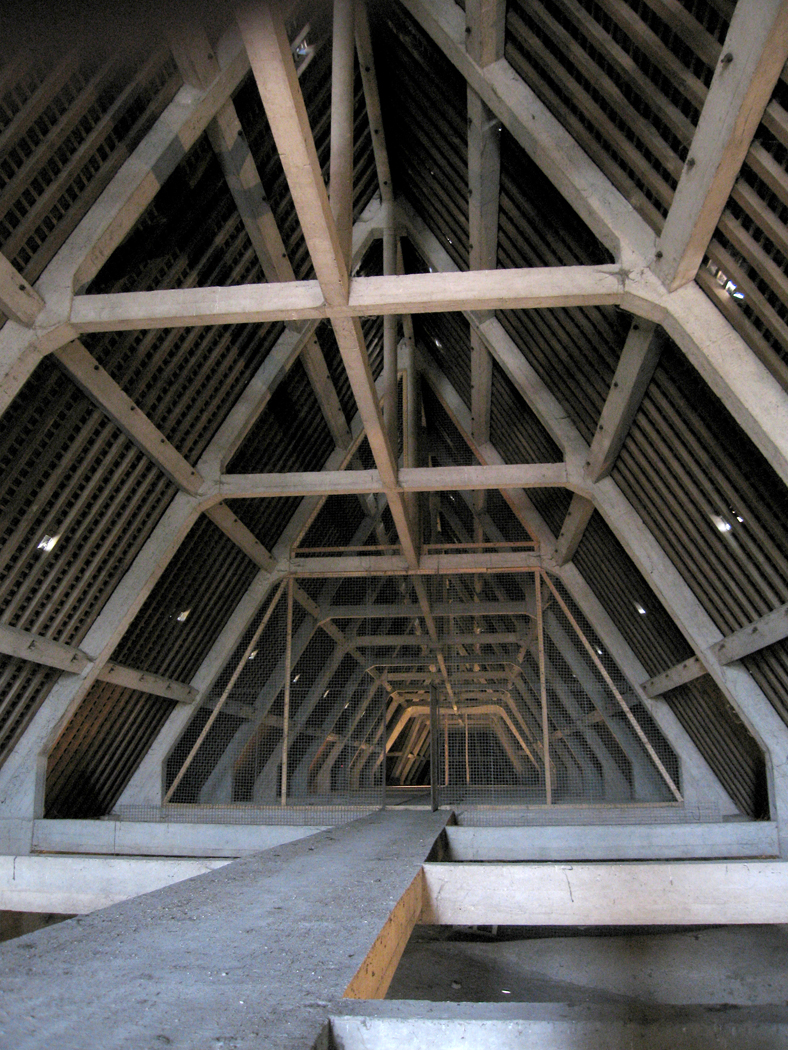
At one level, we ventured in towards the body of the church, and I could see the strut-work keeping the peaked roof up. Crawling through the guts of the cathedral, I felt the thrill of Rotwang and Maria traipsing among the buttresses and gargoyles.

Noyon may be a forgotten relic of centuries past, but it is now the church I feel most intimate with. I have seen it backstage as well as front.

After we walked back down, the church was being used for a funeral, and we all tried to be as quiet as possible. I thanked the woman and sexton for their hospitality, and left the church looking for Carole.

She was outside, having sat through some of the funeral, but then having felt a bit intrusive, left the building to walk around outside.

Anyway, it proved to be one of the best cathedral visits ever, and though I was drenched with sweat and beginning to stink that blue-collar stink, I was elated.

Next: Laon

Click on any image to enlarge