Archive

Tag Archives: cds

Those of us who pay attention to the various arts usually have certain works or artists that appeal to us more than others, that grok on the particular wavelength we resonate to. 

For me, when it comes to music, it is the work of Franz Josef Haydn. I enjoy pretty much all of classical music, from Josquin to Golijov, depending on my mood. But I know I can always sit back and enjoy a Haydn quartet or symphony. His music is endlessly surprising and inventive, always seems to have a point, and is both witty and playful, but can also be deeply expressive and emotional. 
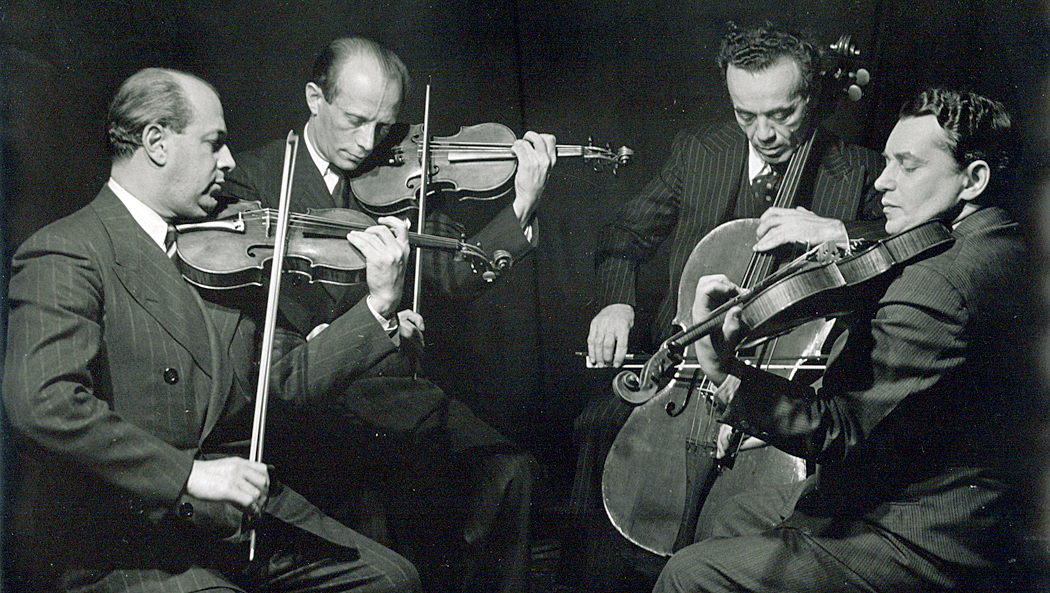
When I worked in Phoenix, my commute to the office was about 20 minutes long, which was just about the perfect length to take on one of his symphonies. One on the way to work, and another on the way home. And when I got through all 104 of them, I started again back with the first. I reckon I tore through all of them at least five times on that drive. Haydn wrote tons of music, and I’ve listened to tons, starting with an anonymous 78 rpm recording of his Symphony No. 99 when I was in high school. 

Haydn’s music isn’t just tunes. It is a narrative. The music of the Classical era has a clear musical“story” laid out in each composition, that I find compelling. And Haydn does this better than anyone. 
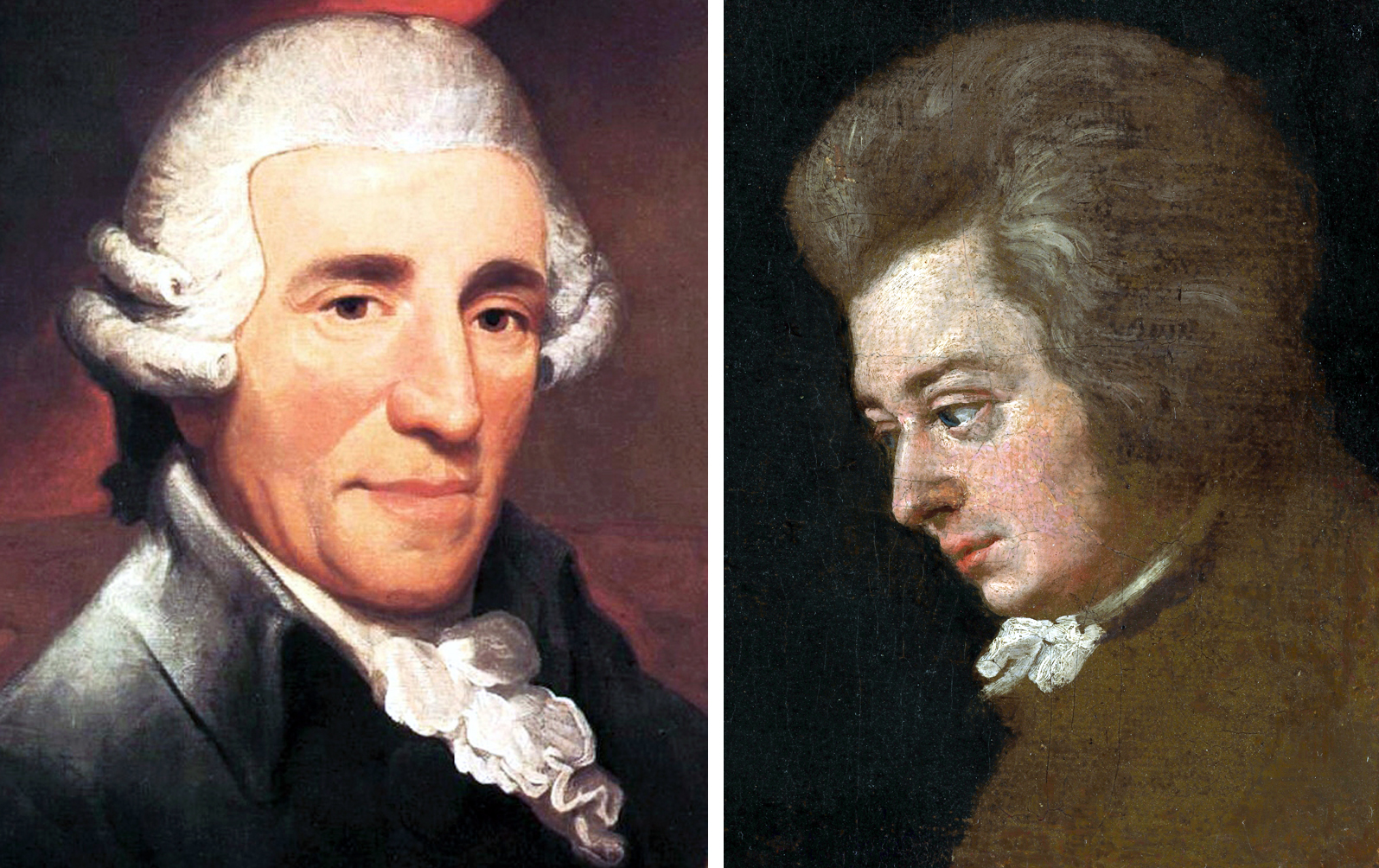
Haydn and Mozart

We usually say that Haydn and Mozart wrote music in the Classical style. But that’s not really quite right. It wasn’t a style they adopted, but one they invented. Mozart and Haydn created the Classical style. 

What we call, in the larger term classical music is habitually divided up into historical periods: Baroque; Classical; Romantic; Post-Romantic; Modern; etc. It’s all classical music, of course, but within the time frame from roughly 1750 to about 1825, is the subset we give the Capital “C” Classical name. And the most prominent names from that subset are Haydn and Mozart. (And later, Beethoven and Schubert, but they were both already heading toward the new age of Romanticism). 

Baroque music reached its peak of Baroque-osity with Johann Sebastian Bach, whose music is contrapuntally so elaborate that it takes spreadsheet to parse it. By the time he died in 1750, his music was out of date and tastes had begun to look for something simpler, more homophonic, and with tunes you might hum or whistle. Bach’s sons, famous composers in their own time, all wrote in this newer, lighter popular style. Other famous composers of the mid- and late 18th century also adopted this simplified orchestral style, including the Mannheim School, and the whole Stamitz family. (I am simplifying, myself, here, but overall, this is the direction). 
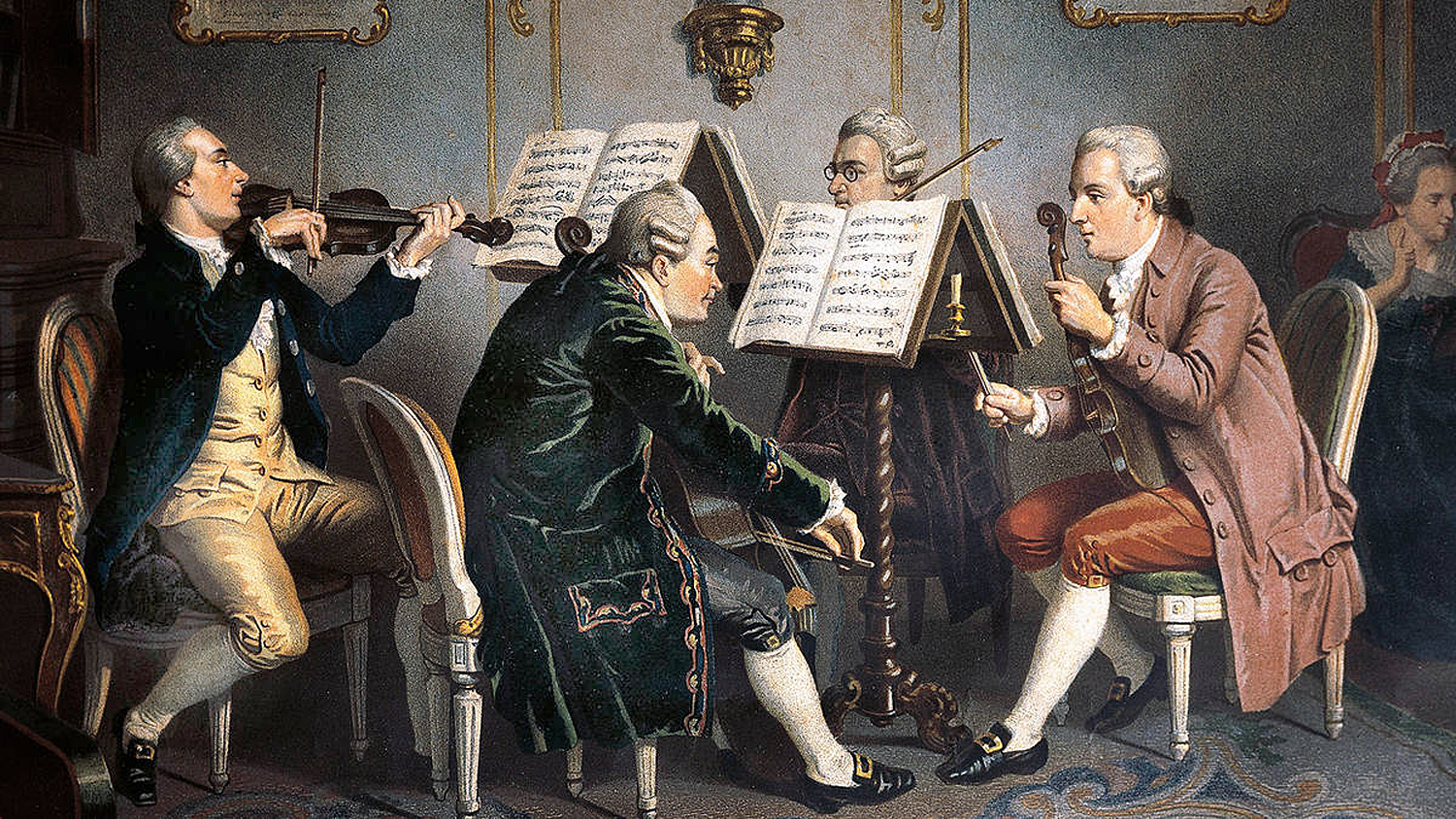
In Germany, this style was called Empfindsamkeit, or the “sentimental style,” and sought to express “true and natural feelings.” And early in their careers, both Mozart and Haydn composed in this style. But each left it behind soon enough. Their minds vibrated to more complex textures. 

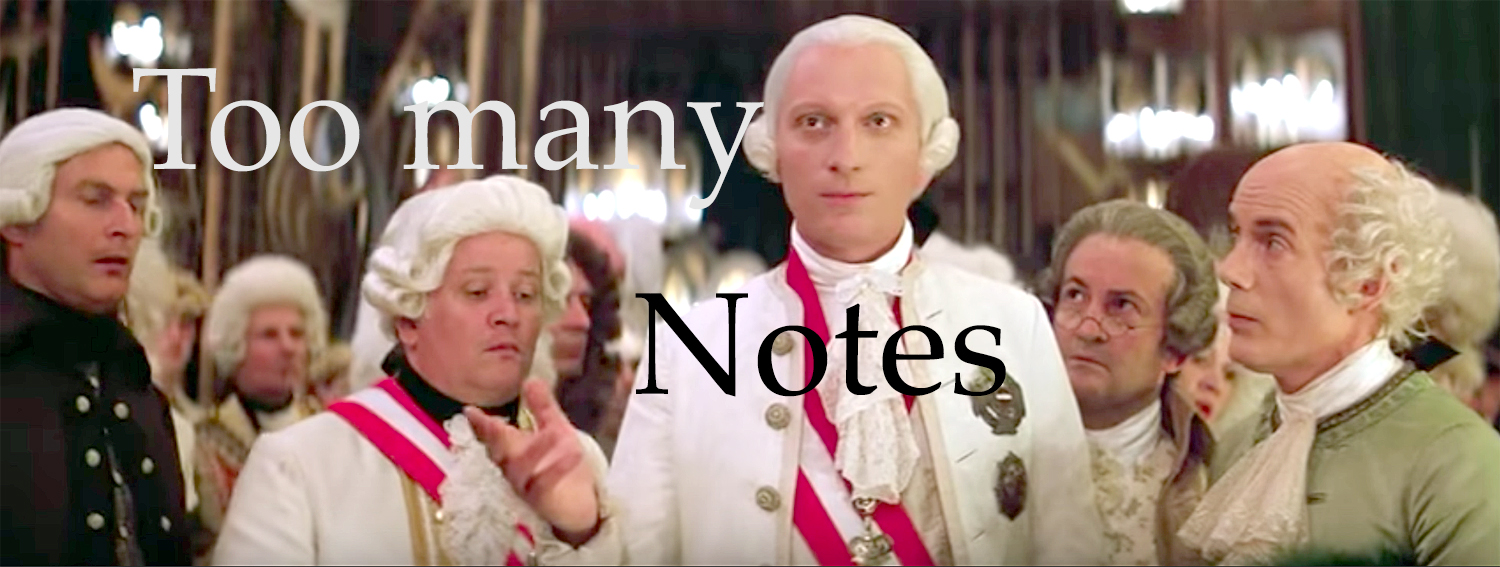
Each built increasingly complex and sophisticated edifices on the simple tune-and-accompaniment idea, with richer harmonies, fugal writing, longer works of interconnected ideas. When Emperor Joseph II  complained to Mozart that his music had “zu viele Noten”— “too many notes” — this is what he was referring to. Haydn got there first, as he was the elder, found new ways to expand the structure of the music, indeed to make the very structure part of its expressivity. You don’t just listen to tunes, but follow how they change over the course of a movement, and those developments are what the music is “about.” 
The joy of listening to Haydn’s music is following his telling of the “story.” I don’t mean story in the sense of fiction, but rather how a group of musical ideas transform through the course of a movement: They start in one place and go somewhere else. If you are used to letting music wash over you like a warm bath, you won’t gather the primary gifts Franz Josef is offering. 

This kind of storytelling can be spotted easily in something like Beethoven’s Fifth Symphony, which begins in an angry, agitated C-minor and ends, three movements later, in a triumphant C-major, all trumpets and glory. Classical music isn’t a static bath of pretty sounds, but is always going somewhere. Listening to it requires attentiveness. You need to follow the story.

This directionality is the heart of sonata form, that armature upon which so much of classical music, both small “c” and capital “C,” is built. For Haydn, and for Mozart, the basic metaphor is one of establishing order (the exposition of the basic tunes), the interruption by chaos (the development section, where the tunes go through key changes, breaking in to pieces, and loss of identity), and finally, the re-establishment of order (the recapitulation, which retells the original tunes in the original key). Order, whether artistic, philosophical, political, religious, cultural, is the key question dominating the 18th century. You find it everywhere. 
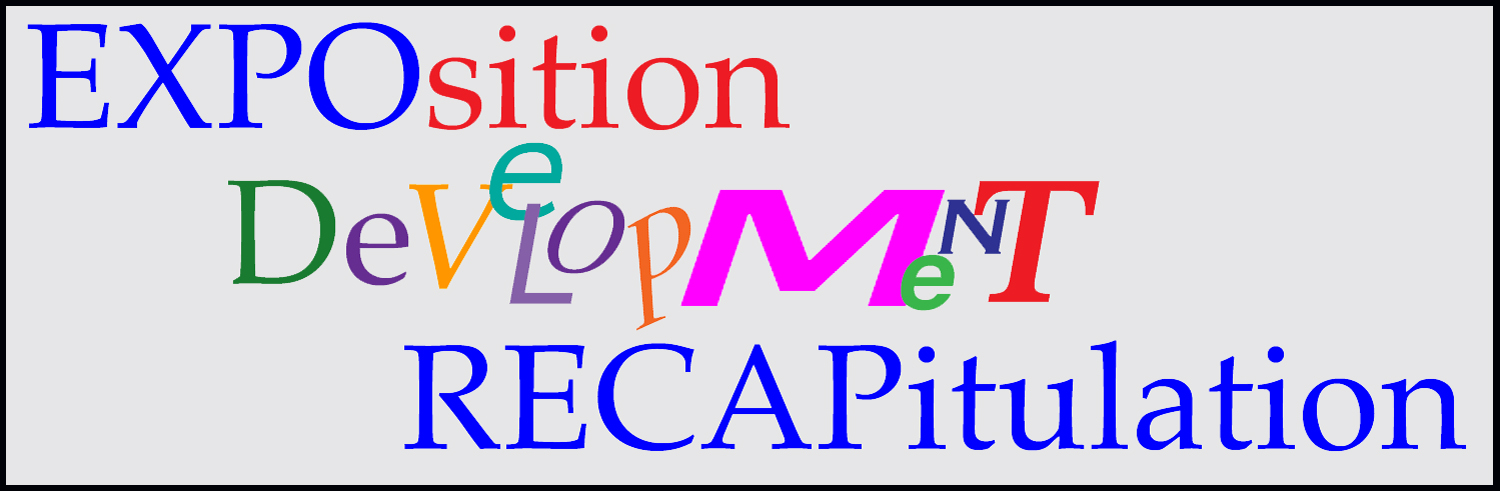
The sonata form has many parents, but the main one I want to mention here is the two-part song form, simply speaking, a first part with the tunes, which is repeated, then the second part which complicates what we’ve heard in the first part. The second part is usually repeated, also. The 555 keyboard sonatas of Domenico Scarlatti all follow this pattern. He liked to wander off into strange dissonances and foreign keys, eventually to hit hard at some point on the original key. Musicologist Ralph Kirkpatrick named this point the “crux.” It could come anywhere in the piece, but when it hit, you knew you were back in comfortable territory. I could happen as late as the final chords, or halfway through the second half. 

Haydn took this common two-part form and turned it into a three-part form, regularized it, and then, through the rest of his career, played with the form, always surprising his attentive listener by messing with expectations. 

In later music, sonata form became a pat formula, but for Haydn, it was something to play with, to alter and surprise with. Sometimes he started a “false recap” only to dive back into the chaos; sometimes he used only one theme instead of the usual two or three; sometimes he played them back in the wrong order. Constantly pulling the rug out. If you know the outline, you enjoy being pleasantly fooled. 
But it wasn’t only sonata form. Haydn’s century was obsessed with order. This need to return to the status quo ante underlies most Classical music forms. Second movements are often in theme and variations, in which a tune is varied several times, usually with a climax in a minor key, followed by something like a return to the original, usually amplified by bigger orchestration. Third movements are minuets and trios, where a dance tune is followed by a contrasting trio section and then a return to the minuet. Finales are often in sonata form, but often in rondo form, where a tune is played, a second tune follows and then the first tune returns, a third tune follows and the original tune is repeated. It’s a whole lot of returning tunes, a whole lot of re-establishing the order. 

Mozart picked up the form from Haydn, and used it rather more as a mold for filling with memorable tunes. He was less concerned with surprising his listeners and more with pleasing them. The grammar is similar, the semantics quite different. 

It used to be a joke: How can you tell Haydn from Mozart, since their music appeared to use the same style. One of my professors had an answer: “If you can remember the tunes when it is over, it was Mozart.” But really, that is calumny, because Haydn could write memorable themes, when it suited his purposes, and Mozart could disassemble his expositions with the best of them. 

There are other differences. Mozart was the greatest ever at blending woodwinds into a beautiful harmonious whole, while Haydn tended to keep is winds distinct and separate. Mozart wrote longer-lined, almost vocal, singable melodies while Haydn often chose shorter, punchier rhythmic or pitch patterns that lent themselves to constant transformation. 
Another difference between the two: Haydn is his most characteristic writing for groups of instruments or voices; Mozart his most characteristic writing for one voice against an accompaniment. Hence Mozart’s concertos were revolutionary and his operas the best, while Haydn’s best are his symphonies and string quartets. His concertos — outside of a famous trumpet concerto and a couple for cello — are mostly forgotten. Haydn’s operas are full of good arias, but he lacked the theatrical genius of the younger man. His libretti were never as good as his music. 

Haydn became a musical revolutionary by unusual means. His boss provided an orchestra and moved him out of the city into the boondocks and then asked him to provide almost nightly entertainment. Left to his own devices in the provincial estate of Esterhazy, Haydn wrote symphonies, divertimenti, trios, ballets and operas. He also devised puppet shows, and served as impresario to various traveling theater groups putting on plays. 
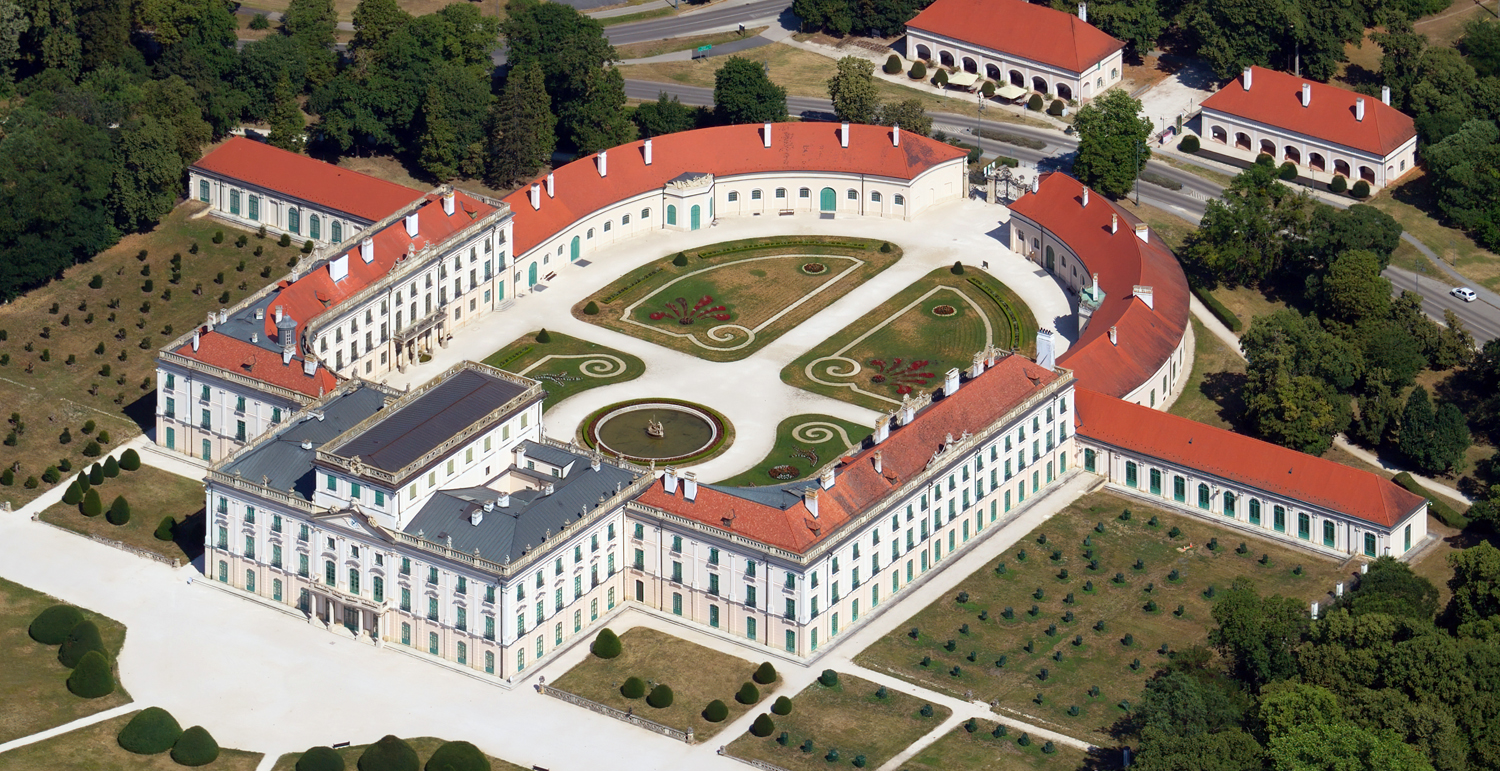
Esterhazy Palace, Fertöd, Hungary

The estate was the summer home of Count Nikolaus Esterhazy, 65 miles from Vienna and in what is now Hungary. Vienna was where art and society were; Esterhazy is where Haydn was. During those years, he had an audience in the Count’s court well practiced in following his music, and the particular ways he used structural surprises to keep that audience amused. All his symphonies had jokes in them, or at least wit — those left turns to expectation that kept his listeners attentive. 

He later wrote, “I was set apart from the world … and so I had to become original.” He was lucky his boss was not only a music lover, but knowledgable and receptive. Over the nearly 40 seasons he spent with the Esterhazy family, he had an appreciative audience, who the composer trained to follow his music and be able to recognize the surprises Haydn was building in to his musical structures. 
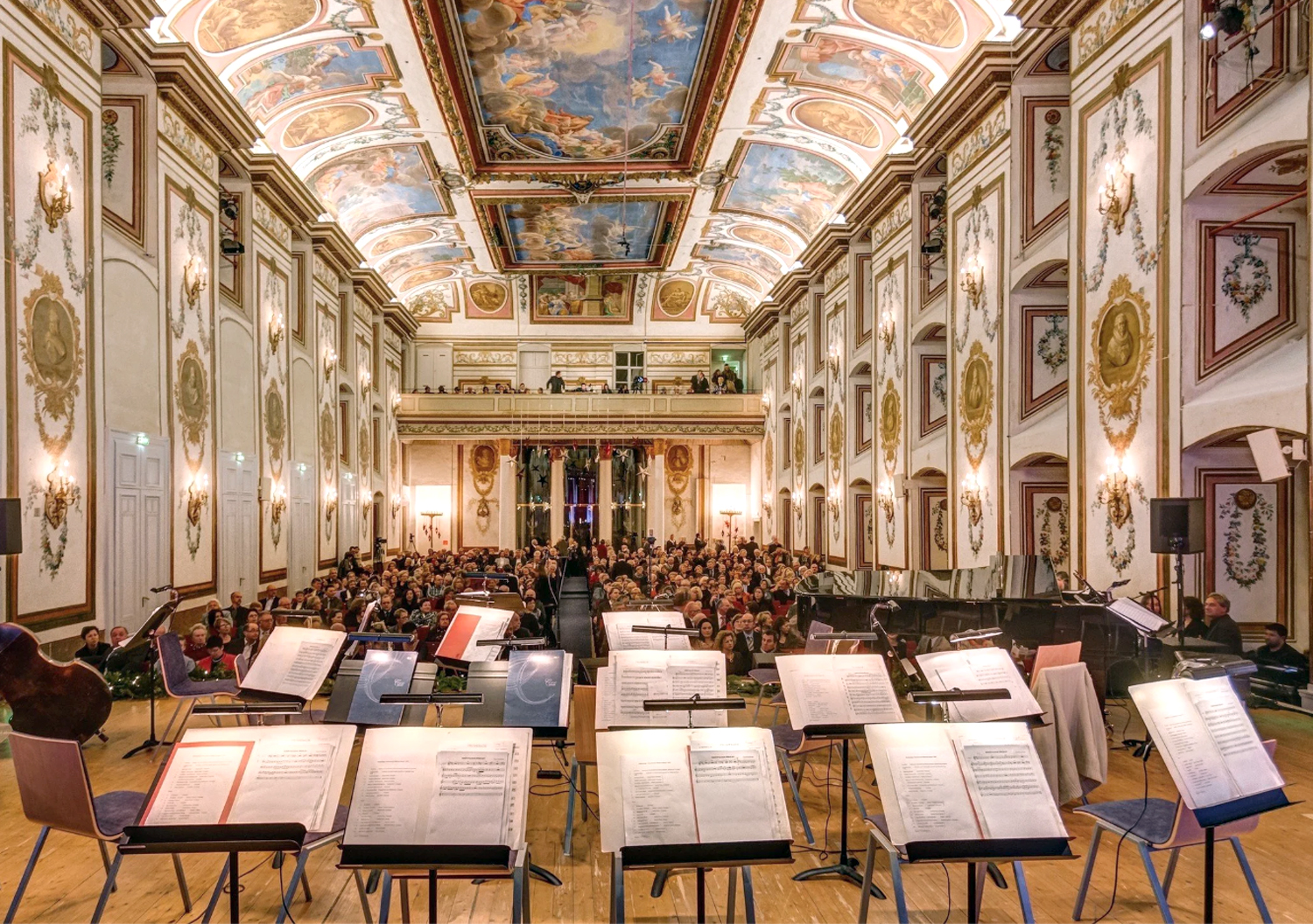
Haydnsaal, Esterhazy

When Nikolaus died, his successor kept Haydn on salary, but was less interested in the arts and music, which freed the composer up to travel, publish his works, and become, essentially, the most famous musician in Europe. He wrote at least 106 symphonies (104 of them numbered); close to 80 string quartets (exact count is squishy since publishers would sometimes sell scores under Haydn’s name written by lesser composers); some 40 piano trios; about 60 piano sonatas (the numbering varies); two of the most popular oratorios in the repertoire (The Creation and The Seasons); a dozen masses; 13 operas; close to a thousand songs and lieder; and even 32 pieces for mechanical clock. The boy was kept busy. 

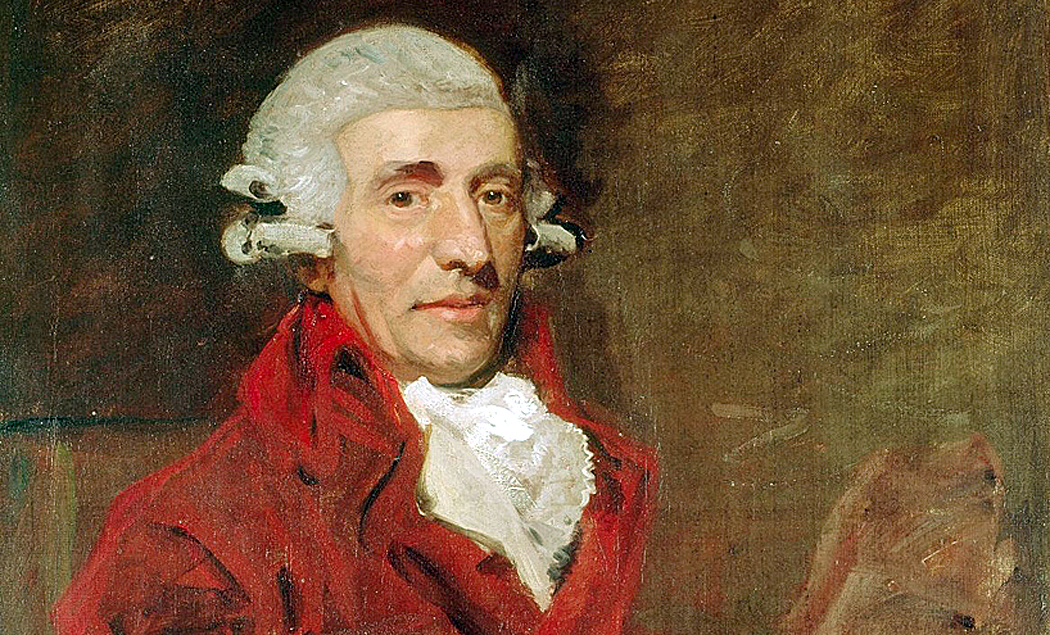
When he died, in 1809 at the age of 77, he was the most famous composer in Europe (Beethoven was just getting started and considered perhaps a touch too wild and hairy; his Fifth Symphony premiered just month’s before Haydn’s death). Haydn’s reputation since then has had its ups and downs. The 19th century generally put him in powdered wigs and knee britches and saw him as old fashioned and tame. They called him “Papa” Haydn and admitted he was father of the symphony, but never seemed to notice how revolutionary his music had been. 
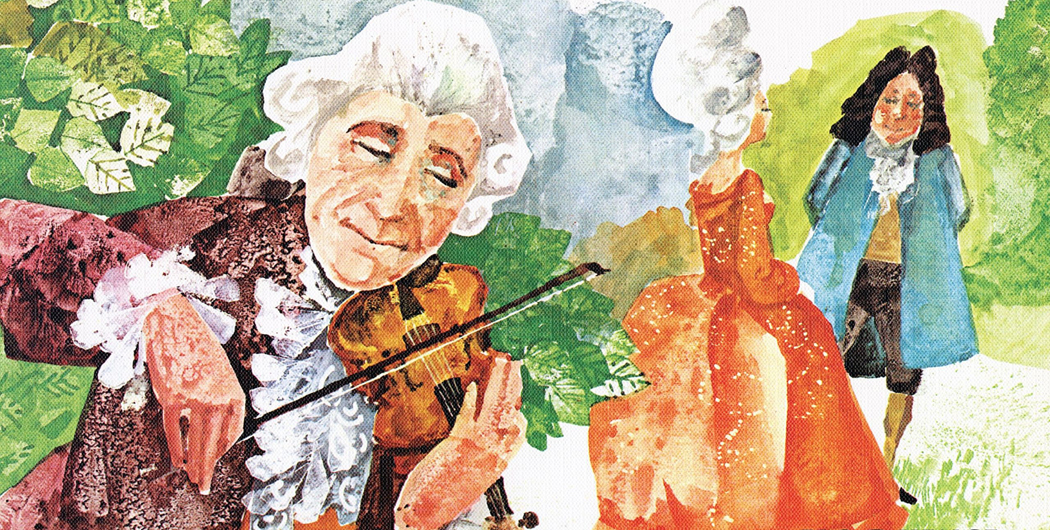
That dusty and toothless version continued into the 20th century, but by halfway through those years, some conductors took especially to Haydn’s symphonies. There are mid-century recordings that are vigorous and beautifully performed, but Haydn remained a concert opener, leaving the bulk of the concert to more serious concertos by Rachmaninov and roof-raising symphonies by Brahms. 
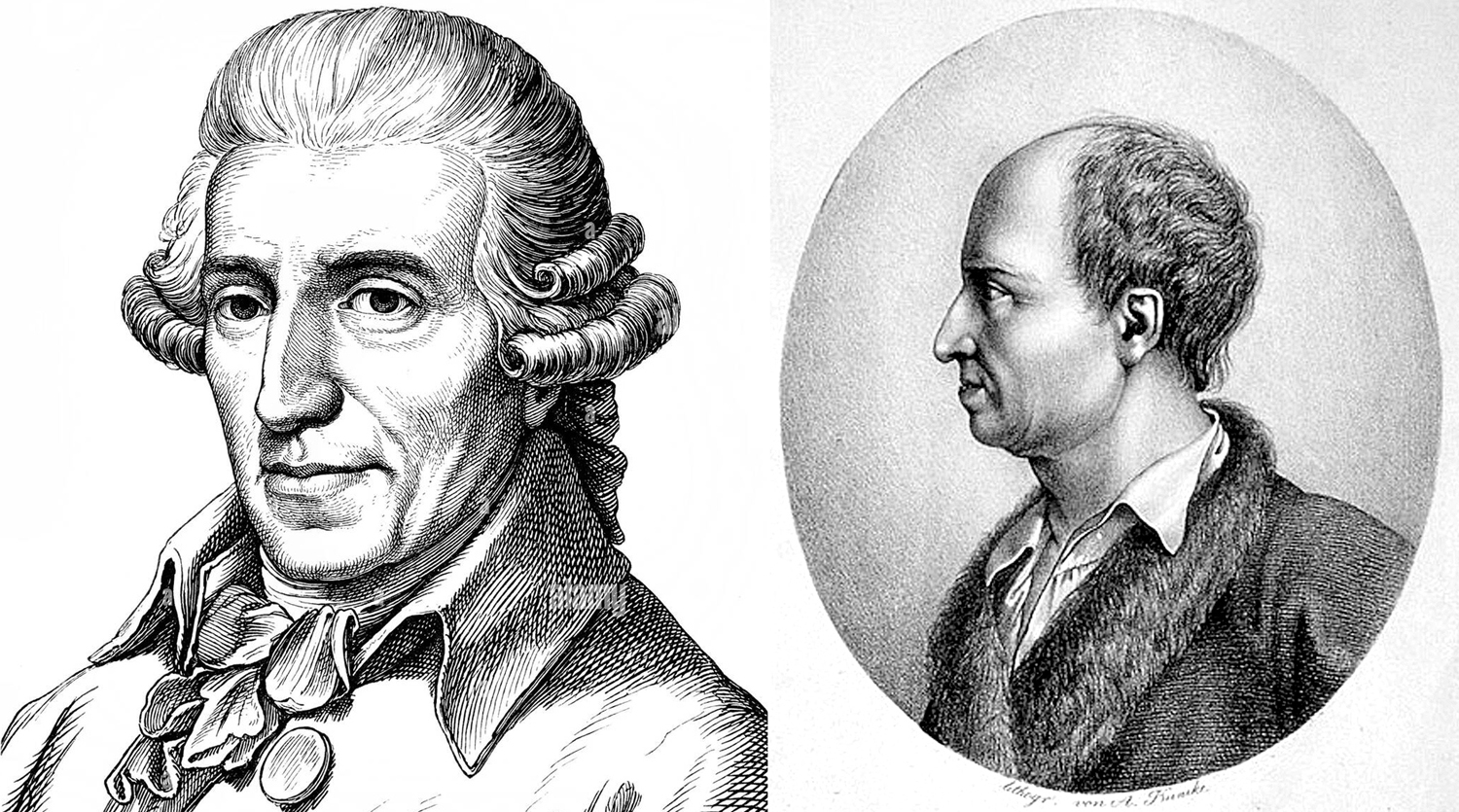
Haydn with and without his wig

More recently, the historical performance mafia have reshaped the attitude toward Papa Haydn, with smaller orchestras, faster tempos, scratchier fiddle tones, and dogmatic ideas. Haydn, himself, is largely left out of the equation. He always asked for larger orchestras and better string playing. His Creation was first performed with an orchestra of over 100 musicians. In England, his symphonies usually had between 80 and 100 players. The tiny orchestra was a constraint he suffered with at Esterhazy, not his ideal performance style. So, when you hear some trendy conductor claim he is hewing closer to Haydn’s intentions with eight fiddles and a single cello, know that he is blowing smoke. 

Because I love Haydn’s music so much, I have listened to recordings of it made as far back as the 1930 and continuing to the newest releases, and have a wider background in it than most classical music fans. And so, I feel qualified to make certain recommendations. 
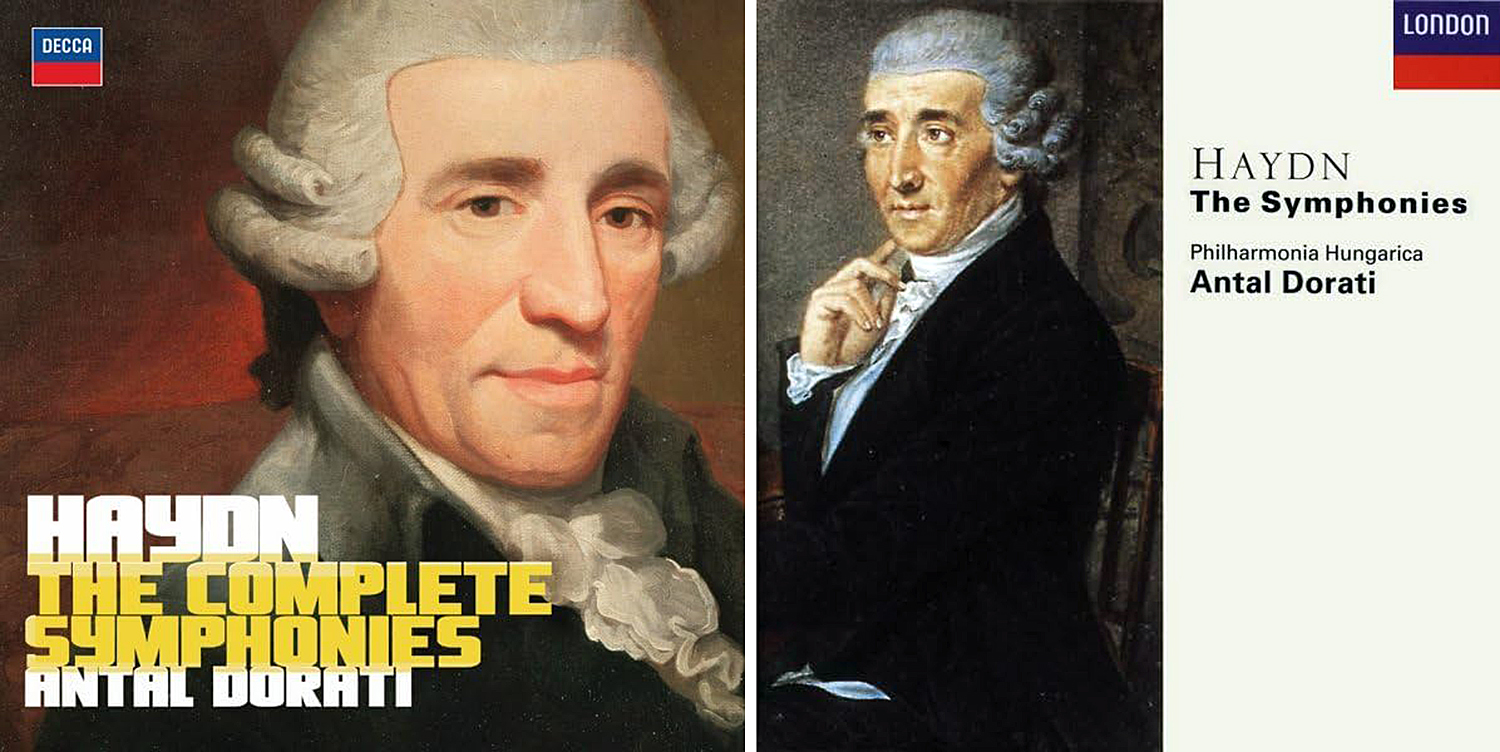
The first complete set of Haydn symphonies was made in the 1970s by conductor Antal Dorati and the Philharmonia Hungarica, an emigre band of musicians fleeing Communist oppression. I have recently relistened to them, and while they were good for their time — and the only option for years — they are a little run-of-the-mill nowadays, and sound to me like they were rehearsed and recorded quickly to fill out a project. They are not bad, but they certainly don’t capture the wit and effervescence of the scores. And the sound engineering isn’t up to today’s best standard. Still, if you have only this set, you would be fine. 
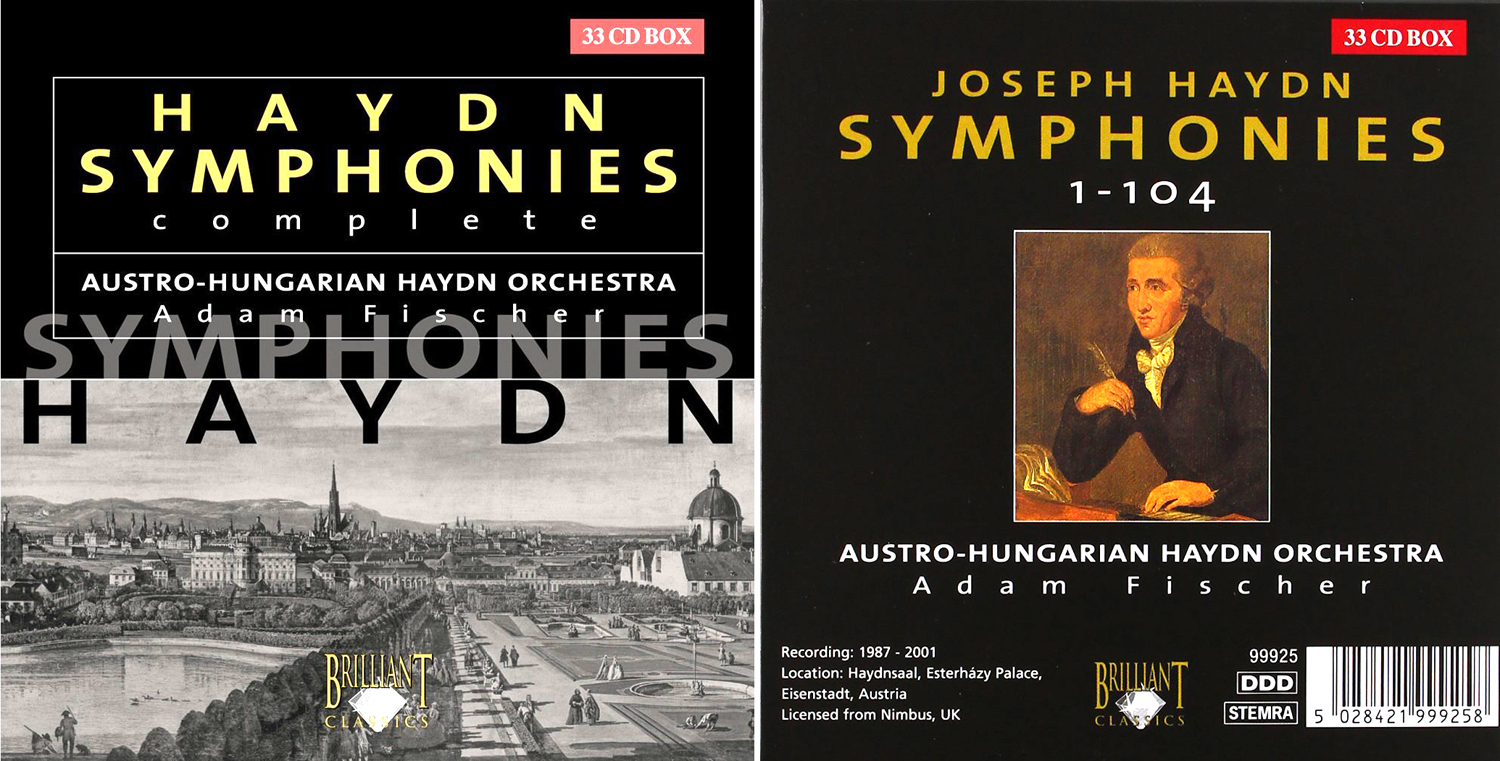
The best current choice is Adam Fischer and the Austro-Hungarian Haydn Orchestra, recorded individually in the 1990s, and released as a complete set in 2002. It sounds better than the Dorati version, and Fischer has a surer grasp of the wit. There is a craft to telling jokes. Too flat and they aren’t jokes, but turn them into slapstick, and they are just embarrassing. Fischer lets you know he knows, and trusts his listeners that they know, too. There are better performances of some of these works individually, but as a set, it hasn’t been beat. 
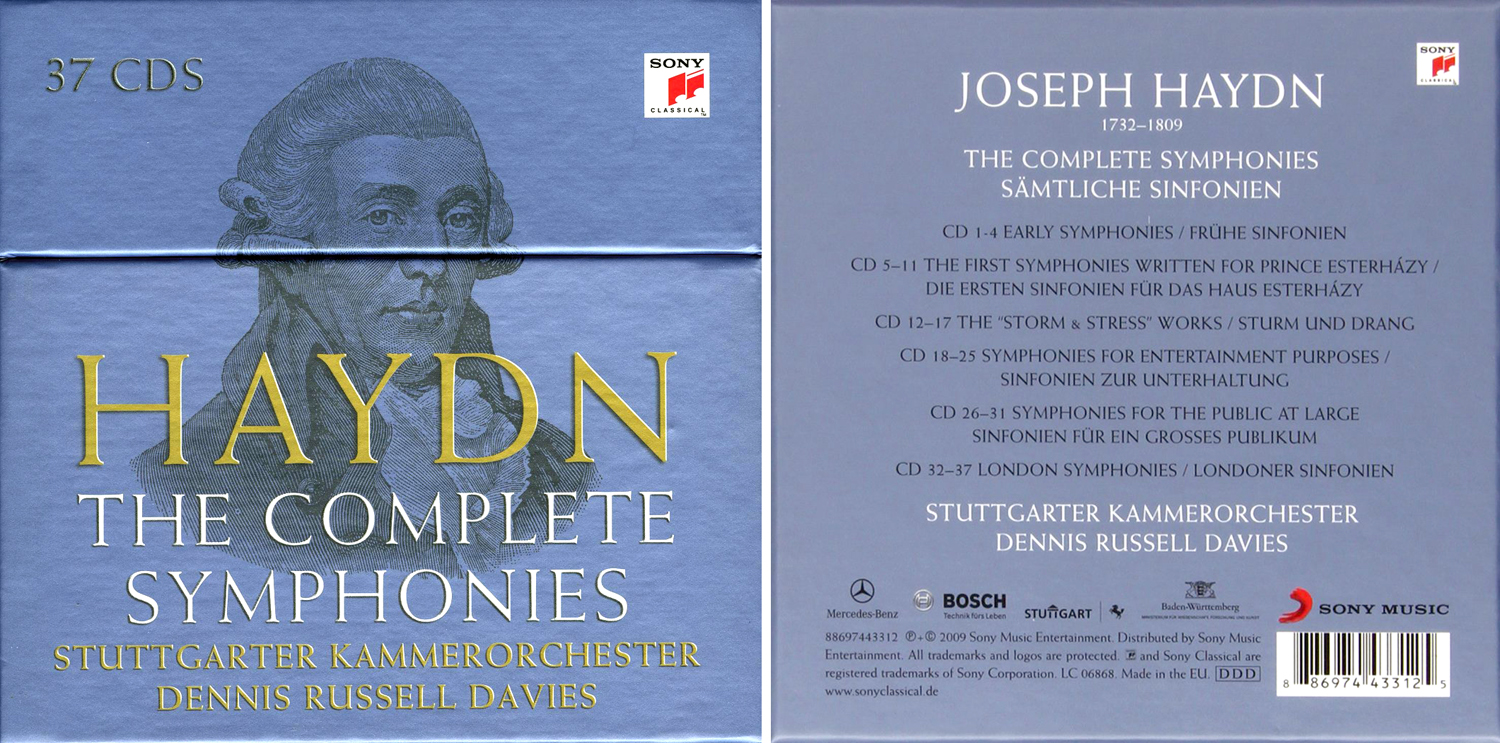
A more recent set by Dennis Russell Davies with the Stuttgarter Kammerorchester is a non-starter. Flat, dull, and seemingly unaware that there are any jokes to be had, it came and went in 2010. Just the notes, ma’am. Worse, he uses harpsichord accompaniment with all of them, which is ugly and intrusive. I gave away my set. I already had a doorstop. 
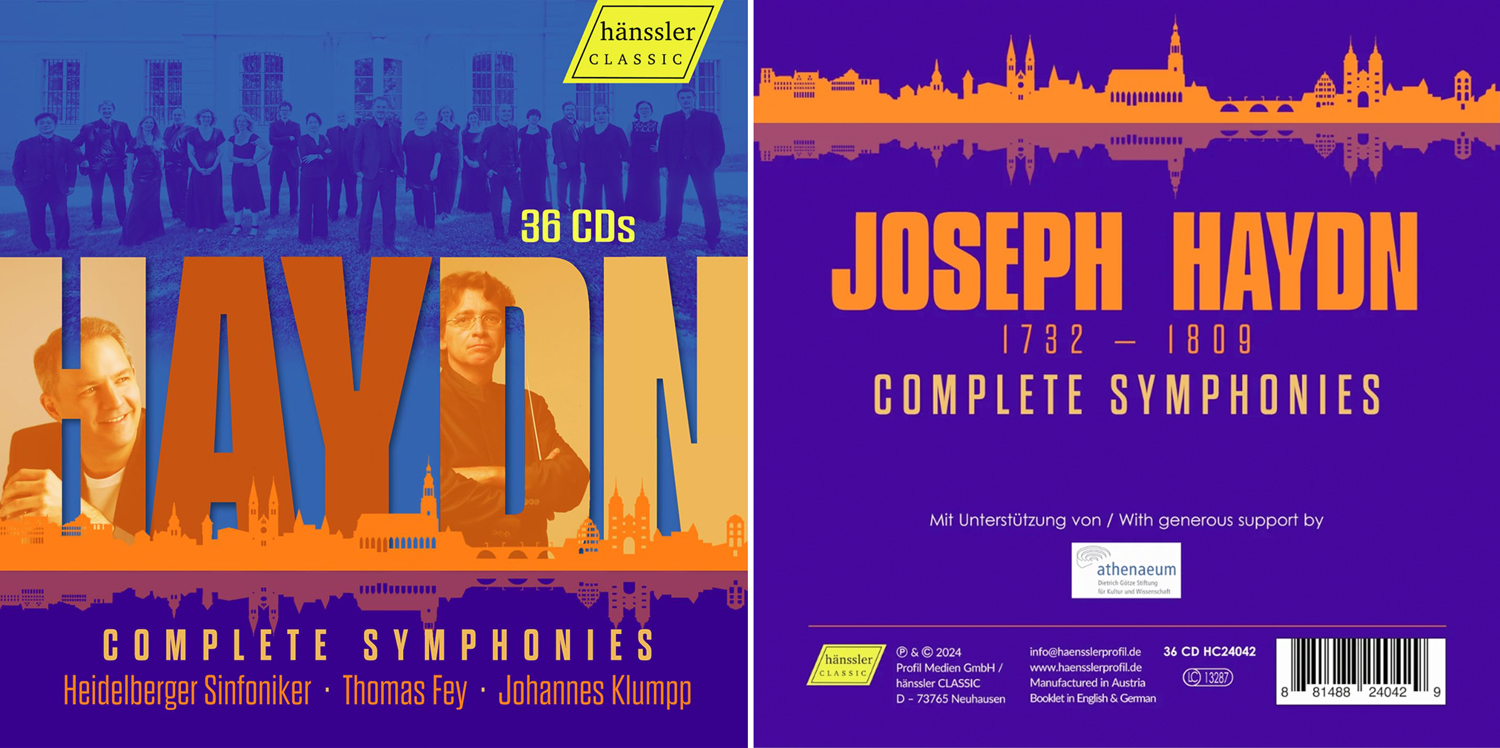
Earlier this year, a compilation of all the releases by Thomas Fey and the Heidelberger Sinphoniker was released. This was a stunner. Unfortunately, Fey died before he could finish the set, and the remainder of the symphonies were conducted by Johannes Klumpp in the same spirit as Fey. Most of the major symphonies are with Fey, so the loss is minimal. These have all the vigor and energy one expects from the historical practice people, but with modern instruments, and a sense of musicality often missing from that benighted group. Yes, Fey understands the jokes. 

What too many recent recordings of Haydn and Mozart lack is a sense of phrasing, the long line. In their quest for just the notes ma’am, they are like actors who play Shakespeare with no expression, no emphases, no pausing for breath, or speeding up for excitement, as if the words on the page need no interpretation. All pump-pump-pump, hit the barlines heavy and meaning be damned. Which is why so many older recordings seem so much more humane, warm, real. 
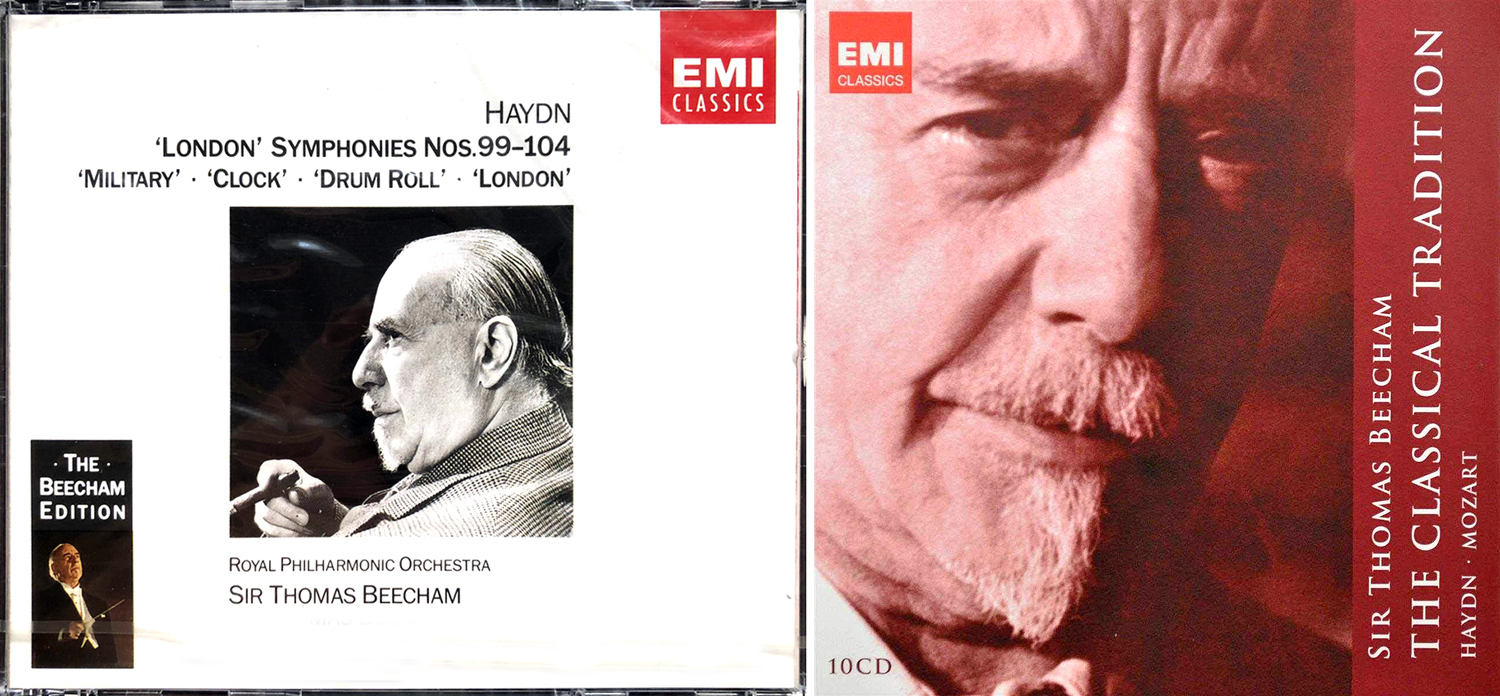
Certainly the most humane, warmest, most musical and spirit-enlivening Haydn came with Thomas Beecham and the Royal Philharmonic in the 1950s. He only recorded the final 12 symphonies, but they are utter and complete delight. This is what Haydn should be. He doesn’t take first-movement repeats, but that is the only complaint that could be lodged. If you only have one set of Haydn symphonies, it should be Beecham’s London Symphonies. 
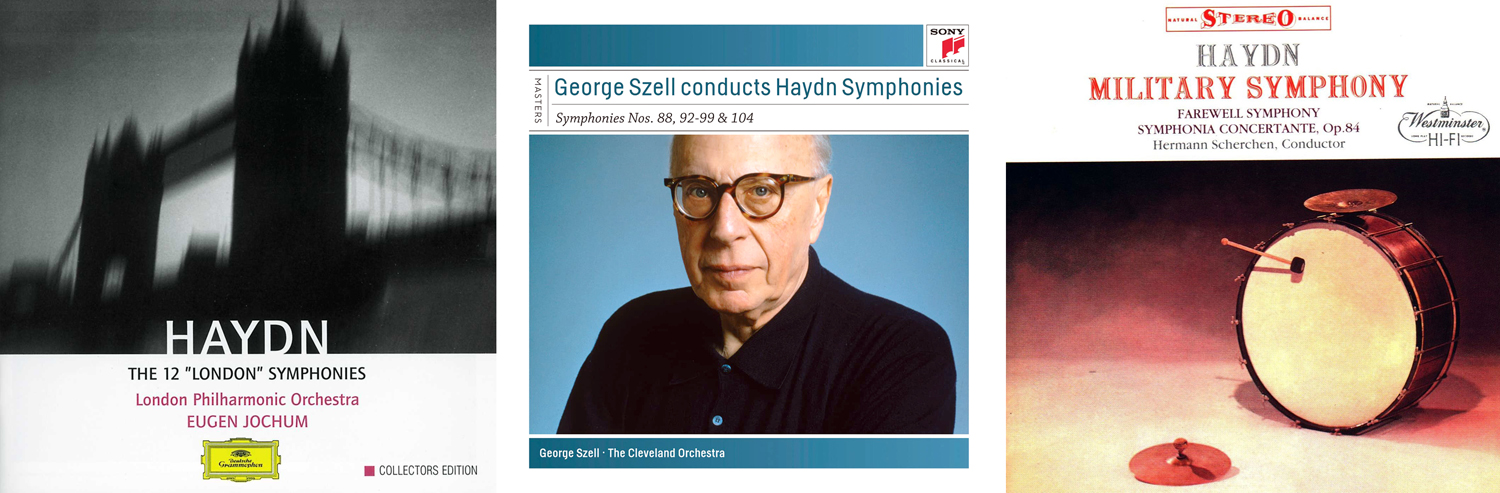
The Londons have been recorded more than any others. There’s the Surprise Symphony, the Clock Symphony, the Drumroll Symphony, but even those without familiar nicknames are brilliant. The first, Symphony No. 93, has the greatest fart joke. No. 98 has a surprise piano solo just before the final chords. If you want something in more modern sound and in stereo, you can always get the set with Eugen Jochum and the London Philharmonic. They are the “reference set” for most critics. George Szell also recorded the first six London Symphonies. I don’t know why he never got to finish the rest, but the precision and flair he brought to them is exceptional; and the absolute best fart in No. 93. And prize for the most bonkers recording of the “Military” symphony goes to Hermann Scherchen and the Vienna State Opera Orchestra. Scherchen was just nuts, but fun. 
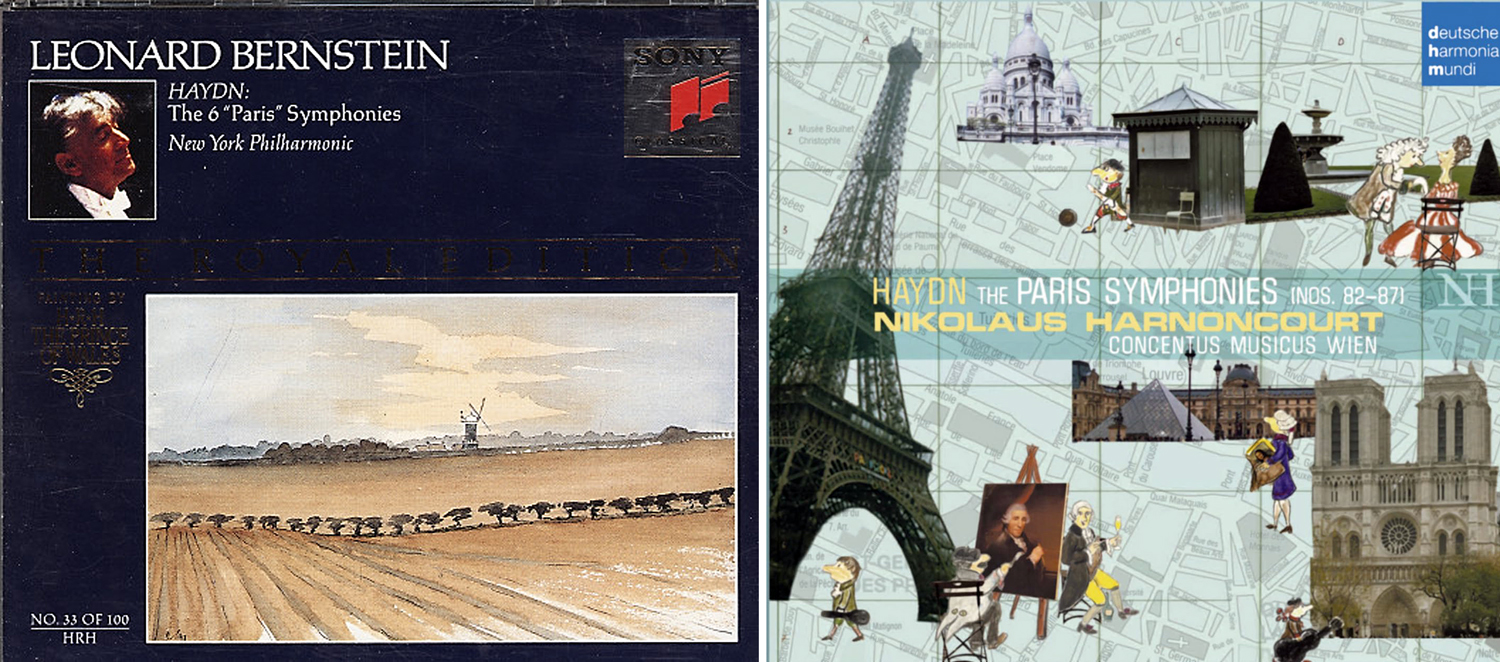
The other set of Haydn symphonies are those he wrote for Paris, Nos. 82-87, including The Bear and The Hen. They were the first group written for performance outside his Esterhazy audience, and were a big hit when first performed in 1786. When the historical practice people talk about playing Haydn with 20 musicians, it should be recalled that the Paris symphonies had 40 violins alone, and 10 double basses. 

There is general consensus that the Paris Symphonies to hear are those recorded by Leonard Bernstein and the New York Philharmonic. They buzz with wit and excitement. A surprising second place goes to Nikolaus Harnoncourt and the Concentus Musicus Wien. Harnoncourt was known for doing weird things, but not so here. Just brilliant playing, almost as much fun as Bernstein, and that’s saying something. 
But Haydn isn’t only symphonies. He, for all practical purposes, invented the string quartet. When he started, the quartet was a violin soloist accompanied by three “helpers.” Not really what the quartet became. Haydn turned them into four equals (or mostly equals — first violin is prima inter pares) having a music conversation. Everyone gets his moments. But finding recordings of the whole corpus is difficult. There are a number of recent sets, but mostly by historical practice ensembles, who love scratchy fiddle tones, hyperbolic tempos, and the same attitude toward vibrato that some people have for gluten. There are those who prefer such desiccated things. Older complete recordings are spotty. A number of quartet groups started to record complete sets, but never finished. Usually money ran out. 
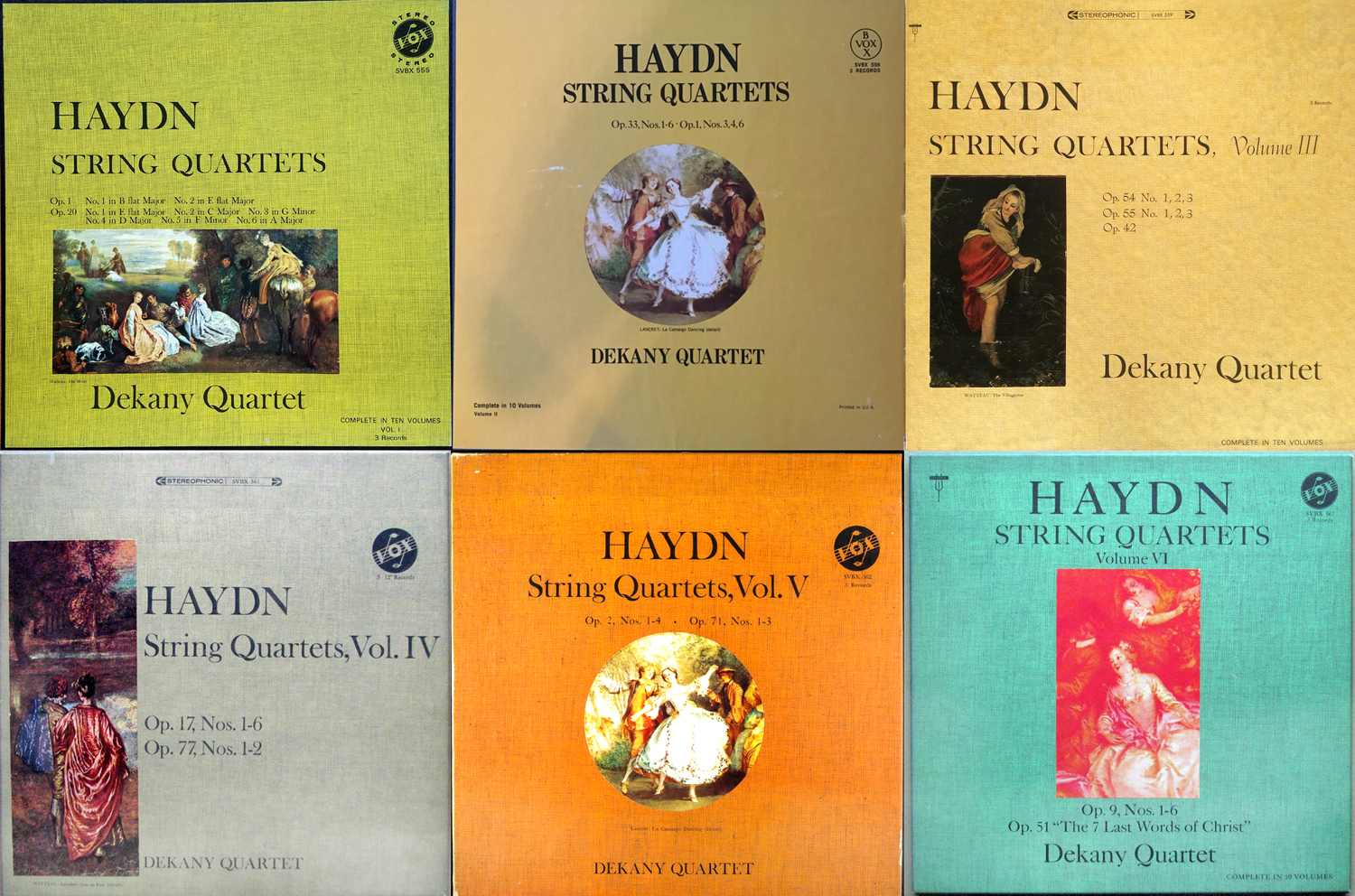
Among the complete sets, I used to own the Kodaly Quartet cycle on Naxos. They were good, but sometimes less than fully inspired. I packed them away. My current cycle is the ancient set by the Dekany Quartet, originally recorded in Vox Boxes in the 1960s. 
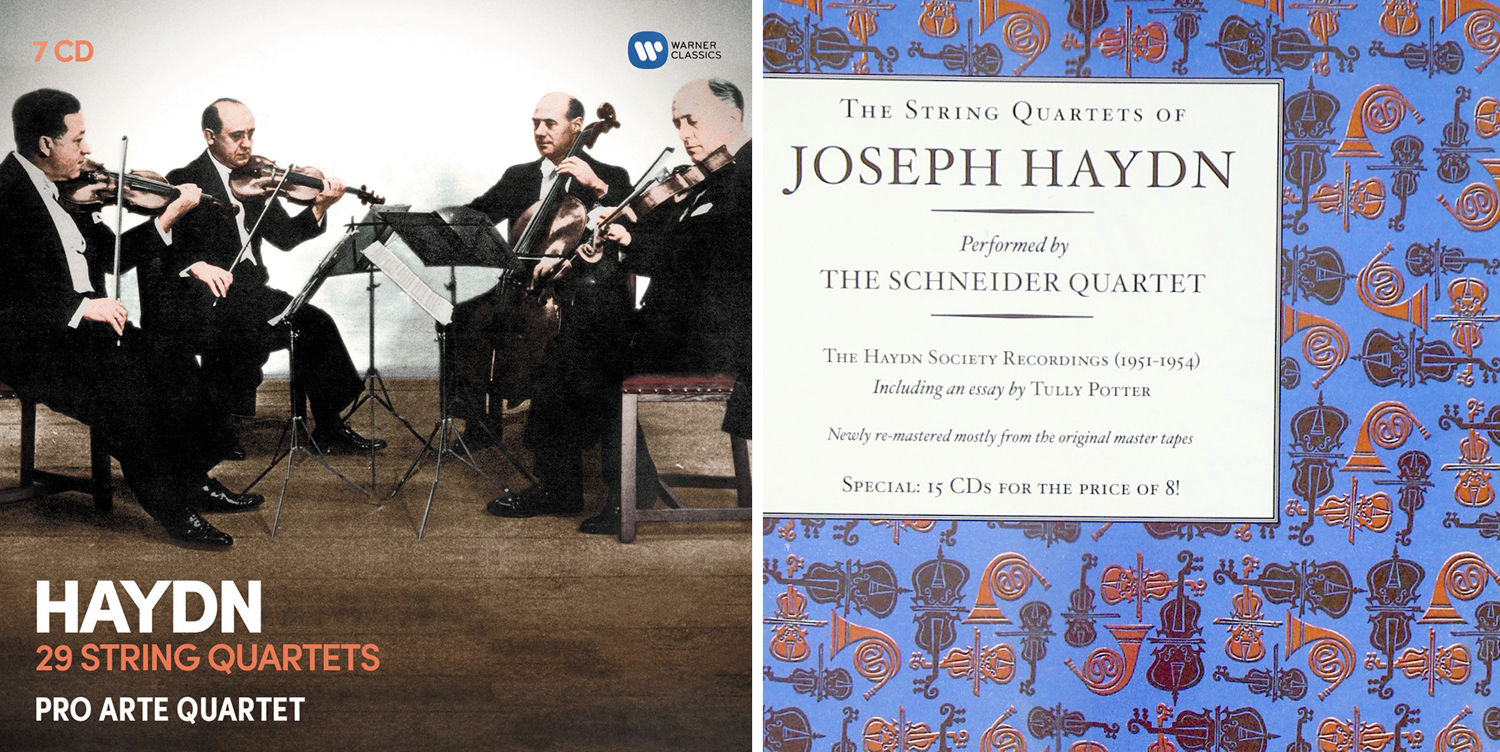
But my two incomplete sets that are truly my go-to are the even older box on Warner of the Pro Arte Quartet, recorded in surprising good sound, in the 1930s. This is how a Haydn quartet is supposed to sound. More modern, by a whisker, is the set recorded by the Alexander Schneider Quartet. I love these, and wish they could have finished all of them. Schneider was the musician I cut my teeth on in the 1960s at his concerts at the New School and Carnegie Hall in New York. Intensity and musicianship out the wazoo. 
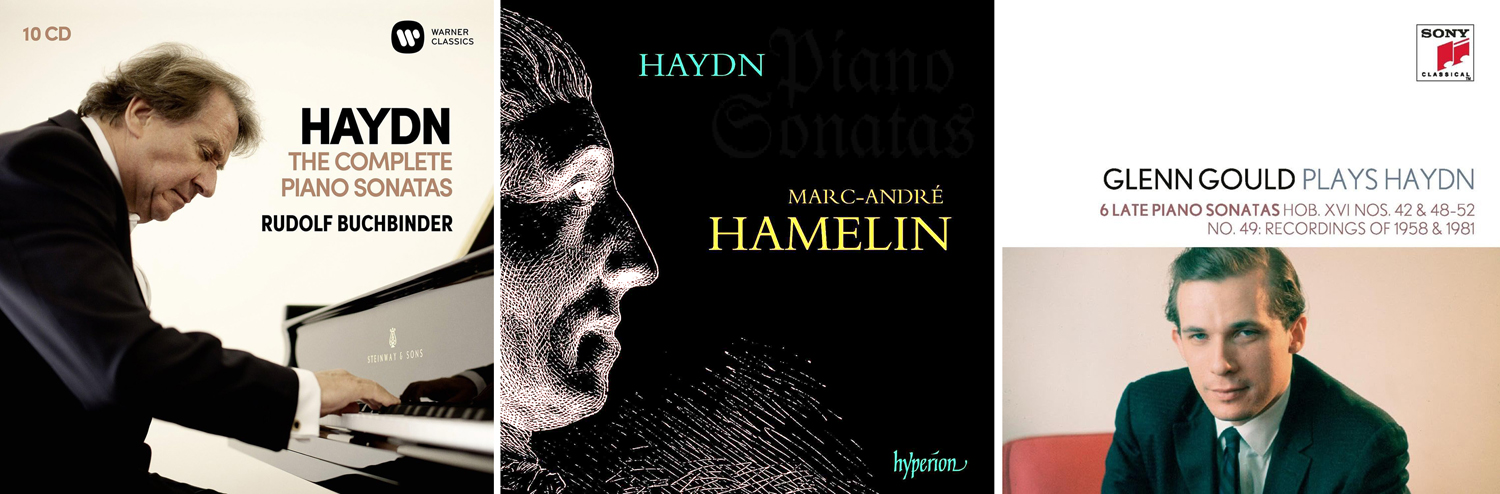
Then, there are the piano sonatas, largely ignored until quite recently. My set is by Rudolf Buchbinder. There are sets on fortepiano, but I have never come to terms with the clangy sound of the old instruments. Just a few years ago, super-virtuoso Marc-Andre Hamelin put out a set. I enjoy them, too, but Haydn doesn’t really require a show-off technique. I guess Hamelin was slumming. But he is good, if sometimes faster than the music supports. And who knew? That after Glenn Gould did his best to prove that Mozart was an incompetent composer, that he would do such a wonderful job with Haydn’s late sonatas? But he does. 

But there is so much more with Haydn’s name on it. Piano Trios, for instance (listen to the Beaux Arts Trio), every one a delight. He even wrote some 200 works for the obsolete instrument called the baryton, which his boss had learned to play. And there are various divertimenti, and songs. 
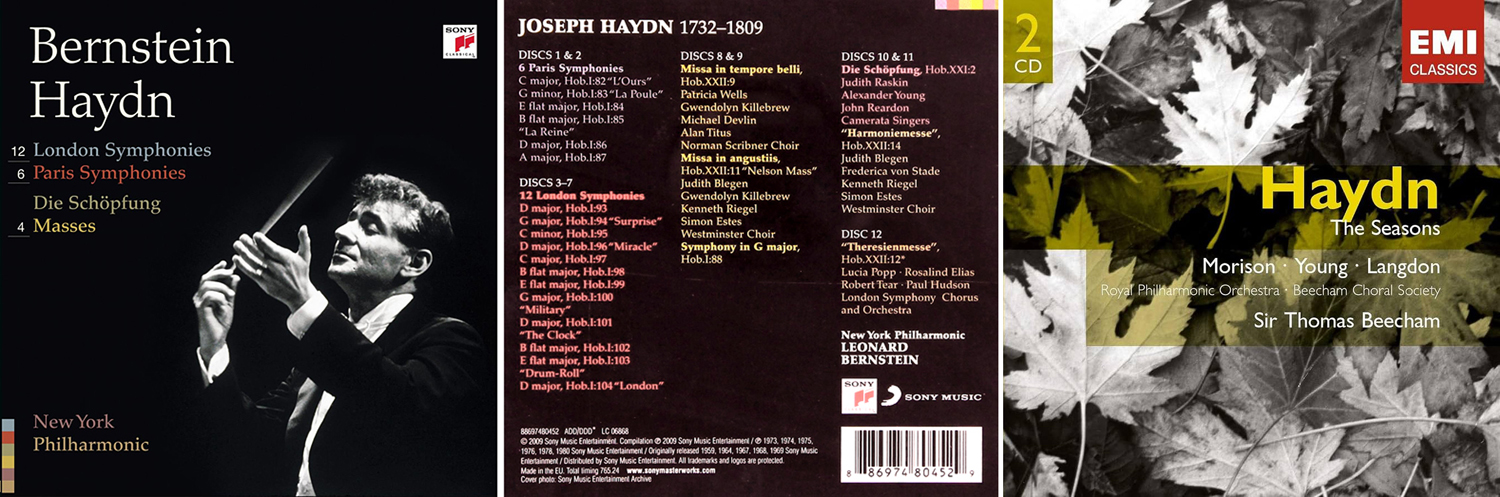
And his major works for chorus and voice, which are among his best. The Creation has been in the repertoire since it was first performed in 1798. There are many recordings, including two by Leonard Bernstein. The earlier, with the New York Phil, can be had in a box with all the Paris and London symphonies, and four of the final six great Masses. The second was from 1986 on Deutsche Grammophon with the Bavarian Radio Orchestra and five great soloists. The Masses are among Haydn’s greatest works, so don’t overlook them. Haydn’s other great oratorio, The Seasons, is sung in English with Thomas Beecham and the Royal Philharmonic, which, like his London Symphonies, just cannot be beat. 
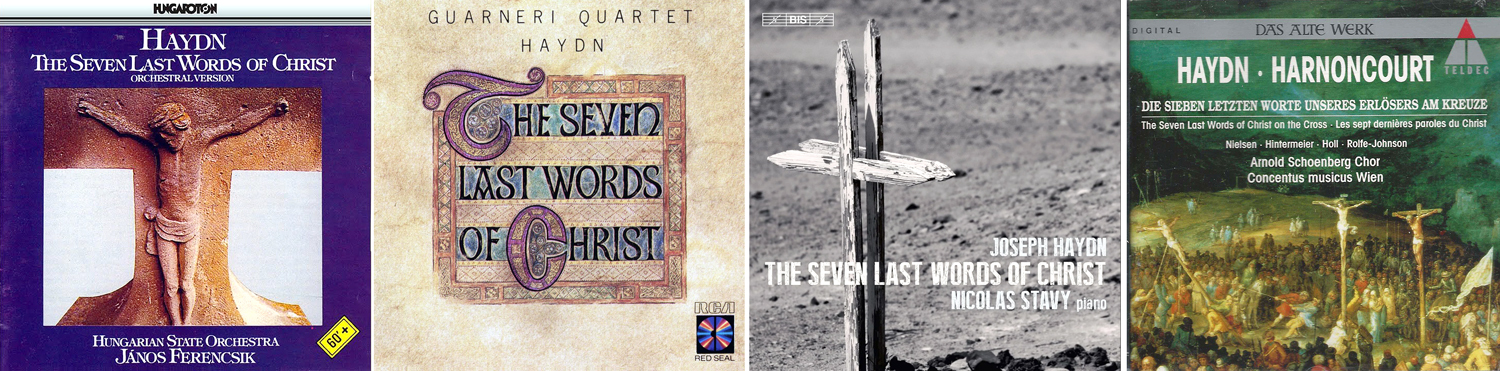
Finally, I want to mention The Last Seven Words Spoken by Our Savior on the Cross, which comprises eight consecutive slow movements followed by an earthquake. He wrote it in 1786 for a Good Friday service in Cadiz, Spain, with a sermon between each movement. It was performed several times during Haydn’s life, was adapted for string quartet in 1787, and for solo piano the same year, and finally in 1796 in a version for orchestra and chorus. The quartet version has been recorded most often. It’s astonishing how the composer can link eight adagios together and each still feels distinct and riveting. 

Haydn has been called the Mahler of the 18th century for the inventive ways he has with his orchestra, making new sounds with combinations, and with the always fresh ways of dealing with form. He gets dismissed too often as just another periwig in a dull century, but he was never that. Pay attention to what he does and you will discover an entire cosmos of music. 

Click on any image to enlarge
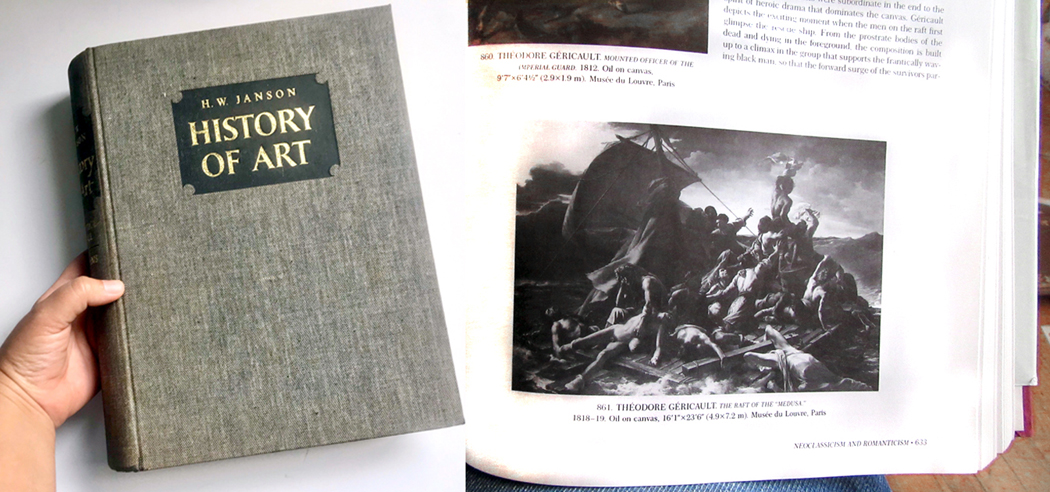
The first time I ever saw Théodore Géricault’s Raft of the Medusa, it was in my art history textbook — the infamous Janson. It was about 5 inches wide on the bottom of page 633. 

Most of the world’s most famous art I first contacted in reproduction; it is the same for most people. It would be hard to travel the world’s great museums to see all the Vermeers, Rembrandts, Titians or Chardins. Instead, we see reproductions in books, or on the computer screen. I’ve seen hundreds, probably thousands of paintings in reproductions before I ever saw the real things. 

So, imagine my amazement when I encountered the real thing at the Louvre in Paris. There it was, the size of a barn. It was a lesson — if I really needed one — teaching me that a picture of a picture is not the same thing as a picture. But so much of what we imbibe of culture comes not in its original form, but as reproduction, whether it is Canaletto in art history class, or Beethoven on a disc. 

One of the things that divides the world I grew up in from the world I live in now is the unconsidered acceptance of a media experience for the live reality. We all have our noses in our screens. In many ways, what was once the secondary simulacrum of a genuine experience has become the end product itself. Since the days of Sgt. Pepper’s Lonely Hearts Club Band, a great deal of music simply cannot be performed live; the recording is the original. 

In our Postmodern world, suffused with media, many an artist and musician has taken the secondary product as the original. And so, images are designed to be seen on the computer screen. No one asks to see a TikTok video in a movie theater; that would be silly. Content viewed on an iPhone is not an imitation of something else. 

I, myself, now take photographs specifically to be viewed on screen rather than printed out. I edit them differently, I frame them differently. It is a different esthetic. But aside from work made for the virtual world, there is still the palpable object to take into account. 

But the fact is, that many more people listen to recordings than attend concerts; see paintings in book reproductions or on computer screens than visit galleries or museums; prefer audiobooks to sitting in a chair and quietly turning paper pages. It gives a false impression of the art. 

We keep stepping back from an original and choose a Xerox copy. 

I am not here arguing against digital devices — you are reading this blog on one, so where would I be without such devices? — but I am worried that the ubiquity of reproduced media makes us forget that there can be something more immediate, and that through most of history, that immediacy was the primary mode of experiencing art and music. 

My brother and I were once talking about theater. He stated that he didn’t much care for live theater but preferred movies as being so much more realistic — despite the obvious fact that live actors are very real and that celluloid images are only simulacra, and that movies are cut and edited all over the place, while live action must take place in real time. 

But I recognized his point, and when I was younger, I would have agreed with him. Most of us are only subject to live theater, if we are exposed to it at all, in uninspired productions with bad or mediocre acting — the community theater or dinner theater sort of thing. And undistinguished theater is admittedly tedious. 

Most of the theater I had been exposed to was just that sort of thing. Sometimes quite entertaining, but always so darned “theatrical,” i.e. phony. 

Then, in 1994, I got to see the original Broadway production of Tony Kushner’s Angels in America, both parts over two days. It was the most riveting, even mind-blowing thing I had ever seen. And what was so moving was that it was there, live in front of me. They were real people doing and saying those lines and feeling — or evoking — those very primal emotions. It is still the single greatest experience I ever had in an audience. 

I have now seen the two-play cycle four times and each time it has grabbed me by the lapels and yelled into my face in a way that has left me shaken. I’ve seen the Mike Nichols film version, with Al Pacino, and it is a wonderful production, but it cannot move me with quite the same seismic force that the live version had. If I had seen those same actors in the theater instead of on the TV screen, I’m certain it would have been earthshaking, but the remove of the screen gives the whole thing a distance that the live actors don’t suffer from. 

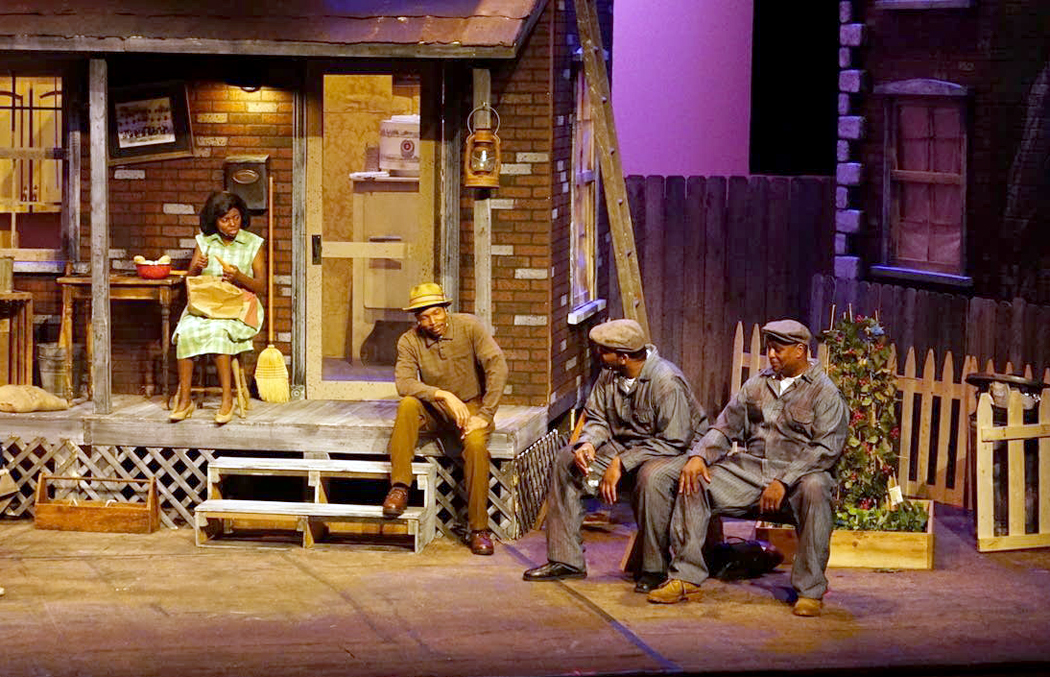
I since have become an advocate for live theater, though it is hard to convince anyone who has not had the experience of great live performances. I have seen really good professional performances since Angels, and they have something nothing else has. Whether it is Fences by August Wilson, or Amadeus by Peter Shaffer or Hamlet performed by the Royal Shakespeare Company, I am completely drawn in, with the same complete concentration one has when reading a great book — the day-to-day world disappears and the esthetic world takes over. 

(Amadeus, by the way, as a play is very different from Amadeus the movie. As wonderful as the film was, a good production of the play is so much more devastating.)

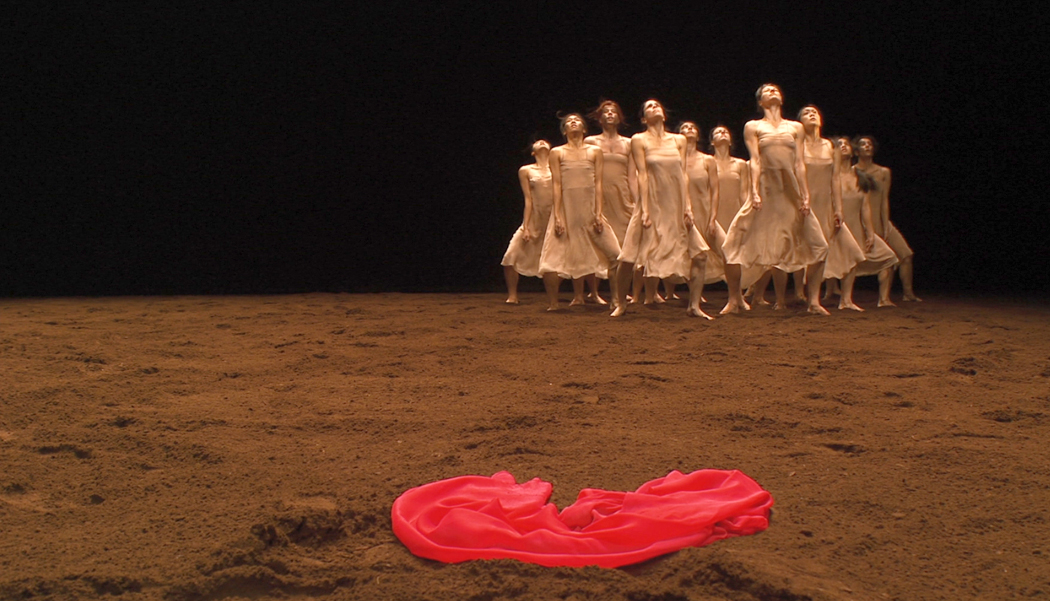
It isn’t only plays that have to be seen live. I have watched a good deal of dance on video or on PBS, and I am always disappointed at some deep level. Ballet and dance theater is the art form that speaks to my inner being the most directly and I love dance profoundly. But only live dance will do it. Balanchine knew this and attempted to re-choreograph a few of his masterpieces especially for video and however beautiful his video versions are, they pale beside seeing them live. You have to see the living, breathing (huffing and puffing), muscle-twisting movement in three dimensions for it to register fully. 

(Mediocre dance, like mediocre theater is the worst ambassador for the artform — how many people have been turned off by watching the local civic ballet company galumph through the annual Nutcracker? That is no more the real thing than little league pitching is like Bob Gibson or Sandy Koufax.)

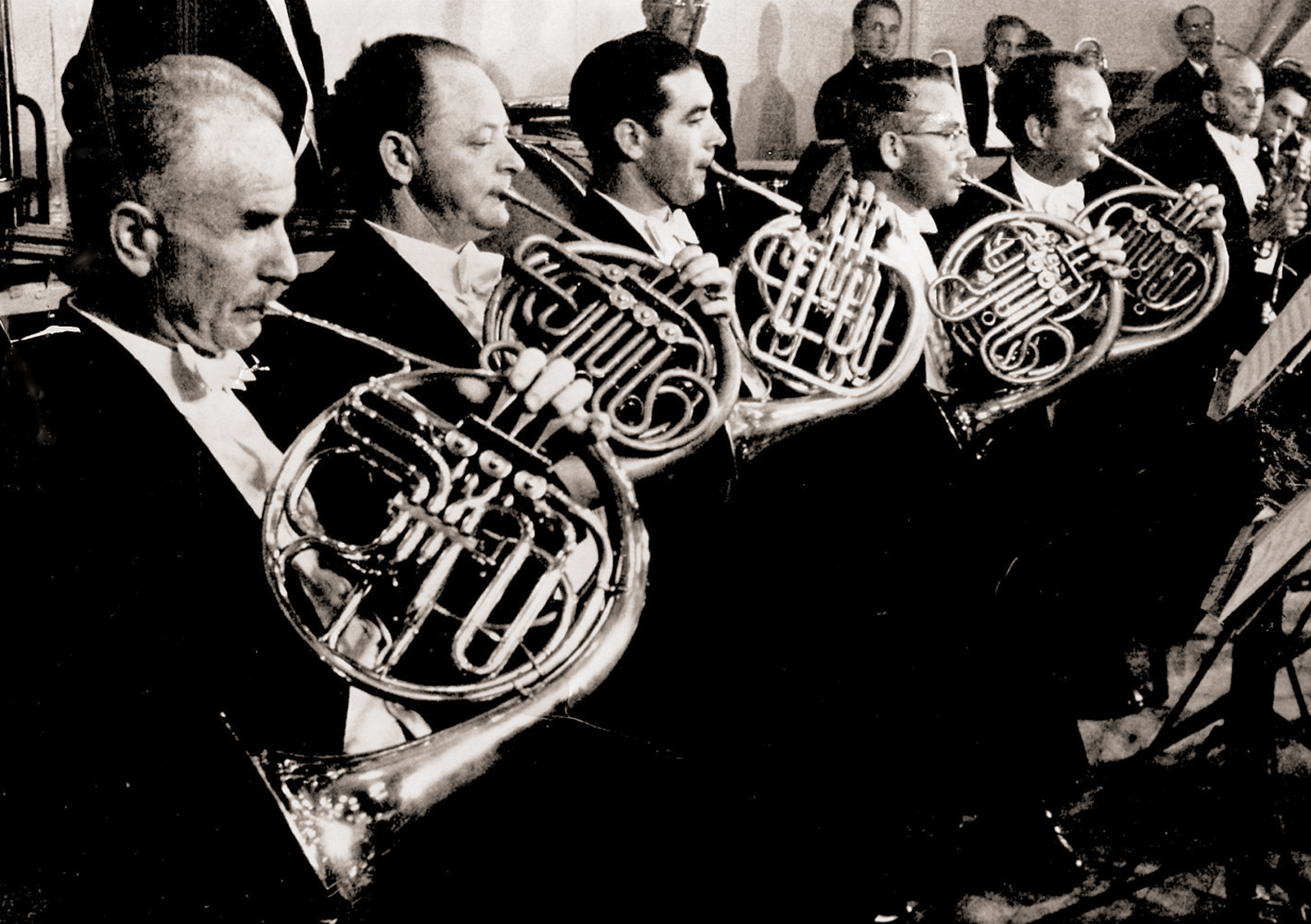
I have well over a thousand CDs on the shelves in my office and listen daily to recordings of Brahms, Bartok, Weill, Mahler and Glazunov. And I don’t know where I’d be without them. But I also know that the real thrills I have had with classical music have been in the concert or recital hall, listening to live music. It has a presence that the recording cannot duplicate. I’ve written before about hearing the eight horns in Strauss’s Don Juan peel off the great horn call and feeling the sound through my chest and my fundament as much as through my ears. 

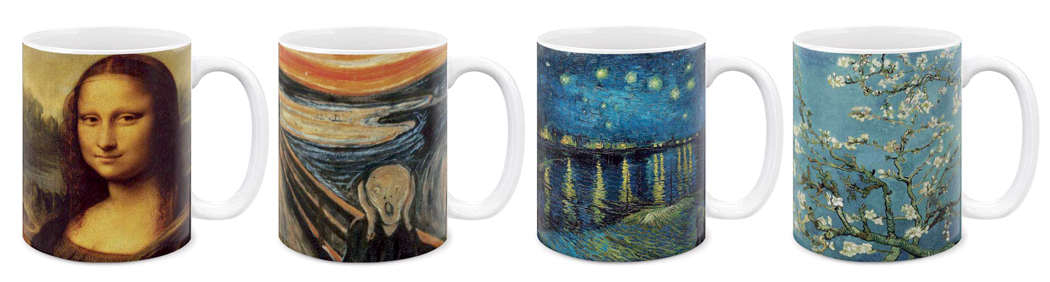
I want to make the same case for visual art. Everyone knows what the Mona Lisa looks like. Or do they? Almost to a person, those who have seen the original has remarked how small the painting is. It is a very different thing from the same image on a coffee mug or even in an art book. 

But it’s not merely size I mean. The colors cannot be precisely conveyed by printer’s ink or by a computer’s palette. The paint has a texture that isn’t conveyed, and varying levels of gloss or matte. This was brought home to me — very like the revelation of Angels — when I saw a collection of Cezanne still lifes at Washington’s National Gallery of Art. I had not imagined such an exquisite range of greens; way too many variants than can be named. The Cezannes in my Janson were dull and lifeless in comparison. Yes, I could name the subject in them — an apple here, a vase there — but apple and vase were not what the painting was about. This rich range of visual information was the real subject. Gone in the reproduction. The real paintings made me want to chew the colors like a great meal. 

We are led to accept imagery as the purpose of art, but it is only one portion of it. Alone, it is hardly more than the male or female silhouette on a restroom door. It also must include the scale, the finer shades of color and texture — and as with theater — the “presence.” The fact. Van Gogh’s Starry Night is everywhere from lampshades to mouse pads, but if you stand before it at the Museum of Modern Art in New York, you absorb how complex the painting is. Not just a swirl of blue night sky, but an object, a painting made of pigments and oils. 

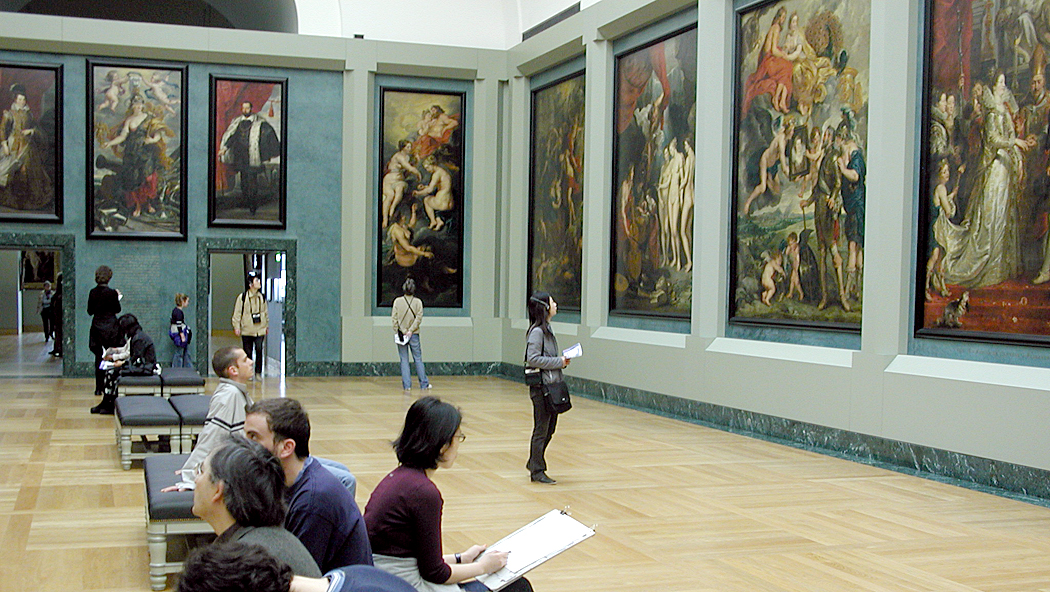
The same with the huge paintings of Maria Medici by Rubens, or the meticulous brushstrokes of Robert Campin’s Mérode Alterpiece at the Cloisters in New York. 

But, I hear someone say, you should not let the best be the enemy of the good. As Chaucer said, “Muche wele stant in litel besynesse.” And many of us cannot visit the Louvre or the Prado, or get tickets to the New York City Ballet. Does everything have to be great?

I am not arguing that. I am saying that we should not be bamboozled into thinking that a reproduction can stand in for the genuine and that the real thing can be a life-changing experience, causing you to discover depths in yourself you hadn’t even suspected, whether it is the sympathetic feel of your muscles watching a dancer, or the empathy you extend to Salieri in Amadeus, or the hunger for color you get from Cezanne. 

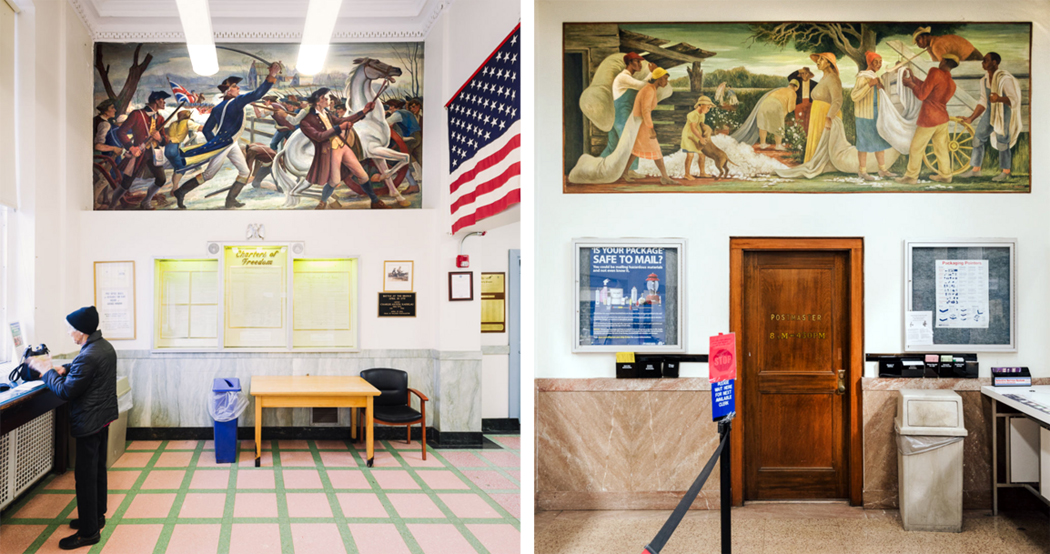
I am arguing that, in fact, you should look at real paintings and sculpture. Not all of it will be great, but it will be real. It will be present. There is plenty of local art in every town and city. If there is no museum, there may be some Depression-era murals in your post office, or a World War I soldier in your town square. There are local artists working in your neck of the woods, and what they do is real, not virtual. 

Every locale has artists working, and art worth experiencing isn’t only found in museums, or only found in New York or Berlin. 

I remember pulling into a supermarket in Boone, N.C. one fall afternoon and hearing three or four local musicians plucking guitar and banjo on the front steps, gathered informally to play some tunes. It was genuine and I sat and listened with the small crowd for 20 minutes or so before going in for my butter and eggs. 

You never know what you’re going to get. Even the best performer can have an off night, and sometimes an amateur can hit the spot. It isn’t frogs you have to kiss, but you do need to weed through a good deal of acceptable but unexceptional work to find those few that will stick with you for life. 

And then you will know the immediacy of the real. 

Where I sit at my desk, typing this piece, I am surrounded by shelves filled with CDs. There are thousands of them. Eleven complete Mahler cycles (and I just ordered another). I don’t know how many boxes of Beethoven symphonies I have. I have literally lost count. Some are filed with Beethoven, some under the name of the conductor, some in my historical bin. Too much. Too much.

Henry David Thoreau famously advised “Simplify. Simplify.” And so, I’ve been cogitating, Marie Kondo style, how to reduce this agglomeration into a fine sauce, into the absolute essentials. 

And so, I decided I would pick a single composition and recording from each of the major composers and stack them up in a neat, tiny pile, figuring they would do me for the remaining years of my declining life. 

I realized, too, that I had to limit my list. There are simply too many composers out there. Do I really need Hans Pfitzner? Can I do without Louis Spohr, Max Reger, David Diamond? Surely, there is a short list of the pillars of Western art music. If not, I would make one. 

If you don’t find Palestrina on this list, or Josquin de Prez, it is not because I don’t value their work. I don’t even include Antonio Vivaldi, although I love his music and probably should include at least the Four Seasons. But I have chosen to start with Bach. He really is the fountainhead of the 250-year project we now call “classical music.” At least, those composers who followed him considered him so. 

Each of these winnowed-down composers can enter only a single work on my list, and I have chosen for each of these, a single performance to put in my “keepers” pile. 

Here are my suggestions, in roughly chronological order.

Johann Sebastian Bach — Since I want as much of him as possible on my pile, I will add the St. Matthew Passion, one of the greatest works of art ever assembled. It goes on for as much as three hours, depending on whether you’re listening to Otto Klemperer or Riccardo Chailly, who can squeeze the whole thing onto two discs. 

For my pile, I’m going with Klemperer, who brings a majesty and awe that few can match. In fact, if I had to have only a single recording on my pile, it would be Klemperer’s Matthew Passion. 

(If you find the passion too dour and downbeat, you can substitute the Mass in B-minor. I won’t complain. Klemp is good in that, too.)

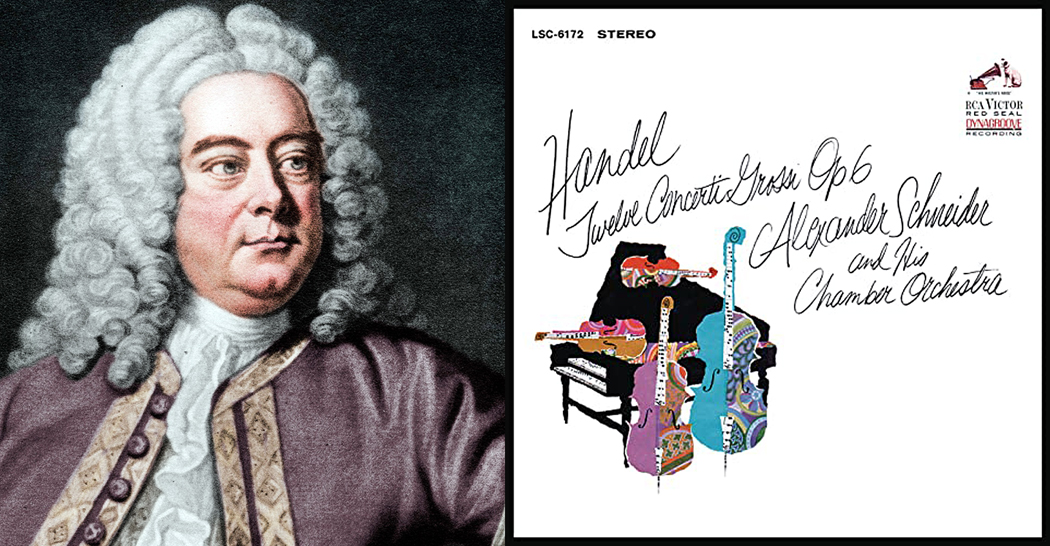
George Frederic Handel — If I can have three discs of Bach, I can do the same with Handel. I love the 12 concertos of Op. 6. They come in two forms: currently, the historically informed performance practice, bouncy, quick, staccato versions that dominate the market; and the old-fashioned warm Mitteleuropean version. No one does that anymore. 

I grew up hearing violinist Alexander Schneider in New York, and his brand of committed music making. And I have a set of his Op. 6 recordings, with a pick-up ensemble, that it horribly out of date, but glorious. Into the pile. 

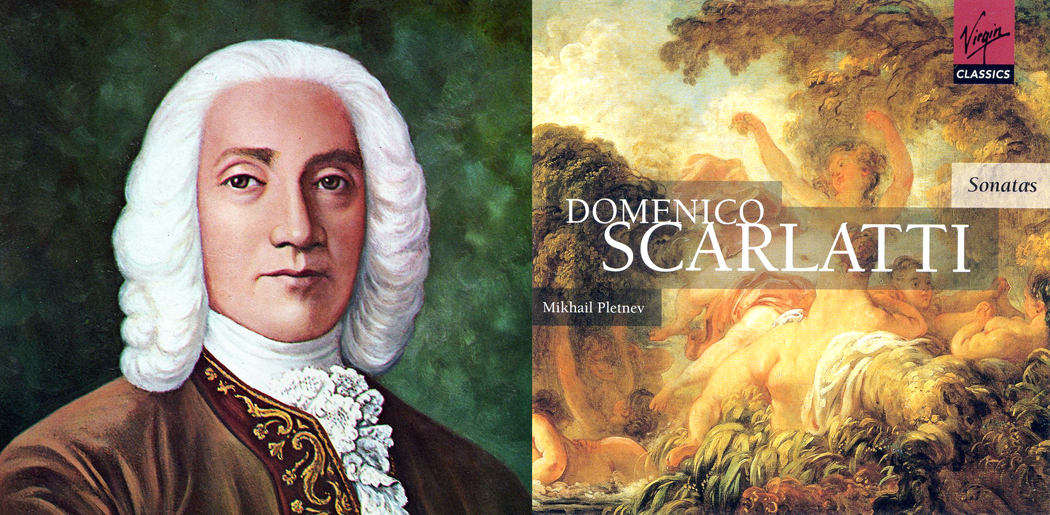
Domenico Scarlatti — On the shelves are all 555 sonatas, played on harpsichord by Scott Ross. But I hate the clangy, monotonous sound of the harpsichord and prefer my Scarlatti translated to piano. Most pianists now attempt to imitate the harpsichord by using no pedal and dry staccato. I want someone not afraid of using what the piano offers. My favorite used to be Vladimir Horowitz. He is still great. But I have since discovered an even richer performer in Mikhail Pletnev. This is magnificent piano playing. 

Joseph Haydn — Papa is hard to narrow down for me. He is one of my absolute dearest composers. But how do you choose a symphony over a quartet? Or a single symphony or quartet over all the others. Haydn’s work is so consistently excellent, it makes it hard to pick one as more essential than another. But there is The Creation. It is unlike anything else, and has the greatest sonic description of chaos ever devised. In his lifetime, The Creation was recognized as his crowning achievement. 

I have something like half a dozen recordings of it, including two by Leonard Bernstein, who had a magic sympathy with Haydn always. I will choose his second recording, with Deutsche Grammophon although I think the earlier with the New York Philharmonic is just as good. 

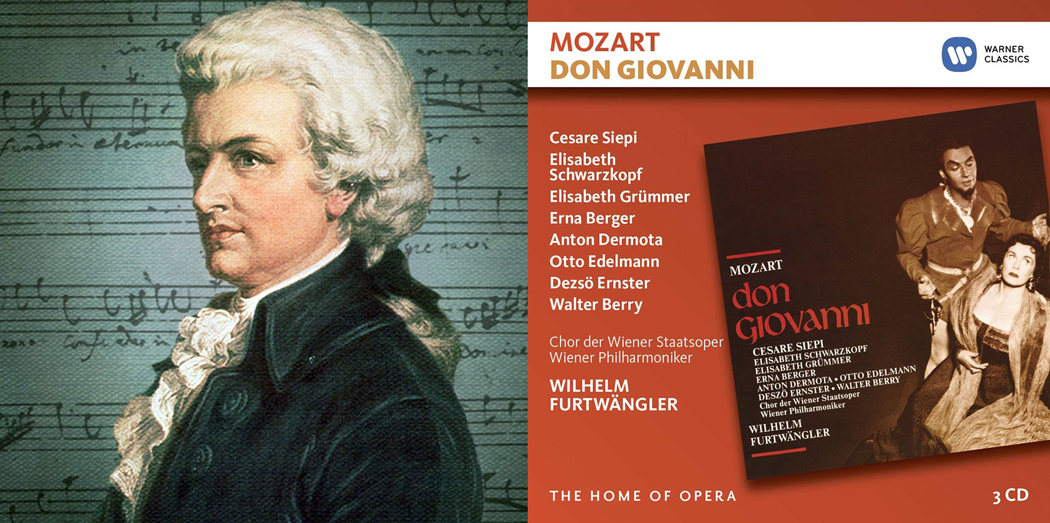
Wolfgang Amadeus Mozart — The problem with Wolfie is similar to that with Haydn: consistency. But Mozart is best in opera. I would have chosen The Marriage of Figaro — his most nearly perfect work and the world’s most perfect opera — but instead I pick Don Giovanni, which, although it sags a bit in the second act, has more emotional power and heft. 

There are many great performances, and lots by the newer, faster, punchier conductors who follow historically informed performance practice (pardon me while I spit at their feet). And my choice is the recording with Cesare Siepi as the Don, with the Vienna Philharmonic conducted by Wilhelm Furtwangler. What a supporting cast! 

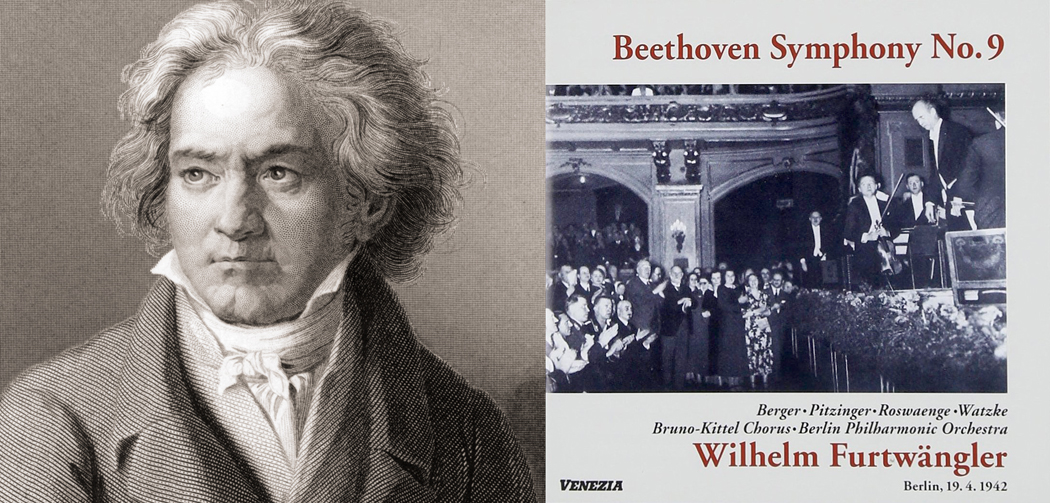
Ludwig von Beethoven — I hate to be caught out as predictable, but after considering one of the late quartets, or the Hammerklavier sonata, I realized that there is only one possible choice. I am sorry for it, but I have to pick the Ninth. If I had been really snobbish, I would have suggested the Missa Solemnis, but I don’t know anyone who really enjoys that music. Respects it, yes. Reveres it, even. But enjoys? No. But the Ninth. It was the sign over the door to the Nineteenth Century. Enter who dare. It cast a shade over the next hundred years. You wrote in emulation or reaction against. 

I’ve got to fess up to liking the first and third movements more than the second and fourth. The scherzo seems a little thin melodically speaking, and I always have to get through the first half of the finale before hitting the solid core of gold, which starts with the fugue after the Hogan’s Heroes’ march. The Adagio, though, is as sublime as music gets, and when it is done right, the first movement is a vision from Dante: If the conductor lets the tympani roar properly, the recapitulation can rouse the fight-or-flight in you. Too many conductors smooth that bit out, letting the kettle drums murmur underneath the themes. In 1942, Furtwangler unleashed his tympani in a recording that is both the greatest performance and one of the sloppiest and poorly recorded in history. You have to put up with a lot in that historical document (including knowing that Hitler was in the audience), but it is the version I put on my pile.

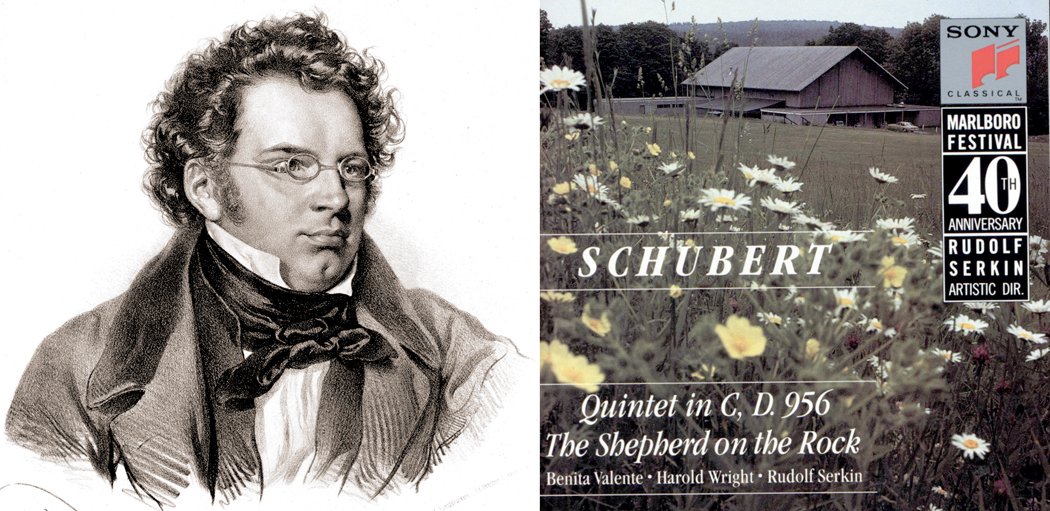
Franz Schubert — The riches are there: the Unfinished Symphony, the Trout Quintet, the B-flat Sonata, the Death and the Maiden quartet. Heck, the F-minor Fantasie for Two Pianos, the two piano trios, to say nothing of the songs, especially Winterreisse. But the most moving of all, deeply emotional and profound is the String Quintet in C, sometimes considered the greatest piece of chamber music ever — even topping Beethoven’s late quartets. That’s saying something. 

Lots of great performances, but my favorite and the one on my pile is by musicians from the Marlboro Festival. Some find it a bit over the top; I find the top cannot be gone over in this music. The disc also gives us The Shepherd on the Rock, sung by Benita Valente and so we have one of the songs, also. 

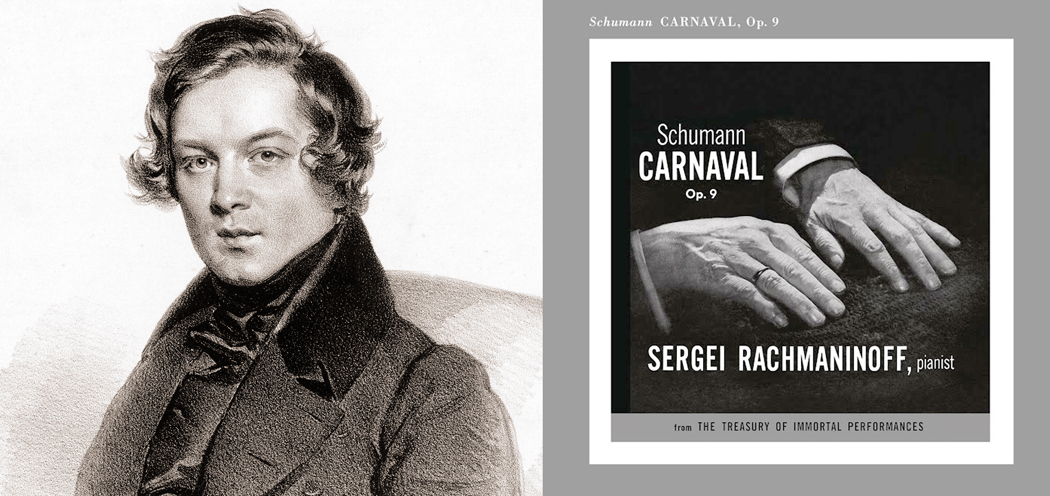
Robert Schumann — Bobbie doesn’t get a lot of props these days, and he can get repetitious. And as he aged, he became outright boring. But in his hot youth, he wrote a lot of the world’s most memorable tunes. For me, what goes on the pile is Carnaval, a series of sort-of variations, a necklace of character pieces for piano. 

There are two essential recordings of it: Artur Rubinstein and Sergei Rachmaninoff. When push comes to shove, I’m taking Rach with me. 

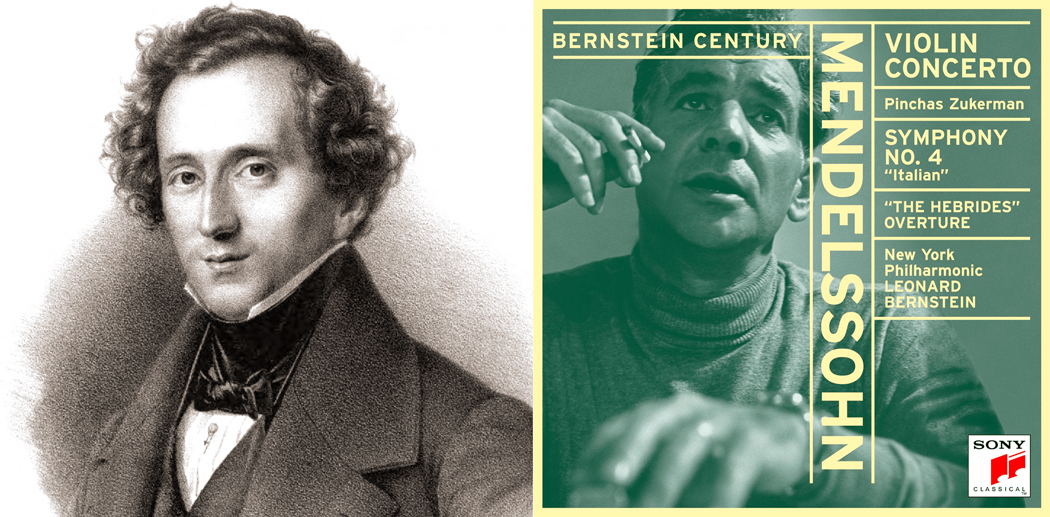
Felix Mendelssohn — My absolute favorite Mendelssohn is his Hebrides Overture, but it is too short for my pile, and so I pass by his symphonies and, god help us, his tedious oratorios, and pick the most elegant and refined of all the great violin concertos. 

I am in luck, though, because Pinchas Zukerman plays the bejeezus out of the concerto with Leonard Bernstein and the New York Phil and pairs it with the Hebrides and as a bonus, a rousing performance of the “Italian” Symphony. That’s hard to beat.

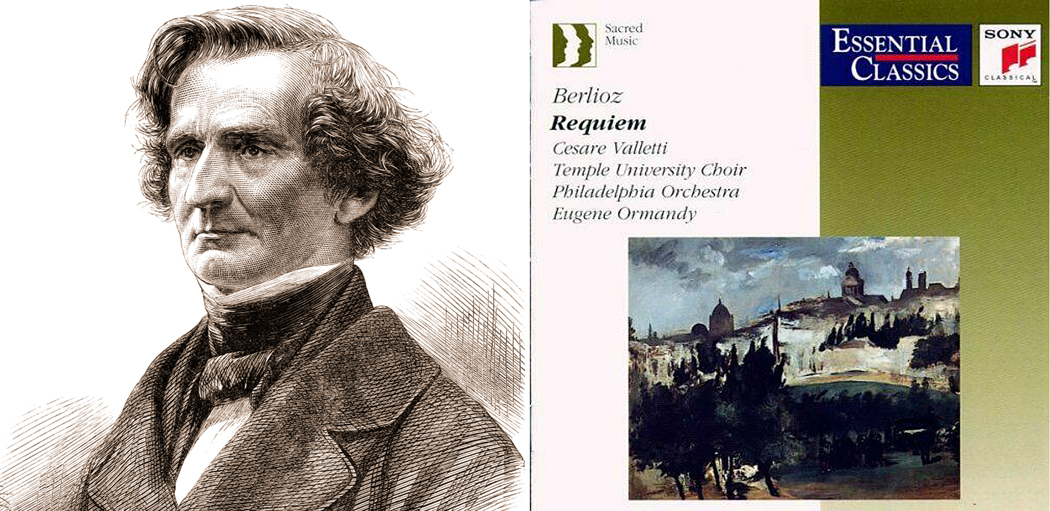
Hector Berlioz — This will probably be a controversial choice. How can you not choose the Symphonie Fantastique? It is his signature piece, and under the baton of Charles Munch, it can’t be beat. But my heart belongs to the Requiem. I love it without regard for its faults. It is ingenious, tuneful, and loud. (My college roommate’s brother used to love what he called “the loud classics,” by which he meant things like the 1812 Overture and Beethoven’s Fifth, but you can’t get much louder than the Dies Irae in the Berlioz “Wreck.” 

And there is one recording above all: Eugene Ormandy and the Philadelphia Orchestra. Too many other conductors (I’m looking at you, Colin Davis) attempt to make sense of this irrational music, to tame it and have it make sense. But Ormandy lets it all hang out, and his tenor, Cesare Valletti, is just cheesy enough. 

Frederic Chopin — This is a toughie. Chopin wrote mainly short pieces, and so picking just one would be giving him short shrift. I don’t particularly like his piano concertos, and his sonatas are fine, but what he really calls for is a program of mazurkas, scherzos, ballades, waltzes and the bunch. 

There are two contenders, almost opposite poles apart, interpretively, but they are the best at getting the spirit of Chopin. Most modern pianists are too dry and all seem to hate the pedal. The older Chopin tradition is closer to what the composer wanted. One could choose the 10-CD box of Artur Rubinstein Plays Chopin, which is a delight. But it is made of his later, stereo recordings, and his older mono ones were more idiosyncratic. Still, it is a great box. But on my pile goes Vladimir Horowitz: The Chopin Collection, with seven CDs. Volodya has all the snap and jump that sit in the music waiting to spring out. It’s a close call. The Rubinstein is more complete, but Horowitz is the only pianist who has ever taken the measure properly of the Polonaise-Fantasie, and so, I’m going with Horowitz. 

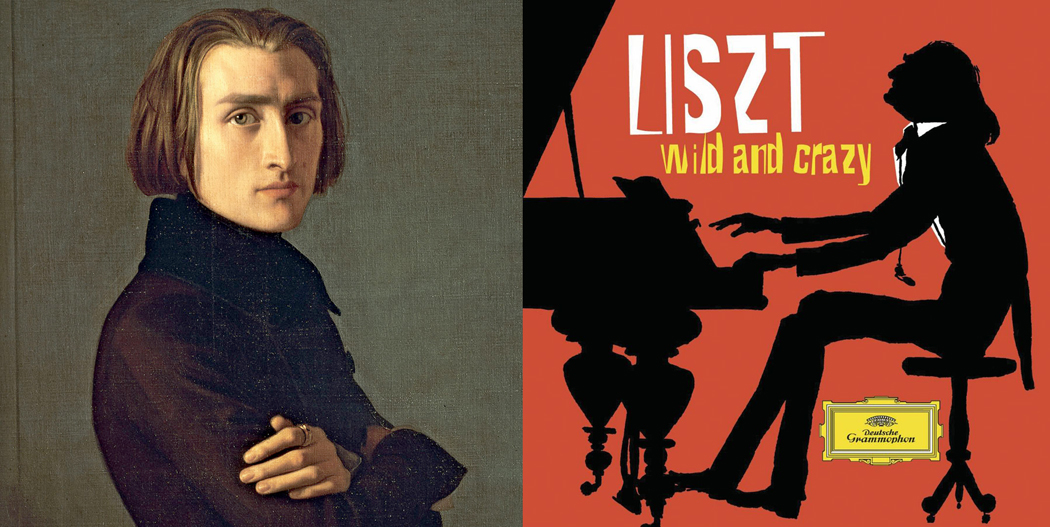
Franz Liszt — Like Chopin, Liszt is best in the shorter to medium size pieces. I’d want a compilation.

The best Liszt pianist going is Valentina Lesitsa, who understands that Liszt without the theatrics is not really Liszt. Those pianists who try to extract the “music” from the glitz only destroy the essence. The problem is that Lisitsa has not released a really good single Liszt disc; the best is spread out on several. No one does the second Hungarian Rhapsody with as much schmaltz as she does. She is great. But, I have to choose, and so, I’m going with a great 2-disc compilation on DG called Liszt: Wild and Crazy, with the works spread out among more than a dozen great pianists. 

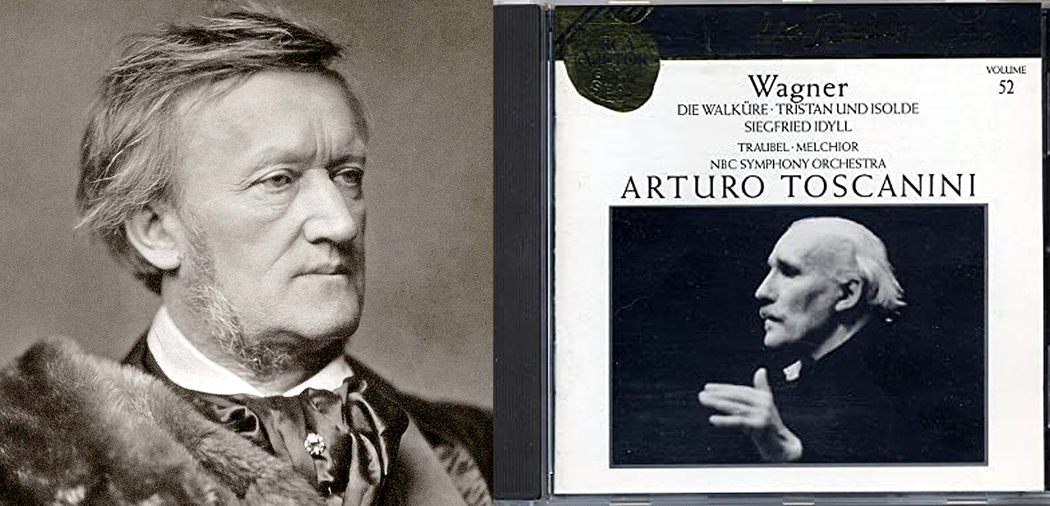
Richard Wagner — Oy, Wagner. This is a kind of classical music Everest, not just because the music is great, but because it takes a mountain-climber’s stamina. To a true Wagnerite, the music is transcendental, mythic, epic. To the not-so-convinced, it can seem bombastic, never-ending, and pretentious. I’m with the first group. I’ve attended two full Ring Cycles live, and own six cycles on disc. So sue me. 

But I’m not going to take all that with me, and so, Kondo-style, I will divest and choose a single disc. Each of Wagner’s operas contain longueurs, segments of what can seem like filler, as the story is rehashed once again. But the first act of Walküre is a perfectly enclosed whole, musically. Arturo Toscanini recorded Act 1, scene 3 with Helen Traubel and Lauritz Melchior that is, for me, the perfect Wagner recording. The disc also includes the Siegfried Idyll and the Prelude and Liebestod from Tristan und Isolde. 

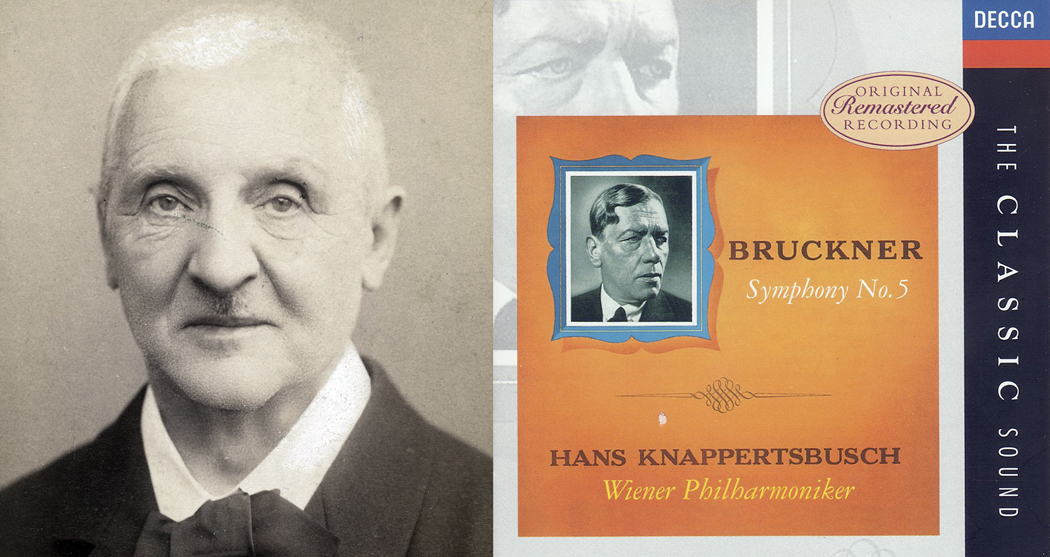
Anton Bruckner — Sometimes, it is hard to tell one Bruckner symphony from another. He had one tone, one message, one purpose in all his music. Symphonies Four and Seven are the easiest to love; Eight is the longest and most sublime; the unfinished Nine is profound. But if I choose just one, it will be Symphony No. 5 in B-flat. It has that fugal finale, and a first-movement ear-worm that you will carry with you for life.

And my recording of choice is with Hans Knappertsbusch and the Vienna Philharmonic. No one gets Bruckner quite like the quirky Kna. The disc also gives us Wagner’s Dawn and Rhine Journey, and so we get to cheat a little on our Wagner. 

Johannes Brahms — OK, this is painful. Old beard-face is very close to my heart. I’m going to want to add to my pile the DG box of “Complete Works,” but that would be cheating. Brahms is the greatest composer of chamber music since Beethoven and Schubert, and no one has equalled him since. His symphonies and concertos are top tier. But the music that moves me the most, that I could not live without, for it provides me with the deepest consolation is his German Requiem. “Denn alles Fleisch es ist wie Gras.” It is the most human, compassionate, loving music I have ever heard. I weep just remembering it. 

The greatest performance ever recorded, by general acclamation, is that of Otto Klemperer, with the Philharmonia and Elisabeth Schwarzkopf, Christa Ludwig, Dietrich Fischer-Dieskau, and Ralph Downes. I’m putting on top of my pile, so I can reach for it first. 

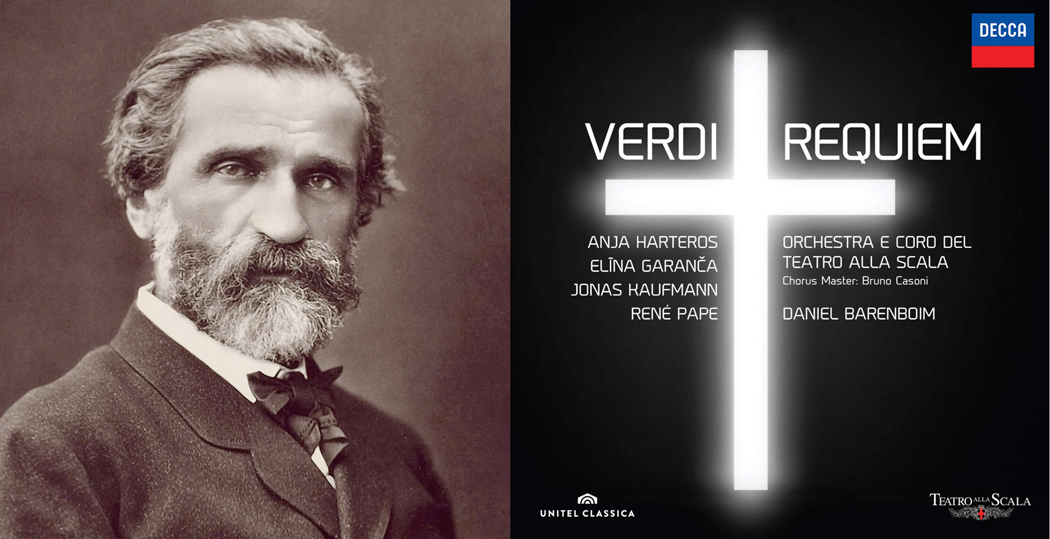
Giuseppe Verdi — I’m afraid am giving opera the short stick in this selection. I shouldn’t. And Joe Green is going to take a beating here. Because, although I would love to add Otello or La Traviata to my pile, I’m going to choose instead his Requiem. It is operatic, after all. 

Into the pile goes my Barenboim version, with the La Scala orchestra and chorus and Anja Hareros, Elīna Garanča, Jonas Kaufmann and Rene Pape. It is stunning. 

Antonin Dvorák — After Haydn, no composer has been more mentally and emotionally sound and hale than Dvorak. And that has translated, as with Haydn, into a remarkable consistency of quality across genres. You pretty much can’t go wrong with him. I’m going to go against the grain, here, though, and not choose the cello concerto or the New World Symphony, but an old Columbia box of the two piano quartets, the piano quintet and the lovely bagatelles for two violins and harmonium with the Juilliard Quartet and pianist Rudolf Firkusny. This recording is a delight.

Piotr Ilich Tchaikovsky — When I was younger, there was a prejudice against Tchaikovsky. My generation preferred irony and detachment. Tchike was all heart-on-sleeve. And besides, he wasn’t German, which meant he didn’t build his symphonies out of tiny germs of thematic material, like Brahms. We were too sophisticated for Tchaikovsky. We were, of course, stupid. Tchaikovsky was a great composer, a brilliant orchestrator, and put more of himself into his best music than almost anyone. For my pile, I’m going to pick his Sixth Symphony, the “Pathetique.” Everything about it is brilliant, emotionally deep and how can you not love the five-beat “waltz?” 

The performance I choose is Bernstein’s from 1987, with the New York Philharmonic, on DG. It is nearly an hour long (most performances run 40-45 minutes), and with anyone else, that slowness would dissipate all the forward motion of the music, but Lenny manages, even at the crawl, to keep the drive going, and the emotion he wrings from the performance is sui generis. Not to everyone’s taste, but it makes the music an experience, not just a pleasant listen. 

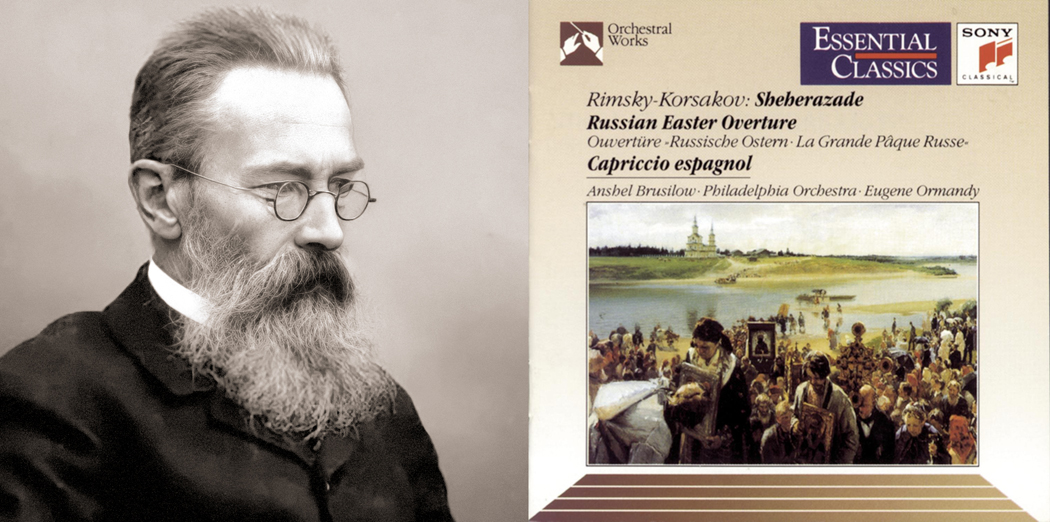
Nicolai Rimsky-Korsakov — I can’t live without Scheherazade. It is Rimsky-Korsakov’s greatest bit of tune-making and orchestrating. It is lush and washes over your ears like gentle surf. 

There are some great performances, including Beecham and Stokowski (I have both), but the one I’m gonna keep is Ormandy and the Philadelphia Orchestra, not only because it is a delicious recording, but it also includes the most joyous Capriccio Espagnol and the Russian Easter Overture, making it a Rimsky trifecta. 

_______________________

This takes us up to the end of the 19th Century. In the next piece, I’ll clean out my 20th and 21st century clutter.