Archive

Tag Archives: dogs

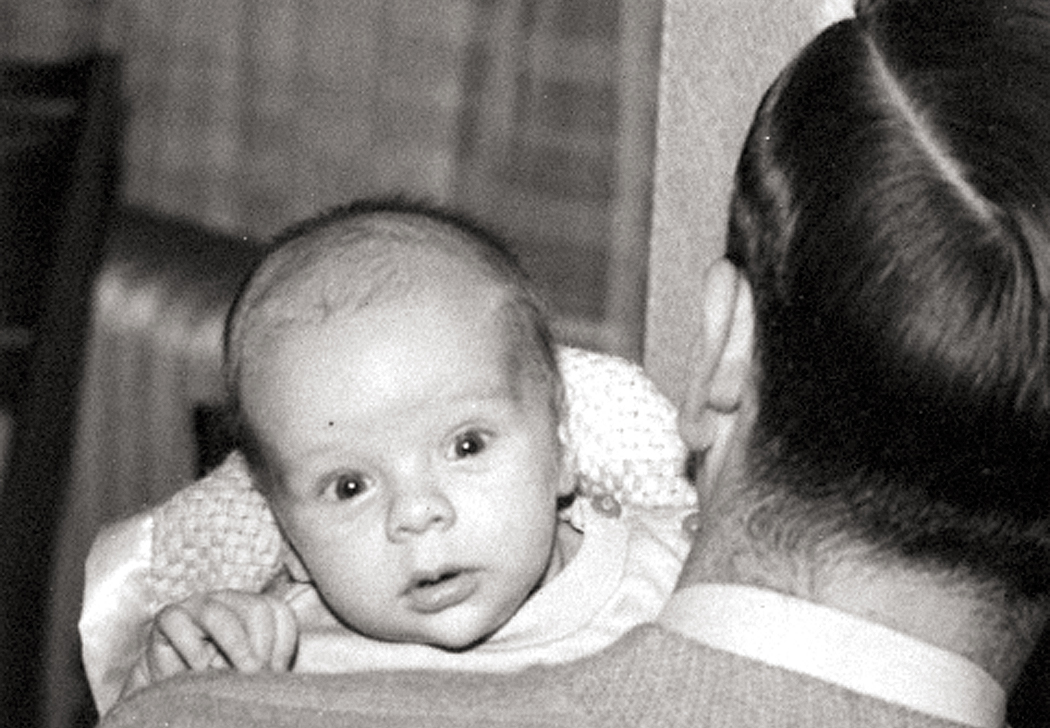
When I was born, in Teaneck, N.J., in 1948, I was given the name, Richard Wesley Nilsen, but I grew up being called Ricky instead. All through my toddlerhood and boyhood, that’s what everyone called me. But when I turned into a teenager, I rankled at the name as childish, and it changed to Rick, like the Blaine of Casablanca. It seemed more dignified. A bit. 

I had been born — eight years after — in the same hospital as Ricky Nelson, son of Ozzie and Harriet. He was an Eric; I was a Richard. But the doppelgänger name hung on to me through childhood. People often still misspell my last name “Nelson” (or “Nielsen” or “Nilson,” — or “Bilson” or “Wilson,” for that matter.)
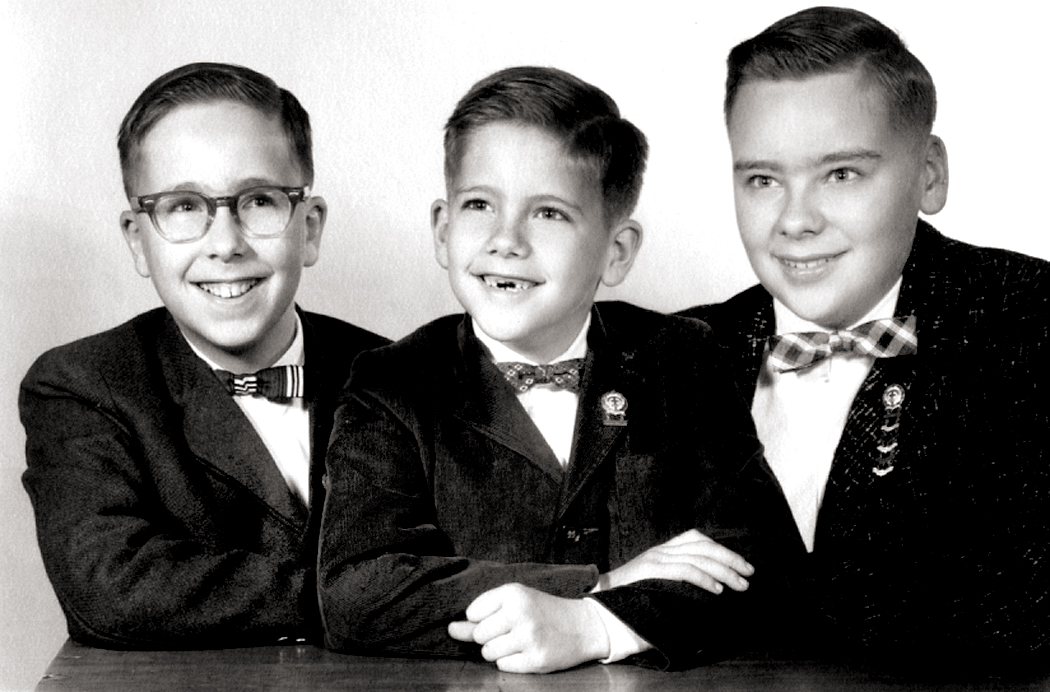
Nilsen brothers, 1961: Craig Allen; John Robert; Richard Wesley

Of course, when I misbehaved, as boy or teen, my parents would punch out my name, “Richard Wesley Nilsen — what have you done?” The stentorian tone was impossible to misunderstand. 

When I left for college, I happily left that nickname behind and became known as Richard. 
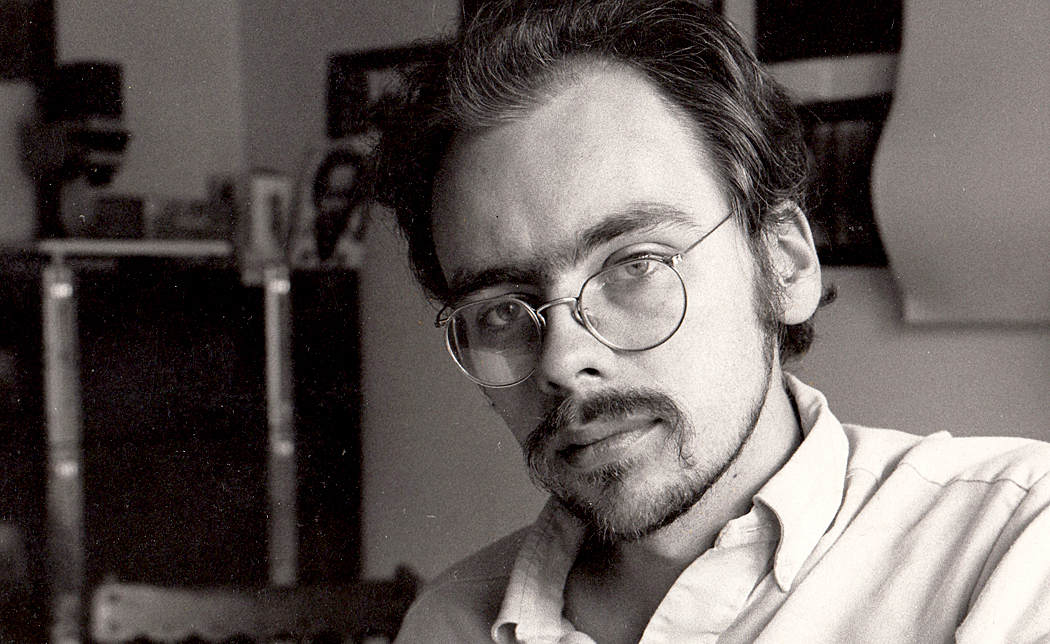
Richard, 1975

We all have multiple identities; we change as we grow. Even in the same age, different people know us as varied personalities: We act differently with parents than with children; different with teachers than with students; different when a policeman pulls us over for failing to stop at a stop sign and when we go to the office for our yearly evaluation. Different people, different language used to present ourselves. Different names.

Which name is the true name? When I was a teacher, I became Mr. Nilsen, although I called myself “Perfessor Rick.” When my step-daughter had twins, we needed to find a “grampa” name for me and came up with “Unca Daddy Richard,” or Uncle Daddy. That’s what they still call me, now they’re all growed up and out in the real world. 

(My late wife chose her grandma name, now 26 years ago, to honor her own grandmother, who was a Pegram, a name the infant couldn’t pronounce, and so Grandma Pegram became “Mama Piggy.” So then my wife decided to be “Tiggy,” in sympathetic rhyme, for her grandbabies.)
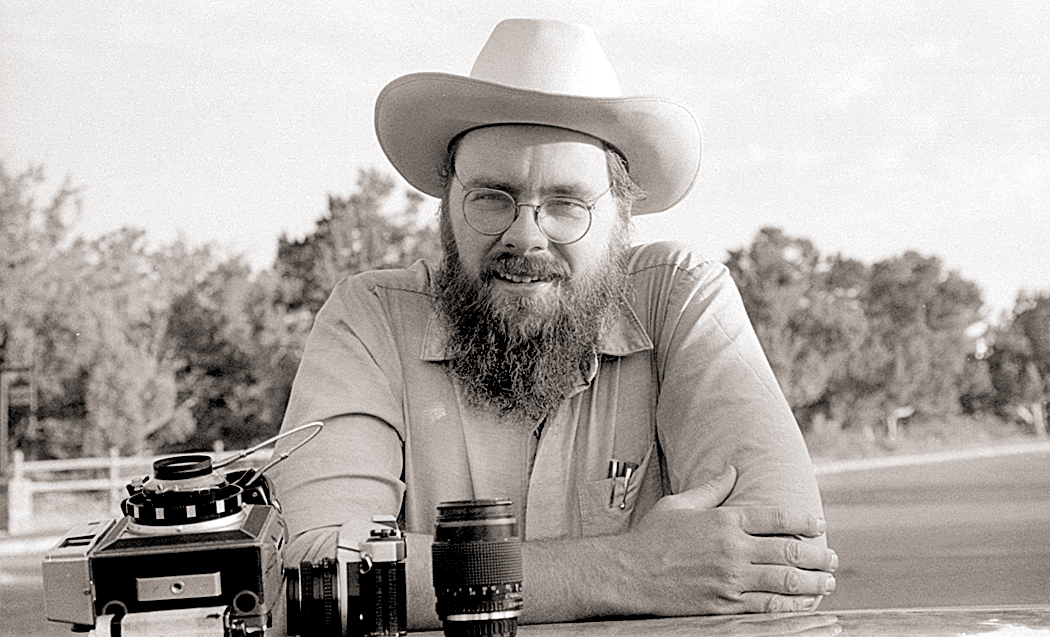
My own names make an even longer list: My best friend from college used to give me the name of a faux Dominican baseball player: Ricardo Nilsones (Nil-SONE-ayz). When I worked at the zoo in Seattle, with school kid employees half my age working through summer vacation, they just called me Grandad. My closest Arizona friend never calls me anything but RW. I answer to them all.

That college friend was born Thomas, but when I met him at school, he was Tom. He later took up using his middle name instead and he became Alexander, and his wife calls him Alex. I usually call him Sandro. Which one is his real name? 

“Her name was Magill, and she called herself Lil. But everyone knew her as Nancy.”

One name is never enough; we all have many names. 

T.S. Eliot wrote in Old Possum’s Book of Practical Cats that every cat has three names. “First of all, there’s the name that the family use daily… All of them sensible everyday names.” Then, he said, “A name that’s peculiar, and more dignified… Names that never belong to more than one cat.” Finally, there is the name “the cat himself knows, and will never confess.”

In my experience, the fancy second name is bestowed first, followed by a more familiar name that appears over time and usage. My first cat was the progeny of a great big tabby bruiser who ran the neighborhood where friends lived. That papa cat’s name was Trevose, after the cliffs in Cornwall called Trevose Head. He fathered a litter with another local cat, called Mama Kitty, and I got to inherit the one male tabby in the group, which we named, officially, Head. But we soon showered him with endearances and called to him “wood-jee, wood-jee, wood-jee,” and that became his name, even as he grew into a great bruiser himself. We usually spelled his name Widgie. Of course, we never found out what his ineffable, deep and inscrutable singular name. But there was a look in his eyes that told us, he knew. 
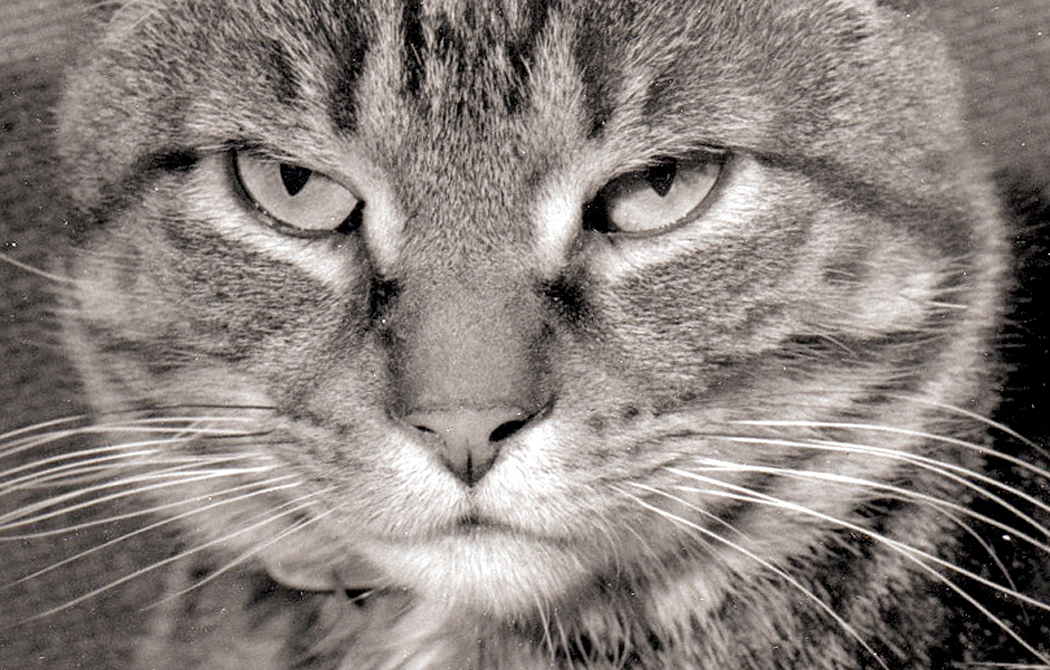
Our second cat was given the name Undifferentiated Matrix. (Yes, I was an insufferable student). One morning my girlfriend and I were awakened by this new cat musheling on our bellies with his tail in our faces and Sharon chirped, “Oh, look at his tiny little nutlets.” And so Nutlets became his name, even after he was snipped. 

This proliferation of names, among pets and people is quite normal, even if we seldom think about it consciously. It can become quite confusing when reading Russian novels or trying to get a grasp on history. 

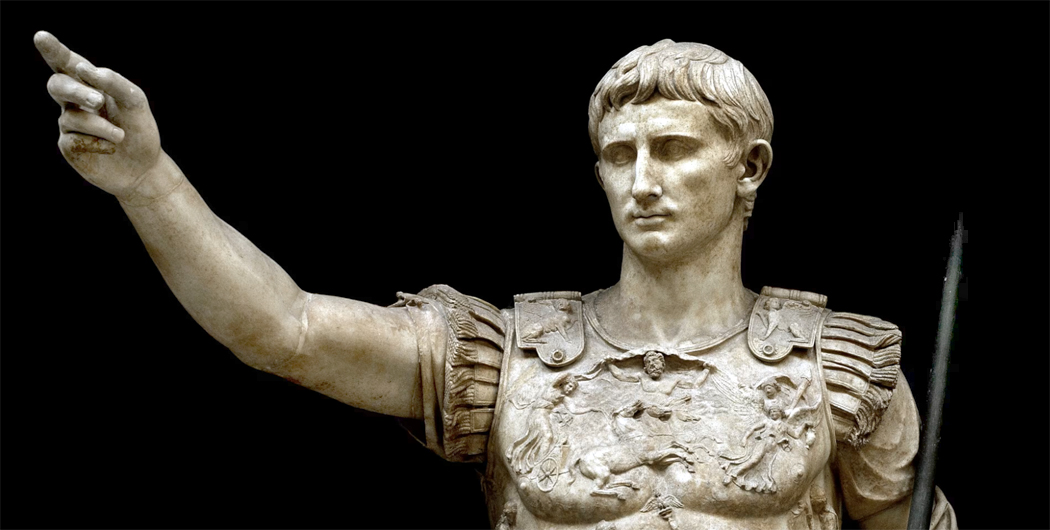
For instance, who was Caesar Augustus? He was born Gaius Octavius, but was soon known as Thurinus — a cognomen (like a nickname). But after Julius Caesar named Octavius his heir in 44 BC, Octavius took Caesar’s nomen and cognomen. Historians often distinguished him from the earlier Caesar by adding Octavianus after the name, denoting that he was a former member of the gens Octavia. Some of his contemporaries called him Gaius Octavius, or Gaius Julius Caesar Octavianus — “young Caesar.” Historians usually refer to him as Octavian for the period between 44 and 27 BC. That year, the Senate granted him the honorific Augustus (“the revered”). Historians use this name, or its converse Caesar Augustus, to refer to him until his death in AD 14.
As for Russian novels? My copy of Tolstoy’s War and Peace has several pages at the beginning clarifying everyone’s name, title, patronymic, nickname, familiar name, etc., all which makes it a confusing mess for anyone not familiar with Russian naming practices to keep track of what is happening. It takes some getting used to. 

You have to remember surnames or titles (Count Rostov for example, or Prince Bolkonsky) and also your patronymic (like Sonia’s dad is Alexander so she’s Sophia Alexandrovna, and Nikolai’s dad is Ilya, so he’s Nikolai Ilych) and then the whole bait-pail of affectionate diminutives, like Sophia is Sonia, and then Sonyushka, and Alexander can be Sasha or Sashenka or Shura. And then someone talking to “Kolya” and then realize that’s actually Nikolai. Our hero, Pierre Bezukhov, is also Pyotr Kirillovich, and our heroine is Natalya and Natasha. Can’t know the players without a program. 

That’s just the tangle of names everyone has for each other — the way your own family may call you something when your friends call you something else, and your spouse uses again something different. That’s really quite normal. 

But changing your name can also be changing the face you show to the world. And so the German Hanovers became the British Windsors. 
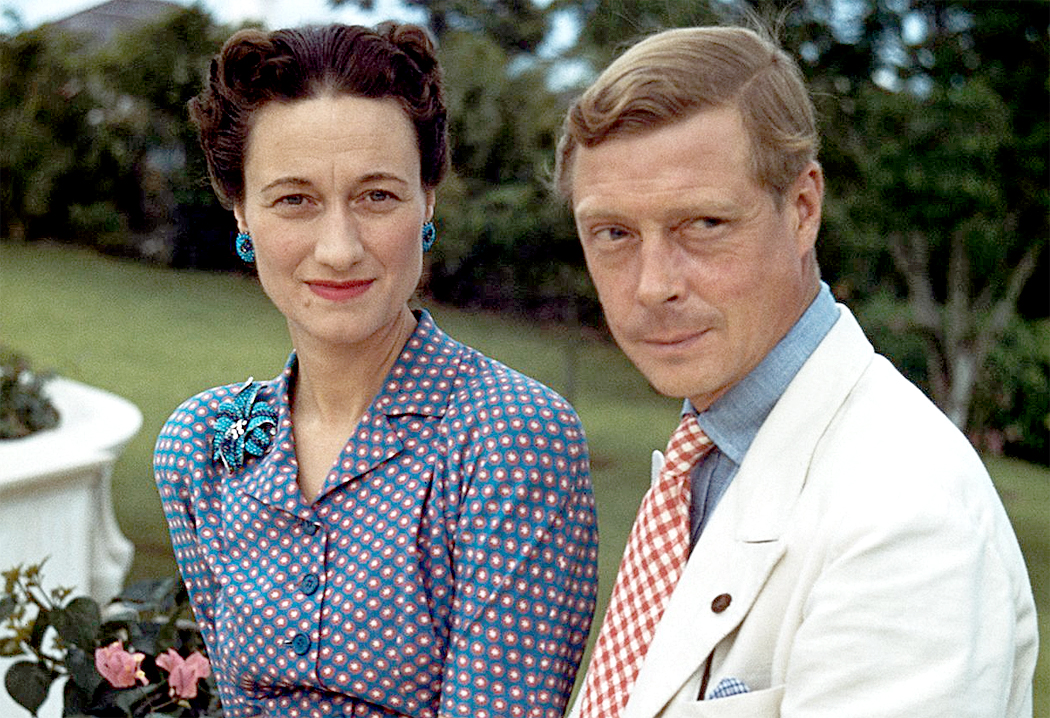
Names have always been somewhat labile. In some cultures, when a child becomes a man, he is given a new name. Women in Western cultures used habitually to adopt their husbands’ surnames, which makes Googling old schoolmates sometimes quite difficult. Given several marriages and divorces, they can have strings of obsolete names attached. 

Just consider our politicians: James Donald Bowman became James David Hamel, and in 2013, he became J.D. Vance; Bill Clinton was born as William Jefferson Blythe III; Gerald Ford was originally Leslie Lynch King Jr.; Ulysses S. Grant was born Hiram Ulysses Grant. Like several others, he went by his middle name; the “S” was added by clerical error at West Point. He kept it. Woodrow Wilson’s first name was Thomas; Calvin Coolidge’s first name was John; Grover Cleveland was born Stephen and known to some as “Big Steve.” Even Dwight Eisenhower was first called David. 
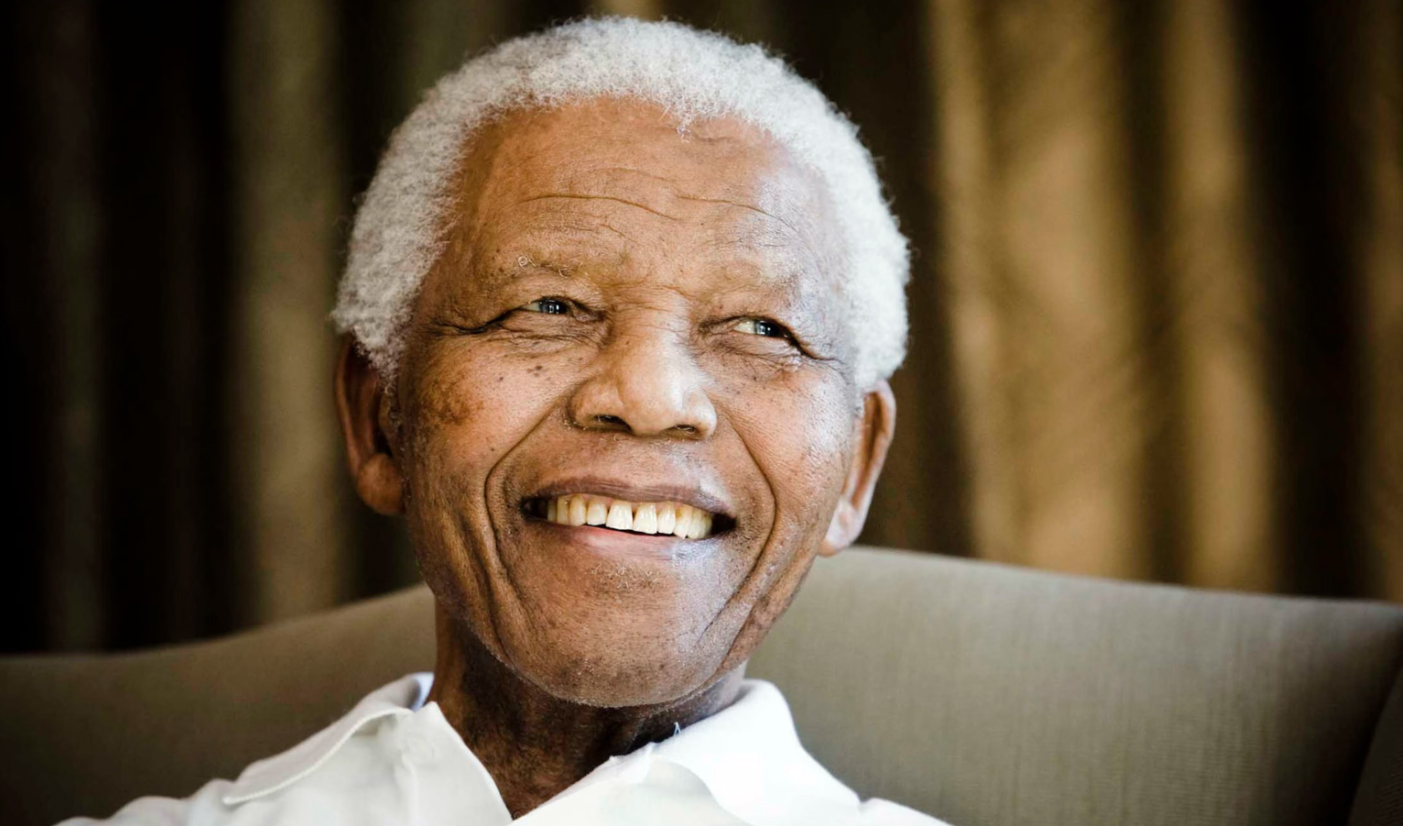
Nelson Mandela was born Rolihlahla, which means “yanking the branch of a tree,” but was understood to mean “little troublemaker,” for his mischief. Most of the names he was given him later in life were names of respect, including Dalibhunga (“creator of the council”), Madiba (his clan name), Tata (“father”), and Khulu (a shortened form of “grandfather”).

On his first day in school, his teacher gave each pupil an English name. “This was the custom among Africans in those days and was undoubtedly due to the British bias of our education,” Mandela wrote. “That day, Miss Mdingane told me that my new name was Nelson. Why this particular name, I have no idea.” It stuck. 

And then, there are the actors and writers. We are all familiar with many of the stage names of movie stars. Tony Curtis was Bernard Schwartz; Rita Hayworth was Margarita Carmen Cansino. Their new names made them more “mainstream” and less ethnic. The way Krishna Pandit Bhanji won an Oscar as Ben Kingsley. Or Natalia Nikolaevna Zakharenko (talk about Russian novels!) turned miraculously into Natalie Wood. 

Clunky names can be a problem. Elton John trips off the tongue more easily than Reginald Kenneth Dwight, and Michael Caine sounds better than Maurice Micklewhite. 

Nineteenth Century women often used men’s names as noms des plumes to hide their gender — so Mary Anne Evans published as George Eliot and Amandine Lucie Aurore Dupin became famous as George Sand.  Jane Eyre and Wuthering Heights were both first printed with male author names. 

Famous vampire novelist Anne Rice had the opposite issue. Rice was born Howard Allen Frances O’Brien. She was given a man’s name at birth: her father’s. Her mother thought that “naming a woman Howard was going to give that woman an unusual advantage in the world,” Rice wrote.

It got even worse, when at age 12, she was confirmed in the Catholic church and took the full name Howard Allen Frances Alphonsus Liguori O’Brien. So, when she went to school, she just told her teacher her name was “Anne.” Rice was her husband’s name. As Thoreau wrote: “Simplify, simplify, simplify.” 

A name is a badge. It tells the world something about you. If your life changes, your name can change with you, and so Steven Demetre Georgiou became Cat Stevens and then Yusuf Islam. Cassius Clay became Muhammad Ali. Saul of Tarsus became Paul the letter writer. 

But for many actors, the name change was forced upon them. In the U.S. and in the U.K., the actors union or guild won’t allow multiple members to share the same name, so, if there is already one of you on the boards, you will have to come up with a new one. 
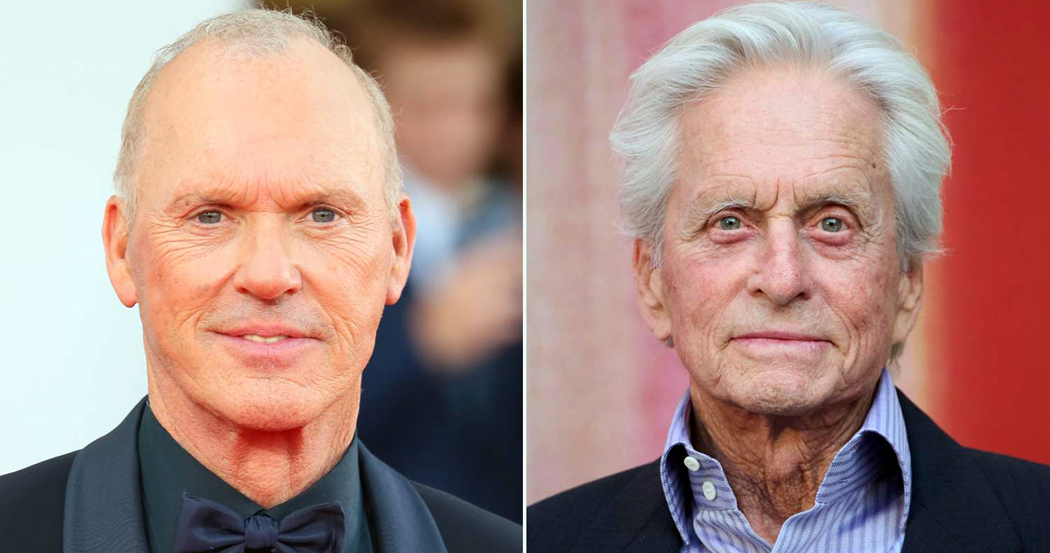
Michael Keaton was born Michael Douglas, but wasn’t allowed to keep the name when he joined Actors Equity, since a Michael Douglas already existed. Of course, the original was the son of Kirk Douglas, who was born Issur Danielovitch, although his Russian-born family changed that to Demsky and the young dimpled actor grew up using the name Izzy Demsky. Button, button, who’s got the button? 

Dore chaos
My friend Stuart sent me a letter:

You can learn a great deal from a springer spaniel. For instance:

Total order and total chaos are the same thing. Identical. Not a dime’s worth of difference. And neither is very helpful.

Think of it in terms of the Linnean metaphor. I’ll get to the spaniel in a moment.

At one end of the spectrum is chaos, a totality that is unordered, a cosmic goo. This is not the current chaos of the eponymous theory, which is merely a complexity beyond calculation, but rather the mythic chaos out of which the gods either create the cosmos, or arrive unannounced from it like Aphrodite from the sea. It has no edges, no smell, no shape, no parts, no color, no anything. Inchoate muddle. john martin chaos

So, in the beginning was the word: Or rather, our ability to organize this chaos through language. The universe exists without form and void. Then we begin the naming of parts to help us understand the welter.

And so, god created the heaven and earth, dividing the parts. And this division of parts is in essence what the Creation is all about. Ouroboros

Of course, the incessant need to divide and name is only a metaphor, but it will help us understand the conundrum of order in the universe, and how the ouroboros of Creation begins and ends at the same place, no matter which direction we go in: The law of entropy and the law of increasing order both have the same final destination.

When we look at the world around us, we immediately split what we see into two camps: That which is living and that which isn’t. It helps us understand the world we live in and we make many of our biggest decisions on this basis: Ethics, for instance. We have no problem splitting a rock in half with a hammer, but would feel rather evil doing the same to a dog.

But the living things fall into two large camps, also: Animal and vegetable (again, I’m simplifying. I haven’t forgotten the bacteria, but we can ignore them for the sake of the metaphor).

Some of us have a problem eating animals but not eating vegetables. So, again, our ethical world depends on how we sort out the chaos.

Let’s take the animals and subdivide them, the way Carl von Linne did, into classes, orders, families, phyla, genera and species.

Each level makes our divisions less inclusive, more discriminatory.

Let’s take the dog, for instance. It is classified as a chordate, which means it has a central nervous system stretched out into a spinal chord. This is different from, say, a starfish or a nematode. But there are many chordates, so, if we want to differentiate a dog from a shark, we have to look to its class. It is a mammal. That makes it distinct from birds and fish.

But there are lots of mammals, too. Some of them eat other animals; we call them carnivores. A dog is a carnivore.

Notice how each level of nomenclature narrows our definition down to a smaller and smaller group of initiates. When we had only living and non-living, there were only two groups; with each level, we add dozens, hundreds and then thousands of other groups disincluded in our catalog.

The order carnivora is one of many orders in the class of mammalia, which is one of many in the phylum chordata, which in turn is one of many in the kingdom animalia.

The order separates our subject, but lets us see in relief that it is just one constellation in the heavens populated by many other constellations.

The same poor pup is in the family canidae, which includes all the dog-like animals, from fox to coyote to jackal. Among them, it is in the genus Canis, and species lupus, which makes it brother with the wolf.

But our wolf is a friendly one, as long as you aren’t the postman. So, now we call it Canis lupus familiaris, or the family dog. And our particularization of the beast means we are conversely aware of all of creation — each in its own genus and species — that makes up the non-dog, and each of them is like the billions and billions of stars that make up the many constellations in the night sky.

Yet, this isn’t far enough. For the dog I’m thinking of isn’t just a dog, but a spaniel, which is a type of dog which isn’t a poodle and isn’t a terrier. It is a dog with “a long silky coat and drooping ears.”
Sylvie

Each time we subclassify, we are adding to the order we impose on existence, and each classification adds to the proliferation of categories just as it reduces the members inside each class.

So, there are also different kinds of spaniels. The dog I’m thinking of is a springer spaniel, which come in two forms, with a brown-and-white coat and a black-and-white coat.

My brother’s dog is a brown-coated springer spaniel named Sylvie. She is getting old now, and her backside — very much like humans — is getting broader.

And now, by classifying things to the level of the individual, we have as many categories as there are things in the universe, which is effectively the same as nothing being categorized: It is all primordial goo and might as well not be cataloged: Total order and total chaos are the same thing. QED.

egyptian geese 2

You enter the cave, walk through tight spots, crawl on hands and knees and come out, 100 yards later, into a dark room, a widening in the cavern walls, and see, if you point your lamp at them, some of the most beautiful animals ever drawn by human hand.chauvet

The very first art — some 30,000 years old — is some of the best, and what you have are pictures of animals. On the walls at Lascaux, Chauvet and Altamira in Europe, you find bison and elk, aurochs and rhinoceroses. When you find people drawn on the cave walls, they are hardly more than stick figures, but the animals are often so realistic you can identify them by genus and species.

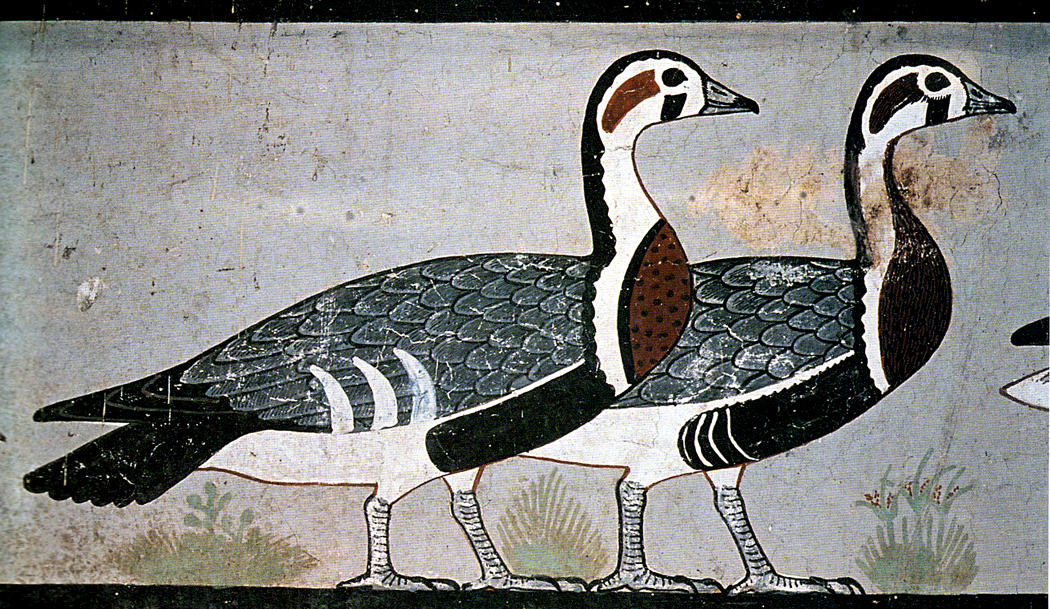
You can see it in the Egyptian tomb paintings, too. Human figures are stiff, in the artificial “King Tut” poses so familiar from the hieroglyphs. The humans are stylized and symbolic rather than naturalistic. But the animals don’t share that fate: They are seen with a grace and directness at odds with all the machinery of symbolic hieroglyphs — a real duck, a real hippopotamus, a real ibis.knossos

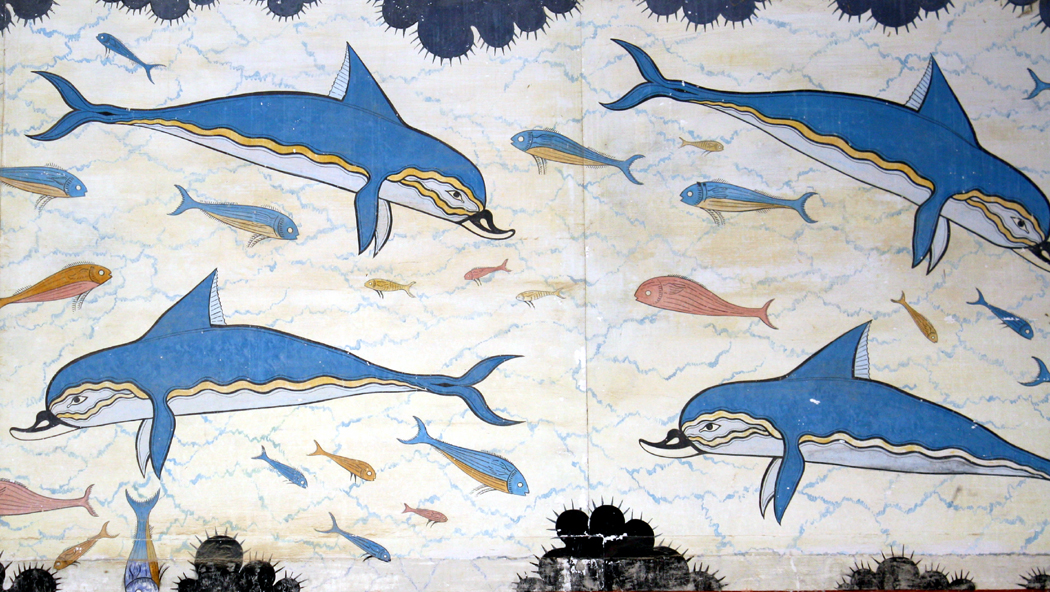
You can see it too at the Palace of Minos in Knossos, where the mural is filled with graceful dolphins and mackerel.pompeii fish

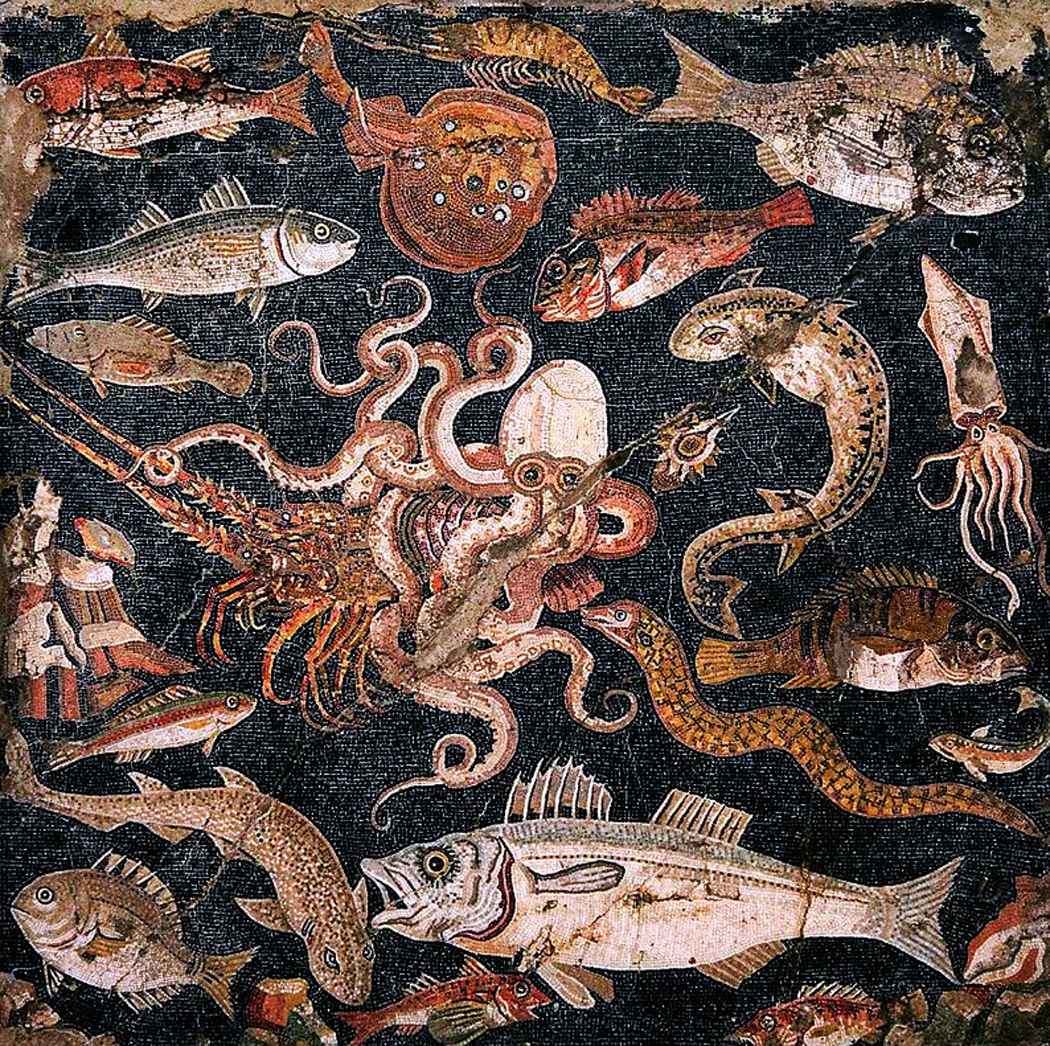
Or in the mosaics at Pompeii, with its seafood menu of crustaceans, eels, octopuses and seabass. Animals have a special place in art.leonardo

They speak to us in a special language, even when they exist as a smaller part of another painting: the dog in Van Eyck’s Arnolfini Wedding, or the mink in Leonardo’s Lady With an Ermine.

It is an element that reflects us and we can’t seem to do without. But what is that element?

“They connect us to something larger or greater than ourselves, or with a past we’ve forgotten,” says painter Anne Coe, whose work is well known for its sometimes satiric use of animal imagery.

And, in fact, the animals in paintings almost always have an ulterior reason for being there. They are doors to something. “Something larger,” as Coe says.

But it’s a two-way door, and what the animals mean depends on your direction as you pass the portal.

Almost like choosing which end of the binoculars to look through, you get very different takes on what animals are and what they mean.

Going one way, the animals are symbols. They stand for all kinds of things: sometimes totemic, sometimes archetypal, sometimes they are as simple as elephants for Republicans and donkeys for Democrats. But they stand for something other than themselves. Perhaps the Democrats would be better symbolized by a platypus or the GOP by a warthog, but there you go: We are stuck with the symbols. Everyone understands them; they’re shorthand.medieval animals copy

Medieval and Renaissance art is filled with this kind of symbology. The dog stood for faithfulness, the goat for lust, the lion for nobility. Of course, for the medieval mind, everything was a symbol.egyyptian bee

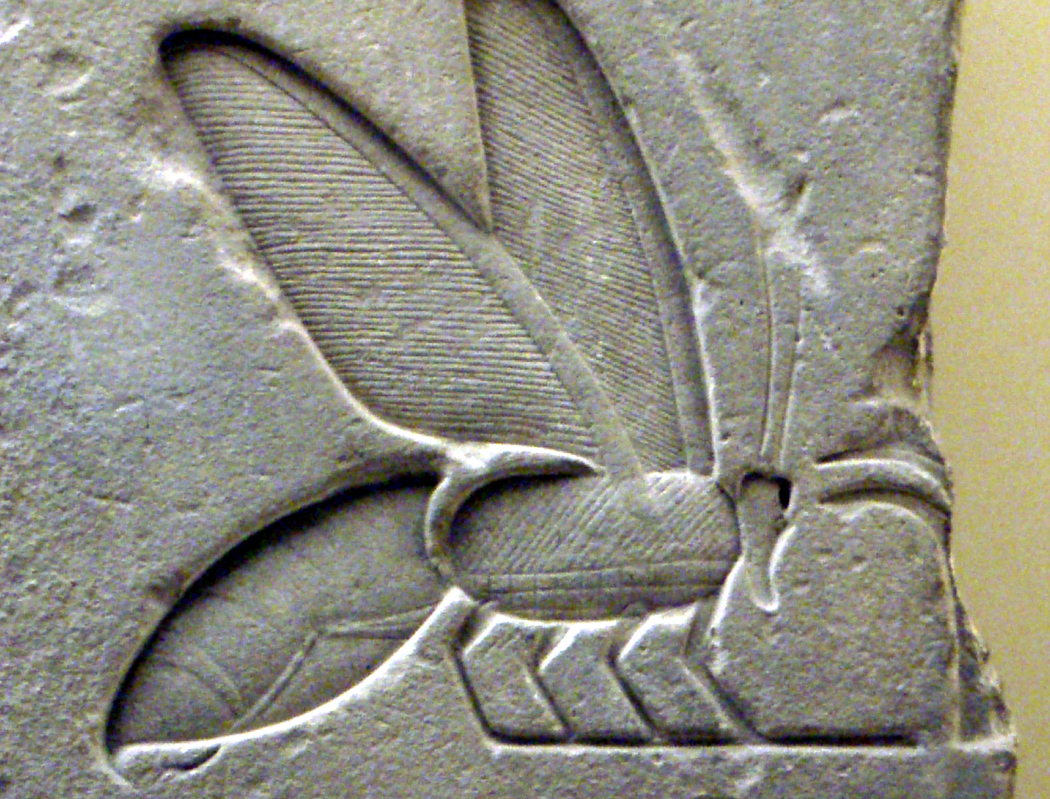
We still have some of this emblematic symbolism with us: busy as a bee; crazy as a loon; the industrious ant vs. the lazy grasshopper. We tell Aesop fables to our children to warn them about bad behavior.

But going through the door in the other direction, the animals are steadfastly not symbolic, and force us to see them for themselves as separate entities in the universe. They force us to recognize them as “thou” in theologian Martin Buber’s formulation of “I-thou,” as distinguished from “I-it.”

You look at the eyes in a painting by animal portraitist May Cheney and you see the “there” there. There is no mistaking the cat or dog or goat for an insensible beast.

“An animal’s eyes have the power to speak a great language,” Buber himself said.may cheney dog

Cheney says, “The animal is present and looking back at you.”

And you are forced into the awareness that symbols are already several removes from reality, and that sometimes it is good to re-experience the world as it actually is.

When animals are symbolic, they are in some sense projections of ourselves. When they are not, they are reminders of all the rest of the universe. In either case, they kick-start us into the recognition of the larger connection we have with the world. And that is their function in art. After all, art itself is there to slap us into awareness, the way a doctor slaps a newborn into breath.

But whether the animals are symbolic or not, they also make us see them — as we come in the door or go out — either as kindred spirits, beings like us but in different form, or the opposite: beings that make us face the ineffable otherness of the world.

But there are more dichotomies, and more art to express them. Even if we see them as ourselves in fur or feathers, we have to ask: Are they similar to us because they are like us, or because we are like them? Are they people, too, or are we also animals?

“There is not an animal on the earth, nor a flying creature on two wings, but they are people like unto you,” it says in the Quran.

Western civilization has a long history of making a distinction between human and animal. The Bible gives us “dominion” over the beasts. We come up with all kinds of distinction to prove we are not animals. We have language, tools, laws, poetry. But looked at from the other side of the door, animals are no less distinct, no less deserving, no less intelligent than we are: Bees can make honey; humans don’t know how.

Mark Twain made fun of our presumed superiority to the animals: “I have been studying the traits and dispositions of the ‘lower animals’ (so called) and contrasting them with the traits and dispositions of man. I find the result humiliating to me.”hiroshige fish

You can see these choices played out in art, and not only in European art. It is there in the manga drawings of Hokusai and book illustrations of Hiroshige, the temple carvings in India, the Mayan glyphs and in the Chi Wara antelope headdresses of Africa.chi wara

Animals mean something to all cultures. You can see it most directly in the paintings of children.

When they are introduced to animals in the classroom by a teacher who brings a bunny or a turtle, the children respond intensely. You don’t have to teach them anything about art: They burn to make paintings of the animals. You can’t stop them.

And their paintings in the first or third grades parallel the adult art, although in childhood terms: Sometimes they see themselves as the animal, playing baseball or caring for the animal babies, and sometimes they see the animals as something foreign, exotic and emotionally powerful. Boys, especially, love to paint sharks or dinosaurs.kid shark

The untutored and spontaneous identification with the animals is so deep that you can’t prevent it from happening. This may or may not be animals’ primary virtue, but it is one too often overlooked when we consider their value as pet, draft animal or cutlet.

They are there in all our art: The animals are either mirrors or windows. We look into the animals’ face and see.

Ultimately, the animals are a connection with the world: They allow us to deflate our species’ solipsism and recognize that connection.pompeii fish 2