Archive

Tag Archives: europe

Fifty-seven years ago, while on the Apollo 9 mission orbiting Earth, astronaut Rusty Scheickart was floating outside the capsule in his space suit and had a moment to look out through his “fishbowl” helmet at the planet under him. 

“And you look down there,” he said, “and you can’t imagine how many borders and boundaries you cross, again and again and again [as you orbit the Earth every 90 minutes]. And you don’t even see them.” 

It’s a common refrain from those who have gone to space. Moon astronaut Buzz Aldrin said, “From space there were no observable borders between nations, no observable reasons for the wars we were leaving behind.”

Senator Bill Nelson, who flew on the Space Shuttle Columbia in 1986, said, “In space, you don’t see boundaries or borders. We are all citizens of Earth.”
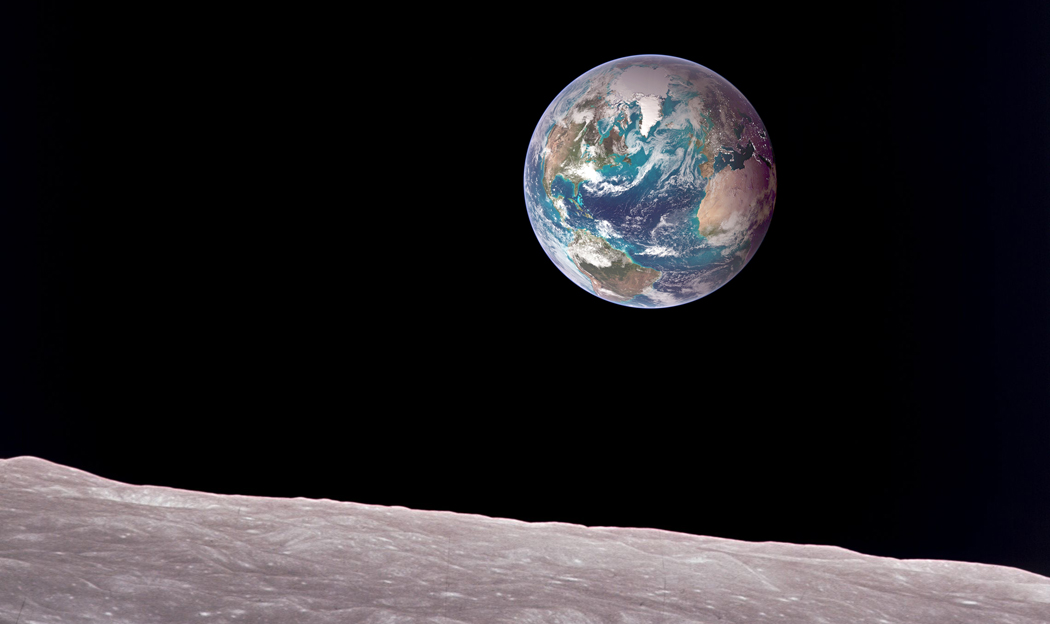
The blue marble

We draw lines where there aren’t any. National borders are just one case. We draw distinct lines between species in biological taxonomy, we name historical eras, invent racial exclusions — we talk about these arbitrary lines as if they build fences between property lines. But they are legal fictions, and continually malleable. Political borders shift; taxonomy rejumbles categories; Red politicians vs blue politicians? Really they are all just grey men in blue suits. Their squabbles are parochial at best. 

The issue is that we understand the world in discrete chunks, but nature comes in indistinct swathes. In order to discuss or argue, we pretend there are clear lines. Perhaps we have to; everything all together at once is confusing. 
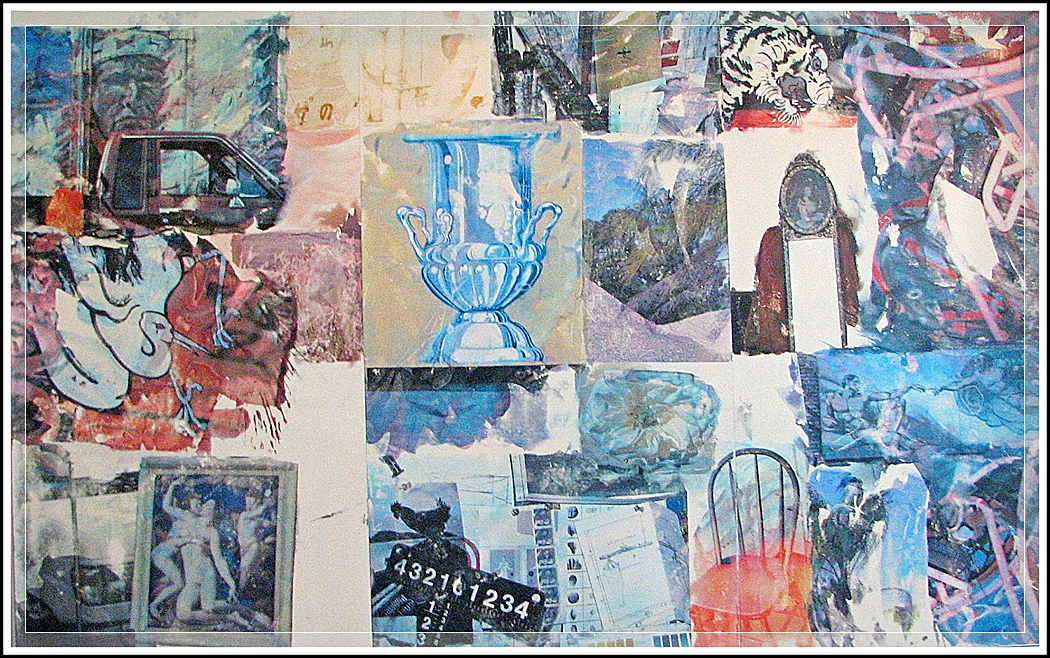
Robert Rauschenberg “Lucky Dream”

Nature, however draws few lines. It spreads and includes. It changes constantly; it is never static. “Everything flows,” as Heraclitus put it. Seed into sprout into flower and into seed into … 

I’m not saying there are no differences at all, but rather that the lines we draw tend to be arbitrary or at least, blurry. Are the red people for smaller government or a more powerful presidency? Such issues shift over time and it’s impossible to pin them down. 

Take the past, for instance. Historians like to take big chunks of time and give them names: Classical, Postclassical, Late Medieval, Romantic, and so on. Then they argue over it all, because any good academic historian knows that the names we give big chunks of time are misleading. But, as they say, whatcha gonna do? We seem to be stuck with them. 
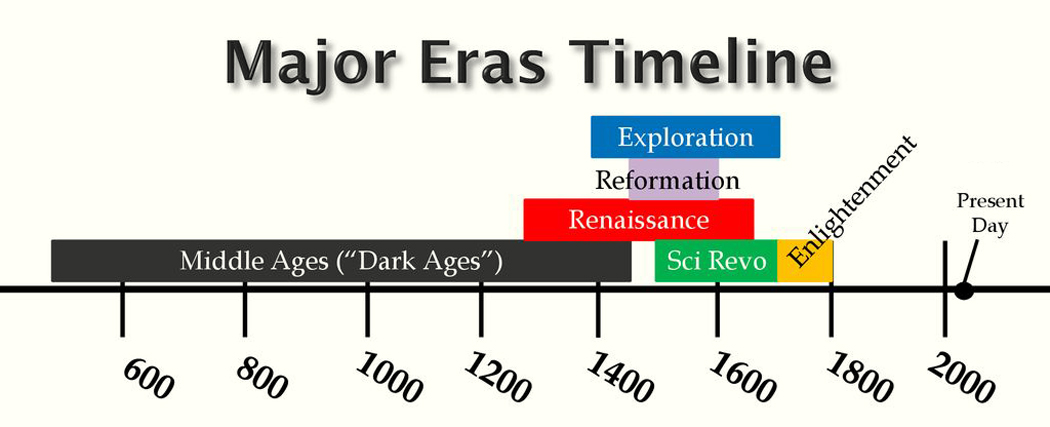
The Middle Ages, for instance. Middle of what? Homo sapiens developed something like — in a common low-end estimate — 300,000 years ago, putting the start of the Middle Ages somewhere approximately in the last 15/3000ths of human history. Not exactly the middle.

And the dates we give the Middle Ages vary widely. Where do you draw the line? It came after the Roman Empire. But when did the Roman Empire fall? Well, you can say that the final collapse came in 1453 with the fall of Constantinople. For some people, that is already the Renaissance, squeezing out the Middle Ages entirely. And no one really believes the Byzantine Empire was genuinely Roman. They spoke Greek, for god’s sake. They were Christian.
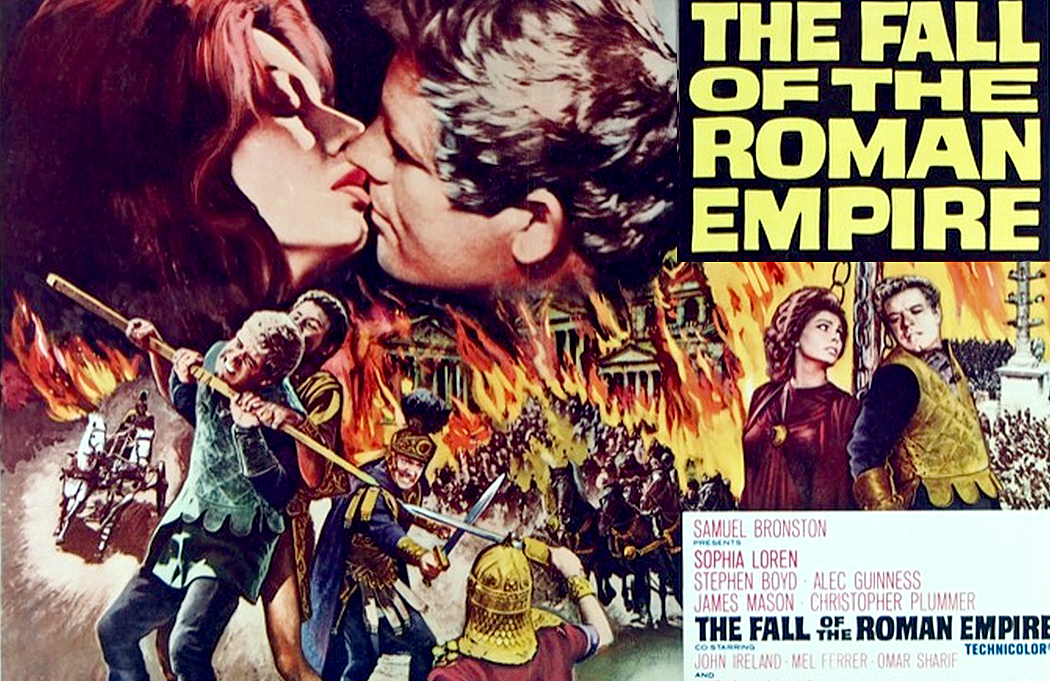
Usually, when we talk of the fall of Rome, we mean the Western Roman Empire and the sad reign of Romulus Augustulus, which came to an end in AD 476. But really, the Western Roman empire at the time consisted only of most of Italy, a tiny bit of France, and Dalmatia (later aka Yugoslavia, later still — well, you know).

And you could easily argue that Rome ceased to be Roman after Constantine converted to Christianity and legalized it in AD 313. After that, the slow slide from Roman imperialism into Medieval feudalism began its ambiguous transubstantiation.

It is the great paradox of scholarship: The more you read, the more your ignorance grows: The more you learn about something, the more you discover how little you know. 

We think of our current era as modern. But when did that begin? It is a slippery question. I am reminded of the time, some 50 years ago, when I first drove west from North Carolina. I had never seen the great American West and eagerly anticipated finding it. It must be so different, I thought, so distinct.

We were living in Boone, N.C., named for Daniel, who trod those mountains in the 1700s, when anything beyond the Blue Ridge was the West. When George Washington surveyed the Northwest Territory in the late 1740s, he was measuring out what became Ohio.
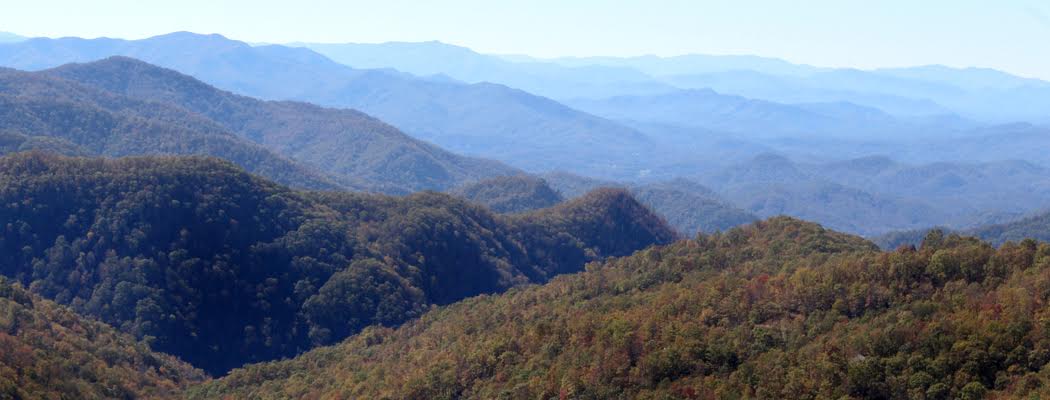
Blue Ridge

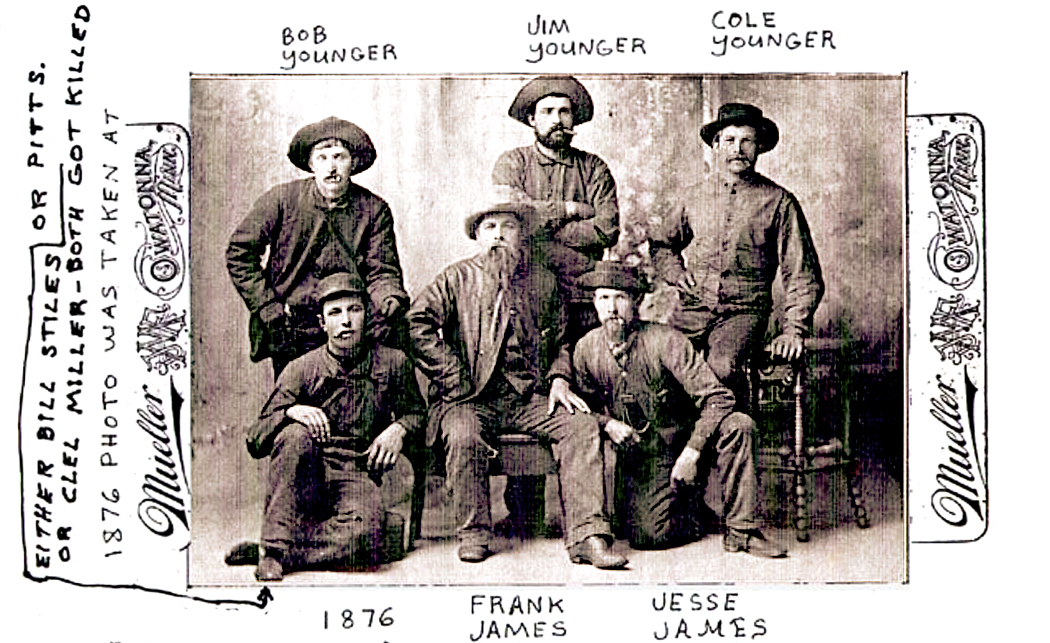
So, when I was driving, I knew I had already pushed my own frontier past such things, and knew in my heart that the West began on the other side of the Mississippi River. But, when I crossed the river into Arkansas, it hardly seemed Western. It didn’t look much different from Tennessee, in my rear view mirror. Yet, Arkansas was home to the “Hanging Judge” Isaac Parker and where Jesse James robbed trains.
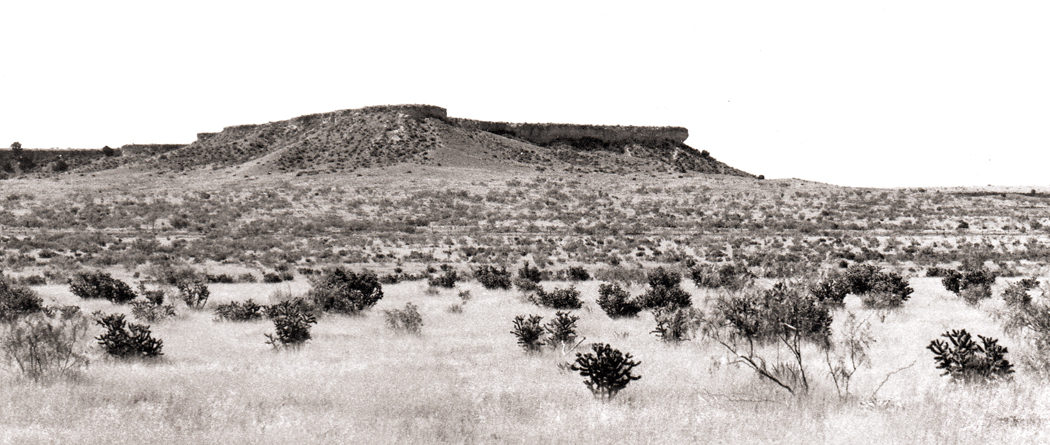
But surely Texas was the West, but driving through flat, bland Amarillo on I-40 was as exciting as oatmeal. The first time we felt as if we had hit the West was at the New Mexico line, when we first saw a landscape of buttes and mesas. Surely this was the West.
Maybe, but we hadn’t yet crossed the Continental Divide. All the waters of all the rivers we crossed emptied into the Atlantic Ocean. Finally, crossing the Divide near Thoreau, N.M., we felt we had finally made it.

Yet, even when we got to Arizona, we knew that for most of the pioneers who crossed this country a century and a half ago, the desert was just one more obstacle on the way to California. In some sense it still wasn’t the West.
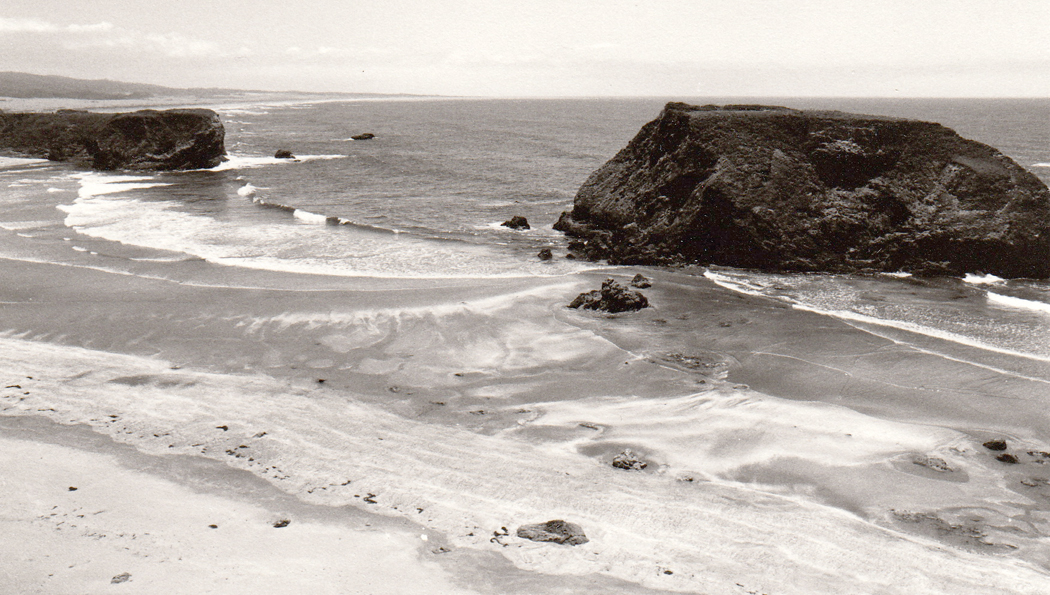
When we got as far as we could in a Chevy, and stared out at the Pacific Ocean, we knew that there was still something farther: Hawaii, Japan, China, India, Africa — and eventually across the Atlantic to Cape Hatteras and back to North Carolina.

So, the West wasn’t a place you could ever really reach, but a destination beyond the horizon: Every point on the planet is the West to somewhere else.
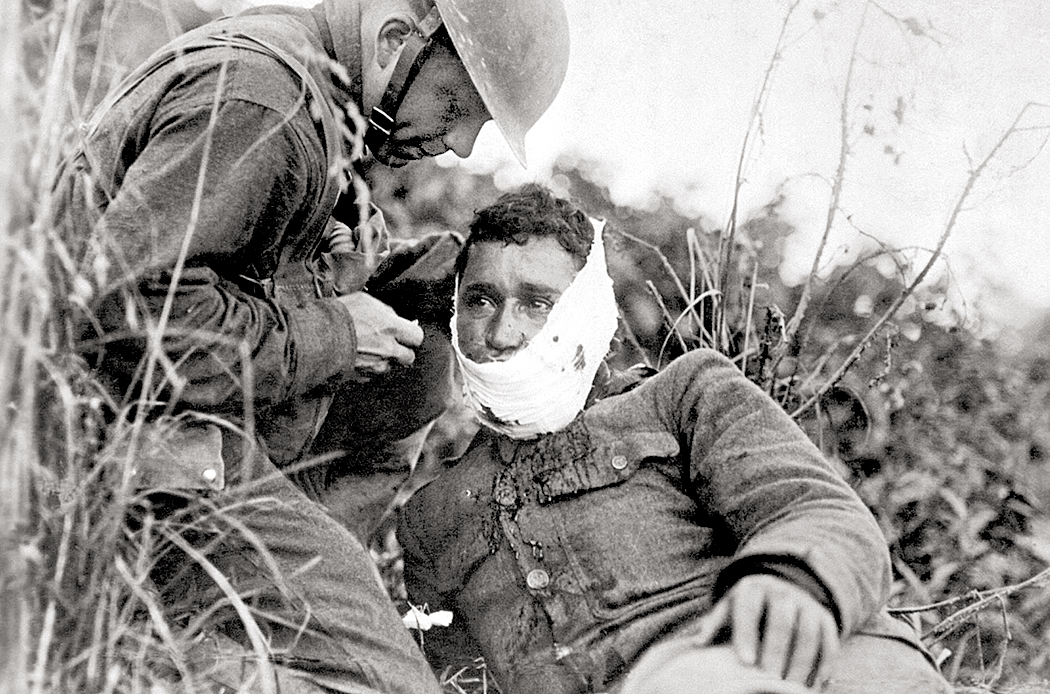
When we look to find the beginnings of Modernity, the horizon recedes from us the same way. Perhaps it began with World War I, when we entered a non-heroic world and faced a more sober reality.
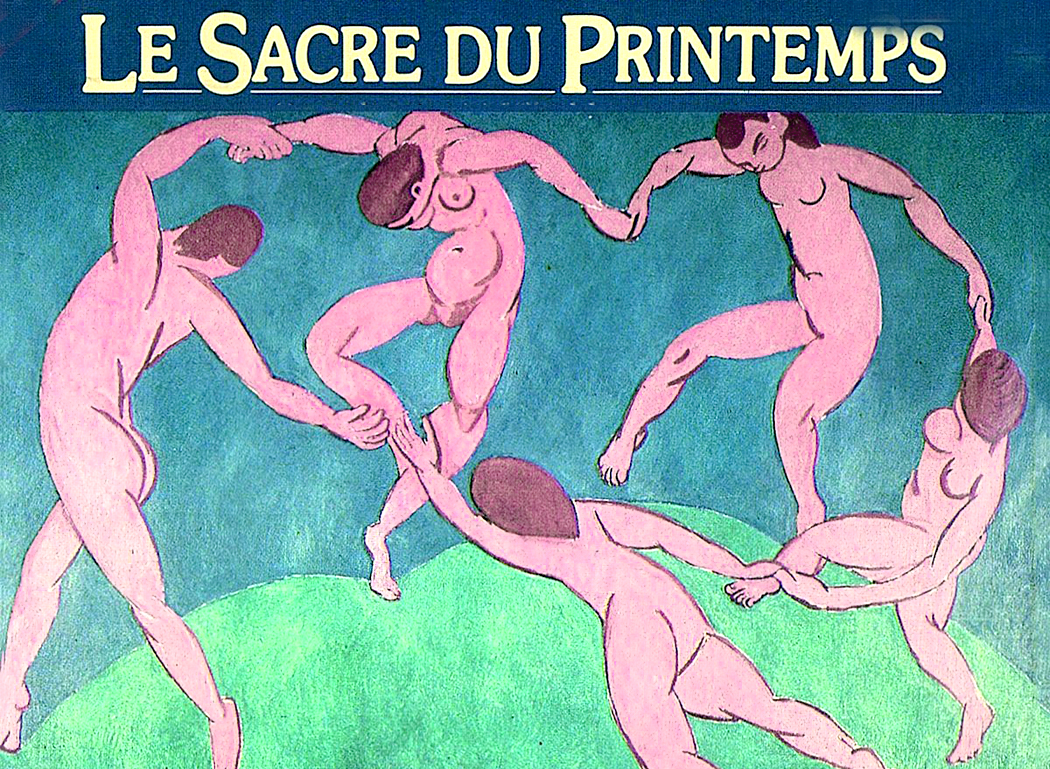
Modern Art began before that, however, perhaps with Stravinsky’s Rite of Spring in 1913, perhaps with Debussy’s Afternoon of a Faun in 1894. Some begin with the first Impressionist exhibition in 1874.

Politically, maybe it begins with Bismarck and the establishment of a new order of nations and the rise of the “balance of power.”

You can make a case that Modernism begins with the Enlightenment in the 18th century, when a rising Middle Class began to fill concert halls and Mozart became an entrepreneur instead of an employee of the aristocracy.
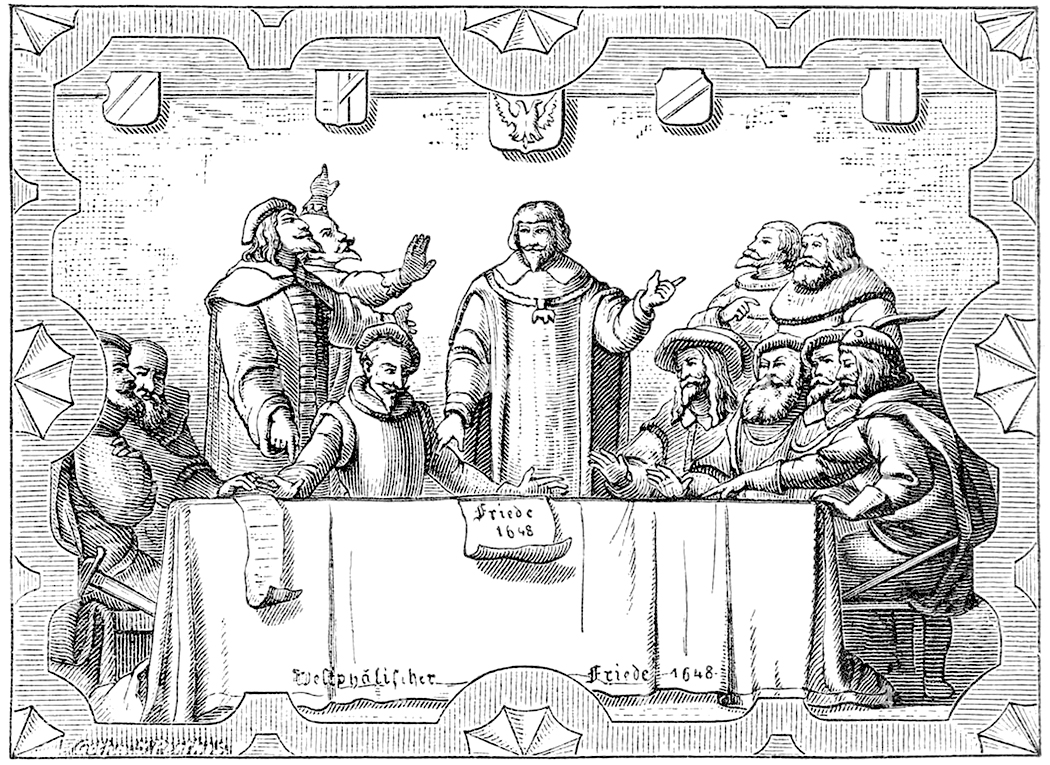
Or before that, in 1648, with the Treaty of Westphalia, and the first recognition of national boundaries as something more than real estate owned by the crown.

You can set your marker down with Luther, with Gutenberg, with Thomas Browne, Montaigne, Caravaggio — or Giotto.

For many, Modernism began with the Renaissance, but when did the Renaissance begin? 15th century? The Trecento? Or did it begin further north with the Gothic around AD 1150, which is really the first sparking of a modern way of thinking. 
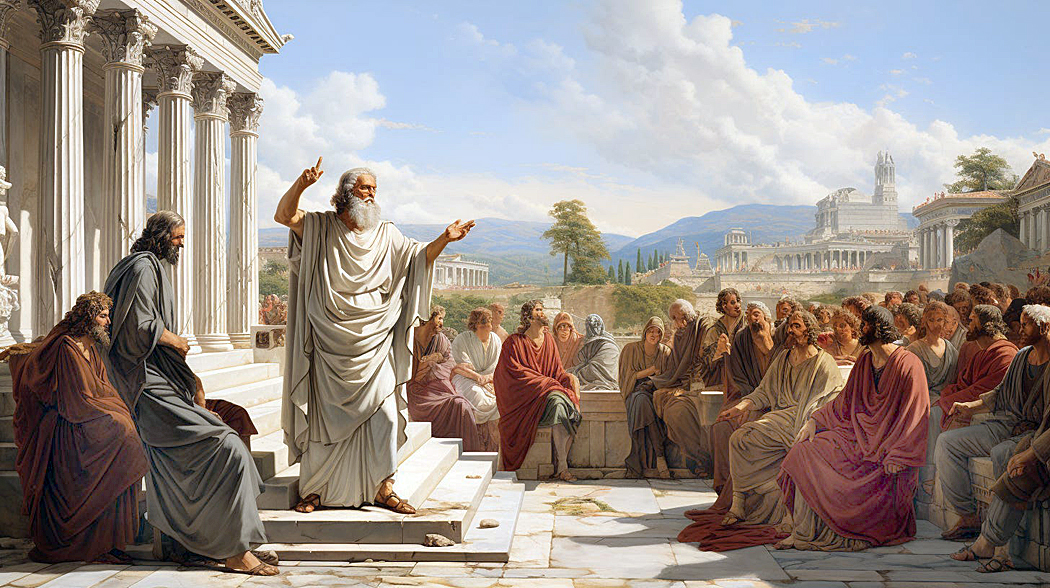
Perhaps, though, it is the Roman republic that divides modern political organization from more tribal eras before. Or you could vote for the democracy and philosophy of ancient Greece. Surely the time before that and the the time after are distinctly different. We recognize the near side of each of these divides as more familiar than the distant side.

You might as well put the starting line with the discovery of agriculture in the steppes of Anatolia and the river plains of Iraq. An argument can be made for any of these points on the timeline — and arguments could be made for many I haven’t room to mention.
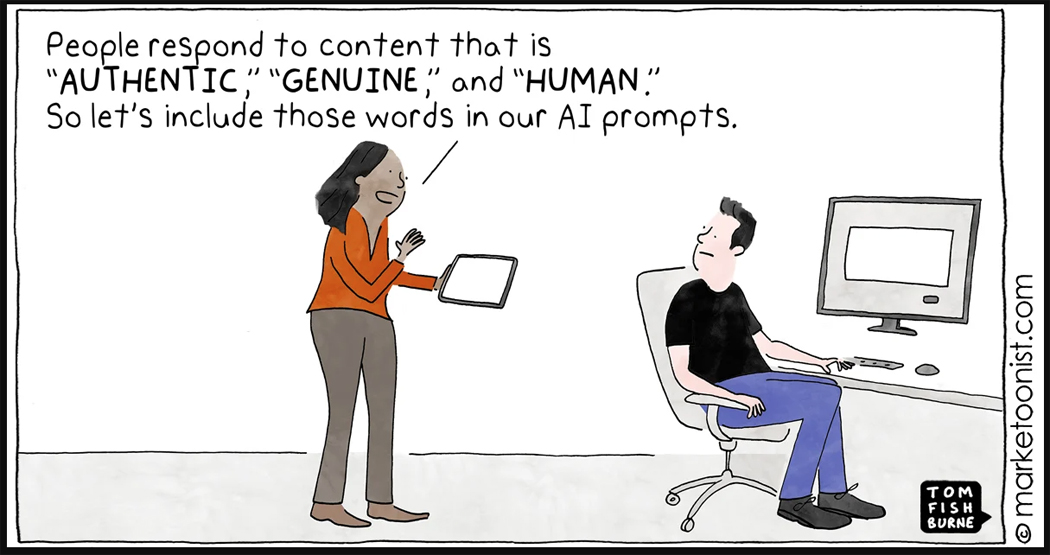
Which leaves us the ultimate question: Is Modernism now over? Done with? Have we moved on, or is what we deem Postmodernism really just the next manifestation of the Modern? Perhaps AI is the new line drawn in history. 

Perhaps the horizon should be recognized for what it is: an ever-moving phantasm. For those peasants digging in the manorial dirt in the Ninth Century, the times they were living in were modern. The first person recorded to use the term “modern” for his own age was the Roman writer Cassiodorus in the 6th Century. Each moment is the new modern.

Scholars know all this very well, and make their arguments in books and treatises, almost always with the caveat about drawing lines hard and fast. But the convenience of giving names is too seductive, and leaves the popular imagination with images like Monty Python’s “Bring out yer dead” or Elizabeth Taylor’s Cleopatra. Can we talk about the past without the labels we give it? 
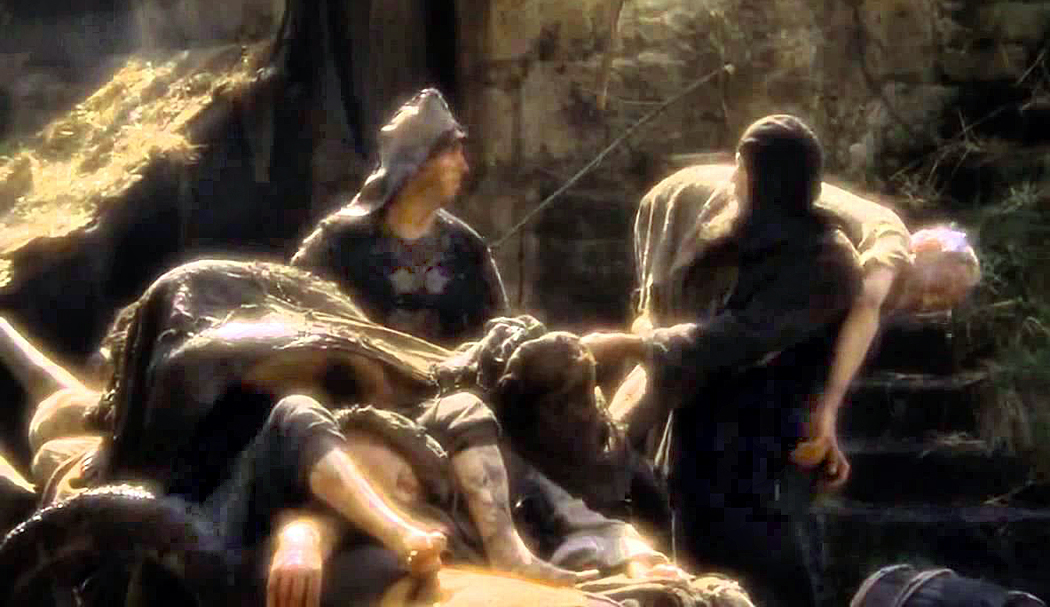
We need to understand the world is not binary, but a borderless spectrum of experience. Hawaii is now part of North America and Iceland is part of Europe. Electrons are particles and waves. Poland grew immense and shrunk, disappeared completely and reappeared and picked up its skirts and moved 200 miles to the west. And so, I wince every time I hear a red politician tell us with misbegotten certainty what gender roles should be, or that “male” and “female” are hard, definable categories with no subtleties. Or that “Left” and “Right” are hard-and-fast places where we must construct our redouts. 

I admit we need words, categories, borders, and definitions to be able to communicate. We need to cut up our steak in order to eat it. But I would wish we could be more humble about their actual reality. 
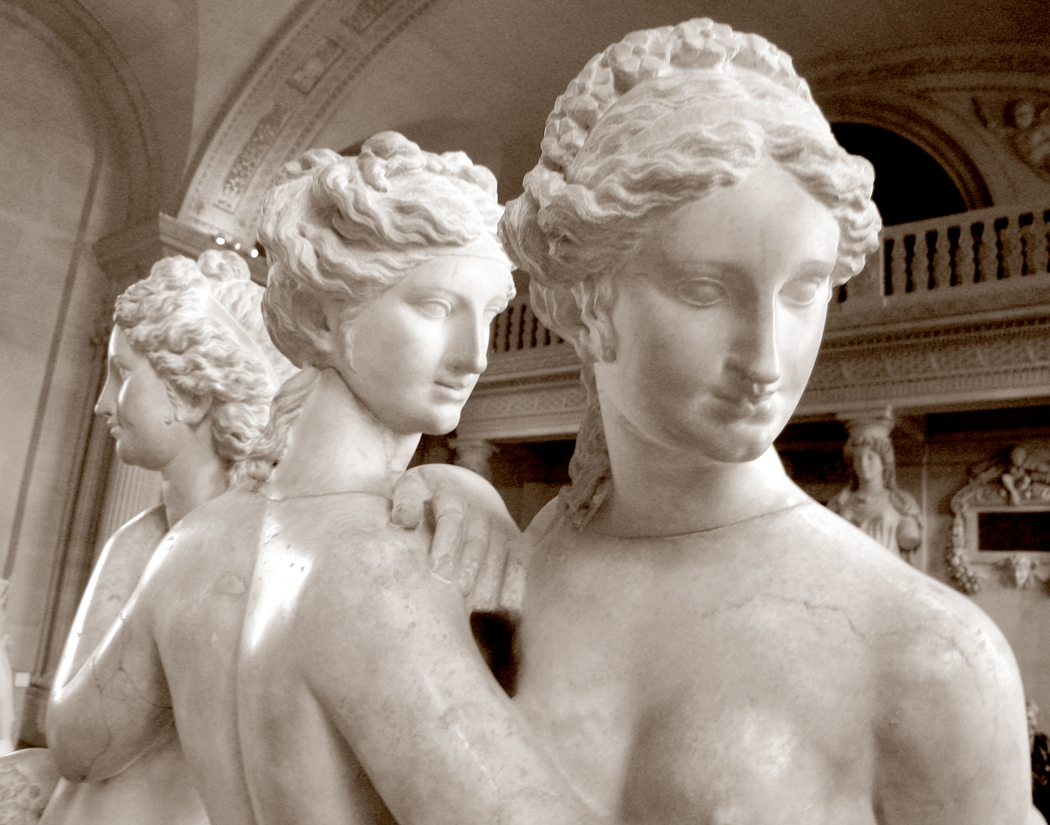
We all have roots. We draw up family trees, naming as far back as we can our ancestors; sometimes we discover Charlemagne or Henry II hiding in the branches. Many of us have tested our DNA to discover the nameless past before that and perhaps trace our route from Africa through Europe or Asia by haplogroup. 

There is a lineage — a straight line that leads from some familial Adam to ourselves. Or at least, we see it that way: The reality is messier. Each of the names above ours on the family tree doubles; parents, grandparents, great-grandparents and so on. That lineage becomes a mesh, a network of interconnectedness. Thousands of Adams and their Eves woven together.

Yet, there is still the sense of having gotten from there to here. A sense that, however complex the root system, the florescence is now. 

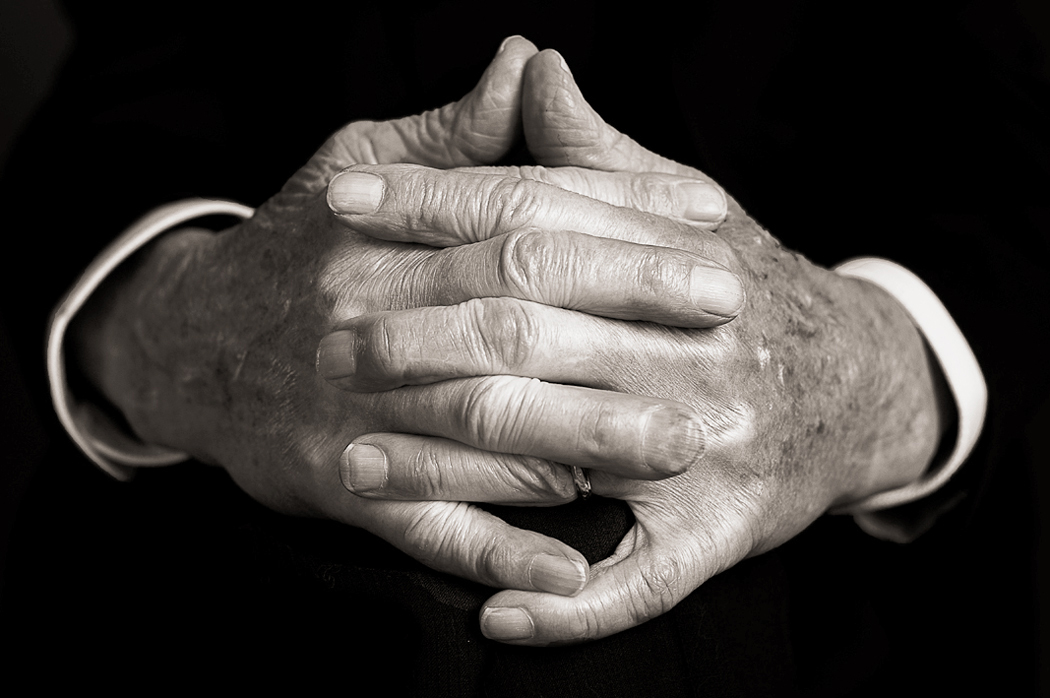
This seems to me to be true culturally as well as genetically. I am certainly American, with my bona fides in Thoreau, Emerson, Whitman, Dickinson, Melville, Hawthorne. But there is still something behind those names. When one marries and begins a family of one’s own, there is still the family in which you were raised and it never really goes away. One day when you are 50, you look down and at the ends of your arms you discover your father’s hands. Or you find yourself saying something that rings the bell of remembrance: This is what the old man used to say. Your wedded family, like your friends are acquired later, but your original family stays with you forever. It is somehow more unshakable than the one you later don. You may divorce a first wife, but you can never lose your birth family: It is traced in your muscle and bone. 

And it is, at least for me, the same for the culture I resonate to. I find ever more as I grow older, that I am at heart European. It is European literature, music, thought — even landscape and city — that I respond to. France has always felt like home to me. And the painting and sculpture of the Old World — from Ancient Greece, through Rome, the Middle Ages and Renaissance, through the Enlightenment and into the horrifying terrors of the 20th century — they all speak to me more directly than the neotenous and optimistic culture of the New World. 

This is not to claim any supremacy for Europe. There are many great cultures in the world, and just as one knows one’s own family may not be the greatest one — indeed, it has its characteristic neuroses and scars — it is nevertheless your own and has a deep comfortableness and familiarity that you cannot get from other families. I am inoculated against any sense of European supremacy; I’ve read my Jared Diamond. But that can’t change my cultural genes.

And so, I see my grandfather’s nose taking over the center of my face. I find the patience so inborn in my father taking over my own, and his natural moderation in all things political guiding my own, and overtaking the youthful certainty and idealism that drove me to chant “Hey, hey, LBJ” and stew in a smug self-righteousness. 

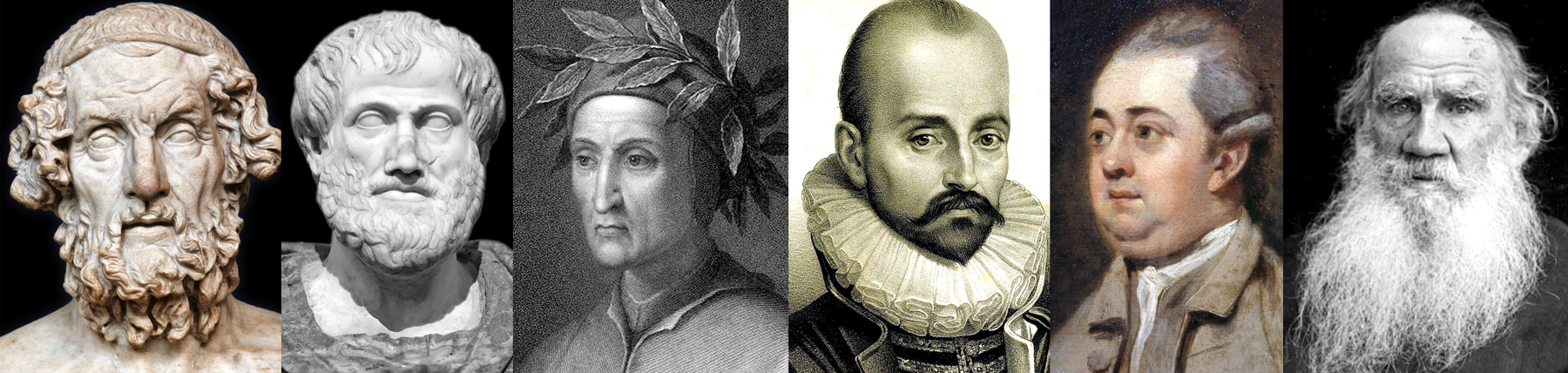
So, there is Homer, Aristotle, Ovid, Montaigne, Dante, Gibbon, Tolstoy — these are my cultural parents and great-grandparents, and I find their hands at the end of my cultural arms. 

Yes, American culture owes a great deal to Africa, Asia and Native America, but underneath it all, the “dead White guys” are peeking out. Whether it is Indian art on canvas or blues riffs over triadic harmony, the basement layer supporting all the ethnic and cultural overlay, all the borrowings and tinctures, is European.

It’s so etched into the American memory, even on a pop-culture level,  that it’s the starting point for all American culture, both highbrow and lowbrow. Can we recognize it when we see it? Do we know how European we are? The older I get, the more I know it. Others feel the amalgam in their blood. They grew up on pop music and TV. I grew up on Stravinsky and Bach, and the pop culture never quite took hold. 

First, what do we mean by “Europe”? We sometimes have to laugh at any definition of Europe; after all, Europeans cannot agree on it. The European Union is now contemplating whether Turkey is part of Europe — a Muslim nation in Europe, and the United Kingdom is trying to divorce itself from the rest of the continent, as if you could divorce your parents. 

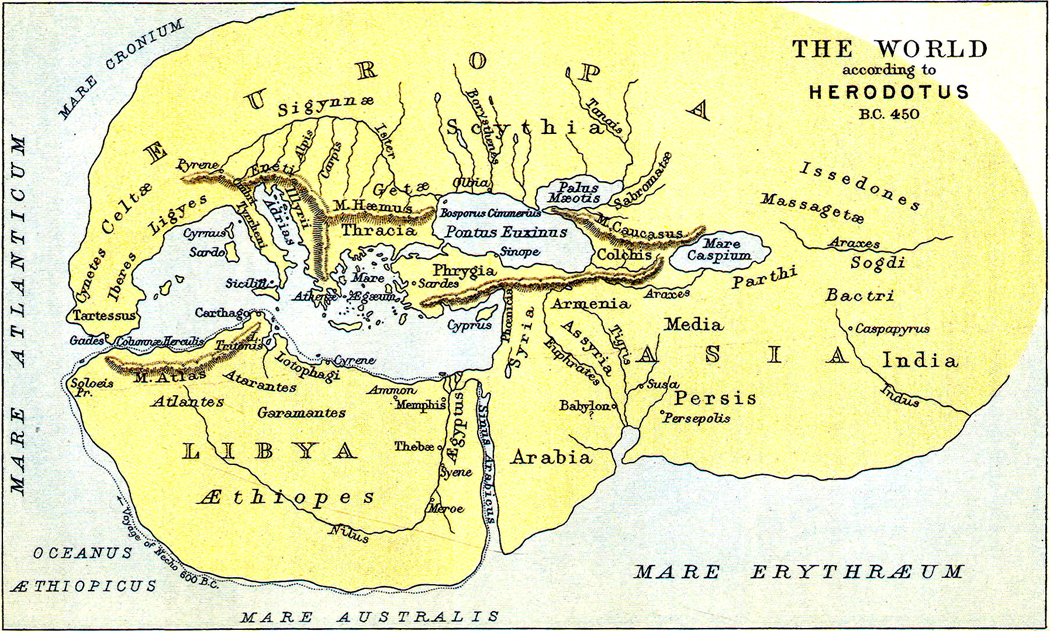
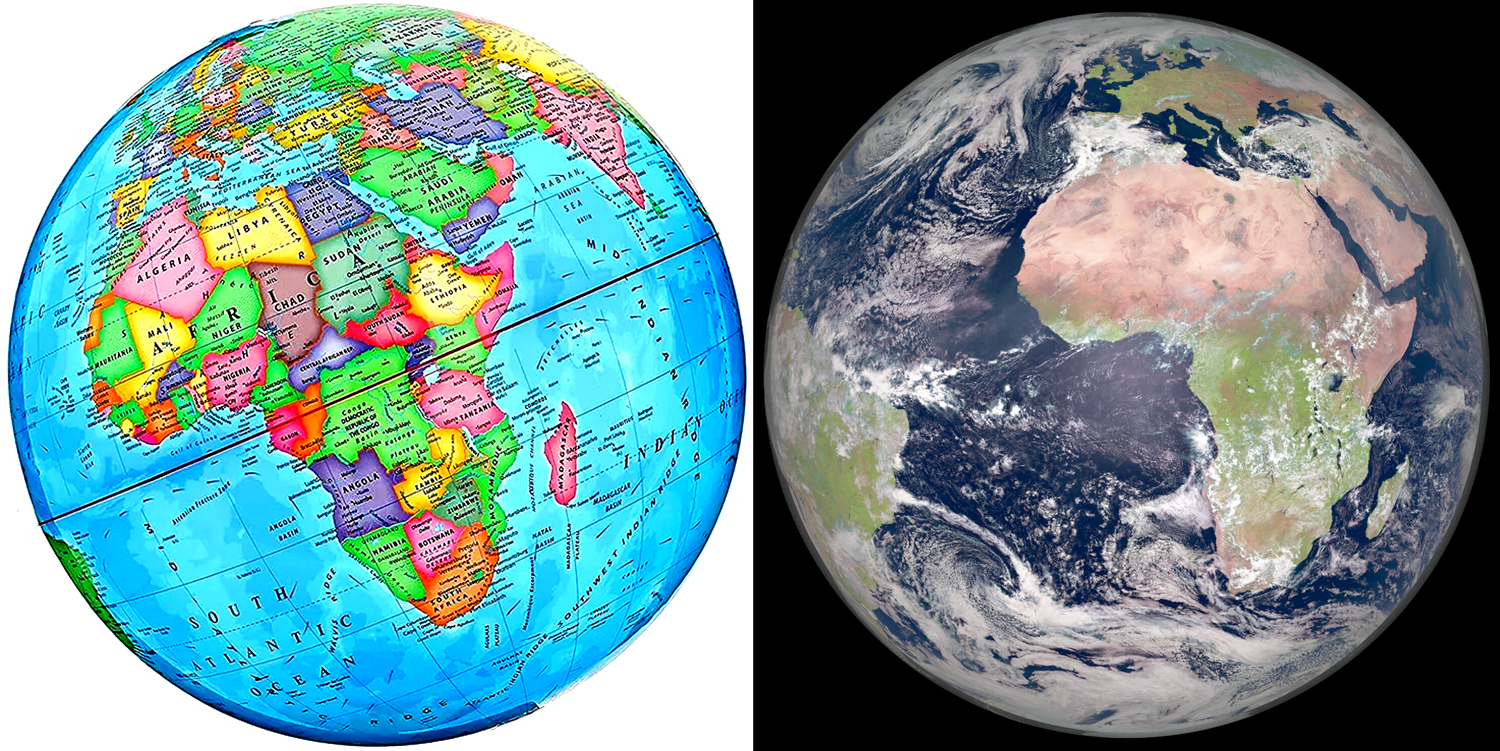
The continent got its name from ancient Greece, which divided the world into three: Europe was where “we” lived; to the east was Asia, meaning primarily Persia, the Levant and what is now Turkey; Africa was usually called Libya and included Egypt and Ethiopia. These three continents were surrounded by Ocean, the great river that circled the known world. That is the world as Herodotus knew it. 

Nowadays, Europe usually is defined to include Iceland, the western end of Turkey as measured from the Dardanelles, and Russia to the Ural Mountains.

It’s a huge and disparate place, including cultures that are Mediterranean, Germanic, Slavic, Celtic — even Turkic. But when we talk generically about European culture and art, we most often mean that of Western Europe: a cultural tradition that began in classical Greece, spread through the Roman Empire and flowered again in the Renaissance.

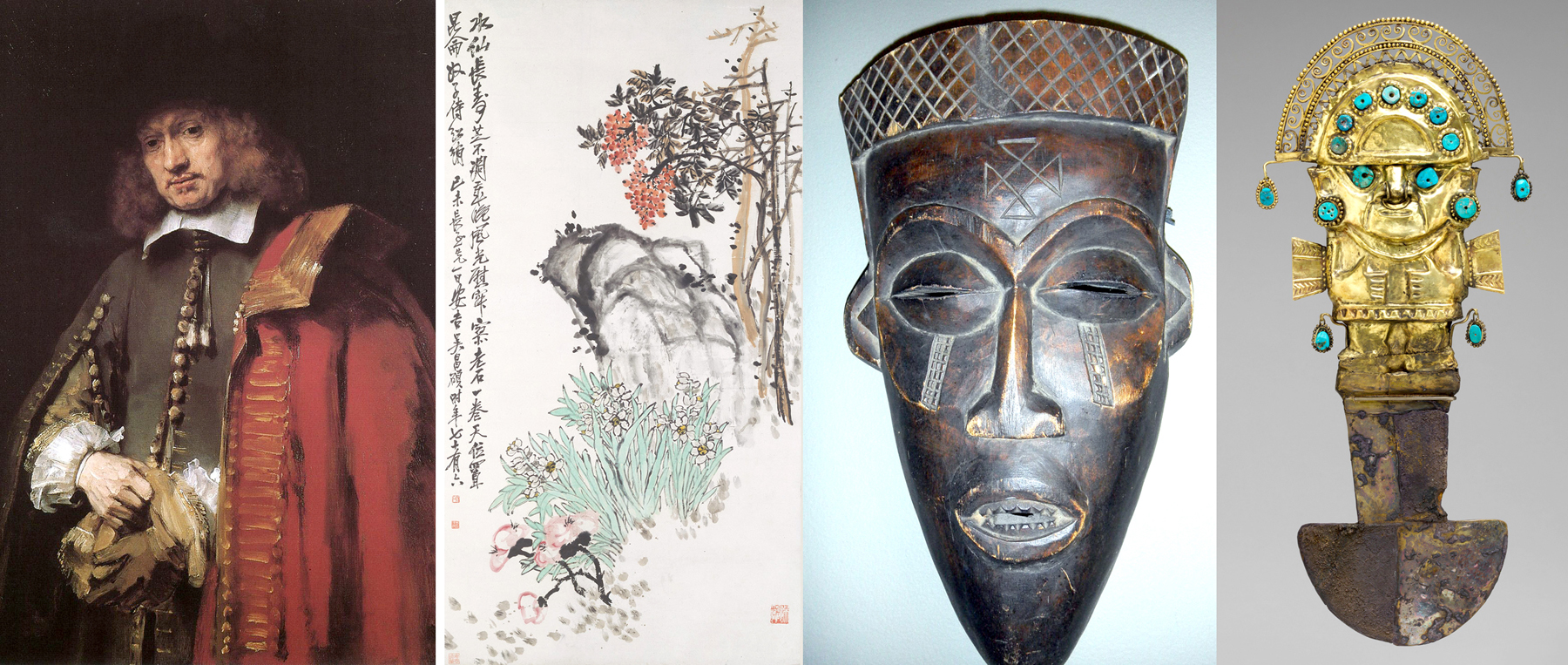
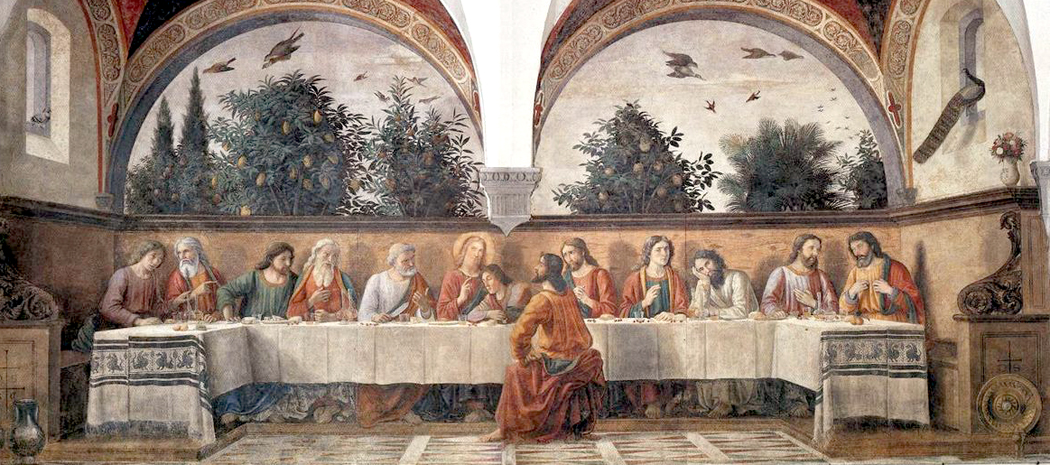
But what makes European art European? What distinguishes Michelangelo, Rembrandt, Beethoven, Shakespeare from art made in China, Ghana or Pre-Columbian Peru?

There are many things Europe gave us, from rationalism to colonialism, from democracy and humanism to the nation state and patriarchy, to say nothing of two world wars. Each aspect is cheered or booed, depending on whether you have come to praise Europe or to bury it.

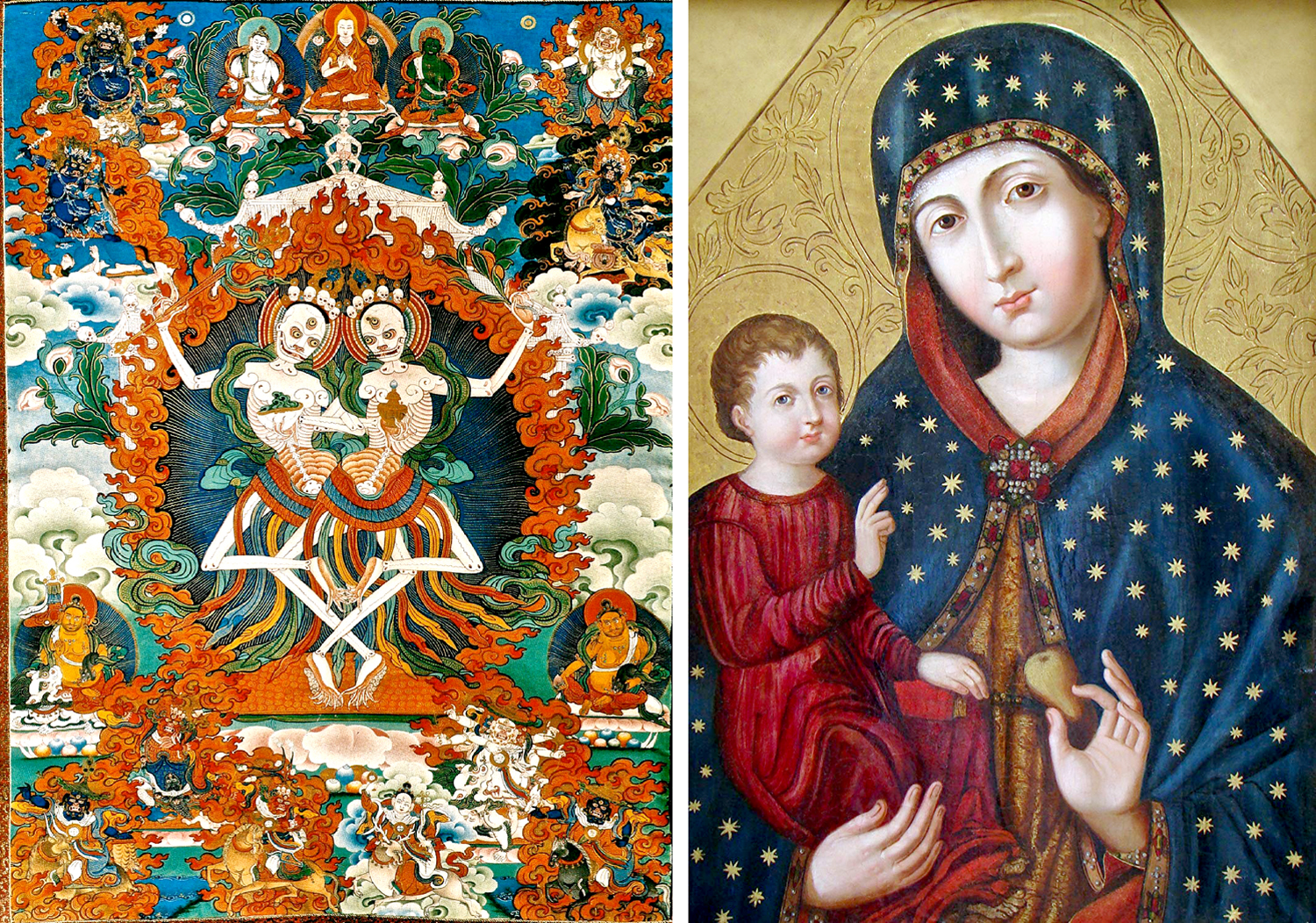
But there is something familiar to it, whether it’s a Madonna or an Apollo: It is the heritage I feel in a way that Japanese noh theater and Tibetan thankas — no matter how beautiful or meaningful — I do not.

(Do not get me wrong here: I try to be as cosmopolitan as possible. I’ve read the Mahabharata three times, Basho’s Narrow Road to the Deep North, Naguib Mahfouz, Jorge Luis Borges, and Mao’s little red book. As a teenager, I took up the use of the shizuri and sumi stick; I have a collection of African sculpture. I hope I am not a completely ignorant yob. But I can never drink as deeply from the vast elsewhere as I can from my backyard  European well.) 

For me, it is European art that is a touchstone for history, for ideas of beauty, for widely held social values, some of which are out of date and some of which are lamentable, even shameful. But an Old Master painting has just as much validity in our cultural ambience today as learning about Shakespeare in literature or Mozart and Tchaikovsky in music. It’s a huge spectrum of cultural experience, all tied into European art and culture.

What makes it European? I suggest five key things:

—First, there is a bias toward realism.

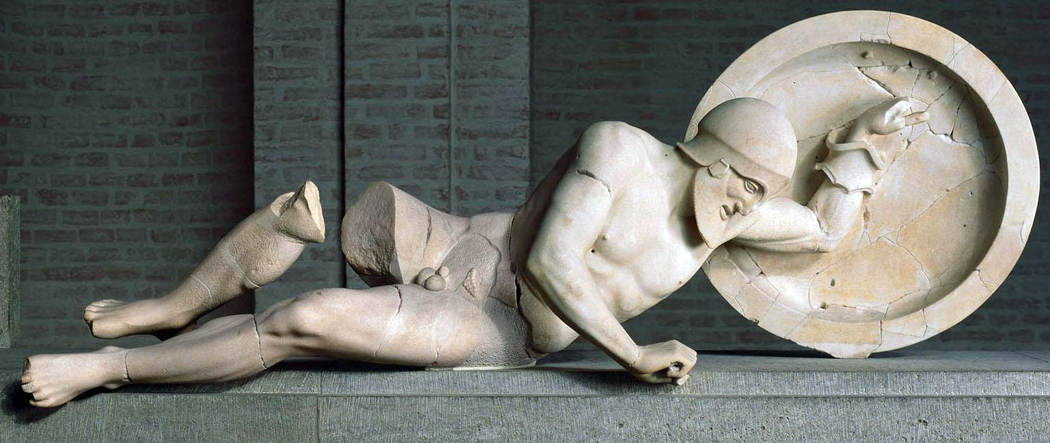
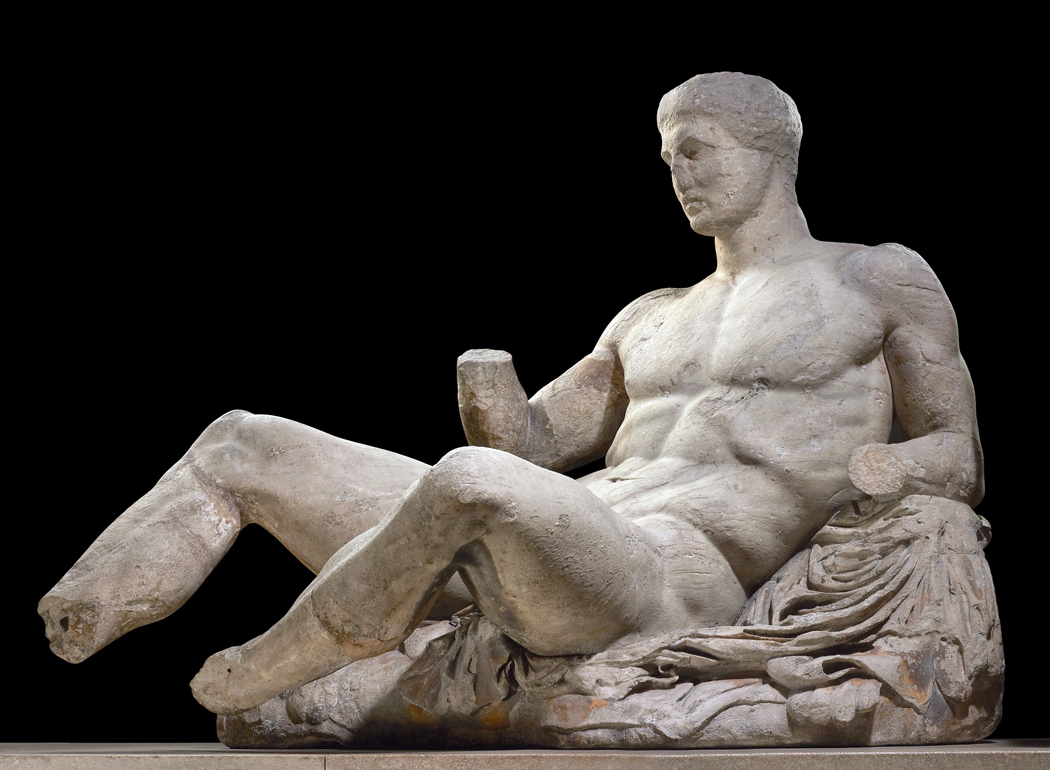
—Second, an astonishing persistence of Classical antiquity.
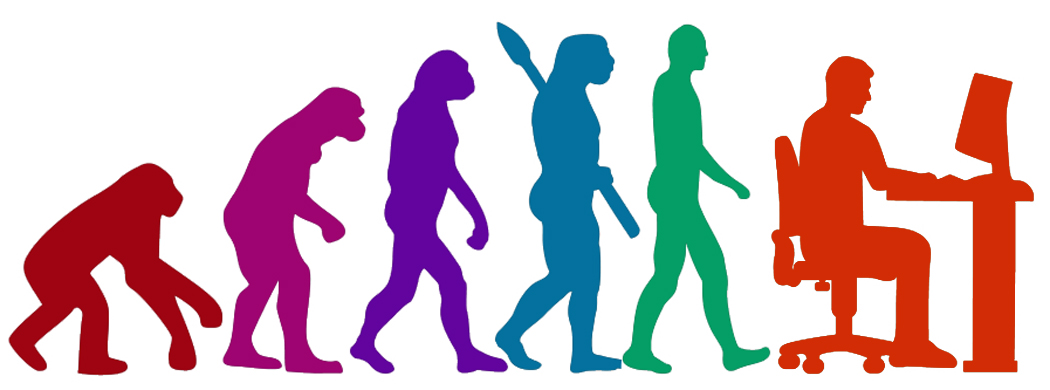
—Third, a belief, justified or not, in the idea of progress. 

—Fourth, the pervasive influence of Christianity.

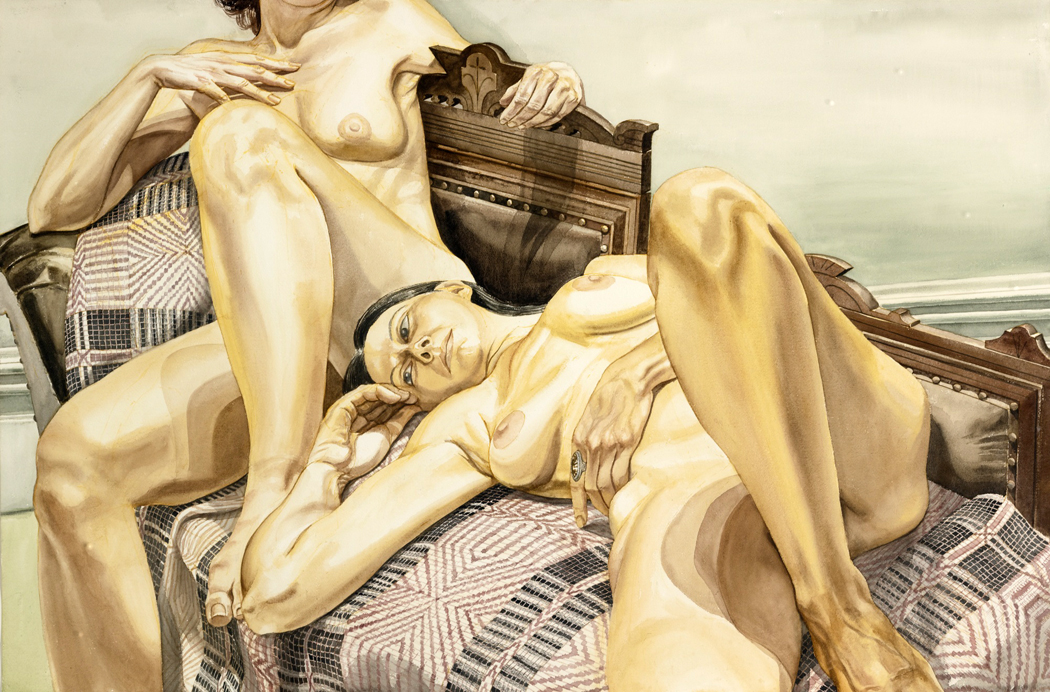
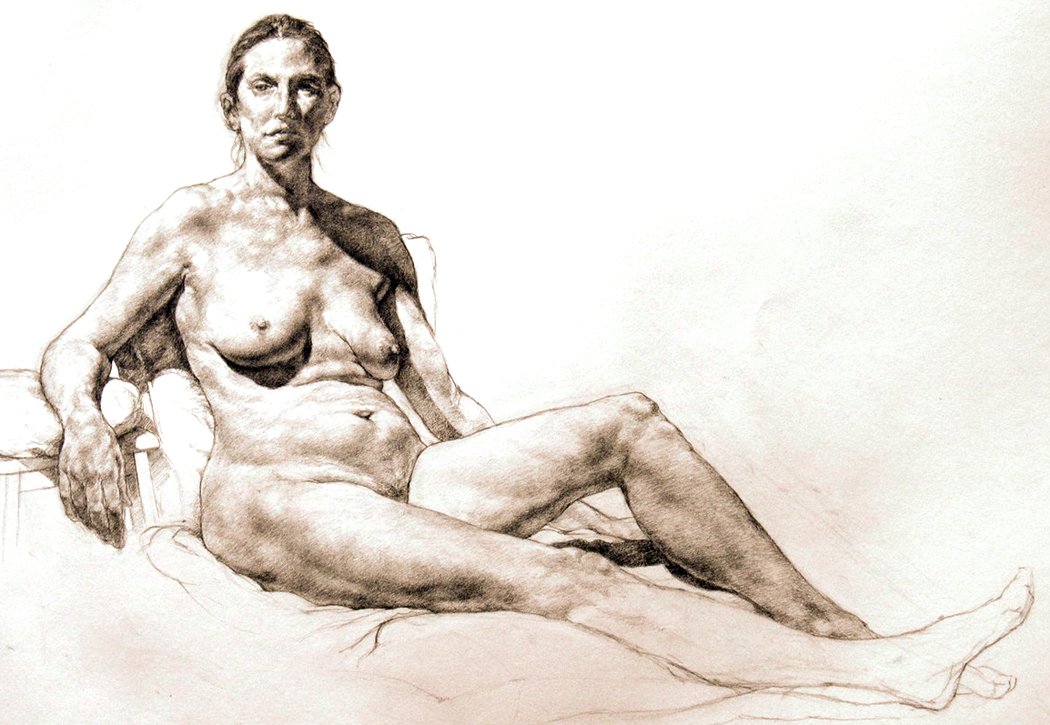
—And finally, the singular importance of the human body and the nude that we might distill into the word “humanism,” a belief in the nobility, or divinity, of corporeal human existence.

(Also, in music, the use of harmony as the basic building block.) 

Deeply rooted realism

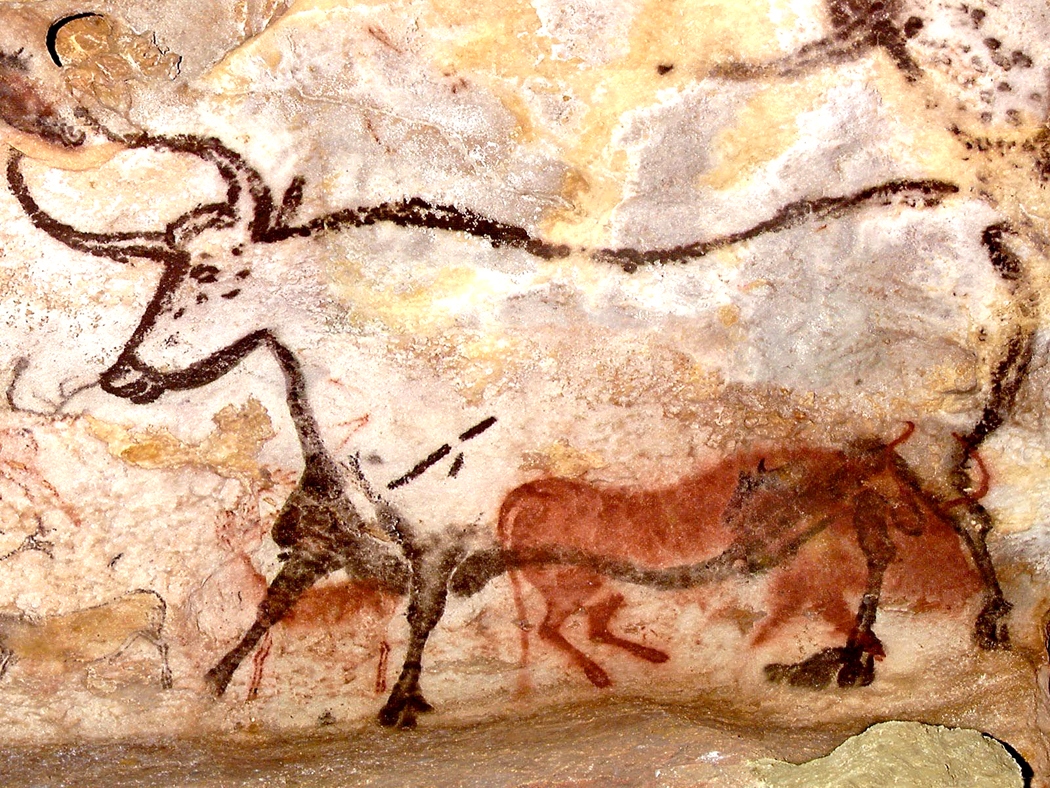
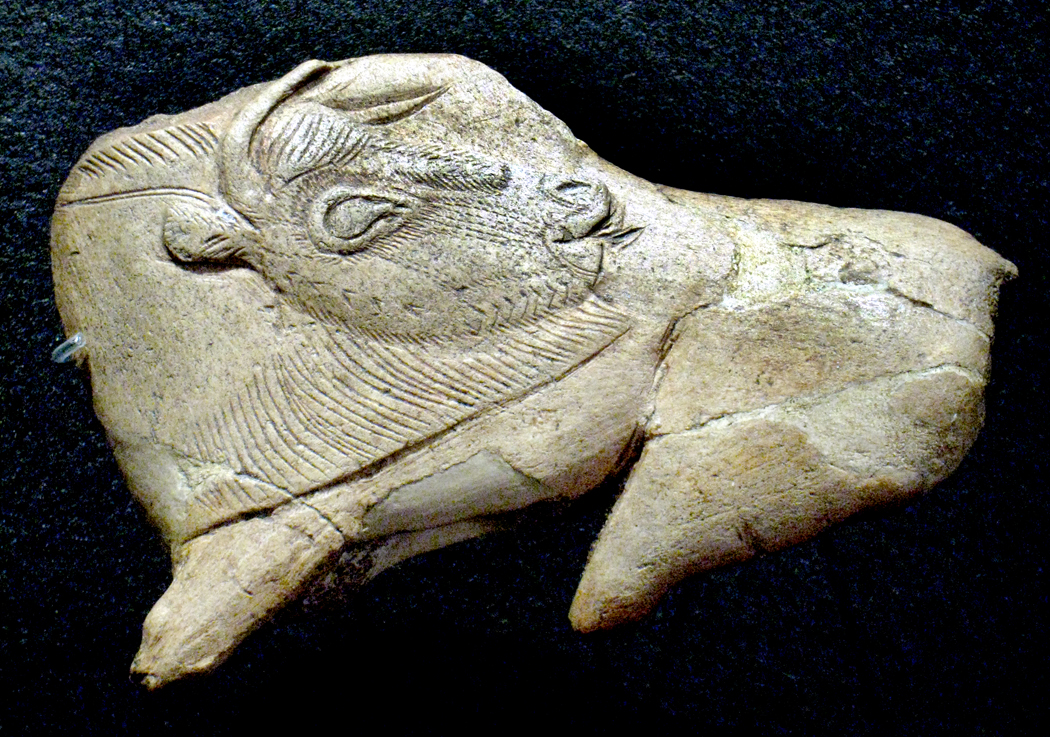
In the caves of southern Europe you can find the world’s oldest art, dating to 30,000 years ago. Even that long ago, proto-European artists created paintings that looked like the world they lived in: the aurochs and horses of Lascaux and Altamira often are so naturalistic that they can be taxonomized by zoologists into genus and species.

Prehistoric art from other cultures — South African, Australian and Southeast Asian — tend to be more diagrammatic: symbolic stick figures rather than shaded, colored images mimicking what the eye sees.

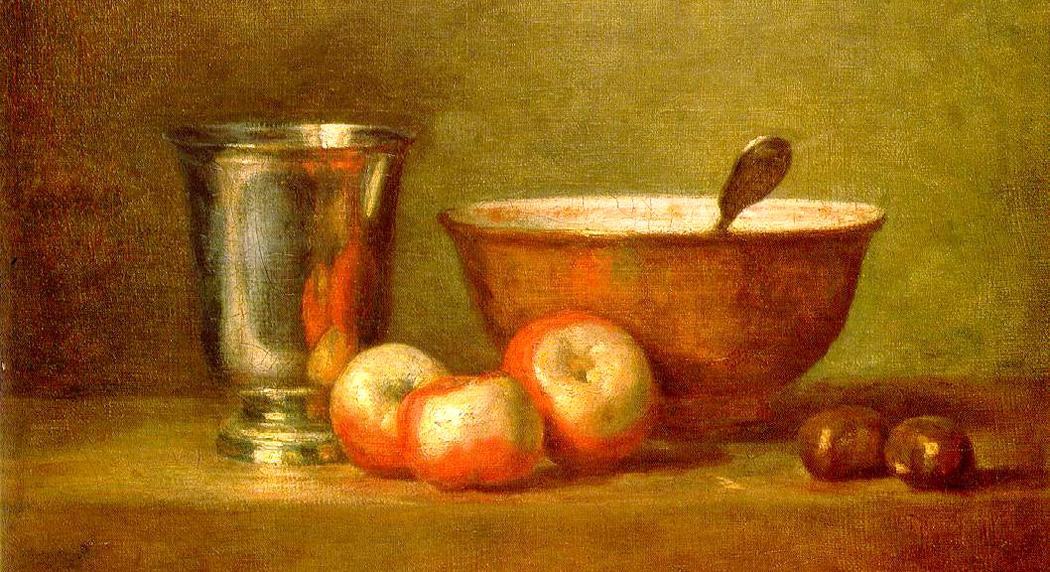
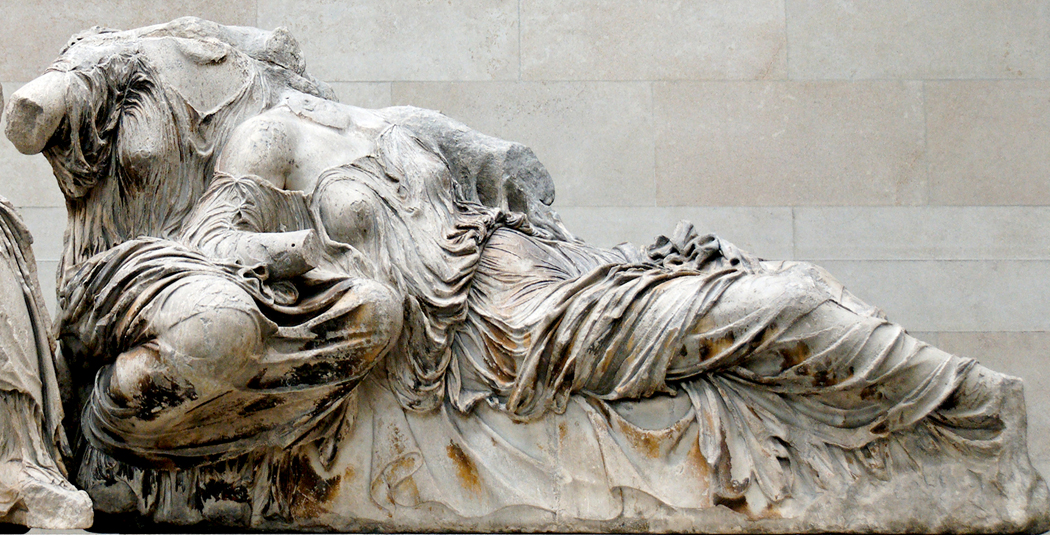
Aristotle said it 2,300 years ago: “Art imitates nature.” You can see it in Greek art from the fifth century B.C. The Greeks were intensely interested in realism. It is not just in the physicality of the statues, the lifelike figures, but in the drapery that clothed those statues. Later European artists, going back to that, like Poussin or Courbet, those lush mythological landscapes with that gleaming pink flesh. It is a love of the actual, of the real, physical world.

In our sophisticated provincialism, after a century of increasingly abstract and intellectualized art, we may think we have left all of that behind. But is Andy Warhol’s soup can any different?

Antiquity endures

We often say Europe was born in ancient Greece, which gave us so many of the philosophical and political ideas that we still live with. But even in art, antiquity remains in our lives. Go to any neighborhood and notice the homes with porticos, columns, architraves and pediments. Or listen to a pop tune sung in major or minor key and hear the remnants of a medieval and Renaissance idea of how the music of antiquity sounded.

Even in films, you have things like 300 and Troy. Even O Brother, Where Art Thou? is a take on Homer’s Odyssey. Theaters have their prosceniums and orchestras. 

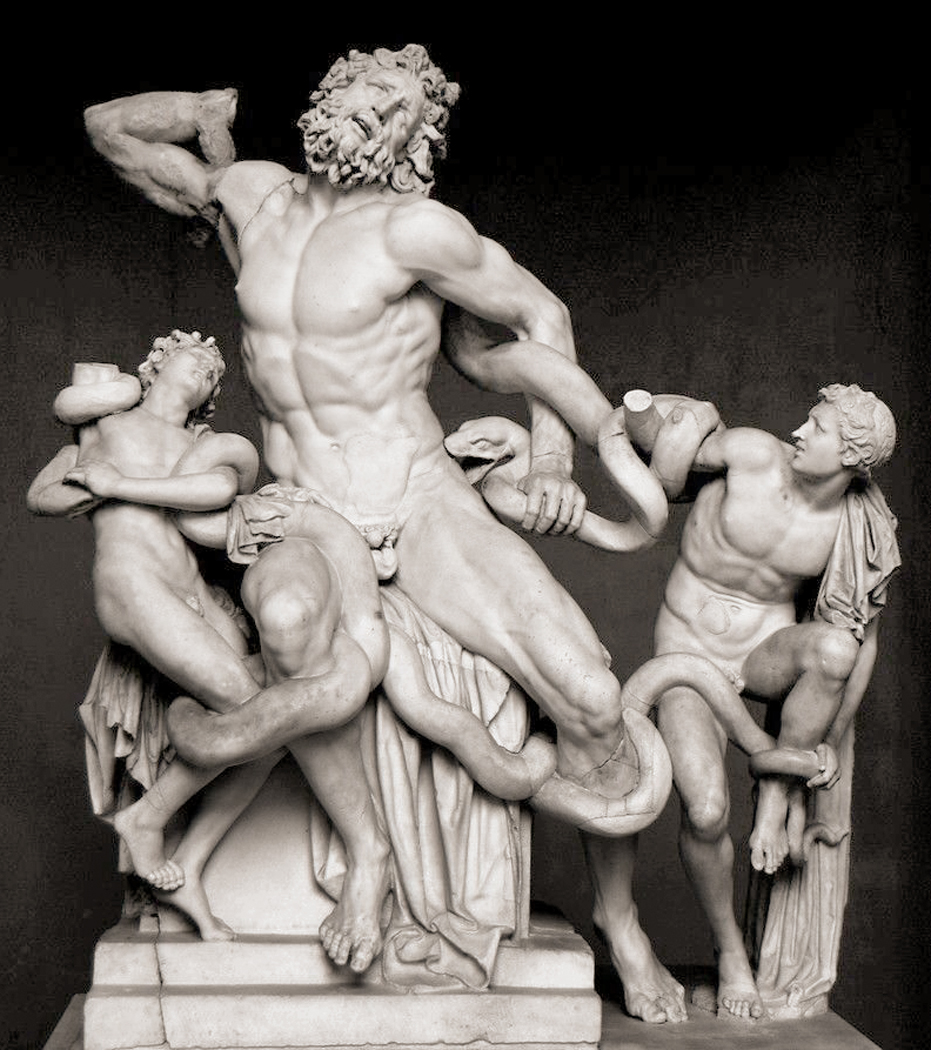
Our poets still write odes, 2,500 years after Pindar, and the statues in our city squares mimic the poses of Augustus and Constantine. Turn to the back of your Yellow Pages and you’re likely to see a chiropractic ad with a photograph of a man in pain, in the pose of the famous Greek statue of Laocoon. These things persist in our visual memory.

And where do you think that cupid on your Valentine’s Day card comes from?

Artistic progress?

Technological progress has been a hallmark of Western culture, and the tendency has been to see a parallel development in the arts.

Giorgio Vasari, writing his influential Lives of the Painters in the 16th century, argued that “one artist supersedes the last and is better.”  Always march on to the next style.

But while European art history is a parade of changing styles, science and medicine move forward and improve our lives, but it isn’t so clear in art. Is Tom Clancy really much of an improvement on the Iliad? 

It’s not so easy to embrace the idea of cultural progress anymore. Progress covers up a lot of really nasty stuff, like the looting of other cultures. And as we have come to know and understand other cultures better, it’s harder to maintain that our art is “better” than theirs. 

Christianity’s sway

If you were to name the single-biggest source of imagery in European art, you’d be hard-pressed to find anyone willing to step into the ring with Christianity. It’s the winner by default: The central role of religion in the arts is manifest. Just as Islam governs the art of the Middle East and Buddhism colors the art of China and Hinduism the art of India, so the themes and subjects from the Bible are central to Europe.

Christian themes are an overwhelming component of the European sense of morality and ethics. It is through Christian stories, illustrated in art, that we see how we should think about our own lives. The good Samaritan, the prodigal son, doubting Thomas, the woman at the well — these serve in our art as parables and lessons.

At one end of the spectrum, you have the universal grief and suffering of Michelangelo’s Pieta. At the other end, you have the plastic Jesus riding on the dashboard of your car.

The human figure

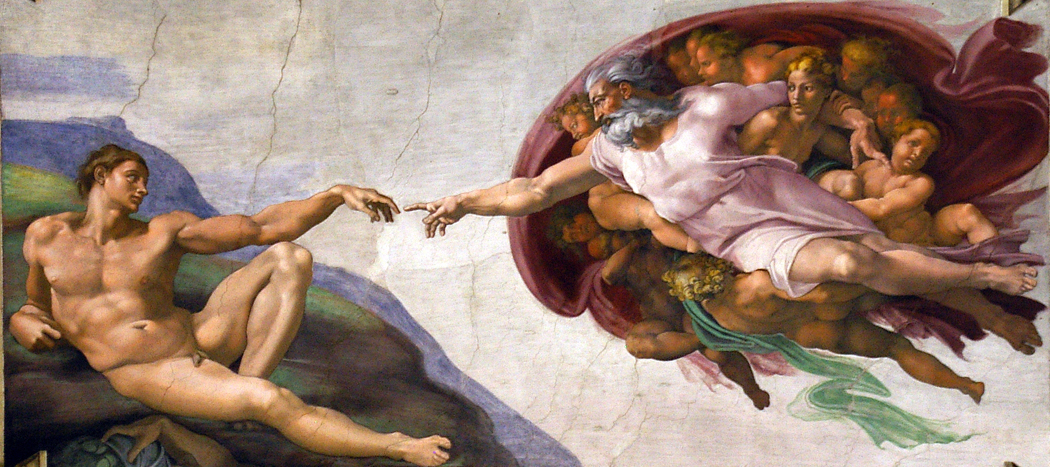
It has become an emblem of art: The nude figure. Whether it’s Aphrodite born from the seafoam, King David gazing at a naked Bathsheba or the painter’s lover dropping her dress in the studio, the human figure is primary.

It isn’t just men ogling naked women: It’s Myron’s Discus Thrower and Michelangelo’s David. From the Greeks on, the male nude is just as important.

You won’t find this in the art of Asia, Africa, Australia/Oceania or the New World. When you find the naked figure there, it is almost always a fertility talisman or a figure with exaggerated sex. In Asia, you find such things in “pillow books” and other intentionally pornographic images. In Europe, the figure isn’t only sex and generation, it’s a mirror of the divine. It is man as the measure of all things, and that means men and women.

‘Dead White males’

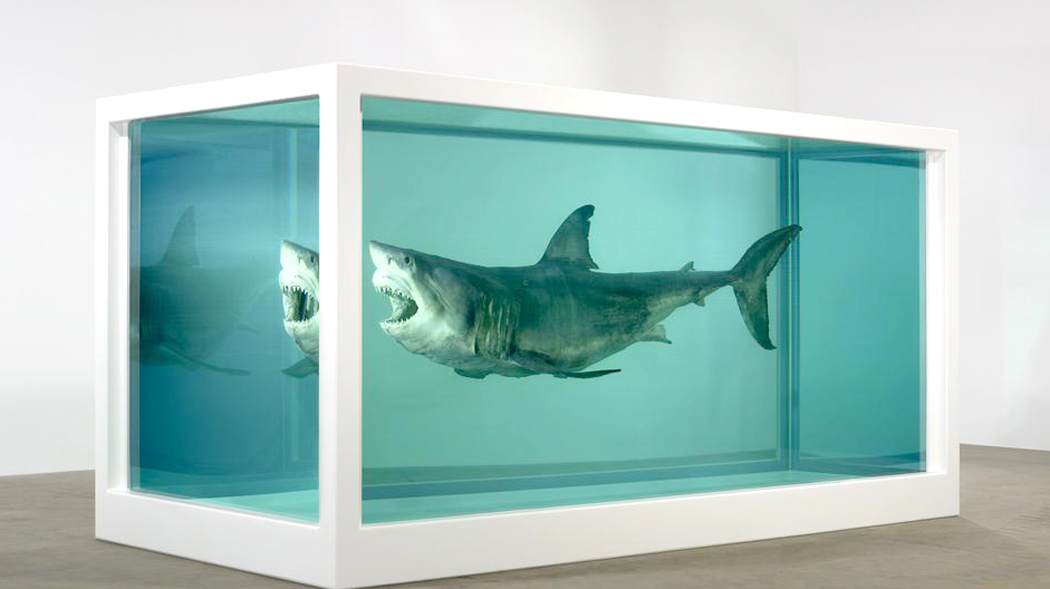
It has been a long ride from the caves of southern France to the latest pickled roadkill of Damien Hirst, and European culture has changed at least as much as it has persisted.

Listen to the music of Osvaldo Golijov, for instance, and hear the legacy of Beethoven mixed with the Arabian oud, the Balinese gamelan, the pipa of China and Peruvian flutes. It’s all one big mix.

As Europe has changed the cultures it has come in contact with, its own is being changed in return. Globalization isn’t only economic.

But there’s still a great deal to be learned from the long march we have taken. We think it all must be irrelevant because it comes from so long ago. It’s what people mean when they complain about all that art, literature and music from the so-called “dead White males” that have been taught in universities for centuries. Yes, the world has opened up to include more, but the old art is still as meaningful as ever.

Cultural DNA

Just as genealogy fascinates many people, who trace a great-great-grandfather back to the battle of Appomattox or look at old photos to see in faded black and white where the family nose comes from, so a look at our cultural ancestors shows us where we came from. That cultural DNA is still there.

Again, this is not to make any special claims for European culture: It can speak for itself. And the rest of the world is equally compelling. I love Chinese painting, African carvings, Australian designs, Hopi pottery. The case I’m making is that for myself — and I am speaking primarily for myself here — there is a nest in Europe that my psyche fits almost perfectly. Fragments of its past often show up unacknowledged in my prose or my photographs. The art and poetry speaks a language I was born to. I get the idioms, when other cultures, no matter how much I love them and respect them, are a second language — its idioms will always elude me. 

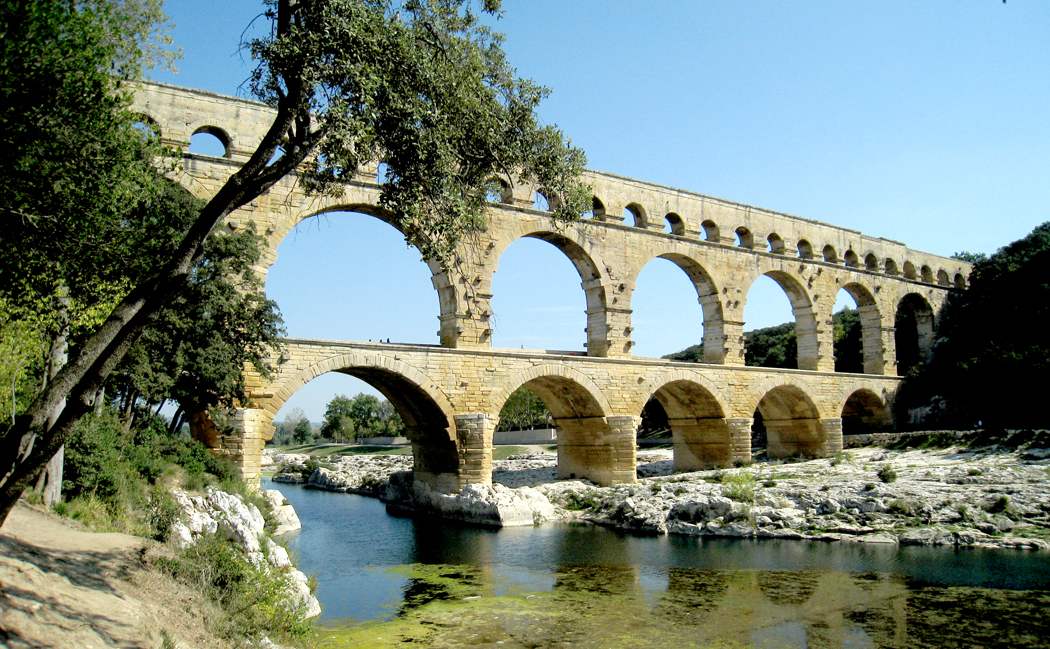
When I go to Brittany or the Vosges Mountains, or visit the Roman arena — now a bull ring — in Arles or the aqueduct at Pont du Gard, or see the stained glass at Saint Denis, or the stave churches in Norway or the polders of Holland, I have an overwhelming sense of being home. This is my family, for all its faults. 

Click on any image to enlarge


baloon guys copy

Ah, Paris! The Eiffel Tower, the bérets, the Apache dancers, “La Vie en Rose,” haute couture, zee Fransh ak-sant, onion soup, vin rouge, escargot.

Baloney.

The Paris of movies and tourist brochures is, frankly, a load of hooey. If you go to Paris to see the city of  Amélie or Avenue Montaigne, or worse, the city of An American in Paris, you will be disappointed. There is no Maurice Chevalier here, singing “Louise,” no Piaf, regrets or otherwise.

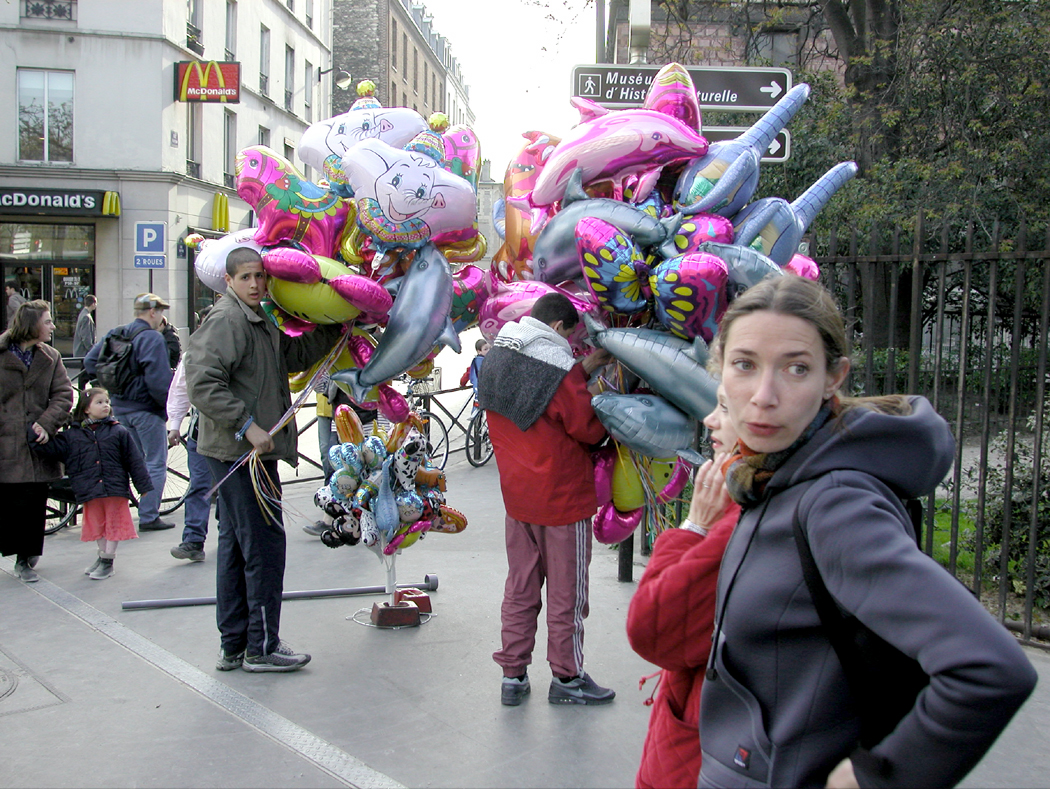
Paris is a city, not a romantic illusion. There is traffic, there is noise, there is filth on the streets. On street corners, teenage toughs with shaggy hair make out with the girls during school lunch hours and workmen carry long pipes of PVC to replace worn out Paris plumbing, and cars stop midstreet to block those behind, while someone jumps out and opens the rear door to make deliveries, oblivious.

It is a working city; not a theme park. It has edges, it has smells. It has its crankiness as well as its graces.

Yet, Paris is still one of the greatest cities in the world. For some of us, the greatest, no contest.

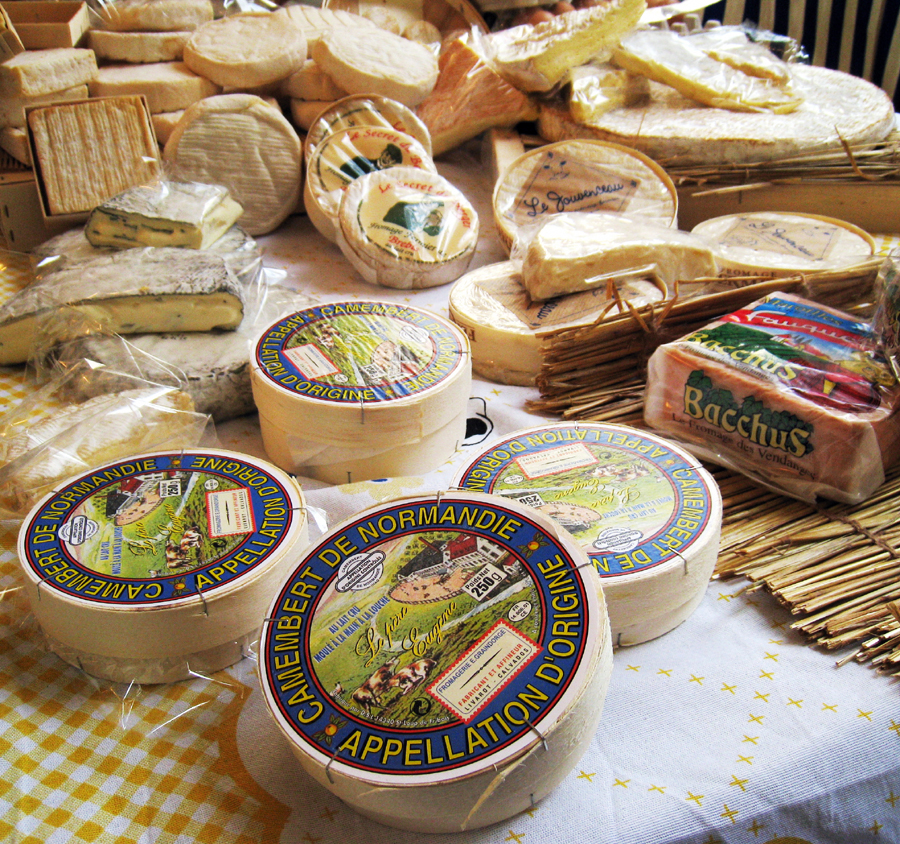
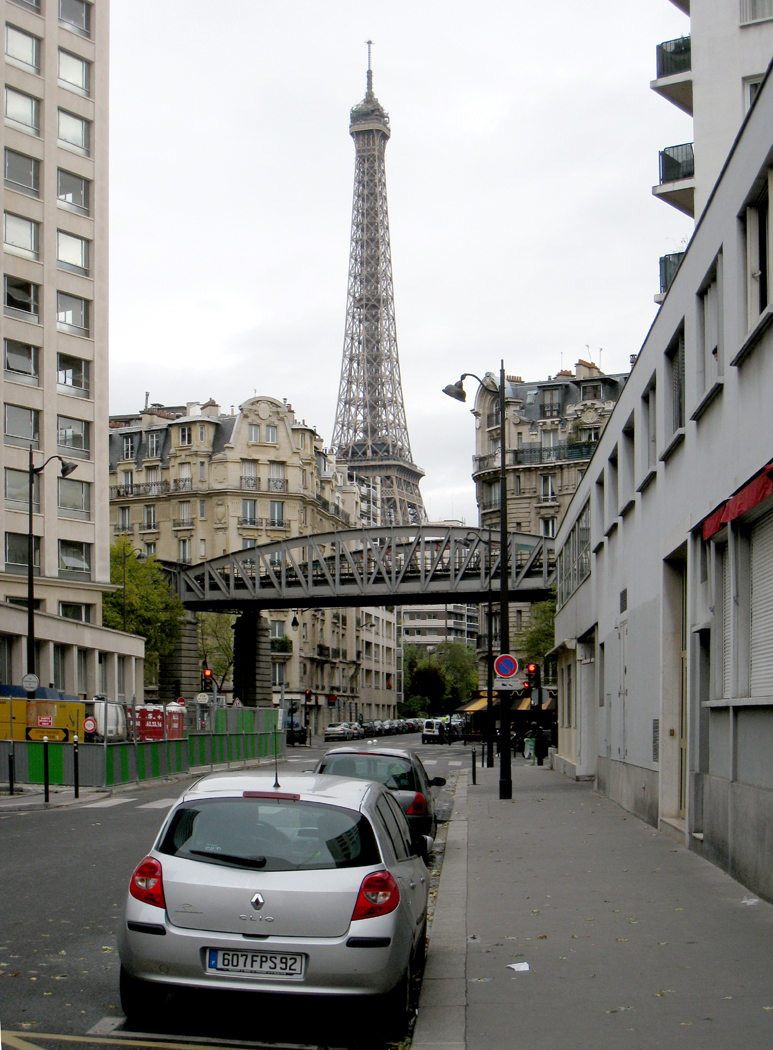
Oh, you can still get a bowdlerized version of the city from on top of a tour bus, with a cheesy tour guide pointing out all the familiar places: Napoléon’s tomb, the Notre Dame cathedral, the Panthéon, the Opéra, the Louvre. But if you only look for the guidebook Paris, you will miss the real city. It is there to be soaked in, like the fragrance of a newly cut camembert.

cheese copy

The best way to discover the real Paris is to find a neighborhood to stay in, and then to walk the streets, shop in the stores and eat in the cafes and restaurants. Avoid the usual areas: Don’t book a room in the Latin Quarter or the Marais or, god help you, Montmartre.

Paris is divided into administrative districts, called arrondissements. The Fifth is a huge tourist area; try the nearly forgotten 12th or the off-on-the-side 16th. You will hear the screams and chatter of school children playing at recess. You will see the regulars downing their apéritifs at the corner bars. You will find not only the boulangeries (bakeries), patisseries (pastry shops) and épiceries (corner grocers), but also the small shop where a seamstress can repair a torn trouser leg, the cheap, smarmy cadeaux shops, with their cheap plastic “gifts” — the kind people give each other when they don’t really care what the recipient thinks, but nevertheless feel socially obligated to offer. You find the pharmacies under the flashing green neon crosses, where the pharmacist can help you find anything from a toothbrush to doctor when you need one on a Saturday morning.

produce copy

If you walk around your neighborhood, in a very short time, the tradesmen will begin to recognize you as you pass. They’ll smile and wave, perhaps ask about your family.

The butcher will be a larger man, with a mustache; you can see him through the window hacking away at a side of beef.

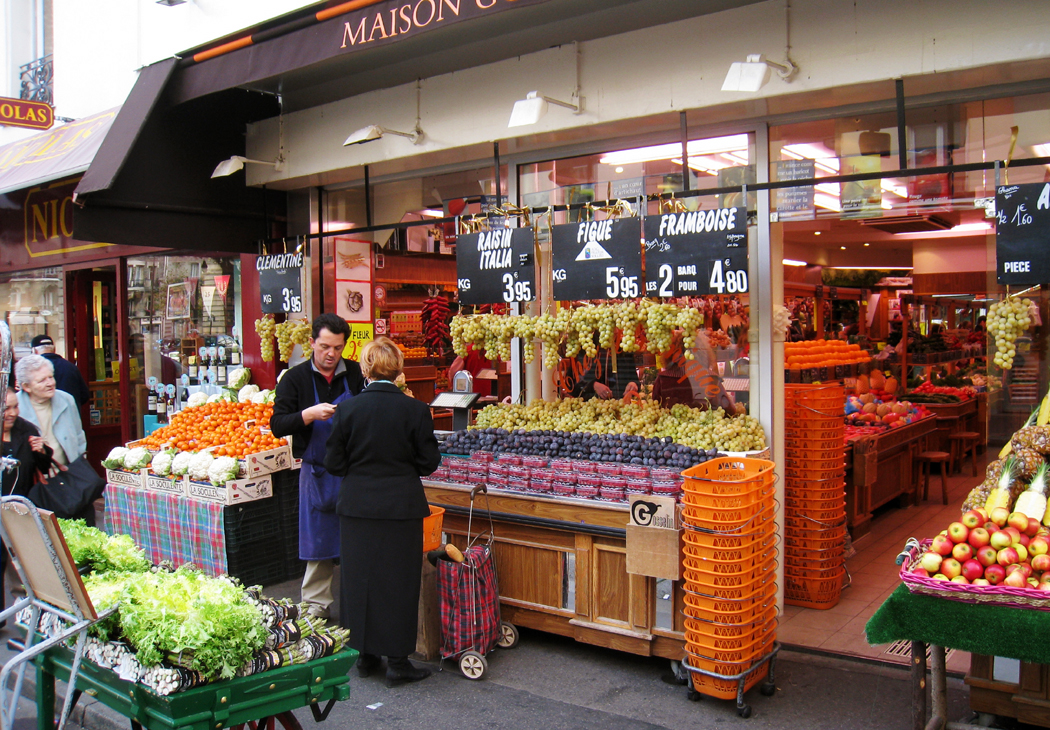
The épicier, or corner grocer, is most likely an immigrant, maybe Korean, perhaps Algerian. He will greet you when you enter: “Bonjour.” He will ask what you need and help you find it.

There are self-service supermarkets in the city – the Champion or the Monoprix – but it is still the épicier that you should go to, with wine ranked on one wall like books in a Victorian library, shelves of canned goods, a refrigerator for milk and crème fraiche.

You always let the grocer pick out your tomatoes or onions. He is expected to know which ones are best and is expected to have your interest at heart. As Captain Renault says in Casablanca, “It is a little game we play.”

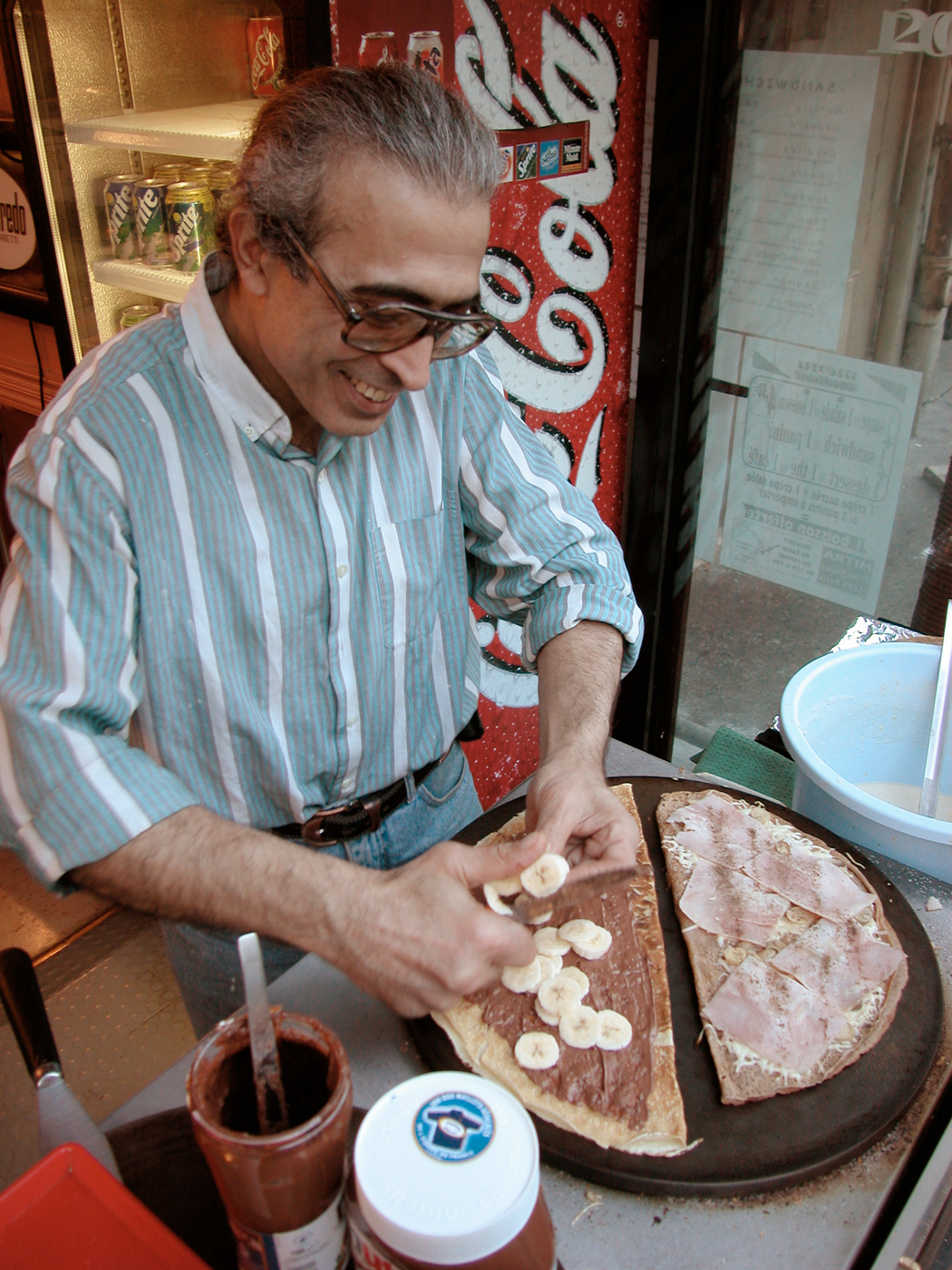
In the morning, you stop at the boulangerie for a croissant and a coffee – the national breakfast; in the afternoon, you stop again for a baguette, which may be the best bread in the world. If you are in a hurry, you can stop at lunchtime and get a tartine, a sandwich made on an open face half-baguette.

Making crepes copy

One of the best parts of a visit to Paris is the outdoor market, or marché. Once or twice a week, in certain sections of the city, awnings will be erected and from early morning to early afternoon, booths will offer vegetables, fruit, fish, meat, poultry, wristwatches, purses and overcoats. The markets throng with people.

You couldn’t walk without a “pardonnez-moi” or “excusez-moi” every 20 seconds. Little old ladies with their two-wheeled grocery carts trailing along behind them like luggage. Young couples eyeing the cheap jewelry and gaudy watches. Old men looking acerbic and grumpy, with their hands in their overcoat pockets and a scratchy white three-day stubble on their double chins. Little schoolchildren on aluminum scooters.

10-08-08 copy 1

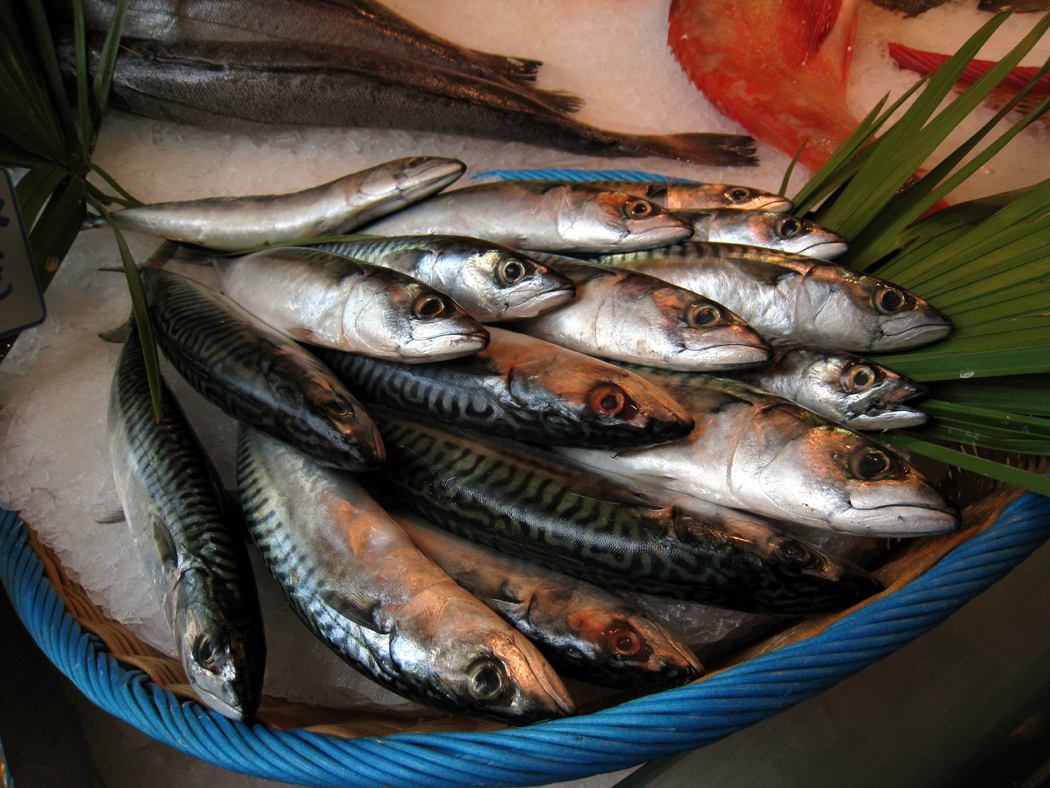
One stall will be a fishmonger, with heaps of silvery dace and mackerel, red-fleshed, skinned flatfish, piles of oysters, boxes of shrimp and langoustine.

fishbasket2 copy

The next will offer meat, with freshly butchered shanks and steaks, and platters of livers, kidneys and other oddments. Perhaps a fresh rabbit, fur on, hangs upside down. More than one stall will be end to end vegetables and fruits, with cauliflowers, tomatoes, leeks, cabbages, peaches, apples, pears.

A few meters down the road, the food will give way to junk jewelry and hairpins. Further, there will be clothing stalls, shoes, jackets.

Then, more food. One great-smelling stall has whole chickens on rotisserie racks, about 6 skewers high, over a trough with golden roasted new potatoes glistening in tasty duck fat.

The hawkers all smile and call out as you pass. “Poissons très fraiches,” or “Poulet, poulet, six Euro, deux pour dix Euro.”

Some markets, like the one at rue Mouffetard in the spring and summer, is a hook for tourists, but most of them, and all of them in the off-season, are really there for Parisians, who really do load up every Saturday, or Wednesday or Sunday — whichever day their particular market opens. By 2 p.m., everyone is packing up their wares and getting ready for the new market tomorrow in another part of the city.

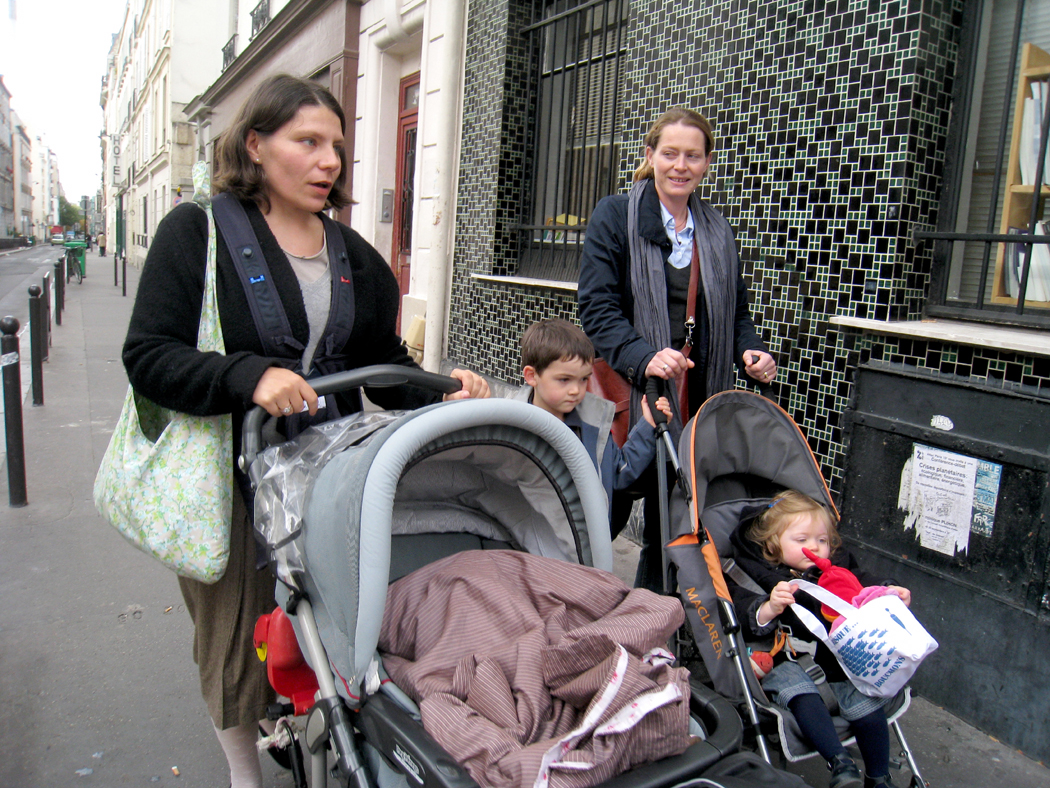
A neighborhood consists of apartment buildings, primarily. In the older neighborhoods, the buildings were erected in the 19th or early 20th century. They will have sculpture over the doorways and carvings on the windows. They are elegant; they are everywhere. But in newer neighborhoods, the apartments can be outright ugly: Designed in the 1960s as modernistic, and now grimy with soot on what was once shiny brushed aluminum paneling, or covered with graffiti on bland stucco. Parents walk their infants in strollers or hold their older kids’ hands as they walk to the market, the school or the post office. Bicycles are everywhere and so are the motorcycles and scooters, making up most of the background noise of Paris, mixed with the perennial “eeee-aaaaw, eeee-aaaw” of the emergency vehicles – les pompiers.

10-05-04 copy 1

I cannot know what others find in Paris, but this is what we find that keeps drawing us back, every two years, when we can round up the wherewithal to go. There is certainly an exoticism in a place where no one speaks your language and they eat kidneys and snails, but it isn’t the strangeness of the place that draws us back; it is the familiarity, the sense of having found a home — a spiritual home, a place where the populace seems connected to the things we feel connected to.

Living in America, we are miserably confined to a world view that simply isn’t satisfying. I bump into those who reflexively insult the French — “cheese-eating surrender monkeys,” and the like — but who have never been to France. Or Chile, or Shanghai. They tend to believe the American way is the only way, and evince little curiosity concerning how others may live, and whether it may, in fact, be a satisfying way to live.

Yes, the hotel rooms may be small, very small; if they have an elevator, it is hardly larger than a phone booth; if they don’t, the stairs will not have met anything like a building code. Floors will likely have steps up or down in unexpected places.

The concierge will be of great help, or at least willingness to help, and almost always speaks pretty good English, but will also almost always be speaking on the phone to a friend.

But the small rooms should not be a problem. After all, we’re just sleeping there.

But I have heard many an American whine and complain about the size of the French hotel room. If they want a Holiday Inn, they might consider a vacation in Missoula or Muscle Shoals.


EATING

Neighborhoods thrive on their restaurants. Every street is filled with them.

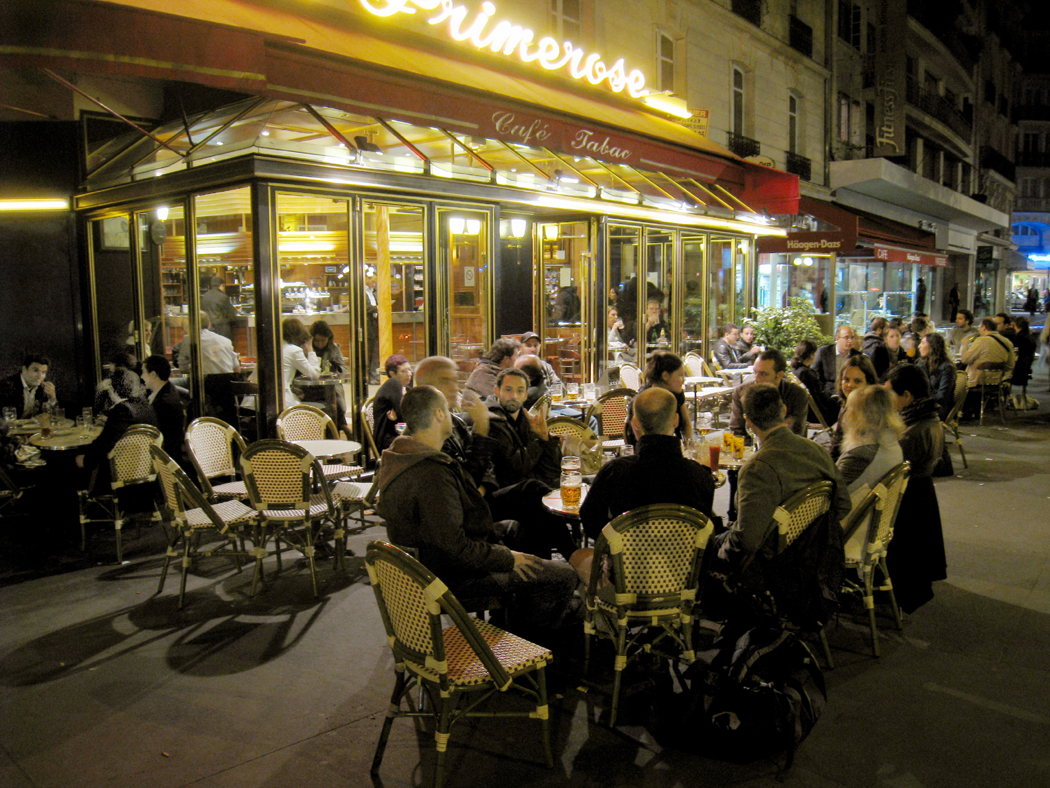
Each night, they will be full from 8 to 10 p.m., with gesticulating diners talking and drinking. But not smoking: Smoking has been banned in all Paris restaurants. The obnoxious smoker spewing cigarette ash all over the place used to be one of the signature characteristics of the city, but that is all gone now. Diners will occasionally excuse themselves from their table and step outside for a furtive puff and come back in when they’re done.

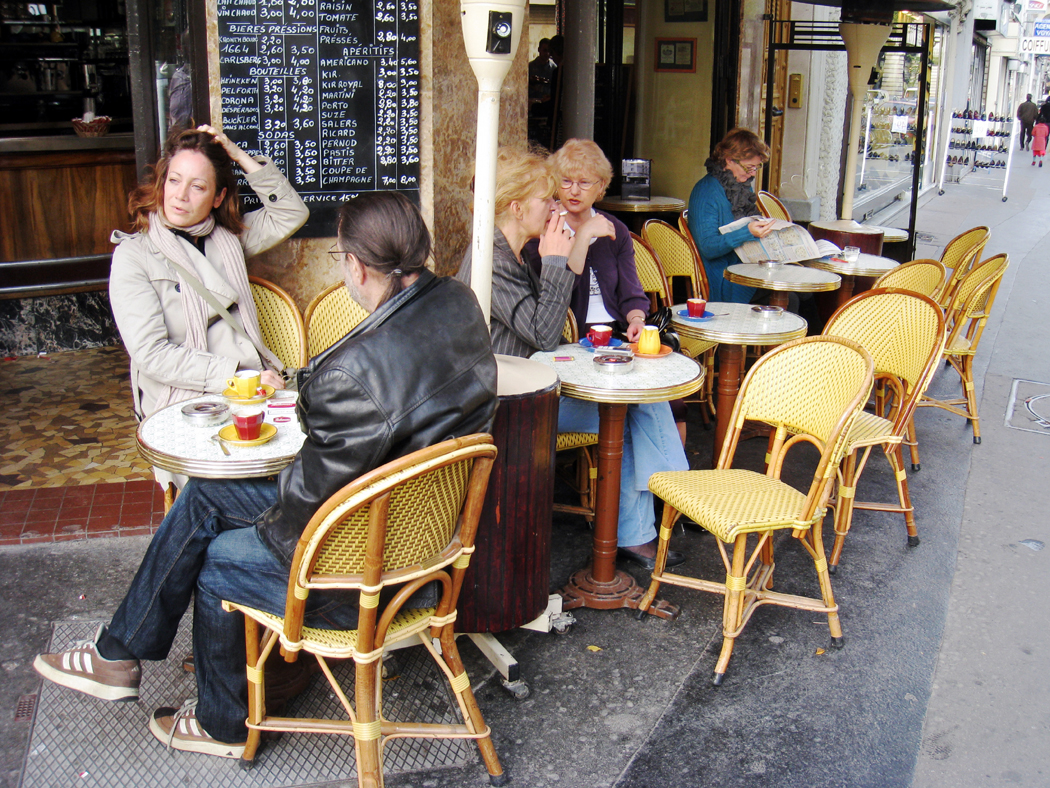
The guide books spend a lot of time explaining the difference between a cafe and a bistro or brasserie or salon de thé, but really, all that is old hat. Most often you see signs for cafe-restaurant or bar-brasserie. Everything has morphed into everything else.

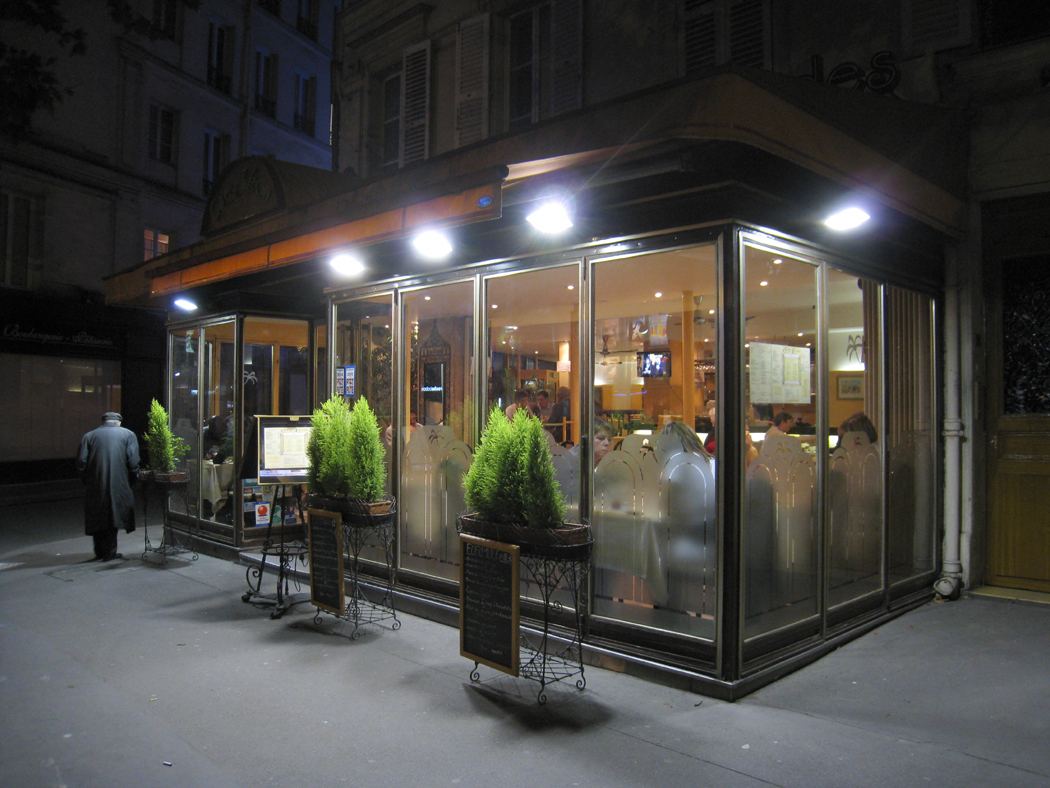
cafenight copy 1

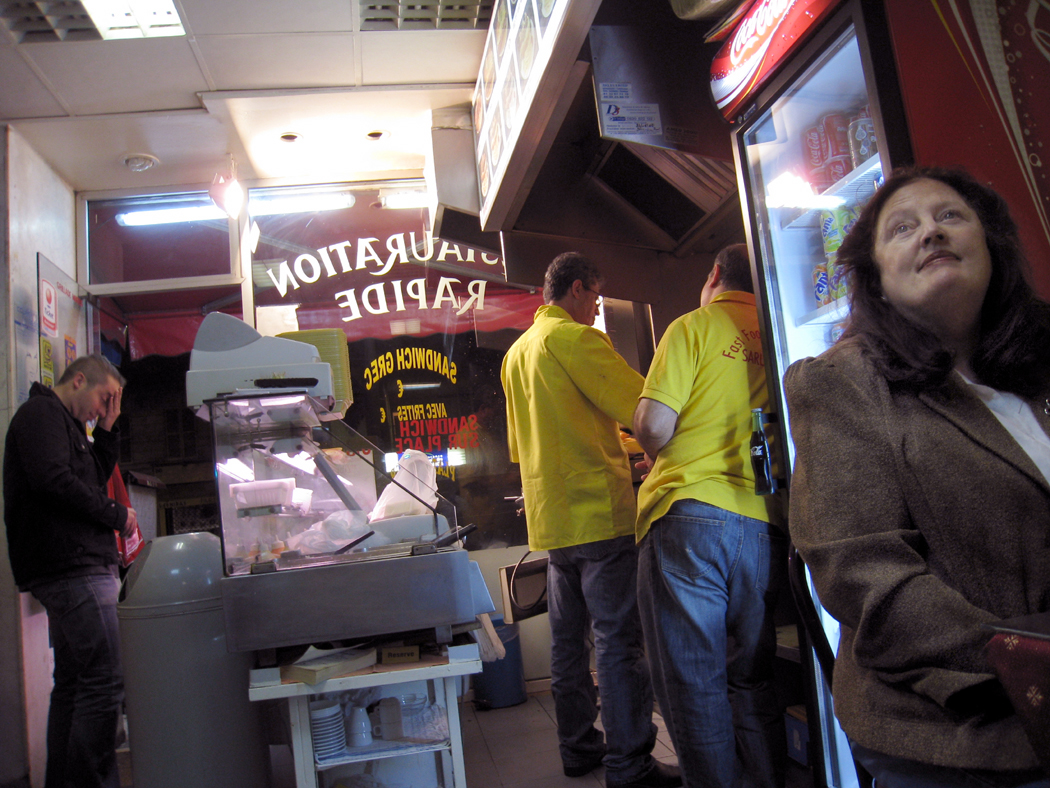
The real difference to notice isn’t the cafe and bistro, but the pizzeria and gyros shop. Most of the restaurants you come across, outside the billions of cafes that line almost every street and bedizen most street corners, will be ethnic: Thai, Korean, Italian, Basque, Indian, Japanese.

turkishfood copy

They will, of course, be French in their approach. Even if you are ordering Chinese, expect a three-course meal with a wine list. Fromage blanc for dessert? Don’t be surprised to find things you’d never find in a Chinese restaurant at home, or in China.

The standard neighborhood restaurant is a two-man affair. It will be a storefront with a few tables outdoors, unused in the autumn chill, and about six tables inside, with a bar at the back of the room, where the waiter stands.

Waiter isn’t quite the right word for him. He is host, bartender and, sometimes, streetside barker. He will be friendly, will smile, will point out what is best on the menu tonight. He is an indispensable part of the dining experience.

But behind the door at the back of the small room, where you see a dim light and perhaps some steam, there is the cook and scullery man, working like a slave, pumping out the escalope de veau or the tortellini Provençal.

He will be a frumpy, dumpy man, or a lean, wiry Algerian, and periodically he will pop out of the kitchen in long, formerly white apron, a shirt with its tails hanging out and a five-o’clock shadow on his face, will scurry like a rodent from the kitchen to the stairs — every such restaurant has a spiral staircase to the basement, located among the tables, where the pantry is kept — and he will disappear for a few minutes and then reemerge, like a prairie dog from his hole, with an armload of fish or potatoes or cooking oil, then disappear back into the hot kitchen.

The first time he did this, as he came up, he looked over at me and smiled, almost like a child. He knew how pathetic he looked, but how competent he knew he was in the kitchen. I’m sure he and the waiter could not possibly have switched jobs.

I mentioned the menu, but in fact, the menu is something else: You order from the “carte,” which is the bill of fare. A “menu” is a prix fixe dinner, offered as either a money-saving alternative for the price-conscious (and a chance for the restaurant to move any items too long hanging around, or in too abundant a supply), or an obvious gimmick for tourists, to make their choices easier among the many strange-sounding food items available.

eatingatcafe copy

The menu (or formule, as it is also called) will usually offer an entrée (or first course) and plat (main course), or plat and dessert, for a very low 10 Euro or 13 or 15 Euro, depending on how swanky the food is or in what neighborhood the restaurant is located.

A good menu will offer all three courses. Drinks are extra. Coke is more expensive than wine. Literally. Oh, you can buy really expensive and good wines to have with your cote de veau, but in a cheap cafe, a glass of vin du pays will set you back 2 Euro, while a Coke is likely to run 3.50.

On a chilly, drizzly fall evening, the warmth, physical and emotional, of the neighborhood restaurant, is the essence of the Paris experience.

IMG_0215 copy