Archive

Tag Archives: goethe

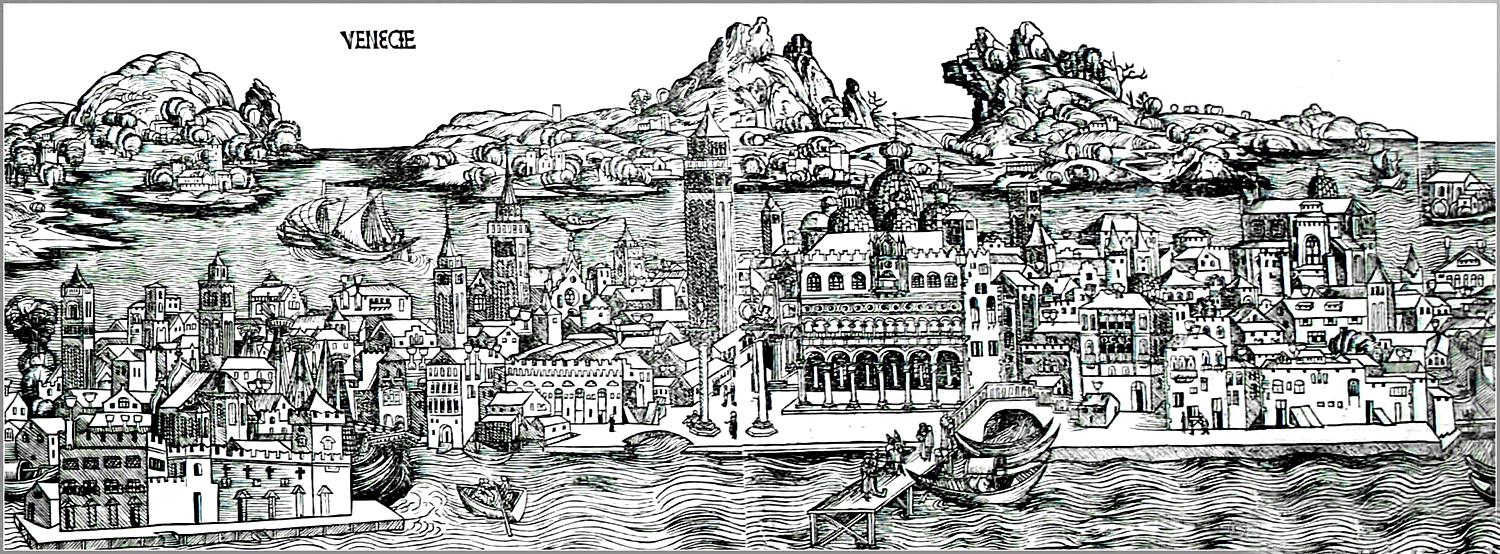
“Venice,” woodcut by Dürer

In 1494, at the age of 23, after years of apprenticeship as an artist in Nuremberg, Albrecht Dürer left Germany to visit Venice and Italy and find out what all the Hoohah was about. He was amazed at what he saw and  when he returned home to Germany, he brought the Italian Renaissance with him. He went back south for seconds in 1505 and stayed for over a year, soaking up the influences. It was what he had to do if he wanted to see what the Big Boys were doing. 

If you wanted to see, you had to travel. There were no full-color coffeetable art books to thumb through. If you wanted to see the work of Bellini, you had to go to Venice; for Raphael, to Rome. 

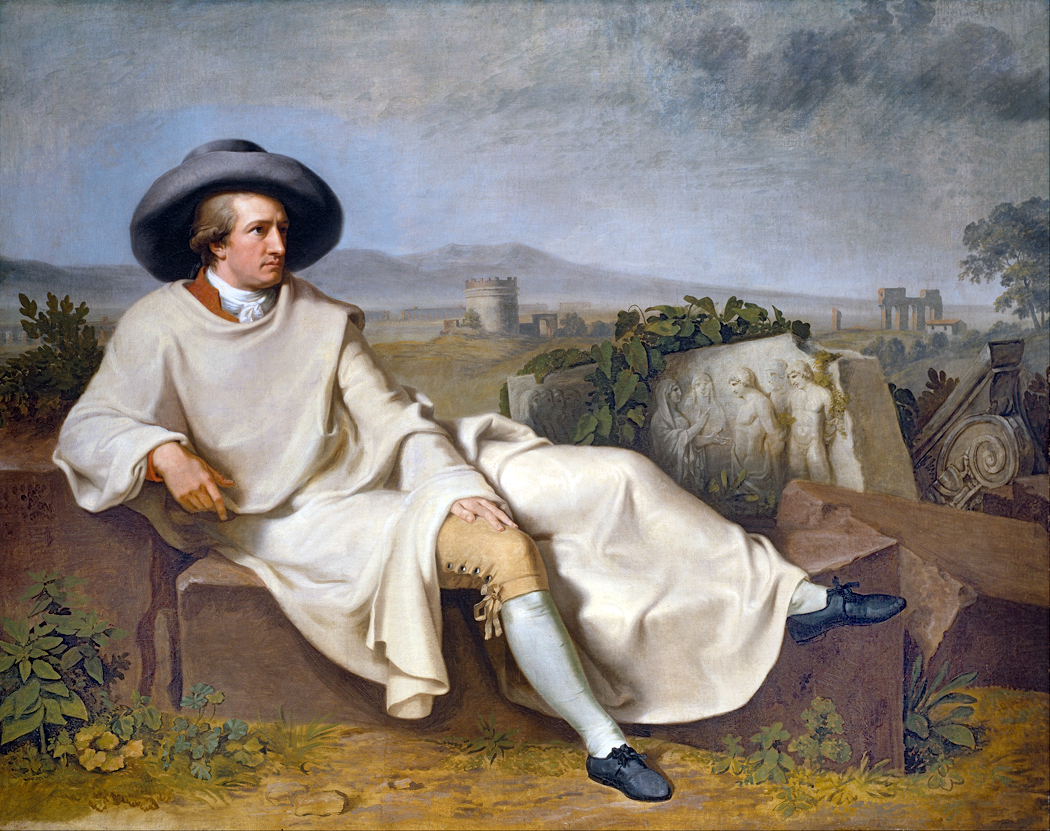
“Goethe in Italy” by Johann Heinrich Wilhelm Tischbein, 1786

In 1786, Johann Wolfgang von Goethe, then age 37, made the trip, this time to see the Roman and Greek sculpture that had been so highly praised in the work of Johann Joachim Winckelmann. He stayed until 1788, studying more than the statues, including many statuesque young women, which he later wrote about in his book of poetry, Roman Elegies

For most of history — until improvements in color printing in the middle of the 20th century — the only way to see famous art was to leave home and go there. Yes, there were engraved black and white copies published, and later monochrome halftones, but you could not really get a sense of Rembrandt or Titian without traveling. 

It gave rise in 17th century to the practice of upper-class families sending their sons on the “Grand Tour” to become educated and cultured. From the 1600s to about the middle of the 19th century, it was common for well-off young men to take a “gap year” — or two — to visit the Continent and see the sights and become men of the world before taking up their roles in government or business. Of course, many of these youths were more attracted to the live demoiselles and regazze than to the canvas madonnas. 

“Rose,” Philbert-Louis Debucourt 1788

It wasn’t just visual art. Before recordings, if you wanted to hear a Beethoven symphony, you had to attend a live concert. If you lived outside the city, you had to travel to get to the concert hall. Bach famously walked 280 miles from Arnstadt to Lübeck in order to hear Buxtehude play the organ. Even to hear now-famous symphonies and concertos you likely had to wait years between programmed performances. You might be lucky to have heard Beethoven’s Fifth once or twice in your life. Now, it seems, you can’t get away from it. 

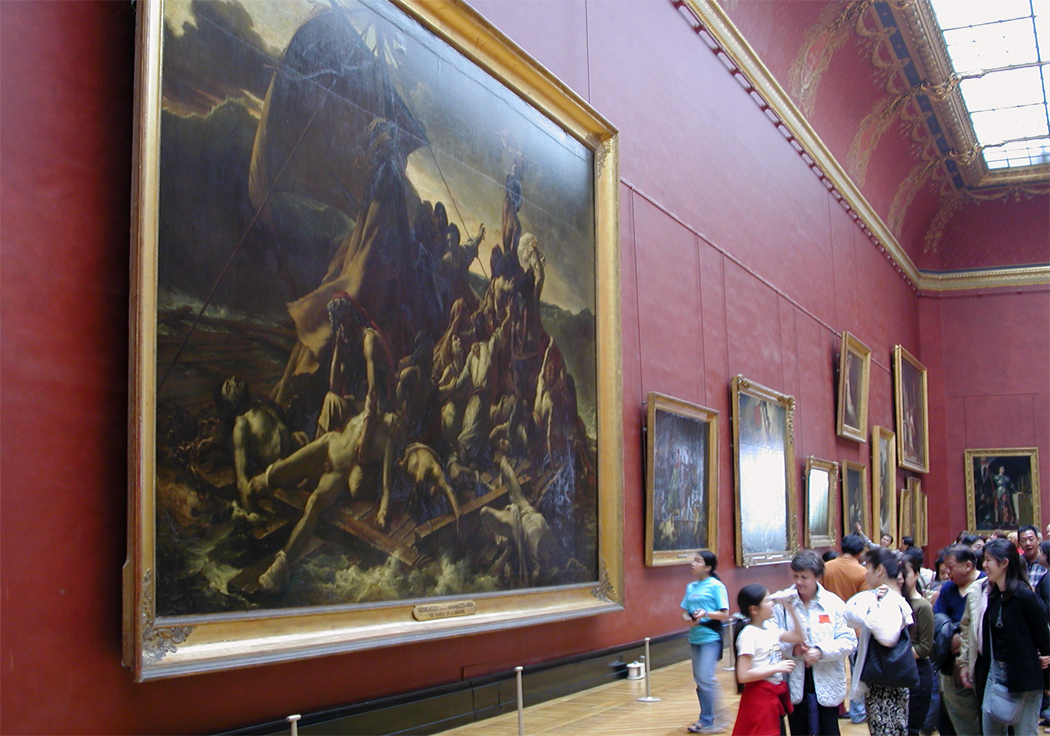
Today, when you can own 30 different CDs of the Beethoven symphonies and have your choice from Furtwangler to Norrington; you can fill your bookshelves with illustrated volumes of any artist you want; and watch endless YouTube videos about the Mona Lisa, it is important to remember that they are not the actual experience of the art in question, but varyingly faithful simulacra. You still need the real thing. A three-inch color plate of Gericault’s Raft of the Medusa cannot replicate the experience of seeing the real thing.

And so, we go to museums and galleries to get to know the art that is our cultural inheritance. Even today people travel across the world to see some of the world’s most famous art. The Grand Tour still exists, if only in ghost form, as a gap year or a summer abroad. My granddaughter had her high school summer in Italy. The traditions continue. Such travel affords an education that books just cannot give. 

In the 1960s, I accompanied my grandmother when she went back to the Old Country for the first time since she was five years old. We went to the village where she was born, Mosby, in southern Norway, and as part of that trip, I was sent on a (literal) Cook’s tour of Western Europe, taking in Germany, the Netherlands, Belgium, Luxembourg and France. I saw the Cologne cathedral, Notre Dame de Paris, Ste. Chapelle and the Louvre, among other things. Mostly, it made suburban New Jersey seem even more banal. 

Met; Guggenheim; Frick; Whitney; Cloisters; MoMA

But then, I tried to escape the Garden State as much as possible. I was lucky: I had my own Grand Tour just a few miles away. During my own high school years, living on the Jersey side of the George Washington Bridge, I spent as much time as I could in Manhattan, going to concerts and visiting all the museums: The Met, the Guggenheim, the Frick, the Whitney, the Cloisters, the Asia Society, even the long-gone Huntington Hartford Gallery of Modern Art on Columbus Circle. 

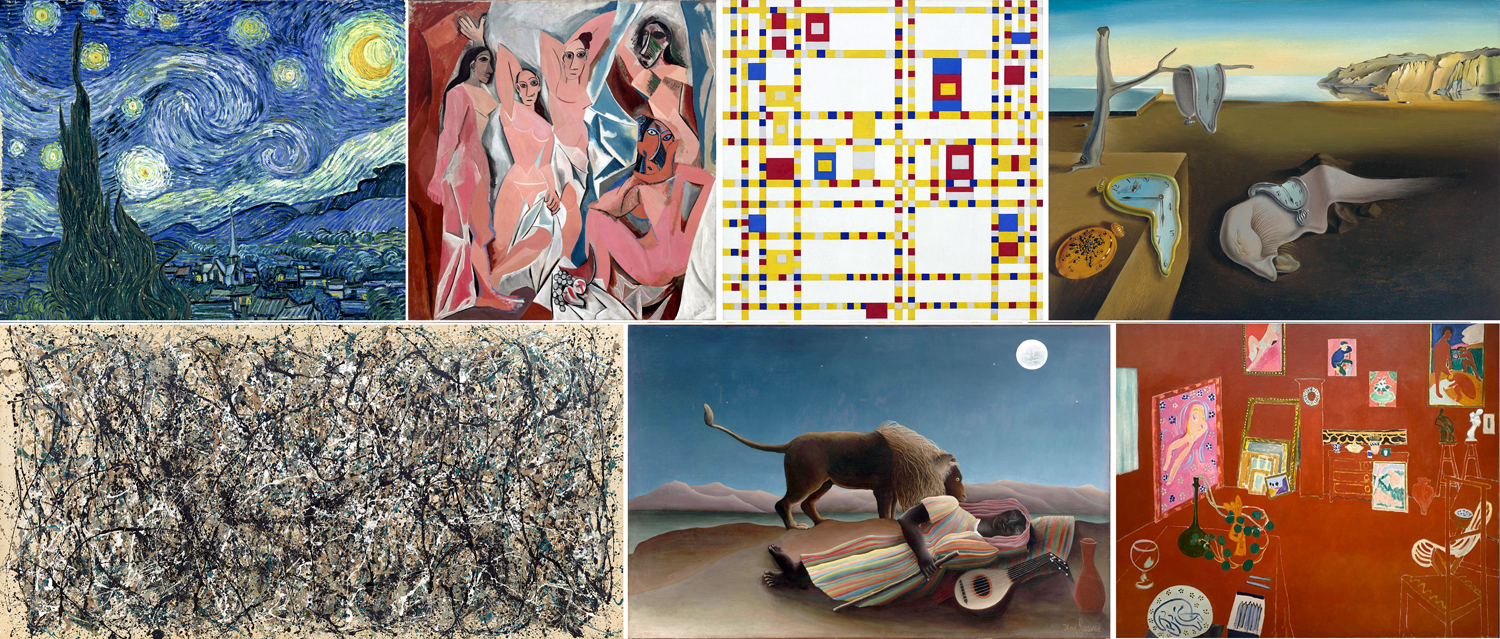
And most of all — the Museum of Modern Art, where I felt most at home. I came to know many famous paintings as old friends. Van Gogh’s Starry Night; Matisse’s L’Atelier Rouge; Picasso’s Demoiselles d’Avignon; Pollock’s One Number 31; Mondrian’s Broadway Boogie-Woogie; Henri Rousseau’s Sleeping Gypsy; Dali’s Persistence of Memory — all proper blue-chip Modern Art landmarks. 

After I went away to college, I frequently made the trip to Washington, D.C., to visit the National Gallery of Art, and later, the Hirschhorn and Corcoran. I ate up art like a starving man. It’s hardly surprising that I later made my career as an art critic. 

And working for the newspaper, I was sent around the country for major exhibits in Boston, New York, Chicago, LA, San Francisco, Seattle, Philadelphia. I was even sent to South Africa in 1989 to study the art scene there. And vacations brought me and my wife to France many times. Seeing as much as possible and finding troves of art in even small corners of the Continent. 

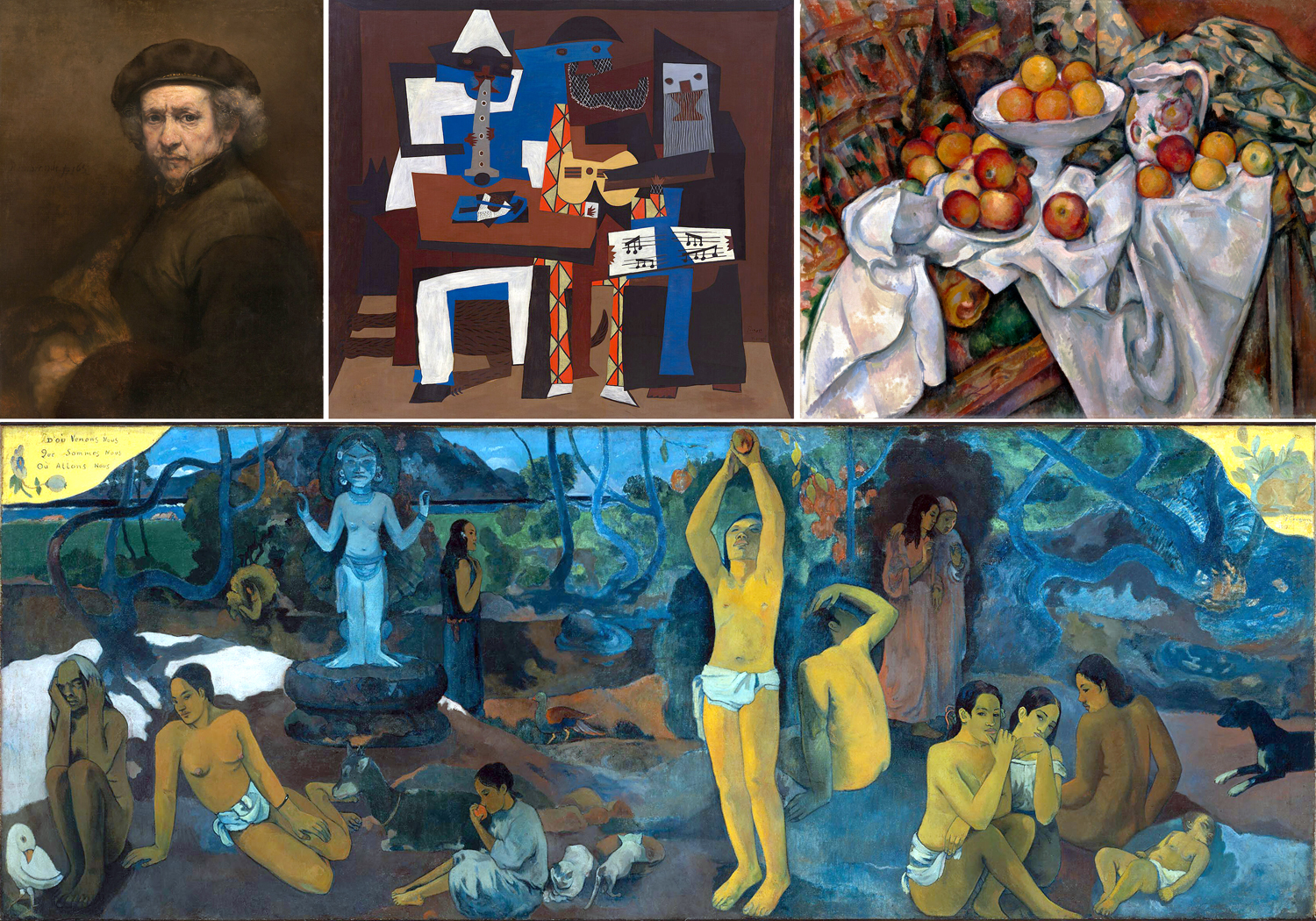
There have been dozens of important artworks I have been grateful to have known, not just in reproduction, but live, in front of my own eyes. My inner life is infinitely enriched by the experiences. There are many I could name, from Rembrandt’s self portrait in DC to Gauguin’s Where Do We Come From? What Art We? Where Are We Going? from Boston, but I need to pick out at least these six as central to my understanding of art, and of life. 

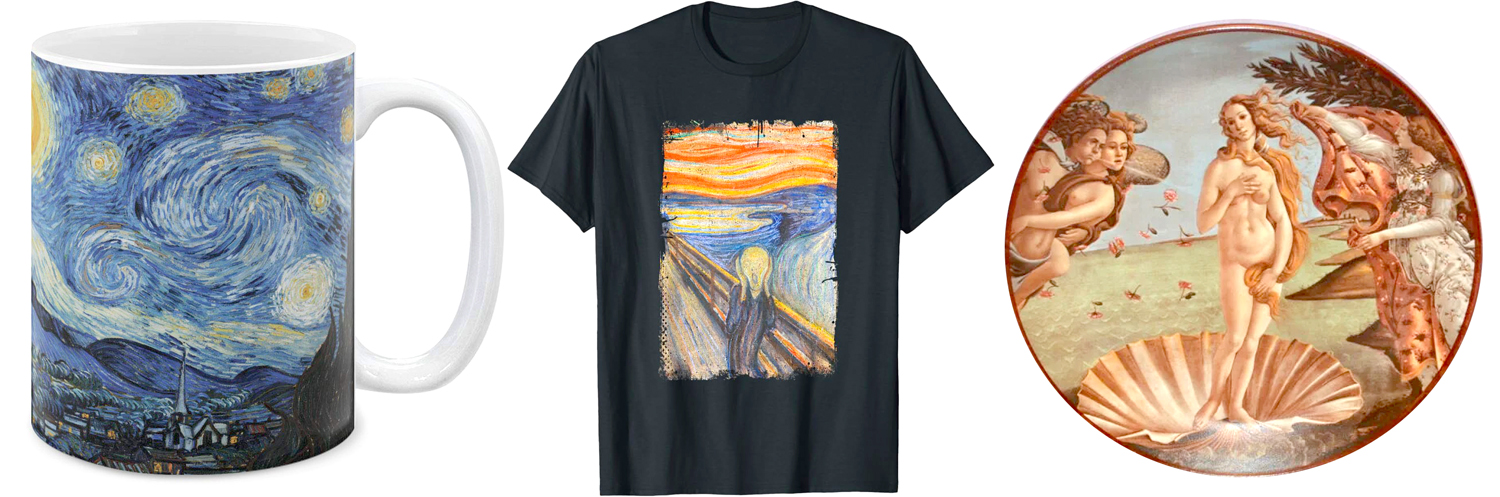
When you know works from reproduction, you cannot feel their size, cannot know the precise colors and pigments used, cannot grasp their tactile surfaces. Some of the most famous art in the world is known to most people by their reproduction on coffee mugs, T-shirts or commemorative plates. What you think is art is really just iconography — the nameable subject matter. The actuality, the physicality of the work is irrelevant in such cases. Seeing the original can then be a revelation. 

So here are the six works that have meant the most to me, that I am most grateful for having been able to know personally.

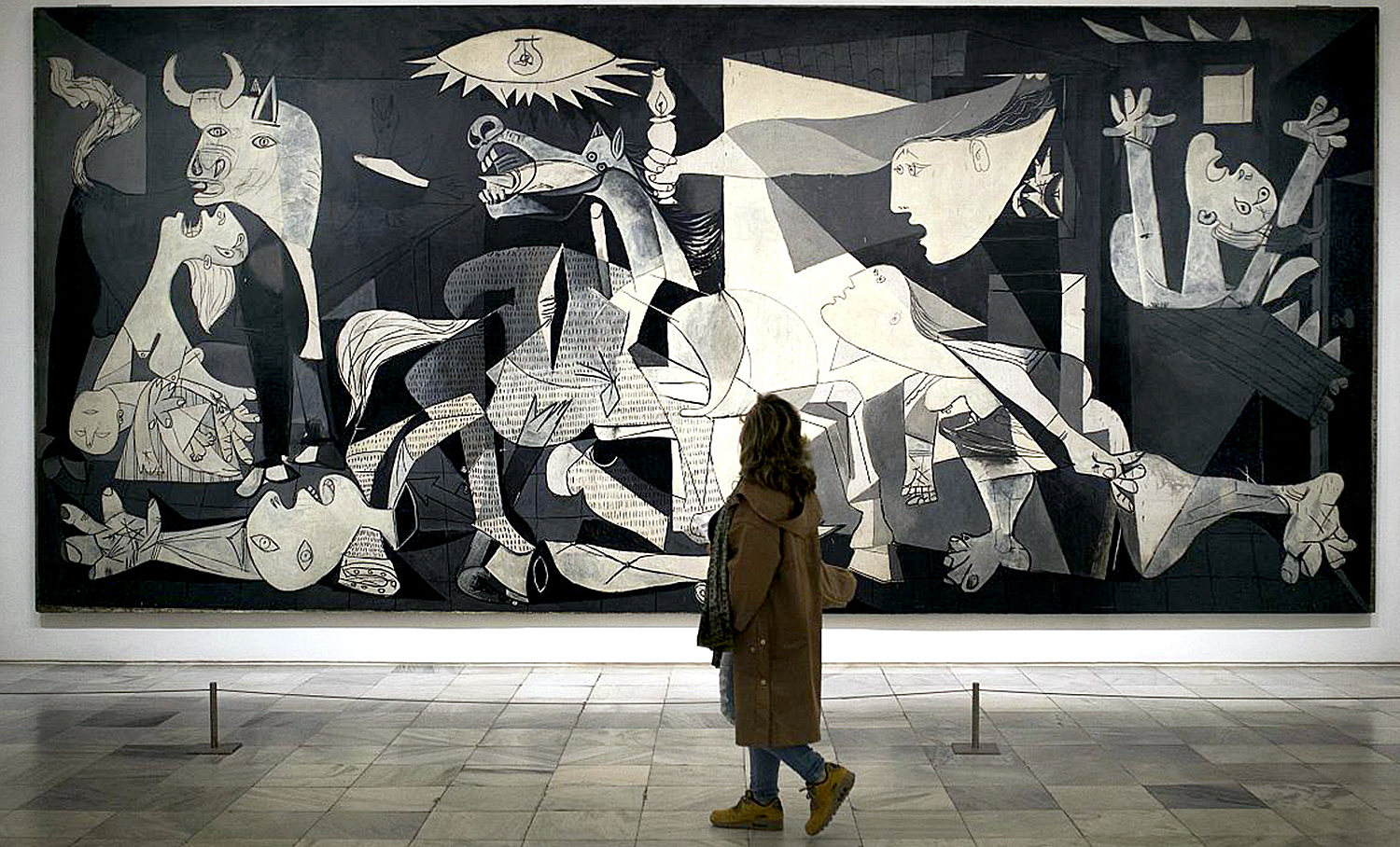
Picasso, Guernica — When I was growing up, this, perhaps the greatest painting of the 20th century, was sitting in the Museum of Modern Art in Manhattan, and I visited it often. As a teenager, I knew it was “important,” because I had seen it in books and magazines. But I thought of it as “mine,” because I knew it would always be there for me. Alas, in 1981, it was repatriated to Spain, where, I have to admit, it belongs. An old friend moved away. It was the first important artwork that I had what felt like a personal relationship with. 

Jackson Pollock, Blue Poles — In reverse, Blue Poles is a painting that came to New York for me. Pollock’s 16-foot drip painting from 1952 was auctioned off from a private collection in 1973 and sent to Australia. I loved many of the great Pollocks from MoMA and the Met, but thought I had lost the chance forever to see perhaps his most famous work. But a retrospective Pollock exhibit in 1998 at MoMA brought it back temporarily to the Big Apple. I got to see it there, where it was the jewel-lit highlight of the last gallery. 

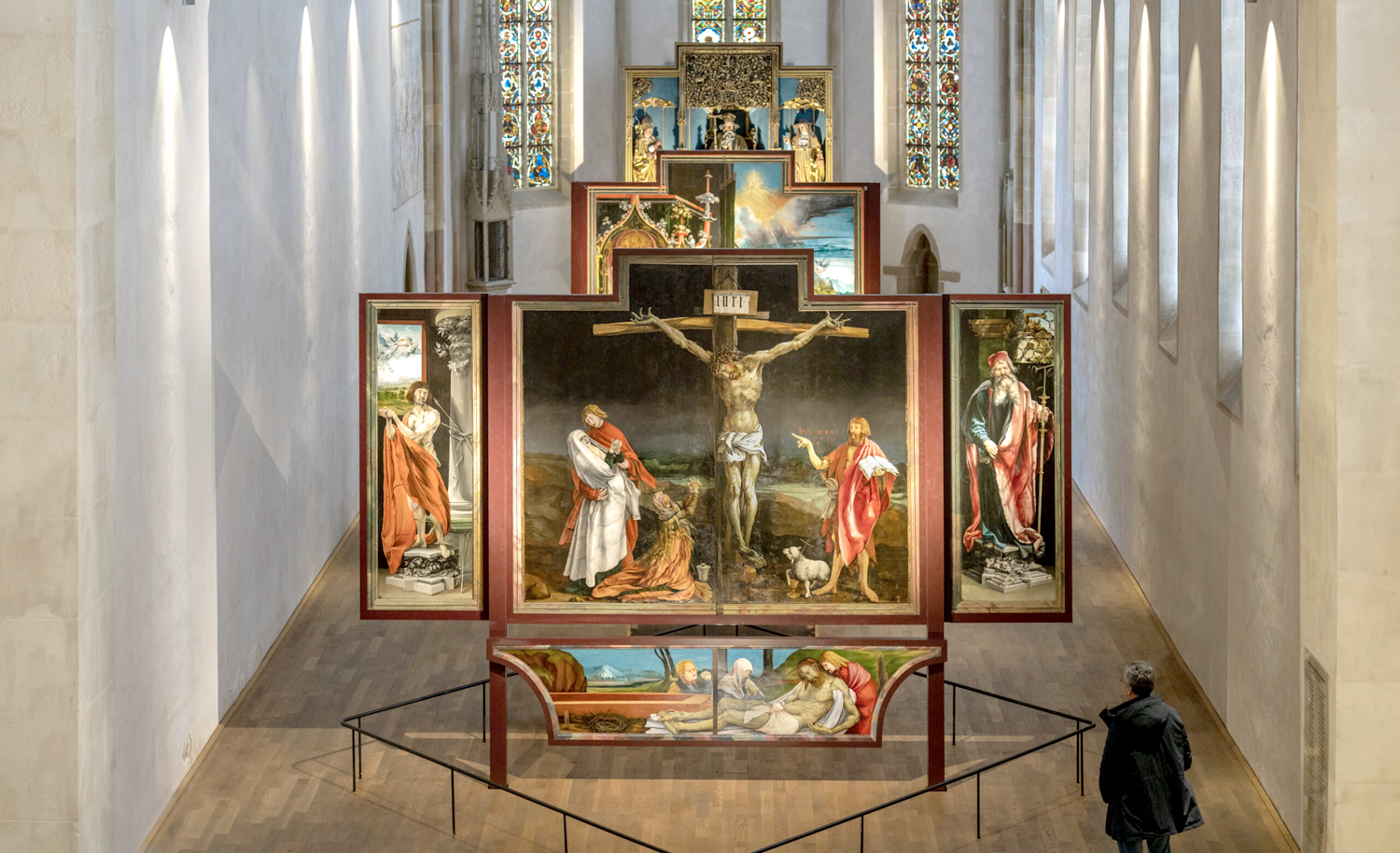
Grünewald, Isenheim Altarpiece —  The giant altarpiece comprises 10 paintings by Matthias Grünewald, including the pathos-laden crucifixion as its centerpiece, and a group of polychrome wood sculptures by Nikolaus Hagenauer, executed between 1512 and 1516. It sits in the Unterlinden Museum in Colmar, Alsace, France. The altarpiece was designed to be either closed or open, with various panels showing at different times in the Catholic calendar. I have no stake in the religious significance, I cannot help but be overwhelmed by the pathos and power of the work. 

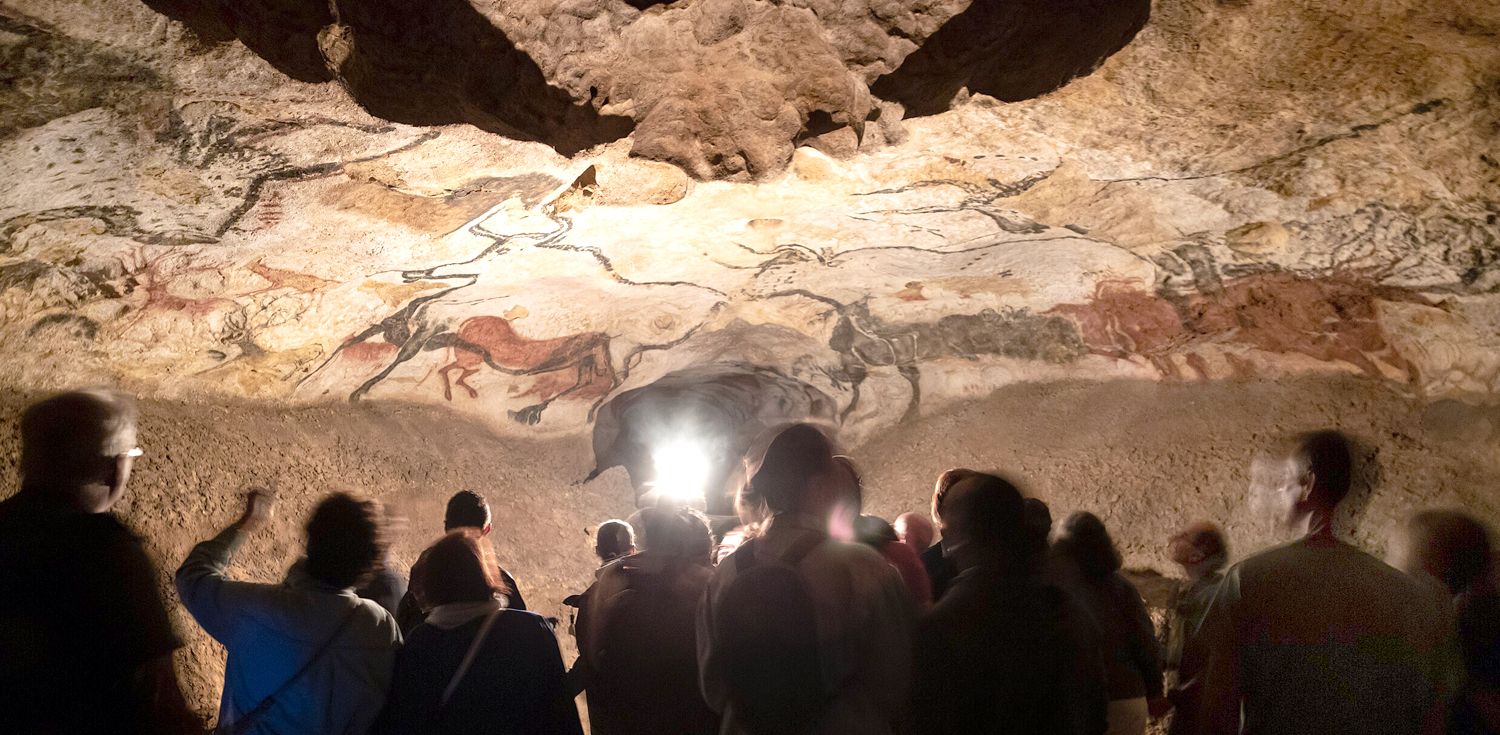
Lascaux II — The cave paintings at Lascaux, France, date from about 20,000 years ago. They were discovered in 1963 and include about 600 images of prehistoric animals. The caves have been closed since 1963 to protect them, but a copy has been made and open to the public. I never thought I would get to experience them, but I got to visit both the reproduced experience at Lascaux II, but also the genuine cave art at nearby Font-de-Gaume. Seeing the original art there threw my spine into a buzz of uncanny deep-time — a state not rational but limbic. 

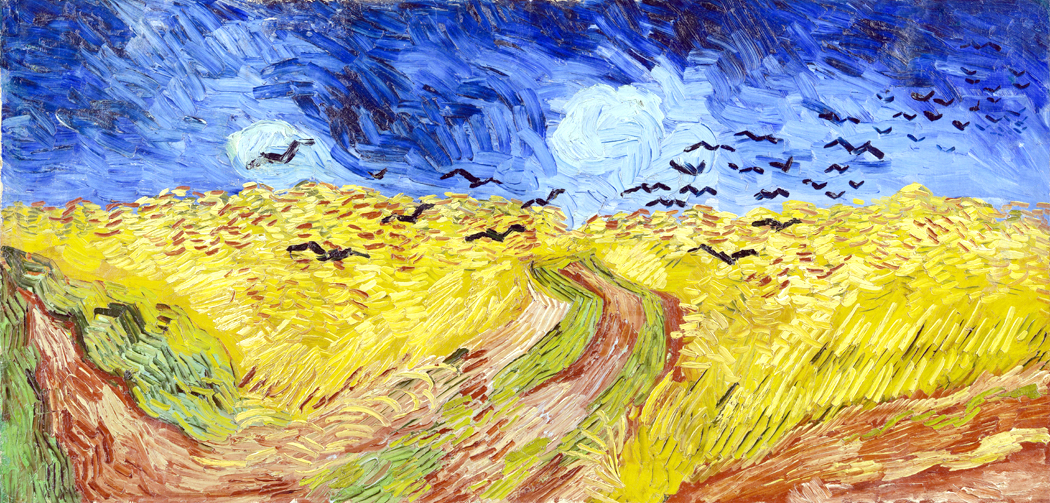
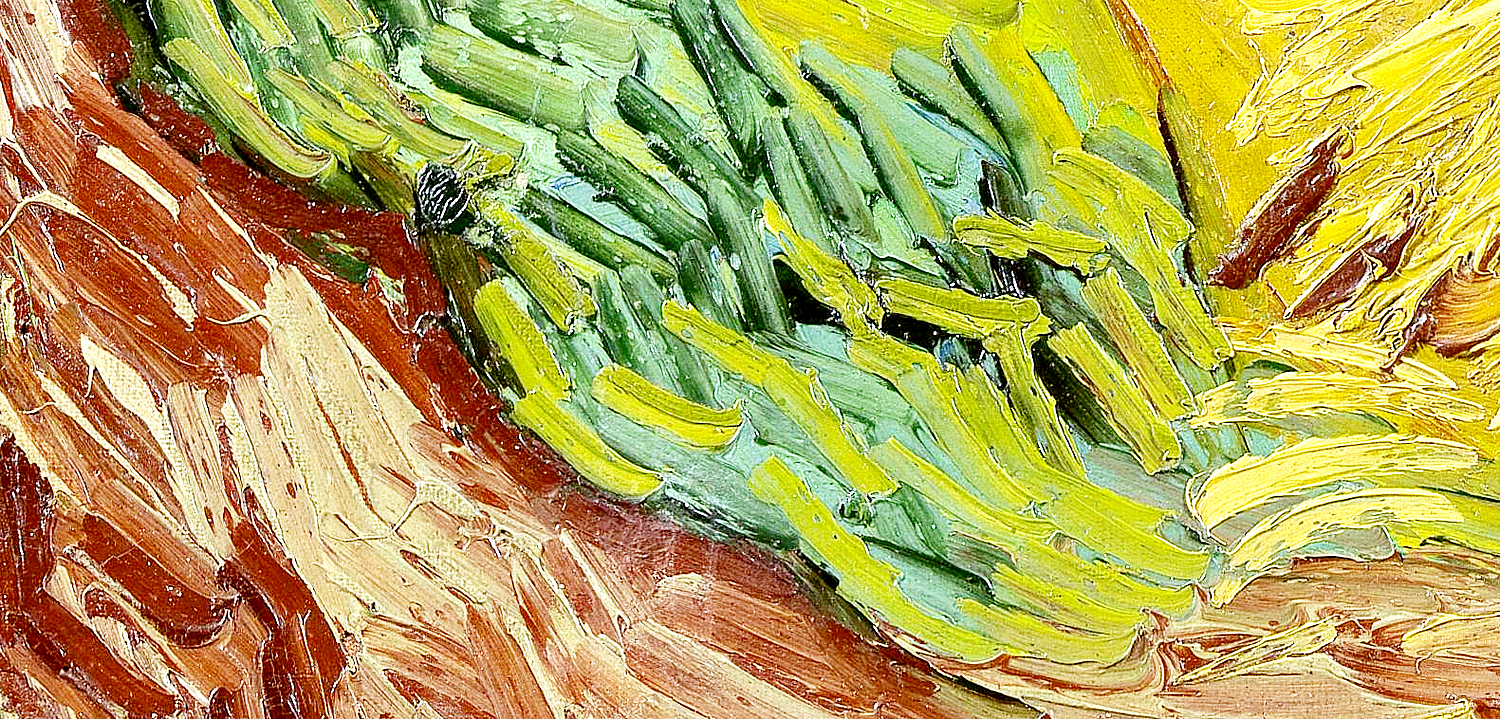
Van Gogh, Wheatfield with Crows — In 1999 the LA County Museum of Art mounted a 70-piece show of the paintings of Van Gogh from the Van Gogh Museum in Amsterdam, including many of his most famous works. My job got me sent to cover the exhibit and I was blown over by the works (also, astonished at how amateurish and awful many of his early works were: It took a while for Van Gogh to become Van Gogh). 

One of the last paintings in the last gallery was Wheatfield with Crows and up close you could see who wild and feverish the artist’s brushstrokes were, and what colors sat on his pallete, left largely unblended on the canvas. 

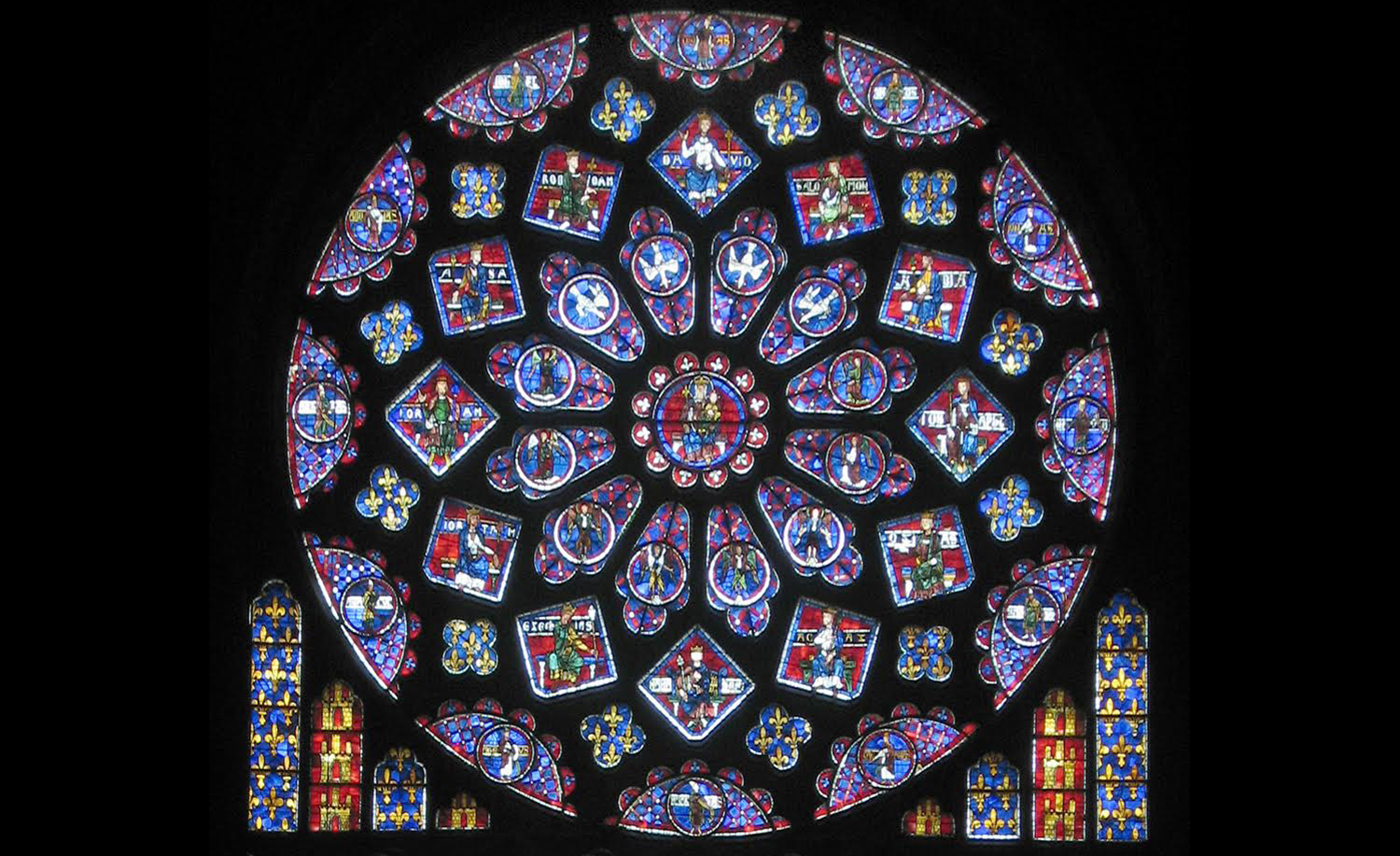
North Rose Window, Chartres Cathedral — I have been back to Chartres many times, and each visit, I spend a half hour, at least, sitting in the transept staring at the North Rose Window. It is, as I have said many times, the single most beautiful man-made creation I have ever seen. It is transcendent, a glowing object of meditation, whose shapes seem to move, to dance around the centerpoint. I am awe blasted. It almost makes up of all the misery, suffering and death human beings cause to each other. 

This is, of course, a limited selection. Before writing, I made a list of paintings, sculptures, plays, operas, architecture, poems, novels — I could just make a list of the types of art that would already be too long to include in a single blog entry. Narrowing down to visual arts still left me with too many things to write about — hence my squeezing it all into only six works. (It tried to make a conventional 5, but I already feel bad about only including six.) 

Seeing all this art and lamenting all that I never had a chance to see, only reinforced my sense that art is not just what makes us human, but how it makes us human. 

I was talking with my very Southern wife about how those brought up down here have a stronger connection to the land than us Yankees. Southerners have often lived on the same patch of land for generations and their sense of identity can course back through great-grandparents and beyond. Your sense of who you are includes the centuries before you were born. New Jersey never gave me that.

But I do have that same sense when looking at the paintings or hearing the music of the past. This all gave birth to me; it is who I am. We too often think of culture in terms of hoity-toity high culture. But really, culture is all the things that have accumulated over time to make the lives we now take for granted. 

When I see or hear the so-called canonical works of Western culture, I have that sense of belonging to a long, continuous line. It speaks to me; it tells me who I am. 

A distinction is often made between the “pretty” and the “beautiful.” The second is of a completely different order from the first. But, for me, there is a third order, as different from beautiful as beautiful is from pretty. That third order gives not just pleasure, but transcendence. Below is the second of three parts.

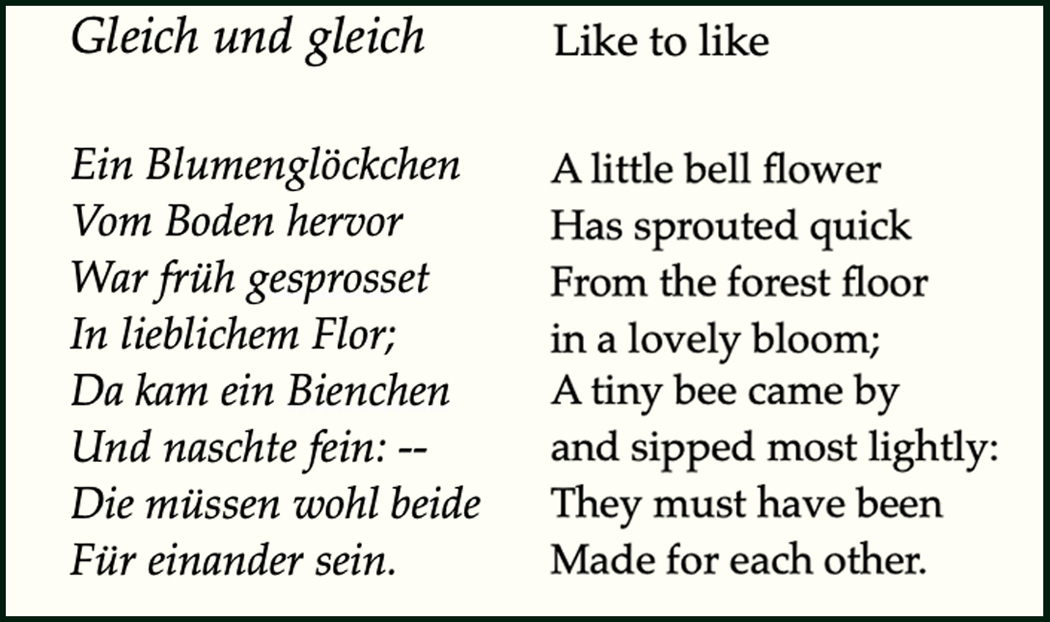
At the conclusion of Goethe’s Faust, his aging hero looks out on the world with a note of satisfaction. “I could almost wish this moment to last forever, it is so beautiful.”

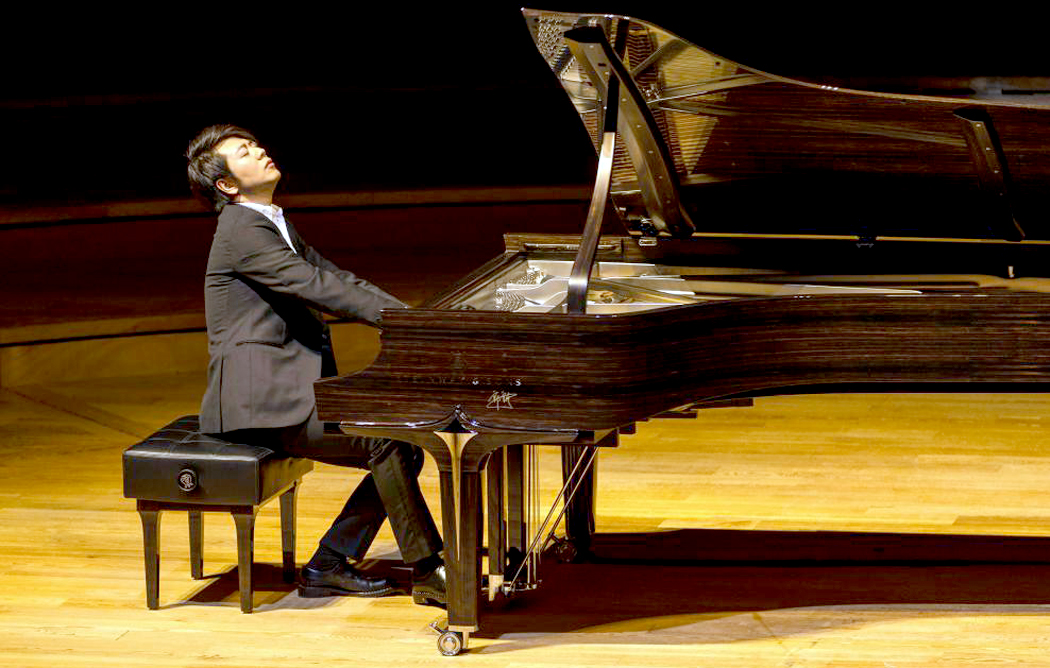
That is exactly how pianist Lang Lang played the slow movement of the Chopin E-minor piano concerto with the Phoenix Symphony when I heard him in the fall of 2008. He lingered over the larghetto, stretching its already vague rhythmic drive down to a near halt, and stopping the audience’s breath with it.

Each phrase seemed to pour forth spontaneously from the pianist’s fingers, followed by another seemingly thought of on the spot. No two phrases were played at the same tempo, and each tempo seemed perfectly expressive.

It is a rare performer who can risk such an arrhythmia, and who can use it to make the music express poetry and longing, dreaming and anticipation. It was one of the best performances ever given by a soloist at Symphony Hall.

That the pianist felt so expressively free comes as a surprise: His recording of the same concerto is rather dull and literal-minded. His Phoenix performance was a poetic night to his recording’s washed-out noonday glare.

Even Lang’s stage demeanor was less like the reputation that preceded him: While he certainly emoted while playing, there was less of the rocking and eye-rolling that he has engaged in in the past. His most obvious physical “dance” came during that slow-movement, when he leaned back as if he were in a recliner, with his arms stretched out straight in front of him barely reaching the keyboard, and his head aimed straight at the ceiling, where he seemed to find the notes he was playing. He found the right ones and time stopped for the duration. 

That sense of time standing still is, for me, the practical definition of “transcendence,” the sense of being pulled out of conventional reality and given a glimpse of something even more real. 

One goes through a lot of perfectly decent if unexceptional concerts waiting, hoping each time for such a performance — one that makes time stand still and matches the notes of the music to the interior needs of the listener — the music and the hearer become a single event and you feel to yourself, “This is me, this is the mirror of my soul.” 

Of course, when you have an experience like that concert, the cause is not simply the performance or the music. The listener must be receptive. It is a two-part event: the message and the addressee. Perhaps others in the audience did not dissolve in rapture; and I’m sure there have been concerts I sat through inert during which other audience members wept. Beauty is in the eye of the beholder. 

But not the way it is usually meant: For most, the cliche simply means de gustibus non est desputandum — all a matter of taste. But that is not it, at all. Beauty of the kind I’m writing of is not something solid and unchanging in the music or the artwork or poem — or in the green forest or towering thunderhead. Beauty is an event, not a thing. A verb, not a noun.   

Beauty is your active participation in the perception of the things of this world. The music is capable of being felt as beautiful and we are capable of perceiving that as beauty. But the two things are one and come together in the eye — or ear — of the beholder. Unless they arrive at the same moment, there is no beauty. To become part of the event, you must be awake, aware, alive. You must see or hear of feel more intensely than you do in the ordinary world of driving your car or tying your shoelaces. In such moments, the world becomes transfigured. 

I can picture the north rose window at Chartres cathedral in France. There are three such windows, but the one at the north corner of the building is the one that rivets my attention each time I visit.

It is the north window that moves me, in part because it moves, itself. This is an illusion, of course, but its designer was one of the geniuses of his age, able to create that illusion with static stone and glass. Each of these roses are built of circles of circles, building from a central core, and radiating out, like choirs of angels surrounding Providence. But in the north window, the panels dance.

It may be hard to see this in a reproduction, like the one here, but there is a ring of squares and diamond-shapes that form one of the rings, and it is nearly impossible to see these alternating squares and diamonds as anything but tumbling shapes, dancing around the center.

The north rose window of Chartres cathedral is — I have said many times — the single most beautiful human-created entity I have ever seen, and I’ve seen a gob-lot of iconic art works. It brings me to tears each time I am in its presence, and I feel the need to return to it, a feeling very kin to love.

I know a lot of hoo-haw gets ascribed to art. People make great claims for art, only some of which can be supported. But I believe, from my own experience, that art can make you more sensitive to the world around you, to prompt you to see again those things you have become inured to through over-exposure and turned to the ash of everyday-ness. As I have also said, every bush is the burning bush, we just can no longer see it. Seeing it is the epiphany, the moment the world shifts and you see the periphery become the center. When you open those gates in your chest, and let the world in, it becomes intensely beautiful and makes you understand, as William Blake wrote, “If the doors of perception were cleansed, everything would appear to man as it is, infinite.”

Each time I visit Chartres, I sit on the church chair in the south transept and look back at the north, for 20 minutes at a time, maybe a half-hour, staring, with tears streaming down my cheeks. This is visionary art, and you don’t have to believe in the dogma to understand the metaphor: This is the Great Mystery. The magnum misterium. You could be looking at photographs from the Hubble telescope. You could be looking at the visions of a peyote dream. You could be looking at the eye of god.

It is not only in art that these things happen. In 1974, my second unofficial wife and I took a trip to Port Jervis,  N.Y., where my aunt had a trailer on the Delaware River. We vacationed and lounged. There, I had one of those epiphanies — reached a state of grace, an esthetic perfection that has never left me.

In its northern parts, the Delaware is not much of a river; it is just a broad shallow stony-bottomed stream with a sandy bluff on one shore or the other, depending which way the riverbed turns. But along the roadsides, and in every abandoned field, the bobbing orange heads of black-eyed Susans mixed with the midnight blue of ironweed. Spikes of mullein drove upward and stands of Joe Pye weed grew to four feet high.

There is something different about the fall wildflowers, something weedier, something more insistent. Their vegetable smells and sticky white sap are less immediately pretty, but they have more character: They are grownup. Perhaps, too, it is the drier air of autumn, the mixed stands of plants, blending goldenrod with Queen Anne’s lace, bull thistle and hawkweed in a Pointillist stew of color.

Anyway, that’s how it seemed as we drove by the railroad yard in Port Jervis, at the point New Jersey, New York and Pennsylvania all meet. The old yard, anchored by an abandoned turntable and roundhouse, was completely grown over in asters. There were millions of them in the open acres of the yard, each with its yellow disk surrounded by blue ray flowers. Intermixed were all the other fall flowers: the yarrow, boneset, coneflowers and the chicory left over from midsummer.

And in the weedy field, even the spring flowers were represented, not by their blossoms, but by their fruits: the burrs; seedpods; milkweed down; and nightshade berries. For me, it was one of those moments when clocks stopped and the impression burned into my mind as if by aqua fortis on a copper etching plate. That eternal moment has never left me. At times when the day has been roiled and I have trouble getting to sleep, I can recall that scene and let the rancor drain away. 

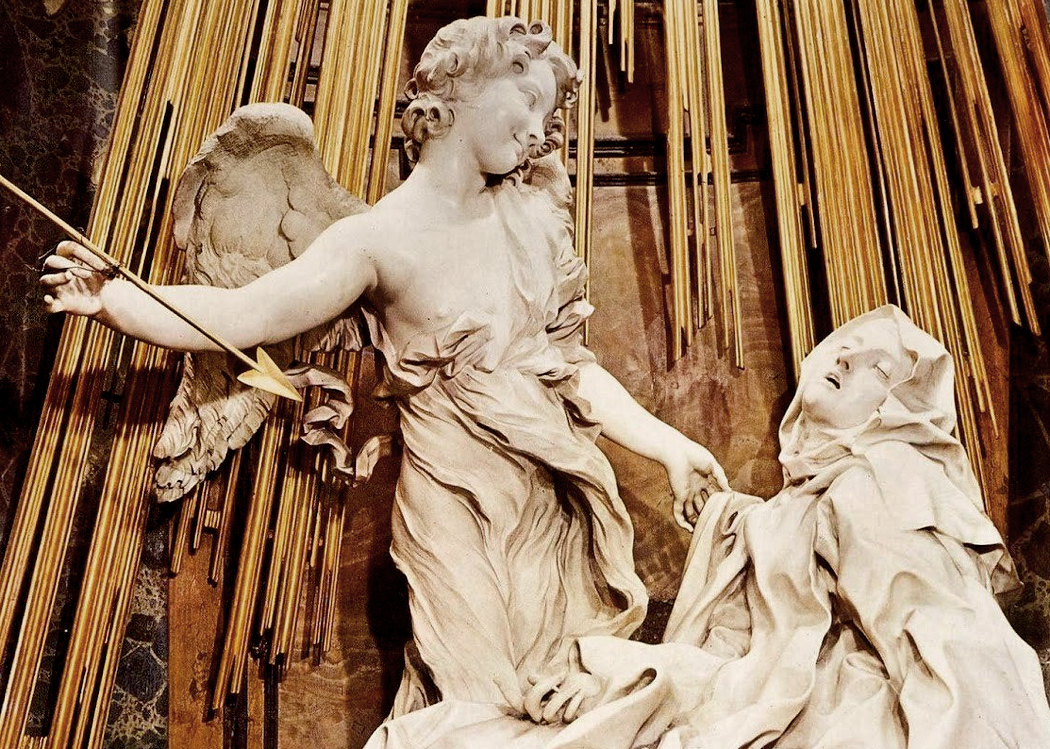
Beauty of the third sort, of the kind I mean, is visionary. It penetrates like the angel’s arrow into Saint Teresa. It is not a matter of appreciation, as in “I like this painting,” but rather, of turning your mental innards inside-out. You see a vastness inside yourself that is the image of the vastness outside — the two become indistinguishable: the event and its image in the mirror. 

It doesn’t happen often, and it doesn’t happen to everyone. Those bound up in the bustle of the everyday, of the making of fortune, the vying for position, or those in fear of genocide or famine who cannot waste the time on such things, it is possible they are unable to open their chests up to the incoming. But even they, at times, will be dumbstruck by a bolt they didn’t expect and recognize the transcendent. 

Part 3 to follow

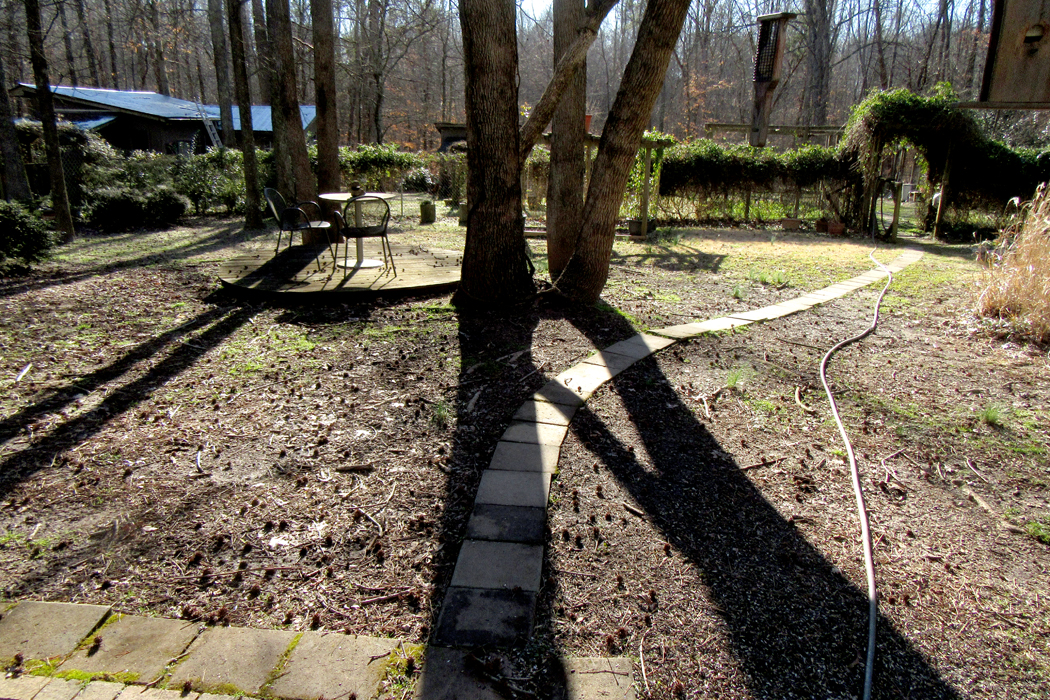
It was one of those days in February; Eliot called it “Midwinter spring.” The temperature pushed close to 60 degrees, the sun was low in a clear sky and a breeze blew the treetops into some sort of syncopated dance swaying back and forth against each other.

That kind of light turns every shadow black and blasts every highlight into a glare. The lawn was covered in sweetgum balls and, like the song, there were three cats in the yard.

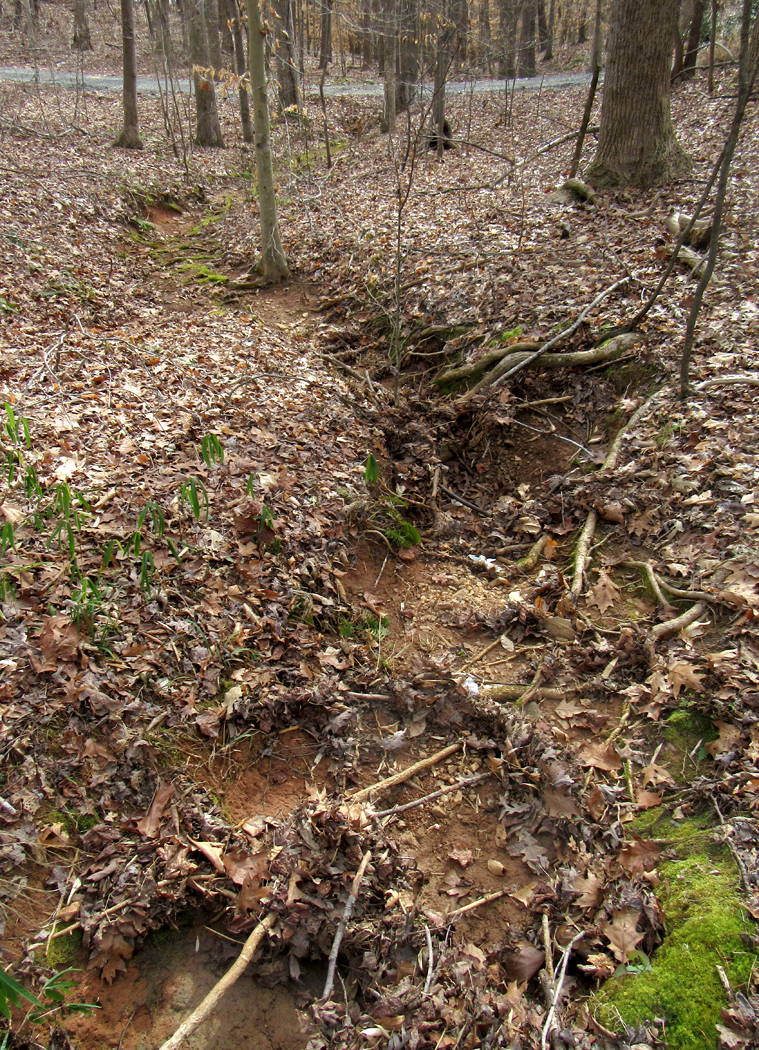
I took a walk around the house, up the driveway toward the highway and saw the gulley that went through the culvert and bent off into the woods and I realized that it would eventually dump into a creek that dumped into a river that dumped into bigger rivers until it hit the ocean. I was standing at the twig-tip of a vast dendritic pattern.

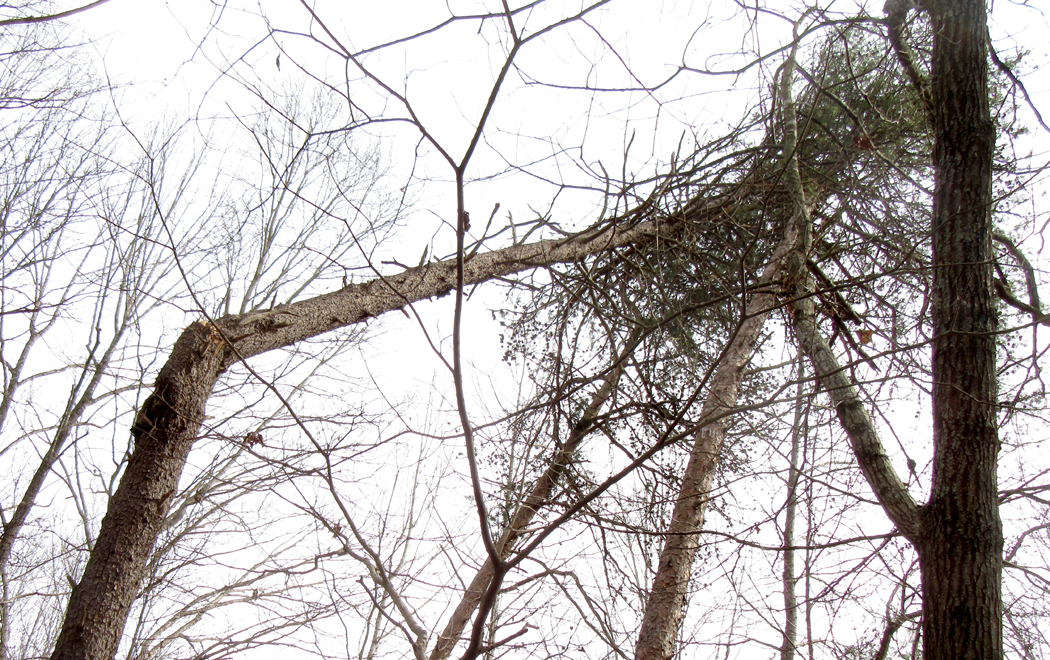
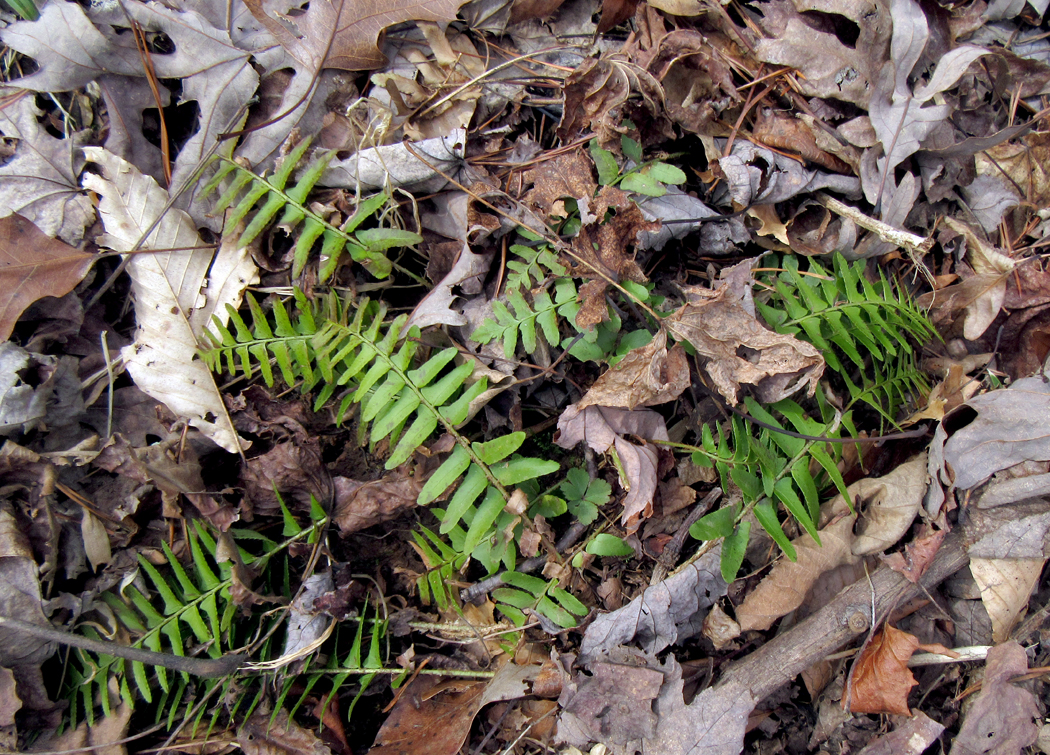
The last storm blew down a dozen or so pines, several still leaning like drunks against the straighter, darker trees. The floor of the woods was covered by last fall’s crumbling leaves.

The cats at once and together all flopped over sideways and rolled back and forth on their backs, like they were taking dust baths. Emily has gotten fat; Panther and Saffron are chunking up, too, but it is Emily that looks like a furry ball with legs and a tail. The ducks, all Indian Runners and some with orange bills, some with green and three with black bills that look like tire rubber, run in a nervous mob from one end of the enclosure to the other, squawking all the way. And then back. And then again, back and forth.

Saffron

I walked all around the yard to get some air, some sun and some exercise, and when I got back to the patio, I sat down in the sun to collect some vitamin D. I sat there in the canvas chair, with my arms dangling off the sides, fishing for cats, and Saffron jumped into my lap demanding attention.

The sun was so bright that with my eyes closed, I could still see the bright orange of the inside of my lids. I studied the vague patters I saw in that orange and wondered if they were interior or exterior; when I turned my head, the shapes didn’t move with it and so I assumed they must be the patterns of the trees in the yard, veined across the closed eyes. I tightened my closed-eye squint and the color turned to the most beautiful purple or mauve. Relax and orange, squeeze and purple.

Leaning back in the chair, I opened my eyes and took in the whole scene, woods and yard, cats and sweetgums, the black lines of shadow thrown by the dropping sun and the bright walkway reflecting like silver and I thought of the end of Goethe’s Faust.

He says, finally, “To the moment I say ‘Remain a while. You are so lovely.’ ”

Of course, that’s the point at which Faust dies, and I’m not quite ready to go, but I recognize the quiet satisfaction of such a moment. The earth pauses, the moment extends. It could hold this forever, except that it can’t.

The world is coming unhinged, again. The long history of genocide and war, of hatred and calamitous revanchism, of dictators and ignorance, comes recycled. For some it is a time of terror, of fleeing destruction and living in refugee camps, or of hiding from child soldiers seeking to machete anyone. There is an abundance of horror.

Yet in those tents in Jordan or those favelas in Brazil, or the ship-breaking yards of Bangladesh, there are moments of joy, of a mother and her child, of the children playing in the dust, a smile at the color of the rust in an old machine. The moments may be fleeting, and they may contrast with the background of tragedy, but they are real. And they are necessary.

Even for us in the First World, life gives us loss and death, suffering and pain. We will each go through heartache or divorce, the death of someone we love, the calumny of our enemies and the uncaring of those who should know better. For us, too, such moments are a requirement. Even if we don’t feel the oppression of tragedy, we too often suffer the banality of time passing unnoticed, of daily chores crowding out the glimmers of awareness that, when paid attention, kindle joy.
Joy, beauty, awareness, all give us a different relationship with existence, with the planet, with its people, with the sky and land, with the cosmos. Even if for an instant in a February afternoon, it keeps us alive, and wanting to be.

Books

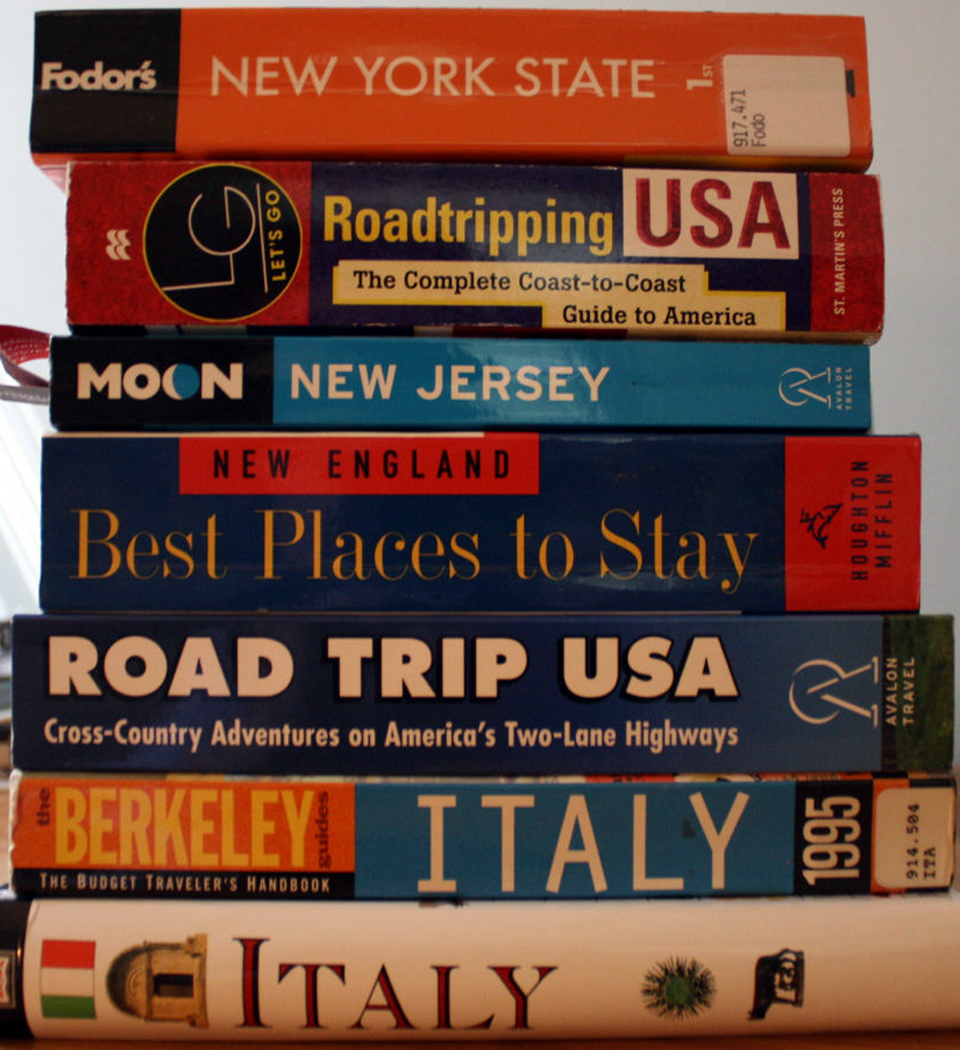
I love travel, and next to that, reading about it. But most of what I read leaves me flat; most travel writers upholster their pages with supposedly useful bits of information meant to lead me to a favorite hotel or a great nude beach where I can buy the killer margarita.

Most travel writing is in essence consumer news, and consumerism is both shallow and boring. That is not what I seek when I open up a book. I want to be transported to the place the author writes about; if I cannot afford the airfare, I want the words on the page to vanish, leaving me underneath the palm trees or on the mountain crest. I want to feel the moist tropical breeze on my cheek.

The best writing is not about four-star restaurants, but about the experience of the place, whether hotel or Irish bog. I have found that happens most often not in the works of so-called travel writers, but in the works of those who are writers first, travelers only by happenstance.

Lawrence

Lawrence

That is because, ultimately, the travel experience happens not on the ground, but in the head. It is the digestive sensibility of a great writer that can suck the marrow out of an experience and present it to us for our own understanding and enjoyment.

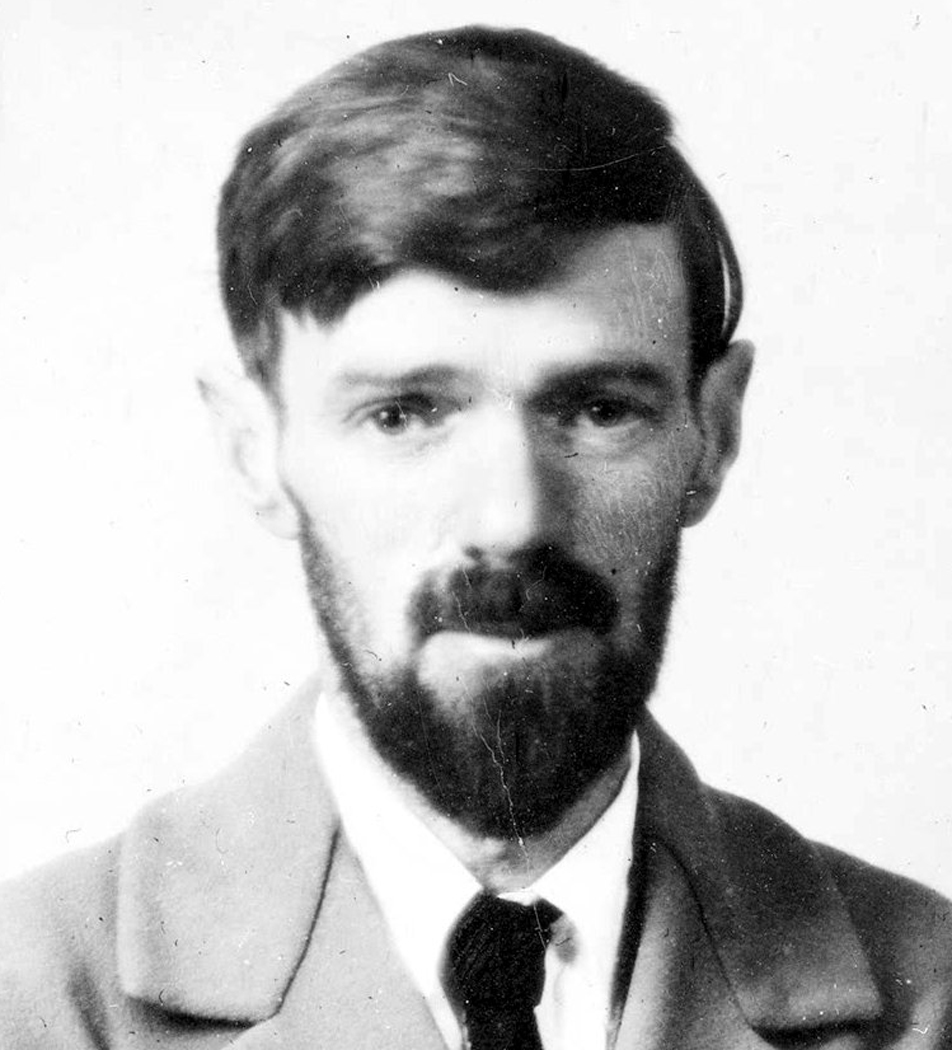
”One says Mexico: One means, after all, one little town away south in the Republic,” wrote D.H. Lawrence in Corasmin and the Parrots. ”And in this little town, one rather crumbly adobe house built round two sides of a garden patio; and of this house, one spot on the deep shady veranda facing inwards to the trees, where there are an onyx table and three rocking-chairs and one little wooden chair, a pot with carnations, and a person with a pen.”

Now that puts you in a place. And a very particular place, seen through very particular eyes.

Miller

Miller

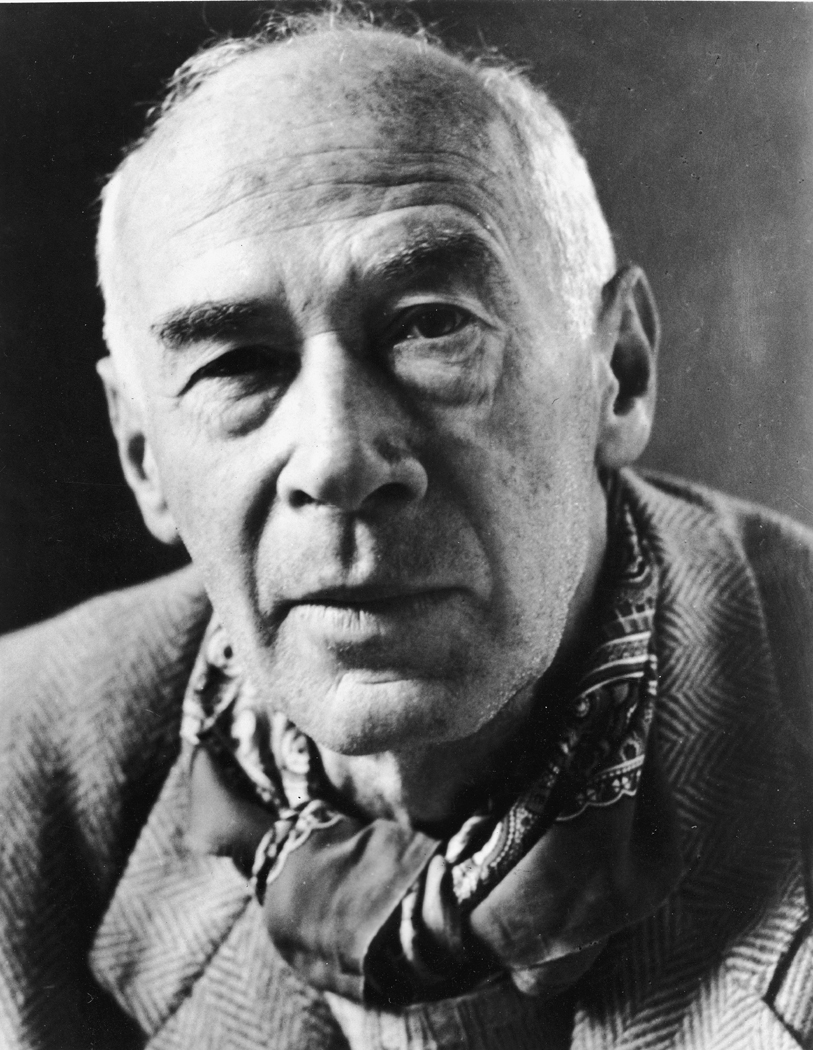
Henry Miller opens up his wonderful travel book, The Colossus of Maroussi, saying, ”I would never have gone to Greece had it not been for a girl named Betty Ryan who lived in the same house with me in Paris. One evening, over a glass of white wine, she began to talk of her experiences in roaming about the world. I always listened to her with great attention, not only because her experiences were strange, but because when she talked about her wanderings, she seemed to paint them: Everything she described remained in my head like finished canvases by a master. It was a peculiar conversation that evening: We began by talking about China and the Chinese language, which she had begun to study. Soon we were in North Africa, in the desert among people I had never heard of before. And then suddenly she was all alone, walking beside a river, and the light was intense and I was following her as best I could in the blinding sun, but she got lost and I found myself wandering about in a strange land listening to a language I had never heard before. She is not exactly a story teller, this girl, but she is an artist of some sort, because nobody has ever given me the ambience of a place so thoroughly as she did that of Greece.”

Miller then turns that favor over to us in his book. It is not just about a place, but about how a particular and intelligent sensibility interacts with a place.

Sometimes that happens in a novel, such as Jack Kerouac’s On the Road or Herman Melville’s Typee. These give us such a strong sense of being there that the plot sometimes seems little more than an excuse to travel to a new place to feel unfamiliar weather and sunlight.

But it is on their books specifically about travel that I mean to write. I’m sure you have your favorites, just as I have mine. Try some of these out next time you can’t afford two weeks in Tahiti:

1. Sea and Sardinia, by D.H. Lawrence. ”Comes over one an absolute necessity to move. And what is more, to move in some particular direction.” His other travel books are just as direct, just as full of the feeling of life and energy, populated with odd and compelling personalities. Mornings in Mexico, Twilight in Italy, Etruscan Places — if I were to name the single best travel writer, it would be Lawrence. colossus cover

2. The Colossus of Maroussi, by Henry Miller. Forget the four-letter Miller of the Paris gutter. His vision of Greece, uncorrupted by pious Classicism, is all about location, location, location. His American travel books, The Air-Conditioned Nightmare and Remember to Remember, are more episodic, but still among his best work.

3. The Encantadas, by Herman Melville. ”Take five-and-twenty heaps of cinders dumped here and there in an outside city lot; imagine some of them magnified into mountains, and the vacant lot the sea; and you will have a fit idea of the general aspect of the Encantadas, or Enchanted Isles.” Melville takes us to the Galapagos Islands and gives us all we know of them outside of Darwin.
4. The Narrow Road to the Deep North, by Matsuo Basho. The greatest writer of Japanese Haiku takes us on a walking tour of the northern portions of Edo-period Japan. ”Days and months are travelers of eternity. So are the years that pass by. Those who steer a boat across the sea, or drive a horse over the earth till they succumb to the weight of years, spend every minute of their lives traveling.”
5. The Desert, by John C. Van Dyke. One of the most peculiar books ever written, it is the love letter of an obsessed stalker to his beloved Southwest deserts. Written in 1901, it is full of the most effulgent language ever put to paper. And it would be pure breathless kitsch if every word weren’t the most truthful and accurate observation of the land.

”The reds are always salmon-colored, terra-cotta or Indian red; the greens are olive-hued, plum-colored, sage-green; the yellows are as pallid as the leaves of yellow roses. Fresh breaks in the wall of rock may show brighter colors that have not yet been weather-worn, or they may reveal the oxidation of various minerals. Often long strata and beds, and even whole mountain tops show blue and green with copper, or orange with iron, or purple with slates, or white with quartz. But the tones soon become subdued. A mountain wall may be dark red within, but it is weather-stained and lichen-covered without; long-reaching shafts of granite that loom upward from a peak may be yellow at heart but they are silver-gray on the surface. The colors have undergone years of ‘toning down’ until they blend and run together like the faded tints of an Eastern rug.”

Bartram

Bartram

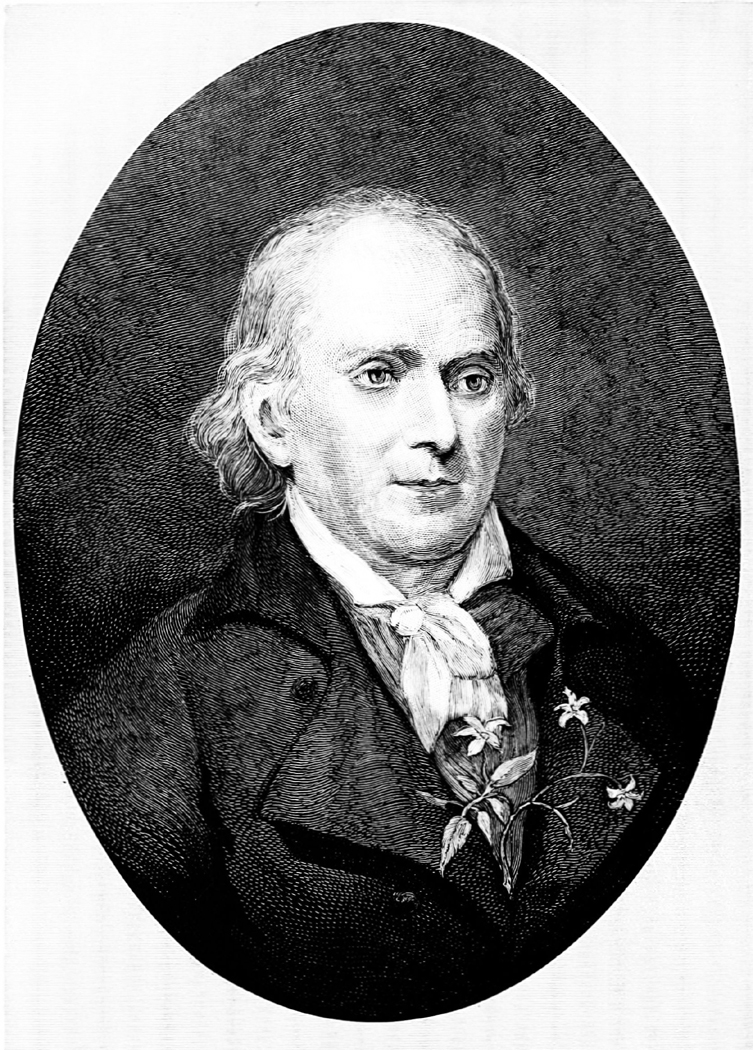
6. Travels, by William Bartram. The full title gives us the wonderful 18th-century flavor of the book: Travels through North and South Carolina, Georgia, East and West Florida, the Cherokee Country, the Extensive Territories of the Muscogulges, or the Creek Confederacy, and the Country of the Chactaws; Containing An Account of the Soil and Natural Productions of Those Regions, Together With Observations on the Manners of the Indians, Published in Philadelphia, 1791.

It is my favorite of any number of similar books that follow the author through what was at the time unknown and miraculous new territories. Jonathan Carver’s Travels through North America, from 1778, or William Dampier’s A New Voyage Around the World, from 1697, are full of ”travelers’ tales.”

Later, the journals of Lewis and Clark and of John James Audubon are full of the same sense of being there.

7. Life on the Mississippi, by Mark Twain. Such a classic, it hardly needs touting, but there is no more completely compelling vision of a river and the life that survives because of it.

8. California and the West, by Charis Wilson Weston. The reason most people pick up this book is for the historic photographs by Edward Weston. But the stories his wife, Charis, tells about their travels while making the photographs are a complete delight and present a picture of America between the wars with dusty roads, bad food and cheesy tourist traps.

9. Italian Journey, by Johann Wolfgang von Goethe. The great German writer and natural philosopher managed to get into the spirit of Europe’s sunny south by meeting a bunch of Germans in Rome and rhapsodizing about Classical civilization. It is a funny, moving and infectious memoir, and I can’t put it down.

Thoreau

Thoreau


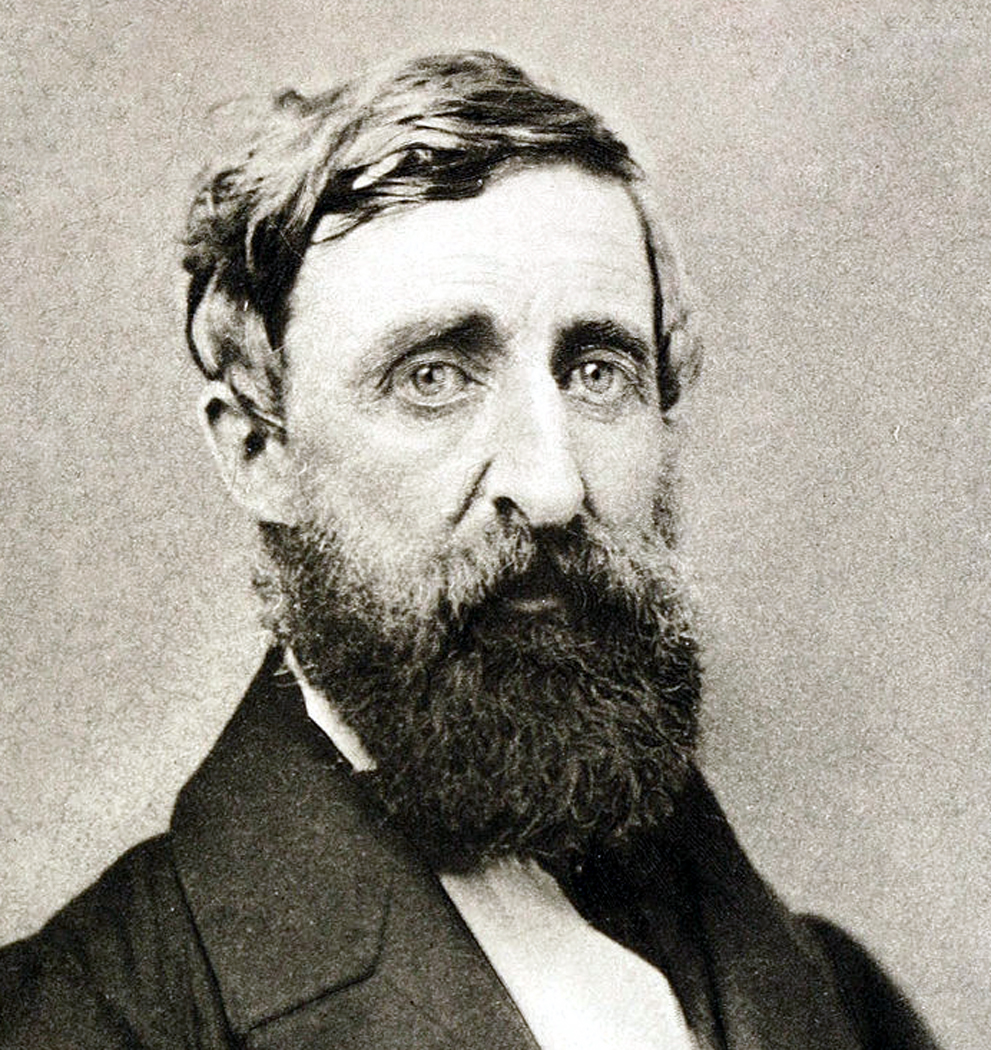
10. A Week on the Concord and Merrimack Rivers, by Henry David Thoreau. This is only one of several quirky and idiosyncratic travel books by the Transcendentalist author. You could as well choose The Maine Woods, Cape Cod or A Yankee in Canada. How idiosyncratic? ”I fear I have not got much to say about Canada, not having seen much; what I got by going to Canada was a cold,” he writes. He also lies. He has got much to write about Canada.