I am going to start this with a stipulation: I have never accepted the designated hitter. There, it’s out before I go on.
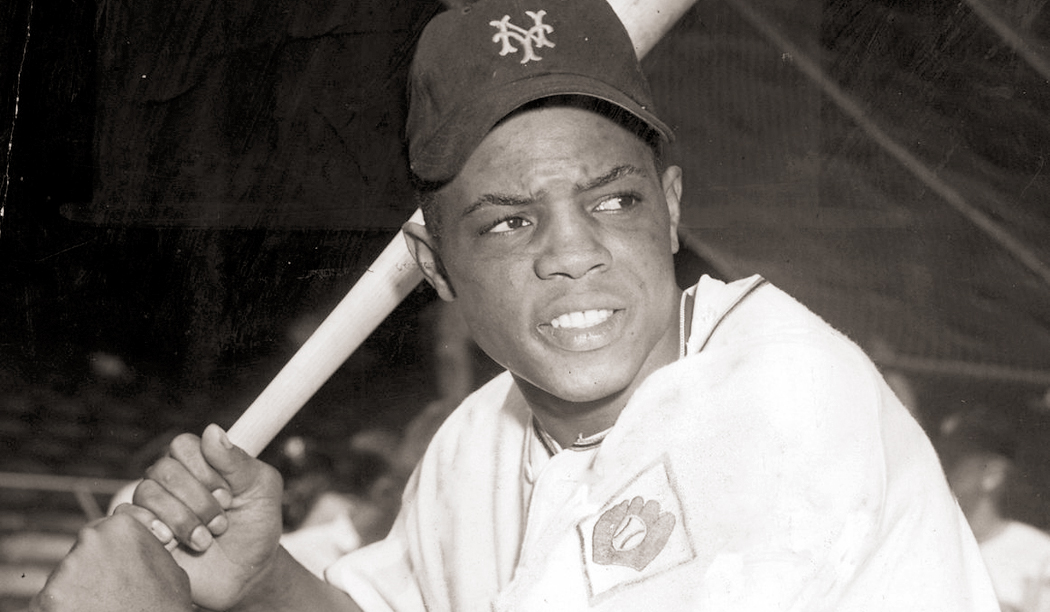
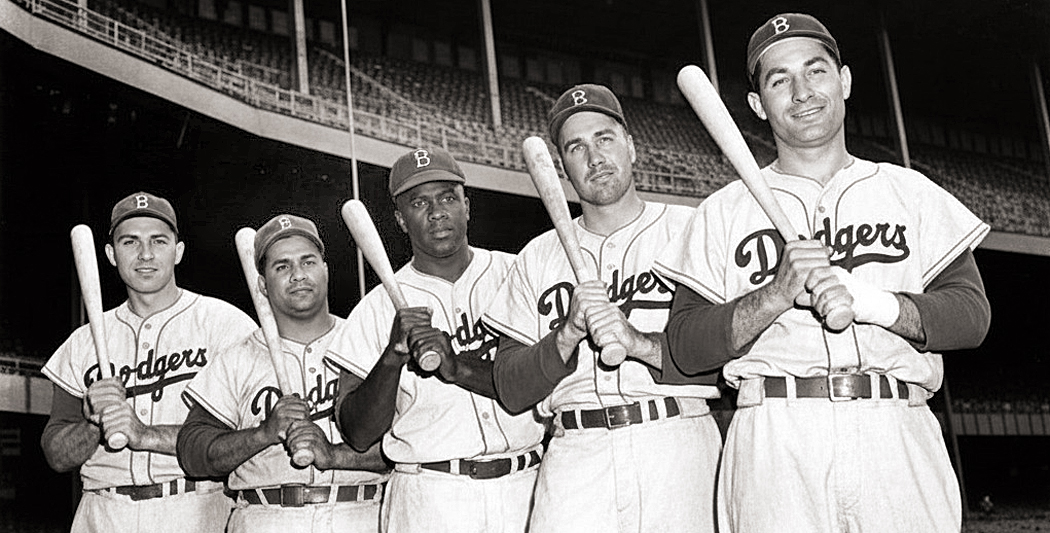
I am a baseball watcher. I began in the early 1950s, when Vin Scully was a rookie announcer for the Brooklyn Dodgers. The Ol’ Redhead — Red Barber — was still in the booth before he defected to the hated Bronx enemy. I can still name the lineup for the team back then: Duke Snider, Carl Furillo, Gil Hodges, Junior Gilliam, Pee Wee Reese, Jackie Robinson, Roy Campanella, Billy Cox; and pitchers Johnny Podres, Preacher Roe, Carl Erskine, Clem Labine.
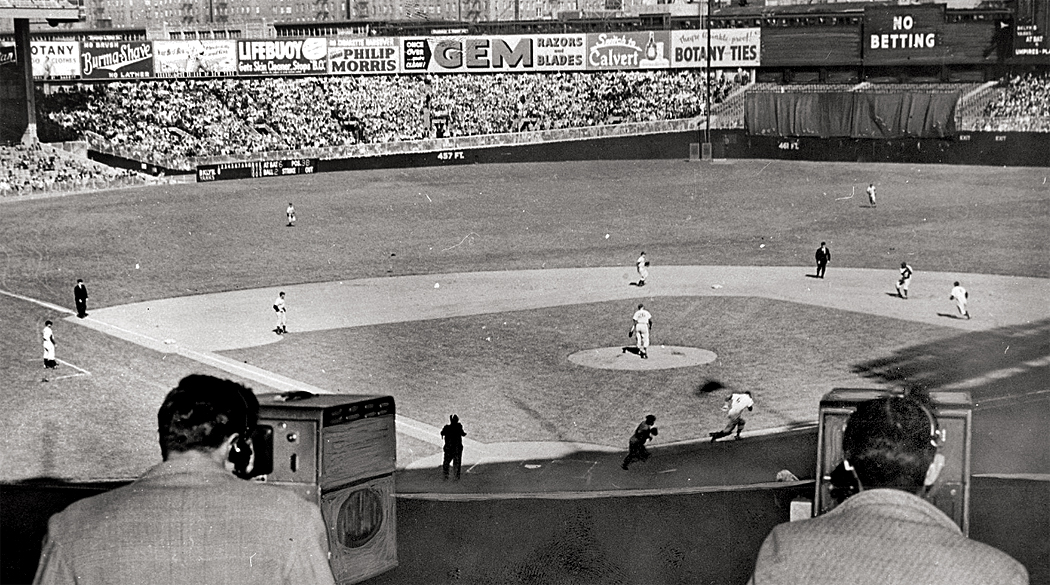
I was watching them on TV before I even went to kindergarten. So, yes, I am a codger now, and perhaps my take on the game can be discounted due to my fundamental inability to recognize the need to change a perfect game into something else.
But what I notice is a game that used to be the perfect embodiment of talent playing against the odds of the universe stacked against it, being turned into a pantomime of a video game. The original was about humans and nature. No time limits. Every physical measurement at the perfect distance to make even the simplest ground-ball play a matter of microseconds: safe or out. Every ballpark a different shape and dimension. Sunlight, grass, dirt, wood, horsehide, fallibility.
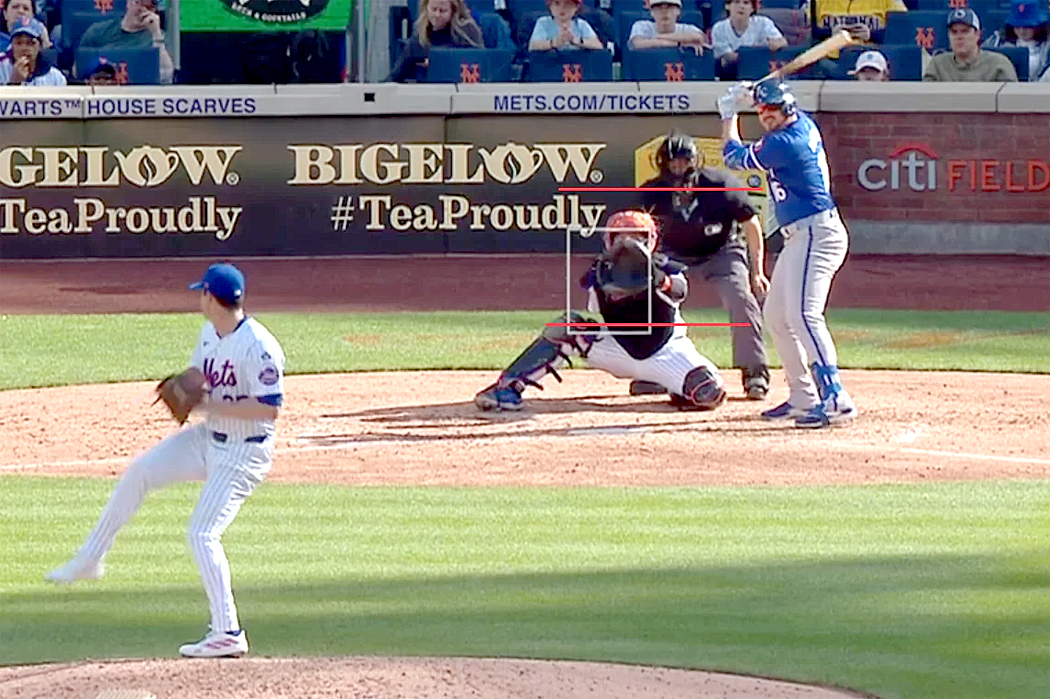
But now, a culture of regularity, precision and digital evidence have crept in. The game is asked to speed up, not bore us, not last too long, and the judgment of individuals is being required to measure up to computerized accuracy. This is, as far as I’m concerned, not baseball.
The trend to “update” the game for modern tastes risks losing its soul: slow, deliberate, played out not in nine innings, but over an entire season, through streaks and dry spells, through injuries and yips.
Let’s start with the ballpark itself. The new ones no longer care where the sun shines.
Once upon a time, ballparks were built so that the third-base foul line ran roughly north-south. That put north over the left-field wall, and as a result, put the afternoon sun where it could do the least harm.
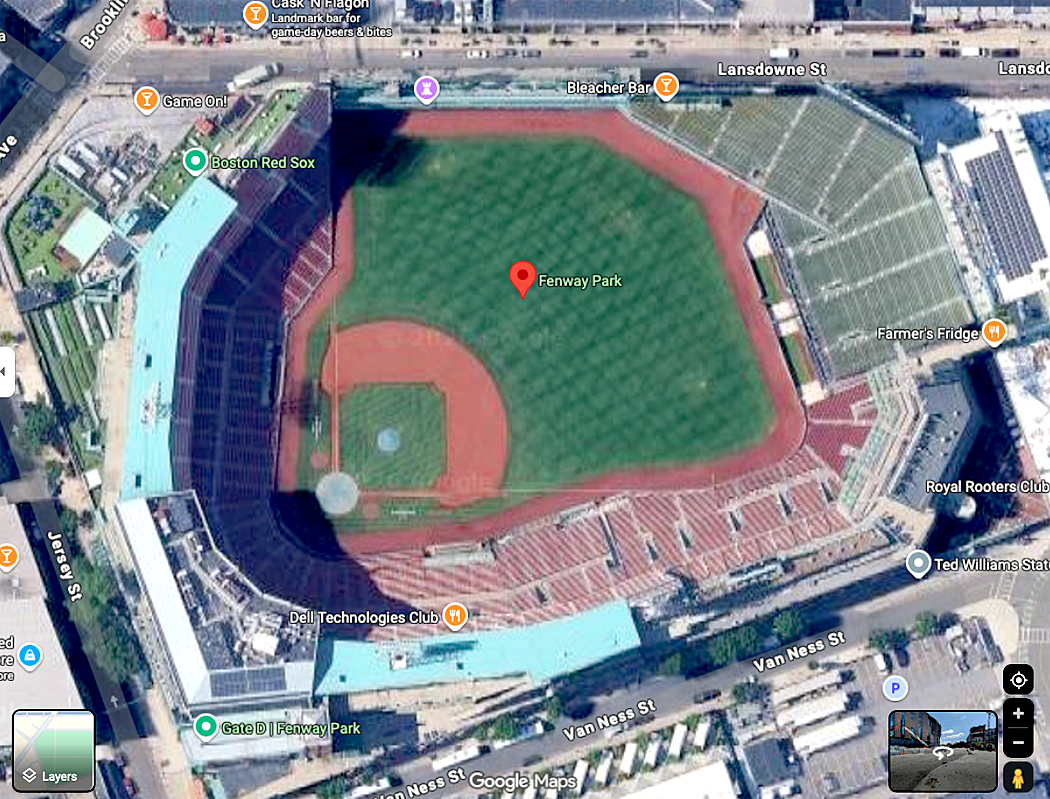
Fenway Park, Boston
This is why a left-handed pitcher is called a “southpaw.” His hurling arm hangs to the south slope of the mound.
When Chase Field (then Bank One Ballpark) opened in 1998, however, it was designed so that its north-south axis runs directly from home plate through the pitcher’s mound and over the center-field fence, mathematically bisecting the angle of the foul lines. Any lefty the Diamonbacks fielded turned into an “eastpaw.”
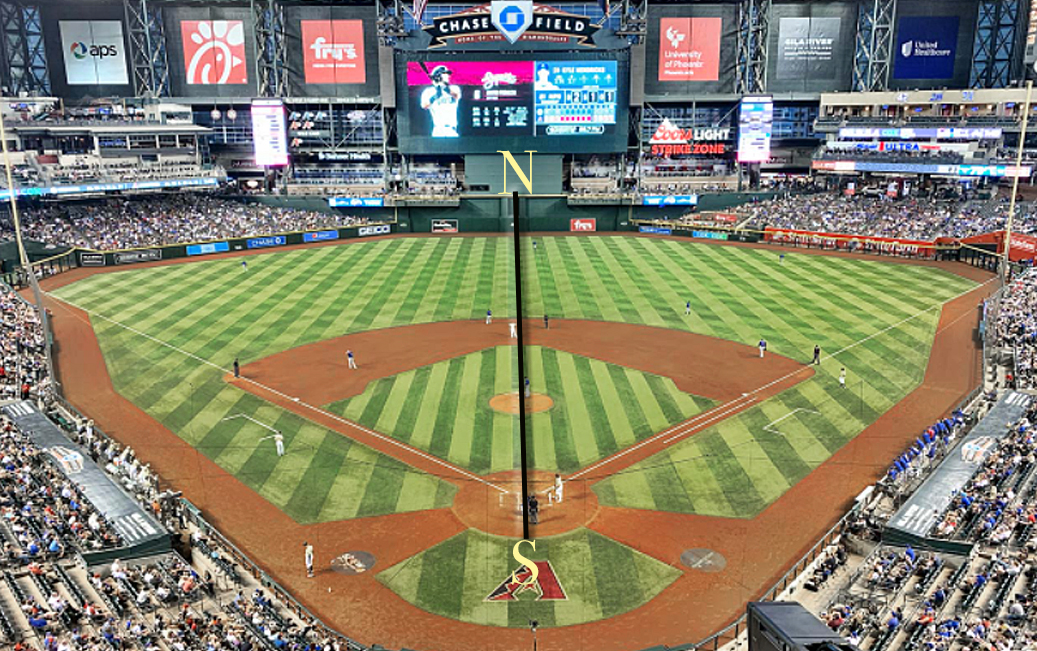
Chase Field, Phoenix
This may seem like a small deal to you, but it marks a major shift in our cultural inheritance.
The majority of Americans used to live either on farms or in cities. Either way, they faced each day the essentials of life, milking cows or keeping warm in apartments. Our grandparents had a direct relationship with reality. Little came between them and the natural world. But today’s families are often suburban and don’t do anything with the land except mow it.
And as for today’s children: What they know of the world comes to them edited, photographed, glitzed up and transformed. And they would rather see something on TV than in the flesh. Indeed, to many of our children, it isn’t real unless it appears on TV. We live increasingly in a secondhand world.
The ballparks reflect this shift. When Fenway Park was built in 1912 in Boston, or Comiskey Park in Chicago in 1910, they were jimmied into existing city blocks. The idiosyncrasies that make them so beloved are capitulations to reality.
But they still aligned to the cosmos. Their builders were aware of the path of the sun, the changes of seasons and the place of the ballparks in the landscape that surrounded them. It is why, even though the game grew up in the cities, we think of baseball as a pastoral game.
But our once-analog world has gone digital: Now, instead of being aligned with the heavens, our ballparks are increasingly lined to an arbitrary “grid.” The experience of living on a planet has nothing to do with it. Ideas about things replace the things themselves, and those ideas are arbitrary: They have no reference but to themselves. The connections are sundered. The world is pulled apart into “bits” and they can be set next to each other in any calculated fashion.
The change began in earnest in the 1960s. During that era, a spate of “cookie-cutter” stadiums were built — concrete doughnuts, like Busch Stadium in St. Louis, Three-Rivers Stadium in Pittsburgh, Veterans Stadium in Philadelphia, and, what is probably the ugliest ballpark in history, Shea Stadium in New York.
Most sat in suburbia, their diamonds oriented every which way, the rotating hubs of a parking lot wheel that ate up space like a shopping mall — and not coincidentally, often replaced dwindling farmland.
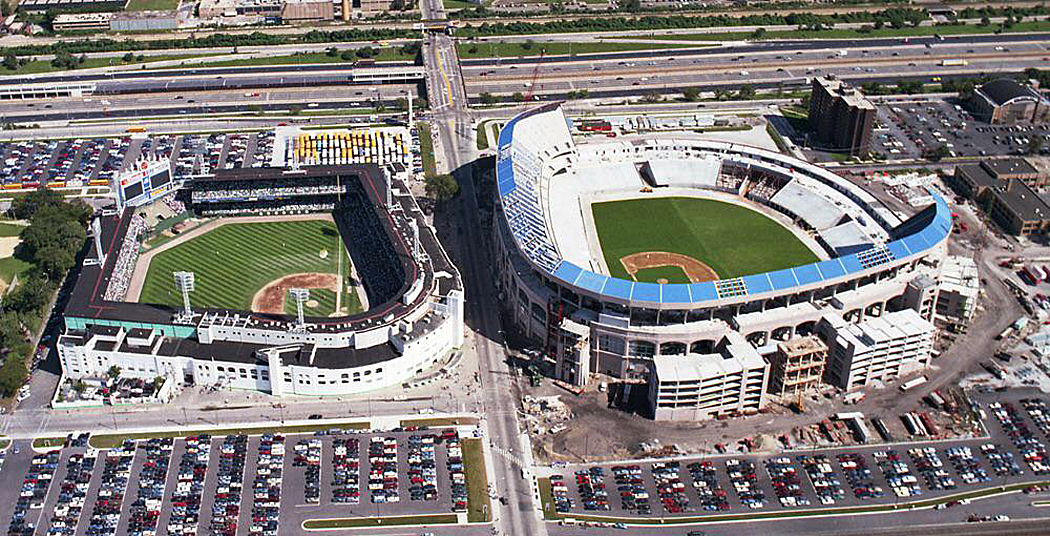
One of the last of these to be built — the “new” Comiskey Park in Chicago — was probably the most perverse. Built as a mirror image of the old park, the third base line now faces east. Talk about bad mojo! Our culture was confused, and so were our ballparks.
We, as a culture, are losing touch with the world we inhabit. It isn’t just Chase Field: Coors Field in Denver and the Skydome in Toronto are all oriented straight north-south. But the grid is a poor substitute for the ecliptic. It is arbitrary, and therefore inimical to life.
I remember once flying at night into Providence, R.I. The plane swung low on its final approach and the thousand burning lights of the city were spread out in the grid one expects of modern cities. But interspersed among the streets were city parks, each with its ball field. From the air, you could see them, scores of them across the city, all aligned the same way. Despite the regularity of the streets, they were all turned the same way like a field of sunflowers with their heads bobbing, face-in to the sun. Those fields took their ultimate command not from the city planner, but from nature.
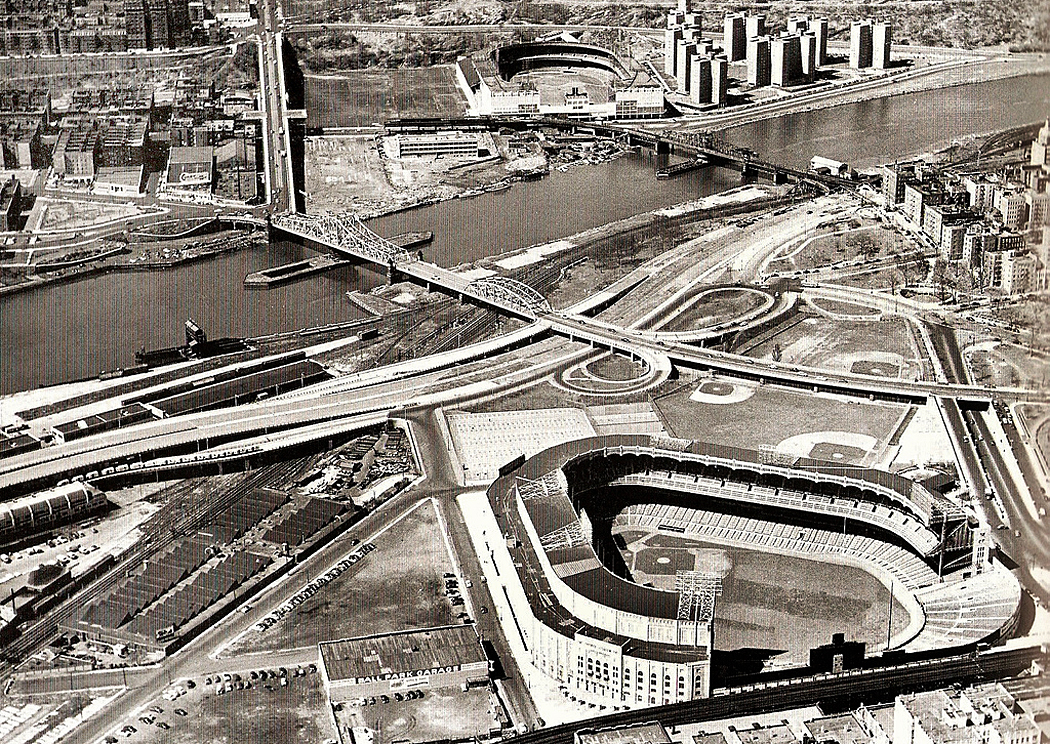
This same phenomenon can be seen in the old photographs of Yankee Stadium and the Polo Grounds. Separated by the Harlem River and surrounded by a chaos of roads, they lined up like twin observatories watching the same stars, their allegiance to something larger. That something larger is the key.
For we all want to know our lives have value, that we belong to something bigger than our own tiny egos. It is the larger context that gives our lives meaning.
Baseball is inherently human. Which is why I hate all the new rules being experimented with in recent years. The trend to “update” the game for modern tastes risks losing its soul: slow, deliberate, played out not in nine innings, but over an entire season, through streaks and dry spells, through injuries and yips.
I hate the changes. I hate them all. (Or almost all. I don’t really have a gripe about the pitch clock. I don’t like any clock in the ball field, but the game had gotten rather slow, with pitchers taking forever on the mound, wiping down the ball and picking up the rosin bag, causing one sportswriter to question whether they think they are being paid by the hour, and worse for the batter, who kept stepping out of the box after every pitch and readjusting his batting gloves. Throw the damn ball!)
But shortening games by putting a free base runner on second to start the 10th inning in a tie game? Blasphemy. Part of the metaphysics of baseball is its embrace of eternity — that the game could theoretically go on for infinite innings. (The longest pro game happened in 1981 between the Pawtucket Red Sox and the Rochester Red Wings and lasted for 33 innings over two days. In the major leagues, the longest was 26 innings, in 1920 between Brooklyn and Boston and ended in a 1-1 tie when the game was called for darkness. There have been a handful of games longer than 20 innings.) This is as unacceptable as the designated hitter.
I have a list of all the rules changes since 1950 and it prints out at 38 pages. Most of them are minor: clarifications or fixing typos. Some seem oddly fussy. In 2013, Amended Rule 1.15(a) declared the legal colors for fielders’ mitts must be no lighter that the current 14-Series of the PANTONE® color set. (Pantone being a proprietary color naming system used in by variety of industries to insure color consistency in branding, logos and packaging). So, no white leather gloves.

In 2007, the rules changed to allow an intentional walk with no pitches being thrown, with just a signal to the ump to award first base. Maybe it speeds up the game, minimally, but it also takes away an exciting possibility. The year before the new rule, Marlins star Miguel Cabrera was being thrown four balls. Rather than sit idly and watch pitches go by, he reached outside and swung at one, getting a hit and recording an RBI single.
Cabrera isn’t the only player to turn the tides on an intentional walk. Detroit Tigers legend Ty Cobb once hit a two-run triple during an intentional walk attempt in 1907. More recently in 2016, Gary Sanchez hit a sacrifice fly on an intentional walk attempt against the Tampa Bay Rays.
The general run of important updates make the game less human and more like Fortnite. It was a game, and now is becoming a digital bureaucracy.

I love the umpire, subject of hate and abuse, he is the final arbiter of each pitch and each out. Or was. The mistaken urge to make sure the call was “correct” has meant constant second-guessing the ump. “We have to make certain the call was correct.” Why? It is a game; a blown call is as much a part of the game as the misplayed bunt or the dropped fly ball.
Don Denkinger calling Jorge Orta safe in the 1985 World Series. Rich Garcia not calling fan interference on Jeffrey Maier in the 1996 ALCS. Jim Joyce imperfectly calling Jason Donald safe in what would have been been the defining final out of Armando Galarraga’s otherwise perfect game in 2010. You can argue that these moments are more indelible as-is than if the calls had gone the other way.
And so, the video replay and the challenge. The influence of NFL football is the baneful influence, a sport where most of the TV time is given to video replays. The replay is as much part of football’s televised show as the original pass or off-tackle run. (I once timed a three-hour NFL game with a stopwatch, and the total time spent on the actual play, from ball snap to ref’s whistle each down, added up to only 15 minutes. The remaining two hours and 45 minutes is commentary, commercials and lots of endless replay and slo-mo.) There is something industrial, corporate and machine-like to football that is out of place in baseball.
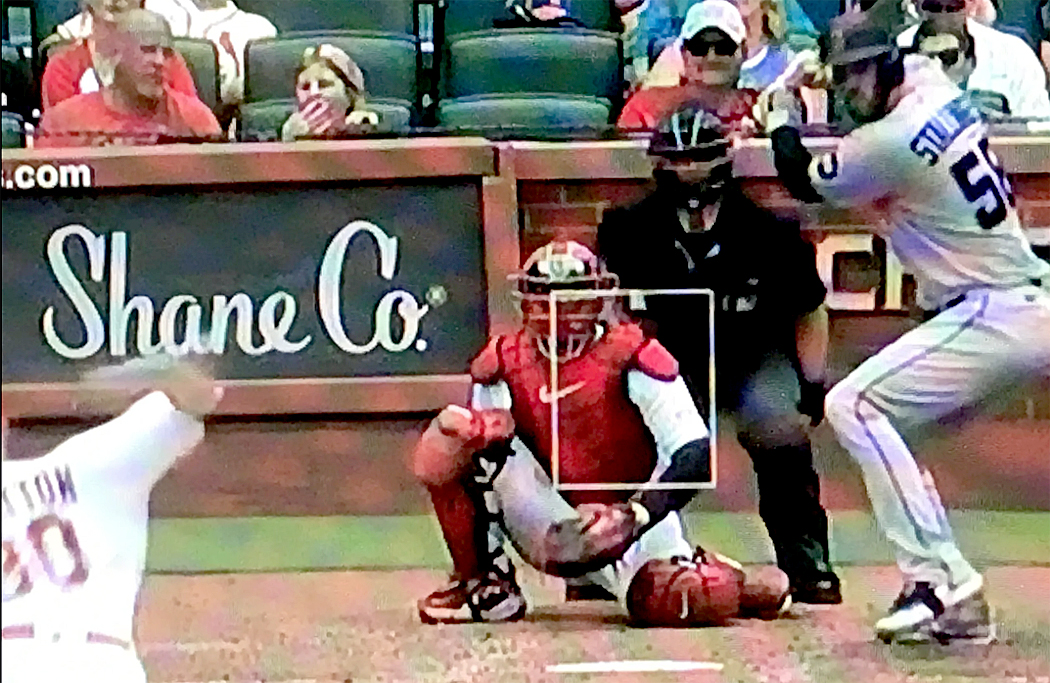
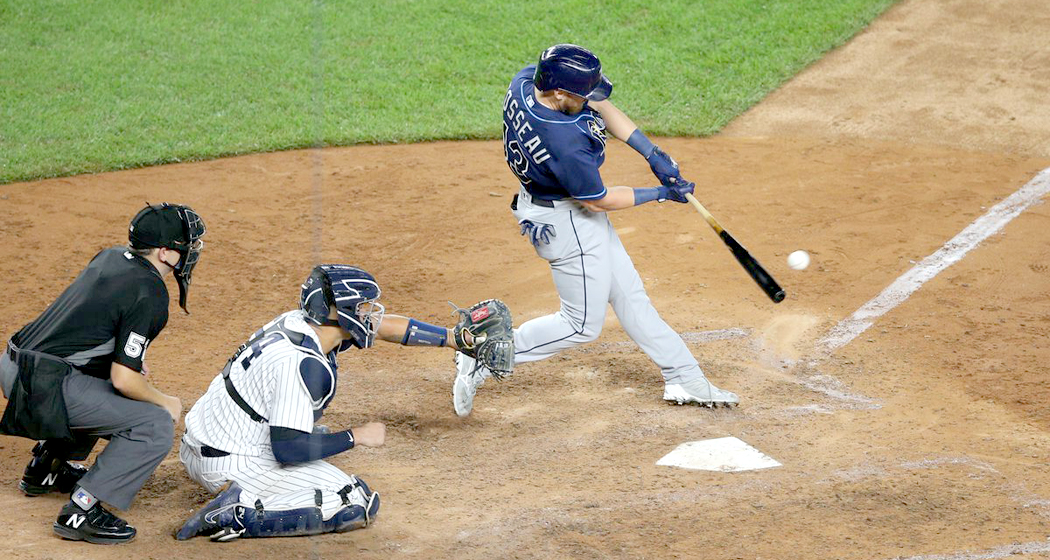
Which brings me to my chief gripe. The ABS challenge — automated balls and strikes calls. The strike zone has always been the custodial property of the home-plate umpire. Each ump was a bit different, and pitchers — and batters — knew that, and played accordingly. We watched Tommy Glavine stretch the strike zone further and further outside as a game went on, and umps gave him the call because of his consistency. Some umps had higher strike zones, others tended to call low pitches. But it was part of the game and the batters adjusted. That flexibility was an essential part of the game.
But a pettifogging influence has taken over; a legalistic mindset that stops the natural flow of the game to bring tape measure and calipers to the rules. It gives batter, catcher or pitcher the chance to tap his cap and ask to overrule the ump. Balls barely edging the strike zone, or a quarter inch outside are caught by computer and used to prove the umpire human.
The zone’s dimensions has been adjusted many times. In 1950, it was defined as running from armpits to the top of the knees. In 1963, It was changed to the top of the shoulders to the knees. In 1969, it reverted to armpit to knees; and in 1988, from middle point between the shoulders and the top of the uniform pants to the top of the knees. In 1996, it was stretched again to a point just below the kneecap. So, it has been a floating target, even beyond the umpire’s proclivities.
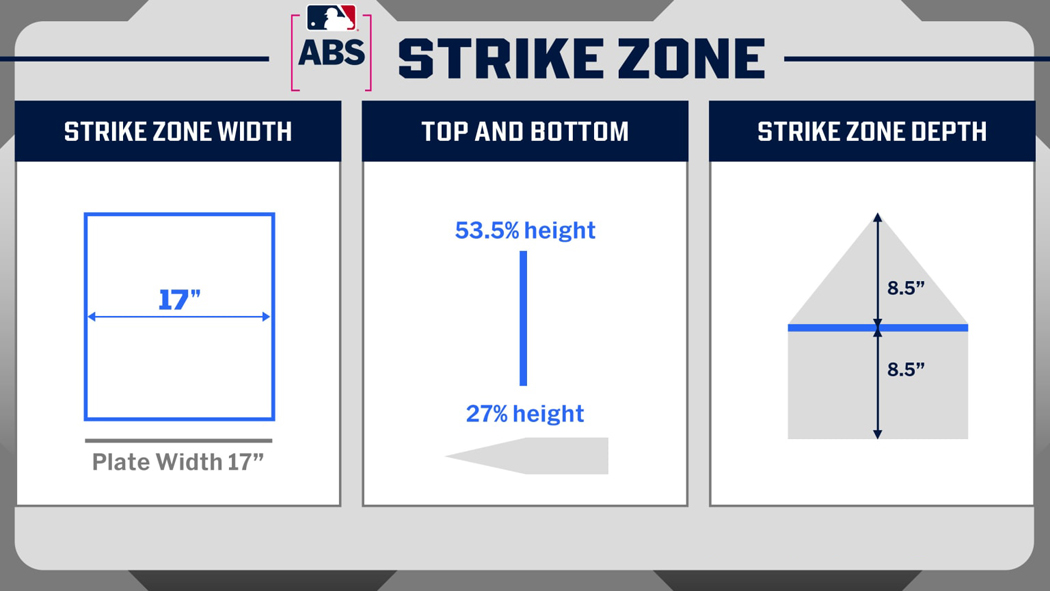
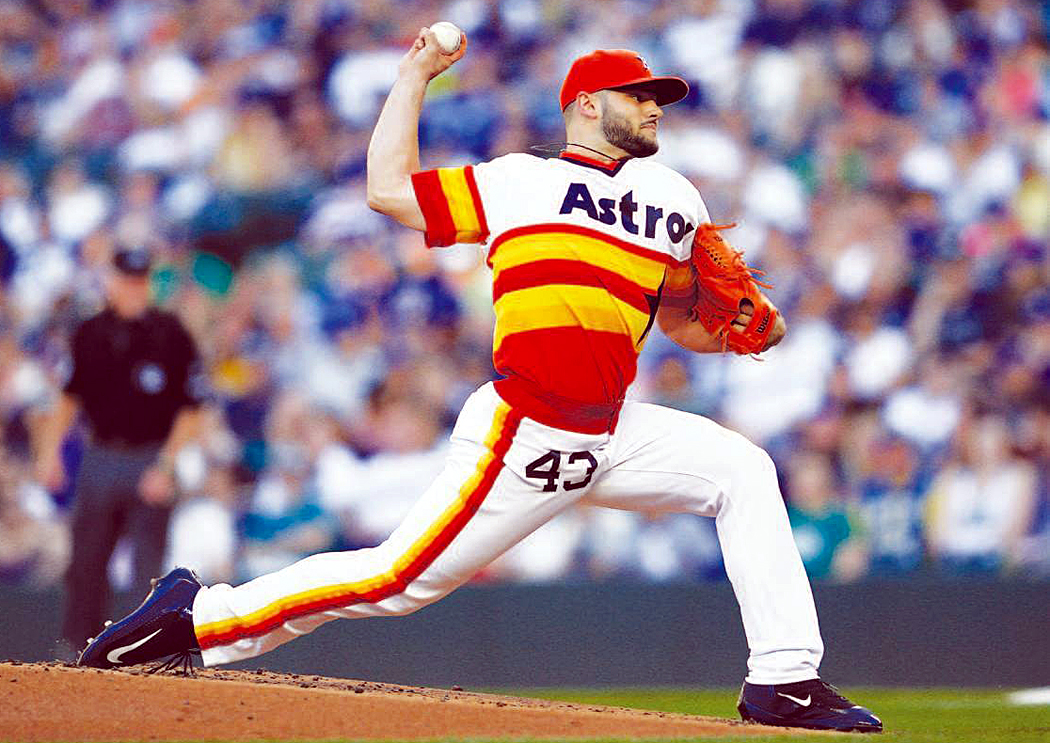
But for the precision of the computerized strike zone, something more technocratic was needed, and so, in 2025 the zone was declared to be 53.5 percent of the batter’s height at the top and 27 percent at the bottom. To accommodate Jose Altuve at 5-feet-6 inches and Shohei Ohtani at 6-feet-4 inches, requires a strike zone that changes for every batter stepping to the plate.
And so, ridiculous as this sounds, all position players in spring training camps had their heights measured standing up, without cleats by research technicians using biomechanical analysis. This information was loaded into the ABS computer database so that a different video box could be projected on home plate for each batter for the television broadcast.
This could be quite confusing for pitchers, to say nothing of for umpires.
“The hitter’s strike zone doesn’t change,” said Detroit right-hand pitcher Casey Mize. But, “I face nine different strike zones. The catcher sees nine different strike zones. The hitter just has his own.”
And the strike zone no longer covers the entirety of home plate, but rather a microtome-thin slice across the middle, so that a sharp curve ball or slider that catches the front corner of the plate no longer counts as a strike, if challenged by the batter.
We should remember that when we think to complain that the umpires are overturned and so must be poor umps. I’m surprised they are as consistent as they are.
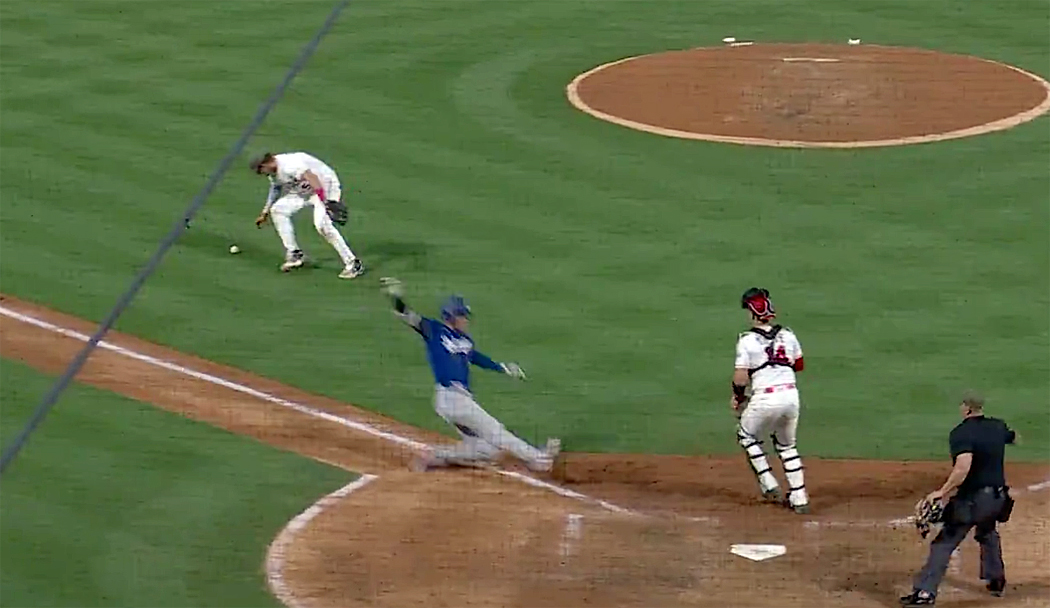
I still watch baseball almost every day, and I see things in each game that I’ve never see before. I just saw Shohei Ohtani hit a bouncer into the foul-pole net that almost turned into an inside-the-park home run, but then scored as a triple and a throwing error. The run counted anyway. I had never seen that happen before.
Talent playing against the odds of the universe stacked against it. Human drama.