Archive

Tag Archives: Ralph Waldo Emerson

Documentary producer Ken Burns has just released a 3-hour film on 19th-century author Henry David Thoreau, one of my heroes when I was a younger man and more easily caught by enthusiasms. 

With a bit of hesitation, I tuned in to watch it on PBS and was instantly disappointed. It was the Standard Authorized Version, with almost nothing new to say. It was the Thoreau you might get on a network morning chat show — all surface, all cliche. Its language is largely that of 21st century pop psychology, while Thoreau’s own words are saturated with 19th century Romanticism. 

When Burns came out with his monumental series on the Civil War in 1990, it was groundbreaking and original. It was also a huge hit and deserved every accolade it received. He has directed and produced some epical series since then, but I’m afraid it has mostly been downhill from then. He has parodied himself and his once-innovative style, with its narrator, and its Hollywood celebrity voice-overs and vintage photographs lovingly caressed by the slowly moving camera. 
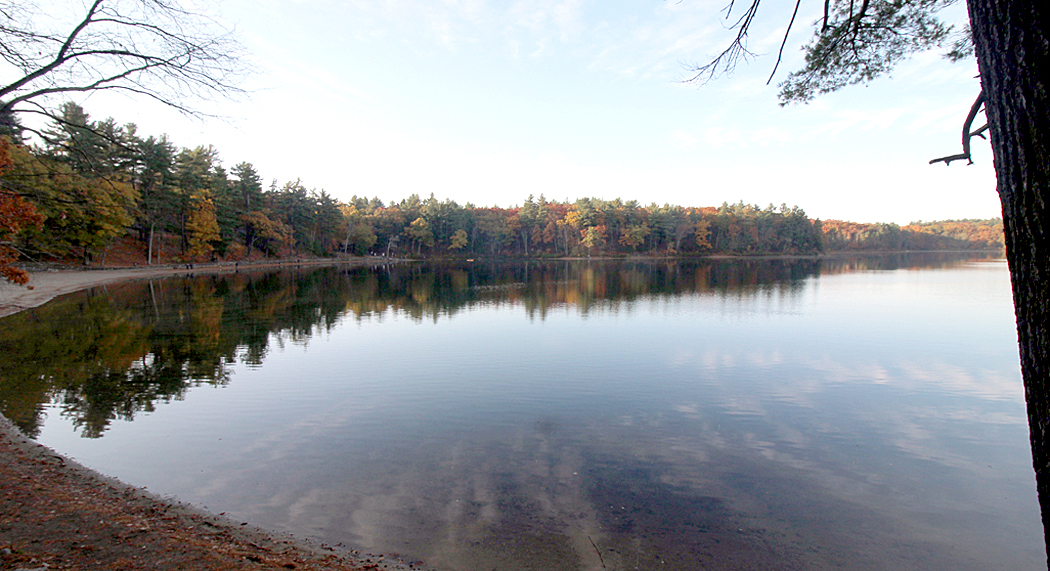
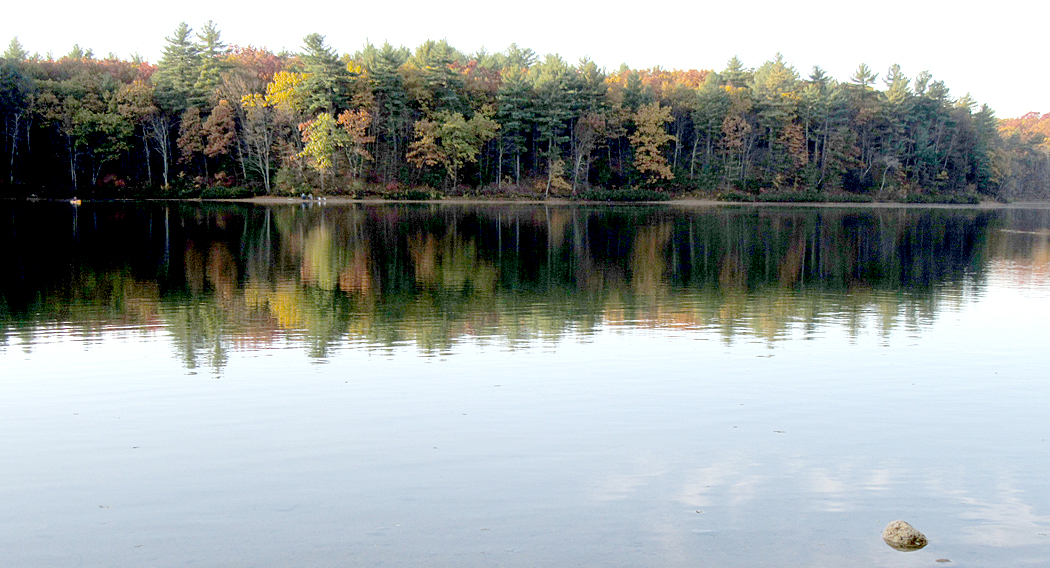
Walden Pond

And so, this series on Thoreau doesn’t offer much new or insightful. It does attempt to make the 19th century writer seem more 21st century than can convincingly be done — more social justice warrior and less tedious cataloguer of birds and ferns. To be fair, Thoreau was, in terms of his day, quite progressive, an abolitionist and environmentalist, and some of his writing has had tremendous social and political impact on the century that followed him. But the series gets the balance wrong, more in favor of things we value, and less so for the more Transcendentalist trends of his era. 
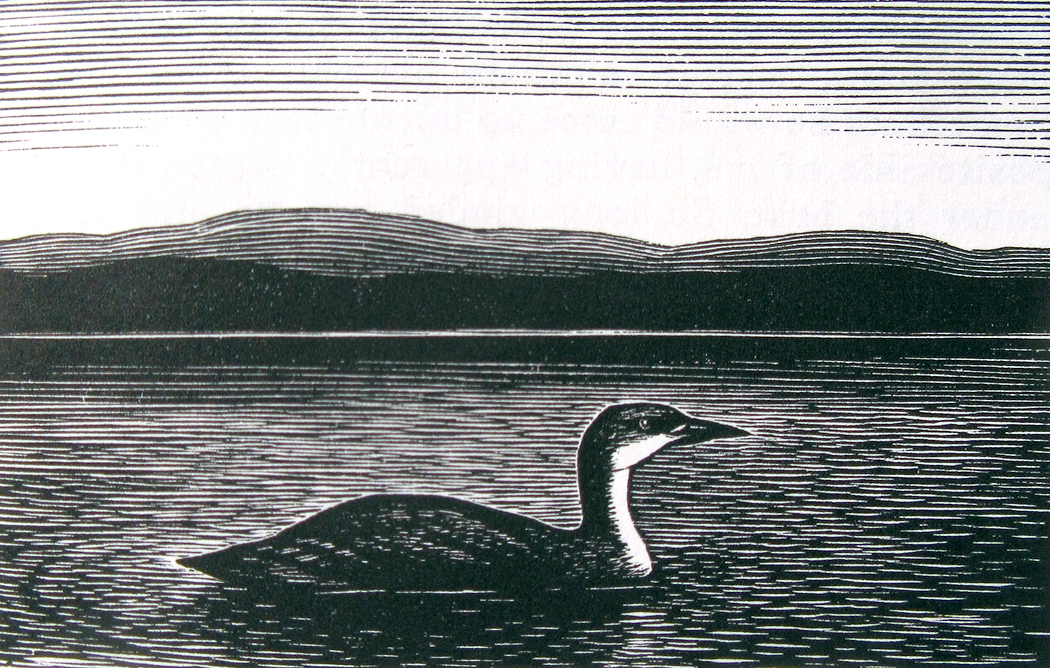
And it glosses over the fact, that in addition to being a great writer and social activist, he was also a world-class loon. He didn’t play well with other children, as they say. He liked his loneness, didn’t comfortably interact with others, and while he was a proto-environmentalist and a fervent abolitionist, he also maintained many prejudices of his age, including a romanticized view of Noble Savage Native Americans. His political views could line him up pretty well with current anti-tax Tea Party Republicans. Some have outright called him an anarchist. Recently, others have placed him on the Asperger spectrum. Others have questioned his sexuality, or lack of. At any rate, Henry Thoreau was not what is typically considered normal. If not a loon, at least a very odd duck. 
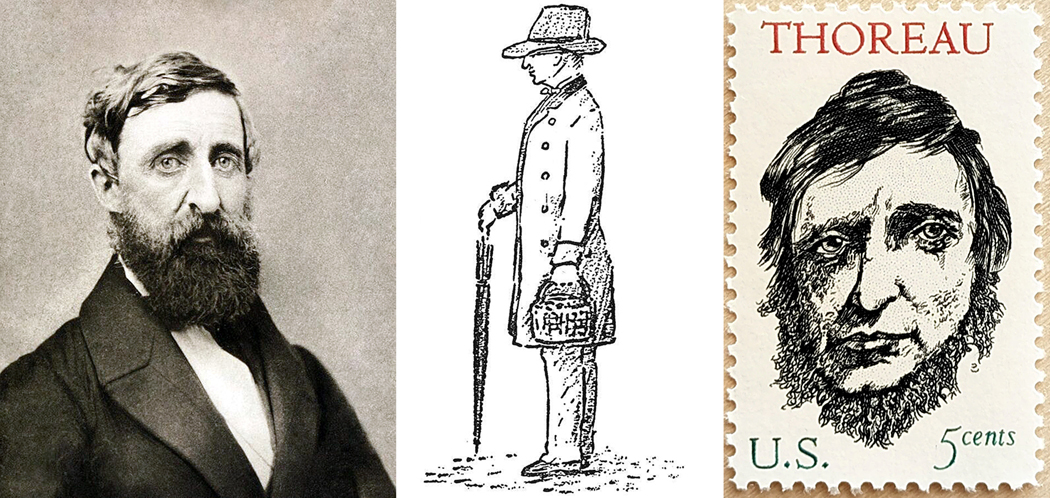
Emerson wrote of him, “He was bred to no profession. He never married; he lived alone; he never went to church; he never voted; he refused to pay a tax to the State; he ate no flesh, he drank no wine, he never knew the use of tobacco and, though a naturalist, he used neither trap nor gun. When asked at dinner what dish he preferred, he answered, ‘the nearest.’”
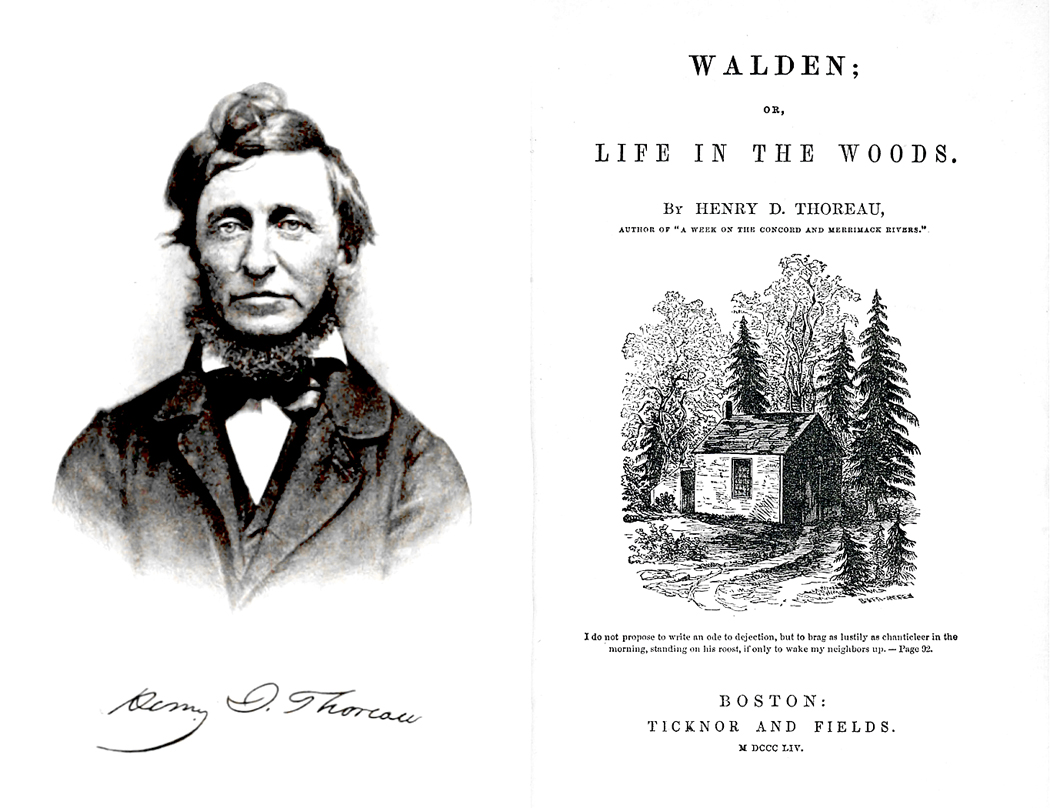
Walden, of course, chronicles his time spent in a cabin he built on the glacial lake of that name, where he lived for two years in an attempt to leave civilization behind and grow his own beans. Thoreau became the patron saint of environmentalism in the 1960s, and that despite the fact that in 1844, he personally destroyed a whole forest by, like Wilmer in The Maltese Falcon, “doubtless being careless with matches.”

Yes, he marched to the beat of a different drummer, but had little sense of rhythm. 
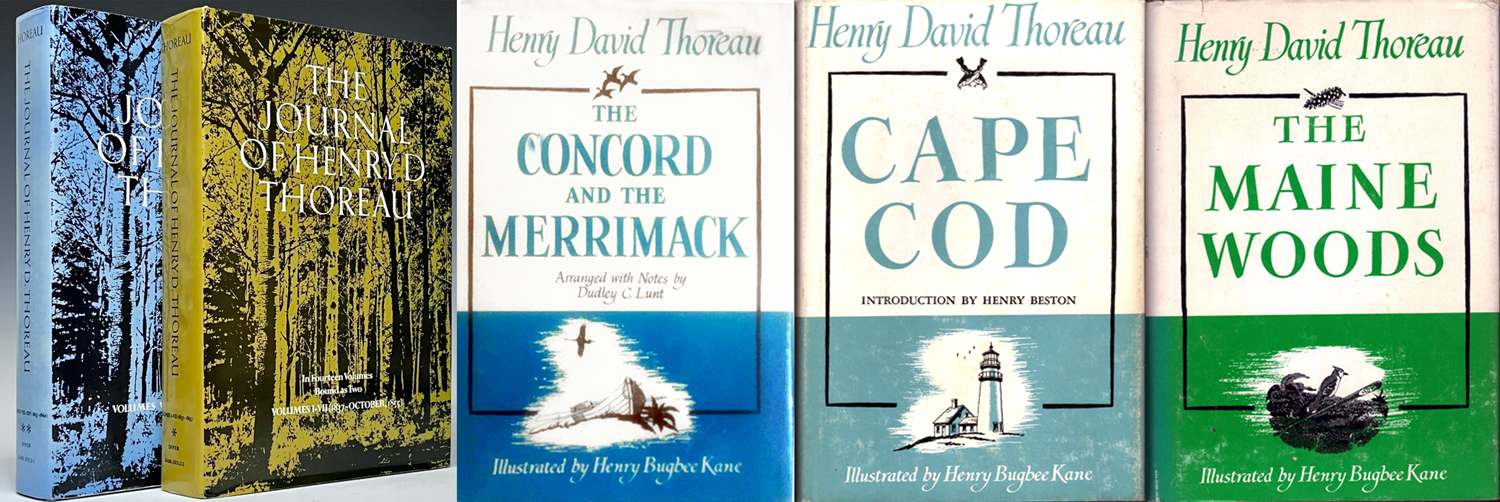
I have read most of what Thoreau wrote, including his 14-volume journals. I feel safe in saying there were four basic periods in his writing life. Early on, he was a student, and like many such, mimicked his models to the point of too often simply quoting them endlessly. He had a habit of gathering shorter piece he had composed and editing them together into longer, rather discursive pieces. 

Then came his journeyman period, where he had largely found his voice, but still had some problem making the whole cohere. This was the period of the book he wrote while at Walden Pond, A Week on the Concord and Merrimack Rivers, which told the story of the boat trip he made with his brother, John, 10 years before. They sailed a dory down the Concord River and up the Merrimack, and attempted to climb Mount Katahdin in Maine, where he had a transcendental vision. After John died, Henry wrote the book as a memorial to his brother. 
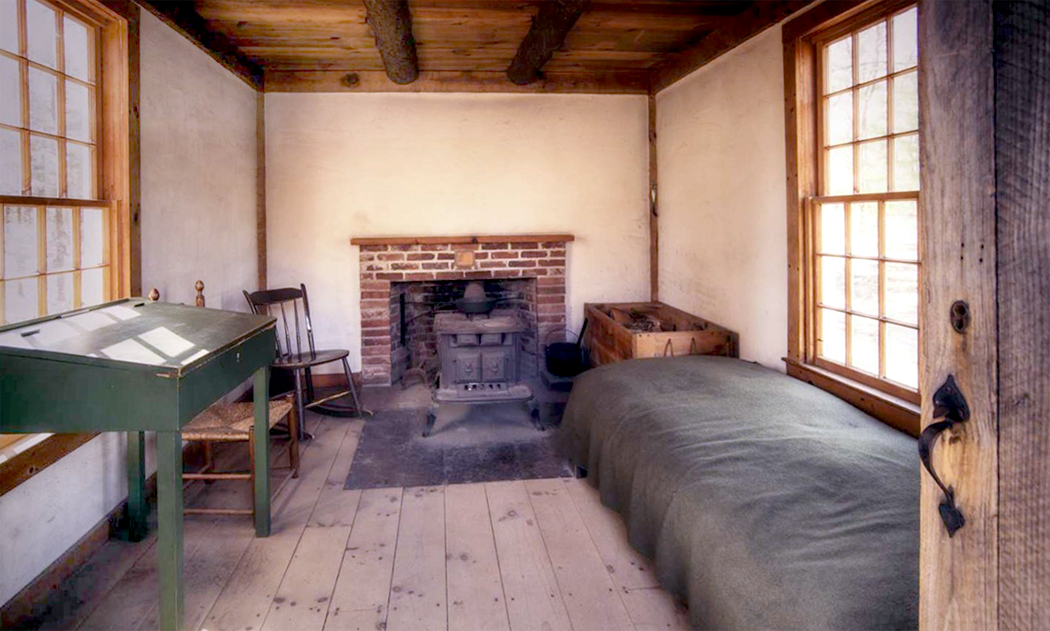
Reproduction of the interior of Thoreau’s cabin

It is a wandering volume, mostly about the boat trip they took, but also about pretty much everything else the young writer could pack into it, still with lots of allusive quotes. Perhaps he was imitating Montaigne, whose work is likewise punctuated.

He had it published at his own expense, and when it failed to sell, he wound up with all the remaindered books delivered to his home. “I now have a library of nearly nine-hundred volumes,” he said, “over seven-hundred of which I wrote myself.”
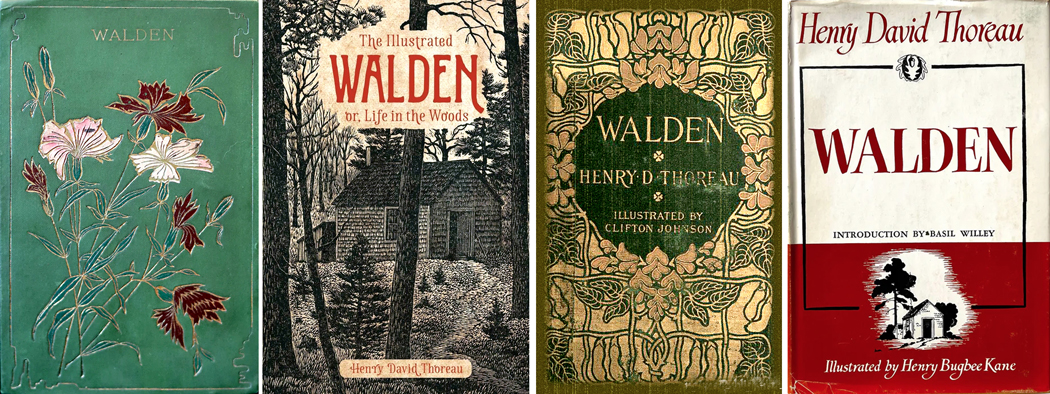
The high point came with Walden or A Life in the Woods, which he began in his lakeside cabin and finished later on. It is one of the best written books I have ever read, if taken sentence by sentence. It is delicious to peruse. I fell in love with Thoreau’s prose style, with its biblical heft and Shakespearean metaphor.

“Time is but the stream I go a-fishing in. I drink at it; but while I drink I see the sandy bottom and detect how shallow it is. Its thin current slides away, but eternity remains. I would drink deeper; fish in the sky, whose bottom is pebbly with stars.” How can you write better than that? You can’t.
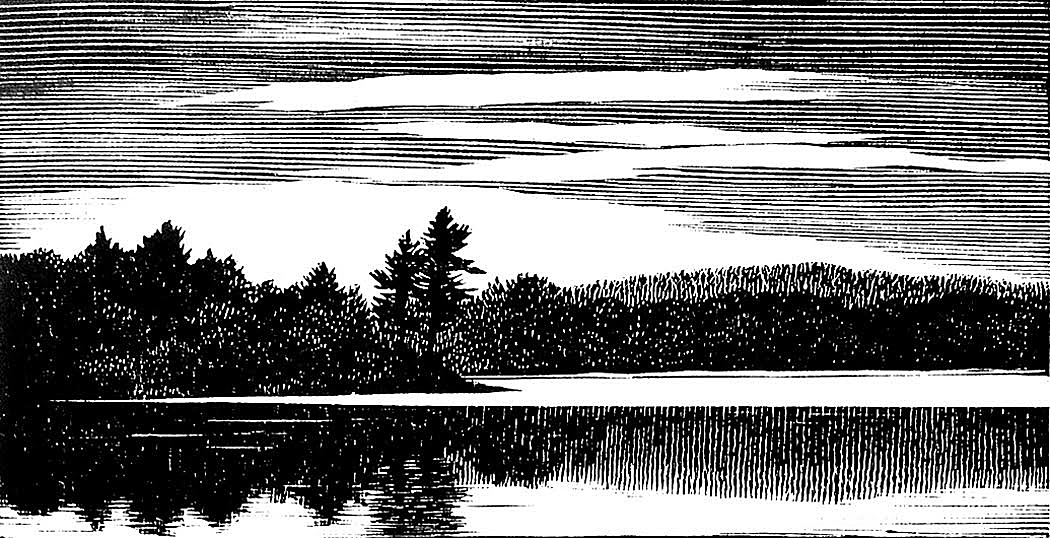
Illustration of Heritage Club edition of “Walden” by Thomas Nason

His later books were cobbled together from magazine articles he had published. They are still a delight to read. The Maine Woods and Cape Cod — neither as sustained as Walden, but still solid writing. 

But as Thoreau got older, he began to lose the metaphorical fire that had made Walden so memorable. He became more concerned with collecting data, precise taxonomy and recording detailed observations. 
You can see these stylistic periods in the journals, which begin with lots of quotations, rise to metaphorical heights as the years progress, and then devolve into quotidian daily notations perhaps of scientific usefulness, but no longer designed for the pleasure of reading. 

He published a final travel book that demonstrates the kind of exhaustion Thoreau was facing. It was published in 1866, after his death and called A Yankee in Canada. It begins, “I fear that I have not got much to say about Canada, not having seen much; what I got by going to Canada was a cold.”

I have read it all, from A Week to Walden to Maine Woods to The Dispersion of Seeds, which is one of the first meaningful explications of plant succession. But not the poems. Gott im Himmel, not the poems. Thoreau wrote the most poetic of prose, but the most prosaic of poetry.

This he shares with his mentor. Thoreau lived for a while with Ralph Waldo Emerson, who was a celebrity and public intellectual who wrote reams. Emerson was more widely and systematically read and educated than Thoreau and he explained a good deal of German philosophy to the American public. Emerson was a better philosopher than Thoreau, but Thoreau was the better writer.
Both shared an aphoristic style, where individual sentences are hugely quotable. “A foolish consistency is the hobgoblin of little  minds, adored by little statesmen and philosophers and divines,” Emerson wrote in Self Reliance.” And, “We are always getting ready to live, but never living.” 

(Compare with Thoreau in Walden, where he wanted “to front only the essential facts of life, and see if I could not learn what it had to teach, and not, when I came to die, discover that I had not lived.”)
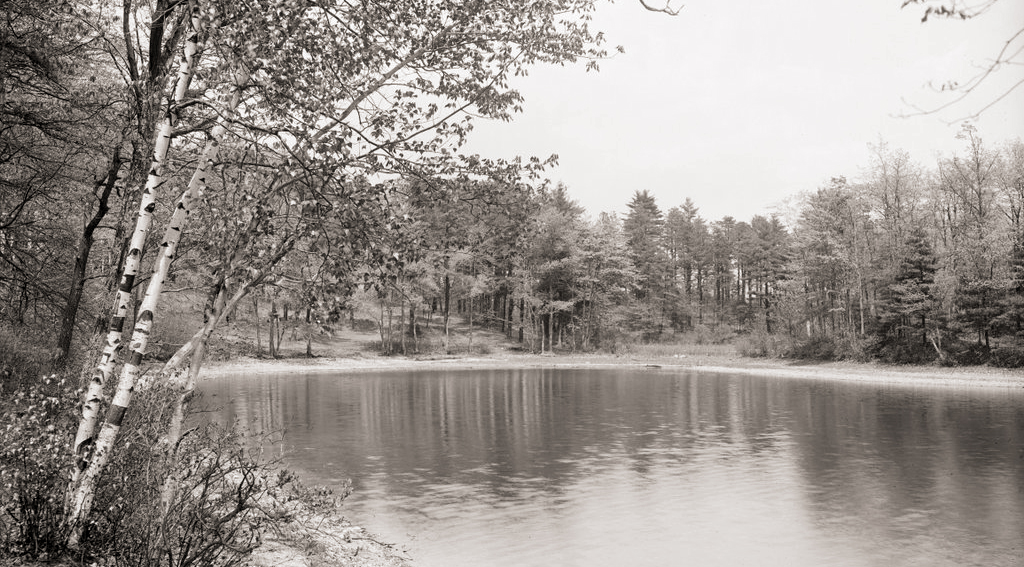
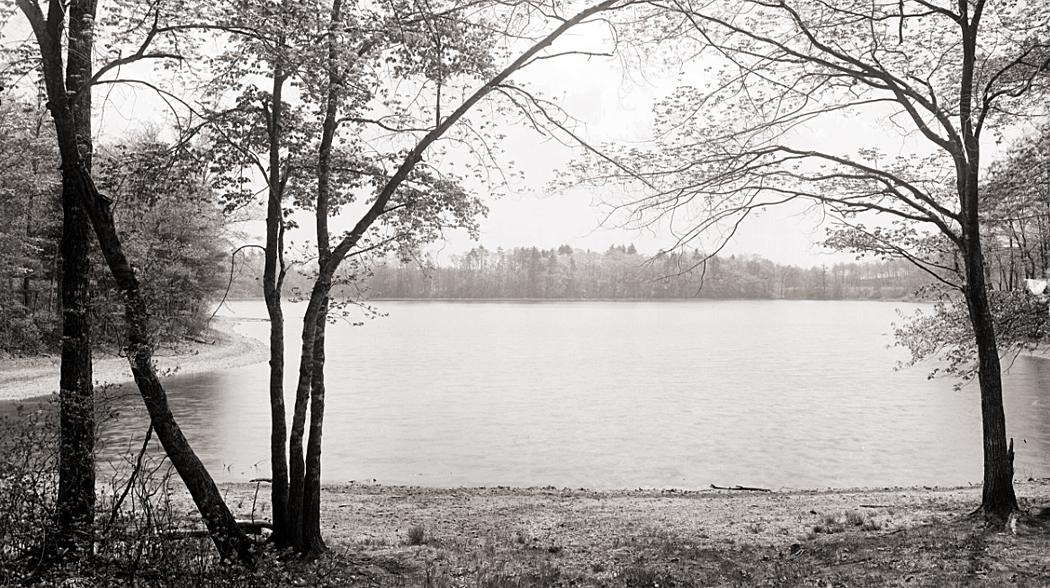
Thoreau’s Cove, at Walden Pond

The difference between them is that Emerson strings these aphorisms one after the other like shunting boxcars bumping into each other. There is often little sense of continuity. You admire each sentence but they pile up rather than add up. Thoreau has the aphorisms, but also the talent, at his best, to make them flow together melodically. 
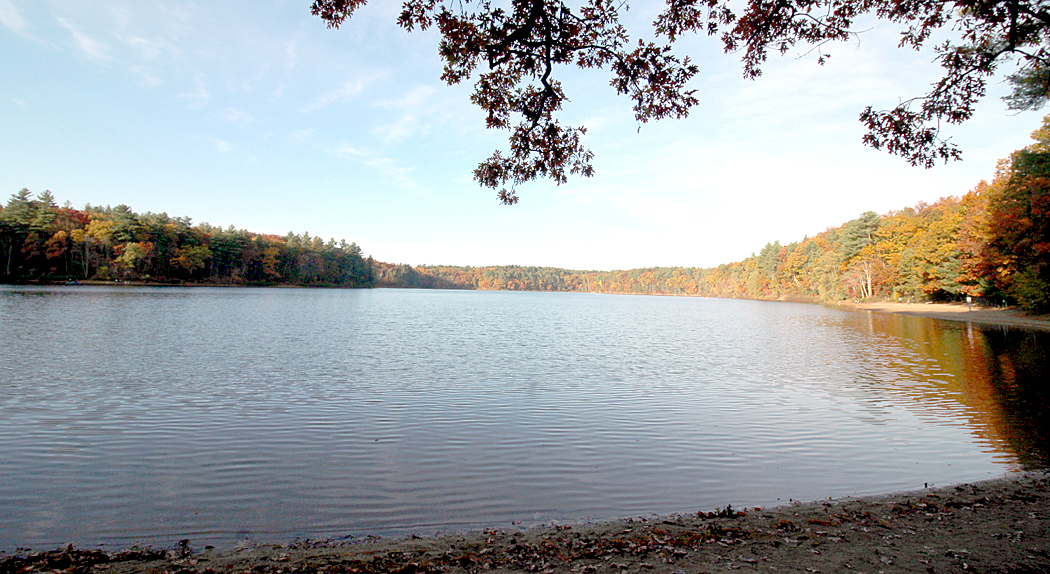
I first went to Concord and Walden Pond more than 50 years ago. I can not accurately recall the number of times I have made it back; they all blur together. I’ve been there in spring and in fall; I have had the place all to myself, and I have had visits I had to share with busloads of tourists; there were moments when I felt I was communing with the eternity that Thoreau found there, and moments that were bound by the clock — I had elsewhere to get to before dark.

But the climax of a visit is circumambulating the pond, i.e., walking the perimeter of the water, a distance of roughly a mile and a half. At the one end is the swimming-hole beach used by the residents of Concord, Mass., and at the far end are the railroad tracks of the Massachusetts Bay Transportation Authority’s Fitchburg Line commuter train.
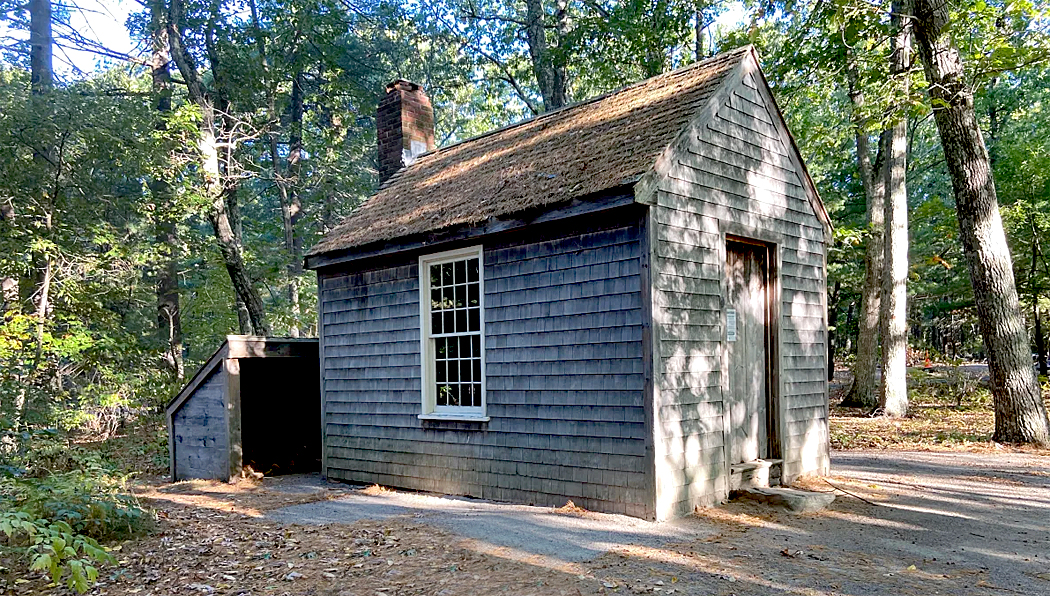
Reproduction of Thoreau’s cabin

On the way, you pass the site of Thoreau’s cabin, marked by stones where the tiny building used to be (a modern replica can be see on the other side of the highway that passes the pond, at the parking lot; yes, there is now a parking lot.)

The pond is just another kettle lake in a landscape made by their number into Swiss cheese on the map of New England. But it has a resonance built into it because of its adoption by Thoreau, a resonance that is now felt by countless acolytes for whom Walden is, if not a holy book, then at least a baedeker for self-discovery.
I may have shorted Thoreau as a political thinker. His essay on Civil Disobedience has been especially influential on reformers, from Mohandas Gandhi to Martin Luther King Jr. And his scientific essays, written later in his career, have sometimes been well ahead of their time. 

But shifting the emphasis from the nature writings to the political and moral writings, as the TV series seems to do, equally distorts the life he is profiling. 

He became a prophet in the hippie 1960s, but that era was too louche to fully capture him. The informality of Whole Earth Catalog would have been foreign to the Harvard educated Thoreau, who read ancient Greek and quoted Aeschylus, and believed in “higher” thoughts and endeavors. He believed in a kind of intellectual hierarchy that our postmodern world mistrusts. 
“He was not easy, not ample, not urbane, not even kind; his enjoyment was hardly smiling, or the smile was not broad enough to be convincing,” wrote Robert Louis Stevenson. “So many negative superiorities begin to smack a little of the prig.”

We get very little flavor of the man, outside the comfortable mythos, from the TV series. Perhaps that is all the use we can get from him in an era of text messaging and Instagram when reading seems as antiquated as blacksmithing. 
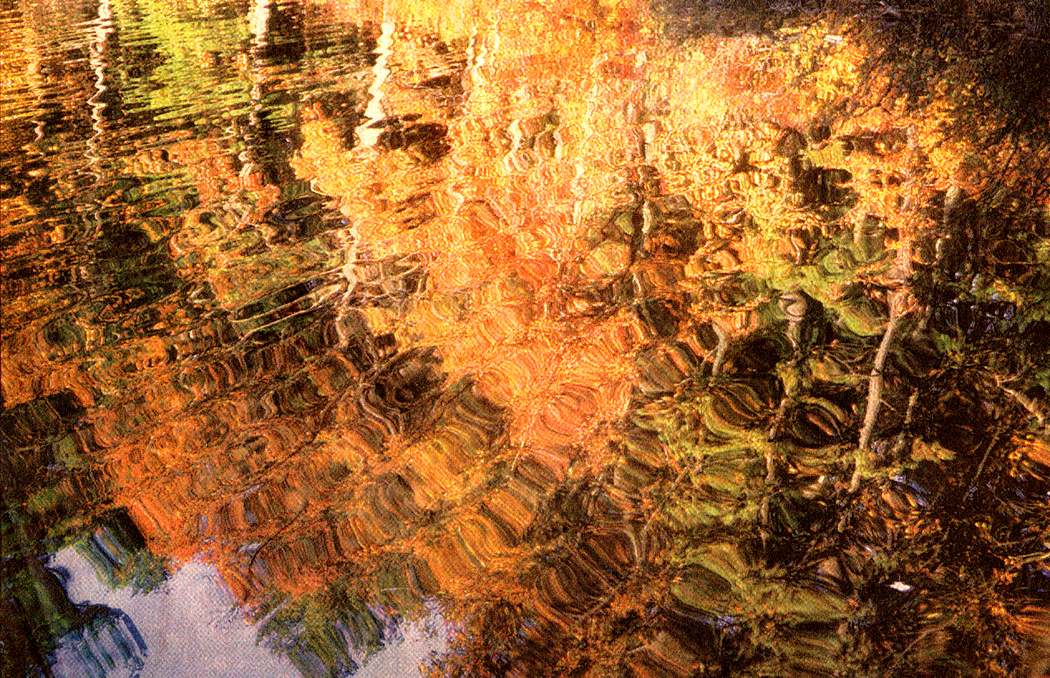
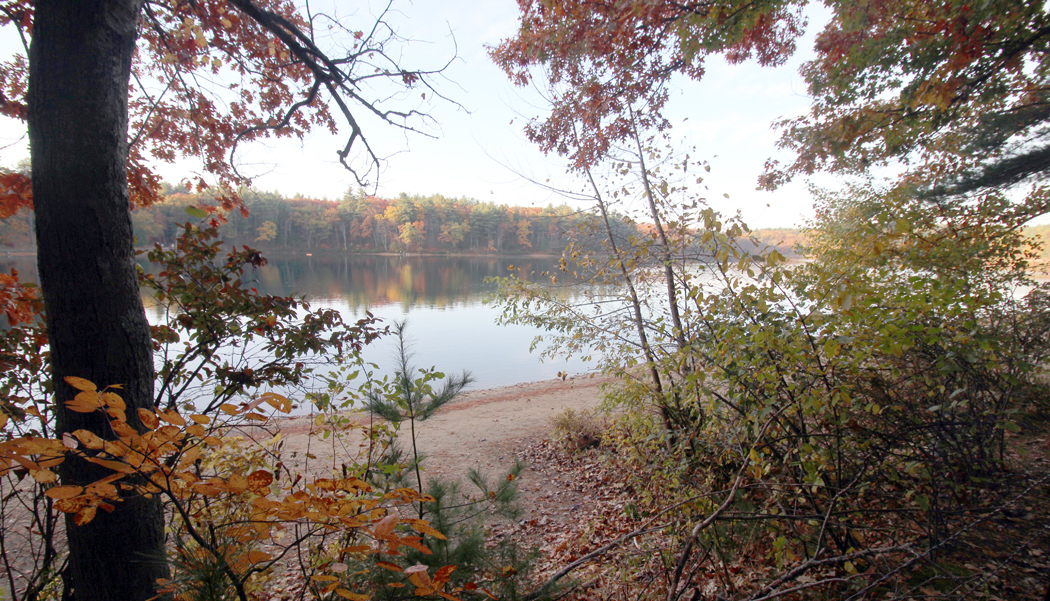
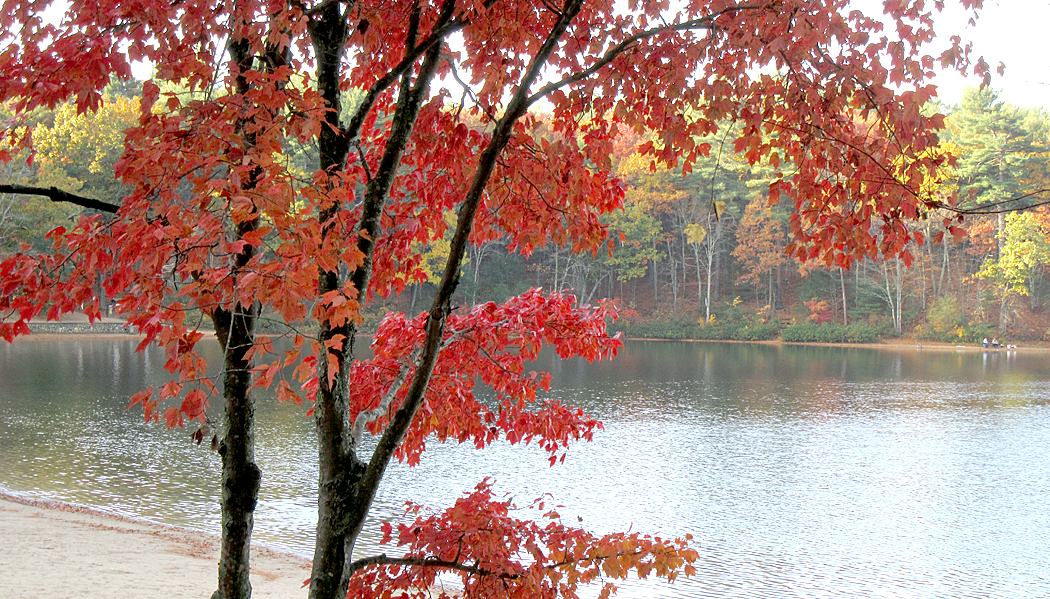
Fall leaves reflected in Walden Pond

We should, no doubt, honor the work that has immediate practical value in the world, but what ultimately gives Henry Thoreau his immortality is the writing, the words. At his best, he was one of America’s greatest writers. I wish the TV series had more of that. 

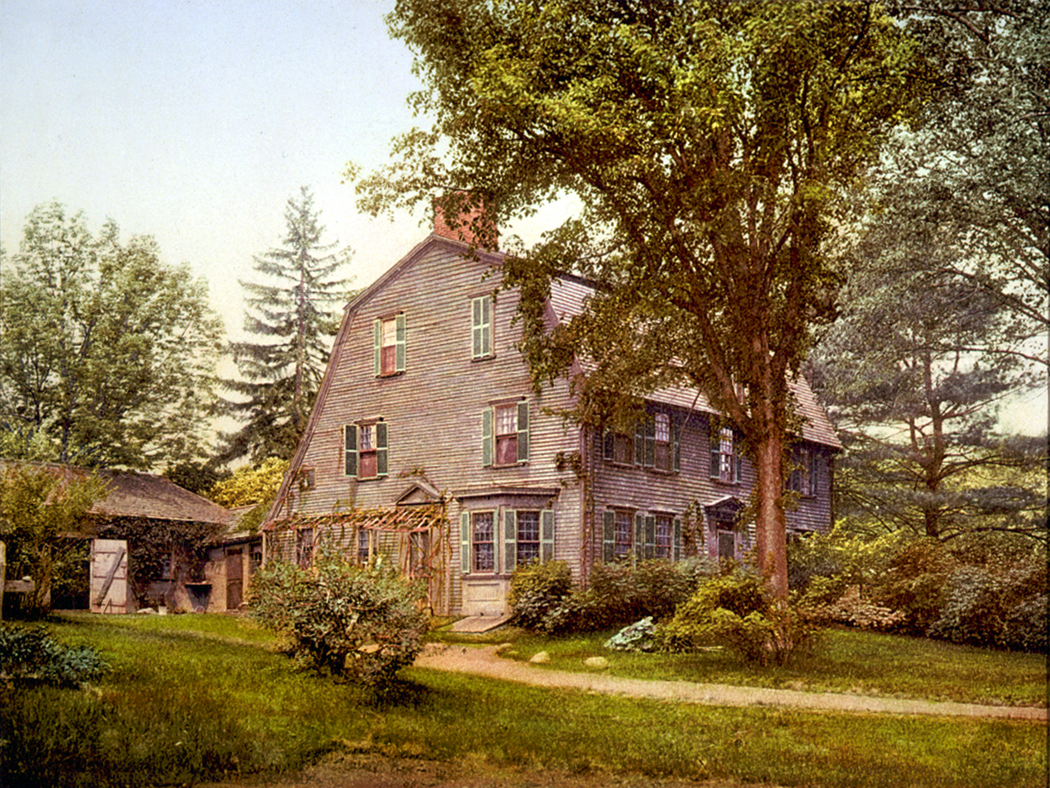
old manse with wallThe Old Manse is one of the most extraordinary houses in America. It saw the birth of two revolutions and was lived in by a string of some of the most exceptional Americans every to grace a town noted for exceptional people.
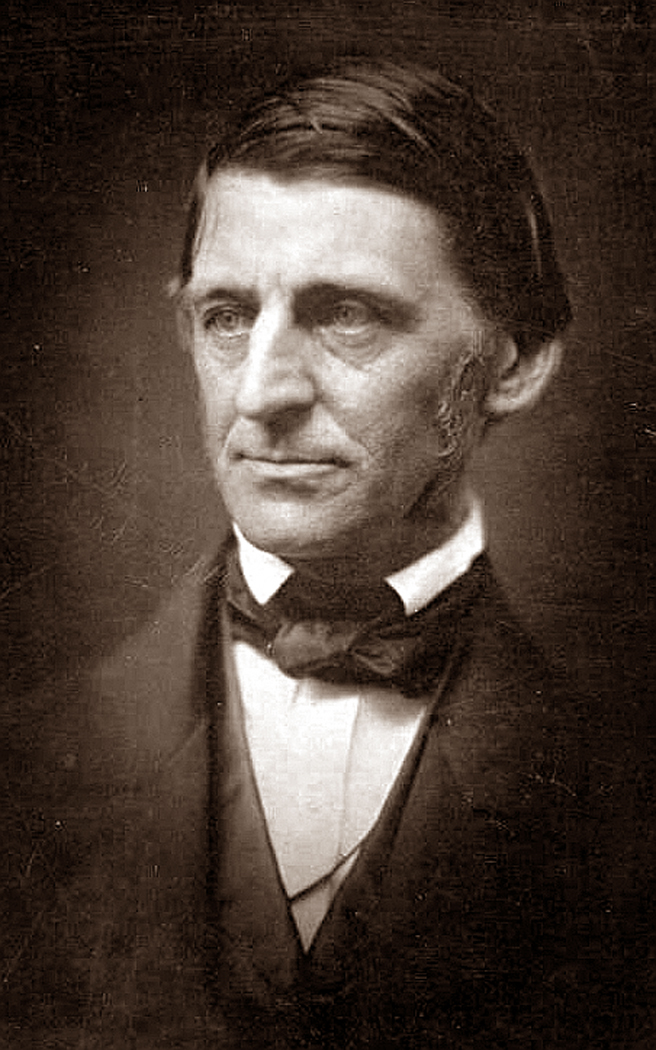
rw emerson

Concord is that town, a small, suburban Massachussets community, only 15 miles west of Boston. There is a grassy town square with its monument, a hillside cemetery, a single street lined with shops and several venerable old churches with  white, pointy steeples.

Concord was also, for a time in the center of the last century, the intellectual center of the young nation. Among its residents were writers, preachers, lecturers, editors and abolitionists. Some of their names are still current: Ralph Waldo Emerson, Henry David Thoreau, Louisa May Alcott, Daniel Chester French — sometimes it seems you have to have three names to live in Concord — and Nathaniel Hawthorne, who broke the three-name rule. Others were once as eminent, but are now remembered mostly by scholars and readers of history books: Amos Bronson Alcott, William Ellery Channing the younger, and Ezra Ripley among them.old manse 1930s

The Manse sits on a wooded rise on Monument Street north of the town center. It is a two story wood frame, gambrel center-entrance twin chimney Colonial house, now with gable windows in the roof and most of its paint gone, leaving a gray, old weathered building in the arbor of trees and vines. It is notable for its many tiny rooms, unusual for an eminent house of that time.old north bridge from manse

Its back yard slopes off toward the Concord River and the Old North Bridge, where American Minutemen fought British regulars on April 19, 1775 and “fired the shot heard round the world.”

That was the first revolution the house presided over.

Mary Moody Emerson, who was an infant at the time, used to say that she, too was “in arms” that day, because she was held up by her mother to the second-floor window of the Old Manse to witness the battle.

Her father, Reverend William Emerson, built the Manse in 1770.

“It was all mother’s fault that the Manse was cut up into so many small rooms,” she later wrote. “My father built it just according to her ideas and she used to say, ‘she was tired of great barns of rooms’ so he had all the rooms little boxes to please her.”ezra ripley silhouette

When William Emerson died in 1776, from disease contracted at Fort Ticonderoga, his widow tried to carry on by herself, but then, in 1780, she married the formidable Reverend Ezra Ripley. He preached up a thunder for 63 years as minister of Concord.

Ripley’s step-grandson, Ralph Waldo Emerson, remembered him this way: “Dr. Ripley prays for rain with great explicitness on Sunday, and on Monday the showers fell. When I spoke of the speed with which his prayers were answered, the good man looked modest.”

And when he died, he was laid out “Majestic and noble,” recalled Ralph’s older sister, Ellen.

“Waldo, taken to see him, walked round and round the couch and at last asked, ‘Why don’t they keep him for a statue?’ ”

Mary Moody Emerson became an eccentric, herself. She was witty, bright and well-read and was Ralph Waldo’s favorite aunt. “For years,” he wrote, “she had her bed made in the form of a coffin. … She made up her shroud, and death still refusing to come, and she thinking it a pity to let it die idle, wore it as a night-gown, or a day-gown, nay, went out to ride in it, on horseback, in her mountain roads, until it was worn out. Then she had another made up. …. I believe she wore out a great many.”old manse dining room

Ralph Waldo only lived at the Manse for a single year, but it was for him and important year. It was at the Manse that he wrote his first, and most influential essay, “Nature,” which spelled out the tenets of Transcendentalism.

That was the second revolution. It altered the intellectual direction of the country and was the first genuinely American philosophical venture. Its effects can still be seen in American culture, from the photographs of Ansel Adams to the American national park system.sophia peabody 2

In July 1842, Nathaniel Hawthorne and his bride, Sophia Peabody (that’s “So-FYE-uh PEEB-iddy”), became tenants at the Old Manse. They stayed three years “in Eden,” he wrote.

He wrote many of his best known short stories in the Old Manse and also the introductory essay for the volume of stories known as Mosses from an Old Manse.

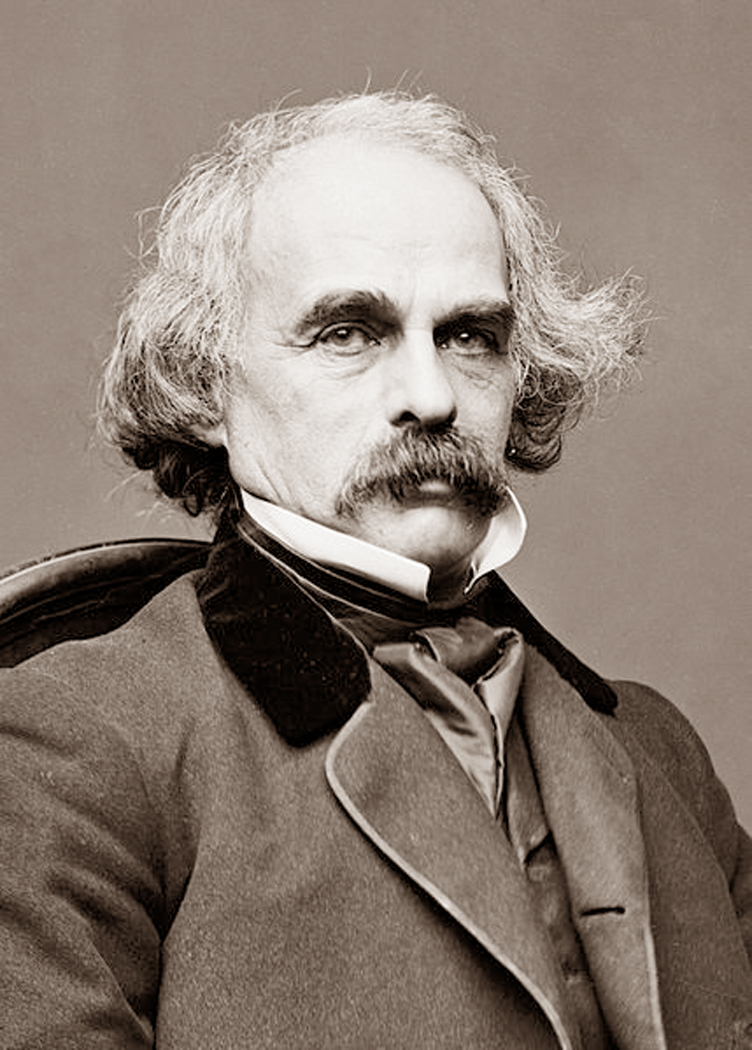
Ralph Waldo, recently married and removed to his own house, had suggested the Old Manse to Hawthorne. Henry Thoreau became Hawthorne’s gardener. The couple was transcendently happy.nathaniel hawthorne

“We seem to have been translated to the other state of being, without having passed through death,” he wrote.

The house had always before reflected the dour Puritan esthetic of its builder, but the young couple redecorated it, brightening it up and modernizing.

“It required some energy of imagination to conceive the idea of transforming this musty edifice, where the good old minister had been writing sleepy sermons for more than a half-century, into a comfortable modern residence,” he wrote. By the aid of cheerful paint and (wall)paper, a gladsome carpet, pictures and engravings, new furniture, bijouterie and a daily supply of flowers, it has become one of the prettiest and pleasantest rooms in the whole world.”

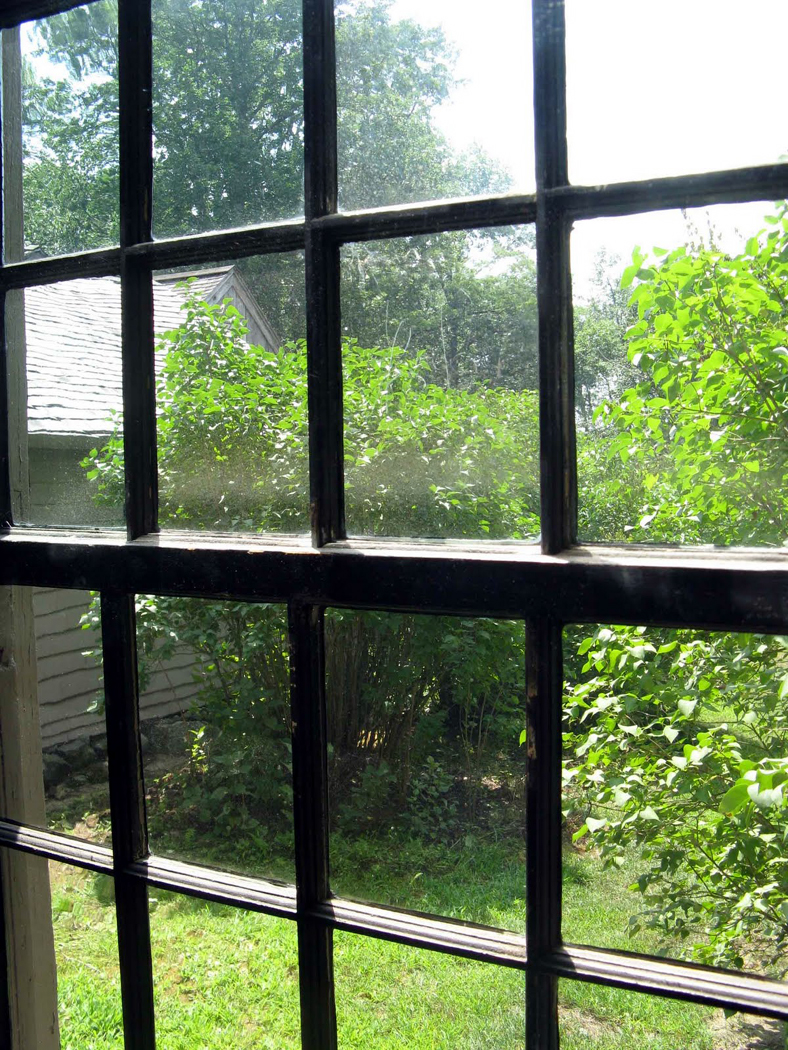
In the north window of the upstairs study, Hawthorne and his wife scribed sweet nothings into the glass.old manse window

“Man’s accidents are God’s purposes. Sophia A. Hawthorne, 1843.”

“Nathaniel Hawthorne. This is his study, 1843.”

“The smallest twig leans clear against the sky.”

“Composed by my wife and written with her diamond.”

“Inscribed by my husband at sunset, April 3, 1843. On the gold light. S.A.H.”

The scratchings are still there to be seen. We think them immeasurably romantic. Their landlord looked at it something more like vandalism and they were asked to move out.sarah ripley

Samuel Ripley and his wife, Sarah, then moved in.

Sarah was perhaps the brightest light ever to live in the Old Manse. She was exceptional in any age, and a miracle in her own.

With only a year and a half of formal schooling, Sarah went on to teach herself botony, calculus, Greek, Latin, and most modern European languages. When she was in her 60s, she took up Sanskrit.

She apologized to one visitor that she still needed a Sanskrit dictionary to help her, implying that she could read the Odyssey or the Aeneid the way some people read the daily newspaper.

She sighed, “I cannot think in Sanskrit,” recalls her grandson, Edward Simmons.

Another visitor records a trip to the Old Manse and seeing Sarah rock the cradle with one leg while cooking dinner with her hands and tutoring one student in German and another in geometry.

Ralph Waldo wrote of her, “Mrs. Ripley is superior to all she knows. She reminds one of a steam-mill of great activity and power which must be fed, and she grinds German, Italian, Greek, Chemistry, Metaphysics, Theology, with utter indifference which, — something she must have to keep the machine from tearing itself.”old manse kitchen

The Manse remained in the Emerson-Ripley-Ames family until 1939, when the family transferred the property to the Trustees of Reservations, a non-profit organization that maintains historic properties in Massachussets.

“The Concord literati are gone,” wrote Simmons, “the town has completely changed, but the Old Manse is still there, holding many secrets.”

Maxim Gun

Nobody writes epigrams anymore, and we are the worse for it. Instead, they are too busy writing Tweets. The difference? A Tweet says in 140 characters what no one needs to say. An epigram says in a few short words what can be unfolded and stretched out into a book: It is a seed waiting to sprout in the mind of the hearer. A Tweet goes everywhere in the world, but goes nowhere.

A Tweet is flaccid and generally pointless; an epigram, or maxim, is a gun that fires rapidly.

La Rochefoucauld

La Rochefoucauld

I love rambling through such terse cynics as La Rochefoucauld, and I eat up the ”eternity in a phrase of glass” of Ralph Waldo Emerson and the punchy paragraph perorations Henry Thoreau.

I don’t claim to be any Martial, but over the years, I’ve squeezed out a few. Here are some, strung together and pretending to be pearls:

–› Curiosity is the libido of art.

–› Art doesn’t come from the brain; it comes from the base of the spine.

–› I don’t want to know an artist is clever; I want to know he is more alive than me.

–› We need to know that the moments of time are connected to one another and are not merely adjacent.

–› Meaning depends on ambiguity. The more precise a word is, the less it describes.

–› You can forget knowledge; understanding changes your life.

–› It is the conservative’s impotence that he can only react, never create.

–› Ultimately, what counts is not the wisdom of Solomon, but stories of that wisdom.

–› Design is your awareness of everything in the frame.

–› Western art is really a branch of physics.

–› Art history is fine for the historians, but the rest of us must watch not to be hit by the flying debris.

–› Reality is no excuse.

–› What you know prevents learning.

–› There can be no great beauty that doesn’t know tragedy.

–› There are those for whom the world is rote. For whom knowledge is an orderly collection of facts, not the experience of understanding. For whom a set of rules prescribes behavior and describes art, music, politics, commerce. They are the managers, the commissars, the education reformers — for them, the planet turns on a dry axle.

–› To the degree that you use someone else’s words to express yourself, to that degree you don’t understand what you are saying.

–› The difference between a commercial artist and a fine artist is that a commercial artist knows what he is doing.

–› Art is the discovery or creation of meaning and order from the chaos of perception and experience.

–› The artist knows that 1 plus 1 equal 3. There is the one apple, the other apple and the two together.

–› Art is not a product; it is a byproduct.

–› A fact is a fragment, a truth is a wholeness.

–› Science is the test we give to hard facts, art is the test we give to everything else.

–› Art makes you aware that you are alive. That is not always very pleasant.

–› Art worth remembering is art that tackles knotty problems. Everything else is wallpaper.

–› Entertainment diverts us from the cares of life; art makes us feel alive. The two things are opposites.

–› Design is not a set of rules, it is a level of awareness.

–› All the questions that matter are insoluble.

–› Civilization is an irrational fear of the irrational.

–› Art creates civilization, not the other way around.

–› Everyone asks questions; intellectuals ask questions about the questions.

–› Opposites do not exist in the world separate from the language that describes them.

–› One end of the cigar is lit, the other is where we draw smoke. We call the two ends opposites, but there is only one cigar.

–› You can teach knowledge, but understanding has to be learned.

–› Aesthetics is the use of large words to describe what you can feel in your fingertips without any words at all.

–› Everything changes, said Heraclitus. Nature is a verb; a noun is only a parking space.

–› All art is regional art; New York City is a region, too.

–› A Truth is never probable.

–› A Truth satisfies an inner need for order.

–› It’s not what you know, but what you are willing to be aware of.

–› Words are the smoke screen art attempts to penetrate.

–› You must look at art longer than you can stand.

–› Boredom is an essential part of the art process, for artist and viewer alike.

–› Art starts out with only one belief: that the intuitions and emotions of the artist are valid. Period.