Archive

Tag Archives: sense data

I was sitting on the backyard patio this morning, soaking up sunlight, when a squirrel skittered across the lawn, back and forth like a pinball. Eventually, he came to within 10 feet of me. I sat stock still, and he stared, twitching his nose, standing on hind legs like a deacon. After about a minute — which can feel like quite a long time — I must have blinked, because he jumped, startled, and took off running away. 

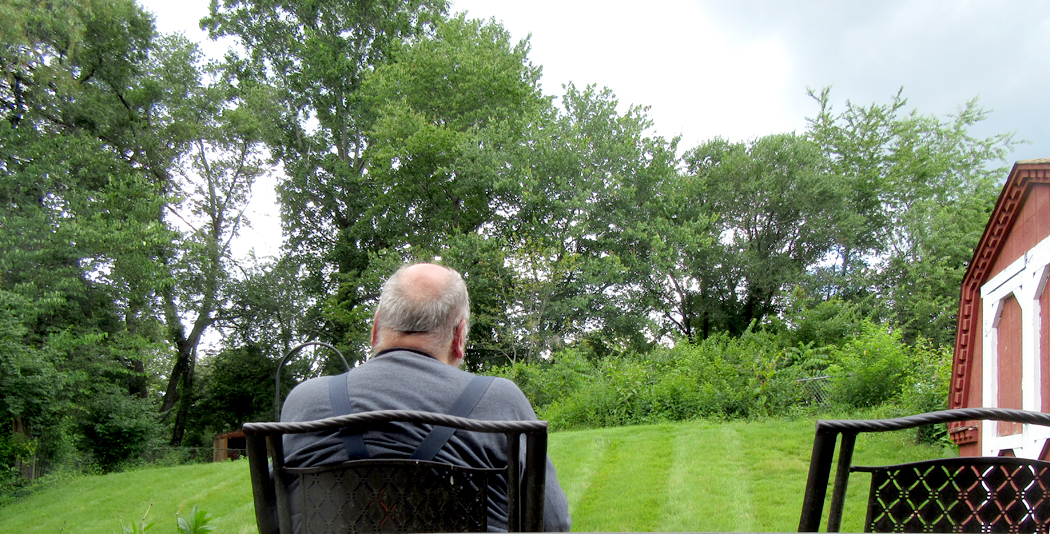
I often sit in the back yard, to hear the birds and watch the clouds. It feels like an unmediated soak in existence. I sit trying to notice everything, the birds singing, the clouds moving, the wind making the trees wiggle in random motion, and until recently, the incessant noise of the cicadas, sounding like the A Train rushing through the 81st Street subway station. I felt the breeze in my hair, saw the bluish greens of the iris plants and the yellower green of the grass, I enjoyed the warm concrete on the soles of my bare feet and the incipient sunburn on the backs of my hands.

Bill Moyers once asked Joseph Campbell about the search for meaning, but Campbell switched focus: “People say that what we’re all seeking is a meaning for life. I don’t think that’s what we’re really seeking. I think that what we’re seeking is an experience of being alive, so that our life experiences on the purely physical plane will have resonances with our own innermost being and reality, so that we actually feel the rapture of being alive.”

And so, I sit watching my back yard, the trees that line it and the sky above it. I can feel myself breathing, wiggling my toes and being alive, and what is more, recognizing the world being alive around me. For a moment, there is no boundary between my existence and the sea of being in which I swim. 

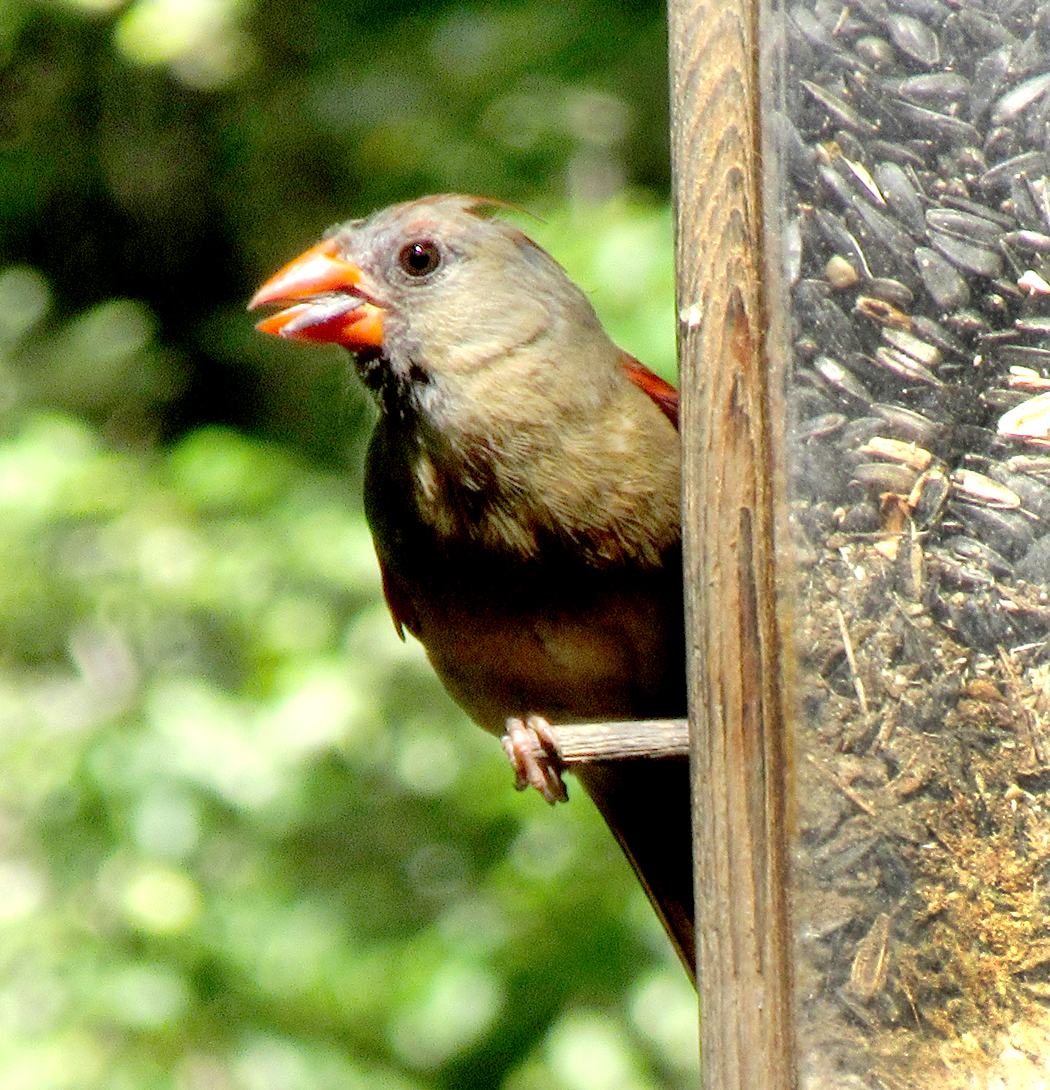
A wren flits down and sits on the steps to the shed and moves from one position to another with no apparent intervening motion, as if it were a jump-cut in a movie. A really bossy mockingbird runs through his repertoire of bird calls, claiming this patch as his own. A cardinal flies from my left to land on a bush to the right. A white butterfly bounces on the air waves to disappear behind the bushes. 

I’ve seen so much life in this tiny patch of ground, it sometimes astounds me. I cannot count the birds. Crows, even a raven. Way up in the sky, I’ve seen up to a dozen buzzards at a time circle as they catch the updraft coming from the river and up the bluff to this house. 

There have been cottontails and many squirrels. Two years ago, coming home from a trip to Maine, as I pulled into the driveway, two bear cubs were climbing up a tree at the back of the property. We watched them having their fun, and then mama bear climbed up behind them to encourage them to come back down. A dog barked aggressively from somewhere down the neighborhood and the bears all dropped to the ground and ran off. I’ve seen bears waddling through the streets here, and long ago learned not to put the trash out until garbage delivery day. 

A groundhog has crossed the back yard so often, he has left a permanent trace in the lawn. I have seen him multiple times harrumphing his way along. If he spots me sitting, he will take a moment to stare and consider his next move, but then run faster than you think he can move, back where he came from. 
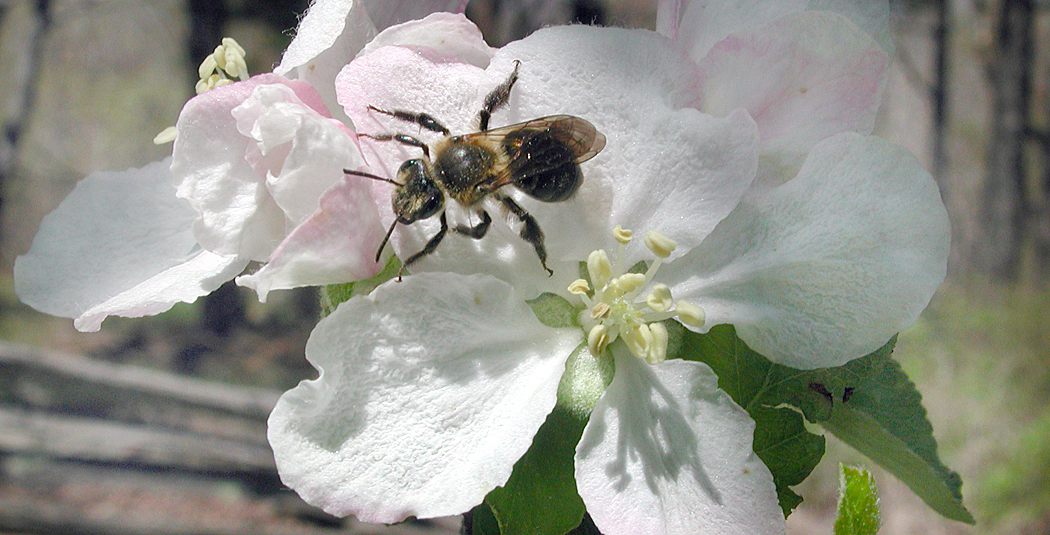
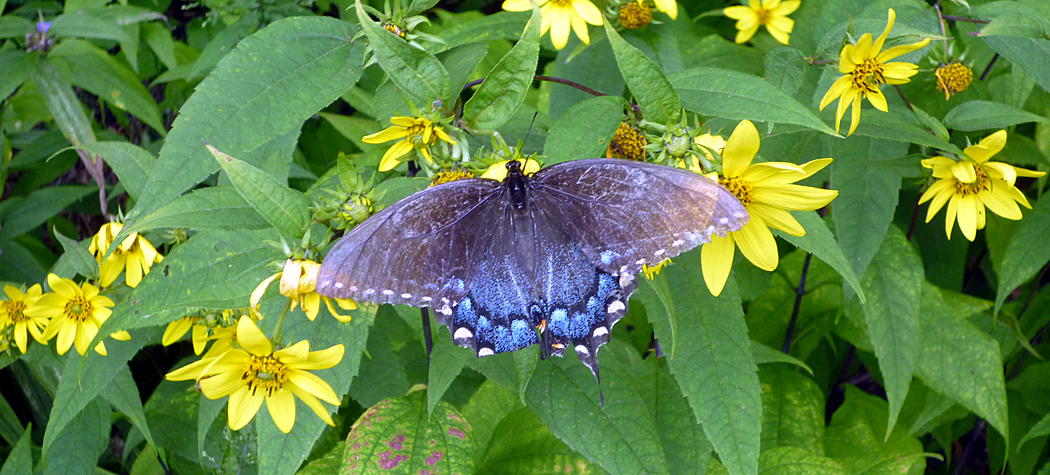
Then, there are the bumble bees, the honey bees, the wasps and the ant lions — their little sandy funnels in the dirt of the front garden. Big black butterflies, and their yellow and orange doubles light on the hedges and weeds. Ants build their nests in the cracks of the driveway, leaving tiny ridges of dirt where they have dug down. 
Yesterday, as I was headed out the back door to have my daily sit-down on the patio, before opening the door, I saw the groundhog plopped down right by my chair, butt-flat on the concrete and motionless as a garden gnome, while an angry mockingbird jumped in a half-circle around him aiming “Cht-Cht — Cht Cht” at him. They continued this performance for a good two minutes until I must have made a noise and the great, heaving woodchuck became disturbed, turned its head my way and waddled off to hide under the shed and the bird, having had its way, flew up to a tree and quieted down. 

When I was little and visited the Bronx Zoo, I was impatient to see the animals, who sometimes hid in the shade at the back of their enclosure, or sat behind some rocks, and if I did not have my interest piqued in the first five seconds, I moved on to the next animal. But my father told me to wait. Just watch. Eventually something would happen. I didn’t understand that then; I do now. I find myself in my yard patiently waiting for the next miracle. 

(Many years later, I worked at the Woodland Park Zoo in Seattle, and saw crowds of impatient kids moving from exhibit to exhibit. And it is only worse now, in an era of cell phones and digital immediacy.) 

Writing in the Fourth Century, the Christian poet Prudentius identified in his Psychomachia (“Battle of the Souls”) his version of the Seven Deadly Sins, and the corresponding Seven Virtues, at war with those sins, and among the virtues was Patience. 
I don’t know if I learned it from my father, or inherited it from his DNA, but, like him, I have become rather patient. Or maybe I’m just sluggish. But, I believe it served both of us well. The old man was slow to judge, slow to anger, and would never think to get outraged at traffic. Being raised that way, I, too, am willing to wait, when waiting seems either inevitable or purposeful. In fact, I can sit quietly in a chair neither talking or thinking for ages at a time. When I’m being philosophical about it, I call it meditation.
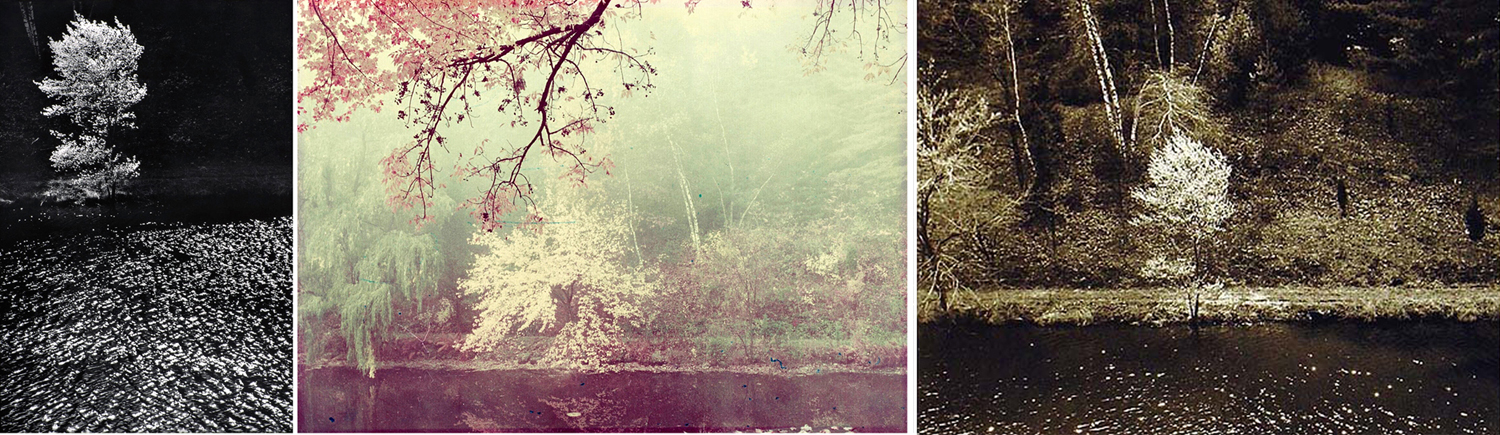
In the 1950s, the aging photographer Edward Steichen rarely left his home in West Redding, Connecticut, and began photographing a serviceberry tree (he called it a shadblow tree) through his window. He watched the seasons shift across the face of the pond and the tree and pictured them in all seasons and hours of the day, under varied weather, and made a case you could spend an infinite amount of time in a single place with a single subject and discover everything. As Yogi Berra once famously said, “You can observe a lot by just watching.” 

And it is the little things, carefully watched, that won’t happen again. The flow of the world is that it won’t happen again, all in constant forward motion and I sit to watch it move past me, and take me with it. 

 I just want to sit and soak, to sense the universe around me without thinking. We tend to glorify rationality, and the power of our brains to think meaningful thoughts, and we diminish the value of pure sensation, the sensuous awareness of colors, shapes, earthforms, clouds, birds, song, rhythm, touch, smells, and tastes. But these things are primal and exist before thought. Sensation is primary; making sense is an afterthought. 

And so I sit, trying to lose myself in the larger pattern.  

But, damn it, I can’t help being a writer and so I need to belittle what I enjoy, turning it all into words, into capsules of meaning that when read by others will be turned into ideas about sensations. Words not experience. And so, I can’t stop myself from writing this, hoping you share some of that delight when you step outdoors on the right day, with the right breeze, and the right mockingbird and crow squawking, and can see the trees dancing and the sun moving slowly across the sky blotted with whatever variety of cloud you have that moment.

I am in love with the things of this world. I love the colors, the textures, the shapes, the light and shadow, the sounds and smells, even the tastes of things around me. And I feel it is a love requited. At least, my love has paid me back with profound pleasure.

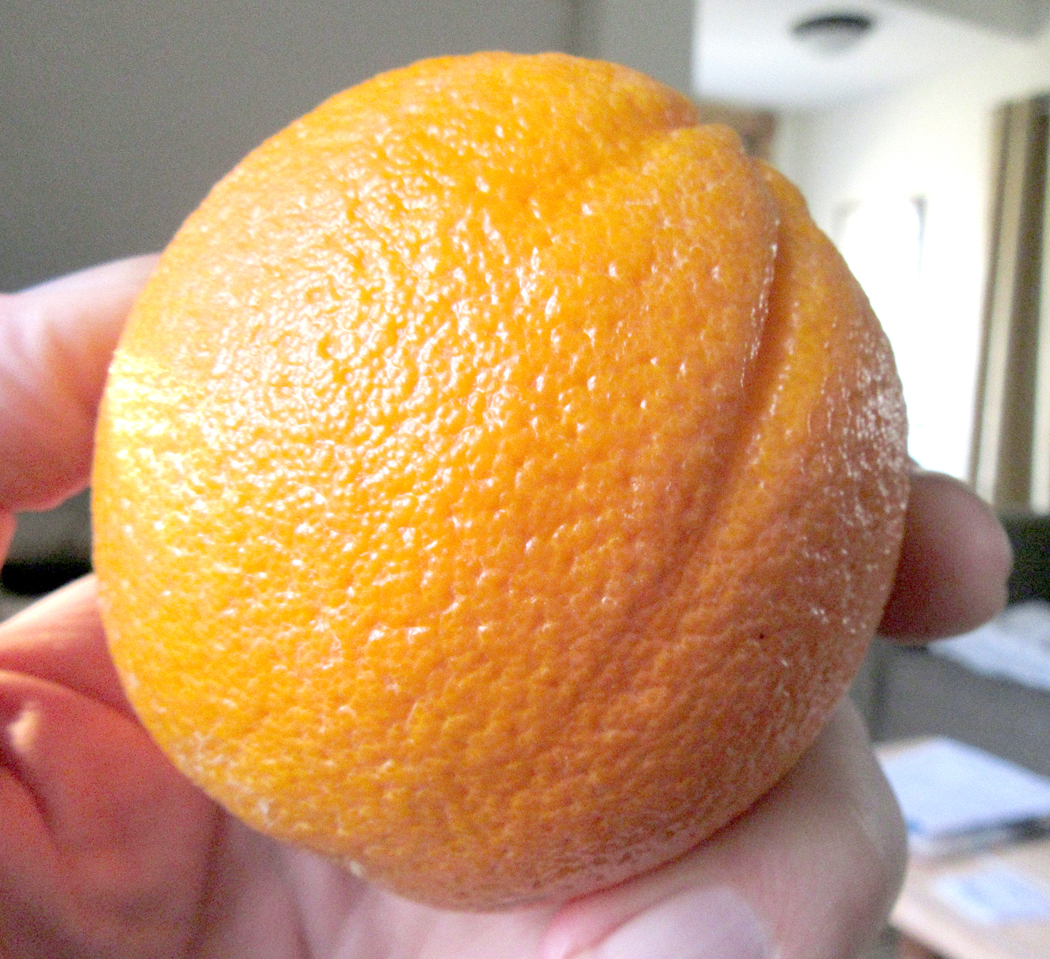
The world I love has heft. It thumps when you give it a smart fillip. You rub you fingers over its rind and it gives a little, but pushes back. The rind is pebbly, like the surface of an orange. It is physical and present. It surrounds me like an amnion and I am comfortable in its presence. 

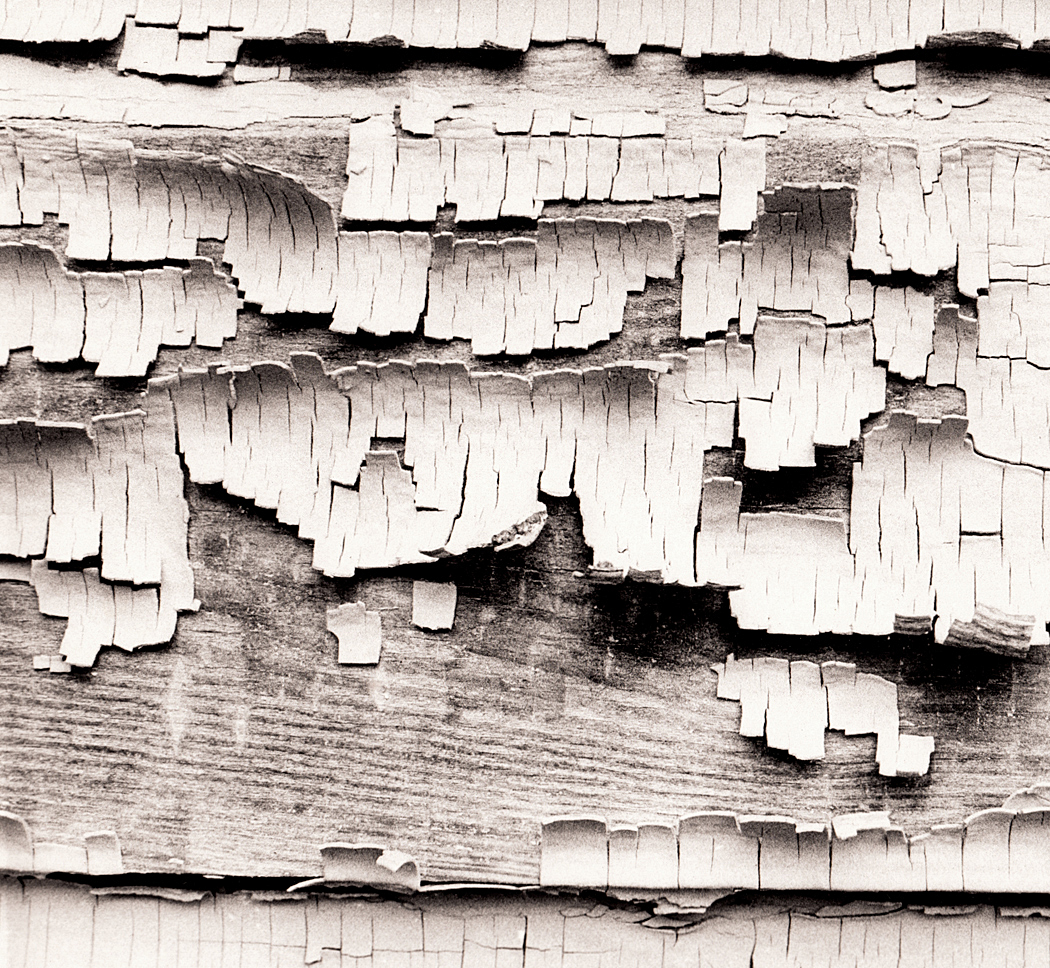
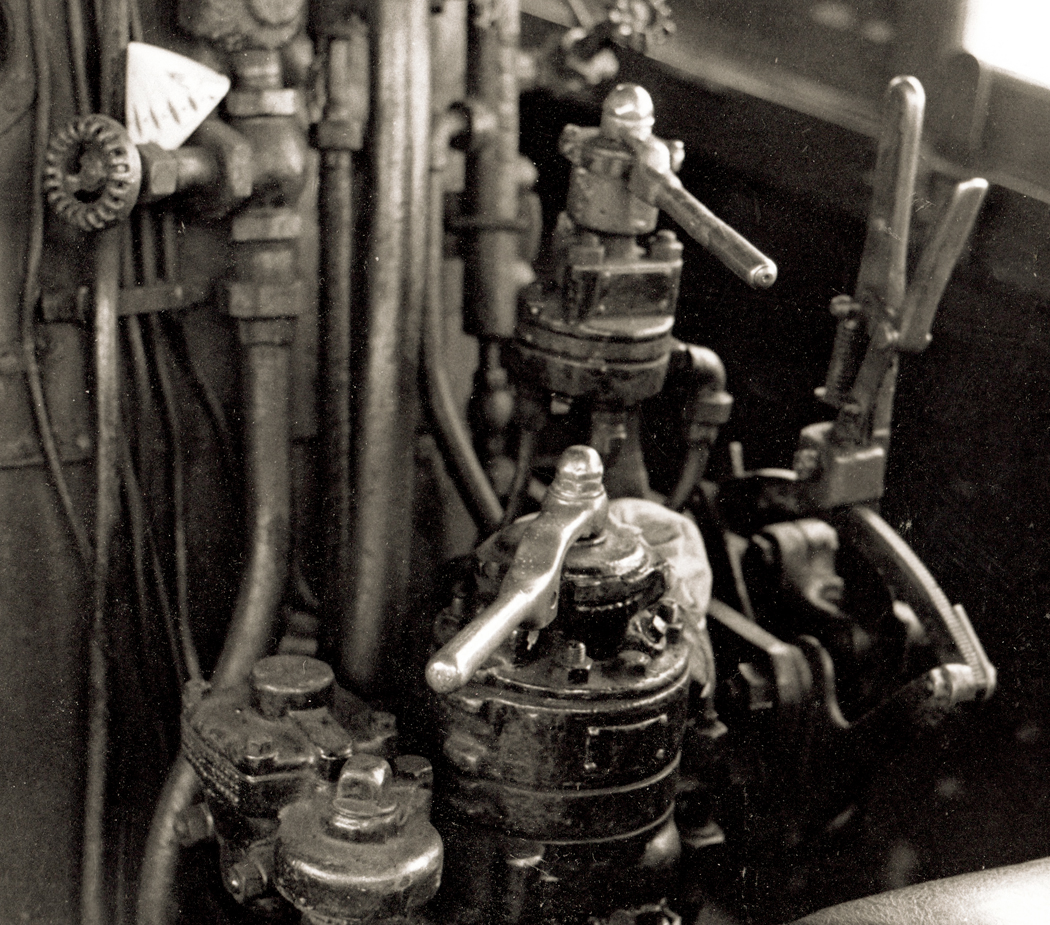
But don’t think I am talking only about sunsets and rainbows. I love equally such things as discarded hubcaps and old, torn shirts. The feel of linen, the sound of traffic, the look of the palimpsest of graffiti on the sides of a subway car. 

You can dismiss me as a sensualist, but I maintain that the world apprehended through the senses is the utmost proof of being alive, Descartes be damned. When I mash potatoes in the pot with butter, salt and a bit of cream, I feel the resistance of the tubers, the thickness of the pulp, the stickiness of the mash on the sides of the pot. I know at such moments that I am living in a world, a world full of the things I love. 

(This issue is separate from the question of people I love. The primary importance of that goes without saying.)

There are two larger points I want to make about this. The first is that the world is largely abrasive and difficult. There are wars, famines, drug cartels, disease, deadly parasites, jealousies, greed, death and the deaths of those we love. In other words, there is plenty in the world to level us. But even in the face of all this, people find ways to discover moments of pleasure, even joy. Children and grandchildren, friendships — sometimes even spouses — are, perhaps the primary sources, but there are also quiet moments where you find an attractively colored stone or the birds in the power lines looking like minims and quavers on a music staff. 

The world gives us these things and we are offered the opportunity to observe them and find beauty, pleasure and enjoyment. Given the misery around us, such bits are essential. 

I cannot claim to have suffered much in life, although it feels as if I have, but the pleasure of things gives me great comfort. 

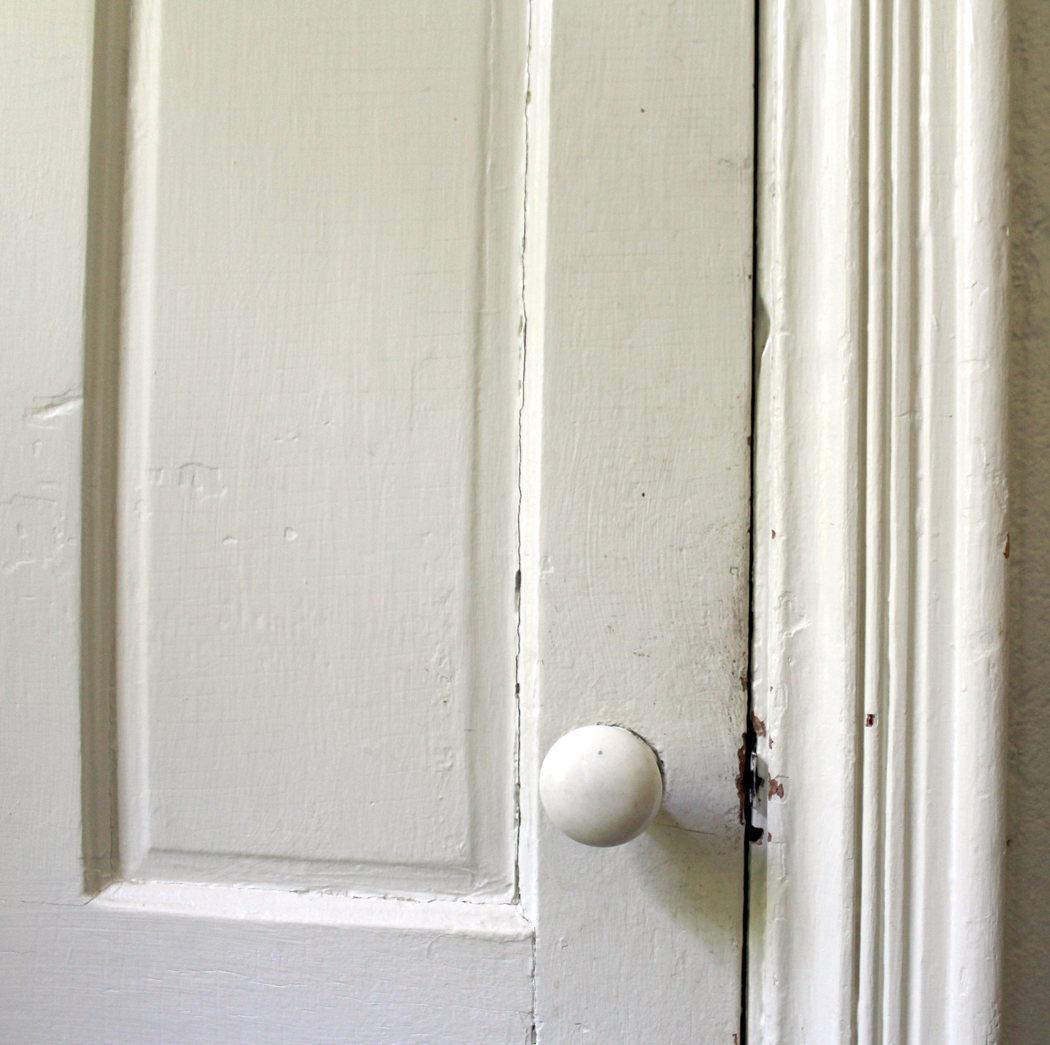
But more, the awareness of the physical existence of our surroundings can make us more immediately aware of being alive. So much of our daily routine is autonomic, barely observed in the passing. But a keen attention paid to the rocks, weeds, doorknobs, faucet handles, cloud patterns, colors of the cars that pass us on the road, dust on the sills, make us recognize that we are living parts of a whole. A stone set in a bezel. 

Paying attention fills our selves and enlarges us. This is more than mere pleasure, but the pleasure is central. It is the reason to pay attention in the first place. 

It also anchors us in physical reality, or at least our perception of it. If we are open to the things of this world, we are less likely to careen off into various ideological morasses and delusional idealisms. Such are the stuff of words and schema. But the solid world of apples, bottles, pork chops, gudgeons and pintles tethers us to the earth. 

There are those who get their satisfaction from ideas, doctrine or ideology, but those are pleasures of the mind, divorced from the muddy, sun-spattered physical world. Words are fine things, but they are always abstracted, like a picture of the world rather than a garden. Framed rather than expansive. 

And so, I have to laugh every time I hear of Americans as being “materialists,” when the average citizen barely pays attention to the material world, but rather to ideas about the material world — ideas such as status, acquisition or wealth. These are not material values, but, in a sense, spiritual values. If we were truly materialistic, we would never tolerate walnut-woodgrain plastic. 

No, the physical composition of their existence is simply not a high priority for most Americans. When we say Americans “worship the almighty dollar,” we aren’t saying that they value material objects over spiritual ones, but rather that they place worth on one set of spiritual values instead of another, more worthy set.

Money, after all, isn’t a physical object. It isn’t material. It is no more physical than an inch or a pound. It is a measuring item, to measure wealth.

Real wealth is the possession of useful or meaningful things. To own land, or to grow 40 acres of artichokes is to possess wealth. You can eat artichokes; you can’t eat money.

Money cannot be worn, it cannot be used to build with. It must be translated back from its symbolic existence to a material existence by spending it.

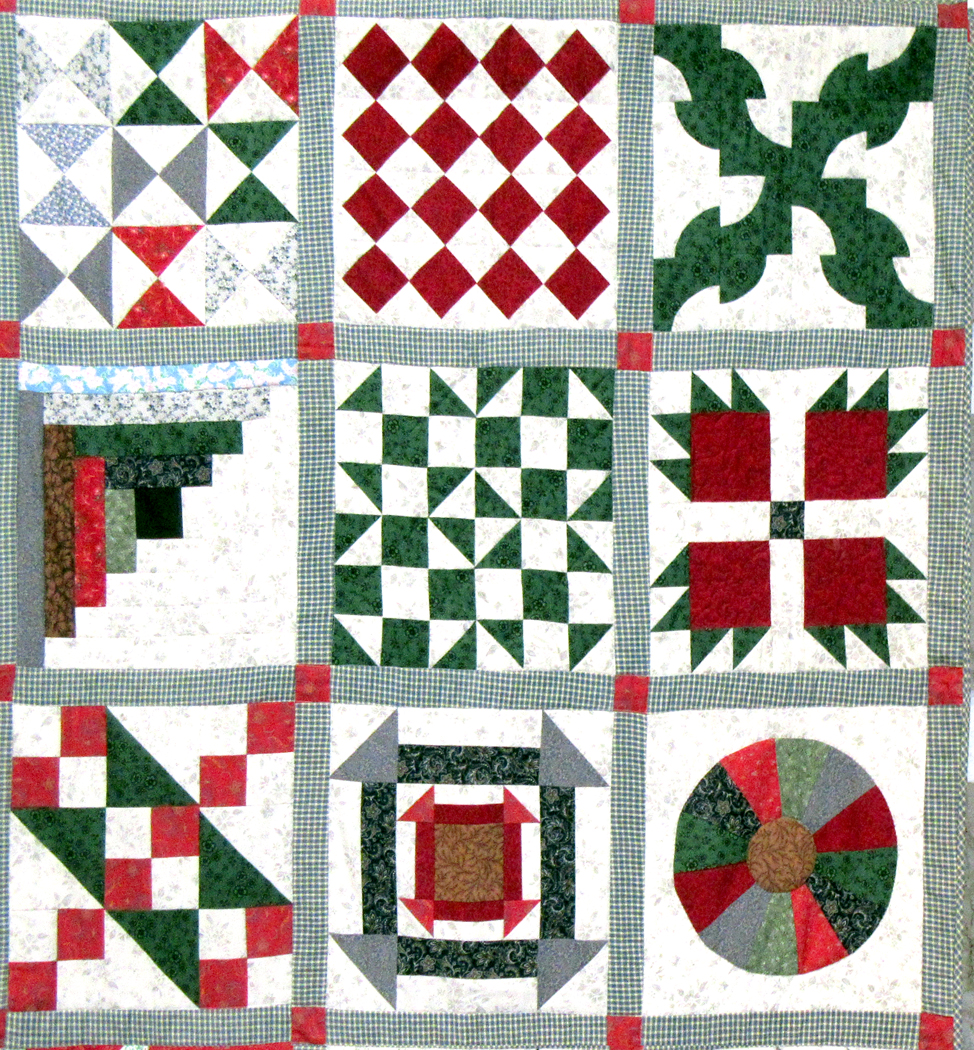
I’m not saying that money isn’t nice to have around. But that it is a mental construct, not a physical reality. (This is becoming ever clearer as we give up carrying cash and instead spend immaterial sums by the passing of a plastic card through a reader.) If we want wealth, it isn’t because sewn together, dollar bills make a nice quilt.

Even the things Americans spend their money on tend to be owned for spiritual rather than physical reasons. If we want to own a BMW or a Lexus, it isn’t because these are better cars than a Honda or a Ford — though they may be (I’m not convinced) — but because they are status symbols that let other Americans know where we rank on the totem pole.

Armani suits and Gucci bags are not something most Americans really enjoy on a physical level. They are the civilized equivalent of the eagle feathers the chief wears, or the lion-ruff anklets worn by the Zulu leader: They confer prestige and denote status.

These are spiritual values, albeit of questionable worth.

As a matter of fact, America would be a whole lot better off if it were more materialistic. The planet is bursting with stuff: It all has a texture, a feel, a smell, a taste, a sound. If we were materialistic, we would be aware of how much richness the material existence affords, and we would revel in it. We would be mad — as Walt Whitman says — for us to be in contact with it.

And what is more, the deeper we involve ourselves in the physical world, the more spiritualized we would become — that worthy spirituality. It is because we are so un-materialistic that our environment suffers so. We don’t value the physical world we live in. It doesn’t bother us that there are fewer birds singing in the morning, or that codfish are disappearing.

In part, this is a remnant of the contempus mundi that was fostered under Medieval Christianity. It is that suspicion of the physical world that the Old World monks felt would seduce them from the righteousness of prayer and ritual.

We have inherited the contempt, but without the prayer. It leaves us in a hollow place.

As an adult I have come not to trust anyone who doesn’t love the physical world.

I don’t trust such a person to make policy choices about oil drilling or lawn seeding. I cannot imagine how it is possible not to fall in love with the things of this world, but I see just that happening all the time.

(I find it amusing that Republicans and Communists are indistinguishable in their belief that the central truth of existence is economic.) 

I pick up the lump of spring earth and squeeze it in my fist to judge whether it is time to plant my potatoes. I listen for the birds globing and twisting in murmuration as they rise from the trees in the morning. I look for the light caught in the cholla spines and the twill in my gabardine. There is velvet in heavy cream and scratchiness in wool blankets.

The physical sensations make us more aware, more awake. The love of the physical world keeps us from becoming dullards. Living in a world of symbol and status dulls us. At its worst, it leads to ideology, and all ideology is a straitjacket, suitable only for a common form of madness.

It is what Carlos Williams means when he says that “So much depends on a red wheelbarrow glazed with rainwater beside the white chickens.” So much depends. As he wrote in Patterson: “No ideas but in things.”

Yes, I am in love with the things of this world. I lament having eventually to leave it all behind, but am grateful for the years I am alive.

Click on any image to enlarge